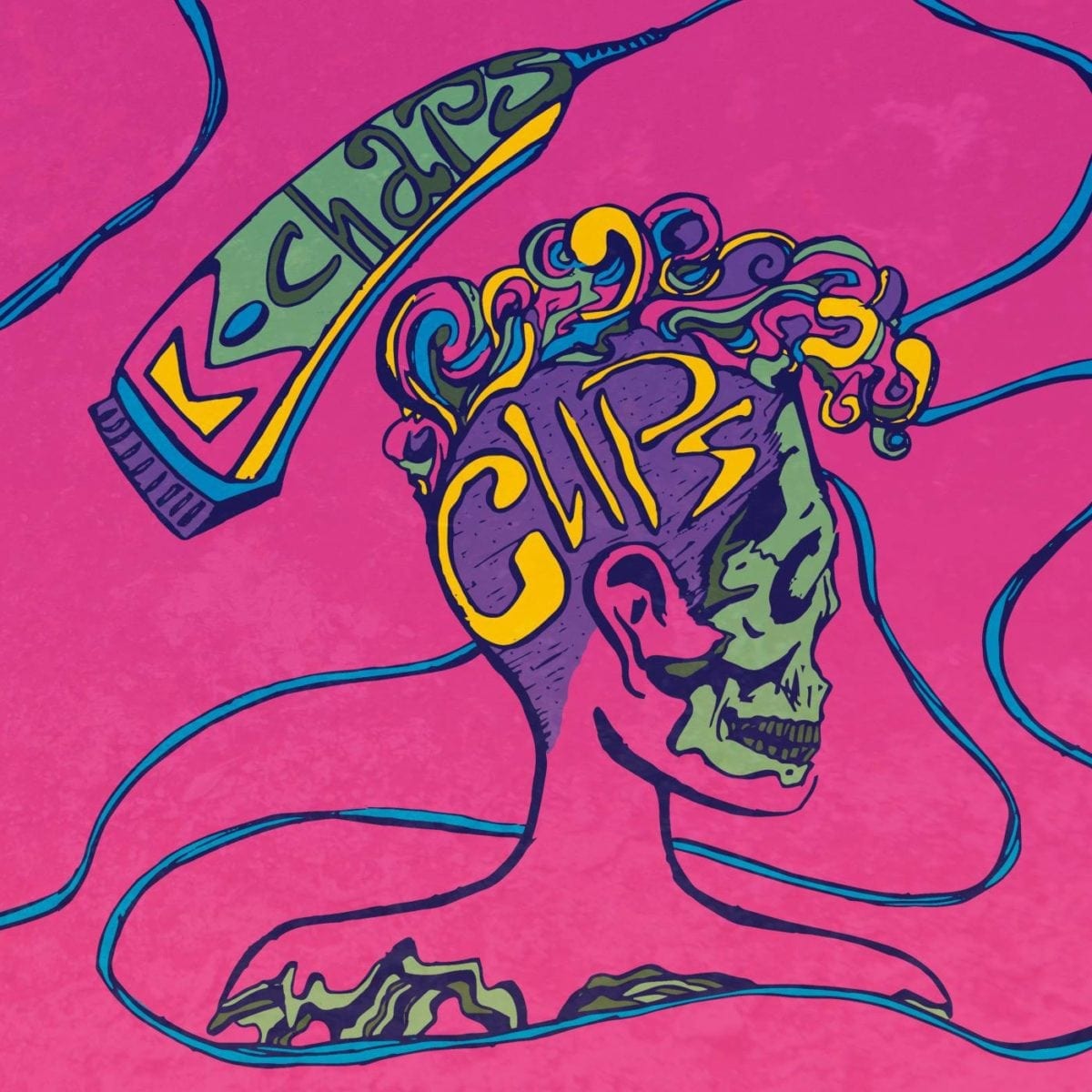
I really have nothing bad to say about B. Chaps’ debut album, Clips, which released April 18, 2018. In fact, when I first turned it on, I was surprised at how much I liked it straight out of the gate. I love music more than anything, but it’s rare that this happens.
On the first track, Chaps announces that he “was created to create;” but this is an understatement as this album covers multiple genres, lyrical topics and stylistic choices. Aside from this, it includes diverse and often surprising production choices, mostly written and performed by Chaps personally, who is gifted as a producer and recording engineer at Foster House Studios in Albany, NY.
Clips had me hooked within about ten seconds of the first track, “Morning Music.” It begins with a wavy synth plus a soulful, jazzy set of guitar riffs sitting on a slanted electric piano. “How long I gotta wait?,” Chaps asks, correctly wording the feeling of anticipation that the instrumental gives the listener. But what works so well for this song is not the overt melodies or musicality, but rather all the subtleties that made me want to listen a few times — there’s a piano played backwards, a tape playing sound effect to add some nostalgia, and other little things that end up adding a lot to the overall mix.
Some of the strongest aspects of Clips are all the subtleties in each song which, together, add greatly to the album. While guitar riffs (performed by Matt Dalton, Kevin Bohen and Pat Flores) and piano decorate this work, it’s the little stuff in the background that earn Chaps the win.
In “Dip,” the third track, we hear the sounds of traffic mixed with a trippy beat played between a xylophone and an 808 type drum kit. Chaps credits Kevin Bohen for performing the guitar part on the song, and the stuttering beat creates a perfect bed for hip-hop vocals that dance on the edge of catchy and chaotic. “I’m so spaced out in my UFO / Haven’t seen the ground in a year or so.”
I’m surprised that I haven’t heard “Blow My Money” on the radio just yet, but it won’t be long. This song works so well because it starts out with a sugar – dipped melody (with backing vocals by Valerie Barbosa) and includes relatable lyrics, but has enough obscurity to draw attention without being a distraction. He also stays away from false claims and keeps it honest, “Money ain’t a thing / ‘Cause I ain’t got shit,” he admits.
Chaps states that he is “from another planet,” which is verifiable, but also causes me to ask the question: why isn’t this the name of the album? I avoid backseat producing at all costs, but this seemed like the one missed opportunity. I can easily forgive this because the album appealed to me on all angles. Influence wise, there’s something here for everyone. I’d be genuinely surprised if someone told me they couldn’t listen to this at all.
“Feel Something” would be a great number live, especially for dancing. It starts out with a presto, hurried Latin beat on horns and bongos, but it also twists ears by going back to that 808 sound heard earlier in the record and completely changes the direction that I thought the song was going. Likewise, “No Sneakers” has more of an underground hip-hop sound, including more bass and samples — with a sound reminiscent of Weerd Science.
Overall, I’m excited to hear more music from B. Chaps. Clips is a solid first effort — having a diverse and listenable sound — and I would not be surprised if this launches a full scale career with more albums ahead. Until then, I’ll be playing this album around the pool and barbecues this summer.
Clips is available digitally through all major streaming platforms such as Spotify and Apple Music.
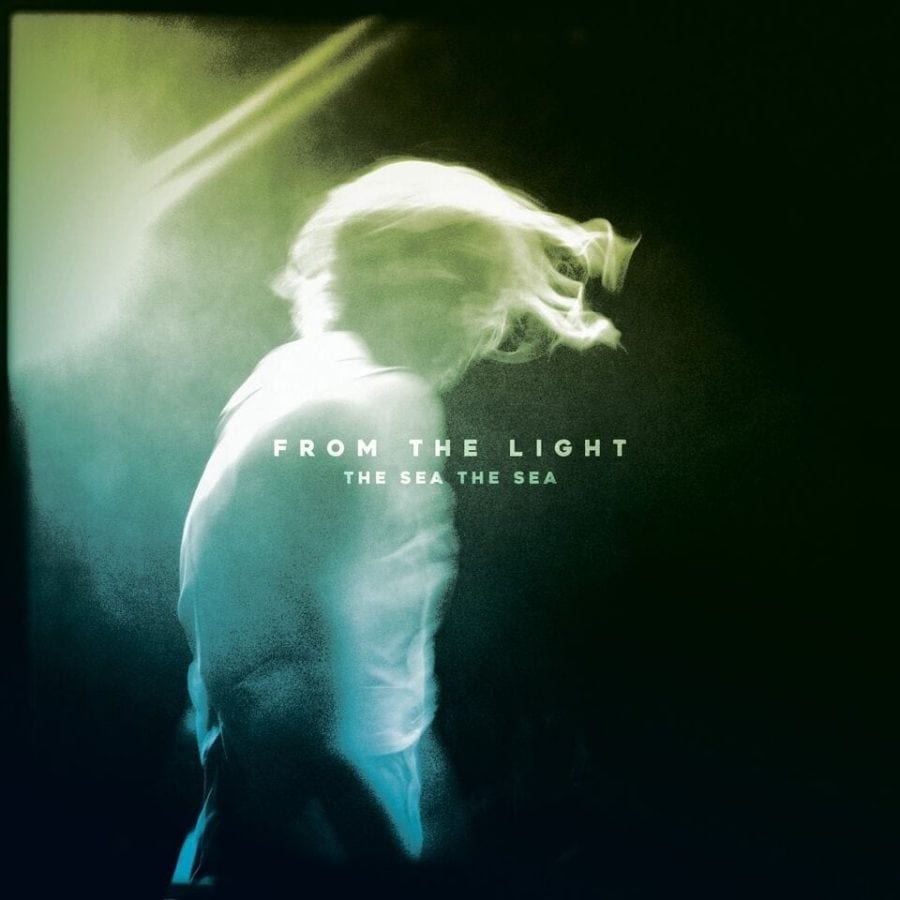
A lot has changed for The Sea the Sea since the release of their first album, Love We Are We Love in 2014. The debut album received high praise for its folk-acoustic basis that allowed the beautiful vocals of the original duo, what Huffington Post refers to as, “two of the loveliest male-female voices you might ever hear this or any other year,” to truly shine. The same praise is just as easily applicable to their sophomore album, From The Light, which certainly does not disappoint on the vocals. The band, originally an acoustic-folk duo act featuring Chuck and Mira Costa, has grown to now include Cara May Gorman on vocals and synthesizer, and Stephen Struss on drums and percussion.
This album stays true to their folk roots, but shows how their sound has matured by adding a whole new spectacular layer of production and instrumentation that serves not to hide, but compliments their stunning vocals even more. With the group’s introduction of reverb-heavy electric guitars, the dream-like production done by Troy Pohl, and by lacing almost every line with their signature harmonies, making every coming one as chillingly beautiful as the last, this album is a piece of art through and through, and is certainly a display of their musical growth as a group.
The opening track, “Everybody,” is the perfect invitation for the listener to enter this album. Opening with mesmerizing swirling sounds, as soon as the vocals join this dream sequence in stunning harmony, the song practically extends a hand connecting the musicians with the listener. The lyrics immediately dive into the album’s themes of the duality of human nature, accepting our differences, and fostering positivity times amidst hard times that the group explores. It addresses the inescapable human fallibility we all face as somebody in this population of “everybody.” The hypnotizing simplicity of the piece transforms as the sound thickens. Percussion is layered onto a quicker beat, and an electric guitar takes center stage before the song strips back down to it’s original simplicity. Without a hiccup, it then leads right into the next song, one of the notable singles off the album, “Bang Bang Bang.” “Everybody” is a stunning opener and preview of what is to come from the album. It shares the driving questions, has the dreamy production highlighted in other songs such as “All Go Right,” and hints at more upbeat songs like “Phototrophic.”
The title track, “From the Light,” takes it’s time building up, layering sound on top of sound, with the reverb allowing each to swim between your ears in anticipation for the next addition. Starting off with simple percussion and working it’s way into an explosion of instrumentation and vocals. The repeating lyrics circle back, creating a beautiful push and pull dynamic between good and bad, mimicking the tendency to sway back and forth between the two within human nature.
The ballad “Good for Something,” was inspired by Chuck’s grandfather’s often repeated mantra stated in the above quote, which is now immortalized within the lyrics of the song. The echoing melodic guitar and lyrics make this track a stand out song on the album and a happy ending to the story the album tells: focusing on the positive even in trying and confusing circumstances.
For as much as the sound itself is a breath of fresh air, so is the obvious social commentary throughout From the Light and the optimistic outlook it takes on recognizing that we are all human, but ultimately choosing to focus on the good in that.
The Upstate New York-local band will be kicking off their summer tour by giving New York State the pleasure of hosting their album release party. Presented by Guthrie Bell Productions, on June 1st at the Hollow Bar + Kitchen in Albany, NY, The Sea the Sea will be celebrating this incredible new album by performing it live. Click here to secure your ticket and get more information about the event.
Key Tracks: Everybody, Bang Bang Bang, Good for Something
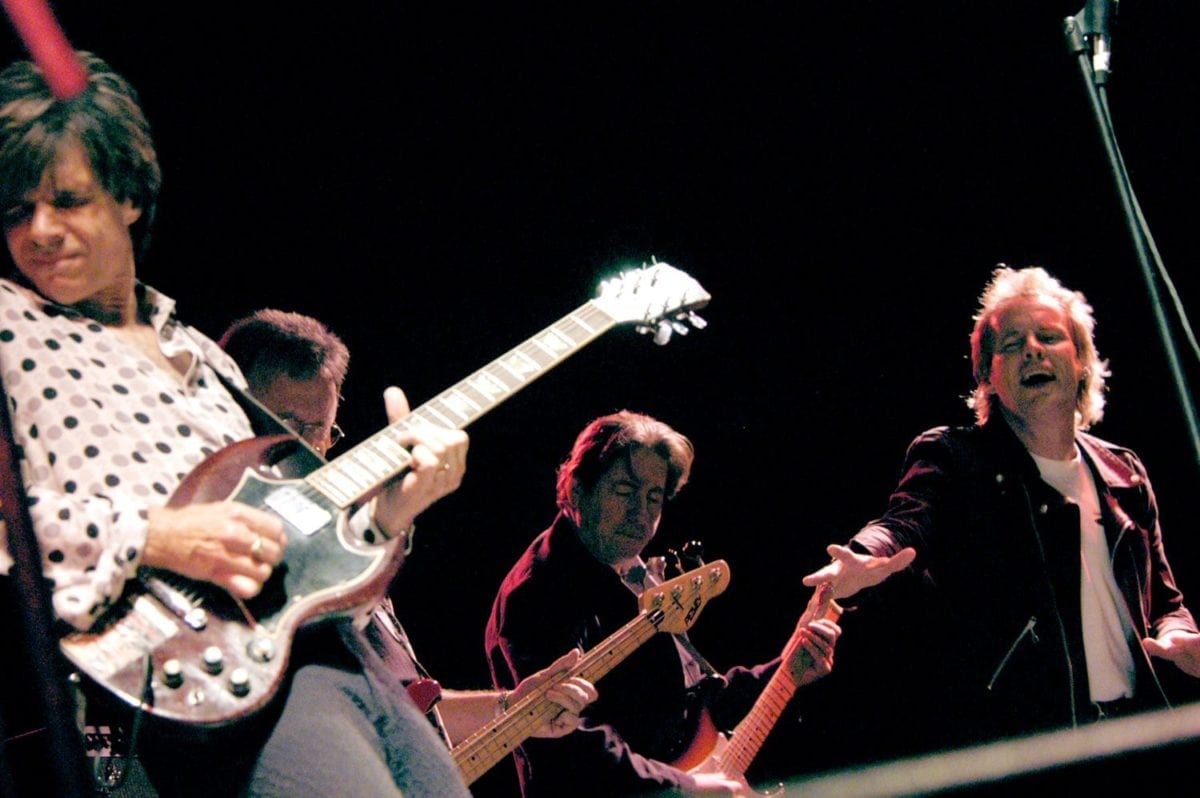
Imagine being in a band and living the rockstar life in your 20s—touring, recording, the whole bit. Life happens and you part ways for a mere 44 (Go Orange!) years. Then imagine getting a second chance to write a fresh record and perform live with the group of your youth. That’s the story of Syracuse Area Music Awards (The SAMMYs) Hall of Fame inductee Jukin’ Bone. For years, the band never quite received the recognition they deserved until now. And this recognition sparked the idea to get together and work as a group again. NYS Music sat down with Joe Whiting and Mark Doyle to discuss the past and present of the roots rock band.
Creating the Initial Group
Joe Whiting, a Skaneateles, NY native, and Mark Doyle, hailing from Auburn, NY, met when they took part in a jam session hosted by a music teacher. They were aware of each other for a couple years and things clicked the first time they played together. Whiting and Doyle played a couple of gigs with some rotating musicians-“bits and pieces”- before they formed a real group. Doyle said the group’s formation was “serendipitous” and formed around 1968.
Doyle was teaching guitar lessons at Music Mart, a music store that used to be in Auburn. Dick Howard, a bit of a local legend and shop owner, introduced Doyle to their would-be drummer: Tom Glaister. Tom was out on a Salvation Army truck delivery when he stopped by the store to say a quick hello to Howard. “[Doyle and Glaister] hit it off and somehow he ended up in the band. These things just happened” according to Doyle. Doyle then met George Egosarian at “The Beach” on Marshall St. in Syracuse. Though it’s not there today, it was a space that was across from what’s now Pita Pit for those familiar with Syracuse’s Marshall St. today. It was a big grassy area next to a parking lot where the “hipsters” used to hang out, smoke weed, drop acid, etc. Egosarian started on bass in the group and later transitioned to second guitar. John DeMaso eventually joined the group and became the bass player. Glaister left before the second album, and his talents were so great they opted to replace him with two drummers to fill the void: Danny Coward and Kevin Shwaryk.
Record Deal and Name Change
Before the group was called Jukin’ Bone, they were known as Free Will. Free Will signed with some promoters that worked with Concerts West on the premise that they could help the band secure a record deal. The band played a brutal showcase in New York City that was five sets a night for five consecutive nights. The showcase attracted A&R scouts from various record labels to sign new talent. The band’s efforts were rewarded when they received two record deal offers: one from Janus Records and a “better” offer from RCA. The band signed with RCA.
RCA had strict union policies and mandated that their artists record only in their studios. When someone ratted the band out to RCA for recording a demo at a non-RCA studio, RCA said they had to change the name. Whiting recalled that they had to record the demo again in RCA’s studios just as a formality.
“The first RCA album was a disgrace” according to Doyle. Their producer, Lewis Merenstein, had the vision to record a live album at Electric Lady Studios. Live albums can be a great way to capture the live energy, but their final product was greatly compromised by the hippies off the street in attendance and the “buffet of booze and drugs.” The group would stumble up to the stage to perform multiple takes and the “least offensive takes made the record.” That was Whiskey Woman. The second album was slightly better because it was recorded in the studio, but it still wasn’t what they considered their best sound. That was Way Down East. Neither album adequately captured the essence of Jukin’ Bone’s sound.
Eventually, RCA bought the band out of their agreement before they recorded a third album. “By then the wheels started to come off in all aspects.”
Besides the recording, the group shared their music on tour all around North America, from New York to Minnesota, Florida, Texas, and more. They opened up for the Allman Brothers, ZZ Top, The Kinks, and John Mayall just to name a few.
While opening for John Mayall at a college in Rochester, the power went out not 1, not 2, not 3, not 4, but 5 times! This was a rocky start as this was during their first song. But they earned fan support as they persevered and played through it.
Though their tour life was relatively mild, they did manage to crack up a few Winnebagos in their travels. When traveling to Texas, they’d drive without stopping from New York. “You gotta be young and high” to do those drives.
The Interim
Before they reunited as a group, Doyle and Whiting kept up with their musical careers and continued their friendship even as the band parted ways. Whiting did stints with Bobby Comstock who had a few hits in the late 50s, Elf, and Savoy Brown. He really focused on his own band for years which opened for Van Halen.
Doyle, who also had an interest in production, worked on a number of records playing and producing. Doyle found that working with great producers was a fantastic way to learn. He played with Meat Loaf and spent time with the record producer Tom Dowd. He saw how to bring performances out of musicians when he observed Arif Mardin in the studio with Andy Pratt. He also hooked up with David Werner and learned from that experience how NOT to produce a record.
Unfinished Business
Fast forward to 2017/2018. The band finally earned the recognition they deserved in the Syracuse community. Whiting called Doyle and asked him “what if we got together and made the record we never got to make?” Doyle didn’t even have to think about it before saying yes. George Egosarian and John DeMaso were also on board and they got to writing.
Prior to this, Doyle had played on a couple of Jimi Hendrix project albums for an Italian record label. The head of the label contacted him ten years later and asked about leasing the early Free Will music. (Not Jukin’ Bone!) This call happened to be the day after Whiting phoned Doyle and this gave them a way to fund the new record.
Aptly named, Unfinished Business is a true Jukin’ Bone masterpiece comprised of all new material. They wrote from scratch, not relying on any residual music from the past.
The first song written was “Nothin’ to Lose.” The old Motown song “Ain’t No Stopping Us Now” was stuck in Doyle’s head, and was a sentiment the group felt with this fresh chance. They eventually came to “Ain’t Got Nothing to Lose” to substitute in the song instead. Egosarian, “the master of the unobvious phrase,” got to work on the lyrics which Joe fine tuned later. They were off and running with the rest of the album from there.
The old Gibson SG was used on the new record; Egosarian played it on “End of the Bar” just to have it on there. When asked about how his voice has held up all these years, Whiting says he doesn’t really have a secret in terms of maintenance. He feels has a better high and low end than he ever did, and he feels his voice has held up because he says, “I never shut up.”
They recruited Syracuse University professor Josh Dekaney to play drums on the album. They wanted a percussionist with a classical training like their former drummer. The album was recorded as they wrote between Doyle’s home studio and More Sound Recording Studio and engineered by Jason “Jaco” Randall and Andrew Greacen.
They went into this new project with no expectations. They just wanted to make good music and set the record straight!
Key Tracks: Nothing to Lose, End of the Bar, Gris Gris
Shows in August
With the new album comes live shows. Jukin’ Bone will be playing two nights at Auburn Public Theater in Auburn, NY. The shows are August 17 and 18, and there may be future live dates depending on how this goes. More show information can be found here.
Don’t miss a great opportunity to see some local legends doing what they love once again!
Teddy Midnight, the Brooklyn-based live electronic band, dropped their newest EP, titled French Press, at its release party at Pianos NYC on April 26. The EP has a jazzy feel to it. It’s sample heavy, but it doesn’t feel like it is when listening to it. It doesn’t sound like something you’ve already heard; it’s got its own originality to it. One of the ways it’s able to do this is with it’s blend of new and vintage synths, keeping the music unpredictable. It uses combinations of Disco, Soul, 90s House, New Wave, Techno and a little Hip Hop, into non-stop, dance party vibes to keep itself intriguing to the listener.
The EP starts off with the song “Say it Loud!” which is an all instrumental track except for the very end when the title of the song is said. It has a very, almost “New Order” feel to it which mostly comes from the repetitive drum machine acting as a backbone to the song. It then moves into the song “Eclipse (Go There)” which is also an instrumental track but more upbeat and best illustrates the intended Hip Hop feel. This sounds like a song that you might hear in a dance club soon. Both songs are good, but slightly repetitive and long. Each song lands close to the six and half minute mark, and for someone not particularly knowledgeable or invested in electronica, it was hard to sit through without having some repetitive pieces of the song to anchor onto, like a chorus.
Then French Press takes a turn with its next song, “Come Over (feat. Tara Lawton & David Schnurman).” You finally get to hear some vocals and the fact the song is six minutes long is barely noticeable, unlike like the previous songs. The album then goes into “Mind the Gap,” which is another instrumental piece. It is very upbeat and has a lot of change-ups that make it one of a kind and continually interesting; this is important since it’s almost nine minutes long. The next song is “Not Enough” which starts off saying, “It’s not enough baby. It’s just not enough,” building up with the tempo in the song. The techno dance party feel increases with those lines appearing often in the change ups of the song. This song, much like “Come Over,” was easier on a listener like myself who might not have as much experience listening to instrumental electronic music. Even though it only really landed on those simple phrases throughout the song, it acted as a point of destination for the song to loop itself back in. The EP concludes on an instrumental version of “Come Over,” which was good, but knowing what it sounded like with the lyrics it felt like it was missing something slightly important to its overall feel. It was able to convey the emotion through the music but, without the words, the listener is left without a direction in which to run those emotions.
The six song EP has a run time of 41 minutes, which is long but, if you’re into mellow synthesized electronica, this definitely could be an album for you. Even the dance party songs have very mellow undertones to them to make the EP something the listener can just close their eyes and disappear into. Not being someone who previously listened to much electronica music, this album wouldn’t necessarily be something I would pick up to listen to regularly, but it was a satisfying mix of those mellow, almost entrancing, undertones, and upbeat, “can’t sit still while listening to” overtones. First time listeners might want to start by dipping their toes in and starting with “Come Over” or “Not Enough.”
Teddy Midnight will perform next on June 1 at Olives in Nyack, NY. And be sure to check out the entire EP available on SoundCloud and Spotify
Don’t judge a book by it’s cover, so they say. But what about an album? In the case of the self-titled album from The Tins, a trio out of Buffalo, you’d do okay making judgment without listening to a note. But you definitely should… listen that is.
At passing glance the cover is just a painting of the band’s members, keyboard player and vocalist Mike Santillo, drummer and vocalist Dave Muntner, and guitarist and vocalist Adam Stanley. But to any readers of Rolling Stone magazine in the ’90s, the style will feel quite familiar. That’s because it’s the work of Philip Burke, whose art donned the magazine’s covers for nearly a decade. Burke is also from Buffalo, as is the album’s producer, the Goo Goo Dolls’ Robby Takac. So The Tins have the backing of some historical talent in their hometown.
Burke’s cover, familiar as it is, is sprinkled with bold surprises. Bright and unnatural color combinations jump out of the frame, figures that seemed normal at first glance ooze with distortion on further examination, and hidden shapes emerge from nowhere the longer you stare.
Likewise, the music inside the package, familiar at first, is packed with surprising twists and turns and exciting splashes of color that push it past the ordinary. The rock trio lays out interesting enough rock tunes at their base, with bits of psychedelia, new wave and folk mixed in, and just the right amount of melody and hook to reel the listener in closer. That’s when the colors and shapes start to pop, turning the interesting into the exciting.
Santillo’s keys carry the first pair of songs. Immediately, a bubbling and floating organ joins Muntner’s driving beat on “Hear Me Out,” then returns with an 8-bit sounding flurry near the song’s end. His sound gets crunchier and a bit reminiscent of Genesis next in “Oh My God.” Stanley’s guitar picks up the next two, with a catchy Death Cab for Cutie-esque head bobber in “Sundried Mind” and the ’80s-style rocker “Jigsaw Queen” that bursts with colorful zigs and zags throughout. Bruce Springsteen’s classic “State Trooper” gets updated with a dark underbelly of keyboard swirls and an exhilarating post-scream rock out. “A Minute of Your Time” seems standard at first, but slows to reveal a watery guitar jam, and later again opening up to a suspenseful building finish. “Mountain Song” is what it says, a mountain of a song, a straight up power rocker with loud crunching guitars, pounding drums and big three-part harmonies. But it, too, is not without surprises, as it repeatedly dips into atmospheric interludes.
What does it all mean?! According to Stanley, the songs stand as a singular unit, “about feeling stuck, the need for freedom and escape.” But more importantly, it’s about making people dance. “What good is this if you can’t groove to it, you know?” The Tins‘ eight tracks clock in at a bit over 30 minutes. Perfectly situated to throw it on repeat, surely cracking with new discoveries on each listen.
The album drops this Friday, June 1 when the band will celebrate with a release show at the Lockhouse in Buffalo, followed by a summer tour that will bring them all over the northeast. See the full dates below.
Key Tracks: Jigsaw Queen, Sundried Mind, State Trooper
Before I start this review let me disclose that I am not well versed in electronic music, my expertise lies within metal so I will be reviewing this album from that perspective and will be comparing elements of songs to other groups in an attempt to best review the album.
The first track “Resistor” is full of industrial glitchy instrumentals accompanied by drums in the back leading the beat. A little after halfway through vocals start chanting about the resistance. “Resistor” is definitely a great intro track while the second track “Midnight Sun” was an abrupt change from “Resistor”, with its slow paced and droning styled vocals and notes that echo.
“Prom Dress” was one of my favorite tracks with vocals that are reminiscent of Marilyn Manson and Element A440 and has a rock sorta sound to match. Any fans of Manson style vocals should take a look.
“Petra” felt like an experiment that was attempting the same thing as some doom metal projects with what sounds like a few bass strings and a deep bellowing whisper that is a departure from the rest of the tracks.
“Sick Boy” instantly reminded me of “Plur Police” by Knife Party. It’s full of those edm sounds that I have no clue what they’re called and had humorous lyrics like “why you bring him to this office can’t you see he’s too big” and “can you do one thing for me?” This track should definitely be a top contender for a single if Komrad decides to release any singles.
“Lay Me Down”, “Pocket Full Of Knife” and “Midnight Sun” were completely out of my realm of music and I couldn’t find anything in them to personally latch onto.
Overall this has more of a rock and roll sound than a metal sound but that’s not a bad thing- I enjoyed multiple tracks. I don’t know who to recommend this to me but my electronic music tastes are limited to Knife Party and Master Boot Record so if you are into either of them you might enjoy this album.
Resistor was released online May 25. Head to their Bandcamp to purchase.
Everyone loves rooting for the hometown star to catch a big break. Rochester’s very own Jon Lewis Band’slatest offering Get Wild Somewhere has the potential to expose them to their widest and most diverse audience yet. It has nothing to do with luck though. The eighth album they’ve recorded in four years stands solidly on the five member’s pure and unadulterated passion, dedication, friendship and, most importantly, talent.
The band’s namesake, Lewis is on lead vocals and rhythm guitar, accompanied by Dave Drago on bass, Jake Walsh on drums, Shawn Brogan on lead guitar and Alex Northrup on keys. With more time spent traveling to Los Angeles to record than actually spent in the studio, Get Wild Somewhere’s classic sound was accomplished through the use of vintage recording gear. All ten tracks were written with the intention of being played and recorded live.
“We didn’t want to do overdubs or try to manipulate our sound too much,” said Lewis. “That made it possible to record in a shorter period of time and also enabled us to make something that showcases all of our individual strengths.”
Fueled by adrenaline, backed by fans who crowdsourced over $2,000 to support the band’s trip to LA to record, and fed by the largest pizza they’ve ever seen (it had to be delivered through the loading dock door) Get Wild Somewhere has a polished, timeless sound that could only be done justice with vinyl.
The Jon Lewis Band consists of Dave Drago, Shawn Brogan, Jon Lewis, Alex Northrup and Jake Walsh.
Written by Lewis and produced, mixed and mastered by Drago in his 1809 Studios in Macedon, NY, Get Wild Somewhere tears onto the scene with the catchy opening track “Jerry My Berry.” Borrowing from the piano track that was used in famous recordings like “Werewolves in London” and “Summer Breeze,” combined with a catchy chorus, driving beat and melodious guitar licks, “Jerry My Berry” kicks the album off on an energetic note.
Track two, “Charity,” is a beautiful opus with rich vocal harmonies complimenting mournful wails from Northrup’s organ.
“You Don’t Wanna,” the third offering on the album, has a Beach Boys, surfer rock vibe to it. The clavinet introduces listeners to a an easy, breezy, likeable song that encapsulates the vintage vibe.
I just want to see your face
I just want to waste your time
I just want to talk to you
Cause you will see that I’m alright
The rough riding “Cinnamon Only,”carried by a driving lead guitar, is the first song on the album to have a full-length video to accompany it. Lewis created the video over one month’s time entirely with colored papers and sketches.
“I draw and cut out the characters, then photograph/animate them against a green screen, then I put all the layers together to create something I like to call ‘Paper World,’” he explains ,”The plot and story completely unfolded as I continued to work, just letting the song dictate the imagery.”
The album’s closer, “So Familiar,“ is a gorgeously dark and stormy, mostly instrumental, song that hits to the core.
Get Wild Somewhere is the sound of five friends pouring their hearts out and having the time of their lives producing fresh, original and crush-able jams, heartfelt ballads and indie rock. Each song come together effortlessly and stands on their own, as if they were just waiting to be born.
The energy and connection on the album translates easily to the stage. Check the Jon Lewis Band out for yourself Friday, May 18 at their Album Release Party at Three Heads Brewing. Here’s hoping that this is just the start of something even bigger for these five Rochester musical dynamos!
Key Tracks: Jerry My Berry, You Don’t Wanna, So Familiar
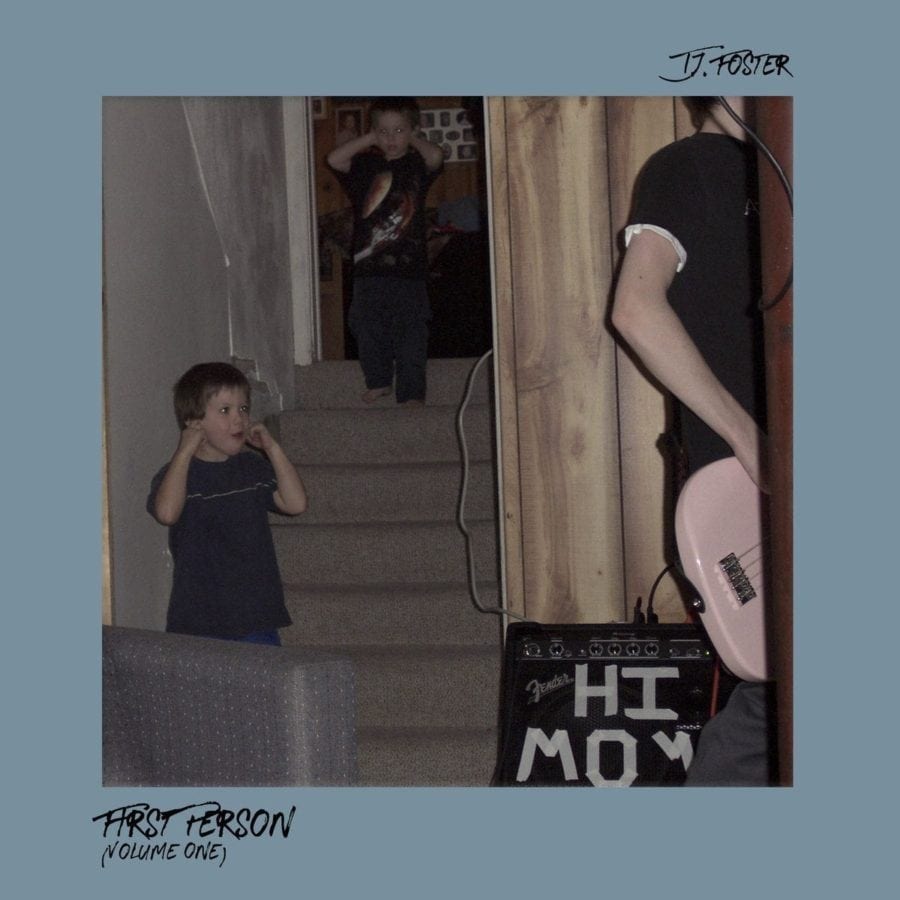
Anyone who’s ever questioned their purpose (so all of us) will relate to the sentiments laid out in TJ Foster’s recent release First Person, Volume One. The album unfolds like a diary decorated with a mix of acoustic guitar, piano, harmonica and occasional drums. Each song explores the obstacles that emerge as people struggle with defining their own identity and finding their place in the world.
The lyrics won’t shock the ear with poetic potency but Foster’s words will validate the listeners’ own questioning of self. The first track, “I Don’t Know,” sets the tone for the album with modest guitar elevated by strong vocal harmonies. The title offers a simple and honest response to the questions that escape our grasp. “57” wrestles with the desire for human connection but hauntingly echoes the chorus “Should I just be alone.” The melancholy ensues with “Basement,” which details a few of the emotional hardships Foster has experienced including losing a friend to suicide and dealing with his parents’ divorce.
“An Ode to my Twenties” surprises the listener with the most upbeat tune on the album, recounting important milestones including graduation, getting married, having two kids, getting a first tattoo, and perhaps most notably, finding a taste for wine. It’s may seem like a minor adult accomplishment, but detecting the subtle nuances in a glass of merlot is an ability often lost on younger drinkers. In “Upside Down,” Foster almost whispers the line “I may act like I’m awake, but I’m perpetually dreaming.” It speaks to the human tendency to be caught up in our thoughts and not actively participating in our own lives, too busy focusing on the negative to revel in the positive.
Though First Person, Volume One offers no comforting solutions to the numerous existential questions it poses, perhaps comfort can be found the questions themselves, as they are familiar to many of us. Released on April 13, the album is available for purchase here.
Key Tracks: I Don’t Know, An Ode to My Twenties, Upside Down
“I’m not trying to find a new sound,” Jules Taylor says, “I’m just trying to find myself.”
It took Taylor two years of introspective soul searching and relentless experimentation with sound to achieve this ambitious goal, but what’s two years in mountain time? Life in the mountains moves at its own pace, measured by seasons of the year and counted in generations. It also offers a vantage point for gaining perspective. Mountain Time transcends space and time to map the terrain of Taylor’s meandering journey from his roots in the Southwest all the way up to the Catskills.
Mountain Time starts with “Pining,” a song steeped in the rhythms and imagery of nature. “As long as the willow’s been weeping, as long as the sky’s been blue,” Taylor drawls, “As long as the sun’s been rising, you know I’ve been pining for you.” His vocals are as weathered as an old highway sign and as inviting as your favorite mom and pop diner. Taylor’s genre, like his accent, is hard to pin down because it’s as unique as a thumbprint. The best way I can come up with to describe it is eclectic Americana, with some songs leaning towards southern rock and others towards alt-country.
Jules Taylor spent two years thoughtfully arranging the music on this album. His search for authentic expression led to the use of roots instruments including lap steel, dobro and mandolin, in addition to piano and guitar. The music sets a backdrop for adept storytelling. “Long Way to Abilene” takes one meandering through the back roads of the Southwest. Taylor contemplates his life in “Cradle to Grave,” and searches for faith in “True Religion.” The album ends with the bittersweet ballad “Carolina King.” Overall, the collection is the musical equivalent of the Great American Novel: a work that captures what it means to be human – the shortcomings and the triumphs, the heartaches and the joys.
Taylor has dedicated this, his third album, to his mother Lamar Ortiz. It was released on May 14, her birthday, and also the day following Mother’s Day this year. More information about Taylor and his work can be found on his website.
Mountain Time was produced, recorded, engineered, and mixed by Taylor alongside Tod Levine at Magnetic North Studios in Saugerties, NY. Session musicians included Dan Cartwright and Matt Bover on drums, and Colin Almquist and Alison Damrath on bass.
Key Tracks: Pining, Long Way To Abilene, Mountain Time
Darryl Kniffen’s brainchild News From Planet Kniffen released their debut album Dreamland on April 27, and the Vermont-based sextet has shown that they have the chops to produce some truly innovative fusion jazz/funk music. An eclectic musician from Clifton Park, New York, Kniffen has performed with a number of bands and musicians, and dominated the stage solo. He is responsible for all the arrangements found in NFPK’s triumphant debut album.
The 9-track album begins with the promising “Blackness,” a worthy introduction track with soaring horn and trumpet lines, setting the tone for the high-energy voyage the listener is about to embark on. “Peace Journey” features a memorable piano line and some layered drumming, as well as some ultra-smooth sax and trumpet, culminating in a peaceful and ambient tune. The third track is the only cover on the album, a fresh take on AC/DC’s “Back In Black,” which manages to be both inventive and new, while remaining faithful to the hard rock classic.
The aptly-named “Midnight Drive” builds the groove up slowly, and lets each member of the group take turns showcasing their ability and cultivating an entrancing atmosphere. See them perform it live here. After the sultry mellow groove of “Midnight Drive,” the band lets loose with the titular track, “Dreamland.” This is arguably the most danceable number on the album, with a salsa influence shining through their already-recognizable style. This intoxicating Latin-inspired track is sure to animate a crowd.
“Song of Everest” follows on “Dreamland’s” heels with a heavy-metal inspired riff and some aggressive piano, adding more depth to the eclectic palette of the album. “Everest” brings some dark, raw energy that adds interesting variety and features a riveting peak and breakdown. “Beautiful Mystery” is essentially the tonal opposite of the previous song, with NFPK returning to their original, undeniably jazzy sound. “Inspiration” builds on a wave of pleasant horns and a steady build to a euphoric crescendo before the epic coup-de-grace that is “Tick Tock.” “Tick Tock” evokes the feeling of an old spy movie, with its jaunty piano-line and frantic pace, instilling a dramatic sense of urgency.
News From Planet Kniffen shows tons of promise with their first foray into the world of jazz-fusion, with a debut album that blends mesmerizing soundscapes with genre-bending arrangements and musical prowess. These guys are not to be missed. Purchase the albumhere.
Key Tracks: Back in Black, Midnight Drive, Dreamland
 A lot has changed for The Sea the Sea since the release of their first album, Love We Are We Love in 2014. The debut album received high praise for its folk-acoustic basis that allowed the beautiful vocals of the original duo, what Huffington Post refers to as, “two of the loveliest male-female voices you might ever hear this or any other year,” to truly shine. The same praise is just as easily applicable to their sophomore album, From The Light, which certainly does not disappoint on the vocals. The band, originally an acoustic-folk duo act featuring Chuck and Mira Costa, has grown to now include Cara May Gorman on vocals and synthesizer, and Stephen Struss on drums and percussion.
 Creating the Initial Group
 Don’t judge a book by it’s cover, so they say. But what about an album? In the case of the self-titled album from The Tins, a trio out of
  Before I start this review let me disclose that I am not well versed in electronic music, my expertise lies within metal so I will be reviewing this album from that perspective and will be comparing elements of songs to other groups in an attempt to best review the album.
 Anyone who’s ever questioned their purpose (so all of us) will relate to the sentiments laid out in TJ Foster’s recent release First Person, Volume One. The album unfolds like a diary decorated with a mix of acoustic guitar, piano, harmonica and occasional drums. Each song explores the obstacles that emerge as people struggle with defining their own identity and finding their place in the world.
 Mountain Time starts with “Pining,” a song steeped in the rhythms and imagery of nature. “As long as the willow’s been weeping, as long as the sky’s been blue,” Taylor drawls, “As long as the sun’s been rising, you know I’ve been pining for you.” His vocals are as weathered as an old highway sign and as inviting as your favorite mom and pop diner. Taylor’s genre, like his accent, is hard to pin down because it’s as unique as a thumbprint. The best way I can come up with to describe it is eclectic Americana, with some songs leaning towards southern rock and others towards alt-country.
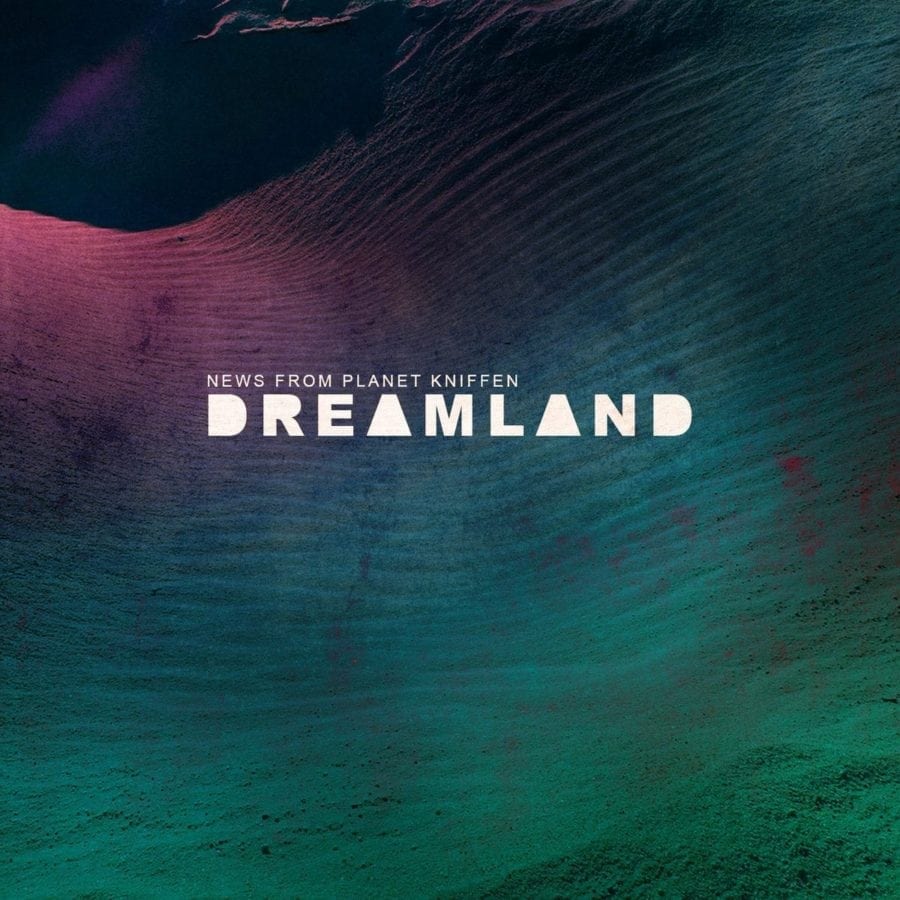 Darryl Kniffen’s brainchild News From