With two nights in the books, and raised expectations thanks to the lore of the “30th” show, Phish dealt a musical hand that would be hard to beat last night. The first set played like an epic second set at points and saw an old favorite song get revamped. The second set featured the Vermont rock stars in peak jaw-dropping improvisational form and was bookended with two of the more legendary songs in Phish canon. And the encore was filled with thousands of fans singing the keyboardist’s favorite song before “Tweezer Reprise” ended the show in ragingly appropriate fashion. All this and it’s not even 2018 yet.
To the delight of many, Phish went back to its roots with a classic opening sequence of “Mike’s Song” > “I Am Hydrogen” > “Weekapaug Groove” that was once more than a regular sequence on set lists but seems to have petered out in recent years in favor of different permutations of “Mike’s Groove.” The iconic opening guitar lick was met with a resounding roar from the crowd and the band never looked back from there. “Hydrogen” gave Lighting Director Chris Kuroda a chance to show off his mood lighting as he added a perfect visual backdrop for the moody instrumental number. No sooner had the closing notes of “Weekapaug Groove” been played before guitarist Trey Anastasio ripped into another iconic opening guitar riff – this one belonging to “Tweezer,” a first set rarity to say the least. By this time, The Garden was in full “bouncy house” mode with the ground noticeably shaking and seemingly moving along in unison with everything else.
Following a soaring jam that touched on a myriad of themes, Anastasio huddled with Jon Fishman briefly before the drummer belted out the crowd favorite “Ass Handed.” Before long, the entire crowd, with nothing but the house lights on, was singing along in full unison, the first of two memorable sing-a-longs this evening. As if not to stem the energy too much, a blistering “Kill Devil Falls” followed that flowed ever so effortlessly into “Bathtub Gin” which had a majestic jam attached to it, further solidifying the second set feel to this first one. Soon after another energized reception from the crowd, bassist Mike Gordon began soloing in what turned out to be a new take on the old school number “Brother,” with this version taking a slower, more rhythmic approach. First set closer du jour “More” then capped off a first set that already felt like an entire show’s worth of music.
Topping a first set like that would normally be difficult, but Phish attempted to do so with another epic jam vehicle, this one being a more traditionally placed “Down with Disease” second set opener. The ensuing improv was Phish at their finest, with a jam that grew in scale and intensity before settling into “Steam.” This newer song evoked memories of New Years’ past when the band used it as part of their “gag” and played it while elevated on risers. “Light” kept the energy going in full force, highlighted by steady play and typical sound melodies from keyboardist Page McConnell. “Farmhouse” then delivered the second set “breather” song everyone had been waiting for before the set was bookended with another Phish staple, a breakneck speed, intense “Run Like an Antelope.” With no encore even necessary after a performance like that, it did offer the crowd one last chance to join together in song via “Sleeping Monkey” before the expected “Tweezer Reprise” closer blew the lid off the world’s most famous arena…again. Three special nights of music are now complete as Phish begins plans for its 17th show at Madison Square Garden in the year 2017. What they have left in the tank is anyone’s guess.
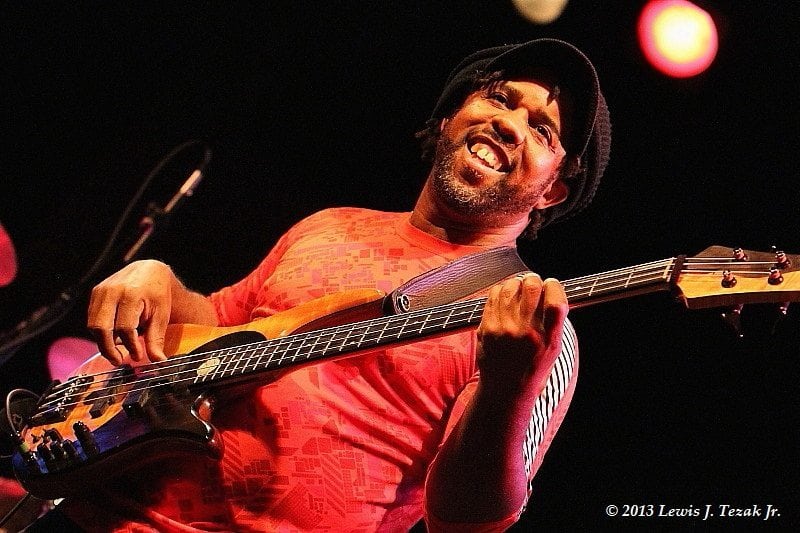
As I sat in Anthology in Rochester, NY waiting for Victor Wooten to speak with me I had no idea what to expect. The crew setup the stage across the room to get everything ready for the upcoming soundcheck, but there was no sign of Victor. I sat and pondered how different the room would be in a few hours once it was filled up with enthused fans, and enjoyed the calm before the storm on the large, open dance floor. Victor walked in the front doors the same way I did, with a cup of coffee in his hand and a sigh of relief escaping the cold. Without hesitation he walked over to me, asked if I was conducting the interview, smiled and shook my hand as he introduced himself (as if I didn’t know who he was).
Interviewing Victor was less an “interview” and more a conversation. When he spoke, his big brown eyes locked in with mine, and it truly felt like we were the only two in the room. He is a genuinely caring individual who’s love for his craft and dedication to art was evident with every word he spoke. To him, music is about openness, letting go of your ego, and creating magic. He was ecstatic to speak about each project he was working on, and his passion for life and music is something he carries openly with him. I feel very fortunate to have had the opportunity to spend a half hour sitting down one on one with a music legend of his stature. Below is our full conversation:
Ryan Randazzo: You recently released a new album, Trypnotyx, what inspired you to assemble this particular group of musicians to record this album?
Victor Wooten: I played with these two guys, together, with a jazz guitarist named Mike Stern. Immediately I knew I’d love to do some of my own music with them, so the germ of the idea started years ago. With everyone’s schedules, the time was now right to do it.
RR: When you recorded this album what was the process like? Was it different from other projects you’ve worked on or recording with the Flecktones?
VW: A little bit different from the Flecktones, but very similar to recording my own records. A lot of it is me in the studio by myself working on ideas, then sending them to the other guys to add things to or see what they think. Bob Franceschini, the saxophone player, was doing the same thing; he was coming up with ideas as well. With the Flecktones, we do a lot in the studio together, but because of Bob and Dennis Chamber’s schedules, a lot of it was separately done. Mostly the writing, then we would get together and get parts recorded.
RR: It sounds like technology has made it a lot easier to get things done.
VW: Absolutely. Technology is amazing these days. I would say even more than not, records are done separately. At least for me, it’s rare that I’m in the studio with the whole band.
RR: Do you prefer recording separately?
VW: In many cases yes because then I can record on my own terms in my own studio. I can go up and have dinner with my kids then go back down to the studio. Also, I can take my time getting my parts together rather than having to work on someone else’s stuff, but I like both. There’s nothing like having other people in the studio to collaborate with.
RR: Playing with the trio requires you to fill a lot more space. Do you prefer playing with the trio or a bigger band, and what are some of the differences you’ve noticed as a bass player?
VW: I’m lucky to play in many different situations. I like them all. When the band is bigger I have to do less, which is nice. With a trio like this, and there’s no chordal instrument, I have to do more like playing chords and melodies, but the challenge here is to not feel like I have to fill up all the space. Space is beautiful and it’s easy to go “oh it’s a trio, I better play more.” Sometimes it’s playing less that allows the trio to sound its best, so it’s a challenge.
RR: What do you typically prefer?
VW: I just like choices. If I did one thing all the time I would long for the other. The fact that I get to do a lot of different things keeps me musically happy.
RR: As a well-respected musician, who do you look up to at this point in your life?
VW: I have lots of heroes. There are lots of guys I learned things from growing up. I could name the normal names like Stanley Clarke, Jaco Pastorius, before that even James Jamerson, Bootsy Collins, Larry Graham, Paul McCartney; I could just go on. Also, people that I grew up with, and they’re names you’ll never know, that taught me just as much because they helped me grow as a youngster.
The biggest influences were my four older brothers. That’s the whole reason that I played. I was born into a band, literally. They all played different instruments. Regi plays guitar. Roy aka “Future Man” from Bela Fleck and the Flecktones is a drummer. Rudy, the lesser known of the brothers, passed away a few years ago and was our saxophone player, and Joseph is the keyboard player. Joseph has been touring with the Steve Miller Band since 1993. We played as a band the first half of my life.
RR: Do you have any particular mentor or a go-to person you like to bounce ideas off of?
VW: My brothers are still those mentors. I also have a few other friends. One guy names Steve Bailey. Steve is now the chair of the bass department at the Berkeley College of Music. Another close friend who lives in upstate New York, Dave Welsch, he’s another bassist and teacher. Anthony Wellington is another great bassist and teacher. Steve, Anthony, Dave and I have been teaching together at my own music camp since the year 2000. We always keep in touch with each other to bounce ideas and teach together. Then I’ve got my brothers, and it’s always good to have people like that close.
RR: What is the biggest challenge you faced as a growing musician, and is it something you still encounter today?
VW: Today, my biggest challenge is finding time at home with my kids and my wife. Because I’m successful at what I’m doing, it keeps me on the road a lot of the time. I miss my kids and my family, and they miss me. That’s really the biggest one.
Another one is to try and sell a record. We’re in the record making business, but people don’t buy many records these days. The younger generation expects the music to be free, and that doesn’t make it easy for us. People aren’t buying as much music and they’re not going out to see as much music, but they still want music. As a music maker we face that challenge. For a lot people, if you come to town they have a choice to watch a video on YouTube or go see a show. They can say “I’ll watch it tomorrow” knowing that someone is going to record it. Back in our day, we didn’t have that choice. If someone was coming to town we were there. We didn’t know when or if we would see that person again, so it was a special event when someone came to town. It’s not as special for the young audience anymore.
At the same time, I’ll add this: our generation was different from our parents. Every generation changes. I don’t want to be the old guy complaining about how good it used to be. I want to learn the new way and figure out how I fit into it rather than complain, but at the same time make changes and fix things where we can.
RR: Do you have any daily or pre-show rituals that you do?
VW: Nope, none at all, except to try to be open, calm, and in a good mindset. I have to not be worried or frustrated, and just be calm so the music can flow. I don’t have anything I normally do every time, because if for some reason one day I can’t do it I might get upset or worried. The way I look at it, I’ve been playing bass for about 51 years. I should be ready and warmed up by now.
RR: You’re currently playing with your trio and you’ll be going on tour with Bela Fleck and the Flecktones over the summer, what’s the biggest difference you’ve noticed playing with the two bands?
VW: The biggest difference doesn’t have a lot to do with playing. This band has my name on it, so I have way more responsibilities. With the Flecktones, even though Bela treats all the members equally, I’m still just the bass player. There is a lot less responsibility. That’s nice after coming off many months of being in charge, for lack of a better word. It goes back to me having choices. I like doing my own thing, and I like not having to do my own thing. That’s the biggest difference. The music is different, of course, but it’s fun. Each project is very fun musically, and I really enjoy both of them.
RR: You’ve been really big on music education over the years. What inspired you get into that?
VW: It kind of found me in the late 80’s and early 90’s when Bela Fleck and the Flecktones started becoming more popular. I started becoming more and more popular, and was featured in Bass Player magazine a lot. I found out that if you’re in there enough times people think you must be good, so I started getting asked to do workshops. I had to figure out how to teach what I did. I just learned to play organically, the same way you learn to speak. When you learned to speak you didn’t practice, and no one told you what words to learn first, you just jammed with people all the time. You jammed with people who were better at it then you, and it was the same way I grew up playing the bass with people who were better than me. That’s the fastest, most natural way to learn.
When I started being asked to teach I had to learn how to do it. One of the things I did was start looking at other teachers, and what/how they were teaching. I saw things I liked, but I decided to go a different route. I decided to teach the things that weren’t being taught. Basically, it was anything other than the twelve notes that we use. Most people were teaching twelve notes, and we call that music theory. Music theory, for the most part, only deals with twelve notes and focuses on scales, chords, key signatures, harmony, ear training, and what not, but no one dances to notes. No one jumps up just because a song is in E flat. So what else is there besides notes? That’s what intrigued me, so I started focusing on mostly that. It resonated with a lot of people, and they were asking for more. That’s what resulted in my book called “The Music Lesson.” Many of the lessons I came up with were put into stories.
RR: You’ve played with many people over the years, but is there any particular jam or event that stands out in your mind?
VW: There are a bunch, yeah. Last December, almost a year ago from now, getting to play with Chick Corea for a couple of weeks in a couple of different bands to celebrate his 75th birthday. I got to play in two of those bands, and it was amazing. In one of them I was playing the upright bass, which is not something I do much, but he called me in to do it, so I said okay.
Opening for the Grateful Dead was amazing. I’m not the biggest fan of their music, but I am the biggest fan of them. To open for such a legendary show like that on New Year’s Eve was great. From that spawned me playing with bands like Dave Matthews Band, Phish, and getting to play with all of those kinds of bands. One of my favorites was getting to play with two of my bass heroes Stanley Clarke and Marcus Miller. We made an album together titled ‘SMV.’ A lot of times getting to play with my heroes is the biggest treat. But growing up playing with my brothers, and getting to play with Bela Fleck for almost 30 years now, those things are just as special.
Honestly though, the most special gig is the one I’m doing next. All the past ones are just warm ups, training ground, for the one I’m about to do. I need to treat the one I’m about to do as the most special gig ever, or else I feel I’m not giving the audience the full experience they deserve. So really, the most important gig is the one I’m doing or about to do.
RR: What advice do you have for young musicians?
VW: Listen. The same way we learn to speak is by listening. Play more than you practice, find people to jam with, go to hear music, and learn as much as you can, but don’t let learning about music rob you of the enjoyment.
RR: It sounds like this trio is something you’ve wanted to do for a while, are there any other projects you’ve been thinking about that you really want to do?
VW: Oh yeah, lots. One is an acoustic album featuring different acoustic instruments and an acoustic bass. I still have a plan for that. I also want to do a tour with students from my camps, which would be a lot of fun. I usually stay in touch with many of my students, and they make sure of it. They show up at my gigs, and find me on Facebook. Many of them are out doing major gigs themselves.
I have a lot of projects and records I want to do. I still want to do a record with my three remaining brothers, and we’re actually recording something right now.
RR: Is there anything else you’d like to say to our readers?
VW: Just to let people know they can go to my website and sign up for my camps. We’re about to start our 19th year, and it’s easy to register. Either go to www.VictorWooten.com or you can go straight to the camp website, www.Vixcamps.com. You can just go on and sign up, no audition is required or anything like that.
RR: You have a very large group of students with a very diverse span of knowledge, how do you handle that?
VW: The same way you learn to talk with other kids. You learn much quicker when you talk to people who are older. We apply the same idea to our camp. It benefits both the beginner and more advanced players. For the more advanced players, it allows the people who are stuck to see beginners learning their craft and it inspires them. The most difficult part about that, for me, is finding teachers who are comfortable teaching a group whose ranges of knowledge are so different, and fortunately I’ve found those people.
Our camps our different. I wouldn’t say they’re better, but they’re different. It’s located just outside of Nashville, TN and people can fly in and take a shuttle out there. It’s all inclusive and there is a chef onsite. I’m there 100% of the time, so the mystique of “oh there’s Victor” goes away after a couple of days, and we just become friends. We stay up late, jam by the fire, and get deep into music. It’s a good dream come true for me.
As we continue to look back on the year in music in 2017, no retrospective would be complete without recognizing the artists that we lost this year. Fortunately, even though they may no longer be with us, their music is eternal and will survive the test of time. The following musicians are huge musical losses, and each impacted audiences on a large scale and surely served as inspiration for some and will be missed by all.
Perhaps no celebrity death this year, musician or not, impacted as many people as Tom Petty’s did, serving as a testament to just how influential his music has been not only in America but worldwide. Petty succumbed to cardiac arrest just weeks shy of his 67th birthday in October, shortly after his last tour had finished. His music was and is pure Americana, often featuring simple, heart felt lyrics that had a personal touch to them combined with passionate guitar work and melodies. Starting with his first band Mudcrutch in Florida and ending with his long time backing band and friends The Heartbreakers, Tom Petty’s music spanned generations and served as inspiration to aspiring song writers everywhere. It’s hard not to even know a Petty tune as song like “Free Fallin,” “Running Down a Dream,” and “American Girl” have been thoroughly infused into popular culture, proving that his music not only spanned generations but tastes as well. Even if you weren’t a huge fan, odd’s are that there’s at least one Tom Petty song you know and like. Petty was fittingly inducted into the Rock and Roll Hall of Fame in 2001 and leaves us with an enormous musical catalog to remember him by.
Here’s a clip from Petty’s final show at the Hollywood Bowl in September, showing that he still had plenty of speed on his fastball and, in a way, went out on top.
Chuck Berry
In terms of influencing other artists and redefining an entire musical genre, no one we lost this year had more of an impact with that than Chuck Berry who literally forged a new era of music. Taking elements of rhythm and blues, Berry combined them with frenetic guitar work and pure showmanship in serving as one of the true fathers of rock and roll. When artists like Elvis Presley and The Beatles cite you directly as an influence, something must have been done right. Songs like “Maybellene” and “Roll Over Beethoven” were unheard of at the time in the late 1950s with their rousing guitar-driven sound and Berry’s on stage showmanship. But Berry helped bring this new form of musicianship into the light and served as inspiration to entire generations of musicians who took this and ran with it. Fittingly, Berry was one of the first ever members inducted into the Rock and Roll Hall of Fame when it opened in 1986.
Charles Bradley
Self dubbed “the screaming eagle of soul,” Charles Bradley’s voice was synonymous with soul music and his death in September after a battle with stomach cancer was felt by many in the music industry. Bradley’s performances were known for his visual outpouring of emotion, connecting with his audience on a personal level and, of course, soul. Bradley started out his career as a James Brown impersonator and wound up as an acclaimed performer and one of the faces of the Daptone Records label. His delivery was known to evoke memories of Otis Redding and his influence has even spread to the world of hip hop where his unmistakable voice can be heard in samples.
Christmas is almost upon us and what better a way to spend leading up to it than at a concert with three great acts. Alternative Buffalo 107.7 hosts The Kerfuffle Before Christmas (TKBC) every year. This year was different; they split it into 3 separate concerts. The last Thursday of November was the night one of three, hosted at Buffalo Riverworks. The venue itself isn’t too new, but they are new to putting on large concerts.
Upon entry, you could see some people were in the Christmas spirit and were dressed to accompany it. Barns Courtney kicked things off for the night and got the crowd on their feet. At one point, he climbed the scaffolds that were part of the stage, singing to the fans as he went higher and higher. His voice, practically faultless throughout the pop rock morsels he delivered, and the adoring audience singing most of the words back to him only cemented his newfound rock star status.
In her first appearance in Buffalo, NY, Bishop Briggs, legally known as Sarah McLaughlin, then walked onto the stage. You could sense a little nervousness in her just based on her mannerisms, but soon enough those were shaken off and she ran the stage effortlessly. Her stage name stems from her family’s hometown of Bishopbriggs in Scotland. Sarah is most famously known for her hit “River” that she sang second song in and that really sparked energy in the crowd. A good portion of female singers portray themselves in a seductive manner when they are singing – not Bishop. She was wearing a track suit and was running back and forth on the stage as her long black pig tails followed right behind her. She didn’t stop smiling the whole time as if the whole thing was surreal. She is new to the music world and soon enough I think she will be dubbed queen of dark pop.
Headlining the night was the ever so popular New Politics who have created such a cult following over the last several years. Buffalo is their second home base, they come here several times a year. They make it well known that they are very humbled to be here, met with such open arms. They sang classics such as “Harlem” and their newest hit, “One of Us.” They also debuted a new song called “Color Green” which is about David Boyd’s new daughter, Wolfgang, whom he recently had with girlfriend Christian Marie Serratos who is famously known for being Rosita on The Walking Dead. These guys never disappoint when it comes to a performance, from crazy antics like break dancing moves that you’d find at the NYC subway stations to flawless solos from guitarist Søren Hansen.
Night one of Kerfuffle was a success. If this is any indication as to how the other two shows will be, we are in for quite the treat. Tickets are still available for both shows. You can find them on www.alternativebuffalo.com or at local FYE stores.
Boston is an amazing city in which to spend a three-night stint of one of your favorite bands. Starting Thursday, November 9, Twiddle fans rolled into bean-town for what will go down as a legendary run at the Paradise in Boston. All three nights sold out before doors opened the first night, something Twiddle fans are starting to get used to. The entire weekend was full of very unique set lists, weaving songs together for what felt like an entire set. Broccoli Samurai, Mister F, and Annie in the Water were the openers, and each band started the nights off with a bang.
NYSMusic was not present Thursday night but the setlist can speak for itself.
Set One: Peas and Carrots, Syncopated Healing ext, Second Wind > Apples > BBQ > Apples > Second Wind, Subconscious Prelude > Indigo Trigger > Subconscious Prelude
Set Two: Gatsby the Great > Purple Forest > Gatsby the Great, Ricky Snickle, The Catapillar, Jamflowman
Encore: Eyes of the World
Mister F began Friday night with a huge hour long set pumped full of heavy electro-funk. Their intense jams brought the crowd to life as the Paradise started to fill up. By the time they ended, the room was surging.
Twiddle came out to a roaring crowd, starting the night off with “Blueberry Tumble.” The first set was filled with songs from their most recent album, Plump 2, ending with a beautiful “When It Rains It Pours.” After intermission, the band played a very classic set, intertwining some of the best originals, and finishing off with a very rare “Tiberius” Encore.
Set One: Blueberry Tumble, Enter, Orlando’s > Nicodemus Portelay > Polluted Beauty > Nicodemus Portelay > Orlando’s, When It Rains It Pours
Set Two: New Sun, Dr. Remidis Melodium, Mamunesthefawn > Save Tonight > Mamunesthefawn*, >Brick of Barley > Carter Candlestick > Franklin’s Tower > Carter Candlestick
Encore: Tiberius (with extended jam)
If there was one thing I would take from the weekend, it’s don’t sleep on Annie in the Water. The energy that came off that stage was going to be tough to follow. However, if there was a second thing I took away from this run, it’s that Twiddle has reached a completely new level of music interpretation and improvisation. They came out of the gate hot with a very heavy “Blunderbuss,” getting the crowd pumped immediately. The first set was very fast paced and made you never want to stop dancing.
The second half of the night was more of a relaxed set, with a beautiful “Amydst the Myst” to start the last opener. Towards the end, a very special guest came out to play with the band. Billy Comstock of Annie in the Water was originally Twiddle’s bassist and wrote one of the group’s most memorable songs, “Latin Tang.” The current bassist bowed out for a bit so the OG quartet could rock out for an incredible Tang we won’t soon be forgetting.
Set One: Blunderbuss, Lost in the Cold > Drifter > Dr Remidis Melodium >Lost in the Cold, Doinkinboink > Drifter
Set Two: Amydst the Myst, Beethoven and Greene, Earth Mama, Latin Tang*, Zazu’s Flight
Encore: Ricky Snickle
The weekend was full of love and energy. Fans came together as a family of strangers and friends. You can see the guys in NY coming up, with a show on Long Island and two nights at the Capitol Theatre in Port Chester. Remember, relax and dream and love relentlessly.
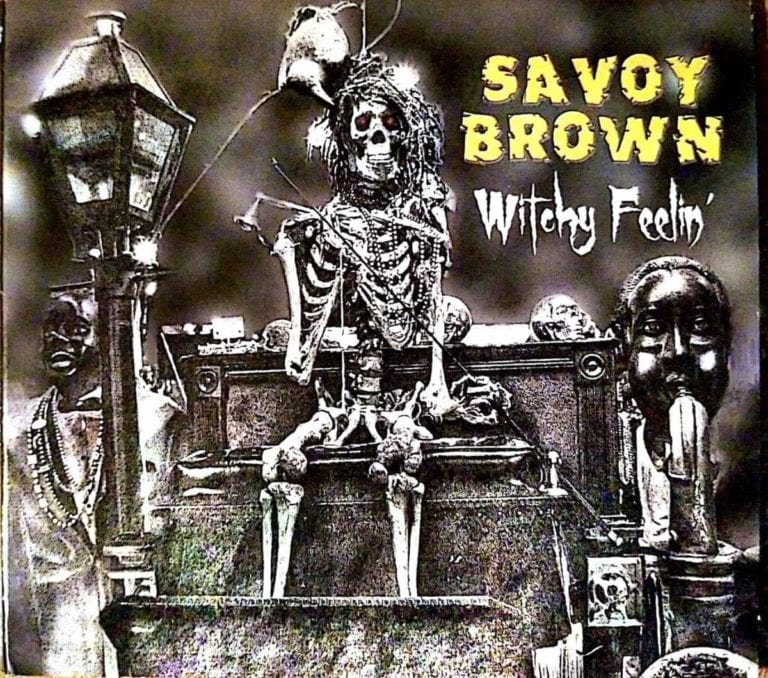
Listening to the blues is always a roller coaster of emotions. A great blues song can let you feel the singer’s pain, or make you smile and realize how fantastic life can be. Being a 52-year-old band, Savoy Brown flaunts their experience and tugs at the heartstrings and the cheekbones with each track on their newest release, Witchy Feelin’.
This album comes to us a half-century after their debut release, Shake Down. Thirty albums and countless tours later, they’ve honed their craft to show that they are one of the best blues acts around. That experience shines in the sheer grittiness of this album, which only begins to describe the feeling this band delivers from start to finish.
The opening track asks the question “Why Did You Hoodoo Me?” and their query will rattle around in your head all week. This eerie, dirty love song washes over you with its bouncy bass, fiery guitar licks and inquisitive chorus; you’ll find yourself humming throughout the day. “Livin’ on the Bayou” slows things down with its laid back tempo and soaring guitar from Kim Simmonds. Pat DeSalvo’s bass invokes a swampy Louisiana feel underneath Kim’s licks. Things pick up again with “I Can’t Stop The Blues,” which balances the thin line between crisp and dirty. Drummer Garnet Grimm really shines in this track and fills the room with his incredible cadence.
Things get slowed down quite a bit with the title track, “Witchy Feelin’.” The trio takes their time with this one and “Standing in a Doorway” before kicking up the pace with higher energy songs like “Guitar Slinger” and “Vintage Man.” These two quicker tracks really showcase Kim’s ability to express himself through his guitar. “Memphis Blues” is one of the catchiest songs on the album and a great boogie song that will have you nodding your head in agreement with the band.
“Close to Midnight” is the final track on the album and a fantastic instrumental that swirls around a jazzy beat and some Clapton-esque playing from Kim. The 8-minute behemoth that is “Thunder, Lightning & Rain” is where the band really shines with a throbbing bass from DeSalvo, incredible drums from Grimm and non-stop wah-wah from Kim. This song is a masterpiece and really shows their 50 years of experience as a band.
Kim Simmonds is no stranger to being on the road. As an original member, he was on stage with the band when they opened for Cream’s very first live show in London. Savoy Brown starts their 2017 New York State run in Rochester on November 25 and Buffalo on November 26. They make their way into Albany’s Upper Room on December 8 and also will be at Daryl’s House in Pawling, NY on December 16.
Key Tracks: Why Did you HooDoo Me?, I Can’t Stop The Blues, Memphis Blues, Thunder, Lightning & Rain
One of the best parts of reviewing albums is being exposed to music that you most likely would have never discovered on your own. At first, I listened to the Rochester-based Jon Lewis Band’s recently-released EP Baby Brother solely for the sake of writing this review. And then, one morning, I woke up with the melodies lodged into my psyche and I listened because I wanted to.
Don’t let the term local singer/songwriter fool you. Don’t let the genre label “indie rock” push this album out of the grasp of your musical appreciation. Baby Brother resonates with a driving sense of urgency, possibly a reflection of the head space Lewis was in when he wrote and recorded it earlier this year.
“After a freak car accident at the end of March, I found myself inspired to write and create music with more of an edgier attitude,” said Lewis. “We were also just returning from a short tour and I was eager to collaborate more on music that would feature the group and the intensity of those live performances. The process was so quick and often had a sense of profound urgency, energy and cohesiveness.”
From the first track “Let Me Go,” the EP quickly seizes your attention with smokey, sultry verses, gradually leading to a bridge that builds into a chorus filled with shredding crescendos of hard-hitting rock. The third track on Baby Brother will keep you “Hanging On” with its yearning, soul-calling melodies, precise guitar harmonies and memorable lyrics.
“What should you say, when my light is fading
And all my bad decisions come collected
To keep me hanging on
Would you keep me hanging on”
Baby Brother travels into familiar territory with hints of grunge and indie rock, yet with enough rock n’ roll and pop to set the Jon Lewis Band apart from today’s age of dime-a-dozen artists.
A full-time musician, Jon Lewis bleeds, breaths and sleeps music. Since hitting the road as an acoustic singer-songwriter playing in coffeehouses and bars in Upstate New York in 2013, he’s released four EPs and two full-length albums – some on his own, others in collaboration with some of Rochester’s well-known and up-and-coming artists, building a solid band of talented musicians along the way. Self-taught and determined to grow as a musician, he’s dedicated himself to producing music at a pace that matches his ambition.
Partnering up with Producer/Engineer/friend Dave Drago of 1809 Studios, Lewis released two EPs in 2014: Trail of Dreams and In Disguise. In 2015, he released his first full-length album Panic Rock on which he collaborated with Jacob Walsh on drums and Shawn Brogan on lead guitar, both of whom are now fundamental players in the Jon Lewis Band.
Soon after, Lewis began production on Out To Lunch which was released in 2016, this time joined by Alex Northrup on keys, completing the five-piece Jon Lewis Band. Wasting no time, the group released their second full length album Exquisite Corpse on May 15, 2017 and immediately followed it up with Baby Brother which was released in September, 2017.
When he’s not on stage with the Jon Lewis Band, you can find him playing fun, educational music to kids at Park’s Departments, birthday parties and other events in Rochester with his wife as “Mr. and Mrs. Loops.”
“It is incredibly rewarding and fun, and an amazing way to instill the silliness that is so easily forgotten in our lives,” he said.
Nominated two years in a row in the City Newspaper’s Best of Rochester Contest, Lewis said the five-piece Jon Lewis Band is focused and hellbent on producing more music and you can expect to see them playing in and around the Rochester area. Be sure to keep your ears peeled. Based on their latest offering, it’s bound to be good.
Remember those glory days of rock n roll when such bands like Kansas, Bad Company, Blue Oyster Cult, and many more classic giants reigned supreme? Something about that sound and tone of those bands really made an impact on music history. So many active audiophiles know you can never appreciate the modern sounds we have now, without paying homage to the ones that set the classic rock standard. Yet, we keep on forgetting that type of sound still carries a large fan base. Even to this day we have radio stations, podcasts, and concerts all dedicated to that chapter of rock. Let me tell you though brother, that sound is still kicking and screaming! This proves to be the very case with a band hailing from the snowy land of Syracuse, Darkroom, whose textbook rock vibe will bring back that sound of the past and bring it to new light!
The album, Darkroom foundation is created by the hands of David Manzano (drums), David DiNiro (guitar/vocals), Jeff Brown (bass/vocals), Ronnie Dark (guitar/keyboards/vocals) and Steve Kratz (vocals). This motley group of guys know how to package something old and to make it as if it was brand new. The album presents itself with so many classic rock influences from all across the rock realm spectrum. With tracks like “Trouble” and “The Hunted,” the energy of that rebel rock hits you hard like a brass knuckled punch. The fact that “The Hunted” is actually about a famous serial killer in our area really gives it that nice tongue in cheek play with the lyrics. Manazo really can show you how he can make his kit come alive keeping that nice jazz and blues infused playing on the tracks. Let us not forget Brown’s bass playing pretty much hits in the same ball park paving the way with some hints of funk aspired basslines, keeping that rampant energy striving.
The guitar work from both DiNiro and Dark really gives the album a clean guitar style, which in this day in age is extremely missed in the modern rock era with great melodies with huge hints of progressive influences if you listen closely enough. With Kratz on main vocals, you really can hear the passion this guy has while presenting the final product. Sometimes I feel like listening to these tracks he could give some classic rock heavyweights some run for their money. If you enjoy groups like Bad Company, you will find these two tracks to be your gateway drug to something simply incredible.
If you are like me, a man who likes to enjoy a nice cold beer, sometimes you just gotta have the perfect tunes to enjoy that said beer. The band possesses many diverse elements which come alive on this album. They are able to create a very calming and at peace vibe on some tracks. Tracks like “Fly” and “Reflections” really carry that bar rock sound with great approach from the guys. “Reflections” has strong presence of The Eagles as it presents some great catchy lyricism and fabulous groovy sections. “Fly” has that type of energy that makes you just kinda want to put a quarter in the jukebox, order yourself a beer, and relax a bit after a tough day at work. The slow and steady style really makes this track one hell of a great song and with some of the most intriguing keyboard playing I heard in the last couple years from Dark. The keys shaping that ambient background really helps amp up that idea of just taking it easy.
In the end, it looks like that rebel rock attitude and perfected sound will continue to beat in the hearts of the fans. With Darkroom always finding new ways to make the material of the past interesting and relevant, I have no doubt these guys will not give up with that strong of a drive to keep on exploring new and old territory. This album gets 4.5 out five stars. Checkout the band’s page and give them a good hard listen to!
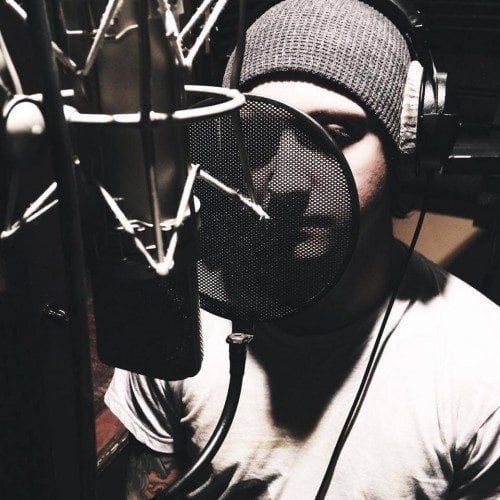
If you follow any releases or bands under Sumarian Records belt, then you probably heard of the metal band ERRA and Jesse Cash! Stepping away from the more heavier sound, Cash has created his own solo project, a more melodic alt-rock approach with an immense amount of emotion driven lyricism. His solo project is called Ghost Atlas. Cash had previously created under the Ghost Atlas name in 2014 with Gold Soul Coma and then in 2015 with the Immortal Youth EP. Now with the full-length All is in sync and there is nothing left to sing about is set for release independently on November 17th. This review will help not only spark your interest, but enhance your need to feel all across the emotion spectrum.
The first single off the album, “Legs,” sets the alluring tone and foundation for the piece. It compounds a very dark and melancholy setting which is created by Cash’s mental state and musical influences. The melody really resonates inside the listener. You feel like you are being seduced by something wicked, but the temptation is very much there with the need to explore deeper into that realm. The sound of the drums sounds like your very heart is about to give out with each passing second. The bass plays with that idea well as it creates a very soothing, yet uncomfortable tone. I feel what really gives this track the passion and drive the most is the guitar combined with Cash’s vocals. The high screams are vicious and the more calming vocals really do play on that high emotional factor. It does feel as if you are fighting to be both good and evil at the same time with some inner demon. It is both a demon and an angel that you will find yourself becoming with “Legs” as the puppet master.
Some tracks from groups can really make you feel like you are about to lose it all, yet slowly but surely, grounds you where you need to be. The song “NightDrive” is that very song where you can set your inner most secrets free. It starts off on a very sorrowful note. The slower pace of “NightDrive” really creates that atmosphere and it could be described as almost suffocating. Cash implementing so much of the human psyche in this track, if you listen closely enough and feel enough, the lyrics starts to paint a picture. The need to find where you belong in this world in my opinion shines in this amazing piece of audio. If you ever had any skeletons in the closest, this song really makes you try to confront them. The over the top slow, but heavy melody-induced guitar playing in the beginning slowly crates your trouble mind into submission. Halfway through, the chaos starts to awaken in the tune. You really do feel as if you are struggling to find a way out of a bad situation. The bass and drums propels the listener to different dimensions of the inner workings of what makes us human. Cash continues to serenade and becomes the medium for the listener to discover the most surreal self-awareness inside ourselves.
With his time with ERRA, Cash still knows how to create some great explosive creative pieces as well. “Badlands” is the track that has a real punch to it. The overall theme of the album is still found in here, but it does have more attitude than the other tracks on the album in my opinion. You have the whole idea that things are changing around us, which it is something we all know very well, and is something we have to deal with in this world. The bass comes alive in this, letting down a solid catchy bass line. The drumming is very addicting to follow along to while getting lose in the world Cash has created. I would say “Badlands” is the song off the album that will make you move around a bit with a sense of questioning what you are willing to change in your life, while getting lost in the event of experiencing new things. I have a gut feeling this song might be one of the most adored tracks. among be masses!
All is in sync and there’s nothing left to sing about is the very manifestation of Cash’s emotions and ideology. Investing thousands of his own money into the creation of this project comes to show how much heart and blood he has placed into this. This album will destroy the charts in the alt-rock genre without a doubt in November. If you like Deftones with a hint of mid-2000’s alternative influences, you will find a new album to be obsessed with. This album gets 4 out of 5 from me. Do not forget to pick up your copy on November 17 on the official bandcamp.
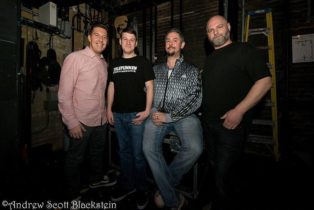
To many jam band fans, catching a RAQ show is like finding a four-leaf clover; it doesn’t happen often, but when it does you know you’re having a legendary day. The four-piece jam band from Burlington, VT made a name for themselves in the early millennium by touring relentlessly and creating some of the most distinctive psychedelic albums of the early 2000’s. After seven ferocious years of creating music together, the band decided to take a hiatus in 2007. Then in 2010, the band decided it was time to reunite with a show at the Bowery Ballroom in Manhattan.
Since they have gotten back together, RAQ has not toured the same way they used to. Their focus has been on shorter, more condensed runs rather than the “50 shows from coast to coast” tour model. Fans have come from all over the country for a chance to see RAQ again during these runs, and this Fall they will have another opportunity. RAQ will be performing a five-night east coast Halloween run with special guest ‘Goose’ starting on 10/31 at Gypsy Sally’s in Washington, DC. The Halloween show is being billed as “FOO-Q-AZI” as they will be mixing in material from the Foo Fighters and Fugazi, along with their own songs. From there they will play The Stanhope House on Nov. 11 in Stanhope, New Jersey, the Abby Bar at Appalachian Brewing Co. Nov. 2 in Harrisburg, PA, The Hollow Nov. 3 in Albany, NY, and will finish things off at the Arch Street Tavern Nov. 4 in Hartford, CT. I had the opportunity to speak with Chris Michetti (guitar and vocals) and Jay Burwick (bass and vocals) about their upcoming run:
Ryan Randazzo (RR): You recently got back together again. Why did you initially take a break, and what made you want to start things up again?
Chris Michetti (CM): We took a break in 2007 because we played together for 7 years at that point. We did 50 show tours, lived in a van for what felt like forever, and got burnt out. RAQ hit their stride in 2004-2005, then we hit a point where we were spending a lot of money, people’s lives got in the way, and we just needed a break. Looking back on it, we had no one to tell us to take a short break to just play a New Year’s Eve or big show, so we just stopped.
We have been on and off since, and all have our own musical and life projects around the band. I like it better now because I’m not relying on it. Back then, we relied on the band, our manager, the lighting guy, our agent, etc. It was our sole source of income. It was hard relying on all that, and became stressful. We’re doing it for fun now. It takes all the bullshit away of how much money we make each night, how many people came to see us, and how we did that night.
I remember, when we were younger, if someone missed a note we would get made at each other. Now we laugh about missing a note and joke about it. It’s almost the best part. At the end of the day we have a new attitude: “who freaking cares, we’re having fun.” It sounds silly, but we just have fun. It was so hard to do when we were young. We still had fun, but things were more serious.
Jay Burwick (JB): It’s different when you’re doing it for fun. Now we’re just having a good time and it’s apparent in both the band and audience. We were shooting for the golden ring in the early day. Everything was focused on being a huge band and making it big. Now we get to get together with our brothers and play music to people who appreciate it. It’s such a blast to not have to worry about the end game. It’s more about music, fraternity, and having a good time. It’s also really cool to see dedicated fans who are excited about it.
RR: Is this going to be the same RAQ on stage, or will things be changed up musically?
CM: It will be and it won’t be. We used to call what we play “high performance rock and roll” and that’s what it is, but the attitude of having fun has made us a bit more mellow and that’s been great. We used to get compared to Phish and other jam bands because we used to come out and play a million notes. We still do that, I guess, but are more relaxed with it. When we’re on it’s super fun. Like riding a wave; there’s nothing like it. That’s the goal. I used to think we had to slow down, but really, we just need to get into a groove and do our own thing. When we first formed the band and played at parties we would do this thing where we’d get ultra-loose, and it was infections. We were having such a good time it would spread and people would be freaking out. We have hit more of those moments in the past four years than ever. It happens once every two shows now.
JB: What he said. It’s different because now we just relax. We don’t worry about impressing anyone. We have a good time and let the music come out as it does.
RR: What are you most excited about for this Halloween run you’re about to embark on?
JB: I’m honestly most excited for Halloween night. The FOO-Q-AZI thing is going to be a ton of fun.
CM: I’m looking forward to playing The Hollow. The last time we played there it was crazy loose, like, what’s going on with this place?!? I’m also excited to hang out with friends and play some music.
RR: How has not playing together often changed the band?
JB: A great aspect of us not playing together often is that the jamming is epic when we do get together. It’s like all the ideas flow out in the first few shows. Sometimes we rehearse and play an epic jam, then we wish we saved it for the show. The lack of jamming together has been a good thing because since we’ve played together for so long and know each other so well that when we finally get together it just explodes.
CM: Scotty, our drummer, has become the most learned on RAQ songs. The rest of us have played them so many times over the years we’ve just gotten lazy and forget parts, so Scotty has to show them to us. With the condensed mini tours, we end up reaching points that used to take us 50 shows to achieve. The jams are so fresh. Music can get old, and I bore myself pretty quickly. If haven’t played in a while, a jam in ‘A’ becomes the best thing ever and everything feels so new. Even writing music is different. Now when I’m writing a song and making it sound good, I’m not concerned if others will like it. I just do it for myself.
RR: What are your future plans? Will we see more RAQ after this run?
CM: We have a record coming out soon that’s so cool. I’m really excited about this record. I wanted to create a new RAQ album for a while, but I didn’t think I had the time. Then it all just started coming together. With today’s technology, we can basically create a record on our own. We used to have to hire producers and spend a lot of money, which can drain a band. It also meant someone else had control of our destiny, which is a weird feeling. The last time we were in the studio as a band it made me want to learn how to record an album on my own. Now I have a vision, the songs are fun, and there’s an attitude of “who cares” so the raw tracks sound freaking good. We’re hoping the album will come out by February at the latest, and after that we plan on playing some more shows.
RR: What’s been different with this album compared to past ones you’ve made?
CM: The biggest thing is technology. You can have an idea and just do it all yourself; the drums, bass, keyboard. Then you just hand it out to everyone and it’s done. Then the band members interpret it differently, so you let go of some control and collaborate. Like, I did all the drum parts on drum a software. I could have spent a lot more time on there, but then Scotty will just practice to drum tracks he made anyway. We get to where we want to be for each part without having to explain to each other what it should sound like since it’s already there. Then he gets it, and it makes it easier to record. I wish it was like this years ago. We’re not just sitting in a room all day recording. Now we have layers, textures and polish.
RR: What are your thoughts on the jam scene now as opposed to when you started?
JB: It’s definitely changed, but when I go out in Denver I still see the same things. The same people seeing shows. Bands still tour the hell out of themselves to get recognition. The biggest change is how people market themselves and advertise to get people to shows. They post on Twitter and Instagram now. When you go out to see a jam band you still get the same feeling though, and you know it’s a jam band. The festival scene is very different. It’s crazy. There are groups of people who just go to festivals. They weren’t that big when we first started, so it’s very different in that aspect.
CM: It’s changed on so many levels, but I love the use of technology. It’s interesting to see it stay the same yet change in so many ways. Musically its consistent across the board. Even with newer bands, it’s the same vein of music. If you hear jam music you know it’s a jam band, but electronic bands are where there is a big difference. With a lot of bands, the internet had brought the secret out. Sometimes there is extra hype for a show that normally wouldn’t have had any. Because of this there are new ways of navigating way to find a band, and people have to be convinced to see them or like them. The best bands I like I had to be convinced to like at first. But overall the scene is pretty much the same. If we play Camp Bisco this year, it might as well be 15 years ago. We play the same songs, get into the same hijinks, see the same people. It’s the same thing. Most changes are technological. Social media, ticketing, and sound.
RR: What are your biggest influences for you, and how have they changed over the years?
JB: Early on it was the Dead, Phish, Zappa; live music bands. Lately I’ve been big on the Foo Fighters. I’m psyched to play some Foo Fighters on Halloween. I love Grohl’s writing style. It’s easy to absorb. It’s also fun to have a metal vibe when I’m in a jam and just want to shred. It’s influenced me to play harder, dig deeper, and get heavier.
CM: Everything Jay said, but I’m not as big into the Foo Fighters. Anyone who plays guitar well is a big influence on me. I love music everywhere. Sounds, production; I like it all. Sounds absurd. There are a million good guitar players out there, and many people wouldn’t recognize them if I listed them. I find a lot on social media, like Andy Wood. I find them online and am amazed. It’s fun to find new guitar players on Instagram.
RR: What advice do you have to young bands just starting out?
CM: The best thing is to understand business aspect of music and the music business. It’s gonna help you. Help with struggle. The struggle is real, be ready. Know the backend before booking a show. Think: how can we maximize this? Learn the deal: What you will make, how you can make it better, and understand the settlement sheet with club. If you want to make your living off music, it’s very important to understand the business and how to actually make money doing it. If you follow and understand what’s happening you can make it better. You have to rely on yourself, not the tour manager who is gonna quit in two weeks.
JB: I second that; study business. It will bite you in the ass if you don’t have someone in the band who knows business.
 To the delight of many, Phish went back to its roots with a classic opening sequence of “Mike’s Song” > “I Am Hydrogen” > “Weekapaug Groove” that was once more than a regular sequence on set lists but seems to have petered out in recent years in favor of different permutations of “Mike’s Groove.” The iconic opening guitar lick was met with a resounding roar from the crowd and the band never looked back from there. “Hydrogen” gave Lighting Director Chris Kuroda a chance to show off his mood lighting as he added a perfect visual backdrop for the moody instrumental number. No sooner had the closing notes of “Weekapaug Groove” been played before guitarist Trey Anastasio ripped into another iconic opening guitar riff – this one belonging to “Tweezer,” a first set rarity to say the least. By this time, The Garden was in full “bouncy house” mode with the ground noticeably shaking and seemingly moving along in unison with everything else.

 Interviewing Victor was less an “interview” and more a conversation. When he spoke, his big brown eyes locked in with mine, and it truly felt like we were the only two in the room. He is a genuinely caring individual who’s love for his craft and dedication to art was evident with every word he spoke. To him, music is about openness, letting go of your ego, and creating magic. He was ecstatic to speak about each project he was working on, and his passion for life and music is something he carries openly with him. I feel very fortunate to have had the opportunity to spend a half hour sitting down one on one with a music legend of his stature. Below is our full conversation:
 RR: Do you prefer recording separately?
 RR: You’ve played with many people over the years, but is there any particular jam or event that stands out in your mind?


 NYSMusic was not present Thursday night but the setlist can speak for itself.
 If there was one thing I would take from the weekend, it’s don’t sleep on
  The second half of the night was more of a relaxed set, with a beautiful “Amydst the Myst” to start the last opener. Towards the end, a very special guest came out to play with the band. Billy Comstock of Annie in the Water was originally Twiddle’s bassist and wrote one of the group’s most memorable songs, “Latin Tang.” The current bassist bowed out for a bit so the OG quartet could rock out for an incredible Tang we won’t soon be forgetting.
 This album comes to us a half-century after their debut release, Shake Down. Thirty albums and countless tours later, they’ve honed their craft to show that they are one of the best blues acts around. That experience shines in the sheer grittiness of this album, which only begins to describe the feeling this band delivers from start to finish.
 The album, Darkroom foundation is created by the hands of David Manzano (drums), David DiNiro (guitar/vocals), Jeff Brown (bass/vocals), Ronnie Dark (guitar/keyboards/vocals) and Steve Kratz (vocals). This motley group of guys know how to package something old and to make it as if it was brand new. The album presents itself with so many classic rock influences from all across the rock realm spectrum. With tracks like “Trouble” and “The Hunted,” the energy of that rebel rock hits you hard like a brass knuckled punch. The fact that “The Hunted” is actually about a famous serial killer in our area really gives it that nice tongue in cheek play with the lyrics. Manazo really can show you how he can make his kit come alive keeping that nice jazz and blues infused playing on the tracks. Let us not forget Brown’s bass playing pretty much hits in the same ball park paving the way with some hints of funk aspired basslines, keeping that rampant energy striving.
 The first single off the album, “Legs,” sets the alluring tone and foundation for the piece. It compounds a very dark and melancholy setting which is created by Cash’s mental state and musical influences. The melody really resonates inside the listener. You feel like you are being seduced by something wicked, but the temptation is very much there with the need to explore deeper into that realm. The sound of the drums sounds like your very heart is about to give out with each passing second. The bass plays with that idea well as it creates a very soothing, yet uncomfortable tone. I feel what really gives this track the passion and drive the most is the guitar combined with Cash’s vocals. The high screams are vicious and the more calming vocals really do play on that high emotional factor. It does feel as if you are fighting to be both good and evil at the same time with some inner demon. It is both a demon and an angel that you will find yourself becoming with “Legs” as the puppet master.
 Since they have gotten back together, RAQ has not toured the same way they used to. Their focus has been on shorter, more condensed runs rather than the “50 shows from coast to coast” tour model. Fans have come from all over the country for a chance to see RAQ again during these runs, and this Fall they will have another opportunity. RAQ will be performing a