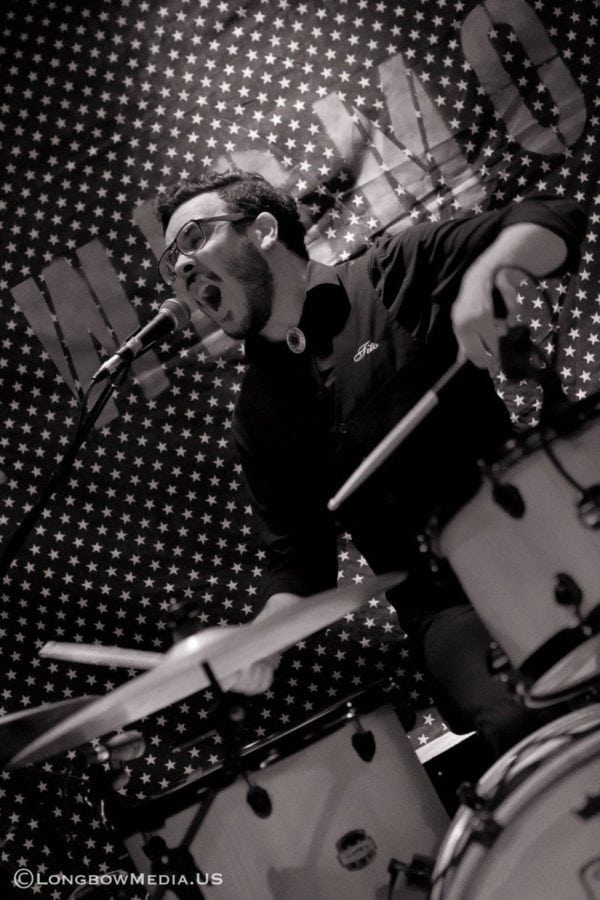
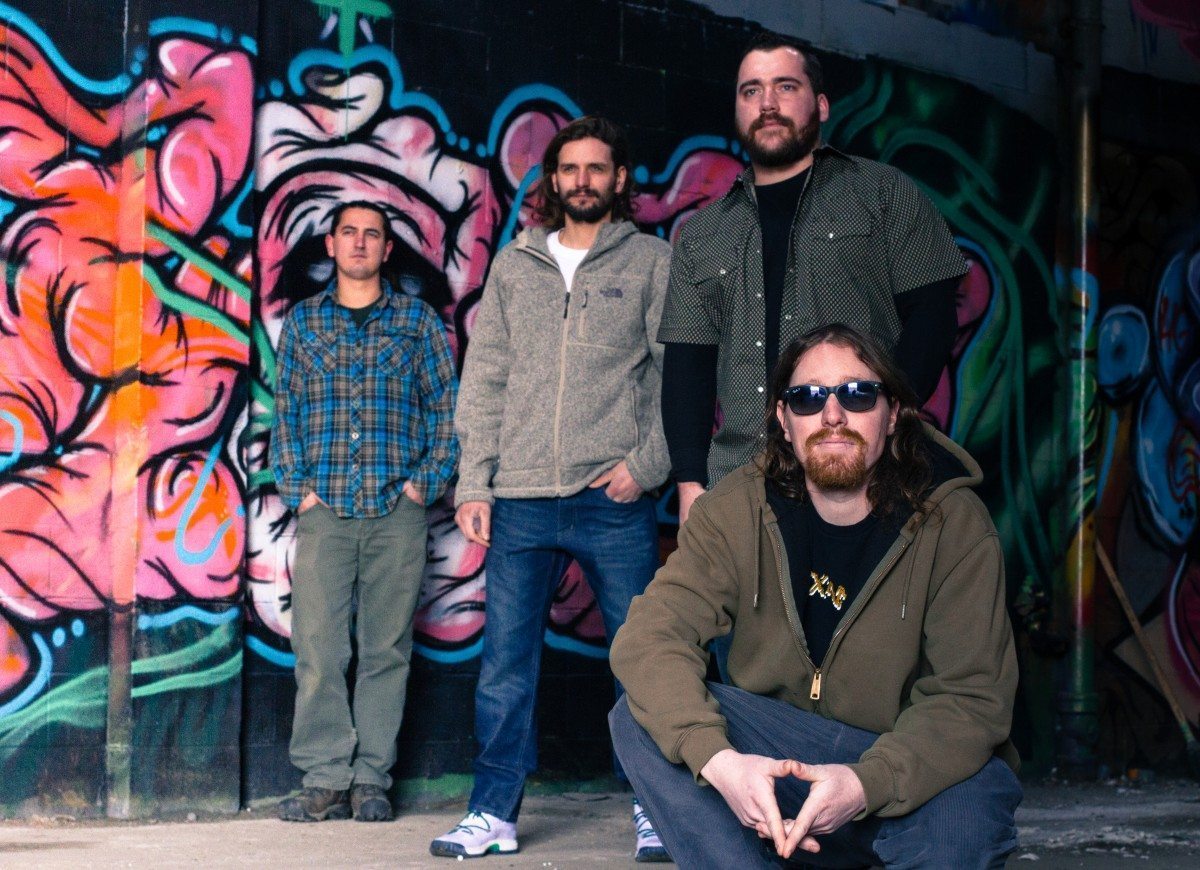
Cal Kehoe one of the newest guitarists in the jam/rock scene, employs looping or a full band to bring together elements of Phish, My Morning Jacket, Pearl Jam and Red Hot Chili Peppers, to name a few. His sound draws comparisons to Andrew Bird, and most notably, Keller Williams. With a distinct unique style that makes looping look easy, Kehoe employs rock and soul influences into his music and recently collaborated with Phish lyricist Tom Marshall to produce “Limbo,” recently released on Spotify and iTunes. The song was produced, mixed and engineered by Greg Giorgio (The National, Kurt Vile, Local Natives) at Tarquin Studios in Bridgeport, CT. Nick Burns, an Emerson film graduate edited and directed the video below.
Kehoe said of the collaboration, “It was an honor to work and write with Tom. I’ve been listening to his podcast “Under The Scales” religiously every Monday since the day it came out and I have learned so much more about the Phish community and the heart and soul of the Phans involved. I’m looking forward to playing with Tom, Anthony Krizan and the members of the Amfibian All-Stars at the Iridium on July 25th for our Phish Baker’s Dozen after show.”
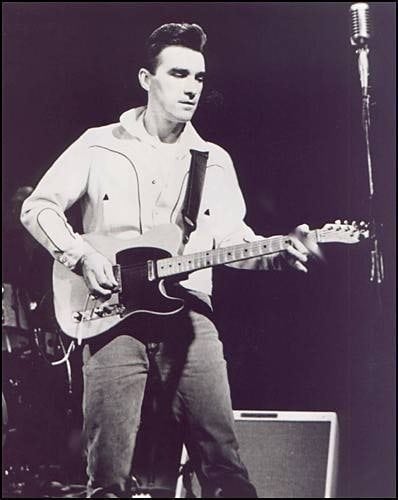
The former Star Spangled Washboard Band guitarist has not been a stranger to the Capital District since he moved down to Nashville in 1984. When he’s not performing with his band, the Los Straitjackets, he still gets together with Johnny Rabb to tour regularly as members of The Neanderthals. But, Angel’s recent plans don’t involve getting pre-historic on a local audience. He will, however, be tipped a hand to his familiar rockabilly roots during a May 9 performance at The Hanger in Troy.
Angel is currently touring with Garry Tallent, a Rock and Roll Hall of Famer and the only founding member of The E Street Band (sans Bruce Springsteen) still performing. It’s Tallent’s first solo tour since he started playing along with those kids from Asbury Park 46 years ago. And, he does so in support of the release of his Break Time LP.
“Fans always wonder what it is I do between E Street Band tours: This is my answer,” Tallent told Backstreets Magazine, a quarterly periodical exclusive to news on Springsteen. The E Street Band has long been associated with Springsteen since the 1973 release of Greetings from Asbury Park, N.J.
Break Time is the E Street bassist’s first solo album, on the label he co-owns, D’Ville Record Group. Initially available only on vinyl and digital download, a CD edition is to be released later this month. The 12-track release serves as an anthology of American rock and roll in several different forms: from Cajun to honky-tonk, rockabilly, and rhythm and blues.
“They’re my songs,” said Tallent, “and I chose the ones that fit the mold of the album that I was trying to do, which is my tribute to the ‘50s. That’s always been my favorite era of music.
“It’s not a Bruce Springsteen record.”
Angel co-produced the album at Tallent’s Moon Dog Studios in Nashville. They are joined on the album by Johnny Cash’s bassist Davie Roe, and the versatile Fats Kaplin on fiddle, mandolin, and banjo. Also appearing on the album is Jimmy Lester on drums, Dave Roe on standup bass, Randy Leago on accordion and Kevin Mckendree on piano. It should be noted that E Street band mate Nils Lofgren sings harmonies on one of the tracks, too.
Tallent has spent nearly half a century playing alongside Springsteen. In those years, there have been a handful of E Street Band members who have stepped out on their own to make a name for themselves. Before his death in 2011, Clarence Clemons released several solo albums, and was featured with Aretha Franklin, the Grateful Dead, and Jackson Browne, with whom he charted a hit single “You’re a Friend of Mine” in 1985. Most recently Steve Van Zandt appeared prominently as an actor in the hit cable series “Sopranos.” Despite his band mate’s successes, Tallent has only now struck out on his own.
And, Angel is right along with him.
At first glance, one can’t see how a Jersey boy and a Rensselaer kid managed to cross paths. But, it’s a friendship that goes back more than 20 years. Angel said it’s based upon a mutual love for good ol’ rock and roll.
“We’re both fans of ‘50s rock and roll,” said Angel, who can recall his first love for music involving The Beatles and its 1964 release of “I Want to Hold Your Hand.” “But, this is the first time we’ve done something like this. It’s the first time Garry’s ever done a solo tour. When he called me up a few years ago… he asked me if I could help him produce and play on it, I was really thrilled. I was very flattered that he would think of me. Because, he could ask anyone, you know?”
Break Time is Tallent’s interpretation of rock and roll’s roots. It’s not Top 40, and not alternative. Tallent and his band play a sound that is steeped in rock’s primordial soup that produced Chuck Berry, Buddy Holly and Lee Dorsey. Despite it not fitting into your typical radio format of today, it’s still very popular.
“It’s like asking why blues is still popular today,” said Angel. “There’s no time limit on it. When I hear on the radio, Chuck Berry or Jerry Lee Lewis, that never sounds dated. When I hear a Madonna song, it sounds dated. Something from the ‘90s? It sounds dated. So, I think there’s something classic in that music. A timelessness.”
Just a few days prior to the launch of the tour, Angel said he was looking forward to coming back home to the Capital District. Though Nashville was where he struck out to pursue his music career more than 30 years ago, he said he still won’t see it in the same way he does Rensselaer.
“It’s a great city but it’ll never be home,” said Angel. “My dream is when we become empty nesters, we’ll come visit in the summer. We won’t ever move back. We can’t afford New York state taxes.”
This article was originally published by The Spot 518. is property of Spotlight Newspapers in Albany, N.Y., and appears as a special to NYS Music. TheSpot518 and NYS Music work in partnership to provide readers with in-depth coverage on the local music scene in the Capital District and New York state, respectively. For more, visit TheSpot518.com.
Hollis Brown markets itself as an American rock band which, lately, is the best way to describe groups that lean towards the origins of rock and roll — a little bit of blues, a little bit of soul and a splash of funk.
Listen to Hollis Brown’s latest single, “Run Right To You,” off its October release Velvet Elk, and you’ll hear nothing that resembles the fabricated sound of Top 40 radio, or anything that would remind you of their home. The band takes its name from Bob Dylan’s “Ballad of Hollis Brown,” which opens with “He lived on the outside of town.” Vocalist Mike Montali said the homage pays respect to what he perceives to be the song’s message of redemption and rebirth. He and band co-founder Jonathan Bonilla call Queens home. Along with drummer Andrew Zehnal, from Cleveland, keyboardist Adam Bock, from St. Louis, and bass player Brian Courage, from Long Island, they play a sound that’s more in place at a roadhouse in rural America than your coffeehouse in neighboring Brooklyn.
“We somehow fit in though,” said Montali, who admits the roots-edge sound of Hollis Brown clashes against any dance scene perceived to come out of Manhattan or Long Island. “New York, historically, has had a lot of great bands come out from all different styles and great songwriting. So eclectic, that it’s hard to really define.’
“In particular with the New York scene, and the press, we’re outsiders for sure, in a way,” he said. The perception, however, is only reality to those expecting a band with “a couple of iPads and some synth.”
“We do really well in New York,” said Montali. “It’s home, and it’s been good to us.”
Since forming in 2009, Hollis Brown has attached its name to Lou Reed, Bo Diddley and the Counting Crows. Its 2013 debut album Ride On The Train, garnered song and video premieres from Rolling Stone, Paste and American Songwriter, along with placement in several movie trailers and an online ad campaign for Abercrombie & Fitch. Following a Reed tribute concert in New York City, Alive Naturalsound asked the band to record a tribute to the Velvet Underground’s Loaded as a limited-edition vinyl release for Record Store Day 2014. Hollis Brown Gets Loaded took on a life of its own, with airplay on influential radio stations, resulting in a full CD and digital release.
Locals who didn’t catch Hollis Brown’s music through the above likely caught on when the band tagged along with Counting Crows and Citizen Cope when the three played the Saratoga Performing Arts Center in the summer of 2015. Still relative no-names, the band that sounds nothing like New Amsterdam garnered the admiration of Crows’ frontman Adam Duritz. Duritz, who updates Twitter more often than President Trump, constantly expressed praise towards Montali and his crew.
“I think that’s pretty rare for a guy with his level of success,” said Montali of Duritz. “He’s a fan first. He always has been, more than a musician, himself. He loves music and he loves the process of seeing bands starting out in their hometowns to become national acts. … We’re fortunate that we got on his radar and made good friends with him.”
Flash forward to 2017, Hollis Brown will tour across the country with stops at Mountain Jam, Karoondinha Festival and more. “Steady Ground” is a featured-exclusive on Amazon’s playlist Amazon Acoustics. The band’s vinyl EP, Cluster of Pearls, was chosen as one of the 300 select releases throughout the world for Record Store Day last year. “Cluster of Pearls” followed the 2015 release 3 Shots, which featured Diddley’s collaboration “Rain Dance,” and the duet “Highway 1” with acclaimed alt-country songstress Nikki Lane.
This article was originally published by The Spot 518. is property of Spotlight Newspapers in Albany, N.Y., and appears as a special to NYS Music. TheSpot518 and NYS Music work in partnership to provide readers with in-depth coverage on the local music scene in the Capital District and New York state, respectively. For more, visit TheSpot518.com.
Josh Carter has been traveling the world so much that he dreams of being on the road. “My girlfriend said to me the other day that I was sleep talking, and I was saying something about being in Singapore,” said Carter. “I’ve never been to Singapore.”
Give Carter and Sarah Barthel — better known as fast-rising alternative electronic pop group Phantogram — enough time and they may yet reach Singapore.
The duo from Greenwich recently wrapped up five months of constant touring in support of its new album, “Three,” with a series of East Coast club shows, including a sold-out show Saturday, January 14 at Upstate Concert Hall in Clifton Park.
“I used to go to Hatebreed shows at Northern Lights (what Upstate Concert Hall used to be called,)” said Carter in a phone interview from Los Angeles, where he now lives. “I was really into hardcore back then.”
There is a harder edge to Phantogram’s songs than when Carter and Barthel started out as Charlie Everywhere in 2007. The breathy vocals and electronic soundscapes featured in early songs such as “Mouthful of Diamonds” and “When I’m Small” have been replaced with big beats and in-your-face vocals, as found in more recent hits as “Black Out Days,” “Fall in Love” and “You Don’t Get Me High Anymore.”
Carter said the change to a more aggressive sound was fueled in part by audience reaction to the band’s shows early in their career.
“I can’t cite a specific moment, but I remember people saying to us, ‘I love the music, but I can’t understand any of your lyrics because they were so buried in the mix,’” said Carter. “So, I think it’s a combination of playing live shows and gaining confidence.”
Carter also said collaborating with other artists helped Phantogram grow. A guest appearance on Big Boi’s 2012 solo album Vicious Lies and Dangerous Rumors led to a full-blown side project with the Outkast rapper called Big Grams that led to an EP in 2015. Phantogram also appeared on The Flaming Lips’ tribute album to The Beatles’ Sgt. Pepper’s Lonely Hearts Club Band — 2014’s With a Little Help from My Fwends — where Carter and Barthel tackled “She’s Leaving Home.”
“It’s been so much fun. It’s also been a learning experience,” said Carter. “Collaborating and playing music with others is always a good thing because you learn so much.”
Having the chance to work with Big Boi on Big Grams has been a dream for Phantogram, said Carter. “We were heavily influenced by Outkast. In fact, Sarah and I call ourselves Aquemini (a title of a 1998 Outkast album) because Sarah is an Aquarius, and I am a Gemini,” said Carter. “We loved Outkast because it seemed like the sky was the limit for them. They could do something like a gangsta rap on one song, and then they’d have this cheerlead-y pop song like ‘Hey Ya.’”
Phantogram’s own discography maps out the direction the band has been heading. Eyelid Movies in 2010 — their first release for indie label Barsuk Records — was an expansion of its self-released EP from the previous year, which included “Mouthful of Diamonds.” In 2011, they released the EP Nightlife, which saw the beginning of the band’s transition from shoegazing electronic music to more sample-heavy hooks, as found on “Don’t Move.”
A couple of years later, Phantogram moved to Republic Records — a division of Universal Music Group that features artists such as Ariana Grande, Nicki Minaj and Drake, among others. The group’s first album for Republic, 2014’s Voices, brought their music to a more mainstream audience around the world. They started making regular appearances on such shows as “The Tonight Show with Jimmy Fallon,” “Jimmy Kimmel Live” and “The Late Show with David Letterman.”
Three marked another transition for Phantogram. The band exclusively worked with an outside producer for the first time, as Ricky Reed took the controls on the album. Outside songwriters including the-Dream and Tricky Stewart also collaborated on the album.
Reviewers had mixed feelings about Three, but Carter said the album is part of Phantogram’s continued growth.
“We’re not David Bowie. We’re not as brilliant as he,” said Carter. “But if we can have that one moment like David Bowie had with ‘The Thin White Duke’ and ‘Ziggy Stardust,’ that would be awesome.”
And as it edges closer to mainstream success, Phantogram is proving that a Capital District band can have an international following.
“I’m proud and happy to represent our home area,” said Carter. “It’s a testament that you don’t have to be from New York City or Los Angeles or Austin or San Francisco to be successful.”
This article was originally published by The Spot 518. is property of Spotlight Newspapers in Albany, N.Y., and appears as a special to NYS Music. TheSpot518 and NYS Music work in partnership to provide readers with in-depth coverage on the local music scene in the Capital District and New York state, respectively. For more, visit TheSpot518.com.
“Do you remember who you were before they told you who to be?” Morgan Bolender asks the world during her demo track “Mary Oliver.” She is a self-taught musician from the Empire State that has traveled the globe and currently calls Oakland, CA home.
During her travels, she found her sacred path as an artist and after hundreds of thousands of Youtube views, she realized that her compassionate lyrics and beautiful voice was echoing throughout the world. Her debut album, Recordings From My Living Room, has gained popularity among her open minded and globally conscious followers and while the music may be too emotional for some, others find refuge in its soulful tranquility.
Self-proclaimed “freak folk” artist Scott Ferreter calls his music “Deep Pools.” Ferreter spends his time in the spotlight attempting to engage the members of the audience mentally and emotionally. He uses his music to tell stories of his life and experiences. Musical influences such as Radiohead, Neil Young, and The Band can be heard in his stirring tales of death, birth, peace and seasons. After decades of practice, Ferreter has formed a bond with his guitar, allowing him the confidence and comfort to explore many different sounds and genres. His most recent LP, See You In The Morning Light, has been described as “an ecosystem of emotion” by Sacramento News and Review. It was no coincidence that Bolender and Ferreter found each other and formed a musical communion that has been strengthened through love, respect and admiration for one another.
After their first sonic pilgrimage through the country called the Come As You Are Tour, Bolender posted on her Instagram, “Tour’s over. 10,512 miles. 34 cities. 70 days. I have so many feelings.” These feelings were planted inside of Ferreter and Bolender in the beginning of the Fall of 2016, and much like a tulip bulb, they are finally ready to bloom this Spring. They will embark on yet another house concert tour entitled The Feelings Parade. After the spiritual, emotional, creative and musical success of their 2016 travels, they have decided to do it all over again on an even bigger and more ambitious trail. Their live shows feature the two playing together as well as solo before an audience of all different backgrounds and interests. In reference to last year’s adventure, Ferreter writes, “We played over 35 shows, saw parts of the country we had never seen, and made deep-feeling community in places where we used to be strangers. We miss you already.”
The truly dynamic duo is currently calling on their friends new and old to host house concerts for their upcoming gigs. No town is too big or small. No mansion is too sparkly and no barn is too dirty. No swamp lands are too filled with alligators and no desert is to dry. Based on their Instagram feed from last year, they are willing to do basically all the work except building the venue itself. If you or someone you know is interested in helping with the tour efforts, send an email to the performers and express interest. I caught up with Bolender and Ferreter after their last tour to hear more about what they learned, what they liked, and what the future holds for them.
Ben Boivin: What covers did you play most frequently?
Morgan Bolender: “Hallelujah” by MaMuse, and “Old Before Your Time” by Ray LaMontagne. When playing MaMuse’s “Hallelujah,” I invited the crowd to sing along, which was almost always an overwhelmingly beautiful experience. There’s nothing quite like singing my heart out with a room full of people. My favorite times were when the crowd started out singing with quiet trepidation and finished with wholehearted gusto. Due to my own trepidation, I didn’t sing at all (not even in the shower!) until about 5 years ago, so it’s one of my missions to create a safe place for people to open up the channel that has enriched my life so much.
Scott Ferreter: I hardly played any covers this tour, because I have so many new songs I’m excited about. It was hard enough to decide which originals to play. One cover-playing memory that really sticks out is playing “Traveling Song” by Bright Eyes in Omaha, Nebraska, because that’s where Conor Oberst (of Bright Eyes) is from. He’s one of my favorite songwriters, and it was quite the experience playing it on my first visit to his hometown and having several people in the crowd passionately singing along.
BB: Did you switch up the sets or add more to a set based on where you were and the experiences you had during your travels before the shows?
MB: Our sets varied from let-it-all-hang out, no-holds-barred-wild-fun, to playing for a garage full of conservative Christian corn and soy farming seniors on a farm in South Dakota who all brought their own lawn chairs. Part of the beauty of the intimate house concert setting is having the opportunity to really feel and connect with the audience – to experience them as a living body and try to tap into what would be most nourishing for that body.
SF: The set changed almost every night, based on the feeling of the place and the feeling of the crowd. Also, a lot of my songs are very vulnerable and they often push at different social norms that I find myself bumping up against in my struggle to be my full self. For that reason, some of them were entirely inappropriate for certain shows and certain crowds. I have no interest in shoving anything in anyone’s face–my intention is to stretch boundaries, not break trust. For that reason, I found myself changing the set quite a bit.
BB: What was your worst show of the tour?
MB: New Orleans. For sure.
SF: Absolutely, New Orleans. Heiress to a fortune. Old school classism and elitism. Small turnout plus pretension equals a terrible show. I’m amazed that we played over 35 shows and only had one that I wouldn’t want to do again!
BB: What was one of the best shows of the tour?
MB: That’s a really tough one, as I’m still processing the experience. My heart feels warm when I think about Kim’s living room in Blue Springs, Missouri, who Jodi filled with a lively, funny, loving crowd. Then I think of Jen’s show in West Bend, Wisconsin, which happened on gorgeous, magical land where, if there are fairies, fairies lived. That show was so sweet and tender, the people so open and ready to receive what we came to share. And the, Paonia! In a castle, and then a community house! And San Diego! Then the Dakota’s – a beautiful yard along the Missouri River, a sweet farm with Alice’s epic flower garden! Nicole’s overflowing yard in Nunica, Michigan! Playing for family and friends in NY, many of who’d never seen me play. Flagstaff, AZ, where they created an ornate backyard festival for us! There was a tea tent! I didn’t answer this question very well, but truly – there were so many magical shows. Oh! The squawking baby eagles that accompanied our show on Whidbey Island! The Heartson’s in Vermont, where we not only got to play a great show, but got to teach a songwriting workshop! Like I said – magic, magic, magic.
SF: There were so many great ones, and they were all great for different reasons. I had a particularly connected-feeling set in Paonia, Colorado. It was one of the few places where I felt no need to bring people into the right headspace for the music. It felt like we were all there together from the beginning, and it was so sweet to be able to just drop into the music and feelings. Wisconsin was a very meaningful set for me because I showed up incredibly sad, and decided to be vulnerable and play the set I needed (instead of the set I imagined the crowd wanting). As it turned out, sadness must’ve been in the air, because it seemed like the perfect set for the people there, too. I left that show feeling very held.
BB: If you had to spend two weeks at one venue you played, where would it be?
MB: Hmmm. Possibly New Orleans. That place feels like an entirely different universe, and I feel like in order to really drop in and explore it, I need some time. Or Portland, because there are so many people there I love and want to hang out and make music with.
SF: Great fucking question! I feel like Ashville, North Carolina and I have some catching up to do. I’d never been before, and yet I’ve had many great friends live there over the years. I felt deeply connected to the land there, and could easily see myself putting in some weeks barefoot in Asheville.
BB: What did you learn during your travels and would you do it all over again?
MB: If you’re going to buy high quality, American made, ethically sourced and produced merchandise, be sure to let people know, because ethical and conscious consumption is really important for our people and planet, and I want more people to consider where their things come from. Also, ethically sourced and produced merchandise is more expensive.
Humans are extremely capable of adapting. For the first 2 weeks of tour, I was a wreck. My body was falling apart, my emotions raw, and my nerves fried. The pace of tour, the emotional expenditure, and the sheer amount of work was breaking me down. Once we got into a rhythm and once I made a strict “I need 8 hours of sleep per night” rule, things changed dramatically. I was amazed and inspired by how much my limits could be extended.
It’s okay to need people. Okay, fine, I’m still learning that one, but tour helped a lot. I was very stubborn about my independence, and was sure to let Scott know, many times, that I could have done this on my own. But the truth is, I couldn’t have. Not this exact tour. I could have done some version, sure, but not what we did. Doing it together made so much more possible. And just because I can do something by myself doesn’t mean that I have to. I learned so much about how to trust and work as a team.
I can set out to do something huge, and make it happen. Even if I don’t really, really know what I’m doing, I can learn as I go. [There are] so many more things that I don’t know yet. I would absolutely do this again, and intend to. I realized after a few weeks of the Come As You Are Tour that, though we were already reaping harvest, much of our work was seed planting. Meeting new people who became part of our community. Refining our model for producing house concerts. Creating systems. Walking first-time hosts through how to put on a concert. The tour was enough, just as it was, and, it’d be a shame to not put all we learned to use!
SF: I learned that I’m supposed to be touring and sharing my music! I learned that you don’t eat passionfruit by biting it directly in half. I learned that it’s better to play the songs I want than play the songs I think the crowd wants. I learned that just because the east-coasters don’t show their love as freely doesn’t mean they aren’t loving it. I learned that nobody wants to buy totes. I learned that there are fewer medium-sized people listening to our music than there are small and large people listening to our music. I learned that I’ve still got a lot to learn from Morgan. I learned that Morgan has still got a lot to learn from me. I learned that I’m making music on behalf of all of the people who are nourished by it, not just for myself. I would do it again tomorrow!
In a dark world, Bolendar and Ferreter use their music as the guiding light. Their compassion for the human race is powerful and their creative approach to going on tour is refreshing. The Feelings Parade of 2017 is sure to see these couch-surfing companions on an entirely new wave of energy and bliss. Two old souls living their own version of the American Dream with a trunk full of instruments and heads full of sound will hopefully inspire a new generation to get in their cars and cruise the land of the brave and free.
Roots of Creation is known to sing of its love for the “603.”
That’s the area code for New Hampshire, of which the reggae-jam fusion band calls home. Its 2012 video “Summertime in the 603” (a homage to Sublime’s 1995 “Summertime”) remains a colorful sight for those recently wishing winter away. Just a day after returning from the warmth of sunny Costa Rica, Brett Wilson continues to defend his love for the “Live Free or Die” state. This, after snowstorm Stella dumped more than 20 inches of the white stuff across the region.
“Well, a lot of us here like to ski and snowboard and stuff,” said Wilson, in a phone interview from his home. He admits to feeling out of place with the heat and sun of the coastal vacation spot, from which he just left. With his “pale skin,” he said he found himself retreating more often to the evening hours to avoid being burned. “I like having all the seasons. Costa Rica was great. It was nice and warm, but man. I was not built for 100 degrees, everyday.”
The popularity of a band that envelopes the offbeat rhythms and staccato chords of reggae initially seems just as out of place in New England as Wilson is in the Caribbean sun. But, that’s not the case. Wilson explained he was introduced to the Jamaican music through his mother at an early age. She would provide him with mixtapes of the popular bands that, too, called New England home. When she took him to a reggae fest to hear the music live, he was hooked.
Flash forward 20 years later, Roots of Creation is a Billboard chart topping band. The band’s latest release “Livin Free” debuted on the Billboard Reggae Chart last April. The success follows a cultivated reputation of making each live show a unique gem for the audience’s experience. Wilson recalls Phish and The Grateful Dead, two of some of his favorite bands whose fans often trade recordings of individual shows throughout the years, each with a different line-up of songs, possessing its own unique experience. Today, it’s not uncommon for those who follow Roots of Creation to do the same thing.
“We never really saw any of those bands play the same shows once,” said Wilson. “That was cool, because it built kind of a culture around the band. People wanted to follow them around, collect set lists and tape the shows. Also, the bands never got tired of it. So, we definitely adopted that kind of mentality.”
Whether on the festival circuit, performing at jam favorites like Gathering of The Vibes, Wakarusa, Camp Bisco and Closer to the Sun, or sharing the stage at sold out shows with some of their diverse influences including Slightly Stoopid, The Wailers, Fishbone, and Michael Franti, Roots of Creation has been recognized as a Top 20 artist on the Relix/Jamband radio chart as a festival staple.
Roots of Creation’s fan base played a substantial role with last year’s release of “Livin Free.” The CD, and subsequent three-CD set, was released from the band’s own label, Bombshelter Records, and distributed by ILS/Caroline/Universal Music Group. The record was funded with a crowdsourcing initiative through PledgeMusic.
“We could not have done this without everyone who was a part of our PledgeMusic campaign, those who purchased the album, our fans who come out to the shows, and our team behind the scenes,” said Wilson. “It was a really huge team effort. The RoC family is just amazing, and we thank everyone for their support.”
“Livin Free” features guest performances by Melvin Seals (Jerry Garcia Band), Marshall “Ras MG” Goodman (Sublime, Long Beach Dub Allstars), the Rubblebucket horn section, Billy Kottage (Reel Big Fish), Bill Carbone (Zach Deputy, Max Creek), Grammy-nominated Pato Banton (Sting, UB40), and Mighty Mystic.
This article was originally published by The Spot 518.
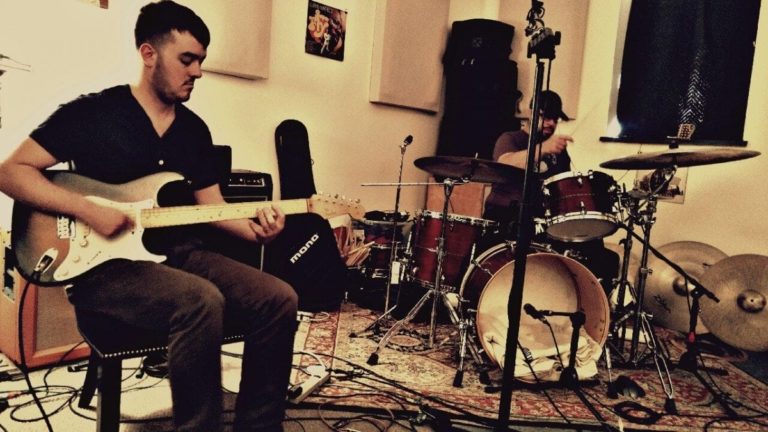
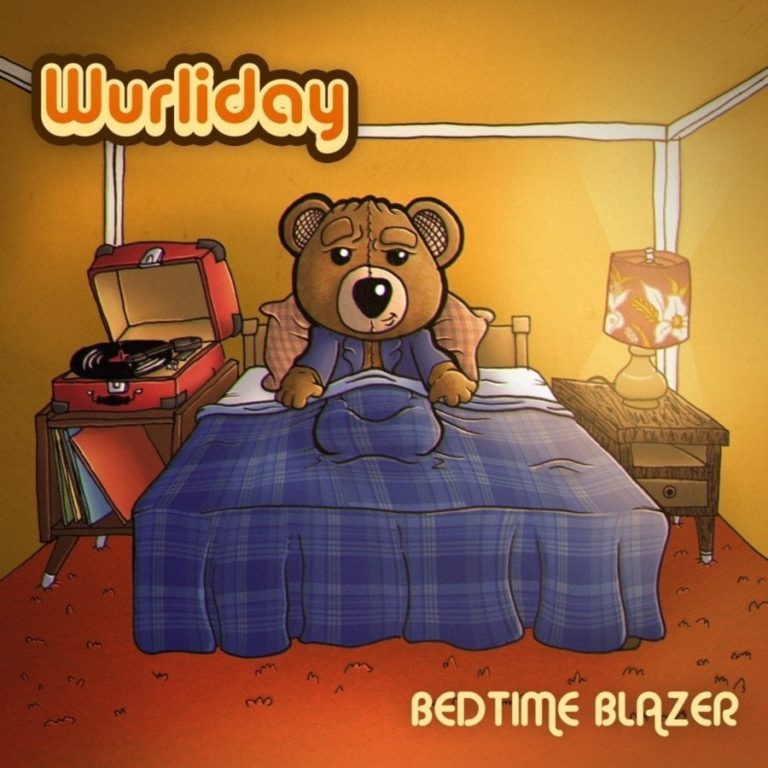
Justin Henricks is taking on a new role as a band leader, as the Hart School graduate and Averill Park native will release Bedtime Blazer this May, the first EP for his new project Wurliday. As he leads his first band, Henricks finds himself poised for the next step in a career that has thus far found him as a key player best known for his guitar work in Beau Sasser’s Escape Plan, Way Down and The Chronicles.
Henricks has played guitar all his life and considers Hartford to be a second home, thanks in part to the music scene that includes Arch Street Music Hall, West End Blend and Boo-yah Funk Night, while back home in Albany, Justin hosted funk night at City Beer Hall in 2016. NYS Music sat down to discuss with Henricks the shift from band member to band leader, performing with Beau Sasser and putting together the Wurliday EP.
Pete Mason: Tell me about Wurliday and how the group came together.
Justin Henricks: Had this idea circulating in my mind for almost a year, and I’ve been taking my time to let it come to fruition in terms of getting the songs written and making this EP that is coming out. I’ve always wanted, its been long due, having my own project that I have creative control over. I spent a lot of time working with Beau (Sasser), and the Escape Plan and The Chronicles. I’ve learned a lot as a sideman and I’m ready to take on my own project. I figured the best way to do so would be to release something, sort of build the groundwork of the band and the internet presence and everything, before the band actually starts. Almost like a Steely Dan approach I was able to get some incredible musicians and friends together to play on these tunes. Everyone was really supportive and showed me a lot of love during the process. Trying to create something that will go for a while. Really starting to think of the future of this project and create a home base for myself, creatively and band speaking.
PM: Where did you record the album?
JH: We recorded at Alan Evans‘ studio Iron Wax in Millers Falls, MA. The album’s cast is nothing short of all-star. He was a pleasure to work with, he was a great engineer, gave his two cents when needed, and really worked with us to make sure we were getting all the sounds we’re trying to hear. I felt like we had two days of initial tracking and got a lot of overdubs done in the first two days. We brought the sessions back to our house with Bryan (Brundige) at his studio, Grandma’s Studio, in The Attic. Between him and I, he helped a lot in terms of lending gear and his engineering skills. We were able to bang out all the vocals
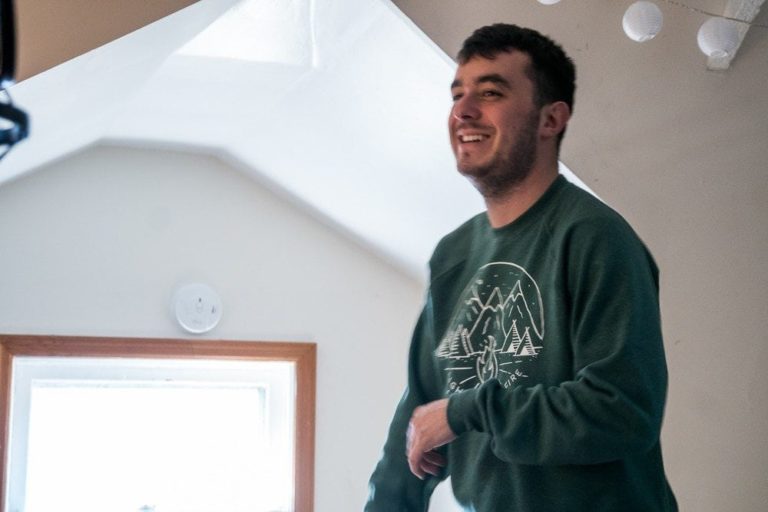
PM: Who sings on the EP?
JH:Arielle O’Keefe, her stage name is Girl Blue. She actually co-wrote the record with me, we worked on all the vocals together, she’s extremely great to work with, hoping to move forward with her and play some shows together. She’s singing on three of the tracks and Jennifer Hartswick (TAB) is on the fourth track, and Tyrone Hartzog (The Chronicles) is featured. In my opinion, he’s my favorite male vocal voice to record, it comes through in the recording so well, something about the timbre and the tone about that dude’s voice that sits real well. He’s like Donnie Hathaway. Between that I also went to Paulie Philippone (West End Blend), he helped me a lot with this record. He’s playing all the keys and synth. We took a trip down to his house, it’s called the Funk House, West End Blend Studio in Hartford. We had a couple fun keyboard days where we went over synthesizers.
PM: How did Jennifer Hartswick come to sing on a track?
JH: I was really excited to get Jen on a track. It kinda happened organically. Arielle wrote the album with me, and we started the vocal tracking sessions for it and while she sounded great, she suggested to look around for a singer for “Getting There.” On a whim I emailed Jen and sent her the track and asked if she’d be interested in doing it because she really has such a powerhouse voice and she can really sit up there in that high register. She got right back and ended up tracking it in Nashville and did a remarkable job. I couldn’t be happier with her performance, she was the sweetest for helping out with that, it was great.
PM: How and when did your vocals develop?
JH: I’ve been working on my vocal chops! I look forward to singing some backups and working on it some more in this new project.
PM: You went to the Hart School and have ties to Hartford, CT.
JH: Hartford has always been a second home to me. They have their Booya Funk night on Wednesdays. I try to go down there as much as I can. Arch Street Tavern is one of my favorite venues to play. Going to the Hart School I got all my jazz chops from a really traditional program with some great leadership; I was lucky to study under Nat Reeves, Renee McLean and my guitar teacher Rich Goldstein who taught me everything I know.
PM: After the Hart School you moved back up here?
JH: Yeah the Chronicles were gigging a lot and I was playing with Way Down, who were my first sort of band that I had a stake of leadership in. It was all of our bands but I learned a lot about leadership skills and what it means to be a band leader, which makes me so excited to finally get this project off the ground. Really looking forward to taking something and calling it my project.
PM: How did you go from playing with The Chronicles to playing with Beau Sasser?
JH: I met Beau because Way Down was opening for Alan Evans’ Playonbrother and Beau invited me out to do one of his funk nights at Bishop’s Lounge in Northampton, MA, He asked me to come out and play. I didn’t know what to expect and he didn’t send me any tunes, it’s kinda Beau’s way. I went out there and it was a very crazy packed jam party. From there Beau and I became really great friends and he wanted to start the Escape Plan and thought it would be cool to have a band with two guitar players. He brought Danny Mayer to the table and Mary Corso, who are both playing in the Eric Krasno Band now. Beau mentioned he wanted a vocalist and I was able to bring Mary, who I went to Hart School with, into the mix. We had maybe half a rehearsal and Mitch Moriber at Tone Wheel Music Group booked us a bunch of shows and off we went. I definitely do owe Beau some credit in introducing me to a lot of these folks who have been kind enough to play some music with me from time to time; pretty much everybody on the record.
The Escape Plan is fun, for all of us really, I think it was a really nice vehicle. We played some shows and met a lot of great people and we still play from time to time – Beau is with Kung Fu, Danny and Mary are with Eric Krasno Band. It’s been a funny little stepping stone for all of us I think. It’s like the family band at this point, we have a lot of fun when we get together.
PM: Who are your guitar/musical influences?
JH: Guitar-wise, George Benson, John Scofield, Wes Montgomery and Grant Green. Musical influences: Earth Wind and Fire, Steely Dan
PM: You’re 24 and your roots are in Albany. What do you see your goals are by the time you’re 30?
JH: I would hope that this original project, long term, has gotten to a sustainable point and something I can really call home, and still doing a lot of the same – getting a chance to play with these amazing musicians and making more records. I hope to have a bunch more records under my belt. This is the first go at it – the first recording process that I produced and had creative say over and I like it a lot. So the bug has definitely bitten and I hope to get back in the studio next fall and do Bedtime Blazer, Vol. 2.
PM: Thinking of the second one already?
JH: Absolutely.
PM: What are your thoughts on the Albany scene? How do you see the Albany scene from the point of view of a traveling musician with a base here?
JH: It’s a tricky thing for sure. What makes a scene, ya know? People going to shows, we certainly have that, The Hollow and Parish Public House are great rock clubs that host a lot of great bands. A lot of bands have called this place home and had a lot of great times here. There’s a lot of great musicians to play with in the area. It’s a bit of an older scene in my experience. There’s a lot of people that for whatever reason ended up here who are heavy dudes and have their resources available to you as a musician to go seek out and play with them. I was on the phone with Skip Parsons not too long ago. Skip has been doing a gig at The Fountain, he’s been holding that gig for like 50 years, every other Saturday, playing old school jazz and sharing a wealth of knowledge of old music. There’s people to play with here and a lot of history.
PM: There’s so much going on in this town, and the ridicule of calling it ‘Smallbany’ doesn’t help and you realize there are all these musicians tucked away.
JH: A scene for me is … there’s all these scenes in all these cities, and it’s the people that are in them that matters. With funk night in these other cities – Beau has in Northampton, West End Blend has in Hartford, Kung Fu has in Bridgeport – it’s definitely a staple that I tried to get going in Albany at City Beer Hall last summer. We had some really successful ones, and some not successful ones, but I learned a lot from it, directing a band, being a band leader. That was my gig that I had to prepare for each week, so I learned a lot from that experience too, all building up to this original project I want to start; all learning experiences.
Originally hailing from Aukland, New Zealand but now residing in Los Angeles, USA, Gin Wigmore is known for her powerful vocals and melodies.
Listen to the interview with Gin Wigmore by Alexander Spinelli/Longbow Media/Recess with Spinelli:
Ms. Wigmore originally came to my attention while I was in London, England in 2012. While surfing the channels on the (in the local vernacular) “telly,” I stumbled on a James Bond, “Skyfall” commercial featuring Gin’s song, “Man Like That,” off here 2011 release “Gravel & Wine.” At this point, I was as Peter Pan may say, ‘hooked.’
Gin Wigmore at the Hollow Bar and Kitchen in Albany, NY
Ms. Wigmore’s 2013 release, Blood to Bone lived-up to her reputation and in fact, ever solidified her growing American fanbase, with songs such as “Written in the Water” and “New Rush.”
Back in December, Gin came to Hollow Bar and Kitchen, in Albany, NY to a packed audience in support of her upcoming album and newly released, bold single “Mercy.”
I interviewed Ms. Wigmore ahead of the show, during which she speaks of her musical progression, move to California, the upcoming album and much more!
You can also listen to the full radio broadcast here:
Recess with Spinelli can be heard every Wednesday 8pm-10pm EDT on WSPN in Saratoga Springs, NY on 91.1FM and on Hoxton FM in London, England every Wednesday 11pm-1am GMT 6pm-8pm EDT
Syracuse-based groove rockers Boogie Low have a hometown party planned for the release of their new eponymous album at the Westcott Theater Saturday March 18.
Photo Credit: Nicole Carey Photography
Opening for Boogie Low Saturday night are fellow Syracuse-area natives, Barroom Philosophers, who are also promoting a new release. Tickets for the show are $10 and can be purchased at Sound Garden in Armory Square or online through the Westcott Theater’s website.
The quartet first formed as the Boogie Low Trio in 2011. Founding members Tommy Dennis (bass), Loudon Smith (guitar/vocals) and Brandon Caza (drums) used a reggae-tinged sound reminiscent of Sublime and other Long Beach, CA bands of the early ’90s as a base. The band ditched the “Trio” from its name when it brought on guitarist Matthew West in 2012. The band parted ways with Caza in 2013 and was replaced by Brandon Au, completing the band’s current lineup. Other contributors to the new album include Ray Wiggins on drums, Ty Hancock on keys and Josh Alaniz, also on keys.
The new album, simply titled Boogie Low, has influences ranging from the aforementioned Sublime to Santana, moe., Umphrey’s McGee, 311 and Calexico. This range of influences allows Boogie Low to create its own distinct sound that encapsulates all of them.
Smith’s vocals are rhythmic, soulful and smoky, while West’s western-style guitar solos wouldn’t be out of place on a Quentin Tarantino soundtrack. This is especially prominent on the tracks “Mexico,” “Eldin” and the band’s signature jam vehicle “Shadows,” which closes the album. Wiggins’ drumming and Au’s percussion work is what keeps this train moving. Their beats are at the forefront of Boogie Low’s sound. The accents Wiggins and Au provide help to propel the rest of the band to the next level. One can easily feel the jamming possibilities in a live setting being propelled by the percussion.
The CD was produced at SubCat Music Studios in Syracuse by Jeremy Johnston and mastered by Patrick MacDougal. The band credits Johnston as being the captain of the ship from start to finish. Physical copies of the album will be available at the Westcott Saturday night or directly through the band’s website. Following the show, the album will be available through iTunes, Spotify and on Pandora.
Track list:
1. Mexico
2. Eldin
3. Back to Nothing
4. Better Way
5. Colas in the Sky
6. Annie
7. Miss Bliss
8. Tommy’s Song
9. Walk On
10. Mckenna
11. Shadows
Key Tracks: “Mexico,” “Colas in the Sky,” “Shadows”
NYS Music had the honor and pleasure of speaking with Albert Mazibuko, an original member of Ladysmith Black Mambazo, the a cappella revolutionaries from South Africa. They gained global recognition from their collaboration with Paul Simon on his album Graceland and their careers have skyrocketed since. They worked with a variety of widely recognized artists from Dolly Parton to Sarah McLachlan and released a plethora of albums over the course of 50 years. Tickets are now on sale to see the group perform at the Fairfield University Quick Center in Connecticut, Sunday, March 12 at 7:00 p.m. Mazibuko tells NYS Music about their humble beginnings, stories of their time with Paul Simon and more information about their upcoming performance.
David Ostroff: When was the last time Ladysmith Black Mambazo came to Connecticut?
Albert Mazibuko: I cannot be specific, but it was maybe a year or two years ago. I cannot tell because we are always around the country
DO: That’s not surprising. Ladysmith has been performing constantly for years now. That being said, how do you and your team keep up your enthusiasm after 40 plus years of recording and performing?
AM: The music itself gives the energy that we need. Sometimes, I’m feeling tired before the show. But then we get together and we pray. After that we start a song to warm up ourselves and then the energy just comes. Before I hit the stage, I am a new person.
DO: I have to ask. I did some research and saw that in South Africa, before you came to the states, Ladysmith would perform in a cappella competitions. But you guys were so good that they wouldn’t let you compete. How did that happen?
AM: Wow, that is a good refresher! I’ll never forget that day. We were finally allowed to enter the competition (because their music was a different style than other groups). After we sang, the judges and audience stood up, and the other groups said, “You already won!” They decided the music was too good to entertain, so what (we) would do is sing from 8 to 12, and then after, the other groups will compete. We couldn’t believe it happened. We really missed the competition. But not anymore, after our success in our group.
DO: What were some of your best memories when working with Paul Simon?
AM: When we first received the message that Paul Simon was in Johannesburg to met Joseph Shabalala, we wondered why he would want to meet (Joseph)? We first thought it was someone who would sing American gospel, which is similar to our music. But when we heard it was Paul Simon, because we knew his music, it would play all over radio’s in South Africa, we said, “How?? Why does he want to meet him?” When Joseph went there, I remember he went there in the morning because we were around in Johannesburg on tour so he went to meet him in the studio and Joseph came back in the afternoon. We asked him what Paul said, Joseph said, “He is a man of music. He wants to do something with us.” So the concern was more than before. In two weeks time, he sent us a letter with a demo (of the track “Homeless”). Along with it came a piece of paper in Paul’s handwriting that said, “Dear Joseph, Don’t change this because I took it from one of your recordings.” Paul only sang two lines by himself which were “Homeless, homeless.” (The chorus) This was the right time to write the music because this would go with the situation in South Africa. Violence was all over the place. We then received a message that we had to go to London to meet with Paul. We went as a group and we were so excited. We stood behind the microphones, and Joseph told Paul we had been trying to work on the song. We tried to record the song on the first day and it did not work at all. It was so much different with all the people trying to help and the song was not getting together. We were in the studio at two in the afternoon, and by six in the evening, Paul said let’s all go back to the hotel. We were very disappointed because Ladysmith Black Mambazo would usually record up to 12 songs a day. We practiced until midnight. The following day, we went into the studio. Joseph told Paul that that we had been rehearsing and to take a listen to this one. We sang the whole song, someone said, “This is it,” and in two hours we knew the song was there.
DO: Well it must have been worth putting that effort into that song, though. It’s absolutely beautiful.
AM: It was like a nightmare to us! One song for three, four hours? But we understood that it was something else that was introduced to us. I appreciate that because, after that, everything was so much better for the group.
DO: I didn’t know much about your music aside from your work with Paul Simon and most of my generation have limited knowledge of Ladysmith Black Mambazo as well. What else would people my age recognize Mambazo from?
AM: We have worked with a song on Michael Jackson’s “Moonwalker” and we collaborated with artists like Dolly Parton, Stevie Wonder and Ben Harper. There were so many others. Sesame Street (“Put Down the Duckie”) was a very famous one, The Lion King (“Upendi” from The Lion King 2) and the track for Eddie Murphy in “Coming to America” (“Mbube”).
DO: Aside from your generation, Americans most likely remember Ladysmith from their intro in Paul Simon’s “Diamond on the Soles of Her Shoes.” What is the rough translation of that intro in English?
AM: That one happened in the way that we used to do things. One day we came to New York to perform on Saturday Night Live. (The day before SNL) Paul Simon was recording and he said, “You can come in.” When we went in we found he was working on this song, “Diamonds on the Soles of Her Shoes” and he said to Joseph, “Just give me some blessings in my song.” We listened and said, oh this song is complete. But Paul Simon insisted that we do something. Joseph just took a piece of paper and a pen and wrote it down. It translates to, “It’s unusual, the girls, they take care of themselves so they don’t depend on a man.” He was responding to the song about this girl who is rich. The girls have their own money so they take care of themselves. We recorded that on the last day, and it took not even 30 minutes. To tell you the truth, this is a song that after I heard it for the first time I thought, “Oh it’s one of those song where you said, ‘Okay I need 12 songs, so I’m going to put something that makes number 12’”. But I was mistaken, because after I played it the third time I realized, this song is good!
DO: One more question before we move to your performance in Fairfield. Your group has been recording and performing for more than half a century now. Many bands and musicians that stay together for even half that time were doomed to have conflict, like Simon and Garfunkel. How did you and your group keep such good ties with one another?
AM: I think something is helping us. You see groups all over the world that have been together for two or three years and then they go separate ways which is sad, most of the time. But in ours, we are fortunate that we are all family. In our culture, the family will stick together, no matter what. And also, our culture tells us that the person who is in charge of the family is a leader of that group. We are bound to listen to that person and respect that person and also respect one another. We believe that (Ladysmith Black Mambazo) is a family and if I have a different opinion than my brother, or whomever, I represent that in a respectful way. So even if we have some disagreement in the group, we always tell it with respect. It helps us a lot because I can tell you the truth that we’ve never had something like a fight between us. We do have different opinions sometimes when we talk about things. But we find a solution and a common ground. If my way works, I will never say, “What did I tell you? Your idea was useless.” No you don’t say that. In our group, we will always find a way to agree with one another.
DO: On behalf of all people that love your music, thank you for thinking in such a way and staying together for as long as you have. Your contribution to American music was immense. Let’s move on to your performance at the Quick Theater. What kind of audience usually attends your shows?
AM: It’s amazing that we see all ages. All people. Older people up to the toddlers. All the nations and the colors enjoy our music. Joseph used to say, “Our music, it’s coming from the blood to the blood.” So everyone creature who is a human being in this world can relate to our music because we speak to the soul of the people. When I look to our audience, every time I will see a 90-year-old and then I see the toddlers, maybe three years, which we are so grateful for that.
DO: In a few of your albums and performances I hear some light instrumentation. Will we see a strictly a cappella or will there be a band accompanying you?
AM: No it will just Mambazo. When you get into the theater you will see 10 microphones lining up on the stage. You will see 10 guys, they walk to the stage with colorful clothes, white shoes and the song will begin. Some parts we will include the audience and so we engage them. We give them something and then we sing so it’s like a competition then after that we come together and we sing. It’s a very good lineup. It’s songs that are entertaining and uplifting. They are more encouraging with a positive message, especially in this time. It seems that this beloved country is in a conflict. We choose very specific songs for that. The songs that we sang for South African people, it helps them and encourages them. They were able to solve their problems. Hopefully the message is going to be held in America so it can open into its beauty again. Our music is about love, peace and harmony. We want people to take peace and feel that harmony. By doing that, we will make this world we’re living in a beautiful place to live
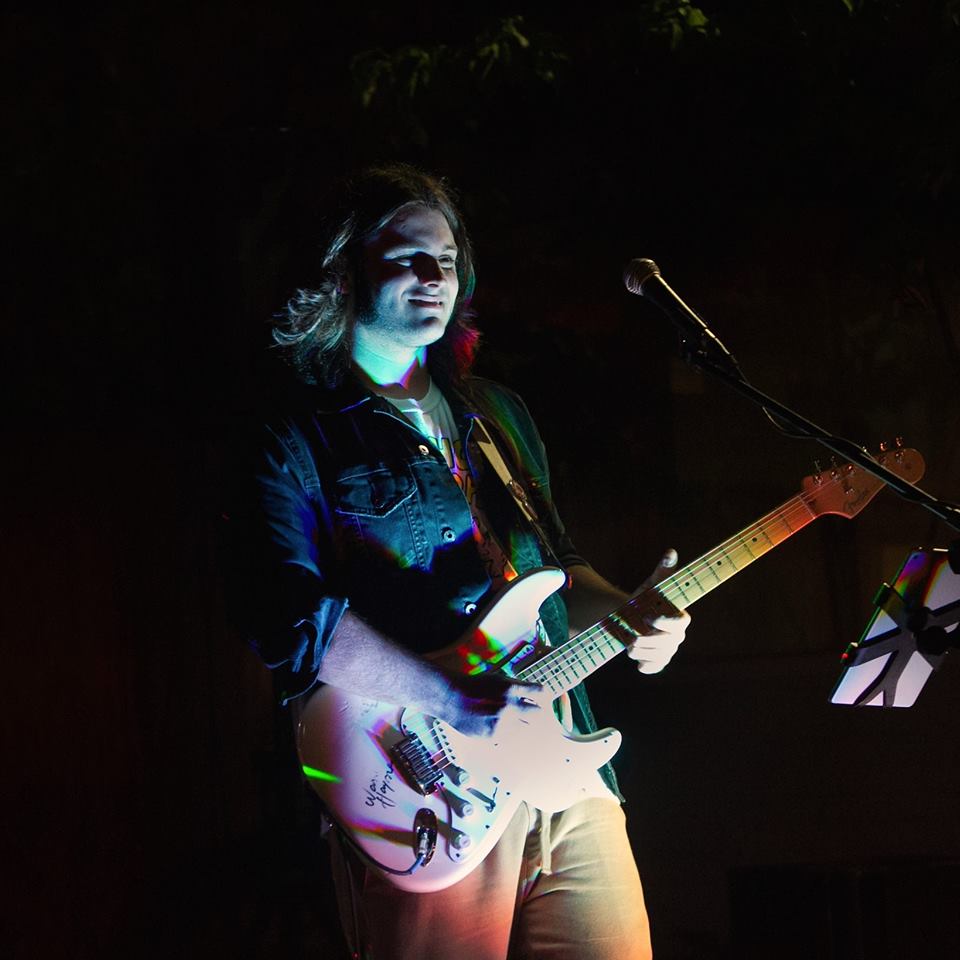 Cal Kehoe one of the newest guitarists in the jam/rock scene, employs looping or a full band to bring together elements of Phish, My Morning Jacket, Pearl Jam and Red Hot Chili Peppers, to name a few. His sound draws comparisons to Andrew Bird, and most notably, Keller Williams. With a distinct unique style that makes looping look easy, Kehoe employs rock and soul influences into his music and recently collaborated with Phish lyricist Tom Marshall to produce “Limbo,” recently released on Spotify and iTunes. The song was produced, mixed and engineered by Greg Giorgio (The National, Kurt Vile, Local Natives) at Tarquin Studios in Bridgeport, CT. Nick Burns, an Emerson film graduate edited and directed the video below.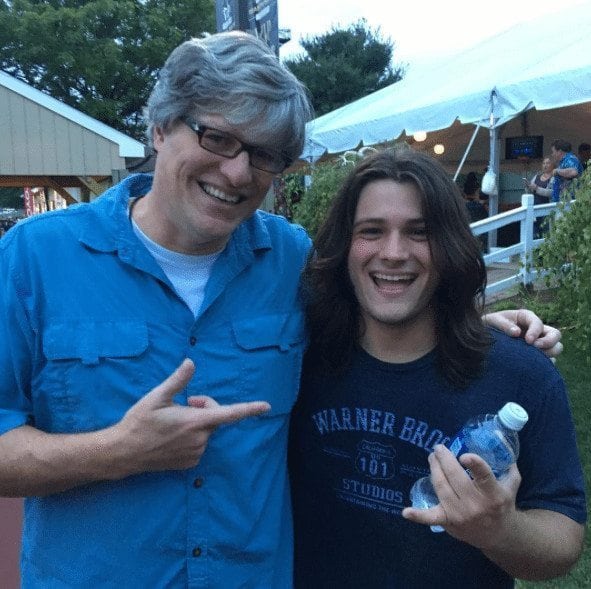
 Tune into the Under the Scales interview with Cal and stay up to date via Facebook, Twitter and Instagram. Tune into the episode on iTunes or listen here.
 The former Star Spangled Washboard Band guitarist has not been a stranger to the Capital District since he moved down to Nashville in 1984. When he’s not performing with his band, the Los Straitjackets, he still gets together with Johnny Rabb to tour regularly as members of The Neanderthals. But, Angel’s recent plans don’t involve getting pre-historic on a local audience. He will, however, be tipped a hand to his familiar rockabilly roots during a May 9 performance at The Hanger in Troy.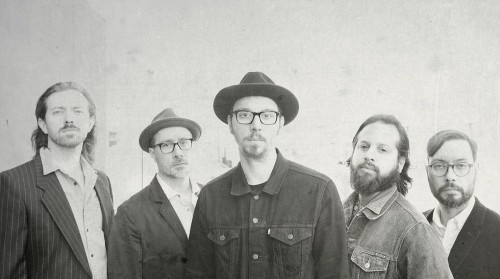

 Pete Mason: Tell me about Wurliday and how the group came together.
 PM: Who sings on the EP?
 PM: How did Jennifer Hartswick come to sing on a track?
 PM: Who are your guitar/musical influences?