David Gans is a man with many talents. After launching a music career in 1970, Gans became a noted and award-winning journalist born, writing for Rolling Stone, Relix and BAM, while also serving as editor at a few different publications.
In the 1980s, he became a biographer of sorts for the Grateful Dead, writing Playing in the Band: An Oral and Visual Portrait of the Grateful Dead, with Peter Simon in 1985. Soon after, he created a nationally syndicated radio show called The Grateful Dead Hour and hosts a similar show today on SiriusXM.
Soon after Jerry Garcia’s death in 1995, Gans got the itch to start playing music again. He played a string of shows in 1997 and 1998 with Phil Lesh in a band called the Broken Angels. Throughout the last 17 years, he has played in several bands who all paid tribute to his favorite band.
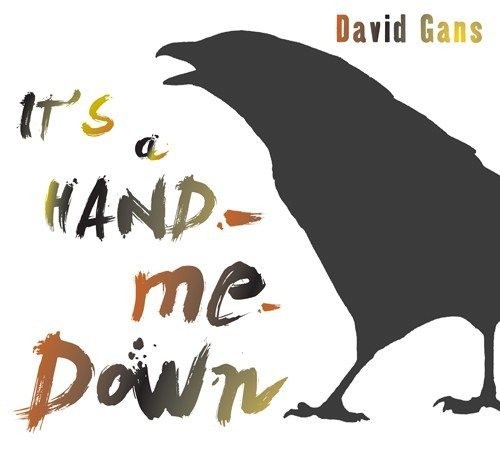
Last year, David Gans released an album of Dead covers, titled It’s a Hand Me Down. The record is bare-bones minimalistic, with Gans giving his takes on such songs as “Loser,” “Deal,” “Terrapin Station,” “Stella Blue” and “Brokedown Palace,” among eight more.
What sticks out most is how Gans strips down some of the Dead’s most cherished songs and serves them up the way he sees them. For a guy with a Ph.D in the Grateful Dead, he’s as qualified as anyone to give an inside perspective at what the Dead’s music means to him.
The soft and serene tracks are perfect background music for a dinner party or solo reading time. Gans’ voice is unique, but similar enough to Garcia’s that you feel that comfortable peace that came with every word the man sang.
Key Tracks: Stagger Lee, Wharf Rat, Looks Like Rain
Here’s Gans performing “Brokedown Palace” in 2011 on Jam Cruise.
TPR, short for Trinity Park Radio, just released a live album playfully titled TPR Comes Alive. Many nuances throughout this album make it an unique adventure from Cleveland to Chicago (more on that later), and these fun loving college guys have etched themselves a niche in the live music scene. Some live albums overshadow the band with long drawn out jams, and don’t highlight the personality of the band and focus on their ability. TPR connects with their audience in a more intimate way, making them feel as if they are part of the show. By recording in a cozy setting, the listener feels like they’re one of the people in the crowd.
Right off the bat, “King of the Park” hits you in the face with pure adrenaline charged rock and roll while “Cleveland Gary” shows a different side of the band – a softer, more emotional side. “You’re on Fire” is a catchy little number with a fun repeating title phrase which speeds up to astronomical speeds, bringing out a silliness from the band members as they get increasingly excited and deliver that energy through the speakers. TPR also put a hip spin on a grade school classic, the famous “Stop Drop and Roll.” These lads added rock ‘ n before the roll and all are left singing along. That wasn’t the only point in the album where the lyrics were ironic, the title “I Love Dick’s….Sporting Goods”, is another perfect example.
The album closes out with “Carl Winslow,” yes, that Carl Winslow, the Chicago mailman from the ABC hit “Family Matters.” It’s a delightfully hokey song telling stories of Steve Urkel and others cast members, but the music itself is the most catchy part, although you may find yourself confused by the band saying Carl Winslow, as the music doesn’t fit the character at all – a middle class, mid-America man – does not translate to hard kicking guitar riffs and slamming drums. Again, this fits the over riding motif of the album, with the titles and the lyrics making the listener believe they are going to hear one thing, but the music delivering another.
Listening to TPR Comes Alive, the amount of effort put in becomes clear straight away. You can tell they don’t take themselves too seriously, but they are far from a joke. TPR is having fun toeing that line, and if they stay they the course it can only mean a bright future for these guys from Upstate New York.
Key Tracks: Cleveland Gary, King of the Park, You’re on Fire
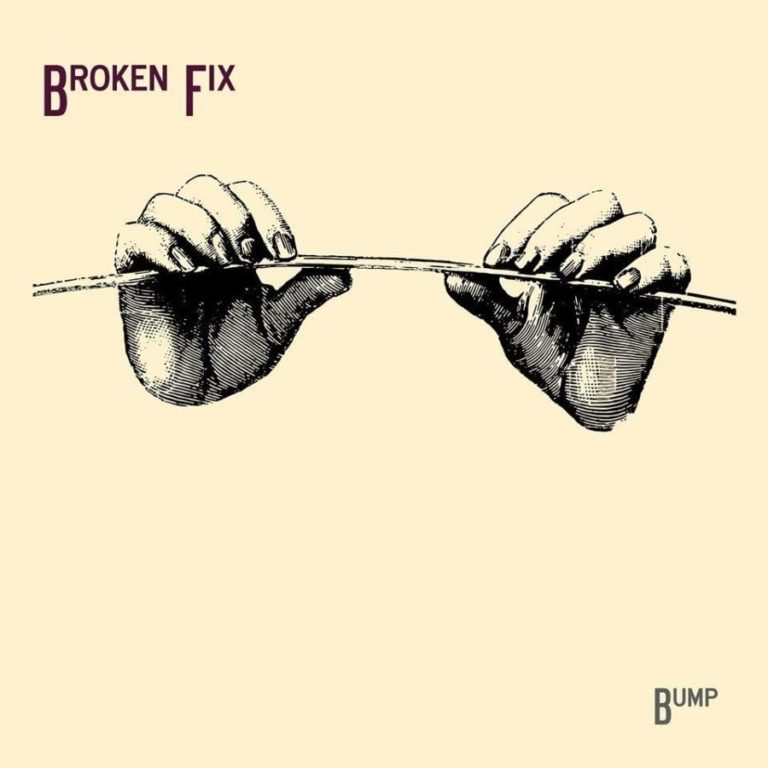
One of the timeless dangers of cataloguing relationship woes through song is the risk of drowning in cringe-worthy cheesiness. Bump and their debut album Broken Fix is swimming in an industrial vat of artery-clogging Velveeta. Released in October, the self produced album was recorded over the course of a week in an old barn in Cambridge, NY. Mixed by JJ Beck at Akin Studios and mastered by Larry DeVivo at Silvertone Mastering.
Formed in Saratoga Springs, cheesemongers Todd Pasternack (guitar), Angela Ford (bass), Gregory Nash (drums) and special guest Kirk Juhas (piano/B3) comprise Bump, and have formulated an almost unpalatable recipe over-salted with boring and predictable lyrics in a watered-down interpretation of Red Hot Chili Peppers. Any hope for attaining béchamel quality music on this album is melted by weak vocals.
The first track “Hello Again” serves up Pasternack’s whiney voice with Ford’s backup vocals adding more confusion than complexity to the laid-back rock flavor. He opens the song, “Hello again, did my text get through? And are we still friends, or did we lose that too? Just send me a picture of your broken heart, tell me once again we should never have started to care.” Predictability breeds familiarity, so despite the eye-roll inducing lyrics, many listeners can at least relate to their meaning.
“Wrecking Ball” opens with grungy guitar before Ford’s voice emerges, evoking a gentle Pocahontas quality that doesn’t support the musical tone reminiscent of “The General” by Dispatch. An alien-like mid-song lyrical breakdown is an intriguing experiment that seems out of character for the album as layers of Ford’s voice hauntingly echo each other.
In full Flight of the Concords fashion, “How Could You Go So Low” presents feathery falsetto and restrained instrumentation, emphasizing the exaggerated vocals. “Anymore” holds a promise of redemption with bluesy jazz instrumentation and whirling organ before the words “Just can’t maintain this lifestyle anymore/Will my spirit no longer fly? The wings are paralyzed,” interrupt the mystical instrumentals.
Key tracks: Wrecking Ball, How Could You Go So Low, Anymore
Jeff York and Liz Strodel of indie soul/rock project Major Player kicked back at a local bar to discuss wardrobe malfunctions, zodiac signs and how Major Player was almost a funk cover band. Amidst the silly antics, York and Strodel expressed serious enthusiasm about the recent release of their debut album Grift & Gum, which was recorded, mixed and mastered at More Sound Studio. Their playful demeanors in conversation slightly contradict the album’s make-up, which manifests a moodiness wrought with the emotional drudgery of deteriorating relationships.
The somber title track offers minimalist guitar and drum work with Hammond organ weaving through ambiguous lyrics. The song grapples with the need to persevere in the face of an uncertain fate. York postulates “I laid down by better days/Reach out for better days,” his words chased by echoing organ, produce a resounding emptiness to match the dark intangible hope for a better future.
York notes how the straightforward instrumentation on the record affords the musicians wiggle room to improvise and experiment with live performances. Improvisation may become most necessary in instances when Strodel’s sticks weasel their way into the tangle of bracelets on her wrist, causing her to obscure the beat. Such was the case during their December show at Funk ‘N Waffles downtown, much to the audience’s amusement. York views these occasional hiccups as happy accidents explaining, “When she messes up, it sounds good.” Strodel jokingly mused how she can play down offbeat occurrences with an “I meant to do that” attitude.
The second track, “Hailey,” careening through slightly more buoyant rhythm, questions the validity of a soured relationship, asking as many couples have, “Could this mean at last now/that we’ve past our/infatuated moment/What drew us so close in.” “Static Noise,” speckled with bluesy guitar riffs imparts a dejectedness often felt after a breakup. Heavily distorted instrumentation adds a sense of unfamiliarity akin to the newly single state in which one relearns how to act independently. “Hard From Now On” showcases the most progressive rhythm on the album. The lyrics allude to finding new love in religion, or some greater cause contingent on the listener’s perspective.
Despite the melancholy nature of the album content, the abbreviated collection of songs is alluringly presented in the vein of ethereal trip hop. York assembled this first taste of Major Player from a larger catalogue of material he’s already written. As York plans to release more songs in the spring, the entire band also plans to write material collaboratively and continue to characterize their musical identity. Though Major Player has strayed from becoming a cover band devoted to The Meters, as was the original intent, listeners might recognize a cover or two thrown into live performances in the near future. York and Strodel, along with bandmates Nick Mazzeo (keys) and Andrew Greacen (bass) are looking forward to performing more in the warmer months.
With beer glasses nearly empty and conversation winding down, Strodel sarcastically offers to disclose their zodiac signs for interview purposes. So for anyone curious, York is an Aquarius and Strodel is a Saggitarius. Both wryly smiling York added, “Take that for what it is.” A simple sentiment which also reflects the bands’ laid-back attitude for their open-ended future.
Stealing a page from the late great Ken Kesey, Rochester’s Subsoil opens their new album proclaiming, “You’re either on the bus, or you’re off the bus.” This bus, number 585 (Rochester’s area code), is bound for “trans-dimensional hyperspace.” With a destination like that, how could you resist at least one trip On the Bus with Subsoil?
The album consists of reggae, soul, R&B, jazz, funk and rock, sometimes fused, sometimes fairly straight. Ted Ladwig has a knack for catchy keyboard nuggets, whether they come to the fore (“High Noon”) or hide just under the surface (“Zombies”). He sets up Wil McKenna for an array of surprising and diverse guitar solos which can echo Santana’s tone (“Surrender”), wail like an Allman Brother (“Meditation”), or crunch out some funky rhythms atop Ladwig’s whirling B3. Sprinkle in some well-placed saxophone blasts by Bill Smith and lay it all over some steady work by the rhythm section and you have yourself an enjoyable and bouncy ride.
Oh wait, did I forget to mention that front-men Moon-Roc and Laz Green are rapping over the whole thing? It’s a combination that can be reminiscent of the trip-hop of the 90’s and bands like Buckshot Lefonque and Us3. Steve Gutenberg, Tetris, Muhammed Ali, Walter White, Eazy-E, Scooby Doo and obviously the aforementioned Ken Kesey all get referenced, and that’s just in the album-opening title track. Later on Captain Trips gets a call out, though likely in reference to the Stephen King character from The Stand, and not Jerry Garcia. Plenty more pop-culture references, both historical and current, and clever word play make their way into this tight 30-minute set.
Released early in 2016, On the Bus was recorded and mixed by Josh Russell at Spring House Recordings in Oswego and mastered by Jason “Jocko” Randall at More Sound Recording in Syracuse. It is available at many area record stores, as well as online retailers including Subsoil’s website, and streaming on Spotify and YouTube. So get on the bus.
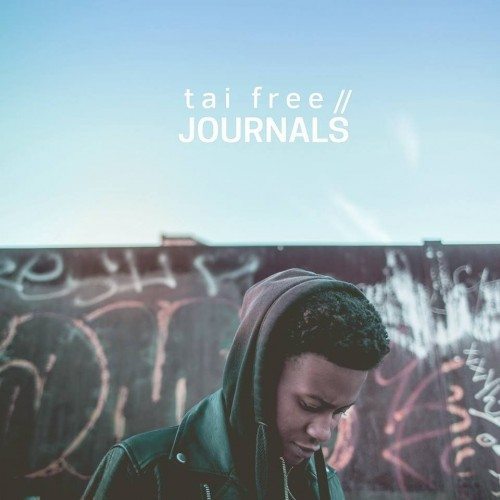
If you’re on a searching for some smooth and soulful hip hop music, you might consider listening to tai free’s new EP Journals. Each track has a calm, relaxed feel that puts listeners at ease and provides the opportunity to assess the musicality. The selections aren’t aggressive or fueled by overwhelming rage like some hip hop tracks. This EP wouldn’t be what most would consider dance music, but rather music you can vibe along to.
The Brooklyn artist has been making music for a while, but only started getting serious about two years ago. tai free writes and performs his own songs, and the EP is appropriately titled as it provides snapshot of his thoughts and experiences. He describes the collection as “a sketchbook of colors, moods, and self-actualizations.”
In “I’m Not Here,” it’s clear he’s talking to someone close to him saying that he doesn’t want to be lied to any longer and that he is “not here for games.” Whoever he’s addressing was making him wait and reveals that he’s not going to wait around because he’s too focused on bettering his personal situation to be involved. At the end of “Bite Your Tongue,” he repeats the lines “Baby don’t bite your tongue, baby don’t lie…” seemingly trying to reinforce the idea that he desires honesty. Rap artists frequently draw on personal experiences for lyrical substance and he does so too by subtly depicting his thoughts and goals.
The syncopated percussion part in “Complications” is slightly unpredictable and bolsters the title and uncertainty of the situation with the girl expressed throughout. “Drive” incorporates female vocals by Francesca in the beginning which lay down the poignant foundation for the track.
tai free seems to have a lot of raw talent and knows how to write lyrics that can easily fit into a song structure. The dynamic range of his vocal delivery however, could be broader throughout to show more expression and emotion behind the words. The mixes of each track are relatively simple, and more production elements could be added to his music to enhance the texture. As a newer artist, more consideration for creative direction and collaboration with other songwriters can only benefit his music moving forward. Overall, tai free has taken the right steps and could have a reputable future in music.
Upon first listen, it would be easy to mistake Birmingham, Alabama’s Wray for a band from Birmingham, England. The initial chords of Wray‘s sophomore release, Hypatia start the listener on a shoegazing journey back to the London scene of the early 1990s.
Bands such as Lush, Ride, My Bloody Valentine and Jesus and Mary Chain were the prominent purveyors of the scene then and are obvious influences for Wray today. But while many of those earlier bands dealt in the drone of dark introspection, one can easily see the members of Wray (lead singer/bass player David Brown, guitarist David Swatzell, and drummer Blake Wimberly) pogoing along with the audience, especially during songs like “Regular.”
Reverb-drenched guitars are at the forefront here, recalling Link Wray’s surf style guitar in several spots throughout the album.
The title song is a song where one could imagine the audience singing along with Brown. The song opens with a heavy steady drum beat that is maintained throughout with a chord structure reminiscent of The Cure‘s “Just Like Heaven” with a slight Feelies sway.
All earlier references aside, Wray is surely a band that will resonate with fans of The National, My Morning Jacket and Silversun Pickups. While deeply rooted in the sounds of 90s London, Wray distinguishes itself with an American take on the shoegazer sound by mixing in a bit of southern jangle pop, establishing a unique sound in today’s indie rock scene. Wray is currently touring in support of Hypatia.
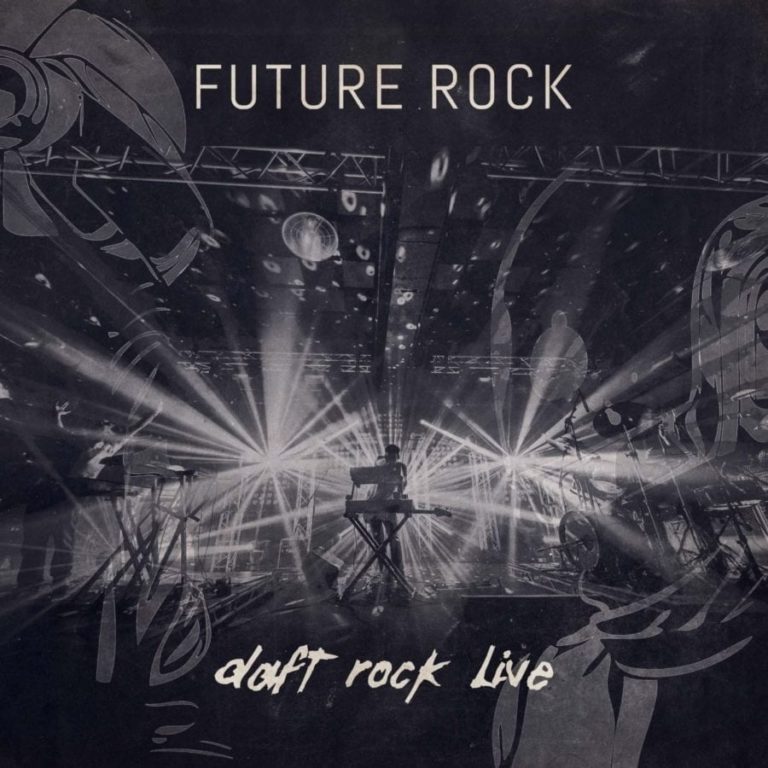
Fans of the French electronic duo Daft Punk, rejoice! Err…perhaps clap energetically. While Daft Punk rarely performs in the United States, one group that covers them, Future Rock, has recently released Daft Rock Live, a full, 13-track song featuring the very best of their live Daft Punk covers. Album releases go hand-in-hand with tours, meaning American fans can get taste of the interstellar sounds of Daft Punk right here in the United States including performances at Euphoria Fest and Electronic Forest.
Have a dance party in your living room. Future Rock’s latest release covers songs from a variety of albums spanning from Daft Punk’s debut album, Homework, released in 1997, to their most recent and Grammy-winning album, Random Access Memories.
The cover album is spot on. Future Rock loops their live drums, keys and bass to create an electronic astronomical audio journey that precisely parallels the originals of their muse. One can’t help but picture themselves with a futuristic helmet and spandex suit hurtling through space as the songs aggressively crescendo and then subside with dance-mandatory grooves.
The album begins with covers like “Robot Rock” and the frequently sampled “Technologic” from the 2005 album Human After All. Future Rock provides their own flavor to “Technologic,” the first of three Future Rock mixes on the album. “Around the World,” perhaps one Daft Punk’s more popular songs, is the fourth song on the album and covered true to original form.
The rest of the album is heavily focused on the 2001 Daft Punk release, Discovery. This album was featured in the animated film, “Interstella 555.” This includes “Crescendolls,” named after the film’s fictional protagonist band, which is teased in later songs as well as “One More Time,” although this song is not listed as a full track.
Other tracks include teases of “Harder, Better, Faster, Stronger,” made famous to non-fans by Kanye West’s sampling in 2009. The tracks weave songs from different albums into one, as Daft Punk themselves often do during live performances. Several of the tracks include sounds of a crowd cheering and singing, reminding the listener that these are indeed live recordings.
The album ends with “Contact,” from Random Access Memories, which is uplifting, fun and the perfect ending to the audio space odyssey the listener has engaged in throughout the album. It again teases “One More Time,” reminding the listener of where they’ve been.
With repetition, intense crescendos and high-energy rhythms, Future Rock covers Daft Punk with precision that so closely resembles the real thing, it’s hard to decipher the difference when listening to the songs at parallel. Even when adding their own mix, it only adds to the thrill. Daft Rock Live leaves a craving for a live performance. If their live performances sound like this, it certainly wouldn’t feel like settling to see these guys instead of the real thing.
Key Tracks: Aerodynamic – Harder, Better, Faster, Stronger, Around the World, The Prime Time Of Your Life – The Brainwasher – Rollin’ & Scratchin’
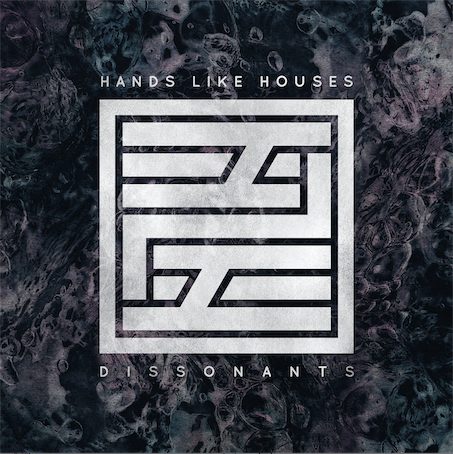
Australian rock band, Hands Like Houses, will be releasing their third studio album Feb. 26. Trenton Woodlley, Matt Cooper, Alex Pearson, Joel Tyrrell and Matt Parkitny entered the studio in March for the first time since the release of Reimagine in 2014. Dissonants will be released on Rise Records.
Frontman Trenton Woodlley addressed the band’s relief and excitement to end their fans wait:
We’re feeling a powerful mix of relief and excitement in finally releasing Dissonants. We knew from pretty early on that this album would make us or it would break us — and it nearly did. But we were honest with ourselves, each other and most importantly, the music, adopting the mantra, ‘It’s better to get this right, than to just get it done.’ And we’re proud to finally say that we’ve done both.”
The band released a teaser from the album in March 2015. “I Am” is the first single from Dissonants and also the first track on the record. The entry into this song reminds me of the opening credits of a romantic comedy from the ’90s; it seems light and fun. The feeling lasts for about 10 seconds and then we realize, these guys are for real. The deeper I fell into this track, I realized their are many levels to this song, and so many different elements to love. The slow build up in instrumentals to the chorus grabs the listener’s attention as if to say, “you better be ready for what happens next.” In the bridge, Trenton sings, “I will melt into a choir of angels,” and for a brief moment we hear a choir singing with him. It is the smallest detail but was perfect and chilling. I found myself wondering what was going to happen next and loving every minute of it. This is the song that introduced me to Hands like Houses, and the song that made me a fan.
“Colourblind” is the most recently released single from the album. The beat of this track may seem more upbeat than the previous songs on the album. However, the song holds a very deep meaning. It is a song that separates these rock musicians from the pretty pop princesses of this generation. It is a song with soul. The band described “Colourblind” on their Facebook page:
(The song is) about our cultural obsession with binary ideas — we are black or white, right or wrong. We’re so caught up, we forget that we live in a world of color.”
Hands Like Houses took a different approach with “Momentary” and “Division Symbols,” allowing the tracks to stand out. I fell in love with the way “Division Symbols” enters with a piano and continues the riff throughout the song. The tenderness of the piano allowed me to feel an emotional pull towards the song before even hearing the lyrics. Using a similar soft approach, the beginning verse of “Momentary” is quiet and gentle. And then suddenly the song bursts into the chorus.
Dissonants is an excellent display of the passion that separates the good artists from the great ones. Each track contrasts well with the previous one to make listening to this album a rush of emotional highs and lows. The lyrics blend with the instrumentals perfectly to prove every moment was choreographed and not just thrown together. I believe fans of Hands Like Houses will find this album worth the wait.
After a short hiatus that took the band off the road and included a change in the band’s line-up, Ithaca based jamtronica/indie rock band Jimkata is back with their much anticipated release In Motion. The album marks the band’s second fan funded album and is packed full of mellow grooves, driving beats and captivating lyrics.
If Jimkata lives by its own musical mantra’s, In Motion is best described by a single line from the band’s 2012 release Die Digital –“All the best things seem to surface after the worst times.” The group’s latest release is a revealing composition that celebrates living in the moment and the gripping realities of love, life and loss.
Musically, In Motion is a varied departure from Jimkata’s signature driving, dance beats and swirling, glaring guitar. There’s a warmer, more peaceful groove infused throughout the entire album, different from some of the band’s harder and edgier releases. But what the band does successfully is create songs that you can lose yourself in. In Motion is full of inviting, listener friendly ear worms; songs that you want to hear constantly on repeat.
There is a world of musical discovery to this album – like a musical onion. Almost undetectable layers to the band’s sounds that present themselves differently every time you listen to a song. Technically, it may be Jimkata’s most successful album to date. You are forced to listen to the album’s production value, because that’s what the album really is about. Yet, In Motion succeeds at sounding sleek but never over-produced.
What’s missing from In Motion is the musical push and pull that has become synonymous with previous Jimkata releases. At times, the album teeters into more ambient territory, but despite less edge, the album never borders on sleepy. There is always something to keep your ear listening. And although the album isn’t full of mind altering guitar solos or face melting jams, In Motion showcases a completely different side to the band.
In a time where bands are incorporating the glory of 80s snyth and new wave technology, Jimkata is exploring it. Whereas the band’s last few releases simply infused the era driven sounds into their mix of catchy guitar riffs and hooky lyrical mantras, In Motion delves deeper into that already established aspect of the band’s sound.
The album’s first single “In the Moment” captures the essence of Jimkata past and present. It is the one single that feels like it could have fit on albums past, yet In Motion would somehow be incomplete without it. Perfectly timed drums from Packy Lunn create a mellow yet focused disco beat while layers of snyth and keys cascade around vocalist/guitarist Evan Friedell’s comforting vocal style.
The true gem of In Motion is the album’s lyrical experience. Friedell creates a haunting familiarity that is personal and connective. In several songs, like “Wild Ride” and “In the Moment,” it feels that he is singing directly to the listener. And it’s that quality that makes this album so special. It takes a confident and self-aware lyricist to create the kind of moments that feel connected and relatable. At times, the album feels like a movie soundtrack without a movie. If you listen close enough, the story is perfectly laid out for the listener to discover.
As the band launches a late winter tour in support of the album, it will be interesting to see how these songs will fit into the live, high energy performances that Jimkata is known for. Of the albums nine tracks, “Innocence” has the most intriguing live performance potential. “Ride the Wave” and “Build Me Up” have already seen stage time during the last year and fit neatly into the Jimkata live show.
In Motion drops on February 12, but is still available for pre-sale through the band’s Pledgemusic campaign. Jimkata kicks off their In Motion Release tour on Feb 19 in Burlington, Vermont.
Key Tracks: Ride the Wave, In the Moment, Wild Ride
 David Gans is a man with many talents. After launching a music career in 1970, Gans became a noted and award-winning journalist born, writing for Rolling Stone, Relix and BAM, while also serving as editor at a few different publications.
 Formed in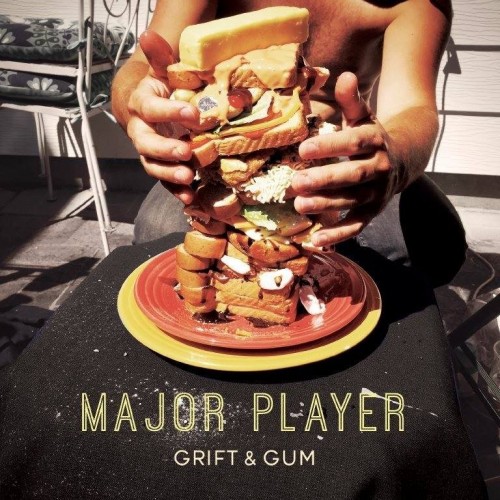
 If you’re on a searching for some smooth and
  Upon first listen, it would be easy to mistake Birmingham, Alabama’s Wray for a band from Birmingham, England. The initial chords of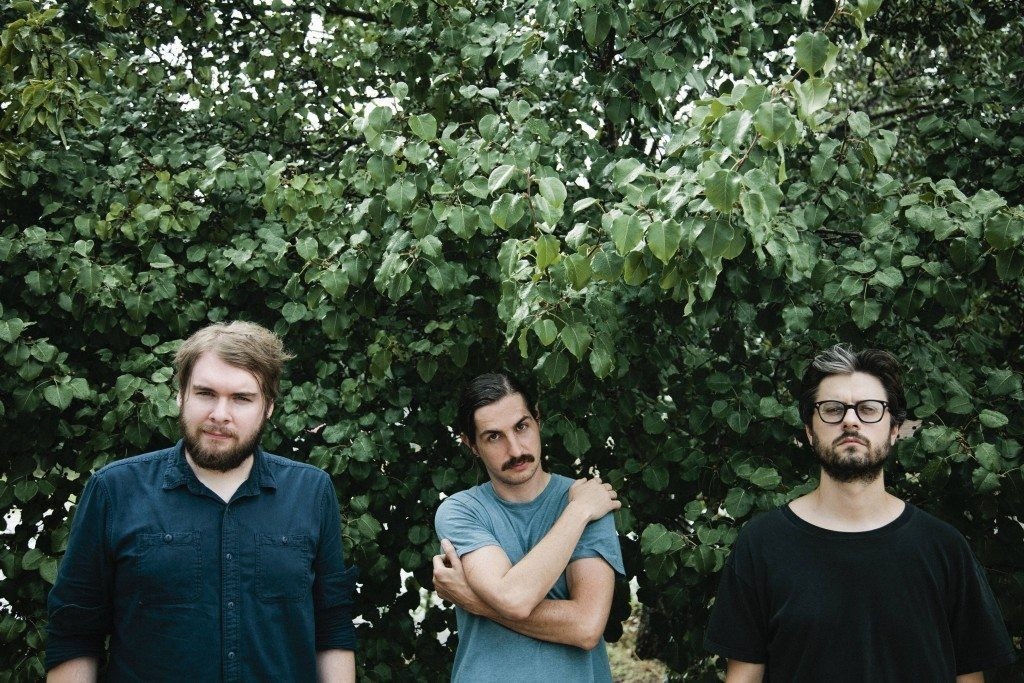
 Have a dance party in your living room. Future Rock’s latest release covers songs from a variety of albums spanning from Daft Punk’s debut album, Homework, released in 1997, to their most recent and Grammy-winning album, Random Access Memories.