If you like a folk, jamgrass & newgrass cocktail then you’ll love Grassroots Rebels recently released album, Ad Vitam Meliorem—which is “Towards a Better Life” in Latin.
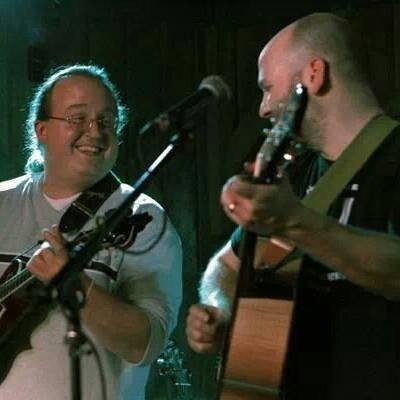
Ad Vitam Meliorem is a 14-track compilation of Grassroots Rebel’s original songs, mostly self-recorded in the first eight years of their time together as a band, with two tracks on the album that are new songs recorded at Blue Sky Recording Studio. Grassroots Rebels are a duo comprised of Jim Bonville and Jeff Tehan, but some of the songs on the album include their former bandmate, Jeff Lockmer, on bass. Bonville plays guitar, banjo, vocals and harmonica, while Tehan provides the mandolin and guitar.
The title track, “Ad Vitam Meliorem,” is the opener on the album and it’s my favorite piece; it is a slow melody that is coupled with yearning, poetic lyrics on the theme of letting go; like “you thought you had nothing, but it’s all right in your soul/ once you stop trying to find the things you cannot know/ you learn to love, when you learn how to let go.” The next track, “Here It Comes” features a great interplay between the light picking melody and Bonville’s strong, raspy vocals delivering a catchy tune, while also exhibiting his vocal range on the chorus. Some of the songs on the album evoked a feel of the Irish, and I was reminded of The Pogues when listening to songs like “Broken Soul,” “Salt of Our Tears” and “Sin and Gasoline.” The other songs were a range between rock and newgrass, creating a great compilation of musical experimentation and adventure.
Grassroots Rebels hail from the outskirts of Albany, NY, and perform locally at establishments such as, The Low Beat, The Hollow, Parish Public House, Madison Theater, etc. Their next show is set for December 30, for an Eve of New Years Eve party at The Hollow.
For more information and tickets, visit Grassroots Rebels’ Facebook Page. If you’d like a copy of Ad Vitam Meliorem, visit here.
Key tracks: Ad Vitam Meliorem, Here It Comes, Weight of the World
Last month, the jam scene’s funk favorites, Lettuce, released a new EP, titled Mt. Crushmore. While still holding down their exclusivity and unique take on the genre, it is largely more background music than it is dance fuel like we’ve seen from full albums like Rage and Fly.
The likely reason for this is that the 7-track EP contains tracks that didn’t make the cut for “Crush,” (Crush…Mt. Crushmore…you get it). Although it’s not to say these tracks are sub-par by any means. They still demonstrate the band’s ability to lay down groovable tracks, but with perhaps a more hip-hop feel. Many of the tracks would add powerful, yet sophisticated instrumentals for a progressive lyricist.
Mt. Crushmore starts off with its title track and what is hands-down the most epic sounding piece to date. Adam Deitch’s rhythmic drumming combined with Eric Bloom’s authoritative trumpet alarm could be the soundtrack to a military march – if that army was ascending upon enemy territory on an alien planet. A choir of female vocals only adds to the celestial impression.
Other female vocals appear later in the album but with full-on lyrics, a feature that is atypical for Lettuce. “The Love You Left Behind” featuring Alecia Chakour is a nice mix of funk and gospel music to keep you interested.
The EP includes “’Lude, Pt. 5” and “’Lude, Pt. 6,” two quick tracks that sound like intros or filler music. They are a continuation of the series that began on the previous album, “Crush.”
In “116th St.” Erick “Jesus” Coomes drops the signature Lettuce bass thud, the foundation and appeal of their sound. “Ransome” also brings the beloved funk, with a quick rhythm making it the dance tune of the EP.
Listeners should keep in mind that “Mt. Crushmore” is not an album, but an EP, short for “extended play.” And that’s exactly what it feels like – an extension of “Crush.” Absolutely worth a listen if you enjoy Lettuce, but would be largely underwhelming as a standalone album compared to the rest of their catalog.
Key Tracks: Mt. Crushmore, Ransome, The Love You Left Behind
Chicago Farmer recently released his seventh studio album, Midwest Side Stories, which debuted on September 30, 2016 on his Chicago Farmer record label. It’s the follow-up to 2013’s Backenforth, IL. Chicago Farmer is the nom de plume of Illinois-based folk artist Cody Diekhoff, who has spent the last decade barnstorming bars and theatres across his native Midwest, traveling far and wide, through dim towns and bright cities alike, to perform for a growing legion of appreciative fans. Diekhoff was born in tiny Delevan, IL, has spent significant time in Chicago, and currently calls Bloomington, IL home. It’s these localities, which are largely defined by the sordid power dynamics surrounding them, that make up the backdrop for his blue-collar ballads.
Distilled to its essence, Midwest Side Stories is a concept album, one centered around the workingclass struggles of the people of Tazewell County, Illinois. The concept, while in league with Sufjan Stevens’ Illinois, is less sprawling, more localized, and reads sort of like Sherwood Anderson’s short-story collection Winesburg, Ohio, yet its themes are more aligned with those of another famous Illinoisian, the poet and folk singer, Carl Sandburg.
The opening track, “Umbrella,” a seemingly autobiographical take on the life of a folksinger with a rainy day plight and a ticket to ride, acts as an overture, setting the stage for the strugglers that Chicago Farmer will routinely call into the limelight over the course of the album. The track takes its name from a simile built into the first verse, which provides an inside look at the inspiration behind the songs, while also detailing the apparent relationship between the folksinger and his subject. The first-person narrator sings:
I went searching for some kind of meaning
Like words looking for a page
Came up empty and full of worry
That nothing could cover the pain
And these songs and stories
Began unfolding like an umbrella in the rain.
I want to write you a sad, sad song
That I hope will make you smile
And we could pass it along
We’re only here for a little while.
The track also sets in motion the album’s most resonant message: that storytelling is important, and that it’s equally important how one goes about it. Here, Chicago Farmer delivers a well-constructed acoustic guitar tune that’s tinged with electric honky-tonk guitar fills, and hinges on his shaky and crisp, rich as honey vocal performance, complete with emotional tension, brief yodeling, and a crafted message. And while there’s some slick lines in “Umbrella,” such as “we’ve been trying to find our way through the darkness of our minds,” we also see the traces of Chicago Farmer’s major weakness as a songwriter, that there’s a disturbing lack of particularity, personality, and local detail in these folk tales, while there’s an abundance of flat lines and forced rhymes that advance the story by length alone.
One song in and I’m totally going for Chicago Farmer’s voice, as it’s reminiscent of Ryan Adams during the Cardinals era, while the song itself sounds more like something from Kentuckian Stoll Vaughan’s catalogue, but I’m definitely not sold on the lyrics.
When the second song, “The Revolving Door,” hits, it’s high drama from the jump. Shrill, Neil Young inspired harmonica tears through the song like a factory whistle, while the ominous bass and drums lugs a gurney of carnage out of what seems a folk music netherland, some gruesome place from which the Byrds’ “Lover of the Bayou” once emerged, and from whence Chicago Farmer’s authoritarian boss figure comes, wielding a trembling falsetto warble like a razor, his voice haunted with the spirit of Will Oldham and bent on corporate enforcement.
After the first verse, the song breaks suddenly into a bewitched surf-hued anthem that takes up the point of view of a worker caught in this exchange, who’s prideful in repeating “I’m a worker / Not a number,” yet fully aware that the boss dictates he always get “back in line.” Finally, the song increases in tempo and intensity, building up to the climactic moment, in which the blazing harmonica returns, as does the voice of the boss figure, who informs the worker, “saddened to tell you, sir / you don’t work here anymore / pack your things and your feelings / and head on towards the door.” And while the title seems to allude to “revolving door” politics, the song is essentially about the binary bind of incorporated power and its grip on a vulnerable labor force.
Two songs in and Chicago Farmer has me captivated by his voice, impressed by the careful structures inherent in his songwriting, and excited about the range so far displayed.
The next three songs, “Rocco and Susie,” “Skateboard Song,” and “Two Sides of the Story” provide the album’s most on-the-nose references to Tazewell County. “Rocco and Susie” is a stripped down, bluegrass-tinted ballad featuring acoustic guitar, tambourine, and backing vocals. There’s a slow setup as the song unfolds. The couple described, at first, “seem like your typical neighbors / [whose] children were somewhat behaved,” but, ultimately, the family succumbs to the sordid afflictions facing Tazewell County: the stock market crash, factory job loss fallout, crystal meth addiction and production, police intervention, and the dissolution of their family. While Rocco and Susie at least have names to which one can connect, they serve merely as stock pieces, with all evidence of their personalities and the sweat of their struggle erased, in what reads as basically a reductive critique of a changing economy, from which the only thesis adduced from the ordeal is simply that one should “stick to smoking grass and drinking beer.”
“Skateboard Song” gives another passing glance at some of the participants in the local goings-on in Tazewell County, this time from the view of a first person skater riding through town; however, the characters involved in the story are warped by the lighthearted, uptempo, musical-theater style satire Chicago Farmer employs in critiquing smalltown social ills and the misguided laws meant to curb them. Every authority in town, from the signs to the cops to the judge, has only this to say, “skateboarding is bad,” which is always followed with why don’t you “take up guns” or “do some harder drugs,” or some other such miscreant behavior, and only a pop-punkish jingle by which to convey it. While the idea of making a powerful metaphor out of the skateboard has great promise, the execution is tepid, and listeners are left with a less than revolutionary assault on the powers that be.
“Two Sides of the Story” is a John Prine-esque portrait of the small town heartbreak and struggle that seems to typify the experience Chicago Farmer presents to his audience. It’s another stripped down acoustic guitar tune, with piano and harmonica accompaniment, and featuring Chicago Farmer’s twangy vocals. From his point of view, middle America is a place divided exponentially in twos, where the politicians are feckless liars and misinformation abounds, where the media is a gluttonous machine and working-class reality its fodder, where living’s dying and dying living.
And here Chicago Farmer uses his highly developed sense of songcraft to portray a growing chasm dividing Americans along intangible lines. In the chorus, he sings “there’s two sides to every story, there’s two sides of every town / the side of town that tells the story and the side where the story went down,” which calls attention to the gap between product and producer that outlines the larger conflict at stake. He adds depth to this stance throughout the song, stringing together artful, impactful lyrics that diagnose the worsening situation while adding some political punch. Take for example this stanza that highlights the gulf between the words and actions of politicians:
There was a lawmaker whose laws never made any sense
So he started making promises on both sides of the fence
Double-crossed his fingers every other time he smiled
Shook hands across the country, couldn’t reach across the aisle.
Whereas, Chicago Farmer’s other story songs do well to elicit many concerning issues, they mostly fall in short driving home a moral lesson, however, “Two Sides of the Story” succeeds in convincing the audience that storytelling is important and that it’s even more important to “get your story straight.”
Halfway through and Midwest Side Stories has proven Chicago Farmer’s obvious talents, namely songcraft and singing, but, in comparison with one another, the songs are quite uneven. In fact, “Two Sides of the Story” marks the high point of Midwest Side Stories, but it also marks the point at which the album takes a turn for the worst.
“New Used Car” is an easy listening diddy with an attractive pedal steel part, but the trite subject matter and blithe singing give it the taste of Diet Springsteen in a can, while the feathery lyrics secure this tune’s place as the Americana version of those riding-around-town-in-a-pickup-truck revelries celebrated on pop country radio.
The next tune, “9PM to 5,” is a straightforward country-tinged rock song in the manner of Los Lobos, which describes the life of a graveyard shift worker, but nothing ever develops regarding his situation and it’s difficult to know what Chicago Farmer is trying to invoke here.
An uptempo fiddle-number follows with the Carter Family styled singalong “Farm and Factory,” which details the working backgrounds of the narrator’s family. Chicago Farmer’s aim here seems directed once more at a changing economy, one that used to provide satisfactory jobs for Midwesterners, either on farms or in factories, but has since rendered these institutions defunct, leaving the people in search of opportunity. He sings “thank God for the farm and the factories / thank the devil for the factory farm.” In retelling this brief, mostly detail-less history, however, it appears that Chicago Farmer’s concern is not truly complex economic despair and worn down, hardworking individuals who need a voice lifted on their behalf, but something more aligned with joining his voice in a nostalgic rank and file of troubadours singing work songs.
The album’s penultimate song, “Homework,” continues in making rather obvious social observations, partly in reference to environmental destruction and denial, while placing the blame on a wide, vague swath of the citizenry, for which a cloudily aware, altruistic, and populist “we” becomes “the kid who does everyone else’s homework,” which precludes his half-hearted rallying cry, “we have a chance if we can enhance the number of us who’ll stand.”
Midwest Side Stories concludes with a cover of John Hartford’s “I’m Still Here.” The approach to the song is reminiscent of Houser-era Widespread Panic, with whetted guitar leads, a solo section, a marching drumbeat, and savory vocals. It’s also refreshing to hear lyrics matching the high-stakes political matter at which the originals often obscure or only gesture toward, rather than point at, and it goes a long way in fleshing out the album’s narrator and vision to hear Chicago Farmer howling:
My cigarettes are gone and so’s my money
So are all my nerves and all my teeth
My hair’s falling out, I’m looking funny
My friends are either dead or on relief.
When the last note ceases and the dust settles over Midwest Side Stories, what’s left is a readily accessible and highly entertaining volume of country-fried ballads in the Americana tradition, and while the songwriting is polished and the playing refined, the final product lands somewhere shy of the ambitious summit it sets for itself in the early going. Listeners get merely a glimpse of the broke-and-busted life and times of the folks of Tazewell County, Illinois, as the gritty detail and sludgy realism is mostly omitted, and the characters who appear in these weary tales are not granted the shape of their struggles or the use of their authentic voices, as Chicago Farmer flattens them to fit the contours of his traditional songwriting and the bent of his buttery vocals.
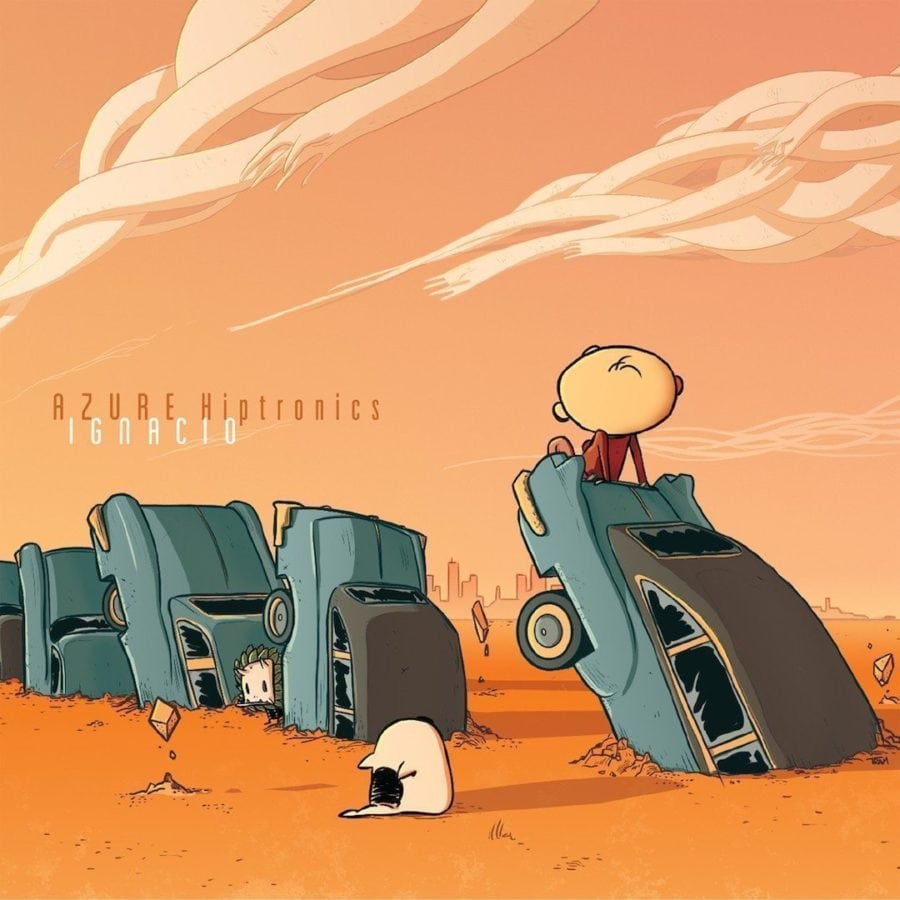
Ignacio, the fourteen-track, third studio album recorded by Netherlands band, Azure Hiptronics, never leaves a moment for boredom. Jam band style – yes, although generic jam band – not even close. Mixed with large synth, bass, guitar, piano, and drum parts, each track is completely different than the last, incorporating different elements than those expected.
Ignacio combines genres and sounds that distinguish Azure Hiptronics from the rest. When listening to the fast paced introduction track, “Thgie Neves,” listeners already know that they have something great in store. Even though it does not take up much time, at nine-seconds, the introduction makes the story start by creating the image of a backwards time-lapse – starting the story from the beginning.
The album tends to roll at a fast pace and then slows down with its various interlude tracks, “Anise Code” and “Interlude.” These pauses create sort of bookmarks that indicate when a new chapter of the story is to begin.
“Airing” and “Saraswati Mantra” split up the story entirely and take listeners to a new place. They separate the past from the future, which allows for a refreshing break in tone from the first half of the album and adds a completely different element to the equation.
Although the chapters that are separated by interludes and pace changes represent different stories, within each section there is not much variation of sound. Yes, there are many levels to this album, however at times it is hard to distinguish one track from the one preceding it. Nevertheless, Ignacio is a must listen for music fans looking for a jam band style with a twist. In any case, this album is sure to take listeners on a journey.
Key Tracks: Work Out Something, Airing, Saraswati Mantra
It’s a cultivation of everything interesting about music. There’s no other way to describe it because there are so many influences, some that the majority of his followers probably don’t know exist. But if it were to be described in a genre, it’d be something along the lines of this tongue twister: Psychedelic funk, rock and R&B with hints of new-age rap and electronic undertones. Unfortunately, he hasn’t created something revolutionary, he’s recreated the sound of the most beloved musicians of all time, and missed the mark on a track or two, but nonetheless has brought back one of the great forgotten sounds of music.
It’s nothing like his older works which were heavily influenced by modern rap. But it makes for the perfect platform on which to build a fun, but very familiar sound. This is not to say his prior albums were simple, but they lacked instrumental color and were driven lyrically. Before the song-by-song analysis begins, some background knowledge is needed to understand how talented Donald Glover really is.
He is not a stranger to the arts: He had two full albums and a few single releases prior to this one, he appears as Troy Barnes on Community as well as a starring role in Atlanta, a series which he created. He will also soon star as a young Lando Calrissian in an upcoming Star Wars movie. Point is, the guy knows what he’s doing and he does it pretty well. But of course, such a drastic change in his falsetto will result in a few quirks, because as stated before, this album is nothing close to what he released in 2013-14.
Almost every track has the funky hooks of the classic 70’s funk bands but with the unpredictable musical direction of Zappa and even the ones that lack a little bit of complexity can still have some value to them.
The first track is a bit misleading, especially if a listener reads this review first. It’s called “Me and Your Mama” and it can be interpreted as a transition into this genre. It starts with a simple, spacey trap modern rap beat, similar to his former albums, that suddenly drops into a completely different genre. It’s dramatic enough that it may sound like the next song on a shuffled Spotify playlist. The second part of the song is synonymous to that of Pink Floyd, with a slow, swaying groove, a female chorus ringing out in the background and some wailing guitar, that all fades out into something like Funkadelic’s “Maggot Brain” with echoing drums, and droning keys in the back. It’s an intense and perfect introduction to this album.
“Have Some Love” and “Boogieman” have strong funk influences, with some tricky drumming, catchy breakdowns and that angelic chorus, all garnished with the perfect amount of spaciness. As stated before though, the sound is eerily similar to the funk Gods of the 70’s. This is not to say that he’s not a creative person, he just hasn’t created anything revolutionary here, but his mind is in the right place.
“Zombies” is one of the tracks that may have “missed the mark.” It’s just weird. There isn’t a lot of musical complexity to it making the lyrics stand out more. But they’re not about anything deep or inspirational. It’s about zombies. “All I see is zombies, feeding all around us, all they eat are people… We’re eating you for profit… there is no safe place to hide.” He’s most likely not talking about The Walking Dead type of creature, but the lack of lyrical eloquence kind of ruins this song. That and it sound like he has a stuffy nose when he’s singing. But they can’t all be winners, as the saying goes.
“Riot” comes next and brings back the technical funk heard at the beginning of the album, but isn’t necessarily a rioting song. It is still fantastic and fun to listen to though. “Redbone” was one of the singles released before the full album and was the most listened to track on the album according to Spotify. This is a fairly unique one, a little low on energy but it is also a love song, and pretty good one at that. It builds up nicely and has very colorful instrumentation making this a key track.
As if there weren’t enough hard left turns, “California” pops up next and again gives the impression that the listener hit the shuffle button by accident. It’s a pretty adorable track that sounds like Jason Mraz, Sublime and Glover had a kid…. A really weird kid. It’s a tight sound with a strange association of instruments, including what sounds like glass bottles being blown into. It’s a key track not because everyone will love it, but it just further shows how Glover is taking a totally new direction with his music.
Glover has got the nail into the board, but he isn’t striking it on the head just yet. At least he’s on the right board though. This must have been a fun project for him, and it’s very obvious that he’s not through with rap, but he’s moving onto more complex projects. Unfortunately, his old audience may not follow him, but he will undoubtedly gain some more attention with this collection. Key Tracks: Me and Your Mama, Have Some Love, RedBone, The Night Me and Your Mama Met
It’s been a long time coming for Syracuse roots soul reggae group Root Shock to finally lay down some tracks in the studio to produce the record fans have been lustfully longing for. Their self titled debut is an authentic embodiment of the magnetizing performances that have continued to draw in larger crowds wherever they go. The Root Shock fam is: Jessica Brown (vocals/percussion), Bill Eppel (bass), Nick Kaczmar (keyboards/electronics) Dan Valvassori (guitar), Phil Grajko (guitar/vocals), Fafa Fain (drums/vocals) and Jason Randall (percussion/theremin).
Root Shock has also attracted a diverse fan base because their identity cannot be pigeonholed into the reggae genre. Their varied blend of soul and funk guided by the potency of Jessica Brown’s weighty vocals sets them apart from the droves of white boy reggae groups offering little variation from one another.
Feeding off the hype from a radio spotlight on 105.9 The Rebel with Dave Frisina, and artist profiles in two separate Syracuse publications in the same week, Root Shock gained plenty of momentum going into their December 17 album release party at Funk ‘n Waffles Downtown. Now, with the album officially out, the band is standing tall and branching out to share the fruits of countless long hours spent in the studio. Curious about the new album, I posed a few questions to shed some light on the inner workings of the thirteen-song compilation.
Ally Dean: Jason “Jocko” Randall who produced your record at More Sound Recording Studio in Syracuse is now performing percussion with Root Shock during live performances. Is he a long-term fixture? When Root Shock branches out into more extensive touring will Jocko be part of your entourage or is he more of an added spice for local ‘Cuse shows?
Phil Grajko: Jocko has not only been a huge asset to the band as a producer/sound engineer, he’s also become a close friend and collaborator, both on and off the stage. Having him come on board as a percussionist felt totally natural and easy. His involvement with the band is totally voluntary, and while he’s definitely busy running a successful recording studio, he’s expressed that he loves playing with us and will continue to make himself available as often as possible. He’s already signed on to play several out-of-town gigs with us, so we certainly welcome his presence and count him as a member.
AD: To follow that up, is it ever weird having your record producer performing with you? Obviously the members of Root Shock have been playing together for several years and know how they want the band to sound but Jocko also has an incredible ear for how he thinks music should sound. Is it ever a contentious issue?
PG: I think an important point to make is that the band has managed to stay in a pretty steady state of evolution. We’ve had lineup changes from the beginning, and an addition or subtraction of a member is always going to affect the overall feel. Root Shock functions very democratically, so when someone voices an opinion, it’s always heard and respected, often implemented. Having Jocko on board has forced a lot of us to sharpen our attentiveness to some of the finer details of the production/songwriting process. It’s been great having his input, but ultimately decisions are made collectively. There have certainly been some differences of opinion, but the mutual respect we all share for one another has cultivated a really easy environment for those differences to be reconciled.
AD: The opening of both “Freedom” and “Babylon Tree” contain this echoey chorus that is stylistically reminiscent of classic Jamaican reggae group The Congos. Is it an intentional nod to them?
PG: “Freedom” and “Babylon Tree” are what I’d call the ‘heavy roots’ tunes on the record. Several of the members (including Jocko) have a deep appreciation for some of the ‘dubbier’, delay/reverb laden roots reggae sounds that came out of Jamaica in the 70’s, and The Congos rank high on our list of the greats from that era. So yes, you could say we’ve drawn some influence from that world.
AD: Jess, your vocals throughout this album contain the same gut wrenching force you deliver in live performances but in a slightly more controlled manner. Was it difficult for you to translate what you do on stage with what makes sense for a recorded project?
Jessica Brown: Honestly it was a little challenging. As a mostly live performer who feeds off of the crowds energy and emotions, I had to really channel my own emotions into the songs. Which I do live as well, but this time with my voice under a microscope. It’s a very different experience being in the studio than being on stage in front of a crowd of people. I usually don’t think too much about what I do for a live performance, which is part of the beauty of the experience. There’s a lot of improvisation. For the album, I definitely thought more about note choices and what words and feelings I wanted to emphasize. I really enjoyed the process, even though it was a little scary. But I’m excited to get back into the studio since I feel more confident and experienced this time around!
AD: Making a record can be an exciting and inspirational endeavor but also a laborious undertaking that tests the limits and patience of band members. Now that the album is finished, do you feel stronger as a band moving forward?
PG: It was all of those things! We feel truly blessed to have had the opportunity to create this album. We all love each other as people. We believe in each other as musicians and songwriters. We had faith in Jocko and More Sound Studio to create a truly memorable product that was also honest and representative of our real-life sound. In the months leading up to recording, we often referred to our rehearsals as ‘boot camp’ sessions. We trained hard and saw a lot of progress during this period. The whole process before, during and after making the album turned us into better individual musicians and a better band overall. There’s no doubt that we’re a stronger unit. There’s a confidence and a steadiness that wasn’t nearly as pronounced as it is now. And it’s making its way into our newer material in a big way, so we’re excited!
Review:
The songs are peppered with Brown’s reflections on her life experiences playing on religious motifs, standing up for what’s right, love, loss, honoring both the natural world and the gift of life itself. While some songs seek to provoke the listener to heighten their mental awareness, others serve as curative tools for self healing through deeply personal, intimate lyrics. The words are delivered through an interfusion of springy beats and heavier instrumental grooves delivering musical diversity that outcompetes a majority of existing reggae.
The album opens boldly with an onslaught of playful hand percussion, a stomping bass line and a delightfully whimsical whirl of organ in “Come Alive.” This song is a call urging listeners to free their minds from captivity and to open their eyes to the reality around them. It’s a danceable memorandum relevant to the turbulent political and social chaos that pervades human existence. Brown’s impressive vocal range is on full display, particularly towards the end. She hits the notes with crisp clarity as she’s nearly screaming the words “come alive” like there’s a demon holding a knife to her throat.
“Sunlight” lightens the mood with a breezy, feelgood melody imploring the listener to look within and create the life they want for themselves with the help of a little honest soul searching. The lyrics offer an uplifting four-minute therapy session as Brown cheerfully chirps:
“If you’re soul doesn’t feel right inside,
break down those walls that you’re hiding behind
Happiness comes with the sunlight of a brand new day”
The brisk opening bass line, uninterrupted tick of tambourine and pulsating organ on “Freedom” forms an underlying urgency before entrancing choral repetition of the word “freedom” opens the sound by creating an expansive distance. This elusive quality complements lyrics speaking to the compelling drive to discover that sense of purpose which can often evade us. “Babylon Tree” is the only song with Grajko on lead vocals and offers that dubbier old school reggae tone. Again the lyrics draw attention to a need for social consciousness:
“Can’t you see your system is a vampire
Insatiable wildfire that’s poisoning the air we breathe?
Here we stand on the brink of evolution
Yet your minds are on your power grabs of greed
Don’t need your cursed cash to find some soil and plant some seeds
But I’ll die on my feet before I live upon my knees”
“Sage” detours from the overall uptempo rhythm felt through most of the album in exchange for a more delicate, sensual blues tone. It takes its sweet time building tension with a hauntingly melancholy solo from Grajko which sets the stage for Brown to build off it with more of her jaw dropping vocal strength. “Boss Battle” follows as a quick and dirty jam, the only song with no vocals. It’s rather repetitive, not terribly exciting, but makes for a good transition song during live performances.
Having lost her mother to cancer at age 20, Brown pays tribute to a lost but not forgotten role model in tender love ballad “Sweet Reunion.” Anyone who has dealt with passing loved ones can easily relate to this affectionate homage. The tone is triumphant even in the face of tragic loss, a coming-to terms-reckoning that leaves the listener feeling at peace.
“Cup” is a lighthearted celebration of love with a buoyant feel, followed poignantly by “Games,” a heavier song, representative of someone who has been dragged through the dirt by a relationship gone wrong. Accompanied by Syracuse trombonist Melissa Gardiner, the horn addition adds great depth to this tune.
The album culminates with an elevating, uptempo song called “Love Spirit,” with lyrics giving thanks for the strength born from a life of independence. Right at the end of the album, we also get a one-verse taste of Fain’s smooth and soothing, low octave vocals. We leave this thirteen-song journey having danced and cried to a range of relatable experiences. Though many will tempt to emulate Brown as they shamelessly sing along, Root Shock is not responsible for any vocal chords damaged in the process. Root Shock’s self titled debut album will be available wherever music is sold, and will be released on streaming sites within the next few weeks.
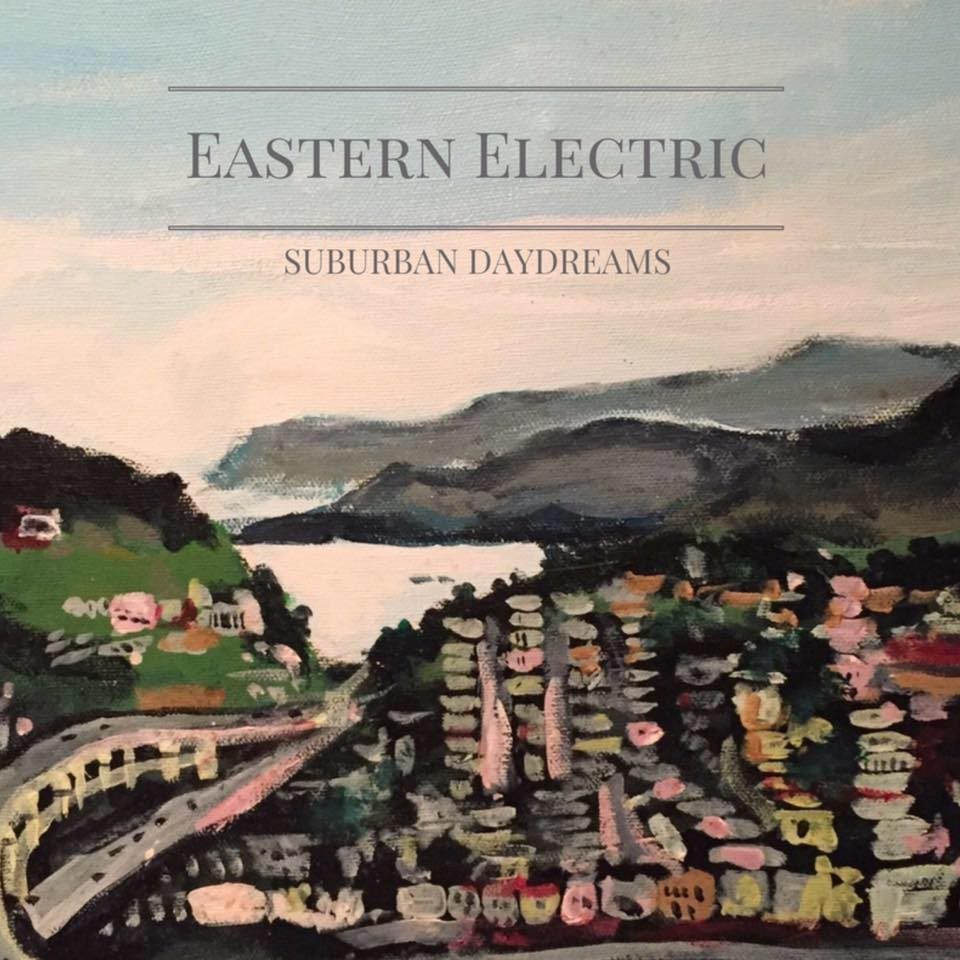
Eastern Electric, alternative indie rock from Guilderland, NY, put out their latest album, Suburban Daydreams, on December 9, 2016. The album opens up with the title track, led by Will Burger’s dream-like voice, and sets the listener up for the rest of the album which can be characterized as emotional and dynamic. With a balanced blend of simple yet layered ambient instrumentation, Eastern Electric delivers an impactful performance on par with most signed, touring and recording acts. Immediately upon hearing their single “She’s a Quiet Driver,” I was greatly impressed by the talent and writing of this young band, but there was no way I could have anticipated how much I would enjoy the full album. With proper determination, I could easily see a larger audience listening to Eastern Electric.
Engineered, produced, mixed and mastered by Scoops Dardaris at the World Citizen Party House in Albany, NY, Suburban Daydreams clocks in close to thirty minutes in length. At first listen, all types of different influences are present. Tracks such as “I Don’t Know Yet” and “Raise My Fucking Grade” pull sounds from legendary rockers such as Nirvana and Brand New, especially between their bassist Ryan Keegan and drummer Jack Buttridge. Adding simple yet effective smoothness to the mix are Jackson Wolfe on guitar and Michael Beeche on keys.
I think the key element that gives Suburban Daydreams its x-factor is that none of the musicians featured on the album overplay. While the album certainly could have been longer and still kept the listeners attention, it is devoid of over complication or long, 80’s style guitar solos or extra sprinkled toppings, save a trumpet solo in “Whispering Goodbyes,” a violin lead in “Ignite,” and a harmonica featured in “Blue Eyes Cryin’.” Eastern Electric gets on their metaphorical stage, plays without giving a speech in between songs, finishes the set in short time, but leaves the metaphorical crowd in awe. Outside of metaphors, I’ve seen them live in Albany, NY and can attest to their professionalism and quality.
But Eastern Electric didn’t just put out a good album. They surpassed expectations set out for local bands at this stage in their career. They have my attention, and my respect, as I’m sure they will from many who enjoy groups such as City and Colour, Brand New and Cymbals Eat Guitars as well as many others. Personally, I’m looking forward to hearing their future work and seeing them live.
Key tracks: Suburban Daydreams, She’s a Quiet Driver, Blue Eyes Cryin’, Raise My Fucking Grade
Singer/songwriter Mike Powell has no shortage of inspiration for writing music. Raised in the foothills of the Adirondack Mountains, he taught himself guitar at the age of 13, boasting a catalog of 20 or so songs by the age of 15. Powell went on to become one of the most decorated college lacrosse players in history for Syracuse University, declining an offer to play in the pros straight out of college, opting instead to follow his passion for music and songwriting to the stage.
With the reverent simplicity of his soulful voice, an ax, and a harmonica, he delivers nine heartfelt, timeless songs on his fourth album, Tied to the Rail. Eliciting influences from Bob Dylan and John Prine, Mike Powell has been described as a “polite rebel; a truly unique and inspiring American voice,” by The Boston Globe. Powell has also released Blue Eyes and Hand Me Downs, Replevin, and the 2014 Syracuse Area Music Award-nominated Kapow.
Powell eventually did play lacrosse professionally – for the Baltimore Bayhawks in 2005 and the Boston Cannons in 2007. Two years later, he was back on stage, touring alongside Sarah Lee, the granddaughter of Woody Guthrie. A woodworker, Powell nearly lost his ring finger on his playing hand while moving a stack of logs in 2014. With a varied past such as his, it comes as no surprise that Powell is such a great storyteller!
The album kicks off with the folk/southern rock hybrid “Empire,” a track that showcases the power of what one can accomplish with the simplicity of an acoustic guitar and Powell’s smokey yet earnest voice. It’s a taste of what’s to come – a no-frills album showcasing powerful lyrics by a seasoned vocalist.
The second track, “Bibles and Bourbon,” features a signature steel guitar and is a short but sweet busker song, good for helping you get out of your own head.
His lyrics – like these from “Mary Anne” – are pieces of Americana.
When the water cost money and the drugs seem cheap
When all your dreams stay lost in your sleep
And you can feel a break down coming soon
When your head gets dizzy from the rattle and the spin
And the sadness seems to burn on your skin
And every night you’re left yelling at the moon
Conjuring up images of dusty railroad tracks and bible thumping preachers, “Tied to the Rail” combines folk, soul and a bit of country to create a sound that is sure to give you the feels. Inspired by the birth of his daughter in 2016, Powell is back on the road promoting his third album.
You can catch Powell on the road Tuesday, December 13 at the Light Club Lamp Shop in Burlington, Vermont, at Ray Brothers BBQ in Bouckville, New York on Friday, December 23 and at the Brae Loch Inn in Cazenovia on Friday, December 30.
In January, he returns to the studio with his Black River Band to record a new record set to release in March. He resumes his tour in early 2017 with over a dozen upstate New York appearances already scheduled, many of which Powell will be joined by Black River Band featuring John Hanus on guitar, Shane Kelson on keys, Joe Bell on bass and Dom Scicchitano on drums, with intimate solo shows when appropriate.
Visit Mike Powell on Facebook or his website for more dates or to pick up a copy of Tied to the Rail.
In NYS Music tradition, as we count down the final days of 2016, we reminisce about the hours we’ve spent obsessing over music. Whether planning wild road trips to chase bands whose music feeds our souls, frequenting our favorite venues and exploring new ones, head banging to heavy jams and accidentally spilling drinks, dancing with strangers and making new friends, music is a common thread that unites us. Now it’s time to reflect on the soundtrack of 2016 and recognize the music that carried us through another revolution around the sun.
We polled the staff and asked our readers for their input in ten categories: Best Albums by NYS Artists, Best Albums Overall, Best Shows by Region, Best Venues in NYS, Biggest Musical Loss, Best Live Cover or Tribute Performances, Best NYS Festivals, Best Out-of-State Festivals, Best Music Town, and Bands on the Rise. Throughout the week we will present two categories a day highlighting the top picks. We’ll kick things off with Best Albums by NYS Artists and Best Album, Overall. Here we go!
Best Albums by NYS Artists
Receiving the most votes, Aqueous’ EP Best in Show was voted in as the top album of 2016. The Buffalo rock quartet released the record in October and it stands as “a four song reflection not only of the band’s time without a permanent drummer, but also a glimpse into the band’s future as drummer Rob Houk melts into the Aqueous groove with fluid rhythm that feels as if he’s always been here.”
NYS Music writer Kat Horton’s review offers this commentary:
“The four songs are highlighted by tiny nuggets of rightness; lyrically, musically and in its production Best in Show turns a pointed spotlight on how much Aqueous has grown in the two years since their last studio release. But more importantly, Best in Show is Aqueous’ resolve from the challenges they have faced and proves their tenacity to move forward while solidifying their line-up.”
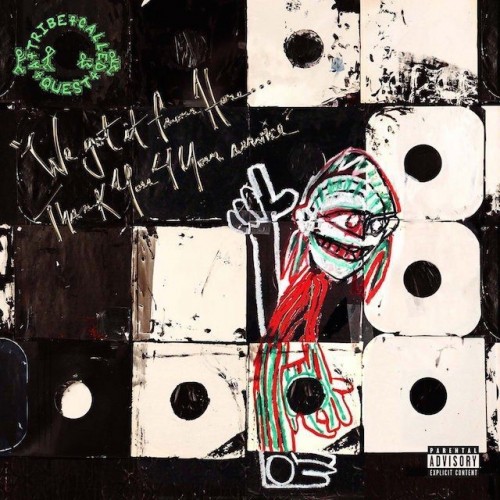
This year our readers were in agreement with which NY artist released the best album, nominating Aqueous as their top choice. Queens-based hip-hop group A Tribe Called Quest’s We Got it from Here… Thank You 4 Your Service and Brooklyn’s psychedelic funk band Chromatropic and their recent release, Abundance were also favored.
Though Phish’s live albums are what usually garner attention, this year their release of Big Boat left an impression on fans and the “13th studio recording is the most genre bending album they have released.”
NYS Music’s Neil Benjamin Jr. offered this review, commenting:
“Ever think Phish would start off a studio album with a sort of Brit-pop-punk sounding song? Me either, but that’s exactly what the band did by kicking off Big Boat with the Jon Fishman song “Friends,” which is the perfect lead-in to an album by a band that has built its fanbase by throwing it curveballs.”
A Tribe Called Quest’s album We Got it from Here… Thank You 4 Your Service also received recognition in this year’s poll. Smart lyrics and slick beats produced by this socially conscious group offers a dialogue that resonates with many listeners and “once again, the group has created something one of a kind a revolutionary, that listeners can only hope will inspire other artists to follow in Tribe’s footsteps.”
In a review of the album, NYS Music’s Dave Ostroff remarks,
“The production value of this album is immaculate. It feels like listening to a remastered, never released album, because Tribe led the public to believe their fifth album was their last breaking up in 1998. And even without all of the original members, their sound is still effortless and always moving.”
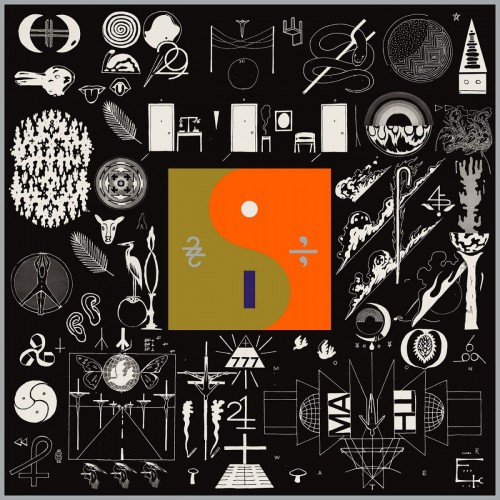
Bon Iver’s 22, A Million melts his hauntingly sweet voice into a pool of shockingly experimental effects that stings the ears with intrigue. “While experimenting with the auto-tune and synthetics, Bon Iver explores the world beyond the conventional three-minute song while staying true to himself.”
NYS Music writer Sammy Steiner reviewed the album, offering:
“The controversial album that is 22, A Million was successful in reinventing Bon Iver to the extent that he is compared to the works of Kayne West and Frank Ocean. With this album, Bon Iver reaffirms his ability to remain of interest to our scattered millennial generation and the contemporary world.”
Of course we wish we could highlight even more albums and celebrate all of the amazing music released this year, but stay tuned throughout the week for the remaining Best of NYS Music results to be released!
Like many music lovers, I spend a lot of time seeking new artists. Although, the Black Clouds are not new, per se. They’ve been working on music since 2008, and After All is their third effort.
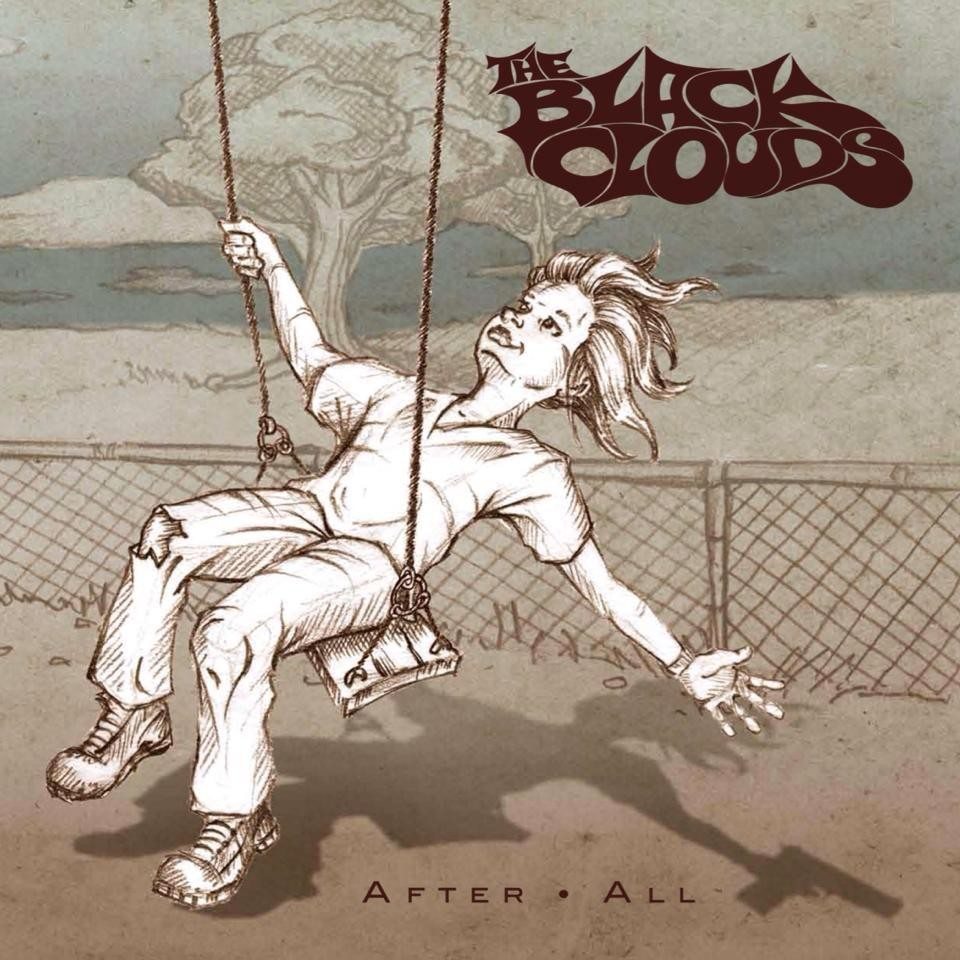
The Black Clouds, rock from Monmouth County, New Jersey, just finished recording their newest album, After All, set to hit shelves January 6, 2017. With influences such as Soundgarden and Alice in Chains, I appreciate the enthusiasm present from the beginning to the end of the album.
Produced by Jack Endino, After All is energetic and fast. From the words of the band themselves, their central dedication is playing fast and hard. That’s exactly what guitarists Neil Hayes and Dan Matthews (vocalist as well) deliver: short, punchy, loud songs identifiable as personal life stories.
Along with Gary Moses and Cory King on bass guitar and drums, respectively, it’s clear that The Black Clouds have developed cohesively as a team. Numbers like “Self Control,” and “Going Going Gone” display chemistry between all members. Vocal melodies are reminiscent of singers like Dave Grohl and Danko Jones, and the fast, aggressive music mirrors this energetically, but also grants some dynamic range. “Falling” features weaving acoustic guitars and a sad melody.
Overall, I enjoyed a few listens of this album, and I would go as far as to call it solid, but every album has its weaknesses. After All has a limited amount, if any, musical risk, and in many parts, Layne Staley and Jerry Cantrell may as well have recorded one of their legendary runs over the instrumentals. Although more originality could have been exhibited in many places, one might classify this as a “good problem.”
I can definitely say I would attend a live show of theirs and enjoy the loudness, as I’m sure many will after hearing After All. For now, The Black Clouds have my attention, and I’m excited to see what silver linings The Black Clouds have in their near future, and for the rest of their career.
For fans of: Danko Jones, Foo Fighters, Nirvana, Alice in Chains, Soundgarden
Key tracks: Going Going Gone, Falling, Merchants of Death
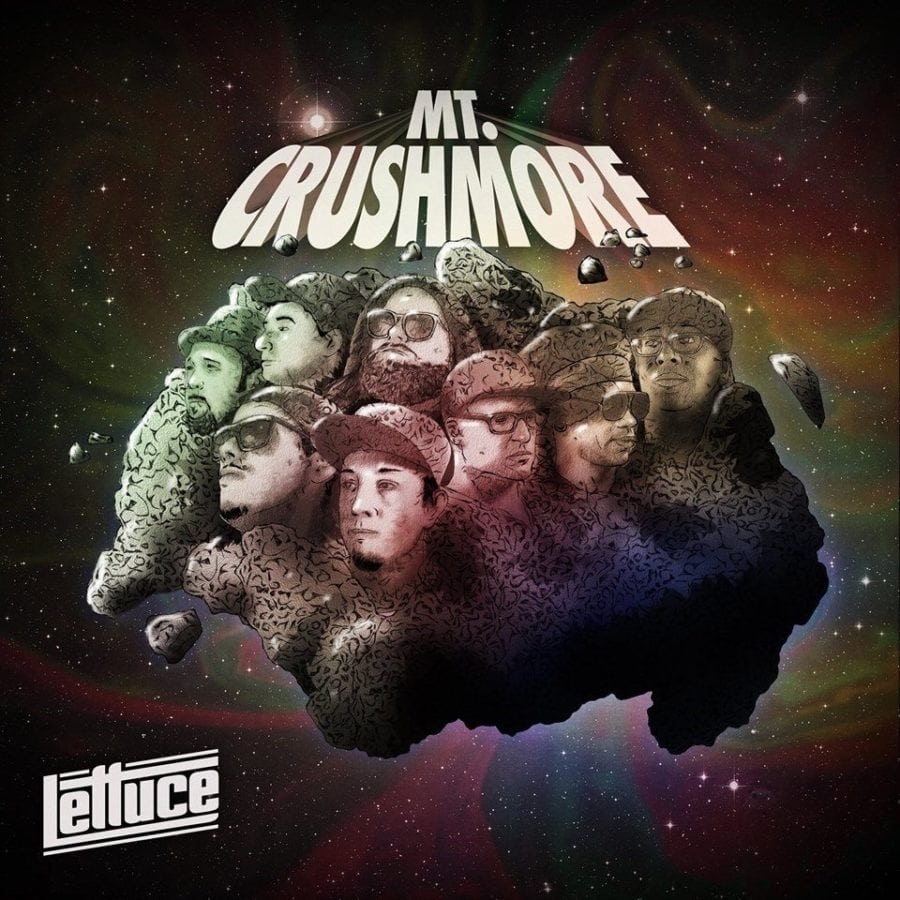 The likely reason for this is that the 7-track EP contains tracks that didn’t make the cut for “Crush,” (Crush…Mt. Crushmore…you get it). Although it’s not to say these tracks are sub-par by any means. They still demonstrate the band’s ability to lay down groovable tracks, but with perhaps a more hip-hop feel. Many of the tracks would add powerful, yet sophisticated instrumentals for a progressive lyricist.
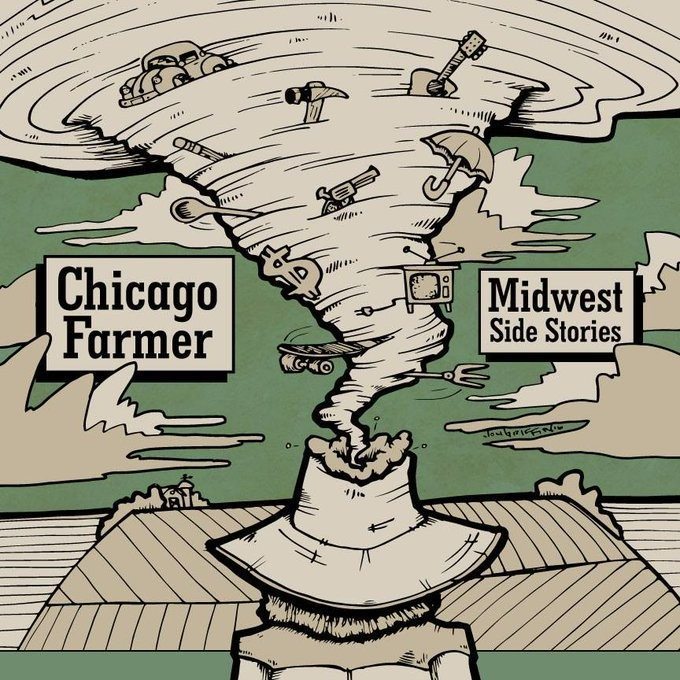 Chicago Farmer recently released his seventh studio album, Midwest Side Stories, which debuted on September 30, 2016 on his Chicago Farmer record label. It’s the follow-up to 2013’s Backenforth, IL. Chicago Farmer is the nom de plume of Illinois-based folk artist Cody Diekhoff, who has spent the last decade barnstorming bars and theatres across his native Midwest, traveling far and wide, through dim towns and bright cities alike, to perform for a growing legion of appreciative fans. Diekhoff was born in tiny Delevan, IL, has spent significant time in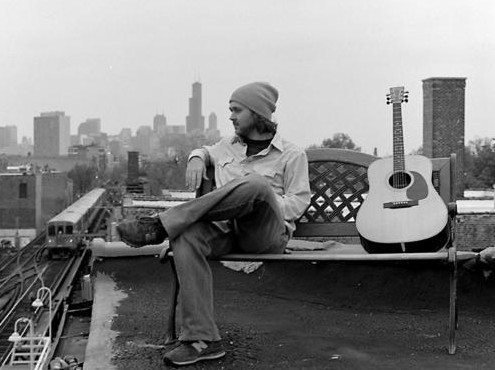
 Ignacio combines genres and sounds that distinguish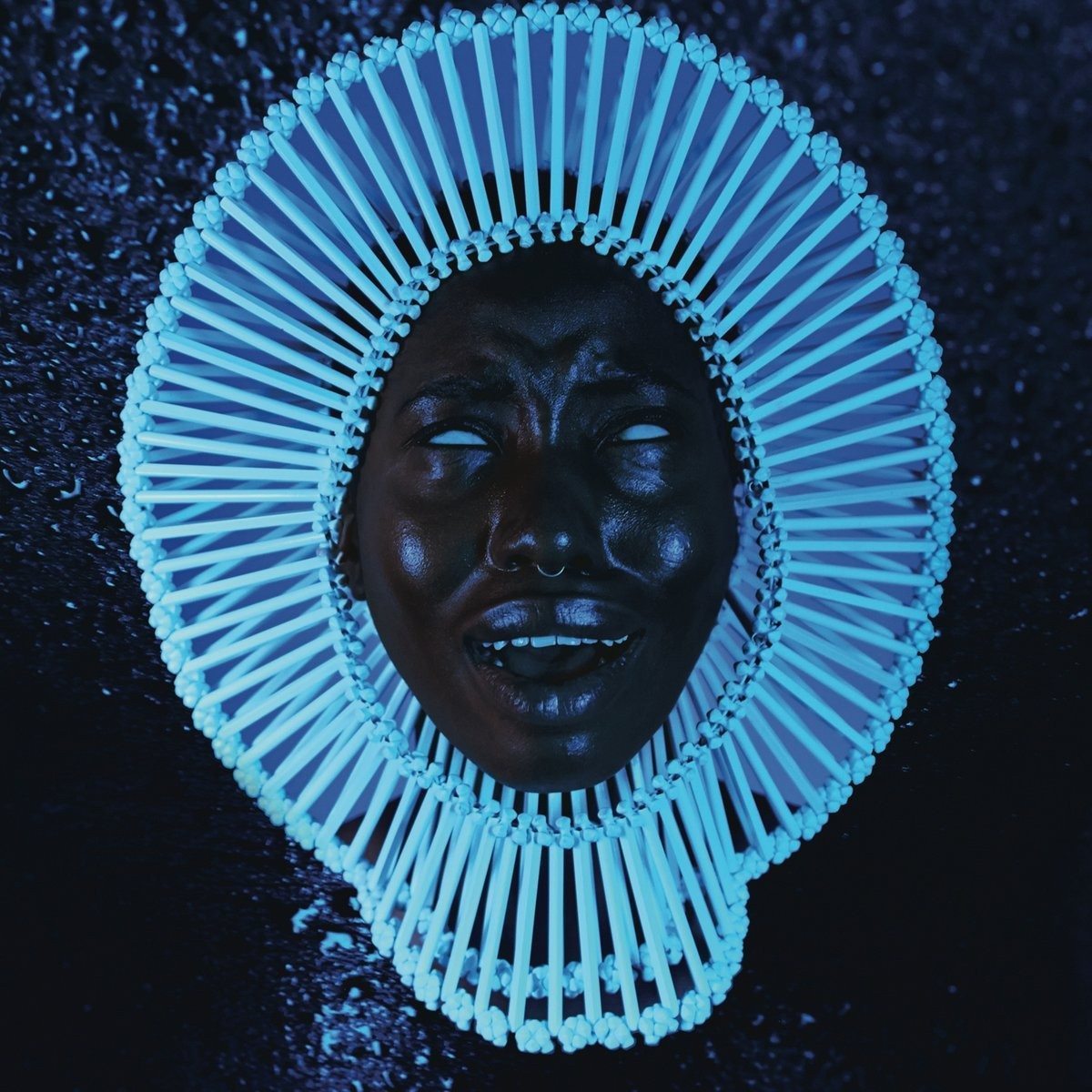
 Root Shock has also attracted a diverse fan base because their identity cannot be pigeonholed into the reggae genre. Their varied blend of soul and funk guided by the potency of Jessica Brown’s weighty vocals sets them apart from the droves of white boy reggae groups offering little variation from one another.