Self deprecating, awkward, obtuse, David Letterman. I grew up with this man. His short-lived show on NBC mornings following the Today Show was something I looked forward to more than the Price is Right on days off from school. My sense of humor was formed by this man. He combined the legacy of Johnny Carson and the lunacy of Looney Tunes and mixed it with a smidge of humanity. Dave changed the game.
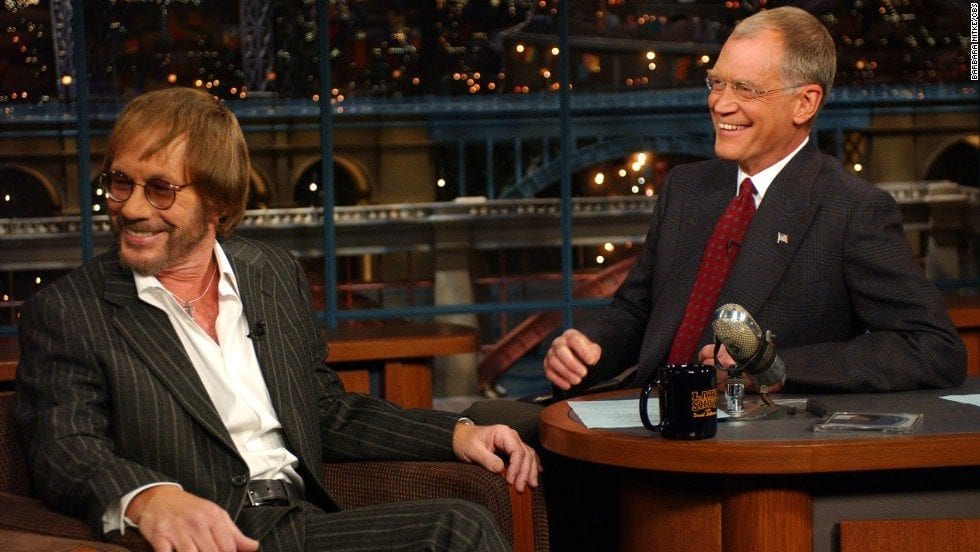
David Letterman with Warren Zevon
May 20, 2015 was a sad day for me. My man Letterman was heading off into the sunset. After tonight the television world will be much less funny. He has influenced me in more ways than I really considered until he announced his retirement.
There have been many tributes to David Letterman in the past few weeks. Most of them have focused on his comedy. The man is a natural in that department. I owe a lot of my sense of humor to this legendary performer. Thanks, Dave.
That said, Letterman did more for music on television than many realize. Prior to Dave, musical guests were primarily the hit makers of the day.
Letterman brought in the fringe artists. Dave gave R.E.M. their network debut. Dave convinced legends like Bruce Springsteen and Bob Dylan to appear on television despite their reluctance to do so. He had Rage Against the Machine perform on the roof of the Ed Sullivan Theater.
David Letterman gave artists such as Tom Waits and Warren Zevon a stage — he was a fan and a champion of Zevon and his work.
A friend of mine, Lisa, gave me a true fan’s perspective of the relationship between David Letterman and Warren Zevon. Lisa said of Zevon, “For anyone other than Letterman, I don’t know that he’d have set foot on the TV stage. Dave had a genuine respect for the musical genius and general intelligence of Zevon and it grew into a warm personal friendship.
Photo courtesy http://warrenzevon.wikia.com/
Among Warren Zevon devotees, the TV spots are treasured because we can look back and watch those to see a thumbnail of Zevon’s evolution into revealing himself to the public. Without David Letterman, we’d have only the music, the shows, and the chance encounters. He allowed more people to become familiar with the human behind the legend so the focus could be on the music, the product, rather than the legend.”
Letterman thought so highly of Zevon that when his musical director, Paul Schaffer took time off, he made him the musical director for the show. He cared so much for him that he dedicated the entire hour of his show on October 30, 2002 to Zevon, in what would prove to be Zevon’s last appearance on network television before succumbing to lung cancer.
Above all else, Letterman is a big fan of music, as evidenced by his Live on Letterman: Music From the Late Show series of albums produced by the show.
What tribute to Letterman would be complete without the ubiquitous Top Ten List, so with that, here is tonight’s Top Ten List, Warren Zevon’s Top Ten Appearances on David Letterman.
#10. Zevon sat in for Shaffer as music director on a couple of occasions. Letterman is giving Zevon some on the job training in this clip.
#9. “Hit Somebody (The Hockey Song)”. From WZ’s last studio recording. Shaffer plays Letterman’s role in this version of a song about a Canadian farm boy looking to make it to the NHL as a goon.
#8. “Mr. Bad Example” Pony-tailed Zevon delivering his trademark lyrical genius in this Letterman clip from 1993.
#7. “Excitable Boy” and “The Overdraft” from Zevon’s first appearance with Letterman. He is championing Zevon right from the beginning. The interview piece shows how their sardonic wit jived.
#6. “Trouble” and “Lawyers, Guns & Money.” This is a classic performance with Shaffer’s late ’80s version of The World’s Most Dangerous Band
#5. “Boom Boom Mancini.” Being a boxing fan, this song re-introduced me to Zevon’s work outside of the FM radio staples. Tells the tragic story of professional boxer Ray “Boom Boom” Mancini.
https://www.youtube.com/watch?v=GEuSTy5VRwQ
#4. “Porcelain Monkey.” This is a late-era Zevon song that would fit comfortably on “Excitable Boy”. Take note of Sid McGinnis completely making this song his own on the guitar. Shaffer’s bands are always a great compliment to whomever they are backing but when Zevon was on the show, they truly gelled.
#3. “Splendid Isolation.” From a 1995 appearance. This clip also contains some interview footage showing their admiration for each other. Letterman goes fanboy.
#2. “Roland the Headless Thompson Gunner.” My favorite Zevon song and his final ever public appearance.
#1. “The Mutineer.” Letterman announcing Zevon’s death and his tribute to his good friend. He ends this piece with a clip from Zevon’s final appearance on the show a year earlier.
Letterman had Zevon as his only guest on his October 30, 2002 show, describing Zevon as, “the real deal. He’s not one of these pretty faced, phony rock and roll guys, he’s the real deal — a poet and a singer and a songwriter. It doesn’t get any better.” Zevon, despite the dire prognosis of inoperable lung cancer, kept his typical cynical sense of humor, stating, “Dave is the best friend my music has ever had.” Letterman brought Zevon’s music to the masses, even when Zevon showed resistance.
This appearance proved to be Zevon’s final public performance. You’d never know he was suffering from inoperable lung cancer from his performance and humor on this show. I highly recommend checking out the entire episode available on YouTube. It’s strange. It’s funny. It’s hearwarming. It’s pure Letterman and Zevon.
Letterman may have retired, but his legacy to music on late night television will continue. Thanks, Dave.
Faith No More has released what is not only comeback of the year, this album so far, is album of the year, speaking of, Sol Invictus makes the first time Faith No More released anything since 1997’s Album Of The Year. Also, this is the first time the band released an album via Reclamation Recordings. What makes this band so fascinating to so many fans of metal is their unpredictability, and the fact they have never released the same album twice. This album is no exception.
Sol Invictus (which means Latin for Unconquered Sun) starts off with the title track. It begins with a beautiful keyboard track from Roddy Bottum over Mike Bordin’s precision drumming. Once you hear that crazy voice of Mike Patton …BOOM! You know that it’s a Faith No More record. The album immediately goes into “Superhero” which may be my favorite song because it’s a fun, groovy, and heavy track with very catchy keyboards blended so nicely into the overall track. Then the satire track “Sunny Side Up” lightens the mood of that album.
“Separation Anxiety” goes polar opposite of the previous track and it begins with a killer bass and drum rhythm that leads to a gloomy and dark atmospheric tone that makes this track a real stand out. Sol Invictus wouldn’t be a Faith No More album without some kind of unpredictable and strange track that makes you scratch you head a little bit and make you think “WTF?” and that track would be the fifth song on the album “Cone Of Shame” because I don’t know what the fuck this track is. The album goes into another strange track but this time you get a really get an awesome range of Patton’s vocals on “Rise Of The Fall” and guitarist Jon Hudson really shines on “Black Friday.”
Going into the tail end of the album, the hilarious but awesome track “Motherfucker” will be playing over and over in your head for days to come. Patton delivers another grand vocal performance on “Matador” before the album ends with “From The Dead” which is an appropriate ending because its upbeat song. Overall, Faith No More delivered a grand and deep album that takes you on an unpredicatable and enjoyable ride. Bassist Billy Gould wrote most of the music on this album as well as produced this masterpiece. With lots of touring ahead, we can only hope that this is just the beginning for the revamped Faith No More. I highly recommend this purchase. You can buy SolInvictushere.
Key Tracks: “Superhero,” “Separation Anxiety,” “Motherfucker,” “From The Dead”
The 15th annual Summer Camp is off to a great start amid beautiful albeit chilly weather in Central Illinois. Thousands arrived late Wednesday night and throughout the day on Thursday for the unofficial start to summer music festival season throughout the country.
Arrival to Chillicothe, just north of Peoria, IL, took 16 hours from Albany, and while the drive may seem daunting, it wasn’t that tough of a trip. Back in the 1990s and early 2000s, if you wanted to go to a music festival or travel to see a band, you had to drive out of your comfort zone for the experience. What has become common place, seeing festivals within an hour or two of where you live, used to be far from reality. This may sound like a ‘back in my day’ mantra, but making this drive brings back the allure of the destination driving the journey, something that has become less frequent with the rise of music festivals and cost of travel.
The only issue with arrival at a festival such as Summer Camp is that once you arrive, you still have to get your gear searched and set up camp, adding to any exhaustion and surfeit crankiness. The line to get into Summer Camp involves a thorough search for alcohol, among other contraband items; while the check-in was expanded, we stood in line for six hours before our gear was finally given the thumbs up. There wasn’t much music we missed as a
result but the exhaustion took a toll, especially without shade from the bright sunny day. Chicago Funk Mafia performed on a stage near the check-in area to entertain the thousands in line.
Once inside and setup between the Sunshine Stage, Starshine Stage, Vibe Tent and Camping Stage. A money location. We caught Capital District rockers Wild Adriatic on the Starshine Stage who had the attention of the crowd with “Strange Persuasions” and a cover of Bill Withers’ “Use Me”. Family Groove Company, one of Chicago’s finest jam acts for over a decade, opened their set with an extended instrumental jam on “Thriller” bringing up the Third Coast Horns for much of the set. If you missed them on Thursday, see them Saturday on Starshine Stage at Noon for a perfect wake up to the day.
Floodwood performed a Grateful Dead set, including “Cumberland Blues,” “New Speedway Boogie,” “Casey Jones,” and others. Vinny Amico and Al Schnier mixed things up and swapped roles with Al on drums and Vinny on vocals. I had to miss some of the set in order to catch yet another New York State act, Aqueous, on the Camping Stage. The handful of fans I talked to seemed to enjoy a band they were seeing for the first time, and were treated to a set of “Underlyer, Complex Pt. 1, Fame > Origami > Don’t Do It”.
Back at the Starshine Stage, Future Rock, one of the best livetronica trios you’ll ever see, closed out the Starshine Stage for the night, pounding out incredible dance music with no chill. Late night had options for The Red Barn: Dopapod, Turbo Suit & Friends, and Manic Science. I rested up and got ready for DJ no DJ, a Daft Punk cover band made up of members of This Must be the Band, among others. You won’t see Daft Punk touring these days, and this might be the next best thing to a local band covering “Get Lucky”. Name a Daft Punk hit and they have it covered and covered WELL. The Soulshine Tent was the place to be latenight for one of the true treats of Summer Camp.
More music is planned for Friday, starting with moe. kicking off the Moonshine Stage and Umphrey’s McGee on Sunshine Stage, among many, many other options. Stay tuned for more updates via NYSMusic’s Facebook, Twitter and Instagram.
Carly Knaszak joined NYS Music in early 2014. She is studying Journalism and English at SUNY Fredonia and will be graduating in 2016. She loves going to every rock concert that hits town. Some of the highlight shows that Carly has covered for NYS Music are Paul McCartney in Pittsburg and Ringo Starr at Artpark.
She started her love of writing in high school when she joined her school’s Writers Guild where she expanded her passion with creative writing and poetry. But as she got older, she become more interested in the music industry and decided to make music part of her writing. She reached out to many websites and soon discovered NYS Music and she loved all the opportunities the staff gave her and the advice editors gave her to become a better journalist.
Carly enjoys watching horror movies in her free time, listening to classic rock and hopes to become Elvira when she grows up. She is currently obsessed with tattoos and Halloween.
Carly’s musical bucketlist artists include: The Rolling Stones, AC/DC, Shinedown, Slipknot and Kenny Chesney
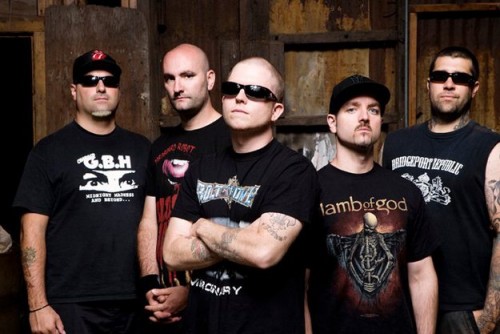
On Thursday May 14, Hatebreed managed to get away from their tour with Slipknot and headline their own show at the Montage Music Hall. This gave them the opportunity to play in a much smaller venue and play songs over their entire catalog including rare tracks and demos.
The place was jam-packed but before Hatebreed took the stage, local openers Order Of The Dead and Hate Machine had time to shine.
I was really impressed with both bands but Hate Machine really stood out. Shame on me for not actually knowing who they were prior to that night because apparently they been around for almost twenty-years. Proof that I’m not a Rochester native.
Their use of hardcore and hip hop drum beats, under their crushing guitar riffs, really made them stand out. And vocalist Jed Seaver’s use of rapping, singing and growls added to his kick ass stage presence, really made them a treat to watch and rock out to. They owned the crowd.
Hatebreed stormed the stage as vital as they come. After all these years, there hasn’t been a step back at all for their performances. They all look like they still enjoy what they do and they continuously give their best. They ripped through their setlist starting with “To The Threshold” and “Before Dishonor.”
They never really took much time in between songs but still managed to give fun crowd interactions. Frontman Jamey Jasta still proves he’s one of the best frontmen in metal. Other highlights were, “Puritan,” “As Diehard As They Come,” and by the crowd’s request, “A Call For Blood.”
The last time I saw Hatebreed in Syracuse they had sound issues, thankfully, Montage got it right and there were no sound issues at all. There was a clear bloody knuckle atmosphere, but no one was hurt, no fights (from what I saw) and everyone let their hardcore jollies out. Hatebreed managed to finish their 22 song set with their fist pumping anthem “I will Be Heard” and “Destroy Everything.” I was a little surprised they didn’t play “Last Breath” but there were plenty songs that were played that usually the band doesn’t get to play.
To wrap it up, it was nice to see Hatebreed take the time to play a small venue, especially at this point in their career where they are used to playing much bigger venues. Anyone who missed this show missed out on one of Hatebreed’s best concerts.
Nestled away in Central Park lays a bastion for music lovers, a musical oasis in the midst of Gotham. A serene evening with Tedeschi Trucks Band rang in the unofficial beginning of summer with the opening night of Summerstage. Rock ‘n’ Roll royalty Derek Trucks and Susan Tedeschi orchestrate an amazingly talented ensemble of musicians.
Kofi Burbridge (keyboard, flute), Tim Lefebvre (bass), Tyler Greenwell (drums), J.J. Johnson (drums), Kebbi Williams (saxophone), Maurice “Mo’ Betta” Brown (Trumpet), Saunders Sermons (trombone), Mike Mattison (vocals), and Mark Rivers (vocals). All got the opportunity to showcase their individual talents throughout the evening.
Tedeschi led the way out of the gate with her exceptional blues guitar and booming vocals on “Made Up Mind” and “Do I Look Worried” both off of their 2013 release Made Up Mind. Trucks’ slow and deliberate guitar started off “Midnight in Harlem” off of TTB’s 2012 Grammy award-winning, best blues album, Revelator followed with raucous applause from the audience before Tedeschi’s crooning sent them into a blissful trance.
After The Derek Trucks Band’s fast paced and raucous “Get What You Deserve” the first guest of the evening was invited out on stage, with Doyle Bramhall II (guitar) joining the group. Fans had the rare occurrence of having two former Eric Clapton guitarists on the same stage.
Next up came The Beatles “I’ve Got A Feeling” from Let It Be then Bramhall and Trucks traded off guitar licks on Derek & The Dominoes’ “Keep On Growing”. Bramhall stayed on for “Key To The Highway,” a tribute to the recently passed B.B. King. King recorded the song with Eric Clapton on 2000’s Riding With The King. Bramhall stepped off stage for the gospel “Break In The Road” which featured another shredding guitar solo from the prodigy Trucks.
Bramhall returned to join the band with the second guest of the evening Sharon Jones of Sharon Jones & The Dap-Kings. Trading harmonies and smiles with Tedeschi on Sam Cooke’s soulful “Bring It On Home To Me” and Etta James “Tell Mama”.
Bramhall and Jones left Susan and Derek in capable hands as Burbridge led the band into Made Up Mind’s “Idle Wind” leaving the keys for his flute to start off the tune before the band gave way for Johnson and Greenwell to show off their drumming talents and convening to bring the song to a close.
TTB busted out a rendition of Bobby Bland’s 1960 R&B classic “I Pity The Fool” before bringing the two-hour plus set to a close with the original, “The Storm”. Tedeschi reached down deep and soothed the audience one last time with her mesmerizing vocals for the encore of Revelator’s “Bound For Glory”. If this night was a precursor to TTB’s upcoming ‘Wheels of Soul’ tour, fans will be in for a treat with welcomed collaboration between TTB, Bramhall, and Jones.
The Wheels of Soul tour will be in Rochester, NY as a headliner at the Xerox Rochester International Jazz Festival (XRIJF) at Kodak Hall June 25. Followed by a stop at SPAC in Saratoga Springs, on July 29. The band will make one final stop in New York this year for a four night residency at the famed Beacon Theater, September 25-26 and October 2-3. Tickets go on sale on May 21 through Ticketmaster.
Setlist:
Made Up Mind, Do I Look Worried, Midnight In Harlem, Get What You Deserve, I’ve Got A Feeling*, Keep On Growing*, Key To The Highway*, Break In The Road, Bring It On Home To Me#*, Tell Mama#*, Idle Wind>Drums>Idle Wind, I Pity The Fool, The Storm E: Bound For Glory
* – Doyle Bramhall II
# – Sharon Jones
[FinalTilesGallery id=’187′]
Rapids Theatre was treated to one of the best performance I have ever seen there to date, as In This Moment was here Friday on tour promoting their latest album Black Widow. They had brought some heavy hitters with them this time around. I was a little shocked as the line was not as long as I thought it would be. But never the less people filed in closer to the second bands performance.
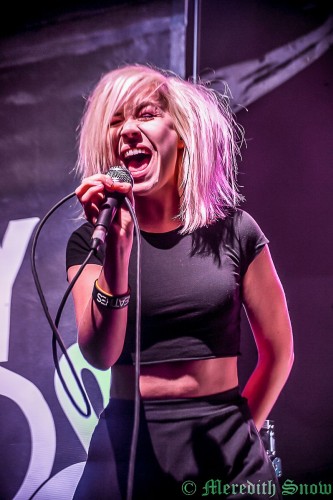
First up was a five piece rock band The Nearly Deads from Nashville, Tennessee. They were a decent opener with some catchy melodies and she brought a lot of energy to the stage. The crowd did not respond to them very well, I think it had something to do that they were a spitting imagine of Paramore band. Her vocals were a bit weak, and she didn’t seem to have much range in her voice.
Second band up was Butcher Babies, I have never heard this band until that night. This band has all the elements of a metal band. Two scandalously dressed women who sang metal, a guitarist and bassist that had extreme amounts of energy on stage. Topped by a drummer whose double bass is one to compete with.
Towards the end of their set they forewarned the security guards to be ready. They look slightly baffled but soon enough realized what was about to happen. The music got heavier and the crowd surfing began to turn up. What I loved about this was as the fans were thrown over the barrier by security. The girls took the time to shake every fans hand or give them a fist bump. You don’t see this happen very often, kudos to them
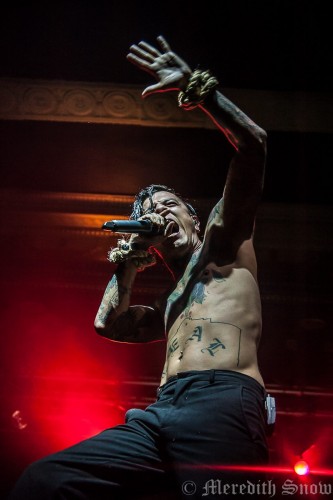
Next up was the band I had been looking forward to seeing all night, Upon A Burning Body. I had previously listened to this band and loved everything about them. They originate from my birth state, Texas. Not one thing was out-of-place this entire performance. They had the crowd screaming and on their feet the entire time. Then Singer Danny Leal told the crowd he wanted to see some pits and mashing, the crowd listened and did just that. I witnessed several mash pits throughout the crowd for several songs. Then they proceeded to do a song tribute to Texas called “Texas Blood Money”. To finish off the night they sang “Turn Down For What” which for many know as a rap song sang by Lil Jon and DJ Snake. The crowd went absolutely crazy. Men put women on their shoulders, and it turned into a bit of a club scene. Their rendition of it was great and I prefer that over the original.
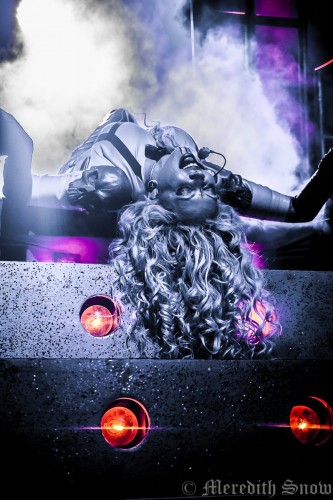
Last but certainly not least was the band most people where there to see, In This Moment. They took approximately a half hour to set up but it was definitely worth the wait. This is the second time I have seen them and every time I do it’s extremely theatrical. She is entrancing and with all her disappearances and reappearances after songs coming out in a completely different outfit. She keeps you guessing. They sang songs off their new album Black Widow. The choreography for her and her two dancing-girls who always remain faceless were done perfectly to a T.
Maria also took time to talk about how we are all united together by music, and how we must all take care of one another and change the world for the better. In my opinion the best part of the night was when I caught In This Moment Drummer Tom Hane`s drumstick. He threw it, what seemed like directly to me and I was floating on air. It now resides on my music memorabilia wall snugly between signed Shinedown CD and a painting done by Smile Empty Souls own Sean Danielsen.
Tribute and legacy acts are big business for concerts in today’s industry. The baby boomer generation has gotten older and wants that feeling they had growing up listening to the music that was the soundtrack to their lives.
You also have the newer generation who may not have had the chance to experience the great music, and are interested in seeing what their parents got to see.
In the case of Jason Bonham’s Led Zeppelin Experience you get the best of both worlds. Jason, son of Led Zeppelin drummer, John Bonham, celebrates the music that he did not have much of an opportunity to see. Performing to audiences who are starving to see it in person.
“The Song Remains The Same” starts the concert with a bang, and the energy never left the Palace Theatre for the next two hours. Stringing together both hits and rarities, Jason and his band kept the crowd in their palms with ease. Jason told funny stories about his father and the feeling he got playing in London with the surviving members of Led Zeppelin in 2007.
He also spoke about how the band is never trying to act as if they are Led Zeppelin. For most of the evening that last part was true, but about three-quarters of the way through the show the audience was invited to crowd the aisles and to have a “fucking good time.” After this request and for most of the rest of the evening lead singer James Dylan began to channel more than just Robert Plant’s vocals. Lead guitarist Tony Catania similarly did more than evoke Jimmy Page’s guitar work. Moving about the stage like two legends for the rest of the evening. James and Tony had been doing just fine with their great vocal and guitar playing respectively and did not need to change what they had been doing.
During “Thank You” video screens showed videos of John, receiving some of the loudest cheers of the night. An acoustic “Going to California” had the loudest sing along. “Kashmir” ended the set to a standing ovation and the band came out for a one-two punch of “Rock And Roll” and “Black Dog” to end the evening.
There is a fine line for a tribute or legacy act to walk on, so as not to become a caricature of the band they are paying their respect to.
For most of the night the musicianship on stage during Jason Bonham’s Led Zeppelin Experience spoke for itself, but for a small part of the show the line became a little too blurred.
It’s Memorial Day weekend, the official opening of barbecue season. In Rochester, the land of festivals, what better way to celebrate then with a barbecue festival? Enter the ROC City Rib Fest. Local barbecue enthusiasts will gather in Genesee Valley Park to compete for the best smoked meats in the land.
The festival opens 5pm Friday night and runs through Monday at 7pm. In addition to the ongoing barbecue competition, there will also of course be barbecue eating, food trucks, kids’ activities and a full slate of some of the best bands Rochester has to offer. Across two stages, the lineup includes top-notch tunes from Grand Canyon Rescue Episode and String Theory, smoking blues from Tommy Brunett and Fred Vine, soulful R&B from Mitty and the Followers, the return of world-influenced jammers John Payton Project and so much more.
Tickets are $5 per day or $10 for a weekend pass. A portion of the proceeds benefit the Golisano Children’s Hospital at Strong and the Genesee Valley Park. Find the full music schedule below.
Friday, May 22
River Stage
5:30pm Spacelords
7:30pm Jumbo Shrimp
Roundhouse Stage
6:30pm Grand Canyon Rescue Episode
Saturday, May 23
River Stage
11:00am Two Tone Jazz Duo
12:30pm Uncle Ralph’s BBQ Blues Band
2:30pm The Deep Blue Dream
4:30pm Dan Eaton
6:00pm World Bacon Championship Awards
7:30pm Mick Hayes
Roundhouse Stage
1:30pm 3 mile
5:30pm Jeff Riales and Friends
Sunday, May 24
River Stage
12:00pm The Fools
2:00pm Televisionaries
4:00pm KCBS Barbecue Awards
5:00pm The Dirty Bourbon Blues Band
7:00pm Jon Payton Project
Roundhouse Stage
1:30pm Fred Vine
5:30pm Tommy Brunett
Monday, May 25
River Stage
12:00pm Alyssa Trahan Trio
2:00pm Cold Sweat
4:00pm Mitty and the Followers
6:00pm Into the Now
For the past year or so I have been following a musical movement that has taken on momentum like a snowball rolling down the mountainside. The movement began when Blake Morgan, founder of ECR Music Group, responded to a comment made by Tim Westergren, Pandora Radio’s co-founder.
Tim Westergren wanted already struggling artists who weren’t compensated completely for the use of their music on his station, to take a decrease to keep it afloat. While not only was Pandora afloat, the luxury cruise ship was sailing off into the sunset enjoying themselves to the hilt while the artists that powered that ship were stranded on an island all alone, and without compensation.
Frustrated by one of the only American industries that felt entitled to the ownership without compensation, Blake responded to Westergren and this response gathered the attention of The Huffington Post. From this heated email discussion, grew the IRESPECTMUSIC movement.
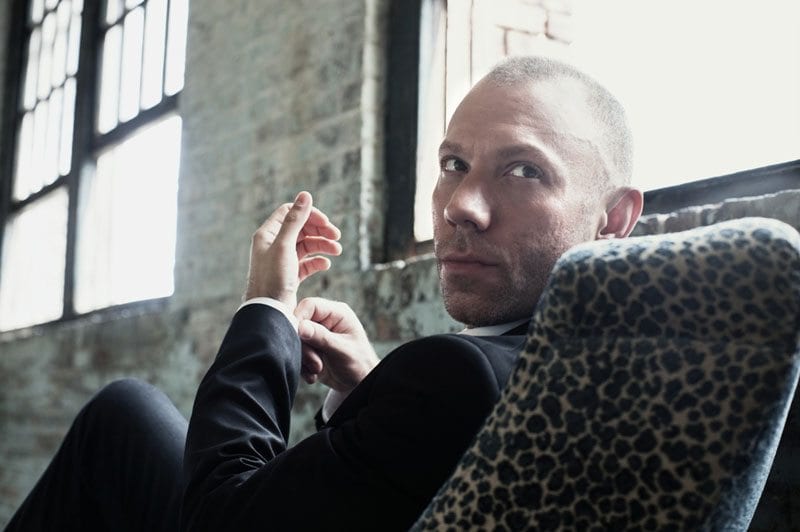
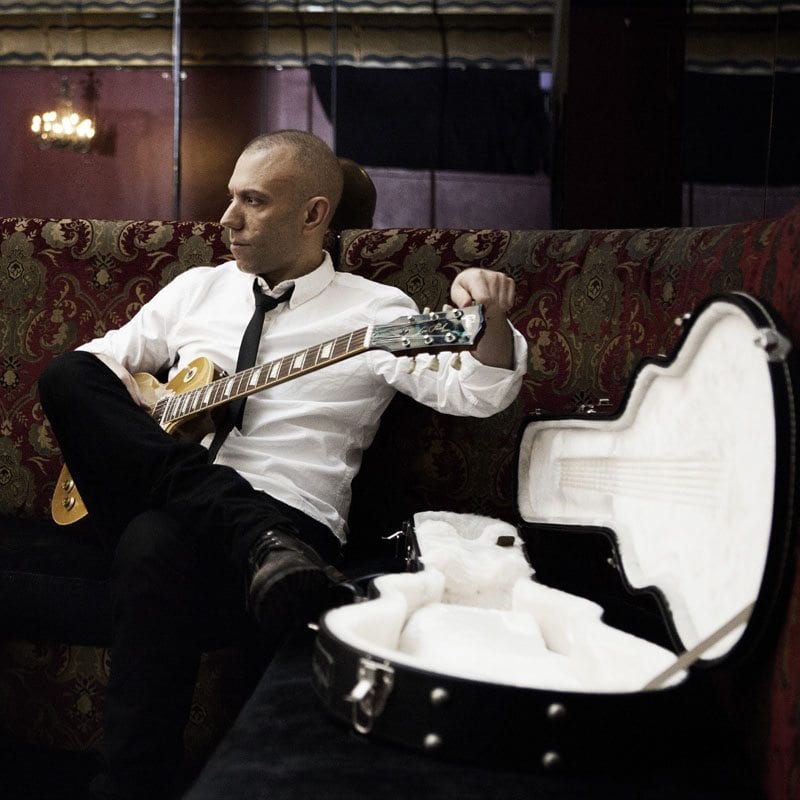
Blake Morgan – #IRESPECTMUSIC
One by one, artists in the industry began to awaken and concur with the sentiments of Blake Morgan. The sentiments being that artists should be compensated for the use of their music on all radio and digital sources. It was recognized that to make a change, the laws behind the copyrighting of music had to change as well. The laws in place currently allowed the music moguls such as Pandora, Spotify, and so many internet radio stations across the nation to continuously use music without paying the artists. No other business model in our nation works this way. You create a product, you sell the product, you are compensated for the product, and the purchaser enjoys the product. No where else is a product created and lent out for use without compensation, under a pretense of giving it more visibility for future sales. What? If that model worked no one would get paid. We would all advertise products for free.
Like millions of others, I too enjoyed my playlists on Pandora. With an occasional advertisement here and there, I didn’t have to buy the cd’s or download to my iPod. I could enjoy them digitally wherever, and whenever I wanted. I always assumed that licensing was paid to the artists to play the music from those sources. I had no clue until this began, how the music industry really worked. In fact, I wanted to know more about this movement and how the industry worked. I wanted my readers to understand every time they played those stations, how they were hurting the music industry they loved. So I reached out to the man himself, Mr. Blake Morgan. Blake graciously agreed to talk with NYS Music about #IRESPECTMUSIC and enlighten both myself and the readers to the ins and out of the music industry.
Blake Morgan – #IRESPECTMUSIC
Kathy Stockbridge (KS): Blake, thank you so much for agreeing to talk with our readers today. You have been in the business now for many years…tell me a little bit about your background and some of the changes you’ve seen over the years in the music business.
Blake Morgan (BM): I love where I am in music and my musical life..because I’m a recording artist, and I’m a record producer, and recording engineer, and a label owner. So I kinda have this eagle eye view of what it means to be a music maker in this country, and it’s a very fulfilling musical life to really have three careers happening at the same time.
KS: Explain to those that may be reading this the differences between a musical engineer and record producer.
BM: That’s a really good question, a lot of people don’t know what it means when someone says I’m a record producer. Being a record producer somehow in music we don’t necessarily have a sense of what that means, but somehow the lay person inherently knows what a film director does. Right? So a record producer does for music and for making albums, exactly what the film director does for movies, you’re the director. So let’s say you want to make a record. You’re the artist and you are a singer songwriter so you have essentially written the script because you wrote the songs. You’re the star actor, because you’re the artist, the singer. Then the record producer is then directing the movie. It is clearly your movie, but I’m the one trying to understand what your vision for this record would be, and then realize it for you in a way that actually turns it, hopefully, into the record you’ve always wanted to make. It’s interesting because being a recording artist and singer specifically really helps me be a good record producer.
KS: Absolutely.
BM: And I know what it means to be on both sides of the glass. It has been a huge bonus, and I would argue its actually why the records I make are as good as they are, not to brag. But I’m serious. I really think there’s an intangible thing available to one, when you understand what it means. There’s a reason why baseball players wind up being the best coaches. The fact that my new record came out last year, and I recorded and produced four records since then has been a really vibrant way for me to realize all of the things I will want to do in music, which lead me to also forming the label. Which is an extension of that as well. So, it’s very busy, and people ask me all the time, do you ever sleep? and the answer is, not really. But all jokes aside, one of the things I did discover early in my career is that doing all of these things, people ask me all the time, doesn’t being a recording artist take time away from running the label? or doesn’t being a record producer take time away from being a songwriter? and the answer is, yeah, it does. Because I’m doing all of those things. But what I learned early in my career, is that in my case, my doing all of these things and doing them well, actually takes much less time than making something you really cared about, that you really bled over, and then handing it to somebody who doesn’t know what they’re doing.
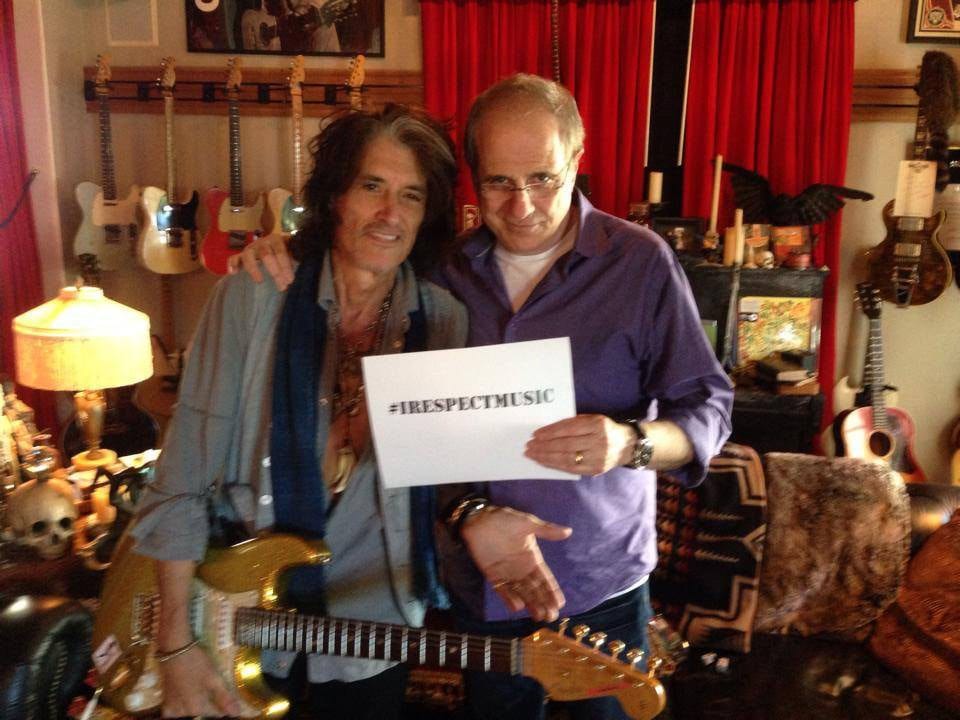
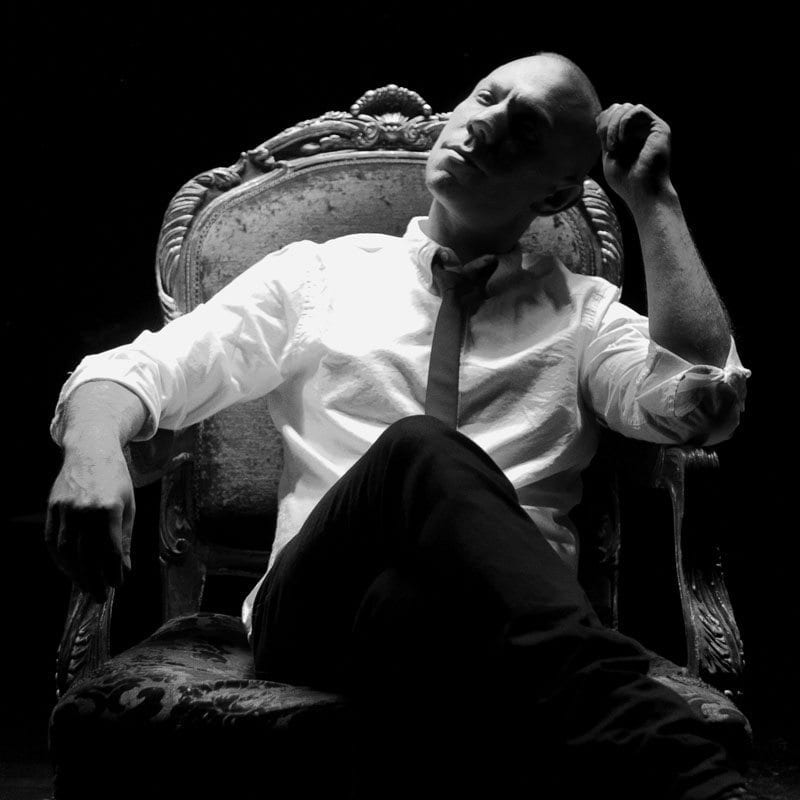
Blake Morgan – #IRESPECTMUSIC
KS: So do you find it hard to take off one hat and put on the next one when you’re doing a project like that, when you’re doing so many portions of the album?
BM: No, and I can understand why one might think that would be the case. It’s just the opposite. On Janita’s new record that my label made, just released in March. I recorded and produced it, I mixed it, and I’m also playing bass on the record. I just happened to be the right bass player for the record. So she’s playing guitar and I’m playing some guitar which actually makes it much more electric, much more methodical on the one hand and also more creative on the other hand. When you can say, hey wait a minute, you pick that up let me pick this up, it becomes this Thomas Edison crazy workshop kind of thing. So you don’t really get in each other’s way, it’s just the opposite as I discover I’m using all of my muscles. I’m like a musical decathlete. It’s not just people who make music. It’s people who love music. They are standing with us and saying, wait a minute, sometimes we don’t know what’s wrong and what’s right. But this time we do. This is wrong. Let’s fix this.
KS: I’m really super impressed right now.
BM: It took me a long time to realize not only is that okay, but it is actually what I’ve really always wanted. The musicians that I admire the most, that I aspire to get to the level of their excellence; musicians like Daniele Lanois, Jon Brion, Nigel Godrich, artists/producers like that who play a lot of instruments and make a lot of different kinds of records with different artists, that’s the kind of musician I’ve always wanted to be. So they don’t really get in each other’s way, they help each other. So in the end if I wind up becoming a musical decathlete or musical swiss army knife, so be it.
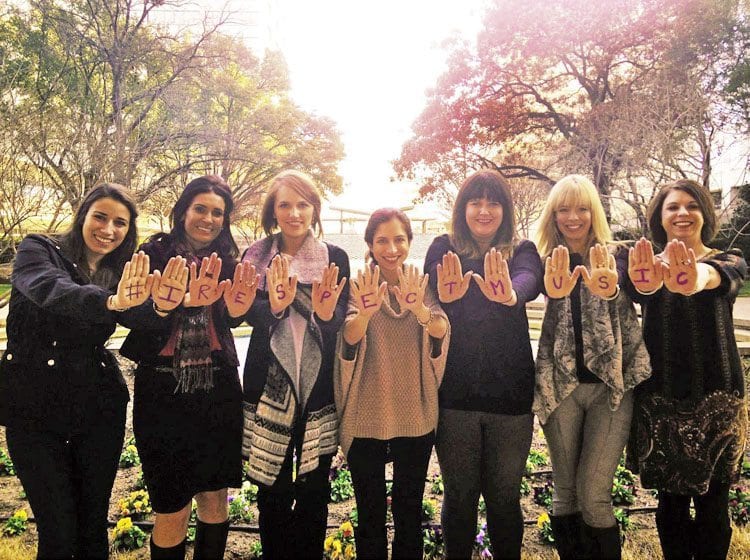
Blake Morgan – #IRESPECTMUSIC
KS: And I’m sure it all helps you grow in each area as you experience it. Thank you for that explanation for our readers, and myself. I think we all picture it as the band comes in with their instruments, you turn on the recorder like a cassette tape and then you’re done. And it’s so not like that.
BM: I think you’re right, and I think that is a part of what #IRESPECTMUSIC is all about and why I use those three words. I think there are some people out there still that sorta feel that its money for nothing and your chicks are free. So I think as artists fight to be paid fairly for their work, I think there was, prior to this last year because I think it’s really going to change, there was a vein that ran through where people thought why should you get paid for the job you don’t have. You don’t have a “real job.” And I don’t think it was personal. It was like, I work for real. I don’t really have a job, I have nine jobs. And I don’t believe that anything I do is more or less important than anything anyone else does. But we live in a capitalist society, and people get paid for their work in a capitalist society. I don’t think we can fight to get paid as musicians till we turn the tide and music itself gets a different kind of respect. And I do believe that that’s fundamentally changed this last year.
KS: I want to say, and please correct me if I’m wrong, music has evolved. Not only the sound of music, the production of music has evolved, and what used to be where artists would record their own albums and music and they would drive it to all the local radio stations and ask them to play it for free. I don’t believe it to be that way any more. The people listening to the music on the radio don’t understand that process with licensing, etc. With technology and how technology has evolved and helped, you see fewer DJ’s on the radio replaced by more recorded music. So could you explain to our readers the evolution of music through the different mediums – vinyl, 8tracks, cassette, cd’s, digital? How its hurt, and how do you see progressing? Also, you mentioned in an article once that it hurts the middle class artists. These artists being the ones that drag their gear around from stage to stage, now not getting paid. Explain that statement to our readers.
BM: I think there are two parts here. So let me address the middle class artist statement first. The music industry just a few years ago was a 15 or 16 billion dollar industry. Now it’s like a 6 billion dollar industry. So all that money has gone away. I believe part of the argument that the Opponents to Artists Getting Paid Fairly use is to put this idea out there that why should we care if Justin Timberlake is making a million dollars less than he’s suppose to. He still has plenty. Right? But here’s the point about the middle class. That even for superstars like Justin Timberlake, it’s not just about Justin Timberlake. He’s needs to go to a recording studio and make that record. And that recording studio employs people. It also employs 20-year-old kids that are being paid very little, but they love music so much they want to kinda break in. And by the way, those recording studios are closing, all the great studios are closing. So many of the great venues here in NYC are closing. And that’s just not places that a middle class successful artist like myself might go to play. And guess what? It’s also electricians that wire stages for sound, its carpenters that build those stages, and union workers are working at the door or maybe taking tickets or serving beer. This is a major job driver to our country’s economy. So it’s not just about millionaire rock stars. It’s about millionaire rock stars that aren’t getting paid, it’s about hard-working class and middle class artists, AND people in other industries that dovetail into music. Right?
KS: Right.
Blake Morgan – #IRESPECTMUSIC
BM: So, when you get to the middle class artists themselves, like myself and some of the artists on my label, so what ends up happening in the music world in an industry where people are so desperate for the next payday or the next dollar that even the large record companies are thinking now about this quarter. Not about two years from now, or a year from now, or even this summer. They are thinking about kinda making that nut for this quarter. And that drives what we see in movies also again happening in music. That these places need HITS, they need blockbusters, right? So we all know when it comes to movies we’re much more likely to see Transformers 9 than we are to see Silver Linings Playbook 2. But that’s true for music as well. Don’t forget it was Motown and Atlantic, these kind of labels, that developed artists for years. They developed them over the course of three, four, five records until you wound up with the iconic musicians and artists you think of. So the middle class in music has really suffered. 80 percent fewer songwriters in Nashville over the last 10 years. So this is really about the middle class in music like it is in so many other professions.
So when it comes to technology, technology is completely neutral. This isn’t about the apparatus. Technology is neither good nor bad. It’s about how one uses technology, it’s about the individuals using it, morally or not morally. So the balance between art and commerce has always been a somewhat fragile one throughout the ages. It’s not like musicians had it made 400 years ago. What’s been happening the last 10 years is unlike anything we’ve ever seen. It’s where the idea is, that if you feel that a billion dollar company is using your music without your permission and they are making money on it. And you’re not making any money on it. Suddenly, you’re anti-technology. So when Taylor Swift pulled her catalog from Spotify, one of the ways that she was attacked (hilariously I must add) is they claimed she was just a little girl. They attacked her unbelievably in such a sexist manner. But right next to that they said…’oh she doesn’t understand technology…this is about the future…you can’t stop the future.’ Well the future is not about not paying people? The future is the future they said. Why can’t we make the future better? Why can’t artists get paid in the future? Fairly? Right?
KS: Not for nothing, but those of Taylor Swift’s generation know technology much better than our generation. Just saying.
BM: Exactly. I don’t know any kid that would say, musicians shouldn’t get paid. But the idea put forward by these billion dollar tech companies is that this is the future so don’t be against the future. In a CNN interview I did, the host was terrific, she asked me, well isn’t this about technology? You can’t stop progress. And I said, this isn’t about technology, this is about artists being paid for their work. No one is against the internet at all that I’ve ever met. I’m simply saying that if you use my music, by the way as radio is allowed to, terrestrial radio which is what #IRESPECTMUSIC is really focused on, terrestrial radio is allowed to play my music and not pay me anything. So the National Association of Broadcasters (NAB) made 17 billion dollars in advertising alone. In one year, 17 billion dollars. They did not pay one dollar to any artists for using their recordings.
KS: Being naive to this subject matter, I assumed they pay royalties to artists, or licensing fees to utilize those songs. So they don’t have to pay those fees?
BM: That is correct. #IRESPECTMUSIC is an homage to the woman I’m about to tell you about. So when you hear the song ‘R-E-S-P-E-C-T” who do you think of?
KS: Aretha Franklin of course
BM: Right. So what most people don’t know or what some people don’t know is that Aretha Franklin has never made a dollar from that song being on the radio. Ever. In the United States. EVER. EVER. And that is because the United States is the only democratic country in the world where artists don’t get paid for radio airplay. Otis Redding wrote that song. The great Otis Redding. And Otis Redding gets paid. Or his estate gets paid when that song is on the radio. Songwriters do get paid. As they should. They don’t get paid as much as they should. But they do get paid something. But the artist that made that song the iconic almost national anthem that it is, Aretha Franklin, has never made a dollar from that song. And think about the repercussions of that in other kinds of music. Think about jazz. Think about our legacy jazz artists who are in their ’70s or ’80s now living uptown on the very island I’m on right now. Jazz for sure is about composition, it’s about new songs, new works, but so much of jazz is about reinterpreting standards. Right? John Coltrane never made a penny from “My Favorite Things” being on the radio. That doesn’t sound right to anybody. And what I always say is, how is it possible that the short list of countries that agrees with the United States is North Korea, Iran, Rwanda, China, I mean is this really a list that the United States of America wants to be on?
Blake Morgan – #IRESPECTMUSIC
KS: So how do other countries manage to do this than? How do they work it? To where they are able to play the songs and yet still compensate the artists that are performing those songs.
BM: Everywhere else in the democratic world, everywhere else in the civilized world, both the artist, meaning Aretha, and the songwriter, meaning Otis, both get paid. And no where else has it driven music off the radio. No where else in the world has it put radio stations out of business. No where in the world is it even thought of to be anything but “of course we’re going to pay for the recording of the song.” This is ridiculous. And it’s Congressman Nadler who is a real advocate for musicians and for artists on Capital Hill. Congressman Nadler, who is also on the House Judiciary Intellectual Property Sub-Committee, is working on legislation that would correct this. And he always says, I can’t think of anywhere else in our country, in our economy, where people are told that they shouldn’t be paid for what they do because it’s actually just promoting them.
KS: Right
BM: The example he always gives is, he says you just don’t get to drive a car off the dealership lot and tell the dealership, “listen, I’m not going to pay you for the car because I’m going to put signs on the car and advertise your dealership”. It’s ridiculous. Unfortunately, this is something that we’re getting wrong as a country, and that is what #IRESPECTMUSIC has been all about. This petition, and putting pressure on Congress and urging Congress to support Artists Pay for Radio Airplay to join the rest of the civilized and democratic world. And we’ve gotten so far. There is so much that Congress is on the move on this issue. And I’ll tell you why. We all know the state that Congress is in, and how partisan it is. This issue isn’t a partisan issue. Republicans and Democrats agree about this. And it’s very easy to understand why. It’s about jobs. This is about American jobs. And you know what? I am very proud to be an American songwriter. I’m very proud to be a recording artist, record producer, and label owner my entire adult life. It’s the think I’m most proud of. As Americans I wonder if we’re taught to prize innovation above anything? Right? We’re the country that innovates. We’re the country that comes up with the next big idea. So we’re taught to prize innovation, but see here’s the thing. Rock and Roll is an American innovation. Hip Hop is an American innovation. Jazz is an American innovation. Blues, Country. Bluegrass. They are American innovations. And on and on and on. Each of these are American innovations. Music is one of the things that Americans still makes that the world still wants. The people who make that music should be paid for their work.
KS: I agree.
Blake Morgan – #IRESPECTMUSIC
BM: And when members of Congress connect with that, they go, well this is ridiculous. We’re not going to lose the rock and roll battle to Belgium.
KS: Yep, Elvis would roll over…
BM: Well Elvis is still alive…haha. One crisis at time please!!
KS: So tell me, how did this whole campaign come to fruition? What was the catalyst?
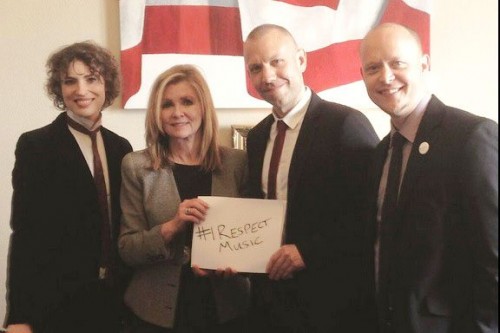
BM: So a year and a half ago, and email exchange between myself and the founder of Pandora, Tim Westergren, was published in the Huffington Post. (Read the article.) It really became a firestorm. Pandora was encouraging artists to sign to a letter they were going to bring to Congress. They were getting some artists to do it except unfortunately what Pandora was really doing was they were going to take this letter to Congress to lobby Congress to lower our royalties even further. So they were tricking artists to sign a letter that was not in their self-interest. So I actually wrote back. I got this email from Mr. Westergren at Pandora, and I wrote back, and I called him out on it, very respectfully. And then he wrote back, and I wrote back and that email thread became something of a firestorm, and there was a lot of press around it. It was such bad PR for Pandora that a couple of months later they pulled own signature legislation that was sitting in front of Congress. They pulled it. They said, we’re not going to fight this anymore. We’re not going to lower their royalties further, at least through legislation. That really felt like a sea change moment, that was very different from musicians I think had been experiencing on mass for the last ten years. I don’t know if we felt like it was a victory, but we sure knew it didn’t feel like losing. So it was following that victory, that cautious victory, that I said “You know what? What if instead of always playing defense, as we fought off another terrible thing. What if, we went on a joyful, respectful, offense? And in fact tried to get this radio royalty at all forms of radio? Digital and Terrestrial. What if we got AM/FM to pay their fair share? What if we did that? “What is the clearest example of this?” And it’s the Aretha/Otis example. So that’s why I started thinking about that word RESPECT. And I wrote an Op-Ed also in the Huffington Post at the end of last year that was about an experience I had going back to my high school for career day talking about my life as a musician. Something very dramatic happened in this career day. And I wrote about that day and I ended that piece with the words #IRESPECTMUSIC . The piece really blew up and got a lot of attention. It was a month later that I posted a seven second video of myself writing the words #IRESPECTMUSIC on a card with a hashtag and let people know that #IRESPECTMUSIC was launching. I didn’t even say what it was. The day that we launched, people started spontaneously posting these selfies with the hashtag. And we got hit so much on the very first day, that the site was running slow due to so much traffic. People were trying to sign the petition, and it was amazing. It was just amazing. And that’s how this movement really got born. Which was out of the email exchange with Mr. Westergren, and then the off ad that I wrote, and the press I was doing, I just wanted to turn that hope and that positive energy into an action, so that music makers and music lovers could stand together. So many music lovers have signed this petition. It’s not just people who make music. It’s people who love music. They are standing with us and saying “wait a minute, sometimes we don’t know what’s wrong and what’s right. But this time we do. This is wrong. Let’s fix this.” So a very simple message that’s positive said here’s this petition, we’re going to urge Congress to support this. And it’s worked phenomenally well. And it’s ongoing. I’ve been to Capital Hill many times and talked with many members of Congress, and the tide has really turned. I’m going to be back in Washington in just a couple of weeks.
KS: What do you foresee? What changes do you foresee? How soon do you expect them?
BM: This is the year. This is a really big year. Copyright-Royalty Board is about to release their findings on a gigantic study they did on the state of copyright. Really the state of artists being able to protect and monetize their work. Congressman Nadler is leading the charge in Congress along with other courageous Democrats and Republicans to put together comprehensive legislation that is going to fix the terrestrial radio issue, issues on digital radio, records that came out before February of 1972 that are no longer getting royalties paid to them, which is ridiculous, as well as the rates that artists are paid making them much more consistent across different platforms. So there are major artist and copyright overhauls that need to happen in 2015. It’s really good news, A lot of this has to happen in 2015 because a lot of deals and agreements are up. So it’s been a fantastic time for the public to get mobilized, the grassroots way and make their voices heard. We need that to continue. Something Congressman Nadler often says, with people speaking up that’s how change happens. That’s how Washington changes. People out here have said, wait we’ve had enough. So I think the time is now. I think we’re going to see profound, exciting, and dramatic changes over the next year if we continue to roll up our sleeves and do the work.
KS: This whole process has been very exciting to watch unfold. Where have you found the most success, the most support from? Is it certain areas whether it’s certain genres of supporters or demographic areas, or has it been spread out? Are there any groups you still would like to reach?
BM: It really has been across the board. It’s been superstars posting selfies, it’s been working musicians, it’s been up and coming musicians, it’s been middle class musicians, it’s been engineers, it’s been an unbelievable panoply of people. One of the really exciting things is there have been these little spontaneous chapters of #IRESPECTMUSIC pop up all over the country. #IREPSECTMUSIC Pittsburgh, #IRESPECTMUSIC Nashville, I think there’s an Austin, there’s an Athens, there’s a Portland. So people all over are deciding, which the beauty of the hashtag, (I don’t own the hashtag), so people are setting uptheir own chapters and having their own events. We had a big #IRESPECTMUSIC event here in NYC in October, with members of Sound Exchange, other Performance Rights Organizations, we had different artists perform, again Congressman Nadler showed up because it’s in his district. So again, it’s been a remarkable national movement that’s actually gotten off the ground. A real grassroots organization. I recently gave a speech at American University and there was a professor there in the back and he stood up at one point and said to the students “you should really take note of this, because this is a genuine grassroots movement. This is for real. This isn’t like those astroturf movements that you see sometimes.” It’s powerful because we’re free to actually speak our mind. It’s been a brutal ten years for music makers. If you think back to Lars Ulrich and Metallica. He correctly spoke up about musicians getting screwed by Napster. He was just absolutely attacked, brutally and unthinkably for doing that. Ten years later look at all these people who are stepping up. Zoe Keating, Taylor Swift, David Lowery, Aloe Blacc, the list goes on and on. Courage breeds courage.
KS: So how can our readers help you?
BM: Go to IRESPECTMUSIC.COM and sign the petition, and post a selfie with the sign #IRESPECTMUSIC. Find me on Twitter, find me on Facebook, and stay tuned as we have actions set for the next few weeks that are going to be kinda exciting. So stay connected and speak up and take action in making history. That’s what we tell people to do.
KS: Don’t want to digress here, but I think it’s worth mentioning this story. I read recently about you visiting your high school for career day. The one you mentioned previously. I want to share this with my readers.
BM: I was kinda the kid in class who would sometimes challenge the teacher, and get into trouble. Not because I was being snarky, but because I wouldn’t take necessarily what the teacher was saying as gospel. I was the kid who would challenge authority. That didn’t clearly change when I became an adult. It was funny because I found myself back at my high school, not just any old high school, but mine. (for career day to talk about his career). So I said to the kids,” if you’re in this room and you picked the art room, instead of the doctor room or the marketing room, or the advertising room there’s something inside of you that has called you here. And I bet you’re already hearing the voices that it’s not reasonable and that you shouldn’t go for it, so for my three minutes here, I just want to tell you that I for one hope you do go for it. And I hope you go for it with everything you have. And without a Plan B.” That’s when she (the teacher) stood up at the Plan B part where she stood up and said “no, no, no, that’s not right. You should always have a Plan B.” That was the part that I stood up and said “Listen, this is exactly what I’m talking about. Do you think any of the kids in the doctor’s room are being told that they should have a Plan B? Not everyone that goes to medical school becomes a surgeon. Do you think the people in the Law Room are being told to have a Plan B? Or the Marketing Room? This is what I’m talking about. And there are daunting risks in every profession. But I’ve never heard of anyone being successful anywhere who didn’t go for it with everything they had.” So that experience really illustrated perfectly how music is thought of and art is thought of as a profession that is not worth fighting for. But they are. They are professions that are worth fighting for. And the simple RESPECT they deserve is no more or no less than other professions. One wouldn’t imagine being so hard, especially when so many of these art forms are art forms that were innovated by our own country, our own citizens.
KS: I want to tell you. I’ve interviewed so many musicians about how they began, and what were their influences, and never once did any of these musicians ever tell me that their music career was their Plan B! This was something in them and they were going to do it whether they got paid for it or not. To them it was a passion.
BM: Which is by the way, often the best way to get paid for something. I’m doing this because I have no choice. Necessity is the mother of invention. Sometimes desperation can be too. But these were kids. These were kids saying, maybe I want to be a cartoonist; maybe I want to be a trumpet player; maybe I want to write a screenplay; maybe I want to be a dancer; I’m thinking about it. But to be crushed right out of the gate…when we encourage everybody to go to become a doctor and lawyer.
KS: Not everyone is cut out from the same cloth. My son is the perfect example. He’s not going to be a doctor or lawyer. His skills lie elsewhere. And this is something I’ll encourage. Whatever you do…do to your best. Our local high school is very supportive of the arts with students. But not all high schools are like that.
BM: Because those fields are not seen as necessity, but it’s seen as luxury. But you see, the truth isn’t a luxury. Art isn’t a luxury. Life simply can’t be about car payments and mortgages. We’re here for something else. Aren’t we here to learn about ourselves and make this a better world that we want to actually live in? Isn’t comedy, and music, and art, and writing, and plays, and movies; isn’t this how we define ourselves? And certainly when it comes to these art forms in music, these are a part of our national identity. Who are we without rock and roll? Or Hip Hop? Who are we? If we are going to walk around saying we are the greatest country in the world and we certainly have the potential to be, how are we going to look ourselves in the face and say that when the next Billie Holliday is being told not to go for it. The next Jeff Buckley can’t get paid because of Spotify. The next Elvis Presley doesn’t make any money on the radio. People aren’t going to go into a field where there’s no hope. So we have to win this battle now for our national identity. That’s what I think.
KS: I can recall in fifth grade completing book reports about other countries and outlining things about them. I would list their population, their crops, and their culture, which often included music and arts. Never once did I list about a doctor and lawyer. Our culture is ever evolving and this includes music. As a huge country music fan, I’ve watched the evolution of what we hear today from what once was bluegrass primarily, to now a mixture of that plus rock and roll plus so many other genres. It’s ever evolving.
BM: A perfect example of what you were just saying, is I recently had the honor of meeting with Congresswoman Marsha Blackburn, from Nashville. She’s a Republican Congresswoman and every inch of her waiting area is covered with things relating to music. What I agree with and don’t agree with Marsha Blackburn out here in the world was frankly irrelevant. At that moment when I walk into her office and every single thing on her wall is about music; I think that’s remarkable. And that’s her saying, “Hey I’m a Congresswoman from Nashville, Music City, and I have to stand up for what my city’s about”. We’re about Dolly Parton and Willie Nelson and so many others. I thought that was amazing. I wish we saw more of that.
KS: Music is part of who we are and part of what we need to save. It is our culture. I cannot tell you enough what a great crusader you are for this effort. You are a great spokes person. I feel the passion when you talk about the subject. And it’s…contagious.
As I ended the interview I was amazing at this man’s ability to speak from the heart. I truly believe people are given roles in life to carry out certain messages and as fate had it, Blake Morgan’s fate was to deliver this message. His tireless efforts, his continued talks and education moments with not only lawmakers, but students and citizens everywhere, educating them on this issue has brought forth change. As the fine professor pointed out, grassroots efforts are what make this country special.
I conducted this interview last December. As time progressed I waited to print this hoping to have some good news to share. Since this time, Blake and his team of supporters have worked diligently to move this fight for air time pay for artists forward with great success. I am happy to announce that I recently received word from Blake with that through the support of Congressman Nadler and Congresswoman Blackburn, this bill was recently introduced and progress is being made.
Blake Morgan – #IRESPECTMUSIC
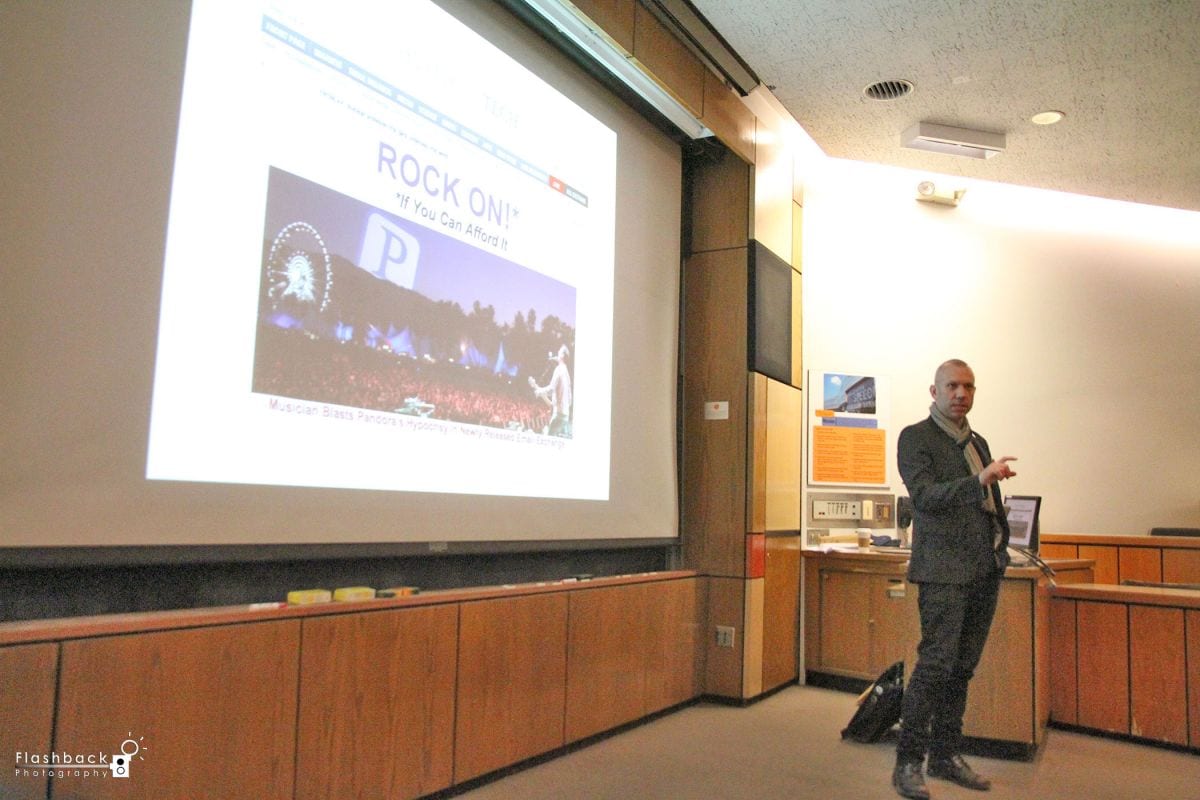
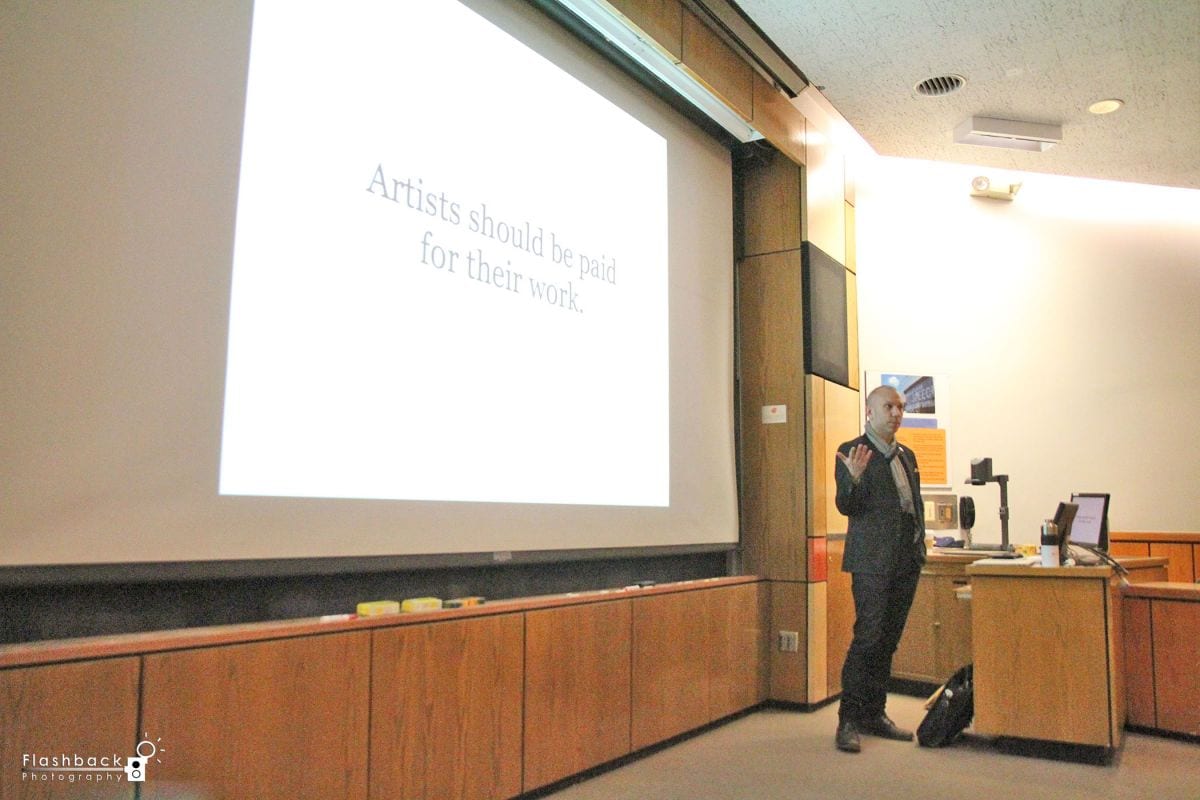
As the word is spread, I have great hopes that the music industry will get it’s fair due to them. I recently accompanied Blake as he visited our local Syracuse University campus to speak with the students in Professor David Crider’s Communication Law class. Bringing awareness to these students, tomorrow’s future, brings me hope that those today will see the importance of the Fair Pay Fair Play Act of 2015, and keep this momentum rolling. With venues closing, technicians being left without work, and musicians struggling to get their voices heard, the music industry is not what it once was. Awareness is key to keeping those in the business, in the business. By visiting and supporting Blake at IRESPECTMUSIC.org and signing the petition, we all can take part in keeping our favorite music heard. Why should I do this, you ask? Because #IRESPECTMUSIC, and I care. Don’t you?

 She started her love of writing in high school when she joined her school’s Writers Guild where she expanded her passion with creative writing and poetry. But as she got older, she become more interested in the music industry and decided to make music part of her writing. She reached out to many websites and soon discovered NYS Music and she loved all the opportunities the staff gave her and the advice editors gave her to become a better journalist.