Back in May I saw the clip below for Whiplash, a film about an aspiring jazz drummer and an overbearing professor. I waited patiently for six months for the film to be released. Watch the two minutes clip to get a sense of why the anticipation for this film was so strong.
That scene takes place only 20 minutes into the 100+ minute film and is far from the most powerful scene in a building, erratic sequence of events that demonstrate the will to be the best and the extent to which one can push the human body and spirit before it cannot be pushed any further.
Miles Teller plays Andrew, an aspiring jazz drummer at the Shaffer Conservatory, a fan of Buddy Rich and a tireless student of his work. J.K. Simmons plays Terence Fletcher, a sought after professor and leader of The Studio, a Shaffer ensemble that is the highest level at which the best of the best can hope to be a part of. Andrew finds his way into The Studio, only to find out that Fletcher, while a brilliant professor is a psychological tormentor, breaking his students down until the point that perfection can be attained.
Simmons is quite simply outstanding in his best role to date, exhibiting anger and emotion not seen since OZ; every wrinkle and line on Simmons’ face is stretched and contorted as he berates and abuses his students, with particular focus on Andrew. The rapid fire personality of Fletcher rubs off on Andrew and shifts his personality in a Stockholm Syndrome fashion, abusing himself through intense practicing to the point of clothes drenched in sweat and bloody hands. Andrew dates and breaks it off with Nicole, quite coldly, opting to focus squarely on his drumming and his future. Bloody cymbals and drums galore, Andrew pushes himself, turning into a madly driven drummer fighting for his seat in The Studio.
Whiplash is one of those film roles where an educator makes a strong impact on a student. In this case, Fletcher is a saboteur, tearing Andrew down bit by bit; even when there is nothing left to strip from him, he finds more. Fletcher is a sadist and nothing gets past him. When Andrew is finally broken, he shines his brightest.
Teller’s drumming is quite impressive, well-practiced and looking as close to the real thing as possible – it’s tough to fake playing drums in a movie but through the efforts of drummer director Damien Chazelle it comes off as flawless. The film’s cinematography is jazz influenced as well, bouncing around to the music and catching every little facet of a jazz core ensemble that is disallowed from errors. The Sundance Award-winning film is strongest because of the drumming, cinematography and Simmons’ Oscar-worthy performance.
Whiplash is rated R and is playing in limited release.
 Dumb And Dumber To doesn’t exceed its 20 year predecessor by any means, but it follows a similar formula like the original with a well written script, intriguing story, and Jeff Daniels and Jim Carrey reprising their roles of the goofy but lovable Harry Dunne and Lloyd
  October 23 saw the early release of V/H/S Viral, the third installment of the V/H/S film series, which has been praised by horror fans everywhere. But how does a horror series such as this strike lightning three times?
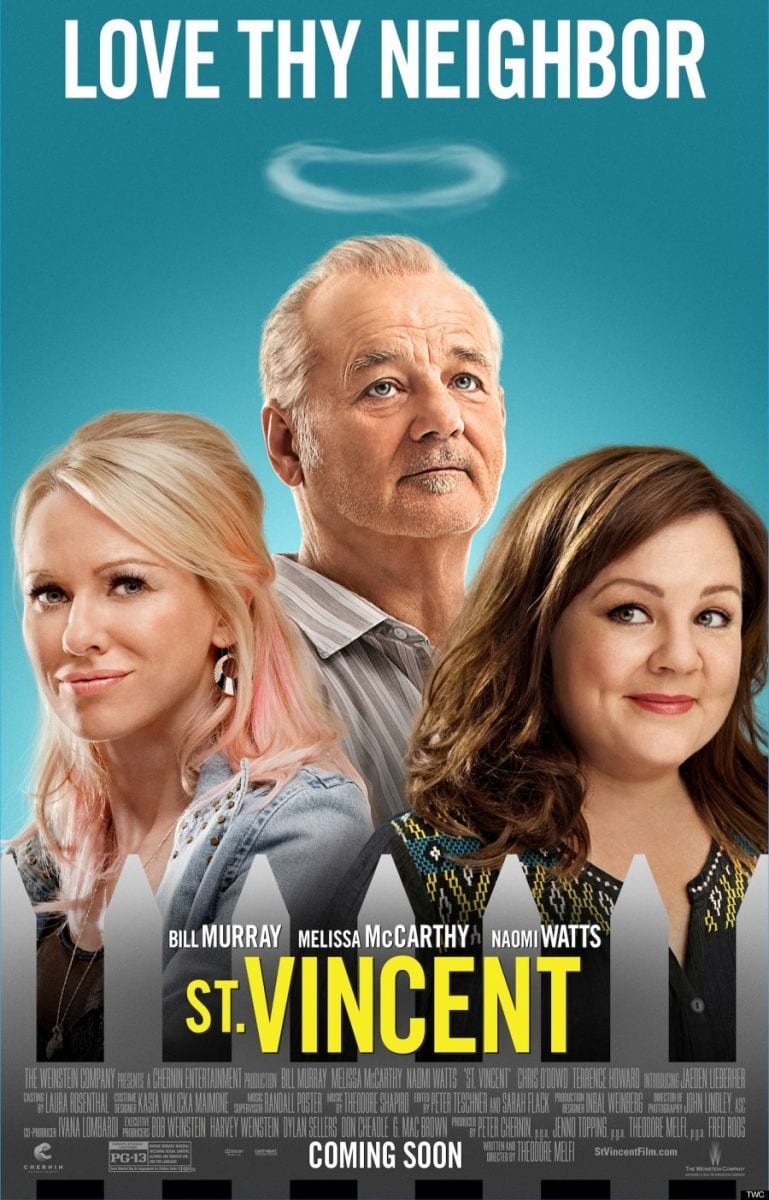 New neighbors Maggie (Melissa McCarthy) and son Oliver (
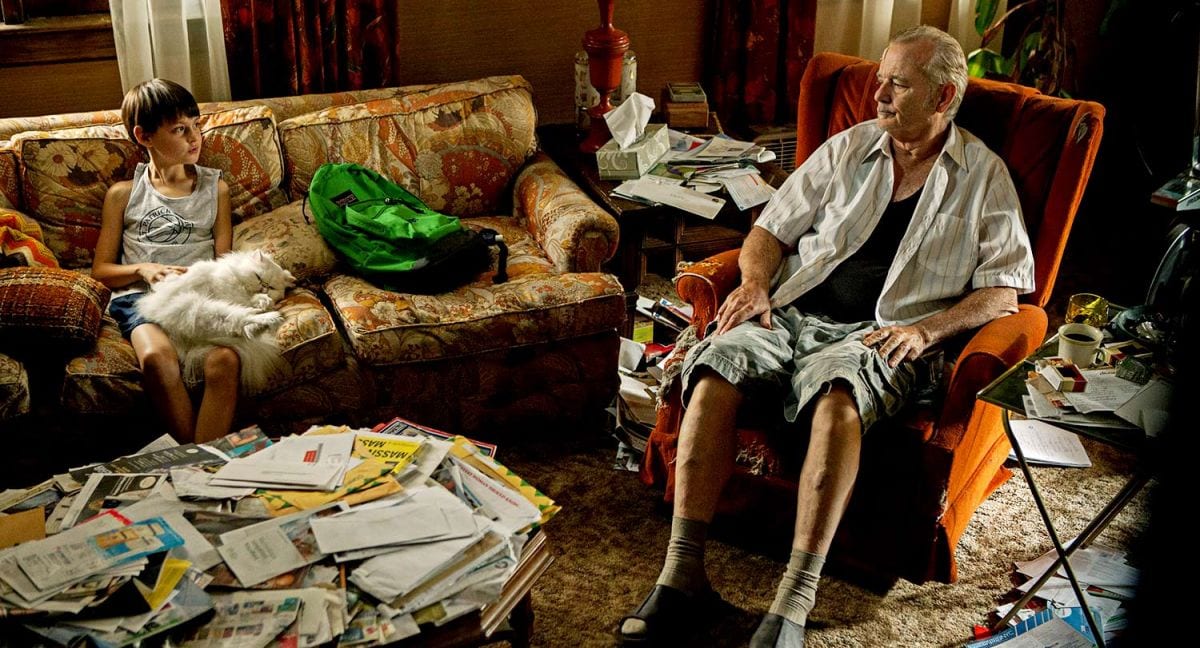 Lieberher stands out more and more as the film progresses and reminded me of Abigail Breslin when she starred in Little Miss Sunshine and stole the show. Lieberher is in the same league as Breslin, shining from the periphery. Poignant quotable observations such as “It’s gonna be a long life” provoke thought and sum up scenes quite well. Oliver is given the task of not only following along with Vincent’s lead – whether to the local bar, the racetrack or the bank, where Vincent stashes track winnings in an account under his ‘grandson’s’ name – but to improve on the situation in the only way a 9-year-old can, through honest observations.
 Ouija
Ouija 

 Ben (John Lithgow) and George (Alfred Molina) get married after 40 years together, once New York State legalized marriage equality in 2012. Soon after they return from their honeymoon, George is fired from his job as music director at a Catholic school, causing a disarray of finances, with Ben a retired artist, who has hair reminiscent of Bruce Dern in last year’s Nebraska. Without money to afford their apartment, Ben and George have to rely on separate family and friends to provide them with temporary accommodations, after decades of being together. With their living and lifestyle fundamentally changed, these two men in their 60s and 70s face a difficult transition as they adjust to their loved ones who welcome them willingly into their lives.

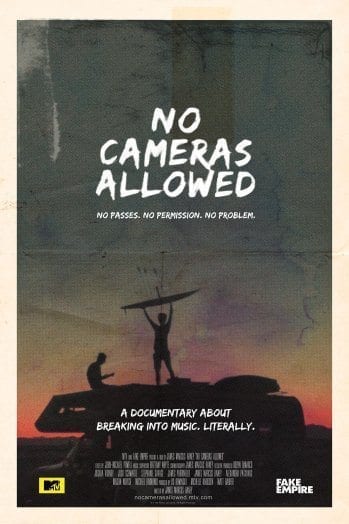 Haney claims his film is “a love letter to these festivals, in a way. And it shows them in such a great light that my goal is that people will see my film and then go and experience live music on their own.” And while there might be some who are inspired to go to these festivals as a result, how many will follow his lead and sneak in, use old/fake wristbands and not support the artists by buying a ticket? It’s the hardest aspect of the film to get around – is Haney doing damage to future festivarians or is he just pointing out flaws that need to be patched?