Category: Album Reviews

  • Hearing Aide: Dan Johnson “Mercury 85”

    a4120112466_10Despite calling Vermont home, the origins of Dan Johnson’s music career lie here in Upstate New York, where he first strummed his guitar to the public inside where Valentine’s Music Hall and Beer Joint once stood. Valentine’s is gone, but Dan Johnson’s Americana sound continues today with the release of his latest, Mercury 85.  The album was released on May 27th.

    Located off Albany’s New Scotland Avenue, Valentine’s was a popular venue for live music before it succumbed to a local hospital’s progressive movement to expand last year.  Johnson, along with his Expert Sidemen, had hosted his Americana music series every Tuesday night featuring the likes of Woody Pines, Star Anna and the Laughing Dogs, The Farewell Drifters, Hamell on Trial, JP Harris and the Tough Choices, Holy Ghost Tent Revival, and Eastbound Jesus.

    “Most of the album is about people I’ve known,” said Johnson, “especially folks from the time I spent in Buffalo, but also moving from New York to Vermont, and life changes [too]. The songs mostly use driving and cars as a metaphor for writing,” he added. “I’m curious about what other people get out of the songs so don’t want to go crazy breaking it down.”

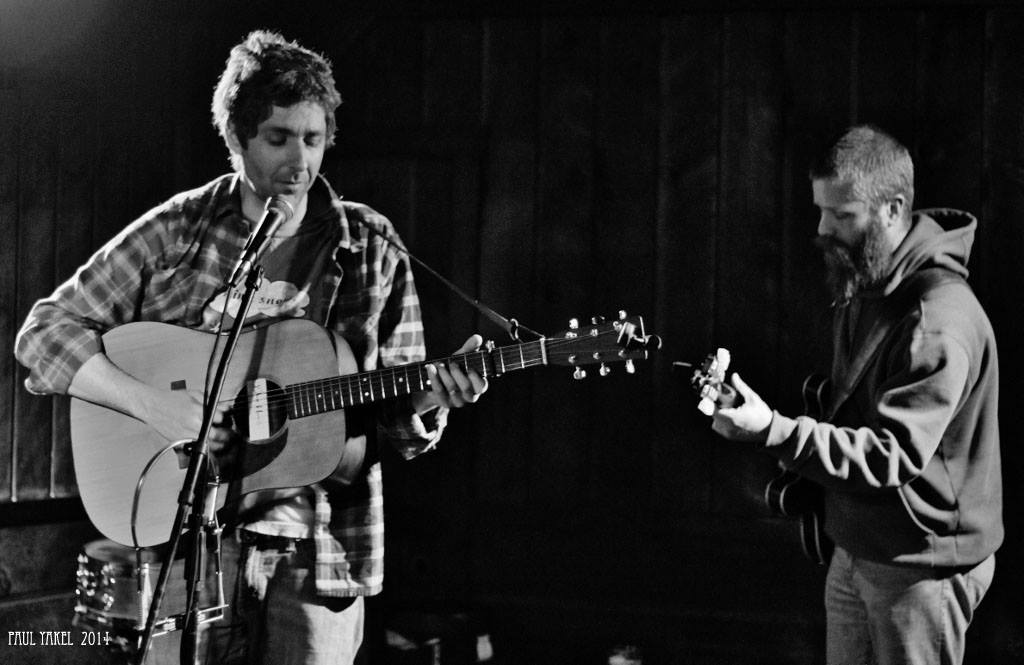
    Dan and Mike

    Mercury 85 is Johnson’s third album and features twelve original songs that were all recorded at his home in Jericho, VT. It presents a departure from the live instrumentation of his previous releases, featuring drum machines, amp modeling and MIDI instruments to support his acoustic guitar, banjo and mandolin. While the instrumental support has taken some new turns, said Johnson, the songwriting remains rooted in storytelling and first person narration with strong poetic imagery.

    Johnson’s unassuming approach to the mic is intended to allow the story to take the spotlight: Well-matched with his low-key but welcoming attitude towards the listener. The presentation is reminiscent of Bob Dylan, as each song tells a story surrounding common people remembering yesterday, lamenting today, and looking forward to a better tomorrow. Never does there seem to be a resolution to change. As with “Rose”, for which Johnson only recently released a video, the protagonist speaks to another about a woman he casually met at a bar his band had played. Over the course of one night, skirting around the truth and telling lies over cups of coffee, he fell in love. But, it’s apparent he has since spent a long span of time searching her at each bar he happens to play and seems to have given up hope on ever finding her. “If you ever see this girl, she’s got a tattoo of a rose.  Tell her that I miss her when the chilly wind blows.”

    Johnson attributes the country landscape of his new home for the stripped down production of his latest release. The focus on the storytelling is certainly his strong suit, and is the most appealing factor to this album. This same quality may also be off-putting to the casual music fan used to a contrasting style, but it is a sound that can easily find itself played at trendy coffee houses.  And, for those who appreciate good storytelling, Mercury 85 is worth a preview (and purchase) on Bandcamp or contact the artist directly on his Facebook page.

    Key Tracks: Rose, Mercury 85, and Allentown.

    http://www.youtube.com/watch?v=_1TQ21xYfKQ

  • Hearing Aide: The Primrose Path “A History in 9 Parts”

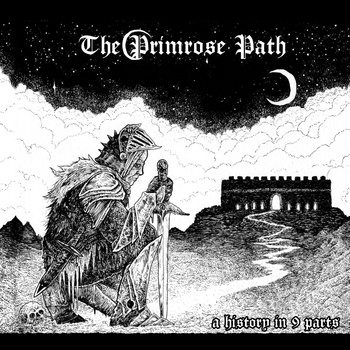
    history

    The Primrose Path came out with a new single, “Eve” last year, and it would have been easy to dismiss the Albany metalcore outfit as just another one of those ‘breakdown’ bands that generically emerged somewhere around 2009. But their debut album, A History in 9 Parts, proves that the band is so much more than that.

    Anyone who enjoys the rhythmic notions of bands like The Plot in You or Whitechapel and the dissident chaos of August Burns Red, will find A History in 9 Parts worth a listen at least. Their music is heavily rhythmic, and less melodic. The album opens up with “Dred Raggin’,” with the vocals of Grant McMahon opening up the song. His lyrics are easily understood and the sound of his voice conveys aggression without being unintelligible.

    This track leads into the assertive song “Eve” which was already a well known live number before the album was ever released. Somewhere around the middle of the song, the listener is taken through a progressive – metal twist. “Are you living happily ever after?” McMahon yells over odd – timed guitar grooves. The following song, “Love” seems to carry the same lyrical and musical motifs. “I’m sorry, I’ll never do this again/I’m trying to figure out why she said what she said/I love you so much, but you’re responsible for the death of all my friends”

    This leads a listener to realize a key element of this album: emotion. This element is perfectly encapsulated by the “weaving” guitar patterns set up by bandmates Justin Tatar and Joey Grant, who understand how to blur the lines between Dream Theater’s brand of progressive metal and Volumes’ style of playing cluster chords atop atonal rhythm. Simply put, the melodic parts of this album are used effectively to create specific atmospheres – anger, sadness, wrath, and so fourth.

    This is what makes the ‘acoustic’ section – featuring ‘clean’ instruments and a piano – played by McMahon – so effective. “My heart belongs to you,” he says. The lyrics are perfectly placed, for the most part, because they ride along with the mood of the music.

    A History in 9 Parts is not perfect on its own, several issues come up after a few listens. For one thing, placement of “clean vocals” could have been more prominent – but that is simply a matter of subjectivity, however, it is practically indisputable that their production, on the part of the band or the studio – was basically half – hearted. Although the argument over whether pitch correction software is musically “ethical” will go on for years, the band can perform these parts live, so they should not be afraid to enhance the recording of clean vocals in a minimal way that is non – intrusive to their songwriting – much like a bodybuilder may chose to use supplements, but not steroids.

    Then again, this idea only comes across on the “metal” songs. One stand alone moment in the album is “The Dwellers,” a soft ballad played on acoustic guitars. Its vocal and musical structure will appeal to fans of bands like Bayside or even Times of Grace, and captures the spirit of a softer side of the sound.

    Other flaws included the mix itself, as in some songs, one part found itself in competition with another part, or an incoming lead was clearly given too much volume.  Drums and bass became victim to this dilemma, especially.

    If there is one thing that sticks out before anything else, it’s the rhythmic aspects on this piece of work — this is not to say the rhythm section, but instead, the fact that the album is complex in terms of definitive beat. Aaron Uline provides a backing to this album that could be seen as an experimental style of musicianship. Clearly, the man is not afraid to lay down his beats in unconventional ways. He makes regular use of toms and auxiliary percussion which add to the overall chaotic feel of the music. However, the drums may sound triggered and nearly “too perfect.” Whether this was planned or not, the recording would have been better with more dynamics, especially from the cymbals, which sound programmed. Anyone who is a fan of the Converge – style of “real drum sounds” may find this dilemma particularly unsettling, but not unforgivable.

    On the other hand, Tommy Miller, the bass player, specializes in mirroring the crazed beats of the drums. For songs like “Eve” his tone comes through as that of a funk bassist, leaving a strange, but interesting taste on each note.

    This is the problem: because of the mixing, it could be argued that except a few tracks, neither Miller nor Uline cut through the speakers enough for the audience to take large notice of small subtleties. This is the solution: listen to the album a few times. You may start to notice the differences between this and other artists if you bend an ear close enough.

    Overall, this album does not sound like a debut. It sounds like a third or fourth record. Guitarist Justin Tatar commented that the album has a lot to do with the “growing up” of the members of the band. He said that the album’s lyrical themes surround the idea of speaking against “institutions that try to pull kids like us down,” meaning that the band kept the interest of their listener in mind — a particular area in which most bands fail. A History in 9 Parts starts strong and ends strong. The Primrose Path have clearly taken a long time to perfect their writing process — each members’ influence is complimentary instead of competitive. If they keep cooking up whatever chemistry is happening now, they’ll be playing amongst some of the greatest in no time at all. Make Upstate New York proud, boys!

    Key Tracks: “Love”, “To Space,” “Dwellers.”

    Stream and download the album on Bandcamp

  • Biohazard “State of the World Address” Turns 20

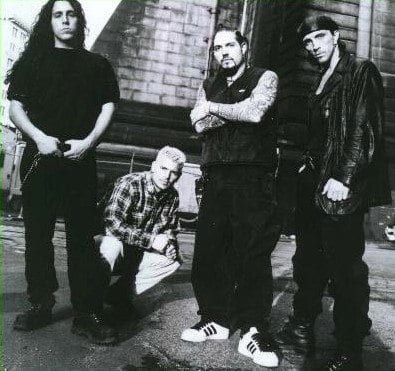
    1994 was a pivotal year for rock music. Rock and grunge ruled the charts, but mainstream metal was nowhere to be found. However, Biohazard’s career began to peak after the successful run of 1992’s Urban Discipline and exposure from the music video for “Punishment” on MTV’s Headbanger’s Ball. Biohazard was the top act coming out of the New York City’s hardcore scene and becoming one of Brooklyn’s finest. But on May 24, 1994, State of the World Address was unleashed to the masses that truly showcased Biohazard at their best.

    1State of the World Address was produced by Ed Stasium, who is well known for his work with The Ramones and Living Colour. This album is loaded with brilliant rifts and guitar solos from Bobby Hambel. The duel vocals of Billy Graziadei and Evan Seinfeld are raw, brutal, and heartfelt, especially on “Failed Territory”. Danny Schuler’s drumming is bone crushing and brilliant. Just listen to “Tales From the Hard Side,” the beat to that song is just insane. Biohazard continued their trend cross over trend by bringing in Cypress Hill’s Sen Dog for “How It Is” which is real stand out on the album as well.

    Even to this day, the album’s political views are still relevant, especially in “Remember.” The album really paints a picture on New York City street life with tracks like “Down For Life,” “Tales From The Hardside,” and “Five Blocks to the Subway” (a personal favorite). The album will get you amped up every time you listen. It’s a must own album for any fan of metal or hardcore.

    State of the World AddressState of the World Address was the last album that the original lineup of Evan Seinfeld, Billy Graziadei, Bobby Hambel, and Danny Schuler for almost 18 years. Their unique chemistry is unmatched. You can buy the album here.

  • Hearing Aide: The Crystal Method

    Earlier in 2014, The Crystal Method released their self-titled fifth album, a mix between the classic electronica dance tracks and the currently popular electronic pieces with vocal accompaniment. Abiding by the shifts in mainstream music, where lyrically catchy electronic dance music tracks are prevailing amongst the general population, six of Crystal Method’s new eleven tracks feature various singers.

    The Crystal MethodThe remaining five tracks keep with Crystal Method’s experimental, club music feel, including old-school synthesizer-based tuned. However, Crystal Method continues to evolve, incorporating increasingly popular trends in the electronic genre, as evident by the influence of bass in their songs and the prevalence of cohesive rhythms. Collaborating with heavy hitting singers, such as Dia Frampton and LeAnn Rimes, pushes The Crystal Method to draw attention to soulful tones from inorganic machines, mixing pop and catchy vocals with classic electronic and dubstep dance tunes. The mesh of the two creates a well done divide between relatable singer-songwriter feel and machine-made, attention-grabbing dance music that fans expect from the electronic duo.
    The bands experimentation on the electronic scene is heavily seen in “Grace” featuring country-pop singer LeAnn Rimes. The track appeals to the mainstream as seen in their expanding dive into lyrically shaped, vocal-laced tracks. However, The Crystal Method maintains their signature style by including moving rhythms and seamless, smooth transitions in their composition.

    The biggest single off the album , “Over It”, features Dia Frampton, most famously known as the runner up contestant on the hit show The Voice. The song works around Frampton’s vocals, respecting her individual, light, airy voice without using numerous voice modulation techniques as seen on other vocal tracks. The piece, however, is hardly a vocal accompaniment. The electronic music is the clear focus, including hard synths and interlaced rhythmic creations that mesh well with Framptom’s rising and falling pitches.

    This new album is a strong effort by The Crystal Method to stay incorporated into an ever-changing, evolving field like electronic music. In a field that has no set foundations except to push the foundations, The Crystal Method’s self-titled album meshes both classical electronic techniques, calling back to a retro feel, while including newer, trendy and experimental vibes such as vocals and strong bass and drum use.

    During the Sunset Music Festival, The Crystal Method will be teaming up with the festival through the grassroots organization for dance music, Electronic Music Alliance (EMA), largest non- profit of its kind co-founder by the band’s Ken Jordan. During the festival, EMA will encourage sustainability, health, and community within the dance music culture with their on site space called Planet SMF. Planet SMF will provide festival-goers with educational resources, a chill-out zone, and chances to win points for festival clean up and other volunteering advantages.

    The Crystal Method’s fifth album can be found HERE 

    Key Tracks: Storm the Castle (feat. Le Castle Vania), Over it (feat. Dia Frampton), Dosimeter (feat. Nick Thayer)

    Keep up to date with The Crystal Method:

    Website  Facebook   Twitter  Soundcloud  Youtube

  • Hearing Aide: moe.’s ‘No Guts, No Glory!’

    MOEPretend for a second that you are in the band moe.: you’ve been playing together for twenty-five years, performed alongside rock-and-roll legends, hosted major festivals for fifteen years, acquired a cult-like following, and now you are staring down the barrel of recording your twelfth studio album.  Now what?  How do you create something new while acknowledging the path that brought you to this point in the first place?  More importantly, how do you find the fire to keep going at all?  These questions seem to be underlying motifs throughout, No Guts, No Glory!, a balls-to-the-wall, 11-track record, clocking in at just under an hour.  No Guts, No Glory! is a unique blend of musical styles that stay true to the “moe. sound”, while acknowledging their journey as a band, and paying homage to their scene, contemporaries and influences.

    The album opener, “Annihilation Blues” is a quintessential, up-tempo moe. song, with a sharp rock hook that busts into a sustained bluesy-guitar chorus.  This tune, along with the last track,“Billy Goat”, which features catchy licks and quick, sealed bass lines are arguably the most ‘classic’ in terms of fun, sing-along type songs that are undeniable jam platforms.  It is easy to imagine swaying to either song in the Upstate New York summer sun while polishing off a Saranac.  The album really comes alive though on less-traditional tracks, where moe. explores different sounds and focuses more on succinct, meaningful song writing.   “Same Old Story” for example, has a sort of washed out, surf-rock feel with rant-like lyrics, while “White Lightning Turpentine” showcases a tasty slide guitar and meditative xylophone patterns while maintaining a country-twang feel that feels like a rainy night.  The nods to musical influences are also huge on this album: “Little Miss Cup Half Empty” starts off with a Beatles-type melody before transitioning into a 90’s ska/reggae up-stroke and percussion lines; “Calyphornya” has a grunge feel that challenges the idea of stardom and Hollywood and is very reminiscent of the Red Hot Chili Peppers’ “Californication”.  “Silver Sun” is perhaps the most notable homage, with undeniable Pink Floyd influences (think specifically “On The Run”), including steady low-end drums, distorted dream-like vocals and a slow, tasty guitar solo with a thickened tone.

    With all that said, my favorite tracks are where moe. turns introspective and self-referencing.  “Do or Die”, for example, tackles the idea of keeping on as a band, while finding new inspiration and the drive to keep fans interested.  This song also touches the idea of pseudo-stardom and always striving for the next level of success, with lines like: “Keep on workin’ / I know someday the time will come / I’ll make it someday.”  The standout song of the album for me, however, is “The Pines and The Apple Trees” which is a beautiful, thoughtful, coming of age song that is bittersweet and nostalgic.  This track is exceptional because it not only addresses the passage of time and changes for moe. as a band (“Wouldn’t trade those memories for diamonds or gold … Can’t guess where you’re headed next / overwhelmed and underdressed“), but for their fan base as well.  The biggest moe.rons are now twenty-five years older than their first moe. show and the times have changed.  Passed are the days of the “Happy Hour Hero” with “a pint of ale and a shot of jack / a pack of Camel Lights”; these days, as Rob sings in “The Pines”, it’s more like “can of beer, can of prier, and a fistful of pills”.   Still, if No Guts, No Glory! is any indication, moe. doesn’t plan on slowing down or going anywhere anytime soon.  With an arsenal of fresh songs and new ideas, paired with that classic feel-good moe. sound, fans are sure to enjoy continuing to age (gracefully) with the band until their next chapter.

    Key Tracks: White Lightning Turpentine, The Pines and The Apple Trees, and Billy Goat

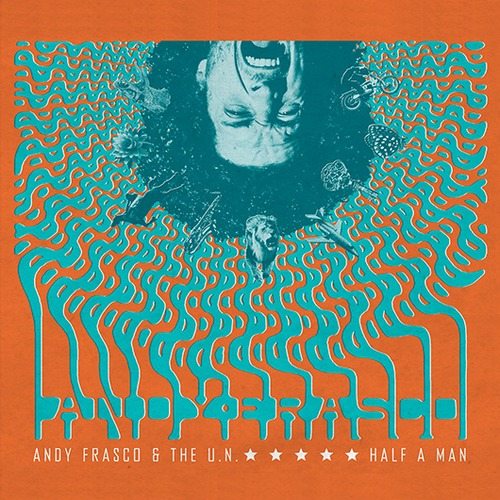
  • Hearing Aide: Andy Frasco’s ‘Half a Man’


    Andy Frasco has accomplished more in his four-year musical career than some artists do in a lifetime. After releasing his first album, Love, You’re Just Too Expensive as a nineteen-year-old in 2010, Frasco spent the ensuing months with VH1’s Save the Music Foundation before making two more records, playing over 1,000 shows in their support and receiving Musician of the Year awards at several international film festivals.

    Andy Frasco isn’t slowing down. His most recent release, Half a Man, continues the self-described “party blues” aesthetic that he established in his past work. This unique genre, which at first glance may seem paradoxical, is represented by Frasco’s ability to take traditional blues concepts and integrate them into fun, accessible tunes.

    Part of what makes Frasco’s music so appealing—particularly throughout Half a Man— is his songwriting. Frasco’s lyricism is often rather simplistic, especially when compared to the complexity of his instrumentation, which incorporates a variety of elements ranging from organs to horn sections to electric guitars. Tracks like “Shakin’ Ain’t a Crime” and “Smokin Dope and Ronk n’ Roll” are lyrically straightforward, dealing with themes that are relatable to Frasco’s audience.

    The album’s standout track, however, is an updated version of a song on his debut album. “Main Squeeze,” originally a slow moving ballad sung by Megan Burtt, is now a grooving jam, accented by piano riffs and featuring a chorus of backup singers. The track is full of movement. It’s characteristic of Frasco’s past four years, and it’s complimented by ten more tracks that demonstrate his signature party blues sound.

    Key Tracks: Main Squeeze, Sunny Day Soldier, Shakin’ Ain’t a Crime

  • Hearing Aide: The Blurry Nights Bend Musical Boundaries in New EP

    Picture if you will, early 90’s Alice in Chains, mixed with the hipster sound possessed by The Strokes, covered over with Henry Rollins singing while Marc Brownstein throws in a couple of electronic beats just to keep it hip. You follow that? Not many would. Somehow however The Blurry Nights, formerly, Sonic Spank, have taken this sound and made it theirs.

    The opening track “Beekeeper”, off their self titled debut EP, is a a hard ripping track where the lyrics are not that clear, but yet the tune gets stuck in the listeners head, and the droning sound lingers all day. Trying to make sense out of it however, may be a struggle. A shredding guitar solo in the middle by Benjamin Karp, brings the song a White Lion feel, while going right back into Ian McGuire singing about the “Beekeeper.” A catchy opening track, for the right reason? You can be the judge.

    “Checked Out”, the next track has a groovy beach vibe, with lyrics about being, well, checked out. A feeling that many rock stars claim to have known, or felt at some point during their career, but with this laid back chill tune you can feel vocalist McGuire, really has checked out and does not want anyone to harsh his mellow. This is a song for any hipster who just wants to be cool, have his day in the sun and chill.  “Hours to Kill”, the next track is similar to “Beekeeper”, catchy, heavy making little sense, but all and all good hard rocking fun. The track of the EP is “Don’t Need 3”, with the drums at the beginning of the song, played by new comer Jeremy Worthington, set off a sweet beat that leads to great things. A fast beat layered with a sweet high pitched guitar gets the listeners attention for the story about to be told. The songs tells the tale of a guy trying to get comfortable with his lady friend and all of a sudden she wants to bring another dude into the mix! Not for this guy! He may be singing this song as if he’s Julian Casablancas, but he is not down for the swingster way of life; that’s not for him. (not that Julian is, but, who knows).

    The EP ends with “Cant Have a Fun Alone”, showing more of the Sonic Spank sound than the previous songs did. With extended jams and build ups that would transfer quite well in a live setting. Which can be seen as the band has their offical EP release party on Saturday May, 17 at Bourbon and Branch in Philadelphia. This is a time of experimental rock that should not be missed by anyone into any type of music.

    Key Tracks: Checked out, Don’t Need 3, Can’t Have Fun Alone

  • Hearing Aide: String Cheese Incident “Song in My Head”

    It has been nine years since The String Cheese Incident have released a studio album, and with the spring release of Song in My Head, they put forth their best recording since 2001’s Outside Inside. In this, their 20th year as a band, fans old and new will easily enjoy this perfect album for summer, complete with an island music vibe, catchy lyrics and A+ production via Jerry Harrison (Talking Heads).

    String Cheese has an interesting identity as a band. Are they bluegrass? Jamgrass? Jamgrass with an EDM tilt? Something new altogether? Elements of each of these are found within the songs on Song in My Head, none of them overpowering each other, but rather complementing one another and adding to the overall sound of each track. Pulling from the talents of all band members to assemble these tracks, Song in My Head is start to finish a thorough and complete album from a band that has taken time off in recent years, had their respective side-projects (EOTO, Kyle Hollingsworth Band. Emmitt-Nershi Band among them) and now returns stronger than before.

    Starting off with “Colorado Bluebird Sky”, the Centennial State may have found a new state anthem amid their Green Rush. An auto-biographical tale from Bill Nershi, the song reflects on a trip out west to see what can be found, and the home he loves and reflects on, with an incredibly upbeat rhythm to kick off the album. “Betray the Dark” takes a shadowy rumba-vibe, while “Let’s Go Outside” puts forth a grinding psychedelic trance with a strong hook, a mark of many SCI numbers, keeping familiarity strong and high. “Song In My Head” is a pure ear worm with a meta-title, whereas happy, upbeat island music can be found in “Can’t Wait Another Day”, which has the feel of the classic “Round the Wheel”, followed by the foot-stompin’ hillbilly rock delivered in “So Far From Home”.

    Kyle Hollingsworth’s “Rosie” has a little of everything and is truly a song that can breathe life into a party or set, as it has done so since debuting in 2011; meshing electronica with jamgrass is no small feat and this song is the highlight of their renewed song-writing as a band. A soft landing comes in “Stay Through” but the cap to the album is the powerful “Colliding”, meandering at times but with a punch to it, highlighted by a hypnotic mandolin from Michael Kang. Overall, Song in My Head does not disappoint in the least, consistent and complete from start to finish. Pick up a copy here

    Key Tracks: Colorado Bluebird Sky, Song in My Head, Rosie, Colliding

    [soundcloud url=”https://api.soundcloud.com/tracks/125127484″ params=”color=ff5500&auto_play=false&hide_related=false&show_artwork=true” width=”100%” height=”166″ iframe=”true” /]

  • Hearing Aide: The Brummy Brothers ‘On Our Way’

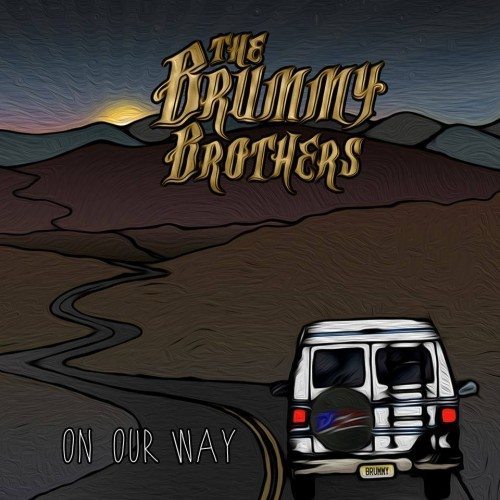
    BrumBrosThe Brummy Brothers created their first full-length album of Neo-Traditional Bluegrass songs with lyrical stanzas fitting the modern-day doldrums and delights, titled On Our Way. “Cell Phone Blues” is the bluegrass answer to text message break-ups in a playful song. A touch of naughty is recognized in “No Good” when the pluck of the banjo hangs on the strumming edge of the guitar leading into the “stars, they light my way because the no good can’t travel in the day.” Guest, George Maher taunts and teases with his trumpet. But, ho-hum, the doldrums won’t get these boys down. Redemption enters the disc with “Wise and Jaded.”

    Their story is a romantic tale of meeting the right people at the right time. The Brummy Brothers have been charming their way through clubs from Maryland to Maine for the better part of two years, which has earned them some notoriety. However, with the dream in their hearts and the love of their fans, it was as simple as a Facebook post and an encouraging band manager that landed them not only in the studio, but also into the proverbial loving arms of violinist and producer, Timothy Carbone. All the pieces fell into place.

    The delights of life don’t fall short in this album either. The appealing nugget of “Weed, Whiskey, Women” would surely entice a crowd in this quick-to-learn sing-a-long. Timothy Carbone sits-in on piano, adding a frisky energy to the lively lyrics “nothing like being horny, drunk, stoned and laughing.” No bluegrass album would be complete without a breakdown of sorts and the Brummy’s hit their mark with instrumental, “Hub City Hoedown.”
    [soundcloud url=”https://api.soundcloud.com/tracks/146975569?secret_token=s-uWmpJ” params=”color=ff5500&auto_play=false&hide_related=false&show_artwork=true” width=”100%” height=”166″ iframe=”true” /]
    The light and breezy travel songs offer a glimpse of beginning a life on the road, both metaphorical and literal as in “60 Miles to Boston;” the harmonization is a breadth of fresh air. “Cruisin’”, another travel tune utilizing a striking blend of vocal quality could easily become the annual Jam Cruise anthem.

    The cohesive approach to the sound and camaraderie of Andrew Morris (Guitar) and Russell Gottlieb (Banjo) and brothers Dave (Standup bass) and Eric Brumberg (Mandolin) bring forth a delightful and lively collection of songs. The Brummy Brothers kick off a late spring and early summer tour May 10th at the Susquehanna Breakdown Music Festival in Scranton, PA.
    [soundcloud url=”https://api.soundcloud.com/tracks/146975513?secret_token=s-TXLyO” params=”color=ff5500&auto_play=false&hide_related=false&show_artwork=true” width=”100%” height=”166″ iframe=”true” /]

    Key Tracks: Weed, Whiskey, Women, Cruisin’, No Good

  • Hearing Aide: Cosby Sweater’s “Party Dad”

    One of the rising stars in the ever expanding ‘jamtronica’ scene shares a name with the clothing choice of once of the most iconic television stars of the 1980s. Cosby Sweater is now starting to make itself known for not only a clever moniker, but also real good dance music. Fresh off the addition of a new drummer, Jeff Peterson, and a string of supporting gigs for Conspirator in the Northeast, Cosby Sweater has just released its new EP, Party Dad. In a fan-friendly move that Bill himself could even appreciate, they’ve also made the release available as a ‘name your price’ download. Seems like a great idea for a way to get a solid recording of easy to listen to yet infectious electronic dance music out to the masses and Huxtables everywhere.

    The opening track ‘Pillow Talk’ grabs your ear right away with a simple drum and bass line with an overlay of digital effects courtesy of David Embry. Once a simplistic but steady groove is established, the group’s signature saxophone sound is brought into the mix rounding out this easy listen that kicks things off on the EP. While maintaining the same beat, the song delves into an almost dubstep-like theme before the sax is re-introduced, serving as a bookend of sorts. Right from Jump Street, the listener gets a little taste of just how versatile Cosby Sweater(s) can be.

    ‘Open Mouth Kiss 2.0’ follows and gives another great glimpse into the band’s ability to mesh different musical styles together. The sax takes a bit of a back seat at the outset of this one while a an electronic bass line with a simple drum beat accompaniment give the tune a house techno feel early. As the synthetic beat increases and then explodes, the ‘Kiss’ fully transitions back into one of the dubstep variety with a blistering saxophone line delivered by Nicholas Gerlach which serves as a delightful release to the aforementioned tension. This group seems to be at its musical peak when the saxophone is going full speed ahead on top of everything else.

    Strangely, there are extended sections on this EP where the saxophone isn’t present at all. ‘Clappin’ ft. jFET’ is really just an electronic “filler” track of sorts, however, ‘No One But You’ is an incredibly catchy number and one that would seem to have limitless potential in a live festival setting. This acid-disco/funk/techno hybrid of a song is really well mixed and has all the elements needed for a proper late night dance party. Oddly, the emphasis on this one seems to be on the production end as there’s no real saxophone input present. Why this recording strays away from this element at points is somewhat mysterious but when the sax sound is called upon, it delivers in spades each time.

    I think the lesson we learned here today is check out this EP as soon as possible for an amount you deem fit. Do your homework and then go see this band before they fully shed their ‘under the radar’ status. They’ll be playing SummerCamp and Electric Forest Festival as well as supporting Umphrey’s McGee for a gig later this summer on July 26th at White River State Park in Indianapolis.

    Key tracks: Pillow Talk, Open Mouth Kiss 2.0, No One But You