The mighty Skrillex crash-landed his Mothership Tour at The Washington Armory in Albany last night with the help of DJ friends, Milo & Otis, What So Not, and DJ Snake. The Mothership Tour almost needs a dozen tracker trailers to carry all the lights and sound equipment, plus a massive generator to power up the unforgettable show. The vibrations you will hear and feel from the speakers on the Mothership Tour are similar to a pleasurable earthquake. Skrillex and the EDM genre as a whole attracts a special kind of crowd, mostly in their late teens and 20s, clothed with eye-catching neon, lots of glitter and brightly colored beads. The Capital District hasn’t been too fond of the raves hosted at The Armory for the past few months, but luckily this show went off stress-free.
The Milo & Otis duo was a great start to the night with fast paced dance beats and techno tunes that helped the ravers loosen up for the long night ahead of them. What So Not mixed heavy bass notes with soaring vocals that released an animal-like dark side into the crowd who ate it up. As the night progressed, the audience grew, and DJ Snake took the stage for a set of blaring techno and extreme lasers. DJ Snake got the biggest response out of the crowd when we started up his latest collaboration with Lil Jon, “Turn Down for What”. The rebellious chant got the masses screaming with their hands up in delightful angst.
After much cheering and being egged on by DJ Snake, Skrillex leapt on stage to do what he does best, melt faces and blow minds with his hard hitting electronic music. It was hard to tell who was having the better time, the ravers or Skrillex. His hands were all over his mixing tables, even standing atop of them as he amped up the crowd and leapt off just as the music would drop. The consistent climaxes kept everyone moving and the smoke machine blasts were also a crowd pleaser. The massive back drop was a rainbow of lights or showcased images of iconic pop culture; either way it went was a thrill to watch, especially to watch a slow motion of Family Matter’s Urkel and Full House’s Uncle Jesse break it down. Skrillex mixed fresh beats with popular songs that sent the crowd into a frenzy such as Damien Marley’s “Welcome to JamRock” and even the opening theme from The Lion King with a rising sun backdrop. He slams his entire body on that stage, supplies everyone with a powerful energy of music and compliments Albany on being the “hottest” stop on his tour, as it’s apparent that everyone is soaked in sweat. A Skrillex show has everything that young American’s are all about: loud music, robots, lasers and a carefree party attitude.
Whether you love or hate the EDM scene, Skrillex is a must see act. It’s empowering to watch any artist do what they love, but with Skrillex, you can appreciate his audience control and interaction. His stage presence is almost as big as the bass bombs he drops. Here’s hoping the Capital District will continue to host these EDM events for respectable ravers seeking a bizarrely fun journey into the livetronica world.
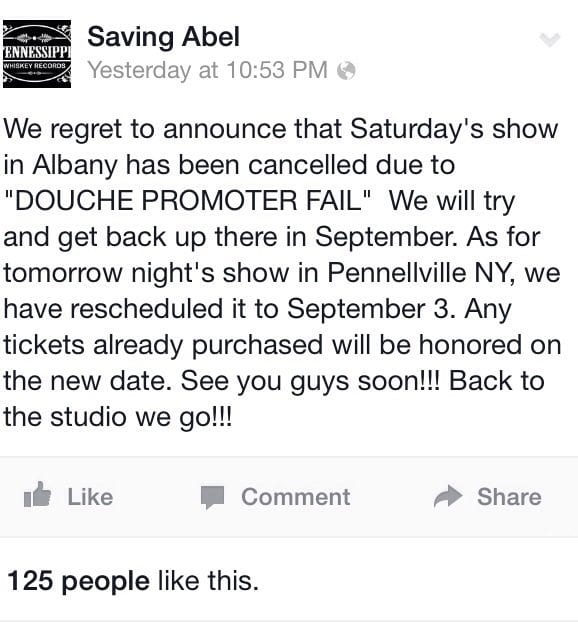
Less than 24 hours before their scheduled concert at Monirae’s in Pennellville, NY – while en route to Upstate New York – Saving Abel announced that they won’t be there.
Members of the band reportedly broke away from their recording sessions and were in the midst of traveling to Upstate New York once plans unraveled.
Saturday’s show in Albany, The Take Back Tour, is advertised as an educational movement to inform concert goers on building a sustainable community. It also included information on recent federal legislation that tour promoters say allows the military to detain citizens without due process.
A Washington Armory representative said the show is scheduled to proceed without Saving Abel.
Saving Abel was reportedly dropped by the show promoter, Robert Rodrigo. Attempts to contact the promoters for comment were unanswered.
The band posted an announcement late last night on Facebook, but when approached The Washington Armory about the news this afternoon, the staff was initially unaware of the details.
The venue representative explained they are not responsible for planning the event. As managers of the facility, they only rent out the building to show organizers. Shows like Tuesday’s Skrillex show that was a huge success.
Saving Abel still plans to play the Monirae’s show, but in September.
Dedicated Central New York fans, like Tim S. were upset. The father responded to the band’s Facebook post to say he bought VIP tickets specifically for his daughter’s birthday.
The band responded to clarify they would honor tickets from the show that was supposed to happen tonight.
The band is dedicated to all their fans but they said a trip to New York didn’t make fiscal sense if they were only playing one show.
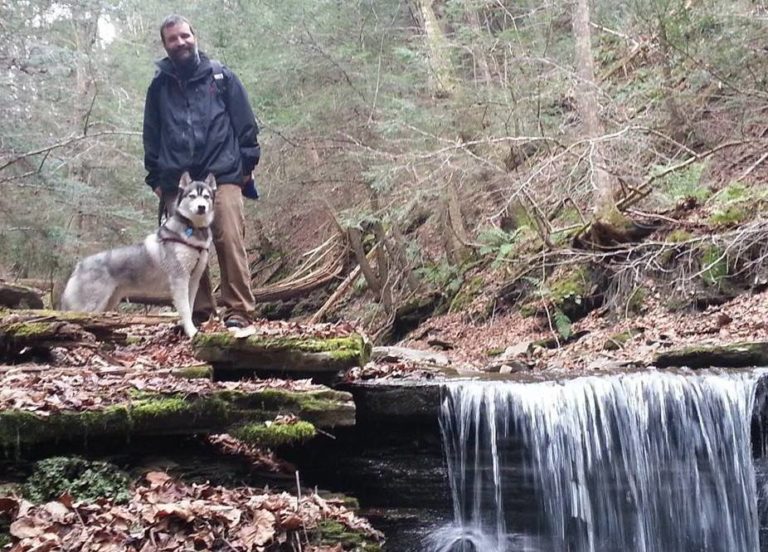
Stephen Lewis has been enamored with music and the written word since he began writing simple poetry and digging through his parents record collection as a young boy in Central New York. What started out as a formative relationship with the written work and sonic arts has developed over his lifetime into a deep analysis and respect. The natural world in addition to authors, songwriters, poets, journalists and musical masters of expression and ideals are his signposts to creation through inspiration.
Stephen has a deep love for the literature and music that was developed in the 1950’s and 60’s, when ideas were fresh and retreads were few. The beat poets as well as early rock and blues players are the cornerstones in which all of his creative excursions are based. Straight ‘rock and roll’ is Stephen’s tonic. Drums, bass, guitar and some honky-tonk piano is all it takes to inspire. Psychedelic rock and jazz following close behind. Being English/Creative Writing major, Stephen has intertwined his love for music in the most natural way, by writing about it.
Stephen’s most respected artists are the musicians with a message, who use melodic sensibility to relate life truths and build mental pictures through their musical creations. Bob Marley, John Lennon, Tim Buckley, Bob Dylan, Jerry Garcia and David Crosby are a few of the artists who Stephen receives inspiration from and enjoys regular visitations to into their catalog.
Stephen’s greatest achievements happen when creating art from nothing, the thrill of a crisp white blank page tucked into a typewriter, a vinyl record revolving in the background. Expressive use of language is his goal, language able to not only express the inner workings of the text’s subject, but also offer a glimpse into the creators mind. His continuing efforts are to turn his freelance opportunities into a permanent position reporting on the world of music, or working as an archivist for one of his favorite bands.
Stephen has traveled for over 300+ live concerts so far in his lifetime, the search for emotive live performances never ending. Regarding his work for since 2013, Stephen concentrates on his Central New York experiences offering commentary on performances and past glories from the area. His musical bucket list is growing shorter by the year but still includes, Yusuf Islam, Teresa Williams/Larry Campbell and Simon & Garfunkel.
Back in May we rejoiced over the celebration of Geek Week, and had plans on speaking with DJ Scarecrow out of Albany about how advancements in technology have influenced his craft. But, our schedules conflicted, and we couldn’t get together in time.
Nevertheless, we ultimately caught up with Brian Mattiske, also known as DJ Scarecrow. Scarecrow’s professional career dates back to the mid-90s, lending him a healthy perspective on how technology has changed the game from spinning turntables to pressing keyboards. Though software makes certain aspects of the trade easier for the novice, Mattiske is quick to remind you that knowledge and skill still separates the men from the boys.
Michael Hallisey: Okay. Let’s go: For starter’s, why don’t you breakdown your musical résumé for us.
Brian Mattiske: I got into “club” music when I was in high school. Besides the usual stuff, I happened to have a couple friends that were [fraternity] brothers that moved up here from Long Island. So, they introduced me to NYC club music and I was hooked. I then started DJing in my bedroom using my dad’s old turn table, a cassette deck and a SONY Discman. I had always been doing production type stuff since I was in like the 3rd grade with my dad’s dual-cassette deck and other equiptment. Mostly, I recorded stuff from the radio and edited to my own tapes. Then, when I was senior in high school, I bought another turntable. So, then I could do more legitimate mixing. I still remember the first two records that I mixed were C&C Music Factory – “Gonna Make You Sweat” and Mr. Lee – “Get Busy“. All throughout high school I used to take my allowance and go to the record store every week, so I already had a decent record collection.
MH: Then you went off to college? Did you continue on while at SUNY Oswego?
BM: Yes, throughout college I had my setup at home in the basement, so whenever I was home I just kept practicing my mixing. Then, when I was a junior in college I did my radio show with a fraternity brother on Saturday nights. We played club and hip-hop music, which I felt was appropriate for a Saturday night show. We would also have other brothers and friends come in or call in and we did sort of a goofy morning show at night. I still have a tape of outtakes of that which I NEED to get to digital. Then when I was a senior in college I started DJing some fraternity events and parties. Right out of college I got my internship with Z-Rock. We did a semi-goofy Saturday night radio show, but it was alternative and hard rock. Unfortunately, Z-Rock went out of business. Then I was kind of left doing odd jobs until I ran into my partner/supervisor from Z-Rock several months later.
DJ Scarecrow has gone from dual-cassette tape decks to fully digital formats.
MH: Z-Rock out of Albany?
BM: Yup.
MH: When did you take on the name Scarecrow?
BM: Scarecrow is my fraternity nickname. I just decided to use it as my DJ name because it suited me in a way and it was unique.
MH: How’s it suit you?
BM: Well, I was kinda tall and skinny. Much skinnier than I am now. [Laughs.] And, I was goofy. It came from the scarecrow in the Wizard of Oz. So, when I ran into my friend from Z-Rock, he asked me if I wanted to get into the mobile DJ business with him. So, I just started doing it with him. All kinds of events. But, I really loved the club DJing still. He had a few of those gigs, so I got to tag along and he’d let me spin. Eventually I started filling in for him and some other DJs. Then finally landed at the Lamp Post/Oasis with another friend where I was doing most of the spinning. There I could finally play all the NYC style club music. I did both hip-hop and club there though.
MH: Who are your mainstays, artists in particular?
BM: Well, I really go for a variety when it comes to my music. Some of the producers that are pretty consistent in my rotation are: Tiesto, Deadmau5, Sander van Doorn, Armin van Buuren. When I started mobile DJing, I was turned on to DJ remix services like X-Mix, Funkymix, and Ultimix. I still use those. They give you lead ins and outs for every track, with some additional production added, and they provide “clean” versions of hip-hop tracks in particular.
MH: I understand you’re still mixing today. With that said, that brings your timeline of experience beyond 20 years. You spoke of starting off with cassette tapes and needing to go digital with your old stuff. How has technology changed your craft? For one, there’s little “spinning” involved today.
BM: Haha, yeah now it’s my hard drive that’s “spinning”.
MH: What kind of hardware and software are you dealing with to do the job?
BM: I use a Toshiba laptop along with the Native InstrumentsTraktor DJ software and their S4 Controller. I keep all my music on a 1TB hard drive so that it can be portable. One of the drawbacks of using all digital are the common problems that come along with it. For example, at the end of last year my music drive died and I had to pay a lot of money to recover data I would have lost. I now subscribe to Carbonite. Can’t have that happening.
MH: You need a high-end laptop? What’s under the hood of your Toshiba?
BM: Yes, you definitely need a high-end laptop. You need a lot of RAM and a good processor. I also learned the hard way that you should never have an integrated video card. They don’t play well with the DJ software. One “problem” with digital DJing in general is that it makes it too easy for the average Joe to say they’re a DJ, when the equipment is doing the work for them. However, most music made before the turn of the century was not perfectly digitalized beats, so you do need to have some skill to mix that. What it does provide is the opportunity for artists to focus more on the production side than just on mixing. You can still scratch and do tricks if that is your thing. At first that was a problem, but now the technology has advanced to the point that it’s no longer necessary to only do that on vinyl. Plus you can now use your vinyl with the digital equipment and software. I have sold most of my vinyl because I was almost exclusively using CDs for all those years of DJing up until a couple years ago.
Now, I’m selling my CDs and will only be using music files. You can find my CD collection on E-Bay. [Laughs.]
I do still keep a few records and have a turntable for historical purposes. Also, I’d like to show my kids that. There were a few artists that I collected almost all their record singles: The Prodigy, Depeche Mode, and early De La Soul. Eventually I stopped so I never had them all, but up to a point I did. I have some De La singles that I got in Europe and cannot be bought in the US.
De La Soul – 3 Feet High & Risingis my favorite hip-hop album of all time. And I’ve never listened to an album as much as I did that one. I listened to it every day for at least 3 months. I wore out the tape, bought another, wore that out, then bought the CD.
I’ve always believed that song selection is the main key to DJing, so even with the greatest digital equipment, you aren’t necessarily a good DJ. I’ve always prided myself on getting people excited about tracks they don’t know rather than just the same stuff they’ve heard a million times.
MH: Otherwise the software is fairly user friendly?
BM: Hmmm, yes I would say it is user friendly. There is A LOT you can do with it though. So, it’s really about putting in hours of practice.
MH: How does it have an effect on your craft? Does it flatline the learning curve for novices, or does it add more tools to the trade for vets to use?
BM: I would say a little of both. Like I said, it makes it easy for someone that has never done it before to be “mixing” almost instantly. However, it does add tons of tools that experienced DJs can use and add all sorts of production aspects to their mixes, like loops, effects, samples, etc. The instant access to your full music collection is probably one of the best advantages. You don’t have to dig through record crates or CD’s. Plus it’s way more compact and portable. But it’s so great to literally type a song , artist, or anything into the search and have it instantly filter. So, if you walk up to me and request a song that I may not be familiar with or by a certain artist, but you don’t know the song, I can pull that up right away and see if I have it. Cuz you always have those people that think you are Creskin and they can walk up and say, “Hey do you have that song that goes, blah blah boom tap?” [Laughs.]
MH: Okay. Last question: where do you see things going with the influence of technology on DJing?
BM: Hmmm, that is a tough question. It’s hard to see it get even more advanced that it has, but I know it will. They keep coming out with more and more hardware that can be added to your setup to make on the fly production even easier and give more options for more creativity. I can see touch-screen technology being more integrated into it, but there’s always a certain hands-on element to DJing, so I don’t see that ever being taken away. It’s just changed as to what equipment you use and the capabilities that equipment has.
Norwood, which is approximately ten miles north of Potsdam, is truly Upstate and well beyond the reaches of Interstates 87 and 90. Nonetheless, the concert series organizers are quick to boast that since 1974, they have entertained a half a million music revelers with a collection of music talent that includes Grammy, Juno and Emmy award winders, as well as two National Medal of Arts recipients, and several international, national, regional and local artists.
Norwood Village Green Concert Series concerts are free of charge, but donations are encouraged by means of a “pass the bucket” approach.
Each concert listed below starts at 7 p.m.
THE NORWOOD VILLAGE GREEN CONCERT SERIES
Thursday, June 5 – The RPO Marimba Band (+ North Country Children’s Museum’s KidPower: Fun and Fitness Exhibit) Thursday, June 12 – Onyx Clarinet Quartet and Riverside Brass Quintet Sunday, June 15 – Sonic Escape Thursday. June 19 – Tas Cru Sunday, June 22 – Kleztory Thursday, June 26 – Northern Symphonic Winds, Scott LaVine, Dr. Brian Doyle, Conductors Sunday, June 29 – The Cathie Ryan Band Sunday, July 6 – All Star Big Band under the direction of Wally Siebel with guest Tony DeSare Wednesday , July 9 – The Susquehanna String Band Sunday, July 13 – Harpeth Riseth Thursday, July 17 – Sultans of String Sunday, July 20 – The Gibson Brothers Thursday, July 24 – Martha Gallagher and Harper’s Delight Sunday, July 27 Jamcrackers – Peggy Lynn, Dan Duggan and Dan Berggren Thursday, July 31 – The Brass Firemen Sunday, August 3 – Northbound with special guest, King Kong
Hailing from Lancaster, PA Jbre x Dougie Kent is a new hybrid breed of music infusing elements of both commercial hip-hop/rap with their EDM producer SaneBeats from London, U.K. At 22 years old, one would dismiss “#TheDuo” as a novelty act, however, doing this would be a disservice to these young musicians who have carefully honed their craft over the past two years.
After dropping their iTunes debut album After Hours in January 2014 and opening for legends such as DMX. G-Eazy, Wale, and countless others – Jbre x Dougie Kent drop their latest single “Stimulation”. Produced by SaneBeats, the single leaves listeners to a more mature side of the artists. Margaret Kramer, also a Lancaster native, was brought into the studio after being praised for her talents at a local college party. Jbre x Dougie Kent will be announcing tour dates this summer which includes various shows such as their highly anticipated concert July 20th in Hollywood, CA at The Avalon. Catch the new song “Stimulation” along with others on Trap and Bass below!
MysteryLand USA was my first EDM festival but I doubt it will be my last. As a middle aged rocker that occasional enjoys the occasional jam band, I really didn’t know what to expect. However, when I got to the grounds of the original Woodstock at Bethel Woods, I could already feel the excitement in the air. My normal routine for festivals or concerts is to get there early and to scout the stages and setup. I start planning my shots and my day with no one else around, understanding the lay of the land. For Mysteryland this was at high noon on Saturday, and there wasn’t a single light, laser or LED to be seen. There were however, huge circus-style tents, a Spanish stage with sugar face designs, a vinyl area with old albums all over and an octagon building that was brought over from the Netherlands. There was even a large boat set-up as a stage. But the highlight was the main stage. It was a house of cards, no, it was a castle of cards. It looked amazing and in the middle was an area that the DJs and artists could practice their craft and entertain the 20,000 fans in attendance.
When the gates finally opened all the festival-goers were greeted by sheriffs and state troopers with their canine unit drug sniffing dogs. Festival organizers, ID&T, said they were going to run a clean festival and to the best of their ability they did a great job. After spending two days, it wasn’t the typical cloud of smoke, nor did I walk by underage drunks passed out at three in the afternoon. Did I mention that they enforced a 21 and over policy? Additional fences were added to increase security and there were 850 people working the festival besides the 250 performers. This wasn’t the normal festival; ID&T were planning for the future and wanted to prove to their hosts that they could offer up a quality, successful festival on the holy grounds of Woodstock and keep it safe and clean. The goal wasn’t as much about making money as it was getting an invitation back.
One of the aspects of the festival that I did look forward to were the costumes the ravers put together to express themselves. While some outfits were purchased, it seemed like most extravagant and therefore the best ones were handmade. I saw people dressed as animals, Dr. Seuss characters, the whole cast from Alice in Wonderland, aliens and more. There was even a parrot and a pirate combo with her on his shoulder, put that by the boat stage and it was the perfect scenario. As per any electronic music event, there were no shortages of hula hoops or fuzzy boots, and more than your fair share of glitter and body paint. A few of the outfits (or lack of) made me thankful that I have three sons, because if I had a daughter wearing a bra and panties out in public I wouldn’t be the happy-go-lucky guy that I am. Honestly in the proper setting it really does barely raise an eyebrow.
Some of the things that made Mysteryland unique compared to most festivals that I’ve been to were the amount of International visitors. Over 27 countries were represented and more than half the states also had a solid presence. The European touch on the festival was evident in the hospitality and organization, especially in the media area. Overall this festival was other worldly and I look forward to the next one.
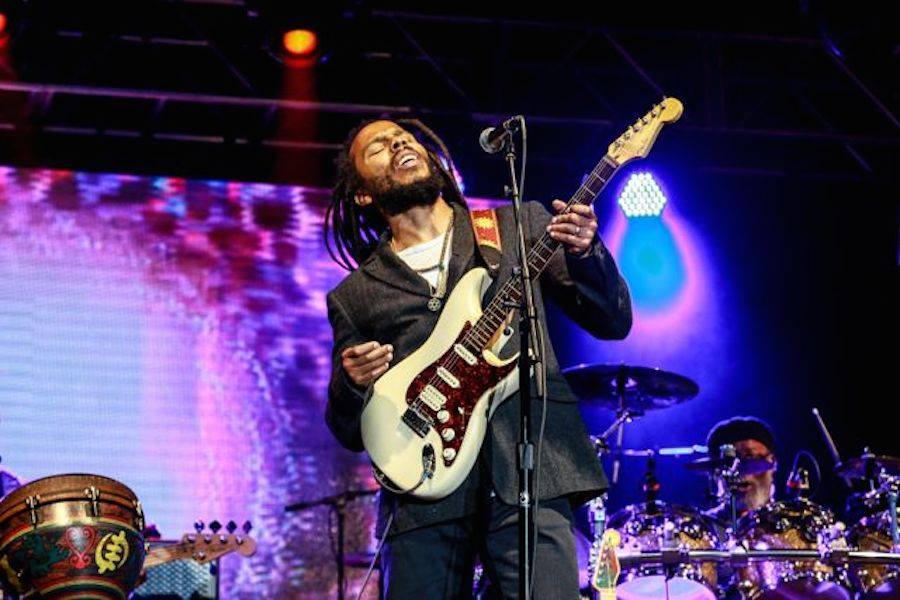
Ziggy Marley’s new musical offering Fly Rasta combines many of the essential elements that make up Ziggy Marley as a Rastafarian, music artist, and the son of a legend. The multifaceted record reaches to the ends of the musical spectrum, touching on pop, roots, reggae, funk and soul. Marley easily navigates through numerous genres and influences, referring to his sonic hybrid appropriately as ‘Ziggy’ music.
Now past the age reached by his famous father, Ziggy’s discography has now arrived at its natural maturity, taking on all aspects of Marley’s philanthropist pursuits in its content and context. The album expresses the basic tenants of Rastafarianism, love, respect, hopefulness and nature through childlike expressionism uncluttered by pretense or unneeded obscure lyrical references. There is a consistency of focus on the record that is retained regardless of the thematic or genre excursions undertaken.
The opening track and single, ‘I Don’t Want To Live on Mars’ begins with a straight pop/rock hook that dissolves into an addictive funk groove. Marley expresses that he does not want to leave earth, nor does he have to, regardless of man’s progress or Earth’s natural disasters. This is not his father’s Reggae, this is a celebratory creation built around the integrity of Marley’s past life experiences and his forward thinking compositions that defy simple classification.
The title track spins like a vintage dancehall groove from 1960’s Jamaica. Supported by vocal assistance from ‘U-Roy’, Marley pays his respect to and reminds his fellow ‘Knotty Dread’s that it’s time to soar. The groove is relentless, a steady heartbeat of the soul, disorienting, a pounding organic dance groove with a directive for Jah people to rise.
The album is a grower, similar to the plentiful green Ganja fields of Jamaica that stretch toward the hot Caribbean sun. It soaks into the listener’s skin after repeated listens like salty ocean air. A testament to its divergent styles continues with the luminescent ‘Lighthouse’, a straight forward, but alluring, rock ballad that sits on a muted reggae guitar nestled into its 4/4 beat.
‘Sunshine’ and ‘Moving Forward’ use archetypal reggae as their launching pad, sunny compositions rooted in Ziggy’s natural element, draped in horn lines and unique guitar melodies. ‘Sunshine’ features a ticklish sitar solo midway through the track, adding a unique texture to the song.
‘You’ is one of the songs that perfectly illustrates Marley’s unabashed combination of musical and world elements as the song moves from ‘One Drop’, to a funky Hammond organ breakdown, and then through slick and smooth soul middle eight. Resinous wah-wah’d guitars and slick backing vocals, in addition to start and stop rock break downs, makes this one of the finest arrangements on the LP.
Photo credit: Roxanne Haynes
The intimate ‘So Many Rising’ paints a troubadour on the beach at dusk, singing to the world through the deep, dark, and reflection of the night sky. Unadorned hand drums and an acoustic guitar are the only instrumentation on this song of hope and encouragement, clearly understood through its transparent and woody arrangement.
‘I Get Up’ follows and features sister Cedella Marley, adding her sweet vocal abilities and family support to the track about battling through every day issues and living in and for the moment. Warm descending bass lines and alternating horns tickle the melodic sense of the song.
‘Your My Yoko’, and ‘Give It Away’ close the album on a positive and grooving note. ‘Your My Yoko’ is a testament and tribute to women as a support system, muse and as representative Earth Mother, through a syncopated major key arrangement. The closing song, ‘Give It Away’ fittingly concludes and bookends the record with a delicious ‘riddim’. The song begins with soft vocals crooned by Marley that explore the melody of the track. The tune then moves into a gently undulating reggae groove that then suddenly shifts into a circular funk for the songs central change. ‘Only if we give it away, can love be love’ is the concluding message and a simple note to leave behind after the experience of the record.
Ziggy Marley has now reached the point in his successful career where his legacy is in place and he has grown into his substantial shoes. The music he is disseminating to the world is truly his music, created by and stamped with his aesthetics. Marley is proud of his history and his roots, but does not let it overwhelm his need for discovery and creation. His lyrical voice expresses a proud and historic awareness, but never a pretentious or didactic attitude. It seems Marley has reached a sun-drenched plateau of confidence and security where he can develop new and interesting ways of communication through the re-imagining of the medium of reggae.
Key Tracks: Fly Rasta, So Many Rising, Give It Away
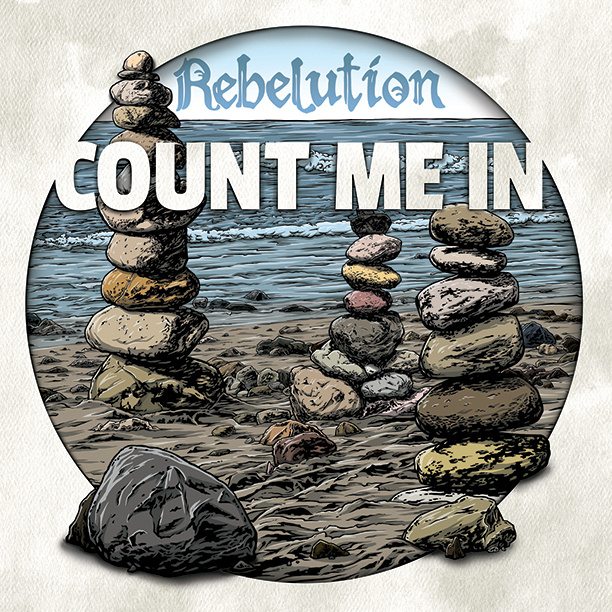
Despite the conflict-laden name, Rebelution has a way of coloring everything with positivity. The band has always led with that feel, both lyrically and musically. Now in their tenth year, Rebelution is releasing their fourth studio album in Count Me In with many of their fans eager to hear what the Cali-based foursome have been working on as of late. While I’ll say that they certainly delivered, there were still a few surprises in there along the way and a few that were close to instant classics for me.
The album opens on the title track, featuring a rolling bass line that almost has a swing to it and full of upbeat the band is known for. When I asked drummer Wesley Finley about how they decided to open with this one, he said, “I do have to admit that we struggled with the track order quite a bit this time, all the way until we were going to print! Since we titled the album after the track, it eventually made sense to put “Count Me In” first. Besides that, the track really embodies the general sound the band represents so we figured it would be a good introduction.” These guys haven’t made it to their tenth year missing the mark and the opener is no different.
With all that said, the first song is merely a setup for the album standout “De-Stress.” That might’ve been by design though as Finley says, “We followed that up with “De-Stress” because it’s up-tempo and keeps the momentum building.” The opening one-two punch is a great start to the album and a possible set opener we might see this summer. The driving intro of “De-Stress” in and of itself makes the song, but singer Eric Rachmany hops around the rhythm with his delivery and adds another dimension to this track. The chorus of “And I might stress/Yes I might stress/ Too blessed to be stressed” are some nuggets we could all live by. In the world we live in today, a little de-stressing could do everyone some good.
As the album progresses through the tracks, two stand out in back-to-back fashion once again: “Lost in Dreams” and “Fade Away” showed some growth and experimentation from the band. In some cases it felt and sounded great, like the soothing close of “Fade Away”, but something held these two back. That being said, young bands could learn from these guys as Rebelution knows exactly where to push the boundaries; these two tracks weren’t far off. When asked about the creative deviation, Finley said, “We produced “Lost in Dreams” with a friend of ours named AmpLive, who is half of the hip-hop group Zion I and a beat maker for other hip-hop artists. We tour with them every once in a while and are mutual fans of each other’s music, so it was inevitable that collaboration would happen.”
On that collaboration note, the album features two guest appearances in the form of “Hate to Be the One” (Collie Buddz) and “Roots Reggae Music” (Don Carlos). Both guests are great fits for their respective tracks. When asked about how they chose the two, Finley said, “Collie Buddz we knew from touring together. He had come up on a song or two of ours live onstage over the years and the band is a fan of his voice, which is distinct from him being Bermudan. We sent “Hate to Be the One” to him and he came back with a whopping verse that we were very impressed with and knew we had to use. Eric’s main vocal inspiration has always been the reggae veteran Don Carlos so we instantly thought of him for “Roots Reggae Music”. He too has come onstage to sing with us for years, mostly to his own song we covered called “Johnny Big Mouth”, so we thought it would be great for him to sing something new for us. Our sound engineer is the infamous Errol Brown, who worked closely with the Marley family for many years, so when we mentioned we were thinking of asking Don to be on the track he said, “Call him up and pass me the phone. I’ll get him to do it!” We all listened as they caught up over the phone in a thick Jamaican patois. It was a classic moment.”
Left to Right: Marley D. Williams (bass), Wesley Finley (drums), Eric Rachmany (vocals/guitar), Rory Carey (keyboards) Photo Credit: Kurt Hudson
The album wraps up on two songs that take a darker twist. “Against the Grain” starts off with a mesmerizing horn phrase that transitions to a vocal rally cry to whoever might be listening. The empowering words come with a hint of attitude and grit. The title is the perfect fit as it stands on its own compared to the rest of the album’s sunny positivity. It has almost a “Bad Boys,” fist in the air, fighting-for-your-beliefs feel with Marley Williams running a darker line to color the song. “Invasion” closes the album and keeps the rebel feel going. The last two songs are my favorite combo on the album and feature a darker, more serious tone for the band.
It’s funny to think, now, that they struggled with the order of the tracks as they couldn’t have decided upon a better layout in my opinion. In flawless fashion, the band has woven together a cohesive, yet varied album that features what they’ve built their careers on while still progressing forward.
The album drops Tuesday, June 10th, with preorders being taken here. If you’ve been a fan of the band, or even looking to hear some new reggae, you’re going to want to check this one out.
Key Tracks: Against the Grain, De-Stress, Invasion
The Oneonta Theatre, located at 47 Chestnut Street, just 100 yards away from Oneonta’s vibrant Main Street, is a true gem of a venue. Being situated in a college town, the theatre is just a hop, skip, and jump away from a wide array of dining options, as well as a plethora of bars. Consisting of two separate concert spaces, the larger of which can accommodate 900 people, and the smaller 200, the Oneonta Theatre is a unique and charming place to check out a show. The larger downstairs theater has a deep, tall stage, one that can accommodate a large band or the cast of a play, and the sloped floor typically has seats up to about two-thirds of the way down towards the stage, leaving the front of the floor open for boogieing down. The smaller upstairs theater features a stage that is not very much higher than the dance floor area, with seats sloping upwards towards the back of this space, and is slightly rounder than the space downstairs. An amazing sound engineer works with the theatre, making sure the sound is stellar in both of the differently configured theaters.
Designated as a historically significant building on the National Register of Historic Places, the Oneonta Theatre was originally built as a vaudeville theater in 1897, during a particularly happening time in Oneonta’s history, when the railroad ran through town. From its lavish first production of The Sporting Duchess (at a production cost of $50,000!) on February 28, 1898, to silent and talking films throughout the 19-teens and Roaring ‘20s, to the site of countless Oneonta High School graduations, this theater was a definite draw for both area residents and travelers from afar. Then, in the mid-1960s, the theater was slated to be wiped out as part of an urban renewal program planned for Oneonta, but fortunately a gentleman by the name of Harold DeGraw bought it and saved it from being destroyed, and invested his own private funds to rehabilitate the theater and storefronts. In 1979-80, the upper balconies were separated from the main theater, turning it into a two-theater “multiplex.” Live plays continued to be performed here, as the Orpheus Theatre group used the downstairs performance space for their plays and musicals. That is how the Oneonta Theatre operated until about 1992, at which point the stage was actually abandoned, and the theater started to deteriorate, becoming more and more dilapidated with each passing year.
In 2009, the current owner, Tom Cormier, took ownership of the Oneonta Theatre. Interestingly, the theater was actually not what motivated him to buy the building. He became interested in the property for the front part of the building, which consists of three storefronts and six apartments, but when he looked more closely into purchasing the property, he discovered that it actually contained two buildings, one of which was the dilapidated theater. Initially, Cormier said the theater was in such bad shape that it was impossible to stand inside it for more than a half hour without having respiratory issues from all the mold and pigeon poop that had built up over the years, but thankfully, the non-profit group Friends of the Oneonta Theatre, to whom Cormier rents the theater for $50/month, were able to convince him to fall in love with the theater and put in the time, money, and effort to rehabilitate it. During the renovations, Cormier came across numerous hidden treasures, including a collection of signatures on the walls backstage from actors who had performed there over the years, and a complete newspaper found between the first and second stories from the day after a World Series game that took place sometime in the 1950s during which a perfect game was pitched! (He even mentioned that he and several of the employees have encountered ghosts, but he assured me they were all friendly.)
Having gone through extensive repair work, it can now once again be said that the Oneonta Theatre has truly lived up to its motto of “Showing Oneonta A Good Time Since 1897.” Some of the bigger acts who have been booked here since Cormier took ownership include Steve Earle, Arlo Guthrie, Chris Robinson, Blue Oyster Cult, Kansas, McGuinn & Sebastian, Little Feat, The Radiators, and the Zombies – quite the assortment! Cormier also likes to feature more local and regional acts, and has in fact helped out some local acts by booking them as openers for bigger names, and as a result of that, a couple of bands (including Sister Sparrow and the Dirty Birds) have landed national touring gigs! In addition to live music, the occasional cult classic movie can be viewed at the Oneonta Theatre. In the past few years, The Big Lebowski and The Rocky Horror Picture Show have been shown on the big screen, and the audience has come out in full garb. The Theatre has even provided suitable goodies during these movies, such as serving up White Russians (normally, only beer, wine, and a limited selection of bottled cocktail drinks are available at the bar located inside the lobby area of the Theatre) during The Big Lebowski, and handing out prop bags including rice, noisemakers, and toilet paper to encourage audience participation during The Rocky Horror Picture Show! The theatre also rents out its space for the occasional college event, and as such has hosted a few foam parties, the first of which completely trashed the floors of the theater due to the chemical composition of the foam, and which resulted in a scene reminiscent of a slaughterhouse afterwards, as the floors of the theater were red, and the red paint was streaming down the entrance hallway before heading out the door and down the sidewalks! But Cormier just turned what could have been a bad situation into good, and used the opportunity to strip the floors, since the job was already halfway done!
When asked about plans to expand or renovate the theatre, Cormier mentioned that he does have some changes in mind for this summer, but it’s too early to reveal those changes. He is in the process of looking for investors for this project, so if anyone is interested, please get in touch with Tom Cormier through the theatre’s website! Upcoming shows that have been confirmed at the Oneonta Theatre this summer include Rusted Root on June 27, Start Making Sense (a Talking Heads tribute band) on June 28, and Sister Sparrow and the Dirty Birds on August 22, but continue to check their website, as they are always booking new bands. And now, to quote theatre owner Tom Cormier, “We’re not the shiniest nickel around, but there’s a good vibe in this place! And the sound’s incredible. So, come to Oneonta, come visit us!”
 Members of the band reportedly broke away from their recording sessions and were in the midst of traveling to Upstate New York once plans unraveled.
 Stephen has a deep love for the literature and music that was developed in the 1950’s and 60’s, when ideas were fresh and retreads were few. The beat poets as well as early rock and blues players are the cornerstones in which all of his creative excursions are based. Straight ‘rock and roll’ is Stephen’s tonic. Drums, bass, guitar and some honky-tonk piano is all it takes to inspire.



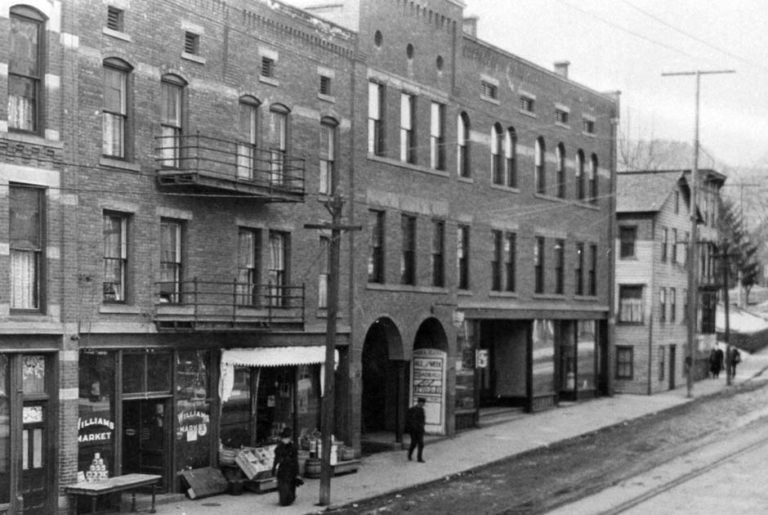 Designated as a historically significant building on the
 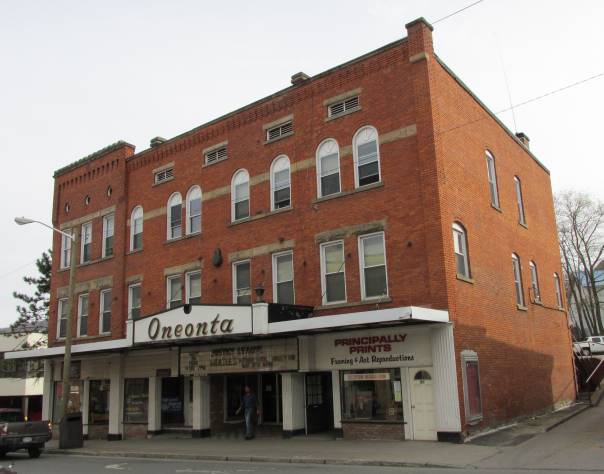 In 2009, the current owner, Tom Cormier, took ownership of the Oneonta Theatre. Interestingly, the theater was actually not what motivated him to buy the building. He became interested in the property for the front part of the building, which consists of three storefronts and six apartments, but when he looked more closely into purchasing the property, he discovered that it actually contained two buildings, one of which was the dilapidated theater. Initially, Cormier said the theater was in such bad shape that it was impossible to stand inside it for more than a half hour without having respiratory issues from all the mold and pigeon poop that had built up over the years, but thankfully, the non-profit group
 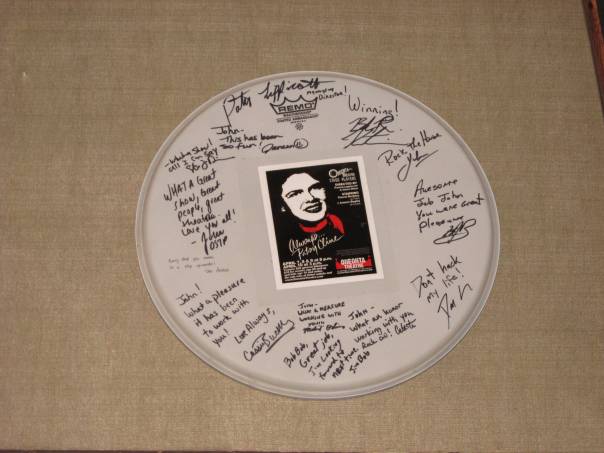 Having gone through extensive repair work, it can now once again be said that the Oneonta Theatre has truly lived up to its motto of “Showing Oneonta A Good Time Since 1897.” Some of the bigger acts who have been booked here since Cormier took ownership include
  When asked about plans to expand or renovate the theatre, Cormier mentioned that he does have some changes in mind for this summer, but it’s too early to reveal those changes. He is in the process of looking for investors for this project, so if anyone is interested, please get in touch with Tom Cormier through the theatre’s website! Upcoming shows that have been confirmed at the Oneonta Theatre this summer include