Author: Stephen Lewis

  • Paul McCartney Gets ‘Out There’ at the Times Union Center

    Sir Paul McCartney had a highly anticipated and greatly publicized return to the stage took place at the Times Union Center in Albany on Saturday July 5th. After cancelling a string of dates due to a virus McCartney had contracted overseas in May, the Out There tour’s new departure place became Albany, NY. McCartney fans can now rest easy as Paul assembled a 40 song, three-hour set that left no musical stone unturned, reaching into his plentiful Beatles, Wings, and solo catalog for a satisfying and awe-inspiring evening of music.

    The diverse and excitable crowd greeted the dapper McCartney, who was dressed in blue blazer, with a massive truck rally applause. ‘Macca’s impressive and road tested group of musicians of the last twelve years immediately ascended the opening bars of the Beatles hit “Eight Days a Week”, barely audible over the massive response from the audience. While McCartney’s voice may contain some nicks and dings from fifty years of rock vocals, similarly to an antique, its patina only increases its value and emotional strength.
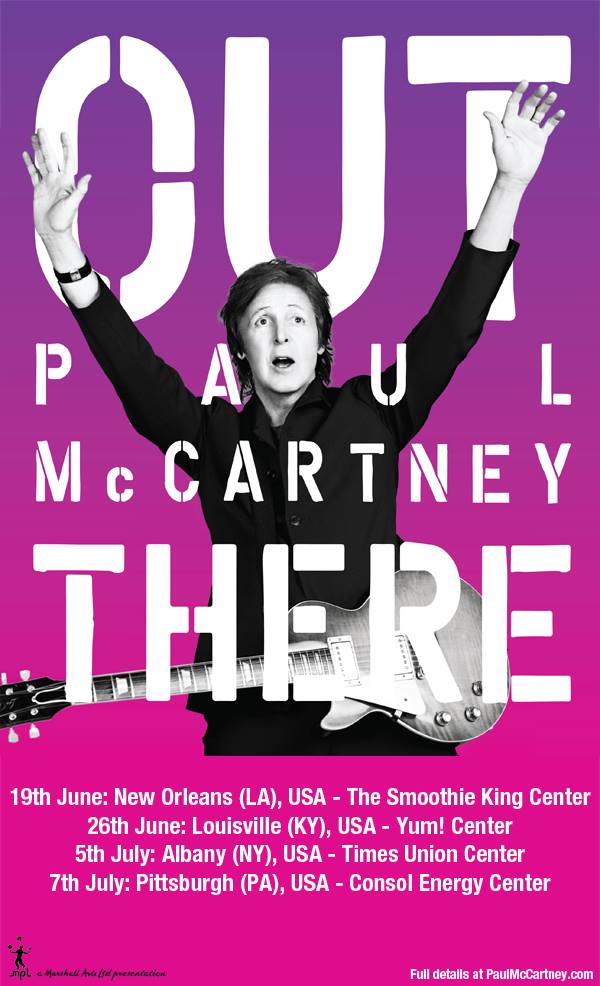
    Paul McCartney Times Union CenterThe first ‘movement’ of the concert contained McCartney on famed Hofner bass as well as multiple classic guitars and his band electrically charging through a series of rockers spanning his career. The fuzzy “Save Us” from 2014’s New, famed Beatles tracks, “All My Loving” and “Paperback Writer” and Wings favorites, “Let Me Roll It” and “Listen to What the Man Said”. “Let Me Roll It’” featured a slightly extended and rocking “Foxy Lady” jam in which McCartney showed off his ample soloing abilities on his multicolored Les Paul. McCartney spoke early and often, telling tales familiar to tour veterans, but awe-inspiring to first timers. McCartney has the innate ability to make a large venue feel like it’s a living room through his interactions and personable explanations of his songs.

    The crowd was given a brief respite at this point in the proceedings so McCartney could sit at the grand piano for a series of big songs. The recent paean to his wife and Upstate native Nancy Shevell  “My Valentine” was a fitting cool down period, to be followed by Wings rarity “1985” and then knocked out of the arena with the dynamic duo of “Maybe I’m Amazed” and “The Long and Winding Road”. McCartney cooed in a sweet falsetto, stroked the black and whites through every climax, and illustrated why he is the definitive performing rock artist in the world. I feel lucky to be attending this musical spectacle, and looking around, so does everyone around me as they stand in rapt amazement.

    Paul McCartney concert experiences not only open up his catalog of amazing and enduring compositions, but also spotlight his prowess on multiple instruments and in variegated contexts. The acoustic set followed next with the band joining in on tasteful backing for most of it. The set also found McCartney standing solo on an ascending platform for “Blackbird” and his always stirring tribute to John Lennon off of ’82s Tug of War, “Here Today”. Highlights were the perfectly fitting and purely ‘Macca’ “On My Way to Work”, which made its live debut during this segment to great effect as well as a china-doll-delicate reading of the Beatles, “And I Love Her”.

    Returning to the full band format, McCartney’s psychedelically painted piano was placed at center stage for the two power tracks on 2014’s release New. A bouncy version of the title song is played as well as a sturdy rendition of the regal “Queenie Eye”. Both songs illustrated how McCartney’s recent compositions nestle into the current of the set list next to his greatest songs, a testament to his longevity and unmistakable talents.

    Following the stare down with “Queenie Eye”, the juicy central section of the concert revealed a series of Beatles tracks, many rare and all enthusiastically played by the band and beautifully received by the audience. Each song stacked on top of the next, raising the temperature and elevating the applause. Beatle tracks “Lady Madonna”, “All Together Now”, and the rarely performed “Lovely Rita” played with every set of hardcore Beatle fanatic lips in the venue as they mouthed the words.

    The highlights kept coming with McCartney breaking out the arsenal of Wings most beloved songs intermingled with more Beatles! “Being For the Benefit of Mr. Kite” was incredible; McCartney’s bass line pulled from the grooves of Sgt. Pepper in a legendary display, a reflection upon his instrumental innovations and ground breaking ideas. A tribute to George Harrison with a poignant version of “Something” began on solo Ukulele and concluded in a full band tribute. Stellar versions of “Ob-La-Di Ob-La-Da”, “Band on the Run” and “Back In the USSR” followed, peaking with the concluding “Live and Let Die” and “Hey Jude” finale. Explosions, lights, strobes, multimedia clips, banging instruments and sing-along smiles filled the concert’s concluding moments in disorienting joy.

    Just when you think the 72-year-old McCartney and powerhouse band couldn’t possibly give any more to Albany, NY, they come out with two encores and a wedding proposal on the stage. The first encore was the perfect blend and a nod to the heads in the audience hailing from the ’60s and right up to the present day converts. “Day Tripper” and “Get Back” thematically sandwiched a rare and smoking “Hi, Hi, Hi”, an incendiary concert favorite from ’70s Wings performances. All the windows were down and the band had the pedal to the floor for this first set of encore numbers.

    The second encore found McCartney on golden acoustic for a performance of “Yesterday”, expected, yet still magical. Following this performance, a Rochester, NY couple was engaged on the stage, with McCartney inviting the couple up due to their enthusiastic and persistent waving of signs in the audience. It worked and added up to a special and unique concert moment with the future groom singing a verse of “When I’m 64” with backing from the band. This dream moment for the couple was followed appropriately with a death-defying slide downhill into a threatening “Helter Skelter” by McCartney and band.

    The final and unbelievable conclusion to the concert came with a flawless version of the triad of songs closing the Beatles 1969 LP Abbey Road, “Golden Slumbers”, “Carry That Weight”, and fittingly “The End”.  The final moments found McCartney expressing with deep gratitude and warmth the parting lines of the concert, “And in the end, the love you take, is equal to the love you make”.

    Paul McCartney’s performance at the Times Union Center was a memorable and, I would say even, historic experience. The wealth of quality music, the lack of unpretentious stage antics and the genuine feeling of enjoyment emanating from the stage made the show an evening worthy of long-term reflection. The anticipation of a rare appearance Upstate in addition to the questions surrounding McCartney’s ability to tour, layered the concert in pretense. McCartney, like always, delivered, silenced critics, and gave his admirers reason to celebrate. There are not nearly enough superlatives available to be applied to Sir Paul McCartney and his continuing artistic growth, unbelievable concert experiences, and musical achievements.
  • Ziggy Marley’s Rastaman Vibration Felt at Artpark

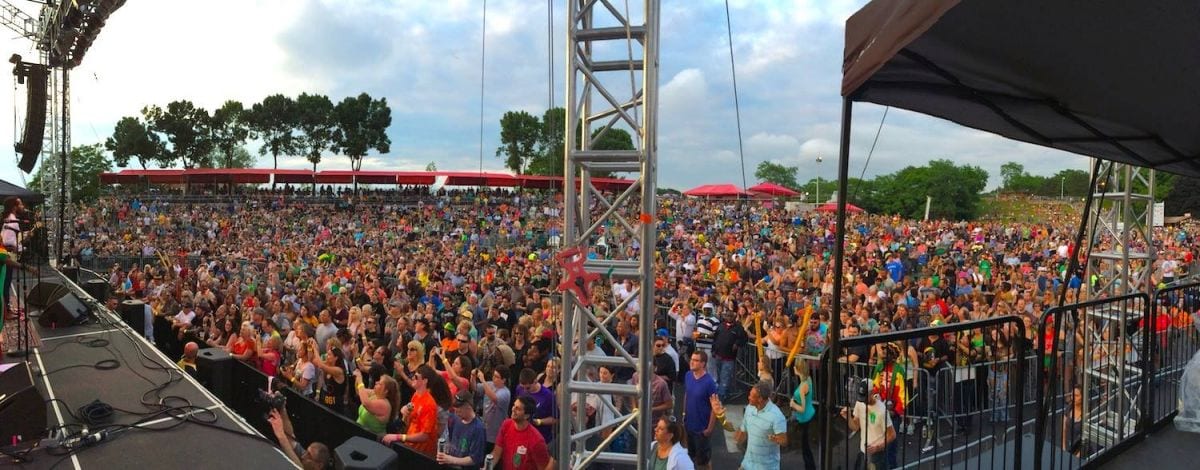
    Holding court above the Niagara River Gorge, Artpark in Lewiston, NY on June 25th was an idyllic setting for an evening of roots reggae featuring Ziggy Marley and his band, with Steel Pulse in support. A way laid back crowd was chilled out by the lush surroundings and a noticeably heavy ganja haze. After a smoky and celebratory set by Steel Pulse, the humid and heavy Summer evening brought an ambient island vibe created by the performed reggae ‘riddims’ and perfect weather.

    ziggy marley artpark

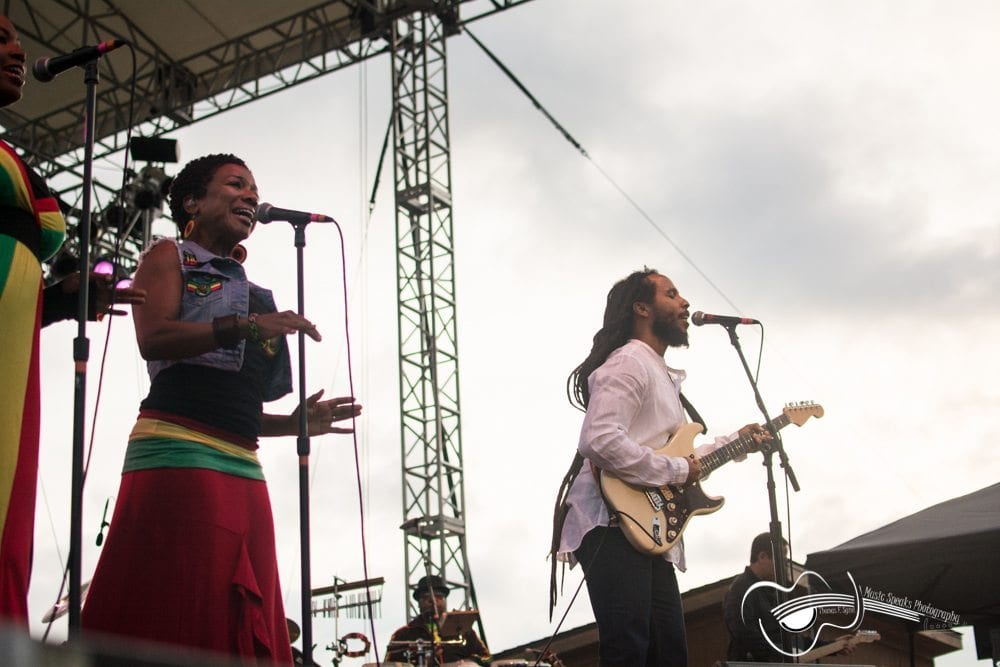
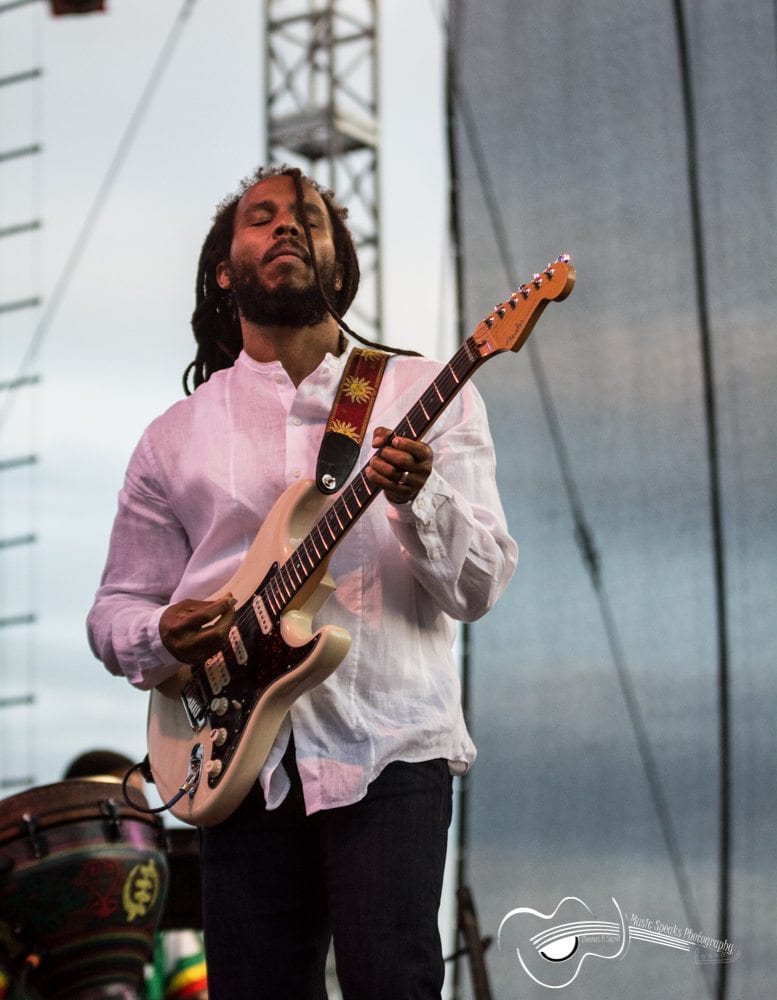
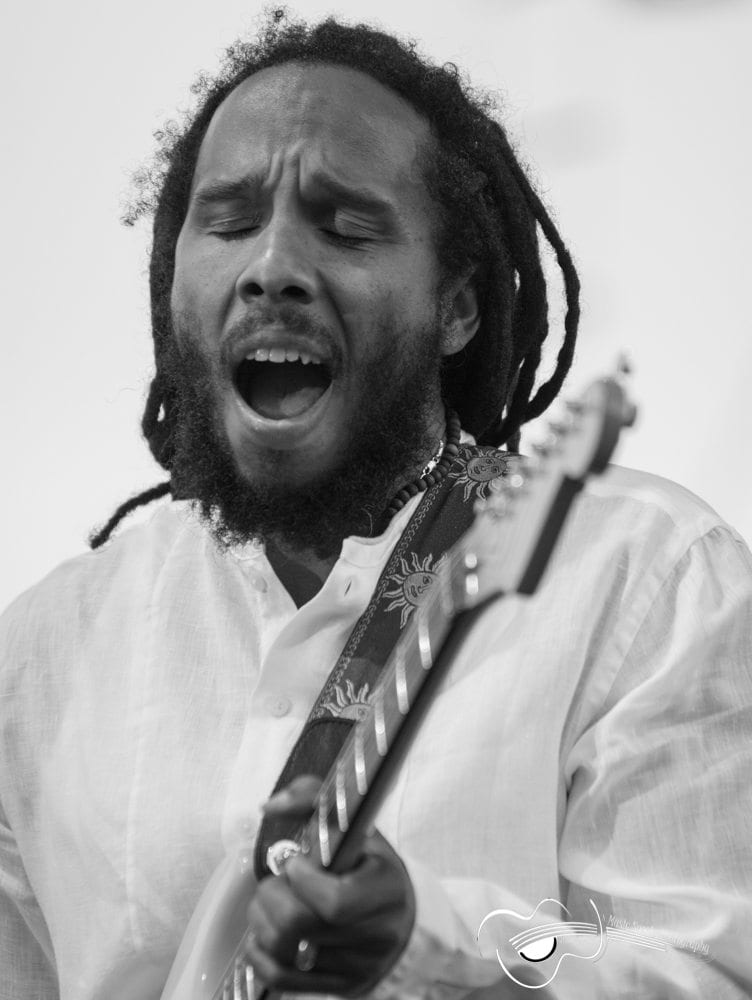
    Ziggy and his bridge bolt tight backing group set the thematic tone for the evening with the opening song “Love Is My Religion”. Prior to its beginning, Marley, head tilted back in a meditative stance, encouraged the assembled crowd to “Rebel with Love”. Marley often preceded his songs with a quote from their lyrics and a short rumination on their content. The collected crowd of Rastamen, college kids, Deadheads and happy families all slipped into a similar groove as Marley’s band played the crowd into a mellow mood.

    “Wild and Free” followed, Marley’s paean to marijuana, which Marley sang with great conviction, eyes shut, hand rising toward the collapsing sky. Marley stood at center stage in a flowing white top acting as a didactic freedom fighting Rasta, spreading his musical gospel message to the gathered masses. The group assembled around him, organically throbbing their way through dancehall, ska, rock, club beats and one drop, deftly and with attitude throughout the evening. Marley’s keyboardist also added some ‘toasting’ to the tracks, the Jamaican act of a DeeJay talking or rapping over undulating rhythms.

    ziggy marley artpark

    Marley likens his live concerts to fully formed stories told through the narrative of the individual songs. This evening was comprised of many essential chapters, each musical piece a solitary element constructing the fully fleshed out picture of the performance. The band premiered a nice chunk of the recent Fly Rasta release to great effect, the newer songs taking on additional unrealized details in their live renditions while nestled comfortably next to Marley’s previous work. The set also contained past Ziggy Marley glories played in addition to ‘Melody Makers’ favorites which had the crowd joining in with their own lyrical voices.

    The show started to hover above the ground when Marley decided to reach into his late father’s catalog of music for an ‘irie’ performance of “Lively Up Yourself”, one of a few of the elder Marley’s songs performed over the course of the evening, in addition to “One Love” and a penetrating, “So Much Trouble In the World”. During “Lively Up Yourself”, Marley gave a musical shout out to his famed Father with a, ‘Big Papa told ya so’ lyrical quote followed by great applause. These musical appreciations to his Father were so tasteful and natural, they fit perfectly into the natural flow of the show, unlike other ‘tributes’ to Bob Marley which often come off as contrived.

    As the concert continued and a veil of darkness dropped over the venue, the jamming got deeper and the dancing heated up; the reggae became more fluid and the rhythms more playful. Artpark was transformed into a sweaty dancehall maelstrom of love, dance, and Rasta vibes. All that was missing from the night were multiple bottles of Red Stripe being imbibed and some steamy sand.

    ziggy marley artpark

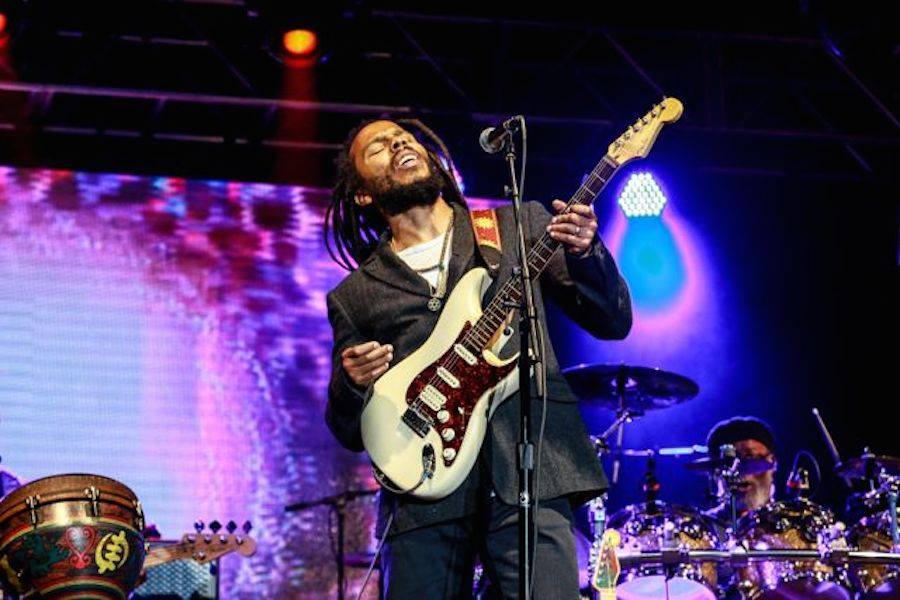
    “Black Cat” became a show highlight with Marley allowing his band to stretch out on the track, with his guitarists illustrating their improvisational authority. Similarly to his studio releases, Marley’s music takes on a plethora of insular, as well as pastoral and rural, themes, hence its huge web of influence and attraction to fans from all walks of life. Marley has accepted and taken on the role of disseminating his father’s developed message of love, peace, and freedom for the world as well as creating his own uniquely ‘Ziggy’ message.

    The stand out and title track of the new LP Fly Rasta signaled the beginning of the end as it was fittingly slotted to start the encore. Its message and imagery of flight not only applies to Rasta, but to all of those who respect the strength and love created and spread by reggae music. Its fundamental theme of finding yourself, respecting others, and of ‘One Love’ illustrates neither prejudice nor favorites. Marley’s ideal is that anyone and everyone can find the Rasta magic through the acceptance and enjoyment of reggae.

    ziggy marley artpark

    Ziggy Marley at Artpark was the type of concert one longs to be able to witness. Low on pushy crowds, obnoxious drunks and poor sound, this particular performance contained everything a fan could hope for when taking an excursion for live music, quality musicians, positive messages and a collaborative experience between band and crowd alike.

  • Hearing Aide: Ziggy Marley ‘Fly Rasta’

    Ziggy Marley’s new musical offering Fly Rasta combines many of the essential elements that make up Ziggy Marley as a Rastafarian, music artist, and the son of a legend. The multifaceted  record reaches to the ends of the musical spectrum, touching on pop, roots, reggae, funk and soul. Marley easily navigates through numerous genres and influences, referring to his sonic hybrid appropriately as ‘Ziggy’ music.

    Now past the age reached by his famous father, Ziggy’s discography has now arrived at its natural maturity, taking on all aspects of Marley’s philanthropist pursuits in its content and context. The album expresses the basic tenants of Rastafarianism, love, respect, hopefulness and nature through childlike expressionism uncluttered by pretense or unneeded obscure lyrical references. There is a consistency of focus on the record that is retained regardless of the thematic or genre excursions undertaken.

    ziggy marley fly rasta

    The opening track and single, ‘I Don’t Want To Live on Mars’ begins with a straight pop/rock hook that dissolves into an addictive funk groove. Marley expresses that he does not want to leave earth, nor does he have to, regardless of man’s progress or Earth’s natural disasters. This is not his father’s Reggae, this is a celebratory creation built around the integrity of Marley’s past life experiences and his forward thinking compositions that defy simple classification.

    The title track spins like a vintage dancehall groove from 1960’s Jamaica. Supported by vocal assistance from ‘U-Roy’, Marley pays his respect to and reminds his fellow ‘Knotty Dread’s that it’s time to soar. The groove is relentless, a steady heartbeat of the soul, disorienting, a pounding organic dance groove with a directive for Jah people to rise.

    The album is a grower, similar to the plentiful green Ganja fields of Jamaica that stretch toward the hot Caribbean sun. It soaks into the listener’s skin after repeated listens like salty ocean air. A testament to its divergent styles continues with the luminescent ‘Lighthouse’, a straight forward, but alluring, rock ballad that sits on a muted reggae guitar nestled into its 4/4 beat.

    ‘Sunshine’ and ‘Moving Forward’ use archetypal reggae as their launching pad, sunny compositions rooted in Ziggy’s natural element, draped in horn lines and unique guitar melodies. ‘Sunshine’ features a ticklish sitar solo midway through the track, adding a unique texture to the song.

    ‘You’ is one of the songs that perfectly illustrates Marley’s unabashed combination of musical and world elements as the song moves from ‘One Drop’, to a funky Hammond organ breakdown, and then through slick and smooth soul middle eight. Resinous wah-wah’d guitars and slick backing vocals, in addition to start and stop rock break downs, makes this one of the finest arrangements on the LP.

    ziggy marley fly rasta
    Photo credit: Roxanne Haynes

    The intimate ‘So Many Rising’ paints a troubadour on the beach at dusk, singing to the world through the deep, dark, and reflection of the night sky. Unadorned hand drums and an acoustic guitar are the only instrumentation on this song of hope and encouragement, clearly understood through its transparent and woody arrangement.

    ‘I Get Up’ follows and features sister Cedella Marley, adding her sweet vocal abilities and family support to the track about battling through every day issues and living in and for the moment. Warm descending bass lines and alternating horns tickle the melodic sense of the song.

    ‘Your My Yoko’, and ‘Give It Away’ close the album on a positive and grooving note. ‘Your My Yoko’ is a testament and tribute to women as a support system, muse and as representative Earth Mother, through a syncopated major key arrangement. The closing song, ‘Give It Away’ fittingly concludes and bookends the record with a delicious ‘riddim’. The song begins with soft vocals crooned by Marley that explore the melody of the track. The tune then moves into a gently undulating reggae groove that then suddenly shifts into a circular funk for the songs central change. ‘Only if we give it away, can love be love’ is the concluding message and a simple note to leave behind after the experience of the record.

    Ziggy Marley has now reached the point in his successful career where his legacy is in place and he has grown into his substantial shoes. The music he is disseminating to the world is truly his music, created by and stamped with his aesthetics. Marley is proud of his history and his roots, but does not let it overwhelm his need for discovery and creation. His lyrical voice expresses a proud and historic awareness, but never a pretentious or didactic attitude. It seems Marley has reached a sun-drenched plateau of confidence and security where he can develop new and interesting ways of communication through the re-imagining of the medium of reggae.

    Key Tracks: Fly Rasta, So Many Rising, Give It Away

    Ziggy Marley will be performing on June 25th at Artpark in Lewiston, NY in support of Fly Rasta. Steel Pulse will be supporting Ziggy at this performance. Tickets are available for $6.00, $11.00 and $26.00, with gates opening at 4:30.

  • Hearing Aide: Alan Evans Trio ‘Woodstock Sessions Volume I’

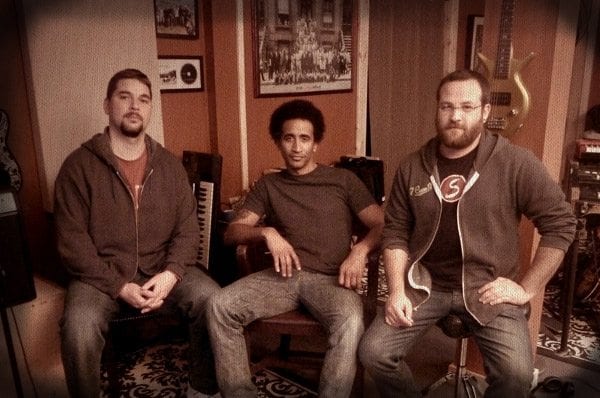
    Recorded in one magical evening with a small studio audience and comprised of a straight take with no overdubs, the Alan Evans Trio‘s Woodstock Sessions Volume I is a timeless document of a musical moment of creation. Developed over the course of an intimate evening at Applehead Recording Studios, the recording retains the freshness of an improvised performance as well as the crispness of a studio recording. The magic is to be found in the communication between the players, who were unfazed by the recording machinery and luminescent red recording light.  The trio successfully captured the live vibe and thick atmosphere of the concert experience.

    Alan Evans Trio

    Drummer and band leader Alan Evans immediately conducts the band through the 80+ minute set, beginning with a funktified and extended run through of the fuzzy and smooth, ‘They Call Me Velvet’.  The power of the trio is on full display immediately as Beau Sasser’s organ saturates the air with the sound of multiple instruments. The thick, creamy funk of the band is their specialty.  As they slide into ‘If You Want My Love’, guitarist Danny Mayer strikes out with classic James Brown chord structures, meeting with Evans’ emotive beats to equal a hip street walking ass shake.

    The track ‘Thor,’ the subject of which is a guitar amp, fittingly features some nimble-fingered riffing by Mayer, touching on some of the fringes of acid jazz. The joy here is that the band is playing fully orchestrated and arranged pieces that contain uniquely original improvisational passages brimming with joyful attitude. ‘Have You Seen Him,’ contains themes that elicit memories of the grooviest ‘Shakedown Street’ with an envelope filtered guitar that works in conjunction with the drums while Sasser’s organ paints in long broad strokes.

    ‘Crooooz’ is a highlight of the set with a luscious groove that sets the perfect backdrop for more atmospheric organ excursions reminiscent of some earthy Jimmy Smith. The band keeps the marathon live recording moving forward breathlessly, changing tempos, keys, and vibes at the drop of a dime. The diversity of the band gets an airing with the ‘spoken word’ and classically jazzy, ‘What Happens In the Woods.’ Scattered and spacey drumming in conjunction with a star-dust guitar dressing provides the framework for Evans’ humorous story telling.

    The evening concludes with another highlight, the aggressive and powerful ‘Cosmic Hazeldust’, containing all of the impressive elements that make up the band and the recording. Slick keyboard exclamations, wildly on point guitar work, and the knockout punch of Evans thunderous drum kit.

    Taken as a whole, the entire Woodstock Sessions Volume I plays out like a created storyboard, each musical excursion a beautifully created scene. Organically developed, yet tight and practiced, the album reaches numerous peaks and euphoric highs. The organ lines intertwine with the guitar melodies, playing off of the multiple rhythmic ideas of the drums.  The recording captures music during its genesis as it’s developed by the minds and fingers of the players and disseminated to the hearts and ears of the listeners.

    Key Tracks: They Call Me Velvet, Thor, Cosmic Hazeldust

    Check out the full album here.

  • Hearing Aide: Pants & the Family are ‘Lost In The Wash’

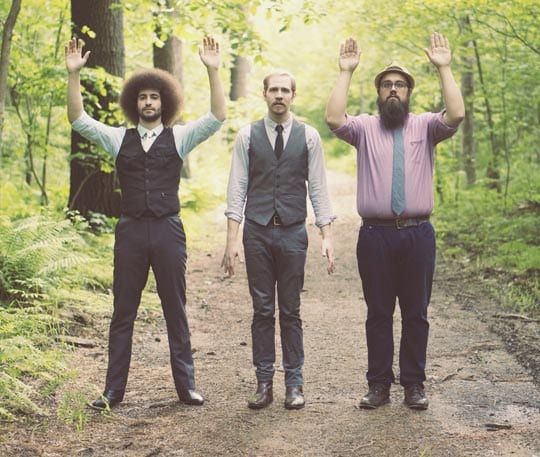
    Lockport, NY group Pants and the Family has recently released their debut recording Lost In the Wash. They will be celebrating the CD’s release with a record release party at the Tuscarora Inn in Lockport, NY on March 21, 2014. The trio is made up of members Bronchi Ducat (Drums, Break Pad, I pod, Smokes), ChuChi LaFace (Synthesizer, Disco Ball, Running Commentary) and Boris Smellengood (Bass Guitar, Pedal Noises, Singing). The group describes themselves as ‘electrocarnival punk’ which is an apt appraisal. The music is sparse with the concentration centered on the comedic lyrics and vocals. Stripped down, yet cosmic arrangements featuring drums, rhythmic bass pulses, samples and simplistic synthesized accompaniment allow the music to take on a comedic and eclectic edge.

    Pants in the Family

    Running the gamut from acapella to psych, rock to punk and the undefinable, Pants and the Family ring out your mind with this record. The album sometimes sounds like an inside joke between friends, causing the humor to get lost under the premise of it feeling like it was developed for a small and certain group of people. But, for the intrepid listener who has the musical time to dive the thick musical soup developed by the sixteen tracks, they can expect to have an interesting time as well as some laughs. Think New Wave meets Weird Al via a group of Talking Heads fans on acid.

    The majority of the songs feature humorous thematic premises. The songs do seem a bit cold in their production, sometimes keeping you at arm’s length, never inviting you in, which is unfortunate, because if I knew what the band wanted me to take serious and what to laugh at, the recording would be a greater success. Regardless, their fearless musical attempts make the listener unable to turn away, always in anticipation of what the hell is coming next! The vocals are an acquired taste, they undulate between very humorous and cringe worthy, if the vocals do make you grimace at any point, the lyrical content keeps things light. See, ‘Hey Bartender’ for examples of this view on the vocal gymnastics.

    The sonic introductions on many of the tracks are the recordings highlights. The soundscapes beginning ‘Lil Dancer’ and ‘Better Get On the Horse’ are creative and well thought out scene setting musical moments. It’s obvious that the band is made up of capable musicians that do not take themselves too seriously, and that are just looking to disseminate a good laugh through their tunes. For a listening experience filled with chuckles and lots of ‘What the’s?’, do not look any further than Pants and the Family’s debut release, Lost In the Wash. A refreshing collection of music that will make you rummage through the pockets of a range of aural emotions.

    The new album is available to stream on Soundcloud and available to purchase here. You can find up to date information on the group at their official homepage.

    Key Tracks: Pragmatic Particle, Lil Dancer, Saying Hi To Cows

  • Hearing Aide: Wild Adriatic’s “Big Suspicious”

    Rock and roll trio and Saratoga Springs, NY natives Wild Adriatic have a new long player titled Big Suspicious. This current collection is hallmarked by a plethora of imposing guitar licks, resounding rhythms, and vintage vocal approaches. The band is sincerely ‘no frills’ rock and roll and the blueprint to their art is an organic approach to song creation and presentation. The secret lies in the bands simplistic yet virtuous approach to their music. The band is made up of guitarist/vocalist Travis Grey in addition to bassist Rich Derbyshire, and drummer Mateo Vosganian.

    Wild Adriatic

    The LP ranges thematically from swampy blues to pop soul, with the unpretentious and diverse vocalizations by Travis Gray, a highlight of the set. The marriage of the groups tight instrumentation in addition to the vocal melodies equate to an album that unabashedly shares its influences as well as putting a unique spin on these influences.  You will find no jam band sensibilities on this record; the band constructs succinct, well developed and orchestrated rock music. This is not to say there is no extended jamming by the band, just that there are no wasted notes or aimless improvisations, every note and melody has a purpose.

    The adamant opening of the record begins in earnest with the mountainous one-two punch of ‘Can’t Be Your Man’, and ‘Mess Around’.  The band elicits early Humble Pie on this opening track through the swampy central guitar licks and grimy group approach. In contrast the following ‘Mess Around’ which rides on an accelerating stomp that sounds if it draws its influence from early ZZ Top with its boogie chugging attitude. This is serious juke-joint ass shaking music.  An additional note on ‘Mess Around’ is the addition of some swinging horns that act as a welcome addition to the song not an unneeded gimmick as can often be the case these days.

    ’40 Days 40 Nights (Hard Times)’ again brings to mind Steve Marriott and Peter Frampton’s Humble Pie excursions. Its dual keyboard and guitar ascending riff grabs you by the collar and says, ‘Listen up!’ It’s refreshing to hear a modern band stay true to the roots of their influence and just play some heavy rock and roll. No window dressings here, no unnecessary effects, just some pals blasting away on electrified and aggressive riffs and melodies.

    A song like the following ‘Tight Grip’ identifies the band as being able to be classified along with the same rockers that enjoy a band such as Gov’t Mule. There is an edge to their music and an aggressive nudge of the elbow to the listener by the attitude presented. The only respite from the barrage of weighty blues and rock licks in the first half of the album is the soul soaked ‘Holding You’ that swings with a contemporary R and B feel and original instrumental attack.

    The ability of the group to swing between poles of influence is well documented on the collection with the expansive and catchy ‘Cooperstown’ acting in contrast to the balladry of the preceding tune. Falsetto vocal melody lines inject the song with a lightness that balances its metallic instrumentation. The pounded blacks and whites of the keyboard in addition to distorted guitar strikes add up to a dynamic and well preformed song that accentuates that groups songwriting strengths.

    ‘Lose My Mind’ is a highlight of the collection. Alternating between a gently picked acoustic guitar line verse and a fuzzy apocalyptic chorus that creeps along like a boot stuck in the mud. This song would nestle nicely on the ‘B’ side of many 1970’s rock single releases exhibiting all of the historic hallmarks of the music created in this era.

    Again, the band dynamically hits the switch moving into a soul review with a reading of the song ‘Walk For Miles’. Vocalist Travis Gray really stretches out on the last half of the record, channeling Rochester, NY and Foreigner front man Lou Gramm with a clean but versatile vocal approach. The keyboards also seem to play a more prominent role in this latter half of the record with feathery Hammond flourishes on ‘Lonely’, and the piano being in the forefront on the groovy ‘Heavy Soul’. The horns also return on ‘Heavy Soul’ in addition to some velvety backing vocals that equate to a smooth ride through dramatic soul changes.

    The album concludes on the song ‘Woe’, a funky low key affair that rolls on a drippy wah-wah accompaniment and the wordless foundation setting vocal line. Uniquely different from the songs that preceded it, ‘Woe’ shines on a light on the bands ability to express uniquely different approaches to the foundational genres of influence the band holds close and that form the basis of their music. The song and the album conclude with a wordless group chant sung and supported by hand claps and the tracks swinging melody.

    Wild Adriatic’s new recording Big Suspicious is a collection created in the fiery coal chamber of rock, soul and blues. The record keeps its feet rooted firmly in the spheres of influence from which the basis of all music is created. The group’s confidence and attitude is expressed through the recording and is passed on to the listener through their excitable representation and eager dissemination. Gripping keyboards, distorted guitars, and crisp howling vocals paint the portrait of heavy blues and classic rock and roll on display for the eager listener.

    Key Tracks: Mess Around, Cooperstown, Lose My Mind

  • Hearing Aide: Cibo Matto ‘Hotel Valentine’

    Cibo Matto have not made a record since 1999’s Stereo Type A. For 15 years fans of the band have been left waiting in anticipation for a new musical statement from the duo. While the principals of the group, Yuka Honda and Miho Hatori have been busy contributing their numerous talents to other artistically satisfying projects, the Cibo Matto name and output has become an image in the rear view mirror. That premise is no longer relevant.

    The duo’s new release, Hotel Valentine due February 14th, shows that time has been more than kind to the duo. The fun emanating from Cibo Matto’s first two releases in 1996 and 1999 respectively has not left the group, alternately, the musical excitement has been combined with a serious artistic expression and expansive sonic palette. Hotel Valentine is the result of two years work by Miho and Yuka. Hatori stated recently regarding the recording, “Hotel Valentine is the cinematic bricolage of Yuka and me,”. The undeniable chemistry between the duo is the impetus for the development of the collection, after years of alternative collaborations the girls have come back together with a fury.

    Cibo Matto

    Electronic music can often leave even the most ardent listener somewhat emotionally cold in regards to the equipment and production techniques used. In the case of Hotel Valentine the warm and soothing analog vibe of the record is an olfactory smorgasbord. Honda reveals a clandestine grab-bag of grooves over the course of the recording ranging from smooth R and B, funky house, to tribal fire dances.Her sonic decision making is eclectic and knowledgeable. Hotel Valentine is a thematic as well as a cinematic excursion, with the girls in the band calling it, ‘a metaphor, a question, an answer, an idea, a feeling; A strange and vivid scene.

    The records introduction comes with a ‘Check In,’ where misty dual vocals swirl around a magnetic drum line that pulls the music in closer to your head. A hallmark of the album is the dynamic and diverse breakdowns that occur throughout every track. Multifaceted choices in production arm the collection with suspense and surprise. The next track ‘Déjà vu’ is aural anime, featuring seemingly innocent but sensually charged and ticklish vocals. The song shifts from 70’s soul, to hallucinatory cloud walk verse, then through a rippling hip hop breakdown. This song is sticky sweet, with a vocal groove made up of florescent colors and carnival candy. A standout track.

    ‘10th Floor Ghost Girl’ is irresistible ‘club pop’, with a guitar riff peeled straight from the grooves of a James Brown record.  Again, the duo illustrates an innate ability to offer differing vibes and flashing glimpses through the course of one track. This tune features a distorted ‘dubby’ chorus breaking up the fast paced dance of the number.

    The juicy center of the recording containing ‘Emerald Tuesday’, the catchy as hell album single ‘MFN’(featuring Reggie Watts), and the title track ‘Hotel Valentine’ is a salmagundi of reggae beats, deviating tribal rhythms, uniquely constructed vocal ragas,  and contrasting musical movements.  Miho’s vocals really shine throughout this sequence and at points elicit actual physical reactions. The vocals throughout the album are blended, mixed and presented beautifully. The story of the record continues to open like a mystery box, a small segment of interpretation and understanding with every musical reveal. The pure buzzing modified sound of ‘Empty Pool’ is recorded claustrophobia, its organic melody existing in a silvery underwater world of blue chrome.

    The album then moves through ‘Housekeeping’, a trippy bounce house track assisting with the dynamic close of the record, which to these ears echoes the influence of Chimera label mate Yoko Ono, whom Honda has collaborated. The recording concludes as it opened this time with a ‘Check Out’ filled with delectable vocal melody lines, this time layered over the top of tenderly picked acoustic guitar echoes. A  farewell through a song that sounds as if the track is disappearing in to the horizon, or is falling rain collected into pooling water. Disorienting symphonic mantras gain substance, disorienting effects shift until rupturing back into the airy acoustic guitar segment, thus concluding the record.

    The musical tale of Hotel Valentine is journey well worth the wait for fans of the internationally renowned duo, or for those searching for another musical experience in their lives. The multitude of catchy melody lines and inspired beats adds up to a experience the runs the gamut of emotion.  While there are multiple moments of joy and dance, there are an equal number of moments containing musical drama and apprehension.  Cibo Matto will be playing at the BSP Lounge in Kingston on February 9, 2014 to promote this new release. Tickets are available for $15 Adv/$20 Dos at the following locations Jack’s Rhythms, Darkside Records and Gallery, Woodstock Music Shop and outdated: an antique cafe.

    Key Tracks: Deja vu, Emerald Tuesday. MFN

  • Flashback: Watkins Glen Summer Jam 1973 Part II

    Read Part 1 of our Flashback to Watkins Glen Summer Jam, 1973

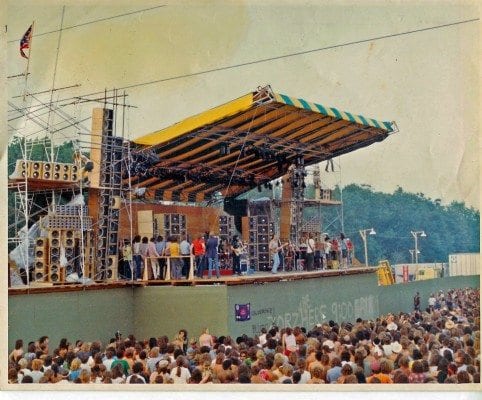
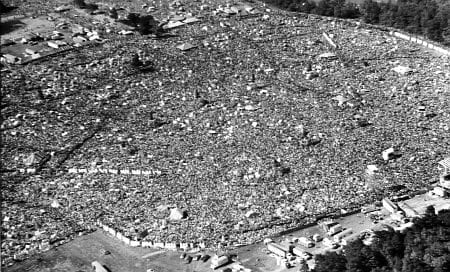
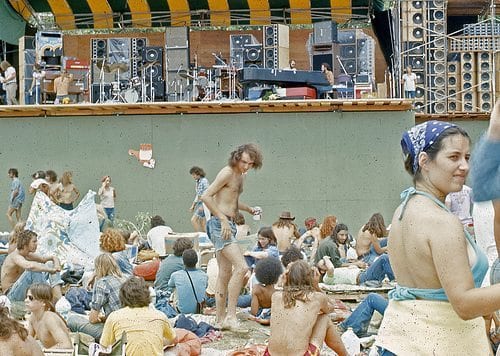
    As the morning of July 28, 1973 revealed itself, the ground beneath the Watkins Glen, New York State concert site was preparing to hold the weight of 600,000 musical travelers ready to rock and roll. The largest gathering for a rock festival was about to take place with a legendary bill of bands that would play extended and legendary sets. After the previous evenings ‘warm up’, the groups as well as the crowd were primed for an all day event. Pleasant but humid New York Summer festival weather settled hazily across the bronzed crown of hippies slightly threatening summer storms. The awe inspiring event  about to take place would make history in not only musical but social ways, the smoky remnants of that afternoon still smoldering in the annals of rock history.

    watkins glen summer jam

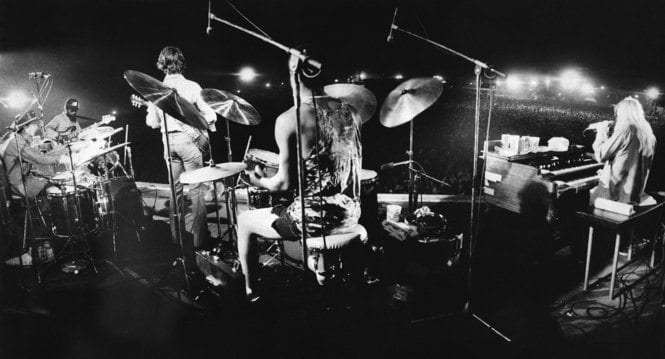
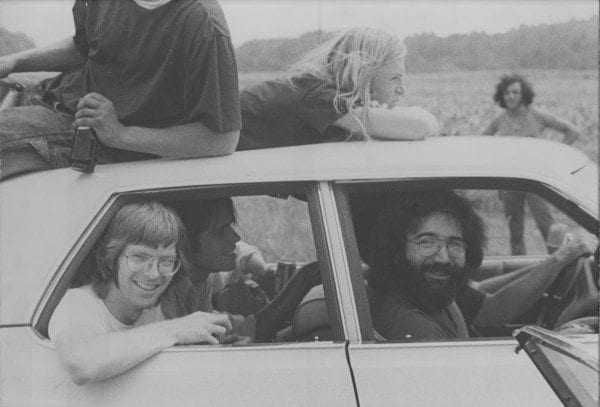
    The Grateful Dead took the stage promptly at noon to an introduction by Bill Graham who exclaimed, ‘From Marin County to Watkins Glen, the Grateful Dead!’ Blasting into an excitable ‘Bertha’ the Dead ran through a typical, that is to say, well played and amazing set of first set classics. The set is brimming with a typical East coast high energy, building to then detonating on a psychedelic pinnacle with the set closing ‘Playing in the Band’. Slithering through the some of the more familiar themes of the era, by half way into the jam Lesh and Garcia are exchanging husky scrubs and bombs, while the rest of the band is tied into a kinetic and electric fast paced groove.  While not reaching the extravagant peaks of the jam from the night before, this is a thick and gooey ‘Playin in the Band’ from an era with many stand outs.

    watkins glen summer jam jerry garcia

    Following a marathon ‘China/Rider of epic proportions comes ‘Eyes of the World’, the peak of the second set and of the Dead’s performance for me; the post verse jam contains a plethora of melodic statements from Garcia, with the song morphing into a swelling and pulsating improvised drift. From fifteen minutes on, Garcia plays like a man possessed and hits on several syncopated grooves that band responds to in kind touching on the delicate spaces explored during the previous day’s sound check, before falling back into the recognizable ‘Stronger That Dirt’ theme. Garcia then deliciously liquefies the band into Weir’s well timed and well placed ‘Sugar Magnolia’. Observed as an entire piece of work the Grateful Dead played an amazing two days of music at Watkins Glen, a testament to their constant journey to strive for the golden note.

    The Band’s set started at 6:00 PM after the Dead’s extended four and a half display concluded and became an amazing cross section of their legendary career, peppered with unique instrumental interludes specific to the Watkins Glen performance.  Opening and romping joyously through ‘Goin Back To Memphis’, the Band’s music captured the feel of the festival perfectly through its pastoral imagery and down home instrumentation.

    This is rock and roll, country blues distilled to its very essence; it doesn’t get much better than this! During these early moments of the Band set, the low point of the festival weekend occurred as a skydiver unfortunately missed their intended mark and perished on the grounds. As an addendum, there was a supposed ‘official’ release of the Band’s set from Watkins released in 1995, but after  inspection and discussion it was revealed that this collection was/is a fraud and contains only two actual tracks from the event. The only way to hear the performance as it was is to hunt down one of the circulating audience recordings that exist in decent quality.

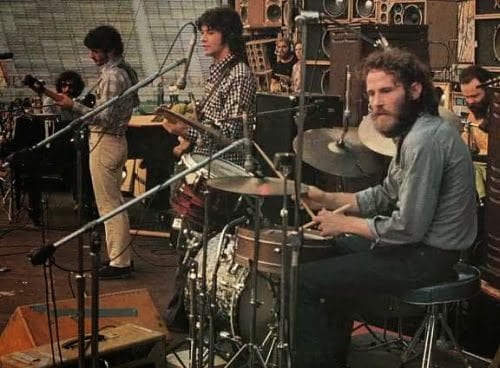
    This concert takes place in the middle of a year of rest and uncertainty for the Band. Looked at historically, the concert is a towering peak in the landscape of the Band’s performing career. The songs are tight, dynamic and rise and fall like a high speed run down a country gravel road. Garth Hudson is especially on his game laying down a plethora of breezy and inspirational keyboard flourishes that would culminate with his divergent solo spot “Too Wet Too Work’. Danko and Helm are locked in tight, and the vocals of Manuel, Danko, and Helm wrap around one another like a snaky gospel revival. After rocketing through a series of exciting high tempo tracks including ‘Loving You Is Sweeter That Ever’, and a drunken romp through ‘The Shape I’m In’, the group is eventually forced to leave the stage for twenty minutes because of threatening inclement weather. During the jam on ‘Endless Highway’ prior to their leaving, the crowd can be heard on the recording discussing and preparing for the incoming thunder storm. The ‘fly on the wall’ aspect of this field recording is especially entertaining.

    Levon Helm’s remembrance of this moment in his autobiography is that the group left the stage as the weather descended, gulped some Glenfiddich  whiskey and watched Hudson return to his keyboard for his orchestral spotlight, ‘Genetic Method’ in this case driving away the rain in the process of the extended solo. Titled ‘Too Wet To Work’ in the case of this performance, Garth traveled through numerous musical landscapes, teasing dynamically, improvising, until the weather dissipated and the Band returned to the stage, slamming into a celebratory ‘Chest Fever’, that in Helm’s words would be forever ‘burned into his memory’. The crowd claps in time with the musical waves, a highpoint of the afternoon. The remainder of the Band set burns through an aggressive and elastic instrumental and then momentous and extended versions of smoldering  rock classics like ‘Holy Cow’ and ‘Saved’, as well as crowd pleasing renditions of ‘Cripple Creek’ and ‘Life Is A Carnival.’ Absolutely legendary, the monumental nature of the day as well as joy emanating from the stage translates well to the field recording I am enjoying.

    By the time Allman Brothers Band hit the stage at 10:00 PM, the almost one hundred acre concert site had become a swamp, and the happily soaked crowd swelled with anticipation for the upcoming musical onslaught.  Opening with the recent for the time ‘Wasted Words’, the band is cooking from the get go with Betts and Allman dueling through vocals and slide guitar over the syncopated groove. The band receives a second introduction after the opener because Bill Graham wanted to make sure every band had each individual member introduced to the crowd. The Allman’s then swagger through beautifully crafted versions of ‘Come and Go Blues’ (featured on official release ‘Wipe the Windows, Check the Oil, Dollar Gas’) ‘Blue Sky’, ‘Jessica’, ‘You Don’t Love Me’, among others. Recent additions Chuck Leavell and Lamar Williams fill in admirably on keys and bass respectively. Leavell and Betts especially have developed an intense chemistry, bouncing hearty melodic ideas off each other throughout the show, with their interplay on ‘Blue Sky’ being a highpoint worth of inspection.

    watkins glen summer jam

    The centerpiece of the Allman’s extended set is the mammoth performance of ‘Les Brers In A Minor’ which bookends a pulsating and dynamic drum duet by Jaimoe and Butch Trucks, the second of the performance following an aggressive ‘You Don’t Love Me’ duet. Each member gets a chance to express themselves as ‘Les Brers’ like its distant cousins ‘Jessica’, and ‘Liz  Reed’ navigates a series of death defying twists and turns while solving a series of delicate melodic mysteries. Rock and Roll veteran Chuck Leavell’s extended dance with the black and whites is a pleasure to behold and spreads out a plush carpet in which the band uses to step into drums. This song represents a powerful and confident jam by the retooled group, asserting their ability to move forward while still respecting their past brothers Duane and Barry. Betts guitar lines range from syrupy amber licks to sharp stinging fly bys, the central pole in which the group revolves.

    The Allman Brothers set concludes with ‘Whipping Post’, hoped for, expected, and played like a runaway freight train headed down a dark track. Peak after peak is reached the crowd is astonished, amazed and taken to a unique place by the music played. The weekend ends bombastically, well past midnight following the Allman’s set when members from all three groups return to the stage for Summer Jam.  Sincerely sloppy, and at moments stunningly brilliant the music continues into the dawn. Rick Danko appears first to drunkenly croon into the mic momentarily and quite endearingly, soon to be joined by Garcia, then Manuel and eventually Betts, Lesh, Allman and others for some more lengthy jamming to conclude the massive weekend of music to the crowds delight.

    watkins glen summer jam

    The music drifting from the stage meanders for a bit before falling into the highlights, ‘Not Fade Away’, ‘Mountain Jam’, and’ Johnny B Goode’, a momentous and special way to conclude the Summer Jam. The ‘Not Fade Away’ is pleasant enough, but the twenty plus minute ‘Mountain Jam’ the follows elicits speeding clouds, percolating rivers, and joyous wilderness romping. Garcia is especially active, intertwining and responding to everyone on stage. Betts and Garcia together create richly constructed summits during their journey, pausing at scenic overlooks that dance with collaborative playing by all of the principals on stage. The musical movement comes as a defining musical statement for the weekend, an instrumental climax, a joining of ideas and people and a perfect example of the magic available through collaborative musical interplay and willing participants.

    Watkins Glen, Summer Jam 1973 is not only notable for its collection of an amazing group of musicians, but for its eclectic collection of fans. The collaboration between the two of these principals combined for a historic and alchemic weekend combining music and experience. The encapsulated moment in time for this weekend will never be recreated, but fortunately forever enshrined on recordings and in the memories of the participants.

  • Flashback: Watkins Glen Summer Jam 1973

    It was the Summer of 1973, the ‘Hippie movement’ of the 1960’s still existed, but only in isolated pockets, tucked way in the dusty cobwebbed corners of the counterculture. Groups like the Grateful Dead, Allman Brothers Band, and The Band were still playing to crowds that held tightly to the ideals of the mid 1960’s, which the groups themselves still carried on through their music.

    The bands were also undergoing personal changes reflected back at them through their audience. All three bands and more than 600,000 of their fans would descend on Watkins Glen for one of the largest concerts in recorded history.

    watkins glen summer jam

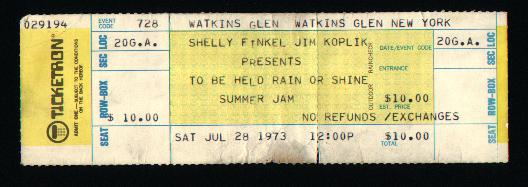
    The genesis for 1973’s Summer Jam began as a brain storm by promoters Shelly Finkel and Jim Koplik who had discussed and planned on setting a line up for the ages. After seeing members of the Allman Brothers Band sit in with the Grateful Dead at a Summer 1972 concert at Roosevelt Stadium the seed was planted to bring together an astronomical set of musicians for a gathering to rival even Woodstock, boy, would they be surprised.

    watkins glen summer jam

    The decision to bring The Band on board came by the promoters asking the Dead and Allman’s which artist they would most like to have join them on the bill, the decision was easy and unanimous. Plans were put in place and and set in motion. Roughly 150,000 tickets were sold at $10.00 a piece for the show, large by any standard of measurement. To everyone’s surprise, by the evening prior to the concert that number of intrepid travelers had already showed up to the festival site. By show time on July 28 the number would exceed an estimated 600,000 fans.

    watkins glen summer jam

    Often overshadowed by other festivals in the annals of rock history, the show became something different than originally planned, but ended up being remembered fondly by all participants. The concert also seemed to signal the end of an era, ushering in a time where festivals became corporate interests instead of private excursions into the unknown. Soon to be  gone were the days of Monterey, Woodstock, and the Isle of Wight, properly concluding with the biggest of them all ‘Summer Jam,’ situated smack dab in the middle of New York State. Two of the principal performing artists, The Grateful Dead and Allman Brothers had recently lost founding members, Pigpen for the Dead in March of 1973, and Duane Allman and Barry Oakley for the Allmans in 1971 and 1972 respectively. These deaths caused a restructure and reassessment of both bands musical futures which at this point seemed somewhat uncertain for both groups.

    The Band on the other hand was also hanging by a thread because of personal issues regarding publishing, as well as substance abuse seeping into the fabric of the group. The ‘Summer Jam’ acts as a celebration of the recent past for the artists involved, as well as a signpost to an unknown future. For the Grateful Dead, the festival featured one of their usual blistering 1973 sets, in addition to an perfectly encapsulated instrumental journey tagged as one of their finest, hailing in true Grateful Dead fashion from the sound check.  The Allmans played an extended and crisply executed set featuring new songs from their retooled line up and fiery soloing from Dickey Betts. Robbie Robertson has often been quoted that the Watkins Glen set was one of the legendary performing moments by the boys, and will go down in history as one of their best.

    In spite of prior planning by the promoters and authorities leading up to the evening of the concert, roads and highways were still backed up for a hundred miles, stores in Watkins Glen and surrounding areas were wiped of groceries and beer, and over 150,000 folks were waiting at the 95 acre concert site a night early. Routes  14 and 17 were gridlocked, and even secret back road entries were congested with abandoned cars, forgotten ground scores and backpacking travelers  making their way to the festival site.

    grateful dead

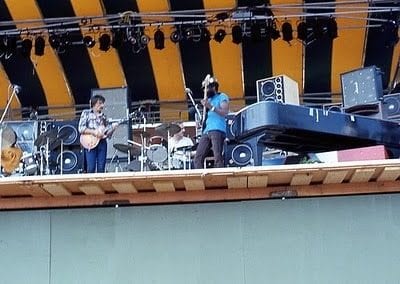
    The day of July 27 found the band’s arriving, scoping out the situation, and standing slack jawed at the amount of people already at the festival site. Legend tells us that when Robbie Robertson guitarist of The Band inquired about a sound check in preparation for the expansive outdoor venue, all three bands decided to do the same thing that evening and make it a mini performance. What happened next is the stuff legends are made of. All three bands played beautiful sets to the lucky early arrivals. The Band ran through a couple of their well know classics as well as jamming on a few unique instrumental grooves that harkened back to their days as The Hawks, when they were still playing Toronto bars and clubs.

    A crushing ‘The Night They Drove Old Dixie Down’ opens the ‘rehearsal’ and is answered by encouraging crowd feedback. The instrumental groove the group break into following ‘Dixie’ is jump started by Danko’s smooth fretless bass flourishes and the rest of the band falling in line with a jumpy Levon Helm swing. Robertson’s Stratocaster draws blood with its stinging ring cutting through the somewhat marginal sound quality. Another jewel of the practice session is the rare Danko sung version of ‘Raining in My Heart,’ a bit jagged, but oh so charming.

    The Allman’s followed and also ran through a rough and ready sound check that was made up of a few songs planned for the next evening including ‘Ramblin Man’ and ‘One Way Out,’ short but sweet when compared to what would follow. When the Grateful Dead approached the stage for their ‘rehearsal’ segment little did the band or assembled throng know what they were in for.

    The Grateful Dead’s ‘soundcheck’ appeared as two sets lasted an hour and a half, but according to many opinions and in true Grateful Dead fashion possibly outshines the next day’s ‘official’ performance. The bonus being the performance circulates in pristine quality unlike songs from the other participants of the concert. The unique improvised instrumental jam that preceded ‘Wharf Rat’ is an anomalous display, never to recreated, and is one of those magical Grateful Dead moments made for the time in which it was born. The jam appeared years later on the official release box set So Many Roads, proof of its distinguished standing in the Dead’s long and varied history.

    Prior to the sound checks first highlight ‘Bird Song,’ Phil Lesh states ‘This whole thing is a fraud, we’re really clever androids,’ as they band prepares to levitate off of the ground. ‘Bird Song’ comes skipping in, riding with Kreutzmann on the humid Summer evening breeze. Succulent and patient Garcia and Lesh probe the soft cloudy edges of the jam, floating in space. Expansive yet slightly tentative, the ‘Bird Song’ jams wings are lifted by the gusts of inspiration starting to stir.

    After polished and well played versions of various first set classics, including a big fat ‘Tennessee Jed’, the band finds itself in one of those sacred spaces, where the music eventually plays the band, and all bets are off. The unnamed jam grows from silence, quietly, pensively, with light cymbal hits and the guitarists peeking around corners probing into darkness. Lesh increases the intensity with some fuzzy chording; Weir gives the musical drift a tangible shape with perfectly timed strums. Lesh then begins to drone and detonate, the band turns into particles and star dust, breaking apart, and then coagulating as a Garcia led jam rises from nothingness. Billy K catches on, Garcia sets the rhythm and the band achieves lift off. Slick, smooth and jazzy, the band improvises idea after idea. Weir strikes out with nervous lush rhythmic ideas, Phil hides and seeks, and Garcia peels off layer after layer of juicy skin revealing the jam’s plump and succulent center. The band sinks their teeth deep into the music creating one of their finest moments in front of the lucky crowd who descended early upon Watkins Glen that Summer night of 1973.

    An endless stream of collaborative ideas pours from the group like the icy waters raging through the shady tree lined Watkins Glen only a few short miles away. Some of the melodies are familiar, some are brand new, some mix and match like oil and water, some blend like paints on an artists pallet. One of the finest musical moments in the Grateful Dead’s long and storied history has just occurred, thankfully captured for posterity. An audacious beginning to a concert event that hasn’t even ‘started’ yet! The jam eventually dissolves into a fitting and lucid ‘Wharf Rat,’ the previous journey to arrive there filled with drama and intrigue.

    The Dead portion of the soundcheck concludes with a solid but anticlimactic ‘Around and Around’, that leaves the assembled throng looking to find a place to sleep, and prepare for the following days awe inspiring display of music, stamina, and mother nature, that would extend to extravagant lengths. The following day would start at 10:00 AM and conclude very early on the morning of July 30th, history was going to be made and if you read part II I will try to recall that day in words.  Look for the rest of this feature on Summer Jam 1973 soon, and prepare to dive into the ‘official’ day of the concert, and witness the magic still waiting to happen.

    Read Part 2 of our Summer Jam history here.

    summer jam