Run, don’t walk to the BSP Lounge on December 18th 2014 for a special ‘Free Thursday’ performance. The sublime psychedelic songwriting of Brooklyn based band ‘Invisible Familiars’ can be soaked up free of charge with a performance that begins at 8:00 PM. Catch the group prior to the release of their debut LP Disturbing Wildlife which drops on January 27, 2015 on the Other Music Recording Co label. Also appearing for the evening’s performance will be ‘Dirty River’ and Kingston improv’ stalwarts ‘Ulträäm.’
No excuses will be accepted! Swing into the BSP Lounge for an extended evening of quality and free of charge tunes! This is an 18+ event.
A frigid and blustery Boston night was braved by a sold out crowd, many who had waited 38 years for Cat Stevens‘ (now known as Yusuf) return to the performing stage. In support of his 2014 studio LP Tell Em I’m Gone, Yusuf is currently playing a limited number of engagements across the US. His second appearance of six dates in the states took place in Boston on Dec. 7, exceeding any and all expectations for the talented and sometimes controversial artist.
The intimate and ornate Wang Theatre was the setting for a two-set, 105 minute performance composed of Steven’s most beloved classics as well as samples of Yusuf’s contemporary dusty desert blues compositions. The tour moniker, Peace Train…Late Again was reflected in the stage set, which was constructed of a broken down train station that changed mood and vibe based on the song performed.
The concert illustrated the elder Yusuf as an artist willing to reveal and explore all aspects of the Cat Stevens catalog that made him famous, in addition to the expanding song list of current Yusuf compositions. The first hour-long set of the concert settled into mellow dual acoustic guitar groove opening with ‘The Wind’, the same number that opened Cat Steven’s last US tour in 1976. Similarly to 1976, long time Yusuf friend and musical colleague Alun Davies was included on acoustic guitar. In addition to Davies, Yusuf was joined by keyboardist Pete Adams, bassist Stefan Fuhr, Drummer Kwame Yeboah and additional guitarists Matt Sweeney who sat in on tracks from the new LP and Eric Appopoulay.
The first half of the concert drifted between familiarity and discovery with Cat Stevens classic tracks and deep cuts intermingled with Yusuf’s poignant new material. Regardless of the composition, the songs and stories are all developed from the same earth spring of inspiration, the musical and spiritual journey of Cat Stevens. Yusuf reclaimed his early hit ‘The First Cut Is the Deepest’ for his own in a sing along performance featured early in the show. Highlights of the opening set included a rousing reading of Catch Bull at Four’s ‘Sitting’ that rivaled the original reading, a rare and floral ‘All Kinds of Roses’ off of 2009’s Roadsinger and an always relevant reading of ‘Where Do the Children Play’ that received rapturous applause and soulful accompaniment from the crowd.
Yusuf’s voice was a perfectly preserved specimen for the duration of the evening. It’s strength somewhat diminished by time, but its resonance and emotion deepening with every performance. A deft pairing of the old and the new displaying this current vocal approach found Cat Stevens first single ‘I Love My Dog’ given a jazzy reading before followed with 2014’s ‘Cat and the Dog Trap’, in my opinion the most beautiful song both lyrically and instrumentally on the new LP.
The opening set then closed with a collaborative ‘If You Want To Sing Out’ from the 1971 Harold and Maude soundtrack that left the crowd smiling and highly anticipating the second set.
The second set began dark and the train station turned twilight and dim. The Peace Train was drawing near, the band was armed with electric instruments and break into a funky and strident cover of ‘Big Boss Man’ that enunciated the tastefulness and collaborative interest displayed by Yusuf’s touring band.
Yusuf then introduced ‘Eddie Vedder’s favorite song’ before playing an intimate and definitive version of ‘Trouble” off of 1970’s Mona Bone Jakon, an inspired choice. ‘Oh Very Young’ followed and received a standing ovation after a flawless rendition illustrating Yusuf’s acceptance of his Cat Stevens legacy as well as the joy it brings him by playing the music. The set now revealed the big songs, the songs that cemented Yusuf’s career then and now. ‘Moonshadow’ was played by the full band in a triumphant arrangement, ‘Wild World,’ ‘Father and Son’ and the long-awaited ‘Peace Train’ were played with infectious joy and virtuosity. Intermingled with these well-known and sought after classics were the impressive tracks off of the new LP including a soaring reading of Edgar Winter’s ‘Dying to Live’ and the gritty ‘Editing Floor Blues’.
The second half of the performance gave everyone exactly what they had come to see, whether a child of the 60’s, an aging hippy, or a recent passenger on the ‘Peace Train’, there was a song or a message for everyone. Each of the Cat Stevens songs performed felt fresh, their arrangements rediscovered, their melodic nuances fully explored. A celebratory reunion of an artist with his long-lost musical children was taking place on the performing stage.
The hardcore Cat fans were sated throughout the set, first when Yusuf amazingly quoted multiple movements from the 1973 opus ‘The Foreigner Suite’ and then again with the encore choice of ‘Sad Lisa’ which brought the house down in its unique spot as a closing encore number. The set first concluded with the aforementioned Cat Stevens signature readings of ‘Peace Train’ and ‘Father and Son’, songs that defined an era as well as inspiring the beliefs and relationships that developed during the two songs popularity.
Then for the encore Yusuf and band returned with a welcome appearance of ‘Miles from Nowhere’ which made for a Tea for the Tillerman double encore when followed by the spooky beautiful piano based ‘Sad Lisa’. Again, Yusuf sang with precision and grace, offering a broad smile after a slight vocal hiccup during ‘Miles from Nowhere’. The small miscue illustrated a fantastic moment, revealing Yusuf’s new musical joy, and his sincere appreciation for his fans and followers who had waited so long to see him again.
We can only hope that the success and musical developments that have occurred on Yusuf/Cat Stevens’ recent Peace Train…Late Again tour are enough to keep him performing and creating into the near future. The performance at the Wang Center on Dec. 7, 2014 was worth the wait, it offered inspired lyrical stories, instrumental magic and a message of peace by an artist who has rediscovered his place in the world of popular music.
Gov’t Mule closed out their twentieth anniversary fall tour at the State Theatre in Ithaca on November 15, pulling out all of the stops and in the words of Warren Haynes regarding the last show of the tour, making sure, ‘Anything Goes!’ Indeed this fact was true as the Mule blasted out a career spanning set that featured multiple and extended instrumental interludes and definitive renditions of multiple Mule jam vehicles.
The band hit the stage at 8:20 with late-comers still stumbling their way to their seats as the group developed a spacey swell. Haynes used some deft manipulations of feedback immediately before dropping coin into slot with the twisted groove of ‘Bad Man Walkin’. The hallmark of this introductory set is not only the expected holographic Haynes guitar explorations, but the dirty sock funk laid down by the sturdy rhythm section. ‘Inside Outside Woman Blues’ continues this trend with the first ‘big’ jam of the evening, culminating in a knotted guitar/bass battle between bassist Carlsson and Haynes. Keyboardist Danny Louis is also a major proponent of the grooves being developed on the evening lending spongy Rhodes asides and Moogy colorizations.
A jam then constructed with hammer and nails resulted in the shady chugging introduction of ‘Broke Down on the Brazos’ from Mule’s 2009 LP, By A Thread. Haynes deconstructed the outro jam in a blue flurry of quotes, smoothly revealing obscured melodies with every quote. ‘Brazos’ fell perfectly into a sprawling ‘Tributary Jam’ allowing Louis to explore his sonic stamp collection while exchanging licks across stage with Haynes.
‘Whisper in Your Soul’ followed and was dedicated to Grace Potter by Haynes. The shimmering track is the appropriate cool down period for the set even though it splashes into watery wah-wah’s guitars by its conclusion. Haynes and Mule standard, ‘Banks of the Deep End’, made a welcome appearance keeping the damper down and did not stray from the theme of cultivating funky blues rhythms that had been developed over the evening.
Following a restful duo of tracks, Haynes donned the slide for the first time the evening during the show highlight, ‘Devil Likes It Slow’, surpassing 13 minutes. A plethora of thematic snapshots are examined while Carlsson forgoes the steps and heads straight for the stars with his bass virtuosity. The composition becomes elastic when Louis steps forward for a Herbie Hancock impression while Haynes lays back with jazzy interjections. Musical summits are reached and then left behind for greater things. Inspiring musicianship is the hallmark for the Mule and this particular jam leaves no doubt.
‘Thorazine Shuffle’ then closes the powerful set while also sandwiching the punchy smirk of 2013’s ‘Funny Little Tragedy’. This is a runaway train of a jam that careens around corners before peaking and leaving the excited crowd anticipating the second set. It’s hard to believe the band could follow the previous jamming on ‘Devil’ with anything, but again they come up in spades by topping themselves yet again.
The tight quarters and cramped bathrooms of the historic State Theatre were no match for the camaraderie enjoyed over the break due to the Mule’s superior and joyful playing. After such a well jammed out first set, the second set was sure to be brimming with musical surprises. As to not blow the roof off of the place after the incendiary close of the first set, the Mule eased it in with the slick guitar buoyancy and undulating bass of ‘Done Got Wise’ followed by the refreshing Reggae drift of ‘Scared To Live’, both found on 2013’s Shout!.
Properly warmed up and ready to kick, the band jumped into a funktified reading of the Betts/Haynes composition ‘Kind of Bird’, a song built for musical madness and a song performed by Mule since their inception. Here it is given a moody long distance reading with a full on ‘In Memory of Elizabeth Reed’ jam as well as a quote from the Turtles, ‘Happy Together’. ‘King of Bird’ spotlights stellar playing, seamless segues and stratospheric playing by the entire band. The venue gathers a late night haze, the temperature rose in the balcony and the Mule turned the assembled crowd to putty. Bird calls glided over rolling thunder, before coagulating into a massive scrubbing froth of swelling musical foam. Multifaceted and dynamic jams are lead by Haynes but given momentum by Louis and Carlsson who came in for a slamming landing at the only natural resting place, the expansive mine field of a Matt Abts drum solo. Woah.
‘I Think You Know What I Mean’ slinked through the bar room door, the influence of its distinctive drum beat reflected in the version of Led Zeppelin’s ‘When the Levee Breaks’ that it envelops. Haynes slipped the slide on his finger again for this song suite, bringing much of the collected crowd to its feet. The natural progression between songs is hand in glove as Haynes weaves the band between compositional boxcars. Two more song pairs combine to culminate the evening in a way that only the Mule can. The kinetic cowbell driven ‘Bad Little Doggie’ is a crowd favorite and defiantly breaks its lead to act as a prelude to the evenings second Zeppelin reference, a floor stomping ‘How Many More Years’. Played with the Zeppelin arrangement but dictated in the classic Howlin’ Wolf fashion. Rising and falling like the seasonal waves on Cayuga Lake the song disintegrates into a crowd clapping conglomerate before reprising intensely.
The band returns to ecstatic applause for their encore and responded in kind by playing a pair of Mule standards road tested, recognizable and as comfortable as dependable winter gloves. Undeniable proof of who is still one of the finest live bands in the land. ‘Mule’ and ‘Soulshine’ close the evening paired fittingly in what is a celebration of a great band, touched by tragedy, luck, respect, talent, change, stability and undeniable abilities. Lets raise our glasses to another twenty for Gov’t Mule, Warren, Matt and Allen’s original vision, unchanged and still kickin.
Celebrating their first twenty years, Gov’t Mule will be stopping at the State Theatre in Ithaca, NY on November 15 in the midst of their celebratory anniversary tour to spread their unique organic brand of heavy rock and blues. In support of their 2013 LP Shout!, the concert is sure to feature recent Mule compositions in addition to a plethora of unique cover tunes and Mule classics from their genre twisting classic recordings.
Following a preceding November 14 visit to The Palace Theatre in Albany, the Mule will be bringing the musical party to the Upstate masses in what is sure to be the usual incendiary Govt Mule musical display. The current tour reaches its conclusion in Ithaca, in what is guaranteed to be blow out finale for the band.
Legendary and sometimes controversial troubadour Yusuf Islam, also known as Cat Stevens, will be releasing a new collection of music on October 27. Tell Em I’m Gone is a record split between inspirational new originals and influential cover songs hailing from Yusuf’s musical past. Tell Em I’m Gone is Yusuf’s first full length since 2009’s Roadsinger an intimate and noteworthy return to form for the famed singer/songwriter. Stevens, who changed his name and redirected his faith in the late 1970’s began to feel the pull of his acoustic guitar early in the new millennium after an absence of over twenty years. After reconciling his religious beliefs with the strange world of popular music, Yusuf realized his ruminations and melodies were still needed and wanted by his fans and admirers.
“Tell Em I’m Gone” cover art
This current collection of songs is not only a spectacular return to Yusuf’s popular form of the 1970’s, but a return to his formative ‘pre-Cat Stevens’ influences and loves that helped to shape the artist we are able to witness today. Somewhat obscured beneath the numerous ornate melodies and smooth recitations of his popular catalog lies a gritty edge of R&B, blues and ethnic influences. Digging his sandy boots into the soils of his past Yusuf reveals the roots of his influences through graceful reimaginings of traditional songs and cover tunes. Intermingled with profound new compositions and a number of friends and guests, Tell Em I’m Gone is a fresh gust of inspiration to blow across a sometime barren landscape of new music.
Co-produced by the contemporary and famed Rick Rubin and mixed by long time musical collaborator Paul Samwell-Smith, Yusuf is consistent in his approach to keep one foot in the past and one firmly in the future. What started originally as an album of blues covers developed into a complete LP of originals and favorite songs. Most if not all of the album was laid down live in the studio with a minimum of overdubs adding to its lively and organic approach.
The album delicately balances originals and cover songs with a five to five split between the ten tracks. The collection opens on the crystalline weaving guitars of Yusuf and special guest guitarist Richard Thompson. Yusuf’s voice sounds as if it has emerged from a sealed and submerged time capsule, hardly aged, as emotive as it has ever been. ‘I Was Raised In Babylon’ is an original Yusuf composition, sparse and spooky, a flexing commentary on truth and faith.
The first covers of the collection follow, first with Yusuf’s reading of the blues standard ‘Big Boss Man’. Hearty Fender Rhodes and knee knocking percussion lock into a tribal version that retains the original melody, but updates the arrangement with a roots funk attitude. Blues legend Charlie Musselwhite also lends well-timed silver harp blasts to the track. Alternately the following ‘You Are My Sunshine’s’ classic melody is distorted by Yusuf’s dusty Southern blues arrangement which is then tastefully augmented by award-winning and Sahara Desert roaming musicians Tinariwen. The third cover in a row is of Edgar Winter’s powerful early 1970’s ballad ‘Dying to Live’. True to its original arrangement the song is a fitting statement for the often misunderstood Yusuf and a vocal highlight of the album thus far.
Yusuf original, ‘Editing Floor Blues’ is next and is a gruff blues collage, its texture created by gravely alternating guitars and straight-faced serious verbal exclamations. The song is a conglomerate of blues changes, but originally twisted to fit Cat Stevens new-found aesthetic. This aesthetic sometimes reminds me of Dylan’s 1997 Time Out of Mind in attitude and fearless expressed musical truth. The urgent vocals and autobiographical lyrics recall an updated version of Cat Stevens 1970 track ‘Pop Star’ and is a major highlight of the first half of the recording.
‘Editing Floor Blues’ segues perfectly into ‘Cat and the Dog Trap’ another new Yusuf original that contains obvious lyrical connotations to the troubles of Yusuf’s not so distant past. The songs circular picked central lick and Spring green melody is one of the most powerful Yusuf has produced since his return to music. All of the instruments excepting bass are played by Yusuf allowing for his trademark compositional hallmarks and aural fingerprints to be left all over the glass.
‘Gold Digger’ follows next, unique in its construction, catchy in its intent. The song snaps its fingers with a jazzy swing, cartoon like in its simplicity, but containing a more serious underlying attitude in the panoramic world view of the words. The song is a well placed anomaly in the context of the album even featuring vocals hailing from the South African Vocal Choir.
An imposing version of Procol Harum’s ‘The Devil Came from Kansas’ comes next and emanates triumphantly with big chords and a striding groove. Dropping like a coin in a slot the song falls into a bobbing groove and adds another unique take on one of Yusuf’s favorite songs.
The title track of the LP, ‘Tell Em’ I’m Gone’ is placed next to last and encapsulates the vibe of the collection with a muddy thump and recitation of the traditional ‘Take This Hammer’ melody. The band Tinariwen joins again for claps, vocalizations and percussion assistance. Similarly to Yusuf’s contemporary Paul Simon’s excursions into World music influenced recordings, Yusuf has successfully assimilated various musical influences into the creation of this particular record as played out on the title track.
Yusuf has a history going back to his Cat Stevens recordings of closing his albums with poignant and inspiring compositions. ‘Lilywhite’ on 1970’s Mona Bone Jakon, ‘Peace Train’ on 1971’s Teaser and the Firecat and ‘Never’ from his final Cat Stevens album, Back To Earth. Here the song ‘Doors’ takes on the same position and reveals a collection of opposing images used to conjure a feeling of hopefulness and freedom. The arrangement is scented with a unique gospel flair and reaches an orchestrated climax that swirls with inspirational Hammond flourishes and peaks with Yusuf’s reassuring vocals.
Yusuf’s new collection of music, Tell Em’ I’m Gone, is not a well recorded piece of nostalgia. It is the work of man comfortable with his life, faith and the musical legacy that he is responsible for. Yusuf still has music in his heart; both his own, as well as the music of his idols and influences. The music he has developed elicits a feeling of self-awareness, freedom, comfort and peace. Though the title of Yusuf’s new album is Tell Em’ I’m Gone, I assure you he is right where he is supposed to be.
Key Tracks: Editing Floor Blues, Cat and the Dog Trap, Tell Em’ I’m Gone
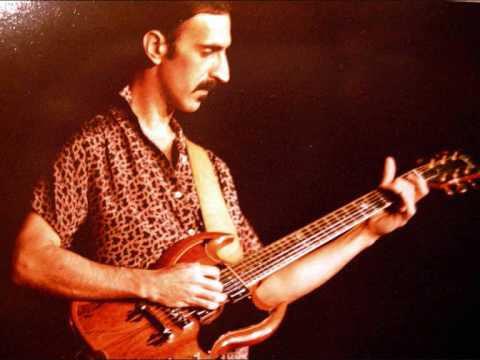
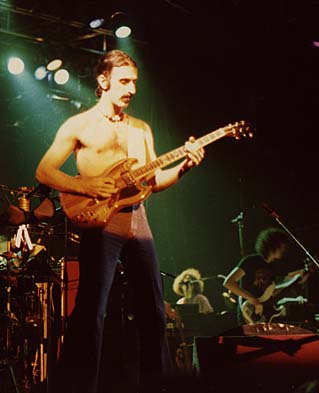
One of the most legendary musicians and intense concerts to grace an Upstate New York stage took place in the fall of 1978 at the Mid-Hudson Center in Poughkeepsie. On September 21, 1978 Frank Zappa and his band appeared on stage for an extended fun and filthy evening of multifarious musical excursions. The circulating recording is a warm well-balanced line tape available through the efforts of an enterprising taper allowed to plug his rig into the soundboard.
The resulting document captures Zappa’s 1978 big touring band featuring, Zappa, drummer Vinnie Colaiuta, Arthur Barrow on bass, Ed Mann on percussion, Tommy Mars on Keyboards, Denny Walley on second guitar, Peter Wolf on second keyboards and Ike Willis on guitar and vocals. The 3,000 seat venue in the midst of the Hudson valley would bear witness to a diverse, virtuosic and musically offensive performance that is still reflected on and talked about by locals and hardcore Zappa fans alike.
The existing tape cuts in with the show already in progress midway through ‘The Deathless Horsie”. The ambient instrumental jam offers a moody warm up for the band as well as an opportunity for Zappa to introduce the band and greet the assembled crowd. Breathlessly the band enters a song that ‘doesn’t rock at all,’ “Dancin Fool”. The percussive ‘disco’ flavored track warms the crowd with an addictive groove and intense show opening breakdowns.
Stage favorite “Easy Meat” from Zappa’s Tinsletown Rebellion follows and spreads a horny groove down in which Zappa slips in a lubricated and penetrating solo display. Segueing deftly into “Honey Don’t You Want a Man like Me” things get sufficiently strange while riding the quirky edge of progressive arrangement.Continuing to move forward into the show without respite, “Keep It Greasy’ continues the musical innuendo containing a kinetic and slick groove orchestrated by Zappa’s numerous compadres.
Sufficiently warmed up, the sets first cool down period comes with the sideways soul and religious condemnation of ‘The Meek Shall Inherit Nothing’. Group vocals, slide guitar and honky-tonk piano support the sarcastic glimpse of religious zealots.
This featured set not only spotlights Zappa’s diverse musical arrangements but his increasingly ‘shocking’ and unabashed lyrical content. The collaboration of venue, era, set list and band, make this bootleg capture a must for any Zappa fan that was unaware of the recordings existence. “City of Tiny Lites” highlights some of the most aggressive soloing of the evening unfortunately cutting out before its conclusion and cutting in midway into the following “Pound for Pound”. Zappa unleashes shaded and dark soloing that eventually dissipates into a sweet guitar and keyboard dual melody quote that rolls together like a sticky bun in “City”. While the following instrumental, “A Pound For A Brown” expresses a jazzy sensibility and a thick spacey synth breakdown, showcasing the groups many improvisational talents.
Next comes one of Zappa’s most well-known tracks, “Bobby Brown” a single release in Europe, but not as well-known in the States due to the edgy sexual content. The main character of the song struggles with their sexual identity, played out through the lyrical playfulness of Zappa. A fantastic and humorous version of the melodically solid track is featured on this recording, a high point of the set. “Conehead” as well a highlight of this early segment of the concert emerges from “Bobby Brown” with a pointed and funky groove. Zappa takes a phased and patient solo break that contains some of his finest playing of the evening thus far. Crisp sustains and lightning fast riffing highlight the central part of this jam. When “Conehead” fades into dynamic rhythmic support, Zappa then introduces “something weird” taking a unique trip with the twofer of “Mo’s Vacation” and “Black Page #2”.
The rare “Mo’s Vacation” flies the friendly skies with syncopated bells, jumpy percussion and variegated statements that amazingly the band required no musical notation to play. The instrumental segues into “Black Page #2” another complicated and stratified musical arrangement that lends witness to the masterful musical mind of Frank Zappa at work. This particular movement embarrasses Zappa’s contemporaries due to its illustrating multiple and diverse levels of melodic expression and mastery of instruments. The song rises and falls over rocky waves of inspiration, jaw dropping in its crisp execution.
As “Black Page #2” fades into darkness Zappa begins a rap about the ‘preposterousness of rock and roll’ and asks the crowd if ‘they feel it’ also. Zappa then takes some body shots at Peter Frampton and mentions how a panty-sniffing Wagner composed some of his works. The slow and sure “I Have Been in You” begins and is beautifully sung/spoken in Zappa’s greatest dry, one-eyed wink, vocal attack. ‘I Have Been In You’ is a classic Zappa segment and one continuous laugh and highlight commentary on the state of rock and roll reality.
“Flakes” drops out of the sky suddenly, keeping its promises through a plethora of funky and complex riffs. The song pulses through multiple changes and commentaries on those certain people who cannot hold up their end of the deal. A solid version of “Magic Finger’s” rubs all the right spots while emerging from “Flakes” in a series of cascading licks while building the set to a ticklish peak.
As if the preceding display of music was not enough Zappa and band construct a medley of the “Yellow Snow” suite, containing the opening four tracks from Zappa’s 1974 Apostrophe LP. The crowd’s pleasure can be felt on the recording as the band pops into the shoulder swiveling “Don’t Eat the Yellow Snow”. The suite continues with carnival blues of “Nanook Rubs It,” “St. Alfonzo’s Pancake Breakfast,” “Father Oblivion” and “Rollo”. The aforementioned narrative is musically challenging, complex, shockingly funny and another piece in the long line of highlights from this performance.
Zappa introduces the players as “Rolo” ends, concluding the main part of the set in animated fashion. The crowd pleads for more, their enthusiasm apparent on the recording. Zappa states that this will not be your typical encore and tells everyone to sit down for another ‘tiny show’.
Zappa then digs into his “Mothers of Invention” catalog for an expansive rendition of “Little House I Used to Live In” from 1971’s Burnt Weenie Sandwich. A moody version, with room left for all band members to receive a spotlight segment. This is not your typical encore, but a mind expanding and twisted compositional display.
The show puffs out its chest for the next series of songs that not only pay witness to Zappa’s extreme abilities and guitar prowess but conclude the show in an awe-inspiring fashion. The aggressive pulse of “Tell Me You Love Me” “Yo Mama” and “Black Napkins” allow the Zappa orchestra to let it go. “Yo Mama” is the showcase for Zappa to deconstruct and build again the songs internal workings through his fretboard. The air gets thick, the music tense and Zappa’s guitar work dense as the arrangement allows for ample exploration. Guitar aficionado’s alert, the central core of “Yo Mama” is a clinic, an organic and tangible aural event.
The encore and performance concludes with ‘Black Napkins’ originally from Zappa’s 1976 record Zoot Allures. Similar to the preceding ‘Yo Mama’ this track allows Zappa to disseminate his guitar work in another context. The smoldering R and B groove ignites with Zappa’s round quivering notes, leaving only metallic shadow remains on the constructed musical bed. A series of punctuated ‘thank you’s’, and the show is over.
Zappa’s 1978 visit to Poughkeepsie, NY left an indelible mark on Zappa’s touring history, fans, and collectors as well the community at large. A muscular performance and collection of songs that through the foresight of tapers and of Zappa’s crew is now immortalized for future fans and musicians to enjoy.
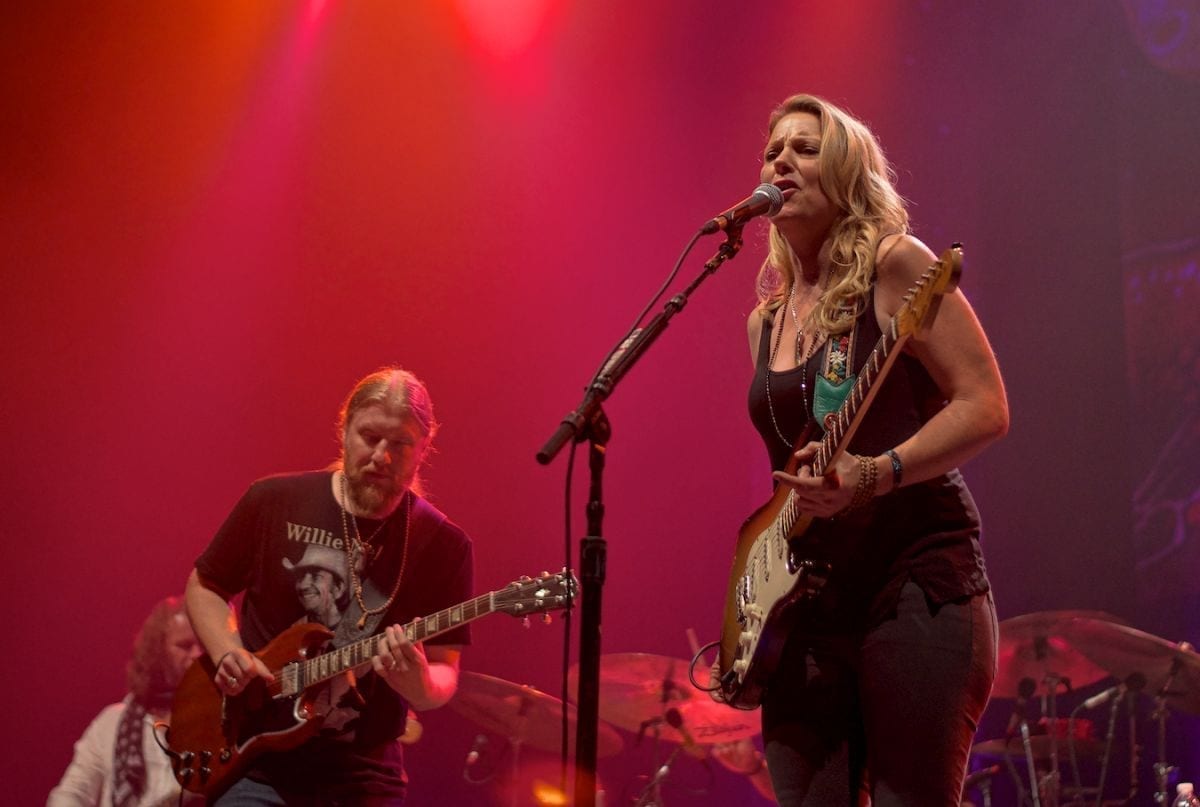
Thursday Sept. 25 brought the Grammy Award winning Tedeschi Trucks Band to Upstate NY during a break in the middle of their New York City Beacon Theatre run. The group performed at the Auditorium Theatre, radiating their unique blend of roots, blues and soul-stirring musical heat. Their extended set touched on all aspects of their stage show and featured well-known studio cuts from the band’s catalog as well as a few surprising covers for their hardcore Rochester contingent. Eliciting memories of past rock legends and influences, the multifaceted Tedeschi Trucks Band mirrors roots revival masters Delaney and Bonnie and subscribes to their aesthetic which includes disseminating a unique brand of traditional, Americana and funky blues music.
After a booming and raucous set by opening band, Playonbrother, the Tedeschi Trucks band followed with an inspired set despite militant security and a seated crowd. Eventually, as the show continued the energy could no longer be contained as the band stirred the assembled throng into musical hysteria through their funky and virtuosic performance. While the focus is often and rightfully so on Derek Trucks spiritual channeling of melody through his trusty Gibson SG, every musician in the eleven member coalition is given equal time to bask in the alluring glow of the spot light. Whether it is the double barrel drum duo firing off rim shots in a percussion battle, Kofi Burbridge blowing a breezy flute line, Mike Mattison singing a sweet soul lyric, the horn section punctuating a great jam, or Susan Tedeschi stinging with a series of clean tone blues licks, it’s all hands on deck with this group.
The concert opened with the simmering groove of Traffic’s’ “Who Knows What Tomorrow May Bring” each member adding color to the fat bounce laid down like shag carpeting by bassist Tim Lefebvre. Similar to every song that is added to their increasingly large repertoire the Tedeschi Trucks band grabbed the song in a firm embrace made it their own.
The concert continued flashing by like a series of Super 8 images, each moment building on and in most cases surpassing the last, instantly logged in the recesses of the attendees spun heads. “Made Up Mind” the title track from the bands 2013 LP whipped the crowd into a hand raising gospel review, with Trucks innate ability to reconfigure melodic ideas into dazzling guitar dissemination’s fully on display. Then, the following breakout of blues standard “Loan Me a Dime” instantly caused an assembled gasp from the audience, especially those familiar with what Duane Allman did with the song via Boz Skaggs. First Tedeschi and then her husband tastefully poured liquid string bends and sustains all over the shifty track, bringing the seated to their feet and concluding the song with a standing ovation.
“Idle Wind” concluded the first segment of music fittingly in a rolling maelstrom of sound. After disposing of the groovy verse segment that features Susan vocalizing like granulated sugar, sweet with a yummy grit, the song slipped into a beautiful place. The horns and guitars started to intertwine and it is this illustrated relationship that soon developed into a teeth clenching jam that squeezed the handlebars for dear life tightly. Soon the excursion fell softly into an avalanche of drums neatly tying itself up with a “set closing” reprise.
Breaking into different segments the band returns for an acoustic set of music. A seated Trucks five-fingered some woody acoustic slide on the traditional “Keep Your Lamps Trimmed and Burning” as well as name dropping the Allman’s with a stripped down “Done Somebody Wrong”. Susan Tedeschi’s reading of Bob Dylan’s “Don’t Think Twice It’s Alright” was special and featured Tedeschi wringing every drip of emotion from Dylan’s timeless melody. This brief respite from the electric proceedings is a testament to the diversity and multiple talents of the group.
The second half of the performance began with crowd favorite, “Midnight in Harlem” ushered in on a Allman-esque space drift that coalesced into the songs blue rotating groove. The husband and wife duo sang together in glorious voice, each represented by their respective instruments. There is no looking back when the group seizes the moment and blazes their way first through Derek and the Domino’s classic “Keep On Growing” then the hard-hitting Bobby Bland blues, “I Pity the Fool” before closing with an extended and definitive “Bound For Glory”.
The band’s own “Bound for Glory” contained jamming that bordered on the edge of fusion magic. A plethora of horn exclamations, sexy slide and honky keyboards lifted the song to dizzying and illicit heights. The central section of the song lost its structure, going so far out you wonder how they are going to land. The band so deftly balances the tight rope between accessible songs and twisted improvisational passages that their appeal is one of celebration and cross genre pollination. The group not only represents a sepia toned lonesome train whistle of the blues past, but a Technicolor supersonic rocket ship into the musical future. “Bound for Glory” encapsulates all of these elements and fittingly closes the show.
A gentle and original version of James Taylor’s, “Fire and Rain” closed the evening and sent a hungry crowd home stuffed, unable to imbibe another musical bite. The greatest thing about this evening’s performance is the realization that the band will be back and they will continue to improve and grow their catalog of music. Tedeschi Trucks band delivers the goods on a nightly basis, it’s a shame there can not be more nights like this one.
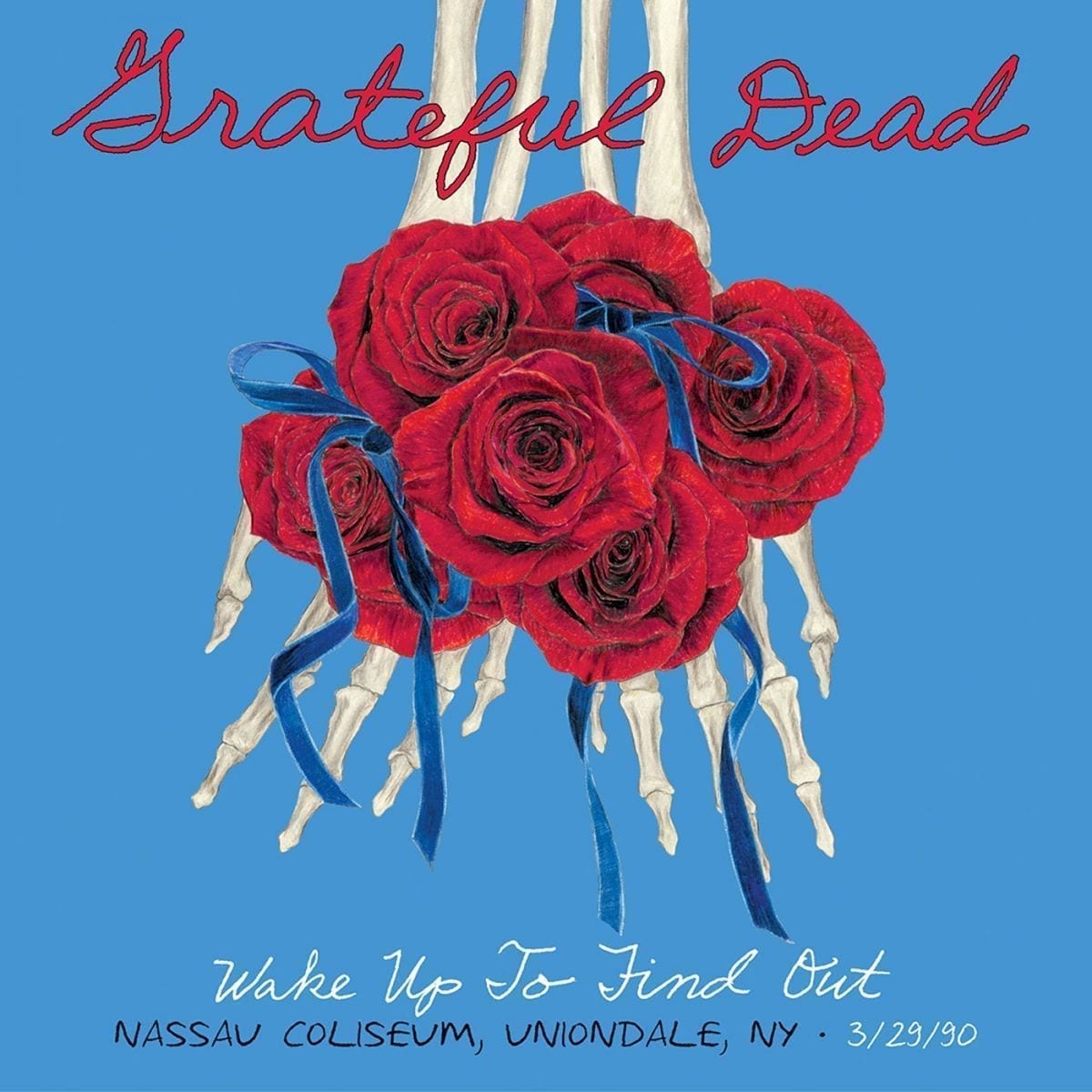
Culled from a tour now represented by two box sets and a number of official releases, the new Grateful Dead vault release, Wake Up to Find Out captures the most famous and arguably the most powerful performance of the Spring 1990 tour taking place on March 29, 1990. This concert occurred during the middle night of a legendary three night stand at Nassau Coliseum, the site of many memorable Dead Head convergences. In Dead Head circles this particular tour is mentioned in the same breath as Europe 1972 and Spring 1977, well-known era’s containing musical alchemy occurring on a nightly basis.
The factor that contributes to making this particular concert even more unique is the addition of jazz saxophonist extraordinaire Branford Marsalis joining the band for one song in the first set and the entirety of the second set. As is usual for the Grateful Dead, when guest artists sit in it often drives the band members to new and unusual heights in their improvisations. In the case of Marsalis who was no stranger to jamming, he was indeed a virgin to Grateful Dead music, making his instant assimilation and dissemination of their music even more impressive. Wake Up to Find Out captures the Grateful Dead prior to their slow decent and at their final musical pinnacle. Following Garcia’s 1986 coma and 1987’s gigantic resurgence with the hit LP In the Dark, the Spring of 1990 is witness to a culmination of the group’s career coming to a head in a flurry of all-star performances.
Taken from the original multi-track recordings, the sonic clarity and definition on this release is unsurpassed. As this particular run of shows was being recorded for the eventual live release, Without a Net, all of the shows were being captured for posterity in a professional manner. This ain’t no bootleg. The high musical standard set during the playing of the tour was equaled by the recording method of the shows.
The concert and recording begin with the high tempo on-two punch of a “Jack Straw”/”Bertha” opener. Rough but ready and extremely high energy the band comes out swinging with a stinging duo of opening songs. The entire first set is typical of the era, which is to say played to an extremely high standard. The set is somewhat short but in this case quality outweighs quantity. After reaching an early summit with a fragrant and fat “Ramble On Rose” the first highlight of the set lifts off of the earth with a breezy and all time version of “Bird Song”.
Marsalis joins the band for an extended and delicately constructed version of the song in which his saxophone blends in with the band like a permanent fixture. Immediately Garcia and Marsalis trade feathery licks while Lesh and the drummers navigate the winds aloft, rising and falling with the altitude. It doesn’t take long for the band to generate a blustery convalescence of sound. Garcia switches to rhythm causing the jam to collect and disperse momentum. Once the tempo has been stated Mydland, Garcia and Marsalis weave their scaled discoveries into a slithering melodic dance. The song is driven by the breezes of inspiration, moving by its own accord, Lesh the main impetus constantly shifting the directive allowing for the soloists to create on an ever changing canvas. “Bird Song” soon gently returns to earth, headed toward the “Promised Land” and a rip snortin’ rock n roll conclusion to the first set. The rendition of “Bird Song” obviously got everyone off because as Marsalis prepared to leave after his appearance, he was notified by Lesh and other band members that he would be invited to join the band for the entirety of the second set. What a set it would turn out to be.
The second half begins with a patient and jazzy “Eyes of the World” built like the old days, this is actually the version that would end up being represented on the official release Without a Net. Finding the perfect tempo, this “Eyes” feels like the band has discovered the version they have been waiting their entire career to perform. Billy and Mickey tumble like rolling thunder and Lesh swings like a nimble club musician. Marsalis streaks across the landscape with transcendent melodic statements that not only play against Garcia’s statements but draw them in intimately before shooting across the bands percolating groove. Garcia uses his new-found MIDI capabilities to join Marsalis not only on guitar but on a breathy oboe.
In contrast to normal procedure the band segues into “Estimated Prophet” after a wonderfully strange wah-wah’d outro jam. Again, this “Estimated Prophet” is one of the better versions you will hear and an ace choice for Marsalis to play on because of its 7/4 time signature and jazz aesthetics. This is solid electric blue 1990’s Grateful Dead, containing tasteful true ensemble playing where the band interplay drives the jams, not individual soloing. This is what has and will always separate the Dead from other improv ‘Jam’ bands, their ability to listen and respond to the minutest musical detail and grow it into a stately sonic statement.
“Estimated” stretches like warm taffy, Marsalis drops out, Garcia starts to get strange and the jam has nowhere to go except for its natural resting place, “Dark Star”. The obvious choice to go after the delicious jamming that has preceded it, this “Dark Star” makes up the central meat of the set encompassing a pre-drums first verse, drums/space and a post space verse two. The band skips around the theme for a while making glorious statements. After the first verse is sung a kinetic ambiance settles on the band and they enter a sideways fusion flavored groove. A strange brew develops with the drummers getting especially excited by the proceedings by laying down a three dimensional dissonant rhythm. The central orbit of “Dark Star” is reached and the highlight of the concert is created with all members locked into an unseen influence. The jam takes on a tangible form, a pinwheel tumbling through a star filled transparent box that lacks gravity. Garcia thumbs through his diverse MIDI index hitting on multiple tones and even a “Close Encounters” vibe at one point while Lesh slides across wooden floors in his sock feet. Marsalis joyfully syncopates with Garcia tumbling into a multicolored ball of experimental scales, converging and then drifting away. The jam gets thick and heavy with quirky additions by Mydland and Weir before falling into a trippy drums segment and a spacious space horizon of bells, clinks, dings and other playful ‘noises’ by the drummers.
In all honesty I feel the band had busted their proverbial nut at this point as they move out of a foggy space and into verse two of “Dark Star” then into the joyousness of the “Wheel’. This is not negative in any way, I just feel had reached the end of their journey of discovery and now locked it into cruise control to rock the assembled crowd home. The band then blasts through “Throwing Stones” >”Lovelight” and the poignant encore of “Knockin on Heavens Door” – all played extremely well and find the band exhibiting the same enthusiasm in place since the opening numbers. Marsalis illuminates “Lovelight” with his sexy horn blasts, making the familiar brand spanking new as he has consistently the entire evening. The crowd walks dazed to the exits after the gentle closing of “Knockin On Heavens Door”.
Wake Up to Find Out is a wonderful document of a band getting a second and even third wind after an extended and influential touring career. The concert is possibly the finest of an era saturated with evenings always perched on the edges of musical genius. The addition of Branford Marsalis only increases the bands penchant for improvisation and originality. This 1990 concert can lock into any era of Grateful Dead music and compete with the finest nights the band ever played. The quality of performance, recording capture and song selection combine for a perfect and proper listening experience.
Rochester, NY will be the landing spot for the celebratory roots and blues explorations of the Tedeschi Trucks Band on Sept. 25. The eleven piece group combines Derek Trucks world-renowned guitar prowess as well as his wife Susan Tedeschi’s gritty vocals and equally potent guitar talents. Poly rhythmic undercurrents, golden horn exclamations and soulful renditions of classic covers and original compositions are on the docket for the evenings musical proceedings. The band will visit Rochester in support of their recent release, 2013’s Made Up Mind.
The concert will feature the band’s diverse blend of swampy blues, jazz, funk and raga neatly decorated with the virtuosic slide guitar of bandleader and instrumentalist extraordinaire Derek Trucks. Unable to be categorized by genre, the Tedeschi Trucks band is music for the body and mind, developed by some of the finest musicians in the world, each member a shining star illuminating a detailed musical landscape.
Tickets for the 7:30 performance are available through Ticketmaster for $39.00-89.00 or by contacting the Rochester Auditorium Theatre.
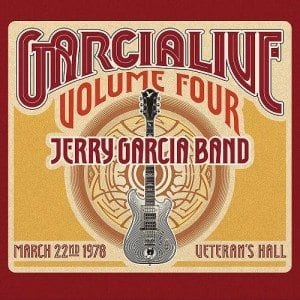
Released on compact disc this week by the Estate of Jerry Garcia comes Garcia Live Volume Four, the newest addition to the updated live release series hailing from Garcia’s bulging vault. The recording comes from March 22, 1978 at Veterans Hall in Sebastopol, CA and features a tour already well represented on official releases because of its crispy playing and plentiful jamming. The now defunct Pure Jerry series spotlighted the JGB’s March 18, 1978 early and late performances, as well as concerts from February and June on the Bay Area 1978 release.
This incarnation of the ‘Jerry Garcia Band’ is worthy of deep inspection and were together from November 1977 through November of 1978. In addition to Garcia the band included, John Kahn (Bass), Keith Godchaux (Piano, Vocals), Donna Godchaux (Vocals), Maria Muldaur (Vocals) and Buzz Buchanan (Drums). This performance also features future Garcia Band member Ozzie Ahlers sitting in for the final four songs of the second set. What makes this era so attractive to fans and archivists is the nimble and airy aesthetic of the group. Godchaux and Garcia provide the color to the tunes, spinning delicate and ornate webs of melody around one another. Kahn’s hide and seek bass playing is always a unique aspect of the JGB’s rolling mystical attitude and his relationship with the clean sheet drumming of Buchanan gives the tunes a flexibility not always available to Garcia in the Grateful Dead.
Garcia’s guitar tone during this era is also something of note. His famous Doug Irwin ‘Wolf’ guitar returned in the Fall of 1977 after putting away his touring Travis Bean guitar for technical issues. The ‘Wolf’ appeared refurbished and retooled with a big brassy tone, like a huffing and puffing psychedelic horn. Garcia’s vocals during this era are also some of the most emotive and expressive of his career. While his throat still contained a youthful exuberance, its continued maturity injected wisdom and inquisitive weariness to his storytelling. The Spring 1978 Grateful Dead tour the following month from this concert is well-known for Garcia’s emotional vocal performances, especially on the ballads. This new-found vocal investment may or may not be due to Garcia’s newly found love of Persian which is well-known for its effect on many artists vocal approach.
The concert begins with usual JGB show opener “How Sweet It Is (To Be Loved by You)” always a proper number to warm up the chops and rigid fingers. The swift and skillful group floats like a feather but drops musically like a melodic anvil. There was a full moon on this evening and its effect is immediately noticeable in the magical tides being created by the band.
One of the finest versions of “Catfish John” follows next in the set and is highlighted by both Garcia and Godchaux’s melodic explorations. Each nook and cranny of the song is searched for differing avenues of expression by the duo.
The preceding East Coast segment of the JGB’s tour had just concluded on March 19 and a definite contrast in vibe is felt with this introductory West coast performance. The first set floats along patiently, moving through three extended versions of elongated readings of Dylan’s ‘Simple Twist of Fate’, ‘Second That Emotion’ and a respectful and regal version of ‘The Night They Drove Old Dixie Down’. ‘Simple Twist’ clip-clop’s with a horse’s strut, Garcia lending his own special poignancy to the song with melodic interpretations of Dylan’s verses that draw out visual scenes not sketched by the original interpretation.
The set closing “The Night They Drove Old Dixie Down” looks trough a misty window at battlefields of the past. Again, the song is stretched out and examined dynamically with the prime interpreter Garcia illustrating new meanings through his ariose guitar runs. This flexing version lends an emotional and introspective conclusion to the set.
The second set begins excitedly with a bounding tempo as the band introduces Jimmy Cliff’s “Harder They Come”. A kinetic groove is developed around Kahn and Godchaux’s quivering exclamations, equaling another rendition that is representative of an all time version. Garcia’s guitar is plump and round, his slithering runs hitting the central spot of the frets each and every time. These are not the speed runs, or aimless noodles that Garcia is sometimes guilty of when he may be feeling too good. These are concentrated and developed reconstructions of the melody, bent and shaped into original forms and readings. This is when Garcia is at his best. Sometimes the spaces between the notes are as uniquely expressed as the flexed one note holds. Garcia’s prowess as a rhythm guitarist which is often highly underrated is also of note in this version. Garcia scrubs until creating bubbles under Godchaux’s solo segment which in turn is sandwiched by Garcia’s solo picked excursions.
Keeping with the increasing energy of the second set comes another definitive reading with a stoic “Mission in the Rain”. Even though this song could be considered a ‘ballad’, here it sways away at a strutting clip. One of Hunter/Garcia’s finest songwriting moments, the song never quite felt right with the Dead, here it elicits a downpour of Garcia trills that reflect Godchaux’s misty keys, eventually building and thundering into a massive musical storm. Also highlighting this performance is the aforementioned Garcia vocal reading, full of tasteful over enunciation and additional push.
Part of the reason for the fame and strength of performances hailing from this era is attributed to the fact that Garcia had just released possibly his finest record with the Garcia Band. Cats Under the Stars was being supported by this tour and its songs formed cornerstones for Garcia’s repertoire for years to come. “Cats Down Under the Stars” and “Gomorrah” are played back to back here, true to the recently released studio versions but performed with the same glory and attitude of preceding numbers. Throughout the intervening years these songs would develop into ‘big’ numbers, road tested and matured due to constant playing.
Garcia Band favorite “Mystery Train” follows and as expected chugs along blowing steam. The tempo shakes like a railroad bridge with Ozzie Ahlers now sitting in on percussive piano according to the liner notes. The band cruises over crossings, under bridges and through American rock and roll landscapes on Buchanan’s choogling drums.
The smoky ‘reggae’ burn of the Hunter/Kahn number “Love in the Afternoon” is played next and brings thing back down slightly, until Garcia whips a lasso around the band and drags them into a nice mid song peak. Ahlers piano playing fits in perfectly and nary a lick is misplaced by his guest appearance.
The traditional “I’ll Be with Thee” closes the concert on a soulful and secular note. Garcia Band’s vibe was always based in American values, traditional ideas, and soulful renditions of classic melodies. Donna Godchaux and Muldaur lend their gospel voices in close harmony on this hand raising, hip swaying closing number.
The band returns for an encore of “Midnight Moonlight” which is the victim of an unfortunate tape cut at its conclusion. Most of the song is available, which is fortunate because like the Full Moon that shined outside the venue, this version is luminescent and celebratory, sending the assembled crowd to walk hand in hand across the lunar lit night.
The new GarciaLive Volume 4 is a worthy release from a well represented time in the Garcia Band’s history. Similarly to the Grateful Dead’s 1972, 1977 and 1990 tours, this era is highlighted through official releases because of its historic value, beautiful playing and unique instrumental prowess. The available soundboard recording is sweet sounding, well-balanced and loaded with delicate and powerful playing, all coming from an era filled with jaw dropping guitar fireworks by Garcia and sympathetic backing from the players.
Key Tracks: Mission in the Rain, Catfish John, The Harder They Come
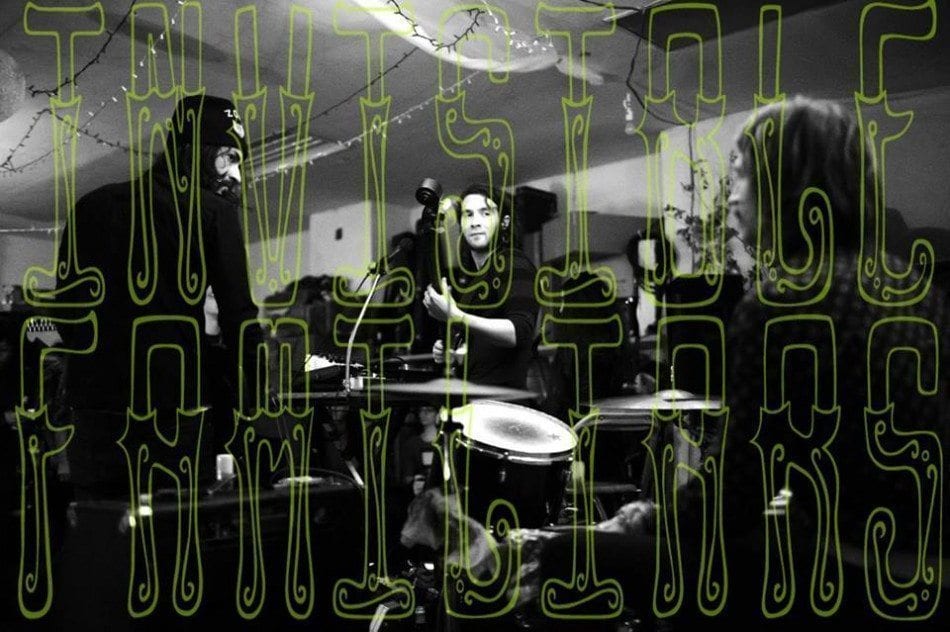 No excuses will be accepted! Swing into the BSP Lounge for an extended evening of quality and free of charge tunes! This is an 18+ event.
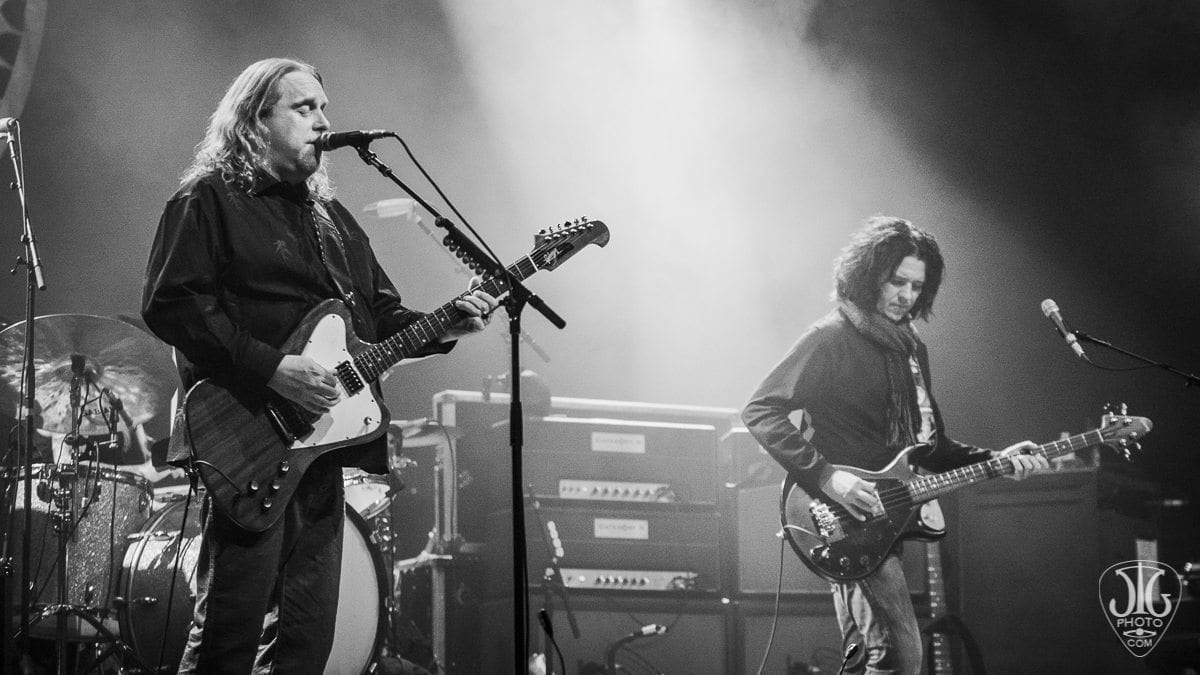
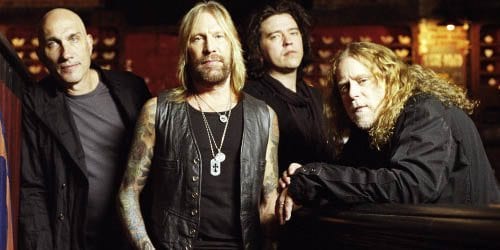 Tickets are available for $29.50-39.50 for the all age’s performance here.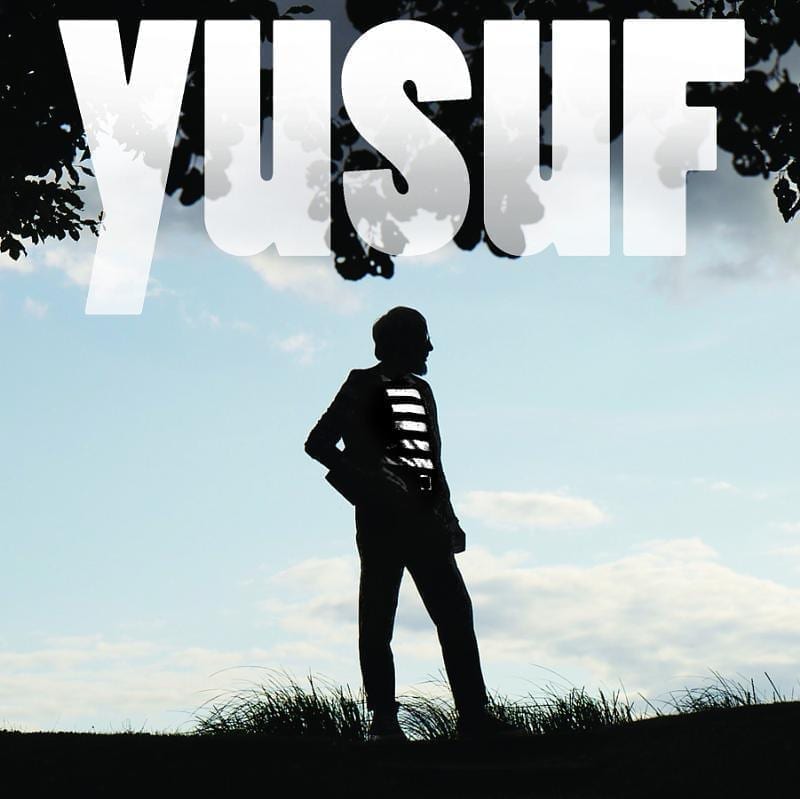
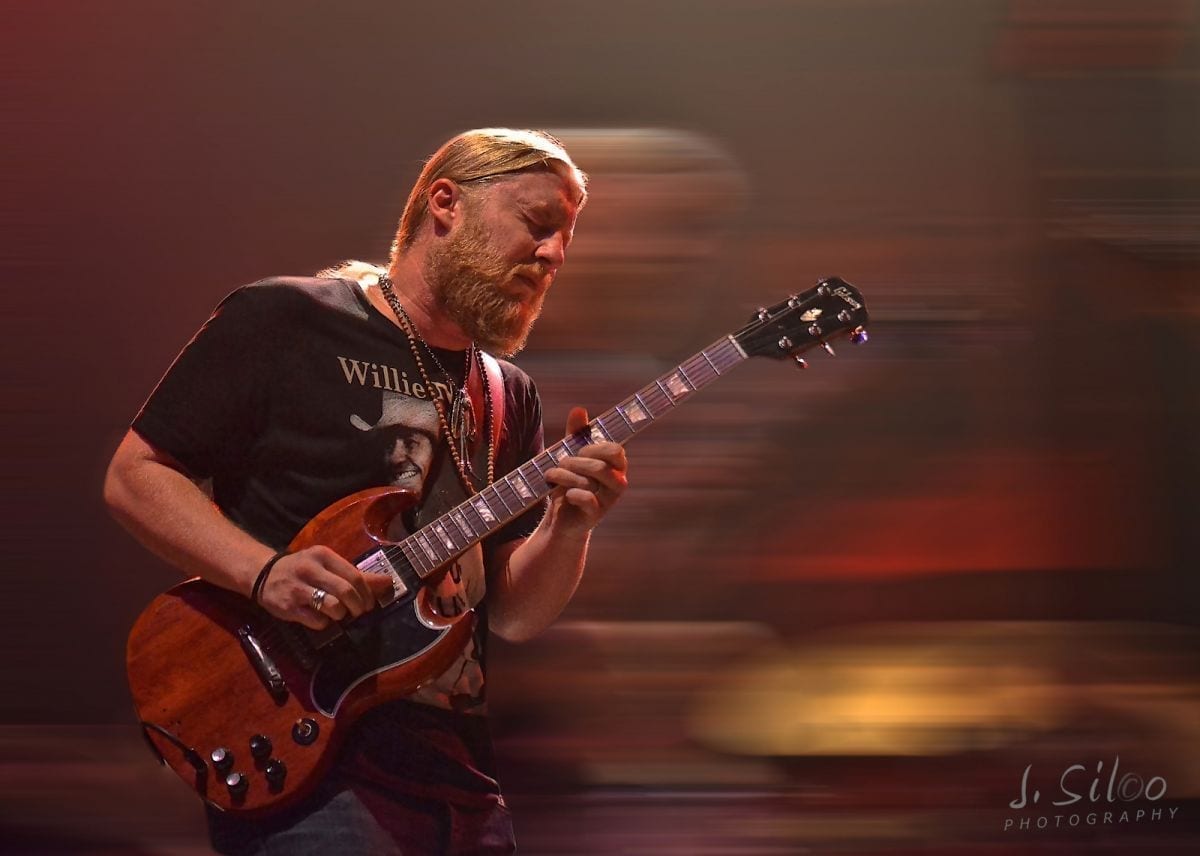

 The concert will feature the band’s diverse blend of swampy blues, jazz, funk and raga neatly decorated with the virtuosic slide guitar of bandleader and instrumentalist extraordinaire Derek Trucks. Unable to be categorized by genre, the Tedeschi Trucks band is music for the body and mind, developed by some of the finest musicians in the world, each member a shining star illuminating a detailed musical landscape.