Category: Manhattan

  • In Focus: Phish Return to Madison Square Garden

    Phish kicked off their annual New Years Run at Madison Square Garden, the band’s 16th overall at the ‘World’s Most Famous Venue’ and a feather in the cap of a band who have had a remarkable 2024. 

    With shows at Sphere in Las Vegas and a stellar summer tour culminating at Mondegreen festival in Delaware (plus 4-night Mexico and Dicks runs) the foursome from Vermont have much to live up to at MSG, where the most recent performance by the band last New Year’s Eve featured a two-set stage production of the band’s Gamehendge rock opera, the holiest of Phish grails. 

    So while the bar is set high – let’s face it, Phish fans eternally set the bar high for the band – and the band doesn’t always reach that bar. It would be impossible to do so, but they gave it the ol’ college try on Saturday, December 28. 

    The show opening “Simple” would end up being the longest jam of the night, clocking in at 13 minutes, and when that’s the case, there’s a lack of flow that follows. “Free” followed and had some meat to it, but gave way to a sedate “Farmhouse”. Throw in “Poor Heart” and “Tube” plus a rare “Driver,” and the crowd was content to fall into a well placed first set “Reba,” with a beauty of a bliss jam within. A late first set “Oblivion” thankfully did not jam out for a change, and instead gave way to “Antelope” to close, as it so often has at the Garden.

    Set two looked to get things started with “Back on the Train,” and while things were headed in the right direction, “Axilla (Part 2)” limped out of the gate, with Anastasio being a bit ahead of the band. The song struggled until the outro, which worked its way nicely into “A Wave of Hope,” a jam to enjoyably get lost in. “Round Room” – which let’s be honest, needed a little more practice – was performed for only the seventh time ever, and first since 2016, yet an apropos song for Madison Square Garden. 

    Just as the excitement over “Round Room” died down, “I Always Wanted it This Way” (aka, Page EDM) took over mid-set, and after that, the rest of the set played out with a standard “Twist,” a pleasant “Mango Song”, “Blaze On”, “Cavern” and to close things out, “David Bowie.” 

    For the encore, “Mountains in the Mist” to start meant a multiple song encore was in the works, but the bar was set high when you’ve seen “Mountains” at Sphere. “Fuck Your Face” followed and random, but possibly influenced by a recent tech CEO tweet. “46 Days” to close was on par with much of the show – fun and energetic, but nothing incredible to write home about. 

    Phish fans have three more nights left in 2024, including the 25th anniversary of Big Cypress to celebrate. What does Phish have in store to close out 2024? Stay tuned!

    Setlist via Phish.net

    Set 1: Simple, Free, Farmhouse, Poor Heart, Tube, Kill Devil Falls, Driver, Reba[1], Oblivion > Run Like an Antelope

    Set 2: Back on the Train, Axilla (Part II) > A Wave of Hope > Round Room, I Always Wanted It This Way > Twist > The Mango Song > Blaze On > Cavern > David Bowie

    Encore: Mountains in the Mist, Fuck Your Face > 46 Days

    [1] No whistling.

    Reba did not contain the whistling ending. 

    Round Room was played for the first time since June 22, 2016 (322 shows)

    Photos by Taylor Weinberg

  • The Phish Before The Storm: December 30, 1995 at MSG

    Nineteen ninety-five was as formative and important a year for Phish as they come. So, it should come as no surprise that it ended at Madison Square Garden, a venue the band today calls “home.” However, the New Year’s run for 1995 would mark only the second and third times Phish ever played MSG. Even though New Year’s Eve ’95 may get all the “glory,” it’s lead-in from the night before has a lot to offer as well.

    The show began with the relatively new “Prince Caspian,” from then yet to be Billy Breathes album. It’s a relatively quick and nondescript version. But immediately at its conclusion, some familiar feedback ensues, the signature drum beat kicks in and Phish is off and running with a rare first set, “Also Sprach Zarathustra,” or simply “2001” as it’s commonly referred to today. Phish packs a decent punch in this arena rocker that certainly is a short version when compared to contemporary ones. Yet again, the next song begins before “2001” can even finish. This time it’s “Suzy Greenberg” with Page McConnell leading the way on piano, completing a unique opening trifecta.

    Phish MSG

    Another quick, familiar-sounding feedback jam slows things down a bit before Phish takes off again. This time it’s fueled by Jon Fishman’s signature drum intro to “David Bowie.” This gives the band their first real opportunity to explore the New Year’s space at MSG, and they do just that. A patiently crafted jam is accentuated with some brilliant Anastasio-provided guitar licks, which grow slowly in ferocity. This yields a hearty response of approval from the crowd as the first real jam of the night.

    The first set also features a “Kung” sandwich, with the opening and closing sections of “It’s Ice,” ably serving as the bread. There’s even a nod to Gamehendge, courtesy of the ensuing “The Man Who Stepped Into Yesterday” sequence, with the Mike Gordon-led “Avenu Malkenu,” placed right in the middle per usual. Emotions then come to a peak in the first set with an absolutely rousing “Divided Sky” that features a noticeably long “pause.” A quick romp through “Sample In A Jar” brings a first set that seemed to pull a little bit of everything from the band’s mid-90s repertoire.

    Phish MSG

    Native New Yorker, Mike Stone, got to make the chess move, on behalf of the audience prior to the start of the second set. This was the second of two chess matches between the band and their fans in 1995. These wound up being split. And for those unaware, the rematch looms.

    While the second set doesn’t offer up as much in the way of rarities as the first, it more than makes up for it in execution. “Ya Mar” opens the second stanza and includes a perfectly placed “Auld Lang Syne” tease from Trey. Another fairly new song still finding its legs in “Free” follows this. But the highlight of the set, and possibly the show, is the triumphant “Harry Hood” that comes next and builds to an incredibly emotional peak. When this is paired with a thunderous “AC/DC Bag,” it creates one of the earlier special Phish moments at MSG.

    “Lifeboy” serves as the well deserved ‘breather’ song after this impressive sequence of music. But that’s the last of its kind for this show. “Scent Of A Mule” sees a particularly drawn out “Mule Duel” between Trey and Page before its maniacal klezmer-esque finish. And the set ends in fine fashion with a double closer of sorts. A standard take on the Picture of Nectar classic “Cavern” begets an absolute whirlwind of a “Run Like An Antelope” and the typical musical chaos that comes with it.

    For an encore, Phish trotted out “A Day In The Life,” a Beatles cover that was also new to 1995. This would be the only non-instrumental cover of the evening. An impressive performance of nearly all originals, both new and old, defined the second ever Phish show at MSG. And it certainly laid the groundwork for what would be the third time’s “charm” the following evening.

    Phish MSG New York, NY 12/30/95

    Set 1: Prince Caspian > Also Sprach Zarathustra > Suzy Greenberg > David Bowie, Simple > It’s Ice -> Kung -> It’s Ice > The Man Who Stepped Into Yesterday > Avenu Malkenu > The Man Who Stepped Into Yesterday > Divided Sky, Sample In A Jar

    Set 2: Ya Mar, Free > Harry Hood > AC/DC Bag > Lifeboy, Scent Of A Mule > Cavern > Run Like An Antelope

    E: A Day In The Life

  • Cab Calloway: The Hi De Ho Man

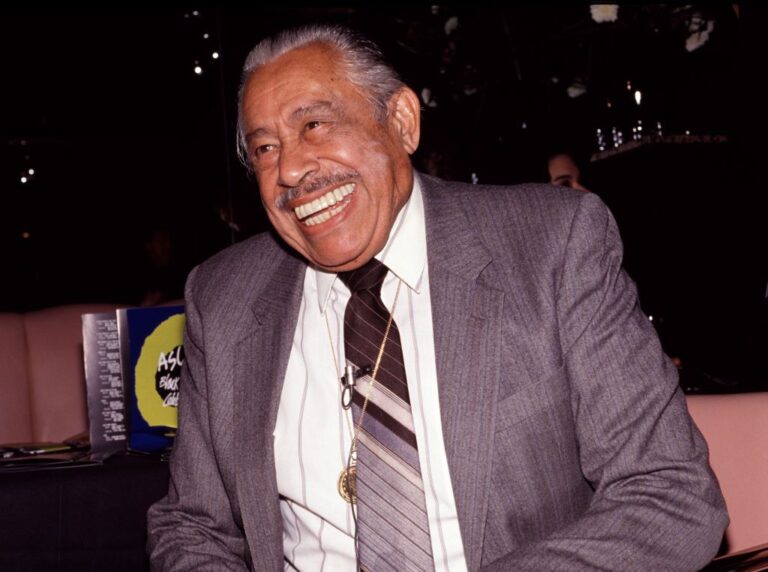
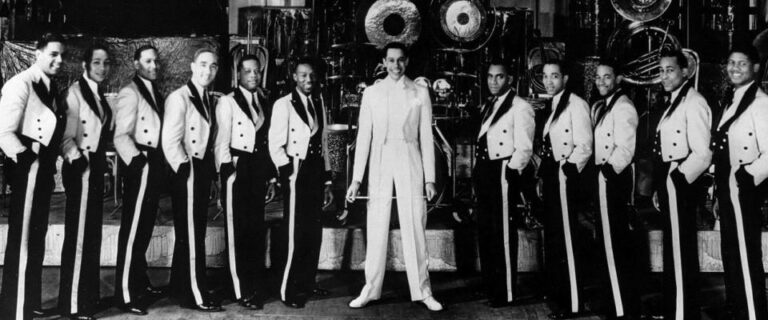
    Cabell “Cab” Calloway III was born on Christmas Day, 1907 in Rochester, living on Sycamore Street. His mother was a teacher and church organist and his father was a lawyer. When Calloway was 11, they moved to Baltimore. After he was caught playing dice on the church steps, his mother sent him to a reform school in Pennsylvania.

    When he returned to Baltimore, Calloway began private voice lessons and continued his study of music throughout school. He soon began performing at nightclubs in Baltimore and was mentored by Chick Webb and Johnny Jones.

    cab calloway

    In 1927, Calloway joined his older sister, Blanche, in a tour of Plantation Days. She achieved success first, he often credited her as an inspiration to enter show business. His parents wanted him to follow in his father’s footsteps and become a lawyer. Therefore, he enrolled to college in Chicago, but spent his nights at the Dreamland Ballroom, Sunset Cafe, and the Club Berlin. At the Sunset Cafe, he was an understudy for Adelaide Hall. He also met and performed with Louis Armstrong.

    Harlem

    In 1929, Calloway moved to Harlem, performing with the Alabamians band. They opened at the Savoy Ballroom and broke up soon after. With help from Armstrong, Calloway established himself as a vocalist by singing “Ain’t Misbehavin’” by Fats Waller. Soon after, The Missourians asked Calloway to join and front them.

    The following year, the band name shifted to Cab Calloway and His Orchestra. In 1931, the band replaced the Duke Ellington Orchestra at the Cotton Club while they were on tour. Due to the increased popularity, they were offered a permanent position there.

    cab calloway

    The band also performed regularly on radio broadcasts on NBC. Calloway also appeared on radio programs with Walter Winchell and Bing Crosby became the first African-American to have a nationally syndicated radio show. During the heights of the Great Depression, Calloway was earning $50,000 per year at the age of 23.

    The 30’s and 40’s

    In 1931, Calloway recorded his most famous song, “Minnie the Moocher.” This is the first single song by an African-American to sell one million records. Three of his songs, “The Old Man of the Mountain,” “St. James Infirmary Blues” and “Minnie the Moocher”, were performed in Betty Boop cartoons.

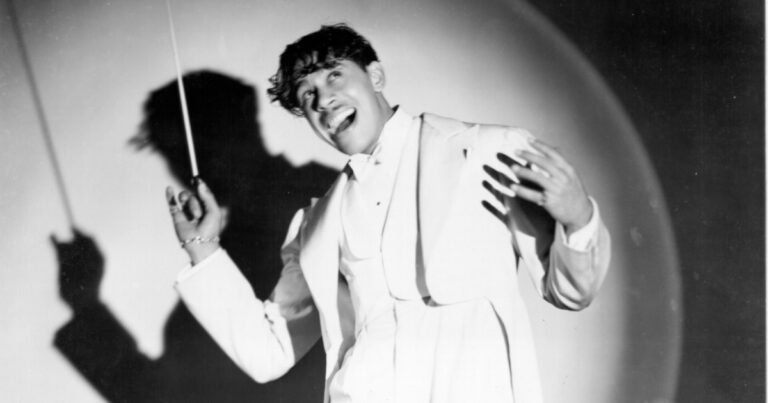
    Calloway soon received the nickname “The Hi De Ho Man.” He performed in the 1930s in short films for Paramount. In these, Calloway performs a gliding backstep dance move, a possible precursor to Michael Jackson’s moonwalk.

    Calloway’s band in the 1930s and 1940s included many notable musicians, such as Ben Webster, Ed Swayze, Cozy Cole, and Dizzy Gillespie. In 1940, Strike Up the Band, starring Mickey Rooney and Judy Garland, has a line of “You are not Cab Calloway” after playing poorly.

    In 1941, Calloway fired Gillespie from his orchestra after an onstage fracas erupted when Calloway was hit with spitballs. He wrongly accused Gillespie, who stabbed Calloway in the leg with a small knife.

    cab calloway

    In 1956, Clarence Robinson, who produced revues at the original Cotton Club and the Apollo Theater, and choreographed the movie Stormy Weather, cast Calloway as the main attraction for his project in Miami. The Cotton Club of Miami featured a troupe of 48 people, including singer Sallie Blair, George Kirby, Abbey Lincoln, and the dance troupe of Norma Miller. The success of the shows led to the Cotton Club Revue of 1957 which had stops at the Royal Nevada Hotel in Las Vegas, the Theatre Under The Sky in Central Park, Town Casino in Buffalo.

    Later Years

    The Cotton Club Revue of 1959 traveled to South America for engagements in Rio de Janeiro and Sao Paulo. They also stopped in Uruguay and Argentina before returning to North America which included a run on Broadway. Directed by Mervyn Nelson and choreographed by Joel Nobel, this edition featured Ketty Lester, The Three Chocolateers. The revue toured Europe in 1959 and 1960, bringing their act to Madrid, Paris, and London.

    Calloway remained a household name due to TV appearances and occasional concerts in the US and Europe. In 1961 and 1962, he toured with the Harlem Globetrotters, providing halftime entertainment during games.

    cab calloway

    In 1985, Calloway and his Orchestra appeared at The Ritz London Hotel where he was filmed for a 60-minute BBC TV show called The Cotton Club Comes to the Ritz. Adelaide Hall, Doc Cheatham, Max Roach, and the Nicholas Brothers also appeared on the bill. A performance with the Cincinnati Pops Orchestra directed by Erich Kunzel in August 1988 was recorded on video and features a classic presentation of “Minnie the Moocher”, 57 years after he first recorded it.

    On June 12, 1994, Calloway suffered a stroke at his home in Westchester County. He died five months later from pneumonia on November 18, 1994, at age 86, at a nursing home in Hockessin, Delaware.

    Awards and Accomplishments

    In 1990, Calloway was presented with the Beacons in Jazz Award from The New School. The NYC mayor at the time, David Dinkins, proclaimed the day “Cab Calloway Day.”

    The Cab Calloway School of the Arts was founded in Wilmington, Delaware in 1992.

    The New York Racing Association (NYRA) annually honors the jazz legend, a native of Rochester, with a stakes races restricted to NY-bred three-year-olds, as part of their New York Stallion Series. First run in 2003, The Calloway has since undergone various distance and surface changes. The race is currently run at Saratoga Racecourse, one of America’s most popular, premier racetracks. The Cab Calloway Stakes celebrated its 13th renewal on July 24, 2019.

    He is also a recipient of an Outer Critics Circle Award (1967), member of the Big Band and Jazz Hall of Fame (1987), Beacons in Jazz Award (1990), National Medal of Arts (1993), International Jazz Hall of Fame (1995), Grammy Hall of Fame for “Minnie the Moocher” (1999), and a Grammy Lifetime Achievement Award (2008). “Minnie the Moocher” was added to the Library of Congress National Registry in 2019.

  • Your Guide to Pre and Post-Shows during Phish’s MSG New Years Eve Shows

    From Dec. 28-31, the annual Phish at Madison Square Garden four-night run will return to ring in the new year.

    Phish After Shows

    With this, Creative Entertainment Group (CEG) has announced the initial lineup of pre and post-shows for each date with more announcements to come.

    CEG has also shared that $1 of each ticket will be donated to Phish’s WaterWheel Foundation.

    Phish After Party

    Dec. 28 – Steely Dead, Neighbor

    Steely Dead will be playing both a pre-party at 4 pm and an after-party at 11:55 pm at the Hill Country. The price is $25 per person and pre-party and after-party tickets are sold separately. The Steely Dan and Grateful Dead cover band began in Denver, Colorado and is now a national touring band. Learn more and purchase tickets here.

    Phish After Shows

    Neighbor will be playing a live after-party at the Cutting Room from 11:55 on through the night. The band has a diverse catalog of hundreds of songs that brings elements of Americana, Funk, Rock, Jazz, Soul, and more. Tickets are $25 per person and the event is 21+. Learn more and purchase tickets here.

    Phish After Shows

    Dec. 29 – Space Bacon, Near Dead Experience

    The Near Dead Experience is a Brooklyn-based Grateful Dead cover band, fronted by a group of musicians who connected on Reddit. They will play a Phish pre-party hosted at the Hill Country Live. Doors open at 3 pm, and the show starts at 4 pm. Tickets are $24.90 and the event is open to all ages. Learn more and purchase tickets here.

    Phish After Shows

    The Brooklyn-based future jam quartet Space Bacon will play live at the Hill Country from 11:55 pm through the night. Tickets are $20 for tier 1 which includes general admission and $25 for tier 2 which includes DOS. This event is 21+. Learn more and purchase tickets here.

    Dec. 29 & 30 – Medeski, Martin, Metzger & Cline

    For two nights the supergroup of Medeski, Martin, Metzger & Cline, will play the after-party at the Sony Hall starting at 11:59 pm. John Medeski and Billy Martin of Medeski Martin & Wood will be joined by Joe Russo’s Almost Dead guitarist Scott Metzger and Wilco’s guitarist Nels Cline. The group first performed together in 2019 on Dec. 28 then again in 2023 on Dec. 30 and now for the first time, they will play two nights.

    The price is $45 a ticket for standing room and $65 for VIP reserved seating. Purchase tickets for Dec. 29 here and Dec. 30 here.

    Dec. 31 – Funk Sauce Dance Party, Tad Cautious, Shakedown Citi

    Grateful Dead cover band, Shakedown Citi, channels the spirit and energy of the Dead without trying to copy them. They will perform a pre-show for the NYE Phish concert at Hill Country Live, beginning at 4 pm. Tickets are $24.90 and the event is open to all ages. Learn more and purchase tickets here.

    Host on Sirius XM’s Phish Radio, Tad Cautious, will be joined by friends Ari Fink, DJ Blender and DJ Cooley, to perform at the NYE post-party. Doors open at 11:30 and the show will go until 4 am on Dec. 31 at the Hill Country Live. Tickets start at $28 and the event is open to all ages. Purchase tickets here.

    Closing out the four nights of Phish after-parties is the Funk Sauce Dance Party hosted by dj AF (Ari Fink) & Tad Cautious with DJ Cooley and the mysterious DJ Blender. From 1 am to 4 am, the Senior Director of music programming at SiriusXM, and host of The Bunny on SiriusXM, will make you party into the new year. Learn more and purchase tickets here.

  • Flashback: Marky Ramone Brings Holiday Blitzkrieg To Gramercy Theatre

    On December 20, 2019, Marky Ramone brought his Holiday Blitzkrieg show to Gramercy Theatre in New York City.  Marky was the drummer for The Ramones for 15 years after replacing Tommy Ramone in 1978. He played on nine of the band’s 15 albums and was inducted into the Rock & Roll Hall of Fame in 2002.

    The group (Marky on drums, Pela on lead vocals, Martin Blitz on bass and Marcelo Gallo on guitar) played more than 30 Ramones hits including “Do you Wanna Dance,” “53rd and 3rd,” “Beat on the Brat” and of course “Blitzkrieg Bop.” They also played covers that The Ramones made popular to punk culture including Creedence Clearwater Revival’s “Have you Ever Seen the Rain” and Louis Armstrong’s “What a Wonderful World.”

    Punk Rock started in New York City in the 1970s, and it remains very clear that these songs are timeless judging by the crowd getting revved up. Bodies were slamming into each other relentlessly from the start of the first song until the very end of the show. Although the songs are over 40 years old, the music is still very much alive and continues to attract new fans from the younger generation.

    Unfortunately this years show could’t happen due to COVID-19 but hopefully it will return in 2021

    Marky Ramone’s Holiday Blitzkrieg, Gramercy Theatre, NY, NY 12/20/19

    Setlist: Do You Wanna Dance, Teenage Lobotomy, Rockaway Beach, I Don’t Care, Sheena Is A Punk Rocker, Havana Affair, Commando, I Wanna Be Your Boyfriend, Beat On The Brat, 53rd and 3rd, Now I Wanna Sniff Some Glue, Gimme Gimme Shock Treatment, Rock N Roll High School, Oh Oh I Love Her So, Let’s Dance, Surfin Bird, Judy Is A Punk, I Believe In Miracles, The KKK Took My Baby Away, Pet Sematary, Chinese Rocks, I Wanna Be Sedated, Do You Remember Rock N Roll Radio?, I Just Want To Have Something To Do, Needles And Pins, Loudmouth, Pinhead, Happy Birthday To You, Palisades Park, Glad To See You, Cretin Hop, Have You Ever Seen The Rain, Don’t Come Close, I Can’t Make It On Time, Life’s A Gas, She’s The One, Spider Man, Anxiety

    Encore: R.A.M.O.N.E.S., What A Wonderful World, Merry Christmas (I Don’t Want To Fight Tonight), Blitzkrieg Bop

  • Philly Invasion: City Wide and Wax Jaw take on NYC’s Bowery Ballroom

    It’s only right for 2024 to end with a slew of high-energy concerts. On Friday, December 20, two Philadelphia based bands, City Wide and Wax Jaw, journeyed to Bowery Ballroom. The two shared similar goals: charm local New Yorkers and supportive listeners through dynamic and compelling music. 

    A view of City Wide and their audience, from the back of Bowery Ballroom

    Before these two Philadelphia based bands hit the stage, the night started off with The DTs. This modern pop duo, consisting of David Cacciatore and Tom Losito, channeled a variety of sounds. Melding into rock, punk and blues, The DTs sought to bring their hometown of Jersey to the forefront. They experimented with harmonies, catchy lyrics and rockin’ guitar riffs. The DTs also performed their new single, “Cherry,” an uplifting track, with roots in adolescent memories.

    Slowly as the DT’s set came to a close, more people started to trickle into the venue. Just after 9pm, Wax Jaw took center stage, ready to bring the energy. This past year, Wax Jaw has rapidly made its mark in the Philly music scene, drawing inspiration from punk and new wave genres. Evoking a sense of nostalgia while highlighting trans voices, the band is made of the singer Shane Morgan, drummer Ian DiBruno, bassist Greg Blanc, and guitarists Sean Vannata and George Fenton. Throughout this leg of the tour, Ben Manning replaced DiBruno’s spot on the drums.

    Right off the bat, Fenton took over the microphone, calling out to the audience to gather close and get ready to dance. Upon hearing his words, fans pressed close to the edge of the stage, tilting their heads back and forth in tune to the music.  Known for their album, Between the Teeth (2023), the band played hits such as “Be the Man,” “Mirror” and “Attitude.”  Morgan kept the crowd entranced, each song more powerful than the last. With a focus on lyricism and balanced instrumentals, the driving drum beats grounded the audience.  Halfway through the set, Fenton urged everyone to gather close to the ground. Reaching crescendo, band members and fans jumped up in the air, clapping hands and singing along.

    Wax Jaw’s high-octane performance set the mood for the rest of the night. Fans split into groups, chattering in anticipation about the previous bands until 10:30 rolled around. At this point, the front of Bowery Ballroom was packed. City Wide entered only a few moments later, earning a roar from the crowd. Vocalist Emily Goldenberg immediately made her presence well known, her strong and captivating vocals pairing perfectly Simon Sheintoch, Evan Brink and Patrick Crosgrave. Ben Manning joined once again on the drums, sticks flying as he pounded the bass and snare.  

    Placed into the alternative genre, City Wide draws inspiration from classic rock and upbeat melodies seen in tracks by The Lumineers and Mt. Joy. They honed a charismatic stage presence and their hit, “Countdown” seemed to resonate with frequenters of the Ballroom. Goldenberg declared this song was meant to pay homage to the upcoming New Year, counting down from10 in the midst of the chorus. City Wide also made sure to balance out the night with some songs on the slower side, including “Higher & Higher.”

    The evening concluded with City Wide returning for an encore. Each member donned Christmas themed sunglasses to cover Chuck Berry’s “Run Rudolph Run.”  A whirlwind of energy overtook the room, bodies swaying in time to the rocking, fast paced rhythm. Ending 2024 right at Bowery Ballroom, both Wax Jaw and City Wide hope to play NYC once again in the coming year.

  • Jazz at Lincoln Center Orchestra Turns Holiday Standards on Their Head

    On Thursday. December 19, the Jazz at Lincoln Center Orchestra did what they do best – they tossed common musical conventions to the wind while elevating songs to a new level.  

    Photo Credit: Aidan Lukomnik

    The Jazz at Lincoln Center Orchestra, just back from a two-week tour around the U.S., was welcomed to their Big Band Holidays performance with a rousing round of applause. Standing on their home stage of Rose Theater, the Orchestra played ten songs from a catalog of more than thirty holiday standards ranging from religious to anti-holiday. But these weren’t your normal holiday songs. 

    “You might have heard Frosty the Snowman before, but you’ve never heard it like this,” Musical Director and Trombone player Christopher Crenshaw said. That was the theme that prevailed throughout the show: you ain’t heard it this way before. Across an hour and a half of music, standard holiday compositions were eschewed for new ways to play, throwing each song into a new context and making the audience consider their perception of just what a holiday song sounds like. 

    Christopher Crenshaw at Rose Hall, Photo Credit: Aidan Lukomnik

    Starting with two classics, the band played a sped-up and swung version of “Here Comes Santa Claus” and then transitioned into an extremely melancholic version of “Dreidel, Dreidel, Dreidel.” The first act was spiced up by Robbie Lee singing the anti-holiday song “Blue Xmas (To Whom it May Concern)” and “Merry Christmas Baby.” Lee’s vocal intonation was incredible – moving from a gravelly embodiment of the Grinch in “Blue Xmas” to clear and pure desire in “Merry Christmas Baby.” 

    However, the pinnacle of the first set was Sherman Irby’s solo in the “Merry Christmas Baby.” His saxophone transported audience members and, it seemed, members of the orchestra from a 1,200+ person venue to a dark and smoky jazz club inches from the stage. For the length of the solo, no one took a breath, and for a moment, all there was in the world was his music. It was a Blues solo at its finest.    

    Sherman Irby, Photo Credit: Aidan Lukomnik

    The second set was punctuated by the dulcet vocals of Ekep Nkwelle, who sang a spiritual version of “Mary Had a Baby” and then upended all religious expectations with a downright sexy version of “Santa Claus, Santa Claus.” Nkwelle’s vocals during “Santa Claus, Santa Claus” felt straight out of film noir with desire, danger, and pain clear as day, while Chris Lewis’ solo put an exclamation point on the number.

    As the night came to an end, the hometown crowd responded to the orchestra’s take on holiday classics with their you ain’t heard it this way before swagger, with a standing ovation. 

    Setlist: 

    Set 1: Here Comes Santa Claus> Dreidel, Dreidel, Dreidel>Blue Xmas (to Whom it May Concern) > Merry Christmas Baby > (I’m gettin’) Nuttin’ for Christmas 

    Set 2: Up on the House Top > Mary Had a Baby > Santa Claus, Santa Claus >Blue Christmas > Frosty the Snowman

    The Big Band Holidays show has two more performances at Rose Theater on Saturday the 21st and Sunday the 22nd. 

    Photo Credit: Aidan Lukomnik
    Photo Credit: Aidan Lukomnik
    Photo Credit: Aidan Lukomnik
    Photo Credit: Aidan Lukomnik
    Photo Credit: Aidan Lukomnik
    Photo Credit: Aidan Lukomnik
    Photo Credit: Aidan Lukomnik
    Photo Credit: Aidan Lukomnik
    Photo Credit: Aidan Lukomnik
    Photo Credit: Aidan Lukomnik
    Photo Credit: Aidan Lukomnik
    Photo Credit: Aidan Lukomnik
    Photo Credit: Aidan Lukomnik
  • 38th Annual Tibet House US Benefit Concert Returns to Carnegie Hall on March 3

    The Annual Tibet House US Benefit Concert, among the longest-running and renowned live cultural events in New York City, returns to The Stern Auditorium/Perelman Stage at Carnegie Hall on March 3, 2025.

    TIBET HOUSE

    Artistic Directors, Philip Glass and Laurie Anderson, take the helm of for an evening full of extraordinary performances, camaraderie, and one-night-only collaborations. Included in the evening are special performances by Anderson, Arooj Aftab, Angélique Kidjo, Gogol Bordello, The Philip Glass Ensemble, Tenzin Choegyal, The Scorchio Quartet and more.

    Few events have withstood the test of time, and for more than three-and-a-half decades, this annual event has been a standout. The consistently sold-out concert has assembled some of the most legendary and exciting names in music and art, dazzling concertgoers with its unique mix of surprising and mesmerizing performances.

    TIBET HOUSE
    (Photo Credits L to R: Philip Glass – Danny Clinch; Laurie Anderson – Stephanie Diani; Arooj Aftab – Pooneh Ghana; Angélique Kidjo – Erwan Blaszka; Tenzin Choegyal – Courtesy of the Artist; Gogol Bordello – Ben Wong; The Philip Glass Ensemble – Ravi Sterman; The Scorchio Quartet – Jordan Strauss)
    Serving as the evening’s honorary chairs are actors Uma Thurman, Maggie Gyllenhaal and Peter Sarsgaard, writer Arden Wohl and artist Jonah Freeman.

    Laurie Anderson will be joined by GRAMMY Award winning alternative jazz artist Arooj Aftab, five-time GRAMMY Award winning African music icon Angélique Kidjo, international punk band Gogol Bordello, The Philip Glass Ensemble (PGE) whose members remain inimitable interpreters of Glass’s workTibetan artist, composer, activist, musical director, and cultural ambassador Tenzin Choegyal, GRAMMY Award winning cutting edge electro-acoustic string quartet the The Scorchio Quartet, among many more artists to be announced in the new year. 
    TIBET HOUSE

    Tickets for the concert are on sale now ($49-$220) – visit www.carnegiehall.org to purchase, call CarnegieCharge at 212.247.7800, or visit the Carnegie Hall Box Office (57th Street and Seventh Avenue). Also available now are special gala packages starting at $500 that include prime concert tickets, an elegant dinner reception with the performers and a who’s who of New York City society. To purchase these packages, visit thus.org/ or call Tibet House US at 212.807.0563.  

    All proceeds support the work of Tibet House US, a non-profit educational institution and cultural embassy founded in 1987 at the request of His Holiness the Dalai Lama to ensure the survival of the unique Tibetan civilization.

    Throughout its rich history, the one-of-a-kind Tibet House US Benefit Concert has had hundreds of world-class artists participate, including Alabama Shakes, boygenius, Maggie Rogers, Carly Simon, David Bowie, Stephen Colbert, Lou Reed, Phoebe Bridgers, Sharon Jones, FKA twigs, The Roots, Jim James, Vampire Weekend, St. Paul and the Broken Bones, Bowen Yang, Joan Baez, Blood Orange, Sigur Ros, R.E.M, Emmylou Harris, Jon Batiste, Nathaniel Rateliff, Jason Isbell, Iggy Pop, The Flaming Lips, Keanu Reeves, Eddie Vedder, Annie Lennox, Brittany Howard, Black Pumas, Cage The Elephant, Cyndi Lauper, Trey Anastasio and many, many more. The event has garnered praise from many, including New York Times, Rolling Stone, Hollywood Reporter, Wall Street Journal, Entertainment Weekly, Associated Press, Billboard, Vogue, and more. 

    Tickets are on-sale now.

  • New York Series: Bob Dylan ‘Talkin’ New York’

    New York State has a rich and extensive history of music. From classic songs you sang in elementary school social studies class about the Erie Canal to Frank Sinatra crooning of the wonders of New York City, countless areas throughout the state have drastically influenced musicians, and left an imprint on their artistic growth. NYS Music’s New York Series is a project dedicated to exploring the history of music created and inspired by the diverse areas of the state. Each week we will focus on a different part of New York, how that area inspired a song or album by artists of various genres, and how the area changed over time. This week we will look at Bob Dylan’s ‘Talkin’ New York’ and Greenwich Village’s influence on his writing of the song, as well as how the area shaped his growing career.


    Bob Dylan- ‘Talkin’ New York’

    “You sound like a hillbilly; We want folk singers here.”

    In the winter of 1961, a 19-year-old University of Minnesota drop out named Robert Zimmerman arrived in New York for the first time in hopes of finding his folk-singer idol, Woody Guthrie. It was the coldest winter in seventeen years, and he did not know a soul. ‘Talkin’ New York,’ the second song on Bob Dylan’s self-titled first album, is a talking blues which narrates the difficulties the young folk-singer experienced when he first moved to the Big Apple. Soon after his arrival, Zimmerman moved to Greenwich Village, changed his name to Bob Dylan, and launched one of the most successful music careers in history. 1

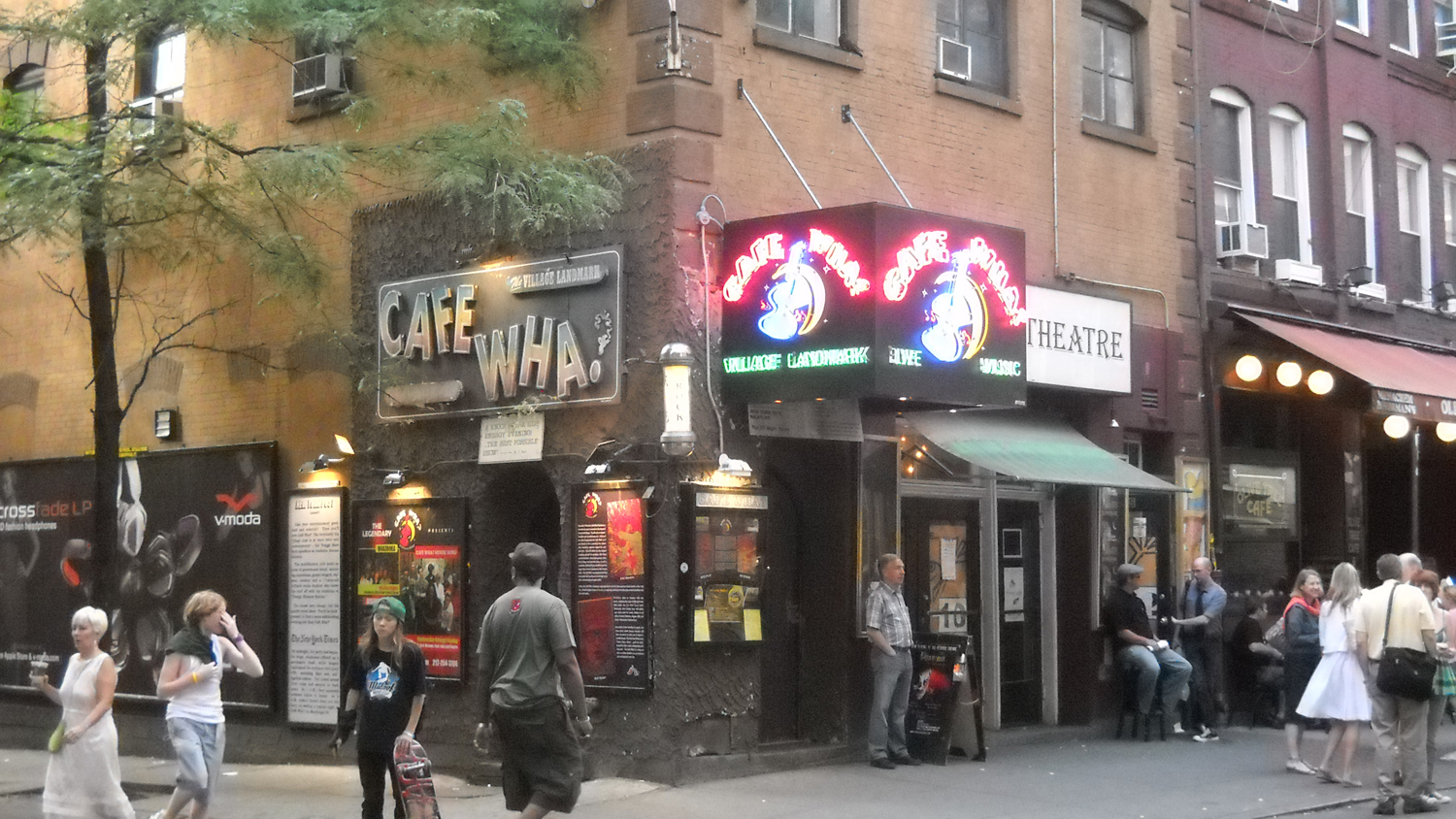
    Greenwich Village in the early 1960’s was a hub for artists, poets, musicians and activists to meet, exchange ideas, and grow. When Dylan first arrived, the first thing he did was head over to Café Wha? on Macdougal Street, introduced himself as a musician, and booked himself a gig- as described in the lyrics of ‘Talkin’ New York’. His goal was to immerse himself in the culture, and establish himself as force to be reckoned with in the folk scene. After being fired for being late to three gigs at Café Wha? Dylan jumped around, exploring the many clubs and cafés Greenwich Village had to offer. He played coffee houses such as Caffe Reggio, the Commons, Caffe Dante, and underground clubs like the Gaslight Café, the Fat Black Pussycat, and the Bitter End. 2 New York was the perfect place for Dylan to experiment, meet new people who would greatly influence his career, and develop as an artist. At any point you could walk into a coffee shop and listen to a folk-singer performing, attend a poetry reading, or have an in-depth discussion about direction of the country the with like-minded political activists.

    Talkin' New York
    Fred W. McDarrah/Getty Images

    Talkin’ New York’ chronicles Dylan’s initial experience in New York. It tells the story of his arrival and describes the struggles of trying to make it as a folk-singer in a new town. The area was impoverished at the time, and for the first year Dylan spent most of his time sleeping on floors. He established himself as a vagabond, and his songs began to reflect his lifestyle. After a year he found a place to live relatively cheaply which allowed him to spend more time developing his songs. Because the clubs could not pay performers, Dylan began wearing a hat and passing it around the cafes. The Gaslight Cafe was known for “basket-passing nights” where the only money performers would pocket was what was given to them by audience donations.3

    Talkin' New York
    Cafe Wha? 1960’s

    Talkin' New York
    Cafe Wha? Today

    Today Greenwich Village is a different neighborhood. NYU has taken over much of the real estate in the area, and the rest has seen a drastic price increase since the 1960’s. It is far too expensive for young aspiring artists to live, but still an area worth visiting often. There are a few relics from the past, and you can go on a walking tour of the sites Dylan and other artists frequented, but today a vagabond could not arrive in the Village and squat in run-down apartments like Dylan did. A few of the old hangouts remain, but they too have evolved with the times. Caffe Dante became Dante NYC, and has moved on from folk-singers to gourmet cuisine. Café Wha? closed in 1968, but reopened in 1987, with music still playing often and the Café Wha? house band headlining many nights. The Bitter End is also still standing, and prides themselves on being New York’s oldest rock club. You can still catch a show any night of the week. While Greenwich Village has changed over the years, there is still a feeling of artistic freedom and counter-culture in many of the bars and coffee shops.

    ‘Talkin’ New York’ Lyrics:

    Rambling out of the wild west
    Leaving the towns I love best
    Thought I’d seen some ups and down
    ‘Till I come into New York town
    People going down to the ground
    Building going up to the sky

    Wintertime in New York town
    The wind blowing snow around
    Walk around with nowhere to go
    Somebody could freeze right to the bone
    I froze right to the bone
    New York Times said it was the coldest winter in seventeen years
    I didn’t feel so cold then

    I swung on to my old guitar
    Grabbed hold of a subway car
    And after a rocking, reeling, rolling ride
    I landed up on the downtown side
    Greenwich Village

    I walked down there and ended up
    In one of them coffee-houses on the block
    Got on the stage to sing and play
    Man there said, come back some other day
    You sound like a hillbilly
    We want folksingers here

    Well, I got a harmonica job, begun to play
    Blowing my lungs out for a dollar a day
    I blowed inside out and upside down
    The man there said he loved my sound
    He was raving about he loved my sound
    Dollar a day’s worth

    After weeks and weeks of hanging around
    I finally got a job in New York town
    In a bigger place, bigger money too
    Even joined the union and paid my dues

    Now, a very great man once said
    That some people rob you with a fountain pen
    It don’t take too long to find out
    Just what he was talking about
    A lot of people don’t have much food on their table
    But they got a lot of forks and knives
    And they gotta cut something

    So one morning when the sun was warm
    I rambled out of New York town
    Pulled my cap down over my eyes
    And heated out for the western skies
    So long New York
    Howdy, East Orange

  • New York Series: Duke Ellington ‘Take the A Train’

    At one point in history, the New York City subway system was among the most impressive in the world. These days it resembles what you would imagine a third world country’s subway system would look like, with third string trains donated from cities that upgraded their system years ago and no longer had any use for them, but it still gets you from point A to point B and that’s what matters. Albeit confusing to out of towners, you can hop on a train in midtown Manhattan and get almost anywhere you would like to go in the city.

    take the a train
    Photo from Wikimedia Commons Public Domain

    Since it is such an extensive system, those who are completely unfamiliar with New York’s subway system might have a tough time going from borough to borough, and might not even be aware that there are both letter and number trains. However, thanks to Duke Ellington and his infamous 1939 hit “Take the A Train,” almost everyone is aware of at least one line in the NYC subway system, which is more than you can say about almost any other city in the world.

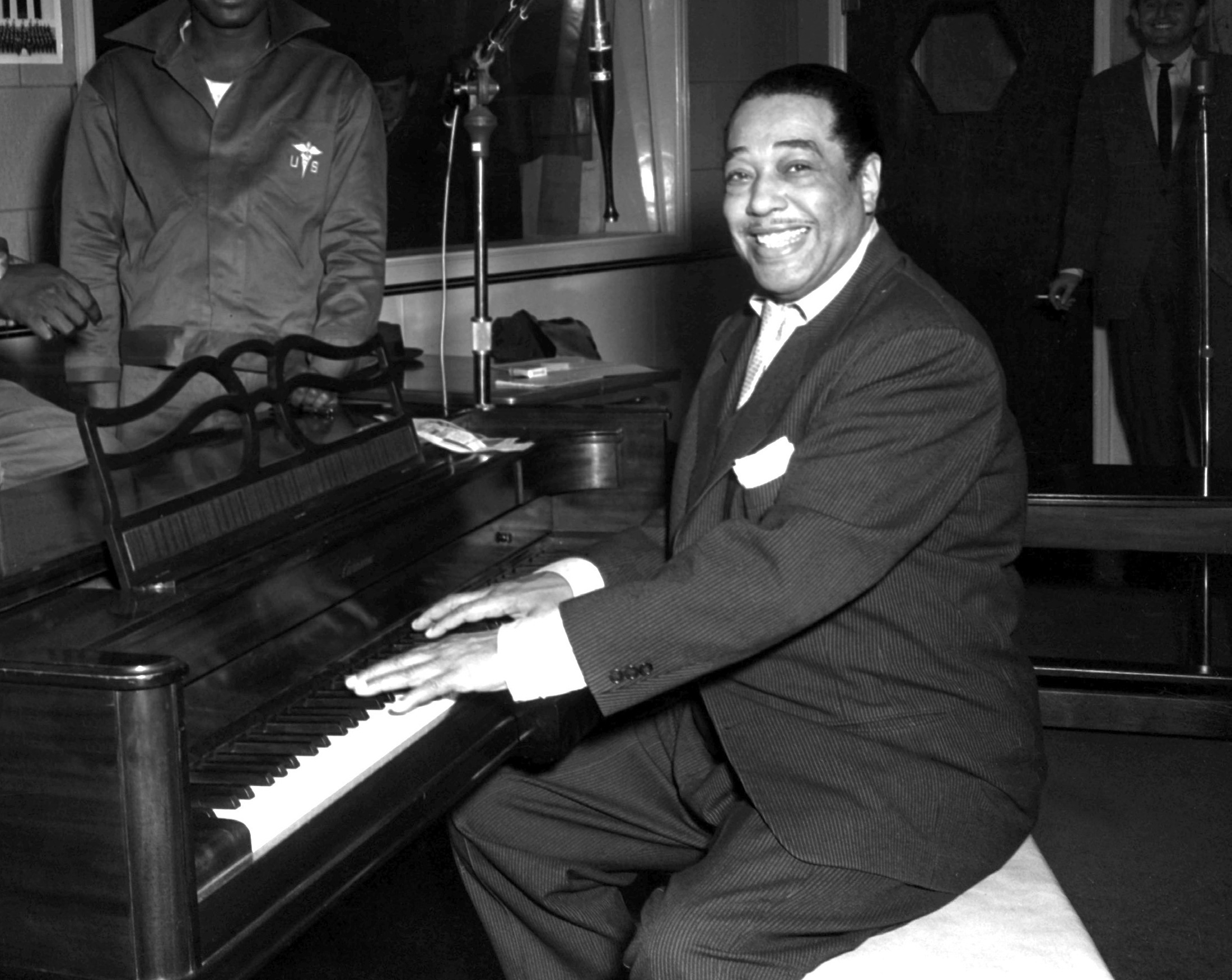
    Although popularized by Duke Ellington, “Take the A Train” was written by long-time collaborator and pianist Billy Strayhorn. The swing anthem became the signature piece for Ellington’s orchestra, and was often used as its opening theme and standout song. For most jazz musicians at that time, bandleaders would not put a song they didn’t write themselves in the spotlight like that, however Ellington and Strayhorn’s relationship was atypical. In his biography, Ellington said Strayhorn “was not, as he was often referred to by many, my alter ego. Billy Strayhorn was my right arm, my left arm, and the eyes in the back of my head.”

    Take the A Train’ was written in Strayhorn’s head while at a party, then put on paper that evening when he got home. The song title was inspired by directions Ellington gave to Strayhorn to get to his house in Sugar Hill, which began with “Take the A Train…,” and the music was influenced by Fletcher Henderson’s style of jazz. Although Ellington’s rendition is instrumental, Ella Fitzgerald released a popular version with the original lyrics Strayhorn wrote about getting to Ellington’s home in Harlem.

    Ellington’s home was located in the Sugar Hill neighborhood of Harlem, which is where the Harlem Renaissance took place between the 1920’s and 1950’s. At the time, Sugar Hill was the ritziest, most elegant African-American neighborhood in the United States. It was deemed “Sugar” Hill because of how sweet it was to live there, with the heart of the neighborhood located between 144th and 155th street. The high-class neighborhood was filled with stately homes and luxury apartments, and inhabited by African-American artists, activists, politicians, and intellectuals. The Harlem Renaissance was responsible for allowing African-Americans to focus on their past, as well as develop a unique identity for themselves, thus creating a culture within a culture. It brought people closer to their roots, and allowed them to celebrate who they were while exploring new creative channels to expression, with the Sugar Hill neighborhood as the epicenter of it all. “Take the A Train” became the anthem of this movement, and was highly praised by all of New York.

    Today the Sugar Hill neighborhood is still lined with elegant homes and beautiful apartment buildings, with the rich, historic culture dominating the neighborhood. As most areas change over time, there has been a recent slight decline in African-Americans living in Sugar Hill to make room for other cultures, however it is still primarily a black neighborhood. Art and creativity thrives within the neighborhood, and you can still take the “A” train uptown anytime you’d like to soak up the culture and be inspired.

    ‘Take The A Train’ Lyrics:

    You must take the A train
    To go to Sugar Hill way up in Harlem
    If you miss the A train
    You’ll find you missed the quickest way to Harlem
    Hurry, get on, now it’s coming
    Listen to those rails a-hummingAll aboard, get on the A train
    Soon you will be on Sugar Hill in Harlem