Category: Venue Profile

  • Utica’s Birdland: Breaking Barriers and Building Community

    When people hear the word Birdland, they often think of the world famous Manhattan Jazz Club. However, during the 60s and 70s Utica had its very own Birdland. While not as famous as its NYC counterpart, Utica’s Birdland stood at the center of the city’s African American music scene. In an era of immense racial prejudice, Birdland and its founder Dickie Frank broke barriers in Utica, paving the way for musical and social advancement in the decades to come. 

    Dickie Frank Birdland
    Birdland’s behind-bar mural, Photo from Paula Frank Workman

    The history of Utica’s Birdland starts with its founder Dickie Frank. Frank was born in Utica on August 12th, 1931. As a young man, Frank lost his mother Marion Moorehand-Frank, and went into the custody of his grandmother. These humble beginnings hardly reflect his future as Utica’s first African American celebrity. 

    Frank’s career began at the Utica Free Academy, where he rose to prominence as a star athlete. Alongside his brothers, Frank was a standout on the school’s basketball, football, and baseball teams. His fame only continued following his graduation from the academy. On January 5th, 1953, the Utica Police Department hired Frank as an officer. This move made history, with Frank being only the second African American officer in the city’s history. 

    Dickie Frank
    Dickie Frank, Photo from Paula Frank Workman

    Frank’s career with the UPD continued for the next nine years before his retirement in 1962. Shortly after ending his police career, Frank began his new venture: a jazz club. This club, named Birdland, soon became an important stop for touring African American musicians. On top of hosting national musicians, it helped foster Utica’s own music scene. 

    Birdland sat at the center of an already established African American tour route, known as the “Chitlin Circuit.” Extreme racial prejudices plagued the United States, especially the South for much of the early 20th century. Jim Crow laws segregated public facilities by race, lynchings were commonplace, and KKK membership had reached record highs. These factors made much of the US extremely dangerous for African American performers.

    The earliest attempts to organize African American artists came in 1909. That year, vaudeville star Sherman Dudley founded an organization of safe venues for African American performers across the South. By 1914, it expanded to twenty theaters owned or operated by African Americans. This organization formed the basis for the Theatre Owners Booking Association (TOBA), founded in 1920. This organization had an integrated structure with ⅓ of its theaters being owned by African Americans.

    For the next decade, TOBA booked Black jazz, soul, and vaudeville performers across the Eastern US – the only organization to do this. During its existence, TOBA was the only organization catering towards African American audiences in the South. This came to an abrupt halt in 1930 as TOBA, much like many other businesses, crumbled during the Great Depression. 

    In its place, Denver and Sea Ferguson rose to prominence. The brothers sold their printing business to open clubs in their hometown of Indianapolis. By 1940, they expanded their business, founding the Ferguson Brothers Booking Company. This company soon grew into the largest black owned entertainment company, launching cross country tours. These tours spawned the Chitlin Circuit. 

    Dickie Frank birdland chitlin circuit
    Image Source: https://www.tampa.gov/document/scrub-twist-7001

    Stretching from Boston to Texas, the Chitlin Circuit encompassed hundreds of venues friendly to African American performers. Among these venues were massive theaters, like Harlem’s Apollo, and small bars like Club Ebony in Indianola, Mississippi. This circuit helped fill a much needed desire for entertainment in African American communities across the US. 

    On top of this, the circuit launched the careers of legendary jazz, soul, and rock artists. Billie Holiday, James Brown, Fats Domino, Aretha Franklin, and Otis Redding all regularly toured the circuit. One regular was a young Jimi Hendrix who remembered, “You really had to play, ’cause those people were really hard to please.…That’s where I learned to play.” Many times, performers were compensated with only meals, spawning the Chitlin Circuit’s name – deriving from a popular soul food. 

    Dickie Frank’s Birdland sat at the Northeastern corner of the Chitlin Circuit. Located in Baggs Square, the club was just outside Utica’s downtown. From its start, the club grew comparisons to its New York namesake. A February 23rd, 1962 edition of the Utica College Tangerine reported, “The jazz gallery in New York City is more lavish, but Utica’s Birdland, well decorated, is less expensive.”

    At its founding, Birdland was the only African American club in all of Utica, making it a clear choice for performers traveling through the city. Like many Chitlin Circuit venues, Birdland’s welcoming atmosphere drew crowds. Birdland was a place where everyone in the community could get together to enjoy music, regardless of their race, age or sexuality. As Utican Corky Logan remembers, “It was magnetic; an attraction. It was really friendly.”

    “Musicians sense the friendly attitude, and consequently relax and play better. Believe me, word spreads about the conductive atmosphere”

    Lawrence Jacksina, Utica College Tangerine, November 2nd, 1962

    While Birdland welcomed all, it grew especially popular among the youth of Utica. Of special note were students at Utica College, who frequently featured Birdland’s programming in their school newspaper, The Tangerine. Throughout the 1960s, reviews of jazz performances were common features of the paper, frequently being front-page stories.

    For years, Birdland sat at the center of Utica’s live music scene. Alongside venues like Thompson’s and Club George, Birdland attracted touring jazz performers from around the Northeast. Of the many fondly remembered acts are saxophonists Eddie Harris and Tina Brooks. While attracting crowds, these shows often highlighted boundary-pressing jazz performances. For example, the Utica College Tangerine reported on Eddie Harris’ December 13th, 1963 performance, saying, “Harris plays some things the average jazz fan would consider way out.”

    On top of these national artists, Birdland was also a haven for local Utican musicians. Many artists, like keyboardist Rick Montalbano, got their start playing at the club. Montalbano fondly remembers the club’s keyboard. He noted, “The house Hammond B-3 was tweaked over the years by some killer organists and sounded like none I’ve played since.” 

    Photo from Paula Frank Workman

    For many, going to Birdland was a special occasion. Guests would don their nicest clothes and go to the club to hear the newest in jazz. In this way, Birdland acted as a melting pot for Utica’s music scene. Hearing influences from jazz musicians across the country, local artists were inspired in their own music. As Utica music legend Lynn Mishalanie recalls, “I went for the music; if it hadn’t been for Birdland and listening to the music, the live jazz and the famous people who came through, I wouldn’t be who I am today.”

    Birdland remained a staple of Utica’s live music scene for eight fruitful years. Despite its growing popularity, Frank closed the club in 1970. With the closure of the club, Frank went on to pursue a career in public service.

    As the inclusive environment of Birdland showed, Dickie Frank was always dedicated to social progress. While operating Birdland, Frank remained a deeply political man. A photo of Frank from 1969 shows him leading a march in memory of Martin Luther King, Jr. Frank stands at the forefront of the march, even preceding then-mayor Louis LaPolla. For the next few decades, Frank was a mainstay of Utica politics, regularly consulting with local politicians. He even sought office in the Municipal Housing Authority and District Council. While this career change seems drastic, Frank saw a clear connection to his work at Birdland. “Of course my background will help…I ran a nightclub and still have many personal contacts,” he said in 1971.

    Frank leading a commemorative march for Dr. Martin Luther King Jr., December 1969

    Even after reaching his sixties, Frank continued to break barriers. In the 1990s, he was appointed Dean of Students for Utica College, becoming the schools first black administrator. As dean, he spoke at a 2008 racial justice forum, saying, “To sit back and hate, or to feel like you don’t want to sit down with somebody and talk about their lifestyle, it’s not right.” He continued in his dedication to the community until his retirement to Florida in 2007. 

    On November 9th, 2022, Dickie Frank died at age 91. Frank left behind an unshakable legacy as a boundary breaker and community icon. Even though it closed long ago, Dickie Frank’s Birdland is still fondly remembered by members of Utica’s music scene. It, much like Frank himself, stood at the forefront of social progress, all while fostering community ties that still hold Utican musicians together.

  • Music in Western New York – Navigating New York’s Vibrant Music Venues

    Exploring the music scene in Western New York reveals a spectrum of venues that reflect the region’s cultural diversity. From venerable theaters with a storied past to more intimate establishments pulsating with contemporary sounds, the musical landscape in Western New York is both rich and varied.

    Whether your musical taste gravitates towards soulful jazz, the energetic rhythms of rock, or the harmonious melodies of folk and blues, Western New York caters to a wide range of preferences. This list serves as a guide, offering insights into iconic theaters and lively pubs (RIP Broadway Joe’s) that collectively contribute to shaping the vibrant and diverse musical culture of Western New York.

    Be sure to check out our look at the venues of the New York City, Hudson Valley, North Country, Southern Tier, Central New York, Rochester and the Finger Lakes, the Berkshires, Long Island, and Capital Region as well.

    Western New York Music Venues

    Artpark

    450 S 4th Street, Lewiston

    Website

    Artpark, situated at 450 S 4th Street, Lewiston, is a seasonal concert venue offering indoor and outdoor options. From summer through early autumn, the Amphitheater and Main Stage showcase national acts across a diverse range of musical genres.

    Artpark Ampitheater

    African-American Cultural Center

    Address: 350 Masten Avenue, Buffalo

    Website

    Since 1958, the African-American Cultural Center at 350 Masten Avenue, Buffalo, has been a vibrant hub for live music and cultural events. Renowned for organizing the annual Pine Grill Jazz Reunion at MLK Park, it is also the proud home of the Kakilambe Dance & Drum Company.

    Mike Desmond/WBFO News

    Babeville/Asbury Hall

    Address: 341 Delaware Avenue, Buffalo

    Website

    Babeville, located at 341 Delaware Avenue, Buffalo, is a 19th-century church famously preserved and revitalized by folk-rock star Ani DiFranco. Within its walls, Asbury Hall, The Ninth Ward, and Hallwalls Contemporary Arts Center’s cinema host a mix of national and local bands.

    Asbury Hall / Photo: Steve Desmond via Babeville

    The Banshee Irish Pub (formerly Darcy McGee’s)

    257 Franklin Street, Buffalo

    Website

    Formerly known as Darcy McGee’s, The Banshee Irish Pub at 257 Franklin Street, Buffalo, is a cozy, traditional spot with a focus on Celtic music. Its stage features a full schedule of live, local bands during weekends.

    Bears Den at Seneca Niagara Casino

    Address: 310 4th St, Niagara Falls

    Website

    A cozy venue with great seats and acts continually, Bears Den at Seneca Niagara Casino brings in local talent as well as national acts. Watch the series Inside the Bear’s Den for a look at past performances at the venue.

    Buffalo AKG Art Museum

    Address: 1285 Elmwood Ave, Buffalo

    Website

    One of the oldest museums dedicated to modern art, Buffalo AKG Art Museum (formerly the Albright-Knox Art Gallery) is the sixth-oldest public art institution in the United States, founded in December 1862 as the Buffalo Fine Arts Academy. Now renovated, the museum hosts weekly Thursday Night Live performances, M&T First Fridays with live music, the Buffalo Chamber Players at AKG, and the seasonal outdoor concert Rockin’ at the Buffalo AKG.

    Buffalo Irish Center

    Address: 45 Abbott Road, Buffalo

    Website

    A hub for local acoustic, folk, and Celtic acts, the Buffalo Irish Center at 45 Abbott Road boasts live music every weekend.

    Buffalo Iron Works

    Address: 49 Illinois Street, Buffalo

    Website

    Located at 49 Illinois Street, Buffalo Iron Works is a mid-sized music venue housed in a former factory. With a lively room, great sound, and vibrant atmosphere, it proudly features local and national bands, adhering to its motto: “Funk, Soul, Rock & Jam Spread Daily.”

    Buffalo Iron Works. Photo by John Raczynski

    Buffalo Riverworks

    Address: 59 Ganson Street, Buffalo

    Website: buffaloriverworks.com

    At 59 Ganson Street, Buffalo Riverworks stands as a post-industrial marvel, boasting a big two-story barroom/restaurant, expansive patios, and a large stage for live music. It hosts the annual Music is Art festival, a multi-stage extravaganza produced by Robbie Takac and volunteers.

    Buffalo State Performing Art Center

    Address: 1300 Elmwood Avenue, Buffalo

    Website

    Situated on the campus of Buffalo State College, Buffalo State Performing Art Center features an exquisite and acoustically perfect auditorium. Primarily showcasing ensembles from the college, it also presents the ongoing Great Performers Series.

    The Cave

    Address: 71 Military Road, Buffalo

    Website

    Part of the Sportsmen’s Tavern complex, The Cave at 71 Military Road is an intimate music venue offering a distinct range of acts.

    Central Park Grill

    Address: 2519 Main Street, Buffalo

    Website

    Acting as both a dive bar and a music venue, Central Park Grill at 2519 Main Street features local bands in its intimate back room.

    Chautauqua Institution

    Address: 1 Ames Ave, Chautauqua

    Website

    Each summer, Chautauqua Institution comes alive with a mix of fine and performing arts, lectures, interfaith worship and programs, and recreational activities, a true variety of the arts. For nine weeks, the more than century old institution welcomes more than 100,000 people who participate in programs, classes and community events designed for all ages, all at an historic lakeside village.

    jazz at Chautauqua Institution watch

    Colored Musicians Club

    Address: 145 Broadway Street, Buffalo

    Website

    The historic Colored Musicians Club has been a venue that has hosted jazz greats throughout its storied history.

    Darien Lake Amphitheater 

    Address: 9993 Alleghany Rd, Darien Center

    Website

    40 minutes east of Buffalo and 55 minutes from Rochester, one of the two summer shed amphitheaters in Western New York, Darien Lake Amphitheater, opened in 1993, replacing Lakeside Amphitheater. With a capacity of 21,600, this Live Nation venue welcomes national tours all summer long.

    Duende

    Address: 5 Silo City Row, Buffalo

    Website

    Duende, situated at 5 Silo City Row, is a captivating venue in the transformed Silo City. Offering three stages for live music, along with a restaurant and a popular outdoor seating area, Duende has become a safe space for art and music enthusiasts.

    Electric City

    Address: 433 Pearl St, Buffalo

    Website

    The former Tralf Music Hall, Electric City has been open since early 2024 with a capacity of 750, taking its name as an homage to Buffalo’s history in early electric lighting. Electric City is fully redesigned, with enhanced acoustics and improved sight lines, plus VIP experiences, spacious bars and enhanced concert enjoyment.

    Evening Star Concert Hall

    Address: 8810 Niagara Falls Blvd, Niagara Falls 

    Website

    Set in the heart of Niagara Falls, Evening Star Concert Hall hosts a variety of musical performances and events for the local community, while providing a platform for artists to showcase their talents in a unique and intimate setting for music lovers.

    The Heron Farm & Events Center

    Address: 2361 Waits Cors Rd, Sherman

    Website

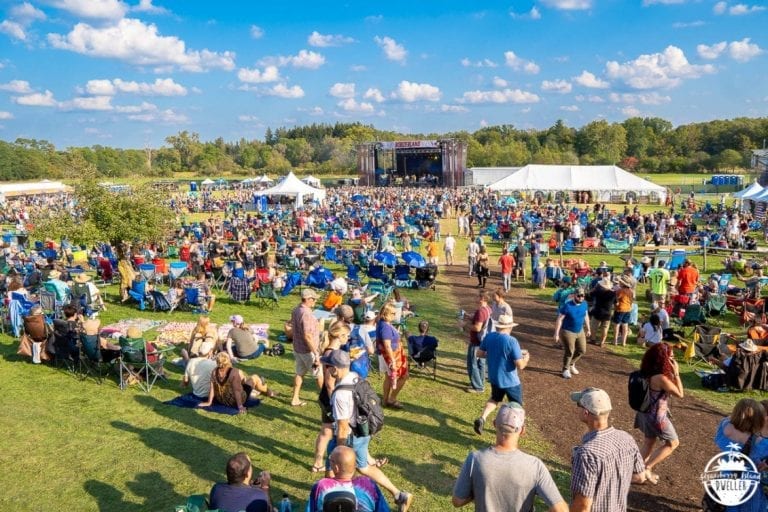
    The Heron Farm and Events Center hosts the annual Great Blue Heron Music Festival, as well as concerts, retreats, and other events. In addition you’ll find camping and lodging to relax and enjoy the surrounding and music found on this Chautauqua County this quintessential New York destination.

    Highmark Stadium

    Address: 1 Bills Drive, Orchard Park

    Website

    The home to the Buffalo Bills also serves as a venue for concerts. It hosts a handful of annual concerts, primarily featuring rock superstars like the The Rolling Stones.

    Jack Rabbit

    Address: 1010 Elmwood Avenue, Buffalo

    Website

    Jack Rabbit on Buffalo’s Elmwood Strip, located at 1010 Elmwood Avenue, hosts a diverse array of live music, drag shows, and performances in its front room and upstairs piano lounge.

    KeyBank Center

    Address: 1 Seymour H Knox III Plaza, Buffalo

    Website

    KeyBank Center, is the stage for major acts such as Billie Eilish, Justin Bieber, and the Eagles. Known for its excellent sound, attendees are advised to wear earplugs for an enhanced sonic experience.

    Kleinhans Music Hall

    Address: 3 Symphony Circle, Buffalo

    Website

    Designed by Finnish architect Eliel Saarinen, Kleinhans Music Hall is an architectural masterpiece. Home to the Buffalo Philharmonic Orchestra, it is hailed as an acoustically perfect venue, hosting a variety of musical ensembles and the Buffalo Chamber Music Society.

    Knox Farm

    Address: 437 Buffalo Rd, East Aurora

    Website

    Knox Farm is a 600+ acre State Park located in the Erie County village of East Aurora. The former country estate of the Knox Family of Buffalo, Knox Farm hosts Borderland Fest each fall, as well as a variety of other events.

    photo by Matt Shotwell

    Larkin Square

    Address: 745 Seneca Street, Buffalo

    Website

    Located at 745 Seneca Street, Larkin Square is the heart of the Larkinville neighborhood of Western New York. Along with hosting Food Truck Tuesdays and KeyBank Live at Larkin on Wednesdays, it presents free outdoor concerts during the season.

    The Lion and Eagle Pub

    Address: 10255 Main Street, Clarence

    Website

    The Lion and Eagle Pub is a welcoming establishment offering live music and a pleasant atmosphere.

    Luna Lounge

    Address:  603 Dingens St, Cheektowaga

    Website

    Located in the former Buffalo Grill and Ale House, Luna Lounge opened in 2023 as music venue, bar, and restaurant in Cheektowaga, with a variety of hip hop and EDM artists performing here.

    Mohawk Place

    Address: 47 E Mohawk Street, Buffalo

    Website

    Mohawk Place features a delightful long wooden bar leading to a back room for rock and roll shows. The venue proudly displays decades of touring band flyers and photographs.

    MusicalFare Theatre

    Address: 4380 Main Street #123, Amherst

    Website

    Located on the Daemen College campus, MusicalFare Theatre offers a season of musicals in its 136-seat main theater and cabaret concerts in the spacious, ninety-seven-seat lobby.

    Nietzsche’s

    Address: 248 Allen Street, Buffalo

    Website

    Nietzsche’s hosts an anything-goes weekly open mic in addition to nightly live music in the front barroom or on the elevated stage in the back room.

    OLG Stage at Fallsview Casino

    Address: 6366 Stanley Ave, Niagara Falls, Ontario, Canada

    Website

    With a view from the Canadian side of Niagara Falls, OLG Stage at Fallsview Casino has 5,000 seats, has been ranked #1 in Canada and #10 in the world among similar sized rooms, featuring state of the art technology and outstanding acoustics.

    PAUSA Art House

    Address: 19 Wadsworth Street, Buffalo

    Website

    PAUSA Art House is a sophisticated venue combining music, art, and a wine + tapas bar. It hosts blues, jazz, bossanova, and more.

    Public House on the Lake

    Address: 914 Lake Shore Road, Hamburg

    Website

    As the only lakeside music venue in Western New York, Public House on the Lake at 914 Lake Shore Road in Hamburg features both indoor and outdoor stages.

    Rapids Theatre

    Address: 1711 Main Street, Niagara Falls

    Website

    The Rapids Theatre offers a prime concert venue within an ornate former 1920s-era movie house. It has hosted many national acts. (The venue has recently closed its doors.)

    Rec Room

    Address: 79 W Chippewa Street, Buffalo

    Website

    Rec Room is a venue where touring rock, metal, or tribute bands perform weekly.

    Photo By Bobby Kirkham

    Reg Lenna Center for the Arts

    Address: 116 E 3rd St, Jamestown

    Website

    Originally opened in 1923 as the Palace Theatre in Jamestown, the venue hosted films, vaudeville acts, stage shows and the premiere of hometown legend Lucille Ball and husband Desi Arnaz’s film Forever Darling. By the 1980s, the venue fell into disrepair but thanks to philanthropists Reginald and Elizabeth Lenna, who provided a great deal of funding towards the renovations, the venue was renamed for them as the Reg Lenna Center for the Arts. The venue, nicknamed “The Showplace of the Chautauqua Region,” has now been open consistently for the past decade, aside from the pandemic in 2020.

    Revolution Gallery

    Address: 1419 Hertel Ave, Buffalo

    Website

    Situated on bustling Hertel Avenue, Revolution Gallery opened in 2016. It hosts art exhibitions, wine tastings, and a popular performance series featuring diverse acts, from electric Irish punk to “crime jazz.”

    Riff City

    Address: 166 Chandler St, Buffalo

    Website

    This is a brand new venue and private event space in Buffalo’s historic Black Rock neighborhood. Riff City was opened by partners from Jack Rabbit and is an event-driven music venue, with wood-fired pizzas during live music events and plans for a full menu and sit down dining on tap.

    Riviera Theatre

    Address: 67 Webster Street, N. Tonawanda

    Website

    Built in the 1920s as a Vaudeville and movie house, the Riviera Theatre is a busy concert venue hosting touring artists performing original or tribute-focused music.

    Shawbucks

    Address:  212 W 2nd St, Jamestown

    Website

    Kurt Johnson opened Shawbucks in 1995, naming it after his great uncle who had the nickname ‘Shawbuck’ while working as a logger. Johnson opened a second bar in the building next door, connecting the two buildings to have two bars in one location, starting in 1996, and moved into the Journal Press building where it is now located, serving food, drinks and hosting occasional shows.

    Shea’s Performing Arts Center

    Address: 650 Main Street, Buffalo

    Website

    Primarily a touring house for Broadway shows, Shea’s Performing Arts Center also hosts several concerts throughout the year.

    Showplace Theater

    Address: 1065 Grant Street, Buffalo

    Website

    Originally built in 1911 as a movie theater, the Showplace Theater experienced a revival in 2019. It serves as a vibrant music venue, bringing life back to its historic space.

    Slaughter at Buffalo’s Showplace Theater

    The Spire Theater 

    Address: 317 E 3rd St, Jamestown

    Website

    Built in 1868, one of Jamestown’s oldest churches has since been repurposed as a center for the arts. The Spire hosts regular theatrical programming; serves as a home to entrepreneurs, artists, performers, groups, churches, and organizations; and hosts Chautauqua’s Got Talent competition, concerts, comedy, and more.

    Sportsmen’s Tavern

    Address: 326 Amherst Street, Buffalo

    Website

    A haven for roots music, Sportsmen’s Tavern features Americana, blues, rock, and big band performances. It also owns and operates The Cave, providing a diverse musical experience.

    The Stage

    Address: 8166 Main Street, Williamsville

    Website

    Country and classic rock take the spotlight at The Stage. The venue features a dance floor, depending on the featured bands, and a large stage.

    Tacoma Performing Arts Center

    Address: 351 Tacoma Avenue, Buffalo

    Website

    The Tacoma Performing Arts Center, nestled in a former synagogue, is known for its Blues Mondays.

    Terminal B at Buffalo Outer Harbor

    Address: 850 Fuhrmann Boulevard, Buffalo

    Website

    Opened in spring 2024, Terminal B at Buffalo’s Outer Harbor was closed to the public since 1967, but after an infusion of resources, a permanent, $13 million amphitheater has been built right on the banks of the Outer Harbor. The 100,000 square foot open air event center has a canopied stage for concert performances, non-for-profit events, and cultural organizations that features a sloped lawn in a natural setting, plus an overlook deck facing Lake Erie. What was once contaminated land now has a deep concert schedule has been bringing folks back to the shores of the Outer Harbor. The venue officially opened with an announcement from Governor Hochul on April 8, the day of the most recent solar eclipse, serving as a viewing location on the site.

    Town Ballroom

    Address: 681 Main Street, Buffalo

    Website

    Built as The Town Casino in the 1940s, Town Ballroom was a lounge and cabaret hotspot. Today, it showcases the best contemporary talent across various musical genres.

    Tudor Lounge

    Address: 335 Franklin Street, Buffalo

    Website

    A fun dive bar with a low stage and good sound, Tudor Lounge provides an intimate setting for watching live bands.

    University at Buffalo Center for the Arts

    Address: 103 Center For The Arts, Buffalo

    Website

    With venues including the Mainstage Theatre, Drama Theatre, Black Box Theatre, and Screening Room, the University at Buffalo Center for the Arts hosts live music events, featuring national touring acts and other performances on campus.

    West Falls Center for the Arts

    Address: 1863 Davis Road, West Falls

    Website

    The West Falls Center for the Arts is a charming space that hosts live music throughout the year. With a various shows per month, it showcases both local and national bands, spanning genres like blues, folk, acoustic, Americana, and gentler rock & roll, fostering an intimate vibe.

    Willow Bay

    Address: 1 E 3rd St #300, Jamestown

    Website

    Listed as “temporarily closed” with no recent shows of note, The Willow Bay Theater, formerly know as The Crown Theatre, is a 500-seat venue located at the top of the Willow Bay Building on 3rd Street in downtown Jamestown.

  • The Chautauqua Institution Celebrates 150 Years 

    2024 marks the 150th anniversary of the Chautauqua Institution’s founding. The world-renowned institution has become famous for its annual summer programming.

    This year is no different, with the 2024 Summer Season featuring a number of lectures, performances, and more to celebrate the anniversary.  

    Chautauqua Institution

    The Chautauqua Institution traces its history back to 1874. In that year inventor Lewis Miller alongside Bishop John Heyl Vincent founded the institution. From its start, Chautauqua represented an experimental approach to traditional education. The institution – then known as the Chautauqua Lake Sunday School – sat on 750 acres of lakeside property. At its founding, Chautauqua was a pioneer in “vacation learning,” with people out of school traveling to the site for instruction. 

    Although it was originally dedicated to religious education, Chautauqua’s programming soon expanded into a number of other fields. In addition to religion, classes on arts, music, and other subjects were soon offered. In 1878, the institution founded the Chautauqua Literary and Scientific Circle. This program was intended to provide education to those not fortunate enough to attend university. In addition, Chautauqua used these programs to advocate for morality – which they defined as abstention from activities like drinking, gambling, and dancing. By 1880, Chautauqua hosted over 100 Summer lectures. 

    Due to the success of Chautauqua’s academic programming, the institution’s musical facilities evolved quickly. In 1875 – one year after its founding – the institution hosted the Fisk Jubilee Singers. The all-African American a capella group broke racial barriers with their performance at the height of the Reconstruction Era. Throughout the years, Chautauqua continued to highlight pioneering African American performers. Legendary singers like Marion Anderson and Paul Robeson performed at the institution in their heydays. 

    Marian Anderson performing at the Chautauqua Institution
    Marian Anderson performing at Chautauqua in 1957

    The institution’s musical facilities increased with the installment of the Massey Memorial Organ in 1907. The high-precision organ now performs regular recitals during the summer season. By 1920, symphony orchestras regularly performed on the institution’s grounds. 1929 saw the official founding of the Chautauqua Symphony Orchestra. Since its founding almost 100 years ago, the orchestra has grown into one of the institution’s most recognizable features. Housed in the institution’s 4,400-person amphitheater, the orchestra now plays three weekly performances each season. 

    Marking this full adoption of music, a number of composers and performers began visiting Chautauqua in the 1920s. In 1925, George Gershwin made a Chautauqua practice shack his home while he composed his Concerto In F

    Chautauqua’s embrace of musical programming extended to dance and theater. In 1929, the Chautauqua Opera Company began alongside the orchestra, performing regularly in the art-deco Norton Hall. Nowadays, the aforementioned Amphitheater and Norton Hall, as well as the Bratton Theatre regularly host contemporary and ballet dance performances. 

    A Tent Chautauqua in Mechanic Falls, Maine

    The success of the Chautauqua Institution’s programming led to a nationwide phenomenon. By the early 1900s, “Tent Chautauquas” traveled the country, bringing entertainment and education to places as far as South Carolina and Colorado. However, by the 1930s, these road shows grew out of fashion. As cinema and radio expanded, the need for the Tent Chautauqua exhibitions was seen less and less. 

    The 1930s also marked an era of hardship for the Western New York institution. Following the stock market crash of 1929, the United States entered the Great Depression. Countless businesses and organizations went bankrupt, putting much of the country out of work. The Chautauqua Institution was no exception to this. In 1933, it entered a period of receivership, unable to handle its debts. The Chautauquan community, however, remained dedicated to keeping the institution alive. They founded the Chautauqua Foundation to raise funds, successfully creating an endowment to fund the institution in 1937. 

    Since 1937, the institution has persevered as a staple of Western New York’s academic landscape. Throughout its history, Chautauqua has presented lectures and performances by countless famous artists. Legendary bandleaders like John Philip Sousa and Duke Ellington have led performances at the institution. On top of this, the institution has featured pop artists ranging from Toby Keith to Ben Folds. Additionally, six presidents have visited the institution in their lifetimes. Starting with Ulysses S. Grant in 1875, James Garfield, William Mckinley, Theodore Roosevelt, FDR, and Bill Clinton have all visited. 

    Theodore Roosevelt speaking at the Chautauqua Institution

    During his visit to Chautauqua, Theodore Roosevelt described the institution, saying “it is a source of positive strength and refreshment of mind and body to come to meet a typical American gathering like this—a gathering that is typically American in that it is typical of America at its best.”

    The government has recognized Chautauqua’s importance to education and performance since the 1970s. In 1973, the National Park Service recognized the institution’s campus as a National Historic Place. This was followed by a 1989 designation as a National Historic Landmark District. 

    As 2024 marks the 150th anniversary of the institution’s founding, it will feature a number of special events. Throughout August, the Chautauqua Symphony Orchestra will perform weekly performances. Each performance celebrates a different legendary composer, highlighting works by Brahms, Stravinsky, Shostakovich, and more. In addition to these performances, Chautauqua will host shows by Jazz at Lincoln Center and the Buffalo Philharmonic Orchestra in the amphitheater August 21-23rd. The institution’s Elizabeth S. Lenna Hall will also host weekly chamber performances each Monday and Saturday. 

    On top of these instrumental performances, a number of pop groups will perform at the institute’s famous amphitheater. Among these groups is the legendary Jamestown-based alternative group 10,000 Maniacs. The August 19th concert likewise celebrates the groups 40th anniversary that launched them to international stardom. In addition, Indigo Girls, Squonk, Twisted Pine, and more will perform throughout August. 

    On top of these musical performances, the Chautauqua Institute will host a number of other activities throughout August. These activities include daily interfaith lectures, theater performances, art exhibitions, and campus tours. For more information on the Chautauqua Institution’s upcoming events, visit its website here.

  • Friends and Lovers Bar Collaborates With Brooklyn Community

    Friends and Lovers, a bar, music venue and inclusive space located in Crown Heights Brooklyn, is on a mission to revive the soul of Brooklyn nightlife while giving back to the local community.

    Friends and Lovers

    The space opened its doors in 2013 with founders Diana Mora and Dash Brody also the minds behind New York Nightlife United (NU). The organization aims to keep authentic New York Nightlife alive, raising money to keep venues afloat and to support local artists and producers.

    Friends and Lovers has a strategic location on 641 Classon Ave., out of earshot of residential areas, but still nearby local businesses to draw in people coming in and out of Brooklyn. Although the neighborhood has gone through significant changes with new condos and businesses being placed in the area, according to their website, Friends and Lovers remains an inclusive sanctuary.

    The venue also hosts the Classon Community Fridge, a free food fridge that’s completely volunteer run made to give back to the community. Donations come from local business and individual community members. 

    Along with in-house shows, they also host collaboration events. On June 23 they hosted the Summer Dance party at Brooklyn Bridge Park and on Aug. 4 they host Lazy Daze at Liberty Lawn.

    Some of Friends and Lovers upcoming events include “Thoughtcraft,” a comedy show presented by local comics Spencer Simpson and Matt Kumar on July 25. The following night up and coming R&B artist Asante Phenix will perform his discography.

    To find more upcoming events you can visit the website here.

    Upcoming Events

    July 25: Thoughtcraft: A Comedy Show

    July 26: Asante Phenix Live

    July 27: Candid Studios Presents: A Candid Comedy Show

    Aug 1: Game Night

    Aug 2: GetLive! + Friends

    August 4: 3-7pm at GoodFork 79.5, DJs tbd

  • Round Lake Auditorium’s Past, Present, and Future

    Round Lake Auditorium, located in the historic Round Lake village, has served as a cultural center for over a century. Beginning as a religious settlement, the Round Lake Auditorium has evolved into a unique piece of capital region history. Notable figures, including Ulysses S. Grant and Cornelius Vanderbilt have visited the village of Round Lake, enhancing its deep history.

    Round Lake Auditorium
    Round Lake History

    Founded in the post-Civil War Era, the Auditorium served as a religious gathering place since 1868. A group of Methodists from Troy made Round Lake their designated spot for “campmeeting”. Round Lake began as a covered open air speaker’s platform with the audience sitting on rough boards set on top of tree stumps.

    By 1884, an 80 by 140 foot building was erected with furnished seating for 2,000 people. As Round Lake grew in popularity, it expanded its facility to accommodate for a greater audience. The popular religious revivals attracted as many as 20,000 worshippers each summer for rousing sermons.

    From the late 1880s to early 1900s, the Auditorium hosted church services, lectures, conventions, concerts, movies, and ice skating in the winter. The Auditorium’s physical space evolved from a platform surrounded by benches to an enormous tent, then to an open-sided pavilion with canvas sides, and, in 1912, to the glass-enclosed building we see today.

    Round Lake Auditorium
    Round Lake Gallery

    Its literal and metaphorical center, the Auditorium is an integral part of Round Lake’s cultural community. The Auditorium fell into ruin and was nearly bulldozed in 1950, but the venue was revived. Today, the auditorium continues to serve as a cultural venue for concerts, performances of all kind, art shows, and community gatherings.

    David Ferris Pipe Organ

    It is impossible to discuss the Round Lake Auditorium without mentioning the David Ferris Pipe Organ. The David Ferris Pipe Organ, built in New York City in 1847, came to the Round Lake Auditorium in 1888. The organ is the oldest of its kind in the United States, and was designated as a landmark in 2016.

    Round Lake Organ

    The organ is a feat of American manufacturing and craftsmanship. The organ remains largely unaltered, and it has remained the remarkable instrument it was when it was built over 200 years ago

    The organ’s “trackers”, thin wooden pieces that connect the keyboard to the pipes, allowing the organist more control of the sound. The non-wooden pipes in the organ contain Zinc, which adds strength to pipes that otherwise would have been made of lead. Lead pipes, with many of the organ’s contemporaries were constructed with, tended to fold in on themselves and collapse.

    Playing the David Ferris Organ is a unique experience some organists compare to, “typing on a manual typewriter versus the light responsiveness of a computer keyboard”.

    Present and Future

    The Auditorium’s rich history adds to the intimate ambiance of the venue. The Auditorium is capable of accommodating 300 guests, along with orchestras, and stage productions. The Auditorium also holds community events and contributes to local creative arts. An open mic will be held on July 19, offering a perfect opportunity for artists to showcase their gift and build connections with the community.

    Round Lake hosts a market event every summer, with food trucks, vendors, and concerts. The free event offers an opportunity to engage with the community while enjoying live music.

    Today, the Round Lake Auditorium continues to bring the arts to the capital region. Organ recitals will be presented on August 25 by Craig Williams, September 8 by Tom Dressler, and September 15 by Gail Archer. A lecture series, open mic events, community events, tours, chamber music and master classes will all be part of the summer series. Their full event schedule is available here, and a previous organ performance is available below.

  • July Jam Brings Classic Americana to Accord, New York

    On Saturday, July 20, hundreds of passionate music fans gathered at Arrowood Farms in Accord, NY, for Larry & Teresa’s July Jam, a one-day celebration of classic Americana, hosted by industry legends Larry Campbell and Teresa Williams.

    Photo Credit: Anthony Mulcahy

    July Jam, the brainchild of Larry Campbell and Teresa Williams, is a brand-new festival with a mission to celebrate some of the best performers in Americana music in a picture-perfect Hudson Valley setting. This year’s lineup consisted of Connor Kennedy and Onestar, The Secret Sisters, Jackie Greene, Hot Tuna, and the headliners, Larry & Teresa. July Jam came hot on the heels of Campbell and Williams’ most recent album, All This Time, which was released on April 5.

    july jam

    Walking into the festival in its early hours, the energy was off the charts. A steady line of guests holding blankets and lawn chairs patiently filed into the picturesque Arrowood Farms and began densely packing the designated chair area, quickly turning the zone into a colorful wall of people. Another area for only those willing to stand was positioned in front of the chair section. All eyes pointed toward the centerpiece of the festival, the main stage.

    Photo Credit: Anthony Mulcahy

    The performance stage, a wooden platform decked out with all the lights and speakers that one would expect, was the perfect setting for the stacked lineup of talented Americana artists. A thick forest behind the stage provided the perfect atmospheric backdrop. To the left of the stage was a spacious chicken coop, with the roosters occasionally capping off the ends of songs with a “cock-a-doodle-doo,” which guests always appreciated.

    Multiple artisanal stands dotted the back line of the music area. A merch table, a stand with clothing and mini dolls and a face-painting booth had a constant swarm of people eyeing up their goods and services. Off to the side of the main stage was a section for food vendors, which had a diverse variety of offerings for guests, from ice cream to lobster rolls to kebabs. A grid of wide picnic tables ensured that no guest went without a seat to eat.

    july jam

    Throughout the day, periods of intense rain came and went, but the guests stood their ground, unwilling to let a little water ruin the historic day of Americana. During the periods of clear skies, a gentle breeze blew the tantalizing smells of freshly cooked foods throughout the whole grounds.

    july jam

    With the perfect setting of Arrowood Farms for an evening of great music, the performers did not disappoint. From the opening set of Connor Kennedy and Onestar to the night’s finale of Larry & Teresa and Friends, every performance had the crowd going. By the time that the day turned to the evening, the standing area had fully filled up, and the energy rose to new peaks.

    july jam
    Photo Credit: Anthony Mulcahy

    After a wonderful set from Hot Tuna, Larry and Teresa capped off the night and were joined by many of the day’s previous artists, perfectly ending July Jam with a full-circle moment. All the billed artists have had a close relationship with Larry and Teresa for years, which made the final moments of the night even more special. Right around 9:30, the last set ended, and the guests left. Based on the inaugural July Jam’s overwhelming success, a second festival next year should be a no-brainer for Campbell and Williams.

    Visit here for information on other upcoming events at Arrowood Farms.

    july jam
    Photo Credit: Anthony Mulcahy
    july jam
    Photo Credit: Anthony Mulcahy
    july jam
    Photo Credit: Anthony Mulcahy
    july jam
    july jam
    Photo Credit: Anthony Mulcahy
    july jam
  • Artpark: 50 Years of Live Music and Arts

    For 50 years, Lewiston’s Artpark has been one of the premier concert venues for Western New York. Juxtaposing local and internationally renowned artists with the scenic landscapes of the Niagara River, the venue seamlessly mixes nature and art. On this Silver Jubilee, let’s look back to the founding of Artpark and trace how it became a hub for visual and performing arts. 

    Artpark's MainStage theater
    An aerial view of the Artpark Theater

    25 miles north of Buffalo in the heart of Niagara County lies Lewiston. While the town of 16,000 was founded in 1818, it holds a much deeper natural and precolonial history. The town overlooks one of New York’s natural wonders: The Niagara Gorge. The rapid Niagara River cuts a large canyon dividing Lewiston from Ontario, Canada on the other side. Surrounding this striking canyon are pristine woods, home to over 450 species of plants and animals. The area’s forests, containing stunning rock formations, are a reminder of Western New York’s prehistoric glacial history. 

    Long before Artpark – or even Lewiston’s – founding, this area has been home to countless cultures. On Artpark’s current site, excavations have uncovered over 2,000 years of indigenous history. The most striking monument to this is an 1,800 year old burial mound within the park. Recognizing this important indigenous history, Artpark frequently collaborates with indigenous artists. In addition to displaying works by indigenous artists, Artpark hosts the annual Strawberry Moon Festival. The Festival highlights the arts and culture of local indigenous groups, while highlighting the interconnectedness of humanity.

    A view of the Niagara River Gorge from Lewiston

    While the beauty of Lewiston has drawn visitors for countless decades, Artpark dates its history back to 1974. In that year, the New York State Parks Commission and nonprofit Artpark & Company collaborated to found the park. In that year, the Earl W. Brydges Artpark State Park was established, encompassing 150 acres of arts, music, and nature spaces. The park’s current facilities consist of land reclaimed following the construction of hydroelectric power plants along the river. 

    Since its beginning, artpark’s mission has been to “produce and present excellence in the performing and visual arts, and create a unique cultural experience in a casual, natural setting.” Tracing its artistic history, Artpark has succeeded in this mission. 

    Dispatch Artpark
    Dispatch at Artpark, photo by Patrick Htoo

    Artpark began as a hub for avant-garde visual artists. Inspired by its natural surroundings, many of the park’s early exhibitions dealt with the impermanence of art. Due to this, many of the pieces were destroyed, removed, or left to decay. Bolstered by robust state-funding, the site attracted hundreds of artists throughout its first decade in operations. 

    Among these early works was Adam Sonfist’s Pool of Virgin Earth. The piece – consisting of a 25 ft diameter – basin was meant to catch seeds falling from the area’s trees. By making art from the natural surroundings, Sondfists’ works highlighted the ethos behind Artpark’s early years.

    "Pool of Virgin Earth" at Artpark
    Adam Sonfist’s “Pool of Virgin Earth”

    These experimentations continued, attracting 200 artists through the 1980s. In 1974, artist Gordon Matta-Clark erected “Bingo,” a criticism of urban decay and government handling of the Love Canal Crisis. Art took all forms at the park, with artists even burying an “oldsmobile time-capsule” under the soil as part of artistic experiments. 

    The 1990s marked a shift in Artpark programming. With a funding cut to visual arts, the park began to highlight outdoor concerts more and more. 

    While music was highlighted more starting in the 1990s, it played an important role in Artpark’s operations from the start. The park’s opening included the construction of its MainStage theater. The theater hosts an 82” by 96” stage and indoor seating for 2,400 people. Additionally when the theater’s rear gate was opened, an additional 2,000 could watch from the outdoor lawn. With these immense facilities, Artpark’s mainstage was one of the largest theaters in the state. 

    The venue opened to the world on July 25, 1974 with a performance from the Buffalo Philharmonic Orchestra. Opening with “O Canada” and the “Star-Spangled Banner,” the orchestra performed nine pieces ranging from Tchaikovsky to Chopin

    A paper program for the Buffalo Philharmonic Orchestra’s opening performance at Artpark

    The venue’s first year of performances is a who’s who of the greatest names in music history. Miles Davis, John Prine, Don McLean, Blue Öyster Cult, and more all played at Artpark, bringing audiences everything from jazz to hard rock. Included within these legends was a young Bonnie Raitt, selling tickets for only $3. 

    In addition to concerts, Artpark’s theater was a haven for stage performance. 1975 was the first full year of stage performances, including five performances of Man of La Mancha. These performances drew over 10,000 visitors to the park. Since then, Artpark has produced 104 productions, attracting 2.5 million to the venue. Performances have included Shakespeare’s Hamlet and Todd Almond & Lear Debessonet’s The Odyssey. These performances have highlighted local talent, broadway stars, and even international legends like ballet dancer Mikhail Baryshnikov.

    As part of Artpark’s shift towards live performances, a second concert venue was constructed. Built on top of the aforementioned “oldsmobile time capsule,” the outdoor amphitheater more than doubled Artpark’s capacity. Sitting directly over the Niagara Gorge, the amphitheater can host up to 10,000 concert-goers in its outdoor facilities. Since its construction, the amphitheater has become a haven for Artpark’s concerts. It has hosted musical legends like Ringo Starr, Bob Dylan, and Aretha Franklin. Additionally, newer artists including Arctic Monkeys and Lizzo have performed at the venue. 

    Artpark's Amphitheater
    An aerial view of the Artpark Amphitheater, Lewiston, NY

    On top of concerts, Artpark remains dedicated to its avant-garde roots. Artpark regularly features experimental musicians, including Null Point, Alarm Will Sound, and Laurie Anderson. Anderson’s “Stereo Decoy” is of note, featuring a piano and violin duet played on opposite sides of the US/Canada Border. The performance used broadcasting technology in tandem with the Niagara Gorge’s natural acoustics, keeping the tradition of environmentally inspired art at the site alive. 

    Artpark additionally remains dedicated to exhibiting visual artists. Walking around the park today, visitors will encounter a number of art pieces – both new and old. Among the new additions is a sculpture titled Murmuration, which mimics the appearance of a flock of birds. Beyond sculpture, The Solo Roths Waltz Across the Red Colossus Lot and Unity In Diversity highlight colorful calligraphy and paintings on pavement. 

    Among the works on display today are two from 1979. Gene Davis’ Niagara 1979 consists of 364-foot multicolored lines next to the mainstage theater. At 43,000 square feet, it was the largest painting at the time of its completion. Due to the importance of this piece, hundreds banded together in 2017 to restore it to its original beauty.

    Gene Davis’ Niagara 1979

    Even the park facilities are works of art. Most notable is Scott Burton’s Picnic Table and Four Benches also from 1979. The piece consists of a minimalist picnic setting, inspired by European avant-garde movements. This work is just another testament to Artpark’s famed blending of art, nature, and leisure.

    Throughout its shows and exhibitions, Artpark places a special emphasis on community involvement. This takes the form of the “Artpark Bridges” program. The program’s goal is simple: Connect, Empower, Create. In order to do this, Artpark connects people from the diverse population of Western New York, empowers them to display their talents, and create art for the public. This involvement has taken many forms, including both the aformeneitoned stage production The Odyssey and visual art piece The Solo Roths Waltz Across the Red Hot Colossus Lot.

    Norah Jones performing at Artpark in 2024

    2024 marks an important year for Artpark. Beginning in late May, Artpark has held its annual Summer Concert Series. So far, artists like Sarah McLachlan, Bonnie Raitt, and Norah Jones have all performed. There are still two months of concerts left, offering visitors the chance to see country, psychedelic, opera, and more. In addition to upcoming Summer concerts, Artpark has special programming to celebrate its 50th birthday. July 24th will feature a special Birthday Bash event. The exclusive fundraiser event will feature food, drinks, and festivities throughout the day. At the center of this event is a performance by Pat Benatar and Neil Giraldo, followed by a special fireworks show.

    Fore more information on Artpark, its history, and upcoming events, visit its website here.

  • Schola Cantorum Brings European Classical to Syracuse

    Schola Cantorum, an early music vocal ensemble, has been performing European classical music since 1975. Catering to a unique niche of classical music, the cantorum performs compositions from the Medieval, Renaissance, and early Baroque eras.

    Schola brings traditional technique and style straight from the Middle Ages to the Syracuse area. Barry Torres, Schola’s founding and present Music Director, formed the cantorum as the community based successor to an early music collegium at Syracuse University.

    Schola

    Barry Torres pursued his love of traditional music at Syracuse University, where he studied composition and music theory. Torres served 25 years as Director of Music Ensembles at St. Lawrence University in Canton, New York. At St. Lawrence, he taught singing and 16th Century performance practice in addition to directing the Laurentian Singers (St. Lawrence’s 28-member select choir), the University Chorus, and the Gospel Choir and Band. Torres has showcased his passion for music in the Orchestra of Northern New York, with NYS Baroque, and Sonare.

    Every season, Schola presents three or more vocal ensemble concerts, as well as smaller early music ensembles.

    Schola performing in 2009

    Since 1983, Schola Cantorum has hosted their Summer Workshop for Singers, where singers have the opportunity to expand their repertoire and develop skills specific to early music ensemble singing. In 2024, Dr. Kristina Boerger will be the director of the singers workshop. From July 25 to the 28, participants will practice the mutual attentiveness that allows singing without a conductor. Dr. Boerger specializes in elements of quality vocal production: loose and relaxed onset of sound, well-defined, resonant vowel formation, crisp consonants, and precise, speech-oriented declamation.

    The workshop is held primarily for amateurs aged 16 and up. Participants must be able to learn music and to sing in time, and in tune, from a score to attend the workshop. More information is available at the following link. For more information on classical events in your area, a link to the NYS Music classical section is available here.

    A video of a previous year’s workshop performance is available below.

  • Ribbon-Cutting Ceremony at Northwell Jones Beach Theater Unveils Major Renovations

    On Thursday, June 27, the Northwell at Jones Beach Theater celebrated its 72nd anniversary with a ribbon-cutting ceremony to unveil the latest renovations in a multimillion-dollar project. The event marked a significant milestone for the historic venue, originally constructed in the 1950s, and highlighted its ongoing evolution to enhance the concert-going experience.

    George Gorman, Regional Director of New York State Parks, welcomed the gathered crowd, acknowledging the hard work of the staff, Live Nation, and New York State Parks in bringing the project to fruition. He emphasized the theater’s rich history and the importance of these renovations in preserving its legacy. Gorman extended special thanks to New York State Senator Kevin Thomas, Governor Kathy Hochul, and other key supporters for their contributions, which were crucial in making the renovations possible.

    During the ceremony, Tom See, Live Nation’s President of Venue Nation, spoke enthusiastically about the enhancements made to the theater. “The reopening of Jones Beach Theater is the start of the next chapter in the venue’s history,” he said. “As part of the venue’s renovation, you’ll just see it when you step on up. Check out this amazing brand new entry. A state-of-the-art entry of Instagrammable moments and you’ll walk right into a community plaza.”

    The new community plaza, approximately the size of a football field, represents a significant improvement. “We never had that location at Jones Beach where the community could be able to hang out,” See explained. “We put them right into a concourse and it had lines and a difficult way to maneuver. But now this open concourse provides the community a place to come in, enjoy food and beverages before they go in and see the show.”

    The renovations also include a reimagined premium experience, offering 280-degree views of Zachs Bay. To ensure fans enjoy as much of the show as possible and spend less time in lines, the venue has added more than 30% more food and beverage outlets. “So you can hang out, enjoy the show, and spend time with family,” See noted. “But most importantly, we added 20% more fresh food options.”

    The ceremony concluded with the official ribbon-cutting, symbolizing the start of the next chapter for Northwell Jones Beach Theater. Attendees were invited to explore the new features and enjoy the event, setting the stage for many more memorable performances at this iconic venue.

  • War Cannon Spirits in Crown Point Debuts “The Loft” After Intense Restoration

    Located right along the scenic Champlain Valley, sandwiched between New York and Vermont, lies the town of Crown Point, NY. The town is home to the recently renovated War Cannon Spirits, a bar and live music venue with a rich history and a unique, authentic architectural heritage.

    war cannon spirits
    The Tasting Room

    Originally used as a lumber mill, the building has been standing for over 200 years and has had several owners. The building was erected in 1820 and conveniently located near Putnam Creek, where the previous dam, along with the ponds behind the building, served as the perfect location for the town’s mill. Several decades later, the mill would see multiple different owners, usually continuing its lumber production. The Crown Point Cooperative G.L.F. Service bought the building in 1933, producing lumber and wooden products.

    In 1957, the service sold the building, and for the first time, it was not used as a mill. For the next 50 years, the mill became the Crown Point Agway, locally known as “The Old Agway Building.” In 2000, it operated as Porter’s Mill Hardware & Feed. Unfortunately, the location was abandoned after only 8 years.

    After years of abandonment, War Cannon Spirits purchased the mill in 2016. Since then, they have renovated the building to capture its full potential as a bar, distillery, and restaurant, while restoring its former glory. Through constant use, harsh weather conditions, and neglect, two centuries of costly damage amounted to the building. The mill was in dire condition, but War Cannon Spirits was determined to maintain its integrity.

    History, authenticity and creativity matter to us. Demolishing the mill would have been an injustice to the community.

    War Cannon Spirits, “History”

    This year, War Cannon Spirits have officially finished renovations on the abandoned mill. The last seven years were a slow, painstaking process for the company. Fixing damages from the last 200 years of neglect is no easy task. However, after all this time, a fully renovated mill and upper floor known as “The Loft” is ready to make its debut.

    Since 2016, War Cannon Spirits has repurposed the 200-year-old mill into an elevated industrial rustic building oozing with character. Integrity was especially important to the company, which swore to preserve the history of the mill. The company and regional architect Nils Luderowski gave the mill a much-needed makeover. The recent renovations make the mill something the community can be proud of. There is no doubt that War Cannon Spirits will make the mill an iconic destination for Crown Point.

    We sought an iconic venue to boldly represent War Cannon Spirits. We wanted something authentic, not a generic prefabricated building or pole barn.

    War Cannon Spirits, “About Us”

    As a distillery, War Cannon Spirits is a firm believer in promoting the spirits produced in the Lake Champlain region. Since the company began, they partnered with regarded chief distiller Joel Elder, due to his specific focus and experience on locally sourced agribusinesses. The distillery offers whiskey, beer, mead, liquor, and other alcoholic beverages resourced in the area. They are also distributors of other New York-based brands, spanning as far away as Long Island.

    War Cannon Spirits is divided into two floors. The first floor, which managed to stay intact during most of the renovations, is the Tasting Room. The Tasting Room offers selections of these products, including a bar with its own signature cocktails and a coffeehouse. Next to the bar is a restaurant and dining area with an elevated pub fare-type menu and one-off high-end dining experiences.

    war cannon spirits
    Nancie Battaglia

    The most recent and notable addition to War Cannon Spirits is The Loft. Located on the second floor, The Loft offers a large stage perfect for concerts and live performances. This year marks the beginning of War Cannon Spirits hosting concerts, starting with a live performance from “A Man Named Cash” featuring Eric Hofmanis, a tribute to Johnny Cash and June Carter on June 15.

    war cannon spirits

    After seven long years, War Cannon Spirits is ready to showcase the best of what Crown Point has to offer. The highly anticipated opening of the distillery’s Loft is expected to officially put War Cannon spirits on the map. But from what they have been able to accomplish so far, it’s clear that this is only the beginning for the brand.

    Tickets and information for events at The Loft at War Cannon Spirits are available here.

    War Cannon Spirits Upcoming Events

    Friday, July 12 @ 7:00 pm – Roadhouse 60’s Jukebox Rock n Roll

    Roadhouse 60’s is a New York-based tribute band dedicated to bringing the audience the sweet sounds of the 1960s. Join them on July 12 at the Loft at War Cannon Spirits for a night of 60’s nostalgia.

    Friday, August 30 @ 7:00 pm – Roadhouse 60’s Jukebox Rock n Roll

    Roadhouse 60s make their return to the Loft at War Cannon Spirits on August 30th!

    Saturday, October 19 @ 8:00 pm – KISS THIS! KISS Tribute – Fully Electric & Live at the “Birthplace of the Electric Age”

    Performing a full KISS tribute show, including makeup and costumes, is tribute band KISS THIS! 

Built in Breakdance