Author: Tim O’Shea

  • The Phish Before The Storm: December 30, 1995 at MSG

    Nineteen ninety-five was as formative and important a year for Phish as they come. So, it should come as no surprise that it ended at Madison Square Garden, a venue the band today calls “home.” However, the New Year’s run for 1995 would mark only the second and third times Phish ever played MSG. Even though New Year’s Eve ’95 may get all the “glory,” it’s lead-in from the night before has a lot to offer as well.

    The show began with the relatively new “Prince Caspian,” from then yet to be Billy Breathes album. It’s a relatively quick and nondescript version. But immediately at its conclusion, some familiar feedback ensues, the signature drum beat kicks in and Phish is off and running with a rare first set, “Also Sprach Zarathustra,” or simply “2001” as it’s commonly referred to today. Phish packs a decent punch in this arena rocker that certainly is a short version when compared to contemporary ones. Yet again, the next song begins before “2001” can even finish. This time it’s “Suzy Greenberg” with Page McConnell leading the way on piano, completing a unique opening trifecta.

    Phish MSG

    Another quick, familiar-sounding feedback jam slows things down a bit before Phish takes off again. This time it’s fueled by Jon Fishman’s signature drum intro to “David Bowie.” This gives the band their first real opportunity to explore the New Year’s space at MSG, and they do just that. A patiently crafted jam is accentuated with some brilliant Anastasio-provided guitar licks, which grow slowly in ferocity. This yields a hearty response of approval from the crowd as the first real jam of the night.

    The first set also features a “Kung” sandwich, with the opening and closing sections of “It’s Ice,” ably serving as the bread. There’s even a nod to Gamehendge, courtesy of the ensuing “The Man Who Stepped Into Yesterday” sequence, with the Mike Gordon-led “Avenu Malkenu,” placed right in the middle per usual. Emotions then come to a peak in the first set with an absolutely rousing “Divided Sky” that features a noticeably long “pause.” A quick romp through “Sample In A Jar” brings a first set that seemed to pull a little bit of everything from the band’s mid-90s repertoire.

    Phish MSG

    Native New Yorker, Mike Stone, got to make the chess move, on behalf of the audience prior to the start of the second set. This was the second of two chess matches between the band and their fans in 1995. These wound up being split. And for those unaware, the rematch looms.

    While the second set doesn’t offer up as much in the way of rarities as the first, it more than makes up for it in execution. “Ya Mar” opens the second stanza and includes a perfectly placed “Auld Lang Syne” tease from Trey. Another fairly new song still finding its legs in “Free” follows this. But the highlight of the set, and possibly the show, is the triumphant “Harry Hood” that comes next and builds to an incredibly emotional peak. When this is paired with a thunderous “AC/DC Bag,” it creates one of the earlier special Phish moments at MSG.

    “Lifeboy” serves as the well deserved ‘breather’ song after this impressive sequence of music. But that’s the last of its kind for this show. “Scent Of A Mule” sees a particularly drawn out “Mule Duel” between Trey and Page before its maniacal klezmer-esque finish. And the set ends in fine fashion with a double closer of sorts. A standard take on the Picture of Nectar classic “Cavern” begets an absolute whirlwind of a “Run Like An Antelope” and the typical musical chaos that comes with it.

    For an encore, Phish trotted out “A Day In The Life,” a Beatles cover that was also new to 1995. This would be the only non-instrumental cover of the evening. An impressive performance of nearly all originals, both new and old, defined the second ever Phish show at MSG. And it certainly laid the groundwork for what would be the third time’s “charm” the following evening.

    Phish MSG New York, NY 12/30/95

    Set 1: Prince Caspian > Also Sprach Zarathustra > Suzy Greenberg > David Bowie, Simple > It’s Ice -> Kung -> It’s Ice > The Man Who Stepped Into Yesterday > Avenu Malkenu > The Man Who Stepped Into Yesterday > Divided Sky, Sample In A Jar

    Set 2: Ya Mar, Free > Harry Hood > AC/DC Bag > Lifeboy, Scent Of A Mule > Cavern > Run Like An Antelope

    E: A Day In The Life

  • Phish Dives Deep In Rochester: December 11, 1997

    There are certain years in Phish lore that are held in higher esteem than some others. 1997 would certainly be one of these. The Fall Tour this year, aka “Phish Destroys America,” produced some of the greatest moments in the band’s storied history. 23 years ago today, the legendary tour stopped in Rochester, NY and delivered a few monumental jams as well as the debut of a soon-to-be Phish regular.

    Phish runs right out of the gates tonight in Rochester and sets the tone early with a massive three-song opening sequence. A raucous War Memorial crowd is greeted with a quick trip to Gamehendge first via “Punch You In The Eye.” The popular opener choice revs the crowd up even more with its signature lyrics, fun calypso rhythms and, of course, the customary Mike and Trey salsa dance.

    Phish Rochester

    While “Punch” may not have been a surprise, the absolutely monstrous “Down With Disease” that immediately follows surely must have been. Phish’s second song in Rochester was played like a second set with an electric Anastasio-driven jam that starts around the five-minute mark. From there on out, it’s a masterclass in controlled chaos with the band firing on all cylinders. This eventually devolves into an ambient-type jam replete with digital delay loop effects, giving it that vintage late 90s sound.

    20 minutes and one funky start-and-stop jam later, the “Disease” slowly crawls to an end. At this point, anything is possible. But then the familiar high-hat drum pattern of “Maze” arises from the mist. The dark organ tones produced by Page on keys combined with Trey’s relentless guitar rhythms shine on this one. This marks the end of a mesmerizing, and certainly exhausting, opening 1-2-3 on the lineup card tonight in Rochester.

    Things understandably cool down a tad afterwards, starting with the “Dirt” that follows. Trey leads the band on a quick trip beneath the surface with this new tune that debuted earlier in the year. Afterwards, another new tune makes an appearance in “Limb By Limb.” This one is supplied with a quick, blissful jam on the back end. “Limb” would later be featured on Phish’s The Story Of The Ghost album released the following year.

    These two up and coming songs are then followed by two cover selections to close out the opening stanza. McConnell and his baby grand piano take charge and lead the way on a take of The Rolling Stones’ “Loving Cup.” And a rip-roaring “Rocky Top” then closes the book on a first set that’s certainly going to be most remembered for its impeccable start.

    Phish Rochester

    Phish goes deep once again to start the second set with a thorough take on yet another cover, The Who’s “Drowned.” Trey wastes no time before unleashing a plethora of notes with the rest of the band close behind in another frenetic early set jam in Rochester. This yields a pleasant, improv-heavy jam that once again devolves into a loop-heavy ambient segment, stretching to the 20-minute mark once again.

    Suddenly, Trey begins strumming a distinct melody as they segue a bit awkwardly into the next number. But it’s one they’ve clearly been practicing (Mike especially), as memorialized in this clip from the movie Bittersweet Motel seen below.

    A cover that few saw coming, Phish takes on Ween’s “Roses Are Free” for the first time ever. They get through it ably enough and some more inspired guitar play from Trey drives it home nicely. Quite suddenly, it then shifts from a debut to bust out of sorts as “Big Black Furry Creatures From Mars” rears its head for the first time in 118 shows. The old school, nonsensical rocker shows no real signs of dust as the usual mayhem it produces ensues.

    Out of the feedback-heavy ending arises “Ghost,” the title track of the aforementioned 1998 album. This lays the groundwork for one last notable Rochester jam. Mike’s thunderous bass play and Page’s work on the electric keys lead the way early on. A beautifully patient and slowly progressing sequence then takes shape as Trey and Fishman begin to get more prominently involved.

    At the end of yet another monstrous jam, a distinct “Down With Disease” section is played, as if in a nod towards its first set brethren. An incredibly random but blistering take on Chuck Berry’s “Johnny B. Goode” then closes out the second set in grandiose fashion. This would be the second to last time it’s ever been played at a Phish show, to date. And as a complete juxtaposition, the delicate ballad “Waste” wraps things up as the encore selection on this chilly Rochester evening.

    Phish Rochester War Memorial – Rochester, NY 12/11/97

    Set 1: Punch You In The Eye > Down With Disease -> Maze, Dirt, Limb By Limb, Loving Cup > Rocky Top

    Set 2: Drowned -> Roses Are Free -> Big Black Furry Creature From Mars > Ghost -> Down With Disease -> Johnny B. Goode

    Encore: Waste

  • CBGB: A New York Musical Icon, Gone Too Soon

    Dive bars and small clubs are generally the starting point for any fledgling band looking to make it big. Ideally, the goal is to move up to bigger and better venues eventually. Well, today, we celebrate one of the few tiny clubs that became renowned worldwide and a dream destination for any band. CBGB opened its doors 47 years ago,today, and the music world hasn’t been the same since.

    Located in the heart of New York City’s Bowery district, CBGB was not always the musical Mecca it would come to be. It was previously a biker bar known as Hilly’s on the Bowery, one of two local establishments that owner Hilly Kristal managed. When his other bar was forced to close, Kristal redirected his efforts to the one left standing and made a life-altering change. On December 10, 1973, the Bowery dive bar officially became CBGB & OMFUG.

    The CBGB acronym stands for Country, Bluegrass and Blues, Kristal’s initial vision for the music he wanted played there. The OMFUG supposedly stood for “Other Music For Uplifting Gormandizers.” Although a gormandizer is a term often used in reference to someone who eats food ravenously, in this case it would be the music that was being consumed. However, Legs McNeil, one of the true punk music journalists of our time and a CBGB regular in its heyday, claims the “U” in OMFUG was often left open to interpretation.

    At its inception, CBGB stayed true to Kristal’s musical vision. But that would soon change, starting in February of 1974 when they booked local act Squeeze. This marked the first shift from country and bluegrass to original rock acts performing there. Another factor that led to the change in format was the nearby Mercer Arts Center burning down in August of 1973. For years, local unsigned bands of all styles had a place to play music there. Now they were in need of a new stage.

    Eventually, the bookings at CBGB would lean more and more towards rock. Bands like Television, a local band at the forefront of the newly emerging punk music scene, would begin playing there. Other bands like the Patti Smith Group, Talking Heads, and Angel and the Snake (eventually renamed to Blondie) later got their start here as well. Rock legends The Ramones also played their first gig ever at CBGB in August of 1974 to a comically small crowd in hindsight.

    While the early years of the club were rife with bands that would later become nationally known, CBGB was far from a financial success. Per Kristal, it was not until sometime in 1976 that the club started paying for itself. During this time, he also established two “set in stone” rules that would go on to define the ethos of this establishment. Bands had to play original material only and they had to move their own gear. In return, Kristal would allot most of the door money to the bands, encouraging them to develop a following and return.

    That first year was an exercise in persistence and a trial in patience. My determination to book only musicians who played their own music instead of copying others, was indomitable. Originality (to me) was prime, technique took second place.

    Hilly Kristal

    Within a few years, CBGB was a known place for local artists of all kinds to experiment, play and do whatever they want – as long as it was original. It would only be a matter of time before acts based outside of New York City would begin to appear. In 1977, The Damned played a show there that marked the first time a British punk band ever played in America. Elvis Costello later opened shows there and The Police would also play their first American gigs here. As the 1980s rolled on, CBGB became primarily a haven for hardcore punk and metal acts.

    With its growing success, the club was able to expand a little and a neighboring storefront soon become the CBGB Record Canteen, a record shop and cafe. In the late 80s, this was converted into an art gallery and second performance space. This would be a place for the “other” musical acts to perform, catering to fans of folk, jazz or experimental music.

    CBGB

    Sadly, the turn of the century would begin the downfall of this iconic music venue. CBGB would soon enter into a protracted dispute over allegedly unpaid rent amounts. In 2005, atop its normally paid monthly rent of $19,000, CBGB was sued for some $90,000 in rent allegedly owed to its landlord, Bowery Residents’ Committee. Kristal claimed, and the court would later agree, that he was not properly notified about the increase in rent, marking the debt invalid. However, the two sides were unable to come terms on a new rental agreement and the soon-to-expire lease would not be renewed.

    The last show at CBGB took place on October 15, 2006 and was broadcast live on Sirius Satellite Radio. Fittingly, New York City and club legend Patti Smith was the headliner, aided by Flea of the Red Hot Chili Peppers and Television’s Richard Lloyd. Smith’s rendition of “Gloria” was notably interlaced with snippets of The Ramone’s classic “Blitzkrieg Bop.” And during “Elegie,” the final encore, Smith named musicians and other music figures who had died since playing at CBGB. This marked a somewhat somber end for a venue that was undeniably full of life for decades.

    Talking Heads play CBGB in 1977

    Even though no more music is played here, the legacy of CBGB continues to live on. It remained open as CBGB Fashions—retail store, wholesale department, and an online store—until October 31, 2006. And in 2008, fashion designer John Varvatos opened a store there, although in tasteful fashion. Aside from a few needed upgrades, the entire interior of the club remained the same – stickers, graffiti and all – as it housed CBGB memorabilia and clothes for sale. It even has its own movie that came out in 2013.

    Aside from the venue itself, CBGB Radio would later launch on the iHeartRadio platform in 2010. CBGB music festivals would later begin to sprout in 2012. And the following year, the building itself at 315 Bowery was added to the National Register of Historic Places as part of the Bowery Historic District.

    CBGB was founded in 1973 on the Bowery, in a former nineteenth-century saloon on the first floor of the Palace Lodging House. The legendary music venue fostered new genres of American music, including punk and art rock, that defined the culture of downtown Manhattan in the 1970s, and that still resonate today. In this role as cultural incubator, CBGB served the same function as the theaters and concert halls of the Bowery’s storied past.

    National Park Service nomination form

    The spirit of CBGB and the early punk era also lives on through new forms of audio storytelling like the immersive audio walks created by arts and culture app, Gesso. Their Punks + Poets audio walk begins in Washington Square Park and ends in Tompkins Square Park, illuminating the birth of punk music in the area.

    It’s truly amazing that such a small club could leave such a big impact on society. The music it inspired and the artists it gave a home to read like a Who’s Who of rock music. Kristal’s willingness to pivot from his original vision and adapt to the surge of new wave and punk rock that the 70s and 80s brought with it helped define a generation of music.

    For one last look at CBGB the way it was, check out the video below.

  • Grateful Dead Close Out Their Lone Felt Forum Run: December 7, 1971

    For their final East Coast shows of 1971, The Grateful Dead played a four-night run at the Felt Forum in New York City. December 7 marks the fourth and final one of these shows during a still transitional era for the band. Drummer Mickey Hart left the group earlier in the year and the Dead were still in the process of integrating new keyboardist Keith Godchaux who joined them in September.

    Original keys player and founding member Pigpen had also recently rejoined the group after a stint in the hospital. With the band now at full strength, they unleashed a chock full two sets of music on this evening that showcased their full potential, paving the way for their legendary Europe ’72 Tour that would follow a few months later. This show in particular was deemed so good that it would later go on to become an official Dave’s Picks release, serving as Volume #22 in the series. It sees the band at their finest, mixing up a healthy blend of rock, rhythm, and blues along with a little holiday cheer.

    grateful Dead Felt Forum
    Grateful Dead Felt Forum 1971 Dave’s Picks

    The last show of the Felt Forum run of ’71 begins with “Cold Rain and Snow,” a song that had established itself as a common opener in this era of Grateful Dead. Garcia delivers a couple of pristine guitar licks with new keyboardist Keith Godchaux providing timely fills on organ. The newest member of the band then moves over to piano as Bob Weir takes over on vocals for a quick yet feisty “Beat It On Down The Line.” With the band seemingly warmed up on a couple of classic numbers, Pigpen then takes over on lead vocals for the first time with the fairly new “Mister Charlie,” a song that debuted just a few months ago at the Yale Bowl which would be played every night of this run and for good reason. His sultry singing combined with some more vintage Garcia guitar play make for a soulful combination that, alas, doesn’t stray too far.

    The first extended play of the evening is another fairly new song that actually debuted at the same show, “Sugaree.” Garcia and Godchaux exhibit more great chemistry early on with each taking a nominal solo and bassist Phil Lesh locking down the bottom line in style throughout. An even newer song that would remain a staple of live Dead shows for their entire career then follows in “Jack Straw,” another one that made an appearance at all four shows of the run. Godchaux’s work on piano compliments Weir’s vocals perfectly and the band eases through this classic number that seems to pick up speed from start to finish. After a quick introduction from Lesh, Pigpen then returns to center stage for his typical rambunctious take on “Next Time You See Me” that includes a couple of ripping solos on harmonica. The joy that the Grateful Dead get in playing this blues cover is nearly palpable.

    This carries right over into another one of the new batch of songs, “Tennessee Jed,” which has Weir and Garcia harmonizing nicely on the choruses. Another song that would remain on set lists for years, this one is peppered with an extra bluesy guitar solo from Garcia that’s dripping with flavor. After Weir leads the Dead through a lively “El Paso,” things slow down considerably with the “Brokedown Palace” that follows which gets a considerable round of applause from the Felt Forum crowd at the onset. It’s a true group effort with Lesh joining in on some vocal harmonies and another typically tender, yet brief, solo from Garcia.

    With the Dead no strangers to a Chuck Berry cover, afterwards they get in the holiday spirit and bust out a cover of “Run Rudolph Run,” a song they would only play a handful of times ever this month. It’s classic 12-bar blues with Pigpen, naturally, on lead vocals for a quick song that’s melodically similar to Berry’s “Little Queenie.” The band then stays in blues cover mode with a rare take of “You Win Again,” a ballad first sung in 1952 by Hank Williams which made its live debut just last month and would never be played again after 1972. The first set then wraps up with a couple of Grateful Dead classic originals starting with a fiery “Cumberland Blues” that sees Lesh leading the way with spirited bass play and Godchaux delivering a flurry of chords on piano. That troublesome train conductor “Casey Jones” then caps off a jam packed first set that seems to cover all the bases.

    grateful Dead Felt Forum

    With the bar set high from a rollicking first set, the momentum carries right over into the second set with a powerful opening 1-2 combination of “Sugar Magnolia” and “Ramble On Rose” that sees Weir and Garcia passionately belting out the vocals on each, respectively. The torch is then passed back over to Pigpen who leads the band through yet another classic cover, this time it’s Jimmy Reed’s “Big Boss Man.” Another soulful harmonica solo serves as the bridge to some more bluesy guitar licks delivered by Garcia on this one. A lightning quick take on the new “Mexicali Blues,” another song that found its way onto the set list all four nights, then precedes a silky smooth rendition of “Brown Eyed Women.”

    This sets the stage for the last Pigpen-centered song of the evening and the most extended “jam” of the show – a 12-minute enthralling cover of Howlin’ Wolf’s “Smokestack Lightning.” Pigpen’s iconic singing and harp play mesh perfectly with Garcia’s blues-driven guitar stylings and the band takes their time on this one, stretching it out nicely. Sadly, this is the second to last version the Dead would ever play with Pigpen, a founding member of the band. The “I been gone so long” lyrics sang in repetition towards the end of the song hit especially hard knowing that.

    grateful dead felt forum

    This is followed up by a rather mellow take, compared to later standards of “Deal” another fairly new song in the band’s catalog that made its debut at Port Chester’s Capitol Theatre earlier that year. This is succeeded by “Truckin’,” a song the Dead played at every show of that vaunted Capitol Theater run earlier in the year and one that finally sounds like it’s starting to develop an identity and jam capabilities thanks to the addition of Keith Godchaux who shines on the organ on this rendition.

    The second set then comes to a triumphant finish with the classic closing sequence of “Not Fade Away” > “Goin’ Down The Road Feeing Bad” > “Not Fade Away.” Bill Kreutzmann on drums makes his presence felt early and often on “Not Fade Away” which elicits a truly blissful jam of sorts that flows effortlessly into the beginning of “GDTRFB.” For an encore, the band breaks out one last song from the new batch, “One More Saturday Night.” It would only be the second time ever used in this spot, one that it would soon become commonplace for the rest of their storied career, closing out the fourth and final show Dead show at Felt Forum in grand fashion.

    Grateful Dead – Felt Forum, New York, NY – December 7, 1971

    Set 1: Cold Rain and Snow, Beat It On Down The Line, Mister Charlie, Sugaree, Jack Straw, Next Time You See Me, Tennessee Jed, El Paso, Brokedown Palace, Run Rudolph Run, You Win Again, Cumberland Blues, Casey Jones

    Set 2: Sugar Magnolia, Ramble On Rose, Big Boss Man, Mexicali Blues, Brown Eyed Women, Me and My Uncle, Smokestack Lightning, Deal, Truckin’, Not Fade Away > Goin’ Down The Road Feeling Bad > Not Fade Away

    Encore: One More Saturday Night

    View this and more Grateful Dead shows from across the years in New York State with our interactive map below

  • The Prodigal Son Returns to Phish: December 1, 2003

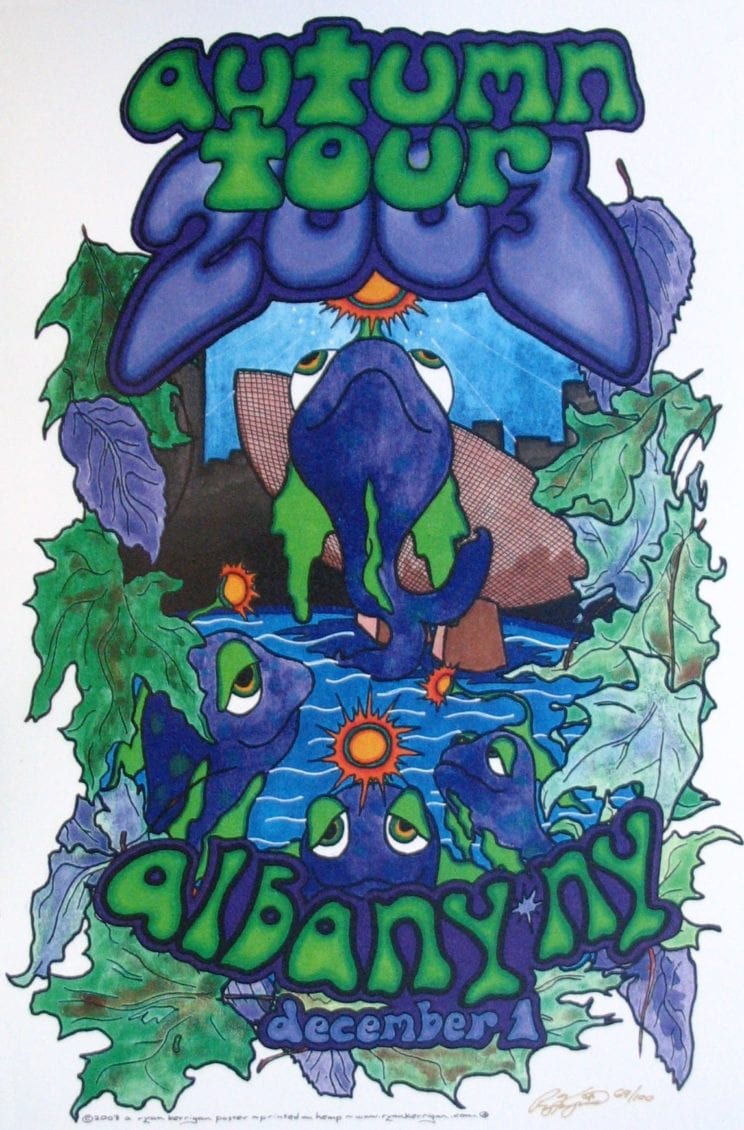
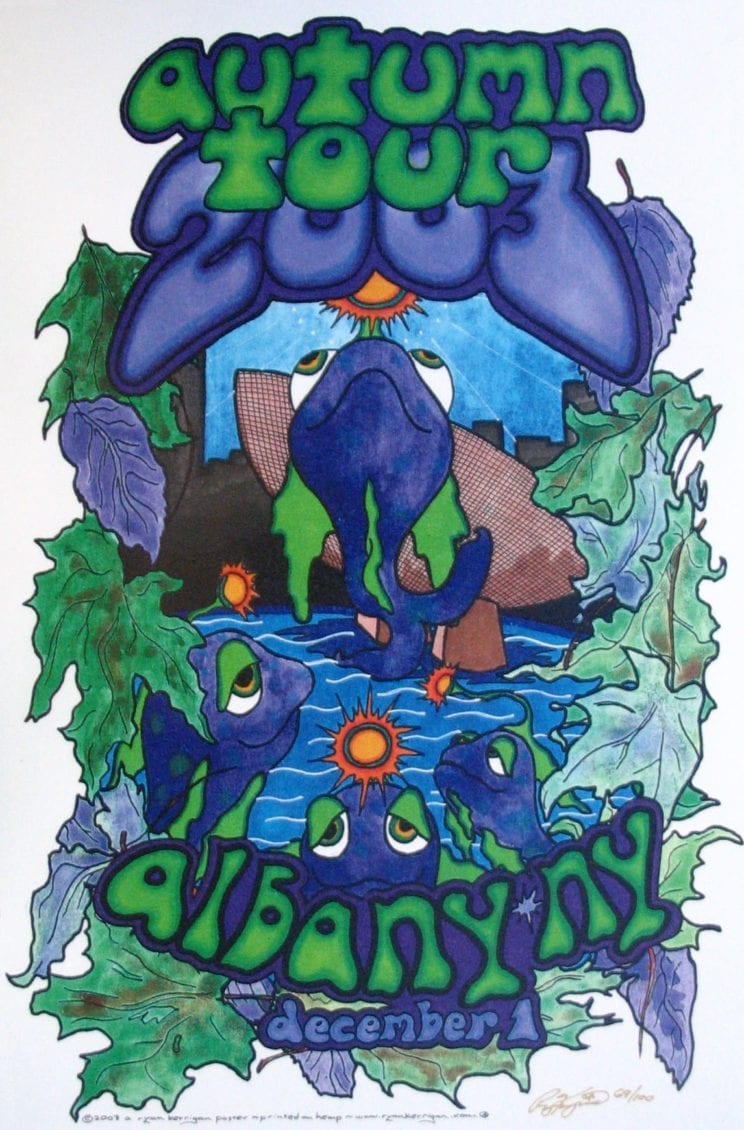
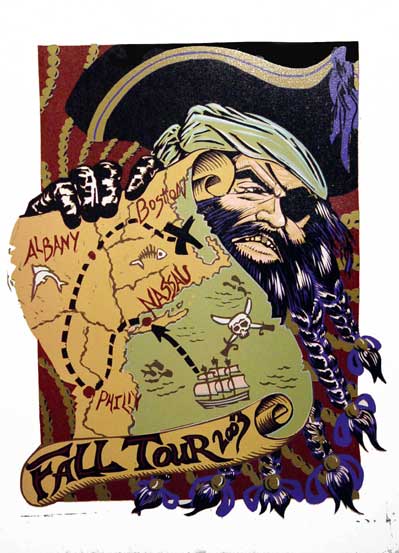
    Phish and the City of Albany have always had a cozy relationship. Going to back to 1989 and their first gig at Pauly’s Hotel, Phish has played a total of 17 shows in Albany during the course of their career. Shows in the early 90’s at the Palace Theatre helped establish their Upstate New York following. So it would come as no surprise when their 2003 20th Anniversary Tour rolled around that Albany would be one of the stops. This would only be a short, four-show trek around the Northeast, culminating in the “anniversary” of their first ever show on December 2.

    The first two shows of the tour did not disappoint at all. Special guests like the Dude of Life popped out for the encore in Long Island on November 28, and Tom Marshall joined in on a classic version of “Buffalo Bill” the night before in Philadelphia. Now it was Albany’s turn and the band went even further back in their history for tonight’s guest selection.

    Phish Albany December 2003

    Picking up on the palpable December pre-show energy, the show begins with a “Chalkdust Torture” that ramps it up even more. The entire Pepsi Arena crowd seems to join in on the “Can’t I live while I’m young” line. A blistering guitar solo from Trey Anastasio highlights this one before all is said and done. The “Stash” that comes next allows for plenty more audience participation. It eventually develops into a dark, yet fairly uneventful jam. A standard run-through of “Guyute” then follows, with the Albany crowd audibly loving every minute of this first set Phish staple.

    An interesting little juxtaposition of both styles and song histories then proceeds this. The delicately mellow “Thunderhead,” from 2002’s Round Room release, makes a rare appearance. It’s only the sixth live performance ever of this song. And, to date, it has yet to be played a seventh time. After a tidy little jam that gradually picks up in intensity, “Sparkle” emerges. The high pace, first set romper dates all the way back to 1991 and has been played hundreds of times.

    “Wolfman’s Brother” finally gives the band a chance to stretch things out a little again. Aside from “Stash,” this is really the only other true “jam” of the first set. Mike Gordon’s aggressive bass play provides the fuel for this one and dominates throughout. Gradually, the rest of the band seems to catch up in this “Wolfman’s” that easily glides past the 15-minute mark after an exuberant finish. “Good Times Bad Times” then puts a cap on a rockin’ but relatively quick first set. Perhaps this was done to allow some additional set break practice time with the still-TBA special guest.

    Phish Albany December 2003

    Before said guest would be revealed, there was still some business to tend to first. Phish would grace the Albany crowd with three classic songs sure to make any show memorable. “Tweezer” promptly begins the second set. It sees more inspired guitar play from Anastasio atop the funky rhythms generated by Gordon and drummer Jon Fishman. The jam continues to ascend accordingly until about the ten-minute mark, when it takes an ambient hard left turn. The music continues to devolve and get spacey for another few minutes before Fishman slyly increases the tempo and the band is off and running with the instrumental “Also Sprach Zarathustra” aka the theme to Stanley Kubrick’s 2001: A Space Odyssey. Keyboardist Page McConnell takes control early on with his standard electric keyboard fills complementing Anastasio’s iconic guitar riffs.

    Before the last remnant of “2001” even finish echoing, Phish launches into “You Enjoy Myself,” further delighting the Albany faithful with an epic start to the second set. There’s no issues with this version at all as the band rips through the composed sections with ease. Then another cohesive, psychedelic jam emerges with McConnell continuing to dazzle on piano.

    Finally, it was time to reveal tonight’s special guest. It would be none other than Jeff Holdsworth, one of the original members and co-guitarists of Phish from its inception in 1983. Jeff would eventually leave the band before they gained much notoriety. Tonight marked the first time he played with Phish since a gig on May 17, 1986 at Goddard College in Plainfield, VT. As befitting for an anniversary run, they would play a few of the songs he wrote that are still regular fixtures at Phish shows to this day.

    The first of these was “Camel Walk.” Holdsworth seems to have a little issue with the lyrics early on, but manages to keep it together for this longtime favorite. Trey then gives him proper thanks for writing that song as well as the next one, “Possum.” Despite some feedback issues, they manage to maneuver through this Phish classic as well, with Anastasio doing a lot of the heavy lifting.

    Jeff stays on stage and even takes lead vocals on the first song Phish ever played as a band, a cover of The Hollies’ “Long Cool Woman In A Black Dress.” Understandably, he seems to be a little more comfortable singing on this one than the Phish songs he hadn’t played in more than 17 years.

    “Run Like An Antelope” would then go on to close the second set. While Holdsworth would remain on stage to play guitar, he must have been turned down fairly low in the mix. This also gave Phish one last chance to surprise the Albany crowd. Longtime lyricist and friend of the band Tom Marshall emerged to deliver the song-ending vocals. One last cover, Jimi Hendrix’s “Fire,” would complete one of the more interesting and memorable Phish show in Albany’s rich history.

    Check out the full audio below, or go here for track-by-track selections.

    Phish – December 1, 2003 – Pepsi Arena – Albany, NY

    Set 1: Chalkdust Torture, Stash, Guyute, Thunderhead -> Sparkle, Wolfman’s Brother -> Good Times Bad Times

    Set 2: Tweezer -> Also Sprach Zarathustra > You Enjoy Myself, Camel Walk, Possum, Long Cool Woman in a Black Dress > Run Like an Antelope

    Encore: Fire

    Note – Camel Walk through Fire with Jeff Holdsworth on guitar

  • Phish In Albany Through The Years: 2003-2009

    This is part 3 of a series looking back at the history of Phish in Albany. Here are Part 1 and Part 2 as we eagerly anticipate the next round of shows at the Times Union Center this week.

    Phish AlbanyDecember 1, 2003

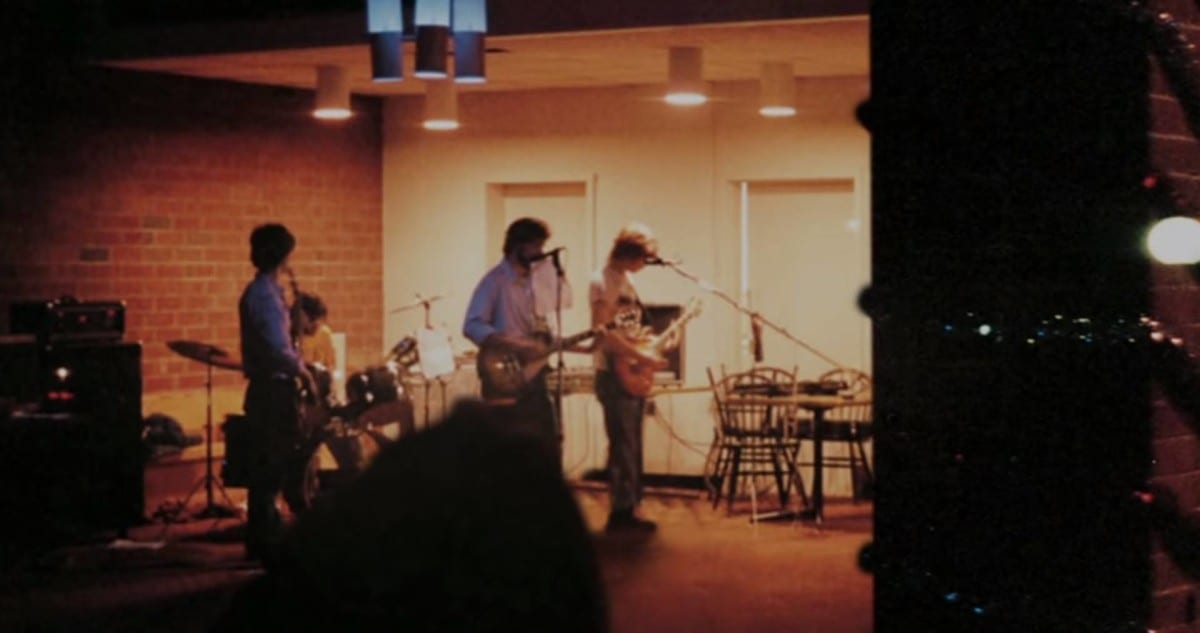
    2003 was a special year for Phish as it marked the band’s 20th anniversary of their first show ever.  December 2, 1983 is generally recognized as the first public gig – a low key affair at a University of Vermont cafeteria where they may have even been known as Blackwood Convention. After ditching that moniker, and trading out guitarist Jeff Holdsworth for keyboardist Page McConnell, the Phish brand grew quite successfully over the next twenty years.  To commemorate the occasion, Phish scheduled a “short but sweet” 4-show tour of the Northeast that culminated in a 20th anniversary show on December 2 in Boston.

    12/2/83 Harris-Millis Cafeteria – University of Vermont

    No proper fall tour in the Northeast, no matter how short, would skip over Albany, which was the penultimate stop.  Remember, this was before Phish laid permanent claim to Madison Square Garden for indoor NY shows.  The first two shows of the tour did not disappoint at all with special guests like the Dude of Life popping out for the encore in Long Island and Tom Marshall joining in on a classic version of “Buffalo Bill” the night before in Philadelphia. Now it was Albany’s turn and the band went even further back in their history for this guest selection.

    In a move that seemed to be well kept under wraps, Phish brought out founding member and guitarist Jeff Holdsworth for a string of songs in the the latter part of the second set,.from the old school choice of “Camel Walk” to the “Run Like an Antelope” closer.  In between these, Phish kept the nostalgia vibe strong with throw backs like a cover of “Long Cool Woman in a Black Dress,” the first song at the first gig 20 years ago, and the Holdsworth-penned “Possum” that’s a regular at live shows to this day.  While nothing was quite astounding from a musical perspective in this portion of the show (Holdsworth seemed to be very low in the mix), the band still afforded him some solos to take as everyone got a fun glimpse of the band’s origins.

    Set 1: Chalkdust Torture, Stash, Guyute, Thunderhead -> Sparkle, Wolfman’s Brotther -> Good Times Bad Times

    Set 2: Tweezer -> Also Sprach Zarathustra > You Enjoy Myself, Camel Walk, Possum, Long Cool Woman in a Black Dress > Run Like an Antelope

    Encore: Fire

    Note – Camel Walk through Antelope with Jeff Holdsworth on guitar

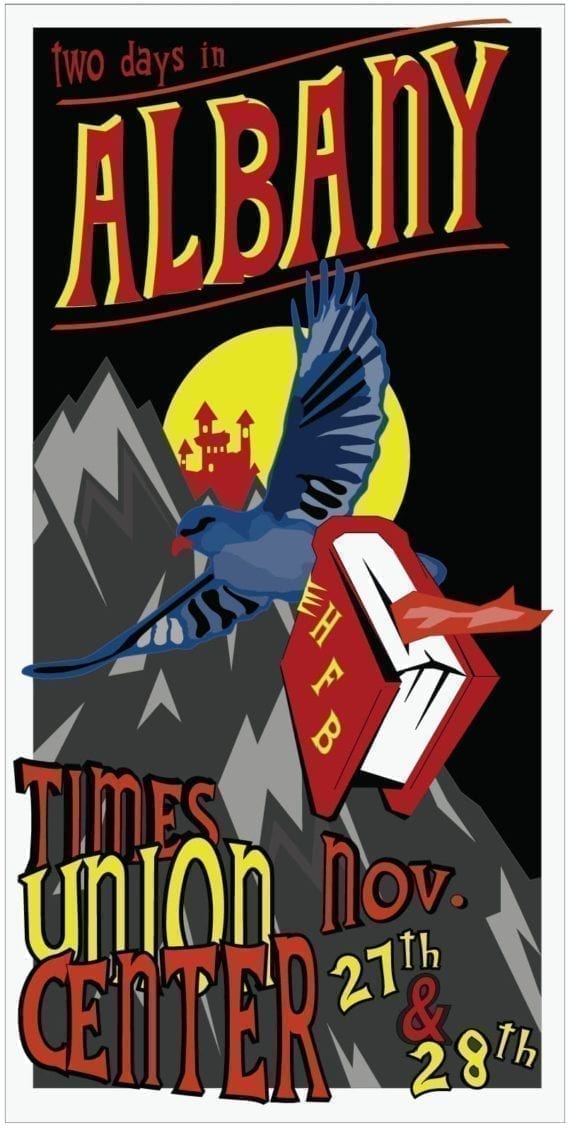
    November 27 & 28, 2009

    Fast forward 6 years later and it was a whole different state of Phish in Albany.  After the band’s disastrous “farewell” festival that was Coventry in 2004, a second hiatus followed that lasted almost five years and was finally ended with a trio of triumphant return shows at Hampton Coliseum in March of 2009.  After those shows and a successful two-legged summer tour and Halloween shows in Indio, CA, the band was truly on the way back and picking up steam as they forged a new chapter in their career.  While some jaded fans may have complained the consistency of quality live shows wasn’t the same yet or that the band’s “new sound” wasn’t quite the same, it’s generally agreed that Phish made an impact statement with this set of Phish Albany shows, courtesy of one of the most acclaimed stretches of music to this day.

    Phish Albany
    Poster by AJ Masthay

    Each of these shows has a flavor all their own in terms of what makes them special.  Friday the 27th was highlighted by some unique song selections and a couple of memorable debuts.  With an energy only upstate New York can deliver, Friday started off with a rip roaring “AC/DC Bag” > “Maze” one-two punch and things only took off from there.  The first set also featured an electric “Gumbo” that gave MacConnell more than enough room to show off his chops and the very rare “Two Versions of Me,” from the band’s 2004 release Undermind.  So rare, in fact, the song hasn’t been played live since.

    Friday night’s second set was marked by two Phish debuts, one of which is still a live show staple. After a dark and moody “My Friend, My Friend” opener, the band played “Golden Age” for the first time ever, a TV on the Radio cover that few saw coming.

    The rest of the second set continued to build with another cover, Little Feat’s “On Your Way Down,” before a truly epic sequence of “Fluffhead” > “Piper” > “Tomorrow’s Song,” another true rarity plucked from Undermind and, to this day, the only time the song has been played live.

    Set 1: AC/DC Bag > Maze, Driver, My Mind’s Got a Mind of its Own, Gumbo, Bouncing Around the Room > It’s Ice, Two Versions of Me, Timber (Jerry) > Limb by Limb, Cavern > Light

    Set 2: My Friend, My Friend > Golden Age, On Your Way Down, Fluffhead > Piper > Tomorrow’s Song, Prince Caspian > Harry Hood > Suzy Greenberg > The Squirming Coil, I Been Around

    Encore: Fire

    Phish Albany
    Poster by Steve Rogers

    Saturday night’s Phish Albany show picked up where things left off the night before and turned the intensity up a notch, if that were at all possible. Starting with an ebullient “Party Time” opener, the atmosphere inside The Knick was electric as fans rejoiced in another show that helped further cement the band’s status as “back.” The first set also had its share of fun song selections like “Sanity” and “Foam” as well as the triumphant return of “Vultures” for the first time since the band’s reunion.  But this show will go down in lore for the incredible piece of improv that began the second set.

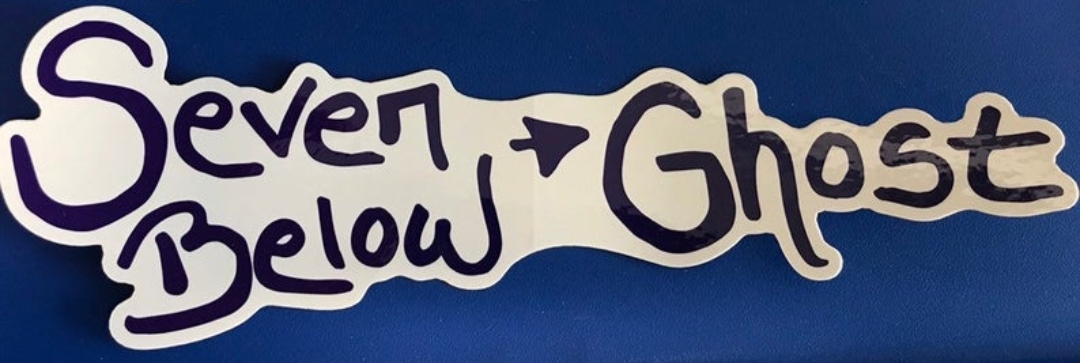
    seven below ghost
    Available at Phrames Etsy Shop

    “Seven Below” began things with a tightly wound composed section played with precision, that soon turned into a driving, soaring jam thanks to the efforts of bassist Mike Gordon and drummer Jon Fishman. The improvisation then touched on elements of prog rock, ambience and then some all while being fueled by majestic guitar play from a seemingly happy and healthy Trey Anastasio on guitar. As the jam slowly petered out some 20 plus minutes later, the distinctive opening guitar riffs of “Story of the Ghost” came into play and Phish was off and running again.  A spirited and quick run through the song’s composition, fueled by plenty of singing along from the crowd, soon yielded to bouncy, near blissful jam that eventually turned into a dark, sinister, almost heavy metal-ish type throwdown, serving as the surest sign yet that Phish was back in a big way.

    They could have ended the show right then and there and few would have complaints.  A more than appropriately named cover in The Velvet Underground’s “Cool It Down” followed and was fairly short lived before a direct segue into “Gotta Jibboo” that picked things back up.  However, it would be near impossible to top the masterpiece that was the close to 48 minutes of music that the first two songs produced.  A monstrous “You Enjoy Myself” serves as only a footnote on this Albany classic.

    Set 1: Party Time, Stealing Time from the Faulty Plan, Uncle Pen, Sanity, Foam, Walk Away > NICU, Alaska, Split Open and Melt, Joy, Vultures, Backwards Down the Number Line

    Set 2: Seven Below > Ghost, Cool It Down > Gotta Jibboo, Let Me Lie, Wolfman’s Brother > Julius

    Encore: You Enjoy Myself

    Take a look at our 2018 review of Phish at the then-Times Union Center and stay tuned for coverage of this weekend’s three-night run in support of the Divided Sky Foundation!

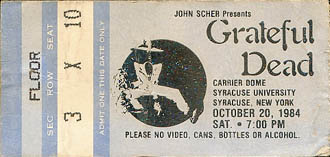
  • Grateful Dead Take One Last Step Back in the Carrier Dome: 10/20/84

    On Octorber 20, 1984, The Grateful Dead played their third and final show at The Carrier Dome in Syracuse. It would be the last East Coast show of their Fall 1984 tour, following two nights at Brendan Byrne Arena in East Rutherford, NJ a few nights prior. Playing to a clearly packed Dome, the Dead throw down a vintage show full of original classic and noteworthy cover songs.

    After a brief warmup, the band jumps headlong into a bubbly and downright perky “Bertha.” Brent Mydland is engaged right from the get-go and peppers this one with soulful organ fills throughout before Jerry Garcia takes his first prolonged guitar solo of the evening. It’s not quite a segue, but at song’s end there is an immediate shift to “Greatest Story Every Told” with Bob Weir taking over on lead vocals and Mydland supplying harmonies. Garcia’s tone, again, sounds immaculate on guitar, providing a thick, funky vibe to this one. Once completed, after a brief tuning lull, Garcia starts up “West L.A. Fadeaway” and the Dead are off and running again in the Carrier Dome. It’s a somewhat slow and moody “Fadeaway” that works nicely in this early slot in the first set and even features some slight vocal effects.

    Things shift back to a bluesy mood with Weir taking back the mic on a classic run through of “C.C. Rider.” The full band soon gets involved and this is a version that reeks of blues and stretches out naturally. At it’s conclusion, Weir plays the role of traffic cop and leads everyone’s favorite crowd instruction for those crammed up front in “Take A Step Back,” replete with super echoey vocal effects for good measure.

    With this seemingly resolved, the band then leaps into a pleasant and lively “Ramble On Rose” with Garcia belting out the lyrics flawlessly. However, afterwards, Weir gets even more dire and serious with a second and third renditions of “Take A Step Back” that seems to be for the benefit of the crowded “bug-eyed” folks up front at the behest of the fire marshal. It’s pretty remarkable that a venue as massive as the Carrier Dome can have the floor fill up to near fire-hazard capacities.

    Grateful Dead in Concert at the Carrier Dome, 20 October 1984

    After a quick jaunt through “My Brother Esau” that almost sounds like it’s cut off preemptively at the end, “Birdsong” then starts the ending sequence of the first set with a poignant version that again sees Garcia up to the task on vocals. This one bobs and weaves for a while enjoyably before eventually straightening out, eliciting a long round of applause from the Syracuse faithful.

    There would be time for only one more number in this set and the Dead make it count and then some with a pristine “Jack Straw.” Garcia and Weir belt out the poignant lyrics from the outset on this one before it slowly intensifies into its usual pace with Garcia leading the charge with some impeccable work on the fret board. Once finished, Weir notifies the crowd that they’ll be right back and makes one more plead for everyone to “take a step back” before they leave the stage. Was the floor just oversold? People sneaking in from the sides? Maybe a little of both.

    The second set later begins with an audio clue of sorts, as some signature funked out tuning licks give way to a full fledged “Shakedown Street.” The Dead rip through the composed section which contains some more echoey vocal effects, clearly taking advantage of the Carrier Dome acoustics. This elicits a thoroughly funked out jam that sees the rhythm section fully engaged and on point, led by bassist Phil Lesh. This leads directly into the drum-heavy intro of “Samson & Delilah” in a true segue that’s executed flawlessly. An extended intro fuels a powerful take on this classic Dead number that features some more timely organ fills from Mydland although it doesn’t get stretched out very far, coming to a fairly abrupt stop. Things then get considerably more mellow with a heartfelt take of “He’s Gone,” a nod to the late Pigpen, one of the founding members of the Grateful Dead. Both the “steal your face right off your head” and “nothing left to do but smile” lyrics get noticeable rounds of applause from the Carrier Dome crowd and Garcia drops some more dazzling guitar licks in the middle of this one.

    “He’s Gone” elicits another soulful, bluesy extended jam which feeds directly into a quasi-bust out of sorts with the return of “Smokestack Lightning.” Before its last performance eleven days ago in Worcester, this one hadn’t been played by the Dead since March of 1972. Some beautiful interplay between Garcia and Mydland highlight this performance which fuels one of the more sizable and extended jams of the evening. Once it begins to dwindle out, this sets the stage for the “Drums” portion of the show with Bill Kreutzmann and Mickey Hart, aka The Rhythm Devils, taking center stage on percussion.

    After the rest of the band returns to the stage, the closing leg of the show kicks off with “The Wheel” whose jam serves as the launching pad for a spirited “The Other One” that features some more sublime work on the piano from Mydland early on. It’s one of the more powerful songs of the whole show with Lesh dominating the rhythm on bass while Garcia throws in a bevy of fast-paced licks on guitar. As the jam lessens in intensity, it slowly funnels into a “Black Peter” with Garcia belting out the soulful lyrics flawlessly.

    Instead of getting stretched out, “Peter” shifts almost instantly to a rousing version of “Turn On Your Lovelight.” It sees Weir doing his best Pigpen impression with some soulful, freeform lyrics towards the end as the second set comes to a close. For an encore, the Dead treat the Carrier Dome to a cover of The Beatles’ “Revolution” with Garcia on lead vocals as the third and final show at this iconic Central New York venue comes to a close.

     View this show and more Grateful Dead shows from across the years in New York State with our interactive map below!

    View this and more Grateful Dead shows from across the years in New York State with our interactive map below

    Grateful Dead Carrier Dome – Syracuse, NY 10/20/84

    Set 1: Bertha-> Greatest Story Ever Told, West L.A. Fadeaway, CC Rider, Ramble On Rose, My Brother Esau, Bird Song, Jack Straw

    Set 2: Shakedown Street-> Samson & Delilah, He’s Gone-> Smokestack Lightning-> Drums-> The Wheel-> The Other One-> Black Peter-> Turn On Your Love Light,

    E: Revolution

  • Post Malone To Join Joe Walsh At VetsAid 2024

    Joe Walsh and VetsAid have announced a forthcoming collaboration with Post Malone at this year’s benefit concert. The show, scheduled for November 11 at 7pm at UBS Arena in Belmont Park, NY, will feature the two iconic artists playing material from each of their respective catalogs. This year’s show marks the eighth annual edition of VetsAid which started in 2017 with a show at EagleBank Arena in Fairfax, VA. The two iconic artists will be joined by Eric Church, Toto and Kool & The Gang this year.

    “VetsAid is for EVERYONE: fans of all ages, backgrounds and musical genres,” Walsh explains. “So who better to join the party than Posty – the man who can do it all? And do it so well?! Mix in the best of country with Eric, rock with Toto and funk with Kool and The Gang and you have a VetsAid for the ages. What better way to honor our veterans and their families this Veterans Day than with a night you will never forget?”

    Walsh has also announced the grant recipients that will benefit from the proceeds of this year’s VetsAid. All of the groups are either based in New York or New Jersey or have committed to using these funds exclusively on the ground in New York or New Jersey. Large grant recipients include the Travis Manion Foundation, Fourblock, Hire Heroes Foundation, America’s VetDogs, Vets4Warriors, Our Military Kids, Foundation for Women Warriors, HunterSeven Foundation, and Merging Vets & Players. The Community Grant recipients are Homeward Bound Adirondacks, Project Refit, AMVETS Service Foundation of New Jersey and the North Country Veterans Association.

    Veterans and their wellbeing have always been important to Walsh, a Gold Star son himself whose father died while stationed on active duty on Okinawa when Walsh was not even two years old. His mission is to use this platform to raise funds and awareness for the still urgent and significant needs of our returning soldiers and their families. The establishment of VetsAid and this annual benefit concert is his way of giving back to those who have given so much in sacrifice for this country.

    VetsAid 2023 took place in San Diego and featured performances by Jeff Lynne’s ELO, The Way on Drugs, the Flaming Lips, Lucius and special guest Stephen Stills. The group is committed to curating an exclusive once-in-a-lifetime festival lineup in a different American city each year with a large veteran and military population.

    Tickets are on sale now at www.ticketmaster.com and are priced starting at $54.50. For more information, please visit www.vetsaid.org.

  • The Dead Give ‘Em The Horns In Syracuse: September 17, 1973

    The Grateful Dead played a brief 10-show tour in September of 1973 and included among these was a stop at the Onondaga County War Memorial in Syracuse. This tour featured the one and only time the band would be joined by a horn section on stage. Tenor saxaphonist Martin Fierro and trumpeter Joe Ellis were familiar with some of the Dead’s catalog, mainly due to their involvement with the recording of the band’s sixth studio album Wake of the Flood, which would be released the following month.

    As it happens, Fierro and Ellis were members of The Doug Sahm Band which served as the opener for eight of these shows. Since they were already on tour with the Dead, a sit-in seemed only natural. According to Fierro, the horns were not incredibly well received at the time as this was a stray from the standard Grateful Dead concert experience. But their knowledge of the material is evident and offers a unique twist on some of the classic songs from the band’s repertoire. On this evening in Syracuse, with the exception of “Here Comes Sunsine,” the entirety of Wake of the Flood would be played, serving as a sneak peek for the new album.

    grateful dead

    The recording of this show, which can be found below, doesn’t start until the tail end of the “Tennessee Jed” opener. The Dead follow this up with a blistering “Me and My Uncle” with Phil Lesh coming in loud and clear on the bass guitar. This is succeeded by another first set staple with an uptempo version of “They Love Each Other” which made its debut earlier this year and is highlighted by some delicious guitar licks from Jerry Garcia and timely fills from Keith Godchaux on piano. It’s a short, but sweet, take and very much to the point.

    Some classic Dead tuning then takes place with Bob Weir advising the crowd about a “couple of technical problems” before the band launches into an older first set standard with their cover of “Beat It On Down The Line.” Here, Donna Jean Godchaux makes her voice heard for the first time as she and Weir harmonize throughout on another crisp albeit brief opening set selection. The musical reigns are then passed back to Garcia who leads the band through a slow and soulful “Sugaree” with Lesh coming in hot on bass towards the song’s end.

    grateful dead

    Weir then reassumes lead vocals on another rapid first set song in “Mexicali Blues” that the Dead navigate through with ease before “Loser,” which is also partially cut on the recording and has some echoey vocal effects from Garcia to along with his signature pristine guitar solo. This sets the stage for a poignant “Looks Like Rain,” a song first featured on Bob Weir’s solo album Ace that was released last year. It features some interesting synthesizer and electric keyboard work from Godchaux that supplements Weir’s always impassioned vocals nicely.

    Things stay in the emotional vein with a slow and plodding “Row Jimmy” that follows with Garcia, backed by Donna Jean on vocals, leading the way and drummer Bill Kreutzmann maintaining a deliberately steady tempo throughout. A little steam begins to pick up with the “Jack Straw” that follows which sees more intricate piano work from Godchaux to go along with some three-part vocal harmonies before Garcia leads the way on another fairly new number in “Loose Lucy” which also made its debut earlier this year.

    Donna Jean even gets to take center stage in this opening set in Syracuse as she jumps on lead vocals for the Grateful Dead’s cover of Loretta Lynn’s “You Ain’t Woman Enough.” It’s a song the band would only play a handful of times in 1973 and this is the second to last ever performance of it with her husband throwing in some spirited work on piano. This carries right over into the “El Paso” that follows before the Dead end the first set at the War Memorial with the Robert Hunter and Garcia-penned “Casey Jones” that starts off rather mellow but, like a train barreling downhill, picks up in speed and intensity by the time all is sang and done.

    grateful dead

    After a chock full first set with 15 different songs played, the Dead opened up and let loose with a much more improvisational second one on this night in Syracuse and finally broke out the horn section. After an introductory “Mississippi Half-Step Uptown Toodleoo,” Martin Fierro and Joe Ellis finally emerge for the majority of the rest of the show. They begin with a rather unknown tune at the time, “Let Me Sing Your Blues Away,” which would be featured on the upcoming Wake of the Flood release. Garcia, Weir and Donna Jean are all involved on vocals with Fierro taking an extended saxophone solo that helps serve as the song’s bridge. It’s a song the band would only play live on this brief September 1973 tour.

    Phil Lesh then gives a belated and quick introduction of Fierro and Ellis before the start of “Truckin’” which has a bouncier, jazzy feel to at the outset thanks to the additions from each. The horns maintain a steady presence all throughout the composed section and well into the jam that ensues. It’s a song that had been played three times already on this tour so there’s a discernable comfort level in the playing which makes for a very unique take on a Grateful Dead classic that sees Fierro and Godchaux linking up to take control in the latter portion of the jam that ensues.

    The ensemble would go on to play some more songs from Flood, including “Eyes of the World” with Fierro and Ellis continuing to provide background harmonies on horns, especially in the purely instrumental sections between verses. Fierro gets an extended solo as the jam progresses and meshes nicely with the rest of the band although Ellis sounds a bit too excited and a bit off key before Garcia reels things back in to a more customary “Eyes” jam. Once finished, the band then jumps right into a full “Weather Report Suite” where the horns are much more understated and seem to fit a little better. The same can be said for the beginning of “Let It Grow” as Fierro and Ellis are comfortable with the composed/lyrical section but seem to do a little too much once the jam that ensues begins to stretch out a little.

    The Grateful Dead wrap up this Syracuse show with a mellow and somber “Stella Blue” that sees Fierro on sax mesh perfectly with Garcia’s guitar tone. After one last tuning break, this one seemingly inspired by the Looney Tunes theme, a “Sugar Magnolia” closes things out with the horns taking a bit of a back seat at first and then coming alive in the “Sunshine Daydream” section.

    Overall, there are moments of greatness, mainly during compositional and slower sections, but the horns seem to try to do a bit too much when the improvisation kicks into high gear. This is likely what led to some Deadheads being less than enthused about their addition to a traditional Grateful Dead show. This brief tour would go on to Philadelphia and Pittsburgh, PA before ending in Buffalo at the War Memorial nine days later.

    Grateful Dead – Onondaga County War Memorial – Syracuse, NY – September 17, 1973

    Set 1: Tennessee Jed, Me & My Uncle, They Love Each Other, Beat It On Down The Line, Sugaree, Mexicali Blues, Loser, Looks Like Rain, Row Jimmy, Jack Straw, Loose Lucy, You Ain’t Woman Enough, El Paso, Casey Jones

    Set 2: Mississippi Half Step, Let Me Sing*, Truckin’*-> Eyes Of The World*-> Weather Report Suite Prelude*-> Weather Report Suite Part 1*-> Let It Grow*-> Stella Blue, Sugar Magnolia

    *with Joe Ellis on trumpet and Martin Fierro on saxophone

  • Jerry Garcia Band Glides Down Music Mountain: June 16, 1982

    As the Grateful Dead found themselves in between tours in the early summer of 1982, side projects were apparently the name of the game in order to stay musically limber. And a new music venue in South Fallsburg, NY was more than happy to have them. Jerry Garcia Band kicked off a string of shows in the Northeast at Music Mountain on a co-bill with Bob Weir’s Bobby and the Midnites. This new venue in Sullivan County at a revamped hotel lodge that never quite made it actually played host to the first permissible concerts in the area since Woodstock in its very brief existence.

    One of the last of the few shows ever played here was this heralded Jerry Garcia Band show on this day in 1982 that’s loaded with classic cover song selections and a few JGB “originals.” This particular iteration of the band features some of Garcia’s closest and longtime collaborators playing together and it certainly comes through in the sound. Bill Kreutzmann, his Grateful Dead cohort, is on drums with John Kahn manning the bass guitar. Longtime JGB member Melvin Seals is joined on keys by Jimmy Warren. And Julie Stafford and Liz Stires provide the backup vocals.

    Jerry Garcia Band 1982
    Jerry Garcia Band ticket stub – June 16, 1982

    The show begins with a vintage take on Smokey Robinson’s “How Sweet It Is,” a staple in the Jerry Garcia Band songbook. A sizzling early guitar solo sets the stage for responses from Melvin Seals and Warren on keys with everyone in the band getting a chance to shine right from the start. The harmonized vocals add a layer of authenticity to this cover. Bill Kreutzmann then starts up the next number on the bass drum by himself as the rest of the band patiently merges into the beginning of “Catfish John,” a much lesser known cover song that JGB has also made one of its own. Garcia takes the wah pedal/effect out for a spin much to the delight of the Music Mountain crowd with the rhythm section maintaining a steady pocket of groove throughout. After some fun interplay with Seals, Garcia then fires in one last funky guitar solo on this well cooked “Catfish.”

    Music Mountain – South Fallsburg, NY

    In the three-spot is another Jerry Garcia Band regular, “That’s What Love Will Make You Do.” Originally credited to Little Milton in 1971, the song was played numerous times by Legion Of Mary, an all-too-brief previous side project of Garcia’s from the 70s that also featured Kahn, Martin Fierro on saxophone and flute along with Merl Saunders on keys. Their familiarity with this number comes through in spades as Garcia and Saunders take turns ripping through their respective solos on another groove-heavy funk vehicle that has Music Mountain in full swing.

    Things finally cool off a bit with “Valerie,” a Robert Hunter-penned song that would go on to appear on Garcia’s Run For The Roses which would be officially released later this year. It’s got elements of “Loser” woven throughout and all the feel of an early 70s Dead song dressed up in a JGB jacket that fits perfectly in this spot. And, of course, it wouldn’t be a Grateful Dead-related show without a nod to Chuck Berry and the band takes care of this in the form of a ripping cover of “Let It Rock” that sees Garcia unleashing another bevvy of scintillating guitar runs. This funnels right into a set-closing “Deal” that’s as tight as any GD version with the harmonized backup vocals from Stires and Stafford adding some additional flavor to it.

    A spirited Music Mountain crowd welcomes the Jerry Garcia Band back for a second set that starts with another cover, this time it’s “(I’m A) Road Runner,” a song first recorded by Junior Walker and the All-Stars in 1965. This would become another JGB live show staple throughout the years. Seals and Garcia get into some heavy interplay on this one as the the band stretches this “pop” hit into a fun, relaxed jam. “Love In The Afternoon” then follows, another Robert Hunter-penned song that first appeared on Garcia’s Cats Under The Stars album from 1978, his first LP using the band name Jerry Garcia Band and his first LP on the Arista label. 

    The real meat and potatoes of the second set, and perhaps the show itself, is the “Don’t Let Go” that comes next. It’s a near 20-minute joy ride of deep funk and some of the more exploratory jamming of the evening. The rhythm section of Kahn and Kreutzmann is hard at work once again and develop a deep groove that Garcia plays off of effortlessly. With Seals adding additional layers of sound atop it all, it makes for a lively jam that’s rife with musical cohesion and craftsmanship. Almost suddenly, the rest of the band then eases up that allows for a brief Kreuztmann drum solo that then turns into a bass duel with Kahn before Garcia slowly reenters the mix. It’s a loose, acid jazzy type jam that’s one of the show’s true highlights.

    Although there would be no traditional encore tonight, the rest of the set almost feels like one, starting with a super slow take of The Band’s “The Night They Drove Ol’ Dixie Down.” With the tempo dialed down to an absolute crawl, this gives one of the last Garcia guitar solos of the night some added poignance and emotion. The beautiful backup vocals from Stires and Stafford certainly doesn’t hurt either. The show then comes to a close with “Run For the Roses,” the title track of the soon to be released album and another classic Garcia-Hunter collaboration. And with that, Jerry Garcia band puts the finishing stamp on one of the last shows to ever take place at the ill fated Music Mountain.

    An apparently rain-soaked show from Bobby and the Midnites that went well into the night then followed – check out the audio here.

    https://www.youtube.com/watch?v=uE27loWjRq0

    Jerry Garcia Band – Music Mountain, South Fallsburg, NY – June 16, 1982

    Set 1: How Sweet It Is (To Be Loved By You), Catfish John, That’s What Love Will Make You Do, Valerie, Let It Rock > Deal

    Set 2: (I’m A) Road Runner, Love In The Afternoon, Don’t Let Go, The Night They Drove Ol’ Dixie Down, Run For the Roses

Built in Breakdance