Tag: Hip Hop 50

  • Best of the Boroughs: How Queens Brought the Best And Worst Out Of Hip Hop

    As hip hop celebrates its 50th year of existence, its stronghold on pop-culture remains ever-present. With exhibits, festivals and documentaries in honor of the world’s most popular genre. As hip hop evolves, nuances and pieces of history tend to be lost in the shuffle. Despite reaching the rest of the world, hip hop got its education in New York City. Before the South had something to say, the boroughs battled for supremacy and laid out a blueprint for all to follow. This is what Best of The Boroughs is for. Capturing the essence of hip hop throughout all of New York’s five boroughs and neighboring towns.

    The Formative Years

    Emerging from the Bronx in 1973, this counter-culture movement quickly sashayed throughout New York. Meanwhile, in Queens, hip hop’s grimy and raw energy went through a maturation process, unveiling an inner-consciousness and business sense. However, Queens’ family oriented local did little to gain the rappers credibility in what remained a rugged genre. Yet, as the movement grew, the masses learned more about Queens’ underworld and the various project housing’s where terror rained. This is what makes Queens unique, there isn’t one singular identity. Much like its socio-economic makeup, the rap scene emerged as a diverse oasis where mainstream, conscious and hardcore all meet.

    Queens Hip Hop artists
    Queens is home to a diverse mix of hip hop

    Manhattan keeps on makin it, Brooklyn keeps on takin it
    Bronx keeps creatin’ it, and Queens keeps on fakin’ it

    – KRS One, “The Bridge is Over”

    Having existed in inner-city communities for years, the genre tasted mild success in 1979 with Kurtis Blow‘s Gold single “The Breaks” giving hip hop its own break into the mainstream. However, this cultural consolidation of styles, fashion, street life and music still lacked true superstars to solidify it. Stars that transcended race and culture.

    The Beginning of The Golden Era

    In essence, this is where Queens made its biggest imprint on the genre, delivering hip hop its first true superstars in Run DMC and LL Cool J. For their part, the “Kings of Rock” were the first rappers to have a platinum album and to appear on MTV — paving the way for fellow Queens native Ed Lover and the culturally monumental Yo! MTV Raps. In a sense, Run DMC showed that hip hop had arrived and rappers were deserving or major label deals. In turn, LL Cool J broke the mold by showing that sustained stardom could come from a solo act and serve as a segue into other business and entertainment opportunities. With their trademark B-Boy fashion, they brought the culture and style of the street dudes to the mainstream, introducing America to a new wave of urban and youth culture.

    Queens rappers
    Queens MC’s have pioneered several trends in hip hop history

    In light of this, Queens’ hearty contribution to hip hop often played into the facade that the rappers were soft. With a hub of African American and Caribbean homeowners, it gave an impression that anyone from the borough was the product of some kind of suburbia. Yet the dichotomy was ever-present in the music. While the West Coast gets credit for gangsta rap, Kool G Rap of Corona, Queens is a forefather of the hardcore, street, story-telling style that made the careers of so many rappers.

    Of course, Kool G Rap got his start with Queensbridge natives, The Juice Crew. The fabled hip hop collective — spearheaded by producers Mr. Magic and Marley Marl — introduced several legendary acts to the scene including Big Daddy Kane, Biz Markie and Roxanne Shante who at only 14 became one of the first women to gain notoriety as a rapper.

    Equally important are the Queens-adjacent Long Island rappers who paved the way. A list that includes Rakim, Biz Markie, MF Doom, Erick Sermon, Keith Murray and De La Soul. Now these bunch weren’t from Queens but shared similar rap ideologies, and well they’re closer to Queens than anywhere else.

    Hip Hop Evolves

    Following behind their predecessors, the next generation of Queens rappers brought on a run of genuine, diverse and innovativeness that created a moment-in-time. Before vulgarity and street ethos became the norm in popular music, acts like A Tribe Called Quest, De La Soul (Long Island) and Pharoahe Monch offered variance to the scene. As Gangsta Rap rose in popularity, the alternative acts gave insight to the other black existence. And With their own imagination to draw upon, they helped bridge the gap between hip hop and its preceding genres. Eventually bringing about an implementation of jazz and house music into their production to mix with more easy-going subject matter.

    Queens is a diverse oasis for hip hop
    Queens rappers brought a unique blend of conscious and gangeter music

    At the same time, Queens’ version of gangster music brought about the philosophical street rapper. Hugely influenced by Islamic — but mostly — mafioso ideologies and tactics — thanks to John Gotti’s celebrity status and the cultural impact of films like Scarface and The Godfather — the methodical, tactical and observatory ways of organized crime played a large role thematically in hip hop, street music. Under this backdrop legendary acts like Nas, Mobb Deep, Capone-N-Noreaga, delivered timeless records that not only depicted the criminal life but instilled valuable life lessons. In contrast, Queens still provided the raucous, wild energy. Both Onyx and The Lost Boyz (R.I.P. Freaky Tah) brought a different frenzied element to the scene, helping showcase how truly diverse in sound Queens was.

    The End Of Golden Era

    However, for anyone wondering how hip hop became so violent, look no further than the end of the golden era. As popularity grew, so did the stakes. And with the glitz-and-glamour of hip hop at full-force during the late 90’s, it became even harder to blur the lines and separate the streets from the music. Coupled with the monetary benefits of pushing the envelope, name-dropping became the norm as the genre grew to be confrontational.

    In Queens, this was epitomized in the beef between Ja Rule and 50 Cent. On the heels of Tupac Shakur’s death, Gangsta Rap had officially taken over. Shakur’s volatile personality and propensity for thought-provoking soundbites — along with his talent — turned him into a media darling. A Queens habitant for a period (being close with E-Moneybags and Stretch of Live Squad), his impact was felt.

    Changes

    In this aftermath, the Hollis-raised Ja Rule emerged as a star in the late 90’s using similar aesthetics as the now-mythical Tupac. In one of the earlier-instances of the 4th wall breaking, he was mocked by rivals for fabricating a street persona. Which was a cornerstone of something the Southside Jamaica-bred 50 Cent’s image. In essence, their beef stems from 50 feeling slighted because neighborhood hero Kenneth “Supreme” McGriff backed Ja Rule’s music over his. Someone who he felt didn’t have the pedigree of a gangster, not like him. That and many other incidents have led to the two Queens rappers loathing each other for over two decades.

    2000's Queens rappers
    Queens maintained its status throughout the 2000’s

    Over the years, the two multi-platinum selling rappers have gone back and forth with numerous diss records and even a physical run-in that resulted in stabbings. As their anomisity towards one another played out in the music and on TV, it continued a trend of street politics making its way to the record label’s marketing rooms. And all in all, the wreckage left behind created animosity city-wide. Although the golden era’s major players were still at their peak, anomisity and testorone filled the air.

    Nonetheless, Queens was well represented with the emergence of 50 Cent as a worldwide force. In turn, his G-Unit imprint launched the careers of Lloyd Banks and Tony Yayo. And the old garde of LL Cool J, Nas and Mobb Deep remained relevant.

    Present Day Queens Hip Hop

    Be that as it may, hip hop in Queens has suffered since veering away from the boom bap sound. However, rather than a host of power players, Queens has one dominant Queen in Nicki Minaj. The last decade-and-a-half saw the South Jamaica native achieve commercial success that puts her in a league of her own among women in hip hop.

    Embed from Getty Images

    But altogether, street culture has taken its toll on the rap game and Queens is no exception. The respective slayings of Stack Bundles and Chinx Drugz ended two buzzing careers set for take-off. Meanwhile, one of the faces of the new generation of Queens music, Shawny Binladen, has had trouble staying under the radar.

    However, Queens still generates stars, Lil Tecca had a top 5 Billboard hit at 16-years-old and 10 overall chart entries. While to a lesser degree LoutGotCash has maintained a presence in the local hip hop scene. It may be true that the road ahead is unclear in the era of microwave music, yet the impact of Queens in hip hop is ever-present. For better or worse.


  • How Upstate New York Brought Back “East Coast” Hip-Hop

    There is perhaps nothing more synonymous with hip-hop than New York City. The genre was birthed, nourished, and has continuously evolved thanks to the five boroughs. From hip-hop’s Jamaican influence to its eventual inception on the streets of the Bronx, NYC has helped to propel hip-hop into the mainstream giant that it is today. 

    New York City has produced an endless list of iconic and influential hip-hop figures, from the all important Grandmaster Flash, to The Notorious B.I.G, and even to groups like Wu-Tang. The city has been a hotbed for rappers and hip-hop artists throughout much of the genre’s history. Acts like Nas, Jay-Z, 50 Cent, and Nicki Minaj have not just become rap superstars, but have elevated to some of the biggest names in all of music.

    NYC Rapper Nas performing

    NYC DOMINANCE

    Part of the aura and mythos surrounding New York is not just the artists that are associated with the region, but also the way that the city itself has influenced the music. Having originated in the Big Apple, hip-hop was inherently New York. From its embryonic stages in the ’70s to its “gangsta” personality in the ’90s, the genre’s identity has been linked to NYC for much of its lifespan. 

    For close to 30 years the “sound” of hip-hop was the “sound” of New York. Characterized by confident flows, lyrical versatility, classic samples, and an atmosphere of authenticity, “East Coast Rap” was the ultimate standard. 

    Historically, hip-hop acts from the city have dominated, whether it be commercially or critically. Seven of the top 25 highest selling hip-hop albums belong to New York artists, a mark higher than any other city . Additionally, of the twelve rappers/hip-hop artists currently in, or scheduled to be inducted into the Rock & Roll Hall of Fame, seven come from NYC, with two more representing Long Island.

    Grandmaster Flash
    Hip-hop pioneer Grandmaster Flash

    The popularity and success of hip-hop in NYC led to the genre’s diaspora throughout much of the United States. By the mid to late ’90s Los Angeles, Chicago, and Atlanta were all major players in the scene. Artists like Tupac, Snoop Dogg, Outkast, Lil Wayne, Common, etc. all had tremendous success being outside of NYC, however up until the last 10-15 years it was still the Empire City that really moved the needle.

    A CRUMBLING EMPIRE

    Despite NYC’s hip-hop pedigree, the “East Coast” sound that made it so influential has become quieter and quieter  in recent years. Instead, influences of trap, drill, cloud rap, and even reggaeton have filtered into the city to create a diverse, intricate, and hard to pin down sound from many NYC artists. Even with the likes of rappers like Joey Badass, Fabolous, and Roc Marciano, the often grimy, word play heavy, and sample laden sounds of the ’80s through early 2000s East Coast rap has largely dissipated from the city. 

    As NYC has lost its sound, other cities have refined theirs. Today, avid hip-hop fans will easily be able to identify where certain artists are from within seconds of hitting the play button. Acts like 21 Savage, Lil Baby, and Migos all have a distinct sound and atmosphere that connects them with Atlanta. Other artists like GloRilla, Moneybagg Yo, Key Glock, and the late Young Dolph boast specific features and elements that represent Memphis. 

    On Complex’s 2023 list of “The Best Rap Cities Right Now”, NYC sat at #2, yet there was no city with more of a musical or even social disconnect between its most prominent artists. In terms of musicality, and apart from maybe an accent, there is very little that artists like Ice Spice, A$AP Rocky, Fivio Foreign, and Nicki Minaj have in common. 

    Nicki Minaj

    “As a whole town we’re losing… I’m talking about the new New York, who do they have to look up to? We’re losing identity and it’s crazy because we was the treadsetters,” Queens legend N.O.R.E. said in a 2013 interview with DJ Vlad. 

    Not only has there become a stylistic schism in NYC but there has been a long standing adversarial attitude amongst many of its biggest artists. Of course there’s the well publicized beef between Jay-Z and Nas, then there’s 50 Cent taking on all of NYC, and in the 2010s it was Nicki Minaj and Cardi B. While other places were fostering and supporting new sounds, promoting upcoming artists, and building together, many New Yorkers were divided. 

    “The older rappers that were already situated in the city didn’t pay up-and-comers no mind if they didn’t sound like the old sound. Bobby Shmurda was the first one with a newer sound, a different sound, that was accepted by New York City hip-hop culture,” Jamel Robinson, the host of Brooklyn rap Youtube Channel Melz TV said in an interview with Complex. 

    The mention of Shmurda’s name also shines a light on another troubling aspect of NYC’s identity crisis. Controversy and tragedy have plagued the city’s biggest and brightest stars. Shmurda burst onto the national stage after the release of his mega-hit “Hot N*gga” in 2014. Proudly repping NYC, the then 19-year-old became an internet star, spawning viral trends and memes all around social media. Just two years later however, Shmurda would be sentenced to seven years in prison after facing conspiracy and weapons charges. The rapper helped to pave the way toward a renewed New York sound and image, but his untimely removal from the game left NYC without another trailblazer for years. 

    Bobby Shmurda
    Bobby Shmurda

    Unfortunately, the artist that would garner the same kind of attention as Bobby would also have a short run at the top. Fellow Brooklyn rapper Pop Smoke took hip-hop by storm in 2019. Blending Chicago and UK Drill with a distinctly New York attitude, the artist was hailed as one of the next Brooklyn legends. But, while renting a house in LA in February of 2020, Pop Smoke was tragically shot and killed during a botched home robbery. Once again the city was left without an artistic talisman.

    Warning signs of NYC’s eventual fall from hip-hop have been there for years. Even New York’s own have referenced the influence of other locations and subgenres. In A$AP Rocky’s 2011 song “Palace”, he sings “Harlem N*ggas gon’ be feelin’ this, East Coast n*gga but how trill is this?” alluding to the Houston slang term “trill”. Rocky goes onto praise the Texas city later in the track rapping “Influenced by Houston hear it in my music, a trill n*gga to the truest, show you how to do this”.

    The Harlem’ native’s love for Southern sounds helps to demonstrate the way in which New York artists have grown to accept and incorporate other attributes of hip-hop. While New York’s current sound may represent the diversity within music and the area’s population as a whole, it diverges from the hip-hop legacy that was crafted there. Without identifiable qualities and features, it makes it hard to discern a “New York City” artist from any other act. 

    Perhaps New York’s current lack of identity is due to the natural evolution of genres, especially in a place that has such deep roots in one specific kind of music. It may be the normal progression of any artistic originator to eventually move on from the elements and features that made it so special to begin with. 

    Whether it be because of a natural artistic change, tension between artists, or even just “bad luck”, New York City’s reputation in hip-hop has faded over the last 10-15 years. 

    Pop Smoke Murdered
    Pop Smoke

    UPSTATE IS THE NEW “EAST COAST”

    But, as the longstanding “East Coast” sound has begun to leave the blocks of New York City, a refurbished sound has traveled upstate, seeping into cities like Albany, Rochester, Syracuse, and most notably Buffalo. These cities have partially curated their own subgenre of hip-hop, characterized by many of the same ideas, trends, and themes that helped to establish NYC as a mecca. 

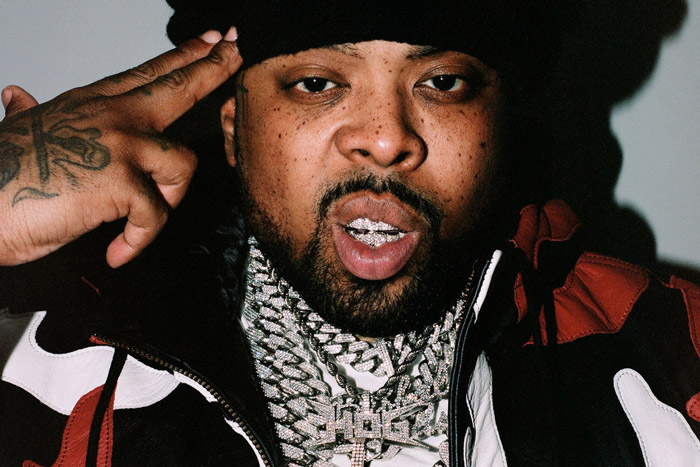
    The most notable of these artists hail from Buffalo and are a part of the “Griselda” collective. Spearheaded by Benny the Butcher, Conway the Machine, and Westside Gunn, the three have helped to carry the torch for the “new wave” of hip-hop coming out of Upstate New York.

    While they all certainly have their own individual characteristics, like Westside’s unique flow or Benny’s confident delivery, their music all shares similar themes and perhaps most apparent, a certain atmosphere. Defined by lyrics about drug dealing, street smarts, high fashion and systematic failures, their content is the musical offspring of acts like Wu-Tang, Mobb Deep, Onyx, and even early Jay-Z. 

    “I just do me and if you like it, you like it, if you don’t, you don’t… me being a real individual, people love that. It’s enough to build a cult following. It’s not a gimmick, this is just what we do for real, ” Westside Gunn said in an interview with Complex. 

    westside gunn
    Westside Gunn

    Conway’s authenticity and edge mirrors much of the sentiment that ’90s and traditional East Coast rappers were known for. The success of Griselda has helped to provide sustenance for a section of hip-hop fans who have been starving for a more gritty and dark sound. 

    It’s all the way left [west] from the City but the mindset is similar, very similar

    NYC rapper Murda Mook on Buffalo.

    It’s not just the lyrics and attitude of Griselda that calls back to the boom-bap era of East Coast rap, it’s also their production. For years the trio has enlisted the help of the producer Daringer, who has seemingly managed to hold onto all the unused samples, sounds, and techniques that legends like DJ Premier and RZA would’ve craved for. 

    In an era where hip-hop production is full of cheap snares, 808s, synths, overdone bass, and half-baked samples, Griselda and Daringer combine to create beautifully violent, vivid and foreboding records. Even lacking drums at times, their tracks provide a listening experience unlike anything in contemporary hip-hop. 

    Streaming apps like Spotify and Apple Music can easily expose lovers of Griselda to other similar artists. And after some quick research it’s clear to see that a lot of these “similar artists” come from Upstate New York.

    Whether it’s Syracuse’s Stove God Cooks, Rochester’s 38 Spesh, or the plethora of other Buffalo artists, there is a blossoming of rap talent in Upstate New York. While this vibrant and nostalgic subgenre has been making waves in and amongst hip-hop heads for years, it has yet to make a big splash in the mainstream. 

    “It’s more about being creative, making dope music, and just solidifying my name. I don’t give a fuck about none of the other shit,” Stove Good Cooks told Peter Rosenberg in a conversation with Hot 97. 

    Despite the individual success of some artists in the subgenre, there has yet to be a track or album that has crossed over into popular music. Benny The Butcher gained notoriety for having J.Cole on “Johnny P’s Caddy” while Conway and Westside appeared on Ye’s Donda. With that being said there is still a disconnect between mainstream hip-hop lyricists like Cole, Kendrick, Cordae, JID and many acts from the grimier subgenre. 

    Buffalo rapper Che Noir

    Although widespread commercial success has evaded the subgenre as a whole, the influence and inspiration that it has supplied cannot be ignored. Back in 2021 Tyler, The Creator credited Westside Gunn for “making me want to rap again”. Additionally, legendary comedian Dave Chappelle has gone on stage to shout out Griselda. 

    Thanks to the ground covered by some of the larger acts in the subgenre, rappers like Rome Streetz, Che Noir, Mach-Hommy, plus producers like Conductor Williams have all been able to shine. Even without large-scale commercial backing, the subgenre has provided some of the most talented and innovative artists in contemporary hip-hop. 

    As hip-hop celebrates its 50th anniversary, the genre has never been more accessible, popular, or accepted. While the future trends and sounds that will define New York hip-hop are unknown, it seems all but certain that artists outside of the traditional NYC metro will have an impact. Amongst a flurry of sonic changes and social media fads, there’s something refreshingly nostalgic about the style of hip-hop emanating from Upstate. Although NYC has relinquished its throne as the genre’s king, the state of New York is still an important thread in hip-hop’s cultural and musical web. 


  • The Story of Roxanne Shanté: Hip Hop’s First Female Icon

    The milestone anniversary of one of the most influential and diverse music genres in history is here, as August 11th marked Hip Hop 50. In light of the anniversary, legends ranging back from the ’70s until now have been resurfacing to pay tribute, revisit the past, as well as stake their claim as hip hop luminaries. Today we lay out the history of a hip hop icon who helped shape the genre as one of the first ever female MC’s, the Queen of Queens: Roxanne Shanté.

    Lolita Shante Gooden, better known to the world as Roxanne Shanté, was born and raised on the streets of New York City, just like hip hop itself. Coming out of Queens, the spit-fire herself was introduced to the rising genre at an early age and possibly more lucrative was the genre being introduced to her. At eight years old, Shanté discovered her love and talent for spitting rhymes whilst watching the witty celebrity wordsmith Nipsey Russel on TV. What’s more, is that the streets called to her as rhyme was just a sign of the times and battles were the name of the game. After her substantial discovery, the little girl would rhyme all day every day, and by the age of ten years old, Shanté won her first battle, securing a cash prize of $50. From there on, Roxanne battled her way to the top beating out her competition one by one leaving a clearer path for those brave enough to follow. Her confidence, fearlessness, and pure talent all came together, leading her to become one of the most popular and sought after female rappers of her time.

    Roxanne’s popularity, however, truly began at 14 with a passing interaction with long time acquaintance Marley Marl – American DJ, record producer, rapper, and so much more. Soon after getting out of her two year stretch at multiple girl’s homes and returning to her mother and sisters, Roxanne was walking up the street in the midst of doing her mother’s laundry when Marley called to her. Hearing that she was the best around, the DJ asked Shanté to rap over a track he was working on. Shanté told him she could only give him seven minutes of her time – the time remaining on her laundry.

    Marly Marl, Mr. Magic, and Tyrone Williams, all members of the soon to be hip hop collective, the Juice Crew, had been working on a special track using the original beats from group U.T.F.O.’s hit song “Roxanne, Roxanne,” which tells the story of a woman who rejected the group’s advances time and time again. Marl’s track was always meant to be an answer record as U.T.F.O. backed out of a concert promoted by Mr. Magic and lost him a substantial amount of expected income. As Marl laid down the track, Shanté was free to do her thing, taking on the persona of “Roxanne” and putting every member of U.T.F.O. in their place one after another saying, “He ain’t really cute, he ain’t really great, He don’t even know how to operate.” Every second, every word, and every rhyme was free-styled by that 14 year old talent in seven minutes, making history as one of the first moments a female took to hip hop and forced the male dominated genre as a whole to sit down, listen, and show some respect.

    The song was officially named “Roxanne’s Revenge” and became a massive hit selling over a quarter of a million copies in the New York area alone. Not only that, but the track spawned a series of answer-back records, possibly the most in history, numbering well over a hundred as artists and fans received Shanté’s free-style as a challenge, including U.T.F.O. who produced another track along with a law suit. This time, the trio’s response highlighted the female rapper Elease Jack who they deemed “The Real Roxanne.” This third track on the same woman took hip hop into uncharted waters, as in that day in age most answer records ended with a second recording. The controversy and attention was quickly named the “Roxanne Wars” resulting in perhaps the first ever ‘rap beef’ between two artists in hip hop history.

    With the song’s success, Lolita was fittingly Roxanne and became an official member of the Juice Crew. Throughout her stretch of tours and live performances with the collective, Roxanne’s battle image and mindset never faded, as Shanté came out with numerous recorded battle tracks including “Round One: Roxanne Shanté vs Sparky Dee” alongside rapper Sparky Dee who not long before released a diss-track about Roxanne herself.

    “Even after I started making records, I still had such a battle mentality,” says Shanté. “I didn’t want to be second best, I didn’t want to be the best girl — I wanted to be the best.”

    Unfortunately, time and time again the artist faced challenges due to her age and role as a woman in a male dominated career and world. In 1985, Shanté battled it out with Busy Bee Starski for the title of “Best Freestyle Rapper” but lost to Kurtis Blow’s bias admitting his vote went to Starski since Roxanne was a girl.

    By the age of 25, with two completed studio albums Bad Sisters and The Bitch Is Back along with over 18 critically acclaimed singles, Shanté had taken a huge step back from the music scene and largely retired from recording. The MC faced physical and sexual abuse on many accounts resulting in hospital visits and the birth of her first son by the time she was sixteen years old. Not only that, but Shanté had been cheated out of money by managers and various others who she believed she could trust the most. These challenges along with the evolving scene of the hip hop industry all led to her hiatus.

    Today, Roxanne is still doing her thing, staying busy, and most importantly staying connected to her roots. Shanté, who now lives in New Jersey, co-leads an education nonprofit, is known to occasionally perform, and has done a series of press events where she comments on hip hop and rap artists of today. Additionally, she hosts Sirius XM’s Have A Nice Day on Rock The Bells Radio along with DJ Cool V where the pair sit down together, crack jokes, and play the music that they love. The rapper also continues to make impressive live appearances as just on July 21st of this summer she participated in DJ Cassidy’s Pass The Mic Live! at the one and only Radio City Music Hall.

    For years, Roxanne has gone on to be an unsung hero when it comes to the history of hip hop and its evolution, yet the artist refuses to live in spite, saying, “I’m not the female Hip Hop artist people talk about. I’m not invited to the awards. I’m the person who people would assume would be angry at home. And I’m the total opposite of that. I love life so much. I’m a breast cancer survivor. I know what it’s like to go through lumpectomies, through everything. Life is amazing to me. I enjoy every minute of it.” 

    Even though the rapper may not take her lack of recognition to heart, the world of music and the world of hip hop have begun to right its wrongs and give Roxanne the attention she truly deserves. In 2017, Netflix released a biopic named “Roxanne Roxanne” which tells the story of her beginnings in the genre along with the struggles she faced as a woman of color in NYC. The movie not only highlights the hurdles she jumped through and her immense talent but also displays her impact on the genre itself and rappers that have gone on to find their own success because of her. One of these artists is the Grammy Award-winning rapper Nas who credits Roxanne with being the person to first get him to take rap seriously.

    “Roxanne Shanté was a young teenage girl who had heart ’cause she would just be out in the projects, hanging, and I would see her,” he explains. “We heard about her and she was a hood star at first. She heard me doing some little rhymes and she was interested, and she was like, ‘Yo, I want you to participate in something. I want you to do some stuff. I want you to work on your craft and when I see you again, have it together.’”

    Roxanne’s story, influence on others, and connections with the hip hop world are impossible to write on one page as the artist has history with legends such as Big Daddy Kane, Biz Markie, and Queen Latifah; however, as Roxanne has shown time and time again, she can prove herself to anybody, anyplace, anytime with a beat and a microphone.

    Roxanne is a hip hop icon and deserves to go down in music history appreciated as a true luminary. Not only did she defy odds as a young woman of color on the streets of Queens, the splash Shanté made with her immense talent, street cred, and her seven minutes helped push the entire genre into the mainstream. Hip hop artists today can’t ever fully comprehend their complete history unless they recognize the Queen of Queens: Roxanne Shanté, the blueprint for hip hop MC’s.

  • Wu-Tang Clan To Headline SiriusXM and Pandora’s Hip Hop 50 Celebration in Queens

    Legendary hip-hop group Wu-Tang Clan has announced they are headlining “For the Love,” a collaboration between SiriusXM and Pandora that celebrates Hip Hop’s 50th anniversary.

    “For The Love” includes an unforgettable day of events on Aug. 10 in Queens at the Knockdown Center, by the Wu-Tang Clan, considered by many to be the greatest hip-hop group of all time. Founded in Staten Island in the early 1990s, the group is comprised of members RZA, GZA, Method Man, Raekwon, Ghostface Killah, U-God, Masta Killa, Inspectah Deck, Cappadonna, and the deceased Ol Dirty Bastard (ODB).

    They have been touring as a unit since their debut record Enter the Wu-Tang (36 Chambers) came out in 1993. The now triple-platinum release vaulted the group with songs like “C.R.E.A.M.” (Cash Rules Everything Around Me) and “Protect Ya Neck.” Their live sets are a family affair, with every member of the crew representing their lyrical contributions to their eight studio albums, as well as notable cuts from the Wu-Tang solo discography. Every Wu-Tang Clan show is a celebration of prolific careers as individuals and especially as the most storied group in hip-hop history.

    Earlier in the day, For the Love: Community Giveback Sponsored by Cricket invites fans to the Knockdown Center to celebrate hip-hop’s next 50 years with local students, families, and businesses in support of the Boys & Girls Club of Metro Queens. Throughout the afternoon, the event will feature a wide range of festivities from breakdancing performances and double-dutch to live, interactive broadcasts of SiriusXM Hip-Hop Nation’s Gray Rizzy and The Heat’s DJ Steel. SiriusXM personalities Mina SayWhat, Torae, Coach PR, D-Stroy, Bugsy, DJ Superstar Jay, DJ Wallah, and DJ Taj will also be on hand during the event to host, DJ, and more. Food will be provided by a host of local, BIPOC-owned and operated food trucks.

    Hip-hop is not just music, it’s a culture which has defined and redefined our society through the years. Wu-Tang Clan has contributed so immensely to the hip-hop community, making a lasting impact on so many people’s lives, and we are honored to share this momentous occasion with these music pioneers and have them take the SiriusXM stage to celebrate the 50th Anniversary of hip-hop.

    Joshua “J1” Raiford, Vice President, Music Programming, SiriusXM/Pandora

    SiriusXM and Pandora will also have a multitude of special hip-hop programs, including countdowns, female only rap, underground cuts, and more. The Wu-Tang Clan headline show will be open to SiriusXM subscribers and Pandora listeners, 21+. RSVP is required for an opportunity to attend the in-person show here.

  • NY Supergroup Boot Camp Clik Reunite After 16 Years With New Single “Wotcha Call Strength”

    As the world is getting ready to celebrate the 50th Anniversary of Hip Hop, some of the genre’s biggest icons are stepping back into the limelight including the New York supergroup Boot Camp Clik. After a sixteen year long hiatus, the group now returns with an old school music video alongside their new single “Wotcha Call Strength.”

    Boot Camp Clik is a Brooklyn, New York hip-hop supergroup started by Duck Down Records in the 90’s and comprised of the eight members; Buckshot (Black Moon), Tek and Steele (Smif N Wessun), Rock, the late great Sean Price (Heltah Skeltah), Starang Wondah, Top Dogg, and Louieville (O.G.C.). The collective has also recently added long-time affiliate Rustee Juxx to the group. 

    The Clik was one of the genre’s first true supergroups that changed how hip hop music was received as their influence in music and fashion was undeniable during the genre’s golden age. Individually, and collectively, the BCC has created numerous classics, albums, and singles including Black Moon’s Enta Da Stage, Smif N Wessun’s Dah Shinin’, Heltah Skeltah’s Nocturnal, Fab 5’s (Heltah Skeltah & O.G.C.) ‘Leflaur Leflah Eshkoshka” and Sean Price’s Monkey Barz.

    Now, back for round two, the BCC’s new single “Wotcha Call Strength,” produced by The Arcitype and directed by David Janoff, reminds the world what true icons they really are. The video shows the group roaming around an empty Forest Hills Stadium in Queens. Starting off strong with a verse by Rustee Juxx, the song follows each member taking their turn speaking their truth straight to the camera, showing viewers what a comeback truly looks like.

    BCC’s co-founder Dru Ha claims, “In honor and celebration of Hip Hop 50, we felt that the BCC’s catalog of work, contributions and legacy needed to be recognized properly. It’s too easy to sit back and say the Hip Hop community should verify you and painstaking to go out and have to remind people with words, so we felt there was no better way to make a statement than to drop a new record with all the original members (RIP to Sean Price).”

    The Boot Camp Clik will also be taking to the stage in the upcoming Rock The Bells Festival at the Forest Hills Stadium which will take place on August 5th. Until then, fans will be able to stream and enjoy their single everywhere.

  • Hip Hop 50 Live adds more New York Talent to its Star-Studded Lineup

    With Mass Appeal and Live Nation’s Hip Hop 50 Live show at Yankee Stadium less than a month away, new talent has been added to the already stacked lineup.

    Some may think that having Run-D.M.C., Snoop Dogg and Lil Wayne already on the roster, there is no possible way to improve the show, but they would be wrong. The new additions include Wiz Khalifa, who will be joining Snoop Dogg for a joint performance, Bronx rapper A Boogie wit da Hoodie, Bronx DJ and Rapper Kid Capri, and Harlem’s own Cam’ron. 

    Updated Hip Hop 50 Lineup via mlb.com.

    Fans can expect a performance of Snoop Dogg and Wiz Khalifa’s hit song “Young, Wild and Free” along with many other classics that span the decades of their respective careers. A Boogie wit da Hoodie is hot off of his world tour, where he performed at the Barclays Center in Brooklyn last March in addition to stopping into Legacy Records in Dumbo to meet some of his fans. 

    A Boogie Wit Da Hoodie at his fan meet and greet at Legacy Dumbo. Photo By Lucas Kurzweil.

    The Hip Hop 50 show is shaping up to be one for the ages as we celebrate a half decade of Hip Hop where it all started: The Bronx. Tickets for the show are available HERE on Ticketmaster.

  • Lincoln Center Celebrates the 50th Anniversary of Hip-Hop

    Lincoln Center for the Performing Arts revealed the details of Hip-Hop Week, an event to honor the 50th anniversary of the genre. The celebration runs August 9-12 and will coincide with the end of the Summer for the City festival

    Hip-Hop Week will feature a slew of different events, performances, conversations, and workshops. The goal is not just to celebrate the music of hip-hop but also appreciate the wider impact that the genre has had across the world. 

    Rakim is set to participate as part of the celebrations

    Born out of the Bronx in the early 1970s, hip-hop has since become a musical and cultural force. The genre has given birth to countless subgenres and sounds, not to mention its effect on other art forms like dance, fashion and design. 

    We recognize and celebrate the profound significance of Hip-Hop as a powerful New York-born culture. It connects generations and propels a number of contemporary art forms

    Shanta Thake, Ehrenkranz Chief Artistic Officer of LCPA

    All of the Hip-Hop Week events are free and operate as first-come first-serve. The celebration starts on August 9 with a “Dance Storytime” during the day and a dance battle and silent disco during the evening. 

    Here for more information and details.

    Hip-Hop Week Programming

    Thursday, June 29 at 9:00pmDamrosch ParkFilm at Lincoln Center

    Juice

    Having already made a name for himself as former classmate Spike Lee’s go-to cinematographer over the preceding decade, in 1992 Ernest R. Dickerson embarked on his own directorial career with Juice, a propulsive, noir-tinged coming-of-age drama starring Omar Epps as Q, a Harlem teen and aspiring DJ whose talents at the turntable seem to promise an authentic means of thriving within, and perhaps transcending, the material confines of his working-class upbringing. Meanwhile, a 20-year-old Tupac Shakur, fresh off the success of his debut album—with which he had swiftly established his own status as a bona fide star, and a leading figure in the ascendant genre of politically conscious West Coast rap—delivers a tour de force performance as Bishop, the mercurial wild card of Q’s tight-knit crew of friends, who harbors a hot temper and a budding violent streak that threatens to derail Q’s musical ambitions and place the futures of all four young men in jeopardy. With an assured hand and cool virtuosity, Dickerson reconsiders the themes and real-world concerns that were animating Hip-Hop culture at the time, refracting them through a distinctly cinematic lens.

    Friday, June 30 at 9:00pmDamrosch ParkFilm at Lincoln Center

    Friday

    Co-writers and producers Ice Cube and DJ Pooh originally envisioned Friday as a boisterous corrective to the despairing hood dramas that proliferated in the pop-cultural landscape of the early ’90s, most of which emphasized violent conflict and ingrained hopelessness as endemic conditions of the inner-city milieu. First-time feature filmmaker F. Gary Gray, who had recently come up in the industry as an acclaimed director of music videos, handily translated his talents to the longer narrative format in order to chronicle a sprawling day in the life of newly unemployed Craig (Ice Cube) and his stoner friend Smokey (Chris Tucker) as the two South Central residents scramble to settle a $200 debt with their drug dealer. A riotously funny high-water mark in the tradition of successful Hip-Hop artists pivoting to assume the role of Hollywood auteur, Friday quickly achieved the status of genuine cult hit, equally celebrated for its affectionate, lived-in evocation of life in the hood and for its chart-topping, double-platinum soundtrack.

    Wednesday, July 12 at 9:00pmDamrosch ParkFilm at Lincoln Center

    Wild Style Introduced by Charlie Ahearn

    Celebrated as a foundational depiction of early Hip-Hop culture—and one of the first to engage cinematically with the lives and perspectives of the young people whose creativity fueled its development—Wild Style was conceived as a collaboration between young No Wave filmmaker Charlie Ahearn and the renowned street artist Fab 5 Freddy. The loose narrative follows Raymond (played by fellow practitioner Lee Quiñones), a precocious teenage graffiti writer in the Bronx known by the pseudonym “Zoro,” and his friend Phade (Fab 5 Freddy), a club promoter, as they navigate a scene fraught with artistic rivalries and a creative community that’s ambivalent about the interest it’s attracting from the upper-crust art world. Filling out the cast with the Rock Steady Crew, Grandmaster Flash, and other pioneering talents of early Hip-Hop culture playing versions of themselves, Ahearn’s film offers an extraordinary semi-documentary portrait of a vibrant cultural movement in its first flowering. A New Directors/New Films 1983 selection.

    Wednesday, August 9 at 11:30 amThe Garden at Damrosch ParkDance Storytime with Hip-Hop dance artist TweetBoogie and DJ Go BIZZY!

    When the Beat was Born:

    Presented in collaboration with New York Public Library for the Performing Arts

    The staff of the Jerome Robbins Dance Division and internationally renowned dance teacher and artist TweetBoogie and DJ Go BIZZY! present a storytime focusing on the music and dancing styles of Hip-Hop. Beats and books combine for an activity that the whole family can enjoy. Participants will listen to the story, When the Beat was Born: DJKool Herc and the Creation of Hip-Hop by Laban Carrick Hill, and learn a short dance routine to celebrate the 50th anniversary of Hip-Hop.

    Wednesday, August 9 at 6:00 pmThe Dance Floor at Josie Robertson Plaza 

    We Out Here 

    Presented in collaboration with New York Public Library for the Performing Arts 

    To celebrate the recording of five street dance life story interviews by the Dance Oral History Project of the Jerome Robbins Dances Division at the Library for the Performing Arts, Gabriel “Kwikstep” Dionisio and Ana ‘Rokafella’ Garcia bring together the legendary Violeta Galagarza, Anthony G. “Cholly Rock” Horne, Kim D. Holmes, Float Master John, and Emilio Austin Jr. aka Buddha Stretch for a dance battle and silent disco on The Dance Floor. Different street and club styles will be on display as the invited Top eight competitors go toe-to-toe for a cash prize. Hosted by TDK Zone with DJ KS 360, come outside and check out NYC’s finest as we help celebrate the 50th anniversary of Hip-Hop! 

    This event will be preceded by a screening of oral history clips and a panel discussion at the New York Public Library for the Performing Arts. 

    Wednesday, August 9 at 8:00 pmDamrosch ParkFeaturing Rakim, Big Daddy Kane, and Special Guests 

    J.PERIOD Live Mixtape: Gods & Kings Edition  

    Brooklyn DJ and producer J.PERIOD (The Hamilton Mixtape) is renowned for his “audio-biography” mixtapes—featuring icons like Nas, Q-Tip, Lauryn Hill, and The Roots—which have solidified his reputation as a top-tier producer, a trusted collaborator, and a groundbreaking musical historian. His long-running performance series J.PERIOD Live Mixtape transforms the traditional Hip-Hop stage show into a high-energy moment of record, captured live onstage in one take. On August 9, Lincoln Center continues its celebration of 50 years of Hip-Hop with J.PERIOD Live Mixtape: Gods & Kings Edition, a commemoration of 2023’s golden anniversary with performances from two of New York’s most legendary emcees, Rakim and Big Daddy Kane, along with more special surprise guests. 

    This performance integrates ASL-interpretation. 

    Thursday, August 10 at 7:00 pm – The Dance Floor at Josie Robertson Plaza 

    Ladies of Hip-Hop Dance Collective 

    Get your groove on at New York City’s largest outdoor dance floor with a 10-foot disco ball and celebrate Hip-Hop’s 50th Anniversary with the Ladies of Hip-Hop, an all-female collective dedicated to empowering girls and women in Hip-Hop culture. Enjoy a summer celebration of Hip-Hop dance culture with DJs, a dance lesson, and even a performance or two!  

    Friday, August 11 at 7:00 pm – Damrosch Park 

    Jazz Está Morto: Arthur Verocai with Orchestra 

    ArtDontSleep, World Music Institute, and Lincoln Center join Jazz Is Dead to present the first-ever NYC performance by Arthur Verocai. Accompanied by a full orchestra, Verocai will travel from his native Brazil to perform his 1972 seminal self-titled debut album in its entirety. Sampled by MF Doom, Ludacris & Common, Little Brother, Action Bronson, Curren$y, and countless others, the album is a staple for Hip-Hop producers and is now considered a “holy grail” within the crate-digging community. Hosted by composer, arranger, and music producer Adrian Younge and DJ, record producer, and rapper Ali Shaheed Muhammad (A Tribe Called Quest) in Damrosch Park, Jazz Está Morto will be a once-in-a-lifetime opportunity to experience one of the greatest Brazilian arrangers/composers of all time. 

    Friday, August 11 at 10:00 pm – The Dance Floor at Josie Robertson Plaza 

    DJ Spinna & DJ Cocoa Chanelle 

    In the summer of 1973, Bronx DJ Kool Herc spun tunes at a backyard block party and kicked off a musical and cultural movement. Flash forward to today, that legacy continues in this evening with DJ Spinna, a founding member of The Jigmastas who has worked with everyone from Mary J. Blige to Stevie Wonder, and DJ Cocoa Chanelle, a native Brooklynite, recording artist, and radio personality (Hot 97 and Kiss FM) named one of the top 17 DJs by Vibe Magazine. Jam with us at a Silent Disco in honor of the 50th anniversary of Hip-Hop! 

    Saturday, August 12 at 11:00 amThe Art of WellbeingLeFrak Lobby, David Geffen Hall 

    Every Body Move! 

    Presented in collaboration with NewYork-Presbyterian Hospital 

    Perfect for anyone looking to learn the styles and moves of some of the most popular social dances, this unique workshop incorporates wellness, movement, and joy! Based on popular dances born from African American & Diasporic culture and celebrating Hip-Hop Week, this class will provide a space for participants to connect with their bodies, minds, and community through movement. 

    Led by experienced instructor Ethel Calhoun, the class will begin with exercises that include elements of mindfulness and breathwork, before engaging participants in a variety of social dance forms from swing, salsa, soca, Hip-Hop, and more. Experience is not necessary; the instructor will guide guests through each step to help them feel comfortable on the floor, creating a welcoming and inclusive space for all. 

    Saturday, August 12 at 11:00 amHess Grand Promenade, David Geffen Hall 

    Pre-show Family Workshop 

    Join a hands-on, creative Pre-Show Family Workshop led by Lincoln Center Teaching Artists! Open to visitors of all ages and ability levels who are excited and curious to explore art-making inspired by the performance that follows.

    This performance integrates ASL-interpretation. 

    Saturday, August 12 at 12:00 pmHess Grand Promenade, David Geffen HallA Party Featuring Rap’s Next Generation 

    The Art of the Cypher 

    Lincoln Center’s celebration of Hip-Hop looks to the future with the Art of the Cypher for kids, teens, and families. Cyphers, improvisational circles where rappers share their freestyle skills, are a foundational Hip-Hop tradition. Join host Dr. Chris Emdin, founder of #HipHopEd, for a rap Cypher and Hip-Hop celebration featuring some of our city’s talented teen rappers selected especially for their exceptional rap prowess. Before the show, take part in a hands-on, creative Pre-Show Family Workshop led by Lincoln Center Teaching Artists! Open to visitors of all ages and ability levels for art-making inspired by the performance. 

    This performance integrates ASL-interpretation. 

    Generous support for this event provided by Amazon.

    Saturday, August 12 at 5:00 pmHearst Plaza 

    POP UP: Step it UP 

    Every year, nearly 100 teams and more than 1,000 young people audition for Step It Up NYC, a program designed to create positive change across all five boroughs. A program of the City of New York’s Department of Youth and Community Development, Step It Up began in 2009 as a youth engagement program focused on fusing the passion to move with the drive to create change. This year’s teen dance groups were challenged to incorporate themes of celebrating 50 years of Hip-Hop and minimizing violence within NYC communities. And this year, the winning team premieres their final dance routine at Lincoln Center, sharing their piece with you, perfected, fine-tuned and ready for the big stage! 

    Saturday, August 12 at 6:00 pm – The Dance Floor at Josie Robertson PlazaFeaturing DJ Fannie Mae 

    Sainted: A Trap Choir Experience 

    Founded by international sensation DJ Fannie Mae and Grammy Award-nominated songwriter and producer Dennis Reed, Sainted is a trap choir offering audiences an eclectic range of gospel, R&B, Hip-Hop, and trap music. Paying homage to the Southern Black Church experience, Sainted highlights the spectrum of Black musical excellence throughout the decades and takes you on a journey that identifies Black Church music as the bedrock of countless musical traditions. Through a combination of scholarly and formal training, along with a unique improvisational approach to music learned in the Black Church, the ensemble reinvents choral norms. Audiences will experience this vibrant celebration of a full choir accompanied by a live band, original choreography, and DJ Fannie Mae herself on the decks. 

    Saturday, August 12 at 8:00 pmDamrosch Park 

    Rakim + Rapsody & Special Guests 

    No serious conversation about history’s top five rappers can be had without mentioning Rakim. A technical innovator whose use of internal rhyme and complex lyrics helped the form evolve, Rakim remains your favorite emcee’s favorite emcee nearly forty years after his debut. With his partner DJ Eric B, Rakim’s record releases in the 1980s and 90s established him as a world-class storyteller whose calculated flow and extended use of metaphor set the bar for future generations. As part of Lincoln Center’s series of shows honoring Hip-Hop’s 50th anniversary, The God MC headlines the big stage at Damrosch Park for a concert of classic cuts, supported by a select roster of special guests, including Rapsody. The Jamla/Roc Nation artist has spent the better part of the present decade lapping peers and counterparts while mesmerizing fans who still prefer their rhymes detailed and nutritious. One-of-a-kind Bed-Stuy native Mr. Life Of Your Party fka DJ FLY TY gets the party started as opening act, and extends the night leading a Silent Disco at 10pm. Don’t miss this once-in-a-generation celebration of an eternal exemplar of New York’s Hip-Hop excellence!

    This performance integrates ASL-interpretation. 

    Saturday, August 12 at 10:00 pmThe Dance Floor at Josie Robertson Plaza

    Silent Disco: Mr. Life Of Your Party fka DJ FLY TY

    Our celebration of Hip-Hop Week culminates in a Silent Disco led by Mr. Life Of Your Party fka DJ FLY TY! Brooklyn’s own, born and raised, from Bedford Stuyvesant, Mr. Life Of Your Party – the name speaks for itself! He’s played drums since age 12, performing since 18; he brings life to everyone’s party as soon as he steps into the room! From clubs to venues, churches to houses, blocks to businesses… and now straight to you at Lincoln Center!

    https://www.youtube.com/watch?v=HXsqCrHSKvU&ab_channel=RecordingAcademy%2FGRAMMYs
  • Brooklyn Public Library’s “Philosophy of Hip Hop” Exhibition Brings Culture Full-Circle

    As hip hop’s 50th anniversary nears (August 11, 1973), the yearlong celebration of the world’s most popular music genre has been ramping up. However, hip hop is more than just rhyming over drum patterns. After all, the graffiti artists, breakdancers, b-boys, fashion and street culture are what the music reflected. It was only fitting that more than 4,000 people gathered at the Brooklyn Public Library for the philosophy of hip hop one of the largest celebrations of hip-hop’s anniversary to take place this year. 

    KRS One was a keynote speaker at the philosophy of hip hop
    KRS One was a keynote speaker at The Philosophy of Hip-Hop

    About the Event

    As part of the BPL’s “Night in the Library” initiative, the philosophy of hip-hop brought together dozens of artists and thinkers for a dynamic all-night exploration of the genre. The event took over the iconic Central Library from 7 p.m. to 2 a.m. with keynote addresses, musical performances, discussions, debates, and activities inspired by the genre’s music and culture.

    KRS one was a keynote speaker at the philosophy of hip hop.
    KRS-One was a keynote speaker at The Philosophy of Hip-Hop exhibition

    Co-curated by LeBrandon Smith founder of Really Just Hip-Hop, Kelly Harrison, and April R. Silver, founder of AKILA Worksongs, Night in the Library: The Philosophy of Hip-Hop featured a number of Roc Nation artists, including GRAMMY-nominated rapper Rapsody, Johnny Cocoa, HDBeenDope, and Rueben Vincent.

    The event tied in together several decades of hip hop history from its inception up to the present. All the while interpolating various parts of the culture and showcasing some of the less-heralded figures that have spearheaded hip hop. In addition, a host of legendary cultural figures made appearances including the likes of Dapper Dan, Angie Martinez, performers and rap legends Smif-N-Wessun, Dead Prez and Keynote speaker KRS-One. The Philosophy of Hip Hop was a time capsule into hip hop’s roots as various deejays serenaded the audience with classic hip hop cuts, culminating in a performance by Dead Prez.

    Fashion has long been an integral part of Hip-Hop culture.

    Discussions & Lectures

    Similarly, there were several panels and discussions with key hip hop figures. Roc Nation artist Rapsody provided insight while leading a discussion on “Women in Hip-Hop: Sexuality, Empowerment, Competition, Success & A Fight for Respect.” Chiefly, Rapsody and Dr. Kathryn Sophia Belle discussed the pressures women face when it comes to their presentation. “I’ve learned to see it in different lights and overall, we’re just dope MC’s at the end of the day,” Rapsody Summarized.

    Rapsody participated in a discussion on Women in Hip Hop

    Panels

    Other notable panels and lectures included “Which American Region Is the Most Important in Hip-Hop?” Where a panel of journalists which include journalists Mitchell S. Jackson, Alvin Blanco, Chad Sanders and musical acts Jazzy Lo and DonWill. The panel answered questions on the trendsetters and groundbreaking acts from their respective regions (the East Coast, South, West Coast and the Mid-West). All the while a lively audience were eager to offer insight.

    “Which American Region is the Most Important in Hip Hop?” was one night’s liveliest discussions.

    In like manner legendary music journalist Bill Adler took the stage with Pete Nice of 3rd Bass for “The Expansion of Hip-Hop: How Non-Black Players Built a Home in the Genre.” A Brooklyn native, Adler has covered hip hop since the very wee points of its inception and shared stories on being one of the first writers to cover Kurtis Blow. By the same token, Pete nice shared his experiences as a Caucasian making his way through a black art form, having been on the Def Jam label during its formative years. The Long Island native shared stories of the joint-hunger and pursuit of success between him and the rest of Def Jam’s early roster.

    The philosophy of hip hop included several lectures.
    Bill Adler and Pete nice led a discussion on The Expansion of hip hop

    The evening closed with a performance from Dead Prez, who performed their cult-favorite “Hip-Hop.” With lyrics that see the Brooklyn duo criticize the capitalist nature of the music industry and its exploitation of black people, Dead Prez doubled-down with an intensified, acapella rendition of the record to hone in the message. Afterwards, the Deejay ended the night with a run of classic 80’s and 90’s tracks as the crowd celebrated hip hop in unison.

    Dead Prez closed the night out with their hit-record “Hip-Hop.”
  • Run DMC, Lil Wayne, Snoop Dogg, And More to Perform at Hip Hop 50 at Yankee Stadium

    The celebratory and legendary concert Hip Hop 50 has been announced for Aug. 11 at Yankee Stadium, celebrating 50 years of Hip Hop with some of the biggest names in the genre including Run DMC, Lil Wayne, Snoop Dogg, and more.

    Hip Hop 50

    Hip Hop 50 is celebrating 50 years of Hip Hop right in the birthplace of the genre, the Bronx. EMMY Award-winner and BASSic Black Entertainment CEO Adam Blackstone, who was the musical director for the dynamic, star-studded halftime show at Super Bowl LVI, where he also performed bass guitar on stage, is serving as managing creative music director, along with partner, producer/keyboardist Omar Edwards (Musical Director for JAY-Z).

    The event is a part of Mass Appeal’s Hip Hop 50 initiative – a massive cross-platform initiative that celebrates Hip Hop’s anniversary in the most authentic and globally impactful way possible by acknowledging and recognizing Hip Hop as not only a genre but a movement that has impacted the worldwide community. Every facet of the Universe includes a charitable component connected to the Universal Hip Hop Museum.

    Aug 11th is Hip Hop’s 50th birthday! So…’Up in the Bronx’ where it all started we will be celebrating this historic moment in history! I am honored to pay tribute to the culture that allowed this little shy kid from Queens to grow up and become The Mighty King of Rock! Thank you Hip Hop!!!

    DMC

    The event includes many well-known artists from the five boroughs and rappers born outside of New York. Featured is Run DMC’s “Bottom of the Ninth…The Walk-Off” performance, Lil Wayne, Snoop Dogg, Ice Cube, a “Queens of Hip Hop” set featuring Eve, Lil Kim, Remy Ma, Trina, and more, as well as the beginning founders of rap like DJ Kool Herc, who was known for his turntablism that influenced early rap, and the Sugar Hill Gang. More artists are to be announced soon.

    Hip Hop 50, DJ Kool Herc.
    DJ Kool Herc, credit Rock and Roll Hall of Fame.

    Hip Hop 50 live at Yankee Stadium tickets will become available beginning with presales on Thursday, June 8 at 10 a.m. EST until 10 p.m. EST before the general sale on Friday, June 9 at 10 a.m. EST. For more information and to purchase tickets, visit here.