Category: Interviews

  • An Interview with Ani DiFranco

    Ani Difranco, a legend in the indie music scene since the early 90s, hails from Buffalo and got her start playing Beatles covers at local bars, as well as busking alongside guitar teacher Michael Meldrum. A graduate of the Buffalo Academy for Visual and Performing Arts High School, Difranco began attending classes at Buffalo State College at age 16 and founded Righteous Babe Records, in 1989 at age 19.

    ani difranco

    DiFranco’s Babeville is a multi-use facility devoted to the arts built inside a 19th century Gothic Revival-style church that was rescued from the wrecking ball to become a home for home for the arts in downtown Buffalo.

    According to the Buffalo Music Hall of Fame, DiFranco manufactures all her albums in Buffalo, uses the services of Western New York companies for all her products and employs a staff at her downtown Buffalo offices, thus making both an artistic and economic contribution to her hometown of Buffalo.

    Rob Smittix of The Xperience Monthly spoke to DiFranco recently, discussing her then-upcoming show at Troy Savings Bank Music Hall, songwriters, up-and-coming musicians, as well as Buffalo and her current home of New Orleans.

    AD: Hey is this Rob?

    RRX: It is.

    AD: It’s Ani calling.

    RRX: I recognize your voice, how are you?

    AD: I’m good.

    RRX: I really appreciate you taking the time to talk with me. I’m excited about talking to you.

    AD: Aw shucks. You’re in Troy?

    RRX: Currently, I’m across the river but you’re coming to Troy November 11th to The Troy Savings Bank Music Hall. It’s a beautiful theatre, have you played there before?

    AD: Oh wow, I don’t think so. Although my life is a bit of a blur.

    RRX: Well speaking of your life being a blur… you may or may not remember this but my boss here, Art Fredette and his best friend Jim Barrett used to own a record store called Positively 3rd Street in Troy. He said years ago before you really made a name for yourself, you actually came into the store dropped off cassettes and I imagine you had an acoustic with you because they say that you played a few songs.

    AD: I mean, I believe it.

    (Both Laugh)

    AD: I believe that happened. Who’s to say what memory is ? Feels like a memory, yeah.

    RRX: I’ve hear that story a few times and it really made an impression on them.

    AD: I mean those were the days. I would literally bring in my cassettes to indie stores in the region and that’s how it all started. Supportive local people who are like okay local chick, what do you got? You know?

    RRX: But you were really out there hustling for yourself.

    AD: Just trying to make a living without a whole lot of backup.

    RRX: That’s great. What I’m saying, is that you really started out DIY before DIY became the big movement that it’s become today. Being independent, having your own record label and doing it on your own way before it became the trend, is really cool. Every album you’ve put out was on your label (Righteous Babe Records), if I’m not mistaken.

    AD: In one sense it’s always been there, you know? Where’s the line between? There’s local musicians in every community playing around and getting local audiences. Maybe they’re making a recording and selling them at their gigs. It seems kind of silly. I know that I’m kind of indie-girl USA and often touted for propelling the music industry into it’s new future but in another sense it’s very simple; don’t stop, keep rolling with that and f**k all of the assumptions about where you go from there.

    RRX: I respect that! Well that’s cool. I’ve been in a band for years but as we know, only a handful of people actually make it in the business. That’s a dream come true for so many of us. So for people that have made it and that are recognized… that leads me to the question, what are your dreams now? What do you aspire for now?

    AD: As you were asking your question I felt the urge to pushback about… even just what making it means. Along the theme of what we are talking about, you’re a musician, I’m a musician. I think anybody that makes a place for music in their life and can carve out that place somehow and make music in a way that sets them free. If it puts them in touch with their body, themselves and their community, people they play music with or for, maybe it’s a solitary thing but if it helps you process your life and be a healthy, happy person… that’s success!

    RRX: Sure.

    AD: So to finish answering your question, I think holding onto that. That’s all I want. I mean there’s nothing like a pandemic to to refresh my capacity to appreciate my job. After all of these decades it’s still a job. I think if there’s anything I want to do moving forward it’s to stay in touch with my joy of playing music and my purpose of it. Even though it is a f**king job, for me.

    RRX: Right, right, but it’s a job that you enjoy and you do have some control over which is really cool as well. That at least I can relate to. I work in radio and for this magazine that we’ve got going on and that’s a dream come true for me. Now do you keep a dream journal?

    AD: Um.. no, I barely keep a waking journal. Who has time?

    RRX: I kept a dream journal for a really short period of time but then I realized that you can’t always control your dreams and I don’t want anybody reading this stuff.

    AD: Oh, yeah there’s that. I somehow let my journal leak into the wider world, I don’t know if I’d recommend it.

    RRX: Wow, yeah that could certainly backfire. So because I just like to chat and not really do your standard interview, I just wanted to ask what’s been going on in your life? What’s been on your mind? That sort of thing?

    AD: Getting back to touring a lot, which is still just a little bit unhinged. The pandemic changed everything for everybody. Many people that I’ve been working with just splintered in different directions, starting over and the chaos of the touring industry. The whole ride-along of trying to deal with Covid protocols. You feel a little like you’re on the Muppet Show where people are just exploding around you. And the buses… I don’t know if you realize that there were no bus drivers because they all had to go and do something else.

    RRX: Wow, no I didn’t even think of that.

    AD: There were no buses, we were thrown into vans. It’s just been chaotic but really the divides of the shows an audiences are so high. I’ve been really looking towards the elections and trying to get people registered “A” and “B” excited about f**king changing this sh*t! There are a lot of exiting, young, diverse candidates out there, people stepping up to the plate and running for office. I just feel very strongly about supporting this movement to reclaim democracy and diversify government. I’m really excited about organizations like Run For Something. It’s crowd sourced funding of all of these different progressive candidates, in a lot of different areas. You may not have somebody specifically in your neck of the woods that you are super-jazzed about voting for but a victory somewhere is a victory everywhere. Then there’s Emily’s List, which I’ve been involved with for years, that supports pro-choice female and non-binary candidates. All of these organizations that you can contribute to and help people get their foot in the door and help politics be less controlled by the rich.

    RRX: Yeah, I’m really tired of it coming down to the lesser of the two evils.

    AD: Right.

    RRX: I was just thinking, really… why do we always put up with these choices? There’s how many? 330,000,000 people or something like that in America, so I think we can do better.

    AD: It seems like it’s cracking open. It’s changing and all we have to do is throw our weight behind this change and we can make it happen.

    RRX: I’ve got to say and I am generalizing, there certainly are exceptions but I’ve got three kids and I’ve listened to them and I’m not knocking the newer generations but it seems as though many of their priorities and values are compromised. A generation that never knew the world without the internet. Kids that are more concerned about TikTok and social media than anything else. Even video games have some responsibility for the way the minds of our youth have developed. I mean there are 7 year olds who have gotten their hands on Grand Theft Auto. It desensitizes them. But the youth are the future and we need to focus on them.

    AD: For sure but all of this new technology is completely unregulated, it blindsided even our ability. They want to convince you that government is bad and regulation is bad but of course that’s from the perspective of the overlords. They don’t have to be regulated they have the ability to maximize their profits, no matter what. Government is supposed to protect the little guy. Is business protecting us from itself? Or is it government? Which do you think is going to work better? It’s difficult but I believe in order to get this technology under control so that it can do more good than harm to our young people and our future. As a society we have to get the right regulations in place to counteract the insidious negative effect of the invisible algorithm and the downside of connectivity.

    RRX: Also with the youth today, I’ve got to say the music is not helping. The messages that a lot of this music is pushing… and I know we grew up with records that our parents wanted to destroy but it just seems that it’s gotten way worse. Especially the image that woman are portraying in the Hip Hop scene. It’s not what I would want my daughter listening to but kind of hard to ignore it because that’s what they’re putting out now and that’s what is selling.

    AD: There’s a big world out there and it’s all in the palm of their hand.

    RRX: At least there are artists like yourself that do exist and do have good messages to spread. You’ve got something to say, unfortunately a lot of artists are just trying to capitalize on what will sell regardless.

    AD: I feel really strongly about trying to adopt a stance of revolutionary love which hopefully I can employ into everything that I do.

    RRX: It’s a double-sided coin as well because I’m not about art censorship, so even though I don’t like the messages that they’re putting out, it’s freedom of speech, they should be able to do it. I guess the problem is that the quote unquote “industry” wants to get this filth into kid’s ears. On another note, I was hanging out with my keyboardist last night he reminded me about Babeville. I’ve never been but I’ve really got to get up there.

    AD: It was a huge undertaking that’s for sure and it’s a beautiful venue. It’s several venues really and an art gallery, it’s a little scene in this old cathedral. There’s a cool club down in the basement. That building was slated for demolition like so many buildings in Buffalo. Beautiful architectural treasures that because of poverty…

    RRX: Urban blight.

    AD: Like so many cities in The Rust Belt. But it was going to be torn down. We started action to to save the building then our karma was wrapped up in it. I remember the summer that basically two dudes spent hand digging out the basement.

    RRX: Oh my God!

    AD: We couldn’t get a backhoe in there and literally the basement had to be dug from 5 feet headroom to whatever it is. Two dudes! Everything of Righteous Babe went into it but actually in more recent years, I personally have moved on. My partner in Righteous Babe continues on with that venue and I’m down in New Orleans with the record company.

    RRX: I was gonna ask if you were still down in New Orleans.

    AD: Yup.

    RRX: I’ve just seen pictures of Babeville online, so I had to bring it up. It’s really cool that you brought it back to life. I imagine the place is probably haunted. So I don’t want to take up any more of your time. Was there anything else that you wanted to say?

    AD: Well for the show itself, I’m going t be playing with Todd Sickafoose on bass and keys. I’ve been playing with him for about 25 years now, my left hand man. We’re also going to be playing with a completely new drummer Jharis Yokley, so that’s radical and exciting.

    RRX: Definitely.

    AD: The openers are the The Righteous Babes Revue, which is a super group of Righteous Babe artists that are coming together to do these shows and play each other’s songs. It’s really so many awesome and talented babes that are currently on the label that will be opening the show and sitting in with us. This should be a really fun tour

    RRX: Well I really appreciate your time. It’s really been a pleasure and I hope you enjoyed yourself as well.

    AD: Absolutely, likewise and thank you.

    Interview originally published in The Xperience Monthly.

  • Mary Lamont Queen Of Long Island Country Music

    Canadian transplant and Queen of Long Island Country Music, Mary Lamont took me on a roller coaster ride of an interview recently on The Long Island Sound Podcast. The twists and turns of her entry into the music business is quite a story to behold. A story I would have never imagined that would take us from Anne Murray to Alice Cooper!

    Mary Lamont
    Mary Lamont “Queen of Long Island Country”
    photo by Jim Marchese

    Not only is Mary a fine country crooner and singer/songwriter, but she’s also a fierce advocate of original music as a DJ with her long-running show, Down Home Country, alternate Sundays at noon on WUSB 90.1 FM, the University of Stony Brook radio station.

    That’s part of the fun of being part of WUSB, because there are so many different genres they cover. I mean, anybody can find a show on WUSB, who will be playing the type of music that they like. And you can’t really say that about the other stations and, as you say, the support of local talent.

    Mary Lamont

    Navigating the Music Industry

    Mary found her way into the music industry by happenstance, cutting her teeth in the trenches as a receptionist for Alice Cooper and then progressing through an unofficial apprenticeship with a booking agent, and an industry magazine called Crawdaddy’s. Her early inspiration came from her father.

    But my dad said you can sing. You’re going into the church choir. And my first reaction was No, no, I can’t do that. I can’t do that. And he says yes, you can.

    Mary Lamont

    Coincidence, inspiration, and encouragement collided to move Mary from her comfort zone to become a singer/songwriter. Mary credits her music career to two men in her life, her dad and her Husband, Jim Marchase. Jim is a well-respected photographer in the music business, having once landed a gig as Bruce Springsteen’s photographer on a European tour. He is also the guitarist in the band.

    … my husband has been so for lack of a better pun instrumental in, in putting this band together, in encouraging me to, you know, to be the head of the band, you know, in the guitar work that he does, in the riffs that he plays around the house, that inspire me to write music.

    Mary Lamont

    Mary Lamont’s band has opened for Delbert McClinton, The Marshall Tucker Band and the Charlie Daniel’s Band. She continues to be an ambassador for country music from covers of classic songs to her own catalog of music.

    Opportunities Abound Spreading the Goodwill

    A fateful phone call came to Mary’s husband, in 2002 when a Chinese foundation was seeking the Mary Lamont Band for a goodwill tour of China.

    Mary Lamont Band in China 2002 – Photo by Jim Marchese

    I mean, we’ve gone through Alice Cooper and Bruce Springsteen, and now China wants us to bring the band over!

    Mary Lamont

    Over a two-week period Mary and her band would travel throughout China, covering 23,000 miles from Beijing to the Great Wall.

    China was fantastic, the whole musical tour was like our one “Hard Day’s Night”! The schedule was hectic but exhilarating. Our shows were varied, from large outdoor concert events with thousands of people, as well as beautiful large concert halls such as Beijing’s Forbidden City Concert Hall.

    Jim Marchese

    They say music is the universal language that can heal the world. We sure need ambassadors like Mary Lamont spreading the good news and building bridges between people, cultures with kindness.  Join me for the rest of the conversation with Mary Lamont on The Long Island Sound podcast

    During this holiday season, may your generosity of joy inspire everyone you meet, and as always, let the music take you on a journey!

  • Sam Woolf, American Idol at the Crossroads

    The network of original artists on Long Island have brought me from dive bars to aspiring stars. Sam Woolf is a young man with the courage of his convictions. When faced with the pressure to be reinvented to suit the market, Sam chose to stay true to his art.

    Intrigued by two recent guests on The Long Island Sound podcast , brothers Como, Andrew and Matt, I was introduced to Sam Woolf.  The Como Brothers collaborated with Sam Woolf, and I was impressed both with the original songs and vocal accompaniment. A particular jem is “Give a Little Love” 

    Sam Woolf & Como Brothers, Andrew and Matt

    American Idol Competition

    At the age of seventeen Sam Woolf, through the encouragement of his mother, took a chance at an audition for American Idol back in 2014. As an uneasy teen with little to no live performance experience, Sam Woolf got the golden ticket to Hollywood to perform on American Idol. He made all the way to the number five spot in the contest. When I asked Sam about the scrutiny on national television, he has this to say:

    … I had really no experience performing live,… no real experience performing in front of an audience. So that that part was like, I just kind of had to muster up the courage and just be like, I gotta do this

    Sam Woolf
    2014 Sam Woolf on American Idol

    American Idol judge Keith Urban was impressed with Sam’s perfect pitch as he performed Ed Sheeran’s Lego House during auditions. Woolf climbed to the number five spot before elimination. What intrigued me was his determination to retain his identity as an independent singer/songwriter. When the American Idol team wanted to transform Sam into some sort of a teen idol, this is how he responded:

    Yeah, I certainly was going against it. Because that was the bubble they put me in. The heartthrob, which is how they labeled it… I don’t want to be the heartthrob. Come on, I’m just trying to be that indie singer songwriter

    Sam Woolf

    A Decade Later

     It’s been a decade since Sam competed on National Television, and he has recently moved to New York City to continue with his music career. He’s opened for Jefferson Starship, War and the Doobie Brothers. He stays in touch with Alex Preston and Caleb Johnson who were contestants with him on American Idol.  In January he’ll be releasing a new song called, “Worst Thing” and this is what he said about the new release:

    It’s called “Worst Thing “, to me, it’s my favorite song, I think, the most honest song I’ve ever written. And I hope people can relate with it in some way, or they could connect with it.

    Sam Woolf


    Now that Sam has settled in New York, I’m excited to see where he pops up next. I’m sure there will be more collaborations and great music in this guy’s future. If you’d like to hear the rest of the conversation with Sam, check out his episode on The Long Island Sound Podcast.

  • Mad Meg Wants To Know “Who Deserves Balloons and Medals?”

    Mad Meg is most likely the smallest international band you’ve never heard of. Their new album “Who Deserves Balloons and Medals?” released Nov. 3 and has since been featured as album of the week on radio stations ranging from Mexico to Germany.

    They’ve also toured Eastern Europe, even playing and recording an album in a Lithuanian prison for women. (They got a standing ovation from the prisoners.) The band will have a residency at New Nublu 151 in NYC starting early 2023 as well.

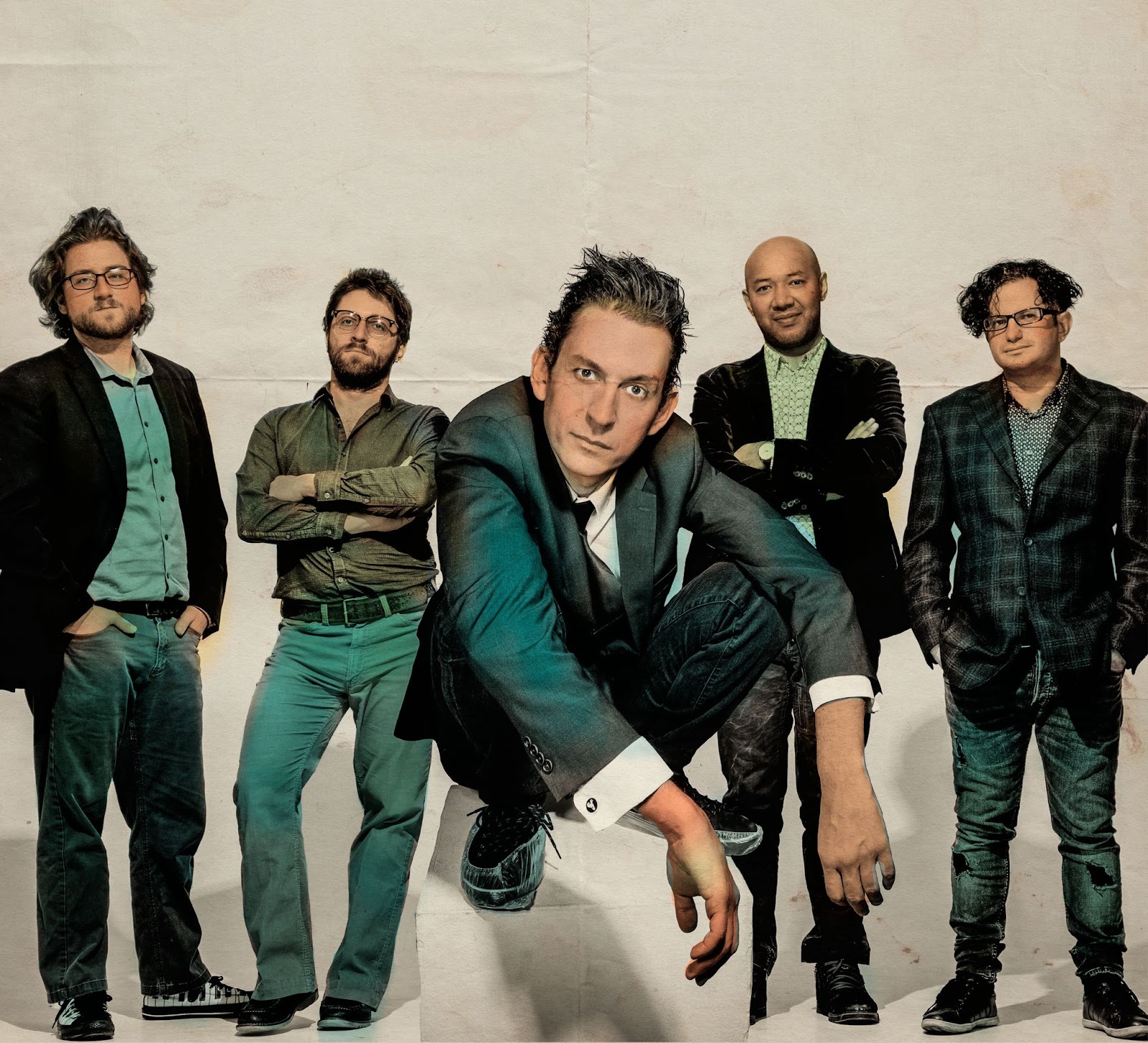
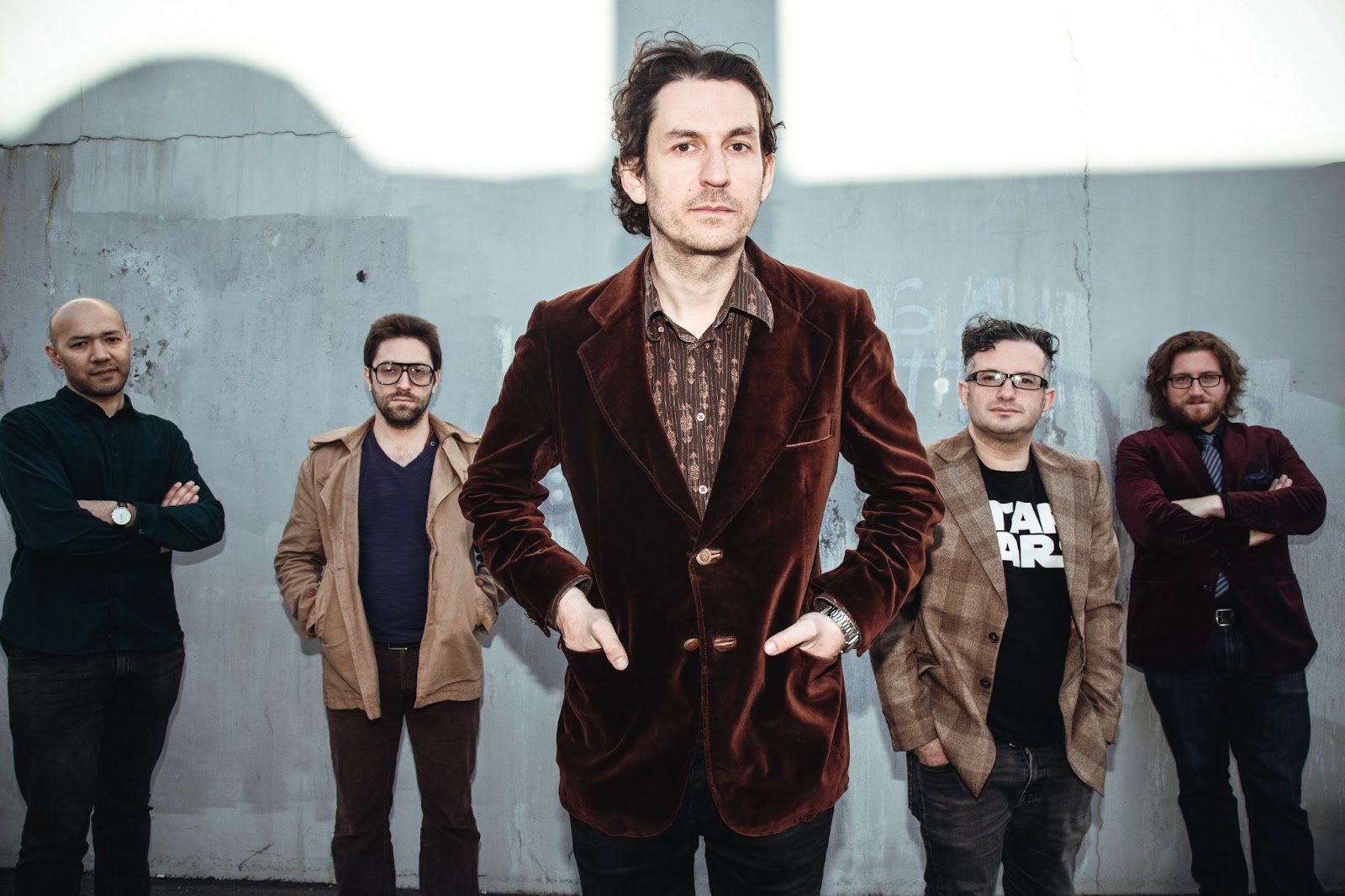
    The band members of Mad Meg, posing for a photo shoot. From left to right: Jason Laney, Dan Veksler, Ilya Popenko, Ruslan Baimurzin, Igor Reznik
    The band members of Mad Meg, posing for a photo shoot. From left to right: Jason Laney, Dan Veksler, Ilya Popenko, Ruslan Baimurzin, Igor Reznik

    A self-described “punk crooner noir band, the group is composed of lead vocalist Ilya Popenko, bassist Igor Reznik, keyboardist Jason Laney, guitarist Dan Veksler and drummer Ruslan Baimurzin. If the names didn’t give it away, four of the five members come from countries that were a part of the former Soviet Union, except for outlier Laney, who grew up in Texas.

    Through a mixture of fate, all five musicians found themselves working and gigging in NYC and through one way or another joined Mad Meg. While members have rotated over the band’s ten year tenure, Popenko has been the continual face of the band. Under his guiding hand, the current group – which has been together since 2016 – has developed their signature sound, a mix of rock, jazz, cabaret and dark comedy. 

    Ryan Bieber, contributing writer for NYS Music sat down with all five members of the band to discuss Mad Meg’s recent album and creative process. 

    *This interview has been edited for length and clarity.

    Ryan Bieber: You have a very unique style, which you’ve described as “punk crooner noir.” How would you describe that and the sounds that your band creates?

    Dan Veksler: Punk is a sort of the general name for a kind of attitude toward life: this kind of simplistic and very rough, you know, stupid, uncouth way of going about tackling enormous issues. 

    Igor Reznik: And I think noir is a reference to the kind of film that I think can be imagined when listening to the stuff.

    Ilya Popenko: We keep changing our style and the name of the style, because it keeps evolving.

    Bieber: And what draws all of you to combine genres in such a way, what do you find interesting about that aspect?

    Jason Laney: “We all come from very different places, musically. I think everyone here has an artist that they love that somebody else in this band hates with a fiery passion. It’s taking all of those different strains and getting to a place where all of us can be happy. If we can please the six people in this room, hopefully somebody else will like it.

    Ruslan Baimurzin: This is the beauty of it, you know, because each of us represents the genre we like. It’s Bob Dylan, Johnny Cash, Tom Waits … Each of us was inspired by different bands. When we started making music, we tried to satisfy each of us at the same time.

    Veksler: You know we don’t set out saying “Let’s make the song in this style or let’s mix these things.” We just play and this happens.

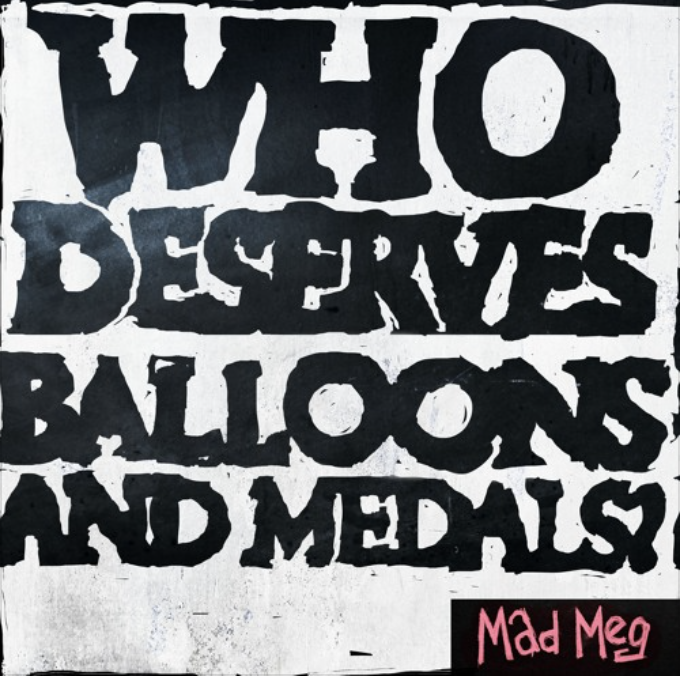
    Mad Meg's second studio album "Who Deserves Balloons and Medals?" released Nov. 3
    Mad Meg’s second studio album “Who Deserves Balloons and Medals?” released Nov. 3

    Bieber: And so when it comes to the actual songwriting process and creating songs on the album, what does it usually look like? Is Ilya coming up with vocals first? Or is someone coming up with a melody on one of the instruments? And how does it go from there?

    Popenko: Well, I usually write a song on a guitar and record that demo, either with just a guitar or some rudimentary arrangements. Then the guys, they take it apart, and each one comes up with their own lines.

    Reznik: And then I scream somewhere in the song usually. There’s like a cherry on top. 

    Popenko: And just playing it live, that’s what kind of solidified it, because we don’t go immediately into the studio. It takes us a couple of years of running the songs in front of large live audiences to get it to the place that we want to record.

    Reznik: We usually record most of our tracks live. That has been the tendency of the core of the band. And then maybe we put finishing touches, maybe add some tracks on the end.

    Bieber: And when it came to making this album, when did you start to realize you had an album on your hands? Was there a particular moment where you were like, ‘Okay, let’s go with this,” or was it just from touring live a bunch that you came up with a solid set of songs?

    Laney: This was our pandemic record. So we actually didn’t tour at least some of the material. I don’t think beforehand. 

    Popenko: It wasn’t like a moment but at some point, it just felt like the right time to kind of put them together because they felt like they were part of one bigger product. This album as opposed to some of our other records is the most conceptually solid one. Like some of the other ones that feels like a pile up of different songs and this feels like a finished product.

    Bieber: While your songs can be dark, your lyrics are often tinged with comedy and irony. For instance, one of the tracks “Beyond Repair” tells the story of a broken robot begging its owner to be thrown away

    Popenko: Definitely. In fact if something is written without using any type of humor and is supposed to be a serious song, I don’t perceive it as such. I’m suspicious of something overly serious. If a serious subject has some humor in it, it becomes approachable and believable to me.

    “Who Deserves Balloons and Medals?” is Mad Meg’s second studio album

    Bieber: The album also features a cover of the song “Jolene,” originally by Dolly Parton. How was that decided to be the song that you would all cover?

    Laney: It was contentious. There was talk as to whether or not it would even be on the album.

    Veksler: It does have a chord progression that is sort of reminiscent of an Eastern European kind of thing, which is not an intuitive thing to think of that song, but it’s true. And I think that probably has something to do with Ilya’s desire to do that one.

    Reznik: I think we played Jolene for a while and went through a lot of different versions.

    Popenko: Yeah and you can just jam on it forever. And that’s what we did. I think for several of us, the clincher finally to keep it on the record was when Alex [Dreyshner] added throat singing vocals. For me, that’s what put the song in a category where it was really original, even though it’s a song that has been covered many times by many people.

    Bieber: What is the meaning behind the album’s name, “Who Deserves Balloons and Medals?” 

    Popenko:  It comes from a song by the band, the Blind Boys of Alabama. “Who Deserves Balloons and Medals” is about you wanting credit for something you’re doing but no one’s going to give it to you but yourself.

    Bieber: And even though the question appears largely rhetorical, does your band deserve balloons and medals in your opinion?

    Popenko: Maybe one balloon and five medals.

  • Joe Barna: The Man in Front of the Troy Jazz Scene

    Capital District drummer/composer Joe Barna hails from Troy and has become the face of the Collar City Jazz scene in the past few years. Having studied orchestral percussion performance/education at SCCC, then later SUNY Purchase’s Conservatory of Music in Westchester, Barna earned a BFA in Jazz Studies in 2004, with a focus on drumset performance & composition.

    Since then, Barna has devoted himself to a life of composing and performing, bringing his talents around the globe, sharing the stage with many of the worlds top musicians/groups including The Celtic Tenors, Gary Smulyan, Peter Fisher, Ralph Lalama and jazz recording artists Joe Magnarelli, Ray Vega, Grant Stewart, Dick Oatts, Jim Rotondi, Jon Gordon, Jerry Weldon, Josh Evans, & Stacy Dillard.

    Joe Barna

    Joe has performed with many of the Empire State’s regional greats, including Keith Pray, Brian Patneaude, John Menegon, Lee Shaw, David Gleason, Mark Kleinhaut, Michael Louis Smith, George Muscatello, Lee & Leo Russo, The Joey Thomas Band, The Big Soul Ensemble and his own original group Sketches Of Influence. Barna spoke with Rob Smittix of The Xperience Monthly.

    Rob Smittix: Well, it’s nice to finally talk to the man behind the jazz scene.

    Joe Barna: I would say I’m the man in front of the jazz scene.

    RS: That’s a better way to put it, yeah.

    JB: I think everybody knows, the cat’s out of the bag.

    RS: It is and you are really bringing jazz to Troy in particular, how’s that going for you? What
    do you think the response has been?

    JB: The response is overwhelming. I just did a what was originally a four-day but turned into a
    five-day jazz festival at 518 Craft in Troy. They basically wanted to honor me for all of the work
    that I’ve done for the jazz scene in Troy, so they gave me five nights in a row. They wanted me to
    have five different bands featuring five different styles of jazz. The first four nights were
    standing room only, it was packed in there. Every night was insane.

    RS: That’s great. How did this all get started?

    JB: I lived in NYC and went to SUNY Purchase. I was living in Manhattan and I was working a
    small jazz club. I was the front end manager of Mezzrow. Every night I was hanging out with the
    elites of the history of jazz. I was responsible for taking care of them when they were performing,
    making sure that they got paid correctly, making sure they got drinks, making sure the stages
    were set up for them, they had the backline they needed and made sure nobody was bothering
    them. So, I became friends with essentially the top jazz musicians in the world and I did this
    every night. Befriended them, got to play with a lot of them in jam sessions. It became a network
    and more about building relationships than the fact that we were musicians. It has allowed me
    an opportunity that very few people in the Capital Region or smaller areas have had. It’s because
    of the proximity to NYC, not because I’m special but because I know other guys are doing this
    but they live in Idaho or Nebraska or they live in Florida. They don’t have the access to these
    musicians where they can drive in their car last minute and come up two and a half hours to
    play.

    RS: That makes a lot of sense.

    JB: The proximity to these people, the city and the five boroughs has opened up a floodgate of
    opportunities for me. I don’t think anybody outside of maybe Nick Brignola or a couple of his
    contemporaries. It’s given me an opportunity to do some special things.

    RS: Speaking of special opportunities, tell us about what you have going on at Alias Coffee.

    JB: Alias Coffee Company is at 219 4th Street in Troy. It’s this little tiny coffee shop, right? This
    gentleman, Hernan, moved up here from NYC is a master barista. He was serving coffee out of
    518 Craft, where I play every Monday night. He wanted his own shop and space, so he left, and
    he started building up this spot. I went in one day to try the coffee and just say hi, it’s like the
    size of a closet. You’ve got this little counter, little shop with a couple of chairs and off to the left
    is this tiny little kitchen area. I got talking to him, I tried the coffee, which is amazing, it’s like
    velvet in your mouth. The guy is a genius.

    RS: I’m drinking Stewart’s right now, but you’ve got my mouth watering.

    JB: No man… you won’t go back after you’ve had Alias. So, in this little corridor it looks like
    there’s a maintenance closet where you would have mops and buckets and crap. I open up the
    door and it opens up into this enormous, industrial wide-open space. No posts, no poles, no
    obstructions and there’s two skylights. I walked in and I said, “oh, my God!” I’ve been looking
    for this space for 20 years. I asked Hernan, “is this yours?” He said “yeah, yeah I rent the whole
    building.” I said, “do you understand what you have here?” He replied, “I don’t know what
    you’re talking about.” I said “Hernan this is a bonafide world-class level performance space.
    You’ve got the potential for one of the greatest performance spaces the Capital Region has ever
    had.” He said, “do you really believe that?” I said, “not only do I believe it, I will take on the task
    of doing it for you.” He said “well, if you’re willing to help me, I’m willing to do it. I was looking
    for something special to do with the space, but I just didn’t know what to do with it.” I said “look
    man, I will do it myself, I will help you clean it, I will organize the space for you, I will get a
    carpenter to build the stage and let’s get a grand piano in here. This will be the premiere music
    space in the Capital Region.” Mark my words.

    RS: That’s encouraging.

    JB: I’m not saying that other spaces aren’t fantastic but there’s something about this room that
    when you walk in, you don’t want to walk out. It’s bizarre. The exposed brick, the concrete floor,
    the two skylights with sunlight or moonlight coming in, it’s wide open and the sound is
    absolutely impeccable. I said, “please don’t do anything to the room, the sound right now is a
    performers dream come true. Don’t mess with it, it’s EQ’d perfectly. There’s very little high,
    there’s a lot of warm lows and some mids but the highs get sucked up by the wooden ceiling.
    This is going to be my project, let me do this for you.”
    I already did one show there, we had a soft opening last month. We only had about two weeks to
    advertise it and had about 54 people there. They all paid $20 to come in. I put out a buffet of
    food. People donated and my friends were helping subsidize it. We had Defazio’s Pizza, my
    mother made these really nice artisan cookies, and we had a fully stocked bar. You’re paying for
    the performance, $20 towards the band and then you get everything else for free! Food, drink or
    whatever you want is on the house.

    RS: You cannot beat that.

    JB: As long as you come and support the music, you can have everything else for free. It’s on us.

    This article originally appeared in The Xperience Monthly.

  • State Champs Return Home to Albany, talk Authenticity, Capital District Roots and When We Were Young Festival

    Albany’s State Champs spent their Thanksgiving in Las Vegas, holding a family dinner with their crew. The day off from their Fall Tour, one that took them from the East Coast, with an appearance in Brooklyn in November and all the way out west by late November, was a welcome respite from cross-country travel in post-pandemic America. 

    State Champs at Brooklyn Steel – photo by Joe Buscarello

    State Champs return home to Albany to close the tour out at Empire Live on Saturday, December 10, with a sold out show and support from Young Culture, Hunny, Save Face and Between You & Me opening up the night. Dubbed Frozen Fest, the pop-punk scene is alive and well with State Champs leading the way for the next wave. 

    Speaking with guitarist Tyler Szalkowski and drummer Evan Ambrosio via Zoom the night before Thanksgiving before the band’s show at The Union in Salt Lake City, Las Vegas was a jumping off point, given the group having a first hand experience at When We Were Young Festival, held a month prior at the Las Vegas Festival Grounds. High winds forced the cancellation of Day 1 of the festival, leaving a sour taste in many fans mouths, despite safety of fans being paramount, especially in a city like Las Vegas

    state champs
    State Champs at Alive at Five – photo by Jarron Childs

    The band was unloading at 10am when the found ou their se was cancelled. “It was a massive bummer, many thought it was too good to be true given the lineup, but the cancellation of Day 1 was needed due to high winds and fan safety,” said Szalkowski. “It’s the last thing you want to do as a promoter, let alone as a band. I can’t see anyone dying from the selfish desire to see music.” This passionate defense of a festival that was at first criticized for canceling the day is on point – this was no ‘emo Fyre Fest’ as Ambrosio best put it. In a town with hundreds of hotel options and nightlife around every corner, the band and fans made due. 

    They attempted to come up with a last minute show, but playing a show just to play a show wasn’t a worthwhile option, especially when all bands on the Friday lineup was looking to put on a show. With options limited and bands they were looking to pair up with for an impromptu show – one booked and announced mere hours before doors – State Champs came up with a better idea. Tweeting out a message to fans to meet them outside O’Shea’s – near The Linq, centrally located on the Vegas Strip – and this meetup turned into a large gathering for about an hour, much to the chagrin of security, despite fans being peaceful and there to hang with their idols in a setting that was a rare opportunity for all parties. Fans from around the world who were bummed about the cancellation were happy to meet a band they traveled far to see. 

    Still in town for the weekend, the band and crew were able to check out the festival and see bands from their formative years, with Evan noting “I was impressed with how it was, walking around saying ‘I know that song, and that song. It also made you feel safe, with more security and scanning an RFID chip to get through access points.”

    State Champs at Empire Live Frozen Fest 2021 – photo by Peter Herrick

    Looking back on their Vans Warped Tour days with the experience of When We Were Young and other festival appearances for State Champs, Szalkowski reflected on the basicness for artists who were appearing at the many Warped side stages. “Warped was like a free for all with a mixed bag of folks and poppy artists nearby, the band playing Super Smash Brothers on a 55” screen TV in our 10×10 tent backstage.” For Evan, “Warped is still to this day my favorite tour,” with the band needing to be compact enough to set up, perform and break down quickly so you can get out to discover bands that were on the same footing. 

    Live performances these days for State Champs are all about keeping the sound, energy and performance steady for each night of the tour. 

    “There’s a lot of integrity in being a band, it has to be authentic and real, One day we said ‘fuck it, let’s be a professional band,’ and you want it to carry over live. At one point we dove into live rhythm tracks to have more control over our performance and the layers that helped us sound more professional. All the touring bands had a similar set up and we’re using tracks and a number of amps on stage. Why limit ourselves when we have all these assets at our disposal? We want it to sound like the biggest and best band, better than the studio.”

    Tyler Szalkowski 

    By 2019, the full band had in-ear monitors, and lost the live cabinets from the stage, and ceded more control to FOH, keeping the rig fully self-contained so that none of our stuff changes from day to day. “We don’t show up with an experimental groove, we bring it all – gear, consoles, mics – to guarantee sonic consistency,” said Ambrosio.

    Factoring in the setlist to the cohesive sound has the band looking steps ahead with each choice to determine ‘What does this song do, and how does the song before and after affect it,” according to Szalkowski. Keeping the setlist consistent this fall tour helps to keep the flow of the show going – although they had a rotating setlist in the summer. 

    “This tour is the favorite one we’ve ever done. We’ve extended some sections and added new arrangements and perform a medley of old songs that satisfies fans looking for earlier work. Having toured with pop acts that did cool things that we wanted to do, we brought in LED screens to make the show more of a live music experience.”

    Evan Ambrosio

    But as they push into their 30s, the angst they shared through their music once before has changed in inspiration, not in message. “We’re still pissed off about stuff. Not borderline teenage angst; bad stuff still happens to us, our hearts get broken by people (and events)” shared Szalkowski. “We always have a bit of an edge, we were the band of ‘something sucks, but it’ll get better, life is worth living.”

    Avoiding being disingenuous or cringe and authentic in performance – as well as songwriting – allows the band to allow fans to create their own interpretation of a song. Ambrosio sums up where State Champs’ mindset is “We focus on life as we experience it, not an event we didn’t have a part in. We write about things that stay true to what we experience, and not try to jump on a trend of ultimate sadness or TikTok videos, so we can maintain authenticity and stay true to what the band has built up.”

    State Champs’ sold out Frozen Fest at Empire Live takes place this Saturday, December 10.

  • Capital Region Timekeepers with Al Kash

    In the early 80’s, I was an underaged aspiring musician, desperately trying to break out of my high school music scene to be a part of something bigger. I think the drinking age was still 18; but I was far from the cutoff age, and looked even younger, so getting into clubs to see bands was nearly impossible. I was frequently sent home by less than sympathetic doormen and bartenders with the same parting words; “Ya gotta grow up, kid”. Every once in a while, I would get lucky and be able to catch part of a set, sometimes only part of a song, before being discovered and swiftly ejected. Yes, I was that pain in the ass kid.

    One band in particular, The Units, had quite a following in the area, and enjoyed some success before changing their name to Fear of Strangers. They were very popular, and their shows well attended, which provided me with plenty of camouflage. I was able to catch the entire set before being discovered, and as I was firmly escorted out (I weighed about 80 pounds), I was still going through my mental notes of everything that I had just picked up from their drummer, Mr. Al Kash. This was the closest that I had ever been to a legitimate rock star.

    Al Kash
    Al Kash with Fatty Lumpkin

    Al Kash appeared to be ten feet tall, with an additional two feet of hair, with a five-foot reach over his drum set. His playing was inspiring to this impressionable teenager; as he effortlessly conducted the band, while laying down the perfect groove with an ever-present smile. I’ve seen him play dozens of times since then, and he still inspires me. Al has been a staple of the local scene for over 40 years, playing with multiple acts, and is one of the nicest, most talented and humble guys that you’ll ever meet. Ladies and gentlemen, Mr. Al Kash!

    RRX: How did you get your start on the drums? How old were you, and why the drums?

    AK: My family arrived in Australia in 1964. One of my first friends there happened to be a guitarist. He suggested I take up bass so we could start a band. Next thing we’re auditioning for a band. There was a drum set, but no drummer. The singer’s girlfriend played drums, but they recently split up. For whatever reason, I sat down on the kit and started playing. I ended up buying the drums. I was 15.

    RRX: Who are some of your earliest influences?

    AK: Surf music, The Rolling Stones, Them, The Dave Clark Five.

    RRX: Who influences you today?

    AK: I’m still influenced by all of my favorites. I listen to a lot of stuff from India, Brazil, etc.

    RRX: I’ve seen you play a number of different kits; what’s your favorite? Do you have a “dream kit”?

    AK: I’ve had so many kits, including a 13-piece Rogers kit. But mostly four to six piece kits, the majority of them being USA brands, with an occasional Premier or Yamaha kit. My dream kit would probably be some sort of Terry Bozzio set up.

    RRX: Tell me about some of your favorite gig/playing experiences.

    AK: Opening for The Rolling Stones was a great experience. I’ve also played in opening acts for Roy Orbison, Van Morrison, REM, and Iggy Pop. I’ve toured through Italy, Hawaii, Europe, Brazil, Australia, Tasmania and the USA.

    RRX: The Rolling Stones? What?!? Please, tell me more!

    AK: The Stones gig was great. Seeing Bill Wyman asking our singer if he could bum a smoke (Rollie Drum tobacco) was a crack up! They were great. They seemed to be having a great time. This may have been the last show of their Oz Tour. (Perth Australia, 1973).

    RRX: Amazing! What an experience! Do you play any other instruments?

    AK: Percussion, guitar, recorder and bass

    RRX: Do you read music? Write?

    AK: I do read and write music, and I have two solo albums.

    RRX: Yes! I’ve listened to “Spectrum Bateria”, and it’s great! You have some great videos on your Youtube channel; alkashdrummer. There is an incredible video of you playing high atop a sculpture. How high was that, and who lugged all of the gear up there? Were you prepared for rain? Snow? Any plans to do it again?

    AK: That structure is a look-out tower in Kings Park, Perth, West Australia. I’m sure that it’s three stories or more high. We had a road crew back then, who got my stuff up there. No snow in Perth. I would gladly do it again if someone would lug my drums up there!

    RRX: It’s a great video and seems like a great experience. Tell us a good gig story.

    AK: Back in The Units/Fear of Strangers days, we were playing at Yesterday’s on Fuller Road when a group of bikers came in. All of the sudden there were bottles and glasses flying through the air. We panicked and started to drag our equipment into the kitchen. It all stopped rather quickly when the bartender whipped out a rifle! Another time I was playing the Corporate Run with Playin’ with Fire under the museum on Madison Avenue in Albany. The little side street next to where we were set up had a row of 20 porta-potties. As we finished up our set, a strong wind storm came in, which required a few band members trying to keep one of the porta-potties from wiping our gear out! We watched three or four more of them coasting by, heading down Madison Ave. with the cops in pursuit!

    RRX: That sounds terrible. I hope that they were not in use at the time. What do you play for cymbals?

    AK: Most brands, the drier type preferred. I am always interested in independent cymbal makers; Istanbul’s, K’s, even broken/cracked cymbals.

    RRX: Have you had any formal training?

    AK: Yes, I’ve had a half dozen lessons with Andrew Cyrille, the drummer for Cecil Taylor. I’ve also studied with Rob Taylor from Perth, Australia. I’ve also had reading and technique discussions with Mr. Mark Foster from Albany.

    RRX: We’ve all studied with Mark Foster! Tell me about your current projects.

    AK: I’m currently gigging with Playin’ with Fire, and I have a few recording projects with Axe Iron Suns. I’m also looking forward to a new project with Moses Nagel, bassist from The Magdalens.

    RRX: What is some advice you would give to aspiring drummers?

    AK: Be adventurous and play as much as you can every day.

    RRX: I’ll do my best. Thank you

    Al Kash! Thanks to the rest of you for reading, and check out Al’s YouTube channel, or playing live with Playin’ with Fire. See you next time.

    This interview was originally featured on RadioRadioX

  • Conductor David Alan Miller Discusses ASO Holiday Performances in Albany and Troy

    Two fan favorite festive orchestral performances arrive in the Capital Region in the coming weeks. The Albany Symphony Orchestra (ASO) appearing at Albany’s Palace Theatre for the The Magic of Christmas series on Sunday, December 4th and at Troy Savings Bank Music Hall for the Holiday Classics on Saturday, December 10 and Sunday, December 11.

    ASO holiday
    Albany Symphony Orchestra

    Groups of young, talented performers are being featured in the musical performance at the Palace Theater on Sunday, December 4, including The Music Studio and Capital District Youth Chorale, as well as the Boland School Dance, Ghanaian drumming group Gballoi and special guest narrator Walter Throne of the Albany Business Review.

    ASO holiday
    Capital District Youth Chorale Featured in Magic of Christmas Poster

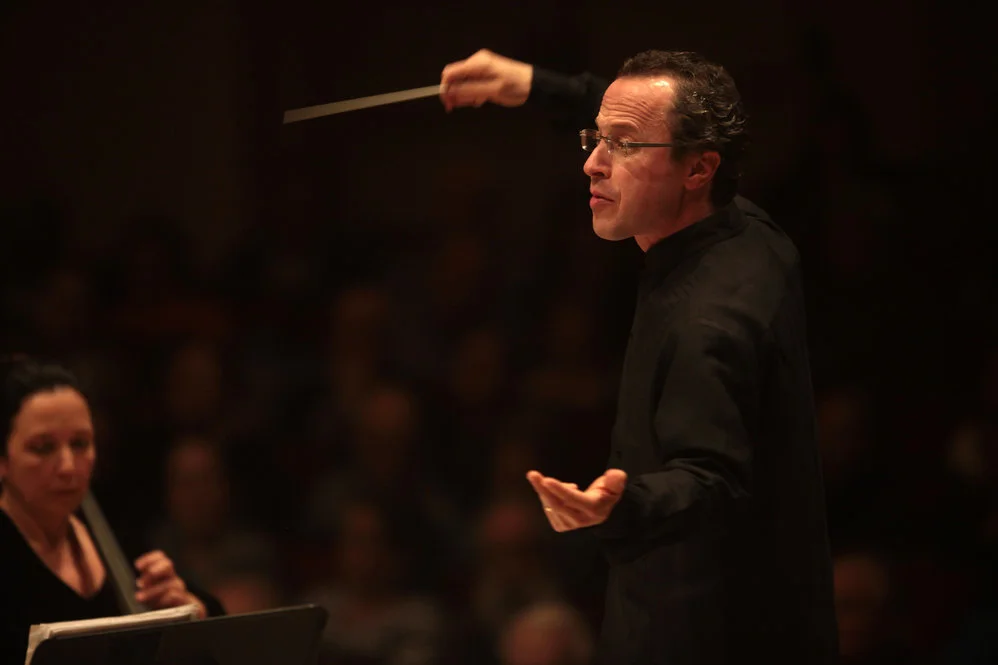
    GRAMMY Award-winning Albany Symphony Orchestra conductor David Alan Miller is leading the orchestra in both concert series, which includes directing classical musical pieces by J.S. Bach, W.A. Mozart, and Coleridge-Taylor Perkinson included in Holiday Classics. “It’s always such a treat for us to present beautiful Baroque and Classical music in the glorious Troy Savings Bank Music Hall during the holiday season,” said David Alan Miller.

    Albany Symphony Orchestra David Alan Miller

    Mr. Miller went in further depth about his experience leading the ASO during the holiday season and music highlighted in prior and upcoming performance.

    Heather Occhino: The Magic of Christmas and Holiday Classic show events are premiering at Albany’s Palace Theater and Troy Savings Bank. How long have you been the director of the Albany Symphony Orchestra?

    David Alan Miller: 31 years 

    HO: Music by Mozart and Bach are going to be included in Holiday Classics. Do you think sharing classics, such as Mozart’s Symphony No. 39, on stage affects the audience size for each year Holiday Classics is premiered?

    DAM: Yes, there are different pieces we play at different times of year. People love Baroque and Classical music, we tend to play them during the month of December. Hearing these pieces is a wonderful treat. The shows on the weekend of 12/10 includes music by Black American multi-genre music composer, Coleridge Taylor Perkinson. 

    HO: Is Holiday Classics the first performance where musicians belonging to your ensemble are highlighting historically known performances part of the concert series?

    DAM: No, we feature musicians during every season. 

    HO: Do other musical troupes other than the Albany Symphony Orchestra typically join shows you direct?

    DAM: Yes, particularly in Magic of Christmas; 8-9 groups are joining this performance-an African drumming group, a children’s chorus, which are important particularly for Holiday programs. Young opera singers from Bard College are joining on the shows Dec. 10-11.

    HO: A special appearance by Santa is featured in the Magic of Christmas. What do you think this will mean for the children of your audience?

    DAM: We want to make it as much fun as possible for kids. We pick kids’ names out of a hat and conduct “Jingle Bells” on stage and do big sing alongs with the whole audience-we want to make the performance as engaging as possible. 

    Buy Magic of Christmas and Holiday Classic tickets here.

    Watch Albany Symphony Orchestra Perform at AHA! A House for Arts
  • Musician Martin Bisi Releases New LP, Feral Myths

    Martin Bisi is a producer, songwriter and musician. He has worked with artists across the musical spectrum from Herbie Hancock, to Sonic Youth, to Whitney Houston. He is also the notable founder of BC studios in Brooklyn. On top of that, he is a musician and songwriter in his own right. On Dec. 2, he is releasing a brand new, self-produced LP titled, Feral Myths.

    Martin Bisi's latest project explores 'tales of the wild state, of New York heroes and villains and random paranormal encounters.
    Martin Bisi’s latest project explores ‘tales of the wild state, of New York heroes and villains and random paranormal encounters.

    Contributing writer for NYS Music, Ryan Bieber, sat down with Bisi to discuss his recent project and the meaning behind his music. 

    *This interview has been edited for length and clarity.

    Ryan Bieber: So you have this new solo LP Feral Myths. What was the initial catalyst behind this project?

    Martin Bisi: ‘I think with all with all my records, and maybe even entire songs, I don’t necessarily have the end picture in mind. I’m always asking myself, ‘Well, what am I really talking about?’ I knew in the back of my mind that I wanted to get back into more narrative songwriting. With the previous two solo records of mine, I got more into … broad social concepts and very existential stuff about religion and even a song about human sacrifice. I knew I wanted to get back to talk about more specific personal experiences.

    RB: Feral Myths advertises itself as having ‘tales of the wild state, of New York heroes and villains and random paranormal encounters. What does this mean to you? What were you hoping to achieve with this collection of stories?

    Bisi: It’s not a pandemic record … but ultimately, that did kind of happen because there was a lot of time by myself. That was a really wild time. I was really engaged in Black Lives Matter protests like every day, practically. I went down to the occupation at City Hall, and I was helping supplies and stuff and it was a fantastic time because the constraints of society had loosened. You can kind of take over the city, you can take over the streets. There was a perceived ‘lawlessness,’ which I liked. It felt very liberated. And so that felt feral, in a sense.

    RB: I found it interesting too that while most songwriters prefer to speak from experience, writing about themselves or their feelings, you on the other hand tend to write about people and concepts you find interesting. What is the mindset behind this approach? What effect does it help you achieve?

    Bisi: Right now, our current cultural moment is a lot about personal voice. They say your voice is not heard … and it’s funny because my songs are about other people mostly. I’m a bit detached. It’s my music and I want it to be me, yet on the other hand not every voice on the record has to be mine. Actually, that’s why there are so many other people singing on the record. The reason the other vocalists are all women is because I want two voices, I want them to contrast. 

    Feral Myths' album art courtesy of Martin Bisi
    Feral Myths’ album art courtesy of Martin Bisi

    RB: I particularly like how the song, “A Storm Called Ida,” combines myth with reality. It’s a song about Hurricane Ida hitting Brooklyn, but the production and lyricism also bring out the almost mythical power of this natural disaster. I think many people would tend to view myths and reality as two things inherently at odds with each other, but you seem to have found the common ground. In my mind, that’s what Feral Myths is all about. How on base am I here?

    Bisi:  Oh yeah, absolutely. I personified [Hurricane Ida} using Sara Fantry on vocals. That storm itself is gendered, it’s one of the female ones [Ida]. The quality of her voice, it sounds like the power of a storm. It’s punishing, yet we’re still in the graces of nature and it’s bestowing a sort of empathy towards us. So it was conflicted, but then I realized, I don’t need to clarify. It can be both things at one.

    RB: I’m sure many people know you as a producer but don’t know you are a songwriter. What made you want to go beyond producing and be an artist yourself? Or was that always the goal?

    Bisi: I used to lean more towards producing and then I slowly shifted to songwriting and performing being more of where my heart was. When I first started songwriting, I really felt that was something on the side. I never really thought that I could abandon the recording studio. I knew that I would need that to earn a living. The only reason I could get people to care at all, I think, about my songs is because they care about records that have been recorded here. Now I’ve sort of gotten into a place where it’s both kind of coexisting and feeding off each other.

    Bisi playing guitar in the studio
    Bisi playing guitar in the studio

    RB: There’s also an obvious mix of genres and influences evident throughout the track. What kind of sounds and overall vibe were you going for with this album?

    Bisi: Combining genres is tricky and hard. With Feral Myths, there’s an orchestral quality, especially with the singing being more operatic. And it’s funny, because I’m not that into some of these genres. Another quality that I like in the production is the general sense of disorientation. I like the idea of people kind of losing a sense of what’s going on in the psalms of it … So sometimes, mixing influences or superimposing them is a powerful tool to get the disorientation that I really like. 

    RB: New York City also seems to have had a big impact on your life. You grew up in Manhattan and later opened up your studio in Brooklyn where you currently reside. You’ve also mentioned being an active member of the Brooklyn community when it comes to activism and protest. How does the energy and history of New York City influence your music but also yourself as a person?

    Bisi: I’ve always sort of been in the trenches with New York. I think at this point it would be a difficult choice to leave New York City because I think it would really affect me as an artist. It’s not just an attachment or a love for New York City, it’s been a part of my process of how I work with bands. I need the chaos of New York City to bring the few gems to my door. New York City is crucial to me.

    RB: Activism is something you incorporate not just in your daily life but into your songwriting as well. Was this always the case?

    Bisi: I’m essentially a musician, but my heroes, the people that I look up to, are revolutionaries. I’ve always had a strong inclination towards the revolutionary aspect underlying music as well. There’s a lot of political punk, Jello Biafra, the Clash.  And these were all things that were always very attractive to me. Even if the music specifically wasn’t all the time about politics, it was underlying what I was supporting, so I would support feminist bands or anti-corporate brands. So yeah, it’s always been there.

    RB: That’s all of my questions, but is there anything else you want to talk about either behind or specific song or. the general process?

    I realized all my records now have a song that is almost like a collage. of song ideas. It’s not a complete song. it’ll be a series of different choruses that don’t repeat. And it’s just sort of songs and ideas that I thought don’t warrant a full song. It’s not even that they’re not good enough, but I just don’t see a path forward to a full song.

    I don’t throw away work. I’m not really the type to pick the best stuff and put the strongest songs forward. I think it should all be there. It’s almost like a diary. Every record that’s recorded in the studio is a story in and of itself. It’s a story of my time in New York, every band I’ve worked with, so its all of these diary entries. So whatever made me come up with these ideas should live. [And that is the case with the last song on the album] “The Great Trap in the Creek.”

    Feral Myths will be released on all streaming platforms on Dec. 2. You can preorder the LP on Bandcamp: here. Find Bisi’s tour dates: here

  • An Interview with Taconic Foothills Singer/Songwriter Deb Cavanaugh

    I met Deb when she was performing in the duo Cavanaugh and Kavanaugh at the RPI Community and Cultural Center. It was an eclectic music event, and I was drawn to Deb’s easy-going vibe. We later grew loser when my son participated in her family friendly Music Together classes. Over the years, I’ve enjoyed seeing Deb’s songwriting flourish. She always challenges herself to create new music and take a fresh spin on popular cover songs.

    Variety and going with the flow are hallmarks of Deb’s lifestyle. She inspires me with her free spirited, “say yes” approach to life. A 518 musician who has traveled to Germany and China sharing her talents, Deb spends her life exploring musical creativity, expression and education. You can learn about that and much more in her upcoming memoir “Stories from A Free-Spirited Life”.

    Deb Cavanaugh
    Deb Cavanaugh, photo by Stephanie Bartik

    Niki Kaos: I’m looking forward to your memoir. You have many stories to tell! What can people expect to find in the book?

    Deb Cavanaugh: All of my adventures! I start off with my childhood, which was not an easy childhood. I want people to see what led me to the choices that I made later, and the crazy lifestyle that I had. So, we start in those early days. Then I took off hitchhiking in 1975 with the man who would eventually become my husband. Our goal was to go to Mardi Gras, but we never made it because the rides kept taking us west. We ended up in a hippie commune in San Francisco, where my mind was totally blown.

    NK: That’s a hallmark of your style, free-spirited hippie. And that’s what I love about you. It keeps you open to new experiences. What are some of your favorite later experiences from the book?

    DC: There were so many crazy things! Like having a prophetic dream that got us out of California, which ended up being true later. The Corn Palace in Mitchell, SD that is an amazing work of art! Being in Portland, OR when Mt. St. Helen’s was erupting. Sticking my kids in a VW bus with a cat and driving across country and breaking down in every state across the way. My favorite things about my travels were the variety of people I met and the unique things I saw along the way. My favorite thing about the book is in the face of all these different horrible things that happened, I was able to just kind of go with the flow and look forward to whatever was coming up next. And those things led me down a path that I’m happy with.

    NK: That’s powerful. One of the things I admire about you is that you’ve always invested in your career as a musician, in addition to being a mother, and a person taking care of their family. I suspect this memoir would give some insight to the backdrop of what you were going through while you were building your music career.

    DC: Absolutely. I put all the struggles as well as all the wonderful, fun exciting things. Because I think it is important for people to realize that you can get through those struggles and maintain that goal and that focus. And one of my focuses was raising my family, so although I never gave up on my music, it did kind of take a back seat to a certain degree.

    NK: I can understand that! Pivoting to that music career, when I met you, I was always so impressed with the different things you did musically. You have such a great resume! Performer, music educator, singer-songwriter. Experimenting with new instruments. You have great technical ability with pitch. One of the things that blew me away is you took that trip to China. Tell us a little bit about how you got there and what that experience was like for you.

    DC: I really try to stay open to the Universe, I guess. I get gifts all the time, and this was one of those. I join all the different social media sites and I joined Alignable. I never really did anything with it and this woman emailed me and asked if she could observe some of my Music Together and pre-school classes.
    She came and observed and asked me if she could take me out to lunch. At lunch she explained that she was a co-owner of two pre-schools in China and would I like to go for two weeks to teach. I never say no.

    NK: Laughs

    DC: And I think that’s one of the things that helps me along. I’m going to veer off for a minute, but I went to Germany – same thing – I got this random phone call from this woman asking if I wanted to be part of this orchestra. And then a couple years later we took the show to Germany. I never thought I would leave this continent, and I’ve done it twice now.

    The hardest thing for me going to China was that I had to teach the adults and I don’t have any degree in teaching, and I felt completely incapable of doing that. But I pulled it off. And they loved it!

    NK: Wow! Your spirit of adventure has served you in life. And helped you get where you are, which is amazing! You’ve been extremely successful lately. You just did a gig at the Jive Hive with your band Dandelion Wine. You’ve got some new material you’re releasing with your take on Electric Avenue.

    DC: Jive Hive was amazing and I’m really loving these two guys I’m working with, Jared Carrozza on bass and Ben Heart on drums. I was just talking to Joel about doing some recording this winter. We’re going to use some of the tracks from Jive Hive and we’ll also go in the studio, and hopefully put out a full-length release. Ben, although he started out as a drummer, most recently has been a singer-songwriter. So, he’ll jump over to guitar for a little while sometimes. It is a very different experience playing with a singer-songwriter that plays drums. Because he understands the songs in a different way, and he colors them in a different way.

    NK: I can definitely understand that. What’s coming up next that we should look out for?

    DC: I have a few gigs coming up in November and December, but mostly I’m working on new material.

    NK: On that topic – you like to pick unusual instrumentation. Are you playing the electrified dulcimer exclusively now? Or are you switching to guitar or other instruments during your performances?

    DC: It’s basically dulcimer and guitar. I’m trying to write more songs on the dulcimer, because for a long time I was writing on guitar and piano, and I really want to incorporate more dulcimer. That’s the instrument I feel the most comfortable with and that I get in an intuitive way. Whereas guitar has always just been a tool.

    NK: Thank you so much for sharing a taste of your adventures with us. I encourage readers to check out deb-cavanaugh.com and keep an eye out for your memoir and upcoming shows!

    Originally published in The Xperience Monthly