Rosanne Cash, Steve Earle, Marshall Crenshaw, Bettye LaVette and Martha Redbone are just a few of the luminaries coming out to support the launch of the Nic Pagano LGBTQIA+ Scholarship Fund at a benefit concert at The City Winery in NYC on January 26 at 8 PM.
The organization was created to honor the memory of Nic Pagano, son of veteran NYC drummer/producer/bandleader Rich Pagano, best known for his work with the Fab Faux. The charity enables ongoing assistance for families and individuals in the LGBTQIA+ community in need of financial help after agreeing to treatment for a substance use disorder. Pagano and his wife, Karen Marks, have partnered with The Release Recovery Foundation and Caron Treatment Centers to present the benefit event, entitled 1st Annual “Songs of Deep Emotion and Bright Light.” Tickets are on sale now here.
Cash, Earle, Crenshaw and LaVette are being joined by other artists including Amy Helm, Kate Pierson, Rachel Yamagata, Martha Redbone and Willie Nile and additional national and local music acts will be confirmed in the coming weeks. Each artist will perform a short set that illustrates an emotional and compromising element and/or a level of promise and faith. The flow will range from ‘melancholy blue to electric heat’. Pagano will serve as musical director.
In addition to raising proceeds from ticket sales, the event will feature an auction segment of coveted music-related photographs, including donations by Mark Seliger, William Coupon, Bob Gruen, The Gordon Parks Foundation and more. The auction will take place thanks to the outreach of Karen Marks, director of Howard Greenberg Gallery, one of the premiere photographic galleries in the world. Phillips Auction House has generously offered to facilitate.
One month prior to his accidental death due to fentanyl poisoning on July 2, 2021, Nic and his parents were eating lunch near the sober house that he was residing in at the time. At the lunch, the conversation turned to the plight of the LGBTQIA+ community and its fear of ostracization and assumption of lack of communal inclusion within the treatment world. Nic, leaning to an eventual career in social work, singled out the transgender community in particular for its marginalization. Unfortunately, this month’s hateful incident in Colorado is a clear indication that the stigma, fear and threats against the gay community need to be confronted, disarmed and dispelled.
As referenced above, the Release Recovery Foundation and Caron Treatment Centers have partnered in the creation of the Nic Pagano Scholarship Fund which is based at Caron Treatment Center in Pennsylvania. This scholarship aims to improve access to care for the LGBTQIA+ community.
Since its inception in the fall of 2021, the Nic Pagano LGBTQIA Scholarship Fund has awarded six financial scholarships to clients in need of substance use treatment. Services also address stigma, heterosexism, internalized homophobia, and discrimination as well as addiction. Over the last 18 months overdose deaths are up 25% in New York City with the LGBTQIA community as a group up 30% due to lack of treatment information or simply a fear of being different.
For the latest update on talent, visit City Winery.
With his new documentary, INSIDE SCOFIELD, filmmaker Joerg Steineck has crafted one of the truest representations of the compulsively creative lifestyle of a “road dog” jazz master – in this case, the always superlative guitarist John Scofield.
Steineck makes the incredibly wise decision of letting Scofield tell his story in his own words. This comes via voiceover narration and on-camera interviews captured at his home in Katonah, his old stomping grounds in New York City and on tour in Seattle, Portland, Phoenix and Los Angeles. The documentary also boasts some wonderful conversations with longtime collaborators like saxman Joe Lovano, bassists Steve Swallow and Dave Holland and guitarists Pat Metheny and Mike Stern. There are also insights from other A-list musos including drummer Dennis Chambers, guitarist Bill Frisell and the Grateful Dead’s Phil Lesh.
Scofield’s musical journey begins in his still current hometown of Katonah, New York. For this typical suburban kid, the big treat would be to take the Metro North down to NYC to explore. As he hit his teens, Scofield come to take in jazz at the Village Vanguard, rock at Fillmore East and blues at Café A Go Go, where he witnesses the blues power of B.B. King. In the film, Scofield says: “The way B.B. King played guitar, it just blew my mind. The way he could get this vocal sound out of a guitar. That’s when I really got the bug for music.”
As for his turn to jazz, we may have Jimi Hendrix to thank. Scofield recalls: “I heard Hendrix play at a concert and he was so good at blues and rock that I thought I’m going play jazz because I could never do what he could.”
Jazz becomes his total lifestyle when he attends the Berklee College of Music in Boston. It’s where he meets folks like Lovano and begins collaborating, at the tender age of 20, with bass legend Steve Swallow. Word of this new guitar hotshot spreads to saxman Gerry Mulligan who invites Scofield to play a gig at Carnegie Hall with him and Chet Baker. The next month, he is recommended to replace John Abercrombie in drummer Billy Cobham’s band with George Duke and Alphonso Johnson. Shortly thereafter, he gets to play on an album with jazz icon Charles Mingus.
As Scofield tells of his move to the Big Apple in 1975, there are great scenes of him strolling by his old haunts. These include The Blue Note, the former site of “guitar shop row” on 48th Street, a namecheck for the cheap eats at Mamoun’s Falafels and Seventh Avenue South. It was at the latter where Miles Davis would first hear and then enlist Scofield into his band. After his performance at the club, Miles would say to him: “You sound good.” And when Scofield began effusing about Miles’ immense influence on him, the trumpeter would say: “Shut the fuck up!”
“That was the beginning of our relationship,” quips Scofield. “But just to be around him gave me the confidence that I was on the right path, that I should trust my instincts just like Miles did.”
Much of the action in the film takes place on the road with Scofield and his touring quartet, including keyboardist Gerald Clayton, bassist Vincente Archer and longtime drummer Billy Stewart. We see them traveling in van and airplanes, checking into hotels, sound checking, playing sets and killing time before gigs by visiting local guitar stores. One of the best musical moments in the film has Scofield jamming with bassist Archer on a resonator guitar at a guitar store in the Northwest.
“Since 1975, I’ve been on tour half the year, every year, so I’m what’s called ‘a road dog,’” says Scofield. “In the old days, guys didn’t have to leave New York to make a living, but we do.” In the film, Scofield laments the loss of America’s circuit of jazz clubs, where a musician could play for a week or longer versus flying and driving between one-nighters.
Scofield also provides some enlightening observations on the art of improvisation and the creative alchemy of bands.
“The jazz world is like humanity,” he says. “When your styles match and you can play together, it’s a beautiful thing. You might be different people, but you get along because the music is happening… It’s my band, but once the band starts to play I’m just another member.”
Scofield continues: “Improvisation is a natural human thing. The compositions are meant to be taken apart. They go hand in hand – composition and improvisation… Some people have huge vocabularies and it sounds good but there’s nothing happening. I would like to hope that I’m playing less notes but saying more with them.”
One thing I truly loved about Steineck’s film is that he leaves plenty of time to luxuriate in the fantastic live performances. Steineck’s clips of Scofield and his quartet playing live demonstrate that John remains one of the most original and hardest swinging guitarists in modern jazz. There are also great clips of him playing in duets and solo, demonstrating his deep knowledge of harmony and feel, with those bold arpeggiated lyrical solos and his unflagging blues sensibility. The one thing I did miss was mention of Scofield’s participation in the more mainstream “jam band scene” of the early aughts with his Uberjam band.
Steineck’s documentary concludes with Scofield at home in Katonah. Here he enjoys his “nice espresso machine” and does what he loves most of all – playing . “I need to play every day or I don’t play well,” says Scofield. “It’s my favorite part of the day.”
As Scofield wonders what it would be like if he couldn’t play, the documentary takes a turn, colored by some delightfully weird gong-flavored music. The film concludes with Scofield self-isolating during the early days of the COVID-19 epidemic. We see him commiserating with his longtime playing partner Steve Swallow via Zoom saying, “I feel like I’m in a dystopian situation.”
Luckily for us, Scofield returned to the road as COVID abated. And some of the works of the ensembles featured in the film, his 2018 quartet and duo work with Steve Swallow, can be enjoyed on Combo 66 (Verve, 2018) and Swallow Tales (ECM, 2020). Also, not to be missed is the 2017 album Hudson, a collection of covers he made with Hudson Valley-based musicians, Jack DeJohnette, Larry Grenadier and John Medeski.
INSIDE SCOFIELD is available on DVD and video on demand on Vimeo. It will be coming to other platforms in 2023.
Earlier this month, Bob Dylan made waves with the publication of his long-awaited critique of 66 of his favorite tunes by other songsmiths, The Philosophy of Modern Song. Now veteran music journalists Marc Myers and Steve Baltin are weighing in with their own fascinating and divergent explorations of this turf, with Anatomy of 55 More Songs (Grove Atlantic Press) and Anthems We Love (Harper Horizon).
Unlike Dylan’s book, which doesn’t delve into the paint-by-numbers makings of the classics, Myers and Baltin’s approaches are straightforward explorations of the creation and lasting impact of some of pop’s most iconic compositions. Where Dylan often employs his selections as jumping off points for impressionistic, very personal essays about the subject matter of his chosen songs (divorce, career crash, gambling, etc.), Myers and Baltin serve up approaches that are far more direct and satisfying, especially for music-makers.
Myers’ newest is the second book culled from his long-running Wall Street Journal column, “Anatomy of A Song.” The first, a critical smash released in 2016, provided oral histories on the making of 45 era-defining hits from interviews with the artists that crafted them, names like Mick Jagger, Jimmy Page, Stevie Wonder, Joni Mitchell, Rod Stewart and Roger Waters to name a few. Myers’ latest takes on 55 more including Creedence Clearwater Revival’s “Bad Moon Rising,” The Beach Boys’ “Good Vibrations,” Black Sabbath’s “Paranoid,” Joan Jett’s “Bad Reputation,” The Spinners’ “I’ll Be Around,” Blondie’s “Rapture,” Donovan’s “Sunshine Superman,” The Youngbloods’ “Get Together” and Journey’s “Don’t Stop Believin’.”
In his interviews with the songwriters and collaborators like producers Tony Visconti and Bob Ezrin, Myers brings you backstage for an incredibly detailed view of their inspirations and creations. These are engaging narratives that are dressed up with offbeat trivia that will make you the star conversationalist of any cocktail party.
John Fogerty tells how his “Bad Moon Rising” was a marriage of the short story, “The Devil and Daniel Webster,” and Scotty Moore’s guitar licks on early Elvis records. The secret sonic sauces? He did it with his Les Paul tuned down to D and slapback echo on the vocals that make everyone think his final lyrical couplet may be “there’s a bathroom on the right.” The latter is something Fogerty now periodically deploys in concert to the amusement and delight of his audience. The versatile Todd Rundgren shares how his twice-recorded “Hello It’s Me” may not have come to be if his high school girlfriend’s dad hadn’t turned the garden hose on him for having long hair or if he hadn’t heard jazz organist Jimmy Smith’s version of “Johnny Comes March Home.” Tommy James and the Shondells’ “Crystal Blue Persuasion” was not an “acid song” as many believe. It was something inspired by a poem put in James’ hand after a college gig by a kid who was never heard from again. Bob Weir of The Grateful Dead shares that their “Truckin’” really crossed over largely because of the harmony tricks they had picked up from jazz great Jon Hendricks. As for AC/DC’s “Highway to Hell,” it also was almost not to be when the cassette containing the rough rehearsal demo became unraveled and was nearly destroyed before they could share it with producer Mutt Lange.
Shock rock pioneer Arthur Brown’s hit “Fire” sprang from a poem he had written at 15, while Steve Miller’s “Fly Like An Eagle” only solidified after he added electronic trimmings from “the cheapest, dumbest synthesizer” he could find at his local music store. Steely Dan’s “Peg” only got its finishing touch when they wrestled the perfect guitar solo from session man Jay Graydon, the eighth musician to try his hand at it. Earth, Wind & Fire’s lyric collaborator Allee Willis never knew the significance of the date in their song “September” until years after leader Maurice White’s death (September 21 was the due date of his son as told by his widow to Willis). And even though she begged White 20 times or more, he would not replace the “ba-dee-yah” in the song’s refrain with lyrics “that made sense.”
Myers’ book also provides astute musical analysis that places the songs within the context of their time and meta musical trends. His chapter on Journey’s “Don’t Stop Believin’” begins with a pocket history of power ballads of which this tune is a solid gold example. Myers’ traces the birth of the power ballad to days of movie musicals and Judy Garland’s show-stopper, “Over the Rainbow,” from The Wizard of Oz.
Where Myers is more focused on the big bang of their creation and immediate aftermath, Steve Baltin’s book is more focused on the reverberations – how hit songs with a unique staying power become anthems that connect with generations and have many lives beyond their time on the charts.
Baltin’s book investigates 29 iconic songs that have grown to anthem stature with the passing of time. These include everything from 60s classics like The Temptations’ “My Girl,” The Beach Boys “Good Only Knows” and The Doors “Light My Fire” to more modern rock and pop staples like Linkin Park’s “In the End,” My Chemical Romance’s “Welcome to the Black Parade” and TLC’s “No Scrubs.”
To become an anthem a song needs two things per Baltin – timelessness and universal appeal. Most anthems are “mistakes.” Some like Tears for Fears’ “Everybody Wants to Rule The World” were throwaways that nearly didn’t get finished or recorded (it only was when Roland Orzabal’s late wife insisted that he decided to complete what he called his “rubbish song”). Others like Chic’s “Le Freak” were almost too silly in the minds of their creators, while still more like Graham Nash “Our House” were deemed almost too simple to be really proud of, even with their runaway success.
Baltin’s chapter on “God Only Knows” is a good template for his approach. While Paul McCartney and others called it “the greatest song ever written,” it was buried on a now-classic album that was largely ignored upon its release, Pet Sounds. Beach Boy Al Jardine compares it to “The Nutcracker,” a classical not pop production, something that its writer, Brian Wilson, also admits. He notes the “Tchaikovsky-influence” on his writing at the time. As with most of the entries here, Baltin goes on to note the many cover versions of the song (200 and counting for this one, from the likes of mellow crooner Andy Williams to art rockers Flaming Lips). He also completes many entries with a list of their frequent and very lucrative use in film, television and commercials.
In his chapter on Neil Diamond’s “Sweet Caroline,” Baltin relates how this bit of sunshine pop from 1969 became a sports anthem for The Boston Red Sox and something that helped heal the city when Diamond performed it at Fenway Park five days after the 2013 Boston Marathon bombing. Jefferson Airplane’s Grace Slick labels her “White Rabbit” a “rip-off of Ravel’s Bolero and Alice in Wonderland.” She credits its popularity to the “sex build up to climax” of the song’s arrangement. Interestingly, her favorite version of the song is not her own, but the one done by Pink – though she would still love to hear a cover by Barbra Streisand. In the same spirit, the Tears for Fears duo actually now prefers the downtempo electronica version of “Everybody Wants to Rule The World” recorded by Lorde for The Hunger Games: Catching Fire soundtrack. It’s an arrangement they sometimes perform in concert and have considered re-recording.
The only anthem in the book that was conceived as one was KISS’s “Rock and Roll All Nite.” According to guitarist Paul Stanley, the president of their record label, Casablanca, Neil Bogart, said to the band they were still struggling need an anthem to really breakthrough. Stanley went straight to his hotel room and penned the killer chorus which was fused with a partial tune by bassist Gene Simmons, “Drive Me Wild.” The tune did not really take off until it was re-recorded and featured on their 1975 live album, Alive.
The descriptions above just scratch the surface of these fine books, ones which belong on the bookshelf of any diehard music-lover and every music-maker seeking to capture lightning in a bottle.
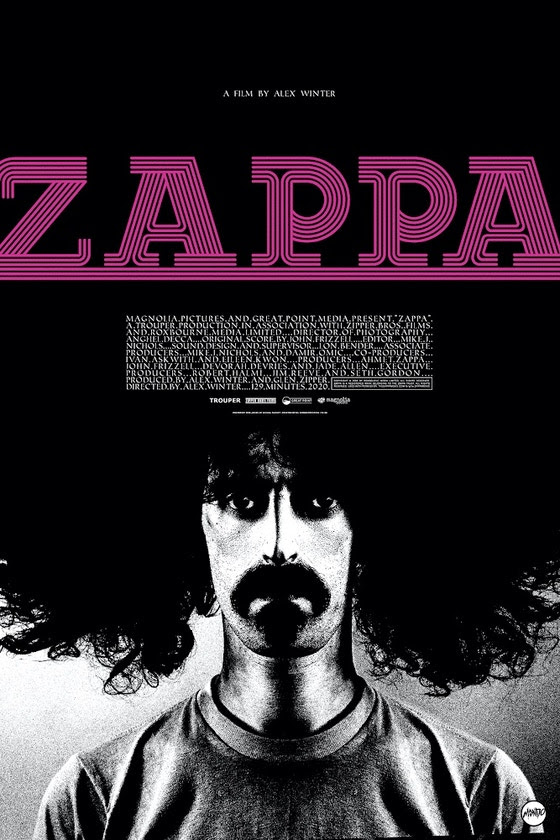
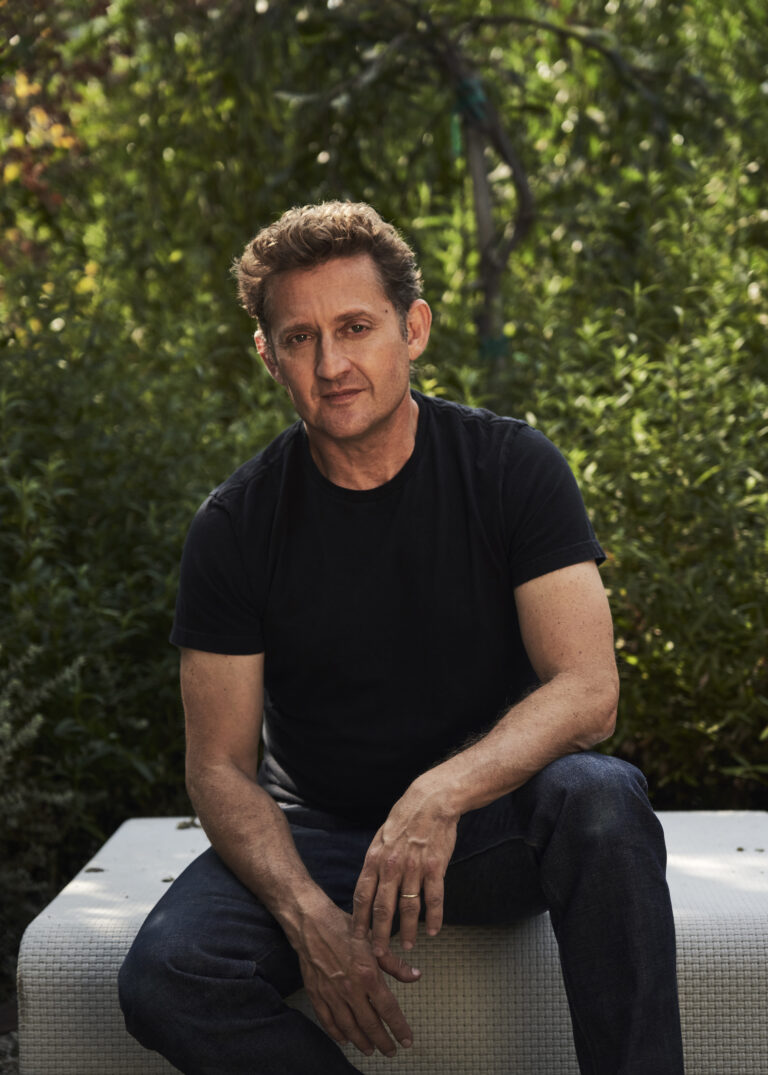
He’s the man you probably know best from his starring role alongside Keanu Reeves in Bill and Ted’s Excellent Adventure. But these days, Alex Winter is not only a talented actor but an impressive filmmaker, one entrusted by the family of Frank Zappa to create the ultimate documentary charting his iconoclastic life and career, 2020’s ZAPPA.
On Saturday, November 19 at 8 pm, Winter will be coming to Woodstock’s legendary Tinker Street Cinema to host a special screening of this watershed music documentary.
Winter began work on the film in 2015 by creating a Kickstarter campaign that raised over $1.1 million to restore much of the unseen archival footage in Zappa’s legendary “vault.” He was the first and only filmmaker to be granted unfettered access to this material as well as some of Zappa’s never-before-heard sound recordings. With it, Winter crafted a portrait that showed the artistic triumphs and challenges faced by this one-of-a-kind creative force, an icon whose influence on culture and politics was truly global. Winter’s documentary delves into Zappa’s upbringing, the many stages of his long career, his campaigns as an advocate for free speech and the newly freed Czech Republic, all the way to his final battle with cancer, which ended his insanely productive life at 52. Also featured are interviews with Frank’s widow, the late Gail Zappa, and many of his musical collaborators through the years including Ruth and Ian Underwood, Bunk Gardner, Steve Vai, Scott Thunes and Ray White.
Portrait of Alex Winter. CREDIT: Philip Cheung
Winter’s film received high praise from critics worldwide, including outlets like The Guardian UK, The New York Times, Sydney Morning Herald, The Wall Street Journal, Variety and The Hollywood Reporter. You can find NYSMusic.com’s own extensive rave review here.
“Our cinema is a celebration of the bold, experimental and surreal, so Alex’s fantastic film on Zappa makes perfect sense for us and our audience,” says Andy Braunstein. “The fact that Alex lived here for a time, right next to the cinema in fact, will make this event a true homecoming.”
The Zappa event is just one example of the Tinker Street Cinema’s dedication to the fusion of film and music.
Like its neighbor, Upstate Films’ Orpheum Theater in Saugerties, the Tinker Street Cinema has produced several notable events where live soundtracks are created to accompany screenings of classic films. In June 2021, genre-leaping Australian composer JG Thirlwell, best known for his work as Foetus, presented “Silver Mantis,” a live performance set to film by Sten Backman. In August 2021, the theater presented Fritz Lang’s silent era classic, Metropolis, with music by Reel Orchestrette. And on Halloween weekend, the Tinker Street Cinema screened the horror classic, Night of the Living Dead, with a live score by Morricone Youth.
In acknowledgment of Woodstock’s history as home to some of the greats of contemporary music, the theater serves up a hefty platter of music-centric films, ones often hosted by local music luminaries. Earlier this month, the cinema featured a screening of Amadeus (The Director’s Cut) hosted by The Dresden Dolls, the duo of Amanda Palmer and Brian Viglione. Other films featured recently included AC/DC: Let There Be Rock, Woodstock and Poly Styrene: I am A Cliché. The theater will soon be screening Brian Wilson: Long Promised Road hosted by its producer and writer, Woodstock’s own Jason Fine.
On November 26, the Tinker Street Cinema will present a Jimi Hendrix Birthday tribute. This event will boast various films about the guitarist and live performances by artists including Chogyi Lama, a young Hendrix acolyte who just happens to be the grandson of Woodstock legend Richie Havens. On December 10, The Tinker Street Cinema will also have an evening dedicated to experimental music with a psychedelic lightshow. Brock Monroe of the Joshua Lightshow will create a backdrop for performances by edge-pushing musicians including Nepenthae and the trio of Lea Bertucci, Ric Royer and Ben Vida. The Tinker Street team is also finalizing plans that will bring The Black Lips to the theater, along with a screening of The Roar of Snowmobiles, a documentary dedicated to the racers and collectors of vintage ‘60s models.
Founded in 1961 in a pre-Civil War church, the Tinker Street Cinema has also been the site of a variety of musical performances through the years, public and private. The venue was reopened in the summer of 2021 by Ben Rollins and Lily Korolkoff, owners of the nearby Station Bar & Curio, and Andy “Animal” Braunstein, a film aficionado and Woodstock native known for his Meltasia music festivals.
Notably, the theater was also the site where Jimi Hendrix rehearsed and jammed in the days before his history-making performance at the Woodstock Festival in August 1969. The below video captures some of the sounds and pictures, including a proto version of his iconic take on “The Star Spangler Banner.”
“We’re a very musical town with a long and rich history, so it’s only natural that the marriage of film and music is a centerpiece of our creative mission,” concludes Braunstein. “We’re passionate, maybe obsessed is a better word, to do everything we can to keep the flame of rock-n-roll burning bright.”
After 12 years in the incubator, Bob Dylan’s long-awaited book on songwriting, The Philosophy of Modern Song (Simon & Schuster), has finally landed with a very big splash. This, of course, is as it should be as he is, with little doubt, the most revered songwriter of the latter part of the 20th Century, the first and still only rocker to earn a Pulitzer Prize.
As with everything Dylan, The Philosophy of Modern Song, is not really what you think it will. It is not a literal analysis or anatomical study of these tunes as told by their makers. It is something grander, more ambitious and maybe more revealing about Dylan himself – his life’s experiences, observations and opinions.
The book employs 66 widely varied songs as jumping off points for some dazzlingly impressionistic essays. These are his philosophical jams on the subject matter at the heart of each song – from romantic betrayal/divorce to the faith of the Vegas gambler to career crashes, war, alienation and so much more. It’s a Monet, J.W. Turner or other great Impressionist painters take on a book. It’s super misty and foggy but the soft focus of it may impart greater emotional resonance than something photo realistic. In most cases, these elegant prose forwards are followed by a second essay, one that more literally relates to the songwriters and performers, the historical backdrop for the songs and the like.
Per the promotional press release: “While they are ostensibly about music, these are really meditations and reflections on the human condition… a series of dream-like riffs that resemble an epic poem.” Along the way, readers will get plenty of Dylan’s dry and devastating humor, served up with some oddball trivia about the artists and his beliefs on what makes a song great. Want to know how a single extra syllable can ruin a song or how bluegrass is the father of heavy metal? If so, this is the book for you.
The selections in the book demonstrate Dylan’s reverence for many genres of song. There’s old-timey Americana, classic country and Delta and Chicago blues, the crooners of the Great American songbook, Laurel Canyon rock, Motown and Philly Soul, the R&B and rockabilly influenced rock-n-roll pioneers of ‘50s, some classic rock radio staples and even Top 40 kitsch.
Elvis Costello’s “Pump It Up” is the perfect “boiling point song, the anthem of an alienated hellcat” per Dylan. He calls the artist a fusion of silent screen icon Harold Lloyd and Buddy Holly, two masters of minimalist precision in their work. Likewise, this song is a “streamlined classic,” one better than others by Costello which Dylan sometimes finds “too wordy” and full of “too many thoughts.” Dylan’s views on the blues classics “Key to the Highway” and “Big Boss Man” are testaments to the power of their architects – Little Walter and Jimmy Reid, whom Dylan dubs “the essence of electric simplicity.” On Elvis Presley’s “Money Honey,” Dylan waxes poetic and a little leftist provides on the value of money. It’s all about power, the difference between rich and power and how we are all equal in the end when we shed the bone suit. His riff on Willie Nelson’s “On the Road Again” may serve to explain why he is still on his so-called “Endless Tour.” Willie’s version is an update on Kerouac’s hipster/beatnik classic On the Road, in luxury bus vs. Neil Cassady’s ramshackle ‘49 Hudson . Why the road? Because you will never be bogged down by any of life’s trivial responsibilities like doing the laundry per Dylan. It’s all about to the road that leads to the next performance.
Dylan’s offering on Ricky Nelson’s “Poor Little Fool” sets out to secure Nelson his rightful place on the pantheon of early rockers. Per Dylan, Nelson was the person who really brought this new music to a nation through his weekly performances on his family’s hit TV show, “The Adventures of Ozzie & Harriet” in the mid-‘50s . According to Dylan, Nelson was “more than Elvis the ambassador of Rock-n-Roll.” This section also charts the starring role “the fool” has had in many eras and genres of popular music, in hits from Hank Snow, Aretha Franklin, Bobby Bland, The Beatles, The Main Ingredient, Elvis Presley, The Grateful Dead and Anthony Newley. Dylan’s book also riffs on a duo of Little Richard standards, “Tutti Fruitti” and “Long Tall Sally.” The former is really Richard “speaking in tongues” about the undercover gay subculture, while the latter provides the platform for a head scratching fantasy about 12-foot-tall ancient Egyptians!
Dylan on The Who’s “My Generation” is a rumination on the “cockiness of youth” and how each new generation will always somehow take from the one before it … and resent the fact! The Eagles “Witchy Woman” is the runway for a rant on the kinds of women you should avoid, “a hallucinogenic amalgamation of succubus and thaumaturge.” It’s also a deep dive into the life and end of the legendary New Orleans voodoo queen, Marie Laveau. With his study of “Don’t Let Me Be Misunderstood,” Dylan addresses how being misunderstood and getting lost in translation “ruins your enjoyment of life.” There’s cool trivia here about how the label that put out Nina Simone’s classic version, ESP, was first founded to help spread the new universal language, Esperanto, before it became the home to avant-garde jazz greats like Albert Ayler.
In the chapter on “It’s All in the Game,” we learn how a melody created by a man who would become Vice President to Calvin Coolidge made the hit parade. Here, Dylan spouts on the history of American politicians as musicians, referencing Nixon’s piano chops and Bill Clinton’s yakety sax to name a few. This chapters contains what I think are the most unfortunate collection of words in the book, when he calls former Arkansas governor and Fox News staple Mike Huckabee “an accomplished bass player.”
The ‘70s Stax Records classic, “Cheaper to Keep Her” by Johnnie Taylor, is a song reflection what Dylan calls “the school of street wisdom.” Perhaps a reflection of his own experience, Dylan uses it to rail against “the $10 Billion a year divorce industry” and lawyers in “the business of family destruction.” His solution? Embracing polygamy and having only as many children as you can afford! And speaking of questionable occupations, Dylan’s take on Cher’s quasi-novelty hit, “Gypsys, Tramps and Thieves,” concludes with him saying that these are “the three types of people” a person might have the most fun having dinner with.
For me, Dylan’s most eye-opening take came with Hank Williams’ “Your Cheatin’ Heart.” To Dylan, it’s a song of nuance, one that can be viewed from two perspectives. First, and most obvious, is the person who has been cheated on. But for Dylan, maybe the song is really or also about the cheater, the person who is questioning his own compulsion to be unfaithful again and again?
Credit must go to whoever art directed this long-awaited book. The text is complemented with over 150 curated photos which serve to set the time and emotional tone for Dylan’s subjective, profound and sometimes humorous investigations of some our most beloved and underappreciated popular songs.
Music has been an integral part of the moviegoing experience ever since the Lumière Brothers screened the first silent shorts with musical accompaniment in Paris in 1895. Today, Upstate Films is continuing the tradition of celebrating film and music together at its theaters in Rhinebeck and Saugerties and many other locations via its traveling Hudson Valley Picture Show.
From musicals to documentaries and biopics to staging live performances before and to complement silent film screenings, Upstate Films is putting a uniquely creative touch to the fusion of music and moviegoing.
The venture launched in 1972 as a single-screen, not-for-profit cinema in Rhinebeck. In 2010, it added to its footprint by leasing Woodstock’s Tinker Street Cinema for a decade. With its departure from Tinker Street in 2020, Upstate Films moved on to an even grander space, The Orpheum Theater in Saugerties. This new acquisition was forged by Upstate Films’ newly appointed co-executive directors, the creative team of Jason Silverman and Paul Sturtz.
“The Orpheum Theater is a true classic,” says Katie Cokinos, Senior Programmer for Upstate Films. “It opened in 1908 as a vaudeville theater and has a big, beautiful stage which is ideal for live events. We’ve had everything from staged readings of plays to poetry and book events and, of course, a bounty of live music. That’s not only here, but also at our Rhinebeck location and throughout the area with our Hudson Valley Picture Show.”
Launched in Spring 2021, The Hudson Valley Picture Show is a traveling film experience, one that is often staged “al fresco” at some of the region’s most bucolic backdrops. With the purchase of a state-of-the-art outdoor screening system including a 24-foot screen, an ultra-bright projector and a powerful sound system, Upstate Films has popped up at venues like Olana, Kingston’s Old Dutch Church, Catskills Community Theater and many more.
“Our Hudson Valley Picture Show events always incorporate a live music component,” says Jason Silverman. “My co-director Paul and I really love music. And since we are new to the area, we thought this would be great way for us to not only get to know but showcase the unparalleled wealth of musical talent that call the Hudson Valley home.
“Over the course of the past two years, we’ve probably had 40 acts performing in our theaters and Hudson Valley Picture Show,” continues Silverman. “We’ve had everyone from jazz greats like Bill Ware and local legends like Simi Stone to up-and-coming younger bands and solo artists as well as a revival of the John Street Jam, a long-running singer-songwriter event in Saugerties that was without a home for a few years. ”
On Friday, October 28, Upstate Films’ Hudson Valley Picture Show will present a screening of the 1920 horror classic, The Cabinet of Dr. Caligari, with live musical accompaniment by The Anvil Orchestra. Founded by Roger Clark Miller (Mission of Burma) and Terry Donahue more than 30 years. The event will take place at The Community Theater in Catskill, New York.
“The marriage of silent film and live musical accompaniment is something we’ve been exploring since we reopened The Orpheum in November 2021,” adds Silverman. “Our opening weekend actually featured a screening of Buster Keaton’s Sherlock Jr. with a live score by pianist Barbara Lee. It was something that not only pleased adults but kids as well. We look forward to doing more of it in the future.”
Upstate Films and its Hudson Valley Picture Show have also boasted screenings of many of the best music documentaries. The list includes the Prince-focused Sign of the Times, the recent Bowie doc Moonage Daydream and Anonymous Club, a critically-acclaimed profile of enigmatic singer-songwriter Courtney Barnett.
Barry’s book is a ‘fly on the wall” account of the final chapter of Helm’s life and the scene that grew up around his legendary, star-studded home concerts, the Midnight Rambles. These weekly events were a way for Helm to both recover from bankruptcy and battle against throat cancer, something that had robbed him of his legendary voice for a time. Barry spent years just hanging and recording conversations with Helm, both in his home and on the road. The book, which took the writer 14 years to complete, may provide the truest look into the spirit of this legendary American music-maker and his triumphant final turn with the Grammy-Award winning album, Dirt Farmer, before his passing in April 2012.
Barry was joined at the sell-out event by Barbara O’Brien, who served as Helm’s manager during this final chapter, and Radio Woodstock’s amiable morning host Greg Gattine. The trio provided many humorous and heartfelt anecdotes about their time with Helm, providing unique insight into both his music and his life in Woodstock. The event was co-sponsored by Inquiring Minds Books in Saugerties which, in this writer’s estimation, has the largest selection of music biographies and histories to be found in the Hudson Valley. For more information on Barry’s book, visit rockrollramble.com.
Silverman continues: “We think of ourselves as a cultural center, something that is about film, of course, but also about the other arts that flourish here in the Hudson Valley. We pay every musician who plays here too, which is important. There are many ways to use a theater and music is just one. But it’s one that is a true cornerstone of Hudson Valley culture, one, as with Helm’s story, can have a lasting, worldwide impact.”
Upstate Films will mark the holidays with two additional musical events. Woodstock-based singer/songwriter Chris Maxwell will be teaming with Holly Miranda and Ambrosia Parsley on a quirky holiday musical/variety show, The Great Big Christmas Show. Slated for December 11 at The Orpheum Theater, it will include tune created by the trio for their 2016 holiday CD, Catskill Christmas. Also upcoming in a holiday themed rock-and-roll performance by the youngsters at Woodstock’s own rock school, The Rock Academy, at The Orpheum on December 4 at noon.
Veteran club owner, concert promoter and sometimes filmmaker Peter Shapiro is drawing back the curtain on a career that encompasses nearly three decades and 10,000 shows in his new memoir, The Music Never Stops(Hachette Books).
Peter Shapiro is the man behind venues like Wetlands Preserve, Brooklyn Bowl (located in Williamsburg, Las Vegas, Philadelphia and Nashville) The Capitol Theatre and a bevy of tours and festivals including The Grateful Dead’s 50th anniversary Fare Thee Well and LOCKN’ and films like U2 3D to name but a few. Beginning with his work at Wetlands, Shapiro can lay claim to being a central figure in keeping alive and expanding the cult around the Grateful Dead and the many “jam bands” that emerged in their wake. For all his Dead credentials, people sometimes forget that Shapiro also played a vital role in exposing this huge base of open-minded fans to diverse artists like hip hoppers The Roots, rapper Talib Kweli, Americana great Jason Isbell, bluegrass innovators Billy Strings and Molly Tuttle, jazz guitarists John Scofield and Stanley Jordan and countless more.
Shapiro’s journey began after seeing a Grateful Dead show in Illinois in March 1993. It was something that inspired him and a friend to take to the road to film Deadheads in their natural habitat during the band’s summer tour. Things didn’t go too well at first due to his crew being mistaken for D.E.A. agents because of their rental vehicle of choice – a white-panel van sans windows. His love of the Dead community would soon lead him to a job at Wetlands Preserve, the downtown NYC club dedicated to improvisational music and environmental activism founded by Larry Bloch. By age 23, he became a minority owner; a year later he assumes full ownership and is one the first giant step in a long and still percolating career.
Peter Shapiro
The 50 chapters of Shapiro’s book are titled and dedicated to some of his most memorable shows, beginning with The Dead’s 50th Anniversary Fare Thee Well at Levi’s Stadium in Santa Clara in July 2015. As the last song of the first set ended, a giant rainbow broke out over the crowd. The promoter joked that he paid $50,000 to create the effect, a quip that got reported as fact in a review in Variety. The Dead’s drummer Mickey Hart said: “Not even Bill Graham could do that!”
The early part of the book deals with the ups and downs and incredible evenings at Wetlands. These include the 10th anniversary show where Bob Weir jammed with Hanson, the unmatched 21 show run by Disco Biscuits, the Black Lily Jams with Questlove and the new talent, like Jill Scott and India.Arie, who emerged with the opening of club’s Downstairs Lounge. The heartbreak of the closing of Wetlands would come around 9/11, but not before a stellar lineup of farewell shows and jams featuring club favorites like The Spin Doctors, Rat Dog, DJ Logic and Stanley Jordan.
Some of the best parts of the book deal with Shapiro’s matter of fact communication of his struggles and occasional failures. One was his participation, as an investor only, in 2012’s Great Googa Mooga Food and Music Fest in Prospect Park. This was one that failed because it was too successful, drawing an overflow crowd that well exceeded the 40,000 expected. It was also hampered by a forward-thinking digital payment system that was a little too ahead of its time. Shapiro also talks about the incredible run and occasional SNAFUs that took place at The Jammy Awards, including the vastly understaffed 2001 edition.
Peter Shapiro at The Capitol Theatre
The tale of his efforts to get Brooklyn Bowl going are also pretty entertaining. When Shapiro sought the advice of veteran NYC promoter Ron Delsner on the concept, he said he thought it was insane to have a bowling alley next to a stage where the band played. On this, the old man was wrong as Shapiro would go on to create hugely successful off-shoots of The Brooklyn Bowl in Nashville, Las Vegas and Philadelphia.
One poignant chapter is the one dedicated to Easy Rider Live at Radio City, a film screening with live music to mark the 50th anniversary of the legendary film starring Peter Fonda. Artists like Steppenwolf’s John Kay and The Byrds’ Roger McGuinn were on hand to play their songs featured in the soundtrack live during the screening, with an all-star band corralled by T. Bone Burnette. Unfortunately, Fonda would pass the month before the September 2019 event. His final Instagram post was a picture of himself before the marquee announcing the show.
Naturally, Shapiro’s book is bursting at the seams with a lot of hard-earned wisdom about the music business.
In the early days of Wetlands, he noted the importance of the late great Village Voice in getting the word out about shows. The sell-out of the unsigned and unmanaged Vulfpeck at MSG in 2019 is credited to smart way the band built a huge following via social media, viral videos, a killer email database (a Shapiro go-to) and their efforts to keep ticket prices (and profits) reasonable. Shapiro is also the kind of guy who would fly for 20 hours to get facetime to pitch an idea to an artist like Bono, Robert Plant or Taylor Swift, but only if the vibe was right. He also tells us that sometimes cash is really king – that a wad of it can be (take over in) the inspiration needed to get a band like Umphrey’s McGee to do a second encore (that one cost $500.)
Peter Shapiro at Brooklyn Bowl Las Vegas
Readers will get plenty of anecdotes about their favorite musicians and celebs. Shapiro recounts the night when Jimmy Fallon joined Joe Russo’s Almost Dead at the Capitol Theater for a rousing rendition of Neil Young’s “Fuckin’ Up” and how it was B.B. King who gave hippie icon Wavy Gravy his unforgettable handle. We hear about the night SNL’s Chevy Chase played piano at The Jammy Awards and another when he made Shapiro valet his car at the 2010 Climate Rally in D.C. There are anecdotes from Questlove’s memorable “Bowl Train” nights at Brooklyn Bowl, the site where SNL’s Maya Rudolph pioneered her popular Prince Tribute. Naturally, there’s lots of insight into the Dead and the many shows he promoted for Bob Weir’s Dead & Company and Phil Lesh & Friends. You also get an insight into their differences with Phil liking things “loud and fast” and Bob preferring his music “slow and quiet.”
The later chapters of Shapiro’s book deal with the onslaught of COVID and what it wrought on his and the concert business as a whole. While he was able receive PPP support for The Capitol Theater, LOCKN’ Fest and his media off-shoot Relix, there was none in the offing for The Brooklyn Bowls, due to a partnership venture with Live Nation.
Peter Shapiro at Lockn’ Festival
A lifeline during COVID came from longtime running buddy Trey Anastasio of Phish. The guitarist created a weekly series of concerts – The Beacon Jams – streamed from The Beacon Theater via Relix’s partnership with Twitch. The eight events attracted nearly 2 million viewers and some sorely needed capital. Shapiro’s Brooklyn Bowl in Nashville became the site of the novel “Be In the Stream” concerts carried on FANS.live featuring Jason Isbell and Amanda Shires. Viewers joined a Zoom session and could be selected to be projected on the walls at the venue at the end of songs, giving the virtual events a live audience feel and the performers some sorely needed applause. At The Capitol Theater, Shapiro greeted COVID and passersbys with a sign that said: “This is only a set break!”
It was one that would last for 18 months.
Post-COVID, Shapiro is back with the launch of Relix Studios in the home of the old Jazz Standard on NYC’s East Side, with the opening of Brooklyn Bowl Philly, a proposed concept for yet another club called Jazzlands and much more.
The 13 testimonials at the beginning of the book, from boldfaced names like Phil Lesh, Stevie Van Zandt, Don Was, Questlove and Trey Anastasio, demonstrate Shapiro’s importance to music makers and fans alike. More than one, call him “the Bill Graham of our generation.” The 330-plus pages in this book are evidence that more than supports the claim.
With THE ISLANDER: My Life in Music and Beyond (Simon & Schuster/Gallery Books), Island Records’ founder Chris Blackwell secures his status as one of the most insightful, ballsy and successful label owners in the history of the rough-and-tumble record business. The swashbuckling, swing-for-the-fences Blackwell’s M.O. was finding and patiently nurturing musicians of true originality, artists who were often overlooked by larger labels due to their distinctive edge. This was the very thing that Island tirelessly exploited to turn them into stars, ones who both delighted critics and sometimes moved tens of millions of albums. Bob Marley, U2, Steve Winwood, Traffic, Cat Stevens, The B-52s, Nick Drake, Free, King Crimson, Roxy Music, Tom Waits, Robert Palmer, The Tom Tom Club, Brian Eno, Sparks, Grace Jones and The Cranberries are just the tip of Blackwell and Island’s roster of finds. The man would not only go on to create an indelible mark over six decades of modern music but extend it into the worlds of films, technology and high-end hospitality.
Blackwell’s story begins and ends in Jamaica. He is the son of rich Brits who came to the island shortly after his birth, the fortunate heirs to a 300-year-old food concern, Crosse & Blackwell. His wealthy family was at the center of a star-studded expat community in Jamaica at that time. It included Hollywood actor Errol Flynn, songwriter Noel Coward and, most notably, Ian Fleming. Fleming wrote all of his James Bond novels at his famed home GoldenEye, one that Blackwell now owns and runs as an exclusive resort. His mother Blanche was a muse for Fleming and the basis for two of his most memorable Bond paramours, Pussy Galore and Honeychilde Ryder. Blackwell would head back to England for school in his teens. It was there that he would become fascinated with the burgeoning popular music scene.
It is in Jamaica, however, where Blackwell begins to enter the music business. His first job is as a “selector” who would supply R&B records he bought in his international travels to Britain and New York City to the island’s far-flung jukeboxes and mobile “Sound System” djs like the legendary Coxsone Dodd and Tom the Great Sebastian. After a few misses in record production in Jamaica, Blackwell’s first big success come with the signing of 15-year-old singer Millie Smalls. Blackwell would become her guardian and take her to England where she would score a huge international hit with the ska-flavored “My Boy Lollipop.”
Blackwell’s long foray into rock would begin with the discovery of teenage Steve Winwood and the string of hits with his first band, The Spencer Davis Group. Island would then go on to champion Winwood’s next venture, Traffic. It was Blackwell who came up with the idea of getting them away from the city and up to a country cottage to create the music for their first album. Bands have been doing the “going to the country” thing ever since, thanks to Blackwell and Traffic.
While he didn’t sign them, it is Blackwell, through his then number-two Guy Stevens, who we have to thank for connecting aspiring poet/lyricist named Keith Reid with composer/singer/pianist Gary Brooker. Together, they who would go on to create Procol Harum and “A Whiter Shade of Pale,” perhaps the greatest orch-pop anthem of the Summer of Love. A great section of Blackwell’s memoir deals with the some now immortal names in British folk – Nick Drake, Fairport Convention and John Martyn – artists Blackwell inherited when he purchased Joe Boyd’s Witchseason label. His description of the powder keg when the alcohol-loving Martyn and eccentric Jamaica dub master/producer Lee “Scratch” Perry worked together are worth the price of the book alone. So, too, are the stories from his long-running relationship with Cat Stevens. It was Blackwell who helped turn this failing lightweight pop idol into one of the most influential singer-songwriters of the ‘70s. He also dealt with the artist’s unexpected retirement and named change spurred by his new found devotion to Islam in the early ‘80s.
Through the two recording studios he founded, London’s Basing Street Studios and Compass Point in Nassau, Chris Blackwell was a party to a huge cache of hits that didn’t, unfortunately, come out on his label, from the Talking Heads “Remain in Light” to AC/DC’s “Back In Black.”
Of course, the heart of this book is the story of his two most successful artists, Bob Marley and U2.
Blackwell would go on to give the former the cash to make his first album with a simple handshake. The label owner was with Marley every step of the way on his long climb to stardom, something which was only cemented with the release of Marley’s 1975 live album. Blackwell also dishes the sad facts of Marley’s death and his belief that the reggae great could’ve lived if he promptly dealt with his cancer at diagnosis. And, naturally, one of the true joys of his life is witnessing the impact Marley continues to have as a symbol of freedom to oppressed people throughout the world.
And just like The Beatles, U2 were pretty much turned down by every record company when Blackwell was finally strongarmed by his staff to sign the Irish rockers. As with many of his artists, Blackwell’s hands-off approach in the studio helped the band find and refine its voice, until it became the biggest in the world with the release of its 25-million selling 1987 album, “The Joshua Tree.”
Some of the best parts of the book are about the less-known scenes, such as his partnership with NYC-based ZE Records. This was the label behind early ‘80s “No Wave” bands/artists like James White and the Blacks, Teenage Jesus and the Jerks, Suicide, Mars, Was (Not Was) and Kid Creole and the Coconuts. With his label Mango Records, Blackwell was perhaps the most important catalyst for the global spread of reggae by artists like Burning Spear, Max Romeo, Sly & Robbie and Lee Perry. And with the Bill Laswell-led Axiom Records, Blackwell played a part in unleashing some of the most adventurous and uncompromising music coming out of Greenpoint Studios in Brooklyn. Axiom was the label behind albums by Praxis and Material and the noise guitar great Sonny Sharrock’s classic, “Ask The Ages.”
Blackwell’s memoir also provides the details on his move into films with the release of the reggae classic, The Harder They Come and his founding of Palm Pictures, which gave the world acclaimed films like The Basketball Diaries and Sex and Lucia. Also detailed is his early move into technology with the ultimately failed webcasting service, Sputnik 7. In 1989, Blackwell would sell his stake in Island to Polygram and leave the record business for good in 1997. He would go on to make savvy investments in Miami Beach real estate, which he would have to sell in one of his inevitable cash crunches (due to Sputnik 7’s flop). He would ultimately settle on running a collection of distinctive hotels and villas in Jamaica which he continues to operate today under the banner Island Outpost. Fun fact: Sting wrote “Every Breath You Take” while staying at Blackwell’s GoldenEye, the same place Apple founder Steve Jobs celebrated his 29th birthday.
Unlike some record company founder bios, Chris Blackwell humbly shares the credit for much of his success with his associates, chief among them producer and A&R man Guy Stevens. Blackwell also gives unvarnished views of his failures, like Sputnik 7, some promising singings that went south and his missed singing opportunities like Procol Harum and much of the early British punk scene.
For all the amazing achievements packed into its pages, Blackwell’s memoir is eminently readable, a tale imparted with the casual flow of a first-rate raconteur. It’s an absorbing recounting of one of the most remarkable lives, and longest winning streaks, in the fickle and constantly evolving world of popular music.
In 2021, veteran rock writer Frank Mastropolo gave us a mega-informative book about the history of one of New York’s most legendary performance venues in Fillmore East, The Venue That Changed Rock Music Forever. Now he’s back with New York Groove (Edgar Street Books), a sort of half guidebook/half history to the sites, stars, shows and songs that made the Big Apple a mighty rock metropolis, from its dawning days in the 1950s to today.
The generously-illustrated 224-page book divides the city’s rock landmarks and stories into three chapters: Downtown, Midtown and Uptown, with the first being the arena of most of the action. All the classic venues of the past are here, from the well-trodden like The Fillmore East, MSG, The Apollo Theater and CBGB to more temporal ones, like The Dom, Club 82, Player’s Theater, Mercer Arts Center and The Garrick Theater, which played a role in launching acts like The Velvet Underground, The New York Dolls, The Fugs and Zappa’s Mothers of Invention. After these venues are introduced, the author gives the history of some of the most famous shows at each. One important one was James Brown’s 1962 live show at the Apollo. This incendiary performance gave birth to not only one of his most lasting albums but provided proof positive that a live performance of previously released tunes could sell as an LP. Mastropolos’ book also unearths lots a cool factoids about the many ratty apartments, cheap hotels and, and later, the palatial brownstones where stars like Dylan, Lennon, Sting and Patti Smith lived. Also covered are where they penned, and the studios at which they recorded, some of their most well-known songs like The Lovin’ Spoonful’s ever-enduring steamy weather staple, “Summer In The City.” There’s more than 200 archival and performance photos, posters, albums, buttons and memorabilia included, arcania that truly brings nearly 70 years of NYC rock history to life.
The book is a bit of a personal blast from the past for me as it’s a trip back to my recently former life, when I ran a PR company that created, among other weird things, rock and roll landmark bus tours for Tanqueray Gin, first in Los Angeles and later in New York City. In New York, our tour guide/researcher was the amazing Danny Fields, the man who did PR for The Doors and discovered and managed folks like Iggy Pop and The Ramones, subject of the Ramones song and later documentary “Danny Says.” Fields shared some of the same weird facts that Mastropolo does here. My favorite? That Paul Simon’s song “Mother and Child Reunion” was inspired by a chicken and egg dish he ate at a Chinatown restaurant.
A look at NYS Music’s reviewer as a younger man giving Japanese TV viewers an inside look at Electric Lady Studios and other NY Rock landmarks, ones covered in this new book.
Mastropolo’s book is a must for anyone who wants to head to the streets, or just couch-potato it, and take a comprehensive, first-rate tour of the whole history of rock music in New York.
Hellbound Train is an astounding double-album retrospective from the always revelatory American guitarist Steve Tibbetts, a stalwart innovator who has been associated with ECM Records for 13 albums over 40 years.
Tibbetts has one of the widest palates in the world of guitar. His music features alternately tuned 12-string acoustics that trigger lush samples from a wide library he has created – Tibetan long horns, gongs and even his wife’s tuned wine glasses. And no one can create a more fearsome sound with an electric guitar. Tibbetts combines a vintage Stratocaster with a Marshall JCM 800 to create feedback that he compares to “sheet metal being torn to pieces.” Tibbetts can tap and slur with the best of them, with his electric sounding like an uncaged animal and his acoustic melodies bearing a sitar-like tonality. He complements this with electric kalimba, dobro, percussion and piano to complete his always melodic compositions.
Since the beginning of his career, Steve Tibbetts has been supported by the incredible tribal cum gamelan rhythms of percussionist Marc Anderson, surely one of the most underrated musicians working today. Minnesota-based Tibbetts has traveled widely. He has lived and collaborated with musicians in Tibet, Nepal and Bali, something that infuses his music with colors and beats that are truly unique.
Hellbound Train is divided in two chapters. The first disc is largely a showcase for his dazzling electric side; the second his acoustic and more peaceful ethereal leanings. The anthology juxtaposes pieces originally featured on the albums Northern Song, Safe Journey, Exploded View, Big Map Idea, The Fall Of Us All, A Man About A Horse, Natural Causes and Life Of. The guitarist’s goal was not to create a “Best Of”with bits from every album, but a collection of pieces that flowed best together.
The album opener, “Full Moon Dogs,” enters with polyrhythmic hand drums and shakers supporting Tibbett’s vocal choir chants and sitar-like melodies from his treated acoustic. At the four-minute mark, things get more hellacious with the entrance of Tibbett’s fuzz fried Strat and groaning whammy bar antics. “Black Temple” opens with an orchestral acoustic and tinkering temple bells and Anderson’s sandy, scrapy percussion. More animal melodies from Tibbett’s electric as the pulse and tempo accelerates.
I am delighted that side one features the tune that turned my head and turned me on to Tibbetts, “Vision” from his 1984 album, Safe Journey. It has everything I and you are sure to love about Tibbetts. There’s an intro with tablas and shakers supporting a simple melody played by Tibbetts on his kalimba. After a slight breakdown for percussion at 1:45, Tibbetts roars in with drawn out notes of his fuzzed-out Strat before moving into the melody, with slurs, taps and harmonics. Interestingly he get this thick maelstrom of guitar splendor without an effects boxes, just with every dial on his amp turned up to 10.
It’s music ancient and modern, music of both the soil and deep space.
Disc 2 showcases Tibbetts’ unique approach to acoustic. Rock fans will have their minds expanded by his cover of Jimmy Page’s “Black Mountain Slide.” Tibbetts’ take is infused with other worldly ambience from his sample-generating 12-string and driven by Anderson’s excellent tabla drumming. In places, it brings to mind the work of John McLaughlin’s Indian acoustic band, Shakti. The Indonesian-flavored “Wish” provides a distinct gamelan vibe while “The Big Wind” is all airy guitars and ambience at first, leading to a rhythmic pulse and kalimba melody before an outro of heavenly sustained guitars climax. These pieces show that, in the hands of Tibbetts, an acoustic guitar can be orchestra with all the color of a philharmonic and the warmth of a large concert hall.
Since the 1970s, ECM Records has been a platform for not only some of the most virtuosic and original musicians on the planet, but a producer many of the best sounding and engineered albums ever made. Along with Tibbetts, ECM has been home to monster guitarists’ guitarists like Norwegian Terje Rypdal, John Abercrombie, Ralph Towner, David Torn and Eivind Aarest. And it’s let them not only stretch their wings conceptually, but produces some of the most attractive album packaging to showcase these superlative sounds .
With its liquid melodies and textures, its hypnotic beats and pulsations subtly influenced by musics of many cultures, Hellbound Train is an ideal introduction to the work of one of the world’s most consistently original guitarists.