Tag: Civil Rights Movement

  • Blind Boys Of Alabama And Béla Fleck Unite To Cover “I Wish I Knew How It Would Feel to Be Free”

    The Blind Boys of Alabama and Béla Fleck have joined together on record for the first time to release a special 45RPM 7” on Alabama-based label Single Lock Records. The powerful and uplifting cover of Nina Simone’s “I Wish I Knew How It Would Feel to Be Free” marks their first release of 2021, and it is one to remember.
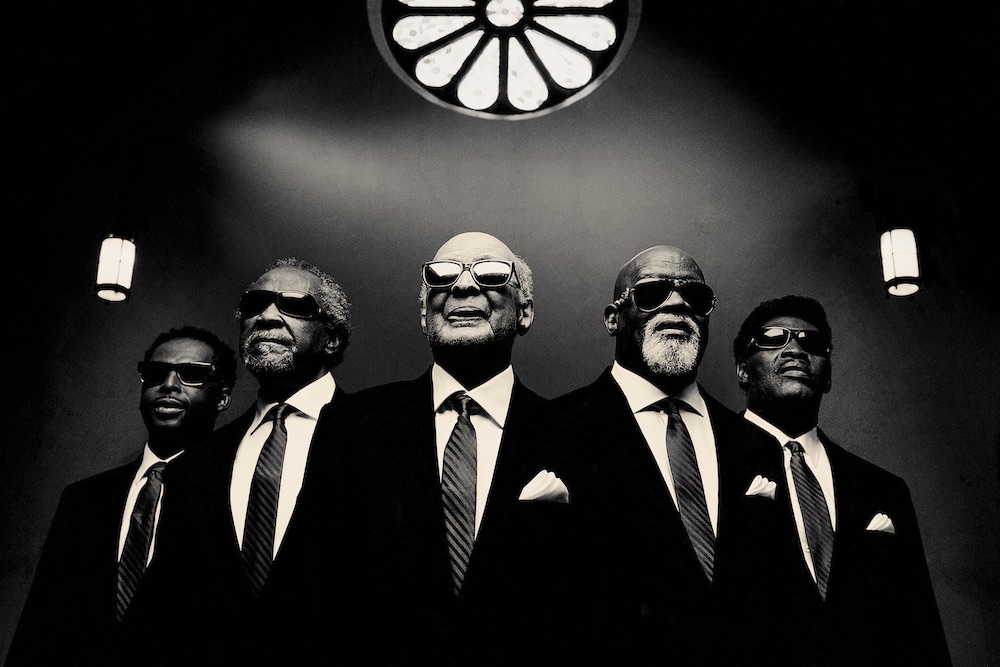
    Blind Boys of Alabama
    Jimmy Carter (center) and the Blind Boys Of Alabama

    American Christian/Gospel icons Blind Boys of Alabama and banjoist extraordinaire Béla Fleck, have collectively earned 20 Grammy Awards and scores of other accolades. Now, they share the A-Side of this historic collaboration in, “I Wish I Knew How It Would Feel to Be Free.” A Billy Taylor and Dick Dallas classic popularized by Nina Simone, it continues to serve as an anthem for the Civil Rights Movement to this day. The Blind Boys of Alabama and Béla Fleck revitalize the song in a masterful cover that fans around the world will not want to miss.

    Jimmy Carter (center) and The Blind Boys perform live at Nelsonville Music Festival | Photo by Rubato

    Leader and oldest member of the Blind Boys of Alabama, Jimmy Carter, has helped define American Gospel music over the past eighty years. The Blind Boys are not only five-time Grammy winners, but they are Grammy Lifetime Achievement Award winners. Carter sang with the original group, including Clarence Fountain in the 1940s while they attended the Alabama Institute for the Negro Blind together. However, he was deemed too young to tour with them at that time. Following his time with the Dixieland Blind Boys and the Five Blind Boys of Mississippi, Carter then joined the Blind Boys of Alabama. He has become a beloved member with the group for over forty years.

    We’ve crossed paths with Béla Fleck on stage and socially for many years. He’s an incredible talent. This is one of the most unique collaborations for the Blind Boys. I’m excited for the song and 45 to be shared with the fans.

    Blind Boys’ Jimmy Carter
    The Blind Boys of Alabama
    Eric “Ricky” McKinnie (center) and The Blind Boys of Alabama

    Hailing from Atlanta, Georgia Eric “Ricky” McKinnie began his musical career from a young age. His gospel roots propelled him to greatness after he, his mother, and his brother formed the Ricky McKinnie Singers in 1978. Later, In 1989, Clarence Fountain invited McKinnie to join the Blind Boys of Alabama as a drummer, vocalist, and tour manager. Since then, Ricky has been performing with the iconic group, leading them to awards while inspiring millions of fans across the nation. Learn more about the rest of the Blind Boys members HERE

    After sharing stages with Béla Fleck in the past years, I find it to be both exciting and a pleasure to sing on a track with him. Anyone that misses this collaboration is missing one of the best.

    Ricky McKinnie of the Blind Boys on Fleck and their latest release
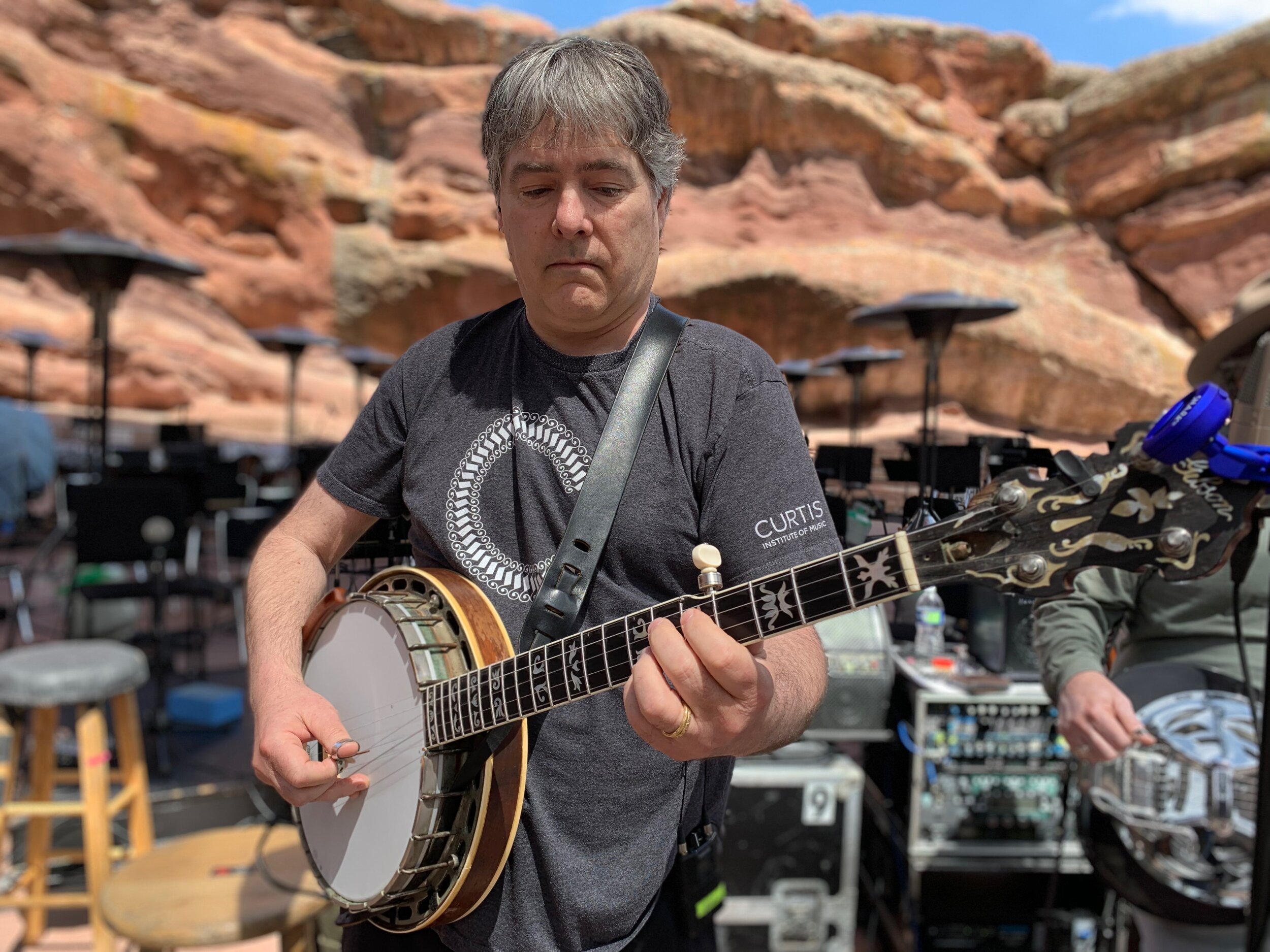
    Béla Fleck performing live at Red Rocks Amphitheatre

    Bluegrass artist and master banjo player, Béla Anton Leos Fleck is a true legend in his field. Born in New York City, Fleck discovered his love of music at a young age through TV, radio, and a newly bought banjo. Years later, his relocation to Kentucky instilled within him a uniquely majestic sound that not only helped revitalize modern bluegrass, but also great success over the years. Now, he teams up with the Blind Boys to once again bring even more life to the Civil Rights classic.

    I loved having the chance to work with the Blind Boys. I’ve dug their music since I first heard them, and it was such a thrill to be in the band!

    Béla Fleck
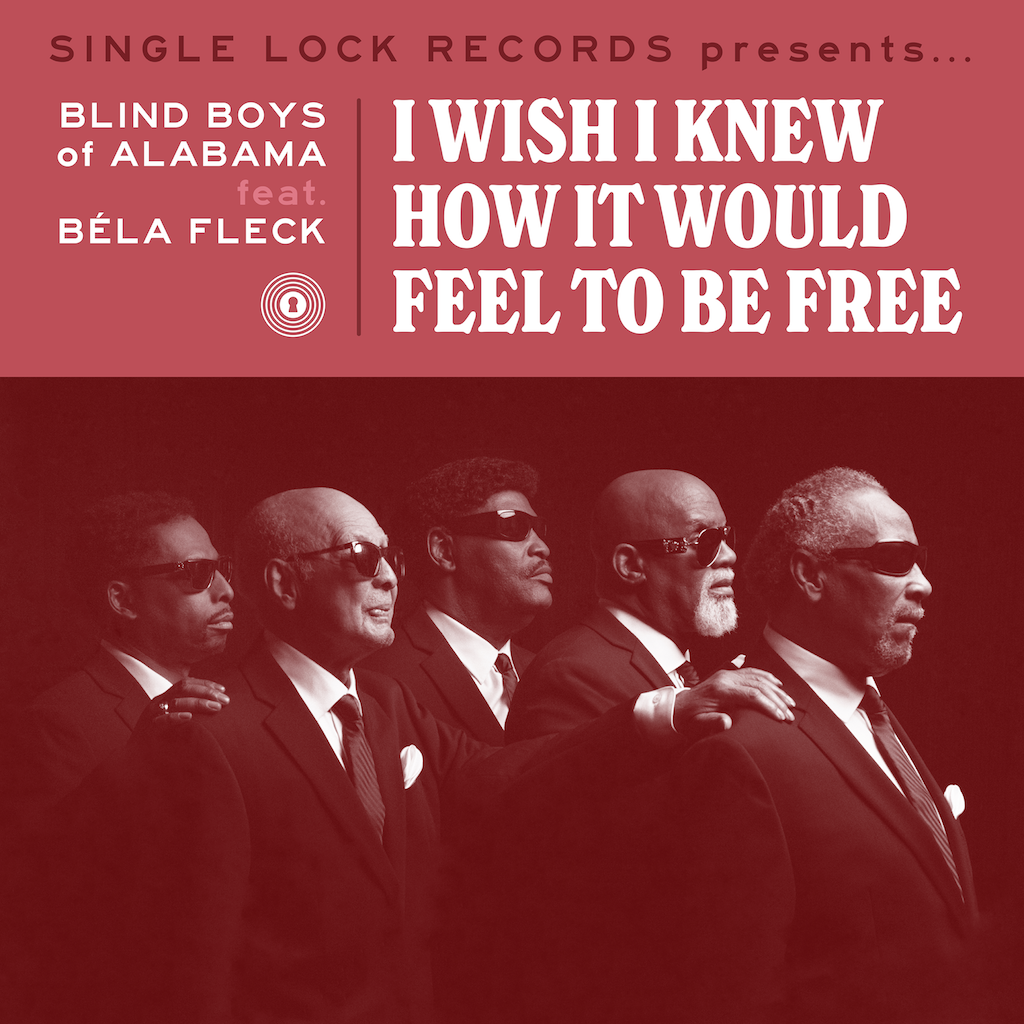
    bela fleck blind boys of alabama
    “I Wish I Knew How It Would Feel To Be Free” | Single Lock Records

    Single Lock Records has released this special song on all major listening platforms. Check out the release YouTube below:


    For more from the Blind Boys and their legacy visit HERE along with their Spotify and YouTube. Also, be sure to listen to more of the iconic Béla Fleck via Spotify and YouTube:

  • New York Series: Guy Carawan ‘We Shall Overcome’

    Some songs are written with such great embodiment of the human spirit that they become far bigger than a simple, melodic hook you whistle in the shower. They are the songs that represent a period in time for a group of oppressed people and epitomize the challenges they faced on a daily basis. Unlike other songs that come and go as life drifts on, these anthems leave such an impact that they are still read about in history books years later. For the Civil Rights Movement in the 1960s, the protest song “We Shall Overcome” was sang far and wide in tribute to peaceful protest. While the song was influential to many groups in the 1960s, its significance in the LGBT movement came after the Stonewall riots of New York in 1969.

    Most people know that Pride Month is in June, however, many don’t realize that’s because on June 28, 1969, the catalyst for the LGBT movement occurred in riot form at the Stonewall Inn in Greenwich Village. The Stonewall Inn was a well-known, mafia-run gay night club which hosted an array of illegal activities from an absent liquor license and prostitution to dealing drugs. While the bar owners were normally tipped off about police raids, on the night of the 1969 riot, they weren’t told anything would be happening. The police barricaded the 200+ patrons and employees in the bar and began to arrest all the transvestites they could find.

    As the cops were arresting patrons, to their surprise, bystanders began to push back against the heavy police presence in the form of verbal taunts and thrown bottles. At that point, raids on gay bars were becoming routine and, for the LGBT community, the raid on the Stonewall Inn was the last straw. As police were dragging people into their paddy wagon, the crowd began to boil and violence soon erupted. Bricks and bottles were being thrown at the cops as more people from around the neighborhood began to join in on the protest, forcing the police into a rare retreat. While some of the crowd turned violent, many others committed to nonviolence in the form of jokes, kick-lines and songs.

    As an unstable riot occurred all around, the protest hymn “We Shall Overcome” echoed through the streets long into the night. For days following the Stonewall riot, more protests, mostly nonviolent, began to pop up all around the city. A gay community began to form and within six months two gay activist organizations were established in New York. The movement was given legs, and by June 28 of the following year, the first gay pride marches took place in New York, Chicago, Los Angeles and San Francisco to commemorate the anniversary of the riots. “We Shall Overcome” was a vital tool used to demonstrate nonviolence throughout each protest.

    Originally written as a hymn titled “I’ll Overcome Someday” by Charles Albert Tindley in 1900, the song was warped multiple times throughout history before it became the protest anthem we know today. It was sang by tobacco workers, vagabond travelers, and eventually political activists. It became associated with the Civil Rights Movement in 1959 when Guy Carawan sang his and Pete Seeger’s version of the song at a nonviolent civil rights protest. From there, other artists began using it as a protest tool, playing it at rallies, folk festivals and other demonstrations to make it clear to the world that oppression will not be tolerated.

    ‘We Shall Overcome’ Lyrics:

    We shall overcome
    We shall overcome

    We shall overcome some day

    CHORUS:
    Oh, deep in my heart
    I do believe
    We shall overcome some day
    We’ll walk hand in hand
    We’ll walk hand in hand
    We’ll walk hand in hand some day
    CHORUS
    We shall all be free
    We shall all be free
    We shall all be free some day
    CHORUS
    We are not afraid
    We are not afraid
    We are not afraid some day
    CHORUS
    We are not alone
    We are not alone
    We are not alone some day
    CHORUS
    The whole wide world around
    The whole wide world around
    The whole wide world around some day
    CHORUS
    We shall overcome
    We shall overcome
    We shall overcome some day
    CHORUS

Built in Breakdance