Tag: Chuck Berry

  • Stars and Behind-the-Scenesters Trace the Rise of the “Rock Concert” in New Oral History

    Like rock music itself, the rock concert has very humble, homegrown origins. It started way back in the later 40s/early 50s when radio DJs and record store owners saw them as a way to generate more bucks from the racy new musical style that was igniting the passions of a new, monied class of teenagers. Over time, rock concerts would explode in size, scope and cultural and revenue impact.  They evolved from quaint “hops” at high school gyms to a circuit of psychedelicized theatres, then onto sports arenas, stadiums and, ultimately, multiday outdoor festivals. In 2019, before COVID-19 blew it to smithereens, the live music business was a $136 billion-a-year global juggernaut.

    rock concert

    With his new book Rock Concert (Grove/Atlantic Press), veteran journalist Marc Myers has marshalled an army to tell the free-wheeling story of the growth of this entertainment staple. Like Legs McNeil’s punk history classic, Please Kill Me and Frank Mastropolo’s recent, Fillmore East: The Venue That Changed Rock History,  Myers’ book is a well ordered oral history weaving through decades of fascinating facts and anecdotes. It is told by some of rock’s most iconic stars including Alice Cooper, Ian Anderson, Steve Miller, Roger Walters, Angus Young, Hall & Oates and Bob Weir, as well as an A-list of promoters, managers, songwriters, producers, photographers, sound and lighting techs, filmmakers, fashion designers, roadies and fans.  These are the people who witnessed many watershed concerts firsthand, from the days of L.A.’s proto-rock R&B scene through to 1985’s Live Aid, the final event before the era of corporate sponsorship and out of sight ticket prices took hold. 

    Myers goes back 3,400 years to set the stage for his story. In the book’s preamble, he introduces The Hurrian Songs.  This is the world’s oldest known sheet music, tablets from ancient Syria containing tunings and tablature for lyre music meant to be performed before a live audience – the first historical evidence of what would become today’s concert spectaculars.   Also noted in the deep history are two Big Band-era pop concert events – Paul Whiteman’s 1924 performance of Gershwin’s Rhapsody in Blue at NYC’s Aeolian Hall and 1938’s Carnival of Swing on Randall’s Island, the first outdoor jazz fest headlined by Benny “King of Swing” Goodman which drew over 20,000 white and black fans.

    rock concert

    As stated earlier, the real genesis of the first era of rock concerts is credited to radio DJs.  In late 1940s Los Angeles, musician/radio host Johnny Otis commenced his Barrelhouse Club shows in Watts featuring R&B stars of the day. This was followed by shows at additional sites on Central Avenue, many headlined by the original “honking” sax man, Big Jay McNeely, including Hunter Hancock’s popular Midnight Concerts.

    The true “rock concert” commenced in Cleveland when Rendezvous Record Store owner Leo Mintz partnered with radio DJ Alan Freed, the man who coined the term rock ‘n’ roll, for events like his Moondog Coronation Ball.  With Freed’s move to NYC and radio giant WINS in 1954, he introduced the big concert concept to the Big Apple, with huge shows that ultimately settled at Brooklyn’s Paramount Theater.  Myers also quotes the recollections of rockabilly great Wanda Jackson to bring to life the frenzy around Elvis Presley’s early barnstorming tours of the South. 

    The modern-day rock festival is traced back to George Wein, who inaugurated his annual Newport Jazz Festival in 1954, which included a performance by bluesman-turned-rocker Chuck Berry in its 1958 edition. Wein followed this with the inaugural Newport Folk Festival in 1959, whose headliners like John Baez and Peter Paul and Mary recall performing at what truly might have been the forerunner of Woodstock, the March of Washington. This event which attracted over 250,000 to D.C. in 1964 to hear the political folkies and, more importantly, civil rights leader Martin Luther King.

    The Beatles and their manager Brian Epstein are given their due for pioneering the modern stadium tour, beginning with their August 1964 cross country swing to the Hollywood Bowl and their famed Shea Stadium concert in 1965.  Of the latter, photographer Henry Diltz relates anecdote about him and Lovin’ Spoonful having to be whisked into the dressing room with the Beatles at the frenzied show. This was when the Spoonful’s lead singer, John Sebastian, was mistaken for Beatle John as they sat in the audience of 50,000 plus.  With the help of folks like stage manager-turned-record producer Joe Boyd and folk star Peter Yarrow, Myers clarifies some of the erroneous beliefs around Dylan’s famed,  audience inflaming “going electric” set at the Newport Folk Fest in 1965.

    Myers then takes readers through the era of the rock theater. This section chronicles the rise of Fillmore’s West and East, the Boston Tea Party, The Avalon, Detroit’s Grande Ballroom, Philly’s Electric Factory and more, and the many innovations they brought in lighting and stage craft and the role emerging FM radio played in their success.  There are more great details about how the Bay Area’s Beat poets and their “Happenings” helped usher in the hippies, leading to events like the Human Be-In and the first modern rock festival in 1967, Monterey Pop, another offshoot of a jazz fest inaugurated in 1958.  This comes with some great insights from both Monterey Pop filmmaker D.A. Pennebaker and Steve Miller, who was inspired by Hendrix’s musicality but turned off by his and The Who’s guitar bashing antics.

    Monterey Pop then led to 1968’s Miami Pop Festival, where we meet Michael Lang, a failed headshop entrepreneur who later play a key role in Woodstock.  Myers also relates info about some fests you may have never heard of including Washington’s Skyriver Festival, one promoted by dropping a piano out of a helicopter, along with Atlantic City Pop, which featured 29 acts over three days and drew an audience of 120,000, with no advertising, two weeks before Woodstock ‘69.  The author spends a good deal of time clarifying the history of the Woodstock Fest and some legends about how the crowd narrowly escaped mass electrocution during the torrential rain and the importance of the 1970 film to cementing it in history about all other rock fests.  There are some great firsthand memories from Blondie-to-be Chris Stein about his experiences at Woodstock.  There is also eye-opening details from Abbey Road cover photographer Ethan Russell about his time with the Rolling Stones’ at their disastrous attempt at a Woodstock knockoff, Altamont in December 1969.

    After Woodstock, everything changed and escalated and somehow gets more formulaic – less fun but way more profitable.  Myers then traces the move to sporting arenas and stadiums.  There is a great discussion here on band branding with Nick Fasciano, the man who created the Coca-Cola inspired logo and album cover art for rock/jazzers Chicago and with the Rolling Stones’ famed “lips logo” creator John Pasche.  Now technology and spectacle come to the fore, with stars like Jethro Tull’s Ian Anderson, Alice Cooper, Roger Waters and Bob Weir going into their need for dazzling props, lasers, confetti canons, wireless guitar packs and having to create and truck their own custom staging, lighting and sound systems – all to have an impact on audiences that could now be a football field away. 

    Fashionistas will enjoy the recollections of famed designer Norma Kamali. She is the woman who outfitted everyone from Robert Plant, Keith Richards, Sly Stone and The New York Dolls in their glam looks.  Also notable is the discussion of the charity rock concert, with intriguing backstory on George Harrison’s 1971 Concert for Bangladesh, No Nukes in 1979, the various Farm Aid events and 1985’s Live Aid.

    Deadheads will enjoy the chapter titled “Concert Maximus.”  In this, Myers chronicles the true rock concert superfans, those of the Grateful Dead.  These all-in devotees would follow the band to all sites on their tours, including July 1973’s Watkins Glen, which attracted over 600,000 to hear the Dead, The Allman Brothers and The Band.  Also included is a discussion of Wattstax, the August 1972 concert/movie/album created by the Memphis-based soul label which drew an audience of 90,000 to the Los Angeles Colosseum. Former label chief Al Bell describes the many obstacles overcome and how this massive event came off peacefully, without a police presence, with a security crew headed by none other than actor Melvin Van Peebles.  The author also touches on the mega-sized ABC-TV broadcast event California Jam, with Deep Purple, ELP and Black Sabbath. 

    https://www.youtube.com/watch?v=URnQzst6Y1U

    The death knell to this era of rock came with a few final factors.  First is the rise of solitary listening with the introduction of the Sony Walkman in 1979. This was followed by the rise of MTV and the accent on visuals. Lastly is computerized ticketing which only served to rapidly increase the price of entry for music fans. As mentioned earlier, Myers wraps it all up with Live Aid, the August 1985 event spanning stages in London and Philadelphia, with a TV audience of 1.5 billion.  It was the final event where ticket prices were within the reach of everyone ($35.00), before everything was scaled up with the help (or harm?) of massive corporate sponsorship.  It’s an event famed artist manager and Live Aid eyewitness Shep Gordon called “the end of innocence.”

    As you can see from this review, Myers is a music journalist who digs deep and tells a tale clearly. If you enjoy this book, check out his regular contributions on music and culture at The Wall Street Journal and his award-winning site, JazzWax.com.

    https://www.youtube.com/watch?v=UqEVYNTdc3c

  • The Grateful Dead End Their First Nassau Run: March 19, 1973

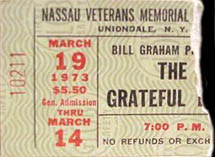
    48 years ago today, The Grateful Dead wrapped up their first ever run at Nassau Coliseum. The venerable Long Island venue was almost completely new at the time, having only opened in February of 1972. In fact, the Dead were only the second band to ever play a concert in the building, surpassed only by their brethren in Chicago the year before. Today would wrap up the final show of their first three-day run here, planting the seeds for another 39 Grateful Dead shows at Nassau for years to come. This introduction ends in remarkable fashion with a show that’s got a little bit of everything: a first set that simply overpowers the second, unique costume wear from the band, and a powerful goodbye to a dear friend.

    This show was a double bill of sorts with the Dead’s old friends New Riders of the Purple Sage performing an opening set to get thing started. So the Long Island crowd had already been given a taste of some West Coast psychedelic country and rock styling. Now it was the Dead’s turn. After a quick intro from promoter extraordinaire Bill Graham, they’re off and running with a feverish cover of Chuck Berry’s “Promised Land.”

    Things then slow down and take an immediate emotional left turn courtesy of the “He’s Gone” that follows. This would be the song’s first live performance since the passing of the legendary Pigpen, a founding member of the Grateful Dead, just eleven days earlier. Jerry Garcia’s usually delicate vocals here are surpassed only by a supremely poignant guitar solo that simply oozes emotion. The declaration of “nothing left to do but smile, smile, smile” seems to hit a little harder on this one. And Donna Jean and the crowd both lend some audible support as well in a stirring version that’s more than a fitting tribute to the late Pigpen.

    Grateful Dead Nassau
    Ron “Pigpen” McKernan Sept 8, 1945 – March 8 , 1973

    With the musical eulogy out of the way, the rest of the first set proceeds in a more familiar fashion. Bob Weir leads a quick jaunt through “Mexicali Blues.” And Garcia follows in fine fashion in a flawless, uptempo “They Love Each Other.” But the band doesn’t seem ready to say goodbye quite yet. This time Weir takes the helm on vocals and delivers a beautiful and inspired “Looks Like Rain” that’s comes off as one more nod to the somber circumstances of a friend’s recent death.

    Deadheads will get a kick out of the first set’s “Wave That Flag,” a precursor to “U.S. Blues” that was played only 14 times and features vastly different lyrics. There’s also a decent bust-out as well. For the first time in almost three years and more than 270 show, “The Race Is On” is dusted off by the Grateful Dead and presented to the Nassau crowd.

    Grateful Dead Nassau

    No one would complain if tonight’s opening stanza ended with the flawless “China Cat Sunflower” > “I Know You Rider” that later followed. But, no, this set goes to “11.” Perhaps fueled by some of the emotions from earlier, the band just keeps motoring on. One more Berry cover in “Around & Around” makes an appearance. And “Tennessee Jed” keeps the faithful in the new Long Island barn collectively swaying.

    Until finally, the first set is capped in grandiose fashion with a mad dash of a “Playin’ In The Band.” All the energy and emotions from earlier seem to get collected here and let loose in a near 16-minute gem that serves as a fitting cap to an exhilarating first set that stretches out past an hour and 40 minutes. The footage of it that follows is reported to be some of the only video of live 1973 Grateful Dead music. Members of the band can be seen in their “Nudie Suits,” bedazzled and sequined suits that were worn a handful of times at shows in late ’72 and early ’73. This psychedelic Country-Western garb is named after the designer Nudie Cohn and were popularized by the Flying Burrito Brothers at the time. This is supposedly the last show at which they were ever worn.

    A whirlwind opening set like that would be nearly impossible to top. The second set has nice intentions, but the opening stretch is played somewhat close to the belt. The relatively new-at-the-time “Loose Lucy” kicks things off, with a more pronounced Keith Godchaux on piano coming through in the mix. “Lucy” made its concert debut only earlier last month. Then there’s a a string of “first set”-sounding songs like “Me And My Uncle” and “Big River” that follow. Bill Kreutzmann’s work behind the drum kit really shines on the Johnny Cash cover. And “Mississippi Half-Step” continues this trend of well played live Dead staples that just lack some of the improvisation normally found at this part of the program.

    “Jack Straw” picks up the energy considerably in the second set and seems to fuel the band towards the finish line. “Truckin’” follows, paying tribute to New York, a state that’s “got the ways and means.” This yields the first significant jam of the second set, a bluesy little excursion spearheaded by Garcia. It even includes a distinct “Nobody’s Fault But Mine” instrumental nod as the jam begins to progress.

    Grateful Dead Nassau
    Jerry and Bob in their Nudie Suits, February 1973

    A short and sweet “Drums” section then transitions seamlessly into “The Other One,” with Phil Lesh’s thunderous bass notes triggering the opening sequence. Along with Garcia-supplied guitar licks, the two lead an impressively patient and vibrant musical introduction before the first words of the song are even sung.

    This and the near 17-minute “Eyes Of The World” that follows really serve as the foundation for this second set. This version of “Eyes” is fairly incredible in that it’s another new-at-the-time, this being only the tenth one ever played. The Dead move effortlessly through the composed section, sounding like they’ve been playing this song for years, before settling into another patient and intricate exploratory jam.

    The “Johnny B. Goode” set closer completes the Berry Trifecta for this evening before a “Casey Jones” encore sends the Nassau faithful merrily on their way. Afterwards, the train would be getting on the tracks on heading upstate for two shows at the Utica Memorial Auditorium. It’s a well played set that has a few standout moments but, overall, just doesn’t compare to the emotional powerhouse the opening stanza delivered.

    Listen to this great show track by track below, or all at once here.

    Grateful Dead – Nassau Veterans Memorial Coliseum Uniondale, NY 3/19/73

    Set 1: Promised Land, He’s Gone, Mexicali Blues, They Love Each Other, Looks Like Rain, Wave That Flag, Box Of Rain, The Race is On, Row Jimmy, El Paso, China Cat Sunflower-> I Know You Rider, Around & Around, Tennessee Jed, Playin’ In The Band

    Set 2: Loose Lucy, Me & My Uncle, Brown Eyed Women, Big River, Mississippi Half Step, Stella Blue, Jack Straw, Truckin’-> The Other One-> Eyes Of The World-> China Doll, Johnny B. Goode

    E: Casey Jones

  • Lark Hall Brings a Century of History to Albany’s Music Scene

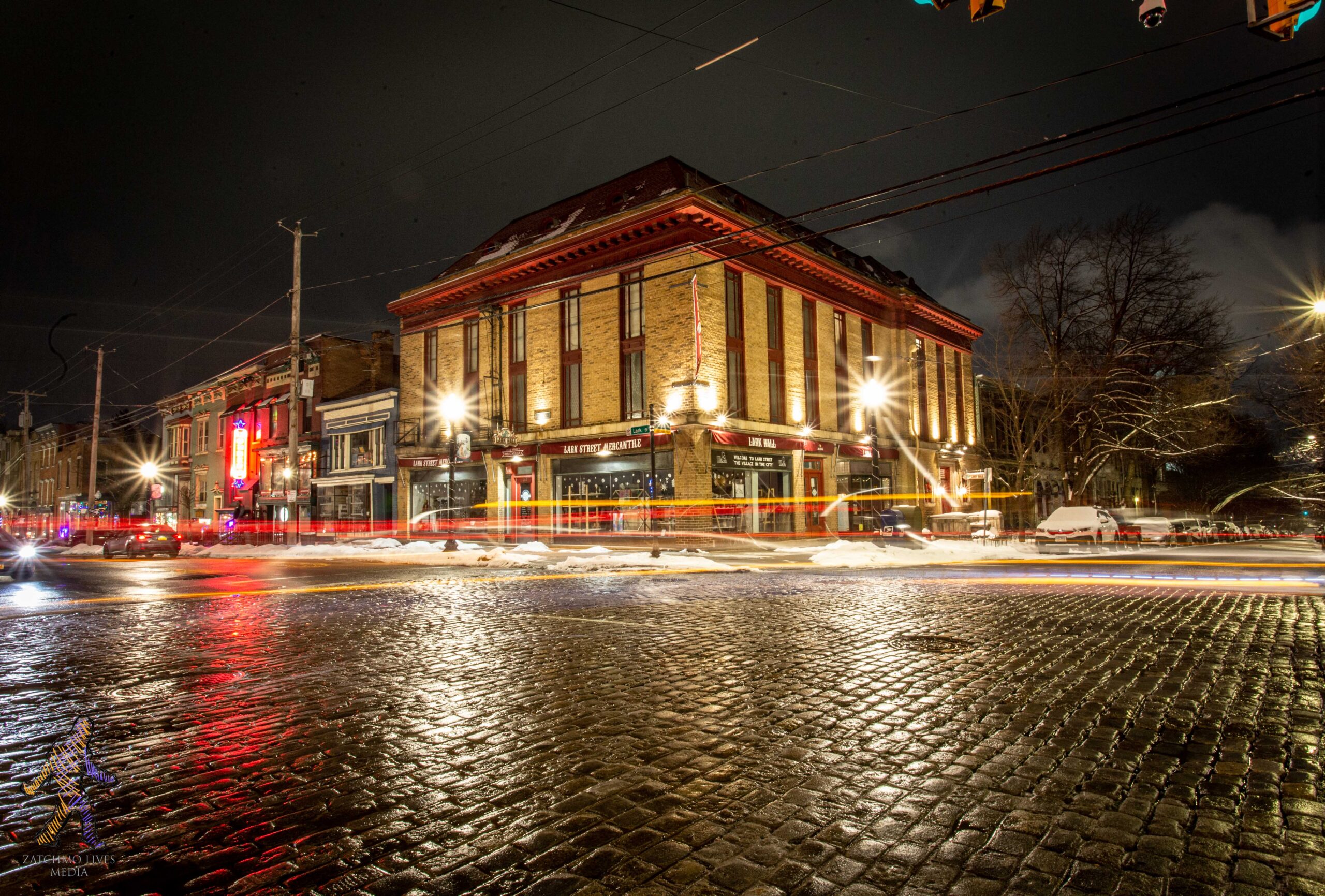
    Albany has many venues, but for more than a decade, there has not been a mid-sized music venue for bands to ‘graduate’ to once they prove themselves capable of filling clubs, including The Hollow, Parish Public House, Pauly’s Hotel and various area clubs and bars. If your band can sell out any of these rooms, the next logical stop is either Putnam Place in Saratoga Springs, or wait until you’ve built yourself up enough to return to The Egg, Upstate Concert Hall or open up at The Palace for a larger act. This has created a gap for artists from and playing in the Capital District, one that is bridged by the arrival of Lark Hall.

    lark hall
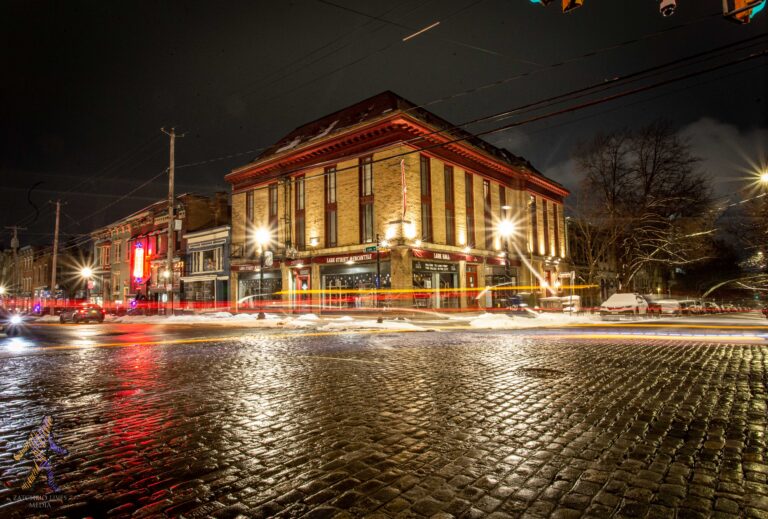
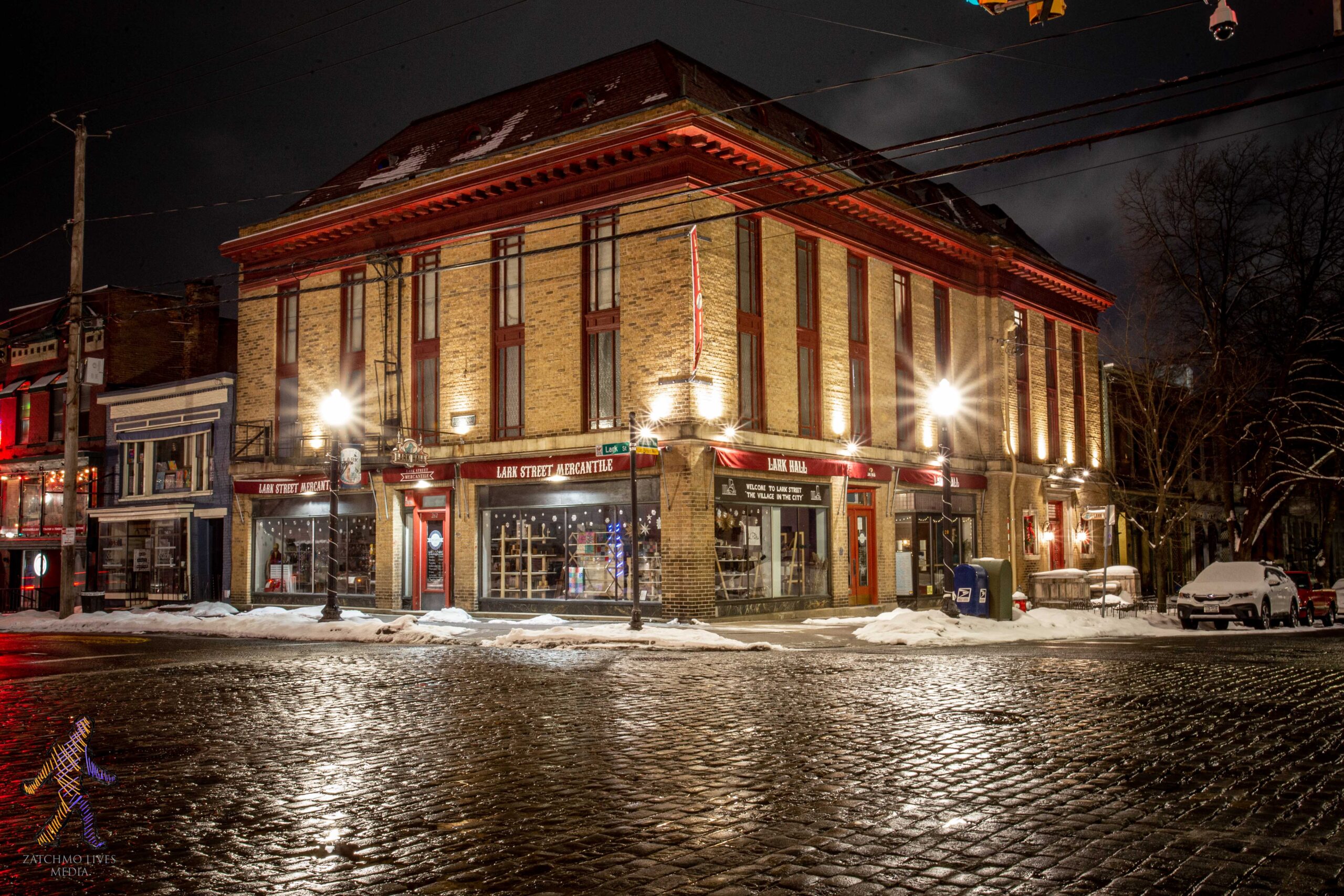
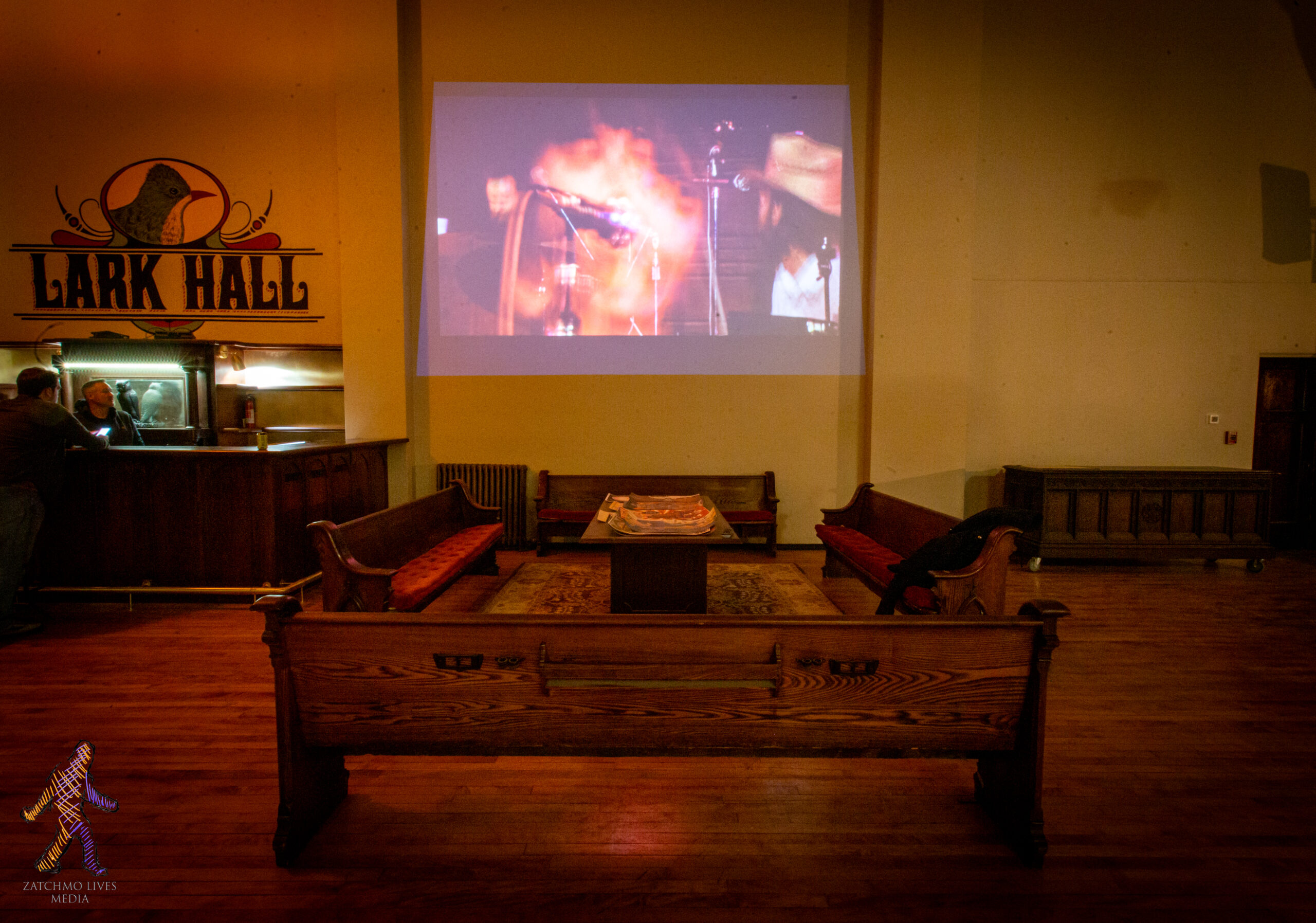
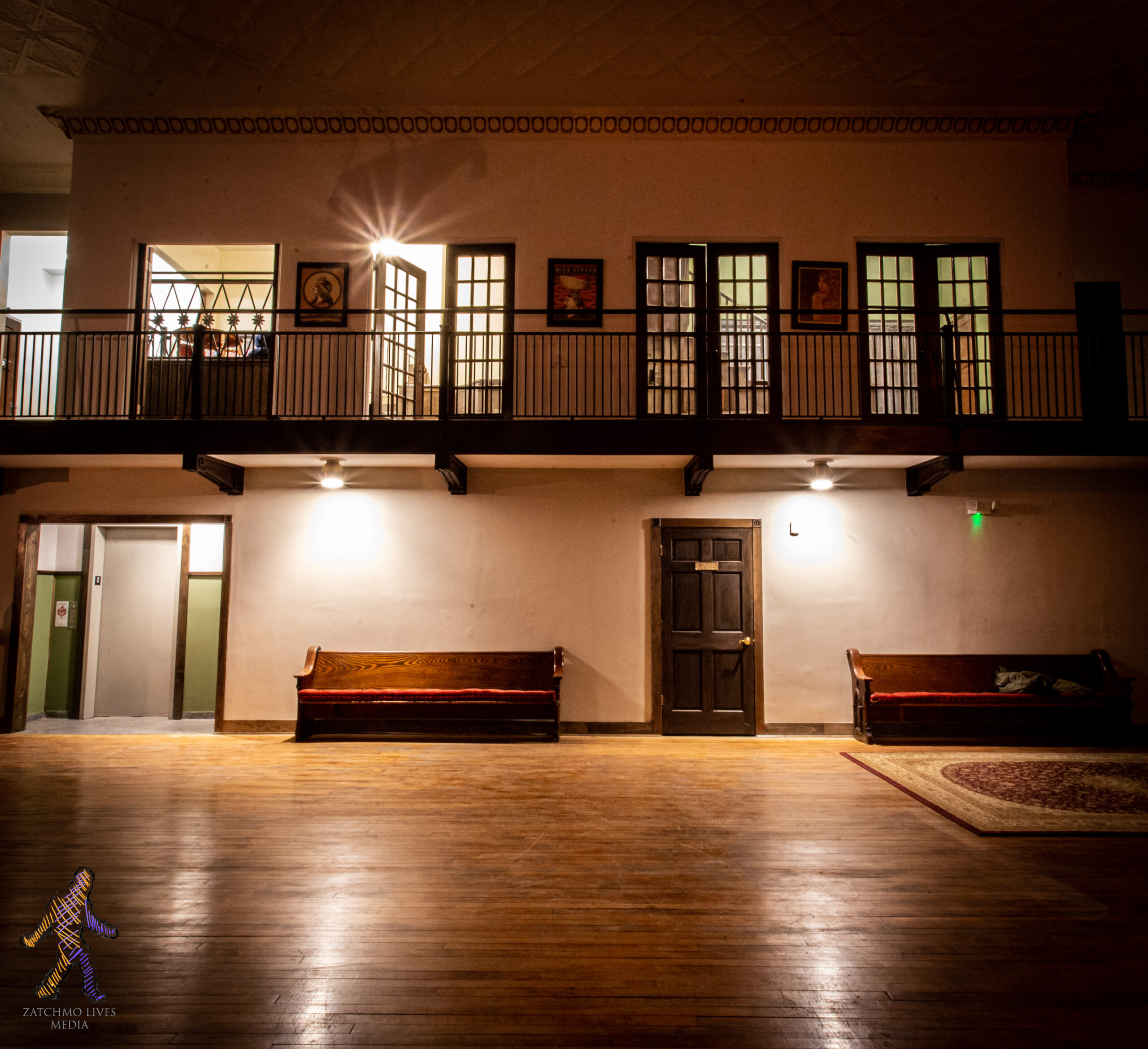
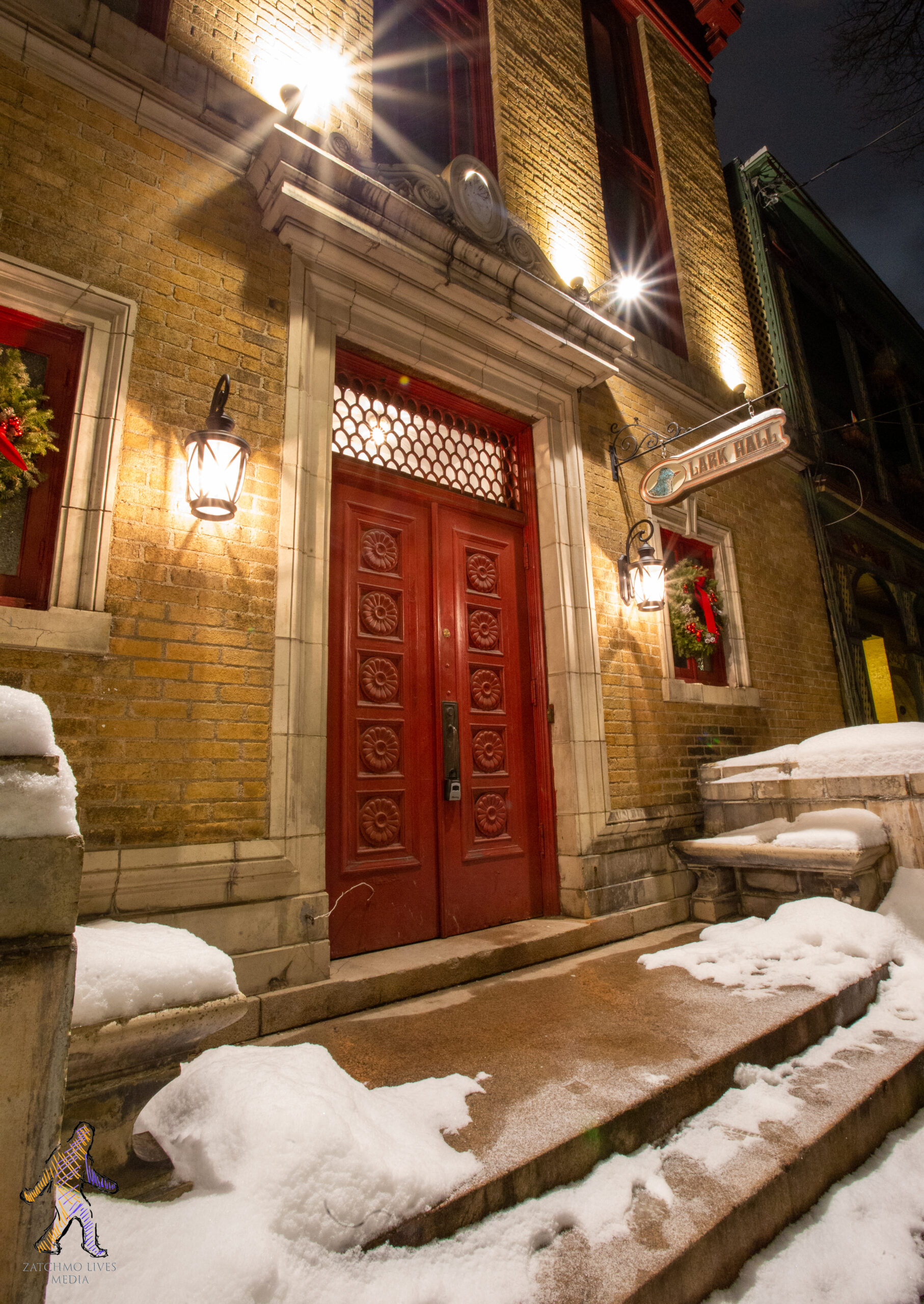
    Lark Hall, Albany, NY – photo by Zach Culver

    With a room for shows, weddings, events and gatherings, Lark Hall will be more than just a music venue holding events on the side.

    Like Tipitina’s in New Orleans, The Capitol Theatre in Port Chester or The Colored Musicians Club in Buffalo, the history is in the walls of the building, one that was built in 1916 and has had only two previous tenants – Daughters of the Eastern Star, and for the 40 years that followed, a dance studio. The music history has only started to be written.

    Using pieces of history from across the Capital Region, Lark Hall draws on local heritage as they prepare to bring a 300-450 capacity multi-purpose venue to Albany’s Center Square neighborhood.

    NYS Music got an exclusive first look at Lark Hall, Albany newest music venue, right in the heart of town.

    History in the heart of Albany

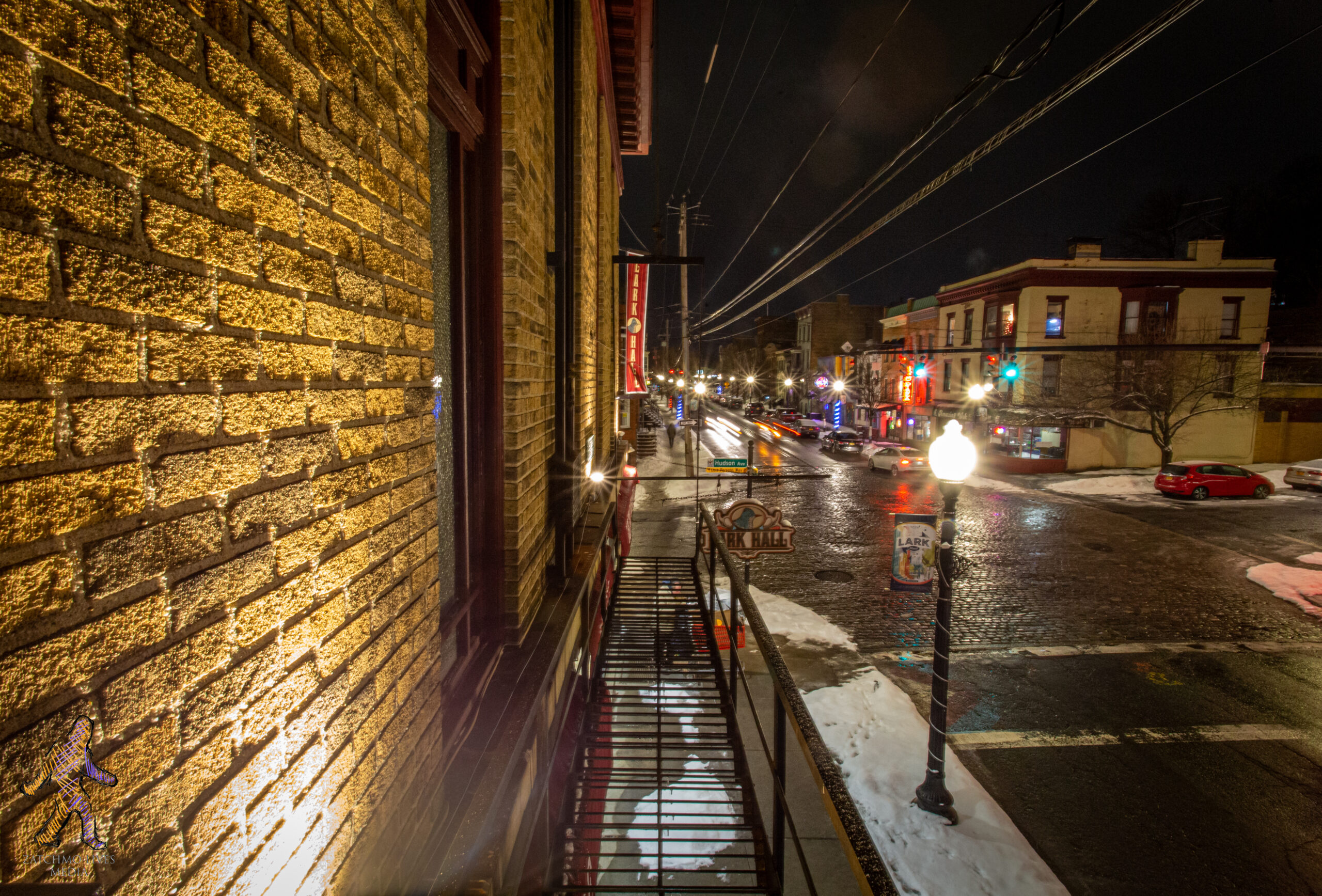
    Lark Hall has a long history of being operated and owned by women, including the current iteration of the venue with Lark Street Yoga on the ground floor. In 1916, the corner of Lark and Hudson Ave was the starting location for the 48th Annual Suffrage Convention, where 600 delegates were expected. From across the state, supporters including Margaret Hinchey, Jane Olcott, Vira Whitehouse and Leonora O’Reilly were in attendance.

    lark hall
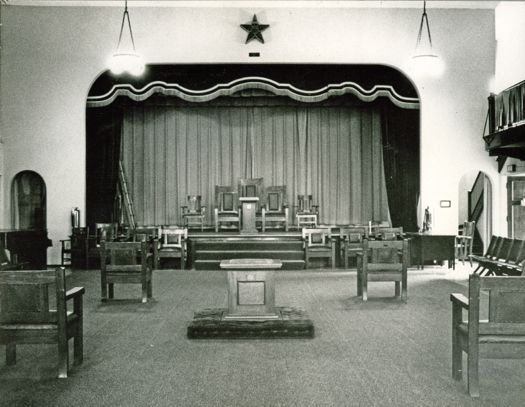
    photo via Historic Albany Foundation

    Constructed by women, for women, it initially served as a chapter house for the Daughters of the Eastern Star, the female equivalent to Free Masons. A building that took less than six months to build hosted the 1916 state suffrage convention as one of its first events – a year later the 19th amendment, guaranteeing women the right to vote, would be passed by the Albany legislature, located a short 12 minute walk away.

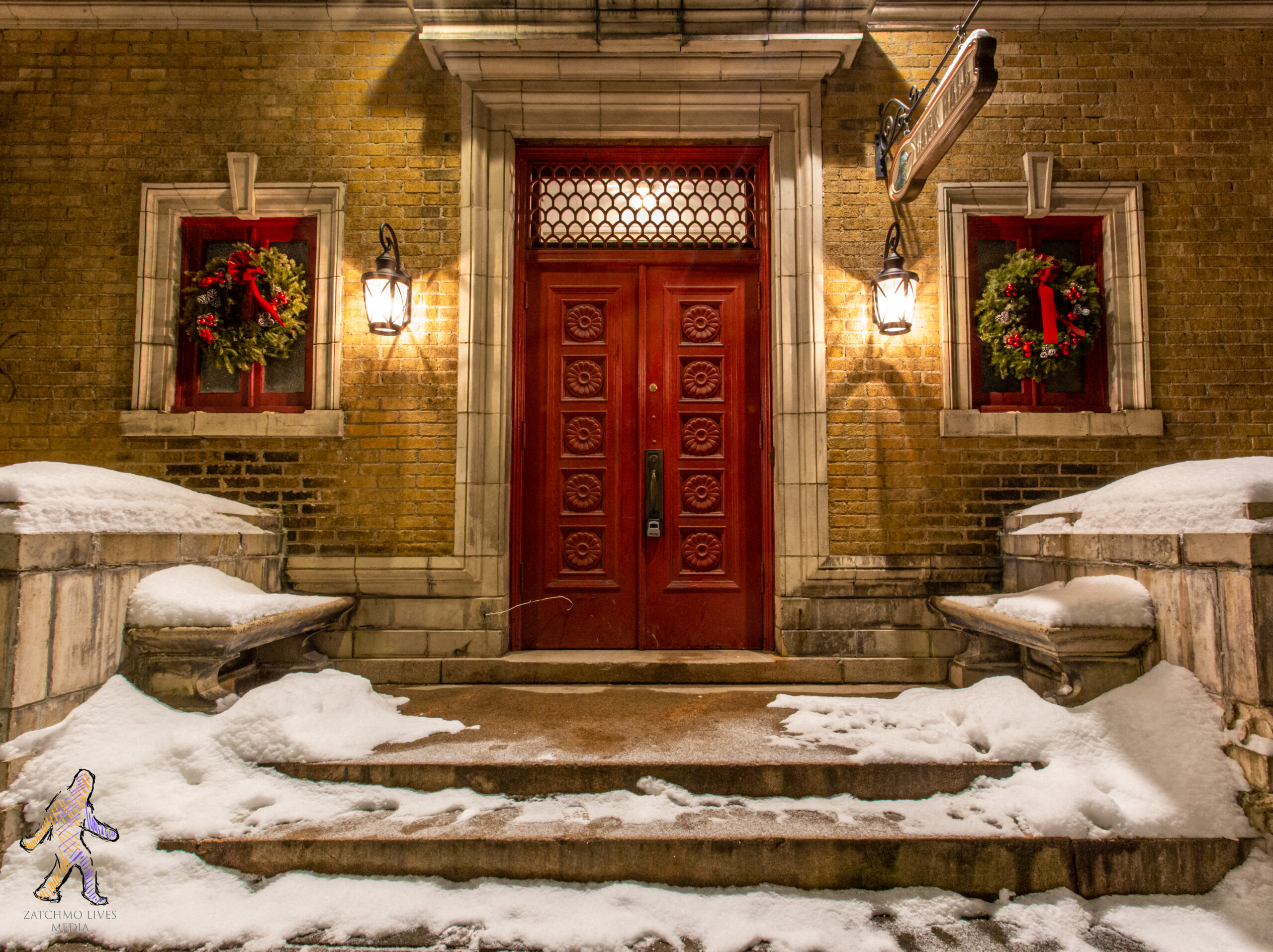
    The hall would serve as a community asset in Center Square, with Red Cross bandage packets assembled by volunteers during World War I, providing food for neighbors during the Great Depression, or holding vigils for husbands, brothers and sons during World War II. USO events were held, as well as cotillions and school dances heading into post-war America; at one of these events, TV and radio personality and Albany native Andy Rooney met his wife here at a dance. The father of Rock n Roll, Chuck Berry, traveled to Albany and played Lark Hall, along with many others over the years.

    lark hall
    photo courtesy of Lark Hall

    Purchased by eba Center for Dance & Fitness in 1977, the Hall shifted to be a focal point for the arts, dance and performance for over 40 years, until closing in 2017. Justin and Jenn Miller saw the history of the location and outbid others to take over ownership of the historic venue.

    We bought it with a vision to both restore the building’s natural beauty and maintain it as a community and performing arts venue. We’re also fortunate to be home to Lark Street Yoga and Lark Street Mercantile, both of which contribute to Lark Street’s vibrancy and sense of place.

    Jenn Miller, owner, Lark Street Yoga

    Locally sourced materials found a second life in the century-plus old building, including the original curtain bunting behind the stage that matches the age of the building.

    Part of the decor added over summer 2020 includes church pews from First Presbyterian on 15th street in Watervliet. The pews serve as seating that will eventually ring the room, and for now serve as ways to socially distance limited audiences in the room. Additional pews were repurposed and made into the bar.

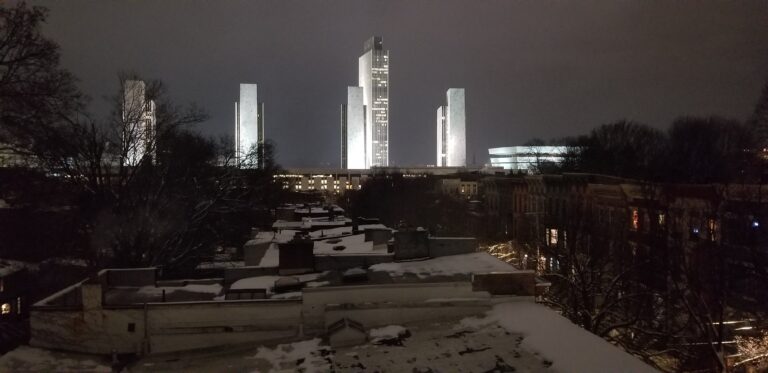
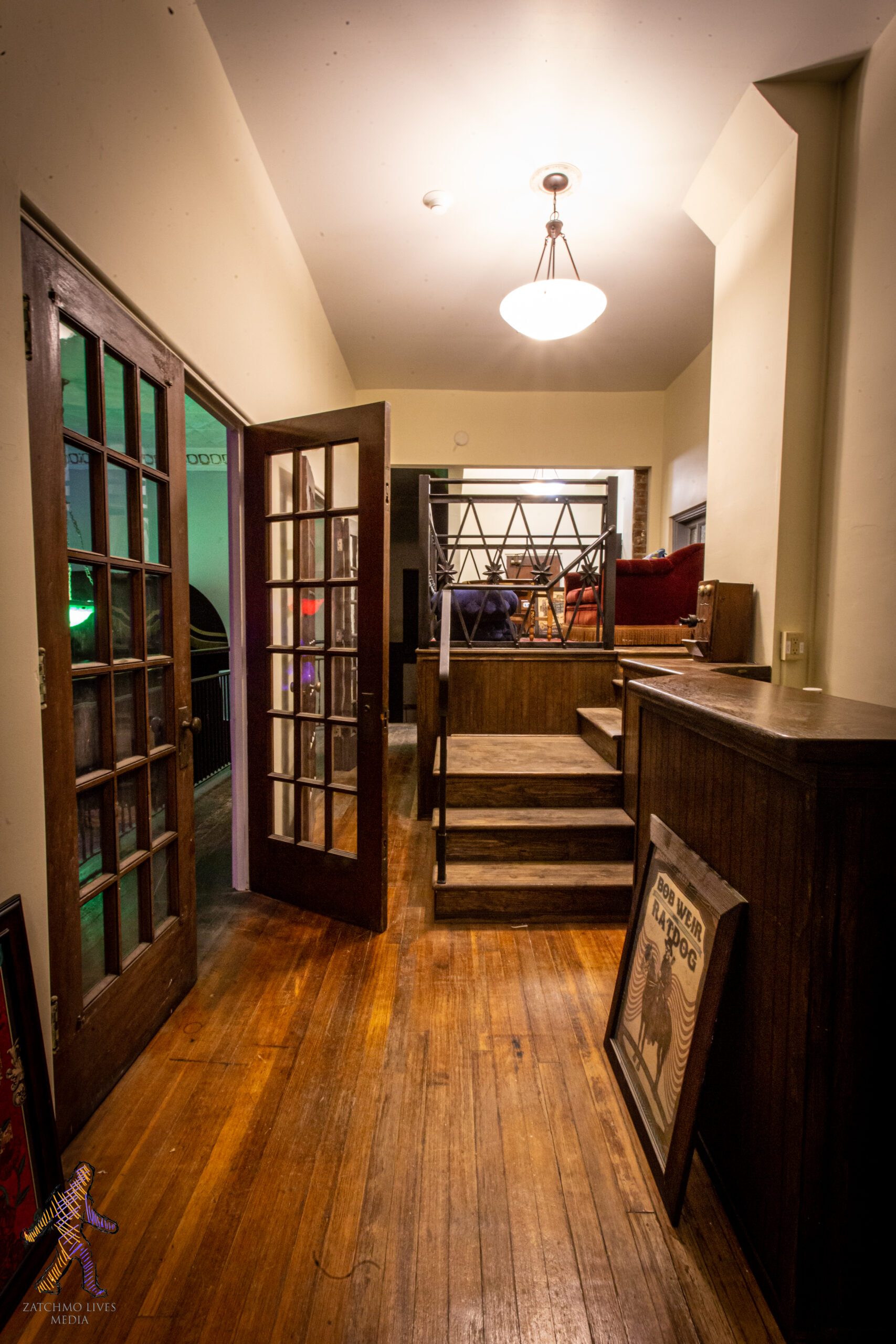
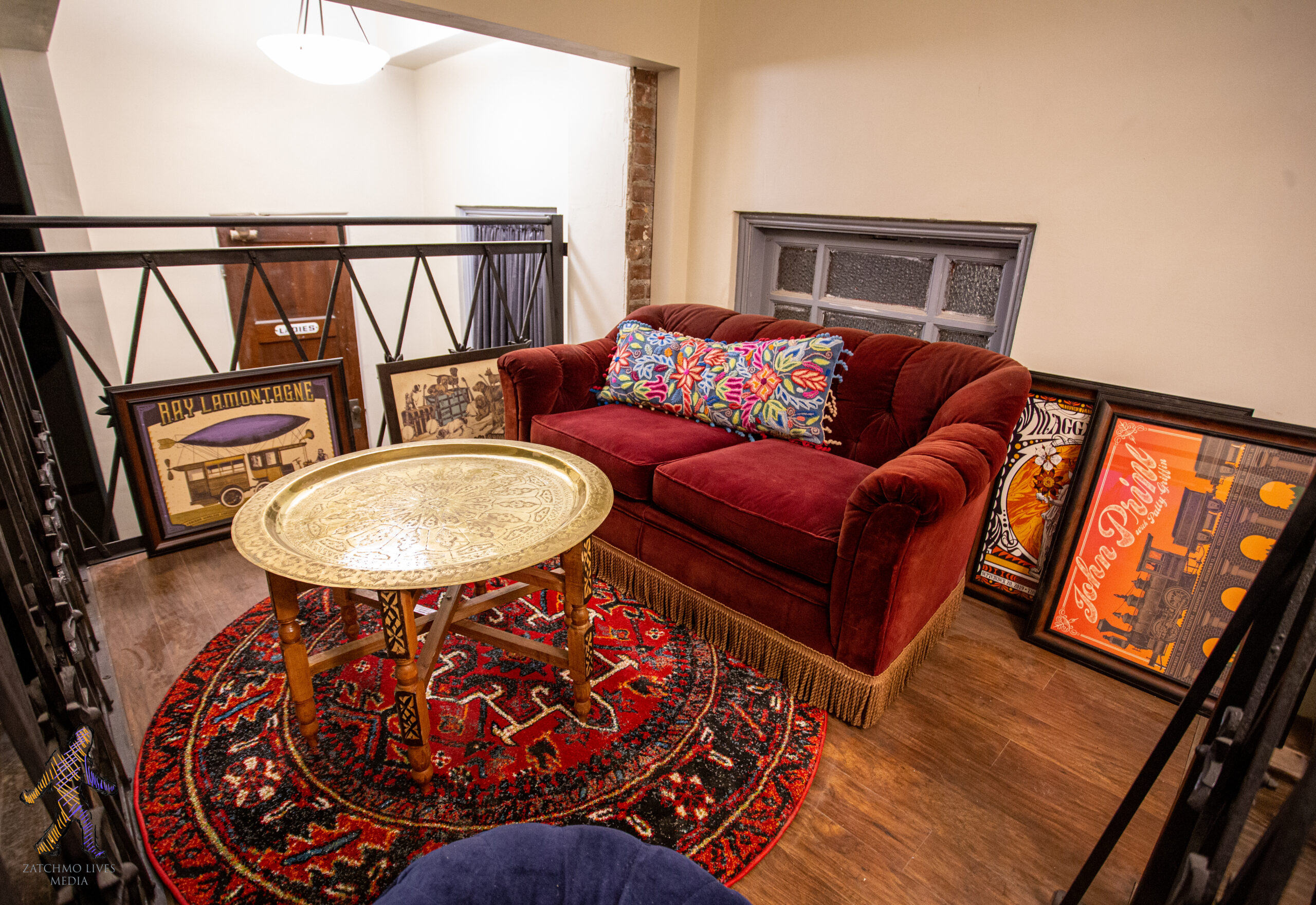
    The Millers upcycled the fence from their first home for a kitchen island in the residency upstairs, and framed concert prints from their personal collection pepper the venue on all available wall space. The decor in the bathrooms features brass fixtures and Moroccan tile, and a fully furnished Green Room / Apartment on the third floor will allow bands ample room to stretch out before a show, or a place to stay during an extended residency. Views of the Empire State Plaza from the third floor bring a sense of proximity to a town affectionately known as ‘Smallbany.’

    empire state plaza
    Looking East towards the Empire State Plaza

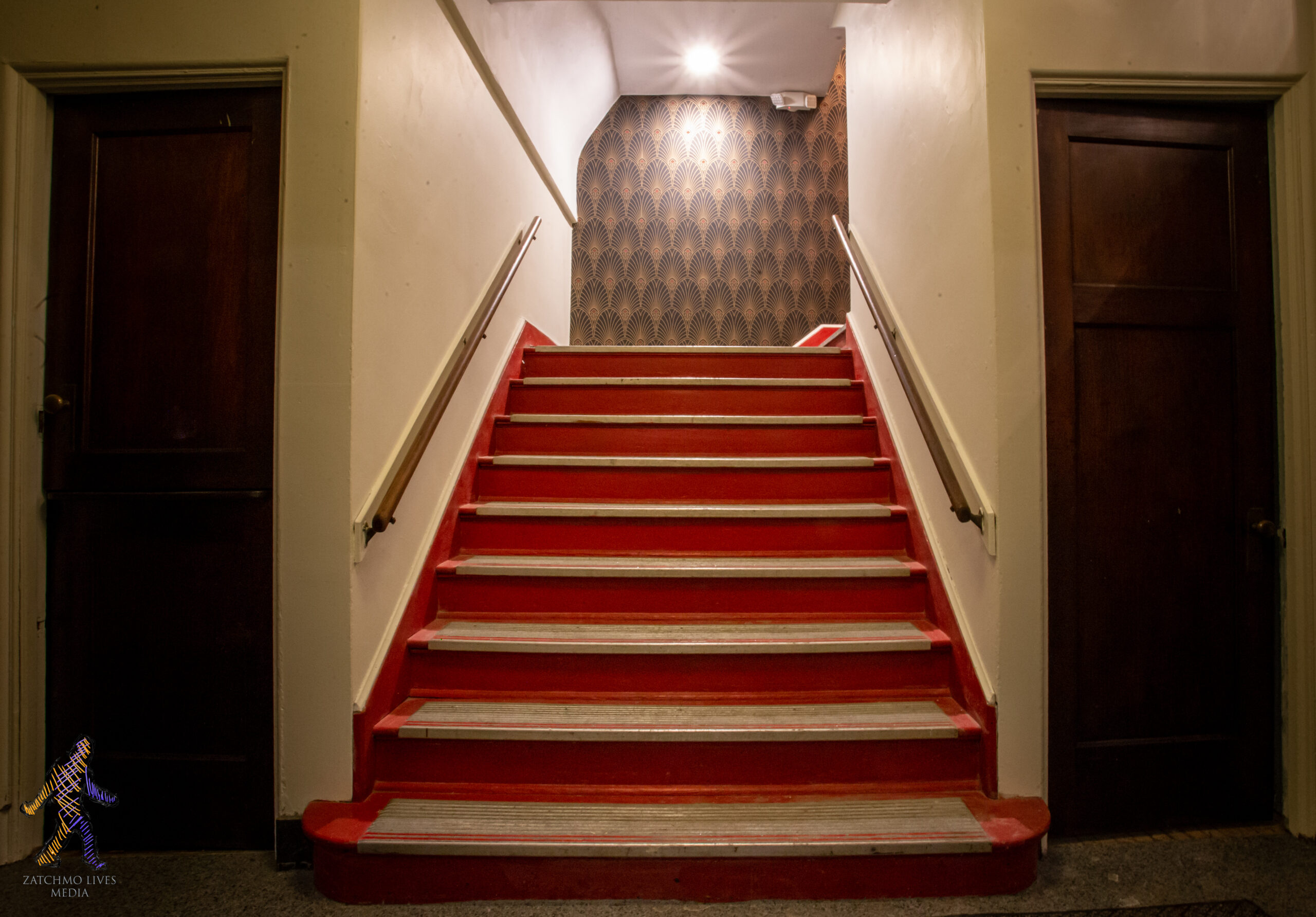
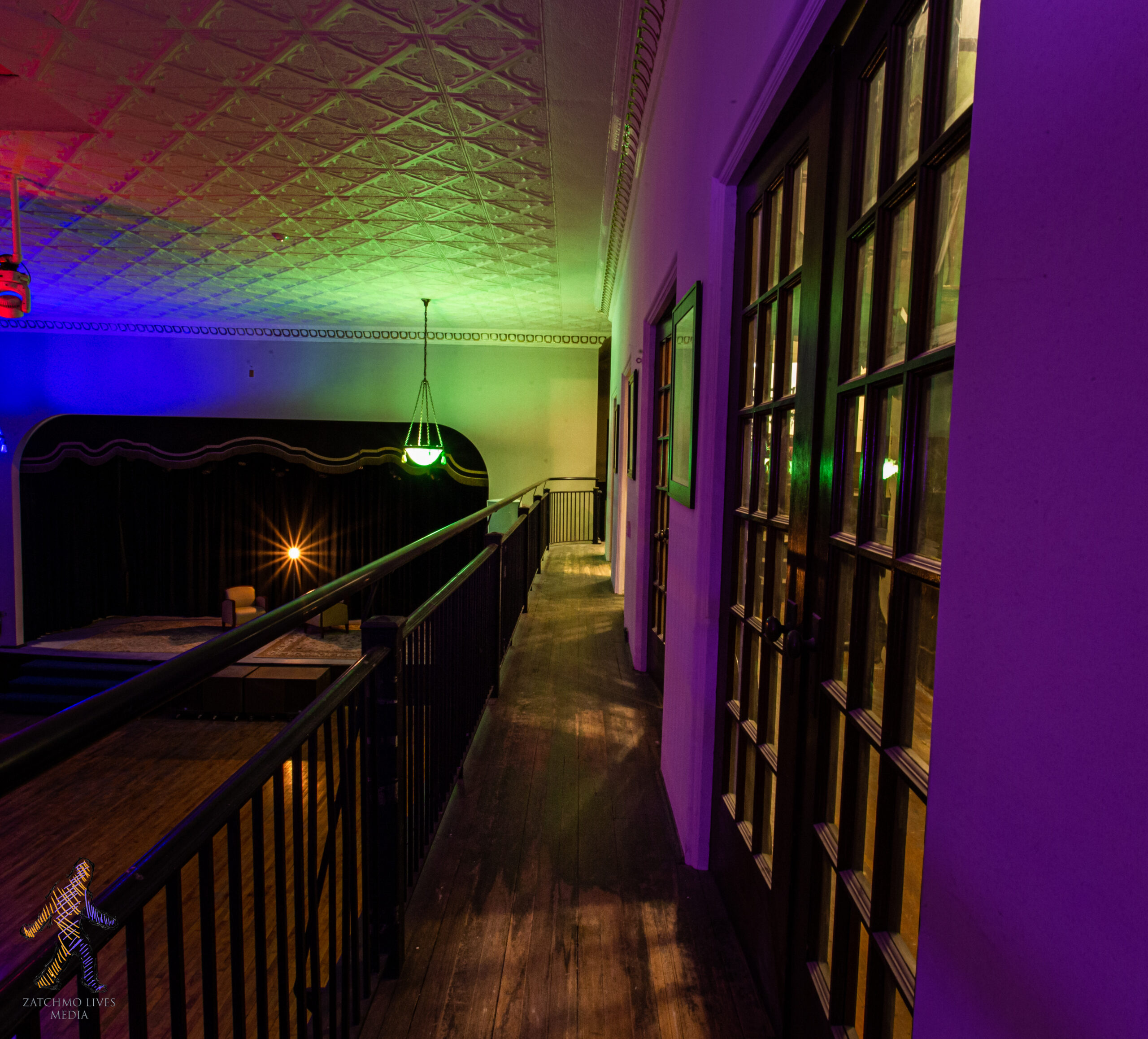
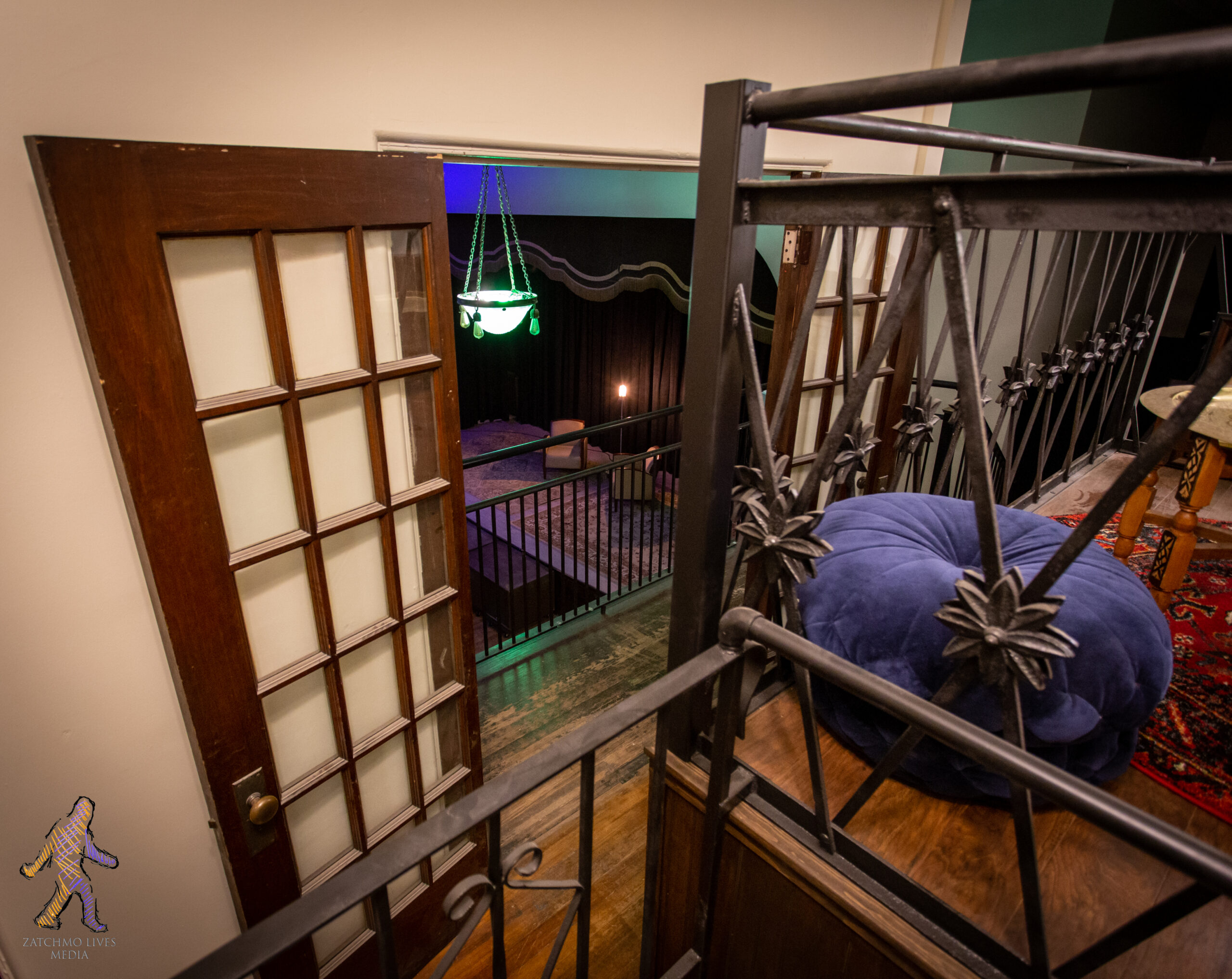
    There are of course some changes that were made to the building. Plenty of fresh paint on the walls and wood stain on the bar and trim, as well as art deco wallpaper reminiscent of HBO’s Boardwalk Empire. 22 foot long/46 foot wide heavy gray curtains opposite the stage double as a buffer to allow limited sound to Lark Street and cover the windows, making the room intimate upon arrival. A VIP booth upstairs stage left is designed for 5-6 people, offering a direct view of the stage as well as a private bar. Add in a long overdue elevator and the building is ready for 21st Century crowds in 2021.

    Having purchased the building in March 2018 and opening Lark Street Yoga in September that year, the Millers bring business experience and their fervent music fandom to Lark Hall. A venue run by fans, for fans has immense potential, and has already welcomed audiences virtually with Window Sessions in summer 2020, and the new Practice Sessions, which kicked off on March 4 with Glass Pony.

    Music has always been a shared bond and connection since the first time we met and started dating.  Traveling to see live music together has always been our favorite pursuit and escape – and over the years we’ve been fortunate to check off a long bucket list of seeing shows at legendary venues big and small – from Red Rocks in Morrison, Colorado to Preservation Hall in New Orleans.  

    Early in our relationship, and while moving into a new home, we both found our old boxes of concert tickets and memorabilia, and as we went through the piles of mementos, we realized we had been at dozens of the same shows and festivals before we’d met. Our musical paths had eventually connected at the right time and we’re now incredibly blessed to pour this passion into our shared vision for Lark Hall.  

    Justin Miller
    lark hall

    More than just a music venue

    Yet with all the history within the walls, Lark Hall will not just be a music venue. The Millers plan to utilize the ample space for meetings, weddings, private shows and birthday parties. The venue’s cabaret license will allow for music and events to start as early as Noon, 7 days a week, with shows going as late as 11pm Sunday-Wednesday, and until 2am Thursday – Saturday.

    Any event, music or otherwise, will have the benefit of Lark Hall’s state of the art sound, lighting and projection system.

    lark hall
    Lark Hall, Albany, NY – photo by Zach Culver

    Lighting in the hall features the original fixtures, including five original chandeliers with Edison light bulbs hanging in the room, providing an array of colors to illuminate the room. Kirk Lyons of Lyons Den Entertainment serves as sound and light engineer for Lark Hall, and set up the room so the light rig blends into the ceiling and offers an unobstructed view of the concert. State of the art sound is set up throughout the room, making any event – music or otherwise – capable of having sound on par with the best music venues in the area.

    We wanted to make Lark Hall a world class sounding room so I called in a favor from my friend Stan Denis, a Danley Sound Labs dealer. The type of speaker used in the mid-high cabinets is a point-source system that makes it so the sound is almost exactly the same in every seat. Ken Mark of Adirondack Scenic helped us with the giant curtains against the back wall. They are designed to help dampen the audio reflections in the room.

    As far as the lighting design goes, I wanted something simple yet effective. I didn’t want to change the intimacy of the small theater feel, but needed to add that bright LED ‘wow.’

    Kirk Lyons, Lark Hall sound and lighting director

    Stan Denis of Denis Entertainment Group advised the Millers on their labor of love, and speaks to their commitment to making Lark Hall a success.

    So many people who get into this business get hardened very quickly because they are trying to survive as they are growing their company. and they start to lean on artists and support crews and people in a way that is counterintuitive to getting creative art. Justin and Jenn are so passionate about music and the music scene, as well as the quality of the shows they want to produce. They’ve been asking the right questions since the beginning, with regard to creating the best experience for bands and audiences alike.

    Stan Denis

    For the full scope of what Lark Hall offers, take a walkthrough tour from Mirth Films.

    Neighborhood

    Center Square, the neighborhood surrounding Lark Street, is the heart of Albany, a mini Greenwich Village to call our own. Bars, restaurants, small independent businesses, tattoo shops, and bodegas are found in between brownstones and apartments that date back to the late 19th Century.

    Local businesses are on board with Lark Hall’s arrival, knowing that patrons will be making an evening of a show or event at the new venue. Early arrivals can dine at any number of restaurants on Lark or Madison Avenue, and those wishing to extend the night have plenty of bars to choose from.

    Historically music has been a huge part of the fabric of our historic and fabled Lark Street. The opening of Lark Hall heralds the return of the street’s heartbeat and will no doubt bring countless new generations to the street. 

    Savoy Taproom first brought live music back to Lark Street in early 2016. Lark Hall builds on the foundation we laid by bringing a concert venue to the street, which will bring people – people who will shop, drink and dine on Lark Street.

    Jason Pierce, owner, Savoy Taproom

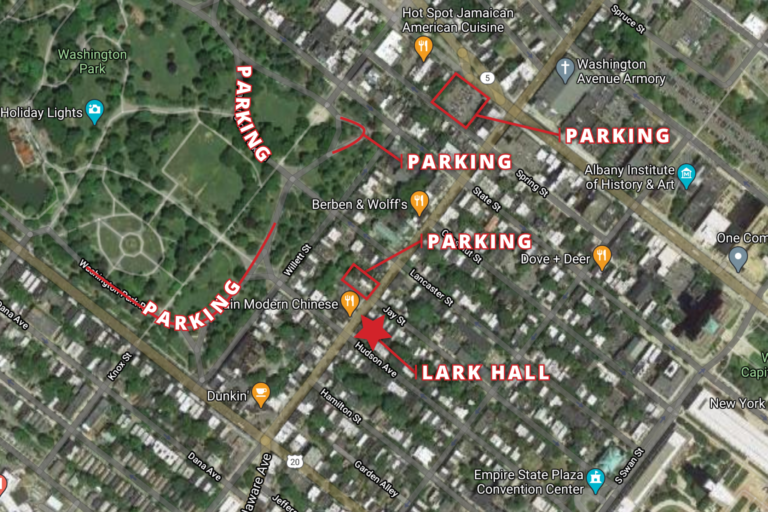
    One thing that Lark Street may seem to lack but has quite a bit of, is parking. For those driving to a show, there is the 60-space Trinity Church lot only 50 feet away, and a 200 car lot next to 204 Washington Ave. And of course, there is Washington Park, with ample spaces to park at anytime of day. Considering the distance to walk for shows at The Egg, or at Crossgates Mall, the setting and available parking for Lark Hall is comparable, if not better.

    With more parking available than you may realize, the arrival of Lark Hall means local restaurants and bars will benefit from early arrivals and late revelers, tying the community together and giving the neighborhood a centerpiece. Carpooling and ride share are of course options for getting there, as well as the CDTA #13, which stops right outside Lark Hall and runs until late in the evening.

    lark hall
    A handy map for parking near Lark Hall (and all of Lark Street)

    Since taking over the property at the corner of Lark and Hudson (also the name of their two cats), The Millers and their team worked hard throughout the COVID-19 pandemic, making all needed renovations, and officially opening up in May 2021. Now, with the addition of The Eleven, the venue expands to welcome music lovers on two floors to a fresh vibe on Lark Street.

    Photos by Zach Culver