Tag: Bob Dylan

  • Ramble on Lark Street: Last Waltz Tribute a First for New Albany Music Hall

    Thanksgiving is a time for tradition and perhaps a new one was born on Wednesday night in Albany. Coming together in grand fashion family, friends and fans of The Band convened at Lark Hall on Thanksgiving Eve for a memorable evening billed as The Last Waltz on Lark Street; a stellar tribute to one of the most celebrated concert performances in rock history.

    lark hall last waltz

    For anyone not familiar, The Band are about as close to music royalty as it gets in New York State, particularly in the Capital and Mid-Hudson Regions where the group famously lived, partied and wrote music together under the roof of a ‘Big Pink‘ house near Saugerties. Often referred to as just “the band” by Bob Dylan (with whom they often backed), the name stuck and over the course of 16 years, The Band — Rick Danko on bass, violin and vocals; Levon Helm on drums, mandolin and vocals; Garth Hudson on keyboards and saxophone; songwriter Richard Manuel on keyboards, percussion and vocals; and guitarist, songwriter and occasional vocalist Robbie Robertson, would go on to write some of the most timeless songs and albums in American music history.

    As the story allegedly goes, after burning out from the demands of the touring lifestyle, it became clear the dynamic that had made The Band so special and unique had changed, the brotherhood and comradery had faded a bit and it was starting to reflect in the music. Then in 1976 it was officially announced they’d be playing their final show; one last chance to dance and it was to be held on Thanksgiving Day at the legendary Winterland Ballroom in San Francisco.  What took place that night, as famously documented in Martin Scorsese’s iconic film of the same name, The Last Waltz, would go down as one of the greatest star-studded, ground breaking concert celebration spectacles of all time.   The film itself would later go on to be selected by the Library of Congress to be forever preserved due to it cultural and historical significance. 

    lark hall last waltz

    Now some 45 years later, the magic made and songs played that night are still being talked about, still influencing and still being played by a whole new generation of New York based musicians and for one close-knit group of Capital Region players and friends, an idea that sparked from a brainstorming jam session somehow serendipitously snowballed into reality and perhaps simultaneously became the next “can’t miss” pre-Turkey day musical meet-up for those who call the surrounding Albany area “home”.  

    To do this properly and with any sort of ‘relative’ justice, of course, was no easy task and with so many moving parts, variables and logistics to the show, it would also require a bit of help from friends, the good natured people behind the scenes and well, a little luck too. Those obstacles aside, here’s a ‘not-so exclusive’ scoop for the NYS Music reading faithful: never doubt the heart or talent that dwells within the 518 area code. If anyone was up to the challenge, it was the bunch who dared to dream to put this event together in the first place.

    lark hall last waltz

    With 2021’s incarniton of The Band not finalized until the very last minute, the one-time-only line up ultimatley consisted of 18 players; a ‘who’s who’ of capital region musicians that featured members of The Wheel, The NolaNauts, Eastbound Jesus, Dead Man’s Waltz, Sarah Sippely and Brian Lapointe and the Joints.

    Albany’s newest venue, Lark Hall hosted the event.  With full support of Jennifer Miller, the visionary proprietor of Lark Hall, the recently renovated, historically preserved venue has quickly made a name for itself, largely by hosting nights like this; unique one-off collaborations and themed performances in a comfortably intimate, church-like setting that’s already earned the praises of nationally known artists like Keller Williams, The Futurebirds, Carl Bromel, Liz Cooper, and legendary Phish lyricist The Dude of Life. All hype and anticipation aside, the time for the inaugural Last Waltz on Lark Street had finally come.

    Piped in over the PA system, the performance began with an orchestral rendition of “Theme From the Last Waltz” as the core members of “The Band” gradually filled up the stage.  All tuned up and ready to go, the celebration kicked off with ‘Up on Cripple Creek’ into “The Shape I’m In.”  The set would begin to stray from its familiar order when our first guests of the evening, NolaNauts horn section Bill Ringwood and Brian George, joined in for a crowd pleasing ‘Ophelia” and “This Wheel’s on Fire.”  Mike Coleman would then switch out with Brian Bean on bass for “Further Up the Road” and “Who Do You Love” before the spotlight would shine on Rick Rothermel, The Wheel’s burley multi-talented keyboardist with a voice of gold who arguably had the most challenging role of the evening in filling the legendary shoes of Garth Hudson. After nailing “Chest Fever,” Rothermel handedly made a believer out of anyone in attendance not already having fun.  The Nola horns would return once again for “Caledonia Mission” and an upbeat version of “King Harvest”. Following an inspired rendition of “It Makes no Difference” that featured the lovely talents of Sarah Sheppeck on lead vocals, “Life is a Carnival” would bring the opening set to a close and send fans to intermission with huge smiles and lots to talk about.

    lark hall last waltz

    With the fuse already set for a party following the wickedly fun opening set, somehow this collective ensemble of talented musicians made of varying ages, sexes and backgrounds that came together with little time to rehearse, followed it up with an even more epic second set.  It was the kind of thing capital region music fans have been dreaming of, really.

    Kicking off with Brian Bean back on bass was “The Same Thing” followed by the iconic song “The Weight” which had everyone in The Hall singing along.  Now that everyone was friends here, it really started feeling like a family affair when Bryan Gautie and Jill Gautie (along with Dr. Pete Andriakos  of The Wheel) took over the stage to perform the only acoustic song of the night, “Coyote.” Sarah Sheppeck would then join them for another classic, “Long Black Veil” and remain on stage as Eastbound Jesus mandolin player Andrew Lynch and fiddler Jessica Bowen then got in on the fun with another highlight on the evening, “Atlantic City.” The strings would stick around for the next number Tom O’Connor introduced as a personal favorite, “Rag Mama Rag.” 

    Ratcheting up the ramble to a raunchy new high was “Mystery Train” which featured the talented Brian Lapointe on a screaming harmonica.  “Across the Great Divide” and “The Night They Drove Old Dixie Down” came next, followed  followed  by “Caravan.”  Now with all of the musicians who had participated on the night on the stage,  the sentimental set closed with a family-jam style singalong version of “I Shall be Released.”  Following pleas from the enthusiastic and appreciative crowd, “Don’t Do It” was selected as the lone encore, bringing the first ever Last Waltz on Lark Street to a celebratory close.      

  • Dylan & The Band’s Big Pink Lives On

    Make no mistake. Don LaSala is not Conrad Hilton and he’s not in it for the money. Since 1998, LaSala and his wife Sue have been the owners and loving caretakers of one of the holy sites of rock history, the humble salmon-colored house in West Saugerties, N.Y. known as Big Pink. From early 1967 – 1968, Big Pink and its makeshift basement recording facility served as the woodshed where Bob Dylan and The Band created a cache of classic songs that would forever redirect the course of popular music. 

    big pink
    photo by William A. Loeb

    Since 2014, the LaSalas have been enabling fans to enjoy weekend and longer retreats at this fabled house and its many peaceful, woodsy acres. It’s one that remains virtually unchanged since the days when The Band lived and worked there. This includes the rosy sided exterior immortalized on the cover of The Band’s 1968 debut, Music from Big Pink, along with its Atomic-era kitchen and appliances, its living, dining, bedrooms and, of course, its famous subterranean music space. The LaSalas have added to the authentic retro vibe by curating many period artifacts throughout. These include a 1966 local phone book, a Bakelite rotary telephone in basic black and a vintage typewriter, just like the one Dylan used to fire off lyrics. The mood is also set with classic photos of Dylan and The Band taken here and around Woodstock by its most famous local lensman Elliot Landy.

    The story of Big Pink commences in February 1967, when The Band’s bassist Rick Danko rented the house where he would cohabitate with bandmates Garth Hudson and Richard Manuel. Danko.  The trio were working with their guitarist Robbie Robertson, who secured a home close by with his soon-to-be wife Dominique, on Dylan’s film of their 1966 tour together, “Eat The Document.” Dylan had been sidelined from touring by a July 1966 motorcycle accident leaving his manager Albert Goldman’s house in adjacent Bearsville.  Now, he was playing the seemingly retired family man/country squire/filmmaker, while quietly forging ahead with what would be his most productive year ever as a songwriter.

    Eat the Document Bob Dylan Film from Nick Rossi on Vimeo.

    According to a conversation LaSala had with Danko, Dylan would arrive at Big Pink around 9 am each morning, right after dropping his daughter Maria off at school.  He would then make a pot of coffee, roll a joint, smoke a few cigarettes and write lyrics, on yellow legal pads and/or his trusty typewriter, all while sitting at the living room table gazing out a picture window at the mountains in the distance.  When Danko, Hudson and Manuel arose at around 11 am, he would make another pot of coffee for the boys and the arriving Robertson.  They would then head down to the basement and try out the new songs just written by Dylan or fool with covers of old traditional chestnuts like “Kickin’ My Dog Around.”  Keyboardist Hudson engineered the recordings using two stereo mixers and a tape recorder borrowed from Dylan’s manager and microphones on loan from folk trio Peter, Paul and Mary.  The magic was committed to reel upon reel of 1/4” Scotch or Shamrock tape.

    In the late afternoon, the two coupled guys, Dylan and Robertson, would head home. The remaining trio would then either head into the town of Woodstock to party or bring the party home. The routine with Dylan reportedly went on from May – October 1967.  Eventually drummer Levon Helm would return from the South and move in and the band would continue to work at Big Pink through January 1968, crafting and polishing the songs that would appear on the debut album named in honor of their home/studio.

    Some of the 30 new Dylan originals recorded would first see light of day on a 14-song demo tape. It was circulated in October 1967 by his publishing company, Dwarf Music, to hopefully generate income from covers by other artists.  They included some of the most celebrated songs of his career including “I Shall Be Released,” “This Wheel’s on Fire” co-written by Danko, “Quinn the Eskimo (The Mighty Quinn),” “Tears of Rage” co-written with Manuel and “You Ain’t Goin’ Nowhere.”  Seven of these unreleased versions were included on the double-disc The Great White Wonder, the first rock bootleg album illegally issued in July 1969.  Some of these would ultimately end up on the first official release, 1975’s oft maligned The Basement Tapes on Columbia Records. Note that the cramped basement in the album’s cover photo is not Big Pink at all; it’s from a YMCA in Los Angeles. And some of the tracks featured are not from Big Pink or are The Band recordings sans Dylan.

    photo by William A. Loeb

    The story of how the LaSalas came to own Big Pink is rather traditional, one reflected in the great migration to the Hudson Valley we see taking place today in Covid-19 times.

    “After almost a decade working in the music business in San Francisco, we moved back East and rented a placed in Westchester to help with my family’s real estate management business,” says Don LaSala.  “Suburbia was a real culture shock. My wife grew up in the Northern Adirondacks and I had been coming up here a lot in the 1980s, when I was working as a live production manager for NRBQ, most of whom lived right in Saugerties. We always loved their area and hoped to one day, maybe, get a place here, but that was still a distant dream.”

    One day, a friend in Woodstock, Mike Densmore, called me up and said there’s a tiny ad in the local classifieds saying  — ‘Famous Rock-n-Roll House for Sale by Owner’. We thought, ‘What the hell? Why don’t we just take a look at it to see what it’s like inside?’  We were just curious like fans are today.  But we weren’t really looking at the time and, in our wildest fantasies, we didn’t think we’d ever come to own it.

    Don LaSala

    LaSala, who is also a guitarist/songwriter, hit it off with the bass playing owner, Mike Amitan, who urged him to consider buying it, even though he didn’t think he could muster the $149,000 asking price. Two weeks later, the New York Times ran a huge story saying that the house had been sold to a consortium of investors.  But this deal and several others would fall through before LaSala raised the funds and closed on the house in April 1998.

    photo by William A. Loeb

    From 1998 – 2014, Big Pink was the LaSala’s primary residence thought they spent part of each week at their downstate rental working for the family business.  Its fabled basement became the clubhouse where band Don plays in, The Hooligan Band, would write, rehearse and record, just like Dylan and The Band.  Playing together since 1978, The Hooligan Band have released two albums recorded in the famous basement, including Basement Hooligan – Live Recordings ’08 & ’10 and Hooligan in the Pink. LaSala has also released a handful of solo offerings recorded at Big Pink including 2011’s Home Brew.  It has also continued to be the site of Big Pink Socials, where LaSala and other local musicians like Robin the Hammer, Julia Nichols, Avalon Peacock, Justin Love, Denise Parent and The Hooligans would party, play and record.

    “At the time we bought Big Pink, Dylan was pretty much out of the public eye,” continues LaSala. “He was coming off his religious period, Dylan and the Dead, his acoustic albums and he hadn’t quite hit his renaissance with Time Out of Mind.”

    With the critical mass of Internet connectivity in the early 2000s, more and more people started finding their way up the ¼ mile dirt road from Stoll Road in West Saugerties to Big Pink.  Fans themselves, the LaSalas were always gracious when encountering visitors, sharing trivia and letting them take a few exterior photos.

    big pink
    photo by William A. Loeb

    But the real explosion of interest came with the 2014 release of The Bootleg Series Vol. 11: The Basement Tapes Complete, a lush box set containing 138 tracks, 117 previously unissued, from Dylan and The Band’s 1967 home recordings, the vast majority from Big Pink.  This was followed by The New Basement Tapes, a British-American supergroup including My Morning Jacket’s Jim JamesElvis CostelloMarcus MumfordTaylor Goldsmith of Dawes and Rhiannon Giddens put together by producer T Bone Burnett. Also in 2014, the group recorded Lost on the River: The New Basement Tapes, an album of tunes based on newly uncovered lyrics handwritten by Bob Dylan in 1967 during his period at Big Pink. The collaboration was chronicled in the documentary Lost Songs: The Basement Tapes Continued. This included reenactments with young actors of Dylan and The Band’s at work filmed right in Big Pink’s basement.

    These events drew more fans and many reporters to the site. This included a Rolling Stone Magazine video crew who documented The Band’s keyboard wizard Garth Hudson’s emotional return to the house after 47 years.

    This renewed spotlight coincided with the emergence of vacation rental sites like AirBnB and VRBO.  By that time, the LaSala’s lived at another home in Woodstock, but Don continued to use Big Pink as his musical space and hang.

    “Over the years, I learned I couldn’t stop the fans, so I decided I might as well just let them have it,” laughs LaSala. “Owning this place, I always wanted to do justice to the history – to the fans who love this place and have a deep emotional connection to the creativity that unfolded here.”

    Practicality was also an issue. “It cost a good deal to maintain this old house,” continues LaSala.  “Even though we endeavored to keep it unchanged, there were still many costs like putting in a new heating and cooling system, roof and, of course, yearly property taxes.  But we wanted to stay true to the legacy and not do something tacky for the almighty dollar.”

    The LaSalas started slowly opening up Big Pink to guests in 2015.  “It’s sort of an unofficial artists’ residency in my mind,” adds LaSala. “People come here from all over the world. The majority seem to be creatives – musicians, painters, photographers and writers who want to have the kind of creative meditation, the productive retreat it provided for The Band and Dylan. Many are older folks who grew up on the music. But increasingly it’s drawing younger people, ones for whom the music created here is a requisite listening experience.”

    “With three bedrooms and two baths, the place can comfortably accommodate 5 – 6 people,” observes LaSala. “So, groups are using it for reunions, to bring together friends, family and creative collaborators from faraway places.  It’s not only about the house itself, but the nature surrounding it – the peace and creativity that springs forth from the solitude and raw natural beauty. Many come here to write, paint, and like Dylan and The Band, make music.”

    photo by William A. Loeb

    The LaSalas recommend a minimum three-night stay though some visitors stay longer.  The wicked Woodstock winters mean that Big Pink is only available from mid-April to early November, on dates when LaSala and company are not making music.  Full details, including videos and photos, can be found at their rental site on VRBO.

    Visitors have free rein of Big Pink’s upper levels and outer patio but not, strictly speaking, the famous basement. 

    “It’s my private rehearsal space with own gear, so guests just can’t come and go as they please and everyone seems to understand this,” adds LaSala. “What I will do is schedule a time to give an informal tour, where I tell them the full story of Big Pink and all the creative magic that happened here.  To keep people focused on the present, I discourage them taking too many photos. It’s something I even do with my friends at my Big Pink Socials.  I want them to stay in the present moment, and to have this Big Pink experience live in their memories and imaginations.”

    photo by William A. Loeb

    The fans who have found their way to Big Pink have shared some amazing new info with LaSala; some verified, some not.

    “It’s known that George Harrison visited here when he came to Woodstock and stayed with Dylan at his place in Byrdcliffe, Woodstock’s famous art colony,” recalls LaSala.  “It’s also believed that he brought Eric Clapton here too.  According to one British expert who visited, it’s believed George played The Band and Bob some songs he wanted to run by the Beatles like ‘While My Guitar Gently Weeps’ and ‘All Things Must Pass.’ And that, that another time, he and Eric rehearsed in the basement and played an early version of ‘Badge.’  In both cases, they were running them by Dylan and The Band to see if they were any good!  Like Big Pink itself, these are misty legends that really spark your imagination.”

    With the emergence of Covid-19 in March 2020, the LaSalas suspended their rentals until Spring 2021. Since then, they have taken all the necessary precautions, even installing a pricey air filtration system. 

    With winter coming in, Big Pink will just have to live in your imagination at least until next Spring, when the LaSalas plan on opening its doors once again to discerning and respectful visitors.

    “Until that time,” concludes LaSala with a Dylanesque quip and smile, “I’ll be in the basement mixing up the medicine, medicine of the musical kind, of course!

    All photos by William A. Loeb

  • National Arts Club To Offer Free Screening of ‘Show Me The Picture: The Story of Jim Marshall’

    Fans of the legendary rock photographer Jim Marshall will soon be able to view highlights of his storied career on film, thanks to an upcoming free screening of Show Me Picture: The Story of Jim Marshall hosted by The National Arts Club. The screening will take place on Tuesday, October 19 at the NAC and will be followed by a panel discussion on the infamous photographer’s life and work.

    Jim Marshall
    Jimi Hendrix sound check Monterey Pop Festival 1967© Jim Marshall Photography LLC

    A child of immigrants living a life battling inner demons, Jim Marshall fought his way to become one of the most trusted mavericks behind a lens throughout the 1960s. His passion for capturing the decisive moment resulted in some of the most iconic images in music history from Bob Dylan and The Rolling Stones to Johnny Cash, Janis Joplin and Miles Davis. Throughout his groundbreaking career, Marshall has crossed boundaries to document many of the extraordinary social movements of the time.

    After the film screening, Amelia Davis photographer, executive producer and owner of Jim Marshall Photography LLC; Jeff L. Rosenheim, the Joyce F. Menschel Curator in Charge in the Department of Photographs at the Metropolitan Museum of Art; and Michelle Margetts, journalist and narrator of the film, will discuss Marshall and his work.

    Jim Marshall
    The Beatles © Jim Marshall Photography LLC

    Founded in 1898, The National Arts Club is a 501(c)(3) nonprofit with a mission to stimulate, foster, and promote public interest in the arts and to educate the American people in the fine arts. Annually, the Club offers more than 150 free programs to the public, including exhibitions, theatrical and musical performances, lectures and readings, attracting an audience of over 25,000 members and guests.

    Registration for this free screening can be done at the event website here.

    WHEN

    Tuesday, October 19, 6:00 PM

    WHERE

    The National Arts Club, 15 Gramercy Park South, New York, NY

  • Bob Dylan “Rough and Rowdy Ways” Tour nights Stops at Beacon Theatre, Capitol Theatre in November

    Bob Dylan will hit the road for the “Rough and Rowdy Ways” tour in November, following his longest touring hiatus since the 1980s. The tour is billed as a worldwide tour running until 2024.

    bob dylan tour

    Rough and Rowdy Ways follows the release of the singles “Murder Most Foul” and “I Contain Multitudes,” with the former earning Dylan his first-ever #1 song under his own name on any Billboard chart. Dylan has also announced a 1980s-era bootleg series release, and streamed a concert called Shadow Kingdom.

    Dylan’s fall dates will also mark the return of the road band, a slightly altered version of the group that hit the road in the fall of 2019, with two new members featured alongside regulars Charlie Sexton, Tony Garnier and Donnie Herron.

    The tour makes stops in NYC on November 19-21 at The Beacon Theatre, and then Bob Dylan will hold a two-night run right after at The Capitol Theatre in Port Chester. Tickets will go on sale Oct. 1 via BobDylan.com.

    Bob Dylan Fall 2021 “Rough and Rowdy Ways” Tourdates

    Nov. 2 – Milwaukee – Riverside Theatre 

    Nov. 3 – Chicago – Auditorium Theatre

    Nov. 5 – Cleveland – Key Bank State Theatre

    Nov. 6 – Columbus, Ohio – Palace Theatre

    Nov. 7 – Bloomington, Ind. – U Auditorium

    Nov. 9 – Cincinnati – Procter & Gamble Hall

    Nov. 10 – Knoxville, Tenn. – Knoxville Auditorium

    Nov. 12 – Louisville, Ky. – Palace Theatre

    Nov. 13 – Charleston, WV – Municipal Auditorium

    Nov. 15 – Moon Township, Penn. – Morris Univ. – UPMC Events Center

    Nov. 16 – Hershey, Penn. – Hershey Theatre

    Nov. 19 – New York City – Beacon Theatre

    Nov. 20 – New York City – Beacon Theatre

    Nov. 21 – New York City – Beacon Theatre

    Nov. 23 – Port Chester, NY – The Capitol Theatre

    Nov. 24 – Port Chester, NY – The Capitol Theatre

    Nov. 26 – Providence, RI – Providence Performing Arts Center

    Nov. 27 – Boston – Wang Theatre

    Nov. 29 – Philadelphia – The Met

    Nov. 30 – Philadelphia – The Met

    Dec. 2 – Washington, DC – The Anthem

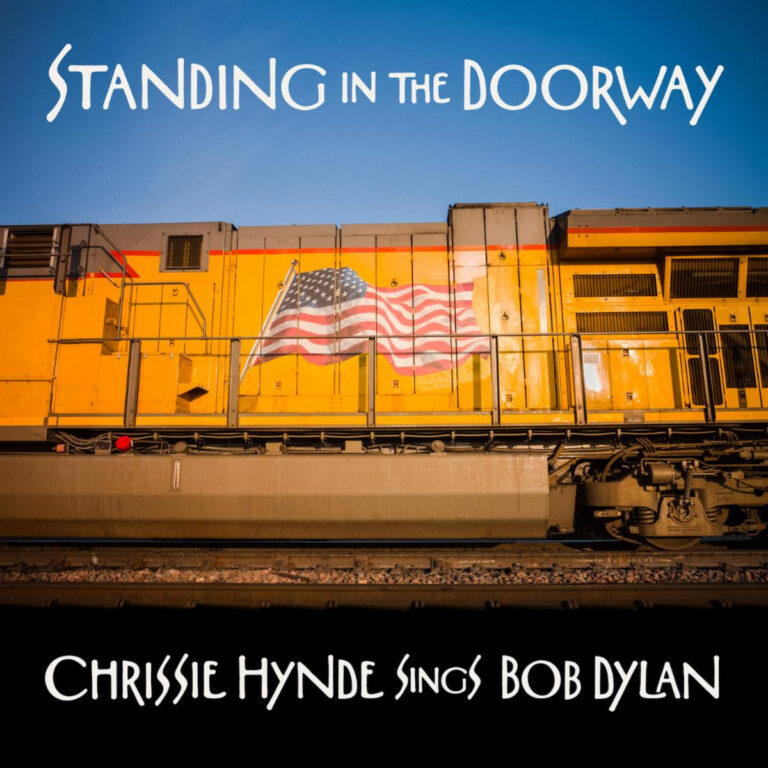
  • Chrissie Hynde Presents New Collection of Bob Dylan Songs

    Chrissie Hynde has announced a new album of original Bob Dylan covers. Standing In The Doorway: Chrissie Hynde Sings Bob Dylan arrives via BMG at all DSPs and streaming services on May 21. 

    Chrissie Hynde

    During lockdown, the artist recorded remotely nine Dylan interpretations with her Pretenders bandmate James Walbourne. The album includes interpretations of Dylan’s songs “You’re a Big Girl Now.” “Love Minus Zero / No Limit,” Don’t Fall Apart on Me Tonight,” and “Every Grain of Sand.” All of which were recorded last year. 

    The nine-track collection was nearly made exclusively via back and forth text messages. Additionally, Walbourne would record an initial idea on his phone and send it off to Hynde to add her vocals. Grammy Award-winning producer/engineer/mixer Tchad Blake (The Black Keys, Fiona Apple) mixed the new versions. After all the collaboration, the works premiered on the Pretenders’ YouTube channel

    This process began a few weeks into lockdown when Walbourne sent Hynde the new Dylan track, “Murder Most Foul.” The impact of the song changed everything for Hynde. She connected to every reference that track had and after listening, her mood was also lifted.

    Chrissie Hynde Shares her Inspiration:

    Whatever Bob does, he still manages somewhere in there to make you laugh because as much as anything, he’s a comedian. He’s always funny and always has something to say. I called James and said, ‘Let’s do some Dylan covers,’ and that’s what started this whole thing.

    The process behind Standing In The Doorway: Chrissie Hynde Sings Bob Dylan is featured in the new documentary, Tomorrow Is A Long Time. This documentary premieres exclusively via the UK’s Sky Arts channel on May 24. This work by International Emmy Award-winning filmmakers Michael Nunn and Billy Trevitt will commence the celebration of Dylan’s 80th birthday.   

    CD and vinyl LP release will take place on August 20. The pre-order is available here.

  • Grateful Dead Intro-Doze Themselves To The Knick: March 24, 1990

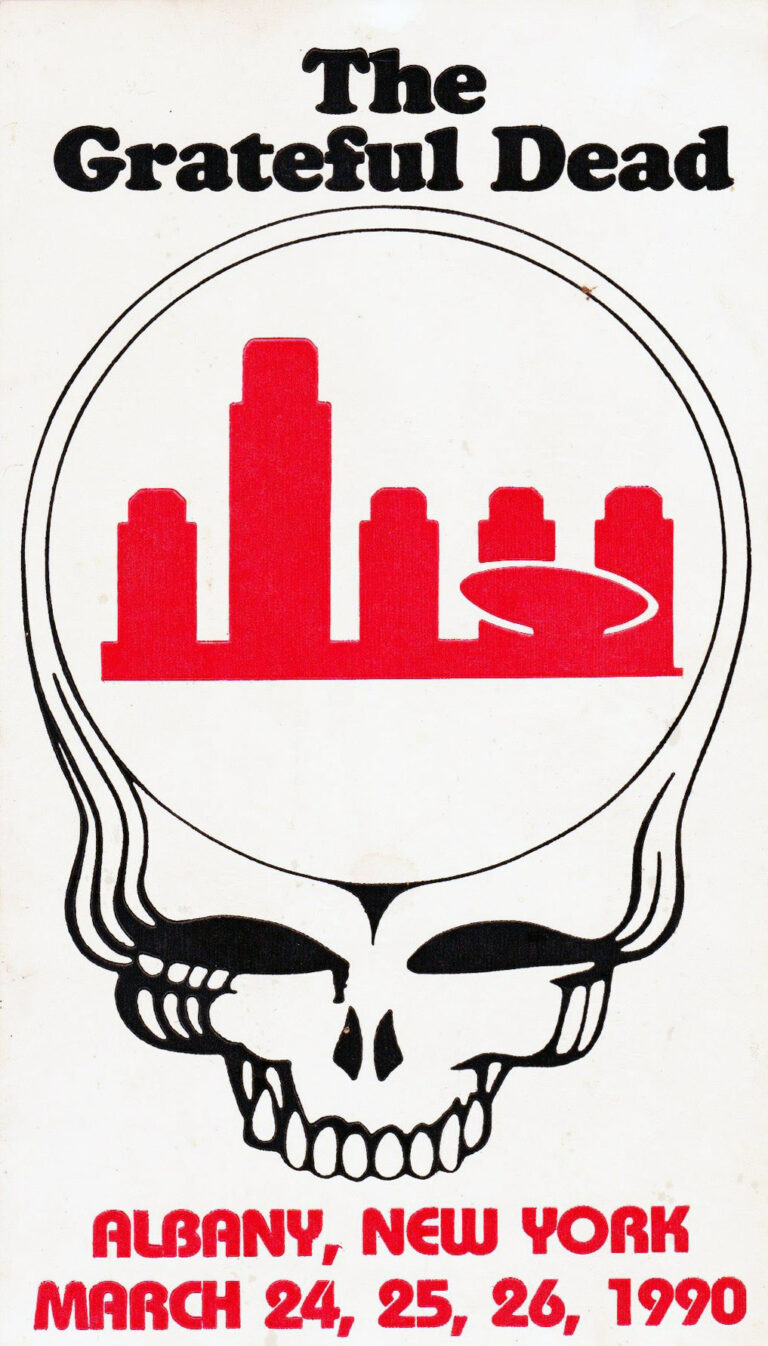
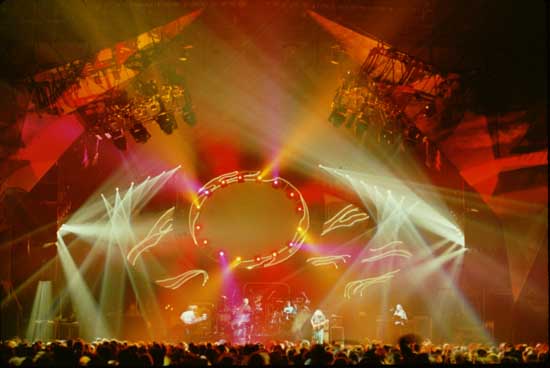
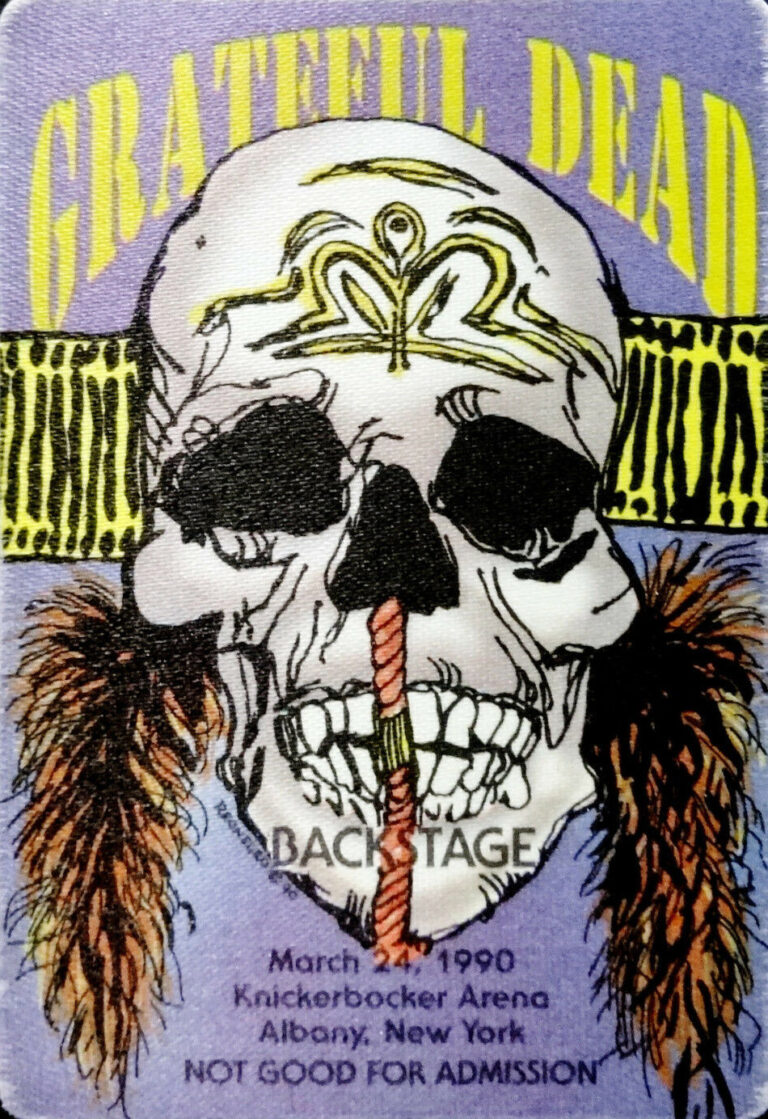
    31 years ago today, the Grateful Dead were finally able to play a show in the city of Albany thanks to the brand new Knickerbocker Arena, aka The Knick. Somehow, they had gone all this time without ever paying a trip to New York’s capital. But now with a shiny new venue opened just months earlier that easily fits thousands, Albany became a logical destination for the Dead. This would mark the first of thirteen shows the band would play at this venue. But Spring of 1990 is a particularly special time of Dead, one of their most acclaimed and widely popular tours of all time. So it’s only fitting that these first Albany shows are captured in the band’s 1996 official live release Dozin’ At The Knick. Much of the album’s material is rightfully culled from this special, first ever Albany Dead show.

    Grateful Dead Knick

    Local promoter Greg Bell of Guthrie/Bell Productions played a small but critical role in those March 1990 shows.

    A friend of mine worked for Mayor Whalen and I was the only Deadhead she knew, so they asked me to come in snd speak to the Mayor’s people, the Police, Fire Department and several other various Albany officials.

    I gave them advice on how to deal with the Deadheads. They listened to everything that I suggested and it was one of the most relaxed and cool scenes I had ever seen at an East Coast show.

    Greg Bell, Guthrie/Bell Productions

    This would be the first night of a three-night run in Albany and the Dead were quickly and comfortably settled in at the Knick. This sentiment comes across in the quasi-casual start to the “Let The Good Times Roll” that opens the show this evening. By the end though, the band is fully engaged, as is the rest of the building. Riding this early wave, the band then quickly jumps into the crowd favorite “Help On The Way.” Jerry Garcia digs into his guitar’s bag of tricks and comes up with some interesting effects on “Slipknot!” And despite some shaky early lyrics, there’s no issue with the dismount on “Franklin’s Tower” and the Knick crowd eagerly shows their love for this quintessential sequence of Grateful Dead.

    Bob Weir then takes center stage and coolly leads the band through “Walkin’ Blues” which is featured on the album. But somehow, to the disbelief of Deadheads worldwide, the “Loser” that follows somehow did not make the final cut. A goosebump-inducing roar of approval from the Knick greets this one and the performance certainly lives up to it. Garcia’s singing is steady on this one and his poignant solos along with Brent Mydland’s blasting organ fills help fuel this instant classic.

    The first set also features “Desolation Row,” one of the many Bob Dylan songs the band would cover and make their own. More delicate guitar licks from Garcia and intricate bass play from a “turned up” Phil Lesh dominate this one. The Dead’s first ever set at the Knick then closes up with a lively take on “Tennessee Jed,” with the crowd in full sing-along mode, and Bob Weir’s typically rowdy “One More Saturday Night.”

    With their first set at the Knick now in the books, the Grateful Dead then proceed to rip through a second set that, justly, makes up a significant portion of the album. It fills up the entire second and some of the third of the three-disc release. “Playin’ In The Band” is the set opener choice and sets the tone nicely. Phil Lesh and his vibrant bass play continue to shine early on this one before the jam begins to stretch and digress. Mydland and his electric keys also add a spiritual element to this jam that gets heavy in a hurry. However, instead of truly going off the deep end, the jam calmly and steadily veers into the opening chords of “Uncle John’s Band.”

    Grateful Dead Knick
    March 24, 1990 Knickerbocker Arena

    This band rips through the composed section with ease, stretching it out nicely between verses with ease. This proficiency carries right over to another quick and rapid-fire type jam, one that seems to almost be a continuation of PITB. But instead of stretching it out again, Garcia quietly begins strumming the open to “Terrapin Station,” much to the crowd’s delight. This caps the set’s powerhouse opening trifecta of Dead classics.

    The whole band is locked in on the song and it’s customary outro jam never gets stale on this one, with each member adding a little “spice” of their own to keep it interesting – Mydland especially. But as the jam loses its “Terrapin” structure, an old friend emerges. A slow-building familiar four chord jam begins to develop, none other than the “Mind Left Body Jam.” Dead scholars maintain this is the first one in more than five years, if not longer. It’s believed by some to be related to the Paul Kanter song “Your Mind Has Left Your Body” and also shares the same chord progression as “You’re All I Need To Get By,” among other songs. To the Knick’s delight, the Dead dust off this simple, pyschedelic instrumental that’s labeled on the album as “Mud Love Buddy Jam” in a nod to a former taper’s description of it.

    After lengthy “Drums” and “Space” sequences led by drummers Bill Kreutzmann and Mickey Hart, “The Wheel” emerges in boisterous fashion. But this one is kept pretty short and simple. At its conclusion, another familiar Dylan cover immediately takes shape, this time it’s “All Along The Watchtower.” Garcia produces a bed of wailing guitar sounds that dominate this cover that’s been a part of the Dead’s live repertoire since 1987.

    After the band is done toying around with the “Watchtower” jam, things slow down one last time for a typically poignant Garcia-sung “Stella Blue.” Brent Mydland leads the backup harmonizing vocals while Garcia delivers a pair of hauntingly beautiful guitar solos in a staggering, soulful juxtaposition to the raucous “Watchtower” from just minutes earlier.

    Grateful Dead Knick

    The opening shuffle-beat of “Not Fade Away” then emerges, giving the Dead one last chance to jam. They rip through the Buddy Holly cover with no abandon, gladly declaring their love “will not fade away.” This then devolves into Weir singing by himself while the rest of the band phonetically sings the beat before it then turns into the full Knickerbocker Arena crown singing the chorus back to the band well after they’ve left the stage- a truly special Grateful Dead moment that Dozin’ captures beautifully.

    Grateful Dead Knickerbocker Arena – Albany, NY 3/24/90

    Set 1: Let The Good Times Roll, Help On The Way-> Slipknot!-> Franklin’s Tower, Walkin’ Blues, Loser, Desolation Row, Tennessee Jed, One More Saturday Night

    Set 2: Playin’ In The Band-> Uncle John’s Band-> Terrapin Station-> Mind Left Body Jam-> Drums-> Space-> The Wheel-> All Along The Watchtower-> Stella Blue-> Not Fade Away

    E: We Bid You Good Night

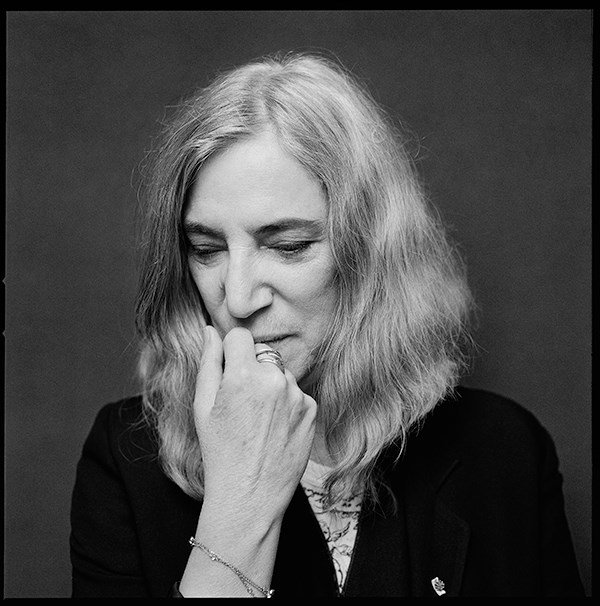
  • Patti Smith to honor Bob Dylan with Poetry and Song

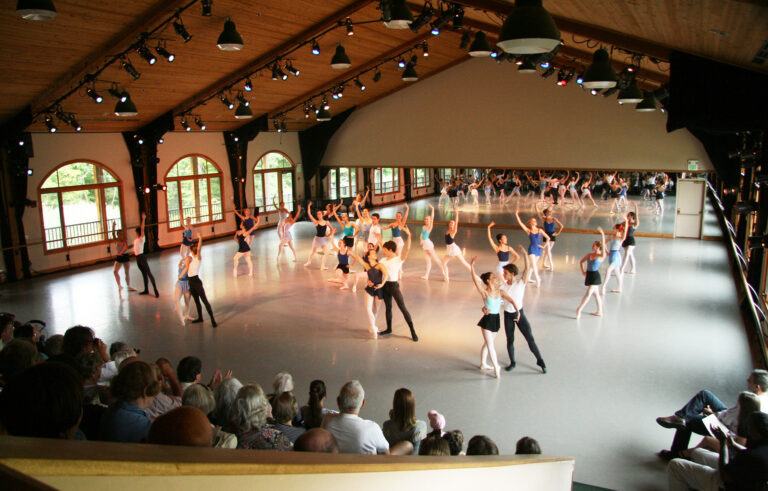
    Kaatsbaan Cultural Park in Tivoli, just across the Hudson River from Saugerties, will host their inaugural, outdoor Spring Festival. Joining them will be Patti Smith and her longtime collaborator Tony Shanahan, who will offer tribute to Bob Dylan ahead of his upcoming 80th birthday, through original songs and poetry as well as works by Dylan, on May 22, 2021.

    On Instagram, Kaatsbaan Cultural Park said they were “Thrilled to have poet performer Patti Smith participate in our upcoming spring festival.”

    patti smith bob dylan
    photo by Jesse Dittmar

    Smith and Dylan have a longstanding relationship going back to the 1960s, and Smith even performed at Dylan’s Nobel Prize for Literature ceremony in 2016 in his absence.

    Additional offerings for the late-May festival will the include works of dance, culinary arts and sculpture.

    Artistic Director of Kaatsbaan, Stella Abrera, explained what the event will entail.

    The name Kaatsbaan, derived from the Dutch language for ‘a playing field,’ will embody our Spring Festival in every way. We have always been a haven away from the constraints of city life where artists can realize their most ambitious projects. In May, the public will have the opportunity to see this in action, as we create immersive experiences across our fields where they can safely encounter an unparalleled range of artists and styles.

    Kaatbaan Artistic Director Stella Abrera

    Following the success of a 2020 Summer Festival, held despite challenges faced at the height of the COVID-19 pandemic, the first Spring Festival will take place on May 22. During last year’s nine-week Summer Festival, Kaatsbaan was able to support over 100 New York-based artists, as noted by executive director Sonja Kostich.

    This spring, the greatly expanded program will not only support artists in dance but also across music, poetry, visual and culinary arts, as well as the invaluable individuals who work behind the scenes to make a festival come to life. Kaatsbaan is also committed to the health and vibrancy of our local economy, with the Spring Festival providing opportunities for local economic growth that includes exciting new partnerships.

    Kaatsbaan Executive Director Sonja Kostich

    Visit Kaatsbaan.org for tickets and more information. h/t Jambands.com