Joey Calfa of Cousin Earth drops his exhilarating new solo EP, Baby Kangaroo Baby Cow, Part II, bringing spring into summer with his vibrant sound.
Baby Kangaroo Baby Cow Part II Album Artwork
The EP opens with the track “Brain Lehrer” and is immediately funky with its building guitar grooves. This track can be easily imagined in a bar, feeding the room with its danceable beat. As a tribute to the legendary WNYC/NPR host, “Brian Lehrer” is an ebullient song that deserves a listen.
The second track “Double Whammy” opens with harmonic, virtuosic guitar lines. The shredding and the funky bassline intertwine for a sublime groove. Inspired by video game music, its technical prowess is shared with an ensemble put together by Calfa, including Frankie Coda and Ryan Liatsis (SchwizZ).
The third song on Baby Kangaroo Baby Cow Part II is “Small Hands,” which draws inspiration from Frank Zappa, as well as features an FDR snippet from 1941 that eerily parallels the politics of today. The guitar work is once again wildly funky, interspersed with 80s-inspired synths. Calfa’s vocals interacting with the vocal sample is creative and catchy.
Baby Kangaroo Baby Cow Part II is a solid EP, full of songs that become earworms after the first listen. Members included throughout the EP range from members of his main band Cousin Earth, as well as long time high school friends of Joey Calfa. The quirky, funky release is out now! You can listen here and find more information about Cousin Earth here.
While it may be Memorial Day Weekend, it’s also the ten-year anniversary of the one and only Phish run at the Bethel Woods Center for the Arts. In 2011, the band was still very much trying to gather its collective footing after reuniting only two years earlier. For some, these shows represent the first true “return to glory” moments for the band and fans alike. It’s only fitting that it took place on the hallowed grounds of Bethel, NY, the same ones that served as host for one the most influential music events of all time, Woodstock. Even though it was only Phish performing in Bethel this weekend, there were still plenty of magical moments to be had.
An argument can be made that some of the most passionate and inspired music of the entire weekend never even made its way to the public. On the night before the run was set to begin, Phish blessed their sound check with what many consider to be one of the best “Waves” of all time. It’s a version that stretches out to nearly a half hour, diving way beneath the surface without coming back up for air.
Night One – May 27, 2011
The first night of this memorable run also served as the 2011 summer tour opener. The only other show Phish had played this year to date was their 1/1/11 gig at Madison Square Garden to cap off the New Year’s run. Some rain leading up to this evening wreaked havoc on the fertile and lush grounds of Bethel Woods. But that certainly wasn’t going to deter anyone.
The rain had left some parts of the lower lawn in a treacherous state, to say the least. So boots, tarps and blankets were en vogue. But rather than play it safe and ease into the show, Phish instead opened night one of Bethel Woods with a raging “Tweezer” that caught everyone off guard, in a good way. Summer tour and the band’s third year since returning from a self-imposed breakup were now officially underway.
Considered tame by today’s standards, the show opening “Tweezer” doesn’t stray too far and elicits a mild jam. But the joy of it opening the show, and the tour, was never in doubt. Instead of stretching it out, they immediately transition into “My Friend, My Friend” and night one is off and running.
The rest of the first set is comprised of multiple covers that paint a clear picture of what influences Phish musically. First is their take on Ween’s “Roses Are Free,” a song forever immortalized in Todd Phillips’ Bittersweet Motel documentary. Next, keyboardist Page McConnell shines on his solo on Son Seals’ “Funky Bitch.” The first set also features a take on James Gang’s “Walk Away” that’s properly fueled by Trey Anastasio on guitar and it finishes with a splendid cover of Jimi Hendrix’s “Bold As Love.”
Aside from an earlier “Wolfman’s Brother,” some of the more exploratory work from the band in the first set came during “Stash.” A jam that starts from near ambience quickly picks up speed while never quite shaking the framework of the song. It provided a nostalgic glimpse of a song that used to be a first set powerhouse for a band still very much rounding into form.
With one set under their belt, Phish opens up the second with another rager, “Carini.” Those who called that and “Tweezer” both as set openers should be commended. Again, compared to modern day versions, this “Carini” doesn’t veer too far off the path, but rather sets the table nicely for the crescendo-building “Get Back On The Train” that succeeds it.
The second set also contains a “Waves” that has its moments but doesn’t come close to the majesty and weirdness offered up in the one from yesterday’s soundcheck. And, of course, more choice cover selections. This included the always popular “Boogie On Reggae Woman” (Stevie Wonder), with Mike Gordon and his signature bass line/effect leading the way. The set picks up in a major way, and possibly peaks, with a deep dive of the Talking Heads’ “Crosseyed and Painless.”
Once drummer Jon Fishman finishes leading the group through a funkified version of this cover, the rest of the set plays out in somewhat traditional fashion. “The Squirming Coil,” replete with an enchanting, set-ending piano solo from McConnell closes out the set before “Julius” and its infectious “don’t take another step” mantra closes the book on the first night of Bethel.
Phish – Bethel Woods Center For The Arts – Bethel, NY 5/27/11
Set 1: Tweezer > My Friend, My Friend, Poor Heart, Roses Are Free > Funky Bitch, Wolfman’s Brother -> Walk Away, Stash, Bouncing Around The Room, Kill Devil Falls, Bold As Love
Set 2: Carini >Back On The Train > Boogie On Reggae Woman > Waves > Prince Caspian > Crosseyed and Painless > Wading In The Velvet Sea > Possum, The Squirming Coil
Encore: Julius
Wolfman’s contained a Streets of Cairo tease from Trey. Before Stash, Trey teased The Fish (Schindleria Praematurus) by Yes.
Listen to the complete show on YouTube, or track-by-track at PhishTracks.
The second night of the Bethel Woods run began as so many Phish shows do, with people scurrying everywhere to secure their spots as notes from the opening song rain down. In this instance, the selection is “Theme From The Bottom” while plenty of viable spots on the lawn are still being secured.
Traditional first set stalwart “NICU” then follows, with McConnell wasting no time getting down to business on the Hammond organ. A super funked out take of another Talking Heads cover, “Cities,” then gives those on the lawn and everywhere else more than enough reason to get down and dance. The “outro” jam lasts well longer than it should and serves as a legitimate highlight of the weekend.
The rest of the night two’s first set is best encapsulated by a couple of song pairings. “Halley’s Comet” picks up on the experimental vibe and takes it the distance, fomenting a certifiable Type II jam momentarily. But before it can explore any further, the opening chords of “Runaway Jim” enter the fray, serving as the back end of a powerful two-song sequence whose jam gets the full on ‘Plinko’ treatment. The first set then later wraps up with another Phish staple, “Bathtub Gin” that gets a taste of “Manteca” and a distinct “Golden Age”-type jam midway through before rounding back into form.
Like most Phish shows, much of the heavy lifting takes place in the second set tonight. An explosive “Down With Disease” starts things off nicely, with Jon Fishman providing one intricate drum fill after another in a jam that comes to an early vigorous peak. Instead of returning to finish “Disease,” the jam meanders for a while until Anastasio signals for a wonderfully patient “Free” to begin.
As the second set progresses, Phish continues to show their mastery of juxtaposition. A zany “Makisupa Policeman” immediately goes off the rails, with mentions of spliff smoking and imaginary trips to Mike and Page’s respective “houses” that eventually sends the Bethel Woods crowd into an uproar, along with a healthy clav-driven, mini-funk jam. But instead of going to Fish’s “house” and carrying on with the silliness, the band turns on a dime and crafts an emotional “Harry Hood.”
The set later concludes with another Phish classic, “David Bowie.” And another longtime cover favorite, The Beatles’ “A Day In The Life” puts the finishing touches on night two in Bethel. With two nights now in the books, only the Sunday show remained. And, as the saying goes, those are not to be missed.
Phish – Bethel Woods Center For The Arts – Bethel, NY 5/28/11
Set 1: Theme From The Bottom, NICU, Cities, Halley’s Comet > Runaway Jim, Gumbo > Quinn The Eskimo > Limb by Limb, Horn, Bathtub Gin -> Manteca > Bathtub Gin
Set 2: Down With Disease > Free > Backwards Down The Number Line > Makisupa Policeman > Harry Hood > Cavern > David Bowie
Encore: A Day In The Life
Gin included a mash-up jam of Golden Age and Manteca and later closed with a Manteca quote from Trey. Disease was unfinished. BDTNL featured a DEG tease from Mike. Makisupa included lyrics referencing several band members’ houses (and Trey’s favorite show, House).
As to be expected, Phish closes out the Memorial Day Weekend in fine fashion. The “AC/DC Bag” opener “gets the show on the road” in a major way and Phish coasts from there. “Ocelot,” still a fairly new tune at the time, gets a surprisingly monstrous jam attached to it. The “Ya Mar” and “Timber” that follow serve as a nostalgic throwback of sorts, giving the set a temporary old school vibe.
“Suzy Greenberg” makes a first set appearance and then instantly morphs into a rowdy “46 Days.” And the quality cover selections continue as well, with Lynyrd Skynyrd’s “Ballad of Curtis Loew” getting the call tonight. Just like old times (again) the opening set then concludes with a “Run Like An Antelope” that does just that.
For their last Bethel set, Phish decides to maintain the traditional feel and opens it with a vintage “Mike’s Song” > “Simple” -> “Weekapaug Groove” trifecta. “Simple” yields an especially spacey, ambient-type jam before the rhythmic law firm of Fishman & Gordon kickstart the “Groove.” Afterwards, the band takes some time to reintroduce a certain dance some may have forgotten.
The second set later comes to a close with another powerhouse trio. “Also Sprach Zarathustra,” aka “2001,” offers one last definitive dose of funk for the weekend before giving way to the newly established jam vehicle that is “Light.” And “Slave to the Traffic Light,” with its customary soaring jam that evolves from near silence is the final emotional stamp.
By the end of the weekend, so much great music had transpired that it was hard to take inventory of everything. That’s why it came as a shock to many when, after “Loving Cup,” the distinct riff of “Tweezer Reprise” rang out, bringing the entire weekend full circle. It’s more than an ideal choice to close out the final chapter of music for the weekend, with the hopes that it won’t be the last one Phish writes here.
Phish – Bethel Woods Center For The Arts – Bethel, NY 5/29/11
Set 1: AC/DC Bag > Sample In A Jar, Rift, Ocelot, Ya Mar, Timber (Jerry) > The Oh Kee Pa Ceremony > Suzy Greenberg > 46 Days > Twenty Years Later, The Ballad of Curtis Loew, Run Like An Antelope
Set 2: Mike’s Song > Simple ->Weekapaug Groove, Meatstick > Fluffhead > Joy, Also Sprach Zarathustra > Light > Slave to the Traffic Light
Encore: Loving Cup > Tweezer Reprise
Ya Mar included Express Yourself (Charles Wright & the Watts 103rd Street Rhythm Band) teases from Mike. Antelope contained a Curtis Loew tease from Trey and Manteca teases from Trey and Page. Page teased Magilla in Simple.
The new album by The Tragically Hip, Saskadelphia, is a compilation of songs recorded by the band back in 1990. Recorded in New Orleans in an old mansion that looms over the neighborhood called Vieux Carré, better known as the French Quarter.
Saskadelphia album cover
The Canadian band that has gathered a large following over the years no longer put out new music after the sad death of their front man, Gord Downie. But the band is happy that they were able to put out a ‘new’ album for all of their fans.
With the only exception of ‘Montreal-Live’- you are able to feel the soul of New Orleans come out whether it be strong vocals or the instrumentals that seem to have a southern twist to them. This entire album comes out in perfect time for the summer one that can be played in the car with windows down and playing the drums on the steering wheel while listening to it.
Songs that stand out are “Ouch” and “Just As Well” that have vocals that could fit any country instrumental but are instead met with a harder rock sound that make them unique and frankly better than a lot of other bands. Then it transitions to “Reformed Baptist Blues” that keeps the country undertone but has a heavy classic rock sound.
Just two songs in, “Not Necessary,” is the best song on the album. This song brings back the angst of the early ’90s and late ’80s to now. This song could not only follow along with the trend of playing it in the car on a summer’s day but also could easily be the end to any classic high school movie.
The Tragically Hip’s album Saskadelphia is not only a blast from the past but has turned into a pleasant surprise that will be being played by all fans and hopefully some non-fans alike.
Key Tracks: Ouch, Not Necessary, Reformed Baptist Blues
One of rock journalism’s most experienced, insightful and productive writers, Joel Selvin, has created a fresh take on the telling of the birth of L.A. pop and the California dream of the ‘60s with his latest book, Hollywood Eden: Electric Guitars, Fast Cars and the Myth of the California Paradise.
When it comes to writing about rock music, and writing about it very well, few can match Selvin. From 1969 – 2009, he was a rock music critic for the San Francisco Chronicle, as well as a contributor to Rolling Stone, Melody Maker, the Los Angeles Times and many more. He has written or co-written excellent books on artists like Ricky Nelson, The Grateful Dead, Sly and the Family Stone and Sammy Hagar, events like Monterey Pop, The Summer of Love, Altamont and the birth of the dance craze The Peppermint Twist at one of the pioneering NYC club scenes, The Peppermint Lounge.
Joel Selvin, author.
With his masterful 2014 book, Here Comes the Night: The Dark Soul of Bert Berns and the Dirty Business of Rhythm and Blues, Selvin rescues from obscurity one of the most innovative producers/songwriters of the ‘60s, a man who was largely forgotten after his death in 1967 at age 38. Berns was the man who brought Latin swing to rock with his first hit production, “A Little Bit of Soap,” in 1961, as well as the architect of many of Atlantic Records’ early hits for R&B stars like Solomon Burke, Esther Phillips, Ben E. King and Wilson Pickett. Berns was also the writer of classics like “Twist and Shout,” “Piece of My Heart,” “Cry Baby” and “Hang on Sloopy,” and the producer of mega-hits like the Drifters’ “Under the Boardwalk,” Barbara Lewis “Baby I’m Yours” and Van Morrison’s “Brown Eyed Girl.”
If all his books have one thing in common, it is Selvin’s skill as a storyteller. His books read like someone spinning a long yarn around a campfire. They are incredibly rich in fact and scene-setting details, and compulsively readable. Hollywood Eden is cut from the same mold.
Selvin’s latest tells the story of a group of young musicians who came together at the dawn of the ‘60s to create the lasting sound that powered the myth of the California dream. Central to the saga is a group of sun-kissed teens from the University High School (Uni High) Class of ’58, which included surf music pioneers Jan and Dean, bizarro rock impresario Kim Fowley, drummer Sandy Nelson, Nancy Sinatra, the Beach Boys’ Bruce Johnston and Kathy Korner, the petite teen surfer who inspired the book and movie Gidget. They came of age in Southern California at the dawn of a new era when anything seemed possible. These were the kids who created the idea of modern Southern California, complete with surf music, hot-rods and electric guitars, that the rest of world saw as a teenage paradise on earth.
The forward to the book sets the Rock-n-Roll high school scenario by also listing the alumni of other schools, like Hawthorne High (Brian Wilson) and Fairfax High (Phil Spector, Herb Alpert, Wrecking Crew sax man Steve Douglas and songwriters P.F. Sloan and Steve Barri), sound-obsessed youngsters who would go on to revolutionize pop music. Some of the Angeleno legends referenced were native New Yorkers or had Big Apple connections, like the Mamas and the Papas and Phil Spector. With all their glorious accomplishments, some of the stories here end with the characters getting burned, for flying too close to the sun or driving too fast and crashing. The latter was the case for Sandy Nelson, who had a smash hit with the drum solo-driven instrumental “Teen Beat” and especially Jan Berry of Jan and Dean.
Berry is the worthy centerpiece of the story, another legend whose accomplishments are getting lost with the passing of time. Tall, blonde, handsome, athletic and with a magnetic personality, Berry’s adventures in music started in the late ‘50s, when he formed a doo-wop group called The Barons, which included folks like Sandy Nelson, Bruce Johnston, actor-to-be James Brolin and, of course, his partner-to-be Dean Torrence.
With his father’s gift of an upright piano and two Ampex reel-to-reel tape recorders, Berry set to experimenting in his garage. He started bouncing tracks and stacking vocals to create a sound that would become the signature of the sunny California dream, it would also serve as the template for a legendary musician he would come to work closely with, Brian Wilson.
When Torrence was conscripted into the army, Berry teamed up with Arnie Ginsburg and scored a hits, including “Jennie Lee” and “Gas Money” as Jan and Arnie. By 1959, he was back in business with Dean scoring a Top 10 hit with the Herb Alpert-produced “Baby Talk.” Even though he was attending medical school, Berry also had the energy to write and produce for other artists like The Rip Chords, The Matadors and actress-turned-singer Shelley Fabares.
Jan and Dean’s commercial peak was from 1963 – 1966, when they scored sixteen Top 40 hits, many in collaboration with Brian Wilson like the Wilson-Berry penned “Surf City,” along with “Drag City” and “The Little Old Lady from Pasadena.” Berry’s fate would be presaged with his #8 hit from 1964, “Dead Man’s Curve.” In April 1966, he would crash his speeding car right near this very curve and suffer serious brain damage and paralysis that would essentially put an end to his creative career.
Also noteworthy in Hollywood Eden is the fascinating career of Bruce Johnston. A child of privilege from Bel-Air, Johnston also made some major strides while still in high school, playing with Richie Valens, The Everly Brothers and Eddie Cochran and producing and playing on Sandy Nelson’s “Teen Beat.” He also produced the Rip Chords and his own string of surf and car singles, with future Byrds producer Terry Melcher. In 1965, he joined the Beach Boys and was featured on some of their classic albums like Pet Sounds, Sunflower and Surf’s Up.
Drummer Sandy Nelson’s story is another interesting one that was, like his good friend Berry’s, derailed by driving too fast. Nelson served as a session drummer on early hits by Phil Spector and the Hollywood Argyles, before scoring a million-selling, Billboard Top 5 hit with the drum solo driven “Teen Beat” in 1959. Nelson pounded out two more Top 10 hits, including “Let There Be Drums,” before a 1963 motorcycle accident led to the amputation of his leg.
Readers will also be intrigued by Selvin’s telling of the story of Nancy Sinatra. He tells how Ol’ Blue Eyes’ little girl went from nowhere in her singing career by playing the “good girl” before scoring a worldwide #1 as the “bad girl” who snarled “These Boots Are Made for Walkin’.”
Selvin’s latest provides tons of enlightenment on the careers of more L.A. legends like performer/record company head Herb Alpert, the Mamas and the Papas and their producer Lou Adler, Phil Spector, Kim Fowley and, of course, Brian Wilson and the Beach Boys. The book ends with the release of Wilson’s crowning achievement, “Good Vibrations,” and beginning of his decline with the commercial failure of Pet Sounds and its abandoned follow-up Smile.
With America hopefully finally coming out of the long Covid-19 quarantine, Selvin’s Hollywood Eden will be a great summer read for music-lovers who want to experience the sunshine sounds and some California dreamin’.
First Generation, born in America, and sitting in the back of her Iranian parent’s car, coasting through Northern Virginia as they all sing along to “How can you mend a Broken Heart” by the Bee Gees.
Moments like these are when Susan Darvishi started to feel connected with the music that surrounded her. And with her debut album 14th and 4th, releasign on May 26th, she is able to take her relationship with music and tell the stories of the past five years living in New York City on 14th and 4th, before moving out to California.
Susan Darvishi
Of the album’s eight songs, she is able to cover five years of emotions from living in the constantly loud pumping heart of New York City. Whether it is falling in love in the city (“Polaroid” or “Dance With You”), keeping with girl code and internal struggles with heart break (“Him” and “No Choice”), or the bitter sweet goodbyes you have to make in order to start a new chapter (“New Salvation” and “Drift Away”), Davishi is able to tell her stories beautifully through songs on this album.
Darvishi’s strong voice pairs appreciably well with the beats, giving most of her songs a fun upbeat electronic pop sound to them. That is said with the exception of “No Choice” and “Drift Away” where she is able to pull away from her other songs and use a slower electric sound to really show off her strong vocals and meaningful lyrics.
From her “love [of] Latin music, I listen to in my free time” and then the “Persian music I listen to with my family” she says “sometimes those two blend. They love fast beats.” These influences of music can especially be heard in songs such as “Him” that is a very upbeat song with almost a Persian music sound to it.
This album has a very good mix between upbeat songs that make you want to get up and dance to songs that give you time to reflect on some of your past chapters. Her sound is with similar likes to artists such as Robyn and the sky seems to be the limit for her musical career.
The stories from her songs about her time in NYC still feel as though they are about a time in your life and manage to still be very relatable. Since she left her job in NYC to pursue her career in music right before covid hit she hasn’t been able to perform live but she is just as excited as her listeners for her to start performing on stage in front of a covid free audience.
On May 26, 2019, The String Cheese Incident played the second night of their Memorial Day Weekend run at the legendary Capitol Theatre in Port Chester, New York. 2019 marked the band’s 25th anniversary. SCI is Michael Kang, Michael Travis, Bill Nershi, Kyle Hollingsworth, Jason Hann and Keith Moseley.
They opened the show with their 2018 single “Vertigo”. Kyle then kicked off a 16 minute version of “Black And White”. That was transitioned very nicely into “Can’t Wait Another Day”. They then kicked off the first of many cover songs with Peter Rowan’s “Midnight Moonlight”, followed by “Valley of the Jig” and “Siren’s”. Both songs were on their 2003 album “Untying The Knot”. The first set ended with “Restless Wind” from the 1998 album “Round the Wheel”. That really highlighted Nershi tearing it up on acoustic guitar.
The second set began with “Just One Story” that got the crowd immediately charged back up after a quick break. Next up was “Rosie” and the title track to the 2014 album “Song In My Hand”, which both songs also appeared on. Then came the second cover of the night, The Jerry Garcia’s Band’s “Tore Up Over You”. Some of The Grateful Dead’s most legendary shows happened at The Capitol Theatre in the early seventies. That was long before most of the people in the audience, including myself were even born. Then there was a lengthy version of “45th of November” from the 2005 album “One Step Closer”.
Another highlight of the night was the band’s’ cover of The Talking Heads “Burning Down the House”. They also performed “Wheel Hoss” which was written by one of the founders of bluegrass music, Bill Monroe in 1955. The set then ended with a cover of The Weather Report’s classic “Birdland” before they circled back to the sets first song, “Just One Story.” The 4 hour plus show ended with a one song encore of “Barstool.”
String Cheese Incident – The Capitol Theatre – May 26, 2019
Set 1: Vertigo, Black and White > Canât Wait Another Day > Midnight Moonlight, Valley Of The Jig, Sirens > Restless Wind Set 2: Just One Story > Rosie, Song In My Head, Tore Up Over You, 45th of November > Burning Down The House > Birdland > Wheel Hoss > Birdland > Just One Story Encore: Barstool
In May 1971, when Paul McCartney teamed with his wife Linda for his second solo album, Ram, the critics greeted the occasion with guns drawn.
To many fans and music journos, McCartney was viewed as “the man who broke up the Beatles” (he wasn’t, of course; it was John who first asked for “a divorce”). At that juncture, he was also at odds with his brother Beatles over management, so they weren’t inclined to say anything nice about him or his music, especially with all their bank accounts frozen due to the legal machinations. And while Lennon took the PR offensive early and did many interviews to spin history, including the book-length “Lennon Remembers” in Rolling Stone, McCartney was hidden away in Scotland literally inventing the D.I.Y. rock aesthetic with his debut album, McCartney. The majority of his follow-up, credited to Paul and Linda McCartney equally no less (take that John and Yoko!), was largely recorded in two sessions in New York City with session players and the New York Philharmonic.
While the delightfully eclectic Ram received the full production values missing on his handcrafted debut, and while it topped the album charts and yielded a number-one single with “Uncle Albert/Admiral Halsey,” it was savaged in the press.
The Village Voice called it “a bad record,” NME “unrelieved tedium” and Playboy accused McCartney of “substituting facility for any real substance.” Rolling Stone’s Jon Landau called it “incredibly inconsequential” and “monumentally irrelevant.”
Now keep in mind that Rolling Stone was totally in Lennon’s corner at this juncture, all for the access that sold issues. It was recently revealed that magazine founder Jann Wenner went as far as having a critic rewrite his initially glowing review of McCartney’s solo debut into a pan, all to please Lennon. And let’s face it, Rolling Stone has an absurdly long history of getting it all wrong – of panning a multitude of masterpiece albums in its initial reviews. That includes everything from Jimi Hendrix’s Are You Experienced?, the debut discs of Led Zeppelin and Black Sabbath to Neil Young’s Harvest and Nirvana’s Nevermind.
As time went by, Ram slowly became noticed for what it is, maybe Paul’s best solo album after Band on the Run, by critics and especially a younger generation of indie-minded musicians. With its 2012 reissue, it’s reevaluation to an ahead-of-its-time classic was complete, with raves in outlets like Pitchfork, Mojo, AllMusic and the like. Music vlogger Elliot Roberts has put the sentiment, that the McCartneys may have created “the indie pop genre” with the disc, into a much-viewed video on YouTube.
The latest evidence of the quirky album’s mighty appeal, especially to younger musicians who weren’t even born at the time of its release, is the drop-dead spectacular new tribute album, RAM ON: The 50th Anniversary Tribute to Paul & Linda McCartney’s RAM (Spirit of Unicorn Music, distributed by Cherry Red Records).
RAM ON is the brainchild of powerhouse L.A. multi-instrumentalist/producer Fernando Perdomo and Denny Seiwell, the drummer on the original album and many of the biggest hits of Macca’s band, Wings, including “My Love” and “Live and Let Die.”
After Seiwell received McCartney’s blessing via text, the duo gathered together over 100 musicians to make it a reality. Veteran guitarist David Spinozza and trumpeter Marvin Stamm returned to recreate their parts from the original sessions – on the off-album single “Another Day” and “Uncle Albert/Admiral Halsey” respectively. Elton John guitarist Davey Johnstone, bass ace Will Lee of The Fab Faux, Carnie Wilson (Wilson Phillips), Dan Rothchild (Heart, Sheryl Crow), Pat Sansone (Wilco), Joey Santiago (Pixies), Eric Dover (Jellyfish), Durga McBroom (Pink Floyd), Dave Depper (Death Cab for Cutie) are just some of the contributors.
Unlike some tributes which favor radical reinvention, RAM ON works to stay close to the feel, sound and fun-loving spirit of the original. To keep true to the groove, the duo began by first tracking Seiwell’s drum parts as he played along to the original album, on a kit including the original snare drum used in the 1970/71 sessions. Guitarist Spinozza also used his original axe on the remake of “Another Day.”
In recreating all the musical textures on this slyly sophisticated release, Perdomo and Seiwell went with organic sounds, with period instruments like the Wurlitzer Electric Piano, Fender Rhodes and surely a bevy of vintage guitars vs. their sampled counterparts. The playing, engineering and mastering here is all first-rate. It’s like turning the Instagram sharpen tool onto an old family photo to reveal more delicious detail in your past. Perdomo’s skill at bringing a new sheen to vintage sounds was earlier evidenced in his contributions to Echo In the Canyon, the 2019 Netflix musical documentary on the LA/Laurel Canyon music scene of the ‘60s.
Ram was one of rock’s most stylistically diverse albums at the time of its release. It mixes the quaint ukulele folk of “Ram On,” with screaming rockers like “Monkberry Moon Delight,” the acoustic blues of “3 Legs” with fully orchestrated suites like “Back Seat of My Car” and “Uncle Albert/Admiral Halsey.”
High praise should go to the many lead vocalists who had the task of trying to match the many voices of Paul McCartney at his peak, from the gentle crooner to the tonsil-ripping rocker.
Wilco’s Pat Sansone nails the vocal vibe on “Ram On,” while Nick Bertling recreates all the musical fabric of this seemingly accidental sounding masterpiece, from the reverb piano arpeggios of the opening to its footstomp rhythm and ukulele strums. Timmy Sean comports himself with the proper vocal gusto on both “Smile Away,” which features a slide guitar solo from Elton’s string man Davey Johnstone, and especially on the extra manic “Monkberry Moon Delight.” The latter is one of highlights of both the original and this tribute disc. Dan Rothchild also hits the nail on the head in his duo of lead vox on the. album opener “Too Many People” and “Heart of the Country.”
Paul was definitely deep into the ganja at the time he penned these incomprehensible lyrics, the kind of madcap nonsense (that’s a compliment, folks) for which Pink Floyd’s acid waylaid founder Syd Barrett is so revered. This track, and so many on this album, just capture an army of musicians having fun, pursuing simple, communal sonic joys rather than trying to make the grand artist statement. Beach Boys’ offspring Carnie Wilson and Rob Bonfiglio do a great job on “Long Haired Lady,” while someone called The Dirty Diamond (?) and Durga McBroom, Pink Floyd’s recent femme fatale tour vocalist, nail the dirty blues of “3 Legs.”
Perdomo and Seiwell do take subtle liberties with the orchestrations as heard in “Uncle Albert/Admiral Halsey.” The intro on the tribute features some beautiful vibraphone chording, something that sounds as if it was lifted from “Pet Sounds”-era Beach Boys. It made me go back to the original album to find that it wasn’t there in Macca’s version. This is one of many smart little additions from the tribute’s producers that make the listening experience so rewarding.
The secret spice of Ram, and much of the Wings’ output for that matter, is the background vocals by Linda McCartney. No less an authority than the curmudgeonly Pete Townsend has praised her contributions. It’s a sometimes wavery, sometimes pitchy but always honest and human sound which, if stripped from the album, might’ve cost it a key ingredient in its appeal. In retrospect, Linda’s voice is a sonic signature that gives Ram and Wings a truly unique character. Imagine “Whiter Shade of Pale” without the organ, “Strawberry Fields Forever” without the mellotron, and you see what Linda’s absence might mean.
Lauren Leigh, Emily Zuzick, Beatrix Coyle, Jody Quine, Cyndi Trissel, Cait Brennan, Marisol Koss are among the vocalists called upon to perform Linda’s parts. The background vocals are expertly arranged throughout and include more than a dozen voices on tracks like “Monkberry Moon Delight.”
In addition to wrangling this cast of 100, Perdomo wears many hats instrumentally, playing many of the acoustic and electric guitar and some keyboard parts.
RAM ON will make more people realize just how great and groundbreaking Paul and Linda’s initially maligned 1971 offering is.
For the variety of sounds, its performances and sheer reckless joy, it should be placed among his and the Beatles’ best. It is an album made by a man who was done with making grand lyrical statements or politicking through sound, at least for the moment. And the way he worked, his ability to do things from personal joy and not to please or outdo the Beatles’ myth is something that may indeed have served as a kind of template for the indie pop sound. Sure it was shoegazing, a reflection of his commitment to his relationship, family and the simple joys of life and love in the country, but it was five-star. Word from Seiwell, who remains close to Paul, is that he is pleased with the result of Perdomo and his old drummer’s efforts.
That should be enough for you to check it out, don’t you think?
KeyTracks: Monkberry Moon Delight, Ram On, Uncle Albert/Admiral Halsey”
For more, check out this recent interview with Seiwell and Perdomo with Elliot Roberts on his podcast
Oliver Wood has released, Always Smilin’ a compilation of songs recorded over the past couple years. The frontman of The Wood Brothers didn’t head into this solo project with the intent to create an album. It just grew organically from sessions held with friends, old and new. The list of collaborators reads like a who’s who of contemporary roots music: Chris Long, Jano Rix, Susan Tedeschi, Phil Cook, John Medeski, Tyler Greenwall, Phil Madeira, Aaron Lipp, and Carsie Blanton.
The album’s name, Always Smilin’, comes from the lines of the opening track from Oliver Wood, “Kindness.” The folk ditty highlights Wood’s knack for turning a phrase, as he croons in his distinguished soulful voice:
I know a man He’s always smilin’ I said how do you do it Do you lean into it?
Despite the upbeat tempo, it’s not a happy-go-lucky song. It’s about the indelible capacity of the human spirit to find hope in the face of adversity. The rest of the album follows suit, leaning into that propensity for seeking out hope, often through communing with kin or faith in spirituality.
Although an album made like this from random sessions with a variety of people could sound like a modge-podge, Wood’s deep-seated values seem to be the thread that holds it all together.
The music and melodies meander playfully across genres – folk, country, and even a couple gospel covers (“The Battle is Over (But the War Goes On)” and “Climbing High Mountains (Tryin’ To Get Home)”). There’s an easy-going freeness that flowed organically from creating without a destination in mind. The journey takes the listener through a soundscape created by this handful of musicians, masters of their craft, as they do what they enjoy doing best.
And that joy shines through. That feeling is infectious. The album will leave you smilin’.
Key Tracks: Kindness, Fine Line, Soul of This Town
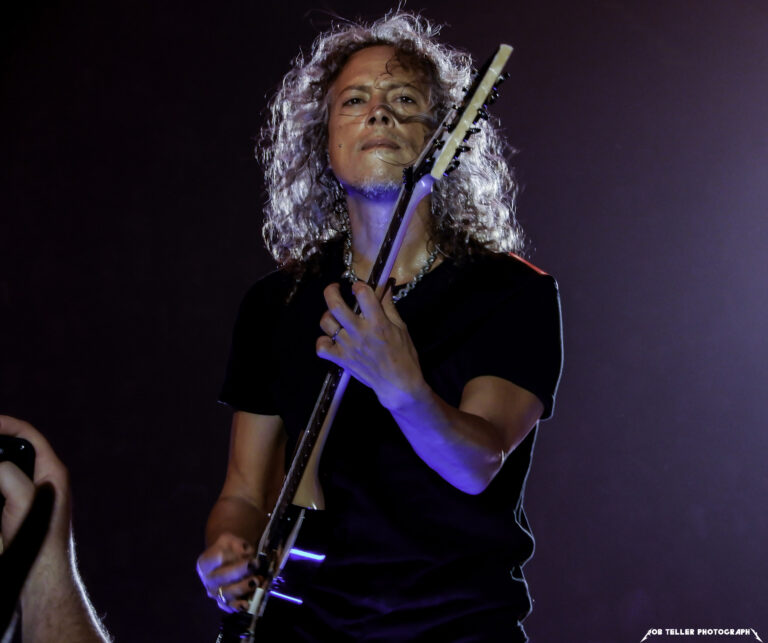
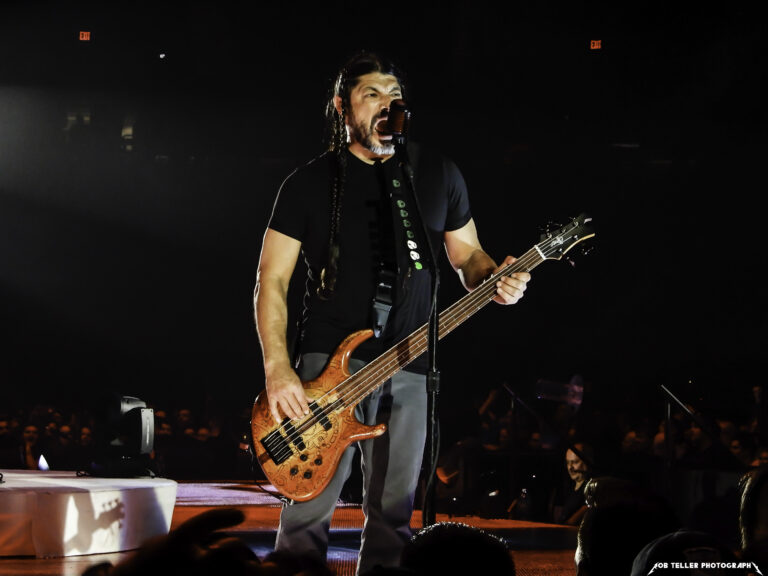
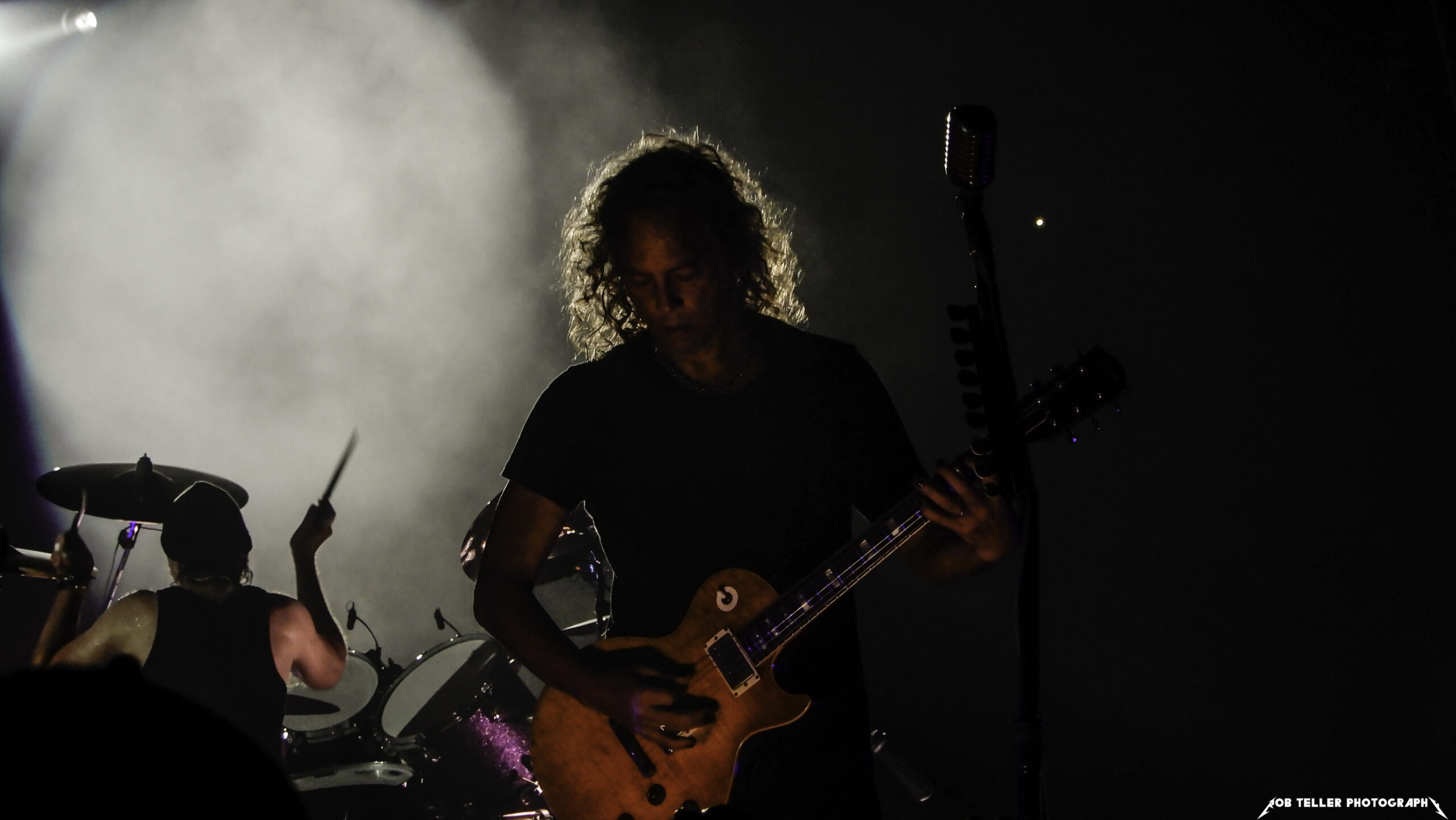
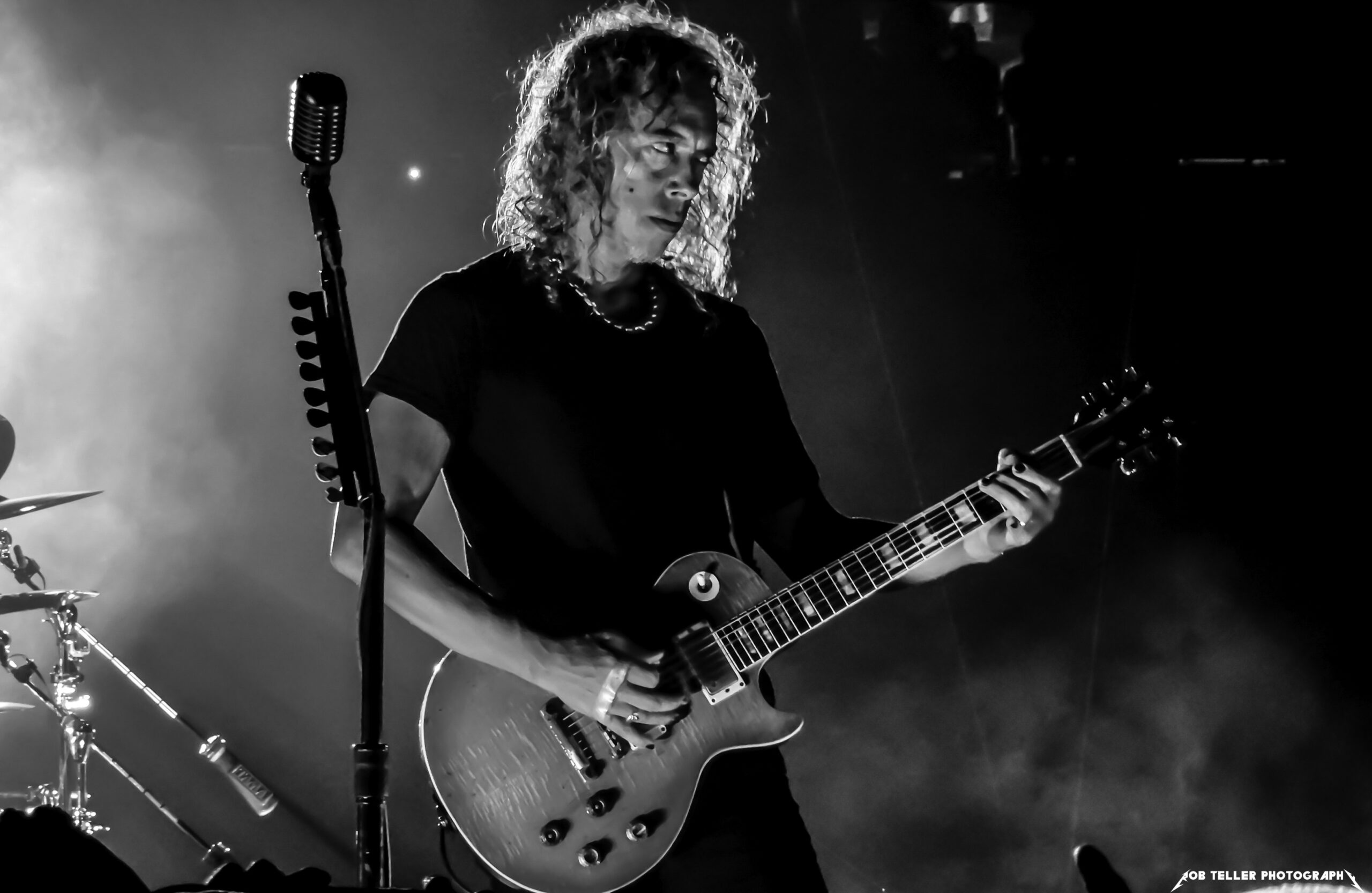
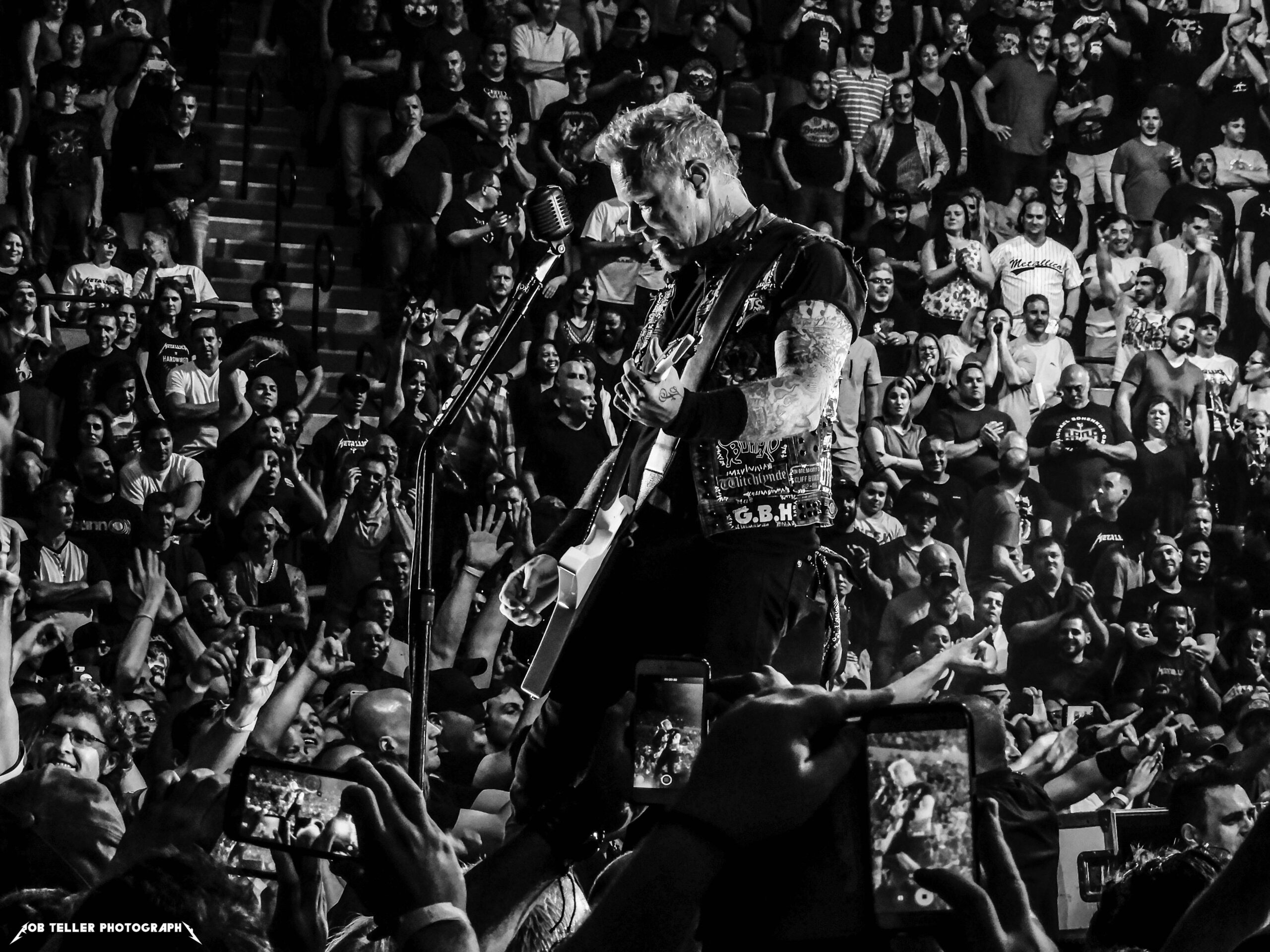
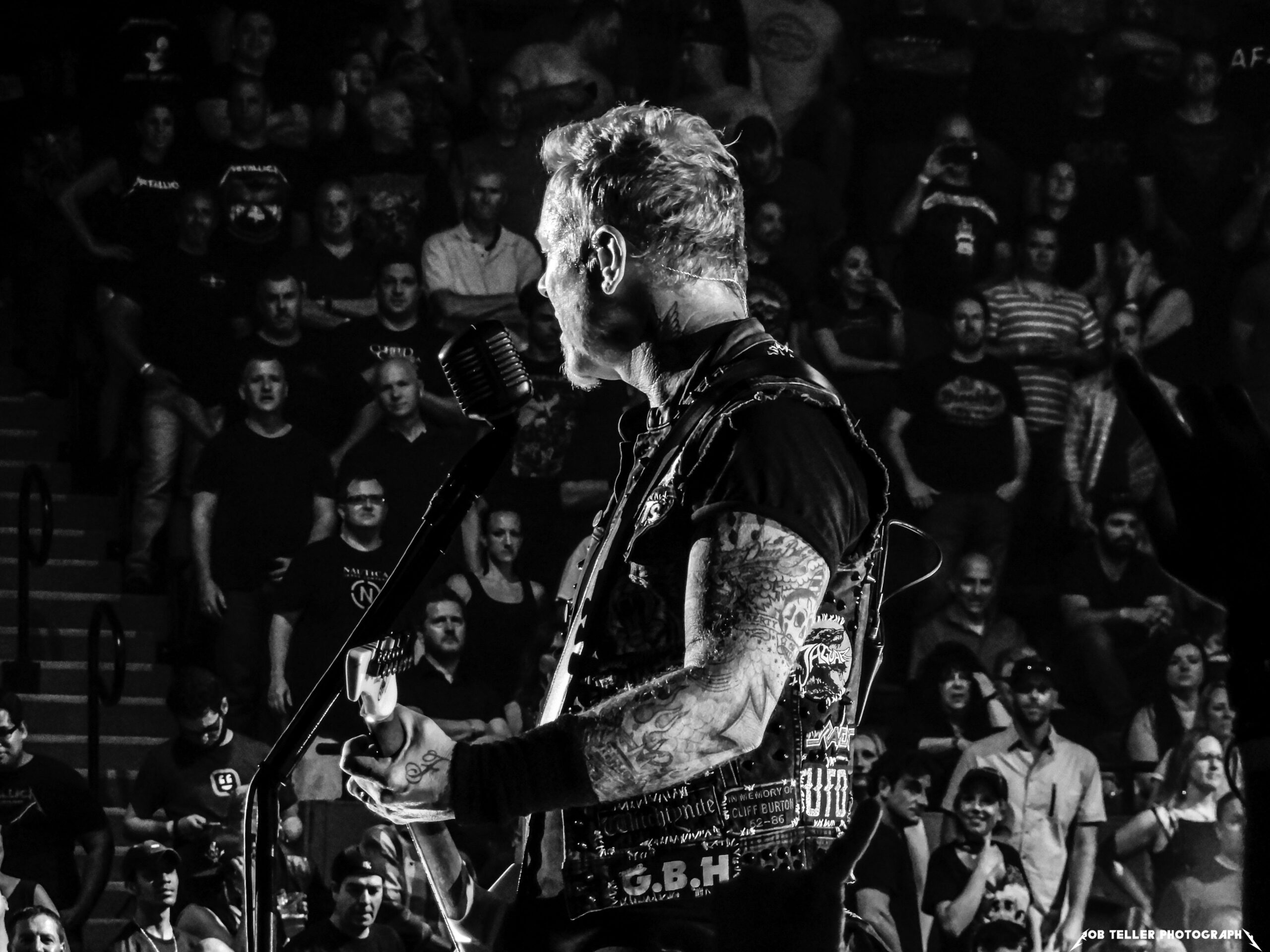
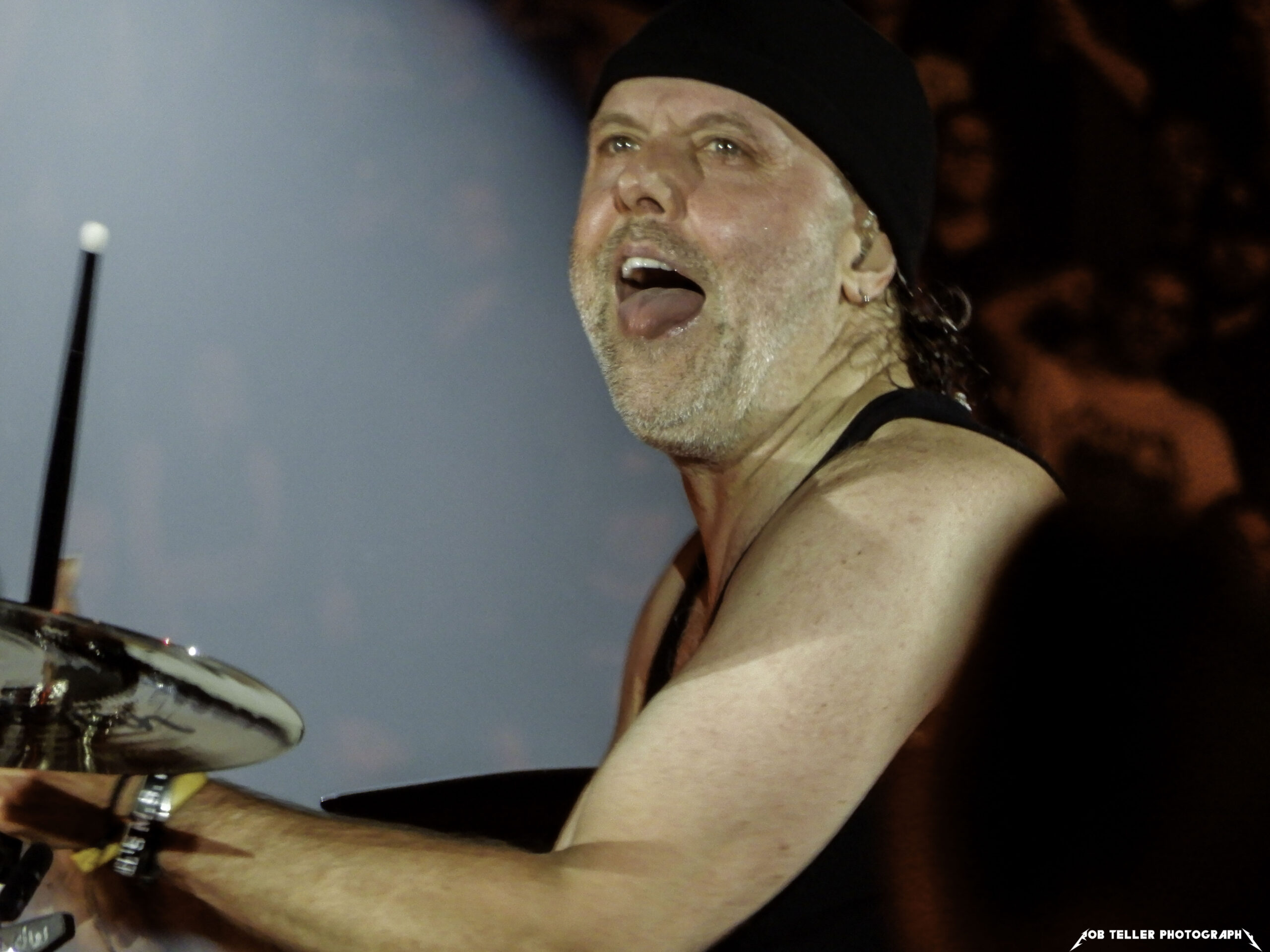
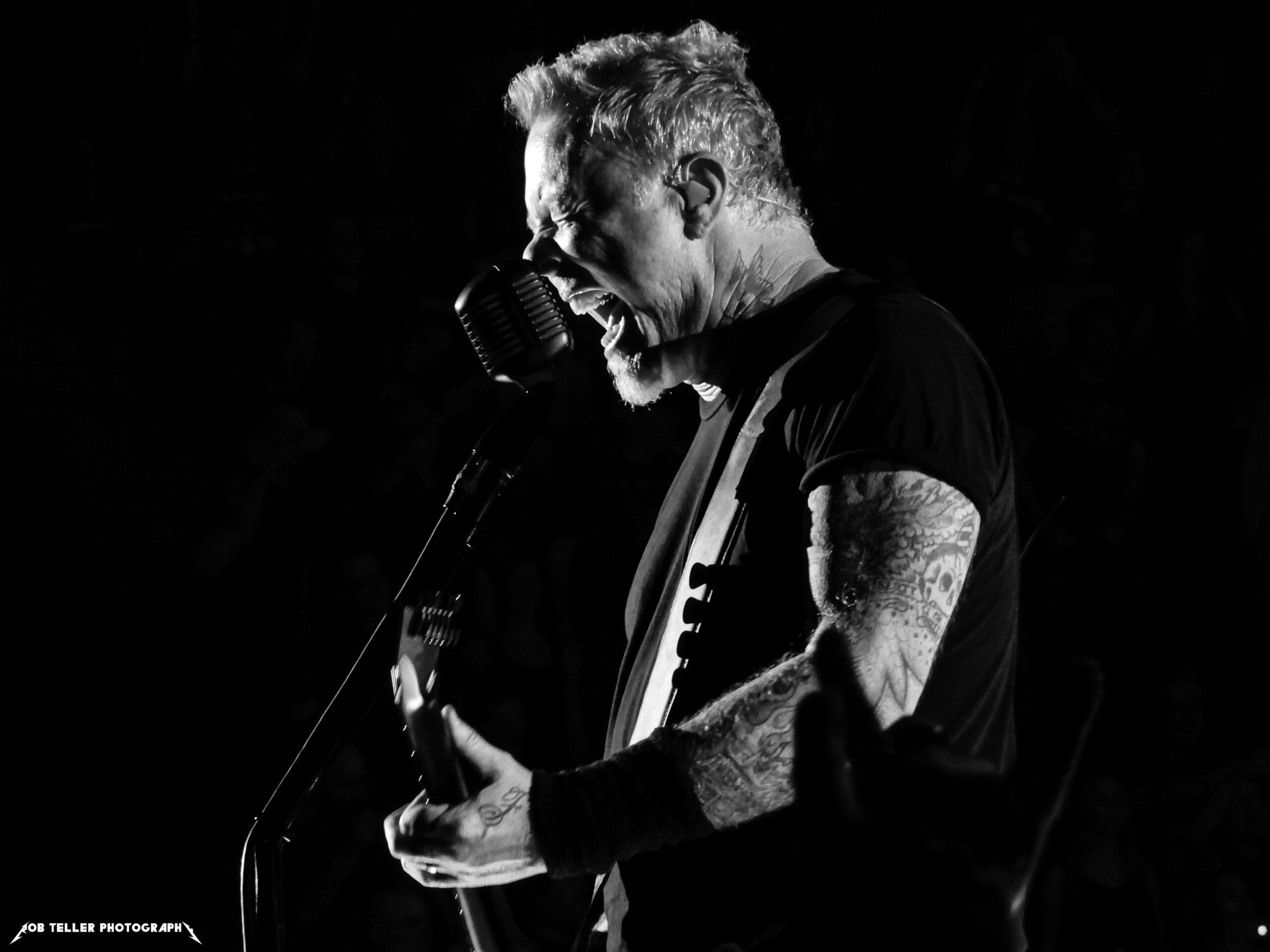
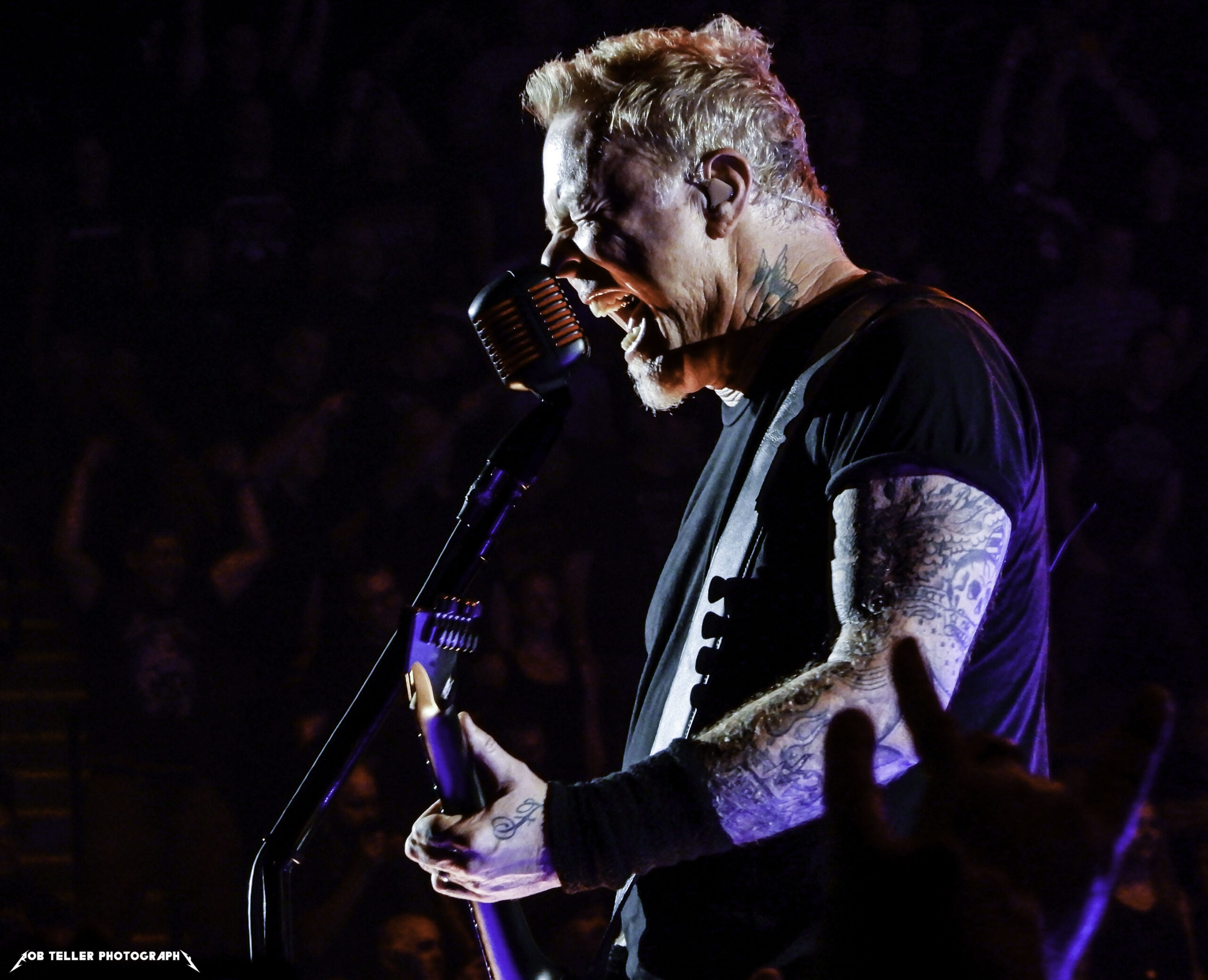
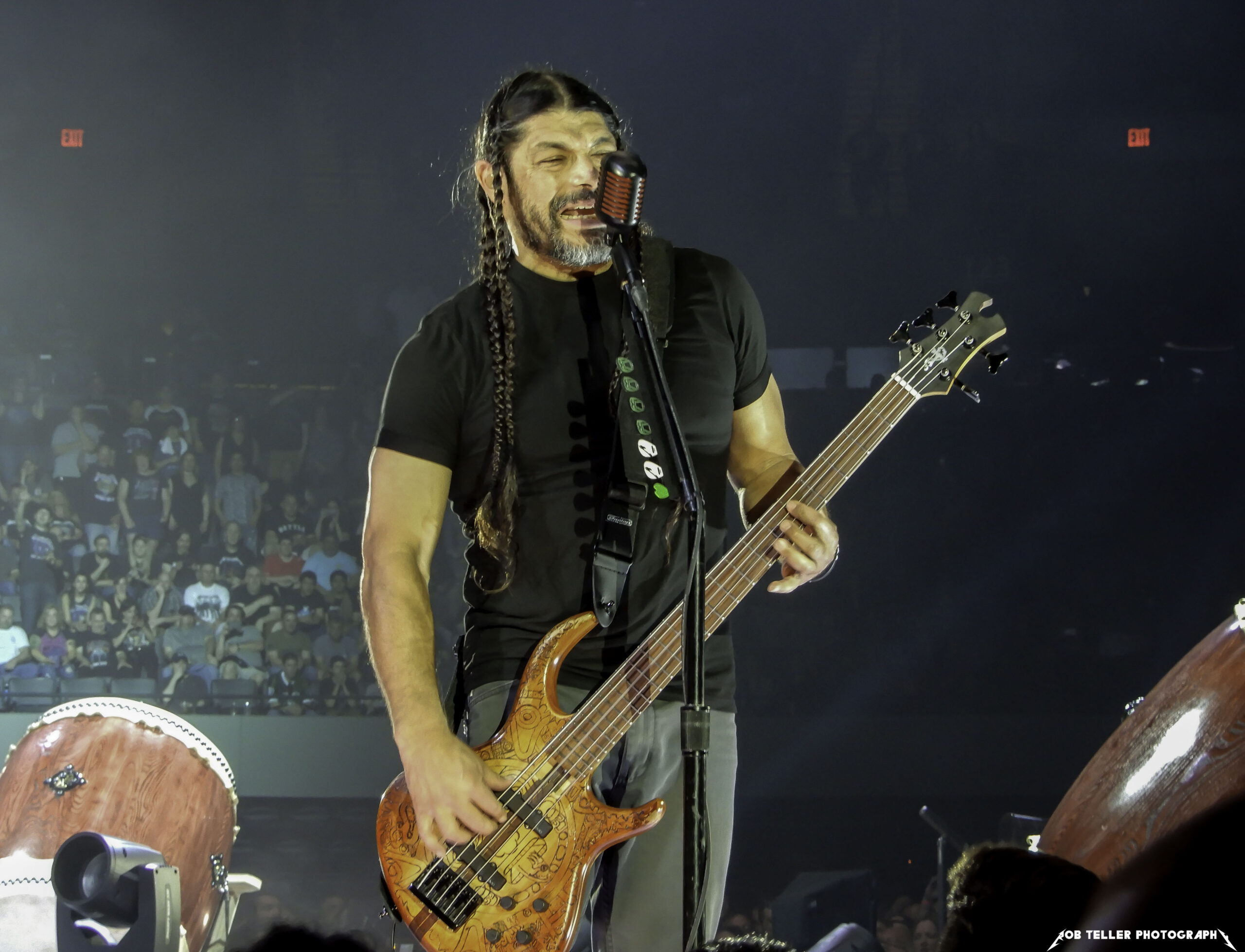
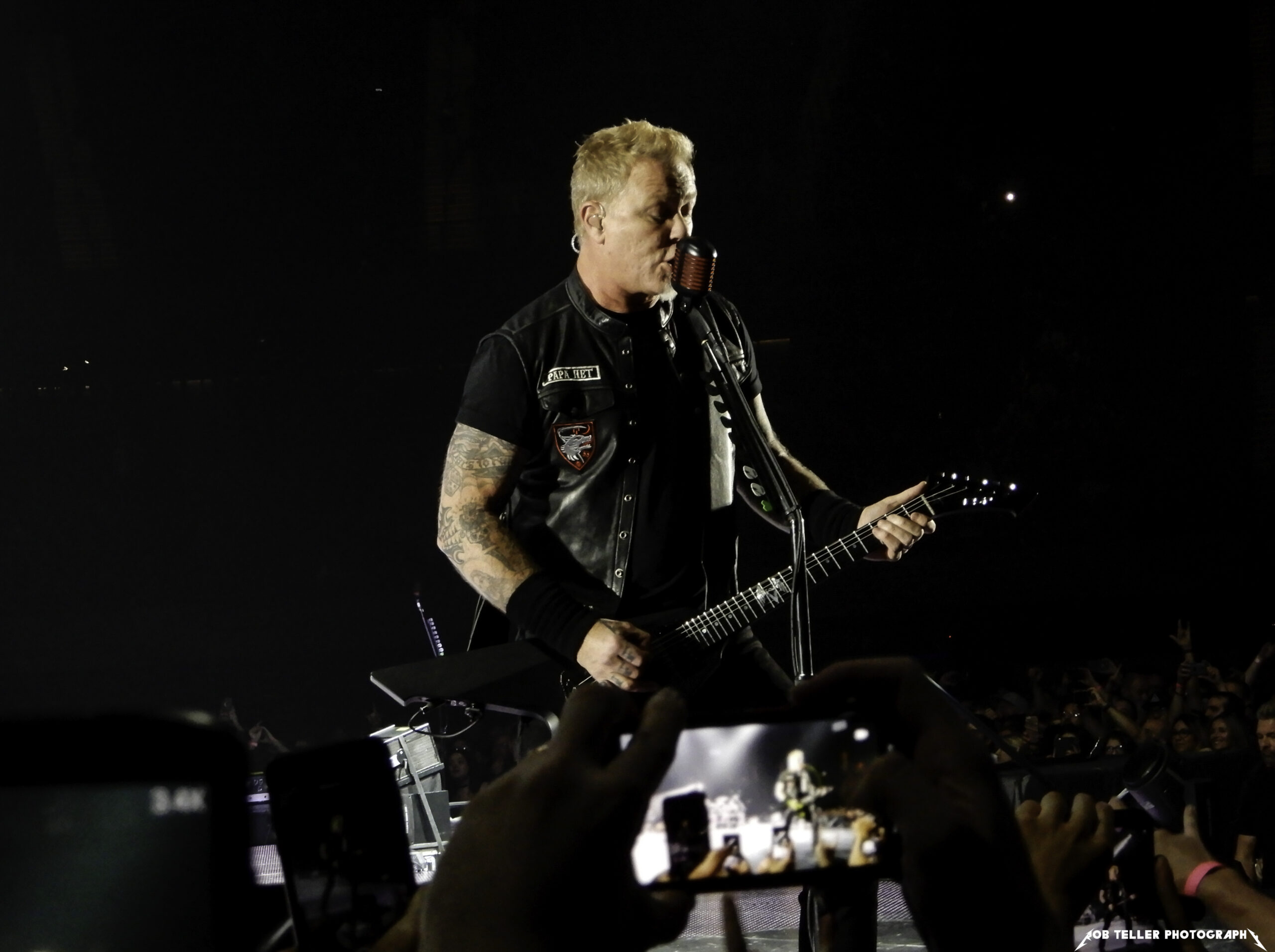
On May 17, 2017 Metallica played a sold out show at the newly renovated Nassau Coliseum as part of their WorldWired tour. The tour was in support of their tenth studio album Hardwired…To Self- Destruct. This was the only show of the entire tour not played at a stadium.
After the opening combination of “Hardwired” and “Atlas Rise” Hetfield asked the crowd “Strong Island, how do you feel?” He continued, “There is a little bit of history here. We’ve been here a lot.” This was the eleventh time Metallica performed in Uniondale. The first was on April 28, 1986 while opening for Ozzy Osbourne. The setlist was composed of 18 headbangers that covered 6 of their studio albums.
This was the first show in 13 years that “Ride the Lightning” and “Welcome Home (Sanitarium)” were performed in Uniondale. It was also the first time in 26 years that “Harvester of Sorrow” was performed at The Coliseum. The two and a half hour show was merely a tease of what Metallica has in their arsenal. As a true Metallica fan, it was a real treat to see them in such a small venue during this stadium tour.
It was recently announced that Metallica will headline the Louder Than Life festival in Louisville, Kentucky this fall with Nine Inch Nails and Korn. The even that takes place over four days will also feature Jane’s Addiction, Snoop Dogg, Cypress Hill and many others. It will take place at the Highland Festival Grounds at KY Expo Center, September 23rd through the 26th.
Metallica, ‘WorldWired’ tour – Nassau Coliseum, Uniondale, NY – May 17, 2017
Setlist: Hardwired, Alas, Rise!, For Whom the Bell Tolls, Ride the Lightning, The Unforgiven, Now That We’re Dead, Moth Into Flame, Harvester of Sorrow, Welcome Home (Sanitarium), The Four Horsemen, Sad but True, One, Master of Puppets, Fade to Black, Seek & Destroy
Encore: Blackened, Nothing Else Matters, Enter Sandman
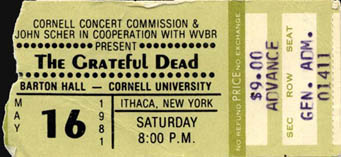
When terms like the Grateful Dead and Barton Hall come up in conversation, there’s a good chance the show being discussed is the band’s venerable May 9, 1977 performance. But there were two other shows played at this field house on the campus of Cornell University in Ithaca, NY. The final one occurred 40 years ago today. Pound for pound, it can certainly hold its own with the legendary ’77 show. And it’s certainly one of finer shows from 1981. So much so that the band recently included it on their massive 30 Trips Around The Sun box set that was released in 2015, 80 CDs worth of previously archived Dead shows celebrating the band’s lifespan. One listen shows why this was an easy choice for inclusion.
This year, the Dead take off from the starting blocks with “Feel Like A Stranger,” and Brent Mydland making his presence felt early with his electronic keyboards that are turned up way high in the mix. As the opener progresses, Jerry Garcia and the effects his guitar bring to the table rise to the top, giving it an injection of funk. For a song that had only been debuted weeks earlier at the Capitol Theater in Passaic, NJ, the groove is easy and seamless already, serving as the perfect opening salvo for this powerhouse show. Almost surprisingly, they decide to ease up immediately afterwards with a slowed down and soulful take of “Friend Of The Devil.” Mydland’s keyboard tone takes a turn for the heavens, lacing the Dead classic with an ethereal tone throughout. His efforts are rewarded with a spot for a solo and he produces a phenomenal one before handing the reigns back to Garcia.
The “Me And My Uncle” that follows finally gives Bob Weir a chance to take center stage and he navigates through the longtime Dead staple effortlessly. Mydland, still turned up plenty high in the mix, and Garcia go back and forth supplying the instrumental harmony for a band that sounds completely locked in. As was now Grateful Dead custom, once “Uncle” wraps up the drumbeat doesn’t stop and carries right over into a smoking “Big River,” highlighted by a jaw dropping run on the fretboard from Garcia. For gigs going as far back as 1978 and until 1982, these two songs would be joined at the hip just like this.
One of the real high points of the first set is the “Althea” that follows. It’s Garcia at his peak, delivering both soulful lyrics and another poignant guitar solo. Bassist Phil Lesh adds some nice extra layering on a somewhat slower but certainly potent version.
Weir then takes over again for “C.C. Rider.” But the Dead’s take on this blues standard is really fueled by another Garcia solo and the wailing rhythms emanating from Mydland’s Hammond organ. The two go back and forth once again, building the onstage chemistry that would be a mainstay of the ’80s.
The first extend inter-song break gives the Barton Hall crowd a chance to catch their breath and then it’s back to business with “Brown Eyed Women.” Garcia’s mid-song solo seems to go on a little longer than usual, only serving to ramp up the emotions even more. The band then shifts gears from old school to new with “Passenger,” with Mydland filling in the vocal part vacated by Donna Jean Godchaux. His raspy overtones don’t quite carry the same effect and, sadly, this song would be shelved for good at the end of the year. Though certainly not due to lack of effort.
A slow shuffle beat then signifies the start of “High Time,” and it never lets up. Garcia and company nail the harmonized vocals and delightfully toy around with this crowd favorite. The Dead then shift gears in the blink of an eye, with Weir quickly strumming and Garcia moving in rapid fire up and down the fretboard as they launch into “Let It Grow.” This one means business from the get-go as the rest band follows in pursuit, led in earnest by Lesh on bass. There’s a four-minute span before the song’s breakdown that’s a pure whirlwind, with each band member almost chasing one another, creating a rich texture of sound. It’s another one of the true first set highlights. A quick run through “Don’t Ease Me In” then caps off another stellar first set of Dead at Barton Hall.
The second set starts off with a “Shakedown Street” that seems to live up to its title early with some shaky lyrics from Garcia. As it progresses though, the kinks get ironed out and the funk increases, albeit at a somewhat slower pace. Weir’s rhythm guitar and Mydland’s keyboard fills mesh perfectly, and before long, a bluesy three-part vocal harmony is in full gear. But the real action takes place once this breaks down, with Garcia and Mydland soon engaging in a call and response-type jam. In keeping with tradition, “Shakedown” is immediately answered with “Bertha,” just like the Dead opened last year’s second set at Barton Hall.
https://www.youtube.com/watch?v=1IDpVffVSY4
Afterwards it’s another vintage Dead 1-2 tandem with “Lost Sailor” once again spearheaded by Weir. It proves as a more than worthy respite until the familiar chimes of “Saint Of Circumstance” kicks in. Weir navigates seamlessly between the two, with emotions respectively aligned with the respective moods of each. Almost abruptly, “Saint” comes to a halt and another immersive jam begins to develop. This one manages to work itself into a full fledged “Spanish Jam,” with influences from Miles Davis and his Sketches Of Spain album in full bloom.
As the “Spanish” element of the jam recedes, “Drums” begin to kick in and takes its usual assignment in the latter portion of the second set. The last Dead show at Barton Hall show has a lot to offer still , and the drumming tandem of Kreutzmann and Hart plays a major part. A particularly rowdy last movement of percussion soon finds its way into the familiar overtones of the beginning of “Truckin’.” As to be expected, the State that’s got the “ways and means” gets an appropriate response in Ithaca,
The ensuing jam soon sparks another one of the show’s highlights, as it devolves into a bluesy, funky ” Nobody’s Fault But Mine” jam that would make Led Zeppelin proud. Although no lyrics are sung, the sentiment is made clear and creates one of the better, off-the-cuff moments that make this last show at Barton Hall a special one.
https://www.youtube.com/watch?v=PrGmm6fEsXc
“Stella Blue” then emerges from this, winding things down and allowing one last chance to get sentimental. Garcia delivers the lyrics, and another staggering guitar solo, with raw emotion and just a bit of flare. The music slows a near crawl at one point, with the Cornell crowd so rapt and quiet one can hear a pin drop. Before long, the energy skyrockets back, with “Blue” turning into more of a rocker, a true testament to the Dead’s versatility.
This gives “Going Down The Road Feeling Bad” an opportunity to make an appearance and the Dead run with it. Afterwards, Bob Weir gets the last laugh, closing out the second set by leading the band through a peppy and near raucous “One More Saturday Night.” Barton Hall rings out in a roar of applause at its completion, leaving no doubt about their feelings on this one. The Dead then grace the crowd with a bit of an atypical encore selection. Instead of a cover or a quick song, it’s an “Uncle John’s Band” that produces one last patient and inspired jam – more than a fitting choice for the final song they would ever play at Barton Hall.
Grateful Dead Barton Hall – Ithaca, NY 5/16/81
Set 1: Feel Like A Stranger-> Friend Of The Devil-> Me & My Uncle-> Big River, Althea-> CC Rider, Brown Eyed Women, Passenger, High Time-> Let It Grow-> Don’t Ease Me In
Set 2: Shakedown Street-> Bertha-> Lost Sailor-> Saint Of Circumstance-> Spanish Jam-> Drums-> Truckin’-> Nobody’s Fault But Mine-> Stella Blue-> Goin’ Down The Road Feelin’ Bad-> One More Saturday Night