Category: Album Reviews

  • NYC Loft Jazz of the 1970s Comes Alive with “Frequency Equilibrium Koan” by Michael Gregory Jackson


    CBGB wasn’t the only club/scene to birth a new musical genre in the low-rent, dirty and deliciously dangerous Downtown NYC of the mid- to late-1970s.  Alongside the wannabe punks, there were a slew of fiercely talented young jazz immigrants from St. Louis, Chicago and beyond who worked to make free jazz even freer than Coleman and Coltrane. They plied their exploratory path not at traditional clubs but a series of short-lived, musician-led NYC loft scene like Coltrane drummer Rashid Ali’s Studio 77, Studio We, The Ladies’ Fort and, most notably, Studio RivBea, founded by saxman Sam Rivers and his wife Bea. 

    New York’s so-called Loft Jazz scene would launch the careers of many luminaries who would define jazz’s more creative edge in the post-Coltrane era. These included Muhal Richard Abrams, Anthony Braxton, Henry Threadgill, David Murray, Arthur Blythe, Butch Morris, Lester Bowie, Oliver Lake and Julius Hemphill to name but a few. 
    NYC Loft

    Their music was technically accomplished, exploratory, impulsive, spiritual and often politically-minded. It could flow from angry and dissonant to heavenly melodic, all in the space of a few bars. It had elements of jazz, modern classical, folk, world music and more. It also utilized instruments not often associated with jazz, like the oboe and cello. The intimacy of the scene led to much cross pollination among the players. This is something reflected in a bold new release from the archives of Michael Gregory Jackson, a versatile innovator and guitarists’ guitarist who first came to light in the scene.

    One look at the list of progressive jazz guitar all-stars who have named Michael Gregory Jackson as an influence demonstrates the continued resonance and relevance of his four-decades of exceptionally creative music-making. 

    “Michael Gregory Jackson has long been one of my favorite musicians,” said Pat Metheny. “I always considered him one of the most significantly original guitars of our generation, with his own distinctive sound and point of view.”

    Bill Frisell adds: “I first heard Michael Gregory Jackson in 1975 when I moved to Boston. He blew my mind and influenced me a lot. I believe he’s one of the unsung innovators.”

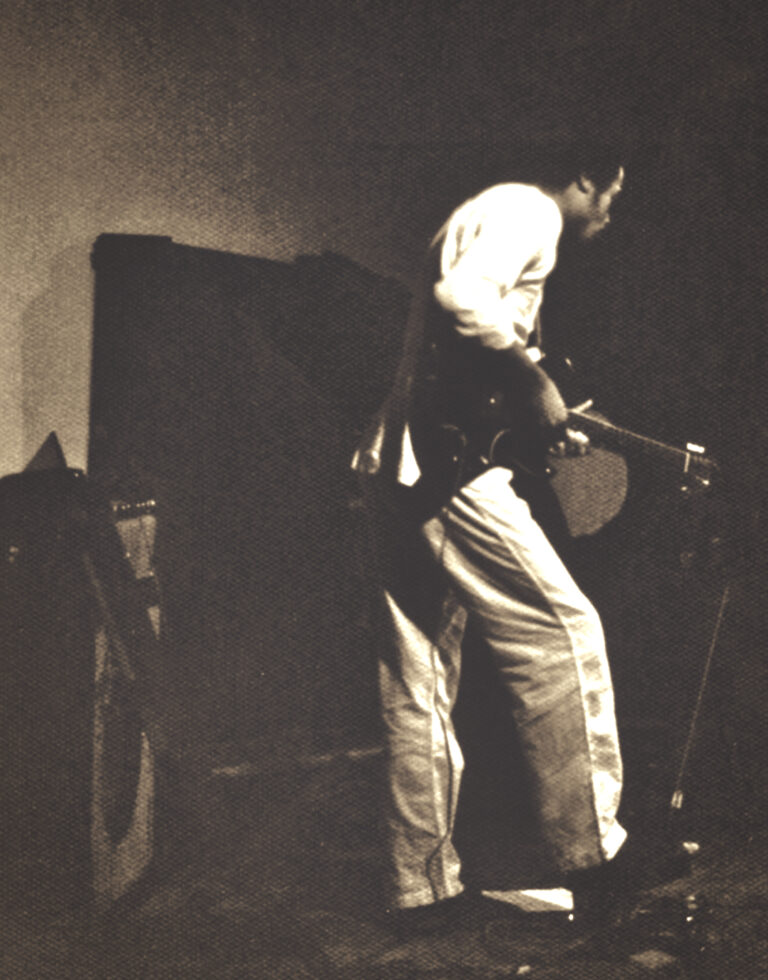
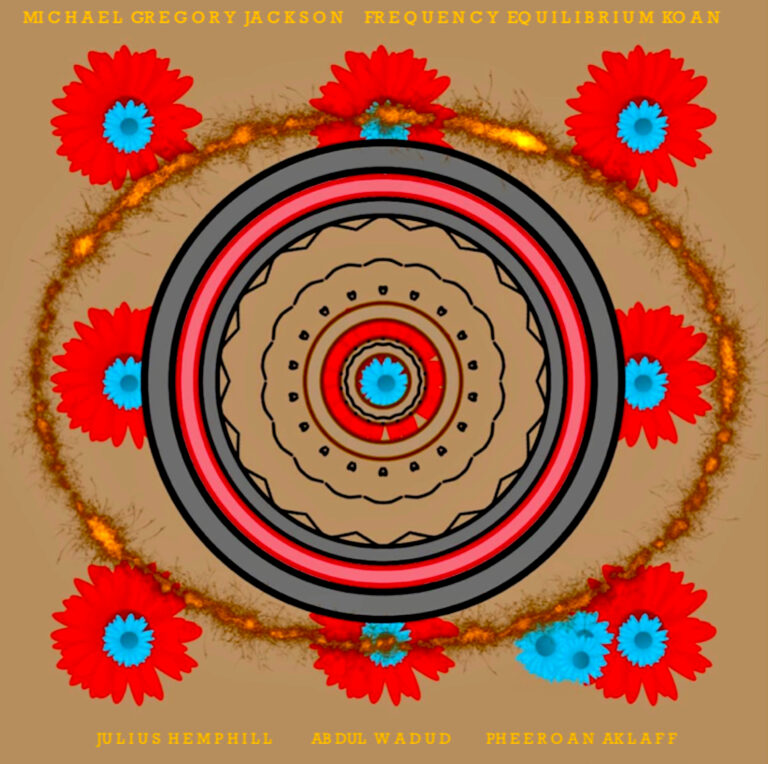
    Frequency Equilibrium Koan is an authentic document of the without-a-net creativity and exhuberance of no-hold-barred this era. It is a performance of four lengthy compositions recorded by Jackson on his trusty Sony cassette machine in 1977 at The Ladies’ Fort. It finds the then 23-year-old guitarist leading a quartet featuring saxophonist Julius Hemphill, drummer Pheeroan akLaff and cellist Abdul Wadud.
    NYC Loft

    Hemphill was one of the true giants of the era, perhaps best known for his work with the World Saxophone Quartet alongside Oliver Lake, who helped launch Jackson’s career in a quartet which also included akLaff. 

    A little like Hendrix before him, cellist Wadud literally reinvented his instrument for a new musical genre. With furious plucking, bowing and percussives, it became a tool of jazz that would skirt the territory between groove-keeping acoustic bass, a soaring solo instrument and drum. Wadud and Hemphill were frequent collaborators. One of their best performances together is on “Hard Blues,” from Hemphill’s 1975 album Coon Bid’ness.

    Jackson’s new/old album kicks off with the nine-plus minute title track. After a fragmentary head, the piece moves into improvisation, with Hemphill coming to the fore with a long forceful tenor solo. At times, the improvisation becomes collective, a kind of outré New Orleans ragtime.  Jackson’s bag of tricks is on full display here – volume swells, detuned swooshery, bleeps, slides and long tricky melodic lines, a blend of Cubist post-bebop and twelve-tone classical. Wadud plucks and bows away, creating both rhythmic pulse and solo lines that dance off his partners’ musical conversation. 

    The next track, “Heart and Center,” is a radical extension of what would become the title offering for Jackson’s wonderfully diversified 1979 album of the same name. This is as straight-ahead as this album gets, with Hemphill again out of the gate on a solo charge. Jackson leads the way with choppy irregular chording that provides a rich harmonic backdrop for Hemphill and his own soloing. Again, the flavor here is improvisation that is collective, with lots of call-and-response. As usual, akLaff keeps it all moving, with jungle like tom tom heavy percussion. 

    “Clarity 3” is the most challenging listening experience in the set. It begins with akLaff’s circular swirl of percussion, which leads to a solo spotlight for Wadud.   With Hemphill and Jackson’s entry, the music comes to a fast boil then overflows.  It’s jazz roller coaster, with the instruments almost seeming to merge into one howl at times.  In the last minute, Jackson finds and rides a broad chord that sounds like a car horn, together with Wadud’s cello groans.  The album ends on a mellow tone with “A Meditation.”  Hemphill sits this one out and Jackson forsakes his trusty 1961 Gibson SG for a bamboo flute.  It’s a wind down of chill temple bells and malleted cymbals, bowed cello and modal flute melody, an East Asian-flavored sunset brought to the dark and dirty Downtown NYC of the 1970s.

    In the liner notes to the album, guitar master Bill Frisell observes:

    These guys are all heroes of mine. I’ve learned so much and am still learning from all of them. To hear them all together like this is a real gift. What a combo!  I can’t believe this happened more than 40 years ago. It sounds like the future. I’m so thankful the tape was running to document this extraordinary moment.

    Like many good things in New York City, the loft jazz scene was killed by the rising rents that came with gentrification. For more detail on this vibrant scene, read Michael Heller’s Loft Jazz: Improvising New York in the 1970s.  For a great sampling of the musicians and the scene, check out Wildflowers: The New York Loft Jazz Sessions.  This five album/three CD set captures edge-pushing performances by many of loft jazz’s leading lights over nine days at Studio RivBea in May 1976. For more about Jackson, see our review of his jazz suite for Nelson Mandela, Change or purchase the album on Bandcamp

    Key Tracks:  Heart and Center, Frequency Equilibrium Koan

  • In Appreciation of Radiohead’s “The King of Limbs” 10 Years Later

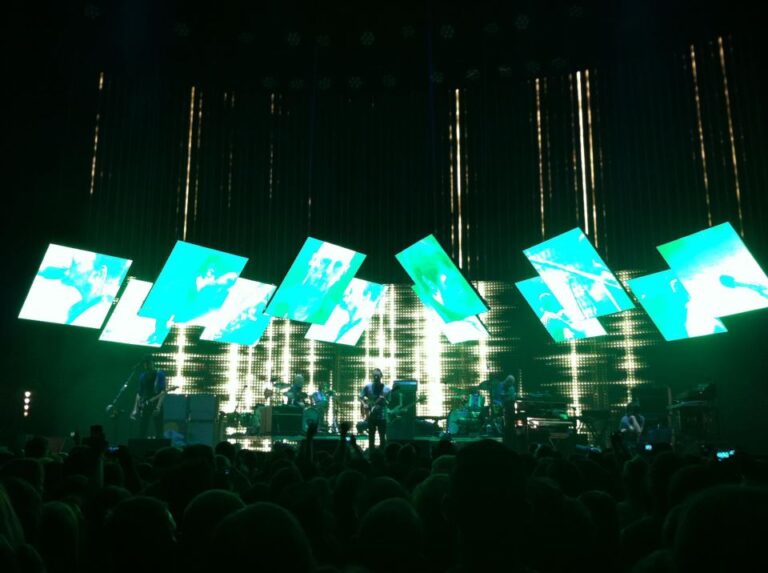
    It was March 15, 2012 – my future wife and I flew to Arizona and are standing on the floor at Jobing.com Arena (now Gila River Arena). The lights go off and Radiohead walk on stage for the last show of The King of Limbs tour, their first proper tour in four years. After a fervent reception from the crowd, Thom Yorke starts playing the swirling guitar arpeggios of “Bloom,” the opening track on The King of Limbs. While walking around the Grand Canyon the following afternoon we just could not shake off the chills still ringing through us from the night before.

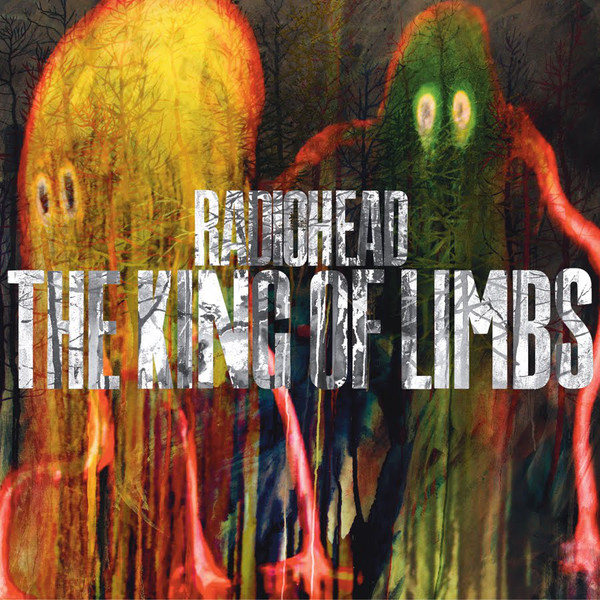
    Radiohead The King of Limbs
    Radiohead, Jobing.com Arena – 3/15/2012 (Photo by Buscar Photo)

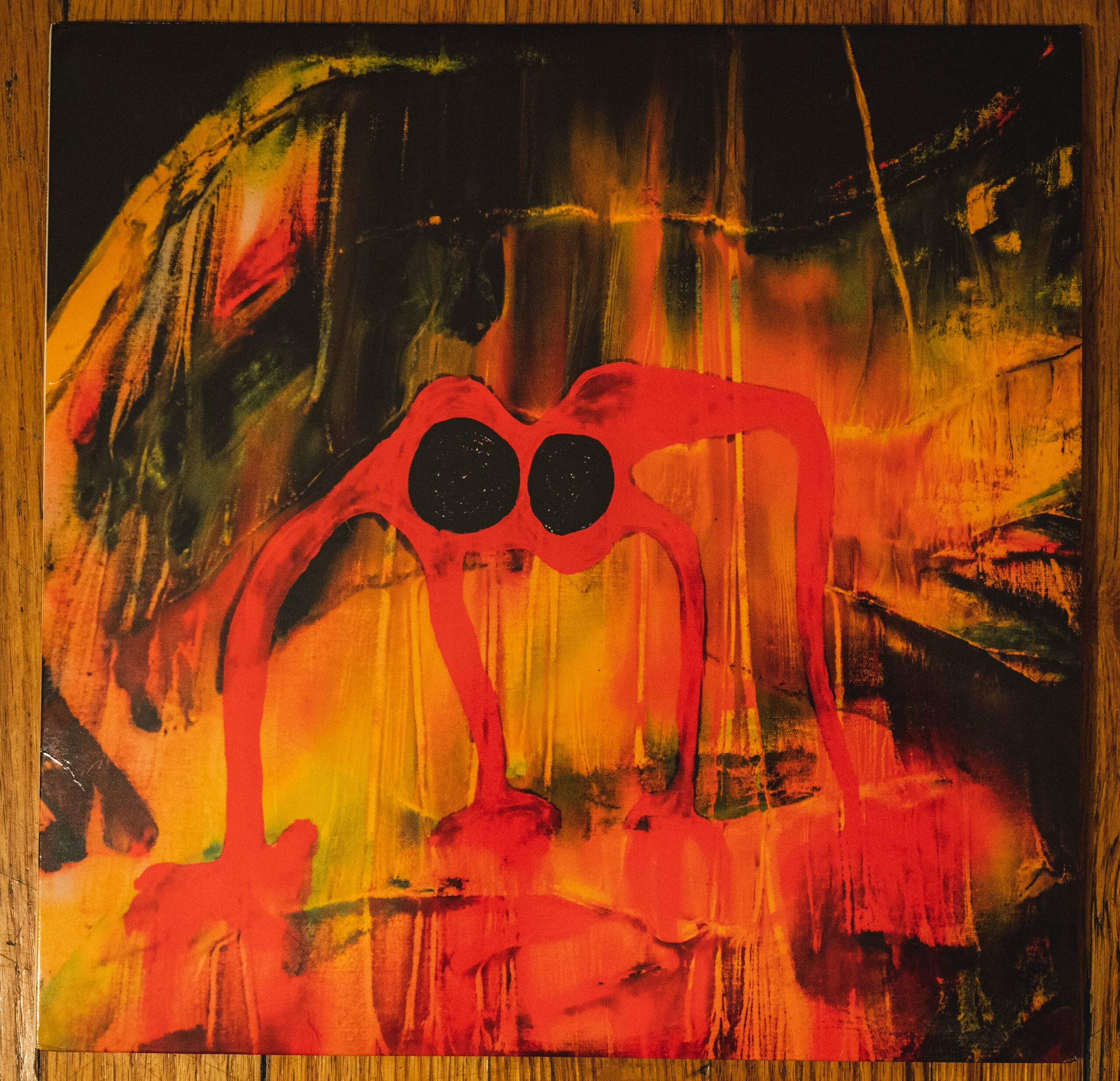
    Radiohead’s eighth LP, The King of Limbs (TKOL) turns 10 years old this week and as with any Radiohead album, it represents a unique (yet polarizing) place in the band’s history. The record followed up 2007’s In Rainbows, arguably one of the most important records in modern music history, and a massive double commercial success. Fans worldwide whole-heartedly embraced the pay-what-you-want model right off the band’s website. The record debuted at #1 on multiple charts months later when the retail version of the record was released. The release model for that record changed the music industry forever and foreshadowed the “creative economy” we are currently seeing explode. Four years removed from that ground-breaking release, fans were rabid for more.

    The King of Limbs was slated to be released on the Radiohead website on February 18th, 2011 but fans were surprised one day prior when the band announced that the “website was ready early” and the album was available for download. I skipped class for the rest of the day at Fordham, raced home to Long Island and pressed play as soon as I could.

    Radiohead The King of Limbs

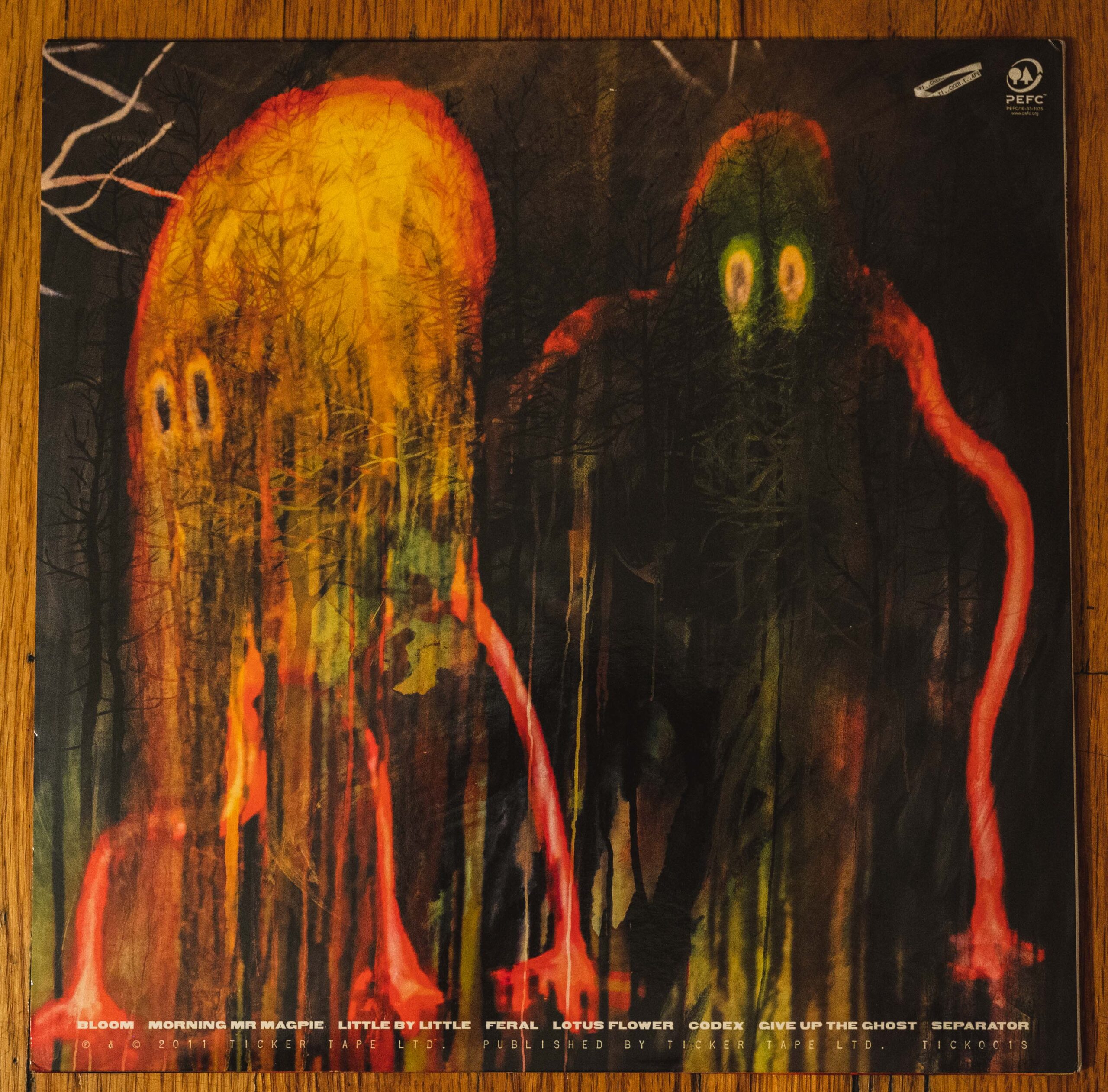
    The album kicks off with “Bloom,” a cascading mix of guitar arpeggios, repetitive drum sequences, and a metaphor of the ocean breathing a “universal sigh.” What would become a mainstay in Radiohead setlists, “Bloom” reaches an epic climax before winding down to a single ringing bass note. “Morning Mr. Magpie,” a feverish guitar rock track with a glitched out drum beat precedes “Little by Little,” where the new addition of second drummer Clive Deamer (of Portishead fame) really shines. The two play competing drum rhythms superimposed on one another but are still able to mix it in a way that comes off like a cohesive beat played by a single drummer.

    Radiohead The King of Limbs
    Radiohead, Jobing.com Arena – 3/15/2012 (Photo by Buscar Photo)

    Things take a sudden turn with “Feral,” certainly the black sheep of the record, even by Radiohead standards. The listener is bombarded with frenetic drums and ghostly, heavily distorted vocals (enormous “Pulk/Pull…” vibes here). We then hit “Lotus Flower,” the lead single released a couple days before the album via a music video featuring Yorke comically (seriously?) and erratically dancing in a bowler hat. The record then goes into a lull for “Codex” and “Give Up the Ghost,” which are stripped back minimal efforts that stops the albums momentum coming back to back in the second half. Closer “Separator” features soaring vocals over syncopated drum beats.

    “Lotus Flower” by Radiohead (via Youtube)

    Regardless of how we feel about the record today, there is no question that fans, myself included, felt disappointed that day. With only 8 tracks, a brief 37-minute runtime and a very lopsided track flow, I sat on my basement floor thinking to myself, “that was it?” After all, Thom Yorke seemed to be overtly teasing us with the vocals on “Separator” by singing “If you think this is over then you’re wrong…” A mantra fans used to convince themselves a “part 2” was coming. Everything about TKOL felt unfinished. The production was rather muted, the recordings felt like demo takes, and it was really hard to picture any of the songs slapping in an arena.

    That last notion was proven completely false once these songs got the live treatment. For me personally, hearing them performed live (7 TKOL era tracks that night in Arizona) made it all come together. Listeners still turn to the live studio version released in December 2011 – The King of Limbs: Live from the Basement as the definitive version of the record. The expansive reworked versions and three additional tracks (“The Daily Mail,” “Staircase,” and “Supercollider”) gave the album a whole new persona. Between the release in February 2011 and the start of the tour in February 2012, the band only played three shows (Glastonbury, and two nights in NYC at Roseland Ballroom) but it was already clear that the songs on TKOL are in their full glory live. This is true for so many bands and songs, but here it is especially the case.

    “Bloom” by Radiohead (via Youtube)

    Radiohead embarked on a drastic stylistic shift on The King of Limbs. Ambient and melancholic electronica have always been an omnipresent backdrop since the OK Computer era. This time around, Radiohead dove deeper into their IDM and dub-techno influences and adopted a more dadaist approach to the structure and recording of the songs. This was taken to the n-th degree (in typical Radiohead fashion) by Jonny Greenwood who built and programmed a custom hardware/software package to sample the band’s live playing. The essence of TKOL was always meant to be a live rock-band adaptation of 2000s era minimalist techno and down-tempo, a subset of electronica seemingly brought about to capture the moments leading up to sunrise after a long night at the club; an evanescent “blue hour” moment. Artists such as Burial, Bonobo and Four Tet come to mind.

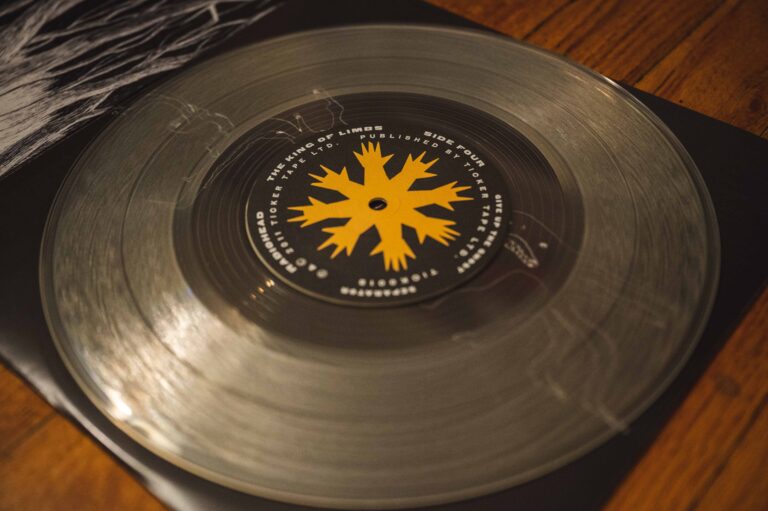
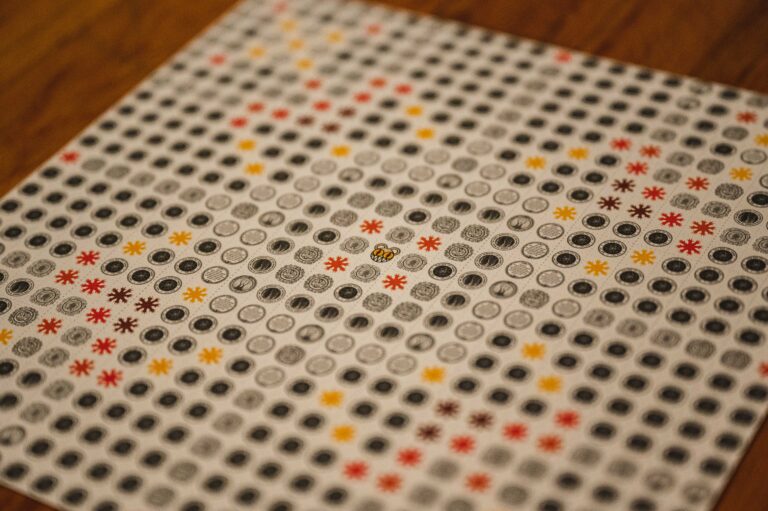
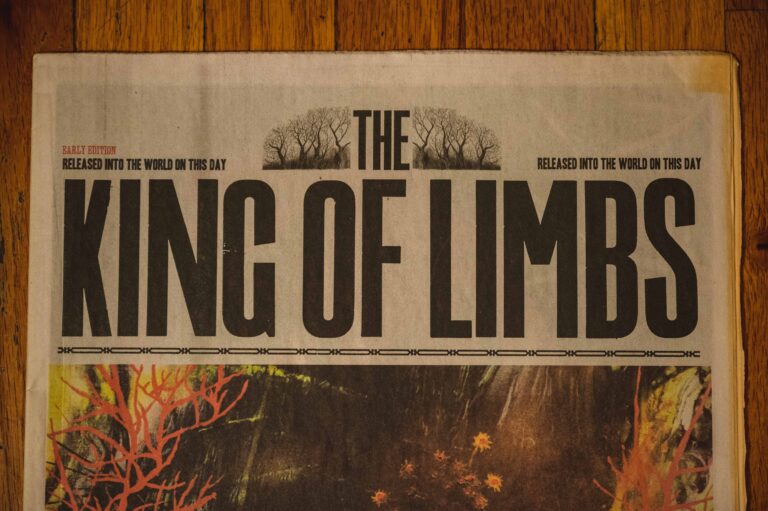
    The band even physically encapsulated that very same fleeting, transient vibe of the music in the physical vinyl release. Dubbed the “Newspaper Edition,” the album was first teased with a newspaper handed out on the streets of NYC and the UK titled The Universal Sigh, that featured collages of poetry, short stories, and visual art. The vinyl itself came with another newspaper style art book, a 625-tab sheet of blotter paper, and two clear vinyls. Newspaper was chosen because of how it predictably yellows and fades over time; coming back to the whole notion of capturing an elusive futuristic sound before it fades into memory.

    The exploration of this new style continued in the year following the release of TKOL with a continuous series of electronic remixes that culminated in the TKOL RMX 1234567 release. Artists such as Four Tet, Caribou, Mark Pritchard, Shed, Jamie XX, Modeselektor, SBTKRT, and many more did their thing with the album tracks. While disjointed and filled with some bizarre sounding remixes that many dismissed out of hand, the collection contains some of the most unique sounding electronica you can find. This style would ultimately evolve and become a jumping off point for Thom Yorke’s future eras of solo/collaborative projects (i.e. collaborations with Modeselektor, Tomorrow’s Modern Boxes and more).

    That brings us back to today – 10 years later. While still polarizing and a point of heated debate amongst the Radiohead faithful, The King of Limbs owns its distinct place within the band’s discography; I would even argue it is one of their best records. Considering that another record has been released since, fans have allowed TKOL to exist as it was meant to be, rather than forcing it to be another In Rainbows or OK Computer. The record explores a very brief period in electronica from the perspective of an arena rock band in a way that has yet to be done by any other artist. The Universal Sigh publications will eventually disintegrate with time but The King of Limbs is not going anywhere and continues to perplex and wonder listeners a decade on.

  • Albany’s Rock-Outlaws Son Of A Gun Turn To Dust Friday

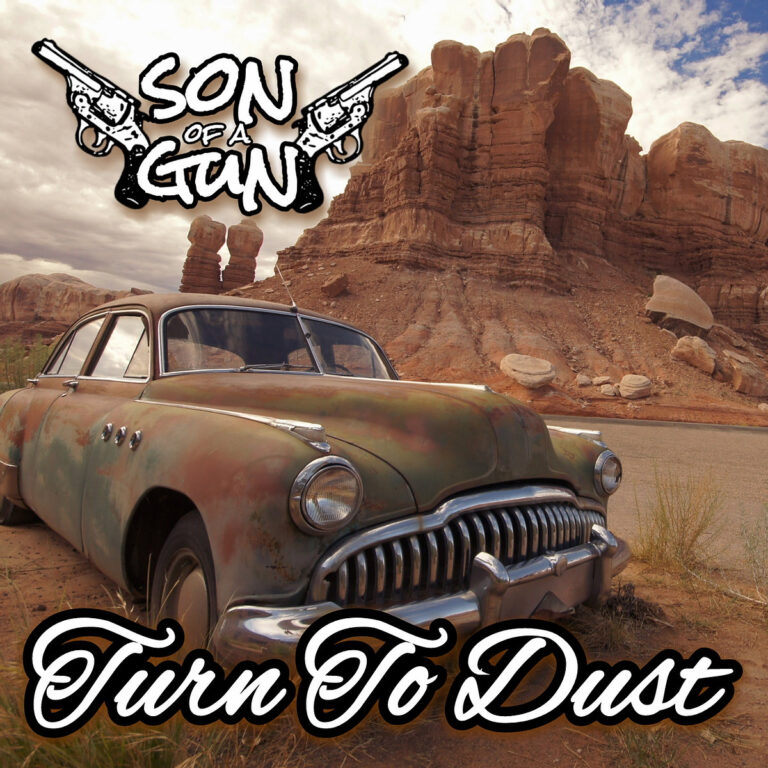
    New York capital region Rock-trio, Son Of A Gun, is on the run with the release of their second EP, Turn To Dust, to be released Friday, Feb. 12.

    While the band probably isn’t smuggling shine in their petina post-war Buick Roadmaster down the Hudson Valley, their stone-cold rock jams will take you on a wild ride. The proof: Turn To Dust corrodes Son Of A Gun and their Rock and Roll sheen with a wild-side, proving more raw than their former effort.

    Son Of A Gun Turn to Dust

    The title track to this EP, “Turn To Dust,” kicks up a washy hi-hat drum intro, instantaneously energising the band. The pages turn, like a storyline from their lyrics to musical motifs. The textured drum beat tightens up for the band’s versus and solo, but remains the driving constant. Son Of A Gun, leaves us trailing behind, right on their coattails. They throw you into a groove immediately, fronting as that under-assuming opener you never saw coming.

    Their concise burst of talent, in the forum of yearly releases keeps us intrigued. Their familiar tones reminisce of The Black Keys “Tighten Up” on tracks like “Watch and Wait,” yet keep you dancing with the song’s moving bass-lines. The solos scream, each and every time.

    Turn To Dust will feature their hip lick “Find the Seam,” as featured live at Albany’s Low Beat in Dec. 2019. These guys have claimed their spot in New York’s Rock arena. They are fuelled to roll through energising live performances as their fanbase multiplies, and venues re-open. As the band burst at the seams, hang on for the ride.

    “Find the Seam,” live at Albany’s Low Beat in Dec. 2019.

    Son Of A Gun formed late 2018 “bringing a jam sensibility to straight-ahead Rock & Roll.” Their 2020 self-titled debut aids to classic rock fans with a stout major chord mentality. Gritty guitars and loose-mix drums keep a humble garage-rock edge and live feel. The trio has a hearty sound that could fit the bill on any headline stage. Their tracks soar like a hand in the wind as you cruise down the HRE – a floating momentum that kicks off with momentum solos on “Down The Highway.”

    “…the band’s musicality and their compositions were tight and developed. They were songs that you could certainly rock out to. What was interesting was that their sound didn’t specifically fit into any musical genre. Sometimes it would sound more like Pearl Jam (heard through the vocals of “Winds of Change”), or you could hear the country-rock vibe of “Hope & Heartache.” Listening to both “Down the Highway” and “Call of Days Past,” you can tell that it centered around blues-rock, even including little hints of “Call Me the Breeze” in the guitar & bass riffs and hearing the vocals one could listen from Sly Fox and The Hustlers.”

    – Amy Modesti on Radioradiox

    Check out Son Of A Gun on their Website and Facebook.

  • ‘Sounds from the Bardo Vol II’ Provides Jams To Help Find Inner-Peace

    Meditation and mental well-being go hand in hand and there’s never been a period in time quite like the current that demands a positive mindset. Enter Sounds from the Bardo Volume II, presented by Psychedelic Sangha. This undertaking, an album-based series of immersive journeys into liminal states of consciousness, is the brainchild of Ethan Covey and Doc Kelley and a follow-up to Volume I which was released on Bandcamp this past December.

    Sounds from the Bardo

    Spanning almost 90 minutes, this project was created to provide the means to meditate while immersing yourself into beautiful music as a means of finding inner-peace. It features Tony Leone on percussion, Scott Metzger on guitar and Jeff Hill on Bass and was recorded live in November at the Judson Memorial Church in NYC. The release consists of 4 tracks, which include a meditation and instrumental track, each containing the same jam performance with and without guided meditation, and 2 additional soundcheck jams from the same session. Additionally, this multi-media collection also includes a video of the full length original light show produced by Bubba Ayoub.

    The meditation begins with Jessica Angima’s soothing voice helping to bring calm to your surroundings while Scott Metzger’s guitar begins to playfully dance around her words. As her words began to fade away, the trio begins their gentle improvisation into the soundscape. The journey they start is akin to a sunrise and sunset, slowly building and shining more light as the meditation progresses and flowing into ambient sounds as the hour reaches it end.

    Sounds from the Bardo Vol. II – Teaser 1 from Psychedelic Sangha on Vimeo.

    The delicate jamming begins to give way to delightful melodies halfway through journey and this continues to a beautiful crescendo before bringing the participant back to an ambient outro. The paths that this trio takes between each of Jessica’s guided meditations are a phenomenal example of what these three talented musicians are able to create together. This release is the first published recording of these three musical geniuses performing together and hopefully it’s not the last that we see of them collaborating together on something special.

    Also included on this release are additional 2 soundcheck jams from Leone, Metzger and Hill. These bonus tracks continue the psychedelic energy that the trio brought to the meditation and show the trio stretching themselves and their abilities out, as you’d expect from any soundcheck. Both of these tracks flow between genres, tempos and energies while showcasing the themes and strengths that each of the artists would bring to their magnum opus. At the end of the second jam, you’ll find yourself agreeing with the band when you hear them exclaim, “We’re vibin’ so hard!”

    Psychedelic Sangha’s Sounds from the Bardo Volume II will be released via Bandcamp on February 5th and can be purchased for a minimum of $12 USD. This release is a must-own for anyone who engages in or is considering dipping their toes into meditation, and certainly for everyone who is a fan of ambient jamming or improvisational soundchecks.

  • Hearing Aide: Mr. Days “Infinitus”

    On January 22, 1977 Johnny Cash brought his band to Upstate New York to the Onondaga County War Memorial to promote his 56th album The Rambler. A concept album about traveling, the songs interspersed with dialogue between Cash and hitchhikers he picked up or other people he met during the album’s cross-country trip. It truly is an American roots album where Cash shares various county road tales about the lost love of women and family anecdotes about his grandfather’s preaching days in North Carolina.

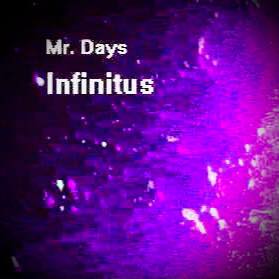
    Outlaw country outfit Mr.Days from Albany have adopted a similar alt-country/jam/Americana sound concept for their first album, Infinitus. Released on January 1, 2021 is influenced by the same America as Cash was. Mr. Days is a trio consisting of James Matlock on guitar and vocals, his father Rick Matlock on guitar and vocals and Jacob Karker on drums and vocals. The father-son duo have been writing these songs and performing them in Capital Region saloons for a couple years now.

    Mr. Days

    The Matlocks wrote a song called “Bill and Ed,” a story about their great-great-great grandfather who made a living in part by traveling the country selling Christmas trees by train in the winter. There was a family legend that he had died when looking out the window of a moving train during one of these endeavors, being decapitated by a light pole. Genealogical research indicated that it was actually just a train crash that resulted in his passing, but it still holds roots for a great ballad, with drums echoing the train rolling down the tracks. The Matlocks sing, “Riding out toward Toledo, got four cars of spruce, that Christmas pine, the train keeps rolling and a winter storm is blowing.”

    Rick Matlock’s travels in America are also reflected in the tune “Carolina Bound,” a musical memoir of his trips down south to visit family, singing, “Pack my bag and leave the valley, say goodbye to Mohawk cold … I’m moving on to the southern plains where I belong.” Another great track that reflects America’s history is “Appalachian Bloodstone.” This song travels to the hillsides of West Virginia where the Buffalo Creek Flood occurred in February 1972. The Pittston Coal Company impoundment dam in Logan County had burst four days after having been declared “ satisfactory” by a federal mine inspector. The accident that was referred to as “an act of god” and displaced the 5,000 people who lived along Buffalo Creek Hollow. The Matlocks praise, “we all sink the same … that’s the price they pay for taking all that blood stone”

    Mr. Days
    Rick Matlock, Jacob Karker, James Matlock

    Mr. Days started their own history in 2021 with the release of their debut record. Hopefully it will bring them across the vast American landscape that they sing heartily about. Much like Johnny Cash on The Rambler, the journey of Mr. Days takes place on the open road. Cash preaches “Life out on the interstate is very much alive, there’s magic in the mountains and music in the valley down below, and my song ain’t through playing yet so I believe I’ll hit the road and go”.

    Key Tracks: Bill and Ed, Carolina Bound, Appalachian Bloodstone


  • Hearing Aide: Evil Key “The Host”

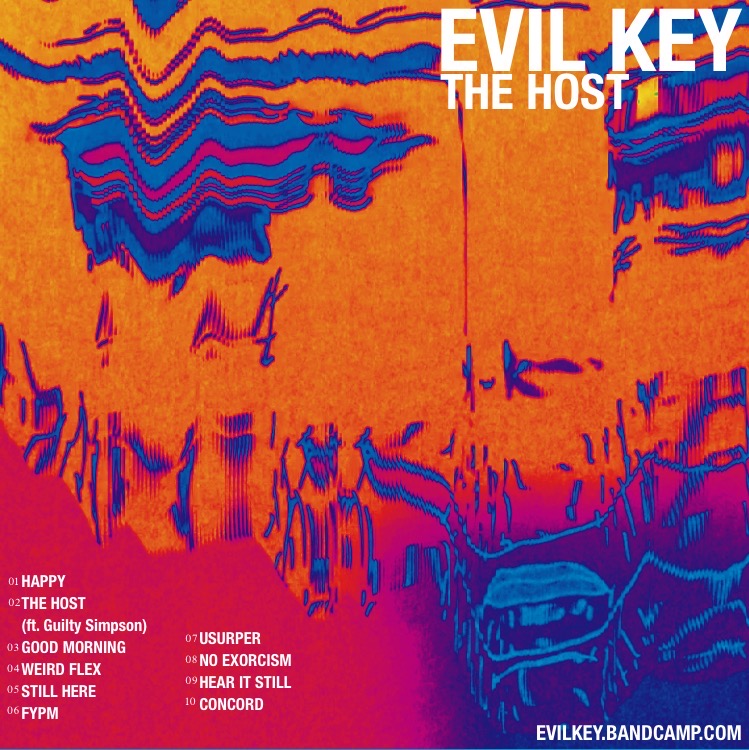
    Syracuse based rapper Evil Key (Jonas Nicholson) follows his 2020 release SAVE FACE//ESCAPE FATE with his newest concept album The Host. Nicolson is also member of fellow Syracuse psychedelic jam rock band Vaporeyes. The Host is a brave departure from any of Nicholson’s previous work done with Vaporeyes, opting for a bold lo-fi rap concept album that explores becoming a new person, possibly without your control.

    About a decade ago, I had a particular experience that changed my life. I made positive changes and stopped being overall self-destructive. Looking back at it now, it feels like a lifetime ago. Like a different person. What if I am? What if I’ve been taken over? What if I’ve been someone else all these years? Would I know? Am I in here?

    Evil Key, Rapper
    Evil Key

    Meeting at the crossroad between the moody emo rap ruling the mainstream and the nerdy backpack rap of the early 2000s, Evil Key finds a unique niche to fill. While Evil Key’s influences from the likes of Aesop Rock to Eminem are abundantly clear, he operates in a unique enough lane that it does not take much out of the overall experience. The Host offers a stellar mix of beats from upbeat synth driven songs like “The Host”, to more spaced out cloud rap tracks like “Happy”, to noisy sample heavy tracks like “Concords”; all containing a particular lo-fi edge. “Hear It Still” has a particular vocal sample that meshes perfectly with the tracks chilled-out hook.

    Evil Key’s amateurish lunch room battle rap approach to rapping is endearing at first, but quickly becomes the records biggest flaw. Evil Key will often go off on tangent-like flows, such as on “FYPM,” that only serve the purpose of flexing his ability to rap fast rather than add an appealing sonic element to the songs. This tactic comes across awkward and can kill the mood of the multitude of somber and reflective songs on the album. With the beat being as subdued and laid back as they are, this hyper-aggressive approach to rap does not mesh well. On songs like “Hear it Still,” Evil Key is able to find a much more measured flow that shows he is capable of a more relaxed approach.

    Evil Key

    While The Host’s core concept is vague and hard to follow, the basic themes of depression, reinvention and paranoia are easy to identify with and ring throughout each track. As a whole, the album is a cohesive experience with each track sonically and lyrically meshing well together. The general mood of the album is oppressively gloomy and with pockets of light such as on songs like “The Host.” Each track being as versatile as they are adds to the engaging seamless listening sequence.

    The overwhelming highlight of The Host is Evil Key’s impressive lyrical ability; Evil Key is able to create incredibly verbose bars seemingly effortlessly. Creating impressive rhyme schemes such as on songs like “Usurper.” Evil Key offers an endless stream of impressive rhymes that refuse to let up at any point throughout the album. While the nonstop rhymes are undoubtedly impressive, just like with the aggressive flows, they often act directly against some of the more subdued moments on the albums such as “Good Morning.”

    Overall, The Host is an ambitious sophomore effort from Evil Key. An array of diverse beats do wonders in crafting the album’s depressing mood, some even being produced by Evil Key himself. Lyrically, Evil Key proves he is a force to be reckoned with on the mic, dropping one clever and emotional bar after another. What sets Evil Key apart from his obvious influences is his ability to craft unique and focused song concepts along with his dictionary-like lyrical arsenal. Even if Evil Key’s flows set the mood of certain songs off-kilter, what this album shows more that anything is serious potential in the budding artist.

    The Host is available for purchase physically on CD and Bandcamp as well as streaming on all platforms.

    Key Tracks: The Host, No Exorcism, Hear it Still

  • Hearing Aide: Velocihamster ‘Balls To The Wall’

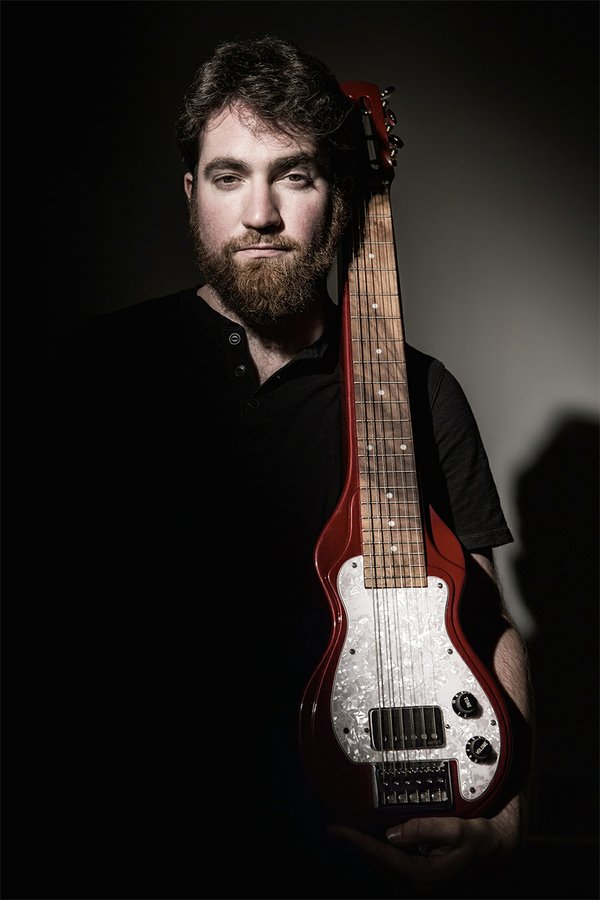
    Milwaukee, WI based lap steel guitarist, Sean Williamson, is back under his alter ego Velocihamster, with the release of his sophomore album Balls to the Wall. Williamson, who also plays guitar in R&B Milwaukee based bands Shonn Hinton & Shotgun and The Bryan Cherry Band, decided to make the best out of the pandemic induced time-out, from touring and live performances, by focusing his time wisely in the studio with his signature Morrell SW Custom 6 Lap Steel guitar

    Velocihamster Balls To The Wall

    With contributions from talented musicians like bassist Matt Turner and drummers Eric Kummer, Chris Oelke, Sean Smith, Terry Jeanes Jr., and Matt Rhyner the Balls to the Wall album was born. As Williamson notes himself:

    With a raging pandemic putting all musicians in purgatory, my idle lap steel has proven to be the ‘devil’s playground,’ inspiring me to give this project the full attention it needed. The world needs more steel guitar superheroes and I hope this record can expose a new audience to its limitless potential.

    Balls to The Wall is not representative of your Great Uncle Vern’s taste of Steel Guitar stylings in his Country and Western collection. Williamson, a devotee to both Heavy Metal and Prog Rock, has followed in the footsteps of fellow pickers like Robert Randolph and Ben Harper and took an instrument that is classically known for its deep country roots and made it rock. There are no fluffy ballads or love songs on this instrumental juggernaut, just straight up in your face high energy music that has been self-categorized by him as “slidecore.”       

    The glorious result is a nine track LP that is comprised mostly of original material penned and produced by Williamson, and additionally features two classic covers including a heavy metal interpretation of surf rock legend the Dick Dale’s “Misirlou” (made famous by Quentin Tarentino’s 90’s classic Pulp Fiction) and Phish’s jam band classic “First Tube,” which was featured on their ninth release Farmhouse back in May of 2000. Both renditions due justice to the originals and have been masterfully reimagined and given the “slidecore” treatment by Velocihamster.

    Williamson’s lap steel is most definitely the star of the show on these tracks, but both tunes are additionally supported by some great musicians including Chris Oelke’s bombastic percussion on “Misirlou” and Paul Kneevers’ organ accompaniment on “First Tube” which elevates the jam track to the next level. It should be noted that even though there was a large roster of different players accompanying Williamson on Balls to the Wall, the record is still an exceptionally cohesive work that never suffers from a deficincy in musical talent or spotty production work. 

    Photo by Greg Vorobiov

    This level of craftmanship is also evident on the album’s fourth track “Fall,” an original by Williamson, which highlights his playing and production skills. The layered and distinct guitar parts elicit a feeling of a musical melee between opposing forces, that clash and eventually crests to a natural climax by the end of the song. Another notable original by Velocihamster is “Bury,” the sixth track on the Balls to the Wall LP. Williamson jumps right into action with a psychotic sitar sounding intro which grace the beginning bars of the tune which will eventually transition into a middle eastern influenced sonic journey, featuring a heavy dose of fantastic percussion showcasing the double kick bass drum.

    Although the recent pandemic has had an awful effect on the music industry in general, one silver lining in the whole COVID-19 nightmare is that the break from the grind of touring and performing has provided an opportunity for talented musicians like Sean Williamson to be able to concentrate on their craft and create some incredible music. Like Jeff Goldblum’s character Ian Malcome so aptly states in Steven Spielberg’s classic 1993 film Jurrasic Park, “Life finds a way.”  Williamson, with his passion project Velocihamster, has been able to do just that by taking life’s lemons and creating heavy metal musical lemonade.

    Velocihamster’s Balls to the Wall is now available on digital formats via Born Free, Then Caged Music & full length vinyl LP shortly thereafter.

     Key Tracks: Fall, Bury, First Tube, Misirlou

  • Ethnic & Electronic Artist Dawoud Unleashes 7 Albums Forged During Quarantine

    Dawoud Kringle, aka The Renegade Sufi and God’s Unruly Friends, is one of the more forward-thinking, globally-centric and productive music-makers on the New York scene.  The latest evidence is the remarkable cache of seven full-length albums he has just dropped on Bandcamp.

    Dawoud’s music is a singular blend of East and West, acoustic and electronic, modern and ancient – sounds that transcend genre and time. Like the Sufi mystic/musician/author Inayat Khan, who inspired spiritually enlightened musicians like Coltrane, John McLaughlin and Dawoud, his primary interest is the psychoactive properties of music – the healing tenor that a sonic experience can bestow upon the listener.

    Dawoud

    The Milwaukee native/guitarist came to New York in 1983. On arrival, the 22-year old quickly secured a gig as a trainee engineer and studio musician at Shadow Sound, where he worked with artists like Kid Creole and the Coconuts. In New York, he also endeavored to deepen his guitar chops by taking private lessons with noted jazzman Kelvyn Bell (Ronald Shannon Jackson’s Decoding Society) and master classes with the legendary Pat Martino. 

    But it was the sitar, an instrument he purchased on his 18th birthday but returned to in earnest in the mid-90s, with which he would make his mark.

    Called “the Jimi Hendrix of the Sitar,” Dawoud boldly applied jazz technique and electronics to expand upon the Indian tradition of the instrument, as heard in releases like The Tao of Mystic Jaz (2000) and Renegade Sufi (2004). The latter is notable as it features a sitar synthesizer, something the crafty Kringle devised by modifying his guitar synth pickup and controller.

    Dawoud would further his reputation by performing with notables like Lauryn Hill, Nona Hendryx, Brooklyn Massive Raga Orchestra, DJ Celt Islam and many others. In solo performance and with his ensembles, Renegade Sufi and later God’s Unruly Friends, he appeared across Europe, Asia and the U.S.  In New York, he performed at top venues including the Brooklyn Academy of Music, Apollo Theater, Blue Note, Birdland and Town Hall.  He has also kept busy playing at yoga and meditation events, and with dance and theatre companies.

    Dawoud

    Seventeen of Dawoud’s mind-expanding releases can be found at his Bandcamp page, including his newly-released trove of seven full-length albums.

    Wonder, Love, & Power is my favorite among the new offerings – a diverse, pristinely recorded and engineered collection highlighted by its wonderfully mysterious and airy title track.  It’s a jazzy, ambient, floaty things-that-go-bump-in-the-night vibe, where you are lulled into complete relaxation then brought back to attention by a periodic gong crash. “Awaiting Joy” is another bevy of sonic surprises – cinematic, spiritual and sort of sexy like all the tracks here.  Strings and a pulsing hammered autoharp reminiscent of Brian Eno discovery Laraaji at first swell, then are flipped backwards.  At times, this swirling backdrop sounds like the fade out of “I Am the Walrus.” It is perfectly furthered by the eerie vocals of Chennano Manno and a gorgeous modal flute improvisation by Duane McCarthy.  Another standout track is “The Unveiling,” where Kringle shows his melodic mastery of the dilruba, a bowed string instrument played in Sikh devotional music, over a synth pulse.

    Dawoud’s The SymphoSynth Improvisation Series is a collection of synthesizer improvisations based on templates taken from composers like Scriabin, Slominsky, Stravinsky, Messian and jazzer Yusef Lateef. Music of Another Mind is sound design for meditation, massage therapy sessions and the like, with long tracks the artist calls “deep explorations for altering states of consciousness.”

    A New Beginning is a collection of six impressionistic pieces, a tour through the emotional catharsis and ultimate acceptance of the artist’s own divorce, with evocative titles like “Painful Clarity” and “Fighting Back the Tears.” A Mansion with Many Rooms is a selection of more vintage tracks that Dawoud had time to complete during the quarantine.  Its closer, “For Yusef,” is one of my favorites, with gentle bells and strings bathing his melodic sitar (possibly synth sitar?) melodies.

    The artist calls Tales from Isolation “a collection of very dark stuff I did in total isolation during the quarantine.” These are “guerilla recordings” according to Kringle, ones made during the long, lonely hours he spent on his radio engineering job during Spring 2020.  This is a collection of 20 sound poems, from two- to nearly 10-minutes in length, where Dawoud seems to have caged his darkest musical impulses – scratchy sounds and effects, weird oscillations, jagged time signatures and robotic percussion.  And they have killer titles too.  What’s not to love about compositions with names like “What the Hell is Wrong with You?” and “Fighting Monsters in Nightmares!”

    With The Legend of Sheikh Majnun, Dawoud returns with the second album from a fictitious character he first conjured in the Myspace days, his weird electronic artist alter ego, Sheikh Majnun. 

    Get your Burning Man supplies in order for this selection of 11 tracks ideal for your next rave.  It’s a cornucopia of beats and sounds and samples designed for dancing, tribal not disco!  There’s a Brazilian Carnival space futurism vibe here.  It’s the reggae samba rhythms of the mighty Olodum crossed with the outer space weirdness of the BBC’s early synth wiz Delia Derbyshire, most evident in the album opener, “Dance of the Small Fuzzy Things.”

    As if this wasn’t enough, Dawoud composed his first symphony, “Trees,” a demo of which can be found here on his YouTube channel.

    With these new releases and those that have come before, Dawoud has created a musical world that unites the past, present and future of sound.   For him, no borders seem to exist and the most distant of inspirations, the most seemingly warring thoughts can live in perfect harmony.  This is music as a healing and calming force, something the world needs now more than ever.  

    Key Tracks: Wonder Power Love, The Unveiling, It’s Not the Destiny, It’s the Journey, The Dance of the Small Fuzzy Things 

  • Evan McPhaden goes Lofi with new solo project Fluffy Fingers

    Evan McPhaden, bassist of Aqueous, spent 2020 staying productive amid limited live performances. He started early out in quarantine working on a solo side-project, Fluffy Fingers, and it’s one of the best albums you’ll hear in this nascent 2021.

    If you’re looking for an album of soothing tracks that fit neatly into a Lo-fi beats playlist, Fluffy Fingers is for you. Six tracks of instrumental goodness are found in the vein of Poolside and a consistent groove that does not slack on any given track.

    Fluffy Fingers

    Compared to energetic Aqueous performances, McPhaden contrasts his typical comfort zone, bringing mellow yet engaging sounds to the listen for just under a half-hour. Evan invited fellow Aqueous bandmate Mike Gantzer to play on “Summer Pool 104” as well as Turkuaz‘ Craig Brodhead to join in on “Chai,” making this collaborative effort even deeper despite the distance between them.

    McPhaden spoke to NYS Music about the album and revealed The Office connection to the project name.

    Pete Mason: When did you start on the EP? Was this a project in works prior to pandemic or something that generated from the shutdown?

    Evan McPhaden: I started working on this project about a month or two into the shutdown. I’ve always wanted to release my own personal music and it felt like it was a “now or never” moment. There’re so many memes about working on an EP and never putting it out, I had to do it. The shutdown was a unique time for everyone so it was nice to fill that time making music.

    PM: What artists influence the style found on the album? I hear some Poolhouse and Tycho influence.

    EM: That’s funny you mention Poolside because that was definitely an early influence on this project. The first song I wrote for this EP (coincidentally the first on the EP as well), which features Mike, totally has a Poolside influence. I also love Bonobo and was thinking of his vibe through this.  Over the pandemic, I binged on instrumentals as well. I can put on the “lo-fi beats” or “jazz vibes” playlists on Spotify and listen to those for hours. So a lot of this EP has that vibe of influence over it.

    PM: Where did the name Fluffy Fingers come from?

    EM: Originally, I was thinking I would use something from Buffalo. I had the name “hoyt” because I live right next to Hoyt Lake. But it wasn’t sticking and I began to think about other things I love. I’m a huge fan of “The Office” and watch it way too much. I thought if I could find something from the show I’d love that. Micheal Scott goes to Darryl for some advice for what to do if someone disses you. Darryl uses the term fluffy fingers which he says “That’s when someone really gets in your face, you know you just, start ticklin’ ’em.” Part of putting out this music and creating it was to have fun with it, not over think it and just enjoy creating it.  I thought the name and reference just reflected that and it felt right.

  • Hearing Aide: Inspector 34 ‘Love My Life’

    Everyone knows Boston is a mecca for musicians, but few have heard of the nearby city of Lowell, just to the northwest. The place is a bastion for independent artists. Fans of The Pixies know it as the place where Live From The Fallout Shelter was recorded back in ‘86. Bibliophiles would recognize it as the birthplace of Jack Kerouac. Throughout the years, it’s remained a haven for people who thrive in the fringe. People like the members of Inspector 34. 

    I met them a few years ago when they were passing through New York on tour. Frontman Jimm Warren and his band of merry misfits shook things up at our funky little community space. They gave off a hippy indie folk vibe, but their music was tight. This wasn’t some shtick. These guys could play. 

    inspector 34

    Fast forward to the present day. While everyone has been finding their own ways to cope with current events, the members of Inspector 34 were funneling their creative energy into a full-length album. Lest you think Love My Life is full of romantic ballads, one glance at the cartoon engulfed in flames on the cover would immediately disavow you of that notion. 

    On first listen, the experimental nature of the music can be a little overwhelming. It’s a roller coaster of a journey. There are wild cacophonies that make the more ambient segments seem almost nihilistic in comparison. Think Joy Division meets Weird Al on the Beatles’ Magical Mystery Tour. It’s crazy, but somehow it works. 

    On second and third listen, it’s easier to pick out the lyrical themes and musical motifs that weave through this work. The tracks tracks “Love,” “My,” and “Life” present interludes between acts. The repeating mantra “I love my life, everything is wonderful” cleanses the palate and preps the listener for the next course. There is indeed method in the madness. 

    I didn’t expect to find one album that so encapsulates the past year, but Love My Life fits the bill. I’m still peeling back the layers. There’s a lot to unpack here.

    “Everybody” is a stream-of-consciousness commentary on social interaction these days, when everyone’s live-streaming play-by-play narratives of the banalities of their lives:

    “I know all the people in the world each and every single person in the whole entire world and me and them are all hanging out at the same time and you can see what we’re doing we all can see exactly what each other’s doing and sit and wonder what we’re gonna do next what are you doing?”

    Probably the most mainstream song on the album is “The Gray House.” If you like indie punk, this one’s right up your alley. With driving guitar riffs and gang vocals along with super catchy la da da da’s, I’m betting this will be the fan favorite when they get to take these songs on the road. Never mind that it’s a song about existential dread while the world is crumbling all around, and grasping for a reason to hold onto hope. It’s fun to sing along to.

    Another song on this album that really spoke to me was “Thick Bologna.” In a recent interview, the members of Inspector 34 reveal that it is simply a song about running out of cheap bologna from the local chain store. Even Freud said that sometimes a cigar is just a cigar. But I think there is license for the listener to interpret this as a song about longing for any enjoyable thing they are missing. The day my Keurig broke during quarantine, I probably could have written prose in such detail and description as to rival Nabokov’s meditation on a pencil stub in Transparent Things. Inspector 34 turned running out of bologna into a fat-riffed lament. 

    Overall, I find the album a cathartic experience. It’s both a poignant social commentary and an experiment in amalgamations of sound. It’s something you can zone out to in the psychedelic parts, and howl along with in the noisy dissonant parts. It’s dark, but in a satirical way. It’s a road map for getting through these chaotic times. And when all is said and done, and the crisis is over, Lowell is the #1 place I’d like to travel. Seeing Inspector 34 play live in their hometown is the newest addition to my bucket list. 

    You can find Love My Life at select record shops across the country. It’s also available for purchase digitally or on vinyl at Bandcamp. Or stream on Spotify. Follow Inspector 34 for updates and news.