Each Sunday evening from 7-9pm you’ll find EQXposure on WEQX, featuring two hours of local music from up and coming artists. Tune into WEQX.com this Sunday night to hear new music from Ferriday, Eion Noonan and many more.
WEQX has long been the preeminent independent station in the Capital Region of New York, broadcasting from Southern VT to an ever-expanding listening audience. NYS Music brings you a preview of artists to discover each week, just a taste of the talent waiting to be discovered by fans like you.
This week’s featured band is Albany’s Ferriday, where Pearson will be playing four in a row off of Everywhere You Go. Ferriday’s tunes are straight forward pure rock and roll indulgence with unique lyrical stories. They stand alone as individual singles yet also work cohesively flowing from one tune and vibe to the next. The playing from all the members is excellent, with note choices, song treatments, guitar tones, down to bass drum use, are very well put together for a well honed sound.
Also featured is Irish-born Vermont resident, Eoin Noonan, and his beautiful tune, “Lovin’.” Eoin continues to create original and inspiring music that alternates between indie rock, country and folk music.
Noonan has excellent song crafting and performance, with a great mood set forth in this piece of music. The march tempo and catchy lyrics, make “Lovin’” a creative single that inspires a desire to hear more from this Irish transplant now finding an artistic home in Vermont.
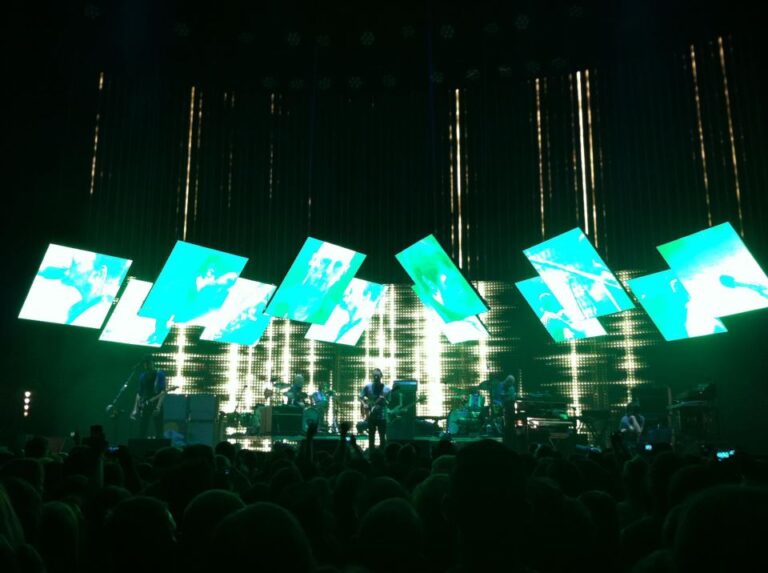
It was March 15, 2012 – my future wife and I flew to Arizona and are standing on the floor at Jobing.com Arena (now Gila River Arena). The lights go off and Radiohead walk on stage for the last show of The King of Limbs tour, their first proper tour in four years. After a fervent reception from the crowd, Thom Yorke starts playing the swirling guitar arpeggios of “Bloom,” the opening track on The King of Limbs. While walking around the Grand Canyon the following afternoon we just could not shake off the chills still ringing through us from the night before.
Radiohead, Jobing.com Arena – 3/15/2012 (Photo by Buscar Photo)
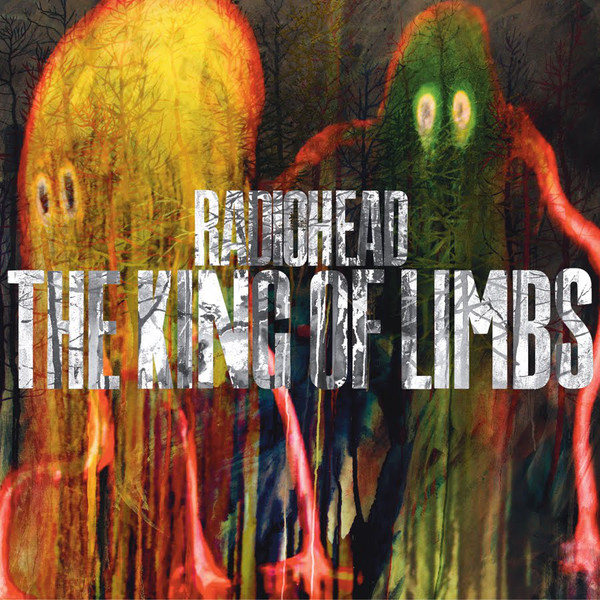
Radiohead’s eighth LP, The King of Limbs (TKOL) turns 10 years old this week and as with any Radiohead album, it represents a unique (yet polarizing) place in the band’s history. The record followed up 2007’s In Rainbows, arguably one of the most important records in modern music history, and a massive double commercial success. Fans worldwide whole-heartedly embraced the pay-what-you-want model right off the band’s website. The record debuted at #1 on multiple charts months later when the retail version of the record was released. The release model for that record changed the music industry forever and foreshadowed the “creative economy” we are currently seeing explode. Four years removed from that ground-breaking release, fans were rabid for more.
The King of Limbs was slated to be released on the Radiohead website on February 18th, 2011 but fans were surprised one day prior when the band announced that the “website was ready early” and the album was available for download. I skipped class for the rest of the day at Fordham, raced home to Long Island and pressed play as soon as I could.
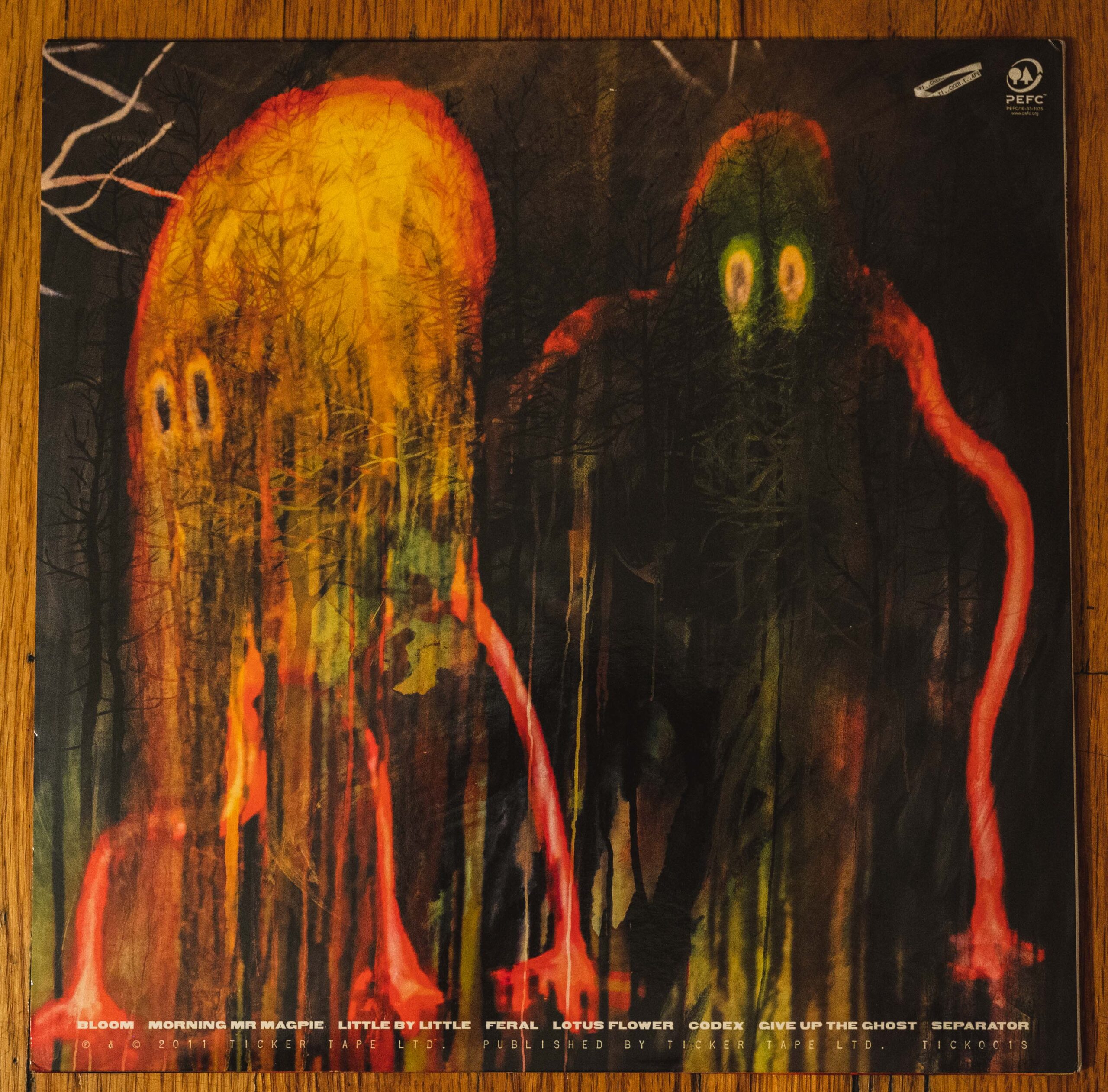
The album kicks off with “Bloom,” a cascading mix of guitar arpeggios, repetitive drum sequences, and a metaphor of the ocean breathing a “universal sigh.” What would become a mainstay in Radiohead setlists, “Bloom” reaches an epic climax before winding down to a single ringing bass note. “Morning Mr. Magpie,” a feverish guitar rock track with a glitched out drum beat precedes “Little by Little,” where the new addition of second drummer Clive Deamer (of Portishead fame) really shines. The two play competing drum rhythms superimposed on one another but are still able to mix it in a way that comes off like a cohesive beat played by a single drummer.
Radiohead, Jobing.com Arena – 3/15/2012 (Photo by Buscar Photo)
Things take a sudden turn with “Feral,” certainly the black sheep of the record, even by Radiohead standards. The listener is bombarded with frenetic drums and ghostly, heavily distorted vocals (enormous “Pulk/Pull…” vibes here). We then hit “Lotus Flower,” the lead single released a couple days before the album via a music video featuring Yorke comically (seriously?) and erratically dancing in a bowler hat. The record then goes into a lull for “Codex” and “Give Up the Ghost,” which are stripped back minimal efforts that stops the albums momentum coming back to back in the second half. Closer “Separator” features soaring vocals over syncopated drum beats.
Regardless of how we feel about the record today, there is no question that fans, myself included, felt disappointed that day. With only 8 tracks, a brief 37-minute runtime and a very lopsided track flow, I sat on my basement floor thinking to myself, “that was it?” After all, Thom Yorke seemed to be overtly teasing us with the vocals on “Separator” by singing “If you think this is over then you’re wrong…” A mantra fans used to convince themselves a “part 2” was coming. Everything about TKOL felt unfinished. The production was rather muted, the recordings felt like demo takes, and it was really hard to picture any of the songs slapping in an arena.
That last notion was proven completely false once these songs got the live treatment. For me personally, hearing them performed live (7 TKOL era tracks that night in Arizona) made it all come together. Listeners still turn to the live studio version released in December 2011 – The King of Limbs: Live from the Basement as the definitive version of the record. The expansive reworked versions and three additional tracks (“The Daily Mail,” “Staircase,” and “Supercollider”) gave the album a whole new persona. Between the release in February 2011 and the start of the tour in February 2012, the band only played three shows (Glastonbury, and two nights in NYC at Roseland Ballroom) but it was already clear that the songs on TKOL are in their full glory live. This is true for so many bands and songs, but here it is especially the case.
Radiohead embarked on a drastic stylistic shift on The King of Limbs. Ambient and melancholic electronica have always been an omnipresent backdrop since the OK Computer era. This time around, Radiohead dove deeper into their IDM and dub-techno influences and adopted a more dadaist approach to the structure and recording of the songs. This was taken to the n-th degree (in typical Radiohead fashion) by Jonny Greenwood who built and programmed a custom hardware/software package to sample the band’s live playing. The essence of TKOL was always meant to be a live rock-band adaptation of 2000s era minimalist techno and down-tempo, a subset of electronica seemingly brought about to capture the moments leading up to sunrise after a long night at the club; an evanescent “blue hour” moment. Artists such as Burial, Bonobo and Four Tet come to mind.
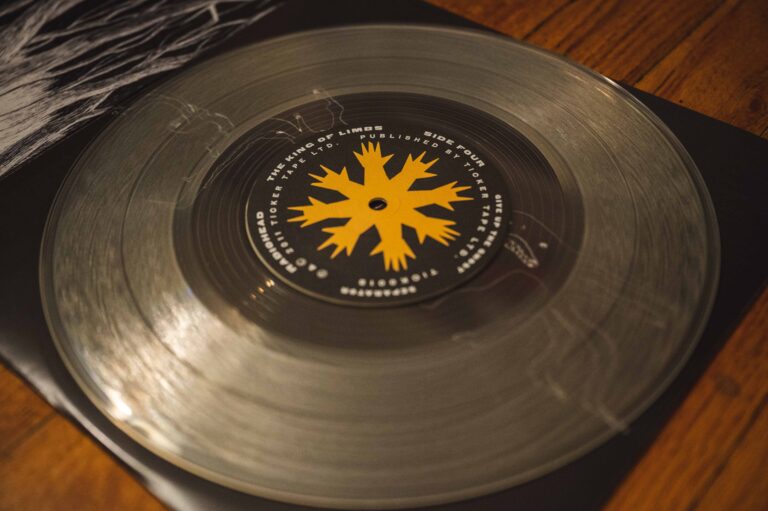
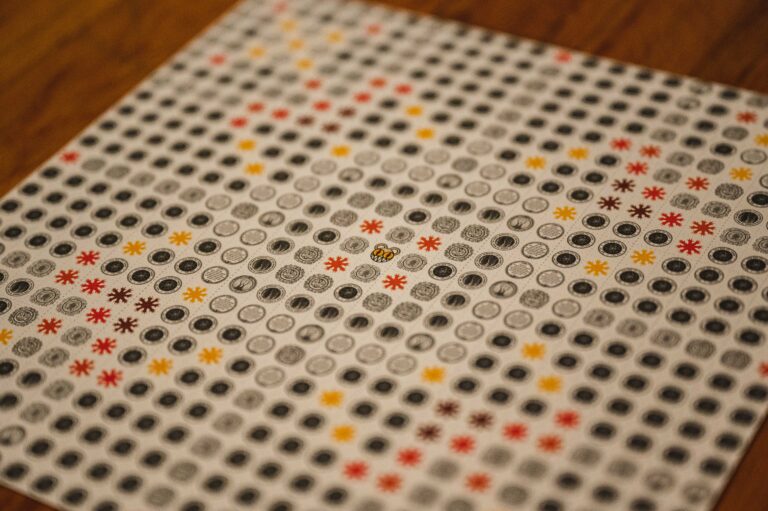
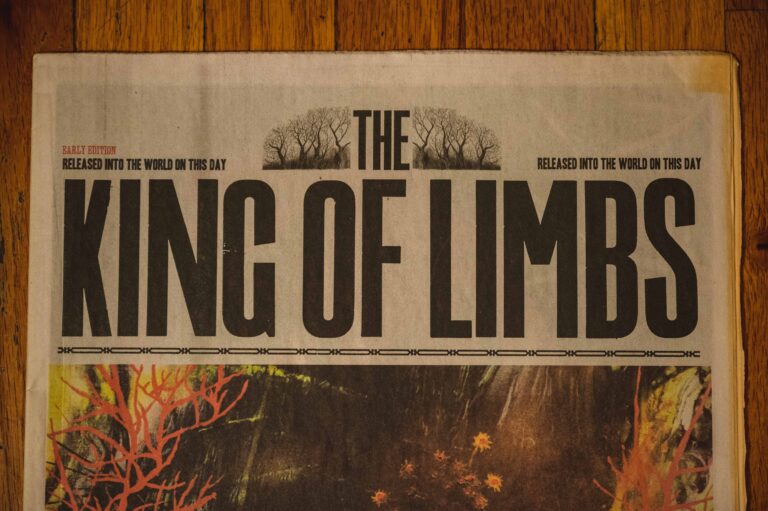
The band even physically encapsulated that very same fleeting, transient vibe of the music in the physical vinyl release. Dubbed the “Newspaper Edition,” the album was first teased with a newspaper handed out on the streets of NYC and the UK titled The Universal Sigh, that featured collages of poetry, short stories, and visual art. The vinyl itself came with another newspaper style art book, a 625-tab sheet of blotter paper, and two clear vinyls. Newspaper was chosen because of how it predictably yellows and fades over time; coming back to the whole notion of capturing an elusive futuristic sound before it fades into memory.
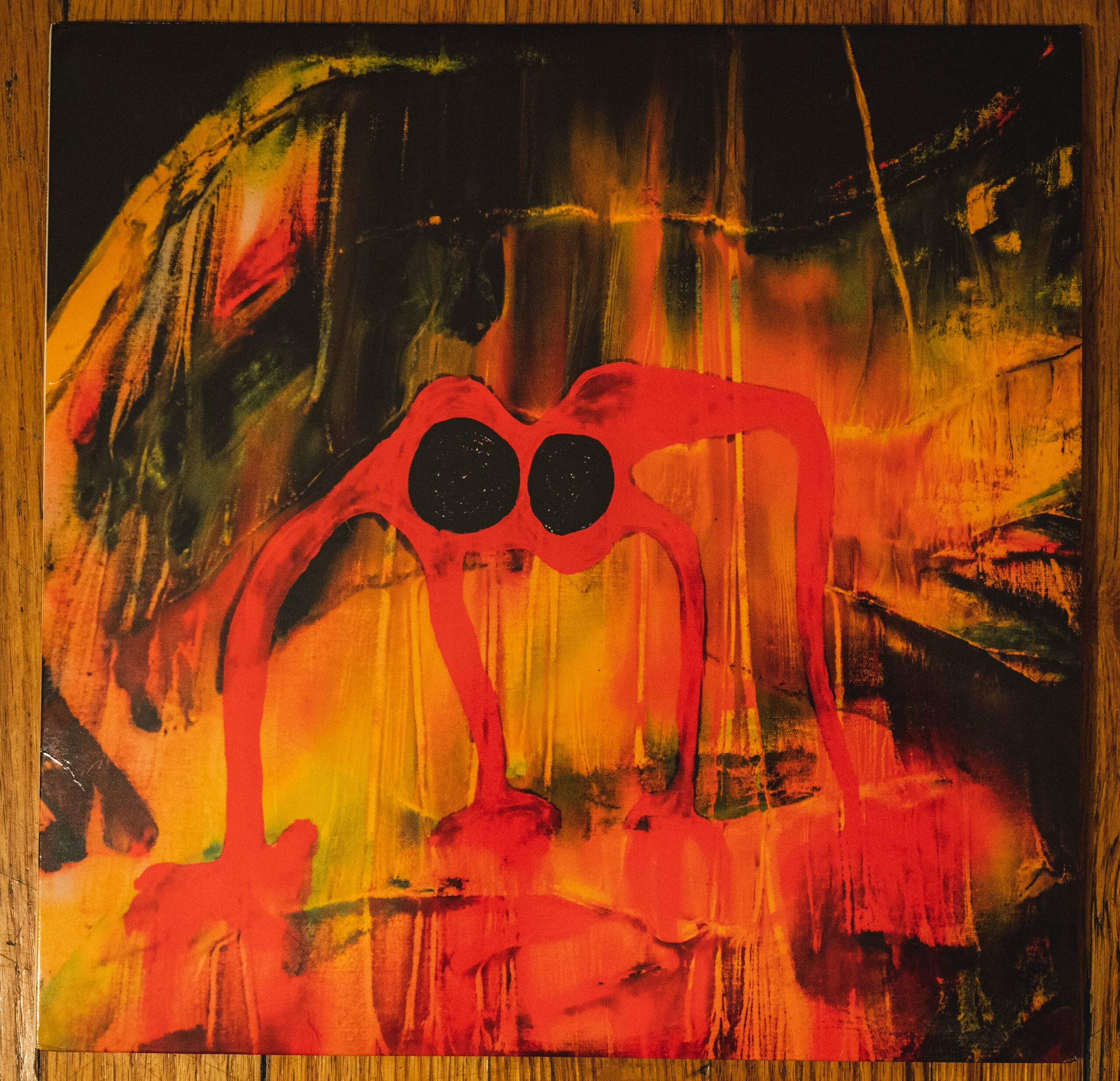
Artwork from The King of Limbs “Newspaper” Edition
The exploration of this new style continued in the year following the release of TKOL with a continuous series of electronic remixes that culminated in the TKOL RMX 1234567 release. Artists such as Four Tet, Caribou, Mark Pritchard, Shed, Jamie XX, Modeselektor, SBTKRT, and many more did their thing with the album tracks. While disjointed and filled with some bizarre sounding remixes that many dismissed out of hand, the collection contains some of the most unique sounding electronica you can find. This style would ultimately evolve and become a jumping off point for Thom Yorke’s future eras of solo/collaborative projects (i.e. collaborations with Modeselektor, Tomorrow’s Modern Boxes and more).
That brings us back to today – 10 years later. While still polarizing and a point of heated debate amongst the Radiohead faithful, The King of Limbs owns its distinct place within the band’s discography; I would even argue it is one of their best records. Considering that another record has been released since, fans have allowed TKOL to exist as it was meant to be, rather than forcing it to be another In Rainbows or OK Computer. The record explores a very brief period in electronica from the perspective of an arena rock band in a way that has yet to be done by any other artist. The Universal Sigh publications will eventually disintegrate with time but The King of Limbs is not going anywhere and continues to perplex and wonder listeners a decade on.
The impacts of COVID-19 have been felt throughout the entire world, with many having to deal with unfortunate tragedies as a result of the virus. Furthermore, the worldwide quarantine was a strain on many people’s mental health. Humans are social beings after all and forced isolation is bound to have a negative effect, despite its necessity. It was during this time that recording artist, Summer Williams, began to brew ideas for the matching/music creation app, Lyricster.io.
Williams’ innovation was preceded by strenuous efforts to record, collaborate and discover new music during quarantine. There had to be a more efficient way to go about this without having to search countless databases for music album credits. Having used dating apps in the past, William, 30, saw this as an opportunity to add a new spin to musical fraternalization.
“Isolation and quarantine was a blessing and a curse. Being forced to stay indoors allowed me the time to slow down and focus on my needs as a music creator personally and what was lacking in the professional networking space,“ said Williams.
In doing so, she has entrenched herself as a member of the music industry as both a creator and executive. A graduate of Manhattanville college with a degree in music management, Williams is an R&B songstress in her own right, going by the moniker, SLSTRSS, with Lyricster.io serving as her passion project.
The official beta for Lyricster.io launched on January 21, 2021 and was presented at their Songwriters Super Conference, where potential consumers tuned in for a day of expert panelists in the music publishing, sync licensing, audio production, songwriting, social media and entrepreneurship industries, representing industry giants like; Twitter, Songtradr, Songtrust, Berklee College of Music and more.
While collaboration is one of the app’s main selling points, it is more than just about pairing musical acts together. Lyricster.io works to empower the individual through various initiatives. Each Thursday at 9 p.m., Lyricster.io hosts a free members-only virtual session with expert guest songwriters and producers from all genres of music, breaking down their creative processes.
The app has also introduced an online education platform titled “Lyricster University.” The learning tool uploads weekly ‘‘fast classes,” with animated lessons explaining complexities like; royalty collection and copyright protection for musicians, a major point of contention for established artists when speaking to hopefuls. Other features include the ability to filter by genre, location, vocal style, creator type and much more, with the option to match and message your way to musical relationships.
The idea of dating apps are amazing in terms of easily searching through an endless database of users so we kept that similar. What we added are key features fit for musicians, like video profiles instead of picture profiles, links to all music streaming, file sharing and ‘sounds like” filters to experience a user’s full audio resume before being swiped.
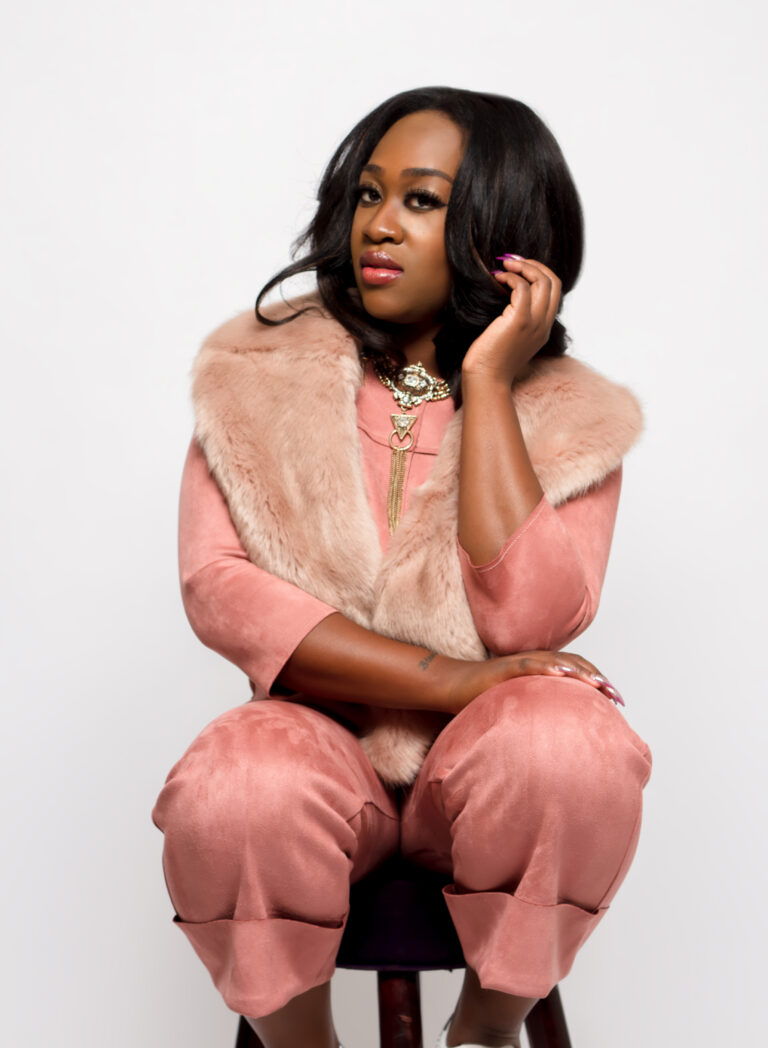
Lyricster founder Summer Williams
As a beta launch, all services are completely free. After March 15th, swiping in your city will always be free, but access to the upgraded filters and location search will be $14.99/month.
Imagine the beautiful new sounds of music when we can all just collaborate, both in song and in this country. This year has been incredibly traumatic as a dark-skinned woman in America and it’s time we change the sound ourselves, because we’ve played nice long enough.”
John Roberts teams up with legendary Blondie frontwoman, Debbie Harry, to release his newest single “Lights Out” produced by Junior Sanchez. The single is accompanied by a trippy animated video directed by Kris Baldwin.
Roberts, a long time Blondie fan, was thrilled when his friend Debbie Harry accepted his invitation to be featured on his new song. “Lights Out” follows “Freaks” which came out last fall, an innovative and quirky dance-pop song that was also produced by Junior Sanchez. Both “Lights Out” and “Freaks” are the follow-up to Roberts’ 2019 self-titled EP. Produced by Big Black Delta, it featured his UK club hit “Looking.” Both singles are to appear on Roberts’ debut album which is set to drop sometime in 2021.
Born in Edison, New Jersey, Roberts has always had a deep-rooted love for music. At the onset of the 90’s he fell in love with the New York City rave scene and frequented the storied warehouse parties mythologized in movies like “Go“. Robert found himself as the frontman of the band Opti-Grab where he toured relentlessly and released an studio album. In 2019 Robert release his club banger “Looking,” which would go on to land at #19 on the UK Club Charts.
Working with someone as professional and legendary as Debbie Harry is something I will never forget. She came in and nailed it and this song is a dream come true.
John Roberts, Musician
Roberts has gone viral from YouTube clips like “The Christmas Tree.” Robert has made appearances on “The Tonight Show,” “Archer” and more in addition to multiple tours alongside Margaret Cho. He currently stars as apart of the EMMY Award-winning “Bob’s Burgers” as lovable & loud matriarch Linda Belcher which landed him first EMMY nod in the category of “Outstanding Character Voice-Over Performance” in 2015. The show is now in its 10th season with a feature film to be released in spring 2021.
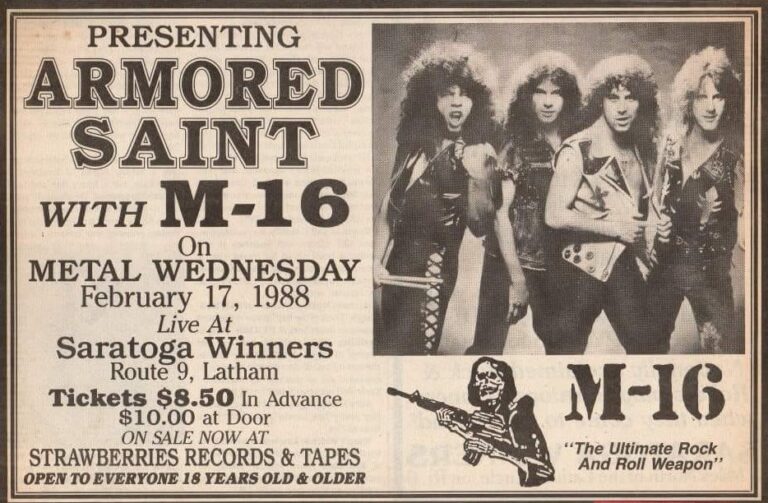
On Wednesday, February 17, 1988, 33 years ago tonight, the ‘headbangingest band in L.A.’, Armored Saint, played a gig at Saratoga Winners in Latham, NY. At the time, the band were touring their great third record, ‘Raising Fear’, on Chrysalis Records. Saint had been to the Albany area before – opening for Metallica and WASP in early 1985 in Scotia in support of first album ‘March of the Saint’, and again in mid-1986, a headline show at the short-lived JB’s Theater, promoting second record ‘Delirious Nomad’, so this gig was packed with enthusiastic headbangers.
Metroland advert
The opening act was Albany-area heavies M-16, and the years have dimmed my memory of their set – but I remember them getting a good reaction, not much else.
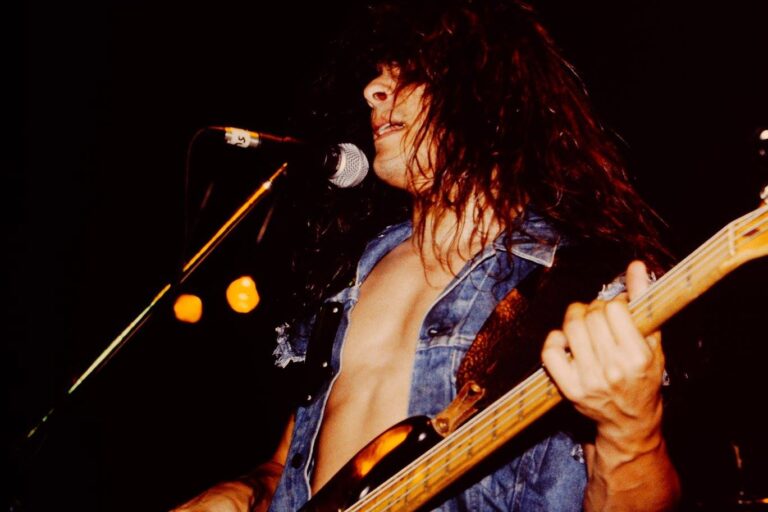
Bassist Joey Vera – photo by Mark Kurtzner
Saint hit the Saratoga Winners stage with the blazing title track of the then-new record, “Raising Fear,” followed by the anthemic first-album classic “March of the Saint,” the chorus roared along with by those in attendance. The band played a long set, incorporating older songs like “Can U Deliver,” “Nervous Man” and set-closer “Long Before I Die.” A particular highlight was the creeping, epic tale of nuclear annihilation, “Aftermath,” from Delirious Nomad. Drummer Gonzo and late, great guitarist Dave Prichard also had solo spots, both killer musicians. These days the band rarely play songs from ‘Raising Fear’, but that night they did a fair number of tracks from it, including vampire tale “Human Vulture,” “Out on a Limb,” their cover of Lynyrd Syknyrd’s “Saturday Night Special,” “Book of Blood,” and the rampaging “Chemical Euphoria,” the most enduring and the one most oft-played over the years. The first encore was “Frozen Will/Legacy” from that record – Setlist FM, if you believe “internet truths,” says this was the only known time they played that song live, ever, but maybe it was the only time it was bootlegged. Either way, great song.
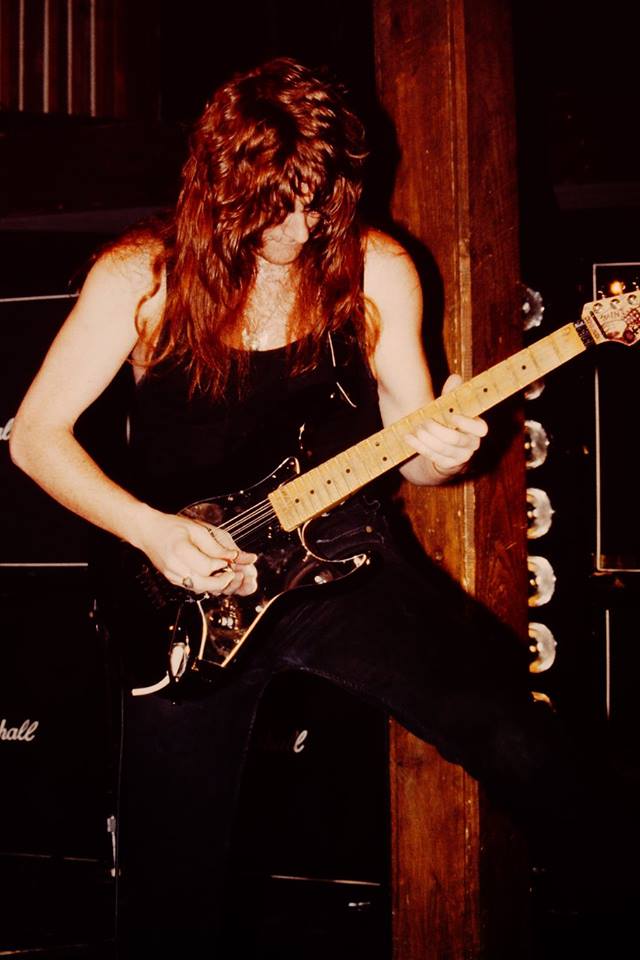
Guitarist Dave Prichard – photo by Mark Kurtzner
The show finished with the band raging through a cover of Black Sabbath’s first-album classic “N.I.B.,” and the band’s high-speed, neck-snapping traditional show-closer, the mighty “Mad House.” A roaring, headbanging night – luckily, the whole thing was filmed by a fan in the audience, and is available online, and the energetic vibe from both band and crowd bleeds through, even via the rough footage available.
The video caused some drama after the show. My buddy Mark (who took the great photos accompanying this retrospective) and I had set up an interview with singer John Bush for post-concert – I think for my WCDB college radio show – and when we were about to go back, the road manager, a guy named Zach, gave us a major ration about the video. Apparently, someone had seen a friend of ours videoing it, saw us talking, and insisted that we turn over the video before the interview commenced. Of course, it wasn’t our video, we didn’t have it, people tape stuff, that’s life – plus, said bootlegger had left, so what were we supposed to do? Road Manager guy didn’t want to hear it and continued to give us grief. This lasted for a while. I can’t recall how it resolved, but I think someone from the band told him to chill out, and we got a really good interview with John and some of the other guys – I remember we got a really funny, cool WCDB station ID from drummer Gonzo and guitarist Dave Prichard which was used on-air and WCDB for years afterwards. Road manager aside, Saint were/are some great guys.
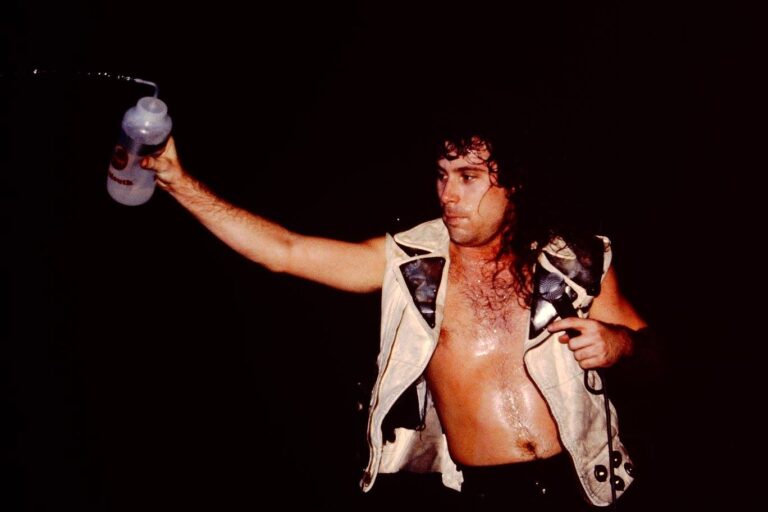
Singer John Bush – photo by Mark Kurtzner
The ironic part of the “road manager giving us crap” story is that, via the tape-trading scene, Saint eventually got a copy of the video, and used the bootleg video recording of “Raising Fear” from this show as part of the ‘Trip Through Red Times’ video/DVD which was released as a tribute to the mighty AS guitarist Dave Prichard after he sadly passed away from leukemia just two years later – what a great guitarist this guy was, and he’s been gone 31 years this month. A sad loss. All hail Dave, and all hail Armored Saint.
Setlist: Raising Fear, March of the Saint, Human Vulture, Nervous Man, Out on a Limb (Last known live performance), Aftermath, Book of Blood, Chemical Euphoria, Can U Deliver, Gonzo Sandoval’s Drum Solo, Can U Deliver (reprise), Dave Prichard’s Guitar Solo, Saturday Night Special (Lynyrd Skynrd cover), Long Before I Die
Encore: Frozen Will / Legacy (Only known live performance) , N. I. B. (Black Sabbath cover – Last known performance), Mad House
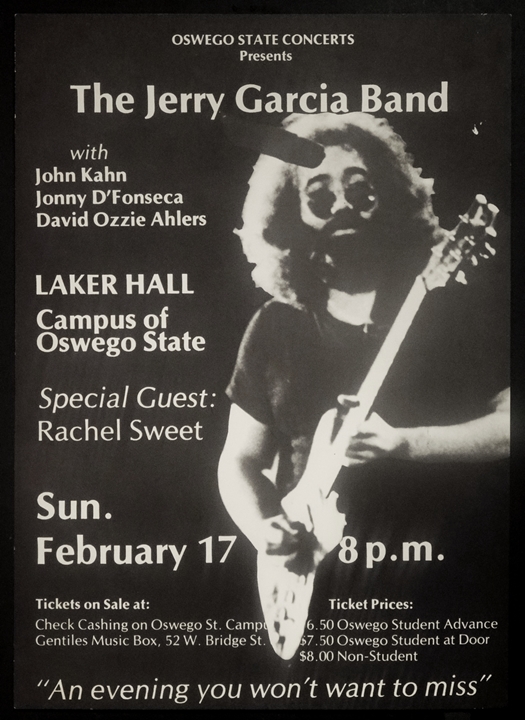
What is it about Upstate New York Winter’s that make great music artists bring their multi-colored California concepts here to heat things up? Forty-one years ago today, Jerry Garcia Band came to be an act for the Lake Ontario sound at Laker Hall on SUNY Oswego campus February 17, 1980.
A then 37-year old Garcia had his second touring band outside the Grateful Dead since collaborating with Howard Wales on hooteroll?. His four piece ensemble consisted of John Kahn on Bass, David Ozzie Ahlers on Keyboards, and Johnny De Fonseca on drums. The band set up atop the cold brick Route 104 venue on the hill, overlooking Lake Ontario, for three hours of music played to around 2,000 people.
They certainly let Jerry’s influences play out in the performance with covers of Allen Toussaint, Marvin Gaye, Chuck Berry, Elvis Presley, Bob Dylan, Jimmy Cliff, J.J Cale, The Beatles, and his own material with the Grateful Dead. Like a typical New York Winter, Syracuse Deadhead Vinny Randazzo remembers the drive to the Oswego show as “covered in snow and sound.” The group immediately stretches out for fifteen minutes to start the show on Toussaint’s “I’ll Take A Melody” to let you know “I understand why the old fisherman, sails along, someday he’ll be gone.” Perhaps it was a quick nod to the windy docks of the Great Lake that sat next to all. There’s some devil out there that’s for sure, which launched them into “Friend of the Devil,” a friend Jerry normally plays with. Just three days after Valentine’s Day and three songs into the performance, love for the faithful is shown on “How Sweet It Is (To Be Loved by You).” The band then casts a line out to the crowd at shore, for a muddy version of “Catfish John.”
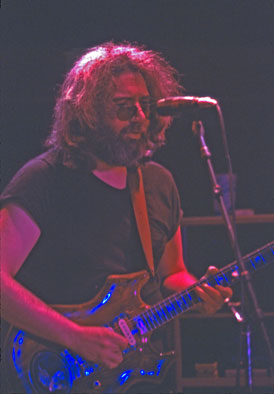
Jerry Garcia, Laker Hall, SUNY Oswego
The Grateful Dead anthem “Deal” comes up next, with Jerry reminding you of tours past: “ If I told you all that went down, it would burn off both of your ears!” There is a 4th Street in Oswego, and Jerry covers the waterside corner during his take on Dylan’s “Positively 4th St” singing, ” You see me on the street, you always act surprised, you say “How are you?,” “Good Luck” But you don’t mean it.”
They close the set with a rockabilly tribute to Elvis for “That’s Alright Mama.” Yea, that first set was more than alright for all in attendance… “any way you do.”
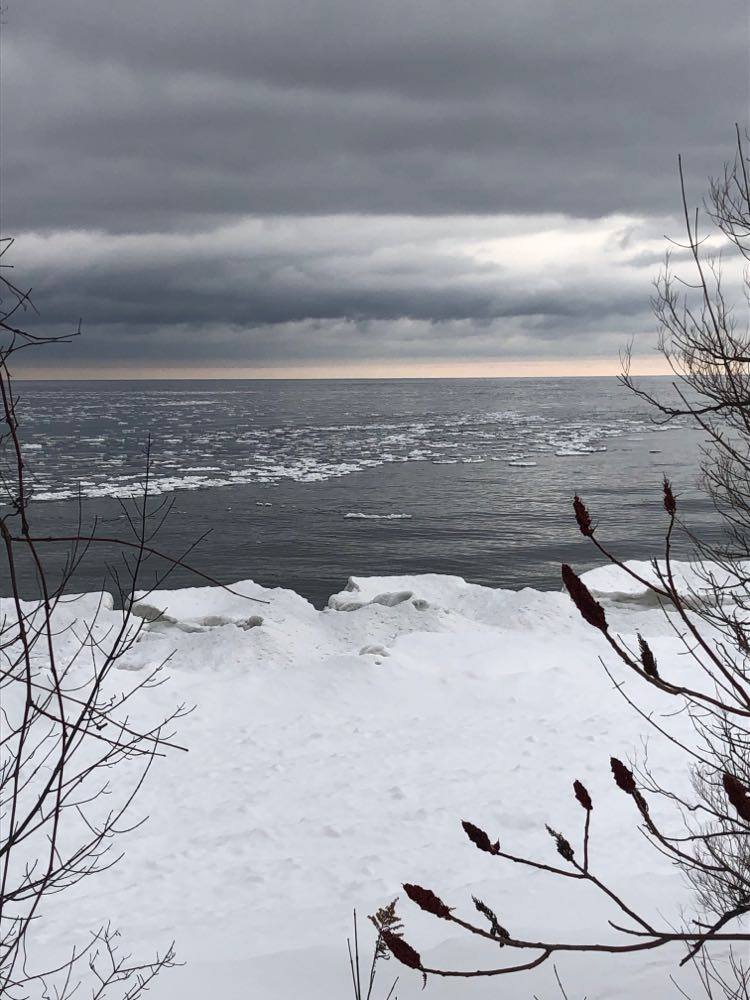
Lake Ontario Winter Melody: “The Sky was Grey with a Spec of Blue, Peek through a Hole in the Clouds, The Sun was Screaming “Hey You!”
After the set break, Elvis had not left the building. The quartet kicked off with the King’s version of “Money Honey,” that got everyone in GA hound-dogging back on the floor. During the set break the crowd certainly felt like they had been “Sitting Here in Limbo,” which is what the band dropped next. David Ozzie Ahlers brings you to Jimmy Cliff’s islands with a two part keyboard solo. Jerry reflects on an American working day for the the next track “Later in the evening when the sun is sinking low, all day I’ve Been waiting for the Whistle to Blow” on “Let It Rock.” Garcia lights up his delta licks on this Chuck Berry classic.
Up next is one of the greatest live improvisational segue ways in rock and roll history. On the famous tape you might recognize the “After Midnight —> Eleanor Rigby Jam—>After Midnight” jam that was only played in the beginning of that decade. This is one of Senor Garcia’s sweetest unplanned moments to be captured.
1980 Eleanor Rigby Jam in to After Midnight at Oswego
Jerry takes another stab at Dylan’s seasonal lyrics “Now the wintertime is coming, the windows are filled with frost, I went to tell everybody but I could not get across, well, I wanna be your lover baby, I don’t want to be your Boss” for “It Takes A Lot to Laugh, It Takes a Train to Cry” Jerry’s Tiger guitar Quartet immediately melt the ice with the last song for “The Harder They Come.” “The Harder they Fall, One and All” to bring back the island vibe beats to close out the evening.
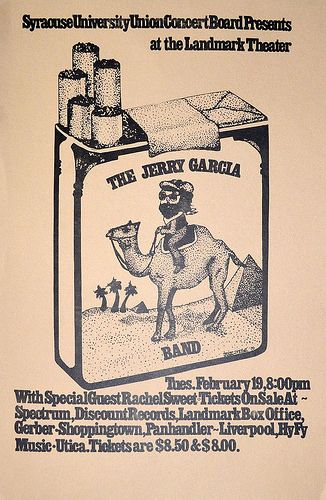
Jerry Garcia Band 1980 winter tour rolled through New York State from Oswego to The Palace Theater in Albany, The Landmark Theater in Syracuse, The Calderone Theater in Hempstead and SUNY Stonybrook. They came back to Laker Hall under new personnel one last time on December 11, 1983 with Melvin Seals. Jerry Garcia kept a solo band outside of The Grateful Dead for the next 15 years with Melvin Seals How Sweet It Is: Melvin Seals at The Westcott Theater who carries the JGB touring torch to this day.
In a 1981 interview someone asked Jerry Garcia “What are the virtues playing with your own band compared to the Grateful Dead?” Garcia responded “Its a real resonate consonance experience, its like harmonious, every bodies musical taste is similar to my own, ya know?, and our concept of what music should be, were an accord, so my band is playing the kind of music that I think of the way music is constructed , in terms of the roles and the instruments, The Grateful Dead is interesting because everyone has a different concept of what music is about, which creates a lot of friction and tension to it”
Jerry Garcia Band, February 17 1980, Laker Hall, Oswego, NY
Set 1: I’ll Take A Melody, Friend Of The Devil, How Sweet It Is (To Be Loved By You) Catfish John, Deal, Positively 4th Street That’s All Right, Mama
Set 2: Money Honey, Sitting Here In Limbo, Let It Rock, After Midnight > Eleanor Rigby Jam > After Midnight, It Takes A Lot To Laugh, It Takes A Train To Cry, The Harder They Come
Vevo has revealed Brooklyn emcee Sheff G as the latest artist to get spotlighted in their Ctrl series, with performances of “Eeny Meany Miny Moe” and “Lights On” from his 2020 project, Proud Of Me Now.
Vevo’s Ctrl series highlights the work of hard-hitting, cutting-edge musicians making an impact in today’s music scene – both emerging and established. These artists demand attention, and Vevo’s Ctrl shines a deserving spotlight. Sheff G’s performance follows sessions from Rick Ross, Common, Rapsody, Fat Joe, Jeezy, Jadakiss, Fabolous, A$AP Ferg and more.
From the Flatbush section of Brooklyn, Sheff G — born, Michael Williams — gained recognition for his 2017 drill record “No Suburban.” The song’s popularity — along with a slew of other popular drill songs — helped usher in a new era of rappers from the borough and spotlighted the gang activity that often served as the pre-cursor to the music.
Following the success of “No Suburban,” Sheff G released his much-heralded debut mixtape, The Unluccy Luccy Kid. The project contained popular records like “We Getting Money,” “Flows” and “Designer,” with the latter two featuring friend and frequent collaborator, Sleepy Hallow.
Williams released his next project One and Only in May 2020, and Proud Of Me Now, which includes “Eeny Meany Miny Moe,” in December. He rounded out the year with singles “Light On” and “No Negotiations.” Donning a blue bandana themed shirt and pants, Sheff G’s live performances is a continuation of the rapper’s progression from homegrown talent to bonafide star. In usual Sheff G fashion, both records are thumping and assertive, displaying his fearlessness and bravado on the streets through his music.
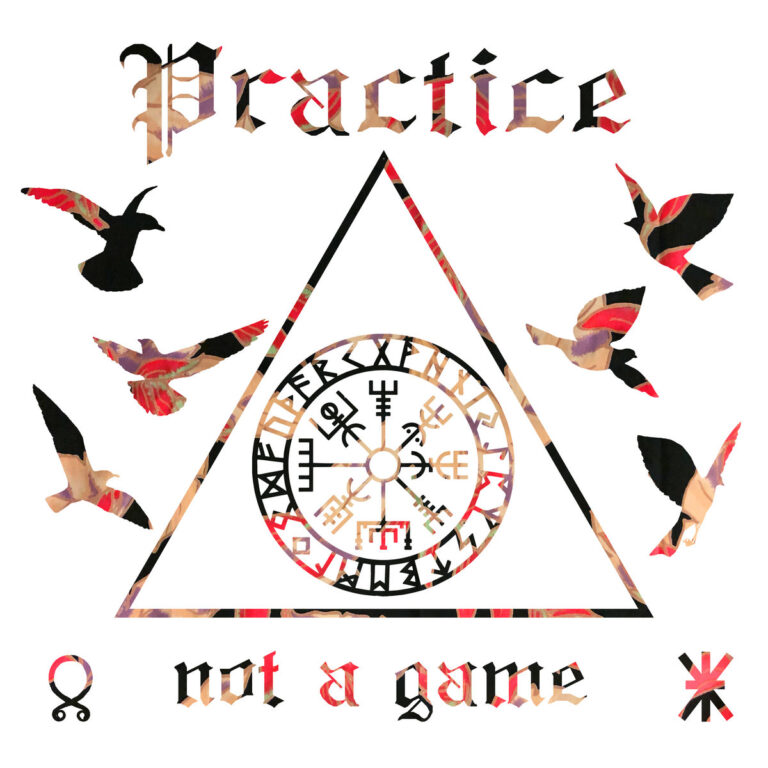
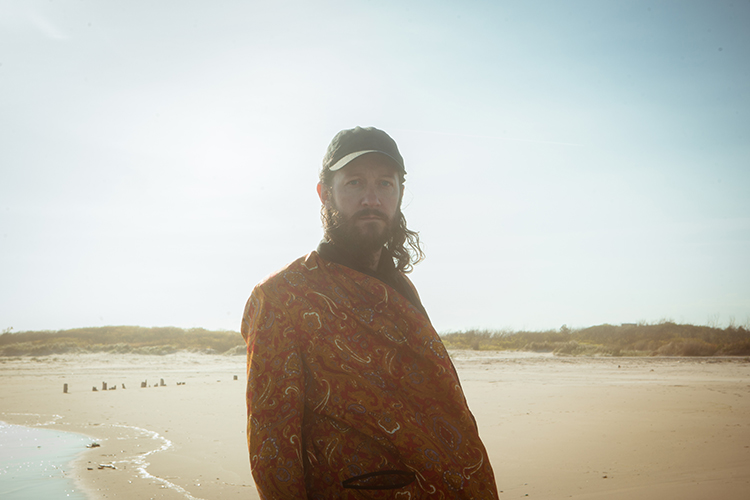
Indie electro artist Practice is set to release his debut solo album, Not A Game, on February 19. NYC-based artist Michael Tapper is developing his own sound under the moniker Practice. He combines synth usage with his deep vocals to illuminate the tone of his work.
Photo Credit: Guy Eppel
Not A Game is Michael Tapper’s first solo project. Prior to this, he was a drummer for We Are Scientists, Bishop Allen, Fool’s Gold, and Yellow Ostrich. Going from a collaborative environment to working alone prompts many challenges. Practice faced this exact difficulty and shares it with NYS Music:
Usually when working with someone else, we can find the areas and directions where we agree or feel like we can each contribute the most to create something we both will love, and that will determine what we try to make. My interests are very broad, so I had a hard time narrowing down the focus of what I wanted to do. Eventually I came upon the idea of forming a band out of analog synthesizers, which gave me some framework for structure. Within that, I could explore different types of songs that worked within those artificial constraints.
Michael Tapper
Having no collaborators to bounce ideas off was another obstacle Practice had to face, especially when working in unfamiliar capacities with many instruments. However, he found that his wife and friends were the solutions. The artist highlights, “I was surprised to learn that just listening to a song with someone else helped me to hear it differently than if it was just me listening to it in my studio. Somehow, you’re able to sort of hear it through someone else’s ears to some degree.”
The Power of the Synths
All the tracks in this album are unified by the instrumentation. The use of synthesizers is the main driving force behind Not A Game. The framework behind creating a solo project was to view it as a band, “with each band member being a specific synthesizer.” These “band members” consist of “a bass synth, a lead synth, a poly-synth that plays pads or rhythm parts, and a drum machine. Kind of like your typical rock band, but with synths.” In addition, Practice aimed to perform these songs live one day. So, he connected all the synths together to allow this.
The creative process behind utilizing these synths varied based on the arrangement. Creating new songs would sometimes start with a bass-line, a lead synth, a textural pad, or a drum machine beat. Practice utilized these “band members” as if it was an actual collaborative project with different sounds commencing each track’s development.
One result I liked about working with this framework was that in the end, the songs all shared a certain consistency in their sounds and textures because it was the same instruments on all the songs, even though the songs themselves might seem like they come from different worlds or genres.
Michael Tapper
Photo Credit: Guy Eppel
Finding Inspiration
A few songs on Not A Game are inspired by the 28-day sailing trip that Practice undertook from Mexico to Hawaii. The idea to make an EP stemmed from the thoughts and feelings experienced on this voyage. “They deal with feelings of loneliness, fear, and uncertainty – sort of these universal feelings that are relevant even when you aren’t out in the middle of the ocean.”
The album kicks off with the catchy single “After Life,” introducing feelings of being separated from the world. While the closer, “I’ve Had Enough,” is a more laid-back song. Practice shared, “I like to take the listener on a journey. I ultimately decided to start the album with ‘The Afterlife’ because I thought it introduced a lot of the elements of the record musically, but in hindsight, it really works lyrically as well. I liked that it started with just the richness of the synthesizers and then kicked into a groove that’s definitely danceable.”
Watch “The Afterlife” Music Video Here
Leaving an Impact
I hope people can relate to and connect with what I’m saying according to their own experience…But also, I hope people can just listen to the music and think it sounds good! I don’t really feel a need to be heard, like personally, and I’d be very happy if people wanted to put it on at a party and dance or put it on in the background as they work or work out or whatever. I hope that people can enjoy it in whatever way they can and need, like a musical multipurpose saline solution.
Michael Tapper
Keep an eye out for Not A Game, soon to be released on February 19. Get a sneak peek by checking out some released singles off of the album: “I Saw Love,” “Failure of Imagination,” and “I Don’t Need Love.”
In his debut novel Revolver, Evan Schwartz delves into a playground of fiction popular among music lovers, an alternative history of The Beatles and the late, great John Lennon.
From Bryce Zabel’s Once There Was A Way to Larry Kirwan’s Liverpool Fantasy to Danny Boyle’s recent film Yesterday, Lennon and his band have been catalyst for some interesting detours from reality. Schwartz’ Revolver is another – a quasi-mystical spin that rewrites the tragic history we all know too well.
Set in Long Island in the 1970s, Revolver is the story of two high schoolers, a boy and a girl who share a fierce, evolving love of rock ‘n’ roll and each other.
As the book opens, Charlie Mixner is pondering his requisite teen angst with insight provided by Lennon’s 1974 album, Wall and Bridges, and its signature tune, “#9 Dream.” At his school, Charlie is bullied for the scars he carries, purportedly from falling into a fire at this third birthday party. He’s a classic music nerd, one whose concerns over the bullying, his budding love and his parents’ failing marriage are salved by the endless stream of music he dissects like scripture. One such scripture is The Who’s second rock opera, Quadrophenia, which Charlie plays, or at first largely mimes, with a band he forms with a trio of largely instrumentally illiterate friends. He’s also a guy who spends weeks doing a March Madness-styled, round robin competition to determine his favorite all-time band.
Most importantly, Charlie is having persistent dark premonitions about Lennon. It sets him off on a mission to meet and warn the Beatle about an unknown danger he can sense but not quite put his finger on. The signals as to what may come are somehow communicated through sensations in his scars, another thing he can’t quite figure out.
His female counterpart Shayla is another teen afflicted with music mania. In an effort to both proselytize their shared tastes and establish the cred needed to meet Lennon via an interview, they both become writers for their high school paper. Charlie churns out impassioned album and concert reviews, with opinions not always shared or popular with his classmates. Shayla puts her teen angst on display via her poetry in every issue.
The book follows the pair through a couple of years and the many changes in musical styles and favored bands that came fast and furious in the 1970s. They go from The Beatles, Stones and The Who to Bowie’s glam, then Prog and Southern Rock, disco and, ultimately, New Wave and Punk. While Charlie cautiously goes with the changes, Shayla goes full bore as they happen – hanging in denims and halter top with the rowdy Skynyrd boys, then dancing mad to disco in a silky dress and, finally, a punk ethos and threads inspired by The Ramones and Chrissie Hynde.
The duo amiably stalk then ultimately come face-to-face with Lennon, a few times over the course of the book. This includes that critical night in December 1980, which serves as the novel’s climax. But what happens here shall be left to your own reading.
As a Queens, N.Y. native who came of age in 1970s, I can tell you that Schwartz’ take on Long Island and the times is spot-on.
There are tons of fun cameos by folks like The Stray Cats (Charlie’s classmates), Billy Joel, the various concert venues and WLIR-FM, the prime youth taste disseminator in L.I. during the era. And you have to love that the put-upon disco boy character is named Sergio Valente, after the jeans’ brand that was requisite dress for disco lads and lassies back in the day.
Revolver is coming-of-age story with a deep dive into the power of music, especially the role it plays in the emotional lives of young people. It is set in and gives a new appreciation to the 1970s, one of rock music’s most creative, change-filled and underrated decades. It’s a book that will have young and old alike heading to Spotify (or their dusty vinyl) to enjoy the many breakthrough albums that dress Schwartz’ imaginative and most enjoyable literary fantasy.
In episode 111, Ben of Rochester Groovecast shares nostalgic memories with Matt Green, Entertainment Director and Co-Owner of Flour City Station.
“Flour City Station is located at 170 East Avenue, in Rochester, NY. Rochester is steeped in music tradition; from the Eastman School of Music just down the street, to the longstanding music festivals such as the Jazz Festival, East End Fest, Fringe Fest and Party in the Park. Flour City Station (FCS) provides its customers with a unique and friendly environment for enjoying the best live music Rochester has to offer. We are set up to accommodate musicians with a state-of-the-art sound system. We cater to a wide base of genres of music featuring both local performers and nationally touring acts. With our friendly, accommodating staff, the Station offers an experience to patrons that is unrivaled by any other establishment in Rochester. We offer customers a safe, friendly social atmosphere where they can catch up with old friends, meet new ones, and enjoy premium live music. Simply put…we are all about the bands, the fans and the experience!”
Timestamp:
00:31: “Nasty Old Man” by The Honey Smugglers
04:27: Episode Introduction
05:30: Conversation with Ben and Matt
33:24: “September Doves” by Lost Dog Street Band, live at Flour City Station
At Rochester Groovecast, the mantra “We’re Fans First!” harnesses the belief that the best businesses are built by fans. The podcast is deeply dedicated to playing an active role in the culture of its local scene.
The brainchild of Rochester native, Ben Albert, was created in 2016 to serve as a portfolio of the city, and nowadays, the entire region.
The podcast believes in the artistic brilliance abundant in Rochester, NY, and the surrounding regions. Ben seeks to play a pivotal role in our community by helping give Rochester a well-earned voice. He has seen first hand the abundance of talent, character, creativity, innovation, and beauty the Flower City has continuously offered.