Guitarist and composer Marc Ribot has shared the first single, “The Activist,” off the upcoming album from Marc Ribot’s Ceramic Dog, Hope, due out on June 25.
album art for “Hope”
Described by the Village Voice, Ceramic Dog’s bark is just about equal to its bite. The music snarls and snaps with self-awareness, righteous fury, and, inevitably, cynical detachment. The group also features bassist Shahzad Ismaily and drummer Ches Smith of the avant-garde based group Secret Chiefs 3. With this ferocity in mind, Ribot speaks of the first single, “Hope.”
I like to rant. Ranting is a kind of semi-involuntary spewing of something that seems to be very urgent. This particular rant came up after going to a lot of Activist meetings. Now, don’t get me wrong: some of my best friends are Activists. I’ve even been accused of being one myself (although after reading Astra Taylor’s essay “Against Activism” I try to aspire to being an organizer, or at least a radical).
Anyway— I got frustrated at a couple of meetings because of people trying to posture as the most super rad instead of getting things done. Later, I was supposed to be working on a reasonable position paper of something: but stuff like this came out instead: “I don’t accept sidewalks, I walk on my hands in heavy traffic, and even that is a compromise. I don’t accept gravity, or teeth! I don’t accept you, or what the mainstream media refers to as your cute little (and I quote) “doggie.” Shahzad and Ches (my Ceramic Dog comrades) thought it was funny, so we started doing it live/improvised— and eventually came up with this jam. Party!
Marc Ribot
Ribot as born in Newark, NJ and played guitar in various garage bands while studying under mentor, Haitian classical guitarist and composer Frantz Casseus. After moving to New York City in 1978, Ribot was a member of the soul/punk Realtones, and John Lurie’s Lounge Lizards (1984-89). Between 1979 and 1985, Ribot also worked as a side musician with Brother Jack McDuff, Wilson Pickett, Carla Thomas, Rufus Thomas, Chuck Berry, and many others. Pre-order Hopehere.
Marc Ribot’s Ceramic Dog – Upcoming Shows June 6 – Co-presented Burlington Discover Jazz Fest @ The Backyard at Nectar’s, Burlington, VT –
June 6 – Co-presented Burlington Discover Jazz Fest @ The Backyard at Nectar’s, Burlington, VT –
Lo-fi artist Jxst J , releases a new single “Alone” with a hilarious and entertaining music video. Teasing his debut album “How to Pronounce Jxst J.” After spending his formative years in. LA playing in bands and making music videos, the multi-talented artist is now. Brooklyn-based, where he continues his synesthetic approach to music.
Jxst J
The song “Alone” will have you closing your eyes and bopping your head back and forth as his soothing. voice goes perfectly over his low-fi beats. Drawing from genres like dream pop, indie, and trip-hop, he seamlessly blends acoustic and. electronic elements for a sound that is as eclectic as it is catchy. He achieves a polychromatic sound that shows off his mix of stretched samples, acoustic instruments, analog synths, and his silky vocals.
As for the music video somehow just goes perfectly with the song easily putting a smile on your face. Although a simple music video, Jxst J is able to make the most out of it making it seem to go flawless with the song. It is most definitely a video that will have you want to watch it every time you listen to the single “Alone.” Jxst J (aka James Pratley Watson.) is a visual artist just as much as he is a musician. Before Jxst J he was recognized for his lo-fi visuals with his band Pratley. Now he is bringing his visual literacy to Jxst J with a trippy, arthouse aesthetic shot primarily on super 8 film
He plans to release a music video with each. song over the summer until the album “How to Pronounce Jxst J” full release this fall.
Oliver Wood has released, Always Smilin’ a compilation of songs recorded over the past couple years. The frontman of The Wood Brothers didn’t head into this solo project with the intent to create an album. It just grew organically from sessions held with friends, old and new. The list of collaborators reads like a who’s who of contemporary roots music: Chris Long, Jano Rix, Susan Tedeschi, Phil Cook, John Medeski, Tyler Greenwall, Phil Madeira, Aaron Lipp, and Carsie Blanton.
The album’s name, Always Smilin’, comes from the lines of the opening track from Oliver Wood, “Kindness.” The folk ditty highlights Wood’s knack for turning a phrase, as he croons in his distinguished soulful voice:
I know a man He’s always smilin’ I said how do you do it Do you lean into it?
Despite the upbeat tempo, it’s not a happy-go-lucky song. It’s about the indelible capacity of the human spirit to find hope in the face of adversity. The rest of the album follows suit, leaning into that propensity for seeking out hope, often through communing with kin or faith in spirituality.
Although an album made like this from random sessions with a variety of people could sound like a modge-podge, Wood’s deep-seated values seem to be the thread that holds it all together.
The music and melodies meander playfully across genres – folk, country, and even a couple gospel covers (“The Battle is Over (But the War Goes On)” and “Climbing High Mountains (Tryin’ To Get Home)”). There’s an easy-going freeness that flowed organically from creating without a destination in mind. The journey takes the listener through a soundscape created by this handful of musicians, masters of their craft, as they do what they enjoy doing best.
And that joy shines through. That feeling is infectious. The album will leave you smilin’.
Key Tracks: Kindness, Fine Line, Soul of This Town
Trevor George Smith Jr., better known by his stage name, Busta Rhymes, celebrates his 49th birthday today.
Born in Brooklyn in 1972, Busta Rhymes later moved with his family to Uniondale, Long Island where he and fellow MCs’ Charlie Brown, Dinco D, and others formed the hip hop group Leaders of The New School who released their first album, A Future Without a Past, in 1991.
It wasn’t until 1995 when Busta’s solo career kicked off. With the release of his debut album, The Coming in 1996 which was highly praised by the hip hop community at the time. Lead singles such as “Woo Hah!! Got You all in Check” ( which was later remixed featuring Ol’ Dirty Bastard) brought Busta Rhymes into the public eye, securing a #8 spot on the Billboard Hot 100.
Busta’s work carried into the 21st century, collaborating with famed hip hop producer Dr. Dre on his fifth studio album Genesis released in 2001. Instead of making a quiet exit from the scene like other MCs from the golden era of hip hop, Busta stayed relevant by continuing to work and collaborate with trending artists of the 2000s.
Continuing to keep the music interesting in 2020, Busta Rhymes delivered his 9th studio album Extinction Level Event 2: The Wrath of God which featured the single “Look Over Your Shoulders’ ft. Kendrick Lamar. For hip hop enthusiasts, “Look Over Your Shoulders” might be the perfect balance of old-school meeting new-school, and it never sounded so good.
2021 marks the 25th anniversary of Busta Rhymes’s debut full-length album, The Coming, which recently received a deluxe reissue.
After a hiatus last year due to the COVID pandemic, The American Music Festival has announced a comeback with four days of events at Albany’s Palace Theatre.
The Albany Symphony Orchestra photo courtesy of Albany Symphony
Presented by the two-time Grammy award-winning Albany Symphony Orchestra and their music director David Alan Miller, the annual festival celebrates cutting-edge composers and musicians. This year, the festival will be held from June 10-13 and consist of a Composer Workshop Masterclass, outdoor neighborhood performances, and family activities.
Other events include a First Draughts reading session, which gives the public a glimpse into the weeklong Composer Workshop, as well as performances from members of the Los Angeles Guitar Quartet and the orchestra’s own Dogs of Desire.
A recent addition to the events include a collaboration between the Albany Symphony and NYSID (New York State Industries for the Disabled). They will be hosting a panel discussing how disabilities can actually provide more positive abilities than negative. The band Flame, made up of talented musicians with disabilities, will also be performing.
The festival will also feature works from composers Nina Shekhar, Clarice Assad, Molly Joyce, Christopher Theofanidis, Alexis Lamb, Kerwin Young, Bobby Ge, Jack Frerer, Carolyn Yarnell, and Tom Morrison, alongside other musicians. Many of the works will be premiered at the fest.
One of the composers, Nina Shekhar, writes in reaction to how classical music has lacked in responding to current social issues. Her piece, Above the Fray, pokes fun at this phenomenon by distorting Bach’s famous Prelude from Cello Suite No. 1.
“Unlike Western art tradition, which believes that classical music is a one-size-fits-all solution, this piece challenges that and asserts that we each have infinitely unique identities that morph under different circumstances. Art itself is not static, but rather something dynamic that we can allow to breathe, reshape, decompose, and reincarnate into new life forms over time,”
Nina Shekhar, Featured Composer at the American Music Festival
In accordance with New York reopening guidelines, the concerts will have limited in-person attendance for paid subscribers only. Livestream access will be available for free.
Concert livestreams can be accessed on the Albany Symphony Orchestra website. Check out the complete schedule below.
Composers Molly Joyce and Nina Shekar sit down for an honest talk about creativity, resilience, and embracing differences with Maureen O’Brien, President & CEO at New York State Industries for the Disabled (NYSID) and Greg Sorrentino, President & CEO at Center for Disability Services.
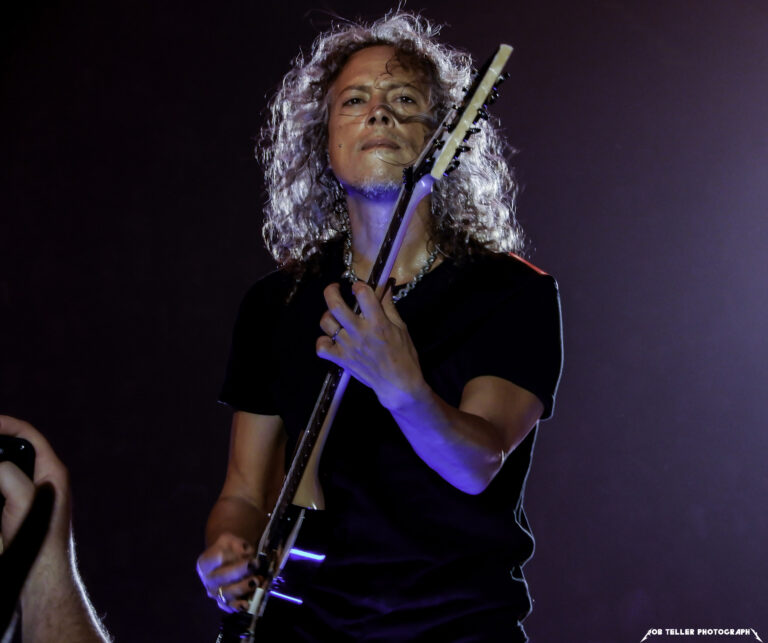
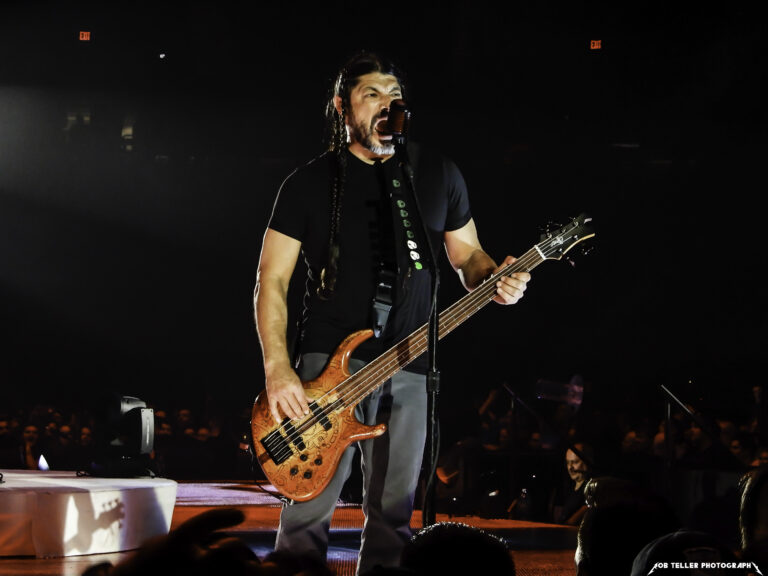
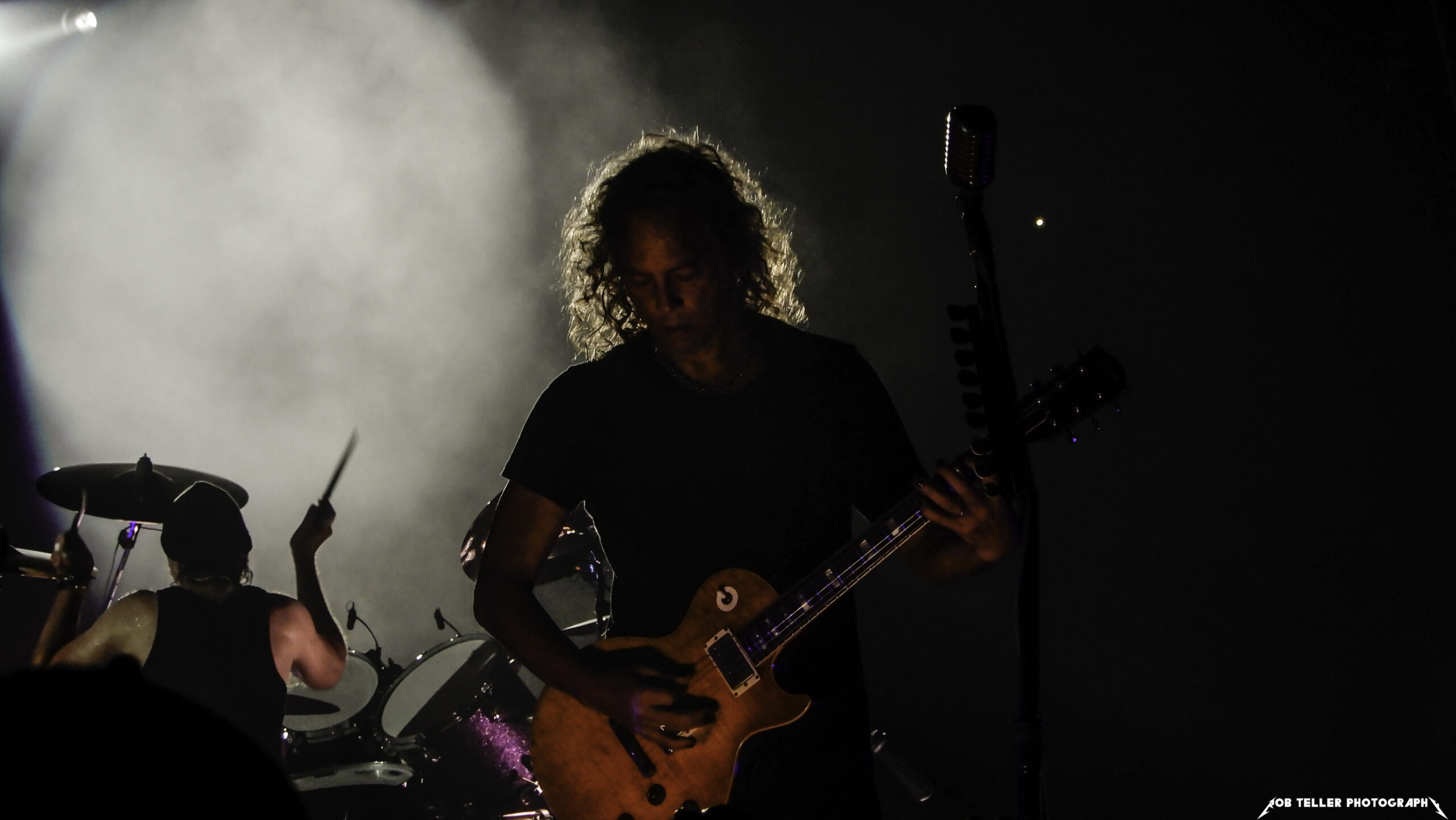
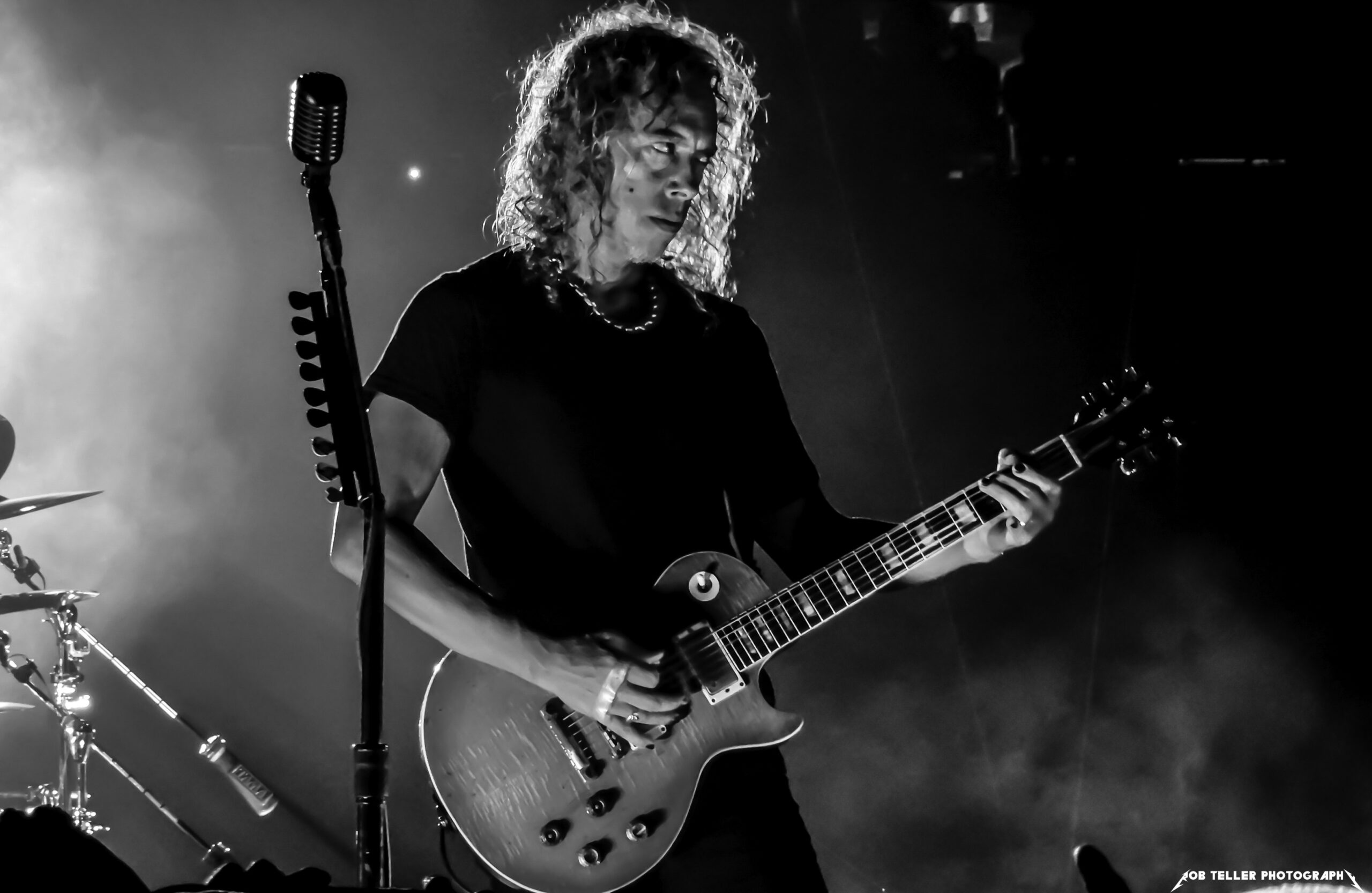
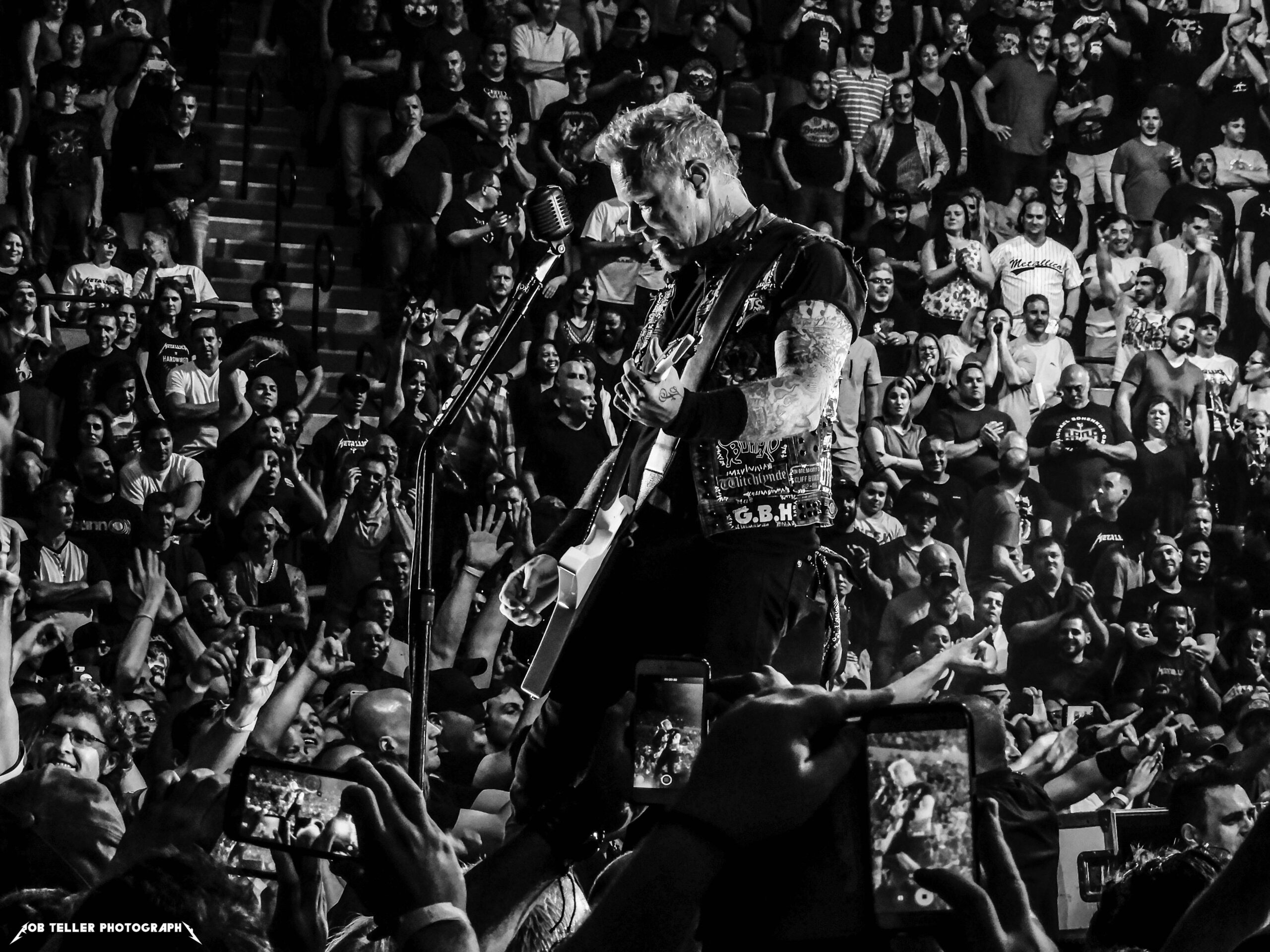
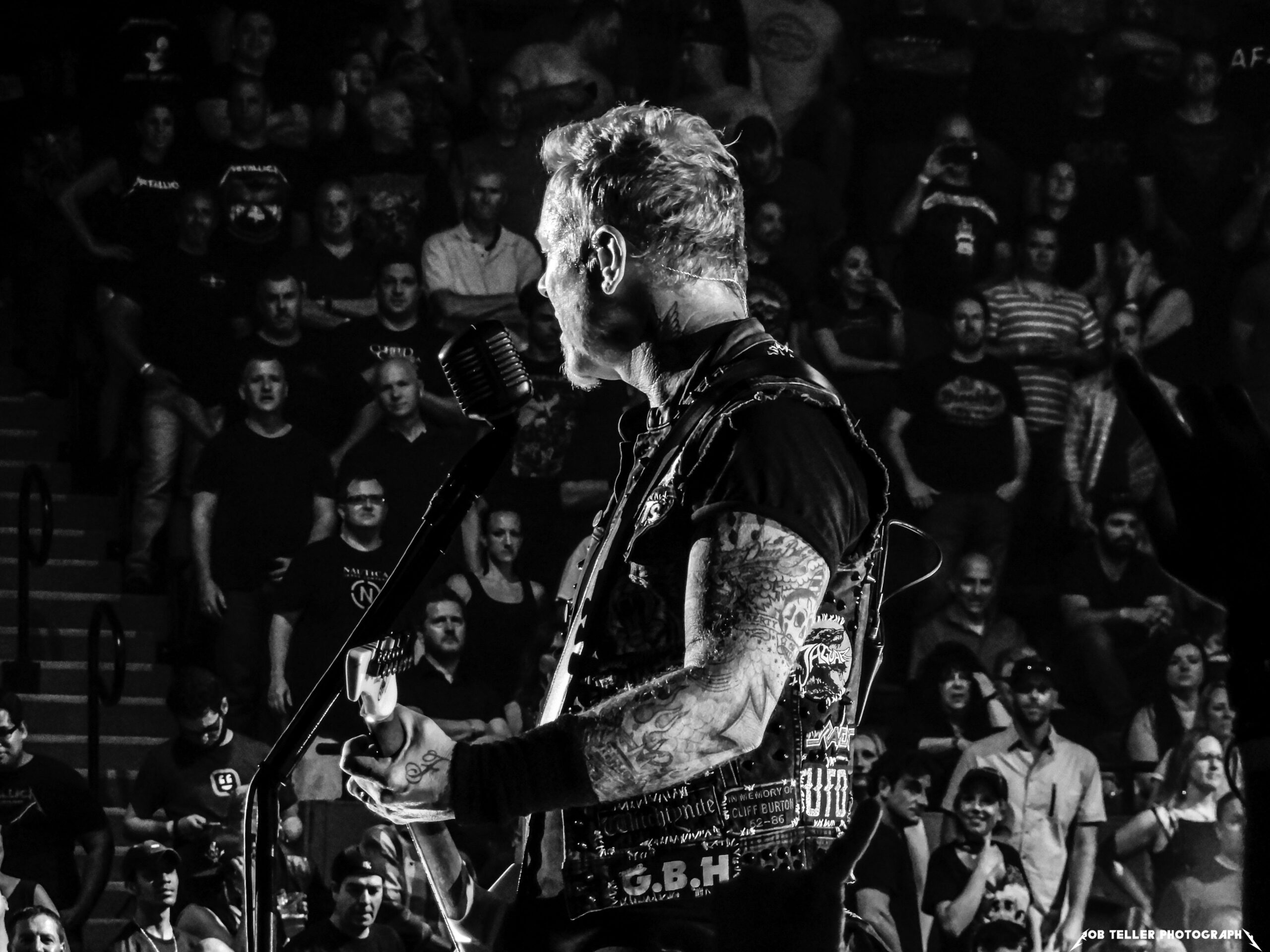
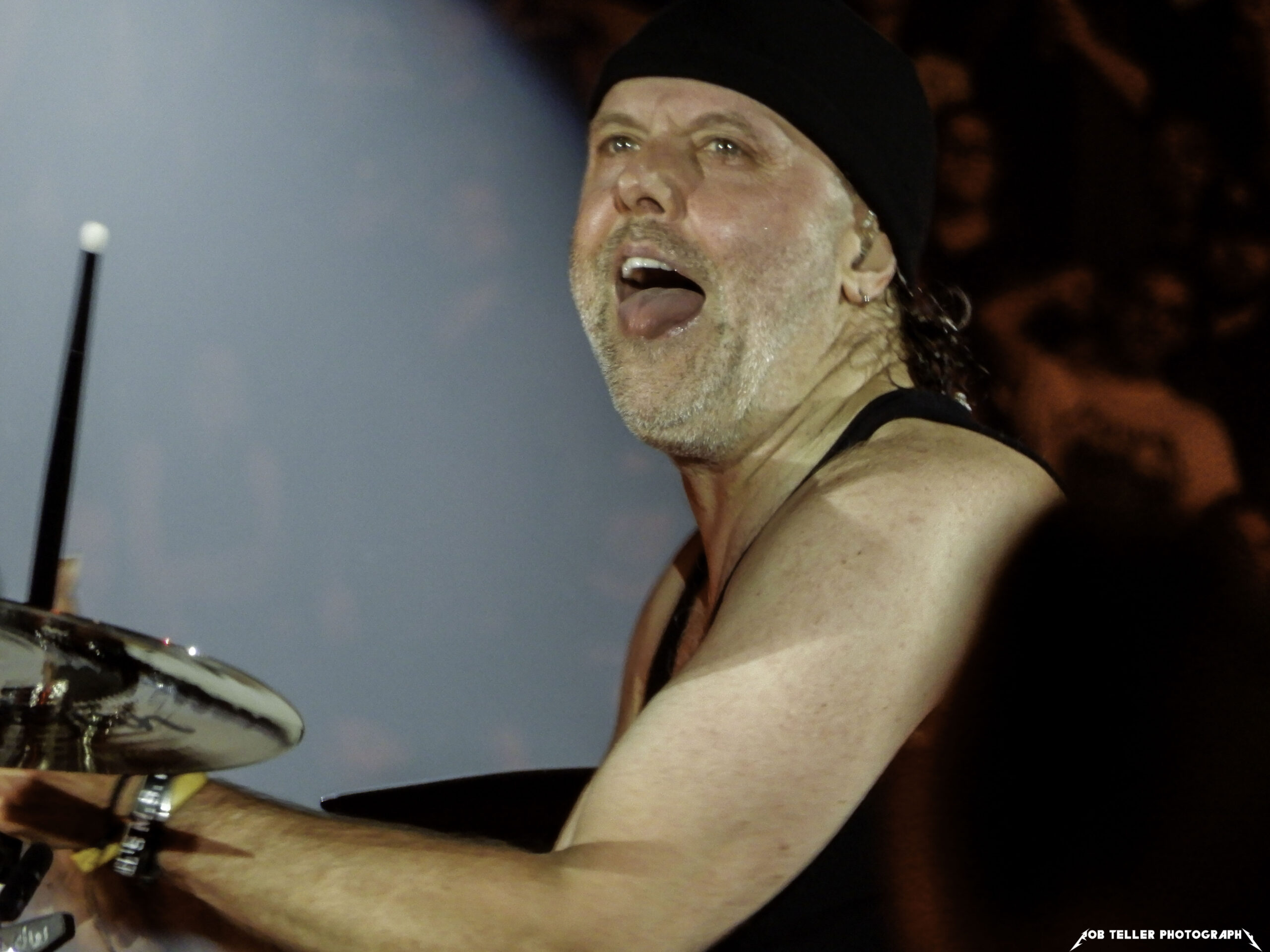
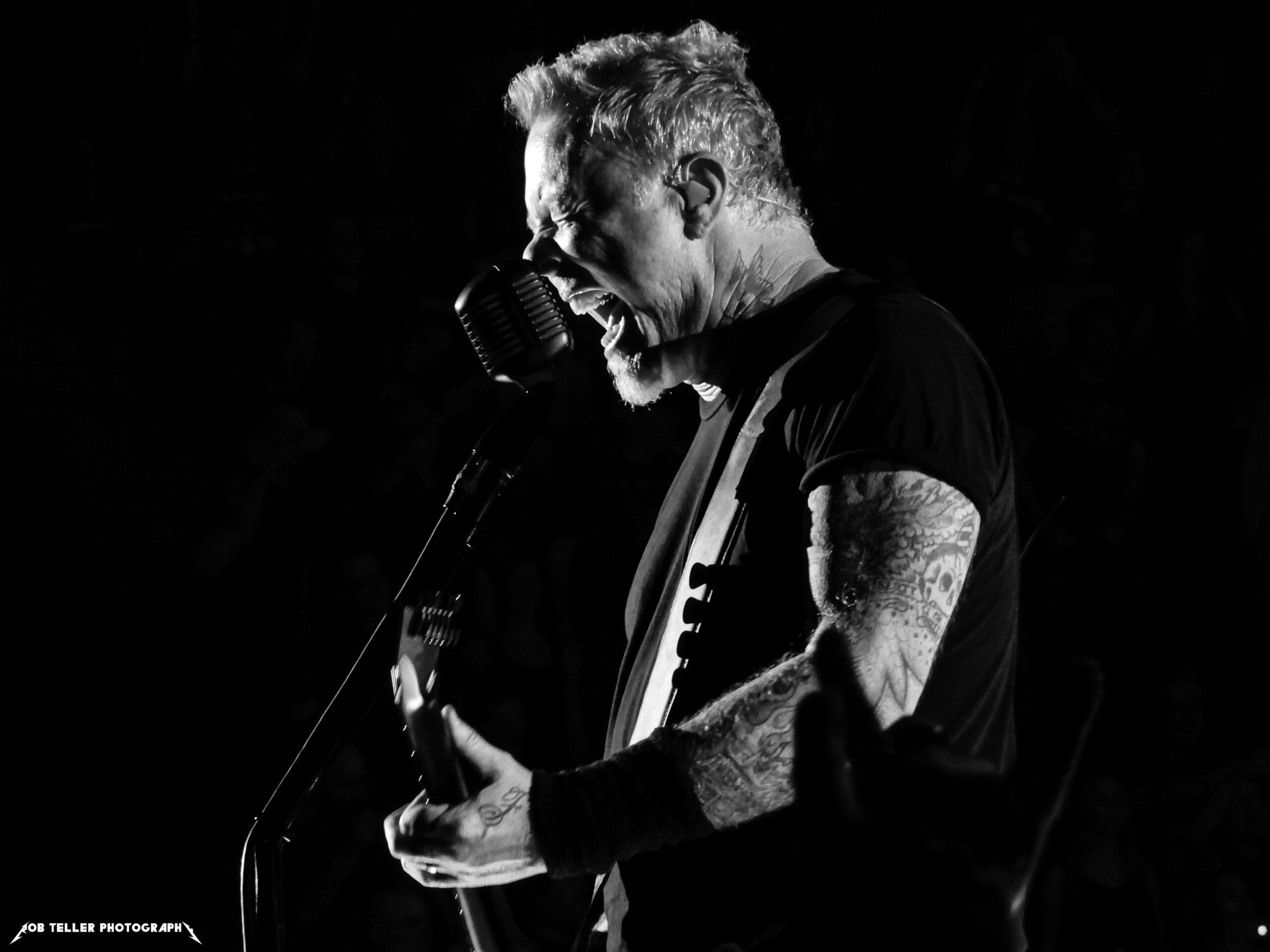
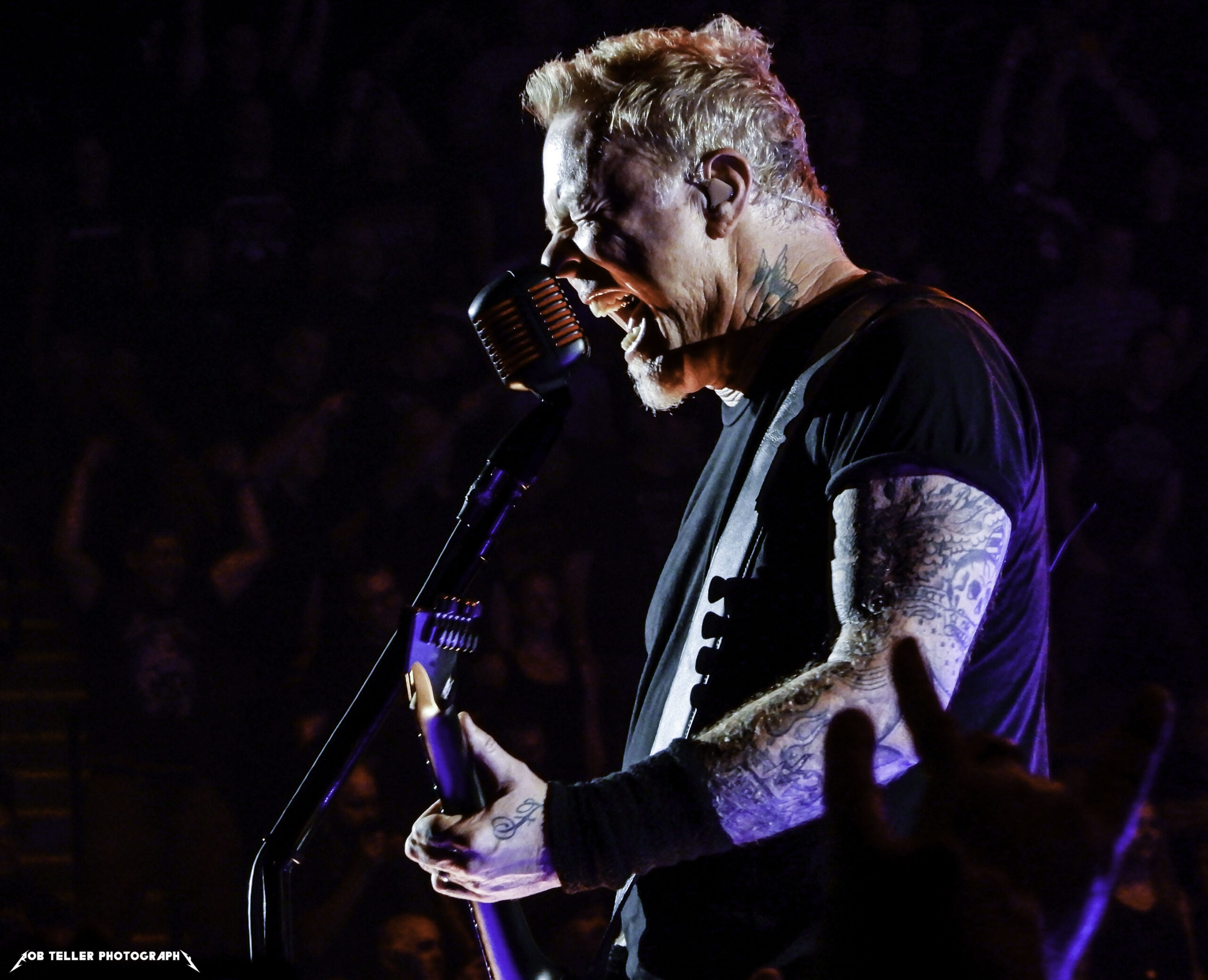
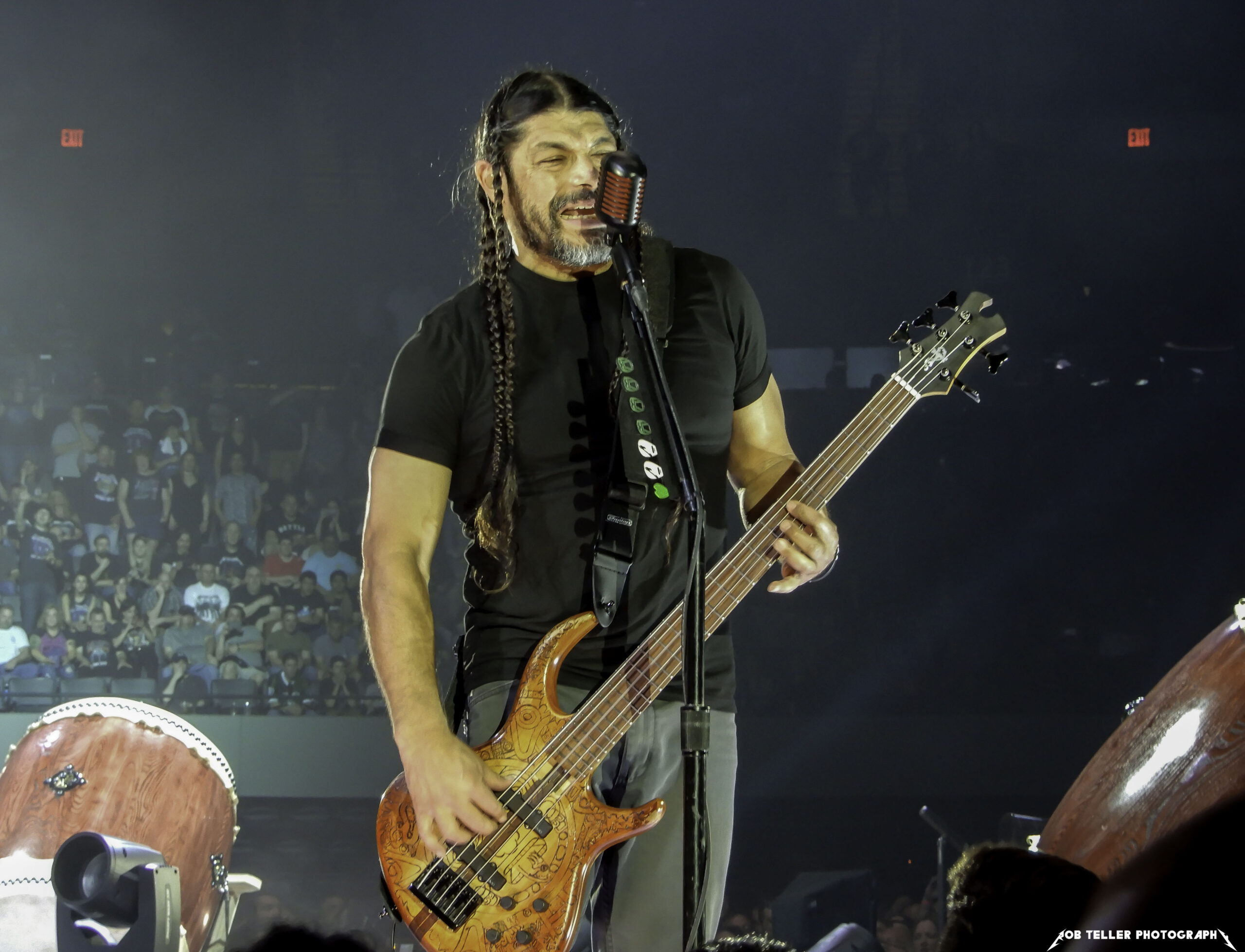
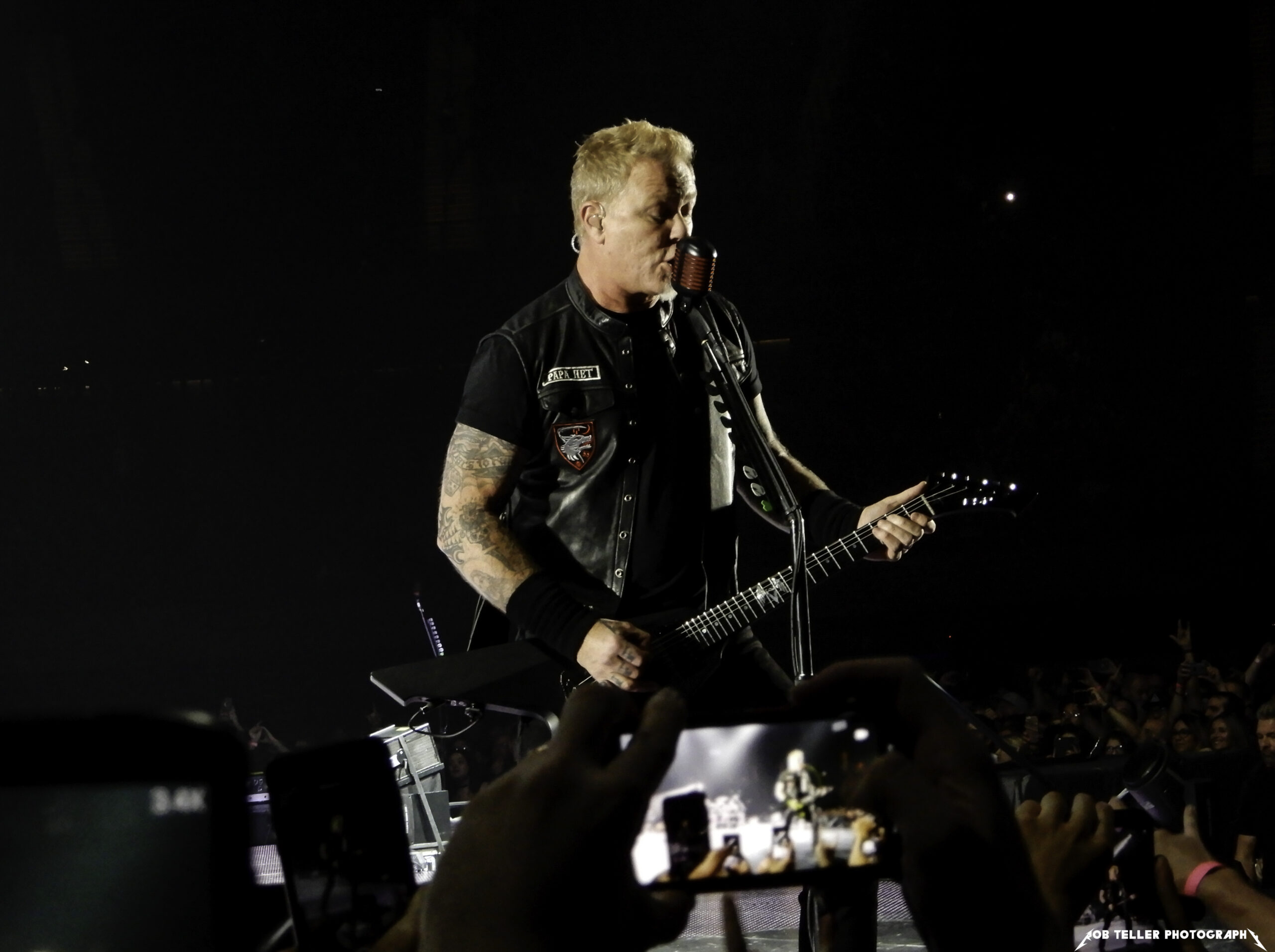
On May 17, 2017 Metallica played a sold out show at the newly renovated Nassau Coliseum as part of their WorldWired tour. The tour was in support of their tenth studio album Hardwired…To Self- Destruct. This was the only show of the entire tour not played at a stadium.
After the opening combination of “Hardwired” and “Atlas Rise” Hetfield asked the crowd “Strong Island, how do you feel?” He continued, “There is a little bit of history here. We’ve been here a lot.” This was the eleventh time Metallica performed in Uniondale. The first was on April 28, 1986 while opening for Ozzy Osbourne. The setlist was composed of 18 headbangers that covered 6 of their studio albums.
This was the first show in 13 years that “Ride the Lightning” and “Welcome Home (Sanitarium)” were performed in Uniondale. It was also the first time in 26 years that “Harvester of Sorrow” was performed at The Coliseum. The two and a half hour show was merely a tease of what Metallica has in their arsenal. As a true Metallica fan, it was a real treat to see them in such a small venue during this stadium tour.
It was recently announced that Metallica will headline the Louder Than Life festival in Louisville, Kentucky this fall with Nine Inch Nails and Korn. The even that takes place over four days will also feature Jane’s Addiction, Snoop Dogg, Cypress Hill and many others. It will take place at the Highland Festival Grounds at KY Expo Center, September 23rd through the 26th.
Metallica, ‘WorldWired’ tour – Nassau Coliseum, Uniondale, NY – May 17, 2017
Setlist: Hardwired, Alas, Rise!, For Whom the Bell Tolls, Ride the Lightning, The Unforgiven, Now That We’re Dead, Moth Into Flame, Harvester of Sorrow, Welcome Home (Sanitarium), The Four Horsemen, Sad but True, One, Master of Puppets, Fade to Black, Seek & Destroy
Encore: Blackened, Nothing Else Matters, Enter Sandman
The FMs have released two new singles highlighting the stigmas and ignorance in society’s gender experience. The double feature of “Song X” and “Bad Girl” dropped on April 30, 2021.
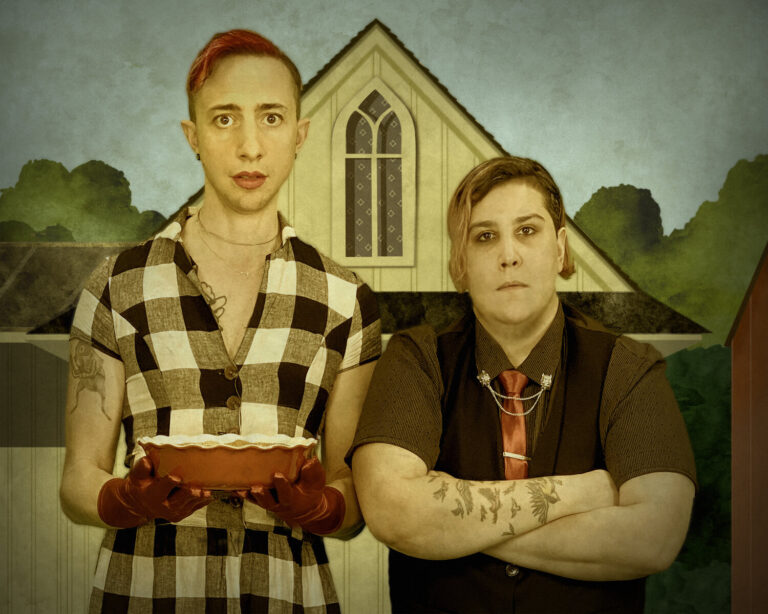
The FMs are an up and coming duo hailing originally from Brooklyn and are now Ithaca based. The duo is made up of Matte Namer (they/them) and Frankie Rex (they/them, he/him) and started officially making music together back in 2017. The two have been friends since high school and their music tackles topics such as sexuality, gender, and politics.
The FMs are not making music just for entertainment’s sake, but to call on society to change its historical ignorance. Music can be used as a foghorn for their unwavering support of anyone who remains steadfast in their truth and identity. They embrace androgyny and amplify the voices of “the other” through their music and their very existence is a statement and they are not backing down.
The single “Song X” dropped with an accompanying video that featured both Namer and Rex. The song speaks to the confines of gender in society between it’s lyrics and visuals the release pulls the stereotypes and expectations of gender apart. The song stresses that gender should not be a box, but an act of self-expression.
“Bad Girl” was also released at the same time as “Song X” as a double-feature project. The track is funk-inspired with a sample beat from “It’s Raining Men” accompanied by the FMS signature brand of rock flare and covers similar topics about gender and gender expression that “Song X” does.
The duo also released merchandise that is available in conjunction with the release with all profits being donated to the Black Trans Travel Fund. For more information on The FMs visit their website.
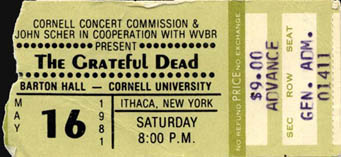
When terms like the Grateful Dead and Barton Hall come up in conversation, there’s a good chance the show being discussed is the band’s venerable May 9, 1977 performance. But there were two other shows played at this field house on the campus of Cornell University in Ithaca, NY. The final one occurred 40 years ago today. Pound for pound, it can certainly hold its own with the legendary ’77 show. And it’s certainly one of finer shows from 1981. So much so that the band recently included it on their massive 30 Trips Around The Sun box set that was released in 2015, 80 CDs worth of previously archived Dead shows celebrating the band’s lifespan. One listen shows why this was an easy choice for inclusion.
This year, the Dead take off from the starting blocks with “Feel Like A Stranger,” and Brent Mydland making his presence felt early with his electronic keyboards that are turned up way high in the mix. As the opener progresses, Jerry Garcia and the effects his guitar bring to the table rise to the top, giving it an injection of funk. For a song that had only been debuted weeks earlier at the Capitol Theater in Passaic, NJ, the groove is easy and seamless already, serving as the perfect opening salvo for this powerhouse show. Almost surprisingly, they decide to ease up immediately afterwards with a slowed down and soulful take of “Friend Of The Devil.” Mydland’s keyboard tone takes a turn for the heavens, lacing the Dead classic with an ethereal tone throughout. His efforts are rewarded with a spot for a solo and he produces a phenomenal one before handing the reigns back to Garcia.
The “Me And My Uncle” that follows finally gives Bob Weir a chance to take center stage and he navigates through the longtime Dead staple effortlessly. Mydland, still turned up plenty high in the mix, and Garcia go back and forth supplying the instrumental harmony for a band that sounds completely locked in. As was now Grateful Dead custom, once “Uncle” wraps up the drumbeat doesn’t stop and carries right over into a smoking “Big River,” highlighted by a jaw dropping run on the fretboard from Garcia. For gigs going as far back as 1978 and until 1982, these two songs would be joined at the hip just like this.
One of the real high points of the first set is the “Althea” that follows. It’s Garcia at his peak, delivering both soulful lyrics and another poignant guitar solo. Bassist Phil Lesh adds some nice extra layering on a somewhat slower but certainly potent version.
Weir then takes over again for “C.C. Rider.” But the Dead’s take on this blues standard is really fueled by another Garcia solo and the wailing rhythms emanating from Mydland’s Hammond organ. The two go back and forth once again, building the onstage chemistry that would be a mainstay of the ’80s.
The first extend inter-song break gives the Barton Hall crowd a chance to catch their breath and then it’s back to business with “Brown Eyed Women.” Garcia’s mid-song solo seems to go on a little longer than usual, only serving to ramp up the emotions even more. The band then shifts gears from old school to new with “Passenger,” with Mydland filling in the vocal part vacated by Donna Jean Godchaux. His raspy overtones don’t quite carry the same effect and, sadly, this song would be shelved for good at the end of the year. Though certainly not due to lack of effort.
A slow shuffle beat then signifies the start of “High Time,” and it never lets up. Garcia and company nail the harmonized vocals and delightfully toy around with this crowd favorite. The Dead then shift gears in the blink of an eye, with Weir quickly strumming and Garcia moving in rapid fire up and down the fretboard as they launch into “Let It Grow.” This one means business from the get-go as the rest band follows in pursuit, led in earnest by Lesh on bass. There’s a four-minute span before the song’s breakdown that’s a pure whirlwind, with each band member almost chasing one another, creating a rich texture of sound. It’s another one of the true first set highlights. A quick run through “Don’t Ease Me In” then caps off another stellar first set of Dead at Barton Hall.
The second set starts off with a “Shakedown Street” that seems to live up to its title early with some shaky lyrics from Garcia. As it progresses though, the kinks get ironed out and the funk increases, albeit at a somewhat slower pace. Weir’s rhythm guitar and Mydland’s keyboard fills mesh perfectly, and before long, a bluesy three-part vocal harmony is in full gear. But the real action takes place once this breaks down, with Garcia and Mydland soon engaging in a call and response-type jam. In keeping with tradition, “Shakedown” is immediately answered with “Bertha,” just like the Dead opened last year’s second set at Barton Hall.
https://www.youtube.com/watch?v=1IDpVffVSY4
Afterwards it’s another vintage Dead 1-2 tandem with “Lost Sailor” once again spearheaded by Weir. It proves as a more than worthy respite until the familiar chimes of “Saint Of Circumstance” kicks in. Weir navigates seamlessly between the two, with emotions respectively aligned with the respective moods of each. Almost abruptly, “Saint” comes to a halt and another immersive jam begins to develop. This one manages to work itself into a full fledged “Spanish Jam,” with influences from Miles Davis and his Sketches Of Spain album in full bloom.
As the “Spanish” element of the jam recedes, “Drums” begin to kick in and takes its usual assignment in the latter portion of the second set. The last Dead show at Barton Hall show has a lot to offer still , and the drumming tandem of Kreutzmann and Hart plays a major part. A particularly rowdy last movement of percussion soon finds its way into the familiar overtones of the beginning of “Truckin’.” As to be expected, the State that’s got the “ways and means” gets an appropriate response in Ithaca,
The ensuing jam soon sparks another one of the show’s highlights, as it devolves into a bluesy, funky ” Nobody’s Fault But Mine” jam that would make Led Zeppelin proud. Although no lyrics are sung, the sentiment is made clear and creates one of the better, off-the-cuff moments that make this last show at Barton Hall a special one.
https://www.youtube.com/watch?v=PrGmm6fEsXc
“Stella Blue” then emerges from this, winding things down and allowing one last chance to get sentimental. Garcia delivers the lyrics, and another staggering guitar solo, with raw emotion and just a bit of flare. The music slows a near crawl at one point, with the Cornell crowd so rapt and quiet one can hear a pin drop. Before long, the energy skyrockets back, with “Blue” turning into more of a rocker, a true testament to the Dead’s versatility.
This gives “Going Down The Road Feeling Bad” an opportunity to make an appearance and the Dead run with it. Afterwards, Bob Weir gets the last laugh, closing out the second set by leading the band through a peppy and near raucous “One More Saturday Night.” Barton Hall rings out in a roar of applause at its completion, leaving no doubt about their feelings on this one. The Dead then grace the crowd with a bit of an atypical encore selection. Instead of a cover or a quick song, it’s an “Uncle John’s Band” that produces one last patient and inspired jam – more than a fitting choice for the final song they would ever play at Barton Hall.
Grateful Dead Barton Hall – Ithaca, NY 5/16/81
Set 1: Feel Like A Stranger-> Friend Of The Devil-> Me & My Uncle-> Big River, Althea-> CC Rider, Brown Eyed Women, Passenger, High Time-> Let It Grow-> Don’t Ease Me In
Set 2: Shakedown Street-> Bertha-> Lost Sailor-> Saint Of Circumstance-> Spanish Jam-> Drums-> Truckin’-> Nobody’s Fault But Mine-> Stella Blue-> Goin’ Down The Road Feelin’ Bad-> One More Saturday Night
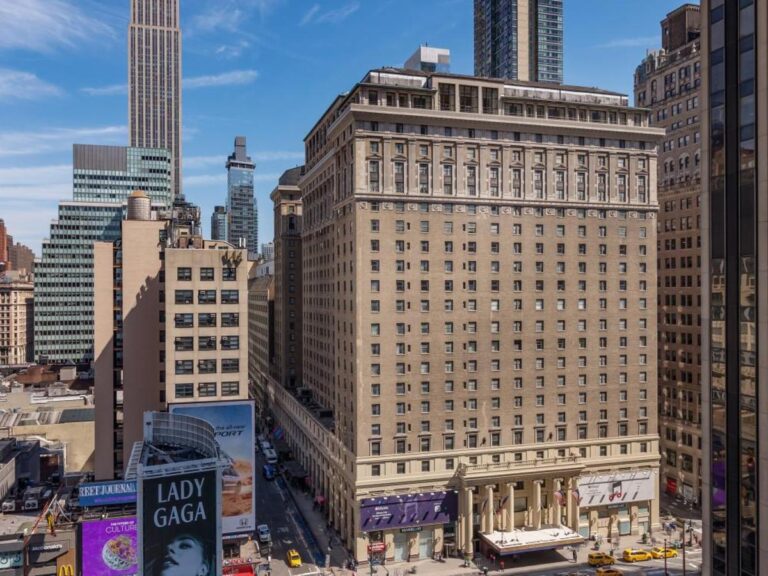
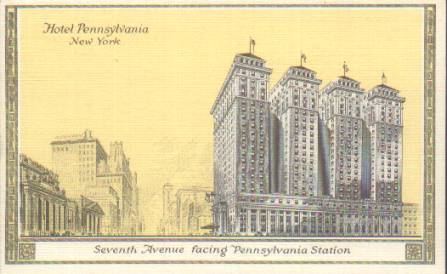
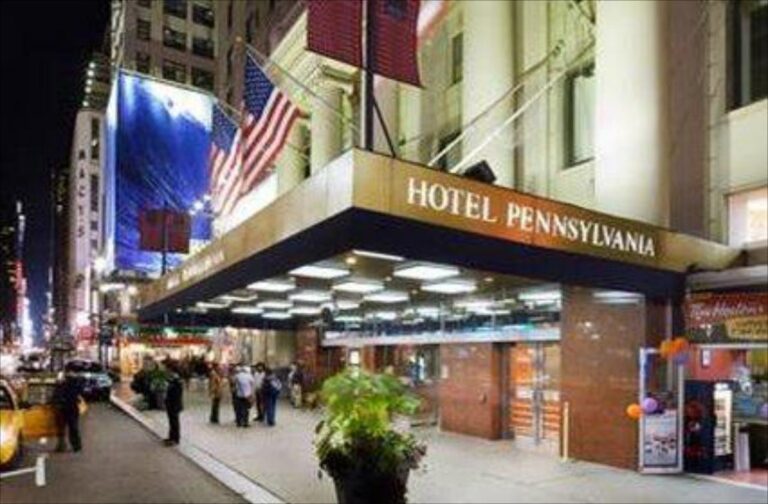
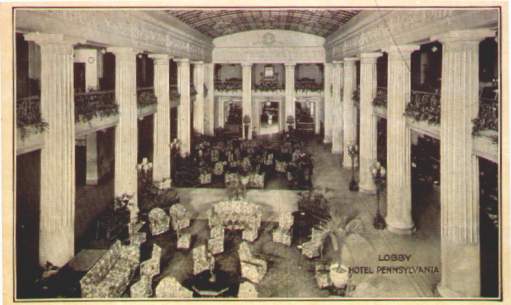
An iconic location in mid-town Manhattan is closing its doors for good. The Hotel Pennsylvania will not reopen, succumbing to this past year’s lack of business and years of narrowly avoiding the chopping block. The fourth largest hotel in New York City was well situated, right across from Madison Square Garden and Penn Station, making it a natural and affordable stop for travelers and concert goers alike.
Located on 7th Avenue between 32nd and 33rd, and built by the Pennsylvania Railroad under the operatation of Ellsworth Statler, The Hotel Pennsylvania first opened on January 25, 1919. Original Pennsylvania Station designer William Symmes Richardson was the architect of the well-situated hotel. The hotel would undergo a few name changes, including Hotel Statler (1949), The Statler Hilton (1958), New York Statler (1979) New York Penta (1983) and finally Hotel Pennsylvania, beginning in 1991. If there was a centennial celebration, it was muted, but earned.
Hotel Penn has had its share of criticisms in recent years, being perpetually under renovation in the last decade, and not living up to the glory years of the mid-20th century. There were rumors it was haunted, the elevators would sometimes not open entirely on your floor, or need a moment before ascending from the lobby. But amid any issue with Hotel Pennsylvania, the location and history could not be beat.
Full disclosure: I’ve stayed at Hotel Penn at least 40 nights, dating back to December 2005. I’ve heard all the complaints of Hotel Penn, and while some are justified, it always felt like this Grand Hotel got a bad rap. I never had a bad stay, or encountered the issues that people complain about. You look for a 3-star hotel in mid-town, you have to accept what a 3-star hotel brings to the table.
The Music
There is a fair amount of history in this huge hotel, most notably The Glenn Miller Orchestra’s “Pennsylvania 6-5000.” Until early May 2021, you could call 212-PE6-5000, and hear the refrain from “Pennsylvania 6-5000” before connecting to an operator. It was, until this month, the longest continuous use of a phone number in New York. From the moment you called the hotel, music and history was inviting you in.
Jack Albin Orchestra held a long term engagement at Hotel Pennsylvania in the early 1930s, often led by vocalist Bill Coty. Despite being popular in his day, little is known of Albin, although he did record for many labels, including Hotel Pennsylvania Music. “You’re The One,” recorded in 1930 features vocalist Paul Hagan. Hagen recorded with several bands including Ben Bernie’s groups, Bill Moore’s Syncopators, and Fred Culley and his Royal York Hotel Orchestra.
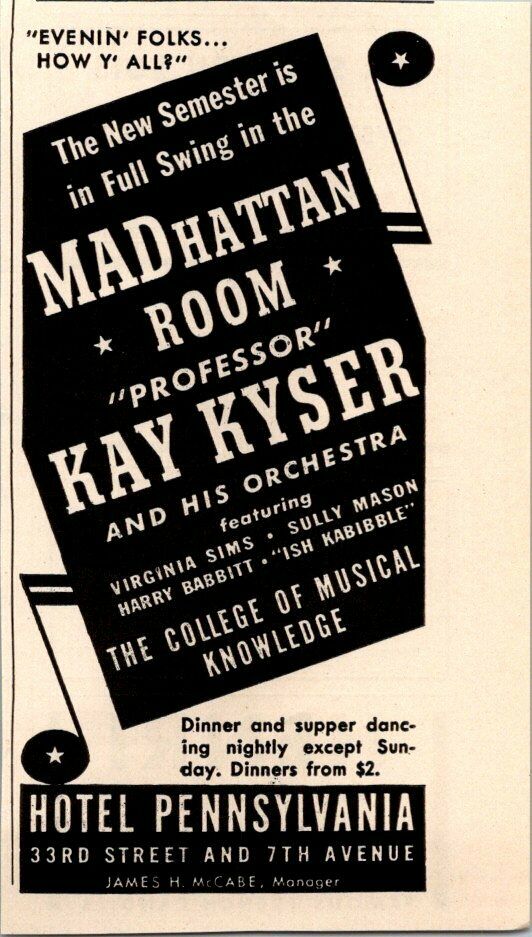
In 1930’s and 40’s, the Café Rouge at Hotel Pennsylvania was one of the most popular nightclubs in New York City. Home to Big Bands at the height of their heyday, including Glenn Miller Orchestra, Duke Ellington, The Dorsey Brothers, Woody Herman, Count Basie, and The Andrews Sisters, among others. The Café Rouge was connected to the NBC Red Network (the NBC Radio Network after 1942) which brought the music from the hotel and Café to captive audiences across the country.
In November 1939, bandleader Artie Shaw, who had a long-term engagement at Café Rouge left the bandstand between sets. Shaw decided he had had his share of the band business amid his success over the past two years, and quit his band on the spot. Shaw’s principal orchestrator from 1937–39, Jerry Gray, was hired by Glenn Miller as a staff arranger when Shaw deserted the band.
In the pre-war 1940s, the Glenn Miller Orchestra had multiple long-term bookings in the room, corresponding with the time of Miller’s highest profile as a bandleader. Broadcasting from The Café Rouge, some performances were recorded by RCA Victor. During the time of Miller’s residency at Hotel Pennsylvania, Gray wrote “Pennsylvania 6-5000,” with lyrics by Carl Sigman, a song that would become iconic alongside the hotel.
Other notable musicians to perform at Hotel Pennsylvania include Benny Goodman‘s famous orchestra including Harry James, Ziggy Elman and Gene Krupa, who broadcast from the hotel’s Madhattan Room in 1937. Les Brown‘s band, with vocalist Doris Day, would introduce “Sentimental Journey” at The Café Rouge in November 1944.
Present Day
The era of music at Hotel Pennsylvania would seemingly cease by the 1950s, with limited evidence of music performances at the hotel. The Café Rouge would be severed from the hotel at an unknown time, having a standalone address on 32nd street. By 2014, The Café Rouge was converted into an indoor basketball court known as Terminal 23. The original interior decor remains intact, with a fountain, beamed ceiling and other architectural details remain.
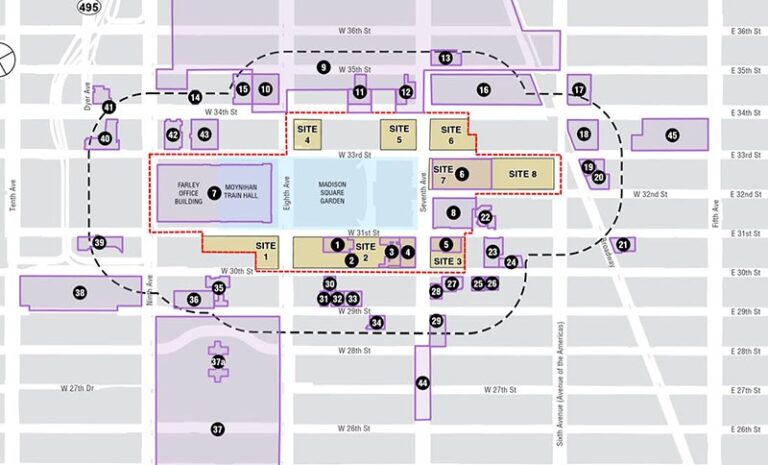
As for the hotel itself, Vornado CEO Steven Roth, who owns the property, said of the hotel in a letter to shareholders, “while it may have been a grande dame in its time, it is decades past its glory and sell-by date.” In an effort to revitalize the area as the Empire Station Complex, meaning that more than a city block, including Hotel Penn, will soon be razed to make way for PENN15.
With no protection that comes with Historic Landmark status, beginning with a denial in 2010 by the New York City Landmarks Preservation Commission to designate Café Rouge as a landmark, the Hotel Penn as a whole has likewise not been saved by the status that prevents facing the wrecking ball.
Architect Richard Cameron, contests the grounds on which developers seek to demolish what was at one time the largest hotel in the world. Using the history of old Penn Station, which met a similar fate, Cameron said:
We used to have the greatest train station in the world right across the street, literally right across the street, and sadly for me I was too young – when I got to New York it was already gone. The language that was used to destroy that station is the exact same language Steve Roth is using today to argue to destroy this; it’s tired, it’s old, it’s dirty, can’t be reused. We need something new. Everybody admits that what happened across the street was one of the worst crimes in terms of architectural legacy that ever happened in this country. We’re about to commit the exact same crime right here with the Hotel Pennsylvania.
The proposed layout of PENN15 and surrounding area around Hotel Pennsylvania.
Staying at Hotel Pennsylvania
While there was music ingrained within Hotel Pennsylvania, there was of course music across the street at Madison Square Garden, making the location prime for crowds arriving for concerts and events, while looking for the easiest location to stumble back to afterwards. Bands that thrived on multi-night runs – the Grateful Dead and Phish, among others – meant Hotel Penn was often fully booked, offering a proximate and affordable rate for travelers and fans on a budget. This is precisely how I ended up staying there over December 30, 2004 through January 1, 2005. The Hammerstein Ballroom was a short walk for the Disco Biscuits’ New Years Eve show that year, and made for great late night revelry with many fans staying there or just popping by to celebrate the New Year as so many had in decades prior.
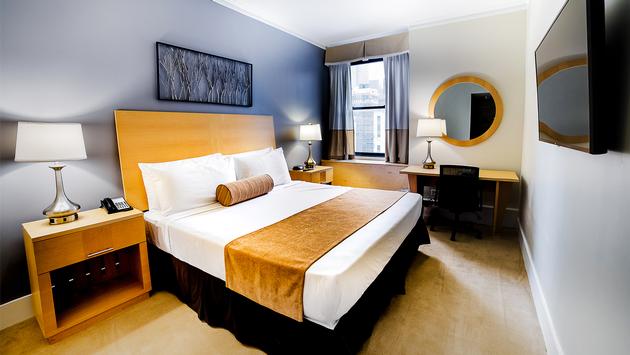
Upon arrival, check-in could be the longest line in the world at any time of day, or the shortest. Your keys would work when you got to the room, then not when you returned from a show. The valet doors, well outdated, were a nice historical touch. Rooms varied in size – people were much shorter and smaller when the hotel was built – so you might find the confines of a two-bed room tighter than modern hotels.
Even remodeled rooms at Hotel Penn were still small compared to modern hotels.
Hotel Pennsylvania was dog friendly too, serving as the official hotel for Westminster Kennel Club Dog Show, held annually at Madison Square Garden. Being able to bring a dog to the hotel can be helpful to some travelers, and the courtesy extended by the staff with regards to pets was top notch. The support for Westminster in providing the closest location possible for pets in New York City is noteworthy in itself.
A Personal Story
Having stayed there and willingly accepted the 3-star-ness of the hotel, I looked to Hotel Penn as the perfect location for a PhanArt show. Despite New York City being one of the most expensive cities in the country, Hotel Penn was able to provide an affordable location for these event, the only option beyond venues such as the now closed American Beauty on 30th street. The Gold Room provided well for five PhanArt shows beginning in January 2016, a rare find in a town where the cost to rent out a space for an art exhibit is cost prohibitive without major financial backing. For a group of Phish-inspired artists, Hotel Penn provided a home that the streets and lack of vacant lots in Manhattan could not.
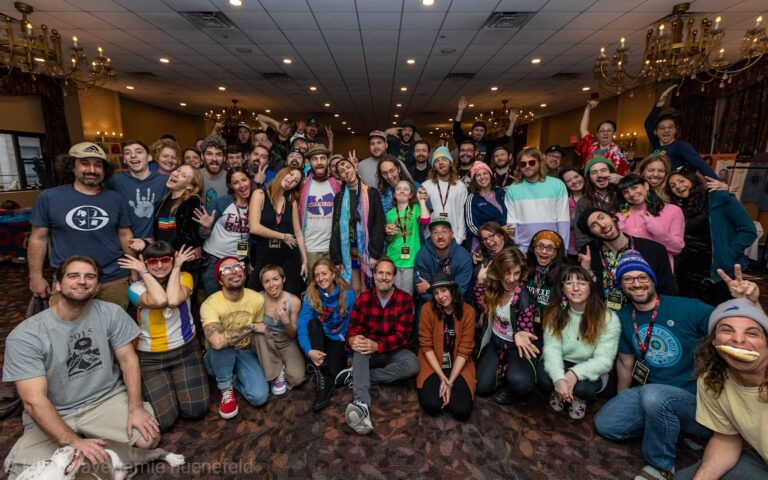
In 2019, after much encouragement from past successes, the hotel brought the event to the 18th floor, which allowed for even more artists to take part, in addition to yoga sessions and providing a meeting place for fans, friends and groups. The staff worked with the artists as professionally as any other, and gave me more reason to look at Hotel Penn as having no more than a faded glory in need of a polishing.
The artists and team behind the December 30, 2019 PhanArt Show at Hotel Penn. Photo by Jamie Huenefeld.
The history of Hotel Pennsylvania may be overshadowed by the past few decades where it fell farther from its glory days, but the history from within should not fade away as the hotel meets its doom.
Maybe it sounds a bit funny When I’m away from my honey Here’s what I do with my money Pennsylvania Six, Five Thousand
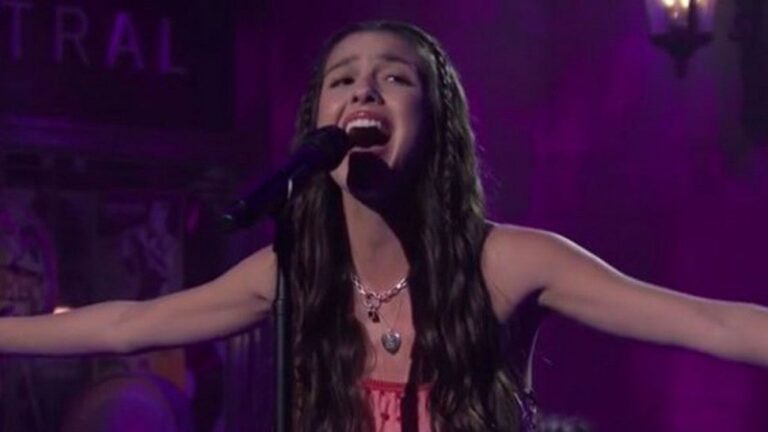
Heading into the homestretch of the season, Saturday Night Live welcomed Keegan Michael Key with musical guest Olivia Rodrigo. Led by a cold open with Dr. Fauci (Kate McKinnon) reviewing scenarios related CDC mask regulations being lifted, the evening also featured The Muppets return to SNL.
Rodrigo got her start on the Disney Channel, and is the lead in High School Musical: The Musical: The Series on Disney+. She released her first song (unrelated to the show), “Driver’s License,” in January where it debuted at #1 and stayed there for eight weeks. The inescapable breakup ballad about co-star Joshua Bassett has a mix of Lorde, Taylor Swift, and Billie Eilish.
Beginning the song sitting atop a grand piano, she moved about the Studio 8H stage, slowly revealing the full band spread around the perimeter of the state. With a light up floor, Olivia Rodrigo poured her heart into her breakout hit.
https://www.youtube.com/watch?v=HBik0MjXeMs
The second performance featured “Good 4 U,” a breakup song with an old-school Paramore vibe, released this past Friday, May 14.
https://www.youtube.com/watch?v=kiaCdUACJp8
Saturday Night Live‘s 46th season will come to a close on Saturday, May 22 with host Anya Taylor-Joy (The Queen’s Gambit) and musical guest Lil Nas X.