Each Sunday evening from 7-9pm you’ll find EQXposure on WEQX, featuring two hours of local music from up and coming artists. Tune into WEQX.com this Sunday night to hear new music from The Bitter Stars, Modern Fools and many more!
WEQX has long been the preeminent independent station in the Capital Region of New York, broadcasting from Southern VT to an ever-expanding listening audience. NYS Music brings you a preview of artists to discover each week, just a taste of the talent waiting to be discovered by fans like you.
This week’s featured artist on EQXposure is The Bitter Stars, from Charlton in Saratoga County. Their release Winters is a side project of the band doOojj, featuring Clarke Hingeford and Kyle Pemrick. The music is very clever, a unique take on what pop rock music can and perhaps should be. Excellent guitar tones, with powerful sonic treatments that rip across the aural spectrum providing a very cool repetitious base for the songs to be built on.
Greg Farley is a modern day renaissance man who also happens to write beautiful songs. While the phrase Alt-Country might be a little inappropriate to describe the music, these roots based songs are personal, suggestive, and enriching. The first cut off the record, “Hoosick Falls” has a hopeful sense while being deliberately truthful. The back up band on the session provides a subtle power to the tune that further leaves an impression on the listener, beckoning another spin or two.
Modern Fools from New Hampshire have some very cool music coming out of lockdown recording sessions. The forthcoming release of their work, Seer, is harmonically rich and steeped with heavy emotional content, aided by truly excellent performance of the songs by the band. While the lyrics and melody are haunting they soar right into the ear and stay awhile.
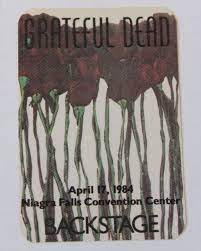
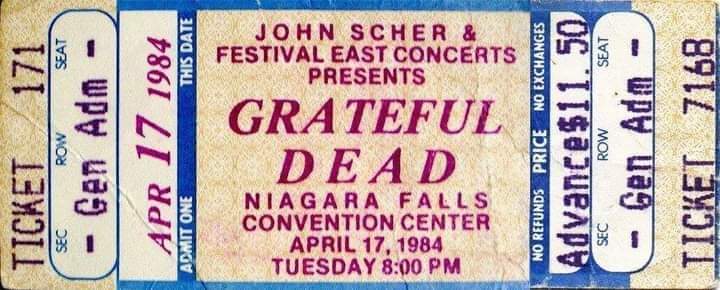
37 years ago today, The Grateful Dead played their one and only show in Niagara Falls, NY. The band was certainly familiar with the state by this time in their touring career, but had never managed to play this section of Western New York before. In traditional fashion, the Dead started the year off with some shows in California and out west before heading east for spring tour. After a show in Rochester the night before, this would be the fourth show of the East Coast run, following two at Hampton Coliseum.
The Dead do a little extended tuning to rev up the Niagara Falls crowd even further to start and then its off to the races with “Jack Straw.” This one comes out of the gates clean, with Bob Weir leading the way on vocals. It’s later highlighted by a sparkling run on guitar by Jerry Garcia that takes this opener to another level. Garcia then uses “Dire Wolf” as another chance to drop down a pristine solo before the opening licks of “New Minglewood Blues” emerge next. This time, its keyboardist’s Brent Mydland’s time to show off thanks to a rousing organ solo delivered midway through. The traditional first set number builds up in intensity a little before coming to a close thanks to some more Garcia runs that follow and Weir using a pedal steel-like effect on guitar in the brief jam that ensues.
“Row Jimmy” then slows things down a tad, with Garcia noticeably stumbling early over some of the lyrics. It’s a fairly tame version that still seems like it’s trying to figure itself out. Afterwards, Weir “shadowboxes the Apocalypse” a little in the short-lived “My Brother Esau.” The first set excitement seems to return with “Ramble On Rose” that features a wicked feedback sound at the outset. Garcia has no issue with the lyrics this time and is complemented perfectly by Mydland with a harpsichord-like sound on keys throughout. This classic Dead number gets a loud roar of approval from the Niagara Falls crowd when all is said and done. The fairly short opening set then ends with “Looks Like Rain” > “Deal” with each allotting some time for a few more powerful Garcia-driven guitar solos.
A very raspy Bob Weir and some fun audio effects begin the second set with everyone’s favorite crowd management game, “Take A Step Back.” With this out of the way, the set then takes off with a sped-up and high octane “Help On The Way” that feels like its shot out of a cannon. Although it may be quick, it begets a powerfully cohesive and psychedelic jam that patiently explores and develops for a while. So much so, in fact, that it seems to completely bypass the beginning and go right to the end of “Slipknot!” After a quick run through the main riff, the Dead quickly shift gears once again and use “Franklin’s Tower” to complete the traditional pairing that starts this second set with a bang.
After giving the crowd a chance to catch their breath, the Dead are off and running again with “Man Smart, Women Smarter.” This seems to pick up right where the “Frankin’s” jam left off, with another rapid-fire, cohesive effort that sees Garcia leading the way once again. The drummer tag-team of Bill Kreutzmann and Mickey Hart provide the needed rhythmic support on an infectiously bouncy take on this number.
The drum-heavy outro jam then suddenly yields to Garcia and the opening chords of “Eyes Of The World” begin to be heard, cementing an already impressive second set. Despite some ethereal tones from Mydland on keys, this “Eyes” starts fast and only gets faster as Garcia annihilates one guitar run after another, seemingly getting more powerful as the song progresses.
In a complete contrast, the band seems to be extra patient and exploratory in the “Space” portion of the evening that follows “Drums.” The Dead take their sweet time noodling around, with Garcia running up and down scales in a variety of tones and effects. As a discernable drum beat emerges from the madness, so too does “Black Peter.” Some noticeable “spacey” effects appear to seep into this one, giving this “Peter” a real jazzy, psychedelic vibe that meshes perfectly with the blues emanating from Garcia.
To close out tonight’s show at the Niagara Falls Convention Center, the Grateful Dead would mix in a few newer numbers, starting with the Weird-led “Throwing Stones.” A couple of dazzling keyboard fills from Mydland on piano highlight this one which was only premiered a few years prior. At its conclusion, Garcia immediately starts the introductory chords to Buddy Holly’s “Not Fade Away,” a second set Grateful Dead staple. As is tradition by now, some say beginning with the show in Binghamton last year, this keeps this crowd singing and clapping along throughout the encore break. “Touch Of Grey,” another newer song, played rather quickly and unfortunately a little sloppily, then closes out the Dead’s only show in Niagara Falls.
Grateful Dead Niagara Falls Convention Center – Niagara Falls, NY 4/17/84
Set 1: Jack Straw, Dire Wolf, New Minglewood Blues, Row Jimmy, My Brother Esau, Ramble On Rose, Looks Like Rain-> Deal
Set 2: Help On The Way-> Slipknot!-> Franklin’s Tower-> Women Are Smarter-> Eyes Of The World-> Drums-> ->Space->Black Peter-> Throwing Stones-> Not Fade Away
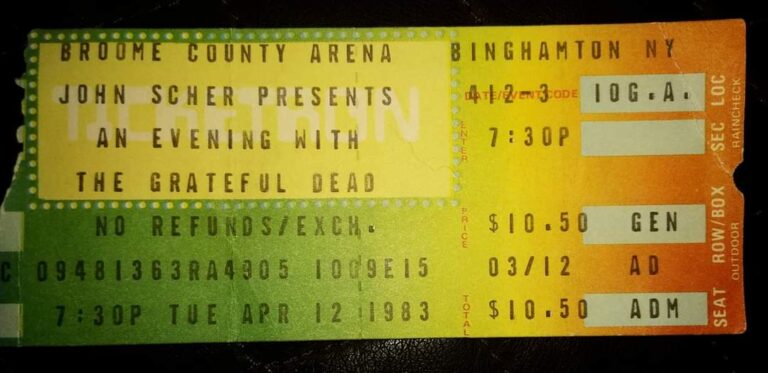
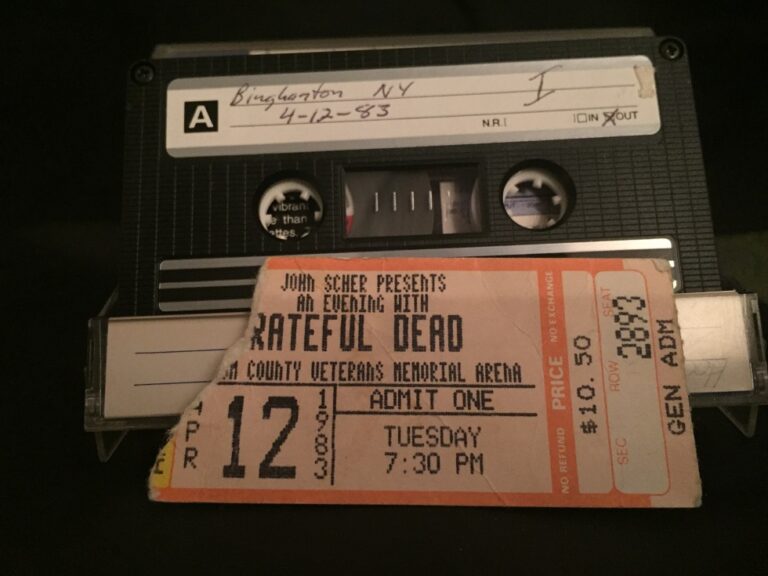
Today marks the anniversary of the final show The Grateful Dead ever played in Binghamton, NY. The final three of these all took place at Broome County Arena, with the first show being at Harpur College in 1970. Shows at the Arena then followed in 1977 and 1979. After a short run of shows on the West Coast to open 1983, the Dead traveled east for their spring tour. With keyboardist Brent Mydland now comfortably established in the band’s dynamic for a few years now, this show offers a glimpse of vintage of early ’80s Dead and a taste of all their varied sounds and styles to date.
The show starts off in a somewhat disjointed fashion with Jerry Garcia mumbling a good portion of the lyrics to “Alabama Getaway.” Harmonizing vocals and the customary wailing Hammond B3 organ fills from Brent Mydland help to mitigate the early shortcomings. After a fairly tame Garcia solo, the band quickly shifts into “Greatest Story Ever Told.” Bob Weir leads the vocals on this quick one that features a much improved Garcia solo at the end. Jerry continues his first set ascent with the “Bird Song” that follows, nimbly maneuvering through the lyrics and delivering some ethereal guitar work. Mydland on electric keys now and Weir on rhythm guitar create a wonderful canvas of sound upon which Garcia paints effortlessly.
“New Minglewood Blues” is next on the docket with Weir once again taking lead and Garcia and Mydland each exchanging boisterous solos on this one as each song so far seems to get progressively more cohesive. This carries on right into a must-hear “Peggy-O” that features a truly heavenly tone from Mydland on keys that accompanies Garcia on vocals.
The emotions remain high and flow nicely into the “Cassidy” that comes next, with Mydland continuing to dazzle with an array of different tones emanating from his keyboard rig. This yields another short but ferocious Grateful Dead jam that the Binghamton fans applaud appropriately on this recording.
“Loser” brings the first set heat back down to a simmer before another few Garcia solos rile up Broome County Arena once more. Things continue to pick up with the cover of The Rolling Stones’ “It’s All Over Now” that follows and features more spectacular work from Mydland on the Hammond. Afterwards, the Dead throw it back a little with “Dupree’s Diamond Blues,” a recently revived classic that dates back to the late ’60s. A rousing “Let It Grow,” heavily fueled by the percussive tandem of Bill Kreutzmann and Mickey Hart, then ends the first set that seems to celebrate almost ever era of the band’s musical catalog to date.
The Grateful Dead‘s final set in Binghamton starts off in traditional fashion with a “Help On The Way” that unfortunately sees Jerry revert back to some fumbled lyrics. Its traditional tag-team partner “Slipknot!” gives Garcia a chance for redemption as he delivers a mesmerizing guitar solo atop another full bed of sound with constant accentuating flares thrown about by Mydland and Weir. A jazz-like jam evolves from this for a bit in a “Slipknot!” that gets stretched out nicely before rounding back into form. The abrupt segue into “Franklin’s Tower” then rounds out the second set’s triumphant opening trifecta. Garcia has no issues with the vocals here and throws in a few exuberant, rapid-fire guitar runs for good measure that surely enthralls the Broome County crowd.
A second set “breather” of sorts then ensues with another traditional Dead sequence. Bob Weir takes lead on “Lost Sailor,” a song the Dead would only continue to play for a few more years after this. Another abrupt segue then serves as the lead-in to “Saint Of Circumstance,” completing the longtime song pairing that had been a regular part of the band’s live repertoire since 1979. This paves the way nicely for “Terrapin Station” as the Grateful Dead delight Binghamton with yet another classic.
The song’s drum-heavy ending, as it had and would continue to do many times going forward, serves as a natural entrance ramp to the evening’s “Drums” > “Space” sequence. To little surprise, after the band reemerges on stage, so too does “The Other One.” At several points moments earlier, drummers Kreutzmann and Hart seemed to be fashioning a similar-sounding drumbeat to the iconic one that begins this song.
In vintage Dead fashion, the intensity of “The Other One” is juxtaposed nicely by the fairly mellow, in comparison, “Wharf Rat” that follows. This gives Garcia one last chance to deliver a couple of choice solos with a nice, jazzy backdrop of sound provided by the rest of the group. As “Rat” dwindles out, the opening chords of “Not Fade Away” start up as the Dead begin to close their final Binghamton gig. At its conclusion, the crowd shows its appreciation and continues singing “Not Fade Away’ all the way through the encore break, something that would become commonplace for this song throughout the rest of the band’s career.
As a result, the encore begins with the Dead reciprocating and playing an NFA-reprise in response back to the crowd. Fittingly, the show then ends with a cover of Bob Dylan’s “It’s All Over Now, Baby Blue.” With a setlist featuring two songs with the words “It’s All Over Now” in it, it’s almost as if the Dead knew this is the las time they would ever grace the Parlor City.
Grateful Dead – Broome County Arena – Binghamton, NY 4/12/83
Set 1: Alabama Getaway-> Greatest Story Ever Told, Bird Song, New Minglewood Blues, Peggy-O, Cassidy, Loser, It’s All Over Now, Dupree’s Diamond Blues, Let It Grow
Set 2: Help On The Way-> Slipknot!-> Franklin’s Tower-> Lost Sailor-> Saint Of Circumstance-> Terrapin Station-> Drums-> The Other One-> Wharf Rat-> Not Fade Away
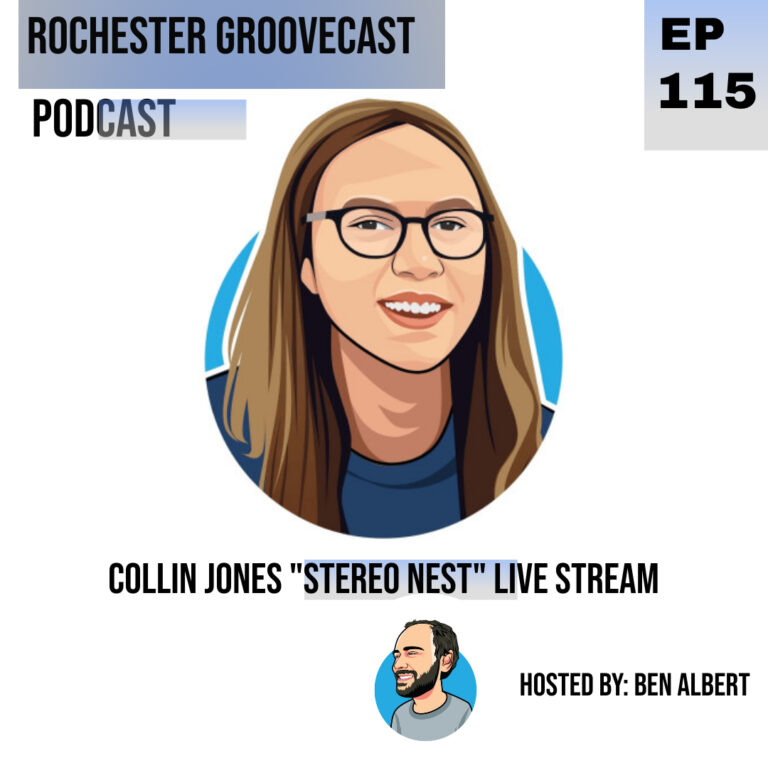
Episode 115 of Rochester Groovecast features a live stream performance with Stereo Nest brainchild, Collin Jones. Stereo Nest is cerebral dance music featuring Live Electronic Loops and in this episode, we listen to a full live stream set!
Timestamp:
00:31: Conversation with Collin and Ben
11:45: Livestream Performance by Stereo Nest
01:01:15: Conversation Concluded
01:11:13: Behind The Scenes
At Rochester Groovecast, the mantra “We’re Fans First!” harnesses the belief that the best businesses are built by fans. The podcast is deeply dedicated to playing an active role in the culture of its local scene.
The brainchild of Rochester native, Ben Albert, was created in 2016 to serve as a portfolio of the city, and nowadays, the entire region.
The podcast believes in the artistic brilliance abundant in Rochester, NY, and the surrounding regions. Ben seeks to play a pivotal role in our community by helping give Rochester a well-earned voice. He has seen first hand the abundance of talent, character, creativity, innovation, and beauty the Flower City has continuously offered.
Each Sunday evening from 7-9pm you’ll find EQXposure on WEQX, featuring two hours of local music from up and coming artists. Tune into WEQX.com this Sunday night for EQXposure to hear new music from Fine Grain, Sarah King, and many more!
WEQX has long been the preeminent independent station in the Capital Region of New York, broadcasting from Southern VT to an ever-expanding listening audience. NYS Music brings you a preview of artists to discover each week, just a taste of the talent waiting to be discovered by fans like you.
Fine Grain is tonight’s featured band for EQXposure. Pearson will be playing a collection of songs from their latest release, Missing Adult, now streaming all over the world and available for purchase on Bandcamp. Tune in to hear the tunes and join the discussion of this awesome bands incredibly creative and unique full length release, that is a genre bending and deeply interesting work of art to listen to.
Other artists featured tonight include Sarah King, who celebrates the release of her latest EP The Hour. Read our review of her new album here.
And stayed tuned for Jade Relics, a Vermont-based production group made up of Rico James, Elder Orange, and IAME and their latest tunes “Start Over” and “With You.” Plus check out Laveda, a genre blending dream pop/rock outfit who set nostalgic and cinematic moods with a 90’s-esque sound reminiscent of The Sundays and My Bloody Valentine.
On March 28, the music world, and the Hudson Valley’s close knit community of music makers, lost another great one, Malcolm Cecil. The much-traveled musician, producer and Grammy-winning engineer passed away after a long illness in Malden-on-Hudson, where he had lived and continued his work for the past two decades.
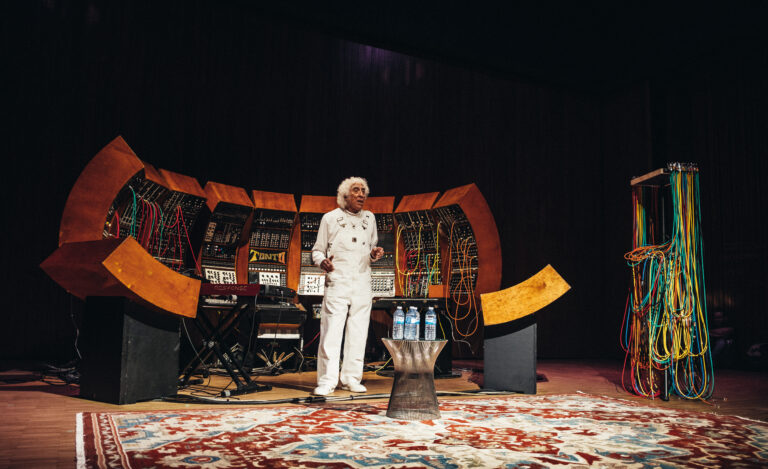
Though Cecil was a man of many hats he is perhaps best known as the co-creator of TONTO, the world’s largest analog synthesizer. This room-sized amalgamation of a variety of synths and sound processors would become the musical bedrock for the dozens of albums he helped produce. Most notable are Stevie Wonder’s revered quartet of classics from the 70s, Music of My Mind, Talking Book, Innervisions and Fulfillingness’ First Finale.
credit: Sebastian Buzzalino/National Music Centre
Born 84 years ago in London, Cecil seemed predestined for a career in music. According to a 2007 profile by Peter Aaron in Chronogram, Cecil’s American grandfather was a movie organist in Times Square theaters, while his mother played violin, piano and accordion in a gypsy band that his father managed. After an aborted attempt at piano, Cecil switched over to bass and ultimately became a much in-demand player.
Cecil would go on to stints in the BBC Orchestra and the house band at Ronnie Scott’s, London’s leading jazz club, where he performed behind luminaries like Rahsaan Roland Kirk, Stan Getz and Herbie Mann. Cecil also co-founded Blues Incorporated with Alexis Korner, the ensemble where the young Mick Jagger, Keith Richards, Charlie Watts and other rock stars-to-be got their first taste of stage experience.
A ham radio enthusiast in his youth, Malcolm’s acumen in electronics grew when he served as a radio technician in the Royal Airforce. While stationed in Newcastle, he got together with The Animals and Hendrix’s manager-to-be, Michael Jeffries, and opened a jazz club called The Downbeat, which he wisely outfitted with recording gear. Seeking to get a contract for The Animals, Jeffries asked Cecil if he could demo a rehearsal by the rockers in the club’s off-hours, which he did on his trusty Revox according to TapeOp. This demo contained the proto-version of “House of the Rising Sun” which earned them their record deal, a #1 hit and global fame.
After a detour to South Africa, Cecil ended up in the U.S. in the late 60s. The bassist toured with several jazz artists before taking a job maintaining equipment at Mediasound, a busy Manhattan recording studio where he would meet his partner in technology and music production, Bob Margouleff.
Margouleff had bought one of the early Moog series IIIc synthesizers and teamed up with the more technically adept Cecil to expand upon it, combining a variety synths from Moog and ARP with an array of custom modules, processors and controllers from a Russian composer and Jimi Hendrix’s guitar tech.
In the end, it was a six-foot tall, 300-square foot sound-making monster, one which the duo used to conjure a galaxy of spacey and downright funky sonics. They cheekily dubbed it TONTO, for The Original New Timbral Orchestra. And after a chance meeting with his old acquaintance Herbie Mann, Cecil scored a record deal with the flautist’s Embryo label. In 1971, they released their hugely influential debut album, Zero Time, as the equally cheekily named Tonto’s Expanding Headband.
Zero Time was a revelation to music makers, and none more so than Stevie Wonder. One day Wonder turned up at Mediasound (in a pistachio colored jumpsuit) with a copy of the album under his arm seeking a demonstration. After a quick tour of TONTO, he immediately booked a session with the duo. Over the course of a single weekend, they produced a remarkable 17 songs. Wonder then had TONTO moved to Jimi Hendrix’s Electric Lady Studios and the trio would collaborate there over the next four years on soulful innovations that would remake the sound of popular music. Together, they co-produced the classic quartet of Wonder’s best loved albums, containing songs like “Superstition,” “Higher Ground,” “Living for the City,” “You and I” and many more. Cecil not only helped Wonder dial up the sounds heard in his imagination, but often performed them on the discs.
In 1975, Malcolm Cecil and Margouleff would split, with Cecil purchasing TONTO outright and continuing its expansion, as both an instrument and a sonic spice dusted onto rock, R&B, jazz and experimental idioms.
Cecil would go on to produce and provide his engineering expertise to a stunning number of acts in the following three decades. These included The Isley Brothers, Steven Stills, Weather Report, Minnie Riperton, Randy Newman, James Taylor, Jeff Beck, The Jackson Five, Little Feat, Steve Hillage, Dave Mason, The Doobie Brothers, Mandrill, Quincy Jones, Bobby Womack, Joan Baez and more.
One of Cecil’s longest lasting collaborations was with soul poet/proto-rapper Gil Scott-Heron. Cecil produced several of Scott-Heron’s acclaimed albums beginning with 1980 in its title year, which featured Gil and his musical partner Brian Jackson in the studio with TONTO on its front and back covers, through to 1994’s Spirits.
TONTO came with Cecil when he moved to the Hudson Valley, with a couple of notable detours. These included a stay at Devo founder Mark Mothersbaugh’s Mutato Studios, where he used TONTO to create the music for the Rugrats animated series in the mid-1990s. Aaron’s article includes an interesting description of TONTO’s humble home in Cecil’s backyard shed in quiet Malden. In order to preserve this one of a kind piece of musical history, Cecil sold TONTO to The National Music Centre in Calgary, Canada in 2013. The museum completed a full restoration in 2018 and today offers it for music production services.
With his move to the Hudson Valley, Cecil continued his recording work with TONTO, creating the lush New Age-y sounds on his album Radiance, and in other partnerships, including one with Russian violinist Valeri Glava as Superstrings. Cecil also returned to his first musical love, acoustic bass, playing regular jazz gigs at cozy Hudson Valley clubs like the Colony Woodstock.
I first met Malcolm Cecil at such a gig. This was in October 2019, when we were both playing our respective sets on the sidewalk as a part of the outdoor ShoutOut Saugerties Music Day. The woman who organized this community attraction was Cecil’s neighbor, Isabel Soffer. She is an internationally known curator and live event producer, co-founder and director of globalFEST, the pre-eminent annual showcase for World Music in the U.S. She had been working for the past two years with Malcolm on various projects.
As is all too often the case in the music business, Cecil did not acquire or continue to receive great wealth from his tireless creative efforts. According to several sources, Cecil was not a participant in royalties from some of his best known works.
In mid-November 2020, Soffer called me to see if I might volunteer my day job skills, as a publicist, to help her and Malcolm get some new projects off the ground. Naturally, I jumped at the chance to meet and talk with a musician I had revered since I was 13 years of age, when I first heard Zero Time on WNEW-FM in NYC.
As with TONTO, part of his desire was to preserve and have others benefit from his legacy. Malcolm Cecil maintained a huge archive of recordings, correspondence, photographs, videos, recording equipment, session notes and other artifacts from his six decades in music, ones that are important artifacts from some of the most vital chapters of 20th Century music. As he got on in years, he was hoping to find a proper home for this massive archive.
Also on his mind was a possible 50th Anniversary release of a Zero Time/Tonto’s Expanding Headband boxed set, with unreleased tracks and other goodies. There was also discussion of tribute album featuring notable musicians and helmed by a star producer.
Malcolm was also taking steps to prepare a biography, a unique one to be told in the voice of TONTO. It would be machine telling of his adventures in sound and in-studio with many of the most talented names in music. Another neighbor, a Vanity Fair writer, was urging Malcolm to tell his tales in the form of a podcast they would co-produce.
Cecil was also well on the way to finalizing a series of projects around two giants, Muhammed Ali and Gil Scott-Heron, ones that might still come to fruition with the proper support. He was planning to combine the music from his Radiance album with spoken word from a lecture by Ali for an album to be released in June 3, 2021, the 15th Anniversary of the champion’s death. With Gil, there were three discreet projects in the works, a re-release of The Mind of Gil Scott-Heron, a piece he wrote on the day John Lennon died called “Third Person,” and a music/poetry project with Scott-Heron’s daughter Gia.
As 2022 would be the 50th Anniversary of the release of the first of his Stevie Wonder collaboration, Music of My Mind, Malcolm Cecil was looking forward to celebrating the landmark with his own new music inspired by the event.
Two short weeks after I spent a few hours with Malcolm hearing his plans and remarkable stories, I heard he was hospitalized. Our work stopped for the moment, in hopes that Malcolm might rally and continue his work.
But even with his passing, Soffer is encouraged. She is hoping the many who loved and admired Malcolm Cecil and his work will come together to bring some of these final projects to life.
With calls for his resignation coming from over 150 state leaders, include New York’s Congressional delegation in Washington, D.C., Gov. Cuomo seems to be on the verge of impeachment, or forced into resigning in the coming months.
With scandals ranging from COVID-19 nursing home deaths being covered up in 2020, to inappropriate touching and sexual harassment accusations, the inevitable approaches. Thus, we have curated a playlist to send Governor Cuomo on his way back home to Queens sometime later this year.
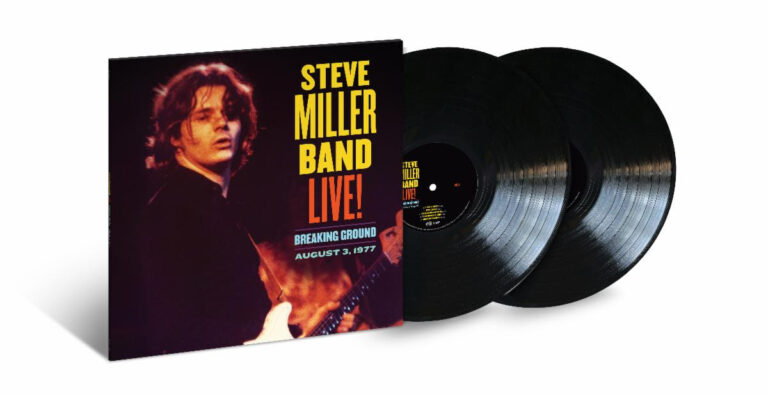
Guitarist, multi-platinum-selling singer-songwriter, Rock and Roll Hall of Fame inductee, and Songwriters Hall of Fame electee Steve Miller has dug deep into his archives, now releasing the recording on both music formats such as vinyl and CD as well as a full-length video available on Amazon Prime Video.
The original liner notes by music journalist David Fricke read:
Breaking Ground captures the Steve Miller Band on stage in one of their biggest years, 1977. They were at a perfect crossroads of psychedelic zeal and progressive, popcraft while staying true to Miller’s first love, the blues.
The year 1977 was a top year for the Steve Miller Band, playing theaters, arenas, and stadiums. It was recorded at the Capital Centre in Landover, MD on multi-track tape and newly mixed and mastered by Miller and his veteran audio engineer Kent Hertz.
Pre-order the album here. For more information about the Steve Miller Band, visit stevemillerband.com. The new archive concert Breaking Ground: August 3, 1977 arrives on Friiday, May 14, 2021.
Each Sunday evening from 7-9pm you’ll find EQXposure on WEQX, featuring two hours of local music from up and coming artists. Tune into WEQX.com this Sunday night to hear new music from Northsidesound, Annie Scherer and many more!
WEQX has long been the preeminent independent station in the Capital Region of New York, broadcasting from Southern VT to an ever-expanding listening audience. NYS Music brings you a preview of artists to discover each week, just a taste of the talent waiting to be discovered by fans like you.
“Five” by Northsidesound out of Albany kicks off EQXposure on Sunday. Pearson says of the group, “The fastest and probably the worst comparison to make to describe their sound is to recall Sublime – however, that seems far too weak of a link to pin this band down. The vibe of tune “Five” is only similar, but the playing of all the musicians on the cut share a glimpse of things to to come. There seems to be nothing that these guys can’t achieve and this song is outstanding to say the least – fun, hip shaking, and some truly great guitar playing and melodies.”
Annie Scherer‘s “ You know” is up later in the show. Annie is celebrating the release of her album Garden Bed, and her latest single “You Know,” which debuted on 102.7 FM WEQX this past Thursday, is a gorgeous piece of music. A slow jam that is magnetic and infectious, peering directly into the soul of the listener. Annie’s melody and lyrics are so deeply personal and direct, it’s as if she is singing directly to and about the listener.
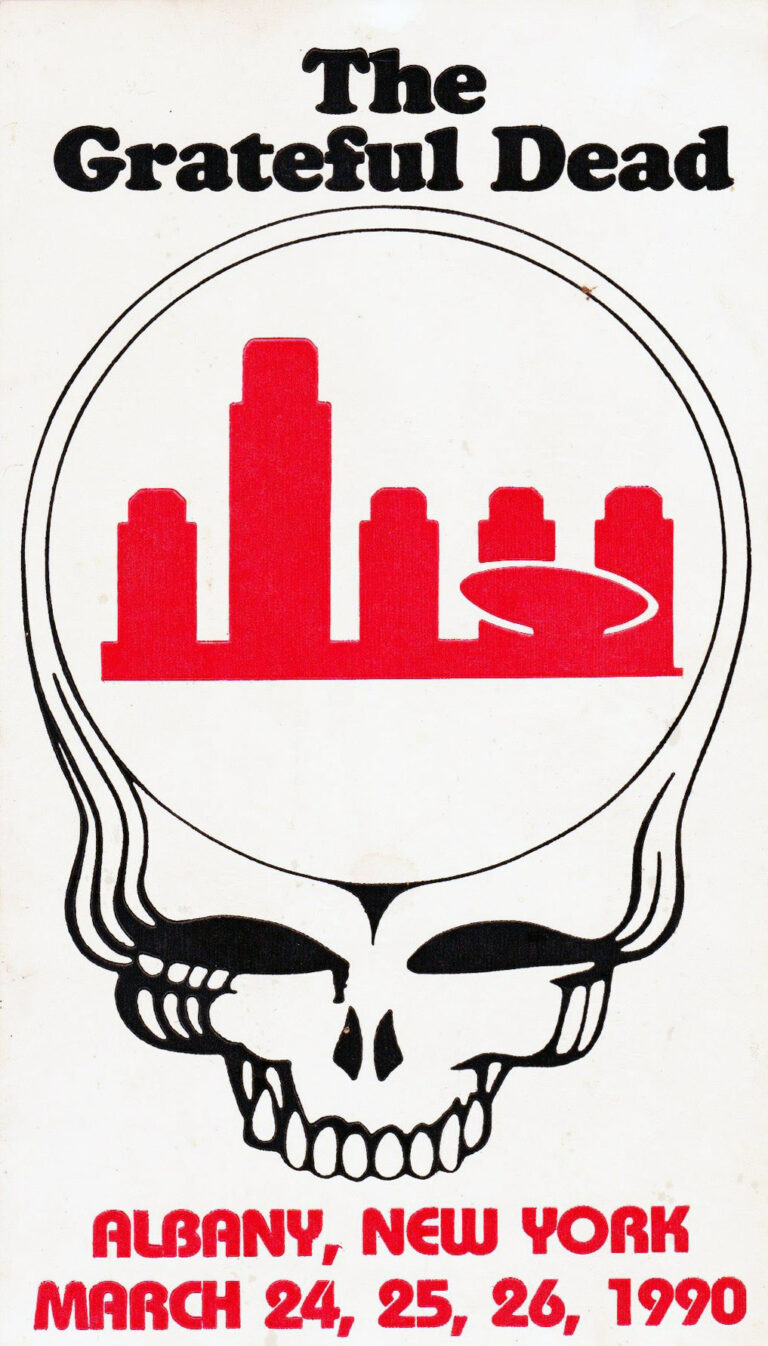
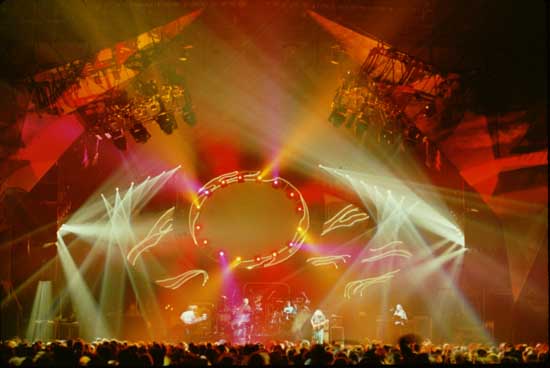
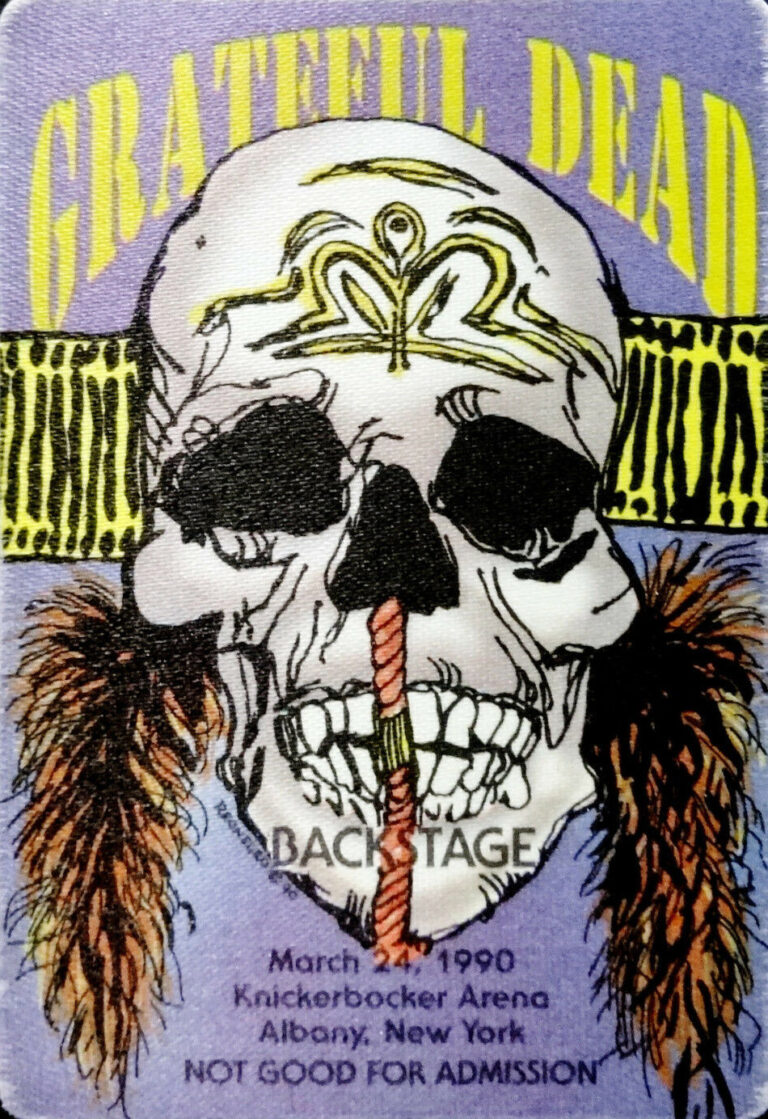
31 years ago today, the Grateful Dead were finally able to play a show in the city of Albany thanks to the brand new Knickerbocker Arena, aka The Knick. Somehow, they had gone all this time without ever paying a trip to New York’s capital. But now with a shiny new venue opened just months earlier that easily fits thousands, Albany became a logical destination for the Dead. This would mark the first of thirteen shows the band would play at this venue. But Spring of 1990 is a particularly special time of Dead, one of their most acclaimed and widely popular tours of all time. So it’s only fitting that these first Albany shows are captured in the band’s 1996 official live release Dozin’ At The Knick. Much of the album’s material is rightfully culled from this special, first ever Albany Dead show.
Local promoter Greg Bell of Guthrie/Bell Productions played a small but critical role in those March 1990 shows.
A friend of mine worked for Mayor Whalen and I was the only Deadhead she knew, so they asked me to come in snd speak to the Mayor’s people, the Police, Fire Department and several other various Albany officials.
I gave them advice on how to deal with the Deadheads. They listened to everything that I suggested and it was one of the most relaxed and cool scenes I had ever seen at an East Coast show.
This would be the first night of a three-night run in Albany and the Dead were quickly and comfortably settled in at the Knick. This sentiment comes across in the quasi-casual start to the “Let The Good Times Roll” that opens the show this evening. By the end though, the band is fully engaged, as is the rest of the building. Riding this early wave, the band then quickly jumps into the crowd favorite “Help On The Way.” Jerry Garcia digs into his guitar’s bag of tricks and comes up with some interesting effects on “Slipknot!” And despite some shaky early lyrics, there’s no issue with the dismount on “Franklin’s Tower” and the Knick crowd eagerly shows their love for this quintessential sequence of Grateful Dead.
Bob Weir then takes center stage and coolly leads the band through “Walkin’ Blues” which is featured on the album. But somehow, to the disbelief of Deadheads worldwide, the “Loser” that follows somehow did not make the final cut. A goosebump-inducing roar of approval from the Knick greets this one and the performance certainly lives up to it. Garcia’s singing is steady on this one and his poignant solos along with Brent Mydland’s blasting organ fills help fuel this instant classic.
The first set also features “Desolation Row,” one of the many Bob Dylan songs the band would cover and make their own. More delicate guitar licks from Garcia and intricate bass play from a “turned up” Phil Lesh dominate this one. The Dead’s first ever set at the Knick then closes up with a lively take on “Tennessee Jed,” with the crowd in full sing-along mode, and Bob Weir’s typically rowdy “One More Saturday Night.”
With their first set at the Knick now in the books, the Grateful Dead then proceed to rip through a second set that, justly, makes up a significant portion of the album. It fills up the entire second and some of the third of the three-disc release. “Playin’ In The Band” is the set opener choice and sets the tone nicely. Phil Lesh and his vibrant bass play continue to shine early on this one before the jam begins to stretch and digress. Mydland and his electric keys also add a spiritual element to this jam that gets heavy in a hurry. However, instead of truly going off the deep end, the jam calmly and steadily veers into the opening chords of “Uncle John’s Band.”
March 24, 1990 Knickerbocker Arena
This band rips through the composed section with ease, stretching it out nicely between verses with ease. This proficiency carries right over to another quick and rapid-fire type jam, one that seems to almost be a continuation of PITB. But instead of stretching it out again, Garcia quietly begins strumming the open to “Terrapin Station,” much to the crowd’s delight. This caps the set’s powerhouse opening trifecta of Dead classics.
The whole band is locked in on the song and it’s customary outro jam never gets stale on this one, with each member adding a little “spice” of their own to keep it interesting – Mydland especially. But as the jam loses its “Terrapin” structure, an old friend emerges. A slow-building familiar four chord jam begins to develop, none other than the “Mind Left Body Jam.” Dead scholars maintain this is the first one in more than five years, if not longer. It’s believed by some to be related to the Paul Kanter song “Your Mind Has Left Your Body” and also shares the same chord progression as “You’re All I Need To Get By,” among other songs. To the Knick’s delight, the Dead dust off this simple, pyschedelic instrumental that’s labeled on the album as “Mud Love Buddy Jam” in a nod to a former taper’s description of it.
After lengthy “Drums” and “Space” sequences led by drummers Bill Kreutzmann and Mickey Hart, “The Wheel” emerges in boisterous fashion. But this one is kept pretty short and simple. At its conclusion, another familiar Dylan cover immediately takes shape, this time it’s “All Along The Watchtower.” Garcia produces a bed of wailing guitar sounds that dominate this cover that’s been a part of the Dead’s live repertoire since 1987.
After the band is done toying around with the “Watchtower” jam, things slow down one last time for a typically poignant Garcia-sung “Stella Blue.” Brent Mydland leads the backup harmonizing vocals while Garcia delivers a pair of hauntingly beautiful guitar solos in a staggering, soulful juxtaposition to the raucous “Watchtower” from just minutes earlier.
The opening shuffle-beat of “Not Fade Away” then emerges, giving the Dead one last chance to jam. They rip through the Buddy Holly cover with no abandon, gladly declaring their love “will not fade away.” This then devolves into Weir singing by himself while the rest of the band phonetically sings the beat before it then turns into the full Knickerbocker Arena crown singing the chorus back to the band well after they’ve left the stage- a truly special Grateful Dead moment that Dozin’ captures beautifully.
Grateful Dead Knickerbocker Arena – Albany, NY 3/24/90
Set 1: Let The Good Times Roll, Help On The Way-> Slipknot!-> Franklin’s Tower, Walkin’ Blues, Loser, Desolation Row, Tennessee Jed, One More Saturday Night
Set 2: Playin’ In The Band-> Uncle John’s Band-> Terrapin Station-> Mind Left Body Jam-> Drums-> Space-> The Wheel-> All Along The Watchtower-> Stella Blue-> Not Fade Away