Tag: wu tang wednesday

  • Wu Tang Wednesday: Lyrically Perform Armed Robbery, Convicting The Clan

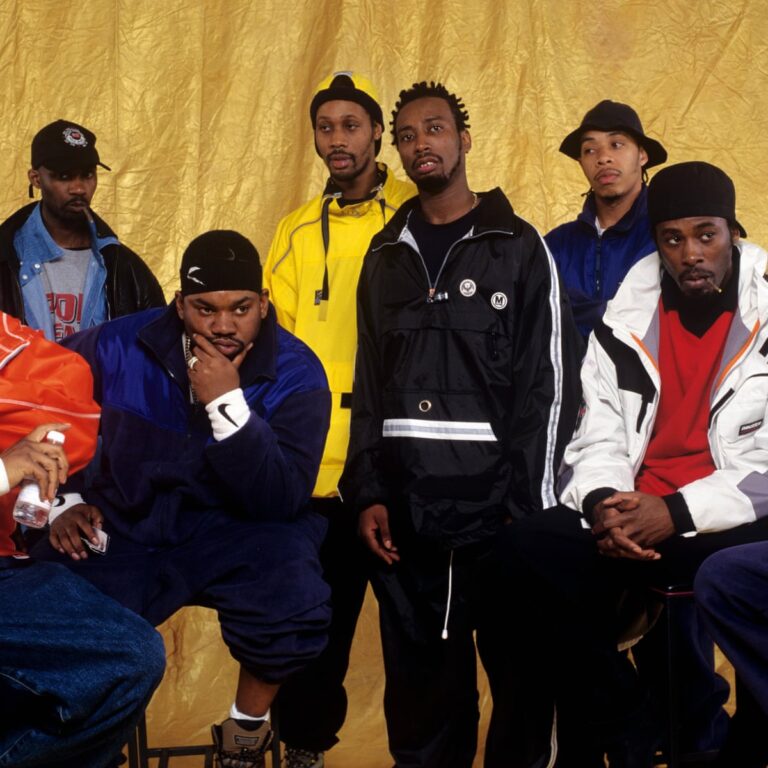
    After a groundbreaking debut album — Enter the Wu-Tang (36 Chambers) — and a host of successful solo projects (GZA’s Liquid Swords, Method Man’s Tical, Raekwon’s Only Built 4 Cuban Linx, to name a few), the clan were in high-demand. They had accomplished a rare feat in the world of music. It established many of their members as individual stars, whose popularity could rival the group’s.

    The ego that accompanies success of such magnitude is liable to create division within any faction. It helped break up the Fugees. The clan is no ordinary group. Displaying their idiosyncrasy within a world of hip hop came with the release of their second LP, 1997’s Wu Tang Forever. The lead single “Triumph,” was a record that rang through the air waves. It was the first (and only) song where all nine Clan members rapped on. Moreover, it also introduced affiliate and later member Cappadonna. 
    triumph

    The record ran for 5 minutes and 38 seconds, with no chorus or break, except for the energetic opening monologue from Ol’ Dirty Bastard and a short interlude. Inspectah Deck began the track, followed by Method Man, Cappadonna, ODB’s interlude, U-God, RZA, GZA, Masta Killa, Ghostface Killah, with Raekwon concluding the record.

    About the Track

    In an interview with Power 106 radio station, RZA broke down the production on the record. He divulged that they recorded “Triumph” in Los Angeles. Musically he combined his new Yamaha keyboard V71 series with his ASR-10, MPC and Nord lead keyboard. His goal was to make a track with classical sounds, but still grab hip-hop with a touch of soul. While the drums meet classic hip hop, the strings added a new element.

    When asked about not having a chorus, he explained that for every Wu-Tang project, he wanted to have a song that reminded the people of their first record “Protect Ya Neck” with great rapping and a strong beat to compliment.  

    Speaking to DJ Vlad, Inspectah Deck — whose opening verse is one of the most-heralded in hip hop history — he acknowledged that using his “Triumph” verse twice helped his legacy, as it was originally recorded for Tony Touch’s 50 MC’sVol. 1 tape. RZA made the beat at around 5 a.m., as he and Ol Dirty Bastard were the only ones up. Inspectah Deck explains he could hear the kicks and snares from his room. He knew it was a smash-hit. He got up and asked to get on the record. Later that day the rest of the group had jumped on as well, because his verse was so outstanding.

    Sampled to Example

    “Triumph” samples “Just Found Me” and its multiple elements of soul, disco and fuck music, by the Rance Allen Group.  It also sampled “To the Garden of the Temple” from the 1983 film Duel to the Death, and some lyrics from “Da Mystery of Chessboxin” from the Clan’s own 36 chambersLP.

    Besides the mind-blowing lyrics and production, “Triumph” is known for its incredible video, with Rush Hourdirector Brett Ratner behind the camera. It was one of the more expensive music videos of 1997 costing around $800,000.  The video begins with breaking news: a massive swarm of killer bees attacking New York. Ol Dirty Bastard is up on a skyscraper surrounded by police helicopters and officers with their guns drawn.

    Interesting enough, ODB wasn’t actually in the video. Always one to act on a whim, Ol’ Dirty was uninterested in filming the video since he didn’t have an official verse, he left the set before filming began. It forced the director to get a stand in.

    Inspectah Deck is seen climbing the side of the building when “ODB” jumps off, as the bees follow in his path. Meanwhile Method Man and the other Clan members arrive on motorcycles, shooting fireballs at the bees. The bees are then seen passing through Cappadonna’s lair while U-God is seen burning down the forest. RZA appears with angel-like wings, later transforming into the killer bees and killing the Alcatraz prison guards. We then see GZA from space viewing the mayhem. A celestial God like figure.   

    triumph

    During  GZA’s verse there is a brief cut to the 1915 film The Birth of a Nation, he then makes a gesture to the bees and they swarm back down to Manhattan in the form of Masta Killa who stood on a tower in the form of the Wu-Tang Symbol. A crowd gathering around him. At the end of the video, the bees make their way to a club where Ghostface and Raekwon are raping, with Quincy Jones is in the audience. 

    One of the strangest and creative visuals in hip hop history “Triumph” changed how people looked at videos all together.

    Lyrical Highlights

    While he didn’t have an official verse, Ol’ Dirty Bastard left his mark in his own unique way.

    “What? Y’all thought y’all wasn’t gonna see me?

    I’m the Osiris of this shit

    Wu-Tang is here forever, motherfuckers

    This like, this ’97”

    Inspectah Deck began the song with his now-legendary verse that made him known as hip hop’s “set it off” man. He makes listeners immediately wake up with his intricate rhyme patterns and word choices, taking over the record.

    “I bomb atomically, Socrates’ philosophies and hypotheses

    Can’t define how I be dropping these mockeries

    Lyrically perform armed robbery

    Flee with the lottery, possibly they spotted me

    Battle-scarred Shogun, explosion when my pen hits tremendous

    Ultraviolet shine blind forensics

    I inspect you through the future see millennium

    Killa Beez sold fifty gold, sixty platinum

    Shackling the masses with drastic rap tactics”

    Cappadonna rapped like he had something to prove being that he had to live up to what the others were doing. He wasn’t an official member at that point but you couldn’t tell with how he was flowing.

    “I twist darts from the heart, tried and true

    Loop my voice on the LP

    Martini on the slang rocks, certified chatterbox

    Vocabulary ‘Donna talking, tell your story walking”

     Creating A Legacy

    “Triumph” is one of Wu-Tangs most legendary tracks and it holds a special place in hip hop history. Their rapping ability was never in doubt, but the music video gave them a chance to showcase their visual creativity. As we look back at some of Wu-Tangs best tracks, “Triumph” stands the test of time because it epitomizes Wu-Tang Forever and as the lead single it exceeded expectations, as many radio stations and labels initially didn’t want to run the record because they felt it was too long. It’s safe to say, the Clan proved all doubters wrong.   

  • Wu Tang Wednesday: The Clan Brings Da Ruckus

    “Bring da Ruckus,” from the Wu Tang Clan‘s debut 36 Chambers LP stands as one of the rawest songs in rap history. As the lead single, and intro track on the album, “Ruckus” set the tone and established the Wu as a crew to be reckoned with. Not a particular long record (4:12, with plenty of filler), each member of the Clan was tasked with establishing themselves as individuals in short yet, impactful verses. With that, came the birth of an organic (gutter) sound that has yet to be replicated. 

    Bring da Ruckus
    cousin’ terror, quick damage ya whole era

    The record was formatted to sound like a hip-hop cypher but, with a hook from RZA. Four verses and a bridge and everyone on the record went off with aggressive verses and flows. The song has three major samples, interpolating the drums from Melvin Bliss’s 1973 track “Synthetic Submission” and “CB#2” by Ralph Vargas and Carlos Bess. The song begins with a sample of the English version to the film, Shaolin Shadow Boxing

    In a 2015 interview with London-based music technology company Roli, RZA explains how he came up with the sound for Wu-Tang and how he came up with the beat for “Bring Da Ruckus.” He explained that he wanted to use sounds that represented New York City in his beats and sound effects to bring more color to their songs. “When we were making a song called ‘Bring Da Ruckus,’ we took the snare and put it in an elevator sound and recorded it.” He went on to reveal that the reason he used martial arts soundbites was to edit out curse words, thus making songs playable for radio, which he believes is what had kids gravitating to them. RZA loved manipulating sounds to make beats, to him, any kind of sound effect had a musical connotation to them that could be used for any beat. 

    Beginning with the skit from Shaolin Shadow Boxing, you get a raw and dingy sounding intro,  RZA’s hook is then heard but, in a supporting role to the beat, as he shouts “bring da mother f**king ruckus” about four or five times before we get the first verse from Ghostface Killah.

    “Ghostface catch the blast of a hype verse

    My Glock burst, leave in a hearse, I did worse

    I come rough, tough like an elephant tusk

    Your head rush, fly like Egyptian musk

    Aww sh*t, Wu-Tang Clan spark the wicks, an’

    However, I master the trick just like Nixon

    Causin’ terror, quick damage your whole era”

    Ghostface is aggressive, setting the tone and stage for the others to follow. His verse embodied what RZA envisioned for the record, as he hoped for a pull no punches attitude from whoever rapped on the beat. The verse was quick but to the point, as Ghostface established himself as a someone to be reckoned with, bringing an attitude full of terror and dominance. Raekwon followed up, without a break from the chorus.

    Bring da Ruckus
    Given’ bystanders heart attacks

    “No doubt, and you watch a corny n***a fold

    Yeah, they fake and all that, carryin’ gats

    But yo, my Clan rollin’ like forty macks

    Now you act convinced, I guess it makes sense

    Wu-Tang, yo, soooo represent!

    I wait for one to act up, now I got him backed up

    Gun to his neck now, react what?

    And that’s one in the chamber, Wu-Tang banger

    36 styles of danger”

    Rae followed Ghost with a great verse painting a picture like he loves to do in his rhymes and directly putting you in the scenario that he paints. His tone and his delivery made you imagine him actually putting a gun to some one’s neck waiting on him to “act up.” Finishing up with a reminder that the clan was made up of different members, who each brought something to the table, or as he said, “36 styles of danger.” 

    Bring da Ruckus wu wear
    36 Styles of Danger

    Rapping third, Inspectah Deck might have had the best verse of the entire song, using wild terms, metaphors and rhyme schemes that kept the listener captivated. Like he said in his verse he verbally assaulted this track leaving listeners stunned like literal stun guns. 

    “I rip it, hardcore like porno-flick b***hes

    I roll with groups of ghetto bastards with biscuits

    Check it, my method on the microphone’s bangin’

    Wu-Tang slang’ll leave your headpiece hangin’

    Bust this, I’m kickin’ like Seagal: Out for Justice

    The roughness, yes, the rudeness, ruckus

    Redrum, I verbally assault with the tongue

    Murder One, my style shocks your knot like a stun gun”

     GZA (aka da Genius) was tasked with finishing off the record and he didn’t disappoint. 

    “Givin’ bystanders heart attacks

    N***as try to flip, tell me, who is him?

    I blow up his f***in’ prism, make it a vicious act of terrorism

    You wanna bring it, so fuck it, come on and bring the ruckus!

    And I provoke n***as to kick buckets

    I’m wettin’ cream, I ain’t wettin’ fame

    Who sellin’ ‘caine? I’m givin’ out a deadly game

    It’s not the Russian, it’s the Wu-Tang crushin’ roulette

    Slip up and get fucked like Suzette”

    He ends the songs perfectly, adding to the theme of the record and showcasing his now famous lyricism

    “Bring Da Ruckus” is one of the more impactful intro songs in hip hop history. It highlighted four of the major members of the group, establishing their style and unique sound and slang, while also previewing a new era of hip hop, one that celebrated being from the streets not only in lyrics but in how the records were produced and mixed. 

  • Wu Tang Wednesday: ODB joins Mariah Carey on “Fantasy”

    They say you never know how good something is until you try it, who knew that peanut butter and jelly would set the world ablaze? Sometimes, pairing opposites makes for a grand result. This was the case when pop star –Mariah Carey — remixed her hit record “Fantasy,” featuring the most erratic member of the Wu Tang Clan, ODB.

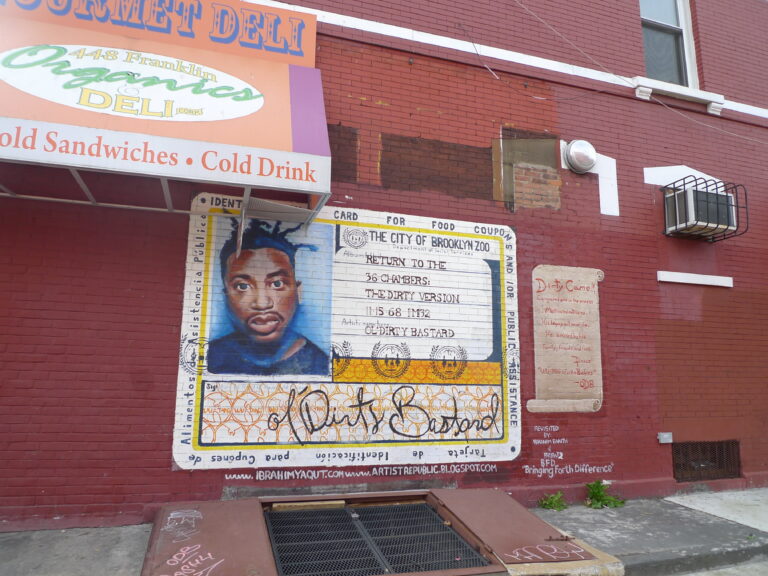
    Also known as Ol’ Dirty Bastard — “because there ain’t no father to his style” — is recognized as one of the most raw, unorthodox, unpredictable and authentic personalities to ever grace hip hop. As such, he was an unusual pick to feature on Mariah Carey’s chart-topping single. Known for his free nature and wild behavior, the mixture of his tainted public image alongside Mariah Carey’s pristine image made for a head scratcher to many.

    ODB Mariah Carey Fantasy
    The late Ol’ Dirty Bastard has had his fair share of discrepancies

    The original record was the lead single off her Mariah’s fifth studio album, 1995’s Daydream, written by Carey and Dave Hall and produced by Bad Boy Records.

    Known primarily as a pop star, Mariah Carey wanted to make a splash in the hip-hop scene and personally requested to have ODB on the remix. In an interview with Genius, hip hop journalist, Rob Markman, praised her for making collaborations with hip hop artists popular, as she went on to explain why she was so intent on having Wu Tang’s bad boy on the record. Divulging that since she grew up in New York, she listened to the same music as everybody else, and since hip hop was major in New York, she loved it and wanted to incorporate some of their production in her music. Her fandom of the late rapper was the reason behind her request, despite the disapproval of label executives.  

    ODB Mariah Carey Fantasy
    Sweet, sweet fantasy baby

    In a 2016 Billboard feature, the backstory on how the record came together was revealed. Corey Rooney (A&R for the track), said he reached out to ODB, who wanted $15,000 to rap on the record and since it wouldn’t have put a dent in Mariah Carey’s budget, it was fine with him. 

    On the day of the recording, ODB showed up three hours late, drunk, and on the phone, arguing with his girlfriend. After the commotion, he asked for some Moet and a box of Newports before recording, to which Rooney responded that they were already behind schedule, which resulted in him accusing the assistants of being “white devils who don’t want to let black people have anything.” He ended up throwing a bottle of Heineken in disgust when it was all the crew could find.

    The “Shimmy Shimmy Ya” rapper proved to live up to his reputation of being difficult to work with by only rapping one line at a time and napping in between lyrics. Eventually they were able to complete the verse but, had to pay him another $15,000 to appear in the video. 

    ODB Mariah Carey Fantasy
    Gone but never forgotten

    The remix differs slightly from the original, as it sampled Tom Tom Club’s 1981 record “Genius of Love” (per Mariah Carey’s request, as it was one of her favorite songs growing up), as well as, Dirty’s “Baby C’mon” and “Goin’ Down.”  

    The record made Mariah Carey he first female artist in history to have a record debut at the top of the Billboard 100, spending eight consecutive weeks at number 1. The cover for the single was done by photographer Steven Meisel and Mariah Carey made her directorial debut as she created the video concept and picked the location.

    Carey and Dave Hall wrote the song about a woman who was in love with a man and every time she saw that man, she started having fantasies about him and a potential relationship that was impossible. ODB’s verse was nothing to write home about, as it was a drunken freestyle.

    Oh, when you walk by every night

    Talkin’ sweet and lookin’ fine

    I get kinda hectic inside

    Mmm, baby, I’m so into you

    Darlin’, if you only knew

    All the things that flow through my mind

    Mariah set the mood with her opening verse singing about how the man walks through her mind and how she perceives him talking sweet to her. ODB’s verse was all over the place but his melodic flow carried him throughout the record.

    Me and Mariah

    Go back like babies with pacifiers (That’s right)

    Old Dirt Dog’s no liar

    Keep your fantasy hot like fire

    Jump, jump, let me see you do the stump

    Girls, let me see you shake your rump

    Brothers, hit it from the back and front

    And let’s do it, do it, do it, uh-huh

    I’m a little bit of Country

    I’m a little bit of Rock and Roll

    And I’m soul to soul

    Big letters, all big and bold

    Old Dirty Bastard across the globe

    While not that long, the verse was still impactful, as his raw and unorthodox rap style gave it the extra credibility it needed to appeal to hard-core hip-hop fans. 

    The influence of “Fantasy” has had a long-lasting effect. It introduced R&B to hip-hop — and with Mariah Carey’s status as a pop superstar — helped grow the genre. Yet, for many, the song will always be remembered for Ol’ Dirty Bastard’s iconic feature. Not because of the quality of his verse, but because his mere presence and his unapologetic way of living was a representation of everything hip hop was about and he didn’t change for anyone. 

  • Wu Tang Wednesday: RZA composes another type of ‘Ice Cream’ for Good Humor

    “French-vanilla, butter-pecan, chocolate-deluxe, even caramel sundaes is gettin’ touched, and scooped in my ice cream truck, Wu tears it up.”

    Iconic lyrics, on an iconic beat, this Raekwon and Method Man collaboration is one of the many iconic records that have solidified RZA’s status as one of hip hop’s best producers. Yet, the man behind some of hip hop’s most recognizable beats isn’t finished composing songs about ice cream.

    And as of recently, French-vanilla, butter-pecan, chocolate-deluxe ice cream will now be served from Good Humor ice cream trucks sans-racially insensitive undertones. Celebrating their 100thanniversary, the pioneers of the ice cream truck have decided to make a much-needed change to their marketing strategies, ditching their old theme — with racial undertones and history — for a fresher, more inclusive version, composed by the Wu Tang head honcho. 

    They called me up and was like ‘We gotta do something about this, Riz. We can change the dynamics, we can make a new ice cream jingle for a new era. We wanted to make a melody that includes all communities, that’s good for every driver, every kid.

    – RZA in a social media video accompanied by the new jingle.

    The old jingle “Turkey in a Straw” is tainted with a history of being performed in 19th century minstrel shows, with the lyrics often replaced in favor of more egregious options. 

    Good Humor has said in a statement that it is now “calling on all drivers to stop playing ‘Turkey in the Straw’ immediately” and, to ensure that, they have released the song as a free download for every ice cream truck to use.

    The RZA endorsed jingle, keeps many of the same elements that will continue to endear children to ice cream trucks, while incorporating sped up drums, giving it a faster pace, as well as a hip hop feel.

  • Wu Tang Wednesday: The art of Shadowboxin’

    Shadowboxing is defined as: “boxing with an imaginary opponent especially as a form of training.” One usually shadowboxes when preparing for a combat sport. Hence the metaphorical brilliance of the GZA — aka the Genius — on his classic album, Liquid Swords. On the LP’s eight track “Shadowboxin’,” GZA and Method Man come together to topple their metaphorical challengers, with Method Man’s verse in particular being considered one of the best of his career.

    Released as the fourth and final single off of 1995’s Liquid Swords (as the B-side to the “4th Chamber” track featuring Ghostface Killah and Killah Priest.) “Shadowboxin’” was produced by cohort RZA, the record samples Ann Peebles “Trouble, Heartaches & Sadness” off of her 1972 album, Straight from The Heart, 1993 hit-record “Slam” from Queens hip hop group, Onyx. As well as, the popular fight scene “Shaolin Monk vs Shadow Boxing Kung Fu” from martial arts film, Shaolin vs Lama

    Along with the looping drum kit, RZA uses turntables and distorts the chopped-up sample for a more grimy and raw sound, a common theme within the Wu Tang Clan catalog. 

    By 1995, Method man had become one of the more popular and in-demand rappers of the time, and while his crossover-appeal would bring an additional audience, it was his performance on said records that would make him a talking point. He set the tone, spewing out “F**k that” within the first couple of seconds of the song, almost like an impatient fighter, who no longer wishes to wait for his turn:

    “I breaks it down to bone gristle

    Ill speaking scud missile heat seeking

    Johnny Blazing, nightmares like Wes Craven

    N*** gunning, my third eye seen it coming before it happened”

    He begins his verse aggressively, with an urgency of a man who has no time to spare and came out firing, with his flow, wittiness and clever word play on full display.

    “Rap insomniac, fiend to catch a n**** snoozing

    Slip the cardiac arrest me, exorcist Hip-Hop possess me

    Crunch a n**** like a Nestle, you know my STEEZ

    Burning to the third degree, sneaky a** alley cat top pedigree 

    The head toucher, industry party bum rusher 

    You don’t like it? D*** up in ya, f*** ya!”

    He calls himself a “Rap insomniac,” conveying that he doesn’t tire of hip hop, while also paraphrasing that he is not to be slept on. The next few words further demonstrate this, as he is so addicted to hip hop culture that he is now a “fiend” and his only fix is to prey on those who aren’t as good or as dedicated to rap as he is, or in his words are “snoozing.” Hip hop is a competitive art form and Method Man makes it clear that he is out to outperform the competition.

    Shadowboxin'
    Rap Insomniac

    While always razor sharp, GZA’s style varies from Method Man’s aggressive approach. Always one to drop knowledge, his delivery resembles that of a slam poet, although he is just as lethal with his pen and confident in his abilities.  

    “I slay MCs back in the rec room era

    My style broke motherfucking backs like Ken Patera

    Most rap n****s came loud but unheard

    Once I pulled out, round ’em off to the nearest third

    Check these non-visual n****s, with tapes and a portrait

    Flood the seminar trying to orbit this corporate

    Industry, but what them n****s can’t see

    Must break through like the Wu, unexpectedly

    Protect Ya Neck, my sword still remains imperial

    Before I blast the mic, RZA scratch off the serial

    We reign all year round from June to June

    While n****s bite immediately if not soon

    Set the lynching and form the execution date

    As this two thousand beyond slang suffocate”

    Shadowboxin'
    Da Genius

    He begins his verse with a jab, as he claims to “slay emcees.” While we don’t know who he is referring to, the ambiguity of his and Method Man’s verses are part of the song’s theme. He rhymes as if his lyrical vigor is directed at one or multiple people, though neither he nor Method Man mention anyone in particular. Or just maybe, their only competition is themselves, and they are simply shadowboxing. 

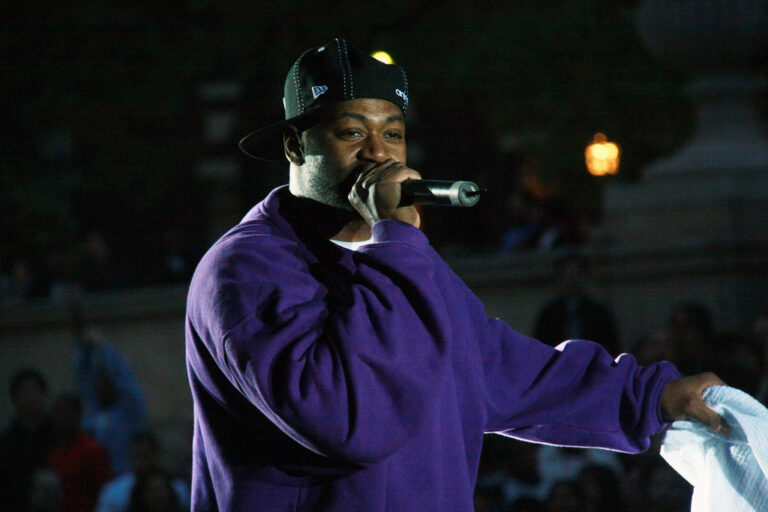
    The Genius and the late ODB in action

    Method Man gets the final word, with the last verse something of an exclamation point to their lyrical exercise. 

    “When my mind start to clicking and the strategy

    Is mastered the plot thicken, this be that Wu shit

    I don’t give a cotton-pickin’ f**k

    Flying guillotines here they come, bloody bastards

    Hard times and killer tactics, spitting words plus

    Semi-automatic slurs, peep the graphic

    Novel from the genie bottle,”

    Shadowboxin'
    The people’s choice: Method Man

    “Shadowboxin” is one of hip hop’s truly flawless records and helped further the legacies of two of the Clan’s most lyrically potent rappers. This song along with is B-side, “4th Chamber,” are part of the reasons why Liquid Swords is so highly regarded within hip hop circles. 

    It has been sampled by Gang Starr in their 1998 record, “You Know my STEEZ” (a play on one of the records iconic lines). It was also sampled by rapper/producer Tony Touch and fellow Clan member Inspectah Deck and clan affiliate, Killa Sin, on their collaborative “Killa Armee Freestyle.” 

    With Contributions from Maxwell Amankwah

  • Wu Tang Wednesday: Cash Rules Everything Around Me

    With one of the more iconic hooks in hip-hop history, “C.R.E.A.M” (Cash Rules Everything Around Me) is by far Wu-Tang Clan’s most popular record, making them household names. The single was on their debut LP Enter the Wu-Tang (36 Chambers) and is considered a magnum opus of hip hop music. When you combine Method Man’s unique — yet silky-smooth flow — along with Raekwon and Inspectah Deck’s cutting-edge lyricism, you have the makings of a classic record. 

    “C.R.E.A.M” was recorded by the group in July of 1993, but was officially released November 9, 1993 as the eighth track from the 36 Chambers LP. RZA — the group’s defacto leader and beat maker — produced the song by sampling the opening piano riff from Charmel’s 1967 record “As Long as I Got You,” with a perfectly placed set of looping drum kicks added on.

    Despite all the praise the record received within the hip-hop community and its current status as a classic record, “C.R.E.A.M” was not a chart-topp. Debuting at number 96 on the U.S. Billboard Hot 100, it eventually peaked at number 60 later that week, also peaking at number 8 on the hottest hip-hop/R&B songs. It became certified gold officially in 2009, 15 years after its release.

    Cash Rules Everything Around Me
    “The Rza is just razor sharp, he always on point with the beats with the rhymes”

    In an interview for 247HH (hip-hop), Raekwon revealed the meaning behind the song’s tittle, revealing that “cream” was a slang term for money kids around the neighborhood would use. Saying that it came from cartoons like, Tom & Jerry, where the titular cat — Jerry — would slap Tom (the mouse) with whipped cream as they would fight over food. As a result, “cream” became something that they said when they were fighting over money or. in general, want of a better financial situation.

    He also revealed that the acronym “cash rules everything around me” came from group mate Method Man’s associate, Raid. Detailing that back then, people would write graffiti and would break words down to give them meaning so, Raid broke down “cream” to mean “cash rules everything around me.”

    Cash Rules Everything Around Me

    RZA shed light on how the record came about, in an interview with SiriusXM. Divulging that the name of the original track was “The Lifestyle of the Mega Rich” and it had about 8 minutes of material from Raekwon and Inspacteh Deck. He wanted them to condense their lyrics into more concise verses and thought it needed a great hook. That’s where Method Man came in to play. The most culturally transcendent of the group, RZA even acknowledged that it was Method Man’s melodic flow on the hook that took Wu-Tang from gold to Platinum.   

    In a more recent interview with DJ Vlad, Inspectah Deck revealed that it was the success of “C.R.E.A.M” that made him realize how big of a group they were. Recalling a memory from a show the clan in Webster Hall, noticing that many of his heroes were there to see the Clan perform. From Big Daddy Kane, to Tracy Lee and Q-Tip. 

    The songs music video paid homage to where each member of the group was from, as a form of imagery that added even more depth to the record. The music video begins in the projects of Staten Island and then sees the Clan make their way to a more lavish lifestyle, driving Mercedes and sipping champagne.     

    Raekwon And Inspectah Deck were the only members of the group to have verses on the record. With both relating to the harsh realities of being from the inner cities. Telling their life stories’ in each verse. Rae gives a timeline of his life from his move from to Staten Island and his time spent in New York City. His first two lines perfectly captures the environment he hails from.

    “I grew up on the crime side the New York times side

    Where staying alive was no jive.”

    Continuing with more personal tales of being separated from his father with his mother leaving and moving the family to Staten Island.

    “Second hands moms bounced on old man, then we moved to shaolin land”

    He chronicled his entire life on this verse and gave descriptive accounts of his times in the inner-city. The story being told is raw, real and vivid, something the man known as “the chef” is known for. Finishing his verse with: 

    “Figured out I went the wrong route, so I got with sick a** clique and went all out

    Catching kings from cross seas hauling MVP’s every week we make 40 g’s 

    N***a respect mine or here goes the tech nine ch-ch pow move from the gate now”

    Inspectah Deck took a similar approach to Raekwon, with similar accounts, while his verse detailed his own attempts at preventing the youth from following a similar path.  

    “Spent 22 long hard years we still struggling

    Survival got me bugging but I’m alive on arrival

    I peep at the shape of the streets 

    And stay awake to the ways of the world cause sh*t is deep”

    With Raekwon’s story-telling abilities an entire story was told in one perfectly executed verse. From this verse alone, we learn, that at 15 he had plans of making “cream” but, was sent to jail for selling drugs. Yet, he only sold drugs because he never had much and only wanted a piece of the finer things in life – a sentiment many incarcerated Black men can share in. In the end, his life was taken away for trying to get his version of the American dream. 

    “Life as a shorty shouldn’t be so rough.

    Though I don’t know why I chose to smoke sess

    I guess that the time when I’m not depressed

    But I’m still depressed, and I ask; what’s it worth 

    Ready to give up so I seek the old Earth” 

    “C.R.E.A.M” has left behind a significant legacy in hip-hop. The song’s popularity helped shift the balance of power from the West coast to the East, even going on to transcend any tension between the differing coasts. 

    The record has been sampled or interpolated by Drake on “Pound Cake/Paris Morton Music 2,” Notorious B.I.G on his hit record “Notorious Thugs,” featuring Bone-Thugs-N-Harmony. Other artists include Joey Bada$$ on his song “Paper Trail$” as well as, Mos Def on “Mathematics.”

    With contributions from Maxwell Amankwah

  • Wu Tang Wednesday: Ghostface Teaches us how to stay ‘Mighty Healthy’

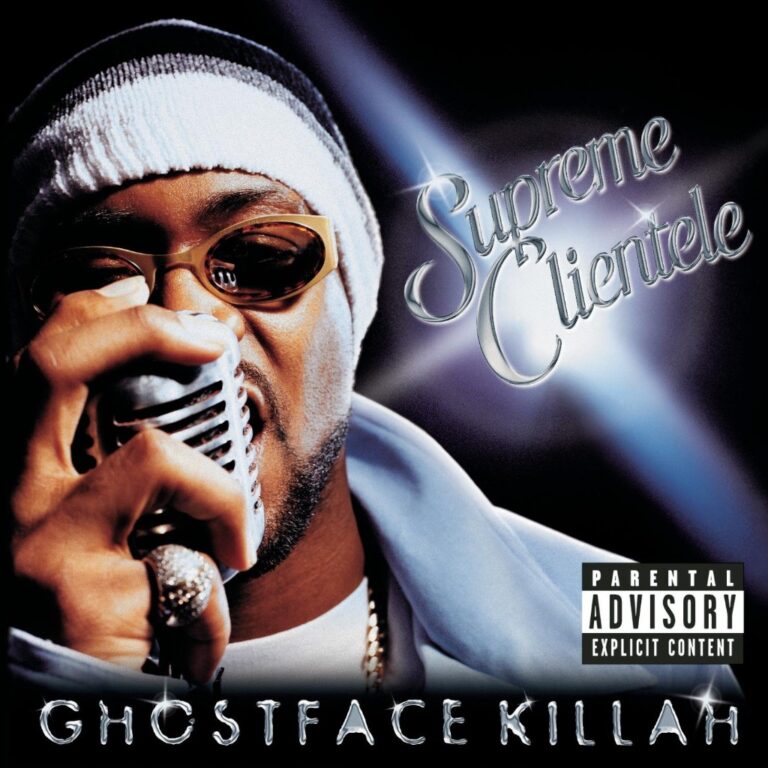
    Ghostface Killah is one of the more renowned members of the Wu Tang Clan, lauded for his exceptional skills as an emcee, where he mixes detailed storytelling with a unique sense of imagery and style. Those abilities were ever-so-present on his second studio album Supreme Clientele. On the RZA produced album, he successfully implemented a trendsetting combination of lyrical excellence and story-telling exclusive only to him.

    The lead single was the oft-sampled “Might Healthy,” which showcased his deadly skills as an emcee, as well as the kind of presence that would make him a mainstay of hip hop culture. Debuting at #7 on the Billboard 200, Supreme Clientele was the most acclaimed of each Wu Tang member’s respective sophomore effort. And ironically, the highlighted record — “Mighty Healthy” — was one of the few not produced by Wu Tang head honcho, RZA, with production being handle by producer and Wu Tang Clan DJ, Mathematics. 

    Ghostface Mighty Healthy
    The iconic album cover

    “Mighty Healthy” was partly inspired by Brooklyn based hip-hop group, Divine Force, and their single pack “Holy War (Live).” Divine Force was made up of emcees Sir Ibu, Lady Nefertiti and her brother Supreme and their DJ, Jizer. They were managed by Melquan, who also managed RZA (then known as Prince Rakeem), GZA (then known as Genius), and Ol’ Dirty Bastard, before 36 Chambers fame. “Holy War (live)” sampled drum patterns from Melvin Bliss’ “Synthetic Substitution,” an uncharted record that went on to become one of the most sampled songs in hip hop history. 

    On “Mighty Healthy,” Ghostface begins the sampling at around the 1:12 mark. You can hear him using Sir Ibu’s flow as well as some of his lyrics as a way of paying homage. 

    When we hug these mics, we get busy

    Come have a good time with G-O-D

    Make you snap your fingers or wiggle

    Scream, shout, laugh or just giggle

    Shake that body, party that body

    Don’t f**k with ghost you’ll feel sorry

    That’s word, I’m not the herb

    Understand what I’m saying, saying, saying

    Sir Ibu’s lyrics on “Holy War (Live)” read:

    “The wisdom that I’m speaking are words that I’m rhyming 

    The God of rhyme, Divine Force gets busy

    Make you hip or hop or get dizzy

    Make you snap your fingers or wiggle

    Scream, shout or laugh or just giggle

    That body, party that body

    Don’t (F**k) with me you’ll feel sorry 

    That’s word, I’m not the herb

    Understand what I’m saying?”

    Besides the Divine Force interpolation, “Mighty Healthy” sampled records from other pioneers of hip hop, sampling “Wish I Could Talk to You” by The Sylvers, as well as, “Nobody Beats the Biz” by Biz Markie featuring T.J. Swan and “Funk President (People it’s Bad),” by James Brown (another heavily sampled artist).

    Ghostface did much more than just interpolate others, and “Mighty Healthy” showcased some of the best rapping of his career.  Heavily inspired by martial arts — much like the rest of the Clan – the song begins with a sound bite from the film Shaolin Rescuers. He starts his verse with his typical and colorfully descriptive lyrics.  

    Son trifling f**k, wildflower on the cycle and 

    Picked up the broom thought I was Michael in

    West Brighton Pool, now I’m into Iron Duels

    Turn nuns to Earth Whoopi, she at Allah school

    He starts with an honest, yet blunt description of himself, then says he thought he was “Michael in West Brighton Pool”– a home goods store located in Staten Island — but the imagery, metaphors and double entendre are ever present, as “broom” is also slang for guns; in the next line he talks about now being into “iron duels,” (as a gun is made of steel). Before finishing off the bar with a Whoopi Goldberg reference, known best at the time for Sister Act, where she played a choir singer who had to relocate after having witnessed a murder and enters witness protection as a nun.

    “The world can’t touch Ghost, purple tape Rae co-host

    In his second verse, he continues his onslaught, first by paying homage to Sir Ibu on the bride before getting into his verse, setting it off with this” 

    Hit mics like Ted Koppel, rifle expert

    Let off the Eiffel, burn a flag in your grass, spiteful

    Ringleader set it off, rap Derek Jeter 

    Culprit, prince of the game wish you could see us

    Ghost brags here, letting the audience know that he is better than most. Ted Koppel was a famous anchor and broadcaster for ABC and Nightline, from 1980 until the program’s end in 2005. Ghost continues by saying, he’s a rifle expert who lets off “the Eiffel,” and “burn a flag in your grass, spiteful” is his way of saying that after conquering his enemy with his superior weaponry, he will continue to acknowledge it to the world. Finishing off by labeling himself “ringleader” and the “rap Derek Jeter.” He continues his braggadocios rhyming throughout

    “Too hot to handle, one thought from scrambling the mandolin

    Hundred game Wilt Chamberlain, smack ‘em, say when”

    “Mighty Healthy” has meant a great deal to hip-hop and to Ghostface, with Complex Magazine even naming it his best song.  It has also been sampled on a myriad of records, including  “No More Parties in L.A” by Kanye West — off of his 2016 album The Life of Pablo. The chorus was heavily interpolated on the Pusha T and Kanye West collaboration “New God Flow,” as well as  a J. Cole rendition titled “Mighty Crazy.”

    “Mighty Healthy” is one of the many bright spots from Supreme Clientele, yet its enduring legacy within hip hop circles has solidified the album as a classic. Ghostface stuck to his style and made it something to behold, especially at a time when other rappers were changing their sounds to fit the new party and club theme music of the 2000’s. The album’s success also cemented him as one of the commercial faces of Wu Tang, a spot that had only been previously reserved for Method Man.

  • Wu Tang Wednesday: The Foundations of Wu Wear

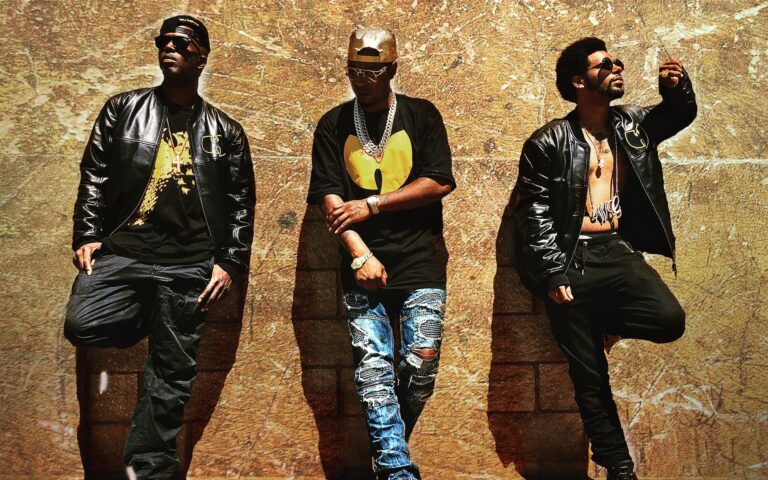
    Wu Tang Clan have long been innovators within hip hop culture, whether it came from their music, style, or their lingo. Before the masses draped themselves in popular streetwear like Supreme, V-Lone and Bape, Wu Wear occupied that space within the streetwear community. Always the trendsetters, this was the first of many clothing lines by rappers. Its impact was worldwide, as each article of clothing was designed to showcase the most iconic logo in the history of hip-hop, the infamous Wu Tang Clan “W” which combined their love of kung fu and hip-hop. 

    wu wear

    A unisex clothing line, Wu Wear offered a variety of fleece jackets, long sleeve t-shirts with graphics, crew necks along with sweatshirts — all of which donned the iconic logo. While RZA is regarded as the group’s de-facto leader, the idea for Wu Wear stemmed from Oliver “Power” Grant, a close associate of the groups who has executive produced every Wu-Tang Clan album.

    In 2008, they faced a counterfeiting scandal, hurting the brand’s credibility. Consumers were under the assumption that they were getting ripped off with fake clothes that they were paying a lot of money for. The brand has since bounced back and has made a relaunch to their website. Partnering up with the likes of Nike, ALIFE and other popular clothing brands.

    To recognize the brand’s cultural significance, RZA recorded a song titled “Wu-Wear: The Garment Renaissance.” which was included on the High School High soundtrack, as well as RZA’s greatest hit album. The record also features Wu tang affiliate Cappadonna and Method Man.

    Method Man’s laid back and rhythmic hook (along with his charisma and style) gave the record much needed flavor that balanced RZA’s scientific flow and lyricism.

    “Ain’t what you want baby

    It’s what you need baby

    Ain’t what you want baby

    It’s what you neeeeeeeed”

    Setting a calm and relaxed tone (which was needed) before RZA began his verse. The famed producer begins the record with a breakdown of what makes Wu garments unique, and why it had been deemed a renaissance for streetwear.

    “Yo,  diamond crystal rings sharp like icicles, nickel plated pistols

    official Wu-Wear covers my physical”

    RZA begins his verse describing the jewelry and diamonds that cover his body, concluding with Wu Wear as a way of associating the clothing brand with the valuable jewelry he dons.  

    “You can detect the true and living God from the score

    Keep your sword straight, maintain your weight

    But he ate too much monosodiumglutumate, and polysorbate

    and drug rate concentrate, with sodium benzoate

    By the chicken thighs and tryglycerides

    And this bitch advertised her breast size

    Eighty-five didn’t realize, til the truth opened up his eyes”

    He begins to breakdown all the things that is poisonous to body and wellbeing of his body and of others. He is also referencing the “five percent” teachings when he speaks on searching for the God within. The five percenters focus on how the Black man is the original man and how they are Gods on the earth. That’s why it’s important to keep and maintain your health from many of the substances in this society that destroy your mental and body, which RZA references while also discussing his recent wealth. He refers to is as “chicken” that fattens his thighs which in tun, leads women to show their “breast size,” a clever play on words. He finished the bar off by letting the masses know that  he was once one of the 85% until he searched for his own truth.  

    “Then he became highly civilized,

    and spent time amongst the wise,

    went through a garment renaissance

    and stopped wearing Benetton, Tommy Hill, Perry Ellis, Nautica,

    or Liz Claiborne, Ocean Pacific, Fila, Bill Blass and leave fitted

    Quit the Armani sweaters with the Gucci wool knitted

    Mecca, Pelly Pell, 88, North Q, Bear and a few others

    For the new year, strictly Wu-Wear

    Once he opened up his mind, he spent time with wiser men and gained a greater understanding of his purpose. His garment renaissance came when he stopped wearing name-brands clothing and focused his efforts on the success of Wu-Wear and other Black owned clothing brands. With the renaissance signifying 

    While the theme remained the same, Cappadonna’s verse was much more straight-forward, relying less on philosophical references.

    “The Century 21 son, the new portfolio dunn

    Now it’s my time, Asian Wu-Wear, Cap and fleece wear

    One wear plaids the Don will hold the best for all wear

    plus blue wear, Wu-Wear, what’s going on

    We’re the best of this year, Wu-Wear and fleece wear”

    While RZA focused on the meaning behind his beliefs, Cappadonna spent more time detailing his exploits as a well-dressed man, aligning Wu Wear with other recognized name-brands. 

    “Just hold your own baby

    and just rock on baby

    I got this wine on my mind

    feelin fine darlin

    Now all you see baby

    ain’t what you need baby

    I wanna know just how low it goes

    Official nasty asses, straight shots in dirty glasses

    Wu-Wear fleece for you and your stinkin piece

    Hard time and killer tactics”

    Known for having more crossover appeal, Method Man took a took a different approach to his verse. Unlike the others, he demonstrated how the allure of the clothing line can be used to allure women, a major point of contention for most men. 

    The record sampled The Soul Children and their 1972 single “Don’t Take My Kindness For Weakness,” spending 17 weeks on Billboard charts and peaking at number 20. While it served as great promotion for the clothing line, it also showcased the diversity that made Wu Tang Clan so iconic. There’s knowledge-of-self and wisdom from RZA, “fly talk” from Cappadonna, and the smooth slickness of Method Man. 

    Wu-Tang having their own clothing line and iconic logo has been ingrained in the fabric of hip-hop since the brand came out. They were innovators taking their interests and creativity outside of music and making it into a business to profit off of other than just recording music. You can say this was the model for artists such as Notorious B.I.G and Bad Boys records, Jay-Z and Roc-A-Fella records, rapper Camron and his Dip Set clothing line and Kanye West with his Yeezy brand.

    Companies have also used rappers to promote their companies clothing lines such as the rap group Clipse with Bape and the late Tupac Shakur with Versace. All of this can be traced bac to the Clan and their influence on the culture. 

  • Wu Tang Wednesday: GZA and Killah Priest teach about the B.I.B.L.E

    While recent racial tensions surrounding police-brutality have garnered the general public’s attention, another divisive issue has picked up steam as of late. Public figures such as, Ice Cube, former NBA player Stephen Jackson and Philadelphia Eagles wide receiver DeSean Jackson have posted social media doctrines acknowledging that the first of the Jewish people were indeed Black, and those we recognize as Hispanic and Native Americans, are actually decedents of the Black Hebrew Israelites. This sparked backlash with some labeling DeSean Jackson and Ice Cube as anti-Semitic and accusing them of spreading misinformation. While present-day celebrities take the brunt of the repercussions, these claims have been uttered by influential figures in the past. 

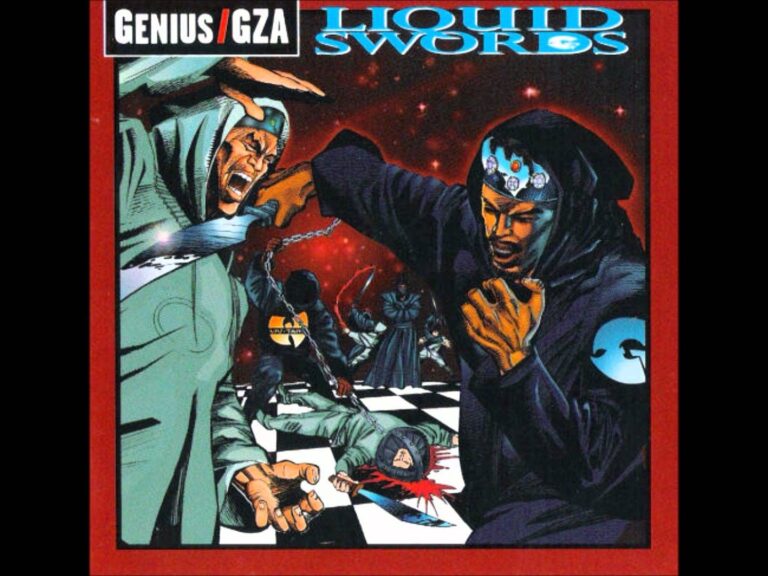
    liquid swords

    On November 7, 1995, GZA of the Wu Tang Clan released his second studio album, Liquid Swords. With no made-for-radio records, the project still debuted at number 9 on the Billboard charts and has since been certified platinum. A critically-acclaimed album, Liquid Swords is multi-faceted and backed by complex lyrics, it explores themes such as crime, philosophy and chess. And although GZA is recognized as the most lyrically potent of the Clan, the most compelling of the 13 tracks – and the album’s outro — came from protégé Killah Priest. Aptly titled “B.I.B.L.E” (Basic Instructions Before Leaving Earth), the 4th disciple produced record explores the religious fallacies that have been instilled within the Black community, as well as the hypocrisies within organized religion that many children are forced to accept.  

    In an interview with Righteous Disorder Tv, Killah Priest divulges how his record made the cut,  “it was a process, I just kicked a rhyme for GZA one day before it was even a song and GZA always loved that verse,” and soon after, it was turned into a full song. With the album’s producer — and Wu Tang Clan leader — RZA not sure of its placement within the project, it was turned into a bonus track.

    The song begins with Killah Priest repeating the acronym four times before transitioning into the hook 

    “Life is a test, many quest the Universe and through my research I felt joy and hurt, the first shall be last and the last shall be first. Basic instructions before leaving earth.” 

    With two lines, he sets the stage for the record’s theme. Acknowledging the joy in finding out the truth about his race and the feelings of sadness that come with the truth. The hook ends with “the first shall be last and the last will be first.” A reference to Genesis chapter 25, verse 23, “Two nations are in your womb, and two peoples from within you will be separated; one people will be stronger than the other, and the older will serve the younger.’”

    killah priest

    Priest begins the first verse discussing his interest in the bible and why it is so important to him,

    Explored my history that was untold and watched mysteries unfold and drop a jewel on them like Solomon, but never follow men cause if you do your brain hollower than space oblivia or the abyss.

    He is ignoring the teachings of the church and doing his own research on the bible and what it means, as well as, who it is meant for. As he learns more, he uncovers new mysteries that he was never taught, and he begins to teach others what he has learned. “Never follow men,” speaks to the ideology that God should be the only entity leading one to salvation. 

    He carries on,

    I speak on Jacob, it might take some time up, and too much knowledge, it might break up the rhyme. I did it anyway, just to wake up the mind of those who kiss stones or prays on carpet. Those who sit home or sell books by the market need to chill and give their mind revived for years religion has done nothing but divide.

    The first line serves as a double entendre, as “Jacob” is a known biblical reference, while Jacob Arabo is known popularly within hip hop circles as “Jacob the Jeweler,” for his unique designs of Jewelry — specifically watches — The last two lines throw stones at those who pray and profit off of selling the bible yet, know little of their true history. 

    On the second verse he advances with his earlier rhetoric on religion and how it has been used to confuse him and his people, while also speaking on the true origins of the White race.

    I even learnt that Caucasians were the tribe of Edom the white image of Christ is really Cesare Borgia. And uhh, the second son of Pope Alexander the sixth of Rome and once the picture was shown that’s how the devil tricked my dome.

    He alleges that Caucasian people are the decedents of Esau (the first son of Isaac and the first White person in history, according to The Old Testament) and his tribe Edom, a stance recently reiterated by Ice Cube and Desean Jackson. 

    On the last verse he says, 

    I prophesized to save man, but no one gives a damn for my nation, the seed of Abraham blessed with the tongue of Hebrew now we strung on needles and some plunging evils. So, study and be wise in these days of darkness, peace to my nephew Marcus.

    With a desolate first bar, Killah Priest gives insight into the thoughts of a man who is trying to warn yet, the more he tells people the true history the more they don’t care or take what he says seriously, leaving him frustrated. On the second line, he says that his people are descendants of the biblical figure —Abraham, ascribing to the chosen seed that God prophesized he would be blessed with. At one point his people were blessed in their history and knowledge of Hebrew. Now, they are strung on needles — referencing the many drugs that have been pipelined to Black inner cities — and committing other evil acts. Finishing off by encouraging them to take their knowledge into their own hands.

    While Black entertainers continue to receive backlash for their thoughts on Judaism, the authenticity of their claims must be acknowledged. With this record being a quarter-century old, how many more people have already accepted Killah Priest’s claims as their truth? It’s easy to accept the status quo as the truth, challenging accepted ideologies is the only way we can grow as people, and that begins with exploring the possibilities of different origins to every religion, as none belong to any one race.

    With contributions from Alain Clerine.

  • Wu Tang Wednesday: Nas, Raekwon and Ghostface deliver “Verbal Intercourse”

    Being part of a team is great; when you’re part of a successful one – like Wu Tang Clan – even better. Yet, there may always be that inkling of wonder of what could be accomplished by oneself. For musical acts whose contributions to the world are dissected and compared to one another, that one little thought may be enough to isolate said artist from the group, not to mention the monetary differences between a solo artist and being part of a group.

    Ego has played a part in the demise of many great factions — the likes of New Edition, NWA, The Fugees – they’ve all fallen victim to the individualistic desires of man. Yet, when tamed, this possibly destructive force can be channeled into producing some of the greatest albums in history. Bobby Brown’s Don’t Be Cruel fits in that mold, so does Ice Cube’s Amerikkas Most Wanted. This was also the case for one of the greatest Hip Hop albums ever. Raekwon’s Only Built 4 Cuban Lynx set the tone for a genre of mafioso themed albums that took the 90’s by storm.  

    Failing to distinguish himself from some of the other charismatic members of the Wu Tang Clan, the man known as “The Chef” was motivated to go out and make himself a classic body of work. And on August 1, 1995, Only Built 4 Cuban Lynx set a new standard for rap. The album received a 4.5 mic rating from The Source magazine (at the time, hip hop’s Bible). While the Method Man and Ghostface Killah assisted “Ice Cream,” was the LP’s most successful record, album cuts like “Verbal Intercourse” are what set the tone for the project. The twelfth track features a young Nas on the heels of his own soon-to-be classic, Illmatic, as well as Wu Tang mate Ghostface Killah – who plays a supporting role in the mafia movie themed album. Considered one of Nas’ best verses (which is saying something), it also stands as one of the greatest opening verses in history. 

    Wu Tang Wednesday: Nas, Raekwon
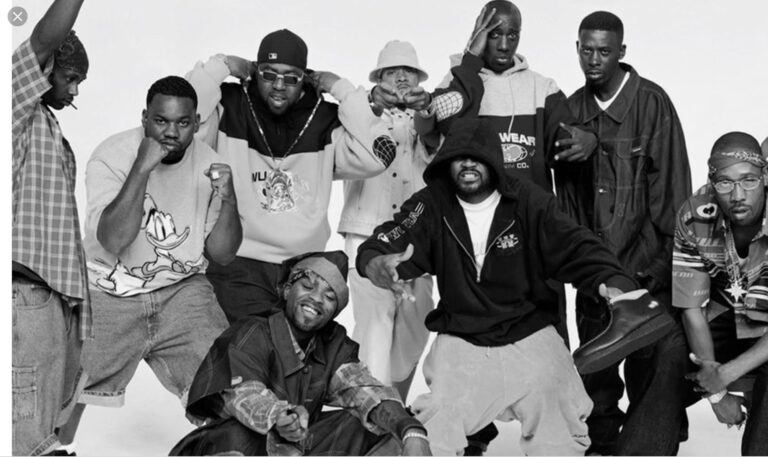
    Wu Tang Clan – a tough act to follow

    Nas sets the tone for the record early, rapping:

    Through the lights cameras and action, glamour glitters and gold I unfold the scroll, plant seeds to stampede the globe.

    When I’m deceased, by then the beast arise like yeast to conquer peace leaving savages to roam the streets.

    With his newfound fame and fortune from his individual success, his principles haven’t changed, as he still plans to take over the world. And after he has long passed, he hopes to have planted enough seeds in the minds of the youth to bring about a revolution. A Queensbridge legend long before platinum albums, Nas’ lyrical aptitude was as shocking as his youth, as he was barely 21 at the time of this recording.

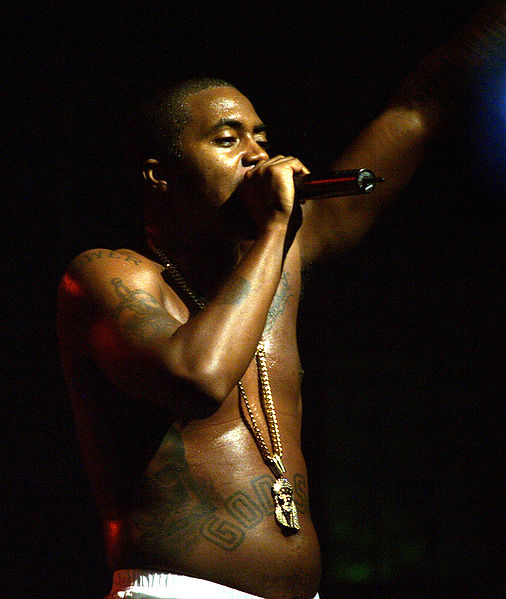
    With ‘God’s Son’ written across his stomach, Nas looks to accomplish everything he prophesized.

    On the second verse, Raekwon deliver’s a high-quality opening bar of his own.

    Perhaps bullets bust, n**** discuss mad money true lies and white guys, we can see it through the eyes. Catch the most on tape, kilos disintegrate Pyrex pots, we break, fiends licking plates.

    While Nas’ verse pertained to his yearning for a mental uprising, Raekwon keeps with the album’s theme. Describing the dangers that come with operating on the wrong side of the law.

    On the song’s last verse, Ghostface Killah – maybe the most charismatic of the three – adds to the story, Further detailing the greed, jealousy, envy that comes with monetary success, with hopes of a light at the end of the tunnel.

    With the green leathers, hundred-pound snakes and cakes. Fiends found in lakes, jealously jakes we shake. What I strive for is what I live for. Infatuated by material things in this wild life of war like somewhere over the rainbow, I see a big pot of gold.

    “Verbal Intercourse” is defined as “conversation between more than one person.” But in this case, you could say they went a step further and f***ed the beat. The album featured every rapper in the Wu Tang Clan besides ODB, so Raekwon didn’t completely deviate from the already winning formula. Still, as the creative mastermind behind the LP, it helped Raekwon continue to establish himself as his own entity, outside of his groupmates. Debuting at number four on the Billboard charts, Only Built 4 Cuban Lynx sold 130,000 copies its first week, and while not a single, “Verbal Intercourse” saw each respective rapper plant seeds towards their now legendary status.

    with Maxwell Amankwah contributing