New York music venues decided to file a Federal lawsuit against State restrictions on live music on September 6, 2020 in the U.S. District Court in Manhattan. The lawsuit involves ten establishments across New York who believe the live music restrictions are unworkable and unconstitutional.
The Federal lawsuit challenges both the ad ban and the rule against charging for shows as being arbitrary since there is no evidence those actions have any effect on the slowing coronavirus spread.
Last week New York state announced rules that aimed to contain the spread of the coronavirus according to state officials but many venues feel they have been disproportionately singled out in this new ruling. The rules allow only what the state calls “incidental” music to be performed at venues making it impossible to promote performances and therefore making it difficult for venues, bars, and restaurants to intrigue an audience to attend their establishment.
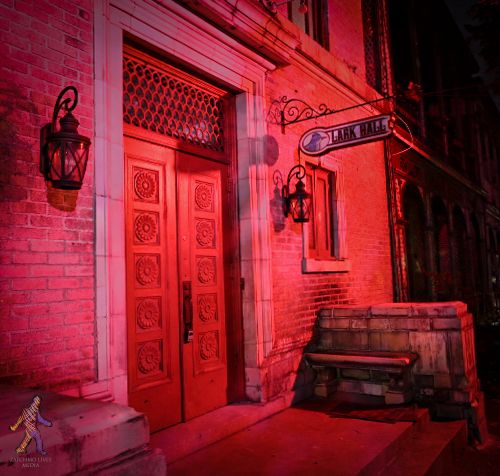
The ten establishments involved in the lawsuit are establishments that serve liquor and host or promote live music or entertainment. These venues come from all across New York state including four in New York City. The others are located throughout upstate New York in Buffalo, Niagara Falls and Clifton Park. The plaintiffs in the case are Turks Group, LLC, operating as The Sultan Room & The Turk’s Inn in Brooklyn, 49 Illinois Restaurant, LLC, operating as Buffalo Iron Works in Buffalo, The New York Independent Venue Association, a trade association, Columbus Ale House, Inc., operating as The Graham, in Brooklyn, Upstate Shows, Inc., operating as Upstate Concert Hall in Clifton Park, Jayarvee, Inc., operating as Birdland Jazz Club in Manhattan, Capitol Enterprises, Inc., operating as The Capitol Theatre in Port Chester, Jukimoo, LLC, operating as Littlefield in Brooklyn, nfinity on Main, Inc., operating as Tralf Music Hall in Buffalo, and Rapid Theater Niagara Falls USA, Inc., operating as The Rapids Theater in Niagara Falls.
Photo by Zach Culver.
The defendant named in the lawsuit is the State Liquor Authority Chairman Vincent Bradley. The State Liquor Authority has been the leading charge in enforcing Governor Andrew Cuomo’s coronavirus orders. They do this by having the ability to suspend liquor licenses and impose fines on establishments not following the rules.
According to syracuse.com, “The lawsuit asks the court to halt the state’s enforcement of the orders. It also seeks payment for the cost of the lawsuit and lawyer’s fees, but does not specify monetary damages.” The state’s coronavirus rules are simple and easy to follow for most of these establishments. People being required to wear a mask, social distance, use hand sanitizer, having employee health checks, and ect would be very doable for establishments who host live music and yet they are being singled out from being able to promote their businesses.
The Federal lawsuit says, “The advertising and ticketing of shows would allow establishments to maintain better control over their limited capacity, allowing them to tell patrons in advance that an evening is sold out and thus avoiding the gathering of crowds trying to gain admission (and the increased risk of transmission that comes along with such gatherings).”
For more information on the New York’s new guidelines for establishments and how they effect the establishments and musicians read NYS Music’s article on the guidelines.
