Tag: Paul Simon

  • The King of Corona: Paul Simon says goodbye at Flushing Meadows

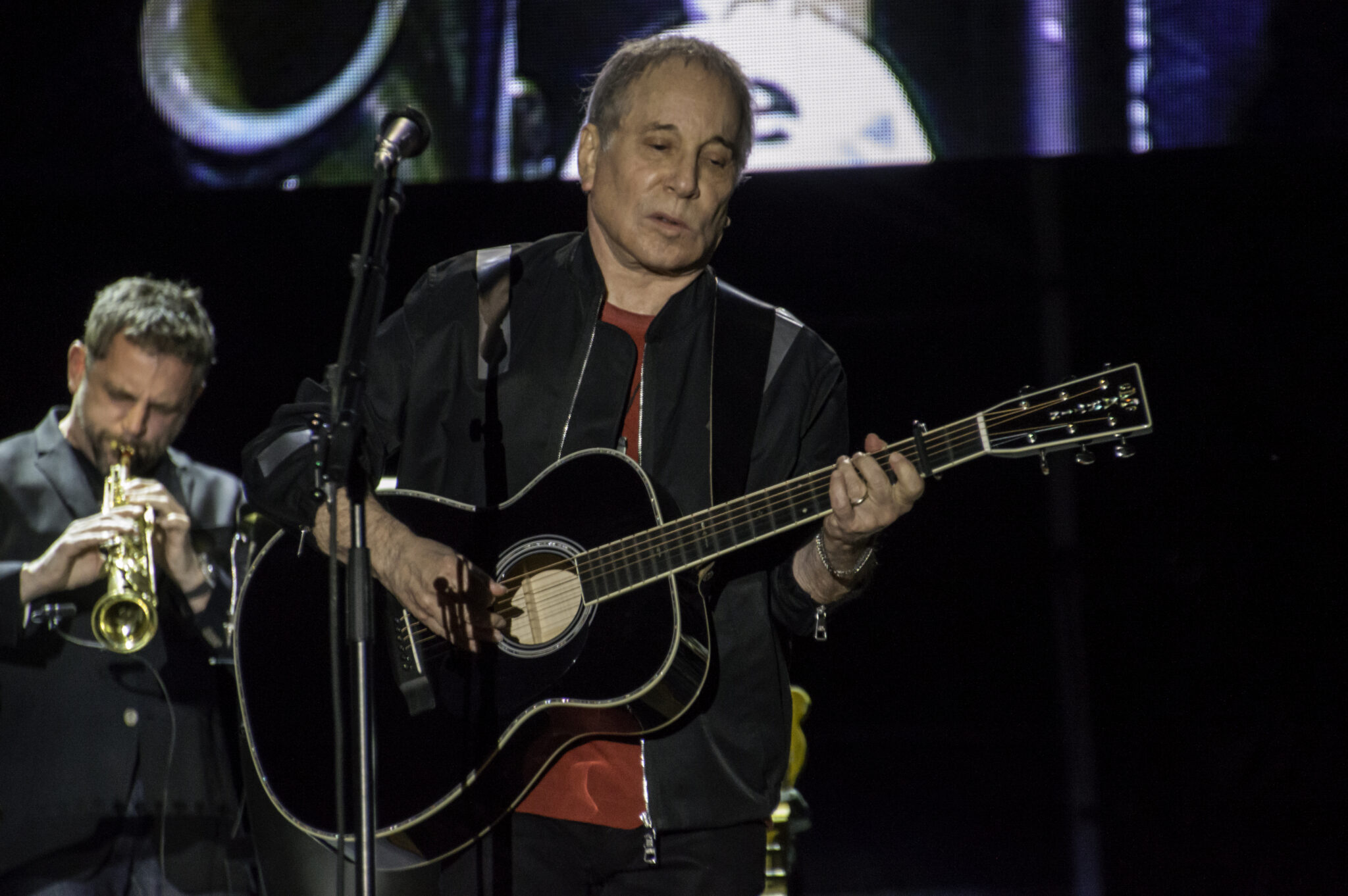
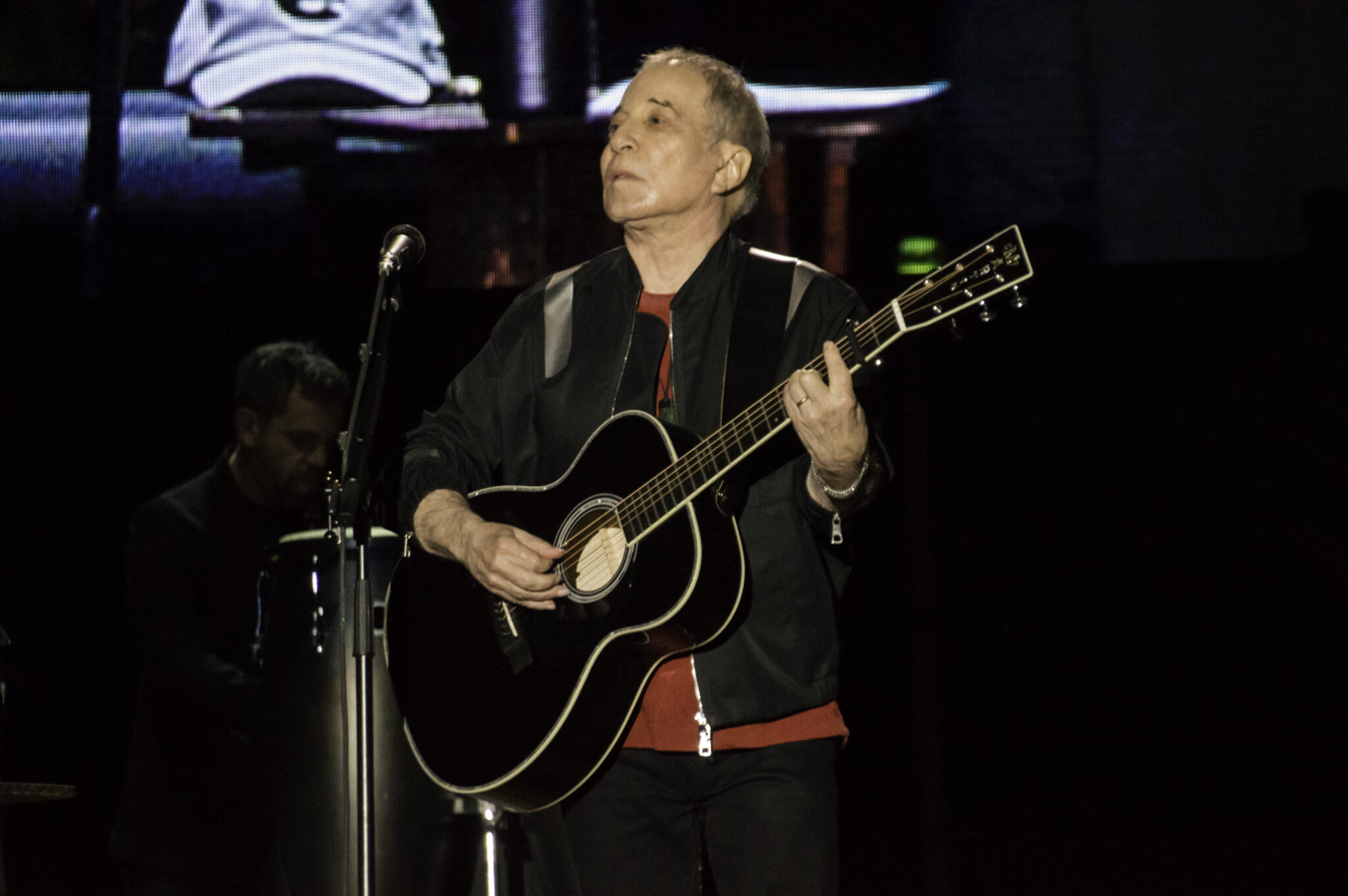
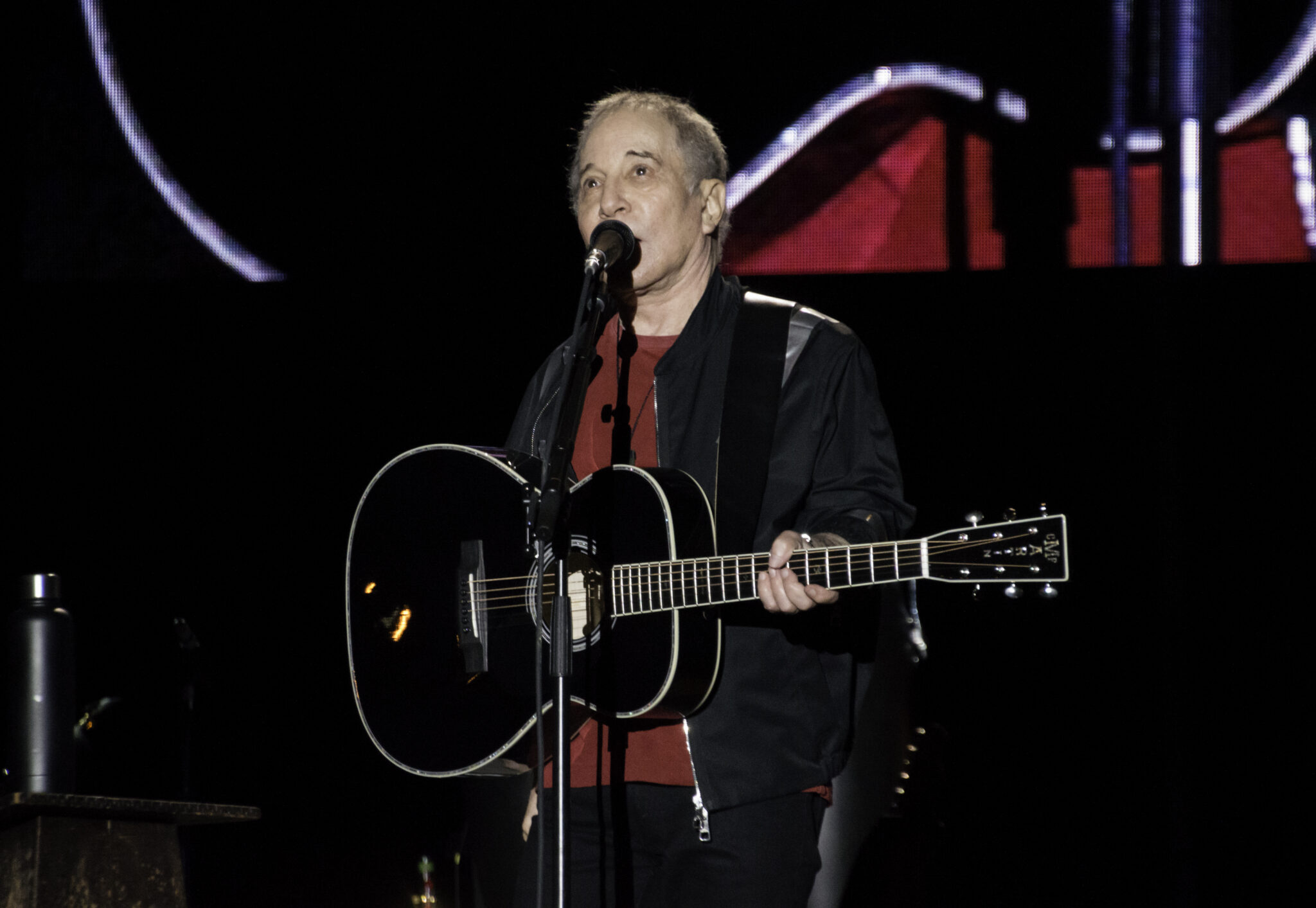
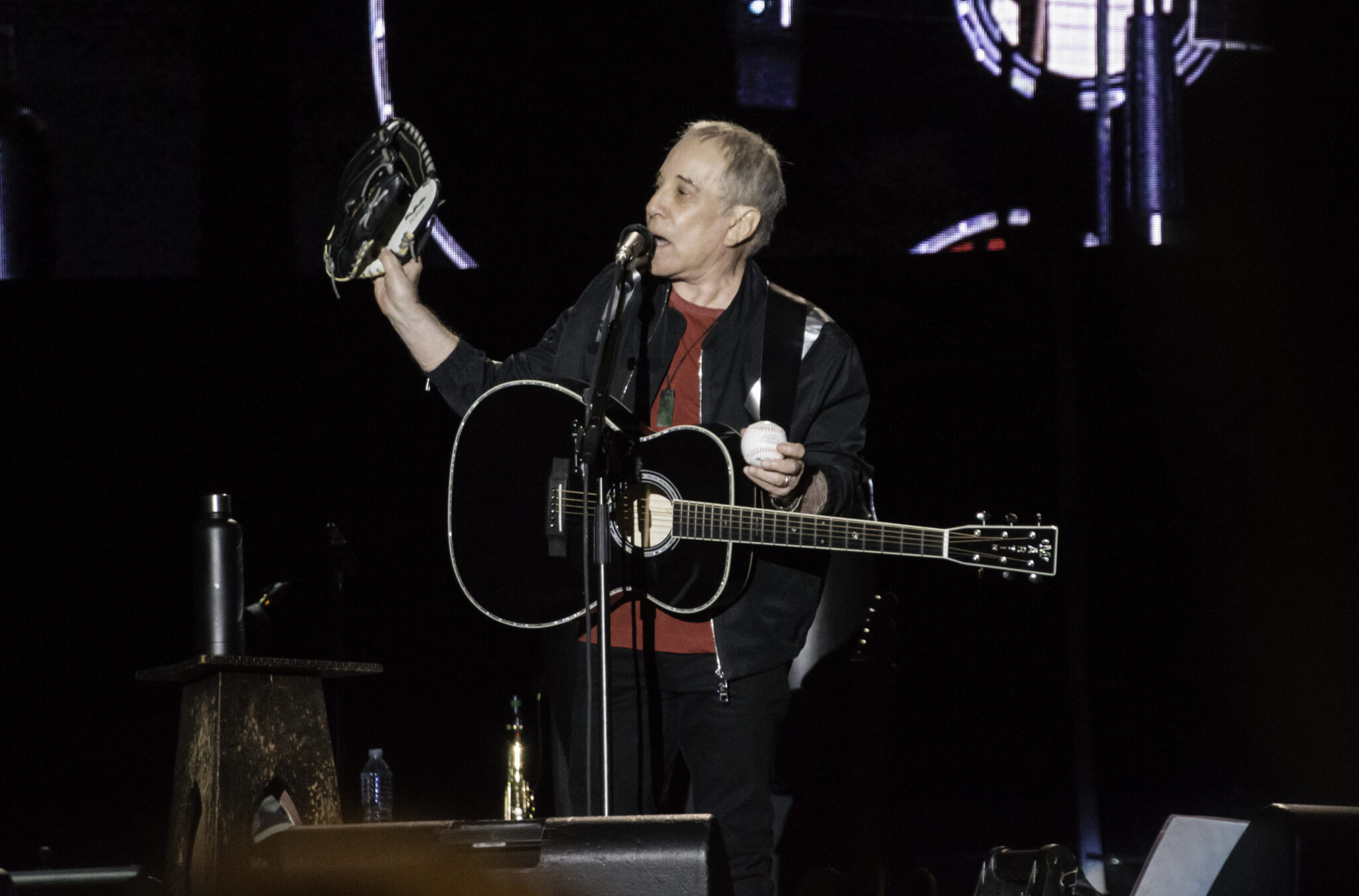
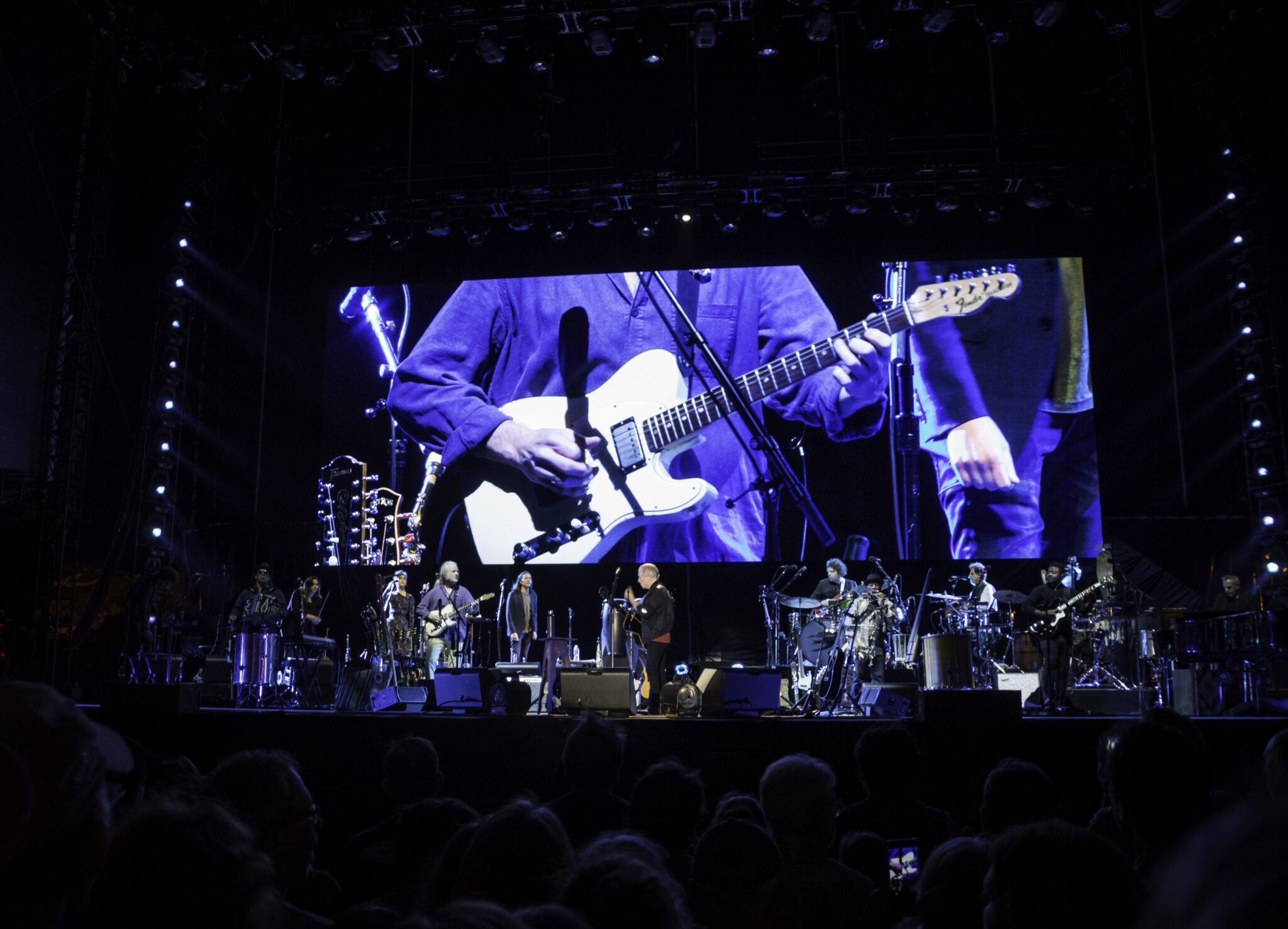
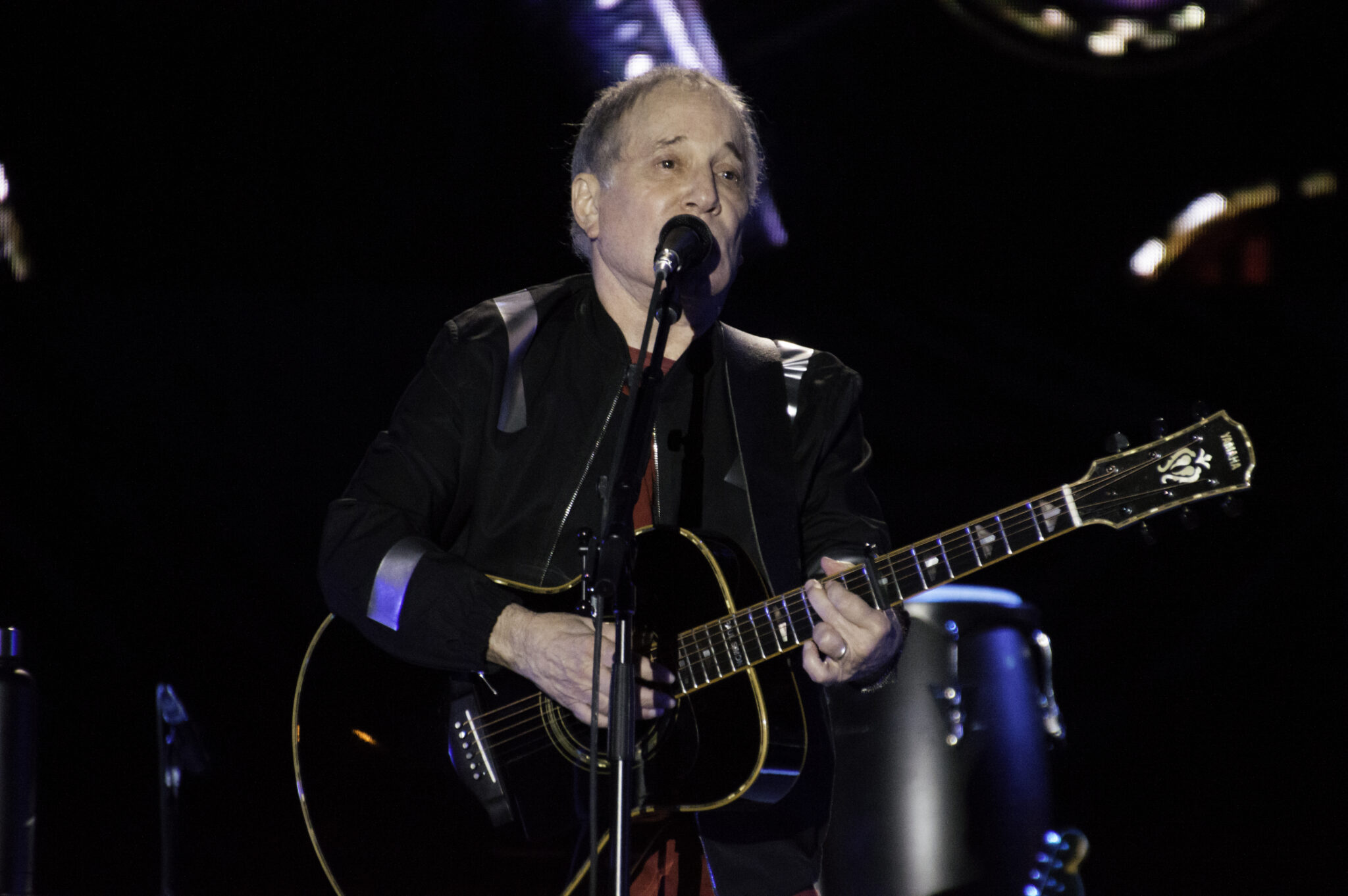
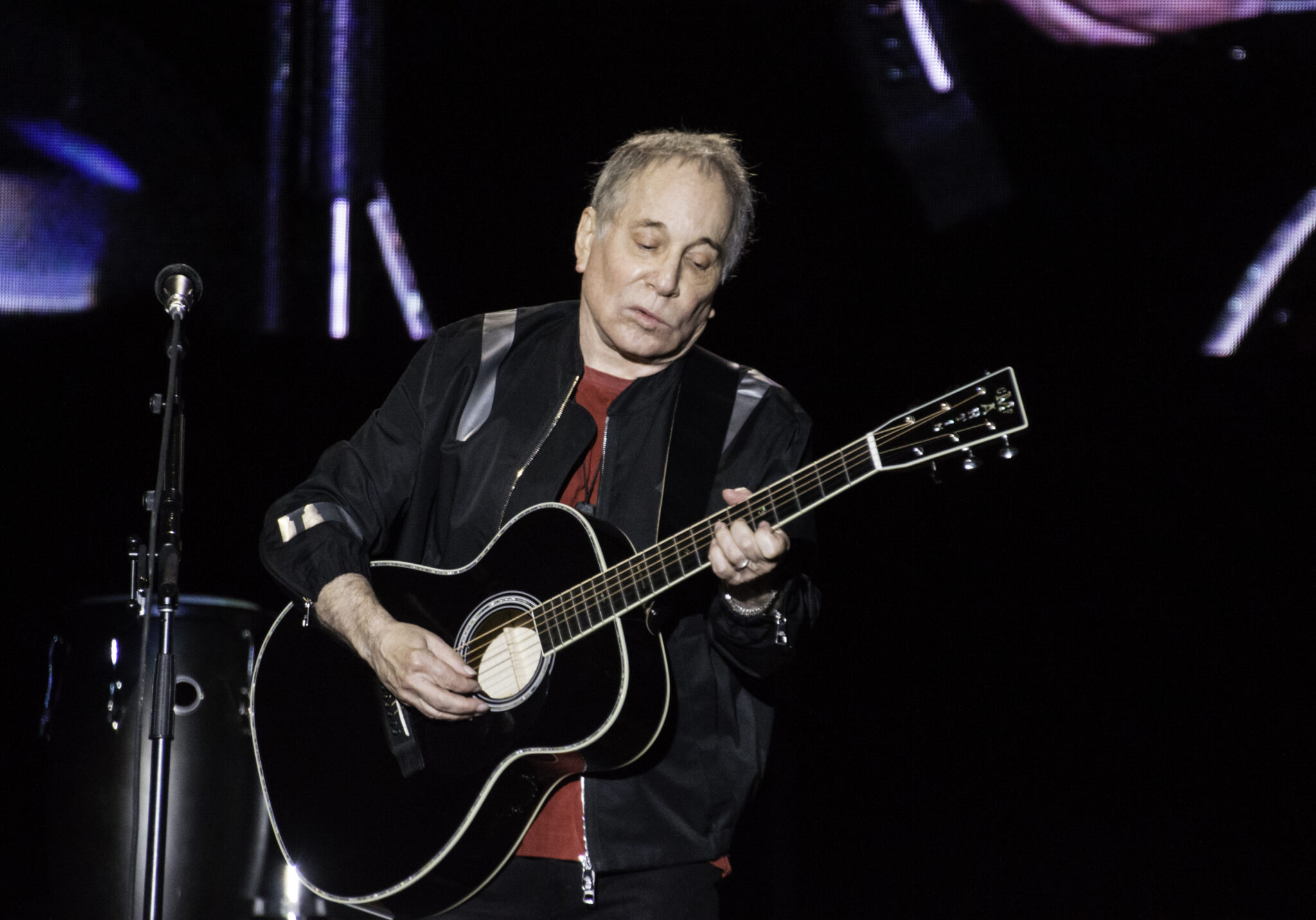
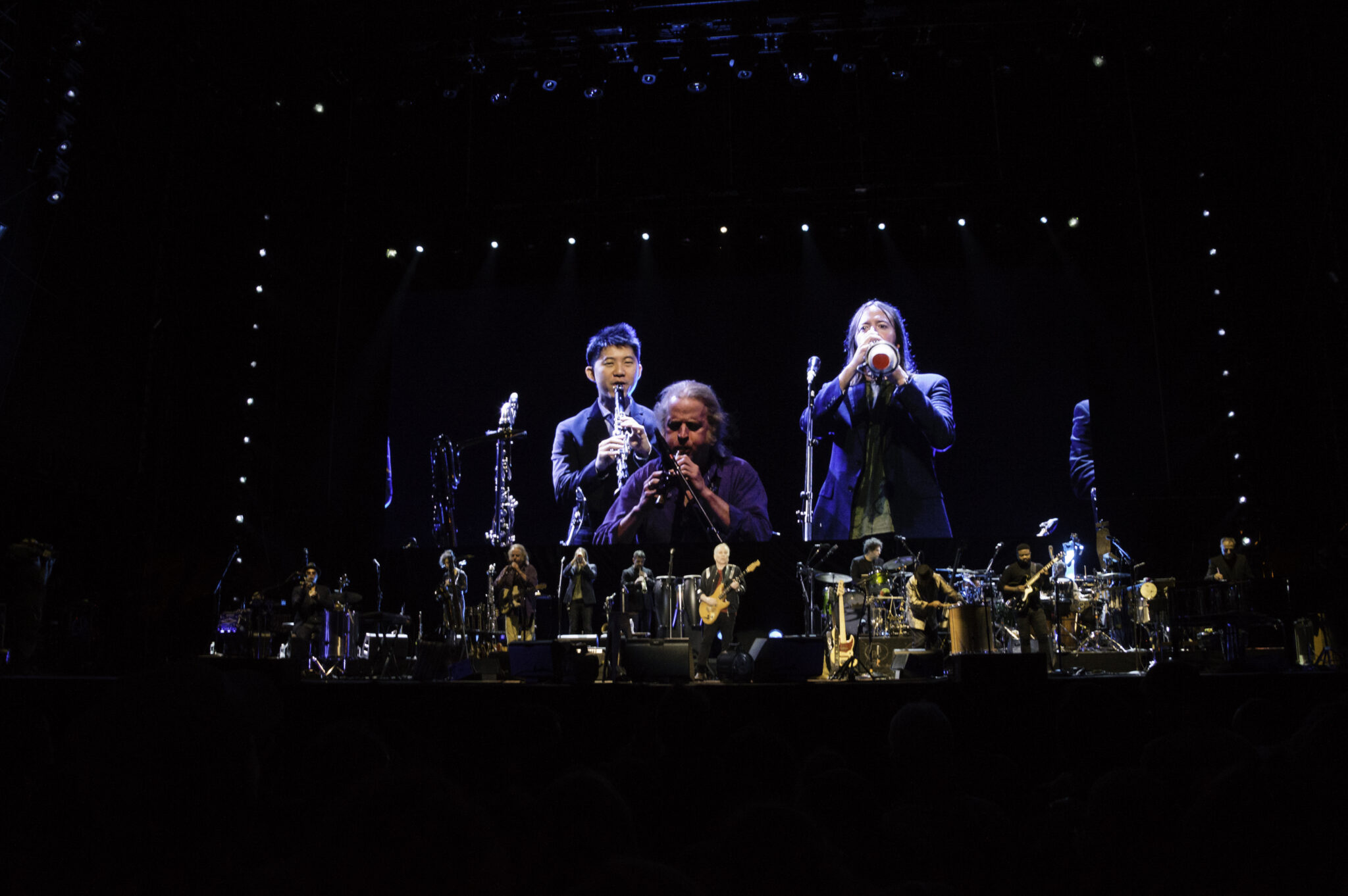
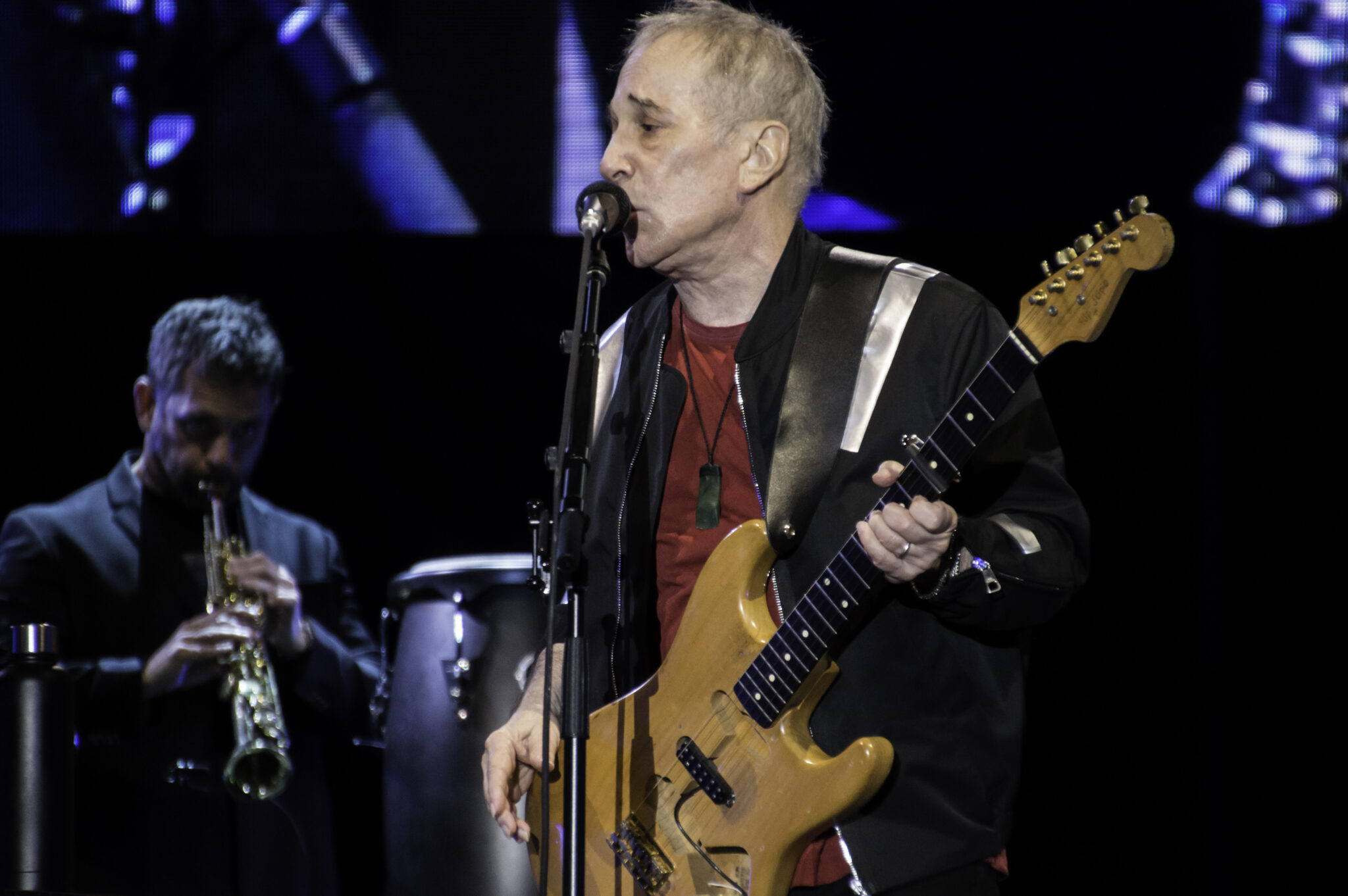
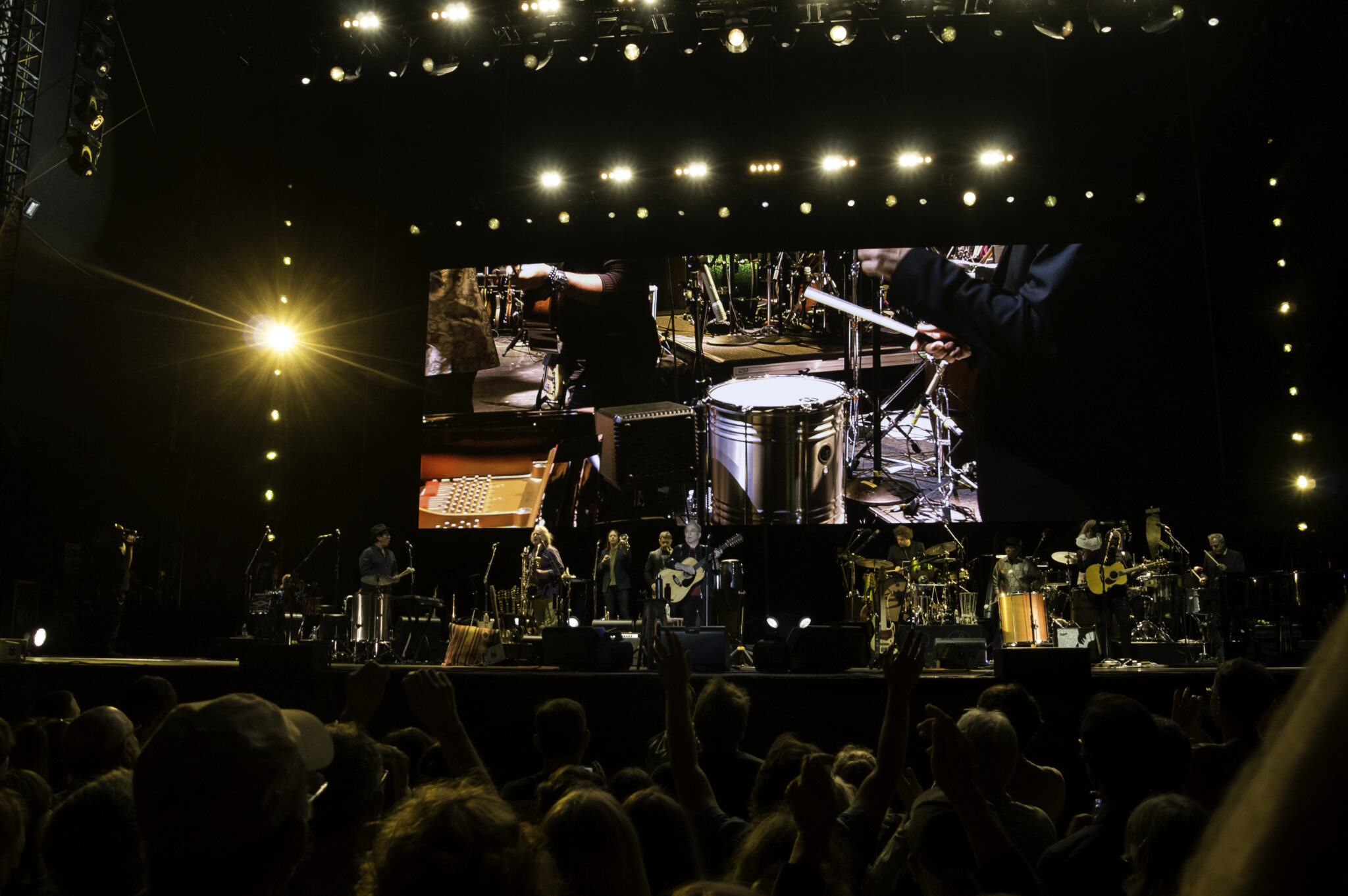
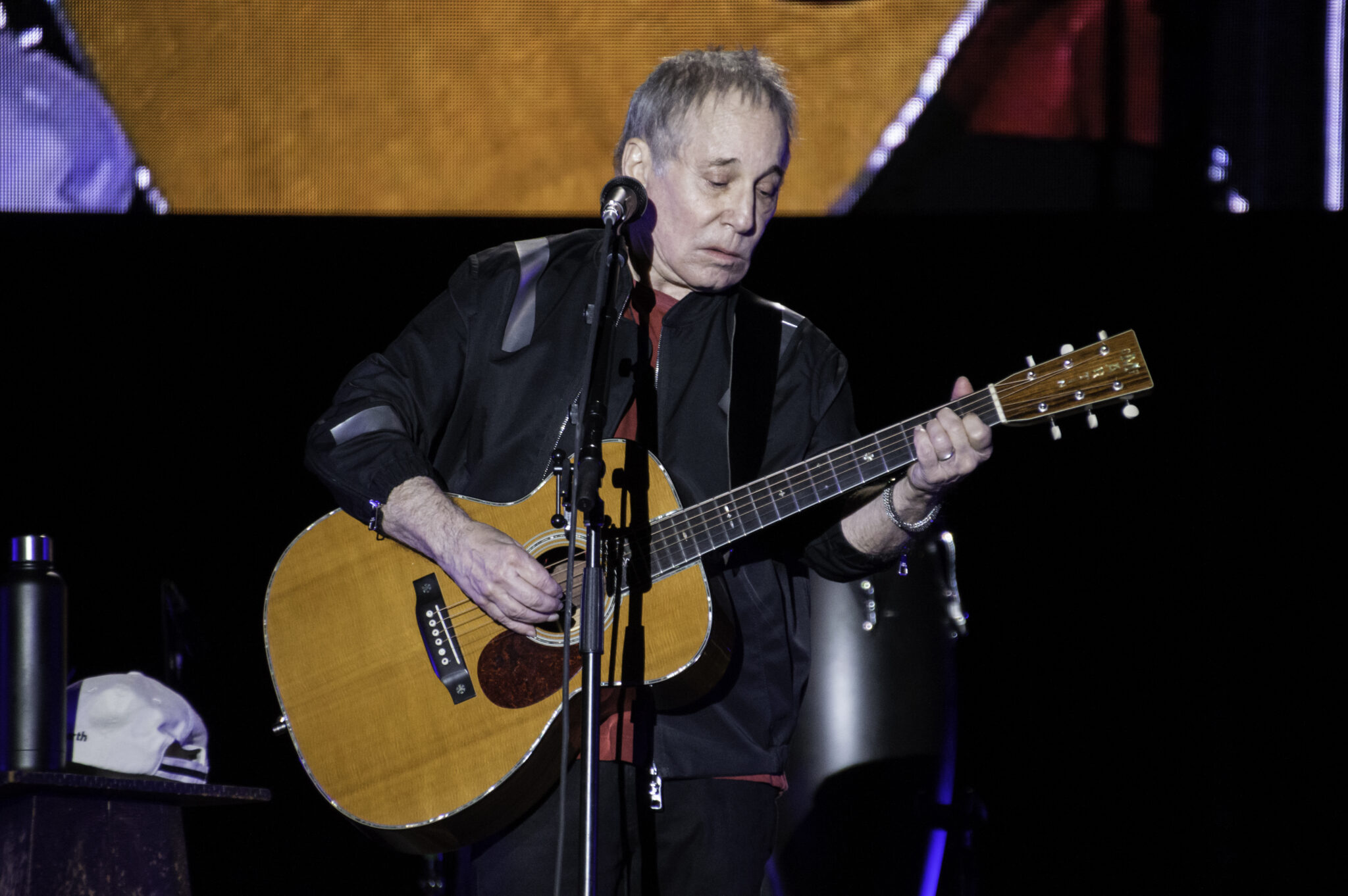
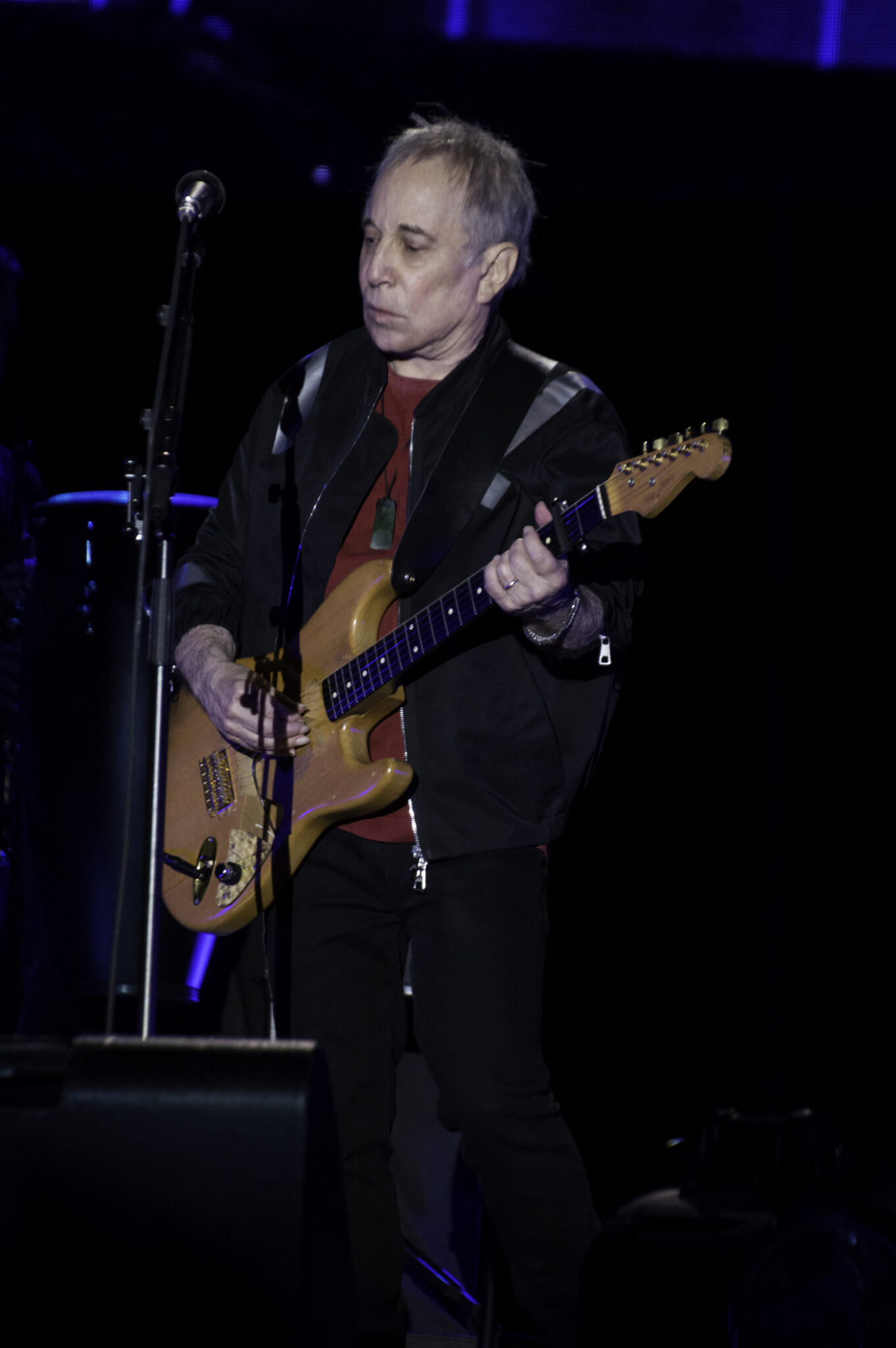
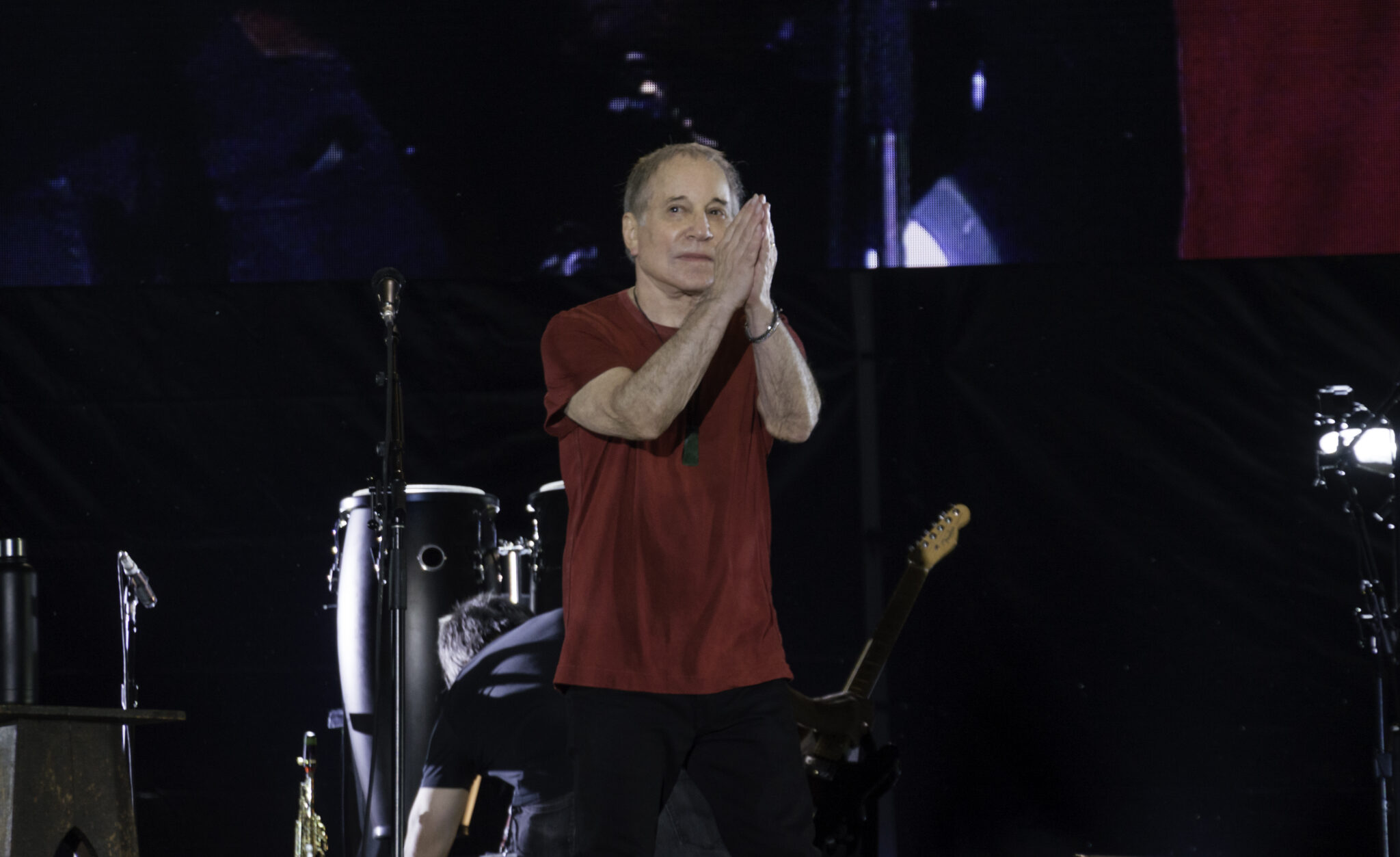
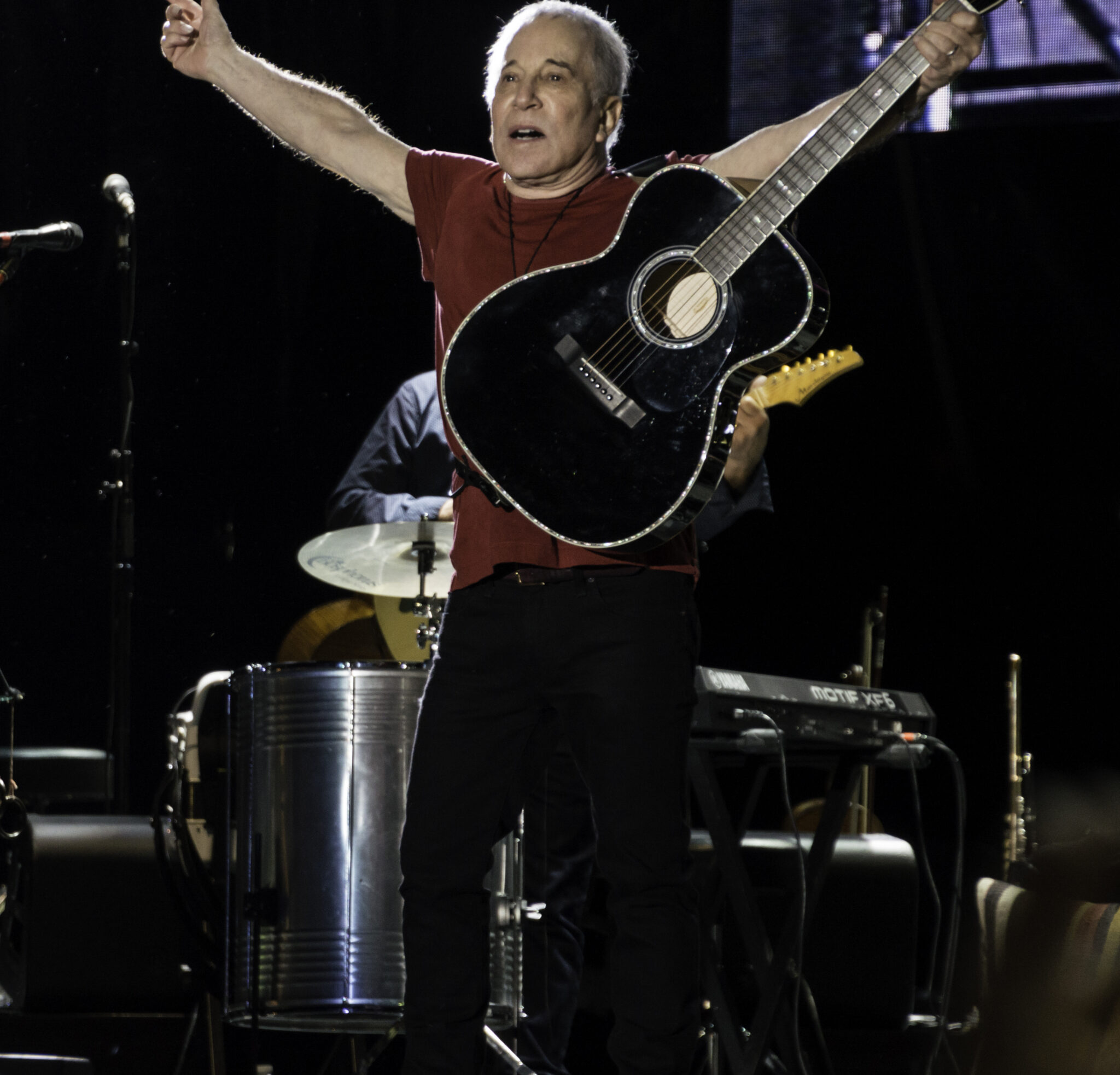
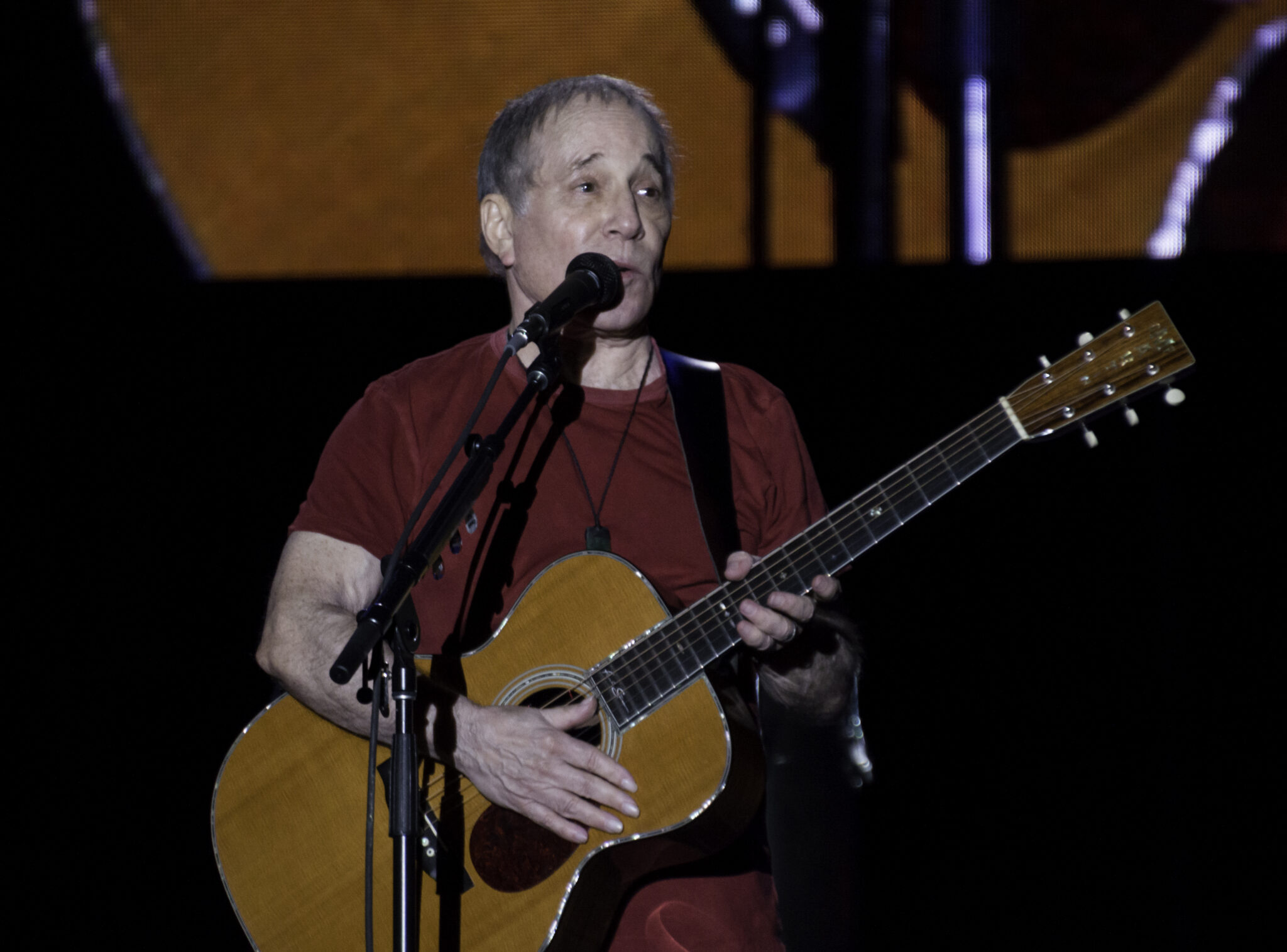
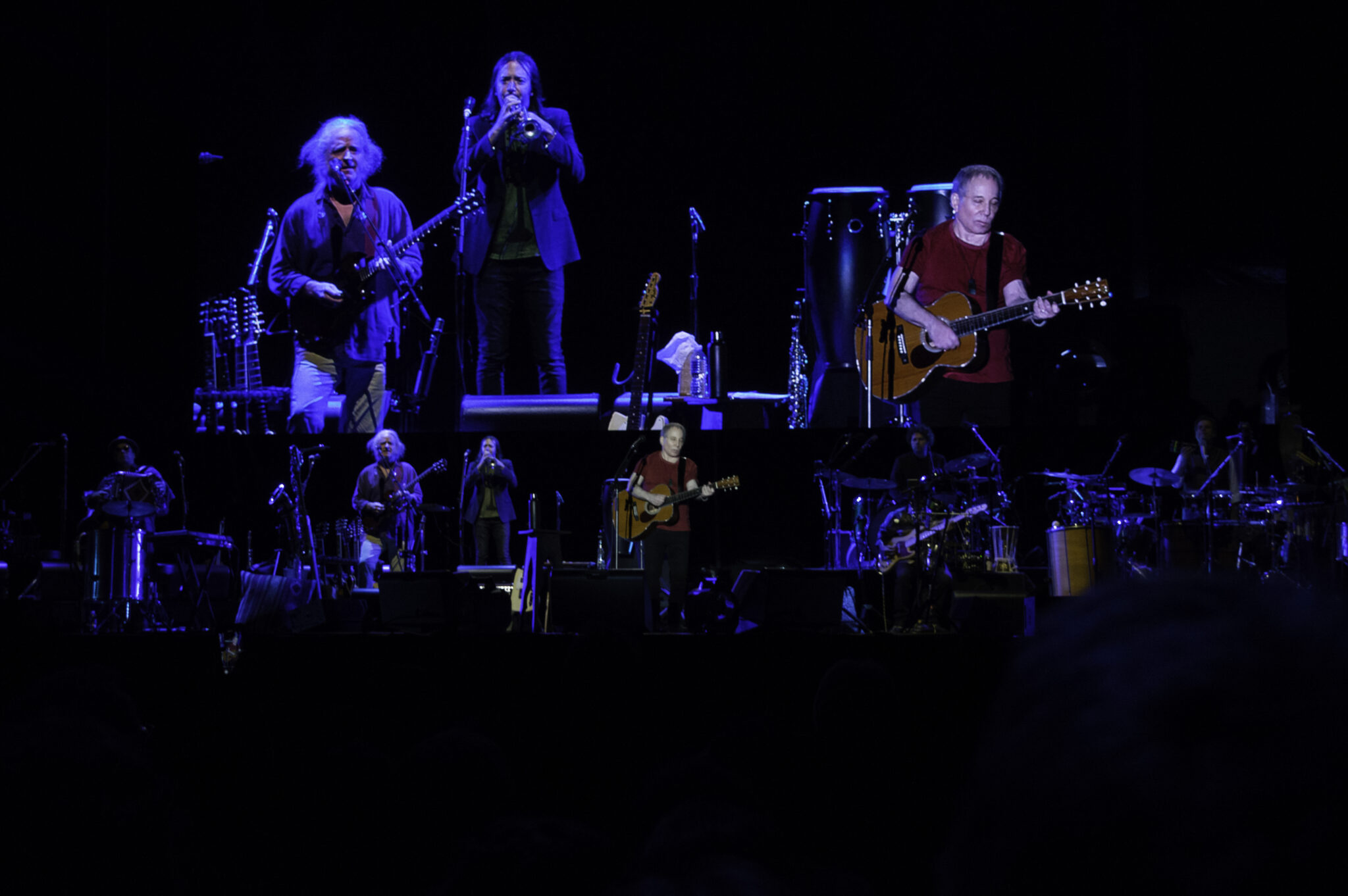
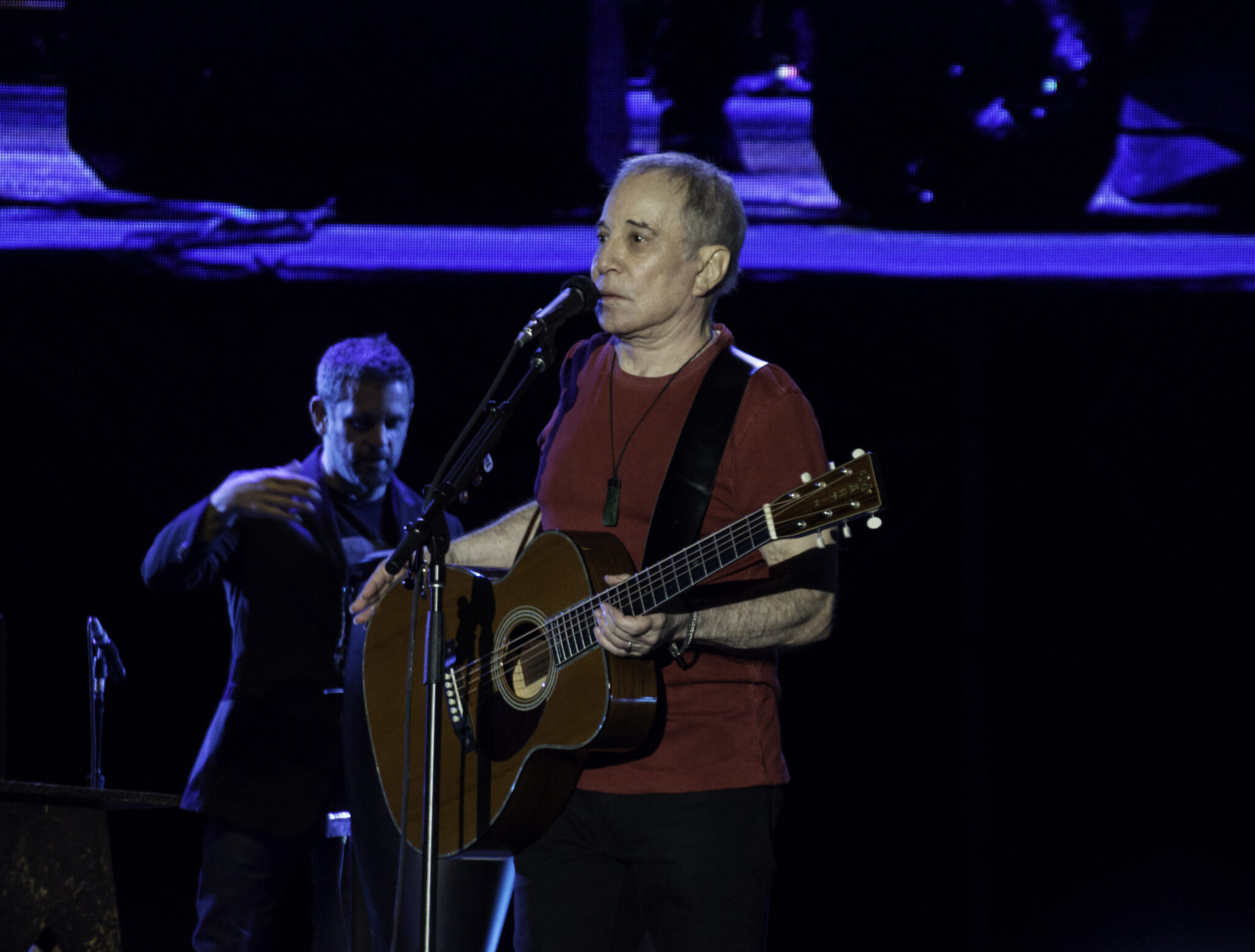
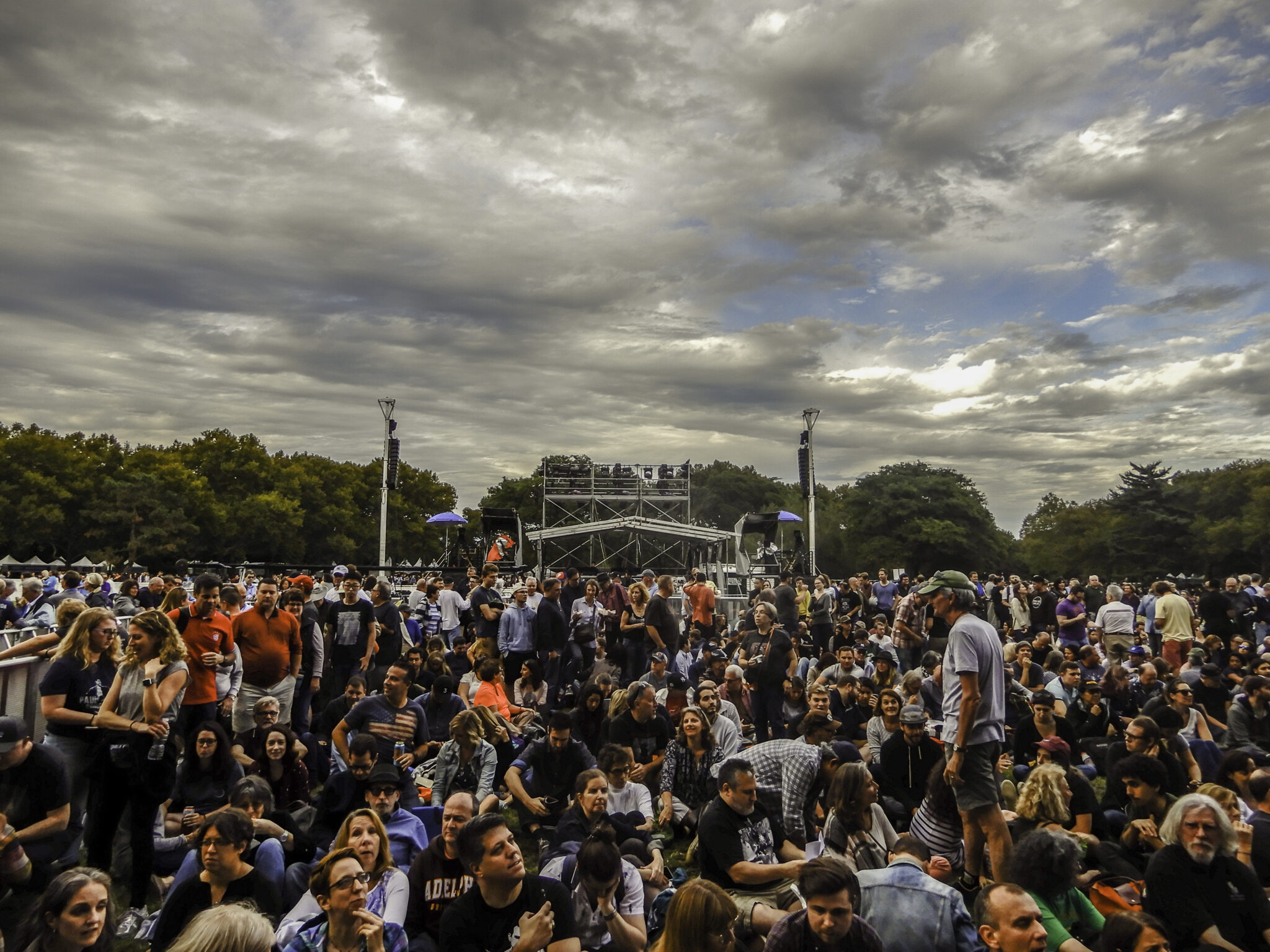
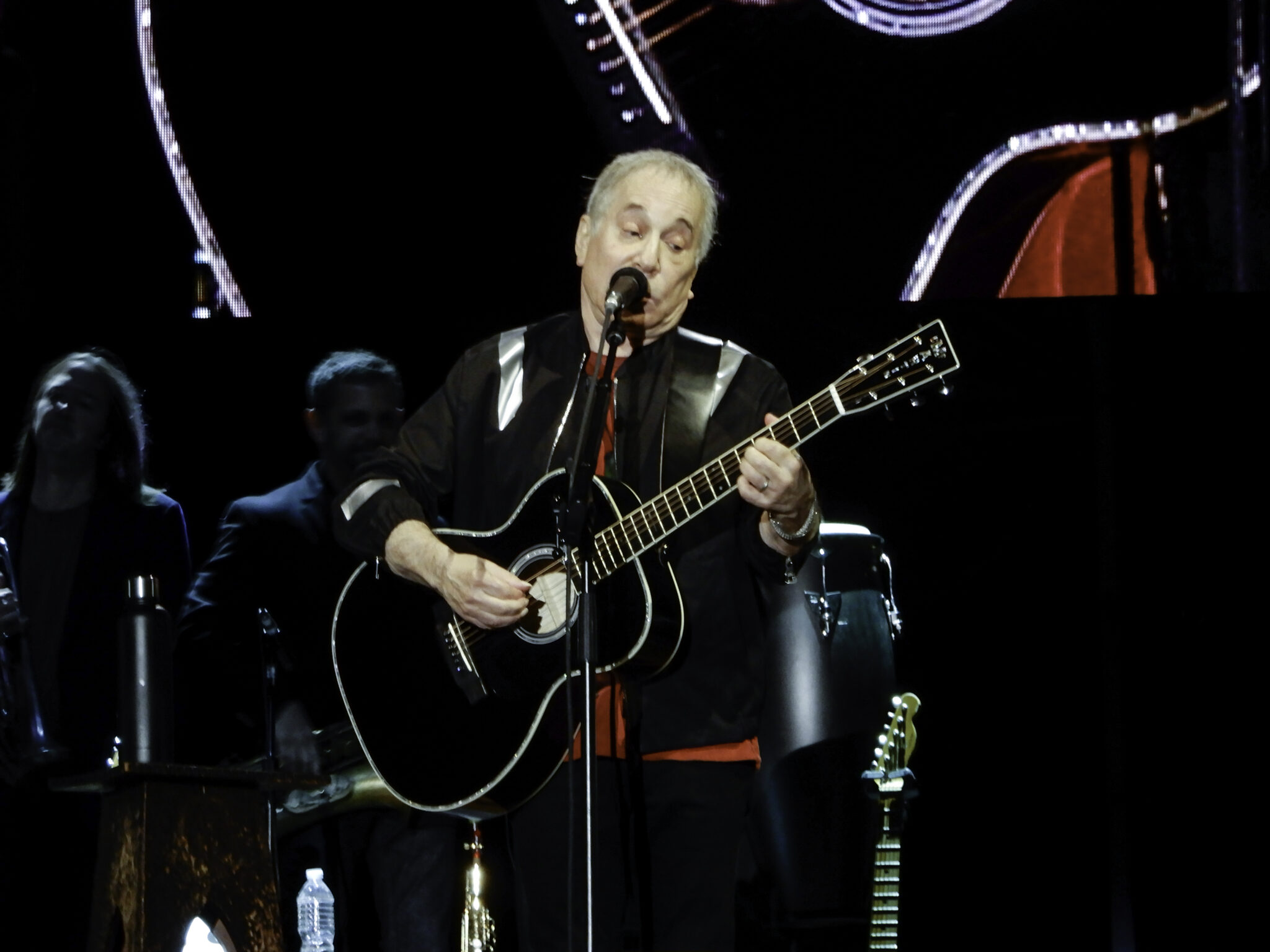
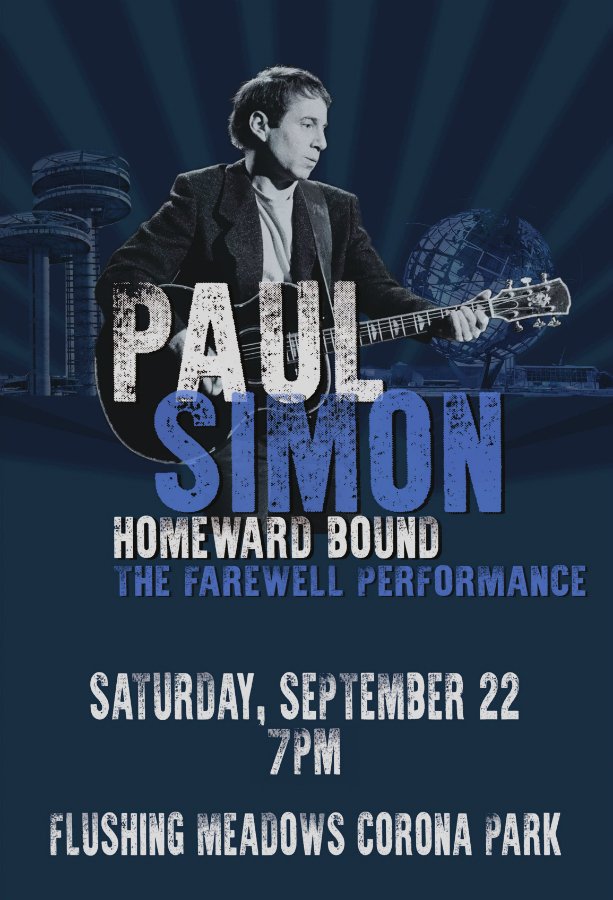
    On September 22, 2018, at Flushing Meadows Corona Park in Queens, Paul Simon said goodbye.

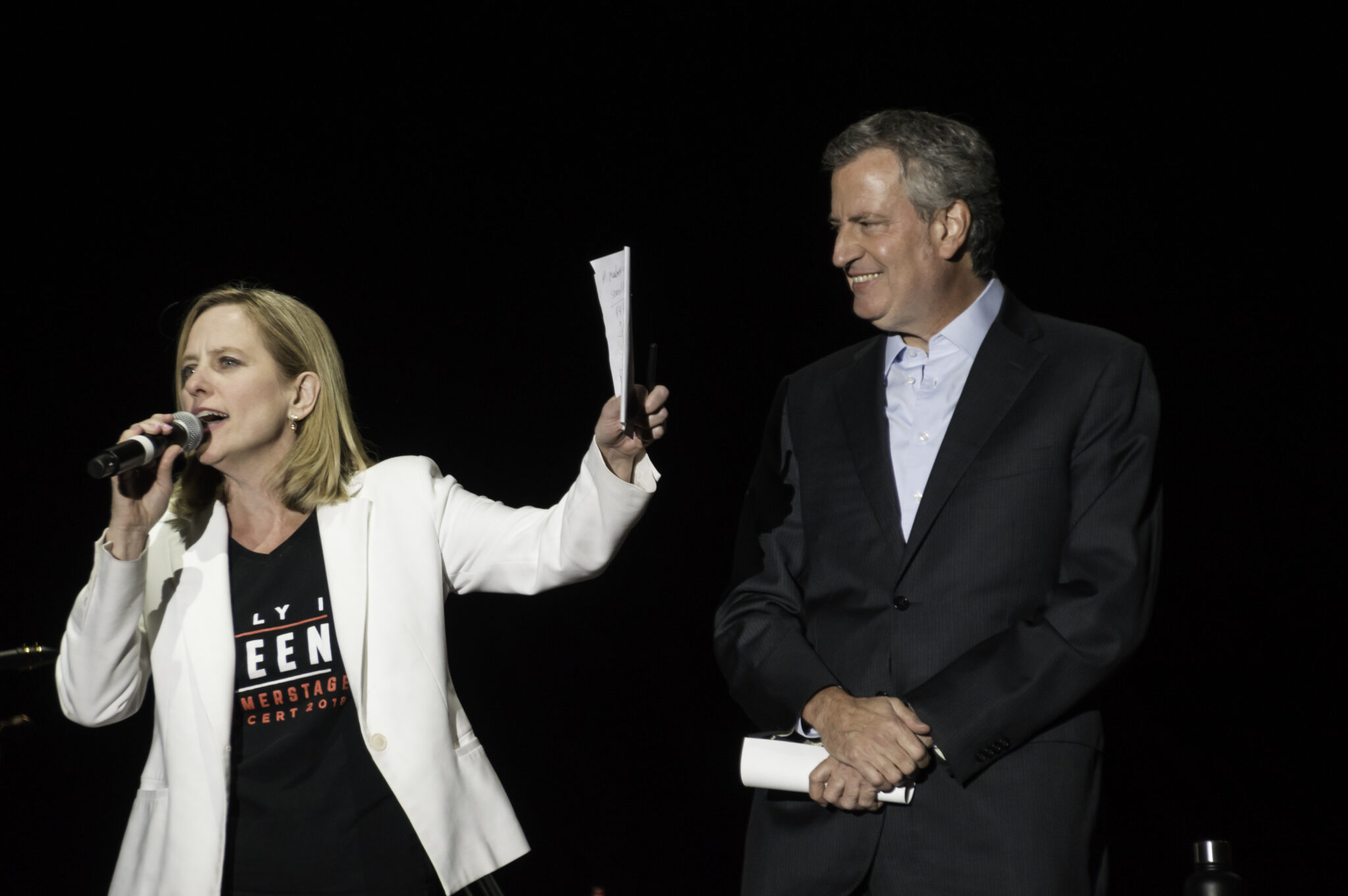
    Paul was introduced by Queens Borough President Melinda Katz and NYC Mayor Bill de Blasio. He started the 2 and 1/2 hour show with Simon & Garfunkel classic “America.” His setlist pretty much remained the same as it was the rest of the tour.
    paul simon goodbye

    “This is like, two miles from where I used to play high school baseball,” he said after the first song. He then took out a baseball and glove and started playing catch with the massive audience. You can hear the sound of passing planes from above. “I was worried about that” he said. “Well, Welcome to New York” he joked as the plane can be seen landing in nearby LaGuardia Airport.

    The show continued with more classics like “50 Ways To Leave Your Lover” “Boy in the Bubble” and “Mother and Child Reunion.” During the Goodbye Rosie part in “Me and Julio,” the crowd went crazy when he said “Queen of Corona” Paul’s wife Edie Brickell joined him on stage for the whistling solo. After the song, he said to the crowd “How much fun is it to sing a song about Corona, in Corona?!” Looking back, that was pretty cool moment.

    Even though this was his farewell concert, Paul still sprinkled in some songs from his new album “In the Blue Light.” Although this is his fourteenth solo studio album, the album consists of re-recordings of lesser known Simon songs like “Can’t Run But” And “Rene and Georgette Magritte with Their Dog after the War,” which were both performed.

    Paul then started talking about a song he had an “interesting relationship” with. He talked about writing this song and “giving it away” to someone, but being able to reclaim it for his final tour. The song he was referring to was “Bridge Over Troubled Water.” After performing it with a slightly different arrangement with YMusic, who Paul worked with on his new album, he thanked Aretha Franklin who covered the song in 1971.

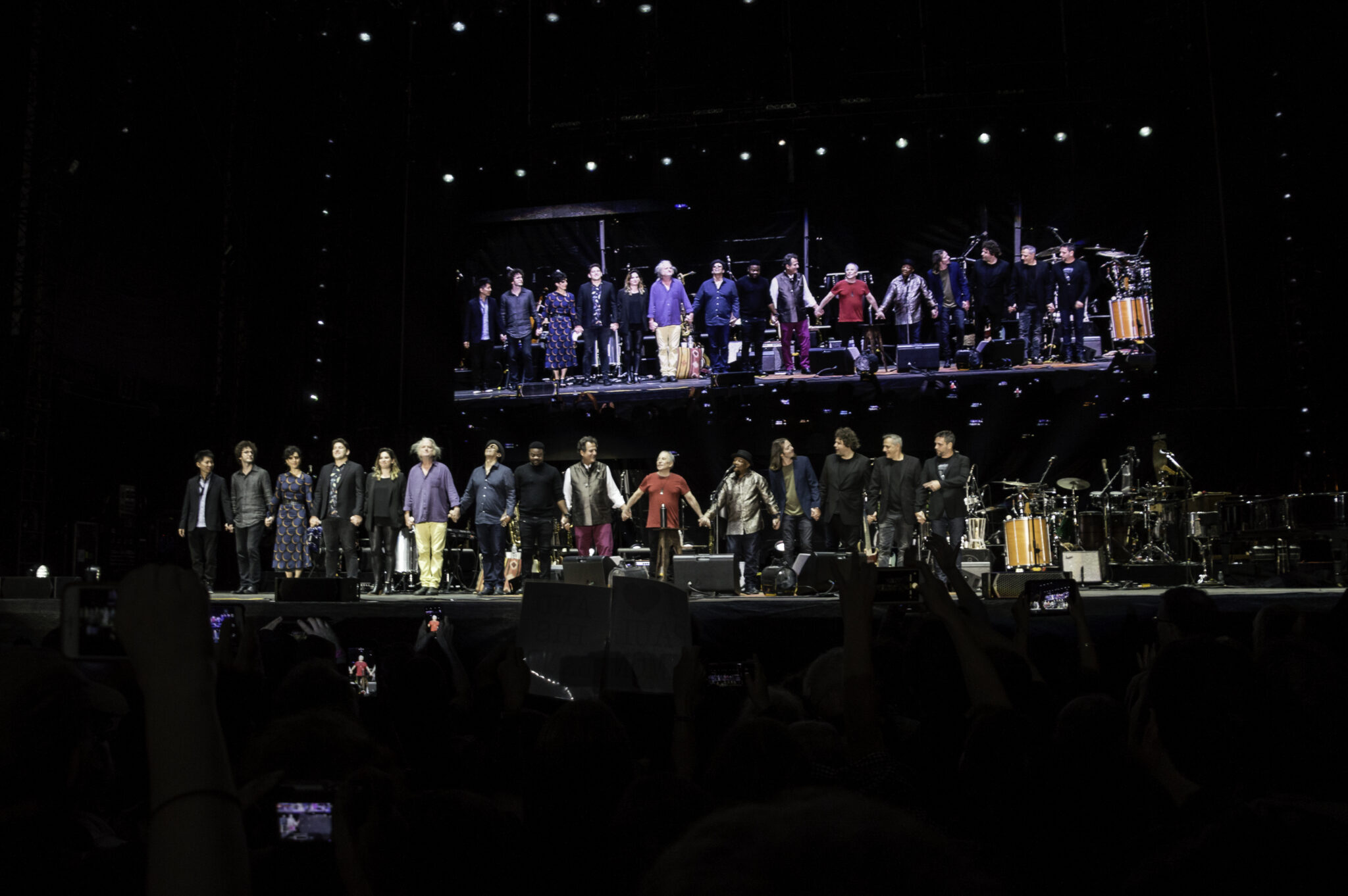
    The show ended with two encores. The first encore started with “Late in the Evening” but the highlight was “Still Crazy After All These Years.” The second encore started with “Homeward Bound” followed by “Kodachrome,” “The Boxer” and “American Tune.” The show ended with Simon & Garfunkel’s “The Sounds of Silence” performed by Paul with just an acoustic guitar. He then thanked the crowd and walked off stage and just like that, the last show of the final tour ended, and Paul Simon said goodbye.

    paul simon goodbye

    Out of the 26 song set, only five were Simon & Garfunkel songs. Not one mention of Garfunkel was made during the entire show other than a picture of the duo that flashed briefly during a video montage during “Homeward Bound.”

    Although this was his final “tour,” Paul has stated that he may still do an occasional performance.

    Setlist: America, 50 Ways To Leave Your Lover, The Boy in the Bubble, Dazzling Blue, That Was Your Mother, Rewrite, Mother and Child Reunion, Me and Julio Down by the Schoolyard, Rene and Georgette Magritte With Their Dog After the War, Can’t Run But, Bridge Over Troubled Water, Wristband, Spirit Voices, The Obvious Child, Questions for the Angels, The Cool, Cool River, Diamonds on the Soles of Her Shoes, You Can Call Me Al

    Encore: Late in the Evening, Still Crazy After All These Years, Graceland

    Encore 2: Homeward Bound, Kodachrome, The Boxer, American Tune, The Sound of Silence

  • ‘Jimmy Carter Rock & Roll President’ Documentary now Streaming

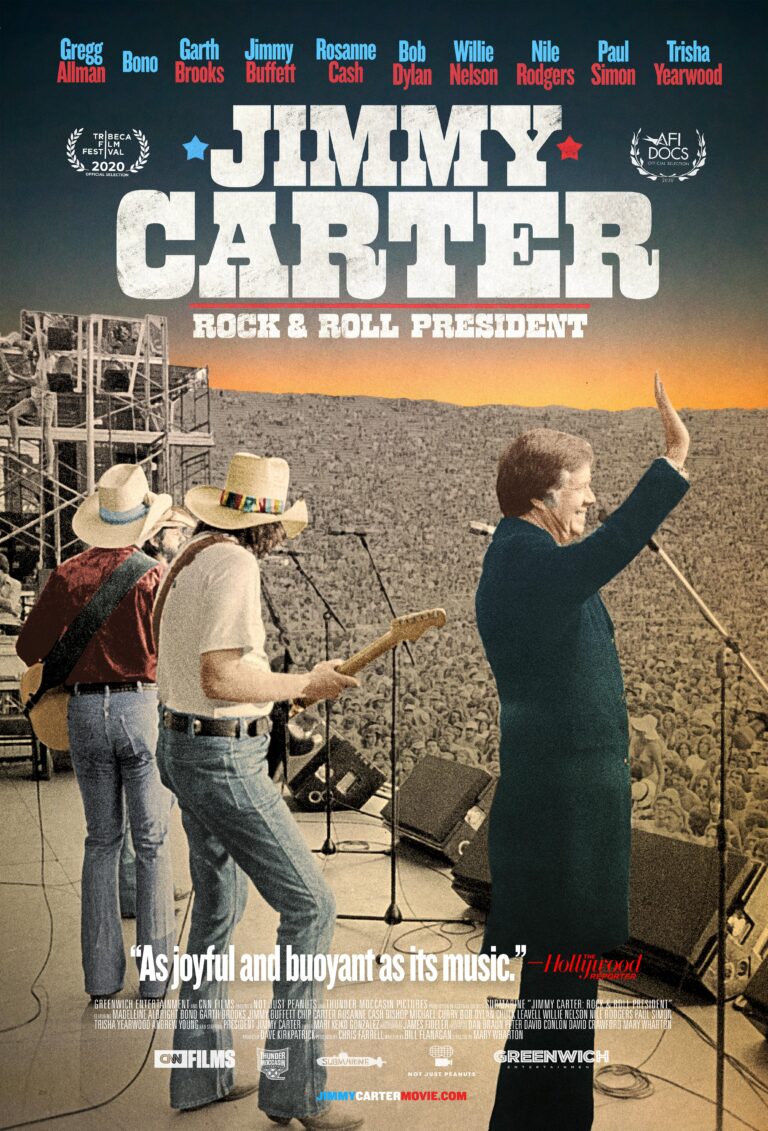
    Jimmy Carter Rock & Roll President documentary hit theaters across the United States and the virtual cinema stage on September 9, 2020. The documentary covers how Jimmy Carter relied on musicians’ support during the Democratic primaries to build up his name recognition and support from the general public.  

    Jimmy Carter Rock & Roll President

    The documentary focuses on how youth culture and politics join forces in Jimmy Carter being elected as the 39th President of the United States. Jimmy Carter’s love of music was crucial to who he was and he made that known throughout his presidency and his campaign. His love of music affected who he was as a father, a citizen, a man of the South, and as a leader and he made that known to everyone and anyone he could. 

    The documentary includes interviews with big names like Bob Dylan, Bono, Willie Nelson, Paul Simon, Gregg Allman, Garth Brooks, and many others. There will also be interviews included with former President and Nobel Peace Prize winner Jimmy Carter.

    The film is directed by Mary Wharton and written by Bill Flanagan. It is produced by Chris Farrell and Dave Kirkpatrick. The executive producers include Dan Braun, Mary Wharton, Peter David Conlon, David Crawford. Peter Afterman and Tracy Falco are the consulting producers on the film. The film is edited by Mari Keiko Gonzalez and has Tom Beard, Jim Free, Frank Moore as consultants on it. The production coordinator is Linzy Hayes. The drone photography is done by Brad McColl and James Fideler worked as the director of photography on the documentary. All the original music is composed by Bradley Cole Smith and Bill Wharton (The Sauce Boss). 

    People interested in seeing the film have two options for viewing it. They can see it in select theaters across the United States or on the virtual cinema stage. All the theatrical listings and locations can be found on here. The virtual cinema tickets can be bought here for $9.99 and will be available  for 14 days once the viewer unlocks the film. Once the viewer begins the film, they will have 72 hours to finish watching it. 

    For more information on Jimmy Carter Rock & Roll President documentary visit the films’ website.

  • On this day in 2001, stars unite for “America: A Tribute to Heroes”

    Ten days after the 9/11 terrorist attacks, living legends and new artists came together for a primetime benefit concert, “America: A Tribute to Heroes.” The star-studded lineup included Bruce Springsteen, Stevie Wonder, U2, Billy Joel, Céline Dion, and Willie Nelson.

    Executive produced by Tenth Planet Productions’ Joel Gallen, “A Tribute to Heroes” was simulcast across all major networks commercial-free. The September 21 concert won the 2002 Primetime Emmy Award for an Outstanding Variety Special, with many artists channeling the somber energy into the best performances of their careers. The telethon portion of “A Tribute to Heroes” raised over $150 million for 9/11 victims and their families, specifically police officers and firefighters. Years later, networks repeated the concert-telethon model for Hurricanes Katrina and Sandy and the 2010 Haiti Earthquake.

    America A Tribute to Heroes

    The concert was filmed live in New York, Los Angeles, and London, with British and Canadian artists supporting their American peers. At each venue, the stage was decorated with hundreds of candles. Bruce Springsteen opened the show with the then-unreleased song “My City of Ruins,” playing guitar and harmonica. With the E Street Band, he introduced it as “a prayer for our fallen brothers and sisters.” The following year, the five-minute track closed out Springsteen’s 9/11-inspired album The Rising.

    Stevie Wonder then performed “Love’s in Need of Love Today,” the opening track of Songs in the Key of Life, with gospel sextet Take 6.

    U2 performed “Peace on Earth” and “Walk On” from London with Natalie Imbruglia and Dave Stewart. “Peace on Earth” was inspired by the 1998 Omagh car bombing, but took on new meaning after 9/11. For the performance, Bono changed the original lyrics from “I’m sick of hearing again and again that there’s gonna be peace on Earth” to “I’m sick of hearing again and again that there’s never gonna be peace on Earth.”

    Billy Joel had the most hopeful performance of the night, singing and playing “New York State of Mind.” Rather than dwelling on tragedy, he expressed New Yorker pride and even smiled throughout his performance. Joel never officially released “New York State of Mind” as a single, but due to its popularity with fans it’s often mistaken as one.

    In addition to the night’s abundance of established acts, then-new artists Alicia Keys and Enrique Iglesias took the stage. Keys performed a cover of “Someday We’ll All Be Free” by Donny Hathaway, beginning with a piano riff reminiscent of her future 2003 song “Diary.”

    Enrique Iglesias had just broken out two years earlier in 1999 with “Bailamos,” but his signature hit would go on to become “Hero,” which he publicly performed for the first time that night. Radio DJs later mixed the song with audio from police, firefighters, and civilians, adding to the song’s popularity.

    Iglesias wasn’t the only artist to sing a song called “Hero.” A few numbers later, Mariah Carey sang the just-as-famous song of the same name off her 1993 album Music Box. A New Yorker herself, Carey’s performance was more subdued than past renditions but characteristic of the night’s solemn energy.

    The event also included some country artists. Faith Hill performed “There Will Come a Day” from her 2001 album Breathe with a backing gospel choir, and the Dixie Chicks (now The Chicks) performed the poignant “I Believe In Love.”

    “America A Tribute to Heroes” ended on a patriotic note, with Céline Dion singing “God Bless America” and Willie Nelson leading the Los Angeles performers and speakers in a grand finale of “America the Beautiful.” Dion later released her cover as a single, and performed it again at the Super Bowl XXXVII in 2003. Céline Dion and Neil Young were the night’s only Canadian performers.

    Other performers included Neil Young, Tom Petty, Sheryl Crow, Bon Jovi, Sting, Dave Matthews, and Paul Simon. Most major genres were well-represented: multiple pop, rock, country, folk, and soul artists were on the setlist, and despite their thematic similarities for the occasion, they were diverse in sound.

    The success of “America: A Tribute to Heroes” prompted two more 9/11 tribute concerts a month later: the similarly diverse “Concert For New York City” in Madison Square Garden, and the pop-focused Michael Jackson-led “United We Stand.” In 2004, Rolling Stone named the 9/11 concerts “one of the 50 moments that changed rock,” and it’s easy to see why—despite the tragic circumstances that brought the artists together, many were on top of their game.

  • Alondra Galopa Release Cover of Simon and Garfunkel’s “Sound of Silence”

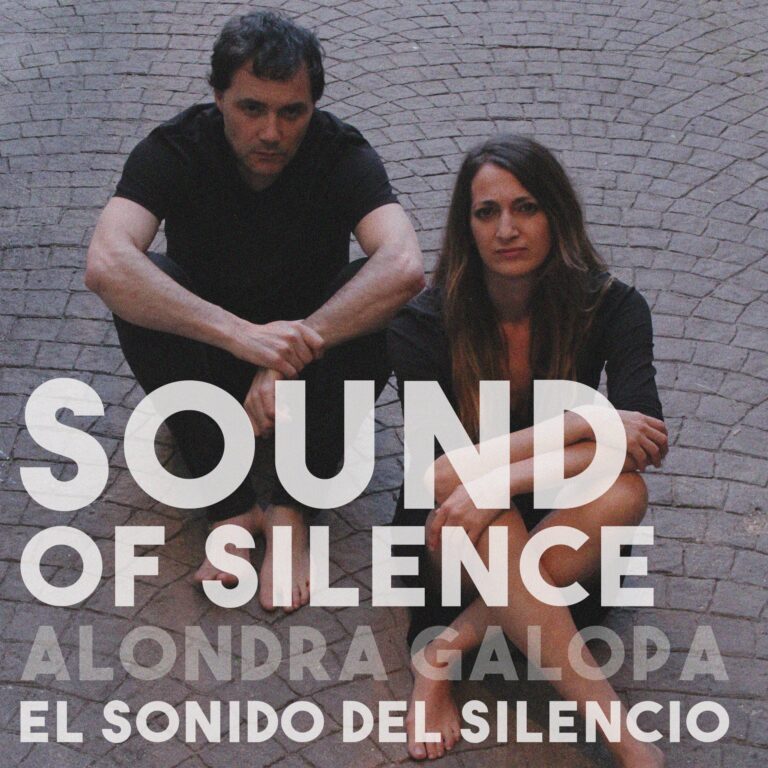
    Alondra Galopa dropped their cover of “Sound of Silence” originally by Simon and Garfunkel. The cover comes from a place of unrest and gives the song a new meaning in 2020. 

    Alondra Galopa is an alternative indie band that originates from Granada, Spain. The band has worked with Linier Discos and The Borderline Music record labels producing one of a kind sounds. Some of their biggest songs include, “no hay marcha atrás,” “héroe,” and “a ninguna parte.” The band is made up of Juan A Salinas, Monica Navarro, Antonio “Lopez” y Manuel Marín.

    Before the worldwide pandemic, Alondra Galopa, was in full production work for their next record release. The album production process had to stop due to the group’s inability to reunite. Band members Mónica Navarro and Juan A. Salinas have adapted “Sound of Silence” by Simon & Garfunkel to Spanish during their unexpected downtime. They have turned the sound into a dark pop terrain, with the essence of post rock and dark noise that characterizes some of their productions. Between Monica Navarro’s vocals and the eerie sound it’s an original version of  “Sound of Silence.” The cover is really something special that takes a classic song and changes to the sound while still keeping the essence of the song intact which isn’t an easy thing to do. 

    The song is definitely worth giving a listen to if you are a Alondra Galopa or Simon and Garfunkel fan. The song is out now and available on most streaming services.  


    For more information on Alondra Galopa visit their Facebook Page.

Built in Breakdance