Tag: jazz

  • Michael Gregory Jackson releases “Change,” a sprawling live jazz suite for Nelson Mandela

    Pat Metheny, Bill Frisell, Vernon Reid, Marc Ribot and Mary Halvorsen. One look at the list of progressive jazz guitar all-stars who have named Michael Gregory Jackson as an influence demonstrates the continued resonance and relevance of his four-decades of exceptionally creative music-making.

    Jackson was barely out of his teens when he came to prominence in the adventurous New York City Loft Jazz scene of the 1970s, first with The Oliver Lake Quartet then his own edge-pushing solo albums like “Clarity” and “Gifts.” Over the years, he has crafted a continually evolving, uniquely genre-skipping discography, with a cliché-free musical architecture that is all his own. Jackson has explored everything from the furthest out in free jazz to the Stevie Wonder-inspired R&B popcraft of 80’s releases like the Nile Rodgers-produced “Situation X.” Then there’s the bare-bones singer-songwriter with guitar chops acousticity of his small label CDs of the 90s and early 00s like “The Way We Used to Do” and “Red,” two recent albums he played on and produced for acclaimed trumpeter Wadada Leo Smith and a recent slate of recordings with his Clarity Quartet, cut with his European band during his frequent forays in Denmark.
    Michael Gregory Jackson

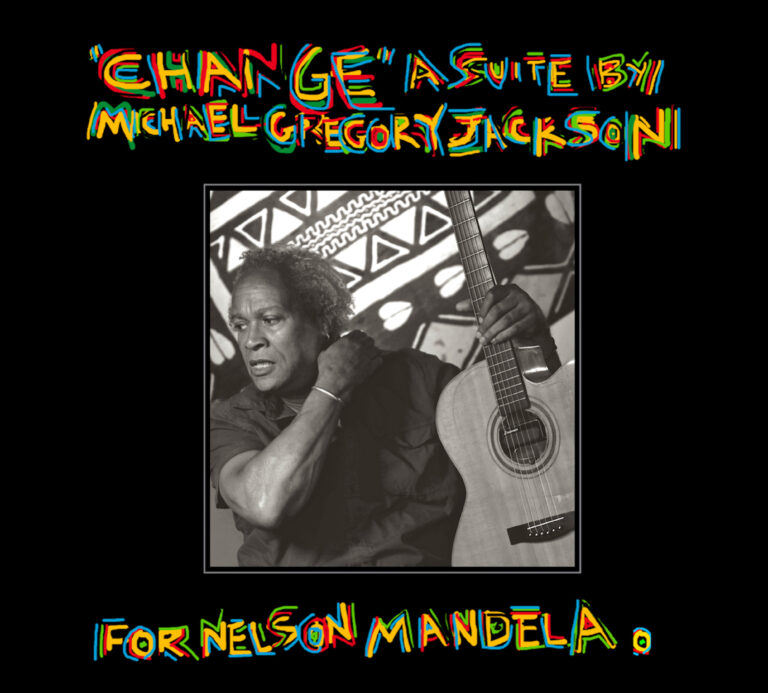
    Jackson’s latest release is something splendid from his archives, a 1994 live recording by a nine-piece unit of an emotional original work, “Change: A Suite for Nelson Mandela.”  It’s fuses knotty ensemble melodies and fiery soloing, with a sung poetry that celebrates the end of Apartheid and Mandela’s triumphant journey from political prisoner to President of South Africa.

    The peace unfolds quietly, with mournful string chording of keyboardist John Livermore serving as the backdrop for a four-minute solo by trumpeter Stephen Haynes. Here, Haynes travels from quiet loneliness to screaming wails to musically illustrate Mandela’s long struggle. His dramatic and narrative playing, with its many slurs and stabs, brings to mind the late great Lester Bowie of Art Ensemble of Chicago fame. 

    The main body of the song is a driving, up-tempo swing, with Jackson vocalizing a call for unity, a celebrating of the changes in South Africa and the need for similar movement here in the U.S, aided by a trio of female singers, Tamsen Fynn, Eva Fierstein and Sara Lazare.  It’s a heady mix of jazz, soul and sizzling rock reminiscent of some of the pieces from one of my favorite Jackson albums, 1979’s “Heart and Center.”

    There’s more hard drive following in a long tenor sax solo by Chuck Langford, in a call and response with Jackson singing the tune’s main refrain “change will grace us all.”  Things change up again in the fourth movement, where Jackson showcases his wonderfully avant/blues approach in a long expressionistic solo, over an almost offbeat reggae/funk pulse from drummer Joe Fitzpatrick and bassist Chris Murch.  As the solo climaxes, the horns join with stabs and long chords that propel Jackson to more fiery chromatic soloing and chording, before a roar of ensemble screams as Jackson sings out “change.”   The piece closes with a reprise of the intro synth chording and the applause of an appreciative audience that experienced this musical journey.  It’s something that is sorely needed by all music lovers in these Quarantine times, a reminder of what we miss most – the live music experience.

    This new release, and many of his remastered albums and other limited-edition singles and album outtakes (check out the bad-assed wah wah playing on “Miles OG”!) are available at his Bandcamp site and on Spotify.

  • Sunday Jazz: listen to a 2009 performance of The Earregulars at Manhattan’s The Ear Inn

    Manhattan’s historic The Ear Inn has played a pivotal role in the music scene and beyond. It’s the oldest bar in New York City that has continuously served alcohol since 1817. Check out this recording of The Earregulars, from November 2009 via JAZZ LIVES.

    The Ear Inn has a very unique history after being open for two centuries. It dates back to a time where there was African aide to George Washington and The Ear served as residence for John Adams and Aaron Burr, among others. The Ear Inn was nicknamed by patrons as an untitled bar (“The Green Door”) for obvious reasons. As a result, the bar is listed on the National Registrar of Historic Buildings.

    the ear inn

    Go ahead and enjoy these video selections of The Earregulars performing at The Ear Inn on November 8, 2009. The videos feature a plethora of musicians: Jon-Erik Kellso (trumpet), Matt Munisteri (guitar), Harry Allen (tenor saxophone), and Neal Miner (string bass). They also include Victor Herbert’s “Indian Summer” and Louis Armstrong’s swinging anthem of reproach, “Someday You’ll be Sorry.”


  • Paul Loren Releases New Single “We’ll Be Together Again”

    New York singer-songwriter Paul Loren has released his new single “We’ll Be Together Again.” Loren was raised on the rich legacy of soul, classic pop, and the Great American Songbook and in those musical idioms he feels most at home. 

    Loren has been keeping himself busy writing new music and entertaining fans via his weekly live stream, “The Leisure Lounge featuring Paul Loren” which can be found on his Facebook and Instagram pages. He is thrilled to share one of his ‘quarantunes’ written with his dearest family, friends and fans in mind. “We’ll Be Together Again” offers hope and solace in the difficult times that we are now living in.

    The Huffington Post described him as: “The dashing and retro-chic crooner whose songs bring a modern edge to lounge-era pop.” 

    The song was written during the first week of the New York City COVID-19 lockdown, unsure of when I’d get to see my loved ones again. I love those old WWII-era songs like “We’ll Meet Again” and “I’ll Be Seeing You,” and thought the referential nod to another difficult time in our history felt right. It’s a mission statement of sorts. We WILL be together again, even though circumstances are unpredictable—it’s about creating something sure in a very unstable climate. Amid times of uncertainty and separation, it is a song of hope and optimism.

    Paul Loren

    Check out this stream and more through our series NY Stream and Support, where you’ll discover artists around the Empire State streaming nightly, and ways to support musicians and charitable groups close to home!

  • Watch: Onyx Collective Shares Official Video for ‘Where or When’

    New York Jazz ensemble Onyx Collective have shared the official music video for their single “Where or When” off of their debut album Manhattan Special: Onyx Collective Plays Rodgers & Hart / Rodgers & Hammerstein. The song itself first appeared as part of Richard Rodgers and Lorenz Hart’s 1934 musical comedy, Babes in Arms. So, while it may be viewed as a cover, Onyx Collective have added their own twist, with a feature from singer and cellist, Kelsey Lu. 

    Directed by No School & 22 and edited by 22 Note, the video was shot in Paris, France and served as a love letter to the city. Filmed right before the global shutdown as a result of COVID-19, the video sees Lu take to the town in black-and-white video, as the city’s landmarks, transportation services and civilian life are presented to the audience. Yet, it doesn’t feel much like a tour but rather an attempt of capturing the city’s infamous beauty, with Lu’s eerie vocals serving as our guide. 

    Onyx Collective is a nebulous jazz ensemble, hailing from Manhattan, NY. The group is composed of saxophonist, Isaiah Barr, Austin Williamson (on drums) and are regularly joined by Joshua Benitez on keyboard, Jack Guliemetti on guitar, Felix Pastorius and Spencer Murphy on electric bass, and Dean Torrey and Walter Stinson on upright bass, along with a collection of musicians whom like the official band members all attended New York’s musical conservatory. More recently Onyx Collective toured as A$AP Rocky’s live band.

  • Kamasi Washington Blows Into Buffalo

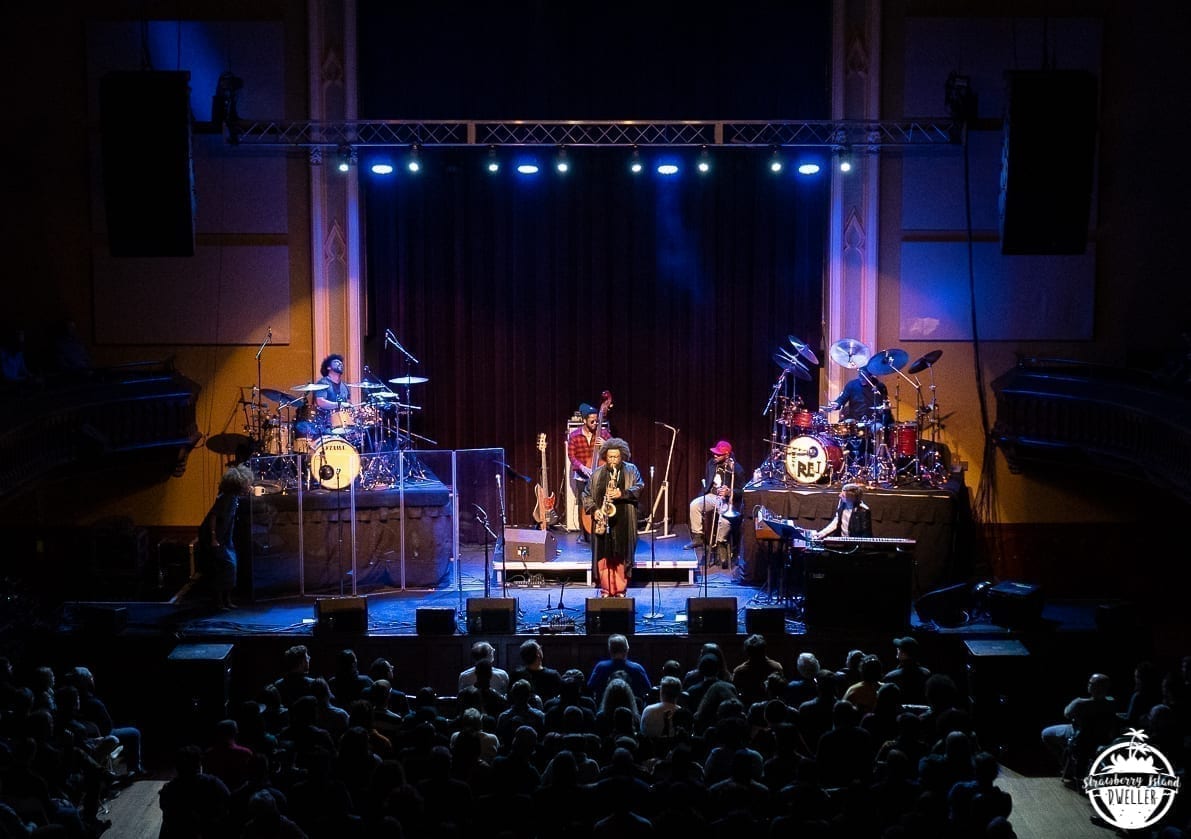
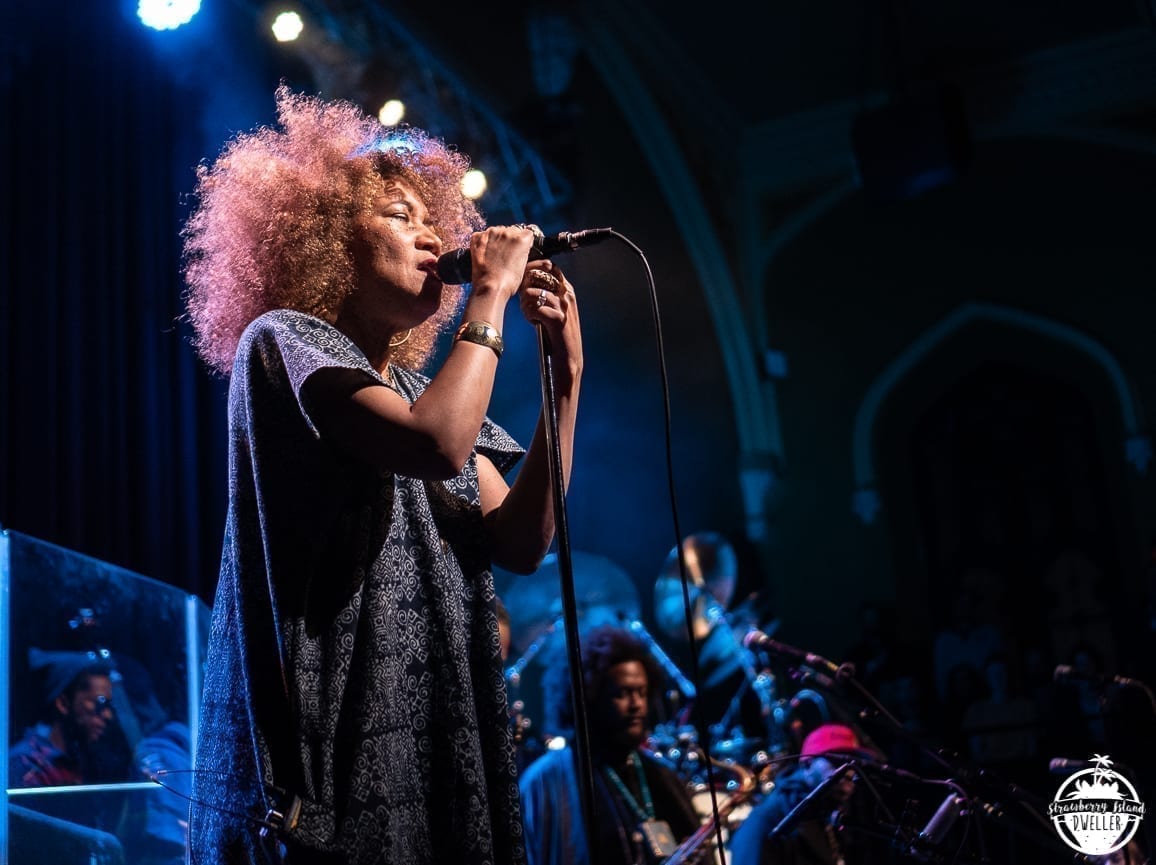
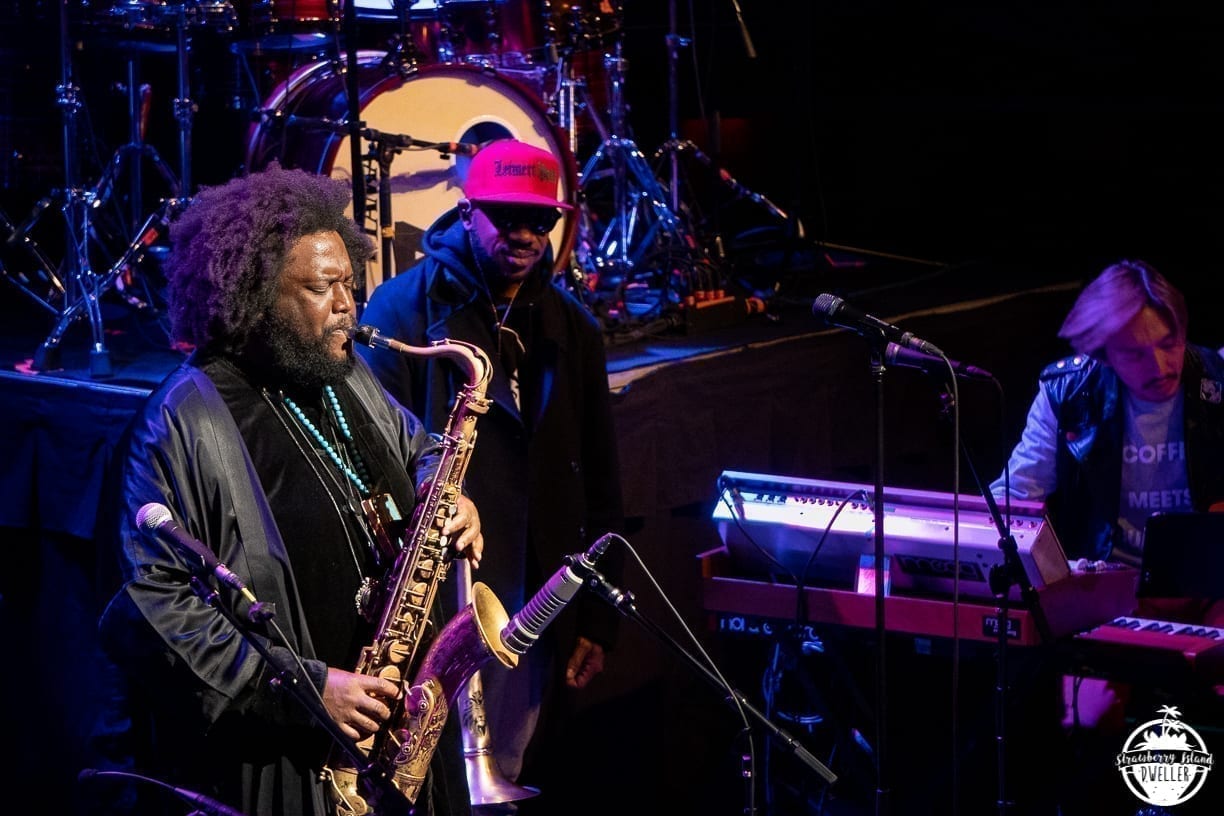
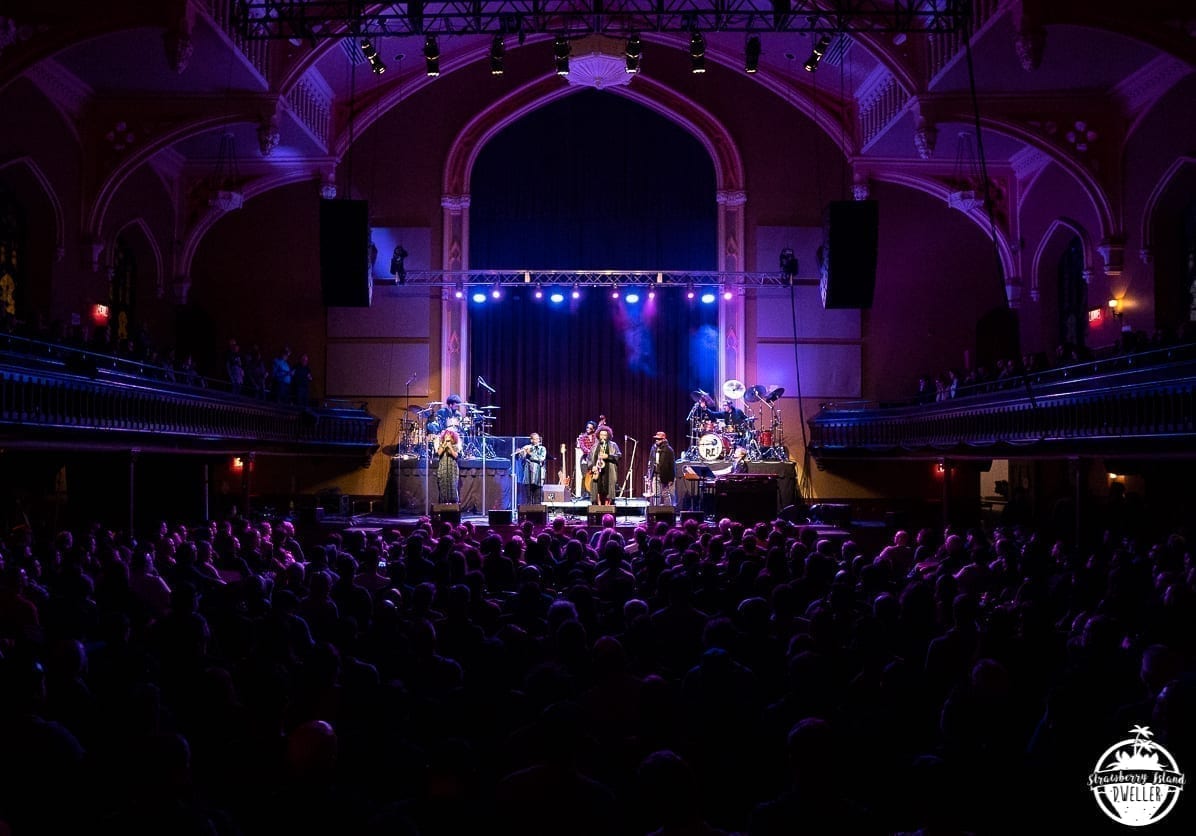
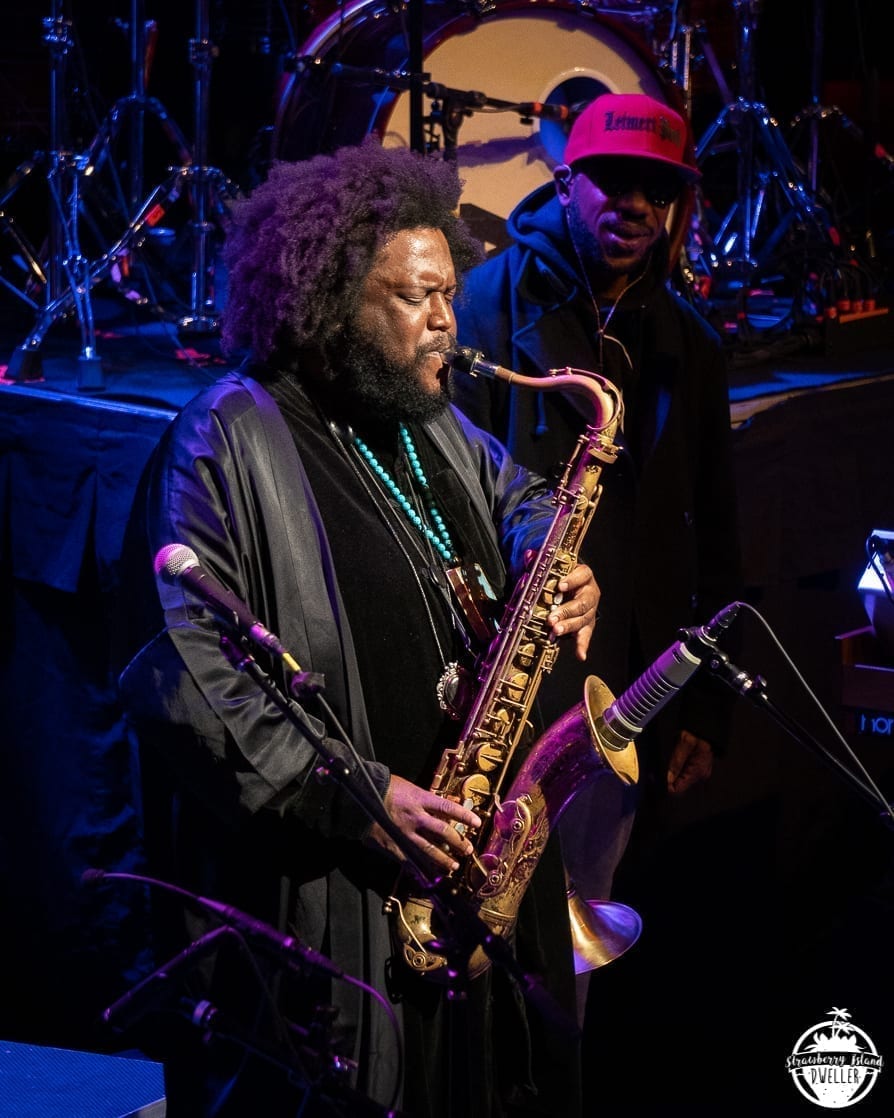
    Kamasi Washington and his talented band came to Buffalo for a sold out show at Asbury Hall at Babeville. Judging by those in attendance, his fans are as diverse as his music. Young and old were treated to a mix of blues, funk, world beat and more, all firmly rooted under the umbrella of jazz. “Is Mr. Washington the savior of jazz?” is not a question I can tackle here but the genre is in good hands if he is indeed the current face of it.

  • Harriet Tubman Brings the Prog to NYC Winter Jazzfest

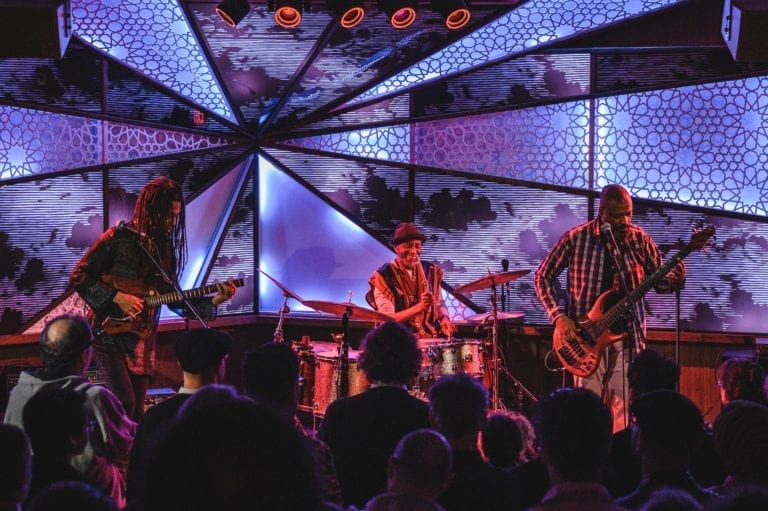
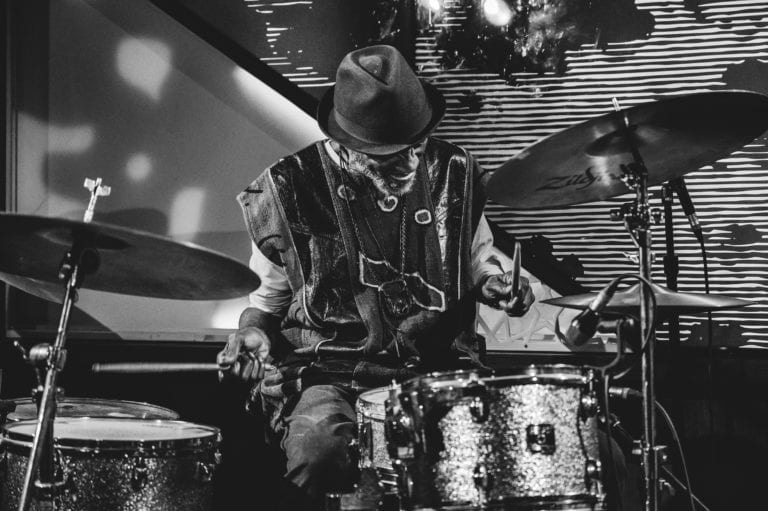
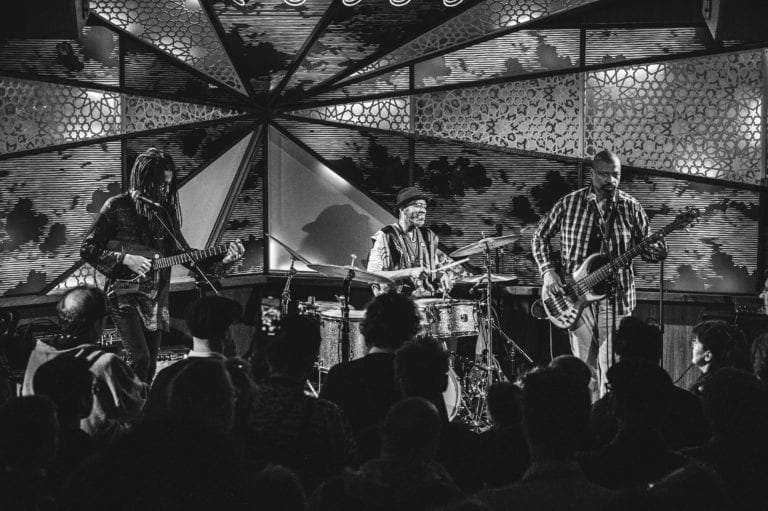
    NYC Winter Jazzfest kicked off last week with over 150 artists spread across more than a dozen venues in the city. We caught up with NYC vets Harriet Tubman at The Sultan Room on Saturday night for a sold out show supporting James “Blood” Ulmer.

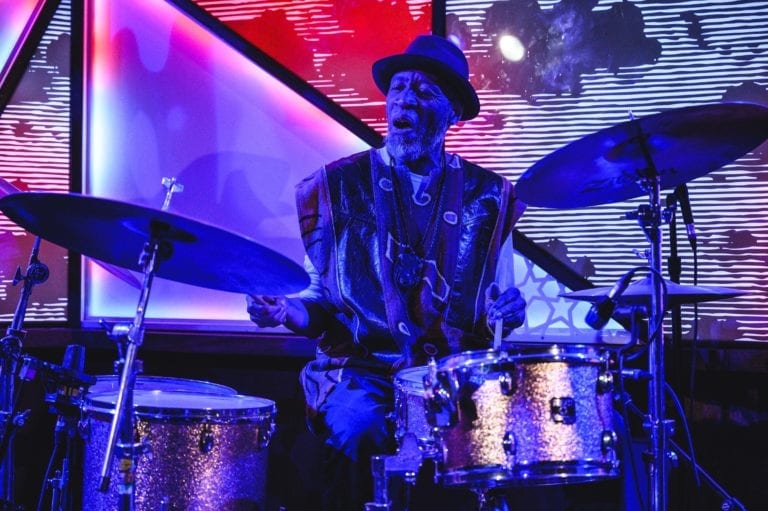
    Harriet Tubman at The Sultan Room – Photo: Joseph Buscarello

    The trio has been a staple of the underground jazz scene in New York for more than 20 years and has thus garnered a large following here in the city. Even though Harriet Tubman was billed as the opener, the sold-out crowd was in attendance early to catch a rare live show from the group. After all, there was an 11-year gap between records, spanning the entire decade from 2000-2010.

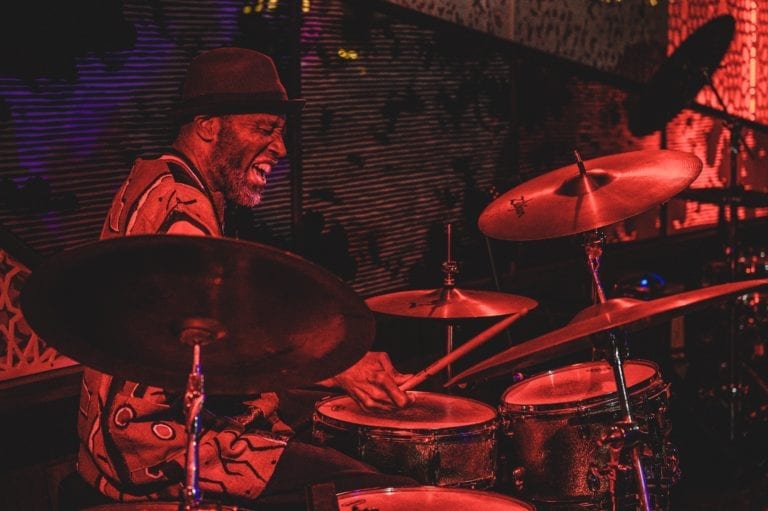
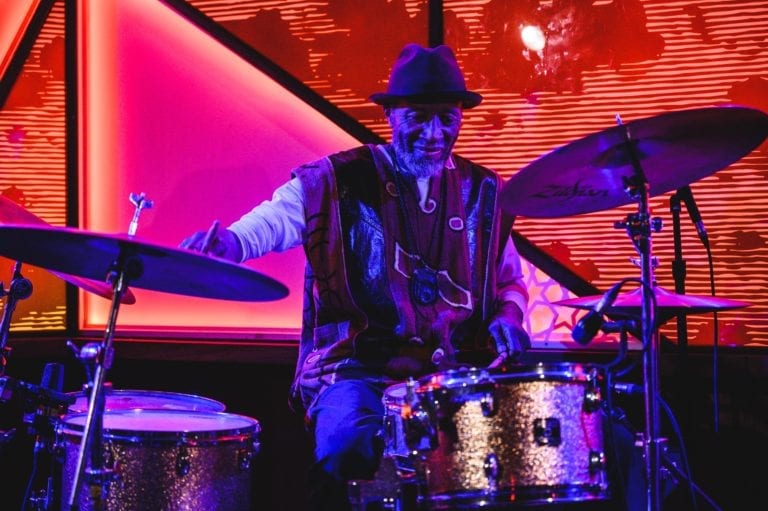
    J.T. Lewis of Harriet Tubman at The Sultan Room – Photo: Joseph Buscarello

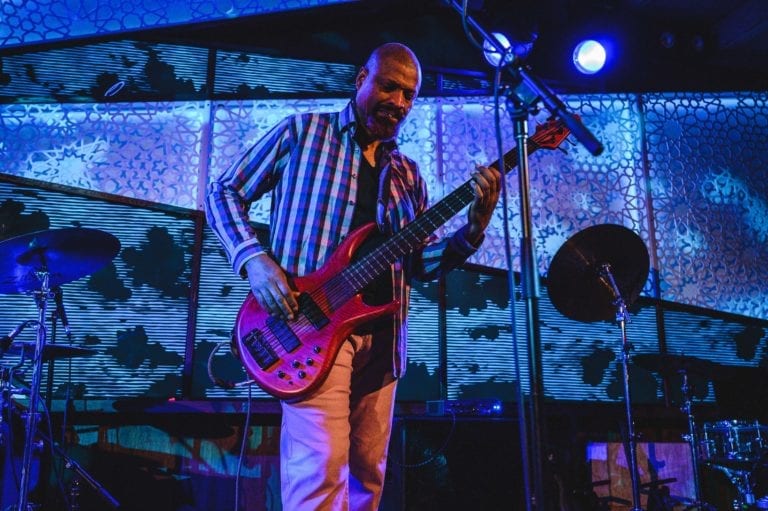
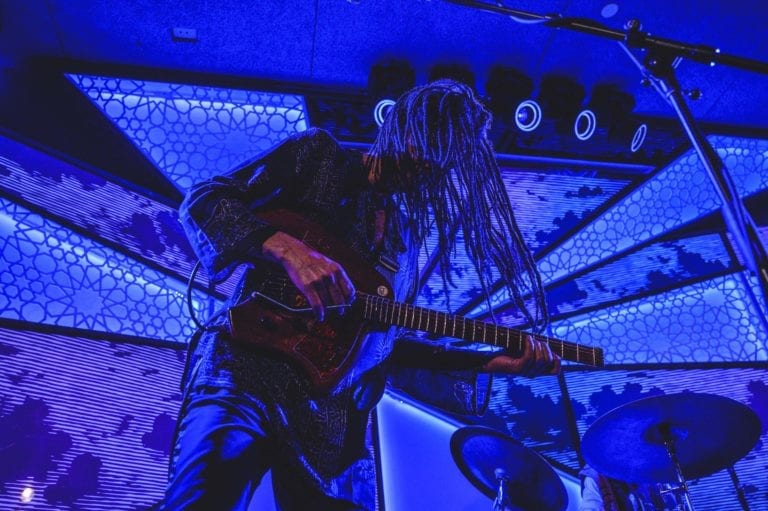
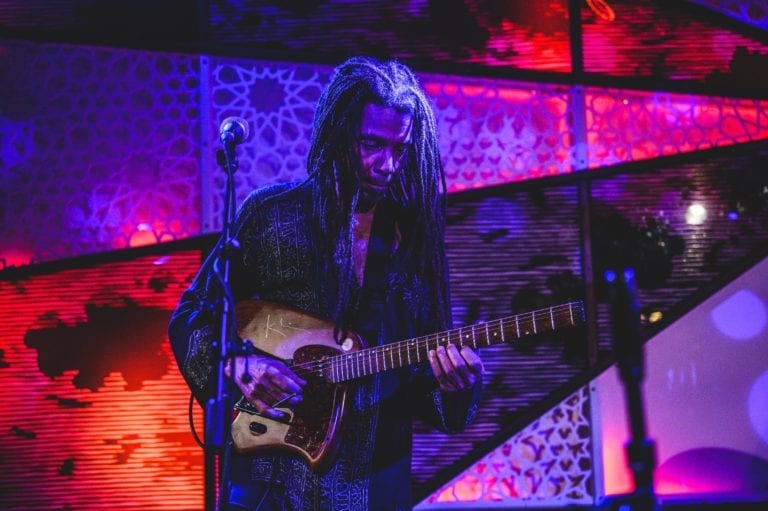
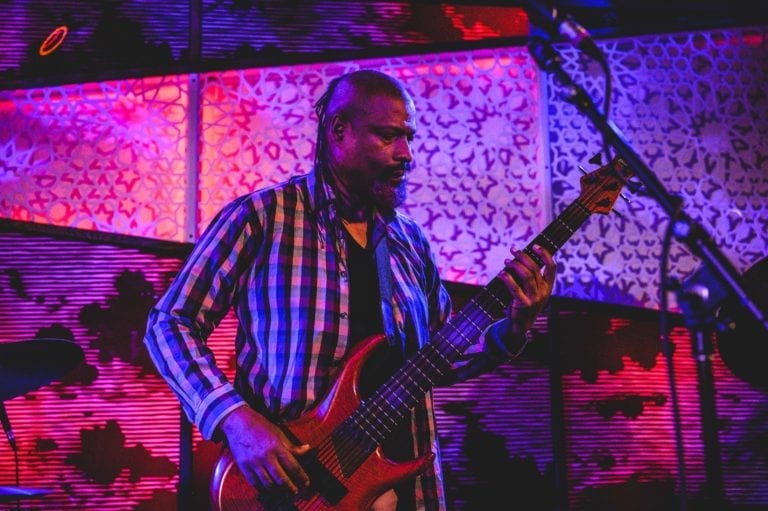
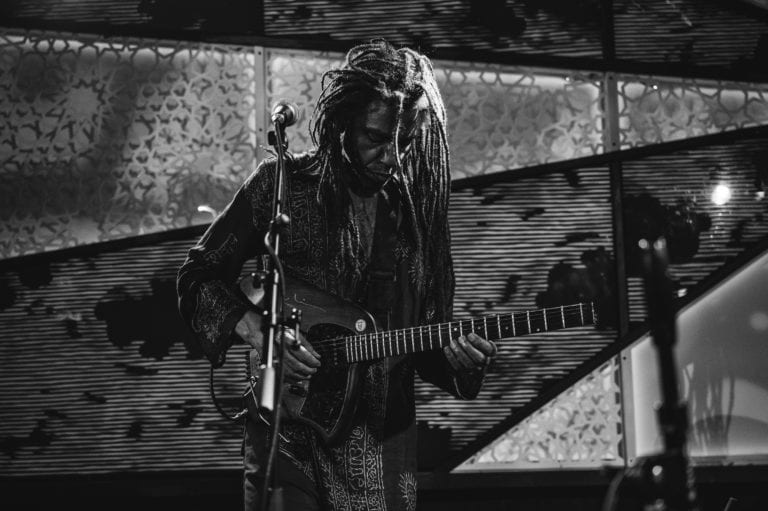
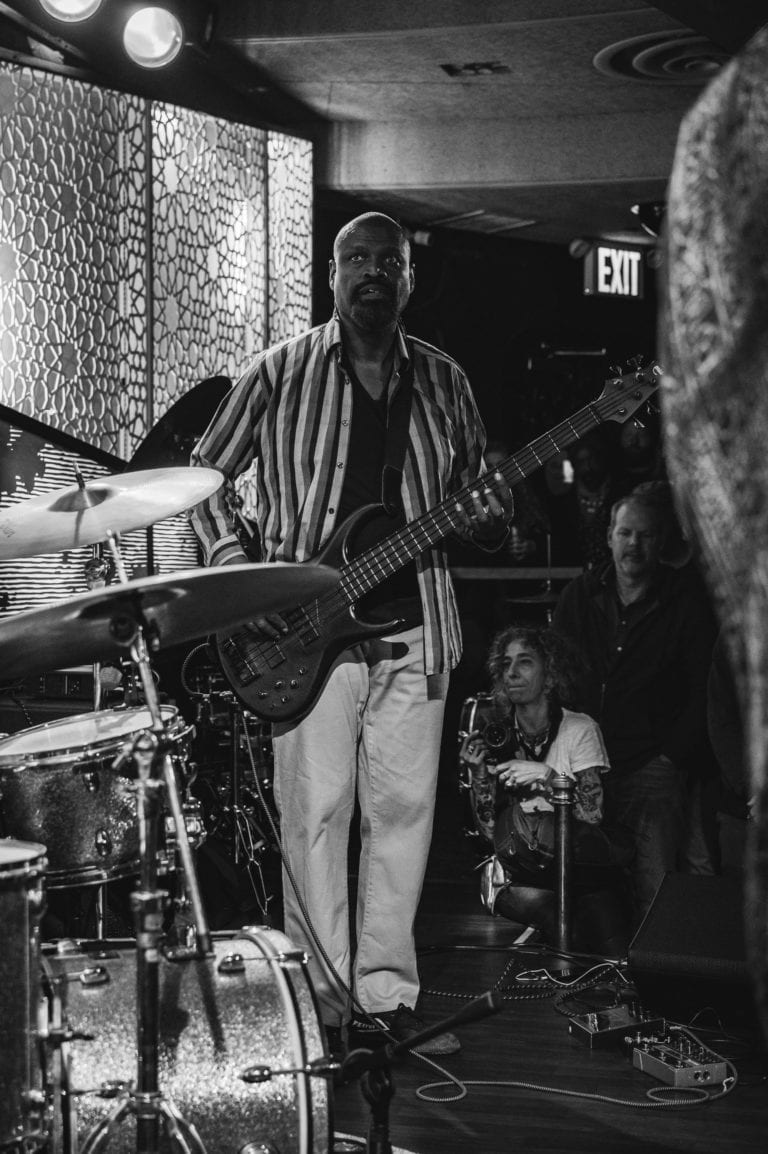
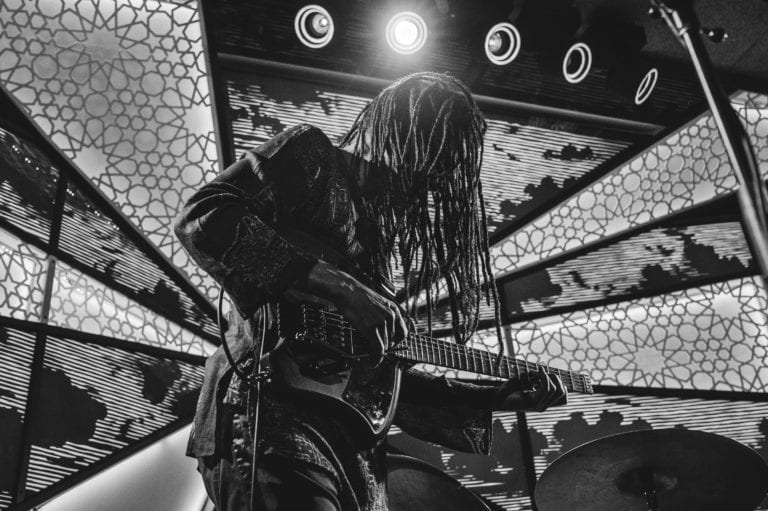
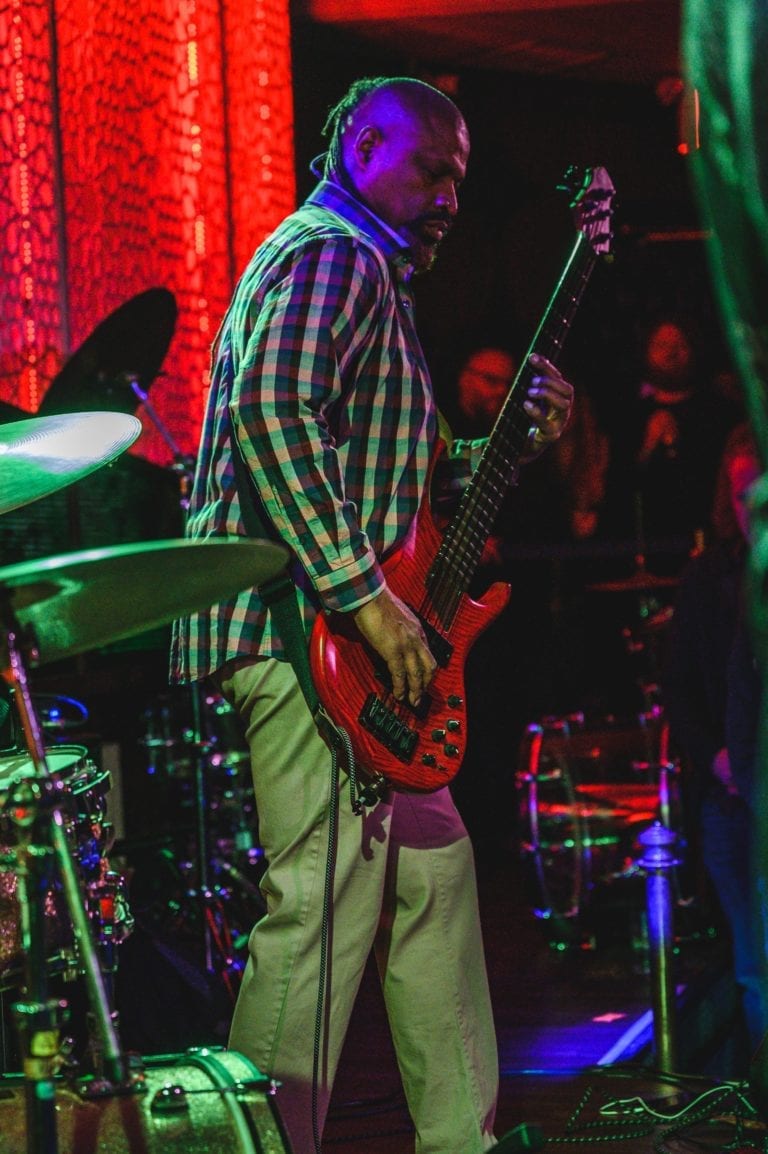
    The trio consists of bassist Melvin Gibbs, guitarist Brandon Ross and drummer J.T. Lewis, and they can easily be described as a “power jazz trio.” Their style is a very heavy and dystopian mix of jazz, funk and psychedelic rock. Think of a jazz-fusion soundtrack for the end of the world and you have yourself a Harriet Tubman record. On their latest release, tracks like “Prototaxite,’”refer to a pre-historic mushroom measuring more than 20 feet high, and “Unseen Advance of the Aquifarian” gives you an idea what you are in for.

    Melvin Gibbs of Harriet Tubman at The Sultan Room – Photo: Joseph Buscarello

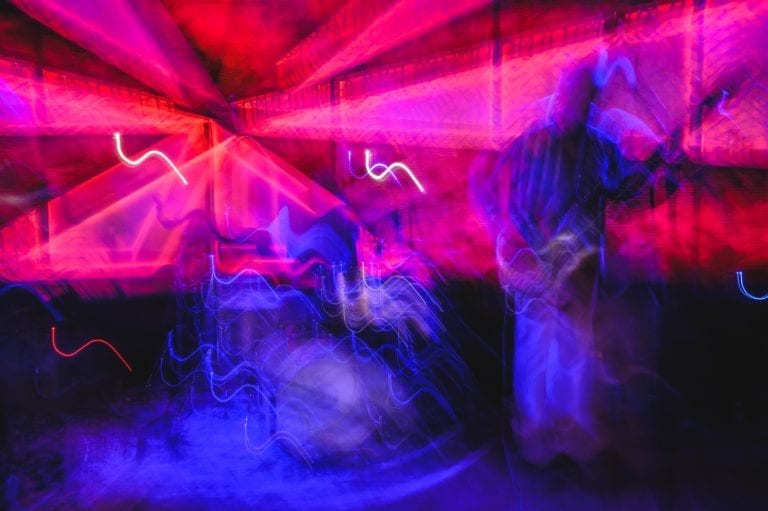
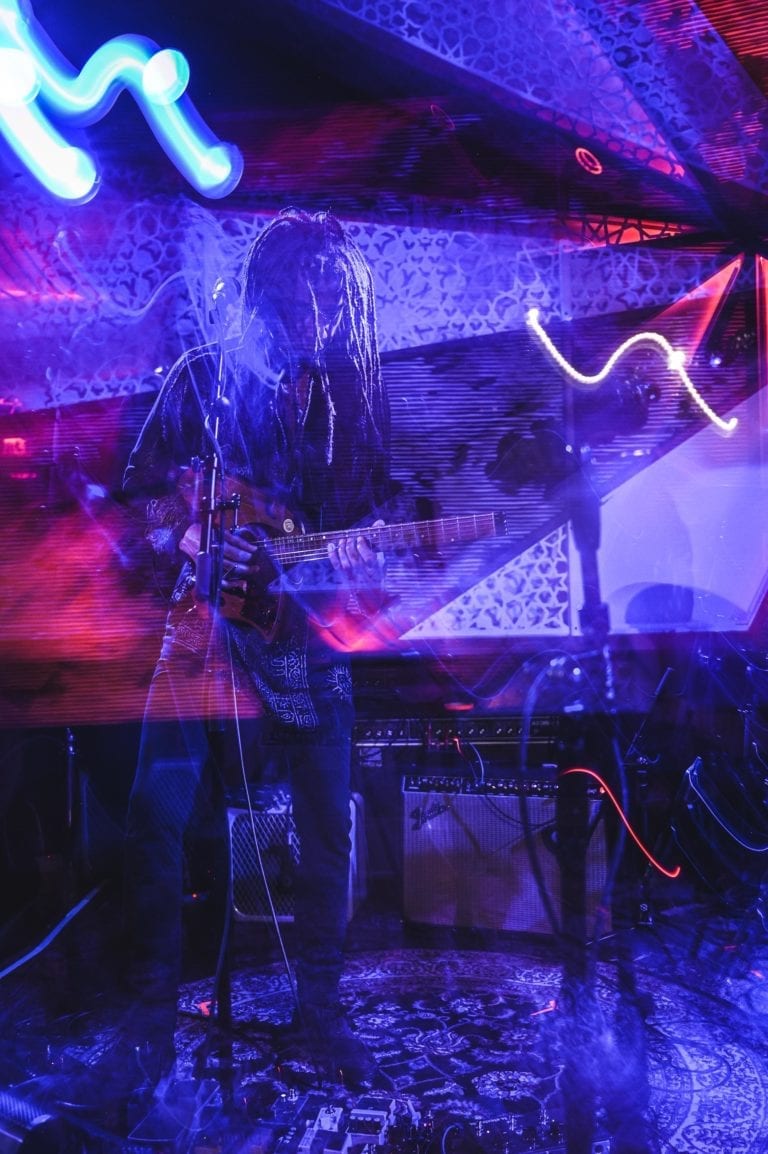
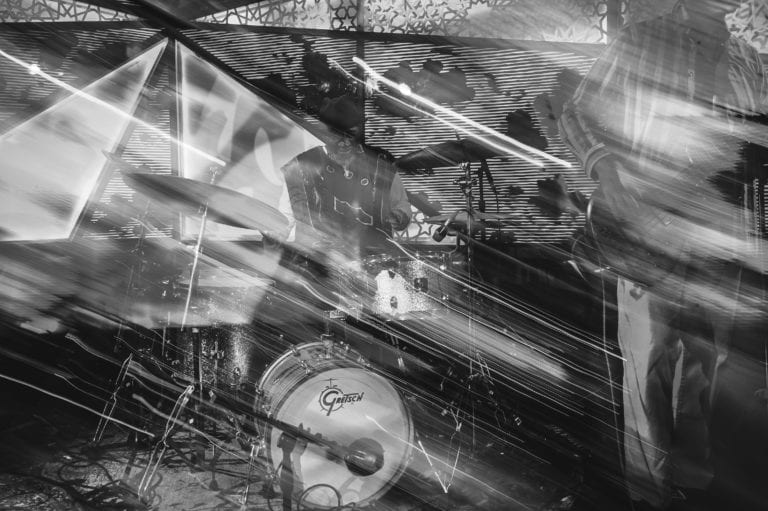
    The three musicians have amazing chemistry and produce such dense layers of loops and rhythms that you would think the band is twice as large. A setting like The Sultan Room was an ideal choice for their style. A small, crescent shaped floor with a low standing mezzanine provides an intimate setting to be engulfed by the noise they produce. The vibrant and nu-retro backdrop added to the futuristic aesthetic the band goes for in their sound.

    Brandon Ross of Harriet Tubman at The Sultan Room – Photo: Joseph Buscarello

    The band’s last record, The Terror End of Beauty, came out back in 2018 and, as of right now, they only have a few more US dates scheduled for January, all on the West Coast. Find those dates here and don’t miss a chance to catch this unique avant-garde jazz group in person.