Tag: hip hop

  • Holiday Rapping: The Eight Rhymes of Christmas

    Christmas is here. Which means it’s time to deck the halls with bars of the holiday. So grab your cup of eggnog, your Santa hat, and enjoy this list of Christmas raps.
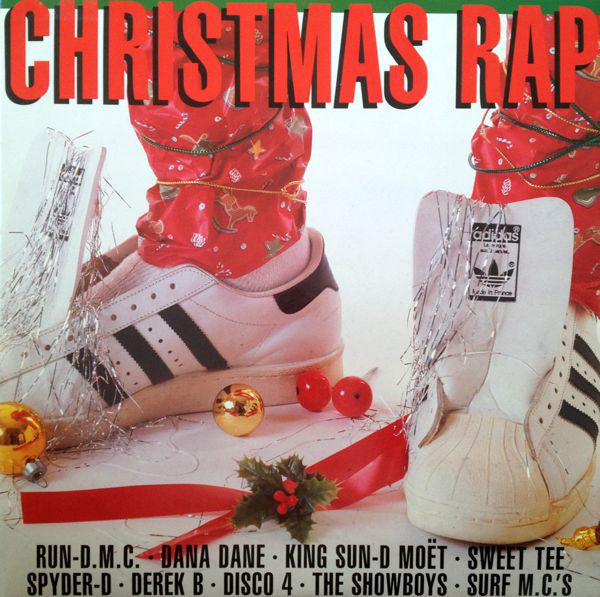
    Christmas Rap
    Remember the 80s?

    “You’re A Mean One Mr. Grinch” by Tyler, the Creator.

    Inspired by the music and animation of Dr. Seuss’s “How The Grinch Stole Christmas,” Tyler took the reigns and composed a soundtrack to accompany the 2018 Universal Studios animated film The Grinch. Although a whole EP full of songs inspired by The Grinch can be found on Tyler, the Creator’s Spotify, something about Tyler’s typical cartoonishly deep vocal inflections make this song a true holiday standout.

    “Christmas in Harlem” by Kanye West featuring Teyana Taylor

    There’s something almost ironic about how Kanye, a man known for calling himself “Yeezus,” would release one of the 2010s most critically acclaimed Christmas songs. Originally released on December 17th, 2010, “Christmas in Harlem” brings us the best of both worlds around the holidays. Produced by Hit-Boy and originally released as part of Kanye’s GOOD Music series, “Christmas in Harlem” exhibits the raw talent West possesses when it comes to the meticulous process of arranging music.

    “Santa Clause Goes Straight To The Ghetto” by Snoop Dogg featuring Daz, Nate Dogg, Tray Deee, & Bad Azz

    Have you ever wanted to hear a gritty, G-Funk Christmas song that simultaneously critiques the modern commercialization of Christmas? Well, “Santa Clause Goes Straight to The Ghetto” is the song for you to hear this holiday season. Again, this song is a perfect blend of Snoop’s typical West Coast cool, calm, and collected rap flows while flipping the typical narratives driving Christmas songs. This song is sprinkled with social commentary and full of joyous Christmas cliches.

    https://www.youtube.com/watch?v=mVkg5FM59NA

    “Christmas in Hollis” by Run D.M.C.

    If there were ever to be a rap song synonymous with Christmas, it would be Run D.M.C.’s “Christmas in Hollis.” This song may owe some of its notoriety to the hotly contested Christmas movie, Die Hard (yes, it’s a Christmas movie! ). Run D.M.C. trade-off shouted verses about stumbling across Santa in the park.

    “Christmas Rappin’ ” by Kurtis Blow

    For the next song on our list, we go back to the early days of rap when its popularity as genre was just becoming mainstream. Curtis Blow’s “Christmas Rappin’,” was released in 1979 and found instant success, capitalizing on two popular trends, rap and holiday music. “Christmas Rappin’,” was a product of two Billboard employees who recognized the potential for a hit song. They then enlisted Curtis Blow as the MC who would deliver this rendition of the Christmas classic “Visit from Saint Nick.”

    “Merry Muthaf****n Xmas” by Eazy-E featuring Menajahtwa, Buckwheat from the Lil Waskals, Will 1X, & Atban Klann

    Eazy-E isn’t referred to as one of the kings of gangsta rap for nothing, the twisted spin “Merry Muthaf****n Xmas” takes on Christmas music and is a prime example of E’s close ties to gang life growing up in Compton, CA. Everything about this song rings true to West Coast rap: the beat, the lyrical narratives Eazy-E and company explore, and, not to mention, the yuletide sampling and mentions of Santa that classify this otherwise raunchy cut as a Christmas song.

    “Nothing For Christmas” by Rae Sremmurd

    Rae Sremmurd’s “Nothing For Christmas” is the first song on our list that takes all the tropes and clichés of Christmas music and combines them with all the lackluster components of trap instrumentals. In a way, this song gives birth to a new musical genre – trap-mas music. And that alone gives this song an immense amount of bragging power.

    “Chi-Town Christmas” by Chance, The Rapper

    The most recently released song on this list, “Chi-Town Christmas” is perhaps one of the most emotionally potent tracks from Chicago-born artist Chance, the Rapper. Chance released a whole album’s worth of original Christmas music this past month featuring longtime collaborator Jerimiah. In “Chi-Town Christmas,” Chance once again takes center stage as the rap game’s family man and recites verses depicting a lowkey Christmas in Chicago. This isn’t the first time we’ve seen Chance dabble in Christmas music. However, this is by far his most organic attempt.

  • Queens Rapper Kyngjo Making a Leap With ‘Who That’ Official Video

    Upon the release of the music video for his single, “Calling Me,” Lefrak city native Kyngjo was happy with how his music was progressing, but was not fulfilled. Having begun his foray into the rap game only a year prior, he had seen significant growth in his sound and audience. With songs like “I’m Good Luv,” “Calling Me” and “Hypnotize” having reached tens of thousands of plays, he felt like it was time to up his production value.

    “A lot of people want to rap, but what separates most of them is who puts their own money behind it,” he adds. “People always say this, but you really have to invest in yourself.” 

    Kyngjo Who That

    With that, he embarked on a quest to shoot his best music video to date. The slick & catchy single “Who That,” which contains features from Long Island native, Pell The Don and Bronx rapper, Goggle Boy.”

    “I just felt like that was a song I could push,” he explains. “Everyone did they thing on it and it’s something you could bump in the club or in your whip.” With a more polished music video in mind, he sought out popular Queens videographer, V.Lens. “I have ideas, but I also want a videographer who can come with their own [ideas] and knows how to shoot a story, not just record the video.”

    Together, both artist and videographer brainstormed ideas and eventually came up with a fitting storyline to match the record. And so, the quartet made their way to the Long Beach section of Nassau County, as the boardwalk was designated as the perfect locale.

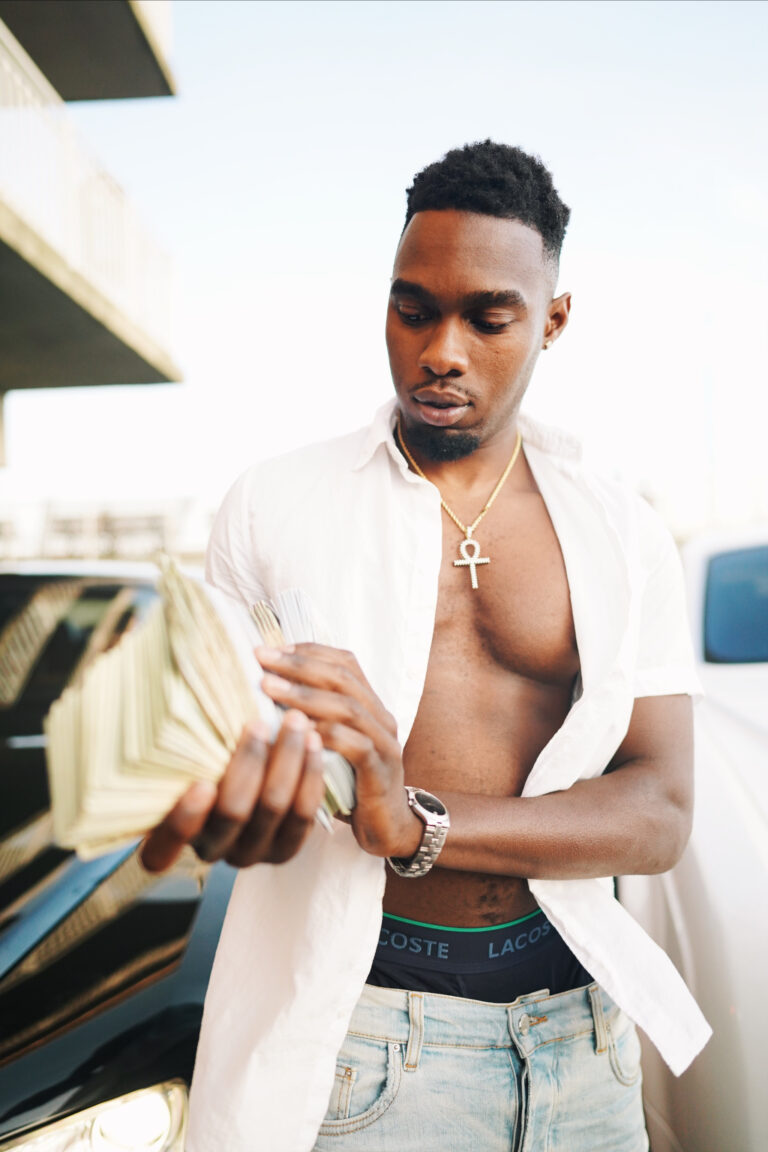
    Actress and model, Ceecee Valez, played Kyngjo’s love interest in a plot that sees him and Pell The Don counting wads of cash when Kyngjo peers off, noticing Valez’s character making her way out. The rest of video sees the trio deliver their verses in the two Rolls Royce Wraiths and inside a club-themed locale.

    Overall, the music video was quick and to the point (along with plenty of eye-catching props). Each artist got their chance to showcase not only their verses, but how well they work in front of the camera as this was a significant step up for each of them. “I wanted to separate myself from a lot of other people and I feel like I did that,” Kyngjo reveals.

    Kyngjo Who That
  • Wu-Tang Clan’s Masta Killa Celebrates 51st Birthday

    It has been well established that Wu-Tang Clan remain to be one of Staten Island’s proudest musical groups. However, the groups most recognizable members such as Ghostface Killah, RZA, and GZA stand in the way of the groups lesser known but equally important members. Today, we focus on Masta Killa, one of the more obscure members of the famed Wu-Tang.

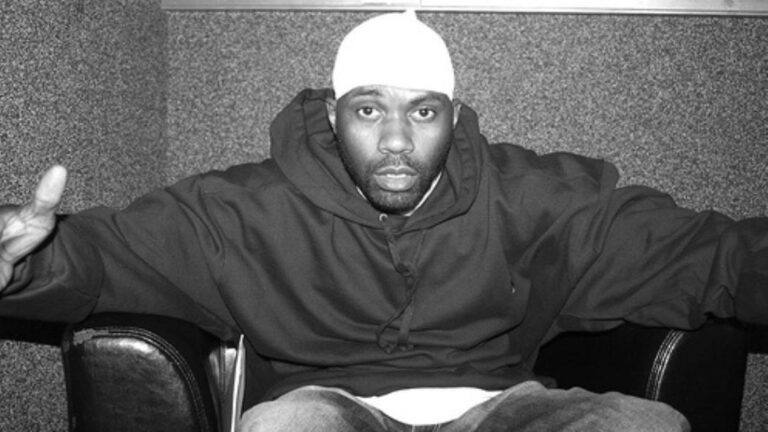
    Masta Killa

    Born Elgin Turner in Brooklyn, 1969, Masta Killa, though one of Wu Tang’s lesser known members, proved himself to be a mainstay throughout the group’s evolution throughout the 90’s.

    Masta Killa was the last to join the Wu Tang Clan and, subsequently, was not featured on the group’s debut single, “Protect Ya Neck.” The only Masta Killa feature on Wu-Tang’s debut album, Enter The Wu-Tang (38 Chambers) can be found towards the end of “Da Mystery of Chessboxin’.” Killa was one of the only members of Wu Tang that had not had a technical background in rap with almost zero experience as an MC. While the rest of Wu-Tang was recording verse after verse on 38 Chambers, Masta Killa was concentrating his efforts on perfecting his flow.

    Masta Killa’s absence of rudimentary hip hop techniques led to him being taken under the wing of Wu-Tang founder, GZA. While the majority of Wu-Tang Clan’s members were known for their hyper and energetic flows, Killa and GZA in contrast had a much more relaxed and slow-paced, almost effortless flow. The similarities between the two are evident on the group’s sophomore album, Wu-Tang Forever, which saw improvements in Masta Killa’s technical ability. The two would continue to influence each other’s flow and delivery throughout the remainder of their both careers.

    Masta Killa’s solo career began in 2004 when he released No Said Date which was met with high praise from Wu-Tang fans. Songs such as “Old Man” helped to cement Killa’s solo career which would continue throughout the early 2000s with his latest album, Loyalty is Royalty, in 2017.

  • Wavy Cunningham and DJ Mercy Continue the Fight on Two New Projects

    If one thing is clear, it’s that Wavy Cunningham always makes music. I’ve seen him write a song in a notebook, and then release it days later. He never waits. He gave his fan base a week between the releases of his new EP, Fight Back, and album, Club Wavy. They set sails on July 31st and August 7th, 2020, respectively.

    Photo by Zach Hitt

    Always Be Closing

    Wavy might not yet be a household name, but his charisma and performance style converts first time listeners into fans with little effort. That’s how he got me to listen. I’ve seen this happen during live sets, both at shows where he’s the featured headliner, and guest spots on stage too. But his ease around people doesn’t negate his work ethic.

    Unique Style

    In fact, Wavy, along with his frequent collaborator and producer DJ Mercy, enjoy writing, recording, and releasing music in extremely quick succession, unlike certain artists who wait for “outside influences and people around them” to lead to an album’s refinement, Wavy says. 

    Every year, major league record labels dispose of a tremendous amount of resources for their artists to drop a project only once every few years, on average. However, Wavy releases multiple projects per year without a label, so I talked with Wavy about his process, his plan, and his methods. We also dug into his newest work, Club Wavy and previous efforts such as Catch Me If You Can (2016).

    More Music on Deck

    At this point in time, Wavy Cunningham and DJ Mercy have over five projects on Spotify with dozens of smaller EPs, demos, singles, and mixtapes collecting listens on SoundCloud. “We also have a bunch of unreleased projects,” says Wavy. It allows the duo to pull from a vast repertoire of well-written rhymes and vintage samples when it comes to live shows. And Wavy is not concerned about what others are doing. He mentions wanting to go his own way, instead of “running on the hamster wheel,” or following the same pattern that other artists do.

    The New Normal

    Speaking of shows, performance is Wavy’s bread and butter, in my opinion. So with a lot of the world shut down due to the dangers of the COVID-19 health crisis, we might not get to see his live vibe for songs like “Doin’ My Thing,” (one of my favorites) and “1B” for quite awhile. Wavy told me that platforms like Twitch and live streaming methods have allowed him and other artists to put on virtual shows. “We’ve done…a concert on Instagram Live and we pulled out unreleased tracks. It’s cool to [be able to] do that.” Wavy also said that he and DJ Mercy have tentative plans for another Internet set, in which they’ll perform an album from beginning to end.

    Most Improved Goes To…

    Although the concept of recording and turning over material so quickly may seem chaotic, Wavy has a plan for the future, and music waiting to be released. “Each project is a learning experience,” he says, in which he and Mercy have been able to learn from each studio session and improve the listening experience little by little. They’ve made little changes along the way that lead to a steady climb in quality. 

    Notably, Entreband’s MostlyEverything took care of the mix and master to balance out the technical sonics of both projects, and producers Frank Finesse, Phil Dreisin, Hyuka, and N-Pro all lent instrumentals to pair with Wavy’s flow. “We went for more original sounds…this time. There’s less samples and more elements of [live instruments],” Wavy says. These instruments perfectly balance tracks such as “Get Away” (Fight Back) and “Whattup?” (Club Wavy) both of which feature a glassy guitar intro.

    To close the latter of the projects, Club Wavy, Cunningham wrote “All We Need is Love.” This track contains a beautiful tribute to Breonna Taylor and other people who have been killed due to systemic racism and police violence. The swan song perfectly closes both projects and carries a message that will be heard the loudest.

    Verdict

    Overall, Fight Back and Club Wavy are strong entries into Wavy’s catalogue and will stay as his most cohesive work until he comes up with something, which probably won’t be long from now.

    Club Wavy and Fight Back are both available on all major streaming services, with the music video for “Whattup?” being available for views on YouTube and Facebook.

    Key tracks: Whattup?, Get Away, Never Ends, All We Need is Love

  • A Tribe Called Quest’s Ali Shaheed Muhammad Celebrates 50th Birthday

    Give your favorite A Tribe Called Quest album a spin today. The man behind the turntables, Bedford-Stuyvesant’s Ali Shaheed Muhammad, who mixed up the beats that Q-Tip and Phife Dawg rhymed on celebrates his birthday today.

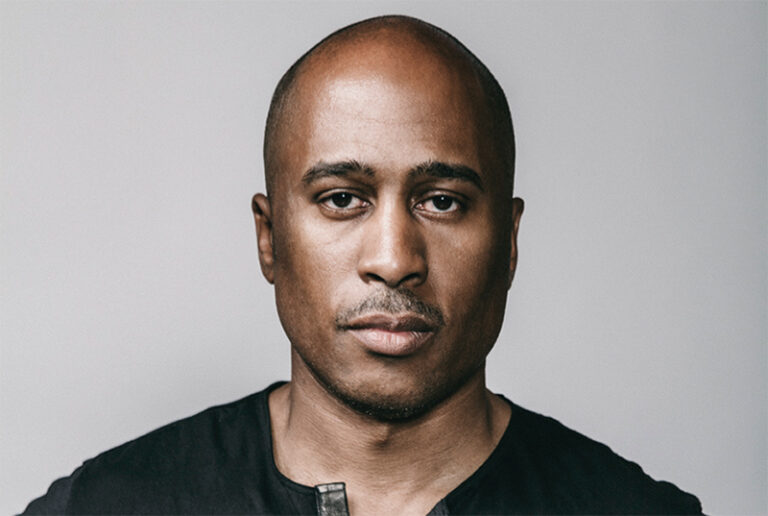
    Ali Shaheed Muhammad

    Born August 11, 1970, Ali Shaheed Muhammad became one of New York City’s underground rap legends. As a hip hop producer, Ali Muhammad is responsible for the early jazz rap sounds that A Tribe Called Quest is known and loved for.

    Growing up in Bed-Stuy, Muhammad’s uncle, Michael Jones, who was a bassist and DJ himself, began teaching him at the age of eight. Ali would DJ parties in his Bed-Stuy neighborhood and recorded demos before joining Tribe in 1985.

    Coming together in the early 1980’s in Queens, A Tribe Called Quest consists of Ali Muhammad (the only member not from Queens), who held the role of co- producer, assisted by the groups main composer, Q-Tip, along with Tribe’s MC, Phife Dawg. Together, the trio would be looked back on as pioneers of the alternative hip hop sounds which are still popular today. Muhammad was just 19 when the group released its first album, People’s Instinctive Travels and the Paths of Rhythm, in 1990

    Ali Muhammad and A Tribe Called Quest rose in popularity through their second album, the 1991 jazz-influenced album Low End Theory. The album was stripped back compared to their previous, with instrumentals consisting mostly of bass, drums, and the regular use of Jazz sampling, all sounds that find themselves synonymous with the underground alternative hip hop scene.

    Later on in 1995, Muhammad co-wrote and co-produced the Top 40 pop hit that launched the neo-soul movement, D’Angelo’s “Brown Sugar,” and earned another Grammy nomination via Lucy Pearl’s “Dance Tonight” in 2000. Muhammad has remixed songs for Janet Jackson, Maxwell, Maroon 5 and KRS-One, and has writer, producer or co-producer credits on more than 20 albums. He would also go on to found The Ummah, a production company with Jay Dee and Q-Tip.

    Throughout the early to mid 90’s A Tribe Called Quest maintained their commercial success through the release of their 1993 album, Midnight Marauders, which saw technical improvements in the groups dynamic. A Tribe Called Quest seemed to be on an unstoppable rise to success however, the group went on an eight year hiatus. Despite not working together during those years, individual members had the chance to pursue moderately successful solo careers until their reunion in 2006.

    Have a great birthday Ali Shaheed Muhammad!

  • J. Cole Drops Two New Singles And Announces New Album

    J. Cole dropped two singles following a string of Instagram Story posts hinting towards an upcoming release. The singles are the first confirmed tracks on the southern rappers upcoming album, The Fall Off.

    On Wednesday night, J. Cole made an Instagram post announcing the upcoming release of “The Climb Back“, produced by Cole, and “Lion King On Ice“, production arranged again by Cole aided by T-Minus and Jetson. The Fall Off will be Coles first solo project since 2018’s KOD.

    https://www.instagram.com/p/CC6mFLeFC02/?utm_source=ig_embed

    The first of the two singles, “The Climb Back” has J. Cole performing in his pocket, spitting bar after bar over a sparkling piano melody and a high-pitched vocal sample leaving plenty of room for Cole to switch up his flow which he finds himself doing several times. The song is missing a strong hook however, the understated vocals Cole croons out serve towards the emotional potency of the track.

    The second track released, “Lion King on Ice” is a J. Cole track by the numbers. Cole is again operating in his comfort zone; with an stripped back trap instrumental beat featuring similar pitched vocal sampling present in “The Climb Back”, Cole is able to ride the beat comfortably verse after verse.

    Cole has made it clear that he has an album coming on the way. However, he is seemingly under little pressure to release the album because he has also made it clear he has no planned release date for the album.

    For more information visit J. Cole’s website.

  • Juneteenth: Sorrow turned Conviction

    While the public celebrates Juneteenth in what is now the halfway point of a roller coaster year, it is important to note the true history behind why we celebrate. The day’s significance isn’t to recognize the end of slavery. Rather, June 19, 1865 is the day that federal orders for the emancipation of enslaved Africans were announced. Only, the declaration had been made official nearly two-and-a-half years prior.

    Juneteenth

    With the holiday gaining traction throughout the country, and now a Federal holiday, in 2020 New York City mayor Bill DeBlasio announcing an executive order that recognizes “Juneteenth” as an official city and school holiday. People of African ancestry celebrate our forefathers, yet we remember their pain, endurance and suffering and do not take it for granted.

    In the same vein, Hip Hop has served as a diary for Black struggle.  With a 400-year head start to make up for, many rappers have recognized the need for unity, as well as establishing our own financial footprint in the United States (the same way other races have been allowed to). 

    So, here is a playlist of songs that motivates us to become the proprietors of our own destiny.

  • Eight Songs of Racial Protest

    Music has the power to bring people together in the name of solidarity. Throughout protest history, there have always been songs to aide in carrying the cries for social justice. Protest music came into mainstream popularity during the civil rights movements of the 1960s and 70s, with folk and gospel artists such as the late Pete Seeger and Mahalia Jackson. In todays current political state however, protest music has chosen a different voice. Hip-hop along with punk music have provided the loudest songs of racial protest during the black lives matter movement.

    “Sound of da Police” by KRS-1

    Off of the Bronx natives’ debut studio album, Return of The Boombat, “Sound of da Police” takes a hard look at police brutality. Although released in 1993, the song remains relevant in the current Black Lives Matter movement. Throughout the song, KRS-1 makes comparisons between the police and overseers who would police southern plantations while keeping slaves in check.

    Key Lyrics:

    “Officer, Officer, Officer, Officer!
    Yeah, officer from overseer
    You need a little clarity?
    Check the similarity!
    The overseer rode around the plantation
    The officer is off patrolling all the nation”

    “One Four Love (Pt.1)” by Mos Def

    The second track off of Mos Defs’ Hip Hop For Respect EP released in 2000 is another song centered around police brutality and racially-centered violence. With a hook that sings ” My people unite and lets all get down.”

    Key Lyrics:

    “My people unite, hop up and do it right
    We gotta have what? love peace and understandin
    One god, One love, One light
    One aim, One voice, One fight”

    “Changes” by 2Pac

    Riddled with commentary on the life of an inner-city black man, “Changes” is 2Pac’s timeless meditation on racial injustice. The song consists of verse after verse of 2Pac calling for change.

    Key Lyrics:

    “I see no changes all I see is racist faces
    Misplaced hate makes disgrace to races
    We under I wonder what it takes to make this
    One better place, let’s erase the wasted”

    “Sunshine” by Pusha T

    Bronx rapper Pusha-T takes a conscious approach in his 2015 release “Sunshine” telling America that the country is in need of a miracle. Pusha remembers Freddie Gray, another victim of police brutality and neglect.

    Key Lyrics:

    “These ain’t new problems, they just old ways
    I see one time turn sunshine into Freddie Gray
    Just another n**** dead, just another n**** dead
    Send another to the FEDs, send another to the FEDs”

    “Banned in D.C” by Bad Brains

    Well affiliated with the Afropunk movement of the 70s and 80s and regarded by many as the pioneers of hardcore, Bad Brains deliver this rage filled track about racial solidarity.

    Key Lyrics:

    “We, we got ourselves
    Gonna sing it, gonna love it, gonna work it out to any length
    Don’t worry, no worry, about what people say
    We got ourselves, we gonna make it anyway”

    “Don’t Shoot” by Dave East

    Dave East takes a creative approach, altering his voice to reflect on his encounters and experiences with NYPD through out his childhood, as a teenager, and as an adult. Born and raised in Harlem, Dave East delivers descript bars verse after verse detailing life in the city and coming to terms with racism and police neglect.

    Key Lyrics:

    “Left and right I’m seeing homies get interrogated, we ain’t safe where we live, this America ain’t it?”

    “Spiritual” by Jay-Z

    https://www.youtube.com/watch?v=TFW5p2Qlx7M

    In 2016, “Spiritual,” was Jay-Z’s first solo release in 3 years. Penning the lyrics after the shooting of Michael Brown in 2014, Jay-Z said he held onto the release because he knew ” his death wouldn’t be the last” in a statement released with the song. Jay-Z calls out police brutality and the cycle of poverty and depression many in the black community are stuck in.

    Key Lyrics:

    I am not poison

    Just a boy from the hood that got my hands in the air

    In despair don’t shoot

    I just wanna do good”

    “Oppressor” By Jesus Piece

    East Coast hardcore band, Jesus Piece target the oppressive behavior of police in the song “Oppressor” off of their 2015 EP release. Fronted by Aaron Heard, one of the most prominent black vocalists in the current hardcore scene, the song is delivered along with a brutal instrumental and has since been a highlight of many hardcore festival performances, bringing together people of color in the hardcore scene, all taking turns grabbing for the microphone.

    Key Lyrics:

    “I refuse to bite my tongue

    The revolution has begun

    I refuse to die next

    Lift your boot from my fucking neck”

  • Listen to Queens Duo Runitup Apply ‘Pressure’ on latest single

    A breakout single isn’t the easiest thing to find. If it were, millions of aspiring rappers would have landed record deals. And although the ball seems to get rolling after that first big hit (save for the one-hit wonders, of course), an artist is still dependent on their initial ability to connect with an audience. For most, the components of the ever elusive-hit record seem to be simple (distinctive instrumental vocals, engaging lyrics, etc..) yet, the subtle ways in which they are applied often escape aspiring artists. Which is why when one finds one of those elusive records, they hold on to it, play it and share it to the world.

    “Pressure,” the latest release from cousins and Queens duo Runitup Rich and Runitup Sho feels like one of those songs. With a Lil Uzi Vert-esque flow and delivery throughout, the Runitup duo seem to have found the exact medium they had been searching for. “The sound we started with was just something we mimicked and thought it sounded like a bump and as we kept going and following music trends, we decided to start trying to be more melodic,” says Sho. “With my background and singing and Rich’s chop-and-go flow, we came up with a sound that was still us but gave an opening for a broader spectrum of music.” 

    It isn’t just the distinctive guitar riffs nor the infectious chorus, but the duo’s effervescence throughout the song that will likely coax listeners into joining them in sing-a-longs. With the record also falling shy of two minutes, there will be plenty of people playing it on repeat. 

    As Runitup continue to establish themselves, they refrain from thinking about fame and opulence. The duo is more focused on growing, exploring their sound, evading any hastiness. “Who knows what the future holds as we continue making music. We get to see more of what the supporters of our music want, and we can form a better direction for Runitup as a whole.”

  • Happy Birthday Ghostface Killah

    Staten Island’s own, and at one point a member of the FBI’s most wanted list, Denis Coles aka Ghostface Killah was born in 1970 in one of New York City’s most often overlooked borough, Staten Island. Thus, May 9th marks the birthday of the one and only, Ghostface Killah

    Ghostface mighty healthy killah birthday

    He began his solo career in 1996 with the release of Ironman following Wu Tang’s breakout release, Enter The Wu Tang (36 Chambers). Renowned for his booming voice and fast-paced flow, Ghostface has remained to be one of the Clan’s most notorious members. As the roommate of Wu Tang founder RZA, Ghostface is credited with playing a role in bringing the original seven members of the group together.

    Ghostface was featured extensively on fellow Wu Tang member Raekwon’s, early mixtapes, making a name for himself before Wu Tang Clan essentially took over the world of hip-hop.

    What separates Ghostface from the rest of the gangsta rap group MCs is his often colorful and imaginative storytelling which has remained the highlight of his performances throughout the years.

    Recently, the works of Ghostface Killah and the rest of the Wu Tang Clan has been celebrated in the media with the short film For the Children: 25 Years of Enter the Wu-Tang (36 Chambers) which dives into the group’s early years on the come-up in the late ’80s and early ’90s hip-hop scene. Wu Tang and Ghostface Killah have transcended music and represented how their rough upbringing on the streets of New York has brought them to make incredibly moving art and music. The legacy of Wu Tang has been cemented into New York history with Staten Island declaring November 9th as Wu Tang Clan day, turning the classic phrase ” Wu Tang forever” into a reality.

Built in Breakdance