Flushing Town Hall announces their showcasing of Kunqu Opera on December 12, 2020 at 8PM EST. The event will take place via live-stream on Zoom or YouTube.
The Kunqu Opera showcase is titled Kunqu in America: Memories of Chung-ho Chang Frankel. The showcase at Flushing Town Hall will illustrate how Kunqu opera, the oldest extant version of Chinese theater, took root in the United States by featuring memories of Ms. Chung-ho Chang, one of the most influential Kunqu practitioners throughout the country. The program will be presented bilingually, both in English and Mandarin, and will be told through videos, pictures, and interviews.
Ms. Chung-ho Chang is known for being one of the “last female literary talents from China’s Republic Era” particularly after the passing of Madame Chiang Kai-Shek. She was born in Shanghai to a big and prestigious family in 1913 and became a well-known poet, calligrapher, and Kunqu opera singer. She was active in the arts and cultural scene along with her three sisters during the first part of the 20th century. She then moved to the United States in 1949 with her husband, Hans Frankel, a sinologist who later taught at Yale University and who she met while studying at Peking University.
She is known for having planted the seed of the Kunqu opera while also nurturing the art community while she lived in California and Connecticut. She did this by holding Kunqu gatherings in her home, bringing students, actors, musicians, and scholars together to practice Kunqu singing and movements. For decades, she traveled from university to university to promote and demonstrate the art form. In 2001, UNESCO (the United Nations Educational, Scientific and Cultural Organization) proclaimed Kunqu a masterpiece of “the oral and intangible heritage of humanity”. Today, there is a thriving Kunqu opera community throughout the United States in which Ms. Chung-ho Chang is greatly involved in.
The Flushing Town Hall virtual event will feature anecdotes of Ms. Chang collected exclusively by the Kunqu Society from interviews with Ms. Chang’s family members, students, and friends, will showcase several elaborate costumes and musical instruments that were handmade by her and will collectively showcase Kunqu Opera.
Following the program, there will also be a live Q&A featuring guests who appeared in the stories. People interested in attending must RSVP in advance to receive a link to watch the event on Zoom or YouTube. To RSVP or to learn more about the program, visit The Flushing Town Hall’s website.
Taylor Swift took to Twitter to announce her second surprise album of 2020. Out at midnight on December 11th, Evermore is the successor to Folklore. While the album’s contents are a mystery so far, it seems to have a similar aesthetic to Folklore, with continued collaboration with The National and Bon Iver. The video for “Willow,” Evermore’s opening track and lead single, drops at midnight alongside the album.
I’m elated to tell you that my 9th studio album, and folklore’s sister record, will be out tonight at midnight eastern. It’s called evermore. 📷: Beth Garrabrant pic.twitter.com/xdej7AzJRW
Swift continued her announcement, saying, “To put it plainly, we just couldn’t stop writing songs. To try and put it more poetically, it feels like we were standing on the edge of the folklorian woods and had a choice: to turn and go back or to travel further into the forest of this music. We chose to wander deeper in.” ‘We’ refers to Aaron Dessner, frontman of The National, and frequent collaborator Jack Antonoff, both of whom co-wrote and produced the songs on Folklore.
Evermore is Swift’s ninth studio album, and the first to seemingly retain the spirit of its predecessor. Up until now, her album releases have been very distinct “eras”: Reputation was her dark and dramatic album, Lover was pastel and political, and Folklore was cottagecore. Swift has never stuck with an album’s main themes or imagery for too long, which makes Evermore unique even if it came out less than five months after Folklore.
Swift isn’t done with Folklore just yet—she released Folklore: The Long Pond Studio Sessions on November 25, a concert film for Disney+. Filmed in the Hudson Valley, it was the first time she performed the album’s songs face-to-face with Dessner and Antonoff. Folklore garnered Grammys five nominations including Album of the Year and Song of the Year for “Cardigan,” breaking a short snub period. While the awards aren’t until January 31, 2021, Evermore won’t be eligible until next year.
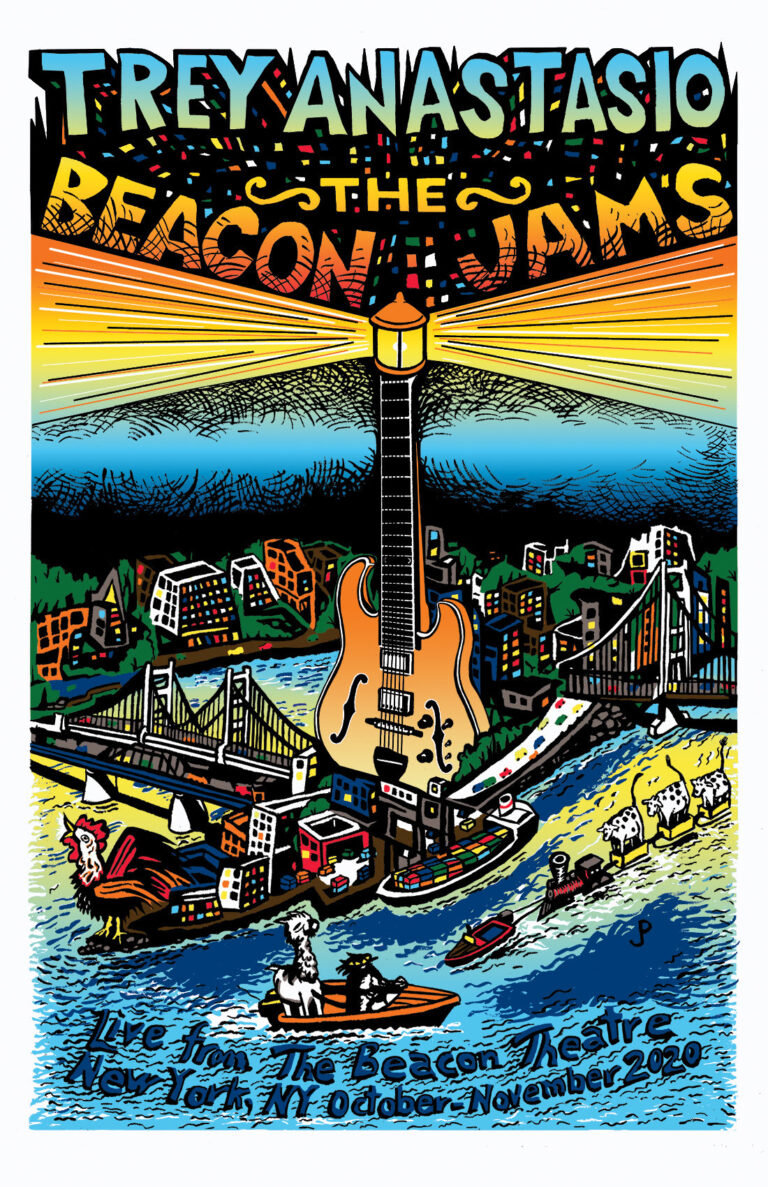
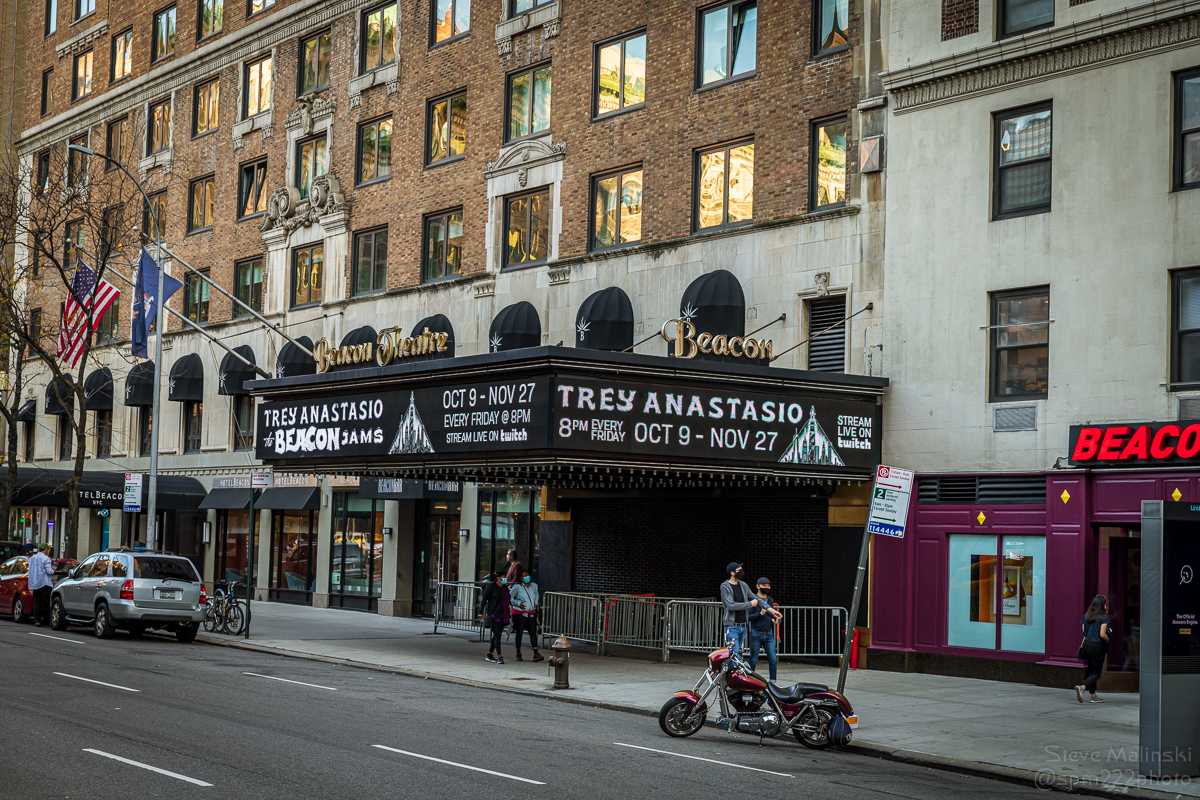
A surprise for anyone who caught any of the eight weeks of The Beacon Jams – “What Calls You Home” – a 17-minute short documentary featuring interviews and behind the scenes footage was released on Thursday, December 10. .
Created by the MSG Entertainment team, “Whatt Calls You Home” features exclusive performance highlights and in-depth conversations with Trey Anastasio and members of the production who helped bring the virtual residency to life.
The Beacon Jams was an overwhelming success – held at the historic Beacon Theatre, Trey along with his band and several special guests performed 151 original songs (with no repeats) and more than 20-hours of live music. Over eight weeks, hundreds of thousands of fans tuned in for the live streams, and in turn helped raise $1 million in donations for the Divided Sky Fund, part of Phish’s WaterWheel Foundation, which will help fund a drug treatment center in Vermont.
“What Calls You Home” is a fascinated look at how this unique residency came together at such a critical time in the music industry and across the nation and world, a true tribute to the power of live music.
Read NYS Music’s reviews of each weekend of The Beacon Jams here.
NYC crooner Paul Loren today releases his new holiday song, “Hold On To Christmas,” with an accompanying video is a wistful love letter to NYC. The song fits the holiday season this year just right, a gentle and passionate voice asking us to hold on, something we’ve all needed to do throughout this hectic 2020.
Filmed walking throughout the city (socially-distanced of course), Loren strolls among Christmas trees, holiday decorations and ice skaters, reminding us that the simple pleasures in life can fill us with the holiday spirit.
A native New Yorker, Paul was raised on a rich legacy of soul, classic pop, as well as the Great American Songbook, and in those musical idioms he feels most at home. Loren takes elements from early R&B, jazz and Brill Building pop, crafting his music with an ear towards timelessness.
Loren released “We’ll be Together Again” in July, and previously his song “Gonna Take a Little Time”- filmed at an indoor shuffleboard hall in Brooklyn complete with tiki drinks and bowling shirts – premiered on Parade.com in 2019. Loren has performed on The Tonight Show with Jimmy Fallon and for Jennifer Lopez at her birthday gala.
Leading a new generation of soulful crooners, Paul Loren is a singer, songwriter, producer and consummate entertainer.
I started singing at 3 years old along with the little 45rpm records my mom would play and start ed playing piano at 4 years old. The voices I remember most and identify with are Ray Charles, Frankie Valli, Sam Cooke, Sinatra, Aretha, Otis, and Tony Bennett. Growing up in New York, Billy Joel was also a big influence.
Paul Loren
The last few years have been filled with a series of breakthroughs for Paul as he performed on his first National Tour in support of Brendan James, opened for “The Temptations” as part of Stamford’s Summer Concert Series “Wednesday Night Live”, and sold out Joe’s Pub at the Public in NYC multiple times.
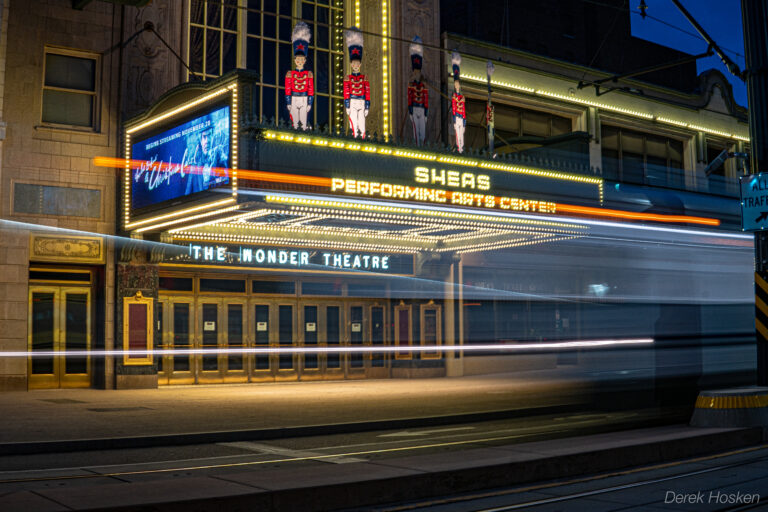
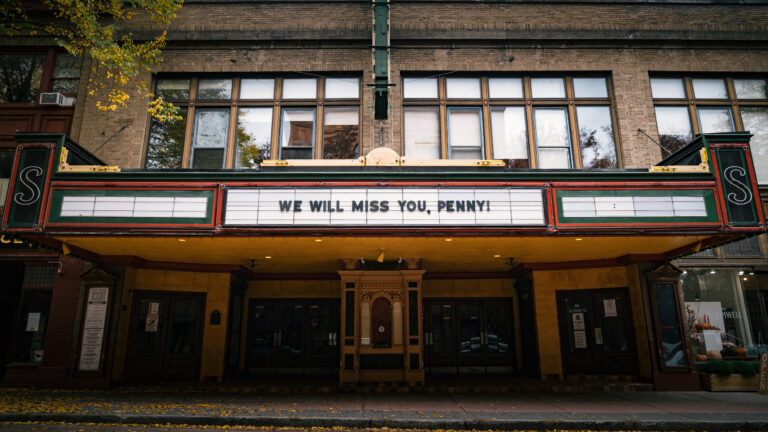
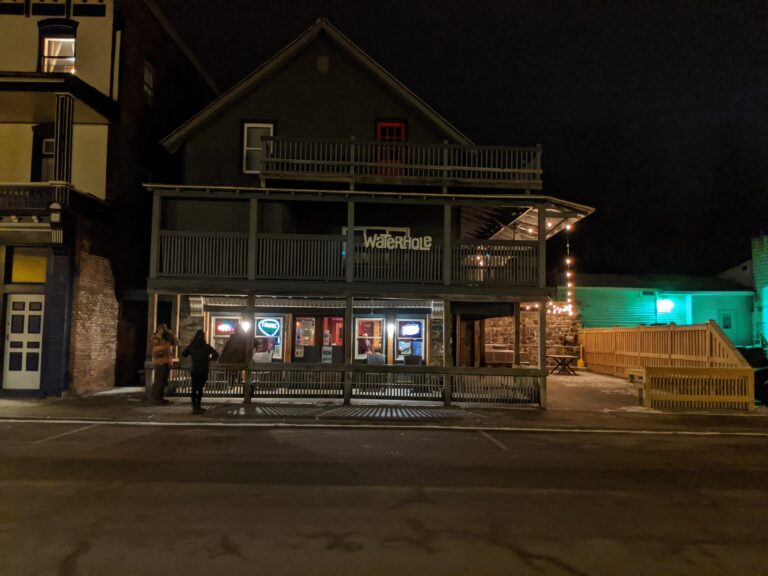
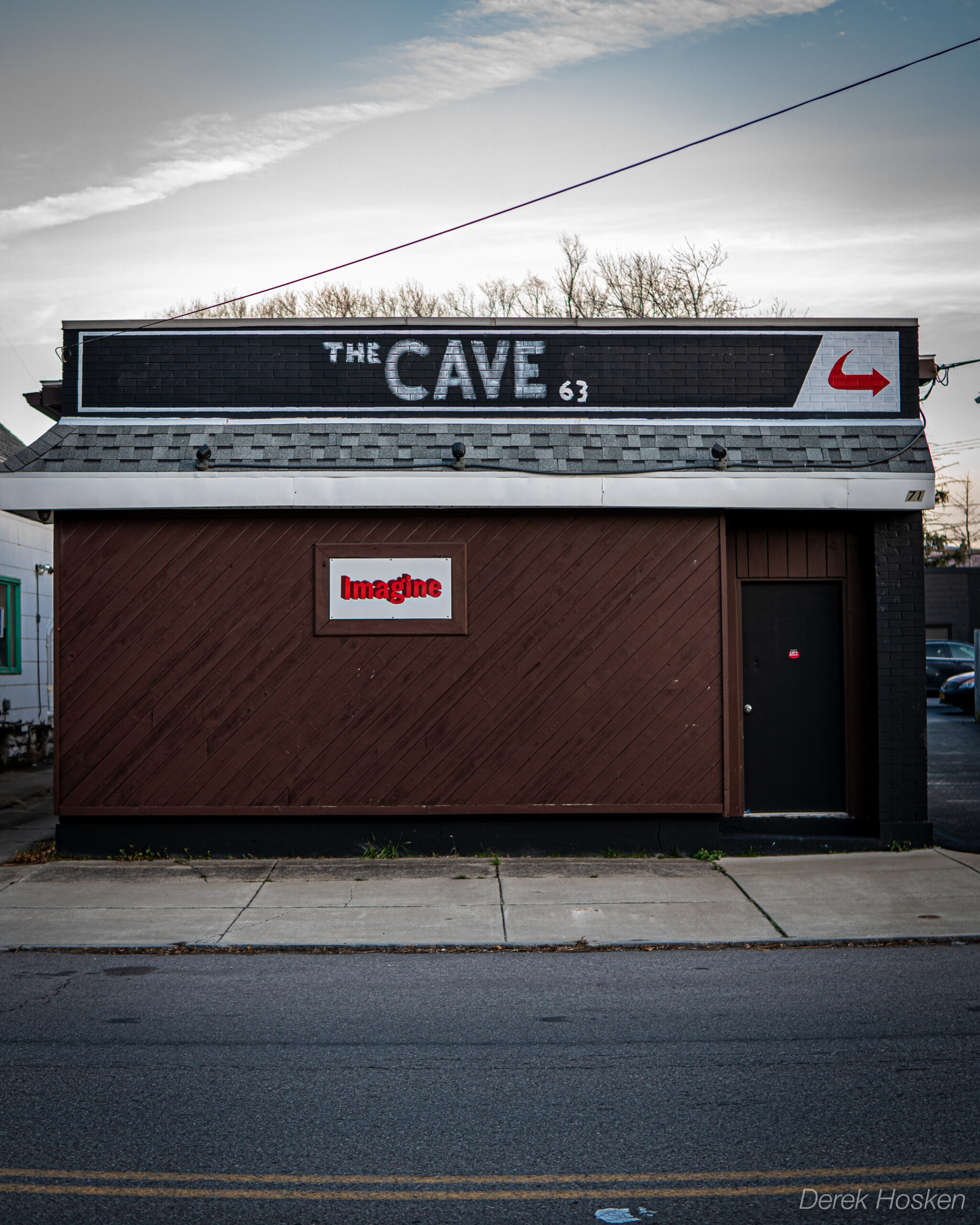
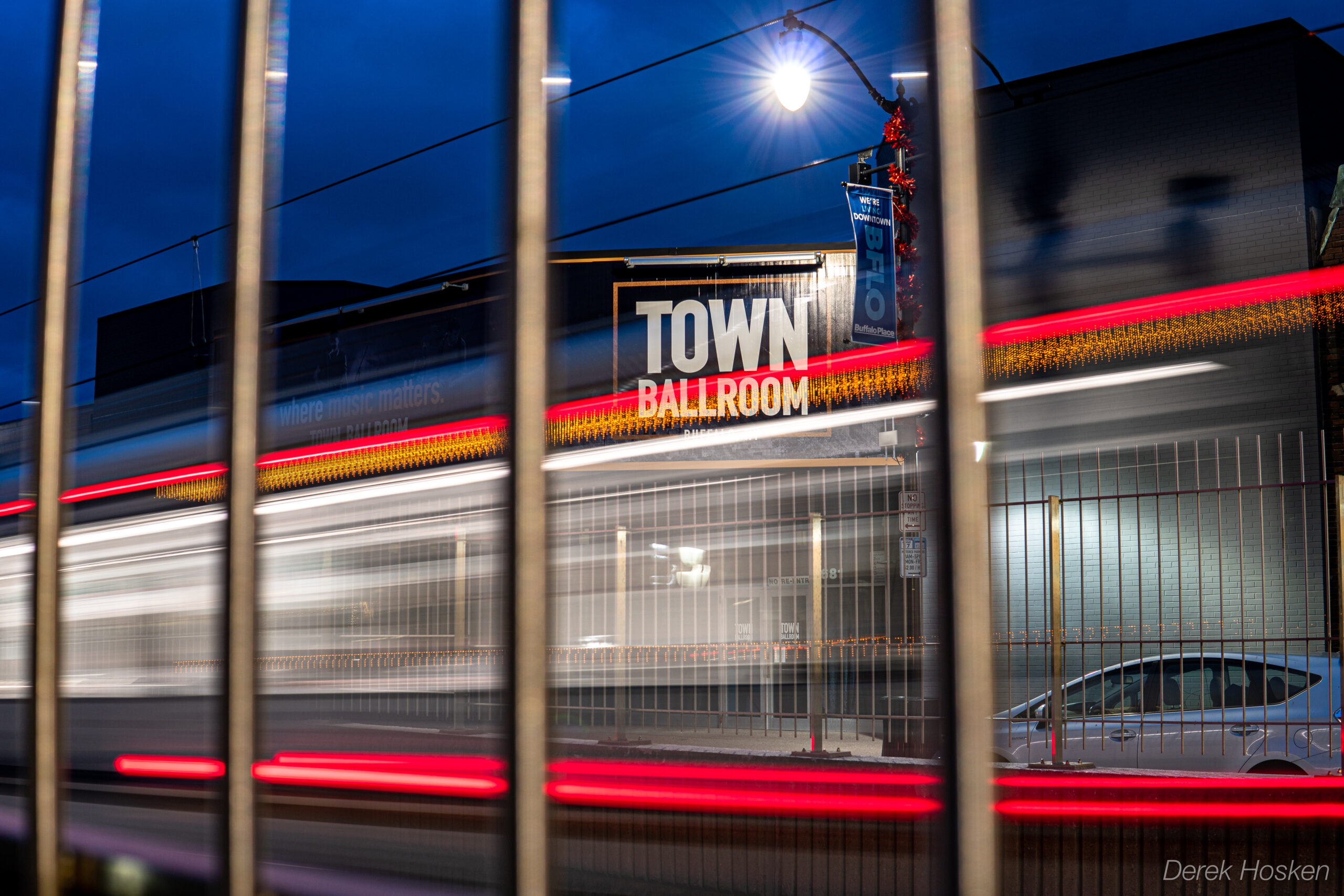
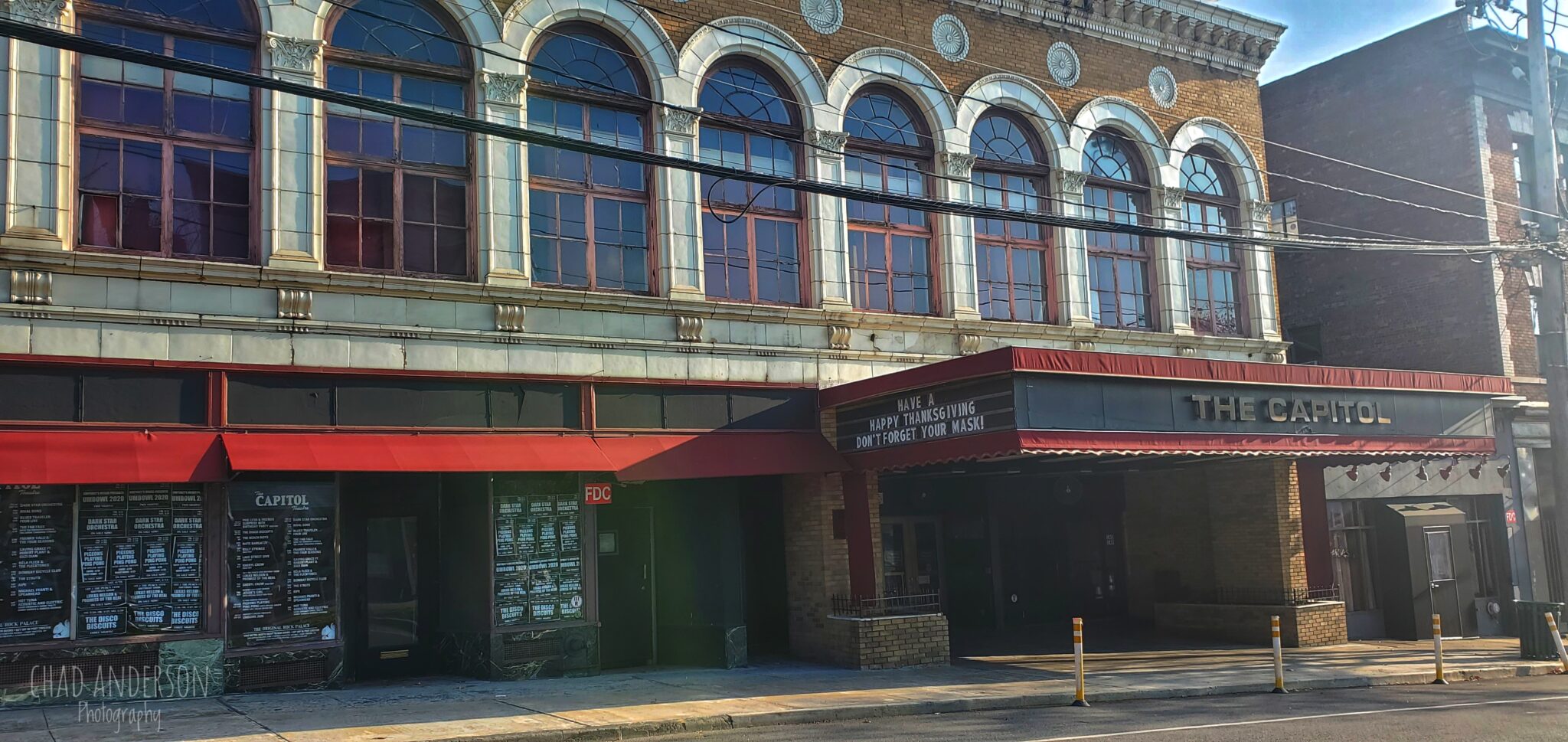
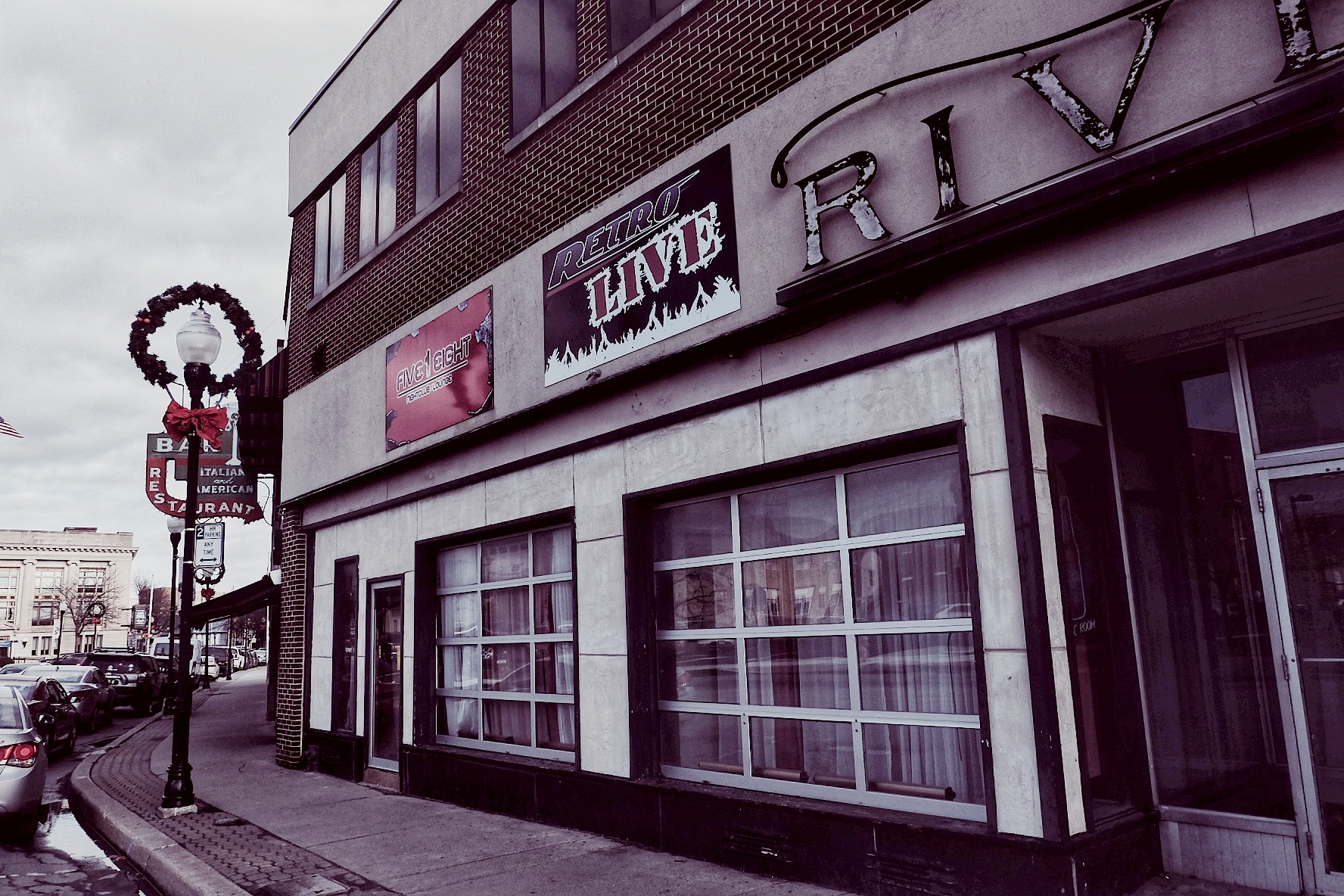
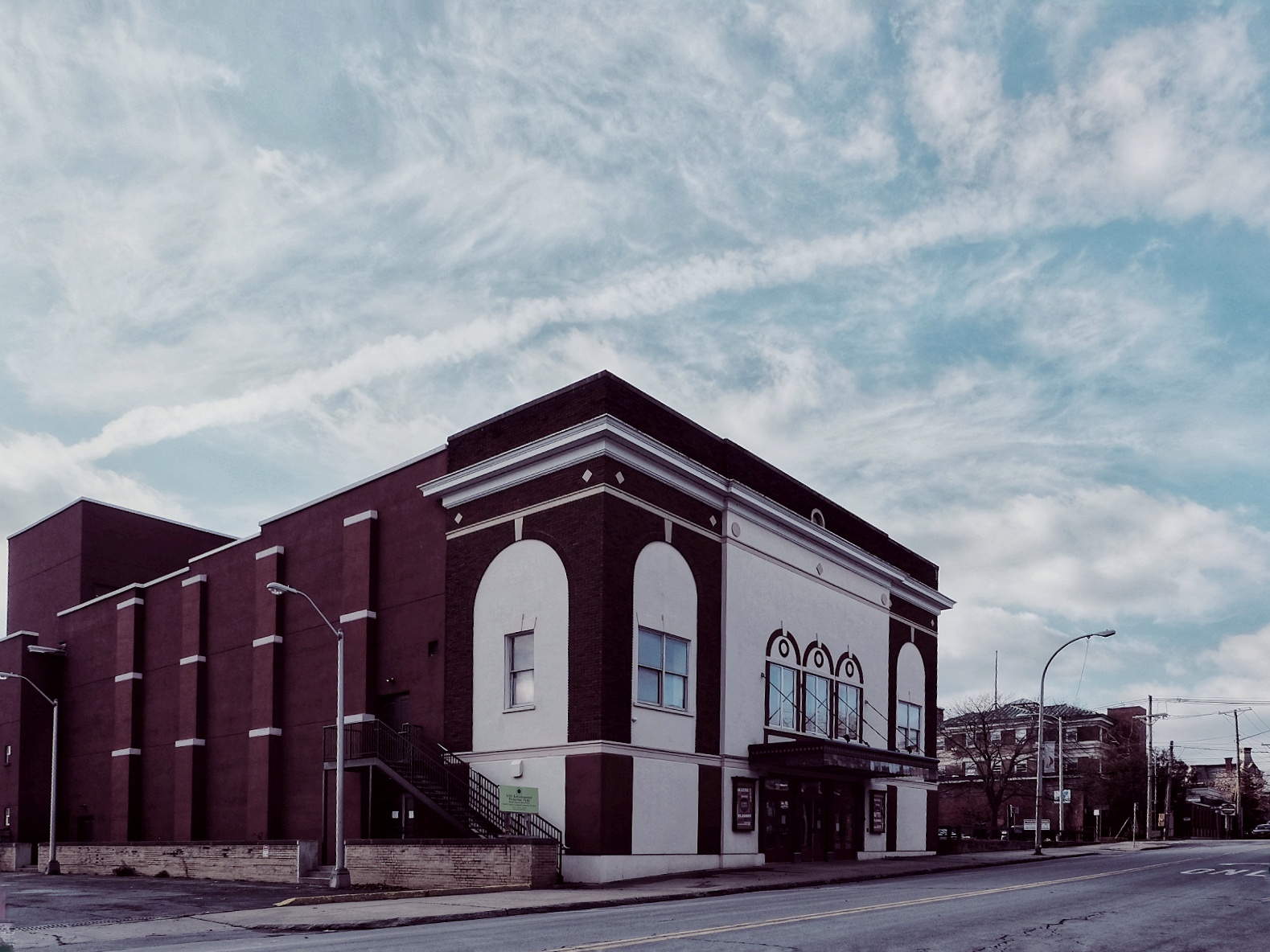
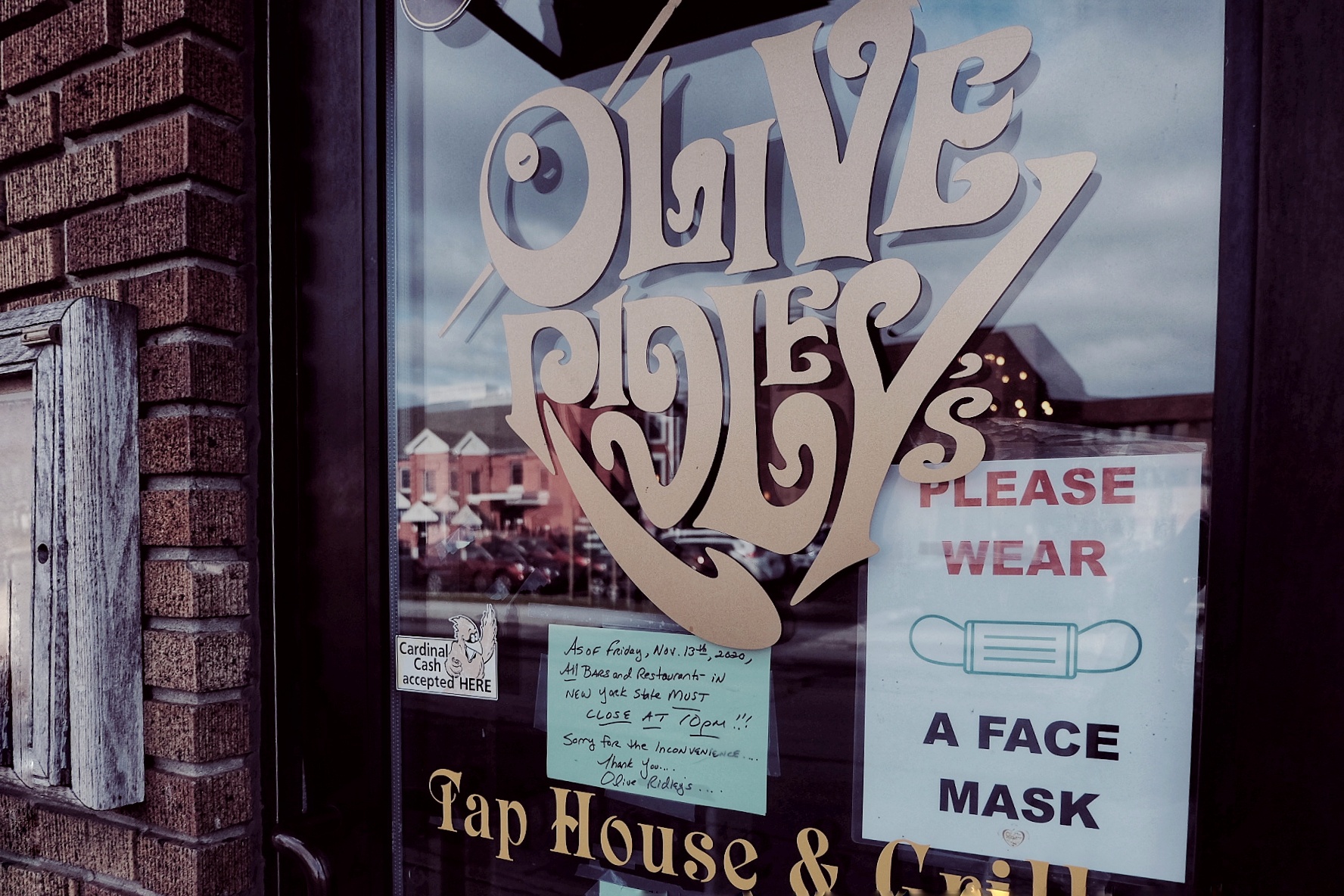
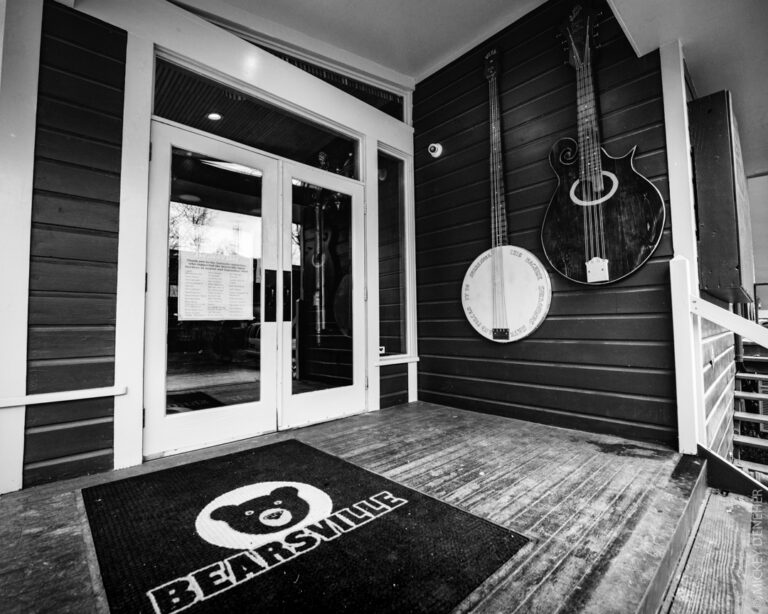
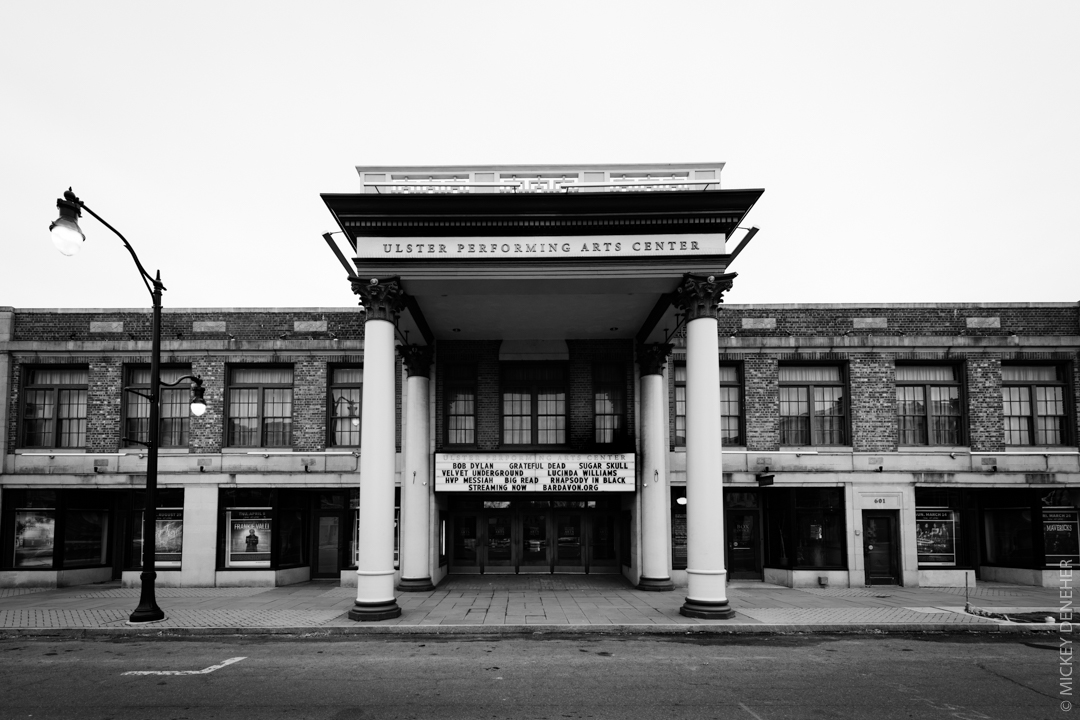
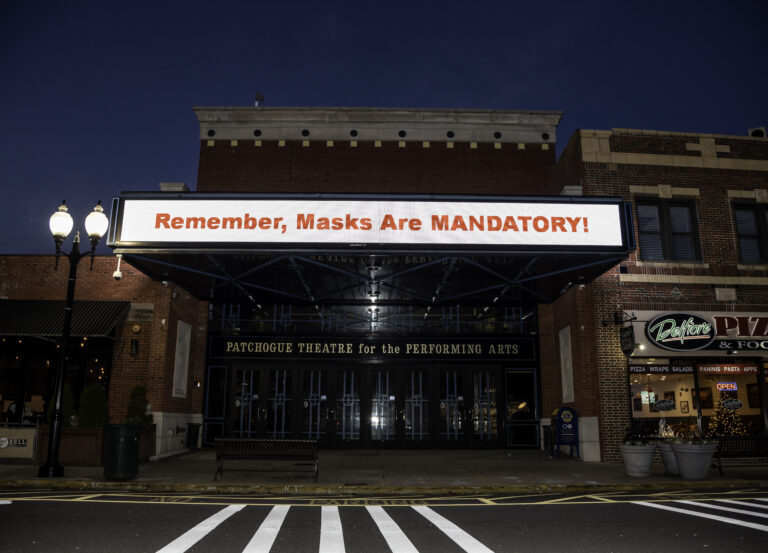
Back in June, photographers working with NYS Music, with no live music to shoot, began looking at the venues we hold so dear. These independent music venues across New York State are in a battle for survival with the COVID-19 pandemic still not waning and relief held up in Congress.
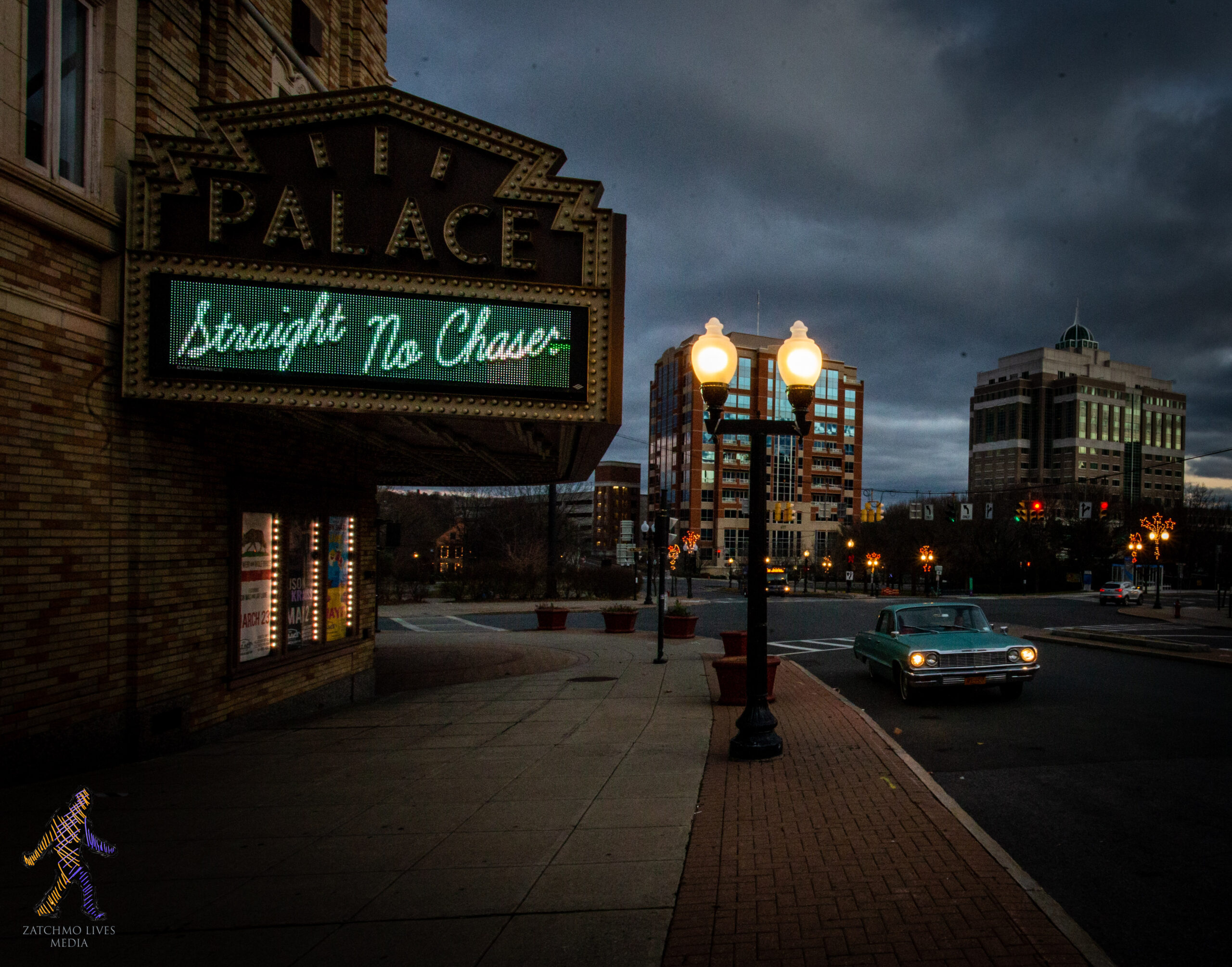
Over the summer and fall we saw venues closed for the foreseeable future, including The Jazz Standard in Manhattan. Venues are rallying their supporters to help as best they can at this time, including The Palace Theatre in Albany offering up a stream of moe. on Friday, December 11.
Venues in New York and beyond are stuck in limbo, but they aren’t gone – not for good – so long as we can find resolution and relief at the state and national levels. The Heroes Act has passed in the House of Representatives, and there is still a chance for a relief bill to be passed before the end of December.
With the winter setting in, venues will continue to go virtual for live performances, waiting for the time that we can bid this great pause farewell and welcome crowds back.
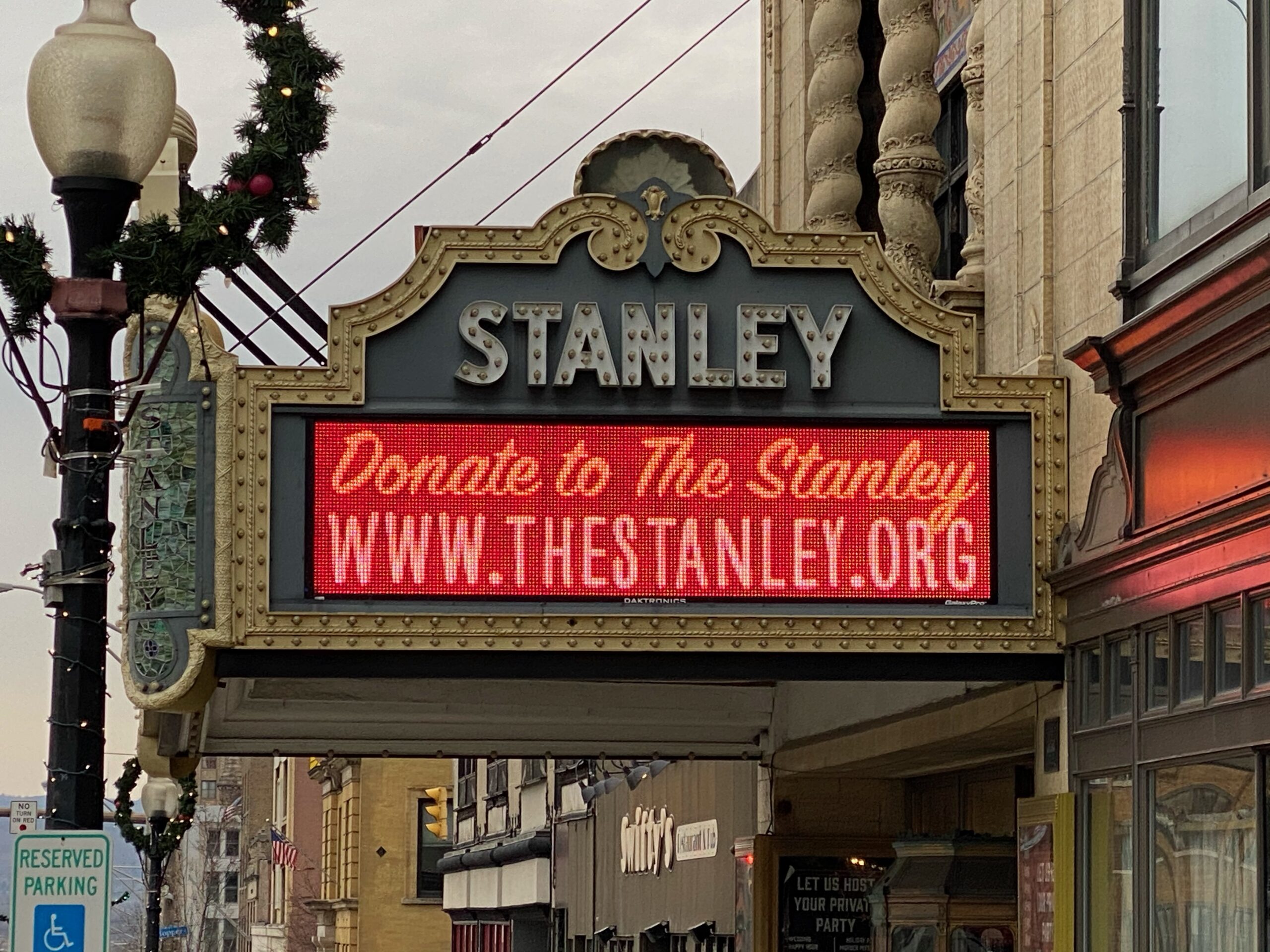
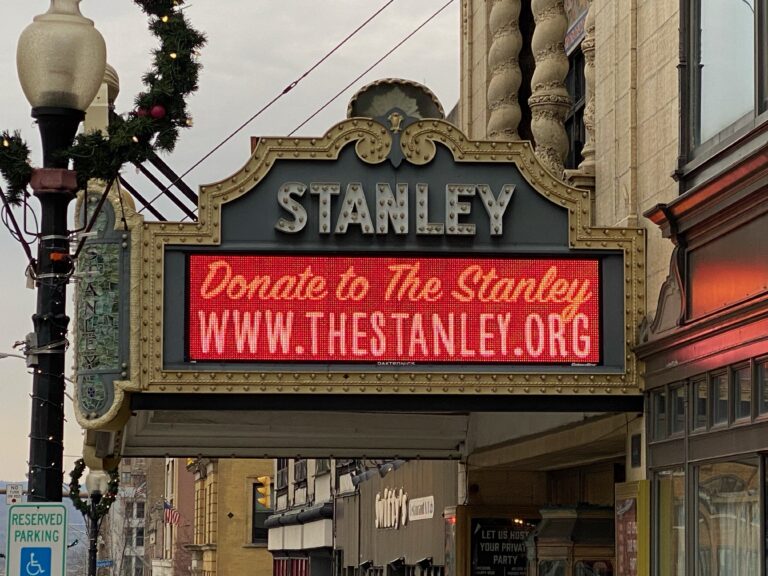
We start this month’s photo gallery series in Central New York at The Stanley Theatre. Visit NIVA to find out how you can help venues across New York, and the country. We need to #saveourstages and preserve live music for when this is over.
Named for Chilean street dogs, the music of Quiltro is a tribute to the street dogs living in the Andes village of Farellones. Hearing howls during nights spent in those high Chilean mountains is birthplace of Quiltro’s music.
The trio collaborated with Eric Segalstad at Sabi Sound in Colchester, VT to record their debut, which has the feel of a soundtrack for a dystopian sci-fi film that has yet to be made.
The emotional journey found through the album will set you at ease, wake you up, drive you into a groove and leave you looking to replay the debut immediately after. Peaks and valleys are found throughout the nine-track album, fitting perfectly into the ups and downs of the real world.
Quiltro brings together a range of sounds, influences, and emotions through band members Mark Taylor (guitar, keyboard), Mike McKinley (bass) and JD Hoffmann (drums), creating a psychedelic wall of sound that brings to mind Neal Casal’s Circles Around the Sun. Quiltro is quite simply excellent modern psych rock.
The tracks flow into one another, with an overall ambient, lo-fi feel – with a touch of Reznor & Ross sprinkled in. “Knight Riding” channels Pink Floyd’s “Astronomy Domine,” while “Apollo” has a haunting presence in the vein of Lespecial.
Bassist McKinley, a native of Albany, sets the tone on “Dark Matter” with a driving bass intro, then shifts into a melodic groove on “In Reverse” with Mark Taylor’s ambient guitar shining. The two final tracks, “Antilla” and “Field of Cities,” build up slowly from their valleys to peaks. You don’t realize you were climbing until you summit. The journey that Quiltro’s debut takes you on is one that Circles Around the Sun fans will find easily accessible and keep you coming back another round.
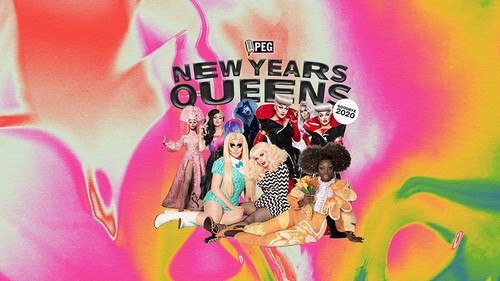
On New Year Eve, Producer Entertainment Group (PEG) will host PEG Presents “New Year’s Queens: Goodbye 2020,” with the top sixteen artists from RuPaul’s Drag Race to count down the wild year. Sessions Live will stream the concert event on their website. PEG is a management and creative company behind the world’s biggest drag queens and LGBTQ artists. The broadcast will livestream the countdown from New York and Los Angeles on December 31 at 3 p.m. PT/6 p.m. ET on the Sessions Live platform.
The 11-hour event will be hosted by Miz Cracker & Peppermint (New York City), Alaska & Bob The Drag Queen (Los Angeles), and Trixie Mattel & Katya (Los Angeles). The following New Year’s Eve performers include BeBe Zahara Benet, BenDeLaCreme, Boulet Brothers, Divina De Campo, Ginger Minj, Jinkx Monsoon, Jujubee, Manila Luzon, and Sharon Needles.
We are thrilled to be the exclusive host for The Marathon New Year’s Eve Livestream. This promises to be the most interactive, most global and certainly the most colorful party across every continent and every time zone to ring in the new year. Audiences everywhere will have the opportunity to enjoy and engage with a talented lineup of drag artists from around the world.
Tim Westergren, Co-Founder of Sessions
RuPaul’s Drag Race is a competition show that crowns “America’s Next Drag Superstar” through unique challenges each season. RuPaul along with Michelle Visage, Carson Kressley, Ross Mathews, and other celebrity guest judges measure each of the contenders. RuPaul’s Drag Race has won a total of 19 Primetime Emmy Awards, including six this year including “Outstanding Host For A Reality Or Competition Program” and “Outstanding Competition Program.” The 12th season of the show concluded this May with Jaida Essence Hall as the winner. Ticket prices for “New Year’s Queens: Goodbye 2020” start at $39 with interactive VIP Package options with 11 out of the 16 artists from the show.
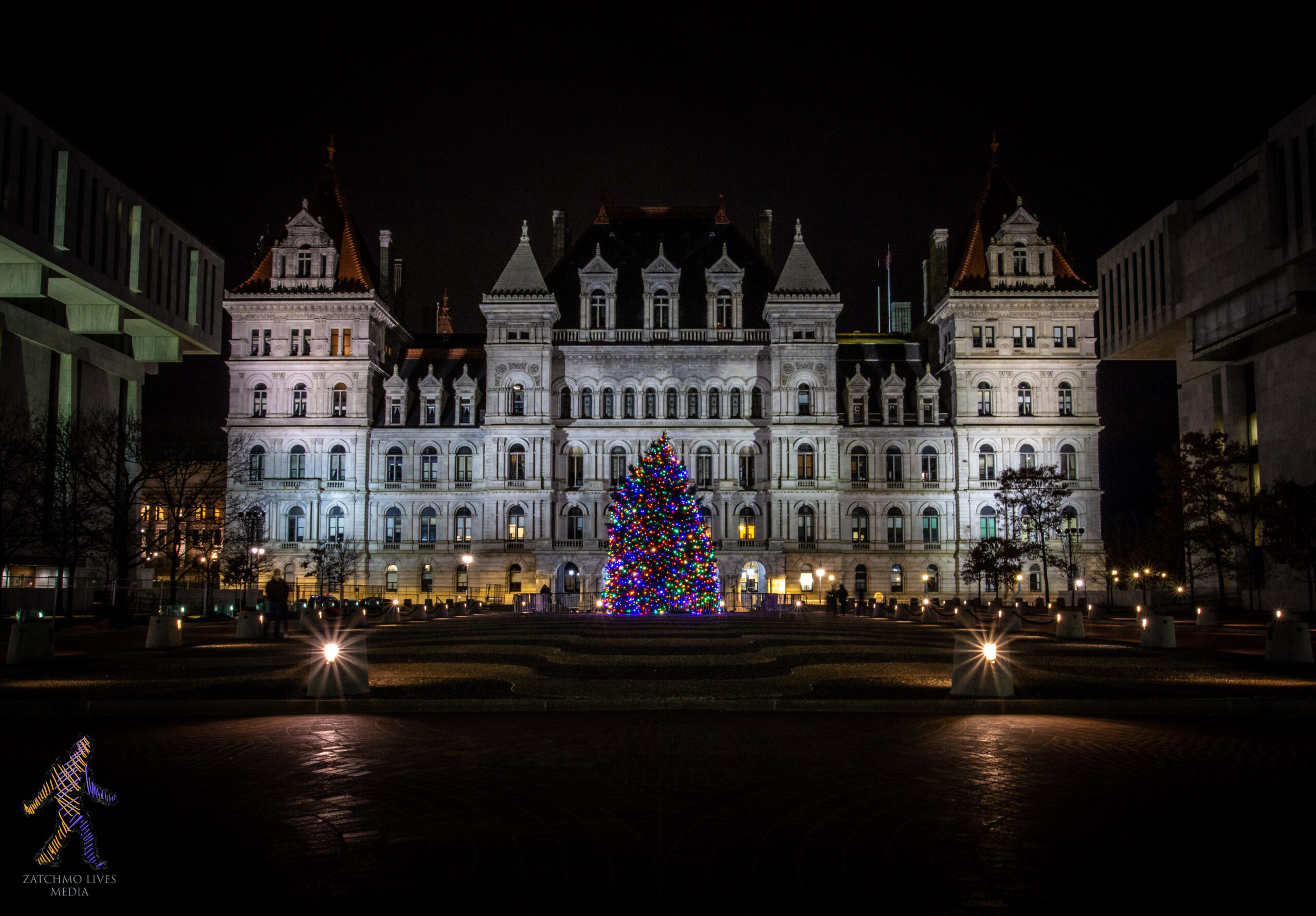
Non-for-profit venues across upstate New York call for aid from Governor Cuomo and their state elected leaders during the COVID-19 crisis. They are calling for aid through their #lightsUPstateNY initiative, trying to bring light to the hardships these performing arts centers are facing.
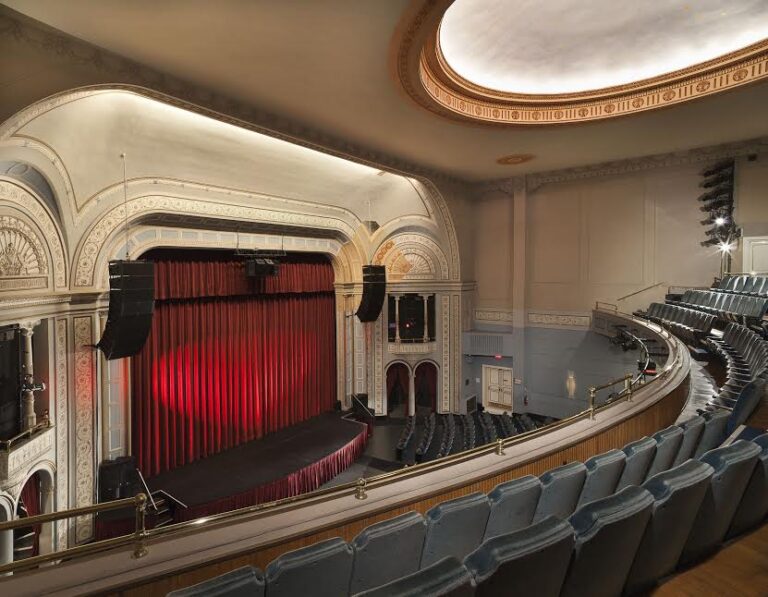
Bardavon interior photo by Tim Lee.
According to Chris Silva, Executive Director at Bardavon 1869 Opera House, the new protocols, requirements and re-staffing caused by COVID-19 will require not only time and capital, but every month these closures continue the costs of these eleven venues add up to a collective $1,500,000 dollars, with no significant revenue to offset it. This is a huge amount of money to these smaller local economies. These venues hope to bring light to the reality of their dim situation, as many venues across the United States are pledged with Save Our Stages campaign.
The venues involved call for aid with the #lightsUPstateNY initiative are: The Bardavon in Poughkeepsie, UPAC in Kingston, Shea’s Performing Arts Center in Buffalo, RBTL’s Auditorium Theatre in Rochester, Smith Center for the Arts in Geneva, Landmark Theatre in Syracuse, Stanley Theatre in Utica, Proctors Collaborative in Schenectady, Palace Theatre in Albany, State Theatre in Ithaca, and the Clemens Center in Elmira.
These venues estimate the cost to reopen themselves, if a spring 2021 opening is possible, will be at least 15 million dollars – more if the “pause” caused by COVID-19 continues. As a group they bring over 250 million of collective, local economic impact to Upstate each year, which has come to an abrupt halt.
Silva explained the reasoning behind the union of #lightsUPstateNY initiative saying, “The large theatres of Upstate so often share similar realities. As we think about our restarts sometime in 2021, we decided to come together to speak with one voice about our needs and challenges as we get back to being at the heart of our cities and communities.”
All of the venues involved operate as 501(c)3 non-profit organizations – committed to serving their communities – and have worked together to create a network across Upstate for bands and theatrical performances to take place. They do this by offering a variety of live entertainment for all audiences, including concerts, comedy, dramatic and family events, as well as offer a mixed-use space for local performing groups, graduations, recitals and other presentations.
The hope of #lightsUPstateNY is to bring awareness to the dire need these venues are experiencing, while also calling on Governor Cuomo and their state elected leaders for aid.
From La Bamba to Kiko, having gone Disney and recording a holiday album, Los Lobos has been around for nearly half a century and continues to break new ground with their blend of Tex-Mex, country, R&B, rock and roll, and traditional Mexican songs. Louie Pérez, drummer, guitarist and lyricist for Los Lobos has faced the struggle of the music industry shutdown, but looks forward to “Still Home for the Holidays” livestream from Belly Up Tavern in Solana Beach, CA on Friday, December 11 at 10pm ET/7pm PT.
In 2019, Los Lobos released Llegó Navidad, a Latin Christmas album recorded in Los Lobos’ home in East Los Angeles, featuring Spanish-language holiday songs. Translating as “Christmas in here,” the first holiday release from Los Lobos continued to demonstrate the versatility of a band well-versed in mixing rock n’ roll with blues, folk, soul and traditional Mexican music. Instead of relying on over-played seasonal standards for Llegó Navidad, Los Lobos and friends researched and collected nearly 150 different traditional (and not-so-traditional) Christmas songs from North, Central and South America.
Los Lobos (L to R) – Louie Pérez, Conrad Lozano, David Hidalgo, Steve Berlin, César Rosas
Pérez talked with NYS Music over the weekend about the current state of writing with bandmate David Hidalgo, how venues and bands are faring at this time, and the legacy of Ritchie Valens.
Pete Mason: Louie, thanks for speaking with NYS Music today. How have the past nine months been for you and Los Lobos?
Louie Pérez: We’re just kind of dealing, have had quite a break you know, I guess this break is kind we’ve all been needing for a while, but what a terrible way to get it.
I’m dying to get back on the road again, but it’s just kind of very surreal at this point. It seems like a life I had a long time ago. It’s only been seven or eight months now I guess. I don’t know what to expect, that’s another conversation we can have another time, but I don’t know what the future of live music is going to be. It can be different that’s for sure. I’m hoping that we can still get some solutions for next year so that we can get back to live music, especially because there’s only so much we can stream, I think, at the end of the day.
I don’t know what the future of love music is going to be really. Nobody’s got an answer yet and hope we have some in the spring because with a vaccine out there, there’s got to be some ways we can have shows. I don’t really know what the face of live music will look like in the future. I can’t see it being back to our old normal.
There’s love for the musicians out there, I think their careers evaporated overnight. For myself, I was leaving on a Friday morning for Colorado, we were gonna do a run of shows for a week there. And at 10 o’clock in the evening my wife walked in and says “I’ve been watching the news all night. You better check with your roadmaster but look what’s going on.” I was scheduled to leave at 6 in the morning so I called our booking agent and he called back and it all went away. It was all gone. That was the last thing I heard about that.
When something like this happens, it feels so cataclysmic, you can’t help the banality of the whole vibe as just so, so strange. It just feels like it’s the end of a time concert, especially for musicians. It’s been really hard time for a lot of musicians, we’re okay, we’re getting by, we’re all right, and I’m glad my wife and my kids are safe. And, and that’s all we can do at this point.
PM: Working with up and coming musicians from across New York State, we see it, we hear it and know the reality some bands are facing: looking into other alternatives, taking studio time, hoping to stay afloat, until we can have music back.
LP: Yeah, it’s good to know that the community, the sense of community is there for musicians. I think all of us in general, we just put our nose to the grindstone. We do what’s right in front of us, as musicians, we get a gig here, a musician gets a studio gig, or a guy gets a road gig for a couple of weeks. However it works, we do what’s in front of us, and there’s some crosstalk obviously, between us, but to know that when things get as bad as it has gotten, that there is a community that we can look to and there is support among all of us to try to help each other out. That’s the good thing, the only thing that I think that we can skim off the top of this pandemic, is that we realize that, that there is that sense of family and community. Especially at a time where we’re united, it’s just so at risk of disappearing lately. Let’s see what happens after, after February.
PM: I’m hopeful for what happens in January, because we’ll be able to get some relief. So we have that and a lot of local music venues are going to be able to breathe a little bit easier with the passage of the RESTART Act, but they’re not out of the water even then. Hopefully there’s more long term change. So all the local musicians can make it because big bands don’t become big bands overnight. They start out small.
LP: Yeah, that’s right. I was just reading a pretty interesting piece. Not a lot of revelations and things that we know as musicians. This is a piece in The New Yorker a couple months ago that is a pretty good piece to talk about, art in the digital age and really kind of the nuts and bolts of what really goes on in the gig economy as far as musicians go, and how really, a lot of us are very fortunate and a lot of us are just in there just trying to get by.
PM: So with your holiday stream on Friday, Los Lobos researched the songs to include on your holiday album Llegó Navidad. How did the Christmas album come together and what will we hear on the stream this week?
LP: Well, it’s the first time we’ve ever done a Christmas record. In all of the years that we’ve been together. We just celebrated this past Thanksgiving 47 years as a band. So the first time we ever can say, ‘Well, this is way overdue.’ And then in looking around for a studio to record it in, we discovered a studio in East Los Angeles where we grew up. So we’re really going home for the holidays on this record, which would throw a really interesting spin on this thing, and we spent a good part of a few months in the studio in East Los Angeles, literally around the corner from where my mom would pay our utility bills at the 1st Street grocery store. That’s how personal it was, and it was great.
We had a couple people, one on the East Coast and one on the West Coast, do a search and curate so we can get all the songs together. We spent a few days just going through material and ended up with the songs, it’s a Pan-Latin record. At first I gave this a lot of thought of all the Mexican Christmas songs but it just was stunning how many songs and Christmas music there is all over the place, all over Latin America so we have quite a few to choose from. and that’s how it went together and it was really well received and we toured behind it around the holidays last year.
We just got this idea that everybody’s been doing these festivals online and we’ve thought ‘Well, let’s do one ourselves.’ We got all our friends together and we’ll put something together and we’ll have a bunch of bands contribute songs and it’ll lead to us headlining the live stream. We’ll do a lot of the Christmas songs so we can pepper in a lot of popular songs as well from throughout the catalog.
It’s quite a lineup. We’ve got Southern Avenue, John McCauley of Deer Tick, Greyhounds, and Los Cenzontles, which is a great group from the Bay Area. They have a cultural center where a lot of young kids come to learn about music with their culture, which is Mexican culture so they’re going to do some traditional songs. So we got all this rock music, we get some traditional music thrown in there, and we have a group that is going to be doing some traditional music but more electrified, so it’s a great mix. A friend of ours, Gilbert Guerrero, he’s going to be our emcee. They’re really looking forward to it. It’s been fun putting it together, and of course I have to mention that it had some hair pulling, and here we are down to the wire. It’s gonna be fun.
PM: For Eastcoasters, where is Solana Beach in relation to Los Angeles?
LP: South L.A., on the way to San Diego, it’s a great vibe. It’s kind of a roadhouse venue. And it’s where people just kind of show up. The Rolling Stones actually did an unannounced show there a few tours back. It’s a really great room that people love and it sounds great. We did one there and they have a good crew and facility that worked with our people to get this livestream happening and try to make it as seamless as possible, because it is not easy doing these live streams. And if they’re live, if you get some kind of dropout somewhere, there’s nothing you can do about it live, like live television used to be in the ‘50s
PM: There’s a raw aspect to it that I enjoy because we see a lot of local bands that are attempting it, and I think they were the first to jump in because they were more needed, and the bands that are up a level and more established, they have their cache of videos they can they can air and plan something more professional and take care of more folks because they can bring in lighting and sound.
LP: These gigs that we’ve been doing virtual, we’ve been doing some since July. We did Philadelphia Folk Festival, Hardly Strictly Bluegrass, and it’s a weird thing. We show up at the studio, we do a 45-minute set for this gig, and then we do 30 minutes separate for some other gig, and then we do four songs for this; we pretty much work from two o’clock in the afternoon to eight or nine o’clock in the evening. And by that time we’ve already done half a dozen gigs. Then we just set them all up. We used to joke about phoning it in and that’s exactly what we’re doing now. That’s what everybody’s doing.
PM: You’ve been writing with David Hidalgo since high school. How has your writing evolved, particularly in the last year, given that you may not see him as often. Has there been any alteration to your writing method?
LP: As far as the pandemic is concerned, in COVID times, it just doesn’t exist, we haven’t really worked on anything. To begin with because we work and tour so much, we work on so many other different projects that we can write on demand when we have a new record, then at that point, we go into writing mode. I’d like to say we’re writing all the time, but the fact that we work so much, the notion of going back to the hotel room to write a song, it’s just nuts. You can’t do it. And then to get home for such a short amount of time, we just completely immerse ourselves in family and things that we need to do. So we rarely get a chance to write songs when we’re not making a new record.
But in the years sinceHow Will the Wolf Survive?, the idea of sitting together in a room and writing together, it just doesn’t happen that way, we do it by correspondence now. It’s just unnecessary because of the fact that our time is at such a premium. I am the lyricist and he’s the musical component; yes, we split up the chores that way, but there’s more dialogue than that. To call him just the musical side and my separate lyrical side, that would be discounting ourselves, because we are songwriters any way you look at it, and ultimately we do go through everything, before we present it to the band. That’s the only thing I think that’s changed over the years, it’s just a logistical thing because we just don’t have the freedom of time. I can’t think of anything that I enjoy more than sitting down and working on a song and writing, but you just can’t get to them.
PM: I did want to ask about La Bamba, because I, like many others, discovered you because of the movie. I think what caught me off guard more was not only that Ritchie Valens was so young, but he was very influential and you guys really kept his voice alive. I don’t know if we’d be listening to his music as much if the movie hadn’t been made, since for a generation, that was the first introduction to his brief but important career. Los Lobos continue to celebrate his music and Chicano music. How do you look at Valens after all this time?
LP: Rolling way back to when we were kids, we were into music. We would buy 45s and I just remember that “La Bamba” was always part of that stack of 45s that showed up at like a backyard party or something. I didn’t really understand as a young kid or an early teen the importance of who this was, until probably about the time the band formed in 1973. He went hand in hand with this Mexican-American renaissance, a Chicano movement of us Mexican-American kids who grew up here, were born here and pretty much homogenized to American culture, that we had this renaissance, where we all kind of discovered our culture.
Ritchie Valens was the musical thing that just goes along with the traditional Mexican music and floated to the top, so everybody discovered a lot of things about musical heritage. He was an important figure then, and after about 10 years of being a band that played traditional Mexican music, we found ourselves playing electric music again in the punk rock clubs in Hollywood, and “Come on, Let’s go” and “La Bamba” were no brainers, they just became part of the set. Of course, when we would play it back then, in punk rock clubs in basements of Hollywood neighborhoods, we’d crank it up and we played it way too fast.
What finally happened was, we got offered by Ritchie Valens’ family, they presented the idea of making a biopic movie on his life. They asked for us and we said OK, we went into the studio and the rest is history – a traditional Mexican song became the number one hit around the world. It’s quite a statement, and at the same time, that your band became a household word. Now Ritchie is where he deserves to be and what we all continue to do is try to keep that legacy alive. He’s as important a figure as Elvis, Chuck Berry, Buddy Holly, all of those; he just fits right into the short 17 years that he lived.
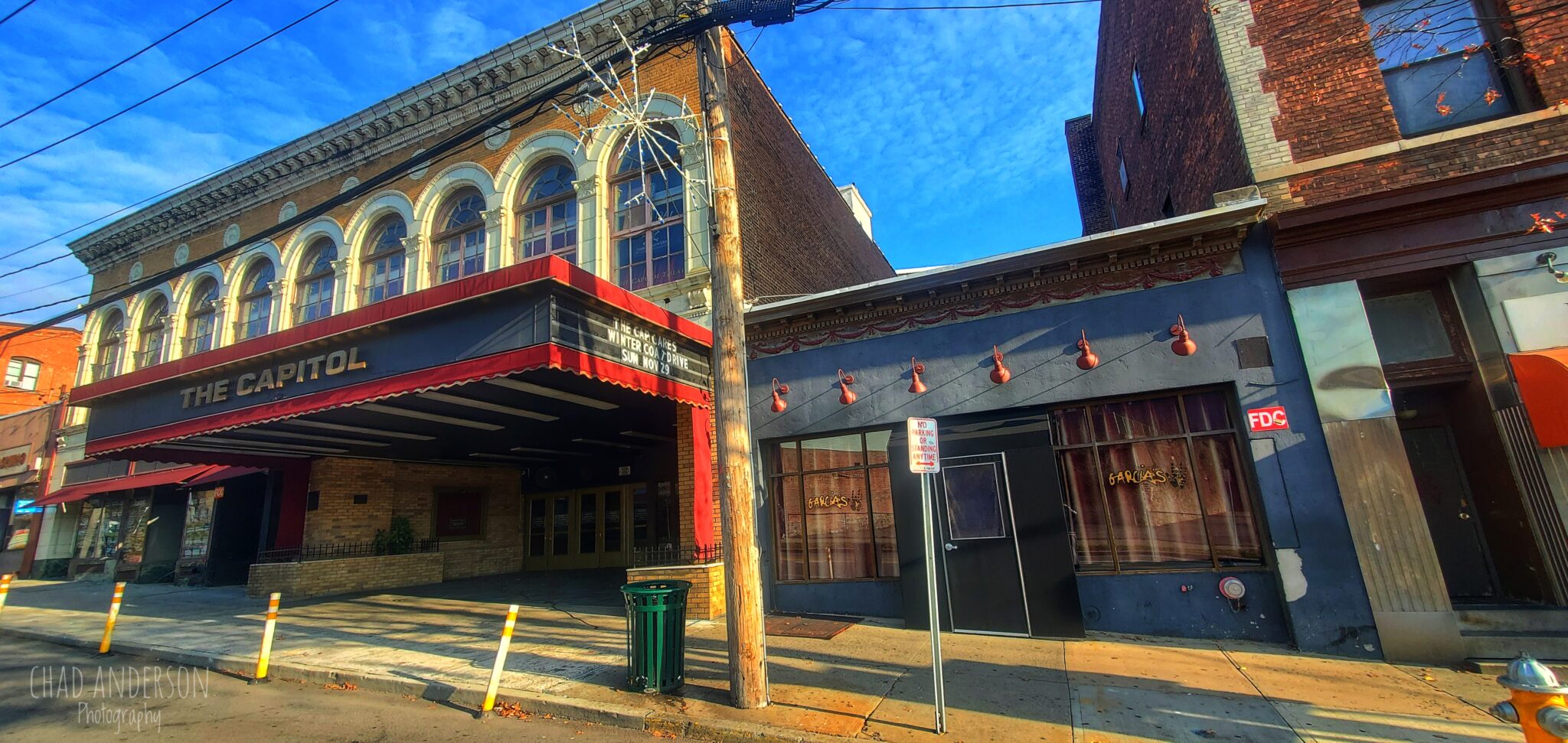
This coming week marks the start of Hanukkah, and once again Matisyahu will bring his famed ‘Festival of Light’ shows to fans, through FANS, on December 10, 11 and 17. The performances will take place at The Capitol Theatre in Port Chester and will be streamed on FANS.
Matisyahu’s Festival of Light shows are an annual celebration and some of the most notable performances of his career. Each end-of-year celebration spreads the traditions and light of Hanukkah, sharing the holiday in a relevant way to both Jews and non-Jews alike, and an universal experience that transcends themes of peace and prosperity.
The streamed event is billed with each night featuring classic, show-stopping hits, and the powerhouse ballads and powerful energy that Matisyahu is known for. Meet Matisyahu beneath the glittering dreidel-disco ball and send out good vibes to the world during this Festival of Light.
The stream is available for purchase for one or all three nights. For more information and to purchase tickets, click here.
Joining Matisyahu will be Aaron Dugan on guitar, Jason Fraticelli on bass, Rob Marscher on keys, and Tim Keiper on drums.
What makes this music so engaging and unmatched, is that Matisyahu; a vocalist with no other instrument at his disposal, is an integral creative part in the improvisation. Dugan and Yuki work well beyond the constraints of the “solo” constantly working to modulate the improvisation, while Brook’s pocket is so deep and harmonically smart, that regardless of how far the melodic elements of a jam may get pushed, it’s impossible not to feel rooted to the core of any tune performed.
Matisyahu allows his band to breathe within each tune, finding his place with a wordless melody that serves to enhance the harmonic elements of an improvisation, developing the rhythmic ideas with his beat boxing, or crowning a jam with a full-on lyrical call-to-the-heavens and the great unknown. It’s that cathartic moment as a jam summits and the audience lets out its release that tells the performers we are all in it together.