“A Spirit,” a melodic jazz single by Buffalo’s Donny Frauenhofer is the latest quarantine composition from the Intrepid Travelers frontman.
Frauenhofer plays piano on “A Spirit,” and also handled production, mixing and mastering. Colin Brydalski plays bass and behind the drum kit is Isaiah Griffin. Support these musicians through Patreon, and read below for Frauenhofer’s take on “A Spirit.”
This composition is one that I’m most proud of. I wrote it in one night during the quarantine, and the name comes from the sensation of being alone, but not feeling alone. Whether you call it a muse, a ghost, a spirit, a god, a manifestation of your own subconscious – sometimes things that seem separate from ourselves visit us to deliver a message. I’m not interested in the explanation of why or what this sensation is, but rather communicating the sensation itself. This song is both the product of that, and expresses that feeling.
This past week, the U.S. Department of Homeland Security announced a considerable fee increase to the touring visa for artists by the end of 2020.
DHS proposed the fee increase last November and it takes effect in October. There are two types of visas involved in this increase. According to NME, O visas are for “individuals with extraordinary ability or achievement,” while P visas can be used by family of those individuals.
The O visa rate will increase by 53%, going from $460 to $705. On the other hand, the P visa will decrease by 51%, making it $695.
To Matthew Covey, an immigration attorney for the nonprofit Tamizat, this fee increase is extremely damaging for most arts institutions.
“The bigger problem is that [Immigration and Naturalization] and later USCIS adjudication of the O and P regulations has become so arbitrary and onerous, that most arts institutions have been forced to hire attorneys to manage the process for them. As such, presenting performing artists in the U.S. now comes with massive legal costs which are — in our opinion — a catastrophic financial impediment to cultural exchange.”
Matthew Covey to NPR
The U.S. Citizenship and Immigration service said that “the current fees do not recover the full cost of providing adjudication and naturalization services.”
Because of all regulations on a foreign artist touring visa, many music groups have been deported or denied. This, in turn, can be very problematic for future groups abroad that hope to tour the U.S.
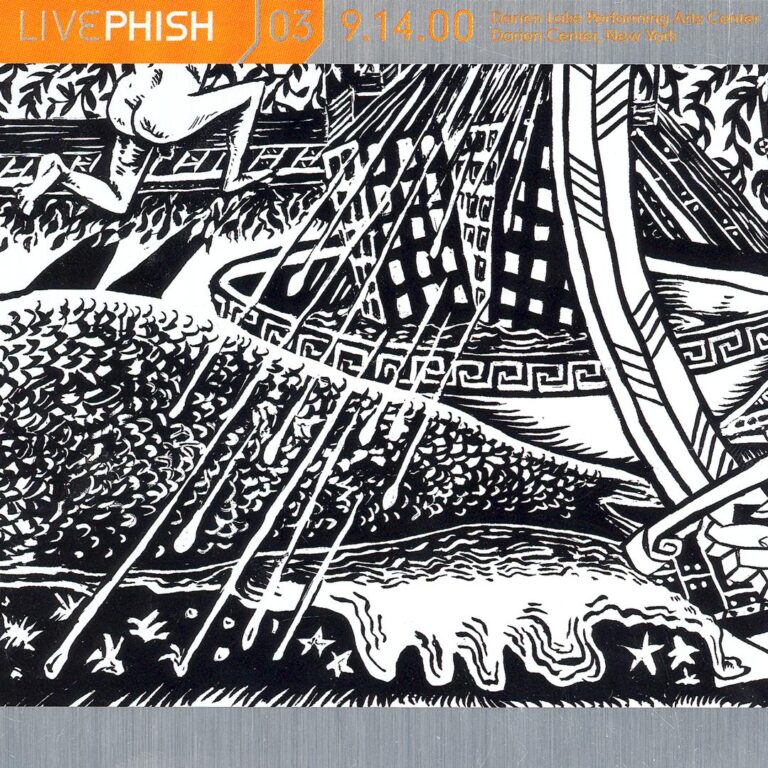
Twenty years ago, on September 14, 2000, Phish performed to a rain-soaked crowd at Darien Lake Performing Arts Center. The last stop in New York on their Fall 2000 tour, this show would later be released as Live Phish, Vol. 3 in Septmeber, 2001.
Art by Drew Suto
This was also Phish’s last show in New York until December 31, 2002 at Madison Square Garden, which ended the band’s hiatus that began on October 7, 2000. The band played six shows in the Northeast on their Fall 2000 tour, as they headed to the Midwest and, eventually, the West Coast to cap off their first 17 years as a band and take a much needed break from the road. The Darien Lake show was the fifth of these shows, and major storm be damned, fans flocked to Western New York in search of one final taste of Phish for the foreseeable future.
In releasing this show just a year later, as part of their then-new Live Phish series, it certified the excellence in playing throughout the show. Trey Anastasio spoke to Relix Magazine in the August 2001 issue and referenced the show’s inclusion in Live Phish.
There are also three shows from 2000 in the series. Page and I picked one of them because it has this version of ‘Carini’ that I’m convinced is the greatest version of all time. I’m not convinced that it’s the whole greatest show of all time, but I love this version of ‘Carini.’ I also like the song list, because if you didn’t like Phish and you heard this set, it would be very interesting. There’s ‘Punch You In the Eye,’ ‘Reba,’ [Neil Young’s] ‘Albuquerque’ and ‘Carini.’ I think it sounds like such a weird band.” Trey cracks up. “Those four songs in a row? You can’t make any sense of it. The ‘Carini’ is like 15 or 20 minutes long or something. It’s a complete metal meltdown. It’s the bass and drumming in the background that I really liked. It’s really strange. Nobody’s playing the beat at all. Those guys are playing in quarter time and the guitar and keyboards are just creating this wash of color on top of this heavy booming. It’s right after ‘Albuquerque,’ which has harmonies and then this heavy metal thing. If you kind of step away from it, they’re both really odd.”
Trey Anastasio, Relix Magazine, August 2001
It had rained all day at Darien Center, and would downpour more during the show, a seemingly never-ending torrent of water from the sky. Anastasio summed up the first set well, noting a band and fan favorite version of “Carini” amid a six-song set that was capped by “The Oh Kee Pah Ceremony” > “Suzy Greenberg,” with the latter being jammed well beyond the normal confines of the set closer.
Set 2 opened with “Drowned,” apropos for the downpour that drenched the crowd on the lawn throughout the evening. Dave Calarco, aka Mr. Miner, shared his take on this hallmark version of The Who classic.
“Delving into abstract psychedelia and ambient madness, this was arguably the craziest and most “out-there,” terrorizing, and successful jams of the fall- all wrapped into one. Accessing alien atmospheres during this mind-bending excursion, this jam illustrated the ’99-’00 millennial exploration of abstract soundscapes, an element of the band’s creative direction during these years.”
After 30 minutes of “Drowned,” Phish moved onto another song originating from their Halloween musical costumes of the past, with Talking Heads’ “Crosseyed and Painless.” 11 minutes later, the mellow and rare “Dog Faced Boy” shone some light after more than 40 minutes of dark jams, followed by “Prince Caspian” and Rolling Stones’ “Loving Cup to close the set.
A unique encore followed, featuring three songs, two of which were still relatively new to the Phish repertoire – “Driver,” “The Inlaw Josie Wales” – and one of their most well known tunes, “Sample in a Jar.” The rain let up in the last half hour of the show, but spirits were far from dampened on this night. Some fans in attendance bid farewell to Phish, not knowing when the band’s self-imposed hiatus would bring them back.
The Low Beat, located on Central Avenue in Albany, has permanently closed. This marks the first music venue in the Capital District to officially not reopen due to the economic shutdown caused by COVID-19, and no relief coming from Congress.
Having opened in 2014, The Low Beat was a relocation of sorts for Valentine’s, which closed in February 2014 due to expansion of Albany Medical Center. Owner Howard Glassman oversaw both venues, both of which played host to waves of jam, punk, hardcore and indie artists who passed through the Capital Region, with live music nearly every night of the year.
photo by Sarah Winner
At Valentine’s in the 1990s, bands like moe., Ominous Seapods and more built followings that last to this day. Wednesday nights with The Deadbeats were infamous among local Grateful Dead aficionados, and those nights continued at The Low Beat with bands like Ampevene, Glass Pony and others gracing the ‘No Pepper Games’ stage.
Glassman said opening up a new venue in the wake of the closing of Valentine’s,
It’s gonna be a little different, only because it’s going to be our bar. It’s going to be our building. We can do whatever we want and not have to worry about getting kicked out. This is what I do, so this will be around as long as I’m around. I think people need to feel like they have their place. Think about all the bars that have closed. CBGB’s, Maxwell’s, think about when the Palais Royale was still open. It’s not the same (as Valentine’s) but it’s not the same for different reasons. But once we open up, hopefully the first Wednesday when The Deadbeats play, and people come in and they’re like “Ah there’s Grumpy and there’s Chris,’ and they settle in, and I think when their ass makes an indentation in the seat, they’ll be cool and say ‘Alright. This is where we’re gonna hang for the next 20 years.’ I think it’s the vibe. It’s totally a vibe thing.
March 9 was the final night of music at The Low Beat, which saw The Deadbeats perform ahead of the COVID-19 pandemic sweeping through the country and closing music venues, shopping malls, bowling alleys and other communal places of leisure.
This past weekend Glassman opened the doors to The Low Beat and invited people to come down to the venue and pick up anything they wanted before the doors were permanently closed. All Glassman asked in return was a little money to help pay off his final bills, as reported by the Times Union.
Starting Monday, September 14 from 9am-5pm, stop in and get what is left of the venue’s memorabilia, just be sure to bring your own screwdriver, boxes and cash.
When asked for his final thoughts on The Low Beat, Glassman simply said “It was never EVER boring.”
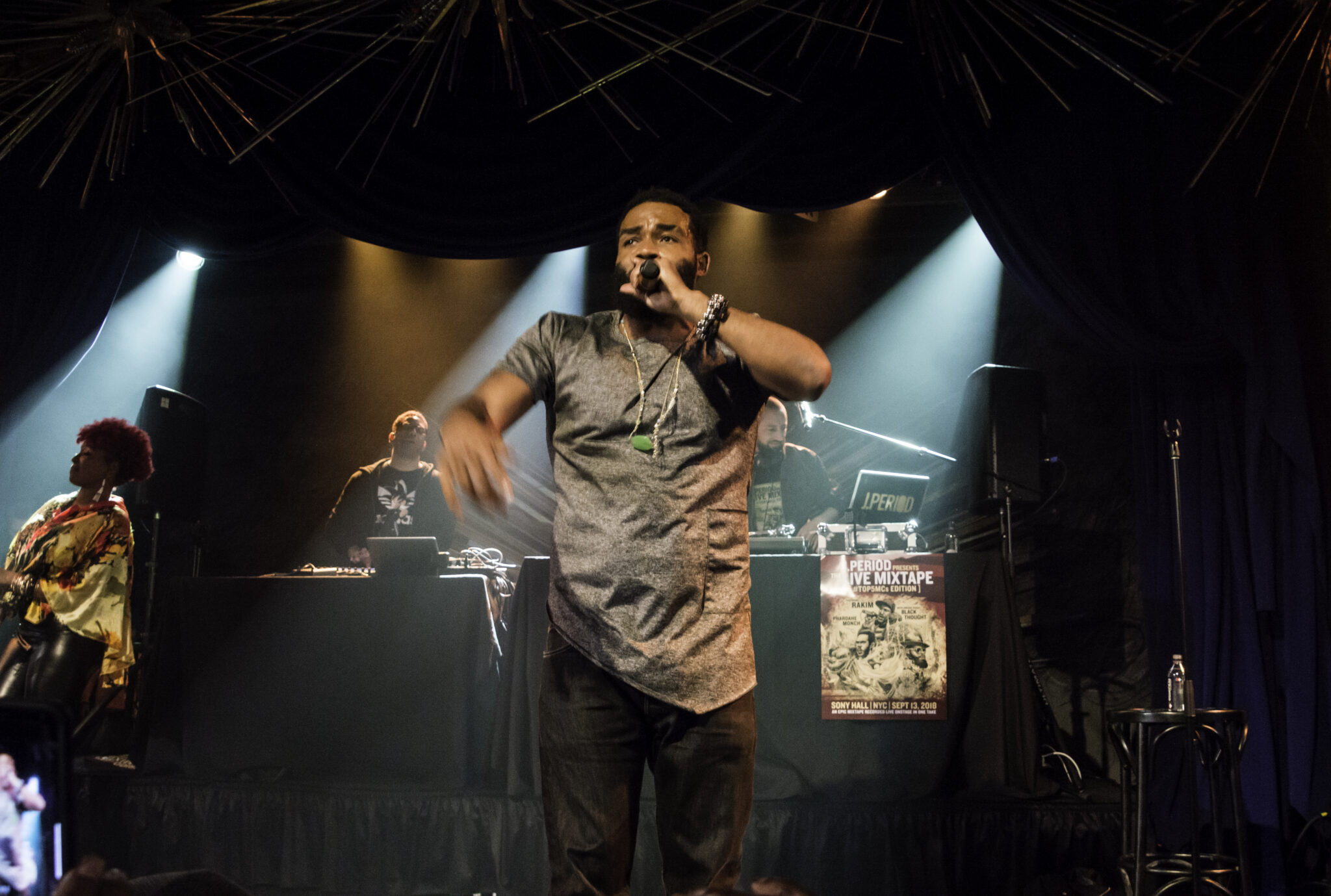
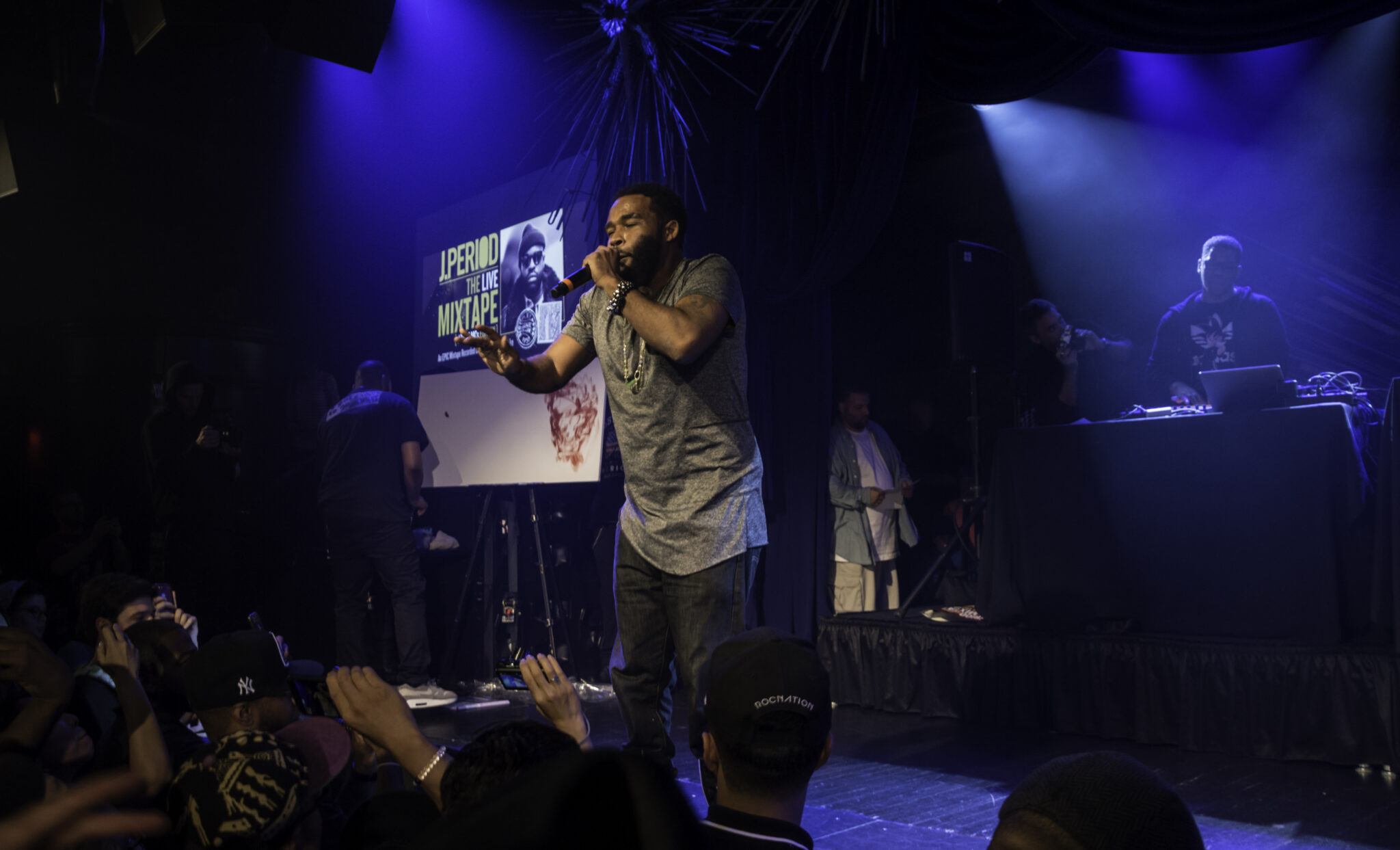
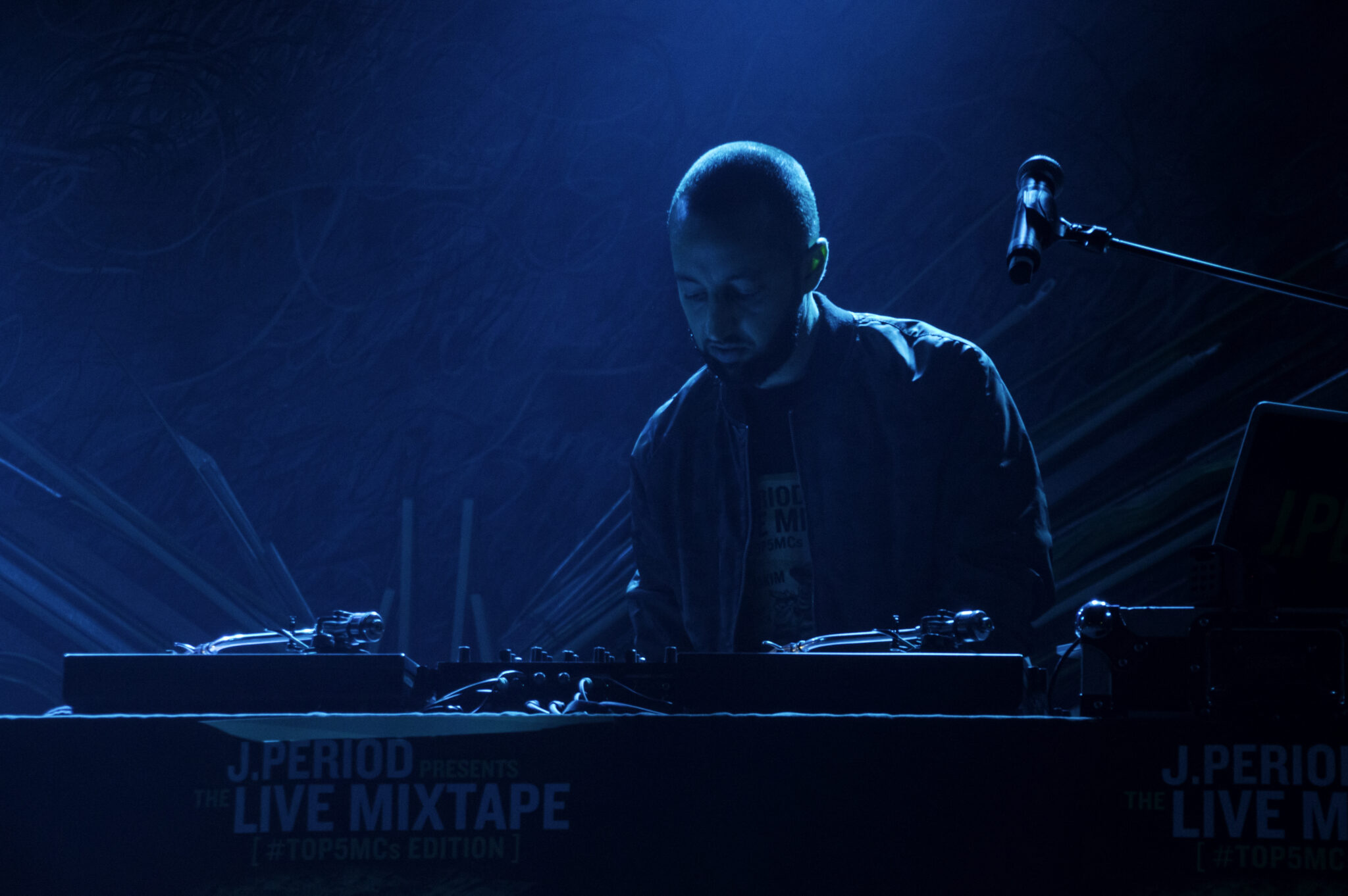
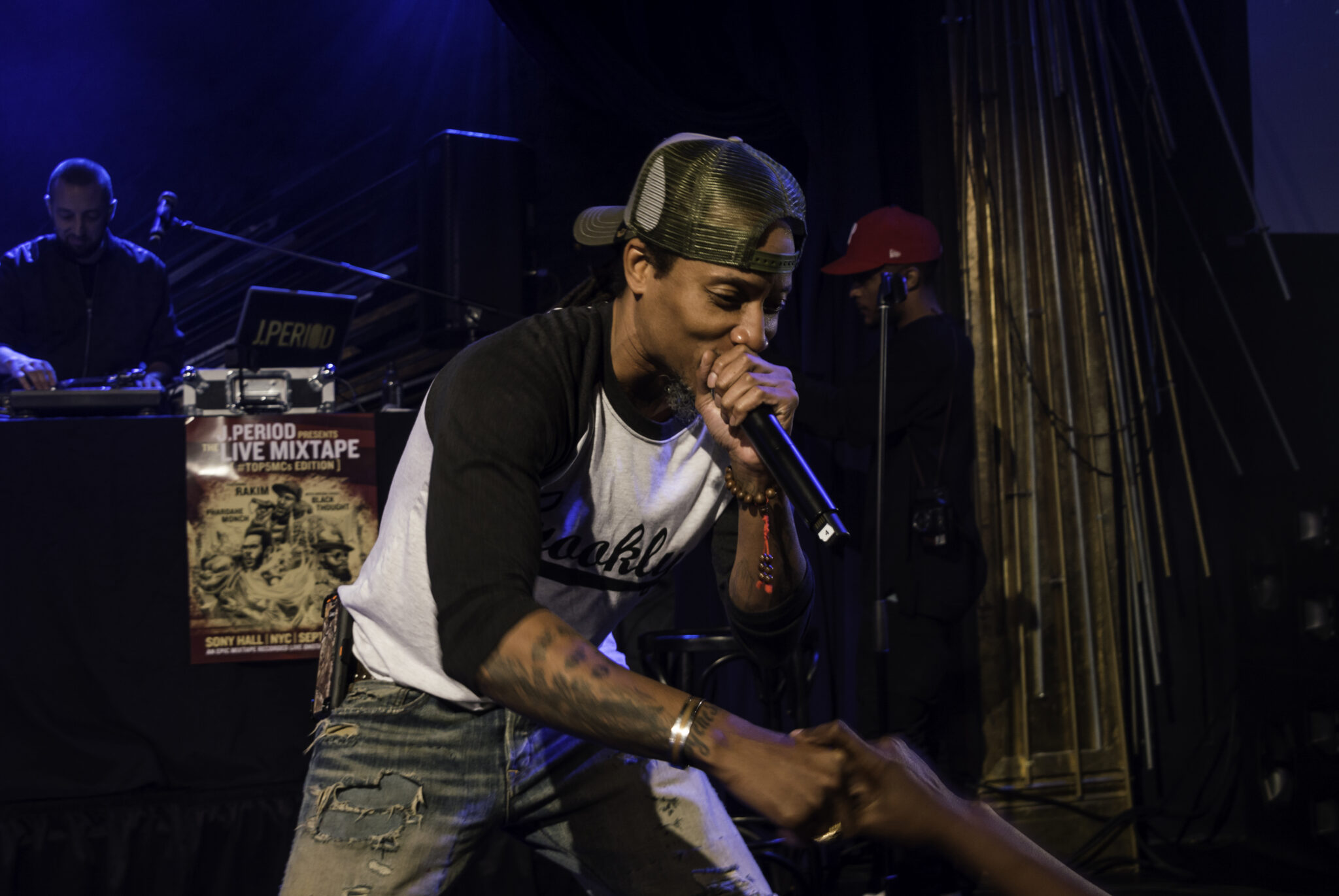
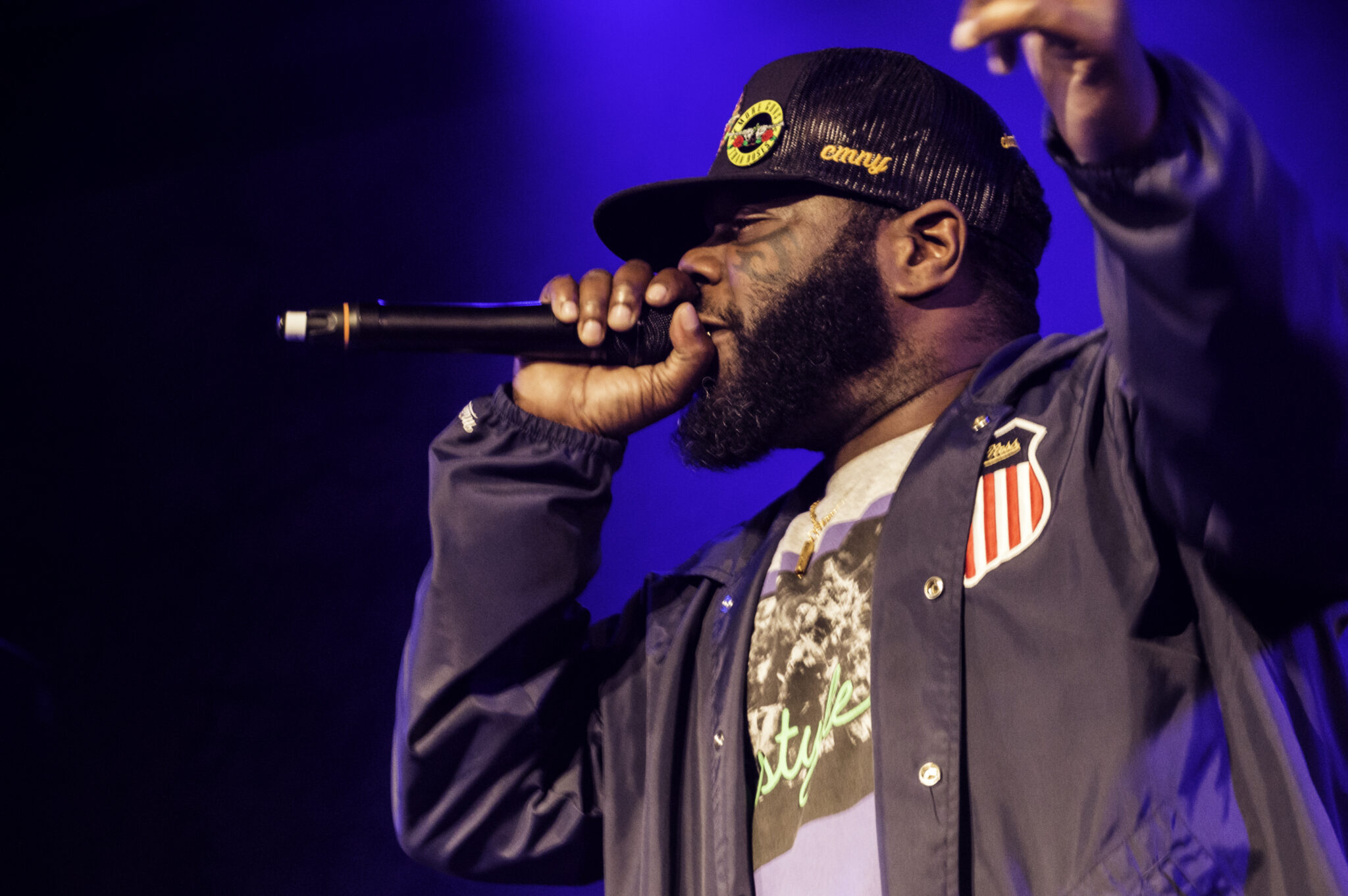
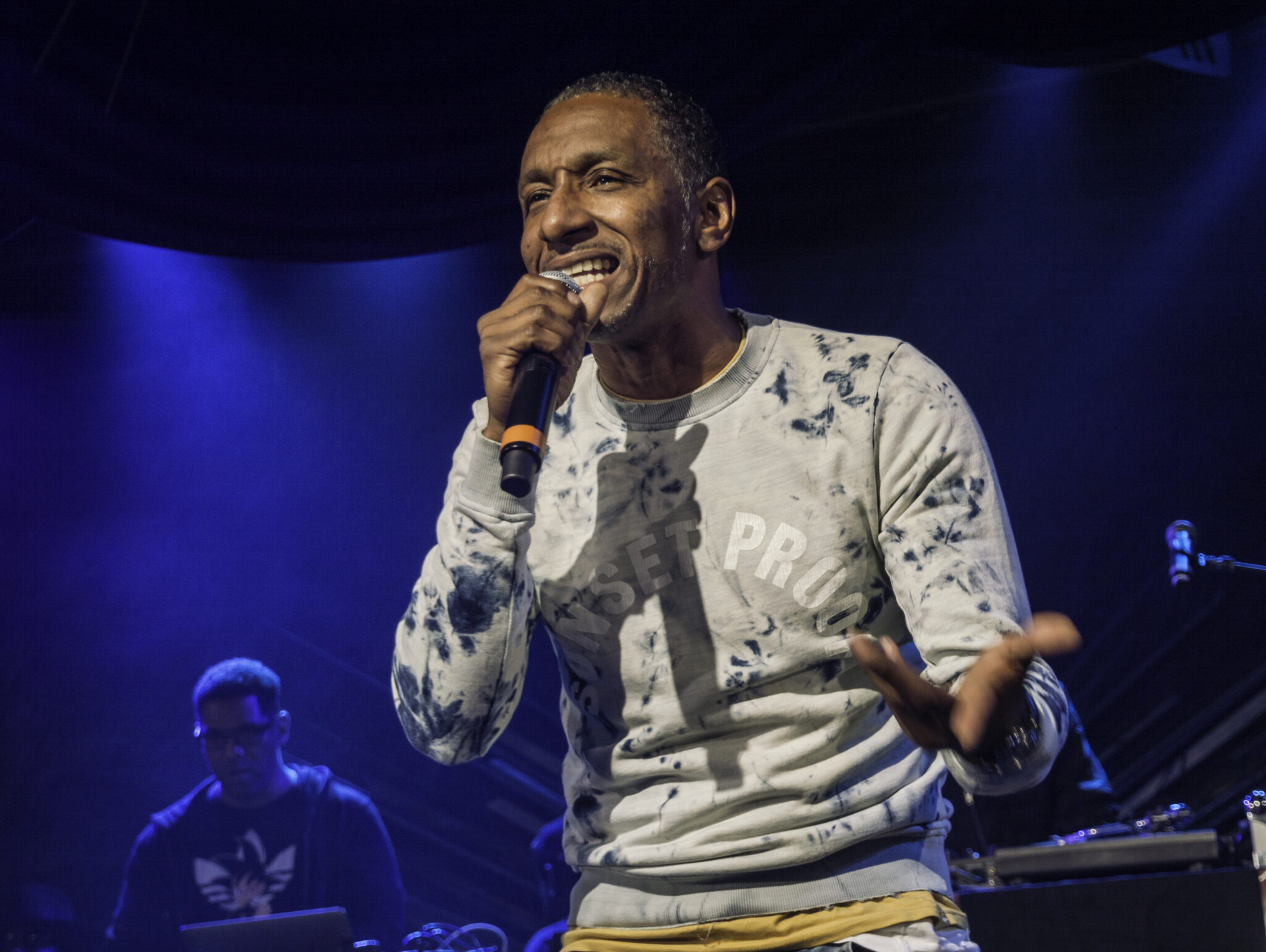
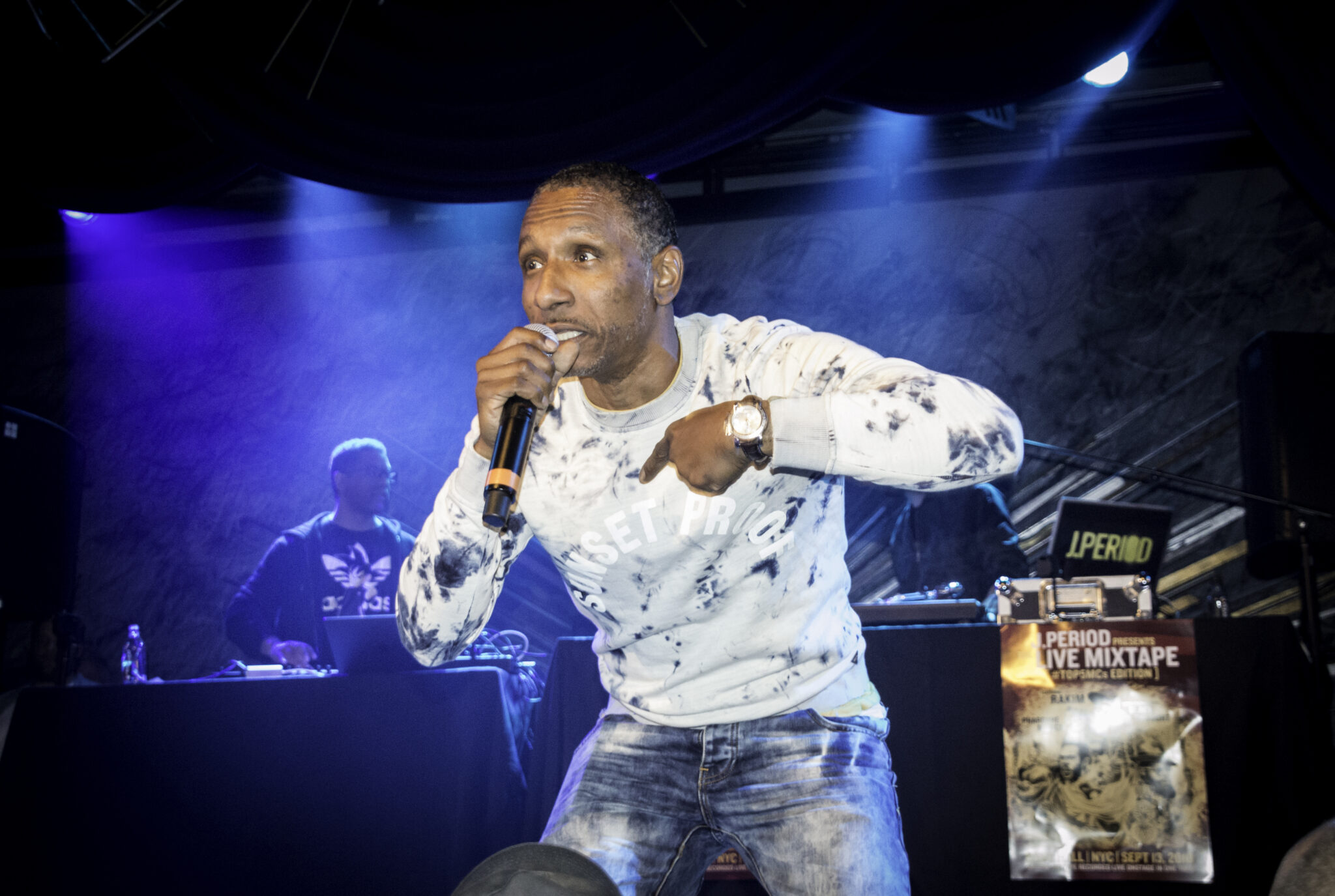
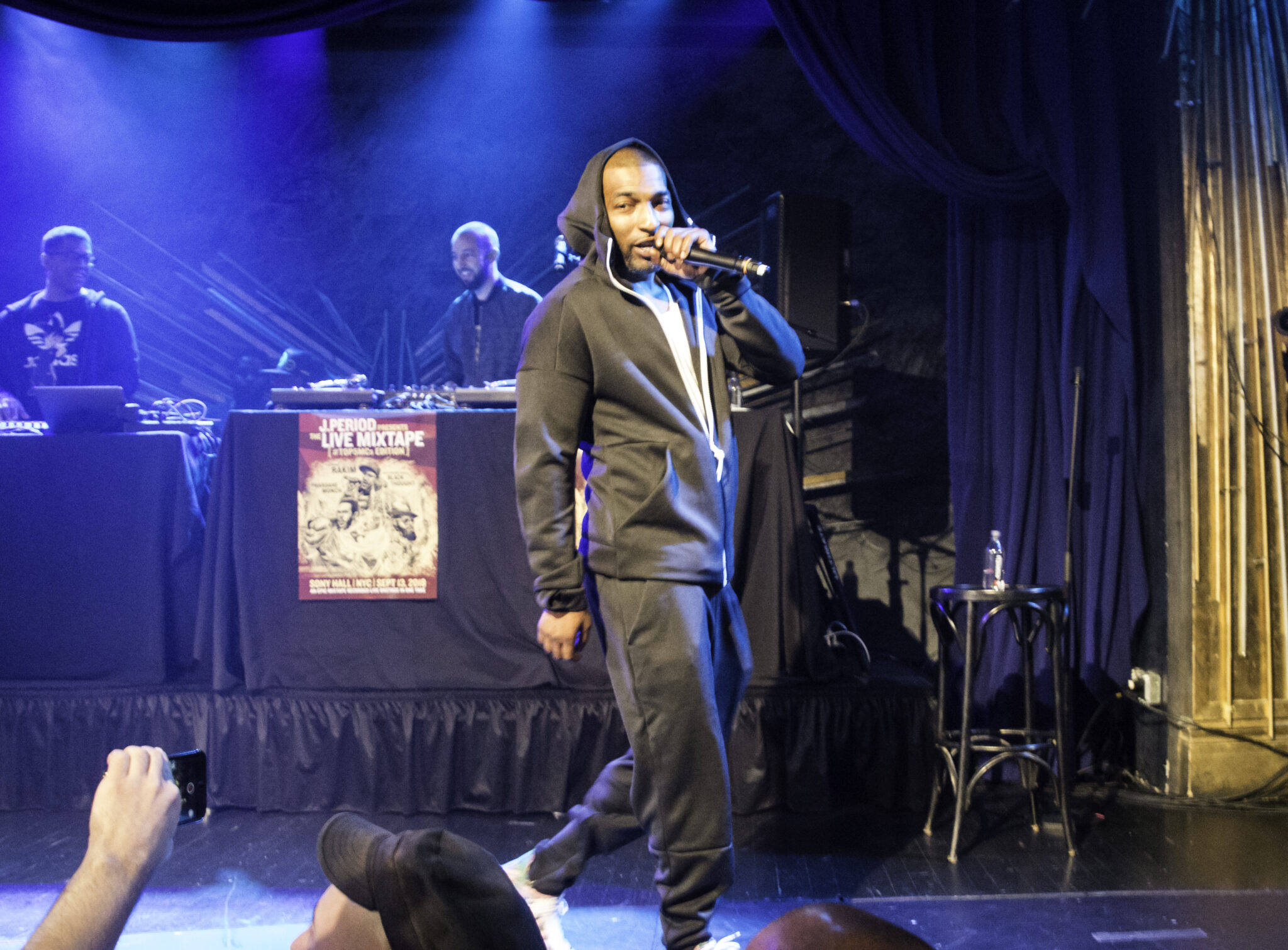
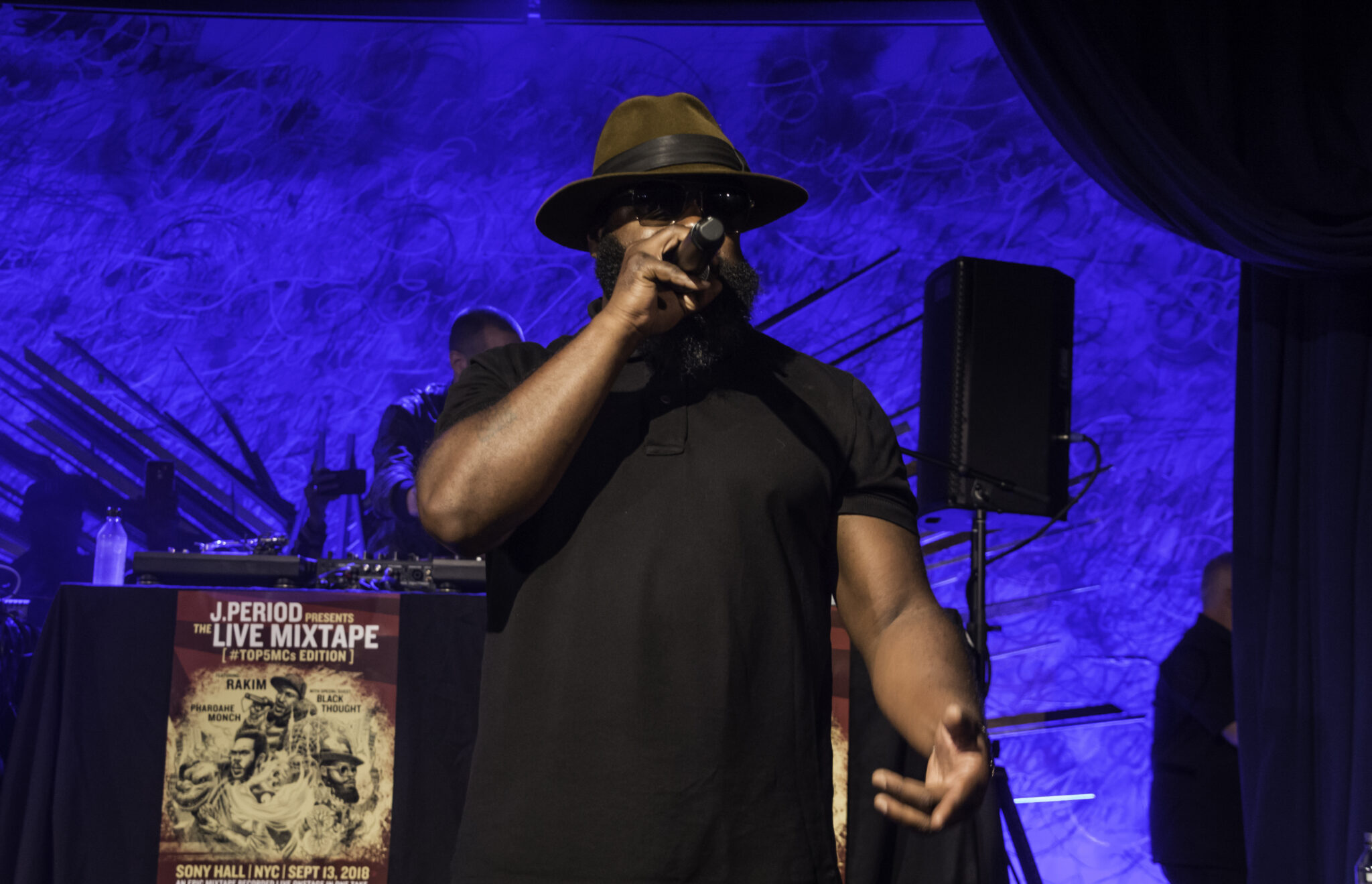
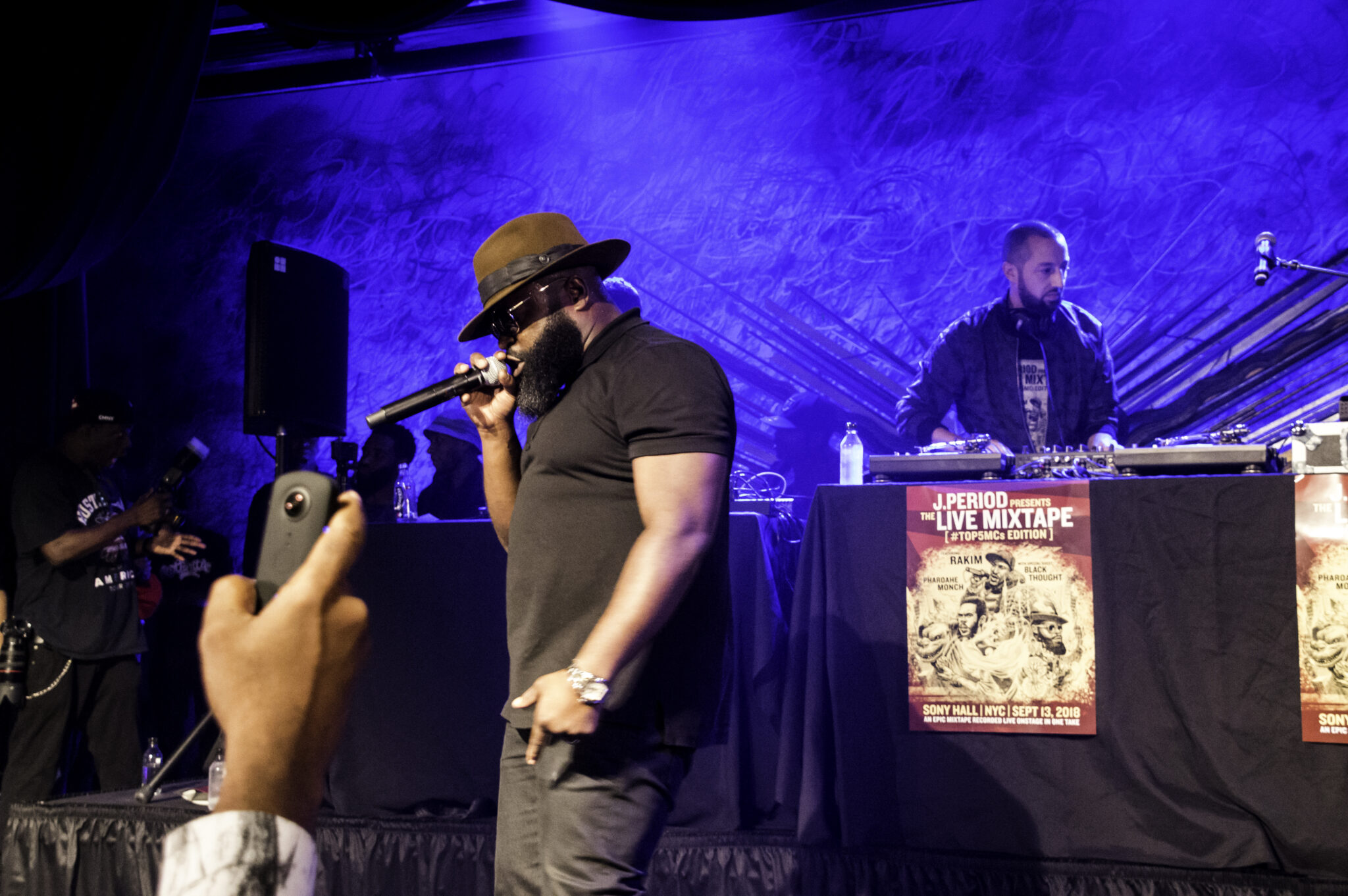
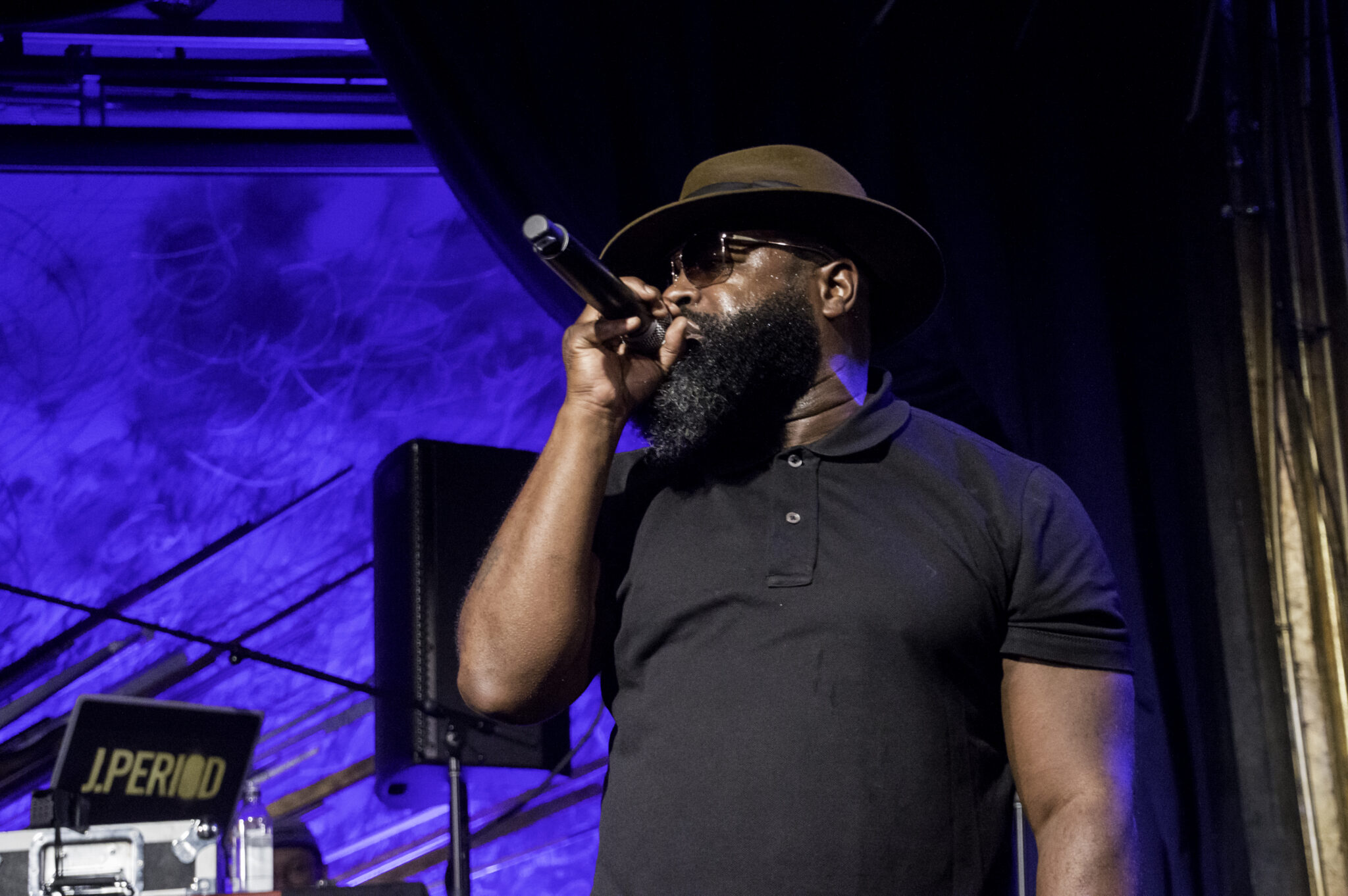
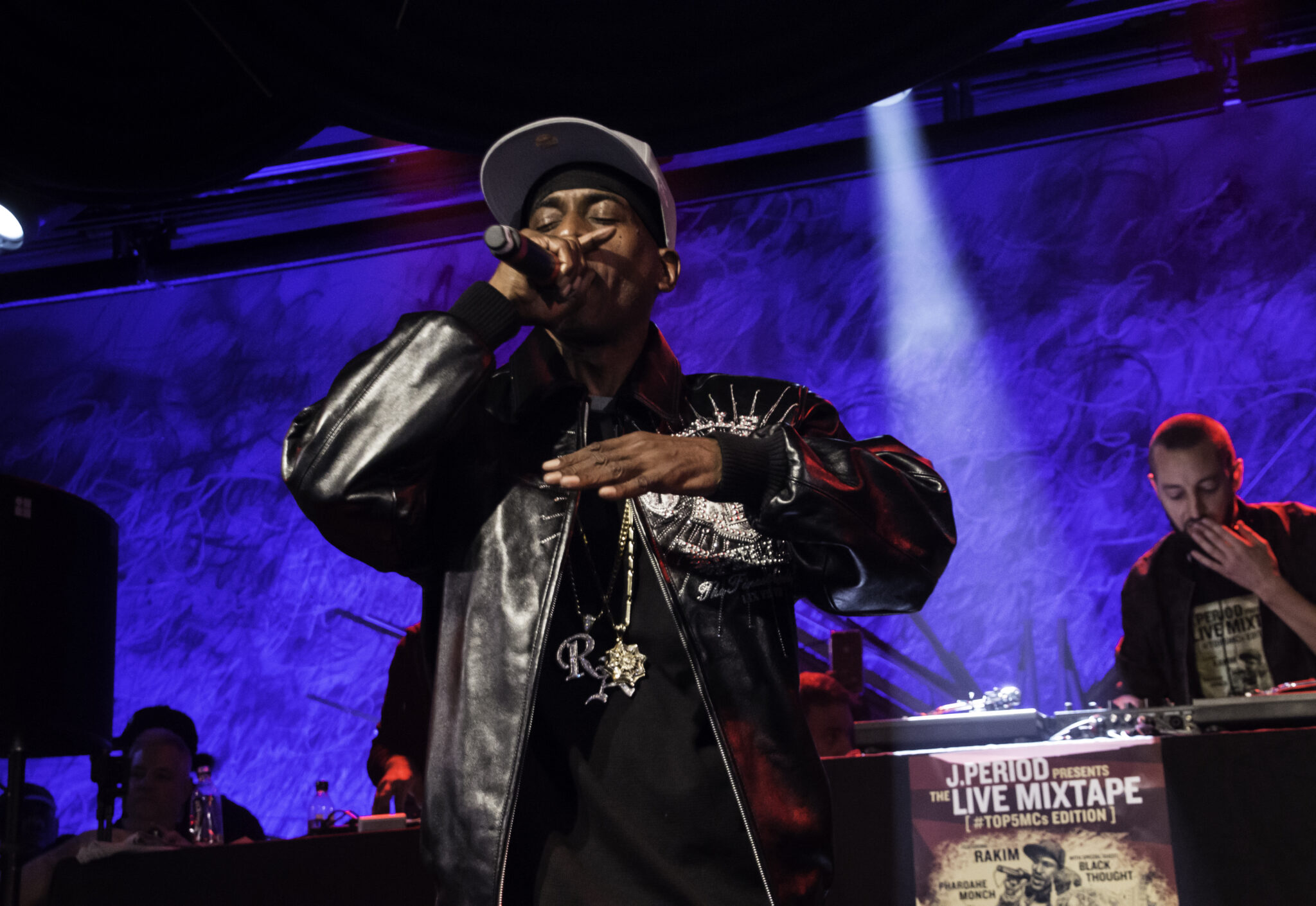
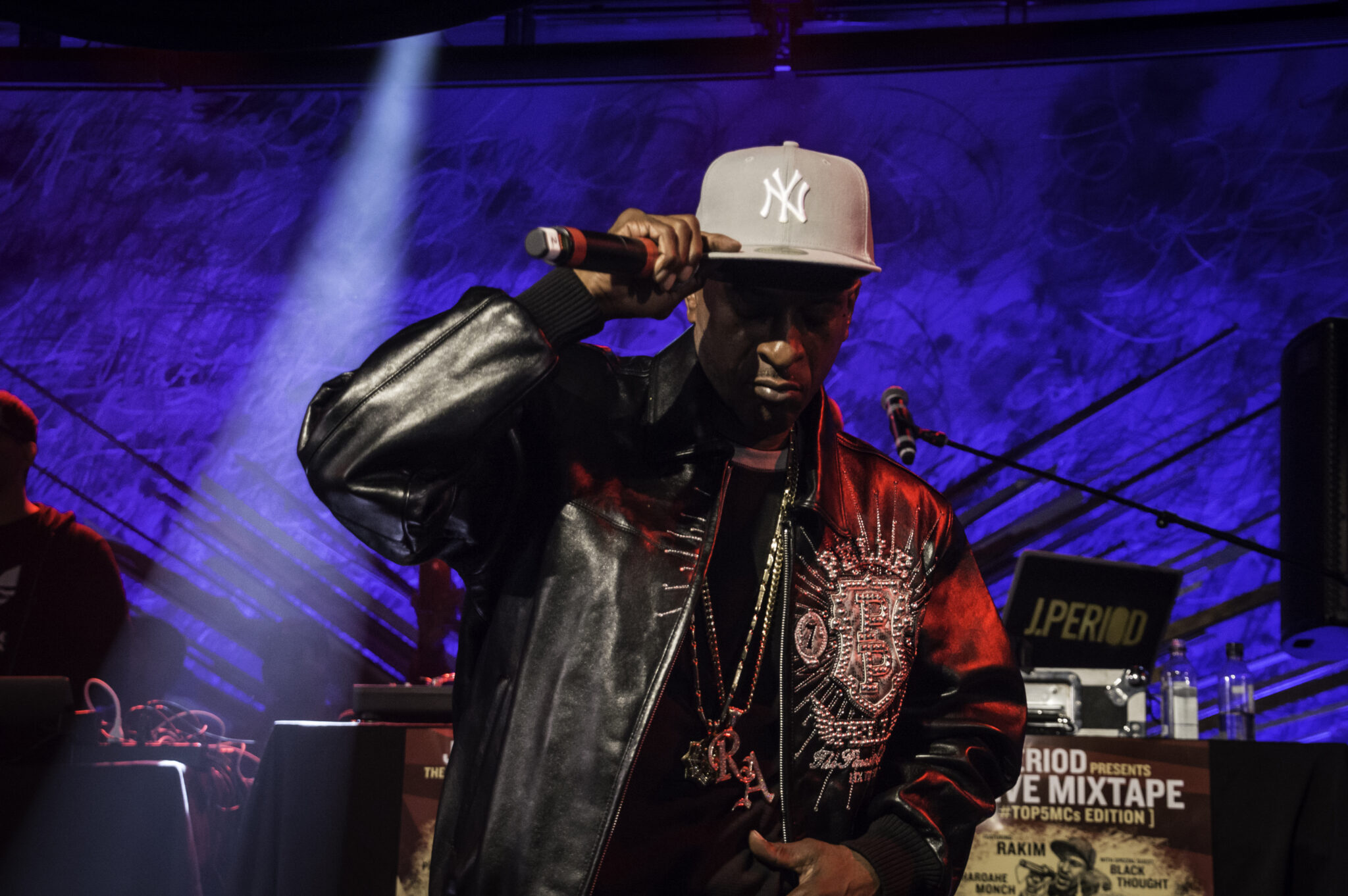
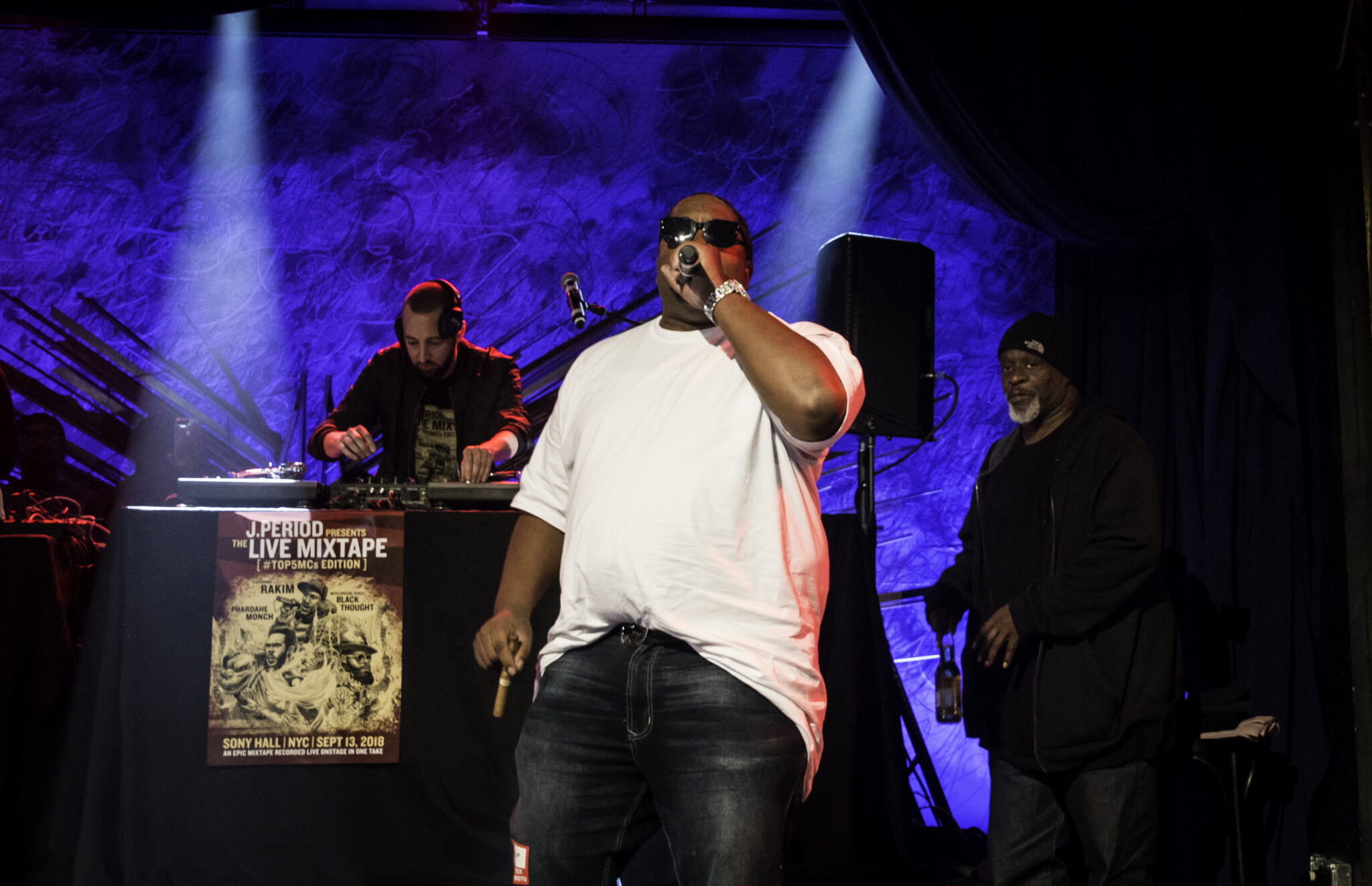
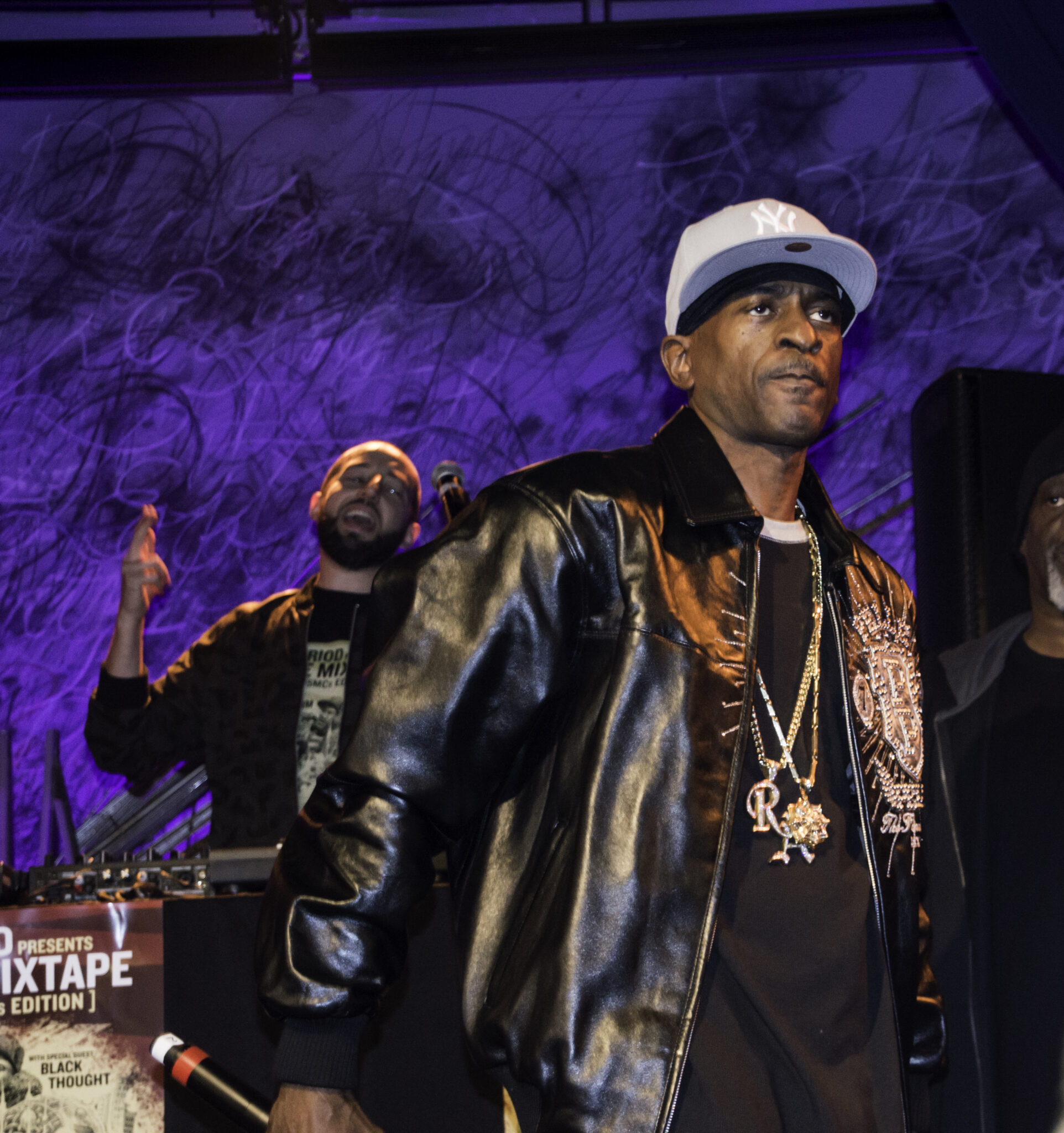
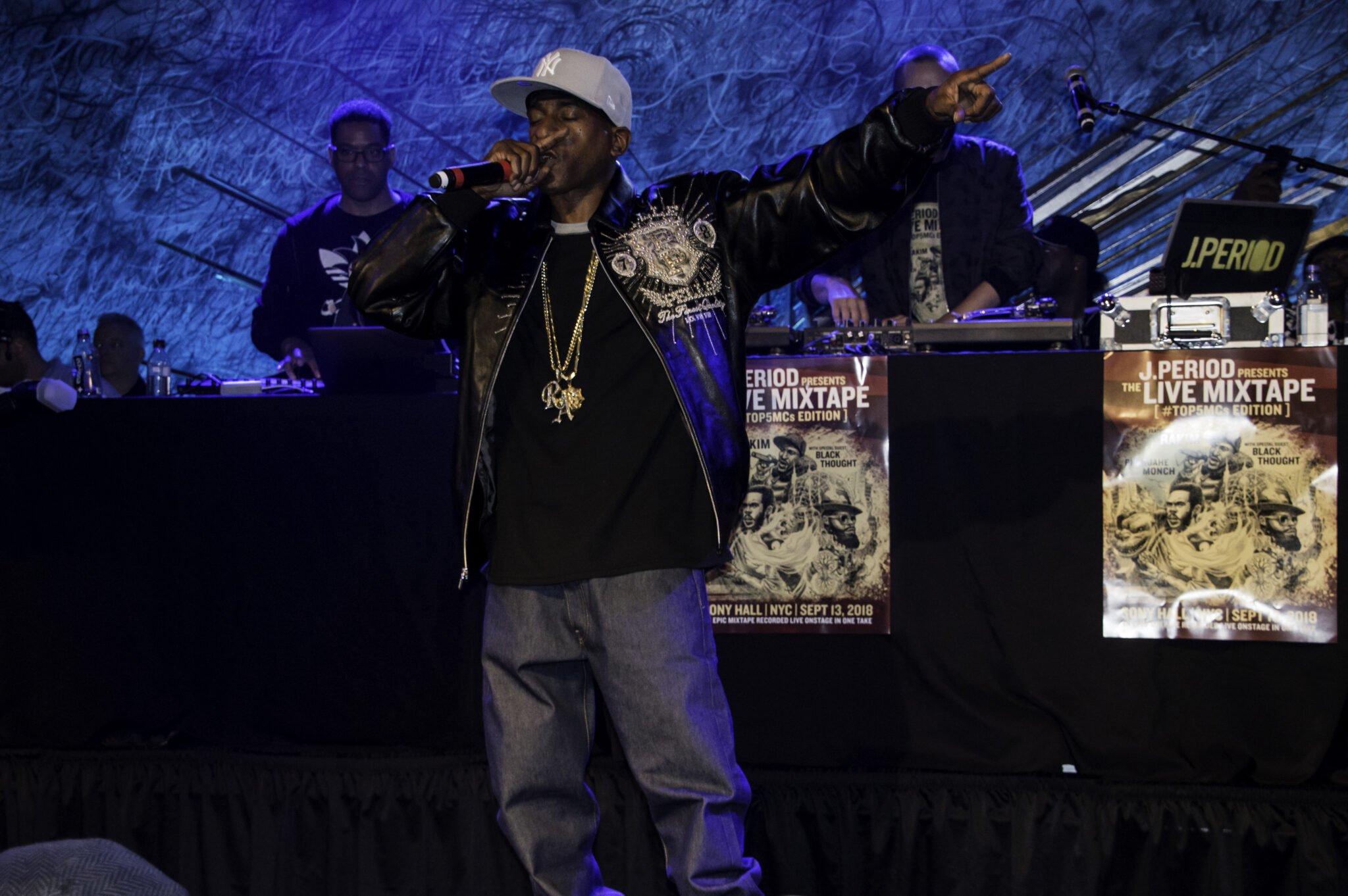
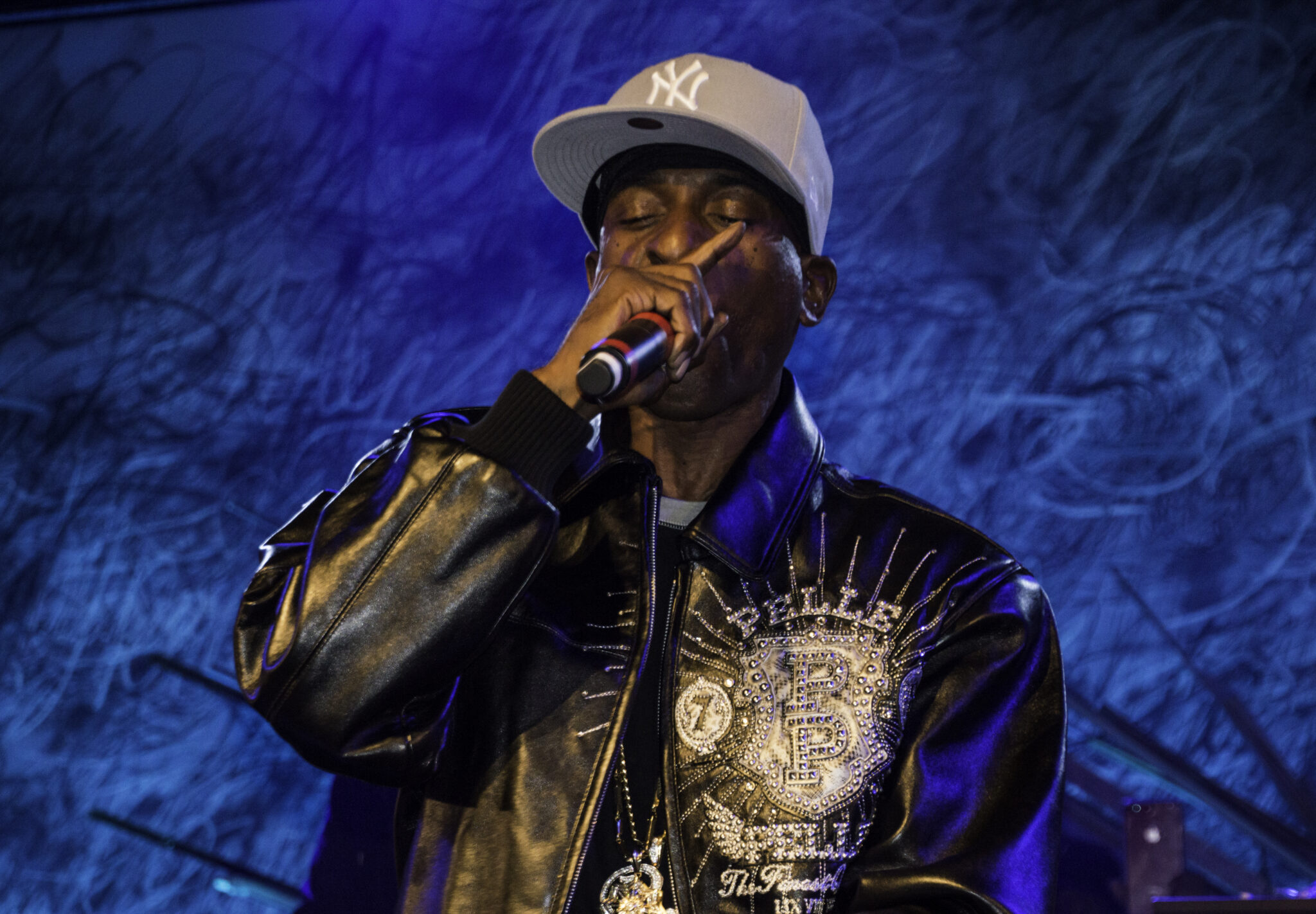
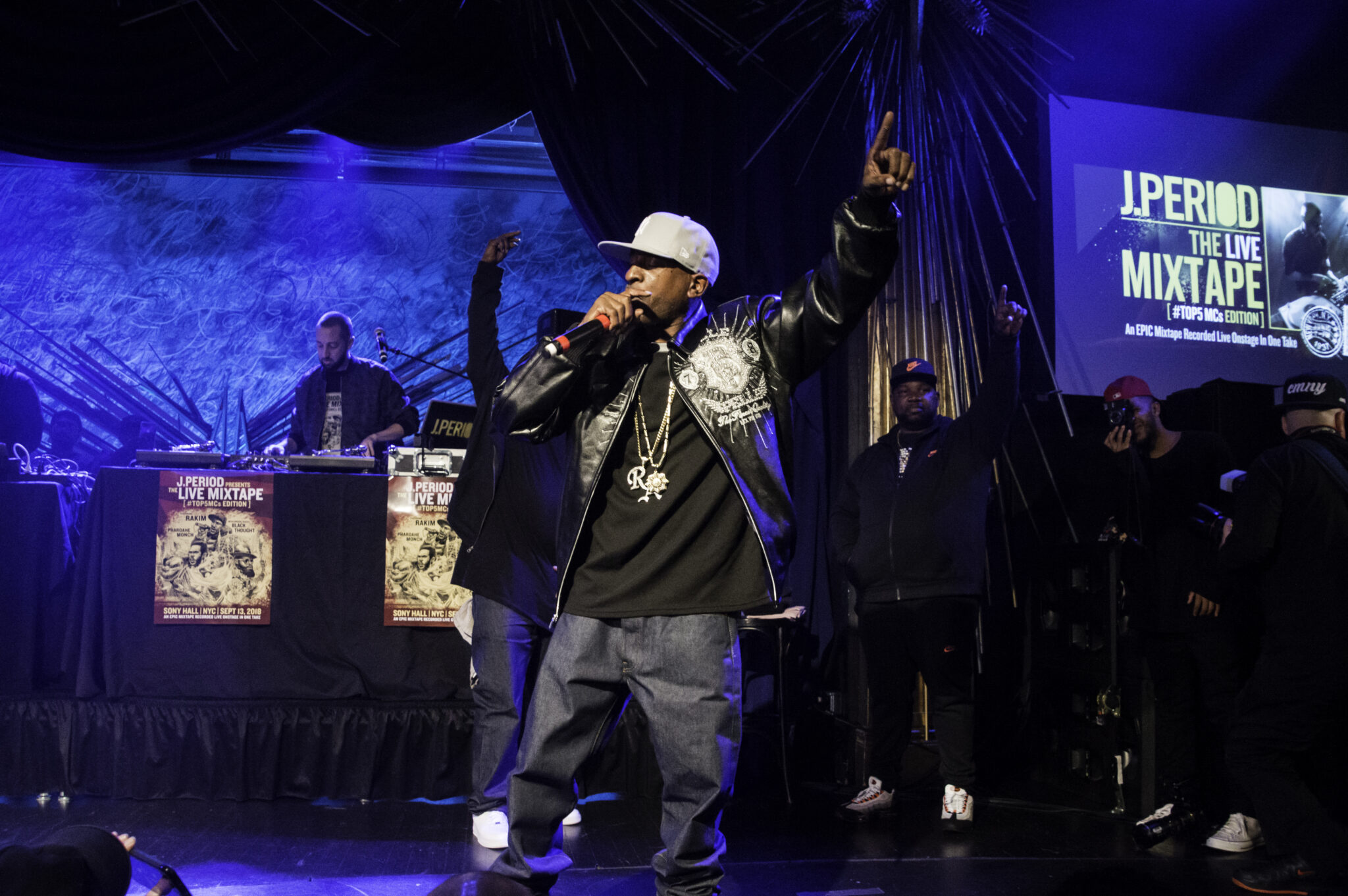
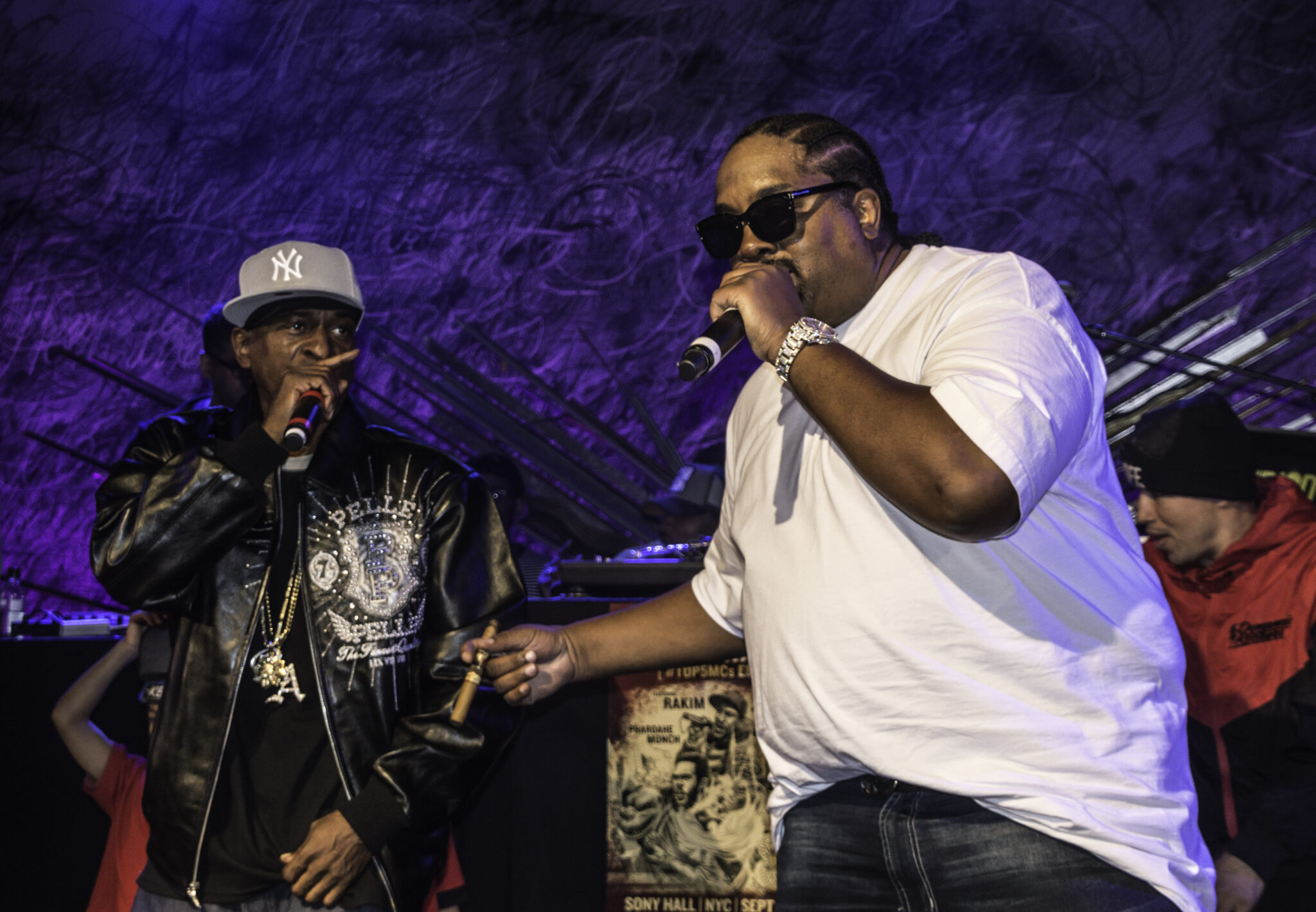
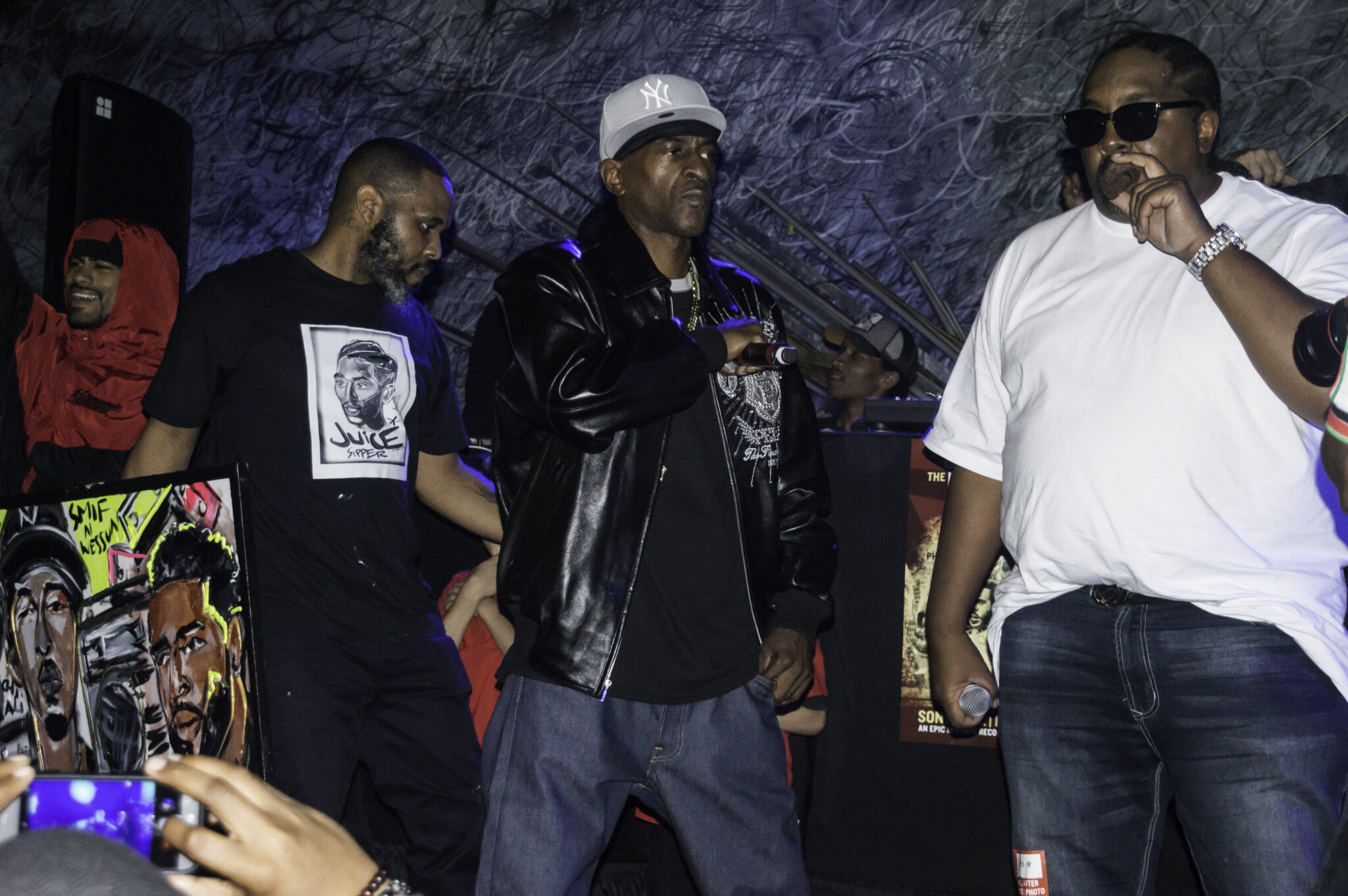
Brooklyn based Mixtape DJ J.Period recorded another installment of his live mixtape at Sony Hall in Manhattan on September 13, 2018. This installment was a Top 5 MCs edition, featuring Rakim, Black Thought, Pharoahe Monch, Dres from Blacksheep and Smif-N-Wessun.
After two DJ sets by The Whooligan and DJ Evil Dee, Pharoahe Monch started the mixtape and got the crowd amped up with a set including “My Life” and “Simon Says.”
Dres from Blacksheep blessed the stage with a few classics including “Flavor of the Month” and “The Choice Is Yours,” with a guest appearance by Native Tongue’s Chi Ali who appeared on Blacksheep’s debut album A Wolf In Sheep’s Clothing.
Next up was a set by another legendary hip hop duo, Smif-N-Wessun, consisting of members Tek and Steele. Smif-N-Wessun comprise one quarter of the Brownsville (Brooklyn) supergroup Boot Camp Clik. One of the highlights of the night was watching them perform their 1994 classic “Bucktown.”
Legendary MC Black Thought of the legendary Roots crew started his set with “Act Too (Love of my Life),” and also brought out Grammy nominated female rapper Mumu Fresh AKA Maimouna Youssef, and Pharoahe Monch for a three-way cypher. Thought also did a cover of Slick Rick’s “Children’s Story” and dropped some of the bars we heard on his now famous 15 minute Funk Flex Freestyle.
The show culminated with yet another legendary hip hop duo Eric B and Rakim. It was a nice surprise to see Eric B as he was not listed on the original lineup. This year marked the 30th anniversary of the classic album Paid In Full which led to the highlight of seeing Rakim perform “I Ain’t No Joke” and “I Know You Got Soul.” Rakim also brought out some very talented break dancers from the KBL (Kids Breaking League) to show off their talents as he performed “Juice (Know The Ledge).”
This was another legendary night for hip-hop fans, especially above the age of 30, like myself. All of the artists were on point and sounded great, making for another very successful installment of J.Period and his Live Mixtape.
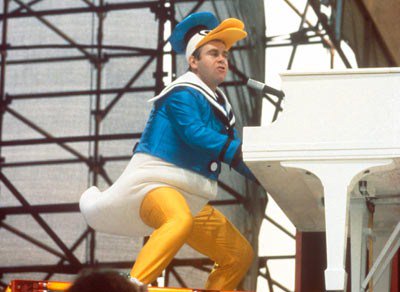
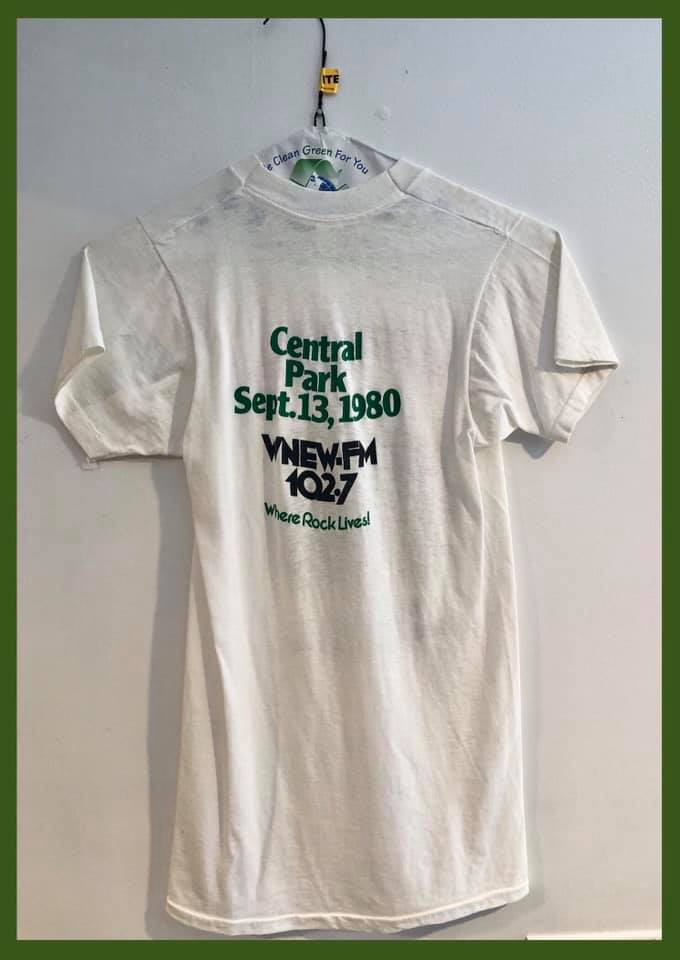
On Sept. 13, 1980, Elton John performed for around 400,000 people in Central Park. The sun was out, people were gathered (less than six feet apart), and Sir Elton was wearing a Donald Duck suit.
Sir Elton John performing, “Your Song” while wearing his legendary duck suit.
It might seem surreal, now, to imagine 400,000 people in the same place, at the same time, dancing and enjoying themselves. With Nigel Olsen on drums and Dee Murray on bass, the original Elton John Band created a legendary experience.
The concert was part of Elton John’s 1980 World Tour, supporting his latest album 21 at 33. He played top hits “Bennie and the Jets,” “Your Song,” and of course, “Tiny Dancer,” and added some new ones in there too, like “Little Jeannie” and “Sartorial Eloquence.”
Imagine all the people. Elton John paid tribute to his long time friend John Lennon by performing a cover of Lennon’s classic tune, “Imagine.” A few months later Lennon would be murdered by Mark David Chapman. Sir Elton said this made it too painful to perform the song ever again.
https://www.youtube.com/watch?v=Wy2VmfgEaag
Elton John, born Reginald Kenneth Dwight, started playing piano at a very young age, so it comes to no one’s surprise that he has plenty of awards under his belt. With two Academy Awards and four Grammys, John has and always had quite the reputation as being a musical genius. The latest tribute to the icon is the acclaimed film “Rocketman,” starring Taylor Edgerton as Elton John throughout his career; the movie would also land Elton John and writing partner Bernie Taupin an Oscar for Best Original Song with “(I’m Gonna) Love Me Again.”
Seeing Elton John, Donald Duck suit and all, singing “Your Song,” will never be forgotten as part of one of the most legendary concert experiences in Central Park of all time.
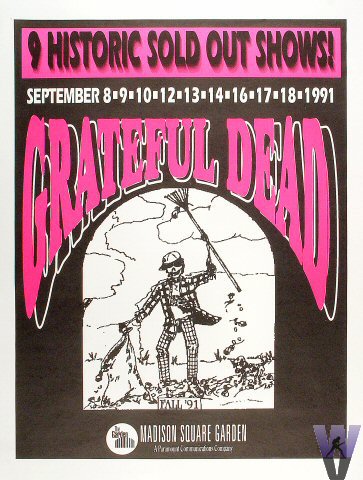
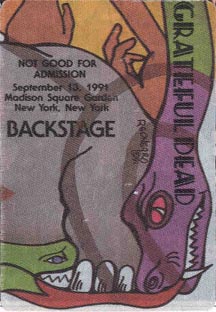
Today, we celebrate the anniversary of a Grateful Dead show at the most iconic of all New York music venues: Madison Square Garden. The Dead were certainly no strangers to this room by 1991. They had been playing the Midtown Mecca since 1979 and loved taking extended stays there. Fittingly, this show would be number five of a nine-show run at The Garden.
1991 was still very much a transitional time in the band’s history. Vince Welnick had only joined the band a year earlier and Bruce Hornsby was still making regular appearances. This show would be no different. And while this one may not be designated with a “legendary” status in the record books, there are certainly moments that shine.
To put it nicely, whether its the recording or the performance itself, the “Touch of Grey” opener is fairly mangled. Guitarist Jerry Garcia doesn’t seem to realize his part until a full verse passes first and the rest goes downhill from there. Fellow guitarist Bob Weir then takes over and directs “Wang Dang Doodle” afterwards that has a couple of inspired Garcia licks towards the end that seem to wake him up a little. With the band seemingly picking up on this, it carries right through the ensuing “Peggy-O” where Garcia continues to shine and brushes off some of the earlier mishaps.
The first set doesn’t seem to really take off until “Althea” which features more delicate guitar licks from Garcia that’s finally accompanied by a vocal performance to match. “When I Paint My Masterpiece” follows nicely with the always lovely accordion fills supplied by Hornsby. The first set closes with a triumphant “Bird Song” that soars for more than 14 minutes with both Welnick and Hornsby, along with the rest of the band, on top of their respective game.
After a rather nondescript Weir-led “Victim Or The Crime” to open the second set, things escalate quickly with a rousing “Scarlet Begonias” where the intensity of an MSG show is very much audible. The seamless segue into its traditional pairing with “Fire On The Mountain’ is vintage Dead and one of the definitive bright spots of this show.
Another valid complaint for this show may be the extended “Drums” > “Space” sequence that follows. While it does feature a few moments of fun, psychedelic mayhem, it also drifts off completely at parts and takes up almost 28 minutes of the second set.
Grateful Dead 9/13/91 Madison Square Garden
Garcia brings a little of the “Space” along with him in the beginning sections of “The Other One” that follow before falling into its signature pattern. This brings about another inspired jam with all seven legs of the band acting as one cohesive unit while Weir belts out the lyrics he penned for this song years ago.
The second set ends with a joyous “Throwing Stones” that features both Weir and Garcia with some passionate singing. A somewhat abrupt cut to “Not Fade Away” follows that gives the band one last chance to stretch out and jam.
Grateful Dead 9/13/91 Madison Square Garden – New York, NY
Set 1: Touch of Grey, Wang Dang Doodle, Peggy-O, Big River > Cumberland Blues, Althea, When I Paint My Masterpiece, Bird Song
Set 2: Victim Or The Crime, Scarlet Begonias > Fire On The Mountain > Drums > Space > The Other One > Stella Blue > Throwing Stones > Not Fade Away
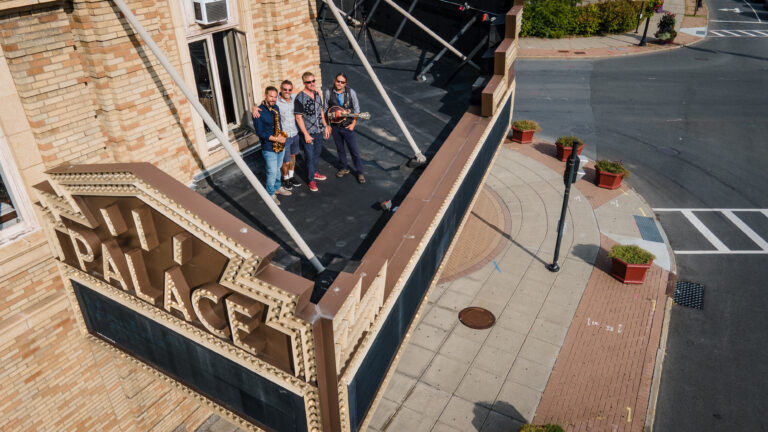
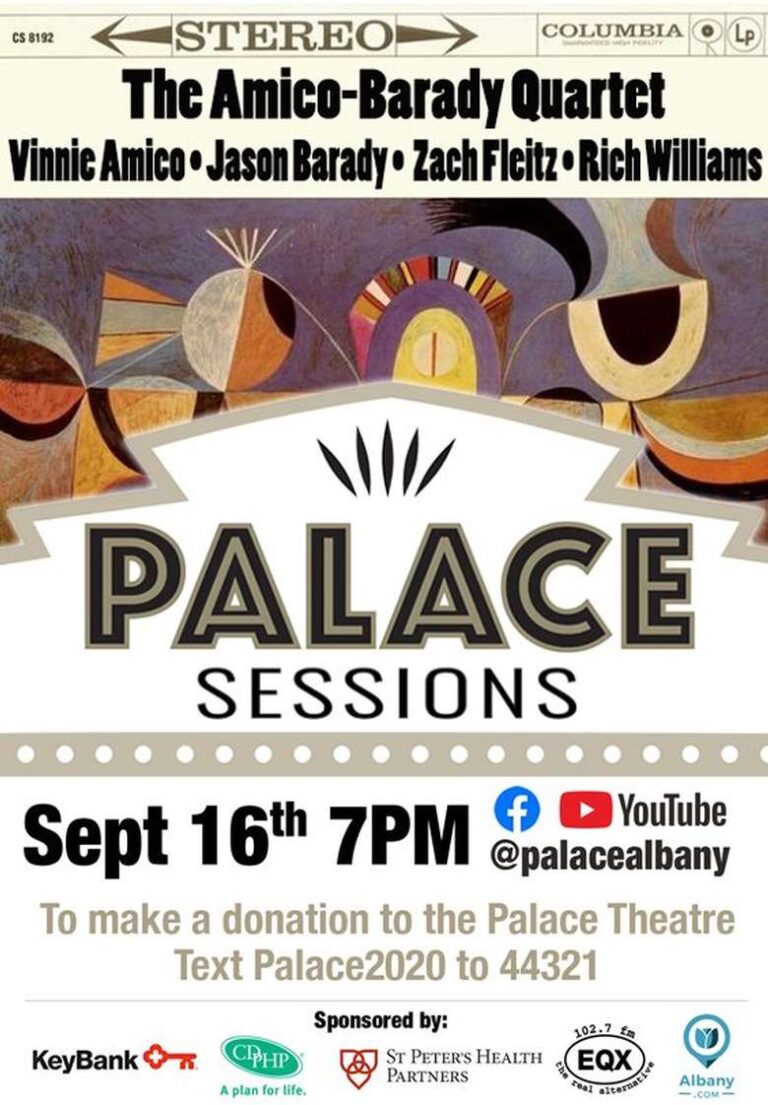
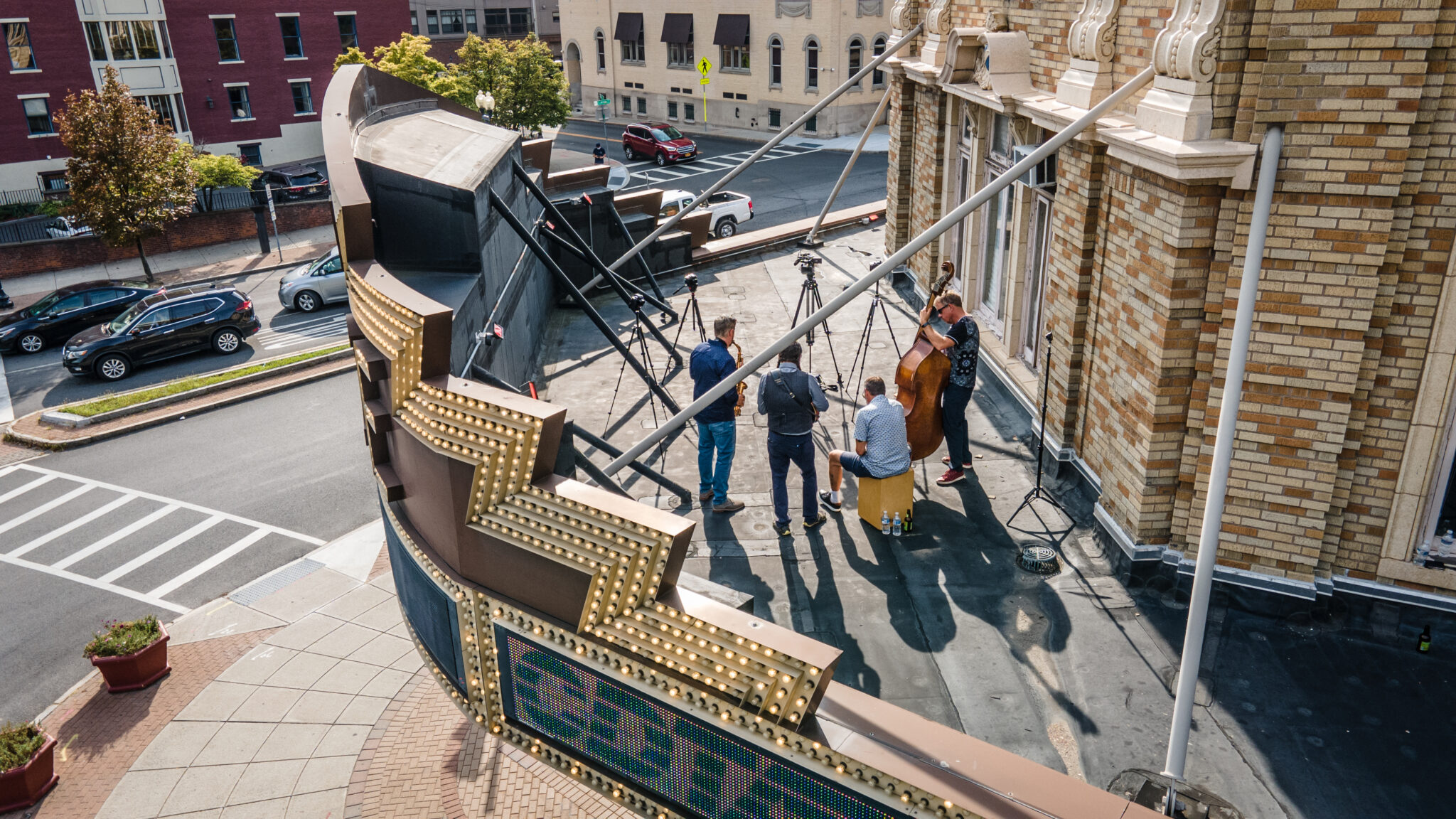
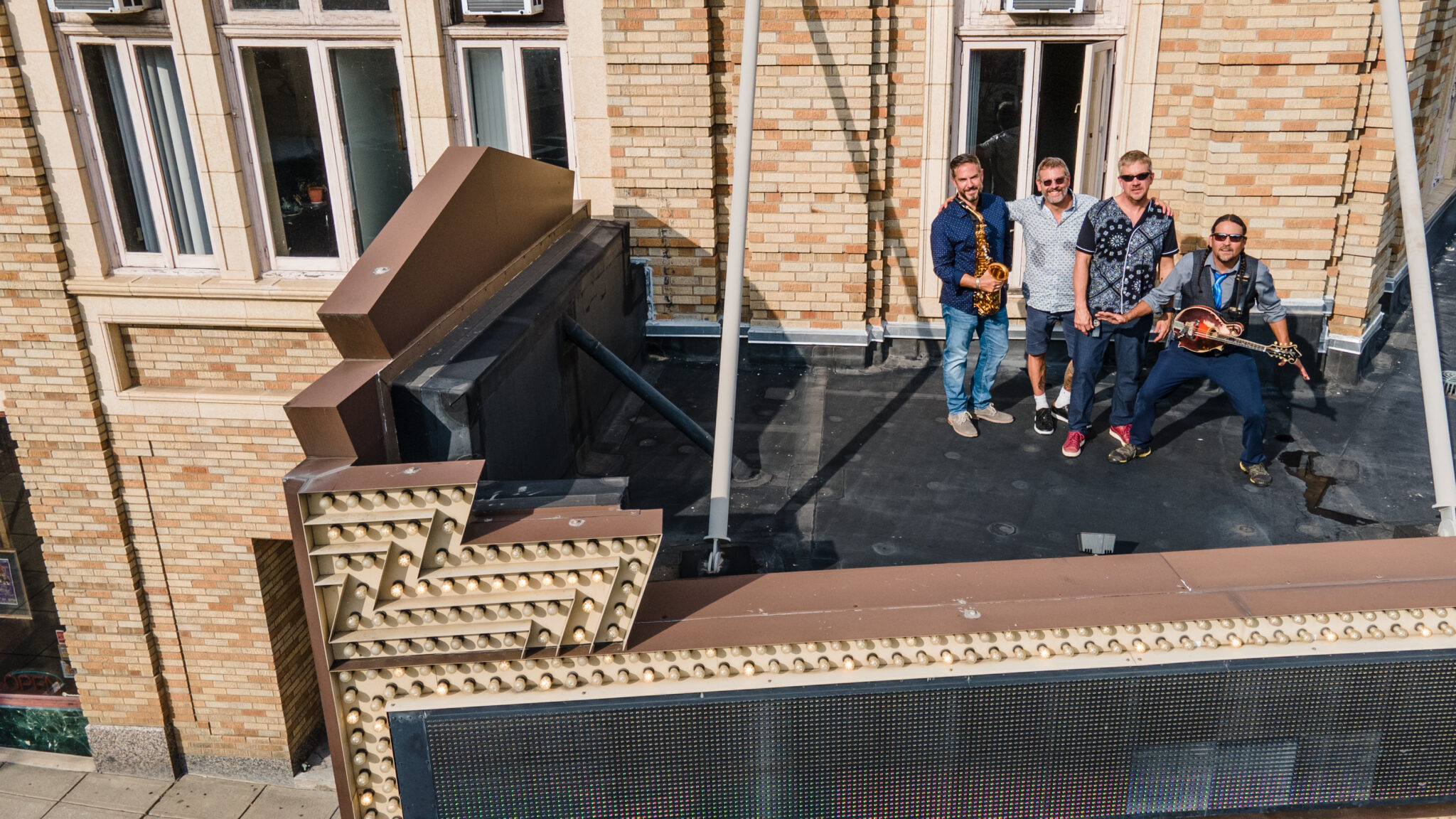
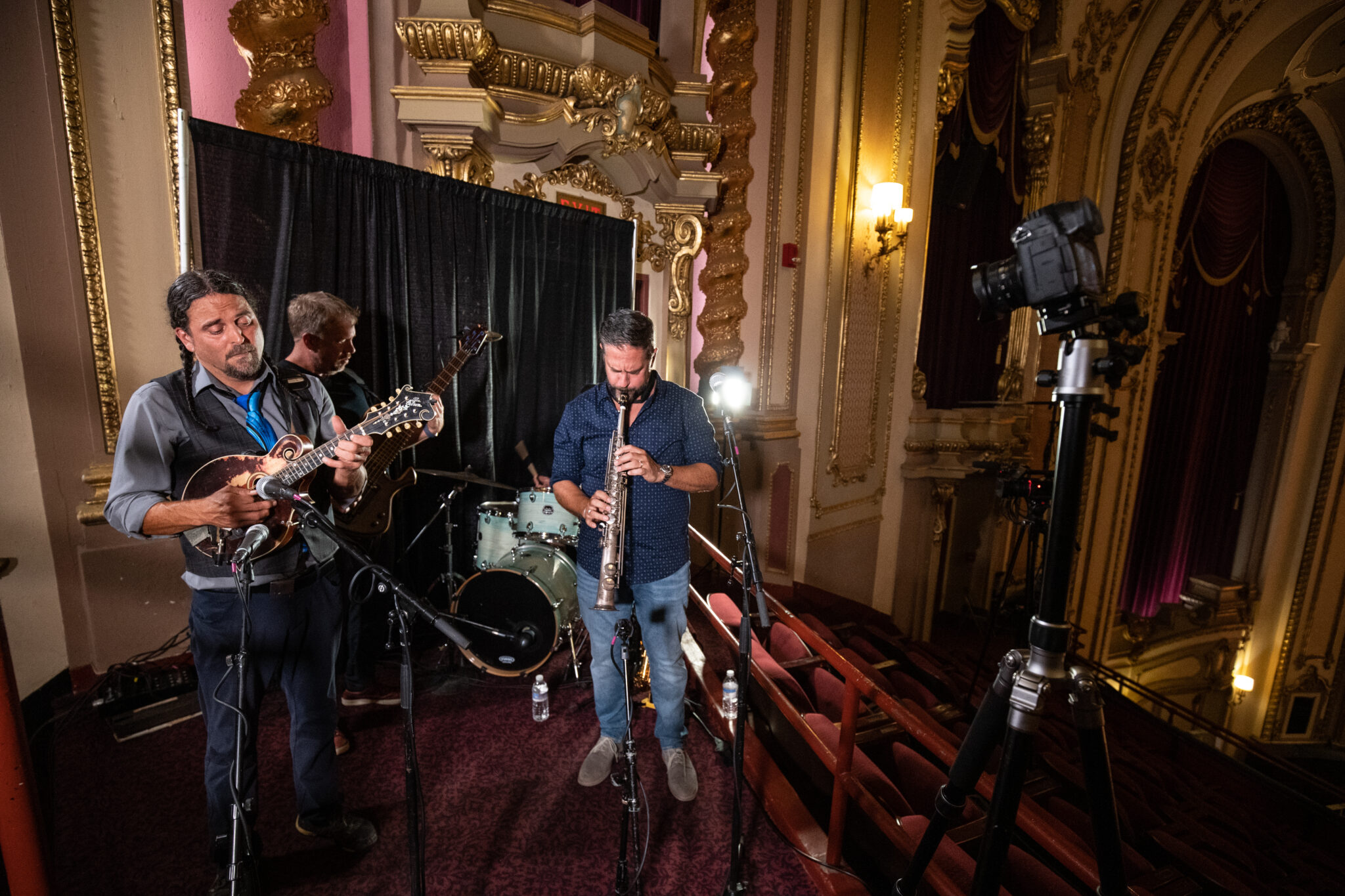
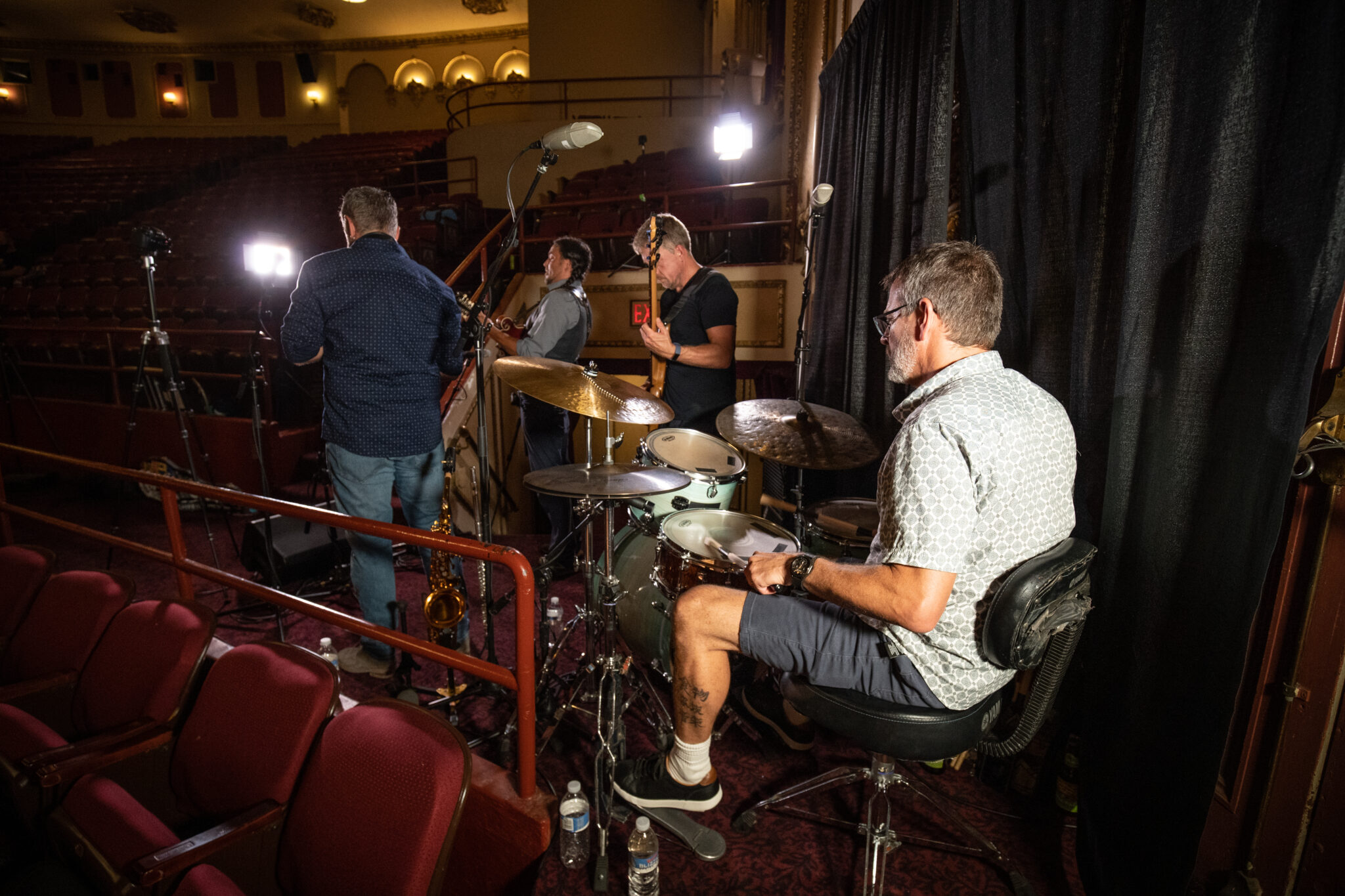
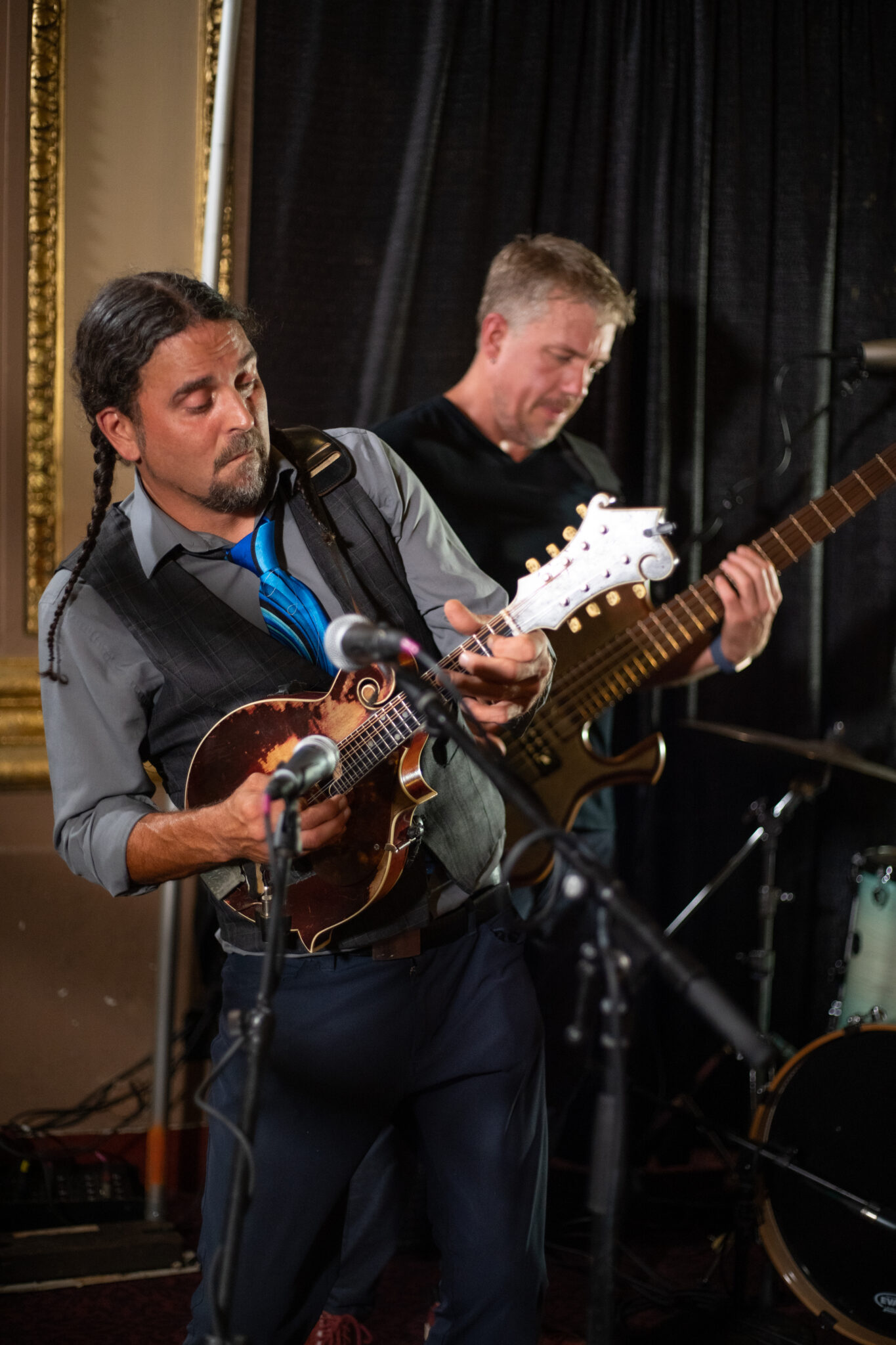
The Amico Barady Quartet, a jazz band started 15 years ago by Vinnie Amico and Jay Barady, are the featured performers. The band members include Vinnie Amico (moe., drums), Jason Barady (Floodwood, mandolin), Rich Williams (saxophone/flute) and Zach Fleitz (bass).
photo by Frankie Cavone
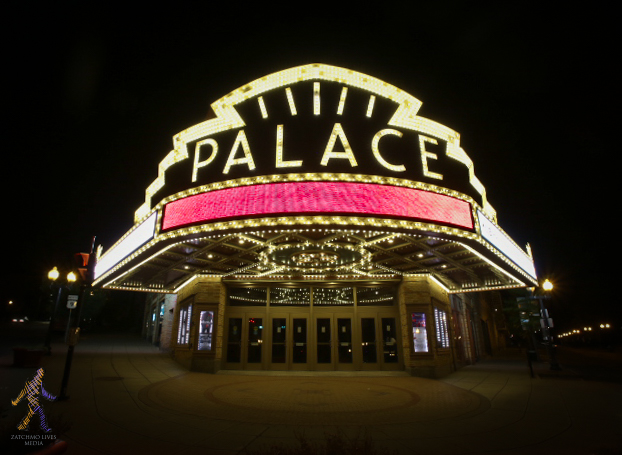
The Palace Sessions is a monthly live music series featuring local regional musicians performing at the Palace Theater in Albany, NY. The Palace Theatre’s mission is to enhance the Capital Region’s cultural and economic development with world-class arts and entertainment. Like many other live music events, The Palace Sessions had to postpone and revamp their previous musical events due to the COVID-19 pandemic.
“We are thrilled to be able to welcome live music back to the hallowed halls of the Palace Theatre. This historic building exists to entertain and create memories and after a nearly four-month absence due to COVID-19, it is a thrill to know that it will again. We hope that our patrons will enjoy these performances as much as we do!”
Billy Piskutz, Executive Director of the Palace Performing Arts Center.
Donations to benefit the Palace Performing Arts Center can be made here or directly through the Palace Theatre’s Text to Give program by texting Palace2020 to 44321.
The Palace Sessions are sponsored by KeyBank, CDPHP, St. Peter’s Health Partners, 102.7 WEQX, Albany.com & High Peaks Event Production. Check out a preview of what’s to come with photos from Frankie Cavone of Mirth Films.
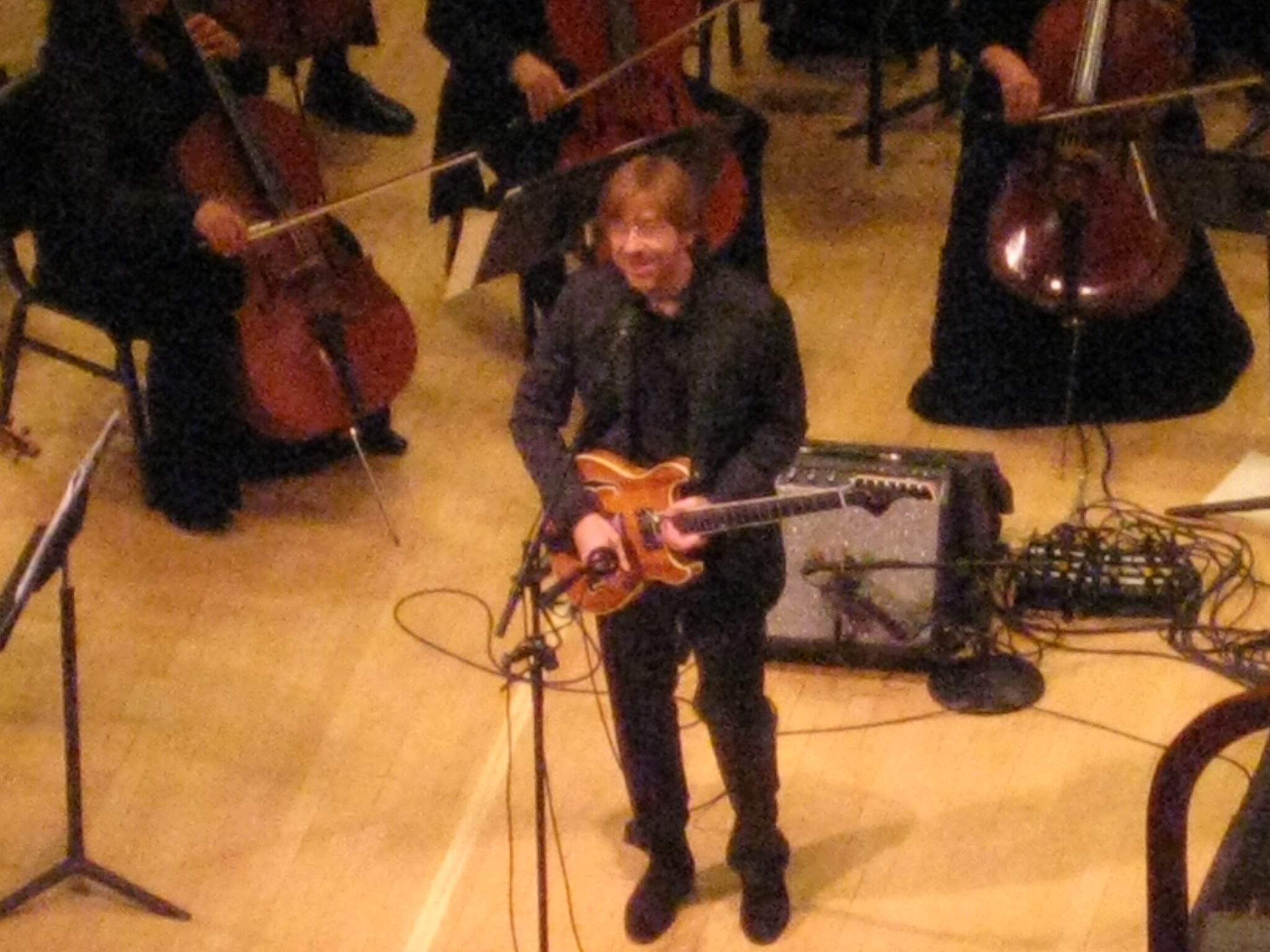
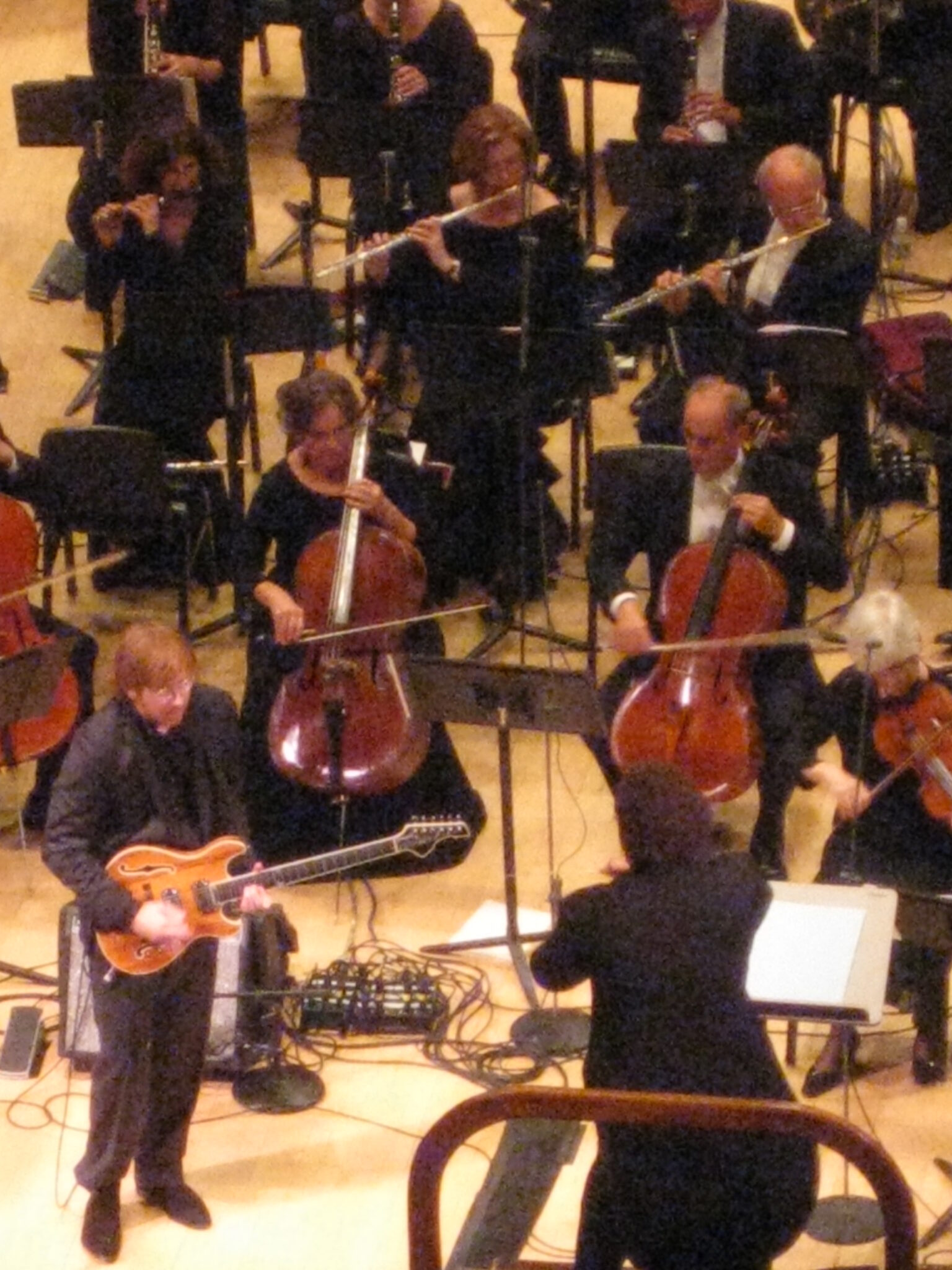
Ed. note: this review of Trey Anastasio at Carnegie Hall was original published on PhanArt.net in September 2009. For a more recent review of Anastasio at Carnegie Hall, read our review from October 2019.
For years I have considered orchestral compositions the ultimate form of music, with the intricacies that I felt would never be understood, a style that would be too difficult to get into, and a high-class following that would elude me forever.
This started to change years ago when I heard the amazing beauty of Eric Clapton playing with the Royal Philharmonic Orchestra in London (February 10, 1990), and discovered the intersection of one of the greatest guitarist in history and one of the finest orchestras in the world. Hearing “Layla,” “White Room,” “Bell Bottom Blues,” as well as a unique Guitar Concerto in two movements performed with a guitar (?!) AND a 40 piece orchestra. My ears never had it so good. Every note was played, expanding, but not drowning out, the original composition. Bands like Queensryche and YES had explored orchestral infusion into their rock act previously, but the Clapton collaboration hit home with me, and I was forever hooked.
The only thing that stood in the way of getting a fix for this new-orchestral sound was more combination acts like the one that got me hooked. It took only a couple years before Trey was playing with the Vermont Youth Orchestra on “Guyute,” but opportunities to see this were limited. I listened to the version on Sharin’ in the Groove, The Mockingbird Foundation’s tribute album to Phish, over and over, guiding the orchestra while I drove cross-country and around town. This was some of the best music I could have imagined to hear.
When Trey Anastasio was announced to play the 2004 Bonnaroo music festival with the Nashville Chamber Orchestra, I knew that this would be the musical experience I had been long waiting for – combining my favorite band’s music with an orchestra, drawing out every last note of music hidden in there, expanding the tablature to a full musical composition replete with instruments I had not seen nor heard from since grade school. The experience was the highlight of that Bonnaroo, and set the stage for the musical bliss that was set with Trey Anastasio at Carnegie Hall on Saturday, September 12, 2009.
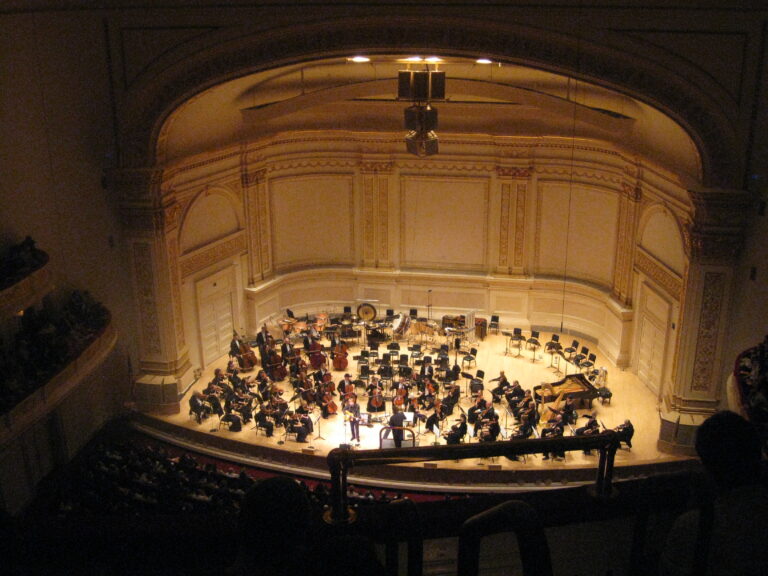
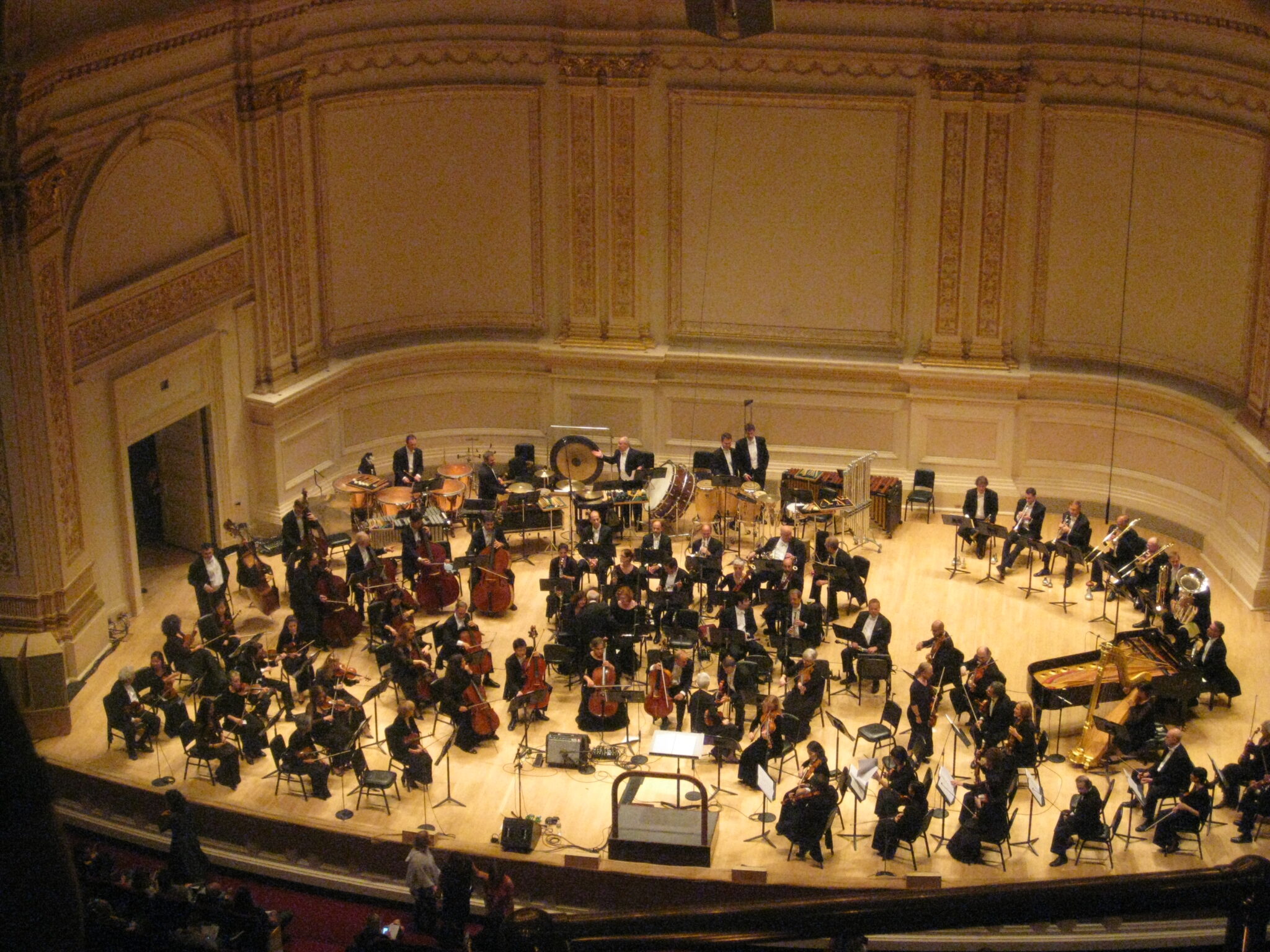
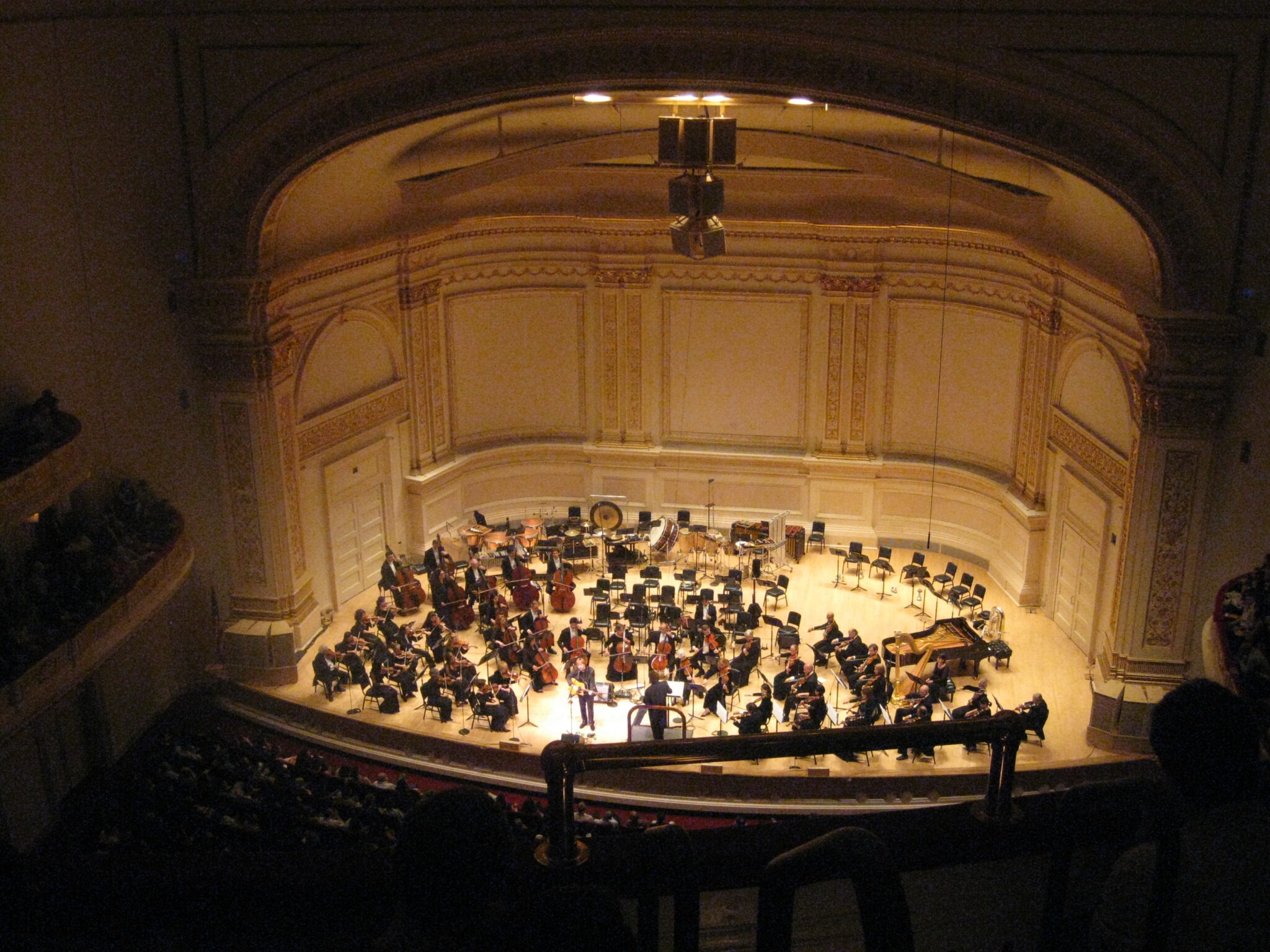
The show having been announced in mid-July, I immediately purchased the best seats I could afford (4th row balcony, which I hoped would provide immense views), as I knew the size of the room was considerably smaller than a normal phish-venue, and the demand would certainly be high. Arriving at Carnegie Hall, I saw what I had joked would be there, presuming it wouldn’t – nitrous tanks and a few shady-entrepreneurs making a quick buck on fans with money to burn on a cheap high. Ignoring this, I went inside and found myself walking up, up, up, up to the top level, and then was guided to my seat by an usher, which felt very high-class. Taking my seat, I marveled at the crowd around me, the youth, the remarkably familiar feeling I had in this great community of people, as well as the sharply dressed folks who took the occasion to go ‘phormal’, as we once had for Radio City in 2000. The crowd was very chill and happy, and notably respectful of the hall, likely thrilled to be able to see such a unique night of music in such a famous building.
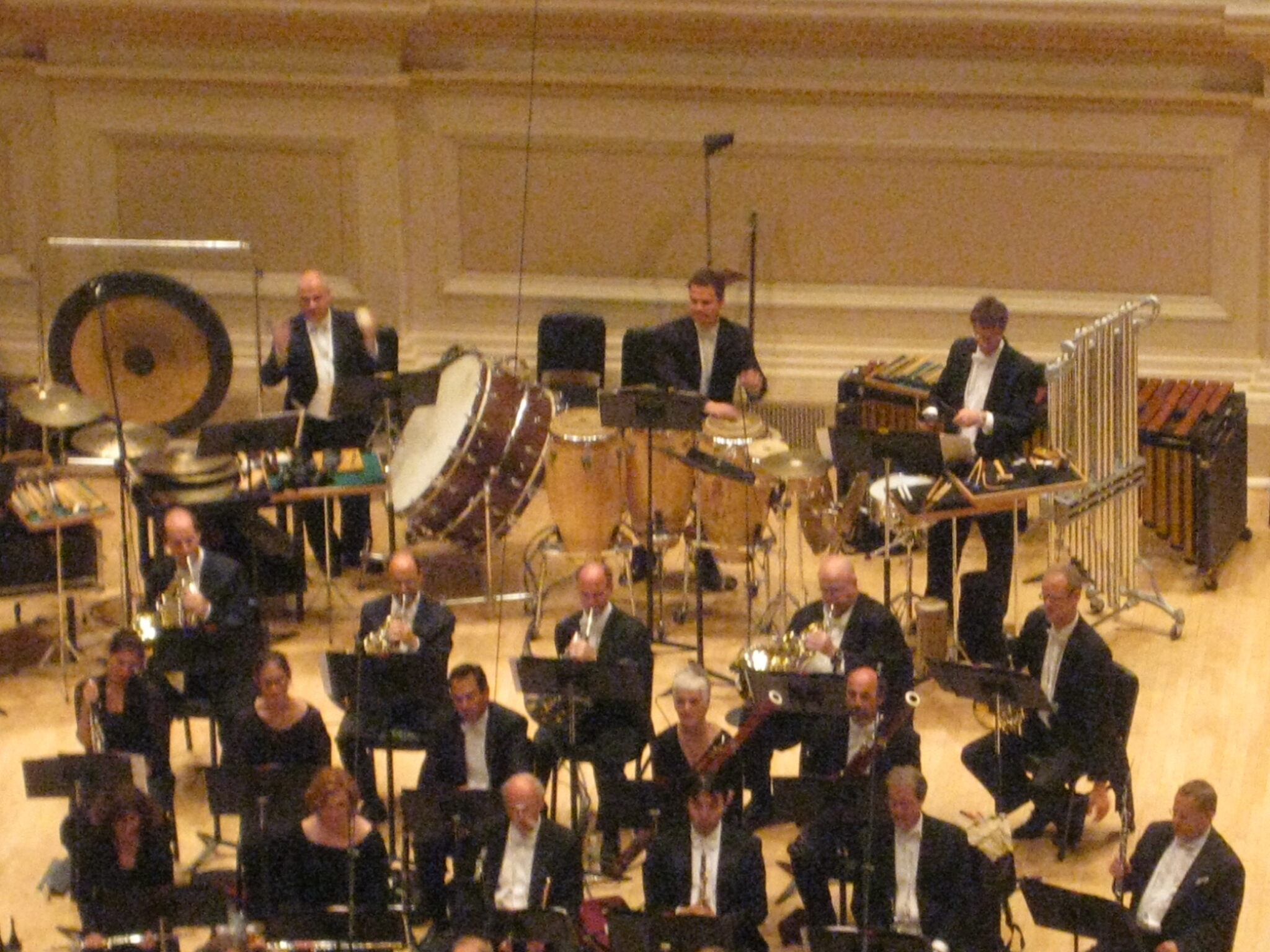
The seats were small and legroom was nil, but that was all taken away with the warming up of the New York Philharmonic. You could hear each section of instruments (the strings, the horns, the woods, the percussion, etc…) randomly tuning up, and a finely tuned ear could hear aspects of the peak of “Guyute,” the middle section of “Pebbles and Marbles,” and miscellaneous tuning and playing as the crowd got settled.
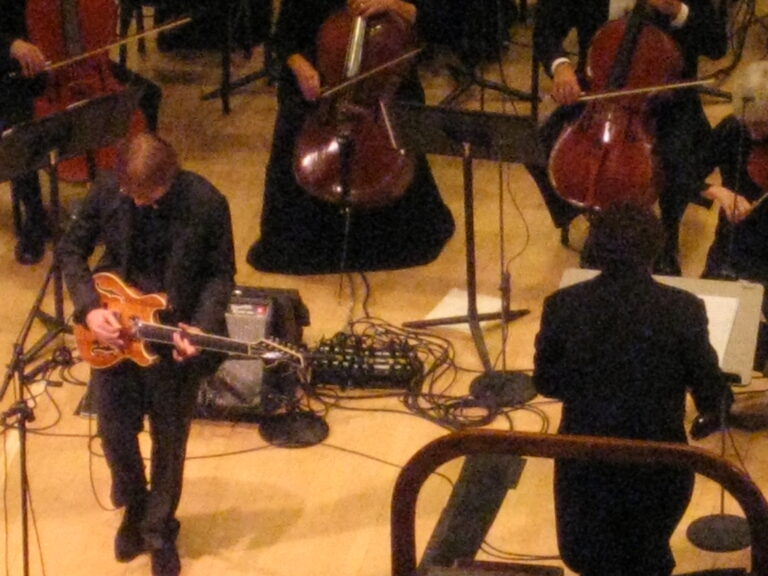
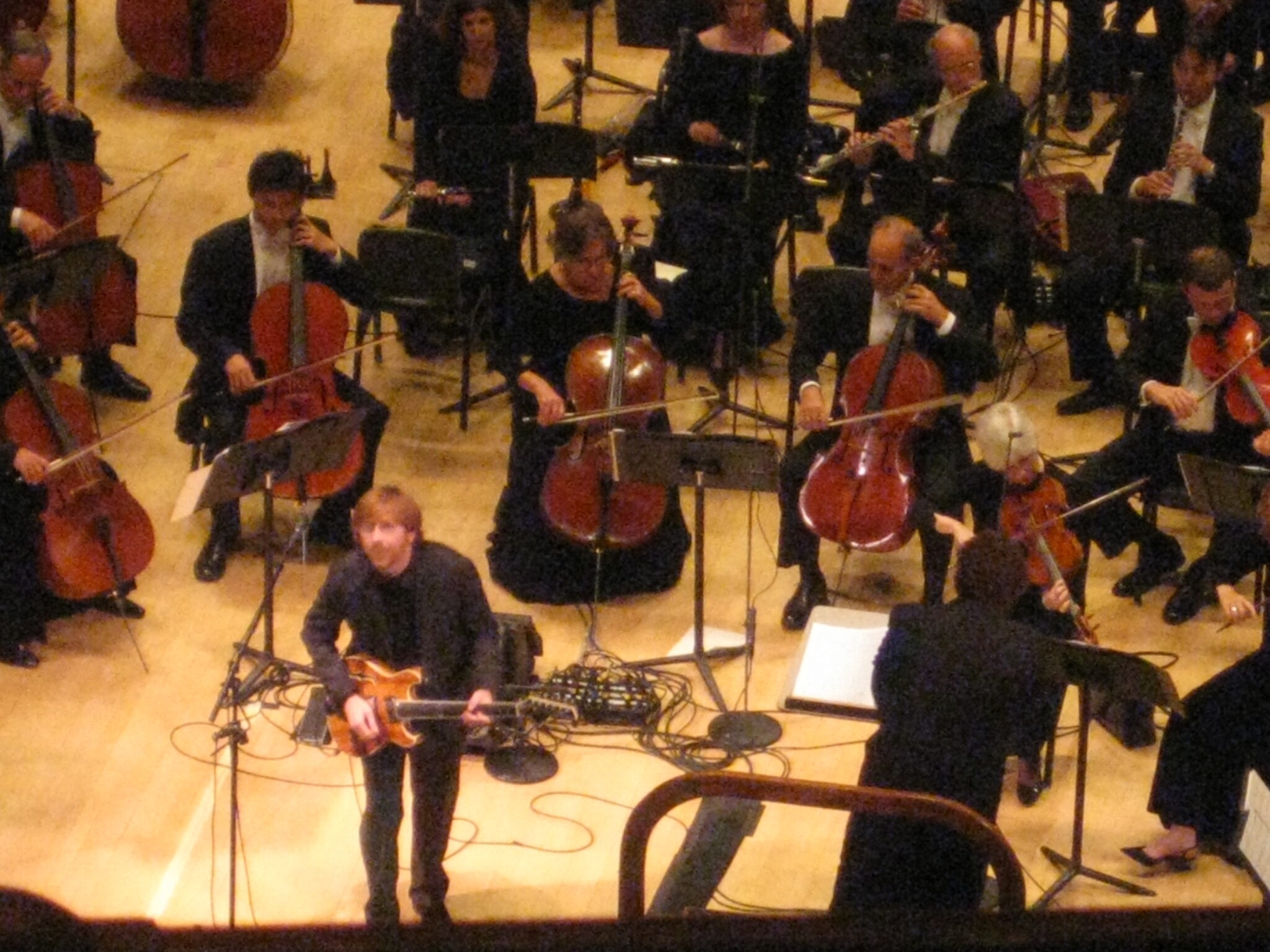
Upon their arrival to the stage, the principal violinist, the conductor, Asher Fisch, and then The Bad Lieutenant himself, Trey, came out to thunderous applause, likely the loudest Carnegie has ever heard. “First Tube” was soft and quiet at first, but perfect. Trey’s guitar was quieter than ever, but he changed the volume as the song got towards the end, with an amazing buildup, similar to the now-invigorated versions Phish has played in ’09. The flutes, violins and bongos/congos are heavy in this song, carrying the tune to its final section and peaking very subtly and suddenly.
“The Inlaw Josie Wales,” “Brian and Robert” and “Water in the Sky” were soft excursions into the mid-’90s writing of Trey, and showed the orchestral side of his writing that had been there all this time. “Divided Sky” was the crowd pleaser-supreme in the first set, giving the crowd a wide range of melodies and expansion of an already tremendous song. “Pebbles and Marbles” and “Guyute” closed out the first set, the latter of which had many heads bobbing and moving hands subtly to the movement of Asher Fisch, who was one of the more animated conductors I could have imagined, making Tom Hulce’s Mozart look like a impassive director of music. Fisch was swaying from side to side, almost seeming to leap in the air at times when the music compelled him to do so. It almost seems as though he would fit in at a Phish show.
Setbreak brought about a trip to the headiest smelling bathrooms since the last Phish show, and long lines of fans waiting for water, as the room was getting a bit warm. “‘Time Turns Elastic” started with the first two movements, which are not heard in the Phish version, as they are a cornucopia of the orchestra’s sound leading into the ‘Submarine’ section of the 30 minute composition.
This may be one of the best compositions I have ever heard, with crescendos and arpeggios that showed the masterpiece of Trey’s orchestral composition was a crowd pleaser, an attentive crowd focusing on the various sections intently. When played with Phish, fans take time to refuel and make pit stops, but for this version of “Time Turns Elastic,” every audience member hung on each section, as the segues were fluid to say the least. The most fascinating thing about this version of “Time Turns Elastic” was the focus on the various movements and sections within the song. The final section, ‘Carousel’, brought the song to a resounding peak, with applause that was the loudest of the evening thus far.
“Let me Lie” was touching, soft and short, providing a nice interlude in between two long epics, the latter being the debut of “‘You Enjoy Myself,” the immense Phish crowd pleaser. This was the song the entire crowd was waiting with bated breath to hear, only to be paused and let the excitement build longer as Trey thanked the audience, the orchestra, and remembered his late-sister, Kristine Anastasio Manning, for which her foundation that night was a beneficiary.
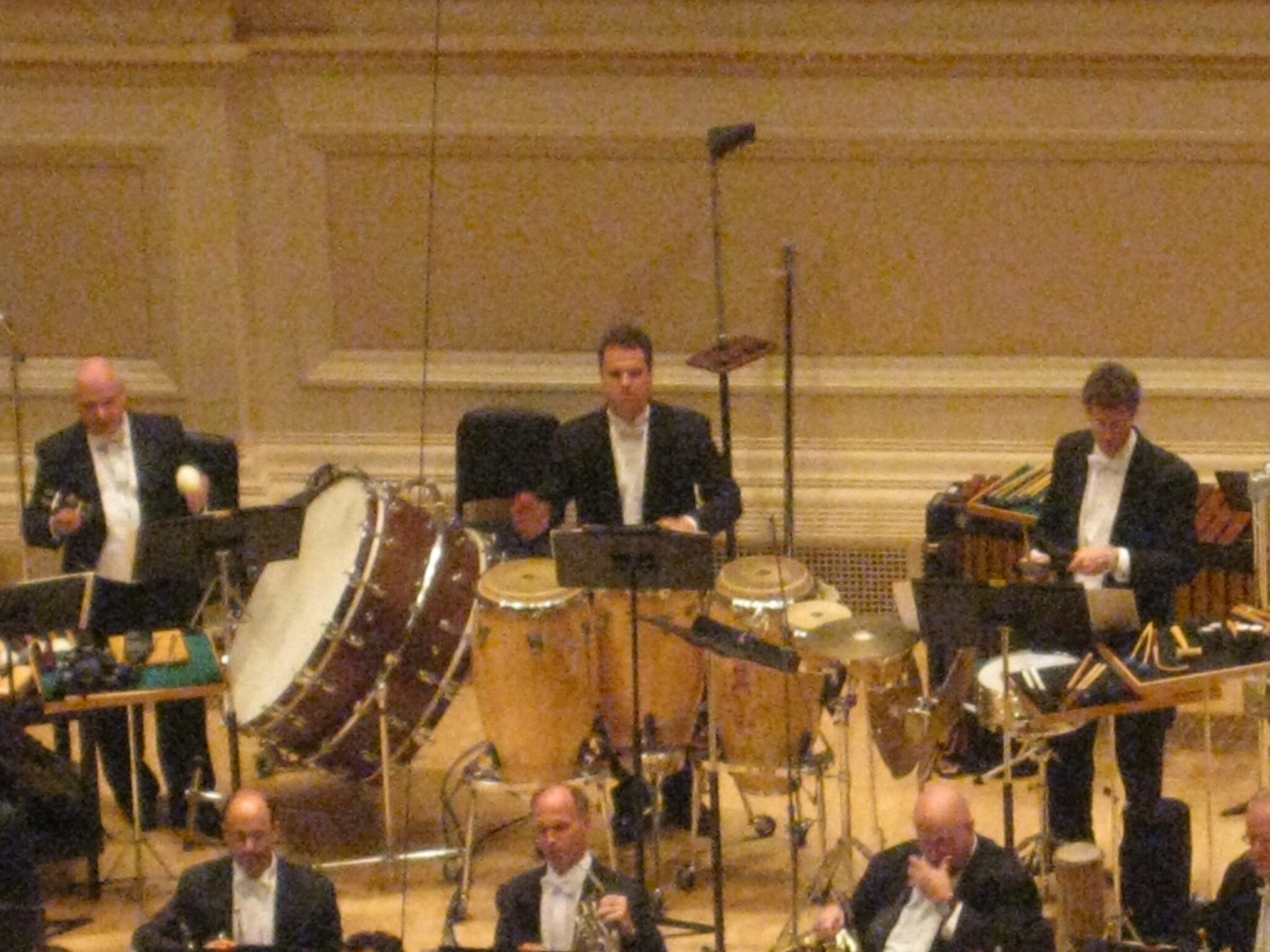
“YEM” started off with a round of applause overshadowing the opening section, but soon, you could hear a pin drop, were it not for the orchestra. The crowd hung on every note, hearing the song like never before, but really, like the song was meant to be heard – this version of the song brings out layers and aspects of the song still left unexplored through almost 500 performances over the course of the band’s career. The ‘Pre-Nirvana’ segment had the percussionist working a snare drum to emulate Fishman, as the strings brought about the largess of the ‘Nirvana’ section, with Trey playing softly and complementarily alongside the collection of musicians onstage. The xylophone in this section is worth turning the speakers up for. A crescendo appears with the trumpets, French horns and tympanis working to bring the song to its first crest. More xylophone brings the section typically played by Mike to its peak, with Trey playing louder and the horns coming in to build the song up once again.
The next section with the tremendous peak was resounding with horns and cymbals making it akin to the concert version. The bongos and congos took over the interlude in between these two sections, with an even louder zenith reached before ‘The Charge’ appeared and then dissolved with audience laughter, before a funky YEM jam beat was played by Trey and the percussionist, all the while the trombones, tuba and French horn played ‘Boy, Man, God, Shit’ in a way it was never played before.
You can’t help but laugh hearing this section, both out of the humor inflected by the horns, as well as the precision reached in the performance. Clarinets and other woods built up the song where the trampolines would usually come into play, and then the strings and full orchestra come into play, bringing the song into a three minute composed jam that highlighted all the parts of the song, as well as the musicians on stage, who were performing for an audience larger than they could possibly know.
As the final jam section ended and the strings played a very light ‘Wash Uffizi drive me to Firenze’, Trey set his guitar down and took towards the microphone, and began a vocal jam all on his own, a first for any Phish fan. The similarities between this vocal jam and the ‘Arc’ that Eddie Vedder performed on his 2009 solo tour were resounding, with the exception that Anastasio does his vocals all on his own, and without the addition of looping sounds; the room carried Anastasio’s voice throughout its acoustic borders, while the orchestra backed up each inflection of Trey’s voice.
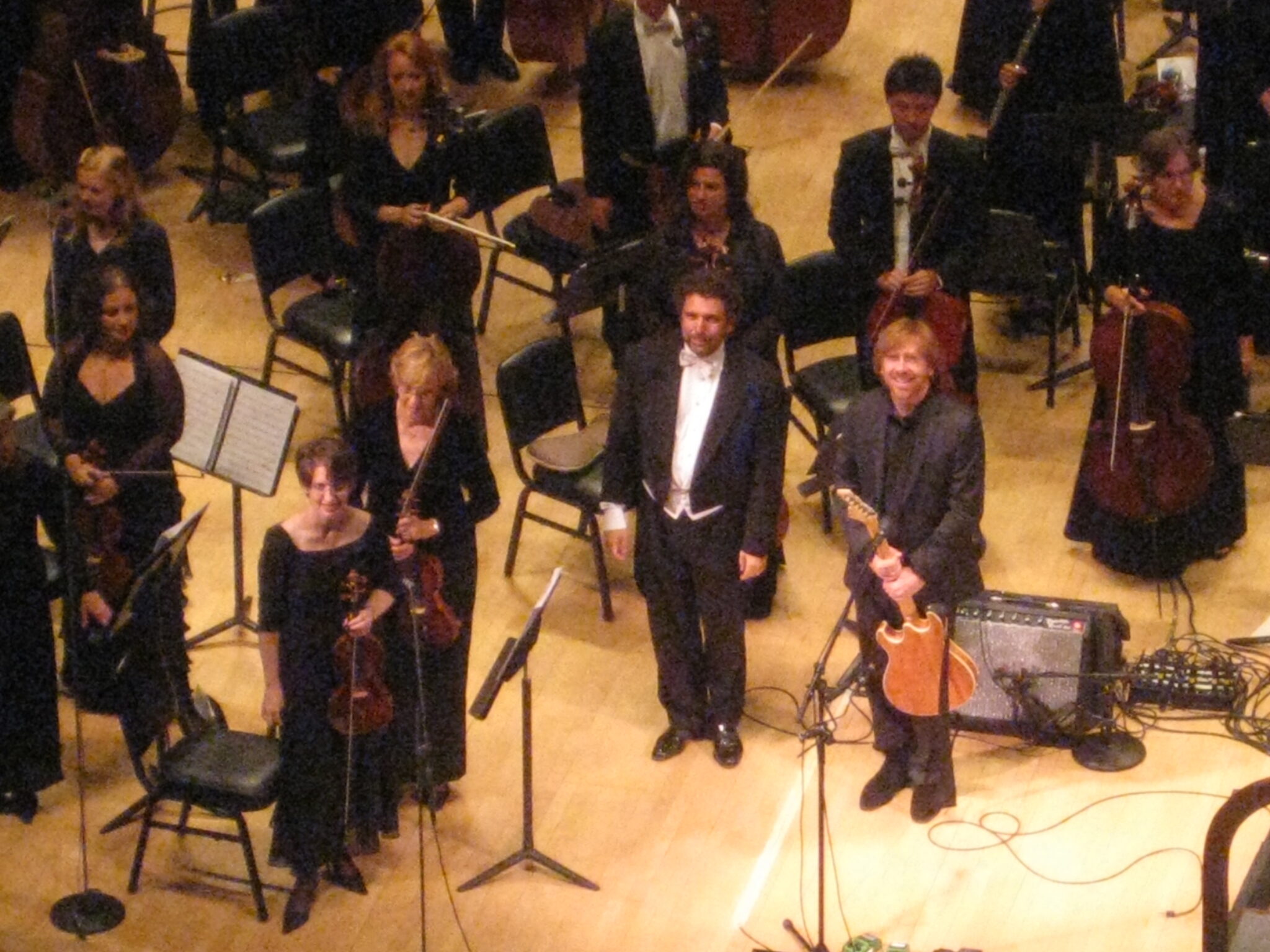
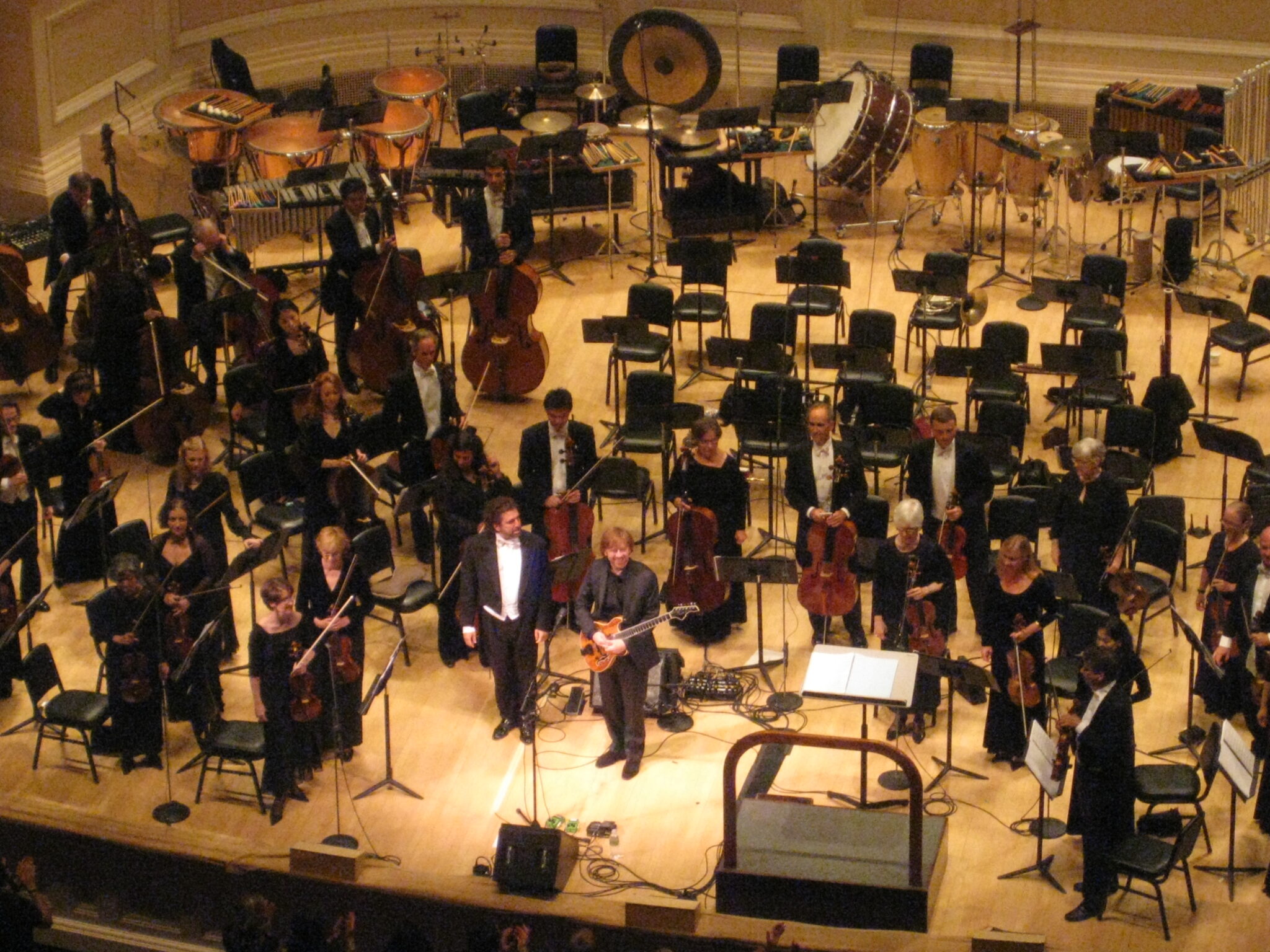
The roar of the audience at the end was deafening, even for one of those cheering loudly. We cheered like a Phish audience for a very non-Phish set of performers, and they deserved every ounce of it. An encore of “‘If I Could” was so perfect, you need to hear it to truly appreciate how soft and elegant the song gets; the album version has strings towards the end, which is a nice start for a song that has found a new home in an orchestral composition. The harp solo after the first two sets of lyrics is enough to make your eyes well up with tears of joy, and then the strings make the wells runneth over. A more beautiful composition is hard to come by.
As the show ended, fans ventured out into the streets to dodge the nitrous vendors, and headed out into the night, having experienced one of the most amazing musical events of 2009, let alone the entire decade/century. Yes, it was that amazing.
Overall, even the most rabid of Phish fans and music fans in general, would appreciate the intricacies, tempo changes, structure and multi-auditory stimulation that come from the greatness of an orchestra. Seeing Trey in an orchestral setting is the way to see him perform him music. Remember, he went to school for this, so this isn’t some silly venture like Jordan playing baseball. No, this is the real thing. This is Jerry Garcia playing solo shows, Mick Jagger putting out subpar solo albums for unknown reasons, and Bono hanging out with world leaders to push for more attention to Africa. This is where the rockstar in Trey goes on to become something more, something larger, something that transcends Phish, but brings along the music for the ride. You have to ponder the thought, since Trey went to college for Composition, had he not co-founded Phish, would he have been a colleague of Fisch?
One has to wonder, have we been duped this whole time by Phish, that now we deep down can appreciate the intricacy and effort it takes to create orchestral music? Most the songs played that night have been played by Phish since the early days (YEM, Divided Sky), the ’90s (Guyute, Inlaw, Brian and Robert, Water in the Sky) and in recent years (Time Turns Elastic, Let me Lie, Pebbles and Marbles), yet at those times, few considered that we were hearing the rock and jam versions of classical songs. All these songs have that familiar strain, and can possibly convert Phisheads into classicophiles in no time.
This show was a game-changer and eye-opener for many fans. Seek it out and join in one of the greatest auditory experiences you have ever heard.
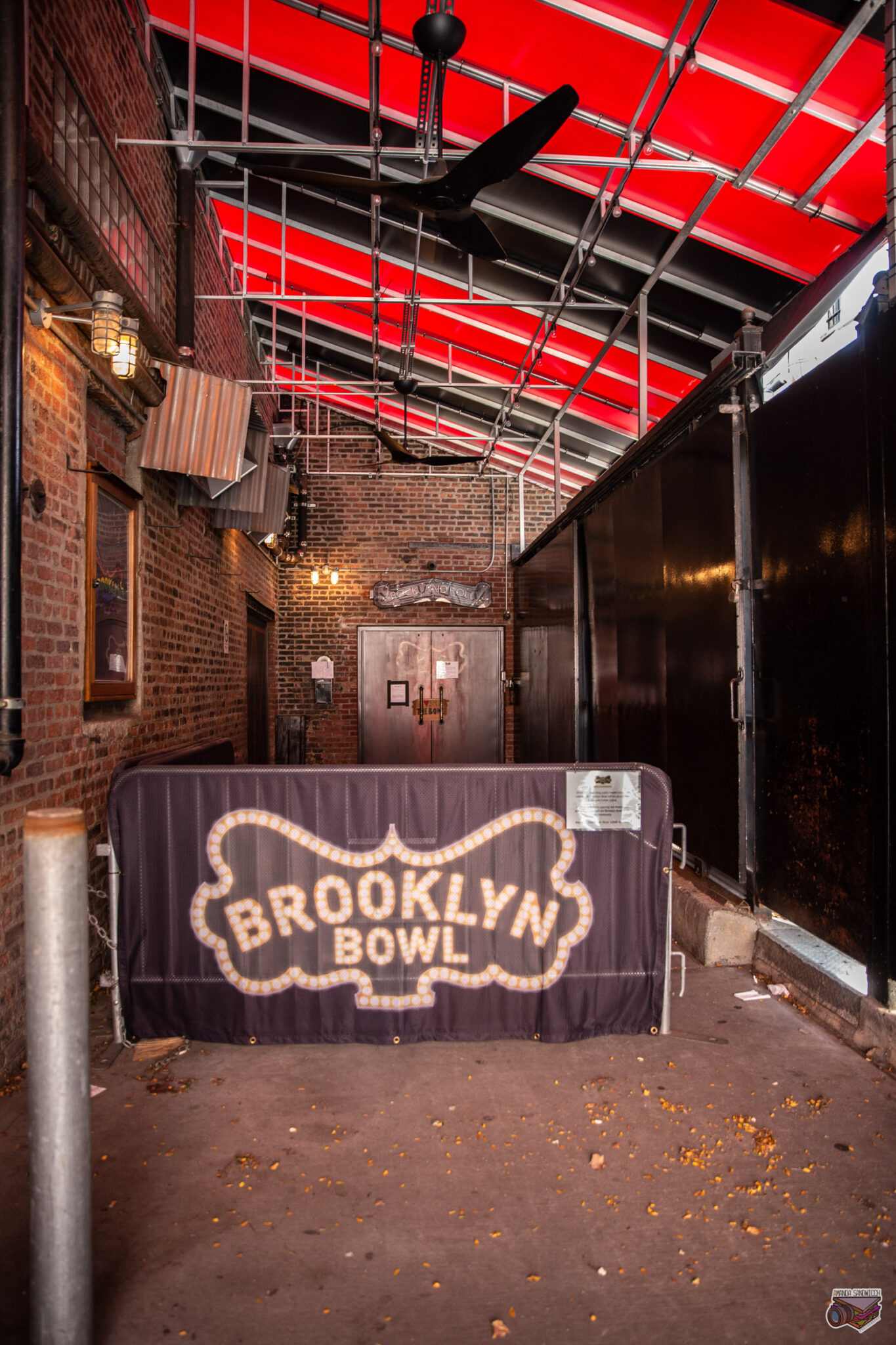
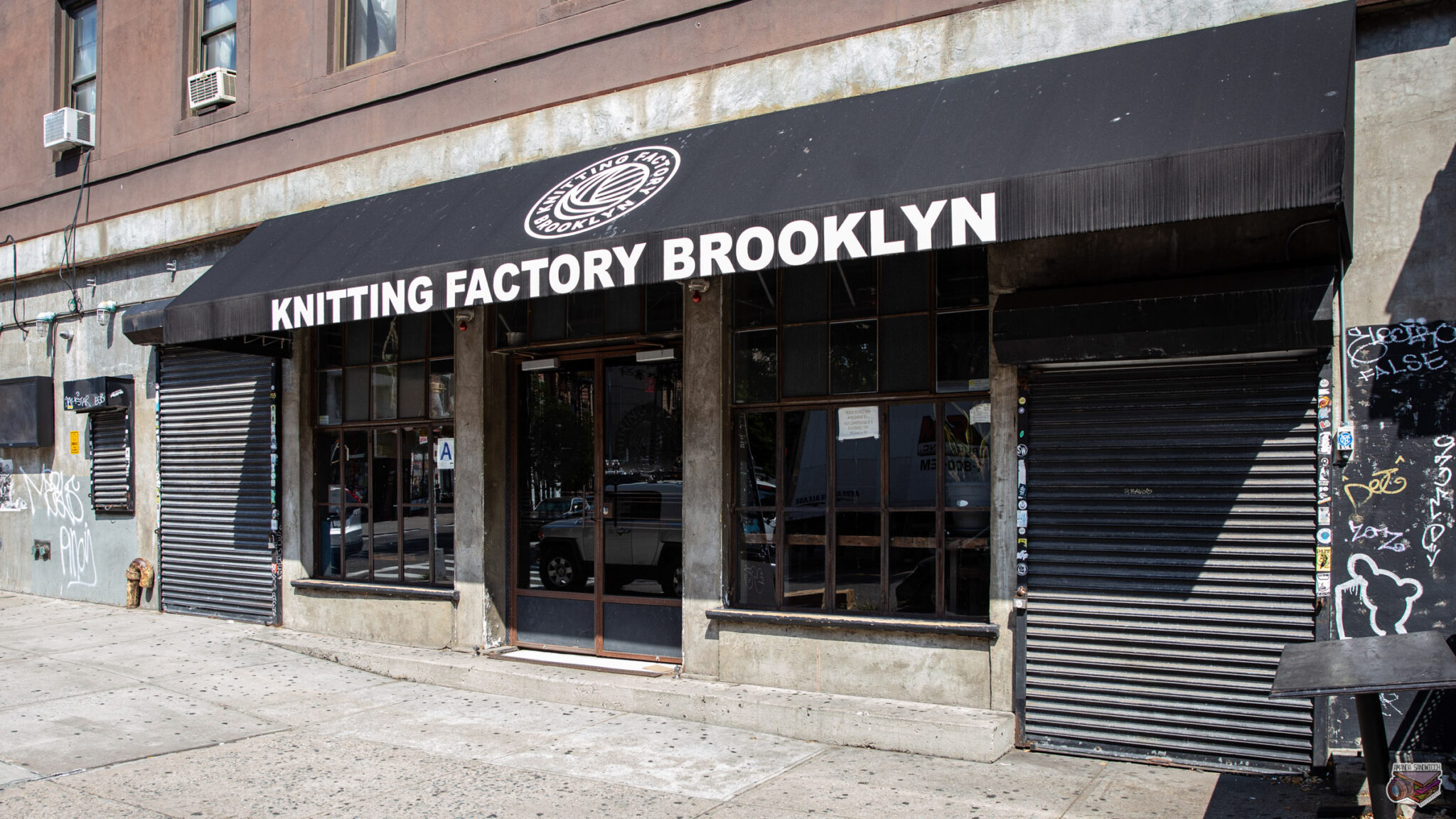
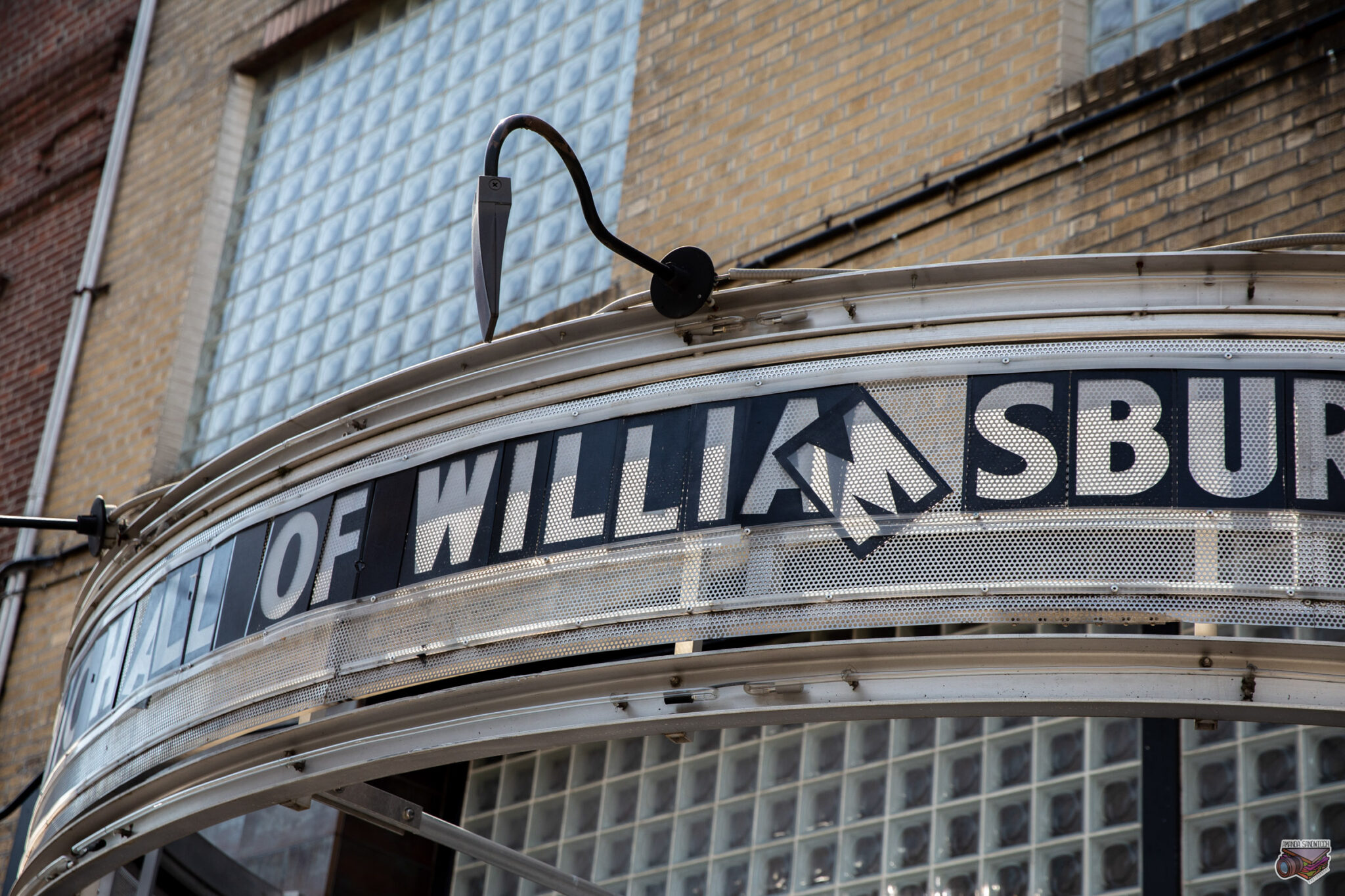
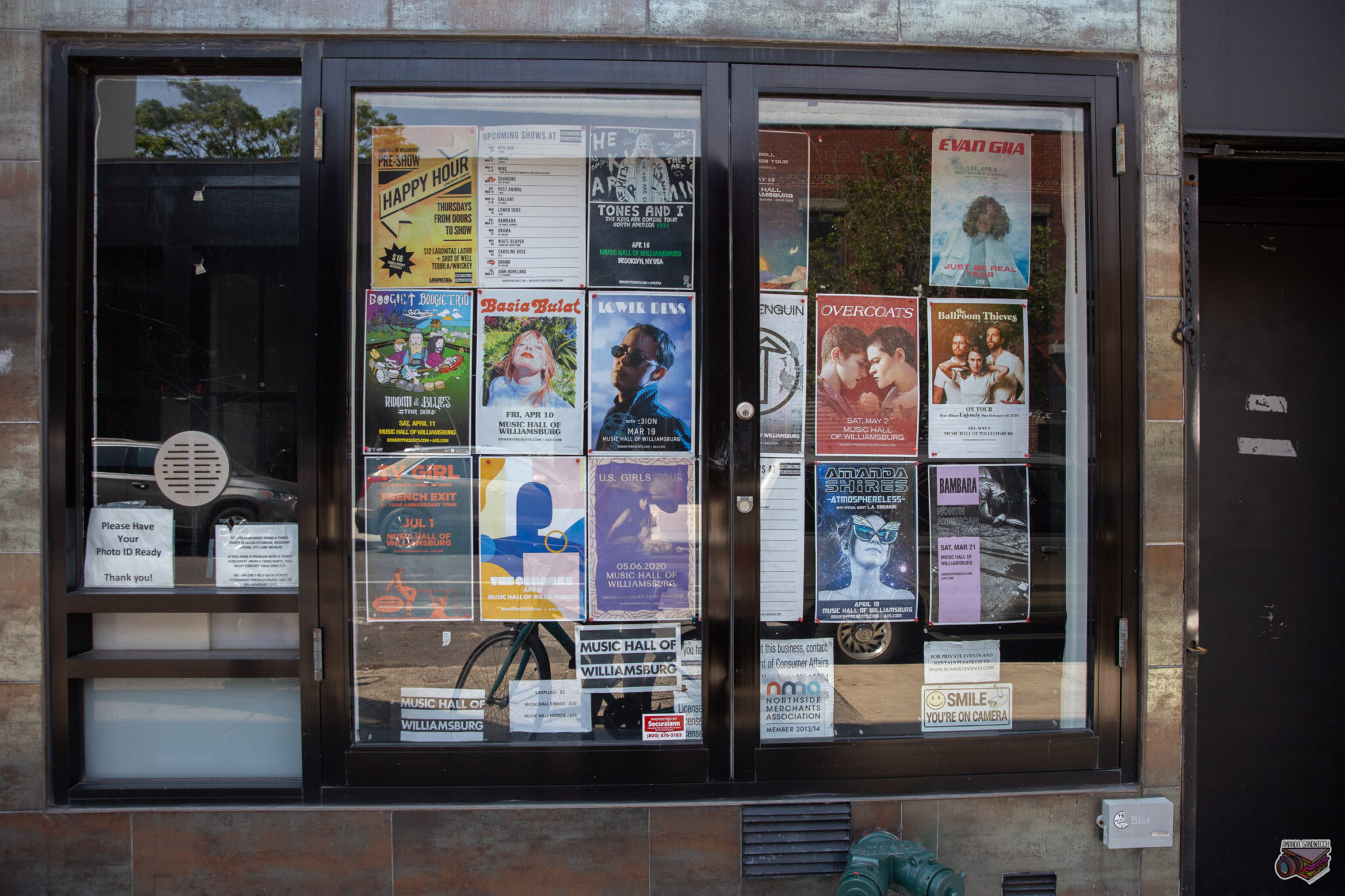
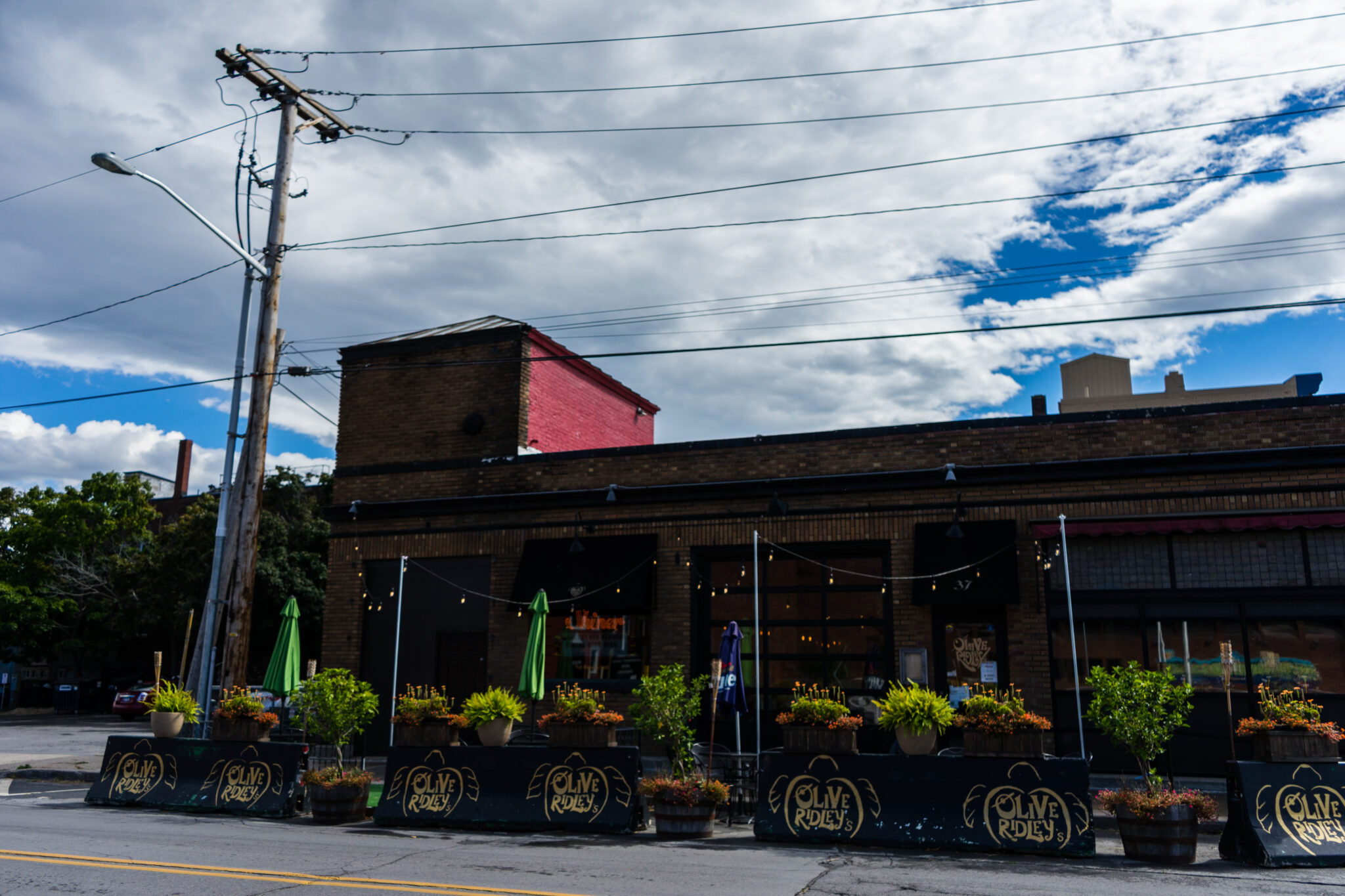
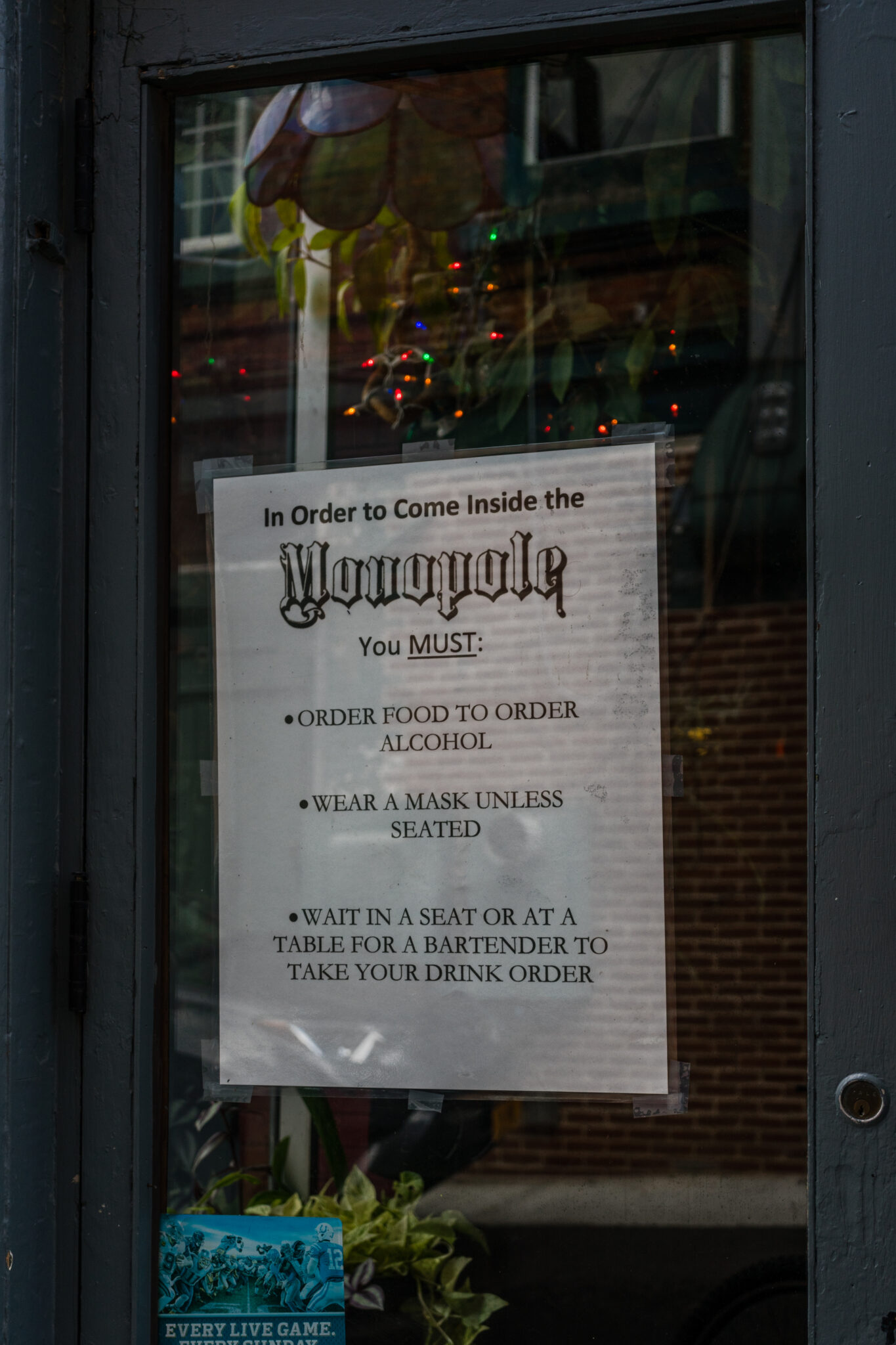
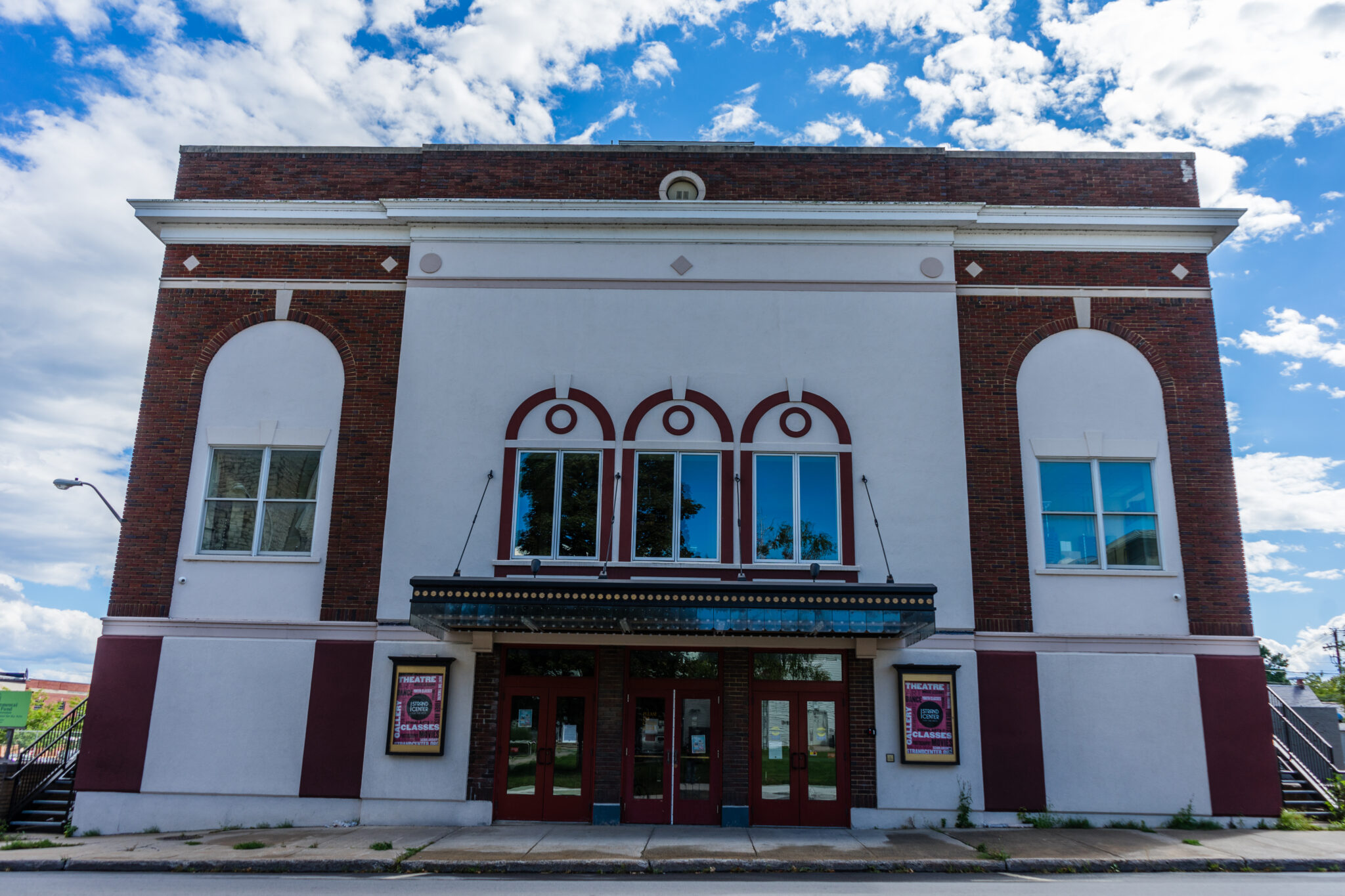
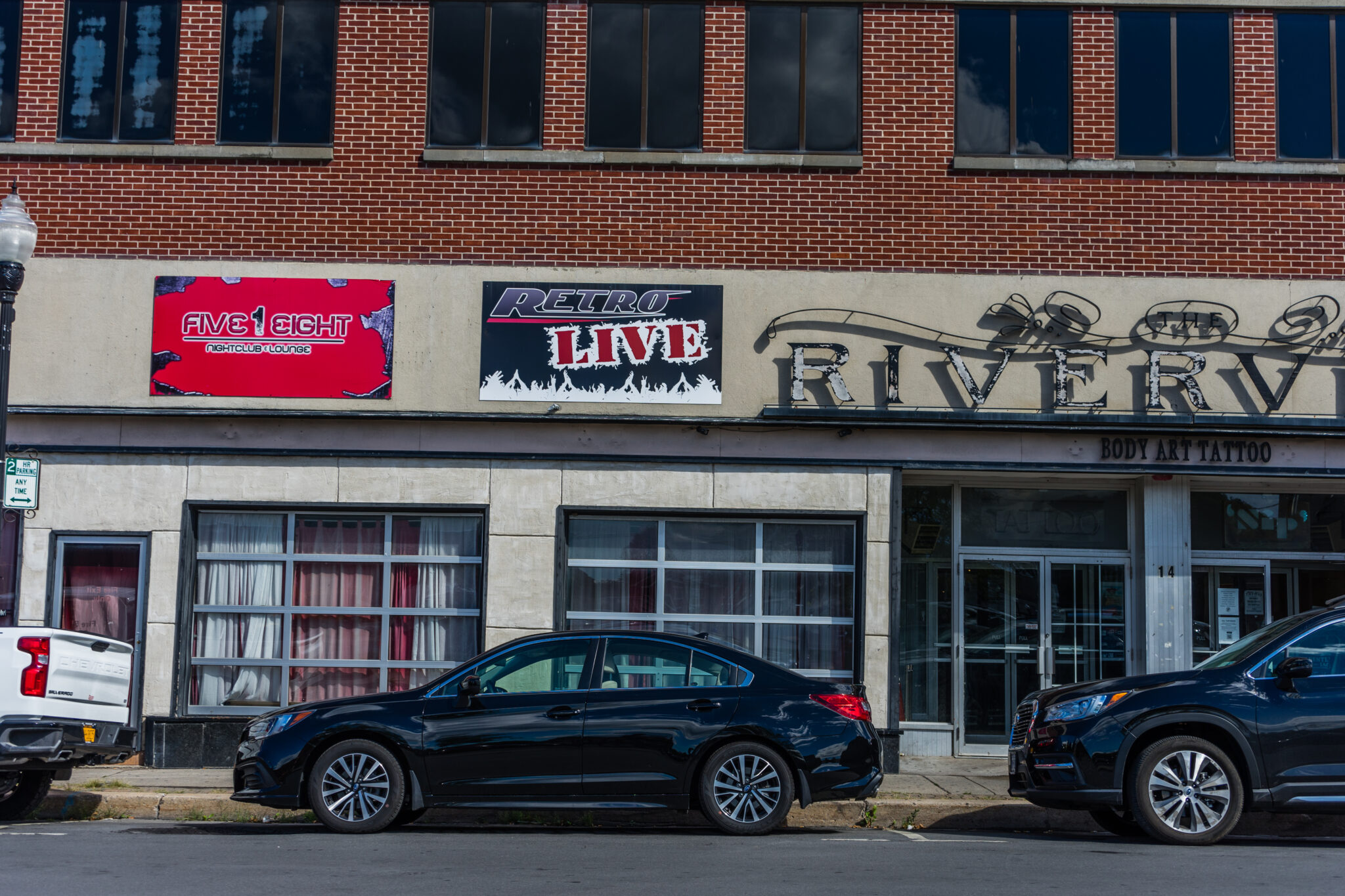
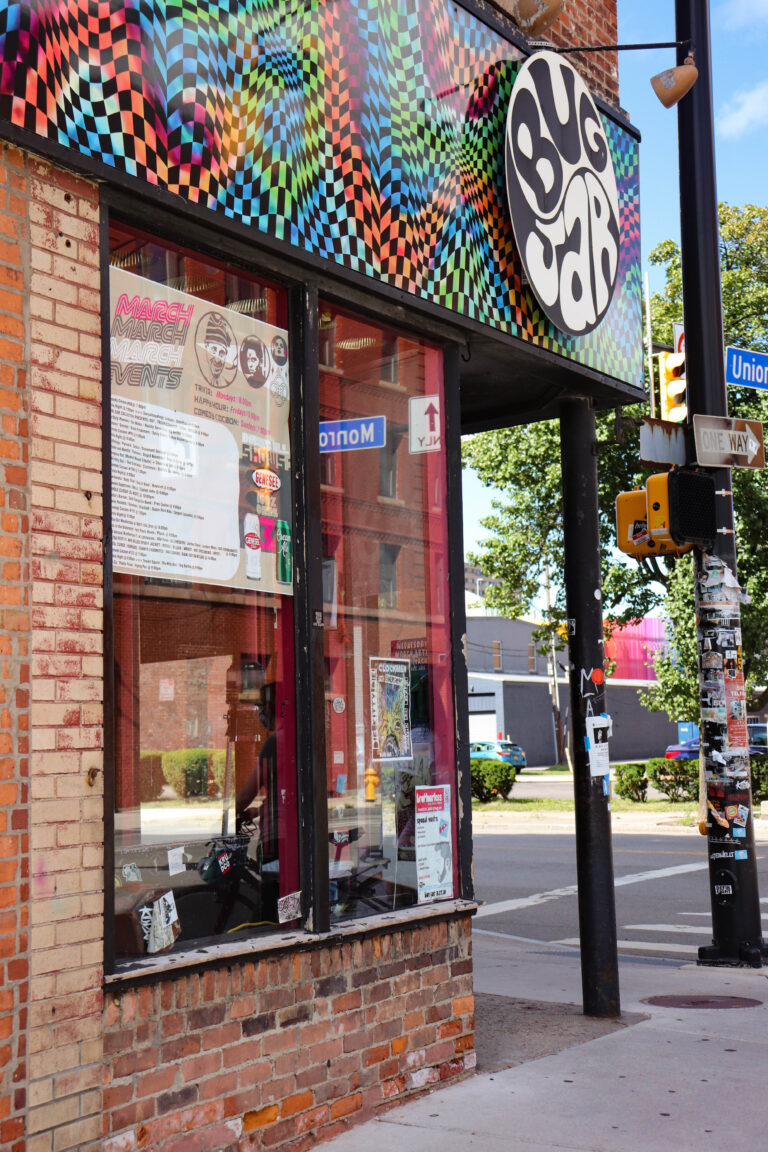
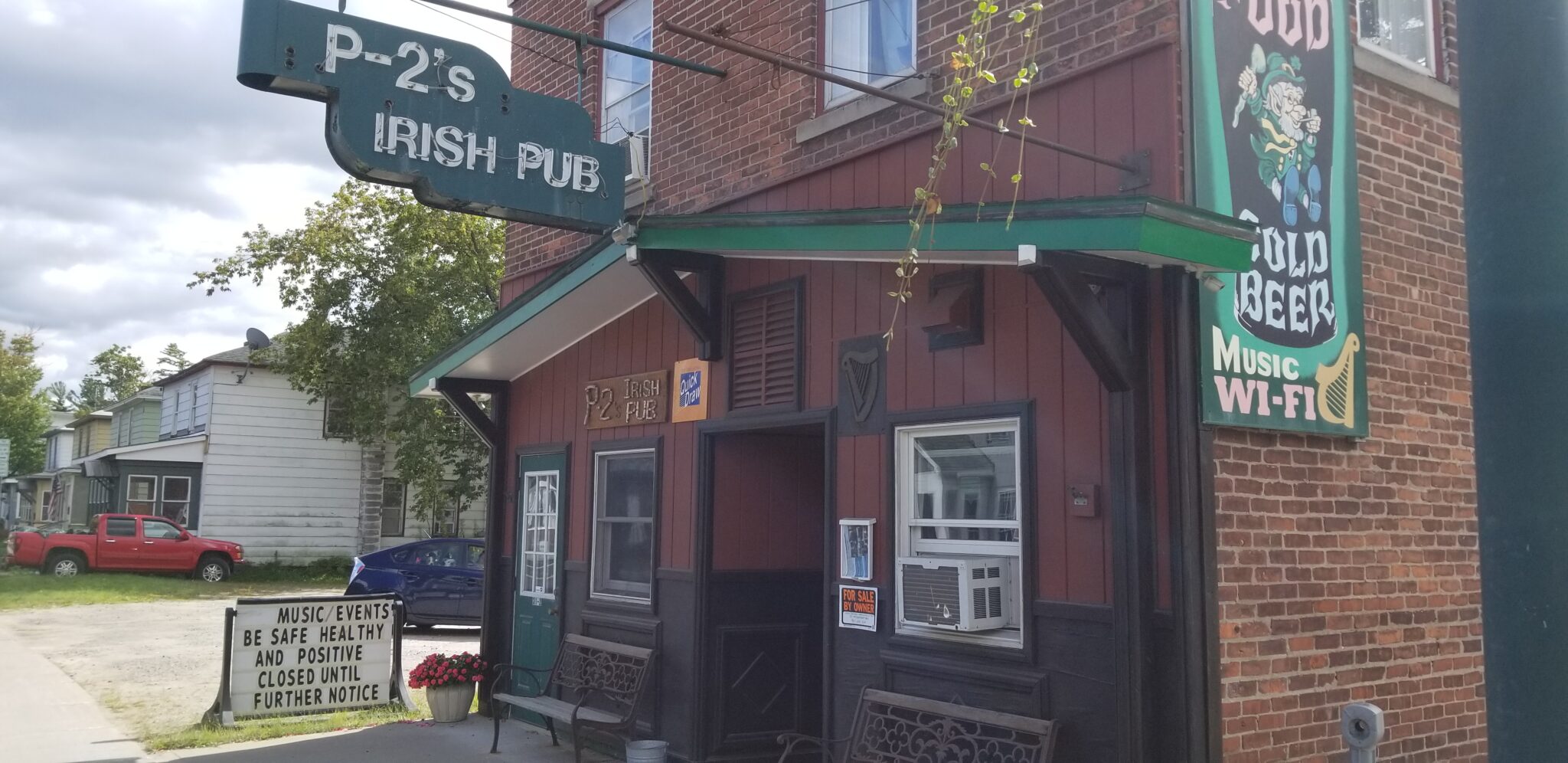
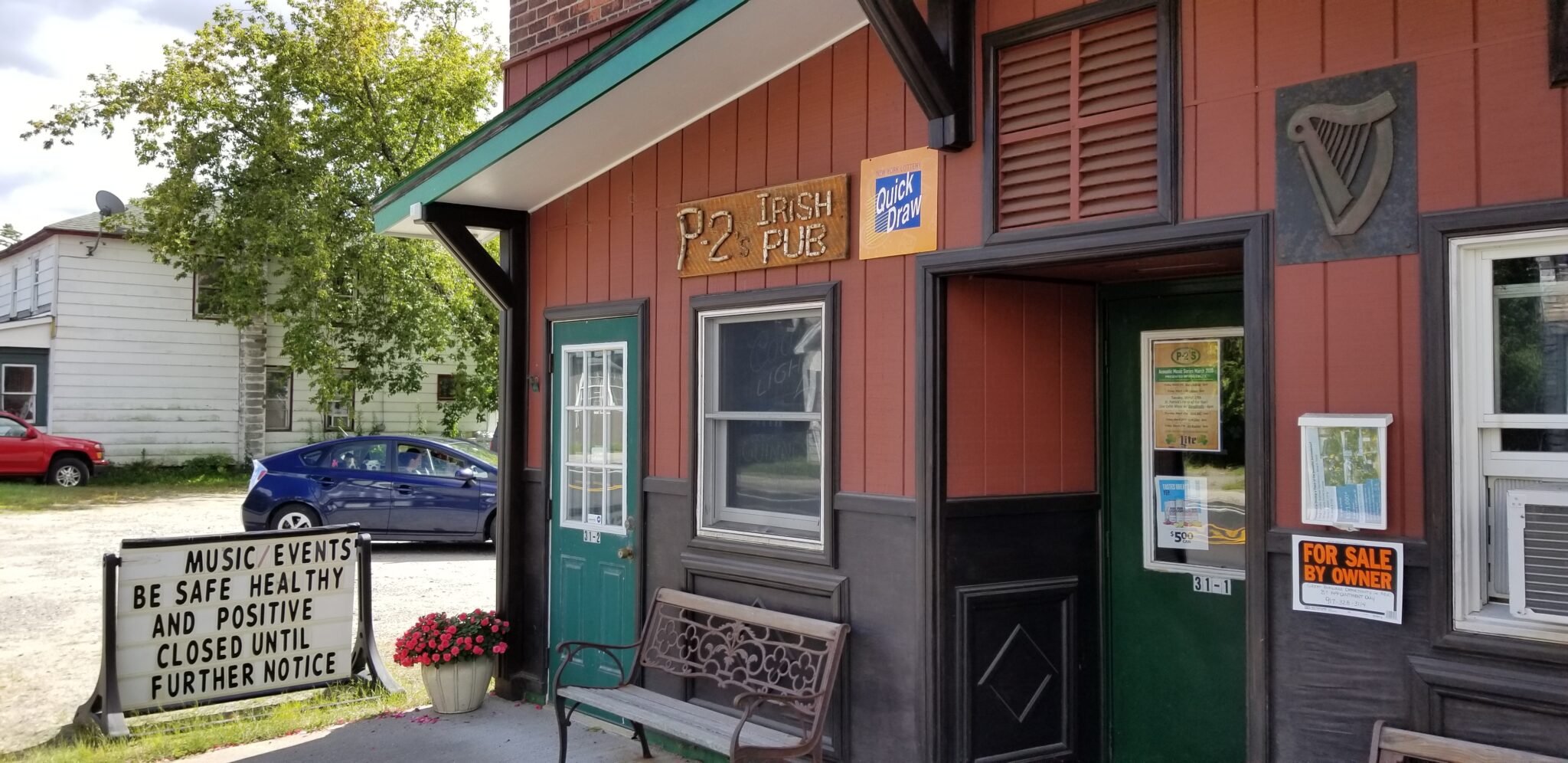
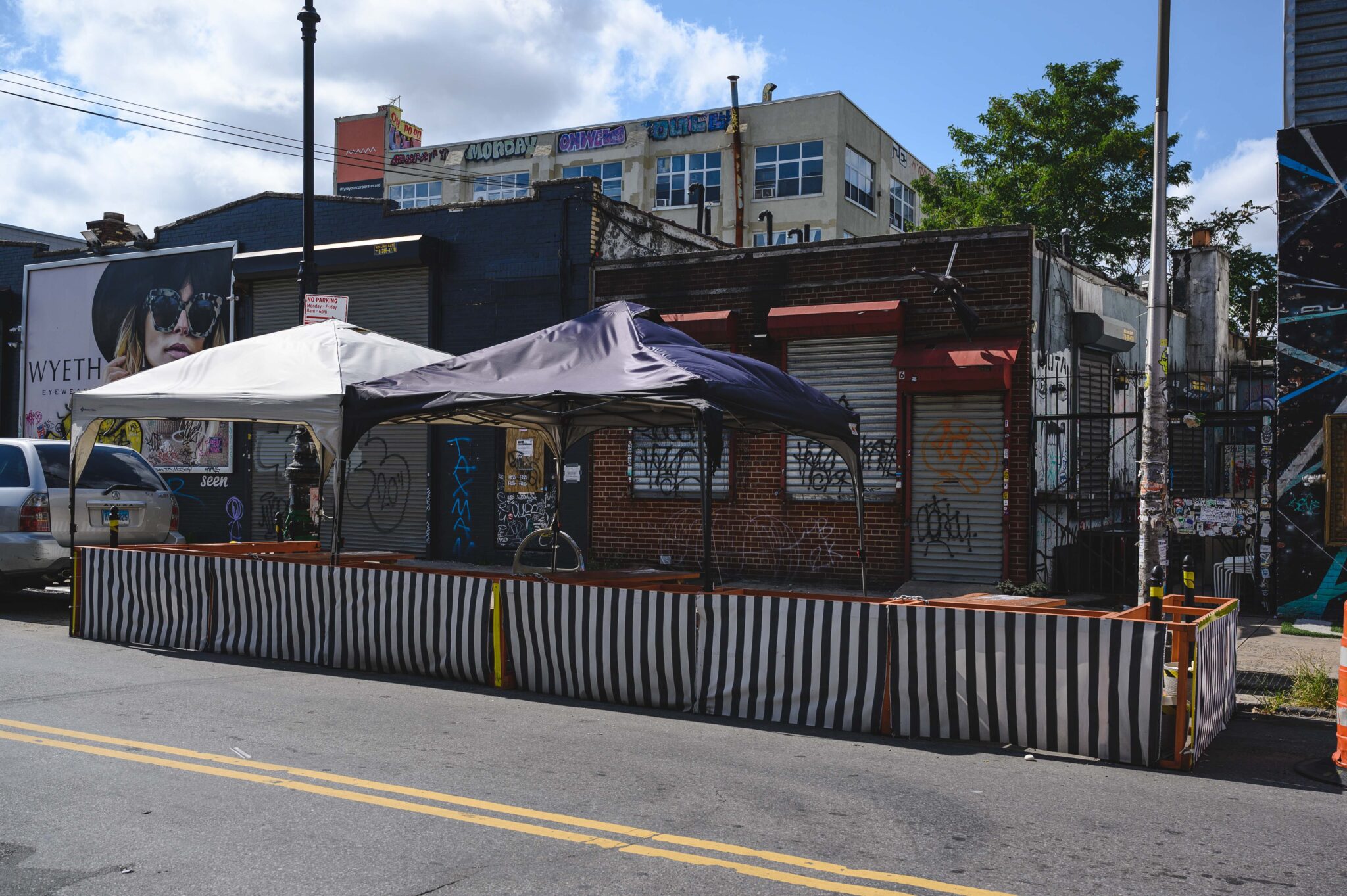
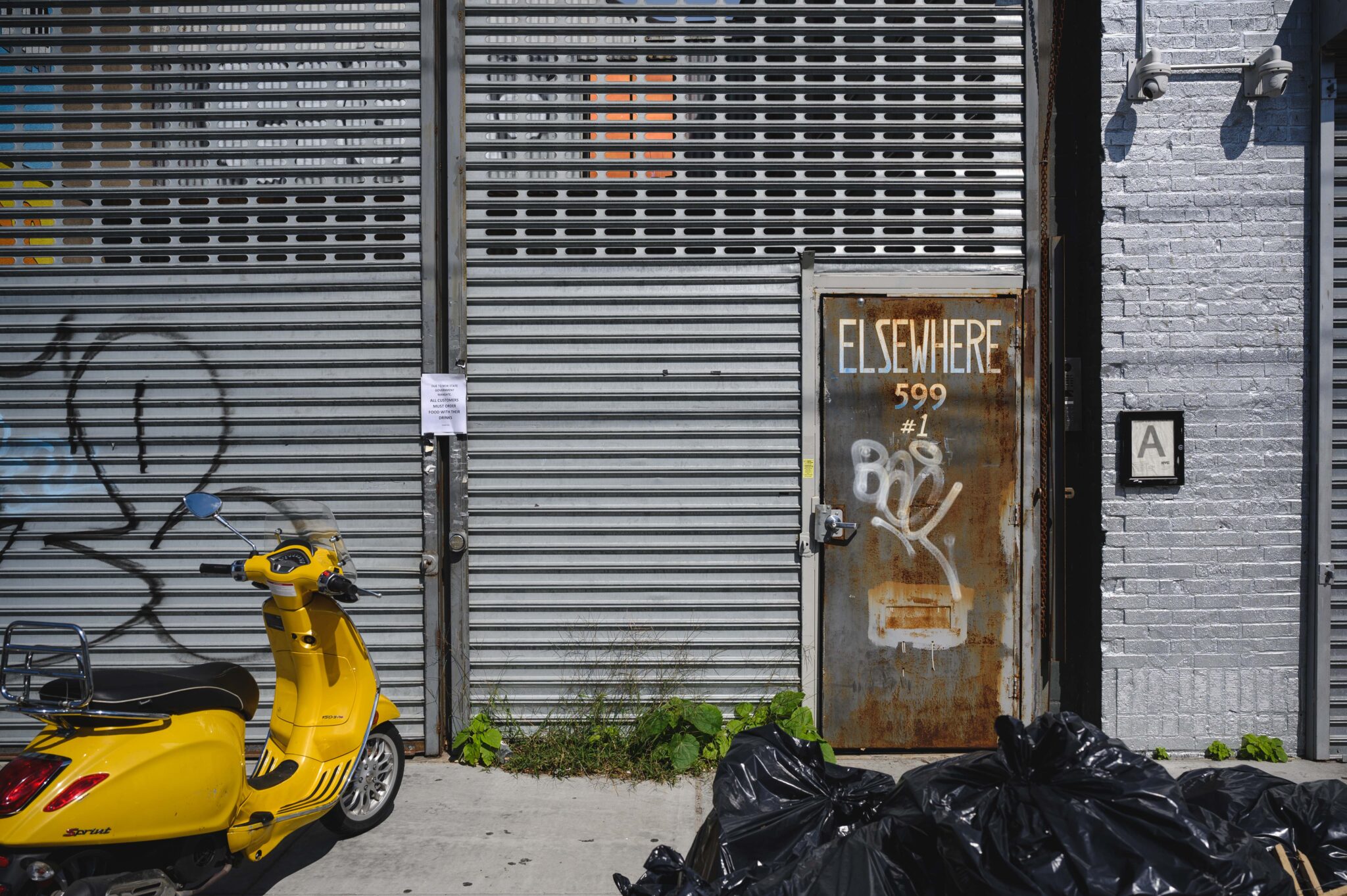
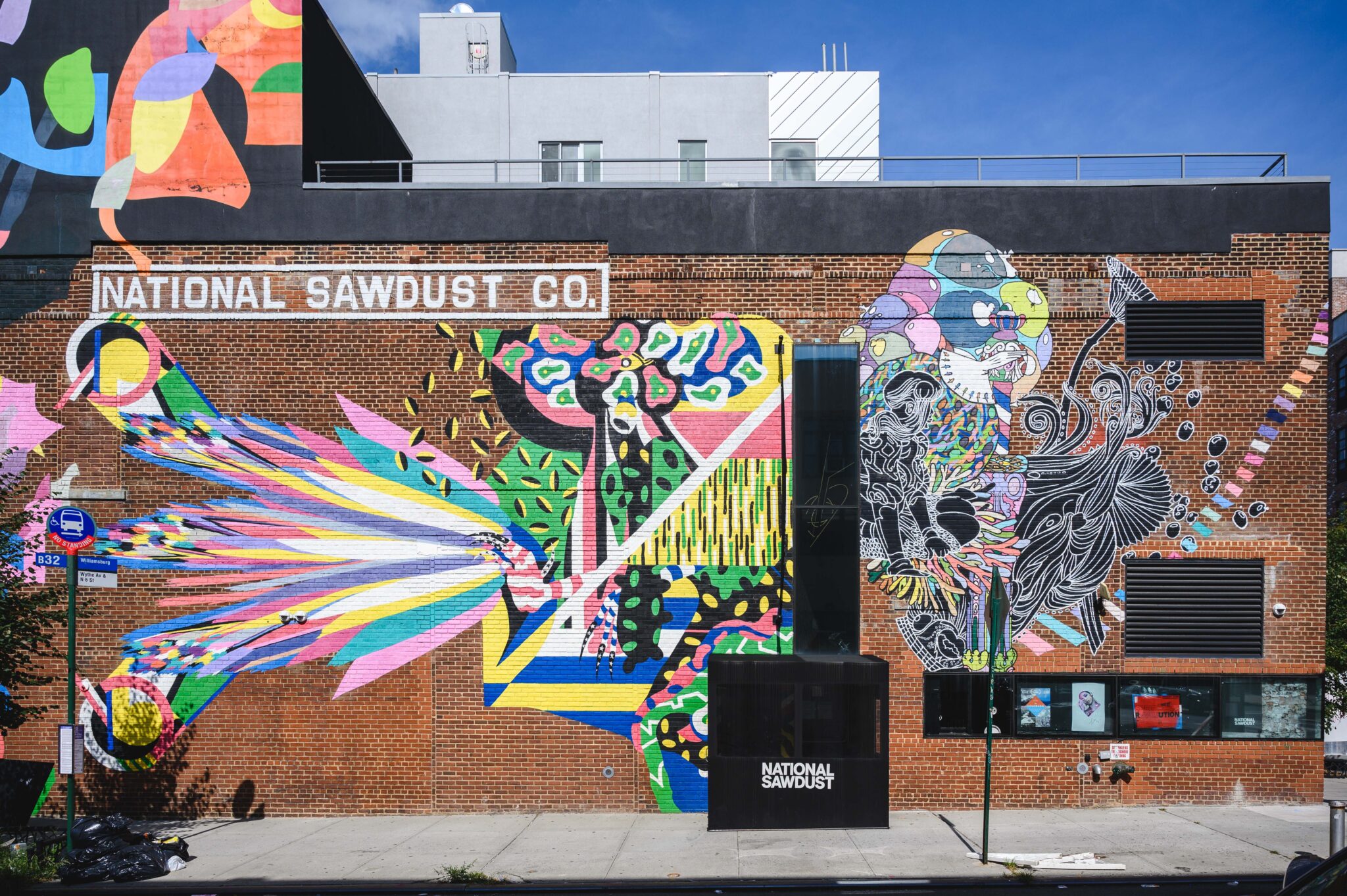
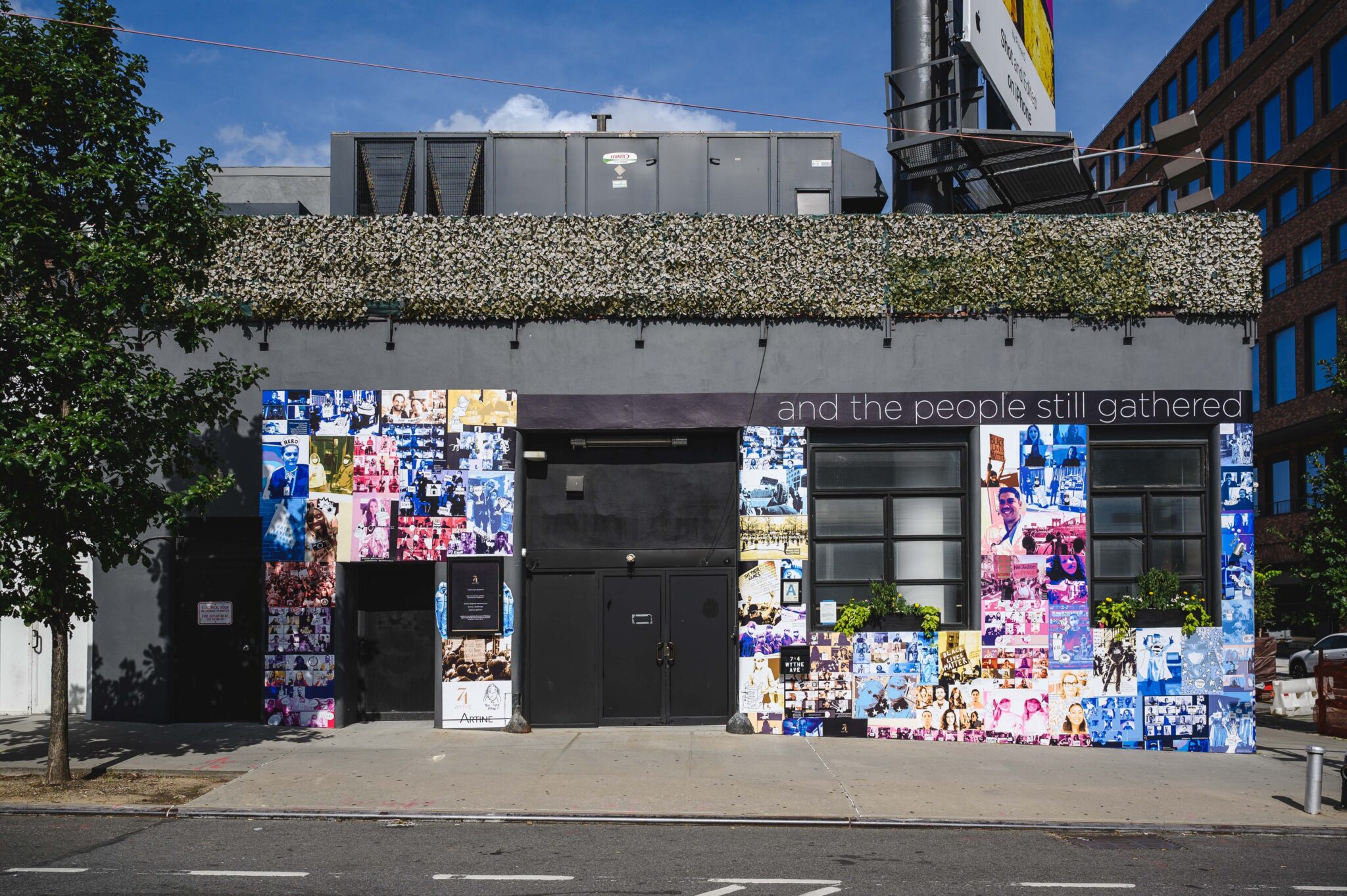
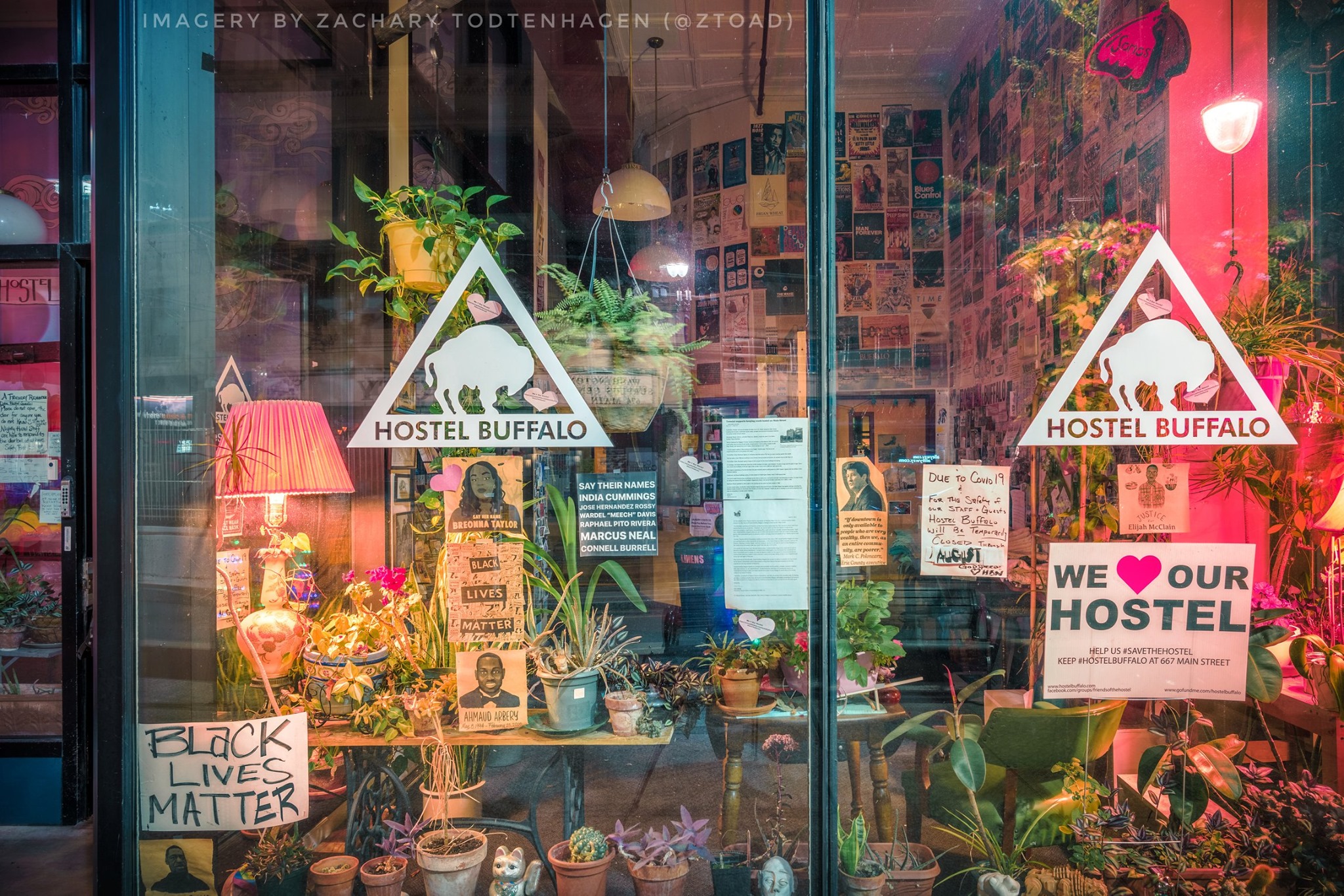
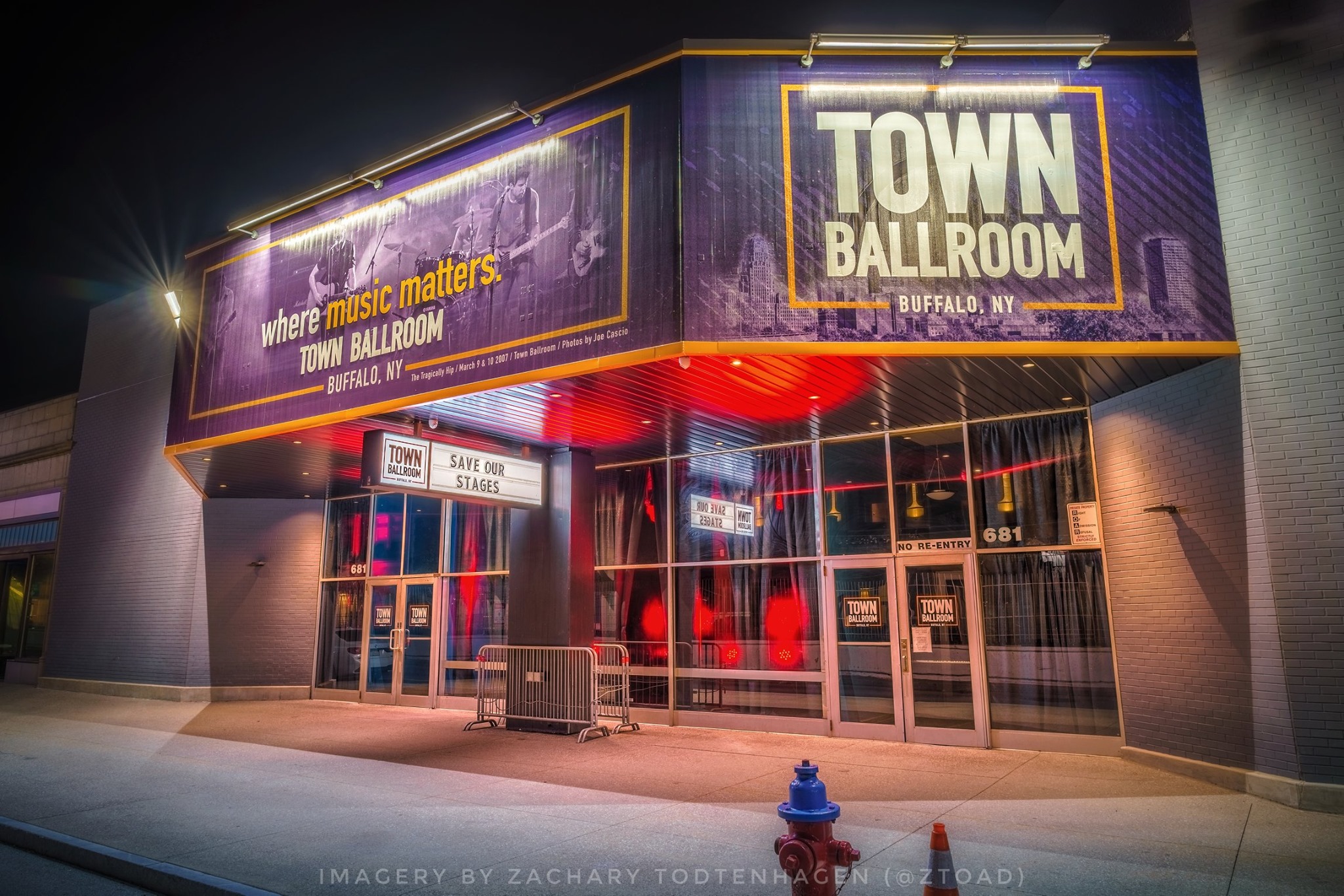
Over the summer, NYS Music began to take a look at the state of New York music venues. In June, July, and August we saw venues closed for the foreseeable future, support for Black Lives Matter, and some venues beginning to offer performances with social distancing in place.
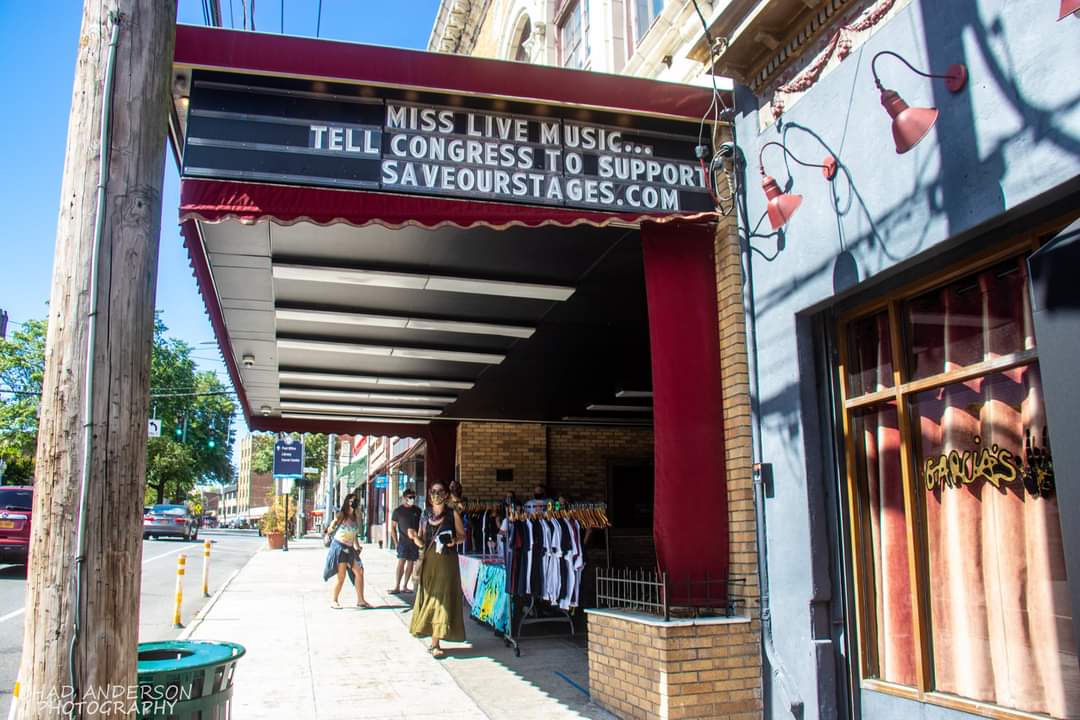
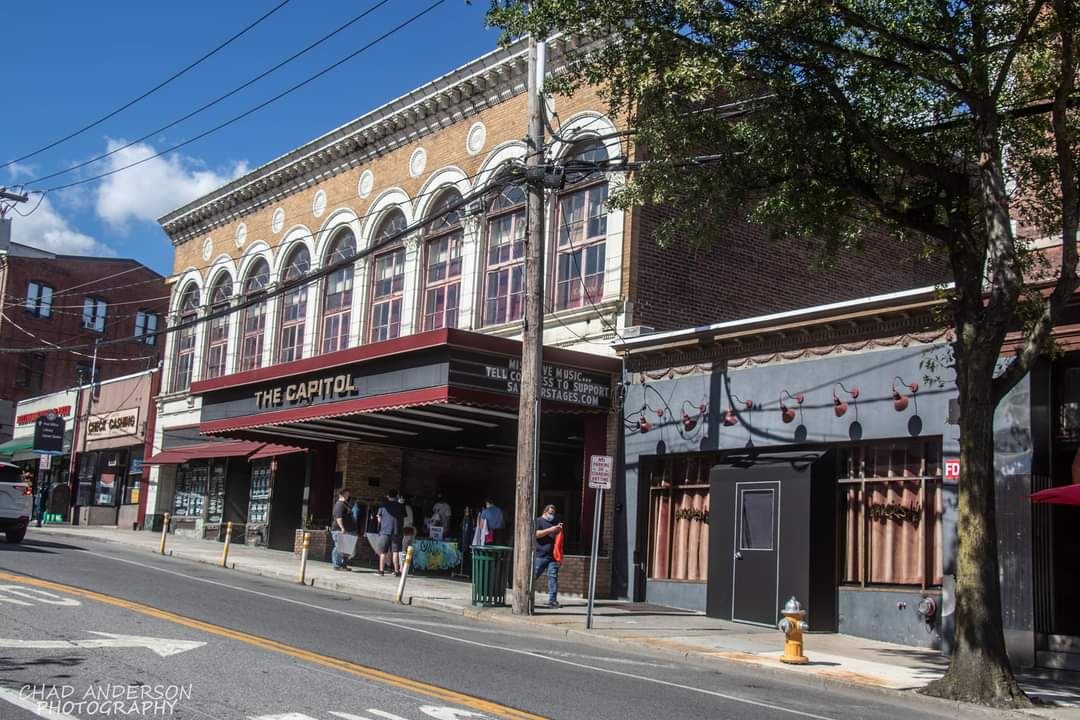
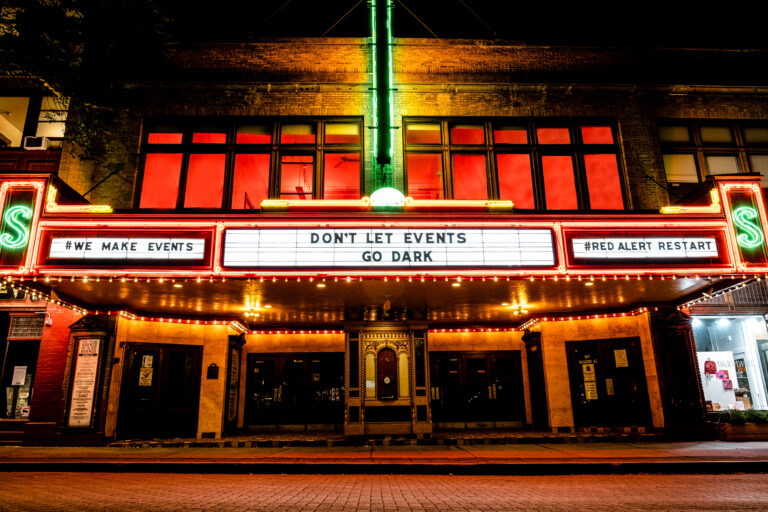
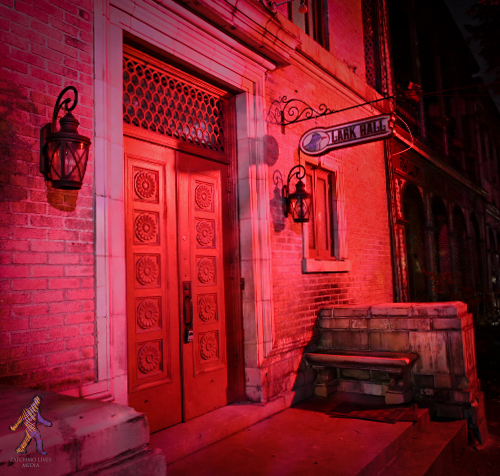
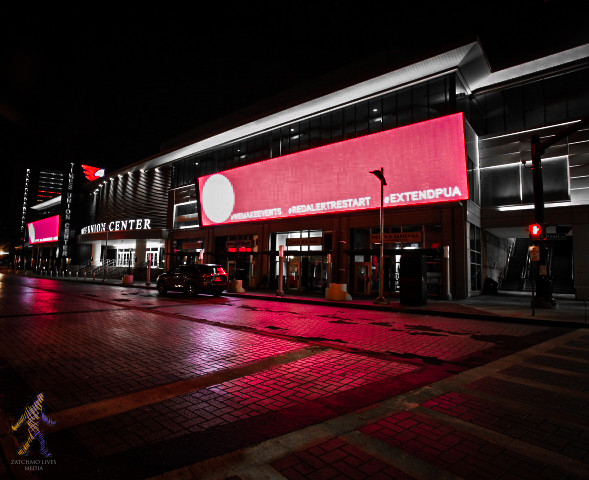
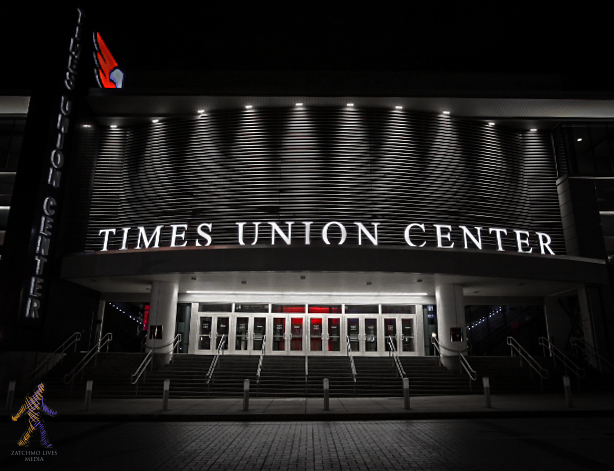
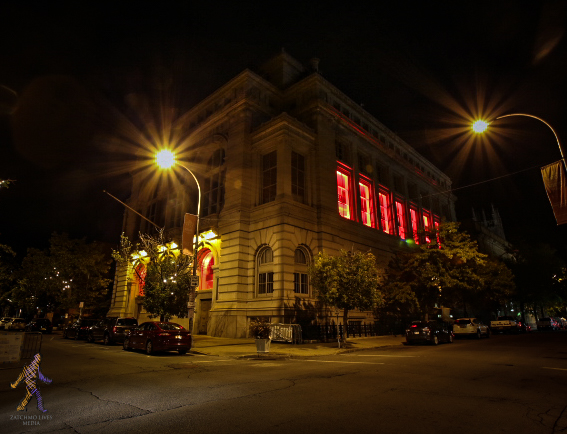
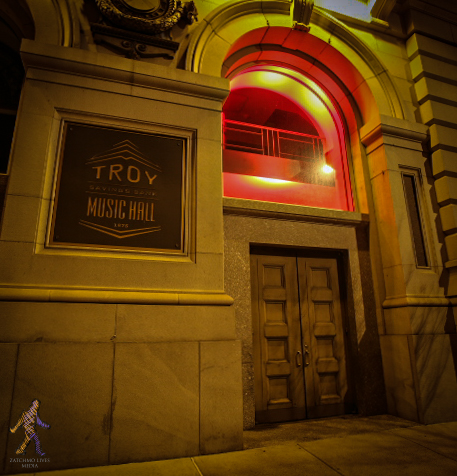
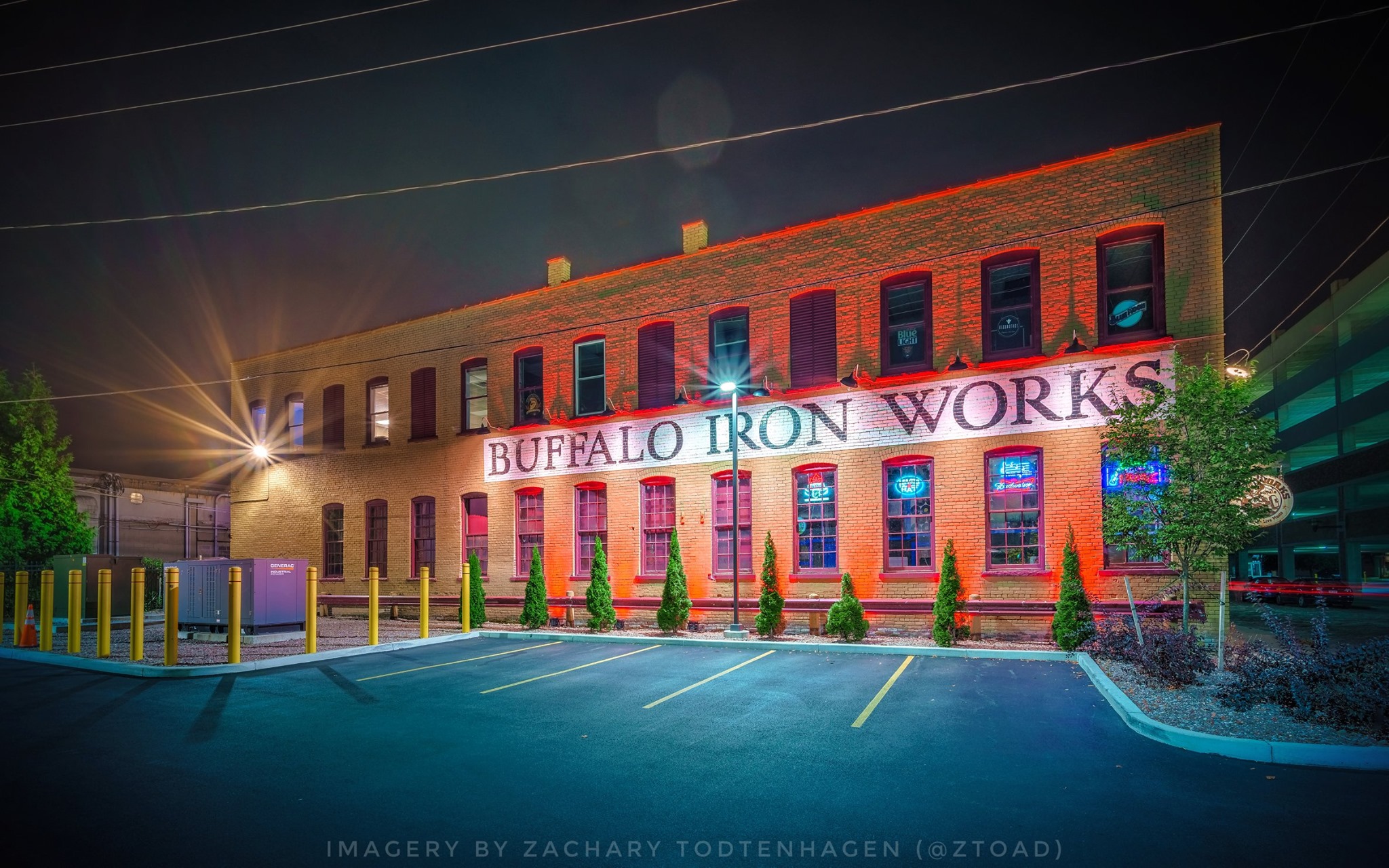
September kicked off with Red Alert RESTART, and venues across the country (and world) going red to encourage action to save independent music venues. With hope for passage of relief bills in Congress limited, and only ‘incidental music’ currently allowed, venues remain mostly closed for live music, in quiet anticipation of the day crowds can return.
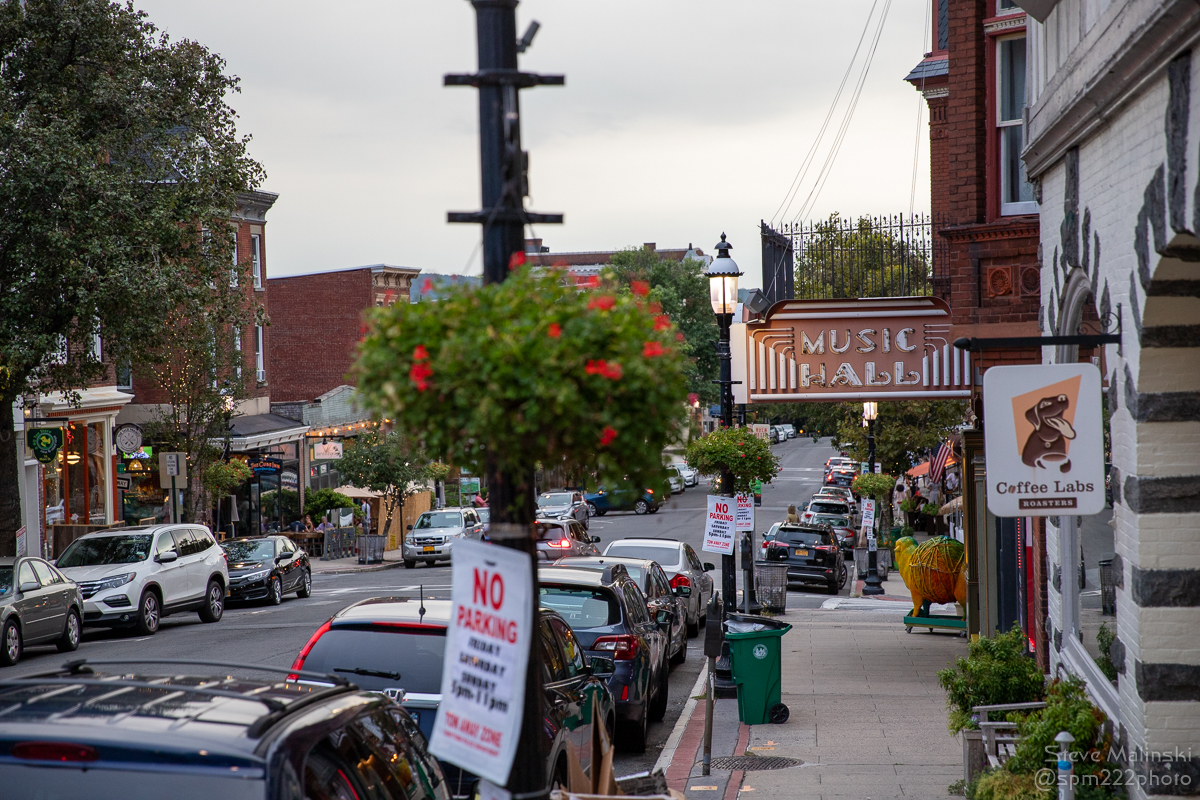
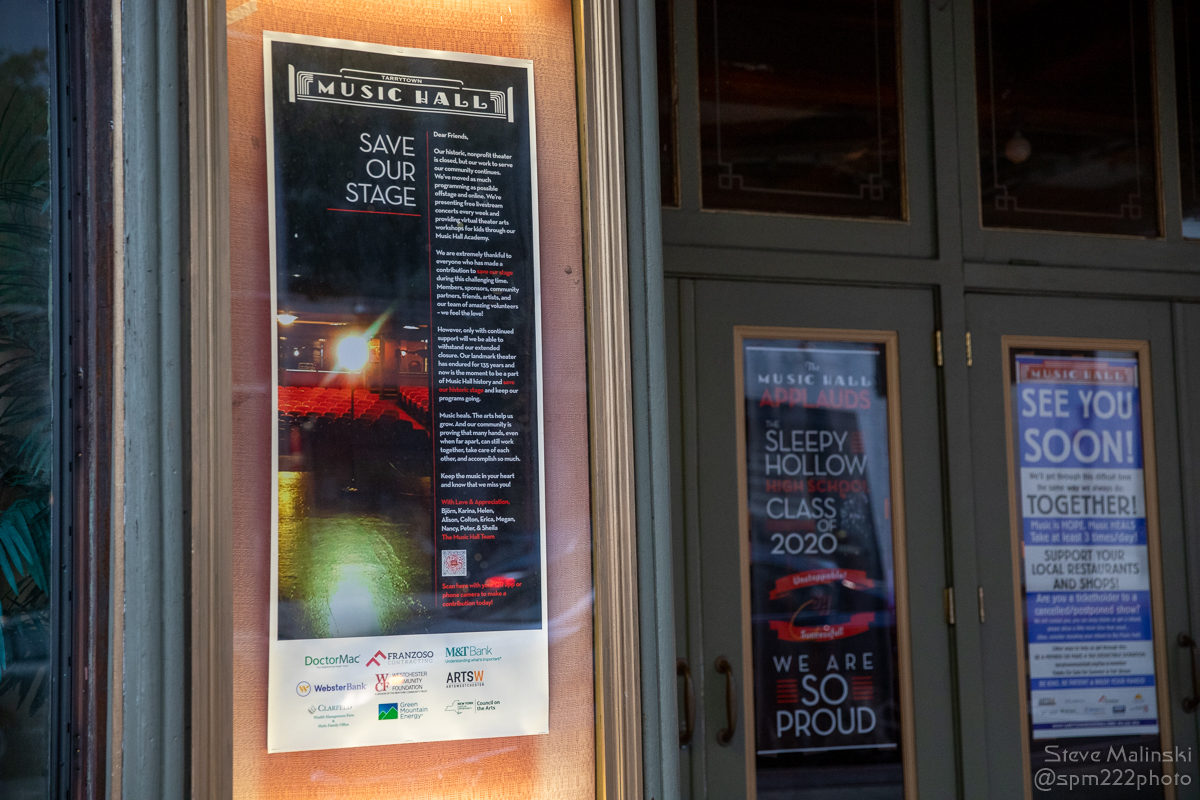
Tarrytown Music Hall – photo by Steve Malinski
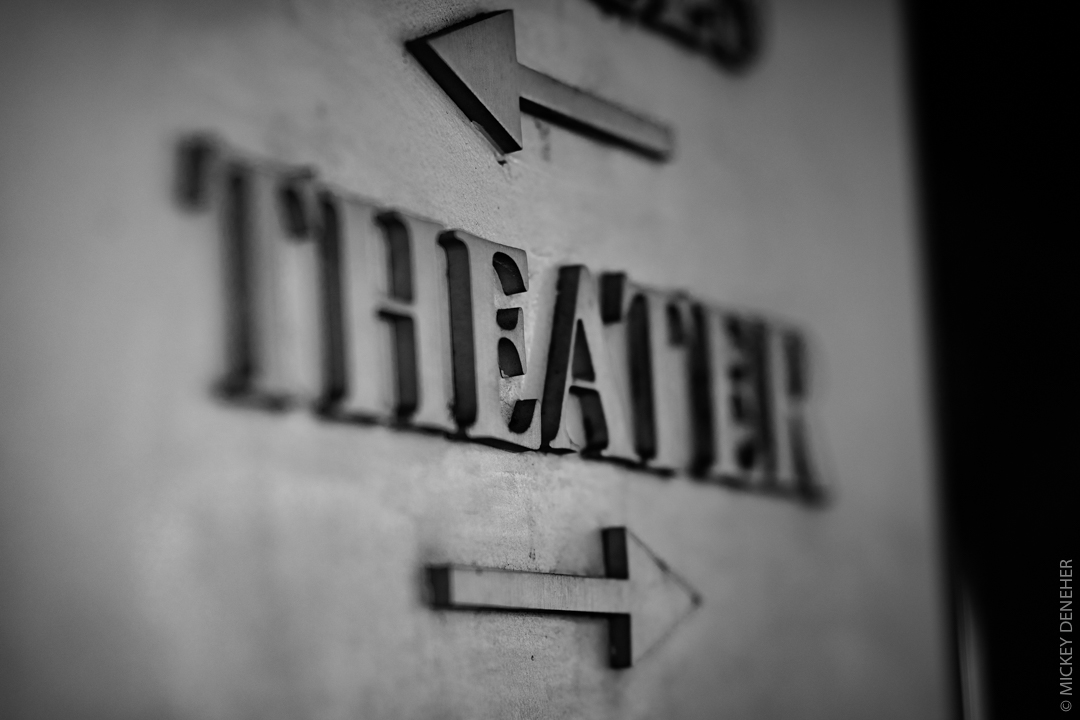
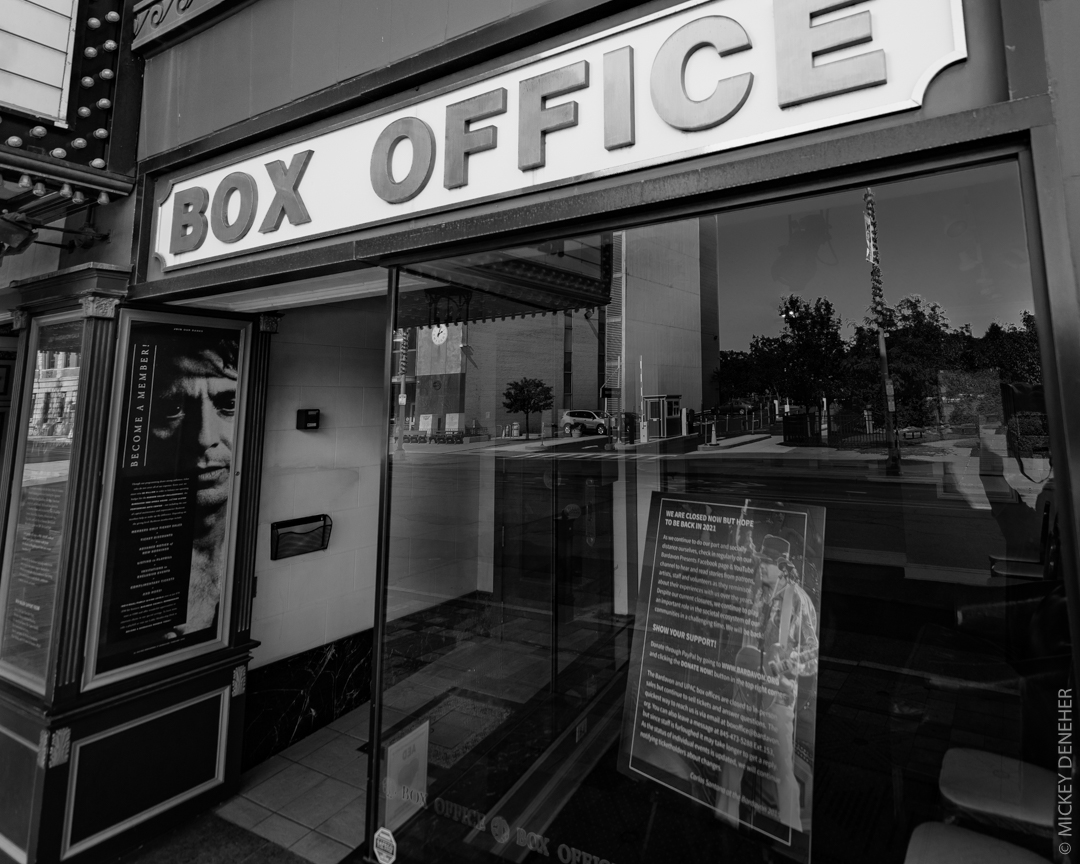
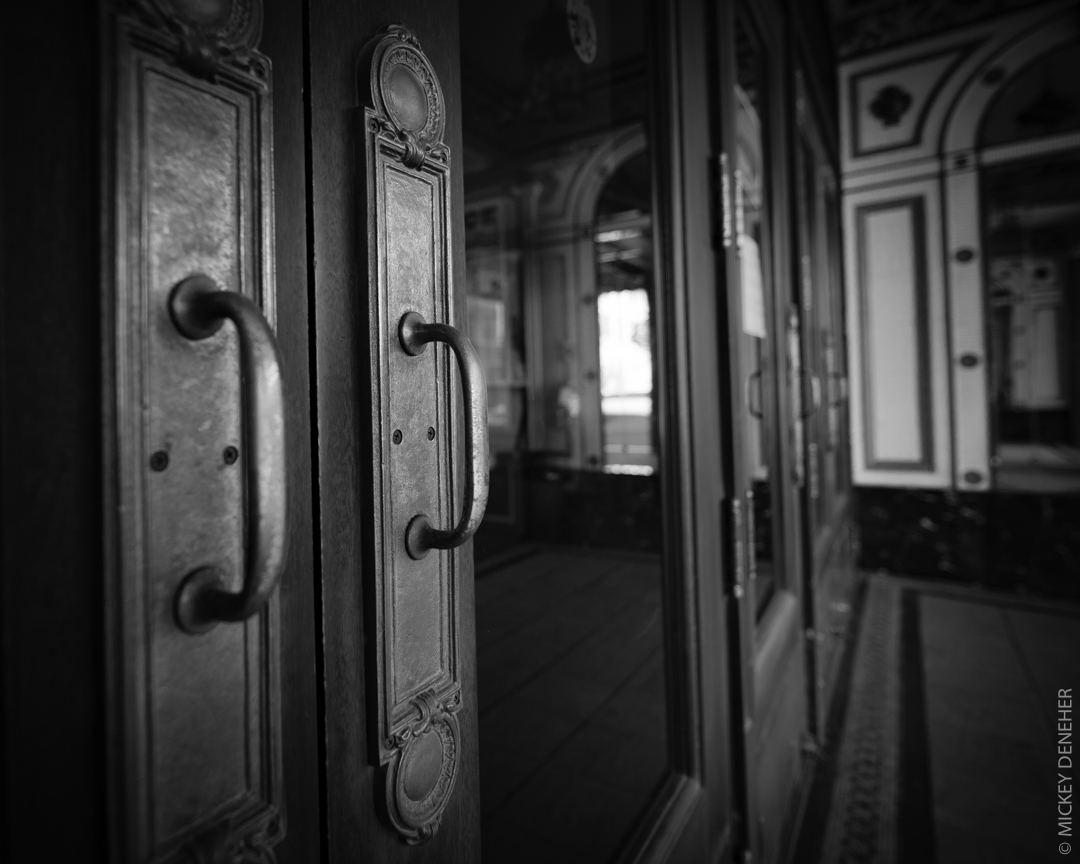
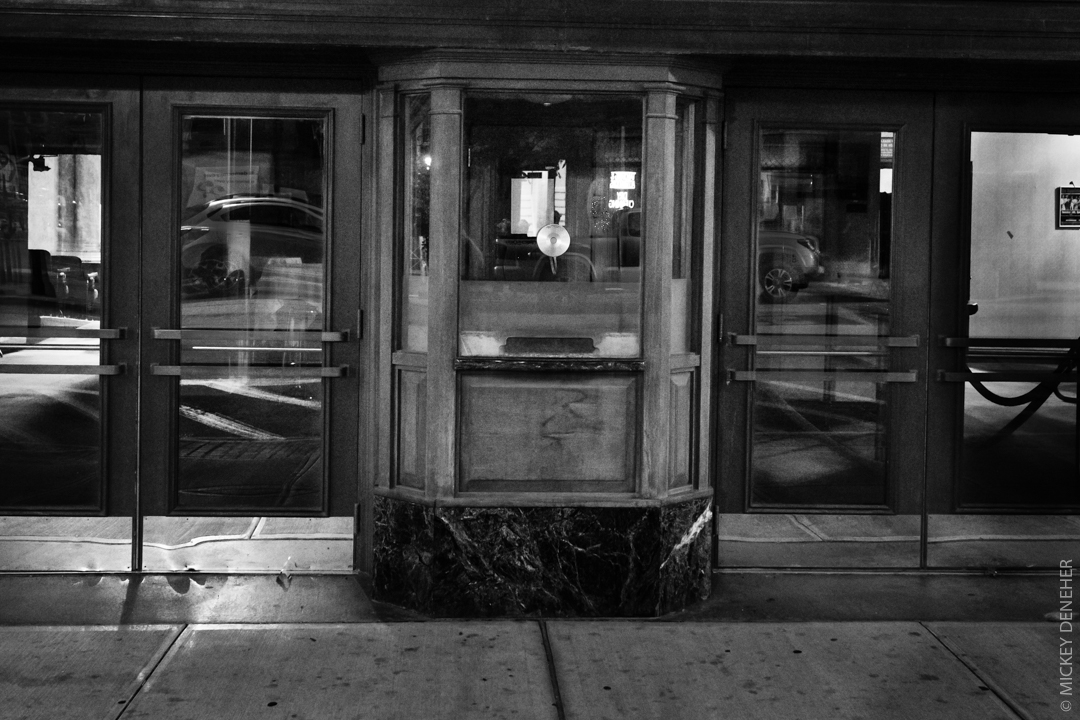
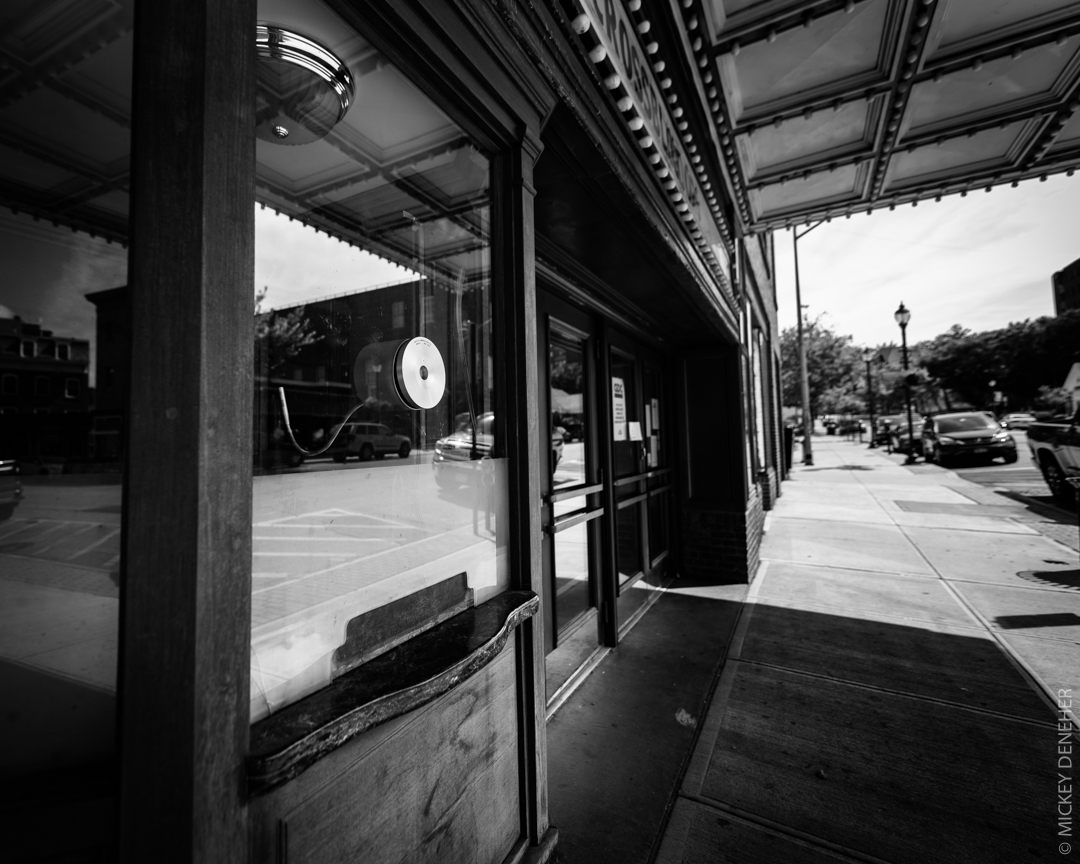
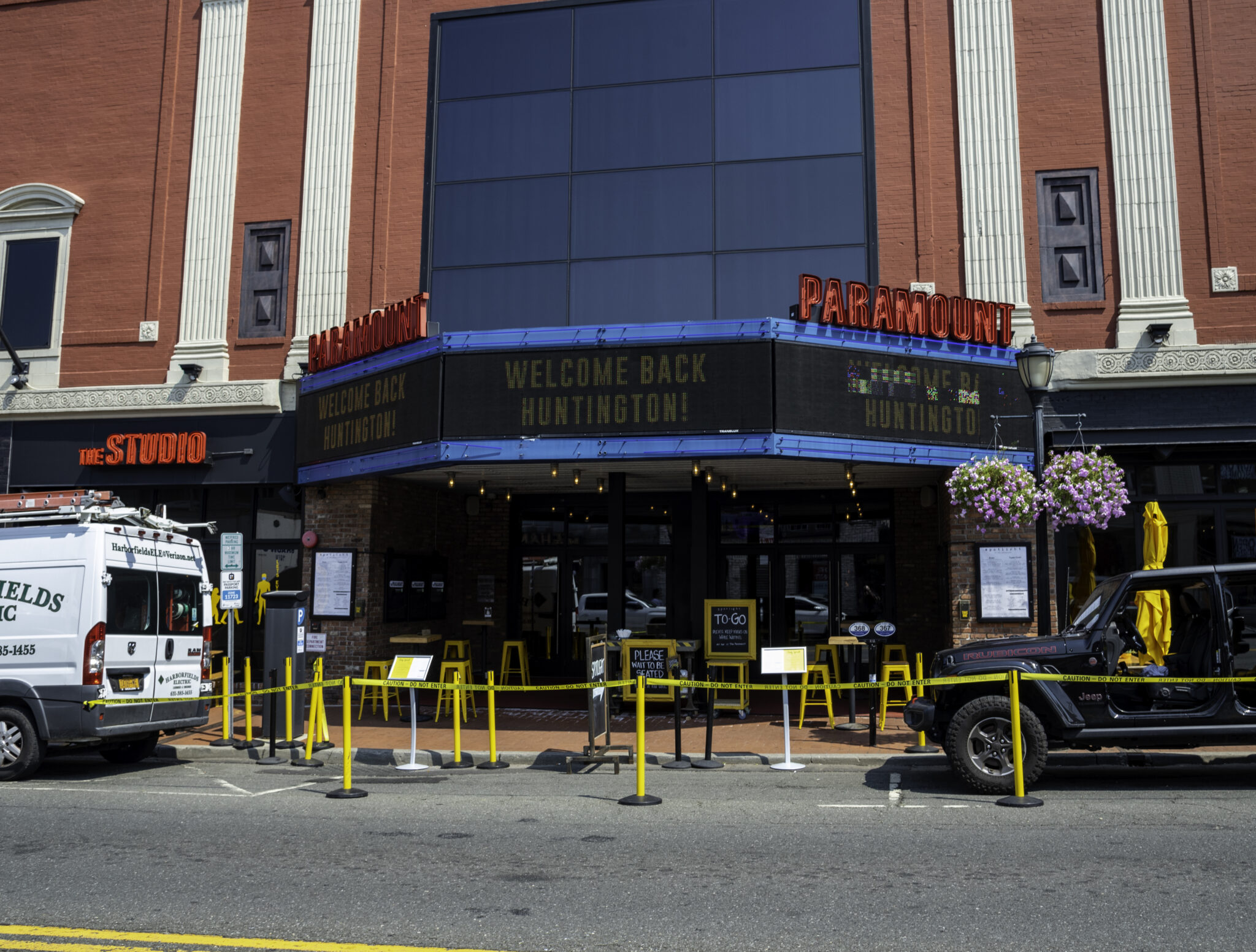
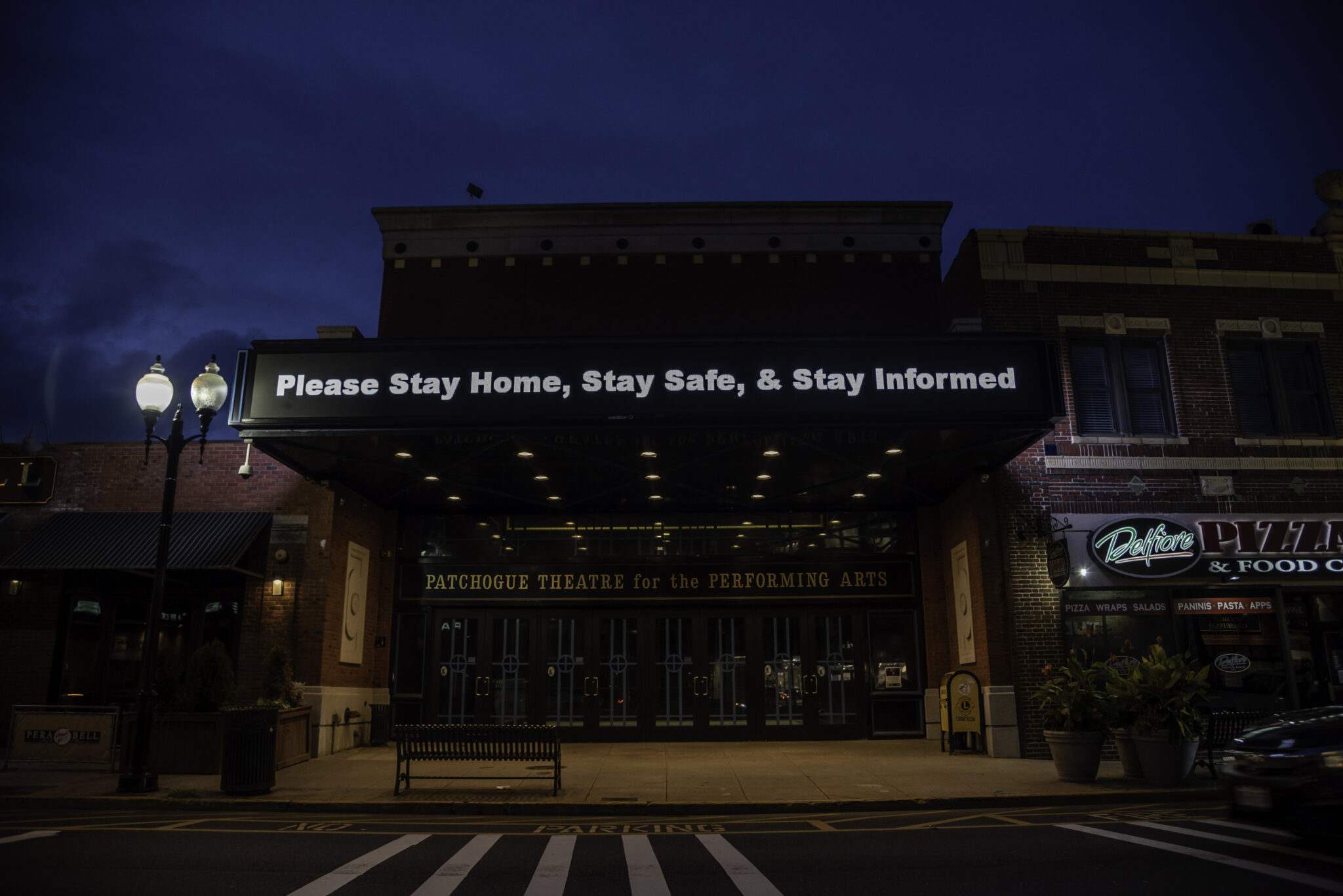
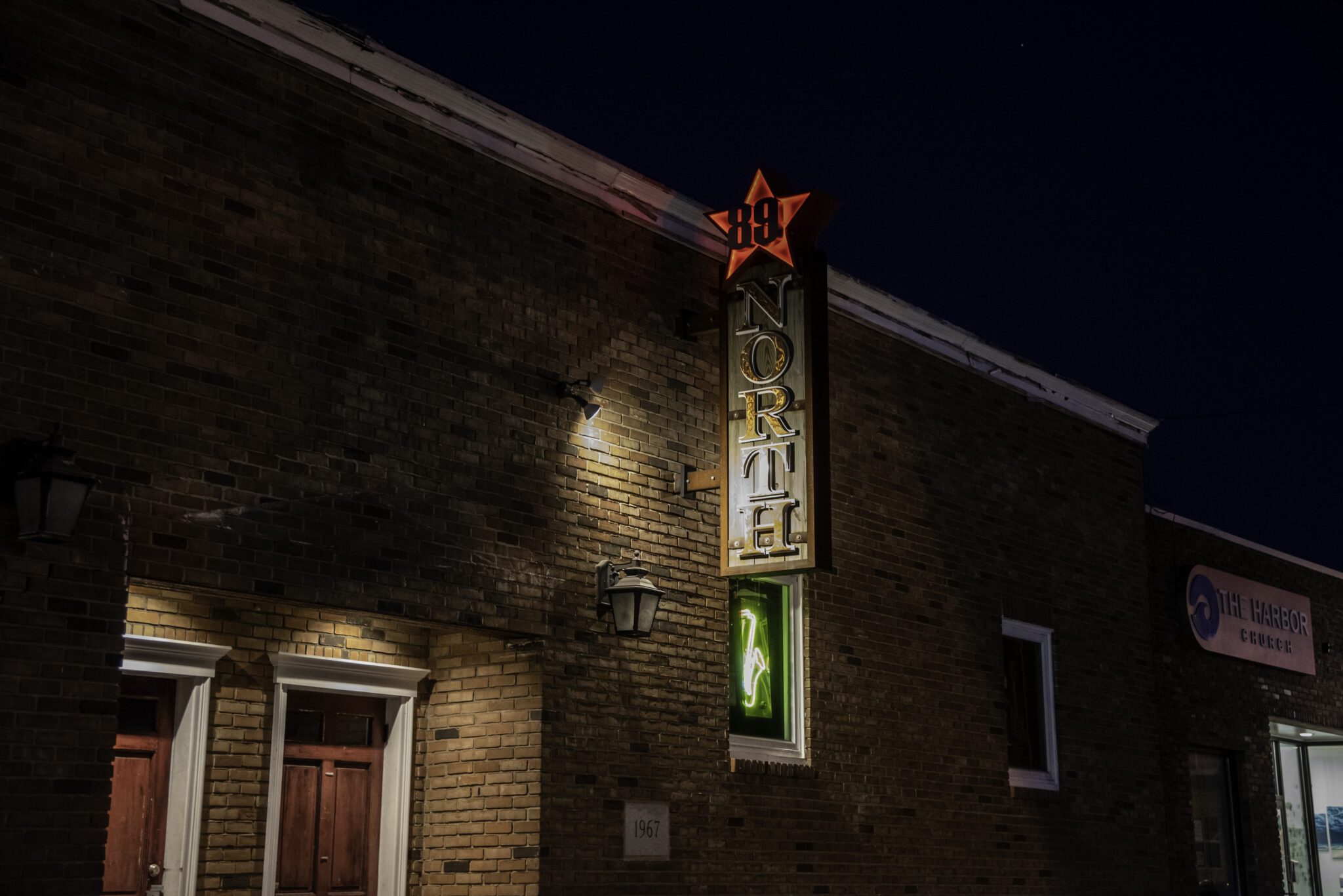
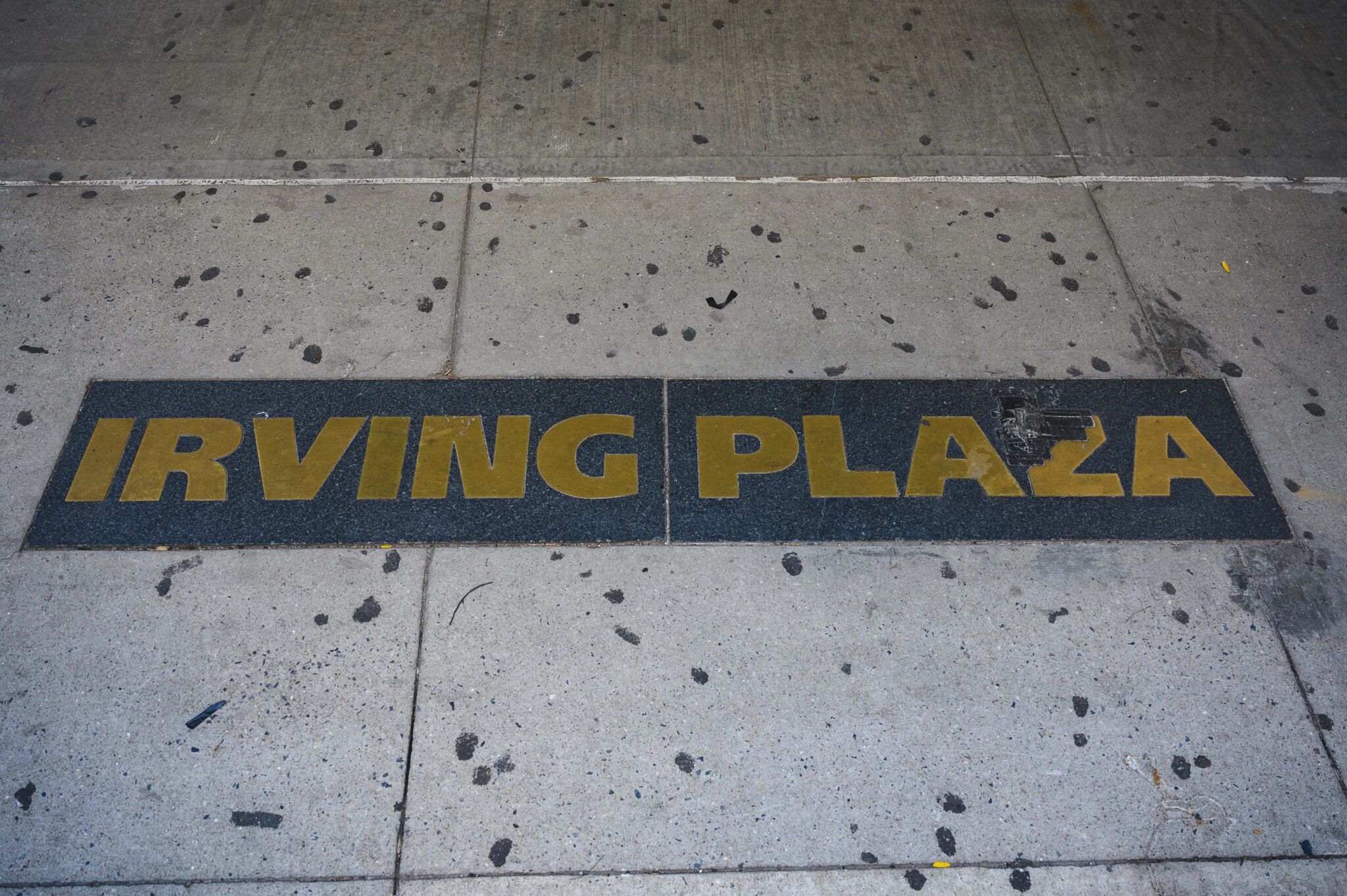
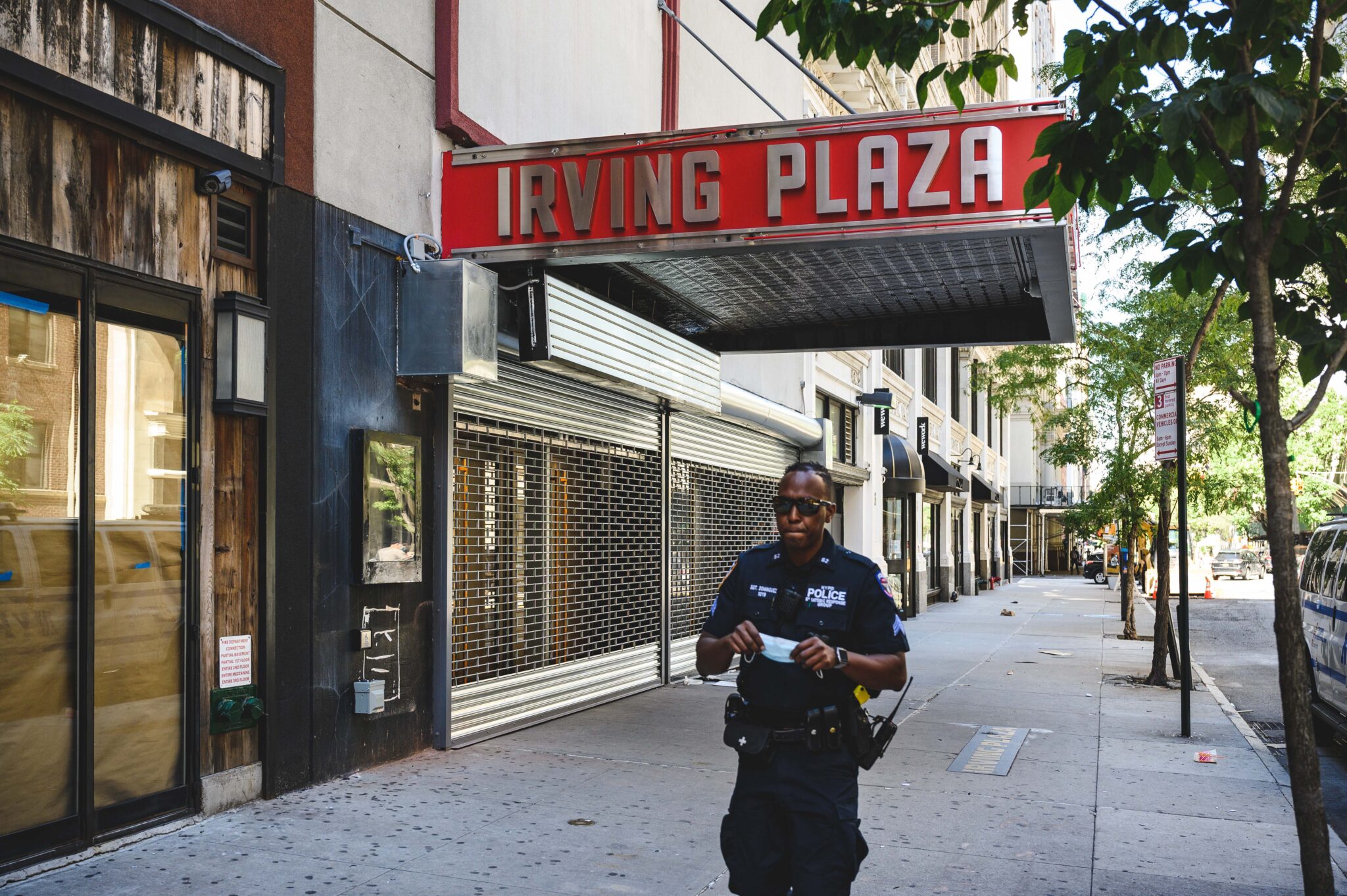
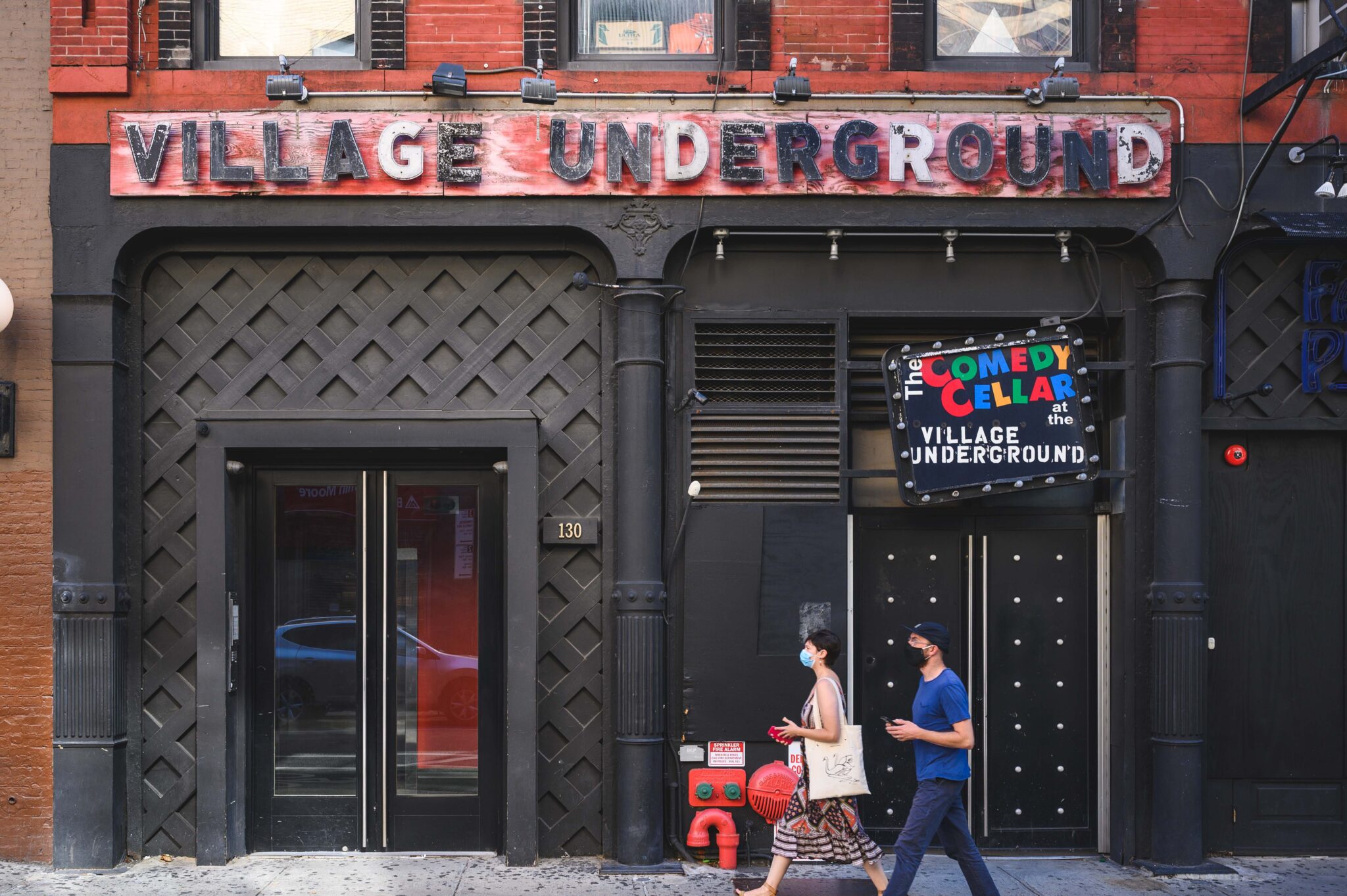
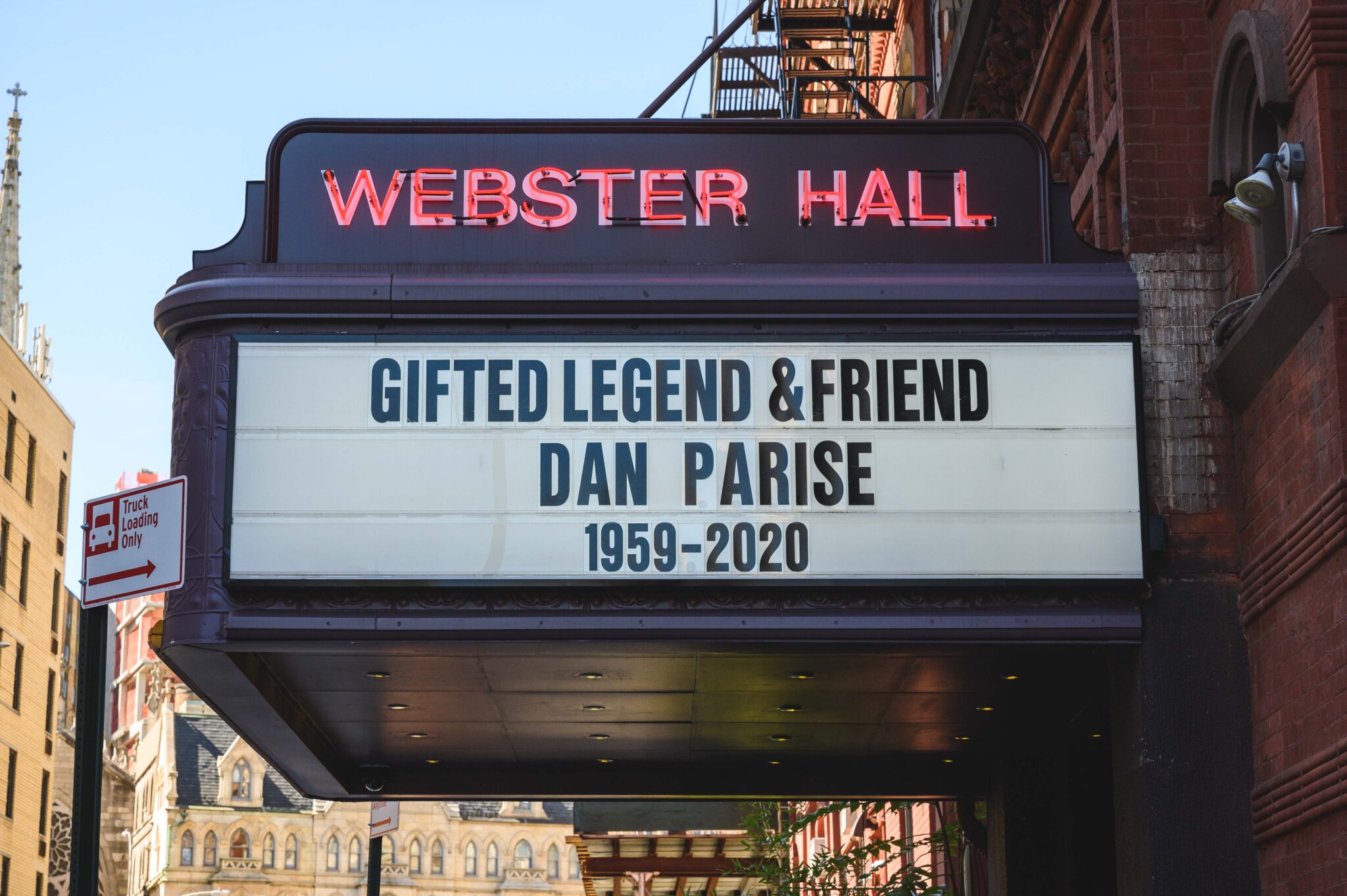
Working with a dozen photographers to document more than 40 venues in 12 cities across New York State, NYS Music presents the fourth edition of our monthly series that looks at the current state of our beloved venues.
Immense thanks goes out to all photographers and venues who are taking part in this monthly series. We’ll start the fall off in the Hudson Valley with Mickey Deneher’s look at the historic venues that pepper the towns along the Hudson River. Visit NIVA to find out how you can help venues across New York, and the country. We need to #saveourstages and preserve live music for when this is over.