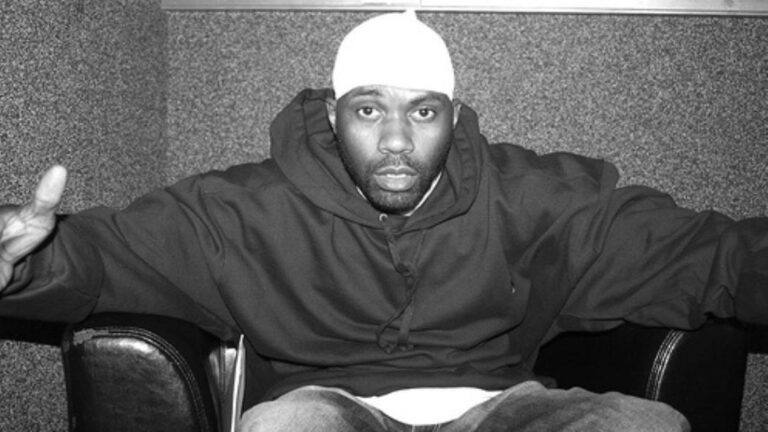
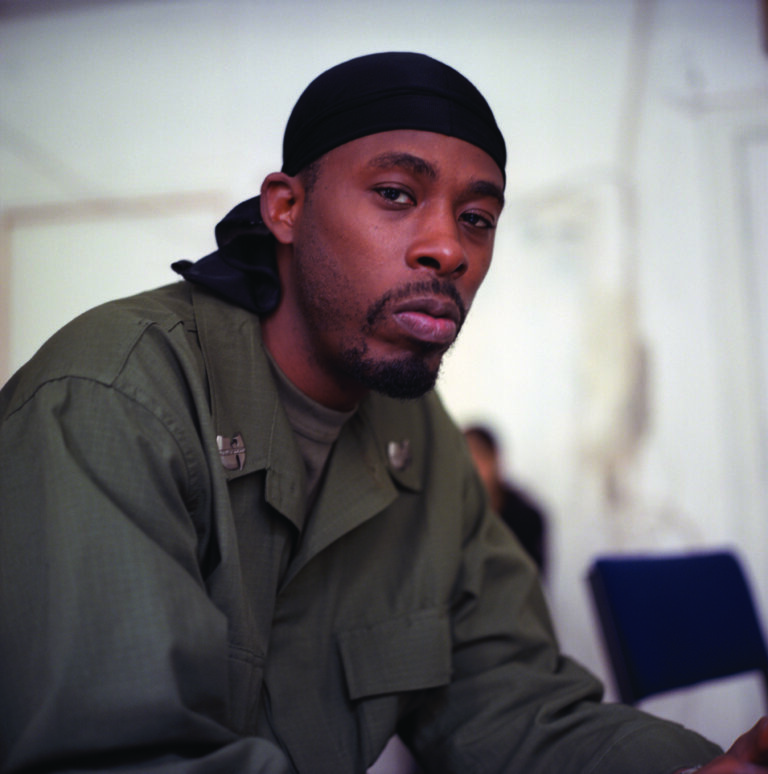
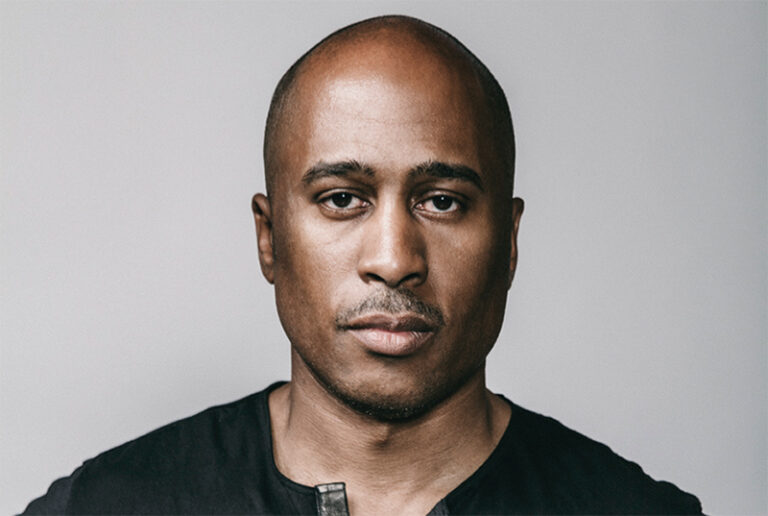
It has been well established that Wu-Tang Clan remain to be one of Staten Island’s proudest musical groups. However, the groups most recognizable members such as Ghostface Killah, RZA, and GZA stand in the way of the groups lesser known but equally important members. Today, we focus on Masta Killa, one of the more obscure members of the famed Wu-Tang.
Born Elgin Turner in Brooklyn, 1969, Masta Killa, though one of Wu Tang’s lesser known members, proved himself to be a mainstay throughout the group’s evolution throughout the 90’s.
Masta Killa was the last to join the Wu Tang Clan and, subsequently, was not featured on the group’s debut single, “Protect Ya Neck.” The only Masta Killa feature on Wu-Tang’s debut album, Enter The Wu-Tang (38 Chambers) can be found towards the end of “Da Mystery of Chessboxin’.” Killa was one of the only members of Wu Tang that had not had a technical background in rap with almost zero experience as an MC. While the rest of Wu-Tang was recording verse after verse on 38 Chambers, Masta Killa was concentrating his efforts on perfecting his flow.
Masta Killa’s absence of rudimentary hip hop techniques led to him being taken under the wing of Wu-Tang founder, GZA. While the majority of Wu-Tang Clan’s members were known for their hyper and energetic flows, Killa and GZA in contrast had a much more relaxed and slow-paced, almost effortless flow. The similarities between the two are evident on the group’s sophomore album, Wu-Tang Forever, which saw improvements in Masta Killa’s technical ability. The two would continue to influence each other’s flow and delivery throughout the remainder of their both careers.
Masta Killa’s solo career began in 2004 when he released No Said Date which was met with high praise from Wu-Tang fans. Songs such as “Old Man” helped to cement Killa’s solo career which would continue throughout the early 2000s with his latest album, Loyalty is Royalty, in 2017.
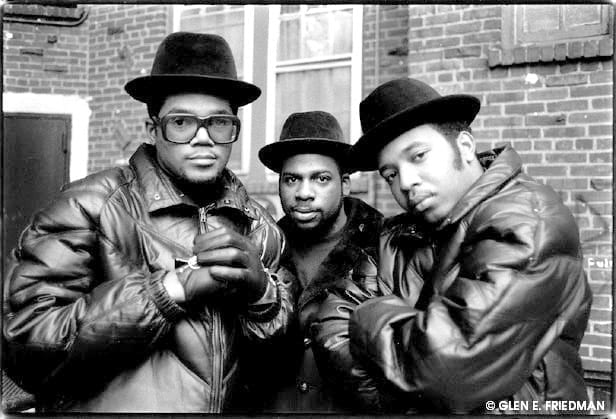
Jam Master Jay, best known as the DJ for Run DMC, was murdered in 2002 and his murders have finally been arrested after 18 years. Two men who had long been suspects in the case were arrested and charged on August 17.
Run-DMC
Jam Master Jay’s (legal name Jason Mizell) was murdered in his studio in Queens. His murder became notorious in the rap community as being one of the world’s coldest cases. One of the main questions asked by his fans was why this happened, to Jay of all people. Jam Master Jay was known for being a peaceful, old-school DJ whose group rapped mostly about sneakers, girls, basketball and their hometown of Hollis. His murder was baffling to the rap community and finally, after 18 years, there are some answers from New York City and Federal authorities.
According to The New York Times’ article, New York City and Federal authorities blamed the fatal shooting of Jam Master Jay on a cocaine deal gone wrong. The suspects charged with the murder are Ronald Washington and Karl Jordan Jr., who were also charged with engaging in drug trafficking in a 10-count indictment unsealed on Monday in U.S. District Court in Brooklyn. Jordan had his arraignment on August 17 and pleaded not guilty. Washington is expected to be arraigned later in the week. Both Jordan and Washington face minimum sentences of 20 years in prison if convicted. Washington is currently serving a federal prison sentence for six robberies. Mr. Jordan was taken into custody on August 16, 2020.
Seth D. DuCharme, the acting U.S. attorney in Brooklyn spoke on the matter saying,
“This is a case about a murder that for nearly two decades has gone unanswered. Today we begin to answer that question of who killed Jason Mizell and why.”
According to court papers, Mr. Washington and Mr. Jordan are both suspected of breaking into Jam Master Jay’s studio on Merrick Boulevard in Jamaica, Queens, at about 7:30 p.m on Oct. 30, 2002. Both were armed. Mr. Washington forced someone inside the studio to the ground at gunpoint, the papers say, Mr. Jordan fired a bullet into Mr. Mizell’s head, killing him almost instantly, according to The New York Times.
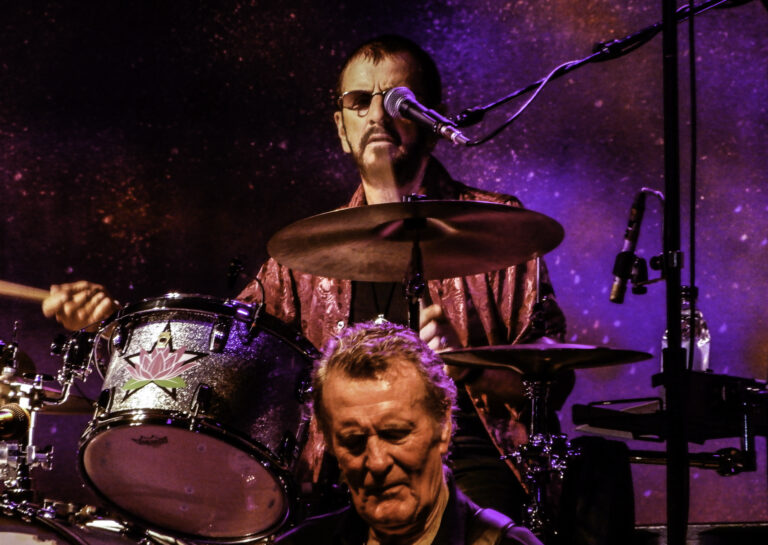
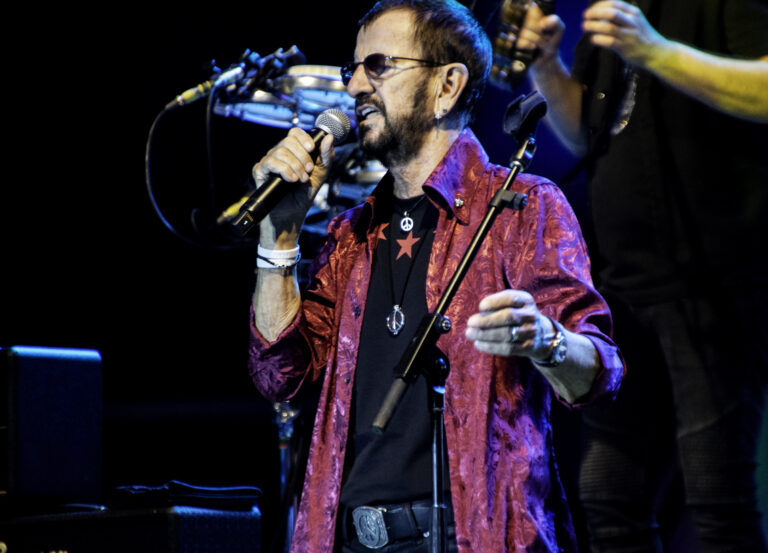
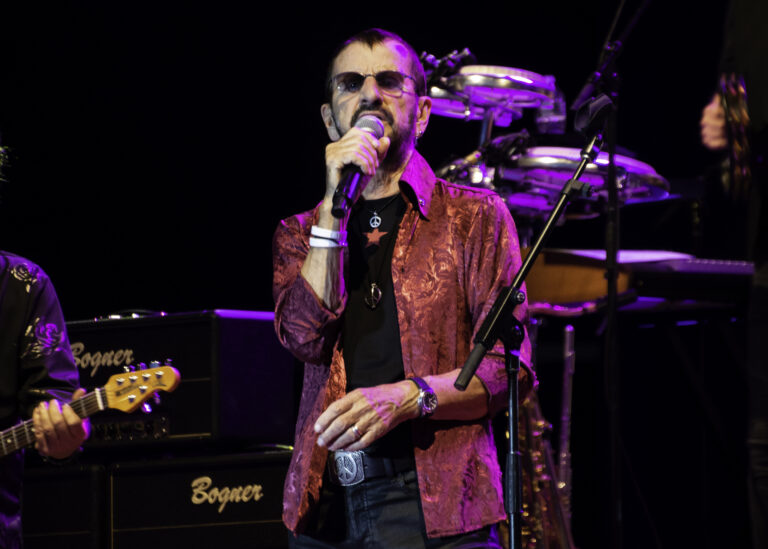
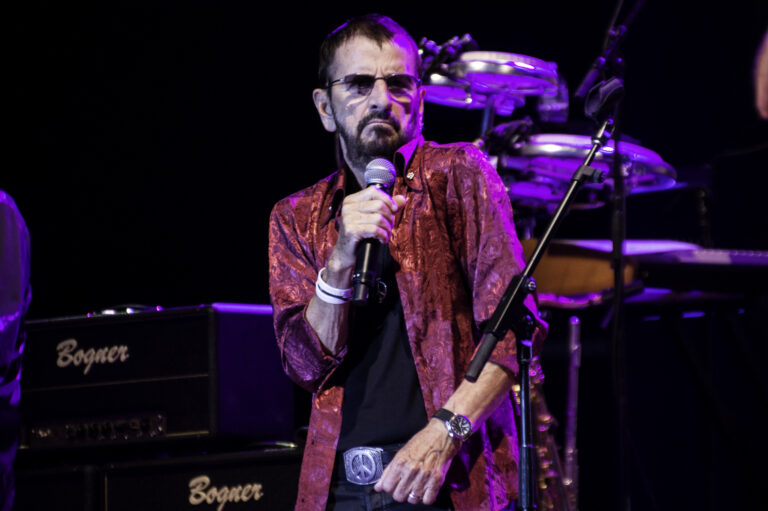
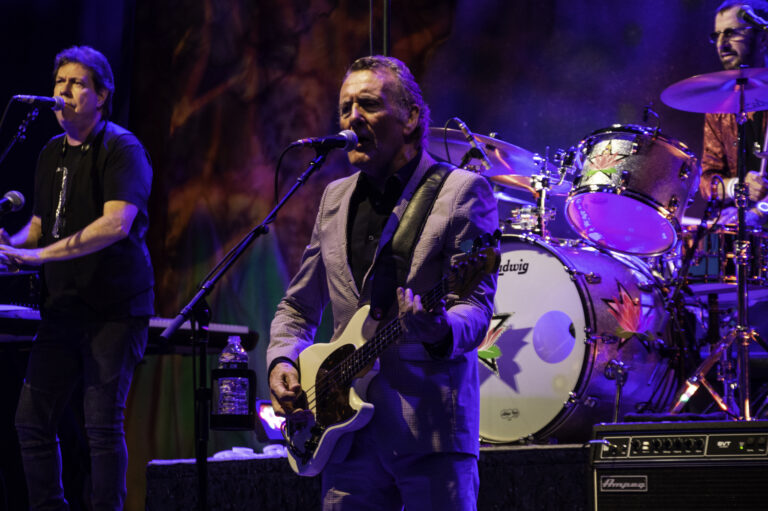
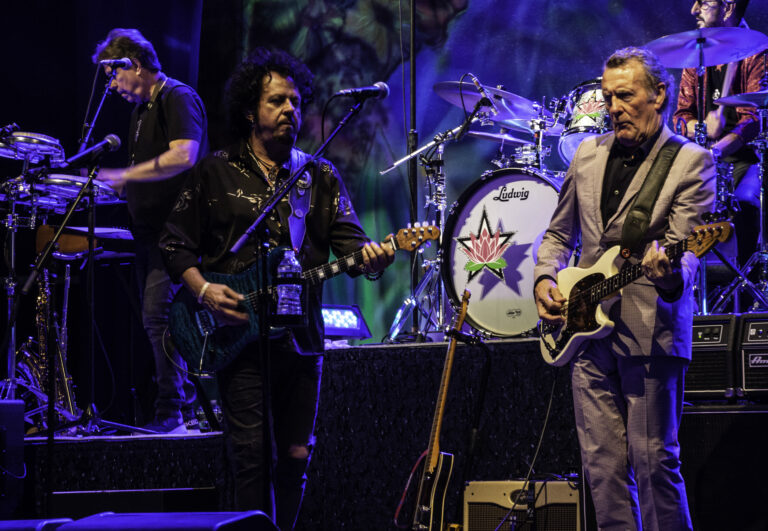
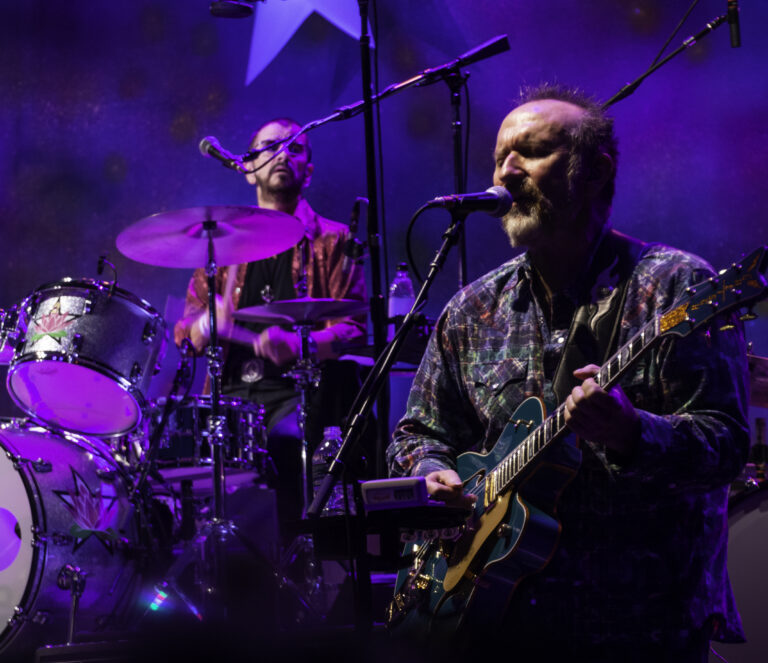
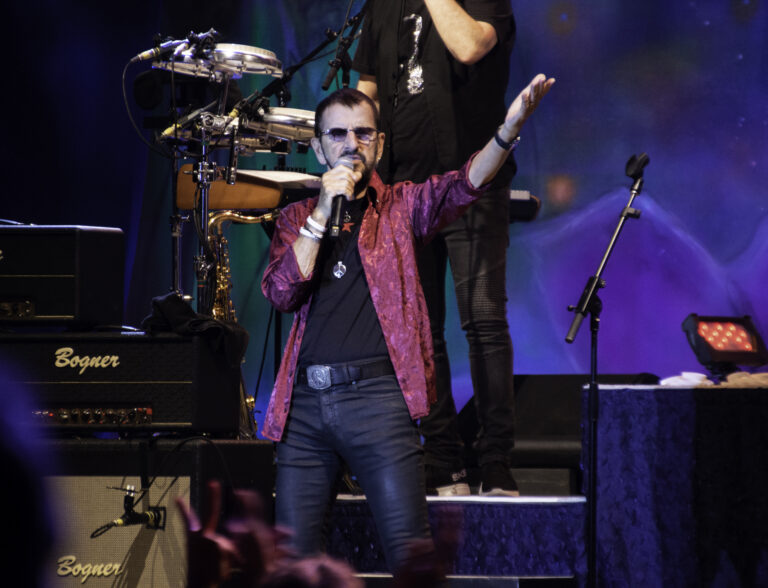
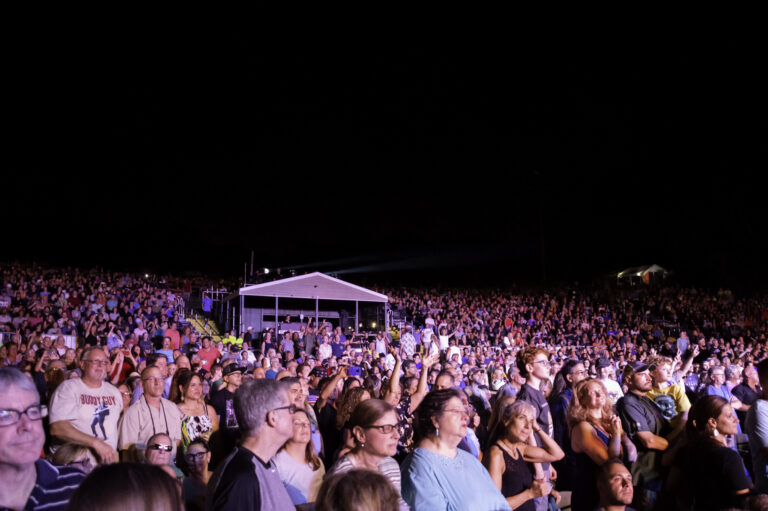
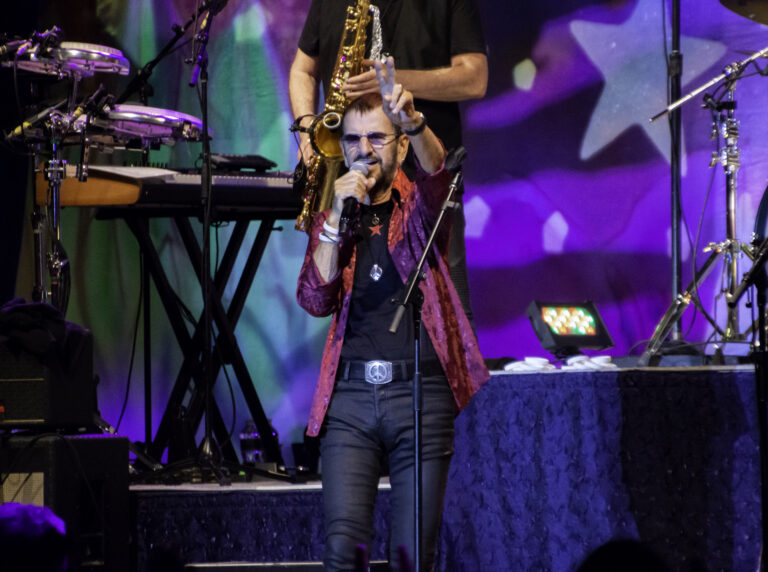
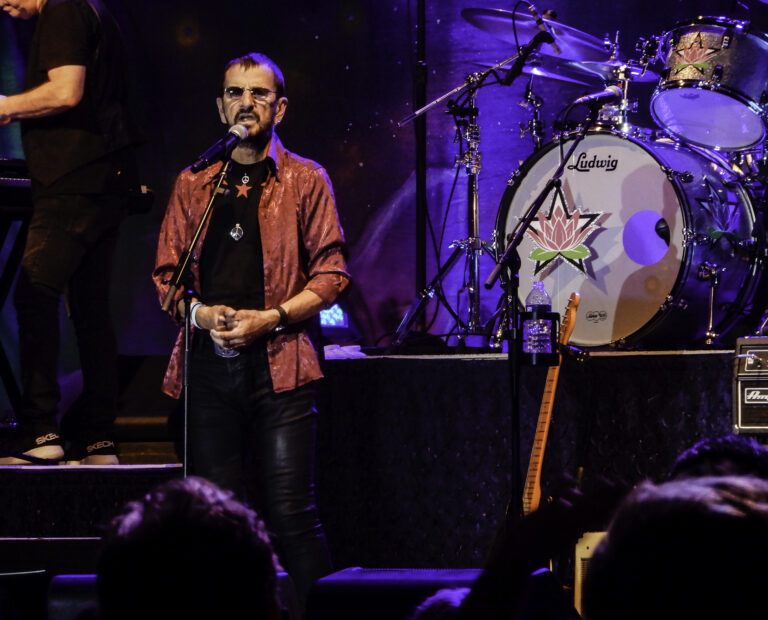
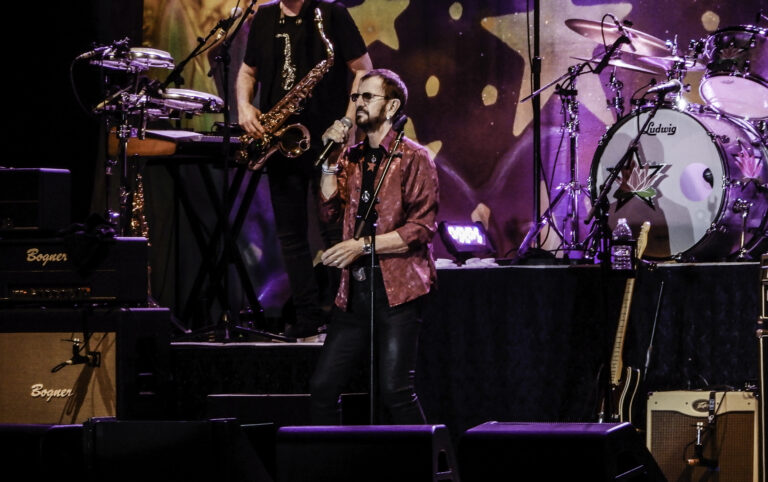
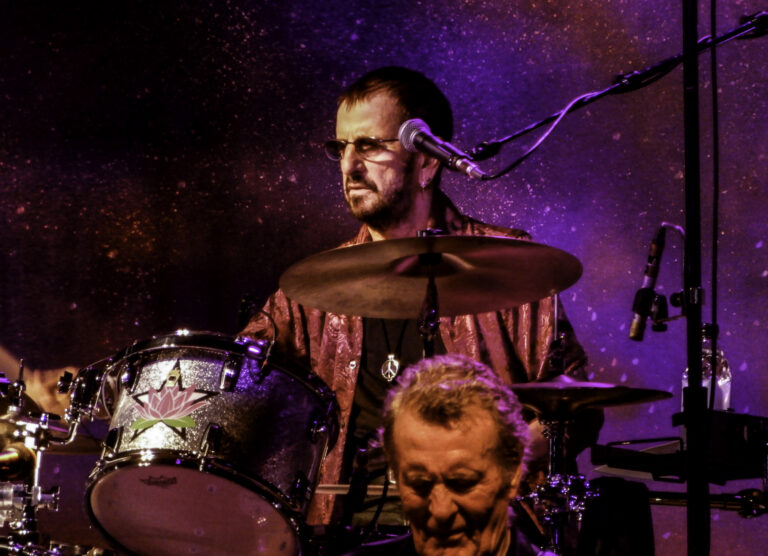
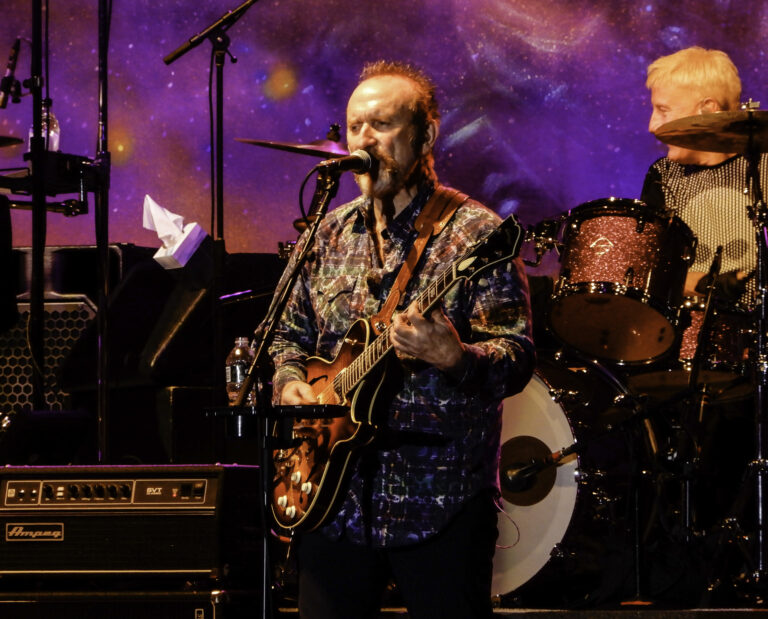
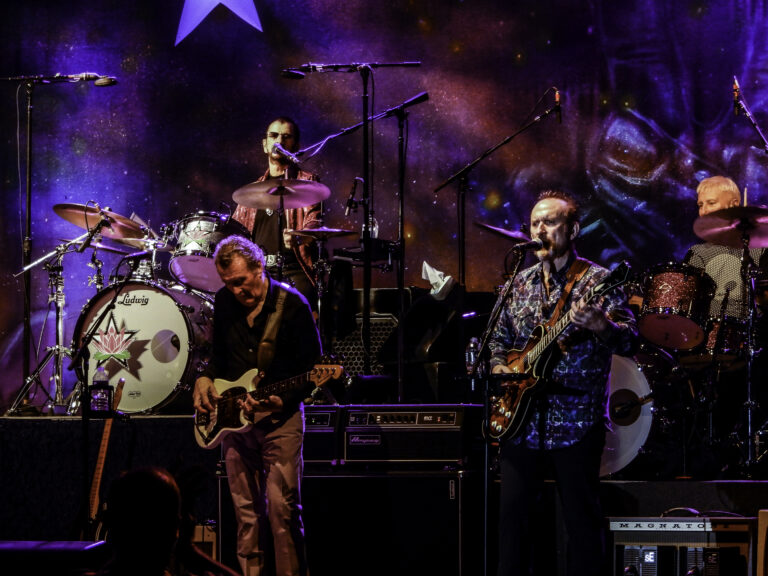
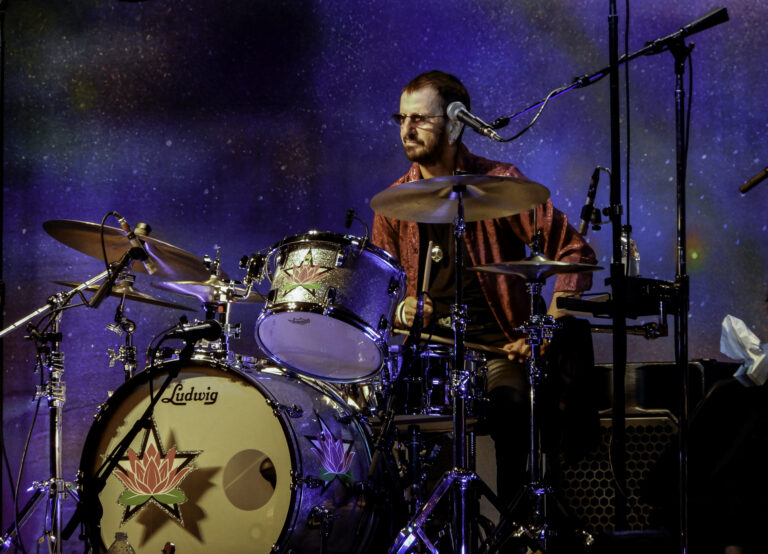
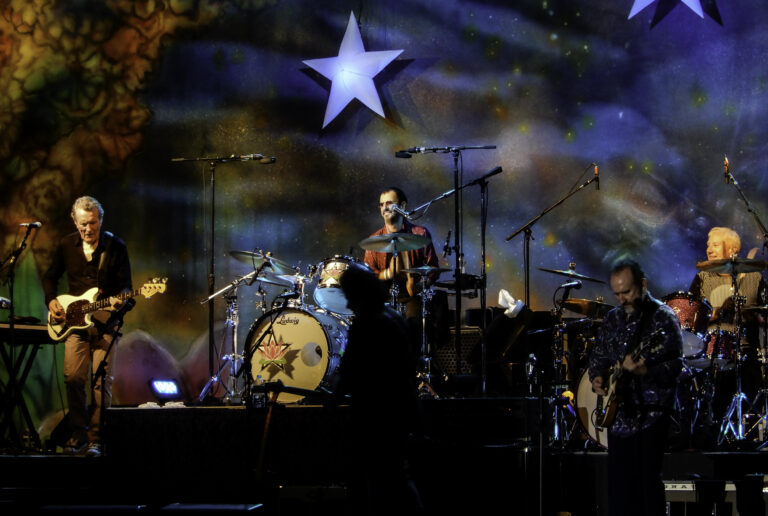
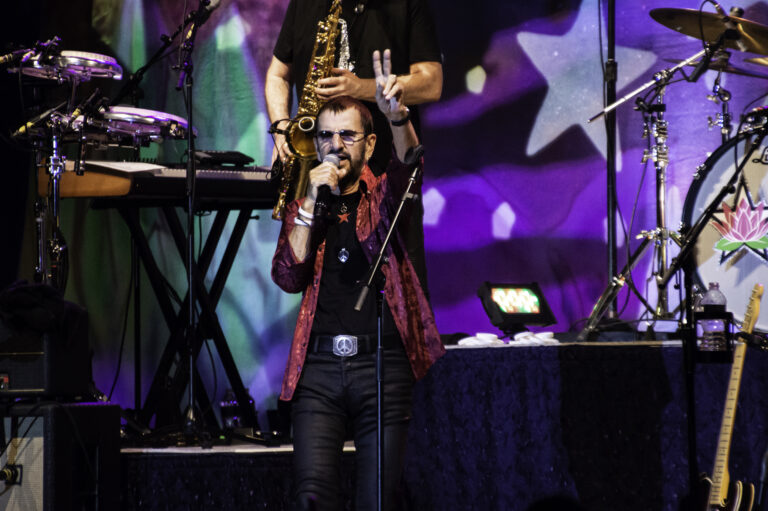
Ringo Starr and his All Starr Band played The Long Island Community Hospital Amphitheater in Farmingville, Long Island, to a sold out crowd on Saturday, August 17, 2019. Although the members have changed throughout the years, 2019 marks the 30th Anniversary of The All Starr Band. The current band consists of Steve Lukather (founding member of Toto), Gregg Rolie (Santana, Journey), Colin Hay (Men At Work), Hamish Stuart (AWB), Gregg Bissonette (David Lee Roth Band) and Warren Ham.
The setlist was a combination of hits from the band members including Men At Work’s “Down Under” and Toto’s “Africa” plus some Beatle songs that Ringo Starr sang lead on including “I Wanna Be Your Man” and “With A Little Help From My Friends.”
Setlist: Matchbox, It Don’t Come Easy, What Goes On, Evil Ways, Rosanna, Pick Up the Pieces, Down Under Boys, Don’t Pass Me By, Yellow Submarine, Cut the Cake, Black Magic Woman / Gypsy Queen, You’re Sixteen, Anthem, Overkill, Africa, Work to Do, Oye como va, I Wanna Be Your Man, Who Can It Be Now?, Hold the Line, Photograph, Act Naturally, With a Little Help From My Friends
Boo Riley, a Manhattan-based indie artist, has released a new music video for recent self-titled single “Boo Riley!” The video follows the band through the subway, Tompkins Square Park, and into a gig at Arlene’s Grocery. This rambling video tour of some of New York’s timeless places serves as a little reminder of what New Yorkers can look forward too once the lockdowns end.
This fun yet complex track possesses the detectable influences of the group’s sound. Classic rock, 80’s pop, and indie all blend together for a lovely and uplifting tune.
On the video, Austin Lesch of Boo Riley shares, “I was listening to Wilco’s ‘Wilco (The Song)’ and loved the lyric ‘this is aural arms open wide, a sonic shoulder for you to cry on.’ I wanted to write a song inspired by that line, but with Boo Riley’s perspective. The video is an extension of this. We wanted to visualize what we were trying to do sonically.”
Nyack duo ShwizZ slams you against the blackboard in awe that all your basic math skills have fleeted. Not only does ShwizZ explore a multi-level, mixed-meter halfway house of genres, but also bulldoze your ear to the other end of the record collection with their latest Big Things. No algorithm can compute this formula. Not from two people.
It’s hard to believe Big Things can lead you through all eight compositions without losing sight of what’s ahead. Something doesn’t add up. The duo – Ryan Liatsis and Andy Boxer – stab you with the sharp pain of “Splinter,” opening with an off the cuff funk tag. The tune walks on with staccato chunks of its bassline before Liatsis shoots out jarring guitar pads.
These guys look bored amid a musical Mortal Kombat where nobody breaks a sweat. Boxer is collected behind the kit, unleashing cool six-stroke rolls and collapsing tom fills in-between Liatsis’ ever-changing soundscape. Liatsis begins to crack a smile as he waves through his solo, far beyond the musical speed-limit. Boxer listens and instigates. The strings are not phased.
The albums second track “Khoi Khoi,” aides to more textured side of the duo. They explore a more mysterious side of scale that is oddly cathartic. That is until you’re stunned unexpectedly from your dream.
ShwizZ gets creative with “Your Call is Very Important Us,” in a meter that seemingly races ahead of the ear. Boxer’s cymbal work is airy and effortlessly hangs with Liatsis on Guitar. The meter does not exist.
There is no explaining how ironically calming this journey is. It’s the movie you can’t watch but inch closer to the screen. Liatsis has you on the hook with these roaring solos never loosing sight of the songs motif.
An album favorite for the die hard rocker is “The Shwizzard.” A chunky lead and solid back beat make the track stand out gritty. Liatsis shoves the lead right in your face. The track embarks on short epics with classic rock feel.
New York State’s theme of a “hearing aide” is unmasked by ShwizZ and their June release of Big Things. The album tunes the ears of the most complex listener and holds them to a higher standard.
“Christmas Spectacular” was cancelled this year for the first time ever since the show was introduced in 1933. The cancellation comes on the coattails of MSG Entertainment (Madison Square Garden Entertainment Corporation) who runs “Christmas Spectacular,” announcing plans to lay off 350 people due to the COVID-19.
The “Christmas Spectacular” stars the well known Radio City Rockettes who are an American precision dance company. The show takes place at Radio City Music Hall in New York City which is owned by MSG Entertainment and runs November 6 through January 3. MSG Entertainment decided to cancel the popular show this year due to the uncertainty of the coronavirus pandemic still raging throughout the world and the United States. The show hopes to be back for the 2021 production, which is on sale now. All tickets for the 2020 production will be automatically refunded at the point of purchase.
MSG Entertainment announced their plans to lay off 350 people, which is around a third of their workforce, due to the economic impact the coronavirus has had on their company. The sister company, MSG Sports, which owns the New York Knicks and the New York Rangers is laying off people as well. They announced plans to lay off 50 people which is about 15 percent of its corporate staff.
A representative of MSG Entertainment and MSG Sports elaborated on the situation saying, “This was a difficult decision for both companies, as we know that our success rests on the strength of our people, who consistently set the industry standard for excellence and professionalism. While we believe this is a necessary step to protect the long-term future of our businesses, we continue to actively pursue solutions that will allow us to safely reopen our doors, so we’re able to bring as many employees back as quickly as we can, once a return date for live events is established.”
According to the New York Post’s article Laid-off employees for MSG Entertainment will receive severance and benefits packages, outplacement support, to help with their transition to being unemployed. MSG Entertainment had prior efforts before it’s layoffs of 350 employees. These attempts though included other layoffs of part time employees which included the layoffs of 4,000 employees of the MSG arena, home of the Knicks and Rangers, who averaged under 20 hours at the end of March. At the end of May, 1,900 MSG venue employees who averaged over 20 hours of work were also cut.
For more information on the cancellation of “Christmas Spectacular” and the MSG Entertainment layoffs read the New York Post’s article here
Brooklyn’s “nuke wave” dark synthpop band Monograms has come out with new single “Lines” to go along with their newest album, Only a Ceiling Can Stay Inside Forever.
Monograms started a Brooklyn bedroom recording experiment that evolved into a full band. The band features frontman Ian Jacobs (multiple instruments), Ali Yildiz (drums), Michelle Feliciano (synth), and Devan Davies-Wood (bass). The dark and moody tone to their music sets Monograms apart from other mainstream pop. Their sound manages to remain ambient and musically interesting without becoming chaotic or unharmonious. The combination of Jacobs’ songwriting talent–his artful and poignant lyrics, clear beats, and angular riffs–allows him to truly make each song its own unique world with a notable landscape.
The newest LP, Only a Ceiling Can Stay Inside Forever, was recorded in Jacobs’ home studio during these past months of the COVID-19 quarantine. The album is a culmination of his feelings towards the social justice issues which plague America today. “Everyone I know just feels really frustrated about the situation,” says Jacobs. “The politics, the sacrifices everyone is making, and the reality has been a very twilight zone-like kind of time for the entire world and the country.”
Jacobs expressed that in the midst of uncertainty and fear, he “just needed to do something creative to bob and weave with all these things, so [he] just started writing some words down and recording some ideas and experimenting.” Even though the songs were different, “after a few weeks, it all started to spiral into what felt like a cohesive thought” for Jacobs.
“Lines,” featuring Kat E., is a perfect representation of Monograms’ dark and brooding synth. Jacobs colors the song with what feels like melodic distortion that reminds the listener of the fear and uncertainty that has troubled all during these past few months. “Lines” is thoughtful and modern and showcases Monograms’ truly unique sound.
Only a Ceiling Can Stay Inside Forever is available on all streaming platforms, and can be purchased on Bandcamp. 50% of all Bandcamp sales will be donated to Know Your Rights Camp, an organization whose “mission is to advance the liberation and well-being of Black and Brown communities through education, self-empowerment, mass-mobilization and the creation of new systems that elevate the next generation of change leaders.”
Shadowboxing is defined as: “boxing with an imaginary opponent especially as a form of training.” One usually shadowboxes when preparing for a combat sport. Hence the metaphorical brilliance of the GZA — aka the Genius — on his classic album, Liquid Swords. On the LP’s eight track “Shadowboxin’,” GZA and Method Man come together to topple their metaphorical challengers, with Method Man’s verse in particular being considered one of the best of his career.
Released as the fourth and final single off of 1995’s Liquid Swords (as the B-side to the “4th Chamber” track featuring Ghostface Killah and Killah Priest.) “Shadowboxin’” was produced by cohort RZA, the record samples Ann Peebles “Trouble, Heartaches & Sadness” off of her 1972 album, Straight from The Heart, 1993 hit-record “Slam” from Queens hip hop group, Onyx. As well as, the popular fight scene “Shaolin Monk vs Shadow Boxing Kung Fu” from martial arts film, Shaolin vs Lama.
Along with the looping drum kit, RZA uses turntables and distorts the chopped-up sample for a more grimy and raw sound, a common theme within the Wu Tang Clan catalog.
By 1995, Method man had become one of the more popular and in-demand rappers of the time, and while his crossover-appeal would bring an additional audience, it was his performance on said records that would make him a talking point. He set the tone, spewing out “F**k that” within the first couple of seconds of the song, almost like an impatient fighter, who no longer wishes to wait for his turn:
“I breaks it down to bone gristle
Ill speaking scud missile heat seeking
Johnny Blazing, nightmares like Wes Craven
N*** gunning, my third eye seen it coming before it happened”
He begins his verse aggressively, with an urgency of a man who has no time to spare and came out firing, with his flow, wittiness and clever word play on full display.
“Rap insomniac, fiend to catch a n**** snoozing
Slip the cardiac arrest me, exorcist Hip-Hop possess me
Crunch a n**** like a Nestle, you know my STEEZ
Burning to the third degree, sneaky a** alley cat top pedigree
The head toucher, industry party bum rusher
You don’t like it? D*** up in ya, f*** ya!”
He calls himself a “Rap insomniac,” conveying that he doesn’t tire of hip hop, while also paraphrasing that he is not to be slept on. The next few words further demonstrate this, as he is so addicted to hip hop culture that he is now a “fiend” and his only fix is to prey on those who aren’t as good or as dedicated to rap as he is, or in his words are “snoozing.” Hip hop is a competitive art form and Method Man makes it clear that he is out to outperform the competition.
Rap Insomniac
While always razor sharp, GZA’s style varies from Method Man’s aggressive approach. Always one to drop knowledge, his delivery resembles that of a slam poet, although he is just as lethal with his pen and confident in his abilities.
“I slay MCs back in the rec room era
My style broke motherfucking backs like Ken Patera
Most rap n****s came loud but unheard
Once I pulled out, round ’em off to the nearest third
Check these non-visual n****s, with tapes and a portrait
Flood the seminar trying to orbit this corporate
Industry, but what them n****s can’t see
Must break through like the Wu, unexpectedly
Protect Ya Neck, my sword still remains imperial
Before I blast the mic, RZA scratch off the serial
We reign all year round from June to June
While n****s bite immediately if not soon
Set the lynching and form the execution date
As this two thousand beyond slang suffocate”
Da Genius
He begins his verse with a jab, as he claims to “slay emcees.” While we don’t know who he is referring to, the ambiguity of his and Method Man’s verses are part of the song’s theme. He rhymes as if his lyrical vigor is directed at one or multiple people, though neither he nor Method Man mention anyone in particular. Or just maybe, their only competition is themselves, and they are simply shadowboxing.
The Genius and the late ODB in action
Method Man gets the final word, with the last verse something of an exclamation point to their lyrical exercise.
“When my mind start to clicking and the strategy
Is mastered the plot thicken, this be that Wu shit
I don’t give a cotton-pickin’ f**k
Flying guillotines here they come, bloody bastards
Hard times and killer tactics, spitting words plus
Semi-automatic slurs, peep the graphic
Novel from the genie bottle,”
The people’s choice: Method Man
“Shadowboxin” is one of hip hop’s truly flawless records and helped further the legacies of two of the Clan’s most lyrically potent rappers. This song along with is B-side, “4th Chamber,” are part of the reasons why Liquid Swords is so highly regarded within hip hop circles.
It has been sampled by Gang Starr in their 1998 record, “You Know my STEEZ” (a play on one of the records iconic lines). It was also sampled by rapper/producer Tony Touch and fellow Clan member Inspectah Deck and clan affiliate, Killa Sin, on their collaborative “Killa Armee Freestyle.”
Brooklyn band Turkuaz refuse to not give fans new content during the COVID pandemic. On August 4 they returned with the second episode of the new series from Turkuaz, “Hey You, Stay Tuned.” The recurring variety show included an arrangement of segments and a slew of special guests.
Opening with a “pop-up-video” of the band’s official 2015 music video for ‘Doktor Jazz,’ viewers were also treated to another round of the Hollywood Squares parody that the band has appropriately dubbed “Turkuaz Squares.” This round of “Turkuaz Squares” featured special guest contestants including Ivan Neville and Robert Randolph. Eddie Roberts and Alan Evans were also on the scene, revisiting performances from Turkuaz’s 2016-2017 co-headlining tour with The New Mastersounds.
Episode two also featured a comically unconventional makeup tutorial, a never before comedy scene from the vault and much more. Brett Siddell returned as the announcer and Ari Fink from Sirius XM remained the host.
Turkuaz has also released a performance of Beatles songs “Rain” and “Here Comes the Sun,” paying homage to a major influence for the nine-piece ensemble. “Rain” is part of a larger unreleased Beatles cover set that the band originally performed at Live From Out There. Turkuaz plans on releasing other covers from this set in the future.
According to the band’s press release “Rain” seemed appropriate to start of with during the confusing and unknown times we currently live in. Turkuaz adds, “But don’t worry, the sun will be coming out soon.”
Don’t miss additional Beatles covers from Turkuaz, and their variety special, “Hey You, Stay Tuned” by following them on Facebook and YouTube.
The third video from Turkuaz’ selection of Beatles’ covers featured “You Never Give Me Your Money” and shows the lasting influence of the second side of 1969’s Abbey Road. A favorite of both Dave Brandwein and Taylor Shell, and what Brandwein calls part of The Beatles’ “last burst of magic as a band,” the track is honest as it discusses the struggles and ultimate demise of the legendary English rock band.
“This song being third might represent the inevitable complications that arise in life, even after a sunny period. There’s always more. Things are always changing and evolving and this represents some of that.”
DAve Brandwein, Turkuaz
Staying true to the original arrangement of the song allowed bassist Shell to gain a deeper understanding of what makes The Beatles so incomparable. Through this rendition, his goal was to capture some of what he refers to as the greatest bass-playing of all time.
“This song really does it all. It unfolds with elegant mystery, it’s super catchy and the rhythm section parts are amazing. It’s really just a bold statement at the end of their amazing run.”
Taylor Shell, Turkuaz
Turkuaz will release their full Beatles set, as performed on Live From Out There, in the coming weeks, so stay tuned for more information.
Give your favorite A Tribe Called Quest album a spin today. The man behind the turntables, Bedford-Stuyvesant’s Ali Shaheed Muhammad, who mixed up the beats that Q-Tip and Phife Dawg rhymed on celebrates his birthday today.
Born August 11, 1970, Ali Shaheed Muhammad became one of New York City’s underground rap legends. As a hip hop producer, Ali Muhammad is responsible for the early jazz rap sounds that A Tribe Called Quest is known and loved for.
Growing up in Bed-Stuy, Muhammad’s uncle, Michael Jones, who was a bassist and DJ himself, began teaching him at the age of eight. Ali would DJ parties in his Bed-Stuy neighborhood and recorded demos before joining Tribe in 1985.
Coming together in the early 1980’s in Queens, A Tribe Called Quest consists of Ali Muhammad (the only member not from Queens), who held the role of co- producer, assisted by the groups main composer, Q-Tip, along with Tribe’s MC, Phife Dawg. Together, the trio would be looked back on as pioneers of the alternative hip hop sounds which are still popular today. Muhammad was just 19 when the group released its first album, People’s Instinctive Travels and the Paths of Rhythm, in 1990
Ali Muhammad and A Tribe Called Quest rose in popularity through their second album, the 1991 jazz-influenced album Low End Theory. The album was stripped back compared to their previous, with instrumentals consisting mostly of bass, drums, and the regular use of Jazz sampling, all sounds that find themselves synonymous with the underground alternative hip hop scene.
Later on in 1995, Muhammad co-wrote and co-produced the Top 40 pop hit that launched the neo-soul movement, D’Angelo’s “Brown Sugar,” and earned another Grammy nomination via Lucy Pearl’s “Dance Tonight” in 2000. Muhammad has remixed songs for Janet Jackson, Maxwell, Maroon 5 and KRS-One, and has writer, producer or co-producer credits on more than 20 albums. He would also go on to found The Ummah, a production company with Jay Dee and Q-Tip.
Throughout the early to mid 90’s A Tribe Called Quest maintained their commercial success through the release of their 1993 album, Midnight Marauders, which saw technical improvements in the groups dynamic. A Tribe Called Quest seemed to be on an unstoppable rise to success however, the group went on an eight year hiatus. Despite not working together during those years, individual members had the chance to pursue moderately successful solo careers until their reunion in 2006.