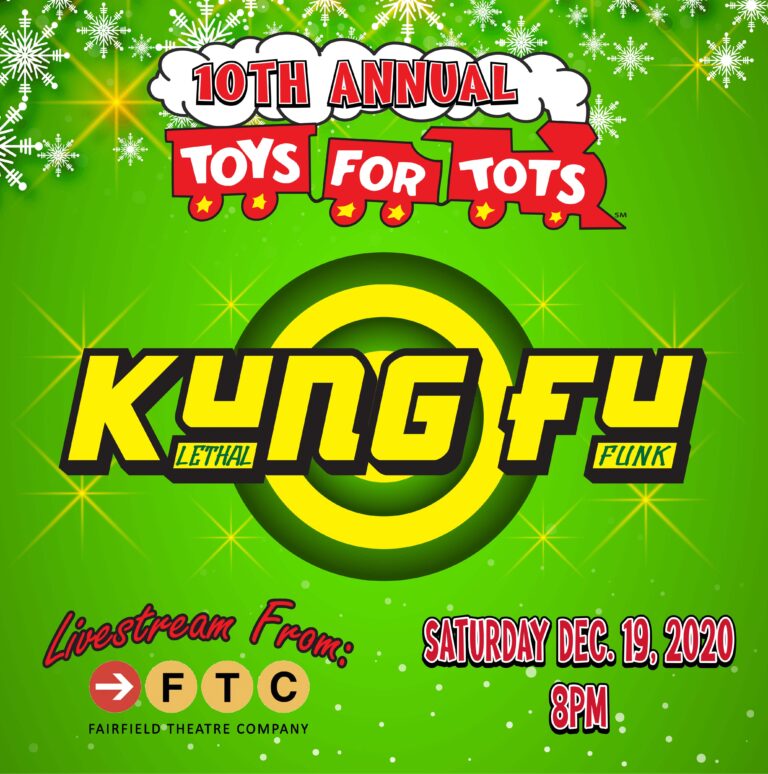
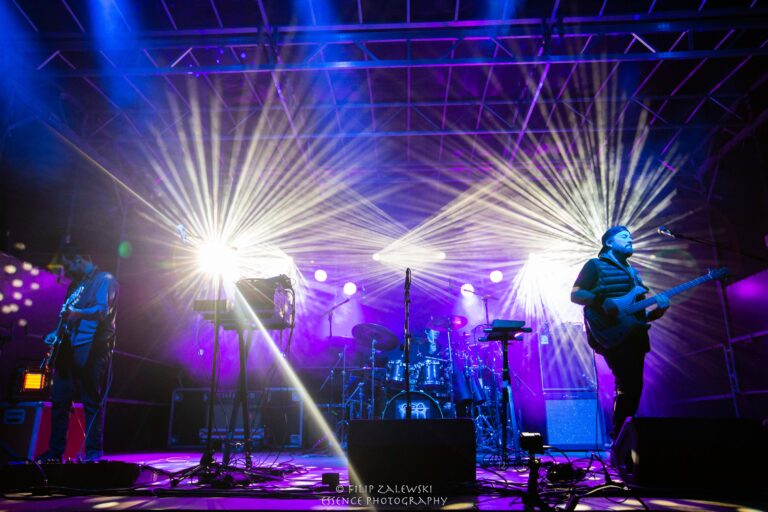
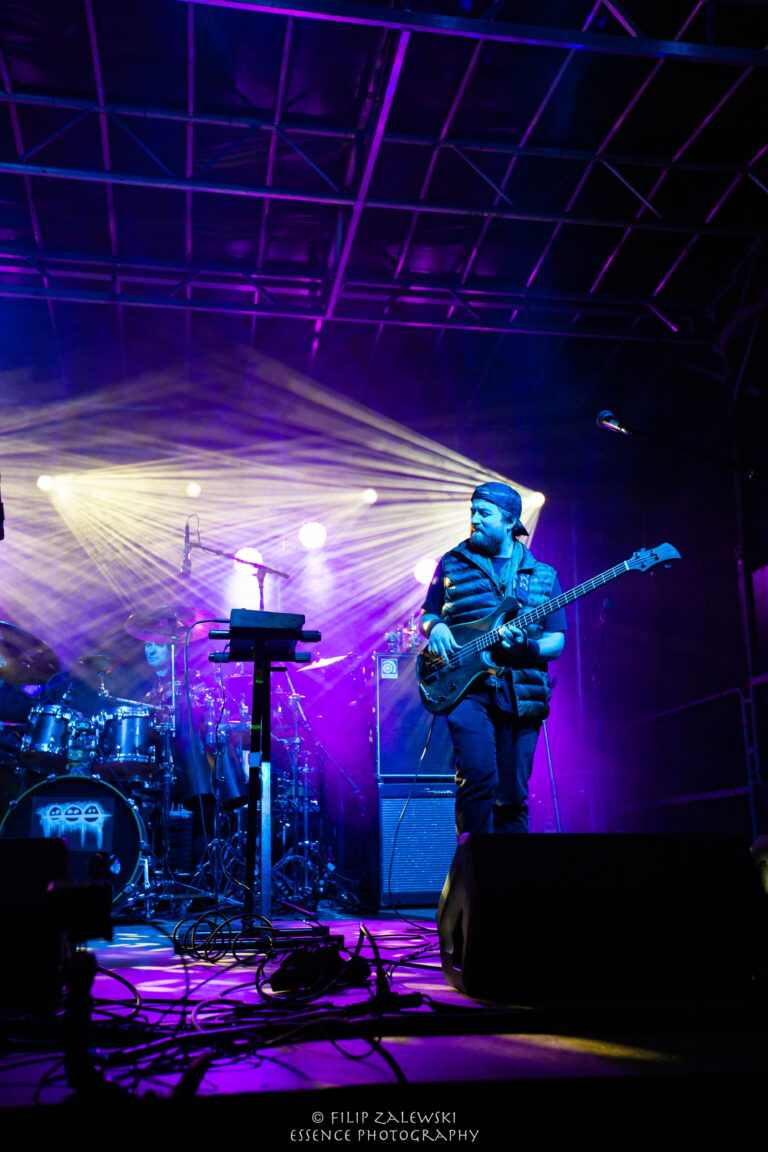
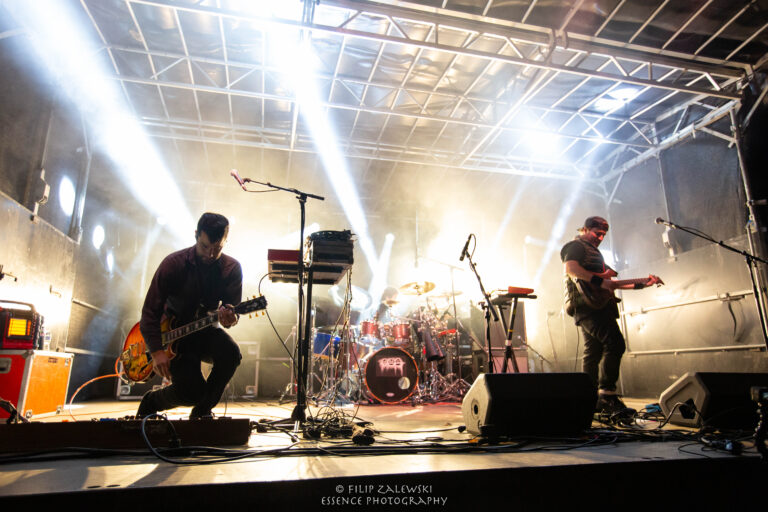
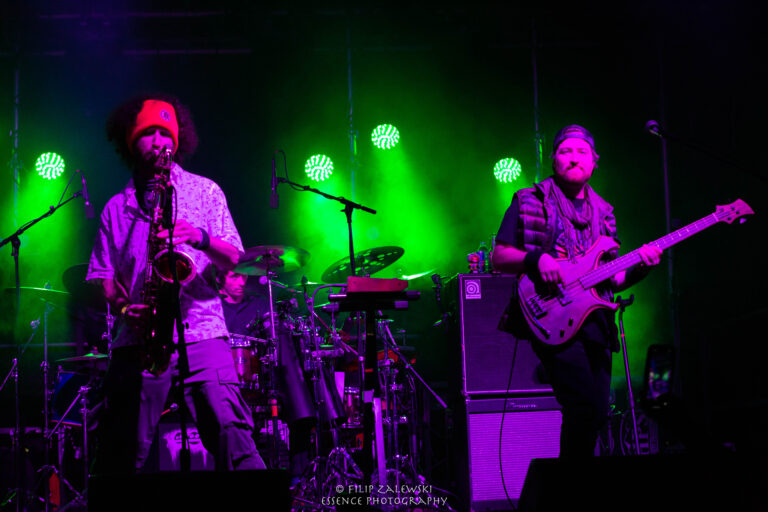
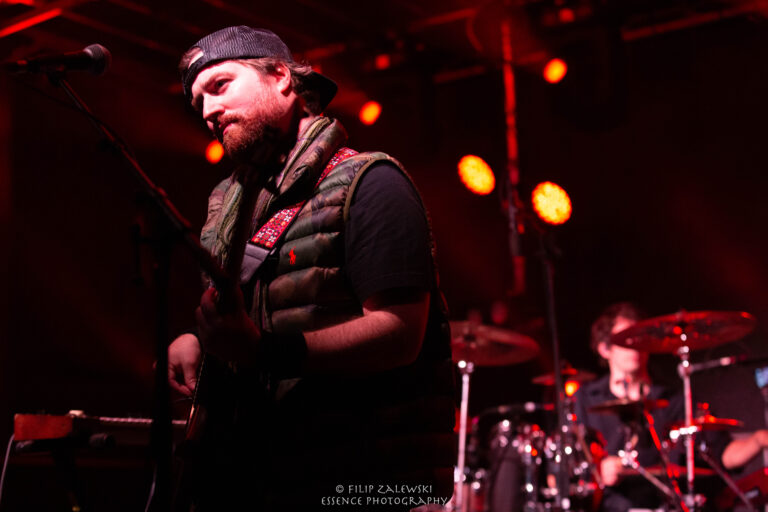
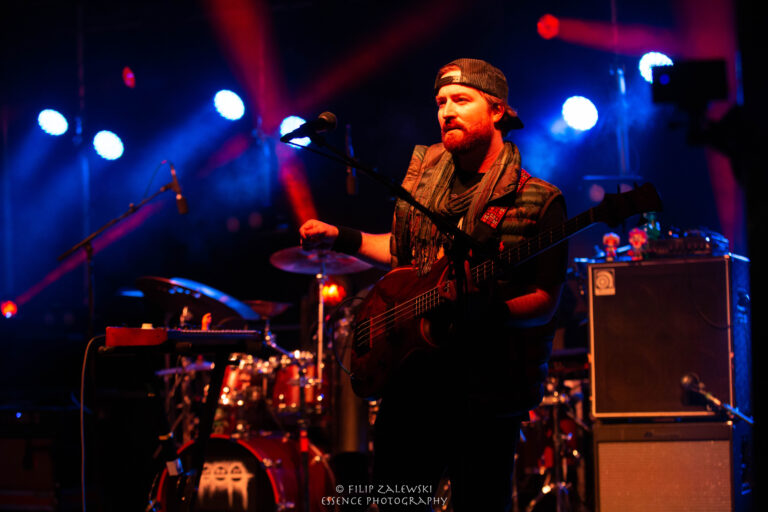
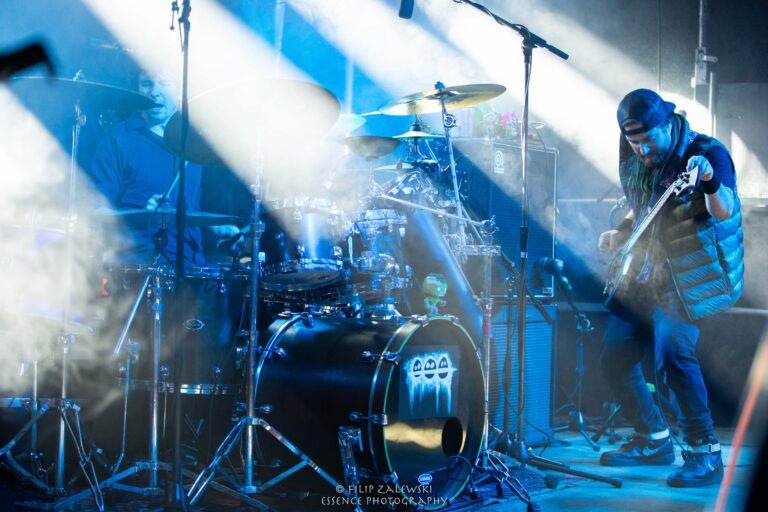
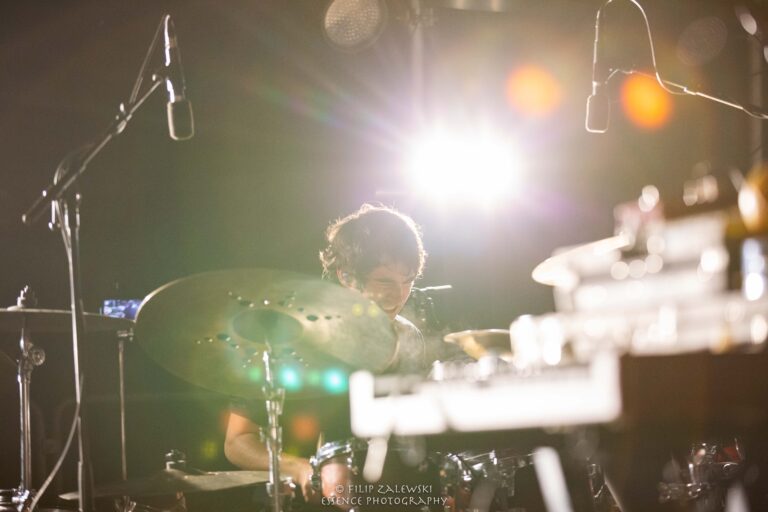
Connecticut funk-fusion band, Kung Fu, aides Toys for Tots as they gear-up for a heartfelt livestream tomorrow, December 19, 2020. Proceeds will go to Yale New Haven Children’s Hospital.
Kung Fu and Toys For Tots make a heart-warming combo. The benefit has become a cherished tradition, annually held and Toad’s Place, a landmark venue in the Connecticut music scene. The venue has collected tens of thousands of dollars worth of toys for kids at their annual sold out shows.
The band improvised this year, going virtual. Tomorrow, The Warehouse, Fairfield Theatre Company’s 640-capacity, industrial and state of the art venue will host the livestream for its tenth consecutive year. The benefit continues to embody a sense of giving and selflessness around the holidays, as the band pulls out all the stops for the hometown celebration to benefit those less fortunate.
If you have ever been to Fairfield Theatre Company, or met Kung Fu, both have a heartwarming persona, making it the perfect matchup for Toys for Tots. Locals flock the venue as is, the band, deeply rooted in their community.
We are sending love to Kung Fu, The Warehouse @ FTC and all of you who have continually showed your support during the holidays, especially this year. The livestream is courtesy of MKDevo, with lights by Matt Calabrese. Kung Fu will be donating 33% of the total proceeds to the Yale New Haven Children’s Hospital at 1 Park St, New Haven, CT.
Saturday December 19 at 8 p.m. ET. Tickets will be $14.99. You can purchase tickets from The Warehouse’ website, or view the event on Facebook.
Watch Kung Fu Toys For Tots Past Events:
Kung Fu feat. Jon Herington & Bernard Purdie: “The Fez >Green Earrings”
The 2020 iteration of Everett Bradley’s holiday funktacular comes to fans in the form of Holidelic: Home With Papadelic, hosted by Bradley himself in the comfort of his own home. Bradley plays the role of Papadelic, Funk’s Father Christmas, a mashup of George Clinton and Santa Claus, who goes to the videotape deck for an engaging strut down Santa Claus Lane.
On Thursday, December 17, Bradley will pour over performances from the past that are heavy on the funk, featuring holiday-themed songs written by Bradley and brought to life by an array of top shelf noise makers.
I wanted to create something that would celebrate the idea of being at home, but also the excitement that the holiday season brings. To be transparent, this special was actually somewhat inspired by the pandemic, but I didn’t want to give it any credit. We’re just trying to keep it all positive.
Everett Bradley, Papadelic
Holidelic was originally slated for a newly established five-week holiday run at the Lucille Lortel Theatre in Manhattan’s West Village, as part of a new 2020 partnership. This year, The Lucille Lortel Theatre will present a virtual Holidelic experience that will be redirected straight into our homes in the interest of public safety, but not at the expense of some real Yuletide fun.
Newly directed by acclaimed writer and director, Michael Heitzman, the COVID-19 revision of the much-loved funk revue now has an opportunity to do good at a time when it’s needed most. The show will be free for all to watch and all donations will go to the SAY Organization (Stuttering Association for the Young), a favorite charity of both Bradley’s and The West Village’s Lucille Lortel Theatre.
Tune in live on Thursday, December 17 at 8pm ET on Papadelic’s Facebook and YouTube channels
The Freaks Action Network (“FAN”) has released Fandemic, Vol. 1, with proceeds from album sales going to the FAN Musicians Relief Fund. The fun directly benefits NYC-based musicians through grants to support them through these no-gig days of the COVID pandemic.
Freaks Action Network is a non-profit, 501(c)(3) dedicated to using the positive energy of live music to create positive change in the world. FAN was born in 2018, out of the NYC Freaks, a longstanding extended community of music lovers and tastemakers in NYC and beyond.
While the pandemic has shut down most live music opportunities, many artists in the NYC Freaks community have been writing and making their own original music at home. Like the NYC music scene and the Freaks, the album features a variety of styles and genres, capturing the homespun spirit of the lockdown with an eye toward the days when we can all catch a show together in NYC again.
NYS Music spoke to Aaron Stein, one of the producers of Fandemic, Vol. 1 and founder and NYC Freaks about the album and FAN’s efforts during the music industry shutdown.
PeteMason: Who came up with the project concept and when did you get to work on it?
AaronStein: I came up with the idea after the NYC Freaks had our annual talent show — called “The Freak Show.” We’ve done this for many years, obviously virtually in 2020. It’s always struck me that in addition to being incredibly passionate and knowledgeable music fans, that the Freaks have some serious musical talent. This year’s event happened earlier in the lockdown had a real strong sense of community. I wanted to capture the talent and that community energy and the idea of putting together an album entirely by the Freaks came to mind.
PM: How did you solicit tracks for the album?
AS: I enlisted a couple friends to help — Jesse Guglielmo and Brian Mundy — and we basically asked the community who wanted to participate. I wasn’t sure what the response would be, but we had nearly 20 volunteers, from people who have played in their own bands before to bedroom amateurs. The range of styles and genres and nature of writing and recording these original songs really shows the depth and breadth of the Freaks musical backgrounds. We couldn’t be happier with how the finished, mastered product came out. These are great songs played and recorded with love and hopefully that shines through on the album. There’s something for everyone, I hope people will check it out.
PM: How has FAN been working with artists this year to assist those most in need?
AS: Proceeds from the album are part of a larger fundraising campaign by the charity arm of the NYC Freaks — the Freaks Action Network or “FAN.” During the COVID pandemic, FAN has been raising money for our Musicians Relief Fund which assists professional musicians, and helps make up for lost gigs and income by providing one-time grants to eligible artists. To date, the Musicians Relief Fund has awarded $40,000 in grants and is currently accepting applications for Phase V of the program.
Fandmic, Vol. 1 was engineered and mastered by Josh Van Dyke, with artwork by Alex Anastas, and produced by Jesse Guglielmo, Brian Mundy, and Aaron Stein. Pick up a copy on Bandcamp. Visit Freaks Action Network for more information on the Musicians Relief Fund, including how to donate and to apply.
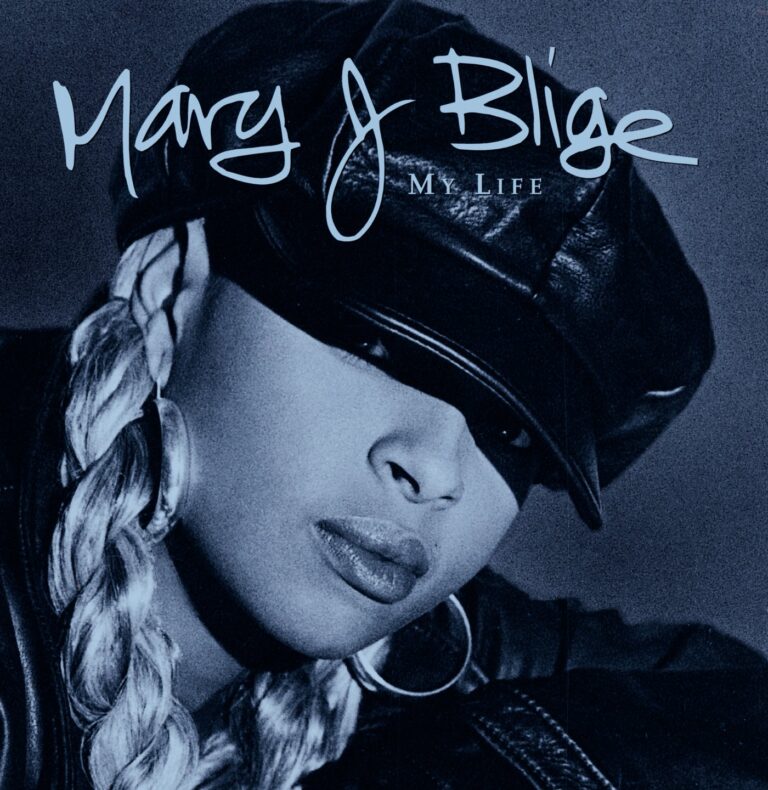
As the anniversary draws near for My Life, the iconic sophomore album from Mary J. Blige, Geffen/Ume records will celebrate the November 29 anniversary with a re-release that features three physical forms.
The repackaged classic features 2CD’s, a standard weight black double vinyl, and a triple vinyl edition in translucent blue with a lenticular cover, including bonus tracks featuring rap icon LL Cool J, and underground cult-figures Smif ‘N Wessun. The 3LP edition will also be available digitally which will also feature commentary by Mary J. Blige on the original album tracks.
As one of the most celebrated R&B albums of all-time, My Life was the catapult towards the Bronx native’s placement as the queen of R&B. After a highly successful debut that featured records like “What’s the 411?” and “Real Love,” Mary J. Blige’s subsequent work showcased her songwriting abilities, going in depth about trials and tribulations and exploring topics such as; abuse, alcoholism and self-love. Her increased involvement in the songwriting process, along with her collaboration with Bad Boy Records and their much-heralded group of producers “The Hitmen,” resulted in a transcendent piece of work. Much more than that, records like “Mary’s Joint,” “No One Else,” helped her become a symbol for women’s strength, soulfulness, beauty and resiliency.
https://youtu.be/hI7GqHxr7EE
My Life was nominated for Best R&B Album at the 1995 Grammy-awards, and in ensuing years, Rolling Stone included the album on their 50 Essential Female Albums (#17), 100 Greatest Albums of the ’90s (#63) and 500 Greatest Albums of All Time (#279) lists. Blender Magazine ranked it #57 on its 100 Greatest American Albums list, and TIME deemed it one of their ALL-TIME 100 Albums.
In a showcase of the Legendary songstresses’ lasting relevance, Vice-president elect Kamala Harris’ celebratory walkout after clinching her seat in the White House was serenaded by Blige’s “Work That.”
Philadelphia based actor/singer-songwriter, Chaz Shepherd, is well-versed in the arena of soulful, R&B music, but he has more to offer. The musician recently released a powerful tune about protest and standing up for one’s rights.
Music is an expression and I felt that this sound expressed the time and the movement that is happening now.
Chaz Lamar Shepherd
Chaz Lamar Shepherd
Shepherd reflects on his latest musical accomplishment, “We Will Breathe,” a song of protest.
The album that I’m currently working on is about love and and unity. It will be a representation of me. “We Will Breathe,” however, is about protest. It’s about being sick and tired and says, enough is enough.
Chaz Shepherd
Much like many artists, Chaz Shepherd is happy to use his platform to stand up for what he believes in. He says it’s not a musician’s job to create a political or social stance, but he knows that has always been him.
Growing up in Philadelphia, the actor/singer found his love for music in the upbeat, loud, soulful church he attended as a kid. There, he was able to expand his vocals and create the passion you can hear in his music today.
Along with his musical career, Shepherd had memorable roles in many different movies and shows over the years. From the early 2000s show, 7th Heaven, to the popular Netflix feature, Marvel’s Luke Cage, Shepherd has always seemed to flare the screen with his acting.
The global pandemic hit the music and film industries hard: venues shutting down, workers losing their jobs and live music stopping. In-person music events seem like a thing of the past. Shepherd looks at these isolation days as time to work on his music and better himself in every way.
I’ve been able to live very comfortably and work on my creativity. I am thankful every day that this virus hasn’t affected me the way that, unfortunately, half of the planet was affected.
Chaz Shepherd
George Floyd
The well-rounded artist says his inspiration for “We Will Breathe,” was provoked by the murder of George Floyd in May of 2020. Throughout the year, Shepherd has been an activist and supporter of the Black Lives Matter Movement, along with other organizations that support equality. According to him, this song isn’t about love. It’s about standing up for human rights.
I became more than what I thought I was. I directed and produced a video I also performed in. I just want this video to become more popular and to contribute to, not only, the BLM movement, but also all over.
Chaz Shepherd
“We Will Breathe,” can be found on all platforms. The video itself is featured on Shepherd’s very own YouTube Channel, Chaz Shepherd Official. Soon to come, is an album featuring soul, R&B, gospel and more.
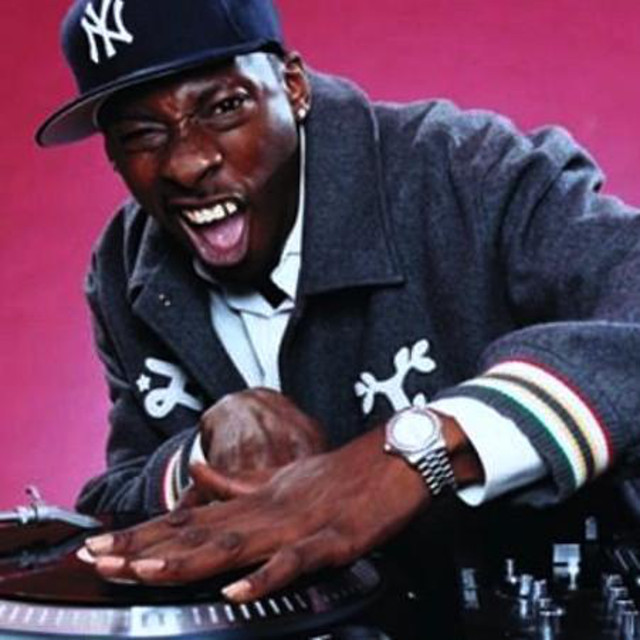
Pioneering hip hop producer, Pete Rock, is set to release the third installment of his PeteStrumentalsseries of beat albums. The Bronx native released the inaugural project in 2001, beginning a trend of beat albums for producers looking to share their un-versed work.
The second edition was released in 2015, with the latest version set to feature his live ensemble, The Soul Brothers.
With the album set to arrive on December 11 through his Tru Souls imprint, the legendary producer released the album’s first single and video “Say it Again” last week. Now he has decided to share the project’s second single, “Rejoice.” Amidst a strong Jazz and Funk influence, the record features looping guitar and drum set, with a strong 70’s feel. Running just over two-minutes, it resembles something of an Isaac Hayes composition, standing as the perfect cross between laid-back and up-tempo, action packed music.
In an interview with OkayPlayer, the fabled producer went into more depth on the song’s creation. “I created ‘Rejoice’ in my basement as just a simple idea of a beat I made in my head. I listened to some jazz that day and heard something interesting and remembered it and just gave the band a direction reference; and they took it from there.”
Known for some of the most iconic production in rap history, the Grammy-winner has taken a different approach to this upcoming album, this time assembling a full-on band. The outfit includes, two-time Grammy-winning drummer Daru Jones, later on recruiting guitarist Marcus Machado, bassists Mono Neon and Christopher McBride, keyboardist BigYuki (A Tribe Called Quest), and vocalist Jermaine Holmes (D’Angelo). “I want the best; I’m like James Brown and Kool & The Gang; I want precision,” Pete Rock alerts.
Despite anxiety and unease in the air all around the globe, Ithaca’s soul/rock/pop/prog ensemble Noon Fifteen returns to Finish What You Started, their series of thematic releases with a focus of confronting your fears. Three new songs from the collection — “Dinosaurs,” “Easy,” and “Scared To” — will be released via the band’s podcast and YouTube channel between Halloween and Thanksgiving, coinciding with the 2020 U.S. Presidential election and the waning of this frightening year.
The first release of the three, “Easy,” tackles internal and external conflicts that keep us standing still, pairing with the soon to be released “Scared To.” Watch the video from vocalist/guitarist Mandy Goldman.
Additionally, keyboardist Samuel B. Lupowitz’s composition “Dinosaurs” examines the danger and violence wrought by outmoded political philosophies.
Though the COVID-19 pandemic has kept Noon Fifteen apart for most of 2020, the band members have remained productive. Goldman, Lupowitz, Harry Nichols (bass/vocals), Joe Massa (guitar), and Phil Shay (drums/vocals have released two standalone singles this year, “Thaw” in March and the found-sounds creation “Outside” in August. Pre-quarantine, on Halloween 2019, the band released their 22-minute rock opera,At the Festival.
The initial installments in the Finish What You Started song cycle, “The Cell,” “The Tick,” and the title track, were released in the summer of 2019 during Noon Fifteen’s “Julyfecta” run of shows. While those tracks were recorded in a tiny studio at Cornell University, the new releases continue the band’s collaboration with Chris Ploss at Sunwood Recording in Trumansburg, NY, with mid-pandemic finishing touches recorded at Lupowitz and Goldman’s new home studio in Ithaca.
Each of the Finish What You Started track is accompanied by an interactive 360* video, allowing the viewer to observe the band’s performance from the center of the recording studio. A behind-the-scenes podcast, hosted by Dan Cole, founder and longtime host of WVBR-FM’s “Tuesdays with the Band,” will reveal details about the writing and recording of the songs, as well as the band’s influences, inspirations, and offbeat sense of humor.
Since their 2017 debut,Volume 1, Noon Fifteen has leveraged a why-not, can-do attitude and a proudly DIY aesthetic to present their music to the world. As we said of their debut, Noon Fifteen is “a small town band with a big imagination,” with five friends aiming to deliver fun, forward-thinking songs bathed in layered vocals and old school instrumentation.
The final installments of Finish What You Started will be released in 2021.
With the May premiere of Laurel Canyon, its two-part series dedicated to the California rock of the ‘60s and ‘70s, EPIX proved it might just be TV’s best new source for music documentaries. With its latest effort, By Whatever Means Necessary: The Times of Godfather of Harlem, EPIX is heading East and uptown. The mission here is to spotlight the many musicians and the musical genres they birthed, from soul, funk and jazz to boogaloo and proto-rap, that helped inspire social change during the turbulent 60s, in New York City’s most culturally percolating neighborhood.
This four-part series is the counterpart to Godfather of Harlem, the acclaimed period drama featuring Forest Whitaker and Giancarlo Esposito. This Emmy Award-winning series follows the story of Bumpy Johnson, the notorious Harlem gangster who sought his own version of economic empowerment against the Italian mob, in an era when Black men and women had little power or choices for upward mobility. The action of the series spans the decade and is fueled by a soundtrack featuring the best of this very best era of Black music.
The fascinating story of this golden era is told in interviews with musicians like Martha Reeves, Gladys Knight, Herbie Hancock, Carlos Alomar, Nile Rogers, A$AP Ferg, Chika, Gary Bartz and Joe Bataan, along with the activists who were there pushing forward the drive for civil rights like Al Sharpton. It also contains a remarkable bounty of rarely-seen archival footage, of interviews and live performances by giants like John Coltrane, James Brown, Gil Scott-Heron and many more.
NYS Music speaks here with Keith McQuirter, the series’ Executive Producer and Director about what viewers can expect with the premiere of this series, November 8 at 10 pm ET/PT.
Sal Cataldi: The EPIX dramatic series for which your documentaries are a companion, Godfather of Harlem, is set in the ‘60s in NYC, a time and place of incredible change and musical innovation. Why was music so interweaved with and reflective of the currents of that particular time and place, the civil rights movement and the like?
Keith McQuirter: What drew me to do this series was to examine how music was used as a force for good in the fight for civil rights. There is a long history of Black protest and empowerment music and our series looks at the years, from 1960 – 1969, from the point-of-view of Harlem residents. The scripted series, Godfather of Harlem, is really a civil rights story, told in the criminal underworld. Our series focuses on an entirely different palate – how music impacted culture and politics, and how culture and politics impacted the music. It allows audiences to see the national story of the Black freedom struggle through the personalities, music and activism coming out of Harlem.
Harlem was a very political place in the ‘60s. Many black families fled the south due to racial terrorism and sought better economic opportunities, only to be face racism, discrimination, limited opportunity and segregated schools in the New York City. You had dueling philosophies of Malcolm X and Martin Luther King Jr. and the megawatt influence of Adam Clayton Powell Jr, who was both a Baptist minister and congressman representing the neighborhood. You had the Garveyites, the Black Panthers, the Young Lords and some many others in the fight for civil rights. Not everyone agreed on the approach, but they all agreed that it was time for a change. The freedom songs coming out of the Black church, the jazz of John Coltrane, Charlie Mingus, Max Roach and even Chubby Checker’s Twist spoke to power and change. Our series brings it all together through interviews with eyewitnesses, luminaries and archival that gives a unique look at this part of Black history and culture that is rarely ever told.
SC: The first episode spotlights The Apollo Theater, with comments from performers like Martha Reeves of Martha and the Vandellas and Gladys Knight, and even actor Giancarlo Esposito, one the stars of Godfather of Harlem who saw performances there as a child. What are some of the more interesting things you uncovered about the Apollo in your interviews and research?
KM: The Apollo Theater has been a cultural bedrock in Harlem and America for decades. If you wanted to be a star on the national stage, performing at the Apollo was a rite of passage for many artists. So all the greats performed on the Apollo stage. We spoke with Martha Reeves and Gladys Knight, who told us about her first time performing at the Apollo at a very young age. Both she and Martha talked about how nervous they were because the Apollo audience is known to be a tough crowd. If you get booed off, you might get a tomato thrown at you or other unpleasant things. It was interesting to learn the origin stories of these two legends.
But there is a lesser known story that I appreciated. In the late 1960’s, the Apollo Theater had a mentorship program, where they developed and groomed underprivileged, musically talented teens to be professional entertainers. The teens formed a band under the direction of the theater called Listen My Brother, in which 17-year-old Luther Vandross was a member. We interviewed Carlos Alomar of David Bowie Band fame and Robin Clark, both members of the band. They met as teens during the Apollo program and married before their 20th birthdays. Fifty years later, they are still married! It’s a truly musical love story. Their homework was to go upstairs and watch the Supremes and the Temptations — study their grooming, choreography, stage presence and incorporate it into their rehearsals and their own performances. Can you imagine that type of education? Robin Clark shared about how one day Aretha Franklin came down to the basement where they were rehearsing and talked to the teens about the music business. Robin said she couldn’t believe her idol casually made a surprise visit to their rehearsal. Its apparent that the education and mentorship paid off because both Robin Clark and Carlos Alomar have had illustrious careers in the music business for decades.
SC: The series illustrates how jazz, and especially the new breed of free jazz musicians, were reflecting the civil rights movement. How did the works like John Coltrane’s “Alabama” and Max Roach’s “Freedom Now Suite” energize the drive for equality?
KM: John Coltrane’s “Alabama” is a haunting elegy for the four little girls who died in the Birmingham church bombing in 1963, that was recorded just two months after the tragedy, when grief still weighed heavily on people’s hearts. Coltrane modeled the piece after Martin Luther King’s eulogy to the four girls that was delivered three days after the bombing. The saxophone begins in a tone and cadence of profound mourning, and gradually gains complexity and intensity, expressing the steady resolve to continue the struggle against racist brutality. The message in Coltrane’s piece remains relevant today, with racially-motivated violence still threatening the lives of Black people.
I also interviewed Warren Smith the legendary percussionist, who played with so many greats like Miles David, Aretha Franklin, Janis Joplin, Nina Simone and Max Roach. He says that Coltrane was unafraid to express his emotions in ways that were new at that time. He inspired Smith and others to fully lay into their instruments to express their anger and to say something meaningful.
This was in contrast to when most pop music at that time still avoided addressing political and racial issues, in an explicit way. Many jazz artists were fearless about expressing Black rage and resistance through their music. Jazz was the perfect vehicle for conveying the message of resistance, since the genre is deeply rooted in the historical Black experience. So, Max Roach’s “Freedom Now Suite” was a celebration of emancipation and the years of struggle that followed the end of slavery.
The incredible vocalist Abbey Lincoln expressed the anxiety and anticipation of emancipation against a frenetic avant-garde rhythm section. Roach said in an archival interview we found that, “We could never finish the song because we don’t really know how it feels to be free.” We also interviewed jazz saxophonist Gary Bartz, who played with Roach on the “Freedom Now Suite” and he remembers when he found out that the record was banned in South Africa – clear evidence that music could be a weapon for change.
SC: Curtis Mayfield was especially important, as a musical messenger, a sort of pop music poet of the struggle. What was it about him that connected so strongly with the movement and which resonates today?
KM: Curtis Mayfield had come up in doo wop music, collaborating with his old friends from Chicago’s Cabrini Green housing projects. As an artist, he understood the power of music to uplift and empower. He focused on building a viable music career and began to write songs that sent an implicit message of hope to young Black people hungry for change. His song, “It’s All Right,” speaks directly to the young people:
“When you wake up early in the morning, feeling sad like so many of us do, Hold a little soul, and make life your goal, and surely something’s got to come to you. And you’ve got to say, It’s all right…”
The song launched Mayfield’s career and his band, The Impressions, and it captured the spirit of resistance and hope that characterized the beginning of the decade. He later released “Keep on Pushing” capturing the civil rights movement determination for change. There were many artists providing the soundtrack to the civil rights era, but Mayfield is prominent because his music always deliver the message of empowerment.
By the end of the decade, his music had come a long, long way. His lyrics had become explicitly political, and his sound was funkier and more soulful. He released “(Don’t Worry) If There’s Hell Below, We’re All Going To Go” where he calls out the courts and the police as political actors, talks about the drug epidemic and pollution and how all of this decay and corruption is going to bring us all to our downfall. This message juxtaposed to Richard Nixon’s who was just elected president by an overwhelming white conversative calling for law and order and a return to the old America. It all sounds incredibly familiar.
SC: James Brown is another giant highlight in the series, especially the role he played in black pride, in actually changing the racial terminology from “Negro” to “Black” with his anthem “Say It Loud, I’m Black and I’m Proud.” How powerful an impact did this song have in the community?
KM: In the late 60’s, James Brown released an unexpected anthem, “Say it Loud (I’m Black and Proud).” This song made James Brown one of the most prominent performers to celebrate Black identity. Ever since his historic live album recorded at Harlem’s Apollo Theater in the early 60’s, Brown had personified unadulterated, unapologetic blackness. But his lyrics had always avoided politics, and his personal style still reflected an earlier time – especially his hair, which he kept in a carefully-maintained pompadour. By the time this came out, Brown cut his hair and sported an Afro in message with the changing time.
Brown later complained that “Say It Loud” ultimately cost him record sales, radio play and bookings at white clubs; but, at the moment it came out, it was an instant hit. Brown’s words were also taken up by activists across the country, who were marching in a never-ending series of protests – against the war in Vietnam, inferior schools, irresponsible landlords, unfair practices, and all the other problems the community still faced. His music fueled Black resistance and allowed Black folks to freely celebrate themselves and their culture with pride.
SC: How did The Last Poets and Gil Scott-Heron, the pioneers of the fusion of poetry into music, impact their times and ours today?
KM: In our series, we interview Felipe Luciano who talks about his trajectory into revolutionary culture. He was a kid who grew up in Spanish Harlem of Puerto Rican origin, but he consider East Harlem his homeland – not just his birthplace, but the place that made him who is today.
Luciano says that he felt lost when he got out of prison in 1966, but he found his purpose when he met other young Nuyoricans who were developing a radical new political consciousness, inspired by their Black friends engaged in the freedom struggle. He had studied Puerto Rican history while in prison, read the writings of Pedro Albizu Campos, trying to understand why his parents’ generation gave up on statehood and accepted the humiliation of being ‘colonized’ by the U.S.
Activism gave him hope. He was excited by the emergence of the Black Panther Party for Self Defense on the West Coast, and the bold call for Black Power from Stokely Carmichael, a New York-raised activist of Trinidadian origin. He decided it was time for Latin people to work for radical change too. When he heard about the opening of a New York chapter of the Young Lords, a Puerto Rican organization modeled on the Black Panthers, he got involved immediately.
So by the time Luciano became a member of The Last Poets in the late 60’s, he was already a leader in the Young Lords and was a revolutionary. When you hear the music of The Last Poets, accompanied by African-inspired Congo drums, it make sense they were so incredibly free to express themselves, in ways most people just didn’t at that time. They spoke truth to power, but also they just spoke truth, often in incendiary ways, but it freed people to be able to express themselves without barriers or shame.
In an interview, the jazz saxophonist Gary Bartz said it was like a secret language that he and others understood deeply, but not everyone could relate. Hip Hop can be that way too, in that it is specific to a group or even a neighborhood and is not always inclusionary. Luciano believed poetry was just as important as marching in the streets. You see this same reverence for lyrics in young artists today – Kendrick Lamar, CHIKA, Janelle Monae and so many others — they are reflecting the times, giving empowerment and allowing us to be free to be ourselves. The Last Poets showed us freedom of expression in words, and its fitting that they have the designation as being called “The Fathers of Hip Hop.”
SC: The series doesn’t just focus on Black artists but the Latinos of Harlem who forged their own kind of music of celebration and liberation. Tell us about some of them, especially the pioneers of boogaloo?
KM: East Harlem, nicknamed ‘El Barrio,’ became the capital of Puerto Rican culture in the mainland U.S. And although Puerto Ricans became American citizens in 1917, in the U.S. they were still seen as foreigners.
In the ‘60s Spanish-speaking migrants were the majority of the neighborhood’s population, but many of them struggled with poverty, unemployment, and racial discrimination. The language barrier made it difficult to find decent, well-paid jobs, or navigate government agencies. This generation found comfort in the music from back home, and bandleaders like Tito Puente and Tito Rodriguez reigned supreme at the city’s biggest Latin club, the Palladium Ballroom in midtown.
Miguel “Mickey” Melendez, an East Harlem resident, and a member of the Young Lords who we interviewed in the series, spoke about the American-born children of Puerto Rican migrants were growing up as Harlem teenagers, and their day-to-day experiences – and the music they loved – were completely different from those of their parents. These kids went to school with African-American classmates, hung out with African-American friends and neighbors, and danced to doo-wop, soul, and R & B. They would create a new genre of music that gave voice to the intersection of Black and Latin culture — boogaloo, the soul of El Barrio.
Denise Oliver-Velez, another member of the Young Lords, talks about Joe Cuba’s “Bang Bang,” a song, composed spontaneously at a ‘Black dance’ night at the Palm Gardens Ballroom, was one of the first boogaloo songs to launch the craze that swept New York, and then the world of Latin music. It combined English and Spanglish lyrics with an R & B rhythm on timbales and melodic piano, and immediately inspired a wave-style dance. Within weeks, the Joe Cuba Sextet recorded and released “Bang Bang” as a single, and it became one of the most successful Latin recordings to cross over to mixed audiences, selling over a million copies.
When Joe Bataan got out of prison, he tells the story about how desperate he was to achieve his dream of becoming a musician. He had the reputation of being a gangster at that time and would sneak into a local school to play the piano. One day, he discovered a group of musicians using ‘his’ practice space, so he stuck a knife in the piano and told them that from then on, they would be his band. He wanted to make a name for himself and hoped that music would save him from the cycle of gang violence and incarceration.
After a debut recording that went nowhere, Bataan’s first hit was a boogaloo cover of the Curtis Mayfield ballad “Gypsy Woman,” spiced up with Latin percussion and an irresistible hook. All the band members were shouting “She smokes!”. Bataan remembers how, in 1966 and 1967, you could hear boogaloo echoing throughout the neighborhood – and how proud he was, coming from the streets, to representing his neighborhood in a way everyone could celebrate.
For Felipe Luciano, Boogaloo was more than just party music. It was an expression of Nuyorican identity, giving voice to their generation’s rage against the discrimination their parents had faced, and demonstrating their deep connection to the Black struggle. In its own way, boogaloo was a music of defiance against ghetto life and the elusiveness of the American dream.
SC: The series contains so much remarkable archival footage that is largely unseen. What are some of your own favorite moments of the musicians on film that you unearthed?
KM: For a nerd like myself, archival research is a fascinating, deep dive exploration that can take you on many adventures. Finding archival of Max Roach and Abbey Lincoln performing “Driva’ Man” and “Triptyh: Prayer / Protest / Peace”from the “Freedom Now Suite” is like finding gold. I could not stop watching it over and over again.
I also enjoyed unearthing Apollo performances from Martha and Vandellas and other Motown acts. To see these entertainers as teenagers in archival footage, who I’ve known my whole life to be legends and then getting to interview them too, it was just incredible. Artists like Herbie Hancock and Gladys Knight are of my parent’s generation, so their music was always a part of the soundtrack of my life.
I really love the archival we found of the Last Poets performing “Hey Now” and “Jibero, My Pretty N****. “ New York indie filmmaker Herbert Danska filmed them on a Harlem rooftop for his film Right On! A film that screened at the Director Fortnight in the 1970 at the Cannes Film Festival. It shows three Black men on a rooftop – Felipe Luciano, David Nelson and Gylan Kain – with a percussive accompaniment performing poetry. It’s rough, raw, and a bit strange. It’s truly great stuff.
SC: The ‘60s were a pretty special time, an era where music really helped, as Giancarlo Esposito says in the series, becoming “the force that gave the people strength.” Do you think music has the same impact today?
KM: Every time I visit a Baptist church and sing those old songs that my grandparents and great grandparent sang, I feel uplifted, and some of those songs have been around for hundreds of years.
Music is healing, empowering and motivating. It reenforces the stories of our lives and reflects our dreams, hopes and ambitions. Music is culture. And, culture is inherently political. This year has seen a proliferation of protest music by known and unknown artists. It’s a tradition that has been passed down generationally and young people are making it their own, especially through the use of social media. Most of the musicians I spoke to for this series have expressed how inspired they are by activism happening today in music. The work from the ‘60’s civil rights movement never ended because we still are facing police brutality in our communities, disparities in healthcare, massive incarceration and gun violence – we have so much work to do. The musicians have a role in providing us and generations of activist to follow soundtracks that empowers, uplift, affirms our identity and our humanity.
In celebration of five years of their 2015 LP Digitonium, the nine-piece Brooklyn funk group Turkuaz has released never-before-seen in-studio footage of their fan-favorite song “Nightswimming.” Fans can pre-order a special anniversary vinyl of Digitonium, in both black and a limited-edition blue only available on their website. “Nightswimming” received high praise from Relix Magazine for its “saturated synth line and bubbling bass” as well as JamBase praising Digitonium as a “major progression” for Turkuaz.
Photo By Dani Brandwein
“Nightswimming” was recorded at More Sound Recording Studios in Syracuse, NY. The track was produced by Dave Brandwein, mixed by Jason “Jocko” Randall, and mastered by Chris Athens. According to Brandwein, he created the lyrics and melody for Nightswimming before Turkuaz recorded it.”
After the first take, I’ll never forget when Jocko chimed in through my headphones saying, ‘Alright, there’s definitely a vibe going on in there. It’s no surprise that this is one of the fan favorites from Digitonium. It’s one of our favorites too!” Brandwein said. Shane Grace Allen (Danke) joins Turkuaz members on vocals with Nate Werth on percussion.
“Nightswimming” was born out of two demos that Taylor and I each made individually They were in the same key with the same tempo and feel. We started to wonder if we could combine them and as it turns out, we could! So what you hear is my original riff (the synth line that begins the song), with Taylor’s bass riff coming in over it. They weave and bob around each other in a very cool way that I think gives the song it’s unique feel.
Dave Brandwein
In the meantime, Turkuaz has taken part in several virtual performances, including a performance of “Electric Habitat” for the virtual music festival Democracy Comes Alive. The festival partnered with Headcount support voter participation.
Turkuaz also created a web series called “Keep Your Mind In Tune” which presents conversations between musicians and experts about various topics as well as musical performances. Fans can watch the episodes on the Turkuaz YouTube channel or the Keep Your Mind in Tune YouTube Channel.
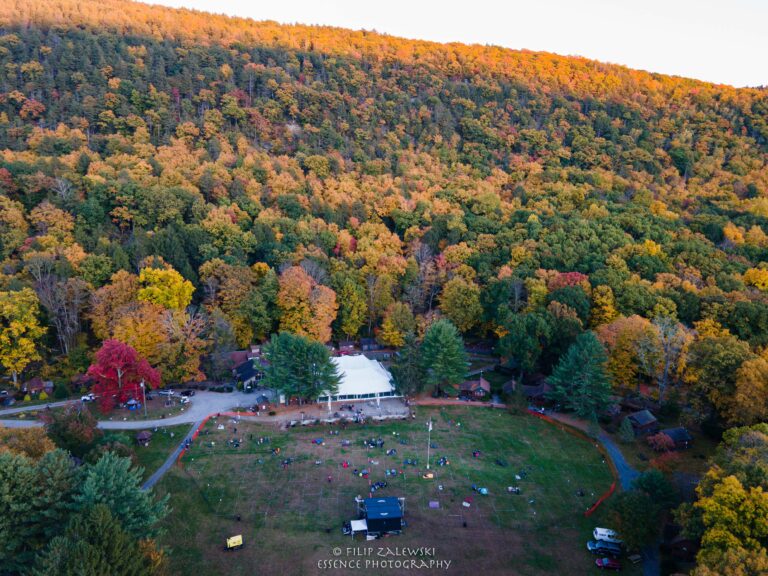
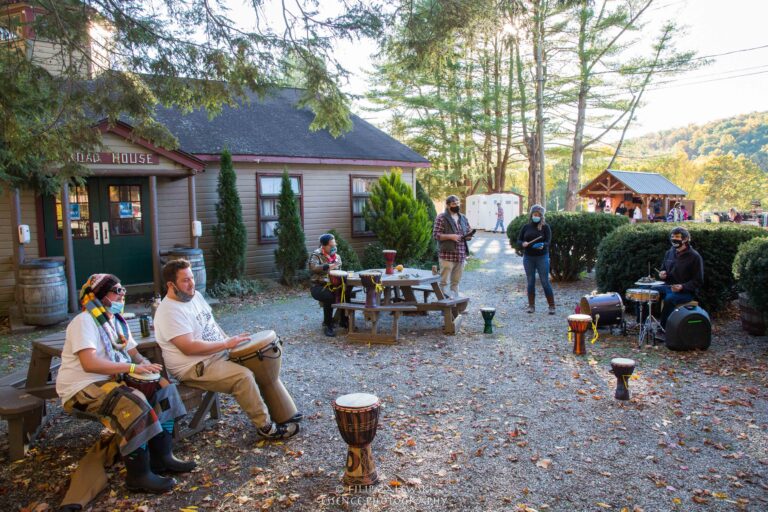
Last Saturday was a special gathering in the midst of a strange year. Le Getaway was a sold-out, socially distanced event held by lespecial and Eggy which featured daytime activities, drum circles, basketball courts, ping-pong tables, and cabins that were rented for the night by attendees. It took place at Club Getaway, a beautiful lake resort nestled in between the mountains of Connecticut. Reminiscent of the good ol’ Catskill Chill days, there was a bonfire set and porch jams until the sun came up. It’s nice to know that a socially distanced live music event is possible if we can all be smart and responsible. If the right precautions are taken, it seems like we can get back to this live music thing soon.
So many activities.
This was a beautiful gathering, it was both much needed and very appreciated. But it was a bit chilly, so you know lespecial and Eggy had to bring the heat. Literally, Jon from lespecial had to turn up his personal heater it was so cold. Rory Dolan led a socially distanced drum circle early in the day, Luke joined in too.
Rory leads a socially distanced drum circle.
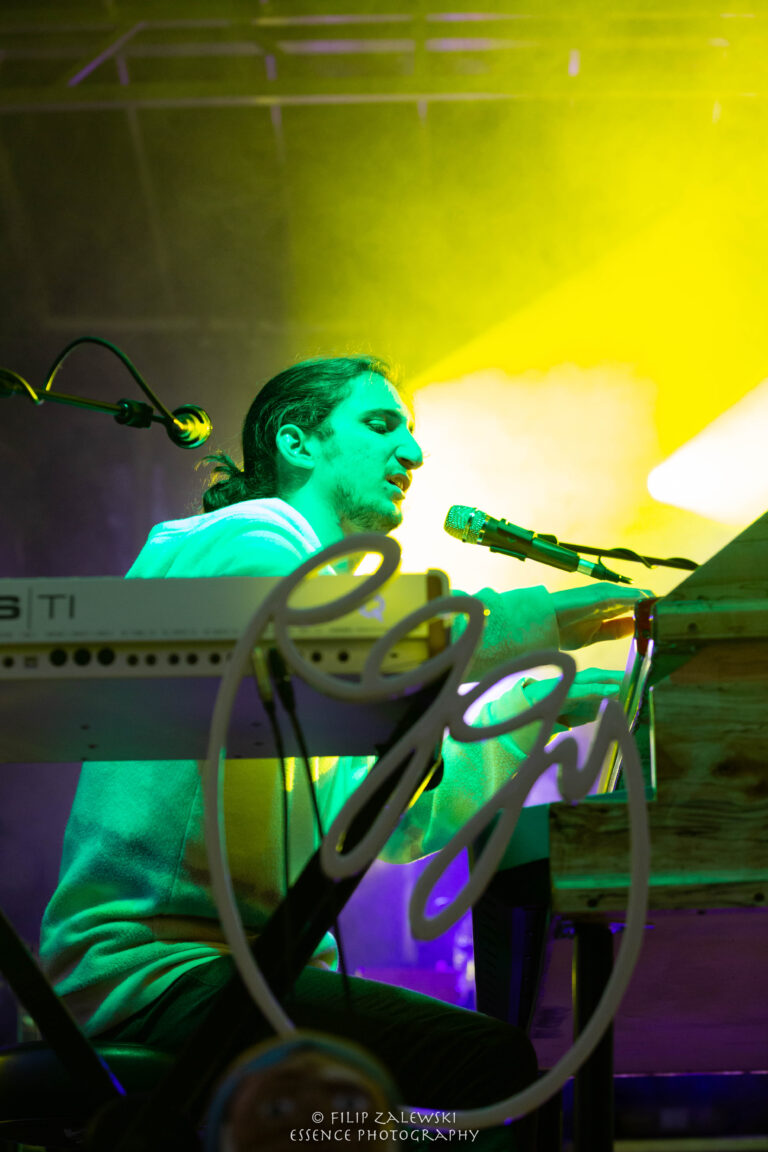
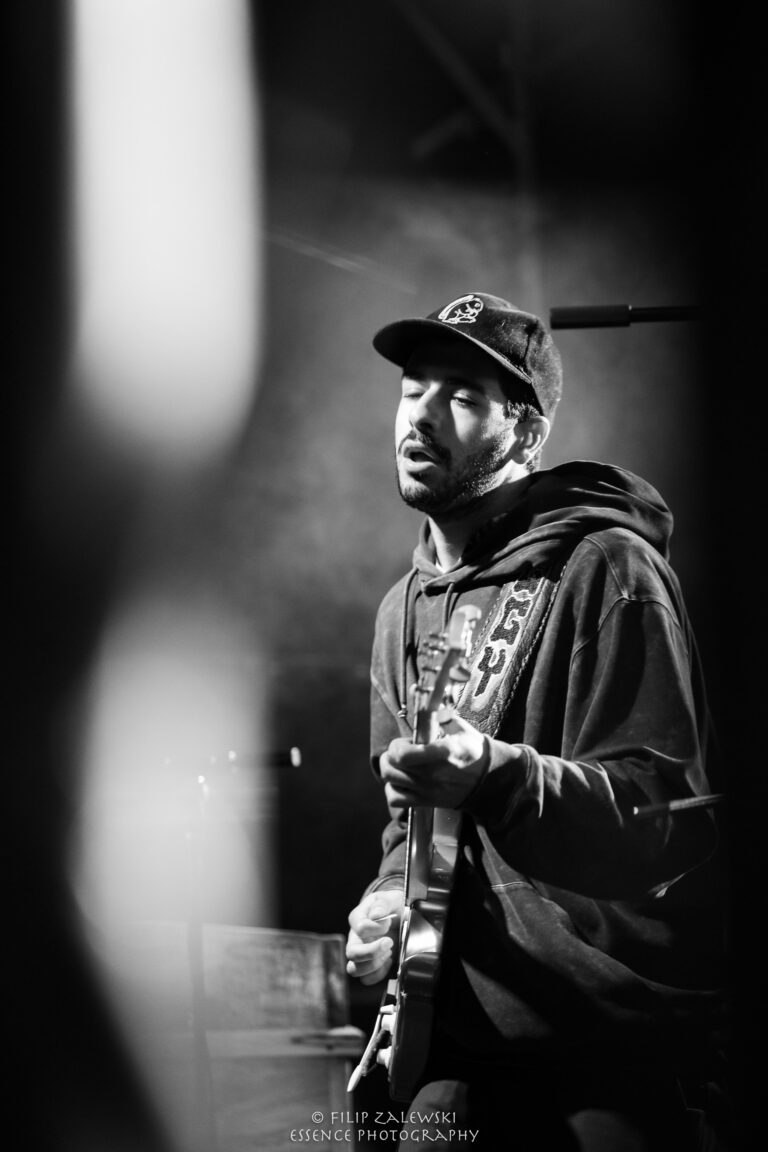
Eggy played a jam filled opening set, warming up the crowd as the sun went down. These guys are tight, I would not sleep on them. Soaring high on funky synth leads by Dani Battat and Jake Brownstein’s guitar shredding, Eggy proved to be an amazing opening act.
Eggy flying high.
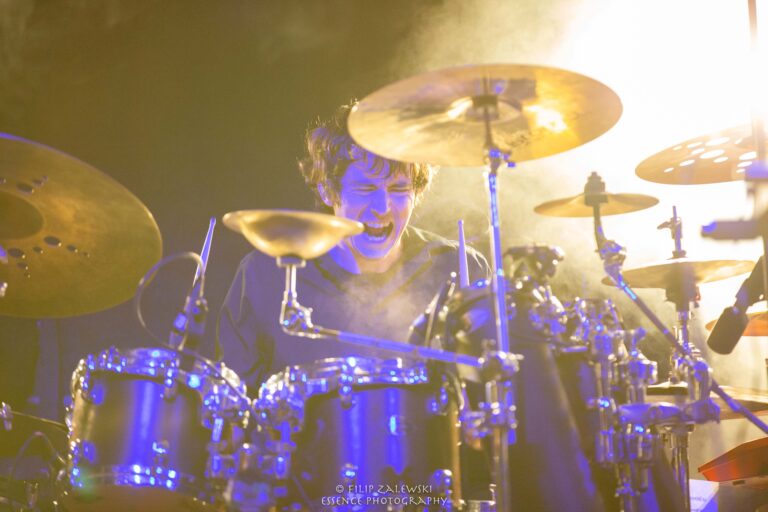
lespecial then took the stage and opened up with “The Vessel.” Their set was everything you could every hope a lesepcial show to be: dark, bass heavy, and Primus-inspired goodness. Rory took a masterful drum solo. Mike Meyers even sat in on the Halloween Jam and Lee Ross sat in on the sax for a tune. There’s something spooky about this band that makes seeing them around Halloween feel so right. lespecial has a very unique, refusing sound that cuts through much of the jam band muck with many bands that sound similar. They stand out and stand behind their sound which definitely draws inspiration and honors Primus.
Rory’s drum solo.
After lespecial, the attendees with cabins were treated to a bonfire jam which featured, of course, a fire and music. Late night porch jams were held by the new “porch dwellers” with Escaper’s very own Will Hanza on mandolin. Nothing can substitute the space that live music creates.
lespecial put on a hell of a show.
This was exactly what we needed. Let us get back to this as soon as possible, in a safe and responsible way.
Can’t wait to be back.
lespecial at Le Getaway 10/17/20
The Vessel, Fruit Wolf Dance, Jackwise, Machine Elf, Harambe Zombie, Tommy the Cat (Primus cover) > The Awakening > Tommy The Cat, Onlookers, Sugaboi, Third Antler > Fourth Antler, Chocolate Chip Trip (Tool cover), Halloween Jam, Tonberry, Buggn>In the Air Tonight>Buggn