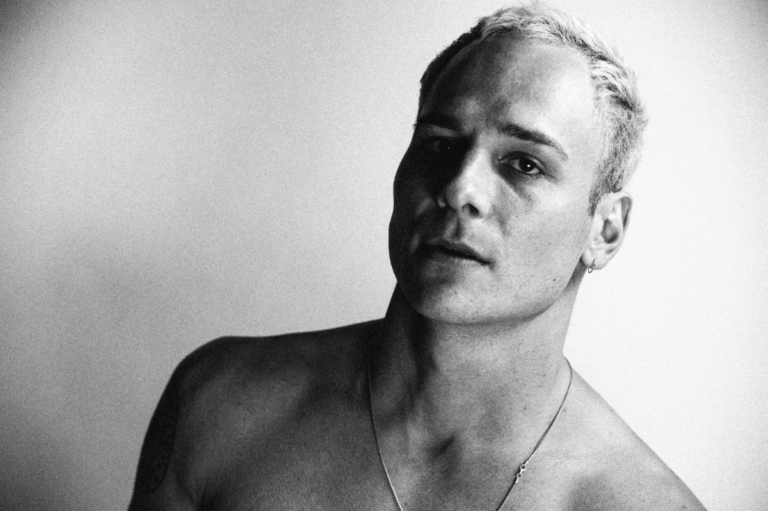
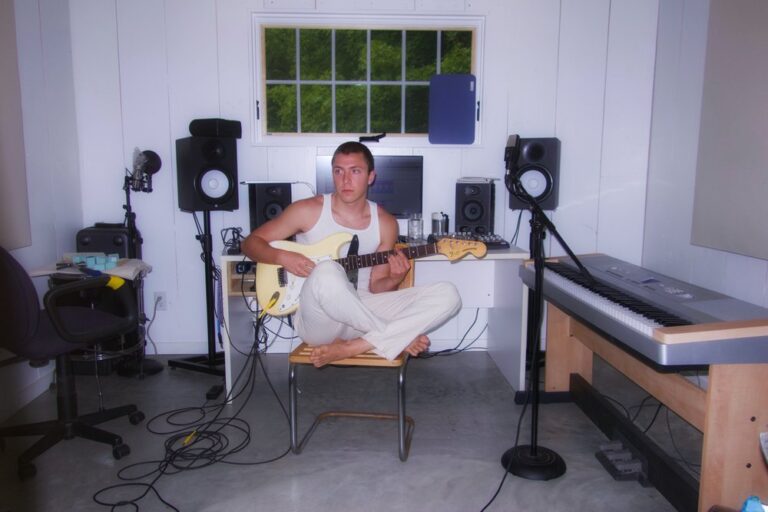
Despite the chaos created by the pandemic so far, Swiss Brooklyn-based artist Sam Himself (aka Sam Koechlin) released his new single “Cry” from his debut album expected in 2021. “Cry” is the first long-distance collaboration with his longtime producer and creative partner, Daniel Schlett. Sam recorded “Cry” partly at a local Basel Studio and partly in his attic during the quarantine.
Before the pandemic took a turn for the worst, Sam was on tour in Europe and only performed at one show before the remaining dates were canceled. With the travel restrictions immediately enforced, Sam was stranded between his native Switzerland and his chosen home in New York City. He decided to self-quarantine in his hometown of Basel, Switzerland, and released his long-awaited EP Slow Drugs.
I was driving across Switzerland before dawn to shoot the final takes of the video for ‘Like a Friend’; I’d been up for a long time, the tour had just been canceled and, according to the news, I wouldn’t be able to fly back to New York anytime soon. Then my phone rang and at the end of that call, the relationship I was in had ended, too. In a matter of hours, my life as I’d known it was over. For all the dread and confusion of that moment, I also felt ridiculous for licking my own wounds while the world around me looked like it was ending. That’s the dissonant state I tried to capture with ‘Cry’: it’s a farewell letter to my old life in New York and a relationship ended by the pandemic, but also a caustic reminder to myself not to wallow in self- pity amid a global catastrophe.
Sam Himself, about the inspiration for “Cry”
Capitalizing on the extended time in quarantine, Sam created the soaring ballad “Cry” that showcases his baritone climbing to new heights as the song evolves into a weeping hymn with authentically vulnerable lyrics. Sam plays all the instruments on “Cry” except for the bass and one lead guitar, which was added by members of his European touring band. “Cry” is produced by Daniel Schlett and mastered by engineering legend Greg Calbi, who mastered songs for David Bowie and Bruce Springsteen.
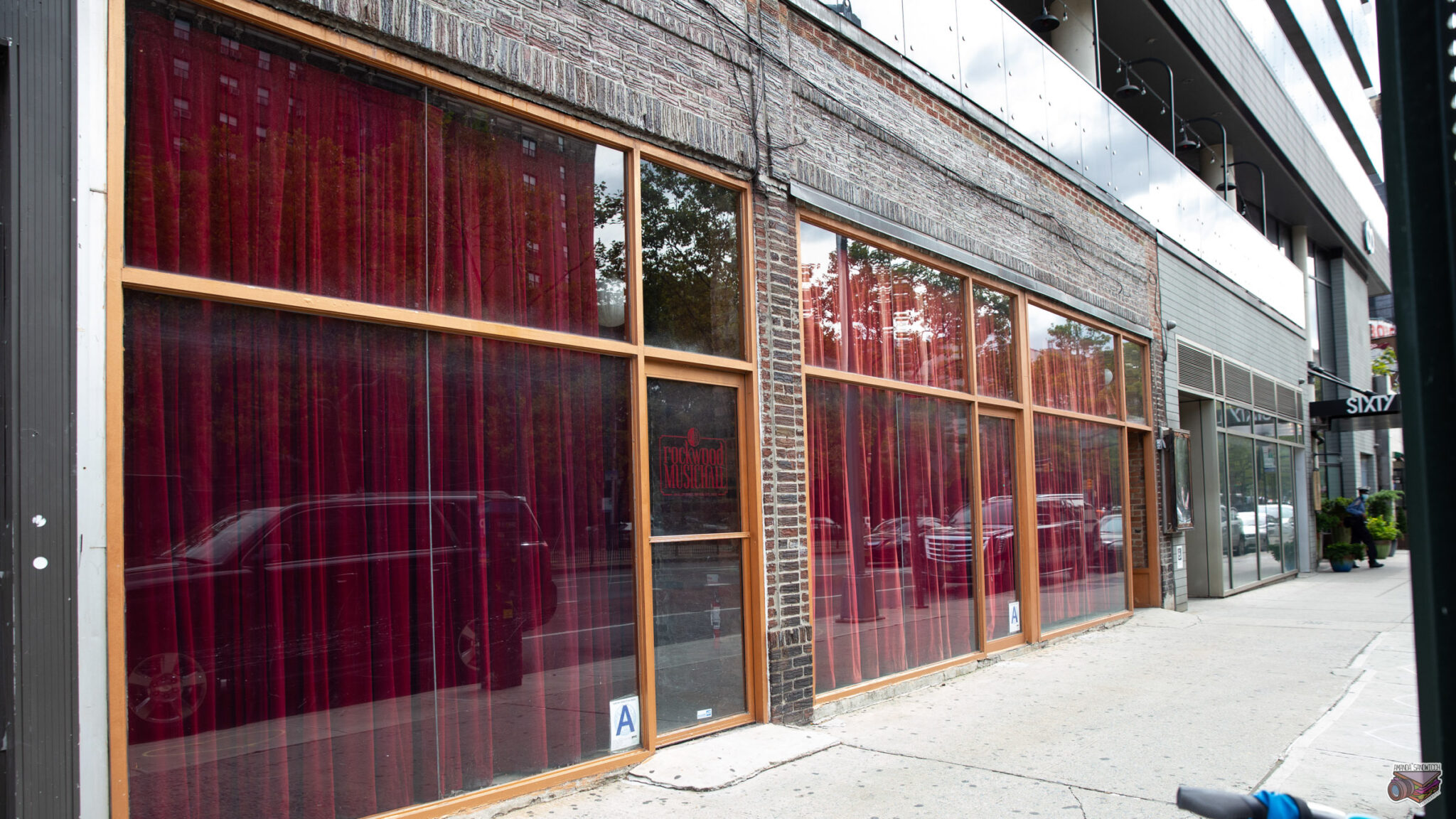
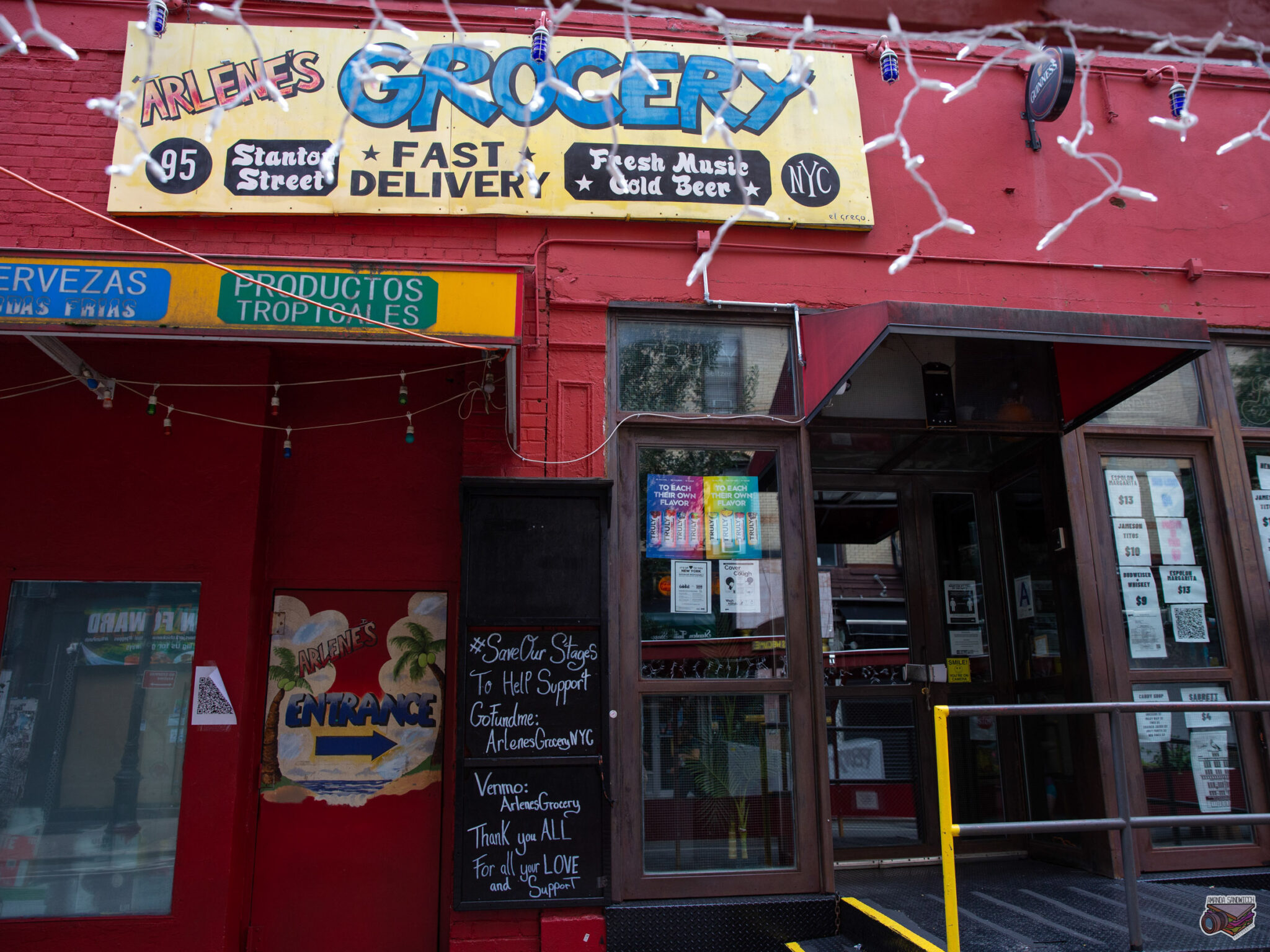
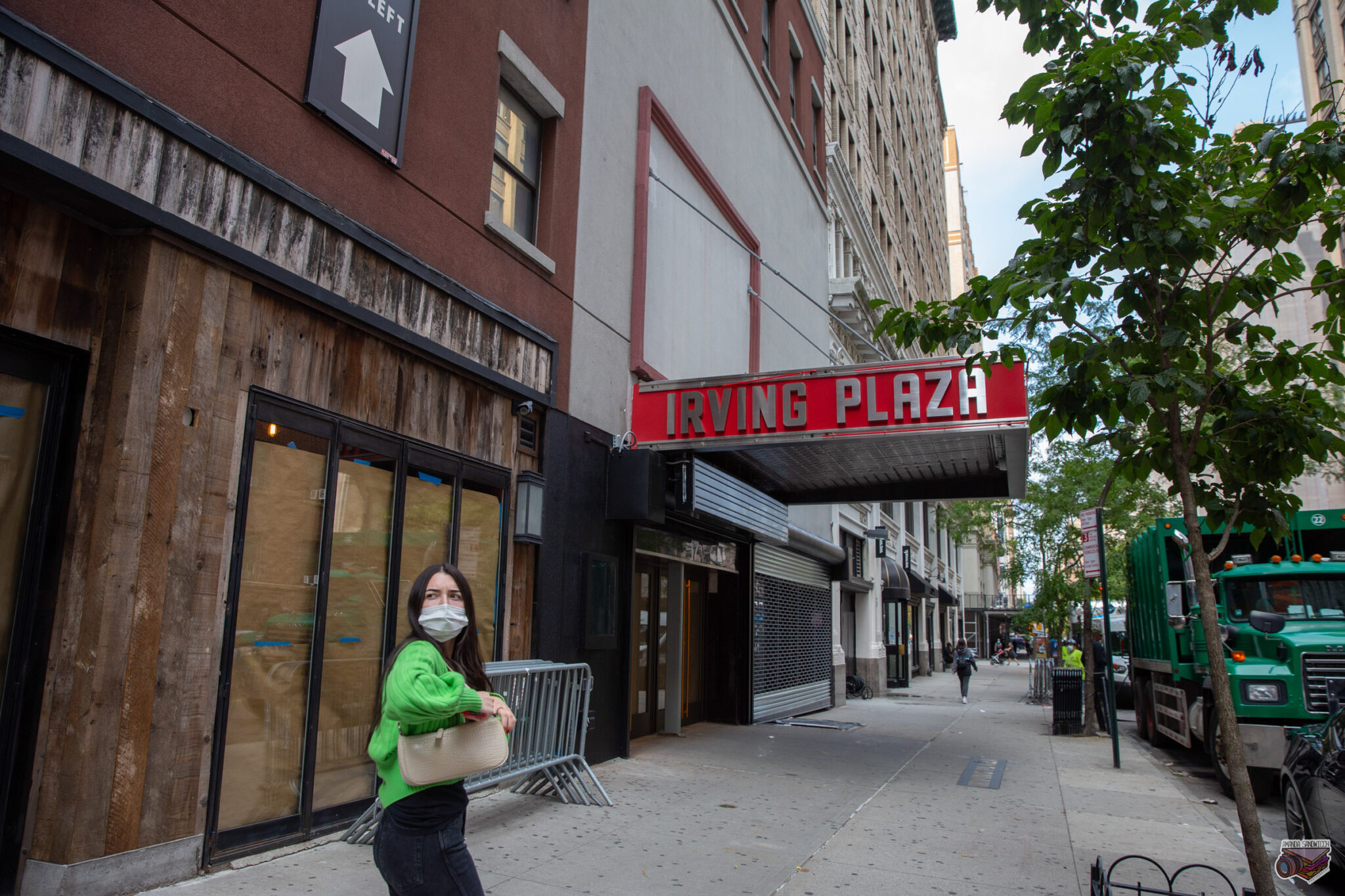
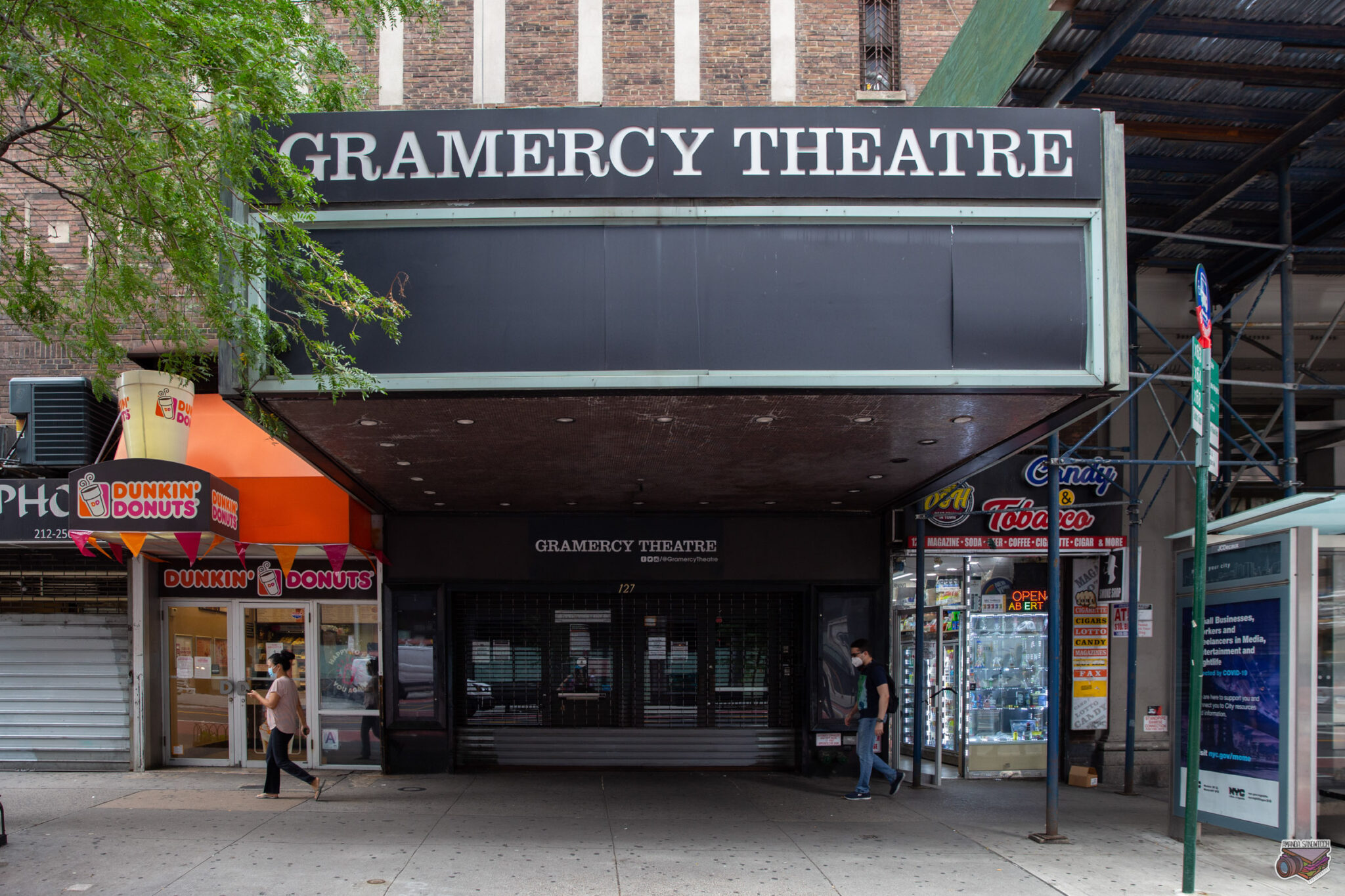
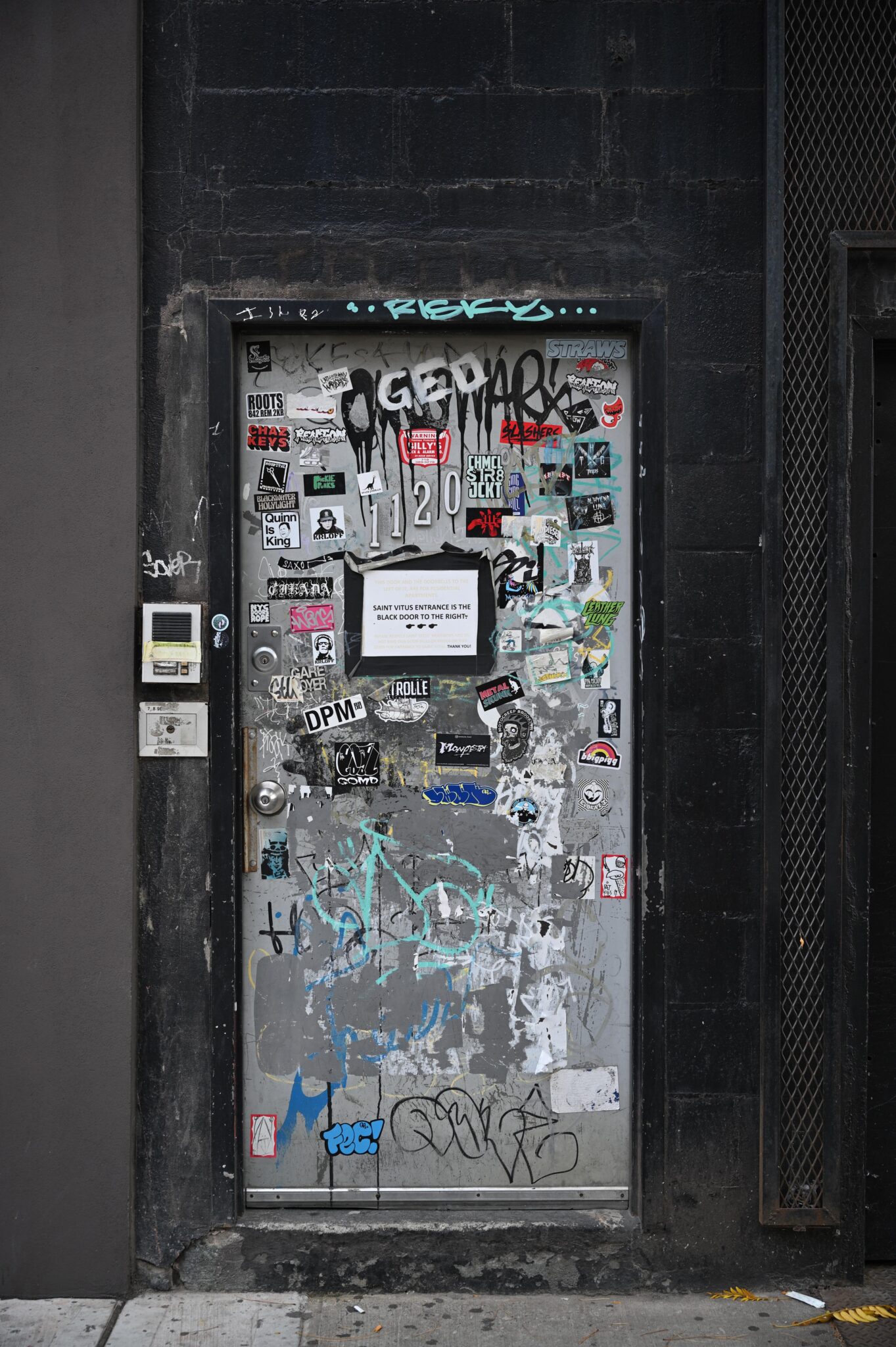
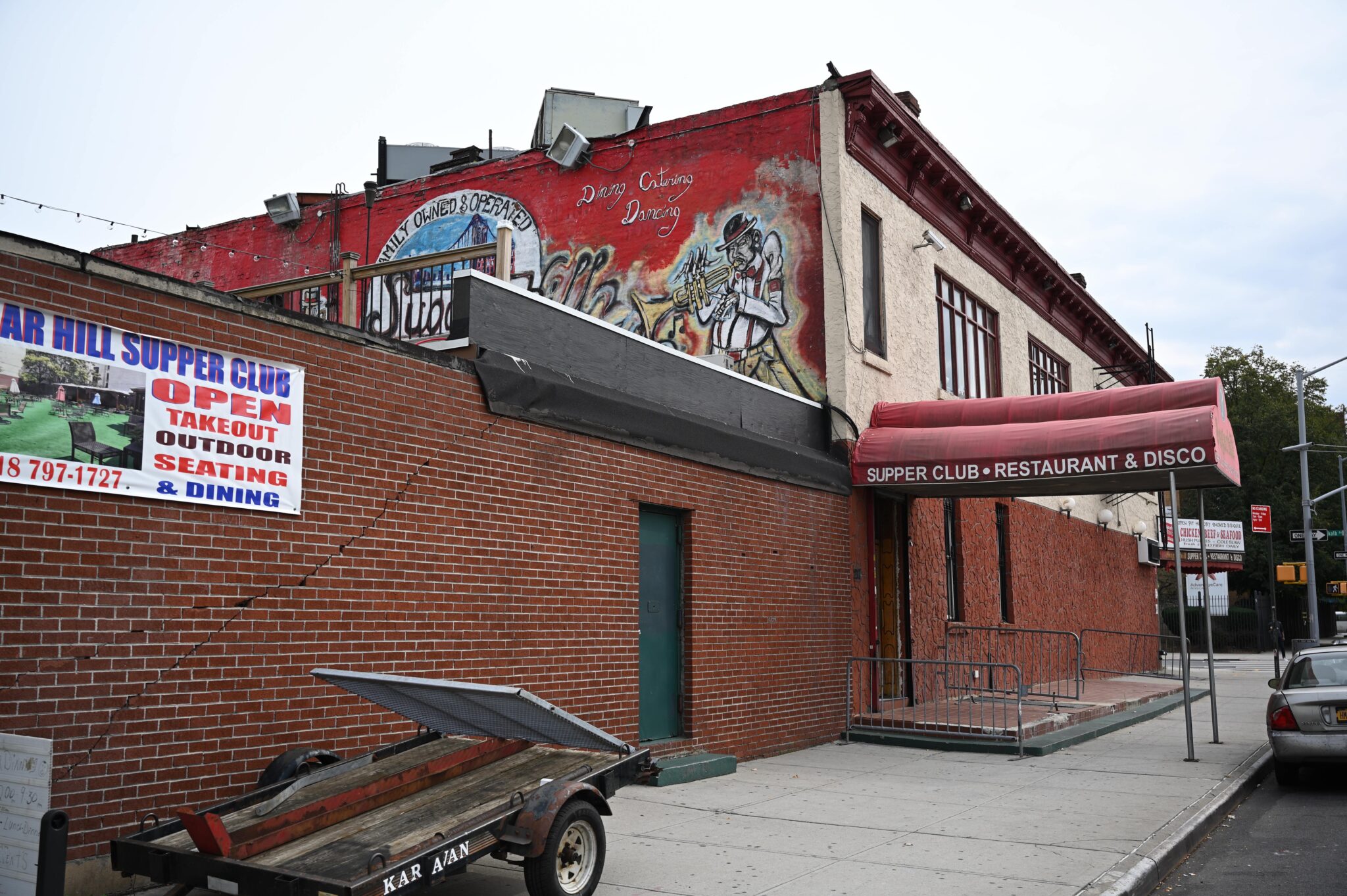
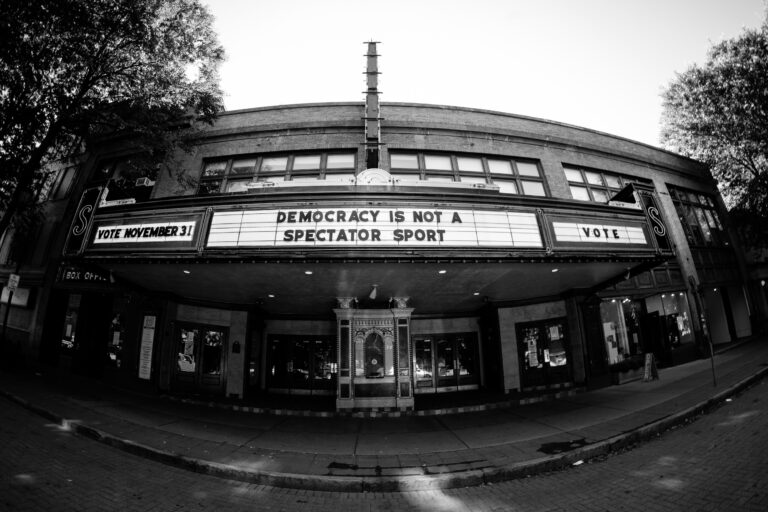
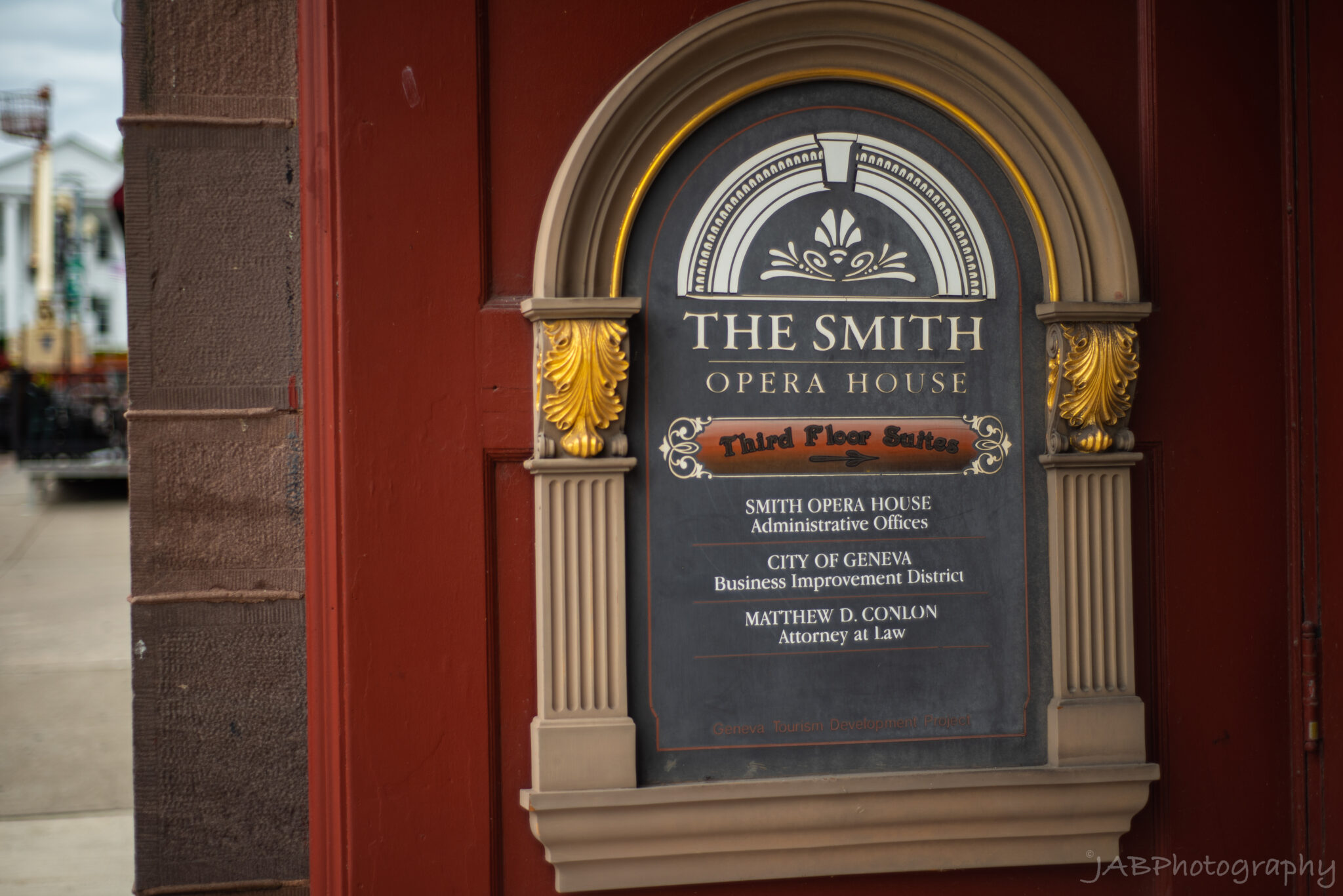
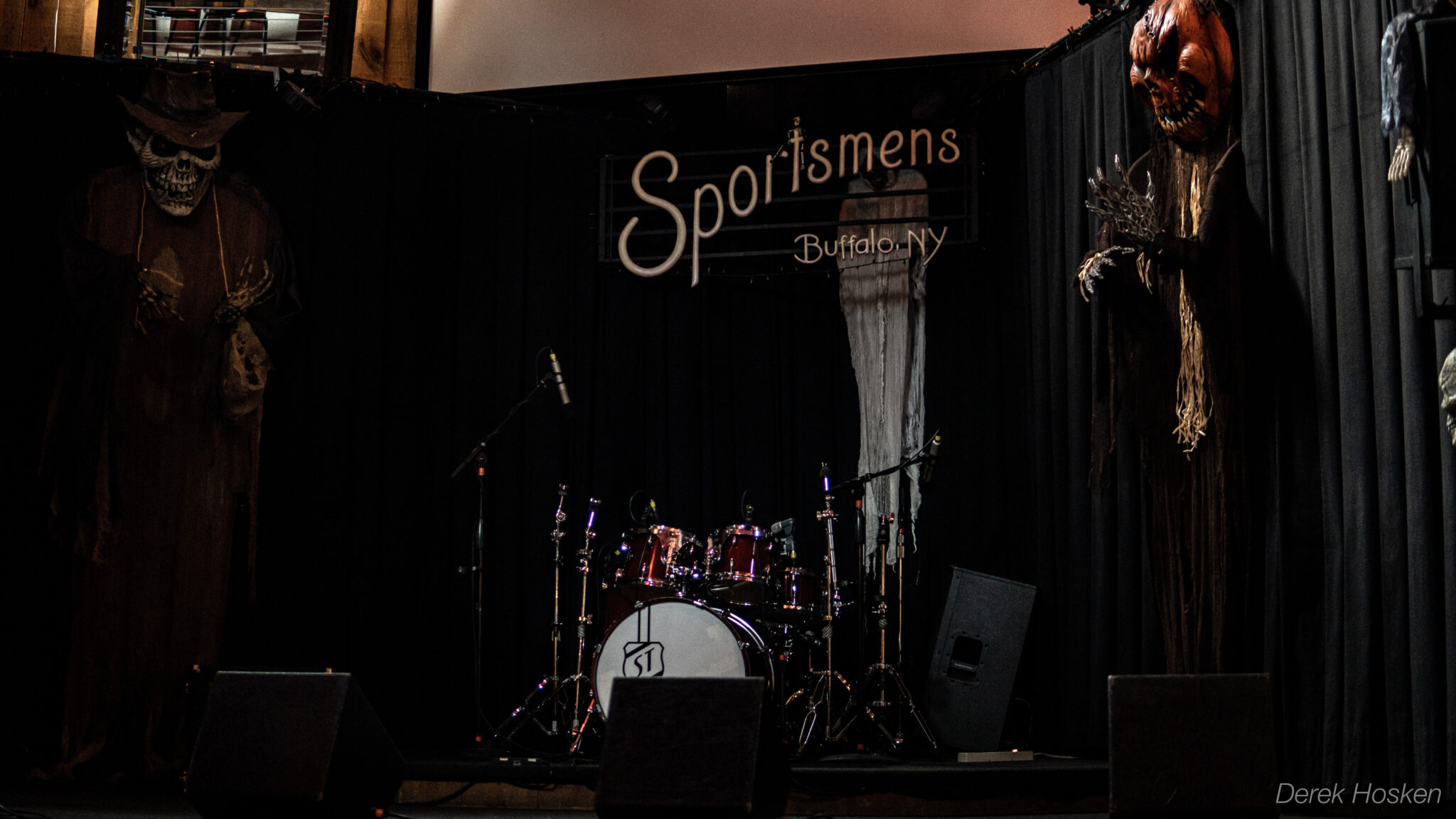
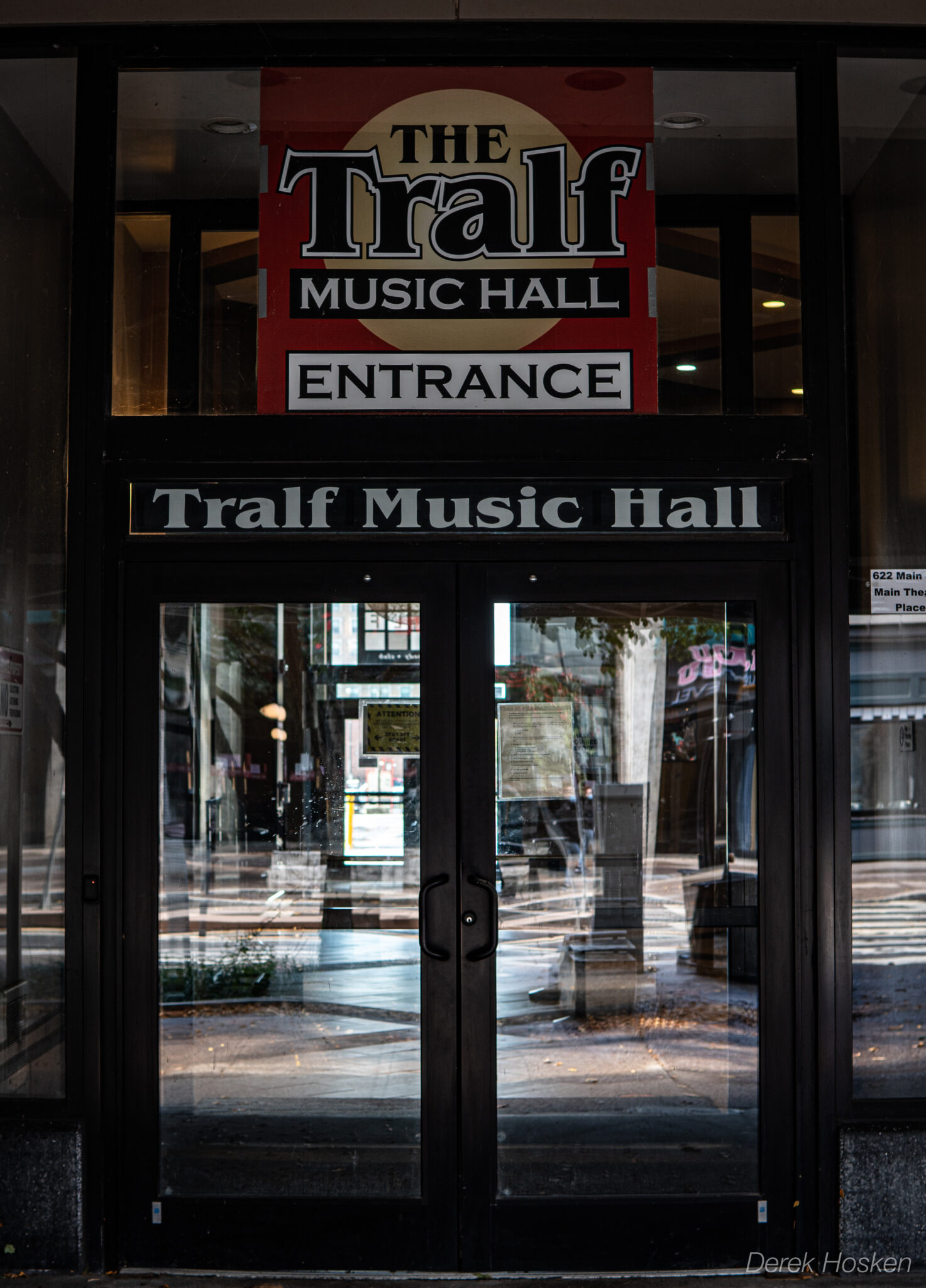
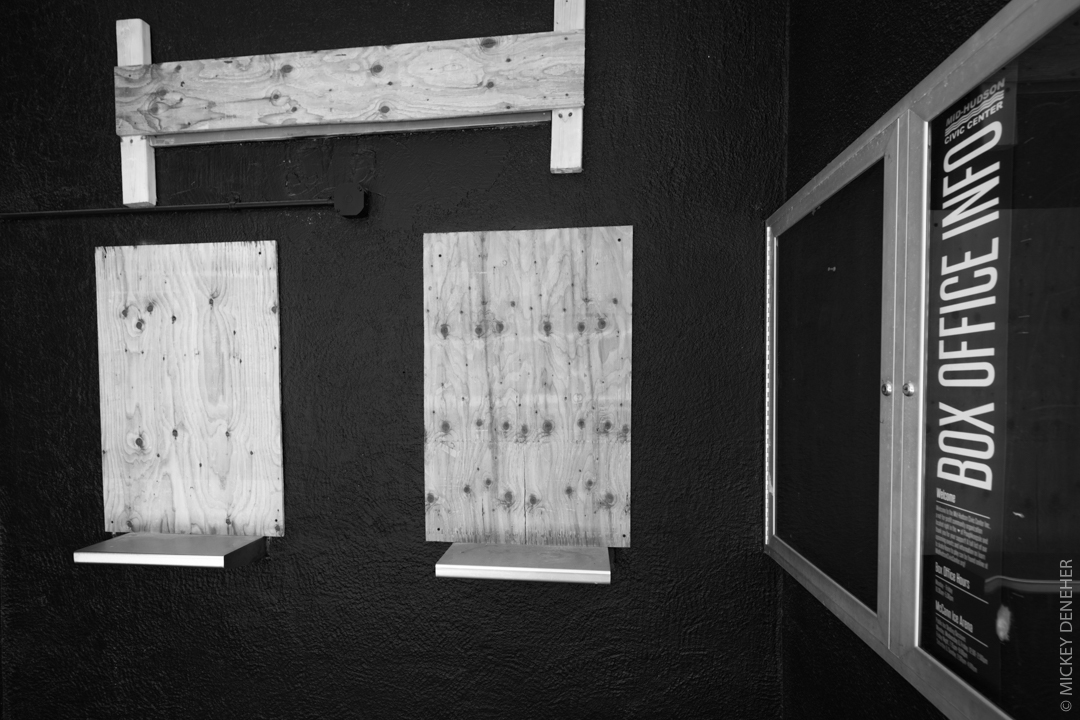
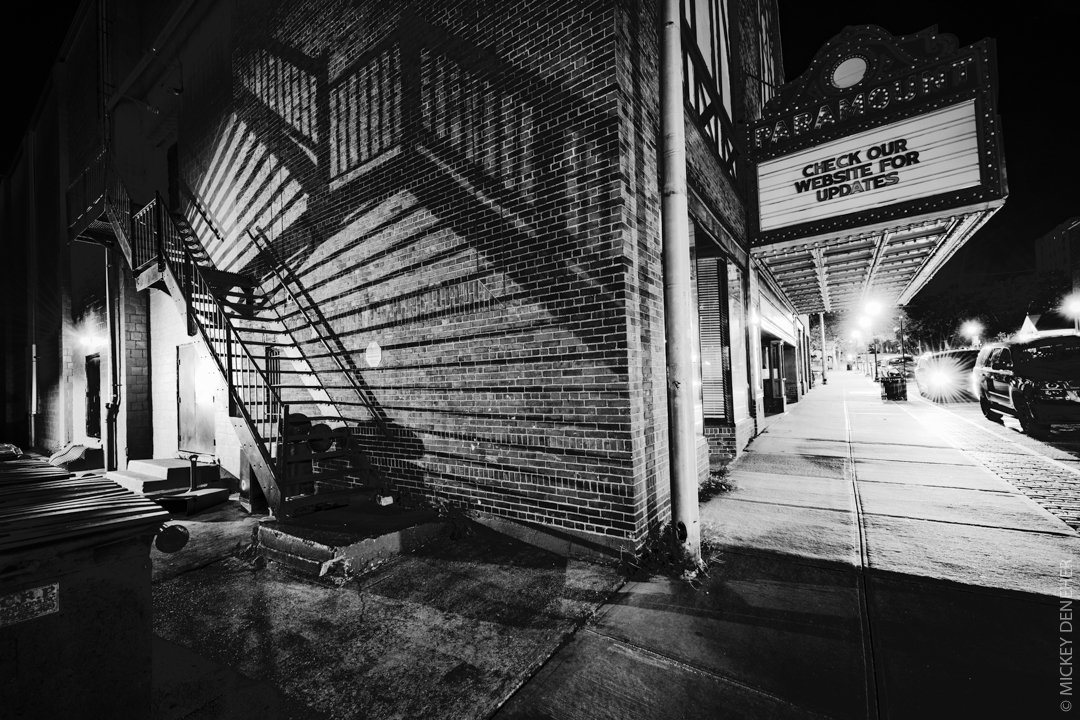
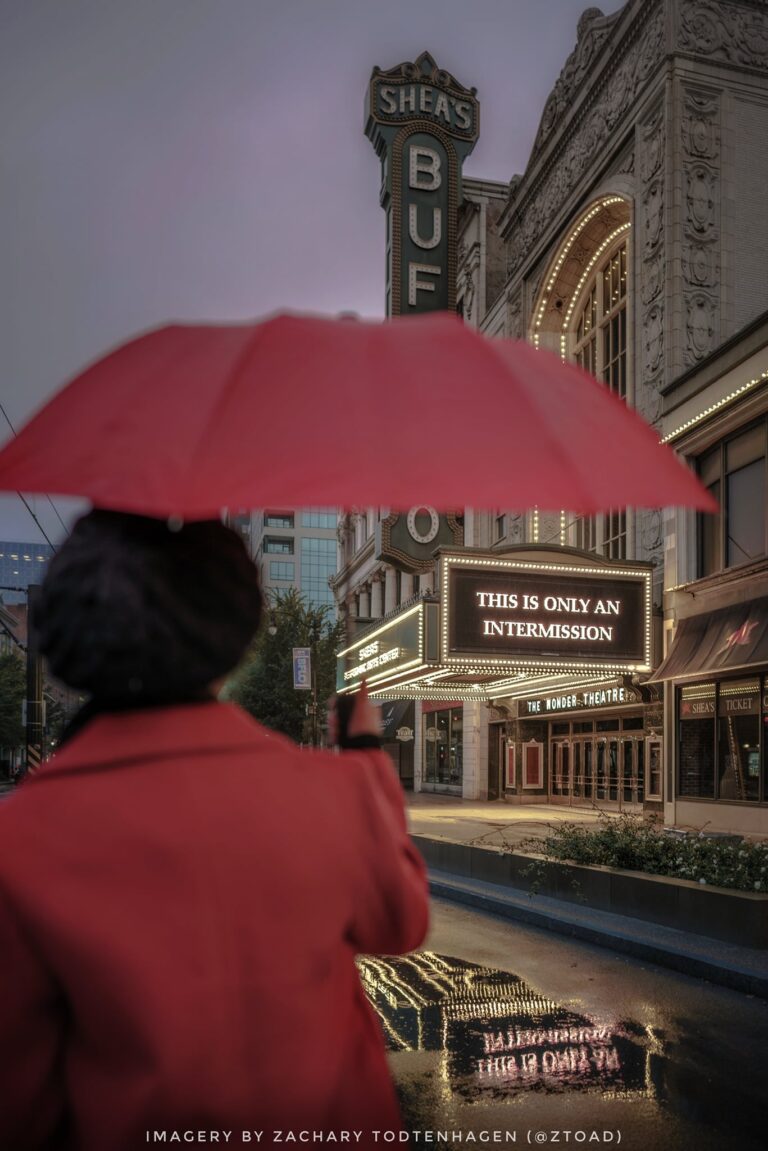
In June, NYS Music began to take a look at the state of New York’s independent music venues. In July, August and September, we saw venues closed for the foreseeable future, support for Black Lives Matter, some venues beginning to offer performances with social distancing in place, and many others stuck in limbo.
Like September, October kicked off with Red Alert RESTART, and venues across the country (and world) going red to encourage action to save independent music venues. With renewed hope of the Heroes Act passing through the House of Representatives, there is the possibility of relief before the election on November 3. With only ‘incidental music’ currently allowed, venues across New York remain mostly closed for live music, in growing anticipation of the day crowds can return.
photo by Mickey Deneher
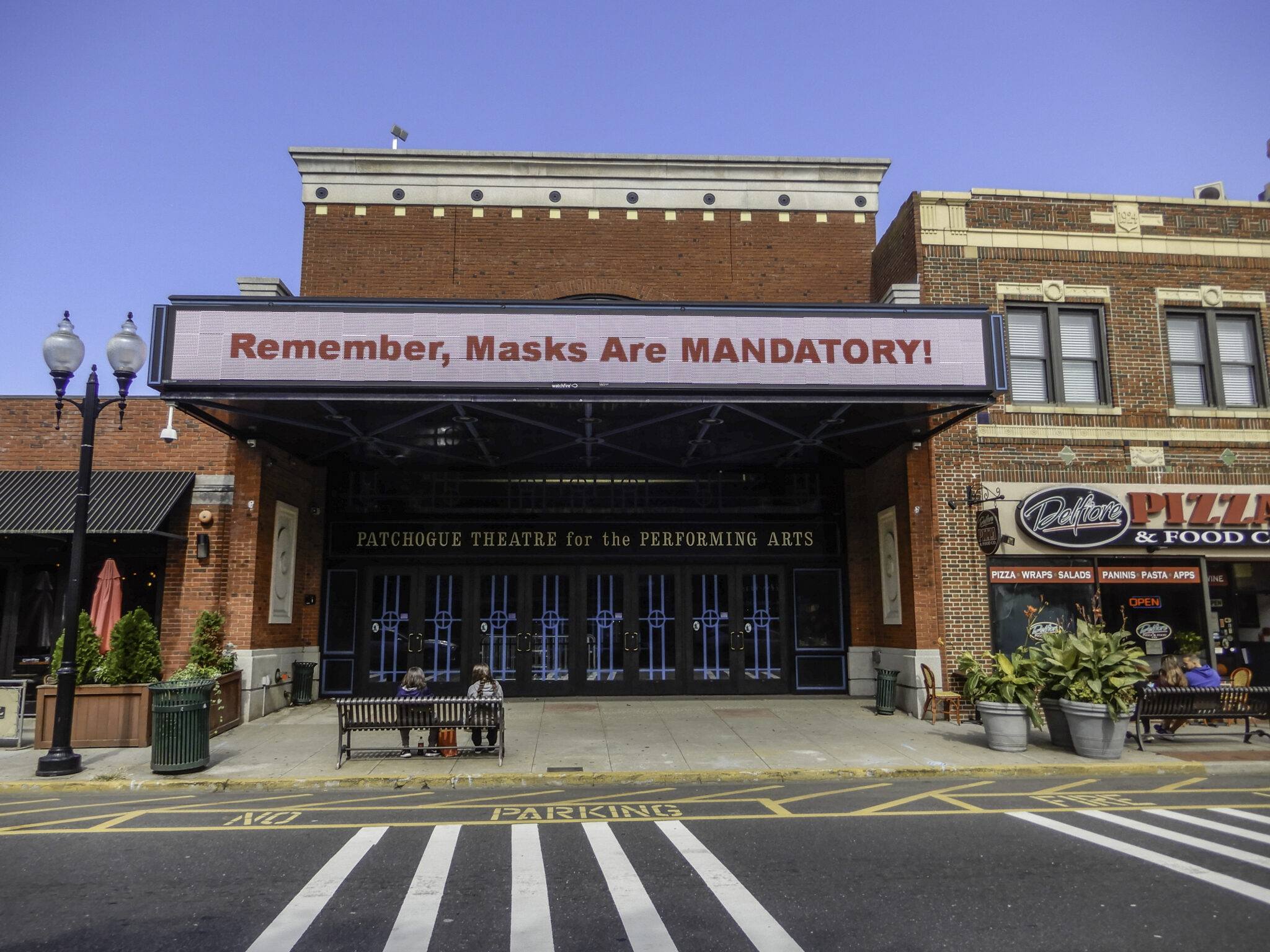
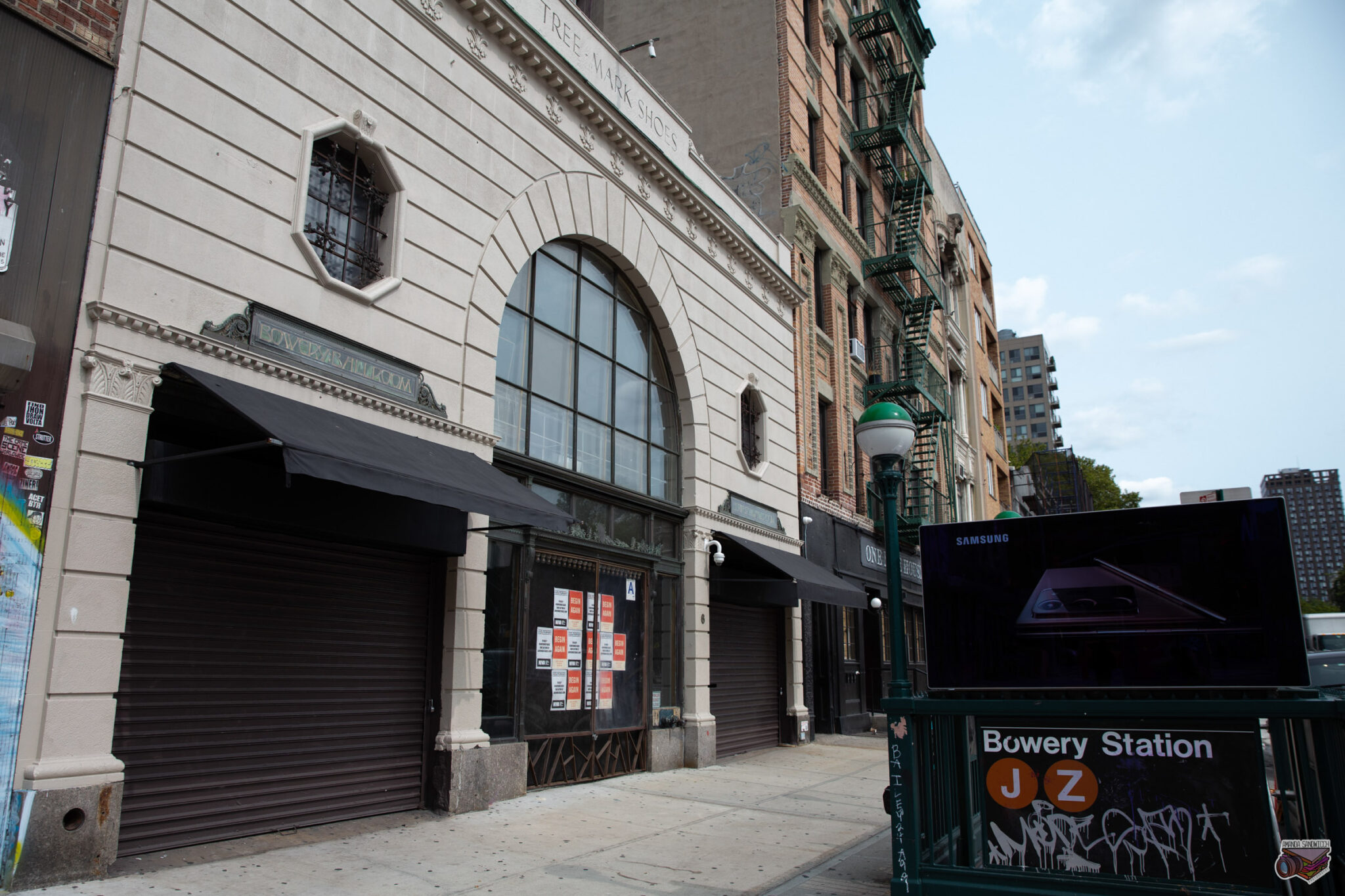
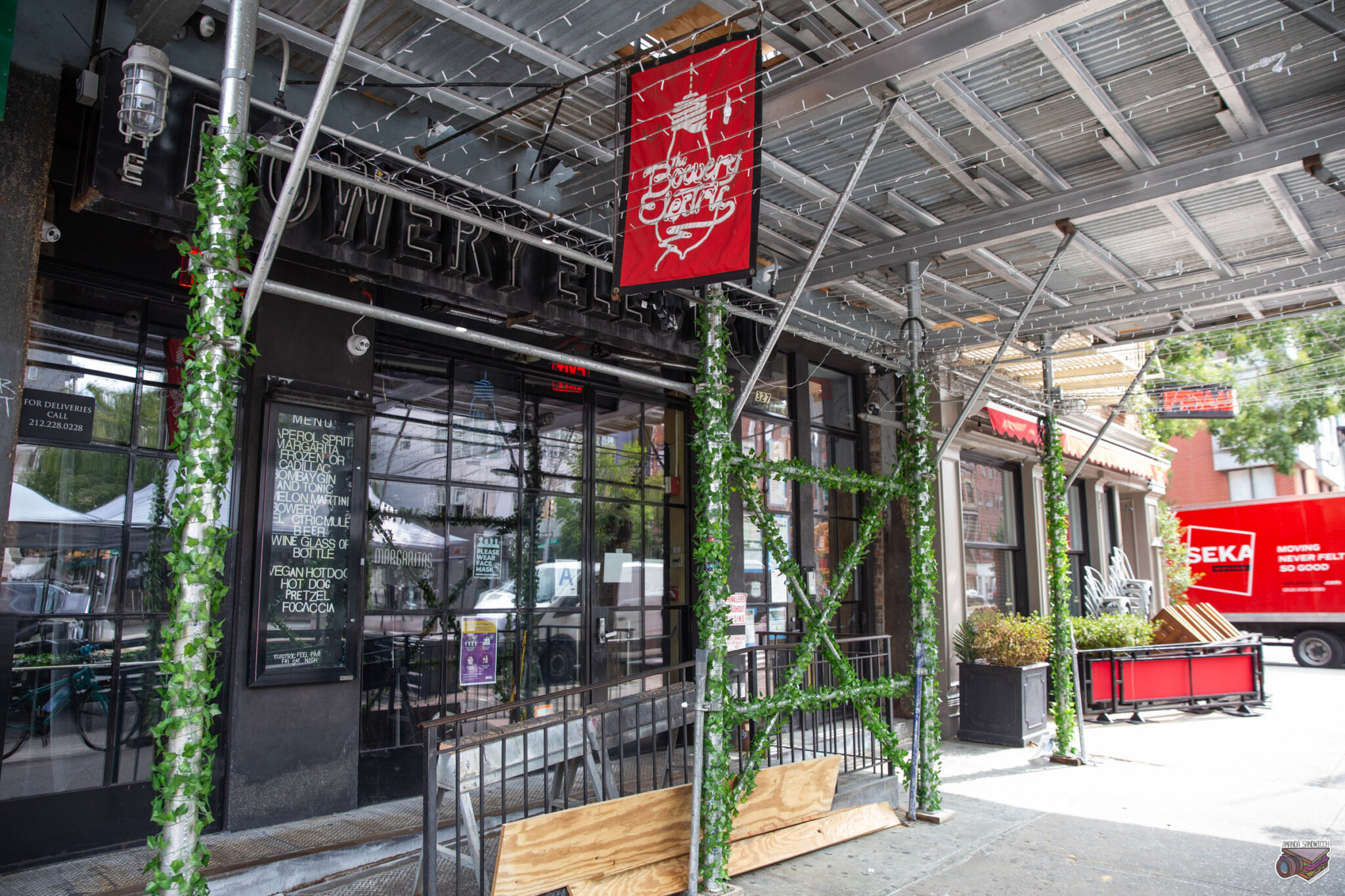
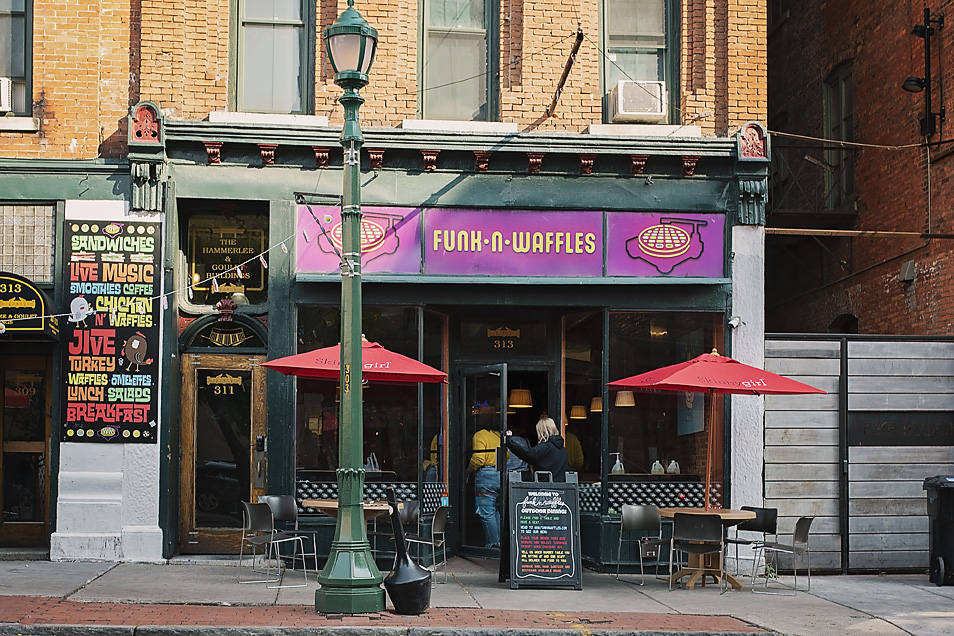
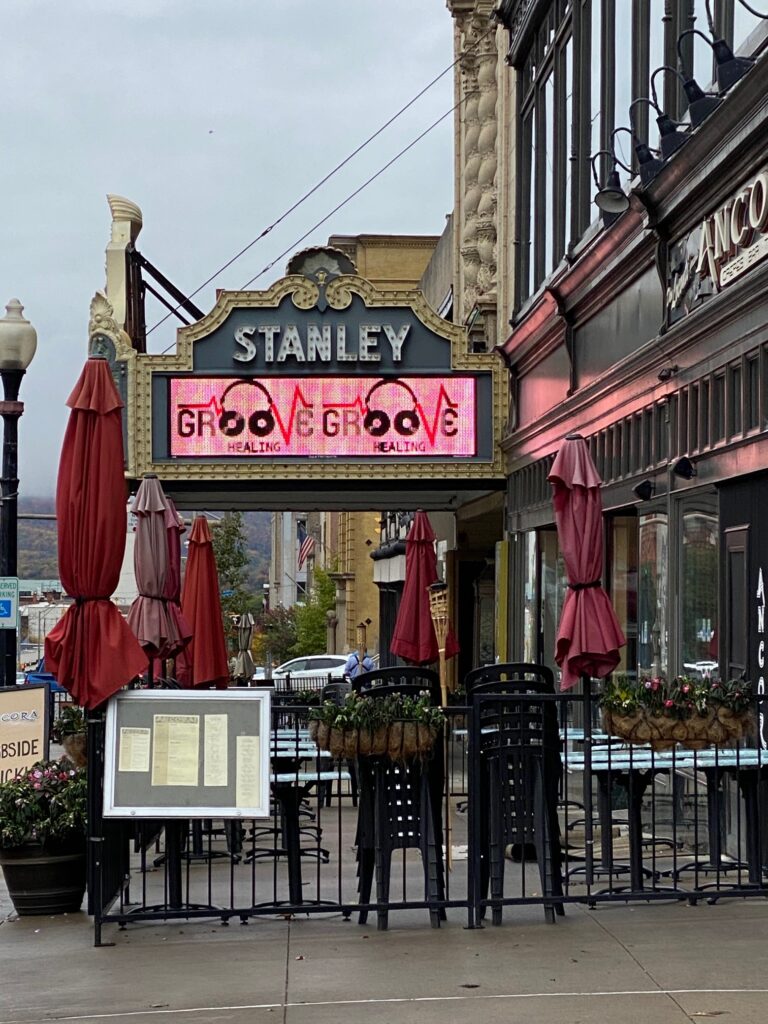
Working with a dozen photographers to document more than 50 venues in 14 cities across New York State, NYS Music presents the fifth edition of our monthly series that looks at the current state of our beloved venues.
Immense thanks goes out to all photographers and venues who are taking part in this monthly series. We’ll start October off on Long Island, with Rob Tellerman’s look at the music venues small and large that dot the isle that is long. Visit NIVA to find out how you can help venues across New York, and the country. We need to #saveourstages and preserve live music for when this is over.
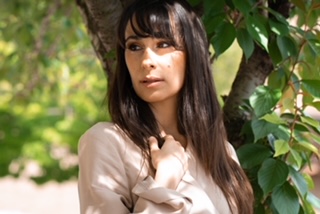
“Point of No Return” is one of three singles released by Diana Zinni in 2020. The song touches upon a certain dichotomy when it comes to love and loss: vulnerability and self-assuredness. She is willing to get to the point of no return in her love, but she also doesn’t want to get to a point where there is no return and her love isn’t reflected back to her. She is self-confident yet insecure about these feelings of love, loss, regret.
With a soulful voice reminiscent of Kate Bush or Rilo Kiley, Diana Zinni is poised to make a splash on the independent music scene. For “Point of No Return,” she had David Lizmi on bass, David Heilman on drums, Matt Chiravalle on lead guitar, Lucas Saur on Cello, Rob Clores on organ, and Lilly Katz tap dancing. Diana saw Lilly at a dance event performing a modern piece and spoke to her afterward, where Lilly mentioned that she always wanted to be in a band as a tap dancer. Diana was looking for “out-of-the box percussion,” and asked Lilly to perform on this track.
Diana counts Paul Simon, Steve Winwood, and Bob Dylan among her influences, and you can hear their writing styles come through on “Point of No Return.” Diana currently resides in Jersey City, NJ where she manages a studio, after moving across the river from Brooklyn. She had hosted an open mic tonight pre-Covid, and has continued to do so via Zoom.
Zinni also produced an outdoor show with a bunch of friends earlier this year, and would like to continue doing similar things, weather-permitting. Keep an ear out for future singles to be released in 2021, hopefully on her next album The Vault. Her debut album, Fire & Water, can be found on Spotify.
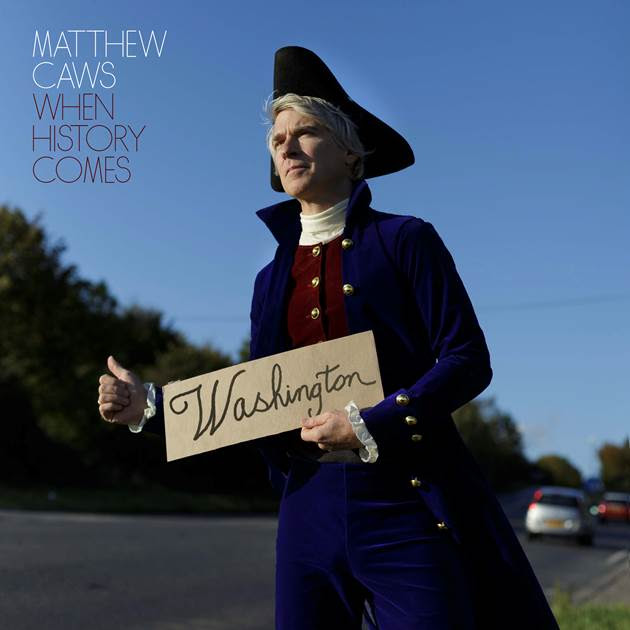
Nada Surf‘s Matthew Caws has released a new political song, “When History Comes,” via Barsuk Records. Recorded and produced by Caws himself at his home studio, the song was created for the Rough Trade Publishing compilation Talk – Action = Zero, Vol. 2, which enlisted artists to write songs relevant to the current state of the world, with profits from the single benefitting the ACLU.
Formed in New York City in 1992 by Matthew Caws and Daniel Lorca, the Nada Surf gutiarist and bassist met at the Lycée Français de New York, with both having spent some of their childhoods in France and Belgium. A chance run in with Ric Ocasek would lead to The Cars frontman producing the band’s first album, High/Low. The band would be best known for their hugely successful 1996 single, “Popular,” although the groups catalog goes far deeper, now well into their third decade together.
Regarding the song, Matthew Caws wrote the following statement about the lyrics and timing of the release:
I was asked to contribute a song to a compilation organized by Rough Trade Publishing called Talk – Action = Zero Vol. 2, benefitting Spread The Vote, an organization helping people register and get their votes in. The prompt given was to write a song “relevant to the state of the world right now.” I chose to write about the election because I think it’s such a crucial moment in our lives.
I want to make a quick disclaimer (and pre-emptive apology) that I know that all of what i’m about to say will seem obvious to a lot of people, but I think it needs to be repeated. We’re always in danger of becoming numb. There’s such a circus of chaos coming from the top right now that it’s easy to get distracted from how far (and how quickly) the country is sliding in a dangerous direction..
The title of the song comes from a line in the chorus, “When history comes and sticks out its thumb / asking you for a ride / I hope that you see how fast it can be / it goes by in the blink of an eye.” In this analogy, by voting, you’re giving history a ride, helping it get where it wants to go.
Despite its difficult history and present, the United States is a precious and miraculous entity, an ambitious experiment in equality that has been functioning for 244 years, and we need to cherish and preserve it, and keep our essential norms from eroding. We need to understand how fragile our democracy is, faced with someone who is ready to call an election illegitimate before it takes place and won’t commit to a peaceful transfer of power.
In writing a song about an election your main choices are to try to energize and rally the potential voters on your side or try to speak to and influence the minds of people who are on the other side or undecided. I tried as much as I could to do both. I’ve been told that there is no point trying to change the mind of a Trump voter, that all our energy should go towards energizing the democratic base. That is probably true, but I can’t help believing that there’s a crack in that wall.
Over the past few years, I’ve found myself debating a few Trump supporters on social media, and invariably the conversations start a little hot. I’ve found that by keeping a measured tone and by looking for and respecting the cause of someone’s opinion, if not the opinion itself, it was always possible to bring down the temperature a little. One misconception that kept coming up was that all Democrats wanted Trump to fail. In the song I say “I didn’t want him to fail / I wanted him to do great / he didn’t / but I wanted him to.”
One of the great privileges of being a touring musician is getting to see people night after night being somewhere they chose to be,happy, open, ready to experience something. While it’s certain that among all the faces I’ve looked at from the stage there have been people with opposing political views, and probably some with wildly different views about equalities of all kinds, I always felt a human connection. I think almost all people have more in common than not.
I think it’s important to refrain when possible from calling out or dismissing any whole group. Even though at this point, I don’t understand how one could support this very problematic administration, I wanted to say “I don’t hate republicans” because… I don’t. Despite my commitment to humanism and constructive positivity feeling totally innate, I’m conscious of the fact that if I’d been born into a different environment and community and hadn’t been exposed to certain ideas, I might be a Trump supporter too.
My wife often points out that the world would be a much better place if every government decision taken took into account how it would affect the poorest and most vulnerable parts of the population. I agree. This calls for a lot of empathy, a quality in us that needs to be cultivated, checked in on and renewed. We drift in our comfort, we drift in our bubbles. It is always a good time to look around, try to see, try to understand, and re-evaluate our priorities. The common good should always be the ultimate goal. That is the basis for a great country, and despite our growing pains, that has always been the basis for ours.
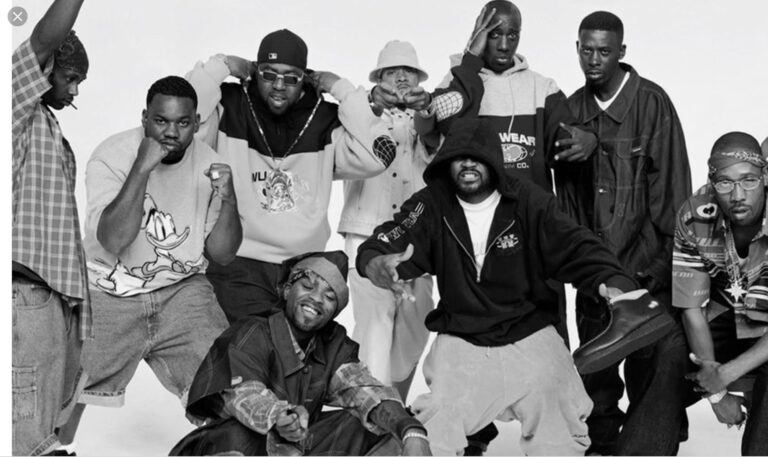
After a groundbreaking debut album — Enter the Wu-Tang (36 Chambers) — and a host of successful solo projects (GZA’s Liquid Swords, Method Man’s Tical, Raekwon’s Only Built 4 Cuban Linx, to name a few), the clan were in high-demand. They had accomplished a rare feat in the world of music. It established many of their members as individual stars, whose popularity could rival the group’s.
The ego that accompanies success of such magnitude is liable to create division within any faction. It helped break up the Fugees. The clan is no ordinary group. Displaying their idiosyncrasy within a world of hip hop came with the release of their second LP, 1997’s Wu Tang Forever. The lead single “Triumph,” was a record that rang through the air waves. It was the first (and only) song where all nine Clan members rapped on. Moreover, it also introduced affiliate and later member Cappadonna.
The record ran for 5 minutes and 38 seconds, with no chorus or break, except for the energetic opening monologue from Ol’ Dirty Bastard and a short interlude. Inspectah Deck began the track, followed by Method Man, Cappadonna, ODB’s interlude, U-God, RZA, GZA, Masta Killa, Ghostface Killah, with Raekwon concluding the record.
About the Track
In an interview with Power 106 radio station, RZA broke down the production on the record. He divulged that they recorded “Triumph” in Los Angeles. Musically he combined his new Yamaha keyboard V71 series with his ASR-10, MPC and Nord lead keyboard. His goal was to make a track with classical sounds, but still grab hip-hop with a touch of soul. While the drums meet classic hip hop, the strings added a new element.
When asked about not having a chorus, he explained that for every Wu-Tang project, he wanted to have a song that reminded the people of their first record “Protect Ya Neck” with great rapping and a strong beat to compliment.
Speaking to DJ Vlad, Inspectah Deck — whose opening verse is one of the most-heralded in hip hop history — he acknowledged that using his “Triumph” verse twice helped his legacy, as it was originally recorded for Tony Touch’s 50 MC’sVol. 1 tape. RZA made the beat at around 5 a.m., as he and Ol Dirty Bastard were the only ones up. Inspectah Deck explains he could hear the kicks and snares from his room. He knew it was a smash-hit. He got up and asked to get on the record. Later that day the rest of the group had jumped on as well, because his verse was so outstanding.
Sampled to Example
“Triumph” samples “Just Found Me” and its multiple elements of soul, disco and fuck music, by the Rance Allen Group. It also sampled “To the Garden of the Temple” from the 1983 film Duel to the Death, and some lyrics from “Da Mystery of Chessboxin” from the Clan’s own 36 chambersLP.
Besides the mind-blowing lyrics and production, “Triumph” is known for its incredible video, with Rush Hourdirector Brett Ratner behind the camera. It was one of the more expensive music videos of 1997 costing around $800,000. The video begins with breaking news: a massive swarm of killer bees attacking New York. Ol Dirty Bastard is up on a skyscraper surrounded by police helicopters and officers with their guns drawn.
Interesting enough, ODB wasn’t actually in the video. Always one to act on a whim, Ol’ Dirty was uninterested in filming the video since he didn’t have an official verse, he left the set before filming began. It forced the director to get a stand in.
Inspectah Deck is seen climbing the side of the building when “ODB” jumps off, as the bees follow in his path. Meanwhile Method Man and the other Clan members arrive on motorcycles, shooting fireballs at the bees. The bees are then seen passing through Cappadonna’s lair while U-God is seen burning down the forest. RZA appears with angel-like wings, later transforming into the killer bees and killing the Alcatraz prison guards. We then see GZA from space viewing the mayhem. A celestial God like figure.
During GZA’s verse there is a brief cut to the 1915 film The Birth of a Nation, he then makes a gesture to the bees and they swarm back down to Manhattan in the form of Masta Killa who stood on a tower in the form of the Wu-Tang Symbol. A crowd gathering around him. At the end of the video, the bees make their way to a club where Ghostface and Raekwon are raping, with Quincy Jones is in the audience.
One of the strangest and creative visuals in hip hop history “Triumph” changed how people looked at videos all together.
Lyrical Highlights
While he didn’t have an official verse, Ol’ Dirty Bastard left his mark in his own unique way.
“What? Y’all thought y’all wasn’t gonna see me?
I’m the Osiris of this shit
Wu-Tang is here forever, motherfuckers
This like, this ’97”
Inspectah Deck began the song with his now-legendary verse that made him known as hip hop’s “set it off” man. He makes listeners immediately wake up with his intricate rhyme patterns and word choices, taking over the record.
“I bomb atomically, Socrates’ philosophies and hypotheses
Can’t define how I be dropping these mockeries
Lyrically perform armed robbery
Flee with the lottery, possibly they spotted me
Battle-scarred Shogun, explosion when my pen hits tremendous
Ultraviolet shine blind forensics
I inspect you through the future see millennium
Killa Beez sold fifty gold, sixty platinum
Shackling the masses with drastic rap tactics”
Cappadonna rapped like he had something to prove being that he had to live up to what the others were doing. He wasn’t an official member at that point but you couldn’t tell with how he was flowing.
“I twist darts from the heart, tried and true
Loop my voice on the LP
Martini on the slang rocks, certified chatterbox
Vocabulary ‘Donna talking, tell your story walking”
Creating A Legacy
“Triumph” is one of Wu-Tangs most legendary tracks and it holds a special place in hip hop history. Their rapping ability was never in doubt, but the music video gave them a chance to showcase their visual creativity. As we look back at some of Wu-Tangs best tracks, “Triumph” stands the test of time because it epitomizes Wu-Tang Forever and as the lead single it exceeded expectations, as many radio stations and labels initially didn’t want to run the record because they felt it was too long. It’s safe to say, the Clan proved all doubters wrong.
Harlem-native, Kyle Stockman, has suffered through an unexpected 2020 along with many fellow Americans. After receiving buzz on singles “Opal” and “Sunday,” the Shooting Star singer believed it was best to combine his passion and interests by majoring in music at Hudson Valley Community College.
The curriculum was not as progressive as Stockman had hoped. He already self-taught much of the course. Out of that, came Solace. A multi-instrumental laden record that serves as a chameleon amongst the genres. Containing elements of folk, pop, rock and R&B.
With the worldwide COVID-19 pandemic making classes virtual, he decided this was the time to abandon ship and focus on his latest. Stockman’s retreat to the studio ensued, trying out new beats and entering his sound.
“That’s what my music is geared for, I love the dark rawness of songs that bring out emotion.”
Kyle Stockman
In it, Stockman croons about a breakup. First, he tries to find closure in a relationship’s end, dejectedly singing, “you left the heart baby, but you took my soul. It’s clear you don’t care about the way things go.”
He goes on hashing out his feelings towards his significant other. He searches for “solace” in the solitude that comes with life after a breakup.
“I make music for people who could be going through a break up, or lost someone close to them, [anything] that’s hard to deal with that at the moment,” says the indie crooner. Stockman is having fun making records and puts his soul into his music.
His brand of Indie-pop R&B is drawn from the likes of Frank Ocean. “Frank Ocean is who I’m into the most right now. I love his album Blonde for its simplicity [and] the rawness the emotion it incites. For me, that project was a masterpiece. I know that it got a lot of mixed reviews at the time but, the more I listened, the more I got what he was trying to convey. I try to make my music the same way, so you can feel the emotion.”
Kurt Riley and Orange Julians come together as the The Beforetimes as they released their debut single, “Time Machine” on September 18. The track was written and produced in equal by both Kurt Riley and Orange Julians. Having met as children, both artists grew up to write rock operas, and now have reunited for this joint project. The Beforetimes have also uploaded a music video for their new single.
Kurt Riley has released records produced by Beyoncé/FKA Twigs/Run the Jewels collaborator BOOTS and Grammy Award-winning engineer Will Russell. Riley has also appeared at the CFCU Summer Concert Series, Music Is Art Buffalo, and at the Ithaca Festival. Under the moniker Orange Julians, Julian DeLice had worked on plenty of solo material and has written, produced and directed a stage play called “The Renegade Opera” (benefitting the Elton John AIDS Foundation). Julian DeLice’s music was named “Vermont’s freshest synth-pop” by 7 Days Newspaper, and DeFelice is now recording his fourth LP.
The song was remotely produced across over 2,000 miles and the first release as the “The Beforetimes” begin a side project that will be featured alongside their solo work. For more information on “The Beforethetimes”, their new single, and their respective individual profiles, visit the Apple Music, Spotify, links and both of Kurt and Julien’s websites.
CF Watkins, an Americana pop artist from Brooklyn, released her single “Babygirl” on Wednesday, Sept. 30. The latest single from Watkins’ upcoming sophomore project Babygirl is set to release on Oct. 16 with Whatever’s Clever Records. Watkins has already released two other singles this year called “The Tell” and “Frances” that will also appear on the 11 track LP.
Babygirl will include a combination of Americana/country-leaning and folk/pop songs. Watkins uses other life experiences including homesickness, family, longing, friendship, and her favorite Dostoevsky short story “White Nights” as song inspirations. While the pandemic did not affect the music production of Babygirl, it gave Watkins more mental space to promote the album. “Writing and recording the music is definitely the most rewarding and fun part of the experience- but putting it out can be very daunting,” Watkins explained. “Once the pandemic started, I was able to finally just take the leap and commit to putting it out.”
Watkins collaborated with producer Max Hart to create an ode to her best girlfriends with “Babygirl.” Max Hart has produced multi-instrumental work with artists such as The War on Drugs, Katy Perry, and Melissa Etheridge. Instead of writing “Babygirl” as a typical love song, Watkins’ new album highlights her personal growth as a woman through relatable, powerful, and vulnerable songs. Watkins describes herself as an empath who draws on her own life experiences, loved one’s experiences, and even characters in books. “I suppose I would identify as an empath, so I feel things that happen to others in a way that sticks with me and moves me- even if they are fictional characters,” Watkins said. “Sometimes being that way is exhausting, but it helps in never running out of song material.”
“When I thought of the purest love I know, these relationships were the first to come to mind. In romance, I’ve always been very confused- but love was so clear, magic, and eternal with my best friends, those I called babygirl – who have danced with me in the early morning rain, laughing through the confusion. This is an album meant for other women to hear — with songs that are vulnerable and powerful.”
CF Watkins
Watkins’s Americana-pop style of music comes from her North Carolina roots. Watkins started performing at 14 and has shared the stage with artists like Langhorne Slim, Future Birds, Chatham County Line, Wilder Maker, Lowland Hum, and Alpenglow. Fans can watch the video for another featured song on the Babygirl album called “The Tell,” down below. Watkins describes the opening track as a mission statement about balancing vulnerability and power.
When I think about my last album, I feel I was writing songs about weakness,” Watkins says. “With this album, I made a conscious effort to write songs about the power of choosing yourself.”
Each Sunday evening from 7-9pm you’ll find EQXposure on WEQX, featuring two hours of local music from up and coming artists. Tune into WEQX.com this Sunday night to hear music from Front Biz, Waitress, In the Valley,and many more!
WEQX has long been the preeminent independent station in the Capital Region of New York, broadcasting from Southern VT to an ever-expanding listening audience. NYS Music brings you a preview of artists to discover each week, just a taste of the talent waiting to be discovered by fans like you.
Starting out in the bygone days of 2018, James and Katie Johnson have been playing folk-pop covers, but this year 2020, the married singer-songwriters announced an original music duo under the name In The Valley. Catch “Rest” this Sunday evening on EQXPosure during the second hour, and be sure to check out their performance on WHMT/PBS, “A House for Arts” this month. In The Valley’s music is a blend of folk indie, with lo-fi alternative pop grooves, with soaring voices and well told stories.
Ending the first block of tunes on Sunday evening’s EQXPosure is a tune called “Lonely” by Waitress. The band just lost a key member but their music is deeply enriching. A unique folk and electronic mix with Indie pop, Waitress utilizes ambient synths, and elaborated guitar lines, paired with electronic production provides a new twist on pop sound that is both relaxing and dance-y. Waitress’s beach-like ambience gives listeners a chill and relaxed musical environment, while at the same time inspiring them to move to the beat. More music from this dynamic outfit will be available in the coming few months.
Front Biz is a shell company for an intergalactic real estate firm primarily focused on laundering money through an Earth-based rock band. Their latest album, Lunch Money, was recorded over three days in an Upstate NY cabin in March of 2018. The album was tracked live with virtually everything piped through a vintage Roland Space Echo for that timeless UFO hover. Victoria Rutledge and Anna Lazarou were ‘abducted’ for vocal support. Deep in the delay chain, the band made first contact with a disincarnate intelligence, entrapping them in a cosmic Ponzi scheme. Lunch Money is the group’s attempt to pay off their debt, and maybe get a bite to eat. Either way, the portal is open.
“Southern Winds” the new standalone single from NYC indie rocker Arsun, showcases a mature songwriting approach with nostalgic vintage aesthetics and an original style. Glide Magazine praised “Southern Winds” for effectively incorporating the sound of previous decades. Indie88 acknowledged the catchy instrumental that highlights Arsun’s gritty vocals.
Photo Cred: Tasmin Meyer Erashin
Arsun’s musical influence for “Southern Winds” comes from a combination of Phil Spector, Nancy Sinatra’s “You Only Live Twice” and The Beach Boys. Arsun also used inspiration from Homer’s epic “The Odyssey” and popular music from the 1950s and 1960s. The influences help to highlight Arsun’s mature approach to songwriting at 21. Click here to listen to Southern Winds.
The main melody kind of just came out of the blue when I was messing around with some chords one day. I really liked them and thought they had kind of a special surreal sound. I made the lyrics try to kind of reflect that vibe.