Category: Women in NY’s Music Industry

  • Celebrating 10 Years of “Pink Friday”

    The year is 2010. Every middle schooler has an armful of Silly Bandz, people still expect Avatar sequels within the next few years, and female rappers are all but extinct—enter Nicki Minaj.

    Pink Friday

    While the Lil Kim and Lady Gaga inspirations were immediately clear, Minaj was still unlike anything anyone had ever seen. Her eccentric accents, peculiar alter egos, and quirky wordplay made her an instant hot topic, sure to reignite the flame of female rap that had petered out with the retirement and incarceration of its biggest stars. It seems unfathomable in an era dominated by Cardi B, Megan Thee Stallion, Doja Cat and Minaj herself, but for a hot minute, she was the lone femcee in a boys’ club.

    It’s also hard to believe Minaj’s debut album Pink Friday came out a decade ago. While time has flown by, it feels strange imagining a world without her undeniable contributions to pop and hip hop. Since Pink Friday she’s gone on to see higher highs (and lower lows), but it remains her most heartfelt and cohesive effort.

    The Origins

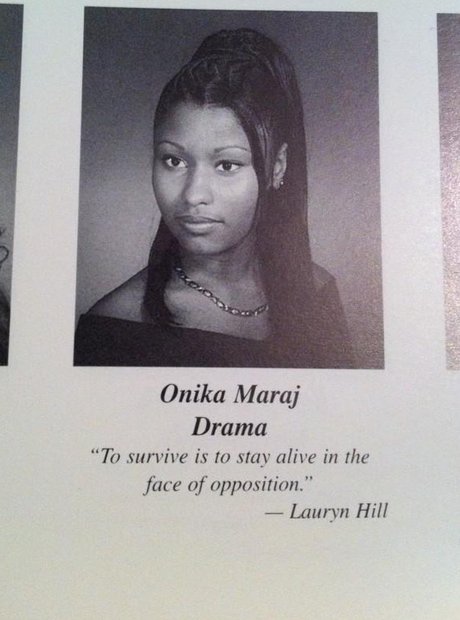
    Onika Tanya Maraj was born on December 8, 1982, in Saint James, Trinidad. Her father, who was a drug addict, burned down their house when she was five, which prompted her mother to relocate the family to Queens, New York. Maraj went to LaGuardia High School in Manhattan, the performing arts school that inspired the film Fame.
    Pink Friday

    After gaining recognition from a trio of mixtapes in the late 2000s, Maraj signed to Lil Wayne’s label Young Money Entertainment in 2009. One of her first appearances as the Nicki Minaj we know today was on “BedRock,” a song from Young Money’s debut collaboration album with Lil Wayne and Drake. Both have since become frequent collaborators, with Drake’s star rising at the same time. Minaj soon got to work recording her debut album, Pink Friday, and quickly secured A-list cosigns from the biggest names in rap and pop alike. Eminem, Rihanna, Kanye West and will.i.am all appear on the standard version, but despite some great features, they never quite manage to overshadow her.

    The Album

    After a year of building hype through featuring on other artists’ songs, Pink Friday was released on November 22, 2010. It debuted at #2 on the Billboard 200, reaching #1 a few months later, and was eventually certified triple platinum with over 3 million sales. It was also nominated for three Grammys, including Best Rap Album. Lead single “Your Love” sampled Annie Lennox’s “No More I Love Yous.”

    Minaj’s detractors might dismiss the suggestion of any depth in her discography based off of the raunchiness of “Anaconda” or “Stupid Hoe,” but Pink Friday rarely approaches the subject. It certainly isn’t family friendly, but besides a stray Eminem verse and swearing for braggadocio purposes, the album is surprisingly tame by her standards. The Nicki Minaj on Pink Friday is far more concerned with making history, endearing listeners to a likable underdog, and preparing for world domination. The album is a masterclass in versatility, with each track peeling back a new layer to who she is and what she’s capable of as an artist. Besides mononymous performers with decades under their belt (think Cher or Prince), you’d be hard-pressed to find a better chameleon. She switches between budding queen bee and insecure ingenue with ease, leaving room for her best incarnation: provocateur Roman Zolanski.

    His name has aged horribly in the post-Me Too era, but Roman Zolanski is far and away Minaj’s greatest alter ego. A moody, flamboyant, and frankly bizarre character, Roman is essentially Nicki’s evil twin from London. He’s afflicted with Tourette’s syndrome, prone to violent outbursts, and speaks in an exaggerated Cockney accent. During her feud with Minaj, Lil Kim compared Roman to Fire Marshall Bill, Jim Carrey’s character from In Living Color. He’s definitely an acquired taste, but he’s responsible for some of the most creative insults in Pink Friday. Minaj wastes no time eviscerating her idol-turned-nemesis on “Roman’s Revenge,” and on “Did It On ‘Em” she coins her now-famous catchphrase: “These girls are my sons.”

    Roman’s incendiary trolling is only one side of Pink Friday, though. Breakout pop single “Super Bass” introduces Minaj as a bubbly, flirtatious, Pepto Bismol edition Barbie (today, her fans are affectionately called “Barbz”). Originally a bonus track, it went viral in early 2011 and is now Minaj’s signature song. The lyrics speak of her prerequisites for romantic partners, most importantly the double entendre in the title. The hook is commonly misattributed to Nicki, but it’s sung by uncredited co-writer Ester Dean. Minaj’s guest spot on Kanye West’s “Monster” makes a compelling case, but the opening verse of “Super Bass” is easily her most memorable. Just say the opening line “This one is for the boys with the boomin’ system” to a group of Gen Zers, and watch them fill in the rest.

    Although Minaj’s cartoonish personas still breathe life into Pink Friday ten years later, the album’s most charming aspect is her vulnerability. 2020 Nicki Minaj isn’t remotely relatable, but she was once humble and outwardly insecure. Recorded on the brink of breaking out, she’s happy to revel in her newfound success (see “I’m the Best” and “Blazin”) but often grapples with self-doubt. On “Dear Old Nicki” she admits to missing her life before fame, while on “Here I Am,” she struggles to separate her self-image from external approval. Minaj shows hints of weakness on later tracks (“Marilyn Monroe” and the haunting “Grand Piano”), but on Pink Friday she’s at her most uncensored—emotionally, of course. The ridiculousness of Roman is absent here, but it still makes sense that they’re paired together in the same project.

    Minaj’s follow-ups lean too far in either direction—Roman Reloaded gets lost in its absurdism, whereas The Pinkprint is a real downer—but for an early moment in time, she achieved perfect balance. Pink Friday masters pop and rap with ease, and it’s simply fun to listen to. The writing is often laugh-out-loud funny, like on the Buggles-sampling “Check It Out,” and surprisingly poignant to those only familiar with the shock value of her derriere ditties. While there have been better female rappers before and after, none are as multifaceted. Nicki said it best on Little Mix’s 2018 song “Woman Like Me”: “Uh, a million, I’m getting my billy on / Greatest of all time, ’cause I’m a chameleon / I switch it up for every era, I’m really bomb / These bitches really wanna be Nicki, I’m really mom.”

    The Legacy

    A new wave of female rappers has since sprang up, and while she once saw them as competition, Nicki has learned to play nice. Just this year she achieved her first #1 on the Billboard Hot 100, a remix of Doja Cat’s “Say So,” after a decade of being clowned for not having one at her level of fame. Surprisingly, Iggy Azalea and Cardi B both beat her to the punch: previous mega-hits “Super Bass,” “Starships” and “Anaconda” peaked at 3, 5 and 2 respectively. It’s an impressive comeback after a short decline—Remy Ma’s 2017 diss track “Shether” damaged Minaj’s credibility, and her 2018 album “Queen” underperformed.

    Almost every female rapper after Nicki would readily admit to idolizing and even copying her. While she’s always been generous with her features, she’s finally begun collaborating with her proteges. Besides “Say So,” she’s appeared on Megan Thee Stallion’s “Hot Girl Summer” and Migos’ “Motorsport” alongside Cardi B. Never mind that their alliance went down in flames—Cardi still paid her respects to Nicki in an Apple Music interview last August:

    When I was six, seven, eight, there was a lot of different female rappers. And then, there was a time that there were no female rappers at all. I have to keep replaying songs from the early 2000s. I have to keep replaying it, replaying it, replaying it because for a while there wasn’t no female rapper. And then there was one female rapper that dominated for a very long time. You know what I’m saying? And she did pretty good. She’s been still dominating.

    Last Friday, Minaj dropped a 10th anniversary complete edition of Pink Friday available for streaming. It includes all standard and deluxe tracks, as well as Young Money’s “BedRock.” Bonus track “Girls Fall Like Dominoes” could be Nicki’s mission statement: the first verse is about converting male rappers’ fangirls to devoted Barbz, and the second name-drops female music and fashion icons, most of whom Nicki has since worked with. It’s remarkable in retrospect, and encapsulates the essence of Pink Friday: a woman ready to break barriers and celebrate her weirdness. Over the last decade, it’s safe to say she’s more than earned her title of Queen.

    Listen to Pink Friday: The Complete Edition here:
  • Billie Holiday: Improving the Improv

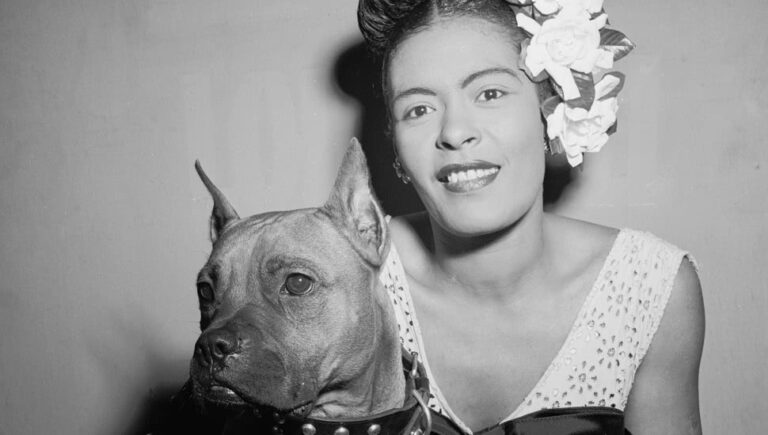
    Eleanora Fagan was born on April 7, 1915 in Philadelphia. As a child, she started going by Billie Holiday, Billie from Billie Dove and Holiday from her dad. She began listening to records by Louis Armstrong and Bessie Smith. Her mother Sadie cleaned houses, but could not make a living, so moved to New York City.

    Billie Holiday

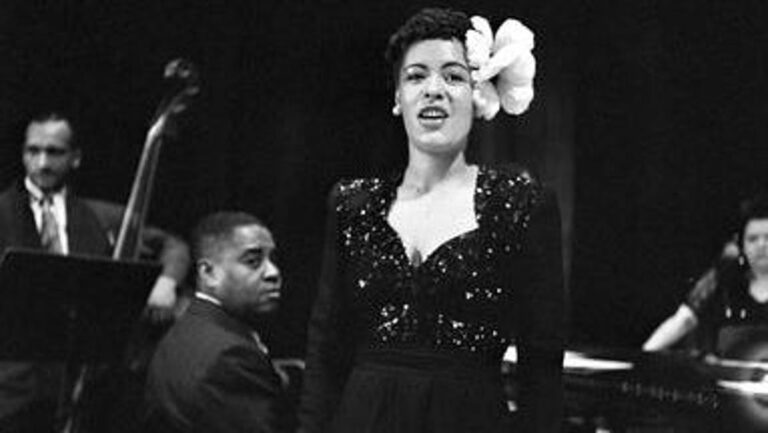
    As a teenager, Holiday began singing in nightclubs. She teamed up with saxophonist Kenneth Hollan, performing at numerous clubs in Harlem. In 1932, Holiday replaced Monette Moore at a club where John Hammond, a producer, heard her and signed her to a record. At the age of 18, she made her first recording with Benny Goodman.

    The Depression Era

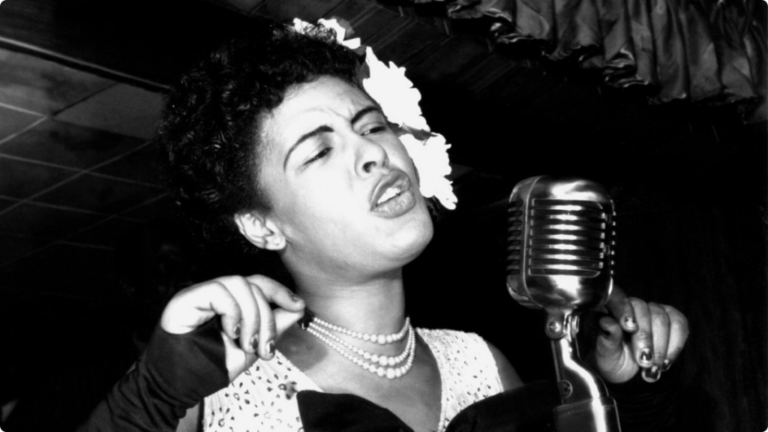
    In 1935, Holiday recorded pop tunes with Teddy Wilson. Holiday was allowed to improvise; her improvisation of the melodies to fit the emotion was revolutionary. Their first collaboration, “What a Little Moonlight Can Do” became Holiday’s ‘claim to fame’.

    Holiday soon achieved the title of big-band vocalist with Count Basie. She was able to choose her own songs, often opting to portray herself as a woman unlucky in love. “Summertime” a hit from Gershwin‘s Porgy and Bess became a hit for Holiday. Basie soon accepted Holiday’w involvement in the band, saying “When she rehearsed with the band, it was really just a matter of getting her tunes like she wanted them, because she knew how she wanted to sound and you couldn’t tell her what to do.”

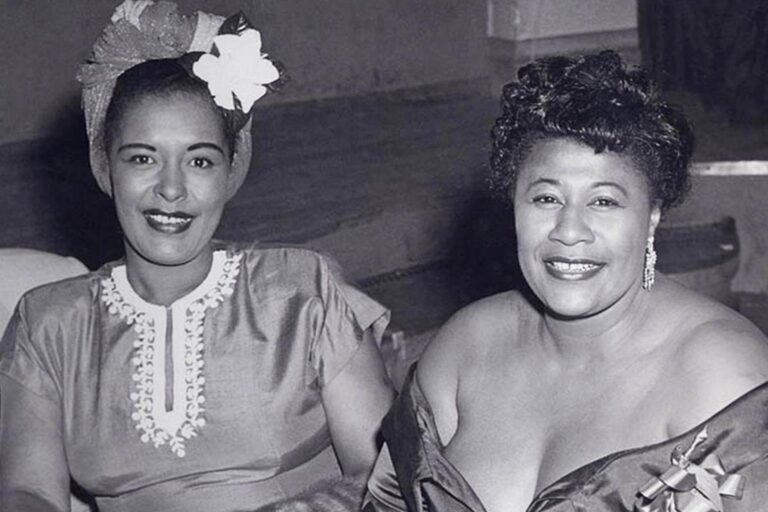
    Soon, Holiday found herself in competition with Ella Fitzgerald, the singer for the Chick Webb Band, the direct competitor of Count Basie’s. On January 16, 1938, Basie and Webb’s bands had a battle at the Savoy Ballroom. Metronome magazine declared Webb the winner while DownBeat magazine pronounced Basie the winner.

    Billie Holiday

    Holiday left Basie in 1938 and was picked up by Artie Shaw. This put her in a unique situation in that she was a black woman singing in a white orchestra in the segregated South. With Shaw, Holiday achieved notoriety, but could not sing as often as with Basie. Additionally, Shaw was pressured to hire a white singer with whom Holiday had to share time. In November 1938, Holiday was asked to take a service elevator at the Lincoln Hotel which may have caused her to leave the group soon after.

    Columbia and Commodore

    Holiday was recording for Columbia Records and when she was introduced to “Strange Fruit,” a poem about lynching. She performed it in 1939 with trepidation, later saying the song reminded her of her father’s death. He was denied medical treatment due to racial prejudice.

    For her performance of “Strange Fruit” at the Café Society, she had waiters silence the crowd when the song began. During the song’s long introduction, the lights dimmed and all movement had to cease. As Holiday began singing, only a small spotlight illuminated her face. On the final note, all lights went out, and when they came back on, Holiday was gone. Columbia Records found the subject matter too sensitive to record, so Holiday recorded it with Commodore Records. The song remained in Holiday’s repertoire for twenty years.

    Commercial Success

    Holiday got into an argument with her mother Sadie that ended in the daughter storming out, shouting, “God bless the child that’s got his own.” She then wrote “God Bless the Child,” her most popular and most covered record.

    Billie Holiday

    In 1942, Holiday recorded “Trav’lin Light” with Paul Whitman for Capitol Records, reaching number 23 on pop charts and number 1 on R&B charts. Holiday signed with Decca Records in 1944, recording “Lover Man”, another hit. In September 1946, Holiday began her only major film, New Orleans, in which she starred opposite Louis Armstrong and Woody Herman. Plagued by racism and McCarthyism, producer Jules Levey and script writer Herbert Biberman were pressed to lessen Holiday’s and Armstrong’s roles to avoid the impression that black people created jazz.

    On May 16, 1947, Holiday was arrested for possession of narcotics. During the trial, she heard that her lawyer would not come to the trial to represent her. Dehydrated and unable to hold down food, she pleaded guilty and asked to be sent to the hospital. She was sentenced to Alderson Federal Prison Camp in West Virginia. The drug possession conviction caused her to lose her New York City Cabaret Card, preventing her working anywhere that sold alcohol’ so she performed in concert venues and theaters.

    After her release in 1948, her manager, Ed Fishman, thought she should sing a comeback concert at Carnegie Hall. On March 27, Holiday played Carnegie Hall to a sold out crowd. A record number of tickets were sold in advance, a feat made more impressive since she did not have a current hit record. Holiday was again arrested on January 22, 1949 in San Francisco. That October, she recorded “Crazy He Calls Me”.

    https://www.youtube.com/watch?v=Z_1LfT1MvzI

    The loss of her Cabaret Card hurt Holiday financially. This problem worsened when Holiday’s records went out of print in the 1950s. She seldom received royalties in her later years. In 1958, she received a royalty of only $11.

    By the 1950s, Holiday’s drug abuse, drinking, and relationships with abusive men caused her health to deteriorate. She appeared on the ABC reality series The Comeback Story to discuss attempts to overcome her misfortunes. Her later recordings showed the effects of declining health on her voice, as it grew coarse and no longer projected its former vibrancy.

    In early 1959, Holiday was diagnosed with cirrhosis. She stopped drinking on doctor’s orders, but soon relapsed. She quickly lost 20 pounds. On May 31, 1959, Holiday was taken to Metropolitan Hospital in New York for liver disease and heart disease. The Federal Bureau of Narcotics had been targeting Holiday for the last twenty years. As she lay dying, they raided her hospital room, placing Holiday under police guard. Holiday died on July 15, 1959 at 3:10 a.m. due to heart failure caused by cirrhosis of the liver.

    Billie Holiday

    Legacy, Awards, and Accomplishments

    Holiday’s improvisation made up for a lack of training and was quoted saying that she wanted her voice to sound like an instrument. Frank Sinatra called her “the greatest single musical influence on me.”

    Billie Holiday and eight of her recordings have posthumously been inducted into the Grammy Hall of Fame. Holiday received a Grammy Lifetime Achievement Award (1987). “Strange Fruit” is also listed in the National Recording Registry by the Library of Congress. Four of her albums were awarded the Grammy for Best Historical Album. She is a member of the ASCAP Jazz Wall of Fame (1997), Rock and Roll Hall of Fame (2000), and the Ertegun Jazz Hall of Fame (2004).

  • Cassandra Kubinski is Ready to Build on Her Versatility

    Cassandra Kubinski is a “storytelling oriented, piano-driven, theatrical pop” singer/songwriter from Saratoga Springs. Her passion for music from a young age propelled her into a successful career with Billboard charting albums. Kubinski’s career has already linked her to artists like Chris Botti, the Goo Goo Dolls, and Mary Ramsey of 10,000 Maniacs. Since her 2005 debut, Kubinski’s development as an artist continues to showcase her unlocked talent waiting to be released.

    Cassandra Kubinski
    Cassandra Kubinski

    A Musical Introduction

    Growing up, Kubinski listened to a variety of artists because of her parent’s eclectic musical taste. Billy Joel, Carole King, Jackson Browne, and Joni were all a frequent part of the Kubinski’s family’s rotation of music. Kubinski’s theatrical exposure to Bette Midler, Guys and Dolls, Barbra Streisand, and Pippen shaped her into becoming a musical storyteller. Kubinski has even garnered praise from her musical idol, Billy Joel.

    “Billy Joel is embedded in my DNA. My parents were listening to his music and loving him before I was even a twinkle in their eye. His storytelling, passionate vocals, and rogue piano playing style influenced me when I decided to be a songwriter,” Kubinski said.

    During a 2008 concert in New York City, Kubinski’s dream of meeting Billy Joel came true. The full-circle moment of meeting her childhood music idol is one of the most memorable and surreal moments as an artist for Kubinski. If Billy Joel is willing, Kubinski would love to add a possible collaboration to her musical resume. Kubinski’s other musical hopes include opening up for Billy Joel, Jason Mraz, and Rob Thomas on tour one day. While the pandemic canceled touring for most artists, Kubinski looks forward to having a face-to-face interaction with concert audiences again. Performing at music venues with a beautiful outdoor component like Red Rocks Amphitheatre in Colorado and Humphreys Concerts By The Bay in San Diego are at the top of her list.

    The Journey

    While Kubinski’s musical aspirations keep her motivated as an artist, she has already amassed a couple of well-deserved accolades. Onward charted #97 on Billboard’s Heatseekers Album chart in 2016, while Holiday Magic charted #46 on Billboard’s Heatseekers Album chart in 2017. In 2020, Kubinski has released her “Stardust,” “Back to Earth,” and “Stardust (DJ Taz Rashid Remix)” singles. “Stardust” highlights Kubinski’s “epic pop and piano sound” with the combination of positive lyrics. During the COVID-19 pandemic, Kubinski has gained a new perspective of how her songs can take on a different meaning from their initial release. “Dreams” started as a “whimsical look of a bittersweet moment of willing to let go because a better dream is coming” and now has a different significance of embracing the unpredictability of the COVID-19 pandemic.

     I didn’t write “Stardust” in the pandemic I wrote it years ago. Since releasing it during the pandemic, I’ve heard from fans it was a sentiment they needed to hear to feel connected to something bigger, connected to nature, and reminded that they have power. This pandemic has made a lot of people feel very helpless and powerless. “Stardust” is about claiming and reclaiming your power. It takes on that meaning even though that’s not what I wrote it about,” Kubinski said.

    Cassandra Kubinski and Tony Daniels shot the “Stardust” music video before the COVID-19 pandemic

    What’s Next

    Looking ahead, Kubinski is already working on a song with Hannah Grace Colin from “Dance Moms.” Her upcoming song “Eternity” with DJ Sol Rising is a follow up to “Stardust” and is set to release in early January. As fans can look forward to more music, Kubinski continues to progress as an overall artist. From the release of her first album, Hold The Sun to her latest single “Stardust,” Kubinski has honed her ability and confidence to lead as an artist with a specific creative direction in mind. “Trust your vision,” Kubinski said. “When you see something for yourself, work on it, and do it. That’s your vision for a reason and you’re the one that has to execute on that vision.”

    Cassandra Kubinski
    Cassandra Kubinski

  • Harlem Renaissance: Ethel Waters Breaking Barriers

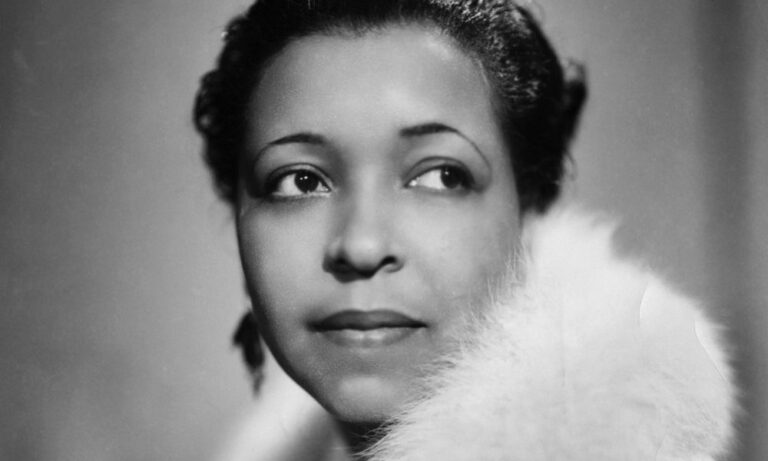
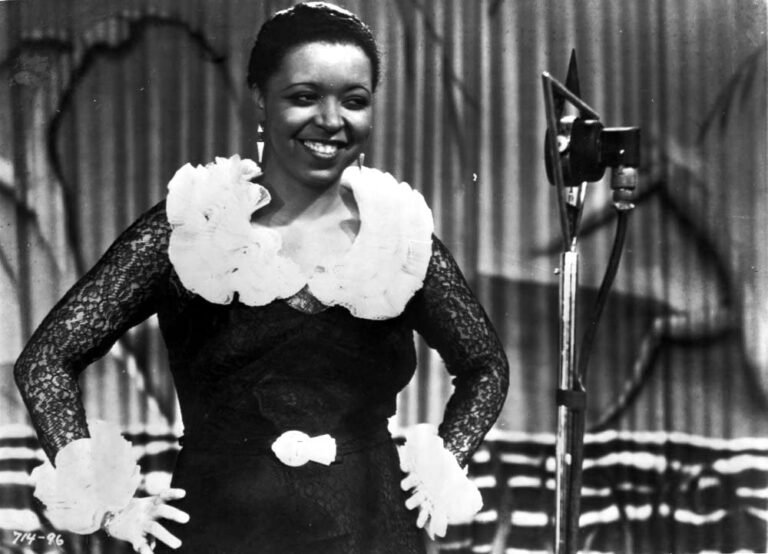
    Ethel Waters was born on October 31, 1896 in Chester, Pennsylvania. She was raised in poverty by her grandmother as well as two aunts and an uncle. When asked about her childhood, Waters once said “I never was a child. I never was cuddled, or liked, or understood by my family.” On her 17th birthday, she attended a costume party and sang two songs. Her performance impressed the audience so much that someone immediately offered her a job in Baltimore.

    Ethel Waters

    Baltimore

    When offered the job at the Lincoln Theatre in Baltimore, she received $10 per week, nearly double what she was making before. Even with her success, she fell on hard times and joined a carnival of freight cars going to Chicago. Soon after, she headed to Atlanta where she worked at the same club as Bessie Smith. Smith demanded that Waters not compete with blues songs, and Waters agreed to sing ballads and popular songs.

    Harlem

    Waters moved to Harlem in 1919, getting her first job at Edmond’s Cellar, a club that specialized in popular ballads. When she arrived in Harlem, female blues singers were becoming more and more powerful. She became the fifth black woman to make a record, originally joining Cardinal Records, but later switched to Black Swan.

    At Black Swan, she was accompanied by Fletcher Henderson. Over the next two years, Waters became the highest paid black recording artist at the time. In 1924, Paramount bought Black Swan and Waters stayed for the year.

    https://www.youtube.com/watch?v=tJBI2E_6lFA

    She switched to Columbia in 1925 and began working with Pearl Wright. She continued touring, joining with Earl Dancer in what was colloquially called “white time,” the Keith Vaudeville Circuit, performing for white audiences. In Chicago, they earned an unheard of $1,250. Later, in 1926, Waters recorded “I’m Coming Virginia” which was a hit partially due to her performing it on Broadway. In 1929, Waters and Wright arranged “Am I Blue?” which became a hit and later her signature song.

    Film, Theater, and Television

    In 1933, Waters appeared in a satirical all-Black film, “Rufus Jones for President”, featuring future star Sammy Davis Jr.. She went on to star at the Cotton Club. Later that year, she stared in the successful Broadway musical, “As Thousands Cheer”.

    Waters held three jobs: in “As Thousands Cheer”, as a singer for Jack Denny & His Orchestra on a national radio program, and in nightclubs. Due to these three jobs, she became the highest-paid performer on Broadway. Even with her success she still had difficulty finding work.

    Ethel Waters

    Waters moved to Los Angeles in 1942 to appear in “Cairo”. That same year, she starred in “Cabin in the Sky”. In the latter, Waters sang the Academy Award nominated “Happiness is Just a Thing Called Joe”.

    In 1939 Waters became the first African American to star in her own television show,  The Ethel Waters Show, a 15-minute variety special. She was nominated for an Academy Award for Best Supporting Actress for the film “Pinky”.

    In 1950, Waters won the New York Drama Critics Circle Award for her performance in “The Member of the Wedding”. Later that year, she became the first Black actress to star in a television series with “Beulah”.

    Awards and Accomplishments

    Her recording of “Stormy Weather” was listed in the National Recording Registry in 2003. She became a member of the Gospel Music Hall of Fame (1983). In 2004, she received a star on the Hollywood Walk of Fame. Additionally, three of her recordings have been inducted into the Grammy Hall of Fame: “Dinah” (1998), “Stormy Weather” (2003), and “Am I Blue?” (2007).

    https://www.youtube.com/watch?v=_QbeNSatFFo

  • Autumn Nicholas Strives to Make a Difference Through Music

    Autumn Nicholas, a soul-pop singer-songwriter from Raleigh, NC, is a talented young musician that makes her listeners only want more. Growing up with a father who played drums and a brother who played guitar, music was always prevalent in her family; however, Nicholas never thought she would make a career out of it.

    Autumn Nicholas
    Autumn Nicholas Promo

    To say Nicholas is passionate about her music is an understatement. Not only is she passionate about her music, but she is passionate about making a difference in our society. She strives to make her music unique and relevant, singing about love and loss as well as hope and pain—which has been very pertinent in today’s civilization.

    Recently inspired by the #BlackLivesMatter and LBGTQ marches, her new single “Side by Side” shows both the positive and negative sides of these movements in hopes to try and get people to stand up and take action. She says the single “is focused on how we are all uniquely beautiful, beyond our gender, circumstance, and skin, no one more than the other.” Autumn Nicholas is proud to be and sing about her sexuality. The gay, biracial artist stands out among other young artists because she sings about her own life in a way that can relate to anyone. She also sings to the masses where she offers inspiring messages through her lyrics and gives her listeners something to think about.

    I can’t understand why we all just keep taking sides

    Why can’t we sympathize?

    If we really care about each other’s lives

    Then let’s go and make it right

    Standing side by side for equal rights

    Autumn Nicholas – ‘Side by Side’ Single

    Both the song’s lyrics and production capture her goal of coming together as people to stand up for what is right. “I want it to focus less on me and more on the words and the art and the community,” said Nicholas. She even said the official music video of ‘Side by Side’ was rushed because they had to make it before the artwork was taken down, and that there will be a second version of the song that shows even more street art as well as other artists of different races from around the world.

    When performing her song live, she starts by talking about #BlackLivesMatter and how it relates to her song. “It grabs the attention and captures the importance of those words,” She explains, “it is deeper than that – it’s about equal rights and LGBT, but it ties in as a whole to unity, something during these times we do not have a lot of, especially since we are feeling like we’re trapped in our homes, like we are divided, whether it’s by sickness or by color. I hope this song can bring some unity to our time period.” In times like these, Nicholas wants to bring hope to our world, something in which our world needs right now.

    Autumn Nicholas is also in the process of developing a clothing line titled Unbrand.d where their motto is “No Genre. No Gender. No Rules.” She wishes to create a style that can be worn by anyone no matter the gender. Her first item from the brand is a T-Shirt in which the proceeds will go to a food bank.

    Not only will Nicholas continue to show the world her vibrant personality and talents, but she will continue sending the messages of unity and equality in her second EP Shades of Beige coming out this November.

  • This Day in Hip Hop: Lauryn Hill’s ‘Miseducation’ inspires a generation

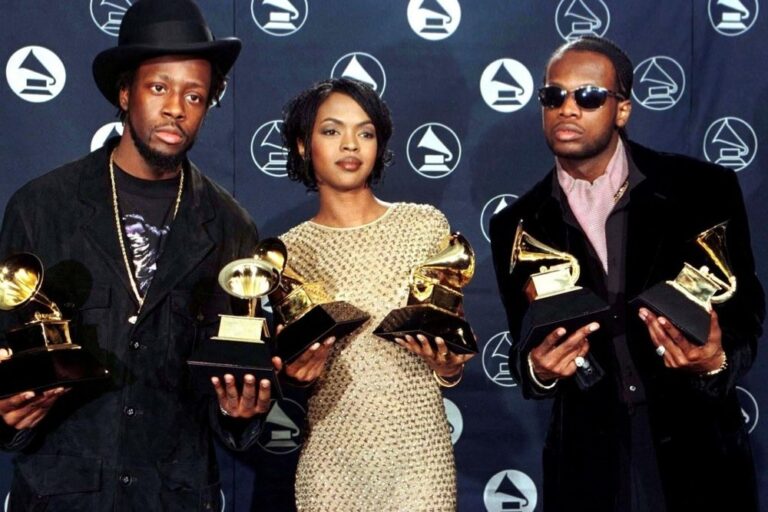
    Lauryn Hill has not released an album in nearly two decades (2002’s live album, MTV Unplugged No. 2.0). Yet, her presence within pop culture remains. Much of it can be accredited to her work as a member of the Fugees — whose sophomore album, The Score, has been certified 6X platinum in the United States by the RIAA, with 22 million copies sold worldwide — as she garnered her first top 10 hit with her rendition of Roberta Flack’s “Killing Me Softly,” earning her and group-mates Wyclef and Pras the top spot on the Billboard 100

    Miseducation
    ooh la la la

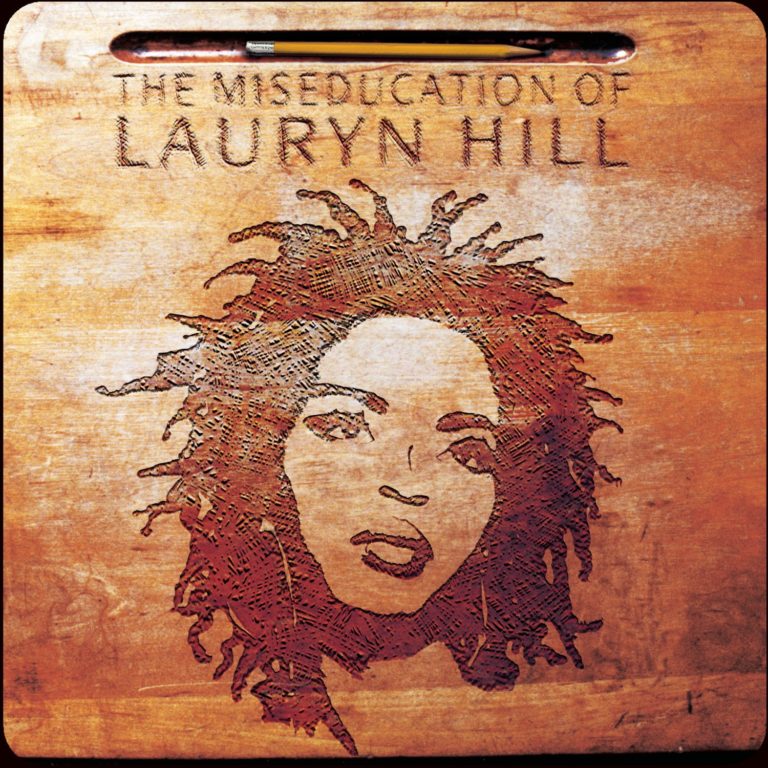
    Piggybacking off of the success of The Score, the artist now known as Ms. Lauryn Hill, reached folklore status when on August 25, 1998, The Miseducation of Lauryn Hill hit record stores. Distributed by Columbia records, the album was primarily recorded at the late Bob Marley’s Tuff Gong studios in Kingston, Jamaica. Hill had developed a romantic relationship with Rohan Marley, son of the legendary Reggaeton artist, and the family-oriented nature of the Marley’s was her respite, as she recorded what is now considered her magnum opus. 

    Classified primarily as a neo-soul and R&B album, The Miseducation also includes elements of hip hop and reggae, while implementing plenty of live instrumentation — some notable names include: a young pianist by the name of John Legend, R&B superstar D’Angelo, along with famed guitarist Carlos Santana. Accompanying the excellent musical composition was Hill’s heartwarmingly soulful voice, as the album’s contents served as inspiration for a generation of men and women. She didn’t pretend to be perfect, as the scathing Wyclef Jean aimed diss track –“Lost Ones” — showed, she was capable of animosity. She shared stories of desperate attempts to save her relationship on “Ex Factor,” while the Billboard charting single “Doo Wop (That Thing)” shared messages of self-worth (“how you gon’ win if you ain’t right within” has become one of the more transcendent lyrics in music). 

    From tales of newfound love on “Can’t Take My Eyes Off of You” to the fulfillment one finds in their child on “To Zion,” Lauryn Hill’s wide range of emotions on The Miseducation captured the hearts of fans worldwide. Add in the many biblical idioms she drops on records like “Final Hour” and “Forgive Them Father” and you have the makings of a God-fearing woman whose romantic struggles have left her scorned for the better, finding love within her religion, her children and newfound romance. What’s not to like about that? Apparently nothing, as The Miseducation went on to sell over 8 million copies in the United States, as she cleaned up at the 1999 Grammy awards, winning 5 and being nominated for 10

    miseducation
    She wrote her opus to reverse the hypnosis, the awards just came along

    So, today, we celebrate Lauryn Hill for her contributions to music, and if she never drops another album, we can be happy with the fact that she was open enough to share all of herself on The Miseducation.

  • Utica Indie-Rocker Cait Devin Gains Attention

    Cait Devin is an 18 year old indie/alt pop/rock singer-songwriter from Utica. Although young, this self-described “strummer and shredder” is musically and creatively talented. Cait currently is an independent artist, but recently released her first album and has collaborated with several other artists. 

    Cait Devin

    Cait tells NYS Music, “I’ve been singing my whole life, but picked up an acoustic guitar in my mid teens. I began playing lead guitar two and a half years ago and ever since, I’ve spent a lot of my time diving into it more.” Her album, Cait Devin (Unplugged), is entirely acoustic; however, she still spends a lot of time with her electric guitar

    Cait says that “just keep playing” has been her motivational mantra since the start of her career, and she has not disappointed herself. Despite her young age, she “has written hundreds of songs.” When she was just 16, she was a SAMMY’s People’s Choice Award finalist before even having a record out. She won “Extrodinary Talent of the Week” in Syracuse, and, later that year, released her first EP, “Gemini Rising.” Soon after, she booked a tour in Nashville.

    Cait frequently uploads original songs and covers of various artists online and proves to have a wide range of talent. She’s covered The Cranberries, MGMT, The Beatles, Slipknot, and more. She’s covered so many artists that she “wouldn’t be able to pick” her favorite. She even remixes famous songs and themes, making them entirely her own. She has entire playlists of covers and originals on YouTube available for free. 

    Cait writes about her own experiences, saying she draws inspiration from life. “I take random inspiration here and there and just write about it,” she comments. “Some of my influences for my songwriting include Ed Sheeran, Taylor Swift, Grimes, and the Weeknd. As far as my lead playing goes, I would say players like Nita Strauss and Steve Vai.” The great variation in her top influential artists perfectly shows how Cait’s music style and skill are so adaptable. She can blow audiences away with soft acoustic pieces but still shred like a pro. Her powerful and emotional vocals shine brightly in every piece she writes or covers.

    Although a young independent artist, Cait’s talent is attracting attention. She’s performed at different venues, and recently went live on the News 12 Facebook page and played two songs from her album, and has previously been featured on top NY radio stations. She has over 2k subscribers on YouTube, and more than 8k followers on Facebook. She’s collabed with Jared Dines, Hiram Hernandez, and more, and recently appeared on the single “Unbroken” by Michael Angelo Batio, along with Vinnie Moore and Andy James. She also has a new, big “shred collab” project in the works, but can’t say much about it. Be sure to follow her for updates!

    Cait Devin (Unplugged) is available for purchase or streaming, and she has more singles and EPs available on Spotify. Follow her on (Facebook, YouTube, Instagram, Twitter, and TikTok to stay up to date on all of her content.

  • Microphone Check: Interview With Shira Elias of Turkuaz

    NYS Music and Music Minds have teamed up to check in with musicians around the scene and see how they are holding up and how they are feeling about their craft.  For the first installment, we talked to Shira Elias, vocalist of Turkuaz.

    Vocalist Shira Elias finds her voice in the space where soul, pop, and R&B collide. This spring, Shira welcomed her debut solo endeavor, GOODS the EP, under her latest project, Shira Elias’ Goods & Services. With funk band, Turkuaz, Shira has recorded six records and played shows across the globe at legendary venues and festivals. Elias is collaborating with producer and musical partner MEGA to offer up a series of songs that are deeply personal, decidedly honest, and undeniably unique.

    Adam Chase: In what ways has this time period put live music into perspective?

    Shira Elias: I mean, you don’t know what you got til it’s gone, right? In so many ways, over the past 4 months we have seen how art brings people together and HEALS us. Especially now, live music is necessary in that way.

    Shira Elias

    AC: In what ways has music helped get you through tough times?

    SE: Music is therapy for me, both by experiencing it from an outside source and in creating it myself. It transports me to a spiritual place where I can really look within myself for answers and for comfort. For me, it’s the most potent anxiety reliever out there.

    AC: What makes being a singer different from other musicians?

    SE: Your instrument is your body. It is all within you. Instrumentalists have a separate entity that they channel their expression through. Vocalists have a more literally visceral connection to their instrument, which is a blessing and a curse. A blessing because I believe the sound of a human voice can resonate and express emotion in a more profound way than any instrument can by virtue of it being produced by a living being. And a curse, because there is no escaping it. You cannot put your instrument away in its case after the gig, which is why vocal health is a lifelong challenge for singers.

    AC: What words of encouragement would you have for someone learning how to sing?

    SE: I would tell them to sing as much as they can, as often as they can because your voice is a muscle that you need to train and work out just like any muscle in your body. You gotta get those reps in. And I would also encourage them to find their own true, authentic voice, rather than try to sound like someone else. No one else in the world can sound like you, so be the best you that you can possibly be.

  • Celebrating 30 Years of Mariah Carey

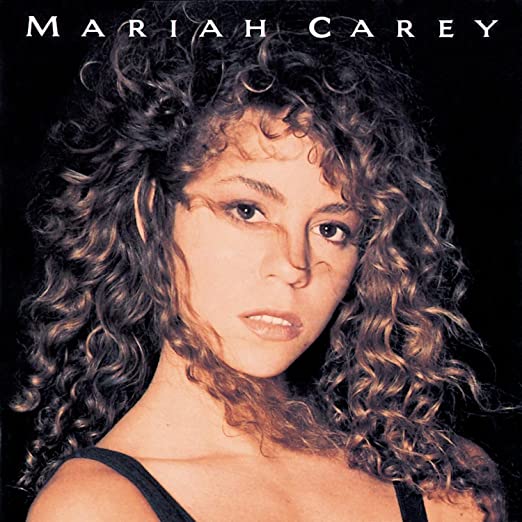
    As of Friday, June 12, the self-titled debut album from Mariah Carey is 30 years old. With four consecutive #1 singles on the Billboard Hot 100 including “Vision of Love” and “Someday,” it instantly shot the Long Island-born diva into superstardom and an elite class of vocal legends including Whitney Houston. While Mariah’s legacy has been watered down to that of a washed-up Christmas singer in recent years, this unfair revisionist history ignores the impact she’s had on virtually every pop and R&B act after her.

    mariah carey

    When Mariah Carey released “Vision of Love” in 1990, the French-German duo Milli Vanilli had just been busted for lip-syncing and artists like Madonna made up for subpar vocal talent with shock value and spectacle. On the contrary, Carey demonstrated she was capable of belting, runs, melisma, and whistle tones in less than four minutes, swinging the pop pendulum the other way and reintroducing the concept of pop stars as vocalists with few gimmicks besides their own voices. More of these rose to fame throughout the 90s, from Brandy to Usher to Destiny’s Child, and the explosion of reality talent shows in the 2000s only intensified the phenomenon. Mariah’s power ballads like “Vision of Love” and “Hero” have been American Idol since its inception, a show she eventually judged.

    Throughout the 90s and 2000s, Carey achieved 18 #1 hit singles on the Billboard Hot 100. She wrote and produced 17 of them, the sole exception being a cover of the Jackson 5’s “I’ll Be There” for her MTV Unplugged EP. She also shared the record for the chart’s longest-running #1 with Boyz II Men for their 1995 single “One Sweet Day,” which spent 16 weeks at the top and had yet to be surpassed until Lil Nas X’s 2019 hit “Old Town Road” beat it with 19 weeks atop. Late last year, “All I Want For Christmas Is You” finally hit #1 on its 25th anniversary, giving Carey her 19th #1 overall and the first in 12 years.

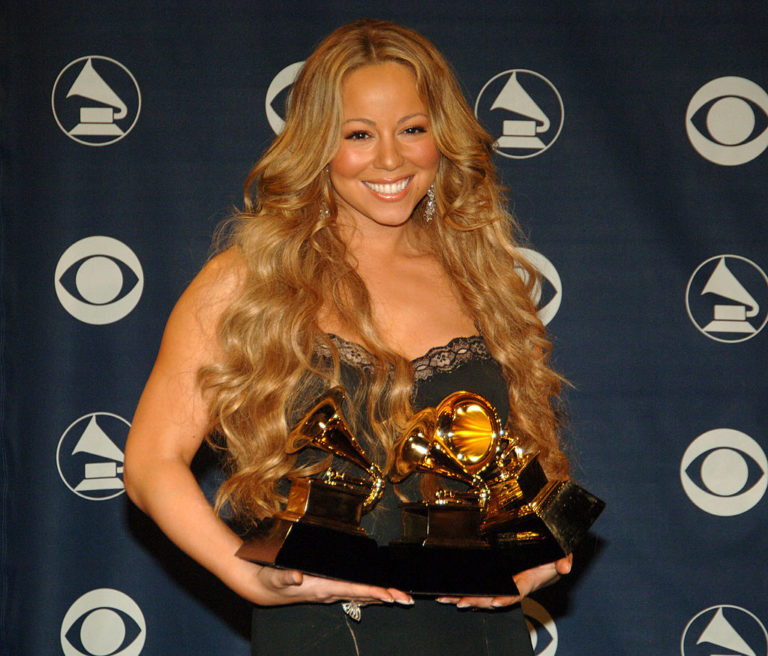
    Despite her immense success, Mariah’s career hasn’t been without its setbacks. She made bizarre guest appearances on MTV’s TRL and Cribs in the early 2000s that she later attributed to bipolar disorder, and she was the subject of public ridicule when critics panned her 2001 film and album Glitter. However, she returned to form with her 2005 comeback single “We Belong Together” and its accompanying album The Emancipation of Mimi, winning three Grammy Awards. And although her 2016 New Year’s Eve fiasco temporarily made her the butt of the joke again, she set it right with a pitch-perfect performance the following year.

    mariah carey
    Mariah Carey with her three wins for The Emancipation of Mimi at the 2006 Grammy Awards.

    Carey is also no stranger to engaging in public feuds with other singers. Interestingly, a short glance at the long list of artists Carey has feuded with shows that they’ve all been influenced by her in one way or another: Christina Aguilera, Jennifer Lopez, Demi Lovato, Ariana Grande, and Nicki Minaj, to name just a few. They might not like her, but they still respect her achievements and emulate her in their music, style, and personas. With the Ol’ Dirty Bastard remix of “Fantasy” in 1995, Mariah became one of the first mainstream pop singers to feature a rapper on a song’s verses while singing the hook—now a common crossover recipe for top 40 artists.

    Even Canadian electropop artist Grimes defended her love of Mariah Carey to Pitchfork, saying, “I know very few adult males who consider themselves serious ‘music guys’ who don’t laugh when I say I like Mariah Carey. Why? Because she’s beautiful and people like her. Therefore she must be selling sex, right? So obviously her music is terrible, right? Ugh. The first time I heard Mariah Carey, it shattered the fabric of my existence.”

    Celebrate the album’s 30th anniversary below:

  • Lauryn Hill’s Final Hour

    Words are like honey; they can be sweet to hear but the message might not always stick. And over time, messages get lost in translation. Take the late great Muhammad Ali, who refused to fight in the Vietnam war because, as only he could put it, “no Vietcong ever called me n*****.” When Ali took his stance, he was stripped of his world championships, boxing license and was vilified by the public.

    “I am not allowed to work in America and I’m not allowed to leave America,” Ali said in February. 1968, the start of his first full year of exile from boxing. “I’m just about broke.” This is why the Kaepernick comparisons aren’t apt. While Ali struggled to afford groceries, Kaepernick is backed by a billion-dollar corporation in Nike. After Ali’s passing in 2016, revisionist history took over. Ali’s mid-career struggles were now celebrated. Despite being spurned by the very country that now celebrates him.  

    What does this all have to do with Lauryn Hill? Well, have you ever asked yourself how the first woman to be nominated in ten Grammy categories in a single year, and the first woman to win five trophies in one night found herself out of the spotlight a couple of years after her acclaimed solo debut? Well, I’m here to tell you this was coming all along, oh and she warned us about it. 

    Lauryn Hill

    Lauryn Hill’s Revelation

    The Miseducation of Lauryn Hill is a magnum opus of black music, encompassing the best of multiple genres. However, due to her lack of activity musically, Lauryn Hill’s presence in contemporary pop culture is now reduced to jokes about her punctuality, and not the sacrifice she herself prophesied. 

    On “Final Hour,” the album’s seventh track, she makes her priorities apparent, regardless of her status as a world-famous entertainer. In the chorus she raps “you can get the money; you can get the power. But keep your eyes on the Final Hour.” With the “Final Hour” representing religious salvation. She even raps later in the record “I’m making sure I’m with the 144.” The 144 is a reference to the Book of Revelations. In it 144,000 people are specifically chosen by God to serve as his agents. 

    Lauryn Hill
    by 1998, Lauryn Hill had taken the world by storm

    Lauryn Hill has always been open about her faith and spirituality yet, in her earlier work as a member of The Fugees, religious references were further and fewer in between. So, what changed? After selling millions of records, winning awards and being propped as the face of a generation of women, had Lauryn Hill learned new information that brought on this stance? 

    Decoding The Lyrics

    At the end of the first verse she says, “People feel Lauryn Hill from New-Ark to Israel (clever play on words here as she makes a reference to the “Ark of the Covenant” and she’s from Jersey). And this is real, so I keep makin’ the street ballads, while you lookin’ for dressin’ to go with your tossed salad.” Followed by the aforementioned chorus, these lyrics emphasize her stance on the music industry. After all, tales of the the entertainment industry’s sexual deviance are now far too common. Hence, the “dressing” and “tossed salad” lines. 

    Throughout the song, she juxtaposes her glamorous life with her faith. Symbolizing that one wouldn’t be there without the other. In the last verse she says, “now I’m a get the mozzarella like a Rockefeller / Still be in the church of Lalibela, singing hymns a cappella / Whether posed in Maribella in Couture / or collecting residuals from off The Score.” While it may seem braggadocious, she lets the listener know what she would choose if it came time for a decision by saying, “I’m making sure I’m with the 144.” 

    Hence why she denounced the “dressing” (a symbolism for opulence) because the cost is her spirituality and beliefs. Being Lauryn Hill of course, (at one time one of the world’s most popular entertainers) there may not have been an option to continue her career without politics, corruption and possible harassment (there’s Harvey Weinstein’s in the music industry too). 

    Aftermath

    It comes as no surprise that by the turn of the millennium, Lauryn Hill was out of the public eye. Yet, sehe returned in 2002 with her MTV Unplugged No. 2.0 live album. However, critics weren’t as kind this time around, as chic hip hop girlie Lauryn way to a spiritually devoted Mrs. Lauryn Hill. While her lyrics pick up where she left of on “Final Hour.” So, no. Lauryn Hill didn’t go crazy, she didn’t lose her rapping and songwriting abilities. She made a decision.

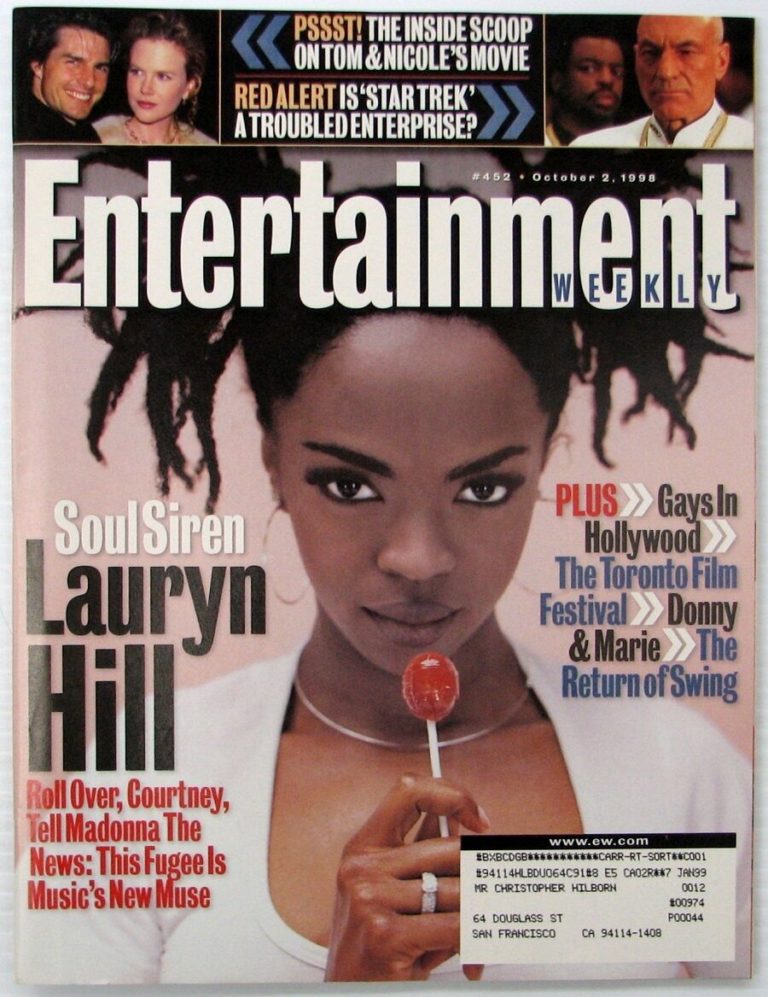
    Lauryn Hill is now 45 years old. She still tours and performs medleys of her most popular songs (oftentimes restructuring the entire song and keeping the lyrics). She never regained the same level of stardom and probably won’t ever grace the covers of Time, Rolling Stone, Vibe, People or Entertainment Weekly ever again. Yet, it seems to have been a conscious sacrifice, preferring to sing her hymns for those that are keen to listen for their education and enjoyment. Not because the machine tells them to.