The popular Blue Note Jazz Club and Restaurant is finally re-opening their doors to jazz lovers and music enthusiasts alike, with a set capacity limit of 25 percent.
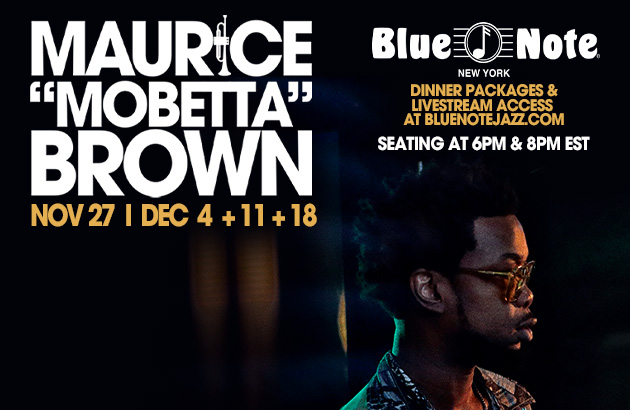
Promotion for Blue Note’s first night of re-opening.
I am very happy to announce that the Blue Note will reopen for dining this holiday season. The safety of our guests is our highest priority and our staff is working around the clock to ensure our guests have a comfortable dining experience.
Steven Bensusan, President of Blue Note Entertainent Group
Blue Note originally had to close because of the Covid-19 shutdown. Although they kept active by streaming live shows online, there’s nothing like an in-person jazz experience.
Starting Nov. 27, the club will provide dinner services for selected evenings from 6 p.m. to 8 p.m., along with brunch on selected weekends from 11 a.m. to 1 p.m. Dining packages will also be available to guests who want to experience the “magic of the holidays,” at Blue Note. The diners will be able to experience a list of respectable musicians while eating their meals.
The Greenwich Village club has been around for almost four decades. Opening in 1981, Blue Note became a center for culture and music in New York City. They are known as one of the premier jazz clubs in the world, where they strive to preserve the history of jazz. In the past, they featured renowned artists like, Chick Corea, Joe Lovano, John Scofield, and Chris Botti. The club also frequently promotes up-and-coming jazz, hip-hop, R&B and soul musicians.
Dining packages start at $45 per person, while livestream access is $10. Regardless of whether you would like to enjoy a meal in the presence of a jazz show or do the same thing from home, all the information and payments can be made at Blue Note’s website.
Incidental Music Calendar:
Maurice “Mobetta” Brown Residency – Nov 24, Dec 4, Dec 11, Dec 18
Eddie Palmieri Residency – Nov 28, Dec 5, Dec 12, Dec 19, Dec 26
For years, Upstate Concert Hall has been incorrectly listed on tour promotion and concert posters as being located in Albany, NY. The venue, has been located in a Clifton Park, NY strip mall since 1996, when it was named Northern Lights, and is a 20-minute drive over the Mohawk River from Albany. The geographic error makes little difference now, as the owners of Upstate Concert Hall have relocated to Albany.
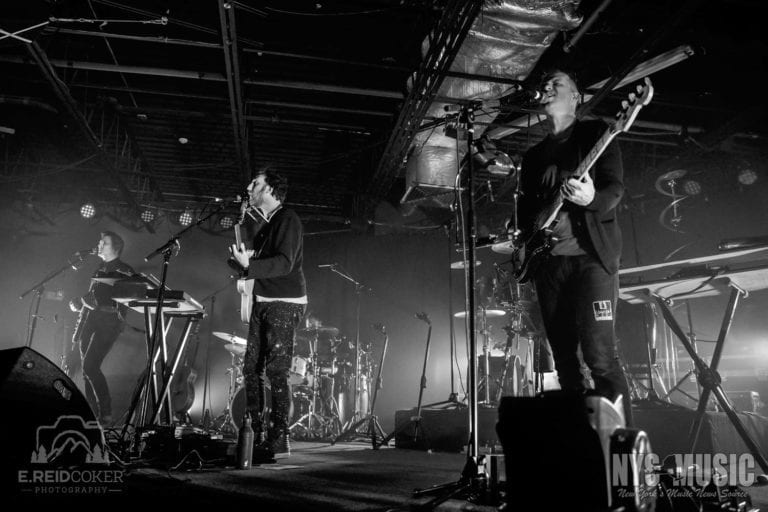
Guster performing at Upstate Concert Hall, 2019. photo by E. Reid Coker
With a fresh location in the former Capital Repertory Theatre building on South Pearl Street, the venue and area are in for a major upgrade from its previous setting. Capital Rep is moving to a new location in a renovated warehouse at 251 North Pearl Street, per the Times Union.
Upstate Concert Hall is beneficial for artists passing through the Capital Region, particularly metal and hardcore artists, as well as jam bands. The new venue at the former home of Capital Repertory Theatre stands to be a positive sign for the city of Albany, especially on Pearl Street where revitalization feels to be continually on the cusp of a renaissance.
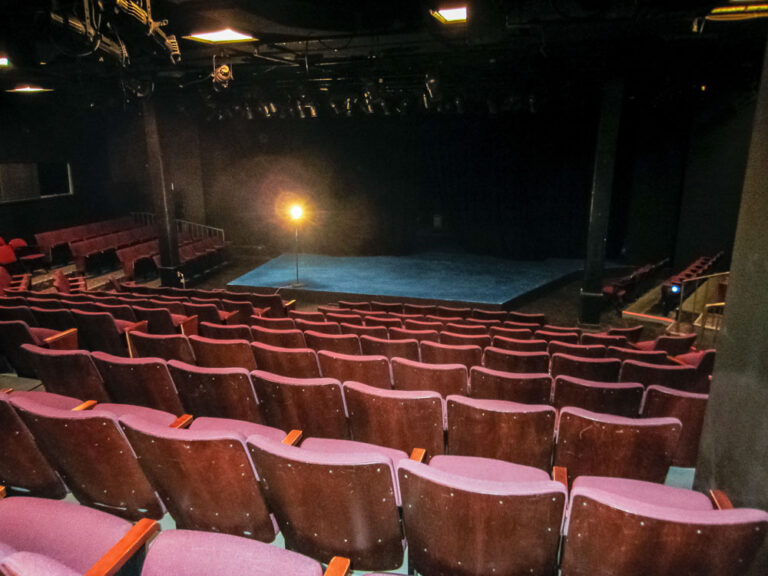
The view from inside Capital Rep, the new home of Upstate Concert Hall
Albany Mayor Kathy Sheehan said of the move, “This is yet another example of the unprecedented investments occurring in Albany’s newest neighborhood.”
The Clifton Park location became known as a great destination for a large number of bands who could not find a location in the city of Albany to play to crowds over a capacity of 250. There were drawbacks to the venue, including a low ceiling which limited light shows and large scale production (think of OK GO! and their confetti cannons, hitting a 12 foot drop ceiling doesn’t have the same effect).
Add in average sound quality throughout the expansive venue, as well as the location within a strip mall with limited restaurants and bars within walking distance, and Upstate Concert Hall became a destination for the artist, not the venue.
The view from inside Capital Rep, the new home of Upstate Concert Hall
Speaking to the Times Union, Jeff Buell, a principal at Redburn Development said, “We are working closely with Upstate Concert Hall to reimagine what a rock room looks like mid- and post-COVID.” Redburn purchased 111 N. Pearl two years ago as part of a six-property deal with the longtime owner, the developer Herb Ellis. Redburn has finished or is converting nine downtown buildings to rental apartments as part of a project with more than 275 residential units and a price tag north of $80 million. Buildings that are open are full or near capacity, Buell said, with others due to open in the coming months already 50 to 80 percent leased.
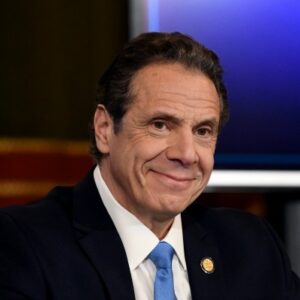
The COVID-19 pandemic has impacted the whole world, either directly, or indirectly. As a response to the pandemic, Governor Andrew Cuomo, has passed legislation that the states hope will help regulate COVID-19’s impact on the state. While guidelines for life during a pandemic are important, the broadness of certain rules has put many small businesses at risk of extinction. 443 social club
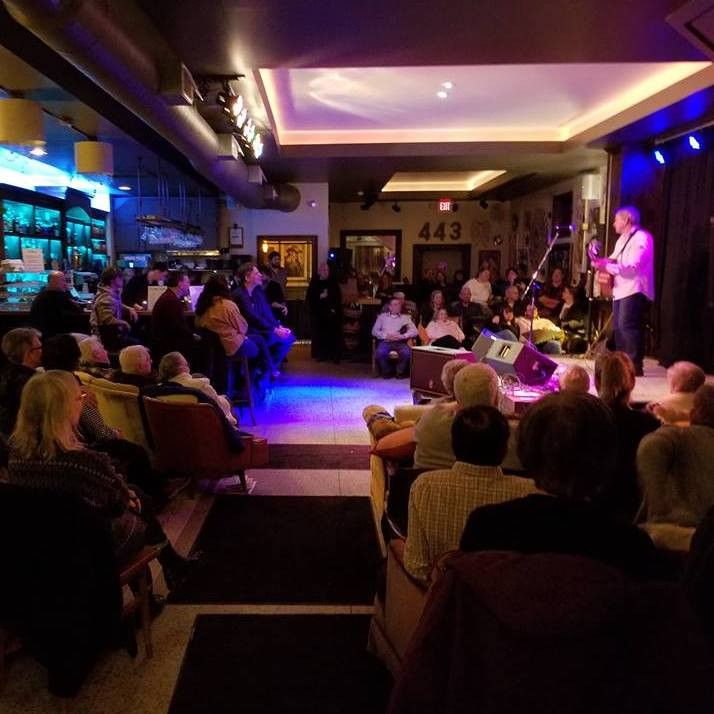
One of those venues, The 443 Social Club & Lounge in Syracuse is a place where those fond of live music can appreciate the ambience of a nice night out. A hub of live entertainment in their town, this restaurant seats 88 people but, as a result of the pandemic, it has operated with only 36-person capacity to meet state guidelines.
While the reduced customer base hurt business, it had allowed a mom-and-pop style business to stay afloat. That is until, a new wrinkle in New York state’s coronavirus guidelines for bars, restaurants and similar venues in New York state prohibits them from offering live music that customers pay for separately. The rule forced an immediate halt to The 443’s business. While they offer eatery, their main form of attraction is their live music.
Although we have all had to deal with the effects from COVID-19, actions like this towards small businesses still tug at the heart, knowing that hardworking individuals are in danger of losing their businesses, through no fault of their own.
The 443 Social Club & Lounge has chosen to take action, posting a letter to Governor Cuomo on their website that details, among other things, their compliance to COVID-19 rules, their determined attempts at keeping their business afloat, as well as the city’s mishandling of its small businesses. The letter is heartwarming and brings up questions, including ‘What was Governor Cuomo thinking with this new rule?’, and ‘How could they not have implemented any verbiage for small-capacity lounges?’ Let’s hope The 443 and other small businesses get an opportunity to get back on their feet, sooner rather than later.
Read below for The 443 Social Club & Lounge letter to Governor Cuomo, as originally posted on their website and socials.
Dear Mr. Cuomo –
I am a small business owner in Central New York. My husband and I operate an 88 seat cafe/bar that features listening room style acoustic performances. We had just celebrated our one year anniversary when COVID-19 hit.
When we closed our doors on March 15, I understood we would likely be shuttered for at least a few months. I understood we would be among the very last businesses allowed to reopen. There was a certain relief in letting go and accepting it, in understanding it was completely beyond my control. I had faith we would receive some kind of aid to help get us through, and for while we did.
I watched your daily press conferences religiously. With the vacuum in national leadership, I was grateful to be living in NY, grateful we had someone taking charge of the situation. Your no-nonsense, fact-based daily briefings were oddly comforting, even when NY’s numbers were high and the news you were sharing certainly wasn’t good.
Spring turned into summer and New York began it’s cautious, phased reopen.
We were busy reimagining our business so we’d be ready to go once CNY made it through the first few phases. We knew we would be facing an entirely new reality and there wasn’t a single aspect of our business that didn’t get retooled.
You can find the complete outline of what we did HERE.
We are classified as a restaurant, so we planned to reopen when indoor dining resumed in Phase 4. I checked with Empire State Development at the end of June to clarify the rules on live music. While we are classified as a restaurant, music is definitely our main focus. I was told it was allowed as “small scale entertainment”.
Well, it doesn’t get much smaller scale than our place, especially since we were going to be operating at about 40% capacity – just 36 people. We waited another month just to be sure numbers didn’t spike with everyone moving around again before we started planning a very limited schedule.
And then things got weird.
You declared food must be ordered by anyone who wanted an alcoholic beverage. The intention was to keep people seated, I get that, but keeping people seated was not an issue at our place to begin with. Our guests were anxious to comply with the rules, but not always hungry when they arrived. So, sometimes they placed to-go orders to eat later, which didn’t really accomplish anything. It disrupted the natural rhythm of service, where guests used to relax and enjoy their first drink before ordering, and worst of all, it meant the entire room ordered their food at exactly the same time. It was a logistical nightmare for our tiny food prep area and I had to schedule another person to help at a time when we could least afford it.
But, we were settling into a groove and figuring it all out. We planned to take advantage of the last 6 weeks of good weather and outdoor shows when you dropped the hammer.
On August 18 I learned about the new SLA rules prohibiting us from advertising or charging a fee for live music. I read it, then reread it, incredulous.
Prior to COVID, almost all our shows had a fee associated with them. It’s the only way the business model works financially in a small room and it’s important to us that everyone is paid fairly. With drastically reduced capacity, cover charges and tickets are more important than ever. We thought more venues charging for live music was one of the few bright spots in this whole mess…it’s healthy for our music scene to put a financial value back into the experience. And obviously, tickets are the best way to control a crowd.
The ban on advertising music is astonishingly cruel. We are all doing our level best to make our limited capacity work and now you’re telling us we cannot advertise to fill the few seats we do have? Are we are supposed to just open our doors and hope for the best?
We closed our doors again, wasting thousands of dollars we spent to reopen.
Governor Cuomo, we are DROWNING.
We are frantically treading water to keep our noses above the surface until (hopefully) some federal aid comes through. You looked at us, and instead of throwing us a life preserver you handed us a cinder block and told us to keep treading water.
The last 6 weeks of warm weather might have sustained our businesses for a bit longer, but the new guidelines have taken away even that flimsy lifeline.
In your August 9 press conference, the very last question was about bringing back live entertainment and Broadway. You said there were no plans to reopen “Broadway and other indoor, high-density arenas”.
And this is the main point of my letter.
“Live Entertainment” is far more than Broadway and far more than “high-density arenas”…and literally nobody is suggesting we open those things right now.
It is small rooms like mine that don’t even come near the 50 person gathering limit.
It is wineries and breweries who have acres of wide-open space to spread out their guests.
It is the venues who cut their capacity down to almost nothing and are doing a hybrid of a small live performance + paid live stream.
It is the rooms that moved all their events to their parking lot or back yard.
It’s different for everyone, but tickets and advertising are fundamentally necessary whether we are trying to fill 20 seats, 200 seats, or 2000.
And yes, live entertainment is also crowded rooms and mosh pits and huge amphitheaters packed full of people. We aren’t asking for that. Nobody is asking for that. We are asking you to allow hundreds of small businesses across New York State to be allowed to reopen and run their venues with all reasonable precautions in place. We have spent thousands of dollars to adapt to do it as safely as possible because we understand and respect how serious COVID-19 is.
But you know what else is serious?
Losing a business we’ve invested our life savings into. Putting our staff out of work. Our city losing one of its few dedicated music venues. Musicians losing a place to ply their craft. Our community of music lovers losing their gathering place.
You have told us we have 99.2% compliance with bars and restaurants right now. Why are the 99.2% paying such a steep price for the non-compliant .8%?
We have waited patiently throughout this whole saga and watched every other industry open up without any corresponding spikes in cases. For the most part, we haven’t even been part of the conversation. But time is running out. Many of us will be closing our doors for good in the next few weeks.
We are about to become collateral damage in the war on COVID-19, and Governor Cuomo – I know this is not your intention.
I know you have a lot going on and “live music” probably sounds like a hobby people are supposed to give up once they get out of college. WE ARE MORE THAN THAT. We are musicians, venue owners, sound and light techs, production, security, hospitality. We are savvy, smart, creative, and ridiculously hardworking. We feed other businesses like hotels, restaurants, and shops, plus our everyday vendors – trash, payroll, insurance, linen service, food, and liquor. We are the first ones to donate and support fundraisers for our neighbors in need. We are a port in the storm where you can forget about all that’s wrong in the world, if only for a few hours.
We are respectfully asking for the chance to try and salvage our businesses before it’s too late.
The Low Beat, located on Central Avenue in Albany, has permanently closed. This marks the first music venue in the Capital District to officially not reopen due to the economic shutdown caused by COVID-19, and no relief coming from Congress.
Having opened in 2014, The Low Beat was a relocation of sorts for Valentine’s, which closed in February 2014 due to expansion of Albany Medical Center. Owner Howard Glassman oversaw both venues, both of which played host to waves of jam, punk, hardcore and indie artists who passed through the Capital Region, with live music nearly every night of the year.
photo by Sarah Winner
At Valentine’s in the 1990s, bands like moe., Ominous Seapods and more built followings that last to this day. Wednesday nights with The Deadbeats were infamous among local Grateful Dead aficionados, and those nights continued at The Low Beat with bands like Ampevene, Glass Pony and others gracing the ‘No Pepper Games’ stage.
Glassman said opening up a new venue in the wake of the closing of Valentine’s,
It’s gonna be a little different, only because it’s going to be our bar. It’s going to be our building. We can do whatever we want and not have to worry about getting kicked out. This is what I do, so this will be around as long as I’m around. I think people need to feel like they have their place. Think about all the bars that have closed. CBGB’s, Maxwell’s, think about when the Palais Royale was still open. It’s not the same (as Valentine’s) but it’s not the same for different reasons. But once we open up, hopefully the first Wednesday when The Deadbeats play, and people come in and they’re like “Ah there’s Grumpy and there’s Chris,’ and they settle in, and I think when their ass makes an indentation in the seat, they’ll be cool and say ‘Alright. This is where we’re gonna hang for the next 20 years.’ I think it’s the vibe. It’s totally a vibe thing.
March 9 was the final night of music at The Low Beat, which saw The Deadbeats perform ahead of the COVID-19 pandemic sweeping through the country and closing music venues, shopping malls, bowling alleys and other communal places of leisure.
This past weekend Glassman opened the doors to The Low Beat and invited people to come down to the venue and pick up anything they wanted before the doors were permanently closed. All Glassman asked in return was a little money to help pay off his final bills, as reported by the Times Union.
Starting Monday, September 14 from 9am-5pm, stop in and get what is left of the venue’s memorabilia, just be sure to bring your own screwdriver, boxes and cash.
When asked for his final thoughts on The Low Beat, Glassman simply said “It was never EVER boring.”
When COVID-19 hit New York City in March, the music, as Jim Morrison crooned, was over. But one place it never stopped was at Soapbox Gallery, one of Brooklyn’s most unique and eclectic performance venues.
Soapbox Gallery is not the brainchild of a veteran promoter, profit-seeking barkeep or musician, but a music-loving sculptor with a true D.I.Y. spirit, Jimmy Greenfield.
A native of Poughkeepsie, Greenfield moved to NYC’s SoHo in the mid-1970s to pursue a career in art. While there, he drank in and was inspired by the loft jazz scene percolating at homey little venues like Sam Rivers’ Studio Rivbea. Like many visual artists, Greenfield became friendly and collaborated with the adventurous musos on that scene. And like many a SoHo artist, he was eventually priced out of the tony neighborhood and helped pioneer a new scene with a move to Brooklyn in the early 1980s.
Greenfield came to the street-level space at 636 Dean Street that would become Soapbox in 1996. He utilized it for years as his sculpture studio, with the street frontage being dedicated to installations by visual artists he loved.
“The gallery was inspired by the idea of a soapbox, the humble stage that one stands upon to deliver a message, a narrative story, that can start a movement that can perhaps change the world,” says Greenfield. “It functioned that way for our art shows and, since 2014, with our escalating program of musical events.”
Music became a part of Soapbox Gallery in 2014, when Greenfield made his venue the home to periodic shows by critically acclaimed Brooklyn Raga Massive, a collective of world class musicians dedicated to furthering the understanding of Indian classical and Raga forms. Within a couple of years, Greenfield decided to move his sculpture studio to another location and, over time, convert Soapbox into a full-time performance space.
“The idea was to create an intimate space, a sanctuary that was almost like a mini-concert hall,” adds Greenfield. “I wanted the best sound and atmosphere, so we completely renovated the space, with soundproofing, a dropped ceiling with acoustic tile, high-end sound mitigation and amplification. We wanted the room to be a draw, the perfect acoustic environment that would attract the very best musicians.”
It was serendipitous that Greenfield tapped his neighbor, filmmaker Dave Power, and his brother, the sound-painting saxophonist Hayes Greenfield, for advice on cameras and sound, and to execute all the physical labor.
“Our intention was to create not only a world-class performance space of intimate size, but a top-of-the-line production center as well,” adds Greenfield. “We designed where the camera drops would be, where the computers and controls would be, even a system to move the sound around the space and the stereo spectrum, all anticipating the era of streaming. So we were ready for what has, unfortunately, become the performance model of today.”
Another thing Jimmy did to attract a top-flight coterie of performers was purchase the world-class piano, the lightly used Yamaha C7 that is the physical centerpiece of the space.
“My friend Ludwig found that for us, a 1998 Yamaha Grand that was barely used,” continues Greenfield. “It was another stroke of good luck in the collective, all D.I.Y. effort to build this space and scene.”
The scene started to gain critical mass in 2019 with Soapbox Gallery’s weekly Piano Hangs, organized with David Berkman, noted pianist, author and director of the Jazz Department at Queens College.
“Every Saturday, we would invite four to five pianists to perform and discuss their work,” adds Greenfield. “The series attracted high-caliber talent from the worlds of jazz, classical and beyond, like Fred Hersh, Chano Dominguez and Bruce Barth.”
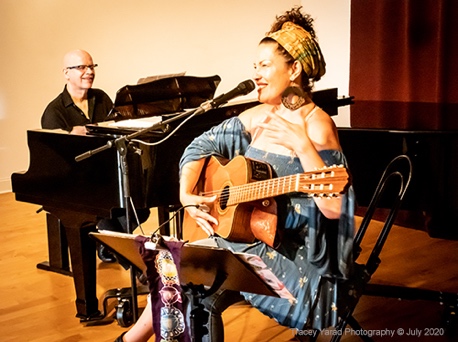
Into 2020, Soapbox Gallery continued to expand its palate of performances. Greenfield added small groups like jazz trios, classical quartets, a virtual fest with the New England Conservatory Jazz Lab, and solo performances by notables like electro-jazzer Adam Neely, looping violinist and vocalist Natie, singer/songwriter Tracey Yarad and many more.
One mainstay of the space has been Jimmy’s renowned musician-brother Hayes Greenfield and his Immersive Surround Sound Experience. Here, Hayes employs his saxophone, flute, kalimba, harmonica, voice and a plethora of delays, synths, effects pedals and loopers to create meditative sound environments reminiscent of Brian Eno’s ambient works. With the assistance of Hayes’ sponsor, Eventide, Soapbox Gallery has been outfitted with a system that produces true 3D sound that can be moved around the space and within the heads of stream listeners.
When COVID-19 closed down NYC’s live performance venues in mid-March, Jimmy and Hayes were quick to provide a sonic salve for the quarantined masses, in New York and wherever there was a broadband connection.
For weeks after the shutdown, Hayes performed his Sound Meditations nearly every day at 3 pm from the Soapbox Gallery, more than 30 total events and counting. As soon as WNYC’s Greene Space began streaming in early April, Soapbox Gallery began programming more events, from its space and the homes of some of its coterie of musicians.
Since May, Soapbox Gallery has been presenting live-stream performances six days a week from Greenfield’s former sculpture studio. Its state-of-the-art, three-camera system provides a great view of the action, and video overlays are increasingly a part of the performance equation, providing a unique multimedia experience.
One notable upcoming event that will make the most of the technology is Soapbox’s three-day Sonic-Vision Looping Festival, August 26– 28. The event will include adventurous performances by noted percussionist Will Calhoun (Living Colour, Pharoah Saunders), Hayes Greenfield and the ambient guitar duo, Guitars A Go Go, who will perform their hypnotic improvisations to fractal videos.
Also not to missed are the latest installments of its on-going “Couples in Harmony” series, curated and hosted by Tracey Yarad, which presents real-life couples in performance, often for their first artistic collaborations. On Sunday, August 16, Soapbox Gallery will feature jazz vocalist and bassist Teri Roiger and John Menegon; on August 23, singers/songwriters Lisa St. Lou and Tor Hyams.
It is now July 2020, the fifth month with minimal, if any, live music performances throughout New York State, let alone the country. Our venues are not yet open, but as the threat of COVID-19 decreases, parts of New York will enter Phase 4 and beyond, with the hope that live music will return, even if gradually.
While we may be stream weary, the prospect of live music is a motivator for many, and staying safe is the key given that New York and much of the Northeast are faring better than other areas of the country.
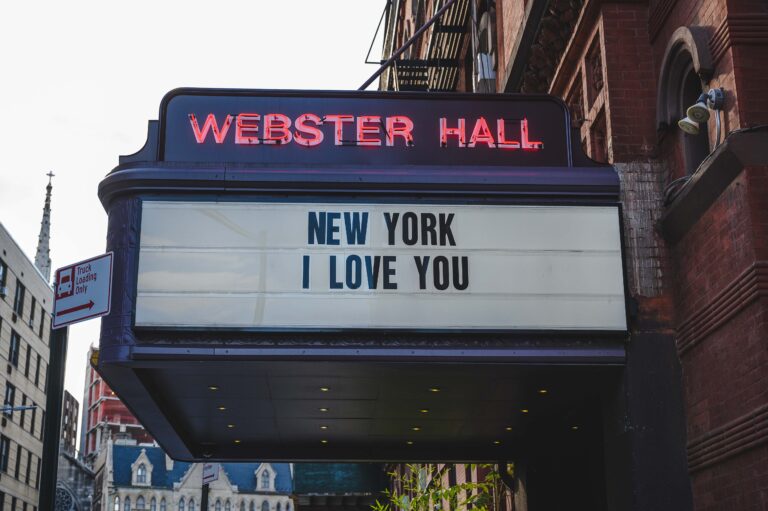
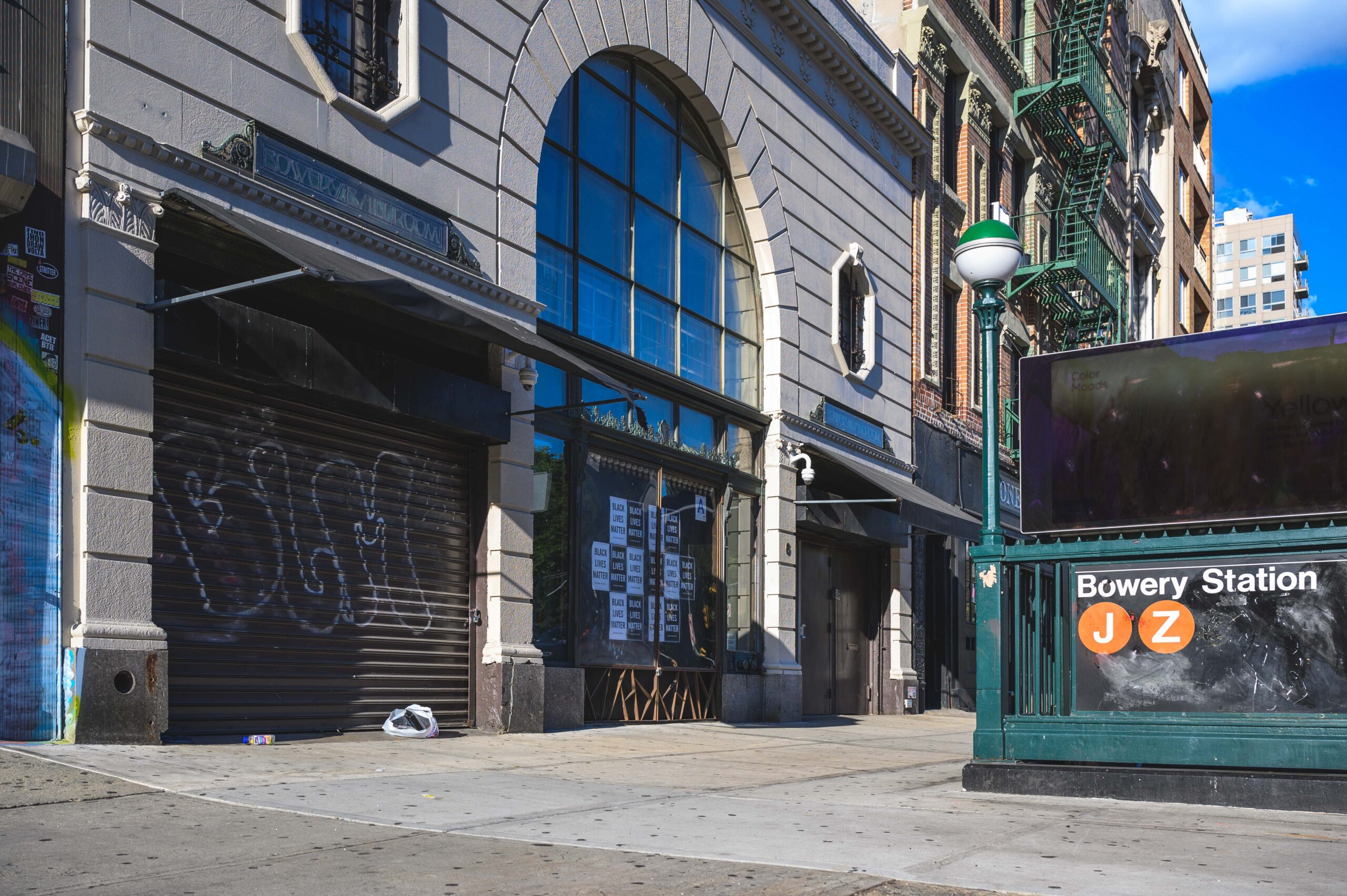
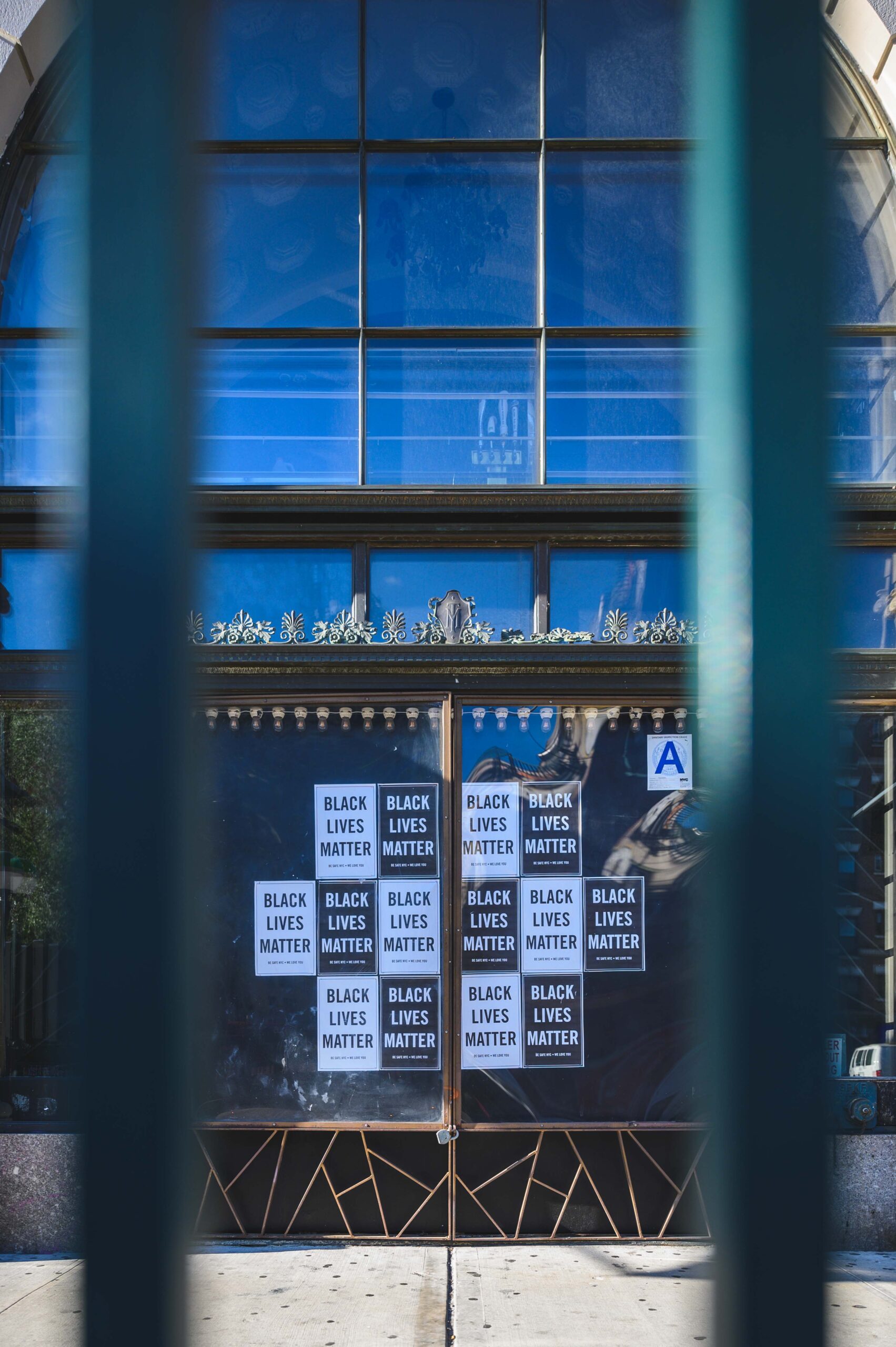
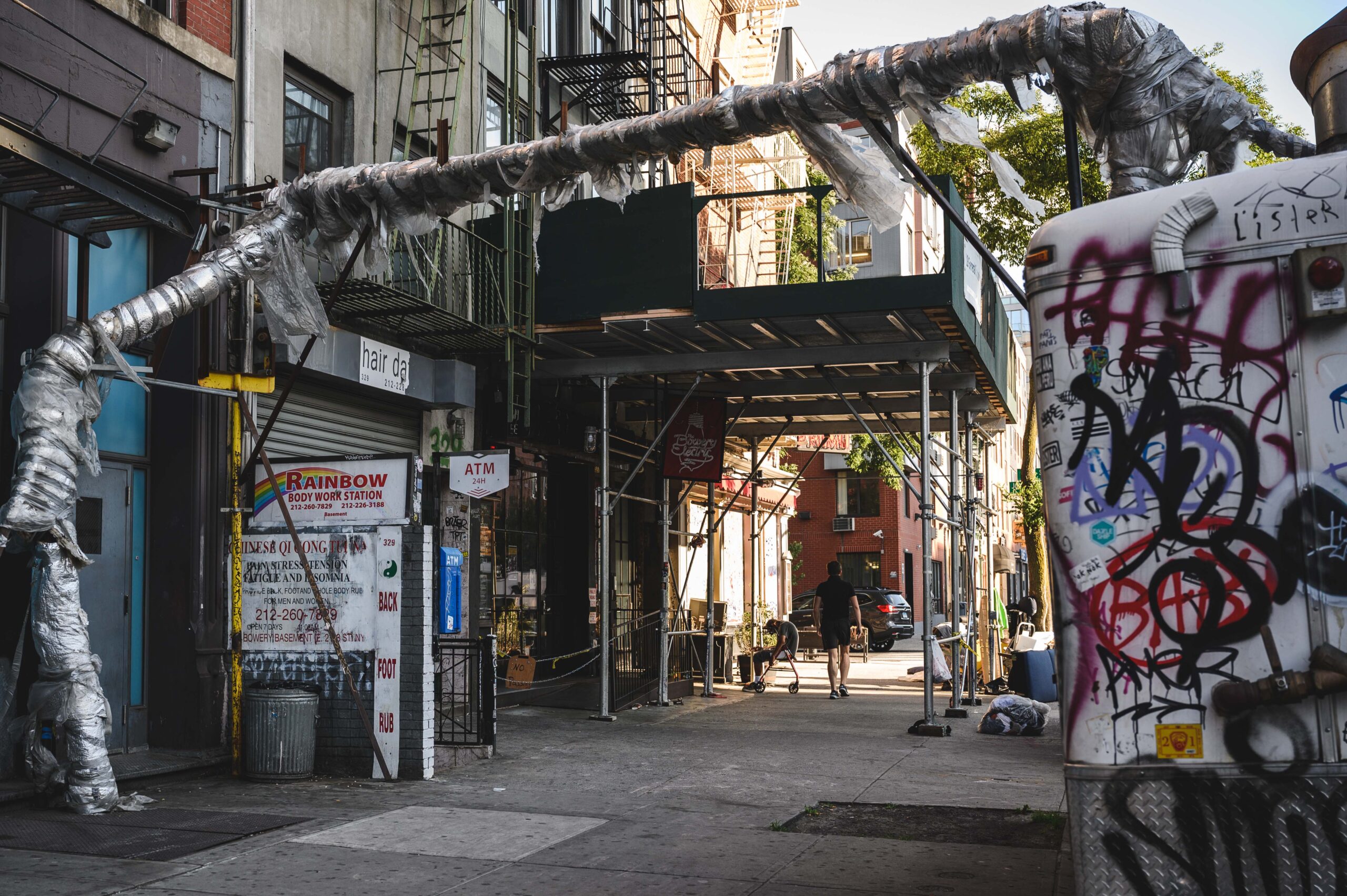
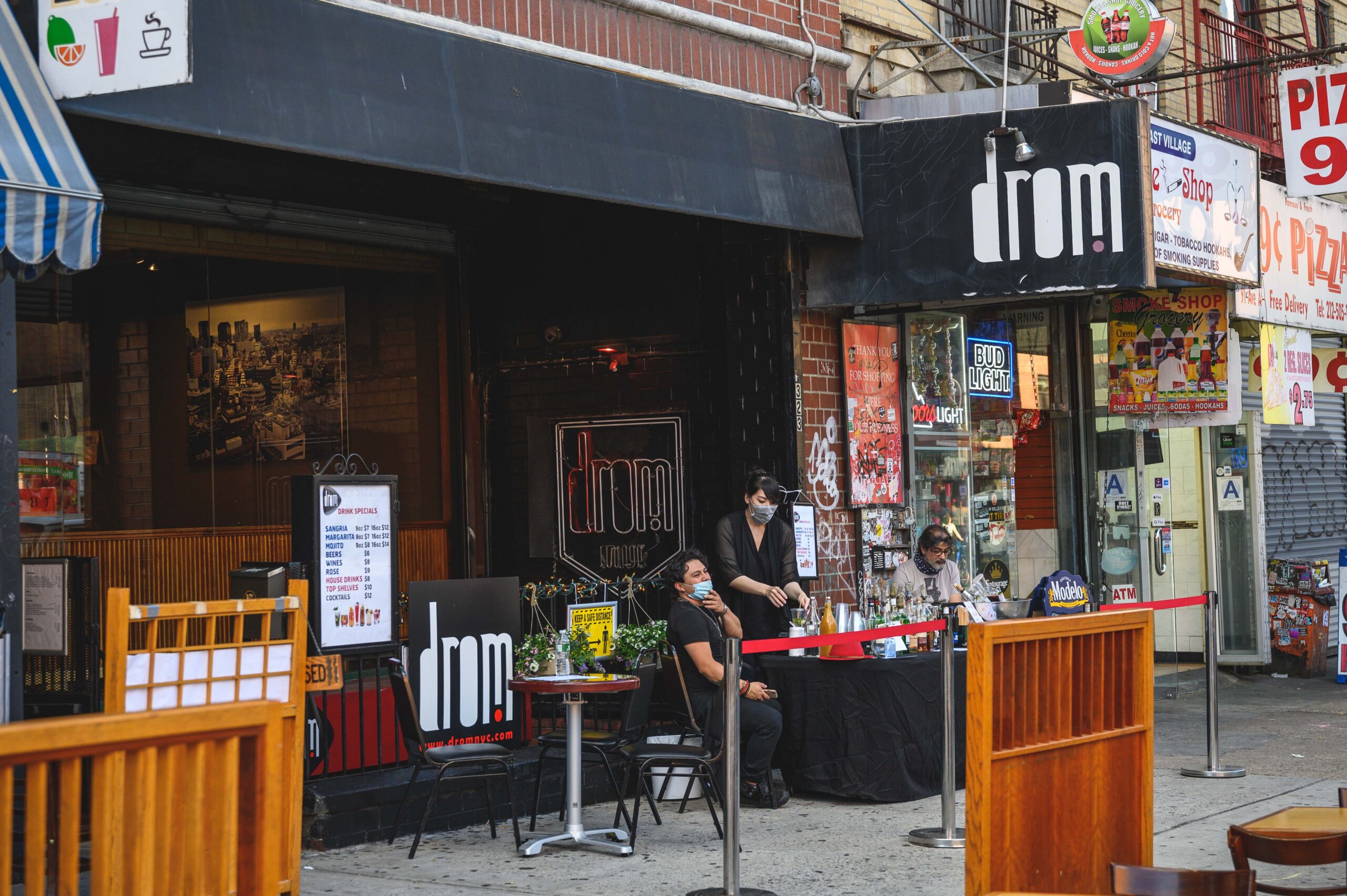
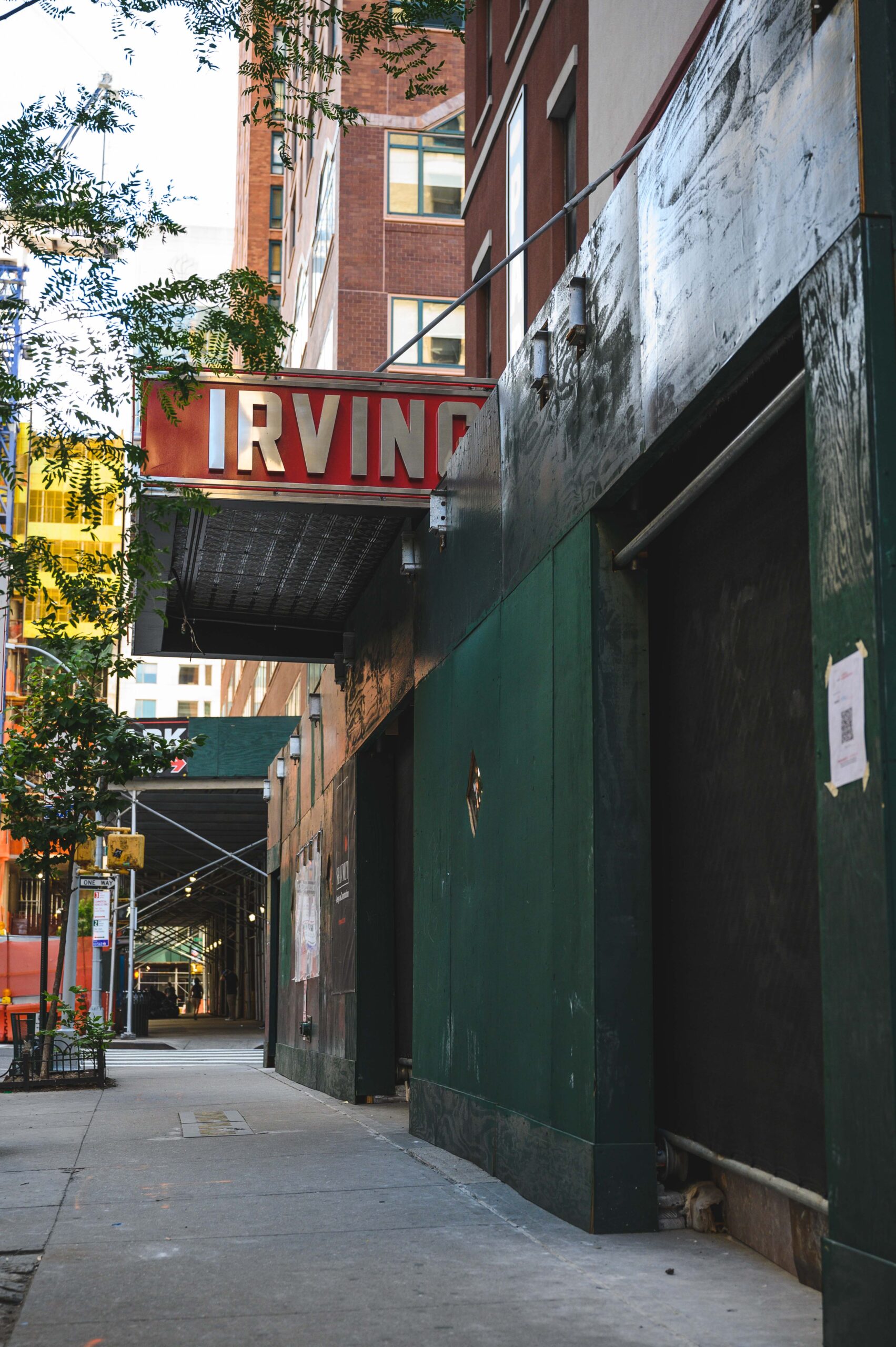
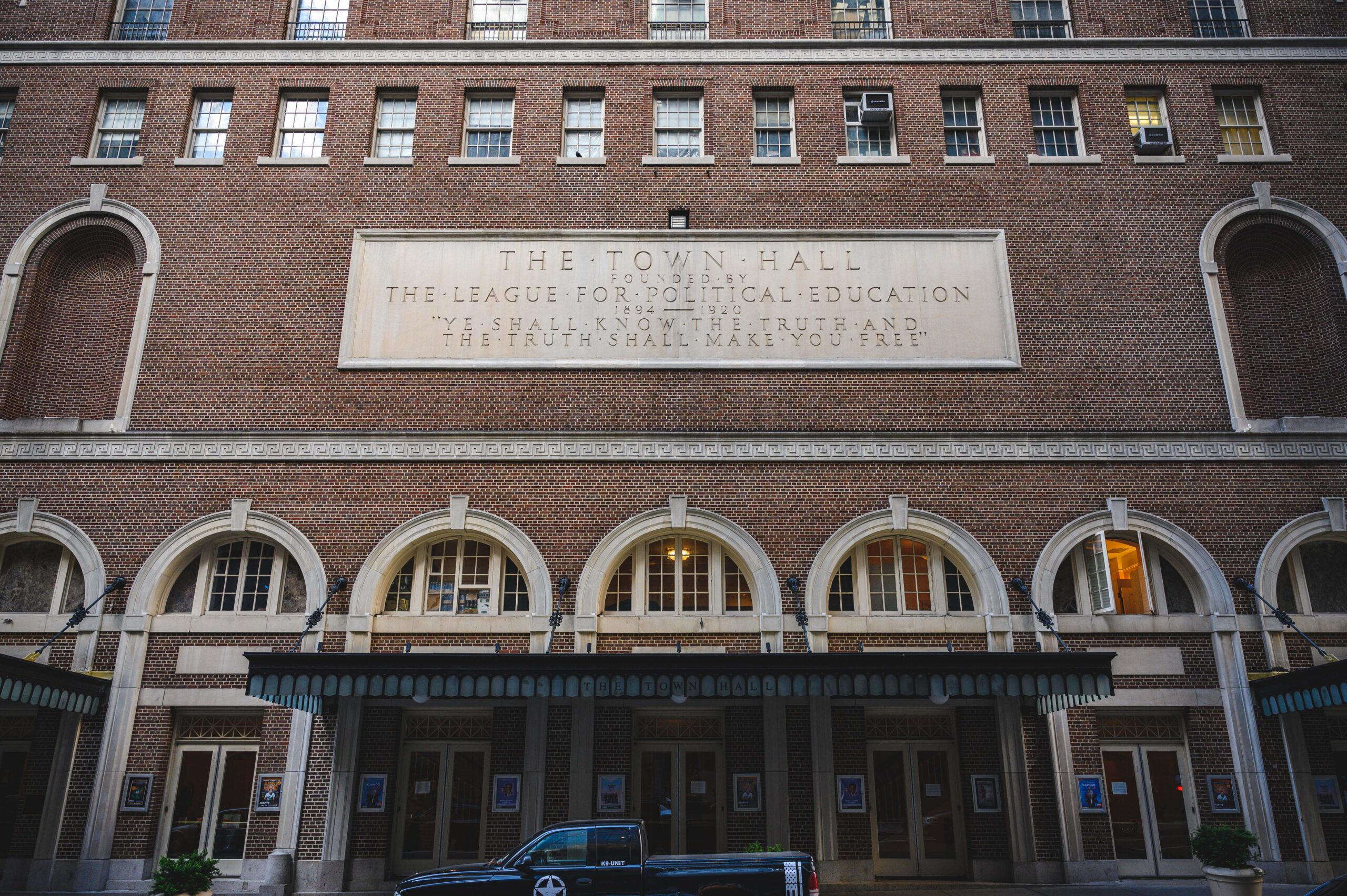
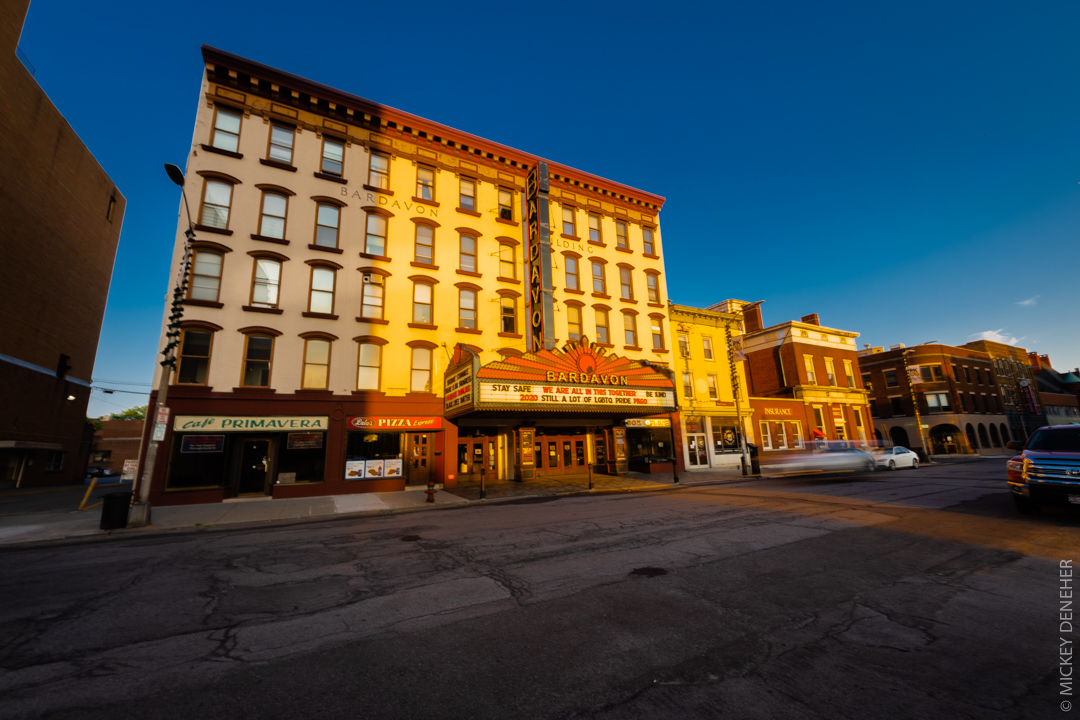
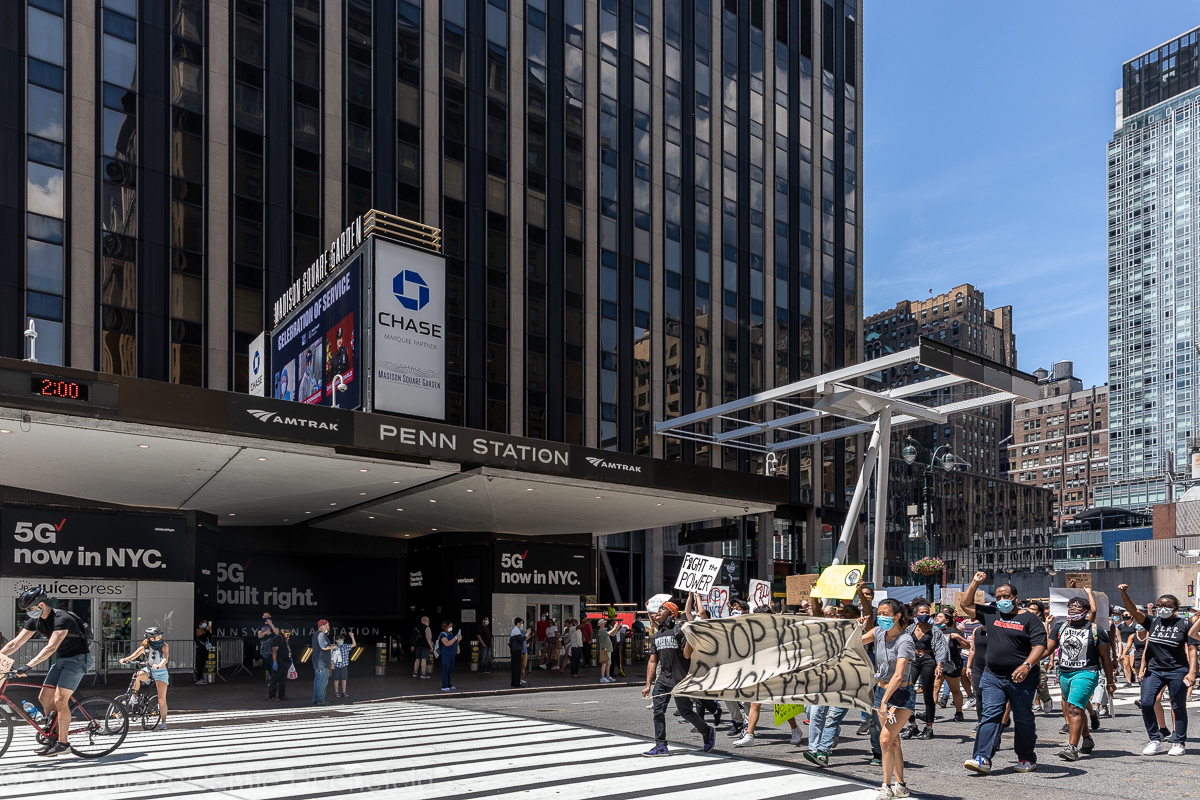
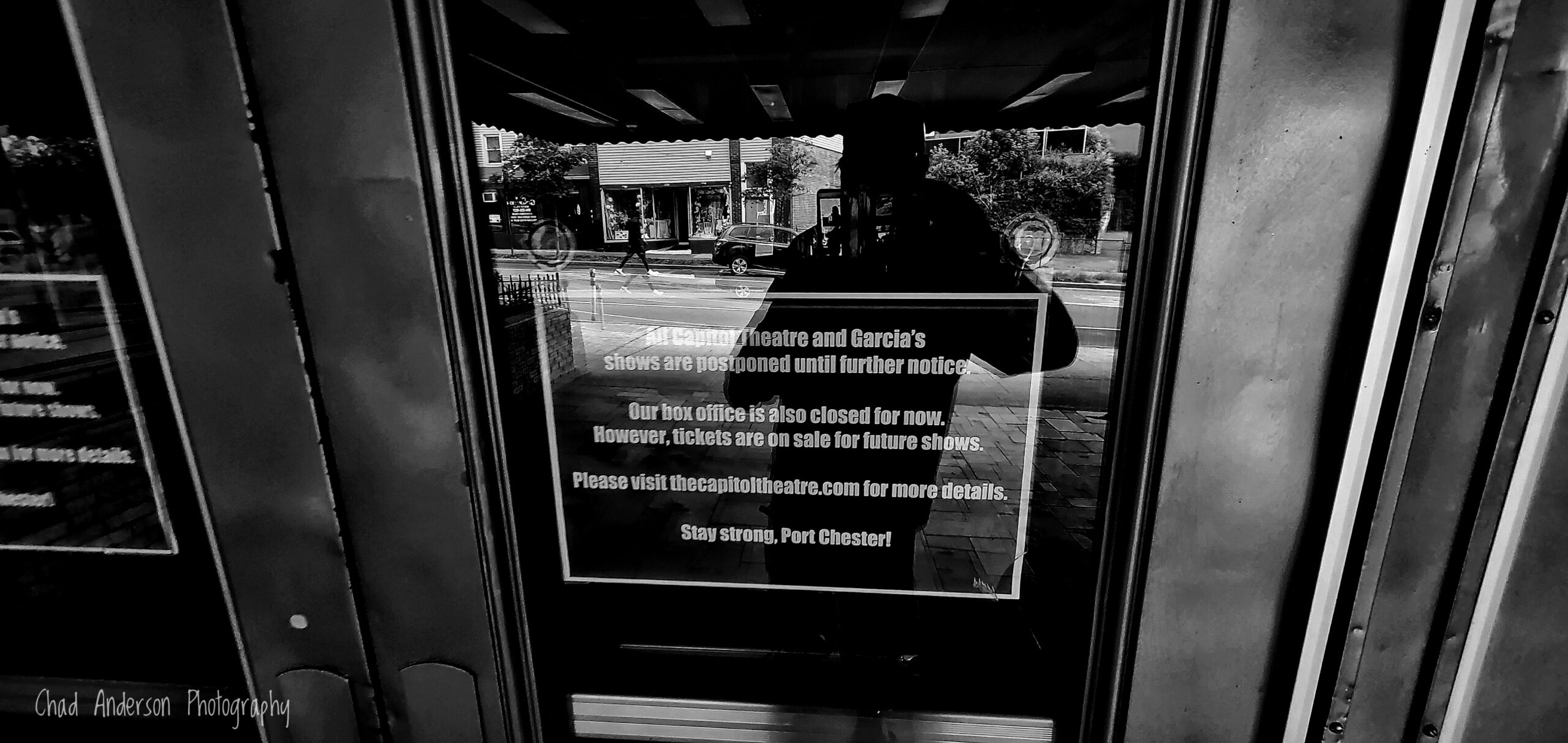
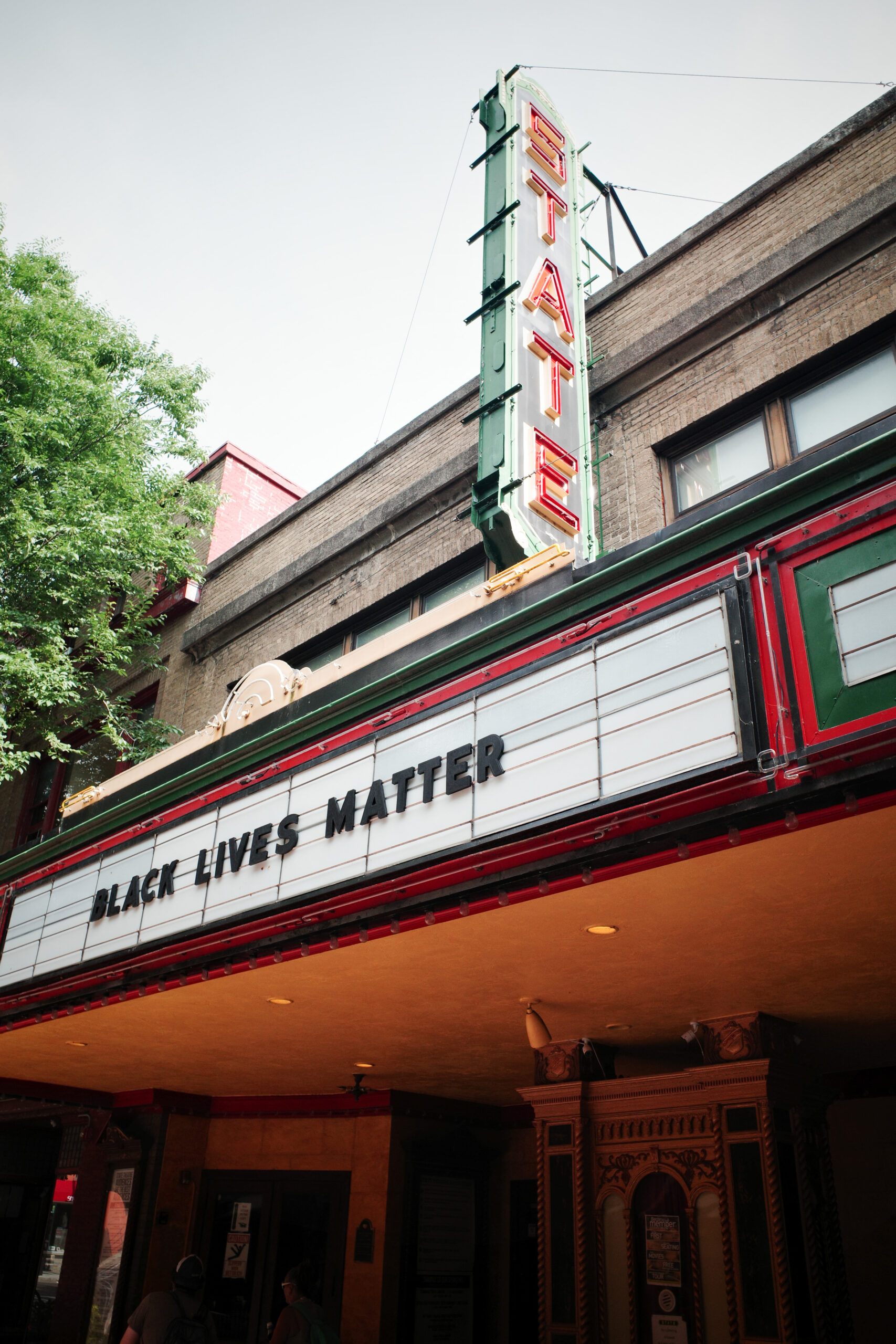
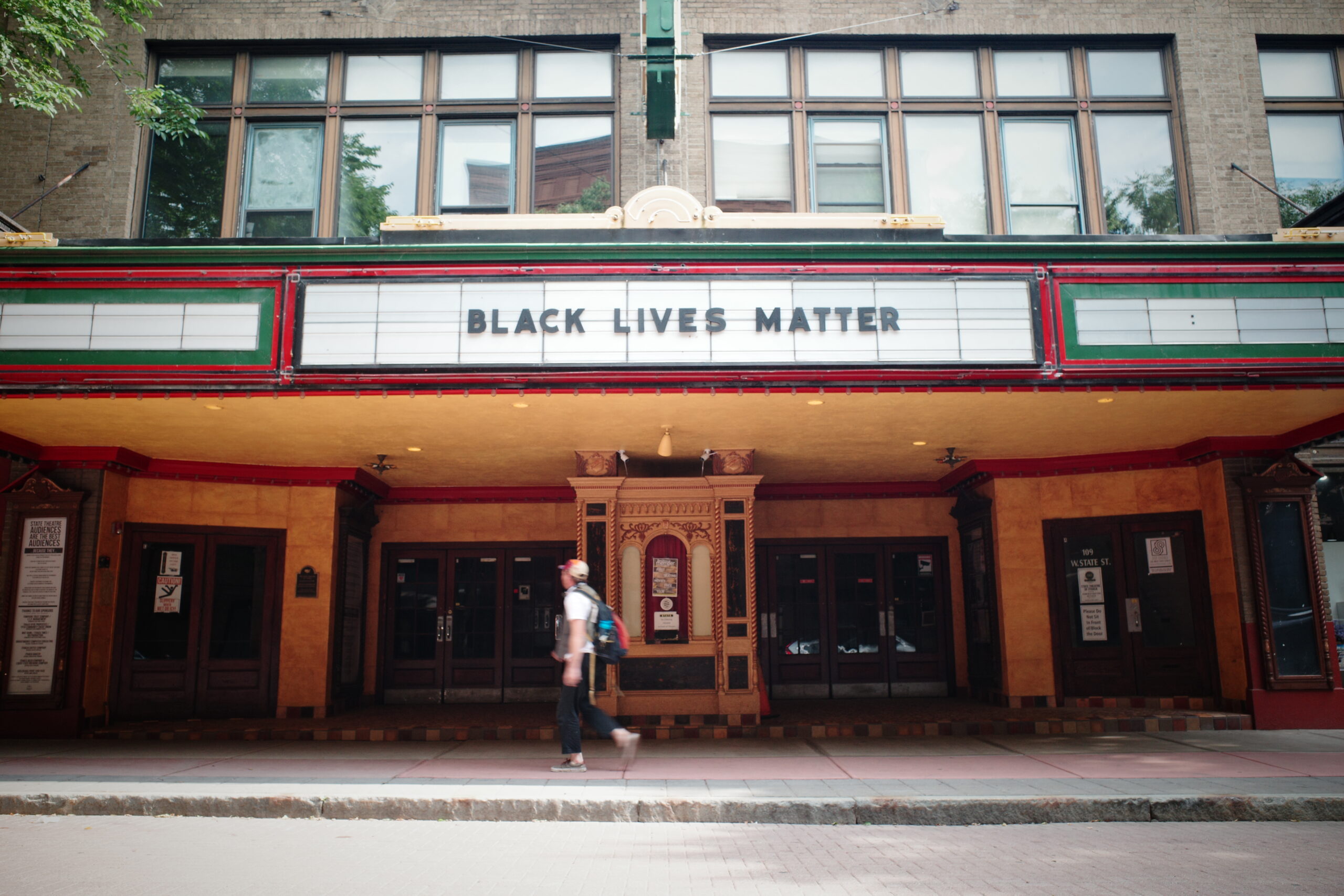
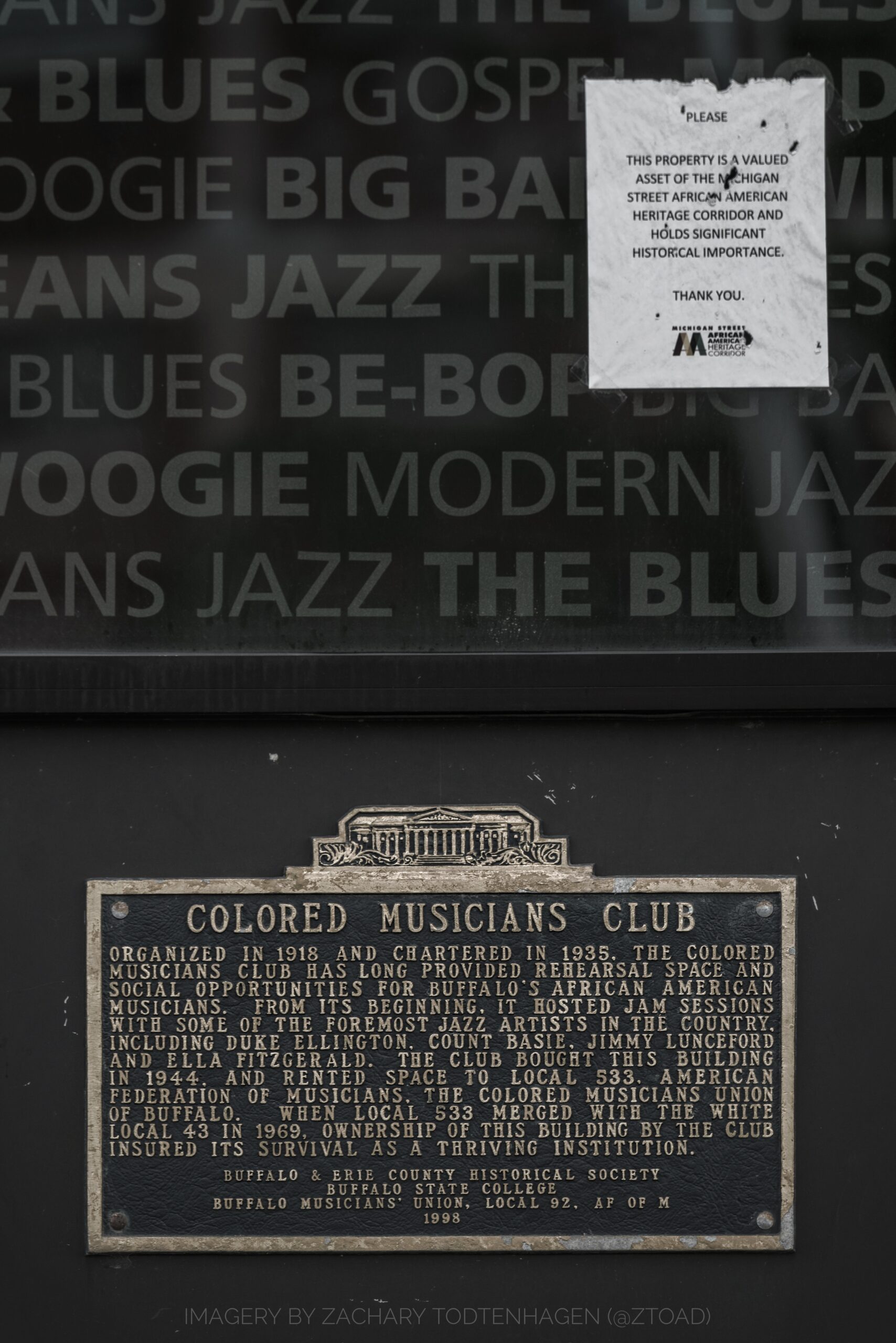
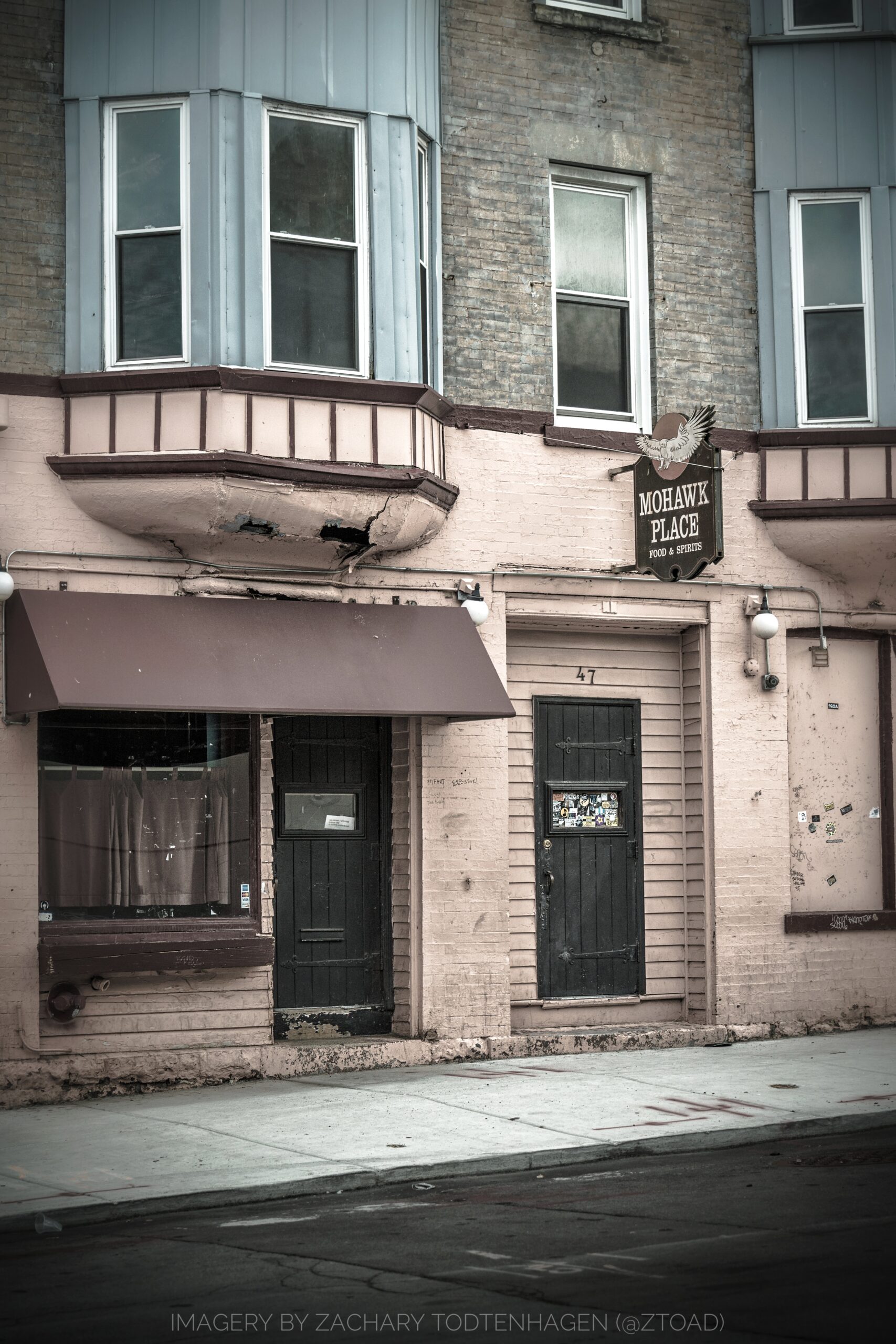
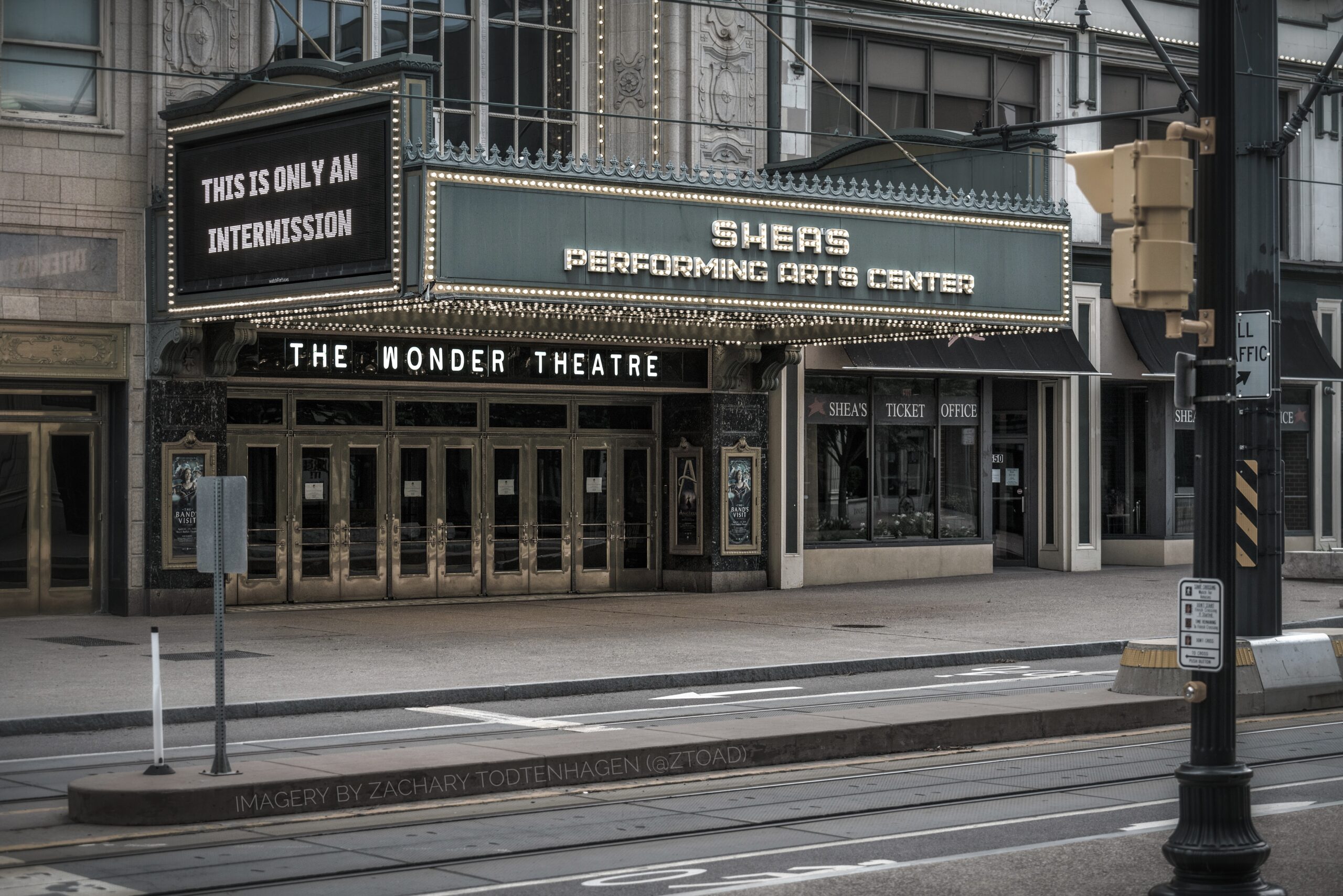
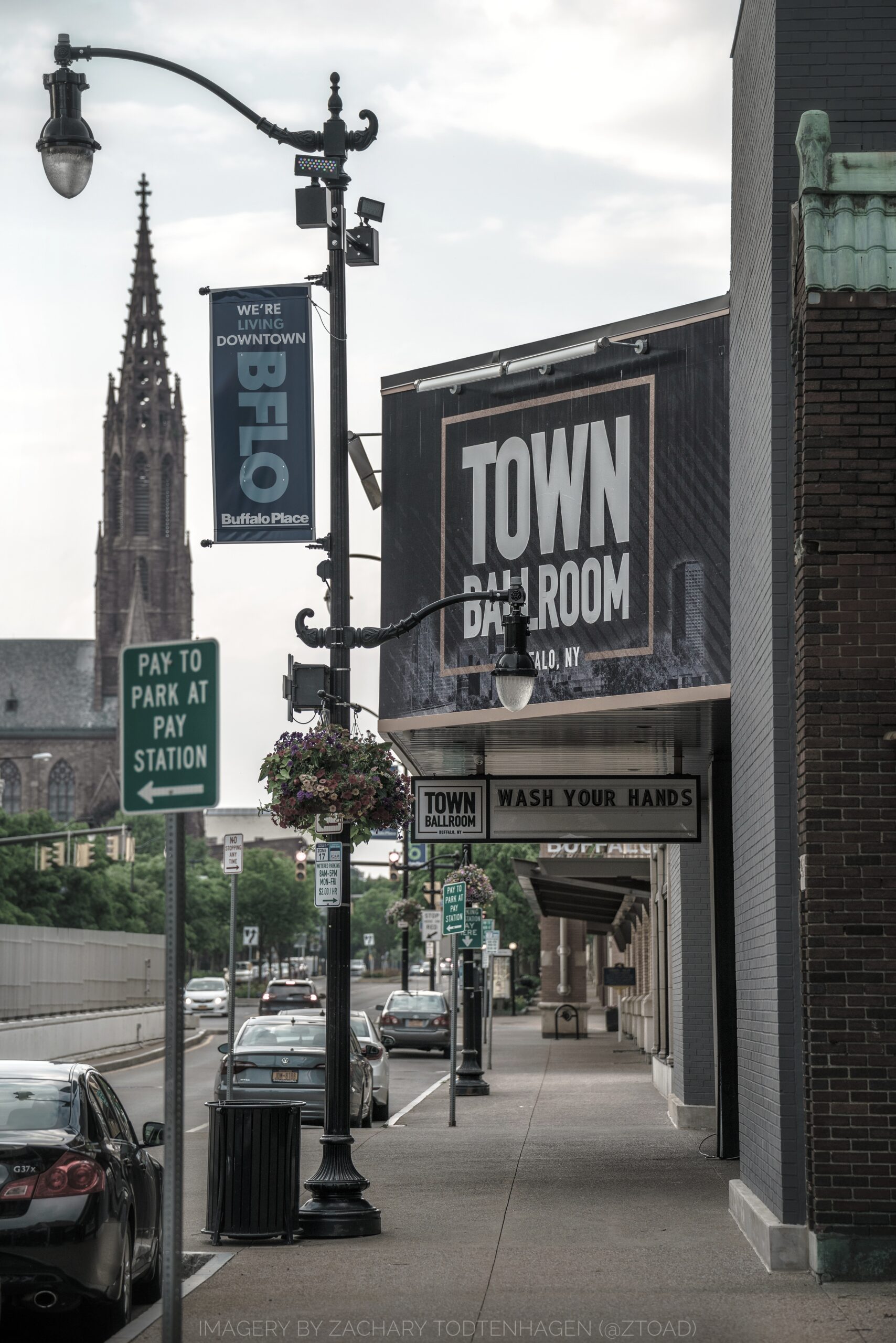
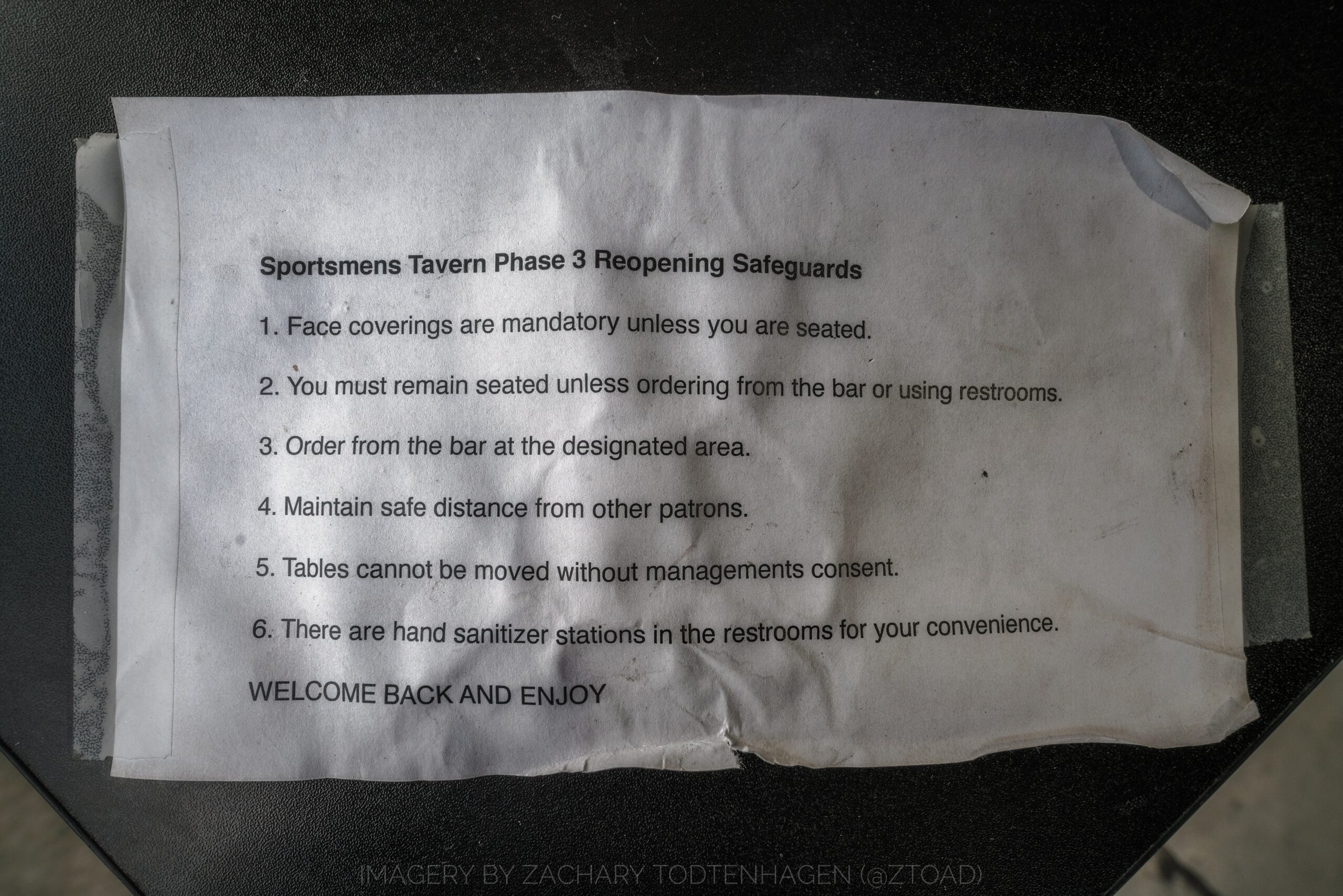
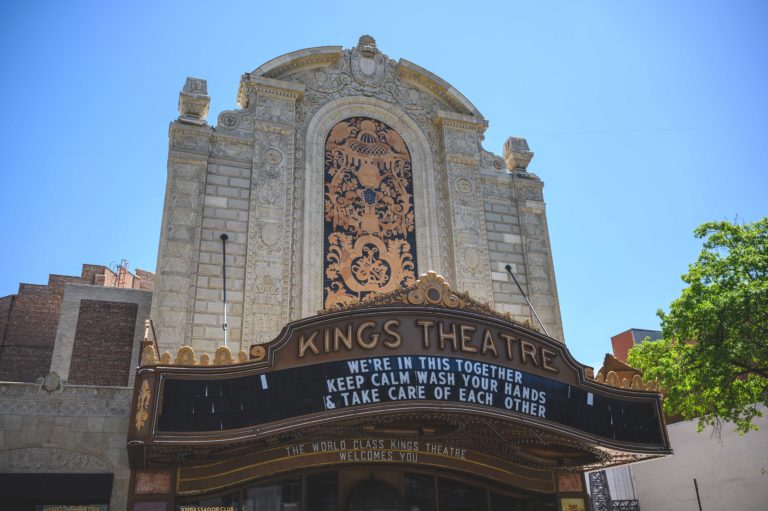
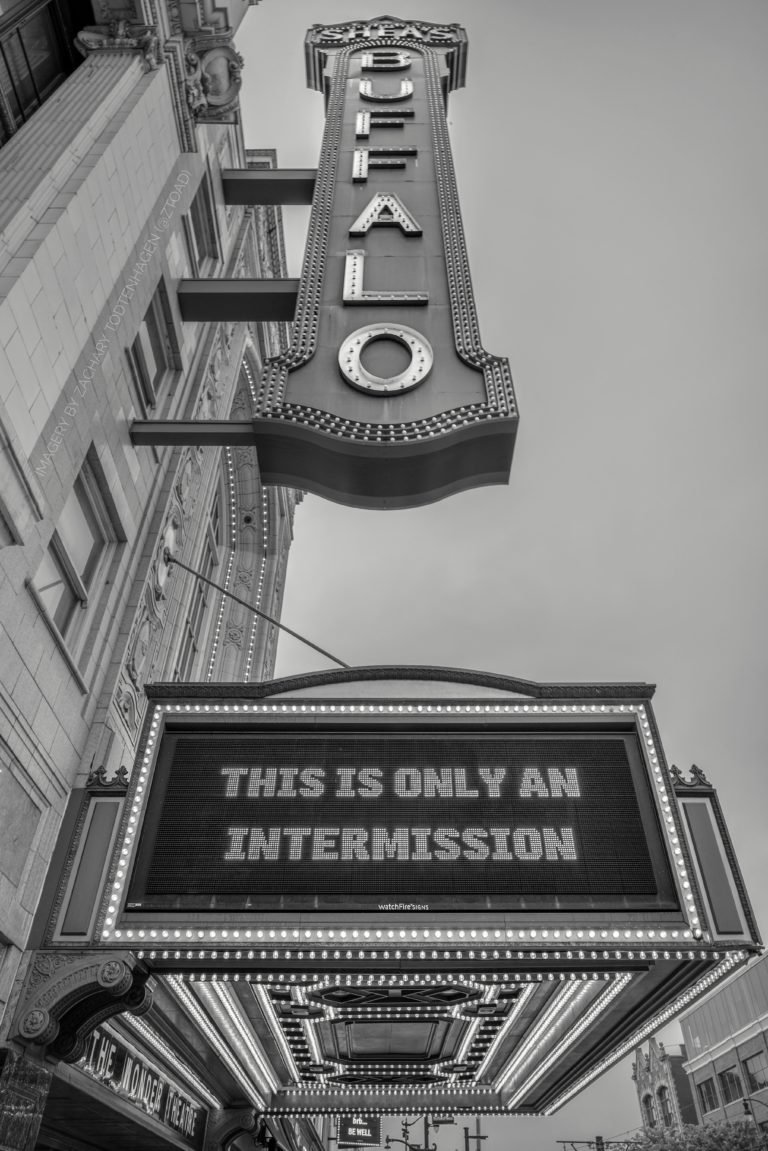
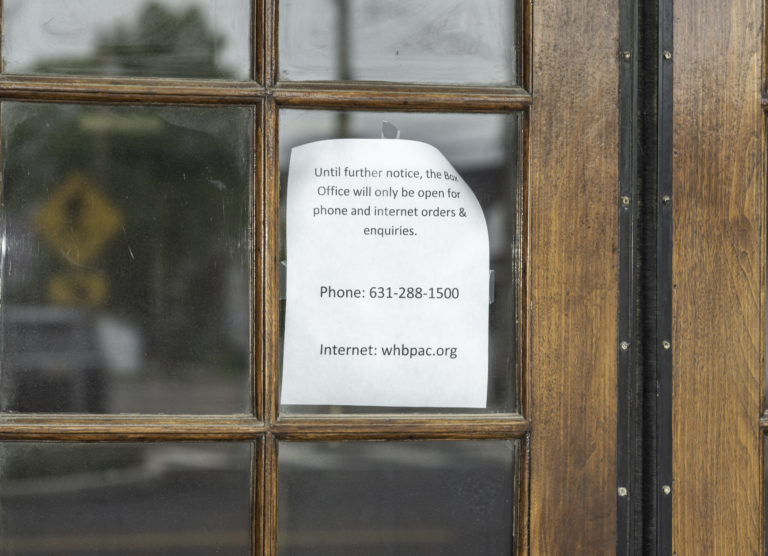
From viewing these photos taken during mid-late June, we can see the presence of the Black Lives Matter protests that spanned all 50 states. In all corners of New York there were protests, particularly in New York, protests that continue to push for defunding of the NYPD.
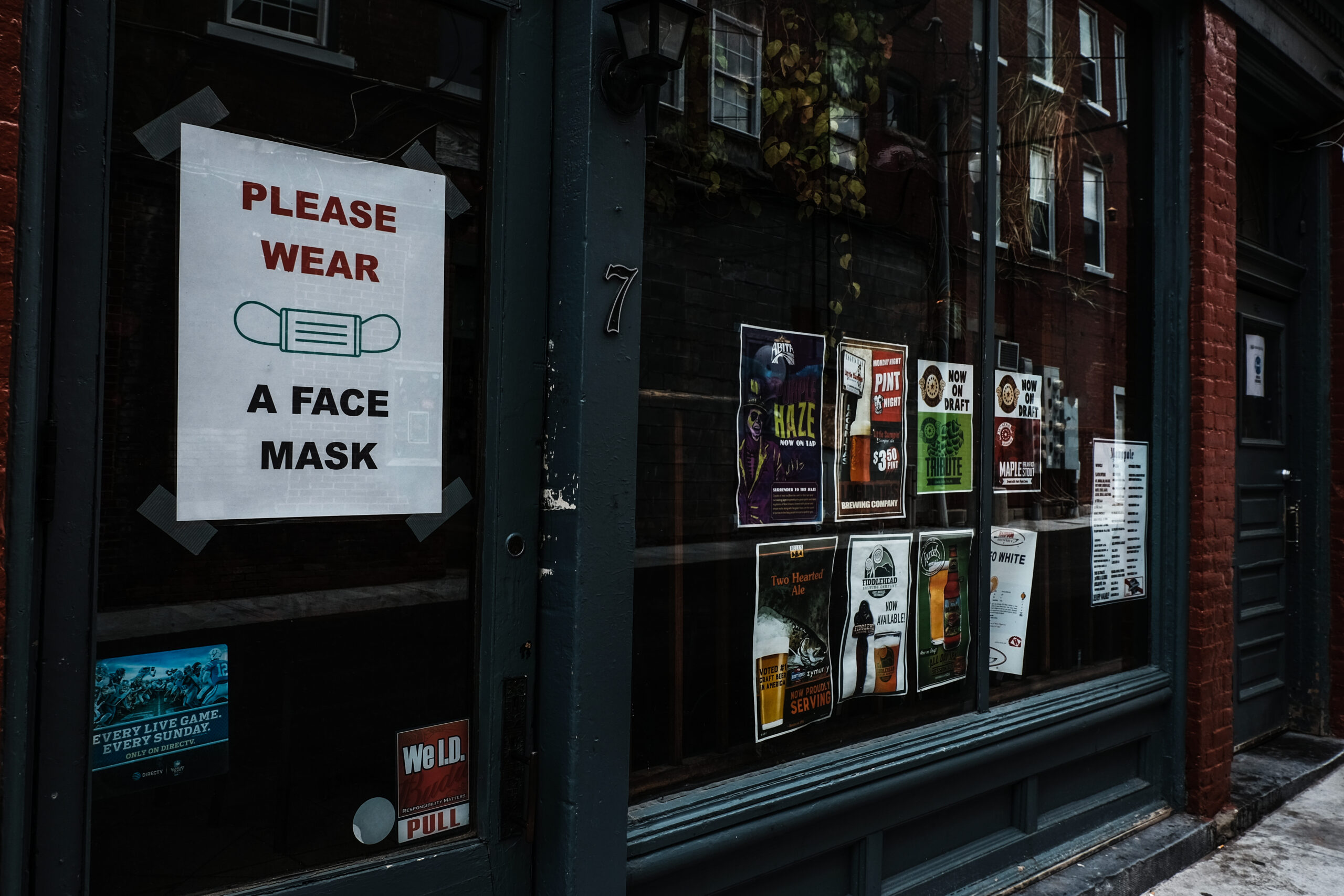
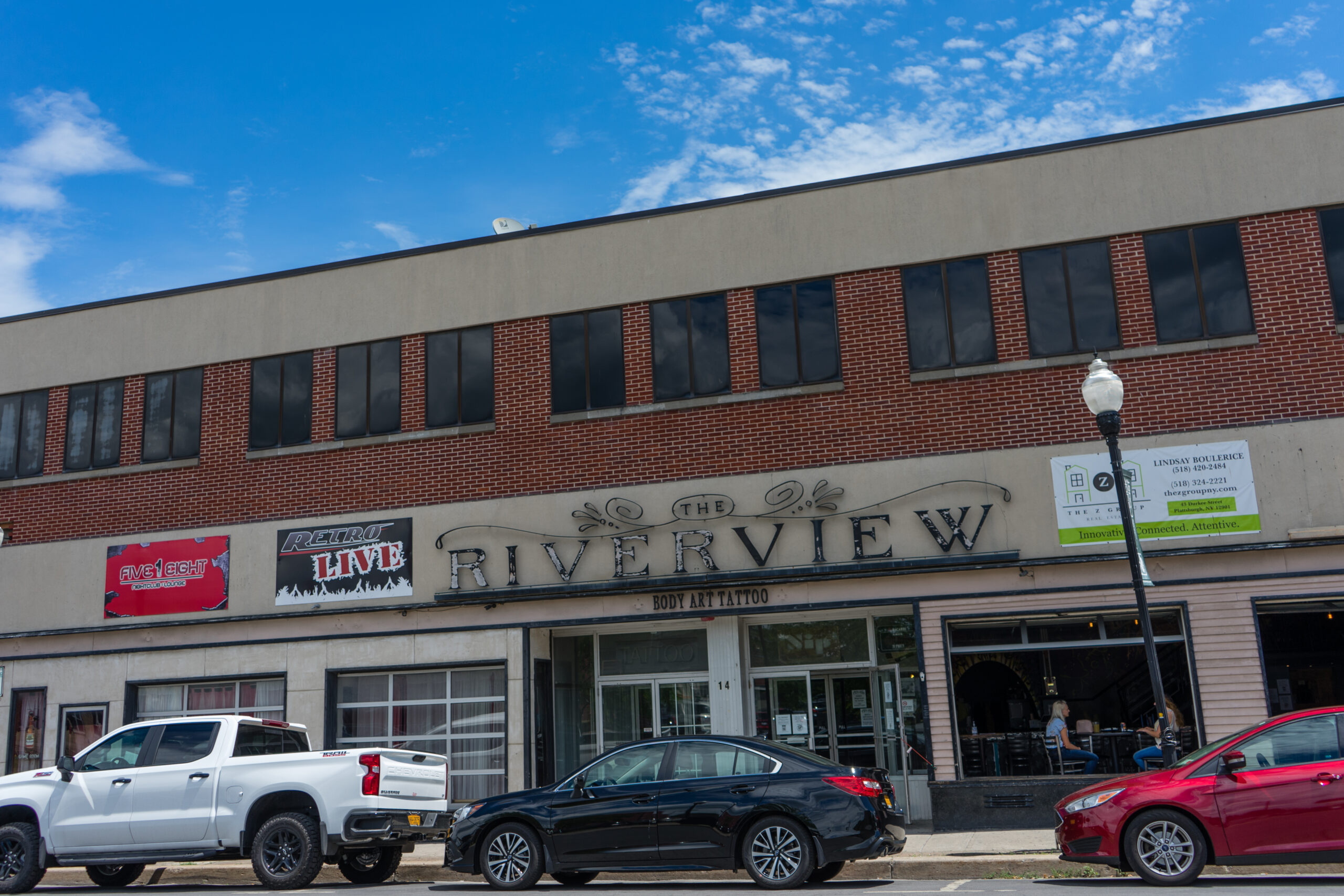
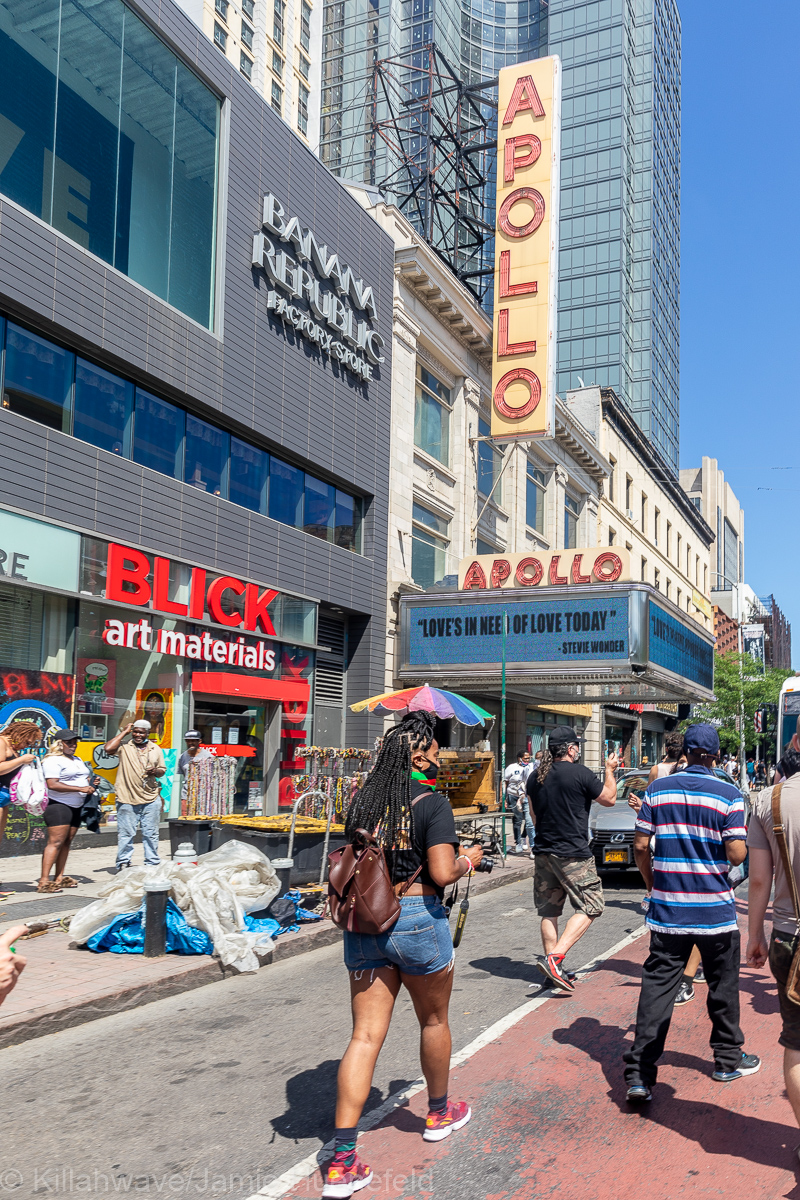
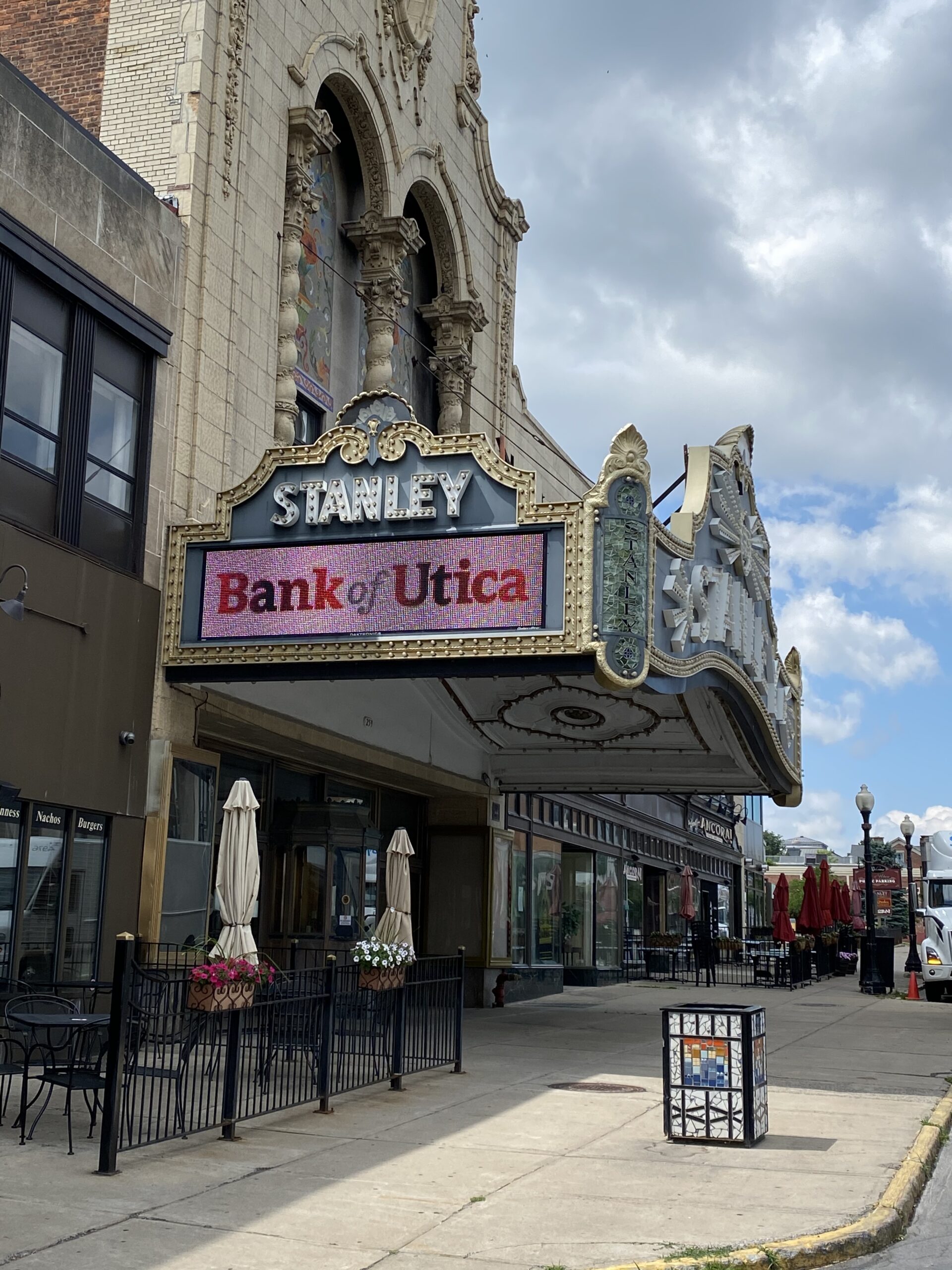
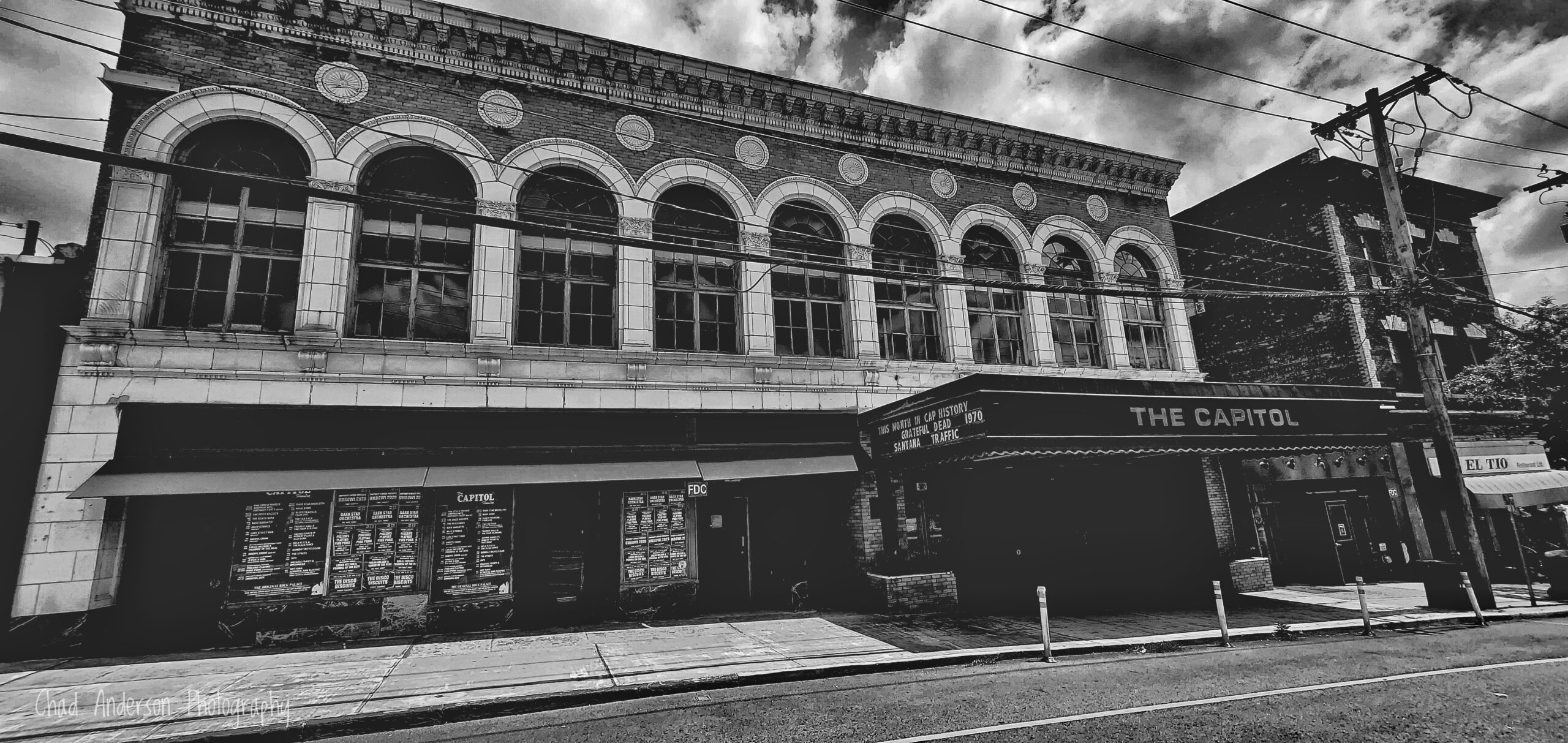
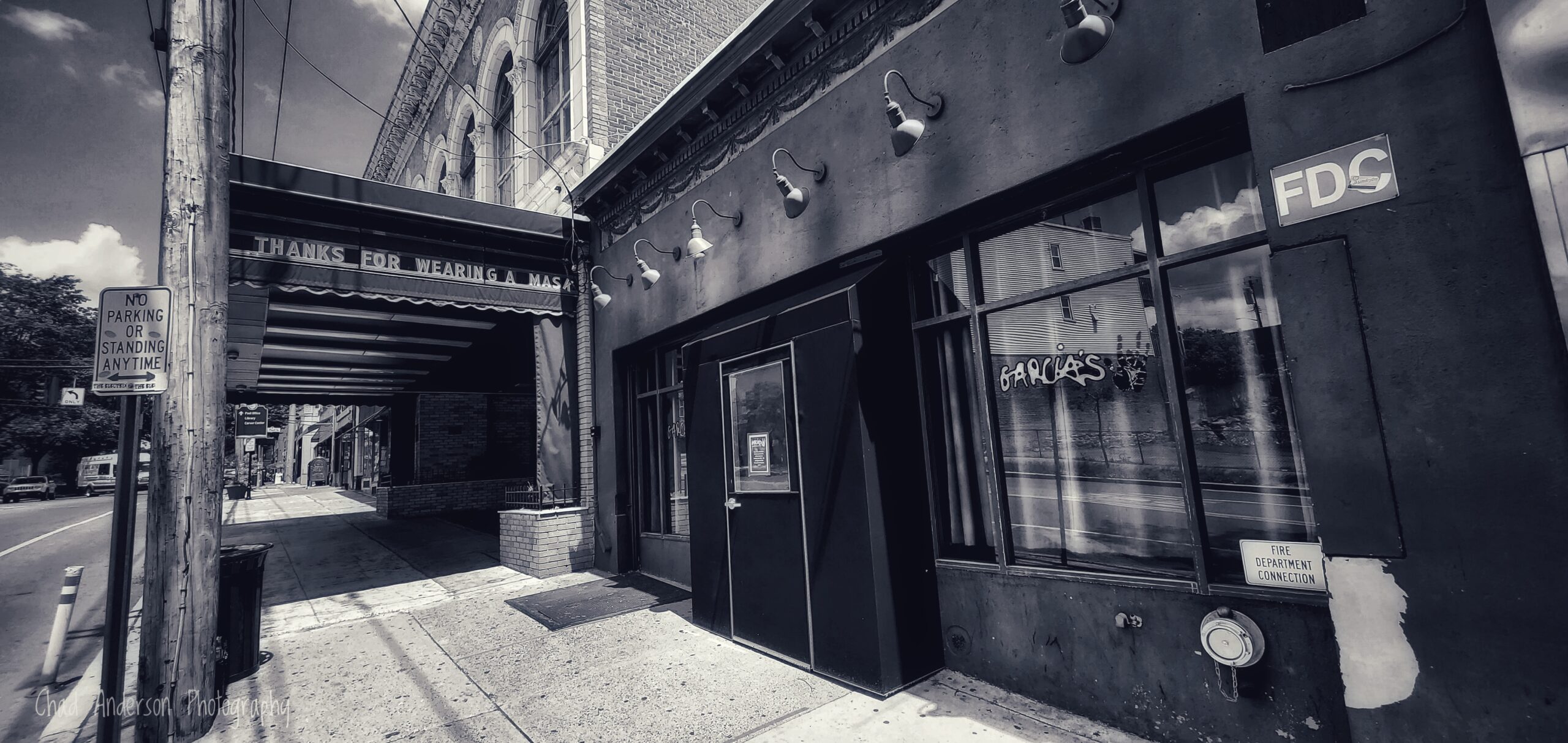
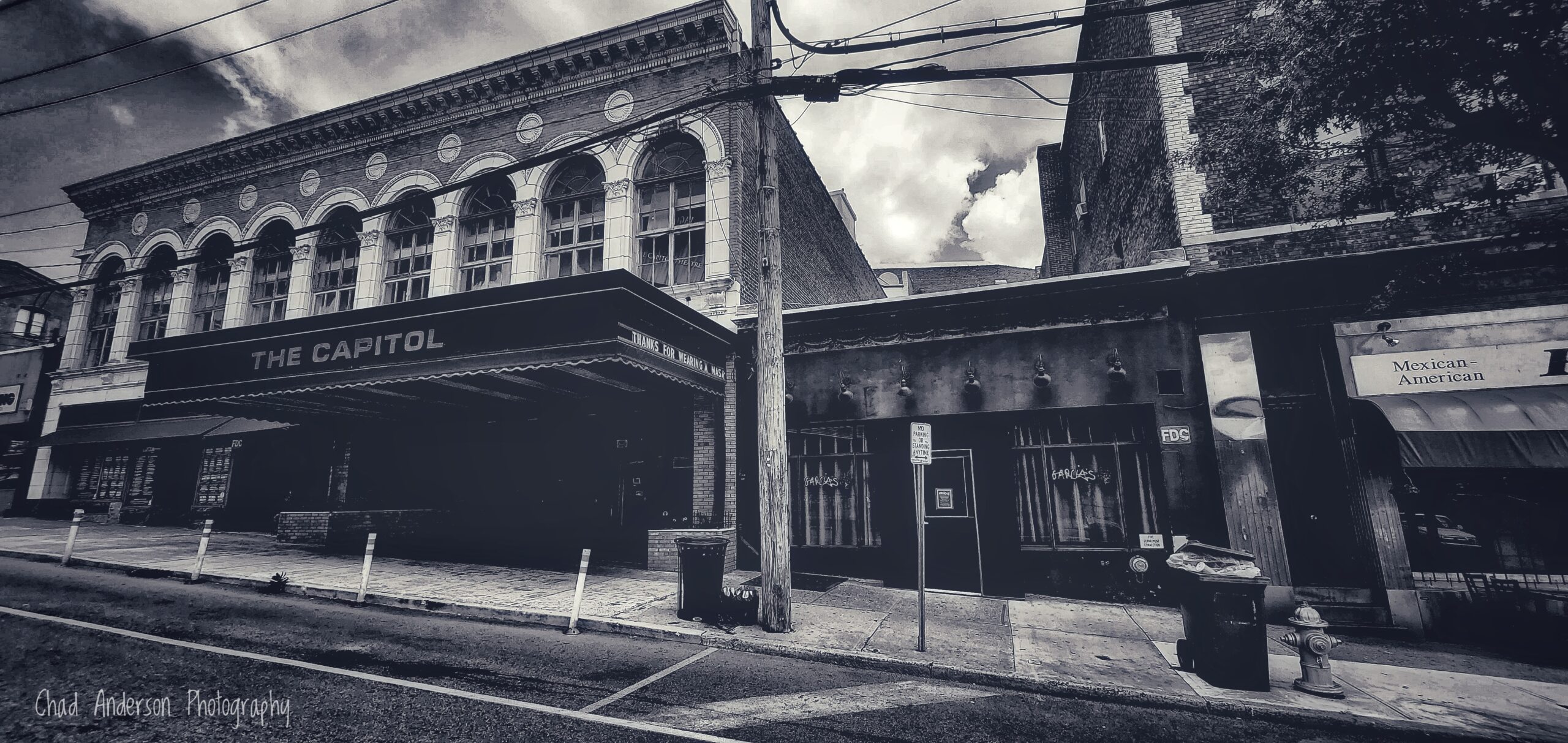
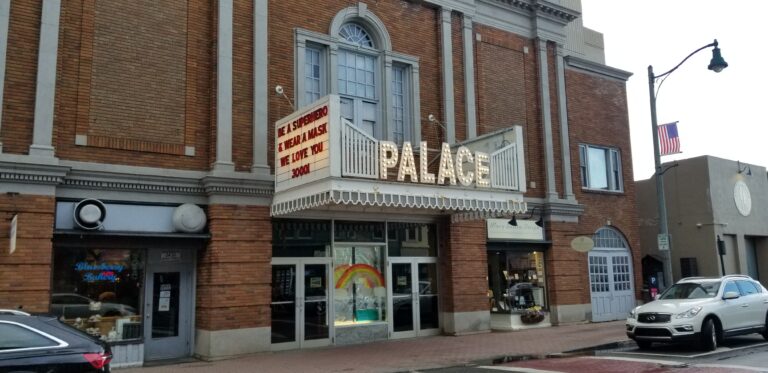
Working with 13 photographers to document more than 60 venues in 20 cities across New York State, NYS Music presents the second edition of our monthly series that looks at the current state of our beloved venues. When the venues reopen, we will share photo documentation recording the changes over time in all corners of the state.
Immense thanks goes out to all photographers and venues who are taking part in this monthly series. We’ll start this month in the Capital District, with a drone montage from Zach Culver, covering the venues we long to return to, sooner, rather than later.
What lengths are you willing to go to keep your life’s work alive; will these adaptations muddle the concert experience forever.
Devastation throughout the music industry has crippled artists and their mediums – Venues. Amid a global pandemic we are seemingly waiting – for venues to open, shows to begin and the concert experience to shapeshift into a safe, sustainable event. Nobody is sure what the final product will be, yet passion radiates. Through blooming efforts like the National Independent Venue Association (NIVA) right here in New York, we have band together to save our industry and the concert experience as we knew it.
The Past:
Being elbow-to-rib is just part of the experience. Hours spent waiting in line that sparked anxious anticipation, or getting sucked into the stage by the crowd when the lights go dim, before the main act, cannot be replaced by live streams. Maybe you’re the one up front hanging over the barrier, screaming every lyric verbatim; maybe you’re setback, studying your favorite instrument or player; you’re moving around, dancing or moshing (respectfully of course); or you’re the type that hangs at the bar with friends, reminiscing how you’ve seen this particular band hundreds of times. All of these moving parts create energy.
When you walk into a venue it sets the mood, the crowd and band feeds off one another. From local dive bars and smaller venues, to theatres and arenas, stepping in pre-soundcheck has a therapeutic energy for performers, as does the commotion when the doors open. Artists paint backstages, leaving totems or memorabilia that builds a venue’s character. When those spaces are cut to half capacity, or less, that energy is depleted.
Everyone’s safety and economic sustainability is paramount, but nobody is talking about sustaining these colorful parts of the canvas. Adapting is necessary. Yet, promoters, artists and venues are stuck in limbo. Letting go of the experience as we knew it remains untold.
Music Canada sites 40% of concertgoers won’t return until six months after restrictions lifted.
The Present:
NIVA was created by Independent Venue Week, top venues and promoters across the nation, “to fight for the survival of independent venues, their employees, artists, fans and their communities,” (nivassoc.org). Sucking in 450 members across 43 states in the first three days, they are now pushing 2,000 members nationwide (50 States) for an endless-scrolling roster on their website. Founded by the industry’s best, NIVA states that 90 percent of independent venues will collapse if they don’t open this year. With rumours saying this lockdown can lead well into 2021, will we be able to recover.
Capacity restrictions will limit venues’ revenue, and minimum thresholds vary. A Chicago study deemed a 12:1 ratio of economic impact among small venues (nivassoc.org). Twelve dollars of economic stimulus to hotels, restaurants and shops flooded in for every dollar spent inside the venue. Extrapolate that on a $50 ticket, or a night out for a group of excited fans. The impact is everything.
According to a USA Today article, Johns Hopkins Director of the Master of Bioethics degree program and Research Scholar, Travis Rieder, said there’s serious doubt about live music returning before 2021 and “a shortage of test and lack of vaccine simply make things too risky.” Unfortunately, he continues that “the risk of those events as we would have done them in the past outweighs the benefit of doing them.” Masks, temperature checks and spacing restrictions may not be enough. Is your favorite band or venue worth the risk.
With the music industry on the rise prior to COVID-19, Pollstar predicts a daunting $8.9 billion hit, should quarantine continue and venues remain dark. They go on to state “industry losses could total about $5.2 billion in just missed ticket sales alone,” and not to mention residual impacts on the economy and all of those employed in the box offices, concession stands, parking valet, and so on.
The answer is NOTHING. Nothing will stop us from preserving our life’s work, the concert experience, our art, and all the pieces that work together to keep it alive.
On Thursday, June 18, NIVA made an official statement urging for federal help:
We, the undersigned artists, respectfully submit this letter in support of NIVA’s request for federal assistance for independent music venues and promoters across the United States.
This is no petty petition. Industry giants, artists and celebrities wave an official SOS including: Joel, Eilish, Seinfeld, Gaga, Letterman, Goldberg, Iver, Lauper, Plant, Nelson, Aoki, Mayer, Leno, Weir, Watts…
The irony in their signatures – it merits no value when we are all on lockdown. Something super-fan would unassumingly die for is now a cry for help, for congress to help kickstart the industry back to the creative and thriving outlet it once was, pre COVID-19.
We will continue to fight, support and be the voice for all artists, venues and industry mediums that are struggling. Stay tuned for ‘The Vault,” featuring venue and artist specific coverage on this topic. Please contact NYS Musicso your voice can be heard.