The Rust Belt Brigade began as an acoustic punk duo from Buffalo that has since become a 4 piece Alt-Country/Americana outfit carving out their own niche in and around the Buffalo area. Coming Sept. 18th, the album, Howdy Hallelujah, Here’s the Thing, is a timestamp from the last two years as a 4-piece band composed of songwriters Victor Castilo, Jeremiah Franco, and Brandon Mueckle with Trevor Jennings on cajon/percussion. The album also differs from the normative live experience through full band-electric recordings composing roughly half the record and guest Sally Schaefer on Violin for the more traditional high energy bluegrass tracks.
The first single off of Howdy Hallelujah, Here’s the Thing, “Roll Call” is a fast-paced piece that instills a feeling of paranoia and urgency. From the get-go, the instrumental portion builds into an attention-grabbing and heart-pounding pace. The story told within “Roll Call” is one that encourages you to try anyway, even if you’ve hit rock bottom. This lesson is communicated after the ballad describes a life of someone who is truly desperate, with the final few lyrics informing the listener to “Roll the dice man, see if your lucks ran, lucks ran dry.”
“Love Is A House” slows the pace down from “Roll Call” and describes love through a series of touching metaphors. The lyrics “tell me what’s wrong, so I can fix it, fore winter comes, won’t let the cold get the best of us” exemplifies the importance of communication in relationships and serves as just one of the wholesome lessons that can be drawn from the track.
These two tracks serve as just a taste of Howdy Hallelujah, Here’s the Thing. Two more tracks from the album will be released on The Rust Belt Brigade’s Bandcamp titled “Kentucky Rain Dance” and “Buried in the Ground.” on July 24 with the full album releasing Sept. 18.
Unfortunately, this will be the last album produced by the band with songwriter Victor Castillo for the foreseeable future, as the band revealed through a Facebook post that Victor would be pursuing his career in Colorado without the group.
While the group will be decreasing their level of actively greatly the brigade isn’t disbanding, stating that “We still plan to release new music down the road and play shows in Buffalo when we can all get together but this is indeed an end to era.”
Swing Your Concerns features two new tracks along with three of her singles “Swim,” “WHATISTODAY?,” and “Deserve This.” “I believe that as humans we see the option of distracting ourselves from our current reality as a better route than to truly work on bettering who we are. Why feel and work through what’s wrong when you can be numb instead. With the combination of expectations and eyeballs tracking your every move, that’s what ‘Hilary Duff’ is about,” Maggie comments on “Hillary Duff.” This song, along with “Deserve This” and “Swim,” seem to come at a perfect time in this global pandemic when emotions are high.
Maggie grew up surrounded by music as her father was in a Celtic rock band. She did not perform solo in front of an audience until she was 18, but has quickly gained popularity after being discovered by Bruce Gates at Pearl Street Warehouse in Washington, D.C. Since then, she has gained over 60K monthly listeners on Spotify, and her song “WHATISTODAY?” has been featured on several of the app’s playlists, such as Indie Pop and Fresh Finds. She has gained attention from Billboard, Variance, and American Songwriter.
This new single and EP follow an endorsement deal with Yamaha Music along with the emerging artist program WAY Up. Maggie spoke at a panel at the Yamaha Ginza Hall in Tokyo along with several other acclaimed up and coming artists. They spoke about their experiences creating music and conveying their inner emotions through it.
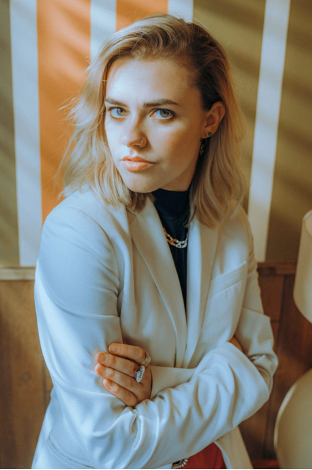
Photo by Jimmy Fisco
Maggie Miles, much like other alt pop artists, shows authenticity in her music by showcasing her wit and personality. At only 21 years old, Maggie likes to use comic relief as a means to poke fun at the hilarity that is the coming-of-age time in life. She draws inspiration from 90s grunge artists but still produces a unique sound that’s personal to her. Maggie says: “I make music for the utter reason alone that I need to create something for myself that makes sense, when nothing else around me does.” She has notable vocal talent, but can also play the piano, drums, guitar, ukulele, mandolin, banjo, bass, and keytar.
Maggie’s first full-length album will be out later this Summer.
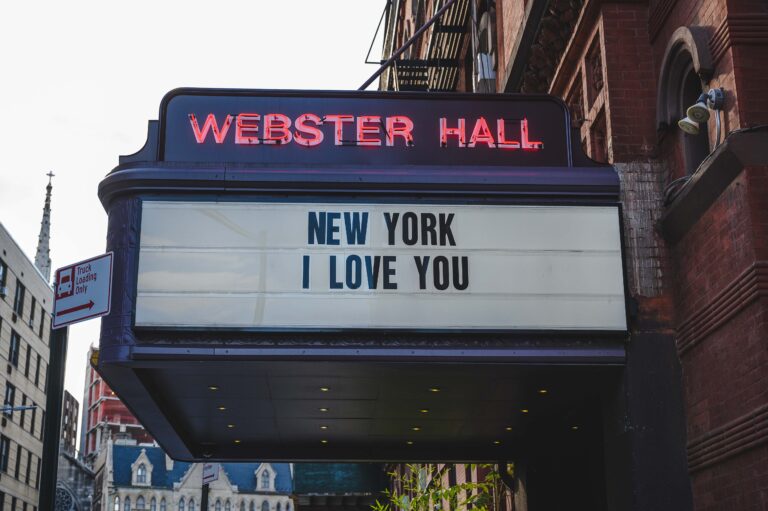
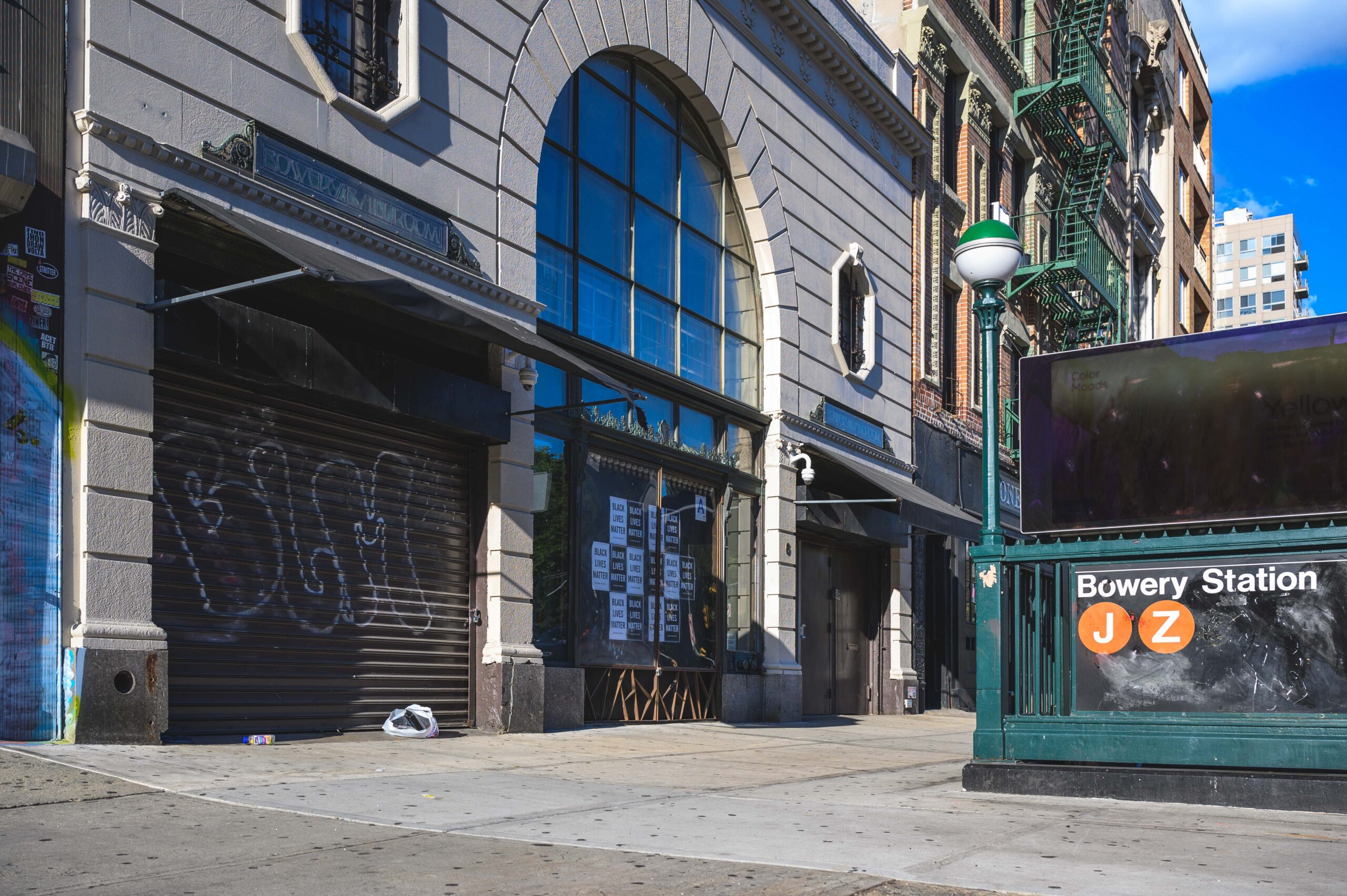
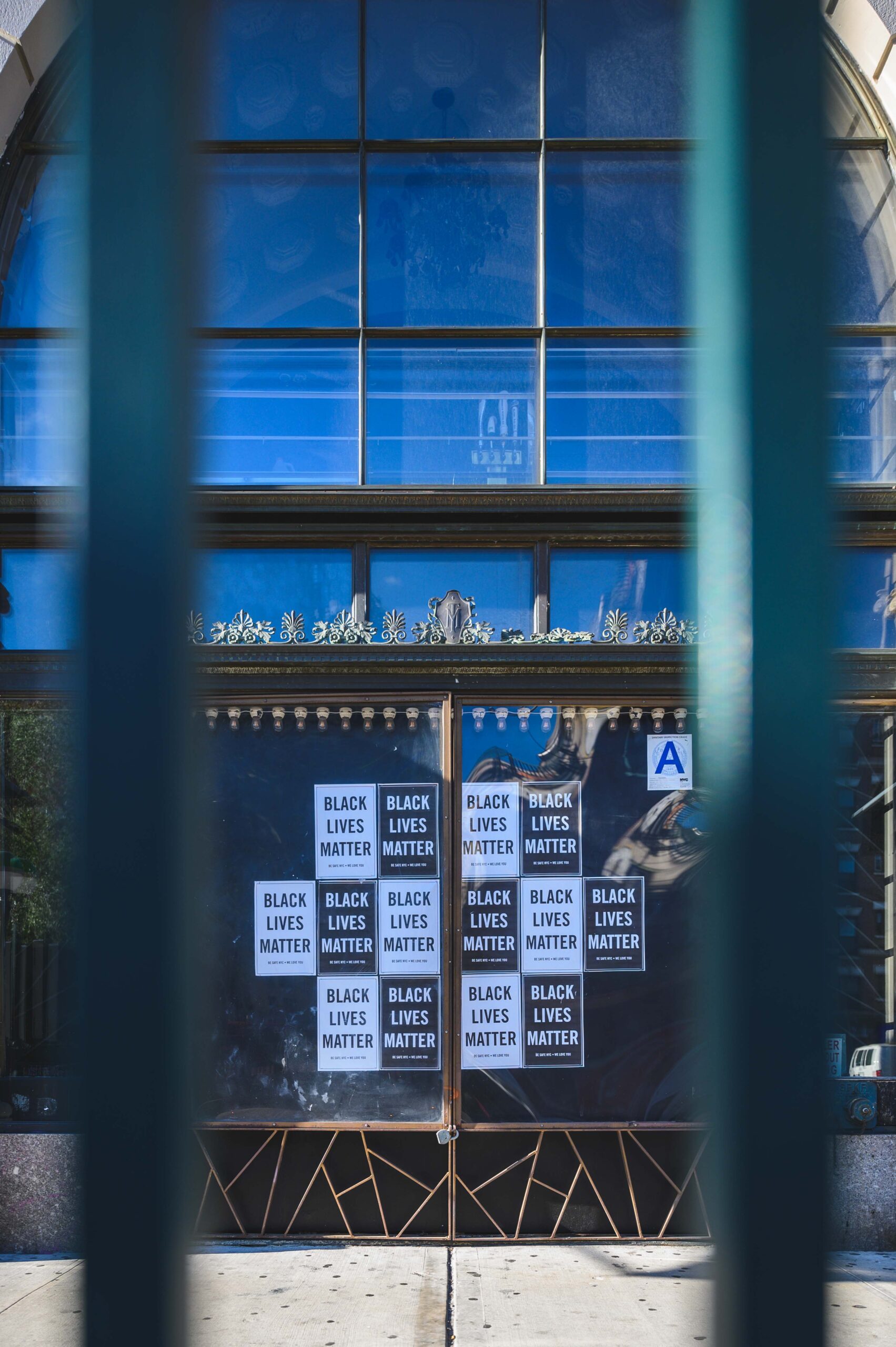
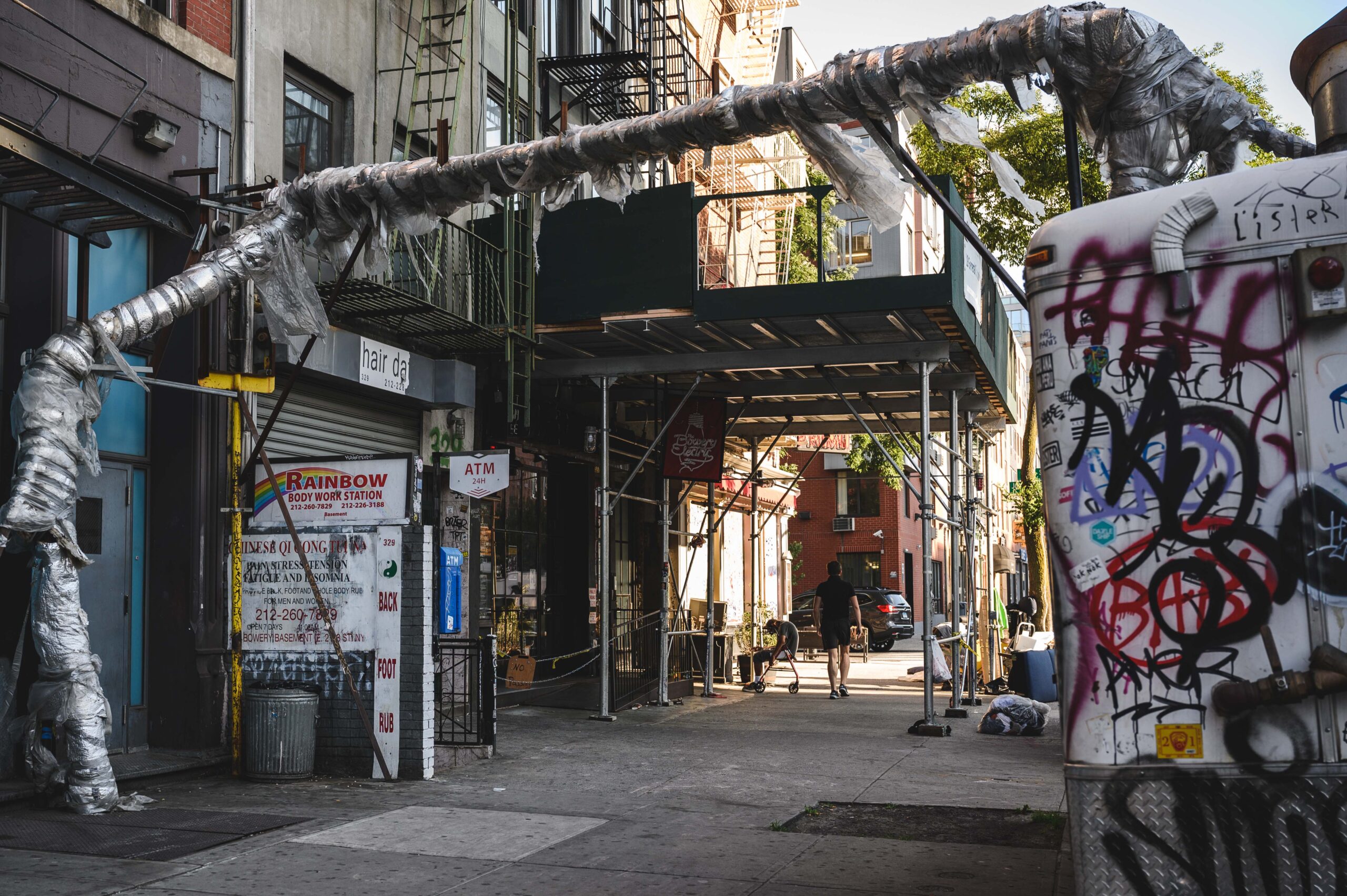
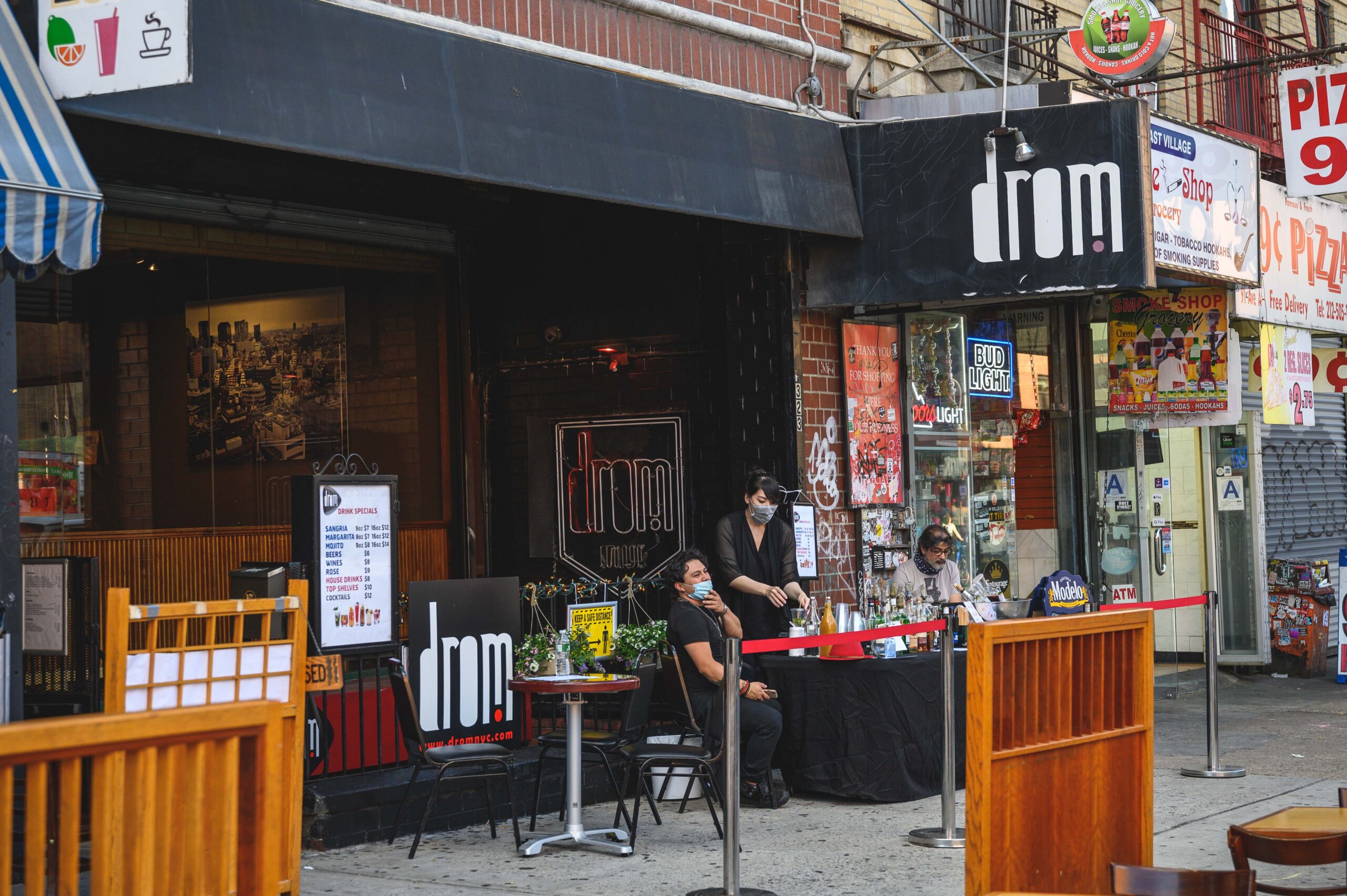
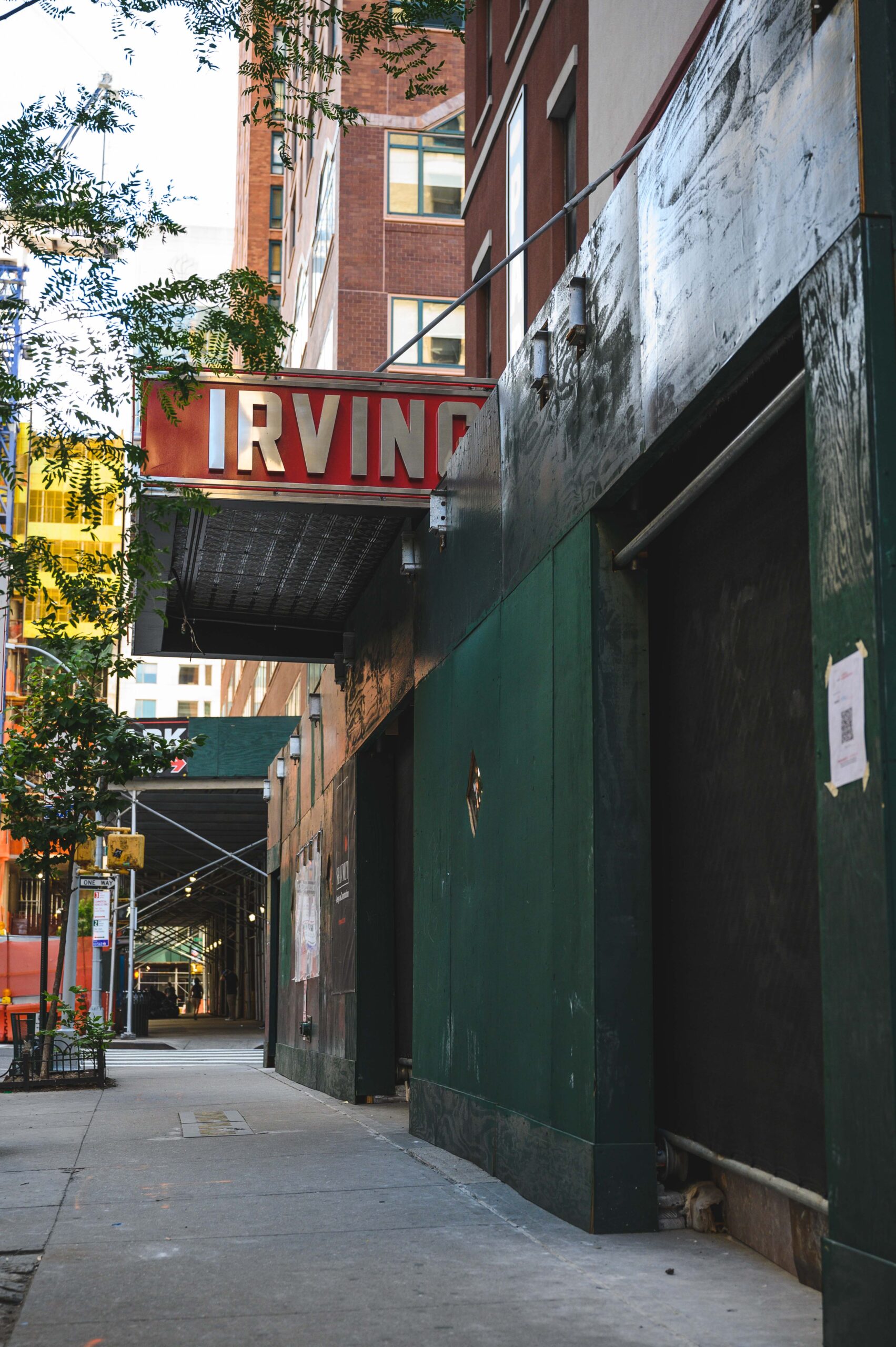
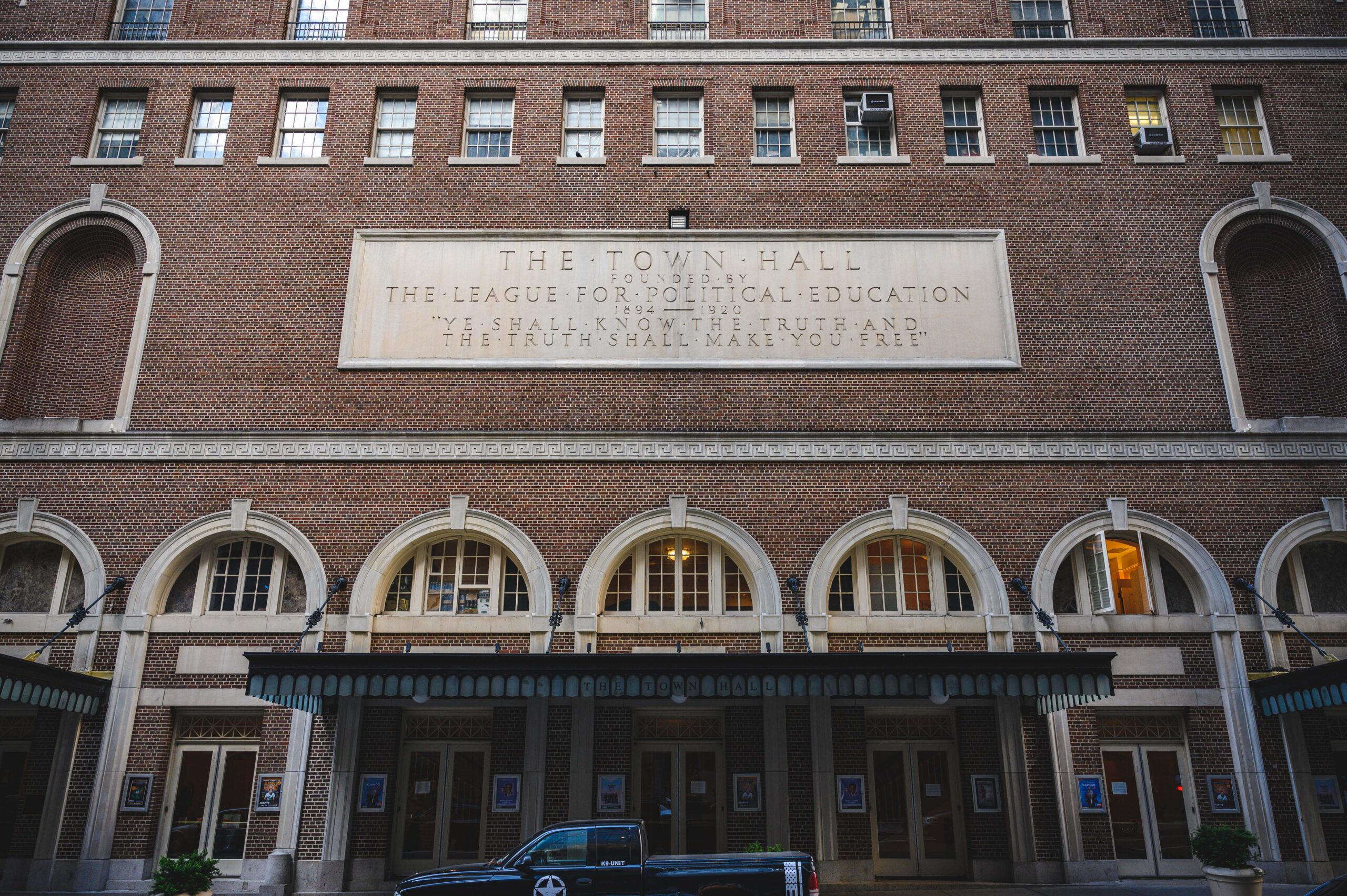
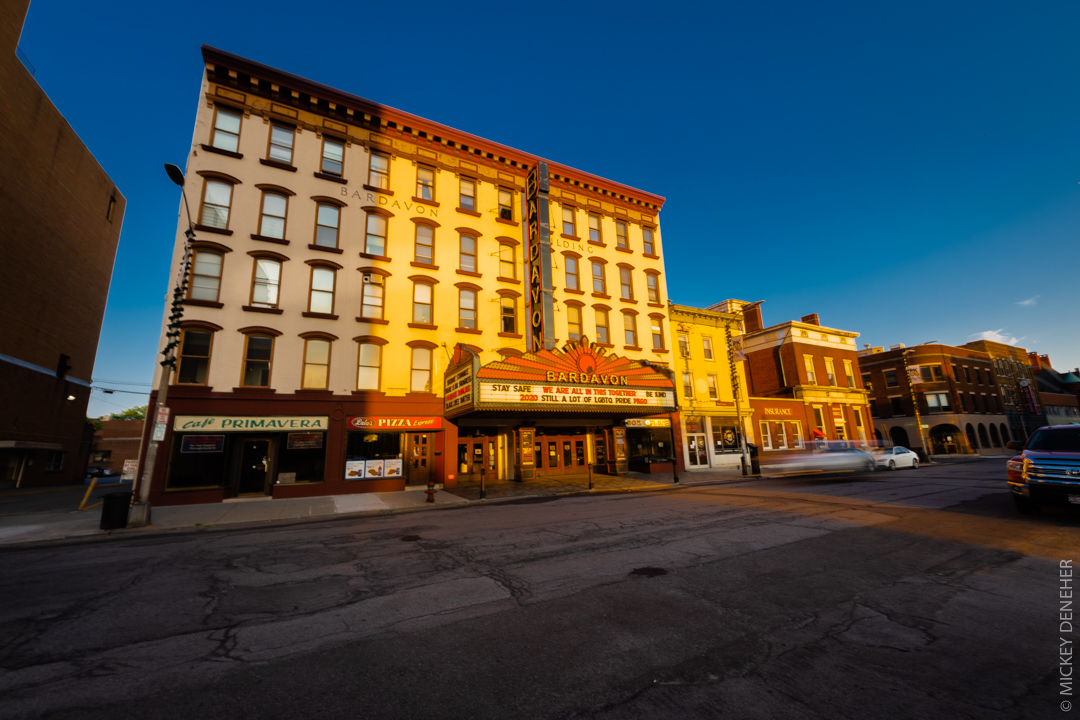
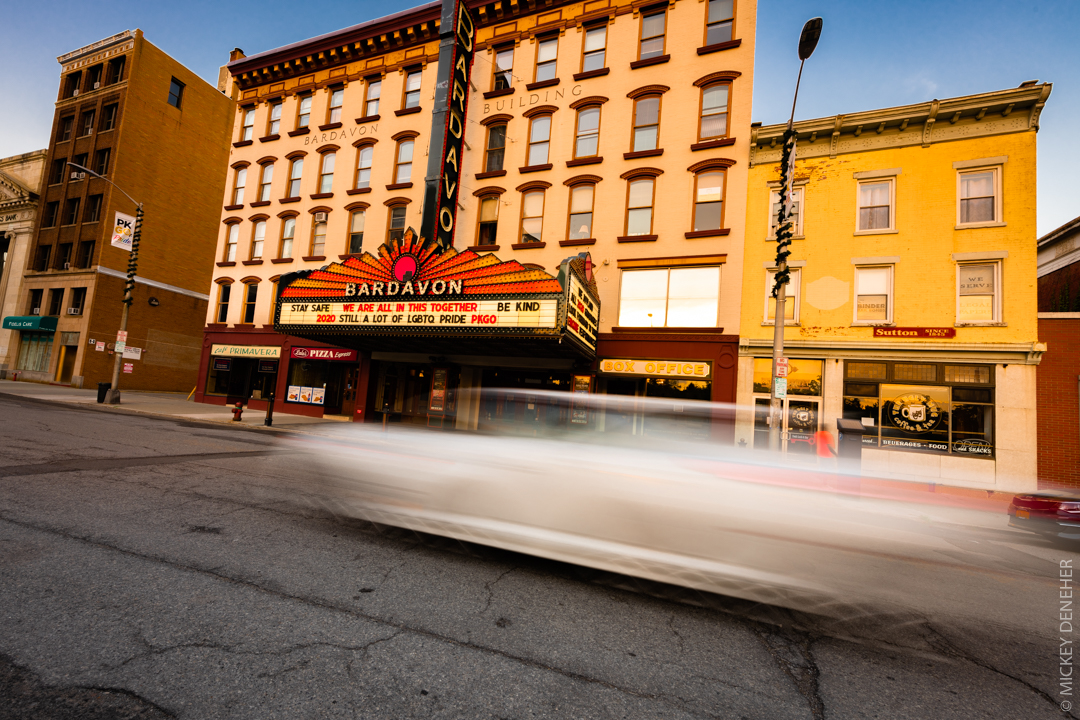
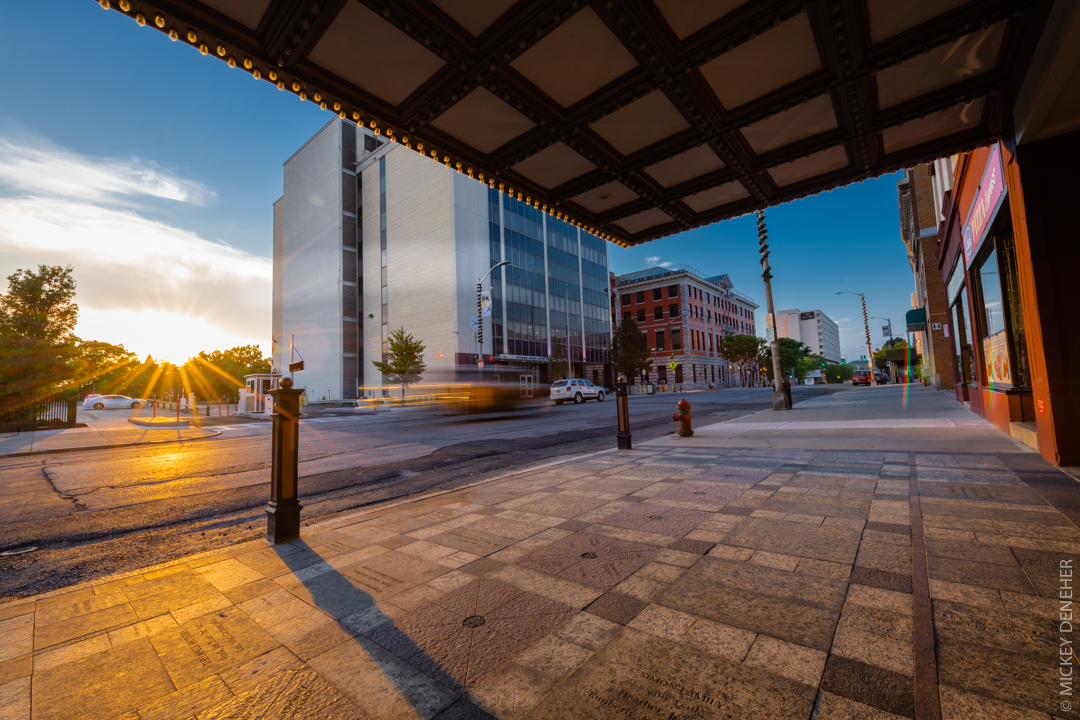
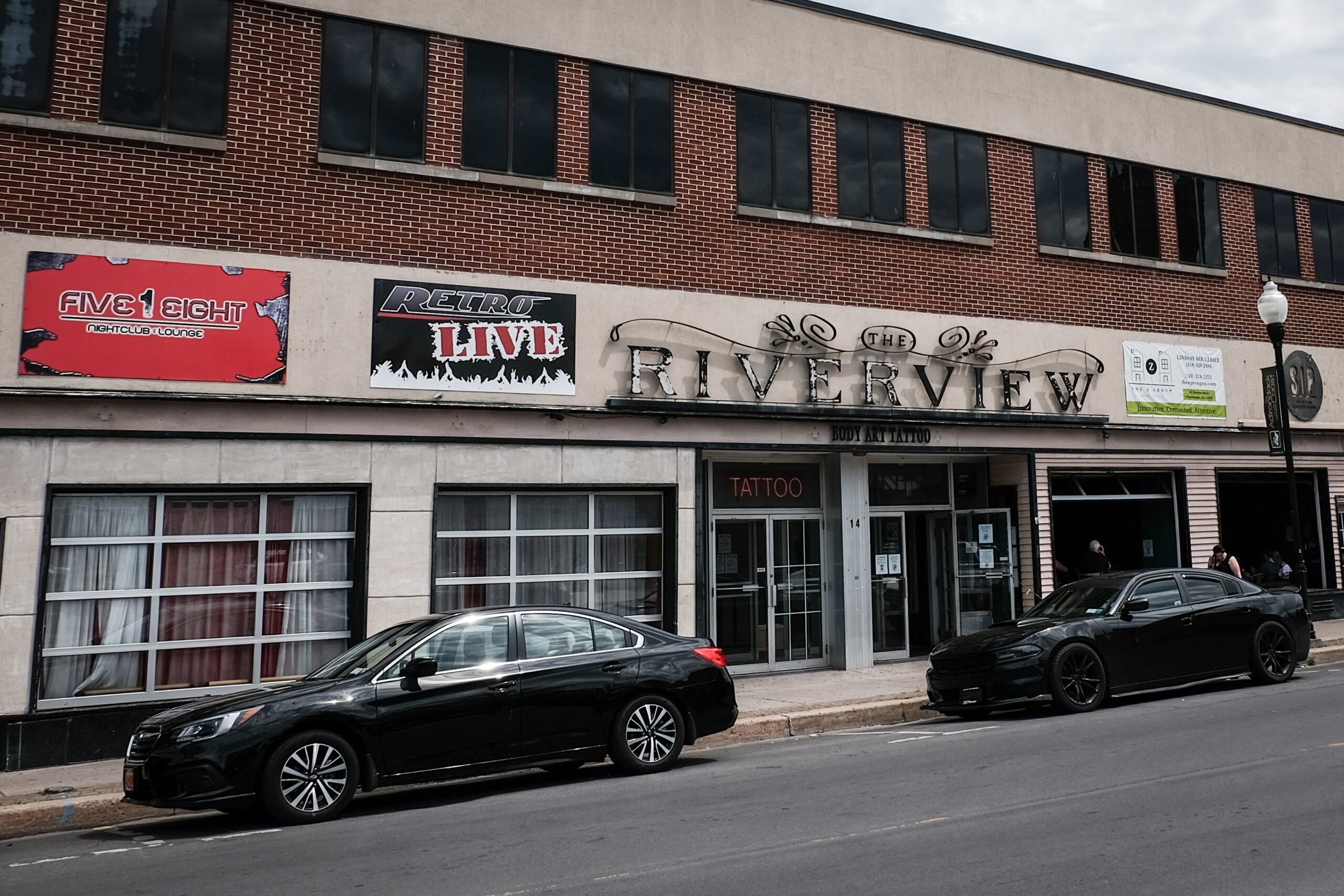
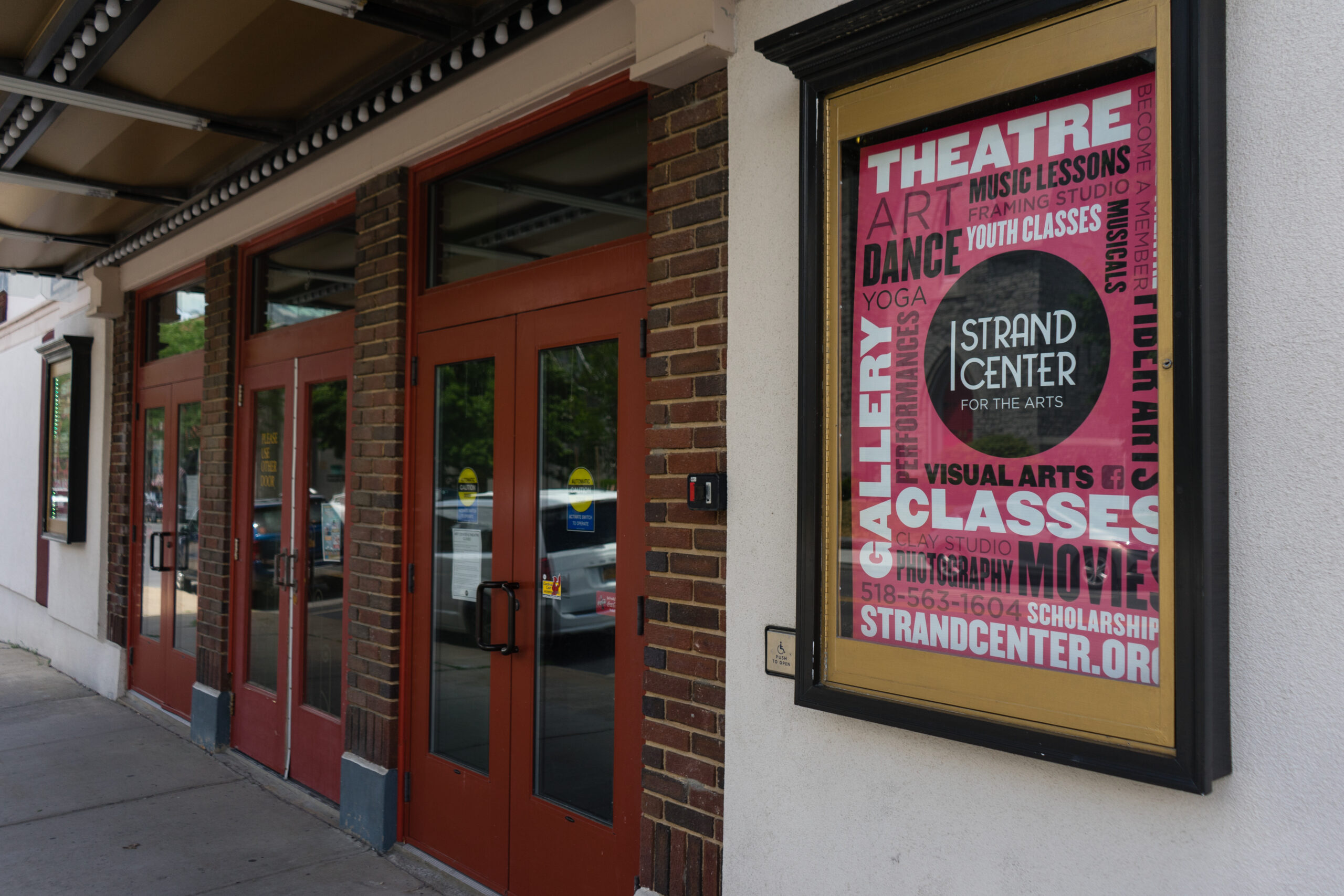
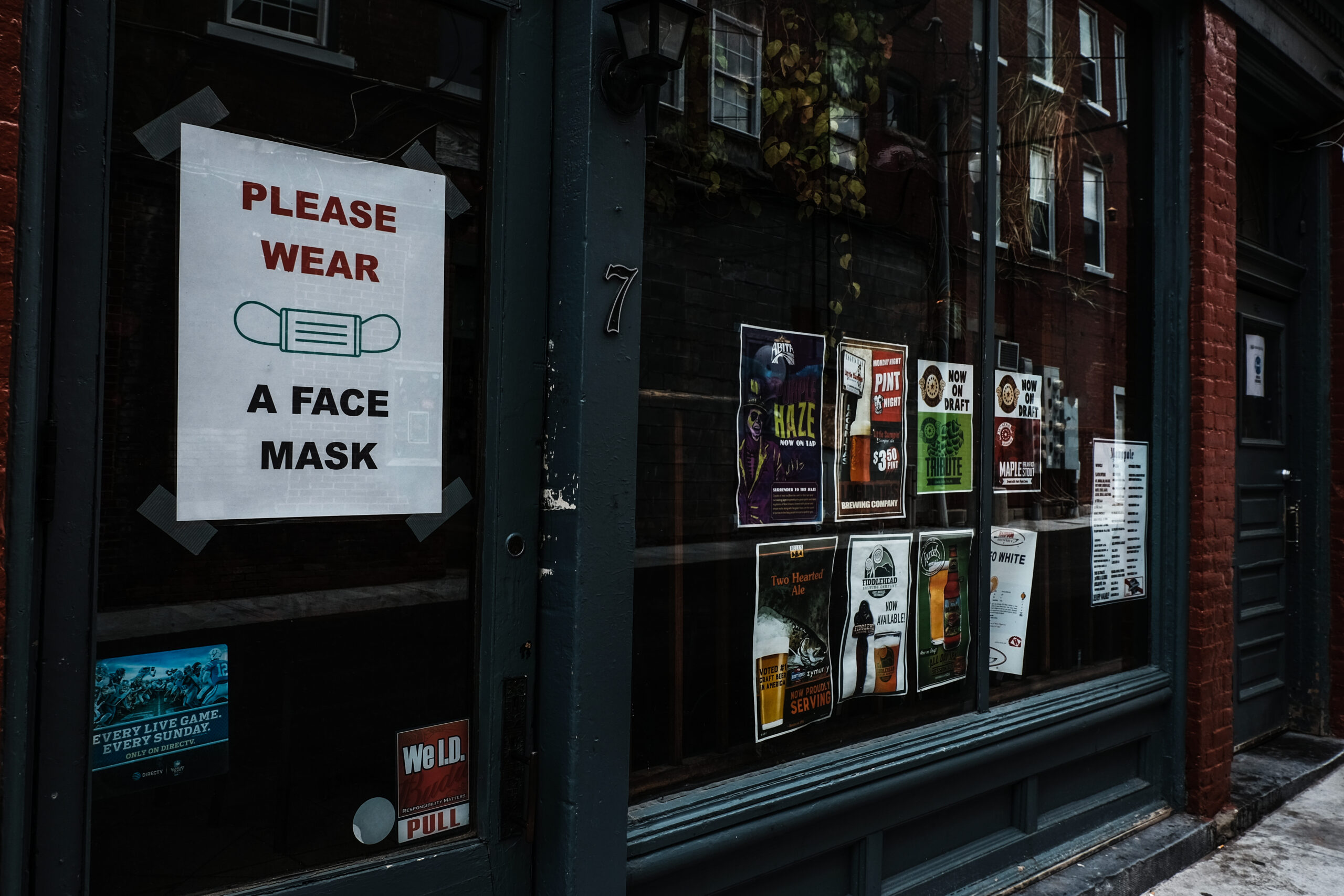
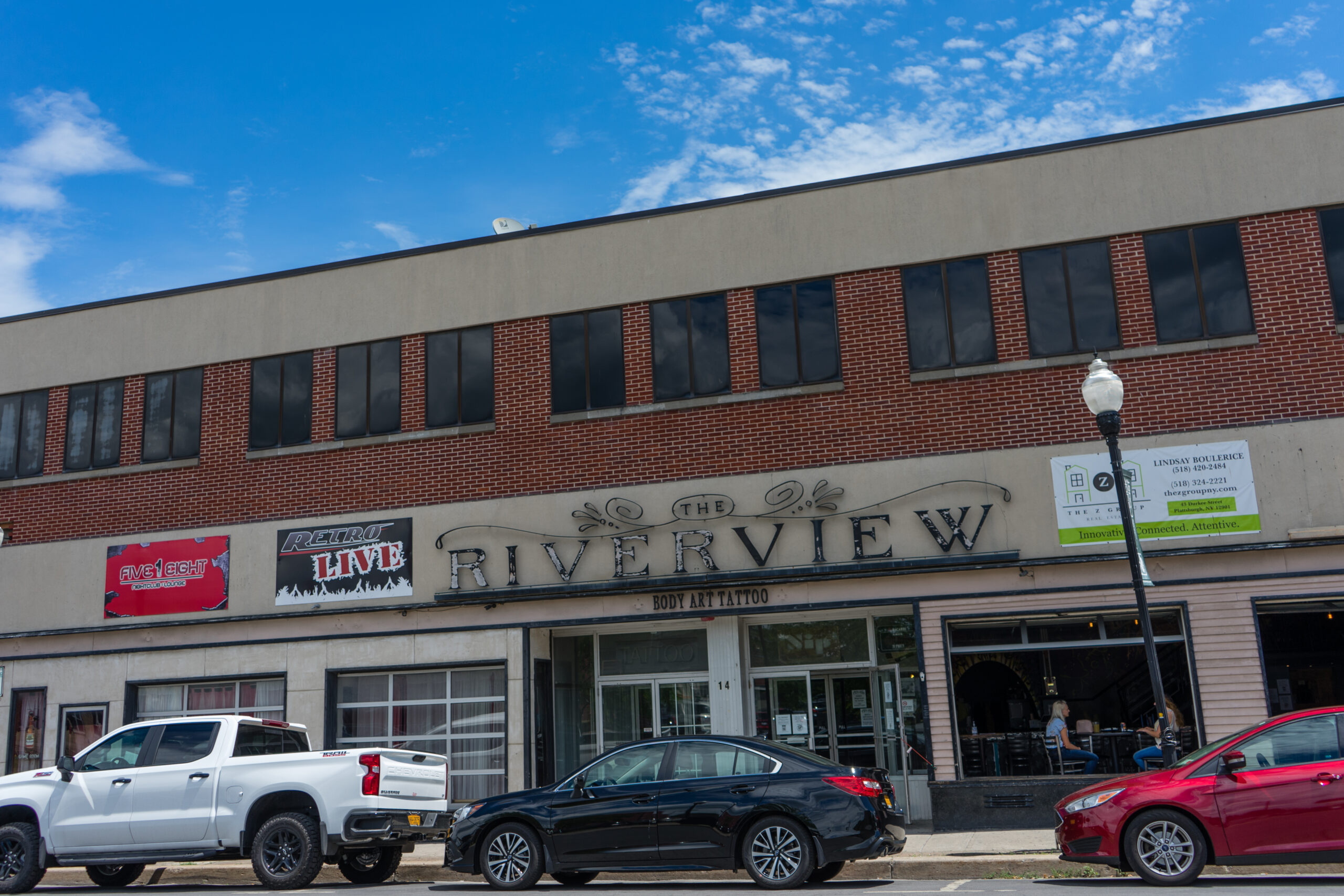
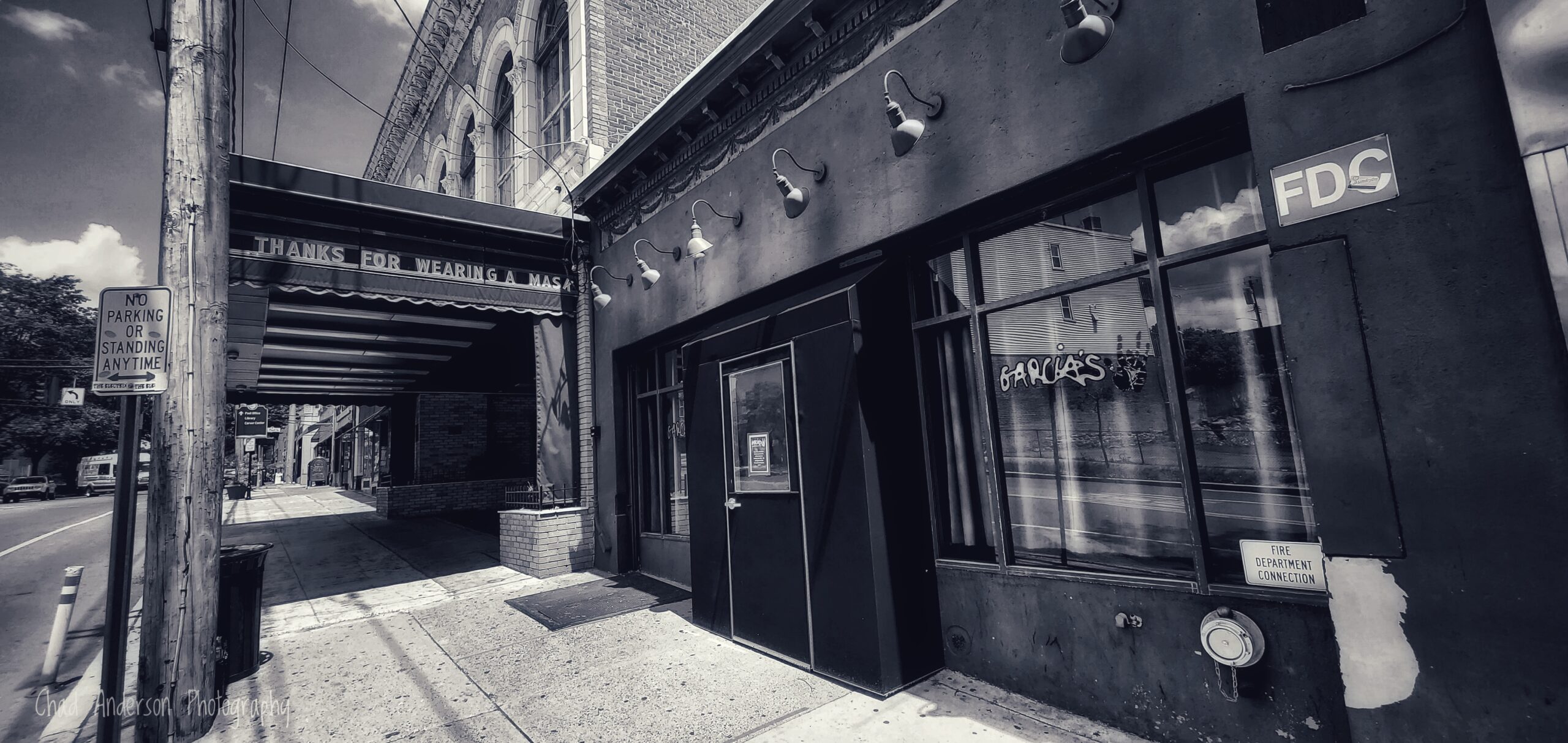
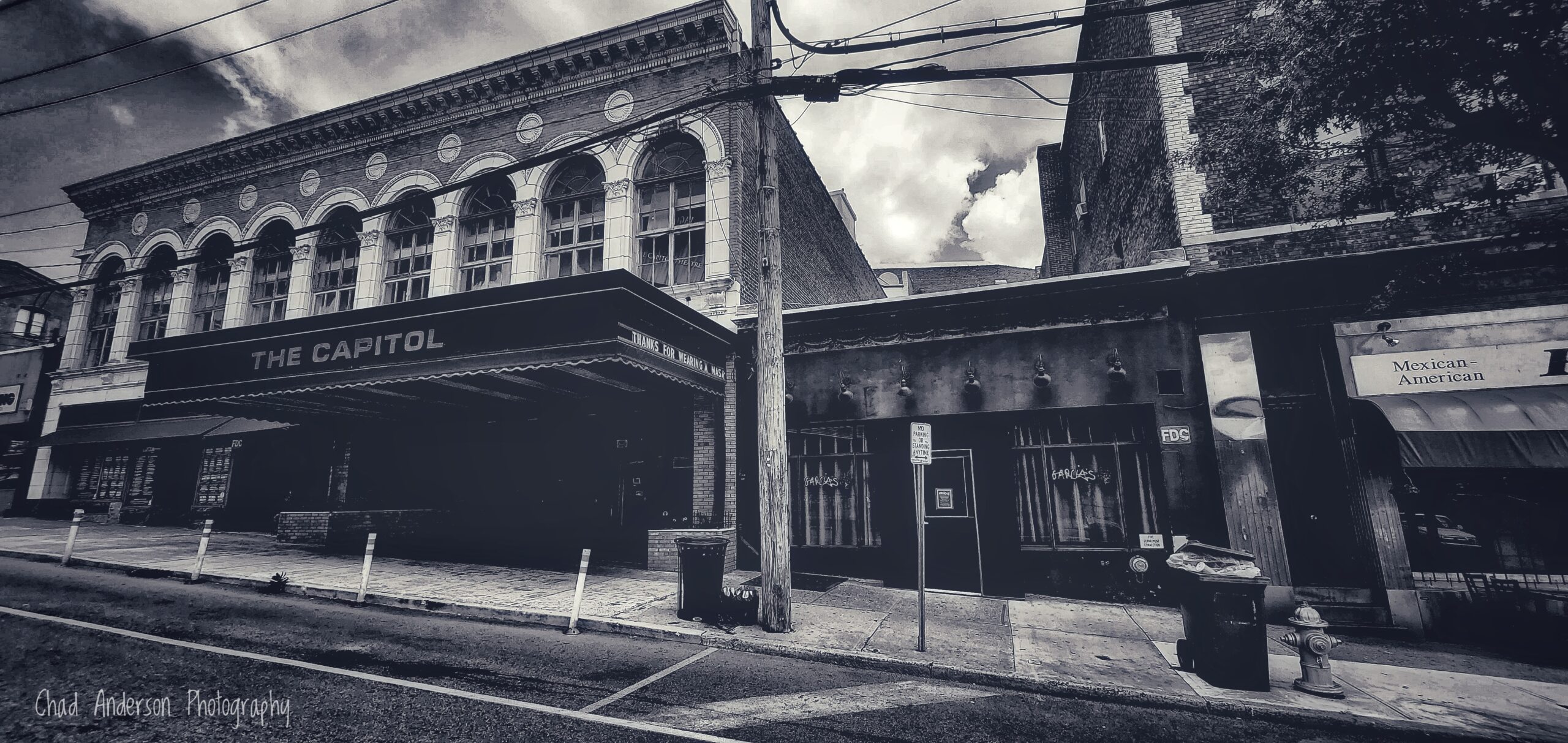
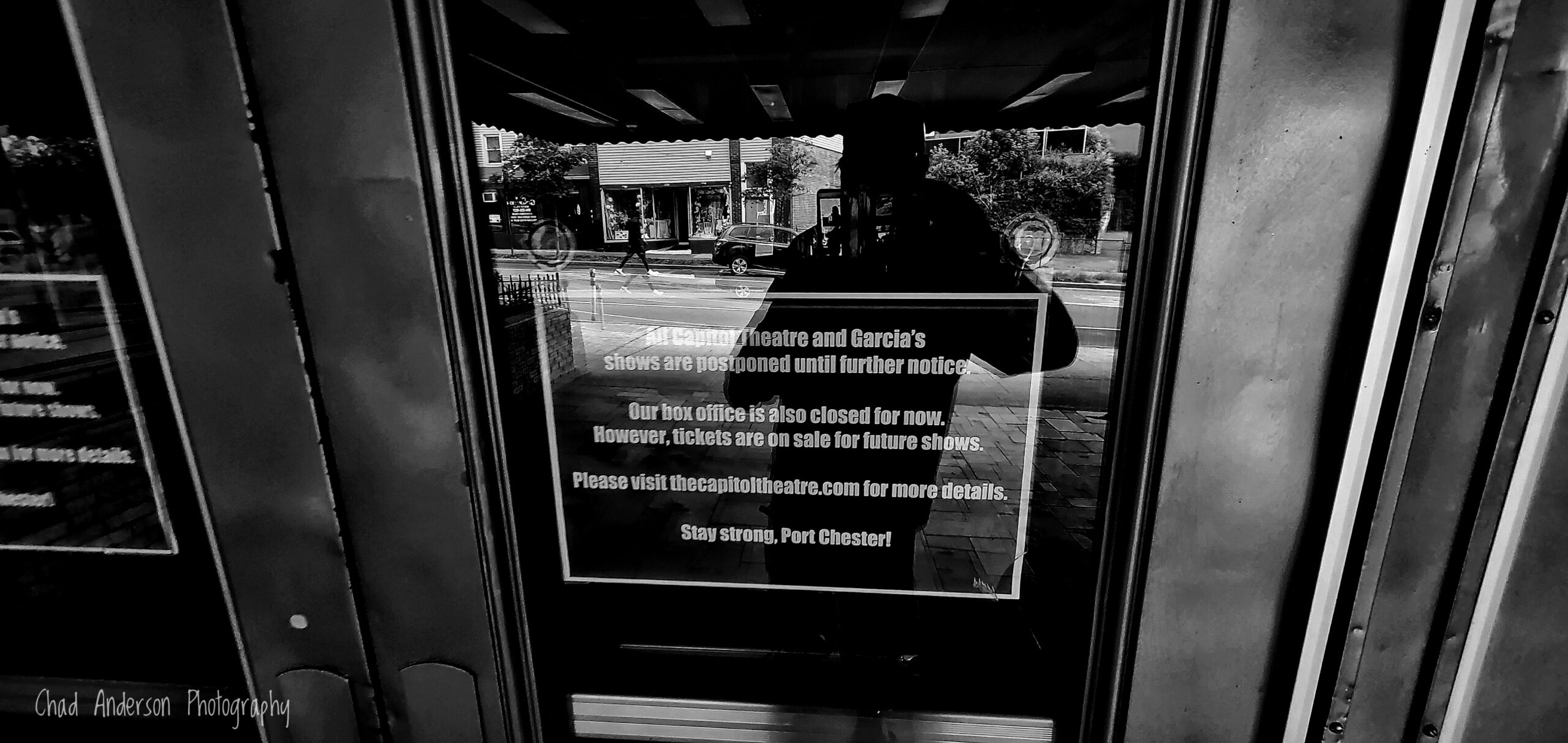
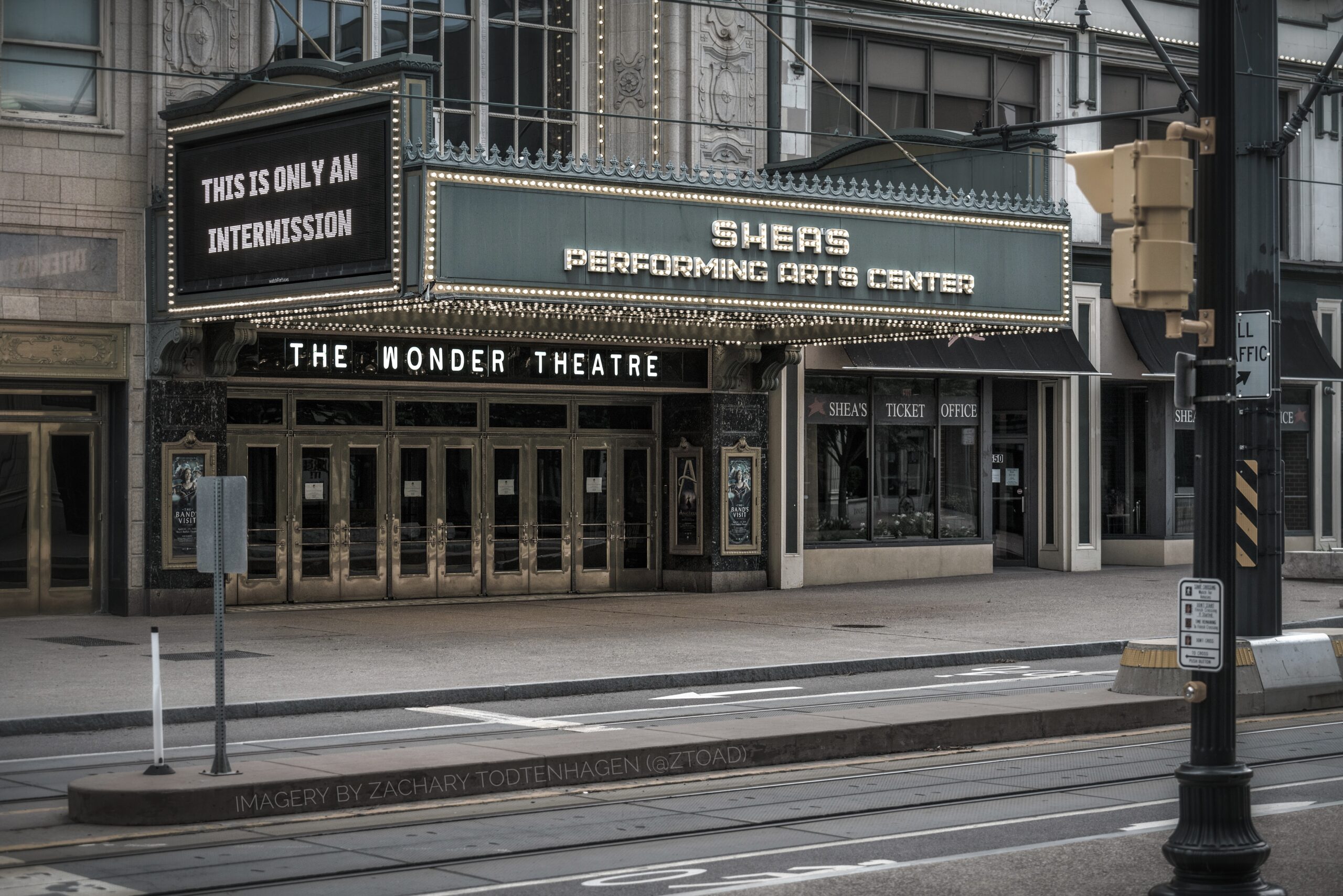
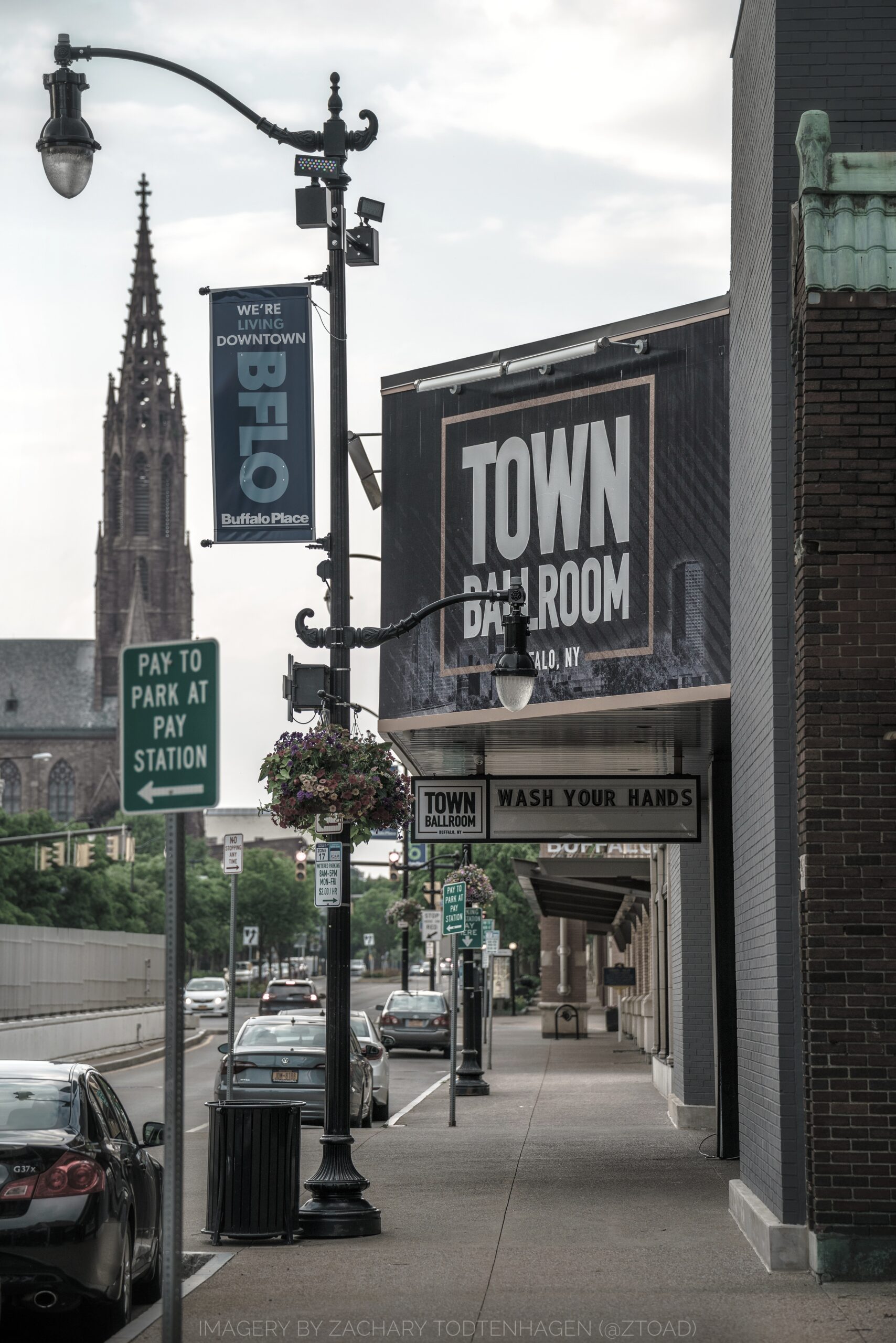
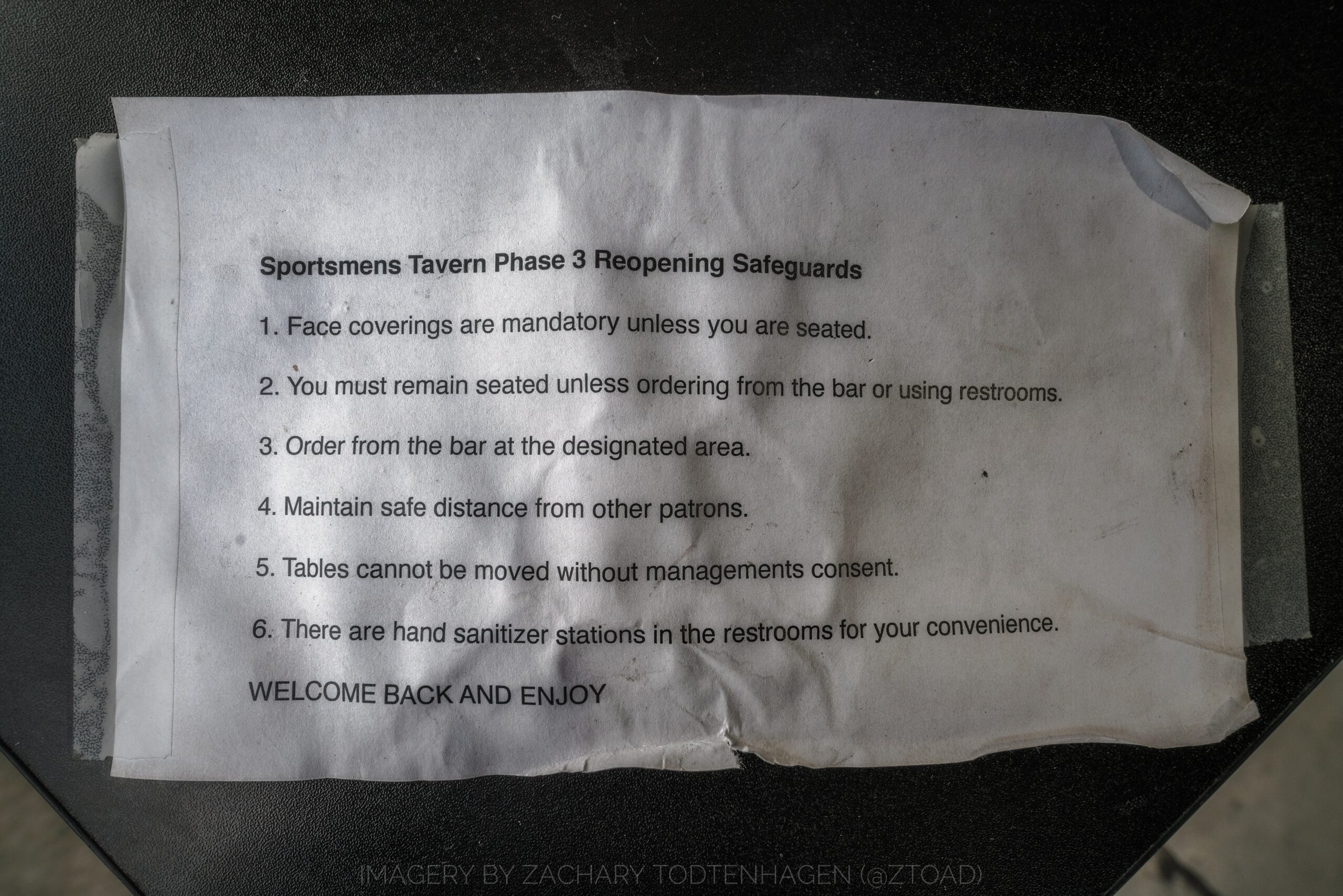
It is now July 2020, the fifth month with minimal, if any, live music performances throughout New York State, let alone the country. Our venues are not yet open, but as the threat of COVID-19 decreases, parts of New York will enter Phase 4 and beyond, with the hope that live music will return, even if gradually.
While we may be stream weary, the prospect of live music is a motivator for many, and staying safe is the key given that New York and much of the Northeast are faring better than other areas of the country.
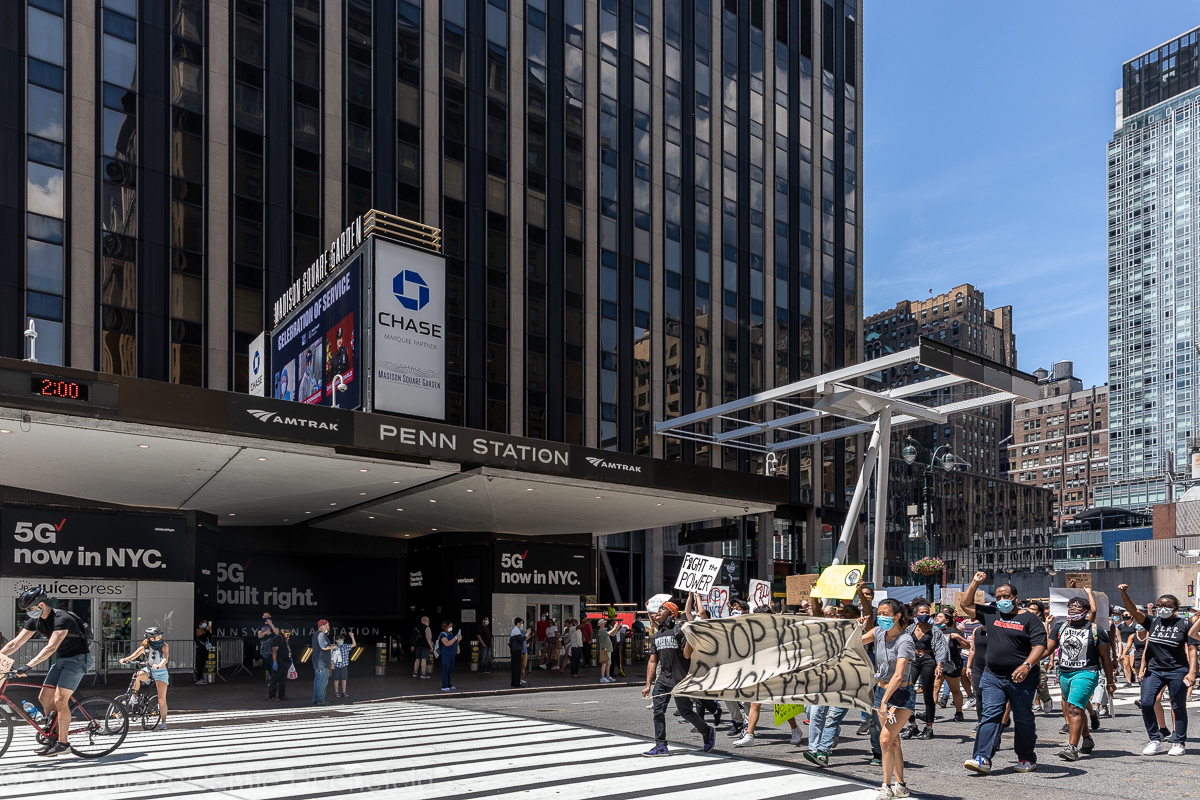
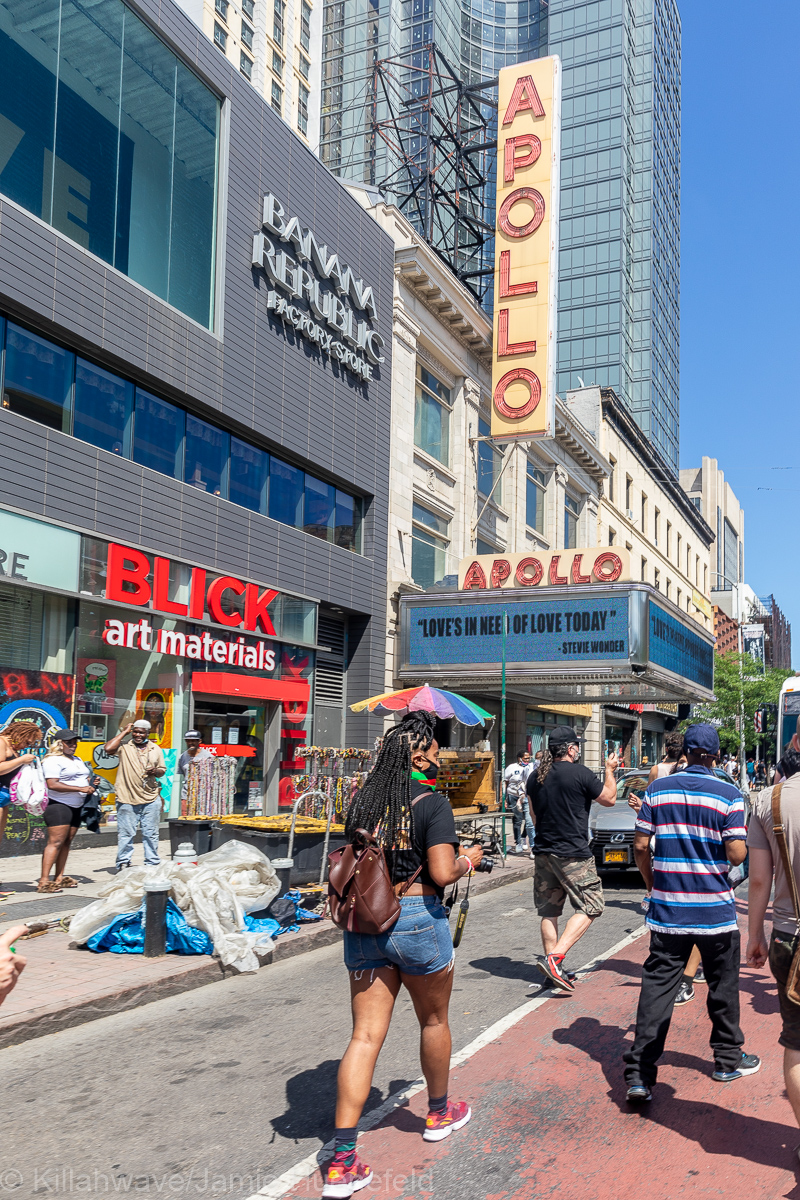
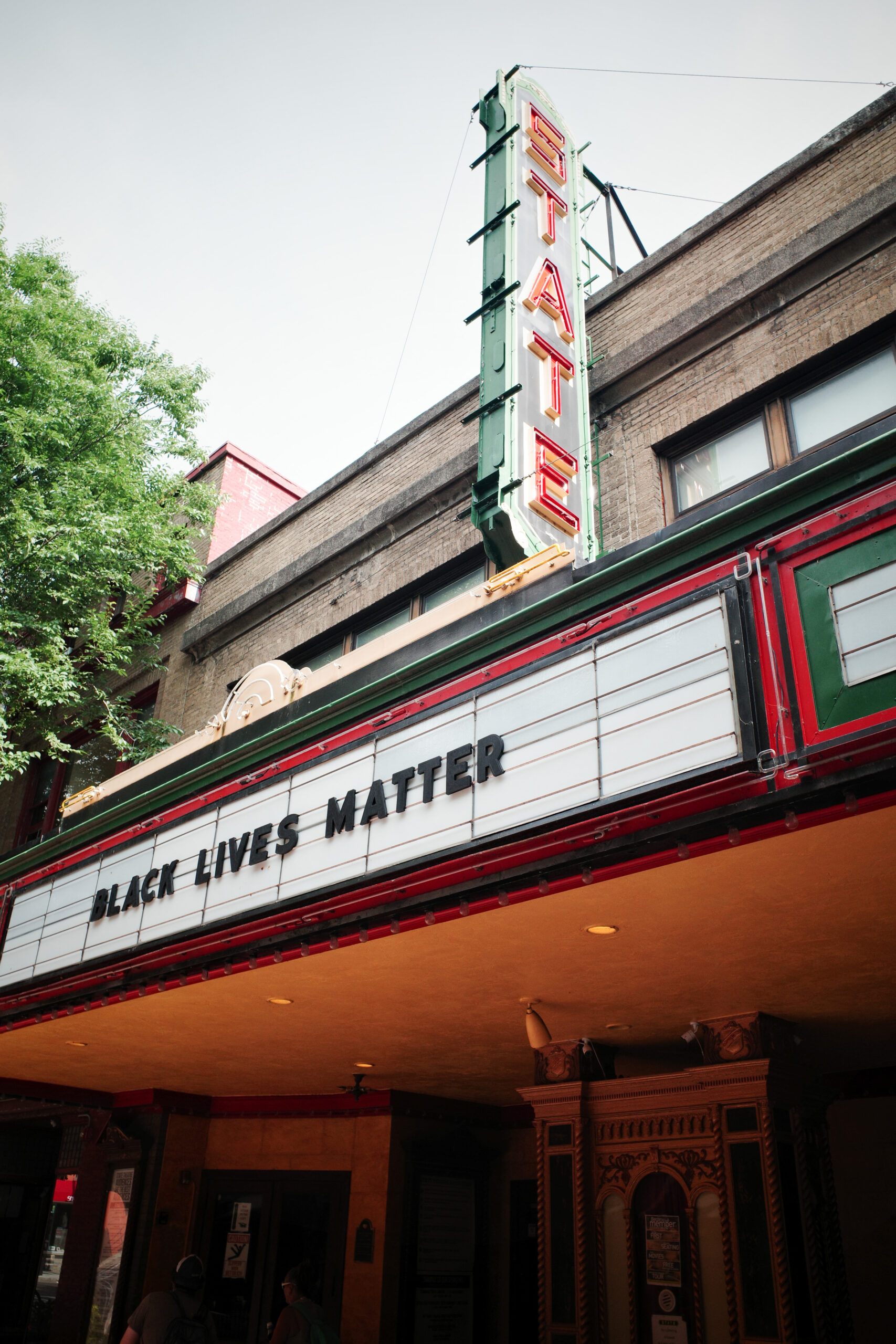
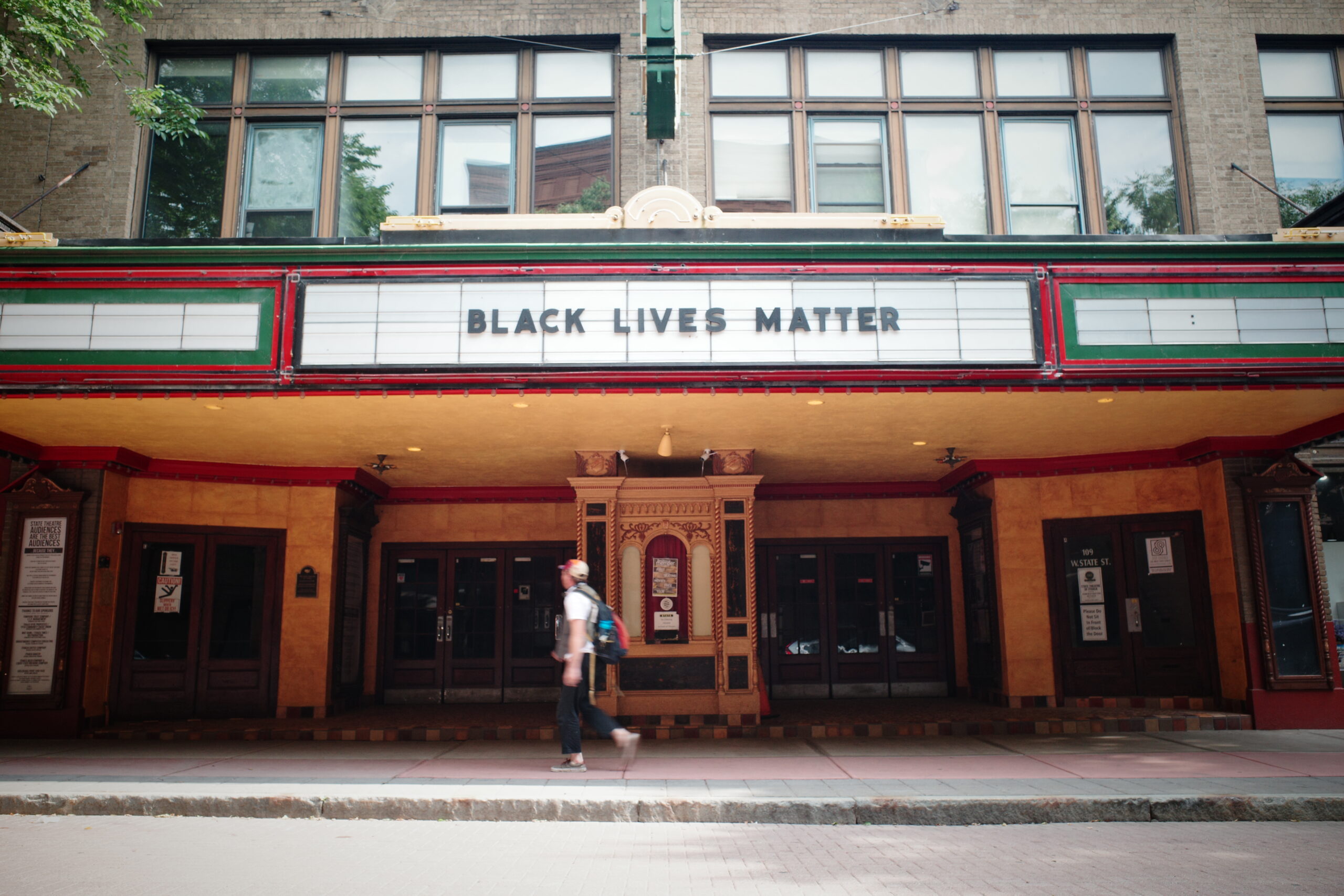
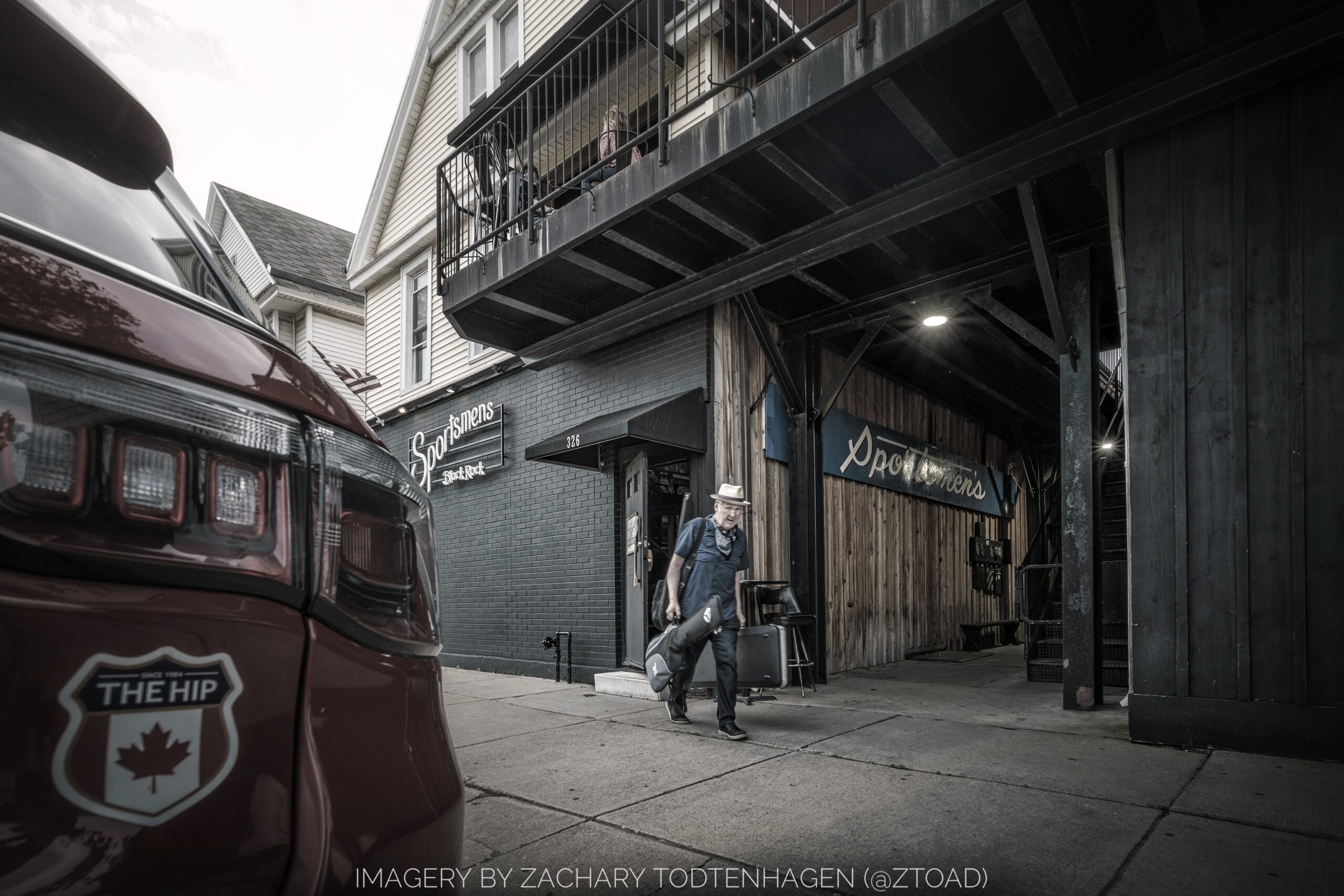
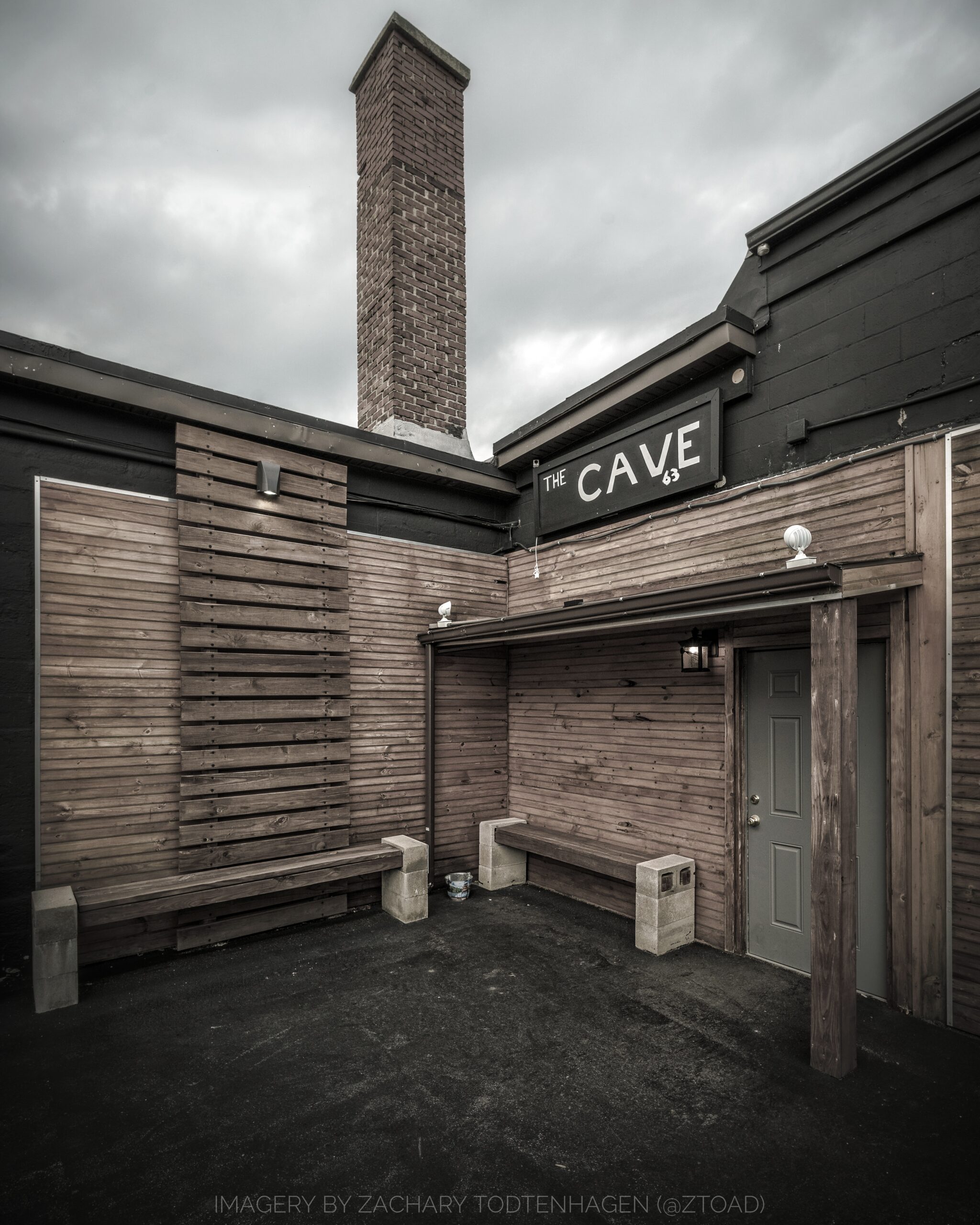
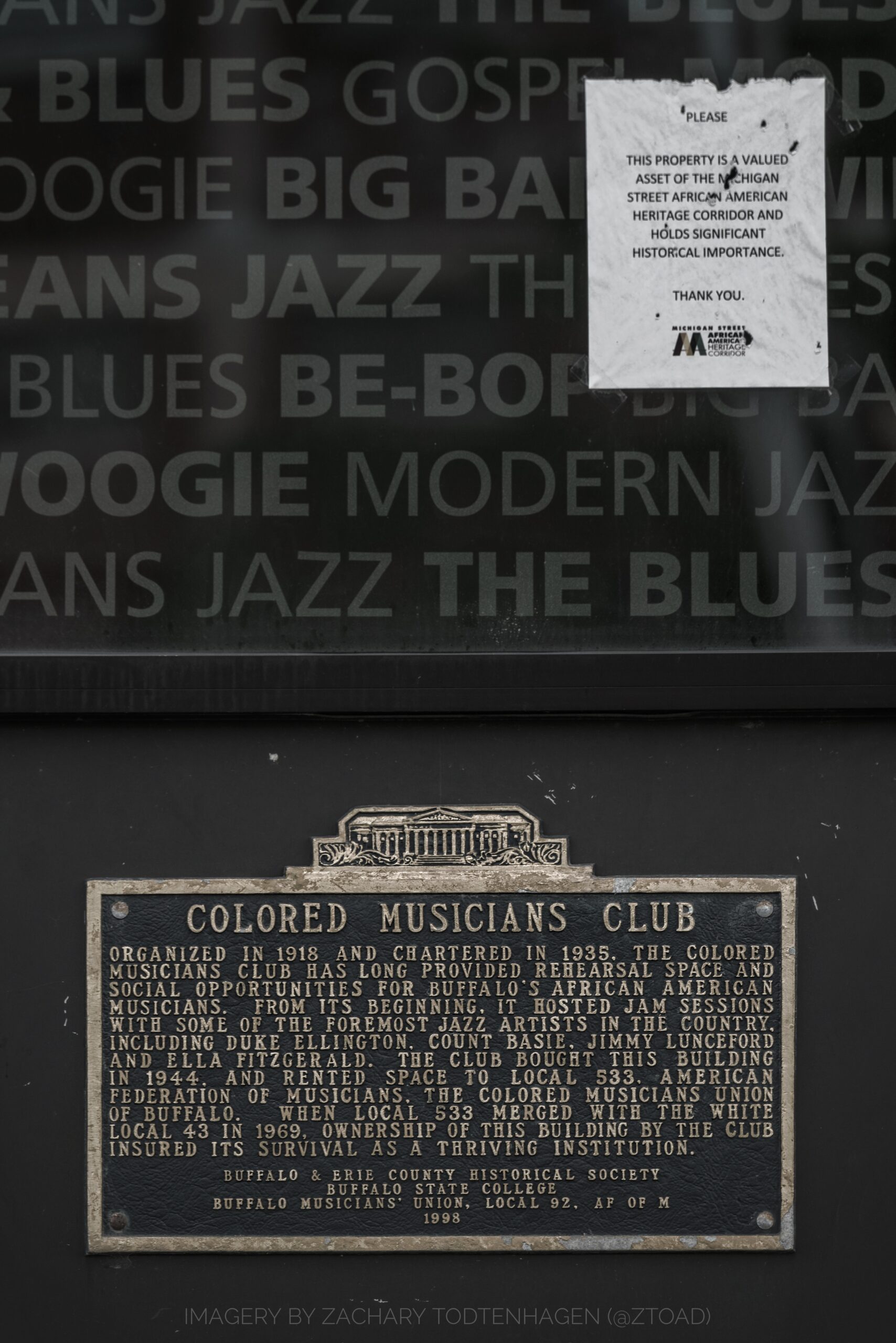
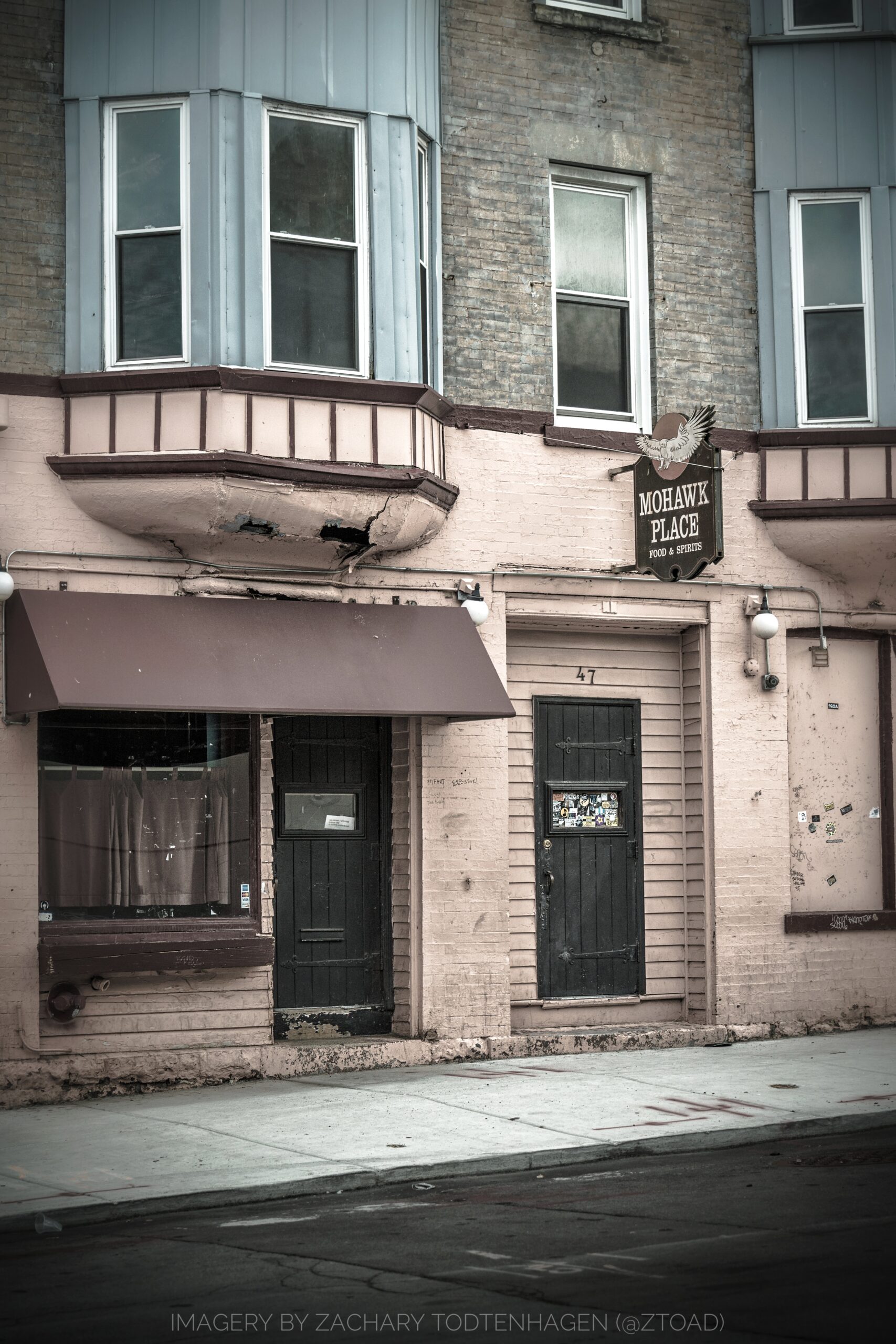
From viewing these photos taken during mid-late June, we can see the presence of the Black Lives Matter protests that spanned all 50 states. In all corners of New York there were protests, particularly in New York, protests that continue to push for defunding of the NYPD.
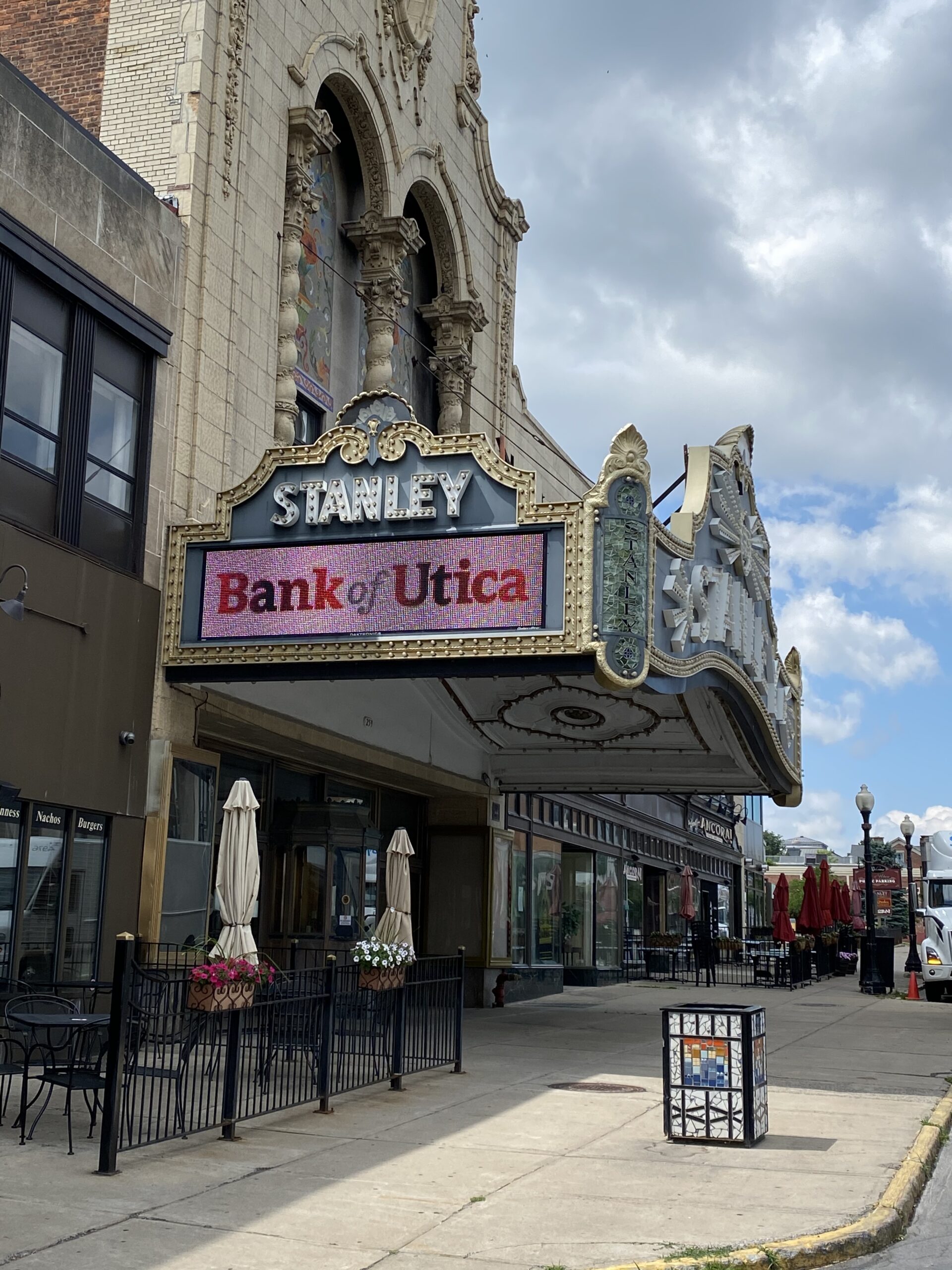
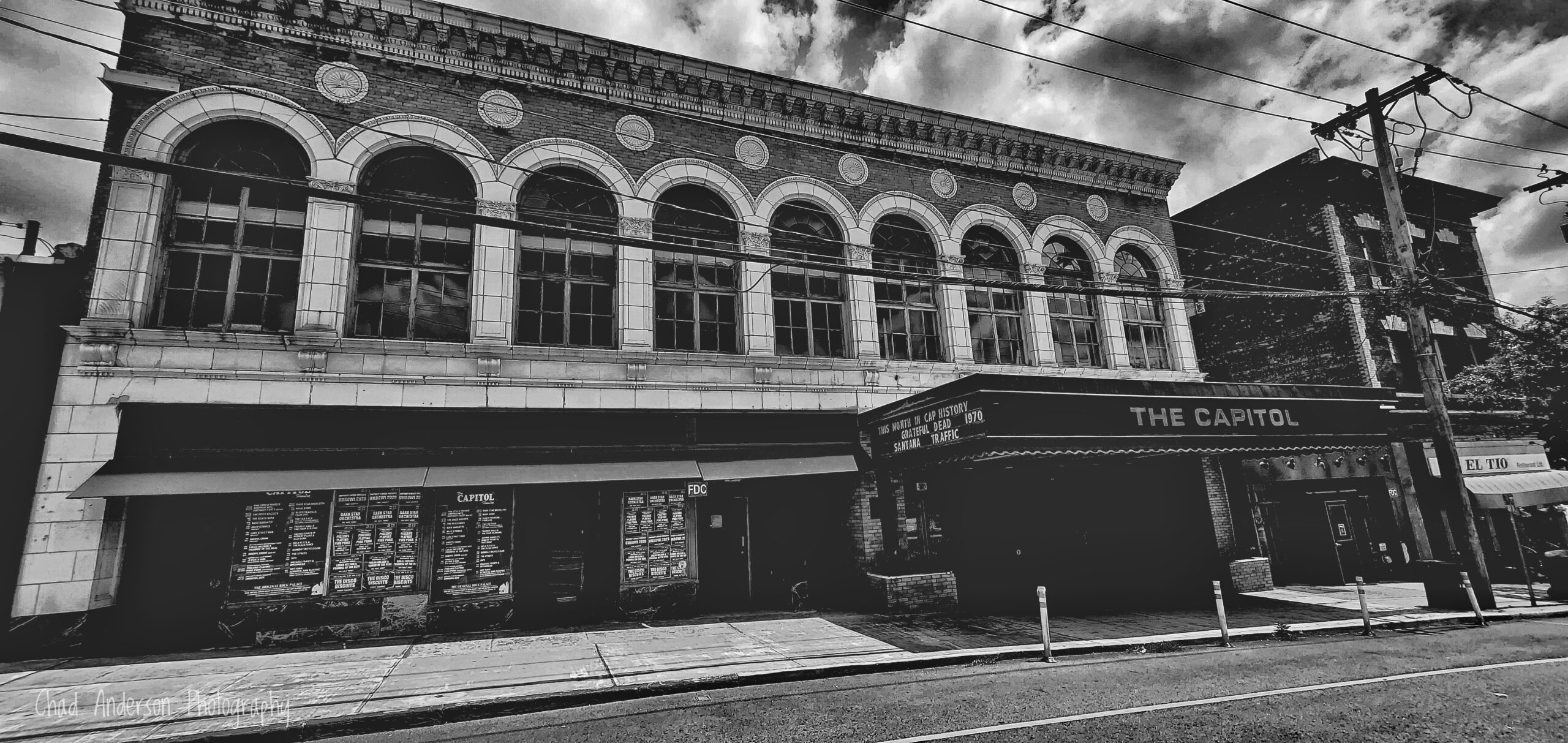
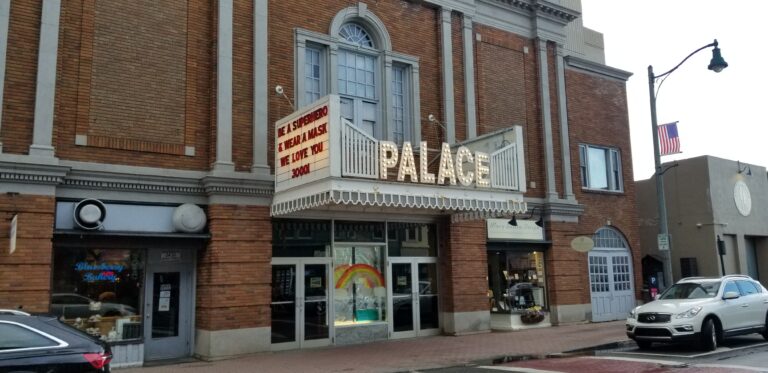
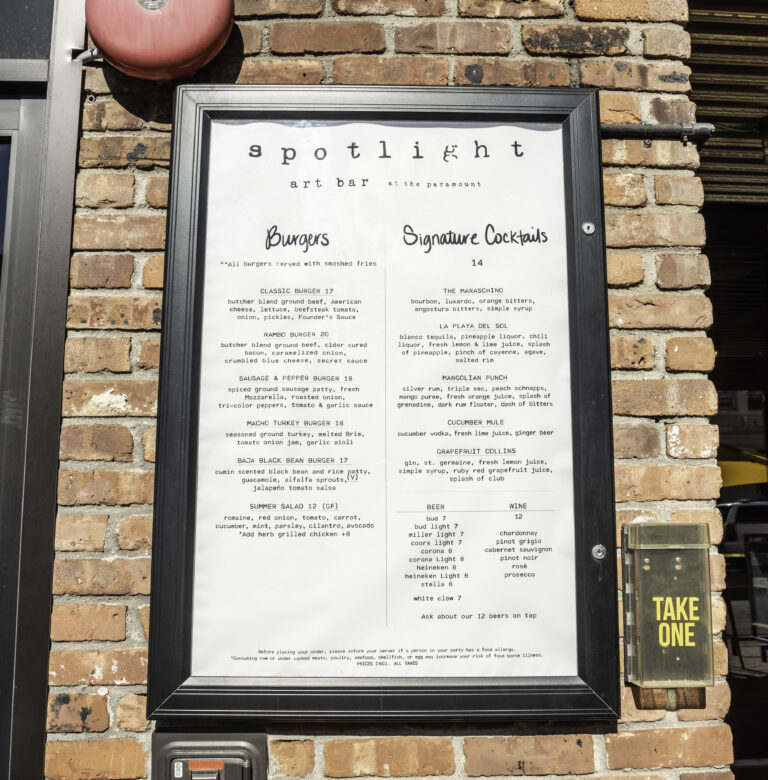
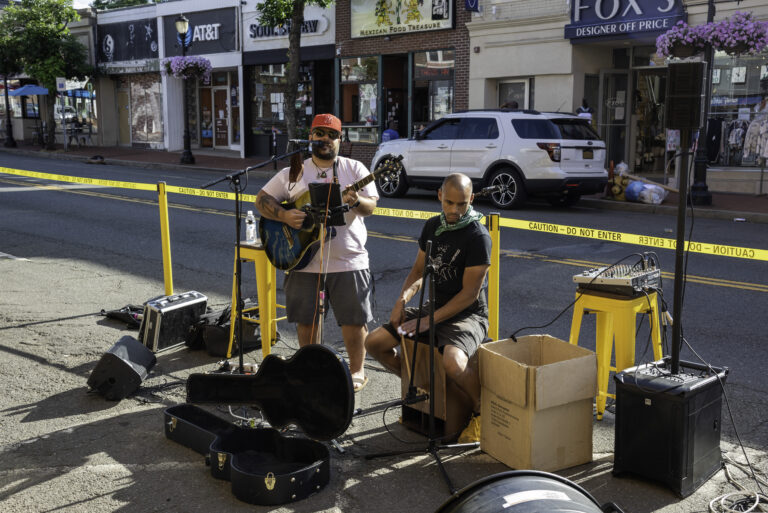
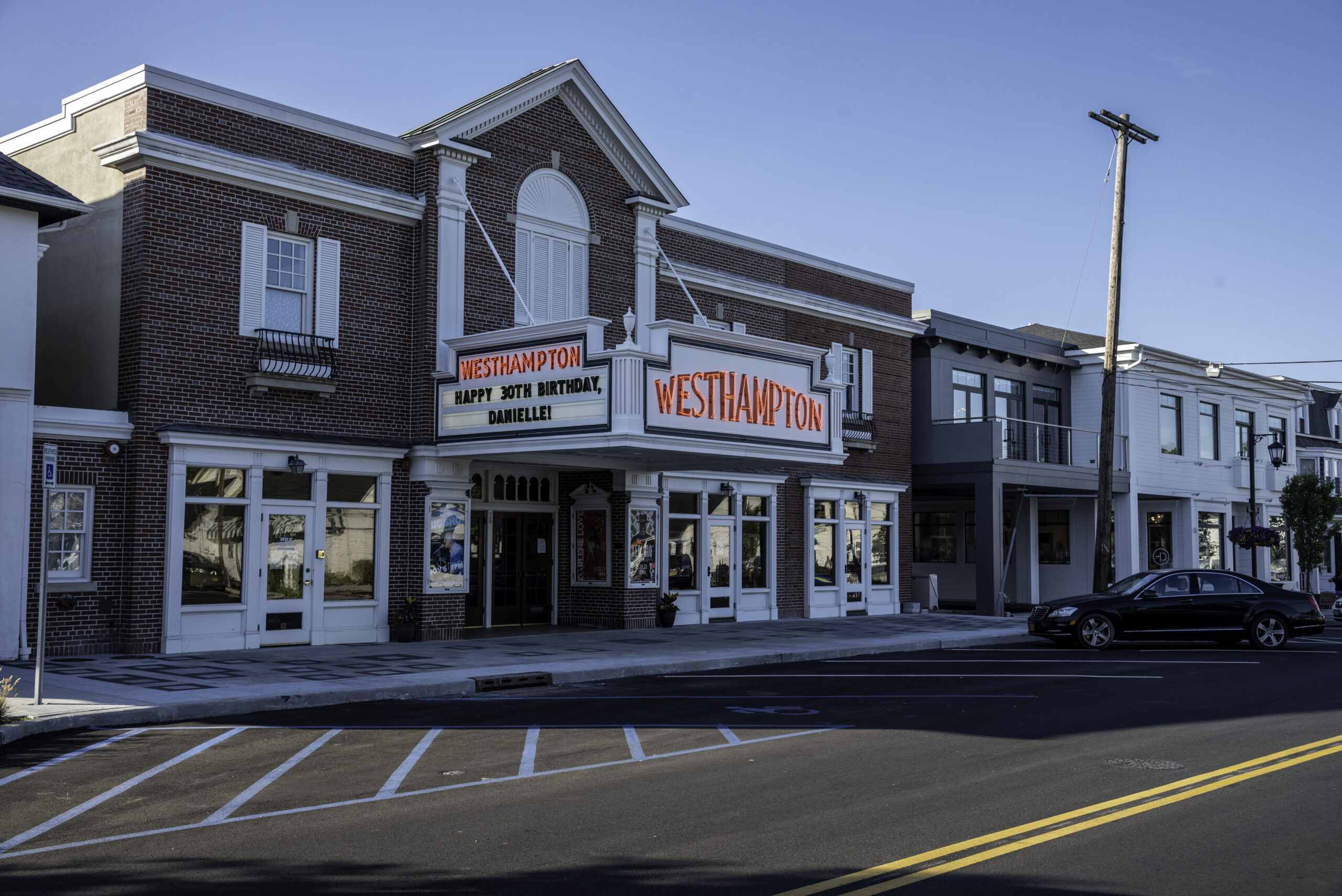
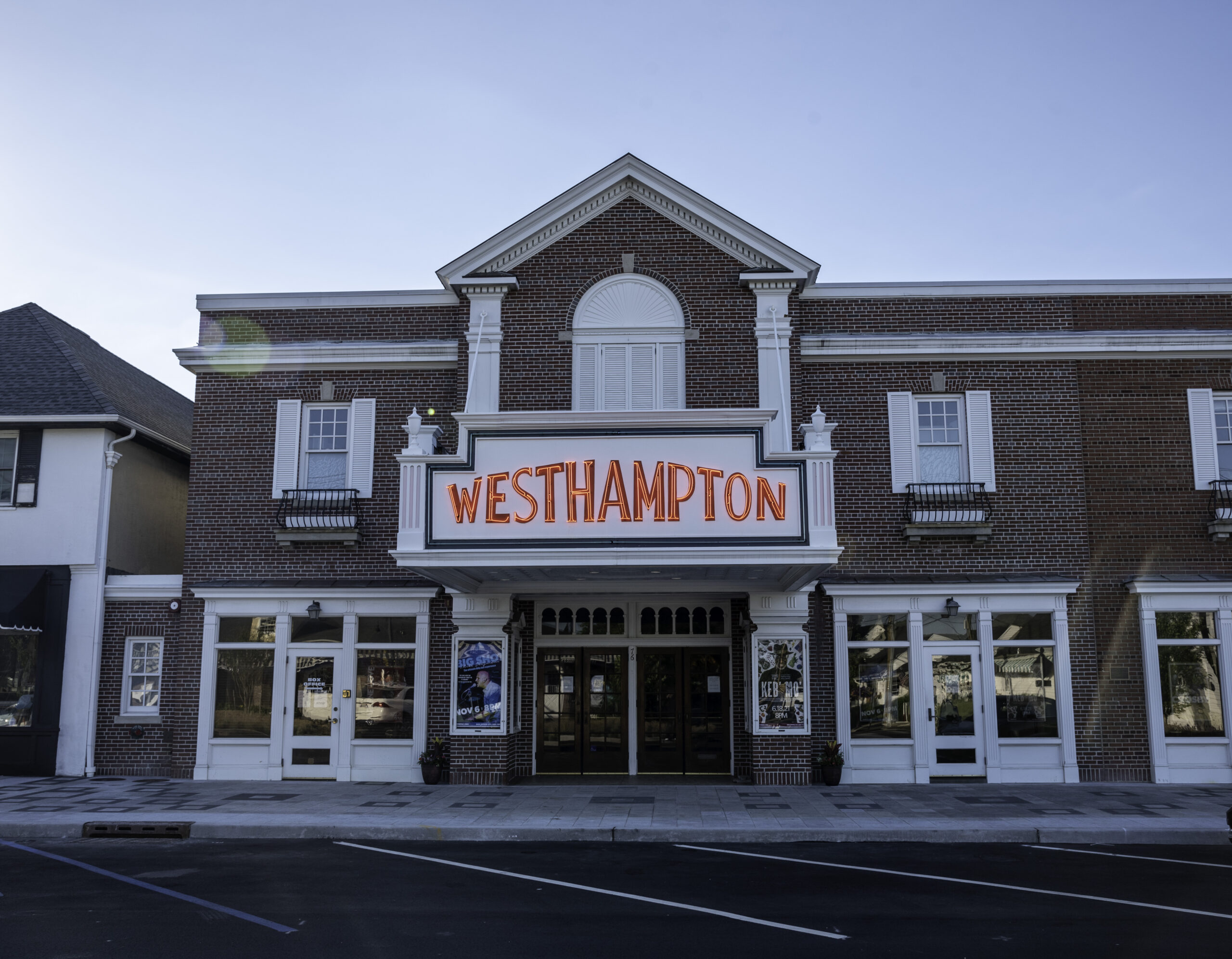
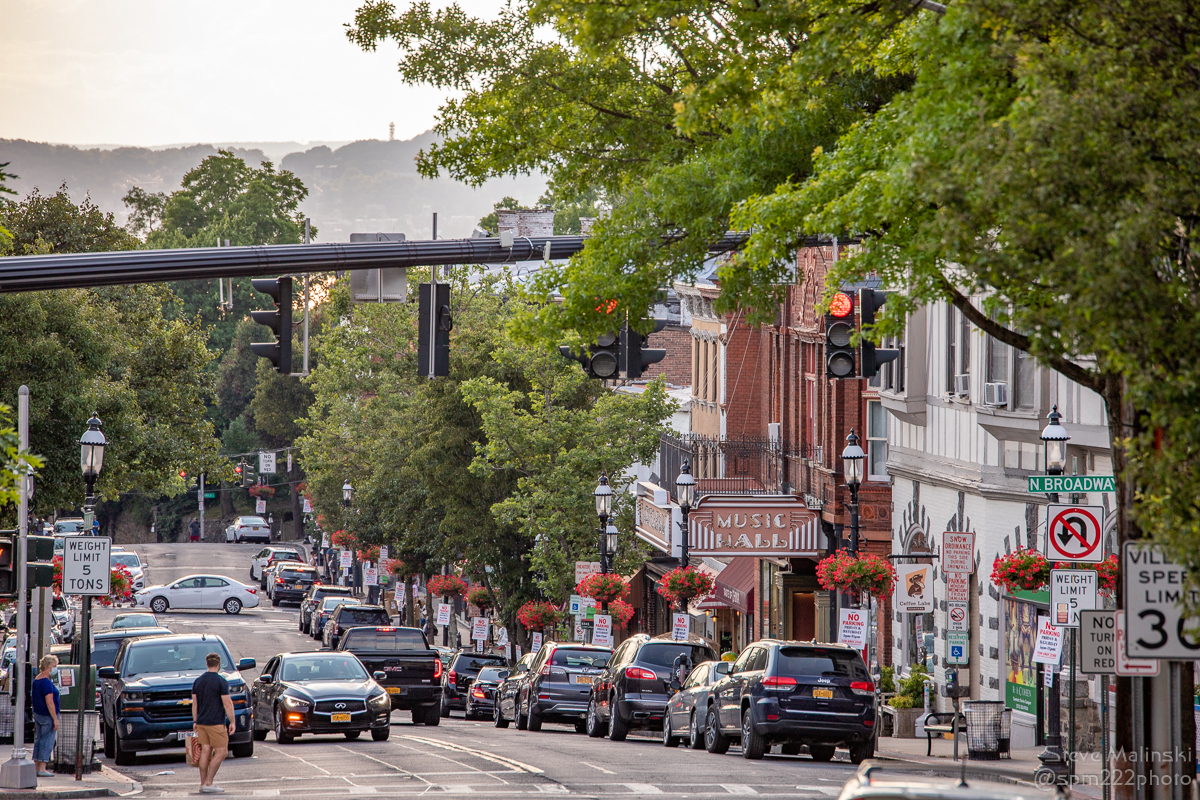
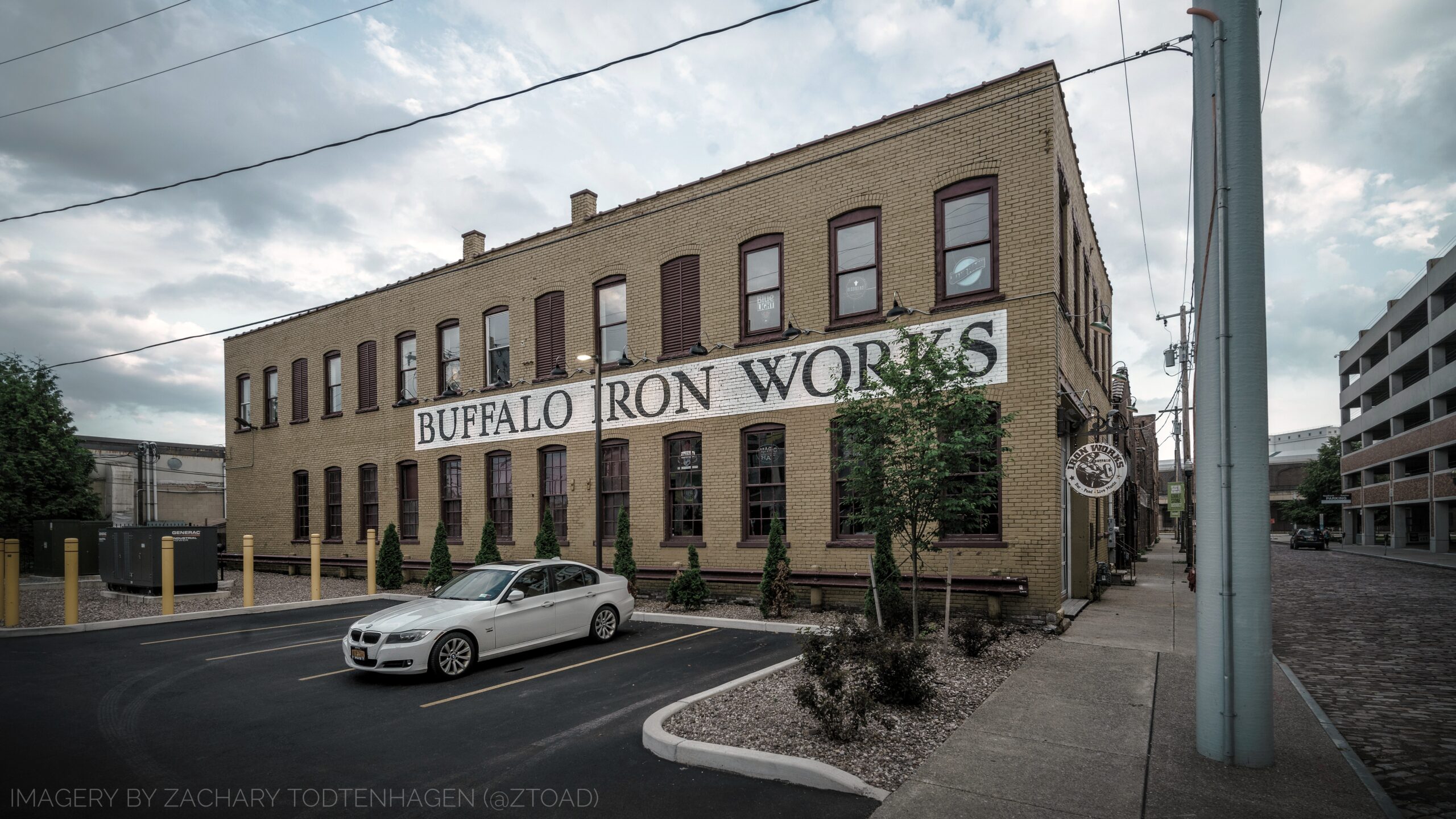
Working with 13 photographers to document more than 60 venues in 20 cities across New York State, NYS Music presents the second edition of our monthly series that looks at the current state of our beloved venues. When the venues reopen, we will share photo documentation recording the changes over time in all corners of the state.
Immense thanks goes out to all photographers and venues who are taking part in this monthly series. We’ll start this month in the Capital District, with a drone montage from Zach Culver, covering the venues we long to return to, sooner, rather than later.
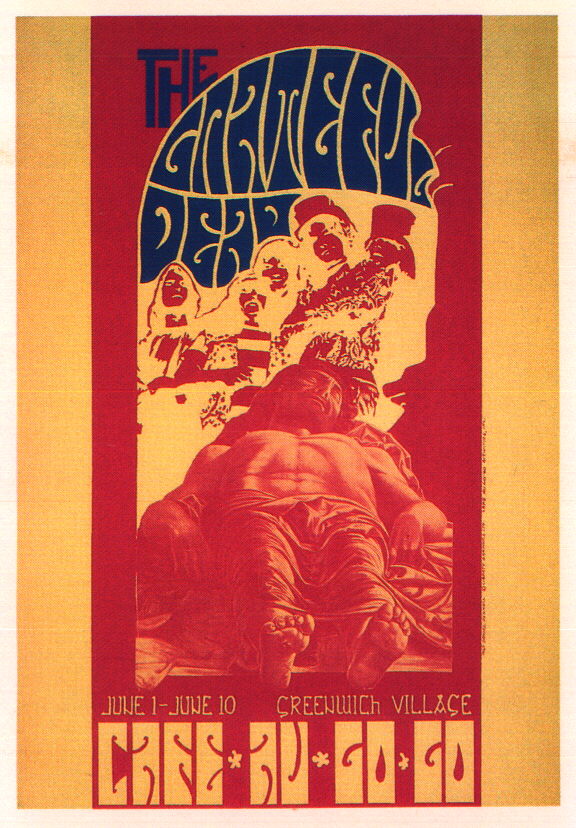
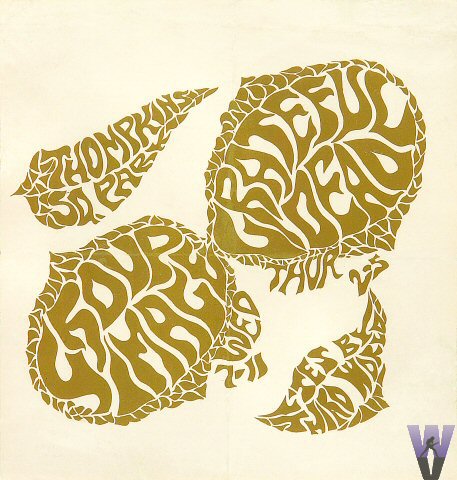
Few bands have a relationship with the state of New York like the Grateful Dead. Performing over 300 shows throughout the Empire State in a span of 28 years, the Grateful Dead made their mark starting with their first New York performance in Tompkins Square Park on June 1, 1967
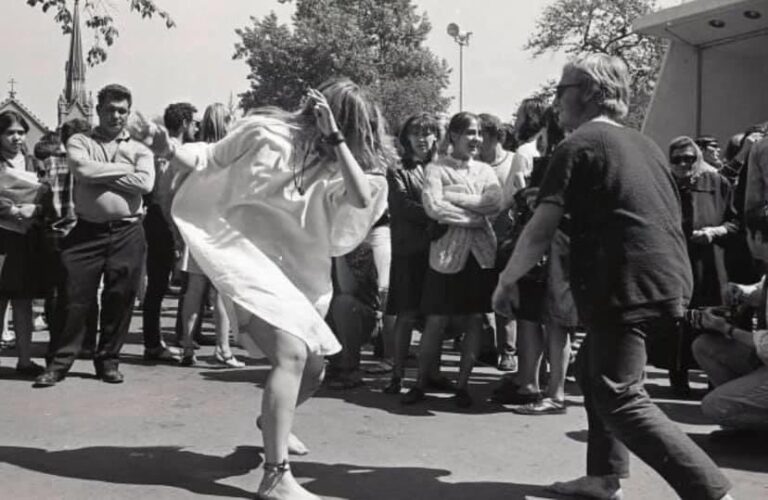
In some ways, the Grateful Dead’s maiden trip to the East Coast via New York City mirrors the ongoing circumstances we see there and across the country today. The year was 1967, right in the heart of the Civil Rights Era. And, locally, tribal tensions were beginning to boil over as well, stirred by the wrestling of control over the communal jukebox that had become Tompkins Square Park, a public space in the Alphabet City section of the East Village.
Tompkins Square Park 6/1/67
This being the “Summer of Love,” San Francisco was not the only place towards which hippies were flocking. Those that had descended upon Manhattan’s Lower East Side grew fond of playing their congas and bongos at the park. Puerto Ricans, the neighborhood majority, wanted their music to be prevalent and the Black community also fought for control of the musical output. Over the last few weekends, fighting at the park had become rampant.
Most recently, 38 people were arrested at Tompkins Square Park on Memorial Day after being confronted by police for sitting on the grass where they were playing music, both park violations. Per a Village Voice article from June 8, 1967, “A couple of cops went over to the park and told the hippies to shut up and get off the grass. The kids laughed, and kept singing. The cops ordered them to leave. ‘They laughed at us,’ patrolman John Rodd explained. ‘That’s when the trouble began.’”
Throw in all the other issues that the summer of 1967 undoubtedly brought and it becomes clear that local police were in danger of losing their city, as far as popular opinion went, and needed to rethink their tactics. Maybe it was someone on the force who somehow had an early copy of the Grateful Dead’s eponymous first album, released just months earlier. Or maybe it was “Cream Puff War,” the album’s second single that was slowly beginning to garner some radio airplay, that had somehow made it to a patrolman’s ear. Whatever the root cause may have been, the Grateful Dead were about to be met with an interesting quid pro quo from the city in the effort of keeping the peace.
Grateful Dead playing Golden Gate Park, just a few months prior to their first East Coast trip
Although the band was still in its nascent stage, they were definitely on the local radar. This was made evident when they were greeted by two separate welcoming committees upon their arrival to the Big Apple, each with a distinct agenda. According to Rock Scully, one of the band’s early managers, they had drama as soon as they arrived at their hotel. According to his book, Living with the Dead: Twenty Years on the Bus with Garcia and the Grateful Dead, Scully and the band were greeted upon their arrival with one of the oldest tricks in the book.
“I put the briefcase down on the front desk right next to me – it had all of our expense money in it – and the next thing I know somebody comes up and asks a question. I turn around and when I turn back, bang! the money’s gone. ” ~ Rock Scully
After returning to the hotel later that day, the band is greeted by the NYPD and Thomas Hoving, head of the Parks Department. Unsurprisingly, this was not a follow up for details to the heist from earlier in the day but, rather, a business proposal that would seem to benefit both sides. The Dead is presented with an offer to do the city “an honor” by playing an additional show at the bandshell in Central Park. As it stood, their only planned shows were a series of gigs slated to go down at the Village’s Cafe Au Go Go.
Who would say no to an extra show at such an esteemed locale in the most populated city in America? Surely, there had to be a catch. Well, there was. Now that the band had been buttered up, so to speak, the police then politely asked if they could give them “a hand with this little problem we’ve been having in Tompkins Square Park.”
The Grateful Dead may not have been a worldwide attraction yet, but they were known as a band that had no problems playing outdoors, and to great numbers at that. Word of the “Human Be-In,” a large outdoor show at San Francisco’s Golden Gate Park in January which the Dead were prominently involved in, had clearly reached New York City. A band with mass appeal that played outside and catered to hippies would be just what the doctor ordered. Although, understandably, the band had their concerns about jumping into the local fray.
“We can’t even hang on to our per diems and they want us to sort out a gang war in Alphabet City? They must be desperate.”
Rock Scully, Living with the Dead: Twenty Years on the Bus with Garcia and The Grateful Dead
It became clear to the band that the caveat for being allowed to play Central Park was their assistance in this local matter. After some initial reluctance, they were nudged to accept after lead guitarist Jerry Garcia spoke up, seeing it as a chance for outsiders like them to bring another community together via music. In the name of harmony, the Dead encouraged all local bands and musicians to attend and share the stage with them.
So on June 1, the day after the Memorial Day skirmish, the Grateful Dead went down to Greenwich Village where they were given the royal treatment, hailed as foreign troubadours here to deliver peace. Per a Village Voice article from the following week, “A happy, scruffy parade of 80 marched down St. Mark’s Place, complete with police escort, to present the Dead with a white carnation key to the East Village, graciously accepted by Pigpen. And the Tompkins Square bandshell rocked with San Francisco glory until a noise complaint was lodged in the late afternoon.”
But true to the band’s initial vision, they were only a part of the festivities that drew some 3,000 people to the park over the course of the day. They played from 2 – 5 p.m. and delivered their signature sound of amplified rhythm and blues meshed with psychedelic rock that was being consumed by an East Coast audience for the very first time. A Newsday review claimed the music could be “heard for blocks in every direction.”
Tompkins Square Park video footage from 6/1/67 (no audio first two minutes)
Throughout the course of the day, music of all kinds filled the air in what had to be one of the largest, free musical gatherings in New York to date. The gathering, dubbed a “real-in,” was a successful mass protest of sorts, in response to the events from Memorial Day, signaling to the local authorities that the local community was capable of policing itself.
It was certainly highlighted by the Dead’s first East Coast gig, but they willingly shared the stage with The Fugs, a much more well known local act, as well as local Puerto Rican and Black musicians who had also assembled – a true “pop-up” festival with some San Francisco flair. The Grateful Dead’s collective mindset, especially Garcia’s, is perhaps best summed up by Scully and his take on the day’s proceedings. “ Then other musicians come up with their congas and marimbas and bongos and cowbells, and they see this isn’t a turf thing at all. Music is music as far as the Dead go. African music or Puerto Rican salsa, it don’t make no difference to Garcia.”
And so, the band’s long, strange relationship with the State of New York had begun – dropped into the middle of civil unrest in return for an unexpected show at Central Park. Both those shows and the following string of dates at Cafe Au Go Go went off without a hitch and the Dead had officially stamped New York City as its first East Coast mainstay. They would return many times and wind up playing shows in almost every region of the state – which we look forward to writing about and covering here in New York State Music’s “Golden Road” series.
Setlist: June 1, 1967, Tompkins Square Park – Manhattan, NY (setlist is incomplete and approximate)
The Golden Road (to Unlimited Devotion), Dancin’ in the Streets, In the Midnight Hour, Beat it on Down the Line, Good Morning Little Schoolgirl, Cold Rain and Snow, Morning Dew, Viola Lee Blues
Bonus footage from the band’s performance at the “Human Be-In” in Golden Gate Park 1/14/67
Based in Westchester, Raquel de Souza (Singer), Cat Lines (Fiddle), Luis Cruz (Guitar), Tommy Carlucci (Drummer), and Steve Riccio (Bass) are Raquel and the Wildflowers. This troupe have provided a breath of fresh air into the country/rock genre with Raquel’s first single “Run Towards The Highway” charting #32 on DRT top 50 Country Airplay charts in 2018.
https://www.youtube.com/watch?v=5rEvzv0d8sI
After the bands public debut in 2019 they have been on a marathon of performances. The band has opened for multi-platinum artist Andy Grammer, award winning band Skeeter Creek, international country star Jessica Lynn, performed at The Cutting Room for Lauren Davidson’s first “Urban Country Jam”, Daryl’s House, qualified for the “Battle Ground Talent Show Case” finals at West Point Eisenhower Theatre and much more.
Most recently the band played the virtual concert for the radio station BIG FROG 104, and have posted the lovely performance on their Facebook page. For this performance, the band played covers as well as some of their originals, “King of the Jungle”, “Hot July”, “Room 15”, in addition to soon to be released songs “At least that’s what they say” and “What’s Done is Done”
In addition to online shows, the band will be doing “front lawn concerts” where they will be available to play for private shows and can be booked through their contact list on their website.
Their fully released songs are available on all major music outlets and you can find Raquel and the Wildflowers on their Facebook, Instagram, and website.
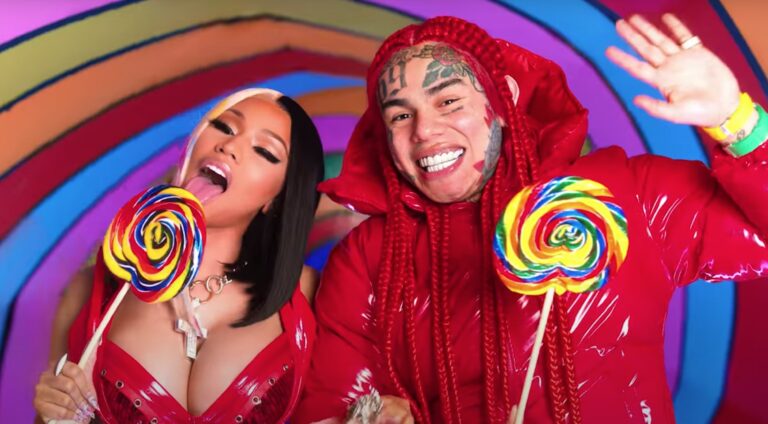
After debuting atop the Billboard Hot 100 chart last week with new song “TROLLZ,” New York rappers 6ix9ine and Nicki Minaj have broken the all-time record for biggest fall from number one. Dropping to #34, the duo doubles the previous record-holder, The Weeknd’s “Heartless,” which fell to #17.
“TROLLZ” marked 6ix9ine’s first number-one single, and Minaj’s second. Earlier this year, she hopped onto a remix of Doja Cat’s viral hit “Say So” for her first. The success of “TROLLZ” has been historic in many ways: after spending the late 2010s mired in controversy and overshadowed by new talent, Nicki became the first female rapper to debut at #1 since Lauryn Hill’s 1998 “Doo Wop (That Thing),” and 6ix9ine beat the odds despite being blacklisted from radio as well as playlists curated by Spotify and Apple Music.
The accompanying music video, filmed at 6ix9ine’s home while under house arrest for racketeering, drug trafficking, and firearms offenses, has almost 160 million YouTube views and counting, and the single has sold 116,000 downloads, the highest figure since Taylor Swift’s “ME!” Both rappers took to Twitter to gloat about the successful debut:
Without industry support, “TROLLZ”’s number-one debut was almost entirely a fan-driven operation. This is admittedly impressive, but on second thought it bodes bleak for the future of chart-toppers. While never an indication of a song’s quality or cultural impact, going number-one once meant having the most popular song in the nation for a week or more.
Now, a devoted fanbase could theoretically get their idol’s song to the top of the chart without anyone else beyond their ranks actually listening to it, only to nosedive into oblivion the next week without having made its mark on popular culture and the general public. While claiming the coveted crest of the Hot 100 has historically been a prestigious accomplishment, this arguably causes the feat to lose its luster.
Discounts, merchandise bundles, and multiple versions are increasingly popular methods of boosting sales, and fan practices such as employing bots and VPNs to manipulate a song’s performance have potentially made the Hot 100 less representative of the masses’ tastes than ever before. While the latter has only been rumored in this instance, 6ix9ine and Minaj employed all of the former tactics: “TROLLZ” was discounted to 69 cents, sold alongside CDs, vinyls, and hoodies, and released with explicit, alternate, and clean versions.
Although 2020 is only halfway through, the year has already seen five Hot 100 number-one debuts, some of which proved to be similarly frontloaded: Travis Scott and Kid Cudi’s “The Scotts” fell to #12 the following week, and Ariana Grande and Justin Bieber’s “Stuck With U” plunged to #13. Since Billboard is constantly amending its rules amid the ever-evolving musical landscape, none of these artists or fanbases are technically ‘cheating’ by pulling out all the stops to ensure a number-one.
They still obtained the necessary sales, streams, and radio play (provided they aren’t blacklisted) required to top the chart. Unlike payola, the practice of record companies paying radio stations to play a song without disclosing the agreement, it’s perfectly legal for artists to go to 6ix9ine and Minaj’s lengths to top the Hot 100. But will those songs be remembered a year from now? Next week, even?
“All I Can Say,” a documentary on the late Shannon Hoon, the late lead singer of Blind Melon, was released on June 26. The film will not be released in theaters as planned due to the COVID-19 pandemic, but will be available to rent on Relix.
The film is made up of many clips Hoon filmed of himself between 1990 and 1995. Hoon was known for religiously filming himself and his day to day life and left over 200 hours of raw footage right up until his death at the age of 28. The footage starts from before Hoon joined Blind Melon and through the band’s experiences in L.A, filming right up until a few hours before his death. The film was co-directed by Danny Clinch, Taryn Gould, and Colleen Hennessey.
The film was funded by a Kickstarter that hoped to raise $100,000 but ended up raising $115,524 with almost 2,000 backers to the campaign. The Kickstarter explained their hopes for the film saying, “This film documents the band’s rise to fame, Hoon’s family life, his creative process, his tumultuous struggle with addiction, as well as the politics, technology and culture of the 90’s. It is being made in a way that honors the footage Hoon shot while maintaining a genuine and authentic story.”
Oscilloscope Laboratories made the film available to the public via a rental program. Viewers can purchase a 3-day rental period of the film. Relix is partnered with Oscilloscope to share the film.
https://youtu.be/3xph8pPJMB8
For more information or to rent the film visit Relix Presents website.
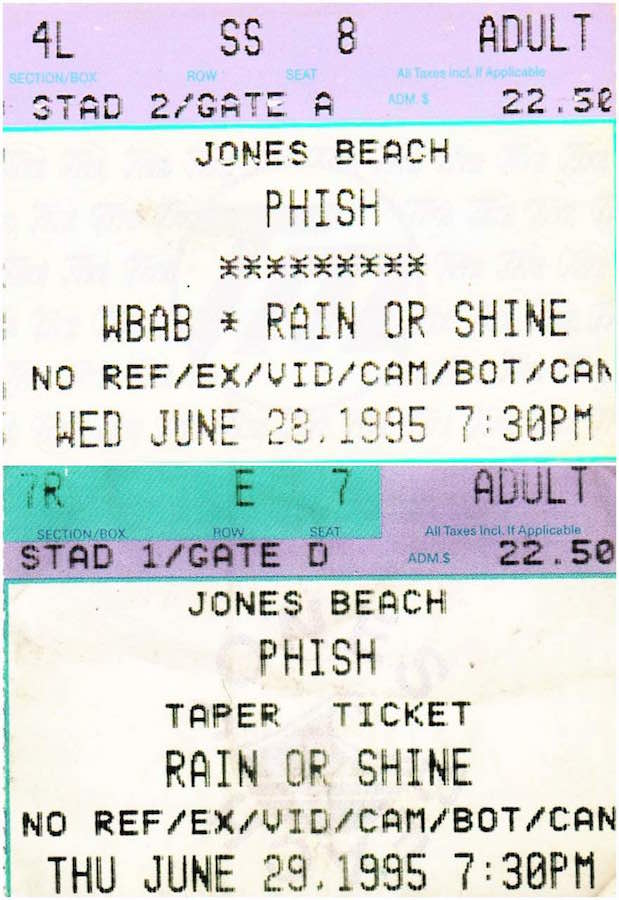
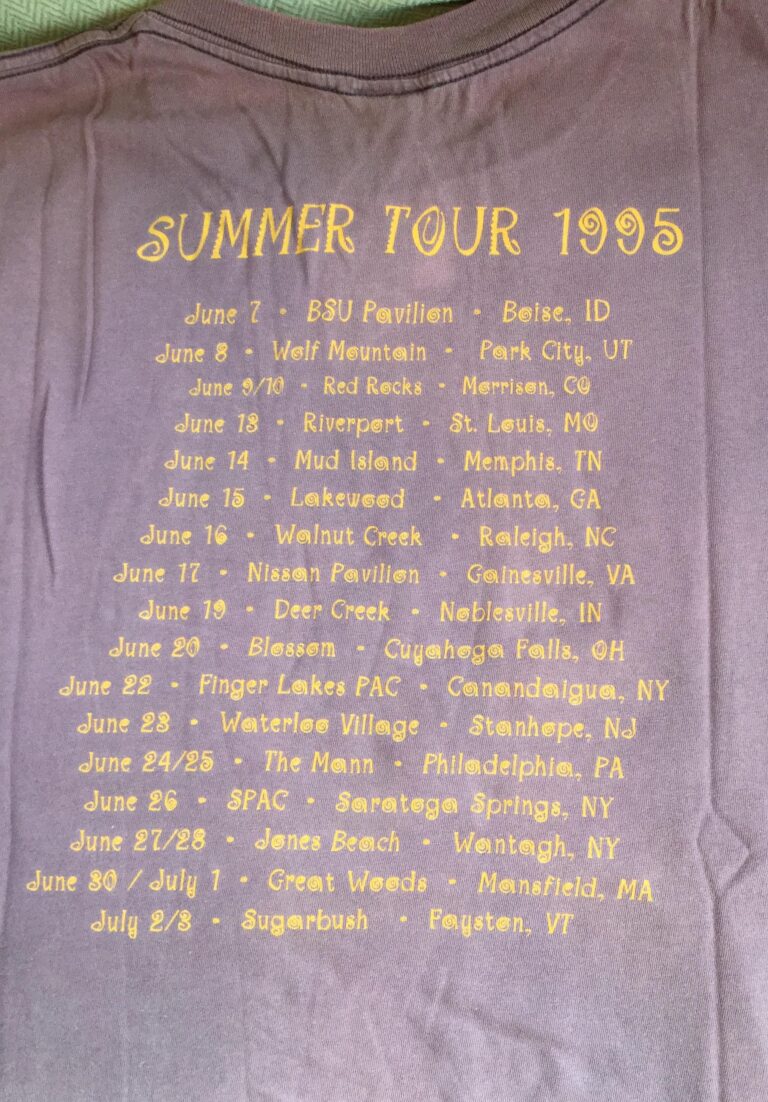
After performing at SPAC and taking a day off to celebrate the release of A Live One, Phish headed to Jones Beach for their first two-night run at the Long Island amphitheater. Growing their following, especially from New York metro area high school and college students with a summer off, was part of Phish’s broadening appeal as they performed in bigger and bigger theaters.
The first show on the 28th featured the retired “Axilla (Part II)” and an 11-minute “Foam” demonstrating the patience of the foursome from Vermont. The rest of the set after “Fast Enough For You” reads like a fantasy setlist, and it was only the first set, including one of two “Fluffhead”‘s from that tour.
Set 2 unleashes a 30+ minute “Tweezer” that is one for the books, so much that it was added to Live Bait 10 (scroll down for video). This experimental version of the jam vehicle included the ever rare “Dave’s Energy Guide” and a jam on The Breeder’s “Cannonball.” If you were still clamoring for more, the “Harry Hood” and “Tweezer Reprise” to close the set are likely to seal the deal.
Soundcheck: Sweet Home Alabama, Jam, Ginseng Sullivan, Red River Valley Jam, Dog Log (slow)
Set 1: Axilla (Part II) > Foam, Fast Enough for You, Reba[1], Punch You in the Eye, Stash, Fluffhead > Chalk Dust Torture
Set 2: Sample in a Jar, Poor Heart > Tweezer -> Dave’s Energy Guide -> Tweezer > Gumbo > Sparkle > Suzy Greenberg, Harry Hood, Tweezer Reprise
Encore: Sweet Adeline, While My Guitar Gently Weeps
[1] No whistling.
Ha Ha Ha was teased before the start of the first set. Reba did not have the whistling ending. Dave’s Energy Guide was played for the first time since March 8, 1991 (479 shows). The secondTweezer included a Cannonball jam with quotes from Trey.
The next day the fans returned to Jones Beach for another round of Phish, and were greeted with “Runaway Jim” -> “Taste.” The straightforward first set was enthusiastic and energetic, and ended with an acapella “Carolina.”
If you were getting your first taste of Phish over these two nights, you might think that nearly half hour versions of songs were the norm, and for a time, they were. Both “David Bowie” and “You Enjoy Myself” topped over the 25 minute mark, with “Bowie” taking chances getting spacey, and “You Enjoy Myself” including a bass and drums section.
From here, Phish would have two more two-night runs, at Great Woods in Mansfield, MA and two-nights in at Sugarbush in North Fayston, VT
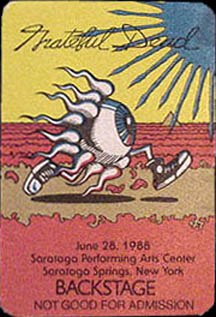
After being banned from SPAC for three years, the Grateful Dead returned on Tuesday, June 28, 1988 for one final outing at the famed Saratoga Springs venue. This being their first show since the release of 1987’s In the Dark and the Top 10 single “Touch of Grey,” a new generation of Deadheads were seeing the group for the first time, who were disparagingly referred to as ‘Touchheads’ by some veteran fans.
While this was the final performance for the Grateful Dead’s at Saratoga Performing Arts Center, the band had a strong fanbase in the greater Capital District. Add in a new audience of younger fans and the band would find themselves heading half an hour south for future performances in the region, at the Knickerbocker Arena, starting in 1990.
Locally broadcast on WPYX, the Tuesday show was aired on the radio in an effort to dissaude fans from arriving at the show without a ticket. This did not prevent gatecrashing from occuring early in the night, and fans on the lawn were found heading into the pavilion balcony as they did in 1985.
Rain fell on the crowd as storms passed through, and lightning was seen during the rain-soaked “Candyman,” leading to a chill coming over the crowd as the show wore on. A solid variety in the straightforward first set seemed to swap Bobby and Jerry songs from the outset of “Hell in a Bucket,” and ending with “Victim or the Crime” and “Foolish Heart.”
More rain came down early in the second set, similar to the rain in 1985 that began during “Fire on the Mountain.” Listen to “Scarlet Begonias” > “Fire on the Mountain” > “Estimated Prophet” > “Crazy Fingers,” and you’d likely be enjoying dancing in the rain as the thousands of fans did that night.
Following a hypnotic “Drums” and “Space,” a beautiful version of “I Will Take You Home” by Brent Mydland appeared, and a late second set “Stella Blue” found Jerry stumbling just before pouring buckets of emotion into the ending jam. The Dead had left their mark on SPAC, one of the most beloved venues in the Northeast.
Grateful Dead, Saratoga Performing Arts Center (SPAC), June 28, 1988
Set 1: Hell In A Bucket-> Bertha, Walkin Blues, Candyman, When I Paint My Masterpiece, Row Jimmy, Victim Or The Crime, Foolish Heart
Set 2: Scarlet Begonias-> Fire On The Mountain, Estimated Prophet-> Crazy Fingers-> Drums-> I Will Take You Home-> Goin’ Down The Road Feelin’ Bad-> I Need A Miracle-> Stella Blue-> Not Fade Away
WEQX has long been the preeminent independent station in the Capital Region of New York, broadcasting from Southern VT to a ever-expanding listening audience. Each Sunday evening from 7-9pm on 102.7 FM, you’ll find EQXposure on WEQX, featuring two hours of local music from up and coming artists. NYS Music will bring you a preview of artists to discover each week, just a taste of the talent waiting to be discovered by fans like you.
Luminous Crush from Jamaica, VT has shared the stage with Amy Helm, opening for her band at the Paramount Theater in Rutland, VT. Their first album was produced along with Grammy-winning Nashville songwriter and producer Felix McTeigue, and their newest LP Lumina is now available at Bandcamp. This is a new song not found on either of their previous releases.
Check out this Ballston Spa band’s new album This Perfect Day at Bandcamp and Spotify. The Daily Gazette of Schenectady called it the “perfect pandemic album”. This song was inspired by a dream that singer Jen Coleman’s daughter had.