Category: Features

  • Wu Tang Wednesday: The Foundations of Wu Wear

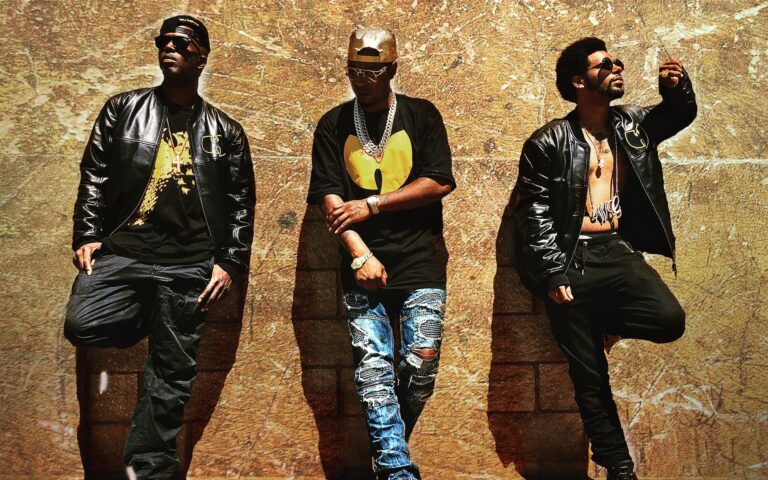
    Wu Tang Clan have long been innovators within hip hop culture, whether it came from their music, style, or their lingo. Before the masses draped themselves in popular streetwear like Supreme, V-Lone and Bape, Wu Wear occupied that space within the streetwear community. Always the trendsetters, this was the first of many clothing lines by rappers. Its impact was worldwide, as each article of clothing was designed to showcase the most iconic logo in the history of hip-hop, the infamous Wu Tang Clan “W” which combined their love of kung fu and hip-hop. 
    wu wear

    A unisex clothing line, Wu Wear offered a variety of fleece jackets, long sleeve t-shirts with graphics, crew necks along with sweatshirts — all of which donned the iconic logo. While RZA is regarded as the group’s de-facto leader, the idea for Wu Wear stemmed from Oliver “Power” Grant, a close associate of the groups who has executive produced every Wu-Tang Clan album.

    In 2008, they faced a counterfeiting scandal, hurting the brand’s credibility. Consumers were under the assumption that they were getting ripped off with fake clothes that they were paying a lot of money for. The brand has since bounced back and has made a relaunch to their website. Partnering up with the likes of Nike, ALIFE and other popular clothing brands.

    To recognize the brand’s cultural significance, RZA recorded a song titled “Wu-Wear: The Garment Renaissance.” which was included on the High School High soundtrack, as well as RZA’s greatest hit album. The record also features Wu tang affiliate Cappadonna and Method Man.

    Method Man’s laid back and rhythmic hook (along with his charisma and style) gave the record much needed flavor that balanced RZA’s scientific flow and lyricism.

    “Ain’t what you want baby

    It’s what you need baby

    Ain’t what you want baby

    It’s what you neeeeeeeed”

    Setting a calm and relaxed tone (which was needed) before RZA began his verse. The famed producer begins the record with a breakdown of what makes Wu garments unique, and why it had been deemed a renaissance for streetwear.

    “Yo,  diamond crystal rings sharp like icicles, nickel plated pistols

    official Wu-Wear covers my physical”

    RZA begins his verse describing the jewelry and diamonds that cover his body, concluding with Wu Wear as a way of associating the clothing brand with the valuable jewelry he dons.  

    “You can detect the true and living God from the score

    Keep your sword straight, maintain your weight

    But he ate too much monosodiumglutumate, and polysorbate

    and drug rate concentrate, with sodium benzoate

    By the chicken thighs and tryglycerides

    And this bitch advertised her breast size

    Eighty-five didn’t realize, til the truth opened up his eyes”

    He begins to breakdown all the things that is poisonous to body and wellbeing of his body and of others. He is also referencing the “five percent” teachings when he speaks on searching for the God within. The five percenters focus on how the Black man is the original man and how they are Gods on the earth. That’s why it’s important to keep and maintain your health from many of the substances in this society that destroy your mental and body, which RZA references while also discussing his recent wealth. He refers to is as “chicken” that fattens his thighs which in tun, leads women to show their “breast size,” a clever play on words. He finished the bar off by letting the masses know that  he was once one of the 85% until he searched for his own truth.  

    “Then he became highly civilized,

    and spent time amongst the wise,

    went through a garment renaissance

    and stopped wearing Benetton, Tommy Hill, Perry Ellis, Nautica,

    or Liz Claiborne, Ocean Pacific, Fila, Bill Blass and leave fitted

    Quit the Armani sweaters with the Gucci wool knitted

    Mecca, Pelly Pell, 88, North Q, Bear and a few others

    For the new year, strictly Wu-Wear

    Once he opened up his mind, he spent time with wiser men and gained a greater understanding of his purpose. His garment renaissance came when he stopped wearing name-brands clothing and focused his efforts on the success of Wu-Wear and other Black owned clothing brands. With the renaissance signifying 

    While the theme remained the same, Cappadonna’s verse was much more straight-forward, relying less on philosophical references.

    “The Century 21 son, the new portfolio dunn

    Now it’s my time, Asian Wu-Wear, Cap and fleece wear

    One wear plaids the Don will hold the best for all wear

    plus blue wear, Wu-Wear, what’s going on

    We’re the best of this year, Wu-Wear and fleece wear”

    While RZA focused on the meaning behind his beliefs, Cappadonna spent more time detailing his exploits as a well-dressed man, aligning Wu Wear with other recognized name-brands. 

    “Just hold your own baby

    and just rock on baby

    I got this wine on my mind

    feelin fine darlin

    Now all you see baby

    ain’t what you need baby

    I wanna know just how low it goes

    Official nasty asses, straight shots in dirty glasses

    Wu-Wear fleece for you and your stinkin piece

    Hard time and killer tactics”

    Known for having more crossover appeal, Method Man took a took a different approach to his verse. Unlike the others, he demonstrated how the allure of the clothing line can be used to allure women, a major point of contention for most men. 

    The record sampled The Soul Children and their 1972 single “Don’t Take My Kindness For Weakness,” spending 17 weeks on Billboard charts and peaking at number 20. While it served as great promotion for the clothing line, it also showcased the diversity that made Wu Tang Clan so iconic. There’s knowledge-of-self and wisdom from RZA, “fly talk” from Cappadonna, and the smooth slickness of Method Man. 

    Wu-Tang having their own clothing line and iconic logo has been ingrained in the fabric of hip-hop since the brand came out. They were innovators taking their interests and creativity outside of music and making it into a business to profit off of other than just recording music. You can say this was the model for artists such as Notorious B.I.G and Bad Boys records, Jay-Z and Roc-A-Fella records, rapper Camron and his Dip Set clothing line and Kanye West with his Yeezy brand.

    Companies have also used rappers to promote their companies clothing lines such as the rap group Clipse with Bape and the late Tupac Shakur with Versace. All of this can be traced bac to the Clan and their influence on the culture. 
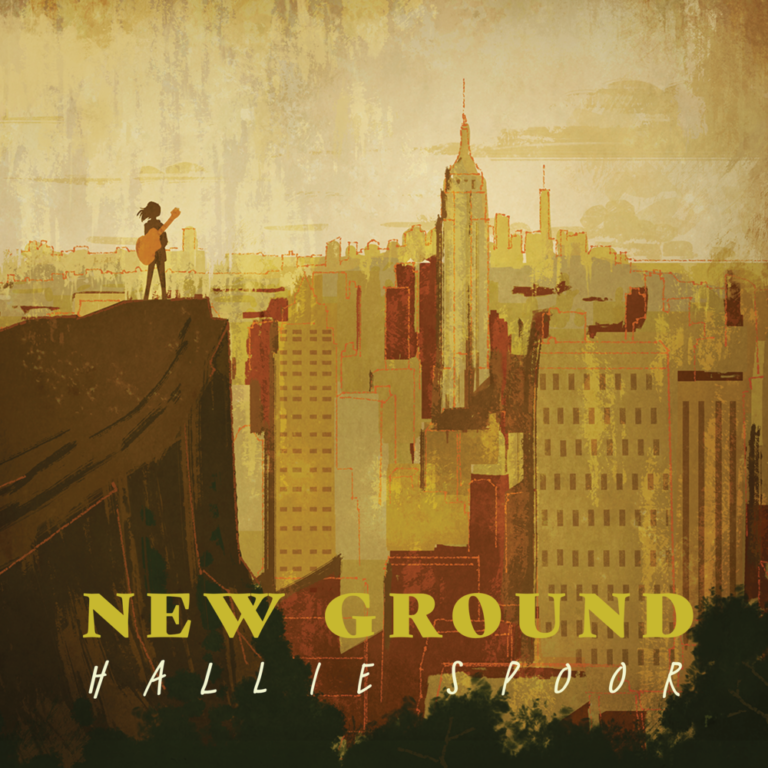
  • Hallie Spoor Releases Inspirational New Music Video for “City Angels”

    Brooklyn based folk/rock singer-songwriter, Hallie Spoor releases her newest music video which inspires joy, youthfulness and unity despite the global shutdown.

    Cover art for Spoor’s newest album, “New Ground.”

    Spoor’s song “City Angels,” promotes a feel good attitude, during a time that many of us are struggling emotionally because of the pandemic.

    “The idea I had was that during this time of isolation and separation, I thought we could use more joy,” Spoor said.

    Growing up in Denver, the young musician is now based out of Brooklyn. She has played at several famous music venues like, Sunny’s Bar in Red Hook and Rockwood Music Hall.

    Spoor completed her first national tour last fall through playing small performances in unique locations with the well known music events start-up, Sofar Sounds.

    Spoor’s website describes her as an “old soul,” who possesses similar sounds to Joni Mitchell. That part of her personality comes out in the music video where she created a collage of pictures and video clips sent to her by friends and family. The collage promotes memories and a cheerful outlook on life in the city.

    According to her Youtube page, Spoor wrote “City Angels,” after experiencing a lonely day in NYC. Her mood changed after running into a few, “New York characters.”

    “All these very human moments made me feel like I might belong after all. So, this video is dedicated to them- the city angels that make us feel like we’re home in this exciting, scary, beautiful place called New York,” Spoor wrote.

    Hallie Spoor asked her friends and family to send her nostalgic pictures and video clips.
  • Disney Renaissance Composer Alan Menken Celebrates 71st Birthday

    Renowned composer and New Rochelle High School graduate Alan Menken turns 71 today. Born in 1949 at the French Hospital in Manhattan and raised in New York City, Menken grew up to be one of the world’s most recognizable musicians by ear.

    Before being the composer behind the beloved Disney Renaissance, Menken was a playwright and musical composer starting with works such as God Bless You, Mr. Rosewater after being recruited to organize the music by playwright Howard Ashman’s 1979 adaptation of a novel written of the same name by Kurt Vonnegut. 

    Alan Menken later worked with Ashman again in the early ’80s co-writing Little Shop of Horrors which first opened in 1982 at WPA theatre to a warm reception by the audience. Little Shop of Horrors then moved to the off Broadway Orpheum Theater where it ran for five years, and later became a successful movie and found a new life on Broadway in recent years.

    Following the success of Little Shop of Horrors, both Menken and Ashman were hired by Walt Disney Studios to write music for The Little Mermaid and later Beauty and the Beast, Aladdin, and Pocohontas, among others, a major part of the Disney Renaissance. 

    Menken went on to compose music for several animated Disney films that earned him eight Oscar wins for the Best Score and/or Song (in a span of eight years) as well as 11 additional nominations.  

    Alan Menken is true New Yorker who has made his name as a composer, making an impact on both the film and music worlds.

  • Exploring Storytelling in Music with The Ninth

    With large gatherings banned for the foreseeable future, fans of musical theater and full-band live music are on the search for musical fulfillment and interesting story arcs. Enter the concept album- a perfect cross between long-form storytelling and studio recorded music. Albums like The Who’s Pinball Wizard and Green Day’s American Idiot hold their place on the pedestal of great rock operas. Over time, fans of musical theater have seen soundtracks becoming more contemporary. Musicals like Once and Hamilton make for otherwise great studio soundtracks to listen to apart from their visual stories. It’s a tall task for bands and composers to be able to write soundtracks in this long storytelling form. One NYC based band is doing it right here, combining catchy tunes with technically brilliant songwriting and performances.

    The Ninth are a dynamic, often changing group of musicians. Ben Halperin (Guitar, Songwriter), Tim Russell (Vocals/Keys), Stephanie Genito (Vocals), Tim Galvin (Drums), and Jeff Ostroski (horns) make up the core of the group. The talented crew of musicians have two stellar studio works in their catalog, The Answer (2018) and Olympic Dream/Nightmare (2019). For the most part both combine elements of funk rock and musical theater. The outcome is wonderfully groovy and incredibly intricate. Catchy hooks unify every song, keeping the listener coming back.

    The Answer 

    To begin with, The Answer is a short and sweet trio of songs clocking in at just over 10 minutes. The group’s propensity to uniquely combine the minutiae of classic rock, funk, and R&B is showcased in this initial release. Funky beats match with masterfully crafted bass lines to drive the songs and provide a delightfully dance-able groove. For instance, huge brass and string parts mesh well with the core-band. This gives each song a sense of grandeur. 

    Vocalist Tim Russel steals the show with his soaring vocals. Meticulously performed guitar and bouncing bass reinforce the technical expertise that the band possesses. Guitarist Ben Halperin remembers how the songs acted as a jumping off point in the first place. He recalls “We were just getting our bearings and feeling out our sound…we love those songs, but there isn’t anything to them other than that we thought they were good and ready.” Halperin had been working on something special however, before the band had even assembled.

    Olympic Dream/Nightmare

    The Ninth released their first full album Olympic Dream/Nightmare in October 2019. The album tells the story of the Nancy Kerrigan and Tonya Harding Olympic scandal. Ultimately the story was adapted and written by Halperin. The songs were also written in collaboration with the band over time. Halperin’s wife had recently opened his eyes to Broadway, theater performance, and all the possibilities the medium presented. The album idea came quick.

    Having watched the Hardy/Kerrigan debacle unfold as a child, and after watching an “ESPN 30 for 30” special years later, Halperin was inspired to write about the event. He focuses especially on a couple main themes. One being how difficult it is to achieve lofty goals. The other about the damage public judgement can have on a person. Together with each other, these themes are of principal focus in the lyrics. Album in hand, Halperin started to put together his troupe. 

    Halperin was able to assemble an incredible crew of musicians including the likes of Broadway pit performer Jeff Ostroski, who played trumpet and also arranged the horn parts for the album. Adding in musical theater performers Tim Russel and Stephanie Genito on vocals gave the project’s lineup an extra kick. Consequently, they were outfitted to sound like a Broadway ensemble. The Ninth’s music consistently exudes influence in funk rock and jazz. The band’s consistency in genre lends to their tight-knit sound. With the clear album topic and a great sound in mind, the project could move forward with a common goal.

    Putting it All Together

    The re-imagination of such a dynamic event allowed the group to leverage emotional complexity to create large compositions that reflect such bittersweet themes. The real life story is about as wild as any Hollywood script. Particularly, The Ninth do a great job of capturing the chaos and beauty of the story. Every track is a roller-coaster, with highs and lows dominated by the intricate composition and wonderfully crafted lyricism.

    Halperin remarks that “almost the entire first half of the album comes back some way or another in the second half.” For instance, “the title song introduces themes that recur in Limelight and Oksana, with Limelight also having a Trailer Park reprise.” Everything ties together splendidly, despite the long story arc. No strangers to big studio projects, the band offers up hit after hit.

    Halperin mentions specifically how “the emotion and characters translated well to the funk and rock music that I love.”

    Full brass and string sections give each song a larger-than-life feeling. This is something that the band strives to deliver. Songs such as “Saving Grace” and “Trailer Park” provide character introduction and juxtaposition between two of the story’s main characters. Namely, the band uses different vocalists for each character. Each vocalist offers a magnificent performance on their tracks and also mesh well together in harmony.

    The guitar work shines marvelously throughout the entire work. Halperin matches tone to every small part of the story thus acting as a sort of narrator in the story. He provides a magnificent performance all around. Cory Wong-styled funk lines opposite soaring solos. Generally the guitar foretells the mood of the song. A sleazy funk song like “Crowbar” emulates the Jeff Gillooly character wonderfully.

    Successes and Challenges

    Although projects of this size don’t come together easy. It was great preparation and a solid cast of musicians that helped Olympic Dream/Nightmare come out so well done. Halperin mentions that it wasn’t so much the undertaking of the music that made the recording a challenge. He says “making music in a great studio with great musicians always has and always will be a complete pleasure.” The band recorded everything Steely Dan-style. Putting painstaking detail put into each instrument’s recording and layering is a point of pride. Indeed, the hard part was the scheduling and financing. This was no rush job, and it shows with the final product. Everything was meticulously planned and executed.

    Playing Live and The Pandemic

    It’s no surprise that the group has a big live sound too. They have played some of NYC’s iconic venues such as The Bitter End. Their tight grooves keep live renditions of their songs dance-able and exciting. High energy is a big defining characteristic of The Ninth. Together, this unrelenting powerhouse of a group can perform with stellar execution. “Boy do I miss crowds”, Halperin says. Specifically those crowds including musicians who are digging the music.

    The off time has been ultimately slow for the band since everything is shut down. For instance, Halperin has kids and a day job. Consequently, with no access to child care right now it’s tough to focus on music. Though he is optimistic about the future. He says “we’re itching to perform once it’s safe.” In the meantime, he says the band has new music to record. Otherwise, he is available to help out with other projects, and is available to write if anyone has an idea and needs music. 

    You can find both albums streaming on services such as Spotify, Apple Music, Amazon, Pandora, and Bandcamp. Follow the band on Twitter, Instagram, Facebook, and YouTube for updates.

  • Interview: Natalie Claro’s Inspiration for “Discomposure”

    After seeing Paramore in concert, the then-14 year old Natalie Claro was inspired to take on a music career. Claro writes and produces her own music, integrating genres of pop, rock, folk, R&B, and country into her songs. 

    Natalie Claro

    Claro grew up in Tampa, Florida starting her career as a local musician when she was 15. By the time she was 17, Claro released her own music and started performing shows in New York. She explains what she loves the most about the music industry:

    The aspect of being able to have an outlet where you can just say whatever, speak your mind, and have a platform to be able to do positive things not only for your community but just as many people you can reach in general. I’ve always loved that part of it.

    In her album, Disconnect Claro describes it as her “analysis of the world.” Her EP Selfish Topics “is an analysis about myself,” Claro says. Her songs discuss issues such as depression, insecurities, and uncertainty. She uses her music to speak out about the positive and negative aspects of life.

    Claro is currently working on new music and has released the music video to “Discomposure.” “The song is about anxiety and stress,” she says. The music video for “Discomposure” illustrates Claro expressing fear and worry, yet finding solace in music. She communicates through her songs that we can find positivity and strength through some of our darkest moments. Claro shares what she wants her music to represent:

    I always use my music as a message towards anyone that is listening to it. I try to be a positive influence to my listeners.

  • Alondra Galopa Release Cover of Simon and Garfunkel’s “Sound of Silence”

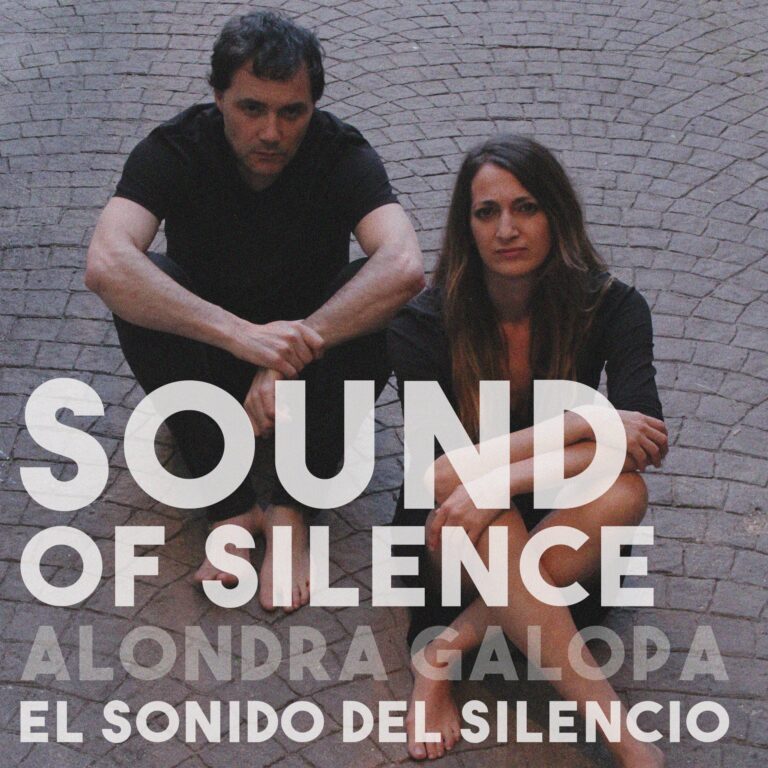
    Alondra Galopa dropped their cover of “Sound of Silence” originally by Simon and Garfunkel. The cover comes from a place of unrest and gives the song a new meaning in 2020. 

    Alondra Galopa is an alternative indie band that originates from Granada, Spain. The band has worked with Linier Discos and The Borderline Music record labels producing one of a kind sounds. Some of their biggest songs include, “no hay marcha atrás,” “héroe,” and “a ninguna parte.” The band is made up of Juan A Salinas, Monica Navarro, Antonio “Lopez” y Manuel Marín.

    Before the worldwide pandemic, Alondra Galopa, was in full production work for their next record release. The album production process had to stop due to the group’s inability to reunite. Band members Mónica Navarro and Juan A. Salinas have adapted “Sound of Silence” by Simon & Garfunkel to Spanish during their unexpected downtime. They have turned the sound into a dark pop terrain, with the essence of post rock and dark noise that characterizes some of their productions. Between Monica Navarro’s vocals and the eerie sound it’s an original version of  “Sound of Silence.” The cover is really something special that takes a classic song and changes to the sound while still keeping the essence of the song intact which isn’t an easy thing to do. 

    The song is definitely worth giving a listen to if you are a Alondra Galopa or Simon and Garfunkel fan. The song is out now and available on most streaming services.  


    For more information on Alondra Galopa visit their Facebook Page.

  • Weird Al doesn’t throw away his shot with “Hamilton Polka”

    Just one day after the musical’s release on Disney+, Weird Al Yankovic uploaded a comedic mashup video to go along with his 2018 “Hamilton Polka.”

    weird al hamilton

    Parody artist Weird Al is famous for his mashup polkas of famous songs. His first polka, “Polkas on 45,” was released in 1984. Weird Al has continued to make polkas throughout the decades using each generation’s music. His most recent is “NOW That’s What I Call Polka!,” which was released in 2014 and features songs by Miley Cyrus, One Direction, Daft Punk, and more.

    The single was released in 2018 as a part of the Hamildrop series, where different artists made remixes of Hamilton content throughout the year. Miranda has been a fan of Yankovic since he was a kid, and hearing the song was a dream come true for him. He and Weird Al have been good friends for some time, and Yankovic describes Hamilton as “maybe the greatest piece of art [he’s] ever seen,” so he pulled out all the stops to make sure that the “Hamilton Polka” was perfect. 

    The “Hamilton Polka” is Weird Al’s third polka to use songs by only one artist. “The Hot Rocks Polka” features songs only by The Rolling Stones, and his “Bohemian Polka” mashes up Queen’s famous “Bohemian Rhapsody.” The “Hamilton Polka”  still made history as being the first time Yankovic used multiple songs by one artist but from just one album. 

    He features some of the most popular songs from the show, including: “Alexander Hamilton,” “Wait For It,” “The Schulyer Sisters,” “Yorktown (The World Turned Upside Down),” “You’ll Be Back,” “The Room Where It Happens,” “Right Hand Man,” “Guns and Ships,” “Washington On Your Side,” “Non Stop,” “History Has its Eyes On You,” and “My Shot.”

    Even with the songs’ uniformity, Weird Al manages to stay true to his style and add silliness to the single. The comically edited lip syncs of the video feature the 2016 cast of Hamilton performing Weird Al’s vocals. The actors’ dancing and blocking for each song is shown, finishing with the cast’s final bow.

  • September 28, 1976: The Grateful Dead Paint the War Memorial Orange

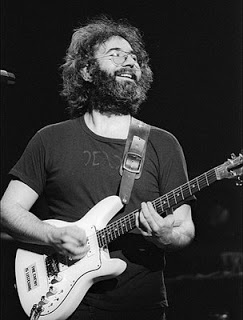
    Our look back at the Grateful Dead’s tour history in New York makes a stop in the heart of Central New York, with a trip back to September 28, 1976 and a show so good it deserved placement on a Dick’s Pick release. The latter half of Volume 20 of this particular series of live shows showcases the band at the top of its game as it rolled into Syracuse in late September, after a show at Rochester’s War Memorial the night before.

    Grateful dead war memorial

    New York has always served as fertile ground for memorable Grateful Dead shows and this particular one at the Onondaga County War Memorial falls right in line, with the band continuing to break new ground as they explode through this transformative mid ’70s era.

    View this show and more Grateful Dead shows from across the years in New York State with our interactive map below!

    The proceedings start with an upbeat and inspirational “Cold Rain and Snow” that seems to warm the collective hearts assembled in Central New York this evening and gives the band a chance to warm up their harmonies early.

    A “Cassidy” that later follows takes the set’s early momentum and runs with it, courtesy of its typically brief yet intense ending progression section. The band then stretches their collective legs a little with a version of “Tennessee Jed” that has a delightful, rambling jam attached to it and a stout version of “Candyman” soon follows. But the real highlight of the opening stanza is an an enthusiastic “Let It Grow” that fosters a jam which meanders effortlessly through the highs and lows provided by a rhythm section in lock step with the vocals of Bob Weir and Donna Jean Godcheaux before it dissolves into psychedelic bliss. This more than helps provide the kindling for a set closing “Goin’ Down The Road Feeling Bad” that easily catches fire, ending the first set in a pristine blaze of glory.

    Grateful dead war memorial

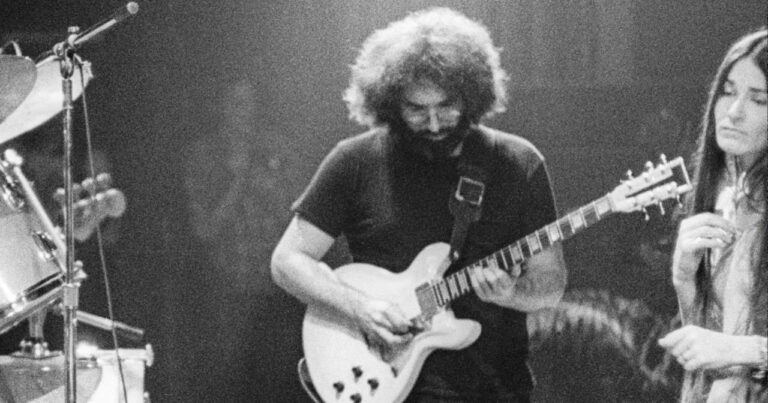
    A direct and authoritative “Playing In the Band” opens the second set with Jerry Garcia on lead guitar laying down ferocious melodies atop a bed of intense rhythms fueled drummers Bill Kreutzmann and Mickey Hart and bassist Phil Lesh. The near 11-minute opening salvo is the band at their finest as they collectively finesse through a psychedelic jaunt that eventually makes way for “The Wheel.”

    A joyous “Samson and Delilah” follows, which wastes no time after its completion before seguing into another blissful, guitar-driven improvisational jam with Garcia still leading and the rest of the band in hot pursuit.

    Much like the first set, the bulk of this show’s punch comes towards the end, in the form of a tidy “Drums” section that gives way to an absolutely blistering “Eyes of the World” that sees the full band in complete cohesion and harmony, in a somewhat speedy version that was not atypical for this era of Dead.

    This rapid rendition of “Eyes” then gives way to a loose, ragged collective jam that’s since been dubbed the “Orange Tango Jam,” the only one of its kind and seemingly a nod to the local Syracuse confines. This off-the-cuff jam has flashes of inspiration but eventually peters out and gives way to a rousing “Dancing In The Streets” before the set concludes with a bookending “Playing In The Band.”

    Make no mistake. Even through this show might be the second half of Volume 20 of the esteemed Dick’s Picks archival releases, it takes a back seat to very few others from this era. It shows the band playing relaxed and cohesive as a whole, with the ability to shift into unstructured territory at a moment’s notice – a sign of things to come with the band soon entering perhaps the most explosive year of its existence.

    Grateful dead war memorial

    Grateful Dead – Onondaga War Memorial Aud., Syracuse, NY – September 28, 1976

    Set 1: Cold Rain and Snow, Big River, Bertha, Cassidy, Tennessee Jed, New Minglewood Blues, Candyman, It’s All Over Now, Friend of the Devil, Let it Grow, Goin’ Down the Road Feelin’ Bad

    Set 2: Playin’ in the Band > The Wheel >Samson and Delilah > Comes a Time > Drums > Eyes of the World > Dancin’ in the Streets, Playin’ in the Band

    Encore: Johnny B. Goode

  • Discover Local Music With EQXposure Featured Artists Of The Week

    WEQX has long been the preeminent independent station in the Capital Region of New York, broadcasting from Southern VT to a ever-expanding listening audience. Each Sunday evening from 7-9pm on 102.7 FM, you’ll find EQXposure on WEQX, featuring two hours of local music from up and coming artists. NYS Music will bring you a preview of artists to discover each week, just a taste of the talent waiting to be discovered by fans like you.

    WEQX eqxposure joe mansman

    Tune into WEQX.com this Sunday night to hear music from Joe Mansman and the Midnight Revival Band, Underwater Cartographers, New Saviors, Grape Juice!, Ida Mae Specker and many more! Get a preview of these artists below.

    Joe Mansman and the Midnight Revival Band – “Blood on the Scales”

    These guys rock, plain and simple. Hailing from Glens Falls and have most recently released Fear In The Valley: Live From The Den, a collection of live acoustic songs recorded during quarantine. Joe Mansman says of the recording process which took place in an old boat garage:

    There was at least some comfort sitting in that moldy and dusty room with people you love, because it felt more normal than what was going on outside of it. We took our acoustic guitars, and just hit the record button most nights, letting it take us wherever. That felt normal. To me, this record will forever serve as a time capsule that’ll remind me of how we found a little bit of comfort in a strange and uncertain moment in the world’s history.

    Joe Mansman

    Underwater Cartographers – “Wave Goodbye and Watch it Go”

    Albany’s Joe Pasinella is staying busy as always. Look up Underwater Cartographers on Bandcamp to see what I mean. It’s crazy how many songs this dude cranks out. He sends me new music constantly and it’s always interesting both lyrically and musically, all done for fun recording on Garage Band. Just like you, or maybe not depending on your situation, he works a standard job. I have no idea what that job is but he makes music like it’s his job. This is from the new Album Benign Fascinations.

    New Saviors – “Pieces”

    Ryan, host of EQXposure, shares insight on the newest from New Saviors.

    Zack King’s latest project New Saviors are based out of Southern Vermont and Upstate New York. Zack plays guitar and takes on many other roles within the group. I’ve known him for well over a decade and have always known him to be in a band of some kind, even experimenting with rap as King Daddy Deucey (KDD) for a period of time. He’s a hustler for sure. When KDD merch was for sale you could see the t-shirts all over Bennington before Zack had even released any music under the name. I myself had at least three shirts, a hoodie, and a hat. That’s the thing about Zack. He’s just got the drive, talent, and personality to move any project forward.

    Grape Juice! – “Strawberry Pie

    From Saratoga Springs, Grape Juice! is Hunter Fish (lead vocals, guitar, ukulele), Jesse Zuccaro (bass), and Michael Smith (drums, vocals). The three met in a creative writing class at SUNY Adirondack in 2017 and started the band at the beginning of 2018. “Strawberry Pie” was one of the first original songs they ever played and wrote together, and has been a favorite of their’s ever since. They recorded and mixed it all by themselves in their bass player’s basement, and if you listen closely, you can hear that it features his mom walking around upstairs toward the end of the song. They released our debut EP Outer Spvce EP on July 10, and are constantly writing, recording, and practicing. It shouldn’t be long before they have more music and start building their audience in the region.

    Ida Mae Specker – Billy In The Heartland

    Ida Mae Specker lives in Dorset, Vermont, having growing up in Andover, Vermont, where she began playing fiddle and singing in her family band, The Speckers. In addition to singing and fiddling, she’s also played drums and guitar in folk and indie rock bands. Her new EP Billy in the Heartland was recorded last year at Owl Sounds Recording and was the first time she recorded her original songs. The EP was to be followed up with some shows with the bands Upstate and Saints and Liars but the shows were unfortunately canceled due to COVID-19. Her web designer, photographer, and agent are all local VT women and you can see their work at on her website.

  • Mickey Leigh’s Mutated Music presents “Two Kinds of Law”

    It’s a tale as old as time: the rich, famous, and privileged get a slap on the wrist for offenses that would ruin anyone else’s life. Previously observed by Truman Capote and Martin Luther King Jr. in the mid 1960s, the assertion that there are “two kinds of laws” still holds true today. NYC rocker Mickey Leigh employs the phrase again in Mutated Music’s new single, just as current affairs reiterate the divide. Nationwide protests have highlighted the police’s double standard in dealing with Black and white Americans, and President Trump has commuted his friend and former campaign advisor Roger Stone’s prison sentence.

    Mickey Leigh

    About “Two Kinds of Law,” Mickey Leigh told SPIN,

    “Music is magical in so many ways. Rock and roll is one form of it that, magically, can be purely fun, but, at the same time can be a way to spread a message. And, aside from having a lot of fun with it, me and my fellow Mutated musicians think both are equally important – as long as it’s an important message […] The importance of “equality” and “justice for all” has come to the forefront of our lives like never before. and, it’s a message that needs to be repeated…repeatedly. There aren’t many ways to repeat a message repeatedly without boring people to tears, aside from immersing it in a catchy chorus and irresistible rhythm.”

    Mickey Leigh

    This immersion is definitely successful. While its lyrics and melody are simple, “Two Kinds of Law” still packs a punch as a socially conscious earworm. The video opens with Leigh playing guitar on his couch, but quickly shifts to footage of a police shooting. The spreading of such videos can potentially be reckless and traumatic, but here it’s blurry, brief, and non-graphic. Next, Leigh sings “Hush now children, don’t you cry; daddy won’t be home and I’m telling you why” as a Black mother mouths the line to her children. The video concludes with a cameo from a certain disgraced athlete from the 90s, perhaps the quintessential example of the two kinds of law.

    Mickey Leigh is partially known as the brother of Joey Ramone, but he’s had his own prolific career as well. He’s been a longtime fixture to the NYC music scene, and was previously in the bands Birdland and The Rattlers. He also published a book in 2009 called I Slept with Joey Ramone: A Family Memoir.

Built in Breakdance