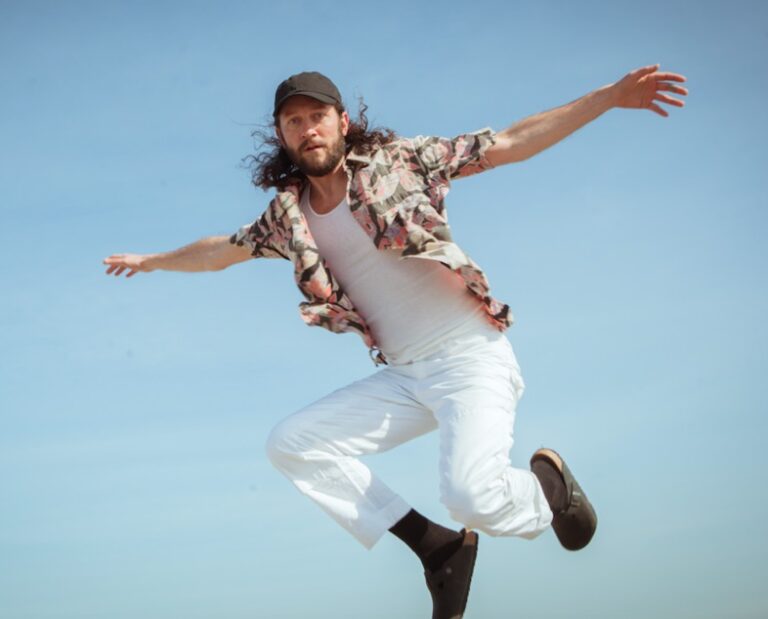
NYC-based dance-pop artist Michael Tapper has released the video for his debut single “Sleep In My Clothes” from his new project Practice. The song and video were both made pre-2020 madness, and yet the themes of isolation and self-quarantine root it (maybe too much) into current reality.
As an accomplished drummer and indie rock lifer (Tapper was previously the drummer of We Are Scientists, BishopAllen, Fool’s Gold and Yellow Ostrich), Tapper’s point of self-discovery that led to the creation of his album Not a Game took place in 2013, when he headed out on a 28-day sailing trip from Mexico to Hawaii with his brother-in-law. The album Not a Game represents an exciting new chapter in his career as well as the beginning of something else entirely — a fresh start, sonically and perspective-wise.
The moniker of Practice itself was borne out of this constant, self-exploratory toil, along with a connection to the practice of meditation itself. NBA legend Allen Iverson’s infamous “practice” speech was another inspiration for the project’s name, and the speech itself is showcased over the rippling synths and hissing snares of album centerpiece “Practice.”
Speaking about “Sleep In My Clothes” Tapper explains the song’s message on the struggles he’s encountered during this global pandemic:
Like everyone, coronavirus has upended my life and consumed probably the majority of my waking energy for the past month or so. My wife is a doctor in Manhattan, so we started quarantining before most people (when she’s not at work), concerned that she might bring it home from the hospital and not wanting to spread it to our friends or neighborhood. Our fears were founded because we did get it early, but thankfully our symptoms were mild. During this quarantine time, I was able to finish up preparing this music video for release. As I showed it to a few people, one friend mentioned that it embodies things we’re feeling during this isolation period. As one friend put it: “the vibe of the “Sleep In My Clothes” video is how I feel on a bad day during this quarantine — crying my mascara off (if I even had the will to put any on).”
The video starts very literally with me waking up in all of my clothes and walking out the door, which is the first verse of the song, but then takes it a step further by diving into a pool fully clothed. Later, the character experiences a sort of baptismal rebirth transformation, ending up completely naked, which is a literal reference to the lyrics but also a metaphor for honesty and vulnerability, which is what’s happening lyrically at the same time.
Cardi B broke the internet on Friday, August 7 with her new song and video “WAP.” Featuring Megan Thee Stallion, the song serves as a comeback for both of them.
“WAP” has ignited controversy for many reasons, but its lyrical content is the most conspicuous of the bunch. While sexual subject matter is nothing new for either rapper, they abandon past metaphors and double entendres in favor of a literal approach. There’s nothing wrong with this in theory, but the song coasts solely on shock value. It worked, though: a Republican congressional candidate’s Twitter rant gave them free publicity, and the video is trending on YouTube:
Although Cardi and Megan’s prior hits were full of catchy hooks and Instagram caption-ready lyrics, both are largely absent here. The straightforward verses are a missed opportunity for them to show off their wordplay, which they’ve weaved with their sexuality in the past. The Frank Ski sample gets old quickly, and Megan outshines Cardi on her own song.
However, while Cardi often faces accusations of ghostwriting, it’s completely believable that she wrote her own verses here. One line goes, “I want you to touch that li’l dangly thing that swings in the back of my throat,” which is the trademark brazenness that only Cardi B could pull off. Also, as we’ve come to expect from the Bronx rapper, the video’s visuals are stunning. It’s rare that a music video feels like an event anymore, but her surrealist Dr. Seuss take on the Playboy Mansion is truly something to behold. Carole Baskin of Tiger King infamy decried Cardi’s use of big cats in the video, despite their addition in post-production with a green screen. This seemingly random feud most likely began when Cardi defended Baskin’s archenemy Joe Exotic earlier this year.
Mostly featuring up-and-coming artists such as Normani, Rosalía, and Mulatto, the “WAP” video’s main attraction is Kylie Jenner. Her cameo spawned memes as well as backlash, including a petition to remove her from the video. Besides looking out of place, signees cited her cultural appropriation and alleged mocking of Megan Thee Stallion’s shooting injuries as reasons.
I wanna say thank you to every woman that was apart of my video! The fact that you made time in your schedules means alot to me! It was so important to me to include different women,that are different races and come from different backgrounds but are so powerful and influential.
Contrary to many “WAP” critics’ complaints, the problem doesn’t necessarily lie in the song’s raunchiness, Kylie Jenner inclusion, or use of exotic animals, but how one-dimensional it is. Cardi and Megan have always been outspoken about their sexuality in their music, but they supplemented it with other aspects of their personality and artistry. Compared to “I Like It”’s trap-salsa genius and “Savage”’s boasts of complexity, “WAP” feels lifeless, uninspired, and derivative of their peers.
Cardi B’s second studio album is set for release later this year.
Manhattan’s historic The Ear Inn has played a pivotal role in the music scene and beyond. In fact it is the oldest bar in New York City that has continuously served alcohol since 1817.
The Ear Inn has a very unique history after being open for two centuries. It dates back to a time where there was African aide to George Washington and The Ear served as residence for John Adams and Aaron Burr, among others. The Ear Inn was nicknamed by patrons as an untitled bar (“The Green Door”) for obvious reasons. As a result, the bar is listed on the National Registrar of Historic Buildings.
Recently unearthed recordings courtest of Jazz Lives feature performances from a bevy of jazz musicians in NYC. Every Sunday night at The Ear Inn was typical – those who knew, knew what to expect – but “typical” was also remarkable.
The Ear Inn c. 1940 – photo by kathy barbieri
We start back in October 2008, with a video featuring Howard Alden, alongside Jon-Erik Kellso, Danny Tobias, Harvey Tibbs, Evan Christopher, Dan Block, Sebastien Giradot, and Chuck Redd.
“Moonglow,” featuring Tamar Korn (vocals), Dan Block (clarinet), and Harvey Tibbs (trombone).
On June 7, 2009, the EarRegulars included Jon-Erik Kellso and Duke Heitger (trumpet), Matt Munisteri (guitar) and Neal Miner (string bass).
June 7, 2009 features Duke Heitger (trumpet), Harvey Tibbs (trombone), Dan Block (clarinet), Matt Munisteri (guitar) and Neal Miner (string bass), who summon Louis Armonstrong with “Some of These Days.”
Two weeks later, on June 21, 2009, featured Jon-Erik Kellso (trumpet) Harvey Tibbs (trombone), Matt Munisteri (guitar), Danny Tobias (cornet) and Jon Burr (string bass).
On September 6, 2009, enjoy the sounds of Danny Tobias (cornet), Michael Hashim (alto saxophone), James Chirillo (guitar), and Frank Tate (string bass).
The lineup of EarRegulars on November 8, 2009, featured Jon-Erik Kellso (trumpet), Matt Munisteri (guitar), Harry Allen (tenor saxophone), and Neal Miner (string bass).
From the EarRegulars’ session on November 22, 2009, the groups includes Jon-Erik Kellso (trumpet), Scott Robinson (reeds), Matt Munisteri (guitar), and Pat O’Leary (string bass).
From December 6, 2009, enjoy the sounds of Jon-Erik Kellso (trumpet), Harvey Tibbs (trombone), Matt Munisteri (guitar), and Nicki Parrott (string bass) performing “Blues My Naughty Sweety Gives to Me” and “Blues in My Heart.”
From January 30, 2010, the EarRegulars were Jon-Erik Kellso (trumpet), Dan Block (reeds), Matt Munisteri (guitar), and Pat O’Leary (string bass, cello). Here’s Billie Holiday’s “I Gotta Right to Sing the Blues.”
From March 14, 2010, an Ear Inn session featuring Pete Martinez (clarinet), Harvey Tibbs (trombone), Matt Munisteri (guitar), Neal Miner (string bass), performing “I Cover the Waterfront,” appropriate given the rainy night and The Ear Inn’s location near the Hudson River, plus “Deed I Do” by Ruth Etting and “Jazz me Blues” by Tom Delaney.
From March 21, 2010, the EarRegulars are Jon-Erik Kellso (trumpet), Matt Munisteri (guitar), Scott Robinson (bass sax), Pete Martinez (clarinet) and guest Julian Lage (guitar).
On Easter Sunday, April 4, 2010, the lineup included Matt Munisteri (guitar), Pete Martinez (clarinet), Charlie Caranicas (trumpet), Pat O’Leary (string bass), and Andy Farber (tenor saxophone), who joins in for the closing number.
Later in April 2010, we are joined at The Ear Inn by Jon-Erik Kellso (trumpet), Matt Munisteri (guitar), Harvey Tibbs (trombone) and Jon Burr (string bass).
Later on, a version of “Crazy Rhythm” by Roger Wolfe Kahn & his Orchestra (1928) featuring Matt Munisteri (guitar), Harry Allen (tenor saxophone), (John Allred (trombone) and Pat O’Leary (string bass).
From April 18, 2010, enjoy Benny Goodman’s “Avalon” featuring Jon-Erik Kellso (trumpet), Matt Munisteri (electric guitar), Julian Lage (acoustic guitar), Harvey Tibbs (trombone) and Jon Burr (bass).
Cornetist Marc Caparone joins the band for Ruby Braff’s “One Hour.”
And finally, Caparone leads the EarRegulars on “Whispering” with Harvey Tibbs, Dan Block (clarinet), Matt Munisteri, Jon Burr, and Julian Lage.
From April 25, 2010, the EarRegulars were Jon-Erik Kellso (trumpet), Harry Allen (tenor saxophone), Matt Munisteri (guitar) and Neal Miner (string bass). The opening song from a splendid session was a Chicago jazz classic with roots in Oliver and Bix, performed as a Basie stroll.
You’ll also find Ben Webster’s line on “In a Mellotone,” “Did you call her Today?,” “I Got Rhythm” and “The Jeep is Jumpin’”
From May 2, 2010, watch Jon-Erik Kellso (trumpet), Andy Farber (tenor saxophone), Matt Munisteri (guitar), and Danton Boller (string bass) played “The Man I Love” (sans Kellso), “Somebody Stole My Gal,” and “Beer Street Blues.”
From May 9, 2010, aka “Mother’s Night,” where the core quartet is Matt Munisteri (guitar), Jon-Erik Kellso (trumpet), Pat O’Leary (string bass) and Jim Masters (trombone), enjoy “I Found a New Baby,” “It’s the Talk of the Town,” “Please Don’t Talk About me when I’m Gone,” and a closing “Lazy River.”
Going back to May 16, 2010, the EarRegulars were Jon-Erik Kellso (trumpet), Pete Martinez (clarinet), Matt Munisteri (guitar), and Greg Cohen (string bass). Watch them perform “I Believe in Miracles,” I’m a Ding Dong Daddy from Dumas: Willie the Weeper,” “Mahogany Hall Stomp” and “I’m Confessin’”
Skip ahead on week to May 23, 2010, and the weekly session included Jon-Erik Kellso (trumpet), Matt Munisteri (guitar), Neal Miner (bass), Scott Robinson (tenor sax and cornet), and guest Julian Lage (guitar). This collection of musician perform “Oh Sister, Ain’t That Hot?,” “On the Sunny Side of the Street,” “Wabash Blues,” and “Struttin’ With Some Barbecue.”
From May 30, 2010, here are a few combos featuring Danny Tobias (cornet), Chuck Wilson (alto sax), James Chirillo (guitar), Murray Wall (bass) Dan Block (clarinet), Pat O’Leary (cello/bass), and Tony Steele (bass). Various incarnations of these gentlemen feature “Beale Street Blues,” “Ain’t Misbehavin’,” “Love Me or Leave Me,” and “China Boy.”
On the 25th anniversary of his death, the music of Jerry Garcia continues to have an enduring presence in the extended Grateful Dead scene that has thrived for more than a generation since his passing. His iconic guitar play and signature vocals have now been consumed and enjoyed by fans of all ages thanks to modern audio technology that’s fueled by a trove of Grateful Dead and Jerry Garcia Band releases.
Jerry Garcia truly was built to last. So it is fitting that we pay homage today to “Built to Last,” one of his last song writing credits. It appears on the Dead’s final studio album that shares the same name. With poetic lyrics supplied by longtime collaborator Robert Hunter, it’s a song of hope and resolve in trying times – items that are very relatable today.
Its first performance in a live setting was on October 20, 1988, at The Summit in Houston, TX. “Built to Last” appeared in the second set, following “Playing in the Band” and right before the “Drums” section. It wasn’t played again until February of 1989 when it made its way into the first set at a show at The Forum in Inglewood, CA.
In an odd twist, the song itself did not live up to its title as it was predominately played only in 1989, often appearing in the latter stages of the first set, before being shelved soon after. But it does share the distinction, along with “Blues for Allah,”“Terrapin Station,” and “Shakedown Street,” of being the title track for a Grateful Dead album.
Were the band still playing today, there’s little doubt that this song would reemerge in the live setting as the lyrics about strength in times of adversity and self reliance more than play to the current climate. And the song truly does speak to the Grateful Dead’s legacy of establishing something firm and long lasting that will stand the test of time. Pair all of that with a passionate guitar solo from Jerry and you’ve got a winner.
With that said, here’s the last ever live performance of “Built to Last,” played in Albany’s own Knickerbocker Arena. As today we celebrate the life and music of Jerry Garcia, whose legacy was undoubtedly built to last.
“Built to Last” – words by Robert Hunter, music by Jerry Garcia
There are times that you can beckon There are times when you must call You can shake a ton of reckoning But you can’t shake it all There are times when I can help you out And times that you must fall There are times when you must live in doubt And I can’t help at all
Three blue stars / Rise on the hill Say no more, now / Just be still All these trials / Soon be past Look for something / Built to last
One blue star / Sets on the hill Call it back / You never will One more star / Sinks in the past Show me something / Built to last.
Built to last till time itself Falls tumbling from the wall Built to last till sunshine fails And darkness moves on all Built to last while years roll past Like cloudscapes in the sky Show me something built to last Or something built to try
There are times when you get hit upon Try hard but you cannot give Other times you’d gladly part With what you need to live Don’t waste the breath to save your face When you have done your best And even more is asked of you Let fate decide the rest.
All the stars / Are gone but one Morning breaks / Here comes the sun Cross the sky now / Sinking fast Show me something / Built to last
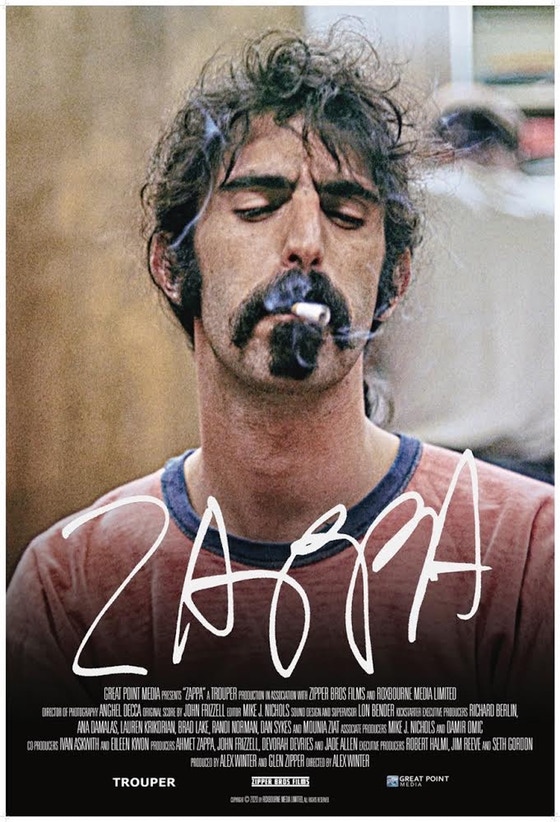
Zappa, the new documentary on the life of Frank Zappa is coming to Magnolia Pictures. The film will be available to the public for Thanksgiving weekend on November 27, 2020 in select theaters, as long as theater viewings are available by then, and on demand.
Zappa will be an intimate and expansive look into the life of the iconic — and iconoclastic — musician and artist Frank Zappa. The documentary was made with access to the Zappa family trust and all archival footage. The film will explore the private life behind Zappa’s career including his knack for being involved in political turbulence at the time. The documentary is directed by Alex Winter known best for playing Bill S. Preston in Bill & Ted’s Excellent Adventure.
Magnolia Pictures’ President Eamonn Bowles spoke on the film saying, “Alex Winter has created an amazing documentary. Zappa is an incredibly nuanced and compelling look at the visionary iconoclast and the environment that formed him.”
The documentary will feature appearances from Frank Zappa’s widow Gail Zappa and several of his musical collaborators. People on the docket include Mike Keneally, Ian Underwood, Steve Vai, Pamela Des Barres, Bunk Gardner, David Harrington, Scott Thunes, Ruth Underwood, Ray White and others.
Alex Winter spoke on the documentary saying, “This is the most ambitious project I’ve ever worked on, with a couple years of archival preservation in addition to several years to make the film itself. This isn’t your typical music doc but rather a multi-faceted narrative that aims to bring this complex artist to life. Magnolia, with its long and distinguished history of platforming great cinema, is the perfect home for Zappa.”
For more information on the documentary visit Alex Winter’s website.
Each Sunday evening from 7-9pm on 102.7 FM, you’ll find EQXposure on WEQX, featuring two hours of local music from up and coming artists. Tune into WEQX.com this Sunday night to hear music from Fab the Duo, CANVAS and many more!
WEQX has long been the preeminent independent station in the Capital Region of New York, broadcasting from Southern VT to a ever-expanding listening audience. NYS Music brings you a preview of artists to discover each week, just a taste of the talent waiting to be discovered by fans like you.
Boyfriends Greg Driscoll and Brendan Eprile bring a unique blend of energy and open-mindedness to pop-rock. Add some blues and elements of Broadway and you’re in for a sound that is both fun and meaningful. The duo come from New York City and are building quite the following in the surrounding areas having even played a planned parenthood benefit in my hometown of Bennington, VT. Having pumped up audiences with their powerful and well-crafted tunes, they continue to challenge the status quo of today’s cultural scene.
Here is a band that likes to explore new territory, drawing influences from bluegrass, folk, punk, metal, and hip-hop. That said, experimentation is their mission and they don’t associate themselves with any particular sound or genre. They go boldly into uncharted territory and take a new approach with every song. Triumphant anthems, soulful ballads, and edgy fusions of alt pop, rock, and funk… it’s all there. Just dare them not to try it. Double. Dog. Dare them. CANVAS believes nothing is certain and all you have to do is take a listen to their ever-evolving hybrid sound to see what they mean.
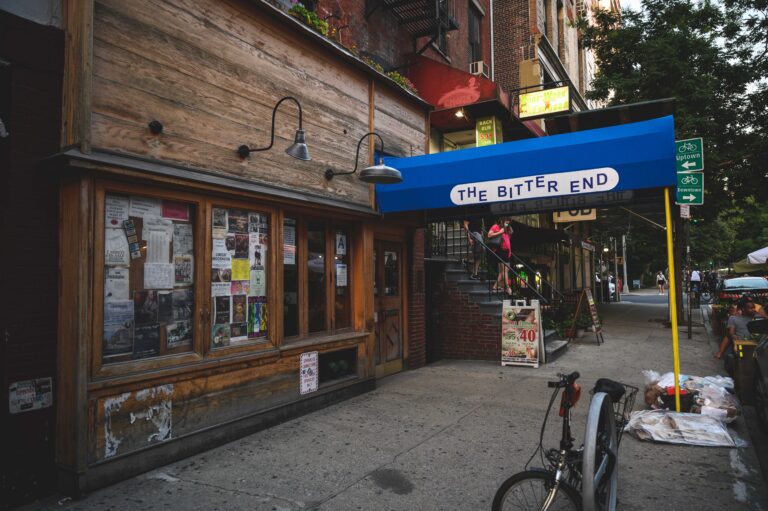
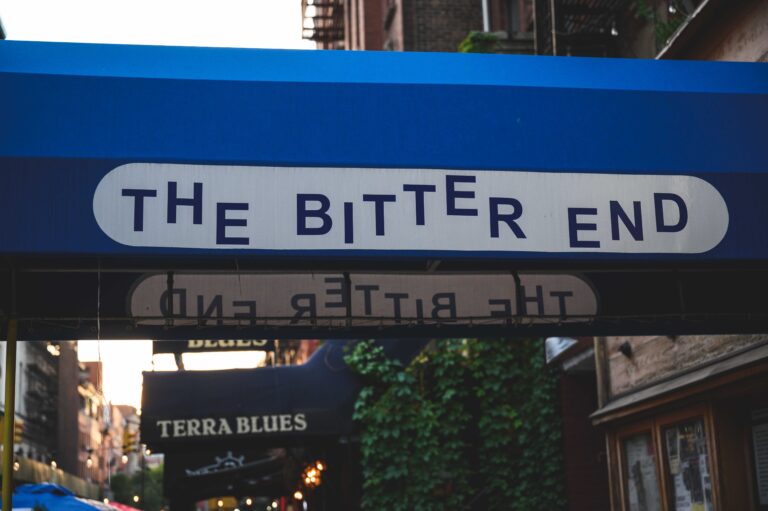
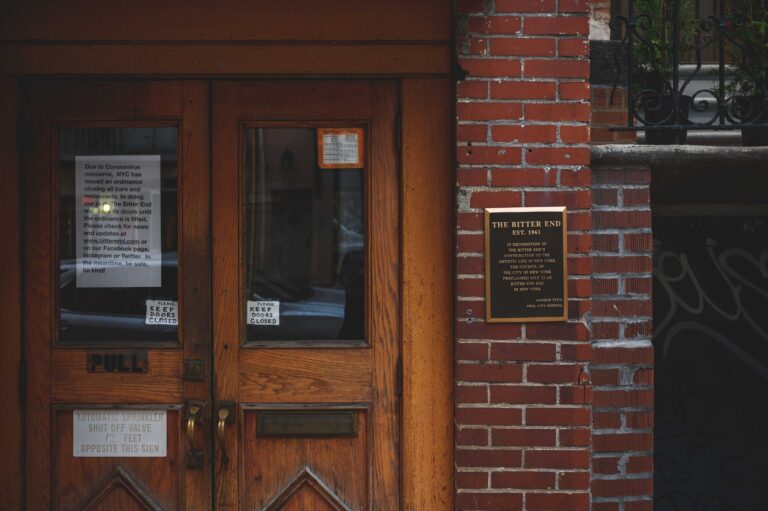
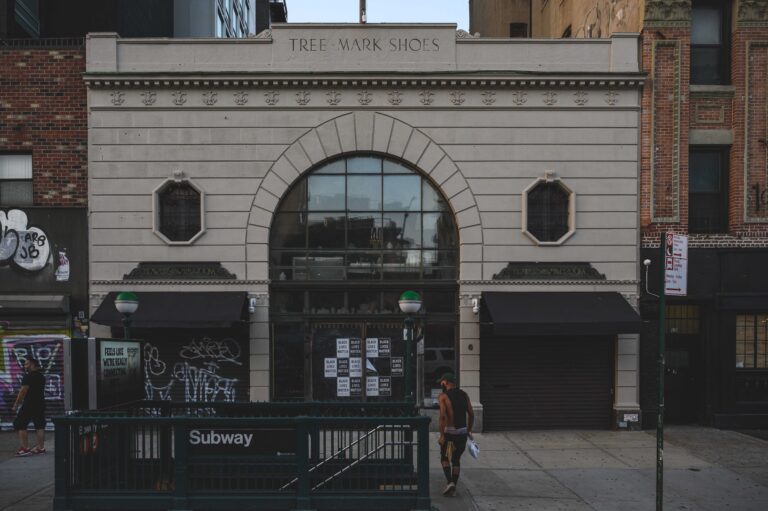
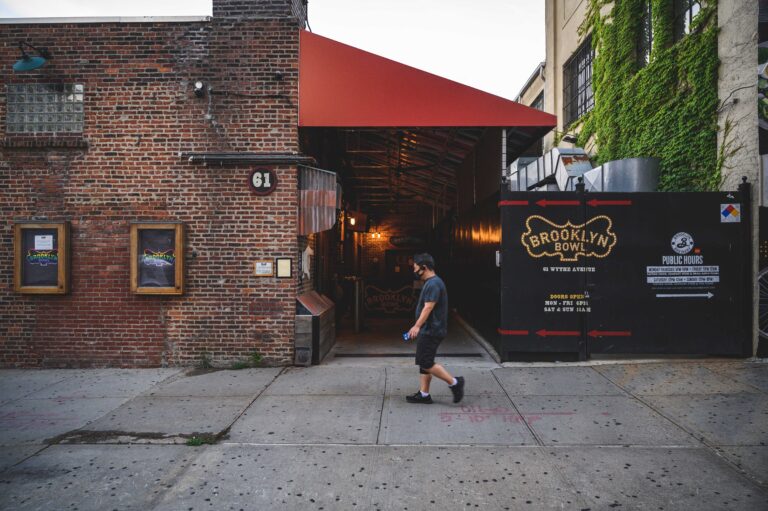
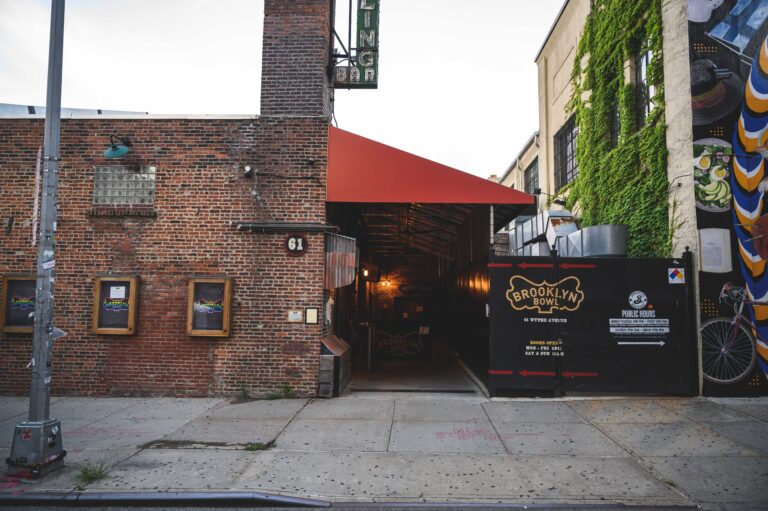
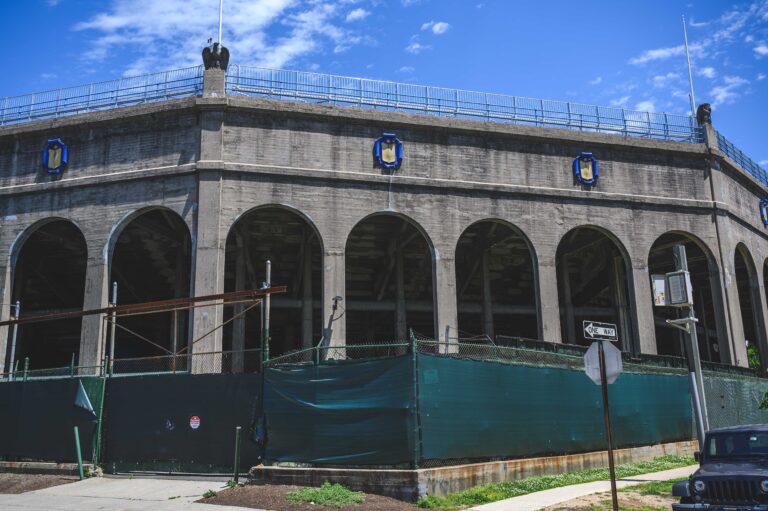
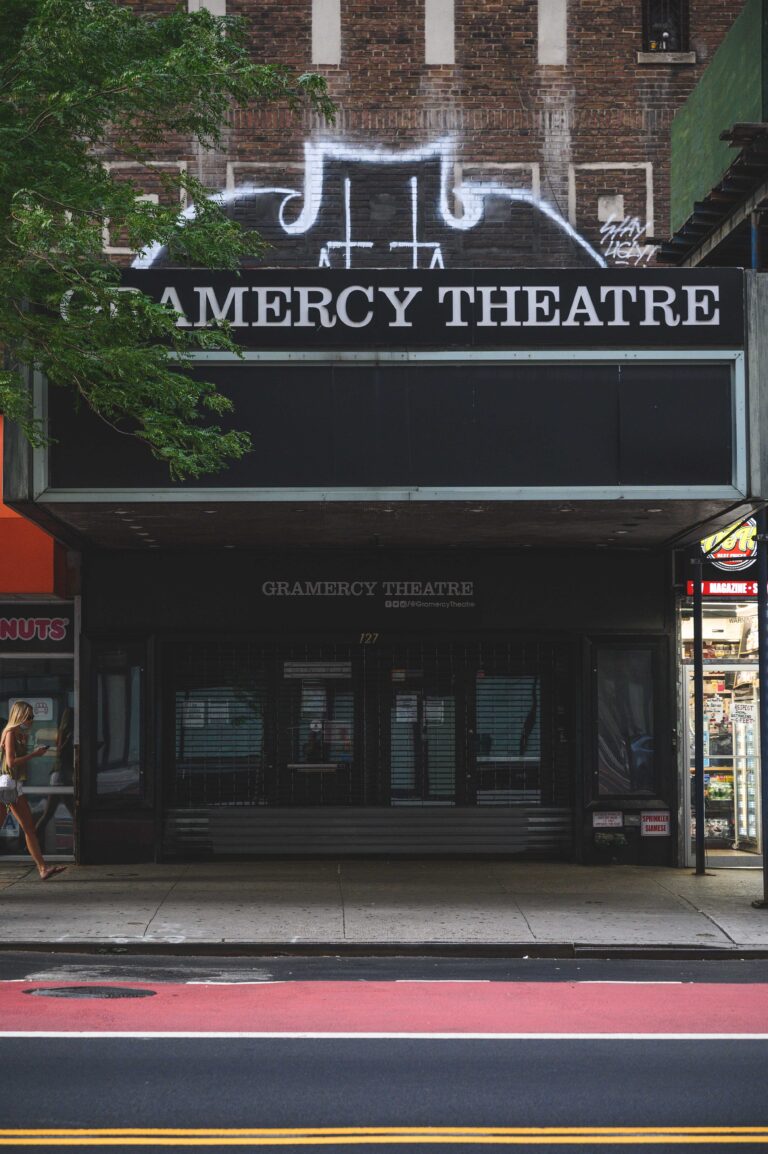
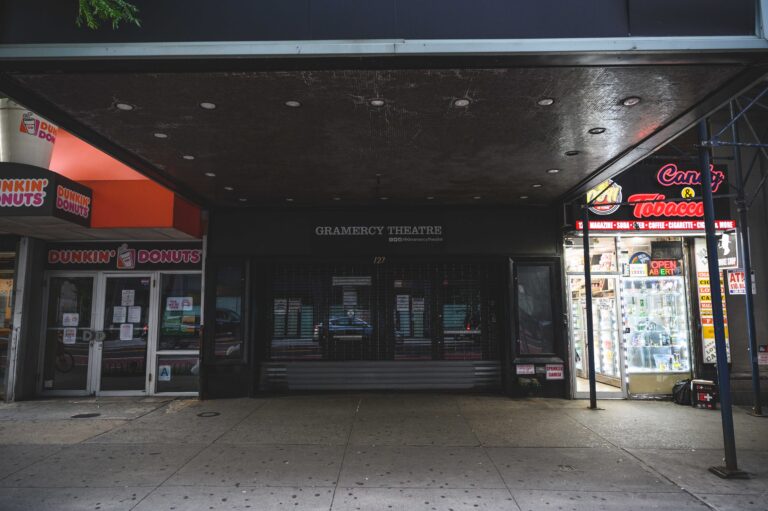
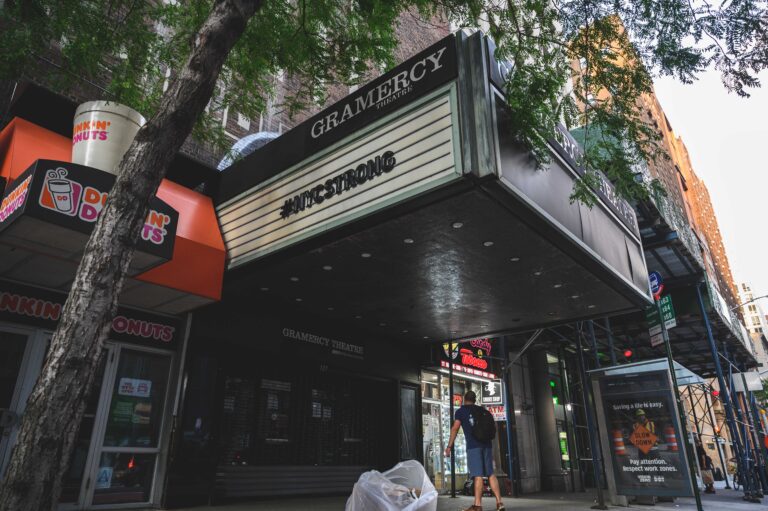
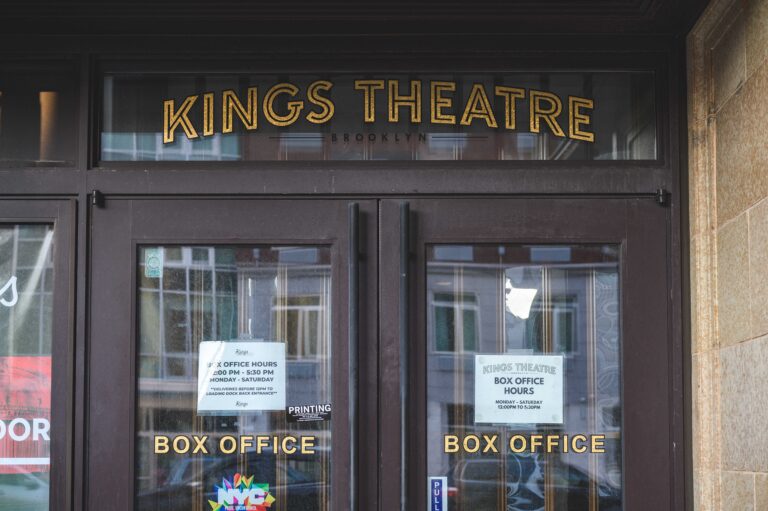
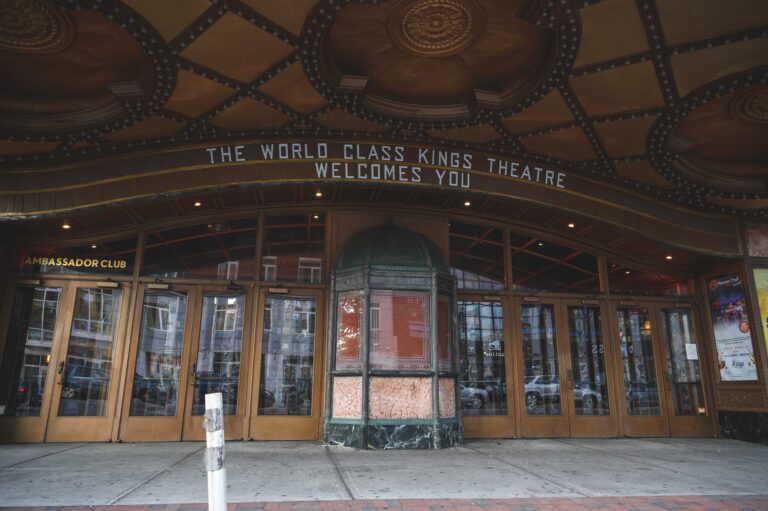
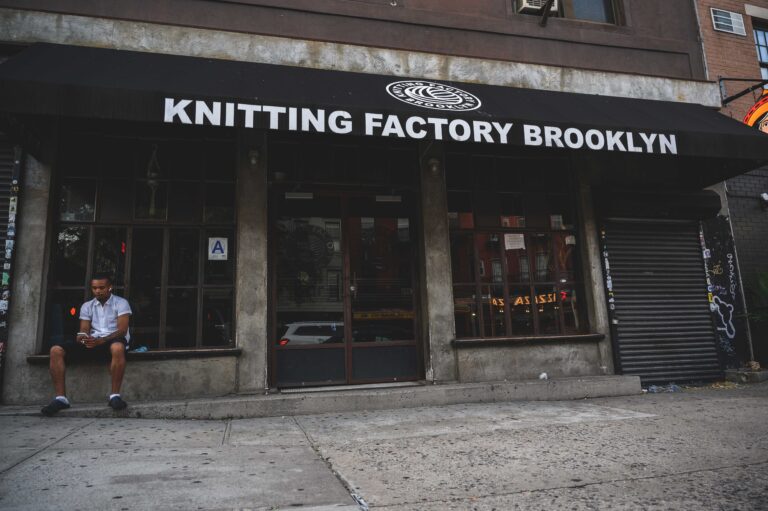
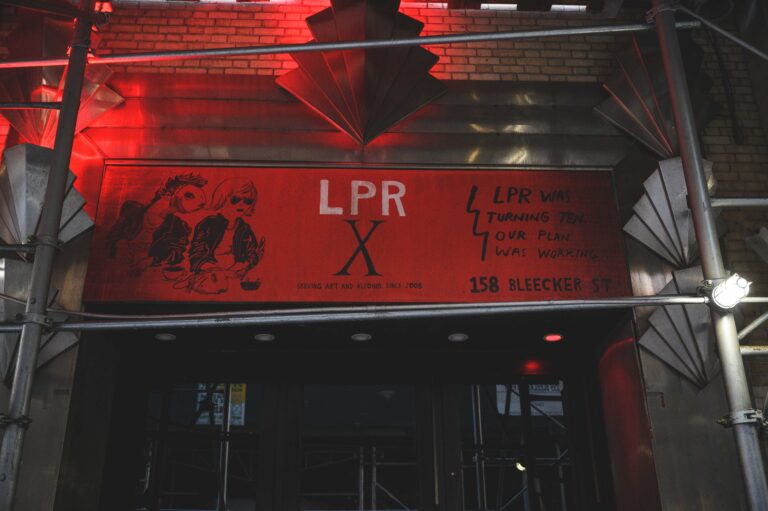
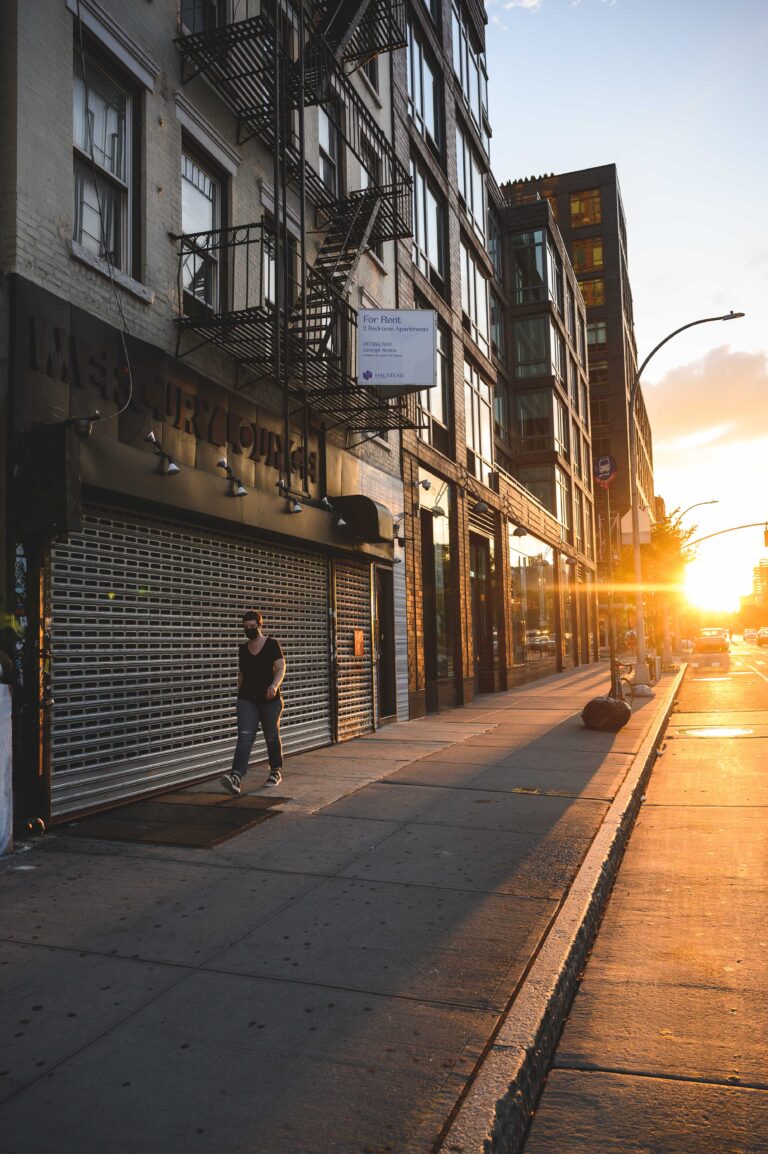
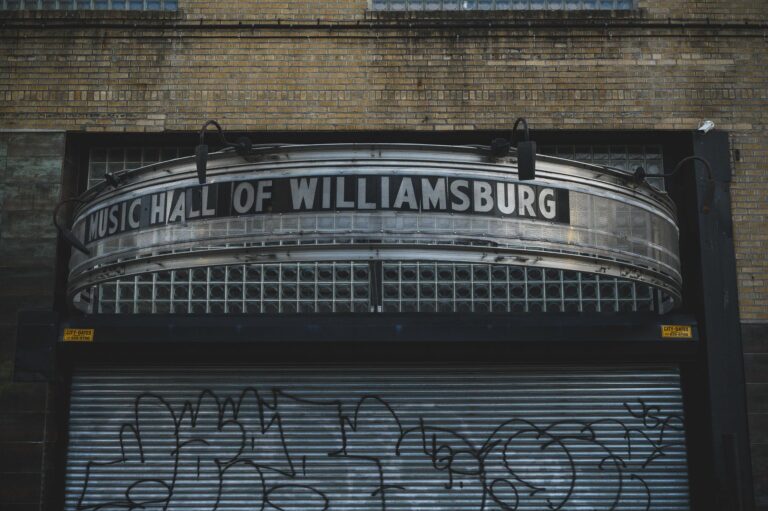
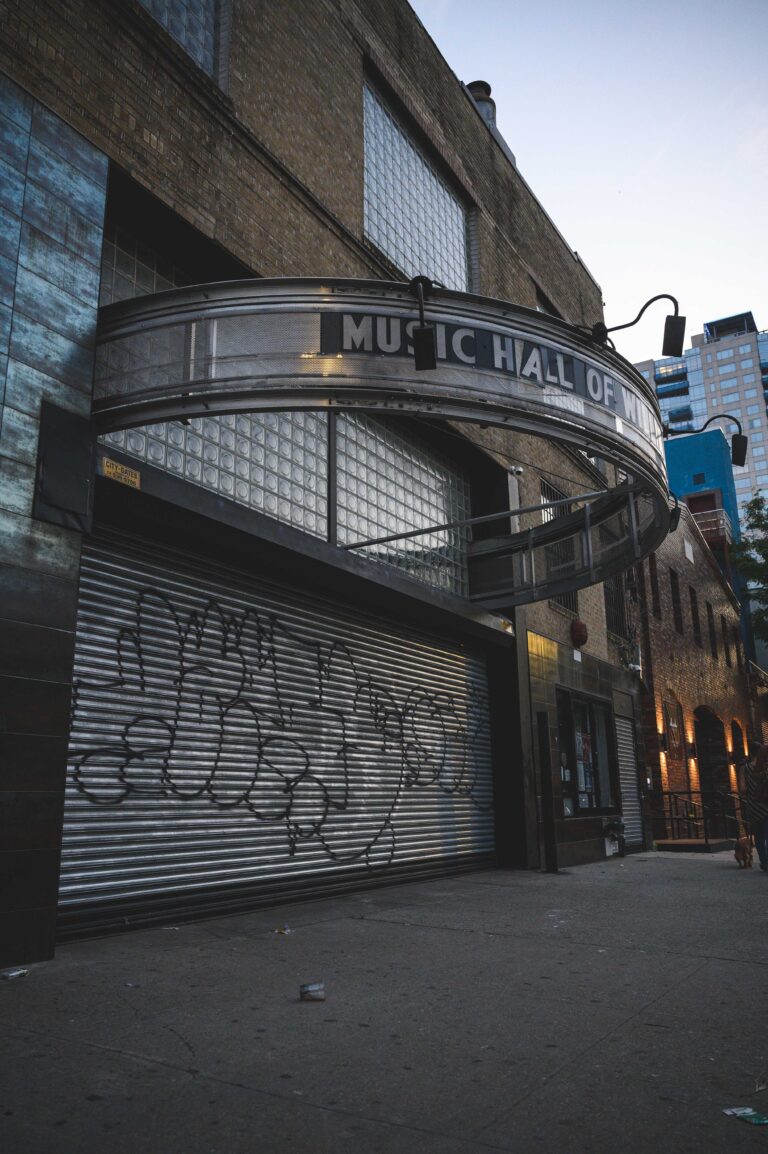
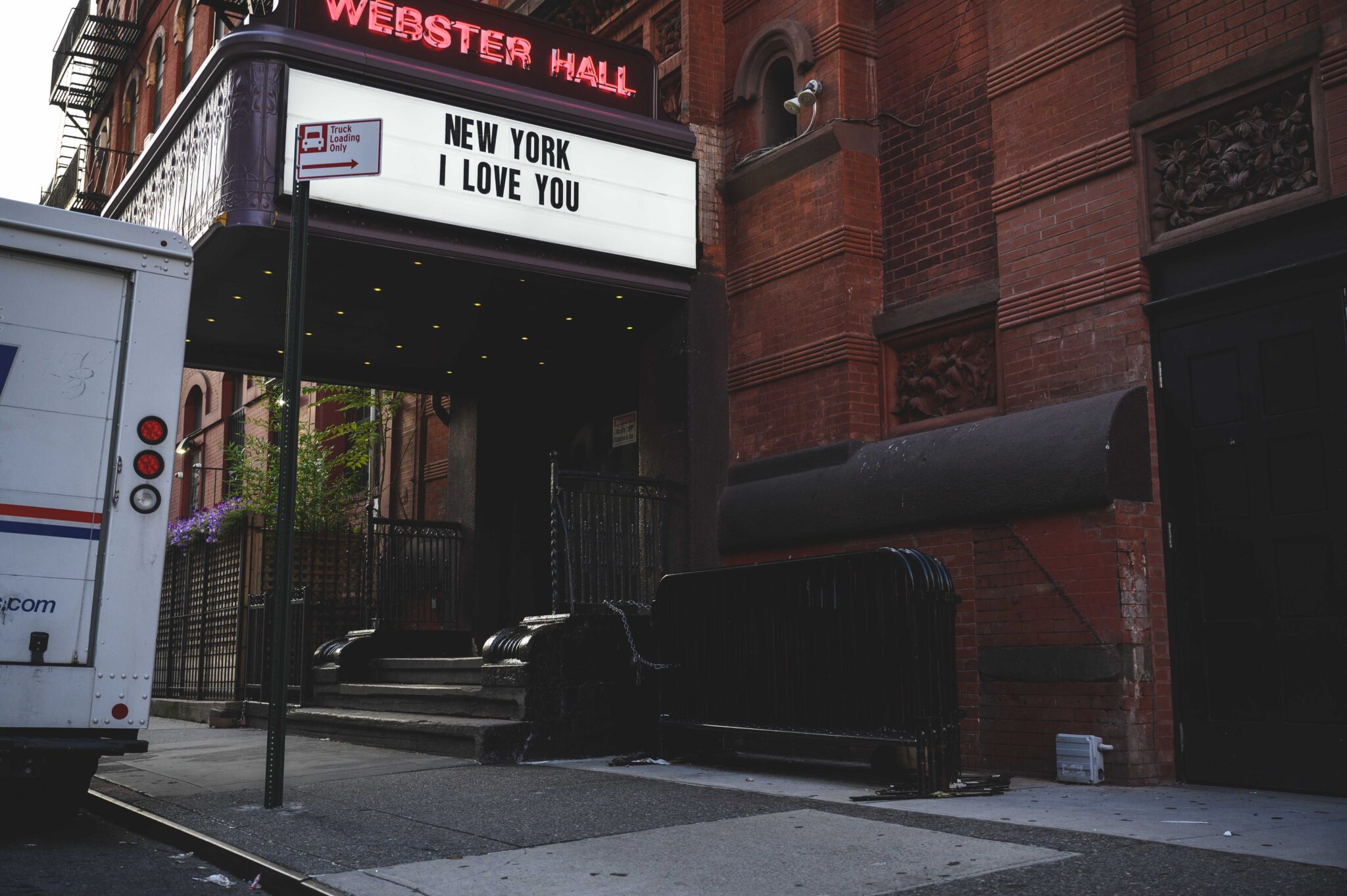
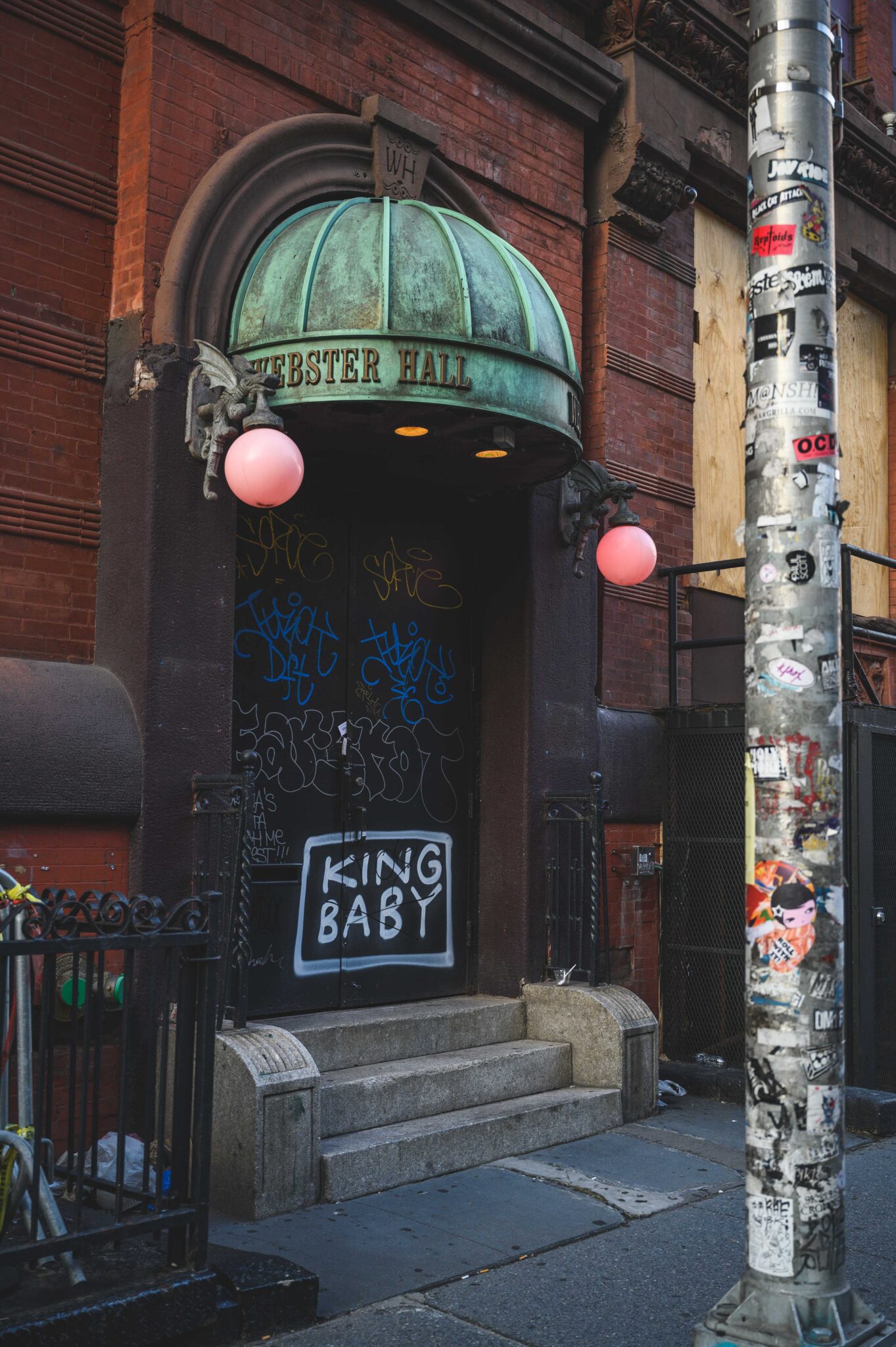
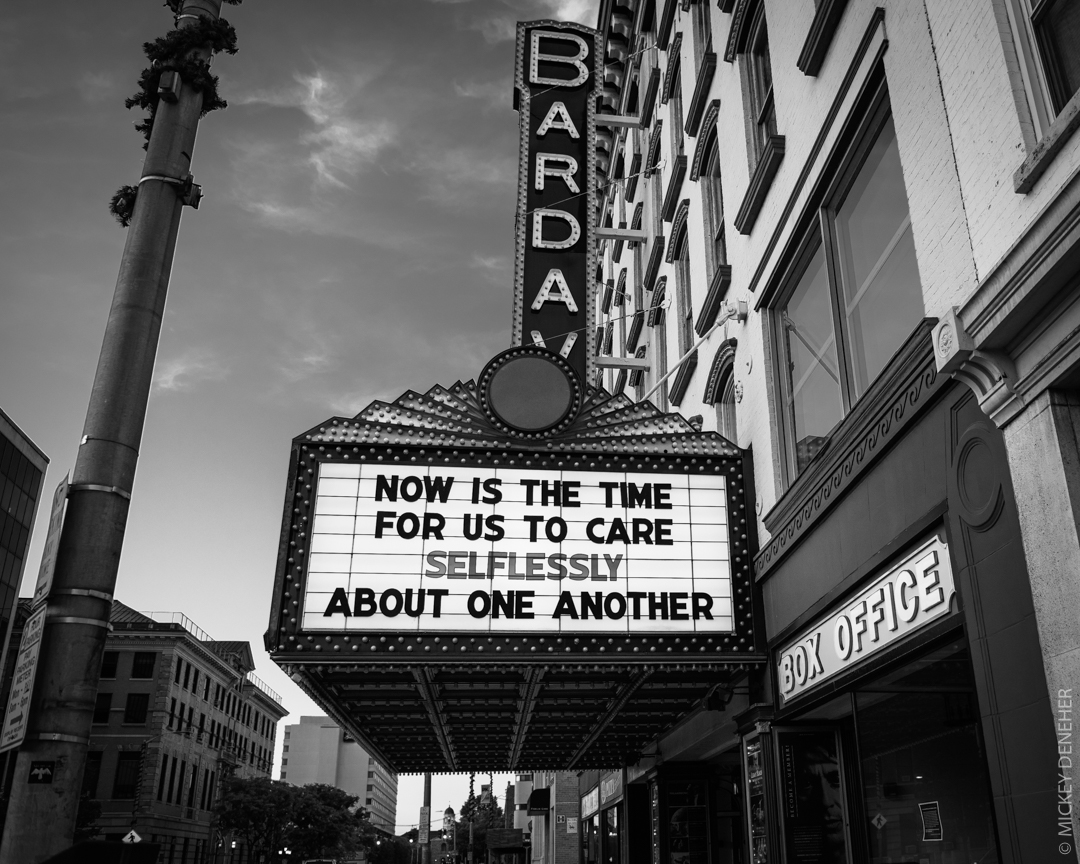
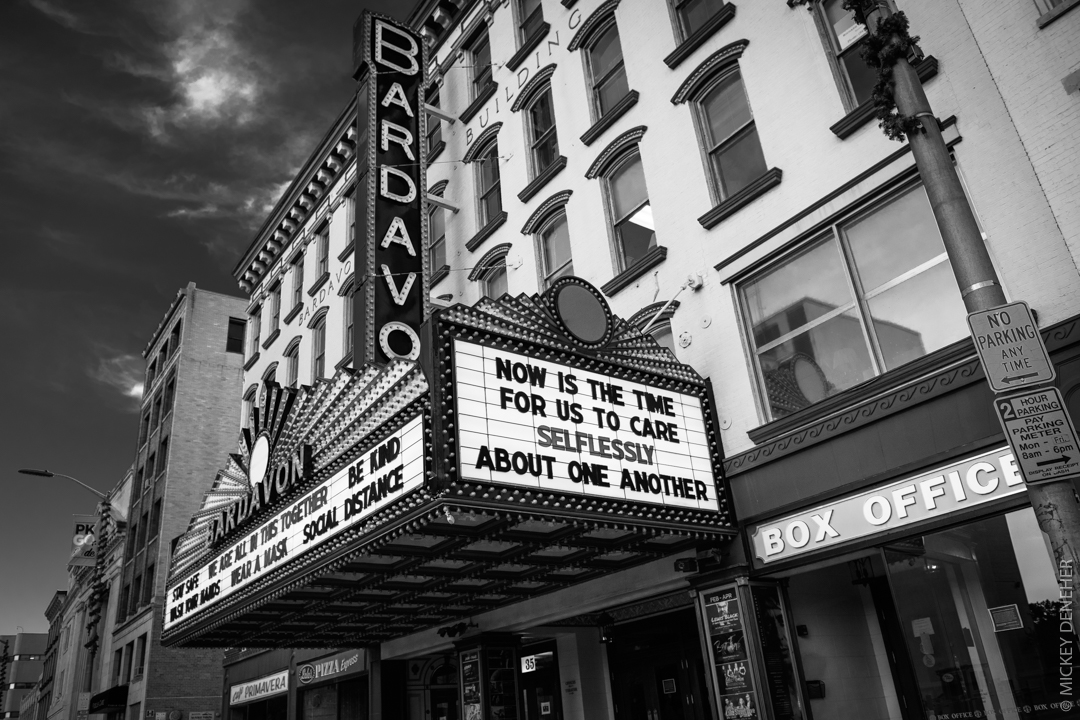
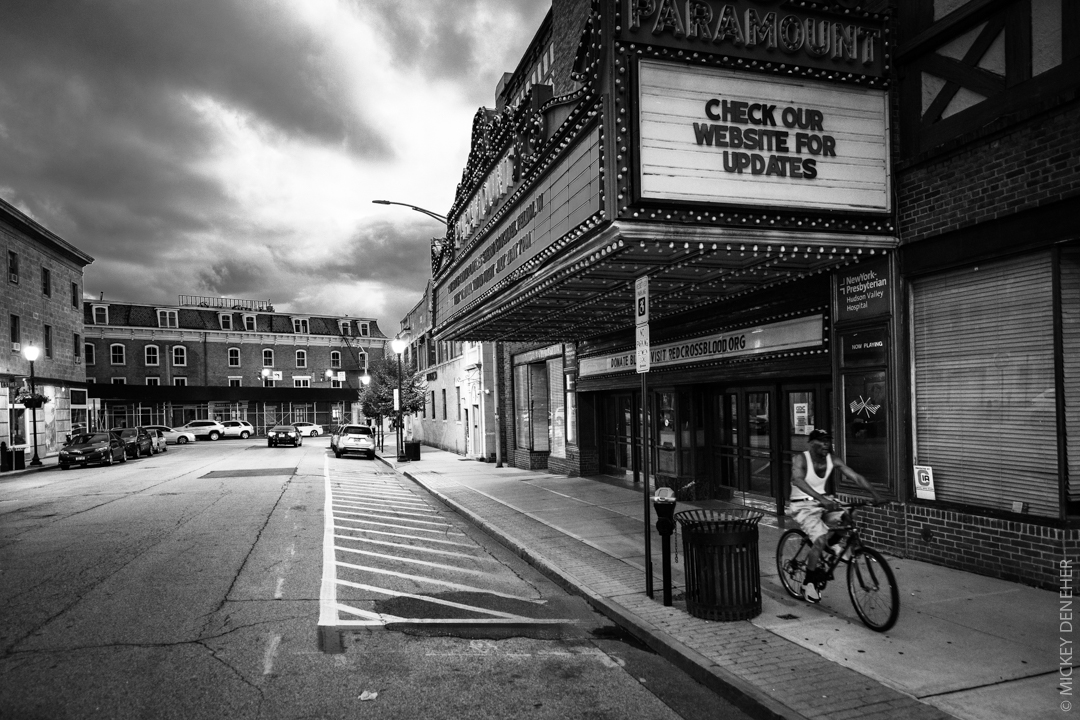
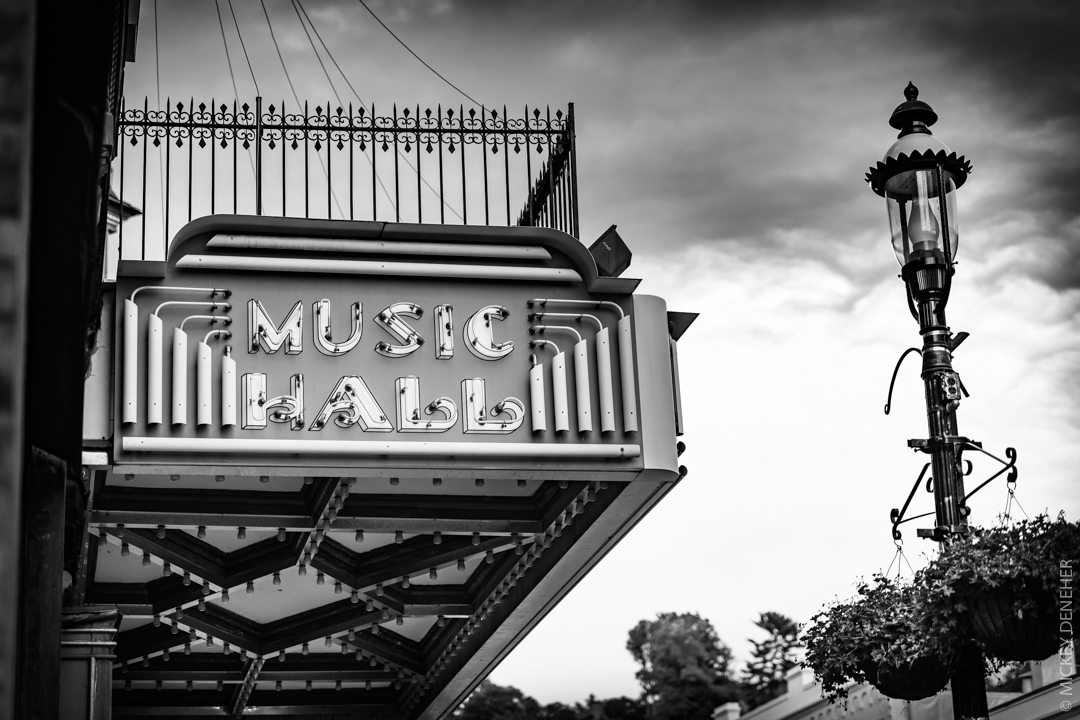
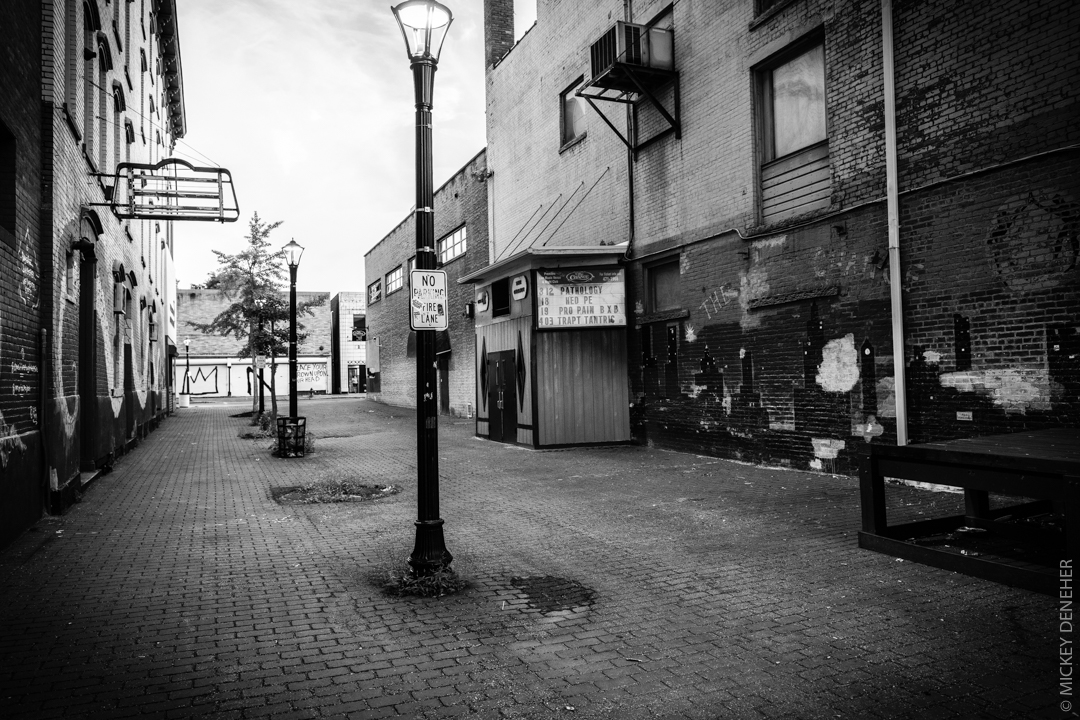
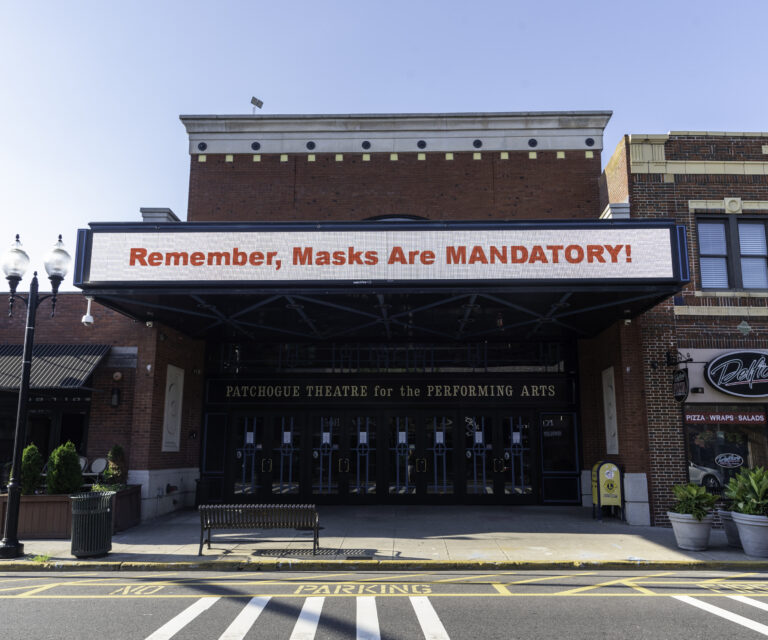
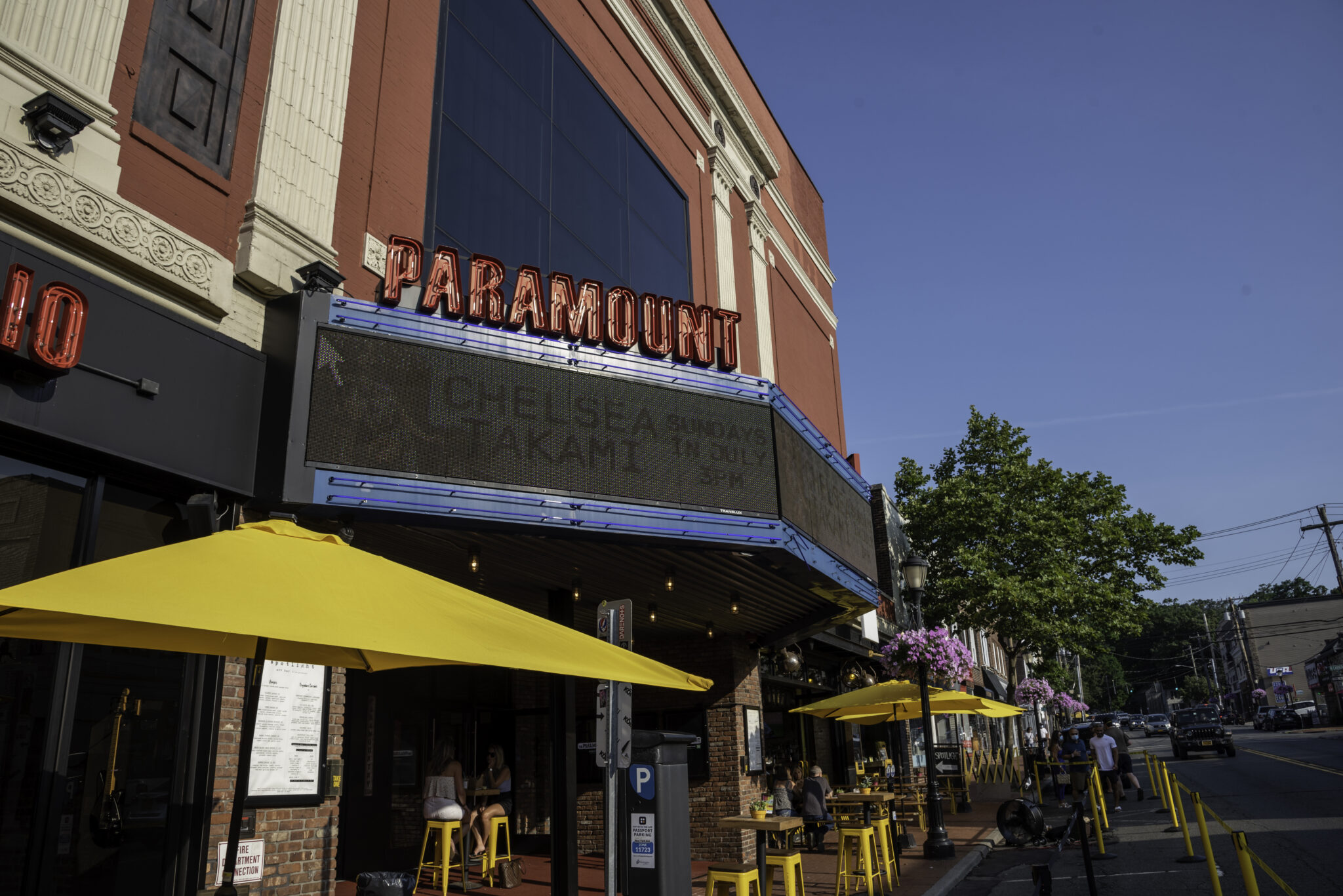
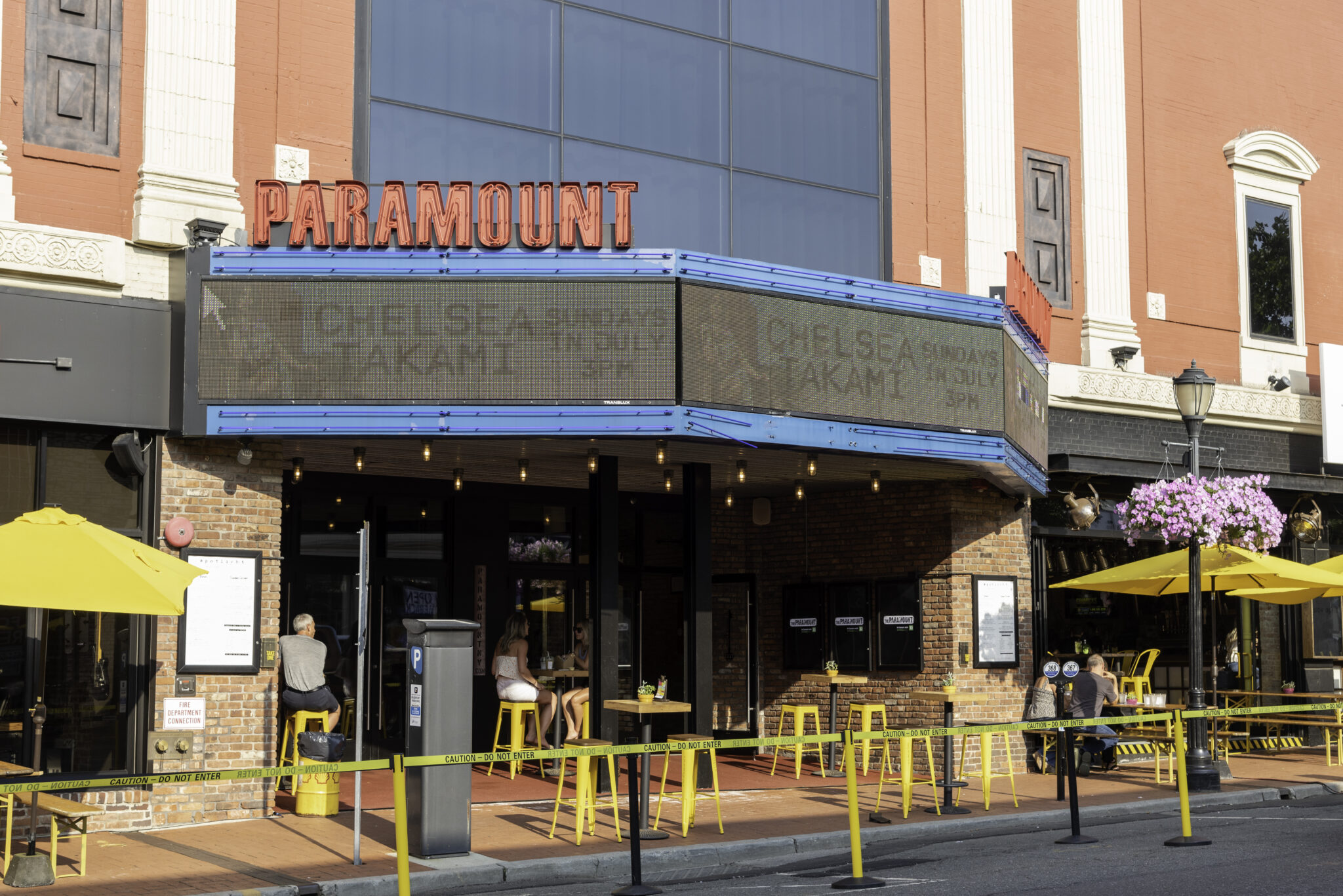
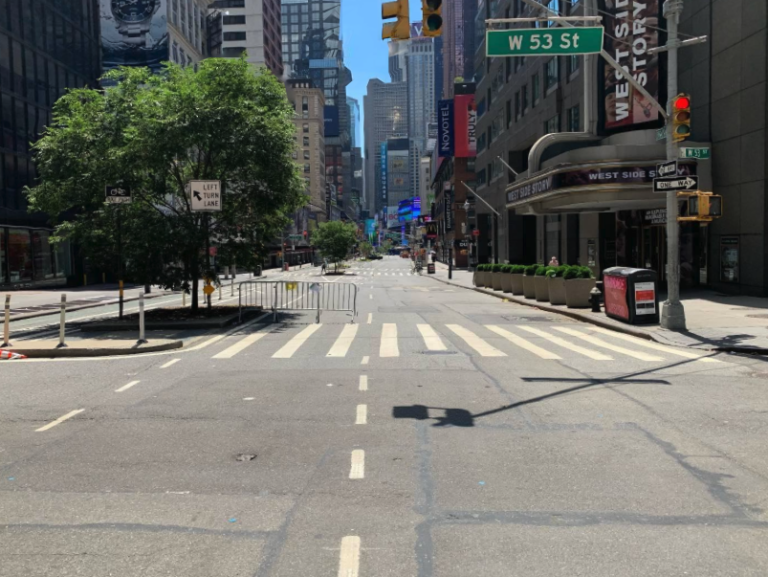
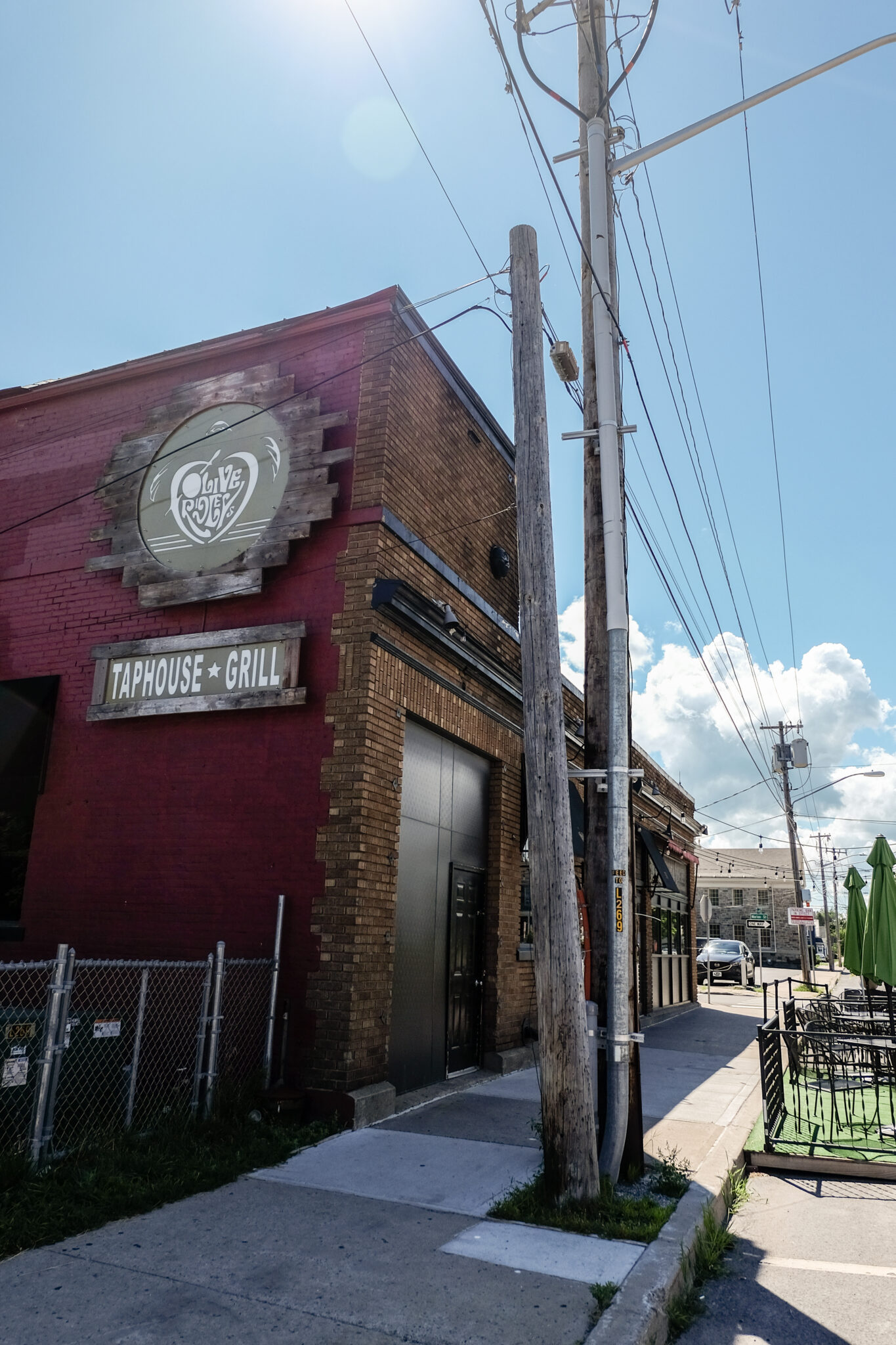
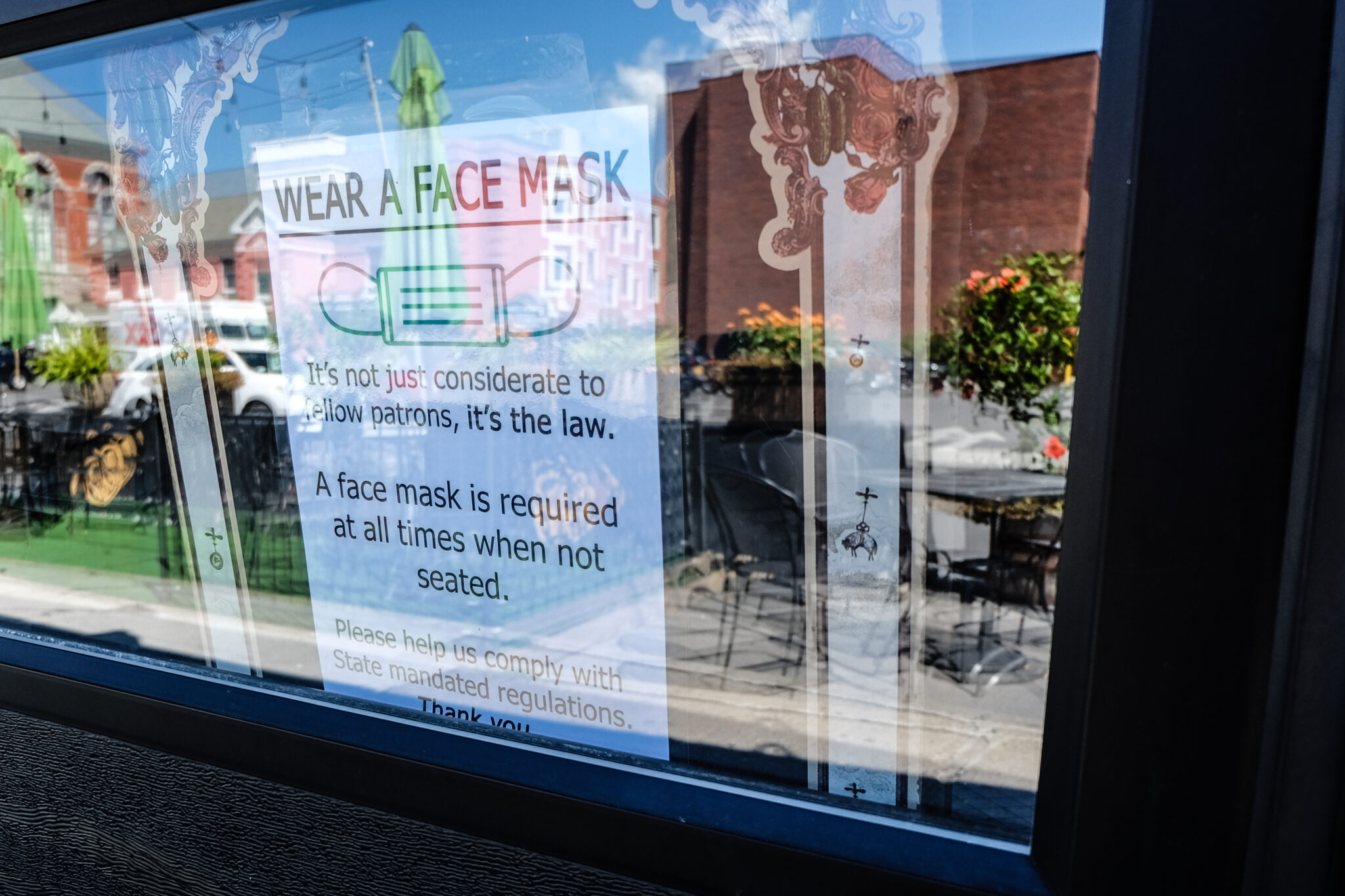
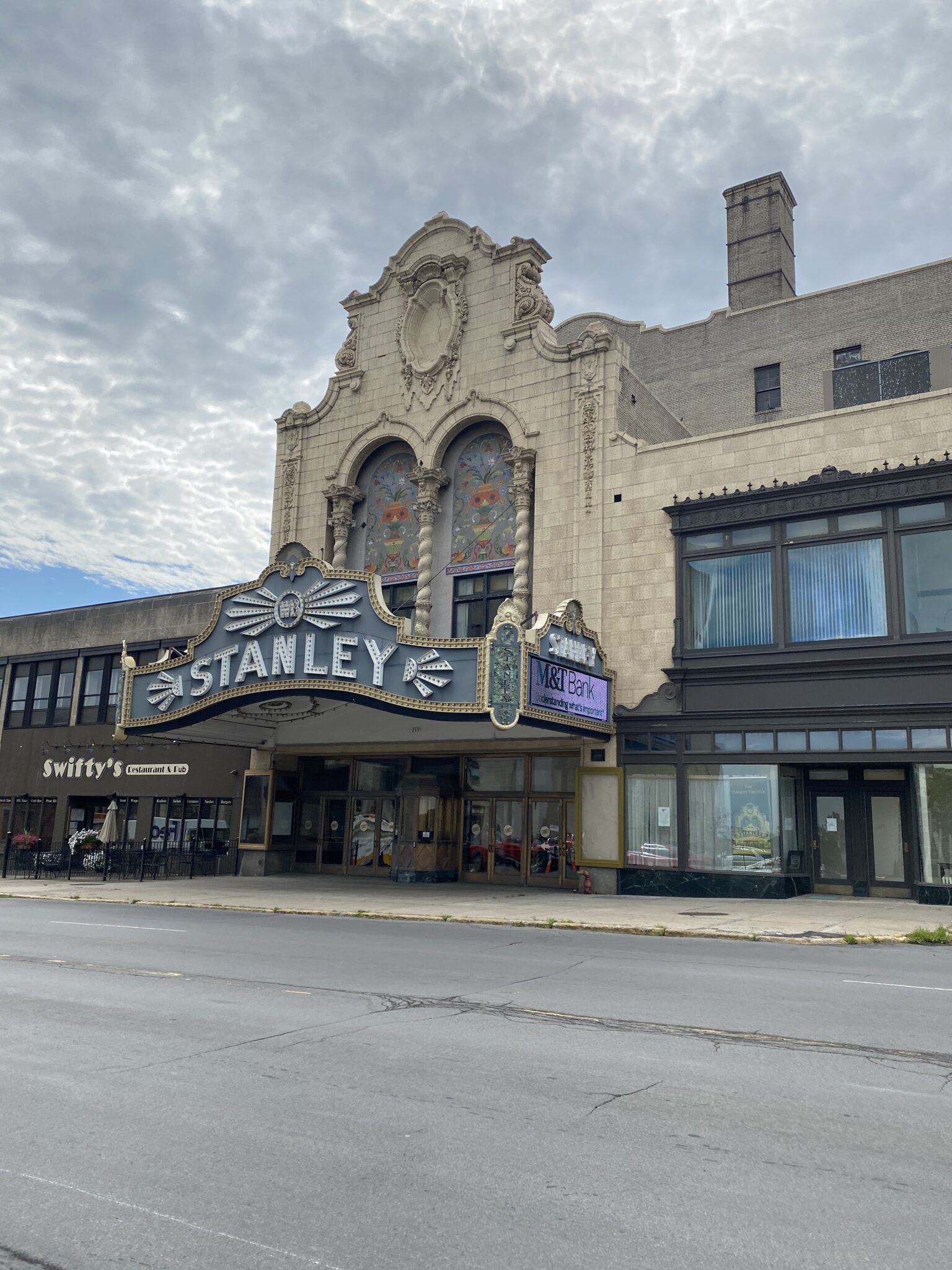
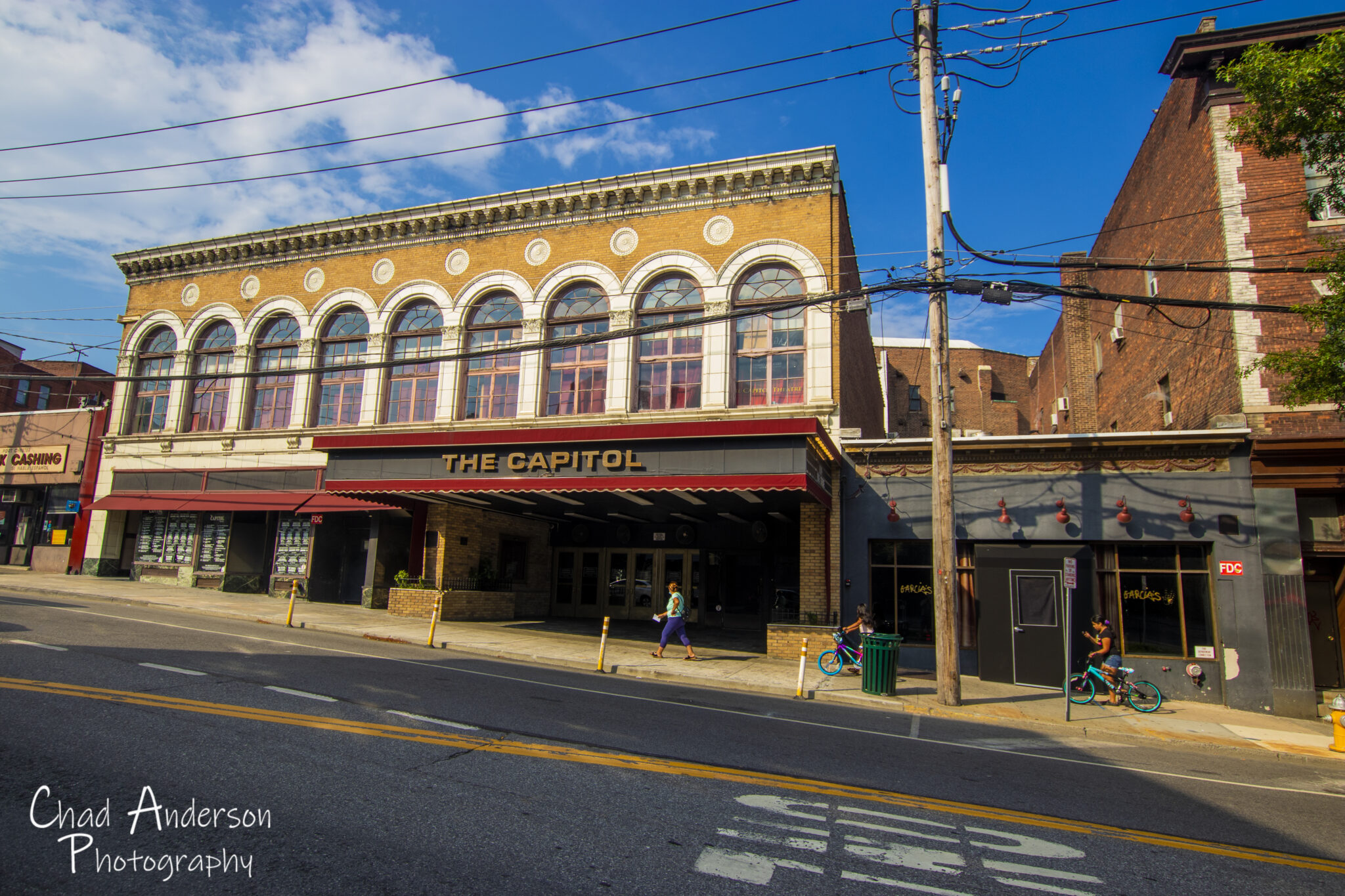
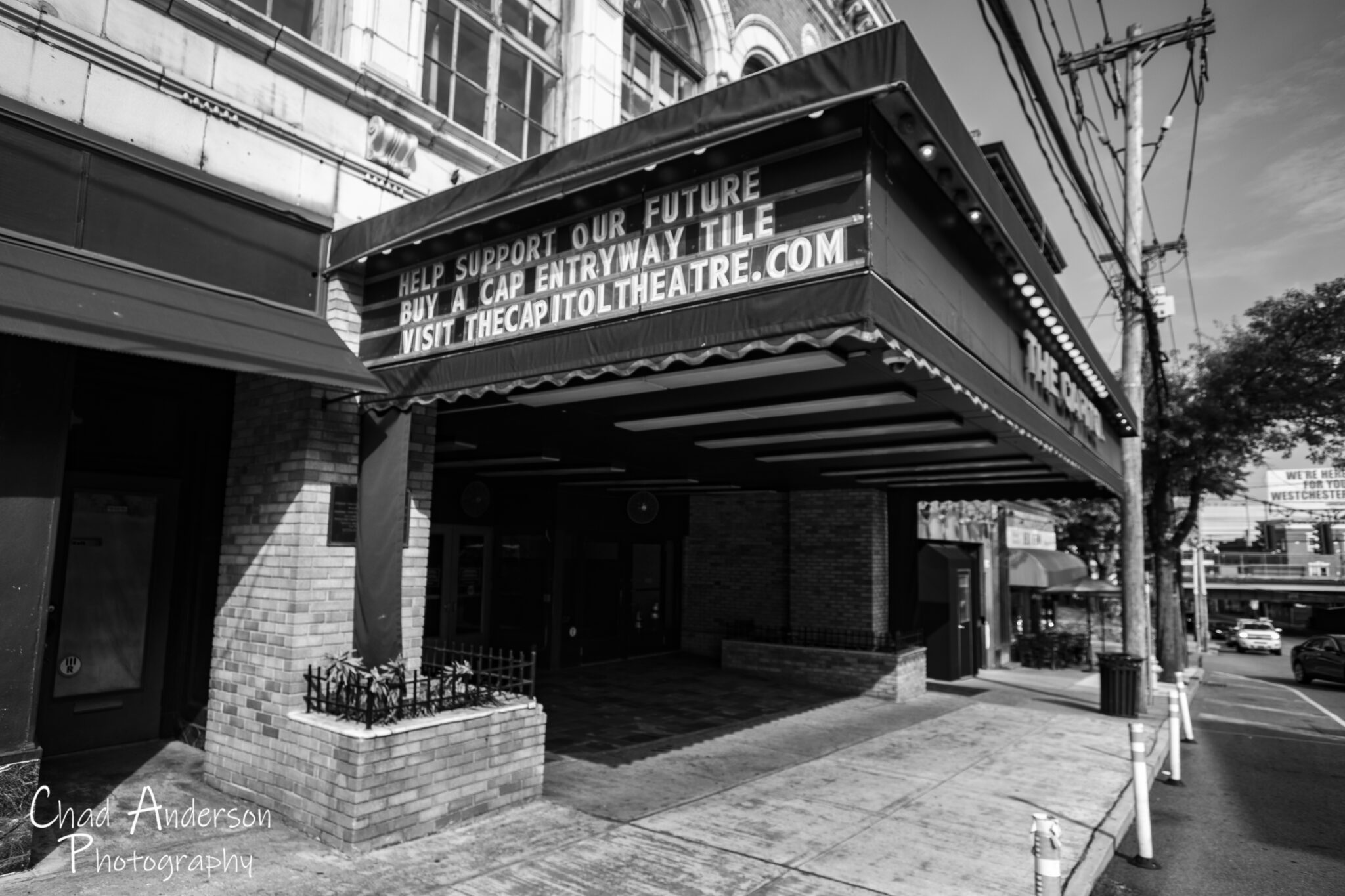
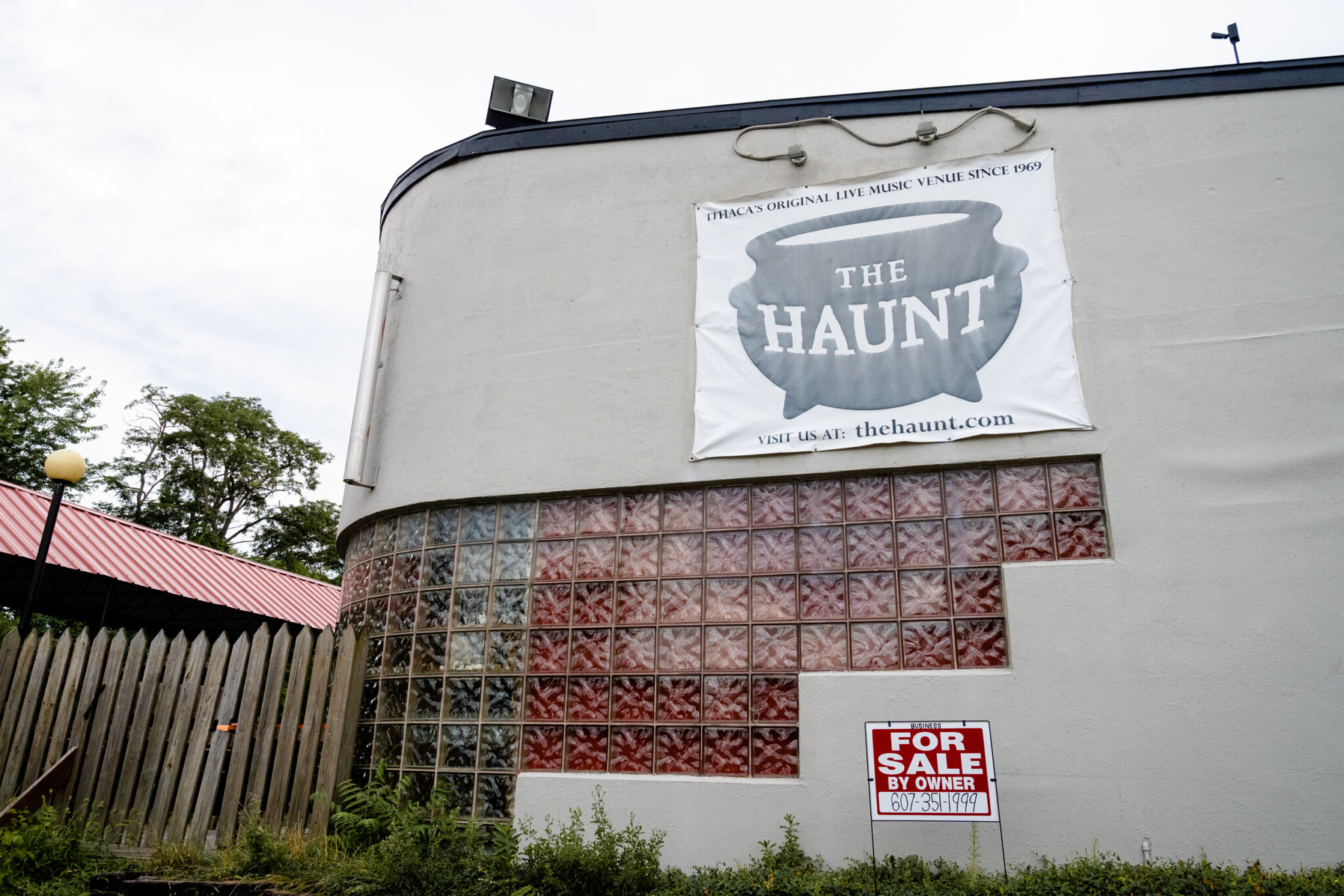
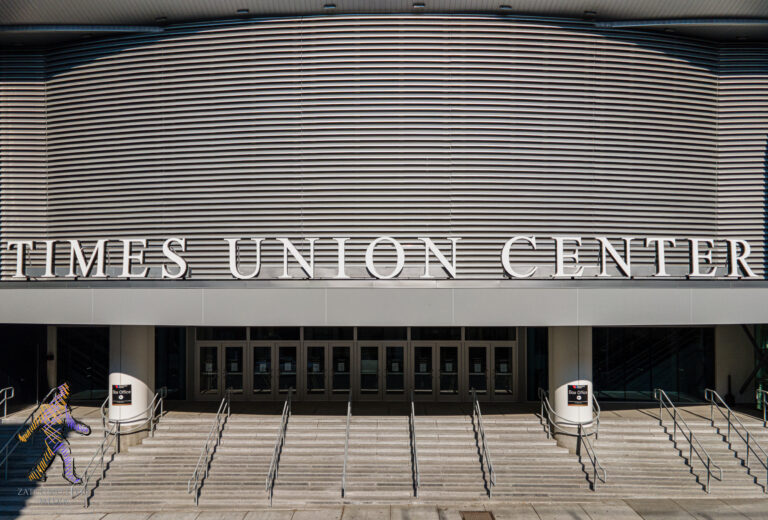
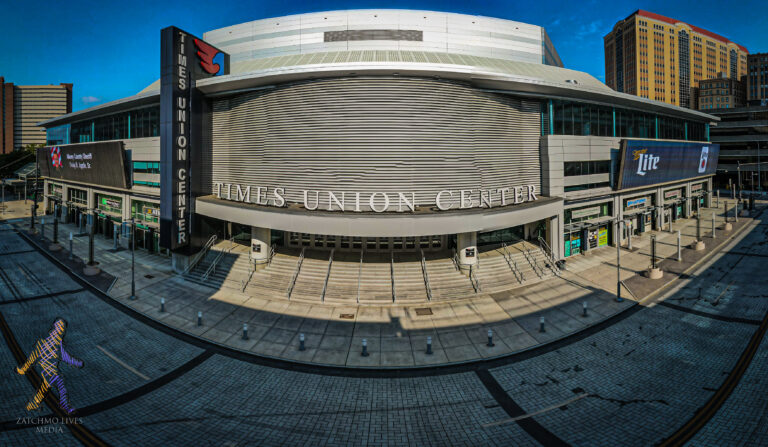
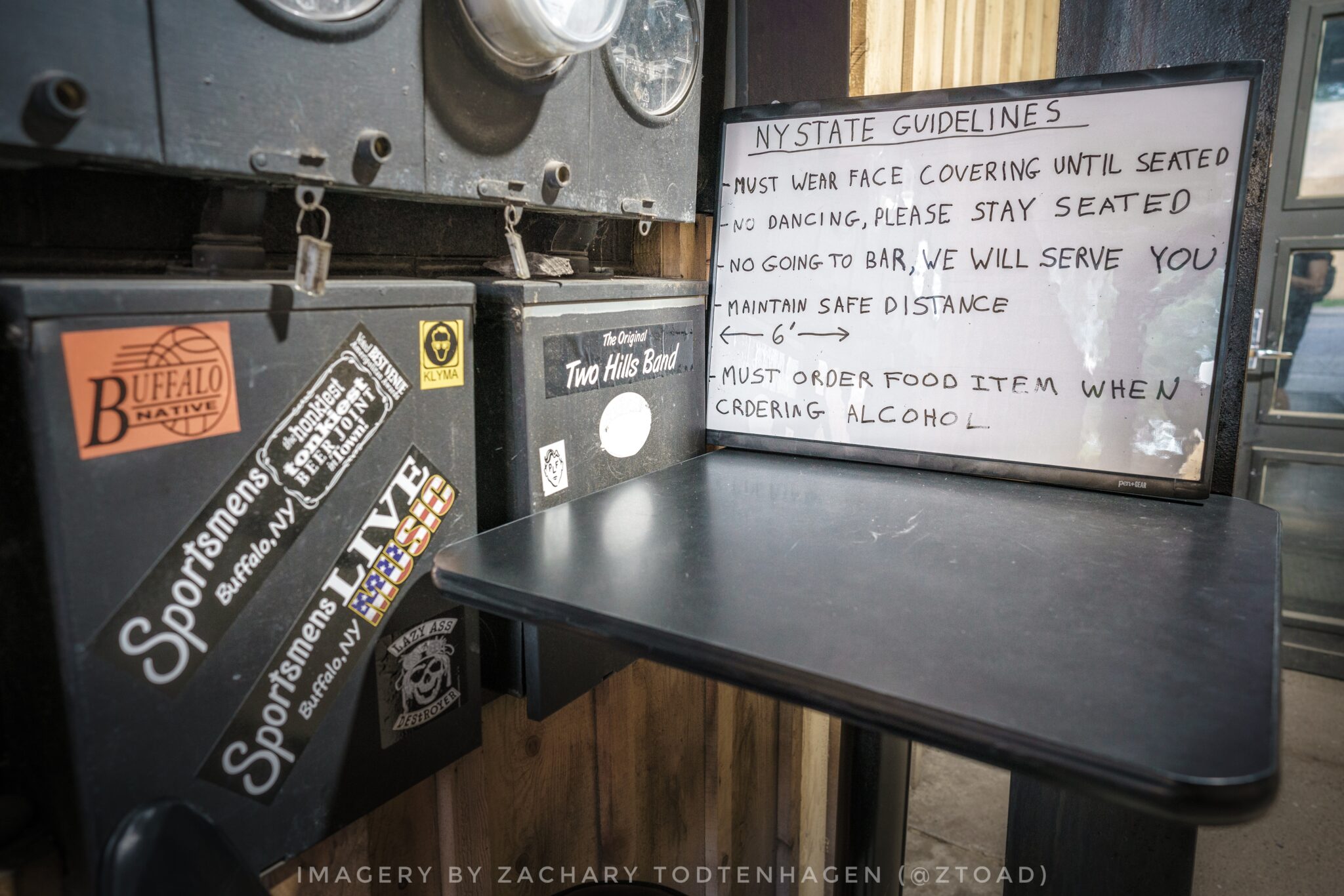
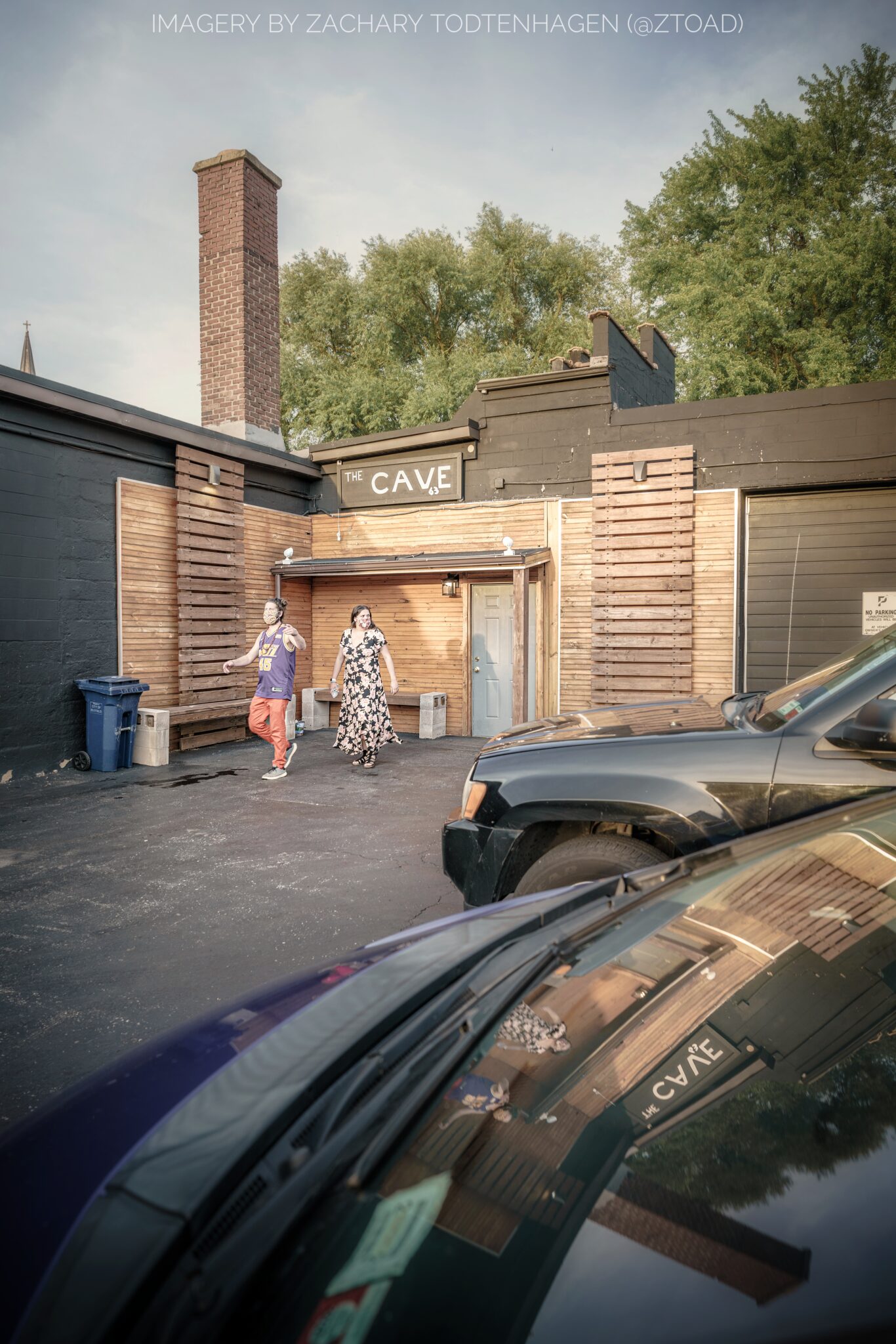
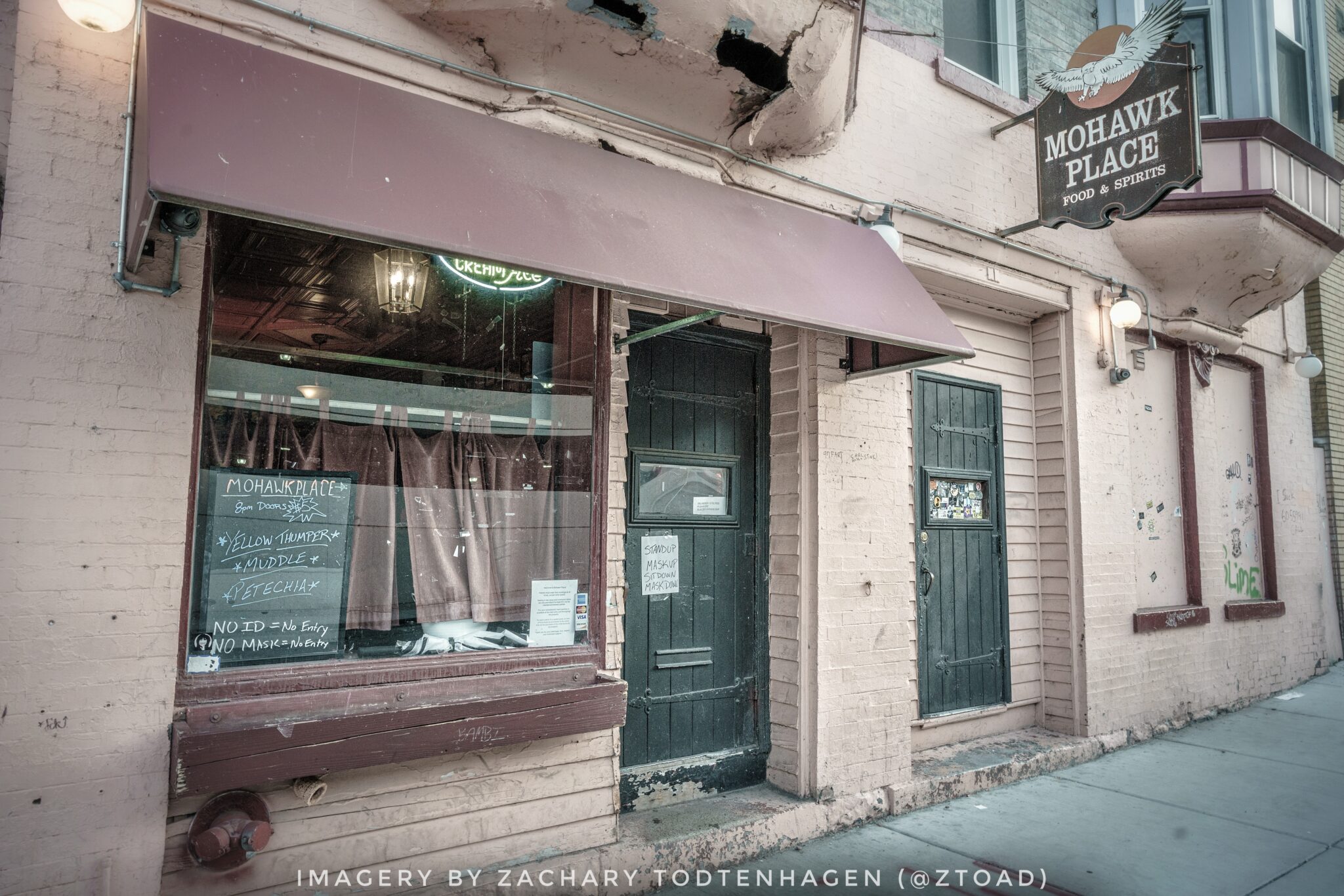
In June and July, we looked at the state of music venues across New York State. Now in August, with hope for passage of relief bills in Congress to help small independent music venues across the country, venues remain closed for live music, in quiet anticipation of the day crowds can return.
Working with a dozen photographers to document more than 50 venues in 12 cities across New York State, NYS Music presents the third edition of our monthly series that looks at the current state of our beloved venues. When the venues reopen, we will share photo documentation recording the changes over time in all corners of the state.
Immense thanks goes out to all photographers and venues who are taking part in this monthly series. We’ll start this month in Manhattan and Brooklyn with Joseph Buscarello, covering a wide swath of the Big Apple. Here’s to getting back to live music sooner, rather than later, and safely.
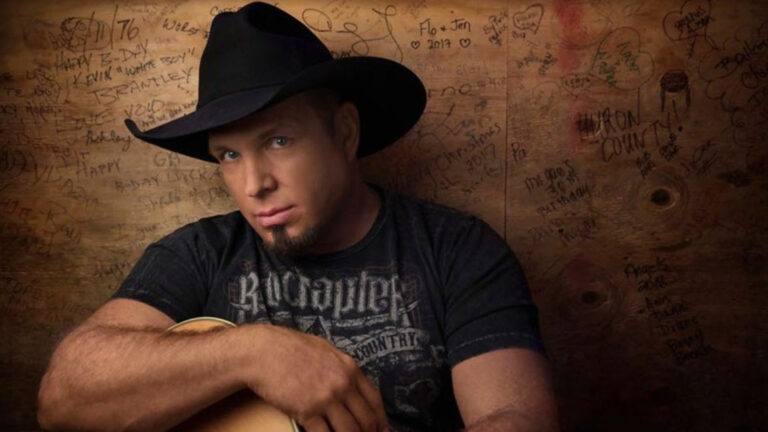
It’s been 23 years since Garth Brooks rocked the Big Apple with a powerful concert dubbed “Garthstock” in Central Park, and people are still talking about it.
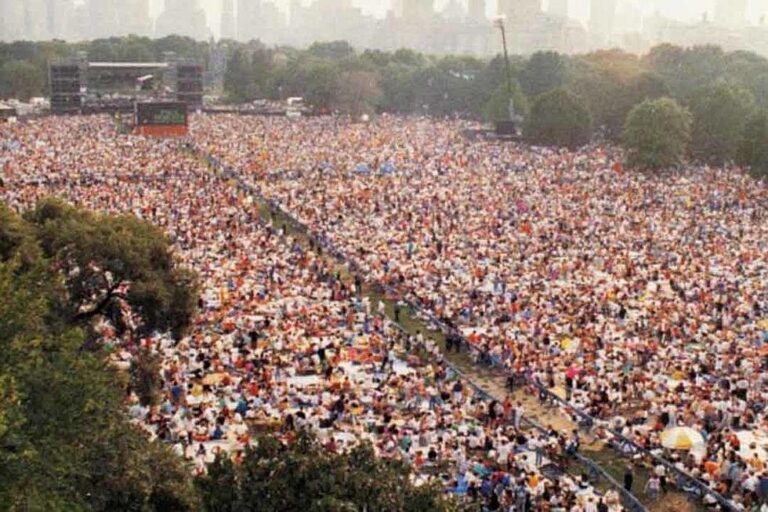
An estimated 980,000 people attended the 1997 Garth Brooks concert.
On August 7, 1997, Brooks decided to perform on the grounds that so many acclaimed musicians had as well. Among the stars to play there were Diana Ross, Elton John and Paul Simon, to name a few. Could Brooks pull off the same notoriety as the past shows?
Brooks tweets about the 20 year anniversary of the Central Park Concert.
The pop-country musician started making headlines in the late 1980s, so by 1997, the crowd for his show was expected to reach thousands. Brooks won Country Music Award ‘Entertainer of the Year’ seven times, a first for any artist.
The significance of this concert came from admittance being free and was broadcast live on HBO. He also had a couple famous special guests by the name of Billy Joel and Don McLean.
The largest concert held in Central Park.
The New York City Fire Department said that 980,000 people attended the concert, making it the biggest concert ever. Although there’s debate to whether that number was true, the crowd’s size surpassed all of the past artists.
On the 20 year anniversary of the Central Park concert, Garth Brooks sat down with ET.
“I never seen so many people in my life. Try to remember, in my hometown, when I grew up, [there were] probably 17,000 people. So, to look out and see 40 times your hometown out there, it’s like — it was crazy. It was so beautiful.”
Miserable Chillers’ new album Audience of Summer has been released today, Friday, August 7. Chillers’ songs primarily deal with growth and exploration, especially as climate change irreversibly alters our natural landscape.
Miserable Chillers is a baroque pop project created by Miguel Gallego. While Gallego previously released three EPs, Audience of Summer is his full-length debut album. Its release was preceded by three singles: “La nave del olvido,” “The Glass,” and the album opener, “Saga’s Sword.” Made up of nine short tracks, Audience of Summer is a deeply pleasant listening experience that floats right by.
Despite Gallego’s gloomy pseudonym, many of the songs are cool and upbeat, especially early on in the album. “Saga’s Sword” in particular has a beachy quality (further accentuated by the album cover), whereas vaporwave influences reign supreme on “La nove del olvido.” This is most likely intentional: vaporwave tends to satirize consumerism, and the track is about finding wrappers, plastic bags, and other eco-unfriendly debris on the ocean floor. The album track “Card Captor” is also a standout, in which Gallego’s vocals channel Imogen Heap over mesmerizing synths.
Although a Brooklynite, Miguel Gallego grew up in suburban New Jersey. His fascination with nature began with a “bizarrely bucolic” creek in the woods beside his house, which he later discovered was man-made. “[Audience of Summer] is a document of where I was before things changed permanently and abruptly,” Gallego said in a press release. “I feel a personal affection for myself growing as a person and as an artist as I made this.”
Audience of Summer is now available for streaming, as well as on digital album and cassette. 50% of proceeds for the latter formats on Bandcamp are going to Bed-Stuy Strong through August 7. Bed-Stuy Strong is an organization that provides food assistance in Brooklyn’s Bedford-Stuyvesant neighborhood.
For more information, see Miserable Chiller’s Bandcamp page.
Keytracks: Saga’s Sword, La Nave del Olvido, Card Captor