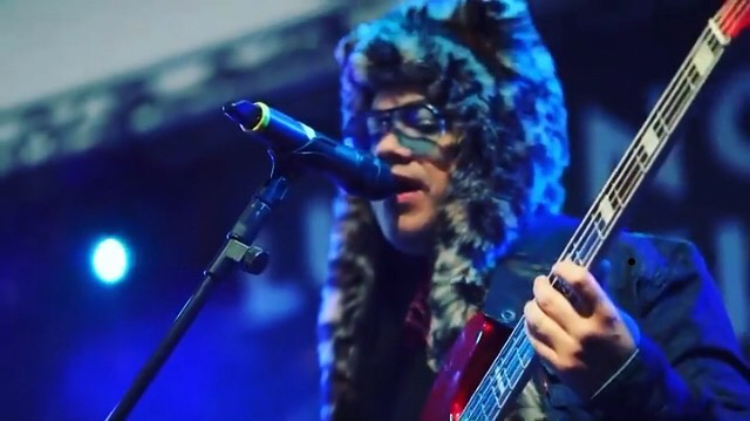
Greywolf, aka Jay Grey, bassist for rising powerhouse band Escaper, has released “Exit Key,” the first single off his upcoming debut album Operation Wolf.
“Exit Key” is a sample of what the multi-instrumentalist is able to do on his own. Haunting and beautiful, the lyrics evoke themes of love, loss, and wanting to make a change. The track opens with a droning synth, before dropping into love story lyrics. Prescient themes for these times are found, with change needed to be made after reaching a breaking point and wanting to make change.
Greywolf recorded and played all the instruments on this record in his home studio, including piano, synth, keys, guitar, bass and beat programming. The record as a whole addresses change, longing and one’s personal connection with nature and the universe. You’ll find an autobiographical feel and personal touch to the music and the album.
While Jay Grey is best known for his work with Escaper, he has branched off to deliver a sound all his own. Keep your eyes and ears open for more brilliance from this emerging artist.
In the most recent installment of his Karma mixtape series, Harlem rapper Dave East makes his latest attempt at solidifying himself as one of New York’s head honchos. The 15-track, 53-minute project features notable guest appearances. Trey Songz, French Montana, Benny the Butcher, A Boogie wit da Hoodie, dancehall artist Popcaan, along with R&B legend Mary J. Blige, all lend-a-hand, in what felt like East’s best attempt at a commercially successful project.
The mixtape opens up with arguable its best record. “Handsome” is a thumping and fast paced track where East confesses his life’s agendum, which are “to not break the code,” “try not to die,” and “praying that he gets old.” It is an ode to the lifestyle that many from the inner-city can have an appreciation for. In 2:53, East captures the hopes and dreams of a generation of men, which is wealth and health, while staying loyal to their compatriots. What makes the record even better is that, while it has a radio feel to it, the authenticity remains. And with it being just shy of 3 minutes, the replay value is high. He follows it up with a record that feels straight of a Caribbean crime film. Backed by loud and distinctive horns, “Unruly,” features Popcaan and serves as an antithesis to its predecessor. While “Handsome” described the perfect outcome from a life in the streets, “Unruly” sees East chronicle the dangers that come with operating on the other side of the law.
The third track is where the album takes a turn, in the Trey Songz assisted “The City,” East tries recreating one of Jay Z’s better records “Heart of the City.” While a noble attempt, he lacks the soulfulness to pull it off. Not to mention, at the time of the original recording, Jay-Z was arguably the biggest rapper in the game and thus metaphorically was the “Heart of the City.” We do not think of Dave East in the same vain (or any current New York rapper for that matter). The same issue follows him on the fourth track, “Get the Money.” It’s a solid enough song, as he details his chase for financial prosperity. A god-awful French Montana chorus — along with a bridge that sees Dave East try his hand at harmonizing – completely derail it. He completes a hat-trick of melodically challenged songs with “Thank God.” Featuring A Boogie wit da Hoodie, East tries his hand at a club record, but the song never takes off, as the duo lack chemistry and it ultimately ends up feeling forced.
This ebb-and-flow continues throughout, as the best records see East stay in own pocket, solid beats, along with well put together verses, while his attempts at diversifying himself see him fall short. “Said What I Said,” “Broke or Not,” “Mission,” “Menace” and the Three 6 Mafia inspired “F**ck Dat,” are all good songs. While “Stone Killer,” — featuring Benny the Butcher — is absolutely explosive. The Mary J. Blige assisted “Know How I feel,” was a nice surprise as East meshed well with the r&b icon. Yet, for some reason, it did not serve as the outro. That was reserved for the self-reflective “Believe It or Not,” and while it is a good enough record, it left the project a bit anti-climactic.
All in all, this is a solid body of work, yet it feels as though the pressure for commercial success inspired a few of the songs. The problem is, Dave East isn’t and will probably never be a top-selling (or charting) artist and that’s okay. While he hasn’t led New York back to dominance as some predicted, his abilities as a rapper is still a rare and valuable commodity in this current era of New York hip hop.
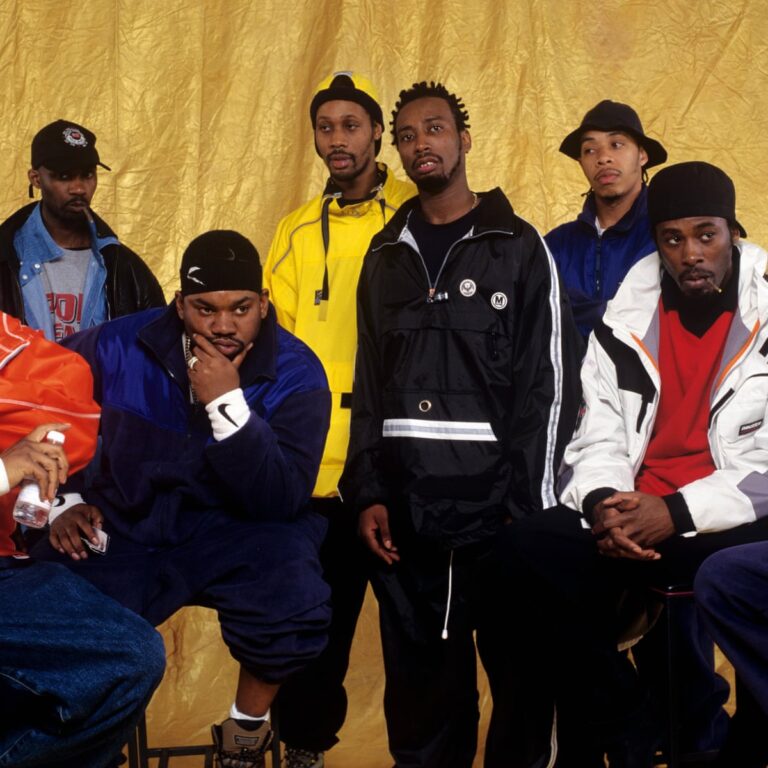
“Bring da Ruckus,” from the Wu Tang Clan‘s debut 36 Chambers LP stands as one of the rawest songs in rap history. As the lead single, and intro track on the album, “Ruckus” set the tone and established the Wu as a crew to be reckoned with. Not a particular long record (4:12, with plenty of filler), each member of the Clan was tasked with establishing themselves as individuals in short yet, impactful verses. With that, came the birth of an organic (gutter) sound that has yet to be replicated.
cousin’ terror, quick damage ya whole era
The record was formatted to sound like a hip-hop cypher but, with a hook from RZA. Four verses and a bridge and everyone on the record went off with aggressive verses and flows. The song has three major samples, interpolating the drums from Melvin Bliss’s 1973 track “Synthetic Submission” and “CB#2” by Ralph Vargas and Carlos Bess. The song begins with a sample of the English version to the film, Shaolin Shadow Boxing.
In a 2015 interview with London-based music technology company Roli, RZA explains how he came up with the sound for Wu-Tang and how he came up with the beat for “Bring Da Ruckus.” He explained that he wanted to use sounds that represented New York City in his beats and sound effects to bring more color to their songs. “When we were making a song called ‘Bring Da Ruckus,’ we took the snare and put it in an elevator sound and recorded it.” He went on to reveal that the reason he used martial arts soundbites was to edit out curse words, thus making songs playable for radio, which he believes is what had kids gravitating to them. RZA loved manipulating sounds to make beats, to him, any kind of sound effect had a musical connotation to them that could be used for any beat.
Beginning with the skit from Shaolin Shadow Boxing, you get a raw and dingy sounding intro, RZA’s hook is then heard but, in a supporting role to the beat, as he shouts “bring da mother f**king ruckus” about four or five times before we get the first verse from Ghostface Killah.
“Ghostface catch the blast of a hype verse
My Glock burst, leave in a hearse, I did worse
I come rough, tough like an elephant tusk
Your head rush, fly like Egyptian musk
Aww sh*t, Wu-Tang Clan spark the wicks, an’
However, I master the trick just like Nixon
Causin’ terror, quick damage your whole era”
Ghostface is aggressive, setting the tone and stage for the others to follow. His verse embodied what RZA envisioned for the record, as he hoped for a pull no punches attitude from whoever rapped on the beat. The verse was quick but to the point, as Ghostface established himself as a someone to be reckoned with, bringing an attitude full of terror and dominance. Raekwon followed up, without a break from the chorus.
Given’ bystanders heart attacks
“No doubt, and you watch a corny n***a fold
Yeah, they fake and all that, carryin’ gats
But yo, my Clan rollin’ like forty macks
Now you act convinced, I guess it makes sense
Wu-Tang, yo, soooo represent!
I wait for one to act up, now I got him backed up
Gun to his neck now, react what?
And that’s one in the chamber, Wu-Tang banger
36 styles of danger”
Rae followed Ghost with a great verse painting a picture like he loves to do in his rhymes and directly putting you in the scenario that he paints. His tone and his delivery made you imagine him actually putting a gun to some one’s neck waiting on him to “act up.” Finishing up with a reminder that the clan was made up of different members, who each brought something to the table, or as he said, “36 styles of danger.”
36 Styles of Danger
Rapping third, Inspectah Deck might have had the best verse of the entire song, using wild terms, metaphors and rhyme schemes that kept the listener captivated. Like he said in his verse he verbally assaulted this track leaving listeners stunned like literal stun guns.
“I rip it, hardcore like porno-flick b***hes
I roll with groups of ghetto bastards with biscuits
Check it, my method on the microphone’s bangin’
Wu-Tang slang’ll leave your headpiece hangin’
Bust this, I’m kickin’ like Seagal: Out for Justice
The roughness, yes, the rudeness, ruckus
Redrum, I verbally assault with the tongue
Murder One, my style shocks your knot like a stun gun”
GZA (aka da Genius) was tasked with finishing off the record and he didn’t disappoint.
“Givin’ bystanders heart attacks
N***as try to flip, tell me, who is him?
I blow up his f***in’ prism, make it a vicious act of terrorism
You wanna bring it, so fuck it, come on and bring the ruckus!
And I provoke n***as to kick buckets
I’m wettin’ cream, I ain’t wettin’ fame
Who sellin’ ‘caine? I’m givin’ out a deadly game
It’s not the Russian, it’s the Wu-Tang crushin’ roulette
Slip up and get fucked like Suzette”
He ends the songs perfectly, adding to the theme of the record and showcasing his now famous lyricism.
“Bring Da Ruckus” is one of the more impactful intro songs in hip hop history. It highlighted four of the major members of the group, establishing their style and unique sound and slang, while also previewing a new era of hip hop, one that celebrated being from the streets not only in lyrics but in how the records were produced and mixed.
“Groove Therapy,” a new podcast combining live music with health and wellness, launched in late August. Produced by Osiris Media and available through Apple Podcasts and Spotify, “Groove Therapy” explores the effects music can have on our minds and bodies.
Founded by Dr. Leah Taylor and Taraleigh Weathers, “Groove Therapy” has two episodes out with a third coming on Friday, September 4. So far, the podcast has explored the idea of “conscious partying” and interviewed Joel Cummins of jam band Umphrey’s McGee. Each episode will have a different guest, either a musician or mental health professional. Listen to the trailer below:
“Groove Therapy” seeks to explore the collective joy of live music with an educational twist. While there’s a time and place for sex and drugs in rock and roll, “Groove Therapy” is about replicating that ectastic feeling when the lights go down at a concert in healthy and responsible ways throughout daily life. “The world needs this now more than ever. What we’re doing is really different: we’re talking about health, hugs, and rock and roll,” said Dr. Leah Taylor in the podcast’s first episode.
Together, Leah and her co-host Taraleigh have over 35 years of experience in health and wellness. Leah has an MA in Counseling Psychology and a PhD in Mind-Body Medicine, while Taraleigh is the author of a book, How to Rock Your Life: Maintain the Magic of Live Music in Your Everyday Experience.
“Groove Therapy”’s September 4th episode is set to feature Zach Gill, of Animal Liberation Orchestra and Jack Johnson’s band. Leah and Taraleigh promise a “long list of fun people” in future episodes. For more information about the podcast, check out the Facebook community group.
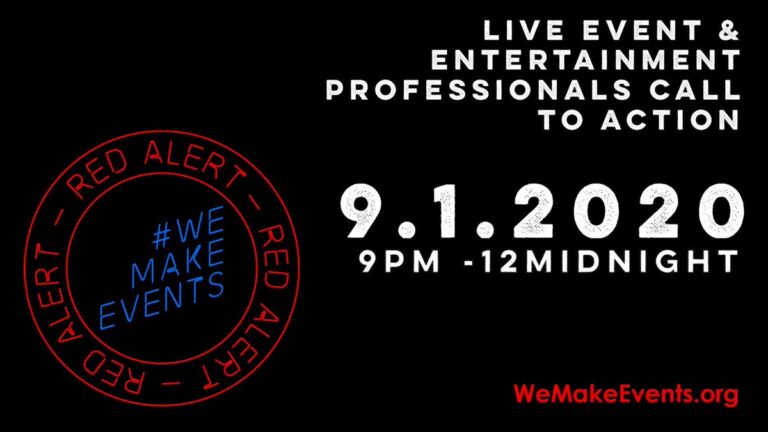
Music venues across the United States plan to light up in red on the evening of September 1, 2020 demanding the passage of The Restart Act. The red lights illuminating the venues across the country will symbolize being in a ‘Red Alert’ as part of the the #RedAlertRESTART as a call to action to help venues during the coronavirus pandemic.
The purpose of this demonstration is to try to convince Congress to pass the Restart Act. The act, if passed, would provide much-needed assistance for millions of Americans who have lost income due to the coronavirus pandemic sweeping across the world. The call to action is being spearheaded by the #WeMakeEvents coalition. The #RedAlertRESTART campaign’s purpose is to try to bring awareness to the fact that live music and venues are being disproportionately affected by the COVID-19 pandemic and need support desperately.
In the recent Billboard article it explains why this act is so important. This relief bill, if passed, will offer, “up to 90% forgiveness for loans to companies that have high revenue loss and doesn’t penalize industries that rely on part-time employees. In addition, rather than basing loan amounts on payroll, the Restart Act includes grants that are made to eligible recipients in an amount equal to 45% of gross revenue from 2019, with a cap of $12 million” according to the article.
On Tuesday night from 9PM – 12AM PST music venues across the nation plan to light up in red to highlight that the live events industry, particularly music venues, are on red alert for their survival. This lighting up will involve venues physically lighting up their facilities in red light in any and every way possible.
Brad Nelms, director of WeMakeEvents North America, explained in a release reasoning behind the campaign saying, “The entire live events industry is on the brink of collapse. Without financial relief, many businesses stand to permanently close, and families risk bankruptcy and homelessness. We want to take this opportunity to show the world the scale of what it takes to make live entertainment events happen and demonstrate how much this crisis has affected our community. This is a human issue, not a political issue, and it requires immediate action. While we realize there are a lot of issues going on right now, and other organizations will be staging events on other dates, we feel very strongly we must act now to save our industry.”
People looking to participate and support the movement can follow these simple steps posted on the WeMakeEvents’ website. There is three steps to follow. First, contact your representatives below using the Action network widget. Second, post a red-tinted photo of your favorite live event to your social media with the following caption: “#RedAlertRESTART: the live events we love may never recover from the pandemic, we need to take action! Take two minutes to contact your representatives here, and post a red photo of you at your favorite event, too. You can turn your photo red here. And lastly, check out the hashtag #RedAlertRESTART and share/RT images of venues and live events workers you love.
For more information on this call to action visit WeMakeEvents’ website.
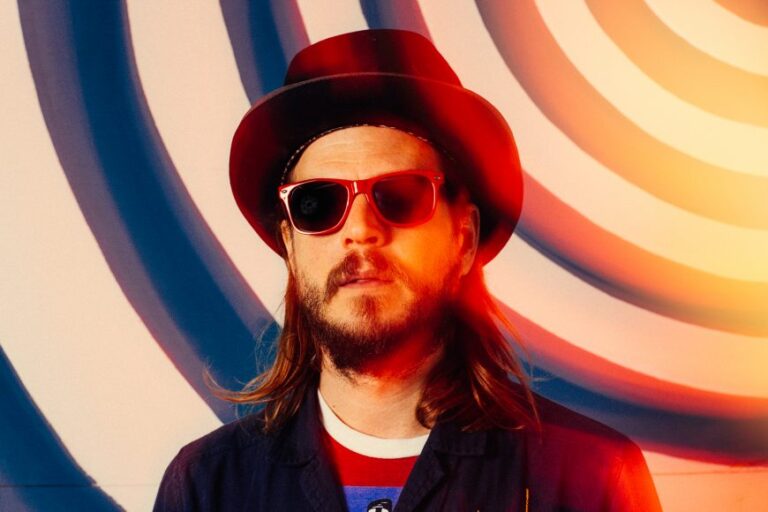
American pianist, song-writer, multi-instrumentalist, record producer Marco Benevento.
Benevento has been a well known pianist in the New York experimental jazz scene since 1999. His career lead him to collaborate with other musicians such as, Matt Chamberlain and John McEntire. He was nominated for the Jazz Album of the Year at the Independent Music Awards in 2008. His most recent en devour was creating his own record label called, “The Royal Potato Family,” along with manager Kevin Calabro. His latest studio album was created using his label, Let it Slide.
MASS MoCa is museum & performing arts center that highlights the work of contemporary artists in particular and has been open since 1999. It resides in an old factory in North Adams, MA and is considered one of the leading contemporary art museums. They host visual arts, performances, and educational programs year round.
Although he normally plays with band mates, Karina Rykman and Dave Butler, this performance is a solo act. The show goes on at 7:30 p.m. until 9:30 p.m. Tickets are on sale now.
For more information on Marco Benevento and his upcoming performance at MASS MoCa visit their website.
I jumped on an opportunity last year: I worked around New York City on stage crew as a stagehand and production assistant. On show nights, I wore all black. I set up electronics, speakers, lights, and stages for artists big and small. I hustled as one of thousands of production assistants who make live shows possible as part of stage crews.
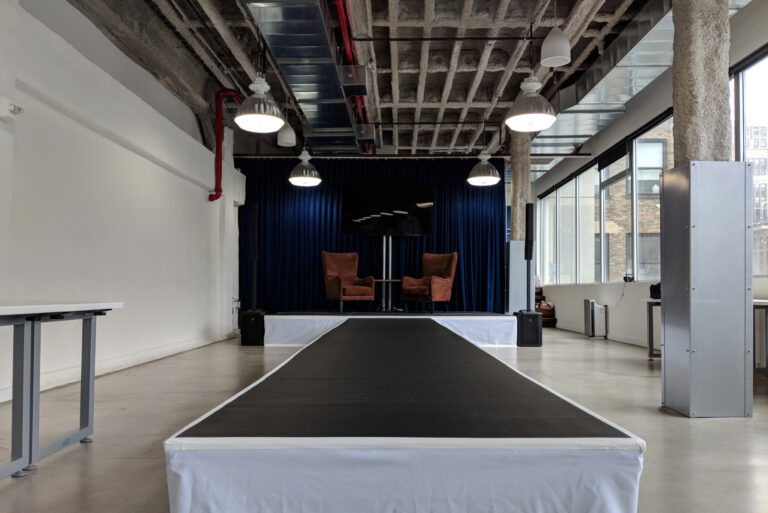
An empty stage waits in Midtown, Manhattan. Photo by Zach Hitt.
In March of 2020, a confirmed COVID-19 case infected Westchester. That changed everything. Now in August, many more cases and many businesses remain closed. Those that have reopened endure significant operating restrictions. Most industries have a lot less money in their cash register. Some businesses have gone belly up.
No live music for a while, either. Fans know this. Eliot Byron knows this. Byron began rigging live shows 25 years ago. serving on the stage crews of the IATSC Local One in NYC and as the Crew Chief of Capitol Theatre in Port Chester.
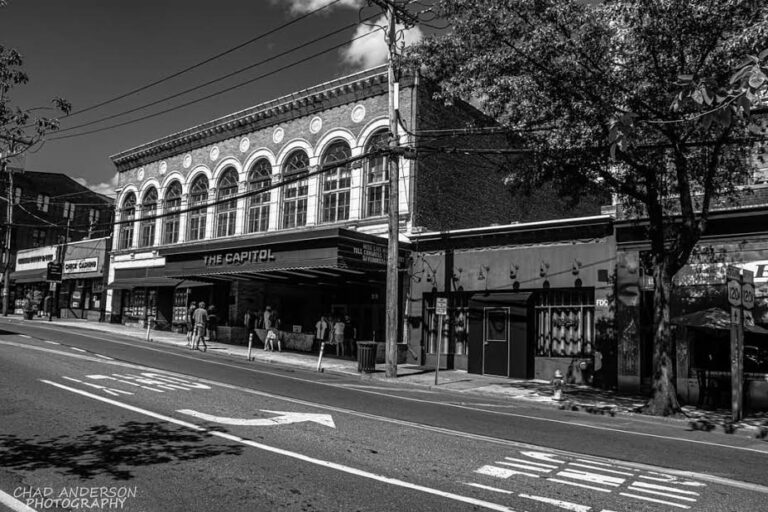
The Capital Theatre. Photo by Chad Anderson.
Just a few train stops north of Westchester, Port Chester shows came to a halt in March — as well as the rest of New York, under the orders of Governor Andrew Cuomo.
“We had a live event [in March]…but they started getting calls and decided not to do it. That was the first indication that we weren’t gonna see live shows for a while” says Byron.
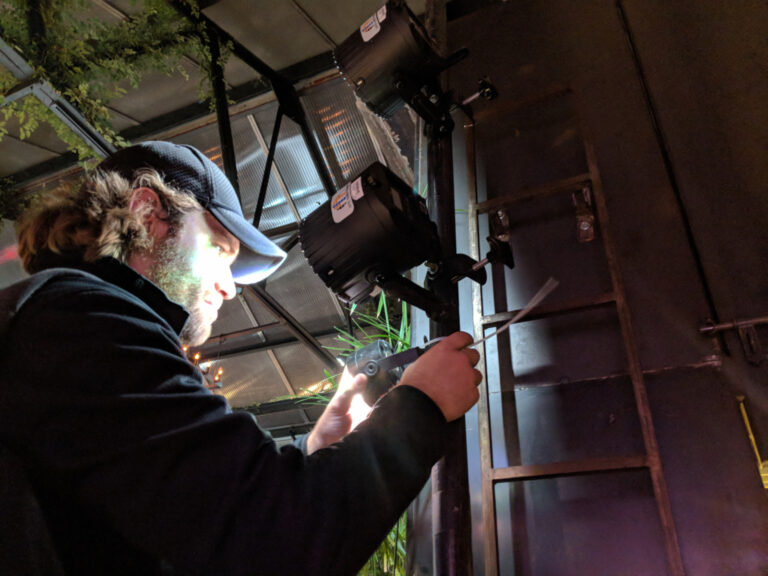
A Stagehand assembles and tests lights. Photo by Zach Hitt
Lights, Camera, Action…
The quarantine disappointed fans and live stage crews alike. But a stagehand’s job is comparable to a goalie. A majority of the time, it’s thankless, difficult work that goes unnoticed if executed correctly. But stagehands are the first to take the blame when things go wrong. “The artist [needs a crew]…that safely unloads trucks in a timely manner. You can’t just grab random guys off the street to do this, either. We are the manpower that gets these shows in and out in a safe, efficient process,” Byron explains.
Byron tells me that stage hands often take part in setting up the stage, lights, and sound, connecting the artist’s equipment with the venue’s electronic set up. It’s neither simple nor easy. And if the government or the industry doesn’t provide financial help soon, crew chiefs like Byron will be tasked with hiring and training all new crews who have less familiarity with the equipment, and less experience. “If this goes on for a long time without some kind of incentive to keep people in the industry, then we’ll be tasked with training a whole new set of people to perform a very, very specialized task,” says Byron. The lasting effect could have extreme ramifications for not only the live music industry, but surrounding businesses like bars, nightclubs, restaurants, and attractions, all of whose sales increase during live shows.
Give the people what they want?
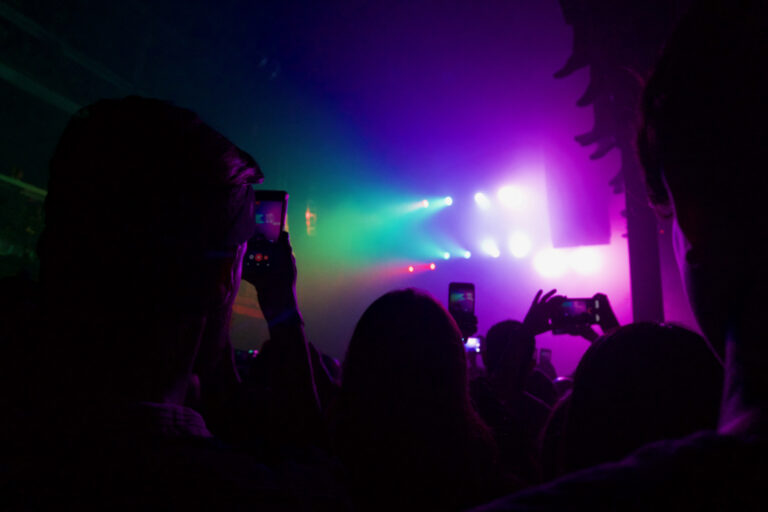
Fans of The Neighbourhood gather at Terminal 5 in Manhattan for a concert. Photo by Zach Hitt.
Frequent attendees of live music have voiced their concern on social media and in public. Some people want economies to reopen immediately, while others have shared concerns of spreading the COVID-19 virus. But while these fans have the safety of their homes and many have other jobs to return to, stage crews will likely be the last group of people to restart their employment. “We were the first to be shut down and we’ll be the last to go back to work,” says Byron.
Who are those guys backstage?
While many people understand that putting on a live show is a team effort, many do not understand the role of a stage crew. And to add confusion, major touring bands have their own road crew, or “roadies,” that differ from stage crew. A road crew is a team of technicians that travels with the performer to assist the artist with the equipment they bring, such as guitars or drums. Stage crews function as a bridge between the artist’s equipment, and the venue’s, such as the speaker system, lights, and sound mixers. In order for a show’s success, the two teams have to work together.
In most venues, especially larger ones, an event employs a team of specialists to lay tracks for a performance. This includes building a heavy stage, lifting bulky speakers, and hoisting enormous light shows to extreme heights. Falls, injuries, and series harm all sit and wait for the first sight of a shaky team or wavering leadership.
Different Vans, Different Plans
Some stage hands moonlight as roadies for touring artists. I met Luis “Lou” Rodriguez working on stage and A/V gigs around NYC. Rodriguez’ professionalism cannot be overstated. Along with local A/V gigs, he started working as the monitor engineer for Big Sean in 2015. Rodriguez takes responsibility for the sound heard by the artists in the stage monitors. He’s carved several big name notches on his stage belt, including The Bronx’s Cardi B, Chicago’s Common, and Yo Gotti from Memphis.
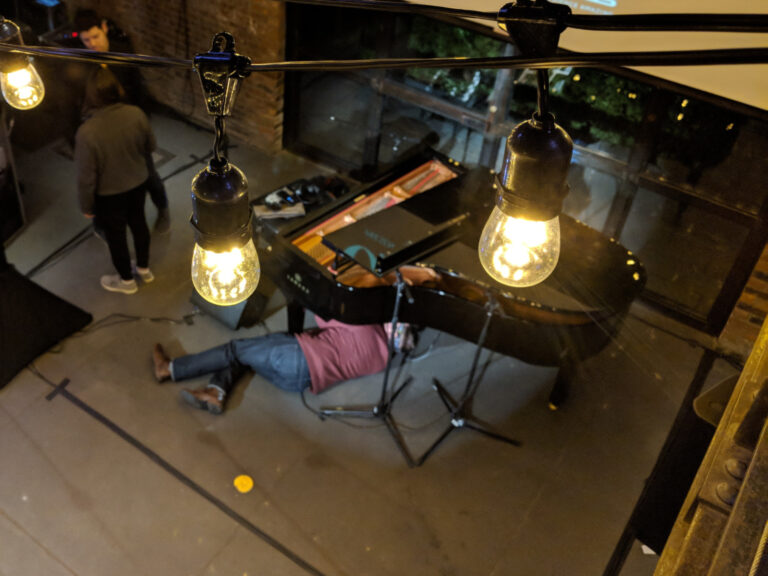
A roadie fixes the sustain pedal on a grand piano prior to a Jojo and Jordan XL show in Queens, NY.
Photo by Zach Hitt
Help Wanted
Nowadays, stage techs and roadies struggle in the same predicament: finding work. Since it is not easy to switch careers, many of those who used to lift heavy speakers and lights now depend on the kindness of tax dollars and crowdfunding to make ends meet. “There are crew members who have not gotten ahead of this. There are no shows, so that means no income for us. But we still have lives to lead,” says Rodriguez. “Everything around the house has gotten tighter.”
While the American government sent out a $1,200 check to adult citizens two months ago, a statistically low number of people live in areas where this covers more than one month of rent. An additional $600 sporadically made its way to certain qualifying individuals, but this has not alleviated the struggle, especially considering that most stage hands live in major cities where rent and medical bills can swiftly pile, Rodriguez tells me.
Will we see live shows again soon?
Different experts have shared opinions on when major US industries such as shows and sports will reopen to the public. While Dr. Anthony Fauci, a reputable infectious disease specialist, has repeatedly warned that the US should stay seated until we have a vaccine. Others propose middle ground: a plan to reopen. Either way, the day that hundreds of people can stand close together in the same room is undetermined.
“There’s no set day,” Rodriguez says. “In Europe, they’re trying a few things out. They’re holding some festivals while social distancing, so the audio set up [and my job] pretty much stays the same.”
Ending one song and starting another
Even if the US reopens, many people and venues fell behind on bills long ago. For this reason, several groups have proposed petitions for government intervention and assistance. A UK protest, themed “Red Alert,” saw many venues shine red lights outside as stage techs walked through the streets with equipment cases, according to a report by The BBC. The uproar has walked hand in hand with organizations like NIVA, or National Independent Venue Association to lobby for bills like The Save Our Stages Act, a bill which proposes $10 Billion Dollars in funding venues and stage crews during the financial burden of the COVID-19 outbreak. New York Senator Charles Schumer co-sponsored the bill.
Either way, the stage hand and roadie are both important parts of the live music industry, and the economy at large. Without them, we don’t have live shows. And without live shows, our economy sees less stimulation as live shows directly impact their surrounding environments negatively. This means a noticeable decline in sales for bars, nightclubs, and more. “I don’t know if it’s financially viable to put on the shows without an audience. They still have the paperwork, the utility, the taxes. There’s all the employees, stage crew, bartenders, security. How long can they last?” Byron considers.
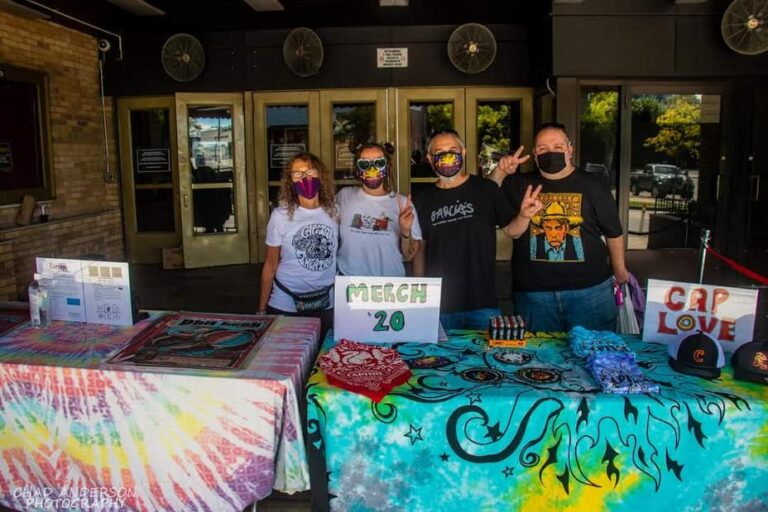
People selling merchandise outside The Capital Theatre. Photo by Chad Anderson.
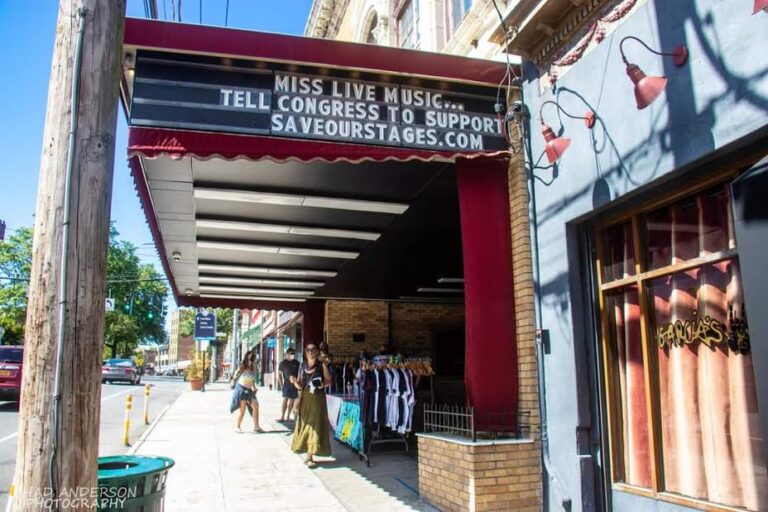
For The Capital Theatre, owned by Peter Shapiro, efforts to keep the venue open included an outdoor merchandise sale featuring hats, masks, and posters. Additionally, the sign outside the building directs those who love live music to call Congress and support SaveOurStages.
The sign outside The Capital Theatre. Photo by Chad Anderson.
What Can We Do for the Stage Crew?
The public must call upon political leaders to pass new legislation in order to help stage hands, roadies, and concert venues. You can read more about Save Our Stages by visiting their website, SaveOurStages.com.
But even with some solutions proposed, unanswered questions about live shows still linger pending a major change, like a vaccine, Byron notes. “Planning a tour is tenuous. Who is gonna ensure the tour? Who is responsible if the artist gets sick and misses a couple days?”
The same could be said about a stage crew: what will they do when they still aren’t allowed to work and the government’s assistance dries up?
Bandcamp announced their plans to waive their revenue on September 4, 2020 from midnight to midnight Pacific Time to support musicians facing hardships during COVID-19. The music company plans to keep waiving their revenue for these first Friday of the month days for the rest of the year.
According to the Crack Magazine when Bandcamp withdrew its fees for a day back in March as a promotional act people ended up buying $3 million worth of music in 24 hours. Since then BandCamp has continued these waved revenue days periodically including a 3 month stretch back in May, June, July of this year as a move intended to help independent artists and labels, who are being affected by the coronavirus pandemic.
According to Bandcamp’s website since the pandemic hit in March, people have bought more than $75 million worth of music and merchandise directly from artists and labels, and to date, fans have paid artists over half a billion dollars on Bandcamp.
Bandcamp started waving it’s revenue on the first of the month back in May saying, “To keep supporting musicians during the Covid-19 pandemic, we are waiving our revenue share on all sales this Friday, May 1, from midnight to midnight PDT. Let’s come together as a community to put money directly into artists’ pockets” via their Twitter page.
To keep supporting musicians during the Covid-19 pandemic, we are waiving our revenue share on all sales this Friday, May 1, from midnight to midnight PDT. Let’s come together as a community to put money directly into artists' pockets: https://t.co/hPhgm7WBR4pic.twitter.com/DG6KYI2IN5
Bandcamp announced plans to continue the first Friday revenue waiving until the end of the year considering the pandemic is far from over. The following dates will continue this first Friday tradition: September 4, 2020, October 2, 2020, November 6, 2020 and December 4, 2020.
New York favorites to check out and support on September 4
Giant Panda Guerilla Dub Squad are a Western New York favorite by reggae fans. They formed in 2011 and are based out of Rochester. Giant Panda Guerilla Dub Squad’s sixth studio album MAKE IT BETTER was released September 16, 2016 on Rootfire Cooperative and debuted at #1 on the Billboard Reggae Chart. Their newest single “Good Love” released on February 7, 2020 is available for $0.99 on Bandcamp along with more of their content.
Aqueous is another Western New York favorite hailing from Buffalo New York. They have a devoted following for their indie-jam rock sound. They have recently made it into the national music scene due to their unique way of performing where no two shows are ever the same. They enjoy blurring the lines between a multitude of styles and genres. Their latest live performance for the Live From Out There streaming performances are available on BandCamp for each song for around $5 along with more of their content.
Consider the Source is another favorite from New York City. Consider the Source is an instrumental trio formed in 2004. They are self acclaimed SiFi/ MiddleEaster/ Fusion sound that breaks normal genre concepts. The group has released five studio albums, two live albums, and one compilation album. They have become widely known especially by Radiohead fans for their Radiohead inspired performances. Their latest album You Are Literally A Metaphor was dropped in 2019 and is available on Bandcamp for $10 along with more of their content.
For more information on Bandcamp and their first Friday revenue waiving visit their website.
One of the true gems of southwestern New York on Chautauqua Lake is the Chautauqua Institution. There you can find a blend of arts programming, educational and religious opportunities and recreational activities are available to those who visit the grounds during the year. And every few years, the music event Jazz at Chautauqua is part of the annual programming.
The Institution, originally the Chautauqua Lake Sunday School Assembly, was founded in 1874 as an educational experiment in out-of-school, vacation learning. It was successful and broadened almost immediately beyond courses for Sunday school teachers to include academic subjects, music, art and physical education.
Thanks to Jazz Lives, who consider Jazz at Chautauqua 2013 “another unforgettable interlude of music and friendship,” we bring you a selection of ballads from the September 22, 2013 Jazz at Chautauqua performances. A medley of ballads began and ended the music-filled weekend, including “Easy Living,” “Daydream,” “Can’t Help Lovin’ That Man” and “I Know Why (And So Do You).” Featured players include Marty Grosz (guitar), Harry Allen (tenor sax), Dan Block (clarinet), Bob Havens (trombone) and Duke Heitger (trumpet).
Later, ballads including “My Funny Valentine,” “Please,” “Laura,” “If We Ever Meet Again” (Horace Gerlach) and “Sophisticated Lady” seem to tell the full range of relationship through their titles. Selections are peformed by Randy Reiinhart (cornet/trumpet), Andy Schumm (cornet/trumpet), Andy Stein (saxophone), Marty Grosz (guitar), and Rossano Sportiello (piano).
From 2009, enjoy “Chinatown,” performed by Pete Siers (drums), Frank Tate (string bass), Ehud Asherie (piano), Bob Havens (trombone), Dan Block (clarinet), and Duke Heitger (trumpet).
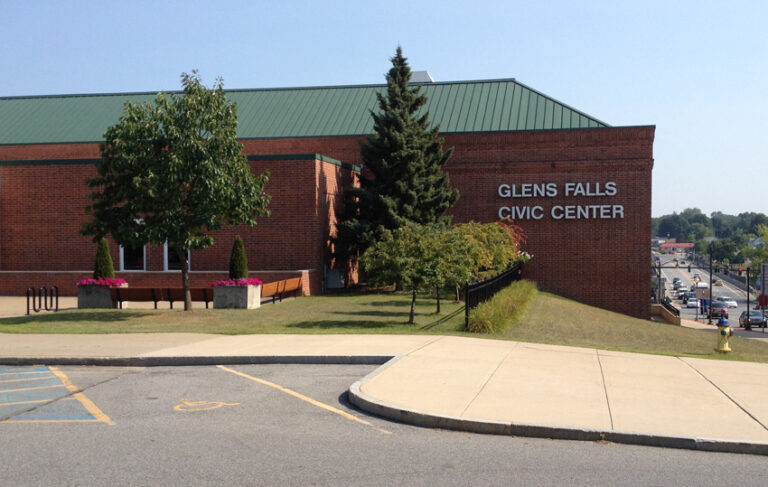
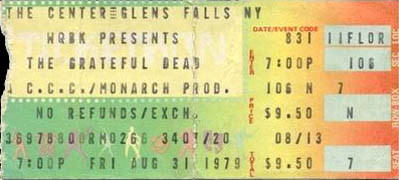
Today’s Dead-trospective takes us to a Glens Falls Grateful Dead show at the Civic Center played 41 years ago. August of 1979 was interesting time for the Grateful Dead. New keyboardist Brent Mydland was still getting himself acclimated, having joined the band in April. This is only his 19th show, but his second time performing in New York with the Dead after they played Broome County Arena in Binghamton in May.
1979 featured a lot of short tours spread out over the course of the year. This would be the opener of one of them, a six-show tour in the Northeast with the last three at Madison Square Garden. This is the first time the Dead played the Civic Center. They would come back and play a single show the next three years as well.
The show begins with “Promised Land,” a Chuck Berry cover and “Dire Wolf.” It’s a fairly pedestrian 1-2 opening punch with plenty of post-song tuning. Bob Weir’s “Cassidy” follows, now in its new form with Mydland on backing vocals.
After some more tuning and indecision, things begin to take off with “Loser,” the Garcia-sung card playing saga. Jerry has a little fun with the lyrics on this one as the “Ace of Diamonds” comes up once instead of the usual Queen. The recording gets a little bass-heavy in the brief jam that follows but is well worth it. A typically poignant Garcia solo on top of everything else seems to genuinely excite the Civic Center crown.
A brief patch of the AUD recording doesn’t deter from a “Peggy-O” that hits all the right spots with Garcia’s vocals in top form. The first set also has a spot for newcomer Brent Mydland’s “Easy to Love You,” only the second one ever played. Afterwards, Bob Weir gives a little “love” to the locals in “New Minglewood Blues” with a change of lyrics to “New York women.”
This being another transitional period for the Dead, new songs and playing styles would continue to emerge. “Lost Sailor” had only been played four times prior to this, debuting earlier in the month. But this show in Glens Falls would feature the first ever “Saint of Circumstance” as it blended in immediately afterwards, making it sound almost like one song, which it would continue to do for years. This is really the last multi-song composition purposely crafted by the band.
A slow to start “Shakedown Street” begins the second set but it soon turns into a boisterous one with plenty of Garcia-fueled funk. The next song would be the return of a forgotten hero with only the second “Greatest Story Ever Told” since it was shelved towards the end of 1974. Garcia seems to tease “Black Peter” afterwards, a sign of things to come, before the “Ship of Fools” that follows.
The recording slips back to the AUD source towards the end of the stretched out “Estimated Prophet” that follows. But this give a great insight to the feel of the room. Swaths of people can be heard clapping along to the “Eyes of the World” that Garcia transitions to frenetically. This one is uptempo and bouncy from the get go with Mydland dazzling on the electric keyboard.
The highlight of the show comes later in the second set with a remarkable transition from the “Drums” section to “Not Fade Away.” The whole band is locked in atop an infectious rhythm as Garcia continues to pull all sorts of tones out from his bag of tricks. It’s a powerful segue, and executed perfectly, as the jam continues right through “Not Fade Away.”
Fittingly, the show is bookended with “Around and Around,” another Chuck Berry cover. Perhaps curfew was an issue as there does not appear to be any record of an encore for this show. But these two sets would pack enough of a punch on their own with new material and some exquisite second set jamming.
The Grateful Dead would travel to Rochester after this show, for a show at Holleder Stadium. But it’s clear they found a nice new place to play in Glens Falls, the music proves it. Upstate New York fans wouldn’t have to wait too long for a reunion though. The band would return in May next year for another masterclass in psychedelic rock.
Grateful Dead 8/31/79 Glens Falls Civic Center – Glens Falls, NY
Set 1: The Promised Land, Dire Wolf , Cassidy, Loser, El Paso, Peggy-O, Easy To Love You, New Minglewood Blues, Althea, Lost Sailor > Saint Of Circumstance > Deal
Set 2: Shakedown Street, Greatest Story Ever Told, Ship Of Fools, Estimated Prophet > Eyes Of The World > Drums > Not Fade Away > Black Peter > Around And Around
Recording starts with brief AUD patch before switching to SBD source. Patches also heard in “Peggy-O,” “Minglewood,” “Estimated Prophet” and “Eyes of the World.”