Author: Pete Mason

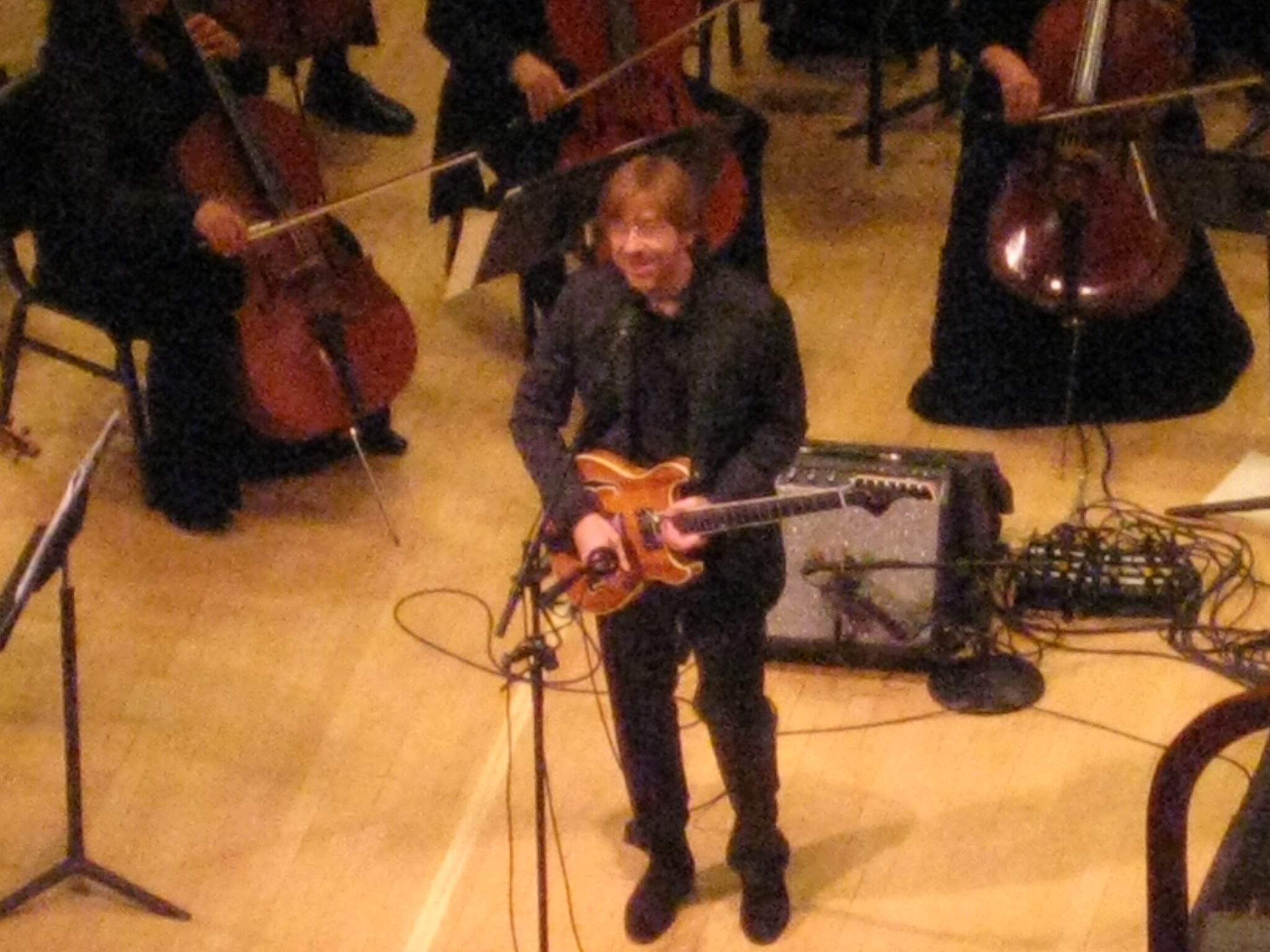
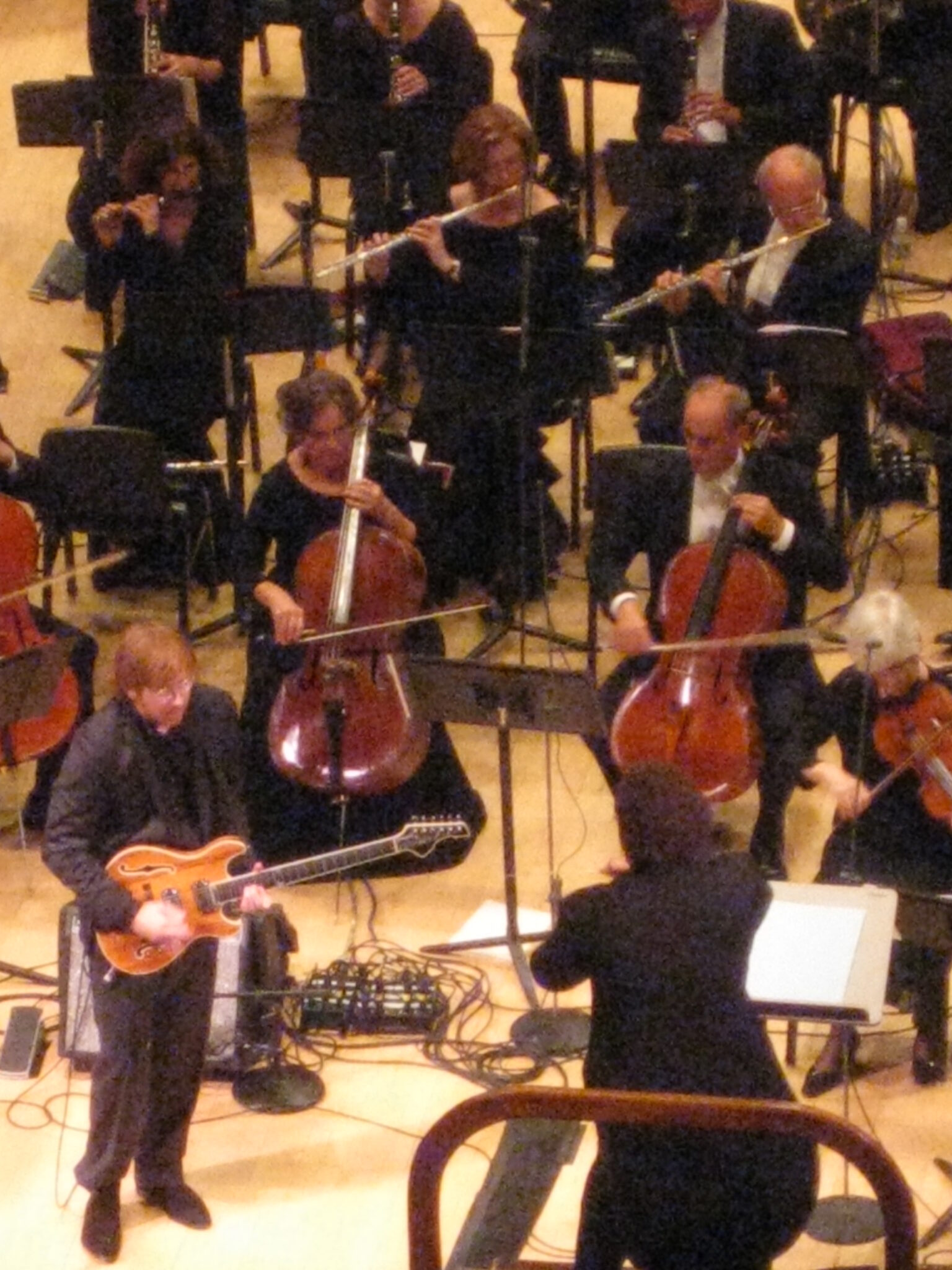
  • Trey Anastasio at Carnegie Hall with the New York Philharmonic, Sept. 12, 2009

    Ed. note: this review of Trey Anastasio at Carnegie Hall was original published on PhanArt.net in September 2009. For a more recent review of Anastasio at Carnegie Hall, read our review from October 2019.

    For years I have considered orchestral compositions the ultimate form of music, with the intricacies that I felt would never be understood, a style that would be too difficult to get into, and a high-class following that would elude me forever.

    This started to change years ago when I heard the amazing beauty of Eric Clapton playing with the Royal Philharmonic Orchestra in London (February 10, 1990), and discovered the intersection of one of the greatest guitarist in history and one of the finest orchestras in the world. Hearing “Layla,” “White Room,” “Bell Bottom Blues,” as well as a unique Guitar Concerto in two movements performed with a guitar (?!) AND a 40 piece orchestra. My ears never had it so good. Every note was played, expanding, but not drowning out, the original composition. Bands like Queensryche and YES had explored orchestral infusion into their rock act previously, but the Clapton collaboration hit home with me, and I was forever hooked.
    trey anastasio carnegie hall

    The only thing that stood in the way of getting a fix for this new-orchestral sound was more combination acts like the one that got me hooked. It took only a couple years before Trey was playing with the Vermont Youth Orchestra on “Guyute,” but opportunities to see this were limited. I listened to the version on Sharin’ in the Groove, The Mockingbird Foundation’s tribute album to Phish, over and over, guiding the orchestra while I drove cross-country and around town. This was some of the best music I could have imagined to hear.

    When Trey Anastasio was announced to play the 2004 Bonnaroo music festival with the Nashville Chamber Orchestra, I knew that this would be the musical experience I had been long waiting for – combining my favorite band’s music with an orchestra, drawing out every last note of music hidden in there, expanding the tablature to a full musical composition replete with instruments I had not seen nor heard from since grade school. The experience was the highlight of that Bonnaroo, and set the stage for the musical bliss that was set with Trey Anastasio at Carnegie Hall on Saturday, September 12, 2009.
    trey anastasio carnegie hall

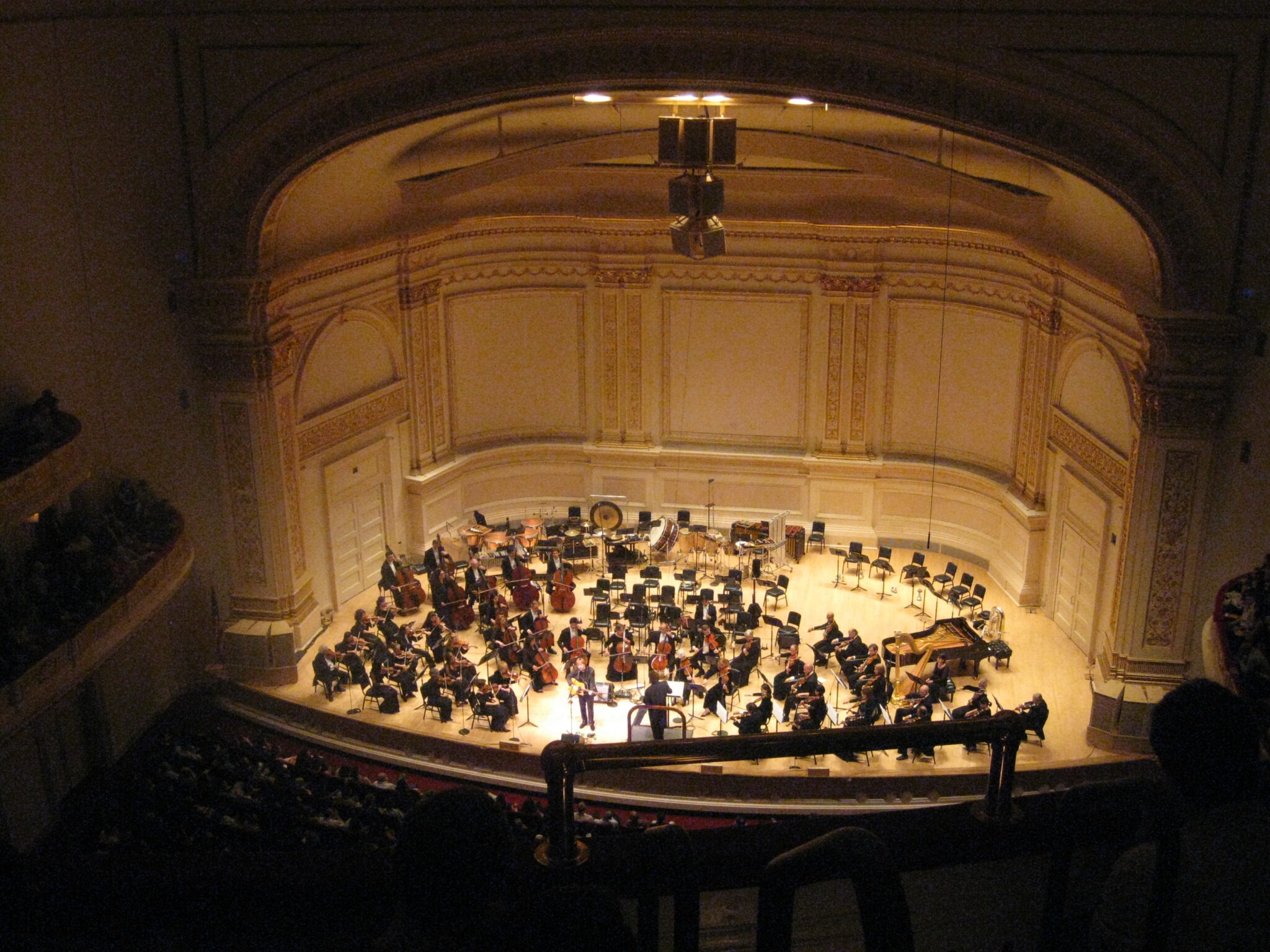
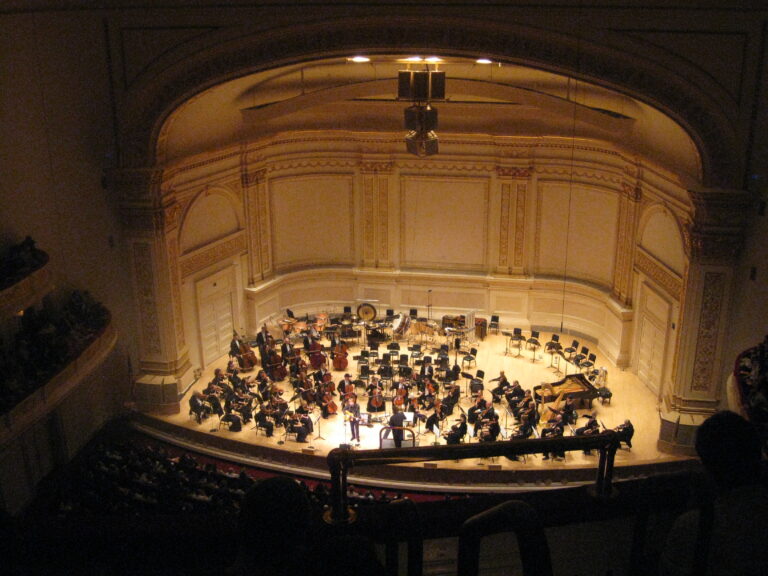
    The show having been announced in mid-July, I immediately purchased the best seats I could afford (4th row balcony, which I hoped would provide immense views), as I knew the size of the room was considerably smaller than a normal phish-venue, and the demand would certainly be high. Arriving at Carnegie Hall, I saw what I had joked would be there, presuming it wouldn’t – nitrous tanks and a few shady-entrepreneurs making a quick buck on fans with money to burn on a cheap high. Ignoring this, I went inside and found myself walking up, up, up, up to the top level, and then was guided to my seat by an usher, which felt very high-class. Taking my seat, I marveled at the crowd around me, the youth, the remarkably familiar feeling I had in this great community of people, as well as the sharply dressed folks who took the occasion to go ‘phormal’, as we once had for Radio City in 2000. The crowd was very chill and happy, and notably respectful of the hall, likely thrilled to be able to see such a unique night of music in such a famous building.

    The seats were small and legroom was nil, but that was all taken away with the warming up of the New York Philharmonic. You could hear each section of instruments (the strings, the horns, the woods, the percussion, etc…) randomly tuning up, and a finely tuned ear could hear aspects of the peak of “Guyute,” the middle section of “Pebbles and Marbles,” and miscellaneous tuning and playing as the crowd got settled.

    trey anastasio carnegie hall

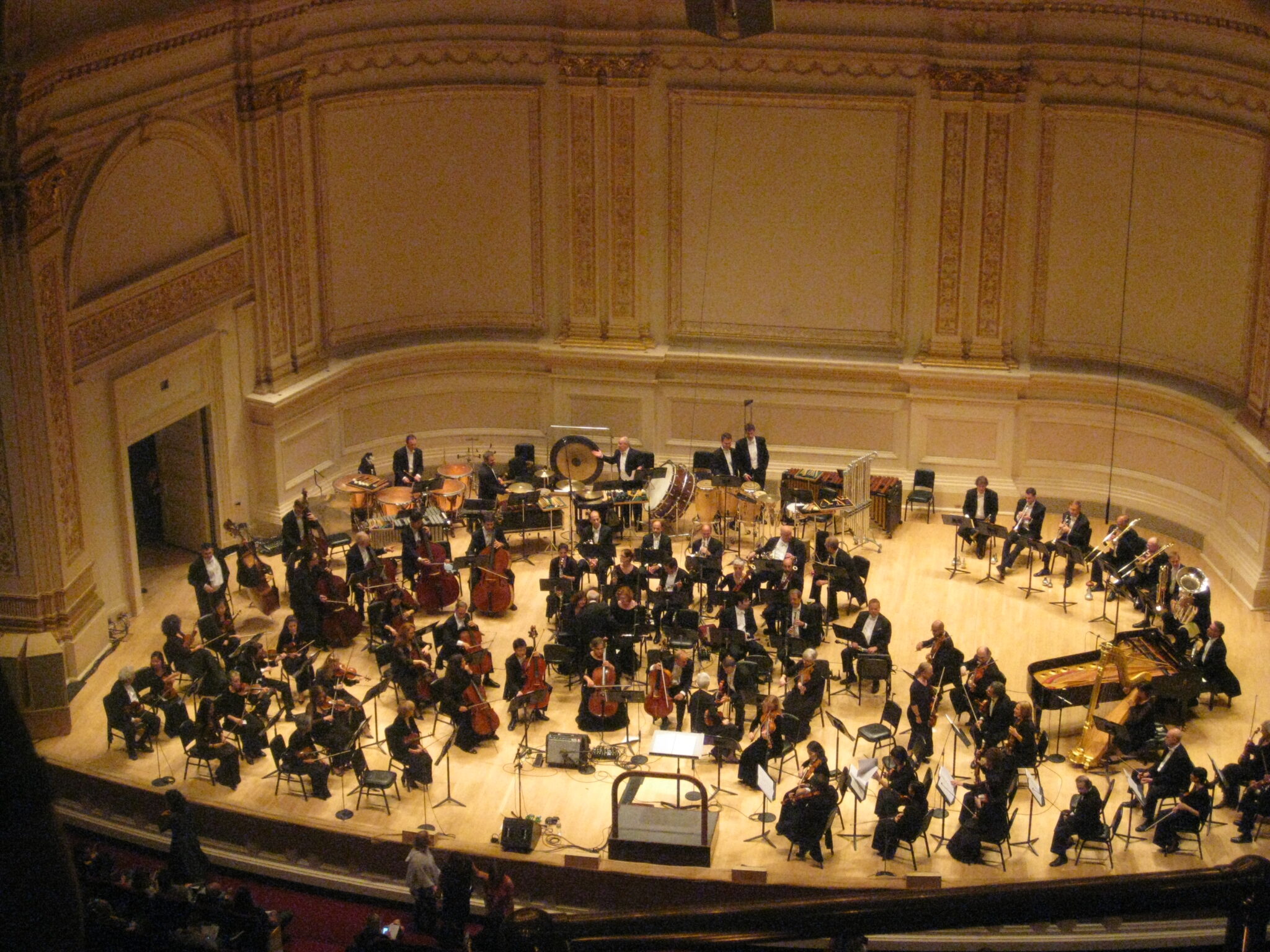
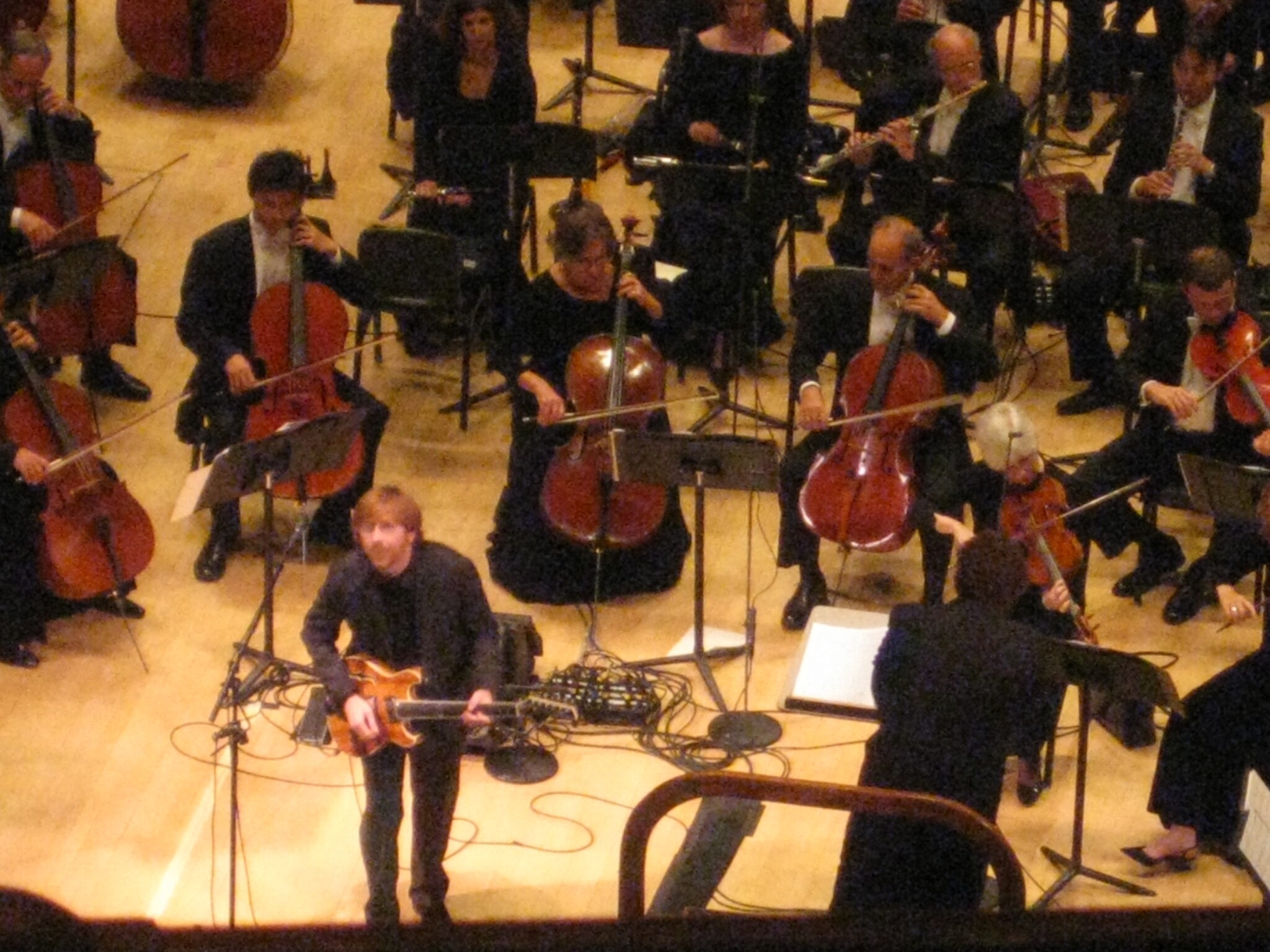
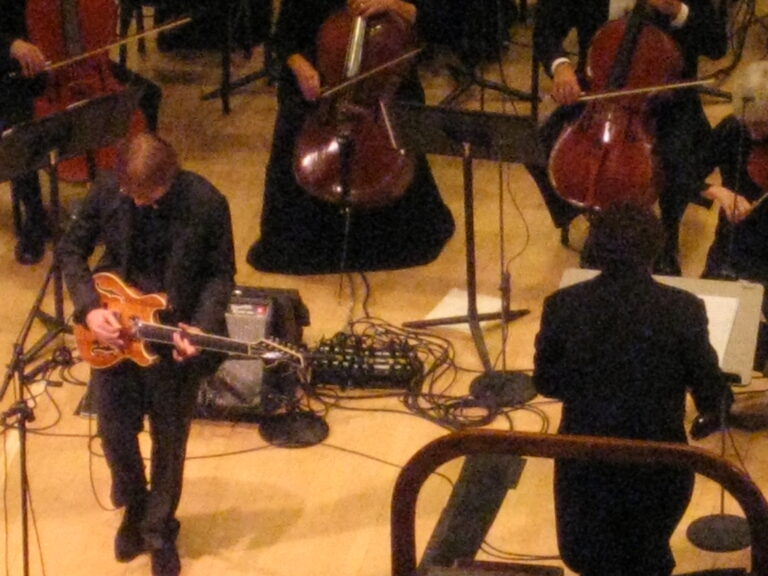
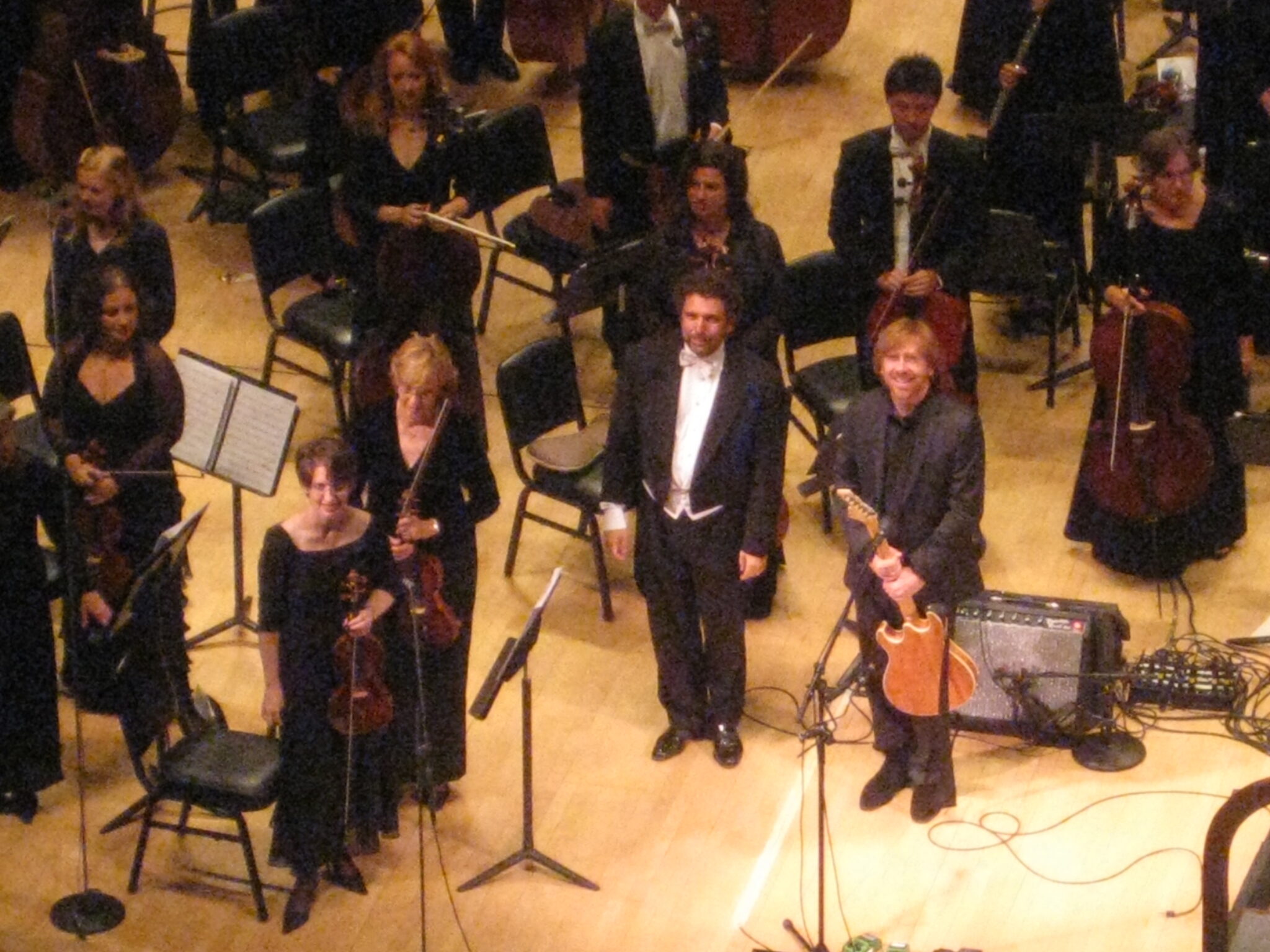
    Upon their arrival to the stage, the principal violinist, the conductor, Asher Fisch, and then The Bad Lieutenant himself, Trey, came out to thunderous applause, likely the loudest Carnegie has ever heard. “First Tube” was soft and quiet at first, but perfect. Trey’s guitar was quieter than ever, but he changed the volume as the song got towards the end, with an amazing buildup, similar to the now-invigorated versions Phish has played in ’09. The flutes, violins and bongos/congos are heavy in this song, carrying the tune to its final section and peaking very subtly and suddenly.

    “The Inlaw Josie Wales,” “Brian and Robert” and “Water in the Sky” were soft excursions into the mid-’90s writing of Trey, and showed the orchestral side of his writing that had been there all this time. “Divided Sky” was the crowd pleaser-supreme in the first set, giving the crowd a wide range of melodies and expansion of an already tremendous song. “Pebbles and Marbles” and “Guyute” closed out the first set, the latter of which had many heads bobbing and moving hands subtly to the movement of Asher Fisch, who was one of the more animated conductors I could have imagined, making Tom Hulce’s Mozart look like a impassive director of music. Fisch was swaying from side to side, almost seeming to leap in the air at times when the music compelled him to do so. It almost seems as though he would fit in at a Phish show.

    Setbreak brought about a trip to the headiest smelling bathrooms since the last Phish show, and long lines of fans waiting for water, as the room was getting a bit warm. “‘Time Turns Elastic” started with the first two movements, which are not heard in the Phish version, as they are a cornucopia of the orchestra’s sound leading into the ‘Submarine’ section of the 30 minute composition.

    This may be one of the best compositions I have ever heard, with crescendos and arpeggios that showed the masterpiece of Trey’s orchestral composition was a crowd pleaser, an attentive crowd focusing on the various sections intently. When played with Phish, fans take time to refuel and make pit stops, but for this version of “Time Turns Elastic,” every audience member hung on each section, as the segues were fluid to say the least. The most fascinating thing about this version of “Time Turns Elastic” was the focus on the various movements and sections within the song. The final section, ‘Carousel’, brought the song to a resounding peak, with applause that was the loudest of the evening thus far.

    “Let me Lie” was touching, soft and short, providing a nice interlude in between two long epics, the latter being the debut of “‘You Enjoy Myself,” the immense Phish crowd pleaser. This was the song the entire crowd was waiting with bated breath to hear, only to be paused and let the excitement build longer as Trey thanked the audience, the orchestra, and remembered his late-sister, Kristine Anastasio Manning, for which her foundation that night was a beneficiary.

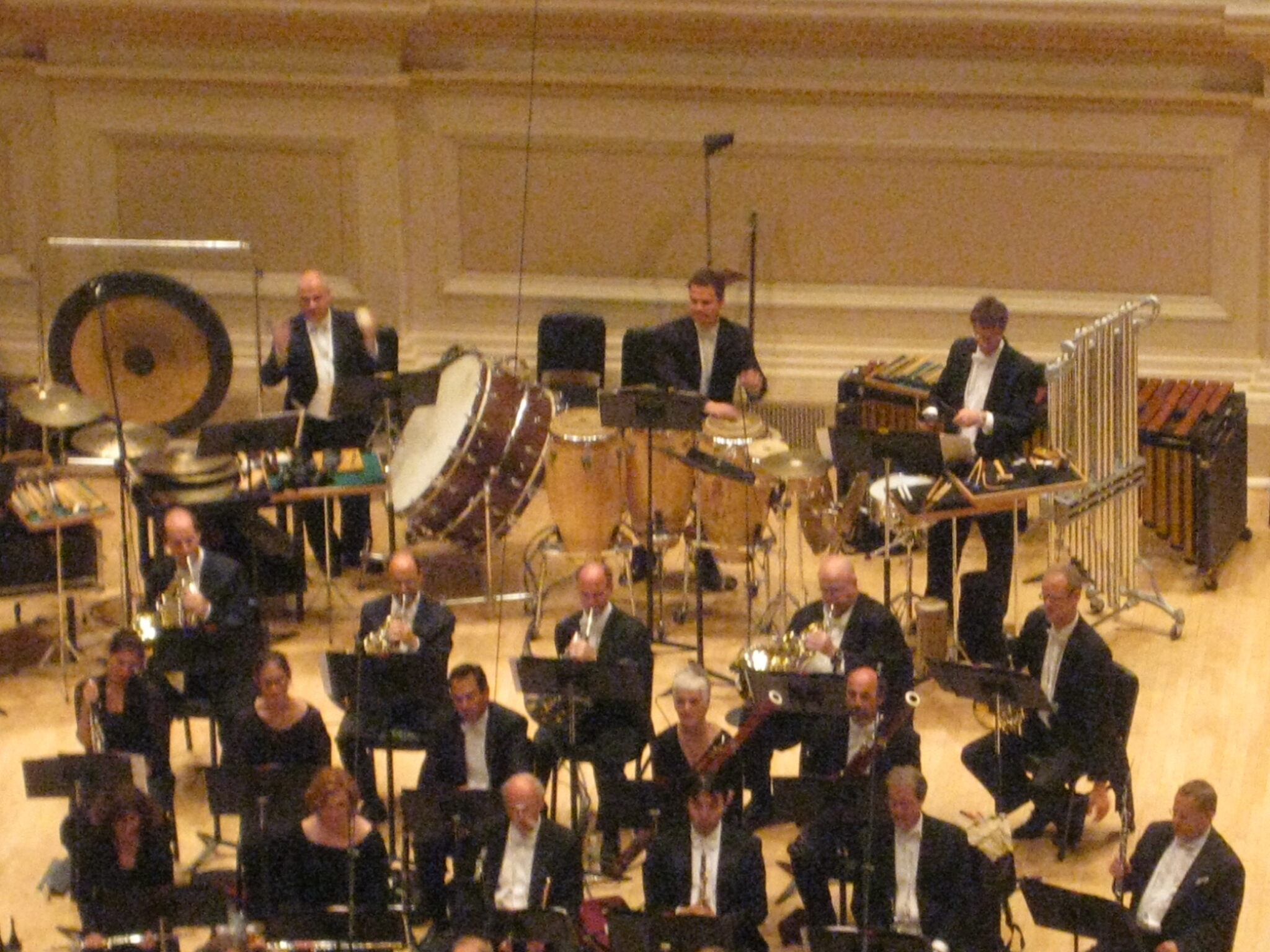
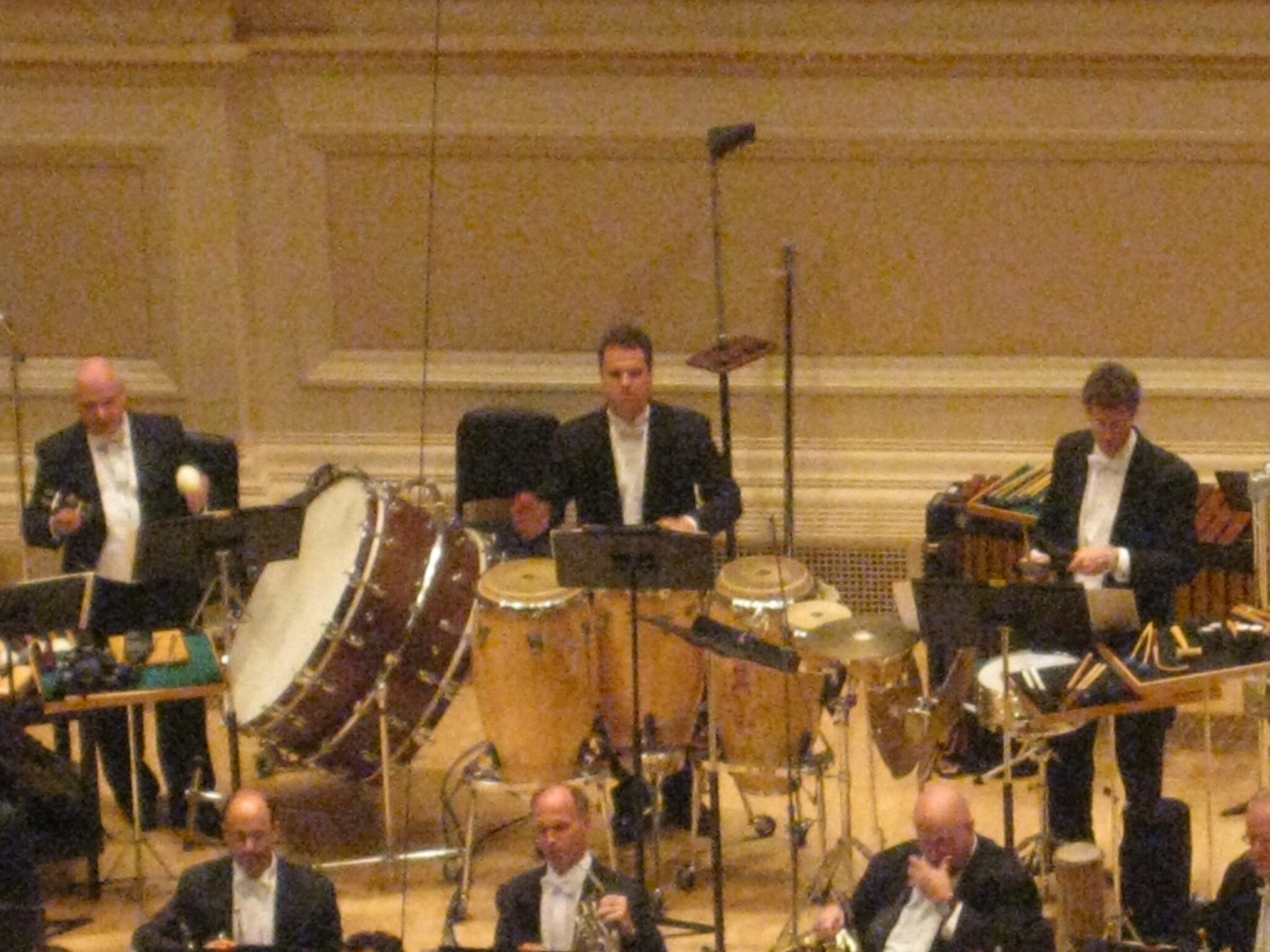
    “YEM” started off with a round of applause overshadowing the opening section, but soon, you could hear a pin drop, were it not for the orchestra. The crowd hung on every note, hearing the song like never before, but really, like the song was meant to be heard – this version of the song brings out layers and aspects of the song still left unexplored through almost 500 performances over the course of the band’s career. The ‘Pre-Nirvana’ segment had the percussionist working a snare drum to emulate Fishman, as the strings brought about the largess of the ‘Nirvana’ section, with Trey playing softly and complementarily alongside the collection of musicians onstage. The xylophone in this section is worth turning the speakers up for. A crescendo appears with the trumpets, French horns and tympanis working to bring the song to its first crest. More xylophone brings the section typically played by Mike to its peak, with Trey playing louder and the horns coming in to build the song up once again.

    The next section with the tremendous peak was resounding with horns and cymbals making it akin to the concert version. The bongos and congos took over the interlude in between these two sections, with an even louder zenith reached before ‘The Charge’ appeared and then dissolved with audience laughter, before a funky YEM jam beat was played by Trey and the percussionist, all the while the trombones, tuba and French horn played ‘Boy, Man, God, Shit’ in a way it was never played before.

    You can’t help but laugh hearing this section, both out of the humor inflected by the horns, as well as the precision reached in the performance. Clarinets and other woods built up the song where the trampolines would usually come into play, and then the strings and full orchestra come into play, bringing the song into a three minute composed jam that highlighted all the parts of the song, as well as the musicians on stage, who were performing for an audience larger than they could possibly know.

    As the final jam section ended and the strings played a very light ‘Wash Uffizi drive me to Firenze’, Trey set his guitar down and took towards the microphone, and began a vocal jam all on his own, a first for any Phish fan. The similarities between this vocal jam and the ‘Arc’ that Eddie Vedder performed on his 2009 solo tour were resounding, with the exception that Anastasio does his vocals all on his own, and without the addition of looping sounds; the room carried Anastasio’s voice throughout its acoustic borders, while the orchestra backed up each inflection of Trey’s voice.

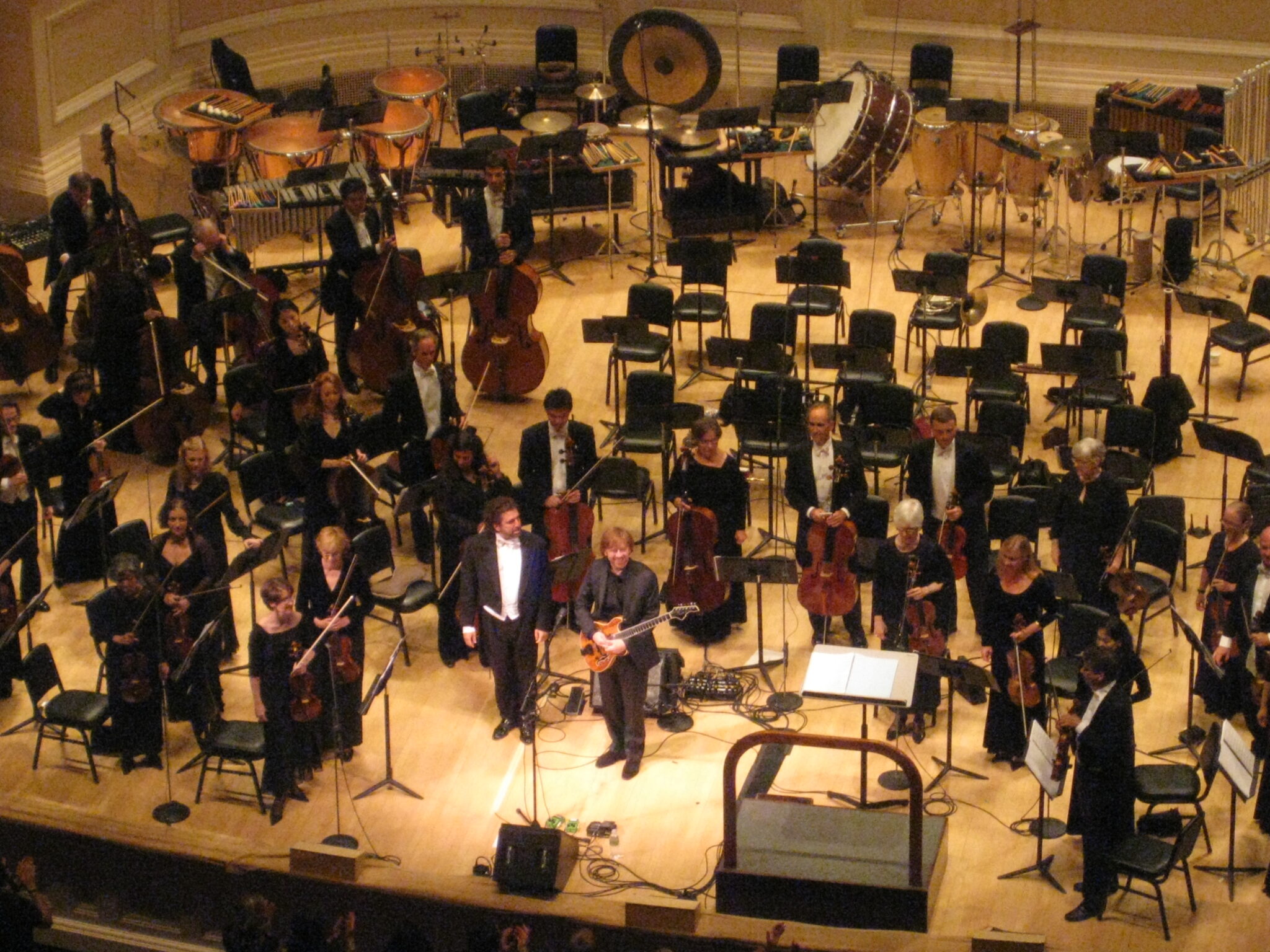
    The roar of the audience at the end was deafening, even for one of those cheering loudly. We cheered like a Phish audience for a very non-Phish set of performers, and they deserved every ounce of it. An encore of “‘If I Could” was so perfect, you need to hear it to truly appreciate how soft and elegant the song gets; the album version has strings towards the end, which is a nice start for a song that has found a new home in an orchestral composition. The harp solo after the first two sets of lyrics is enough to make your eyes well up with tears of joy, and then the strings make the wells runneth over. A more beautiful composition is hard to come by.

    As the show ended, fans ventured out into the streets to dodge the nitrous vendors, and headed out into the night, having experienced one of the most amazing musical events of 2009, let alone the entire decade/century. Yes, it was that amazing.

    Overall, even the most rabid of Phish fans and music fans in general, would appreciate the intricacies, tempo changes, structure and multi-auditory stimulation that come from the greatness of an orchestra. Seeing Trey in an orchestral setting is the way to see him perform him music. Remember, he went to school for this, so this isn’t some silly venture like Jordan playing baseball. No, this is the real thing. This is Jerry Garcia playing solo shows, Mick Jagger putting out subpar solo albums for unknown reasons, and Bono hanging out with world leaders to push for more attention to Africa. This is where the rockstar in Trey goes on to become something more, something larger, something that transcends Phish, but brings along the music for the ride. You have to ponder the thought, since Trey went to college for Composition, had he not co-founded Phish, would he have been a colleague of Fisch?

    One has to wonder, have we been duped this whole time by Phish, that now we deep down can appreciate the intricacy and effort it takes to create orchestral music? Most the songs played that night have been played by Phish since the early days (YEM, Divided Sky), the ’90s (Guyute, Inlaw, Brian and Robert, Water in the Sky) and in recent years (Time Turns Elastic, Let me Lie, Pebbles and Marbles), yet at those times, few considered that we were hearing the rock and jam versions of classical songs. All these songs have that familiar strain, and can possibly convert Phisheads into classicophiles in no time.

    This show was a game-changer and eye-opener for many fans. Seek it out and join in one of the greatest auditory experiences you have ever heard.

  • This Darkness has got to Give: A look at the current state of New York Music Venues

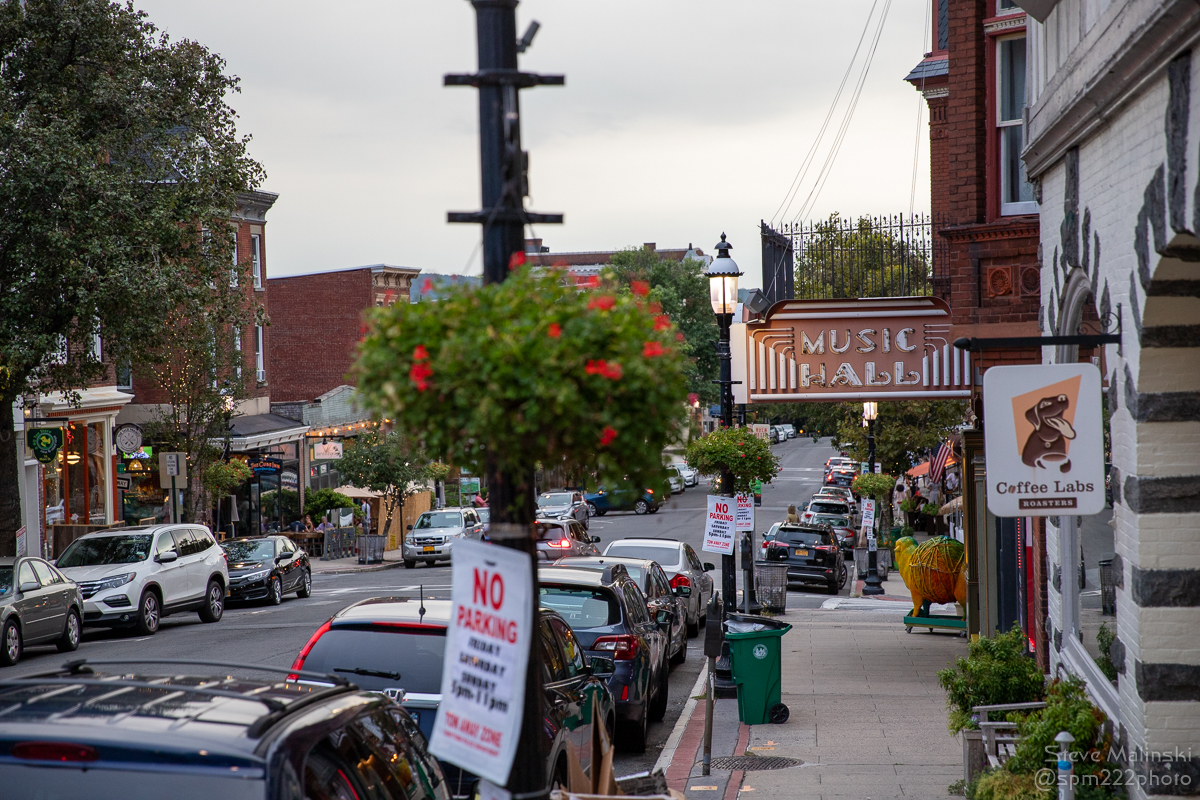
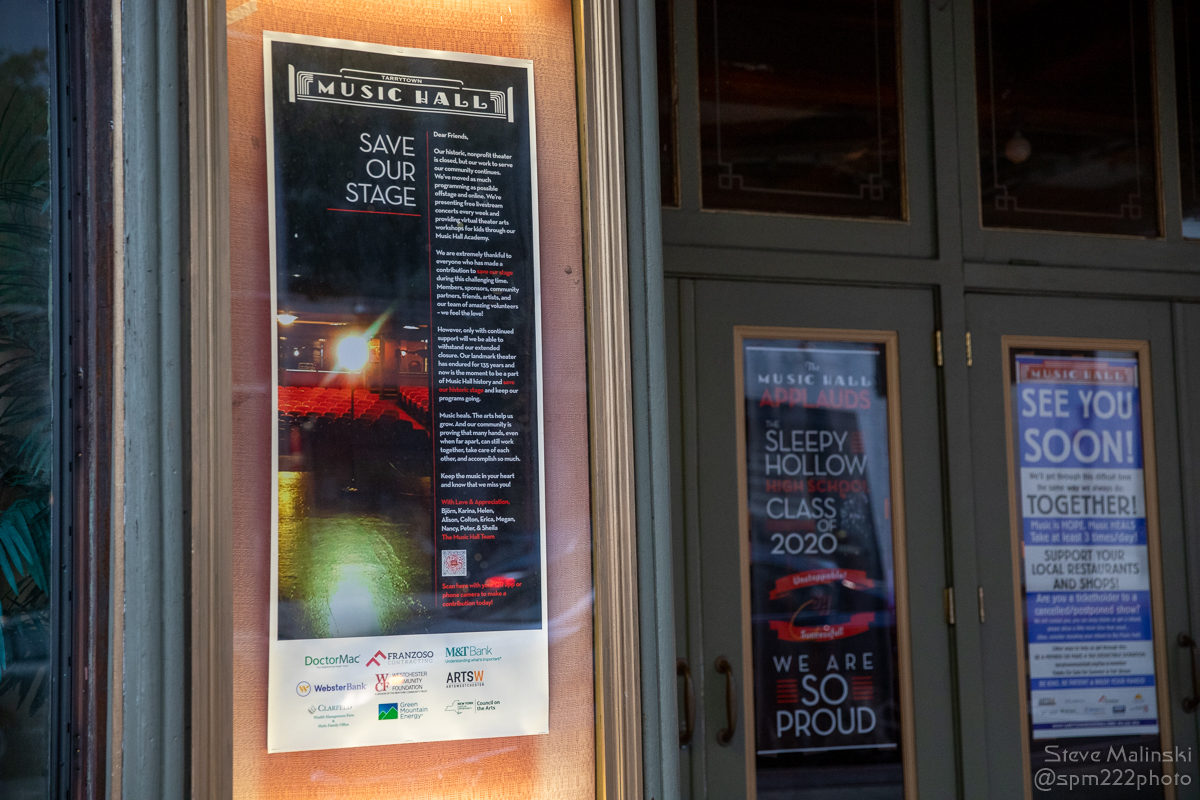
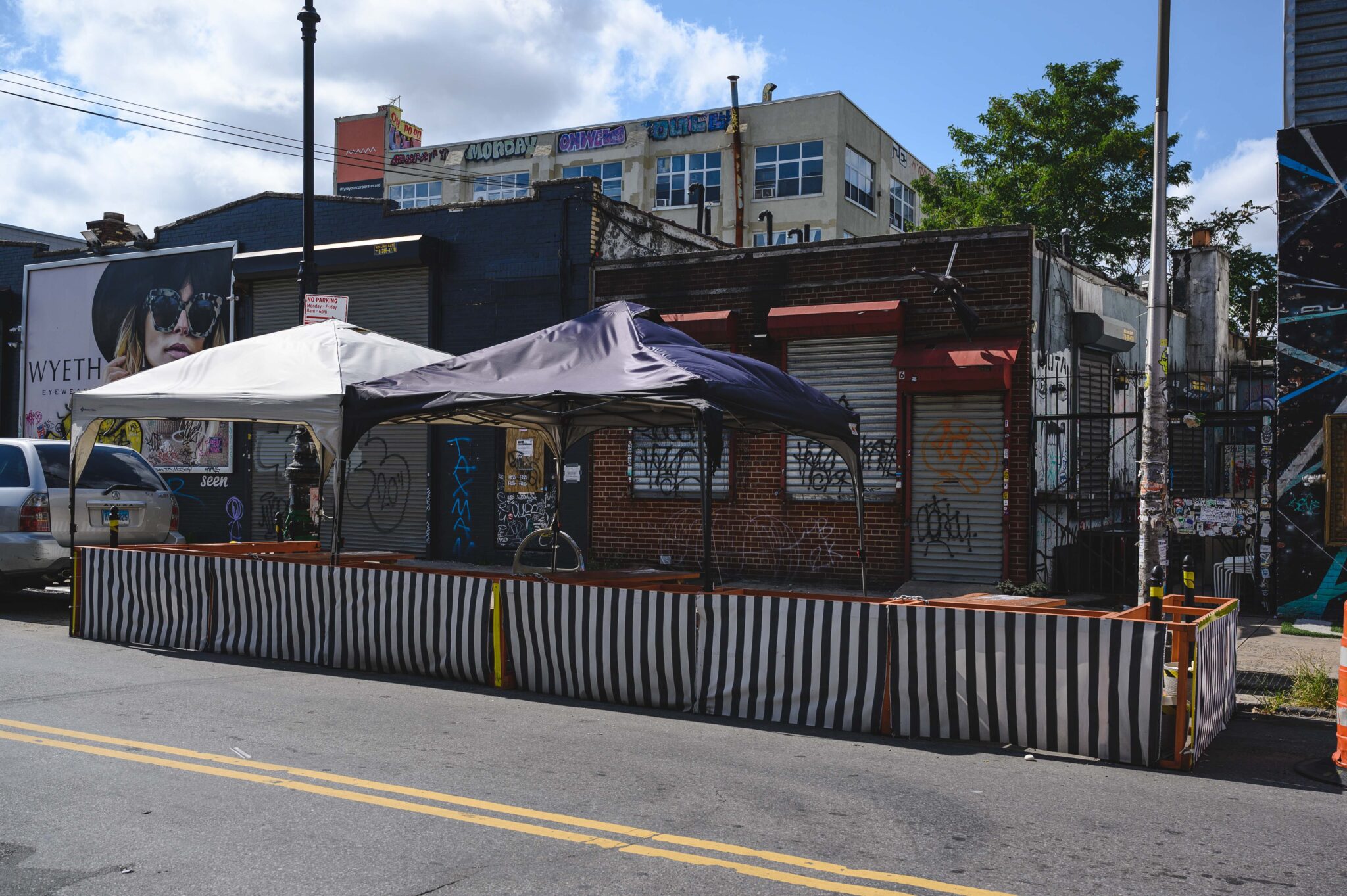
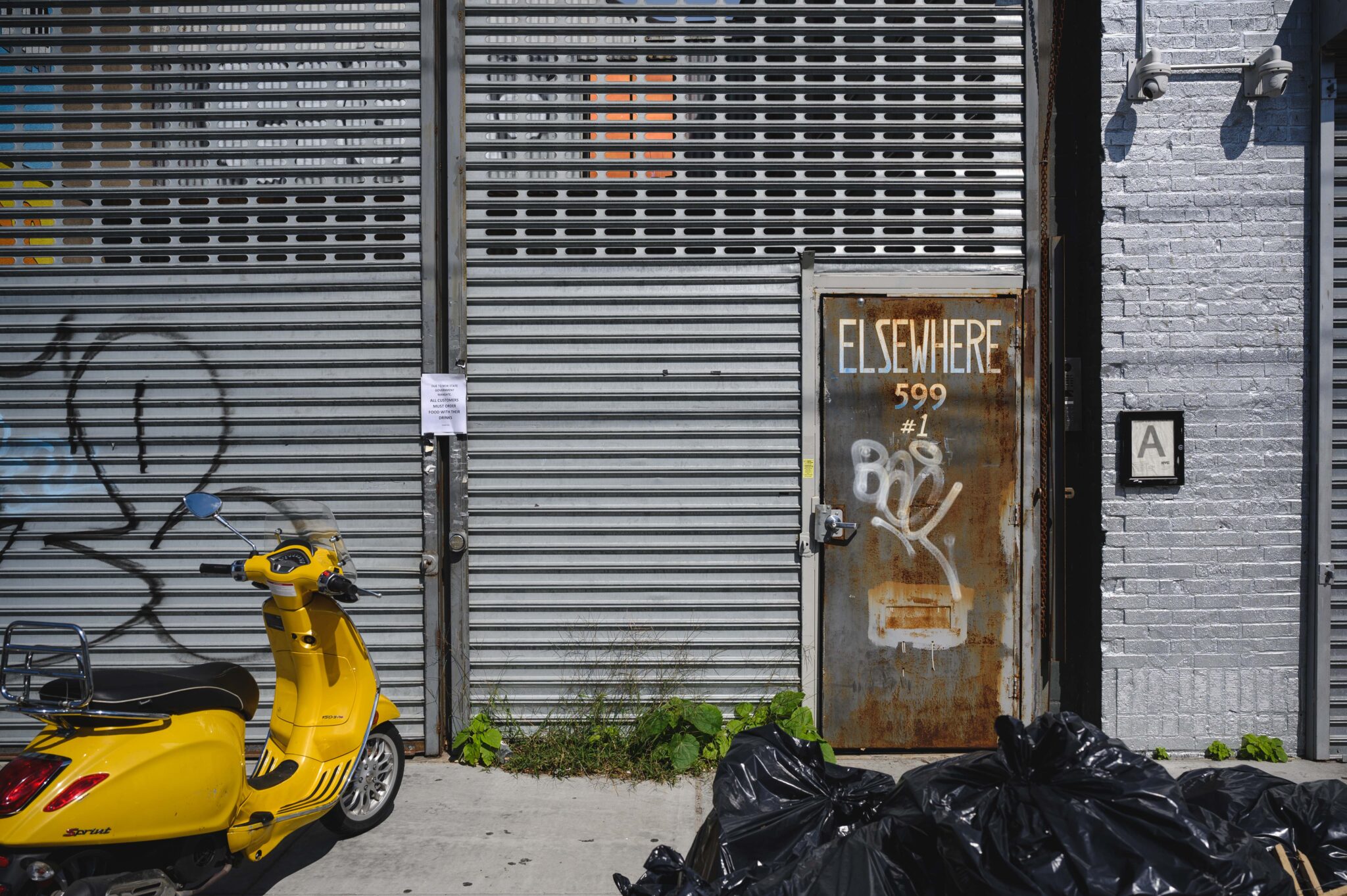
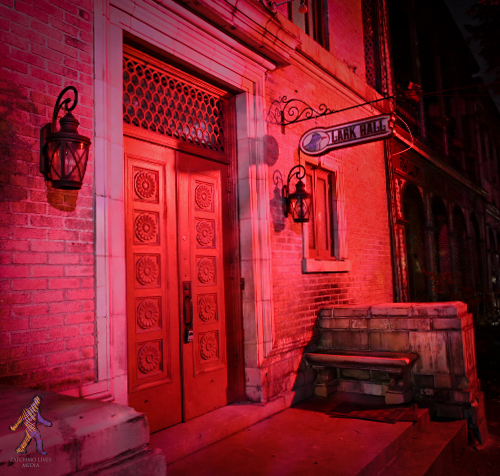
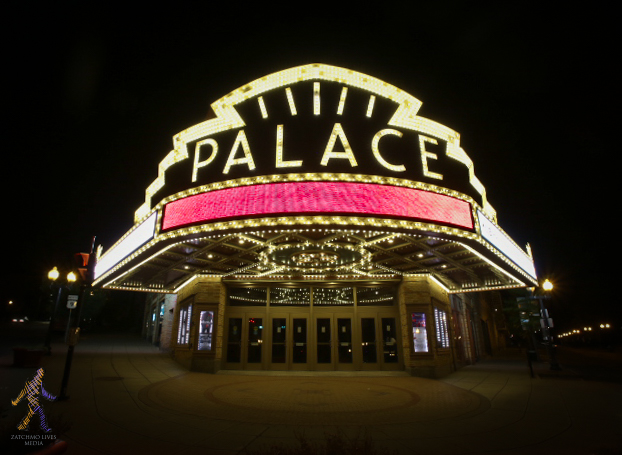
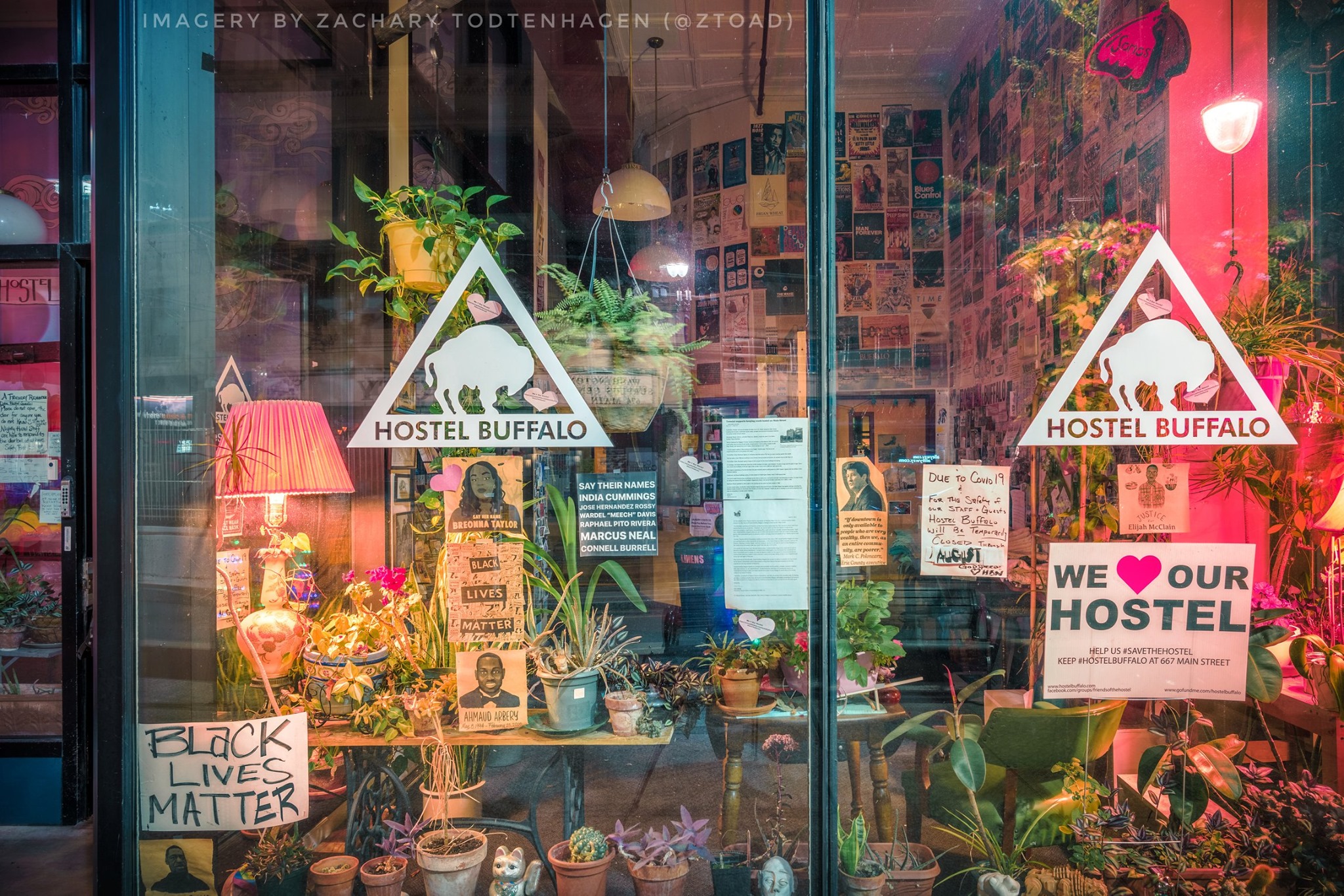
    Over the summer, NYS Music began to take a look at the state of New York music venues. In June, July, and August we saw venues closed for the foreseeable future, support for Black Lives Matter, and some venues beginning to offer performances with social distancing in place.

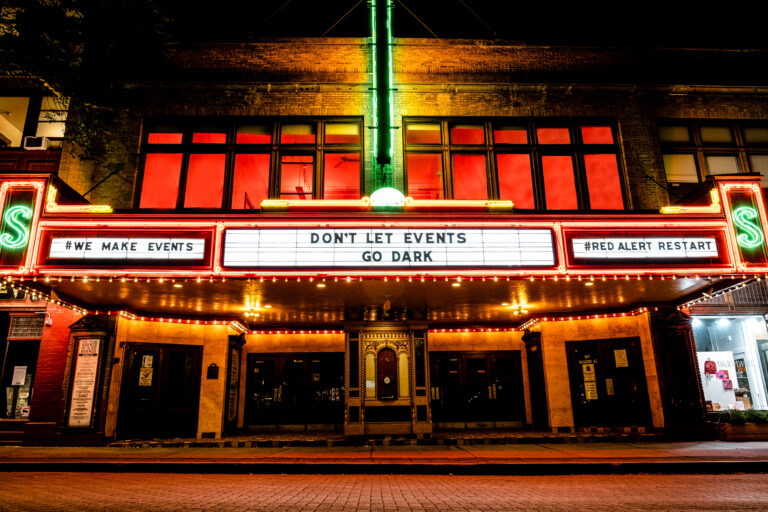
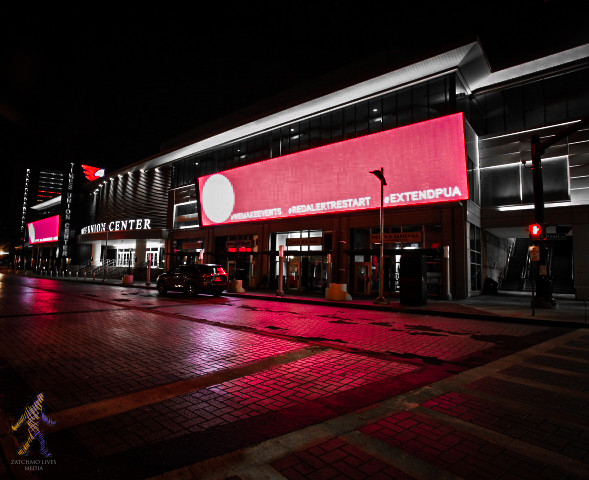
    September kicked off with Red Alert RESTART, and venues across the country (and world) going red to encourage action to save independent music venues. With hope for passage of relief bills in Congress limited, and only ‘incidental music’ currently allowed, venues remain mostly closed for live music, in quiet anticipation of the day crowds can return.

    new york music venues
    Tarrytown Music Hall – photo by Steve Malinski

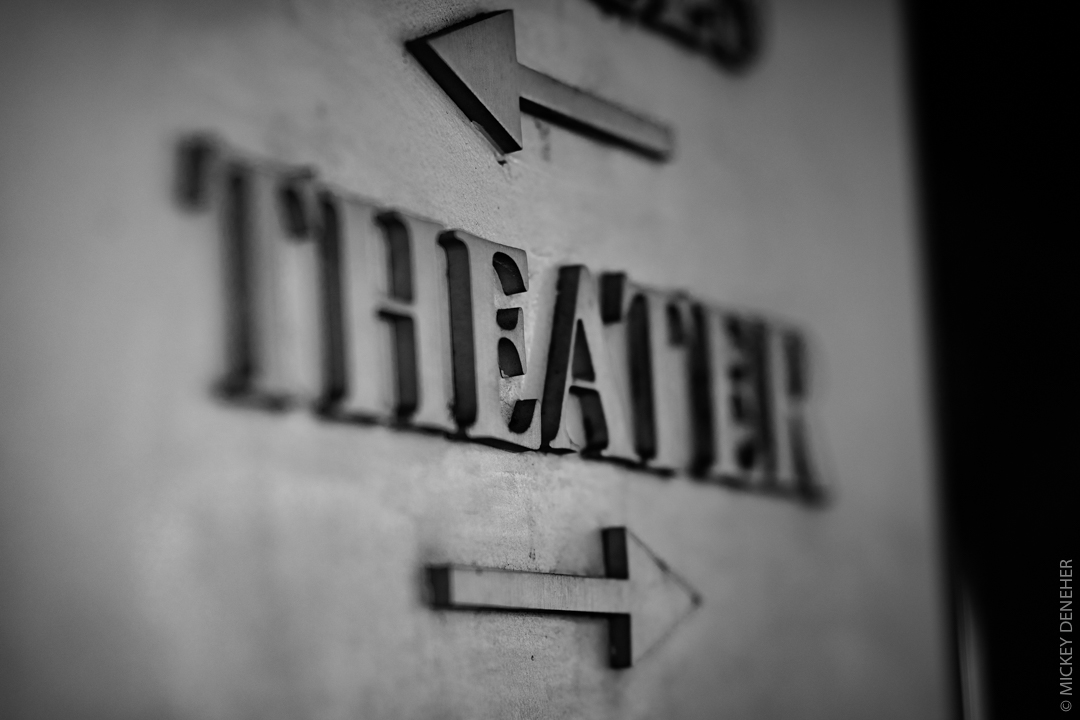
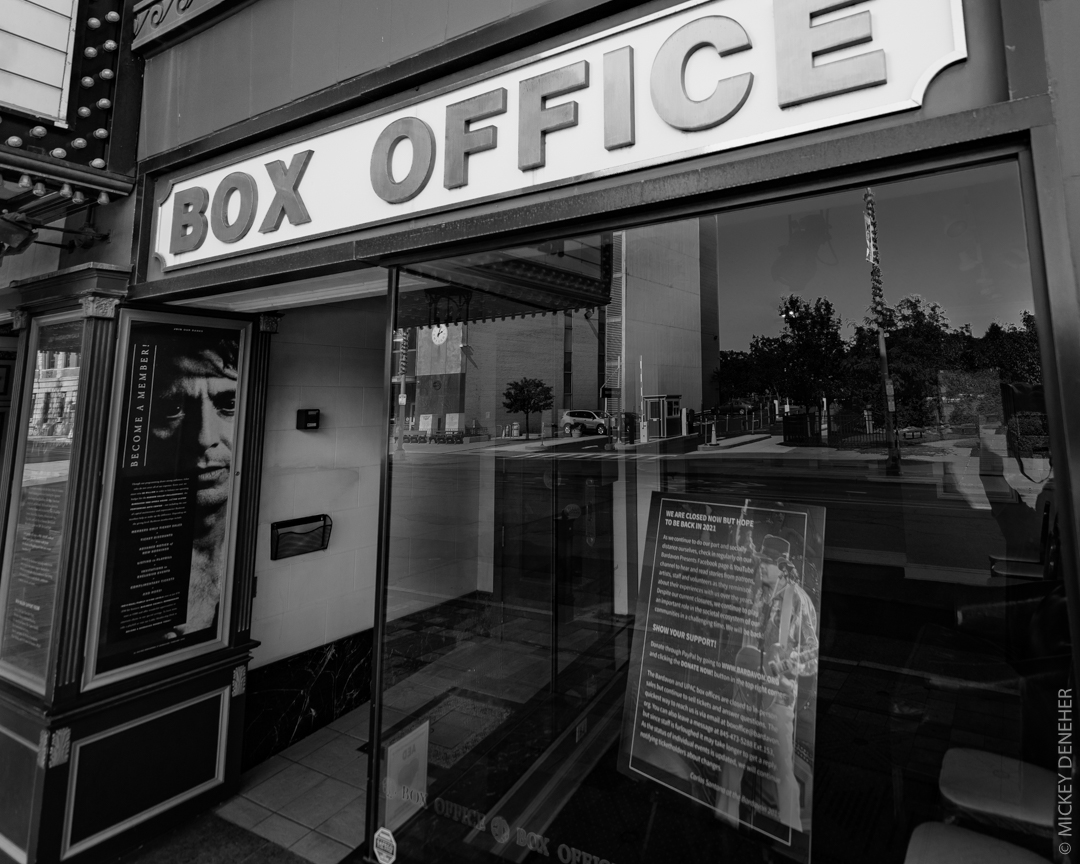
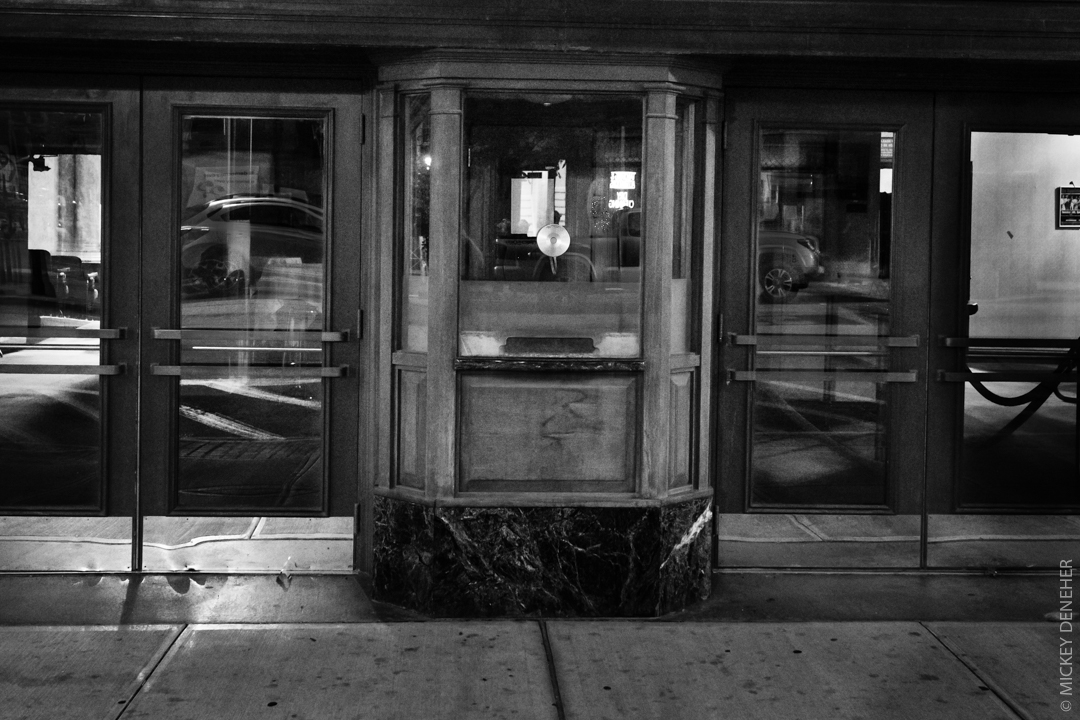
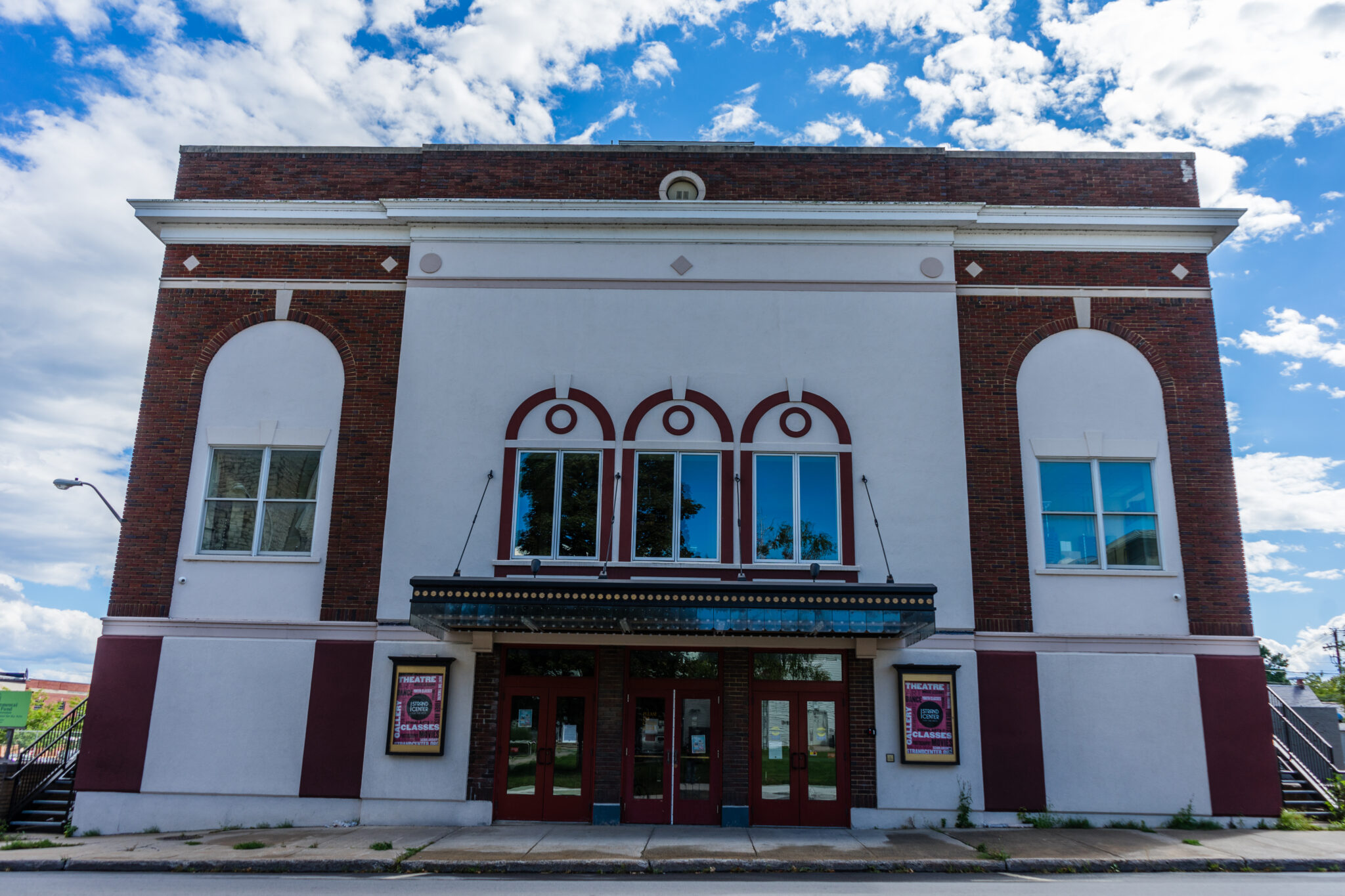
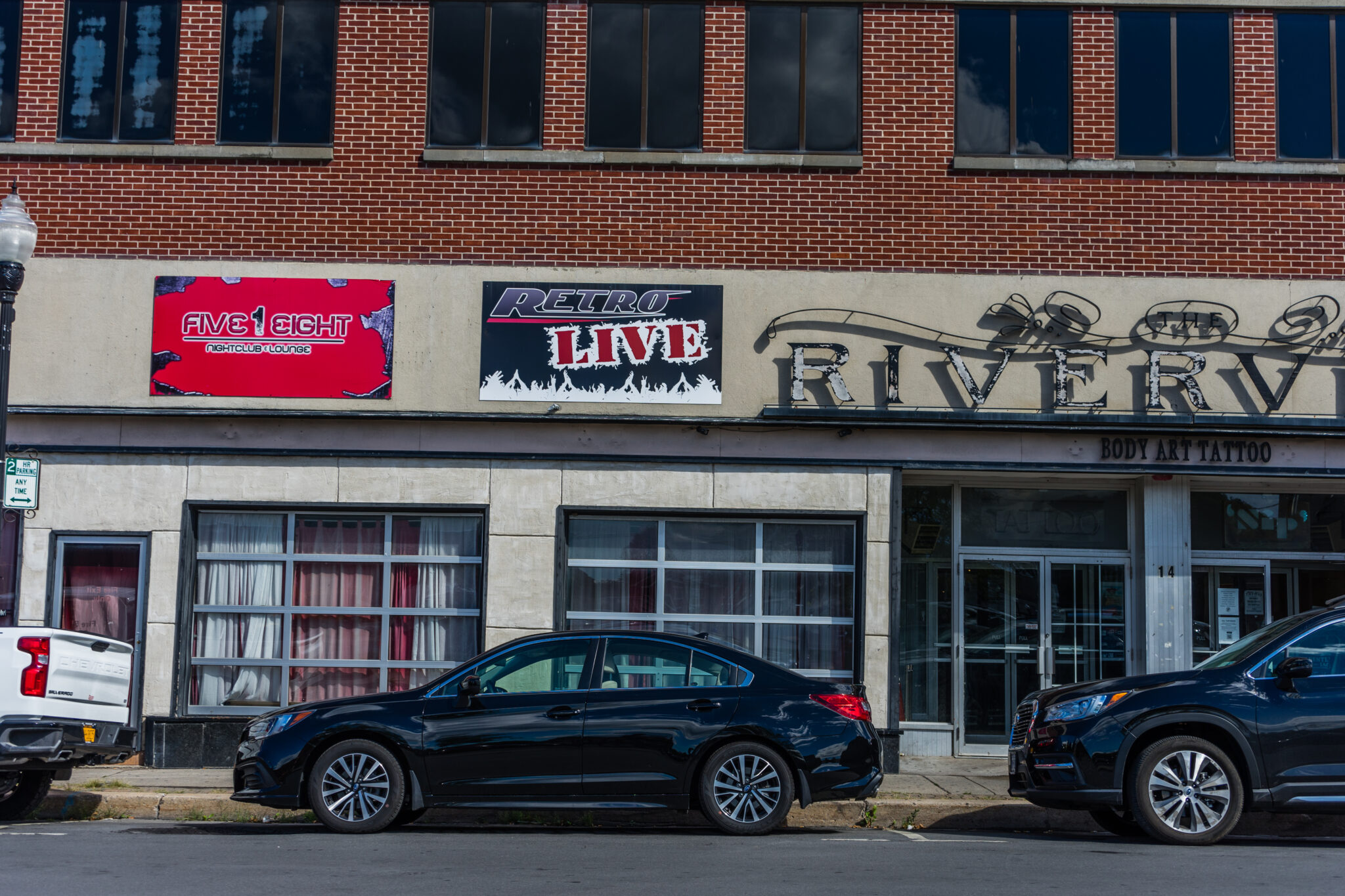
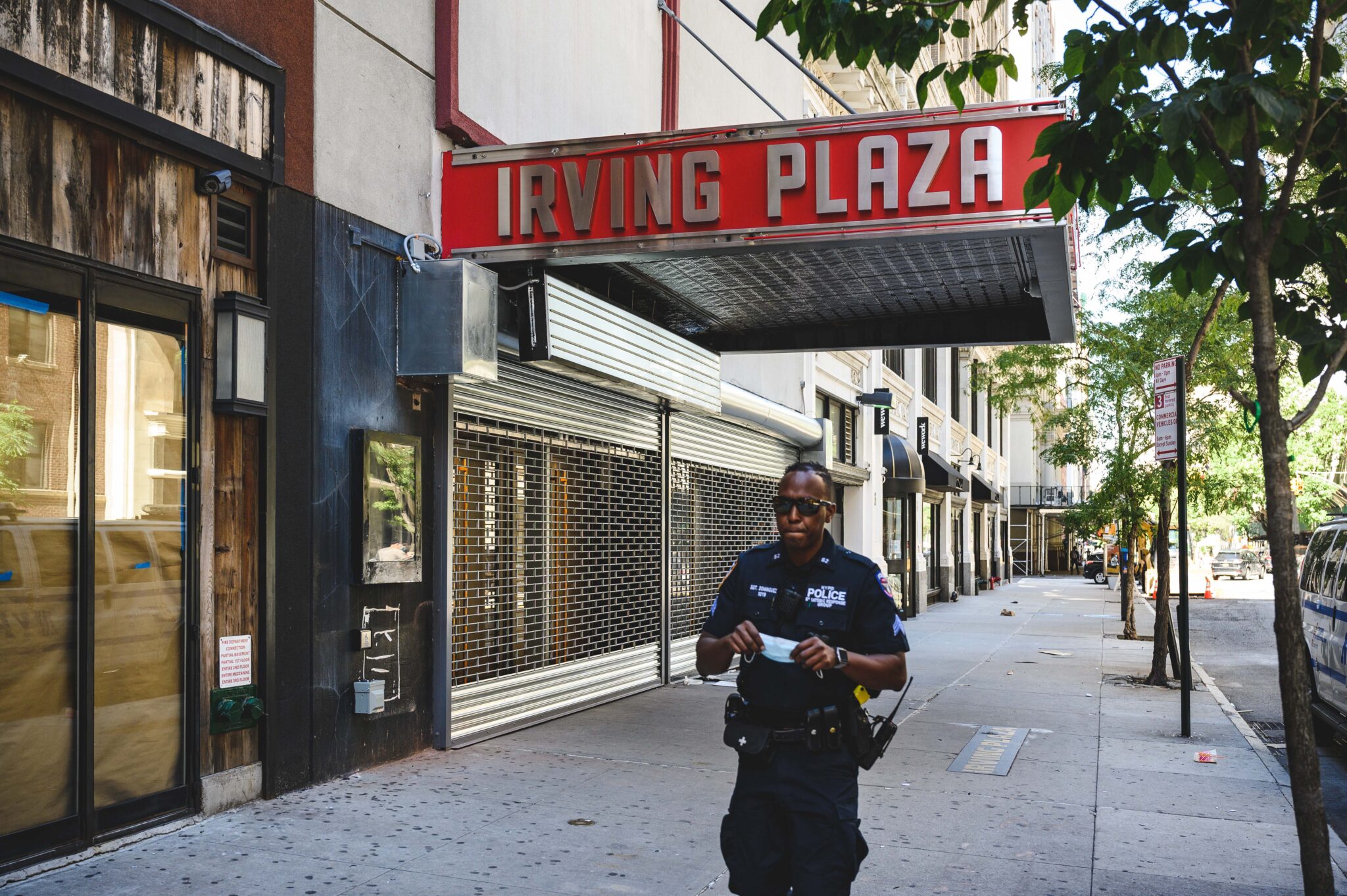
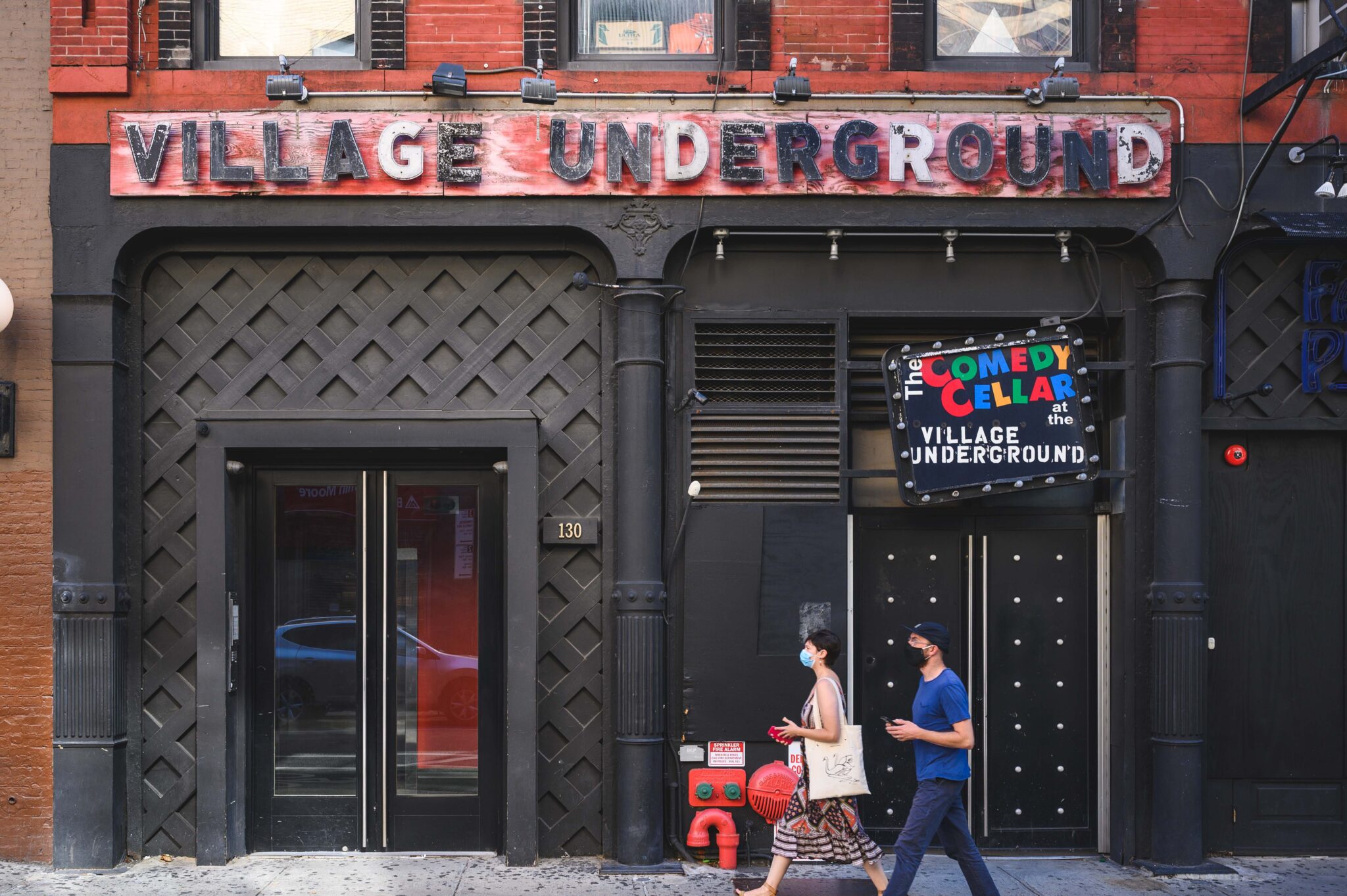
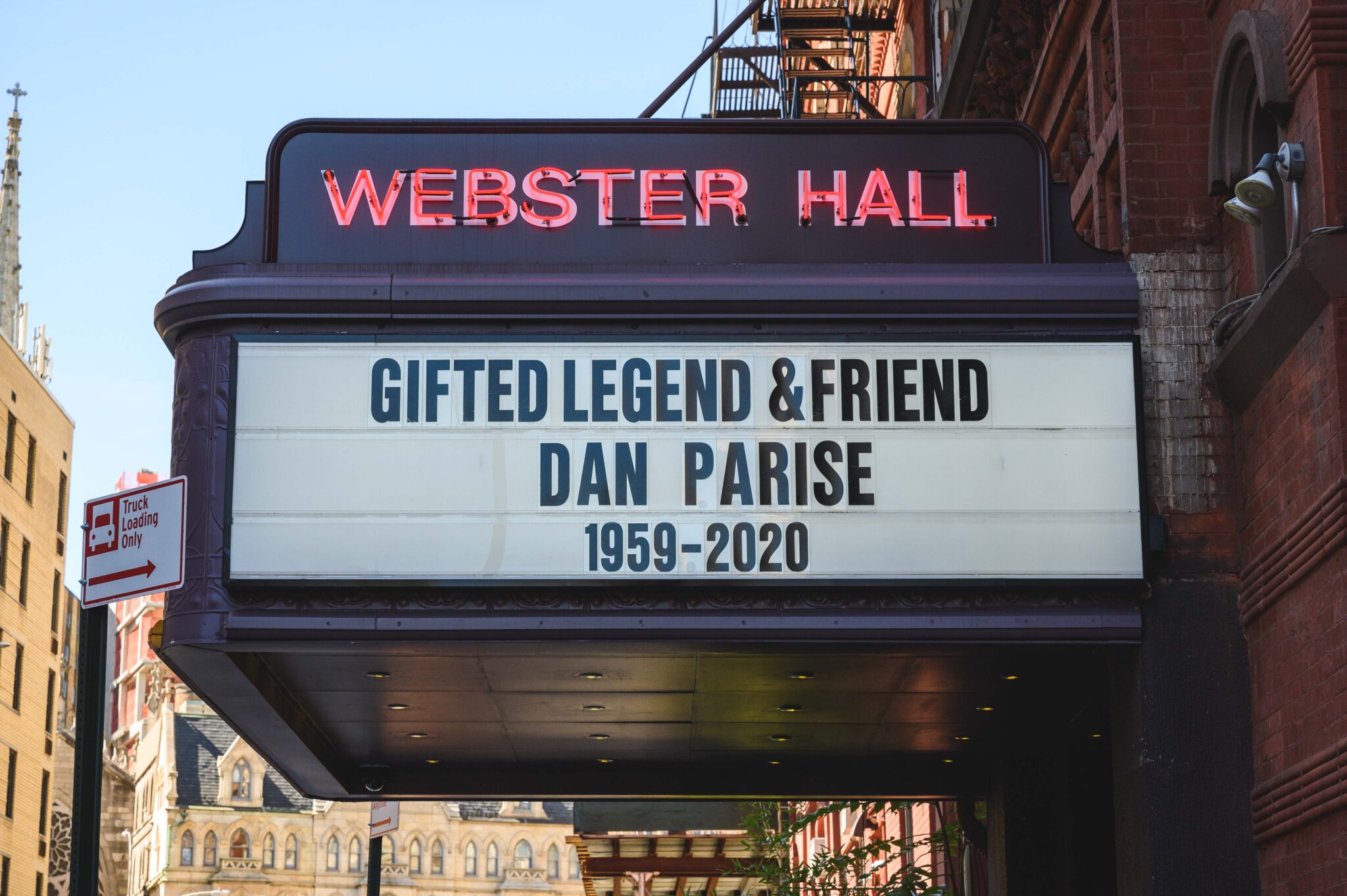
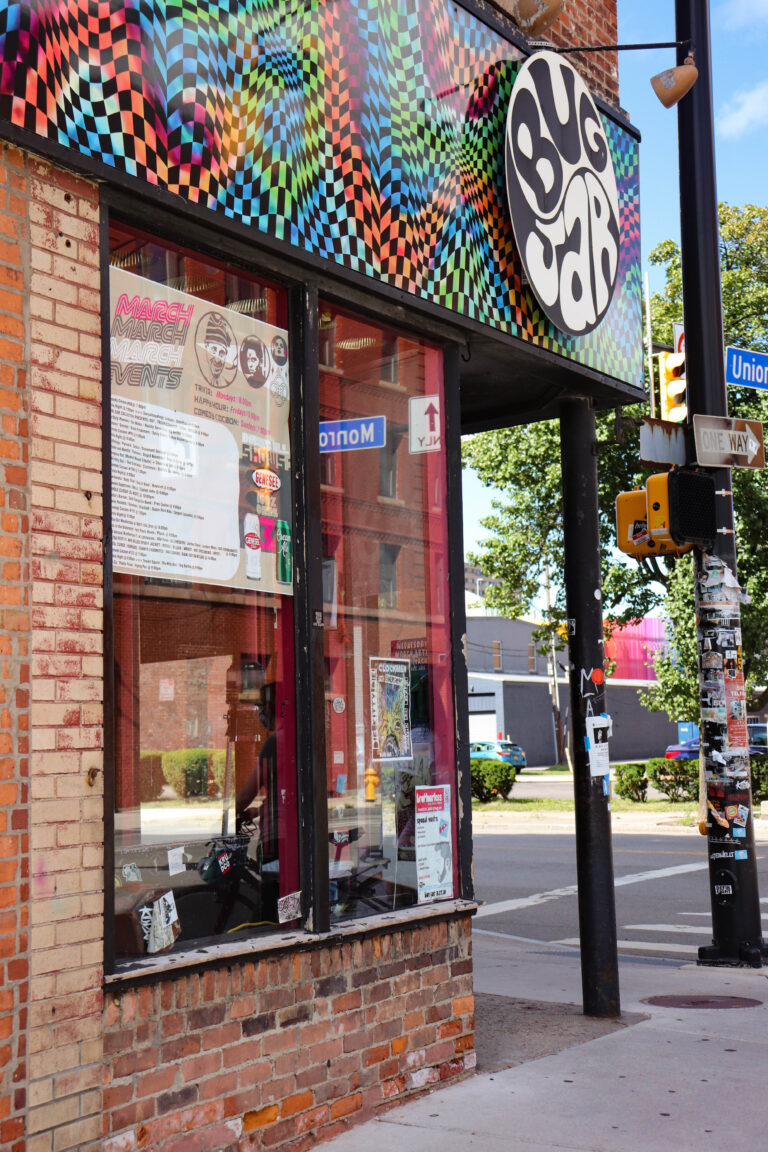
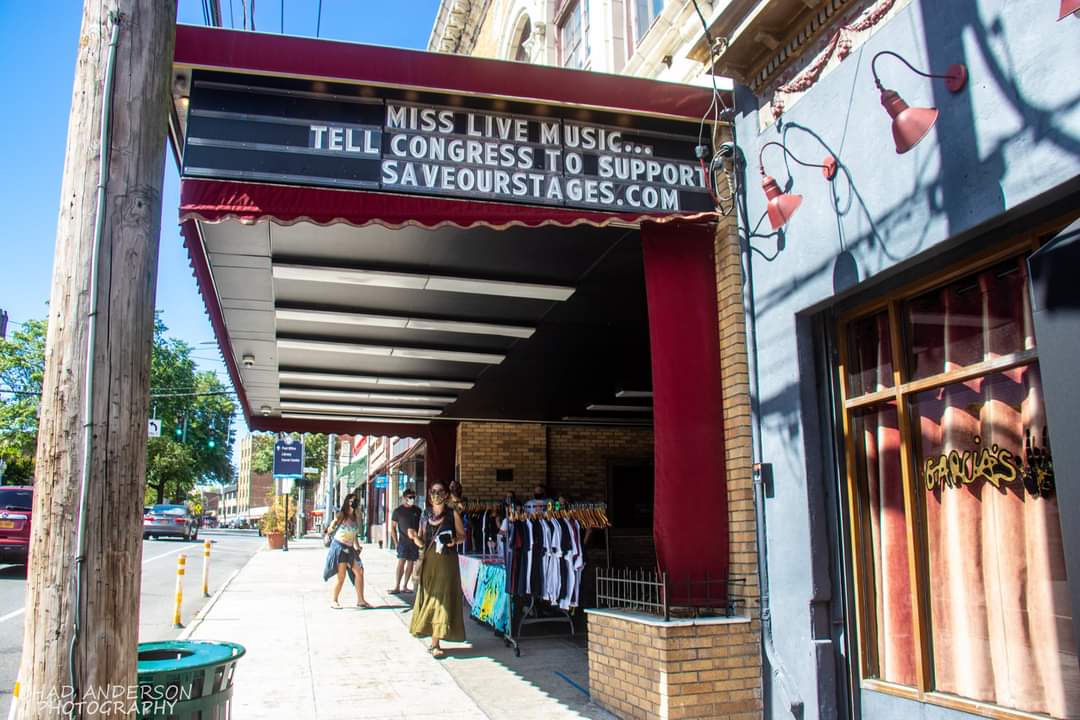
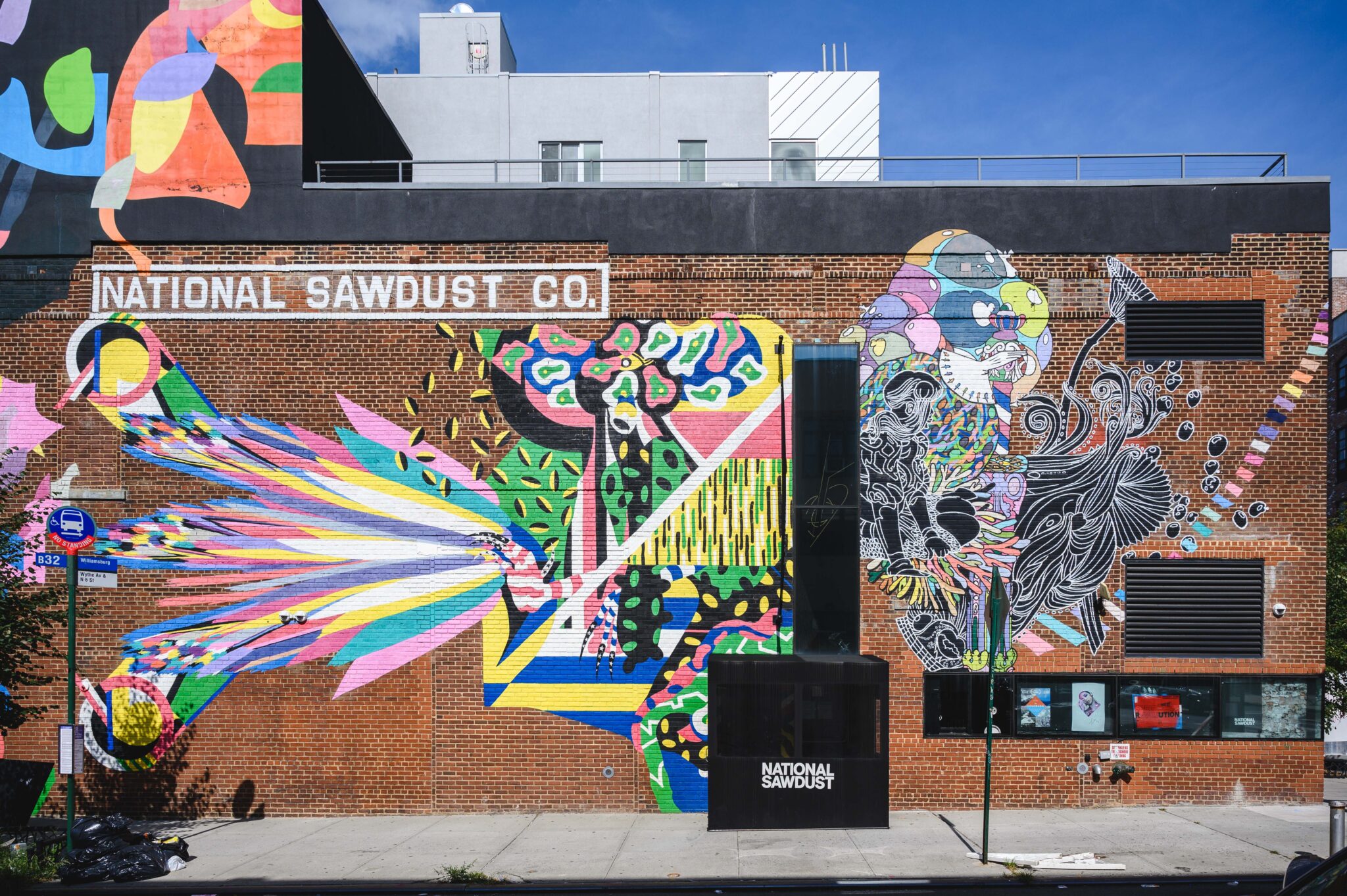
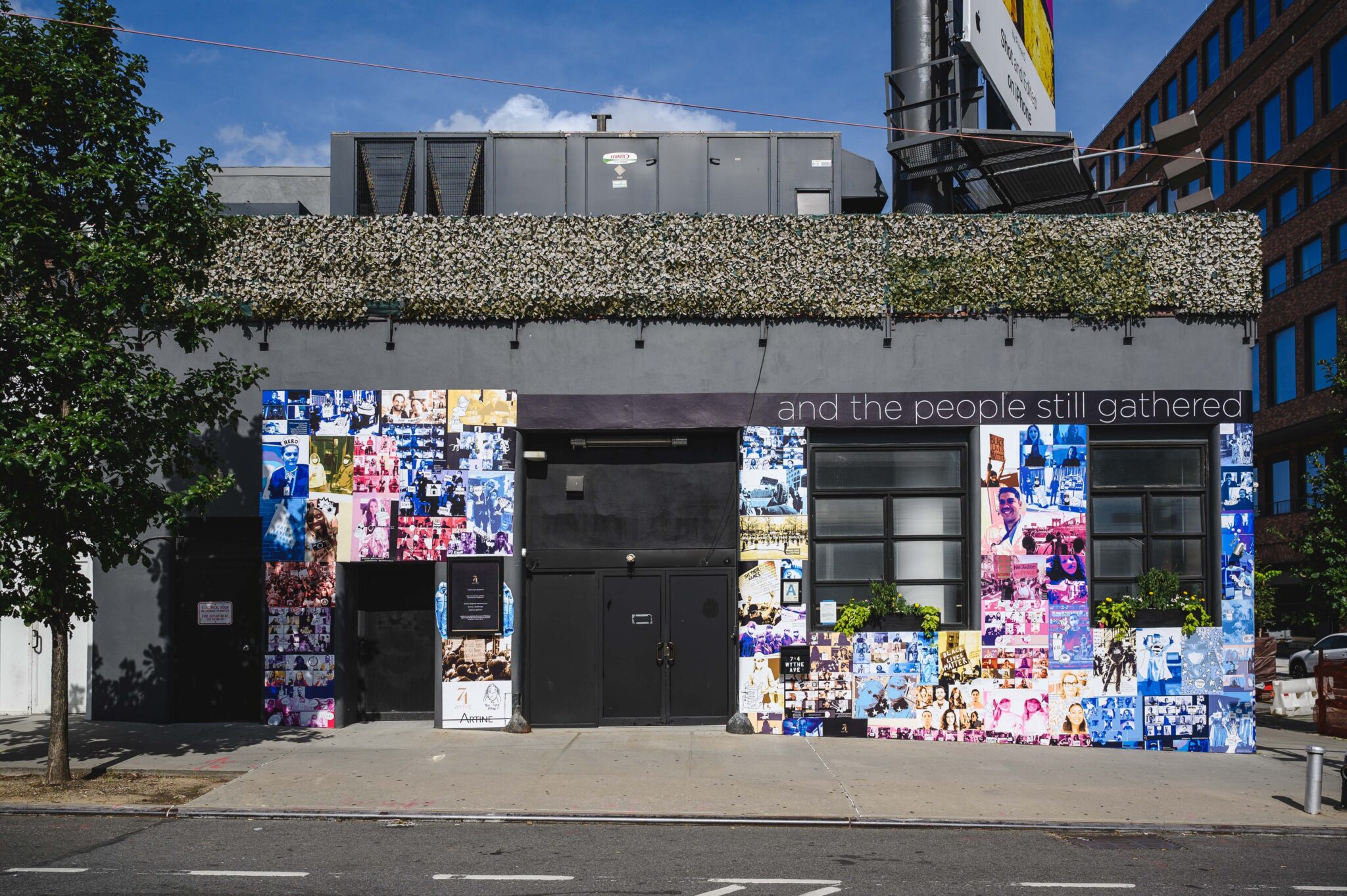
    Working with a dozen photographers to document more than 40 venues in 12 cities across New York State, NYS Music presents the fourth edition of our monthly series that looks at the current state of our beloved venues.

    Immense thanks goes out to all photographers and venues who are taking part in this monthly series. We’ll start the fall off in the Hudson Valley with Mickey Deneher’s look at the historic venues that pepper the towns along the Hudson River. Visit NIVA to find out how you can help venues across New York, and the country. We need to #saveourstages and preserve live music for when this is over.

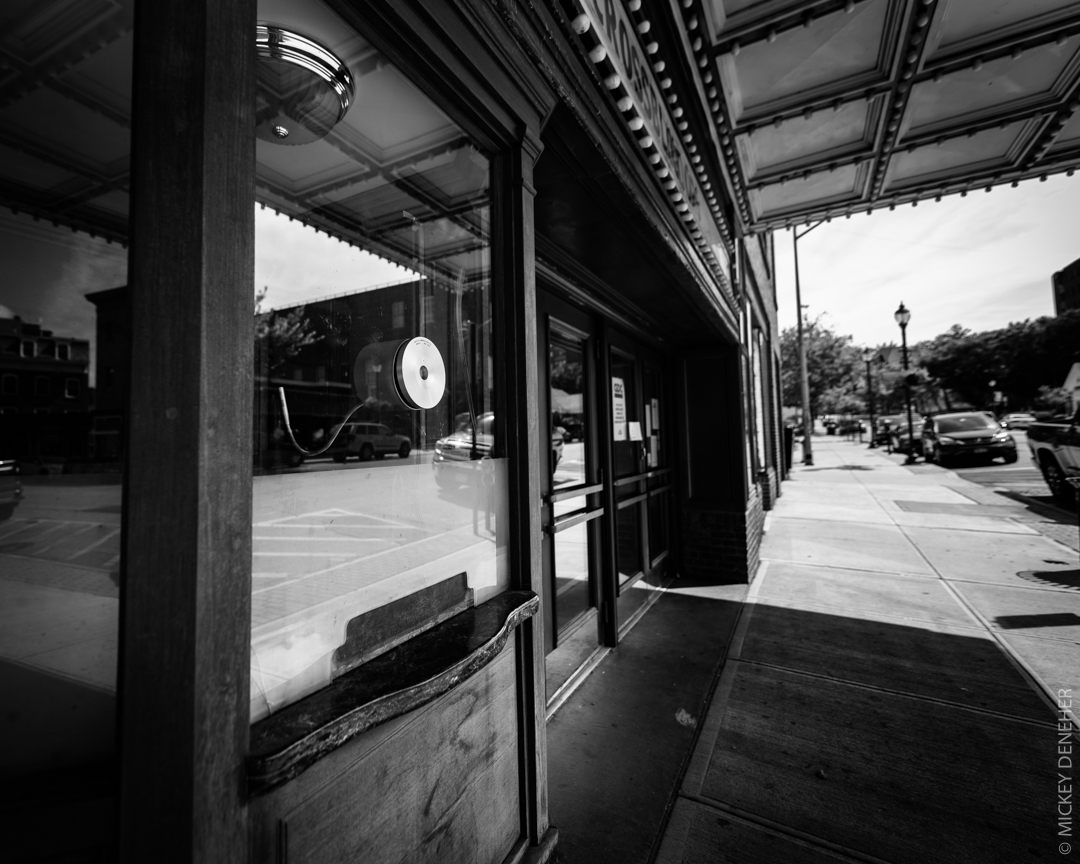
    The Hudson Valley – photos by Mickey Deneher

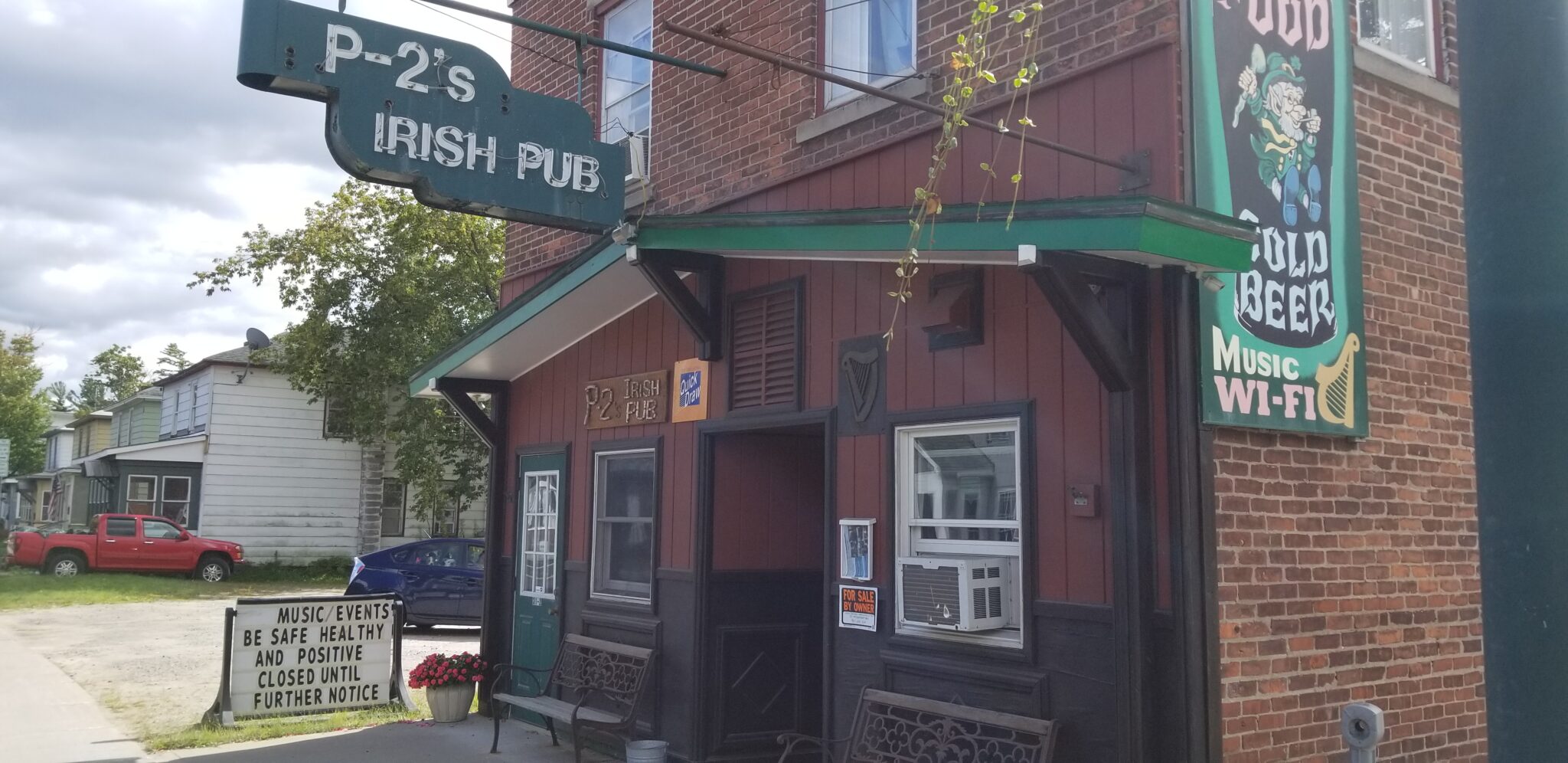
    Saranac Lake – photo by Pete Mason

    new york music venues

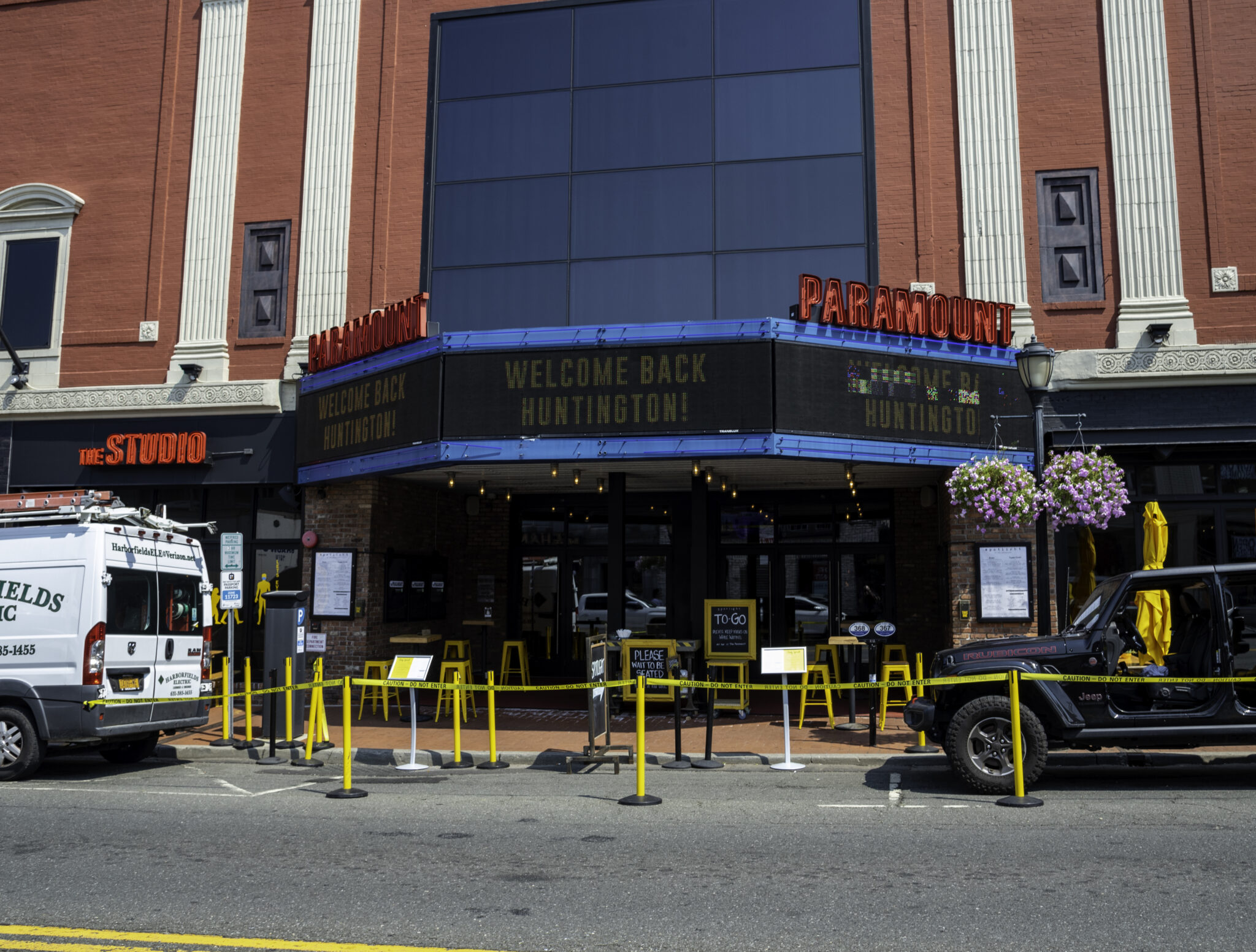
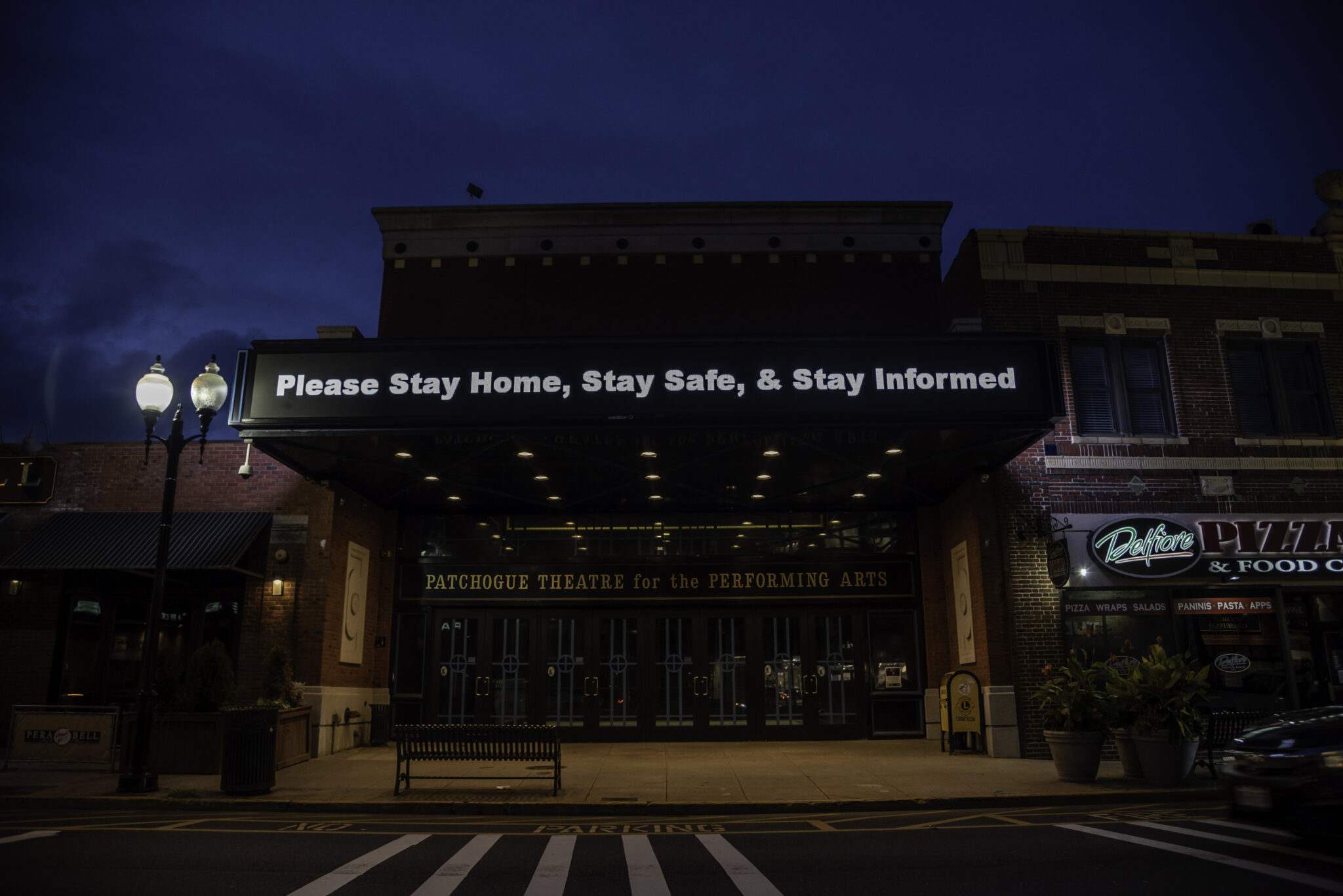
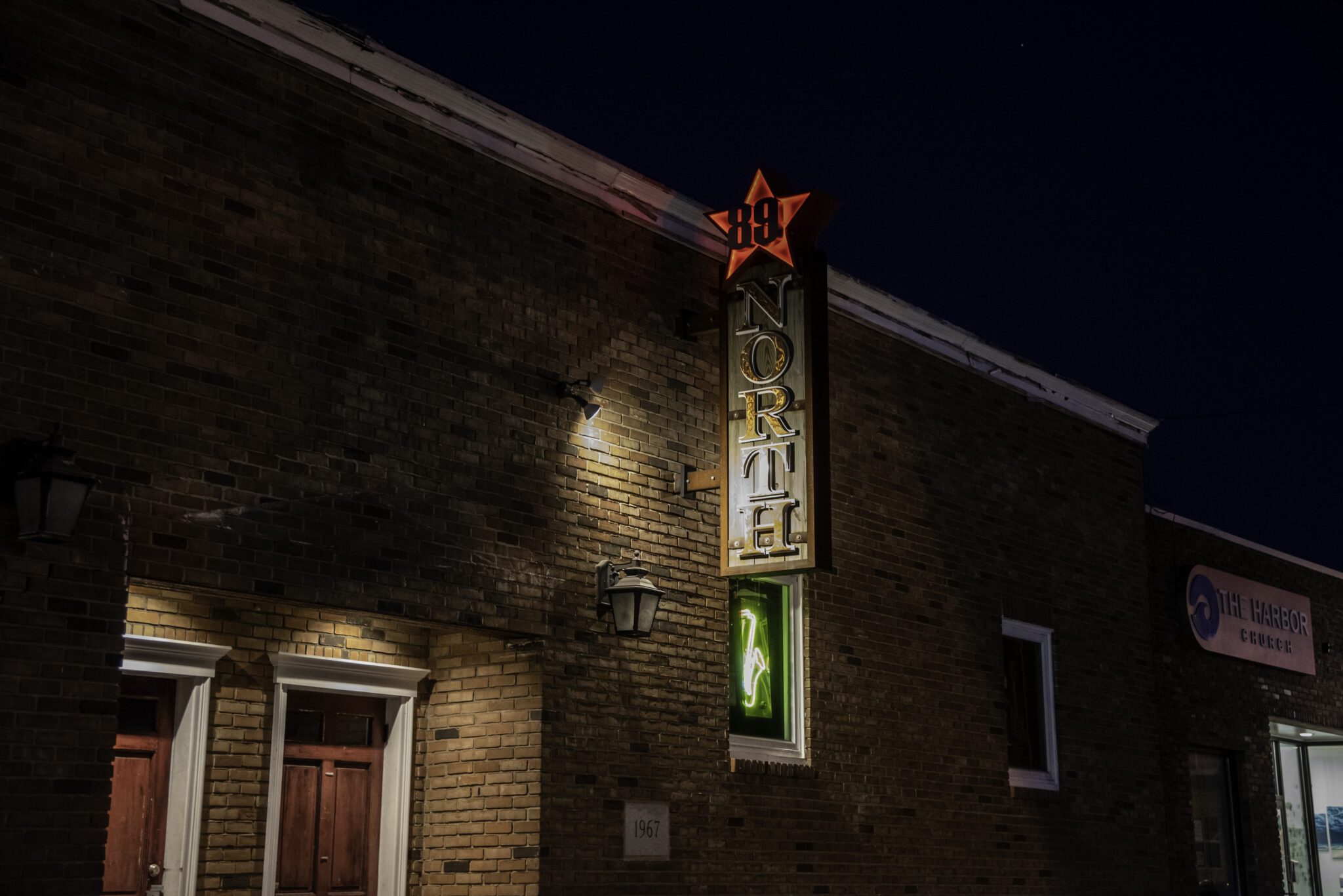
    Long Island – photos by Rob Tellerman

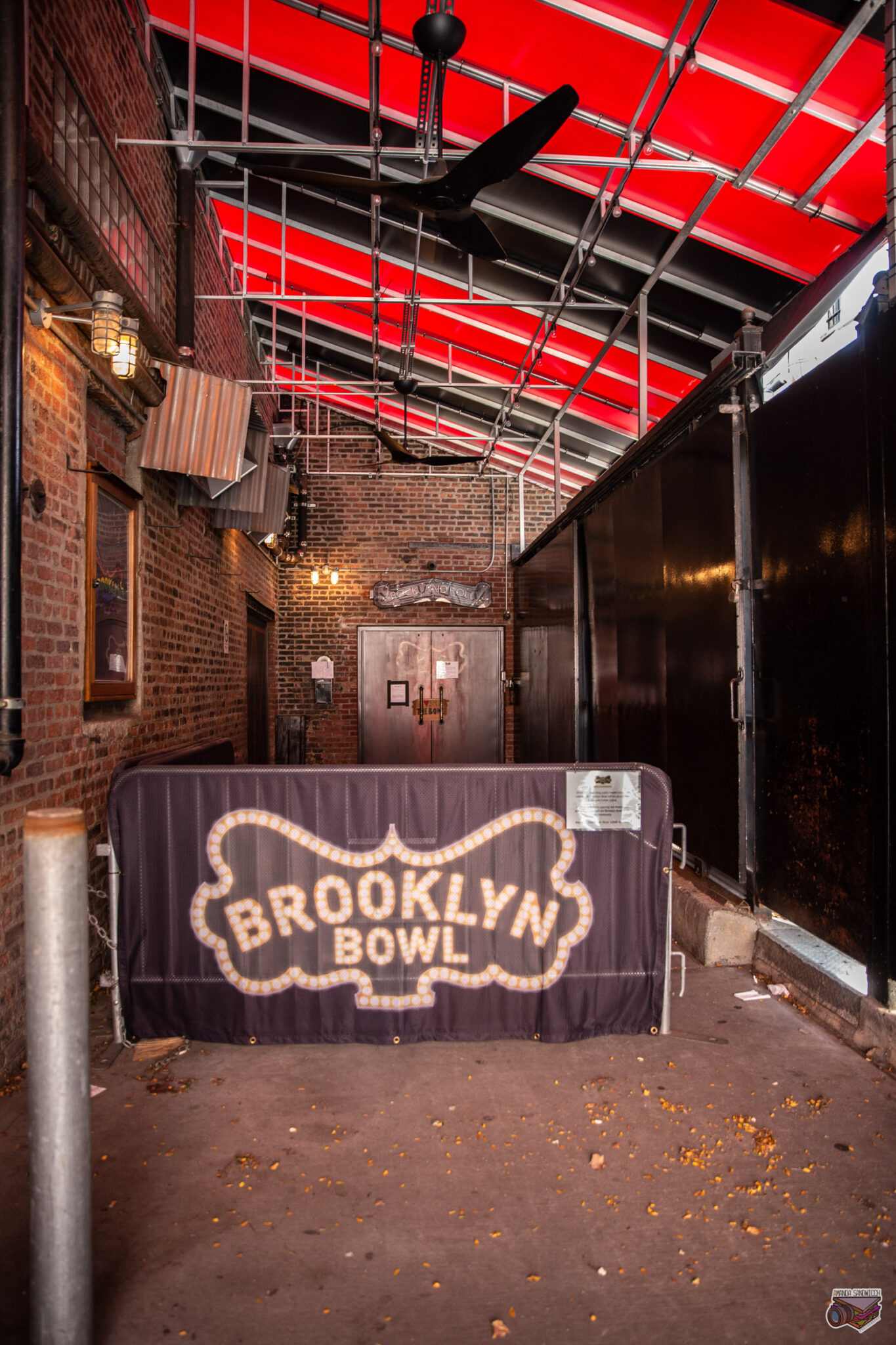
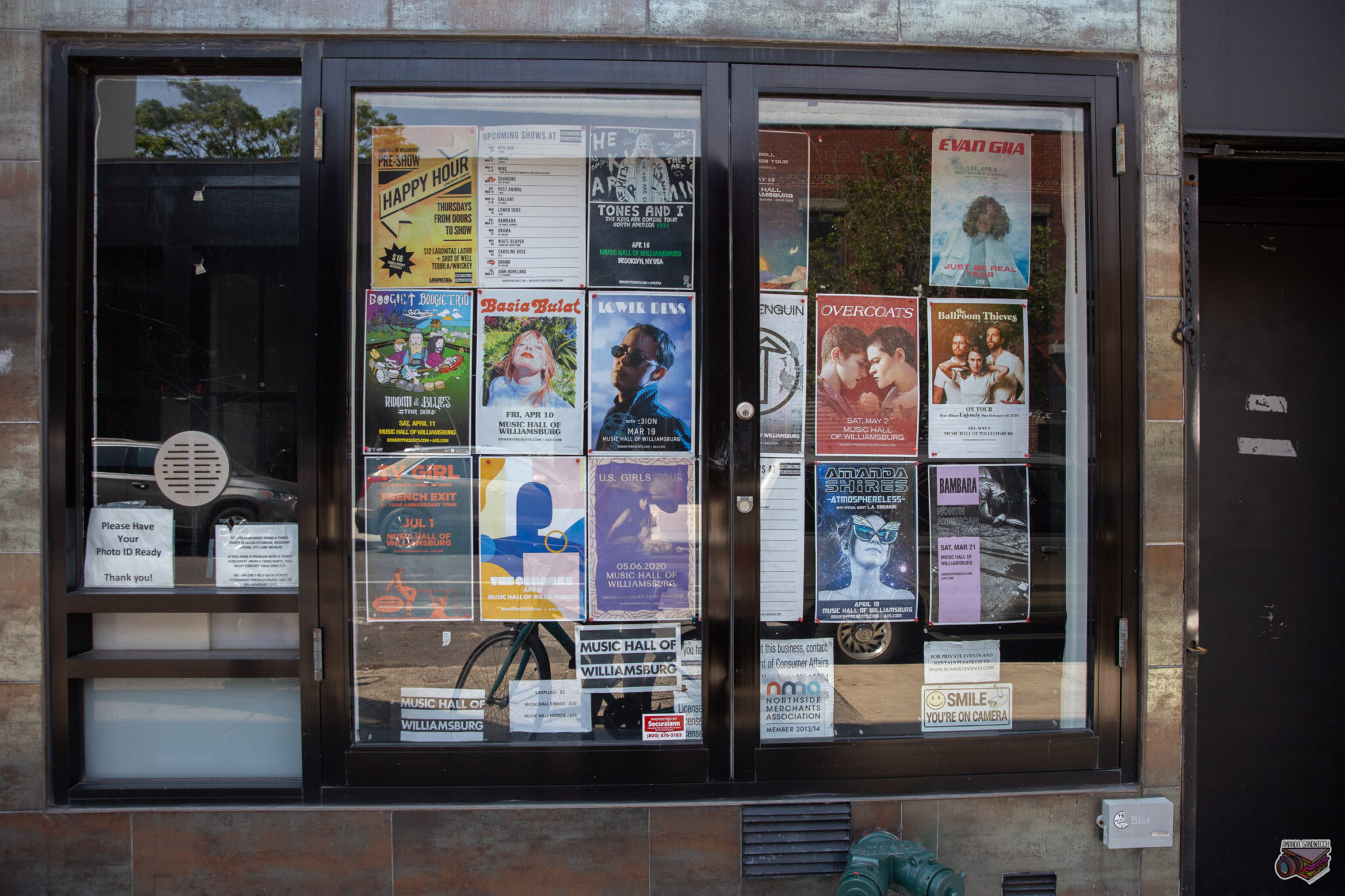
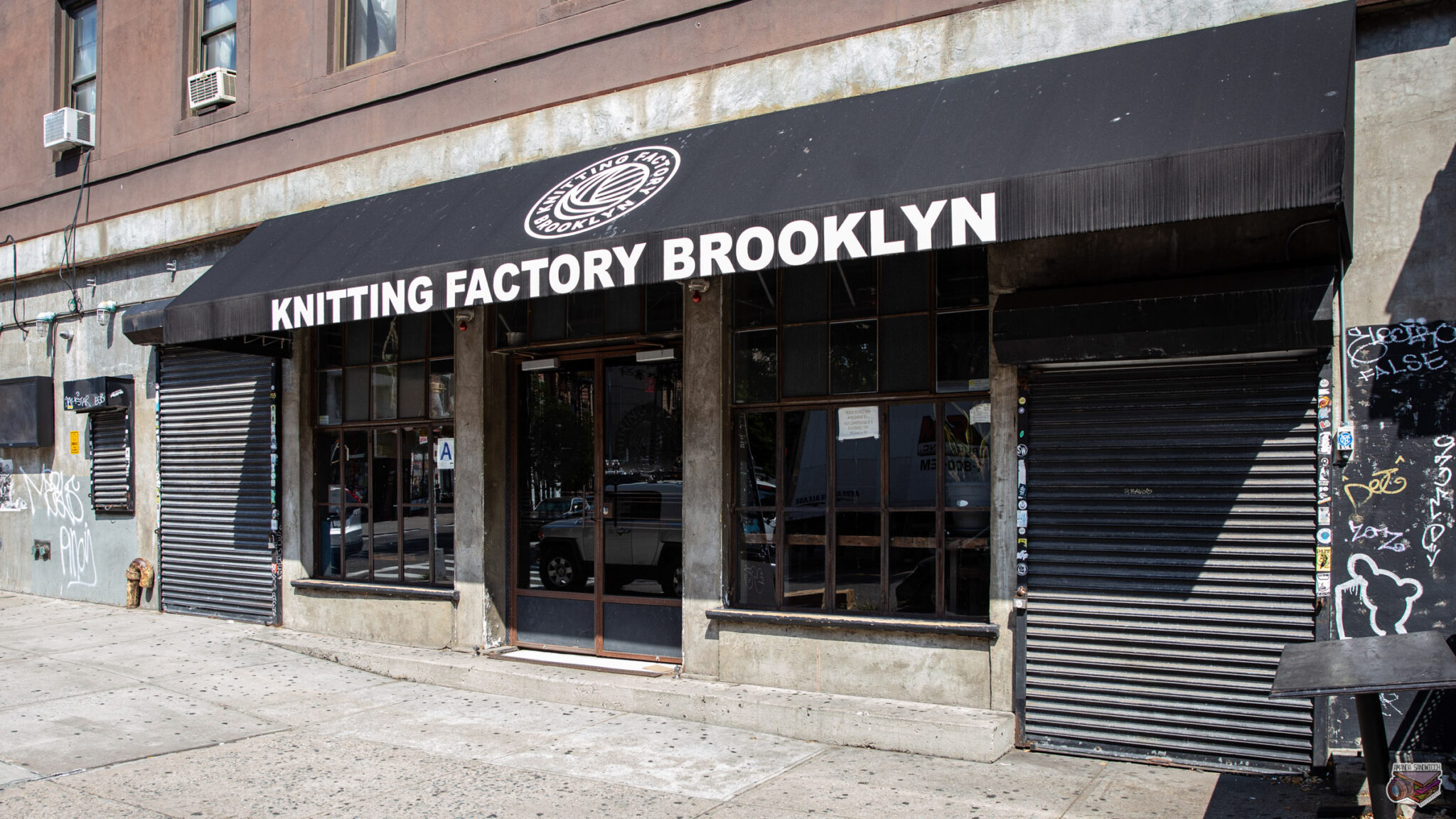
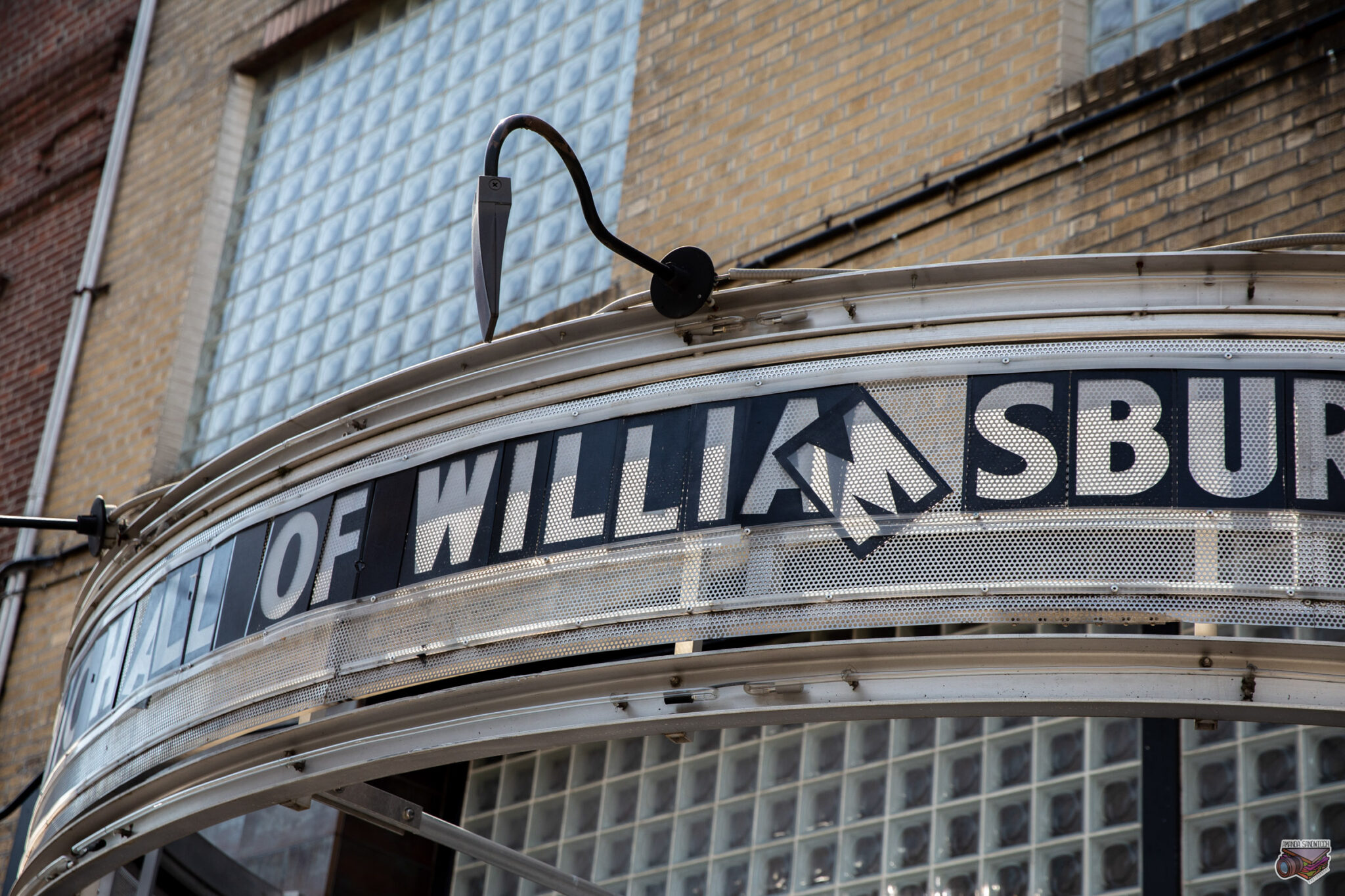
    Brooklyn – photos by Amanda Siedner

    Plattsburgh – photos by Jerry Cadieux

    Utica – photos courtesy of The Stanley Theatre

    new york music venues

    Manhattan – photos by Joseph Buscarello

    Rochester – photos by Corinne Cummings

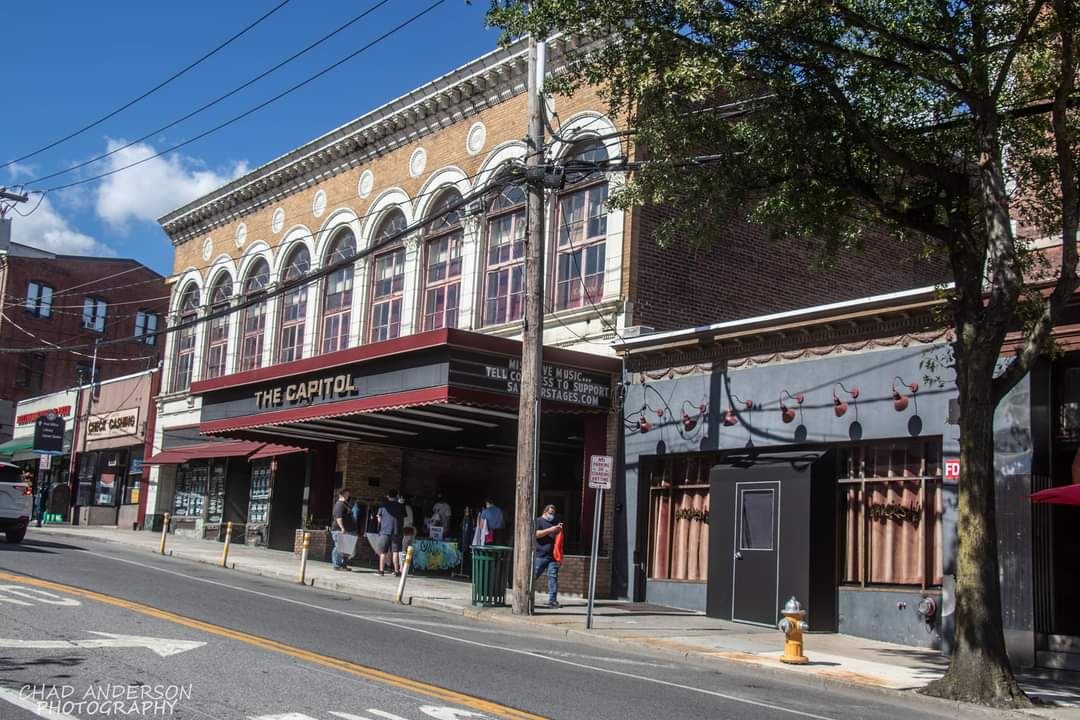
    Port Chester – photos by Chad Anderson

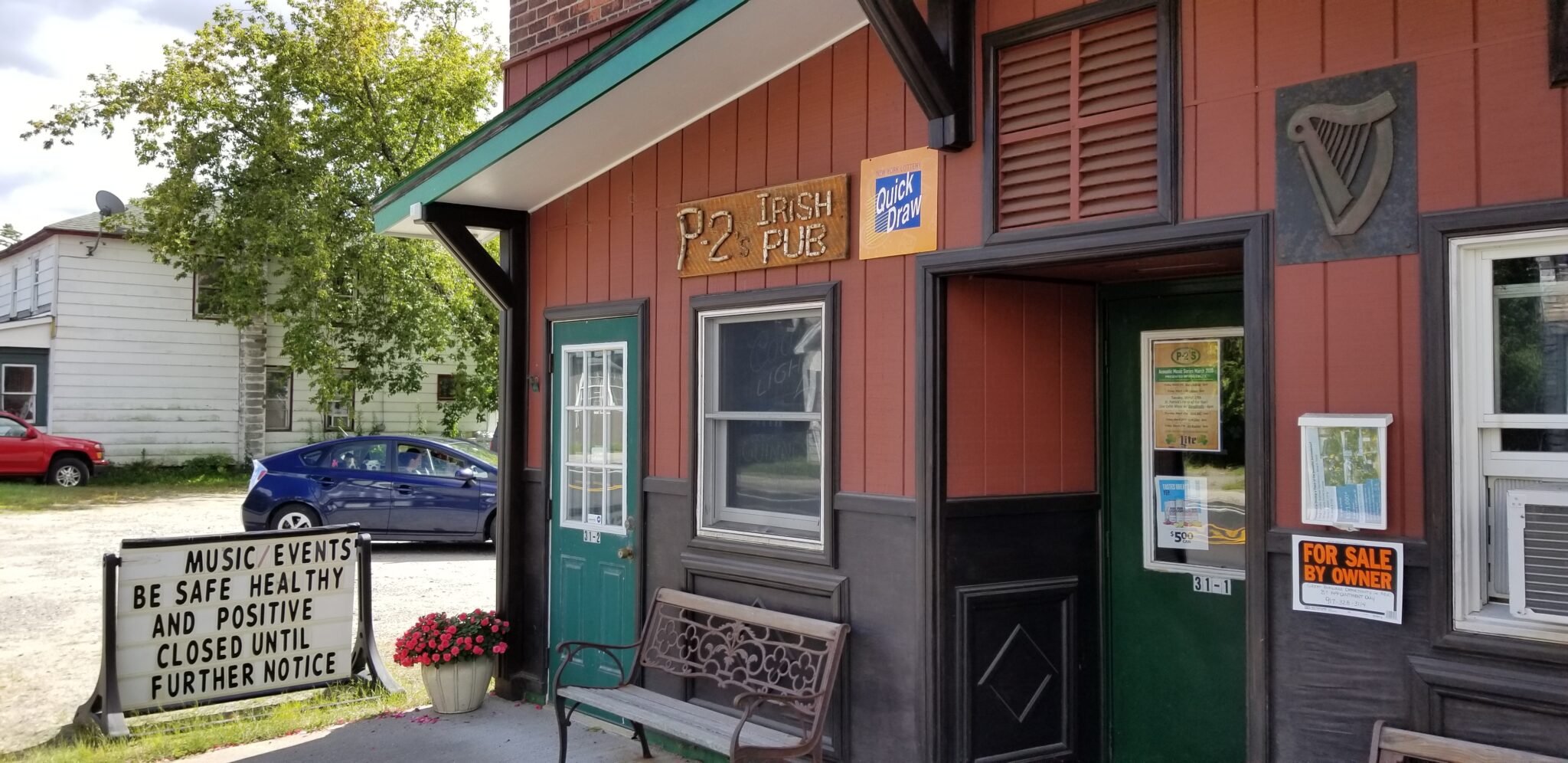
    Tupper Lake – photos by Pete Mason

    Ithaca – photos by Casey Martin

    new york music venues

    Peekskill and Tarrytown – photos by Steve Malinski

    Brooklyn – photos by Joseph Buscarello

    Albany – photos by Zach Culver

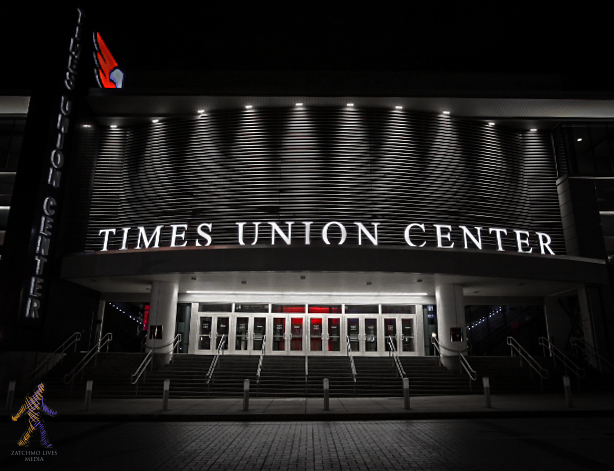
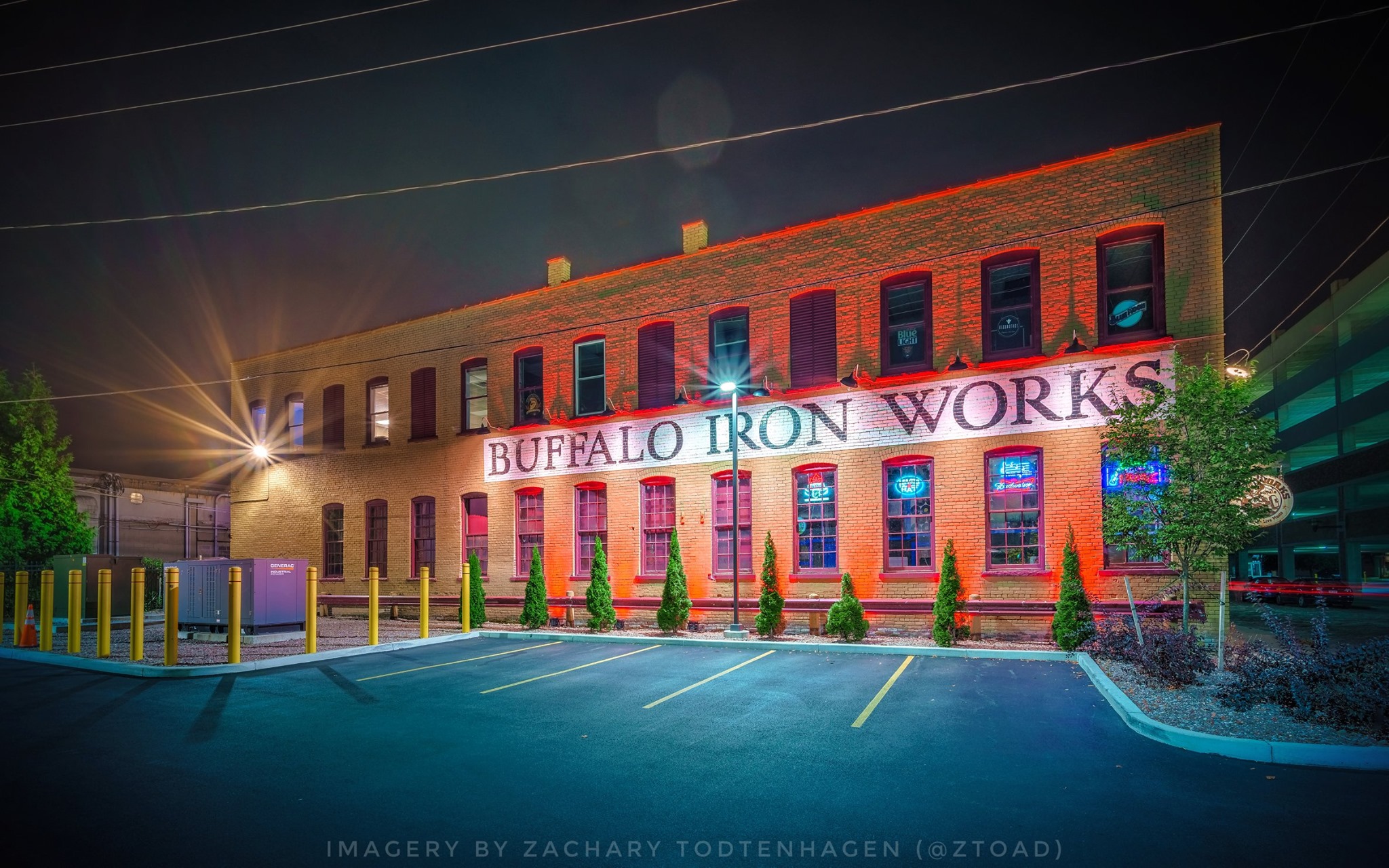
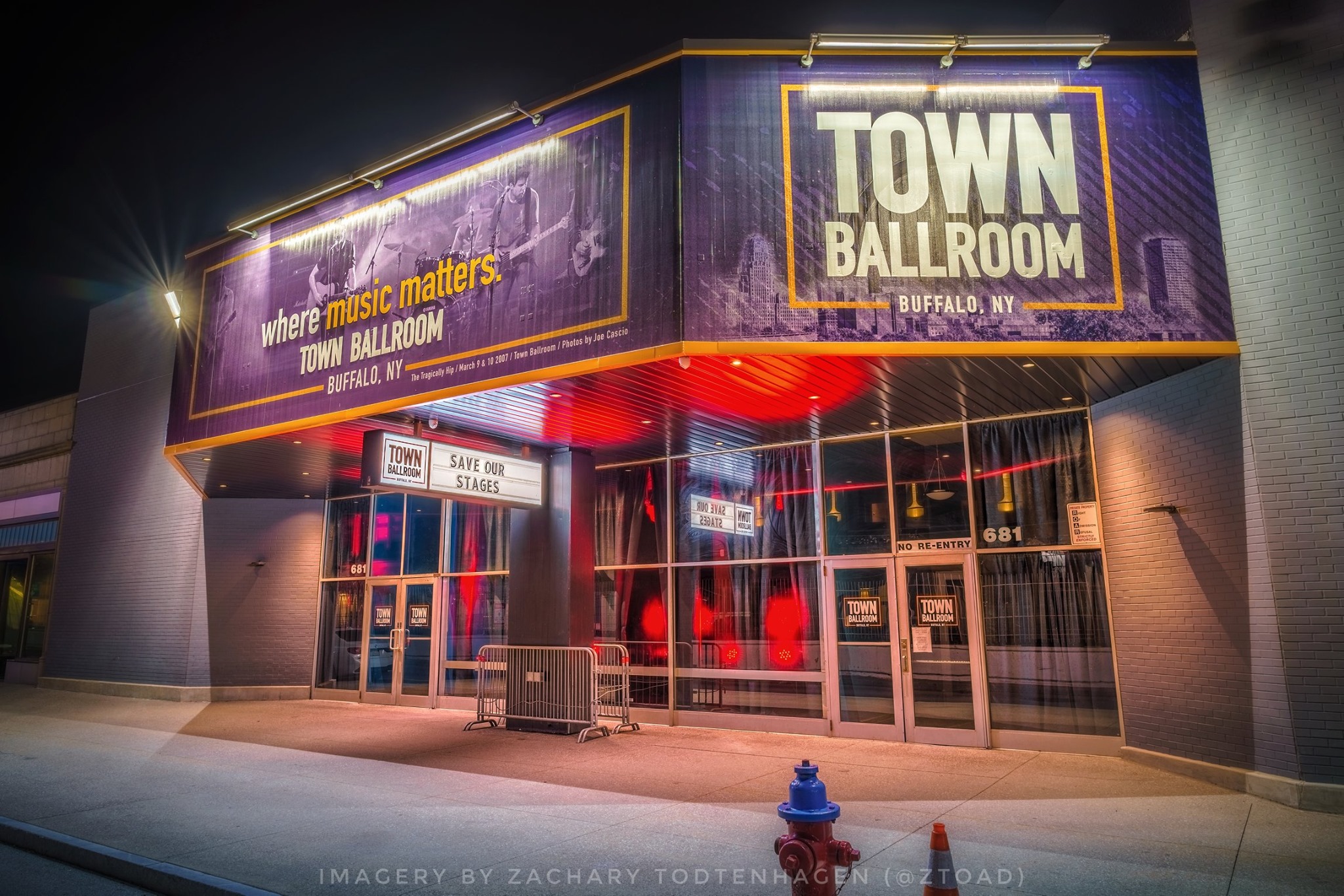
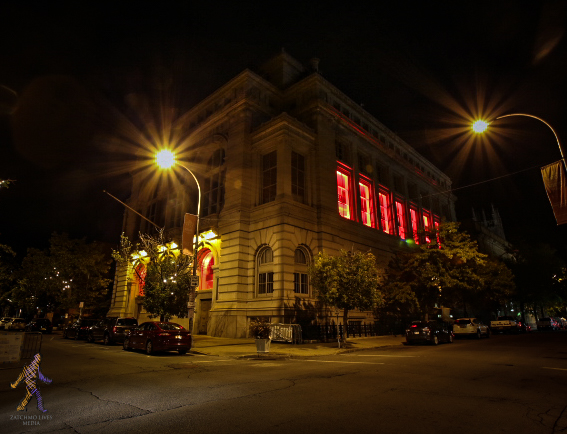
    Buffalo – photos by Zachary Todtenhagen

  • Reggae legend Toots Hibbert, frontman for Maytals, dead at 77

    Toots Hibbert, the Jamaican reggae and ska frontman for the Maytals has died at 77 years of age. While a cause of death has not been announced, Hibbert was recently hospitalized due to complications from COVID-19.

    toots hibbert
    photo by Mickey Deneher

    Born Frederick Nathaniel Hibbert on December 8, 1942, the singer/songwriter was known for hits including “Sweet and Dandy,” “Monkey Man,” “True Love is Hard to Find” and “54/46,” inspired by his time in jail for marijuana possession in 1967. Hibbert, who coined the term ‘reggae’ with his song “Do the Reggay,” had been in a medically-induced coma at the Tony Thwaites Wing of the UHWI and was placed on a ventilator. His family shared this on his Facebook page.

    It is with the heaviest of hearts to announce that Frederick Nathaniel “Toots” Hibbert passed away peacefully tonight, surrounded by his family at the University Hospital of the West Indies in Kingston, Jamaica.The family and his management team would like to thank the medical teams and professionals for their care and diligence, and ask that you respect their privacy during their time of grief. Mr. Hibbert is survived by his wife of 39 years, Miss D, and his seven of eight children.

    Hibbert grew up in May Pen, Jamaica, about 30 miles west of Kingston as the youngest of seven children, Hibbert’s parents were both Seventh-Day Adventist ministers and would often sing in church, according to Variety. Hibbert lost his parents at any early age, with his mother dying when he was eight and his father dying three years later.

    Hibbert moved to the Jamaican capital of Kingston where he lived with his older brother John, who nicknamed him “Little Toots.” In 1962, singers Jerry Matthius and Raleigh Gordon heard Toots singing at the barbershop he worked at and formed the trio the Maytals. Over the next 10 years the group recorded with a series of producers that reads like a Reggae hall of fame: Coxsone Dodd, Prince Buster, Byron Lee, Leslie Kong.

    A contemporary of Bob Marley, both artists would find success with different songs titled “Redemption Song.” Speaking to the Jamaica Observer in 2018, he said of the early years with Marley:

    Sometimes the Maytals would close, sometimes The Wailers would close the show. We had no problems, no professional jealousy, we were all very good friends. Out of all of us though, me an’ Bob were very good friends. It was out of one of those conversations that I did the song ‘Marley.’ He was telling me that he was going to be a dreadlocks Rasta an’ I laughed an’ said, ‘I want to be a comb-locks’ Rasta like Selassie I’ an’ he laughed, just like the words in the actual song.

    Toots Hibbert, speaking to the Jamaica Observer

    Toots Hibbert appeared in “The Harder They Come,” starring Jimmy Cliff, and his 1969 hit “Pressure Drop” was featured on the movie soundtrack and was later covered by the Clash in 1978, giving Hibbert a wider audience of new fans.

    toots hibbert
    photo by Rob Teller

    Toots and the Maytals won Best Reggae Album at the Grammy Awards in 2005 for the album True Love, which featured duets with a number of music legends, including Eric Clapton, Willie Nelson, Jeff Beck, Bootsy Collins, Marcia Griffiths and Keith Richards, among others.

    Hibbert toured regularly since the 1970s, with a break in 2013 following an incident in Virginia when a fan threw a vodka bottle onstage and hit Hibbert in the head. Suffering a concussion in the process, Hibbert canceled his remaining shows and would not return to the stage until June 2016, although he continued to grapple with headaches and anxiety related to the injury.
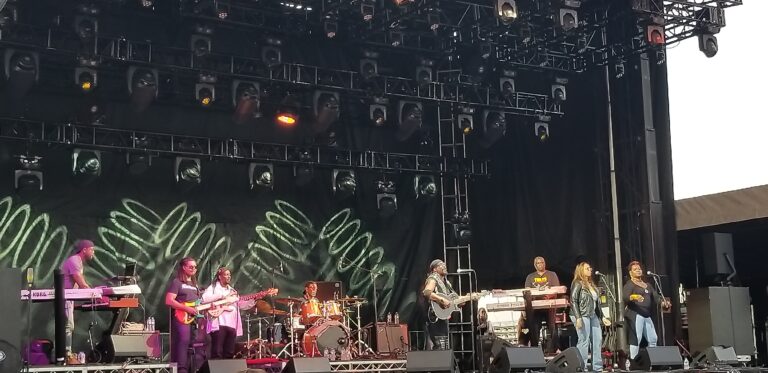
    Toots and the Maytals performing at Summer Camp Music Festival, May 2019. photo by Pete Mason

    According to Rolling Stone, to form this new style, Hibbert infused reggae precursors like rocksteady and ska with elements of traditional Jamaican mento, as well as gospel, soul, R&B, and rock n roll. He could start a party as easily as he could deliver spiritual musings and social-justice rallying cries, all in a voice that recalled the likes of Otis Redding and Ray Charles but was always distinctly “Toots.”

    Ziggy Marley said in an Instagram post “I spoke with him a few weeks ago told him how much i loved him and what he means to me. We laughed and shared our mutual respect. I am fully in sorrow tonight. I will miss his smile and laughter his genuine nature. Toots was a father figure to me; his spirit is with us his music fills us with his energy. I will never forget him”

    https://www.instagram.com/p/CFBqLrsJfke/?utm_source=ig_web_copy_link

    Toots and the Maytals recently released their first album in over ten years, Got to be Tough.  The album features many originals as well as a Bob Marley cover of “Three Little Birds” featuring Ziggy Marley. It also features a track with Ringo Starr on percussion and Ringo’s son and longtime Who drummer Zak Starkey on guitar. 

    Toots Hibbert was inducted into the Order of Jamaica in 2012.

  • ERIE, The Reckless Few, and more are featured on this week’s EQXposure

    Each Sunday evening from 7-9pm on 102.7 FM, you’ll find EQXposure on WEQX, featuring two hours of local music from up and coming artists. Tune into WEQX.com this Sunday night to hear music from The Reckless Few, ERIE, and many more!

    EQXposure ERIE

    WEQX has long been the preeminent independent station in the Capital Region of New York, broadcasting from Southern VT to a ever-expanding listening audience. NYS Music brings you a preview of artists to discover each week, just a taste of the talent waiting to be discovered by fans like you.

    The Reckless Few – “Sunshine and Love”

    From Troy, The Reckless Few is a sextet featuring Louis Emory (guitars, vocals), Bob Boyer (drums, percussion, guitars), Tim Lynch (piano, organ), Kate Sgroi – (bass), Rocco DiDonna (vocals) and Eliyahu Baruch (vocals). Their inspirations include The Beatles, The Rolling Stones, Bob Dylan, The Band, The Beach Boys, Frank Sinatra, Motown, and Muscle Shoals. Singer/Songwriter Louise Emory has been writing and recording original rock ‘n roll with a diverse family of local musicians for over 20 years. This song was released fifteen years after it was written while floating on a boat in Long Island sound.
    https://soundcloud.com/therecklessfew/sunshine-and-love

    ERIE.” – “Fears Come Runnin”

    From Albany, ERIE earlier this year self-released record the week before Covid-19 started running rampant and put us all into quarantine. With all that, the band managed to get picked up by Mint 400 Records out of Jersey City, NJ. They will be re-releasing the record on Friday, September 18 and have a virtual release show planned at The Linda on Monday, September 21.
  • Dopapod digs into the vault, releases ‘Some Demos’

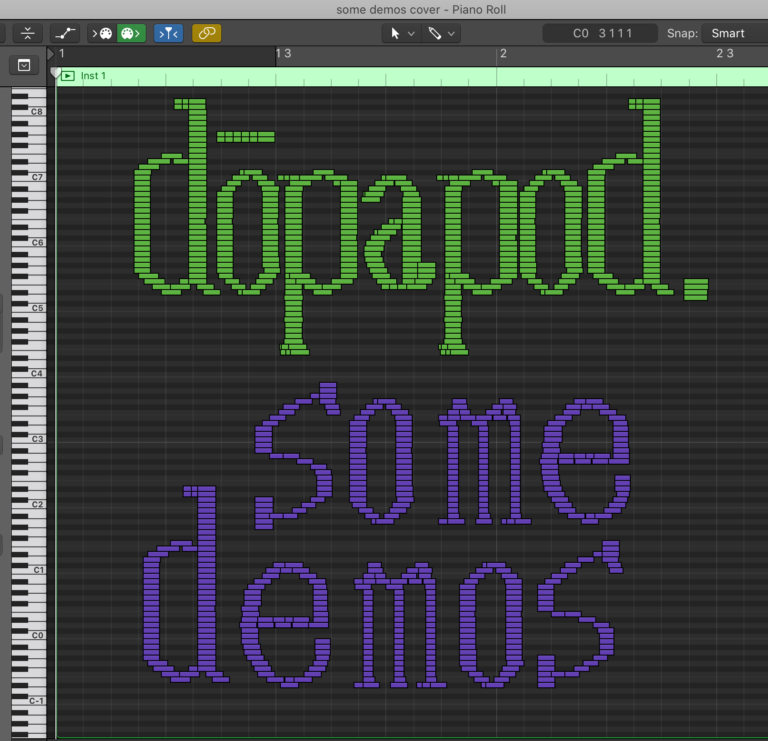
    Dopapod has released a collection of demos from over their decade-plus career, aptly titled Some Demos. The demos are mastered by Luke Stratton, and with a demo of “Turning Knobs” streaming now and the entire album available download at Bandcamp.

    dopapod demos

    These are the tracks I sent to Rob, Chuck, and Neal before we started to learn and rehearse the songs. You can hear how much some of them changed once everyone gave their input and influence. Many of these were written in the van on my laptop as we traveled between shows.

    Eli Winderman, keys, Dopapod

    SOME DEMOS is now available for download on Bandcamp – name your own price. Tracklist below:

    1. Trickery (Demo)
    2. Bubblebrain (Demo)
    3. Live in the Dream (Demo)
    4. Turnin’ Knobs (Demo)
    5. FABA (Demo)
    6. Like a Ball (Demo)
    7. My Elephant vs. Your Elephant (Demo)
    8. Mucho (Demo)
    9. Bluetooth (Demo)
    10. Blast (Demo)
    11. Piazole (Demo)
    12. Psycho Nature (Demo)
    13. Weedie (Demo)
    14. Present Ghosts (Demo)
    15. STADA (Demo)

  • Where does the time go? A look back at the best sit-ins in moe.down history

    Labor Day weekend is a weekend to enjoy the last remnants of summer, catch up with friends and family. For most Labor Day weekends since 2000, moe. fans found themselves heading to Turin (or Mohawk), NY for the end of summer festival, moe.down.

    We’re taking a look back at moe.down this weekend and reminiscing on the lineups, the incredible bands that were discovered, and of course, moe. But one aspect of moe.down that was always unpredictable were the special guest sit-ins, if not the weather. Explore these 10 choice sit-ins, presented in random order, for this weeks installment of moe.mondays.

    moe.down sit-ins
    photo by Brian Cornish, moe.down 17

    We’ll start with something for the children, literally. moe.down 8 started out with an afternoon set that featured the Kids Tent joining the band on stage. That year’s theme for the kids was ‘Year of the Pig’ so naturally, “Buster” was the perfect song to invite the kids up to sing. With parents close by, 20+ kids took the stage and sang “Pig can fly!” alongside moe., for a spectacular start to the day’s music.

    moe.down 8 indeed had more than its fair share of guests, and as the Saturday afternoon set came to a close, Meat Puppets Curt Kirkwood joined moe. for a shredding ~19 minute version of “Mexico.”

    moe.down sit-ins
    Curt Kirkwood sitting in with moe.

    Jumping back to moe.down 4, and moe. took a unique spin on their improv-friendly “Rebubula” by playing it for an entire set – nearly an hour in length. Listen below or check out an AUD on the Internet Archive.

    For two years (2010-2011), moe.down relocated to Mohawk, NY and performed on the Gelston Castle Estate, and brought out some heavy hitting names in the process. Bob Weir was a special guest with Levon Helm’s band, and Weir joined moe. for “The Other One” > “Smokestack Lightning” > “The Other One,” Dylan’s “Stuck Inside of Mobile With the Memphis Blues Again” and a set closing “Feel Like a Stranger.”

    Of course, Weir has performed earlier in the day with Levon Helm’s band, and sang (among many others) one of the Dylan songs that The Band and Grateful Dead had in common, “When I Paint My Masterpiece.”

    moe.down 6 was held over Labor Day weekend 2005, as the remnants of Hurricane Katrina soaked the crowd throughout the weekend. Keller Williams joined moe. for “Stairway to Watchtower” through the pouring rain.

    Umphrey’s McGee, who first caught the attention of moe. when Brendan Bayliss sent Al Schnier a demo of their cover of “Rebubula,” have appeared at multiple moe.downs, not to mention 20 Summer Camp Music Festivals together. Watch Umphrey’s join moe. for Pink Floyd’s “Time” from moe.down 13.

    https://www.youtube.com/watch?v=N0nAjm8d3XQ

    Earlier that day, Umphrey’s McGee welcomed Stanley Jordan for part of their set, including a “40’s Theme” -> “Hajimemashite” > “40’s Theme,” allowing Jordan’s guitar skills to shine.

    More recently, moe.down 17, held over July 4th weekend 2019, featured Blackberry Smoke, Fishbone, Railroad Earth, Ryan Montbleau, Twiddle, and Mike Dillon Band, who welcomed moe. percussionist Jim Loughlin for their set. moe. would return the favor by bringing up Otto Schrang from Mike Dillon Band for “McBain,” adding a second percussionist on Coughlin’s vibraphone.

    Rounding our our list, let’s go back to moe.down 8, which had a deep lineup as many moe.downs have. When Ryan Adams had to back out at the last minute, the festival was blessed with the founder of Lollapalooza himself, Perry Farrell and his Satellite Party. Few complained about this lineup swap, and after Farrell and his party worked through all the hits, moe. welcomed Farrell to the stage for the only hit not played yet – “Ocean Size.” After some banter behind the Mayor of moe.ville competition, the band broke into the Jane’s Addiction arena rocker.

    Did we miss any? Let us know in the comments!

  • On this day in Grateful Dead history, Jerry Garcia debuts ‘Wolf’ aboard a Hell’s Angels cruise with Merl Saunders

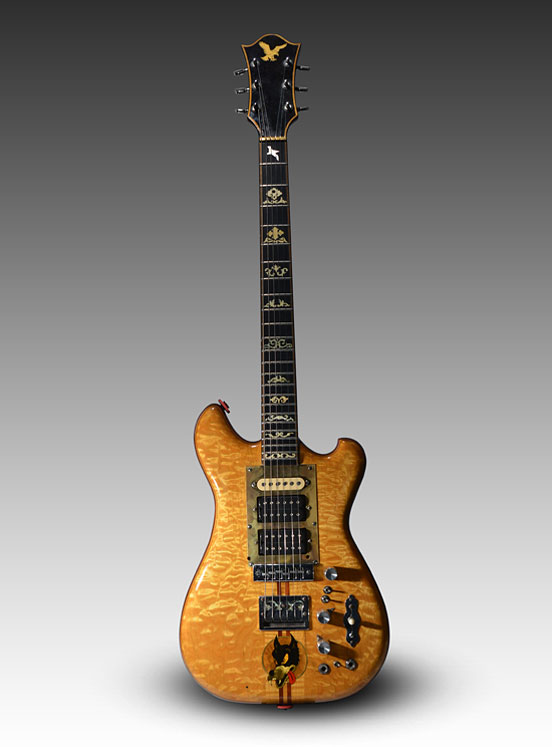
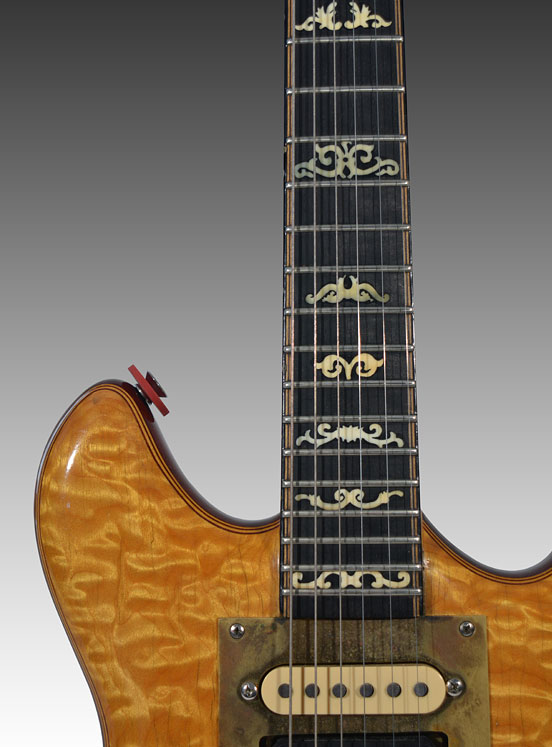
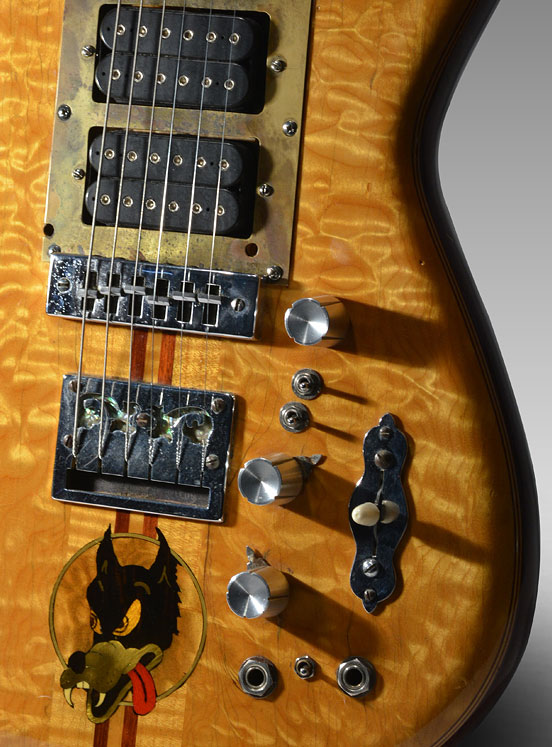
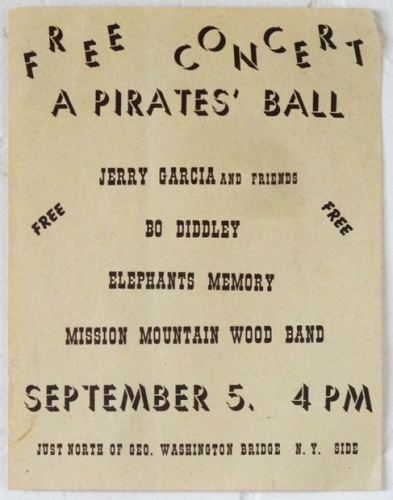
    Among the many guitars in the cache of Jerry Garcia, “Wolf” stands as the most legendary of them all. “Wolf” was customized by luthier Doug Irwin, and was delivered to Jerry ahead of his appearance at a private show for the Hell’s Angels on September 5, 1973 in NYC.

    jerry garcia wolf

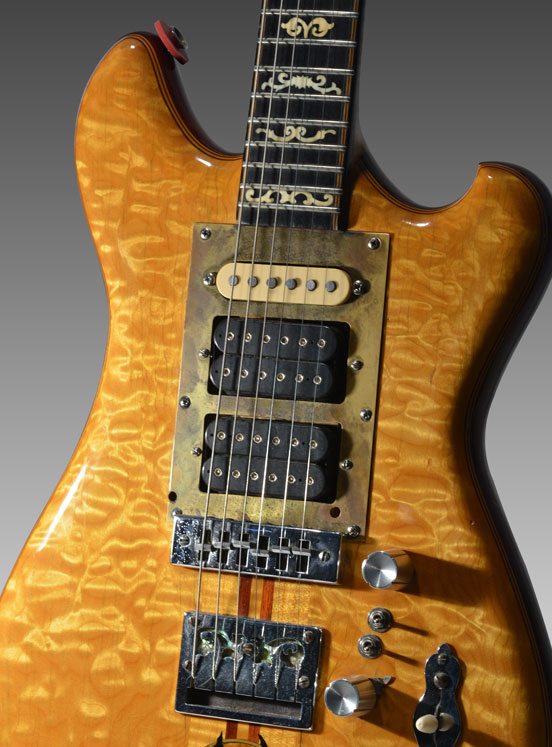
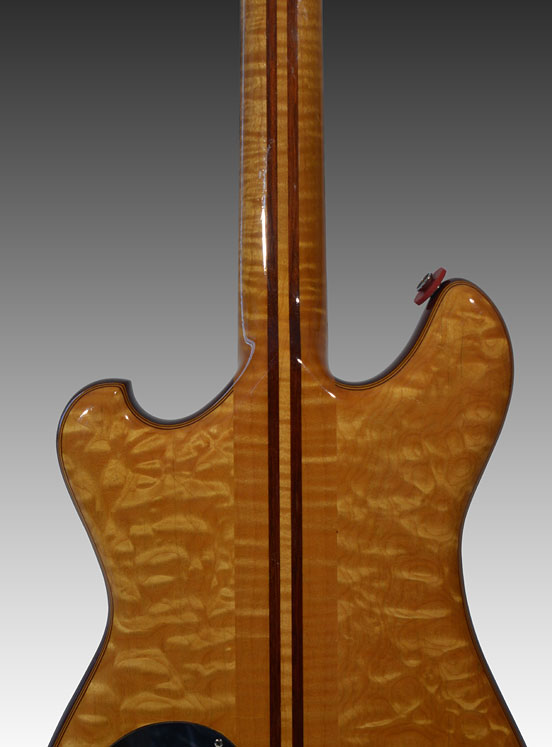
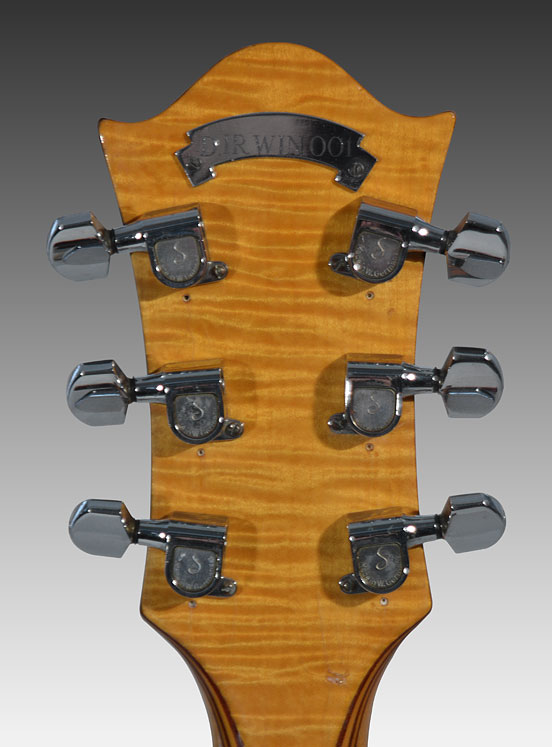
    Late in 1972, Garcia came across the first guitar Doug Irwin made for Alembic, which he bought on the spot for $850. He then asked Irwin to customize a guitar for him, and “Wolf” was born. Made from amaranth/purpleheart and curly maple with an ebony fingerboard and twenty-four frets, which were inlaid with African ivory (the first fret is mother-of-pearl).

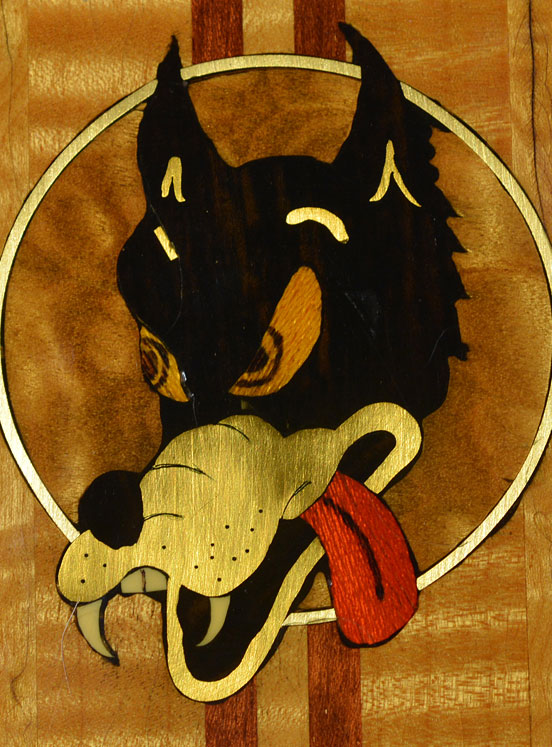
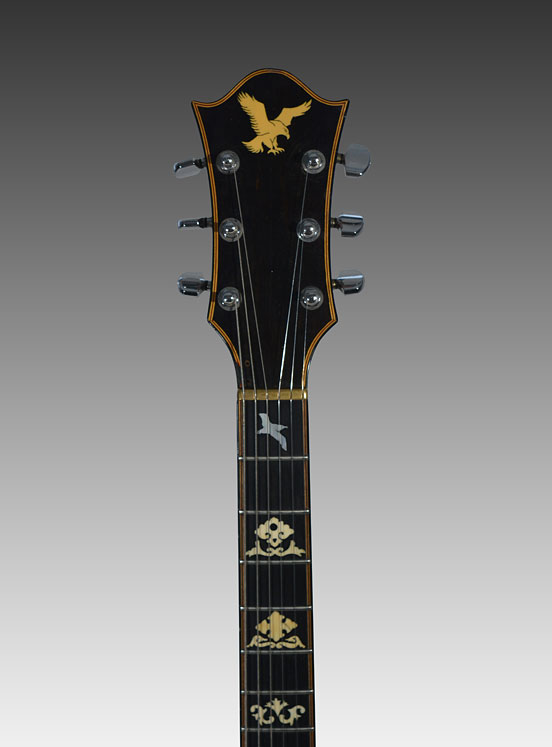
    The original version had a peacock inlay, later followed by Irwin’s eagle logo in its place. Later, a cartoon wolf licking his chops was placed by Jerry Garcia just below the tailpiece, which gave the name to the guitar. Irwin would later inlay the sticker into the guitar, which was labeled as “D. Irwin 001.” The guitar would cost Garcia $1,500, or around $8,700 in 2020 dollars.

    “Wolf” would be played for two decades, becoming his most well known guitar and played across countless recordings, concerts and even in “The Grateful Dead movie.” Here, Irwin discusses the intricate detail of “Wolf.”

    jerry garcia wolf

    A few years after I delivered Wolf to Jerry, the guitar took several tumbles during Grateful Dead’s European tour. The first, a fall of about fifteen feet off the stage onto cement, had no effect on the guitar at all, but the second incident caused a crack to appear in the peghead. When Jerry finally brought me the Wolf for repair, the crack was actually very minor, but a stitch in time, saves nine. Repairing the crack wasn’t much of a problem, but having the guitar again made me reassess my early inlay work, and prompted me to reface the peghead with ebony and replace what I determined to be a poor excuse for a peacock with my signature eagle inlay cut from mother-of-pearl.

    Doug Irwin, on “Wolf”

    “Wolf” was played throughout the ’70s and ’80s, alongside “Tiger” and “Rosebud,” also designed by Irwin. “Wolf” was brought out of retirement in 1989 when Jerry explored using a MIDI synthesizer, and was played for the last time with the Grateful Dead at Oakland Coliseum Arena on 2/23/93.

    In 2002, “Wolf” was purchased by a Deadhead, who later auctioned the guitar off for a great cause. The anonymous fans said:

    I’ve been a fan of The Dead since I was a kid, and playing this iconic guitar over the past 15 years has been a privilege. But the time is right for Wolf to do some good. My wife and I have long supported the efforts of the Southern Poverty Law Center, and if ever we needed the SPLC, we sure do need them now.

    Anonymous owner of “Wolf”

    “Wolf” would be auctioned off at a price of more than $1.6 million, a bid that was matched by an anonymous donor, raising a total of $3.2 million for the SPLC.

    jerry garcia wolf

    The first show that Jerry Garcia would play “Wolf” at was a private show dubbed “Pirates Ball” on September 5, 1973, a private Hell’s Angels party aboard the S.S. Bay Belle. Performing with Merl Saunders in New York Harbor, the ship was known as the “largest marine ballroom afloat,” and was renamed to the Sound Line later after the show. The show also featured Bo Diddley, Elephant’s Memory and Mission Mountain Wood Band.

    jerry garcia wolf
    The S.S. Bay Belle, later named Sound Line

    The guitar can be see in the movie/documentary Hell’s Angels Forever, directed by Richard Chase, Leon Gast, Kevin Keating, and Lee Maden.

    Setlist: It Ain’t No Use, Favela, You Can Leave Your Hat On, Mystery Train, Harder They Come, Think, Finders Keepers

    Wolf’s first appearance with the Grateful Dead was at the Nassau Coliseum on September 7th, two days later. The Dead were off the road for a month, and were refreshed getting back to business. Donna Godchaux was pregnant at the time, with her husband Keith having taken over keyboard duties from Pigpen a year prior.

    This show marks the debut of Weir/Barlow’s “Let It Grow,” and one of the last “Bird Song’s” of 1973 before the song was shelved for a few years. Highlights include “New Potato Cabooose,” the jam that arose from “Playin’ in the Band,” a hefty jam from “The Other One,” and the “Eyes of the World” that followed.

    Deadheads reported a heavy police presence that evening, with many fans arrested at or after the show. Cops reportedly drove on the sidewalks as the show ended and attempted to clear the crowd. They also seemed to use their batons to clear the area in front of the band between sets. This would influence the Dead’s decision not to return to Nassau for many years, until January, 1979.

    Setlist: September 7, 1973, Nassau Coliseum, Uniondale, NY

    Set 1: Promised Land, Sugaree, Mexicali Blues, They Love Each Other, Jack Straw, Looks Like Rain, Deal, El Paso, Bird Song, Playin’ In The Band

    Set 2: Here Comes Sunshine, Me & My Uncle, Loser, Let It Grow-> Stella Blue, Truckin’-> Drums-> The Other One-> Eyes Of The World-> Sugar Magnolia, E: Around & Around

  • Sydney Worthley, The Sweats, and more to be featured on this week’s EQXposure

    Each Sunday evening from 7-9pm on 102.7 FM, you’ll find EQXposure on WEQX, featuring two hours of local music from up and coming artists. Tune into WEQX.com this Sunday night to hear music from Sydney Worthley, The Sweats, and many more!

    EQXposure Sydney Worthley

    WEQX has long been the preeminent independent station in the Capital Region of New York, broadcasting from Southern VT to a ever-expanding listening audience. NYS Music brings you a preview of artists to discover each week, just a taste of the talent waiting to be discovered by fans like you.

    The Sweats – “Caught In A Wave”

    From the Finger Lakes who just released their full-length debut album Caught in a Wave recorded at Pyramid Sound Recording Studios in Ithaca. You can pick up the album for contributions on BandCamp. Singer Travis Durfee says they hope to sell a few digital copies to make up what they’ve lost this year in live shows and that they are already working on material for a new album. Check out their quaratine videos on Facebook.

    Sydney Worthley – “4:15

    In February, Worthley went to Nada Recording Studio in Montgomery, NY to record five new songs in five days and you can hear them all on the new album Rose Colored Glasses. Worthley is a notable advocate for mental health awareness, having performed in Saugerties at the annual Hope Rocks Festival.

  • Watch selections from Jazz at Chautauqua 2009 and 2013

    One of the true gems of southwestern New York on Chautauqua Lake is the Chautauqua Institution. There you can find a blend of arts programming, educational and religious opportunities and recreational activities are available to those who visit the grounds during the year. And every few years, the music event Jazz at Chautauqua is part of the annual programming.

    Chautauqua

    The Institution, originally the Chautauqua Lake Sunday School Assembly, was founded in 1874 as an educational experiment in out-of-school, vacation learning. It was successful and broadened almost immediately beyond courses for Sunday school teachers to include academic subjects, music, art and physical education.

    Thanks to Jazz Lives, who consider Jazz at Chautauqua 2013 “another unforgettable interlude of music and friendship,” we bring you a selection of ballads from the September 22, 2013 Jazz at Chautauqua performances. A medley of ballads began and ended the music-filled weekend, including “Easy Living,” “Daydream,” “Can’t Help Lovin’ That Man” and “I Know Why (And So Do You).” Featured players include Marty Grosz (guitar), Harry Allen (tenor sax), Dan Block (clarinet), Bob Havens (trombone) and Duke Heitger (trumpet).

    Later, ballads including “My Funny Valentine,” “Please,” “Laura,” “If We Ever Meet Again” (Horace Gerlach) and “Sophisticated Lady” seem to tell the full range of relationship through their titles. Selections are peformed by Randy Reiinhart (cornet/trumpet), Andy Schumm (cornet/trumpet), Andy Stein (saxophone), Marty Grosz (guitar), and Rossano Sportiello (piano).

    From 2009, enjoy “Chinatown,” performed by Pete Siers (drums), Frank Tate (string bass), Ehud Asherie (piano), Bob Havens (trombone), Dan Block (clarinet), and Duke Heitger (trumpet).

  • Discover Local Music With EQXposure Featured Artists Including Millington, Liam Davis and more

    Each Sunday evening from 7-9pm on 102.7 FM, you’ll find EQXposure on WEQX, featuring two hours of local music from up and coming artists. Tune into WEQX.com this Sunday night to hear music from Millington, Liam Davis, and many more!

    EQXposure

    WEQX has long been the preeminent independent station in the Capital Region of New York, broadcasting from Southern VT to a ever-expanding listening audience. NYS Music brings you a preview of artists to discover each week, just a taste of the talent waiting to be discovered by fans like you.

    Millington – “Misery” 

    From their album Beatdown Generation, Millington has played at EQX events such as the battle of the bands and Frogtober Fest at Frog Alley Brewing in Schenectady.  Singer/Producer Cody Okonski learned a lot during his time working in Goldfinger frontman John Feldman’s studio. In that time Cody observed the techniques of Blink-182, 5 Seconds of Summer, and Sleeping With Sirens. Other members include Cody’s close friends John Bintz, Alex Maloy, and Brandon Rutski. 

    Liam Davis – “Owl” 

    Liam, from Mount Vernon, NY, has toured with some notable acts in the Albany scene over the past few years. He was born in NYC and has been playing multiple instruments from a young age. His influences include Led Zeppelin, Jeff Buckley, and Stevie Wonder. EQXposure has also featured his song ‘In Your Dreams‘ and this one has a bit of a different vibe than that.