Author: Alain Clerine

  • Wu Tang Wednesday: Nas, Raekwon and Ghostface deliver “Verbal Intercourse”

    Being part of a team is great; when you’re part of a successful one – like Wu Tang Clan – even better. Yet, there may always be that inkling of wonder of what could be accomplished by oneself. For musical acts whose contributions to the world are dissected and compared to one another, that one little thought may be enough to isolate said artist from the group, not to mention the monetary differences between a solo artist and being part of a group.

    Ego has played a part in the demise of many great factions — the likes of New Edition, NWA, The Fugees – they’ve all fallen victim to the individualistic desires of man. Yet, when tamed, this possibly destructive force can be channeled into producing some of the greatest albums in history. Bobby Brown’s Don’t Be Cruel fits in that mold, so does Ice Cube’s Amerikkas Most Wanted. This was also the case for one of the greatest Hip Hop albums ever. Raekwon’s Only Built 4 Cuban Lynx set the tone for a genre of mafioso themed albums that took the 90’s by storm.  

    Failing to distinguish himself from some of the other charismatic members of the Wu Tang Clan, the man known as “The Chef” was motivated to go out and make himself a classic body of work. And on August 1, 1995, Only Built 4 Cuban Lynx set a new standard for rap. The album received a 4.5 mic rating from The Source magazine (at the time, hip hop’s Bible). While the Method Man and Ghostface Killah assisted “Ice Cream,” was the LP’s most successful record, album cuts like “Verbal Intercourse” are what set the tone for the project. The twelfth track features a young Nas on the heels of his own soon-to-be classic, Illmatic, as well as Wu Tang mate Ghostface Killah – who plays a supporting role in the mafia movie themed album. Considered one of Nas’ best verses (which is saying something), it also stands as one of the greatest opening verses in history. 

    Wu Tang Wednesday: Nas, Raekwon
    Wu Tang Clan – a tough act to follow

    Nas sets the tone for the record early, rapping:

    Through the lights cameras and action, glamour glitters and gold I unfold the scroll, plant seeds to stampede the globe.

    When I’m deceased, by then the beast arise like yeast to conquer peace leaving savages to roam the streets.

    With his newfound fame and fortune from his individual success, his principles haven’t changed, as he still plans to take over the world. And after he has long passed, he hopes to have planted enough seeds in the minds of the youth to bring about a revolution. A Queensbridge legend long before platinum albums, Nas’ lyrical aptitude was as shocking as his youth, as he was barely 21 at the time of this recording.
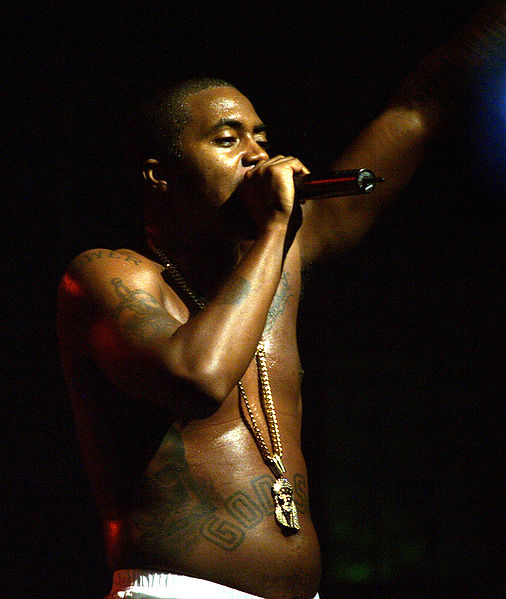
    With ‘God’s Son’ written across his stomach, Nas looks to accomplish everything he prophesized.

    On the second verse, Raekwon deliver’s a high-quality opening bar of his own.

    Perhaps bullets bust, n**** discuss mad money true lies and white guys, we can see it through the eyes. Catch the most on tape, kilos disintegrate Pyrex pots, we break, fiends licking plates.

    While Nas’ verse pertained to his yearning for a mental uprising, Raekwon keeps with the album’s theme. Describing the dangers that come with operating on the wrong side of the law.

    On the song’s last verse, Ghostface Killah – maybe the most charismatic of the three – adds to the story, Further detailing the greed, jealousy, envy that comes with monetary success, with hopes of a light at the end of the tunnel.

    With the green leathers, hundred-pound snakes and cakes. Fiends found in lakes, jealously jakes we shake. What I strive for is what I live for. Infatuated by material things in this wild life of war like somewhere over the rainbow, I see a big pot of gold.

    “Verbal Intercourse” is defined as “conversation between more than one person.” But in this case, you could say they went a step further and f***ed the beat. The album featured every rapper in the Wu Tang Clan besides ODB, so Raekwon didn’t completely deviate from the already winning formula. Still, as the creative mastermind behind the LP, it helped Raekwon continue to establish himself as his own entity, outside of his groupmates. Debuting at number four on the Billboard charts, Only Built 4 Cuban Lynx sold 130,000 copies its first week, and while not a single, “Verbal Intercourse” saw each respective rapper plant seeds towards their now legendary status.

    with Maxwell Amankwah contributing

  • Juneteenth: Sorrow turned Conviction

    While the public celebrates Juneteenth in what is now the halfway point of a roller coaster year, it is important to note the true history behind why we celebrate. The day’s significance isn’t to recognize the end of slavery. Rather, June 19, 1865 is the day that federal orders for the emancipation of enslaved Africans were announced. Only, the declaration had been made official nearly two-and-a-half years prior.

    Juneteenth

    With the holiday gaining traction throughout the country, and now a Federal holiday, in 2020 New York City mayor Bill DeBlasio announcing an executive order that recognizes “Juneteenth” as an official city and school holiday. People of African ancestry celebrate our forefathers, yet we remember their pain, endurance and suffering and do not take it for granted.

    In the same vein, Hip Hop has served as a diary for Black struggle.  With a 400-year head start to make up for, many rappers have recognized the need for unity, as well as establishing our own financial footprint in the United States (the same way other races have been allowed to). 

    So, here is a playlist of songs that motivates us to become the proprietors of our own destiny.

  • Run the Jewels 4 Review: Killer Mike and El-P deliver more gems

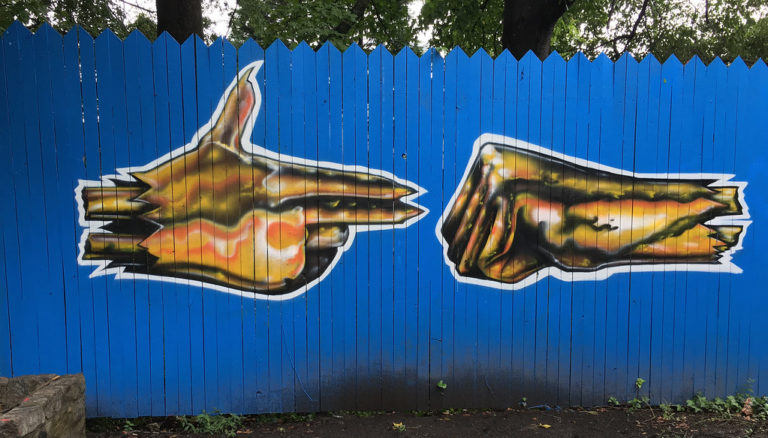
    Kendrick Lamar once said, “Critics want to mention that they miss when hip-hop was rappin’/ Motherf*****, if you did, then Killer Mike would be platinum.” As great of a line as that was, let’s make one thing clear; all forms of hip-hop are respectable. Lyricists, mumble rappers, crooners, they all have their place within the genre. Moreover, while we often look for messages in our art, understand that you won’t find it in what I like to call “easy listening rap.” Artists who view hip-hop as a competitive sport tend to challenge themselves. They think of more elaborate rhyme schemes, pick more challenging beats to rap on and (some) interpolate different subject matters in their music. Easy listening rappers find a formula and stick to it, no matter how redundant their sound. However, their inability (or unwillingness) to change does not invalidate them. We need fun-party music, but we need the former as well. Hip hop duo Killer Mike and El-P probably won’t go platinum with this latest effort – much to Kendrick Lamar’s chagrin – yet, their latest project — RTJ4– is undeniable. 

    Give up the information.

    Originally scheduled to be released June 5, the album was pushed up, releasing two days early, with an accompanying note: “F*** it, why wait. The world is infested with bullsh** so here’s something raw to listen to while you deal with it all. We hope it brings you some joy. Stay safe and hopeful out there and thank you for giving 2 friends the chance to be heard and do what they love. With sincere love and gratitude, Jaime + Mike.” 

    The fourth installment of the Run the Jewels series covers similar themes as its predecessors: racism, capitalism, socioeconomic issues. Basically, you know what you’re going to get. Even so, their ability to pinpoint America’s discriminatory ways – and Killer Mike doing an excellent job of reversing the black community’s ethos from victimhood to one of power – have resulted in 39 minutes of thought-provoking content, which is not a given in today’s hip hop climate. On “walking in the snow” Killer Mike exposes the corrupt ways in which black people are targeted, while attacking the black community themselves for their acceptance of their role as casualties.

     “The way I see it you’re probably freest from the ages one to four / Around the age of five you’re shipped away for your body to be stored / They promise education, but really they give you tests and scores / And they predictin’ prison population by who scoring the lowest / And usually the lowest scores the poorest and they look like me / And every day on evening news they feed you fear for free / And you so numb you watch the cops choke out a man like me / And ’til my voice goes from a shriek to whisper, “I can’t breathe” / And you sit there in the house on couch and watch it on TV / The most you give’s a Twitter rant and call it a tragedy / But truly the travesty, you’ve been robbed of your empathy / Replaced it with apathy, I wish I could magically / Fast forward the future so then you can face it / And see how f***** up it’ll be / I promise I’m honest, they coming for you / The day after they comin’ for me.”

    “I’m robbing you.” “What for?”
    “Whatever you got.”

    Throughout the project, Killer Mike shares several cathartic moments with the audience while veteran emcee El-P plays the role of ally, addressing the nation’s corruption. On the album’s intro “yankee and the brave (ep.4)” he raps,

    “it’s scammer bliss when you puttin’ villains in charge of shit / All of us targeted, all we doin’ is arguin’ / Pardon them as they work until every pocket’s been picked and soul been harvested / I’m ready to mob on these f***** Charlatans.”

    On the same track, Killer Mike takes the term “Black Power” to a whole new level by doubling down on his refusal to be martyred. “I got one round left, a hunnid cops outside / I could shoot at them or put one between my eyes / Chose the latter, it don’t matter, it ain’t suicide / And if the news say it was, that’s a goddamn lie / I can’t let the pigs kill me, I got too much pride / And I meant it when I said it, never take me alive.”

    It is noteworthy to mention that he also did this, but his words are powerful nonetheless. 

    He maintains his stance of power throughout the project, only relenting on the albums outro “a few words from the firing squad (radiation),” where he grapples with his role as a famous entertainer, his potential to make a difference within the Black community, its sometimes deadly consequences and the divisiveness it can cause within Black families. 

    “It’d be a lie if I told you that I ever disdained the fortune and fame / But the presence of the pleasure never abstained me from any of the pain / When my mother transitioned to another plane I was sitting on a plane / Tellin’ her to hold on and she tried hard but she just couldn’t hang / Been two years, truth is I’ll probably never be the same / Dead serious, it’s a chore not to let myself go insane / It’s crippling, make you want lean on a cup of Promethazine / But my queen say she need a king / Not another junkie, flunky rapper fiend / Friends tell her he could be another Malcolm, he could be another Martin / She told her partner I need a husband more than the world need another martyr.” 

    Even with excellent lyricism, there are supplementary elements that make this album noteworthy. While the duo’s cohesiveness is seen through their mutual world views, the beat selection, however, is raw and unfiltered. Heavily rock influenced, RTJ4’s production is not always sonically pleasing – possible to deter the masses who are only trying to hear “good vibes.” Instead, they are purposeful. Loud guitar riffs, drums and alarms are heard throughout as they amplify the messages. Almost as if they picked beats that would not allow the audience to drift away (sometimes a catchy beat or chorus can hinder the record’s message).

    Run the Jewels 4 is meaningful. Not only because of the subject matter, but the delivery itself. In our current climate, it’s rare to find conscious rap that doesn’t portray Black people as victims. El-P and Killer Mike take the opposite approach, challenging the oppressed to defend themselves, let’s hope they take heed. 

  • Lauryn Hill’s Final Hour

    Words are like honey; they can be sweet to hear but the message might not always stick. And over time, messages get lost in translation. Take the late great Muhammad Ali, who refused to fight in the Vietnam war because, as only he could put it, “no Vietcong ever called me n*****.” When Ali took his stance, he was stripped of his world championships, boxing license and was vilified by the public.

    “I am not allowed to work in America and I’m not allowed to leave America,” Ali said in February. 1968, the start of his first full year of exile from boxing. “I’m just about broke.” This is why the Kaepernick comparisons aren’t apt. While Ali struggled to afford groceries, Kaepernick is backed by a billion-dollar corporation in Nike. After Ali’s passing in 2016, revisionist history took over. Ali’s mid-career struggles were now celebrated. Despite being spurned by the very country that now celebrates him.  

    What does this all have to do with Lauryn Hill? Well, have you ever asked yourself how the first woman to be nominated in ten Grammy categories in a single year, and the first woman to win five trophies in one night found herself out of the spotlight a couple of years after her acclaimed solo debut? Well, I’m here to tell you this was coming all along, oh and she warned us about it. 

    Lauryn Hill

    Lauryn Hill’s Revelation

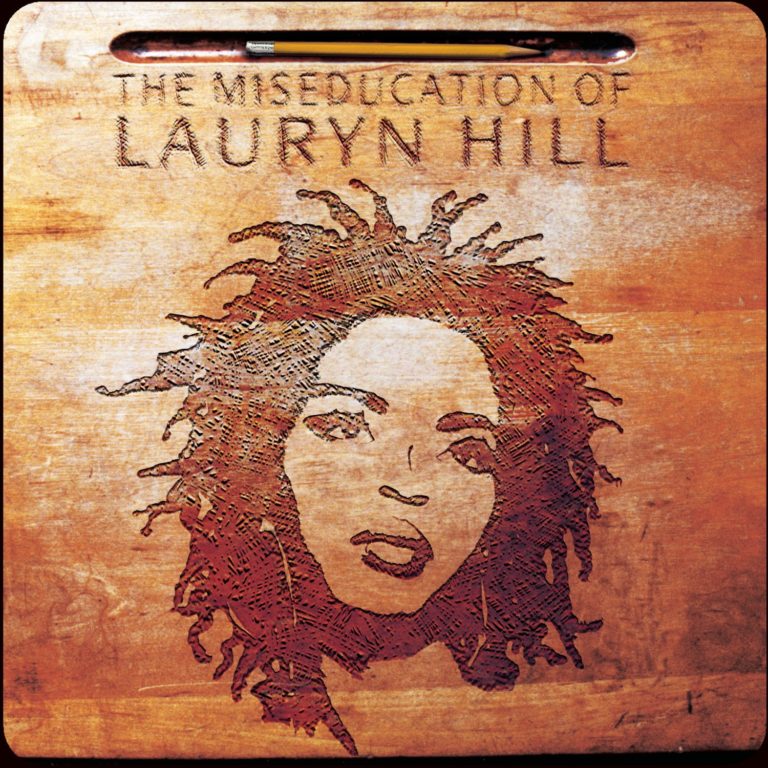
    The Miseducation of Lauryn Hill is a magnum opus of black music, encompassing the best of multiple genres. However, due to her lack of activity musically, Lauryn Hill’s presence in contemporary pop culture is now reduced to jokes about her punctuality, and not the sacrifice she herself prophesied. 

    On “Final Hour,” the album’s seventh track, she makes her priorities apparent, regardless of her status as a world-famous entertainer. In the chorus she raps “you can get the money; you can get the power. But keep your eyes on the Final Hour.” With the “Final Hour” representing religious salvation. She even raps later in the record “I’m making sure I’m with the 144.” The 144 is a reference to the Book of Revelations. In it 144,000 people are specifically chosen by God to serve as his agents. 

    Lauryn Hill
    by 1998, Lauryn Hill had taken the world by storm

    Lauryn Hill has always been open about her faith and spirituality yet, in her earlier work as a member of The Fugees, religious references were further and fewer in between. So, what changed? After selling millions of records, winning awards and being propped as the face of a generation of women, had Lauryn Hill learned new information that brought on this stance? 

    Decoding The Lyrics

    At the end of the first verse she says, “People feel Lauryn Hill from New-Ark to Israel (clever play on words here as she makes a reference to the “Ark of the Covenant” and she’s from Jersey). And this is real, so I keep makin’ the street ballads, while you lookin’ for dressin’ to go with your tossed salad.” Followed by the aforementioned chorus, these lyrics emphasize her stance on the music industry. After all, tales of the the entertainment industry’s sexual deviance are now far too common. Hence, the “dressing” and “tossed salad” lines. 

    Throughout the song, she juxtaposes her glamorous life with her faith. Symbolizing that one wouldn’t be there without the other. In the last verse she says, “now I’m a get the mozzarella like a Rockefeller / Still be in the church of Lalibela, singing hymns a cappella / Whether posed in Maribella in Couture / or collecting residuals from off The Score.” While it may seem braggadocious, she lets the listener know what she would choose if it came time for a decision by saying, “I’m making sure I’m with the 144.” 

    Hence why she denounced the “dressing” (a symbolism for opulence) because the cost is her spirituality and beliefs. Being Lauryn Hill of course, (at one time one of the world’s most popular entertainers) there may not have been an option to continue her career without politics, corruption and possible harassment (there’s Harvey Weinstein’s in the music industry too). 

    Aftermath

    It comes as no surprise that by the turn of the millennium, Lauryn Hill was out of the public eye. Yet, sehe returned in 2002 with her MTV Unplugged No. 2.0 live album. However, critics weren’t as kind this time around, as chic hip hop girlie Lauryn way to a spiritually devoted Mrs. Lauryn Hill. While her lyrics pick up where she left of on “Final Hour.” So, no. Lauryn Hill didn’t go crazy, she didn’t lose her rapping and songwriting abilities. She made a decision.

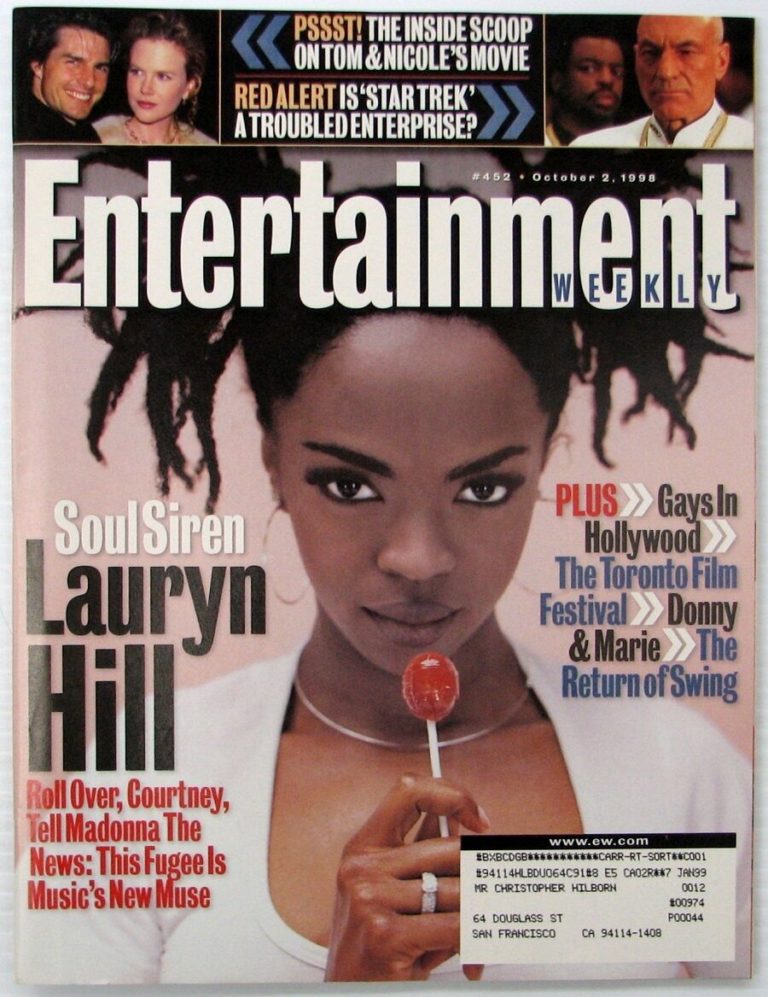
    Lauryn Hill is now 45 years old. She still tours and performs medleys of her most popular songs (oftentimes restructuring the entire song and keeping the lyrics). She never regained the same level of stardom and probably won’t ever grace the covers of Time, Rolling Stone, Vibe, People or Entertainment Weekly ever again. Yet, it seems to have been a conscious sacrifice, preferring to sing her hymns for those that are keen to listen for their education and enjoyment. Not because the machine tells them to. 

  • Wu-Tang Clan Wants You to ‘Protect Ya Hands’

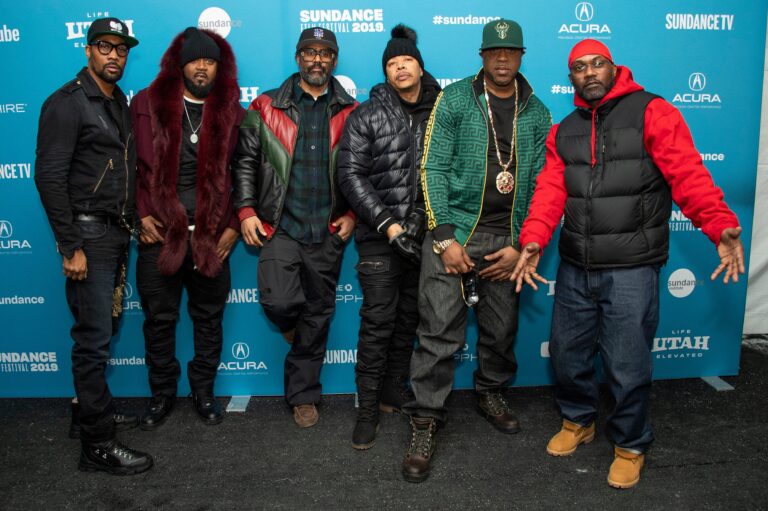
    Iconic hip hop group, Wu-Tang Clan are no strangers to good marketing. The Grammy-nominated outfit is partially known for their extremely popular “Wu Wear” clothing brand — founded by Wu-Tang Clan affiliate Oliver “Power” Grant. The Wu has always been able to find the perfect middle ground between good marketing tactics and staying authentic to their brand. Like when the late Ol’ Dirty Bastard began ranting during the 1998 Grammy awards and proclaimed that “Wu-Tang is for the children.” He was upset that the group had been overlooked for best rap album and unintentionally came up with a popular catchphrase, one that the Wu has always stood by.

    In light of the current COVID-10 crisis, the hip hop veterans continue to stay ahead of the curve, as the group announced their “Protect Ya Hands” collaboration with the plant-based brand Jusu. The sanitizer is one item in a campaign launched by the group and Ottawa, Canada, Mayor Jim Watson. 

    https://www.instagram.com/p/CAaQf9BnFTM/

    In addition to the sanitizer, they have released the “A Better Tomorrow” collection (named after their 2014 studio album), which includes a T-shirt emblazoned with the famous logo of Wu-Tang Clan and a reusable food bowl. For every bottle purchased, another will be donated to The Ottawa Mission, a homeless shelter in Canada.

    Additionally, the collection benefits the Children’s Hospital of Eastern Ontario, with the group’s official website stating “CHEO combines excellence in clinical care, research and education with a commitment to working with our partners to advance seamless care that’s provided where, when and how it’s needed.”

    The sanitizer can be yours for $20. The T-shirt goes for $40, while the Pure Kitchen reusable bowl costs $21. “The purpose of 36 Chambers and Wu-Tang is to always see a better tomorrow,” says the official website. You can help Wu-Tang Clan on their mission by clicking here.

  • Watch: Onyx Collective Shares Official Video for ‘Where or When’

    New York Jazz ensemble Onyx Collective have shared the official music video for their single “Where or When” off of their debut album Manhattan Special: Onyx Collective Plays Rodgers & Hart / Rodgers & Hammerstein. The song itself first appeared as part of Richard Rodgers and Lorenz Hart’s 1934 musical comedy, Babes in Arms. So, while it may be viewed as a cover, Onyx Collective have added their own twist, with a feature from singer and cellist, Kelsey Lu. 

    Directed by No School & 22 and edited by 22 Note, the video was shot in Paris, France and served as a love letter to the city. Filmed right before the global shutdown as a result of COVID-19, the video sees Lu take to the town in black-and-white video, as the city’s landmarks, transportation services and civilian life are presented to the audience. Yet, it doesn’t feel much like a tour but rather an attempt of capturing the city’s infamous beauty, with Lu’s eerie vocals serving as our guide. 

    Onyx Collective is a nebulous jazz ensemble, hailing from Manhattan, NY. The group is composed of saxophonist, Isaiah Barr, Austin Williamson (on drums) and are regularly joined by Joshua Benitez on keyboard, Jack Guliemetti on guitar, Felix Pastorius and Spencer Murphy on electric bass, and Dean Torrey and Walter Stinson on upright bass, along with a collection of musicians whom like the official band members all attended New York’s musical conservatory. More recently Onyx Collective toured as A$AP Rocky’s live band.

  • Listen to Queens Duo Runitup Apply ‘Pressure’ on latest single

    A breakout single isn’t the easiest thing to find. If it were, millions of aspiring rappers would have landed record deals. And although the ball seems to get rolling after that first big hit (save for the one-hit wonders, of course), an artist is still dependent on their initial ability to connect with an audience. For most, the components of the ever elusive-hit record seem to be simple (distinctive instrumental vocals, engaging lyrics, etc..) yet, the subtle ways in which they are applied often escape aspiring artists. Which is why when one finds one of those elusive records, they hold on to it, play it and share it to the world.

    “Pressure,” the latest release from cousins and Queens duo Runitup Rich and Runitup Sho feels like one of those songs. With a Lil Uzi Vert-esque flow and delivery throughout, the Runitup duo seem to have found the exact medium they had been searching for. “The sound we started with was just something we mimicked and thought it sounded like a bump and as we kept going and following music trends, we decided to start trying to be more melodic,” says Sho. “With my background and singing and Rich’s chop-and-go flow, we came up with a sound that was still us but gave an opening for a broader spectrum of music.” 

    It isn’t just the distinctive guitar riffs nor the infectious chorus, but the duo’s effervescence throughout the song that will likely coax listeners into joining them in sing-a-longs. With the record also falling shy of two minutes, there will be plenty of people playing it on repeat. 

    As Runitup continue to establish themselves, they refrain from thinking about fame and opulence. The duo is more focused on growing, exploring their sound, evading any hastiness. “Who knows what the future holds as we continue making music. We get to see more of what the supporters of our music want, and we can form a better direction for Runitup as a whole.”

  • Queens Rapper Kyngjo Drops Music Video for ‘Calling Me’

    On the heels of a run of successfully executed song releases, Lefrak City rapper Kyngjo has unveiled the official music video for his most popular record “Calling Me,” continuing to build buzz with the prospects of a debut project drawing ever closer. His journey as a rapper dates back to just over two years ago – as hopes for a future in basketball became bleak, thanks to an injured knee – now with his mind fully focused on being a successful rapper, he hopes to etch his name amongst a list of legendary Queens natives. 

    Produced by Multi-platinum and Grammy-nominated producer TheBeatPlug – who gained notoriety with producer credits on Joyner Lucas’ viral record I’m Not Racist – “Calling Me” follows the classic adage that as a rapper, women will follow, and so too will interminable and deceit-filled adventures bound to leave those involved with querulous significant others. The record sees Kyngjo divulge tales of his experiences playing the side piece to a spurned woman who has now fallen for him and… won’t stop calling. The Dream of Dre directed music video brings to life the tension between significant others when Kyngjo is involved with the women having to convince their man that he is indeed “just a friend.” 

  • Wu-Tang: An American Saga – Season 1 Overview

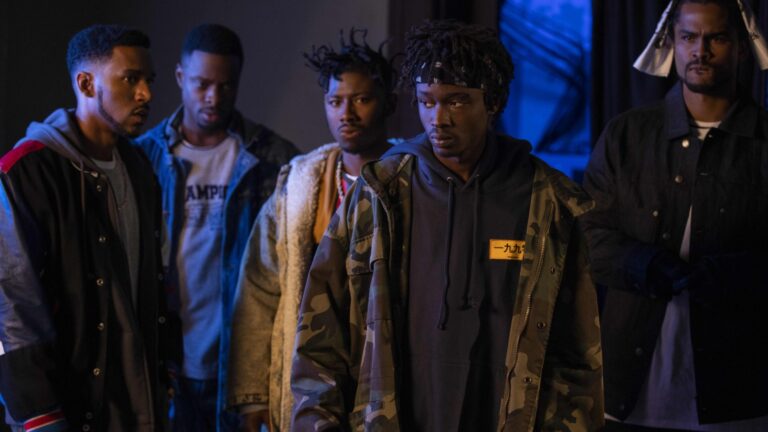
    The Wu-Tang Clan is one of the most celebrated and impactful musical groups in history. In our era of transparency, it is only fitting that a biopic of sorts would materialize itself. Telling the complete story of a group as large as the Clan isn’t feasible (not to mention any adjacent characters) in 90 minutes (the pre-requisite for big-screen biopics). Therefore, enter Wu-Tang: An American Saga.

    In 2019, the Emmy-nominated Hulu original series rehashed the rise of the legendary hip-hop group. Written by Alex Tse and RZA and executive produced by Tse, RZA, Method Man, Brian Grazer, Michael Rosenberg and Francie Calfo, the series debuted on Wednesday, September 4 with three episodes and followed with an ensuing episode each week, in honor of #WuTang Wednesday.

    https://youtu.be/kBy9umOnhZw

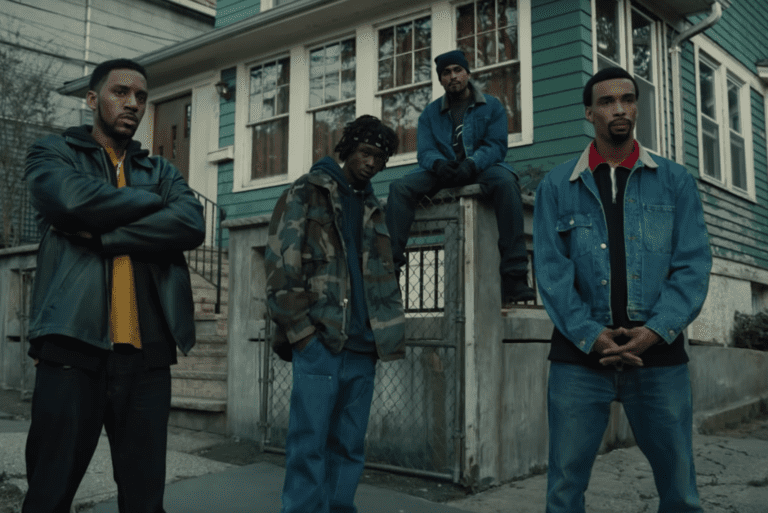
    Inspired by RZA’s guide to the clan, The Wu-Tang Manual and its follow-up, Toa of Wu, the series is set in the early in 1990s Staten Island, New York during the peak of the crack epidemic. It follows the formation of the clan through the lens of RZA. Bobby Diggs’ (RZA) love for music and producing gives him hope for making it out of the inner-cities of Staten Island. His ambitions also include formulating a super-group highlighting the borough’s talent, hoping to harness their untapped potential. What stands in their way are the allures of the street life, the drug trade and vices that have ruined many a dream for young minorities. 

    Wu-Tang An American Saga

    The series format resembles that of The Get Down— a Netflix original series that gave a fictionalized chronology of hip hop’s birth — yet, Wu-Tang: An American Saga has intensity and realism (felt from the opening scene and onward) that outpaces the former. While the screenplay is captivating on its own (who doesn’t want to have some semblance of an idea of how the most unique rap group ever was formed?), the acting makes it that much more enjoyable. Rappers Dave East and Joey Badass each embody their respective roles. Dave East, who had the challenge of portraying the Clan’s most mainstream member in Method Man and in his first real acting gig, does an honorable job of representing the hip hop legend. Moonlight actor Ashton Sanders’ portrayal of RZA is award-worthy, from his speech to his mannerisms; the production value is very high. 

    Although based in the 1990s, issues tackled are those that are still prevalent in present-day black inner-cities. Obstacles such as poverty, crime, the inner workings of the drug trade as well as the corruption that follows, are all issues the main characters have to bypass on their way to success.  

    Wu-Tang An American Saga

    In that same vein of realism, characters are also seen hitting rock-bottom and having to reinvent themselves to ascend to greater heights. Young black males are forced to be the man of the house at young ages (seen with RZA’s brother Divine, who was the family’s main provider through his drug dealings). With illegal affairs such a big part of the series, the consequences of the street life and the dangers that it invites are also highlighted. The inevitable run-ins with the law, prison sentences, prison life, the pain of a mother losing a son and the gut-wrenching feeling of wanting to change your environment and the helplessness one feels in those moments are all captivating themes that the series explores. The destitution of the “hood” leads many of the Clan members to follow the five percent teachings and philosophies they’ve gone on to (along with many other notable hip hop acts) popularize in their music.  

    Even though many of the accounts have been dramatized/fictionalized, it is still really fun to get insight on the influences that made the Clan unique. For example, RZA’s creativity and genius comes from his quick thinking and ability to solve problems and applying those abilities into his production. We also get an idea as to how he became the group’s de facto leader, as he was playing peacemaker between members long before platinum records. 

    Wu-Tang An American Saga

    Wu-Tang: An American Saga is must-watch television. Not only is it informative, the cast – which ranges from Shameik Moore, Ashton Sanders, to Dave East and Joey Badass. do an exemplary job of portraying each respective pioneer of the Clan. With no big-screen release date to rush storylines, writers can take ample time to figure out the best cross between dramatic/entertaining television and re-counting the tales of some of the most important figures in rap history. 

  • Ja Rule’s “New York”: How the City Began a War Within from One Hit Record

    Hit records celebrating a city are supposed to bring people together. Take Ja Rule’s 2004 smash single “New York,” for instance. Featuring hip-hop heavyweights Fat Joe and Jadakiss, the song was released as the second single from his 2004 studio album R.U.L.E. and peaked at number 27 on the Billboard Hot 100. Having caught on with the masses as a major hit, it should have also served as reminder amongst New York emcees of the bond they share as the proprietors of hip hop. Here you have a global record with an infectious chorus – What native New Yorker doesn’t enjoy chanting “I’m from New York?” – Yet, it served as the fulcrum for the ensuing turmoil between the city’s rap juggernauts. 

    The year is 2004, 50 Cent – on the heels of his incredibly successful debut studio album Get Rich or Die Tryin’— is the biggest rapper in the world, oh and he happens to hate Ja Rule’s guts and subsequently, anyone who associates themselves with him. Their beef stems from 50 feeling slighted because their big homie Kenneth “Supreme” McGriff, chose to back Ja Rule’s music over him. That along with many other incidents – that have been covered in magazines and documentaries – have led to the two Queens rappers loathing each other for the better part of 20 years. They’ve gone back and forth with numerous diss records and even had an altercation at the world-famous Hit Factory studios in New York City, which resulted in a brawl between each other’s entourages and 50 Cent being stabbed. 

    While 50 Cent’s contempt for Ja Rule drove his actions, it’s also important to note that although the latter reached fame and notoriety a few years before his adversary, in 2004, 50 Cent had a ton of pull as the most in-demand and popular rap act of the time. Which means, he acted without any regards for what his contemporaries thought, and since he was backed by Dr. Dre and Eminem (the highest selling rapper of all-time), he didn’t need to maintain relationships with his New York counterparts. So, what began as a dispute between 50 Cent and Ja Rule quickly transformed and saw the “Many Men” rapper taking shots at Fat Joe and Jadakiss on his sophomore album The Massacre. On the diss-record “Piggy Bank” – which he also attacked Nas, Nas’ then-wife Kelis, The Game and Lil’ Kim on – he slams Fat Joe, “that fat n**** thought Lean Back was in the club/ my sh*t sold 11 mil, his sh*t was a dud. He then proceeds to go after Jadakiss on the very next line, “Jada’ don’t f**k with me, if you wanna eat/Cause I’ll do yo’ little ass like Jay did Mobb Deep/Yeah, homey, in New York n**** like your vocals, But that’s only New York dawg, yo’ ass is local​.” 

    With that began a division between 50 Cent and two more prominent New York rappers (add them to the list), and since 50 Cent had beef with Ja Rule, Fat Joe and Jadakiss, so did everyone associated with him; including his entire G-Unit crew (because that’s how 50 rolls and who wants to piss off the biggest rapper in the world?). 

    While New York consistently delivered rappers with hard-hitting lyrics along with plenty of big hits, the division amongst them wasn’t easy to overcome (It wasn’t all on 50 Cent as other rappers like Cam’ron also had the propensity to verbally assault their contemporaries).  Nonetheless, as the South grew stronger, major acts like Outkast, Ludacris, Lil Wayne, UGK, T.I. and Young Jeezy were all delivering a stellar product and it was much easier to find cohesion among their power players, eventually paving the way for the south to become the “it” region in hip hop.

    50 Cent and Fat Joe have since settled their differences in 2012 when their mutual friend and business associate Chris Lighty passed away, while Jadakiss and 50 have also found common ground. As for Ja Rule and 50 Cent? Well they still can’t stand each other. Yet, the two hip hop legends have given us plenty of hit songs and iconic moments to discuss for years to come and “New York” serves as just a small part of their long and complicated history.