Blog

  • Milk Carton Kids Bring Intimate Set and Woo Audience at Tarrytown Music Hall

    “Our confidence is high, we’re fresh off our third GRAMMY loss.” Joey Ryan, often the chattier of the Milk Carton Kids, greeted the audience with his characteristically dry, sharp humor as the duo made their second appearance at the historic Tarrytown Music Hall on February 24. On the heels of a long tour with a new, full group, Ryan and Kenneth Pattengale shed the larger band for a return to original form, featuring just two guitars and one microphone.
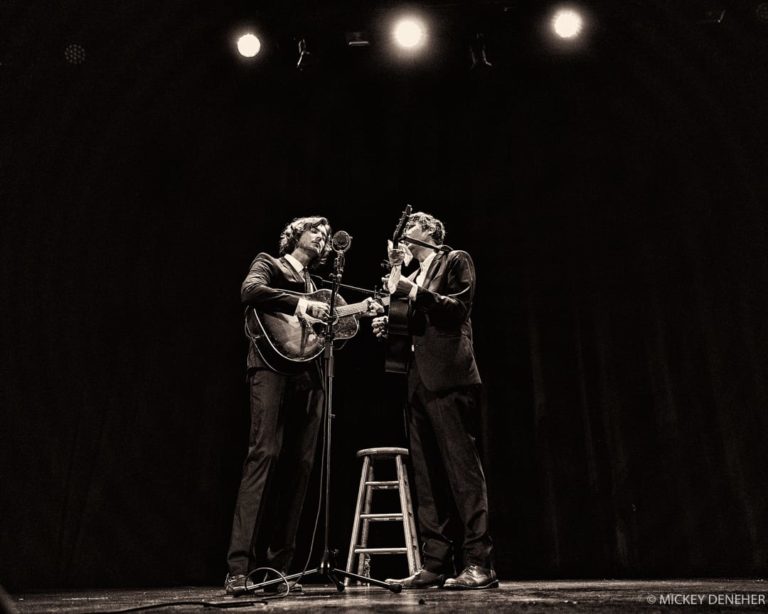
    Milk Carton Kids

    The well-crafted set contained a mix of songs, including those from 2018’s All the Things I Did and All the Things I Didn’t Do. Or, as Ryan put it to the audience, “ATTID and ATTIDD… for short.” Beginning with “Hope of a Lifetime” from 2013’s The Ash & Clay, the audience was lulled into silence by the Milk Carton Kid’s ability to envelop a space in rich, emotional soundscapes through Pattengale’s river-flow, unbounded phrasing, Ryan’s understated, sturdy rhythm and the pair’s seamless harmonies.

    They then moved into “Mourning in America,” a song which captures poignant and timely modern themes. Revealing in an interview with Entertainment Voice that the song encapsulates cultural, political and personal struggles, a tear or two was spotted while the duo crooned, “I hear their cries through my window, they’re mourning again in America.”
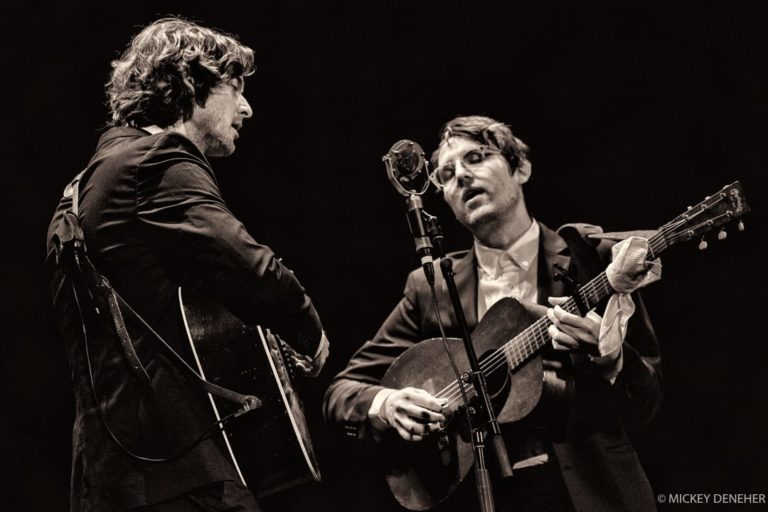
    Milk Carton Kids

    The duo was able to shift their energy from “Snake Eyes,” the soft, weeping, ode to death which once brought a tear to Marcus Mumford’s eye, to the rousing, joyful pace of “Girls Gather Round” and “Honey, Honey.” Across each song, Pattengale’s impressive lead guitar phrasing was both technical and deeply passionate. His penchant for sweeping, single-note melodies and exploring unique sonic twists by adding out-of-the-box flats, sharps and harmonics shared a particular expressive virtuosity. All the while, his playing was threaded together by Ryan’s patient and supportive rhythmic root note picking and strumming.

    Between songs, there was the schtick. Pattengale and Ryan have developed a reputation for combining music with the other aspects which make a performance so memorable — stage presence, banter, and maintaining a connection with the audience. Known for imbuing their shows with comedic tangents, their special chemistry in which they play off Ryan’s cool, confident sarcasm and Pattengale’s charming, observational wit had the audience laughing often.
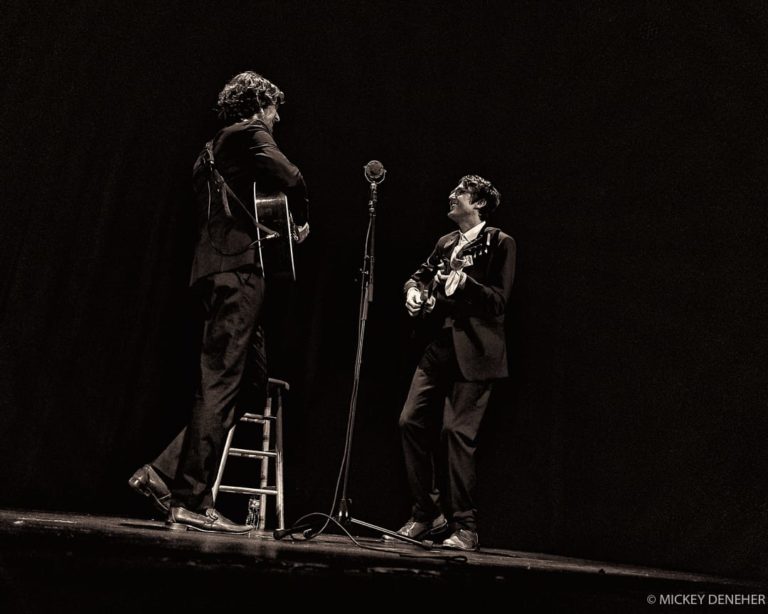
    This particular show included Ryan instructing the audience to put their hands up as he shared plans to include more hip-hop elements into their music (news to Pattengale), a conclusion to the tomato fruit vs. vegetable conundrum, and a particular exchange with a member of the audience accompanied by a service dog. Upon learning the dog’s name was “Daniel,” Pattengale quipped, “What’s your son’s name, Spot?”

    Not that they didn’t have touching, tender moments. After sharing Pattengale’s recent journey in which he successfully persevered through a cancer diagnosis and long-term relationship break-up, Ryan softly suggested, “Let’s play your cancer song,” as they transitioned into “Sea of Roses.”

    The duo is supported on tour by Vera Sola, an American/Canadian singer-songwriter, poet and multi instrumentalist who delivered a passionate and powerful opening performance, drawing from the moody, fingerpicking veins of Leonard Cohen. Sharing songs from her 2018 debut release, Shades, Vera Sola stunned the audience with strong, feverish storytelling supported by her unique voice which exhibited such a smokey, precise vibrato that it almost seemed like the microphone turned on and off every other second.

    The duo ended the night with an encore cover of Pink Floyd’s “Wish You Were Here.” Part of the reason the Milk Carton Kids are so enjoyable to see time after time is due to the earnestness in their desire to provide the audience with a complete experience, without asking for much in return. The only thing The Milk Carton Kids want you to do is listen, and maybe laugh, as they put everything, music and self, on display.

    Catch the Milk Carton Kids in New York again later in their tour. For the first time, they’ll also be working with Music Masters Camps by hosting their own summer music retreat and workshop series. Learn more about Sad Songs Summer Camp.

  • JJ Grey & Mofro bring Florida Roots to the Rocky Mountains and head to the Northeast

    Frequently I am asked what genre of music JJ Grey & Mofro falls under. I always find myself fumbling for words but end up with something like “bluesy, jazzy, Florida Swamp funk.” I am usually met with a perplexed look, and I always add, “You have to go. You have to see for yourself and then you’ll understand.”

    JJ Grey & Mofro

    I have watched this band grow, develop, and change over the course of almost 20 years. As a Jacksonville native myself, it was never difficult to find what was then Mofro floating around town from one venue or another. They were a bit gritty and unrefined in the early days but still put on a fun show. I moved to Colorado in 2004 and would see them any time they came near or when I returned to Florida. Their shows remind me of my roots and what I refer to as “the real South” — the South that most people do not know or understand. Their music would make me homesick and long for the days of Old Florida.

    Now that I am back in Florida, I still find myself traveling for their shows and encouraging any true music lover to do the same. Although Florida has changed, the group still reminds me of the Florida I grew up with – the food, the swamps, real people, and the deep soul. The current configuration of JJ Grey & Mofro is my personal favorite. Each musician is topnotch alone but when combined, the depth of their music knows no bounds. The fluid combination of these seven men is nothing short of incredible.

    JJ Grey & Mofro
    JJ Grey & Mofro getting “Janky” at the Upstate Concert Hall 10/19/17. Photo by Eli Stein

    I was fortunate enough to catch the final two shows of a rather long tour that ended in Boulder (Boulder Theater) and Fort Collins (Washington), respectively. Knowing JJ was sick as he entered these shows and had been forced to cancel the Frisco show the previous night, I wasn’t exactly sure what to expect. Musically, Colorado is a finicky area that has high expectations when bands roll into town, but I was cautiously optimistic as I watched them take the stage. They opened with “99 Shades” to “Sweetest Thing” and into “Somebody Else.” I scanned the crowd and saw a few mouths dropped as JJ belted out notes as only he can do. As the show progressed, the crowd was enamored with what they were watching as they sang and danced along. Always a personal highlight for me is the drum solo (Craig Barnette) for “Ho Cake”; it does not matter how many times I hear that song, it is always a little different and always fantastic. (If you don’t know what a Ho Cake is, check it out and make it! You can thank me later.) The show wound down with a little help from a few of The Commonheart members. Nate Insko (trumpet), Abby Gross (saxophone), and Lucas Bowman (keyboard) joined for an “Ol’ Glory” encore that did not disappoint.

    Prior to the Fort Collins show, I was speaking with guitarist Mike Minda from The Commonheart, and he said to me, “We love touring with them. We learn so much musically, personally. We admire them.” There was a bit of a student-master appreciation that I could hear while listening to him speak. As the show began, the Mofro band came out swinging to “Junior” with Dennis Marion (trumpet), Todd Smallie (bass), Marcus Parsley (trumpet), Craig Barnette (drums), Eric Brigmond (keyboard), Pete Winders (guitar), and JJ (vocals and whatever other instrument he can get his hands on). I could see the steam from the tea to help JJ’s throat, but if you couldn’t see that or didn’t know he wasn’t feeling well, you certainly would not have picked it up in his voice or enthusiasm. Fort Collins fans were treated to a smoking “Gal Young’en,” “Orange Blossoms,” and “Lazy Fo Acre” to name a few. As “Ol Glory” began for the second encore, Eric brought an unwavering depth to a song filled with soul that resonates with any music lover. One by one, the members of The Commonheart joined JJ & Mofro on stage for a third and final encore with “On Fire.” Seventeen musicians joining forces and not skipping a beat is no small feat. I know of very few artists who would even attempt to tackle such a challenge.

    Although I may always struggle to pinpoint a genre to appropriately describe what I would consider a music lover’s dream band, I can tell you: “If you haven’t been, go.” This is some of the best music out there right now. As they say, “Buy the ticket, take the ride.” You won’t be disappointed. As I overheard leaving Fort Collins, “It’s like being taken to church … you walk out better than you came in.”

    The Northeast is in for a special treat when they roll thru Port Chester, New York on March 1st with Big Head Todd and the Monsters.

    For your own taste of this Florida Funk visit their website and check out all upcoming dates around the Northeast.

    February 8, Boulder, CO

    Setlist: 99 Shades, Sweetest Thing, Somebody Else, Every Minute, Jookhouse, Fire Flies, Junior, Gal Young’en, Seminole Wind, Lochloosa, Orange Blossoms, Slow Hot Sweaty, Ho Cake, Shining Down

    Encore: Brighter Days, Ol’ Glory

    February 9, Fort Collins, CO

    Setlist: Junior, Everything is a song, Sweetest Thing, Circles, Every Minute, Florabama, This River, Gal Young’en, Seminole Wind, Lochloosa, Orange Blossoms, Lazy Fo Acre, Ho Cake, I Believe

    Encore: Shining Down, Ol’ Glory, On Fire

  • Interview: Mike Robinson Talks Debut Album, Railroad Earth Tour and More

    Last week, NYS Music covered staple jamgrass group Railroad Earth during the incredible northeast run of their 2019 winter tour. While all musicians put on a strong showing every night, one performer stood out in particular: Mike Robinson, special guest musician for the run that shined on pedal steel, guitar, and banjo.

    Many music fans may have discovered Robinson during this tour, or maybe already knew him from his days with the progressive grass outfit Jeff Austin Band. Yet, soon enough, the musical world will get to know the singer-songwriter in his own right, when he releases his debut EP, Clevidence, on March 7. Featuring five emotionally and sonically rich songs, Clevidence comes as a great introduction to not only Robinson’s prolific talent across a number of instruments, but also his natural affinity for songwriting and singing.

    mike robinson

    The album’s release on March 7 will be celebrated with a special performance at Owl Music Parlor in Brooklyn NY, with singer songwriter Emma Frank opening up the show. In anticipation of the date, NYS Music talked with Robinson about the making of the record, his musical upbringing and more.

    Miles Hurley: My first question is on your experience with working in the studio. Being that Clevidence is your debut solo EP, was the making of this album a new kind of experience to other recording stuff you may have done in the past?

    Mike Robinson: Recording almost all of this project at home was a big departure from other studio experiences I’ve had. I was able to give everything the time it needed without the pressure of the clock that comes with being in an expensive studio. I find that in fancy studios with high hourly rates I am never I able to fully relax. Doing a majority of the recording in my home studio in Brooklyn made it possible for me to focus on the nuances that might have been otherwise overlooked.

    MH: One thing that stands out on the EP are the lyrics, which are pretty intense throughout. Do you feel like you were able to express the ideas or messages behind the songs in the way that you wanted?

    MR: In the process of writing, I found that using hyper-specific language was a potent way to paint a clear picture of an emotional situation. My goal was to give a listener clear mental images to hold on to. I think the specificity of the lyrics contributes to the ability the songs have to convey an emotional message. This can make things seem especially intense and revealing personally, but not sharing the whole story would feel fake. Songwriting is cathartic for me and can be super helpful for me if I’m struggling in my life. Hopefully it can also be helpful to listeners struggling with their own experiences.

    MH: Listening to “How Do You Know” in particular, I’m interpreting a sense of something like self-doubt, or worry. Would that be a close guess? Could you comment on what this one means to you?

    MR: “How Do You Know” is about a generation that is terrified, broke, and leaning on substances to deal with it. I’m twenty-six and I’m struck by how many conversations I have with people my age evolve to this conclusion. I don’t want to get into the politics of the specific things that could be to blame for a generation wide problem, but I do want to address that it is a real thing that many people are going through. From lack of health insurance, to being buried in student loan debt, to facing an uncertain collective future, there is a general sense of uneasiness in the air. And I see those around me relying on substances to cope. I don’t know if these are new problems. I just know that they are real ones.

    MH: The range of instruments you perform, in general and on this record, is nothing short of impressive. Did you develop an interest towards learning these instruments around the same time in your life, or has your progress as a multi-instrumentalist been more spread out across your career?

    MR: My dad plays a few instruments so I grew up with guitars, fiddles and mandolins around. My older brother played bass and drums in high school and my grandpa is a classically trained pianist and even played the cello for a while. I started guitar at age six and it has always been my main instrument. But being surrounded by different types of instruments, I wanted to learn how to play more of them. My first serious double was banjo which I picked up around 15. I didn’t become interested in the pedal steel until a few years ago, but I really got into it. That thing will make you crazy! I was listening to these lush records from the 60s and 70s and wanted to be able to relate to those sounds on a deeper level.

    MH: Follow-up question to that, asked by a non-musician interviewer: how hard is pedal steel to learn?

    MR: My cousin is studying to become a helicopter pilot and it sounds similar to that with lower stakes. The toughest thing for me was to be able to establish independence in all of my limbs. your left leg is responsible for 3 or 4 pedals and 2 or 3 levers, right leg is on a volume pedal and 2 levers, right hand is picking and stopping strings from ringing and the left needs to make sure the bar is in the right place and in tune. Physically, it’s a very complex instrument to master. While it’s also challenging mentally, it would be even harder if you are a non musician to start. Most of my knowledge came from guitar and I was able to transfer the theory to steel.

    MH: There are some great harmonies on the album. Can you give a little background on who’s there with you?

    MR: I sing all of the lead and some of my own harmonies, most of the female vocals are an amazing singer and composer based in Brooklyn named Emma Frank with the exception of “How Do You Know” which is sung by Abby Hollander.

    MH: Speaking of the pedal steel, it sounded great in the Railroad Earth setting—I caught The Egg show and you sounded fantastic! You’ve been on tour with the band and have performed many shows with them now. Can you speak a little to what that’s been like? Has playing with them met or been different from any expectations?

    MR: I did three shows with them that week: Albany at the Egg, Boston at the Wilbur, and the Capitol Theater in Port Chester. That’s been it so far, but I will play with those guys whenever they want. That band and crew are incredible. The songs are great, the players are great, everyone was very supportive and positive. It was a complete lesson in how the business is done and how to keep the music as the focus. The fans are some of the most genuine music fans I’ve had the pleasure of playing for and I would be very fortunate to do some more work with those guys. One of the highlights of my career so far, without a doubt.

    MH: You moved to New York at an early age, and is where you are based now, if that’s correct? Have you found NYC to be a fruitful creative environment towards your career as a performer or songwriter?

    MR: I’m from Colorado. I moved out here at 18 for college. I was pretty overwhelmed by the city but determined to study with all the inspiring New York musicians I grew up listening to. I had every intention of moving right back home to Colorado when I was done with school but right about when I graduated I had just started seriously gigging in New York. I decided to give being a full time freelance musician a try for a few months. One thing led to another and I found myself living with some of the most inspiring musicians in my generation, touring in several bands and growing as an artist. My life was working too well that I didn’t have a compelling reason to leave. I’m constantly pulled towards a the desire to live somewhere more calm and connected to nature. But 8 years later, New York has yet to let me down in the ways I’ve feared.

  • Back to the Garden: ‘Barefoot in Babylon’ – the definitive book on Woodstock

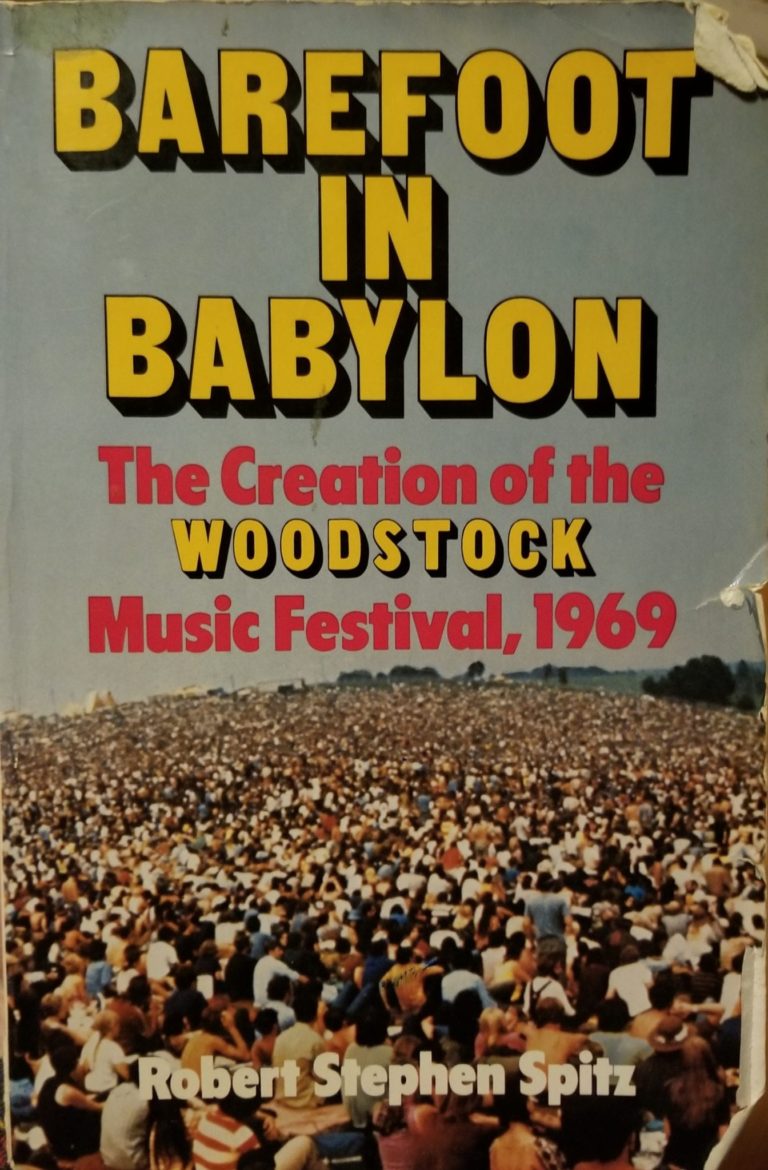
    “Woodstock never happened – it was planned.” This phrase sums up the massive effort put into the original Woodstock music festival, and after reading Barefoot in Babylon, you’ll see how much planning, including last minute changes of venue and crises both big and small, went into making Woodstock a pinnacle event in American music history. For those who enjoy a good music festival, there is perhaps no better publication recounting the extreme detail that went into planning this generation-shaping event than Barefoot in Babylon: The Creation of the Woodstock Music Festival, 1969.

    barefoot in babylon

    In reading the 1979 history of the festival, one notices not only the culture of the late 1960s and the prevailing anti-war attitude in the nation, but also the minutia that we commonly overlook when we go to a festival.  Food, security, fences, water, stage set-up, the performers, traffic, bathrooms, medical assistance, and just the all-around aura of each festival is given a full treatment in Barefoot in Babylon.  As problems arose, sleep was lost, people ingested bad acid, a few deaths occurred, camaraderie was had between people from every part of the country, and memories were all that was taken. And a movement of music festivals around the country took on new life.

    The struggles that Woodstock Ventures had in securing the site is a recurring theme throughout the book as they are constantly told there is no room at the inn. Various townships, including Wallkill, found ways to prevent the festival from taking place with only weeks to go before fans arrived.  There is an overwhelming feeling that you are there, and can visualize every moment of the festival, how the stage slipped 6 inches during a torrential downpour, security extorting money from the festival producers, possible mass-electrocution, and the National Guard waiting on standby for what they thought would be a major health crisis.  Regardless, the festival went off, hitches and all, and the legacy of the efforts of two hippies and two businessmen culminated in a weekend we continue to experience in spirit when attending music festivals each year.

    Barefoot in Babylon is meticulously researched, with Spitz working a decade after the festival ended and working tirelessly to track down every member of the original staff that could be found. Stanley Goldstein, headhunter and campgrounds coordinator for the festival, was a major asset to Spitz, identifying and helping to connect him with staff so that he might jog their memories, and then, painstakingly, piece the stories together chronologically. Musicians including Richie Havens, Country Joe McDonald and more filled in behind the scenes details, with a full view of every detail of the planning of Woodstock extensively chronicled.

    Tracking down a copy of this book takes some effort, as the book is out of print, but online retailers have used copies for sale.  500 pages doesn’t seem like enough to tell the whole story of Woodstock from conception to cleanup, but every moment, every individual, every problem that arose – and there are so many, you’ll be shocked they pulled it off – are all documented with great precision.

    Barefoot in Babylon is written by Bob Spitz, author of The Beatles: The Biography, and whose most recent book, Reagan: An American Journey., is now available.

  • Pink Talking Fish Burn Down The House with Junta Circus Spectacular

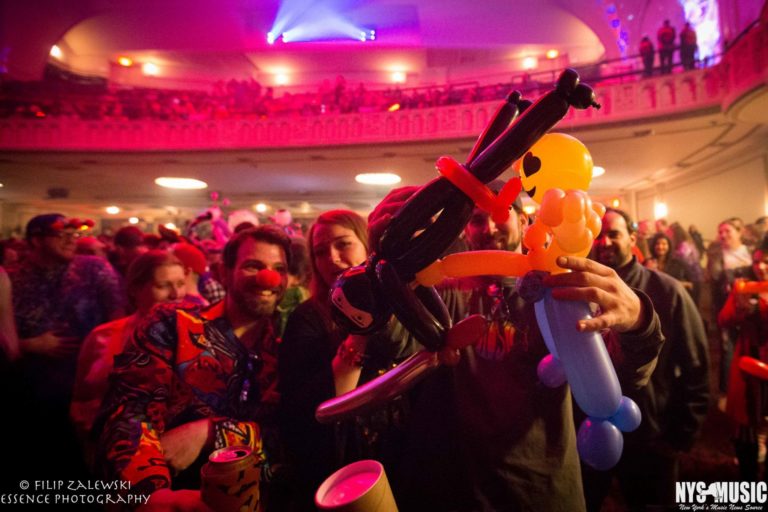
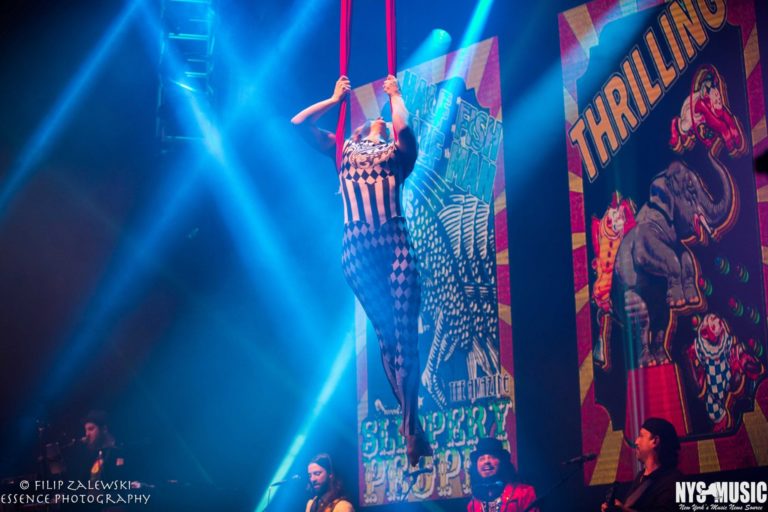
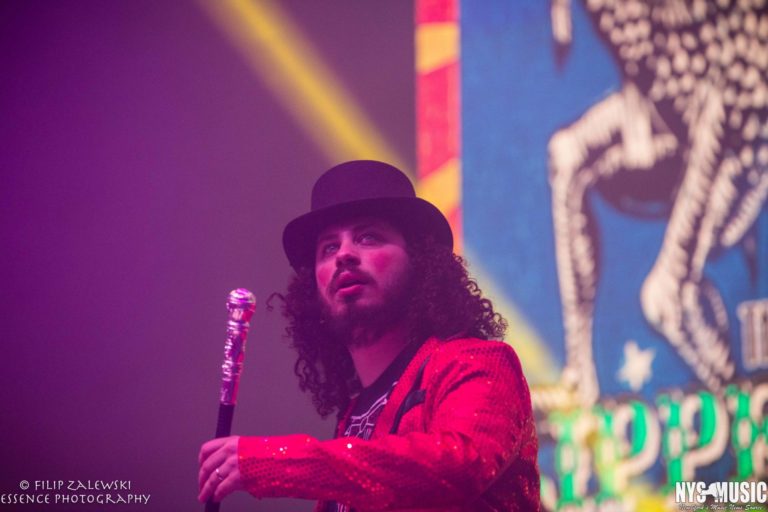
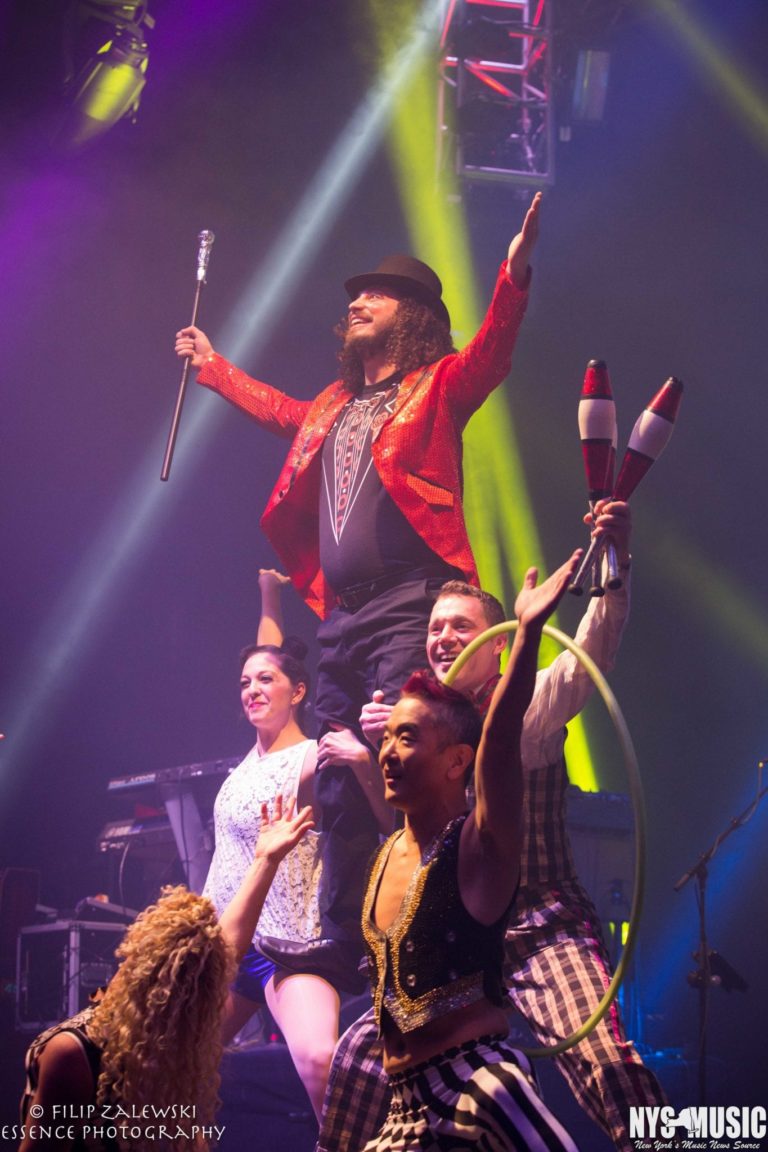
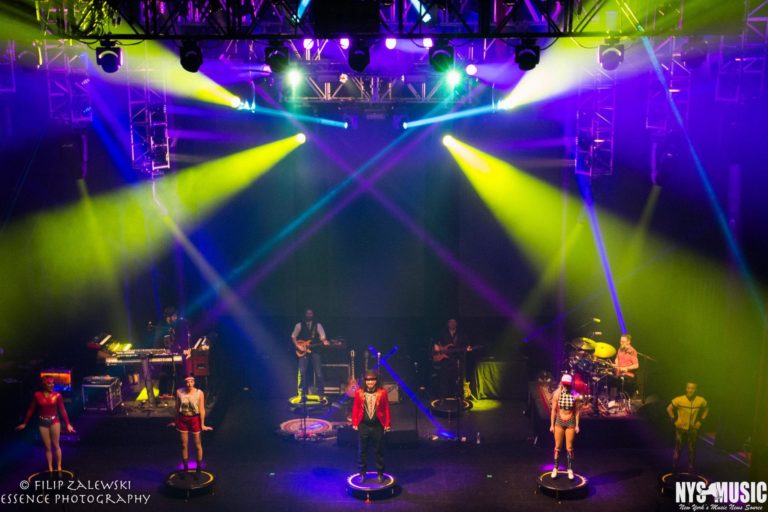
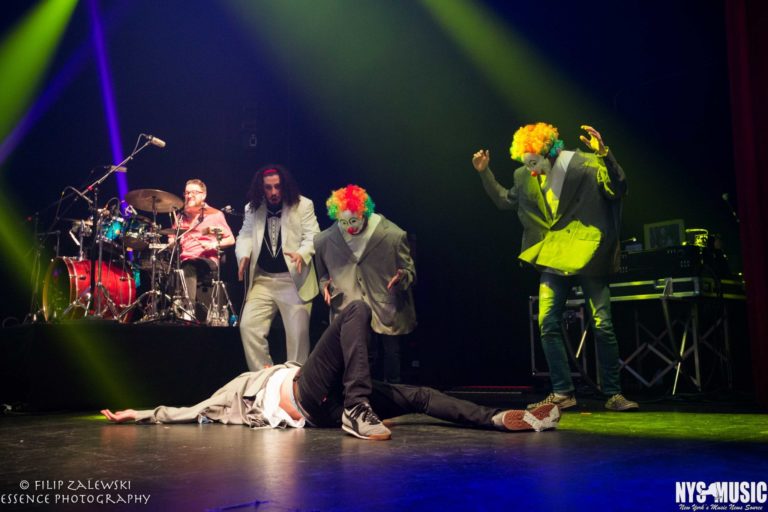
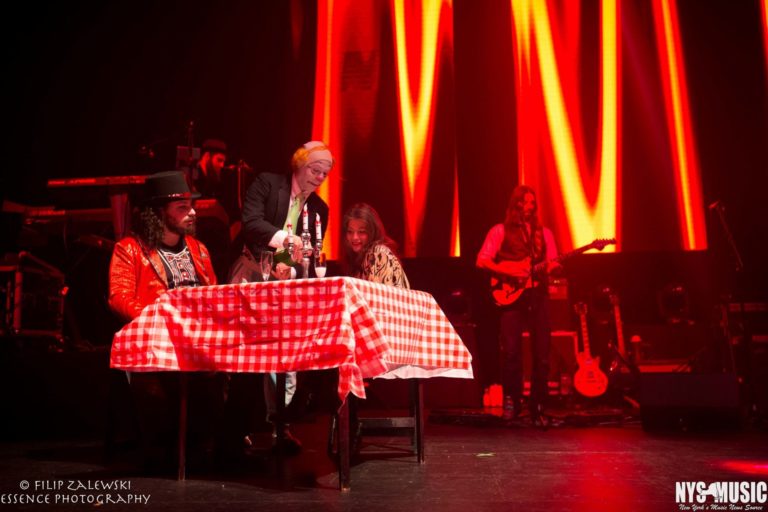
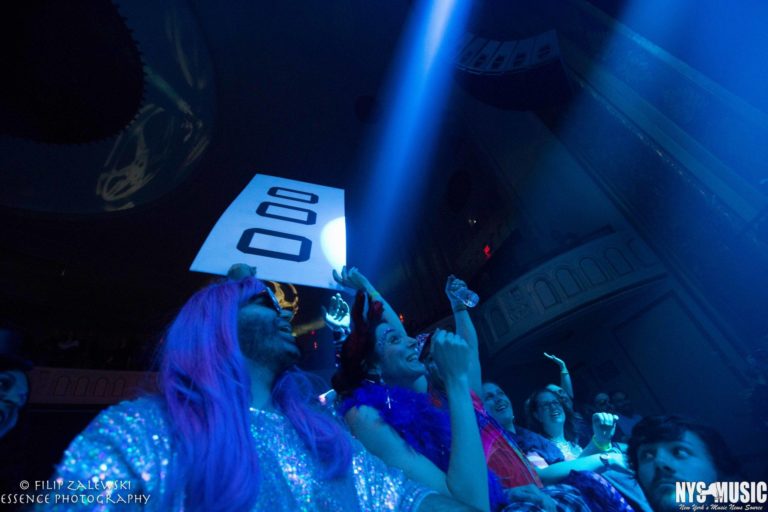
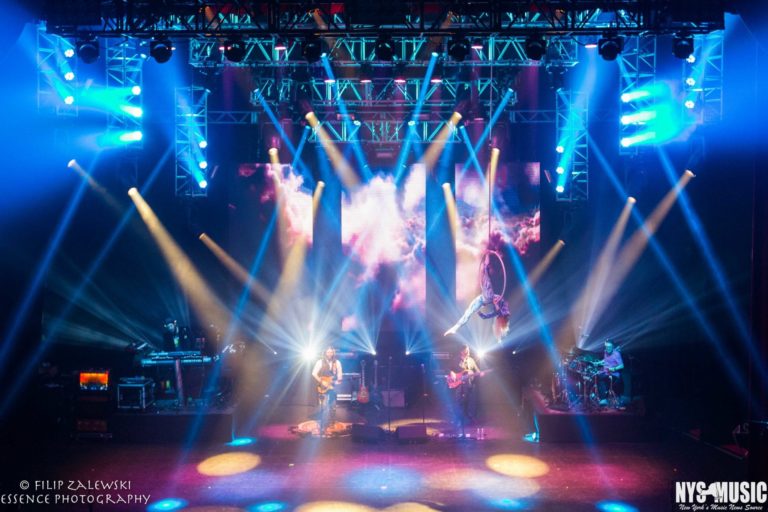
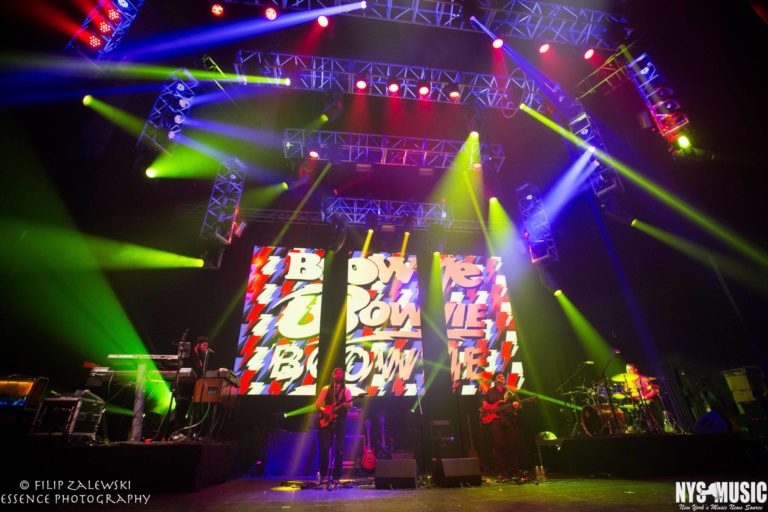
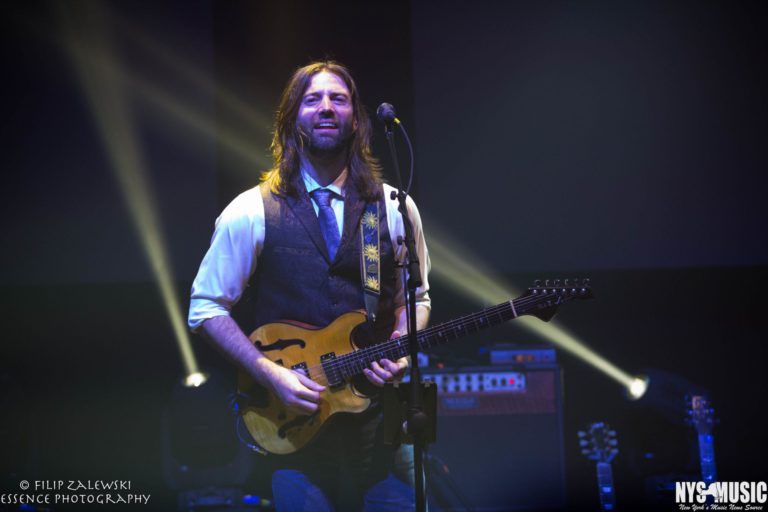
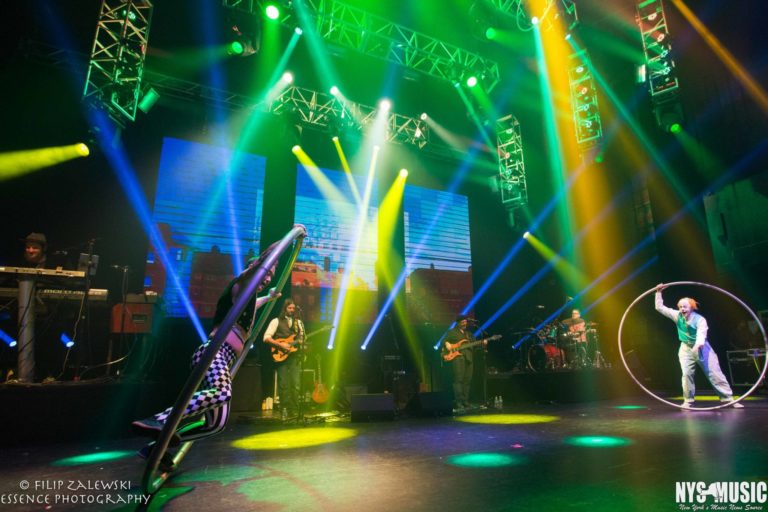
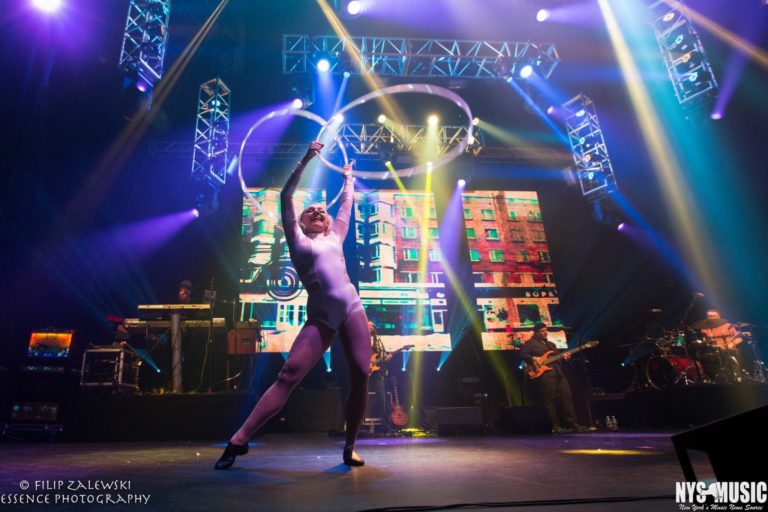
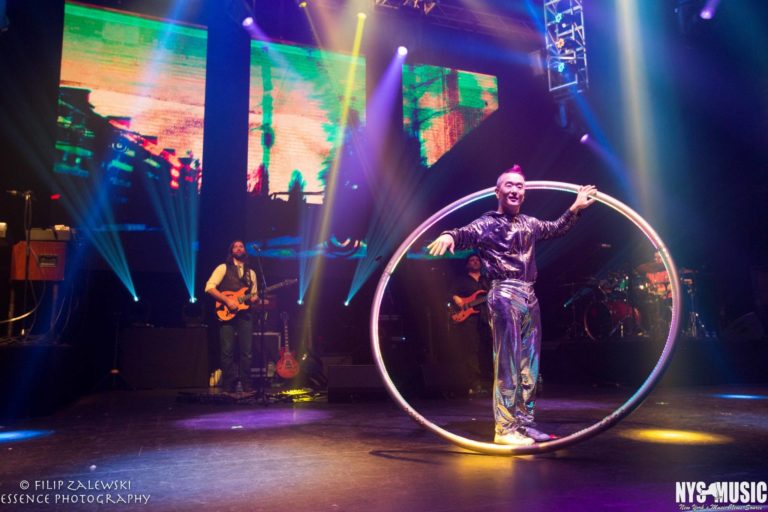
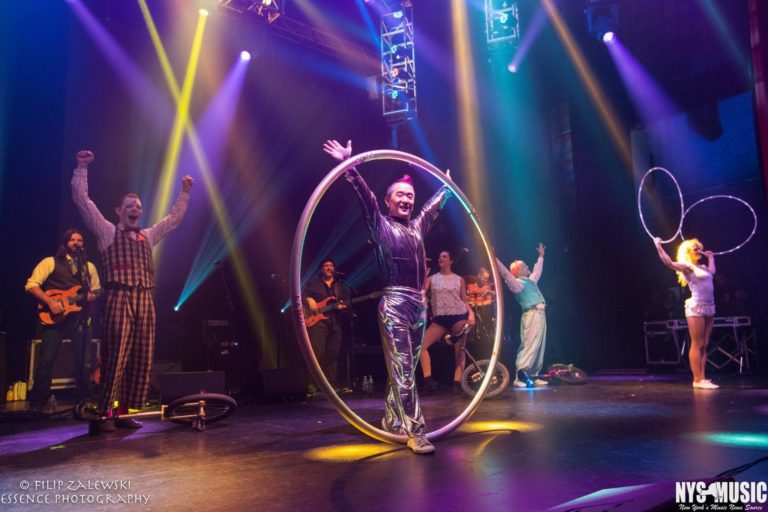
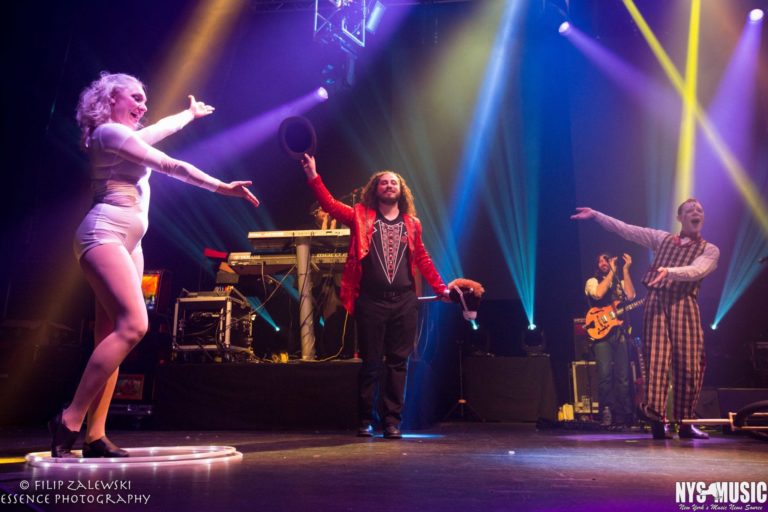
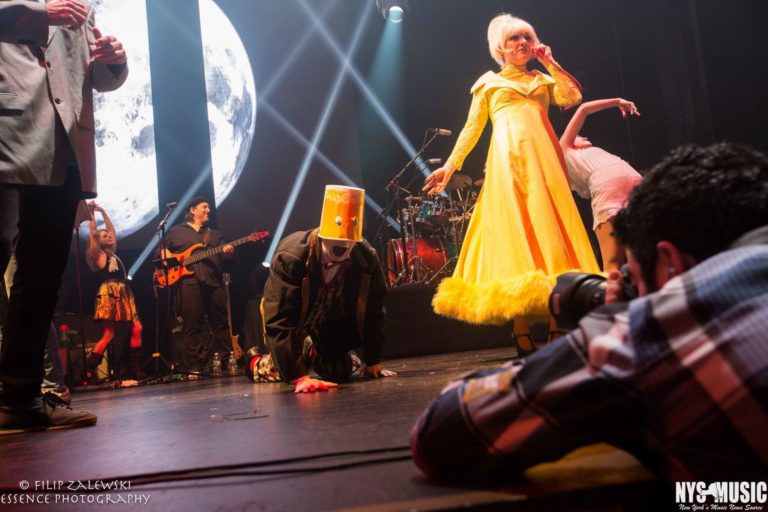
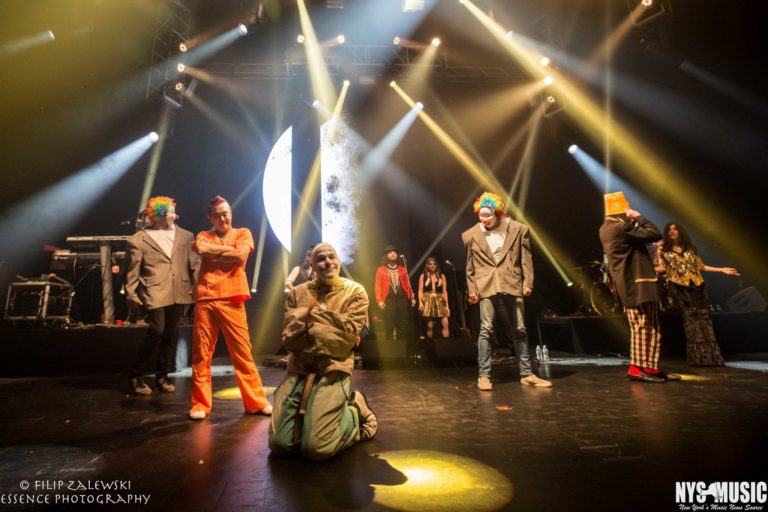
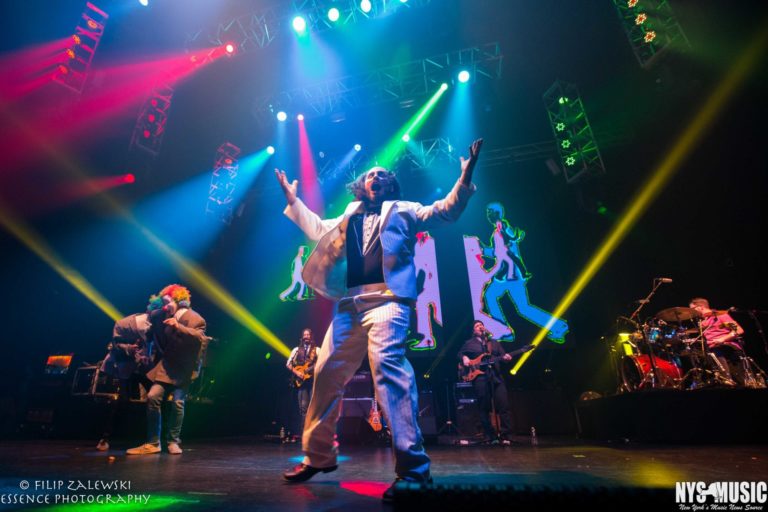
    Pink Talking Fish literally brought the circus to the Capitol Theatre with Greg Ormont from Pigeons Playing Ping Pong stepping in as The Ringmaster. There was talk of circus performers and antics happening during the show, but what occurred can be described as nothing short of a spectacle!

    Scrambled Greg was the perfect fit for the role of ringmaster. He stepped up whole heartedly and was silly, incredibly enthusiastic and hilarious. It appeared that he was having the best time out of anyone in the theatre. Greg sat in on guitar for a couple of songs, doing vocals on “Icculus” and even manning a trampoline during “You Enjoy Myself.”

    Pink Talking Fish burned down the house with an incredible musical performance featuring amazing takes on Pink Floyd, Talking Heads and songs off Phish’s Junta including “Y.E.M,” “Divided Sky,” “David Bowie,” “Fluffhead” “Fame,” “Foam,” “Dinner and a Movie,” “The Great Gig in the Sky,” “Brain Damage” and so much more. There was even a memorable sit from Ben ‘Junta’ Hunter, the first manager of Phish.

    The Big Apple Circus featured an eclectic group on incredibly talented performers featuring clowns, aerialists, and a woman who could hoop ten-thousand hula hoops. The circus kept the show incredibly visually stimulating while PTF kept the jams going all night long.

    Seems that this display is a notch up for PTF. Undoubtedly, this show took an immense amount of preparation and coordination by everyone involved from lighting designer to clown. They’ve showed that with a lot of dedication, with the power of music, and a little help from your friends incredible spectacles can be created.

    “The circus is the place for me with bears and clowns and noise. I love the shiny music that descends from overhead”.

    Pink Talking Fish: Junta Circus ft Greg Ormont 2/23/19

    Set 1: Fee > Once in a Lifetime, You Enjoy Myself > Learning to Fly > You Enjoy Myself, Free Four, Esther, Life During Wartime, Golgi Apparatus

    Set 2: Foam, Have a Cigar, Dinner and a Movie, Cities > Divided Sky > The Great Gig in the Sky > Divided Sky > David Bowie > Fame > David Bowie, This Must Be The Place > Fluffhead > Contact, Union Federal, Brain Damage > Sanity > Brain Damage > Eclipse > Icculus

    E: Burning Down The House

    Photos by Filip Zalewski of Essence Photography

  • Hearing Aide: Joe McCann ‘Chase the Sunset’

    Places, moments and memories seem to be muses for Chase the Sunset, the instrumental guitar-centered album released by Joe McCann on January 1. Hailing from Upstate New York, McCann is a studio based BMI artist and multi-instrumentalist with a love of melodic, ambient and evocative sounds.

    In his first release of original material, McCann explores various ranges of mood and tone. “East Berlin Bridge” features a swaying melody over jazz-influenced chords and rhythms, while “Cool Breeze” explores wavy, echoing guitar effects over a light, almost shoegaze-influenced sound. The moving, soft quality of “Cool Breeze,” along with the sunny, pleasant mood of “Fingerwalk” invites listeners to sit back and momentarily let McCann’s soothing guitar serve as the backdrop to the day’s activities.

    McCann exhibits a clear passion for setting scenes with his music as he places us in a barroom evening with “Double Duty,” or drops us in the middle of a person’s quest for ascension in “Chase the Sunset.” Following this stripped-down debut, it will be interesting to see McCann expand his musical universe with other instruments or even vocals in his next release.

    Key Tracks: Chase the Sunset, Dwell, Cool Breeze


  • Hearing Aide: Consider the Source ‘You Are Literally a Metaphor’

    Consider the Source’s sixth studio release, You Are Literally a Metaphor is a creative picaresque, flushed with cultural influences, brought together in a thrilling narrative of layered instrumentation. The title, not to mention the playing, invites a literary reading and the expansive territory it explores, invokes the realms traveled by a surreal “hero” in an epic tall-tale of love, loss and weird trips around the sun. The real-ish universe stages a synastry of sketchy archetypes, faceless figures with obscure motives whose actions we recognize. You are Literally a Metaphor is a totem of the band’s figurative playing, evocative songwriting, and exacting range. It is musical treasure trove too rich for a non-musician’s explication, that journeys expressively through numerous genres, wistfully transitioning from prog rock to jazz-fusion, Middle Eastern sci-fi and blues over the course of nine tracks. “Sketches from a Blind Man” opens the album with painterly, cinematic playing, provoking listeners to see scenes from this cryptic odyssey as they unfold. The sound is atmospheric and spacey, imbued with foreboding and a breakneck beat. The chase is on, as guitarist Gabriel Marin, bassist John Ferrara, and drummer Jeff Mann, compete in a frenetic dance of ecstatic playing, weaving intricate lines into complex progressions. “The One Who Knocks” is a song akin to the work of Primus, and Bela Fleck the Flecktones, that spins folksy guitar lines and lean bass leads into a dark, heavy march, eventually escalating into a turbulent guitar section, before turning gracefully toward a triumphant, soaring conclusion. “It is Known” is a wild cruise. It begins as a red-eyed, breezy ballad with a hint of the blues, reminiscent of The Flaming Lips, but it lurches into a moody groove, ả la Eddie Hazel, before finally shapeshifting into a speed rock meltdown that recedes into blissful contemplation. The dignity with which CTS so casually blends these traditional elements with their own math rock sensibility, daredevil technicality, and genuine style, all while connecting each track purposefully with the others, is proof that Metaphor represents a peak for the band.

    Playing Twister with genres and influences seems to be Consider the Source’s way of taming the art of songcraft. These tracks sound like stories: rooted in place, with a beginning, middle, and end, repeated themes and motifs, and the hint of emotional development. Taking advantage of the familiar rituals inherent in a given genre provides CTS with the canvas on which they sketch their impossibly skillful illustrations. “When You’ve Loved and Lost Like Frankie Has” is a refreshing take on the blues. Mournful leads linger over an alluring pocket and hip-hop beat, as the tune’s bluesy restraint coolly displays the profound sadness portrayed in Marin’s playing. “Enemies of magicK” is a fitting finale to Metaphor, as it highlights CTS’s prog rock prowess, bringing the album to an anthemic close, while also recapitulating many themes, changes, and elements developed over the course of the album.

    You are Literally a Metaphor is a project articulated in full, an album seemingly without misstep or omission, on which the playing is peerless and without arrogance. The songs are delicately arranged and wisely executed. It draws on influences ranging from Mars to the Middle East, from Mississippi to Mahavishnu, from Dixie Dregs to King Crimson, and from ELP to epic psychedelia, but over the course of the album, it is Consider the Source’s immense originality and intrepid style that ultimately shines with the highest definition.

    Enemies of magicK,” the first single from the album is available to watch, below. The full album is set to release March 1, on all digital platforms.

    Key Tracks: Enemies of magicK, Sketches from a Blind Man, It Is Known

  • The Great South Bay Music Festival Announces Lineup

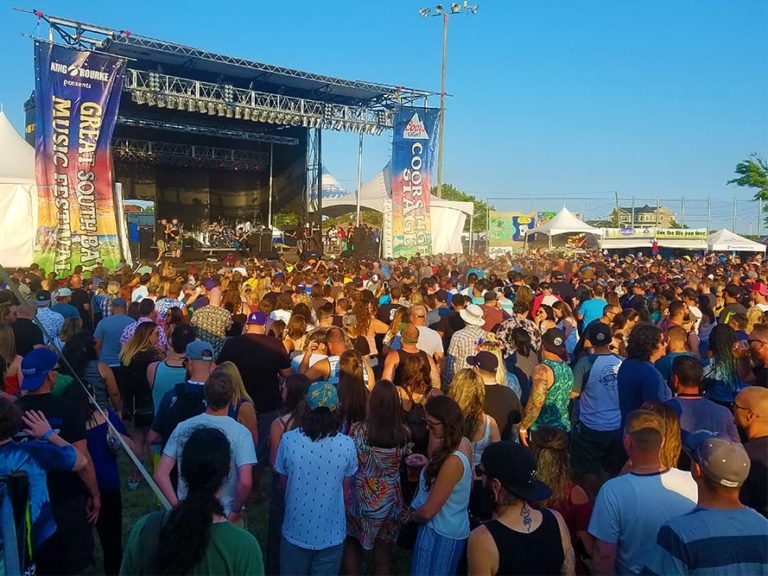
    The Great South Bay Music Festival is one of Long Island’s longest running music and arts festivals and have just released their lineup. Long Island’s own Taking Back Sunday kicks off the festival with Glassjaw returning as well. These two bands will be joined by ten other artists on two different stages.

    Supporting are Scranton rockers, The Menzingers, and ex-My Chemical Romance and Leathermouth guitarist Frank Iero with his new band, frank iero & the future violents.

    Great South Bay lineup

    Headlining Friday is genre hopping reggae rockers, Slightly Stoopid, along with Sublime with Rome, SOJA and Common Kings.

    Saturday and Sunday fest lineup announcements are upcoming, promising to serve up more classic and contemporary rock, roots, jam and Americana. This should be coming in the next week or so.

    Celebrating its 13th. Anniversary, the four-day Great South Bay Music Festival runs from July 18, through July 21, and will feature a lineup of over 65 performers on four stages, in classic and contemporary rock, punk, indie, jam-band, reggae, and funk genres. The fest will boast multiple craft beer and wine tents, an artisan and craft market, and food court offering a diverse gourmet menu of funky and healthy fare.

    Tickets for Taking Back Sunday, Glassjaw, The Menzingers and frank iero & the future violents are on sale to now. Ticket price includes all concerts and entertainment. Food & beverages not included. Children ten and under are free, except for the Sunday children’s concert

    Festival Times

    Thursday, July 18: Doors are at 3:30 p.m until 10 p.m.

    Friday, July 19: Doors are at 4:00 p.m., until 11 p.m.

    Saturday, July 20: Doors are at 1:00 p.m. until 11 p.m.

    Sunday July 21: 11:00 a.m. doors for Great South Bay’s annual Kids Concert

    Sunday Regular Fest Ticket holders: 1:30 doors until 10 p.m.

  • Hearing Aide: Bruiser and Bicycle ‘Woods Come Find Me’

    This is Bruiser and Bicycle’s second stab at an album and they have found something worth sticking to. Nick Whittemore and Keegan Graziane decided to make a change of tone and left their first albums, post-punk basement-core group with dark undertones and synesthetic lyrics, as they described it on their Promo Juke Box page. Now, they are pursuing an indie, psychedelic and eccentric writing style that keeps the album spicy and plain fun to listen to.

    They burst out of the gates with a quintessential indie and energetic tone in “The Train,” which is broken up by odd vocals choices. As for as an intro goes, it’s definitely exciting but feels like a big tease. A huge build up, and then drop off. No big jumps or launches. But listen on and you’ll see it’s not their style.

    “Casper” moves into their straightforward, folky roots and we begin to realize how their vocal style and tone separates this group from others. It’s not too deep in terms of production – we hear straightforward instrumentation, but also an omnidirectional and engaging sound. The duo showcases their lead guitar skills with a call and response from two very different voices. Static and distortion precedes a clean and spacious sound but both work over just the a-persistent, folksy guitar riff. It’s brilliant!

    “Woods”  is about as mainstream as the group gets. Without the electronic and quirky touches, we can see how well tuned into the music industry these two are. They know what works and they can recreate popular sounds but make it their own. That’s not a skills everyone has. However, we find ourselves on the other side of the spectrum with “Yonder”  – it’s an acid trip compared to “Woods.” We get very trippy and lazy vocals, omnidirectional and experimental instrumentation and some guitar licks that are plain discomforting. Lets just say the chorus isn’t something you’ll be whistling along to at work.

  • Steve Vai to hold Vai Academy 5.0 in Glen Cove

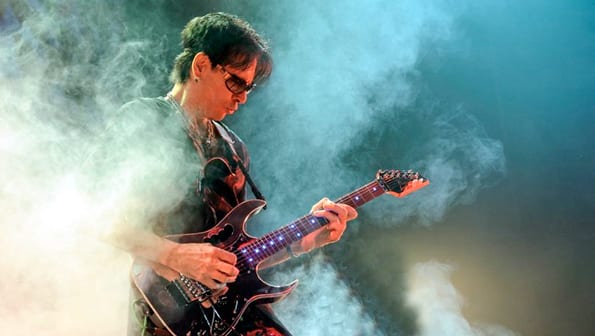
    Guitar legend Steve Vai’s annual four-day-and-night guitar clinic Vai Academy returns to The Mansion at Glen Cove on Long Island July 29 – Aug. 2.

    Featuring Vai leading classes and workshops, the event will include appearances and classes from amazing guitarists, including Joe Satriani, Andy Timmons, Devin Townsend, Larry Mitchell, Plini and more. Vai Academy 5.0′s schedule features a wide range of guitar-related activities to improve your guitar skills, including a special focus on signal path, effects and achieving the sound and tone guitarists crave.

    If you’re not a guitar virtuoso, no worries; The Vai Academy is an event for players and music-lovers of all ages, levels, interests and tastes. Whether you are a master player, a beginner, or just an enthusiastic fan, the four day program offers activities and workshops for everyone. The environment is non-competitive and is strictly about immersing oneself in the joys of music.

    Vai AcademyAs intimidating as Steve Vai can be (just watch the ending of the movie Crossroads starring Ralph Macchio below), attendees should feel welcome. “One thing that I think makes Vai Academy so special is that I jam with each and every attendee,” Vai shares.

    “This might be my favorite aspect of the camp. Connecting with another person on a musical level is an intimate space I love embracing. We musicians are always learning something on some level, and I believe I learn something every time I jam with a student, no matter what level they are at. I can make music with someone even if they show up with a dime and a rubber band.”
    Register here.

    This article was originally published by Under the Radar – Covering the Long Island Music Scene and appears as a special to NYS Music. Under the Radar and NYS Music work in partnership to provide readers with in-depth coverage on the local music scene across Long Island. For more, visit BreslauBombers.com.