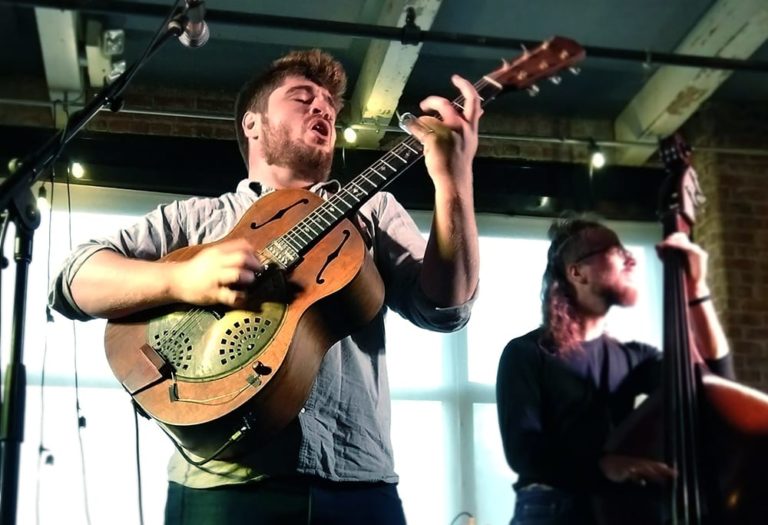
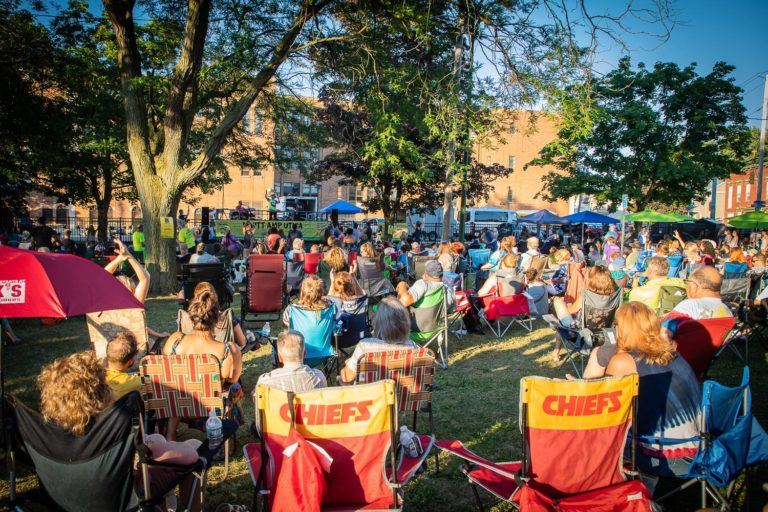
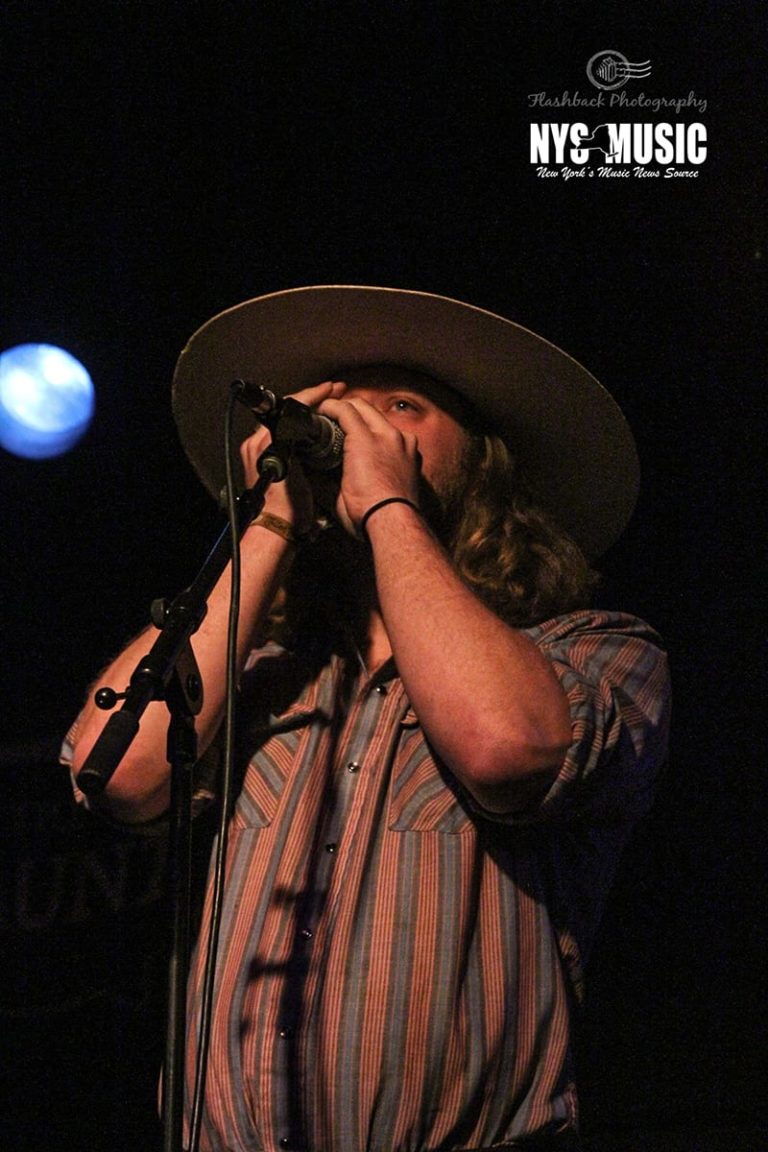
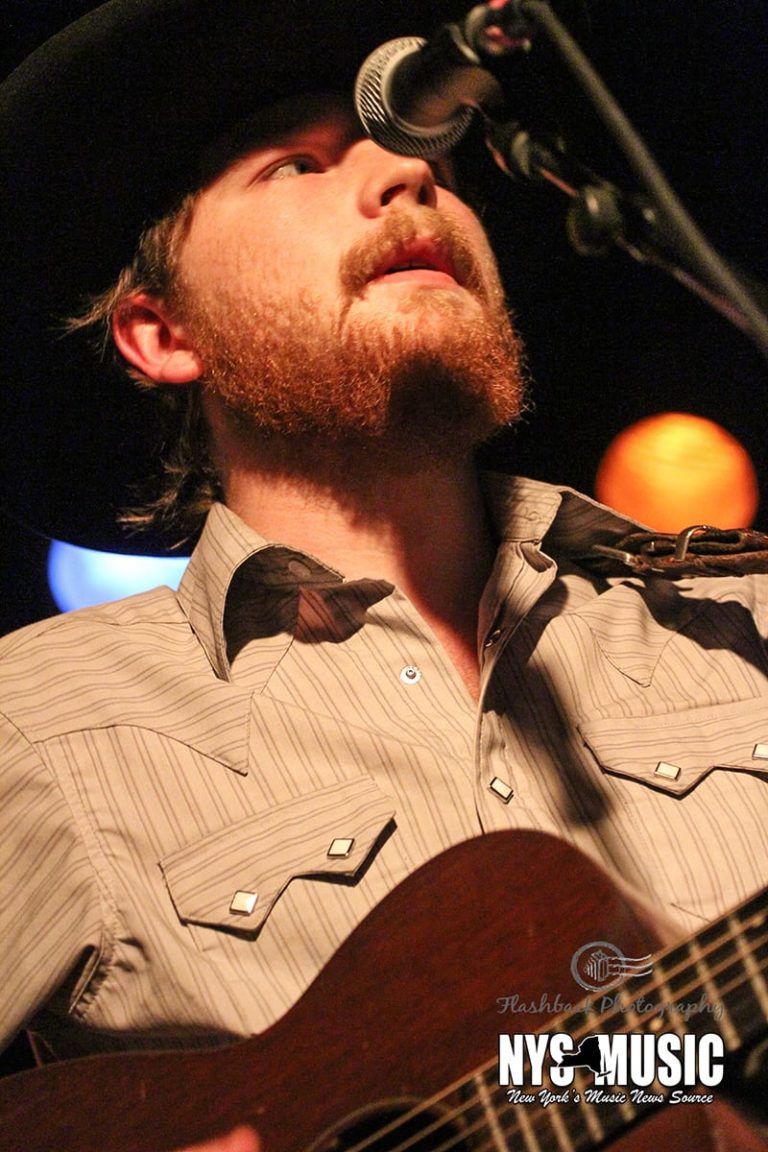
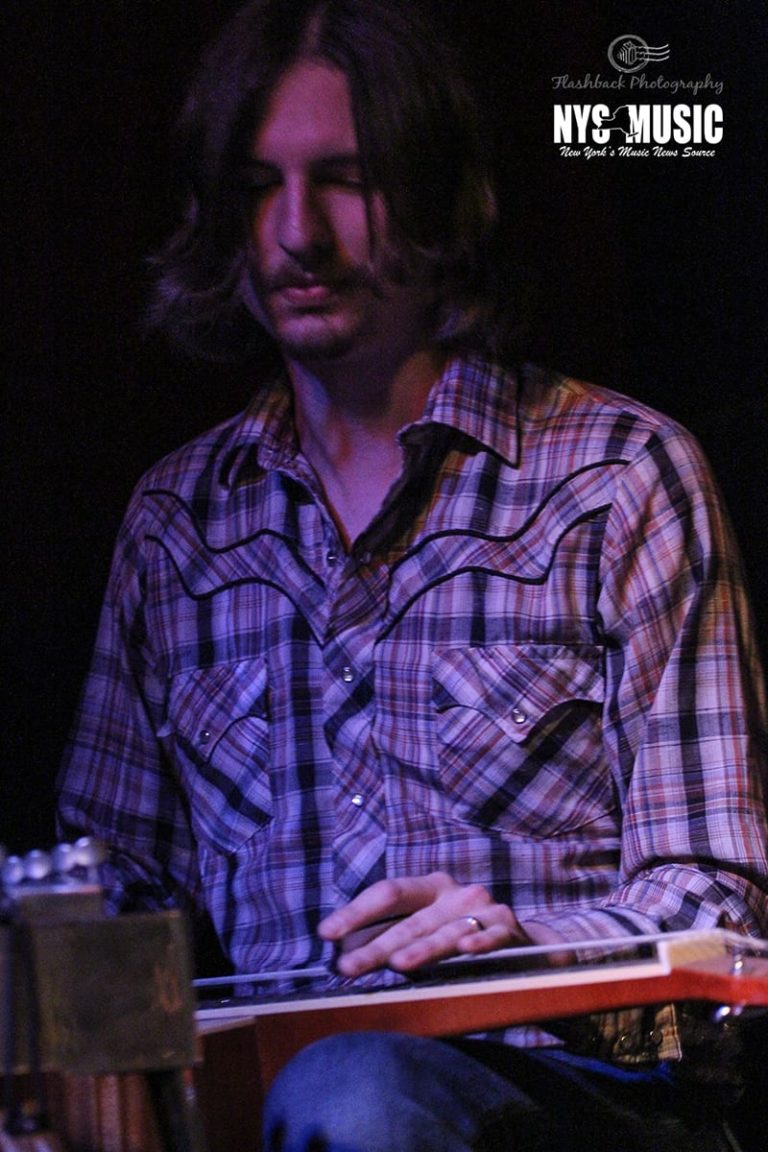
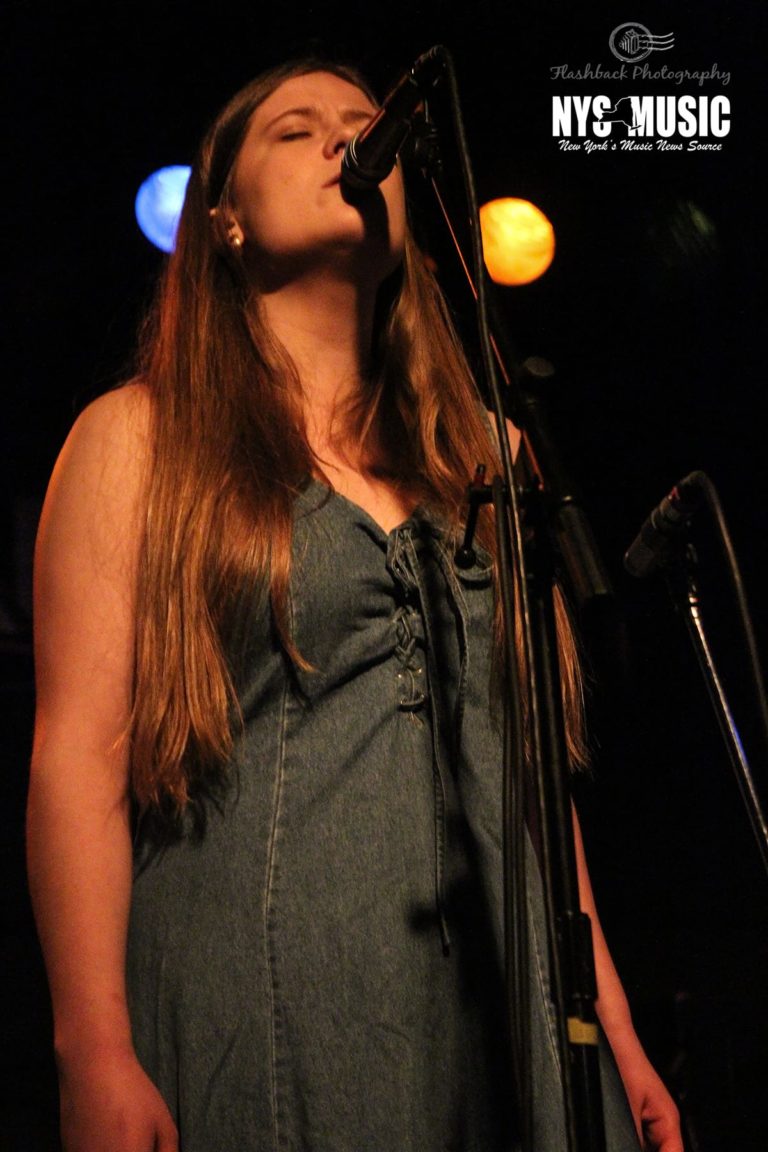
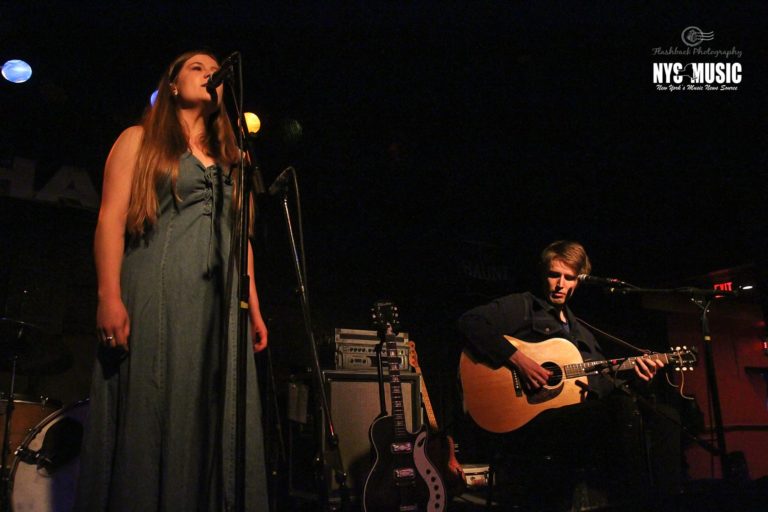
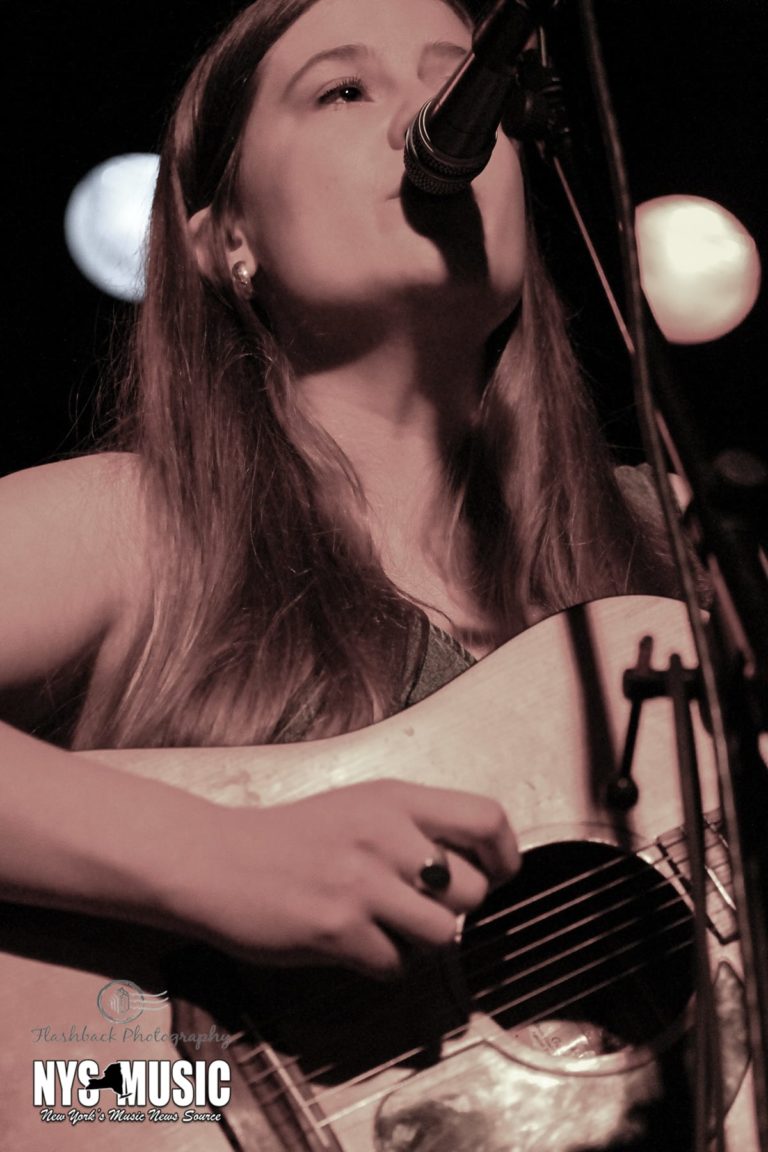
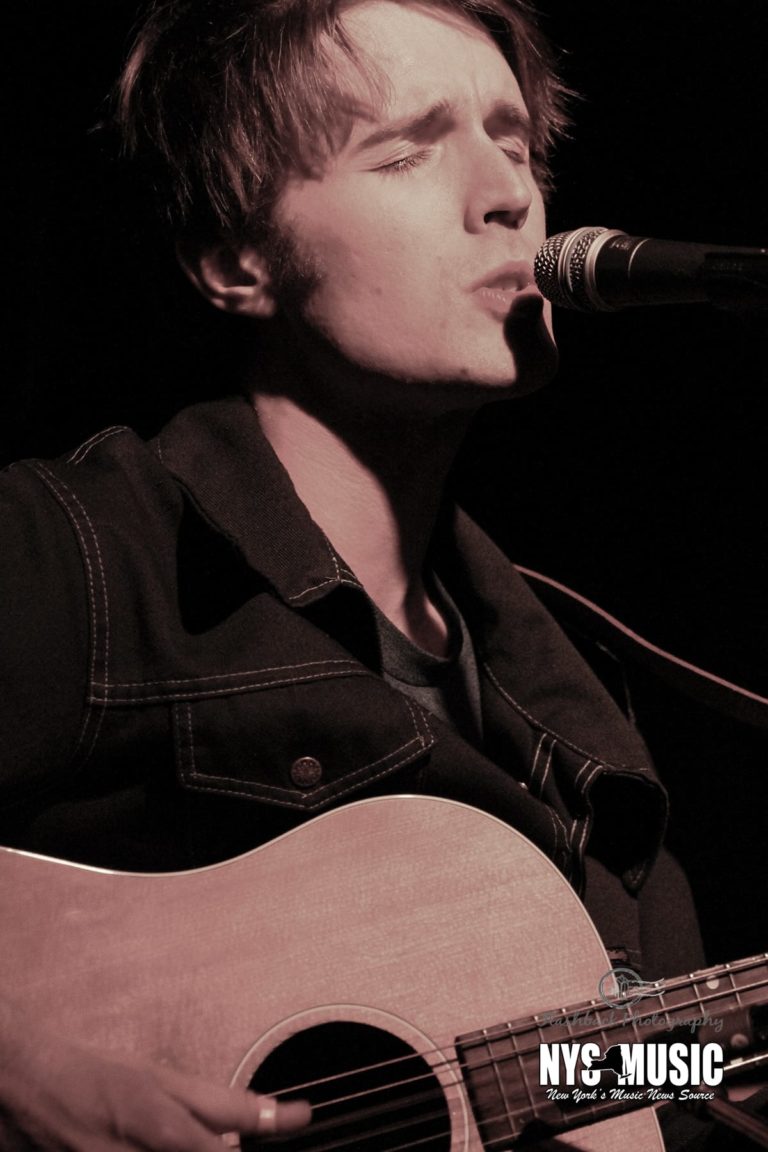
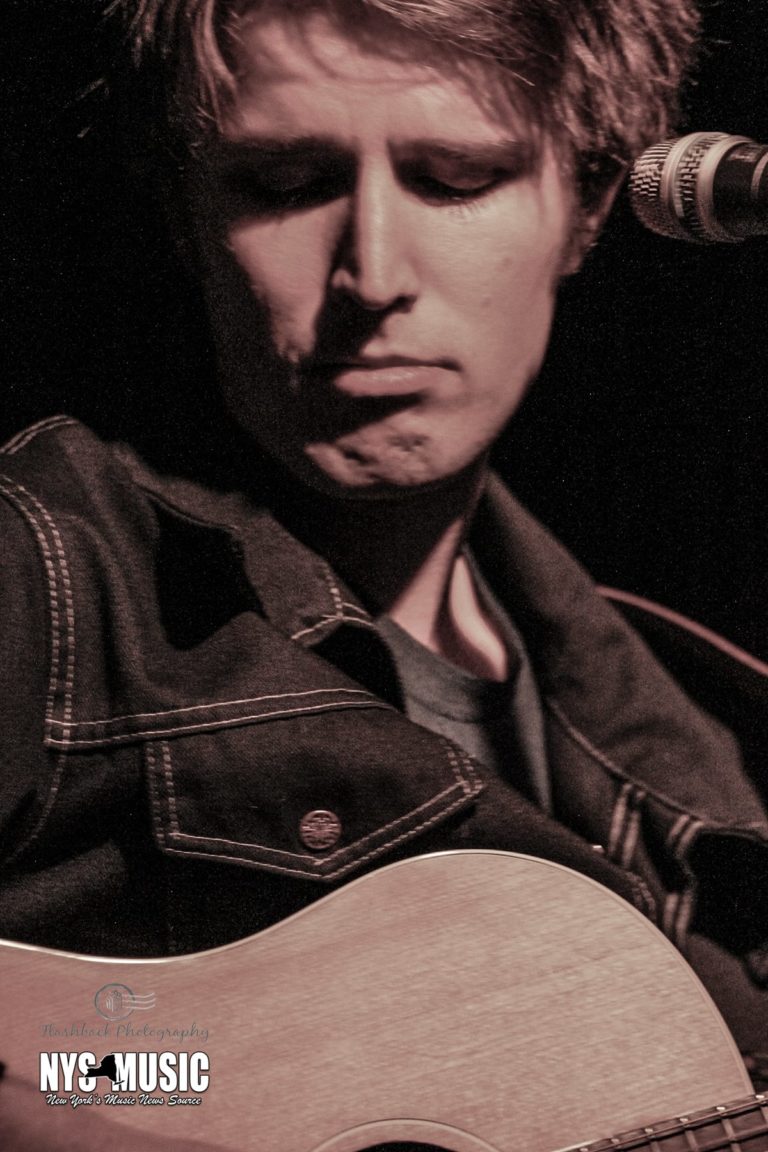
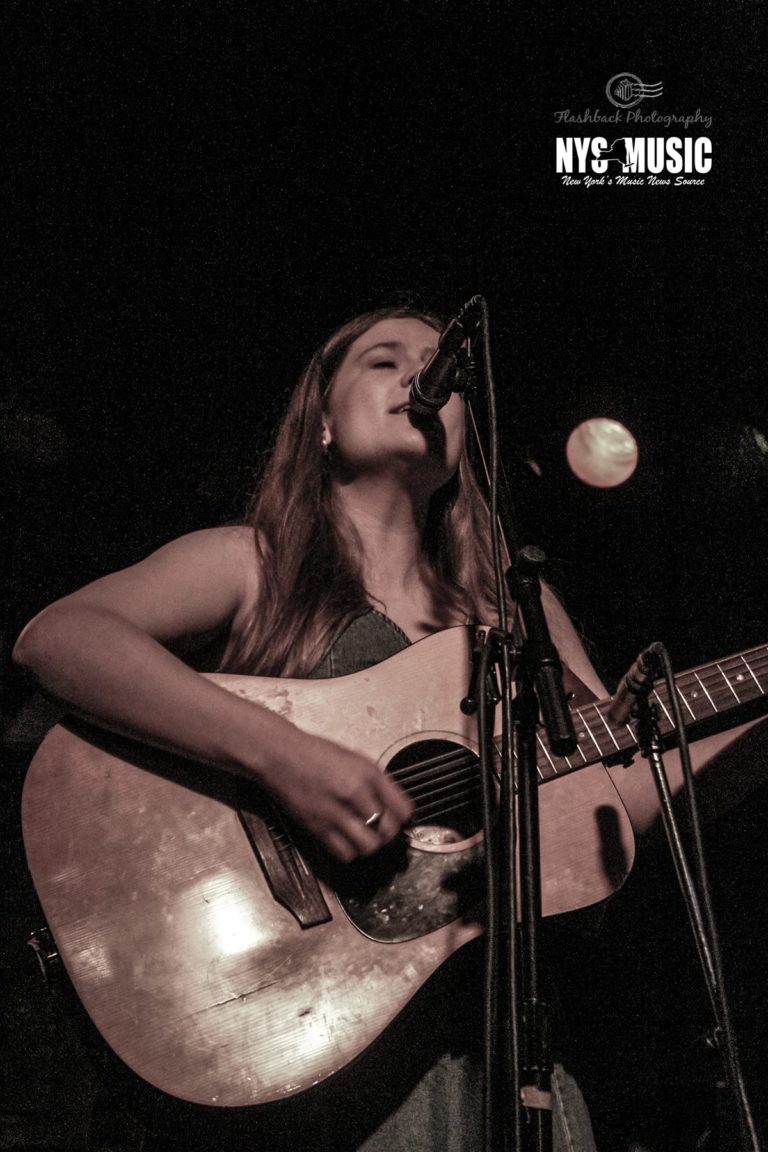
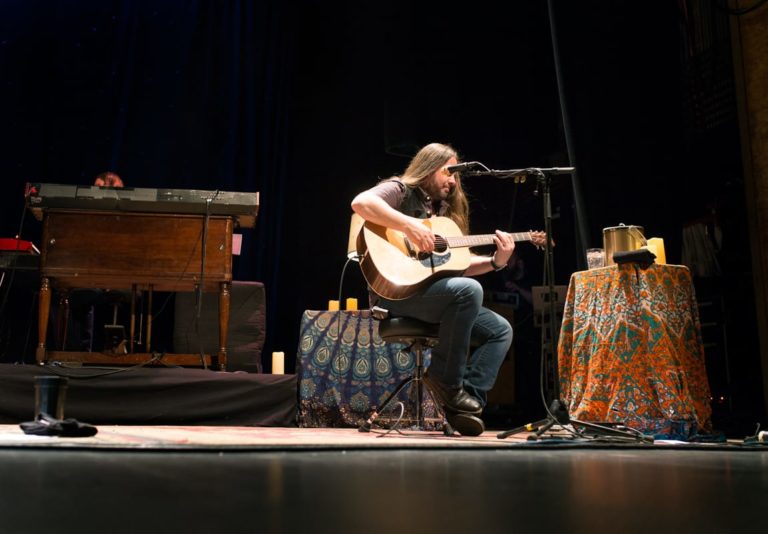
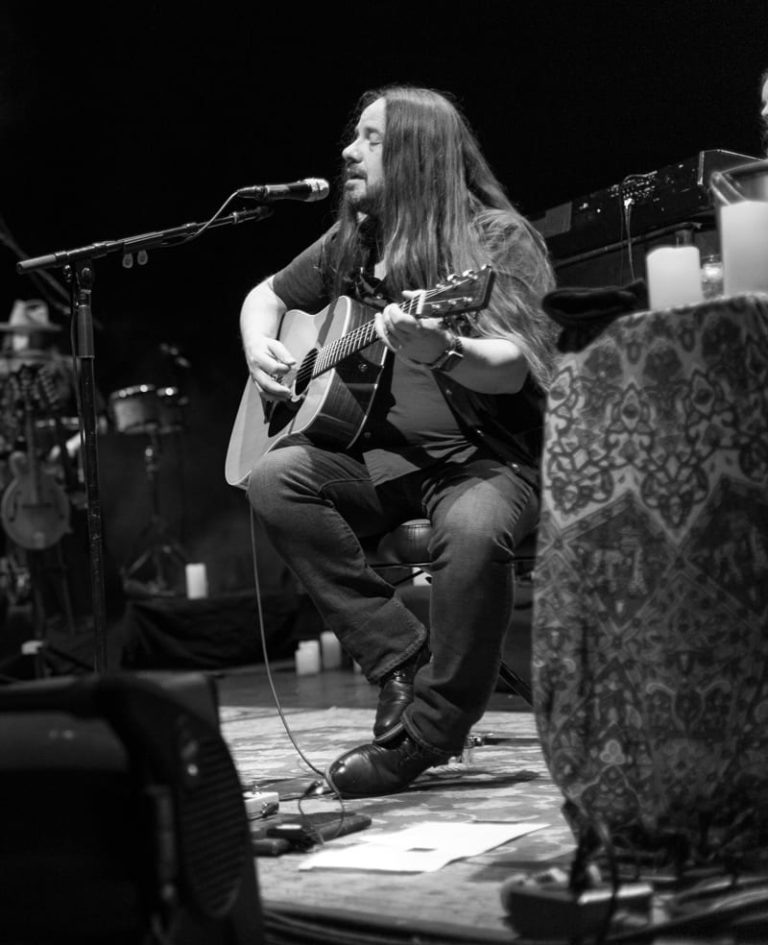
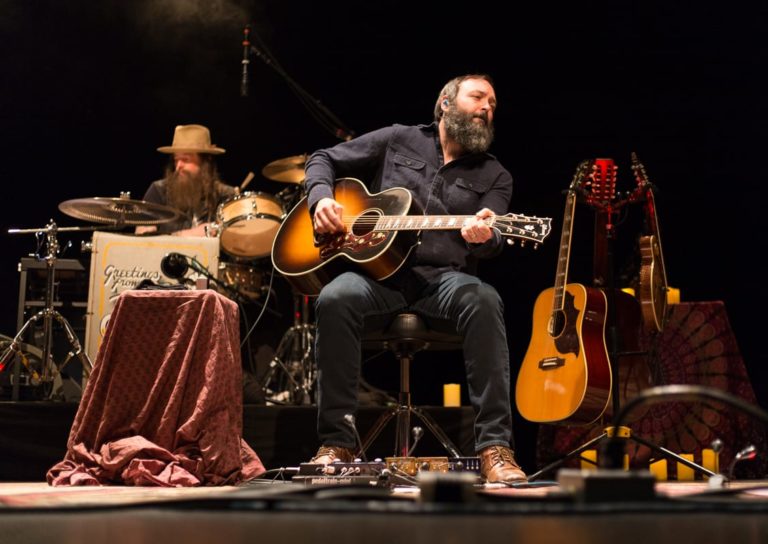
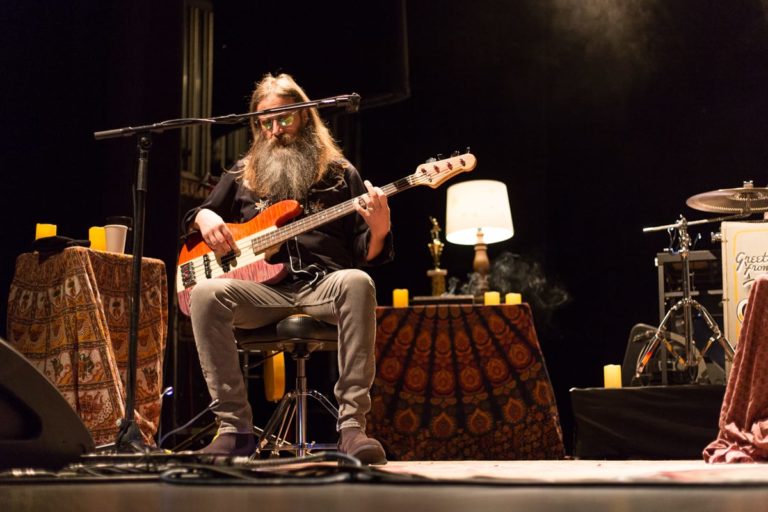
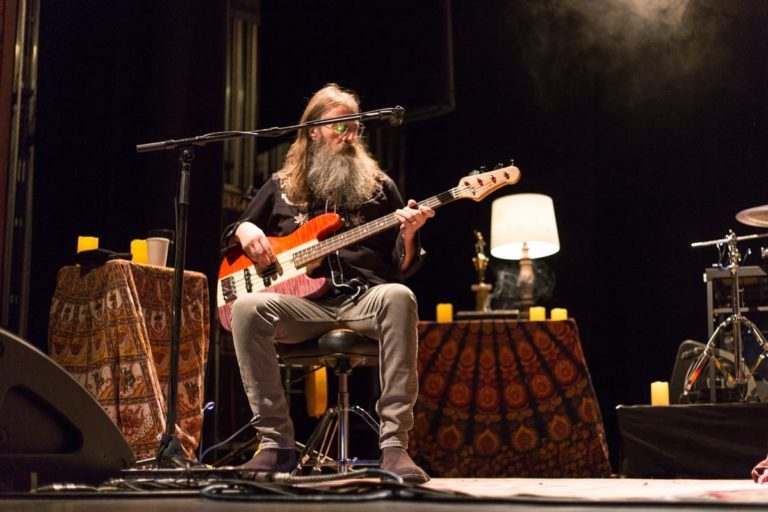
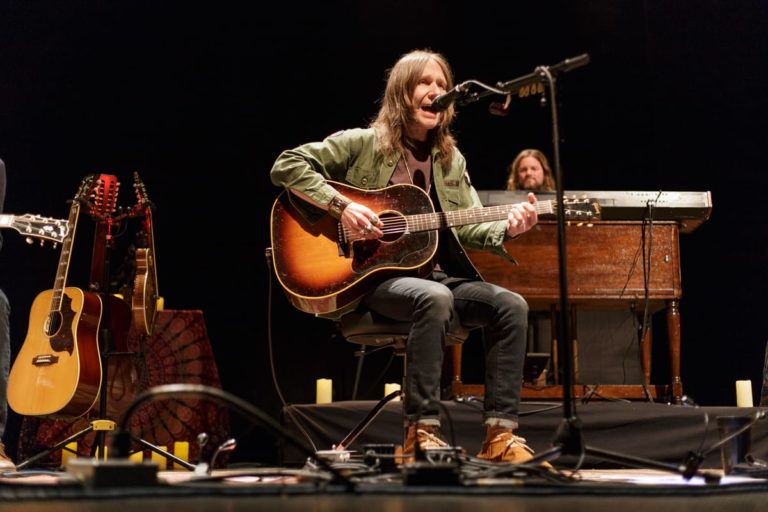
It took over two years for Honest Folk to get Marty O’Reilly and the Old Soul Orchestra to Rochester the first time, but just over a year to get them back. The band didn’t remember exactly what they played, but they remembered it and had been thinking about that show ever since. The crowd likely didn’t remember what they played either, but they, too, recalled its greatness and returned in big numbers to sell out Good Luck.
Regardless of the exactness of their memory, the band tried to mix it up a bit so as not to give Rochester the same show again. Old rarities and new songs alike got sprinkled into the set, which would have sounded different either way. This is a band that plays to the moment, each one different, and so the shows follows suit.
Each member of the Old Soul Orchestra plays a simple acoustic instrument making the amount of sound the quartet outputs all the more remarkable. They squeezed their instruments for all they’re worth.
Drummer Matt Goff hit, scraped, tapped, banged and shook with sticks, brushes, mallets, hands and various percussive toys, constantly building and breaking the music through interesting changes and movements. His solos showed off a jazzman’s touch, as melodic as they were rhythmic. Bassist Ben Berry plucked, bowed and knocked his upright in both a backing and leading capacity (particularly nicely on “Alone at the Table”), stretching out with solos fit for a psychedelic rock band. Fiddler Chris Lynch frequently handled the main melodic punches, maximizing the instrument’s capabilities by employing both the traditional bowing and also picking it mandolin-style. Lynch used pedals, adding extra flavor with the most overtly non-natural sounds of the evening: spacey echoes here, dripping psychedelia there, etcetera.
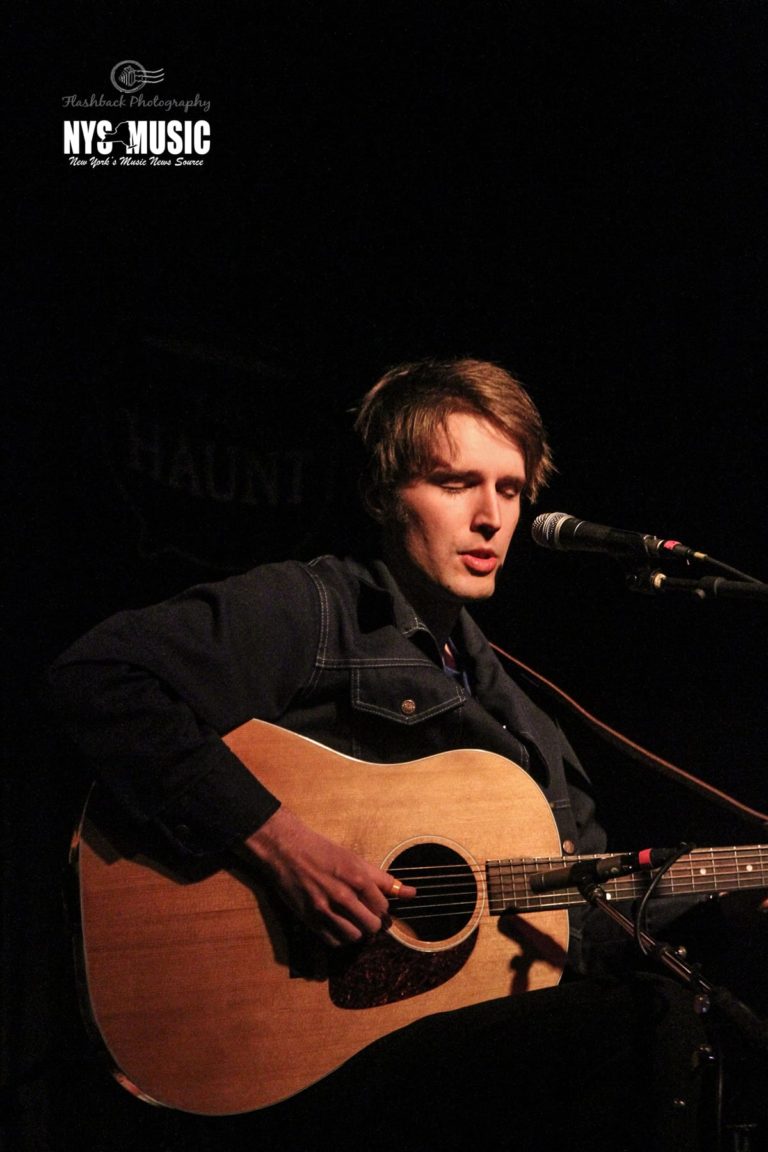
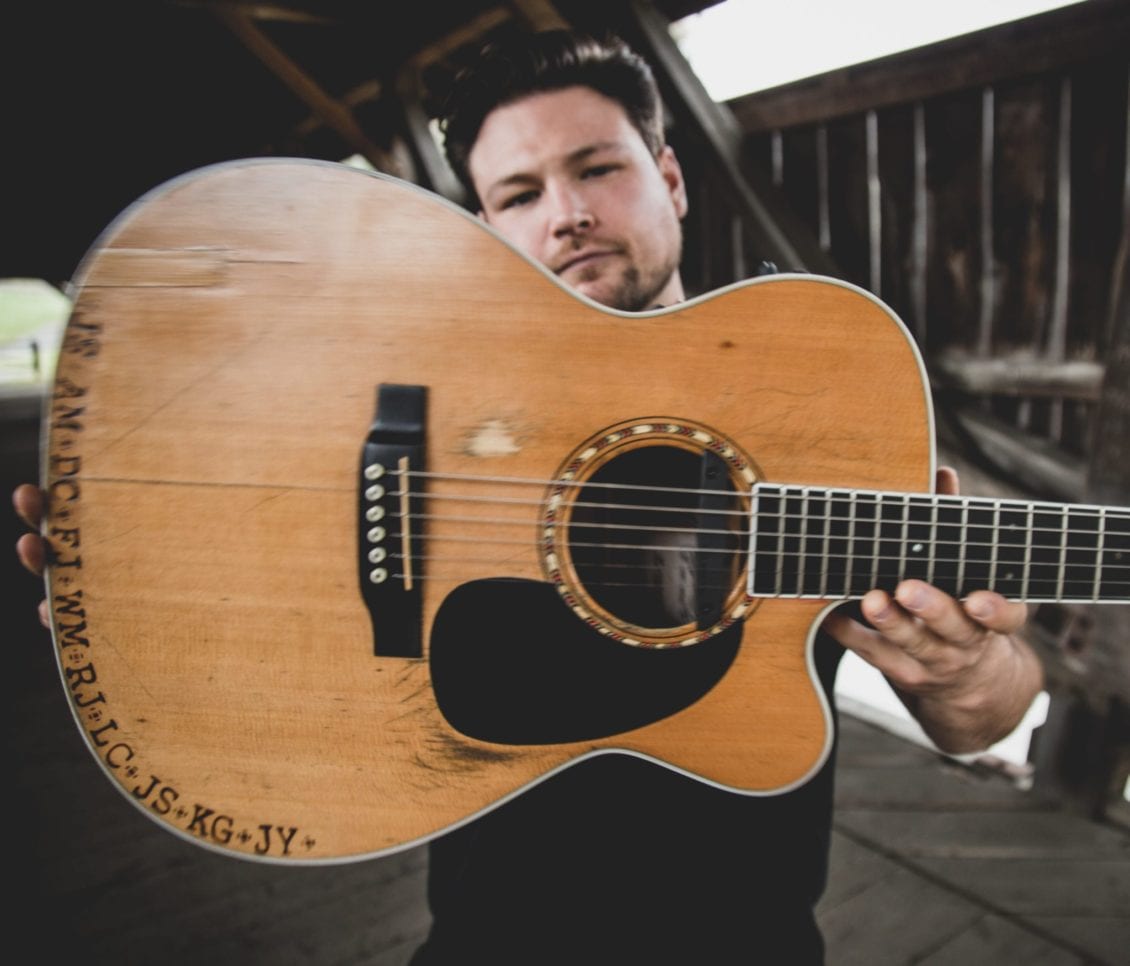
O’Reilly himself stuck with the same resonator guitar throughout the night, through thick and thin. When the reverb was acting up due to the vibrations in the stage, he turned it off and made do without. When his high E string broke near the end of the first set he played “Cinnamon Tree” solo because he didn’t need it for that song. Though, midway through, he realized actually he did. But again he made it work. Whether picking, sliding, strumming or soloing, that singular guitar was all he needed.
Mixed in with originals, like “Dempsey” and “Letters,” they also tossed in a few tunes that weren’t exactly covers, but more accurately renditions of old blues tunes. The words are the same but in their hands the music becomes something quite different. You’ve never quite heard “Samson and Delilah” or “Smokestack Lightning” quite like they play them. They played a newer blues rendition that is still in “discovery mode” as they work through it during their live shows. Appropriately, it was an interpretation of “Death Letter” by Son House, who famously was rediscovered while living in Rochester.
It could certainly be said after their second visit, that Marty O’Reilly and the Old Soul Orchestra have officially been discovered by Rochester too. Perhaps on their next visit they’ll outgrow the coziness of Good Luck. Make sure you’re there when they do.
“Birthdays are important, but I don’t want a big one like I had a few years ago. I just want the family, a few friends and neighbors.”
Pete Seeger would have been 100 years old on May 3, 2019. He was getting ready to celebrate his 94th birthday when we talked in April, 2013. It felt like I was talking to my favorite uncle. Pete had a way of making everyone he came in contact with feel that way whether it was Woody Guthrie, Woody’s son, Arlo, or the thousands of other folksingers he inspired.
“I’m actually going to be away on my birthday, because I have a granddaughter who’s going to a little school in Rhode Island that’s having what they call a grandparent’s day, and all the children who can are going to bring their grandparents to school. I’m gonna sing a few songs there. I’m mainly a song leader these days. I don’t have much voice left, but I’ve gotten better and better at getting a crowd to sing with me.”
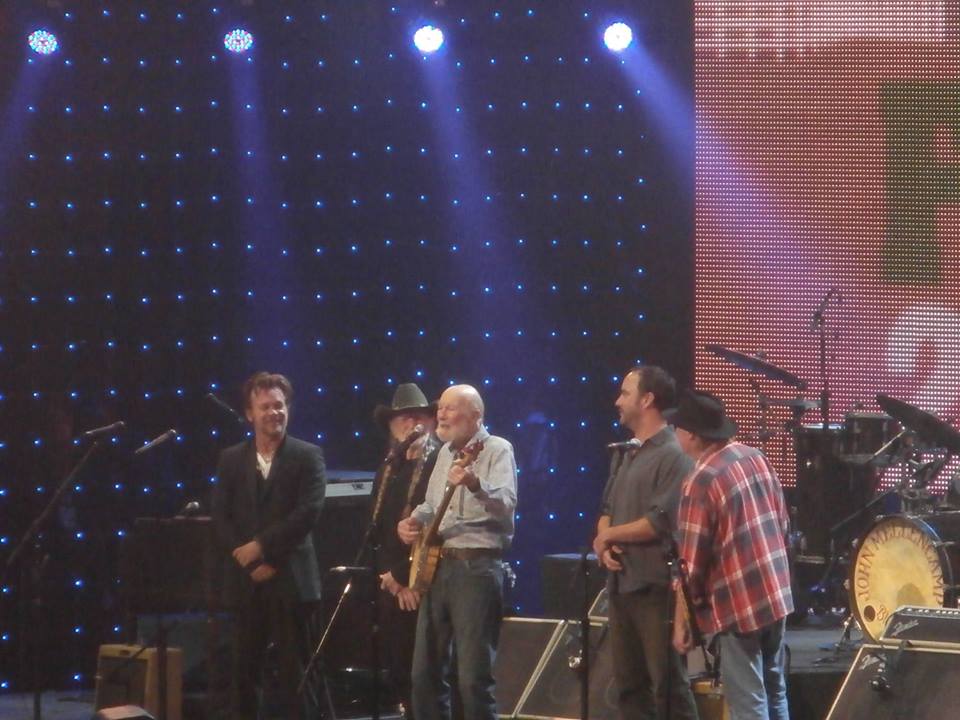
Pete Seeger made a surprise appearance at Farm Aid 2013 at Saratoga Performing Arts Center
On May 23, The Egg in Albany will present a Pete Seeger Centennial Concert celebrating his 100th birthday. Arlo Guthrie and the 11 other artists performing illustrate how pervasive Seeger was as a moral compass in the history of American folk music and society as a whole. Arlo knew Pete from the day he was born. They performed together for the last time in Carnegie Hall, a month before Seeger died on January 27, 2014.
Arlo has just released Arlo & Pete’s More Together Again for digital download. Taped live in 1993 at Wolf Trap, it captures the mojo of Woody Guthrie’s son celebrating in song 60 years of the two musical families’ intertwining history. Best known for his anthem “Alice’s Resataurant,” With Seeger’s passing, Arlo is now the elder statesman and “keeper of the flame,” ignited by his father’s unofficial national anthem “This Land Is Your Land.”
“Most of the song had been written back in 1940 when he (Woody Guthrie) first came to New York,” Seeger told me in 2013. “He was actually hitchhiking, and Kate Smith singing “God Bless America” was on all the jukeboxes. His original song had all the same verses we know, but the last line was ‘God bless America for me.’ He crossed out that last line and scribbled in ‘This land is made for you and me.’ And that’s how he recorded it in 1948.”
Also included in this Centennial celebration is Guy Davis who accompanied Seeger on his last official tour in 2007. Guy is the son of Ossie Davis and Ruby Dee, stalwarts of The Harlem Renaissance. “Pete Seeger and folk music is where my folks and I intersected best,” says Davis. “Pete Seeger was a friend of both of theirs, and I got sent to a summer camp run by Pete Seeger’s brother, and the older I get, the more I’m in love with the songs I learned in the ’50s and ’60s.”
In 1949, Pete Seeger’s car was among hundreds attacked by KKK members after a concert by African American opera singer Paul Robeson. “Two stones actually went through the glass and landed on the floor of the car. I cemented them into the chimney of a fireplace I was building,” recalled Seeger
The horrible images of that attack galvanized public opinion against KKK hatred. Seeger saw the incident as “an inoculation” for America. “You know when you get a needle in your arm, your arm gets a case of smallpox. The disease precipitates the cure. The rest of your body gets alerted and does not get smallpox, and this is exactly what happened.
“Peekskill had a case of fascism there, but the rest of the country saw the pictures on TV and in local newspapers and mothers with babies in their arms and blood streaming down, and it was not a pretty picture. The rest of the country said, ‘We don’t like this.’”
“I would agree that it was an inoculation,” says Guy Davis today. “It becomes Americanized. Those signs they had, ‘Wake up, America. Peekskill did.’” Pete was first hand on the receiving end of that as was Paul Robeson, as were so many other activists. Pete took one of the stones that was thrown into his car. He had it put into the fireplace of his cabin and he said that if the final riot comes and there were stones being thrown and death being dispensed, then he was going to take that stone and use it.”
“I’ve made a lot of stupid mistakes in my life,” Seeger told me in 2013, “but at least I’m still alive even though there was a thriving branch of the Ku Klux Klan only about three miles away from me. And I’ve often wondered why they didn’t come up and shoot me down or burn down my house or something, but I found out some members of the Ku Klux Klan had some family members who said, ‘You do what you want with Seeger and you’ll regret it. Everybody will be singing his Goddamn songs.’”
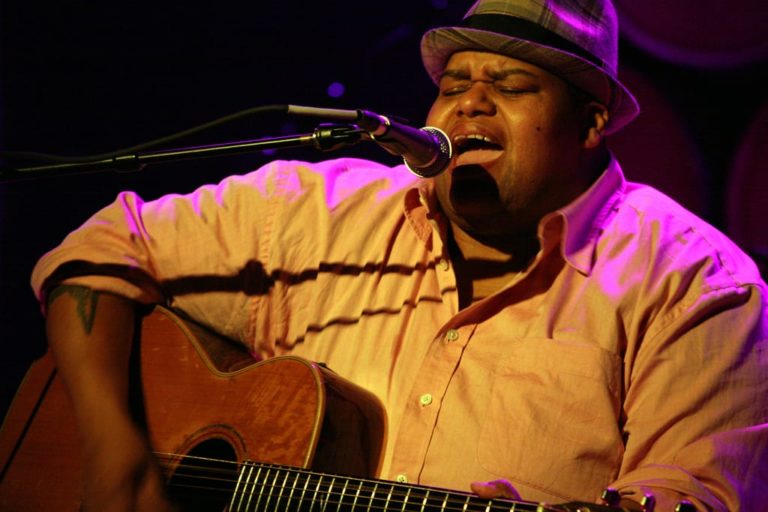
Toshi Reagon
Toshi Reagon is named after Pete Seeger’s wife and is the daughter of Bernice Johnson Reagon, civil rights activist and founder of the a cappella group Sweet Honey in the Rock. Toshi will perform her eclectic blend of rock honed on stages with Nona Hendryx, Elvis Costello, and Ani DiFranco. She considers one of her proudest moments to be when she played for her godfather Pete Seeger’s 90th birthday celebration at Madison Square Garden.
Another Centennial performer, David Gonzales, is a storyteller, musician, poet, actor, and writer and a one-of-a-kind artist. In 2009, David was commissioned to write a long form poem for the Hudson River Quadricentennial and, at the Egg, will recite excerpts from that work titled “Oh Hudson!” as they relate to Pete Seeger.
Seeger loved the Hudson River and his Sloop Clearwater became a symbol of our need to clean up our waters. He saw sailing as a metaphor for life. He remembered the time a friend took him out for his first midnight sail on an 11-foot Beetle Cat. “For the first time in my life I found out why people spend millions of dollars on private sailboats,” he said. “It’s not how fast you go, but the fact that you move at all. (Sailing) is a wonderful analogy for life. You use the force of the wind against you to move against it.”
“I was learning to sail on the Hudson, and I came along to certain places where there was a sewage outlet. I found myself sailing through lumps of this and that along with the toilet paper. I thought of the phrase of John Kenneth Galbraith, ‘Private affluence, pubic squalor.’ I had enough money to buy a sailboat, but I was sailing through shit.”
The one thing all the performers on this bill share with each other and Seeger in particular is an all-inclusive love for music as an “inoculation” against hatred and bigotry.
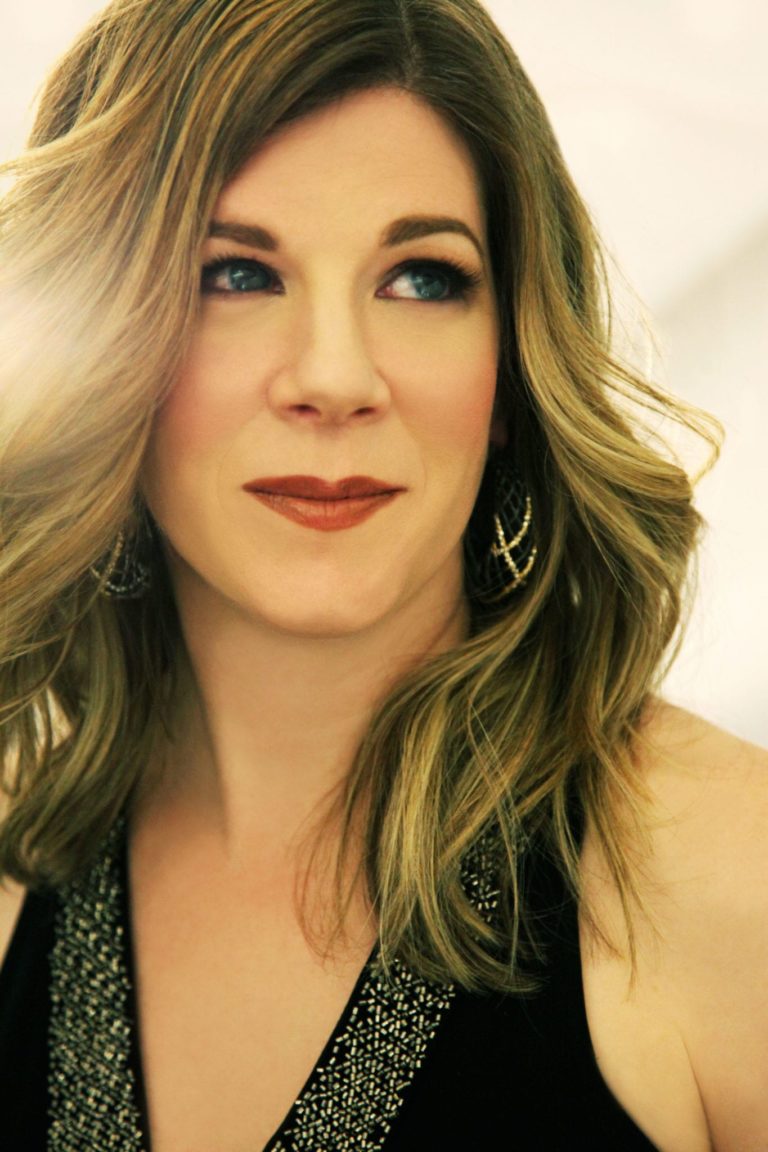
Dar Williams is a popular folksinger. The New York Times Book Review said of her book What I Found in a ThousandTowns that it “reads as if Pete Seeger and Jane Jacobs teamed up, more a report from the Green party than the green room.”
Tony Trischka is America’s consummate banjo artist and perhaps the most influential banjo player in the roots music world. He has written 15 instructional books as well as a series of DVDs. In 2009, he launched the Tony Trischka School of Banjo, an advanced, interactive, online instructional site that is the banjo home for students from around the world.
Amythyst Kiah is a southern songster who blends blues and old-time music. The only African American at the East Tennessee State University Bluegrass, Old Time and Country Music Studies Program during her enrollment, her repertoire includes the music of The Mississippi Sheiks, Son House, Jimmie Rodgers and the Carter Family. The New York Times credited her guitar playing with guaranteeing her a place among blues masters complimented by “her deep-hued voice that can change on a dime from brushed steel to melted toffee.”
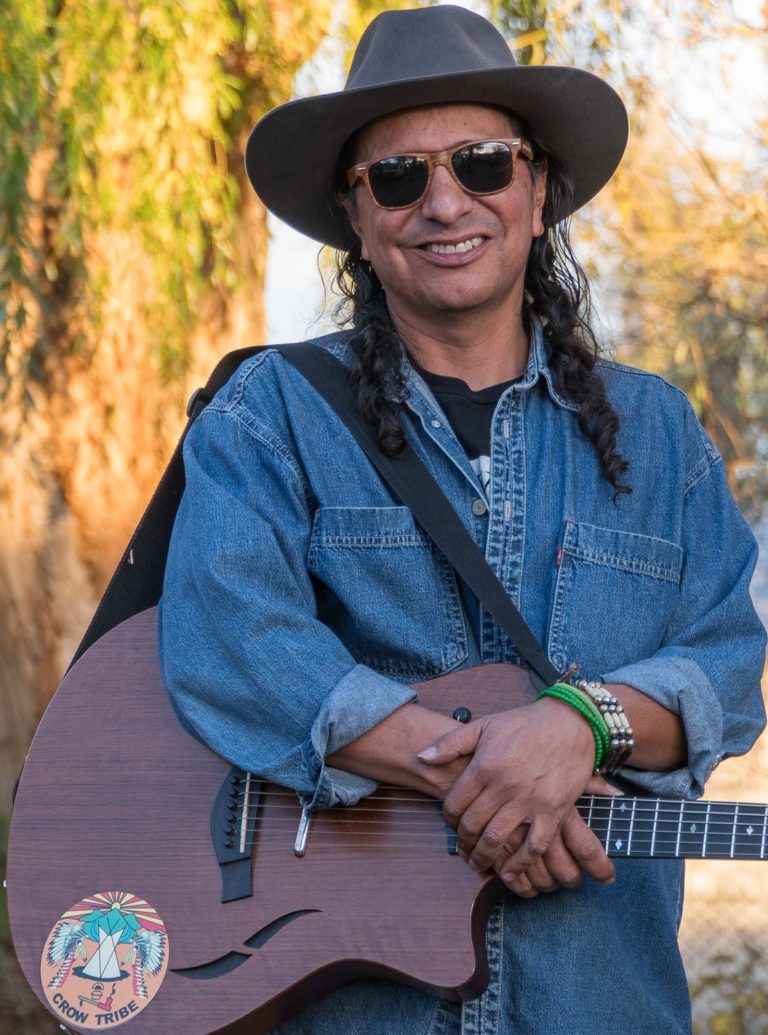
Cary Morin is a Crow tribal member who plays Americana acoustic guitar that incorporates blues, bluegrass, jazz, jam, reggae, and dance. His Cradle to The Grave album took the 2018 Independent Music Awards for Best Blues CD and earned him a 2018 Native Arts and Cultures Fellowship.
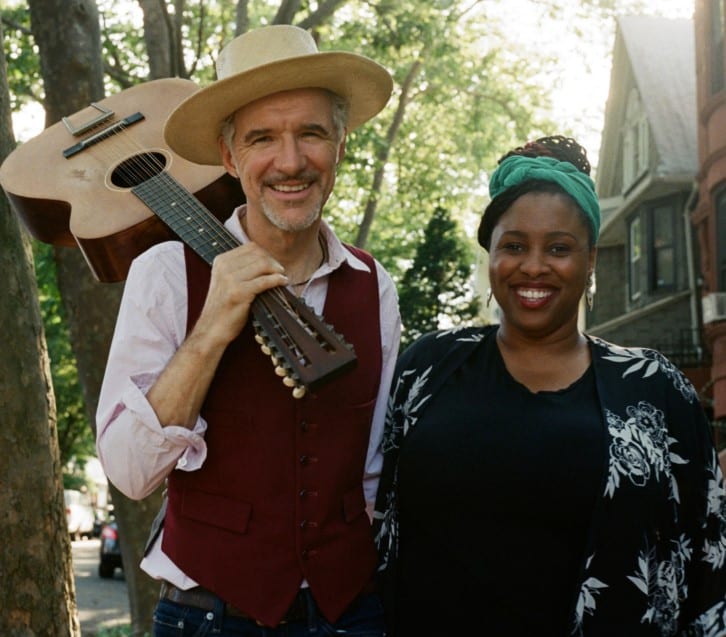
Dan Zanes & Claudia Eliaza are a couple whose Lead Belly Baby! Album is a children’s CD inspired by folksinger Lead Belly. Grammy winning Zanes began his career in the ’80s rock band the Del Fuegos. His wife Claudia Eliaz is a Haitian-American jazz vocalist music therapist.
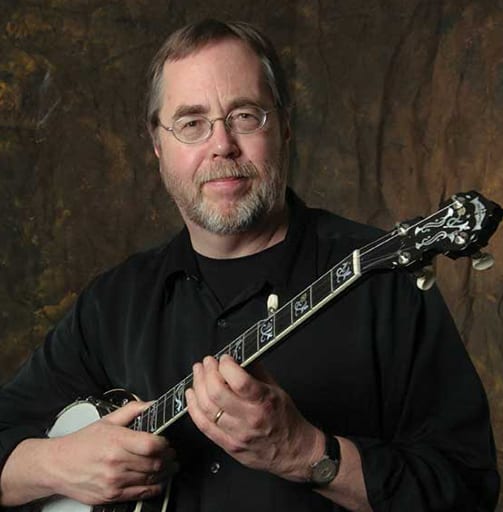
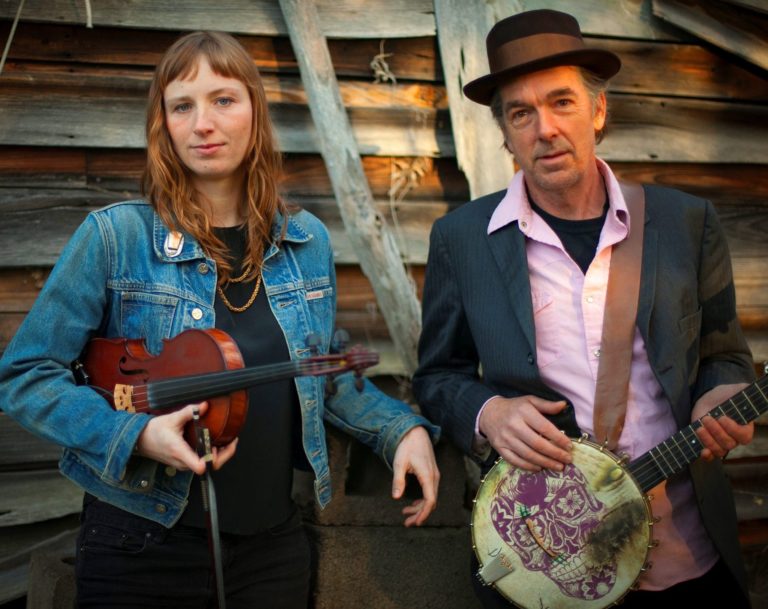
Richie Stearns performs with his wife Rosie Newton. Richie brought the old-time clawhammer banjo style to a whole new audience with the bands Donna The Buffalo and The Horseflies, and has accompanied artists such as Natalie Merchant, Bela Fleck, David Byrne, Billy Bragg & Wilco, Old Crow Medicine Show, and Joan Baez. For over 20 years, Richie performed with or for Pete Seeger on numerous occasions, and was invited to score original music for an album that featured Pete telling his life story over a music background.
Taina Asili is a New York based Puerto Rican singer, songwriter, bandleader and activist.The Huffington Post named her group as #2 in a list of “12 Freedom Fighting Bands To Get You Through the Trump Years.” She is dedicated to using her art as a tool for personal and social transformation. The themes in Taína’s writing are based in her activism in political prisoner liberation, prisoner justice, climate justice, and food justice movements.
Bill and Livia Vanaver of The Vanavar Caravan. Bill has composed and produced music for films, dance and theatre productions, including The Clearwater with Pete Seeger. The Vanaver Caravan will perform an excerpt from their Pete Seeger inspired work “Turn, Turn, Turn.”
“I’m one of the musicians. And I’m only one of them,” Seeger told me. “There are now not hundreds but thousands of people making up songs and doing things in small ways here and small ways there and following the advice of the great French biologist Rene Dubois who said, ‘Think globally, act locally.’”
He recalled the tipping point in folk music to be 1960 when folksinger Guy Carawan sang “We Shall Overcome” and it became what in 2019 terms would be considered viral. “The hit song of the weekend was ‘We Shall Overcome’ sung with this rhythmic slow thing. It was a slow song, but it had a very definite rhythm, and it was the hit song of the weekend. Five weeks later Guy was in Raleigh, North Carolina, and somebody shouted out, ‘Guy, teach us ‘We Shall Overcome.’” And that’s where they added something.
“Your right hand reaches out and holds the left hand of the person to your left, and your left hand reaches out to your right. So, your arms cross in front of you. Your shoulders touch, and your bodies sway as you sing this song. Once again, an African tradition is added to this piece of music of bodily movement at the same time you’re singing. You’re not just singing. You’re moving your body.”
Despite the problems we have as a civilization, Seeger was optimistic about the future. “My mantra today is the agricultural revolution took thousands of years. The industrial revolution took hundreds of years, but the information revolution is only talking decades, and if we use the brain God gave us, who knows what miracles may happen in the next few years.”
And he saw the arts as society’s savior. “I think the arts will be among the most important things that save us. Words can mean different things to different people and numbers can, but (it’s all about) the arts, the visual arts, the dancing arts, the cooking arts, the human arts, the sports arts, Joe DiMaggio leaping for a fly ball had all the grace of a ballet dancer, and who knows.”
I asked Seeger what was the single most important thing he’d ever learned. “I guess realizing the human race is one more invasive species,” he said.
Seeger spent long, productive life trying to teach us not to be invasive.
What: Pete Seeger Centennial Concert
When: Thursday, May 23rd, 7:00 p.m.
Where: The Egg, Empire State Plaza, Albany
Tickets: The Egg Box Office at the Empire State Plaza, 581-473-1845, or online.
The City of Utica has been awarded a Levitt AMP concert series for the fourth consecutive year. The ten week free concert series will take place in Kopernik Park in Oneida Square on Monday nights beginning June 24 and continuing through Aug. 26.
The Levitt Foundation awards matching $25,000 grants to non-profits in select small to mid-size cities across the U.S. each year, creating a network of live music in underused spaces across the country. Eighteen cities have been selected to host the Levitt AMP series. This year, the Community Foundation provided a $25,000 match to help fund the series in Utica.
This year’s Utica Monday Night shows include a wide range of artists; from young Hendrix-influenced guitar phenom Brandon “Taz” Niederauer to the Grammy winning Rebirth Brass Band from New Orleans. Other artists include Paa Kow, a native of Ghana who combines the rhythms of West Africa with jazz to provide listeners a unique percussive sound, and La Misa Negra, a seven piece Afro-Latin collective from Oakland, CA that incorporates elements of hip-hop, metal, Caribbean and African poly rhythms.
Brandon “Taz” Niederauer
Each show will feature a local opening artist beginning at 6 p.m. See the complete schedule below. For more information about the artists performing, visit the Levitt AMP Utica website here.
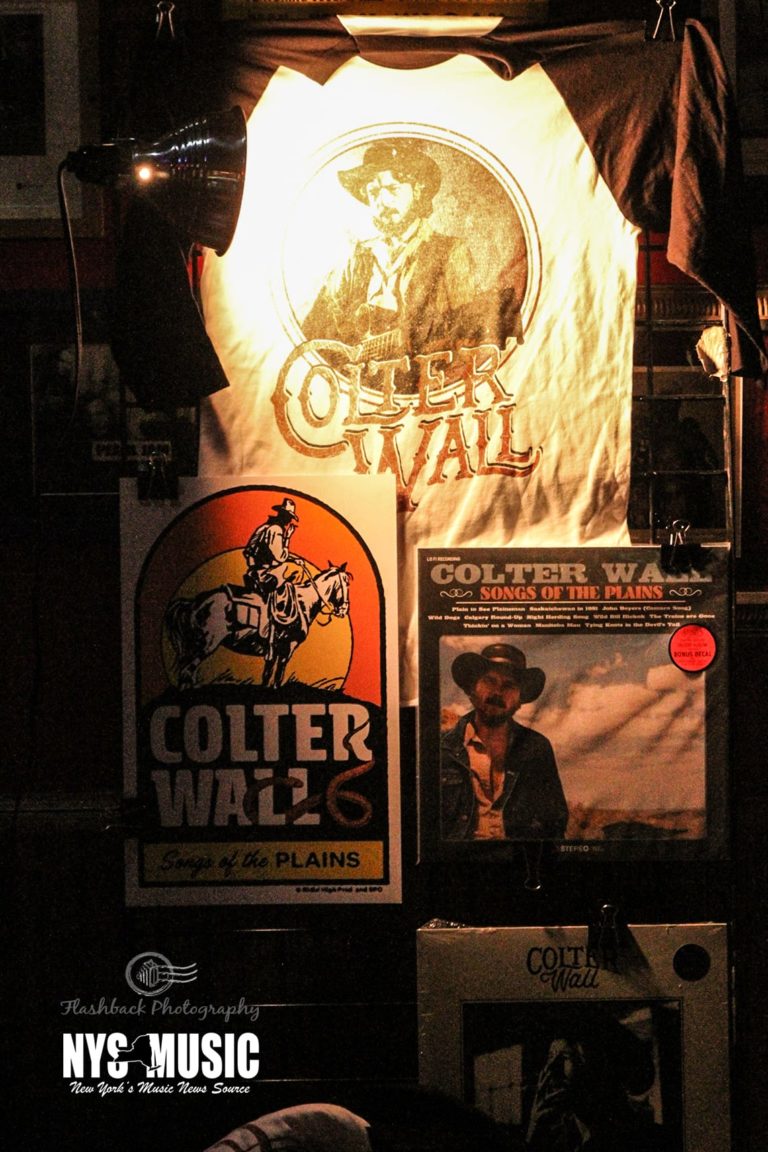
Colter Wall travelled from Saskatchewan in southwestern Canada to grace the stage of The Haunt in Ithaca on Saturday night. Though he had no problems connecting with the sold out crowd. Songs centering around cattle branding, ranching and rodeos were cut with more universal themes like love, friendship, trains, cars and motorcycles.
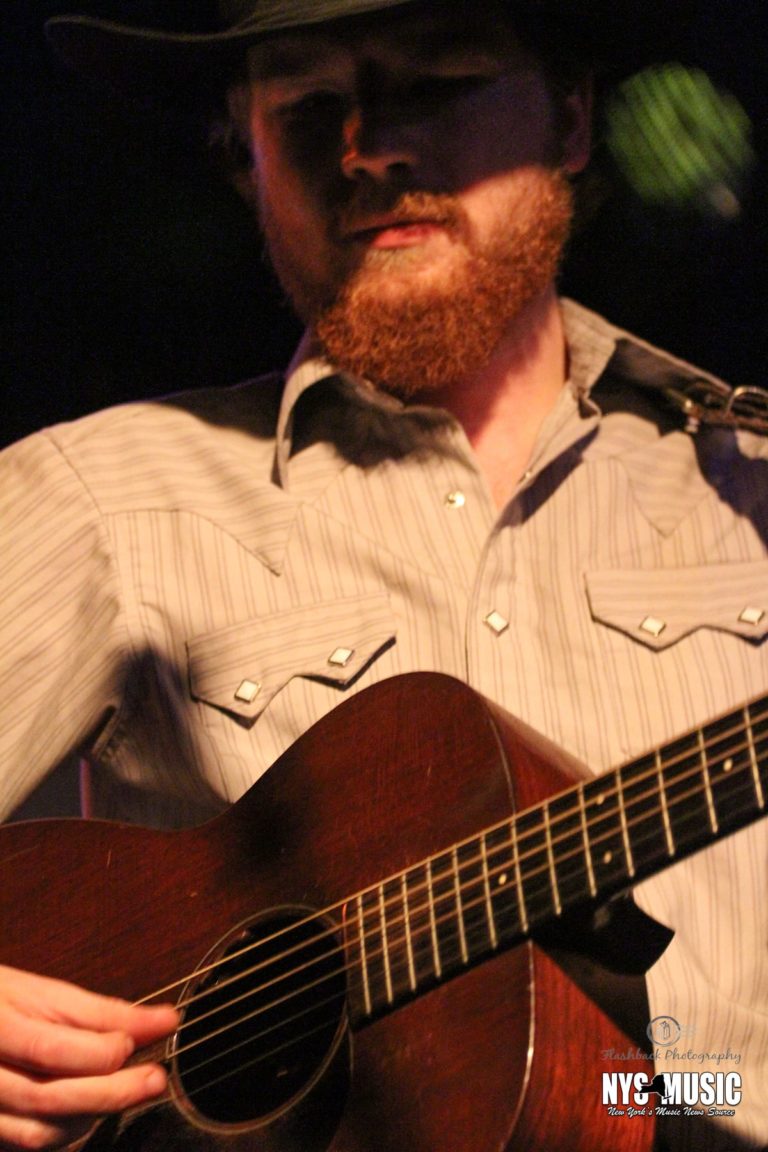
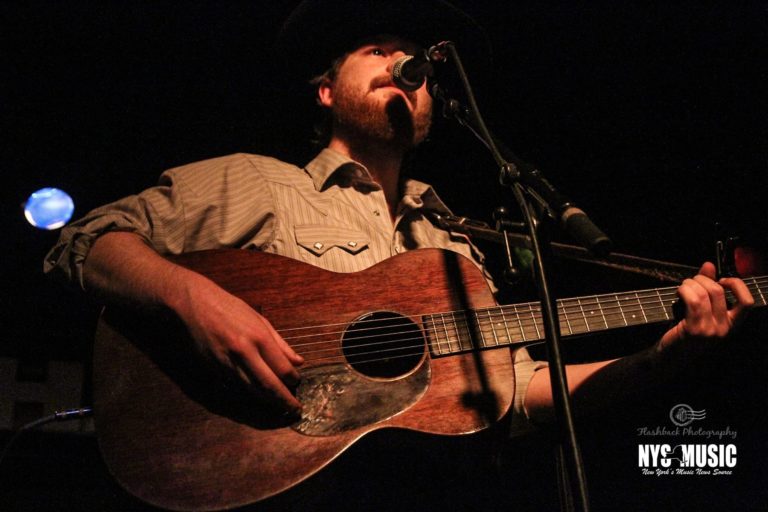
He arrived to the stage alone with his guitar and his cowboy hat, appropriately opening the set with the old cowboy song, “Old Paint.” He continued with a more modern tale of his own making, “John Beyers.” His voice, a resonant baritone, is rich like a finely aged whiskey (aged just 23 years in this case) and had a strong presence that echoed throughout the room. Though, possibly, the echo was from the audience, who exuberantly sang along, to each other, to the stage or to themselves.
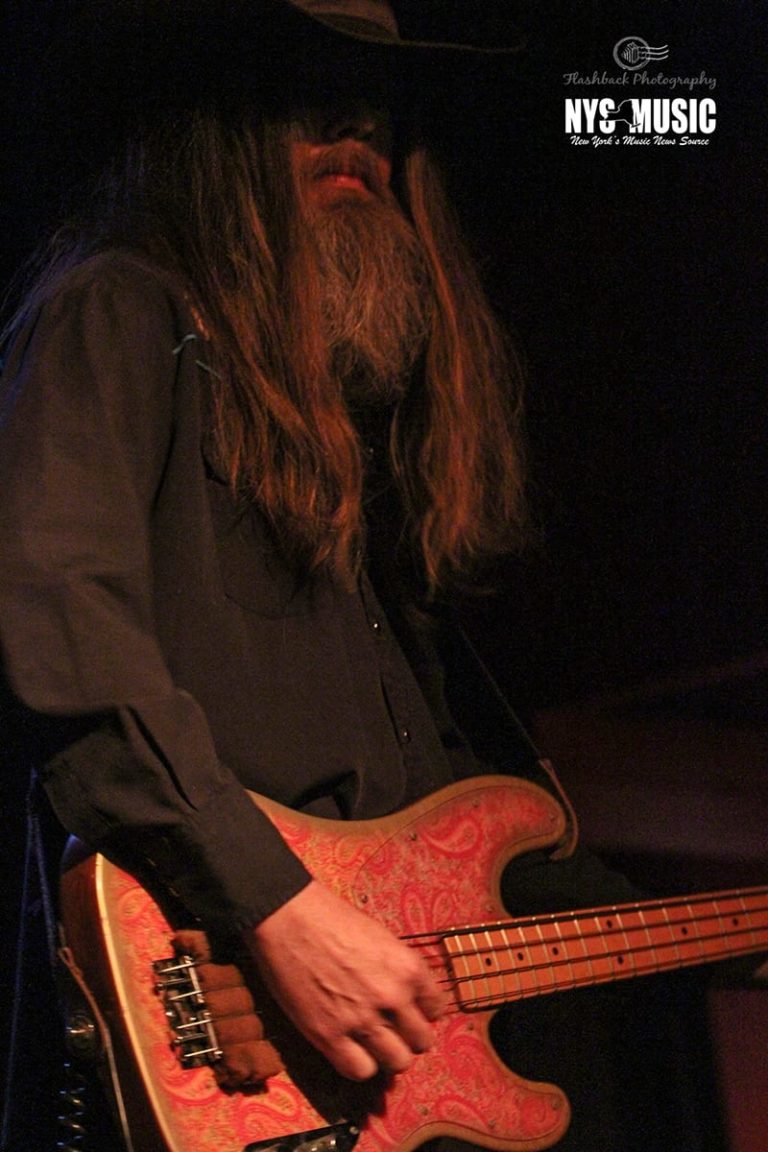
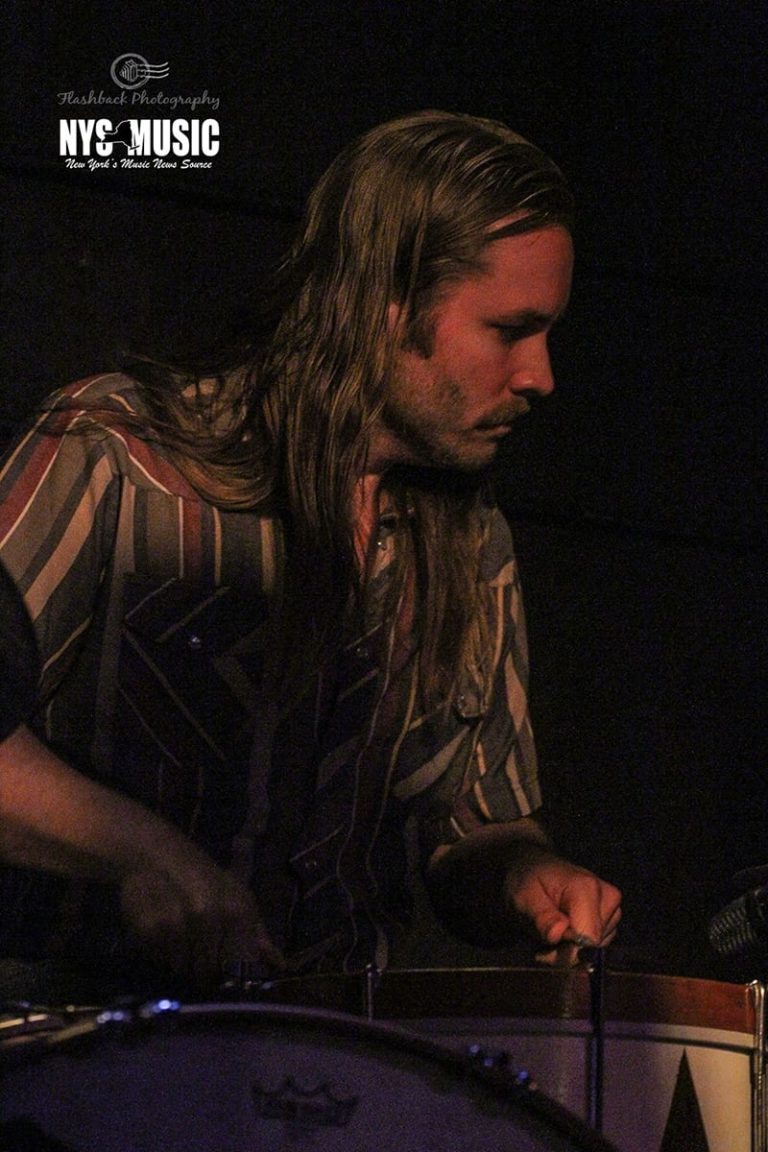
A few songs in, Wall’s band joined him on stage. Together a quintet, pedal and lap steels, harmonicas, drums, and bass joined him and his guitar. Each brought their own character to the mix. There was an entire arsenal of harmonicas, and even a jaw harp, to match the mood of every tune. The pedal steel’s howls and whirls intermingled beautifully with the harps in an unexpected and somewhat unusual combination. The steady bopping red and gold paisley covered bass and swinging and tasteful drums held it all together perfectly.
The set was filled with songs from last year’s release. Songs of the Plains, and 2017’s Colter Wall. The tried and true, the ones everyone knew, were tossed in with something new, like “Western Swing and Waltzes” and also some much older selections, like covers of Ramblin’ Jack Elliot’s “Railroad Bill” and Townes Van Zandt’s “White Freightliner Blues.” No matter their age, coming through the voice of Wall and with the skill of his backing band, it was all sounding great to the adoring crowd.
Fellow Saskatchewans Kacy and Clayton warmed up the evening. The two cousins played a short set of lovely folk songs but were unfortunately competing with a rowdy crowd anxious to sing and dance to the main attraction. The subtle beauty of their voices and guitars was no match for the clanging of glasses and boisterous barroom conversations, but attentive ears were rewarded with another example of Canada’s increasing and ironic grip on the Americana genre.
Upstate New York singer/songwriter Ian Flanigan today debuts his single “Picture You,” produced by three-time Grammy winner Justin Guip (Levon Helm, Hot Tuna). Flanigan’s songwriting features husky vocals and evocative lyrics that highlight the rural landscapes of his compositions.
“Picture You” seamlessly weaves intricate acoustics and lyricism across supportive cello arrangements and skillful percussion. The song in its entirety is concise, persuading the listener to play it on repeat. “When the world feels like it’s about to break…” the melodious bridge sings out to the listener “…I picture you,” illustrating the comfort in familiarity—a feeling the listener will become familiar with after falling in love with “Picture You.”
Flanigan’s sound — an eclectic blend of progressive folk and percussive finger-style — is reminiscent of the road less traveled, paved with poignant lyrical truths of his past. Ian is a celebrated Kerrville Grassy Hill New Folk Festival finalist, and Emerging Falcon Ridge Folk Festival Artist.
Flanigan has had the pleasure of sharing stages with Corey Glover (Living Colour), Sean Rowe, The Pedrito Martinez Group, Session Americana, Chris Knight, and Dwight Yoakam. Follow Flanigan on and Facebook, and listen to “Picture You” and watch “Give Me Color.”
When most people picture Woodstock ’69, they think largely of the fan’s perspective, envisioning the hundreds of thousands of free loving humans gathered to see some of the top musical acts of the era and revel in their desire for social unity. What makes for just as interesting of a story is Elliot Tiber and his back of house account of the people that combined forces to make such a seemingly impractical festival function relatively successfully given the outrageous circumstances.
Elliot Tiber helped secure the Woodstock festival location in 1969 and published his memoir Taking Woodstock in 2007, which was made into a movie with the same name in 2009. The story depicts the unpredictable adventure that saved his family from bankruptcy and transformed him forever.
Internally struggling as a young, semi-closeted gay man, Tiber enjoyed a thriving career and whimsical lifestyle as a successful interior designer in NYC. It contrasted drastically with his dingy family life to which he returned on weekends to help run his parents’ failing motel business, the El Monaco, in a defunct resort hamlet in White Lake, NY within the town of Bethel. Pouring his own money into the rundown property and working tireslessly on repairs and keeping his homosexuality undetected, he endlessly sought the approval of his unaffectionate parents.
When he read about the proposed Woodstock festival in the paper, Tiber helped secure a location for the festival after learning it was under serious threat of being cancelled entirely. The festival permit for Wallkill, a town about an hour east, was revoked due to concerns over how the estimated 50,000 attendees might negatively impact the town. Tiber had just purchased his own permit for $1 from the Bethel Chamber of Commerce, planning to host his own, much smaller, annual music festival. Realizing he held the golden ticket Woodstock Ventures desperately needed, he offered it to them, hoping the festival would take place on his family’s property and serve as their saving grace from financial ruin.
Although the El Monaco sat on unworkable swampland, Elliot Tiber connected the festival organizers with nearby farm owner Max Yasgur, whose property was twice as big as the Wallkill site. Festival co-creator Michael Lang disputes this detail in his book, The Road to Woodstock, claiming Tiber connected his production team to a realtor who showed them Yasgur’s farm. Either way, the organizers struck a deal with Yasgur for Woodstock to take place on his property, and the El Monaco became the official Woodstock festival headquarters where people could buy tickets for the event, party at the motel bar, mobsters would come looking to extort them for money, sufferers of bad acid trips could recuperate, and where Tiber claims one woman would suddenly give birth. To this day, however, there is no current knowledge of the identities of anyone born at Woodstock.
Sidenote for those confused by the Woodstock location changes: Wallkill was the second choice location after Woodstock Ventures could not find a suitable location in Saugerties, the town bordering Woodstock, an hour north of Wallkill. In Lang’s book, he described the Woodstock area as a musical epicenter where several well-known musicians had been migrating. Saugerties was known for hosting mini-music festivals throughout the summer in a beautiful rural landscape under the stars, a picturesque experience that inspired Woodstock Ventures to embark on a bigger festival in the area.
Tiber’s account provides a colorful backstory and invaluable context to the movie which should not be seen before reading the book. His book is a quick read with comedic storytelling, at times slinking into hyperbole which leaves the reader questioning if certain events transpired exactly as Tiber describes. The entertainment value will keep the reader amused and engaged, written in a style and brand of humor well suited for David Sedaris fans.
The Taking Woodstock movie adaptation, directed by Ang Lee and starring Demetri Martin as Tiber, sounds promising between those two key players, but the movie skulks along awkwardly with dull acting and a lack of context that leaves the viewer fairly underwhelmed. It’s hard to tell if Martin’s portrayal of Tiber while in White Lake is reflective of how Tiber actually conducted himself in the rural environment to mask his homosexuality, or if it’s just dry acting on Martin’s part.
One of the most glaring omissions from the movie is Tiber’s raunchy depiction of his sexual encounters in NYC, which probably account for nearly half the book. Elliot Tiber also describes a shack on the El Monaco property he used to carry out various sexual exploits, which was not alluded to in the film.
The movie does a disservice to Tiber’s unique lens on experiencing Woodstock by nearly completely avoiding Tiber’s internal struggle that made for nearly as compelling a story as the struggle of producing the Woodstock festival itself. The festival had already been thoroughly depicted in the 1970 Academy Award winning documentary, so the movie disappoints by blandly reenacting the festival happenings already captured on film.
There’s something familiar behind everything on the gorgeous new album from Newburgh, NY’s Native Harrow. Yet, originality twists through it all, providing a fresh voice for the indie-folk world to fall in love with.
A flourish of drums and guitar get the album started with a surprising, and refreshing, kick to the ear. Devin Tuel’s voice brings to mind Joni Mitchell, though she doesn’t allow the comparison to define her or the music.
The Mitchell likeness might come through clearest in “Blue Canyon,” appropriately a love song of sorts for California. Jazz colors the edges of the title track, and “Hard to Take,” with a slight nod to Van Morrison via Ryley Walker. “Something You Have” injects a gospel-fueled soul, powered by some well-placed B3 organ. The energy of the set peaks with earthbound jazz-rock fusion on “Round to Round” that brings to mind the criminally underrated Arc Iris.
https://youtu.be/7dH5LmX1PrM
Happier Now cements itself as a great album by saving the best for last. “Way To Light,” a sarcastic fantasy about the love of material goods, is a building slow burn, with a hint of “Dear Prudence” and some fantastically eerie slide guitar.
Devin Tuel wrote Happier Now‘s nine songs while constantly touring the country in 2017. The songs center around Tuel growing through her twenties and maturing as a human of her own making, no longer encumbered by the strict ballerina life set out for her since she was just three. When it came time to record with Alex Hall (JD McPherson, The Cactus Blossoms, Pokey LaFarge) at Chicago’s Reliable Recorders, Tuel and her trio tracked live in the same room, later adding minimal overdubs. The immediacy and intimacy comes through in the final product. Happier Now is an album to enjoy thoroughly in the present, but also hopefully a sign of great things to come from this budding artist Native Harrow.
Key tracks: Happier Now, Round and Round, Way To Love
The 29th annual Finger Lakes Grassroots Festival Of Music & Dance takes place July 18-21 this year. Held in Trumansburg, the event includes more than 70 musical performances. In addition to hosts Donna the Buffalo, headliners include Hayley Jane & The Primates, Driftwood, Railroad Earth, and Giant Panda Guerrilla Dub Squad. The lineup also includes a diverse array of national and regional acts.
Other offerings include camping, local food and craft vendors, children’s activities, daily yoga, healing arts and instrument workshops, visual arts exhibits, and so much more. A Culture Camp chock full of workshops, food and dance, will be held July 14-17.
Finger GrassRoots Headliners:Donna the Buffalo – Taj Mahal Quartet – Willie Watson – Railroad Earth – Rising Appalachia – Todd Snider – Ryan Montbleau Band – Hayley Jane & the Primates – Driftwood – Tony Perez Band BKO – Keith Frank & the Soileau Zydeco Band – Giant Panda Guerrilla Dub Squad – Garifuna Collective – Nativos Jammin’ Orchestra – Sammus
New Finger Lakes GrassRoots Acts: Jose Albizu Jazz Trio – Swamp Kids – Root Shock – Feufollet – The Turbans – The Crucials Ephniko DJ Evo Evolution – Oliver Bates Craven – Aaron Lipp & the Slack Tones – Dirty Blanket – ¡Viva Mayhem! – Ruth Rosenblatt & George Cooke – PA Line Drank – The Gold Tattat – Folkfaces – Vicious Fishes
Finger Lakes GrassRoots AllStars: Jim Lauderdale – Preston Frank & His Zydeco Family Band – Richie & Rosie Cortadito – Sim Redmond Band – Gunpoets – The Campbell Brothers – The Blind Spots – Mosaic Foundation – Keith Secola & His Wild Band – Ithaca Bottom Boys – Sihasin – Fall Creek Brass Band – Jones Benally Family Dance Troupe – The Flying Clouds Of South Carolina – Moontee Sinquah – Walter Mouton & the Scott Playboys – Kevin Kinsella – Hank Roberts – Tenzin Chopak – Empire Kings Double Tiger – Traonach – Mac Benford & Up South – Mary Lorson – KidBess & the Magic Ring – Bubba George String Band – Nery Arevalo – Plastic Nebraska – The Fly Rods Laila Belle – The Sutras – Ithaca Underground – Move-Along Songs w/John & Diane – GrassRoots Chamber Orchestra
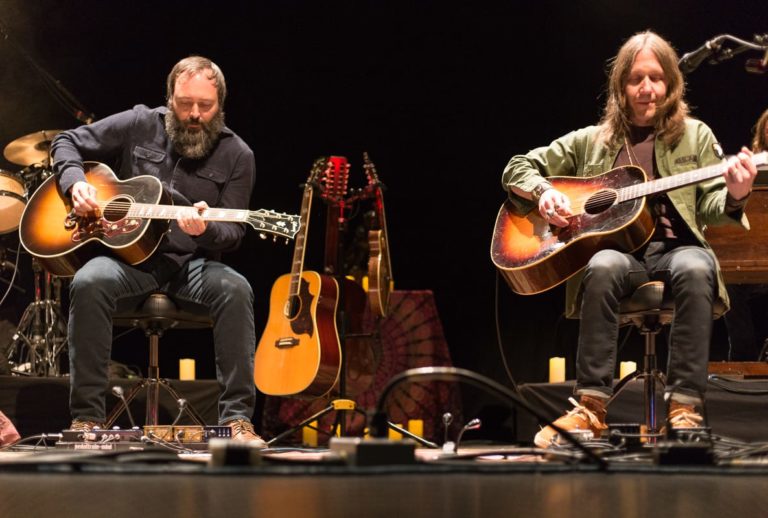
On Thursday April 4, 2019, the Atlanta, Georgia southern rock band Blackberry Smoke pulled into the historic State Theatre in the beautiful downtown Ithaca Commons area as a stop on their 2019 “Break It Down” spring acoustic tour.
Blackberry Smoke is currently on tour promoting their newly released EP, The Southern Ground Sessions, during this spring 2019 tour. This is the band’s first ever acoustic run. Blackberry Smoke has been a staple in the rock and southern rock genre since the early 2000s, however, it has been quite difficult to accurately define their sound which has most definitely become their own, combining an eclectic mix of rock, blues, country and folk.
Blackberry Smoke’s line up consists of Charlie Starr (lead vocals, guitar), Paul Jackson (guitar, vocals), Richard Turner (bass, vocals), Brit Turner (drums), Brandon Still (keyboards, piano). Joining the band on stage was first call touring guitarist, session player and producer Benji Shanks.
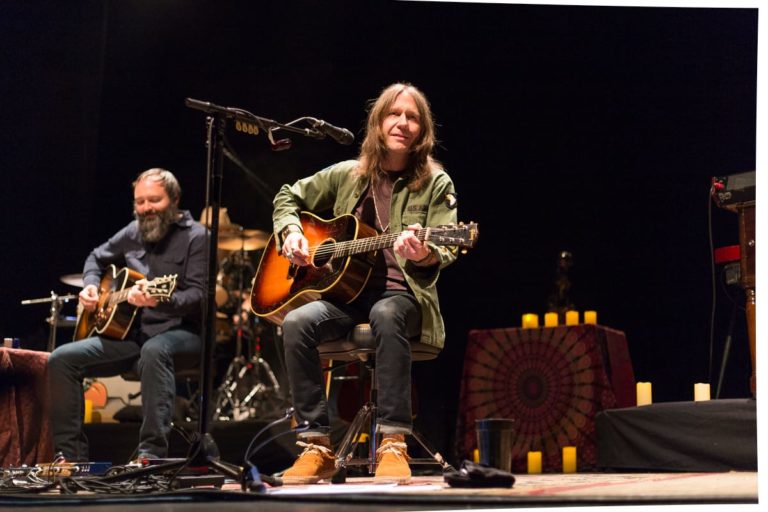
Benji Shanks and Charlie Starr
With six studio albums under their belt, including Bad Luck Ainât No Crime (2004), Little Piece of Dixie (2009), The Whippoorwill (2012), Holding All the Roses (2015), Like an Arrow (2016) and Find a Light (2018), Blackberry Smoke has two Billboard chart-topping country albums and an enormous catalog of songs to choose from. Hailing from Atlanta, these Southern boys are no stranger to the road, touring and performing throughout the United States. Blackberry Smoke have headlined as well as opened for major artists such as Zac Brown Band, ZZ Top, Lynyrd Skynyrd, Eric Church and more. For nearly two decades they continue to tear up the charts and the road with mega hits and touring, playing on average, 250 shows a year. They have developed quite the eclectic fan base as well, ranging from the classic Southern rock, country, rock and roll, grassroots and jam band fans. They have been known to frequently break into long jams, throwing covers into the mix of their music and play all night long.
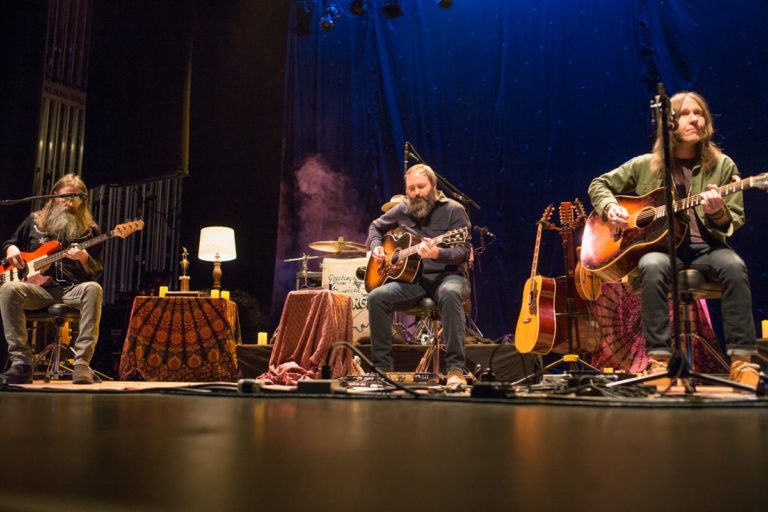
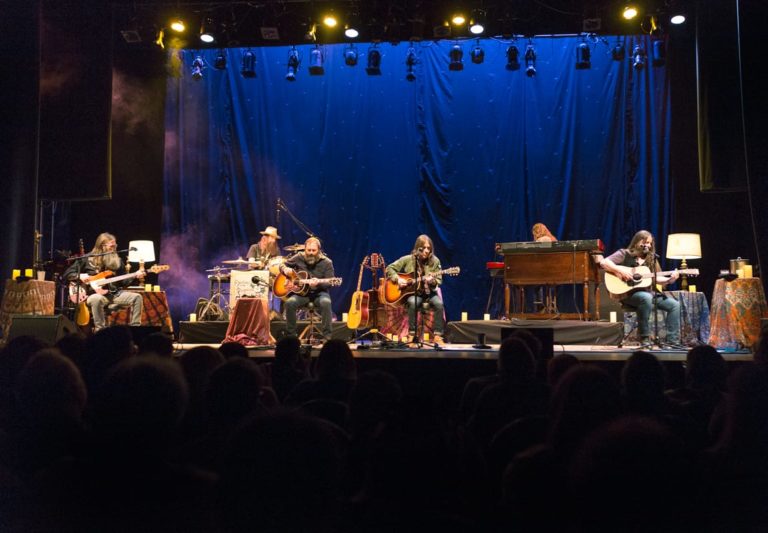
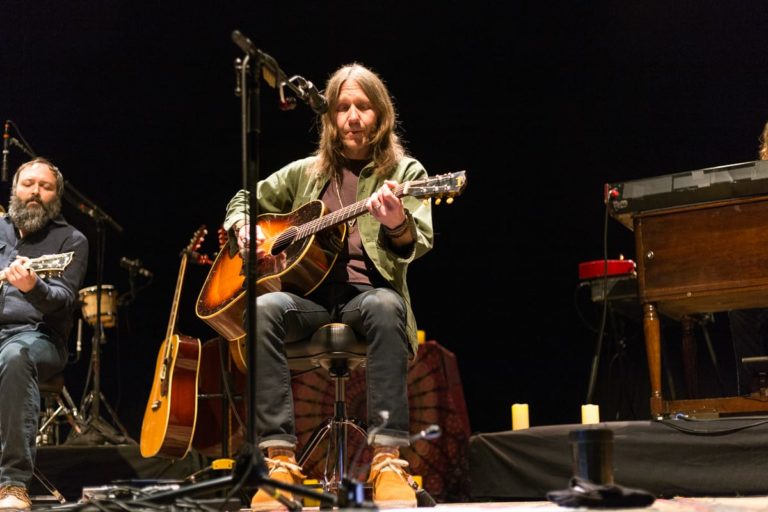
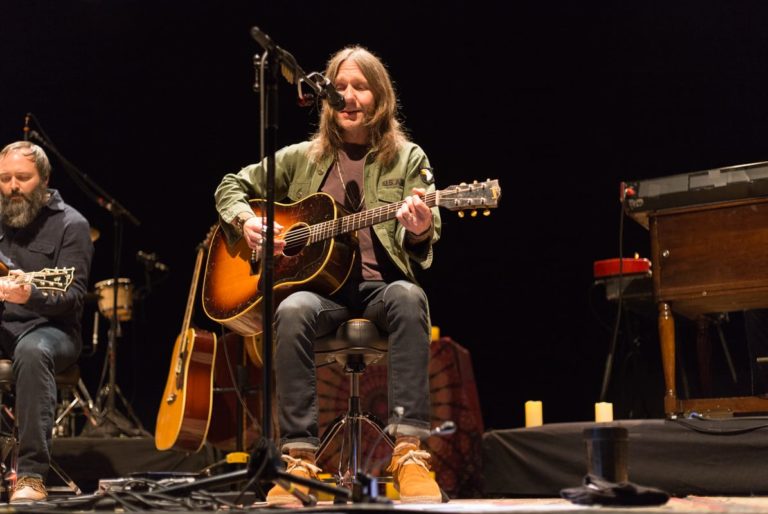
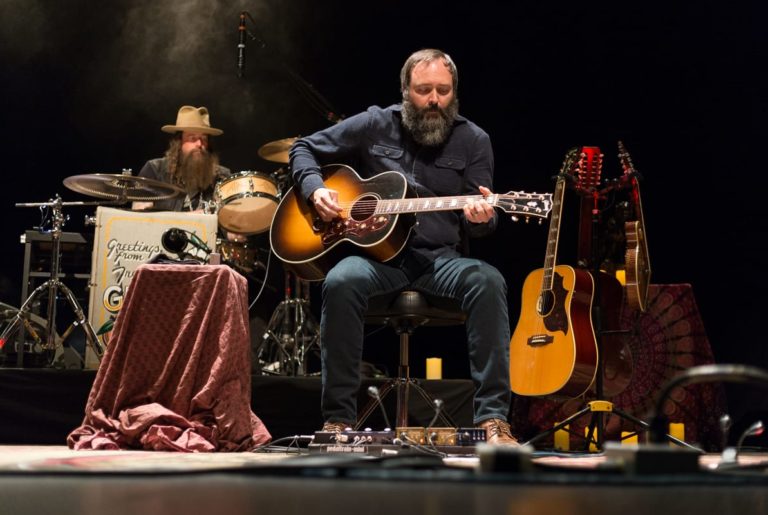
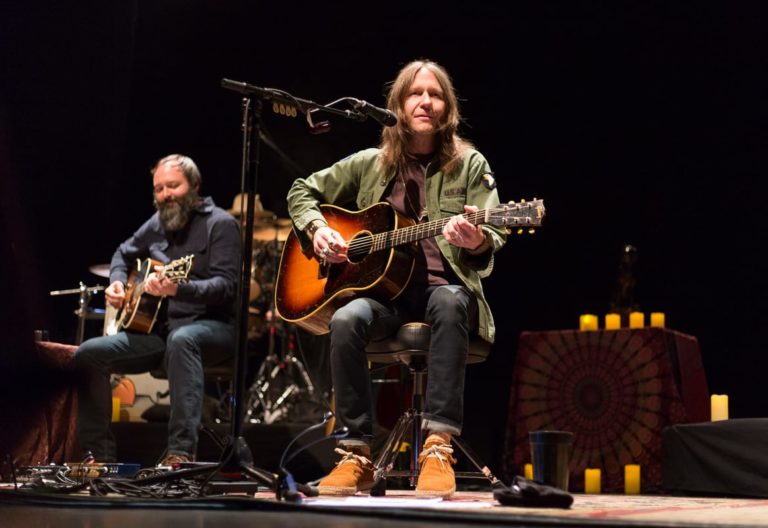
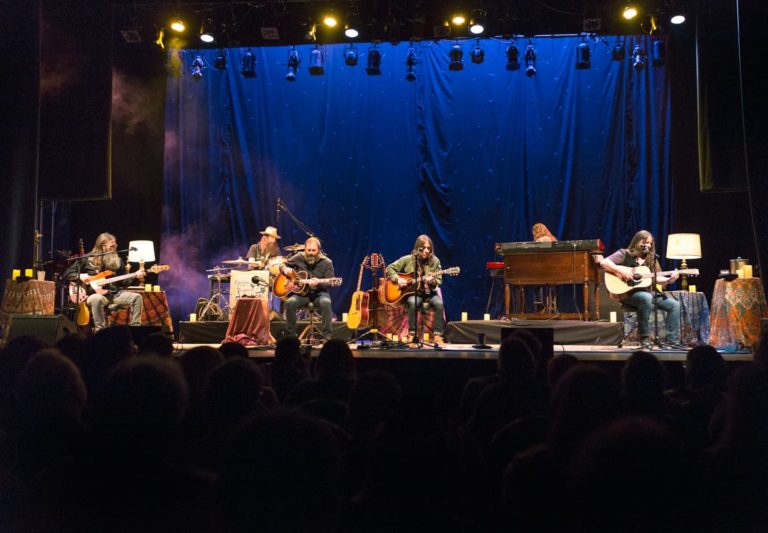
After a mesmerizing opening set from Ida Mae, a talented husband and wife duo from the UK, Blackberry Smoke casually strolled onto the stage around 9 p.m. and played a two hour set, featuring nineteen songs which included three encores. The stage was intimately set with four stools in the front along with the small acoustic drum set stage right and the vintage looking keyboard stand stage left surrounded by table lamps set atop draped curtains and throws most likely covering amps. There were dozens of dimly lit amber electric candles throughout the stage as well making for a relaxing and comforting atmosphere. As lead singer/guitarist Charlie Starr was taking his seat before kicking off the set, he greeted the State Theatre audience by saying “welcome to our living room”
From L-R – Richard Turner, Benji Shanks, Charlie Starr
Blackberry Smoke kicked off their set with the 1927 Thomas Darby and Jimmie Tarlton classic “Columbia Stockade Blues,” followed by “Believe You Me” from their 2016 album Like an Arrow and “Too High” from the 2015 album Holding all the Roses. The band continued to play many of their well known hits as well as some lesser know songs from their immense catalog throughout the two hour performance. Nevertheless, all the songs lended favorably to the acoustic arrangements that these seasoned musicians performed for the exhilarated crowd at the State Theatre. The band kept their performance light and fun, interacting with the crowd and telling some interesting stories behind many of the songs or from their road escapades. At one point Charlie talked about touring the city of Ithaca, from visiting a vintage music store, yet forgoing a purchase during this trip, to visiting Cornell University’s Barton Hall and commenting about the diverse musical history at this famed field house. He commented that he learned that the Grateful Dead’s performance here in 1977 is considered one of the best shows of their career and that they were indeed in good company as fellow Georgian rap artist Ludacris too roamed the Big Red Campus at one point. Charlie and the rest of the band seemed to connect well with the crowd in Ithaca during this stripped down, personal feeling “Break It Down” acoustic show.
Benji Shanks and Charlie Starr
Blackberry Smoke Setlist – State Theatre Ithaca, NY 4/4/2019.
1.Columbia Stockade Blues 2. Believe You Me 3. Too High 4. Sure Was Good 5. Crimson Moon 6. Old Shoes 7. Best Seat In The House 8. Medicate My Mind 9. Lay It All On Me 10. Ain’t Wastin’ Time 11. Run Away 12. Like An Arrow 13. Ain’t Gonna Wait 14. Free On The Wing 15. Ain’t Got The Blues 16. Up The Road . ENCORE: 17. Loser 18. One Horse Town 19. Ain’t Much Left
Blackberry Smoke perform at the State Theatre in Ithaca, NY
Two weeks ago, we started with 64 artists from New York State, representing all genres and corners of the state. Now we have reached the Final Four of NYS Music’s March Madness and these four remaining artists represent four different genres – folk, rock, rap and jam – an eclectic mix of what makes New York State a breeding ground for all types of music.
Beastie Boys bested Billy Joel to take the crown in the TIP the Band region, and they will face off against the lone Upstate victor in the Final Four, moe., fittingly, out of the Funk n Waffles region.
Vote below for who you think is the best artist from New York State in the past century! The finals will start this Thursday, April 4. You can also vote on Twitter!