Category: Features

  • Interview: Athens, Georgia meets Seattle grunge at Lullwater

    Bass player ‘Ray’ Beatty is very straightforward when talking about his band Lullwater: “we’re a really loud rock band.” Add their love for Seattle grunge (Pearl Jam, Alice in Chains, Soundgarden) and a “take no prisoners” rock ‘n roll stage presence – you get the DNA make up of this 4 piece band from Athens, Georgia.

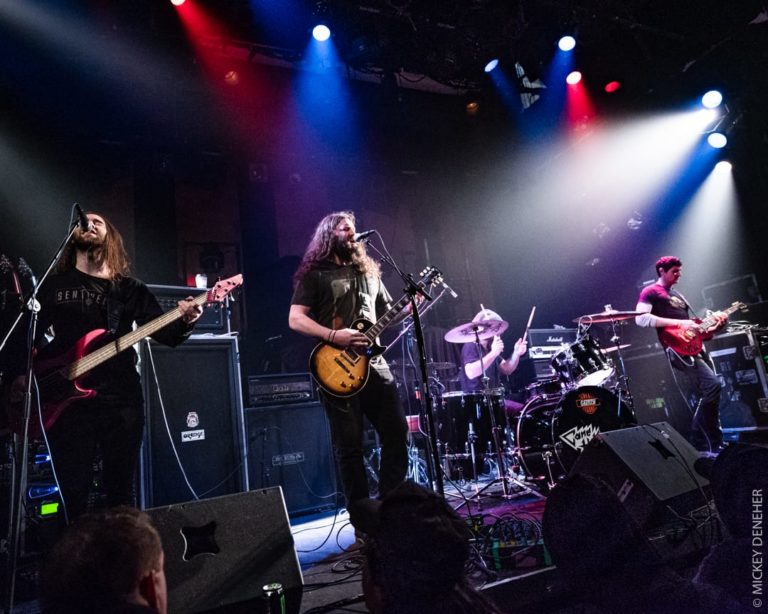
    Together for 10 years, Lullwater is comprised of John Strickland on rhythm guitar and lead vocals, Roy ‘Ray’ Beatty on bass and vocals, Joseph Wilson on drums and vocals; and newest member, as of two years ago, Daniel Binnie on lead guitar. I sat down with Ray and Daniel before their set at The Chance Theater in Poughkeepsie, N.Y. The band was finishing up a month long, five band tour, with headliners Sevendust. It was a cold, but sunny afternoon with plenty of snow on the ground as we sat inside the band’s tour van and got down to business.
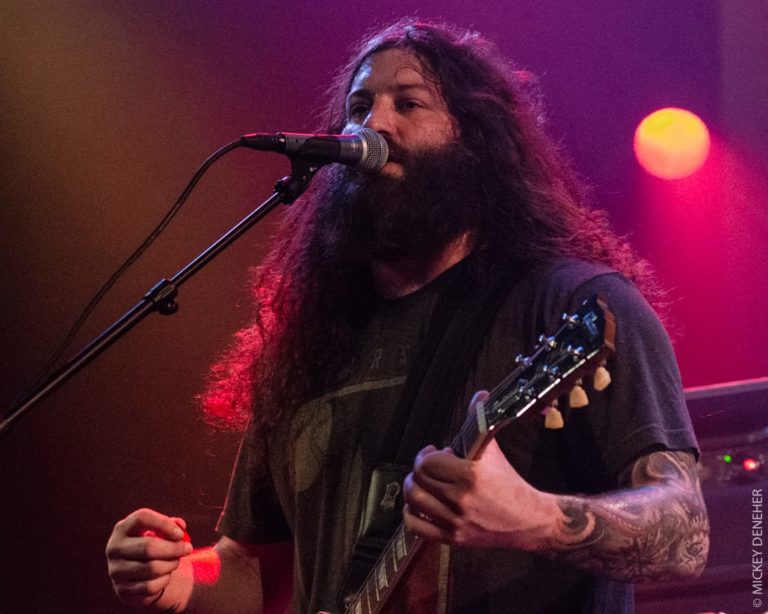
    John Strickland

    Mickey Deneher: You’re on month long tour with Sevendust, what’s that been feeling like?

    Roy ‘Ray’ Beatty: It’s great. It’s an awesome tour to be on. It’s not just Sevendust. We have Tremonti, Cane Hill, and we got Kirra. Every band on this tour is really awesome. Not to discredit any of the bands we have been on tour with before, but as far as from start to finish, this tour lineup is just totally stacked. Almost every show has been sold out. Crowds have been really rockin’ and we get to watch the machine that is Sevendust. Not just the band, but the crew and everything. Seeing an operation on that level is inspiring. It’s like, oh; that is where we aim to be with our professionality, it’s great.

    They’re like hanging out with us, allowing us to hang out with them. Sort of taking us under their wing a tiny bit. It’s a great experience all around. It’s inspiring. It’s very inspiring. You can see how bands that do this for a long time find and maintain success. Manage to do that through hard work. 
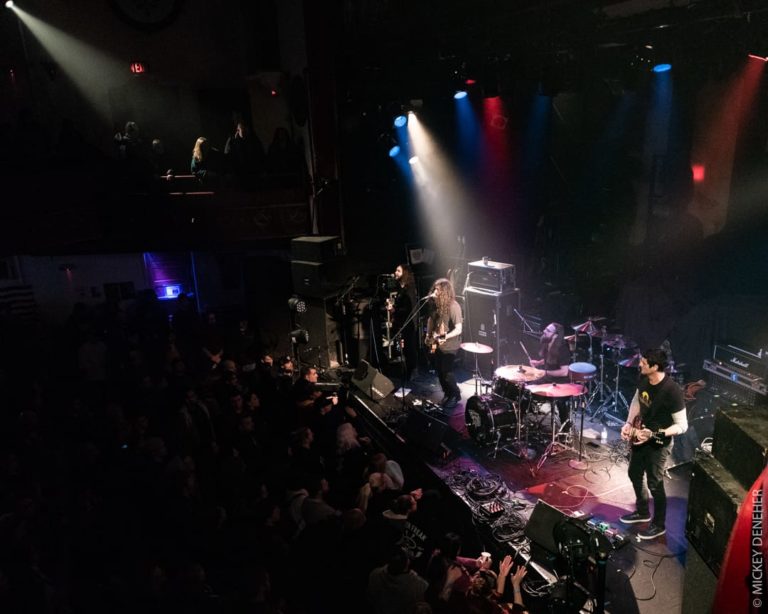

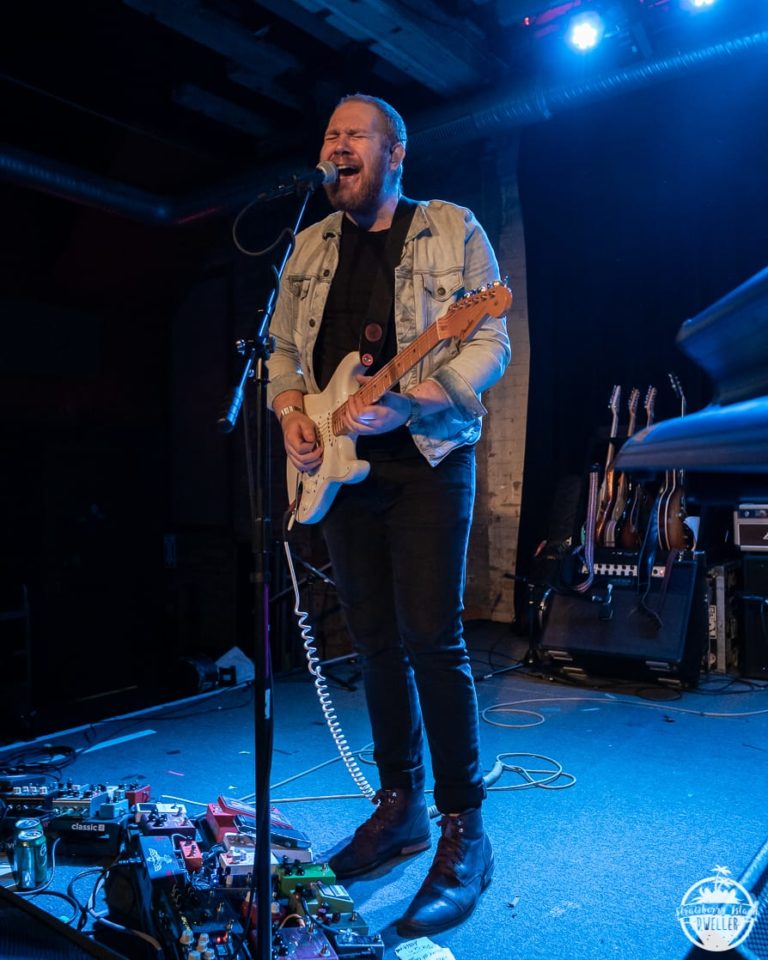
    Lullwater at The Chance Theatre.

    With the tour winding down, the band was preparing for the release of their 3rd and most adventurous studio album, Voodoo. A recording the band calls “a bigger, more intricate and layered, digitally-recorded sound.“ Recorded in New Orleans, the band engaged Jacob Hermann (Anthrax, Machine Head, Amaranthe) to take the reigns as producer. Recorded over a year ago, the band worked hard on the required business details so it would hit the market with full impact.
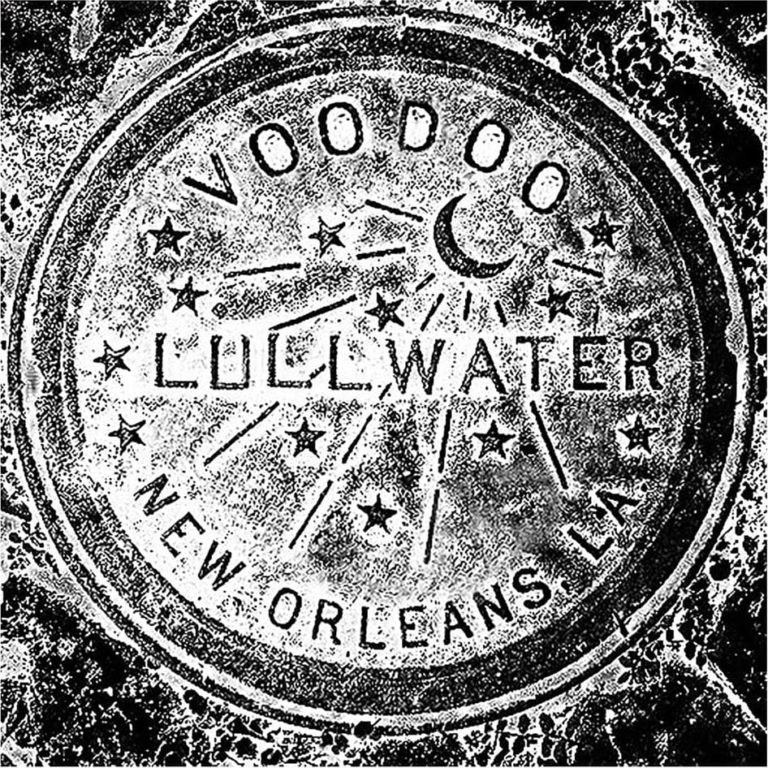
    2019 released ‘Voodoo’ album art.

    MD: The new album is coming out, that has to be an exciting thing.

    RRB: It is exciting.

    MD: You’ve done a couple of studio recordings and some live stuff. Did you go in with songs written and ready, or did you just go in and feel it and make it happen?

    RRB: We had the majority of the songs written. But we went in and took the first week of our studio time just looking back at all of our songs; arranging things and changing things. So it’s like we re-wrote the whole album. But we had a lot in. Like 70 to 80% kind of like rough framework were there.

    But Jacob, he came in and cracked the whip a little more and made us buckle down more then we have in the past. Made us be more reflective and honest about things that we were trying to make and were the things that we wanted really suiting the song that we wanted. 

    Roy “Ray” Beatty – Lullwater
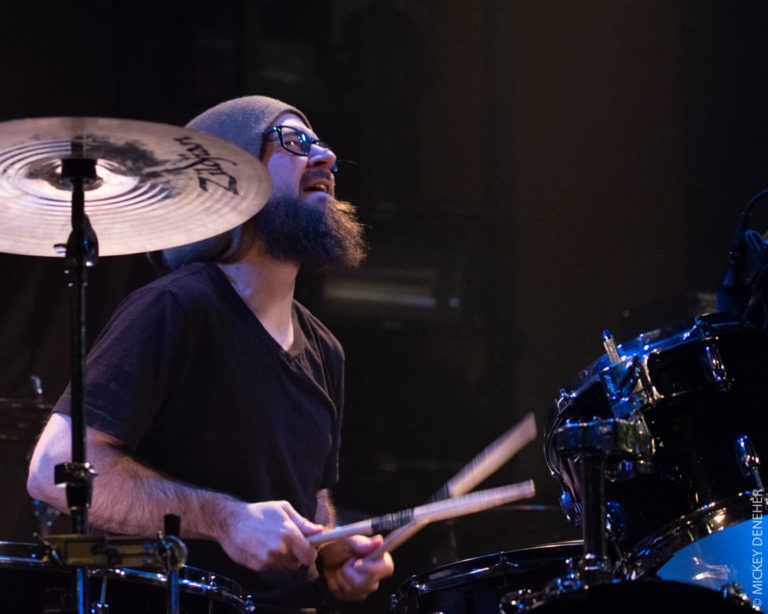
    Joseph Wilson

    MD: You say we looked back, you had them ready, but let me make sure they were there?

    RRB: Well, we did maybe a month or two of just practice in our basement leading up to it. Of us, just writing all these songs and playing them. But neither of our producers were able to be there with us.  So when we went down to the studio we wanted to get them in on the vibe and also get their input and just make sure everything was the best that it could be. ‘Cause we’ve done albums. Like the previous album, we really didn’t write almost anything before we went in. And that was cool too. But we just really wanted to make this one stand out.   

    MD: Jacob Hermann?

    RRB: Jacob (reiterated with a Swedish accent)

    MD: He had some great creds coming in. How was it working with him?

    RRB: It was great. It was a little daunting. It was a big step up. Not to say that our other producer, Justin, isn’t also great to work with, and he is. But he kind of goes along with our vibe and we are all very collaborative. But Jacob, he came in and cracked the whip a little more and made us buckle down more then we have in the past. Made us be more reflective and honest about things that we were trying to make and were the things that we wanted really suiting the song that we wanted. 
    Daniel Binnie: He was extremely critical.

    MD: But that’s good.

    RRB: It was good.

    DB: In a good way.

    MD: His name is on there also. It’s a collaboration.

    RRB: It is. I think people probably don’t realize, that people that don’t make music, or don’t record their music with producers; don’t realize how much of an impact that those producers have on the album; the sounds that are happening, how the sounds all fit together, a lot of the arraignments and stuff. Your always like “Hey Justin,” “Hey Jacob,” “does it sound good?” “Does it suck or not?” When I personally go into the studio I try to, you know I have all these ideas that we have and I want things to be a certain way, but unless I absolutely am worried something’s going to not turn out good, I try to just give up worrying about anything. Saying the power to veto a sound or to confirm ‘does this sound good,’ is in the producer’s control.
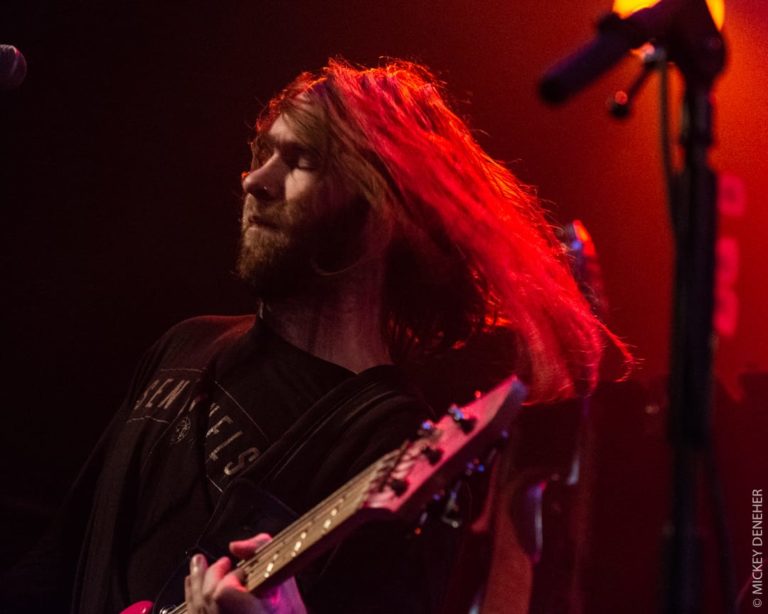
    Roy “Ray” Beatty

    MD: You (as a band) present it, you play it, you created it, but you need that extra set of ears to help you.

    RRB: You defiantly do. If you don’t all do that, it gets to be a to many cooks in the kitchen kind of scenario with everyone saying, “NO, we got to do this riff,” ‘That didn’t quite work, we have to redo it.”  It’s like CHAOS. In order to serve the final product, you have to remove yourself a little from it.

    MD: The song “Empty Chambers” a first release. Talk a little about it.

    RRB: It’s just a loud rock song. Actually, that was the first one we started writing for the album, I think.  I was traveling and I had my guitar in my car and I knew that we had our studio session booked and I was kind of freak’n out because nobody had been sending in riffs. ‘Cause usually, the way our writing process works is, other people are coming up with some of the riffs and I‘ll try to arrange them and we’ll all try to arrange them and write. We write together. But for this one, I was just in my hotel drinking and I was like; man, we need songs.  So I just wrote that first riff and we just kind of came together and made a song out of it.
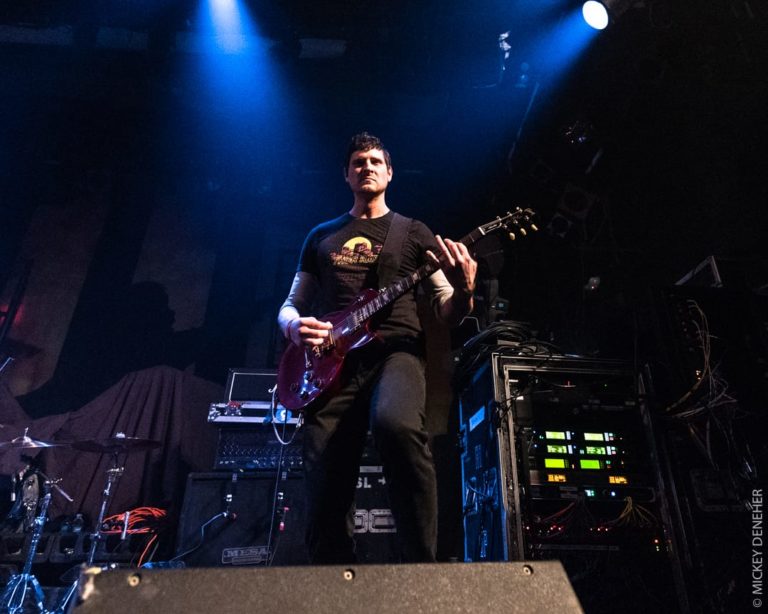
    Daniel Binnie

    You can take kind of what you want from the lyrics. John (Strickland, lead vocals and rhythm guitar) doesn’t like to be super direct with explaining his lyrics in interviews, so I kind of respect that.  But you listen to it; you can kind of hear what it’s all about.

    Daniel Binnie: I wrote the rhythm for the chorus. Don’t for get me (laughing!) 

    RRB: Binnie did write the chorus of “Empty Chamber.” Totally wrote that. We took that from a song he made. So it really came together. 

    MD: What was it that drew you down to NOLA (to record)?

    RRB: Jacob had worked in that studio and he said that was the place to go, so we said ok, we trust you.

    MD: New Orleans is such a music place.

    RRB: It is a music place.

    MD: The vibe is a NOLA vibe. Did any of that seep in a little?

    RRB: The album is called Voodoo. We where there for Halloween. (Laughing) It definitely influenced the album. It seeps through. You be able to hear it in the final product.  
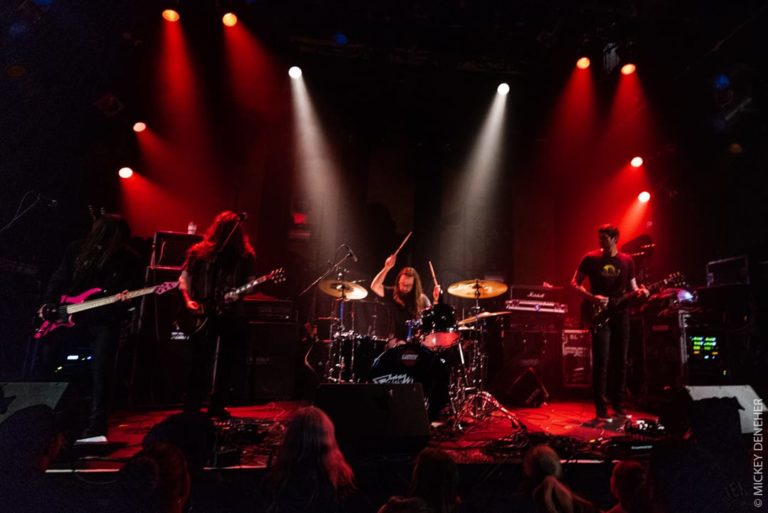
    Lullwater

    DB: Musically of course, we got some horns and strings and stuff from local musicians on the album. So you got that. As far as the vibe of the town, there is a lot of pain and suffering on that album.

    RRB: There is. I feel that like that is the theme of the album overall, everything falling apart and then getting back together.   


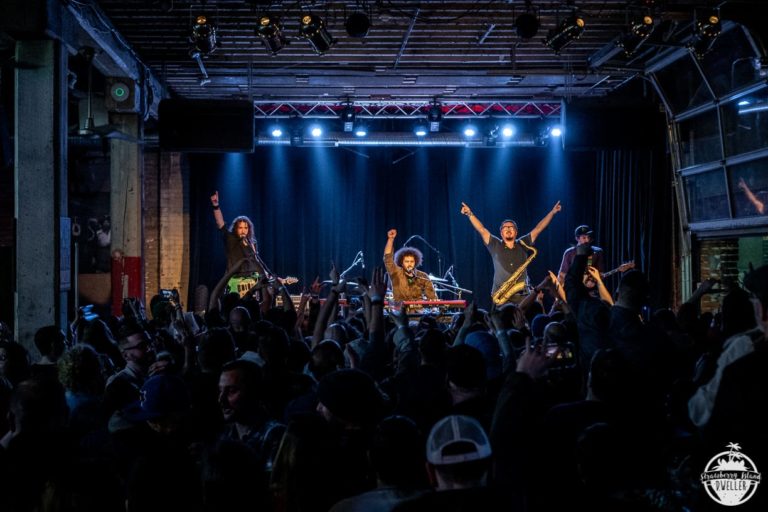
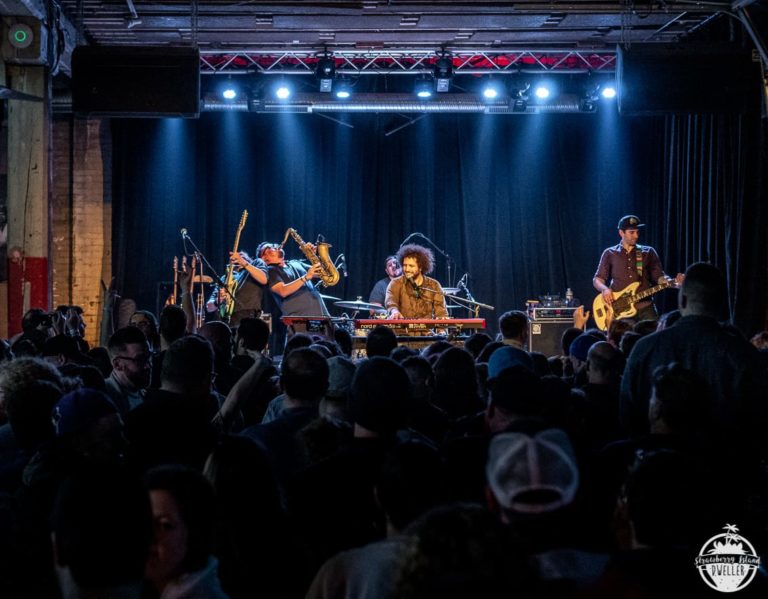
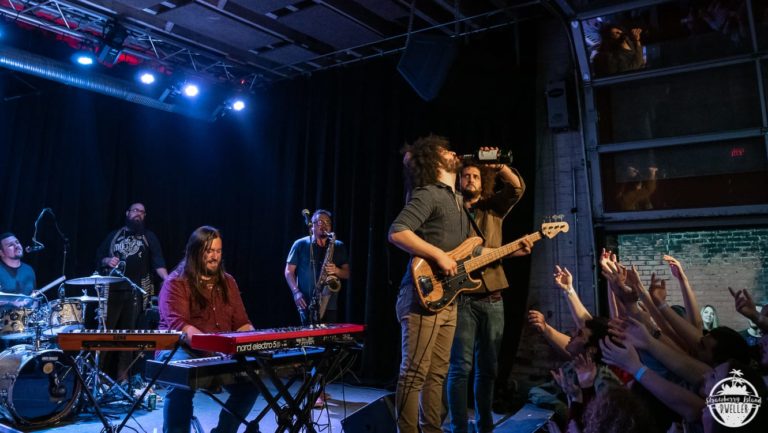
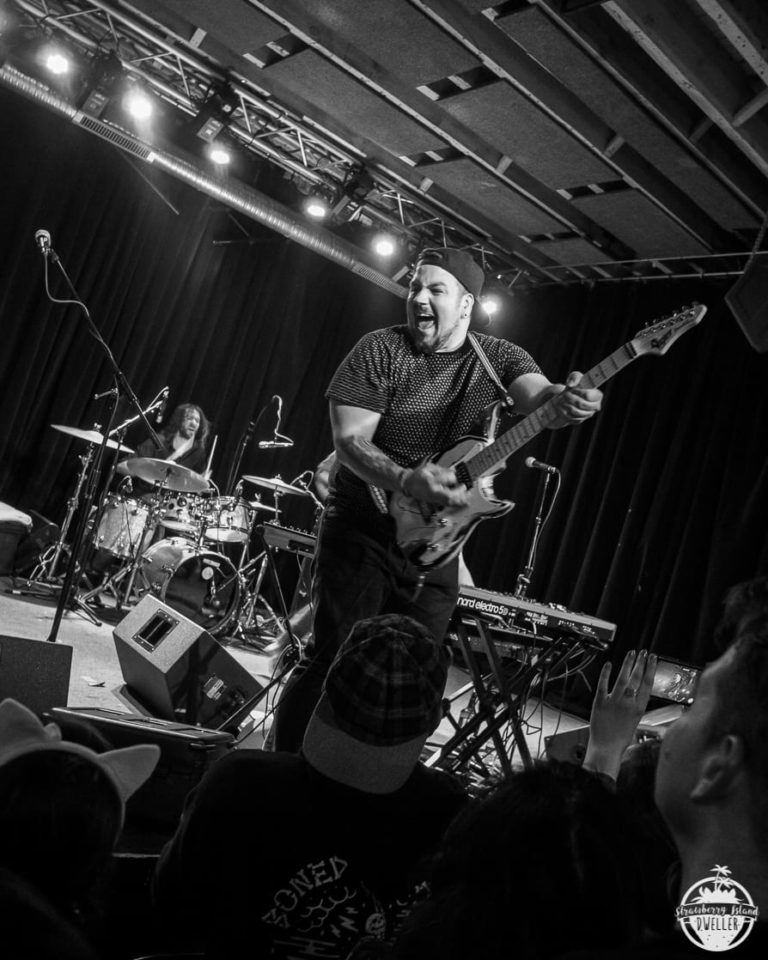
    The band hit the stage at The Chance Theater to a very appreciative and packed house. With 2019 in front of them, Lullwater will be releasing an acoustic EP, containing songs from their last two albums, in late spring or summer. The band is now finalizing tour dates for the rest of the year, so look for Lullwater out on the road in support of their latest release.

  • Katie Louise Unleashes Debut EP

    Capital District pop artist, Katie Louise, is releasing her first EP, celebrating with a no-holds-barred show at Jupiter Hall. Louise, 21, will release Unleash today, Friday, March 15.

    The seven-song EP will show its feathers later that night. The show will start at 7:30 p.m. and feature other local artists like Justin Charles, Nick Rossi and the Broken View. Tickets range from $15 to $20 and can be purchased at ticketfly.com. Jupiter Hall is located at 1 Crossgates Mall Road, inside Lucky Strike Social Club.

    For Louise, this is an album of baggage. It’s also an album of redemption, empowerment and validation. The young star started as a classically trained pianist; she was on the fast-track to professional stardom at just 14 years old.

    “I always had this talent for piano and in a lot of ways, I was just pushed into following that skill until the end,” she said. “I had written ‘Imprisoned in Paradise’ and realized I had the ability to write music. However, when I wrote ‘Broken,’ I realized this was something I really needed to pursue.”

    Katie Louise faced some adversity from those around her, particularly from those who were in the classical music circuit. As she transitioned into pop, she had to dig down to find the empowerment to keep going.

    “This EP is so incredibly vulnerable and real for me because I really open myself up in my songwriting,” she said. “I’ve always been blessed to be able to open up relatively easy, but I’ve been through a lot of pain in my childhood and this not only helped me express it, but helped me let some of it go.”

    Fans can expect a mixture of sounds. The two singles she has already released, “Imprisoned in Paradise” and “You Can’t Talk To A Woman Like That,” are drastically different — “Paradise” is more of a ballad with dreamy accompaniment, where Woman has a kick in its step. Louise said each song will be markedly different from the one before it, but they all complete the bigger picture and help answer the question of who she is — in all of her facets. All songs are written organically, with Louise finding inspiration in things she says or what she sees around her.

    She hasn’t completely abandoned her roots. Louise is excited about the piano solo on “Unleash,” the namesake of the EP.

    “It’s like I’ve blended my two biggest passions now and am able to draw from what inspires me in both,” she explained. “I’m confident that I can do this. I’m nervous, excited, stressed and overwhelmed.”

    This article was originally published by The Spot 518, is property of Spotlight Newspapers in Albany, N.Y., and appears as a special to NYSMusic. TheSpot518 and NYSMusic work in partnership to provide readers with in-depth coverage on the local music scene in the Capital District and New York state, respectively. For more, visit TheSpot518.com.

  • Dead Horses and Honeysuckle Play One for the Folks at Good Luck

    Dead Horses, a duo from Wisconsin, and Honeysuckle, a trio from Boston, met somewhere in the middle Tuesday night – geographically in the middle via Rochester, NY to be exact – as a part of the latest show put on by Honest Folk. The show itself also met in the middle musically, landing squarely within folk traditions both new and old.

    Honeysuckle opened the night. Guitar, mandolin, banjo and a kick drum blended into a joyful swirl of acoustic strings and beats. They played some new, as-yet-recorded songs to keep them “on their toes.” Though early in the set, “Catacombs,” off their 2017 release of the same name, kept the audience on their toes as well. An airy and floating psychedelic segment broke into a full-fledged mandolin-led jam before slinking back into the main song.

    They weren’t afraid to break free from folk and bluegrass expectations, mixing the two and then splashing in some more modern elements from pop, rock and jazz. Most noticeably, Chris Bloniarz’s mandolin was being fed into a rather large bank of effects pedals. He used them subtly, allowing his playing to shine through and it never overwhelmed the acoustic three-piece sound.

    On a new song, “Windstorm,” lead singer and guitarist Holly McGarry explained that it was written as a reaction to someone who once wrote a mean poem about her, saying she dressed like an old woman. She wore it like a badge of honor though; old women are great dressers! Appropriately enough, their music also had a timeless quality to it, but in a youthful and new body.

    The band exhibited wonderful three-part harmonies throughout the set, but truly flexed their vocal chords with, as they deemed it mandatory, a cover of Crosby Stills and Nash’s “Helplessly Hoping.” They nailed it, silencing all doubters, if there were any remaining at that point in the set.

    Dead Horses, comprised of Sarah Vos on guitar and Daniel Wolff on double bass, played a set of sparse, sometimes dark, folk songs with their Midwestern charm shining through. They met and matched their openers in vocal prowess with Vos carrying the bulk of the load. As lyrically excellent as their songs were, some of the most captivating vocals were ooh’s and mmm’s or the chills-inducing extended and repeated “sweeeet”s during the song “Brothers.” In “Turntable” Vos sang, “If my heart was a turntable, and my belly was the speaker and my soul the needle,” which just about sums up their songwriting as well as one could.

    Wolff’s bass carried the heft of the instrumental melodies, plucking out the bottom, bowing higher registers and banging out rhythms off the body, at times all in the same song.

    The band has been writing songs and releasing them as singles when they’re ready, not waiting for a full album to emerge. New tunes like “Birds Can Write the Chorus,” “A Mighty Storm,” and the “Family Tapes” show how the band is still developing their sound. On the latter, in a short span, the song moved through at least three distinct sections, stepping away from a more traditional structure.

    Generally a taboo question for a band, Dead Horses were forthcoming about the origin of their band name. Named after a friend who died of a heroin overdose, they feel a need to be open about it since it is such a prevalent issue that needs even more exposure than it currently is receiving.

  • NYS Music City Guide: The Queen City, Buffalo

    What better place to start NYS Music’s City Guides series, a monthly musical tour through New York State’s cities, than far West, on the shores of Lake Erie, in The Queen City of Buffalo. Home to the die-hard Buffalo Bills fans, surrounded by the sweet smell of Cheerios from the General Mills cereal plant, and comprised of stunning neoclassical architecture, this city is a little slice of snowy heaven packed full of action.

    Buffalo the queen city

    One of its longstanding claims to fame is the musical talent that seemingly is bred in Buffalo, NY. From activist singer-songwriter Ani DiFranco, R&B singer and instrumentalist Brian McKnight, to drummer and co-founder of the alternative rock band Weezer, Patrick Wilson, and finally, to the masterminds behind everyone’s favorite karaoke jam, “Iris,” The Goo Goo Dolls, Buffalo has supplied music with some staple artists from a plethora of genres throughout the years. The music scene of the city now is as hot as ever and this article highlights all the can’t miss music action in Buffalo.

    Theatres

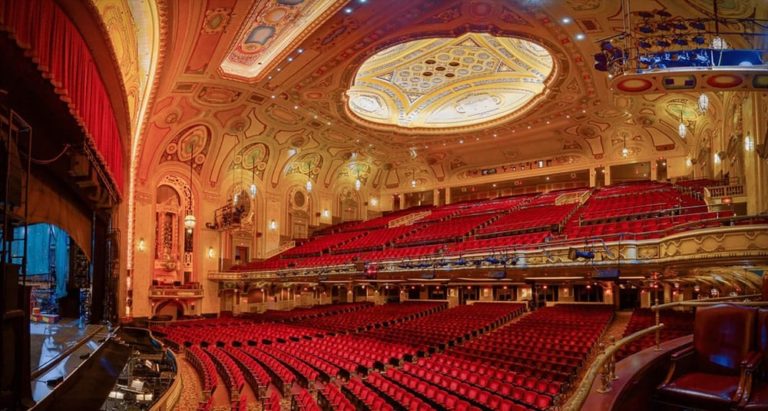
    Shea’s Performing Arts Center – Shea’s is not only one of the most treasured gems in Buffalo, but also a National Historic Site as the theatre was built in 1925. Extensive amounts of work and volunteering has been put into renovating and ensuring that this theatre is still up and running for Buffalo and beyond to enjoy. It now hosts a plethora of installments of Broadway shows, as well as huge musicians such as Mariah Carey and Bob Weir. This versatile venue is devoted towards sustaining a classic theatre that the youth can enjoy art in for years to come. Take a look at their upcoming schedule.

    Buffalo the queen city

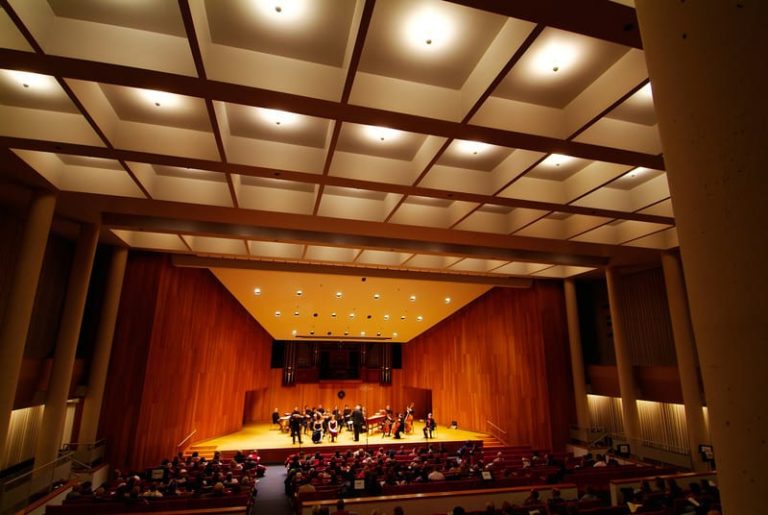
    University at Buffalo Lippes Concert Hall – Every year, at the University at Buffalo’s state of the art facility, the Department of Music hosts over 150 public performances. Here anything from string quartets, to pianists, guitarists, jazz ensembles, and even computer music concerts can be experienced and heard. This is yet another somewhat hidden gem of Buffalo as locals can see the fresh faces of music that are learning and perfecting their craft in their hometown.

    Buffalo the queen city

    Arenas

    Key Bank Arena – Not only is this massive entertainment home to the NHL’s Buffalo Sabres, but it also houses some of the world’s biggest musicians as their tours come through Buffalo. Since the grand opening of the venue in 1996, the arena has hosted over 23 million guests at its countless events in its over 19,000 seating capacity space. In the months to come, the KeyBank Center will host huge tours such as Ariana Grande, Fleetwood Mac, Cher, Justin Timberlake, Twenty One Pilots, and Carrie Underwood, among many others. For large-scale fun and entertainment all year long, this staple of Buffalo is a go-to.

    Buffalo the queen city

    Darien Lake Amphitheater – About 40 minutes outside of Buffalo, is Western New York’s destination for summer concerts. This large amphitheater is where many Buffalo natives travel for summer concerts of all genres including country, rock, and reggae to name a few. Alternative Buffalo 107.7|104.7 hosts most of their larger shows here, including the upcoming shows for The 1975, as well as Beck and Cage The Elephant. Other shows for this upcoming summer include Chris Young, Zac Brown Band, 311 & The Dirty Heads, Heart, and KISS.

    Music Festivals

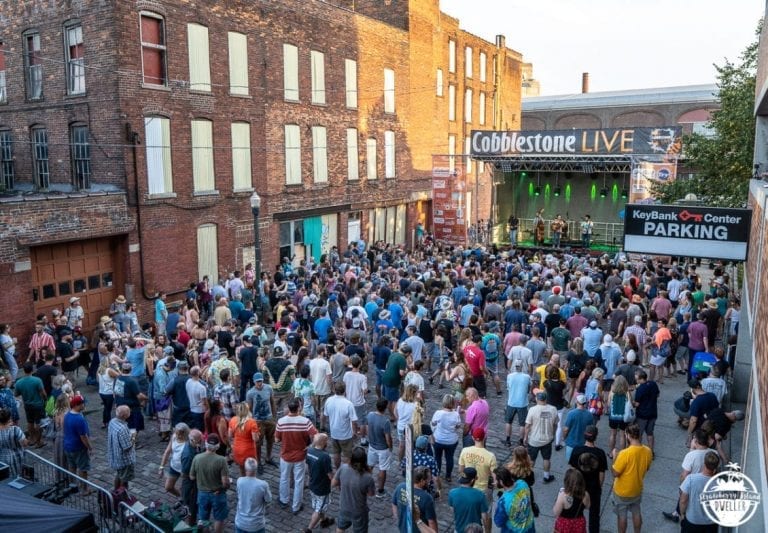
    Cobblestone Live Music and Arts Festival Presented by Buffalo Iron Works & Lockhouse Distillery & Bar, this year will the third annual Cobblestone Live Music & Arts Festival. It will be held on August 2nd and 3rd in the historic Cobblestone district of downtown Buffalo, with two outdoors main stages, one inside Buffalo Iron Works, and an electronic stage and lounge inside the Distillery. Spread across these 4 stages, there will be over 25 artists featured, to be announced in the coming months, as well as festival games, local food trucks, vendors, cider, beer and a specialty beverage menu courtesy of the two producers of the festivals’s venues. The festival has been growing and will be sure to continue to grow in years to come, making it one to watch in the Buffalo area.

    Beau Fleuve Music Festival – Not only is this festival a staple in the Buffalo area, but it is internationally recognized as a trendsetting, one of a kind celebration of arts and music that bridges the gaps between generations, cultures, and beyond.  The festival has been a great success in the past, bringing in a diverse lineup of artists.  Keep your eyes peeled for updates on this year’s events.  

    Notable Venues

    Rec Room – Rec Room is the newcomer in Buffalo’s venue scene. Following the closing of the beloved Waiting Room, former owner Chris Ring poured his energy into opening this new venue that he hoped would have something for everyone. On top of stellar live music, the venue hosts parties and karaoke nights that keep the fun going at all times. The venue opened for “test” shows in August and fully set sail in September and has been making waves ever since. The future of this venue looks promising as their upcoming shows are pretty stacked.

    Town Ballroom– Yet another historical piece of Buffalo’s musical lineage. Town Ballroom was originally called The Town Casino in the 1940s and ’60s and hosted performances from legendary musicians like Frank Sinatra, Nat “King” Cole, John Coltrane, and Les Paul. After a turbulent few years and switching ownership, the venue was restored to the former glory of the original venue in 2005 and has since been continuing its legacy of incredible shows. Upcoming shows include Action Bronson, Snarky Puppy, and Tom Morello.

    Iron Works – Right next to the musical giant of Buffalo, the KeyBank Center, is the live music, full bar, and your go-to destination for chicken wings: Iron Works.  Voted “Best Music Venue in Buffalo” in 2017 by the Buffalo Spree Awards, this venue hosts a variety of acts such as local bands, cover bands, and national touring acts such as the upcoming KT Tunstall show in May.  Check out their upcoming events to plan a night of good music and good food. 

    Riverworks – Located right on the banks of the Buffalo River is another versatile venue of the city. In addition to skating, rope courses, a brewery, and river boat tours, Riverworks puts on a variety of live music shows throughout the year. Their space can produce both indoor and outdoor shows, and hosts artists from every genre from rock, country, to dance music.

    Nietzche’s – They say it best themselves, “Life without music would be a mistake.” A longstanding favorite of NYS Music, Nietzche’s has been a staple venue of Buffalo for over 25 years. Notable for its welcoming reputation to national and regional touring acts alike, and for being the jump-off points for big musicians, Nietzche’s is still kicking and going strong. Currently hosting a multitude of local acts from not only Buffalo, but all across New York State, Nietzche’s is always serving up good times and great music.

    Sportsman Taven – Opened in 1985, the Sportsmens Tavern has won over the hearts of Buffalo natives and quickly became one of the best venues in the county.  It is another great place in Buffalo to catch local acts on one of their Emerging Artists nights, local bands, and bigger nationally touring acts.  The undeniable character and longstanding charm of this venue is a “can’t miss” of Buffalo.  Check out their upcoming shows

    Unique Venues

    Asbury Hall – Once a Gothic Revival-style sanctuary, this eye-catching venue within Babeville, the arts space founded by Ani DiFranco and Scot Fisher, has been completely remodeled into a music hall with plenty of character. Asbury Hall can accommodate a more intimate crowd of 1,200, compared to Buffalo’s large scale event spaces, and has hosted incredible singer-songwriters such as its own Ani DiFranco, Sufjan Stevens, and Tallest Man on Earth. While Asbury Hall is regarded as one of the most intimate concert venues within Buffalo, Babeville also houses The Ninth Ward, a subterranean bar and listening room, and an art gallery, Hallwalls Contemporary Arts Center. Check out the events calendar to catch a show at this iconic venue.

    PAUSA Art House – Honorable mention for a unique and intimate art experience in Buffalo has to be PAUSA Art House.  An intentionally small audience, and ritual of pre-show and post-show receptions bring a new and refreshing atmosphere to experiencing a wide array of musicians that perform here.  This art space, wine and tapas bar focuses on showcasing the artists local to Buffalo and the surrounding region, but also welcomes international and national touring acts.  Check out their upcoming events and be sure to make a reservation to ensure your spot for this one of a kind atmosphere. 

    Wherever you turn, in any season, Buffalo will be bustling with the music that it’s been breeding since it all began. While some venues and festivals may come and go, Buffalo’s musical roots are definitely here to stay. Hopefully this guide will help you make your way through all the incredible experiences that Buffalo has to offer your ears.

  • New York Series: Billy Joel “New York State of Mind”

    Among the songs that celebrate New York City, “New York State of Mind” by Billy Joel, from his 1976 album Turnstiles, has become a fan favorite in regular rotation at his concerts, in particular at Madison Square Garden. While the song was never released as a single or a hit for that matter – Turnstiles only made it as high as 122 in the Billboard 200 – its place in Joel’s catalog and hearts of fans is firmly in place.

    Rather than head down south or out west, Joel sings about preferring to take a Greyhound down the Hudson River Line.  Joel discussed “New York State of Mind” in an interview with Howard Stern in 2010, saying that he wrote the song in 15 minutes on a bus headed Upstate to his then-home of Highland Falls. While there is no Hudson Line for Greyhound Buses, the route along I-87 follows the Hudson River, and along the other side of the river would be the Metro North Hudson Line, connecting Poughkeepsie to Grand Central Station.  Perhaps Joel combined these two in order to preserve a oneness of New York’s mass transit and treat that journey like he was staying local, and for the 20-25 million who live within an hour of the Big Apple.

    Joel longs for New York in “New York State of Mind,” having lived in California for the past three years. With a return home, Joel felt pride that can be felt in the emotion behind the lyrics.

    New York State of Mind

    Billy was born in the Bronx in 1969, grew up in Hicksville, and is one of the most famous products of Long Island. His father and mother emigrated to New York from Germany via Switzerland and Cuba during World War Two and settled in Brooklyn before moving to Long Island after Billy was born. Billy’s father returned to Europe, settling in Vienna, Austria where Billy has a famous half brother Alexander who is a classical conductor and most recently conducted the Staatstheater and Staatsorchester in Braunschweig, Germany from 2007-2014.

    Billy got his start playing piano in high school, eventually dropping out despite being a good student due to a lack of credits his senior year. He was quoted in Hank Bordowitz’s biography Billy Joel: The Life and Times of an Angry Young Man (2006) that rather than finish his credits in summer school, he would begin a career in music. “I told them, ‘To hell with it. If I’m not going to Columbia University, I’m going to Columbia Records, and you don’t need a high school diploma over there.’ (He later graduated in 1992 after submitting papers to the school board). From there, Joel joined the Echoes, the Hassles and finally the duo Atilla with Hassles drummer Jon Small. After an affair with Small’s wife, whom Joel later married, he signed with Family Records for his 1971 debut Cold Spring Harbor.  

    Billy Joel most memorably performed “New York State of Mind” at The Concert for New York City, the October 2001 benefit for New York City Fire and Police Departments and first responders following the terrorist attacks on New York City on September 11. In 2012, Joel hit an emotional nerve once again, performing the song at 12-12-12: The Concert for Sandy Relief, held at Madison Square Garden on December 12. During the song he changed the lyrics to include Breezy Point (Queens) and Oceanside (Nassau) to great cheers from the crowd.

    The influence of New York is present throughout the lyrics of “New York State of Mind,” as the trip back to his home state moved Billy so much to pen the song in 15 minutes. His state of mind is New York-centric, as is the beginning of his career, and arguably his best years are found while living in the Empire State. Billy is a New York staple, a musician infinitely tied to New York City, Madison Square Garden, Long Island and Nassau Coliseum through many songs and albums, but none is more connected than “New York State of Mind.”

    “New York State of Mind” lyrics

    Some folks like to get away,
    Take a holiday from the neighborhood
    Hop a flight to Miami Beach or to Hollywood
    But I’m takin’ a Greyhound on the Hudson River line
    I’m in a New York state of mind
    I’ve seen all the movie stars in their fancy cars and their limousines
    Been high in the Rockies under the evergreens
    I know what I’m needin’, and I don’t want to waste more time
    I’m in a New York state of mind
    It was so easy livin’ day by day
    Out of touch with the rhythm and blues
    But now I need a little give and take
    The New York Times, the Daily News
    It comes down to reality, and it’s fine with me cause I’ve let it slide
    I don’t care if it’s Chinatown or on Riverside
    I don’t have any reasons
    I left them all behind
    I’m in a New York state of mind
    Oh yeah

  • Andy Frasco Brings the Party to Buffalo

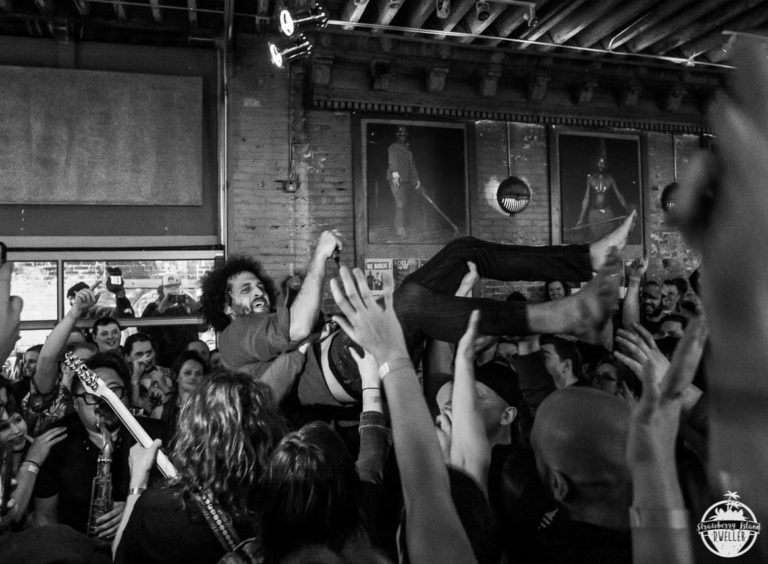
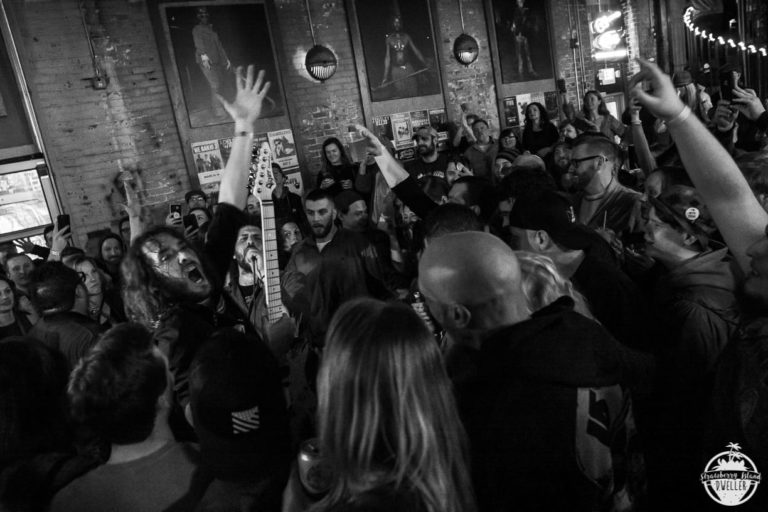
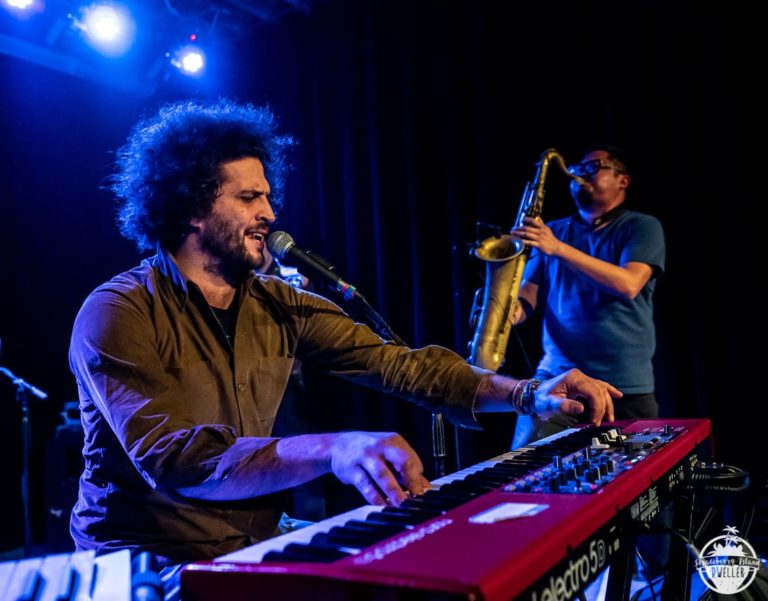
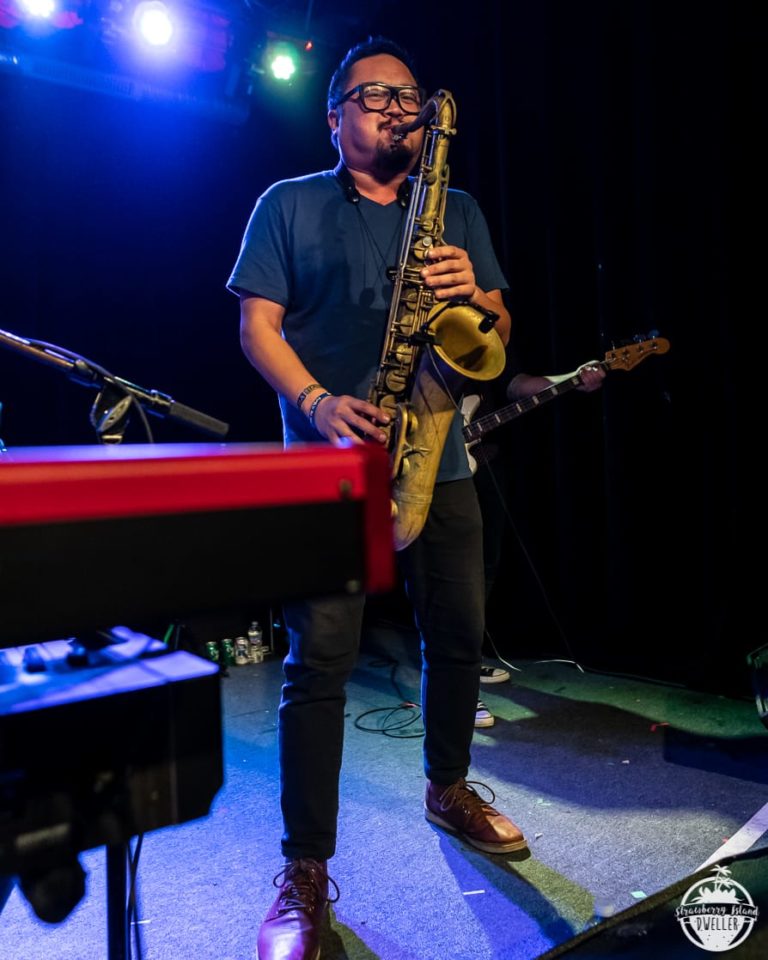
    Andy Frasco & the U.N. have been hitting the road in support of their latest album Change of Pace and Sunday, March 10, saw them stop at Buffalo Iron Works. No strangers to Buffalo, they really made a name for themselves in the Queen City at last summer’s Cobblestone Live. Needless to say the place was packed by the time openers Wild Adriatic took the stage and the party did not let up. Beers were chugged, Jameson was passed around and crowd surfing …oh the crowd surfing.

  • Hearing Aide: Todd Snider ‘Cash Cabin Sessions, Vol 3’

    The album Cash Cabin Sessions, Vol 3, which features vocals by Jason Isbell on one track, goes back to Snider’s more quiet, folk-based roots. While he composed the lyrics for the songs in Stinson Beach, California, the melodies to the songs came to him behind Cash Cabin.

    Cash Cabin Sessions
    Todd Snider

    The album as a whole can be attributed to a list of things that are happening in the world, told in the form of satire with songs about reality TV, the government and just the conspiracy of it all. Calling this album a nod to the world we live in is perfectly conveyed throughout in songs like “Talking Reality Television Blues,” “The Blues on Banjo” and “Framed.”

    With the influence of Johnny Cash on his side and, of course, his recording studio, courtesy of Cash’s son John Carter Cash, Todd Snider really taps into the essence of the legendary musician with his Cash Cabin Sessions, Vol. 3.

    Snider cites working in the studio and actual reoccurring dreams of Johnny Cash that he had that led him to record in this studio in 2016 and 2017 with his supergroup Hard Working Americans. This, however, is his first solo album produced here.

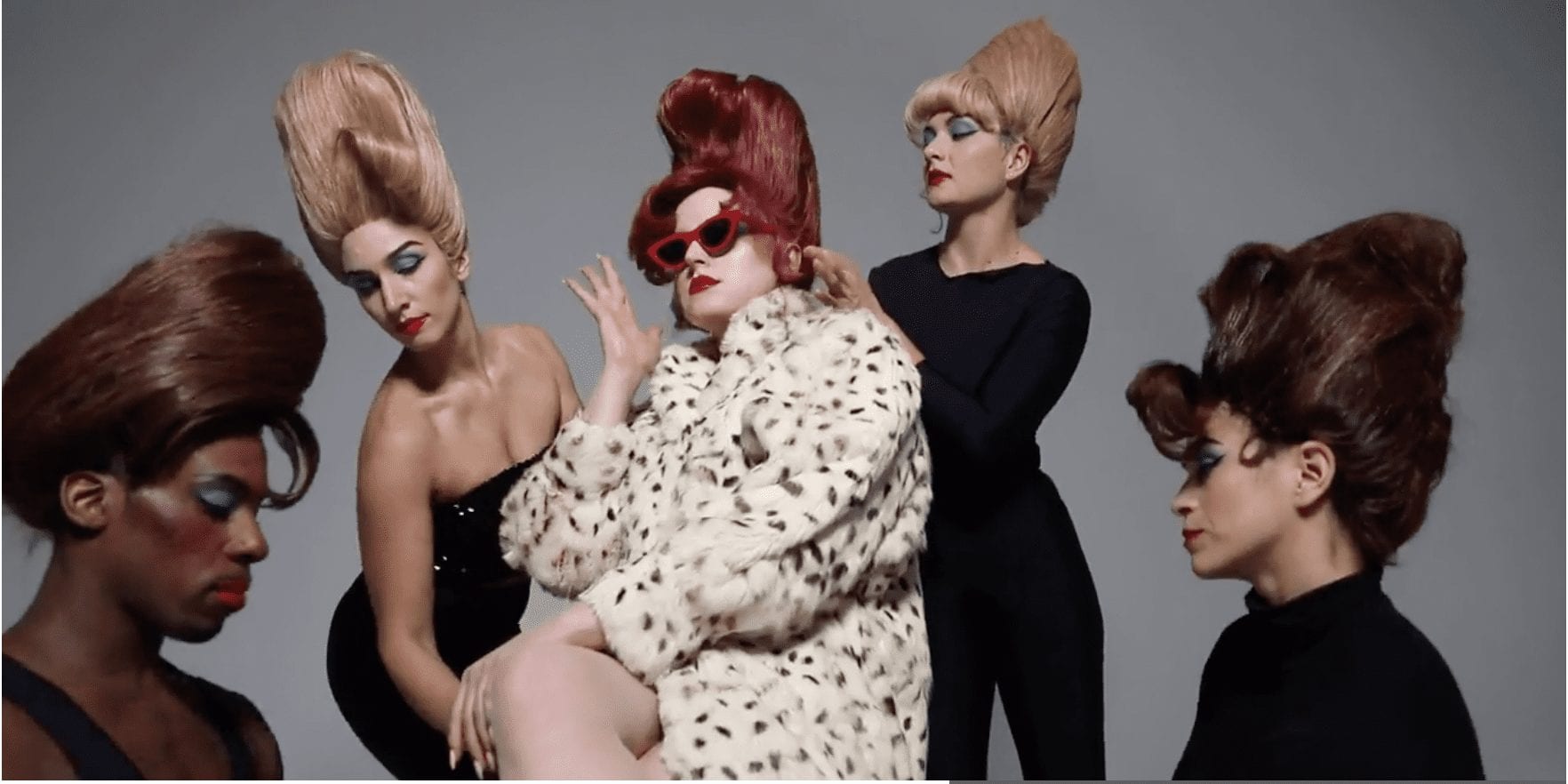
  • Bhuman bring ‘Gorgeous Wigs and Plenty of Lewks’ in video for “Goodbye”

    NYC alt pop duo, BHuman, have shared their stunning video for “Goodbye,” which premiered exclusively on Billboard this week, who highly noted the “whimsical, avant-garde” nature of the video.

    “Goodbye” is a playground loaded with giant puppets, massive wigs, a bunch of costume changes and a whole lot more. While the duo looks stunning in their own right, the addition of dance group Visceral Abstraction and the bold puppet outfits from Chromatico, takes the glamor to a whole new level.

    bhuman“Goodbye” is a breakup song turned 180. Billie Lloyd, a musician, composer and producer, and one half of the power duo, said she channeled her feelings of frustration with the emotionally charged lyrics, while Harrison Scott helped turn the song on its head and create an anthemic, confident statement.
    Bhuman’s work is an emotional journey through absorbing melodic hooks, intimately hushed vocals, chill-step beats and chiming synth tones. Not straying far from their interwoven message of sexuality, gender and self-acceptance, “Goodbye” is universally relatable to fans no matter what their specific situation might be. BHuman emphasize the human experience and remind fans that, no matter what they are going through, it is this human quality that keeps them interconnected and never alone.

    “Even if you’ve never transitioned or questioned your gender before, you can still understand the themes of what I’m going through or what Harrison is going through,” Lloyd explained.

    BHuman kicked off 2019 with NewNowNext including them in their list of “6 Transgender and Non-Binary Acts to Add to Your Playlists.” As the lead single off their self-titled first EP, “Goodbye” is the follow up to “Safe” and continues the process of carefully unveiling BHuman’s musical vision.

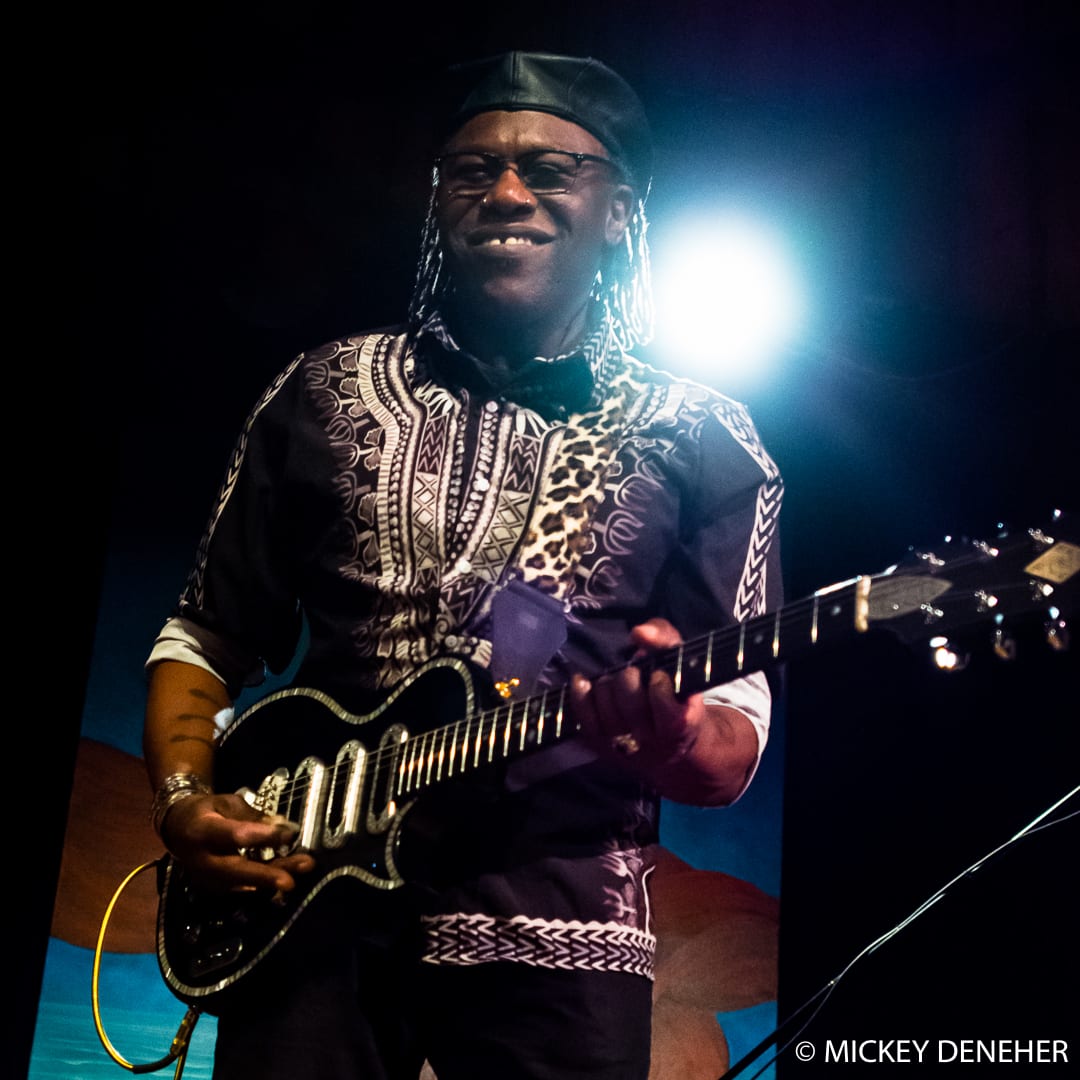
  • A Blues Legend: an Interview with Joe Louis Walker

    When you’ve won four Blues Music Awards, been inducted into the Blues Hall of Fame, nominated for a Grammy, and are a W.C. Handy Award recipient, your mark on the world of blues is pretty much set. Add a close friendship with B.B. King, James Cotton and Willie Dixon, and you get a glimpse into the life and career of a Blues Master: Mr. Joe Louis Walker.

    Named “A legendary boundary-pushing icon of modern blues” by NPR, Walker started playing the guitar as a young boy, growing up in the Fillmore District of San Francisco in the early 60’s. Now living in the Hudson Valley for the last 10 years with his wife Robin, Joe has a non-stop schedule traveling the world; touring, writing, recording, and producing. I sat down with Joe after sound check at The Towne Crier in Beacon, N.Y. The band had just gotten in from Buffalo N.Y. and was wrapping up a few dates in the U.S. before heading off to a remote island in the Caribbean for a blues festival.

    Charles Sullivan the promoter, he would give us free tickets. So we got to see the Temptations, the real Temptations. We got to see James Brown when he got a brand new bag. I got to see Little Richard with Jimi Hendricks on guitar. I got to see all of that sh#t for FREE! And plus, I got to play the Fillmore.

    Mickey Deneher: Your career, over 50 years?

    Joe Louis Walker: About 53 years. I’m 69 now. I turned 69 on Christmas (2018). I’ve been playing since about ’61. I joined the union in 1964. I joined the musician’s union. Been a union man all my life. Been living on my own since I was 16.

    Joe Louis Walker
    Joe Louis Walker

    MD: You started playing music at a young age. What brought you to the guitar?

    JLW: Well the guitar, when I was a kid, was the most accessible instrument, as it is now. The guitar was, when I was 12, 1962, only something you could look at. I went to a catholic school and at that time, you could check instruments out. If you had an aptitude, a little bit of an ear for the talent, they would nurture it. If you really had a talent, you would make a deal with your parents and they would rent you an instrument. Rent you an instrument. Not buy you one. Rent you one. With renting the instrument, come lessons. So I first rented, I checked out the violin when I was about 9, cause I could carry that home. But I really couldn’t make too much (out of it) when you’re fixated on that sound; that electric sound.

    My parents had a temporary split and we ended up moving to the Fillmore District, and my world began. We moved to the projects, me and my mom and all of five kids, all of us.  One project over, one housing (project), my cousins. I hadn’t seen or hung out with my cousins too much. But the first day I go there, they are on the 3rd floor of the projects; 3rd floor! I walk from the first floor. I am going to walk up three floors. You don’t want to catch the elevators. That’s where a lot of stuff goes on. All the way on the 3rd floor, all the way, the first floor to the third floor, wall-to-wall girls. Just standing and listening to my cousins play. I’m like; I am definitely going to do this now. [Laughing] Wall to Wall! 

    Joe Louis Walker
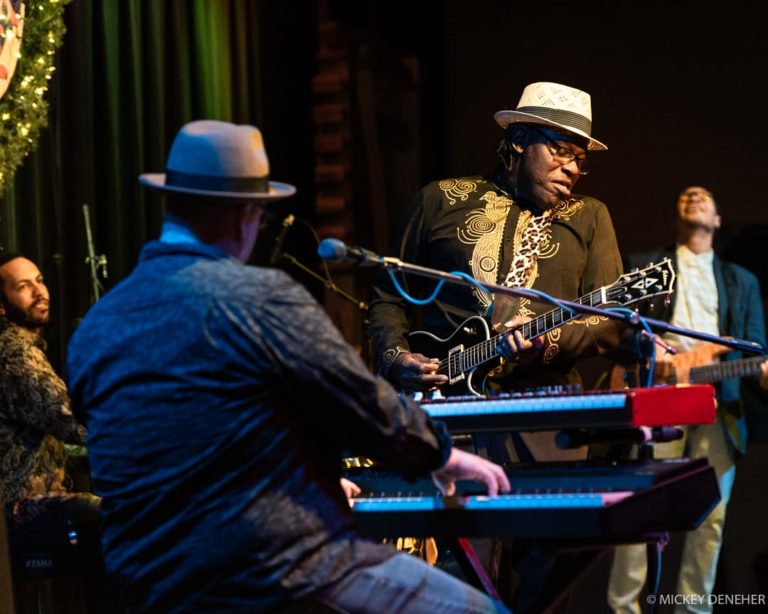
    Dorian Randolph, Bruce Bears, Joe Louis Walker, Lenny Bradford.

    MD: Ulterior motives!

    JLW: But just to know, that there was something that we could do as young guys and make a few bucks. Buy our school clothes. Become popular without being jocks. Without being serious gang guys.

    We literally, had the whole thing for ourselves. Of course there were bands all in the area. There was Sly’s (Sly and the Family Stone) brother Freddy Stewart who had a band with my cousin Ted Weisinger; Freddy Stewart and the Stone Soldiers, one of the big bands in San Francisco. This was before the hippies came to San Francisco. The hippies didn’t come till ’62, ’63, ‘64. I was in the Fillmore district in ’61, ’62. I was 12 years old in ‘62. I was lucky because there was this convergence among all the soul groups. The Fillmore at that time was like Harlem in the Renascence. It was, I would say, 75% African-American, huge amount of Japanese, a nice amount of Chinese and different, various people.

    When the hippies came in to the Fillmore Auditorium, in it was sort of interesting because me and my cousins and all of us had been playing the Fillmore since we were young. That’s where we would have our battle of the bands. I went to junior high school a block from the Fillmore Auditorium. So we used to have our rehearsal there, battle of the bands there. Then, if we clean up some times, Mr. Sullivan who owned the Fillmore, Charles Sullivan the promoter, he would give us free tickets. So we got to see the Temptations, the real Temptations. We got to see James Brown when he got a brand new bag. I got to see Little Richard with Jimi Hendricks on guitar. I got to see all of that sh#t for FREE! And plus, I got to play the Fillmore.

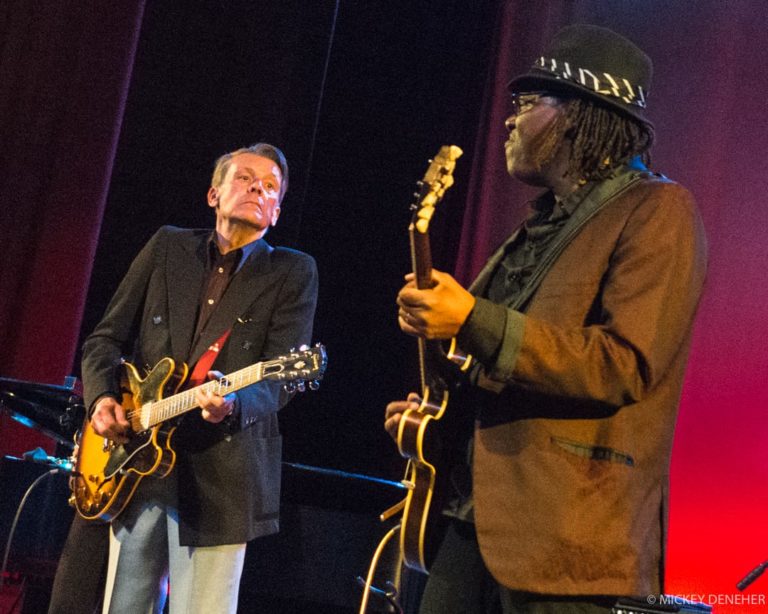
    J. Geils, Joe Louis Walker

    So when the hippies came there it was like ok, you know, I am cool with this. But as somebody said, very adroitly, they said “you know one of the best things to happened for a lot of the old rock and roll and blues guys was the English invasion, because they brought back interest in them.” But it was also one of the worst things to happen. Cause they put all their heroes out of work. The English guys did not mean to do that. That is not what they started for. There was like maximum R&B. That was, their heroes. That is not what they were about. Period. To note that it turned out that way, was a real drag.  That is not what John Lennon and Mick Jagger and all those guys were about. They just weren’t about that. The Yardbirds, they just weren’t about all that. But that’s what it sort of turned into.

    But, be that as it may, I was fortunate to be able to see all the Fillmore stuff, then play at the Fillmore. When Graham owned it; Bill would let me come any time I wanted. So I got to see all the shows.. I was fortunate to becoming up in all that stuff. It wasn’t just that; it was the young guys who were finding their musical paths.

    MD: At 16 you had a name in the San Francisco music scene. Who were you were playing with?

    JLW: Lowell Fulsom, Troyce Key, Percy Mayfield, Erle Hooker. You name it, I backed everybody. Katy Webster, Sly, (Mike) Bloomfield. John Lee, Earl, just on and on, and on and on. I played with all the hippie groups. I was in Blue Cheer, The Oxford Circle. We did a little fusion stuff with some other groups later.  The coolest thing about that time, and that place, was that everything was progressing at the same time. What people wore, what people thought, the way the people responding to old mores, the Vietnam war, Richard Nixon, interracial marriage. Everything was happening at the same and the biggest thing I think, was what we invented in the United States in the San Francisco area, was FM radio. That was the biggest thing. Cause without FM radio we’d still be listening to The Monkees, 2 minutes, 40 seconds. 

    MD: You’re right. Wow, I did not think of that.

    JLW: And jam bands.

    MD: It wasn’t just blues, experimental, psychedelic.

    JLW: It was so much. Oh my God. You could literally go out every night, hit three spots a night… You go to the Avalon Ballroom, The Family Dog (Ballroom), go see John Mayall with Mick Taylor and Muddy Water’s with his band, Big Mama Thorton. Go to the Fillmore, maybe see an Airplane with Quick Silver and Charles Lord Quartet, and Howlin’ Wolf. Four acts, that’s all in one night. That’s all in one night! Then you go to clubs after that.

    Joe Louis Walker

    The 60’s counterculture movement brought hippies, flower power and alternative life styles to the bay area. While the 70’s found San Francisco awash in a psychedelic haze. Walker made a conscious decision to take a detour from the 70’s status que and attended San Francisco State University, where he earned degrees in both English and Music. “It (was) important for me. Because it was something I started and didn’t finish.” Joe says.  Applying his personal growth directive to music, Joe joined the gospel group The Spiritual Corinthians, in 1975.

    MD: You went into Gospel. You did that for 10 years?

    JLW: Longer than that.

    MD: When I think about gospel, to me there is a blues base, a bluestone, that feeling. 

    JLW: Look at it like this: Gospel, Blues, and Soul music. Just take a for instance. For instance, in blues I mean B.B. King. I don’t mean Eric Clapton. No disrespect to Eric Clapton, ok. In blues, that is the template. Or Howlin’ Wolf.  Say B.B. King, cause B.B. to me always was, and I used to have fun telling him this, “you’re just a gospel singer in a blues singer’s body.” When he was young, cause he hit all the high notes, his range was limitless.


    JLW on B.B. King, Blues and Soul:

    So you take a B.B. King for blues. So you take for soul music (pauses for a second), Sam Moore. Just a voice that’s just wicked, or Al Green. And say in gospel music, you take somebody like my friend, Clarence Fountain (Blind Boys of Alabama). When you have those three, all those three guys are cousins. I could take Bobby Blue Bland and interject him into soul, he wouldn’t miss a step, wouldn’t miss cause he helped invent it. I could take Sam Cooke and interject him into blues. Sam Cooke had a number 3 record; hit record with “Little Red Rooster.” A lot of people don’t know that and it’s cool. I could take Sam Cooke and interject him into soul, wouldn’t miss a step. I can take Sam Cooke, of course, interject him into gospel, wouldn’t miss a step. I can interject B.B. into gospel, wouldn’t miss a step. 

    Joe Louis Walker, Lenny Bradford

    But now I could not interject Eric Clapton into gospel. No disrespect. I could not interject Joe Bonamassa into soul music. I can interject him as a player. But I couldn’t interject him in like Bernie Worrell or Catfish (Collins); Bootsy Collin’s brother; or someone like Jimmy Nolen who played with James Brown; or Freddy Stewart, Sly Stones brother; or Bobby Womack. I’m sure he could play all that, don’t get me wrong, but that style of playing within itself is the total opposite of this (Joe motions moving fingers all over a guitar neck at rapid speed.) Cause when you playing soul music and gospel, you are playing as an accompaniment to the voice. The lyric of the song is the star. Everything else is secondary.  With blues now, and I should say blues rock, because its changed. It used to be, which it just blows your mind, go home and put on any record you like. Put on “Little Red Rooster” by Howlin’ Wolf, put on “Boom, Boom” by John Hooker, put on “Baby What You Want Me ToDo” by Jimmy Reed, put on “Got My Mojo Workin’” you will not hear one solo. You might hear four, five notes; but you are not going to hear (Joe makes sounds like a cacophony of notes played at lightning speed.) That is sort of what a lot of stuff has morphed into now. So when it’s morphed into that, and it’s morphed into screaming as loud as you can, singing as loud as you can, with a lot of fake ass emotion. I’m sorry I grew up in the same project with Etta James, I grew up in the same projects man. She never screamed on “I’d Rather Go Blind.” In that particular song she doesn’t scream. She really doesn’t.

    Joe Louis Walker

    So I guess we all have our points of reference. We all have what we feel moves us. The same things, it moves me all my life. Once I heard the Wolf, I loved it. I loved it just as much now. When I heard “Satisfaction” I loved the song then, I love it now. But blues has morphed, you know it’s just morphed into more of a me thing, as apposed to a we thing. Muddy Waters was great. But he sounded really good with Little Walter, he sounded really good with Otis Spann, you know what I mean.  He sounded really freak’n good with Willie Big Eyes Smith. When he didn’t have Willie, when he didn’t have Otis Spann what did he do? He got Pinetop Perkins!   

    Those guys could literally solo over each other and not step over each other. They could solo a little during the song, but not step on each other. That it was all about we. A lot now is about me. It’s about the individual.  That’s sort of the way the music business has morphed.

    [bs-quote quote=” B.B. King to me always was, and I used to have fun telling him this, ‘you’re just a gospel singer in a blues singer’s body.’ When he was young, cause he hit all the high notes, his range was limitless.” style=”default” align=”center” color=”#000000″ author_name=”Joe Louis Walker”][/bs-quote]

    While attending the New Orleans Jazz and Heritage Festival with The New Corinthians in 1985, Joe had an epiphany that the blues were his calling.  He realigned his musical direction and has not looked back. His resume of musical accomplishments include 25 albums to date and countless guest appearances supporting the likes of B.B. King, James Cotton, Branford Marsalis, Peter Green, Elvin Bishop, Issac Hayes.

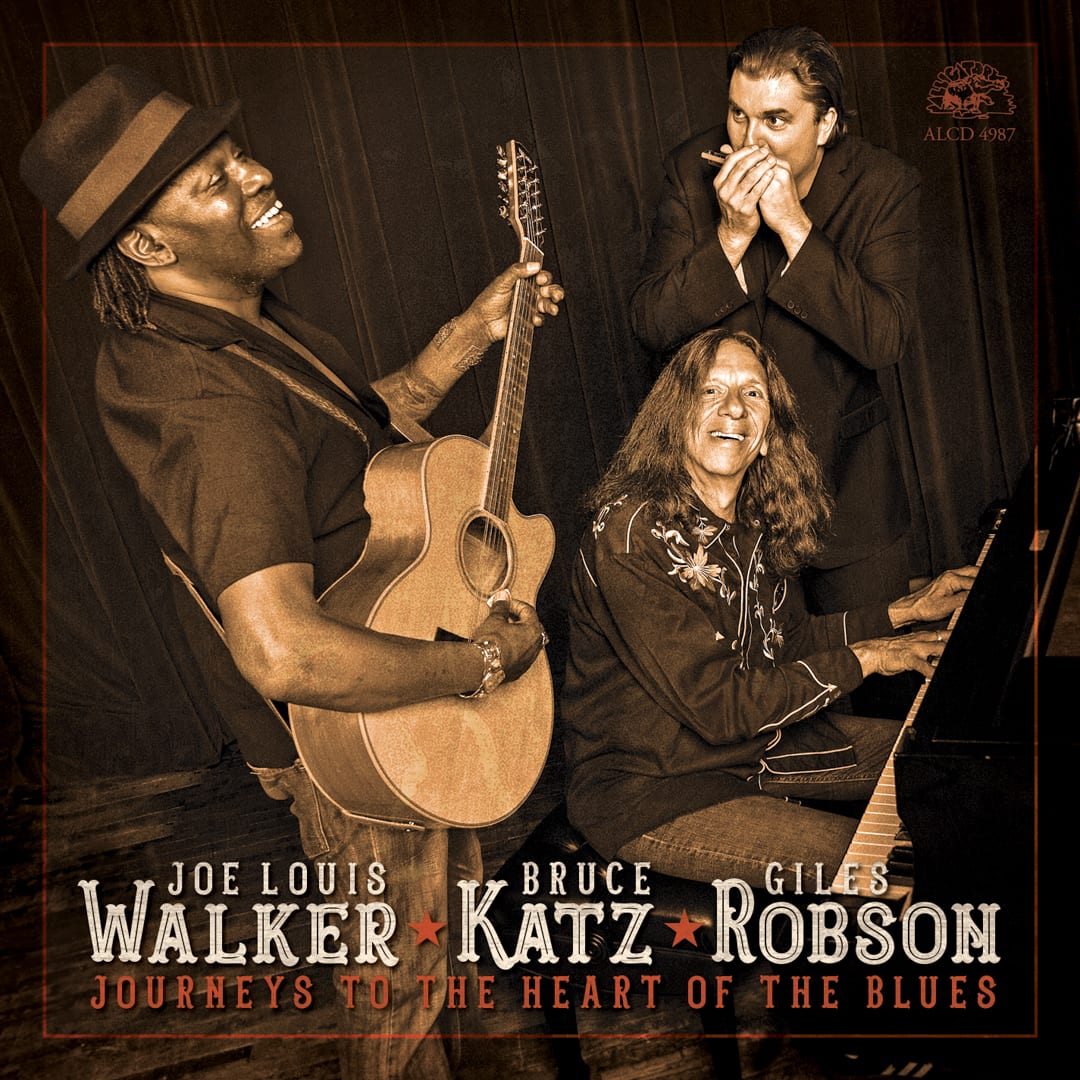
    Joe’s latest project is Journeys to the Heart of the Blues. An acoustic blues album nominated for two 2019 Blues Music Awards (Album Of The Year, Acoustic Album.) Joe recorded with renowned keyboard player and fellow Hudson Valley resident Bruce Katz (Greg Allman Band,) and next-generation British harmonica ace Giles Robson. The album is out on Alligator Records throughout North America, Australia, New Zealand and Japan. Munich Records, a division of V2 Records Benelux, will release it in all other territories. The sessions were recorded at NRS Studios in Woodstock.

    Joe Louis Walker, Bruce Katz, Giles Robson

    Mickey Deneher: You are recording now, correct?

    Joe Louis Walker: My album. We are about three quarters finished. A double album.

    Joe’s upcoming album is chock full of his friends who he’s has played with over the years. The list includes: Juma Saltan, Mitch Ryder, Jesse Johnson (The Time), John Sebastian, Dion DiMucci, Ray Walker (one of the last living Jordanaires), David Bromberg, Carla Cook (Sam Cook’s daughter), Bobby Will, Charlie Harper (UK Subs,) Waddy Wachtel, Keb’ Mo’, and Jorma Kaukonen.

    MD: I saw one of your recording credits is as a primary artist on William Shatner’s “Shatner’s Claus: The Christmas Album”

    JLW: Yeah. We are getting ready to make a blues album next year. Going to beam us up baby. For me it’s sort of a double-edged thing. Because it’s amazing that now the blues are so popular, that literally, Captain Kirk, he done run out of universe, but he’s into blues music, and who’s he talking to? Joe Louis! I’m trying to give him a little bit of insight cause he’s very serious.

    I just tell anybody that asks me; this is not about the notes. It’s not about the vintage guitar. It’s not about the tour bus. It’s not about the $5,000 Armani suits, with the $500 shades at the Royal Albert Hall. It’s not any of that. It isn’t. This here, comes out of suffering and what it is, its the social studies in survival and how to deal with adverse circumstances that are state sponsored and you have to deal with it. That’s what the blues came out of.


    Catch this legendary bluesman and his band at The Egg in Albany on March 13th with The Robert Cray Band; March 21st at City Vineyard, in NYC; and March 22nd at Live at the Falcon, in Marlboro N.Y.

    Joe Louis Walker
    Lenny Bradford, Joe Louis Walker, Bruce Bears, Dorian Randolph
  • Hearing Aide: Say What You Will ‘Anything, Everything’

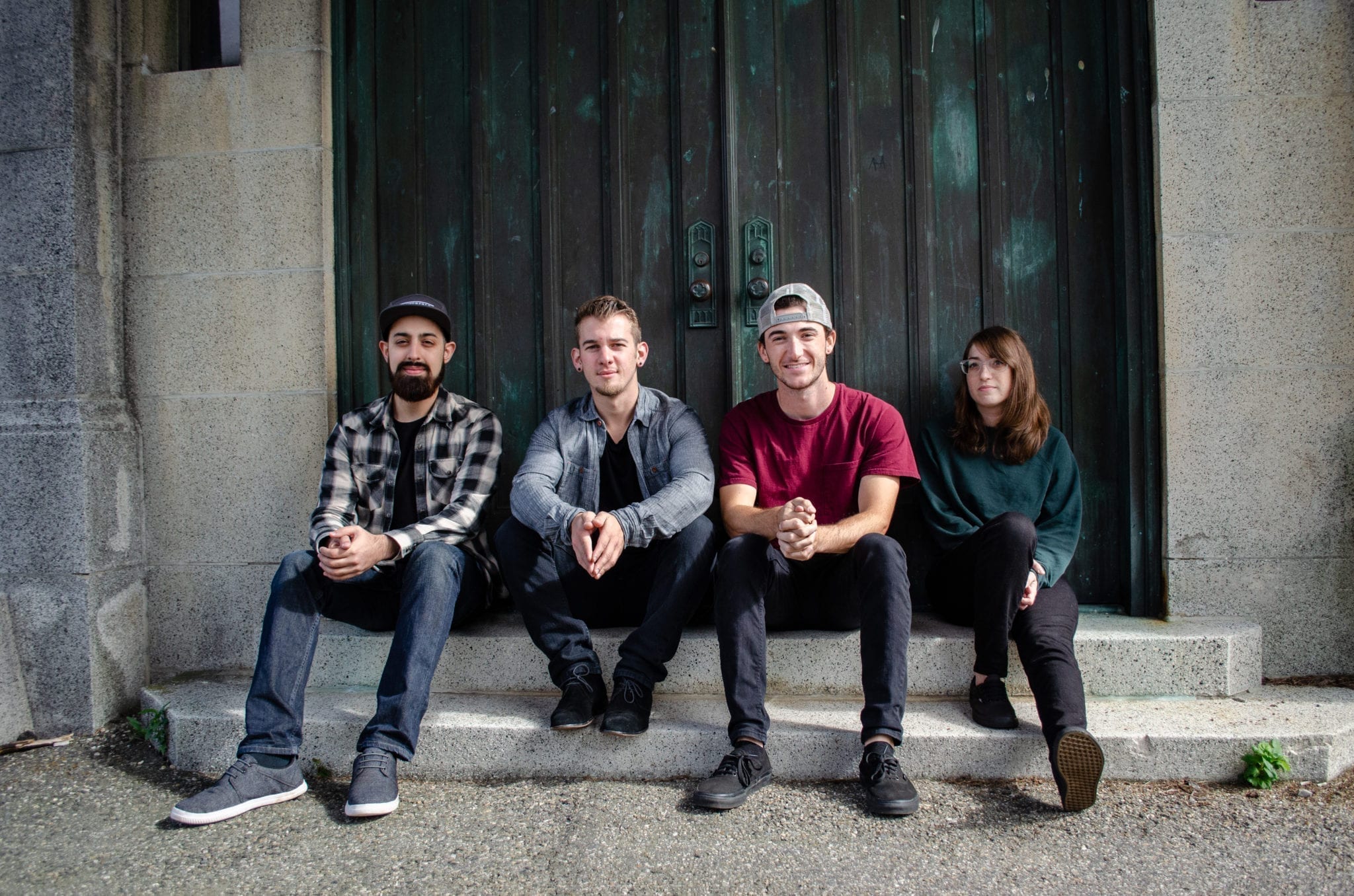
    Vignettes of heartache, redemption, hometown joy and drama fuel Anything, Everything, the sophomore album from the Connecticut-based pop-punk band Say What You Will. Hailing from New Haven, the band is Christine Sabol on bass guitar, Shane Emery on vocals and lead guitar, Chuck DeFilippo on drums and Ethan Griffeth on lead vocals. Amongst changes in personnel and other identity shifts since 2017’s Seconds to Home, the new album is a work of passion and exploration, sure to excite longtime fans and attract new ones. The band supported the album release by debuting their music video for the feature track, “Southbound,” in late February.

    Drawing from the likes of State Champs, Grayscale, Sleep On It and others, Say What You Will found a way to create a distinctive, unique sound while paying homage to their influences. Recorded with Chris Piquette at No Boundaries Studios in Rhode Island, the record marks a new age of growth and maturation for the band. Anything, Everything is set to release on all platforms next Friday, March 15.


    “We’ve always tried to incorporate so many influences into our music, and I think that this time around we were more focused on making something that sounded like us.”

    Shane Emery

    From the start, “Break Away” pulls listeners in, skipping casual orbit and launching them directly into the fiery atmosphere of Anything, Everything. The restrained, energy-building intro showcases the band’s chemistry by allowing Griffeth’s expressive voice to sit on top of the rhythm, culminating in a quick stop and explosion of layered melody sure to get peoples’ bodies moving.

    Moving on, it’s clear that a key strength of the album is how it dynamically shifts between the blasting, yell-along, triumphant choruses and the sensitive, yearning reprieves. “Carolina” stands apart as a pop-punk ballad, an ode to a specific place and time, displaying Emery’s journeying, skilled guitar and the interplay between drums and Sabol’s bass. The record picks up the pace again in “Lake Zoar,” filled with jump-along moments.


    Distinct from the instrumentation of each song, there are the stories Griffeth shares through emotive vocals and heart-wrenchingly piercing lyrics. “Summer Haze” ends the album with a story of a woman who’s struggled with helping her significant other with drug addiction. Inspired by heroin epidemics in Griffeth’s hometown, the song is the band’s plea to shine a light on dark moments.

    Anything, Everything has all the elements of what makes a great pop-punk record, though it doesn’t stop there. The album represents a refined and redefined sound identity for the group. Listeners will always find their way to the catchy hooks, the grooves and breakdowns in the songs that feature boundary-pushing infusions from other genres. Say What You Will has put all their cards on the table, successfully creating something unique and inspiring. Pop-punk fans will find plenty of value and perspective from picking up this album.


    [accordions title=”Tour Dates:”]
    [accordion title=”March 9: Tierra’s Tropicales – Ossining, NY” load=”hide”]March 10: The Raven – Worcester, MA
    *March 29: Wamleg – Wallingford, CT

    *Anything, Everything Release Show*
    [/accordion]
    [accordion title=”April 6: Pauly’s – Albany, NY” load=”hide”]April 15: Encore Live Room – Dayton, OH
    April 16: Evolution Music – Downers Grove, IL
    April 17: Laundry Room – Nashville, TN
    April 18: The Depot – Baltimore, MD
    April 26: Ralph’s Diner – Worcester, MA
    May 3: Cianfano’s – Elizabeth, NJ
    May 4: The Barbary – Philadelphia, PA[/accordion]
    [/accordions]

    Photo: Megan Greer

    Listen to Anything, Everything and learn more here.

Built in Breakdance