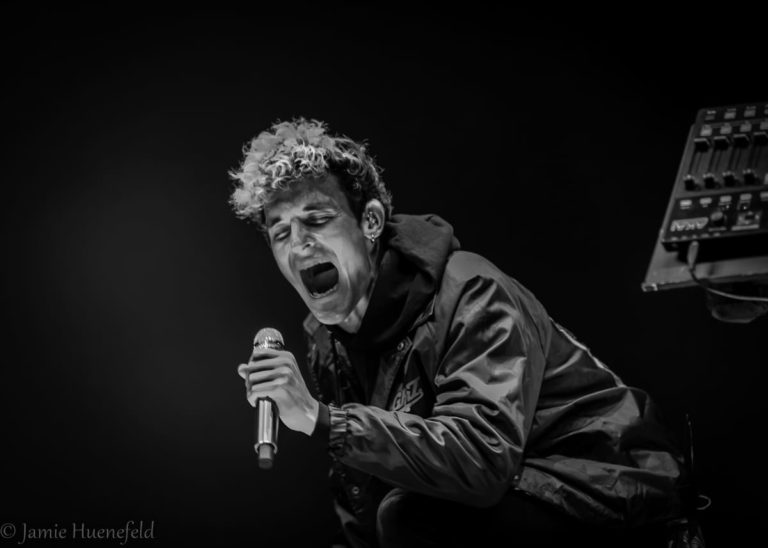
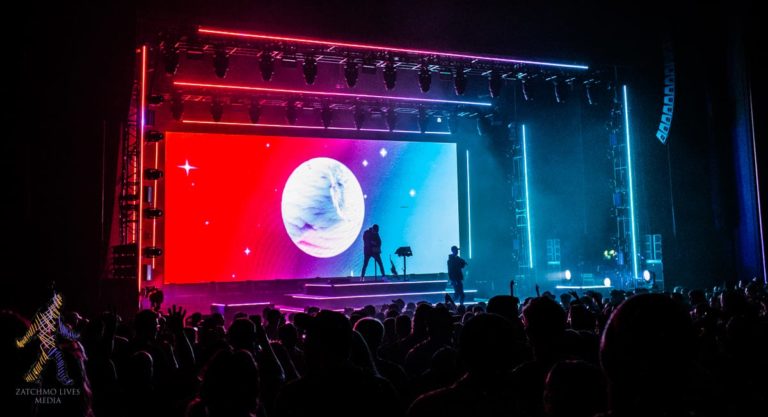
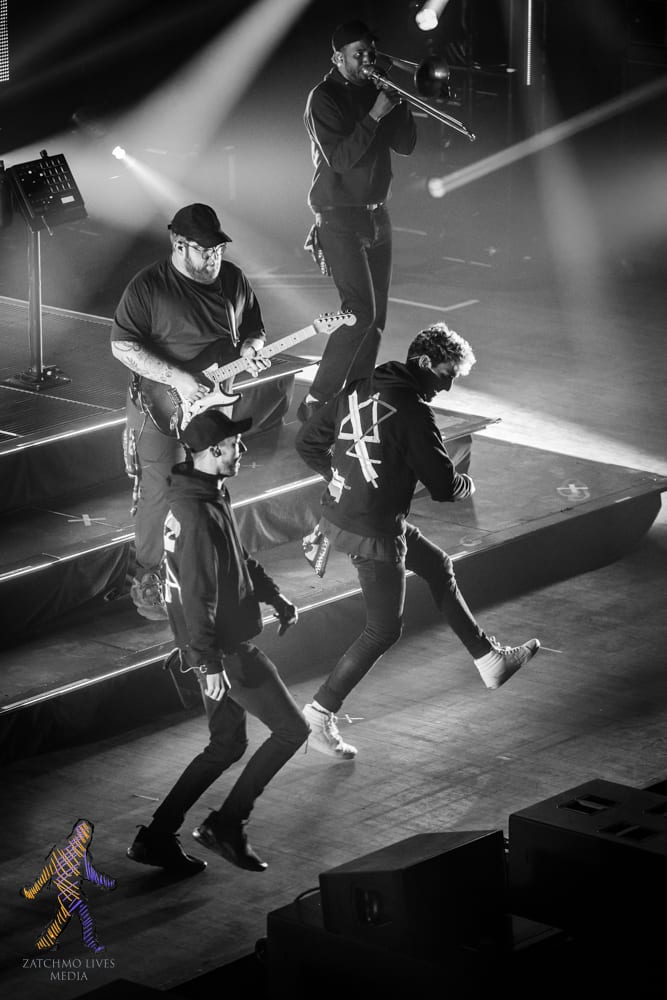
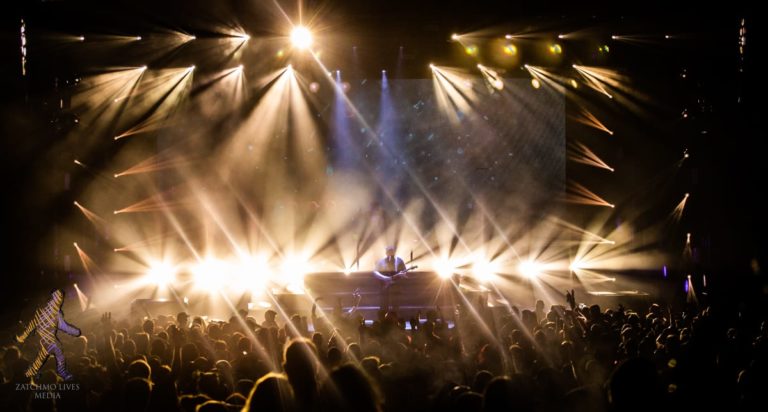
Some say that time is an illusion, a human construct, a shimmer in the otherwise bright light of life. The passage of time, however, is a certainty, leaving its trace strewn throughout the landscape and in between the years as they come and go. After a one-year hiatus, preceded by a decade of non-stop creativity, the jam scene powerhouse quartet Dopapod has set May 24 as the day to unveil to the world their interpretation of this concept, ironically immortalized via their latest album, Emit Time.
Dopapod has always had a knack for tricking time. Odd time signatures, overlapping melodic content, and live improvisation that extends the length of their songs beyond their studio counterparts mark the bulk of their compositions. Their palindromic album titles wink to the infinite nature of time and they’ve broken the rules in the past by performing intricate works in reverse. This new collection is a true emission of time, containing never-before-heard songs among others that have been in the live rotation for a few years. As many creative people will tell you, true artists must have the ability and see the necessity to keep pushing forward, to embrace the inevitability of growth and change. This band has taken strands of their DNA and weaved them into works that feel fresh. They are unfamiliar in their display yet familiar to the Dopapod formula of rock solid rhythms,
The album opens with a lone pulsating organ that bursts wide open into a deep-pocket funk beat with a chomping guitar riff. “Numbers Need Humans” is a testament to the “live in the moment” attitude that energizes so much of the progressive jam scene. As was proven with the first song in the second set at the band’s recent Capitol Theatre reunion gig, this track is a great opener, prepping listeners by reminding them, “Time is all we have / So let’s have a good time.” Placed before a tightly executed guitar solo, the lyrics operate as a thematic entrance for the topic at hand through the rest of the album. “Tick tock, hands move around the clock / On the dot, that’s when time stops.”
Following in the order of when it was released as a single, “Test of Time” comes second. This 7-minute, multi-section, progressive number is evidence that the layers time has piled onto this group are beginning to show signs of evolution. Guitarist Rob Compa leads the way, singing through a “gateway to another time.” Next to a familiar synth hook, sure to cue Eli’s signature head-bop, there is a rocking chorus and expressive singing, something that has made more and more of an appearance in Dopapod music on the last few albums and certainly on this one.
“23 Forever” gives bassist Chuck Jones a turn on lead vocals, bringing his sense of humor to a memorable and extremely catchy chorus. This song feels like the band is revisiting a funny memory and having a good laugh about it. Another new song, “Live In The Dream” offers a consistent mid-tempo groove that gets progressively aggressive leading up to its guitar solo crescendo. A descending vocal round, “..live in the dream, live in the dream, live in the dream,” leads the song down to a decisive close.
For the most part, this collection of songs is the most thematic that Dopapod has released as an album. As mentioned by Eli in the bands press release for Emit Time, “Interestingly, we had been developing a semi-concept album about time and time travel before the hiatus.” In combination with the feelings from that hiatus, a new album about time and time travel feels pretty appropriate.
Still leaving room for some road tested material, “Superbowl” and “Weedie” give the album a taste of the past. “Superbowl,” a song debuted in 2016, slows up the pace but is a well-crafted atmospheric blend of synthesizer, orchestral strings, and resounding guitar. From there, “Weedie” hits with a guitar-heavy rock riff. Again, the lyrical content refers to the mindful present-living ethos, “We have our ups and downs / But life is lived in the now.”
“Landmines” is another debut that starts to bring the album down on its two-song final descent. The bulk of this song is based on a down-tempo 16th note groove, accentuated by a tinge of spy-guitar reminiscent of something to be found in a classic James Bond film. The mid-section, however, creates a distinct change with a straightforward rock progression and brief organ solo. As it peaks, the main theme is called back as Rob plays passionately with a slide. The final track, “Whale (I Am),” is a beautifully executed landing that pairs a drifting and uncluttered tone with delicate keyboard lines and airy vocals.
Though the album seems short in length at 8 songs, it clocks in around 45 minutes in total. It does unload a powerful punch with its production and covers a lot of ground, but it still feels like there is room to tag on one or two more tracks. “Superbowl” begins to feel a tad drawn out at the end and the album’s finale might benefit from a more energetic closing jam. Dopapod fans are a hungry bunch and when you’re as creative as these guys, new songs are always welcomed.
Dopapod has executed their return well. They have managed to keep their fan base interested and committed for an entire year, without playing a single show, just by promising to come back. They made good on that promise, they have fresh material to present, and are keeping their appearances this summer to a unique minimum. The focus on ideas relating to time make this a relatable and inspiring listen. The band does a great job of exploring creative opportunities here, testing the potential of their inventive approach to music by applying it in new ways, taking them in new directions.
Key Tracks: “Numbers Need Humans,” “Live In The Dream” and “Weedie.”
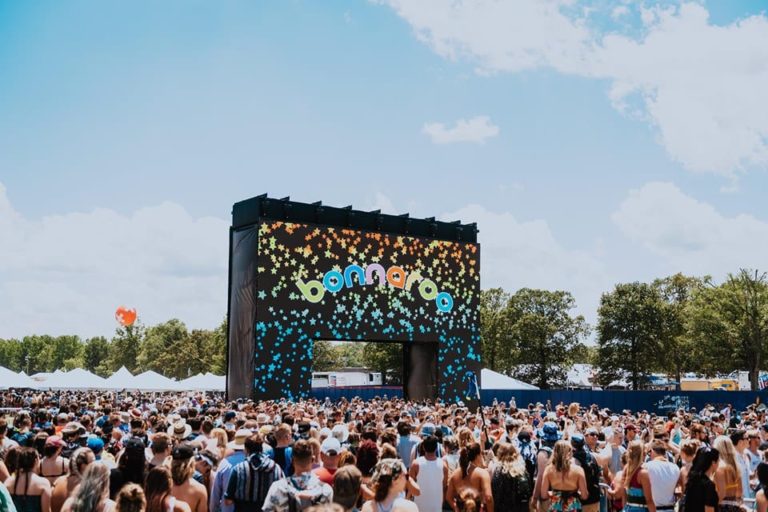
The famed Bonnaroo Arch has been demolished, confirmed directly from Bonaroo’s social media accounts,. After buzz was created from posts about the arch being ‘destroyed’ and ‘burned in a fire,’ the iconic landmark on The Farm was put into question. It was engulfed in flames – rightfully so – due to structural deficiencies.
Goodbye old friend! ❤️This incarnation of the Bonnaroo Arch had significant structural issues and needed to be removed. The Arch has changed throughout the years, and we're exited for it's newest incarnation – Stay tuned + share your favorite arch pic! (📷 j_kelty on Insta) pic.twitter.com/ynJjhY8Du9
Check out Part 1 and Part 2 of NYS Music’s Bonnaroo Coverage in 2018.
The Bonnaroo Arch has draped the festival’s skyline since its inception in 2002. Over the years, its changing face has remained a rite of passage for new and returning festival junkies – illuminating the night’s sky as late night jam-sessions and raves blare till dawn.
Something (the arch?) is on fire on the @Bonnaroo Farm.
We want to thank you for being a loyal Bonnaroovian, and we appreciate your patience as we navigate the best options to ensure we can be together on the Farm in 2021.
The dates we originally announced for Bonnaroo Music & Arts Festival 2021 have changed. Bonnaroo will now take place on September 2-5, 2021. Information on lineup, camping and accommodations will be available at a later date.
We encourage you to rollover your tickets to the new dates, however, we will make refunds available for those who cannot attend.
It took over two years for Honest Folk to get Marty O’Reilly and the Old Soul Orchestra to Rochester the first time, but just over a year to get them back. The band didn’t remember exactly what they played, but they remembered it and had been thinking about that show ever since. The crowd likely didn’t remember what they played either, but they, too, recalled its greatness and returned in big numbers to sell out Good Luck.
Regardless of the exactness of their memory, the band tried to mix it up a bit so as not to give Rochester the same show again. Old rarities and new songs alike got sprinkled into the set, which would have sounded different either way. This is a band that plays to the moment, each one different, and so the shows follows suit.
Each member of the Old Soul Orchestra plays a simple acoustic instrument making the amount of sound the quartet outputs all the more remarkable. They squeezed their instruments for all they’re worth.
Drummer Matt Goff hit, scraped, tapped, banged and shook with sticks, brushes, mallets, hands and various percussive toys, constantly building and breaking the music through interesting changes and movements. His solos showed off a jazzman’s touch, as melodic as they were rhythmic. Bassist Ben Berry plucked, bowed and knocked his upright in both a backing and leading capacity (particularly nicely on “Alone at the Table”), stretching out with solos fit for a psychedelic rock band. Fiddler Chris Lynch frequently handled the main melodic punches, maximizing the instrument’s capabilities by employing both the traditional bowing and also picking it mandolin-style. Lynch used pedals, adding extra flavor with the most overtly non-natural sounds of the evening: spacey echoes here, dripping psychedelia there, etcetera.
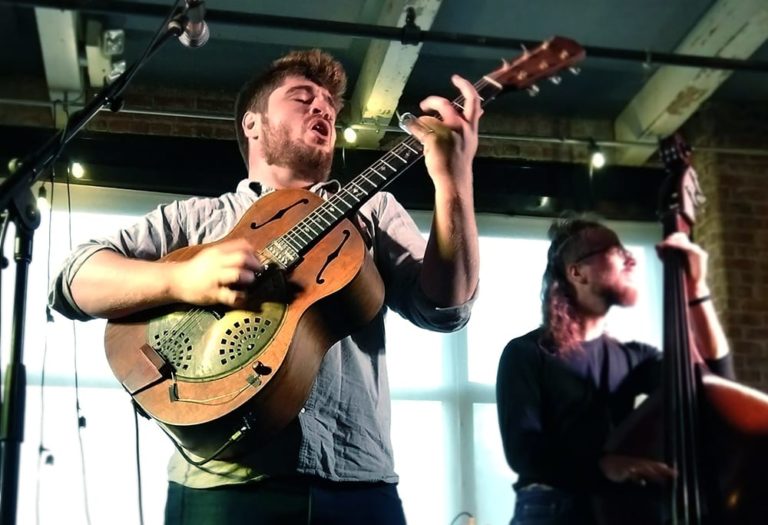
O’Reilly himself stuck with the same resonator guitar throughout the night, through thick and thin. When the reverb was acting up due to the vibrations in the stage, he turned it off and made do without. When his high E string broke near the end of the first set he played “Cinnamon Tree” solo because he didn’t need it for that song. Though, midway through, he realized actually he did. But again he made it work. Whether picking, sliding, strumming or soloing, that singular guitar was all he needed.
Mixed in with originals, like “Dempsey” and “Letters,” they also tossed in a few tunes that weren’t exactly covers, but more accurately renditions of old blues tunes. The words are the same but in their hands the music becomes something quite different. You’ve never quite heard “Samson and Delilah” or “Smokestack Lightning” quite like they play them. They played a newer blues rendition that is still in “discovery mode” as they work through it during their live shows. Appropriately, it was an interpretation of “Death Letter” by Son House, who famously was rediscovered while living in Rochester.
It could certainly be said after their second visit, that Marty O’Reilly and the Old Soul Orchestra have officially been discovered by Rochester too. Perhaps on their next visit they’ll outgrow the coziness of Good Luck. Make sure you’re there when they do.
If you’re ready to step off the beaten path of musical genres, let Vacation Daze be your tour guide. The Rochester band’s latest release, The Upswing, leads the listener on a voyage through a fusion of sounds, to a place where the lines between pop, jazz, and prog rock blur seamlessly. Your destination? An exotic clime brimming over with effervescent sonic euphoria.
The Upswing starts with a twinkly, jazzy composition, over which vocalist Ian Egling sings about not conforming to norms and expectations. “I am no one’s open tab,” he declares early on in the song. The album then meanders through aural explorations, soaring to the heights of alt pop in “Faberge” and delving deep into some funky soul in the jam “It’s a Comet.”
The dreamy guitar notes opening of “Tin Can Telephone” set the tone for the nostalgic verses about first love. “But I still see you in my dreams sometimes like some ticky-tacky tin can phone / Strung up high from the window pane of a future that I’d never know.”
At about this point, it becomes apparent that this is not only a journey of sound, but also a spiritual foray, a vantage point from which to see the past but also turn to what’s on the horizon. In “Magic Mirror,” Egling sings about how easy things were in the beginning, “Then it’s one thing leads to another / And it becomes the common cure that ails you / Do you want to know who you are?”
When you’re ready to take a sabbatical from the norm, seek out The Upswing by Vacation Daze on Bandcamp and Spotify. The album was recorded at Rochester’s Wicked Squid Studios, with Vacation Daze album art by Kitty Box Press.
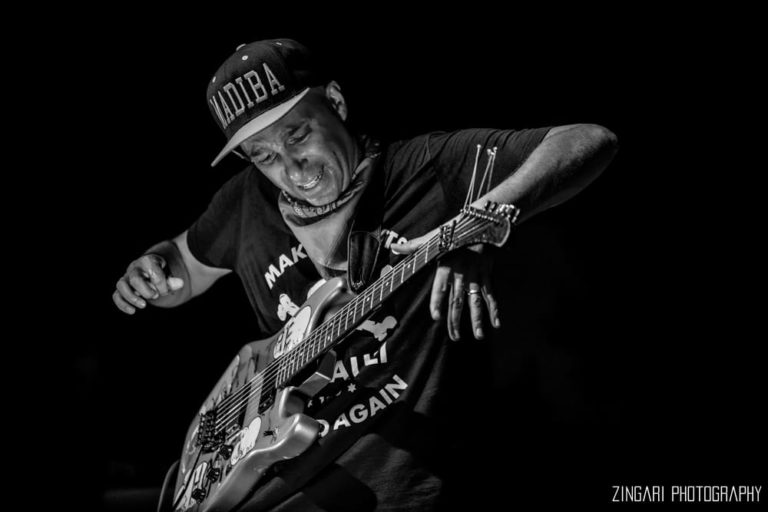
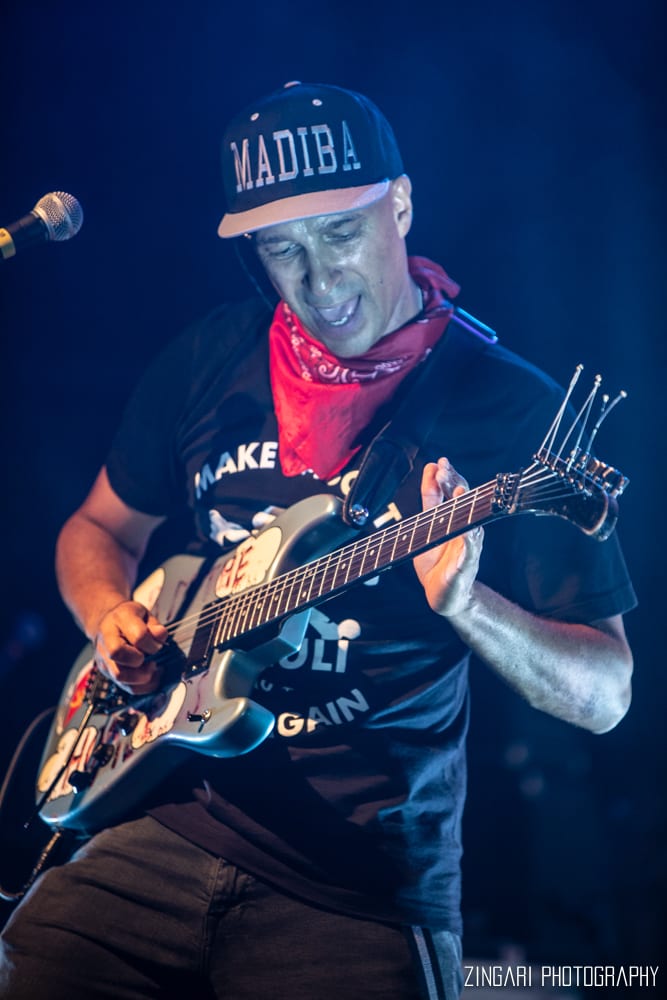
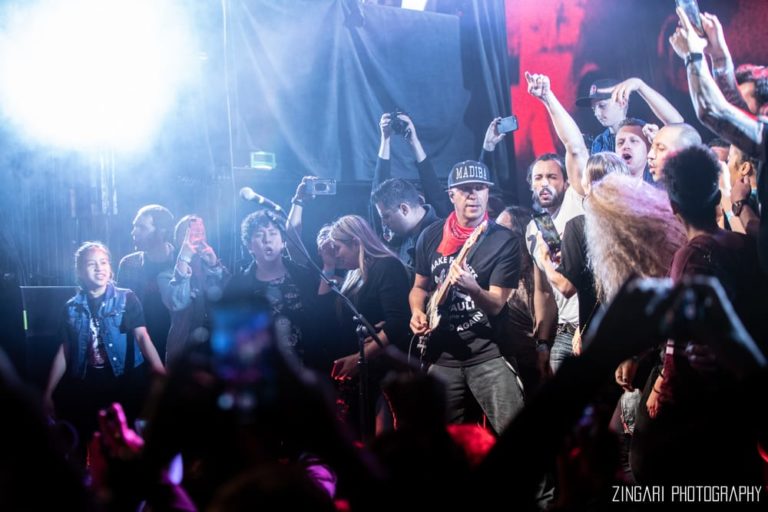
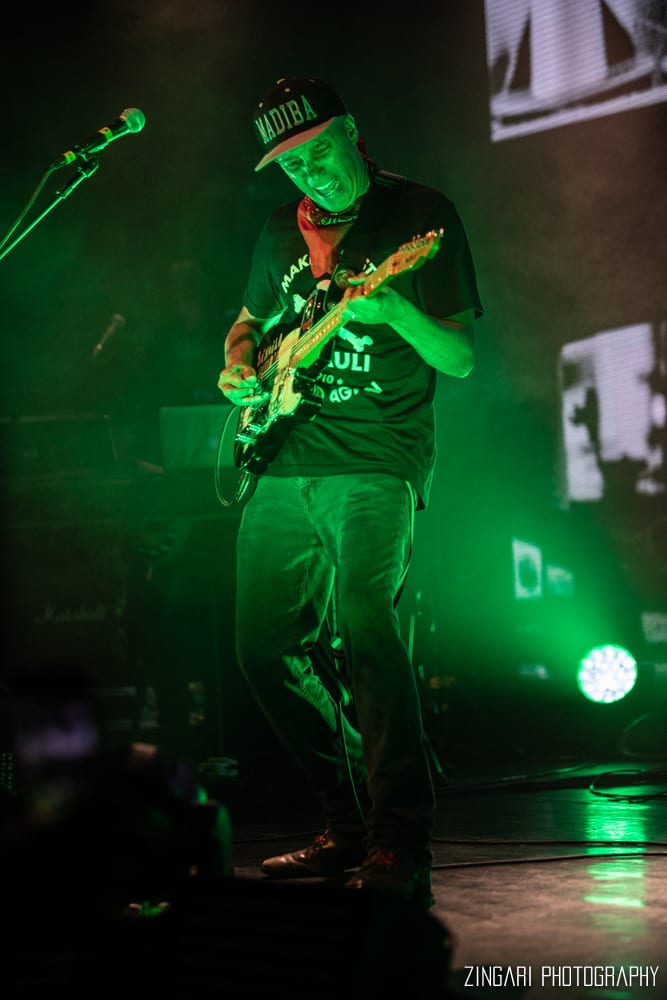
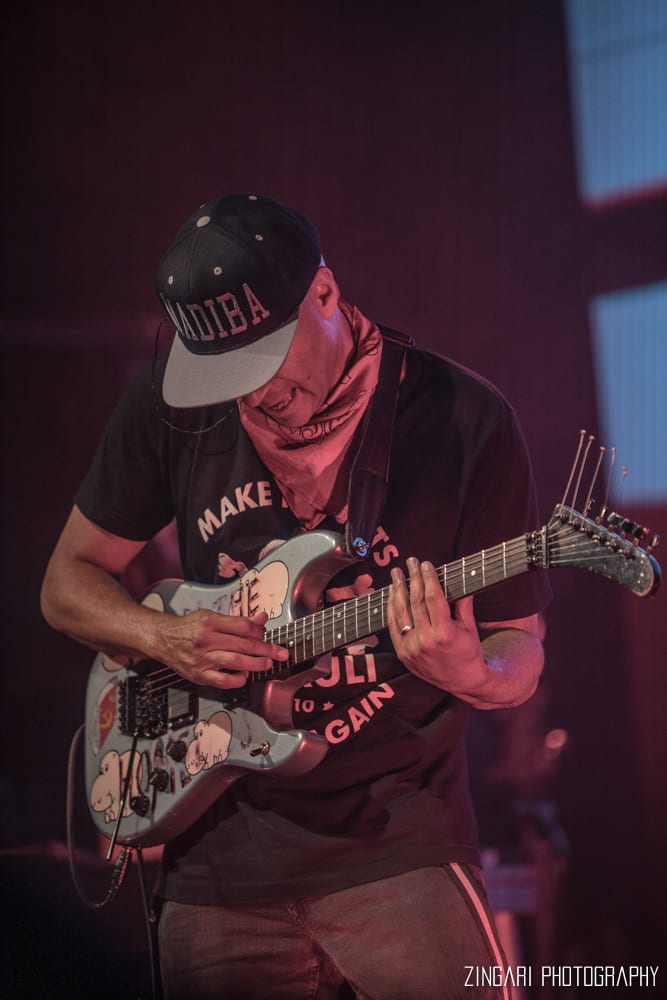
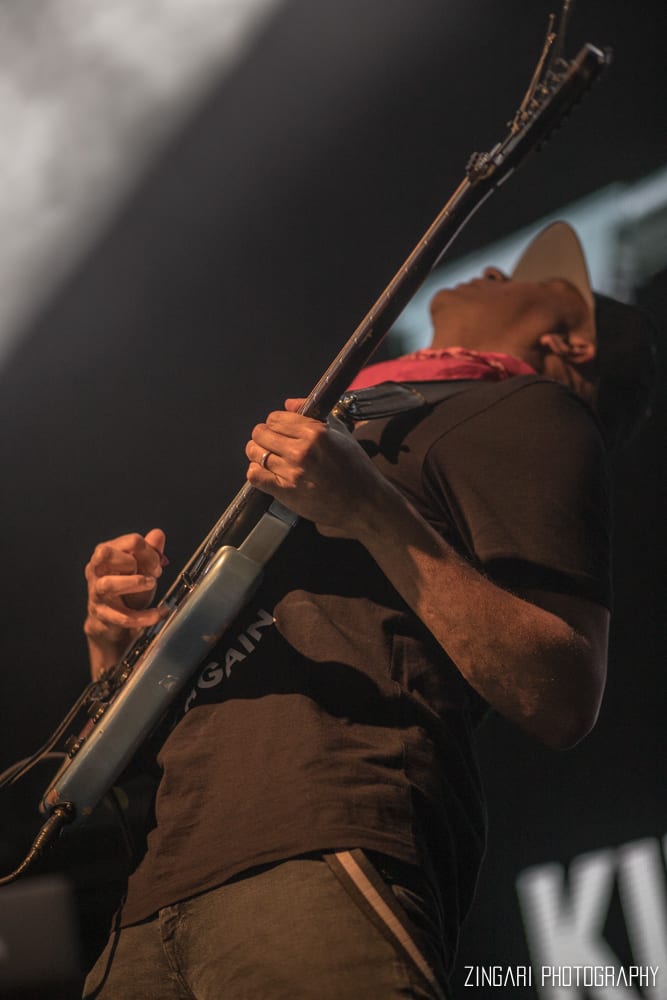
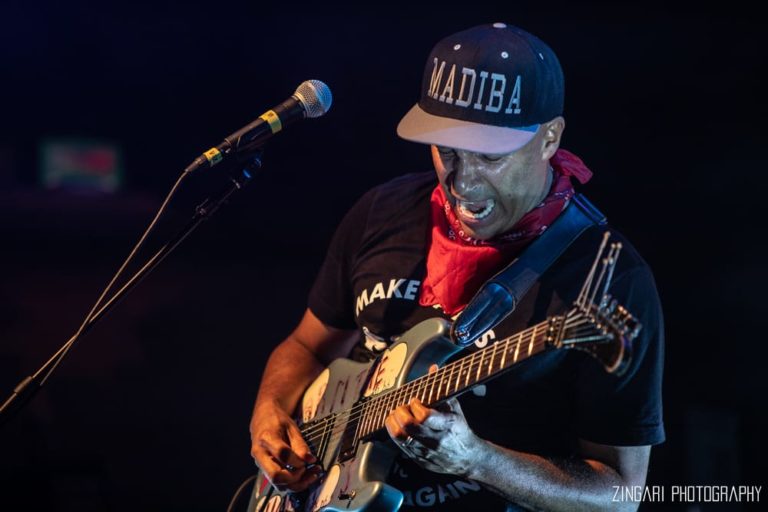
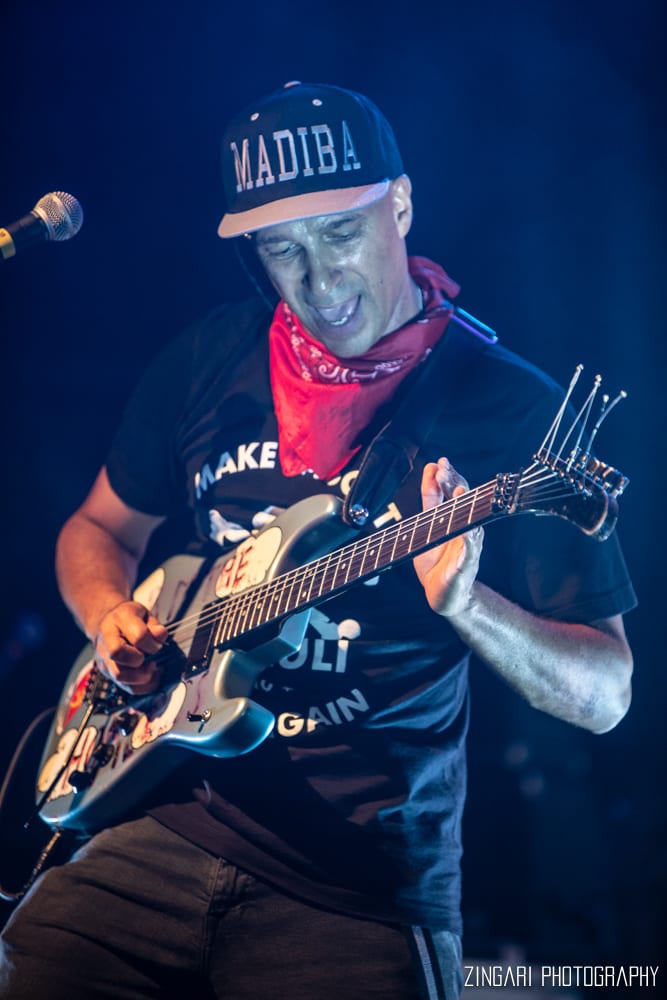
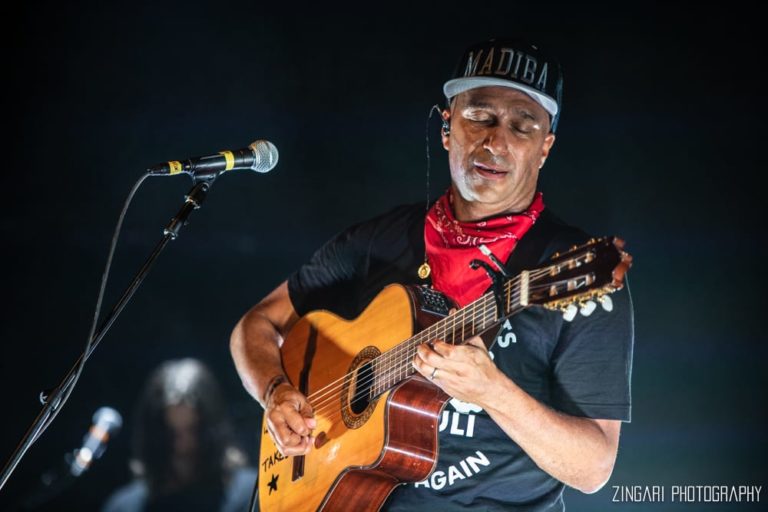
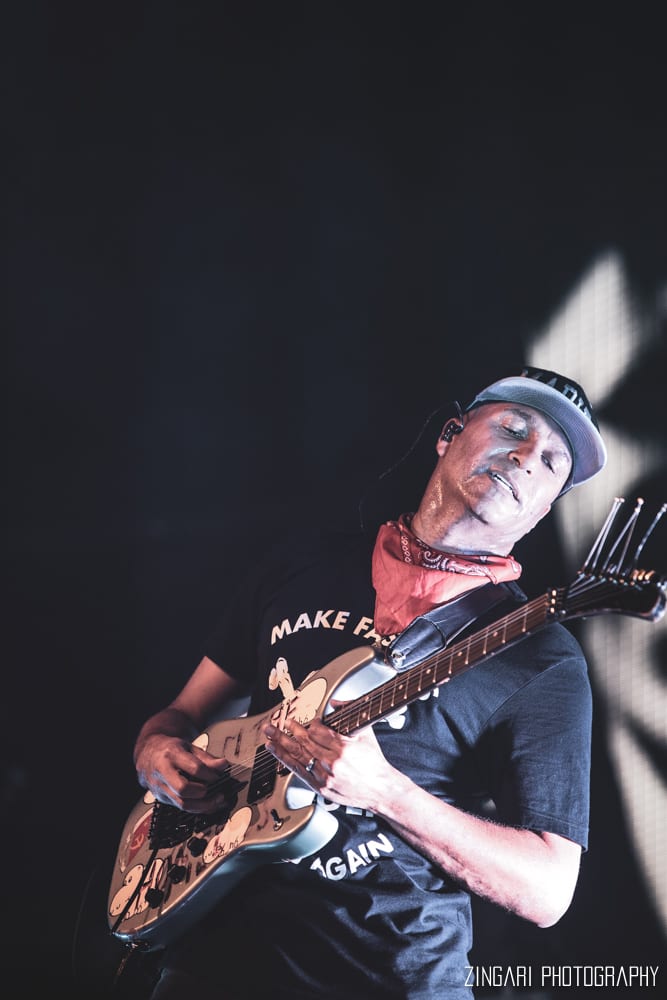
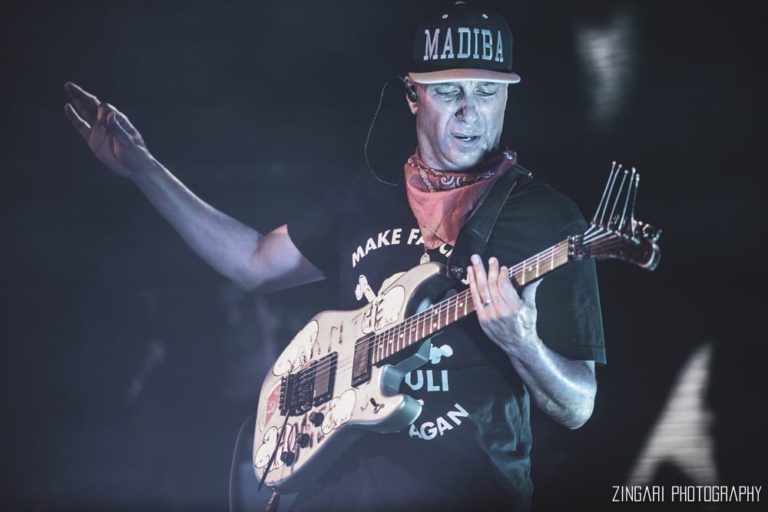
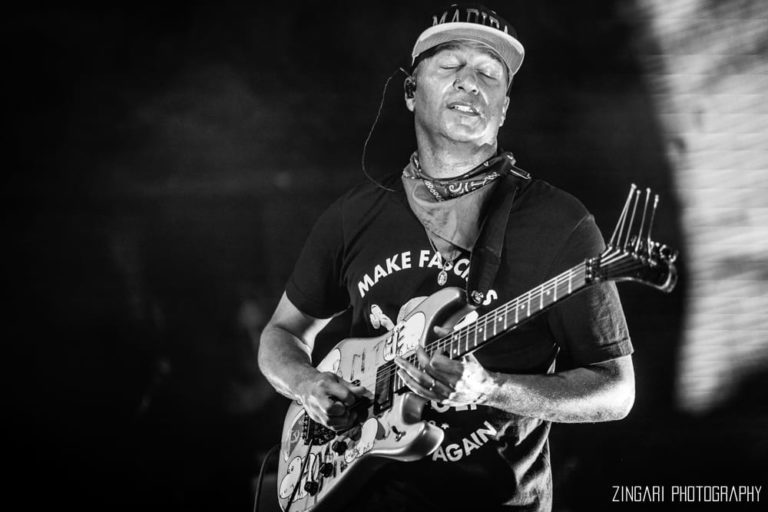
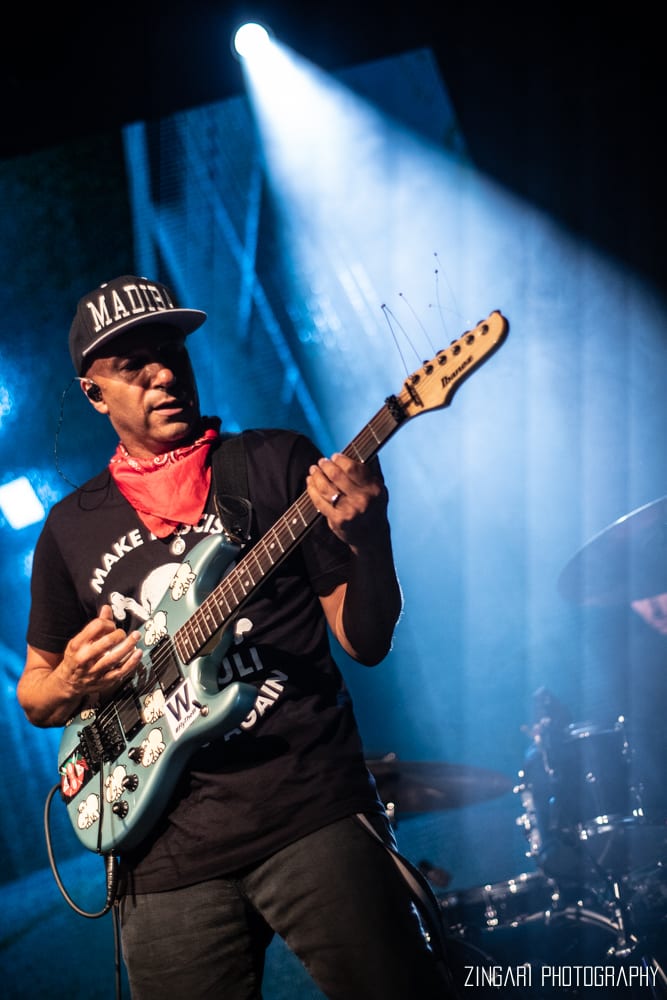
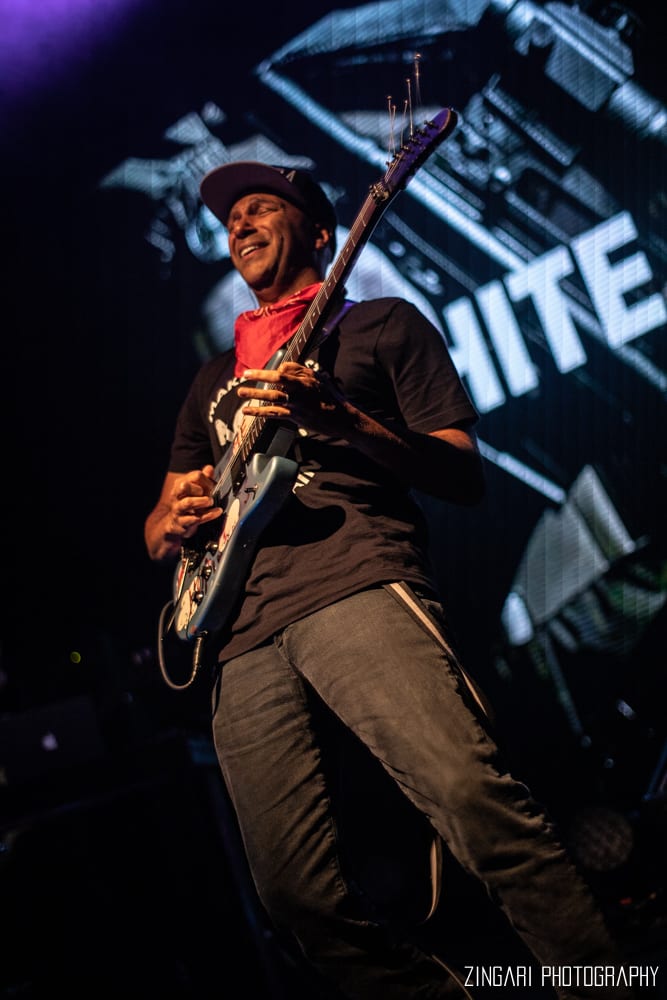
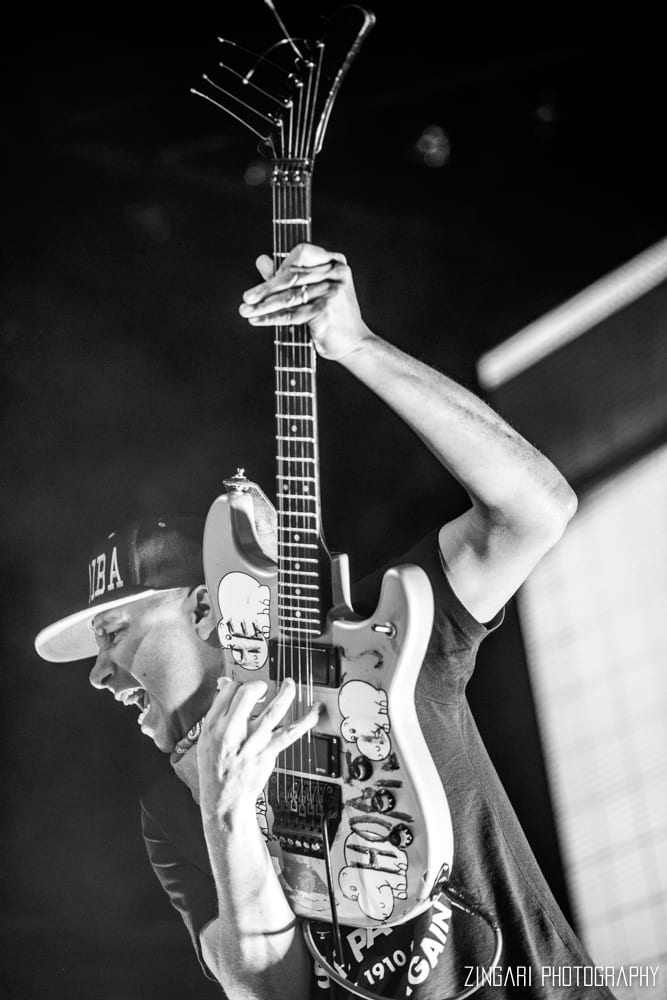
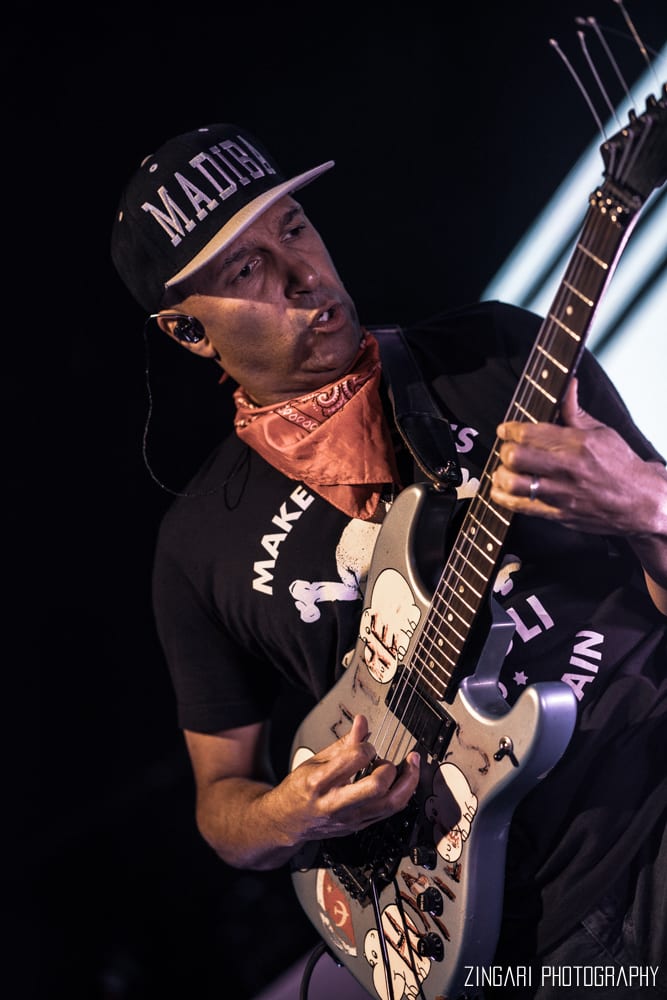
Tom Morello brought Atlas Underground Live to the infamous Irving Plaza, treating a packed house of young and old fans to his most ambitious project in years, on Wednesday, May 14 . “The Atlas Underground Tour is one-part Marshall-stack guitar-madness and one part bass-drop meltdown. The show will be an intense sonic and visual ‘less talk, more rock’ experience that’s somewhere between a crazy mosh pit, an illegal rave, a subversive art installation, and a prison riot.,” said the guitar god and social justice vanguard.
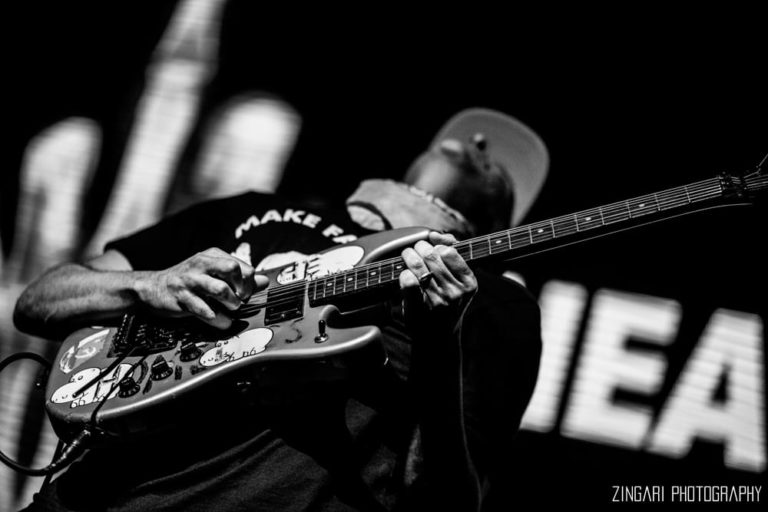
The virtuoso has taken different genres of music and blended them like never before. A new mix of EDM and his powerful tone and attitude make Tom Morello one of the top guitar players in the style. Each song was carefully selected, paired with a powerful video message depicting giant problems going on in our society.
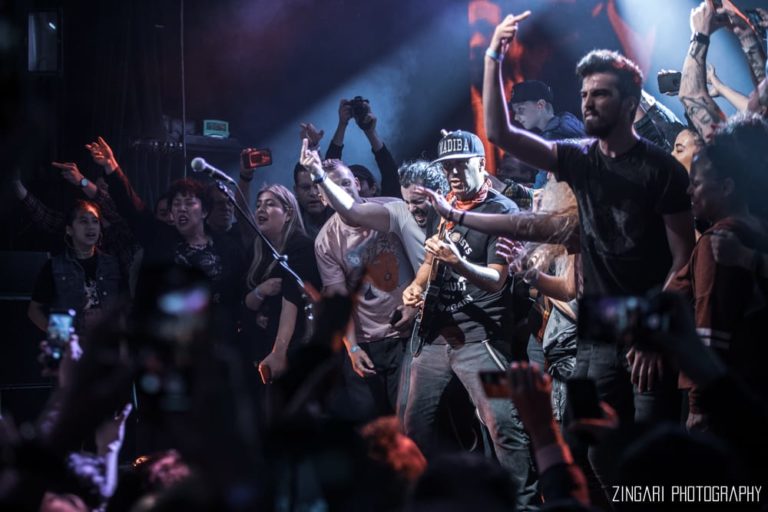
The show touched all genres and aspects of Morello’s long illustrious career. With plenty of Rage Against the Machine Material, the set journeyed along with nods to a deep connection with his Audioslave band mate and friend, Chris Cornell, and an inspiring cover of Bruce Springsteen’s “Ghost of Tom Joad.” During the final song Morello invited as many fans as could fit on stage with him; he blew the roof off the New York City venue with the Rage classic “Killing In The Name Of.” It was proof: the song’s lyrics are just as relevant now as when the song was originally released 18 years ago.
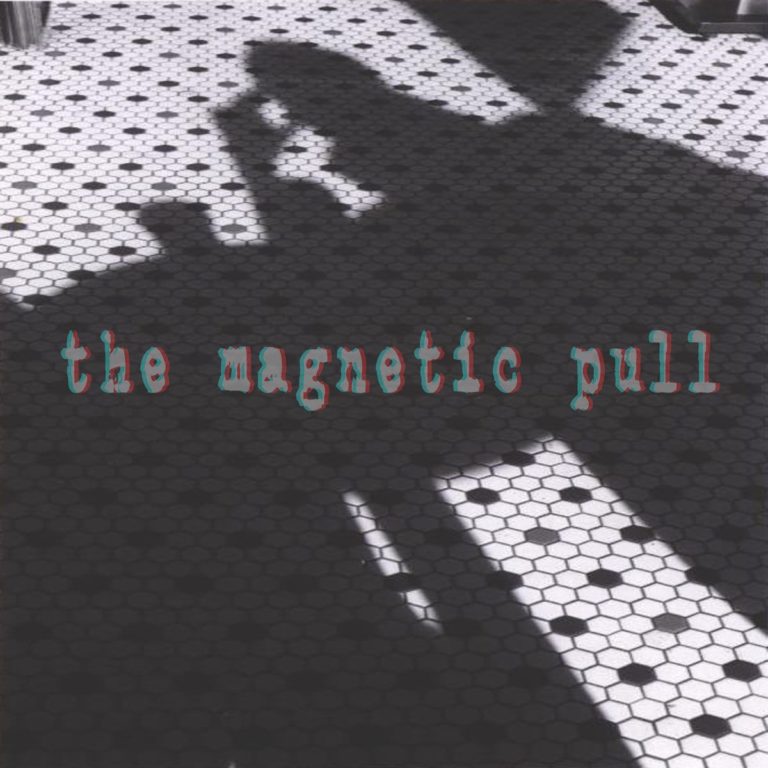
The Magnetic Pull, a post-rock quintet out of Syracuse, put out their second LP in April. There are no vocals over the course of the 40 minute self-titled set, though the visuals are dense and the narratives vivid. Each track plays out like the soundtrack to a short film. Live, they have been know to pull-off an original live score to the 1922 silent film, Nosferatu, so this comes as no surprise.
They leave the stories up to the listener; titles like “Pacipede” and “Know Seas” leave a lot to the imagination. The tracks flow fairly smoothly into each other providing a singular listening experience with multiple movements, perhaps different chapters to a single story. At times each instrument: guitars, keys, drums, bass, various electronics and samples, take on the roles of separate characters. At other times the instruments mesh in a show of force, pushing and pulling the energy as one combined sound.
From heavy-shredding guitar swells and calming melodic piano breaks to reggae infused grooves, this journey has it all. Whichever way you imagine it in your head, it is sure to be a thrill ride of a listen.
For the record collectors, The Magnetic Pull is being offered in limited release on 180 gram, coke-bottle green vinyl, packaged with a download-code sticker and eight-page anaglyph 3D booklet with 3D glasses. Otherwise, you can find it for download or streaming wherever you consume digital music.
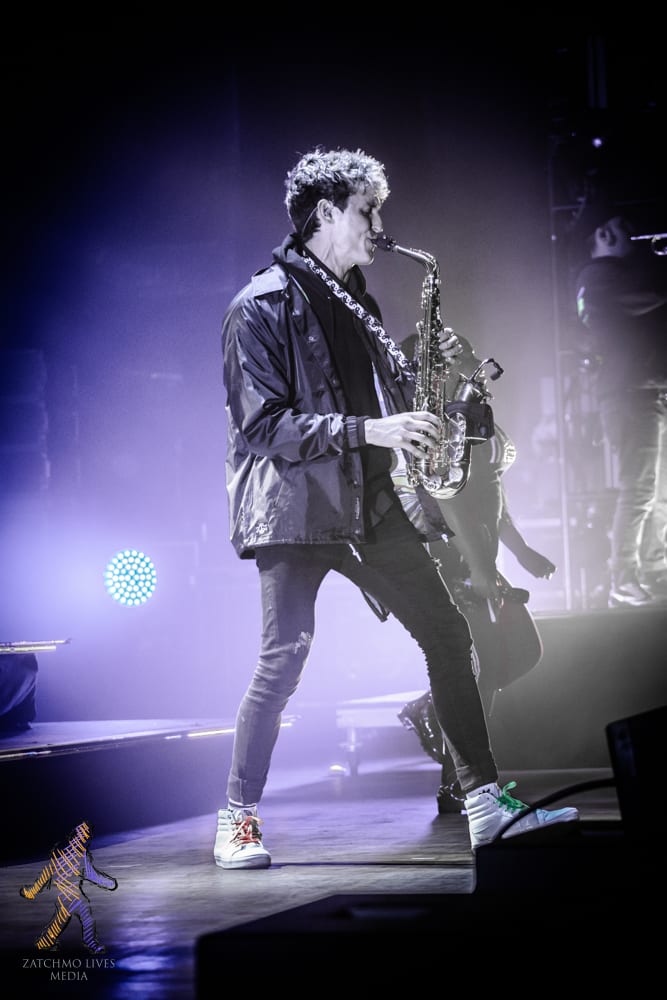
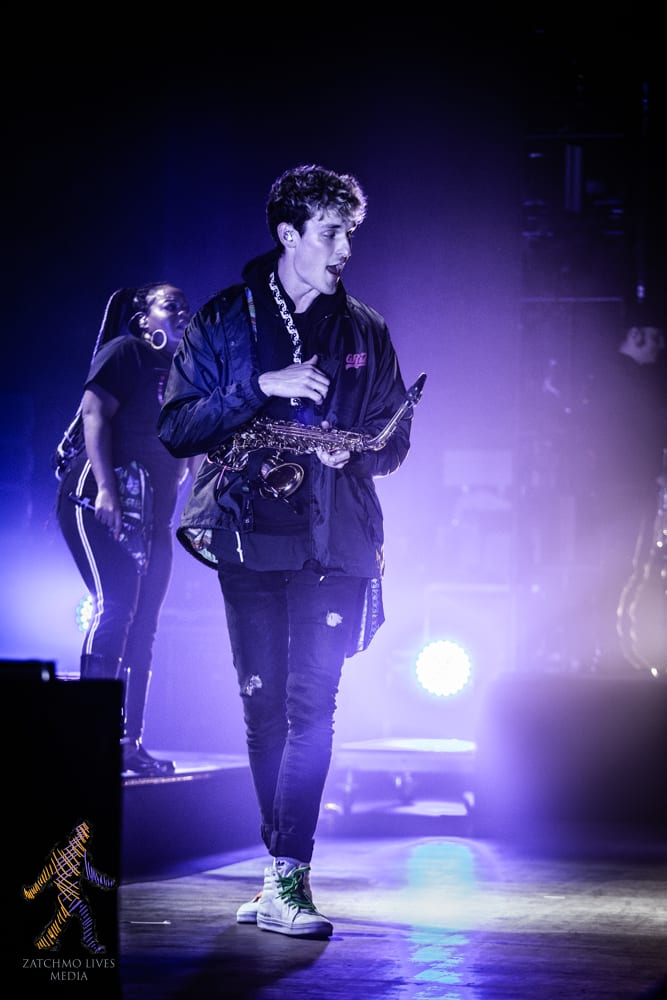
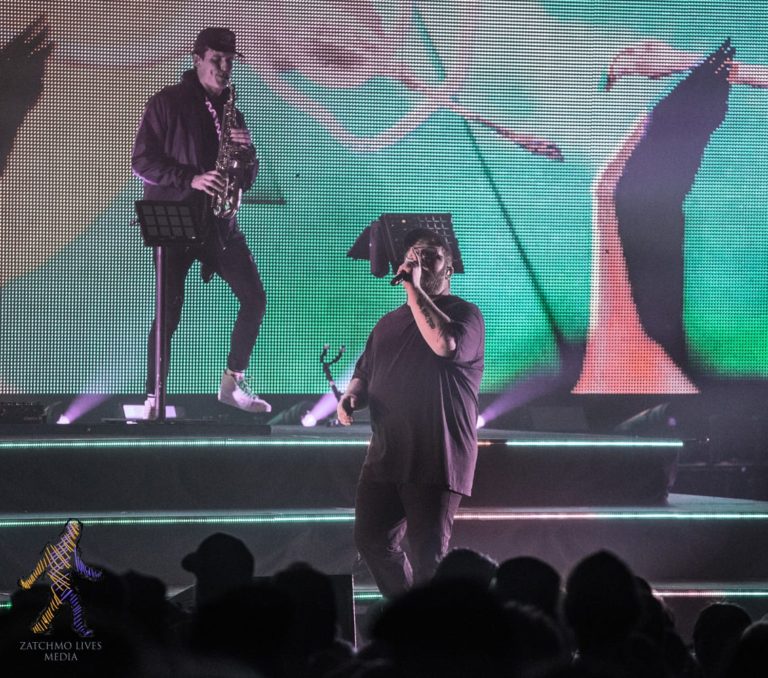
Griz’ Ride Waves: Season One tour rolled into Brooklyn’s Kings Theater last week. Griz is an electronic music producer and saxophonist from Southfield, MI who combines the saxophone with his self described “future funk,” electro-soul, hip-hop and funk beats.
Griz
Ride Waves is Griz’ fifth album, and came after a prolonged hiatus from social media and music. Griz used this time to hone his craft and travel the country while recording new music. He was able to recruit talent such as Snoop Dogg, Matisyahu, Bootsy Collins and Dram, as well as address social issues like gun control. He also recorded his first rap verse.
King’s Theater warmly welcomed Griz and his openers, Dwilly and Yung Bae. LA-based DJ and producer Dwilly took the stage first and delivered urban pop beats and remixes that got the crowd moving. Yung Bae, the Portland-based producer who has amassed millions of streams on Spotify, followed with his disco-centric funky beats.
Fans enjoy the Yung Bae set.
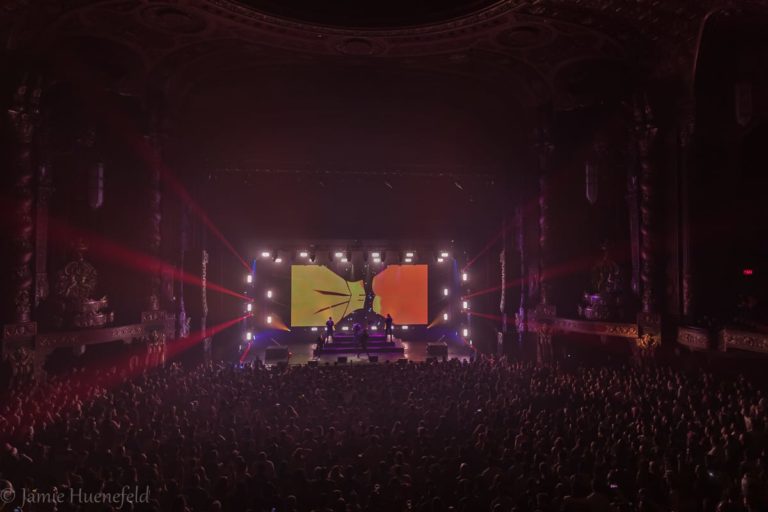
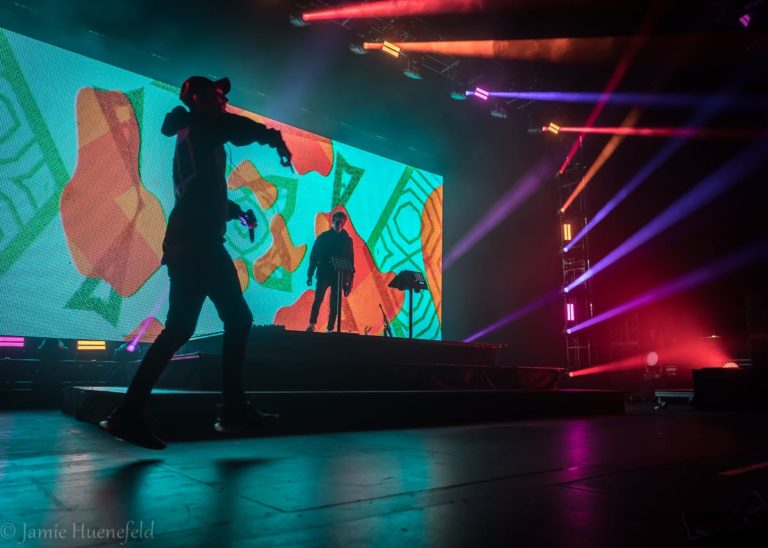
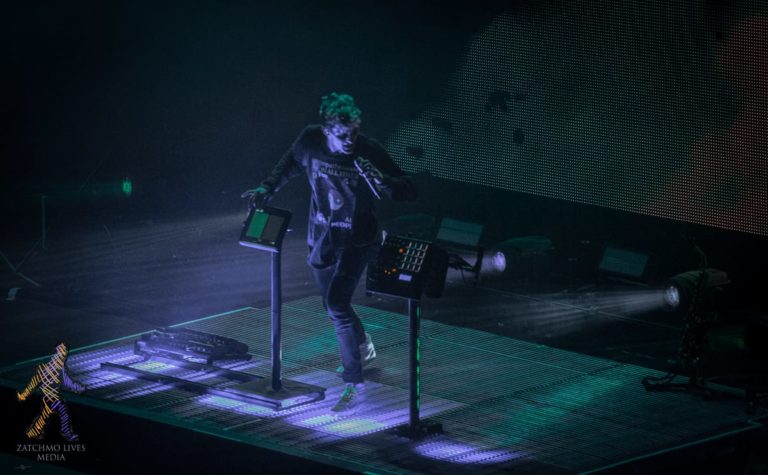
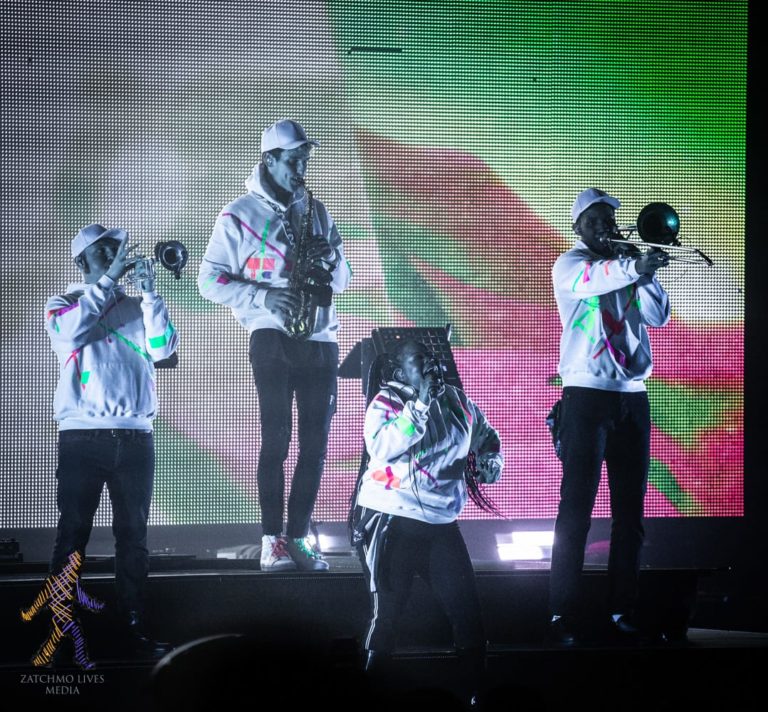
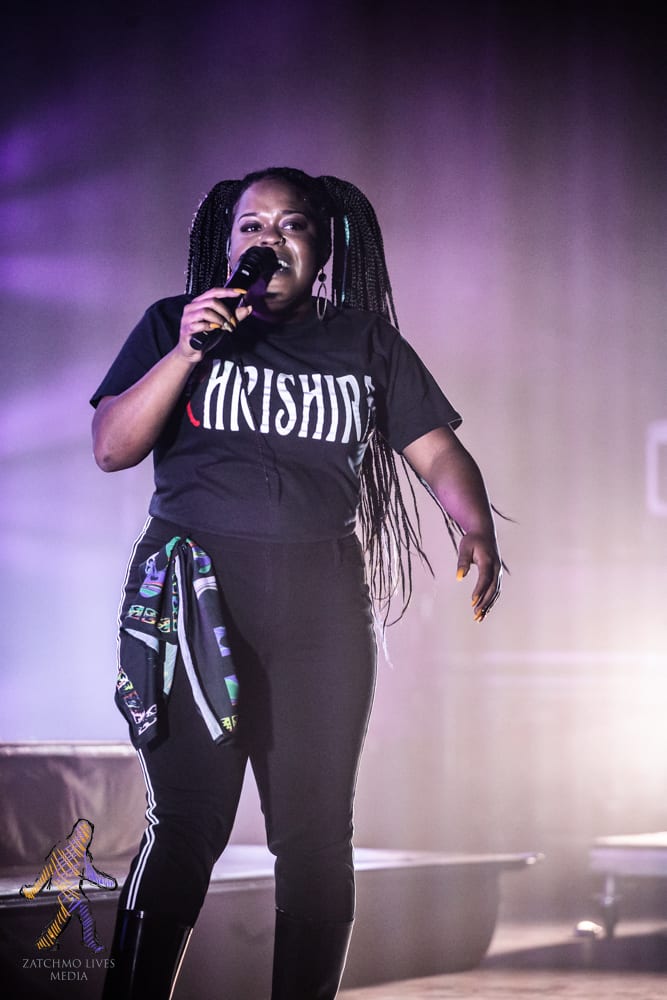
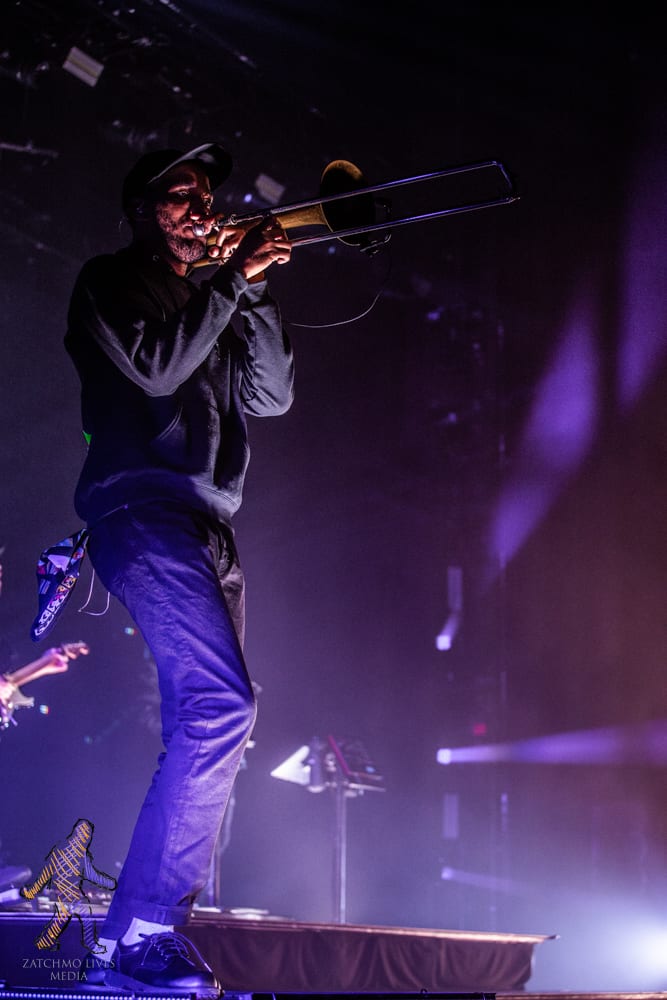
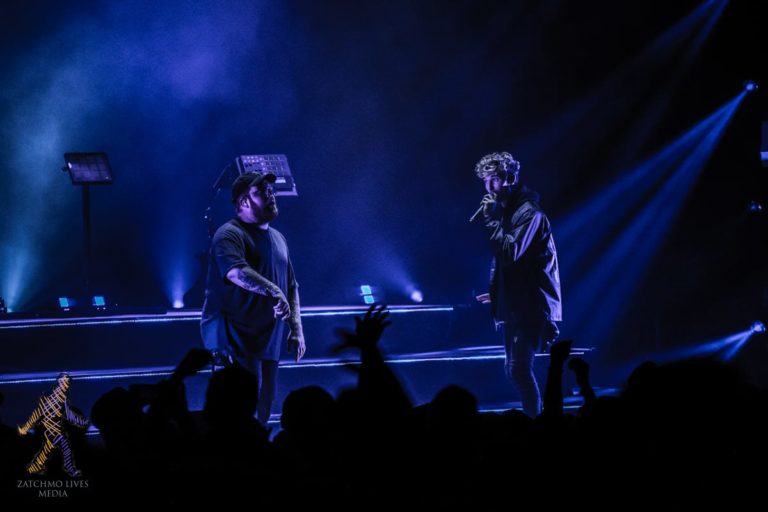
The crowd was on their feet as Griz took the stage. His setup included a raised area for his DJ equipment and saxophone, and an area to perform near the front of the stage, with a huge LED display illuminating with positive messages. Griz was accompanied on stage by guitarist Muzzy Bearr, vocalist Chrishira, and horn/trumpet players.
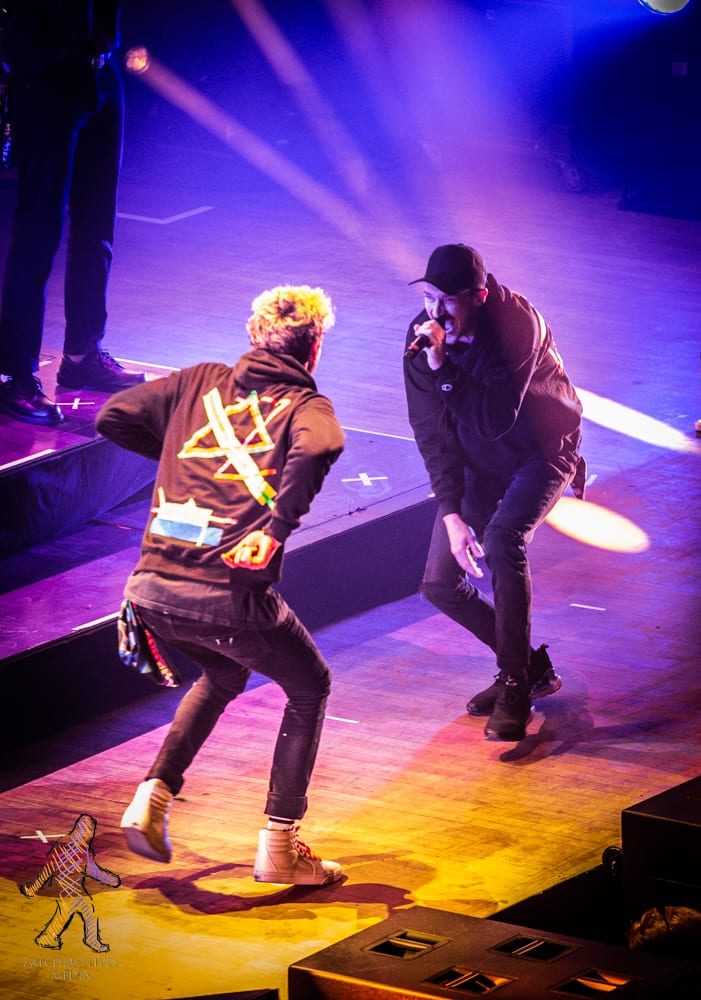
“Can’t Get Enough” featured Griz’ first rap verse, and showed his depth and talent. He sounded great and the crowd was loving it. The lyrics pulsated in bold letters behind him, and the light show was incredibly well timed.
Guitarist Muzzy Bearr, Griz, and vocalist Chrishira
The saxophone and guitar combination in “Caught Up” has a classic disco funk meets reggae feel. It’s hard to not start dancing, and that is exactly what the crowd did.
“It Gets Better” emanated with positivity, and combined elements of hip-hop, jazz and funk into one danceable tune. The LED screen displayed the lyrics and was a positive reinforcement of the chill vibe. The crowd enjoyed the song, and was singing along in unison by the end.
Griz seamlessly intertwines his funk and hip hop beats with positivity and the saxophone, creating pure musical bliss in Brooklyn. This show was an enjoyable party, from start to end, that is not to be missed.
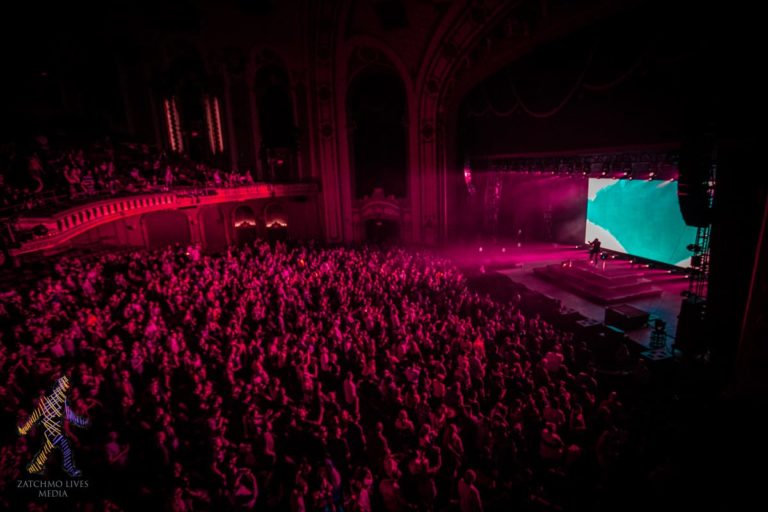
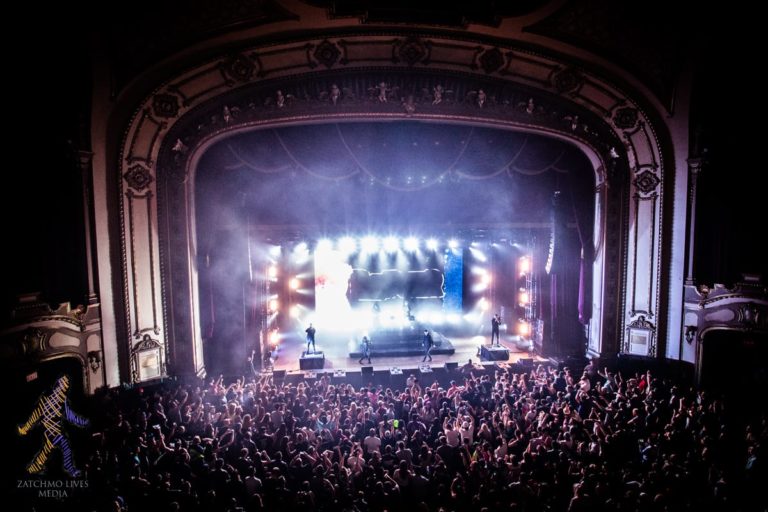
The Palace Theatre in Albany, NY played host to Griz and his Ride the Waves tour on Wednesday, May 8.
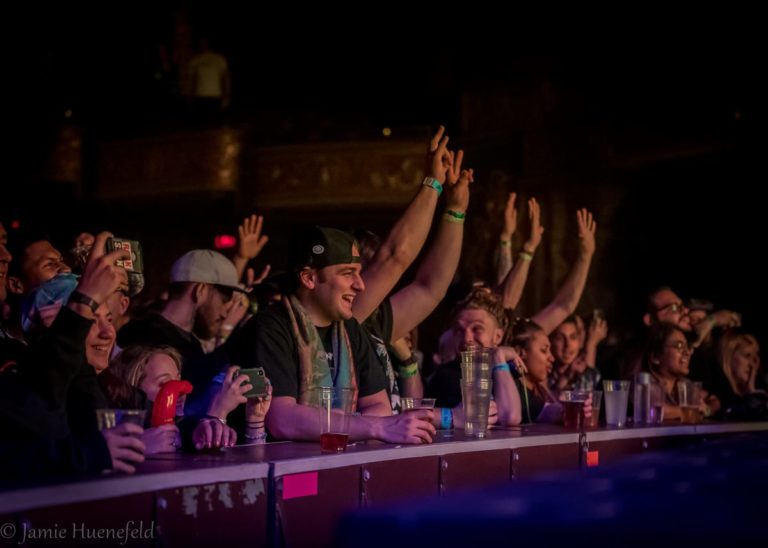
Openers, Dwilly and Yung Bae opened the night and got the adrenaline pumping early. The front rows were packed with a high energy, young crowd and they were soon ready for one of Colorado’s best.
The lights dimmed, and the bass began to rumble. Griz emerged and began to throw out some incredible lyrics, not usual for past tours. The show continued to bring out surprises including two different singers and two artists on trombone and trumpet.
The energy, production, and bass lines, were all at full capacity all night. You can catch this energy yourself as Griz continues his tour west and is a headliner at many festivals this summer.
In the latest turn of events, the state Supreme Court of New York has ruled that former Woodstock 50 investor Dentsu does not have the power to cancel the festival. The financial partner withdrew funding on April 29 and announced the cancellation of the event. Woodstock 50 organizers turned to state Supreme Court last week for a resolution, demanding that Dentsu return the $18 million and continue to work on the festival. Manhattan Judge Barry Osrager ruled that an ex-investor lacks authority to cancel an event, but declined to order the funds to be returned to the festival. In short, this has become a big mess.
During the Relix Live Music Conference at Brooklyn Bowl on Wednesday, May 15, a panel moderated by David Fricke led to a discussion on Woodstock 50. During ‘Case Study: The Bowery Presents’ with John Moore, Jim Glancy, Rolling Stone’s David Fricke brought up AEG deciding to not getting involved in Woodstock 50. Fricke noted “there is no indication this thing (Woodstock 50) can be saved,” which led John Moore to confirm they are “not involved in any discussions with Woodstock 50.” Jim Glancy expanded on that, saying “We had zero interest in April to salvage an event in August. I have no idea how it plays out but it’s a big mess,’ later adding, “It doesn’t feel thought out.”
Woodstock 50, an anniversary event planned to commemorate the iconic 1969 festival in Bethel, is planned for August in Watkins Glen. Festival organizers remain optimistic, despite lacking funds and a mass gathering permit.
“Birthdays are important, but I don’t want a big one like I had a few years ago. I just want the family, a few friends and neighbors.”
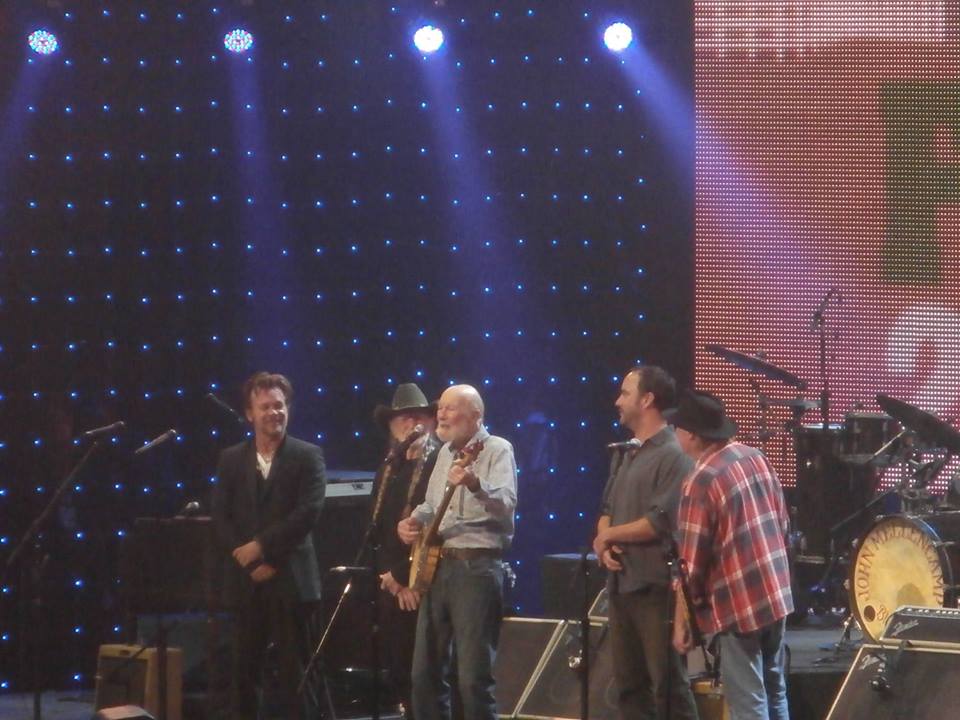
Pete Seeger would have been 100 years old on May 3, 2019. He was getting ready to celebrate his 94th birthday when we talked in April, 2013. It felt like I was talking to my favorite uncle. Pete had a way of making everyone he came in contact with feel that way whether it was Woody Guthrie, Woody’s son, Arlo, or the thousands of other folksingers he inspired.
“I’m actually going to be away on my birthday, because I have a granddaughter who’s going to a little school in Rhode Island that’s having what they call a grandparent’s day, and all the children who can are going to bring their grandparents to school. I’m gonna sing a few songs there. I’m mainly a song leader these days. I don’t have much voice left, but I’ve gotten better and better at getting a crowd to sing with me.”
Pete Seeger made a surprise appearance at Farm Aid 2013 at Saratoga Performing Arts Center
On May 23, The Egg in Albany will present a Pete Seeger Centennial Concert celebrating his 100th birthday. Arlo Guthrie and the 11 other artists performing illustrate how pervasive Seeger was as a moral compass in the history of American folk music and society as a whole. Arlo knew Pete from the day he was born. They performed together for the last time in Carnegie Hall, a month before Seeger died on January 27, 2014.
Arlo has just released Arlo & Pete’s More Together Again for digital download. Taped live in 1993 at Wolf Trap, it captures the mojo of Woody Guthrie’s son celebrating in song 60 years of the two musical families’ intertwining history. Best known for his anthem “Alice’s Resataurant,” With Seeger’s passing, Arlo is now the elder statesman and “keeper of the flame,” ignited by his father’s unofficial national anthem “This Land Is Your Land.”
“Most of the song had been written back in 1940 when he (Woody Guthrie) first came to New York,” Seeger told me in 2013. “He was actually hitchhiking, and Kate Smith singing “God Bless America” was on all the jukeboxes. His original song had all the same verses we know, but the last line was ‘God bless America for me.’ He crossed out that last line and scribbled in ‘This land is made for you and me.’ And that’s how he recorded it in 1948.”
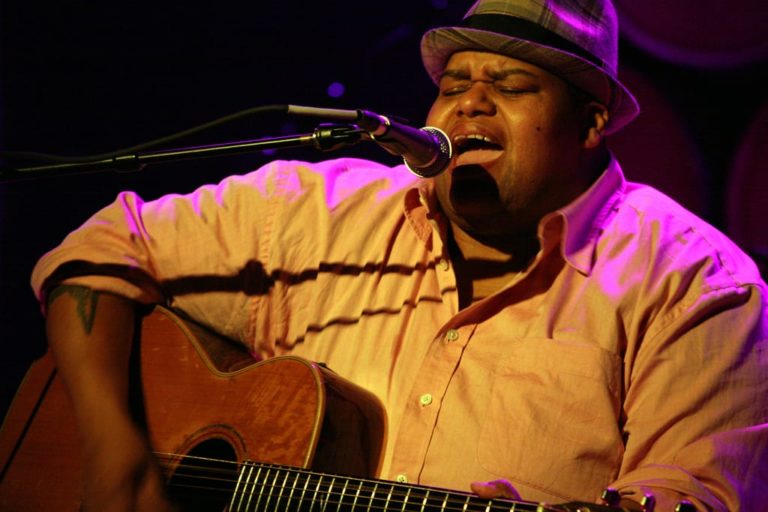
Also included in this Centennial celebration is Guy Davis who accompanied Seeger on his last official tour in 2007. Guy is the son of Ossie Davis and Ruby Dee, stalwarts of The Harlem Renaissance. “Pete Seeger and folk music is where my folks and I intersected best,” says Davis. “Pete Seeger was a friend of both of theirs, and I got sent to a summer camp run by Pete Seeger’s brother, and the older I get, the more I’m in love with the songs I learned in the ’50s and ’60s.”
In 1949, Pete Seeger’s car was among hundreds attacked by KKK members after a concert by African American opera singer Paul Robeson. “Two stones actually went through the glass and landed on the floor of the car. I cemented them into the chimney of a fireplace I was building,” recalled Seeger
The horrible images of that attack galvanized public opinion against KKK hatred. Seeger saw the incident as “an inoculation” for America. “You know when you get a needle in your arm, your arm gets a case of smallpox. The disease precipitates the cure. The rest of your body gets alerted and does not get smallpox, and this is exactly what happened.
“Peekskill had a case of fascism there, but the rest of the country saw the pictures on TV and in local newspapers and mothers with babies in their arms and blood streaming down, and it was not a pretty picture. The rest of the country said, ‘We don’t like this.’”
“I would agree that it was an inoculation,” says Guy Davis today. “It becomes Americanized. Those signs they had, ‘Wake up, America. Peekskill did.’” Pete was first hand on the receiving end of that as was Paul Robeson, as were so many other activists. Pete took one of the stones that was thrown into his car. He had it put into the fireplace of his cabin and he said that if the final riot comes and there were stones being thrown and death being dispensed, then he was going to take that stone and use it.”
“I’ve made a lot of stupid mistakes in my life,” Seeger told me in 2013, “but at least I’m still alive even though there was a thriving branch of the Ku Klux Klan only about three miles away from me. And I’ve often wondered why they didn’t come up and shoot me down or burn down my house or something, but I found out some members of the Ku Klux Klan had some family members who said, ‘You do what you want with Seeger and you’ll regret it. Everybody will be singing his Goddamn songs.’”
Toshi Reagon
Toshi Reagon is named after Pete Seeger’s wife and is the daughter of Bernice Johnson Reagon, civil rights activist and founder of the a cappella group Sweet Honey in the Rock. Toshi will perform her eclectic blend of rock honed on stages with Nona Hendryx, Elvis Costello, and Ani DiFranco. She considers one of her proudest moments to be when she played for her godfather Pete Seeger’s 90th birthday celebration at Madison Square Garden.
Another Centennial performer, David Gonzales, is a storyteller, musician, poet, actor, and writer and a one-of-a-kind artist. In 2009, David was commissioned to write a long form poem for the Hudson River Quadricentennial and, at the Egg, will recite excerpts from that work titled “Oh Hudson!” as they relate to Pete Seeger.
Seeger loved the Hudson River and his Sloop Clearwater became a symbol of our need to clean up our waters. He saw sailing as a metaphor for life. He remembered the time a friend took him out for his first midnight sail on an 11-foot Beetle Cat. “For the first time in my life I found out why people spend millions of dollars on private sailboats,” he said. “It’s not how fast you go, but the fact that you move at all. (Sailing) is a wonderful analogy for life. You use the force of the wind against you to move against it.”
“I was learning to sail on the Hudson, and I came along to certain places where there was a sewage outlet. I found myself sailing through lumps of this and that along with the toilet paper. I thought of the phrase of John Kenneth Galbraith, ‘Private affluence, pubic squalor.’ I had enough money to buy a sailboat, but I was sailing through shit.”
The one thing all the performers on this bill share with each other and Seeger in particular is an all-inclusive love for music as an “inoculation” against hatred and bigotry.
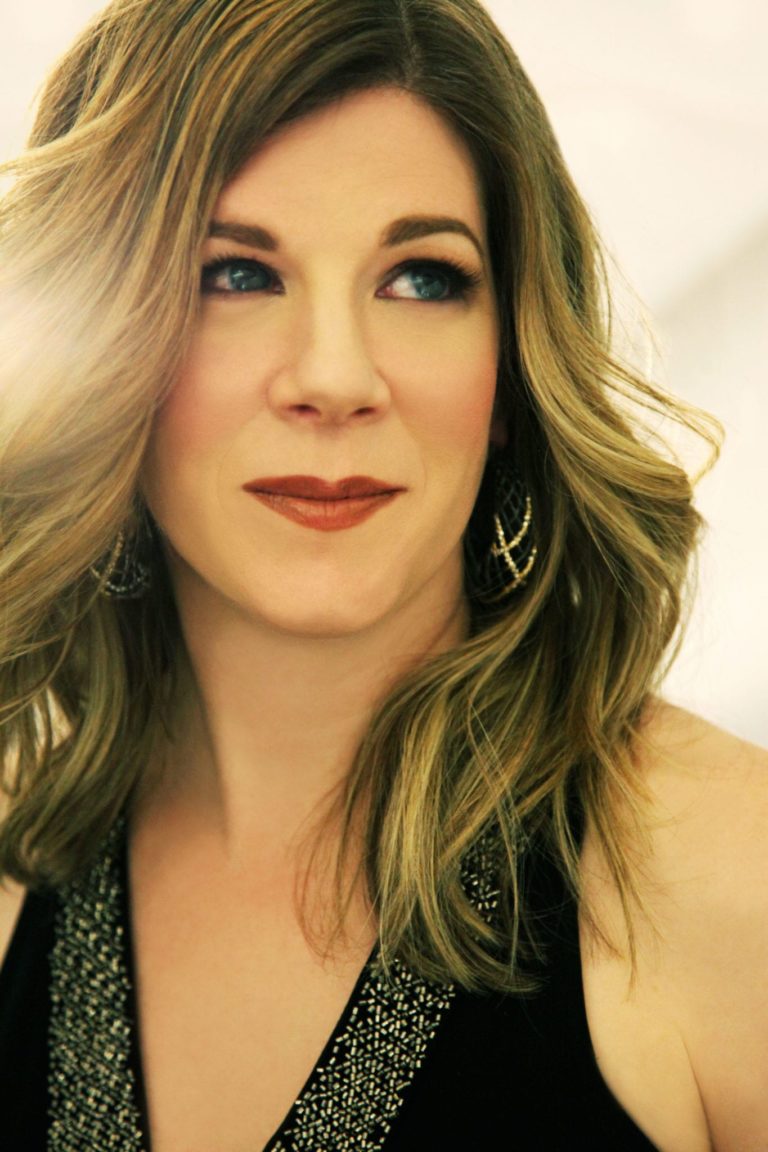
Dar Williams is a popular folksinger. The New York Times Book Review said of her book What I Found in a ThousandTowns that it “reads as if Pete Seeger and Jane Jacobs teamed up, more a report from the Green party than the green room.”
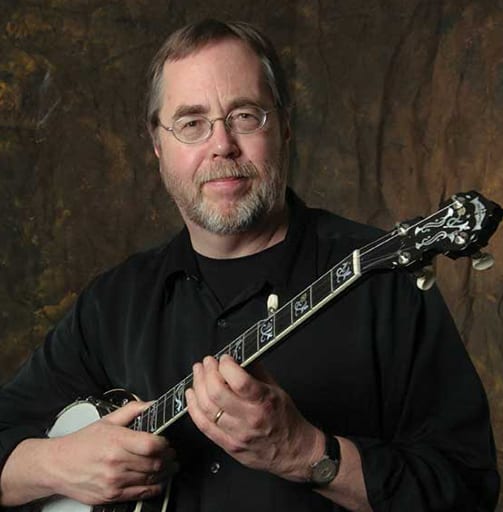
Tony Trischka is America’s consummate banjo artist and perhaps the most influential banjo player in the roots music world. He has written 15 instructional books as well as a series of DVDs. In 2009, he launched the Tony Trischka School of Banjo, an advanced, interactive, online instructional site that is the banjo home for students from around the world.
Amythyst Kiah is a southern songster who blends blues and old-time music. The only African American at the East Tennessee State University Bluegrass, Old Time and Country Music Studies Program during her enrollment, her repertoire includes the music of The Mississippi Sheiks, Son House, Jimmie Rodgers and the Carter Family. The New York Times credited her guitar playing with guaranteeing her a place among blues masters complimented by “her deep-hued voice that can change on a dime from brushed steel to melted toffee.”
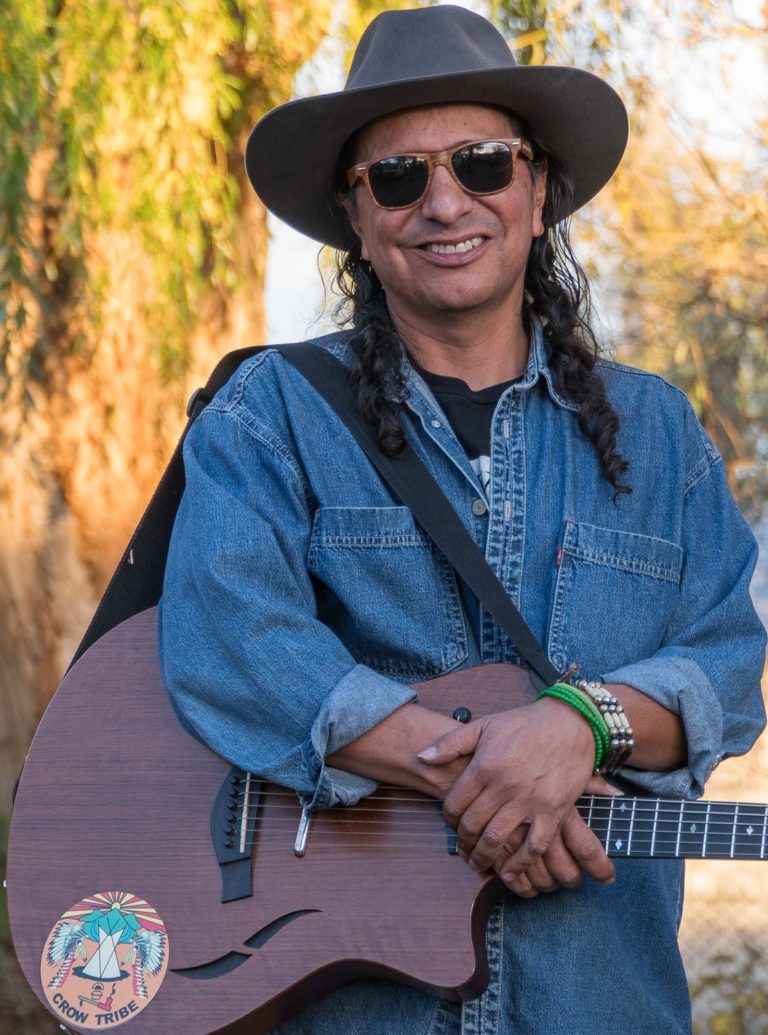
Cary Morin is a Crow tribal member who plays Americana acoustic guitar that incorporates blues, bluegrass, jazz, jam, reggae, and dance. His Cradle to The Grave album took the 2018 Independent Music Awards for Best Blues CD and earned him a 2018 Native Arts and Cultures Fellowship.
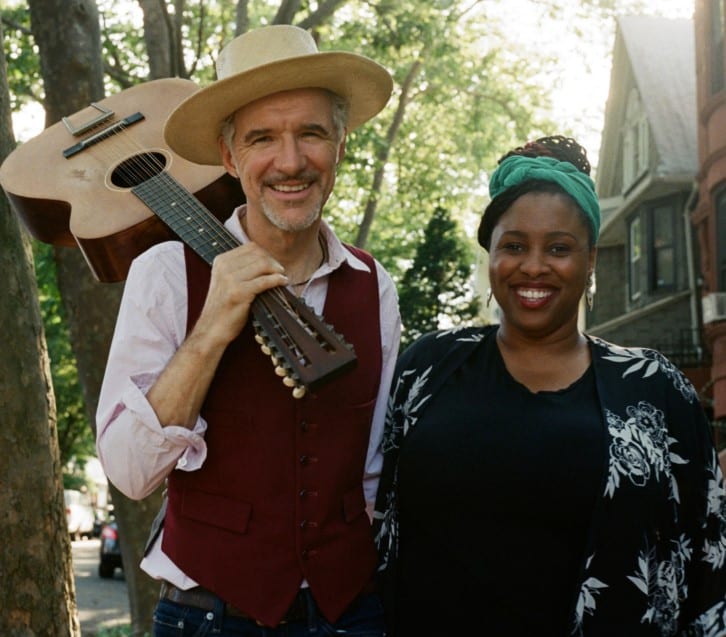
Dan Zanes & Claudia Eliaza are a couple whose Lead Belly Baby! Album is a children’s CD inspired by folksinger Lead Belly. Grammy winning Zanes began his career in the ’80s rock band the Del Fuegos. His wife Claudia Eliaz is a Haitian-American jazz vocalist music therapist.
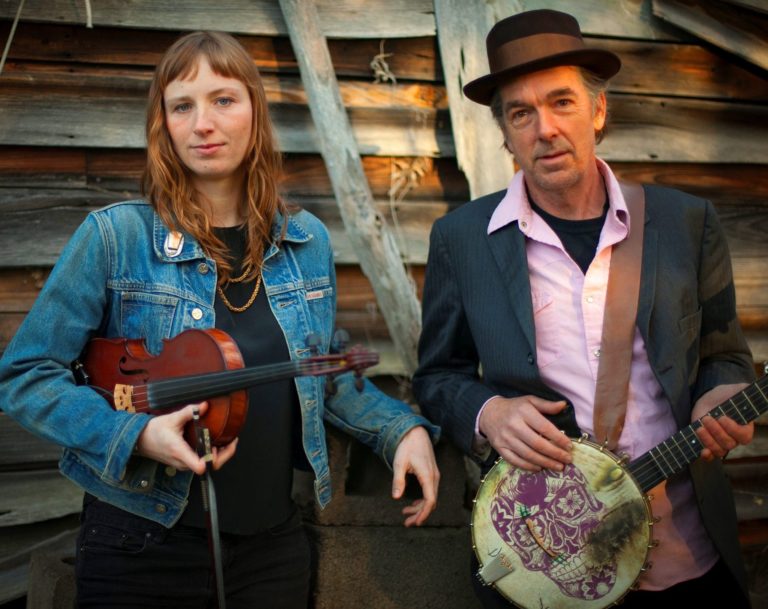
Richie Stearns performs with his wife Rosie Newton. Richie brought the old-time clawhammer banjo style to a whole new audience with the bands Donna The Buffalo and The Horseflies, and has accompanied artists such as Natalie Merchant, Bela Fleck, David Byrne, Billy Bragg & Wilco, Old Crow Medicine Show, and Joan Baez. For over 20 years, Richie performed with or for Pete Seeger on numerous occasions, and was invited to score original music for an album that featured Pete telling his life story over a music background.
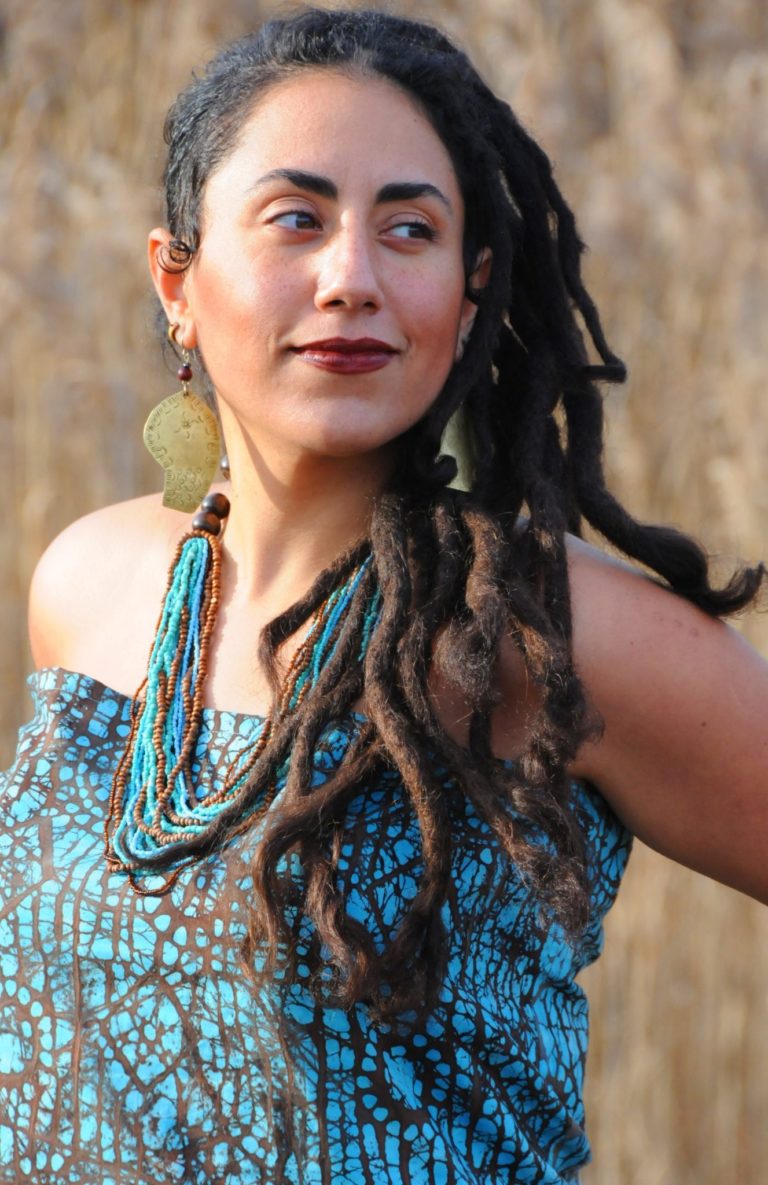
Taina Asili is a New York based Puerto Rican singer, songwriter, bandleader and activist.The Huffington Post named her group as #2 in a list of “12 Freedom Fighting Bands To Get You Through the Trump Years.” She is dedicated to using her art as a tool for personal and social transformation. The themes in Taína’s writing are based in her activism in political prisoner liberation, prisoner justice, climate justice, and food justice movements.
Bill and Livia Vanaver of The Vanavar Caravan. Bill has composed and produced music for films, dance and theatre productions, including The Clearwater with Pete Seeger. The Vanaver Caravan will perform an excerpt from their Pete Seeger inspired work “Turn, Turn, Turn.”
“I’m one of the musicians. And I’m only one of them,” Seeger told me. “There are now not hundreds but thousands of people making up songs and doing things in small ways here and small ways there and following the advice of the great French biologist Rene Dubois who said, ‘Think globally, act locally.’”
He recalled the tipping point in folk music to be 1960 when folksinger Guy Carawan sang “We Shall Overcome” and it became what in 2019 terms would be considered viral. “The hit song of the weekend was ‘We Shall Overcome’ sung with this rhythmic slow thing. It was a slow song, but it had a very definite rhythm, and it was the hit song of the weekend. Five weeks later Guy was in Raleigh, North Carolina, and somebody shouted out, ‘Guy, teach us ‘We Shall Overcome.’” And that’s where they added something.
“Your right hand reaches out and holds the left hand of the person to your left, and your left hand reaches out to your right. So, your arms cross in front of you. Your shoulders touch, and your bodies sway as you sing this song. Once again, an African tradition is added to this piece of music of bodily movement at the same time you’re singing. You’re not just singing. You’re moving your body.”
Despite the problems we have as a civilization, Seeger was optimistic about the future. “My mantra today is the agricultural revolution took thousands of years. The industrial revolution took hundreds of years, but the information revolution is only talking decades, and if we use the brain God gave us, who knows what miracles may happen in the next few years.”
And he saw the arts as society’s savior. “I think the arts will be among the most important things that save us. Words can mean different things to different people and numbers can, but (it’s all about) the arts, the visual arts, the dancing arts, the cooking arts, the human arts, the sports arts, Joe DiMaggio leaping for a fly ball had all the grace of a ballet dancer, and who knows.”
I asked Seeger what was the single most important thing he’d ever learned. “I guess realizing the human race is one more invasive species,” he said.
Seeger spent long, productive life trying to teach us not to be invasive.
What: Pete Seeger Centennial Concert
When: Thursday, May 23rd, 7:00 p.m.
Where: The Egg, Empire State Plaza, Albany
Tickets: The Egg Box Office at the Empire State Plaza, 581-473-1845, or online.