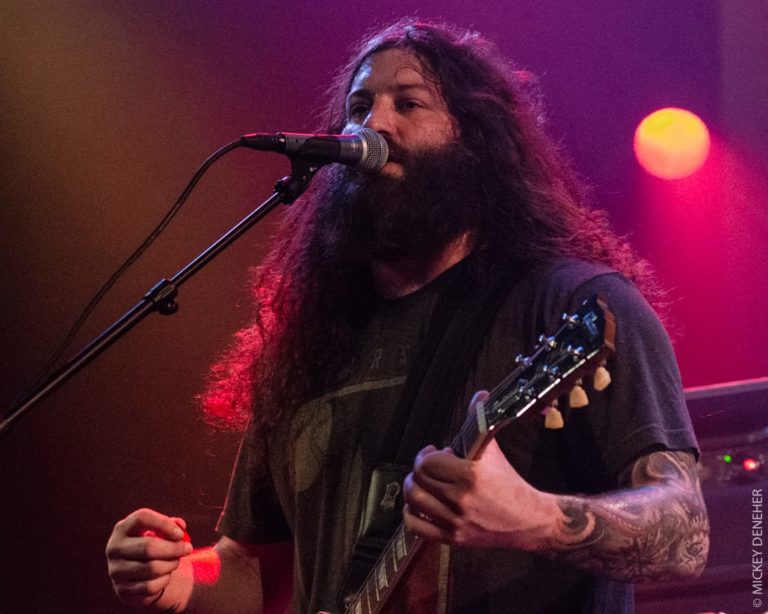
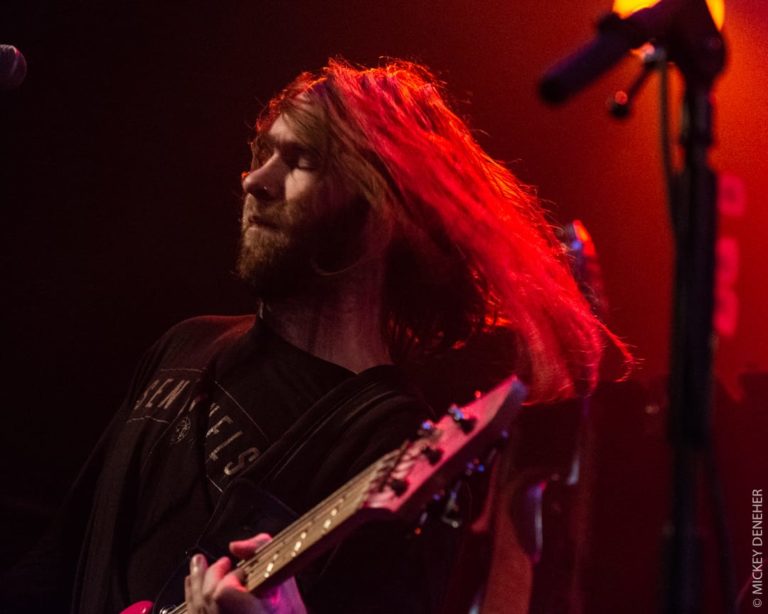
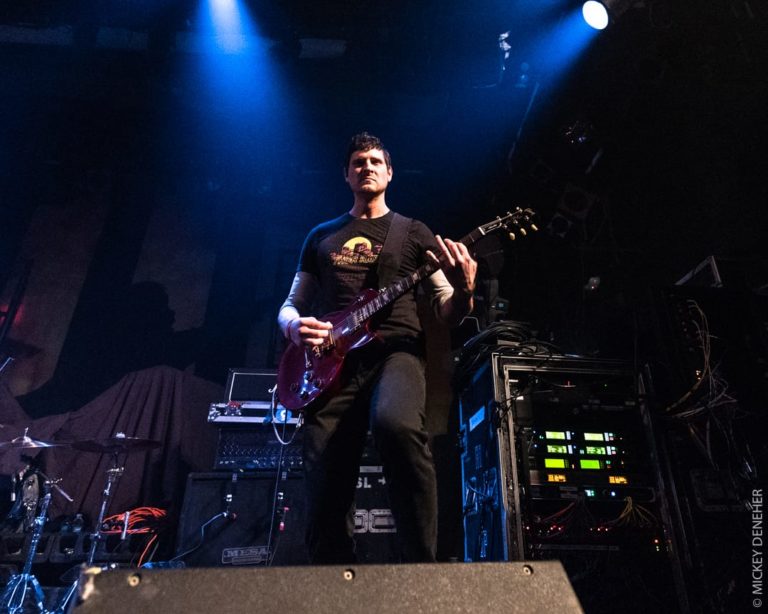
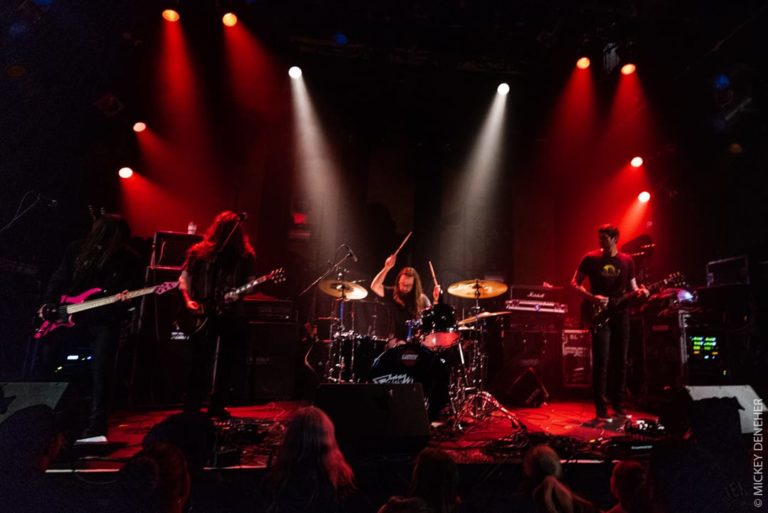
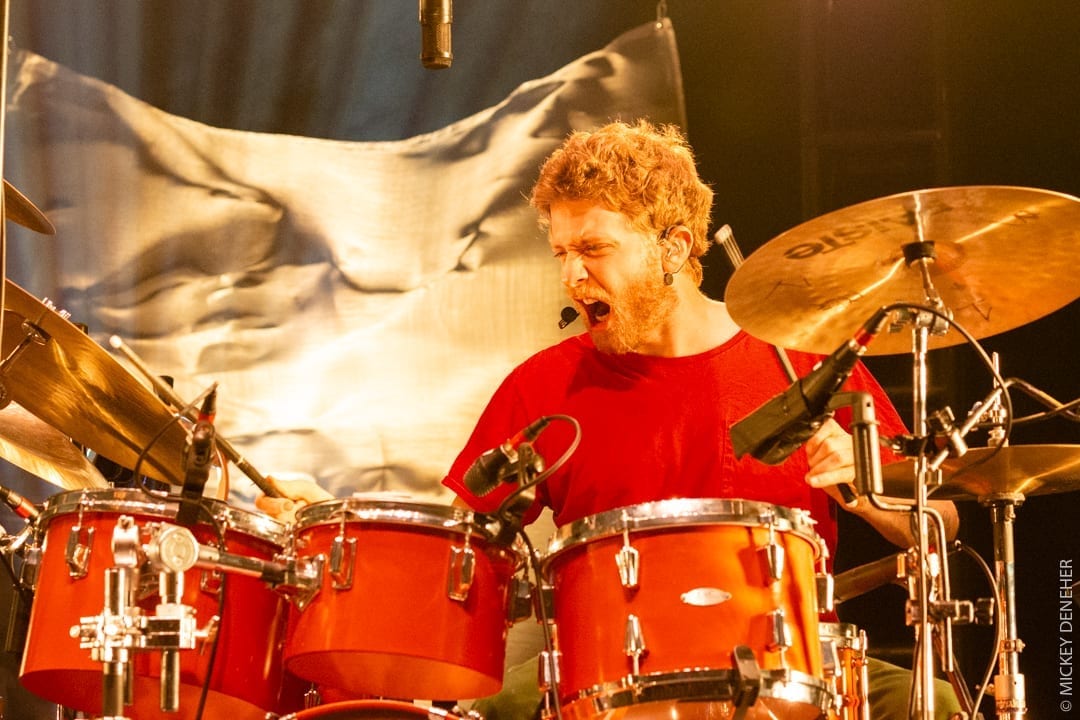
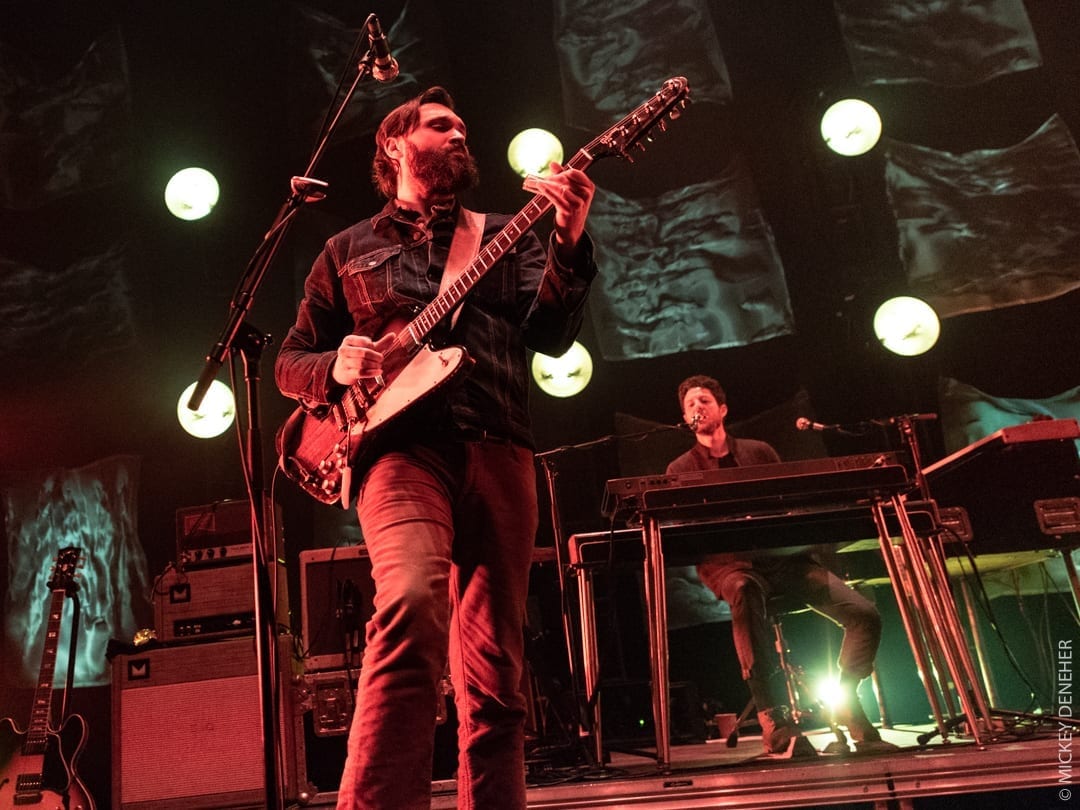
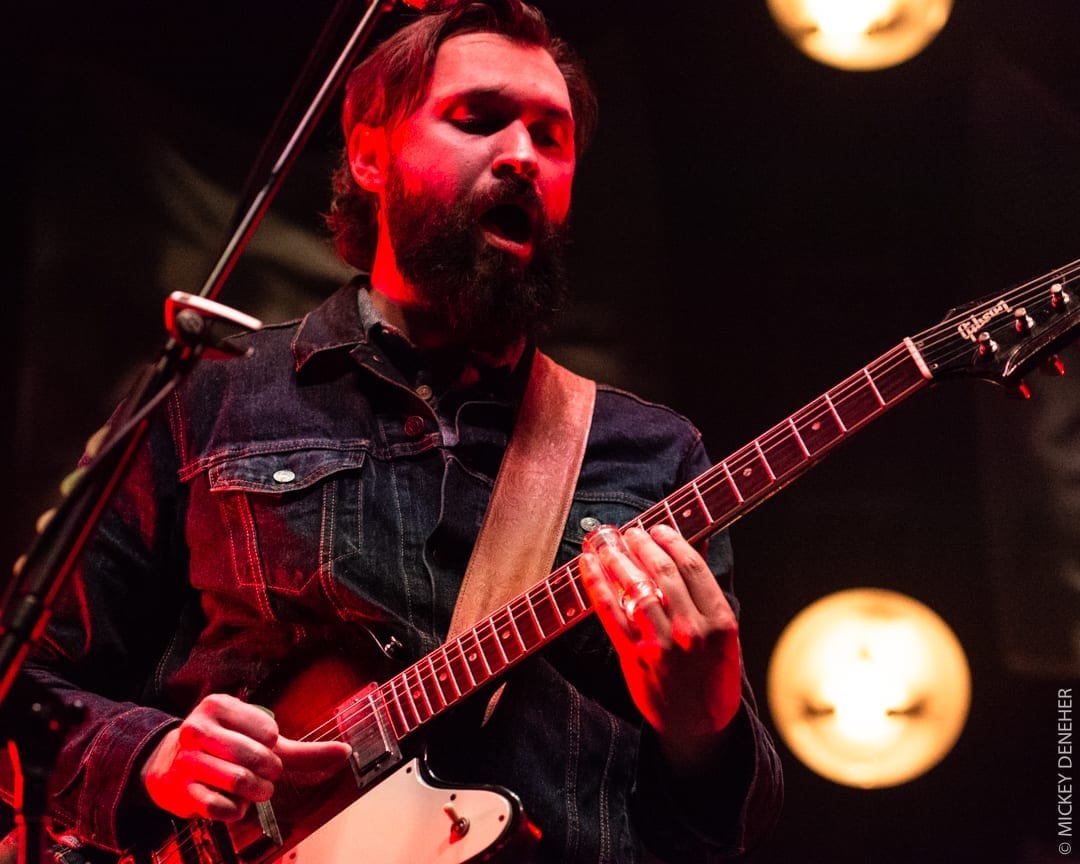
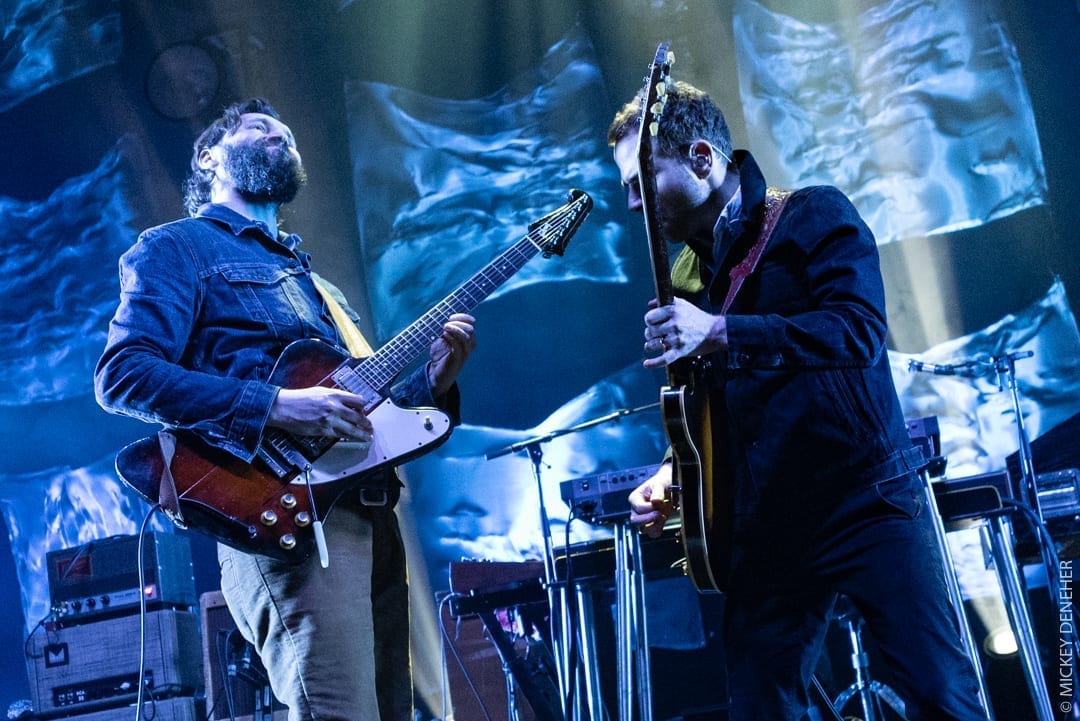
After you’ve released two albums, how do you do to follow it up? Albany based band, Stellar Young’s, latest EP And Turned To Ash, is as founding member John Glenn (vox/vocals) describes it, “the final of a concept trilogy,” something the band has been working on since late 2014.
Stellar Young – Photo by Ashley Nizolek
The earlier cogs in this wheel, Became a Flame, a straightforward rock and roll EP, and The Spark Caught (the first of three) which goes in multiple directions, have set the musical bar high for the finale . The opening track “Silhouette By Line” bathes you in warm expansive tones, setting the stage for the rest of the EP. Track two, “Wait,” followed by “Old Roots,” pick up where “Silhouette By Line” leaves off. For a moment you get lost, listening to a liquid suite and not just three separate songs, as the feel and flow align. Maybe a trilogy within a trilogy?
“Dance with Static” sits in the middle of the EP. The song takes a right turn from the previous three, cleansing the musical pallet with it’s foot tapping straight away groove, while preparing you for the rest of the meal. “Struck” and title track “And Turned to Ash” round out the EP, sweeping you back into the sonic glow that envelops the EP.
Producers Dan Dekalb and Jimi Woodul (Dark Honey) have captured the band’s aura that radiates throughout this final piece. The music glides ever so smoothly from single instrument and vocal to full on band and back again without upsetting the character of the songs. Well thought out arrangements enhance the quality of the writing and playing, putting Stellar Young And Turned To Ash in the keep pile.
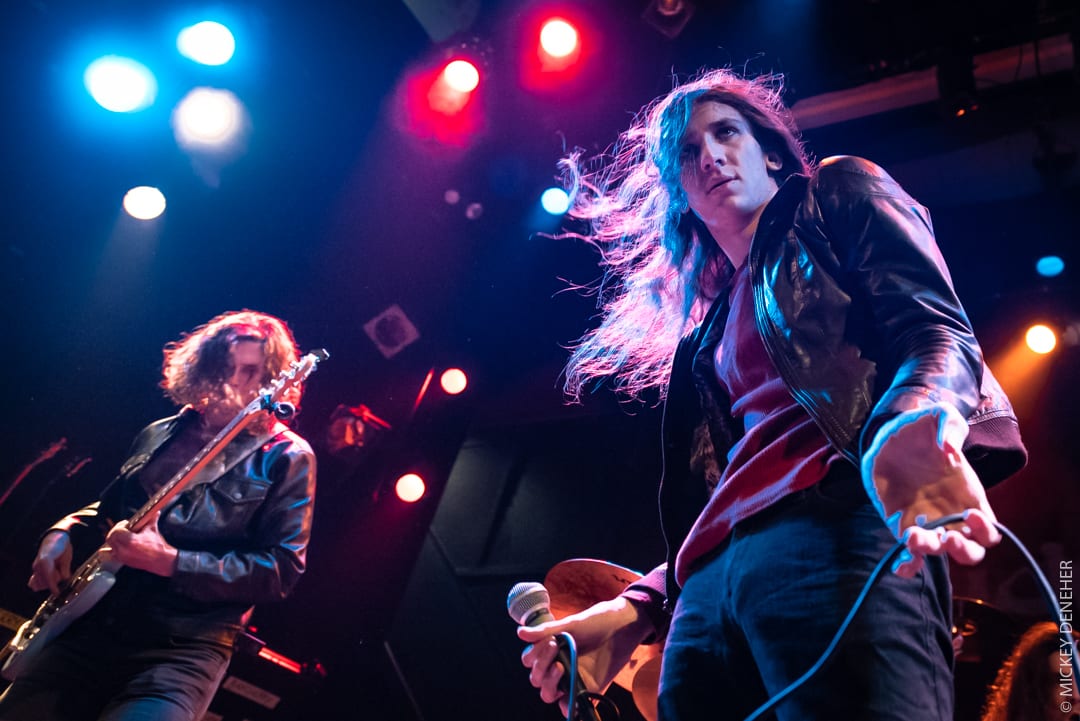
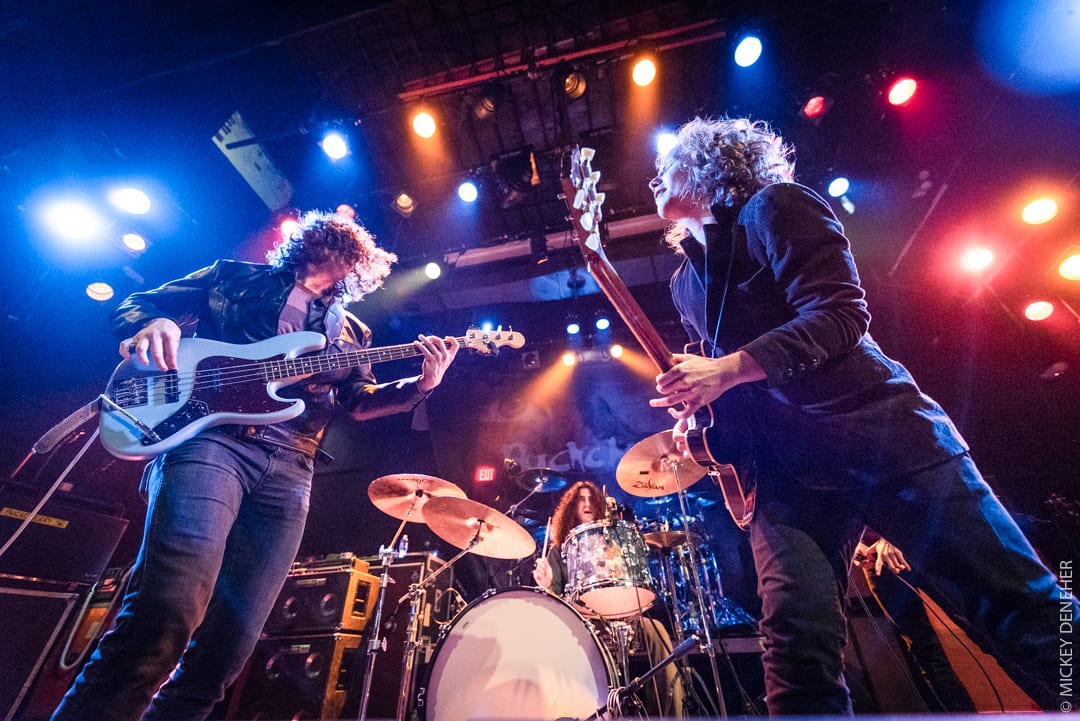
Vocalist Nick Reese, guitarist Blake Allard, bassist Greg Braccio, and drummer Robert Sodaro comprise Joyous Wolf; a rock and roll four-piece from Southern California who are hitting on all cylinders. After only four years together they have signed with Roadrunner Records, releasing their debut EP (out this month) and currently on a two-month tour opening for Buckcherry. Not too shabby.
I spoke with Nick Reese and Greg Braccio before their set at The Chance Theater in Poughkeepsie, N.Y. The show marked the midway point of the current tour with Buckcherry. We were led by the band’s tour manager, Stripes, to an upstairs back corner lounge to conduct our interview. Nick and Greg sat down in padded bar chairs that had no legs attached, which puts them close to floor level. I’m now towering over the guys (being 6’2”) so I grab a “legless” chair too and join the guys on the floor. They let out a “yeah,” as we are now all eye to eye. “You should make a new show called “Tiny Chair Talk”” Nick says. We start laughing and get down to rock and roll.
Greg Braccio – Bass, Nick Reese – Vocals
Mickey Deneher: You’re a SoCal band. When I listen to your songs, you’re not the Beach Boys. You’re not the Eagles. Who is Joyous Wolf? Why did you put the band together?
Nick Reese: There wasn’t a reason, other than boredom.
Greg Braccio: That’s the interesting thing.
NR: It kind of happened.
GB: None of us went into this like we are going to be this kind of band, or that kind of band. Everyone had their set of influences and it just melded into what it is.
NR: It found it’s own way.
MD: Creatively isn’t that the way you want it?
GB: Absolutely.
NR: That is what we set out for. I could play you our original demos and stuff and it’s a totally different band.
MD: If you take yourself from the beginning to now, where’s the band gone?
NR: Everywhere (said with a very big grin, laughing).
MD: Not only physically, but creatively.
NR: I think we’ve always set out to be creative. I think we just figured it out ourselves. We really didn’t know what we were. We were pretty much a bunch of guys jamming together, putting out ideas. A lot of evolution has happened since then. That’s all I can say. It’s just evolving. Yeah, a lot of evolution.
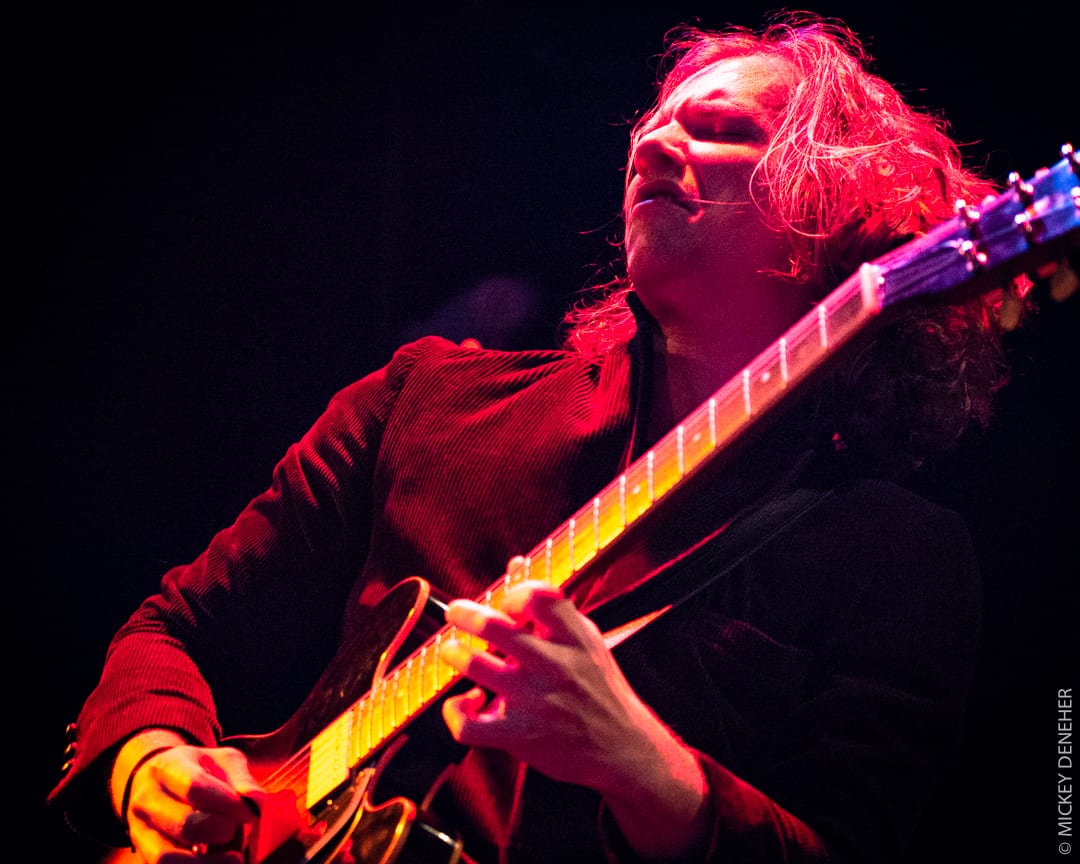
Blake Allard, guitar
MD: The writing process. Where does that (direction) come from? Who’s the driver?
NR: We all write together. Sometimes, someone will go and write something by themselves and bring it, and we all make it happen. That’s pretty much the main thing, or else we just get together and feel out the room, and what ever happens. Sometimes a song happens right there.
MD: You hear it? You hear it as your playing?
NR: Yeah.
MD: And all of a sudden, it’s like “go over here.”
NR/GB: Yeah.
MD: That’s a cool thing.
Robert Sodara, Drums
MD: In your promo (bio) it says you go from heavy metal to delta blues. That’s a huge swash.
NR: When we did that thing (promo) it was,what do we listen to? What’s the range? We’ll listen to heavier bands and to Muddy Waters. Between the four of us there’s a pretty big collection of music. That’s really what I think makes this band fun, for me anyway.
GB: Yeah.
NR: We get to apply all of it together. There is no one direction. I think people are going to see that on the record. I think they are going to have a lot of different feelings to our music.
MD: Is it always a personal thing when you write? Or is it, I saw something that impacted me?
GB: Honestly I don’t really think of it that way. It’s just kind of what ever we are feeling at that moment, or what ever we are playing, or what ever we are doing.
I think we try really hard try to just venture outside of the parameter of what’s the normal average rock band.
– Nick Reese
NR: As far as myself, that happened to me lyrically. I bring in little bits and pieces, now and then. But the majority of my job is to translate the mass that they create.
MD: Is it you, or is everyone dropping little snippets of sound?
GB: It’s either that or we’re all kind of jamming together and it will come up.
NR: Sometimes it will be at a sound check. Sometimes it’ll be when we are completely far apart. No one’s near each other and someone wakes up in the middle of the night. It’s nothing new as far as how songs are written.
MD: Your right. It’s nothing new, but it is new.
NR: Yeah, it’s a new creation.
MD: You are looking for something new.
GB: It’s almost inevitable to create something entirely new, especially with rock music. But, it’s really just the four of us having our own set of influences and hoping to create something like a weird blend of genres, what ever you want to call it.
MD: That synergy sort of groove thing and follow along.
GB: Yeah.
MD: And bring people with you.
GB: Absolutely.
Nick Reese, Blake Allard
NR: I think for us, it’s all about the energy of our music. I think that’s what makes it sound fresh. That, and I think we also try really hard try to just venture outside of the parameter of what’s the normal average rock band. I think we are going to do even more and more of that as we continue on.
MD: Setting yourself apart. In time, you want people to just say immediately “Joyous Wolf” as compared to “umm, sounds like umm,”
NR: “Whoever else.”
MD: That’s the individuality of it.
NR: We are fully prepared for things like that. Every band that has ever come around has been compared to somebody else.
GB: It is inevitable.
NR: Even when Led Zeppelin came around they said they sounded like Jeff Beck’s band. There is never going to be a brand new band that’s not going to get pegged for somebody else.
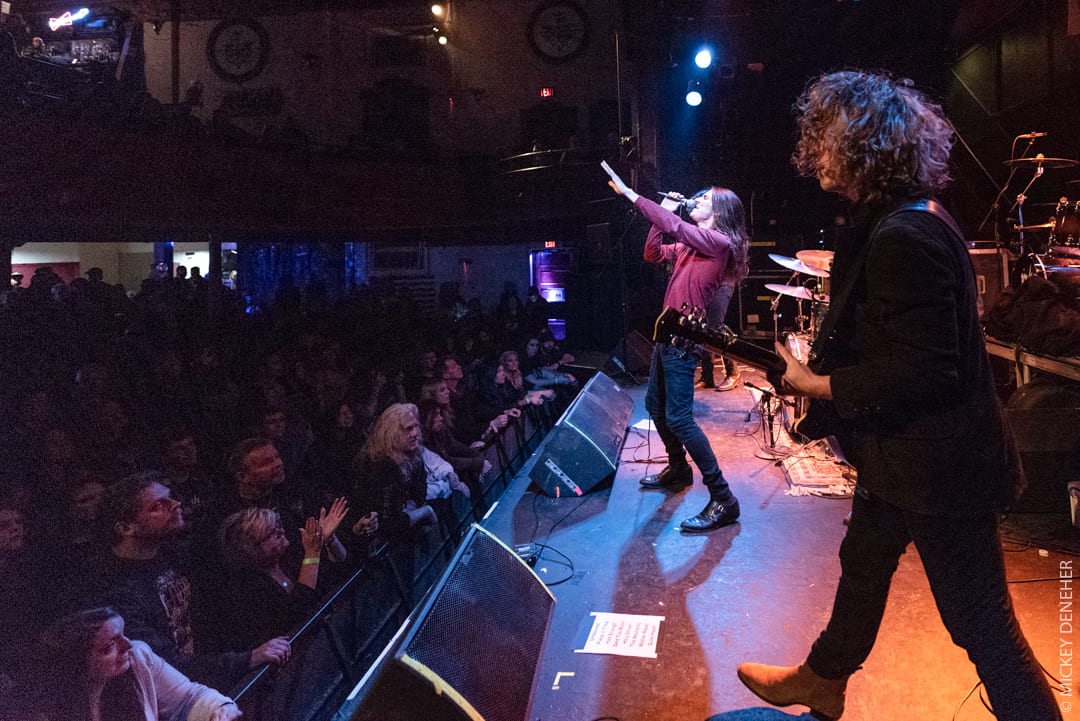
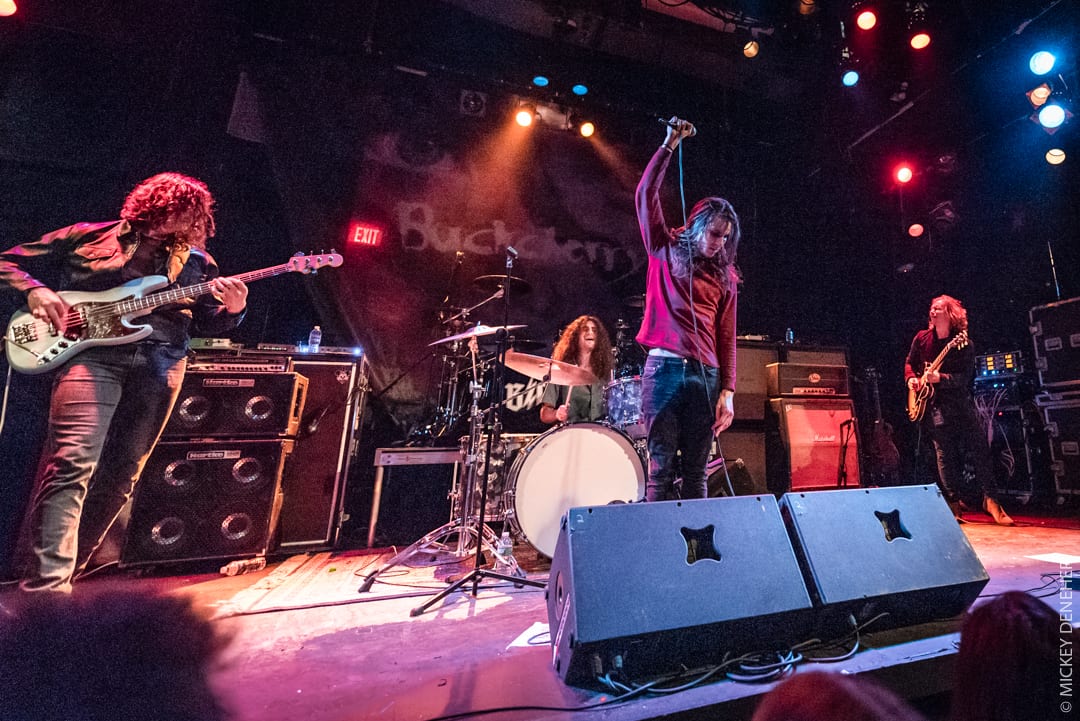
Opening for Buckcherry at The Chance Theater
MD: You played at a festival in Sacramento, under a freeway, and got a record deal.
GB: It sounds that simple, but that’s is pretty much how it happened.
NR: And it just happened to be next to the 5 Freeway. I still think to this day that that is the most California thing that could have possibly have happened. We’re playing in Sacramento, in the capital; we’re from California, lived their our whole lives; and we’re playing under the f#cking 5 Freeway.
That performance lead to signing with Atlantic Records’s Roadrunner label and the recording of their debut EP, “Place in Time,” in late 2018.
MD: Had you guys ever been in a recording environment like that? Putting together an album with any other bands or anyone else?
NR: Not quite like that no. Everything else that we had done was very independent.
GB: That was like the first professional setting to be doing that in.
MD: I hear bands talk about the daunting task of going in, getting it right. The producer is such a critical cog in that wheel to make something happen.
NR: He helped educate us in a couple of ways, as far as our ability to write songs. It’s not like we ever had trouble, he just showed us little bits and pieces to help us do that. Honestly, I think in that perspective, it came out pretty great. As far as it being daunting, I think the only thing that we were worried about was having the material. We went and took a couple of weeks after our fall tour last year and we worked until (looking to George) when did we go in?
GB: Late November early December.
NR: We did pretty much the entire the record in around 2 weeks.
GB: So it was very new material still.
Nick Reese, Blake Allard
MD: The sounds you had in your head for those songs, I take it, all the songs where written prior to going into the studio.
NR/GB: Yeah.
MD: Was that sound, the actual sound that came out? Or did it go to someplace else?
NR: I don’t think there was ever an expectation really. You don’t know what you are going to get, you know, until it is done.
GB: Yeah, I mean it was close. I would briefly say it was not quite what we were expecting. But overall it’s us. We shine through as much as we could.
MD: And you can stand up and say, “we are proud of it.”
NR: Yeah, I’m proud of the songs. I am proud of the songs.
Greg Braccio, Robert Sodaro, Blake Allard
MD: I’ve seen a couple of acoustic things that you have done. It’s you (Nick) and Blake (guitar.) Is that something that you may lean more towards going forward? Or is it that just that we need to be acoustic because of where we are and that’s what we do?
GB: I think when it comes to a full-length album or whatever; we’ll defiantly want to incorporate acoustic or anything really. We are not stuck to one thing.
NR: Even on the EP already we are going to have some stuff that a lot of our peers I don’t think would do. I think we’ve already included some elements, things that are not exactly everyone’s idea of rock and roll. We’re really not afraid to go anywhere. We don’t have any machismo. It could be literally anything. I feel like that’s how rock’s going to go forward, just let it fly.
GB: Yeah, it’s not supposed to be still the Sunset Strip all leather kind of thing. It’s got to evolve from that.
MD: No walls. No constraints. You just take if where it goes. Who knows where it’s going to end up, but you are not stopping yourselves.
The guys nod their agreement. As we get closer to show time, we talk about what is ahead for the year
Nick Reese
MD: Two months with Buckcherry.
NR: It’s a lot longer than that. We’re doing their second leg in the summer and even more, later in the year. We are also supporting Slash in July. We are also going to go to Europe for the first time this fall.
MD: This (current) tour you went to Canada and now you are doing a whole leg going back to California.
NR: Yeah and then we go back to Canada with Slash for six shows. We opened for him at the Paramount in New York last fall. He had picked us to come and open the shows. We were going to play Rock Fest, but when Slash calls, you don’t say no to Slash.
We’re really not afraid to go anywhere. We don’t have any machismo. It could be literally anything.
– Nick Reese
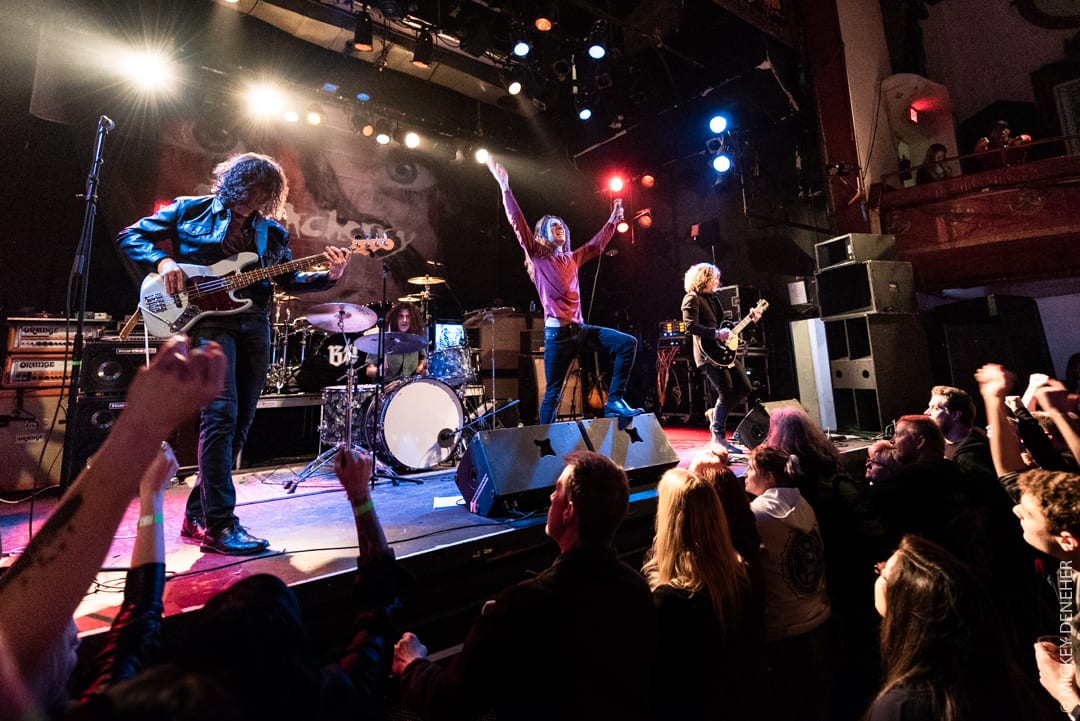
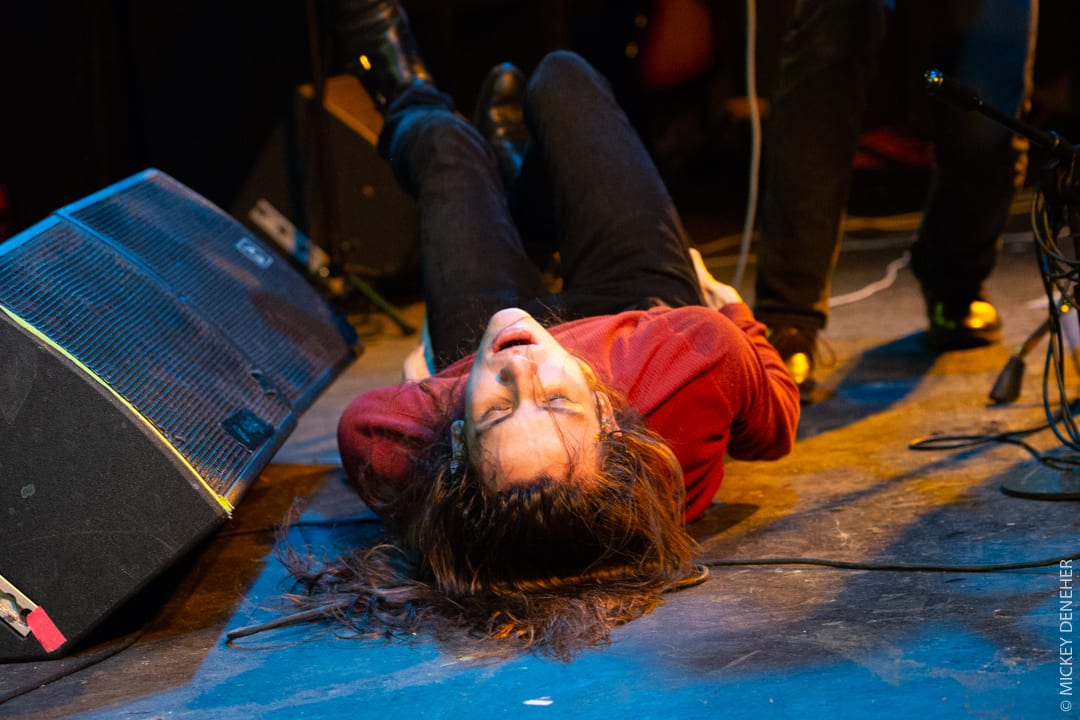
There is a reason why Buckcherry, Slash and other top-level acts are booking Joyous Wolf to open for them. As the band hit the stage this night, they took charge. Nick gyrated across the stage as if he had conjured up the spirit of fellow Californian Jim Morrison. All the time drawing in the audience with every word sung. Supporting their vocal extrovert, Blake, Greg, and Robert cranked out some heavy, in your face, rock and roll power playing. By the end of the set, hands were pumping high in the air and Joyous Wolf had left their mark. With an impressive, well-produced debut EP and ever increasing exposure opening for some of rock’s best, it won’t be long till these guys are headlining themselves.
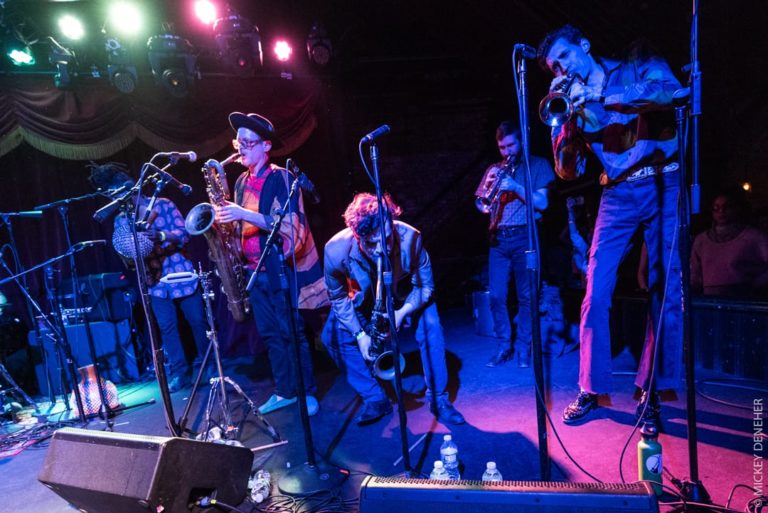
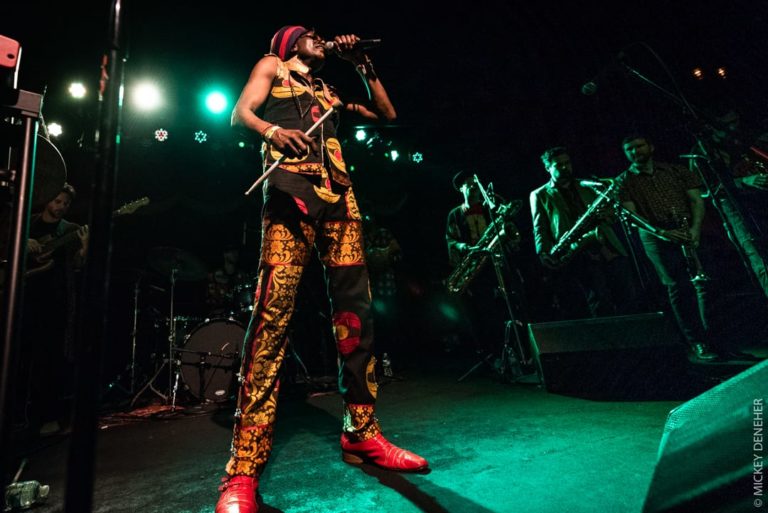
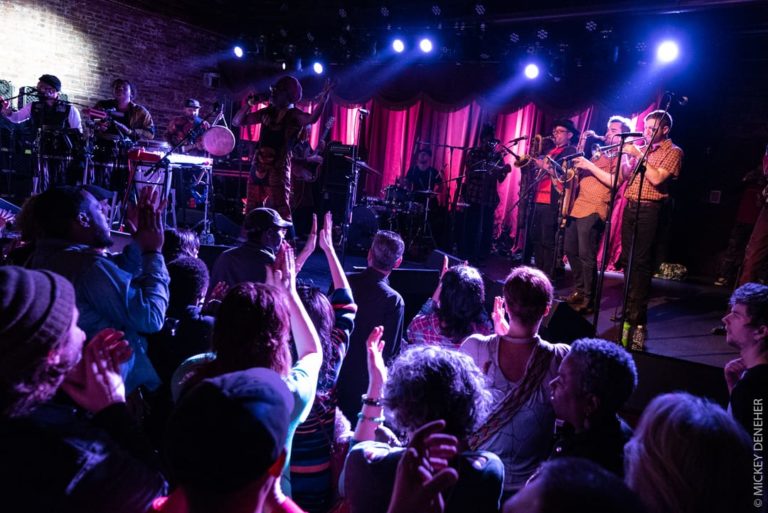
With lead singer Amayo preaching ‘deep unconditional love’ throughout the night, Antibalas performed to a sold out crowd on the second night of their 20th anniversary run at Brooklyn Bowl this past Saturday.
The fusion of African and Cuban music that Antibalas has brought to audiences for two decades is one that is rich in history and message, bringing the influence and sounds of Fela Kuti to a new generation. For nearly two hours, the 12-piece band and special guests took to the stage, creating a rich, full sound that moved the captive and diverse audience. Here’s to at least two more decades of Antibalas!
Bass player ‘Ray’ Beatty is very straightforward when talking about his band Lullwater: “we’re a really loud rock band.” Add their love for Seattle grunge (Pearl Jam, Alice in Chains, Soundgarden) and a “take no prisoners” rock ‘n roll stage presence – you get the DNA make up of this 4 piece band from Athens, Georgia.
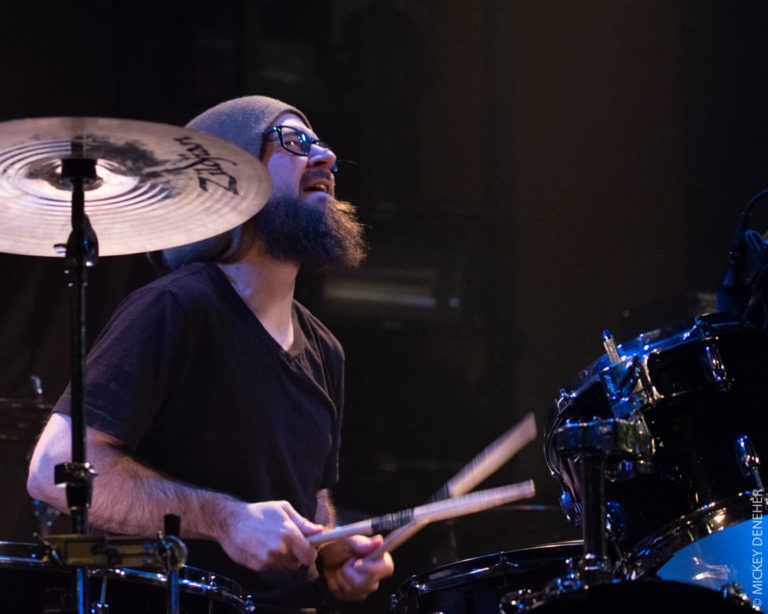
Together for 10 years, Lullwater is comprised of John Strickland on rhythm guitar and lead vocals, Roy ‘Ray’ Beatty on bass and vocals, Joseph Wilson on drums and vocals; and newest member, as of two years ago, Daniel Binnie on lead guitar. I sat down with Ray and Daniel before their set at The Chance Theater in Poughkeepsie, N.Y. The band was finishing up a month long, five band tour, with headliners Sevendust. It was a cold, but sunny afternoon with plenty of snow on the ground as we sat inside the band’s tour van and got down to business.
John Strickland
Mickey Deneher: You’re on month long tour with Sevendust, what’s that been feeling like?
Roy ‘Ray’ Beatty: It’s great. It’s an awesome tour to be on. It’s not just Sevendust. We have Tremonti, Cane Hill, and we got Kirra. Every band on this tour is really awesome. Not to discredit any of the bands we have been on tour with before, but as far as from start to finish, this tour lineup is just totally stacked. Almost every show has been sold out. Crowds have been really rockin’ and we get to watch the machine that is Sevendust. Not just the band, but the crew and everything. Seeing an operation on that level is inspiring. It’s like, oh; that is where we aim to be with our professionality, it’s great.
They’re like hanging out with us, allowing us to hang out with them. Sort of taking us under their wing a tiny bit. It’s a great experience all around. It’s inspiring. It’s very inspiring. You can see how bands that do this for a long time find and maintain success. Manage to do that through hard work.
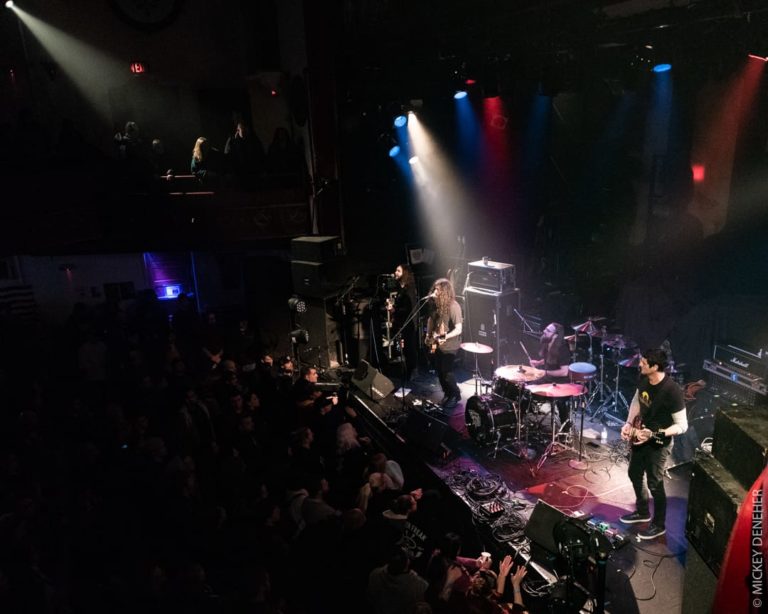
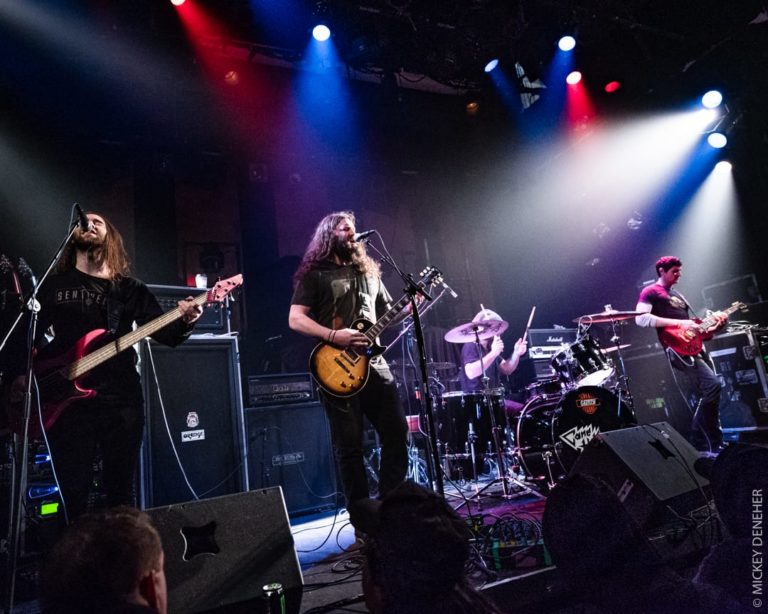
Lullwater at The Chance Theatre.
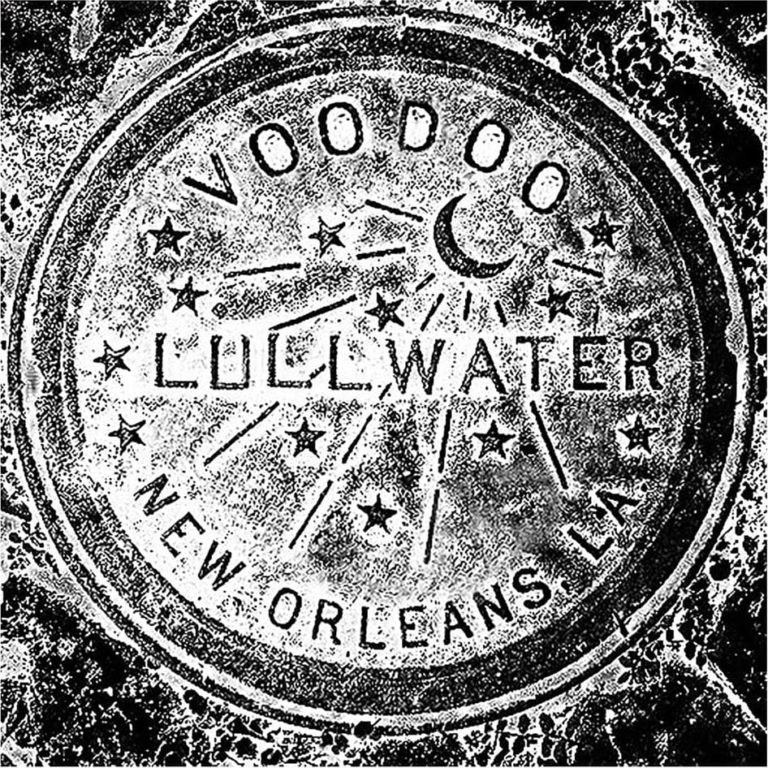
With the tour winding down, the band was preparing for the release of their 3rd and most adventurous studio album, Voodoo. A recording the band calls “a bigger, more intricate and layered, digitally-recorded sound.“ Recorded in New Orleans, the band engaged Jacob Hermann (Anthrax, Machine Head, Amaranthe) to take the reigns as producer. Recorded over a year ago, the band worked hard on the required business details so it would hit the market with full impact.
2019 released ‘Voodoo’ album art.
MD: The new album is coming out, that has to be an exciting thing.
RRB: It is exciting.
MD: You’ve done a couple of studio recordings and some live stuff. Did you go in with songs written and ready, or did you just go in and feel it and make it happen?
RRB: We had the majority of the songs written. But we went in and took the first week of our studio time just looking back at all of our songs; arranging things and changing things. So it’s like we re-wrote the whole album. But we had a lot in. Like 70 to 80% kind of like rough framework were there.
But Jacob, he came in and cracked the whip a little more and made us buckle down more then we have in the past. Made us be more reflective and honest about things that we were trying to make and were the things that we wanted really suiting the song that we wanted.
Roy “Ray” Beatty – Lullwater
Joseph Wilson
MD: You say we looked back, you had them ready, but let me make sure they were there?
RRB: Well, we did maybe a month or two of just practice in our basement leading up to it. Of us, just writing all these songs and playing them. But neither of our producers were able to be there with us. So when we went down to the studio we wanted to get them in on the vibe and also get their input and just make sure everything was the best that it could be. ‘Cause we’ve done albums. Like the previous album, we really didn’t write almost anything before we went in. And that was cool too. But we just really wanted to make this one stand out.
MD: Jacob Hermann?
RRB: Jacob (reiterated with a Swedish accent)
MD: He had some great creds coming in. How was it working with him?
RRB: It was great. It was a little daunting. It was a big step up. Not to say that our other producer, Justin, isn’t also great to work with, and he is. But he kind of goes along with our vibe and we are all very collaborative. But Jacob, he came in and cracked the whip a little more and made us buckle down more then we have in the past. Made us be more reflective and honest about things that we were trying to make and were the things that we wanted really suiting the song that we wanted.
Daniel Binnie: He was extremely critical.
MD: But that’s good.
RRB: It was good.
DB: In a good way.
MD: His name is on there also. It’s a collaboration.
RRB: It is. I think people probably don’t realize, that people that don’t make music, or don’t record their music with producers; don’t realize how much of an impact that those producers have on the album; the sounds that are happening, how the sounds all fit together, a lot of the arraignments and stuff. Your always like “Hey Justin,” “Hey Jacob,” “does it sound good?” “Does it suck or not?” When I personally go into the studio I try to, you know I have all these ideas that we have and I want things to be a certain way, but unless I absolutely am worried something’s going to not turn out good, I try to just give up worrying about anything. Saying the power to veto a sound or to confirm ‘does this sound good,’ is in the producer’s control.
Roy “Ray” Beatty
MD: You (as a band) present it, you play it, you created it, but you need that extra set of ears to help you.
RRB: You defiantly do. If you don’t all do that, it gets to be a to many cooks in the kitchen kind of scenario with everyone saying, “NO, we got to do this riff,” ‘That didn’t quite work, we have to redo it.” It’s like CHAOS. In order to serve the final product, you have to remove yourself a little from it.
MD: The song “Empty Chambers” a first release. Talk a little about it.
RRB: It’s just a loud rock song. Actually, that was the first one we started writing for the album, I think. I was traveling and I had my guitar in my car and I knew that we had our studio session booked and I was kind of freak’n out because nobody had been sending in riffs. ‘Cause usually, the way our writing process works is, other people are coming up with some of the riffs and I‘ll try to arrange them and we’ll all try to arrange them and write. We write together. But for this one, I was just in my hotel drinking and I was like; man, we need songs. So I just wrote that first riff and we just kind of came together and made a song out of it.
Daniel Binnie
You can take kind of what you want from the lyrics. John (Strickland, lead vocals and rhythm guitar) doesn’t like to be super direct with explaining his lyrics in interviews, so I kind of respect that. But you listen to it; you can kind of hear what it’s all about.
Daniel Binnie: I wrote the rhythm for the chorus. Don’t for get me (laughing!)
RRB: Binnie did write the chorus of “Empty Chamber.” Totally wrote that. We took that from a song he made. So it really came together.
MD: What was it that drew you down to NOLA (to record)?
RRB: Jacob had worked in that studio and he said that was the place to go, so we said ok, we trust you.
MD: New Orleans is such a music place.
RRB: It is a music place.
MD: The vibe is a NOLA vibe. Did any of that seep in a little?
RRB: The album is called Voodoo. We where there for Halloween. (Laughing) It definitely influenced the album. It seeps through. You be able to hear it in the final product.
Lullwater
DB: Musically of course, we got some horns and strings and stuff from local musicians on the album. So you got that. As far as the vibe of the town, there is a lot of pain and suffering on that album.
RRB: There is. I feel that like that is the theme of the album overall, everything falling apart and then getting back together.
The band hit the stage at The Chance Theater to a very appreciative and packed house. With 2019 in front of them, Lullwater will be releasing an acoustic EP, containing songs from their last two albums, in late spring or summer. The band is now finalizing tour dates for the rest of the year, so look for Lullwater out on the road in support of their latest release.
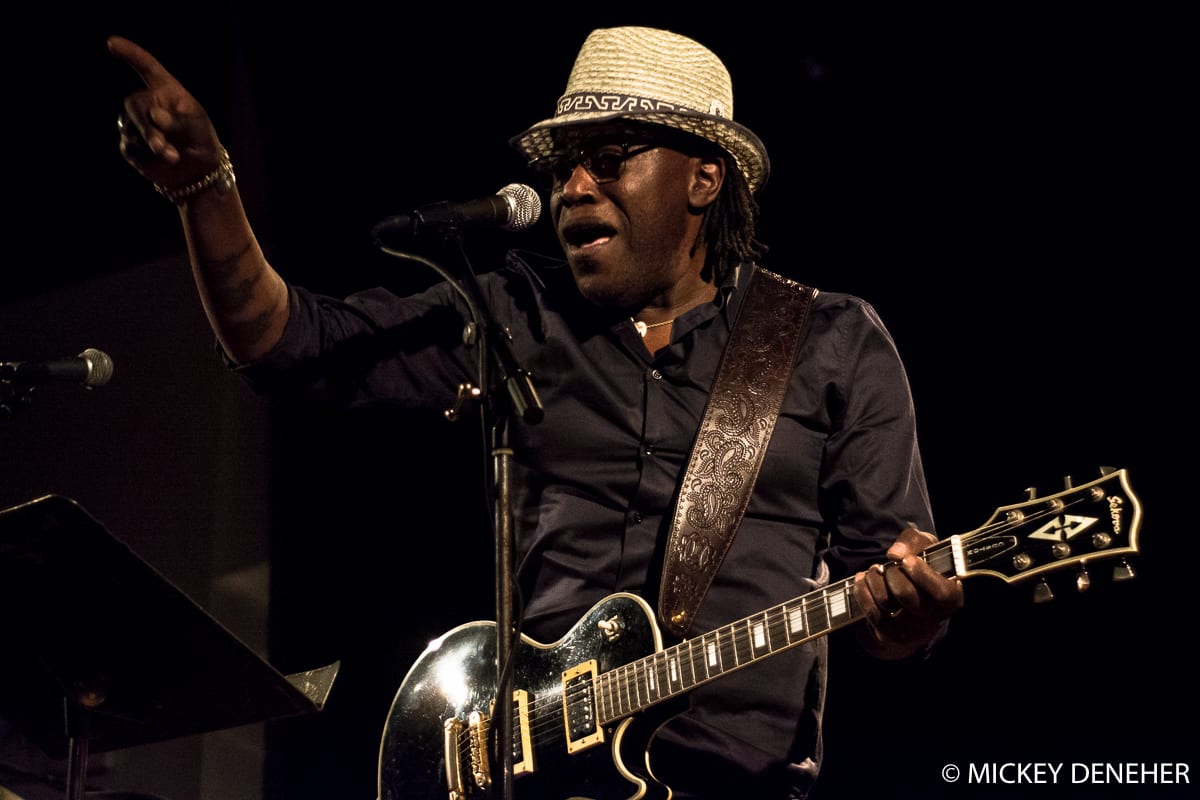
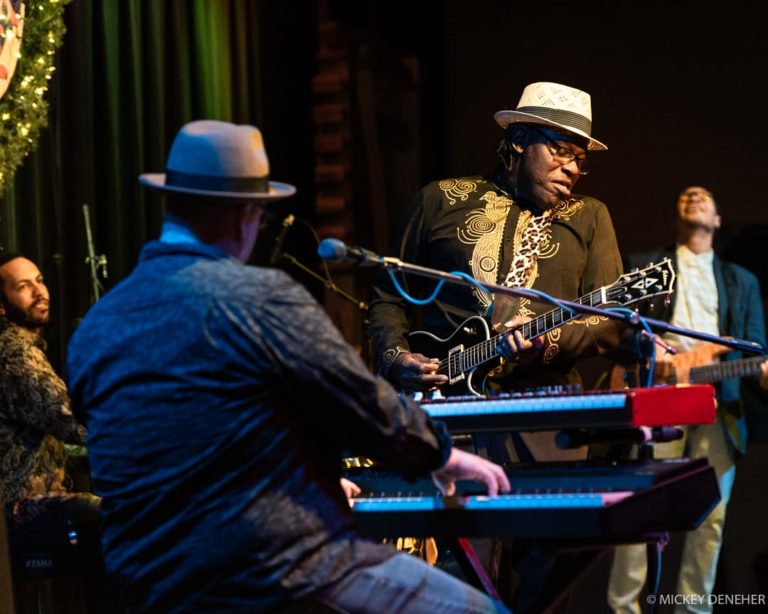
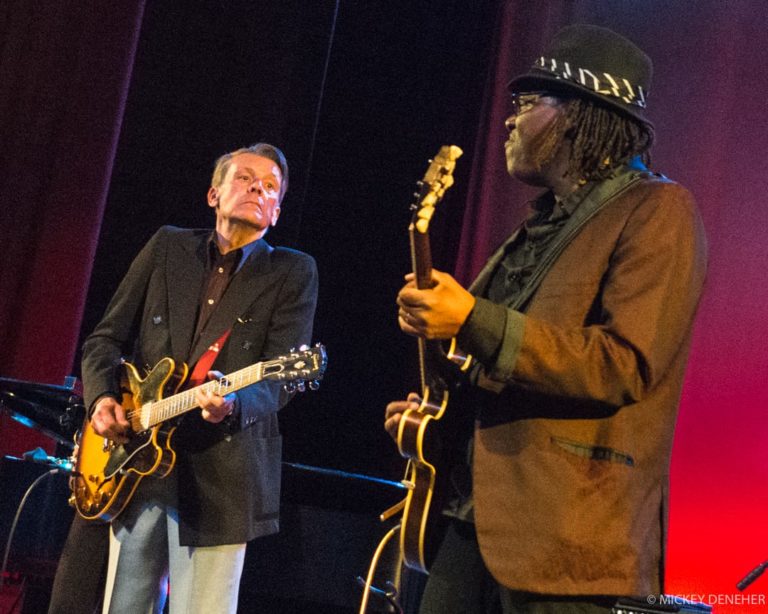
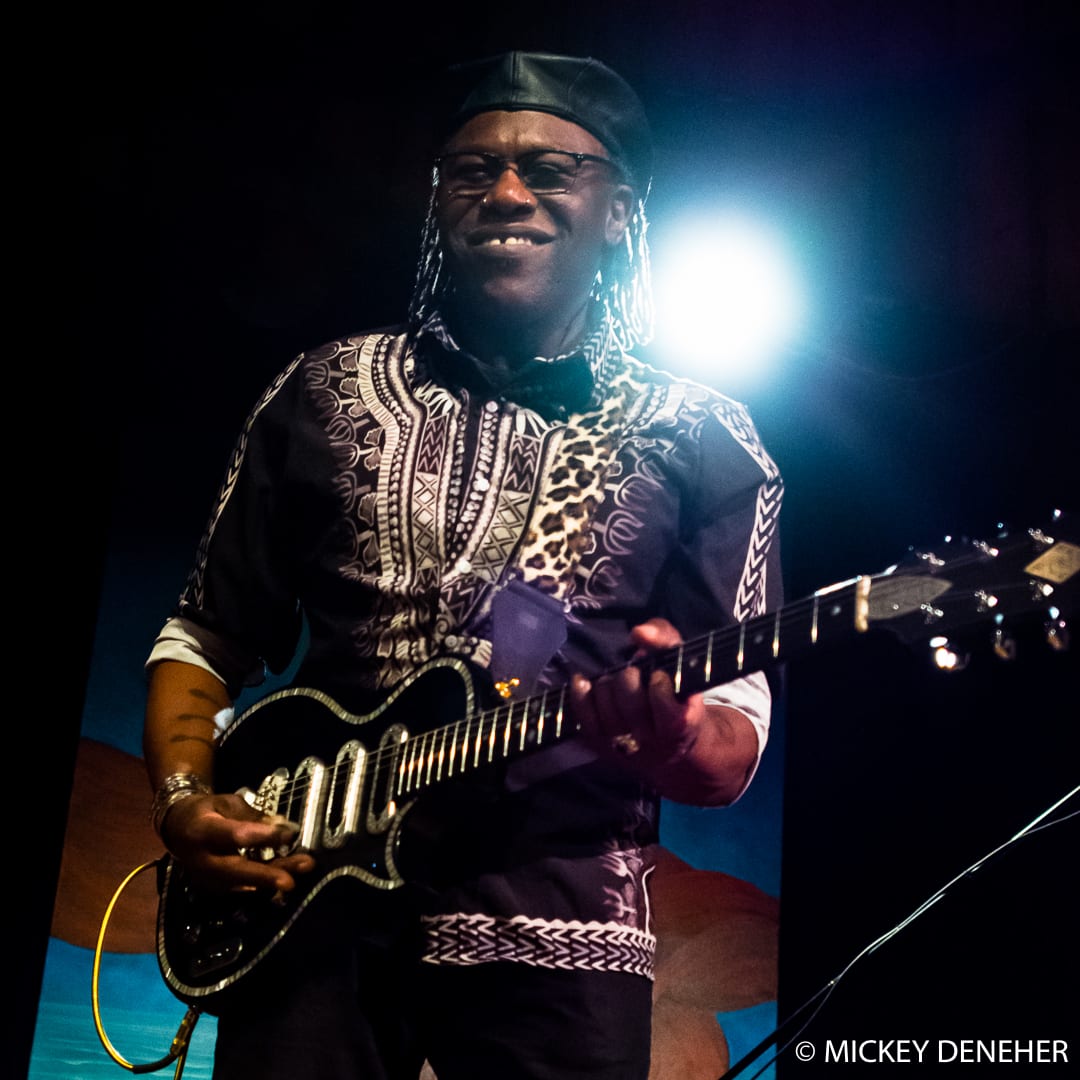
When you’ve won four Blues Music Awards, been inducted into the Blues Hall of Fame, nominated for a Grammy, and are a W.C. Handy Award recipient, your mark on the world of blues is pretty much set. Add a close friendship with B.B. King, James Cotton and Willie Dixon, and you get a glimpse into the life and career of a Blues Master: Mr. Joe Louis Walker.
Named “A legendary boundary-pushing icon of modern blues” by NPR, Walker started playing the guitar as a young boy, growing up in the Fillmore District of San Francisco in the early 60’s. Now living in the Hudson Valley for the last 10 years with his wife Robin, Joe has a non-stop schedule traveling the world; touring, writing, recording, and producing. I sat down with Joe after sound check at The Towne Crier in Beacon, N.Y. The band had just gotten in from Buffalo N.Y. and was wrapping up a few dates in the U.S. before heading off to a remote island in the Caribbean for a blues festival.
Charles Sullivan the promoter, he would give us free tickets. So we got to see the Temptations, the real Temptations. We got to see James Brown when he got a brand new bag. I got to see Little Richard with Jimi Hendricks on guitar. I got to see all of that sh#t for FREE! And plus, I got to play the Fillmore.
Mickey Deneher:Your career, over 50 years?
Joe Louis Walker: About 53 years. I’m 69 now. I turned 69 on Christmas (2018). I’ve been playing since about ’61. I joined the union in 1964. I joined the musician’s union. Been a union man all my life. Been living on my own since I was 16.
Joe Louis Walker
MD: You started playing music at a young age. What brought you to the guitar?
JLW: Well the guitar, when I was a kid, was the most accessible instrument, as it is now. The guitar was, when I was 12, 1962, only something you could look at. I went to a catholic school and at that time, you could check instruments out. If you had an aptitude, a little bit of an ear for the talent, they would nurture it. If you really had a talent, you would make a deal with your parents and they would rent you an instrument. Rent you an instrument. Not buy you one. Rent you one. With renting the instrument, come lessons. So I first rented, I checked out the violin when I was about 9, cause I could carry that home. But I really couldn’t make too much (out of it) when you’re fixated on that sound; that electric sound.
My parents had a temporary split and we ended up moving to the Fillmore District, and my world began. We moved to the projects, me and my mom and all of five kids, all of us. One project over, one housing (project), my cousins. I hadn’t seen or hung out with my cousins too much. But the first day I go there, they are on the 3rd floor of the projects; 3rd floor! I walk from the first floor. I am going to walk up three floors. You don’t want to catch the elevators. That’s where a lot of stuff goes on. All the way on the 3rd floor, all the way, the first floor to the third floor, wall-to-wall girls. Just standing and listening to my cousins play. I’m like; I am definitely going to do this now. [Laughing] Wall to Wall!
Dorian Randolph, Bruce Bears, Joe Louis Walker, Lenny Bradford.
MD: Ulterior motives!
JLW: But just to know, that there was something that we could do as young guys and make a few bucks. Buy our school clothes. Become popular without being jocks. Without being serious gang guys.
We literally, had the whole thing for ourselves. Of course there were bands all in the area. There was Sly’s (Sly and the Family Stone) brother Freddy Stewart who had a band with my cousin Ted Weisinger; Freddy Stewart and the Stone Soldiers, one of the big bands in San Francisco. This was before the hippies came to San Francisco. The hippies didn’t come till ’62, ’63, ‘64. I was in the Fillmore district in ’61, ’62. I was 12 years old in ‘62. I was lucky because there was this convergence among all the soul groups. The Fillmore at that time was like Harlem in the Renascence. It was, I would say, 75% African-American, huge amount of Japanese, a nice amount of Chinese and different, various people.
When the hippies came in to the Fillmore Auditorium, in it was sort of interesting because me and my cousins and all of us had been playing the Fillmore since we were young. That’s where we would have our battle of the bands. I went to junior high school a block from the Fillmore Auditorium. So we used to have our rehearsal there, battle of the bands there. Then, if we clean up some times, Mr. Sullivan who owned the Fillmore, Charles Sullivan the promoter, he would give us free tickets. So we got to see the Temptations, the real Temptations. We got to see James Brown when he got a brand new bag. I got to see Little Richard with Jimi Hendricks on guitar. I got to see all of that sh#t for FREE! And plus, I got to play the Fillmore.
J. Geils, Joe Louis Walker
So when the hippies came there it was like ok, you know, I am cool with this. But as somebody said, very adroitly, they said “you know one of the best things to happened for a lot of the old rock and roll and blues guys was the English invasion, because they brought back interest in them.” But it was also one of the worst things to happen. Cause they put all their heroes out of work. The English guys did not mean to do that. That is not what they started for. There was like maximum R&B. That was, their heroes. That is not what they were about. Period. To note that it turned out that way, was a real drag. That is not what John Lennon and Mick Jagger and all those guys were about. They just weren’t about that. The Yardbirds, they just weren’t about all that. But that’s what it sort of turned into.
But, be that as it may, I was fortunate to be able to see all the Fillmore stuff, then play at the Fillmore. When Graham owned it; Bill would let me come any time I wanted. So I got to see all the shows.. I was fortunate to becoming up in all that stuff. It wasn’t just that; it was the young guys who were finding their musical paths.
MD:At 16 you had a name in the San Francisco music scene. Who were you were playing with?
JLW: Lowell Fulsom, Troyce Key, Percy Mayfield, Erle Hooker. You name it, I backed everybody. Katy Webster, Sly, (Mike) Bloomfield. John Lee, Earl, just on and on, and on and on. I played with all the hippie groups. I was in Blue Cheer, The Oxford Circle. We did a little fusion stuff with some other groups later. The coolest thing about that time, and that place, was that everything was progressing at the same time. What people wore, what people thought, the way the people responding to old mores, the Vietnam war, Richard Nixon, interracial marriage. Everything was happening at the same and the biggest thing I think, was what we invented in the United States in the San Francisco area, was FM radio. That was the biggest thing. Cause without FM radio we’d still be listening to The Monkees, 2 minutes, 40 seconds.
MD:You’re right. Wow, I did not think of that.
JLW: And jam bands.
MD:It wasn’t just blues, experimental, psychedelic.
JLW: It was so much. Oh my God. You could literally go out every night, hit three spots a night… You go to the Avalon Ballroom, The Family Dog (Ballroom), go see John Mayall with Mick Taylor and Muddy Water’s with his band, Big Mama Thorton. Go to the Fillmore, maybe see an Airplane with Quick Silver and Charles Lord Quartet, and Howlin’ Wolf. Four acts, that’s all in one night. That’s all in one night! Then you go to clubs after that.
Joe Louis Walker
The 60’s counterculture movement brought hippies, flower power and alternative life styles to the bay area. While the 70’s found San Francisco awash in a psychedelic haze. Walker made a conscious decision to take a detour from the 70’s status que and attended San Francisco State University, where he earned degrees in both English and Music. “It (was) important for me. Because it was something I started and didn’t finish.” Joe says. Applying his personal growth directive to music, Joe joined the gospel group The Spiritual Corinthians, in 1975.
MD:You went into Gospel. You did that for 10 years?
JLW: Longer than that.
MD:When I think about gospel, to me there is a blues base, a bluestone, that feeling.
JLW: Look at it like this: Gospel, Blues, and Soul music. Just take a for instance. For instance, in blues I mean B.B. King. I don’t mean Eric Clapton. No disrespect to Eric Clapton, ok. In blues, that is the template. Or Howlin’ Wolf. Say B.B. King, cause B.B. to me always was, and I used to have fun telling him this, “you’re just a gospel singer in a blues singer’s body.” When he was young, cause he hit all the high notes, his range was limitless.
JLW on B.B. King, Blues and Soul:
So you take a B.B. King for blues. So you take for soul music (pauses for a second), Sam Moore. Just a voice that’s just wicked, or Al Green. And say in gospel music, you take somebody like my friend, Clarence Fountain (Blind Boys of Alabama). When you have those three, all those three guys are cousins. I could take Bobby Blue Bland and interject him into soul, he wouldn’t miss a step, wouldn’t miss cause he helped invent it. I could take Sam Cooke and interject him into blues. Sam Cooke had a number 3 record; hit record with “Little Red Rooster.” A lot of people don’t know that and it’s cool. I could take Sam Cooke and interject him into soul, wouldn’t miss a step. I can take Sam Cooke, of course, interject him into gospel, wouldn’t miss a step. I can interject B.B. into gospel, wouldn’t miss a step.
Joe Louis Walker, Lenny Bradford
But now I could not interject Eric Clapton into gospel. No disrespect. I could not interject Joe Bonamassa into soul music. I can interject him as a player. But I couldn’t interject him in like Bernie Worrell or Catfish (Collins); Bootsy Collin’s brother; or someone like Jimmy Nolen who played with James Brown; or Freddy Stewart, Sly Stones brother; or Bobby Womack. I’m sure he could play all that, don’t get me wrong, but that style of playing within itself is the total opposite of this (Joe motions moving fingers all over a guitar neck at rapid speed.) Cause when you playing soul music and gospel, you are playing as an accompaniment to the voice. The lyric of the song is the star. Everything else is secondary. With blues now, and I should say blues rock, because its changed. It used to be, which it just blows your mind, go home and put on any record you like. Put on “Little Red Rooster” by Howlin’ Wolf, put on “Boom, Boom” by John Hooker, put on “Baby What You Want Me ToDo” by Jimmy Reed, put on “Got My Mojo Workin’” you will not hear one solo. You might hear four, five notes; but you are not going to hear (Joe makes sounds like a cacophony of notes played at lightning speed.) That is sort of what a lot of stuff has morphed into now. So when it’s morphed into that, and it’s morphed into screaming as loud as you can, singing as loud as you can, with a lot of fake ass emotion. I’m sorry I grew up in the same project with Etta James, I grew up in the same projects man. She never screamed on “I’d Rather Go Blind.” In that particular song she doesn’t scream. She really doesn’t.
Joe Louis Walker
So I guess we all have our points of reference. We all have what we feel moves us. The same things, it moves me all my life. Once I heard the Wolf, I loved it. I loved it just as much now. When I heard “Satisfaction” I loved the song then, I love it now. But blues has morphed, you know it’s just morphed into more of a me thing, as apposed to a we thing. Muddy Waters was great. But he sounded really good with Little Walter, he sounded really good with Otis Spann, you know what I mean. He sounded really freak’n good with Willie Big Eyes Smith. When he didn’t have Willie, when he didn’t have Otis Spann what did he do? He got Pinetop Perkins!
Those guys could literally solo over each other and not step over each other. They could solo a little during the song, but not step on each other. That it was all about we. A lot now is about me. It’s about the individual. That’s sort of the way the music business has morphed.
[bs-quote quote=” B.B. King to me always was, and I used to have fun telling him this, ‘you’re just a gospel singer in a blues singer’s body.’ When he was young, cause he hit all the high notes, his range was limitless.” style=”default” align=”center” color=”#000000″ author_name=”Joe Louis Walker”][/bs-quote]
While attending the New Orleans Jazz and Heritage Festival with The New Corinthians in 1985, Joe had an epiphany that the blues were his calling. He realigned his musical direction and has not looked back. His resume of musical accomplishments include 25 albums to date and countless guest appearances supporting the likes of B.B. King, James Cotton, Branford Marsalis, Peter Green, Elvin Bishop, Issac Hayes.
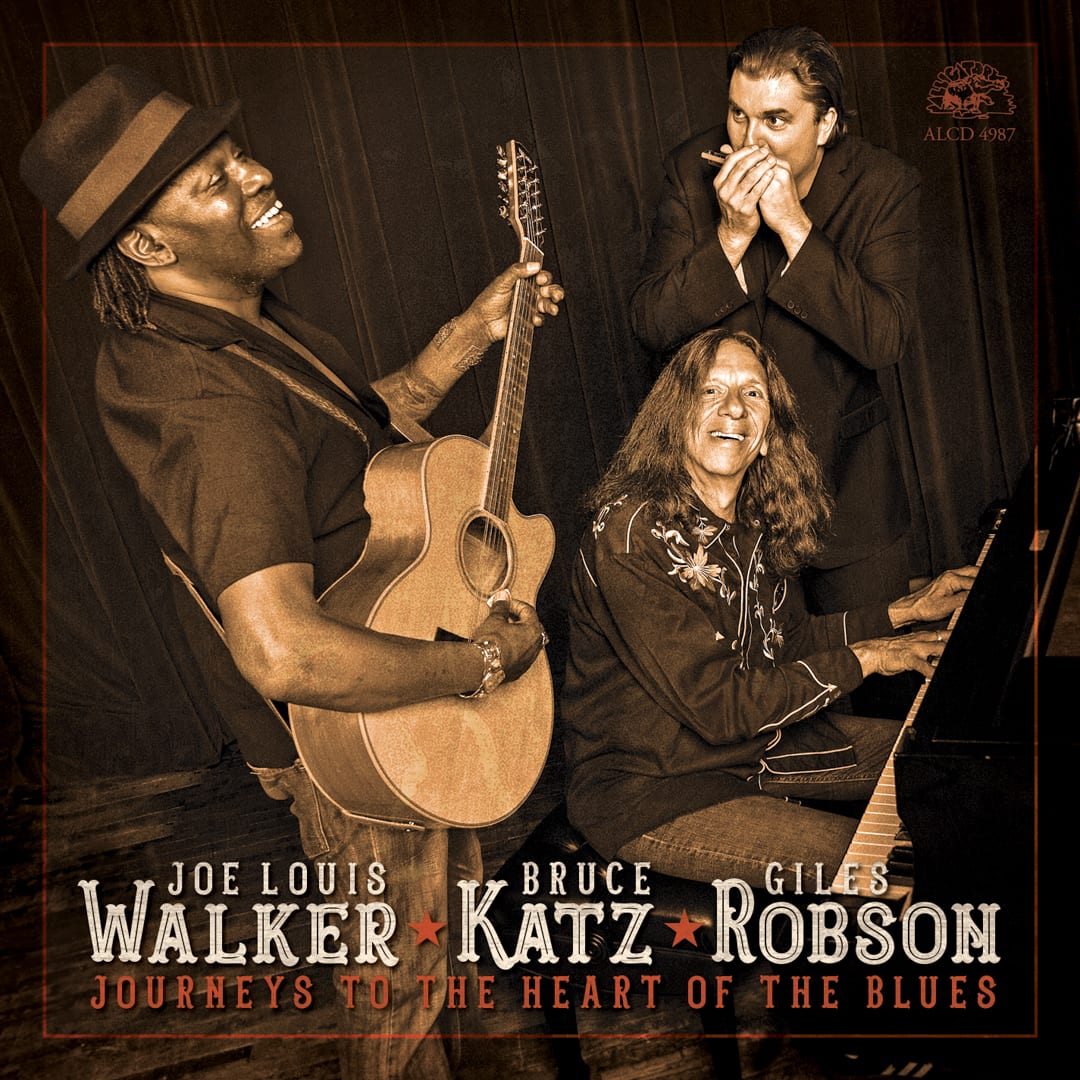
Joe’s latest project is Journeys to the Heart of the Blues. An acoustic blues album nominated for two 2019 Blues Music Awards (Album Of The Year, Acoustic Album.) Joe recorded with renowned keyboard player and fellow Hudson Valley resident Bruce Katz (Greg Allman Band,) and next-generation British harmonica ace Giles Robson. The album is out on Alligator Records throughout North America, Australia, New Zealand and Japan. Munich Records, a division of V2 Records Benelux, will release it in all other territories. The sessions were recorded at NRS Studios in Woodstock.
Joe Louis Walker, Bruce Katz, Giles Robson
Mickey Deneher:You are recording now, correct?
Joe Louis Walker: My album. We are about three quarters finished. A double album.
Joe’s upcoming album is chock full of his friends who he’s has played with over the years. The list includes: Juma Saltan, Mitch Ryder, Jesse Johnson (The Time), John Sebastian, Dion DiMucci, Ray Walker (one of the last living Jordanaires), David Bromberg, Carla Cook (Sam Cook’s daughter), Bobby Will, Charlie Harper (UK Subs,) Waddy Wachtel, Keb’ Mo’, and Jorma Kaukonen.
MD:I saw one of your recording credits is as a primary artist on William Shatner’s “Shatner’s Claus: The Christmas Album”
JLW: Yeah. We are getting ready to make a blues album next year. Going to beam us up baby. For me it’s sort of a double-edged thing. Because it’s amazing that now the blues are so popular, that literally, Captain Kirk, he done run out of universe, but he’s into blues music, and who’s he talking to? Joe Louis! I’m trying to give him a little bit of insight cause he’s very serious.
I just tell anybody that asks me; this is not about the notes. It’s not about the vintage guitar. It’s not about the tour bus. It’s not about the $5,000 Armani suits, with the $500 shades at the Royal Albert Hall. It’s not any of that. It isn’t. This here, comes out of suffering and what it is, its the social studies in survival and how to deal with adverse circumstances that are state sponsored and you have to deal with it. That’s what the blues came out of.
Catch this legendary bluesman and his band at The Egg in Albany on March 13th with The Robert Cray Band; March 21st at City Vineyard, in NYC; and March 22nd at Live at the Falcon, in Marlboro N.Y.
Lenny Bradford, Joe Louis Walker, Bruce Bears, Dorian Randolph
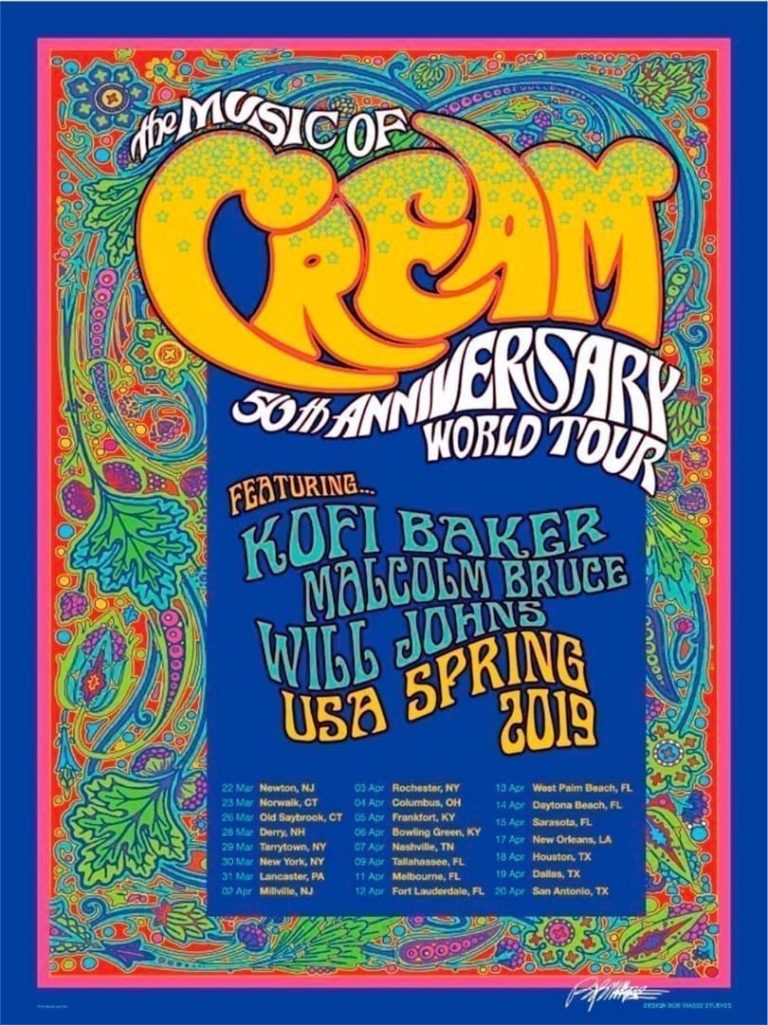
The pedigree of hallowed ‘60s trio Cream– Ginger Baker’s son Kofi Baker, Jack Bruce’s son Malcolm Bruce and Eric Clapton’s nephew Will Johns – return to the United States this spring for a new leg of The Music of Cream – 50th Anniversary World Tour. The outing celebrates the extraordinary music and legacy their family members created on the heels of the 50th anniversary since the original lineup’s farewell U.S. tour of 1968.Kicking off March 22nd in Newton, NJ, the 23-date spring tour will travel throughout the East Coast and south stopping in such places as New York City (March 20th at Sony Hall), Lancaster, Rochester, Columbus, Nashville, Fort Lauderdale, Sarasota, New Orleans, Houston and Dallas before wrapping April 20th in San Antonio.
First launched in 2017 to rave reviews in Australia and New Zealand, The Music of Cream performed over 40 shows in 2018 across North America and the United Kingdom. Throughout the extensive multi-media show, Kofi Baker (drums), Malcolm Bruce (bass, vocals) and Will Johns (guitar, vocals) perform songs such as “Sunshine of Your Love,” “Crossroads,” “Spoonful” and “White Room” and tell personal stories, while footage of their fathers and mentors is shown on the big screen.
Now, Baker says, “I feel more positive that we played the music the way Cream did; we were able to stretch out and improvise and the audience was right there with us. I really enjoyed playing with Will and Malcolm as we share a bond over this music that our fathers created. And meeting the fans after the shows and hearing their thoughts really validated and inspired me to keep playing this music.”
Bruce adds, “The uniqueness of the approach to Cream’s music means that I learn and grow every night we play. There is always something new to be discovered in the music: tempo, feel, groove, notes, dynamics, inflection. It is truly wonderful to be able to improvise onstage.”
“The audiences seemed to appreciate, and enjoy, that we were not just copying and actually putting our own slant on things,” notes Johns.
During its heartbreakingly short lifespan, Cream was an explosive musical cocktail that provided the super-group blueprint for others to follow. The group’s third album, Wheels of Fire (1968), was the world’s first platinum-selling double album, and collectively they sold more than 15 million copies of their albums worldwide. Not surprisingly, Rolling Stone ranked the Rock and Roll Hall of Fame group (inducted in 1993) as 67th in their ‘100 Greatest Artists of All Time’ list.Apart from an equally brief reunion in 2005 of seven shows at London’s Royal Albert Hall and New York’s Madison Square Garden, Cream retained an almost mythological status in the music world, right up until the passing of Jack Bruce in 2014. This, for many fans, marked the end of an era and an acceptance that there would never really be another opportunity to celebrate the group’s legacy. That is, until The Music of Cream – 50th Anniversary World Tour emerged.
Click here for or more information on The Music of Cream – 50th Anniversary World Tour.
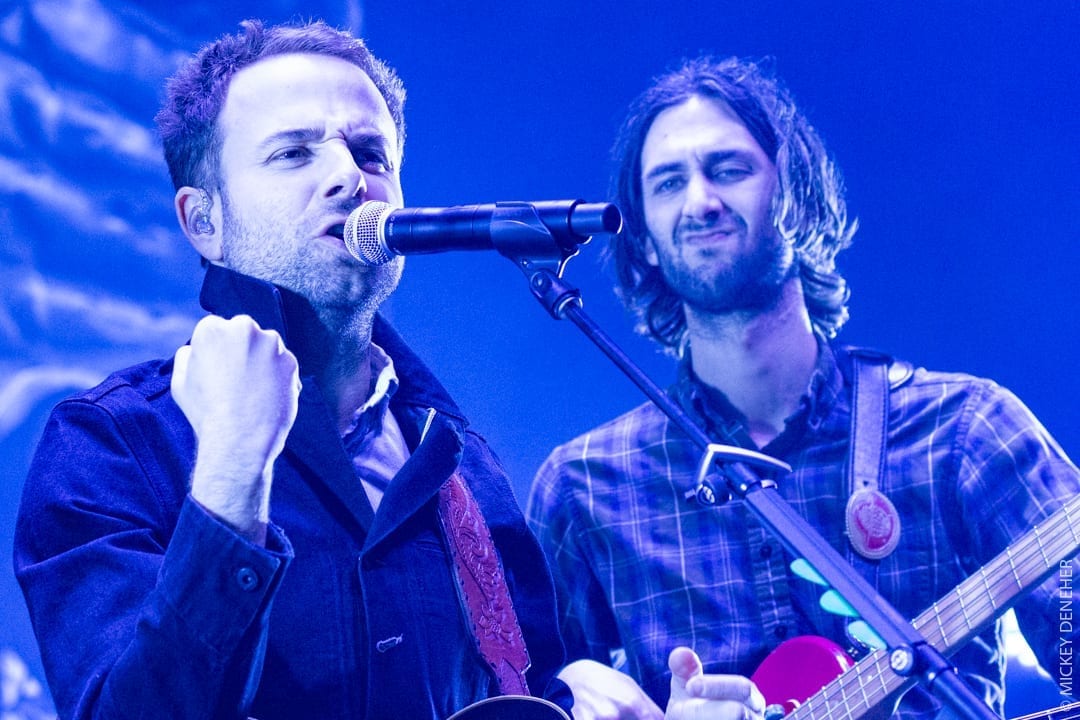
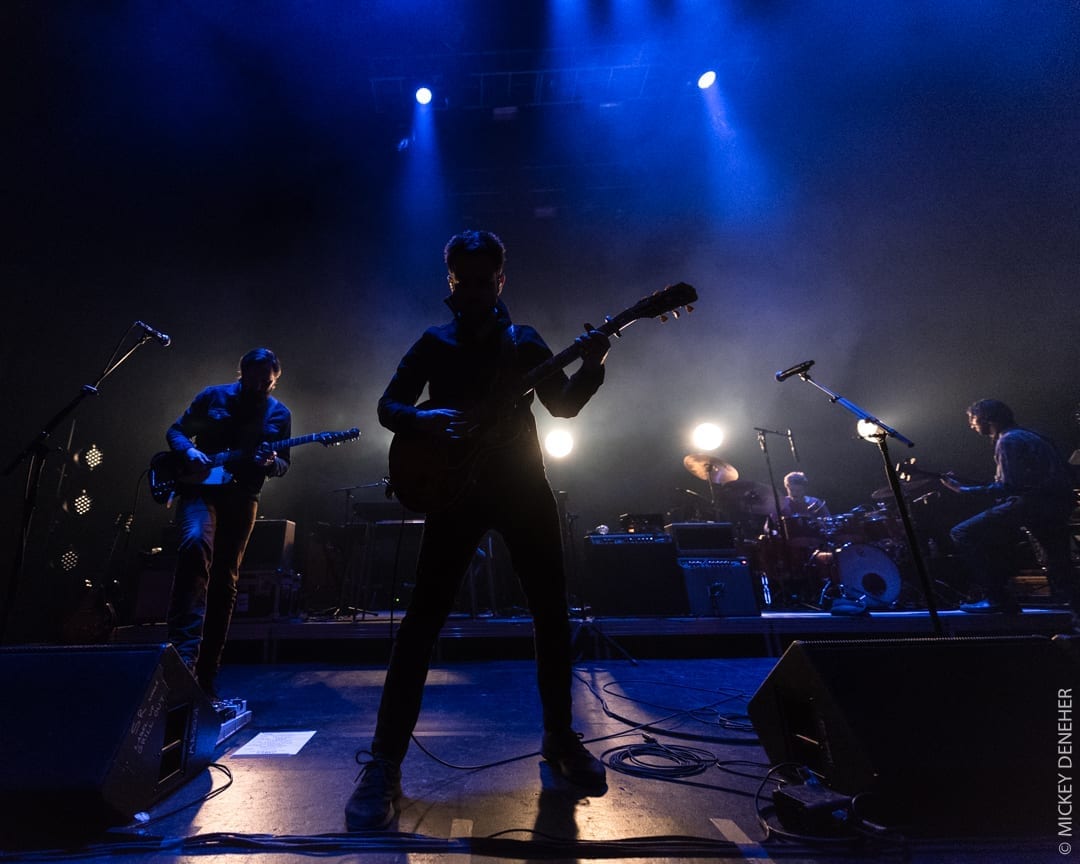
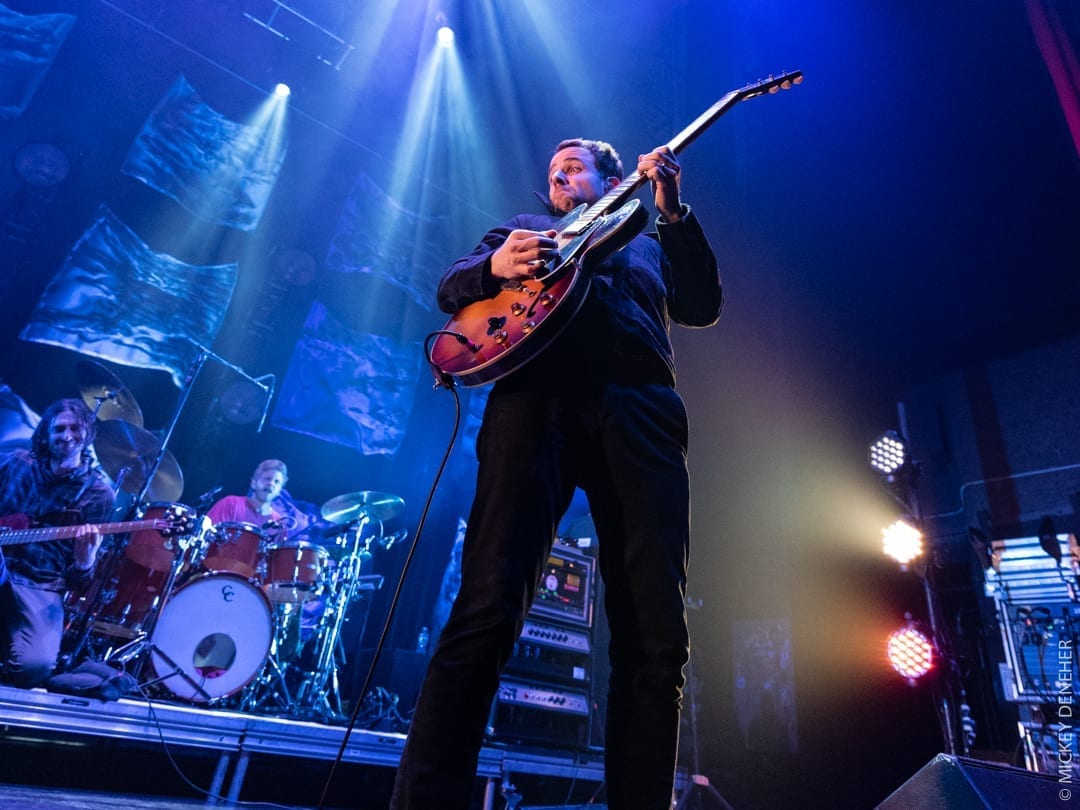
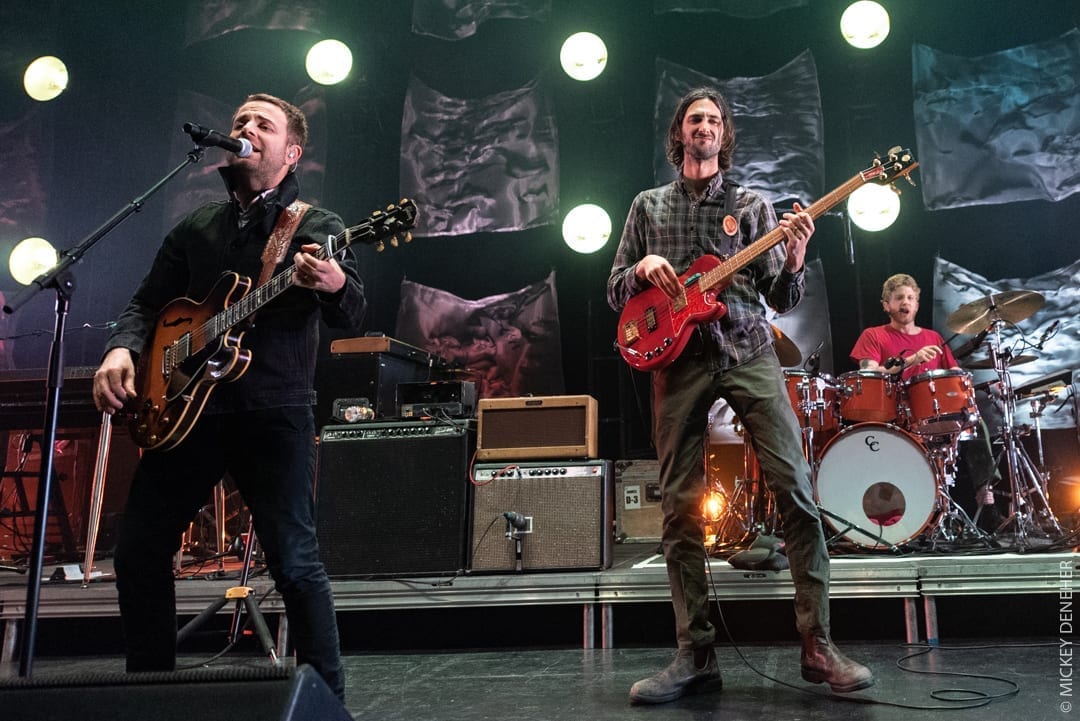
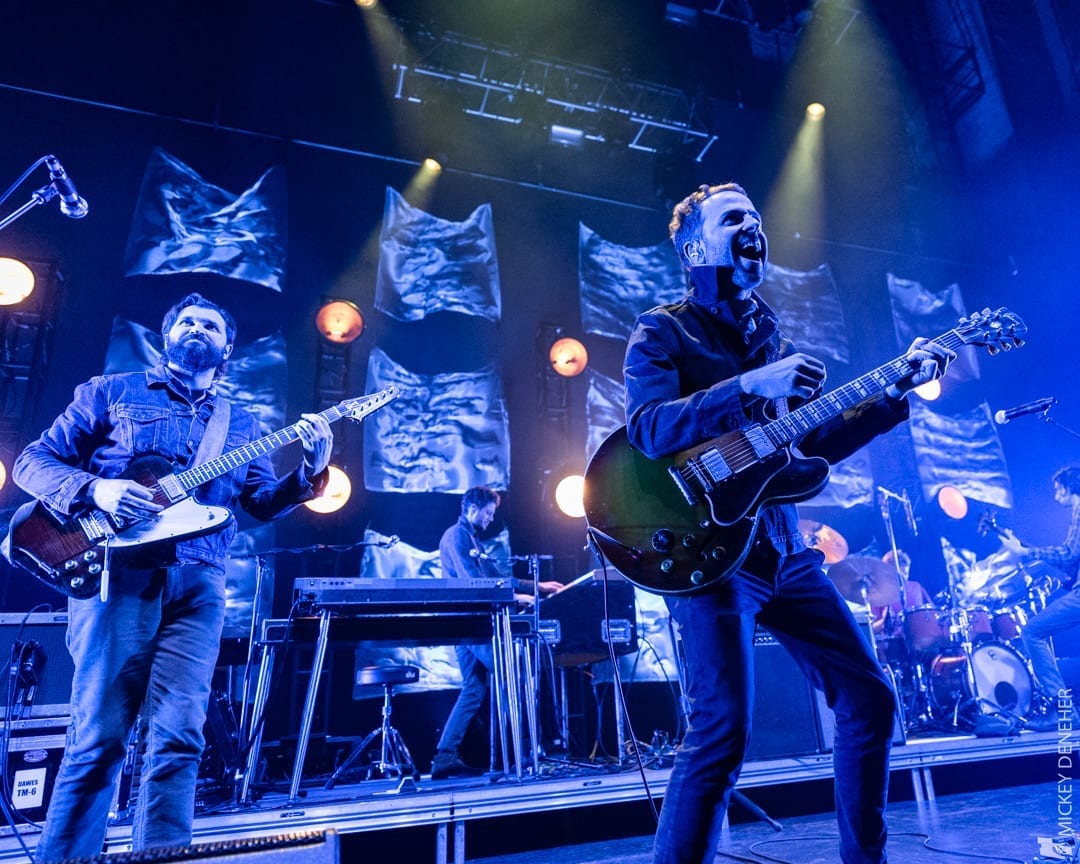
On a cold and rainy Wednesday night, the Los Angles based band, Dawes brought An Evening With Dawes: Passwords Tour to the The Capitol Theatre in Port Chester, N.Y. The weather didn’t damper those in attendance, as the band took a full house on a journey through its catalog of songs. The band opened the show with “Living in the Future,” from their most recent release Passwords. Throughout the night Taylor Goldsmith roamed the stage engaging his band mates and the audience. By the end of the night, all were one. The band played two sets, finishing the night with “All Your Favorite Bands” from All Your Favorite Bands.
Set 1: Living in the Future, If I Wanted Someone, Right on Time, Quitter, Never Gonna Say Goodbye, Things Happen, Just Beneath the Surface, Now That It’s Too Late, Maria, Time Spent In Los Angele, Feed the Fire, A Little Bit Of Everything.
Set 2: None of My Business, My Greatest Invention, My Way Back Home, From A Window Seat, Picture Of A Man, Coming Back To A Man, Don’t Send Me Away, Most People, Crack the Case, Roll With The Punches, When My Time Comes, All Your Favorite Bands.
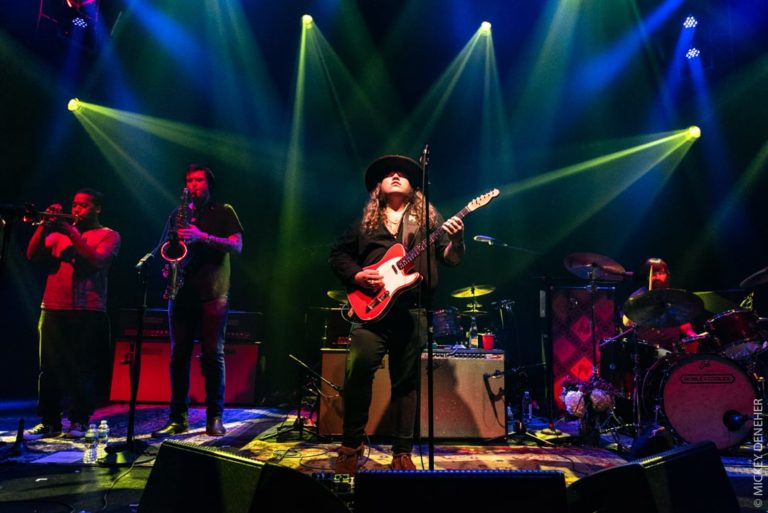
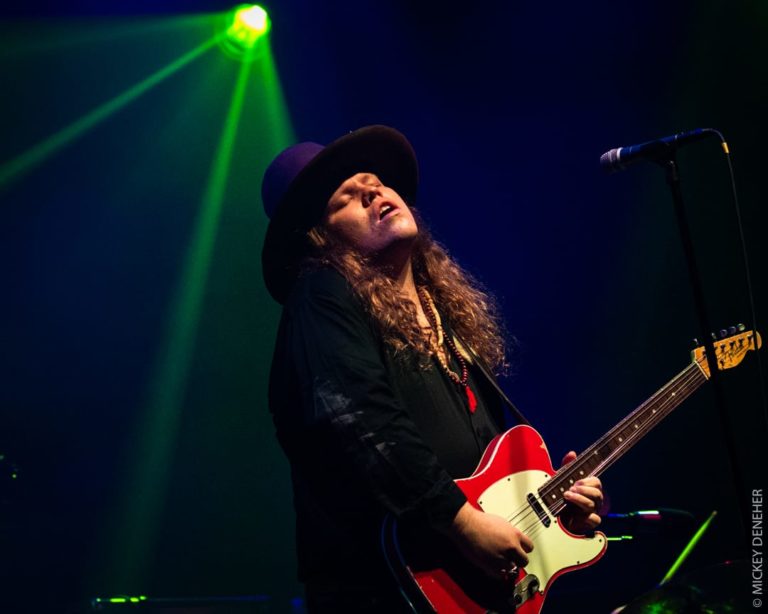
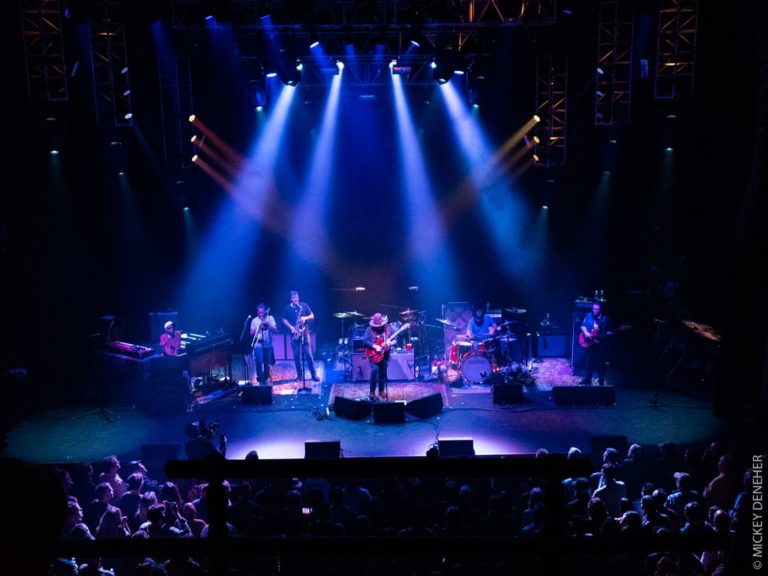
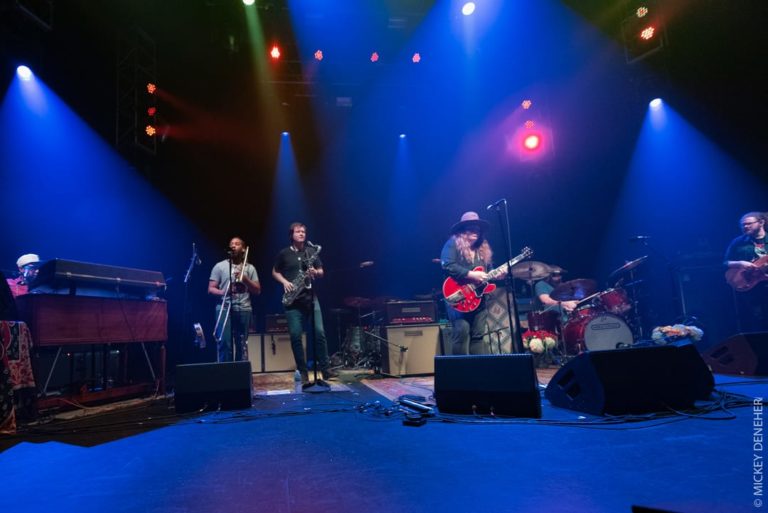
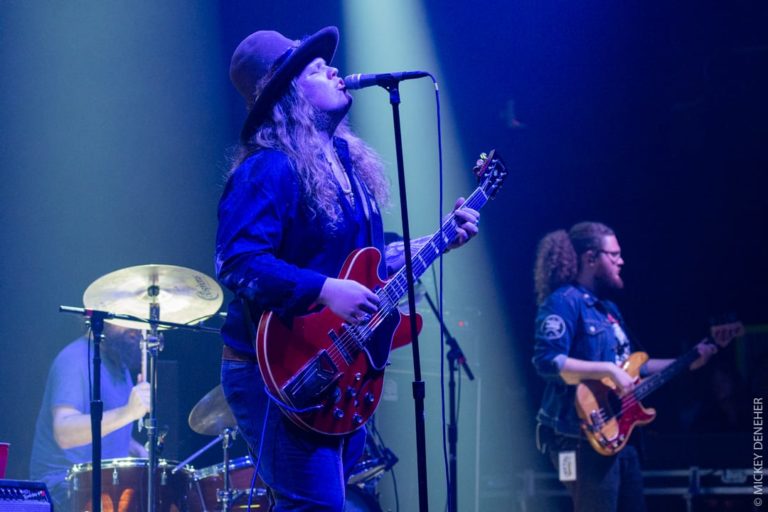
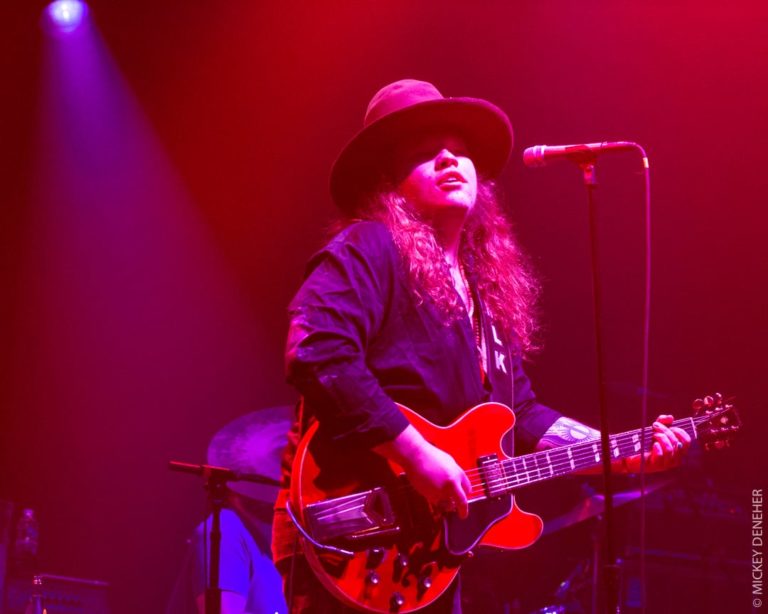
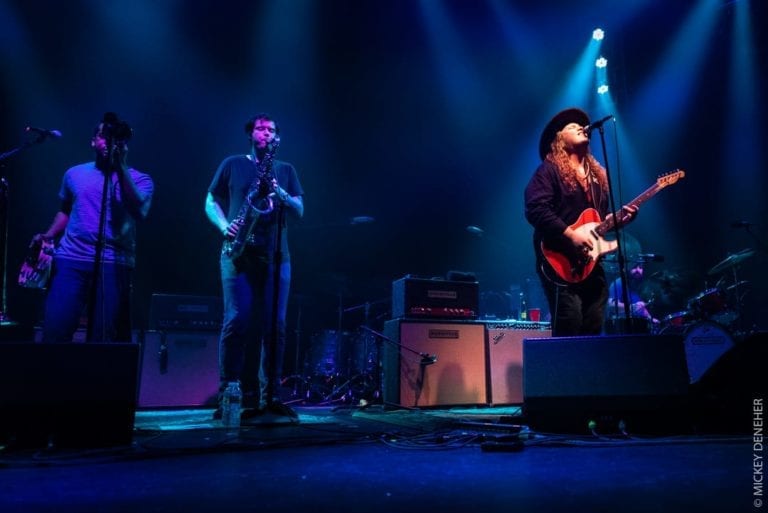
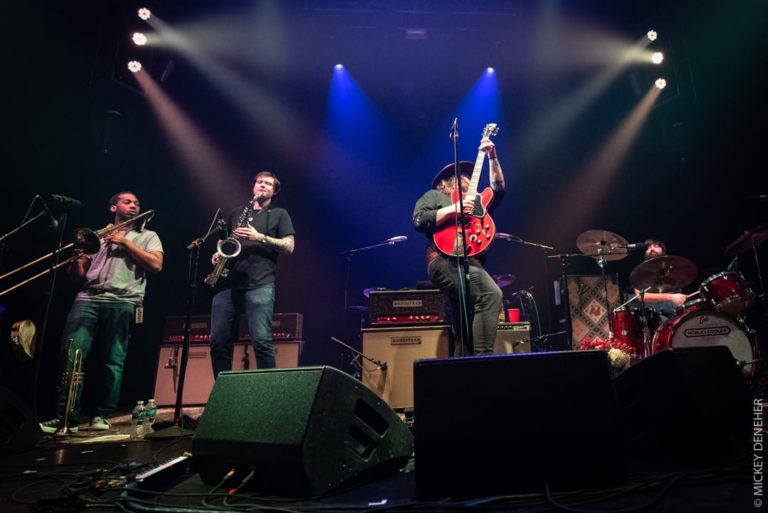
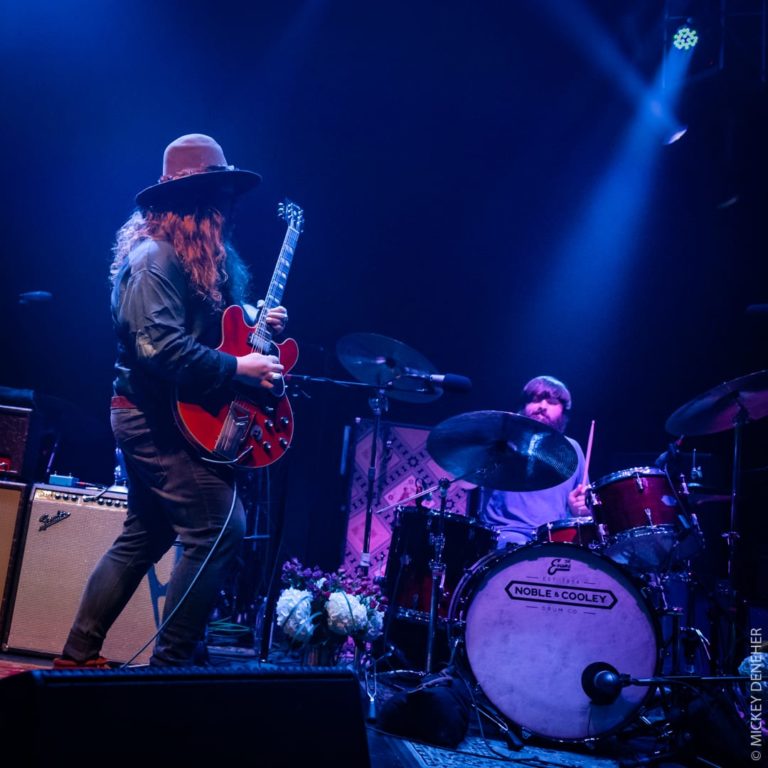
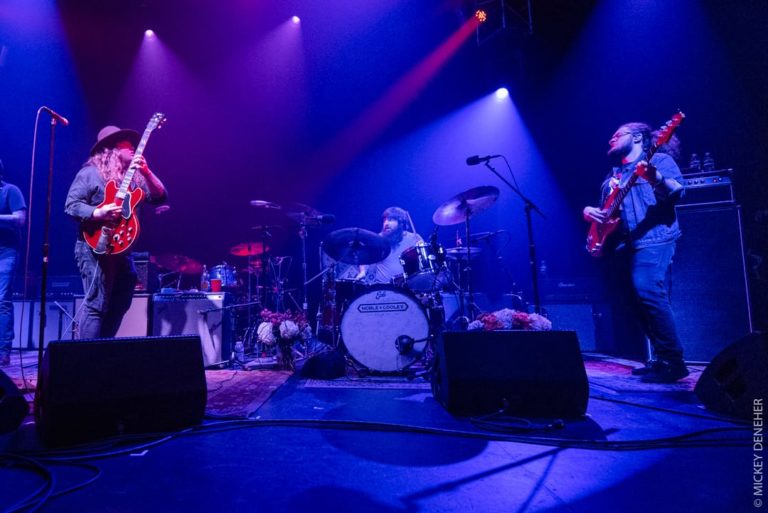
The Marcus King Band played their last two shows of 2018 as openers for As the Crow Flies at The Capitol Theatre in Port Chester. Playing to a full house, the band’s set featured songs from their latest release Carolina Confessions, released on October 5th, an album which has found itself on many best of lists for 2018.
In addition to Marcus King on lead guitar and vocals, the group includes drummer Jack Ryan, bass player Stephen Campbell, trumpeter/trombonist Justin Johnson, saxophone player Dean Mitchell and keyboard player DeShawn “D’Vibes” Alexander. Special thanks to Jeff Raspe and 90.5 The Night for logistical assistance with this shoot.