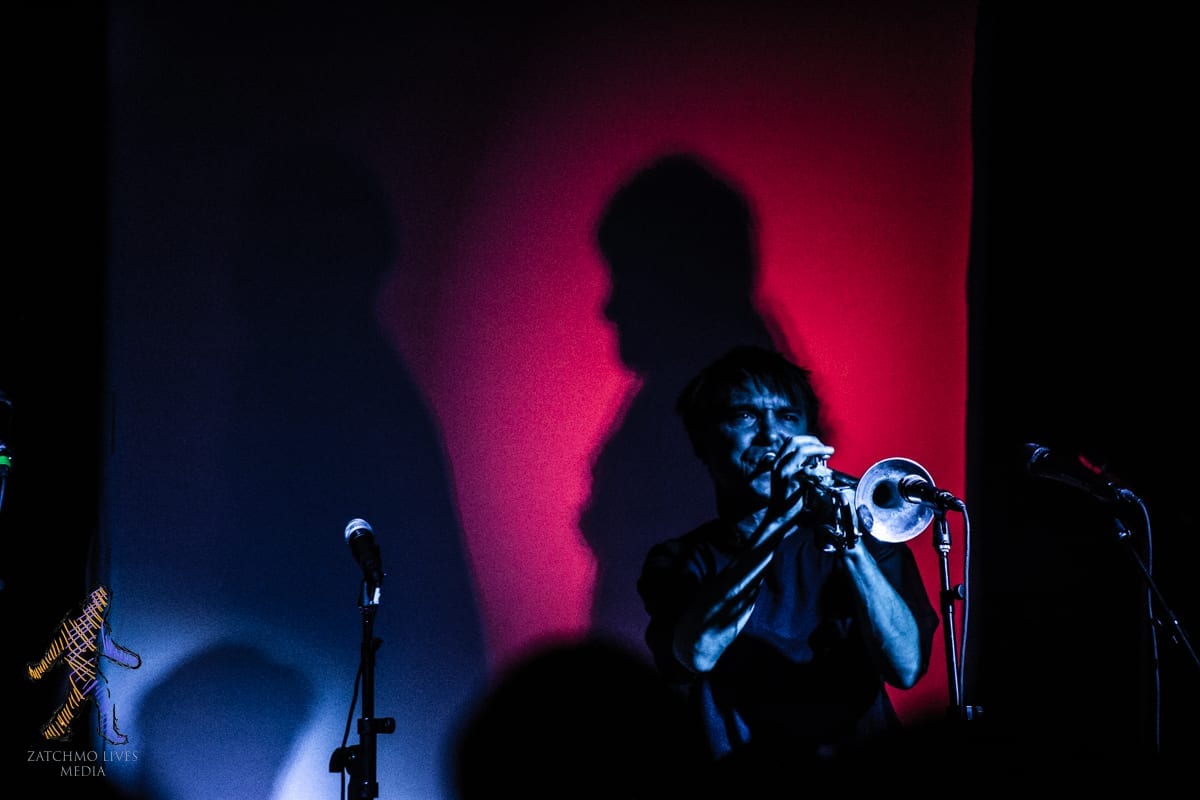
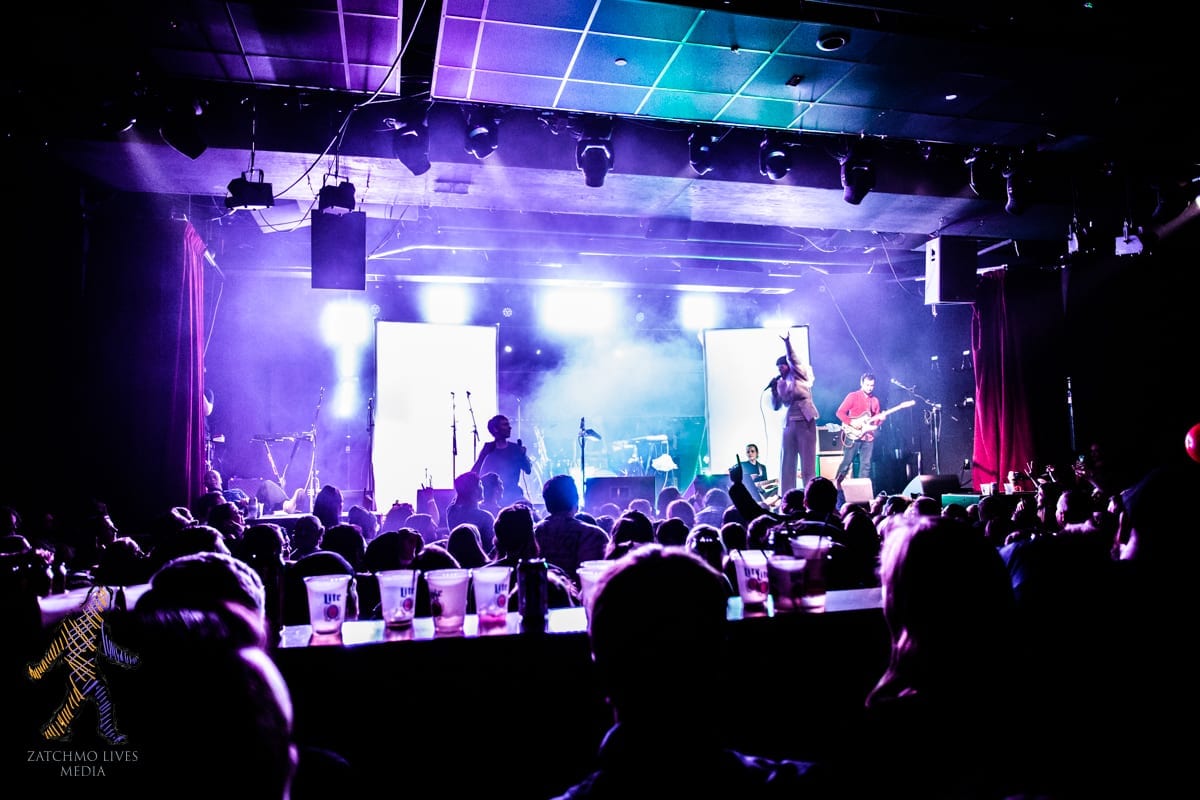
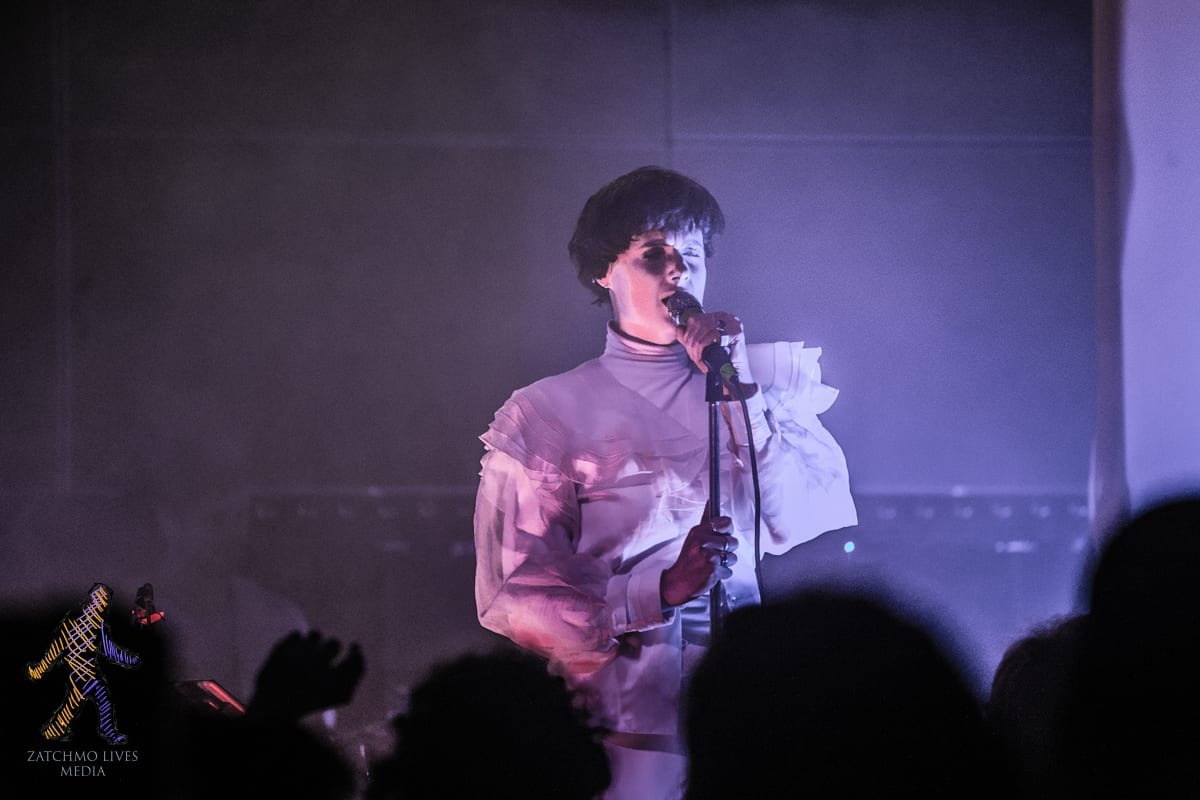
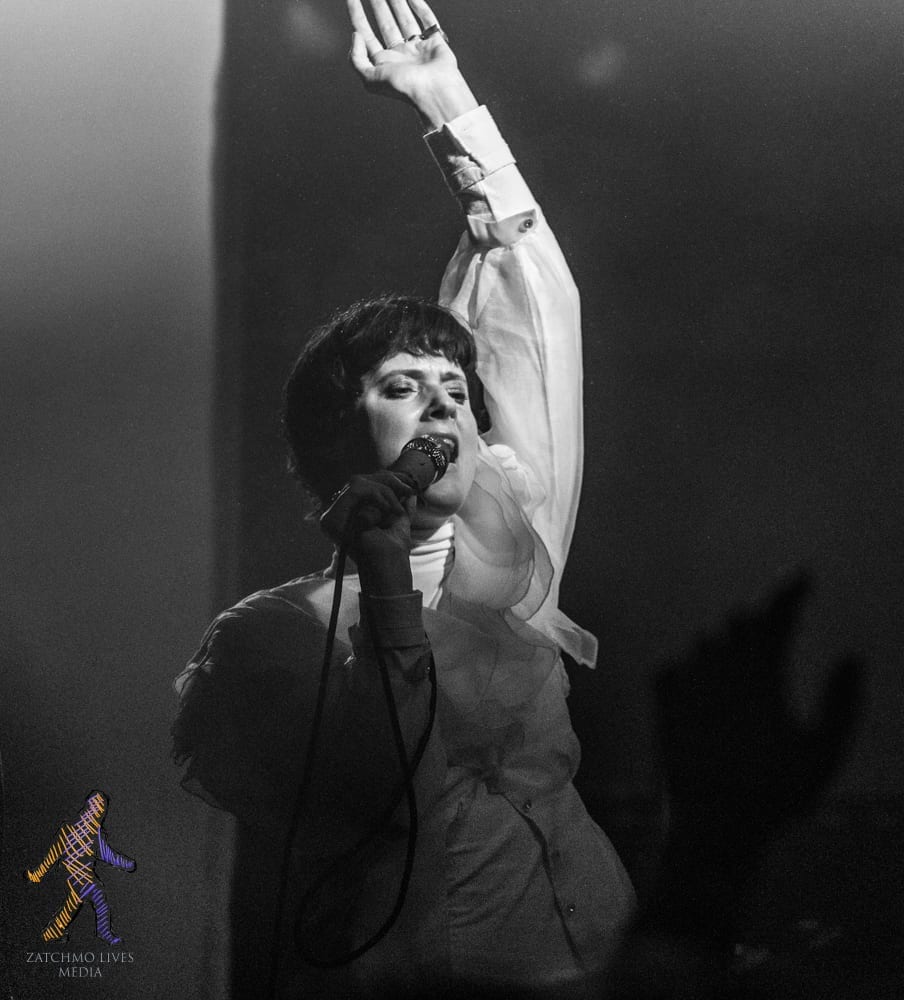
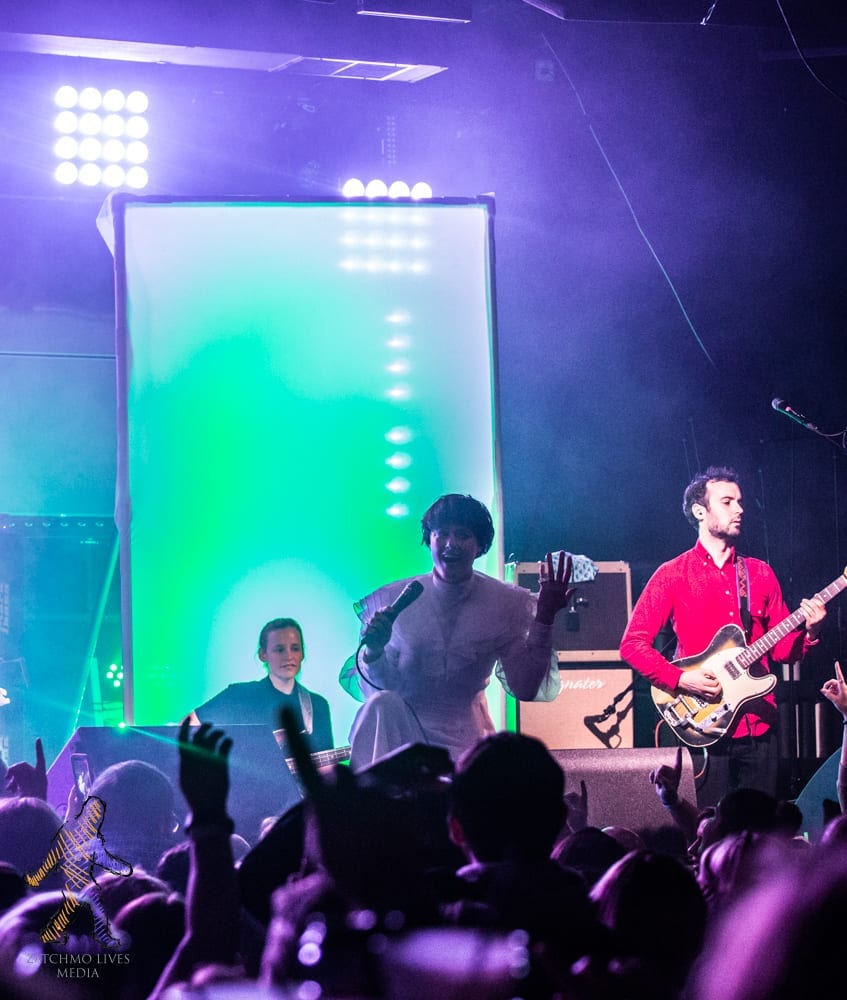
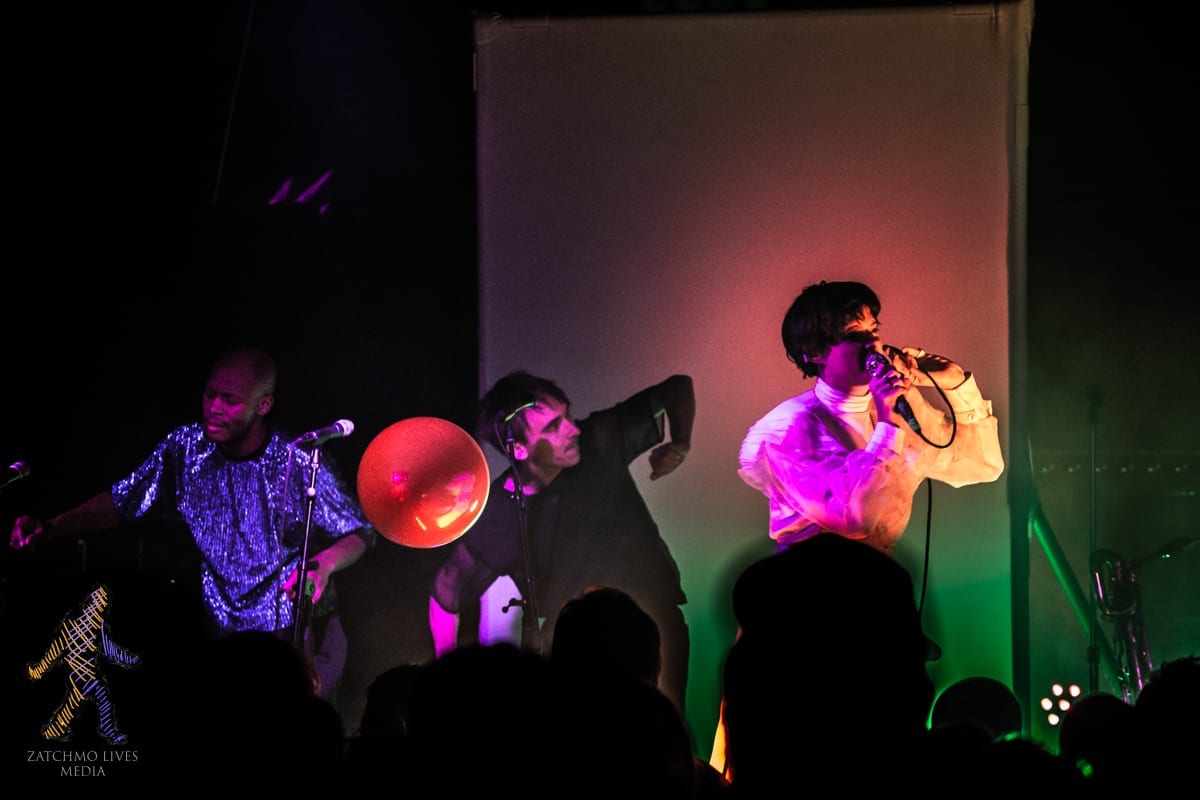
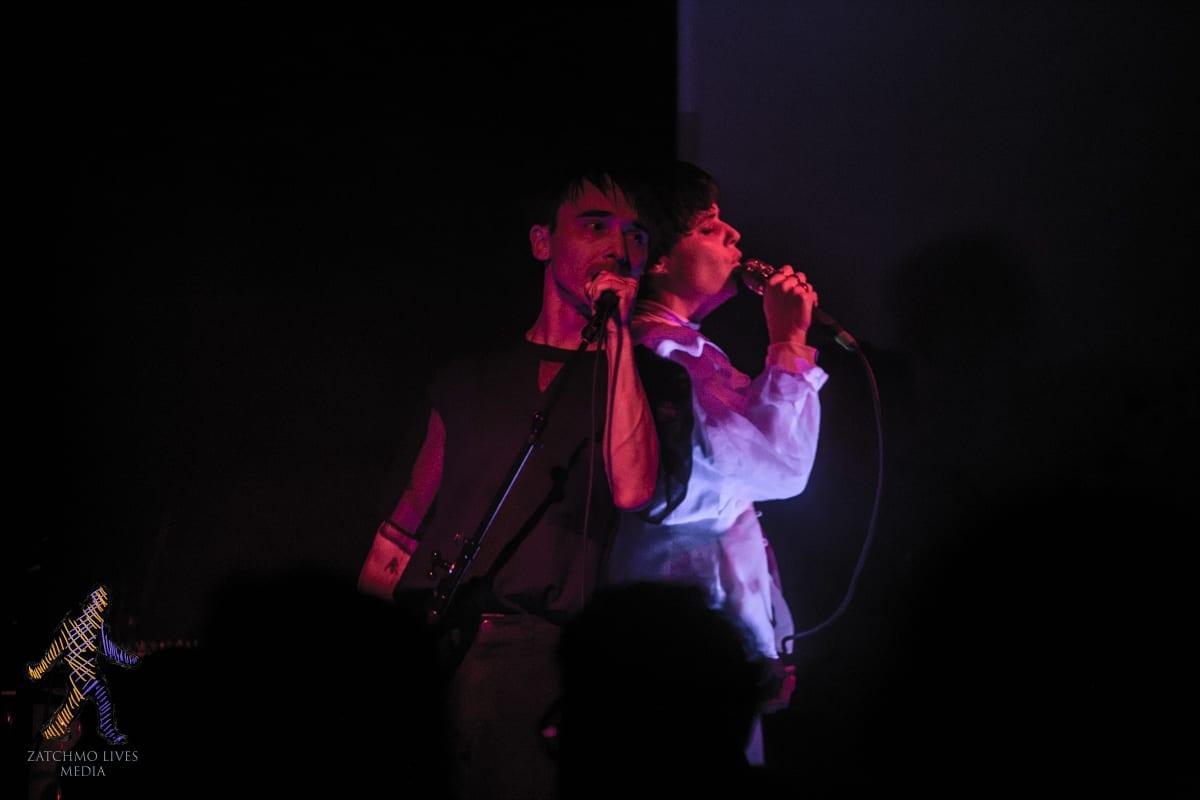
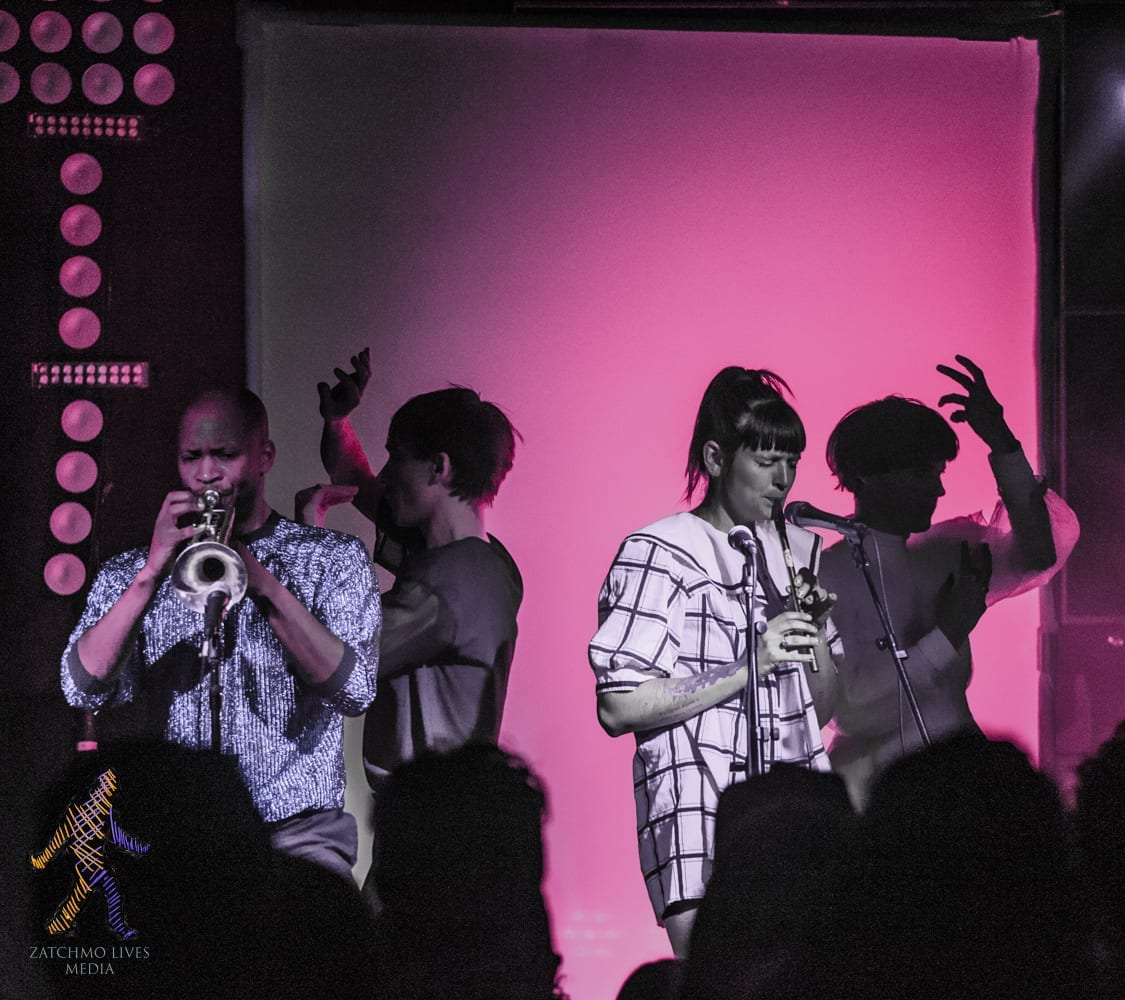
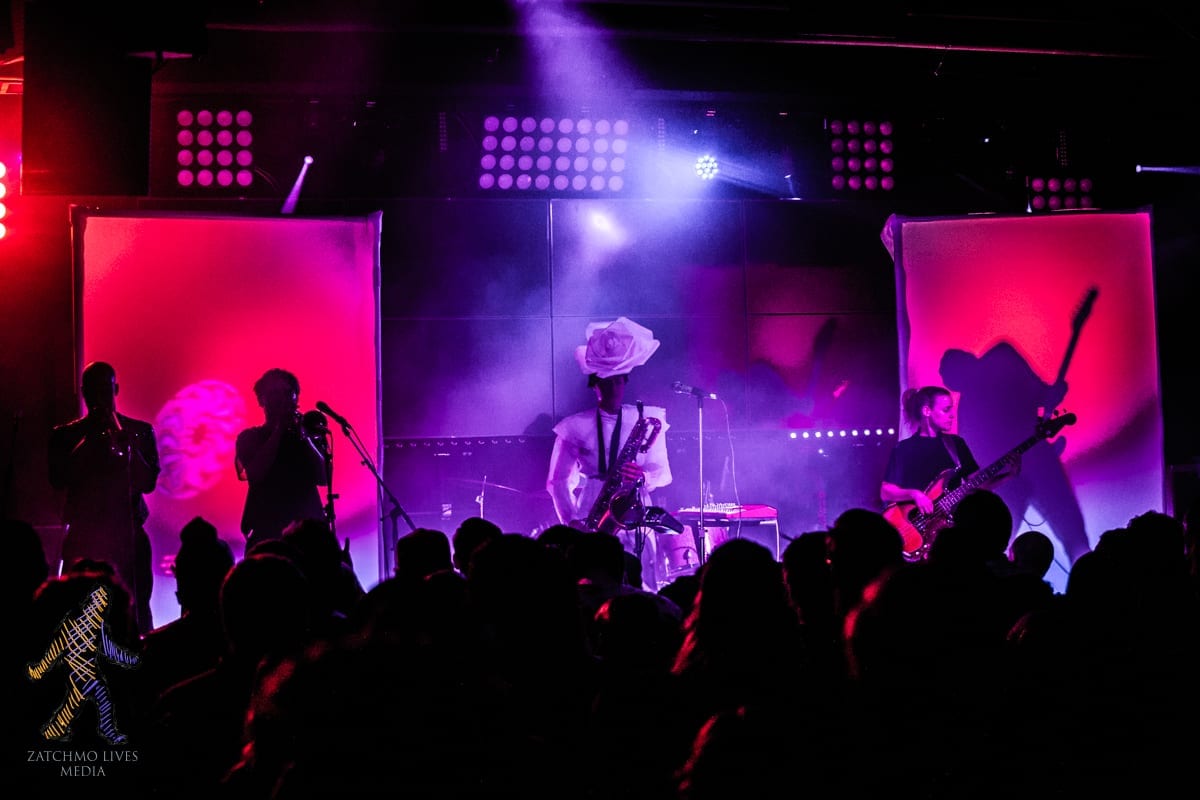
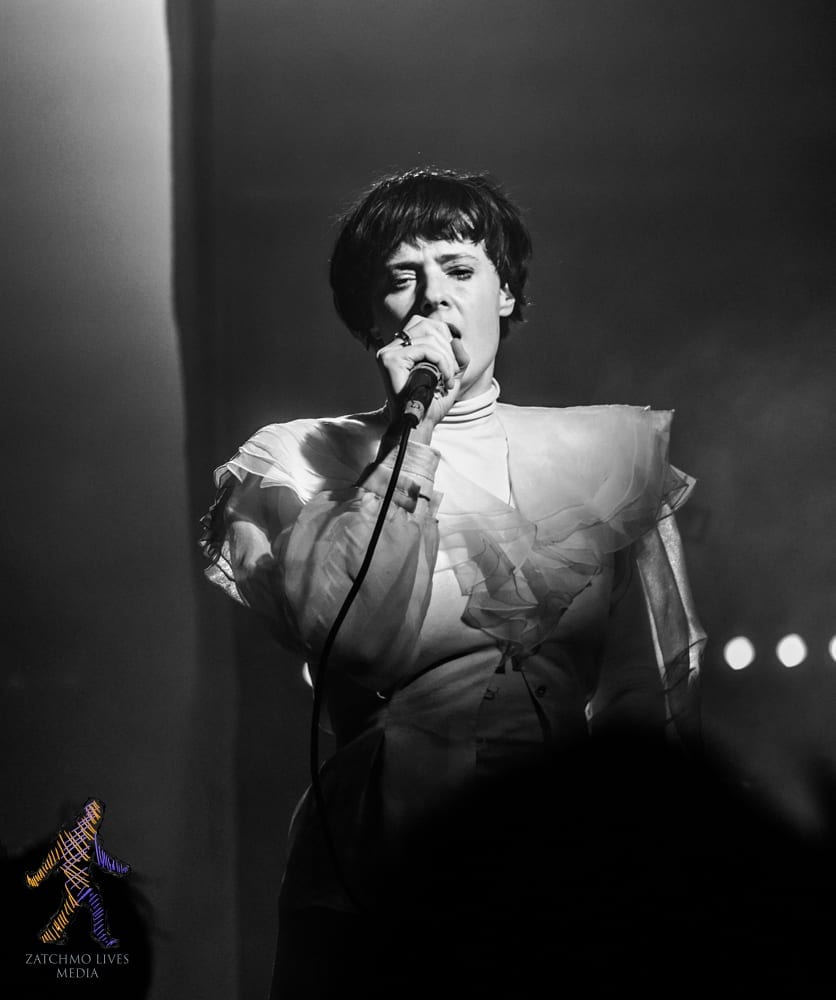
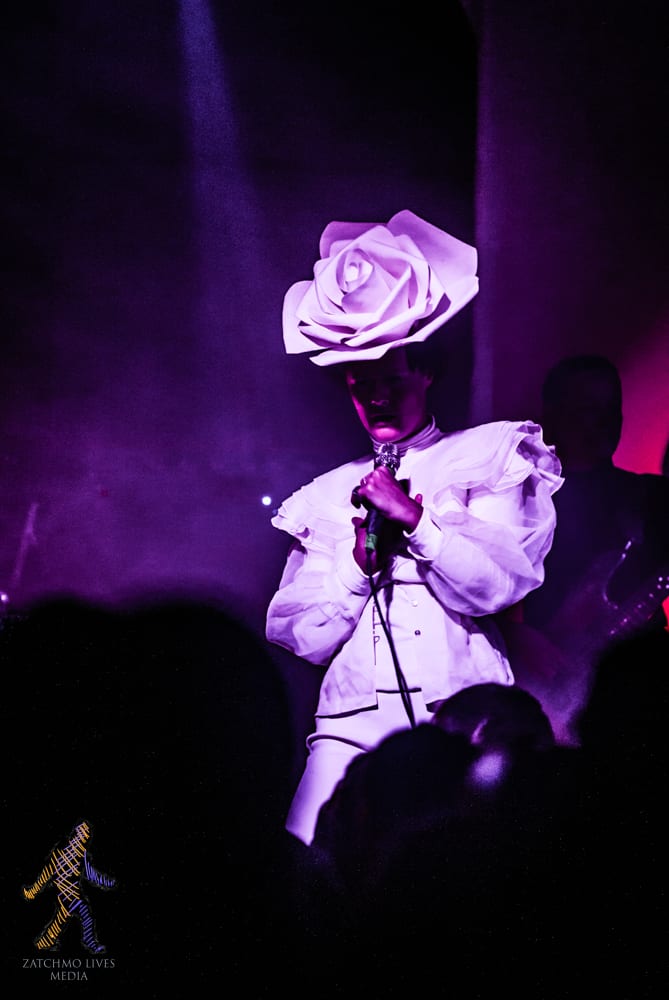
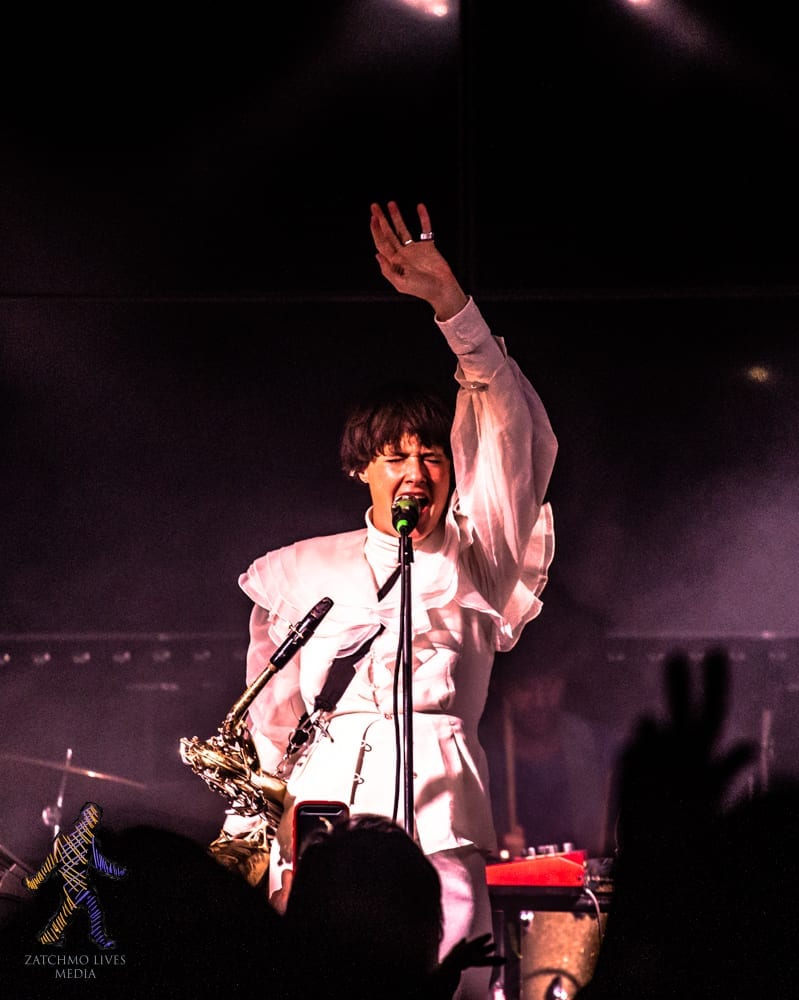
On December 6, Rubblebucket brought their tour through Lucky Strike in Albany in support of their new album, Sun Machine. The duo in Kalmia Traver and Alex Toth are keeping the Rubblebucket name alive after a long, tough road. Sun Machine is an album that literally follows their own struggles as an on and off couple and keeping their personal issues aside as they continue to work together. The songs are incredibly powerful and make for what is being considered quite the theatrical performance.
And The Kids from Northampton, MA opened the show. They’ve been on tour together a few times now as Kalmia and Alex have become close with the members, even having the “Kids” come out on stage with them for a couple songs. Rubblebucket backs themselves with an incredible touring band that changes from time to time but generally stays the same. Mixing their old classics like “Came Out of a Lady” and new ones like “Party Like Your Heart Hurts,” the band puts on an incredible production with shadow screens and, at one point, literally bringing the crowd to its knees and crowd surfing over them while playing their horns.
Rubblebucket just announced their spring tour, coming back through New York in late January and mid-March before heading west.
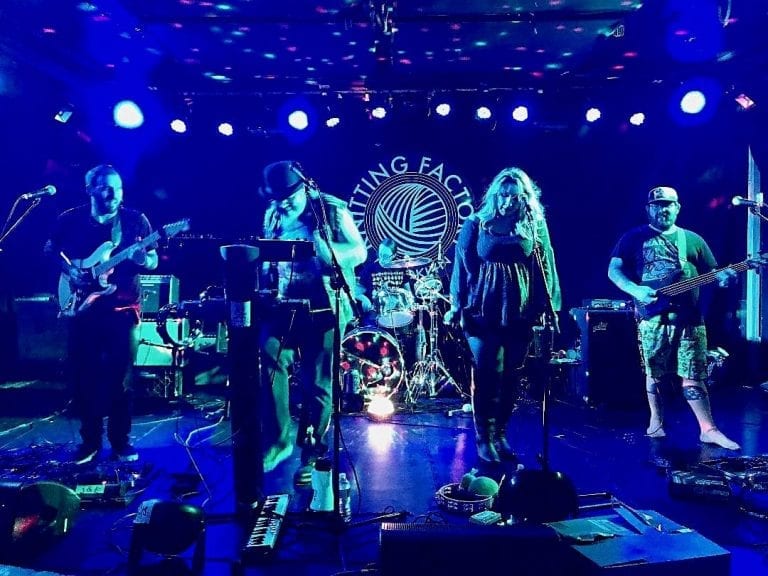
Wintercourse, a one-night-only midwinter music festival hosted by Brooklyn’s own Cousin Earth, returns to the Knitting Factory for its 8th year. Local rockers Bushicks begin the festivities which are then rounded out by Funky Dawgz Brass Band, Cousin Earth and Bella’s Bartok.
Initially a music and comedy festival, Wintercourse is the brainchild of Corey J. Feldman, ukulele bassist for Cousin Earth. The show has gravitated towards focusing more on music in recent years and has featured performances by acts such as The Reformed Whores, Space Bacon, Chromatropic, Teddy Midnight, The Matty Carl Project, Mercury Landing, Stevie and The Lion and many others.
“This year’s lineup is fire!” says Corey J.Feldman, ukulele bassist for Cousin Earth. “This is going to be the best Wintercourse yet!”
The concert, presented by NYS Music, takes place Saturday, January 5th at The Knitting Factory (361 Metropolitan Ave., Brooklyn) Doors are at 7:30pm and the music kicks off at 8pm. The show is 21+ and ID will be required. Tickets are $12 in advance and $15 on the day of the show.
There is no shortage of after shows to hit up when Phish come to NYC for their New Years Eve run, and for those feeling the pinch of the holidays in the Big Apple, Sounds Good To Steve and the Offside Tavern have you covered.
On December 28th and 29th, FREE after shows will get started at 11pm and stretch until to 3am, with the music going late and live painting both nights. Not far from Madison Square Garden, Offside Tavern is located at 137 w 14th Street between 7th avenue and Avenue of the Americas.
On Friday the 28th, The Mike O’Donnell Band will be playing all night with live painting by James McNulty of The Uncommon Culture. For this new project, guitarist Mike O’Donnell called on some friends from various Long Island based bands and things took off. Michael Mirino, who plays bass with O’Donnell in the band Sofus is joined by Ben Pinnola from the band GeoTribe on keys. Julian Sarabia Maultsby from Medicine Fish teams up with Danny Roman for duel drumming and percussion duties. O’Donnell and Roman also play together in the up and coming band and winners of the 2018 Long Island Blues Challenge, Carrie and the Cats.
Sunday, December 30thfinds Brooklyn based Jazzjam band International Orange (iO) teaming up with rising ragers, Ronald Reggae for a long long crazy crazy night. Featuring former members of the Mike Gordon and Steve Kimock bands, and a current member of Peter Apfelbaum’s NY Hieroglyphics, iO pulls some serious grooves out of their deep pockets.
Speaking of groove, sitting in with iO will be some special friends from the Easy Star All-Stars. If that’s not enough, undoubtedly still riding the high from jamming with Twiddle front man Mihali during one of their back to back Twiddle pre-shows at Garcia’s, you can count on the energy from Ronald Reggae to keep you going late. The bands provide the tunes, live painter GalaxyGus creates the eye candy and all you need to do is stroll on in.
Tickets are not on sale because these shows are FREE! Stop down after Phish and spend the night boogieing down on Friday the 28th and Sunday the 30th!
In an unprecedented collaboration between an academic journal and live music community, Phish.net, the Philosophy School of Phish, and the Public Philosophy Journal (PPJ) are soliciting abstracts for essays about the improvisational rock band Phish, its music, and fans. Selected papers that successfully complete the PPJ’s Formative Peer Review process will be published in a special issue of the Public Philosophy Journal, co-edited by Dr. Stephanie Jenkins (Oregon State University, assistant professor of Philosophy) and Charlie Dirksen (Mockingbird Foundation, Vice President and Associate Counsel).
Contributors may submit abstracts on any topic of philosophical significance related to the Phish phenomenon. Proposed essays should explore philosophical questions, problems, concepts, themes, or historical figures through connections to the music and fan culture of Phish. Topics may include, but are not limited to:
Aesthetics: beautiful; sublime; emotion
Music, performance, and lyrics: conceptual themes; Gamehendge mythology; improvisational ethos; live performance; music ontology; narrations; gags
Ethics: “phan” ethos; ticket trading and secondary market; tarping; environmental impacts of tour
Politics: fan counterculture; activism; issues of race, gender, sexuality, disability, class, and religion
Phenomenology: embodiment; lived experience of jams, “IT,” lighting, or concert space
Technology: recording; social media; RFID data and surveillance; live streaming; tape trading
This special issue is part of a PPJ pilot project that aims to reconfigure the relationship between the academy and the public. To this end, the editors seek proposals for essays that will be of interest to both audiences. You do not have to be a professional scholar or philosopher to submit.
Submission Guidelines
Please submit abstracts of 250-500 words and a brief bio via this Google form. Your abstract should summarize your proposed essay, outline its argument, and identify its significance to both Phish fans and scholars new to the band.
Relevance: Responds to an issue of concern to the Phish community
Accessibility: Written clearly for a general audience, with technical terms and concepts unpacked. Does not assume previous knowledge of the band.
Intellectual coherence: Provides evidence to support arguments and identifies theoretical concepts that illuminate the philosophical problem, question, or idea under consideration
Scholarly engagement: Demonstrates awareness of ongoing dialogues within relevant scholarly and/or community conversations
Completed essays will be approximately 2000-4000 words. Formatting and citations should follow the guidelines set in the Chicago Manual of Style (17th edition).
Submission Timeline
Abstracts due: January 18, 2019
Completed papers due: April 15, 2019
Contact
Questions can be addressed to:
Dr. Stephanie Jenkins
Assistant Professor
Oregon State University, School of History, Philosophy, and Religion
stephanie.jenkins@oregonstate.edu
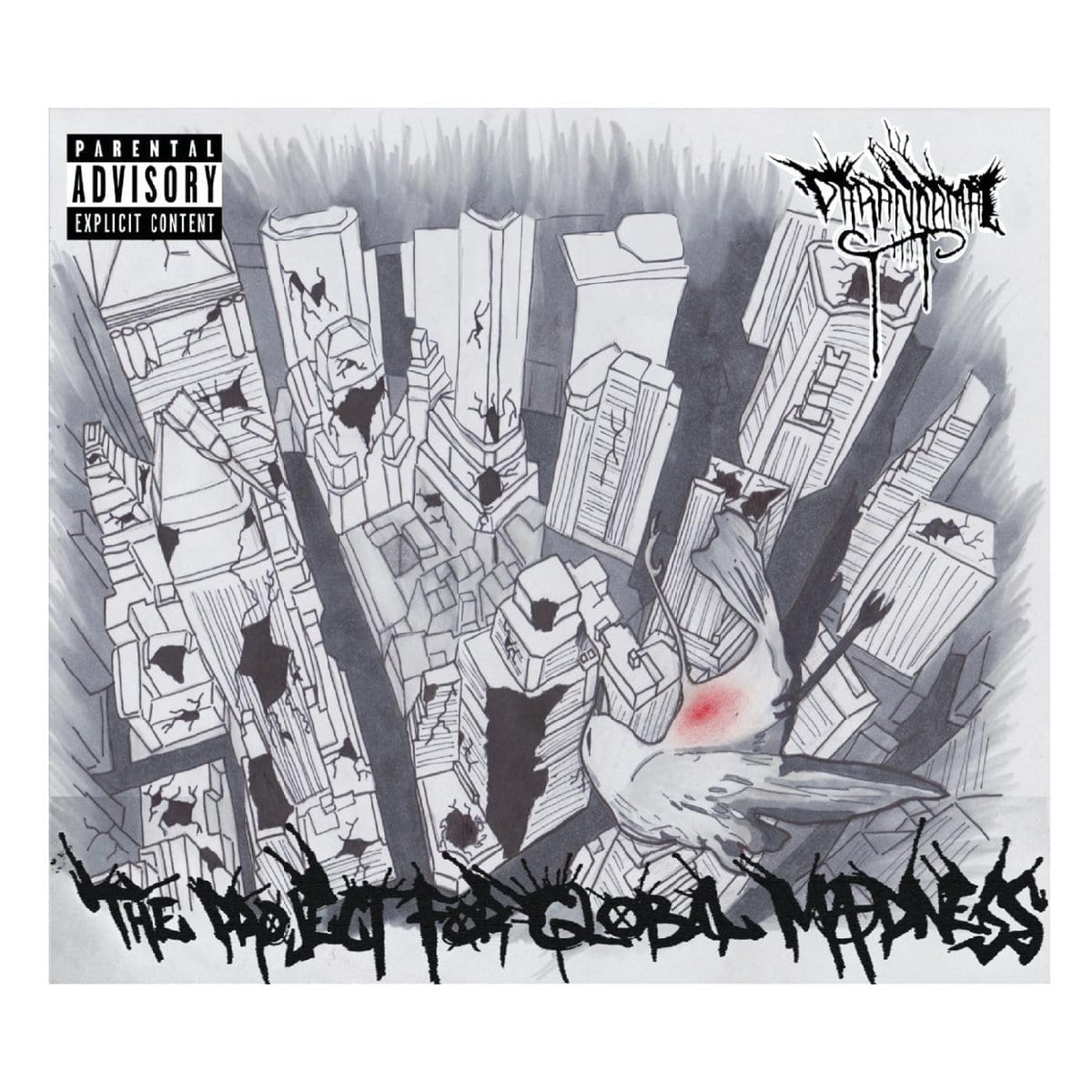
It’s eerie, dystopic, and a little unsettling – it’s fantastic. Paranormal, a.k.a Emmanuel Fernandez, takes a refreshing step away from what is considered popular and successful rap. The beats are intense and hard hitting, just like Fernandez’s voice and lyrics consisting of his view on a corrupt and crumbling world that is sure to resonate well with a mass audience. The attitude of the whole album The Project For Global Madness is an anthem for the public that believes reform is necessary for the world to continue on.
The instrumentals on “The Writing is in the Sky” are a slightly tweaked cover of Radiohead’s “Climbing Up the Walls.” Although it’s already an eerie feel, fitting for the album, some more personality could have been used. Fernandez and producer Nea use all original instrumentation on the remaining tracks.
Regardless of the instrumentals, the message behind this track is powerful. “Fear are the gears to the propaganda machine/ Media terror etc, do you believe what you see?/ Divide and divert, diverge on the word, squirm with your fellow serpents/ Blessed are those who believe without sight…”
“Blood Streaks of Stars and Stripes” is another key track due to it’s well produced beats and intense lyricism. We’re hit with more thought provoking lines like, “We tend to duck when the truth spits/ Gun clicks in consonance with the concept of time…tick, tick/ My environment devised by lying men…” It’s short and to the point, allowing listeners to soak everything in and analyze the track
As the tracks play on, we start to hear Fernandez’s influences. He pulls inspiration from so many different genres: post punk, hip hop, rap, etc and creates a sound synonymous to Deltron 3030 but much darker.
‘Shine Eternal’ focuses on something more specific – media and entertainment. This one stands out for it’s futuristic sounds rather than dystopian ones found on other tracks. That, coupled with a quicker tempo is a refreshing change of pace after six tracks of sludgy and eerie beats.
The focus on the media and the spread of misinformation is the first time on the album Fernandez hones in on a specific issue: a practice that would prove successful on future work. It helps set the song apart from the others and perpetuates interpretation, leaving a good taste in the mouth.
There is endless room for interpretation on this collection. Each line is worth picking apart which is great, but listeners will find themselves getting caught up in each line rather than soaking up the track as a whole. Fernandez has fantastic ideas and is inspired without a doubt. Not only that, this style of music is much needed in an era of rap reaching a ceiling of mumbling and trap beats. And if Fernandez can hone in on one idea within each track, (i.e. media, politics, money in war, corrupt businesses, famine) in future recordings, he’ll continue to inspire thousands of people who want political and social reform.
Key Tracks:The Writing is in the Sky, Blood Streaks of Stars and Stripes, Shine Eternal
New York Only. That’s right – this all access pass explores the thriving music sub-cultures of New York State. We are submerged in, arguably, the most musically-rich and booming areas. It would only be appropriate to cap the Best Of series with a full fledged anthem – waving our NYS-Flag, with immense pride. These highlights hardly encompass our staff’s passion for all things music, because like our readers, we too are musicians and music-junkies, through and through. Strap-in for this wild Trip-acid-visor tour of our states thriving music towns and venues – along with the bands who invigorate them with sound.
Keep rocking out, exploring music and loving one-another this holiday season. Make sure to catch up with all of the Best Of series – and from our family to yours, thank you for supporting New York State Music.
From Eminem’s “Without Me,” (two Buffalo gals go round the outside) to the longest-serving music venue, Nietzsche’s. Buffalo is home to a plethora of venues including hot-spots; Sportsmen’s Tavern, Town Ballroom, Colored Musicians Club, various boutique concert-series and Buffalo Musicians Hall Of Fame. The city is packed with music – from classical to jazz and, of course, our free-wheeling mashup jam-bands featured on this series. Buffalo is thriving.
In 2018, Buffalo has seen anyone from John Medeski’s Mad Skillet, Tauk and Turkuaz to Everyone Orchestra and Funktional Flow. Buffalo hosts the boutique Cobblestone Live Festival isolated to bars and venues neighbouring Illinois and Columbia street, which was seen on our Best Of Festivals edition, yesterday.
Buffalo Iron Works
One vote shy from winning the best of crown for New York State’s favorite music venue, Buffalo Iron Works is a must visit. If you stumble upon it for a quite lunch or attack the stage for a weekend of live music, you will not be disappointed. The venue was voted ‘Best in Buffalo’ last year by Buffalo Spree Awards. Iron Works is closing out the year with future dates featuring Canada’s After Funk – for a hyped James Brown Tribute, Buffalo Afrobeat Orchestra, Kung Fu and Doyle (ex-Misfits guitarist). The Venue is walking distance from the Key Bank Center, Lockhouse Distillery, Canalside and the metro station.
Albany packs a powerful punch. The state’s capitol is blooming with rich culture, which means, a vibrant music community. Music is the power to manipulate and supersede time, but with greater feeling. As one of the original thirteen colonies there is no telling the vast musical exchange throughout the centuries. Each moment is captured by sound and song, which our contemporary world must pay homage to. Just look at all of the great bands pouring out of Albany. The Low Beat, Jupiter Hall, The Hallow Bar + Kitchen and The Egg are just some of the spectacular venues that twine music throughout the city.
The Palace Theatre
The Palace Theatre was voted Best Music Venue in all of New York State for 2018 by NYS staff. As the name implies, the Palace meets and exceeds all of your expectations. The 1930’s built venue was originally a movie theatre and is now run by the city as a non-profit for music, plays, educational events and more. It is the beating heart. Plus, you can’t help but drool when you see your favorite band up in lights, spread across the breathtaking marquee. From Umphrey’s McGee to The Disco Biscuits, the Palace Theatre transforms the concert phenomenon. It blends popular music with the vast architecture and warm arms of the city.
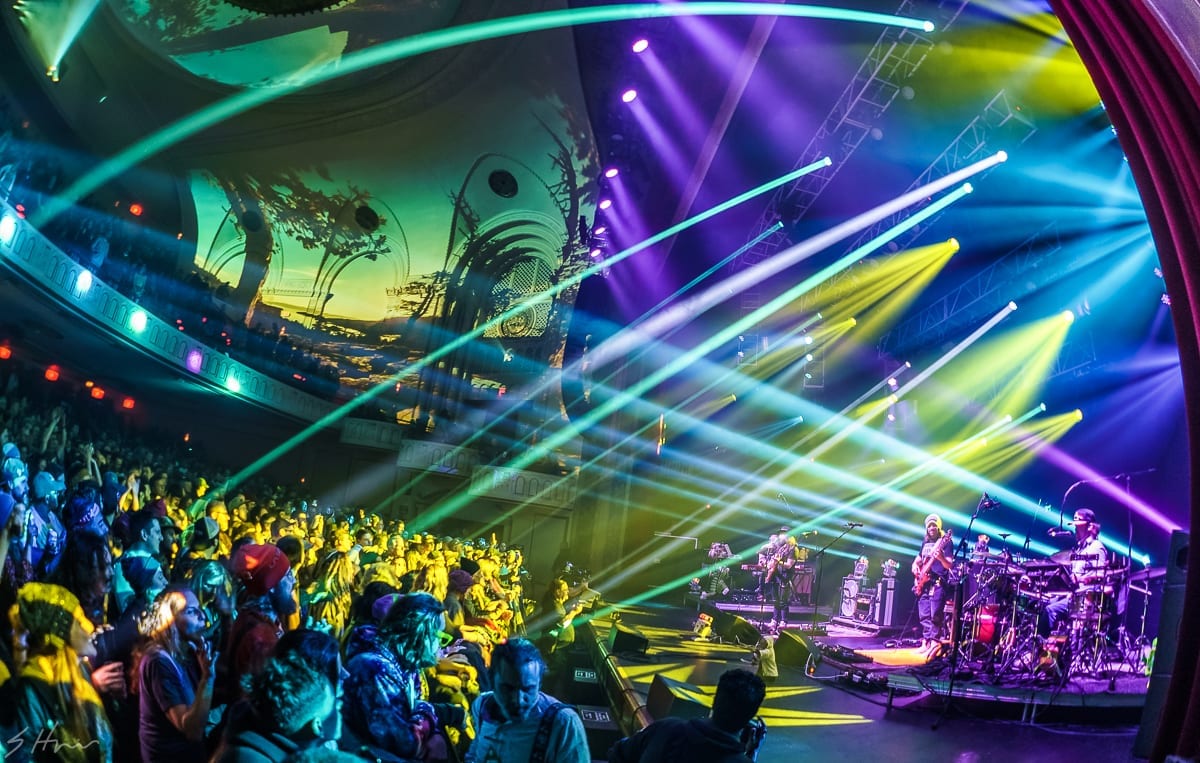
Despite Port Chester having few votes for best music town, it’s evident the ones whom cast, placed their ballots for one reason: Capitol Theatre. Wedged between the southern tip of New York, Long Island, Connecticut and Northern Jersey, it is a jam-band magnet. The thriving seaport transforms when doors open and dead-heads roll into Garcia’s for a pre-celebratory drink. Shall we go? The Capitol Theatre is your gateway.
If you live within an hour of The Cap, consider yourself spoiled. Built in 1926, the Capitol Theatre began hosting Vaudeville shows and movies – long preceding its reputation as one of the best music venues. Since, music’s biggest names have paved way for the Capitol’s concrete-esteem: Bob Dylan, The Grateful Dead, BB King, The Rolling Stones, Janis Joplin, Pink Floyd and Phil Lesh, among others. True legends – exceeding expectations and musicianship.
There was no common-weight for Best Shows Across The State – lets be honest, you’re lying if you have only one best show. It’s impossible. The list had only one thing in common, New York State. The year has surpassed our expectations, but at least we now know where to find them in 2019. Buffalo, Buffalo Iron Works, Albany, Palace Theatre and the Capitol Theatre are at the backbone of the best music around.
Individually Rebecca Loebe, Grace Pettis and BettySoo are established singer/songwriter/performers, each with a Kerrville Folk Festival New Folk Competition winner title in their pockets. In 2017, Rebecca suggested a joint tour by the three “just to share the road, share our audiences and have a bit of fun.” That one-off idea was followed by a homemade promo video, a songwriting session, a record deal, and the birth of Nobody’s Girl.
NYS Music spoke with all three members by phone in late November after a scheduled return to the Towne Crier in Beacon, N.Y. was “snow-poned” due to a heavy dumping of white stuff, canceling the evening’s show and taking our pre-show interview with it.
After “announcing” ourselves on the line, we were ready roll.
Mickey Deneher: I think of this as the evolution of Nobody’s Girl. You guys started out as friends. When did you first meet?
Grace Pettis: We first meet around 10 years ago at the Kerville Folk Festival.
MD: Each one of you is an award winner (at Kerville.)
GP: We did all win the (New Folk) competition in different years. (But) that was the first year we all were there and hanging out and just became pals.
MD: You go to Kerville, do song circles, a one-off tour, a writing session, and then a record deal from the session. Was this just a flash or the progression you where looking for?
Rebecca Loebe: You pretty much nailed it, the progression of it. Basically it just happened organically and very quickly. That as soon as we got together and started singing together we had this great sort of harmony and chemistry together and just sort of opportunities kept presenting themselves really quickly.
You know our first co-write was pretty magical. We wrote 3 songs in basically 18 hours that we really liked. When we played them for the folks who owned the recording studio where we had gone to write, they offered us a record deal. At that point we had not even played a gig together. We didn’t have any plans of touring or plans of becoming a band. I think that made it all develop really naturally, the fact that it wasn’t something that any of us where all gunning for. We didn’t have, you know, aspirations to make this the coolest band project ever. We just thought it was fun when we sang together.
Rebecca Loebe
MD: Let’s talk about the writing for the EP. All three of you are credited (for the originals). Is that because it is the writing process or do you all have to get in pieces?
Grace Pettis: We are an equal collaboration at the writing table. Which is such a new and cool experience. I have written with a lot of people. I love co-writing. But I have never been in a band, where all three members are professional songwriters and get so much joy out of that process and can kind of meet each other at the same level as co-writers. That’s just been really fun. All of the songs are true, true collaborations. Like honestly, nobody really takes the lead. Maybe somebody will have an idea, somebody will take it and run with it, and then somebody else will chime in with a different direction and we write them from scratch. Together. Equally.
MD: You went in for a writing session. You didn’t go in as a band, but you came out as a band.
BettySoo: We were writing for the three of us to sing together. We definitely had that in mind. I don’t think we were writing like we would scrap a song if it was good and it didn’t feel like it was going to suit the trio that well. But definitely, that was definitely sitting in our minds as we were writing. Whether it was subconscious or whatever, that this was a song for the three of us.
Grace Pettis: Definitely.
BettySoo: I’m sure that shaped the process some, whether we were that conscious of it or not.
MD: So you had the “voices” in your head that you were writing for.
BettySoo: Absolutely.
We turned our conversation to the band’s recently released debut recording “Waterline,” which contains 4 original compositions, two covers, and a bonus acoustic rendition of the title track. It was recorded at Studios at Fischer with assistance from some of Austin’s top session players. The EP was released on the Lucky Hound label.
MD: I’ve enjoyed the EP. The writing, the harmonies, there are different voices in there. I’ve grouped them as I hear the different voices. Tell me about “Waterline” and “Riding out the Storm.” Metaphoric songs? Deep things happening to you guys? Am I thinking correctly?
BettySoo: “Waterline” is an interesting example of a song that started with one idea and ended up in a completely different place. It started with, I remember really clearly, a chorus idea that I had on Christmas morning last year. I would sing it for you but you would not recognize it. It did not end up in the finished song. I brought the chorus to the group and we thought oh yeah that’s a good starting place, we’ll start with that. We wrote some verses and then we liked the verses that we wrote so much more than that chorus that we had to write a better chorus to match the song.
I think there is a metaphor in that song about how things change slowly and you can use the waterline as a reference. Gauge how things have changed over time.
BettySoo
MD: “Bluebonnets” (a Raina Rose composition) is an opening up of what I want to become? I haven’t been there? This is what I’m going to be?
Grace Pettis: That’s an interesting take. I think at the time, we were left kind of writing toward a theme in terms of let’s write five songs that all fit into a theme. We just were all writing from out experiences in life and some themes just came naturally out of that. When we decided to play “Bluebonnets,” it was mostly just because we all loved the song and we loved the songwriter Raina Rose. Rebecca suggested that one. I tried it on, cause it kind of fell to me. It was time for another song where Grace is singing lead. I was sort of tooling around with it. As I was playing it, I had always liked that song and I had know of it for maybe a decade, as I was playing it, I fell more in love with it as I was singing it because it just sounds like this classic Texas country song. To me it sounds like a Willie Nelson song or Townes Van Zandt song or something like that. It just sounds like classic and there is so much heart in it. So I feel like it sings itself almost.
MD: “Call Me,” (Blondie cover) fun song, great song. What brought that to the EP?
Rebecca Loebe: I think it came out of a conversation on what kind of songs we wanted to cover. We were talking about writers who inspire us; women who inspire us. We sort of all stumbled into our admiration of Debbie Harry, who is the driving force behind Blondie and an absolute badass, and Grace mentioned that she had been rehearsing “Call Me” and thinking of covering it. We pulled it up and listened to it and it really clicked with all of us. We sat, spent an hour working on an arrangement, and it was just so much fun using all our voices and BettySoo’s incredible electric guitar to come up with a version of that song that really feels like us.
Grace Pettis
MD: Let’s talk about the band name. Who came up with that? (All three start laughing.)
BettySoo: That may have been the most full on equal part labor.
Grace Pettis: Yeah.
BettySoo: That thing (band name) that we wrote, even more than the five (songs.) Because we didn’t intend to be a band at first, we just thought we’re three pals going out on a kind of co-bill tour; that was nothing that we spent a lot of time working on. We were writing songs thinking it would be a special moment in a show. All of a sudden we find ourselves with this record deal, and realized we were a band and like, oh shoot, if we are going to put out a record, we have to have a band name.
None of us were quite satisfied with the first name that we had, Sirens of South Austin, because we really just thought of that as a tour name. And, oh my god, we went through dozens and dozens and dozens of band name ideas. I think if we all didn’t love each other so much we would have killed each other (laughs.) What a way to come up with a band name. That was the most angst-ridden discussion we probably had as a band. Maybe that’s fitting, because your name is really such an identity marker. It’s how people will judge you before they meet you, trying to make that impression about having a name you are proud of. That you feel conveys all of your personalities but also who you are as a new entity. It was really hard to land on one thing. We also started listing a bunch of songs and albums and different titles of books and all kinds of things that were references for us. I think Grace at one point had mentioned the Bonnie Raitt song “Nobody’s Girl” and surprisingly it was something all of us could agree on. As time goes by, I think we have all gotten even fonder of it.
Rebecca Loebe: It definitely says something. It says something quickly. It speaks to all of our character and the roots were building as a band.
Grace Pettis: I liked it because it was versatile. It sounds fun. Sounds like it could be a pop band. But then it also has a bit of a bite to it.
MD: It’s a statement.
Rebecca Loebe: Definitely.
MD: What’s on tap for 2019?
RL: We’re doing a few international trips in 2019, including a tour in Europe (that) we are really excited about. We are going to be touring The Netherlands, Germany & Ireland. We’ve gotten some sweet requests to play shows. We will be in Texas in March and touring in the summer.
Nobody’s Girl’s “Waterline” is available on the band’s website, ITunes, and at their shows. As for that canceled show at the Towne Crier, they’ll be back (but I think there is an no-snow rider in the contract).
“Petty Grass is bluegrass versions of Tom Petty hits. Sing-alongs that some people didn’t even know they knew. Tom Petty songs are like that and Petty Grass celebrates this.” ~ Keller Williams
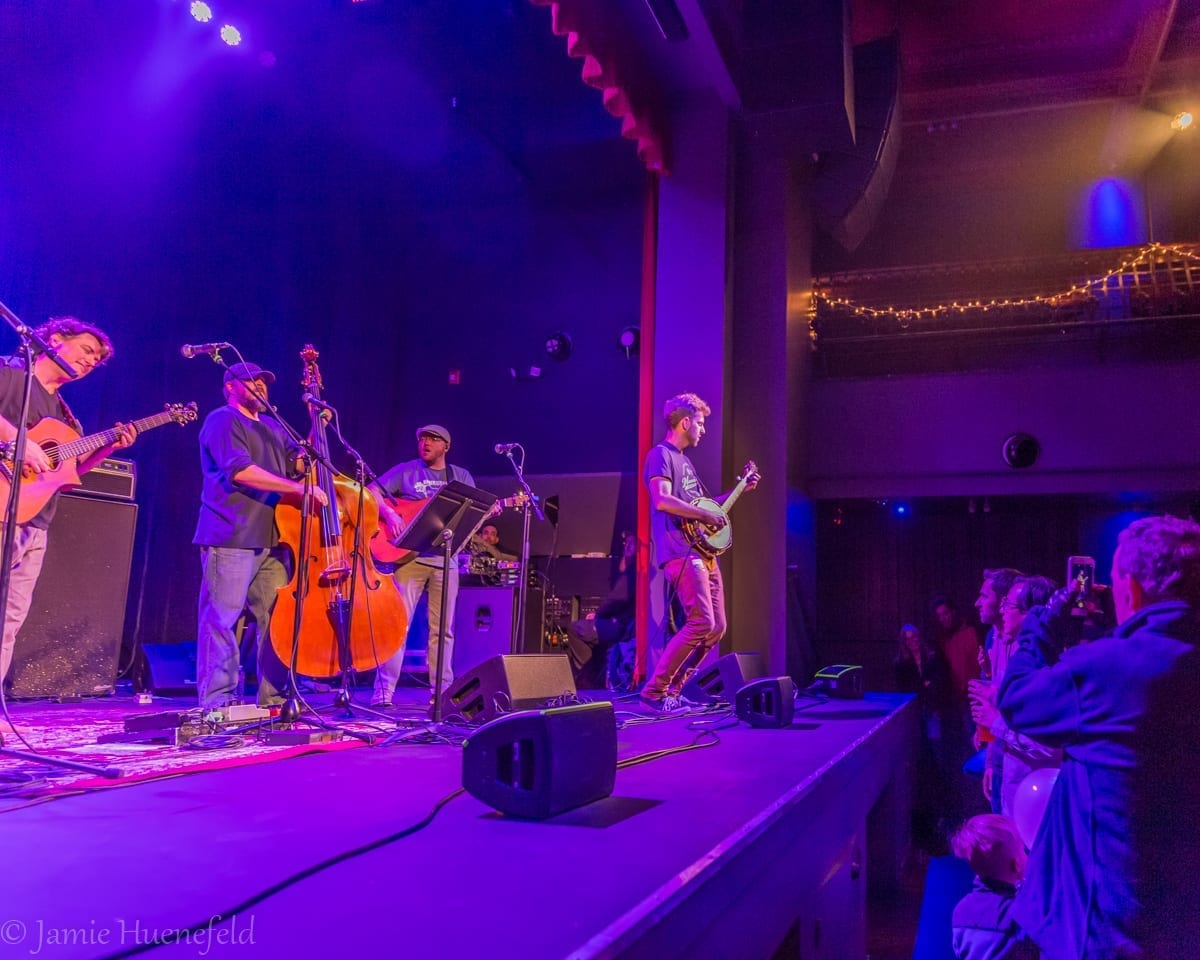
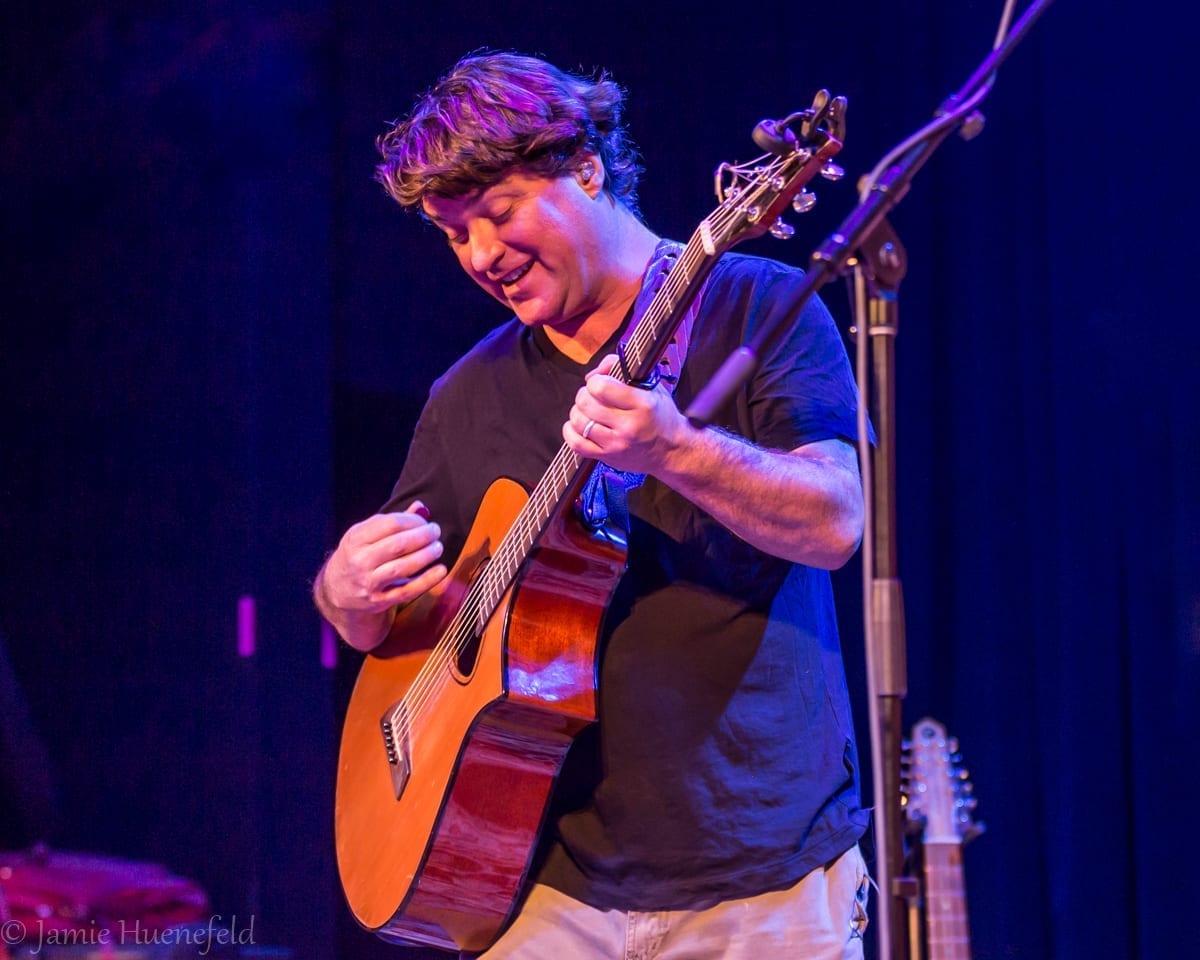
Keller Williams and the Hillbenders performed Keller’s latest project, Petty Grass, at a new venue in Jersey City, NJ, White Eagle Hall. The recently renovated and restored historic theater has been “outfitted with the latest sound technology” and has two hand-crafted stained glass skylights.
Williams began the concept in 2015, for a local S.P.C.A benefit. After Petty’s recent death, Williams decided to take the concept on the road and add a band. The Hillbender’s couldn’t be a more perfect choice to fill this role.
The Hillbenders, a talented bluegrass band from Springfield, MO, are experienced with translating rock and roll into bluegrass and are the perfect compliment to Williams. They released a bluegrass version of The Who’s Tommy called Tommy: A Bluegrass Opryin 2015.
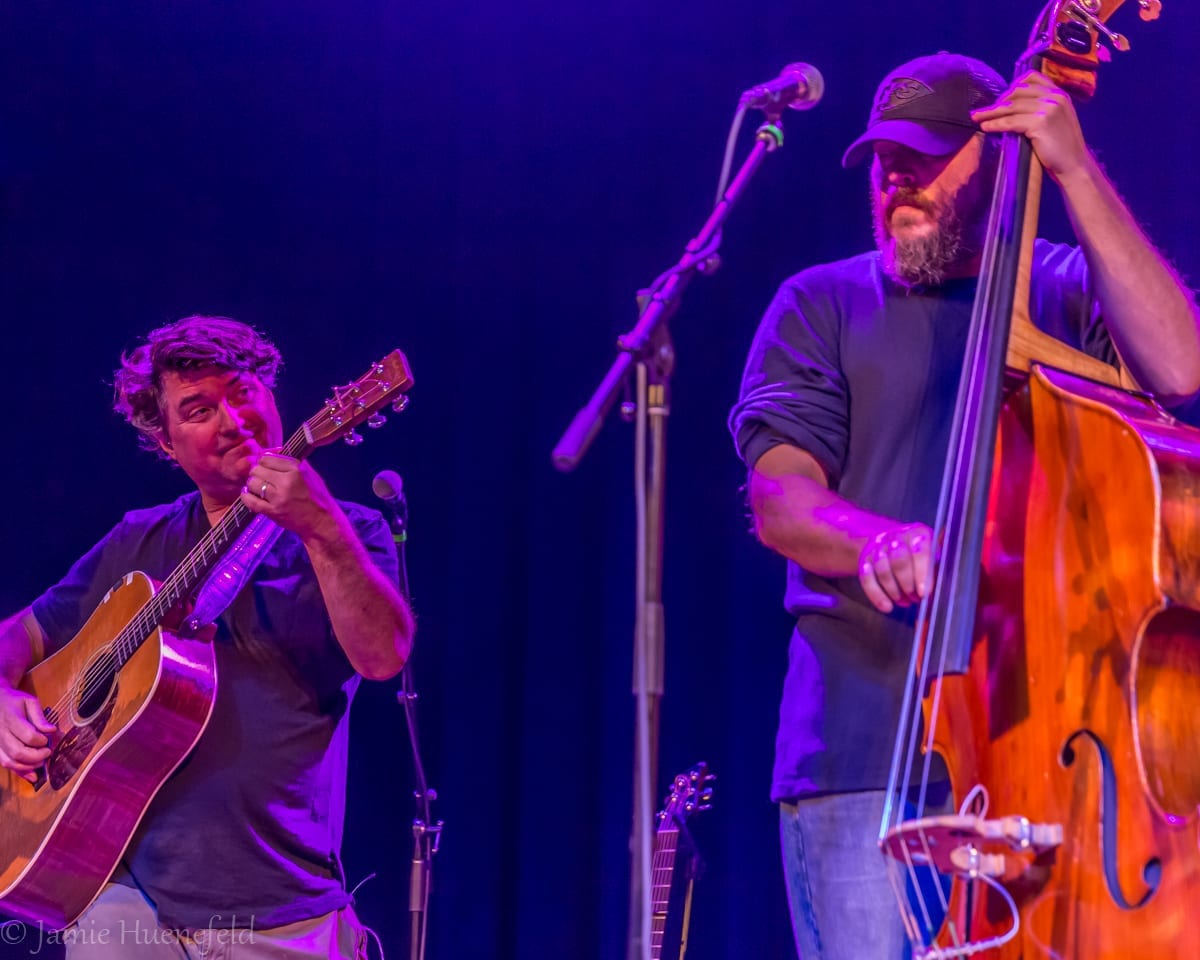
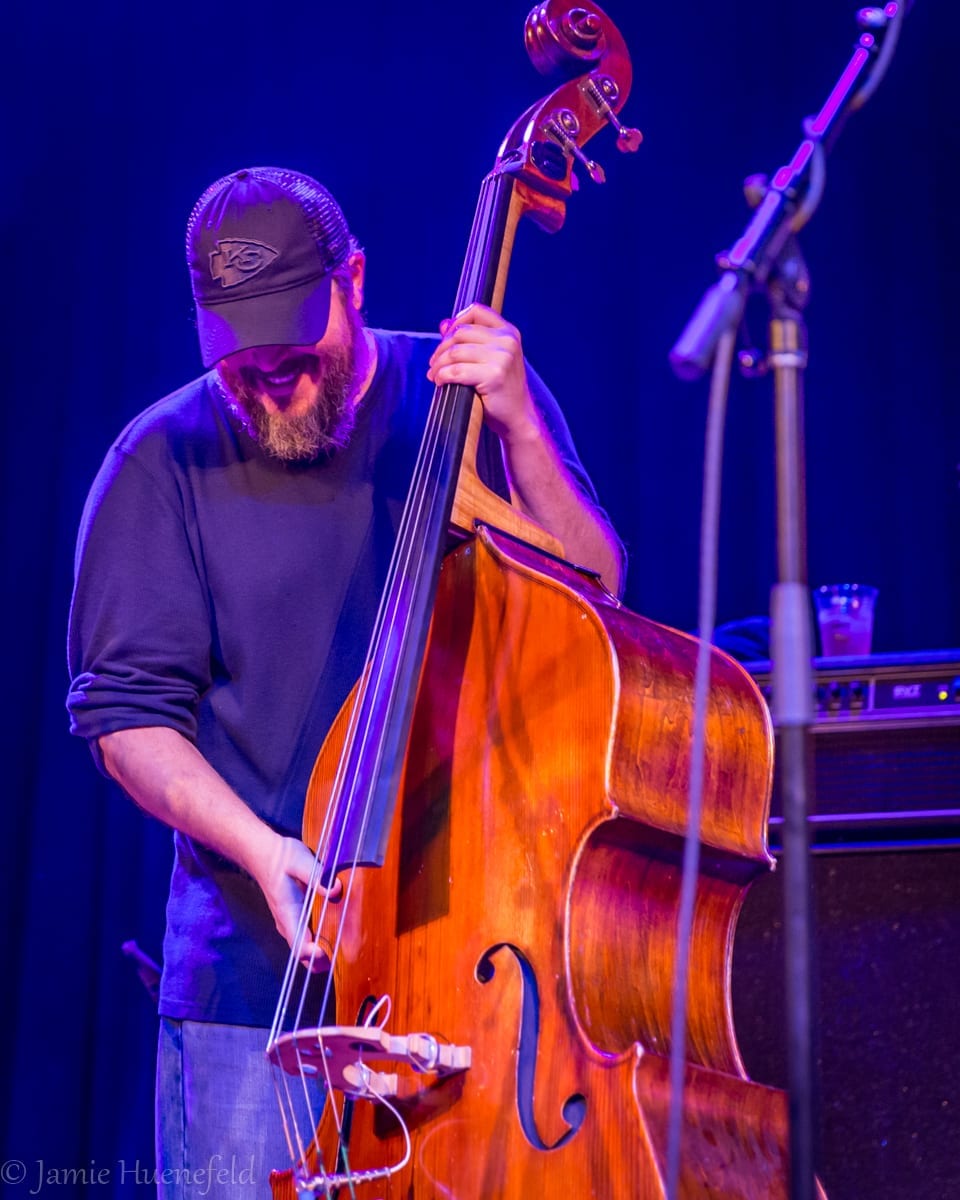
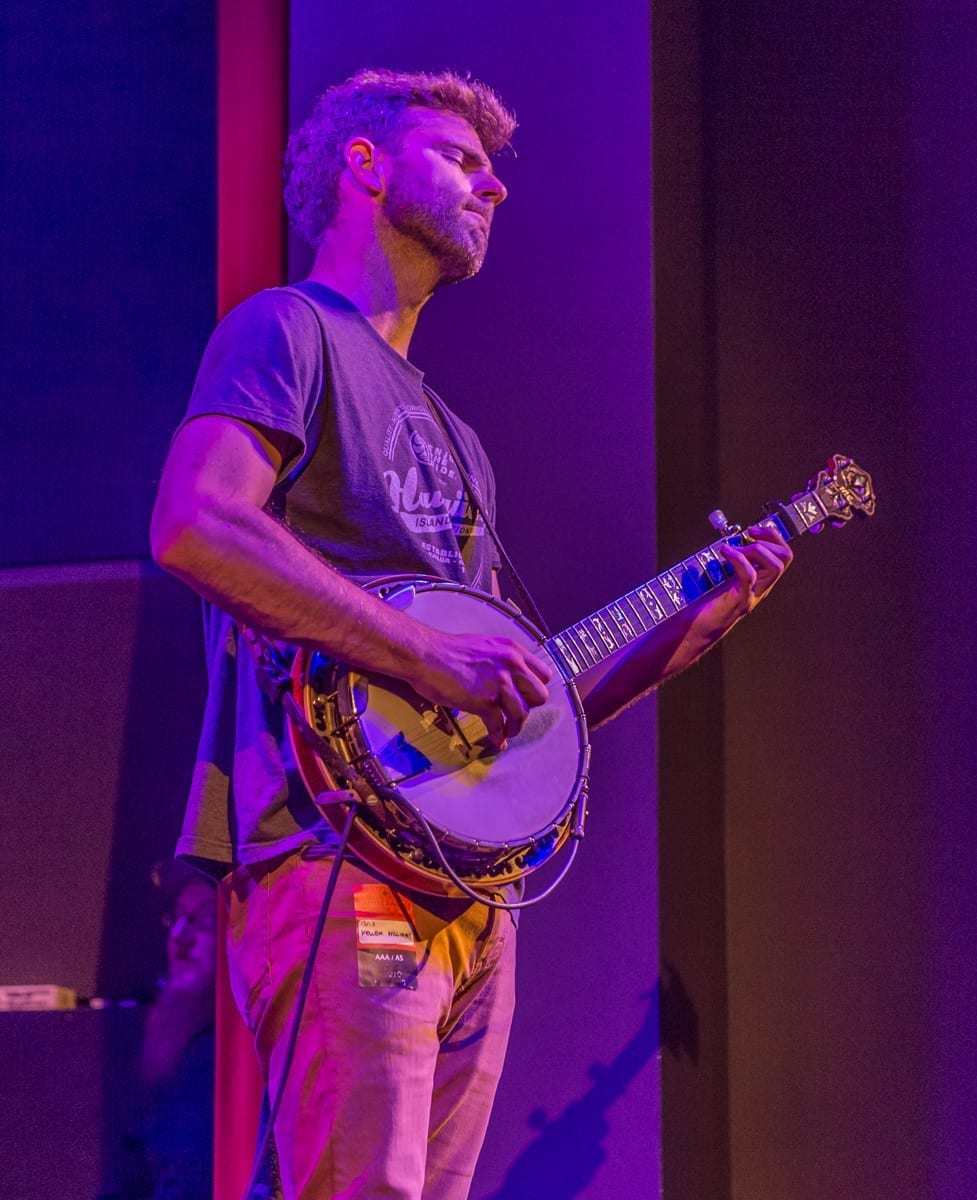
The show was indeed a big audience sing-a-long, with the crowd participation increasing during each song. Tom Petty had many fun loving hits. William’s sing-a-long version, combined with the Hillbender’s picking intensity, successfully showcases this. The band often came together as a group on stage, demonstrating their exemplary skills as a bluegrass band.
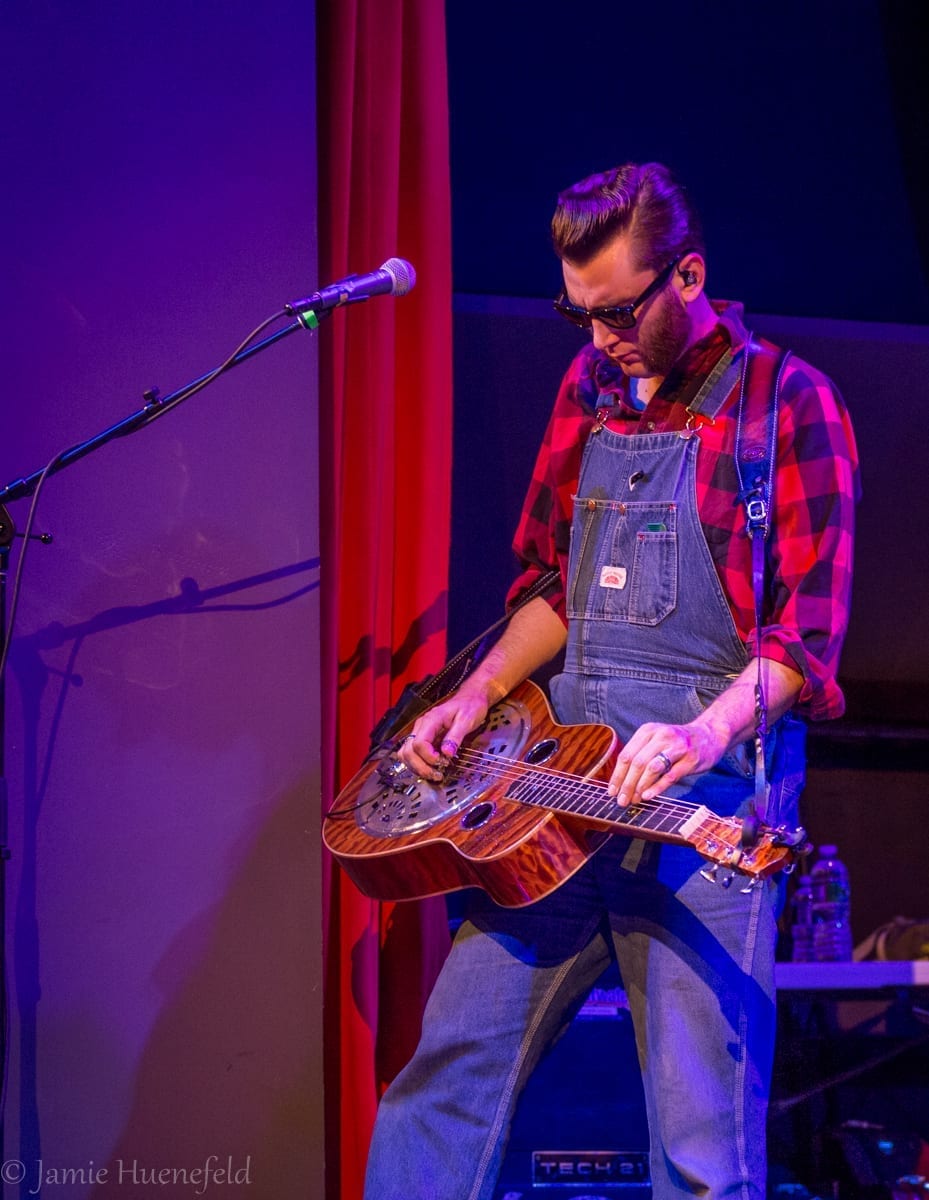
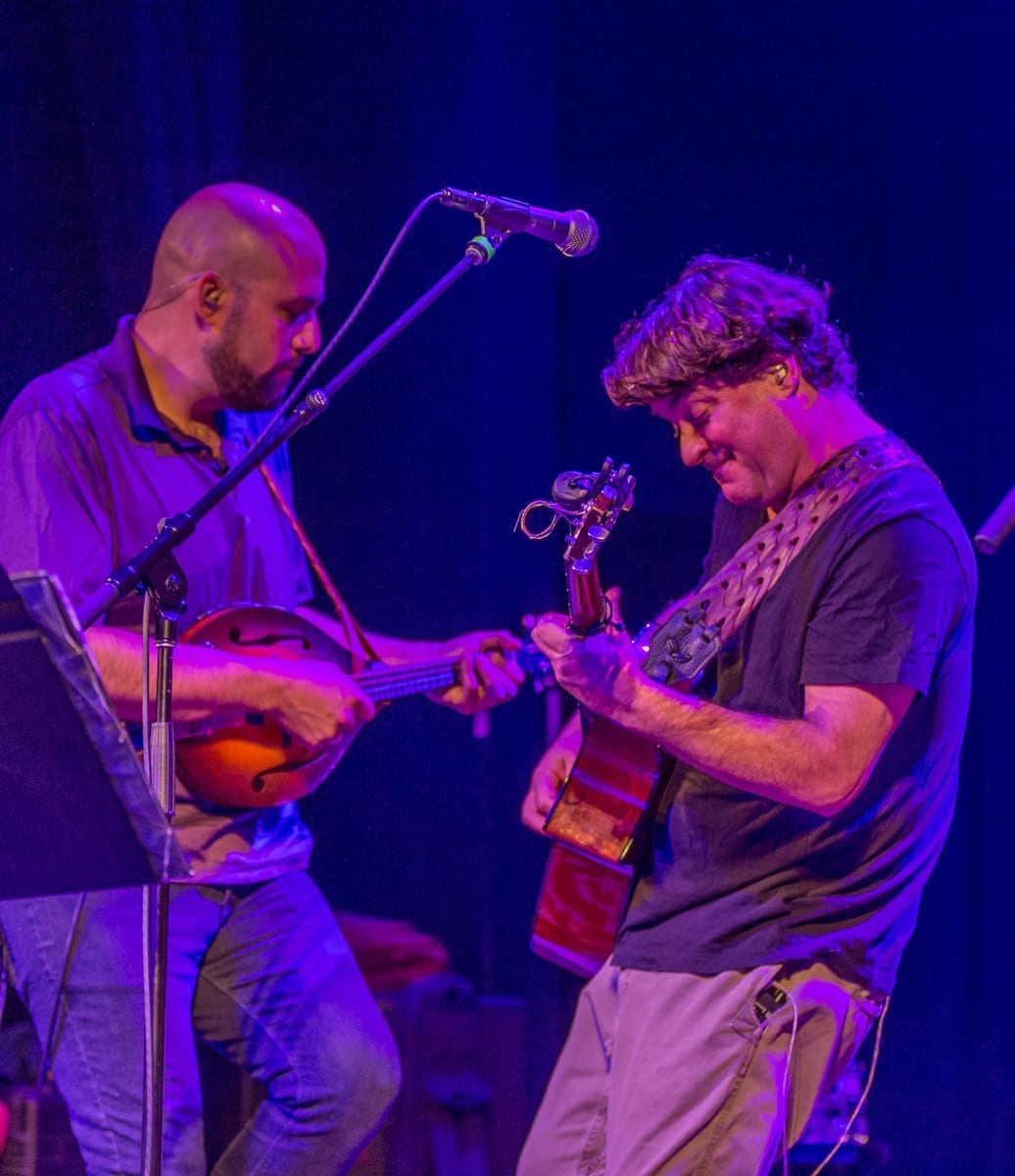
Notable songs included “Refugee,” the extended jam combined elements of William’s Grateful Dead roots with the Hillbender’s penchant for picking. “Even the Losers” had a great texture from the mandolin by Nolan Lawrence. “Last Dance With Mary Jane” was meant to be a bluegrass sing-a-long. “Running Down a Dream” has a harmonious melody from Gary Rea on guitar and Chad Graves on dobro.
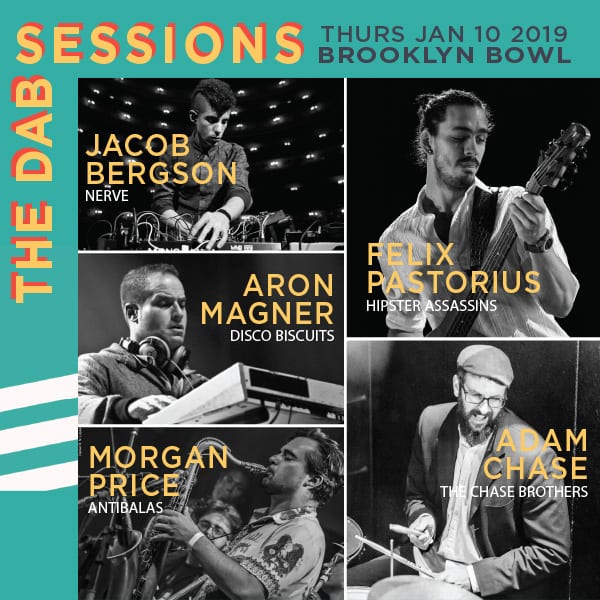
Adam Chase of Jazz is PHSH embarks on a new allstar exploration of music with The DAB Sessions, premiering on January 10 at Brooklyn Bowl. Joining Chase are Aron Magner of The Disco Biscuits and Jacob Bergson of Nerve, two keyboardists from leading exploratory electro-jazz live bands, as well as bass prodigy Felix Pastorius and Antibalas saxophonist Morgan Price. The evening is presented by Instrument Find and will mark the debut of The DAB Sessions.
Get to know the players in The DAB Sessions:
Jacob Bergson is the multi talented keyboardist and producer for the world renown electronic band, NERVE. NERVE is a band led by famed masterful drummer JoJo Mayer that formed out of underground parties hosted by JoJo Mayer that led the way for electronic music to be performed on live instruments.
Aron Magner has been on the forefront of the electronic music scene since it first began to grow. As the keyboardist and founding member of The Disco Biscuits, Magner has been instrumental in the growing popularity of electronic music being performed by highly proficient live musicians.
When many people hear Felix Pastorius perform there are reasonable and obvious preconceived notions and expectations being that he is playing the same instrument as his legendary bass playing father, Jaco Pastorius. While the appreciation of the seemingly genetic talent is obvious, it is also obvious that Felix has put the time in to achieve his own voice on the instrument.
Adam Chase is a drummer that is multi-faceted and the visionary behind The DAB Sessions. Chase is a multi instrumentalist, vocalist, songwriting music director that entered the world of drums in the 1st grade when he had the opportunity to see a young Tony Royster Jr. make mastering the drums look easy.
Morgan Price is a multi-instrumentalist that found his way into the Dap Tones world with his saxophone, flute, and keyboard skills. His skills on tenor saxophone and baritone saxophone have led him to steady gigs with Antibalas and The Duke Ellington Orchestra.
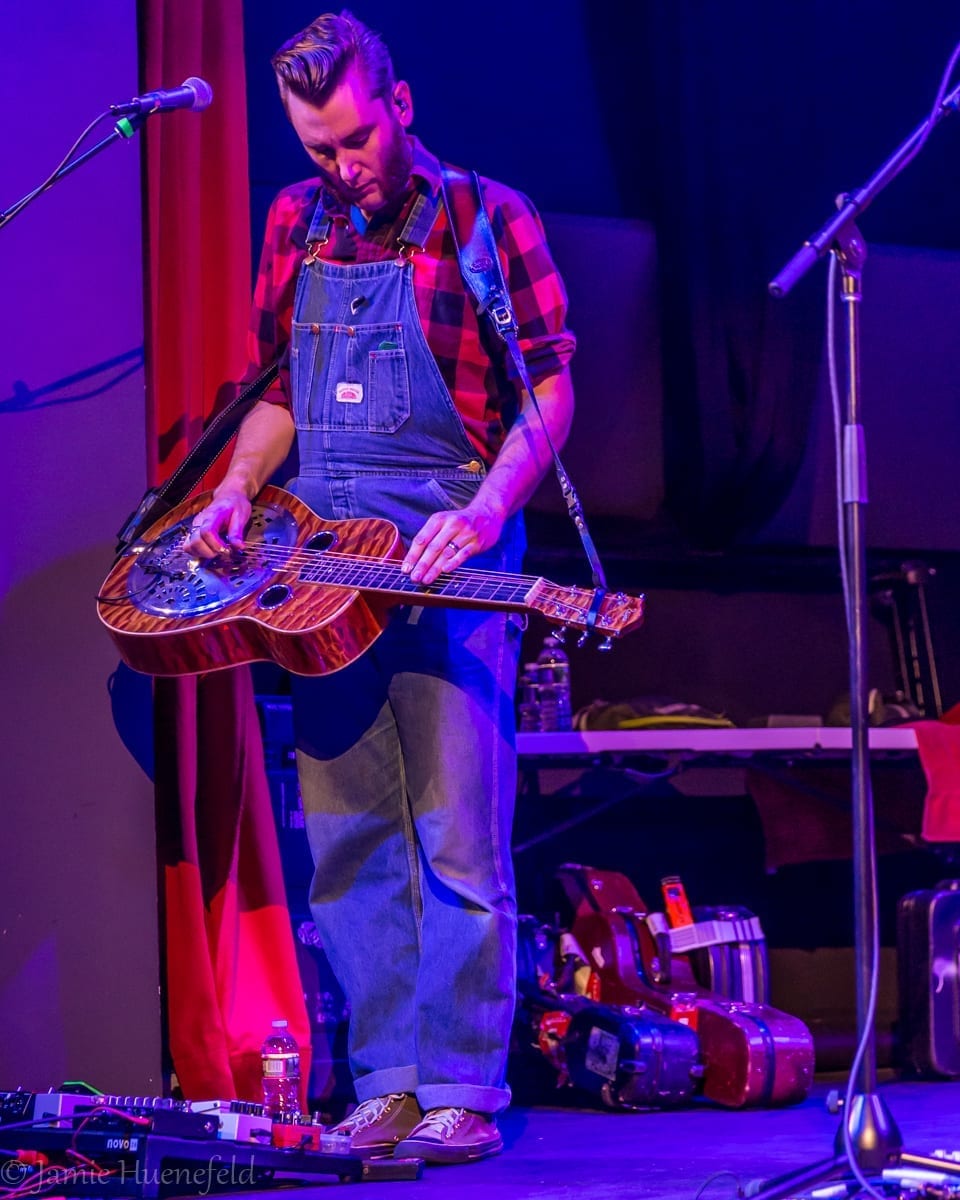
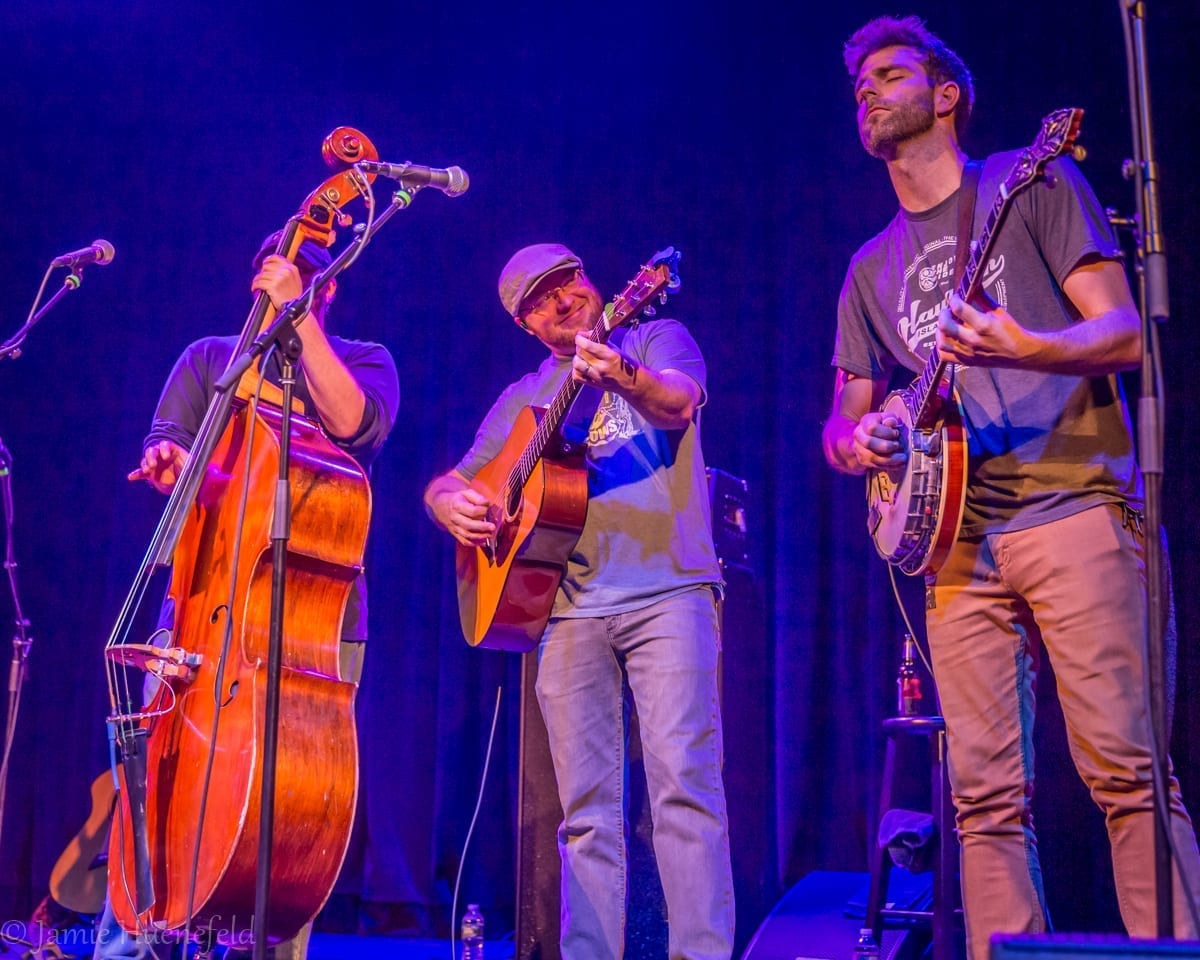
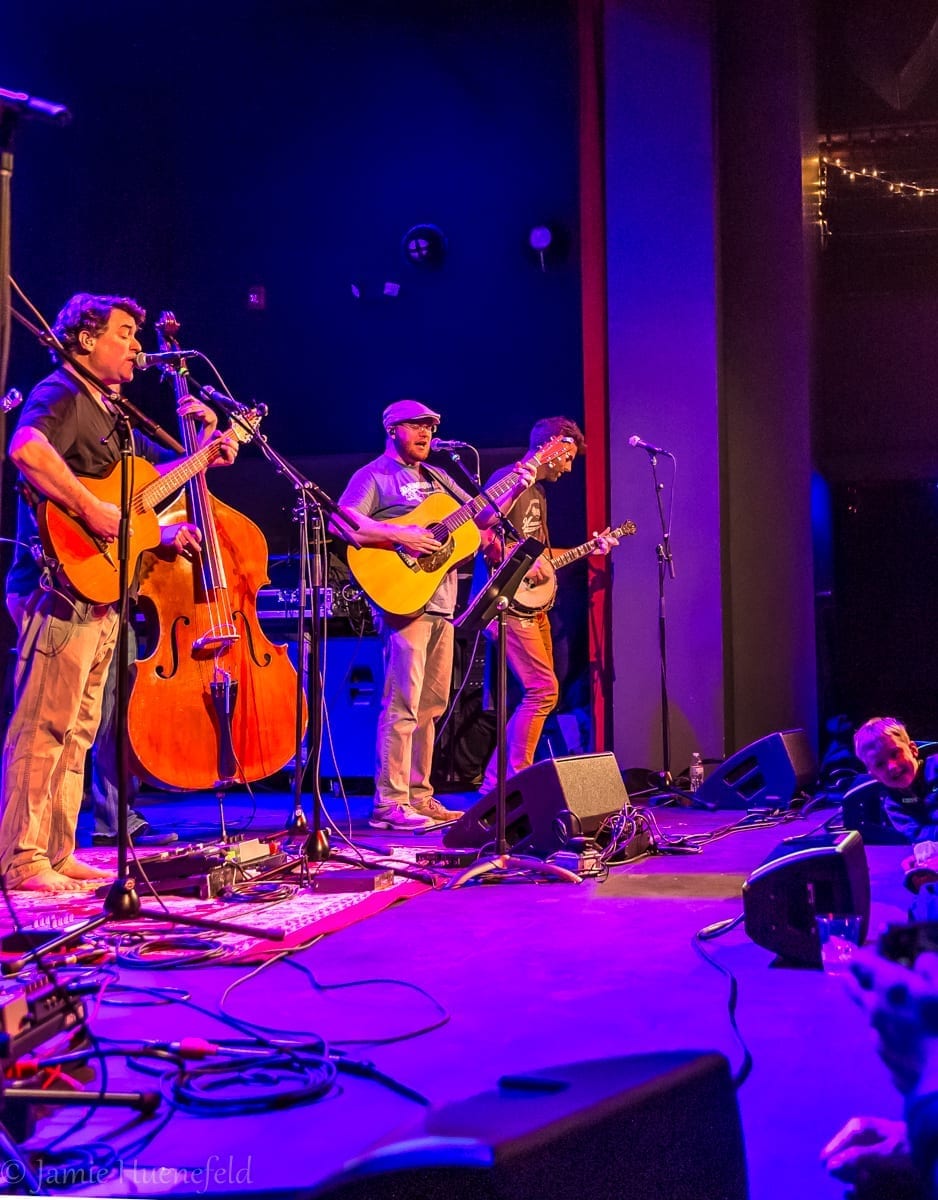
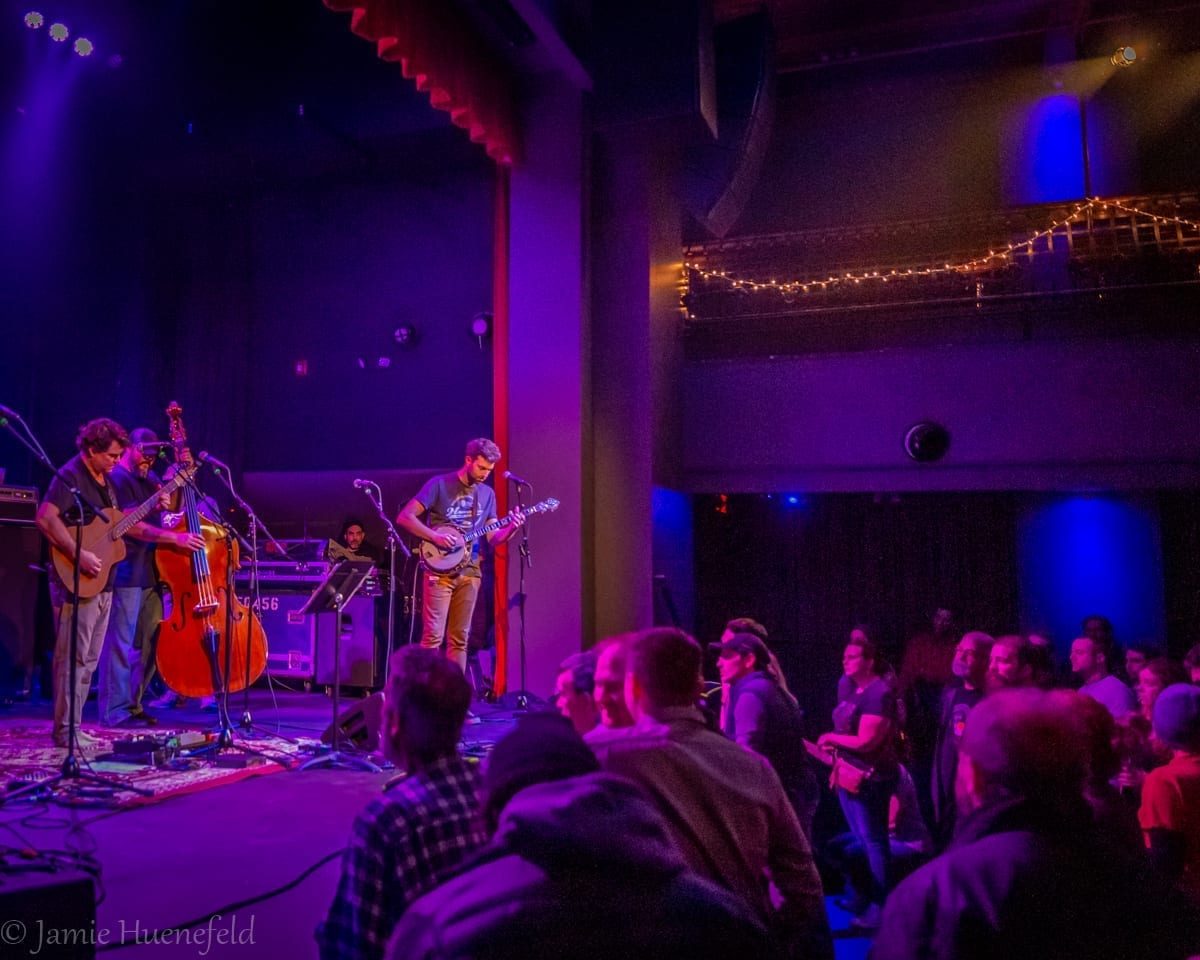
Blue: the color of emotion. Savage: a primitive ferocity. Put together, “Blue Savage” is an apt title for a song that juxtaposes emotive vocal styling with heavy, driving riffs. While the four-piece indie rock project Old Fame is brand new, the players are seasoned veterans of the regional music scene: Ben Armes (vocals / guitar), Evan Clark (guitar), Jay Asarese (bass), and Doug Kelley (drums).
“Blue Savage” will be featured on Old Fame’s debut self-titled EP due out January 7. The songs for Old Fame were engineered and mixed by Josh Pettinger, and mastered by Greg Thompson at Wicked Squid Studios.


 From Eminem’s “Without Me,” (two Buffalo gals go round the outside) to the longest-serving music venue, Nietzsche’s. Buffalo is home to a plethora of venues including hot-spots; Sportsmen’s Tavern, Town Ballroom, Colored Musicians Club, various boutique concert-series and Buffalo Musicians Hall Of Fame. The city is packed with music – from classical to jazz and, of course, our free-wheeling mashup jam-bands featured on this series. Buffalo is thriving.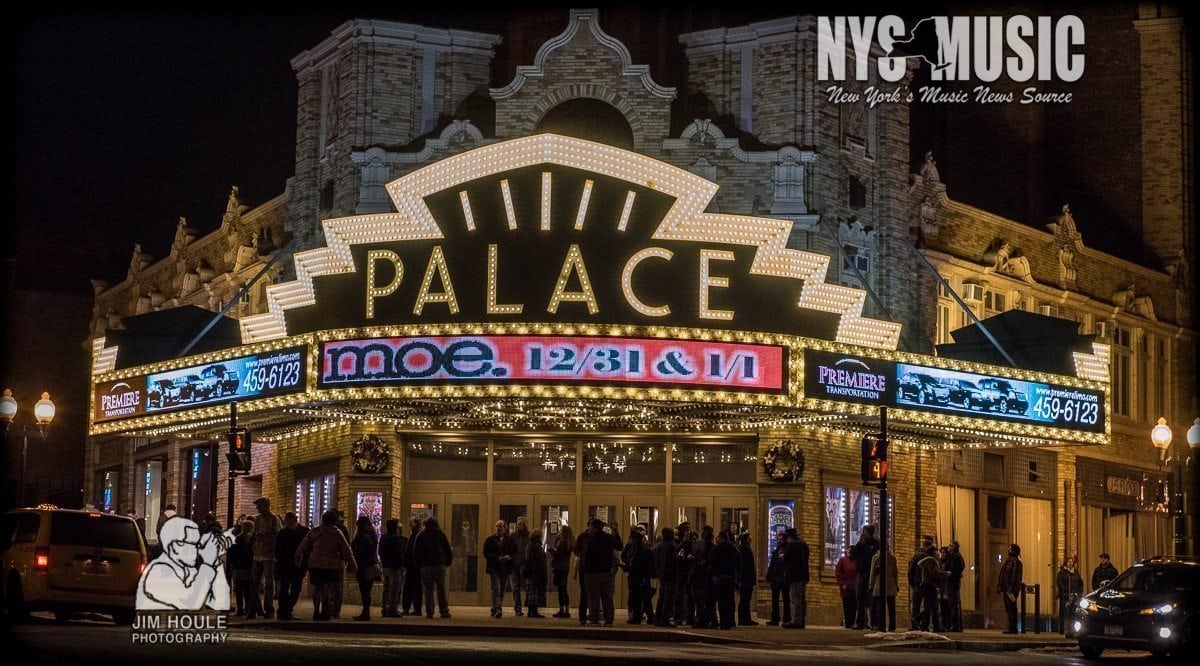
 Despite Port Chester having few votes for best music town, it’s evident the ones whom cast, placed their ballots for one reason: Capitol Theatre. Wedged between the southern tip of New York, Long Island, Connecticut and Northern Jersey, it is a jam-band magnet. The thriving seaport transforms when doors open and dead-heads roll into Garcia’s for a pre-celebratory drink. Shall we go? The Capitol Theatre is your gateway.


 MD: What’s on tap for 2019?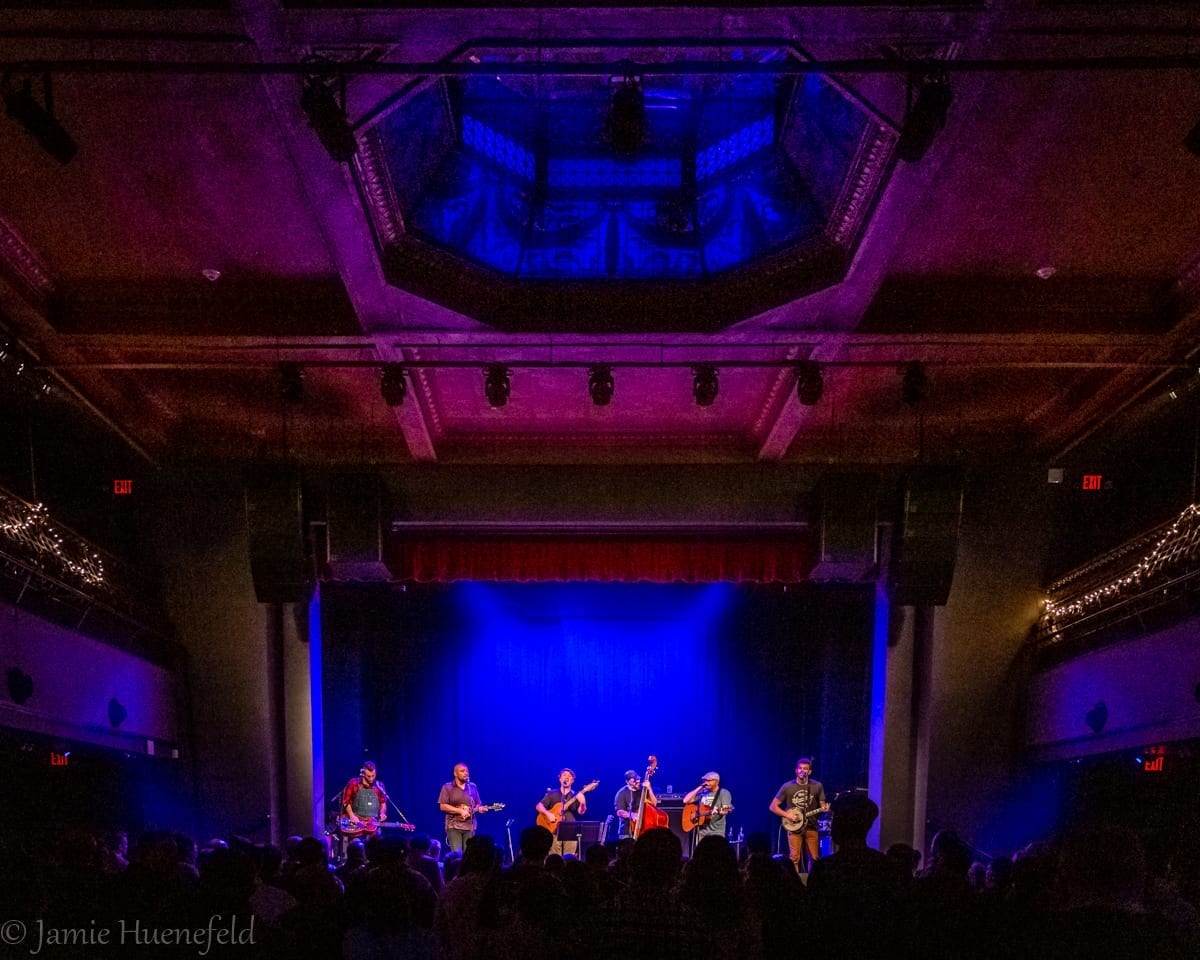







 “Blue Savage” will be featured on Old Fame’s debut self-titled EP due out January 7. The songs for Old Fame were engineered and mixed by Josh Pettinger, and mastered by Greg Thompson at