Category: New York Series

  • New York Series: Irving Berlin ‘God Bless America’

    Regardless of your political views, there is a general consensus among Americans that they love and support this great country and the ideals on which it was founded. Before nearly every sporting event, each person in attendance stands in solidarity and pays their respect to the flag and what it represents. They forget about their political positions for a brief moment and are silent as they listen to anyone from a pop singer to a youth choir give it everything they’ve got to deliver their most passionate ode to America.

    Depending on the game you’re attending, you’ll either hear “The National Anthem,” “God Bless America” or both songs sang as tribute to the men and women who serve in our military. Ironically, and unbeknownst to most in attendance, Irving Berlin’s 1918 patriotic song “God Bless America” was originally written as a “peace song” opposing the first world war, and later changed to a song in support of our troops.

    For a short time in the United States, nearly all published music came from a short group of blocks in the middle of Manhattan. The early 19th century saw a boom in songwriting and music publishing companies unlike the world had ever seen, and that area of New York was referred to as Tin Pan Alley.

    Songwriters from all over would swarm to the area to have a chance to write piano sheet music sold around the country or hits for Vaudeville or Broadway shows. The cream would rise to the crop and make a name for themselves, with no one more popular than Irving Berlin, a Russian immigrant who moved to the United States at the age of five.

    Tin Pan Alley in New York City, home to songwriters and music publishing companies
    Tin Pan Alley, then and now

    In 1918, while away from his piano in Manhattan and serving in the US Army at Camp Upton in Yaphank, NY, Irving wrote the first version of “God Bless America” in an attempt to write the perfect peaceful song that would help unite the world and inspire men to live in harmony, much like notable songwriters Bob Dylan and John Lennon years later. However, after a few versions, he decided that he wasn’t in love with the music and that peace songs were all that were flooding the market at the time, so he decided to put a pin in it for a while.

    Having come from Jewish descent and already living through one world war, in 1938, Irving decided take another look at “God Bless America” in response to Hitler’s unsettling rise in Europe.

    “I had to make one or two changes in the lyrics,” Irving said,” and they in turn led me to a slight change and improvement in the melody, one line in particular. The original ran: ‘Stand beside her and guide her to the right with a light from above.’ In 1918, the phrase ‘to the right’ had no political significance, as it has now. So, for obvious reasons, I changed the phrase to ‘Through the night with a light from above.’”

    Irving wrote the first version of "God Bless America" in an attempt to write the perfect peaceful song that would help unite the world and inspire men to live in harmony.
    Irving Berlin

    With the new revisions, the song took off instantly and was even hailed as the new national anthem to many. It was debuted to the public on Armistice Day in 1938 by Kate Smith on her radio show and was quickly spread around the country. In 1940, both Democrats and Republicans adopted the song as their theme, and the peaceful song was beginning to achieve exactly what Irving had intended – though it never did on a global level.

    Post-World War II, the song began to gain popularity at sporting events around the country. The trend originally started in Philadelphia at Philadelphia Flyers home games, often sung for good luck and to pay respect for the men and women who served in our country. It was also used at political rallies, schools and concerts across the country.

    Today “God Bless America” is not sang as wide spread at sporting events as it used to be, but the song is still heard on occasion to honor our troops. Some sporting teams will sing the song in place of “The National Anthem” and it is not uncommon for Canadian teams to also use the song in its place when honoring our country. The buildings in Tin Pan Alley where the song was full composed still exist today, however, they are no longer filled with clanking pianos and hopeful singers. There is currently a push to have some of the buildings on Tin Pan Alley preserved so the area is not built up like midtown, but as of recently no significant changes have been made from either side.

    ‘God Bless America’ Lyrics:

    God bless America
    Land that I love
    Stand beside her and guide her
    Thru the night with a light from above

    From the mountains, to the prairies
    To the oceans white with foam
    God bless America
    My home, sweet home
    God bless America
    My home, sweet home

  • New York Series: Jennifer Lopez ‘Jenny From The Block’

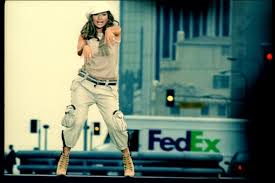
    The early 2000’s was an interesting time for popular music. The era of pop boy bands and girl groups was beginning to end and plenty of artists washed their hands of the scene and cashed out, leaving a gap for solo artists and emerging pop singers. Jennifer Lopez (J. Lo) is one artist who took advantage of the changing landscape and released a plethora of hits in a short time in the early 2000’s. If you weren’t living in a cave in 2002, the chances are at some point you had J. Lo’s infamous hit ‘Jenny From The Block’ stuck in your head. In the incredibly catchy pop tune, J. Lo explains to the public that although she may be rich and famous, she is still the same tough girl from the Bronx she always was.

    Before she was a famous TV actress on “In Living Color” or an international pop star, Jennifer Lopez lived a (more) simple life in a small apartment in the Puerto Rican Bronx neighborhood of Castle Hill with her parents and sisters. The low income neighborhood was dangerous at times and you often had to keep your guard up, which influenced Lopez to develop a skill set of “street smarts,” something she’s carried with her throughout her entire career.

    jennifer lopez

    Lopez wrote the 2002 hit ‘Jenny from the Block’ to inform the public that she was not just another pop star, but rather a relatable person who worked hard to get to where she was. She discusses her roots, how she is still truly just a neighborhood girl at heart, and focuses on the fact that she is a real person and not just some out of touch pop star. She feels attacked for her fame and fortune (“Nothin’ phony, don’t hate on me”), and as if people don’t respect her because she was able to get out of the vicious cycle of living in the low-income neighborhood she grew up in for the rest of her life.

    jenny from the blockAlthough Lopez may have nice rings (‘the rocks that I got’) and a large mansion, she still relates to people who live in the Bronx area in which she grew up. She feels it is important to constantly remind the listener of where she is from and uses the song to honor her origins. Many artists get big and never return to their hometown, or deny they are even from it in some cases, so by going the opposite route J. Lo separates herself from other pop stars and attempts to be more relatable. It gives young listeners hope that, although they may be from a bad area and the future looks bleak, there is a way to break out and follow your dreams.

    Although the Bronx neighborhood of Castle Hill got some good free press from the pop star, the area is still similar to the way J. Lo left it. There is a significant income gap from block to block, which sometimes causes tension among the residents and can create an unsafe environment. Although Lopez uses her music as a platform to discuss her roots, many residents of Castle Hill feel as though they are being exploited by her and that she does not do anything for the area other than sing about it. While she may not be doing as much as residents would like, there is no denying her story brings hope for anyone who wants to get out and follow their dreams just as J. Lo did.

    ‘Jenny From The Block’ Lyrics 

    Children grow and women producing
    Men go working
    Some go stealing
    Everyone’s got to make a living

    L O X
    J. Lo
    We off the block this year
    Went from a low to a lot this year
    Everybody mad at the rocks that I wear
    I know where I’m goin’ and I know where I’m from
    You hear LOX in the air
    Yea, we’re at the airport out DBlock
    Where everybody air-forced-out
    With a new white T.U. fresh
    Nothin’ phony with us, make the money, get the mansion, bring the homies with us

    Don’t be fooled by the rocks that I got
    I’m still, I’m still Jenny from the block
    Used to have a little, now I have a lot
    No matter where I go, I know where I came from (South-Side Bronx!)
    Don’t be fooled by the rocks that I got
    I’m still, I’m still Jenny from the block
    Used to have a little, now I have a lot
    No matter where I go, I know where I came from (South-Side Bronx!)

    From In Living Color to movie scripts
    To On the 6 to J. Lo to this headline clips
    I stayed grounded as the amounts roll in
    I’m real, I thought I told you
    I’m real, even on Oprah
    That’s just me
    Nothin phony, don’t hate on me
    What you get is what you see

    Don’t be fooled by the rocks that I got
    I’m still, I’m still Jenny from the block
    Used to have a little, now I have a lot
    No matter where I go, I know where I came from (South-Side Bronx!)
    Don’t be fooled by the rocks that I got
    I’m still, I’m still Jenny from the block
    Used to have a little, now I have a lot
    No matter where I go, I know where I came from (South-Side Bronx!)

    I’m down to earth like this
    Rockin this business
    I’ve grown up so much
    I’m in control and loving it
    Rumors got me laughing, kid
    Love my life and my public
    Put God first
    And can’t forget to stay real
    To me it’s like breathing

    Don’t be fooled by the rocks that I got
    I’m still, I’m still Jenny from the block
    Used to have a little, now I have a lot
    No matter where I go, I know where I came from (South-Side Bronx!)
    Don’t be fooled by the rocks that I got
    I’m still, I’m still Jenny from the block
    Used to have a little, now I have a lot
    No matter where I go, I know where I came from (South-Side Bronx!)

    It take hard work to cash checks
    So don’t be fooled by the rocks that I got they assets
    You get back what you put out
    Even if you take the good route
    Can’t count the hood out
    After a while, you know who to blend with
    Just keep it real with the ones came in with
    Best thing to do is stay low, LOX and J.Lo
    Act like they don’t, but they know
    They can’t get a penny from the block ,
    At the end of the day she’s still Jenny from the block.

    Don’t be fooled by the rocks that I got
    I’m still, I’m still Jenny from the block
    Used to have a little, now I have a lot
    No matter where I go, I know where I came from (South-Side Bronx!)
    Don’t be fooled by the rocks that I got
    I’m still, I’m still Jenny from the block
    Used to have a little, now I have a lot
    No matter where I go, I know where I came from (South-Side Bronx!)
    Don’t be fooled by the rocks that I got
    I’m still, I’m still Jenny from the block
    Used to have a little, now I have a lot
    No matter where I go, I know where I came from (South-Side Bronx!)
    Don’t be fooled by the rocks that I got
    I’m still, I’m still Jenny from the block
    Used to have a little, now I have a lot
    No matter where I go, I know where I came from (South-Side Bronx!)

  • New York Series: Tom Waits ‘Downtown Train’

    Despite how overwhelming it can be to outsiders, when it comes down to it, New York City is truly just a big small town. It’s comprised of hundreds of different neighborhoods which each have their own quirks and personalities, but they all blend together to form a magnificent sum of diversity and prosperity. You will never get to know everyone in the city, or even your neighborhood, but once you live in an area long enough you get to know a hodgepodge of people, which makes the city begin to feel small.

    You walk down the block and see the Chinese delivery guy that comes to your apartment twice a week, the butcher who you make friendly banter on the street with, and that same annoying bus driver who you know is out to get you (but you still can’t prove a thing.) Tom Waits’ 1985 track ‘Downtime Train’ paints a murky picture of the obscure way New York can box you in a world knowing everyone around, while at the same time leaving you feeling lonesome and alienated.

    Downtown Train’ provides an intimate look at the torment a person goes through when they are continuously hoping to run into someone they are madly in love with, but end up seeing everyone they know besides that person. On his local train to Brooklyn, the narrator constantly sees the same faces; all people he knows, but doesn’t care to see. He knows exactly how the Brooklyn girls act, who they are, and what their goal for the night is, but wants nothing to do with them. He notices that they all seem to want to break out of their little circles, but are all afraid to. Although they have the entire city at their disposal, giving them chances to meet new people and experience new things, they choose not to, and for that the narrator wants nothing to do with them.

    The narrator is searching for someone different; someone he doesn’t see every night because they are out savoring new experiences and living life to the fullest. He hopes he will see them on the train each night, rather than all the regulars, but knows that the chances are slim because the person he is looking for doesn’t have a routine. Despite knowing everyone on the train, he feels incredibly isolated. He is stuck living the same night over and over again, hoping for something new, but nothing new ever happens. In many ways he is just like all the other people on the train, but by acknowledging his situation he is saddened by it, while those who are ignorant to it tend to live happier lives.

    Although Waits never made ‘Downtown Train’ a commercial success himself, the song drew interest from other artists who saw the creative value in the song. Patty Smyth’s 1987 version reached #95 on the Billboard Hot 100, and Rod Steward brought the song into the spotlight with his 1989 cover of the song which peaked at #3 on the Billboard Hot 100 list. It just goes to show, that even if you know everyone around you, it’s not uncommon to feel completely alone.

     ‘Downtown Train’ Lyrics:

    Outside another yellow moon
    Has punched a hole in the nighttime, yes
    I climb through the window and down the street
    I’m shining like a new dime
    The downtown trains are full
    With all those Brooklyn girls
    They try so hard to break out of their little worlds

    Well, you wave your hand and they scatter like crows
    They have nothing that will ever capture your heart
    They’re just thorns without the rose
    Be careful of them in the dark
    Oh if I was the one
    You chose to be your only one
    Oh baby can’t you hear me now, can’t you hear me now?

    Will I see you tonight
    On a downtown train?
    Every night it’s just the same
    You leave me lonely, now

    I know your window and I know it’s late
    I know your stairs and your doorway
    I walk down your street and past your gate
    I stand by the light at the four-way
    You watch them as the fall
    Oh baby, they all have heart attacks
    They stay at the carnival
    But they’ll never win you back

    Will I see you tonight
    On a downtown train?
    Every night it’s just the same
    Oh, baby

    Will I see you tonight
    On a downtown train?
    All of my dreams just fall like rain
    Oh, baby, on a downtown train

    Will I see you tonight
    On a downtown train?
    Every night, every night it’s just the same
    Oh, baby

    Will I see you tonight
    On a downtown train?
    All of my dreams just fall like rain
    Well, on a downtown train

    Well, on a downtown train
    Well, on a downtown train
    Well, on a downtown train
    On a downtown train

  • New York Series: Bayside ‘Montauk’

    The air gets warmer, the sun sets later, and lines begin to form around the blocks of the Italian Ice shops that were boarded up all winter: summer is around the corner. There is something special about the transition from spring to summer that seems to put a smile everyone’s face and gives people hope for what is to come. While there is always reason to be optimistic about the summer fun you’ll have and the love you might find along the way, it is also important to avoid blindly believing everything is going to turn out the way you planned it in your head. Bayside’s “Montauk” provides a cautionary look at the darker side to the end of a summer fling, and proclaims a warning to what might happen if you get too involved with someone who you know you may never see again.

    The punk band Bayside has deep roots in New York (they are named after the Queens neighborhood where they formed), so it is not out of place that they wrote a song dedicated to one of the state’s most famous vacation getaways. When most people think of Montauk they often have wonderful memories of their time on the beach, eating lobster with their families, or visiting the Montauk lighthouse. However, when Bayside wrote “Montauk,” they made a conscious decision to avoid all of the pleasant memories they might have had and took a more negative, yet humbling, approach to writing about the seaside town. They wanted to remind people that unfortunate circumstances can occur in amazing places, and sometimes saying goodbye is the hardest part of life.

    Bayside Montauk“Montauk” tells the story of losing a love at summer’s end. The narrator had to say goodbye to a lover he ended up caring about more than he originally intended. Even though he knew the fling would end once the leaves began to change, he didn’t think it would hurt so much when the relationship actually ended. He knew the consequences to falling in love with someone in such a short amount of time together but he took the risk anyway. The narrator is filled with angst, misery and fear that he will never love again, and an even worse fear that he will regret losing his lover for the rest of his life. While anyone who has had their heart broken knows that in time it is possible to love again, the song provides a rational warning not to get too involved with someone you realistically may never see again after such a short period of time.

    Although it has never been confirmed, many fans believe “Montauk” was inspired by the movie Eternal Sunshine of the Spotless Mind (Jim Carrey, Kate Winslet) in which a painful breakup leads to a young couple undergoing a controversial medical procedure to have their memories wiped to forget it all. The movie takes place, in part, on Long Island and Montauk is where the two lovers always plan to meet, much like the lovers in Bayside’s “Montauk.”

    While “Montauk” may provide a cautionary measure about what could happen at the end of a summer fling, it is just that: cautionary. Sometimes it’s worth it to take the risk with someone, even if you don’t think you’ll ever see them again. If you find someone who made you happy, even if they left your life forever after a couple of months, it is important to learn from the past and remember how hard it was to end things; but it’s equally as important to appreciate the joy you once felt.

    ‘Montauk’ Lyrics: 

    It’s getting cold
    Thought it was too soon to tell but it was terribly old and as the heartbeat slows to a heartless crawl
    The lights went out,
    The lights went out and darkness filled the house on tiring night under a Long Island sky
    I thought I’d known the consequence,
    But sweetness,
    Can you believe this?
    This mess we’ve made of it
    This mess we’ve made of it
    In years to come it might make sense,
    But sweetness,
    Can you believe this?
    Just what’s become of it?
    What’s become of it?
    If you hear this and you think you’re ready,
    Then meet me in Montauk where we’ll write out in the sand,
    “Here lies the destiny of two hurt souls afraid to be cured again.”
    That could be our epitaph
    I thought I’d known the consequence,
    But sweetness,
    Can you believe this?
    This mess we’ve made of it
    This mess we’ve made of it
    In years to come it might make sense,
    But sweetness,
    Can you believe this?
    Just what’s become of it?
    What’s become of it?
    I thought I’d known the consequence,
    But sweetness,
    Can you believe this?
    This mess we’ve made of it
    This mess we’ve made of it
    In years to come it might make sense,
    But sweetness,
    Did you foresee this?
    Just what’s become of us?
    What’s become of us?
  • New York Series: Steely Dan ‘My Old School’

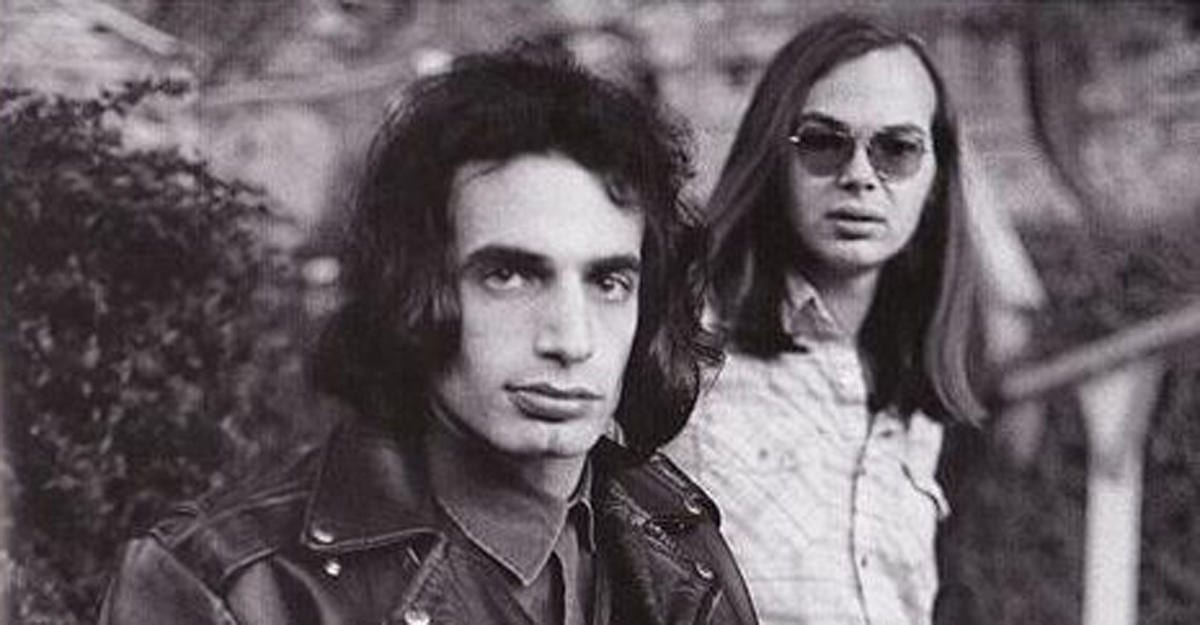
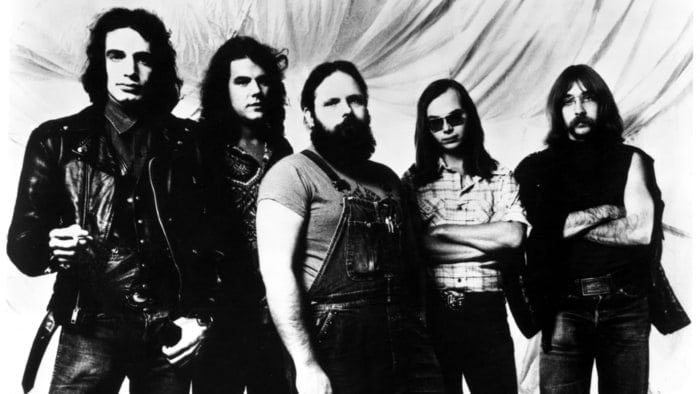
    While most people typically have fond memories of their college years, there are always incidents you look back on that left a bad taste in your mouth. Maybe it was that horrible breakup with your first “true” love, the time you had to repeat a class because a professor wouldn’t give you that .05 bump in your GPA, or the night you got arrested for what you thought was legally swimming in the pool of your friend’s apartment complex at 5 a.m. For Steely Dan founding members Walter Becker and Donald Fagen, the black stain left on their memories of Bard College occurred on a night in May when a swarm of sheriff’s deputies swept through the campus and arrested the two, as well as 50 other students, for marijuana possession. The incident was immortalized in the 1973 single “My Old School.”

    Becker and Fagen met at Bard College in the Hudson Valley hamlet of Annandale, NY in 1967, and bonded over their shared love of jazz, dark comedy, science fiction, and Kurt Vonnegut. Their songwriting collaborations began as somewhat of a gag; writing silly little tunes on an upright piano in a small room of the lobby of Ward Manor, an old mansion on the Hudson River that the college converted to a dorm. As they played together more, they became more serious about their craft and eventually evolved into the perfectionist jazz rock powerhouse they have since been known for.

    Steely Dan

    In the late 1960’s and early 1970’s Bard College was a very hip place to be with stars like the Rolling Stones, Bob Dylan, and Bobby Neuwirth showing up at random. If you were lucky enough to be around the area during the late 1960’s you might have even caught Becker and Fagen playing with drummer and fellow Bard Student Chevy Chase at a local house party. Although the college was known for its free spirited student body, the police in the area did not see eye to eye on many of their habits. On a Thursday at 5 a.m. they devised a raid of one of the dorms in an attempt to catch the students off guard, and went on a drug bust spree.

    “These were the days when there was a ‘war on longhairs,’ as they used to call it,” Fagen said, “and Bard’s in this kind of rural district. They picked up about 50 kids just at random. There were a few warrants, and one was for me, which was based totally on false testimony. They handcuffed our hands behind our backs and put us in a paddy wagon and took us off to the Dutchess County Jail. They took all of the boys, about 35 of us, most with really long hair, and shaved our heads. I remember some of them were crying. I don’t think any of them had seen their head for three or four years. It didn’t make that much difference to me. But it was scary, you know? To hear the cell-block door slam shut, the whole business with the handcuffs and the paddy wagon. I’d never been arrested or put in jail before.”

    Steely Dan

    Becker and Fagen express their point of view of the incident and their reflection years later in the song “My Old School,” where they lash out at the school for the way they were treated. They say they’ll only return to the school if “California tumbles into the sea,” and end the song with a very direct “I’m never going back to my old school.” While that lasted a prolonged sixteen years, Fagen returned 16 years later in 1985 to accept an honorary doctorate from the school. Becker also stated that the song shouldn’t be taken literally and insisted that he never viewed it as an angry-sounding song, but rather a funny song. 

    Today Bard College is still an incredibly liberal college, and it’s campus overlooking the Hudson River and Catskill Mountains makes it an ideal place to go to school. The college also hosts two acclaimed annual arts festivals, Bard SummerScape, and the Bard Music Festival, and you would not be remiss to, somewhat ironically, hear “My Old School” while taking a leisurely stroll across the campus.

    https://www.youtube.com/watch?v=kgWWliZHjtI

    ‘My Old School’ Lyrics:

    I remember the thirty-five sweet goodbyes
    When you put me on the Wolverine up to Annandale
    It was still September
    When your daddy was quite surprised
    To find you with the working girls in the county jail
    I was smoking with the boys upstairs when I
    Heard about the whole affair, I said oh no
    William and Mary won’t do

    Well, I did not think the girl
    Could be so cruel
    And I’m never going back
    To my old school

    Oleanders growing outside her door
    Soon they’re gonna be in bloom up in Annandale
    I can’t stand her
    Doing what she did before
    Living like a gypsy queen in a fairy tale
    Well, I hear the whistle but I can’t go, I’m gonna
    Take her down to Mexico, she said oh no
    Guadalajara won’t do

    Well, I did not think the girl
    Could be so cruel
    And I’m never going back
    To my old school

    California tumbles into the sea
    That’ll be the day I go back to Annandale
    Tried to warn you
    About Chino and Daddy Gee
    But I can’t seem to get to you through the U.S. Mail
    Well I hear the whistle but I can’t go, I’m gonna
    Take her down to Mexico, she said oh no
    Guadalajara won’t do

    Well, I did not think the girl
    Could be so cruel
    And I’m never going back
    To my old school

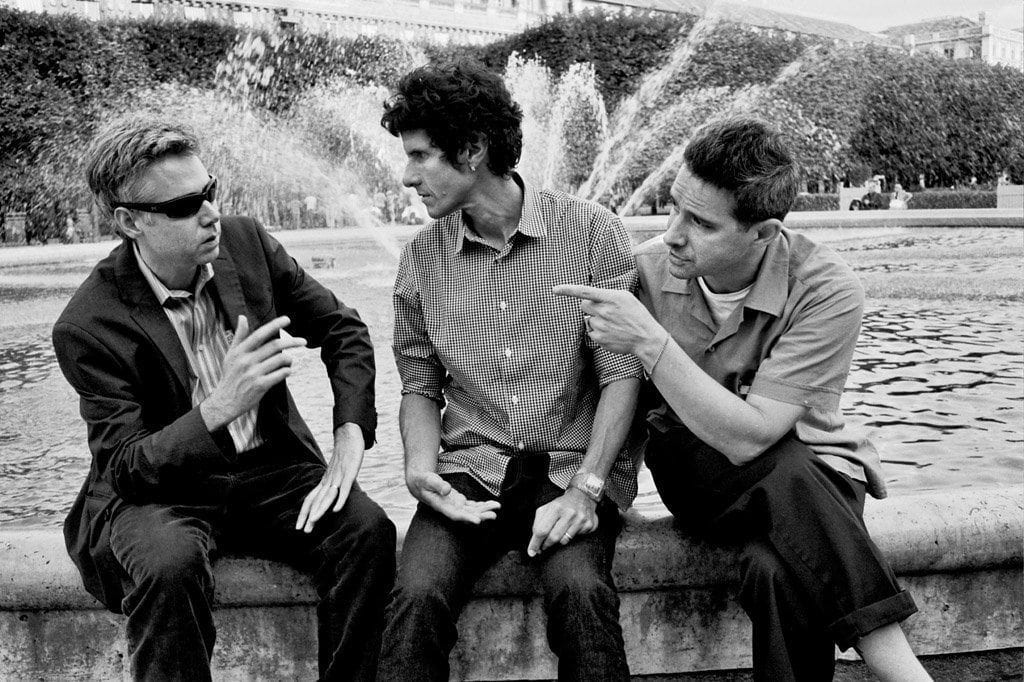
  • New York Series: The Beastie Boys ‘An Open Letter to NYC’

    Despite how tiring and overwhelming New York can be sometimes, one of the glaring strengths of character which nearly every New Yorker possesses is their resilience. New Yorkers are generally filled with integrity and pride, and if something knocks them back they rarely stay down for long. Whatever problems New Yorkers may have with each other are quickly tossed aside when something drastic happens which forces them to bond together and defend their communal way of life. In ‘An Open Letter to NYC,’ the Beastie Boys draw inspiration from the unlikely alliance of New Yorkers after a time of crisis to demonstrate just how strong the city is.

    An Open Letter to NYC’ was written as a tribute to the city following the 9/11/2001 terrorist attacks and is written as a love letter of sorts to the melting pot of cultures that came together to defend the city the Beastie Boys call home. Unlike other songs which may only focus on a single borough, ‘An Open Letter to NYC’ makes it a point to reference each of the five boroughs, as they are all unique. The clash of cultures throughout different neighborhoods is what brings strength to the city, and makes it so different from every other place in the world.

    The song describes the different heritages of people which make up the city, from Asian and Middle-Eastern to Latin and Black, and explains how no matter where you may be from, everyone is still the same. The overall message of the song is about how the cities’ fortitude comes from diversity, and that no matter what happens we are unified as a whole. Regardless of where you live or your occupation, if you live in New York you are part of something bigger.

    The lyrics to “An Open Letter to NYC” are overwhelmingly positive, and come from a group of artists who know the city better than anyone. They know that no matter what happens New York will bounce back, but that doesn’t mean they can’t help by giving people a little nudge in the right direction. The song channels the feelings of togetherness which many New Yorkers felt following the 9/11 terrorist attacks, and told the world that not matter what happens, we are strong.

    “An Open Letter to NYC” should follow “Fight for Your Right,” “So What’cha Want” and “Sabotage” into the Beastie Boys’ hall of slang as anthems defining a moment in hip-hop history. Running on the rails of a bubbling keyboard, [this track] is a stylized shout-out to New York City, from Battery Park to Brooklyn. It may be the next phase in the post-9/11 healing process. Where Bruce Springsteen’s “The Rising” was about recovering from wounds, the Beastie Boys’ lyrics are about rising from the flames. There is little dark imagery, just a call for unity and Big Apple pride” – Michael D. ClarkHouston Chronicle, 2004

    ‘An Open Letter to NYC’ Lyrics:

    Brooklyn, Bronx, Queens and Staten
    From the Battery to the top of Manhattan
    Asian, Middle-Eastern and Latin
    Black, White, New York you make it happen
    Brownstones, water towers, trees, skyscrapers
    Writers, prize fighters and Wall Street traders
    We come together on the subway cars
    Diversity unified, whoever you are
    We’re doing fine on the One and Nine line
    On the L we’re doin’ swell
    On the number Ten bus we fight and fuss
    You know we’re thorough in the boroughs ’cause that’s a must
    I remember when the Duece was all porno flicks
    Running home after school to play PIX
    At lunch I’d go to Blimpies down on Montague Street
    And hit the Fulton Street Mall for the sneakers on my feet
    Dear New York I hope you’re doing well
    I know a lot’s happened and you’ve been through hell
    So, we give thanks for providing a home
    Through your gates at Ellis Island we passed in droves
    Brooklyn, Bronx, Queens and Staten
    From the Battery to the top of Manhattan
    Asian, Middle-Eastern and Latin
    Black, White, New York you make it happen
    The L.I.E. the B.Q.E
    Hippies at the band shell with the L.S.D.
    Get my BVDs from VIM
    You know I’m reppin’ Manhattan the best I can
    Stopped off at Bleeker Bob’s, got thrown out
    Sneakin’ in at four am after going out
    You didn’t rob me in the park at Dianna Ross
    But everybody started looting when the light went off
    From the South South Bronx on out to Queens Bridge
    From Hollis Queens right down to Bay Ridge
    From Castle Hill to the Lower East Side
    From ten-ten WINS to Live At Five
    Dear New York, this is a love letter
    To you and how you brought us together
    We can’t say enough about all you do
    ‘Cause in the city we’re ourselves and electric too
    Brooklyn, Bronx, Queens and Staten
    From the Battery to the top of Manhattan
    Asian, Middle-Eastern and Latin
    Black, White, New York you make it happen
    Shout out the South Bronx where my mom hails from
    Right next to High Bridge across from Harlem
    To the Grand Concourse where my mom and dad met
    Before they moved on down to the Upper West
    I see you’re still strong after all that’s gone on
    Lifelong, we dedicate this song
    Just a little something to show some respect
    To the city that blends and mends and tests
    Since 9-11 we’re still livin’
    And lovin’ life we’ve been given
    Ain’t nothing gonna take that away from us
    We lookin’ pretty and gritty ’cause in the city we trust
    Dear New York I know a lot has changed
    Two towers down but you’re still in the game
    Home to the many, rejecting no-one
    Accepting peoples of all places, wherever they’re from
    Brooklyn, Bronx, Queens and Staten
    From the Battery to the top of Manhattan
    Asian, Middle-Eastern and Latin
    Black, White, New York you make it happen
    Brooklyn, Bronx, Queens and Staten
    From the Battery to the top of Manhattan
    Asian, Middle-Eastern and Latin
    Black, White, New York, we make it happen
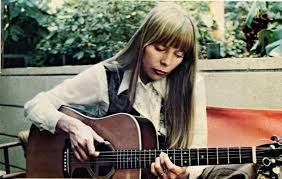
  • New York Series: Joni Mitchell ‘Woodstock’

    Woodstock. If you’re not from the Hudson Valley, chances are when you hear that name, you have a similar thought as everyone else: a monumental music festival that took place over three days with a bunch of hippies on some farm in upstate New York that changed the world as we know it. Everyone has a story about their dad’s friend who stayed around for Hendrix’s famous Monday morning set, or their uncle who abandoned their car on Route 17B and walked six miles through Bethel to make it to the free-love oasis. Ironically, the most popular song written about the festival, “Woodstock,” was also written via hearsay and stories from friends by folk singer/songwriter Joni Mitchell, who spent the weekend watching the festival unfold on television as just another fan in a New York apartment.

    https://www.youtube.com/watch?v=cRjQCvfcXn0

    Despite being scheduled to appear at Woodstock, Mitchell cancelled her performance last minute on the advice of her agent, David Geffen, out of fear that she would not make it back to New York in time for her television appearance on The Dick Cavett Show. Watching the television coverage and hearing stories from her then boyfriend, Graham Nash, had such a profound impact on Mitchell that she wrote the ‘60s anthem within a few weeks of the festival and debuted it live at the Celebration of Big Sur festival the following September. Since then, it has been covered by countless artists, including her ex-boyfriend in his folk-rock supergroup Crosby, Stills, Nash, and Young

    “Woodstock” tells the story of a narrator who encounters a boy on his way to the festival at Max Yasgur’s farm in Bethel (not Woodstock as originally intended) who explains to her that he is going not only for the music, but also to live off the land and cleanse his soul. She joins him on his journey because she too feels the need for a spiritual awakening and wants to get away from the rigid life she is living. By the time they arrive at the festival, it is in full swing, and even better than what they had hoped. They find a fantastic celebration, and the idea of hope in a time when the world was so unstable.

    What inspired Mitchell the most about the event was the fact that people could be so good to each other and coexist without any issues, even if just for a few days. In a 1995 interview, Mitchell said:

    “The deprivation of not being able to go provided me with an intense angle on Woodstock. I was one of the fans. I was put in the position of being a kid who couldn’t make it. So I was glued to the media. And, at the time, I was going through a kind of born again Christian trip – not that I went to any church, I’d given up Christianity at an early age in Sunday school. But suddenly, as performers, we were in the position of having so many people look to us for leadership, and for some unknown reason, I took it seriously and decided I needed a guide and leaned on God. …So I was a little ‘God mad’ at the time, for lack of a better term, and I had been saying to myself, ‘Where are the modern miracles? Where are the modern miracles?’ Woodstock, for some reason, impressed me as being a modern miracle, like a modern day fishes-and-loaves story. For a herd of people that large to cooperate so well, it was pretty remarkable and there was tremendous optimism. So I wrote the song ‘Woodstock’ out of these feelings…”

    Joni Mitchell

    The giving nature and comradery of Woodstock began before the festivities even started, however, when the original site of the festival in Woodstock, NY fell through. Just weeks before it was planned to take place, dairy farmer Max Yasgur offered up his farm in Bethel, NY as site of the festival, anticipating around 40,000 attendants. When it was all said and done, more than 400,000 people attended the festival, making Yasgur a counterculture hero to all those in attendance and countless others.

    joni mitchell
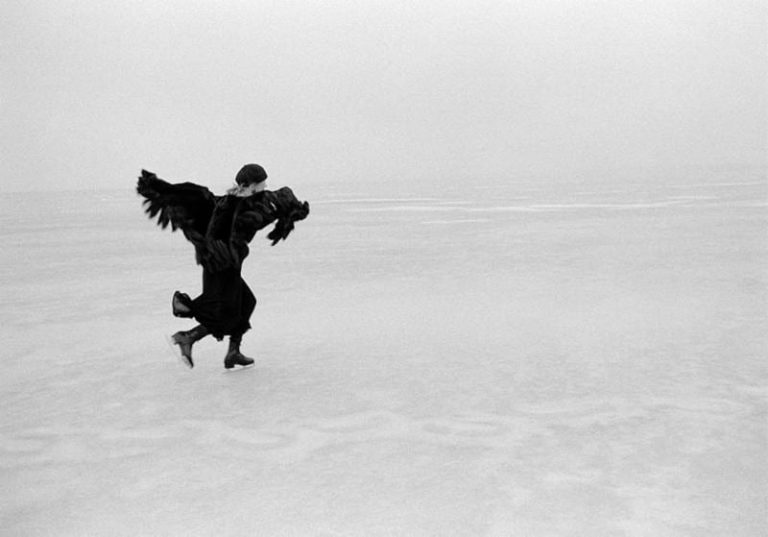
    Joni Mitchell, Lake Mendota, NY, gatefold Hejira album, 1976 © Joel Bernstein

    The 1969 Woodstock festival put the town Bethel on the map, although many locals were not too excited about the new exposure at the time. Many of his neighbors were against the festival from the get-go and pushed to boycott Yasgur’s milk for years afterwards. However, nearly 50 years later, the site of the festival has only become more famous. Today the Bethel Woods Center for the Arts, a cultural non-profit that hosts concerts and events, exists on the site of Yasgur’s farm and has become a major stop for nationally touring artists. It was added to the National Registry of Historic Places by Governor Andrew Cuomo in 2017 who called the festival “a pivotal moment in both New York and American history.”  There have even been talks about a Woodstock 50th anniversary festival being held at the site in the summer of 2019, but only time will tell if if it can summon the same magic that made the 1969 Woodstock festival so historic.

    ‘Woodstock’ Lyrics:

    I came upon a child of God
    He was walking along the road
    And I asked him where are you going
    And this he told me
    I’m going on down to Yasgur’s farm *
    I’m going to join in a rock ‘n’ roll band
    I’m going to camp out on the land
    I’m going to try an’ get my soul free

    We are stardust
    We are golden
    And we’ve got to get ourselves
    Back to the garden

    Then can I walk beside you
    I have come here to lose the smog
    And I feel to be a cog in something turning
    Well maybe it is just the time of year
    Or maybe it’s the time of man
    I don’t know who I am
    But you know life is for learning

    We are stardust
    We are golden
    And we’ve got to get ourselves
    Back to the garden

    By the time we got to Woodstock
    We were half a million strong
    And everywhere there was song and celebration
    And I dreamed I saw the bombers
    Riding shotgun in the sky
    And they were turning into butterflies
    Above our nation

    We are stardust
    Billion year old carbon
    We are golden
    Caught in the devil’s bargain
    And we’ve got to get ourselves
    back to the garden

  • New York Series: Paul Simon ‘Me and Julio Down by the Schoolyard’

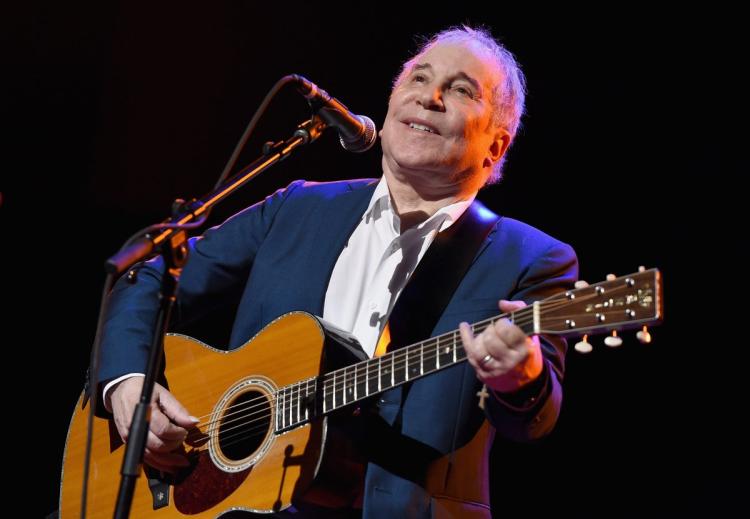
    When pop icon Paul Simon split from the famous folk duo Simon and Garfunkel in 1970, the future was foggy for the young singer. He briefly stepped away from the hectic pop world to figure out where he wanted to go next with his musical career. For two years he spent his time teaching songwriting classes at New York University, travelling around the country to record demos and searching for inspiration in genres of music with which he was not very familiar. After some much needed soul searching, in January 1972, Simon released his first solo album in the US, Paul Simon. The album looks at many of the issues Simon was going through at the time, ranging from his fading adolescence to increased drug use. The second single off the album, “Me and Julio Down by the Schoolyard,” is inspired Simon’s whimsical childhood in Queens, and was written as a vague, yet playful, reflection of growing up during an era of change.

    paul simon me and julio down by the schoolyard

    Over the course of his childhood in Kew Garden Hills in Queens, NY, Simon saw his small Jewish community grow into a more diverse neighborhood featuring many different cultures and ethnicities. Many believe the name “Julio” (then controversial for a white artist to write a song featuring a Latino name) is used in this song to highlight the increasing diversity in Queens, and the obscure use of Brazilian percussion techniques often used in samba music only further support this theory.

    In addition to Simon’s own neighborhood changing during the ’60s, the entire country was going through an intense shift which furthered the gap between the political left and right.  When asked what the crime committed in the song that made mama pajama so distraught was, Simon was very vague with his answer. In a 1972 interview he said:

    “I have no idea what it is. Something sexual is what I imagine, but when I say ‘something,’ I never bothered to figure out what it was. Didn’t make any difference to me. I like the line about the radical priest–I think that’s funny to have in a song.”

    paul simon

    While the crime may in fact be something sexual, many fans theorize that it could also be referencing something illegal pertaining to drugs, political activism, or is somehow racially motivated. With the influx of political movements occurring during the 1960s, any one of those theories could essentially be accurate with regards to the story. All we know from the narrator is that the crime committed was illegal at the time, and controversial to the point where a radical priest questions its morality on a national level. Because of their actions, the narrator and Julio will never view the world on such a small scale again and must say goodbye to local heroes, such as Rosie the Queen of Corona (Corona Park is close to where Simon grew up in Queens), and they are also forced to say goodbye to their adolescent bubble.

    Since the release of “Me and Julio Down by the Schoolyard,” the Kew Garden Hills neighborhood Simon grew up in has seen many different changes in terms of demographics. It is still an ethnically diverse neighborhood with Jewish roots which has seen a recent influx of Korean immigrants inhabiting the neighborhood. As many things change, some things will always stay the same, such as the ambiguity of this song. If Simon were to rewrite the song today, it might even be titled “Me and Do-Won Down by the Schoolyard.”

    ‘Me and Julio Down by the Schoolyard’ Lyrics:

    The mama pajama rolled out of bed
    And she ran to the police station
    When the papa found out he began to shout
    And he started the investigation

    It’s against the law
    It was against the law
    What the mama saw
    It was against the law

    The mama looked down and spit on the ground
    Every time my name gets mentioned
    The papa said, “oy, if I get that boy
    I’m gonna stick him in the house of detention”

    Well I’m on my way
    I don’t know where I’m going
    I’m on my way
    I’m taking my time
    But I don’t know where
    Goodbye to Rosie, the queen of Corona

    Seein’ me and Julio
    Down by the schoolyard
    Seein’ me and Julio
    Down by the schoolyard

    Whoa, in a couple days they come and take me away
    But the press let the story leak
    And when the radical priest
    Come to get me released
    We was all on the cover of Newsweek

    And I’m on my way
    I don’t know where I’m going
    I’m on my way
    I’m taking my time
    But I don’t know where
    Goodbye to Rosie, the queen of Corona

    Seein’ me and Julio
    Down by the schoolyard
    Seein’ me and Julio
    Down by the schoolyard
    Seein’ me and Julio
    Down by the schoolyard

Built in Breakdance